Hello Dear Reader. I know you are an astute fellow, and that you never miss a trick. You will have noticed me talking about the Nikon FE. I will share something with you. I actually bought one at the end of last year from my HR director, but wanted to have the right time and places to start using it. One can’t rush this kind of thing.
Some of you might even say, “I thought you were a Fuji guy, or a Canon guy, or even a Pentax guy.” I hate to disappoint all those of you attached to a particular brand, but I am above all “a guy.” Mind you, this was my first venture into Nikon-world. Not a Nikon D something…. I went slightly more old school as I have been known to go before.
Why the FE and not the FE2, or even F3? The guy was selling an FE, that is why. Now that is out of the way, let’s have a look at this camera. First and foremost, it’s a really sexy camera reminiscent of those used in the 60’s by National Geographic photographers. It’s not, but that’s by the by. It actually came out in 1978. Secondly, this particular one was in full working order, always a plus; the price was fair for the camera’s excellent condition. I may be a collectionneur, but a camera is there to be used. Did I say it was a very sexy camera? I did. Oh good.
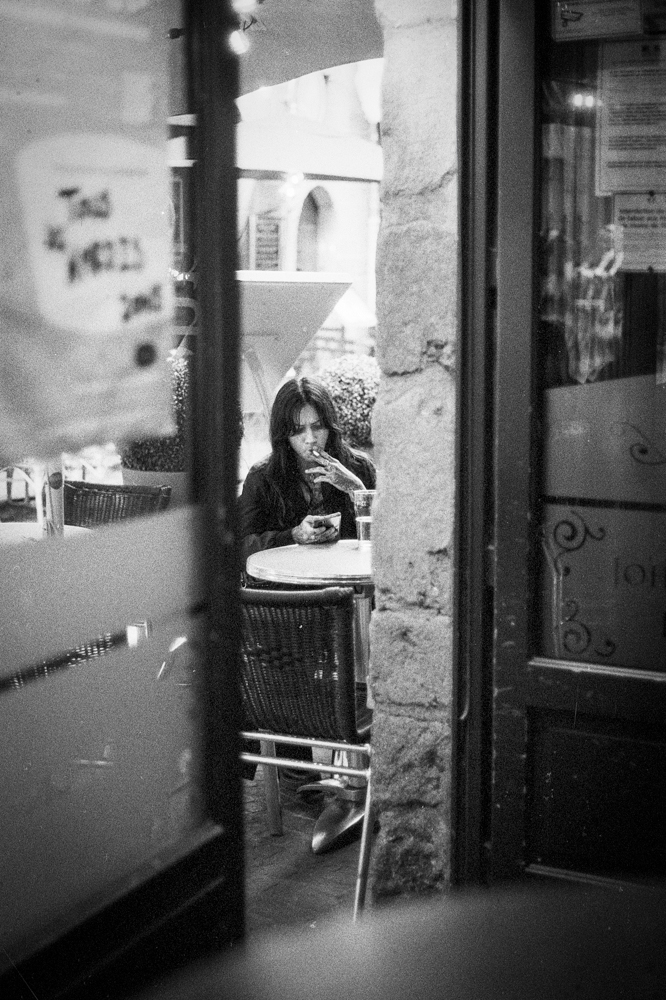
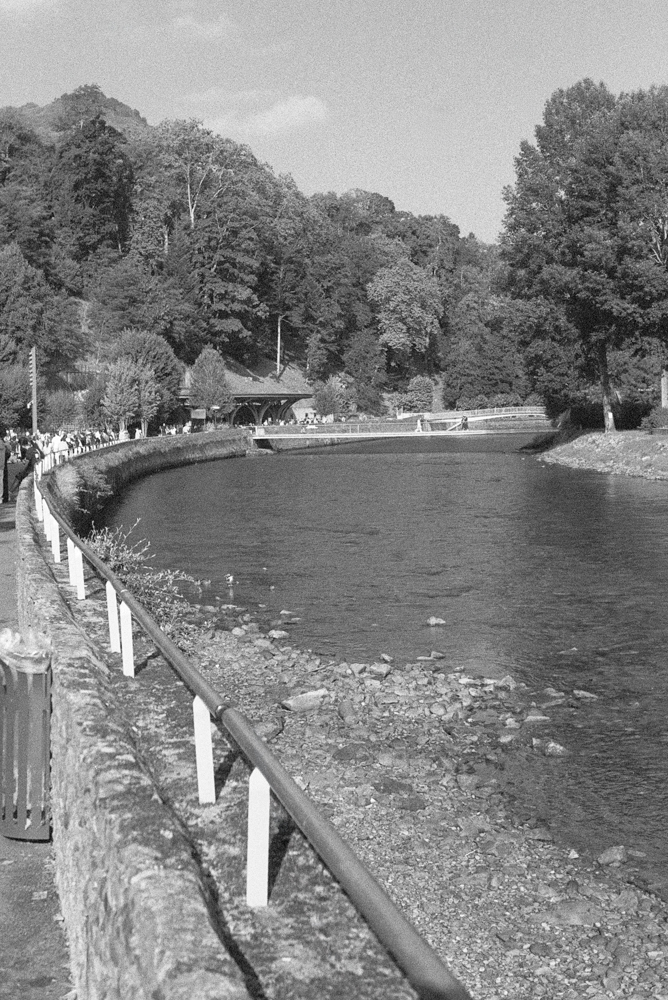
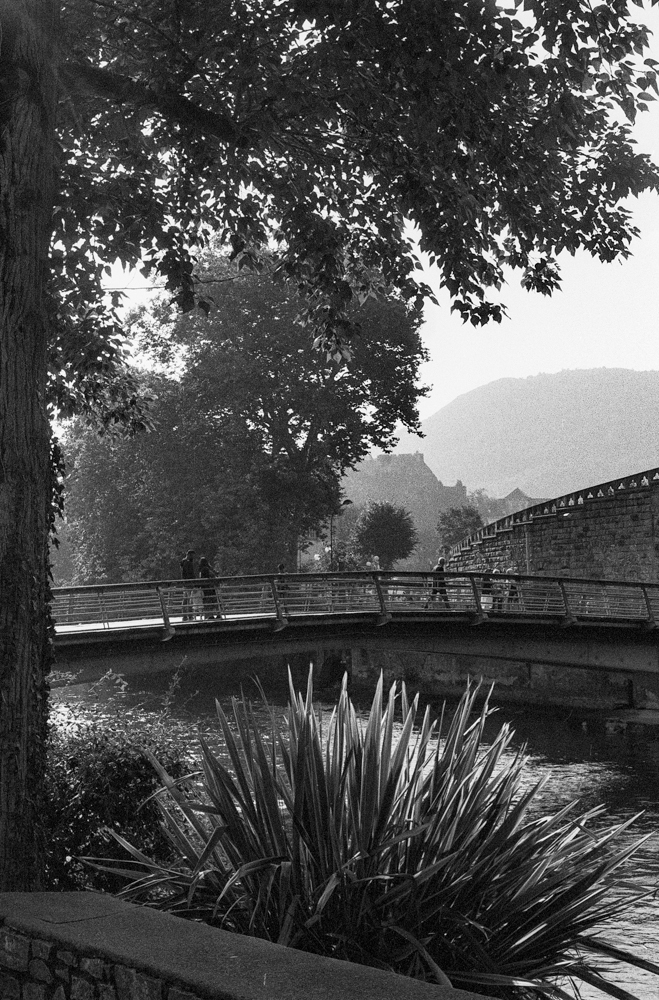
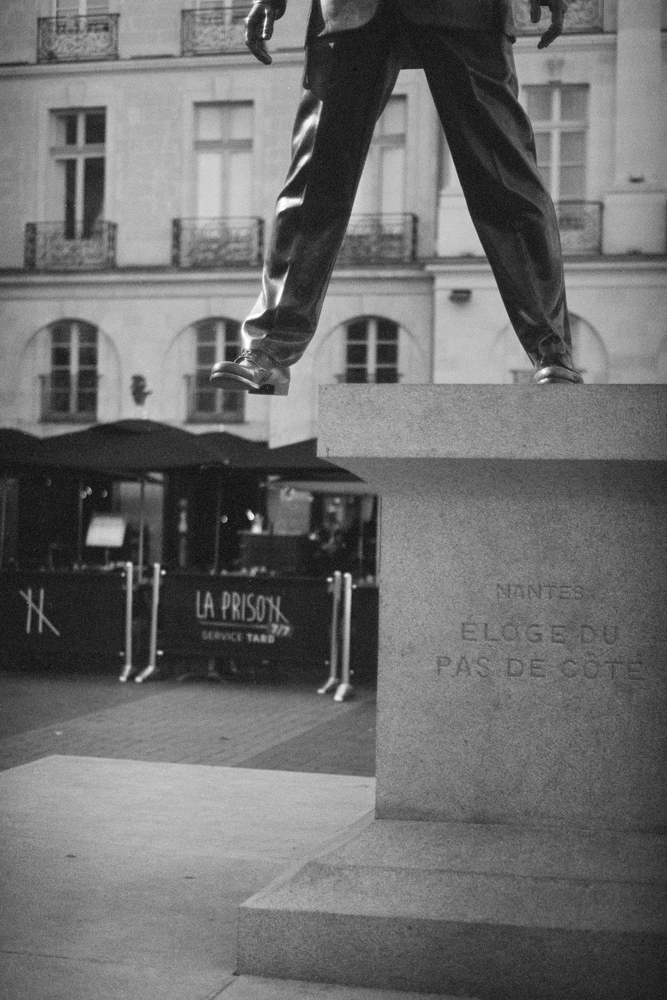
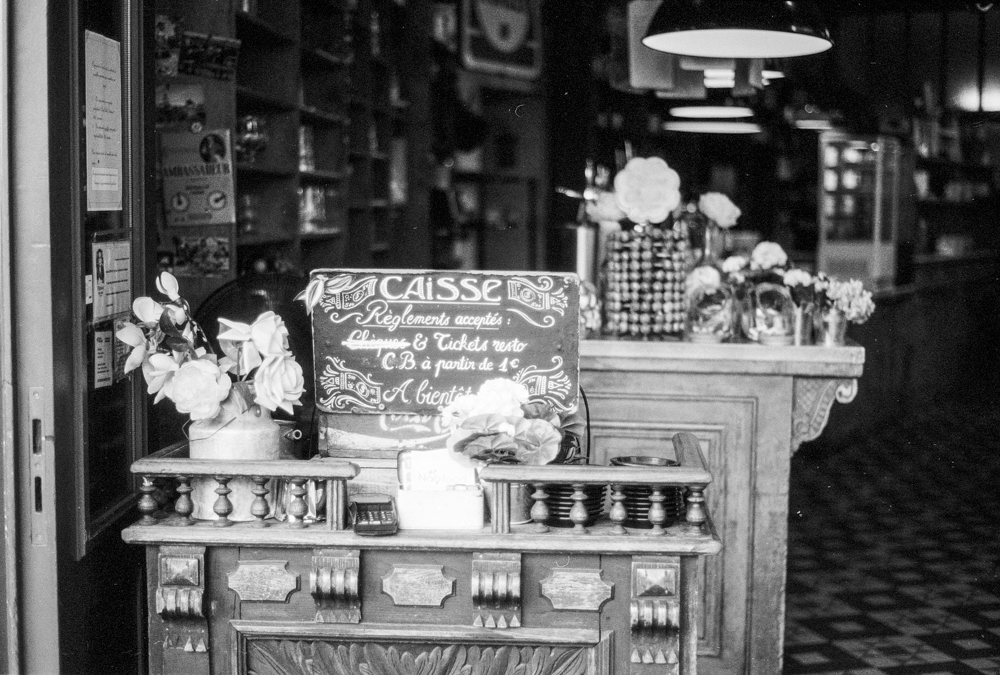
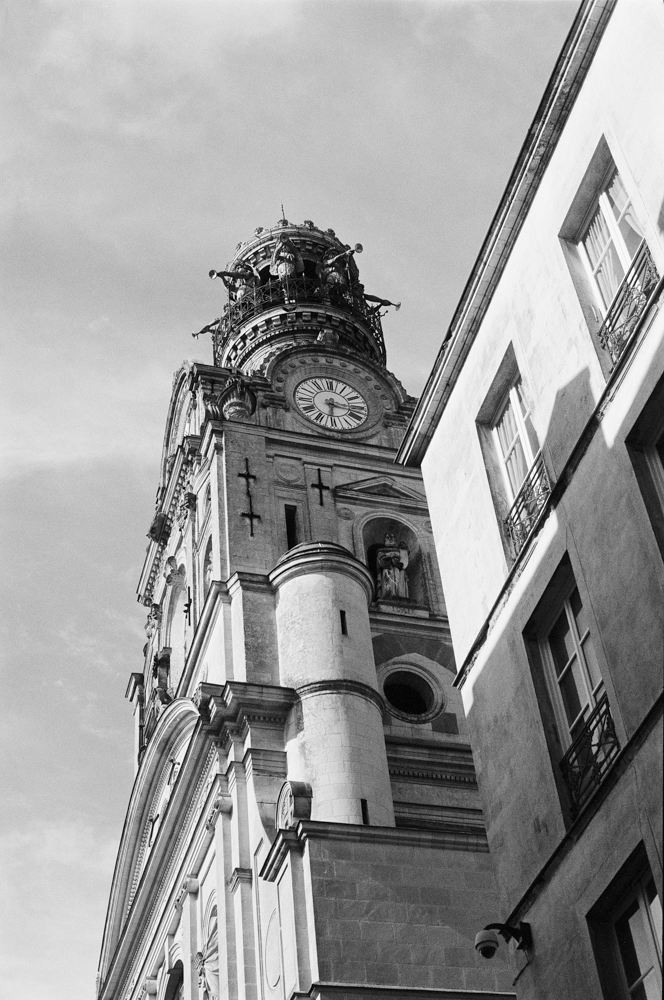
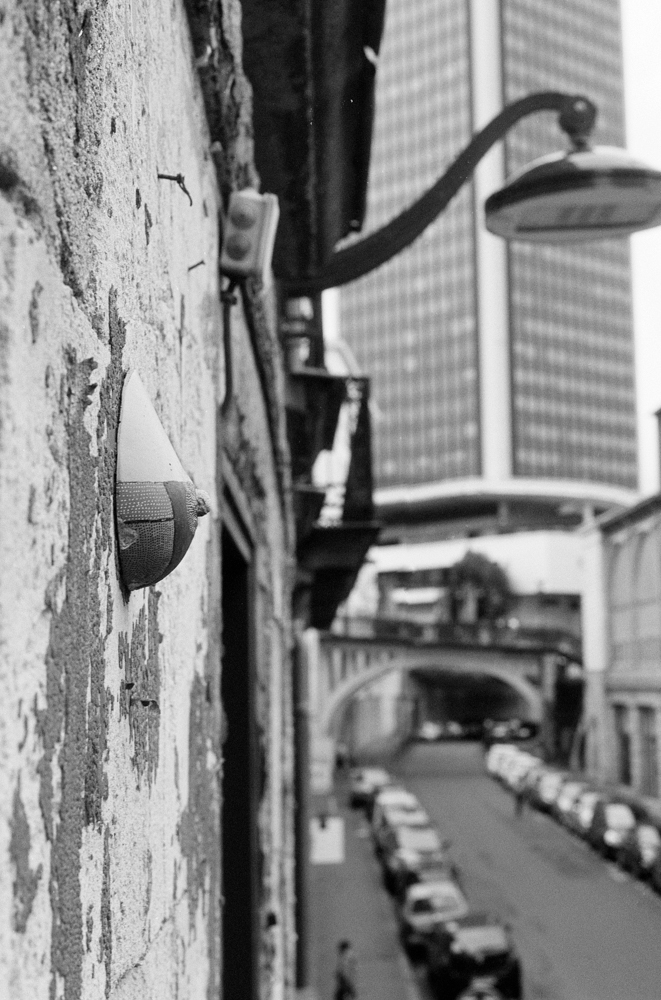
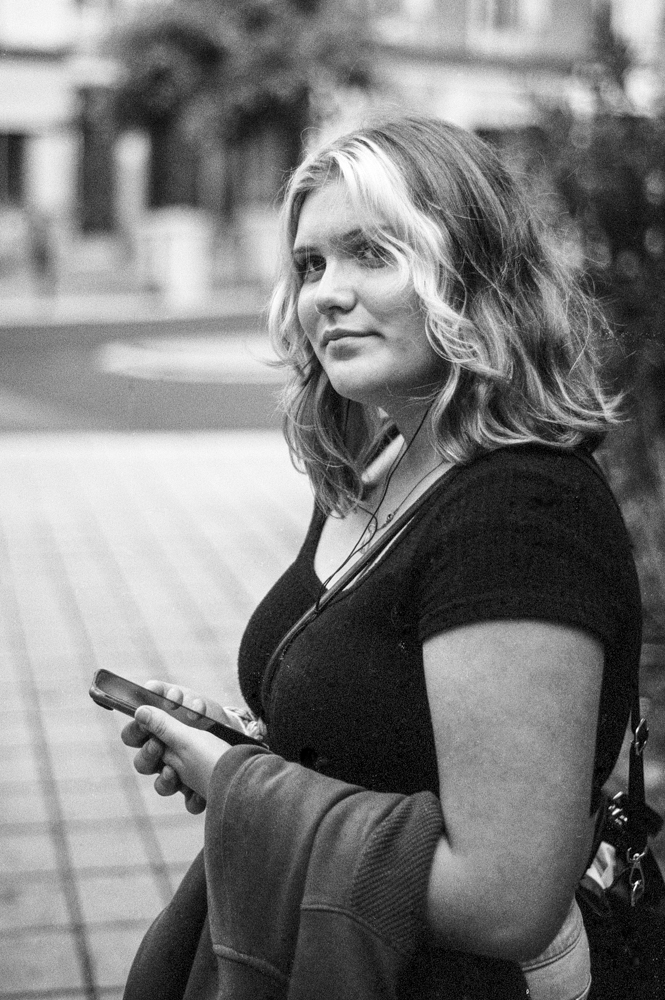
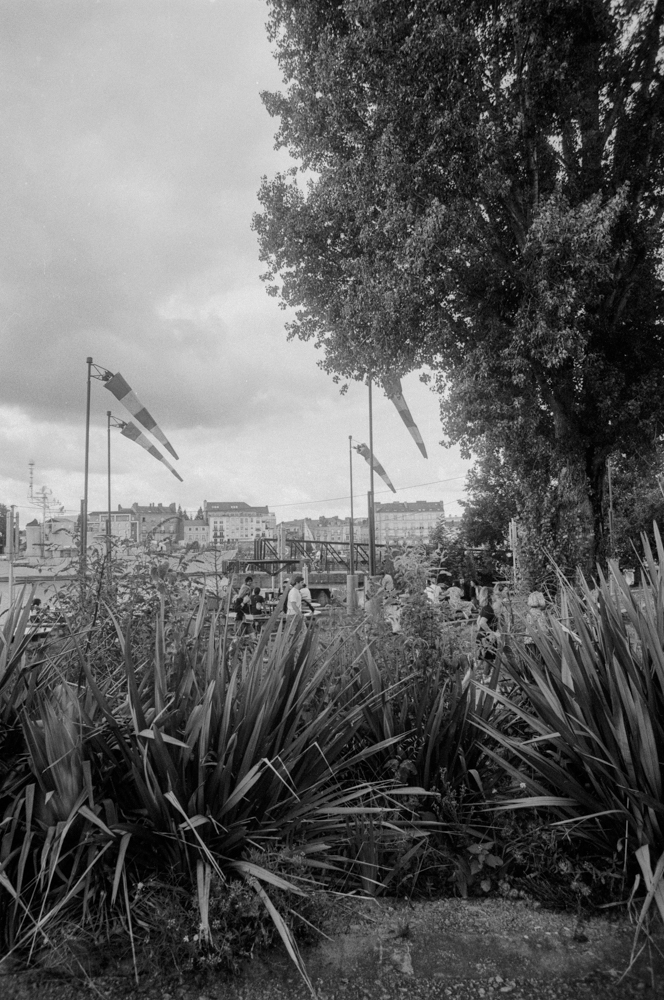
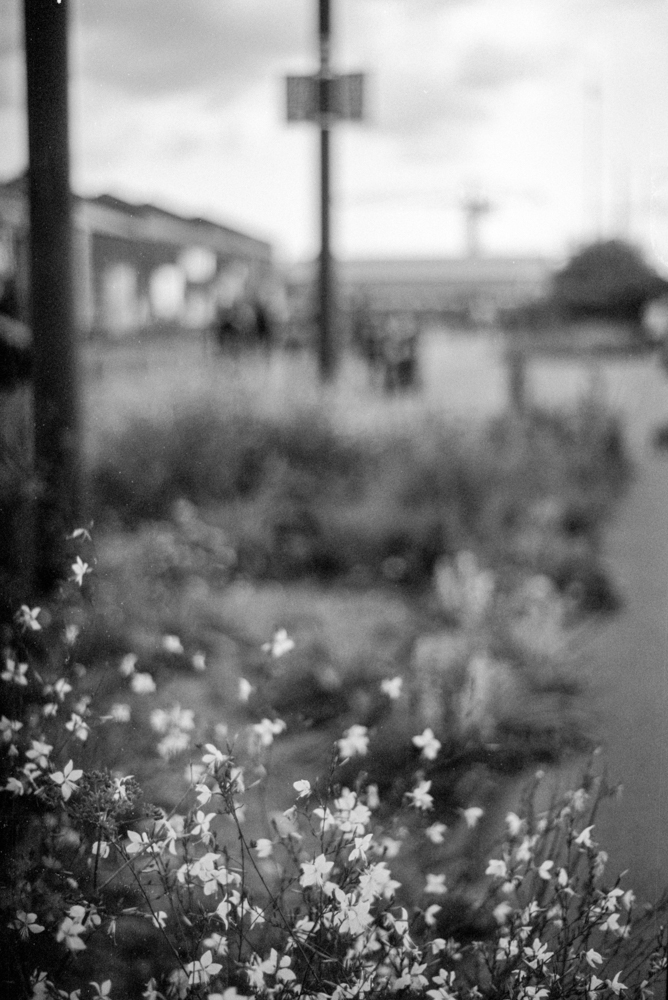
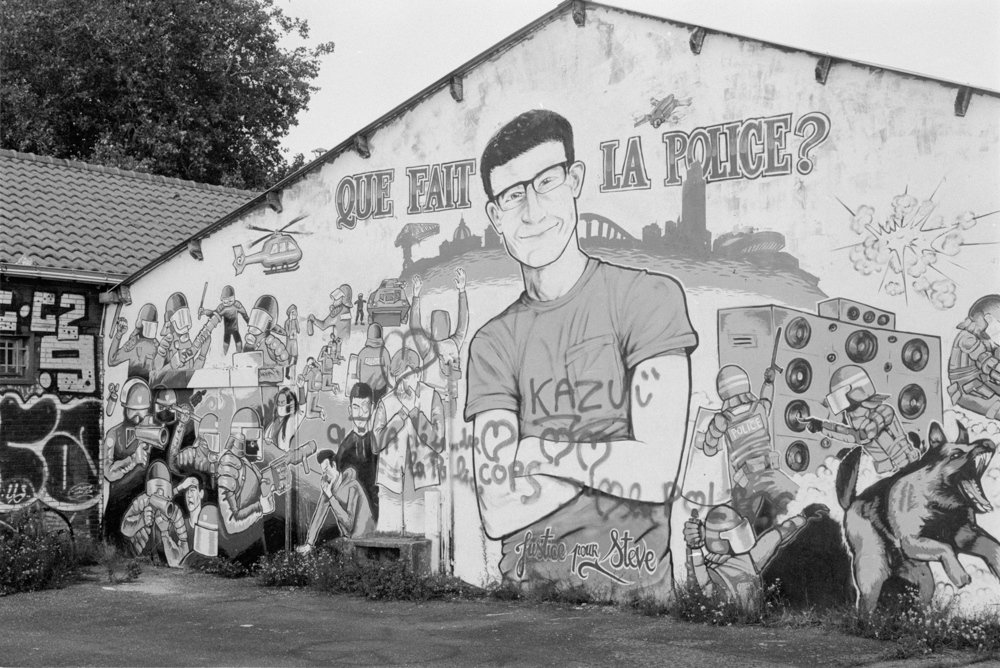
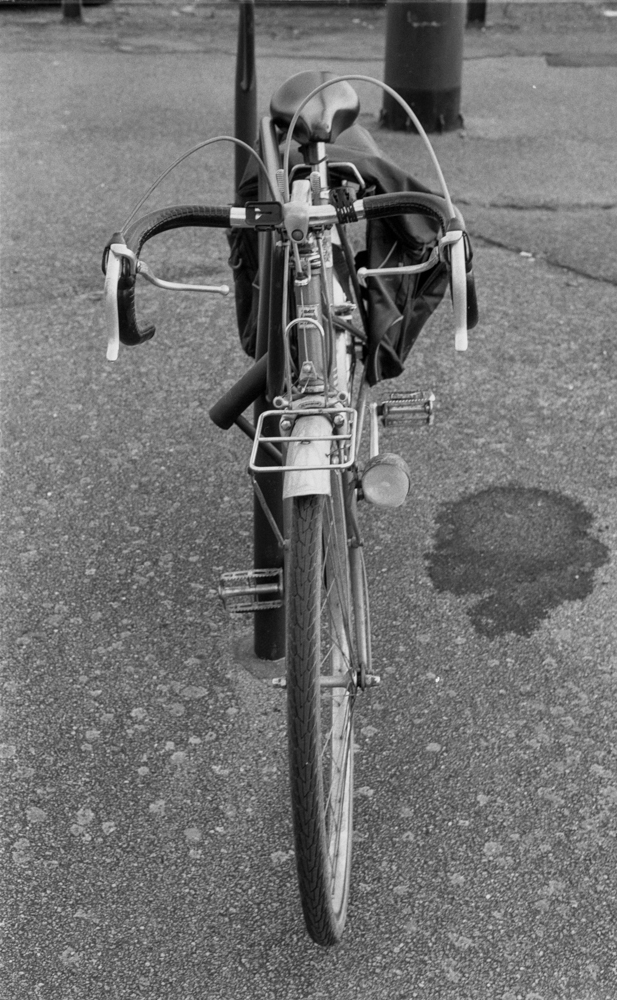
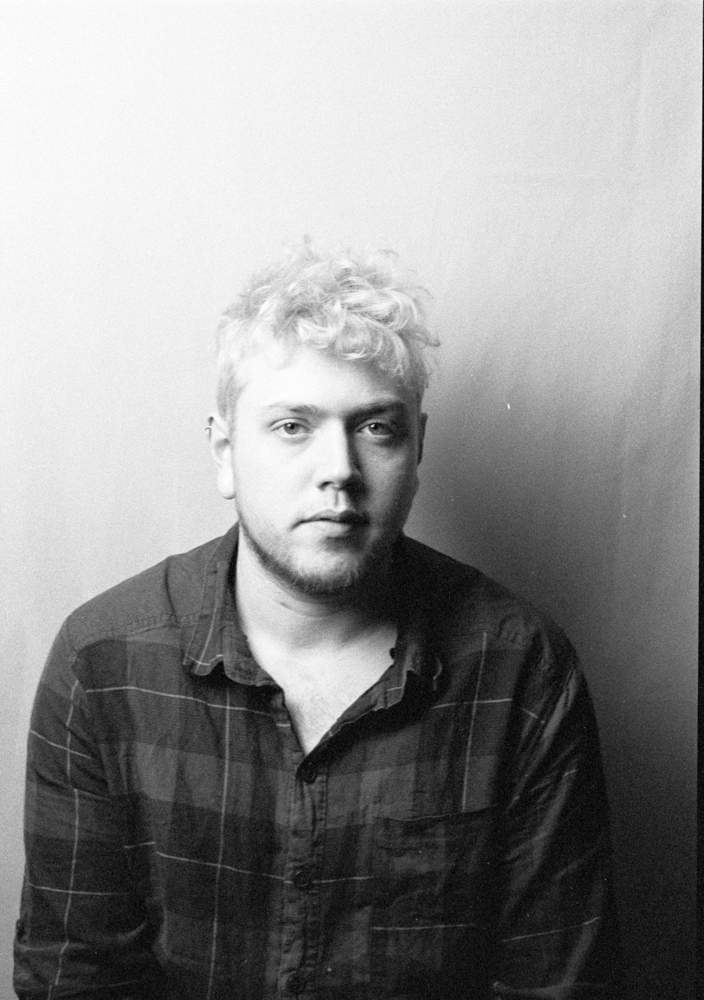
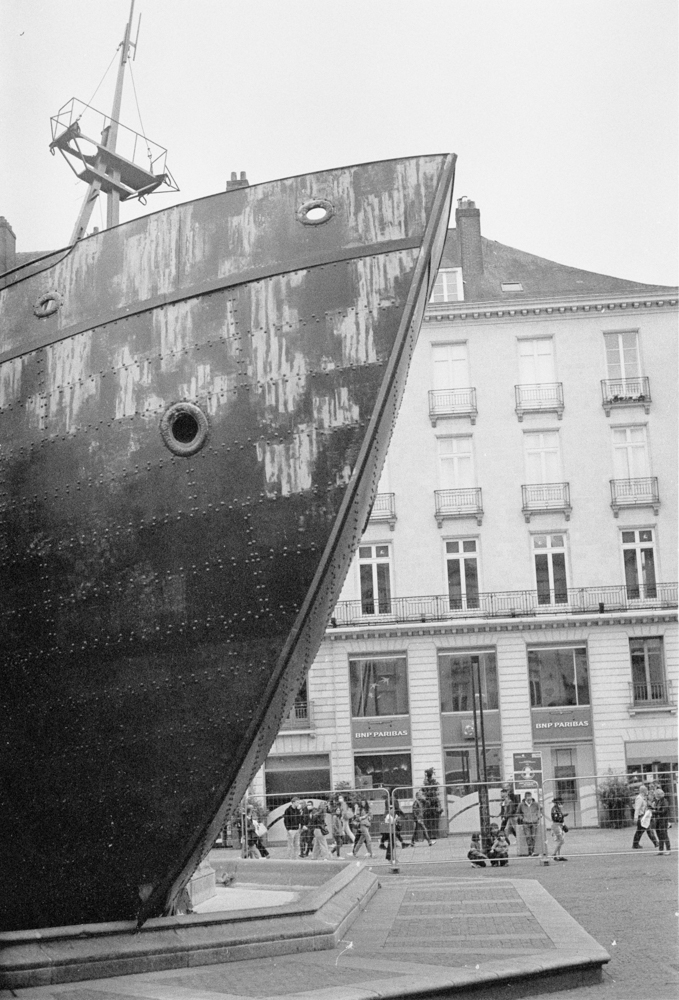
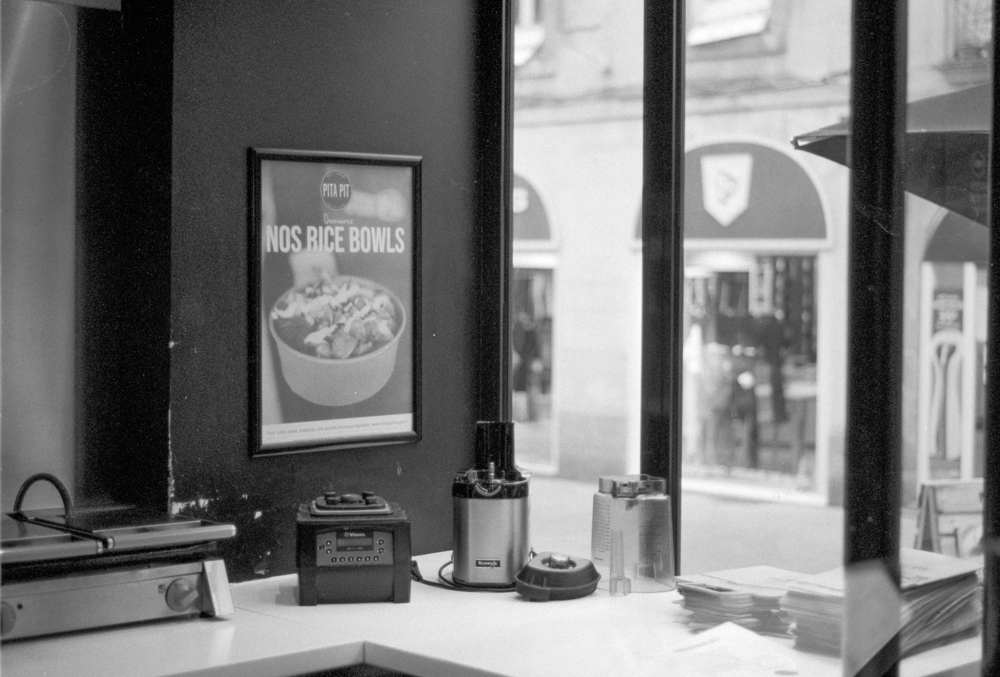
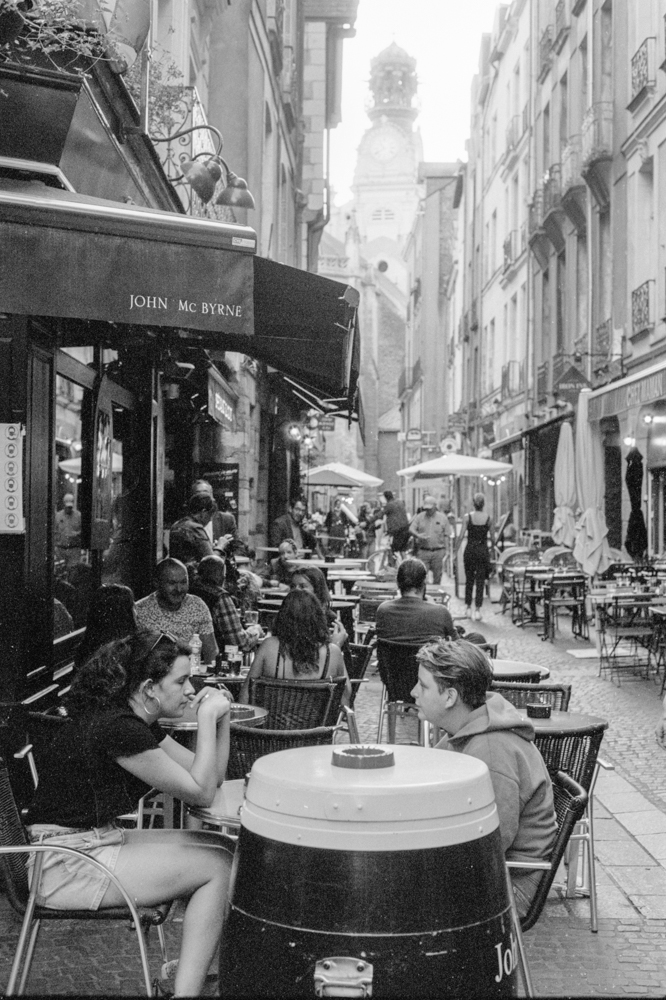
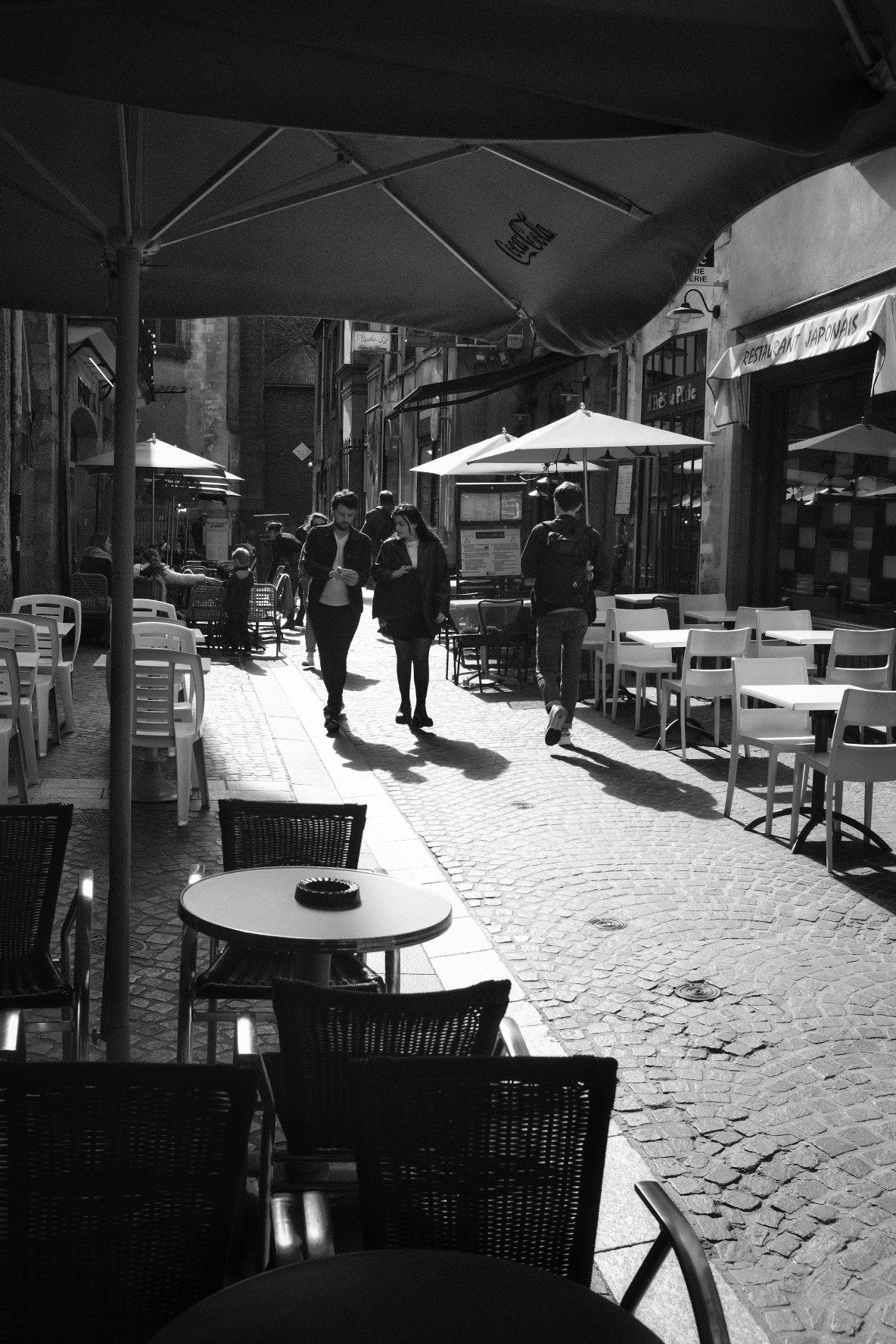
As I am wont to do, I took it out for a test drive to Nantes, and took it round Bouffay. And the pub… just enough to get a feel for the wee beastie. A roll of Ilford HP5 at box speed and I was ready to go. Verdict? So far so good. I must have done just 10 shots that day, and came back to it later, much later, to finish the roll. The feel in the hand was fine, and what I’m used to. The lens I have is a 50mm f/1.8, aka the nifty fifty. Usability? Aperture priority, which I enjoy. And the one thing that tickled me pink was being able to see the aperture ring through the viewfinder. Very useful… It’s since journeyed to Lourdes, the mountains, even Northumberland—never once feeling like a limitation.
Does it have auto focus? No. It doesn’t. It has manual focus, which I find easier to use. I prefer to choose myself rather than have modern technology do everything for me. Yes, I use it on my DSLR, but I don’t use that the way I do when doing film photography. Here’s a surprise for you: I am not built for speed. I am built for comfort and won’t be hurried. This kind of SLR suits me to a T.
I know some of you little techies out there need specs about a camera, so for you lovely people, here you are:
Nikon FE – Quick Specs
Production: 1978–1983
Type: 35mm manual-focus SLR
Exposure: Aperture-priority AE + full manual
Metering: Centre-weighted TTL (match-needle in viewfinder)
Battery: 2× SR44 (or 1× CR1/3N) – note: the camera can operate at 1/90s (M90 mode) without a battery
Weight: ~590 g (body only)
Fun fact: One of the smallest and lightest Nikon SLRs with full AE.
Is it ‘better’ than the Pentax ME Super? Not objectively—but it fits me. I prefer Nikon’s take-up spool, and that viewfinder aperture display? That’s the clincher. Pentax glass is glorious, no doubt. But this? This is my beastie.
I’m over the moon to have this addition to the working collection, and I have to go and finish the film that’s still inside it. So yes, I enjoyed using it; yes, it wasn’t foreign enough to scare me. Do I have any regrets? Absolutely not! It works just the way I need it to, and when it comes to cameras, isn’t that all we need?
My son seems to use the word “vibe” in a lot of situations. And for once, that word encapsulates exactly how I feel at this very moment. I’m in front of my computer at my desk, typing this article. Why is this an August vibe, though? Because I’m not at work and have the freedom that comes with August to do what I want, within reason, of course. I have my Marshall headphones that have a Princess Leia “vibe”. I’m listening to Ella Fitzgerald sing her beautiful heart out on Amazon Music, and the fan on top of my desk is blowing a fresh breeze through my golden locks. Those of you who know me will understand the ridicule of that last phrase. Locks, golden or otherwise, are something I haven’t had to deal with for many years, but that cool breeze is still very refreshing on my bald scalp.
I have been out, and this will blow your minds as much as the fan is blowing my hair, with my camera taking photographs. I can hardly believe it too. The photographs at the end will not likely seem like holiday photos to you, but to me they are precious! You don’t have to be sitting roasting on a beach to feel on holiday. What I’m getting at is that freedom comes only once a year. Work is important, but rest is important too. Ironically, “Summertime” is playing. The version with Louis Armstrong and Ella together! It really does take you to another place.
And then, there’s my photography escapade. I went old-school with film this time—none of that instant digital gratification. You take the shot, develop the film, scan the negatives, and only then do you wade into the world of editing. Now, you’re probably wondering, “Why the hassle when you’ve got smartphones and digital cameras?” But let me tell you, it’s a deliberate pace that wraps you in its own magic. You deliberate on each shot, finding meaning in every click. Out of the 36 shots I took, I’ve kept 16 for this piece. Fingers crossed, they’re worth the effort.
Film photos emanate a distinct “vibe” compared to their pristine digital counterparts. There’s a soft grain, an endearing imperfection that render them timeless. Some would say they embody an eternal tranquilly, a perpetual “vibe.” In future articles, you will see more of that timeless “vibe,” and pictures from an exhibition at the HAB Gallerie, which I’ve talked about in past articles. There will be shots of various art works all over Nantes that are all part of the annual Voyage à Nantes art season. This year, it’s all about statues taking over the city. But that’s for future articles. I have to keep you coming back for more, don’t I!
Dear Reader, if you’ve read my last post, you will understand my current state of photographic helplessness after my X100F was taken out of service. Before we proceed, I want to take a moment to reassure my dear mother that I’m doing fine, being a big brave boy during this challenging time, and not losing my mind. I’m still getting my photographic fix, and I thank you, Dear Reader, for your understanding.
Now, let’s dive into today’s topic. The Pentax ME Super, a camera gifted to me by a fellow musician and dear friend, Robert McMillan, holds a special place in my heart. Using it brings back fond memories, and I’m forever grateful for the thoughtful present.
Introduced in 1979, the Pentax ME Super is a 35mm SLR camera that offers reliability and ease of use, making it perfect for those seeking excellent image quality. However, it requires proper focus and composition to make the most of its capabilities. When I use it, I approach photography in a similar manner to how I would with my beloved X100F, albeit with a slight adjustment due to the 50mm lens, which changes from the 35mm lens on the Fuji.
Technical Specs:
Shutter speed range: 4 seconds to 1/2000 second, plus Bulb – allowing wide apertures and excellent depth of field.
ISO speed range: 12 to 1600
Exposure control: Aperture priority
Viewfinder: 0.9x magnification, 95% coverage
Other features: include a self-timer, a cable release socket, and exposure compensation.
Handling and Ergonomics:
The ME Super is a well-made and compact camera, making it easy to carry around; it is almost the same size and weight as the X100F. The controls are user-friendly and well-positioned. The large, bright viewfinder helps, especially for those of us with less-than-perfect vision.
While it may not surpass the joy I find in using the X100F, the ME Super is steadily gaining ground, and its satisfying shutter noise is a small comfort during this time of longing. Loading and unloading film is a breeze, and the shutter release is smooth and responsive. Additionally, the camera’s reliability is reassuring, offering solace in the absence of the X100F.
Image Quality:
The Pentax ME Super consistently delivers excellent image quality. Composing shots is a breeze with the sharp and bright viewfinder, and the aperture priority exposure control ensures proper exposure. For someone like me who cherishes depth of field, the 1/2000 of a second shutter speed is a delightful feature.
Moreover, the ME Super is compatible with a wide range of Pentax K-mount lenses, providing versatile options for image-making. With my collection of 24mm wide-angle, 50mm F1.7, and 24-80mm zoom lenses, I’m well-equipped for various shooting scenarios, and there is even a 15mm wide angle lens, but I nearly peed myself when I saw the price!
The Verdict:
In conclusion, the Pentax ME Super is an exceptional 35mm SLR camera. Its well-made design, ease of use, and ability to produce outstanding image quality make it an appealing choice. If you’re searching for a reliable and versatile camera that brings years of photographic enjoyment, the Pentax ME Super won’t disappoint.
Pros:
Excellent build quality
Sharp and bright viewfinder
Simple and straightforward operation
Wide range of compatible lenses
Capable of producing excellent image quality
Built-in exposure compensation
Self-timer
Cable release socket
Cons:
Flash sync limitations at faster shutter speeds (i.e., more than 1/125)
Not an X100F
Overall:
The Pentax ME Super is an excellent 35mm SLR camera, offering great build quality, ease of use, and superb image quality. It’s a dependable choice for any photography enthusiast seeking a delightful film shooting experience.
Additional Information:
The ME Super remains popular among collectors for its exceptional build and image quality. If you’re interested in acquiring one, you can explore used cameras online or at camera shops. Additionally, you’ll find manuals and other valuable information about the camera on the internet.
I hope this review proves helpful. If you have any questions, please feel free to ask in the comment section.
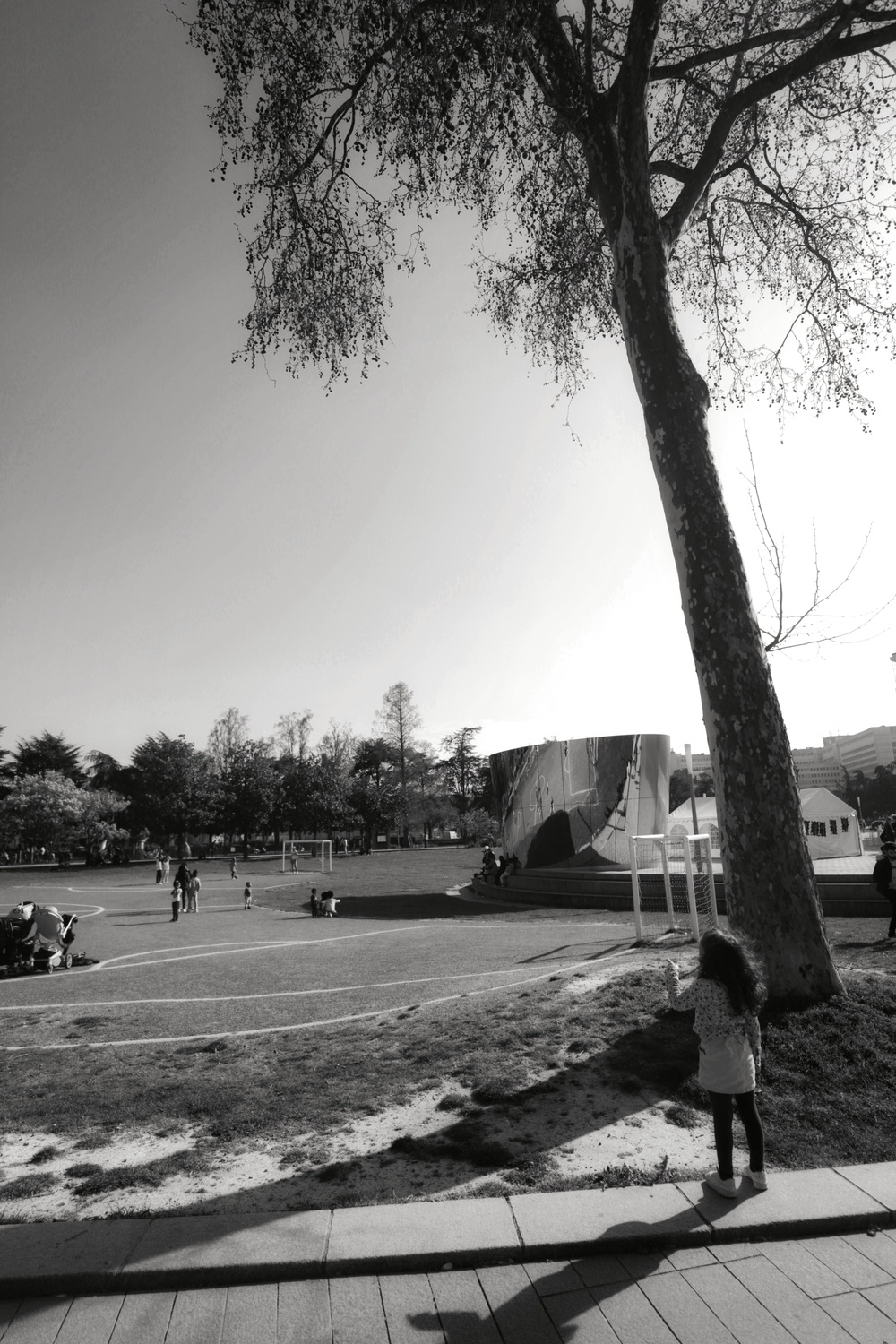
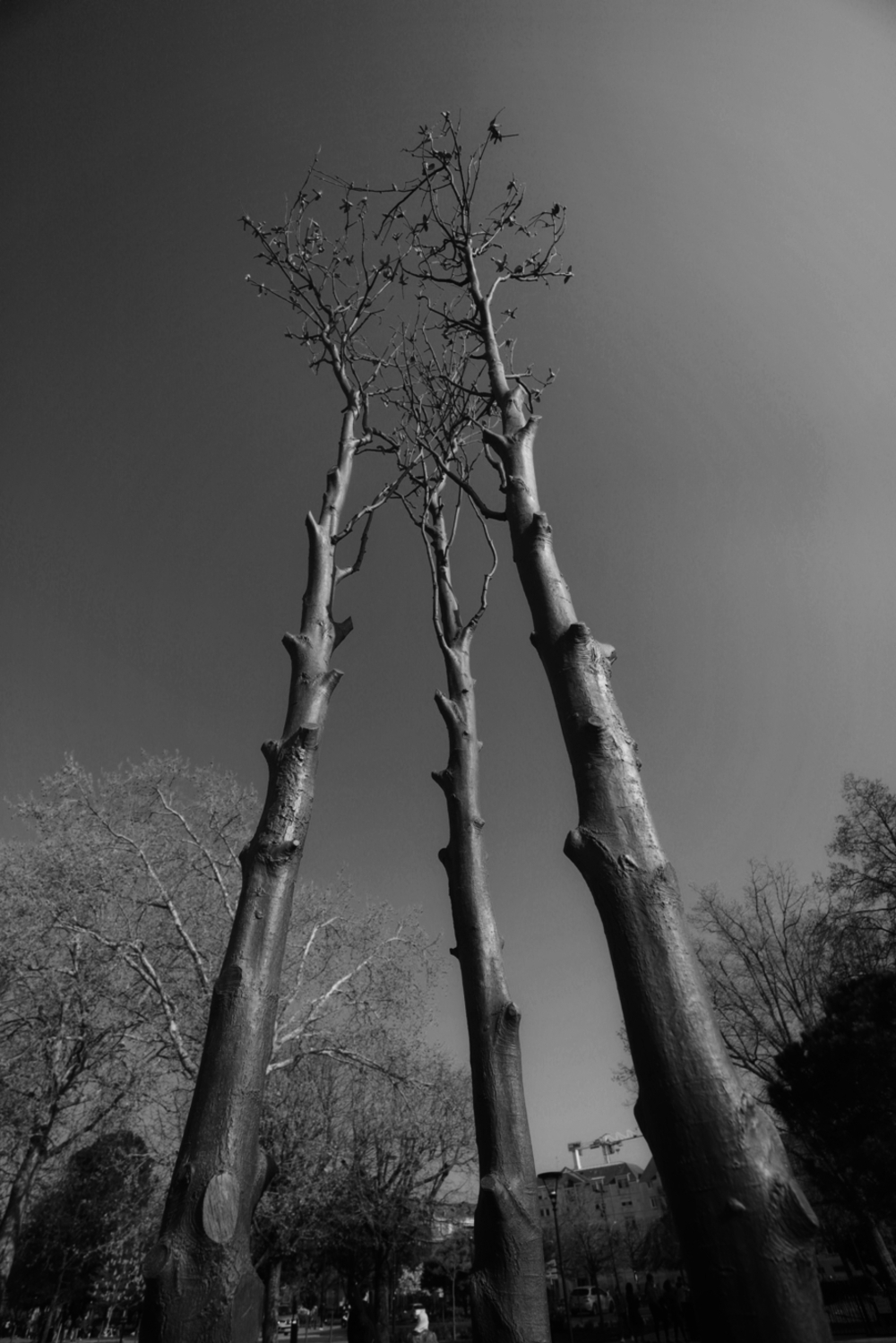
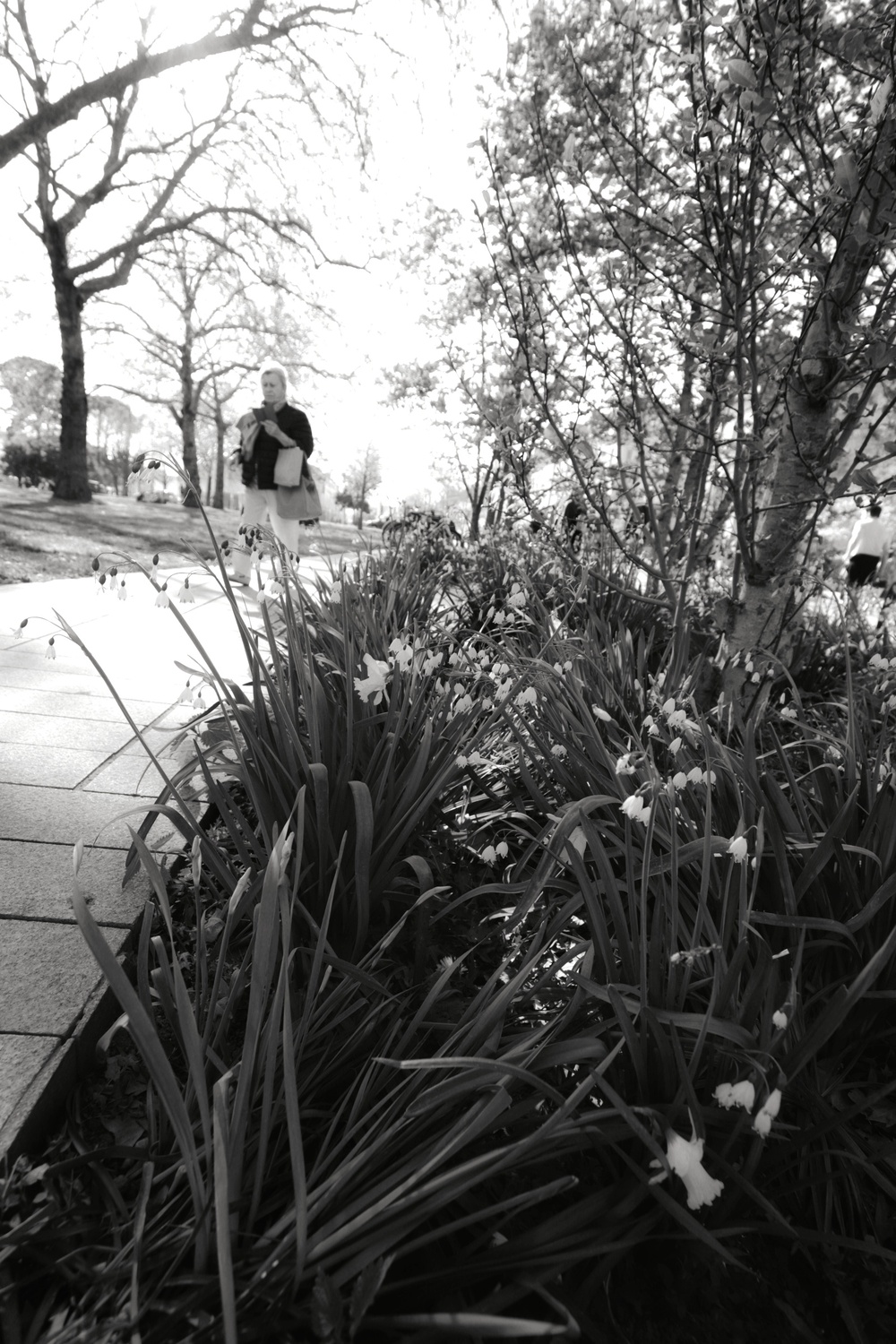
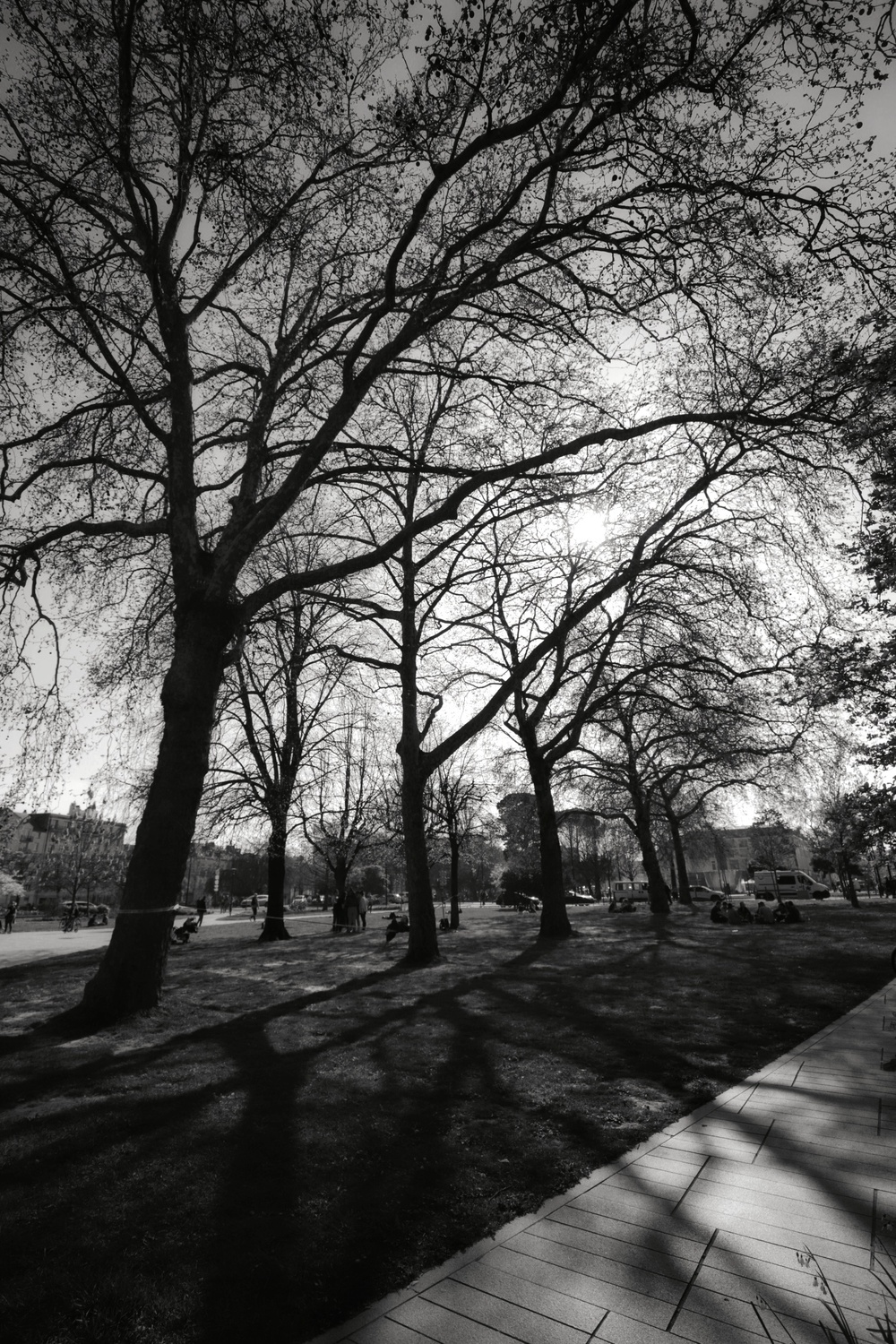
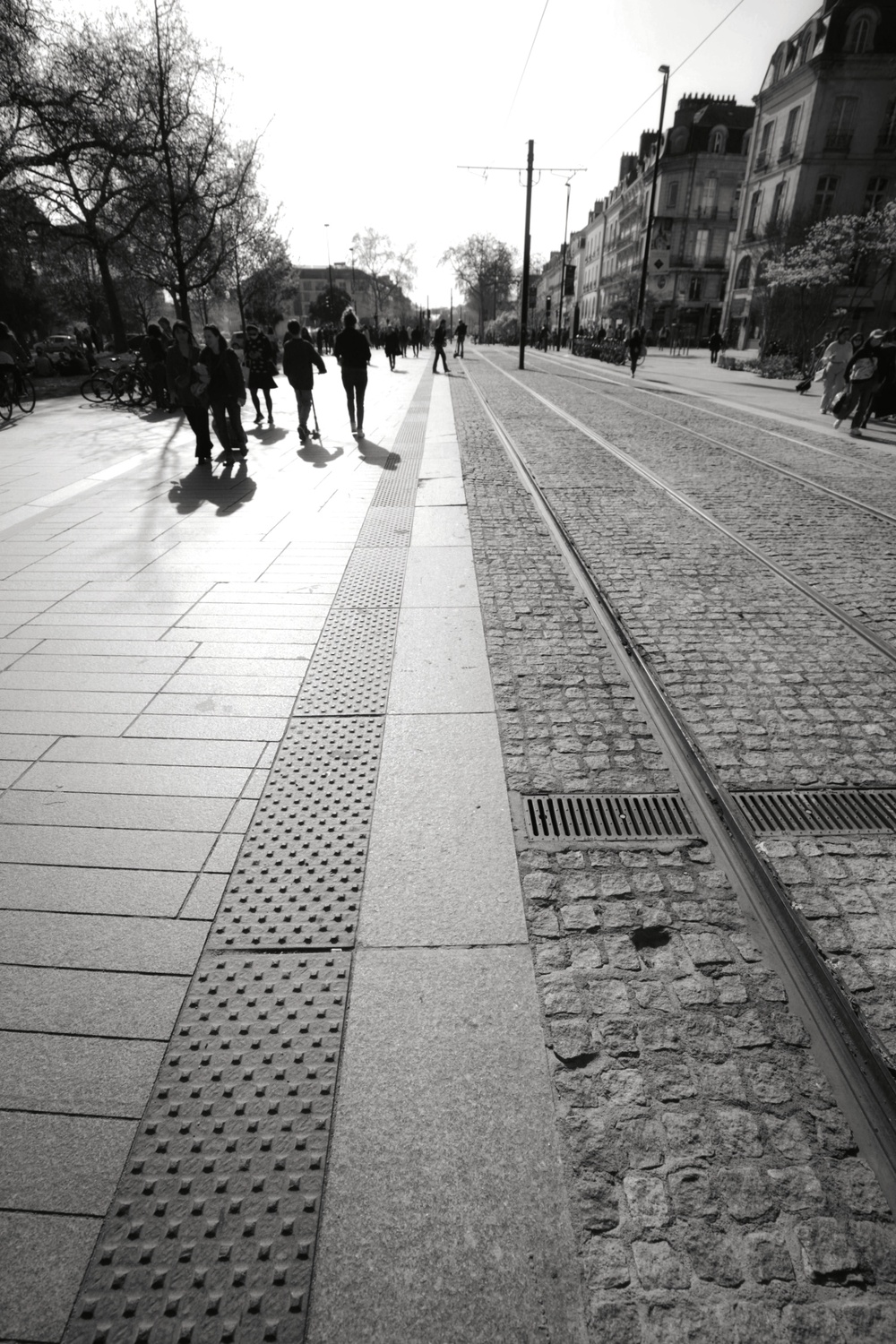
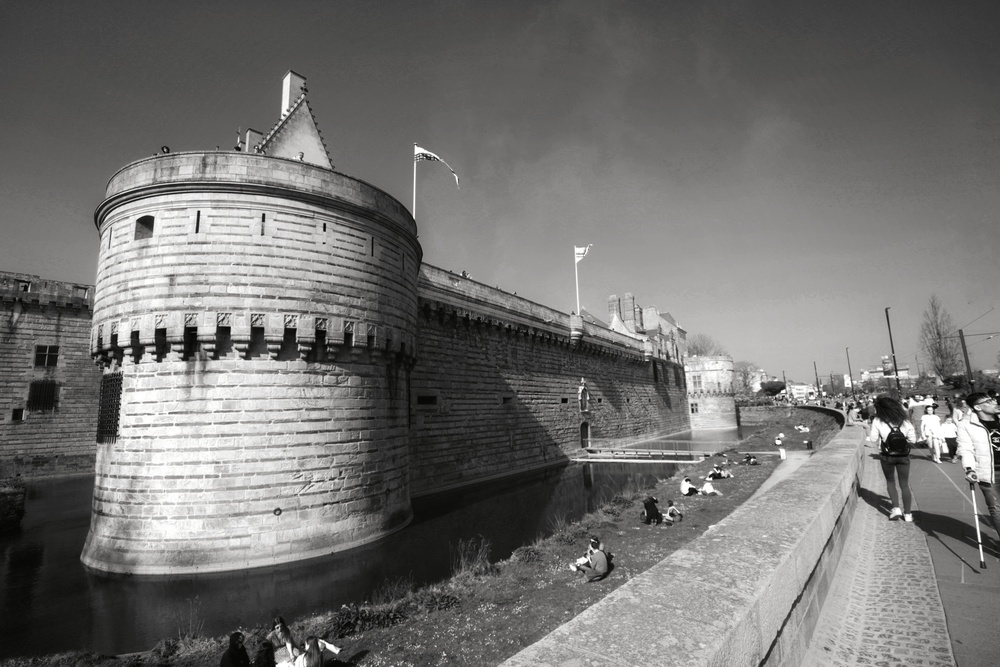
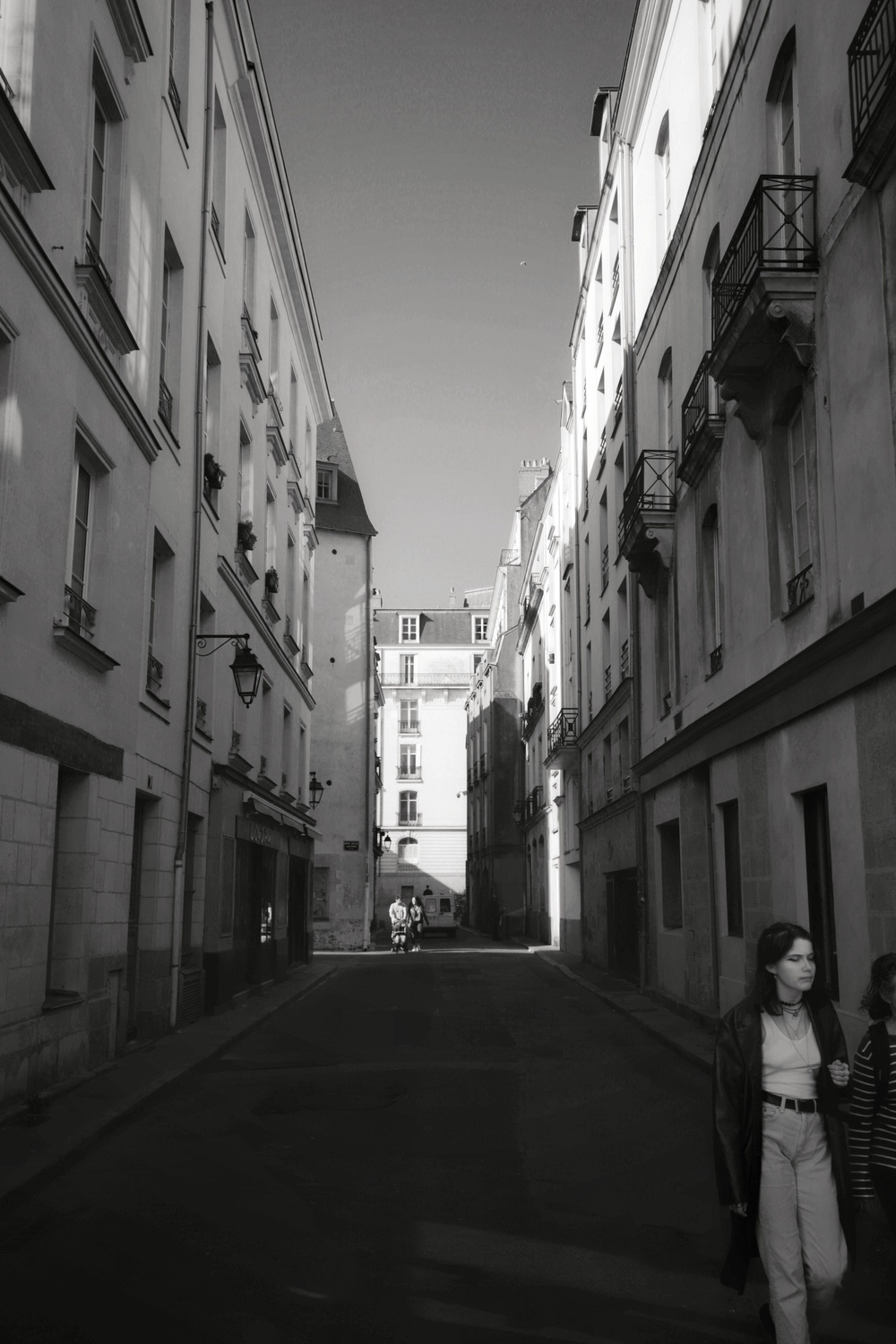
But, most importantly, let me stop talking and allow you to enjoy some photos taken with the Pentax ME Super, capturing moments in Clisson and Nantes.
Today was a good day. I like good days. A mixture of barbershops, photography, cake and tea, and most importantly, friends. On this sunny Friday afternoon, I had the afternoon off from work, it would be a perfect day to go to the barbershop and get this beard of mine seen too. I knew it was sunny just by looking out the window, and thought, let’s go manual today.
There is a rule in photography called sunny 16, that says when it is sunny, and not a cloud in the sky, you can put your camera at F16, the shutter speed identical to the ISO, or film sensibility, and all your shots should come out fine or at least well exposed. It means that all you have to do is to concentrate on the moment and press the shutter when the moment is right, and by that I mean, when you have the composition that you want from a scene.
Sean Tucker did a whole video about it and I thought, well, you’ve taken his advice in the past, so why not now. I was a bit of a sissy, and didn’t use a film camera, but instead used the Fujifilm X100F so I could see what I as getting, but to be honest, I didn’t really need to. I must have more self-confidence in photography, I must have more self-confidence in photography, etc. I didn’t go F16 but stayed a little more conservative at F11.
Right, the geeky, photographer part of this article is over. The rest of you can join in again.
So first the barber shop with a couple of photos along the way as my photographic warm-up. This visual warm-up is as important as the muscular warm-up is for a runner or any other sportsman. You get your settings right. F11 because there were a couple of clouds in the sky but not enough for F8. Remember the sunny 16 as a guide to this outing.
My goal was to go and get my flowing locks of hair shaved off, my beard to be transformed from a homeless guy into a dashing older Dude, and then get to Church, pop in to say hello to Jesus since I was too early for confession, and head off to the pub.
With less hair than before and having to battle away throngs of female admirers along the way, I eventually made it to the pub. It was a quiet day at the pub. Rob, or should I say the legend that is Rob, was standing outside ready to jump on any unsuspecting client that might come by and sit down on the terrasse. He’s a good man, and we share a love of being daft and talking utter bollocks. Our jokes are amazing, at least to us. Others might disagree, but under torture will admit they were slightly funny despite being awful!
After a couple of pints of water to quench my thirst and some awful jokes I needed to pee. On my way back up I fancied a little something to nibble on.
Rob, do you fancy some Pringles and some dip?
Not really.
Do you know what I really fancy Ian?
No Rob?
Some shortbread…
I wasn’t going to make it from scratch but I knew a place where I could acquire some for a reasonable price. So off I went to the Comptoir Irlandais. An establishment where you can find some of the world’s more comforting produce, tea, and shortbread included. Back to the pub.
Rob who is half Scottish let me know what a great fan of Iron Bru he is. Guess what I found at the Comptoir Irlandais? Yes, you’re right Dear Reader! Scotland’s number one hangover cure, not that I’m suggesting in any way at all, that the Scots would ever need a hangover cure, but if they did, this might be it. It’s a Marmite thing. You love it or you hate it. Judging by Rob’s little eyes when I came back with the shortbread fingers, and that special drink, I think we can safely say he likes it! We of course made a tonne of finger jokes, asking our Irish friend if she would like a finger. Yes, we were at that level. Fart jokes would have been a great leap forward. And I think the phrase, that’s what she said, was uttered a few times too! So all in all, yes, it was a very good day!
Well, on Friday night we had the consecration of Ukraine and Russia to the Immaculate Heart of Mary. As a Catholic, and, as somebody who has actually been to Fatima, and knows what a big thing this is, it was a very moving and special moment. The majority of us wish peace for Ukraine and wish for an end to Putin’s invasion, and anyone who says it’s just a special military operation is in serious error! Since the beginning of the invasion, this is a start of hope in this grizzly war. Let’s keep praying for them! What else was Pope Francis supposed to do?
I’m sorry if Catholicism isn’t your thing, but it is mine, and I wanted to get that out there. You can hate me later.
On Saturday, I felt slightly out of it, especially after the emotion of the previous evening. I felt tired and just wanted to sleep and rest. During the week, I had started reading up on using an ultra-wide lens as a portrait lens. As it happens, I have one for my Canon 6D Mark II. The infamous 16-35mm. If you look at previous articles and on my Instagram feed, you can see the results that I have managed to get from this setup. I love the distortion that this lens gives me. It allows me to create images that although taken in real life seem to have an otherworldly feel to them. “They” say it’s all about creating images that “stand out” and I’m all for that!
So instead of just reading up on it and wishing, the best thing to do is to pull the proverbial finger out, get the kit out of the camera cupboard and use it! I’ve been using my Fuji camera systems lately and I thought it would be good to have a change. I’ve been so happy with the Canon and the 16-35mm lens in the past, and have had such great results with it, so I was feeling really geared up and positive.
Then I got out and for some reason, I just couldn’t get into the zone. I was fortunate enough to get a couple of half-decent photos, but I certainly wasn’t feeling it. I kept at it with my legendary stubbornness, but I knew it wasn’t a good day. I know you can’t have a good day every day, but I usually do better than that. Let me assure you, however, that this is only temporary, and that next Friday afternoon I will have another go. Not every photo was useless as you can see in the gallery, but you do feel a certain frustration. You’re all geared up to create and then you get performance issues. Still no idea why, but it could always be worse. I could have given the booze up for Lent and therefore not be able to have a pint of Guinness to console me. Oh, wait…
There’s a difference between knowing the theory, having practised, and being able to reproduce great results every time. That is probably the reason that I am still an amateur and not a pro.
I will not let this discourage me and next time is next time. If this ever happens to you then please don’t fret about it. Sometimes it’s just not your day. It doesn’t mean that you are a bad photographer, it just means that it’s not a good day on a given day. Be stubborn. Keep going. Don’t give up. Show the buggers what you can do!
Here are the photos. Not all of them were horrible, and one or two shine out, which is actually quite good. Tell me what you think. How should I change my approach for the next time?
Back in 2009 I had a camera that died on me. It might only be a camera to you but to me it was everything. It was my first camera. I was heartbroken. To those of you mocking me, just think back to your first car and to your first accident in that car. Alright, you may not be shedding a tear you unemotive bastard, but you might just have the smallest of inklings about my loss. It was my fist camera that had taught me the basics of photography, and since 1987 had been a relatively constant companion, and part of me. My son now has it on a shelf looking pretty damn cool on one of his shelves.
It was at that time that I had come back to film from digital. Why bother using filters that would emulate film photography when you could get the same thing straight out of camera without going through the rigmaroles of messing around in Photoshop to get that result? At that time, although digital gave me a lot, there was something missing. Like most of us I was looking for something authentic.
I went to the camera shop to see if anything could be done to repair my camera and bring it back to life. With hope I entered the shop that would become a familiar haunt, and had to face the brutal truth. My Praktica MTL3 was dead. It had passed on, this camera was no more. It had ceased to be. It had expired and gone to meet its maker. It was a stiff. Bereft of photographic life. It was resting in peace. It was pushing up daisies. Its metabolic processes were now history. It was off the twig. It had kicked the bucket. It had shuffled off its mortal coil, run down the curtain and joined the bloody choir invisible. IT WAS AN EX Praktica MTL 3! Any similarity to a Norwegian Blue parrot pining for the Fjords is a mere coincidence! So I asked him if I could buy the one in the display cabinet and he said of course I could and that yes it was a little expensive, it came with a 6 month guarantee, and here was a film for it, and no mention of Bolton or Ipswitch. Although not exactly the same it was a purchase that set me off on a series of events that lead me to “collecting” a certain quantity of cameras. It was either that or becoming a lumberjack.
Through YouTube, articles on the net, and my own research, I learnt about some of the iconic cameras that I never had, and at that stage, the hipsters hadn’t bought up everything on EBay and you could still get something very decent for un £50, which now of course might set you back between £150 to £200! So I was very fortunate to start collecting when I did.
On the famous YouTube, and its infamous photography videos that I still seem to watch on a regular basis, I went down the rabbit hole of specialising in film cameras. There was one guy, called Matt Day, who waxed lyrical about his Leica M6, and how much he loved using it to take images from his everyday life. I started thinking, could this be my next acquisition. And then I started looking at the prices that these things cost. Megabucks, which is something that I don’t have and even if I did, such a purchase would be grounds for divorce. It’s cheaper to keep her, as the classic Rhythm and Blues (before it became R’nB) so wisely reminded us.
Therefore, what is the difference between my new old Praktica MTL3 and a Leica M6 I hear you say. Well, both are German. One is a classic camera from a West German manufacturer, and was the gold standard of 35mm cameras from pre war times right up to the modern day, and was a rangefinder, the other one being a relatively cheap and yet very solid SLR from the old East Germany.
So both were made by the Boche, one further to the left that the other. They say a picture is worth a thousand words, so a video must be worth two thousand words! Earlier I talked about a certain Matt Day, well here is a video of his from last year talking about the differences. I’ll let you watch it, and then we will be both on the same page! I can tell you’re impressed.
Soooooo, I wanted to learn about a rangefinder and see how they worked out in real life. But, as I said earlier it’s cheaper to keep her, so I was going to have to find another way of doing things. As many photographers on a budget but wanting to get some half decent materiel, I looked East, towards Mother Russia. Communism is messed up, but it did leave some rather solid cameras, and to the rangefinder aficionados, the names Zorky, and FED will be familiar. The Zorky looks very vintage, rather sexy and exclusive with its Cyrillic writing on the top of the body, but I was not comfortable about using a camera without a light meter. The Sunny 16 rule should be easy enough to follow, and with the latitude that black and white film photography gives you, you shouldn’t go too far wrong, but I was being stubborn, which is so out of character for me.
I moved on to looking at the FED 5, especially since I had found one for only 15€ imported directly from the Ukraine, which at the time was not at war or hadn’t been annexed either by Mother Russia. Oh you naughty boy Vladimir!!
Let’s get the boring stuff out of the way first. The FED 5 was produced in the Ukrainian city of Kharkov from 1977 until 1990. It is a 35mm format rangefinder camera, with interchangeable lenses with a Leica M39 screw thread, (mine has a 35mm f2.8 lens, which is great for street photography). It has a focal plane shutter, shutter speeds of 1 second to 1/500th of a second, bulb mode, and the flash sync speed is 1/30th of a second. What more could you ask for. The film loading is similar to the Leica where you remove the base of the camera, load your film etc. and then put that base back on. Because you know that it’s about the bass, ‘bout that bass no treble…
To do the metering you have to put your faith in the selenium cell light meter, on the top right of the front of the camera. This will give you a reading on an EV meter on top of the camera next to the “calculation wheel”. One dial is for the speed of you your film. Now don’t go looking for Din, ISO, or ASA, but look for GOCT, or GOST. 90 GOST is 100ASA, 180 being 200ASA etc. For 400ASA I just turn the little dot to the S in GOCT. It’s one of those Soviet things that is just a quirk of this camera. This will give me a reading on the outer dial with my shutter speeds and F Stops combinations to nail that exposure!
As with other Soviet-era rangefinders, the shutter-speed selector rotates when the shutter is released, and this should not be changed “until after” the shutter has been cocked. If you change the shutter speed before you cock the shutter first, the setting pin can be broken when you advance the film and cock the shutter! Don’t even bother trying. I never have, and it still works today!
Focussing is easy which is always something that catches my eye, no zone focussing, and it’s slightly different to the SLR. As you saw in the video, there is a ghost image in the middle of the viewfinder and as soon as that ghost image disappears, it means that you have focussed successfully.
Anyway, I paid my 15 Euros and a Ukrainian camera arrived two weeks later in an original box which is still in a display cabinet in my hallway. The leather case still smells of leather! So I tried the damn thing out. Worked out how to load the film which as completely foreign to me but still doable and not too demanding even for me. It is supposed to be the street photography camera par excellence for a few reasons. Firstly it looks pretty sexy around my neck and the leather is top notch without necessarily having a leather fetish, but each to his own! You can use zone focussing with the lens as you can see at such and such an F-stop, the part of your photo which will be in focus is shown on the lens. There is no mirror that slaps up, and the camera is relatively silent, and can be used to close to your subject and get that trendy and yet timeless street portrait. Shooting from the hip.
I can hear you saying, well thank you Ian for all this information. Really great, and almost useful. But pray tell, is it any good? What’s it like to shoot with? Is it worth me looking into? Can I buy you a Leica M6 for your birthday?
Well Dear Reader, let me address your interrogations. Firstly is it any good? It is definitely slightly sexy and certainly looks the part! I wasn’t used to the focussing of a rangefinder but found the focussing to be spot on. I’ll let you have a look at the photos and let you judge! What’s it like to shoot with? Once you get used to the way a Soviet camera functions it’s actually pretty neat! What I do like is being able to get my exposition without having to look through the viewfinder. You know that you’re going to be spot on, and indeed I was. That’s half the battle won, which is what we’re all about. It works mate, it works! You need to be able to get that sot that you want and I think that’s pretty simple to do. Is it worth me looking into? All depends on what you’re looking for. If you can get one for a relatively cheap price then get one just to try out; you can always sell on. I certainly have no regrets and it’s still in my collection which just goes to show you! Can I buy you a Leica M6 for your birthday? Who am I to refuse such generosity?
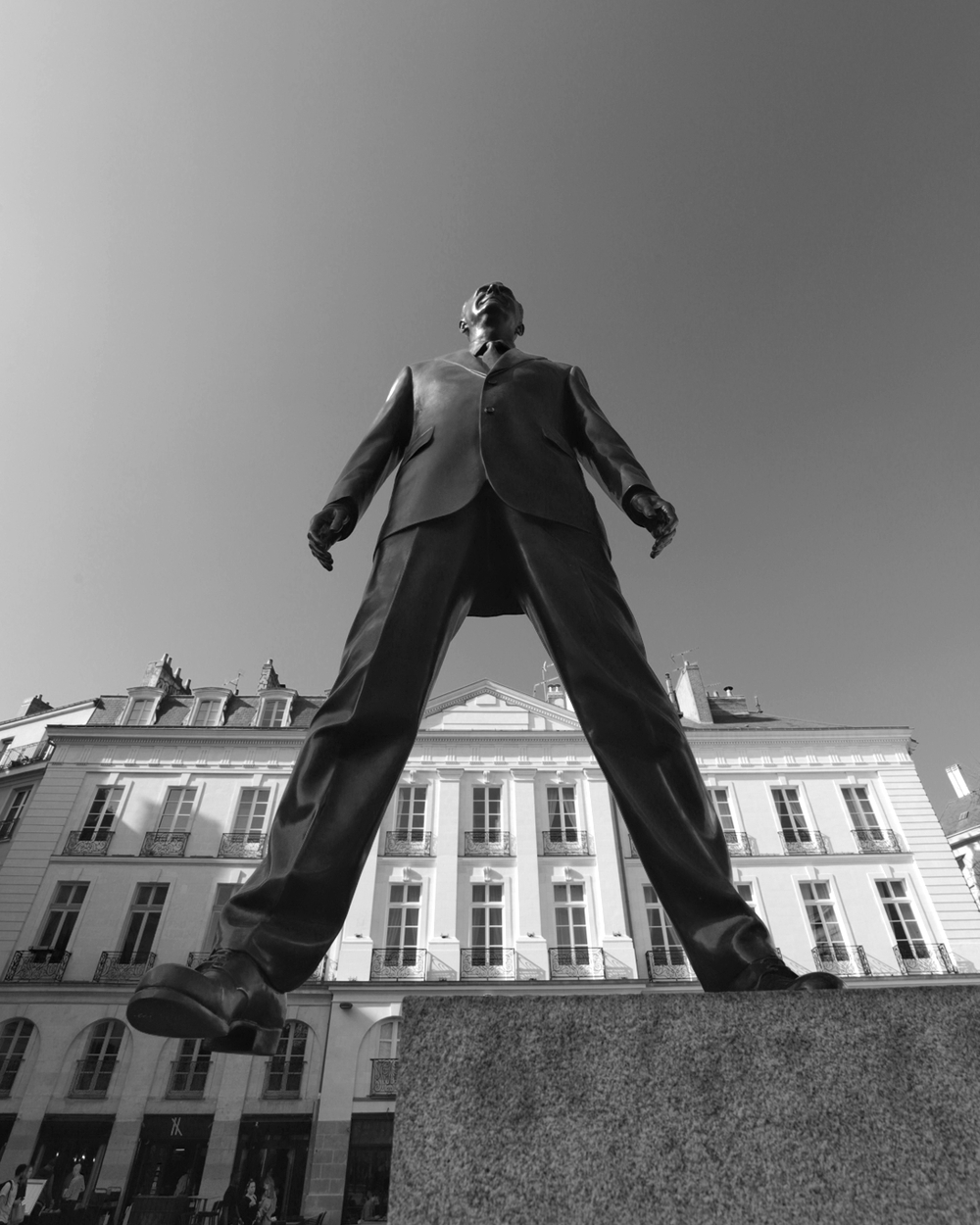
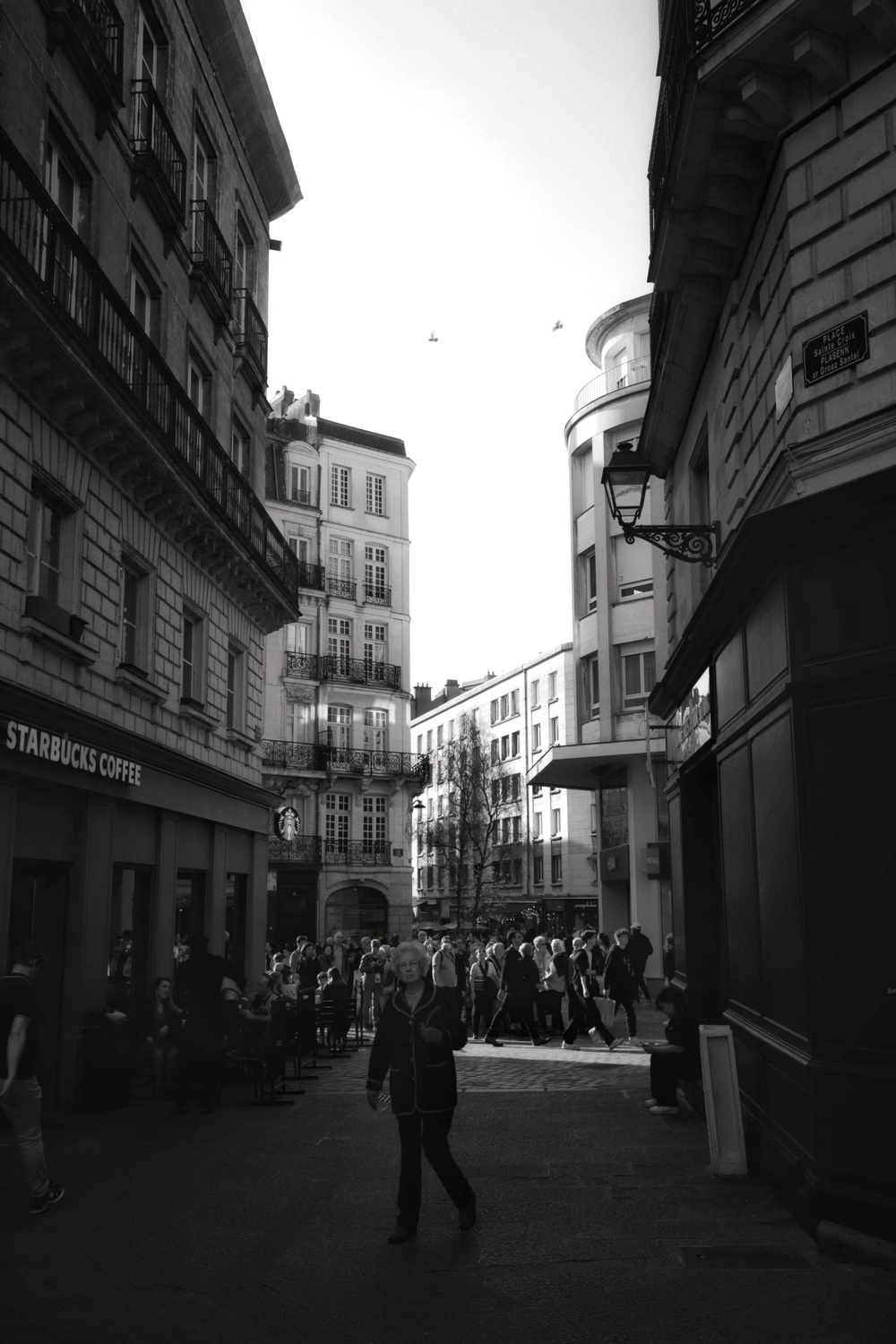
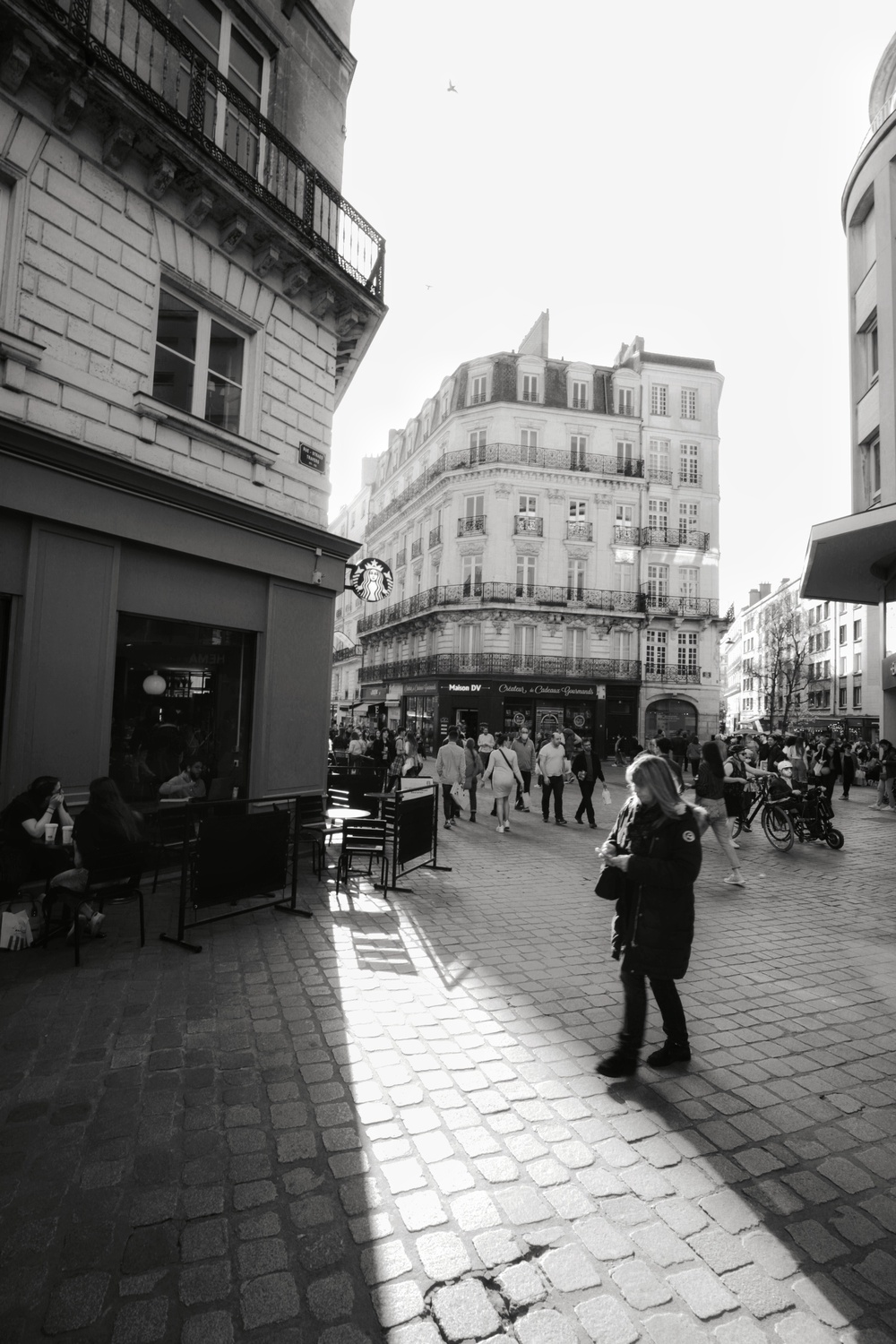
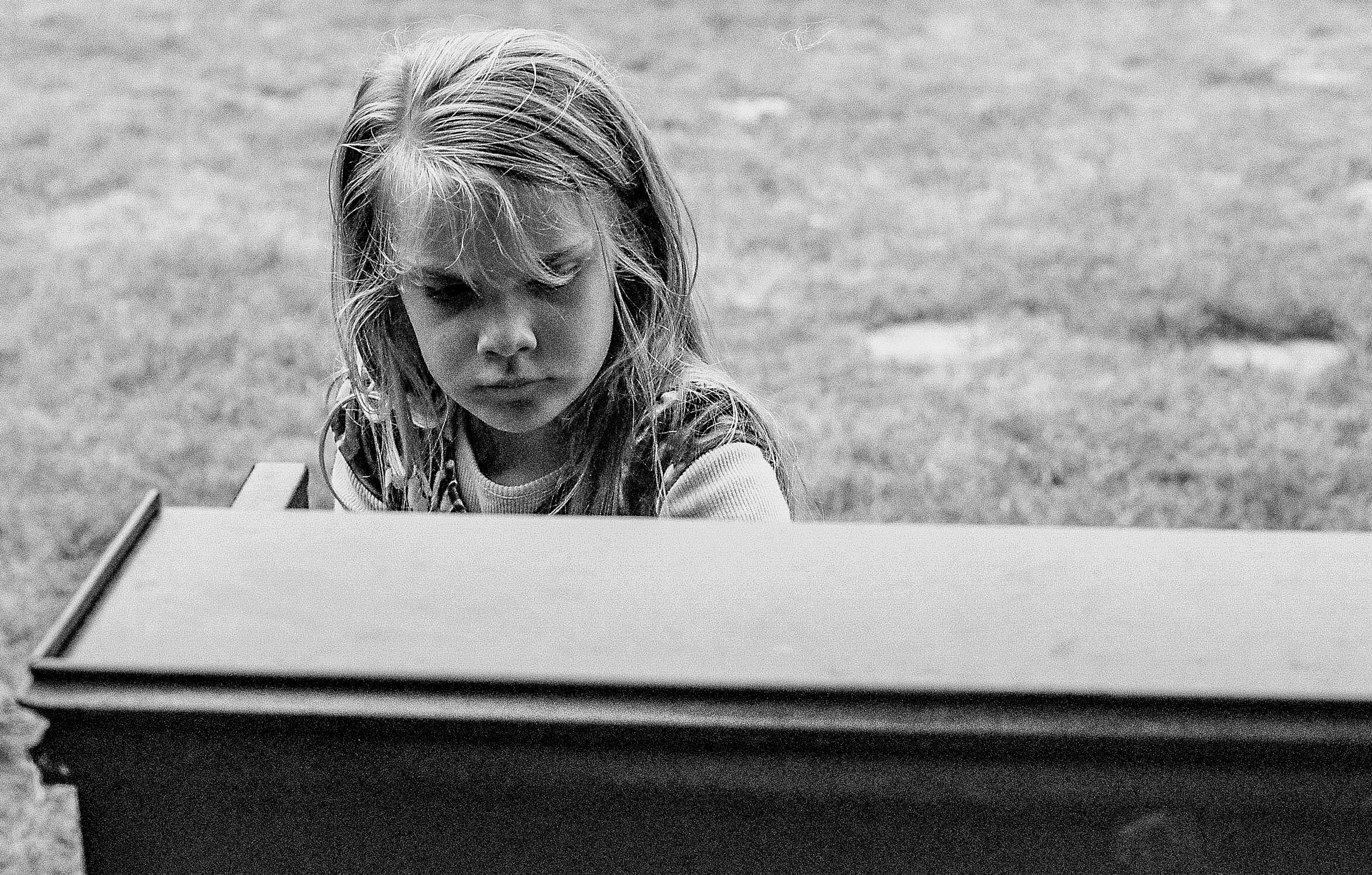
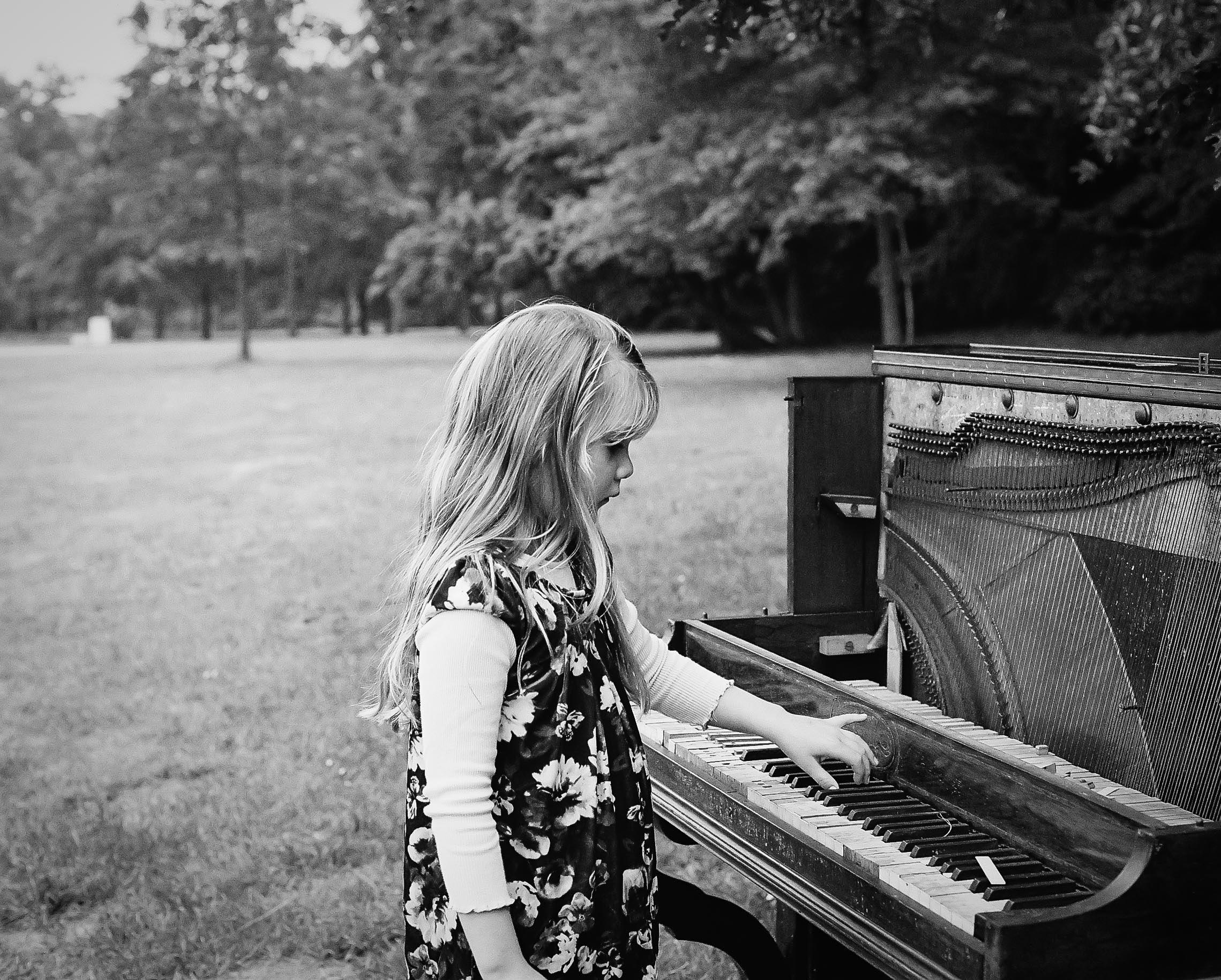
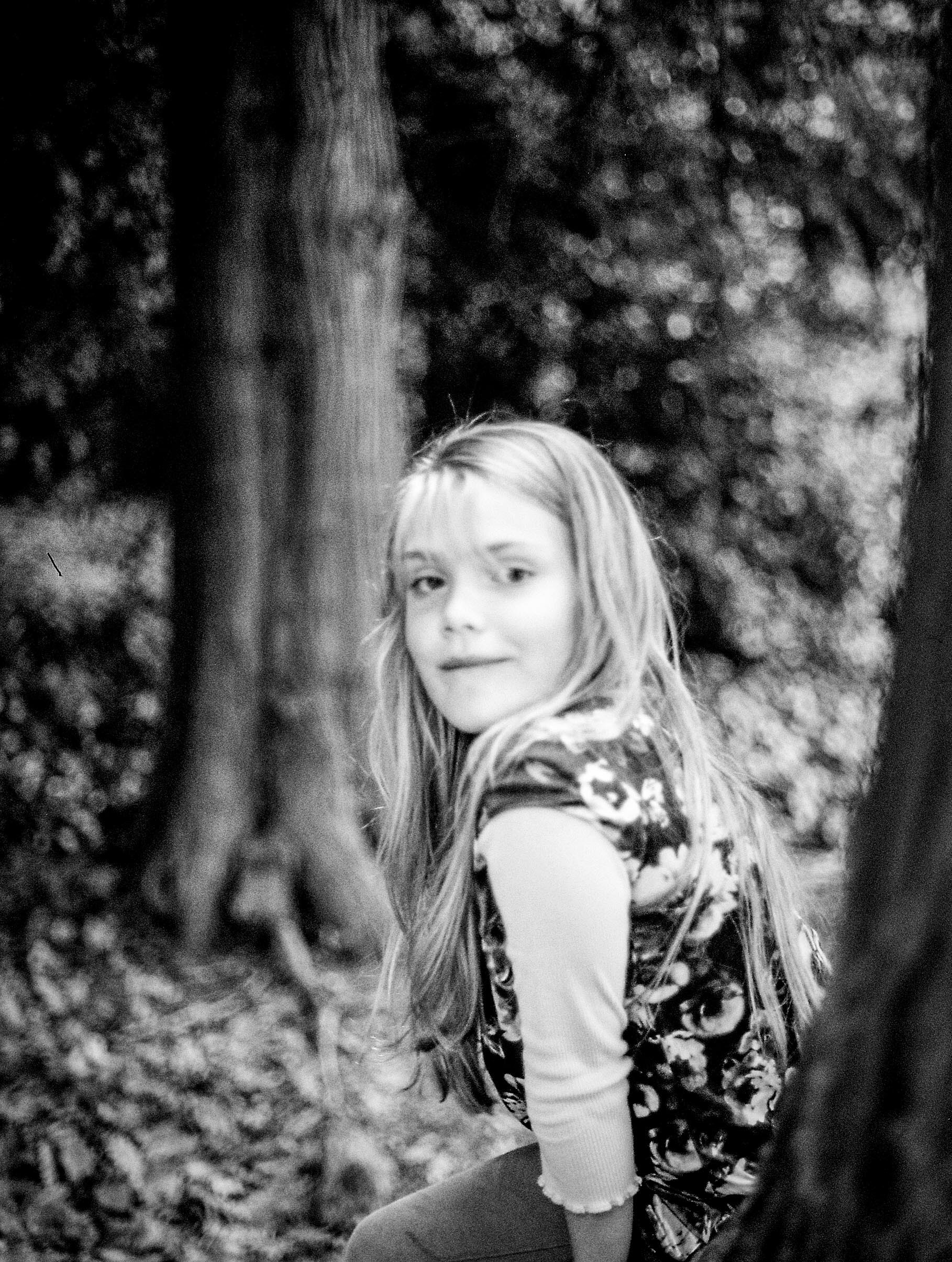
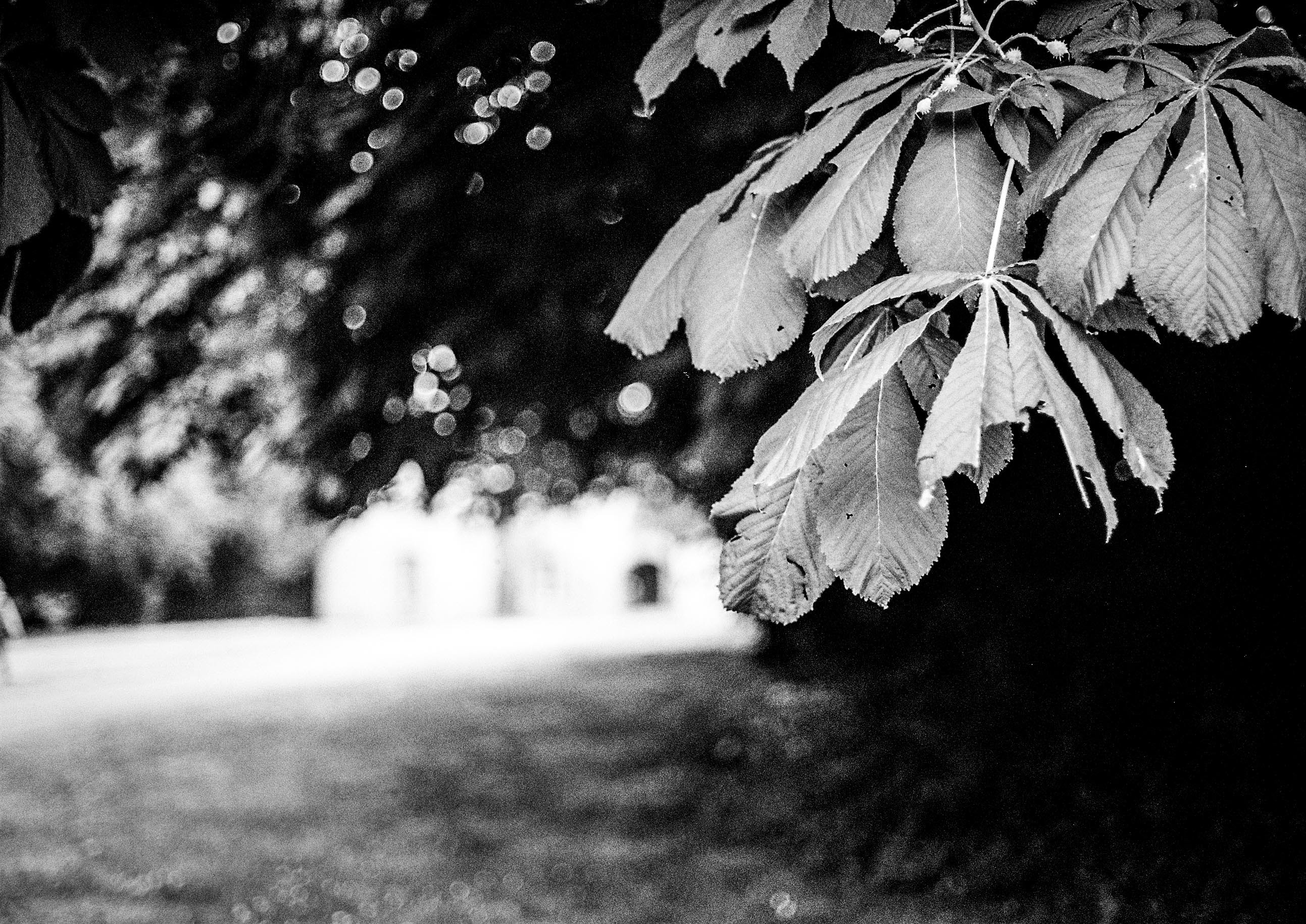
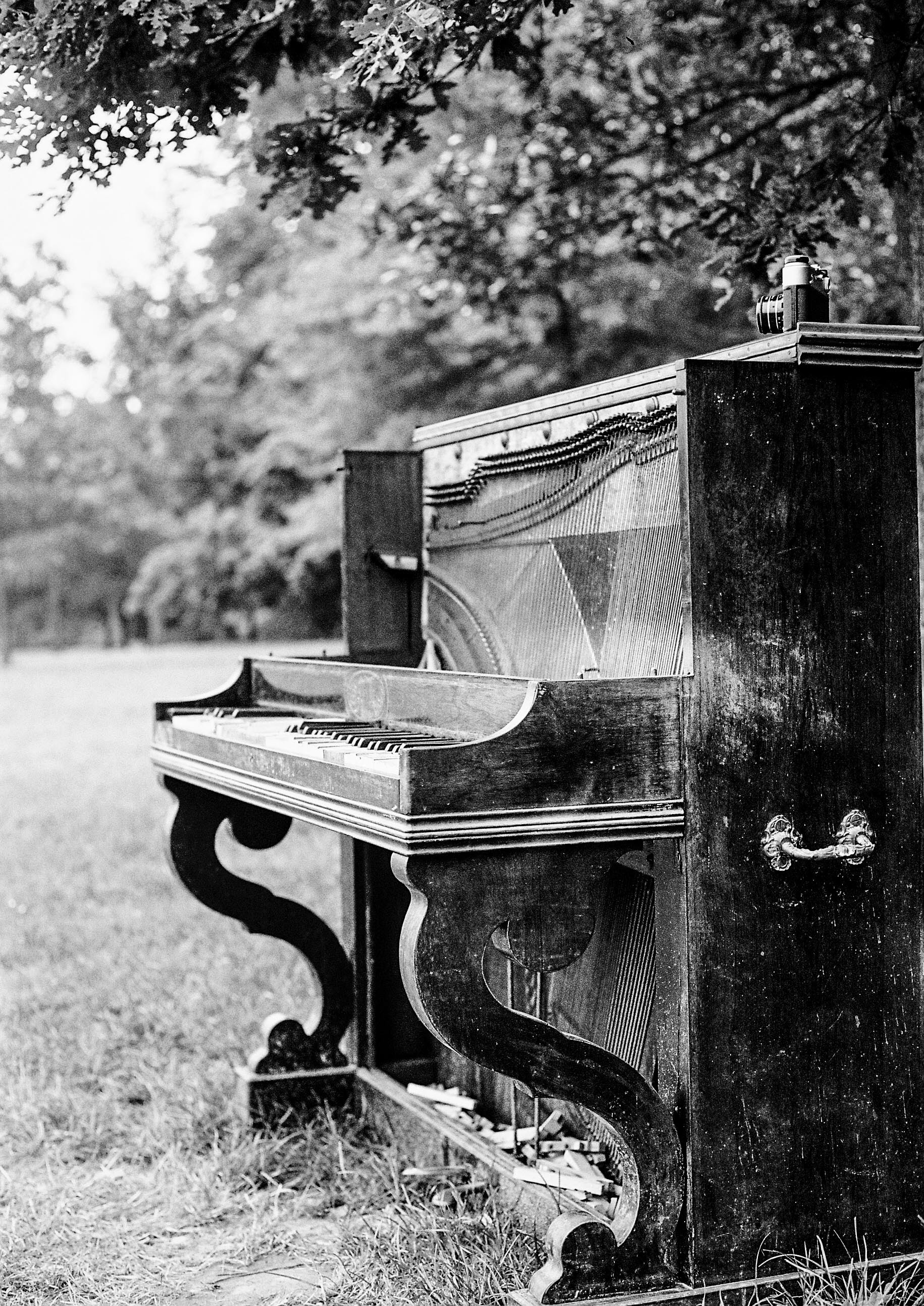
The photos in this article were taken in Montaigu, Vendée in 2016 and feature my daughter. The film is Illford XP, which is a black and white film that is developed with colour film chemicals and processes. C41 for those in the know. It’s always strange seeing photos from nearly 6 years ago and I remember that outing with my daughter as if it were yesterday. It was one of the ways I used to cope with my depression. I might not know what day it was but I remember taking each photo. We all cope in our own individual ways I suppose…



























 IJM Photography