Why the Pentax ME Super Is the Perfect First Film Camera (Even in 2025)


Dear Reader, if you’ve read my last post, you will understand my current state of photographic helplessness after my X100F was taken out of service. Before we proceed, I want to take a moment to reassure my dear mother that I’m doing fine, being a big brave boy during this challenging time, and not losing my mind. I’m still getting my photographic fix, and I thank you, Dear Reader, for your understanding.

Now, let’s dive into today’s topic. The Pentax ME Super, a camera gifted to me by a fellow musician and dear friend, Robert McMillan, holds a special place in my heart. Using it brings back fond memories, and I’m forever grateful for the thoughtful present.

Introduced in 1979, the Pentax ME Super is a 35mm SLR camera that offers reliability and ease of use, making it perfect for those seeking excellent image quality. However, it requires proper focus and composition to make the most of its capabilities. When I use it, I approach photography in a similar manner to how I would with my beloved X100F, albeit with a slight adjustment due to the 50mm lens, which changes from the 35mm lens on the Fuji.

Technical Specs:

  • Shutter speed range: 4 seconds to 1/2000 second, plus Bulb – allowing wide apertures and excellent depth of field.
  • ISO speed range: 12 to 1600
  • Exposure control: Aperture priority
  • Viewfinder: 0.9x magnification, 95% coverage
  • Other features: include a self-timer, a cable release socket, and exposure compensation.

Handling and Ergonomics:

The ME Super is a well-made and compact camera, making it easy to carry around; it is almost the same size and weight as the X100F. The controls are user-friendly and well-positioned. The large, bright viewfinder helps, especially for those of us with less-than-perfect vision.

While it may not surpass the joy I find in using the X100F, the ME Super is steadily gaining ground, and its satisfying shutter noise is a small comfort during this time of longing. Loading and unloading film is a breeze, and the shutter release is smooth and responsive. Additionally, the camera’s reliability is reassuring, offering solace in the absence of the X100F.

Image Quality:

The Pentax ME Super consistently delivers excellent image quality. Composing shots is a breeze with the sharp and bright viewfinder, and the aperture priority exposure control ensures proper exposure. For someone like me who cherishes depth of field, the 1/2000 of a second shutter speed is a delightful feature.

Moreover, the ME Super is compatible with a wide range of Pentax K-mount lenses, providing versatile options for image-making. With my collection of 24mm wide-angle, 50mm F1.7, and 24-80mm zoom lenses, I’m well-equipped for various shooting scenarios, and there is even a 15mm wide angle lens, but I nearly peed myself when I saw the price!

The Verdict:

In conclusion, the Pentax ME Super is an exceptional 35mm SLR camera. Its well-made design, ease of use, and ability to produce outstanding image quality make it an appealing choice. If you’re searching for a reliable and versatile camera that brings years of photographic enjoyment, the Pentax ME Super won’t disappoint.

Pros:

  • Excellent build quality
  • Sharp and bright viewfinder
  • Simple and straightforward operation
  • Wide range of compatible lenses
  • Capable of producing excellent image quality
  • Built-in exposure compensation
  • Self-timer
  • Cable release socket

Cons:

  • Flash sync limitations at faster shutter speeds (i.e., more than 1/125)
  • Not an X100F

Overall:

The Pentax ME Super is an excellent 35mm SLR camera, offering great build quality, ease of use, and superb image quality. It’s a dependable choice for any photography enthusiast seeking a delightful film shooting experience.

Additional Information:

The ME Super remains popular among collectors for its exceptional build and image quality. If you’re interested in acquiring one, you can explore used cameras online or at camera shops. Additionally, you’ll find manuals and other valuable information about the camera on the internet.

I hope this review proves helpful. If you have any questions, please feel free to ask in the comment section.

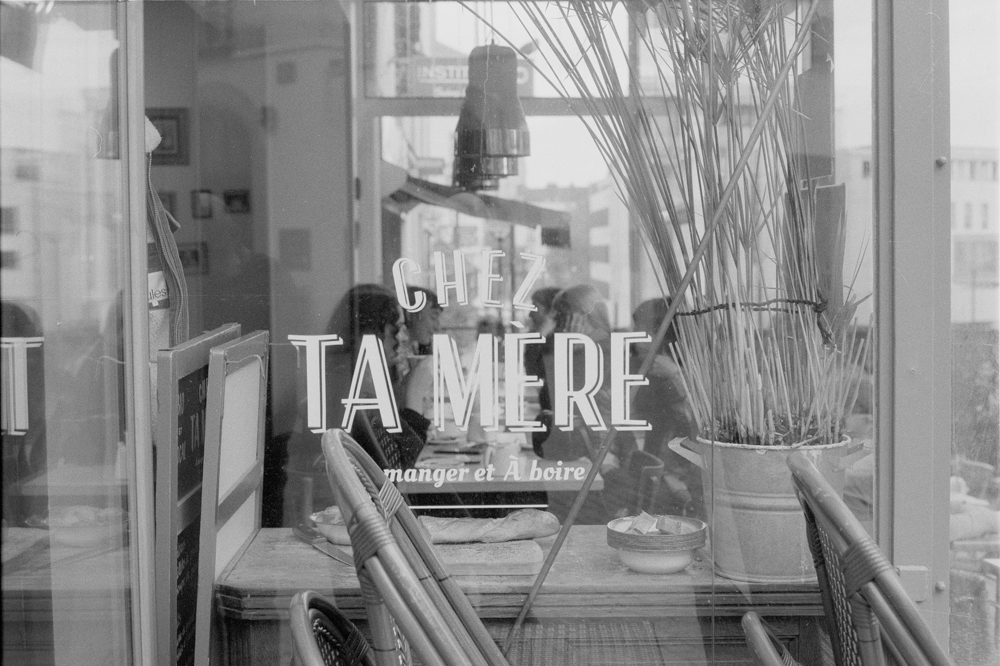
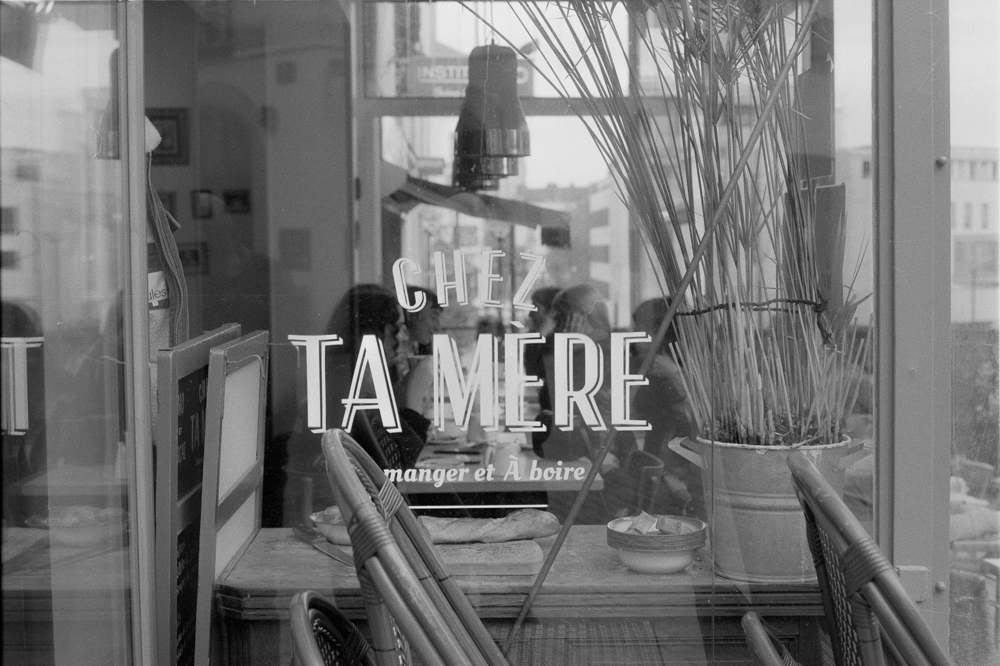
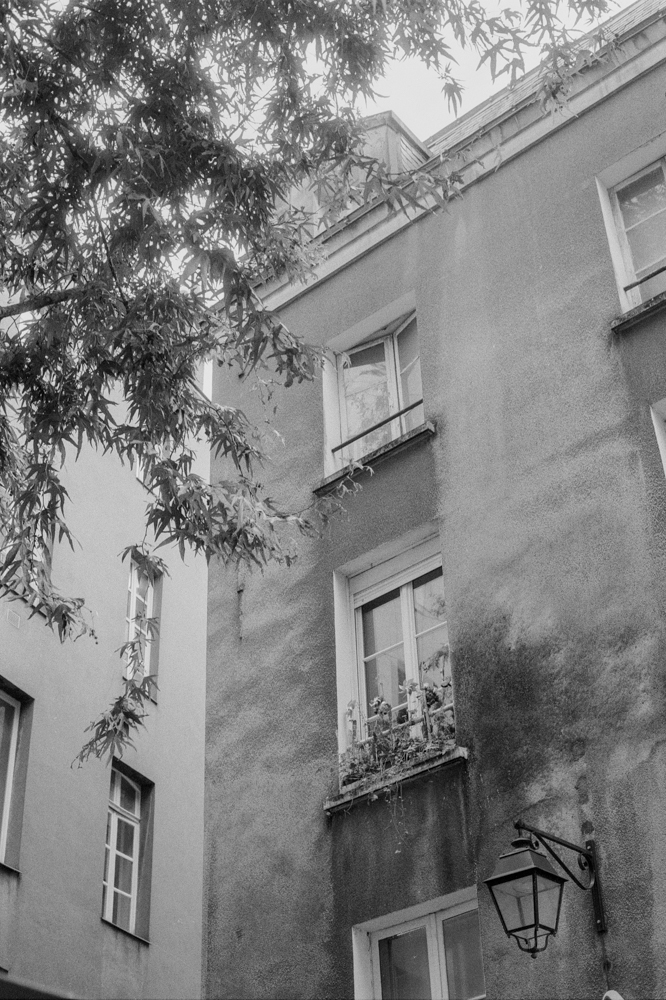
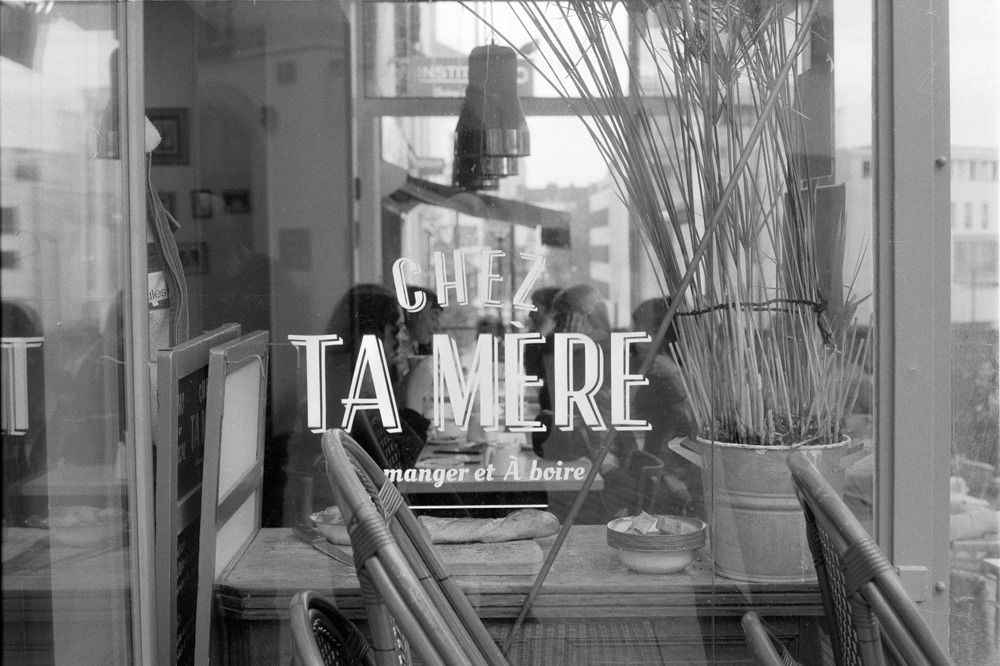
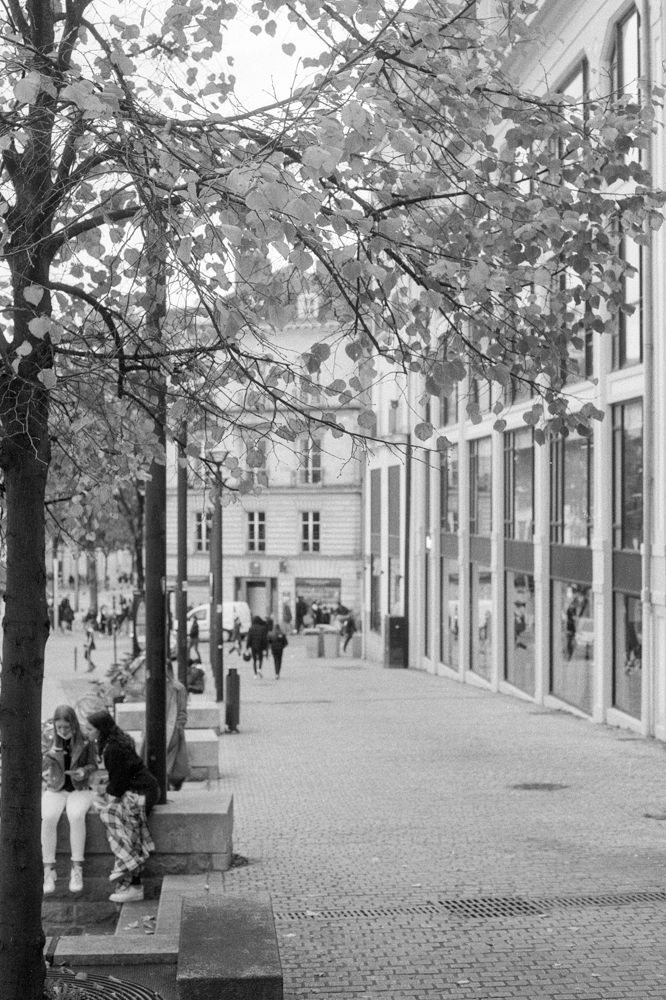
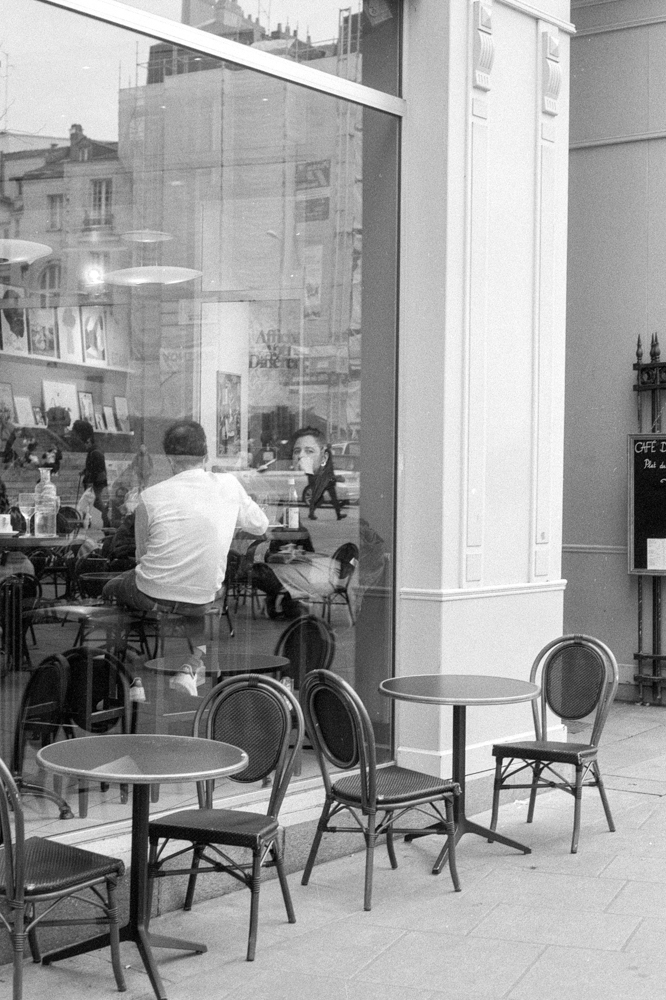
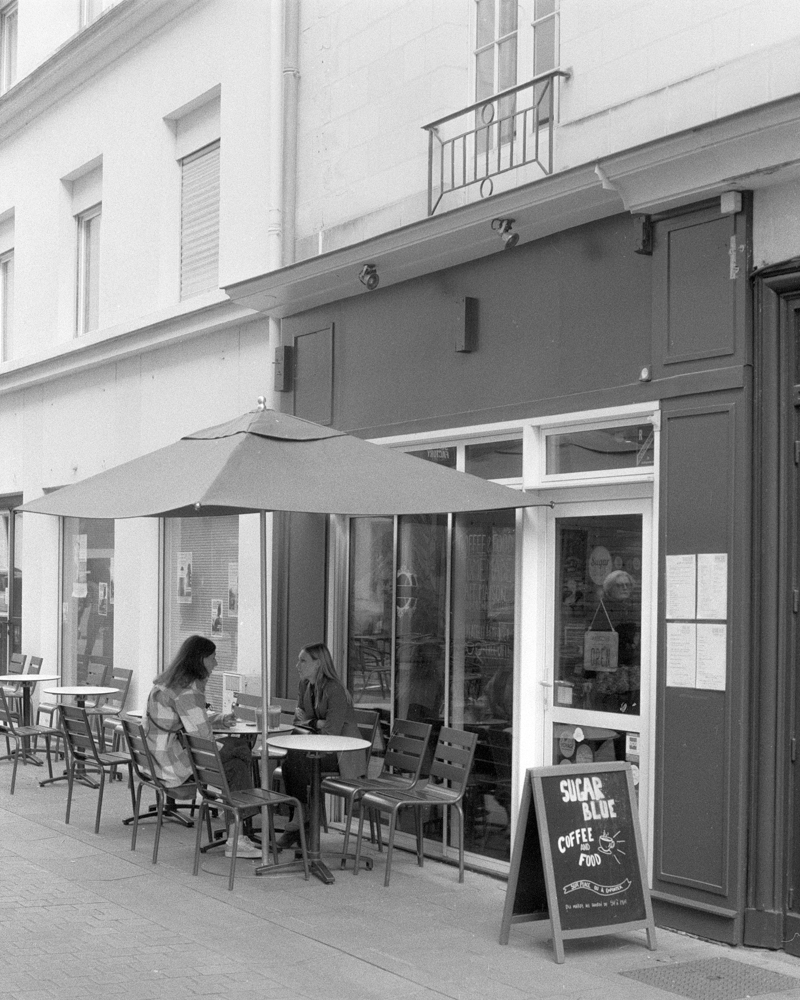
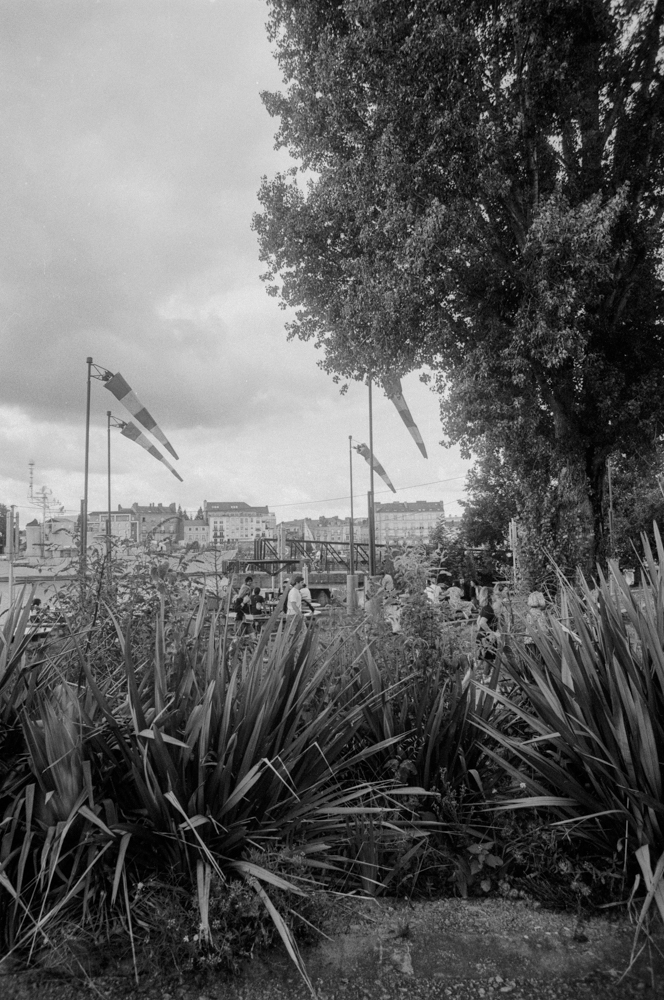
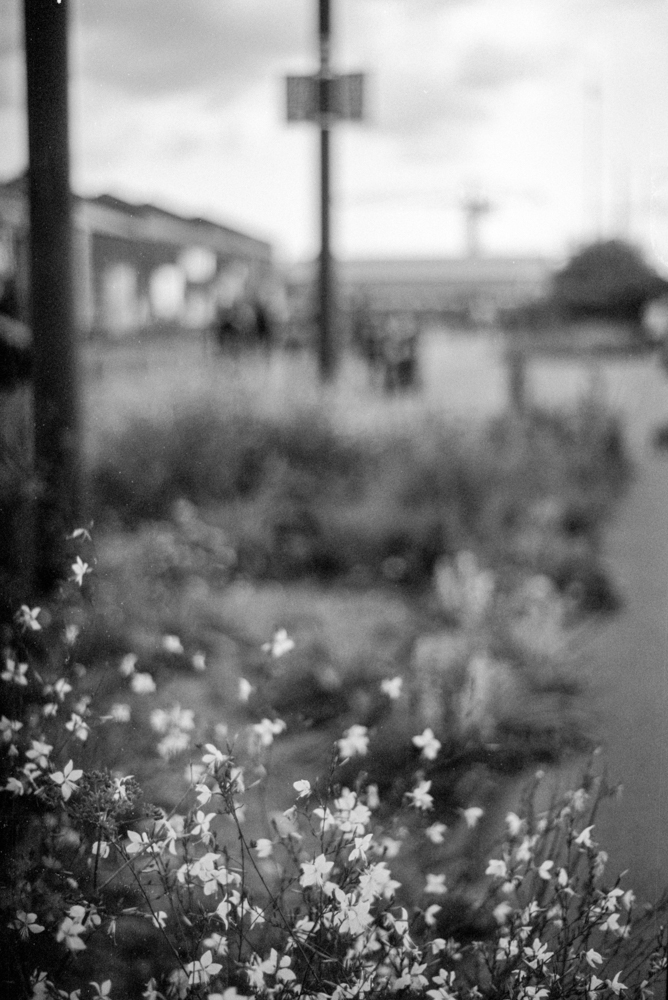
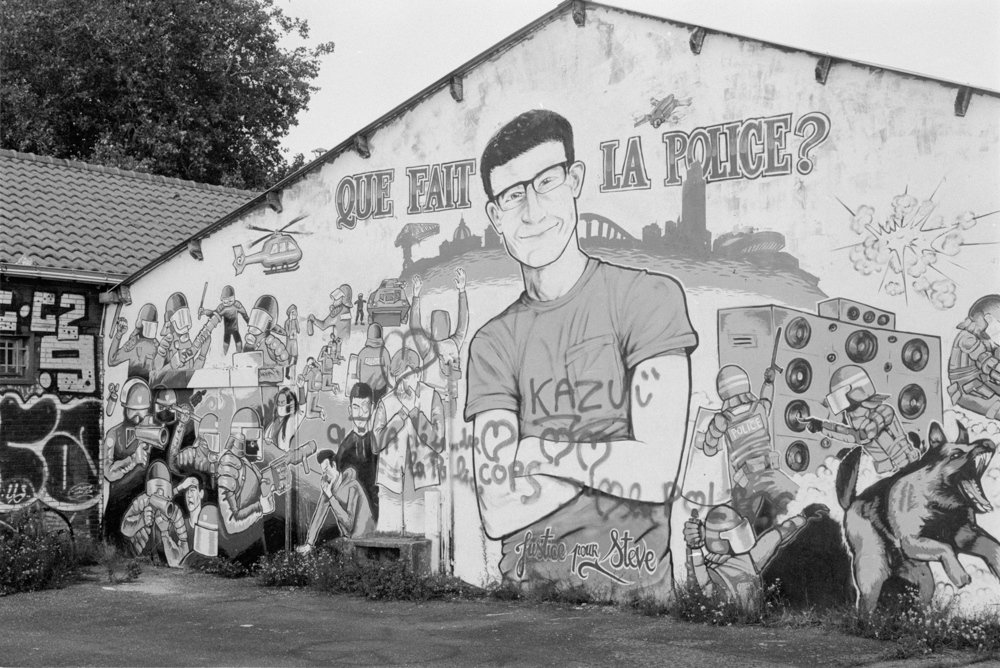
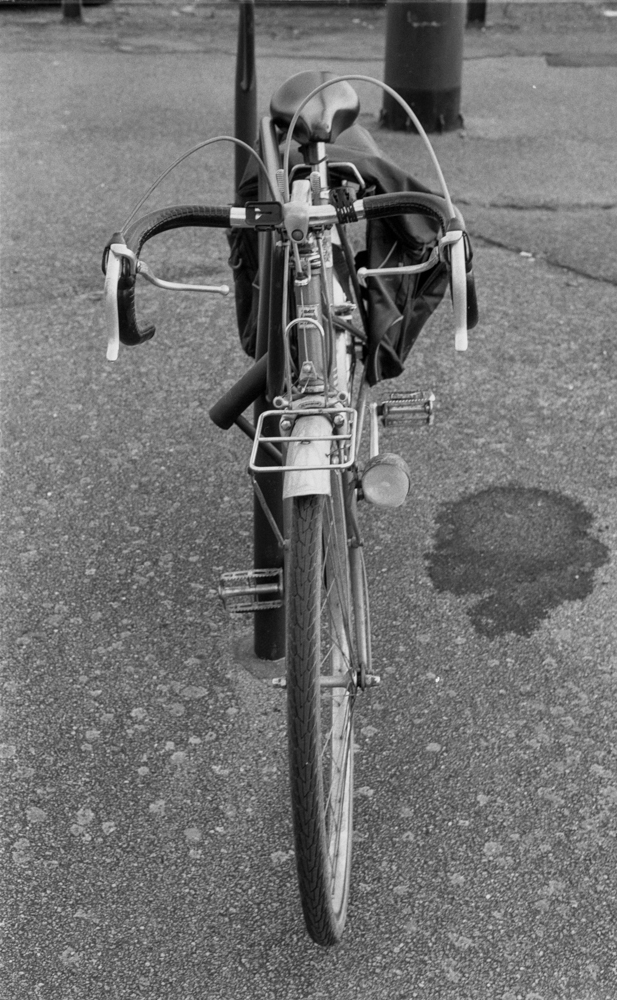
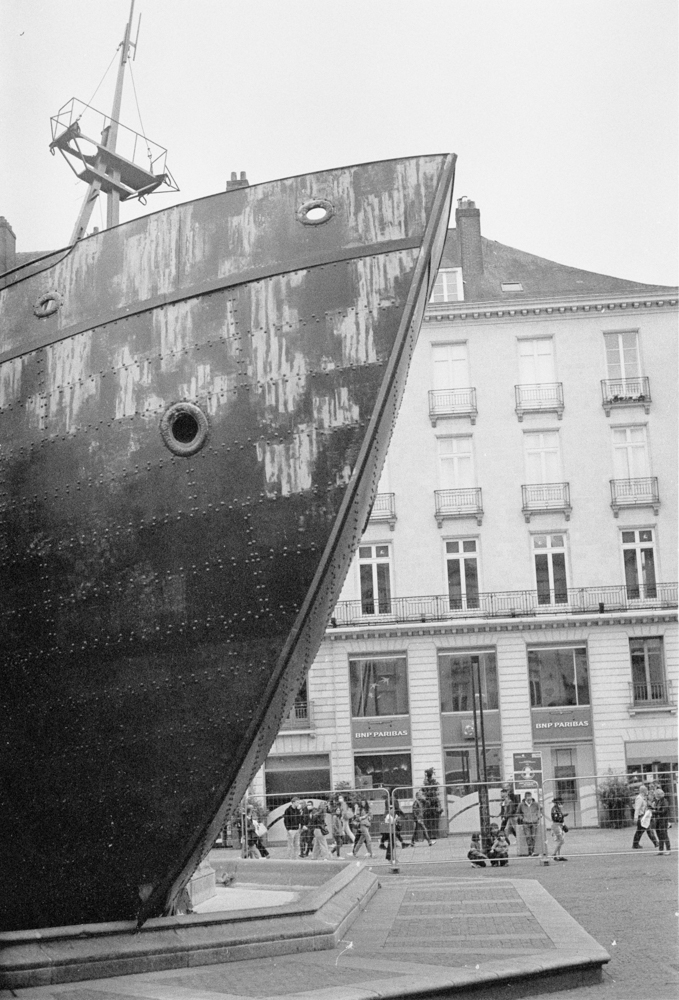
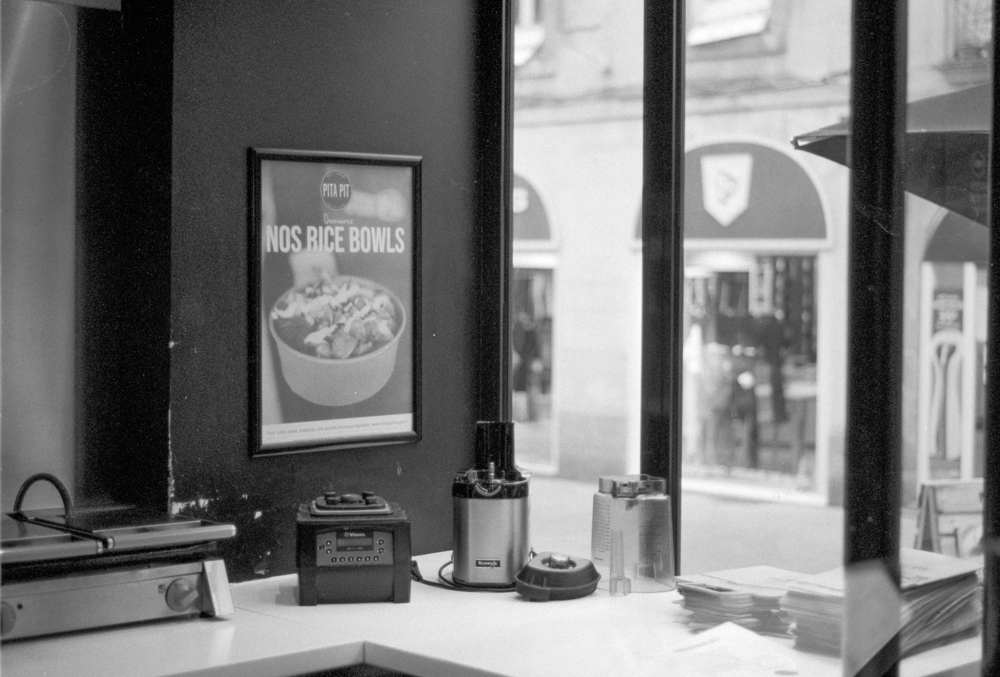
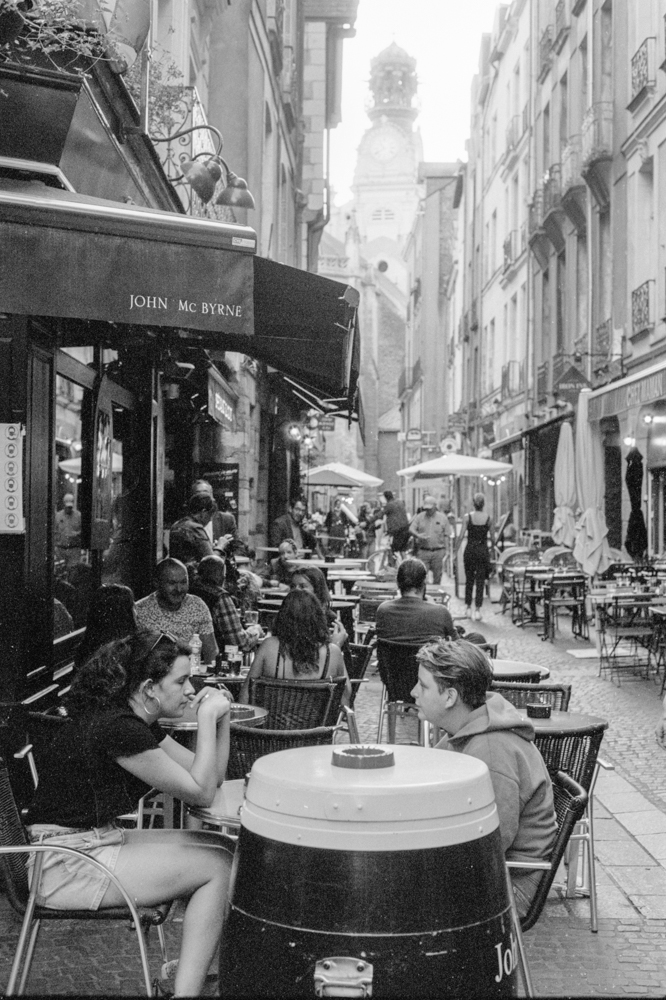
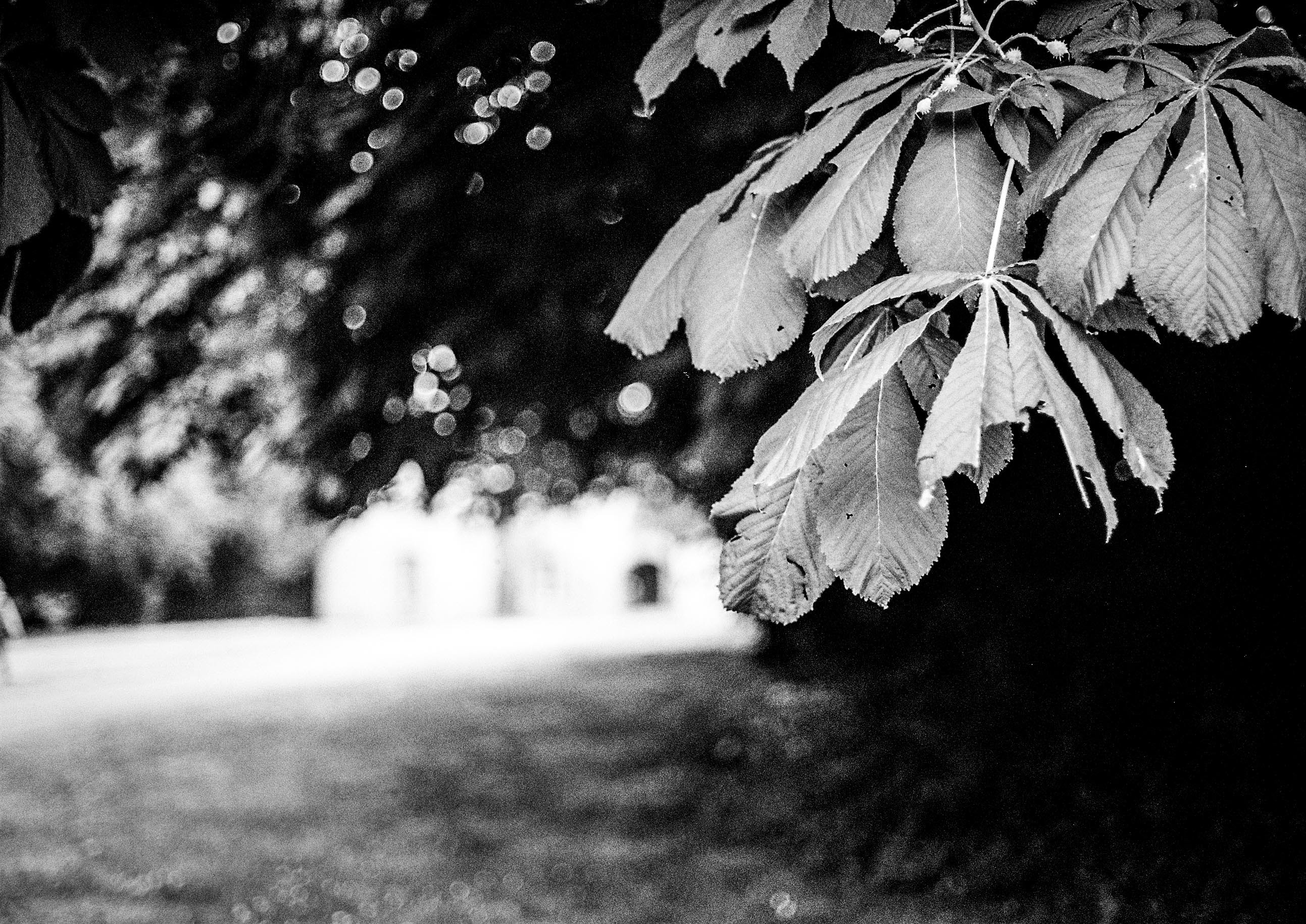
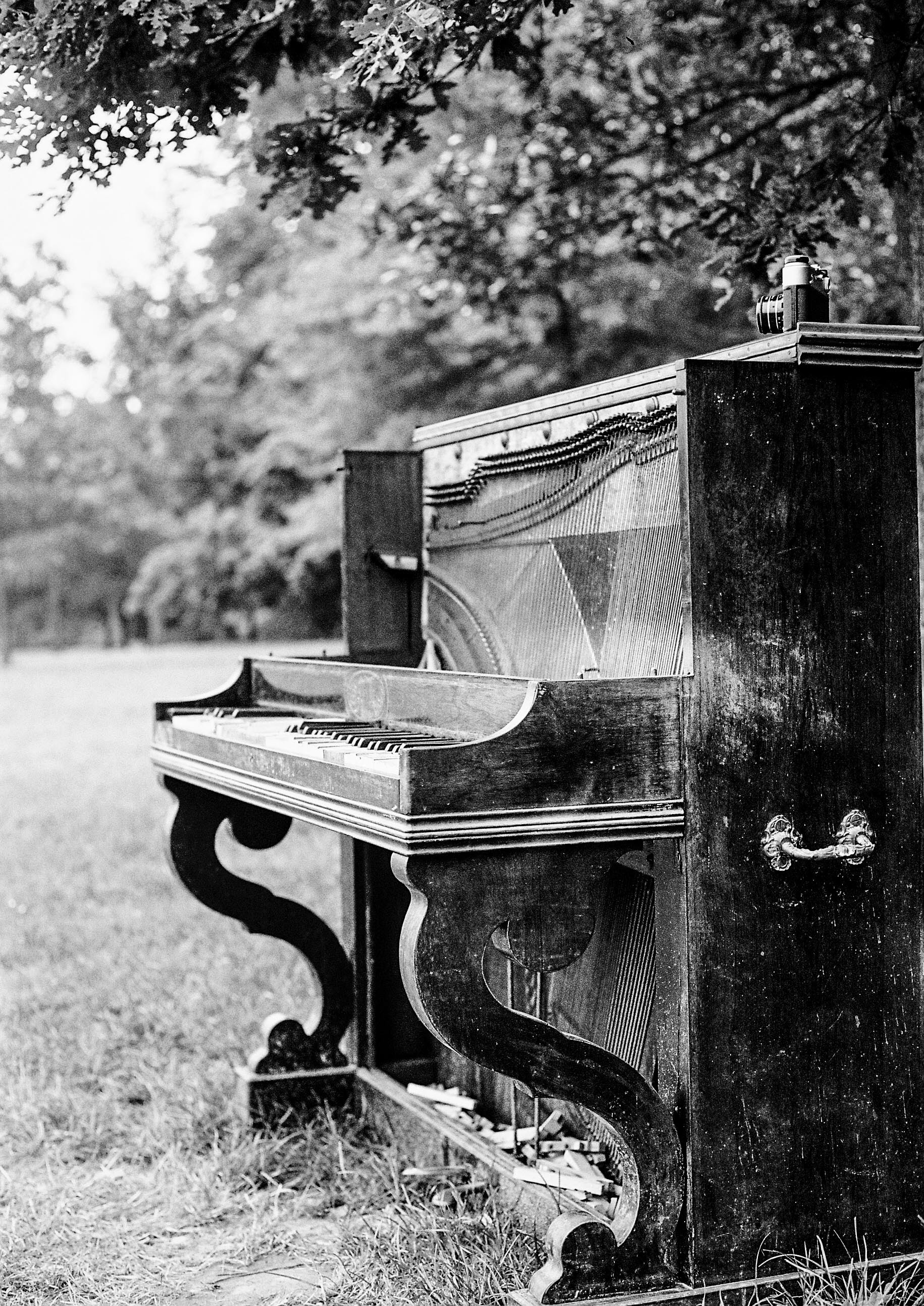
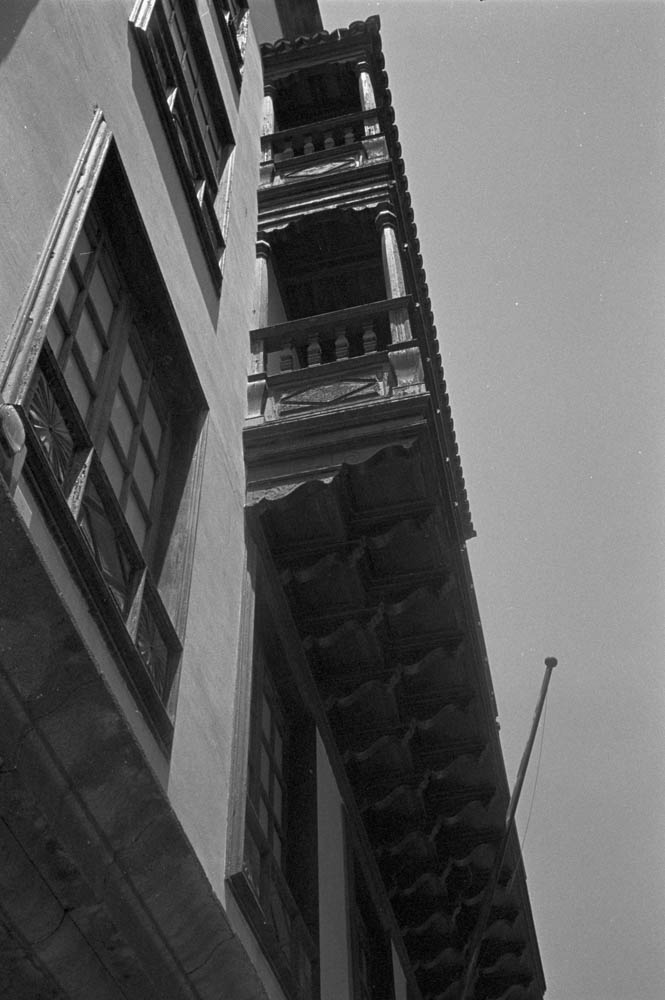
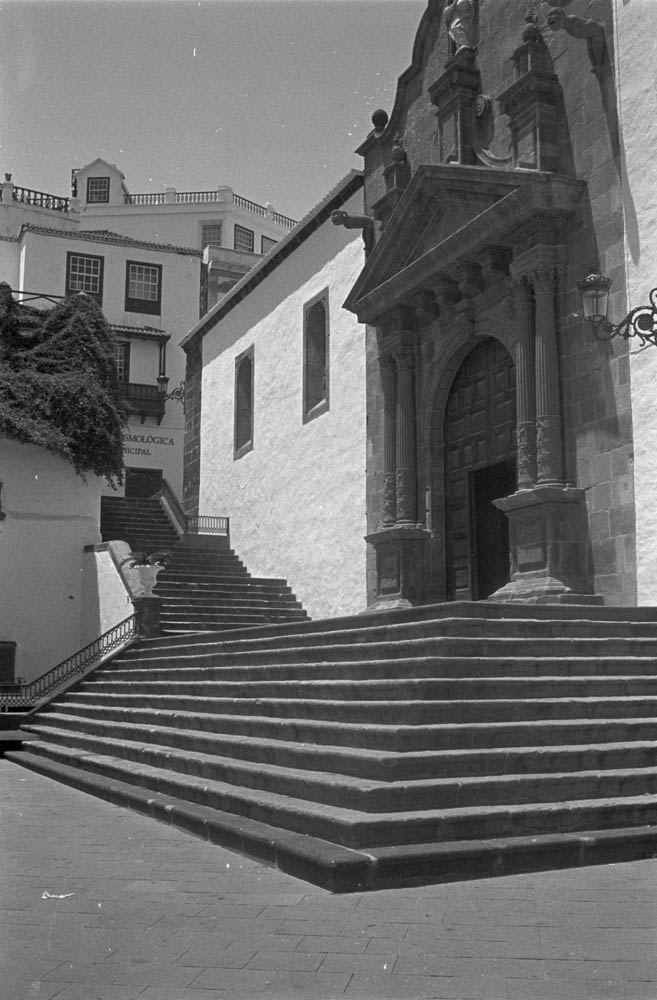
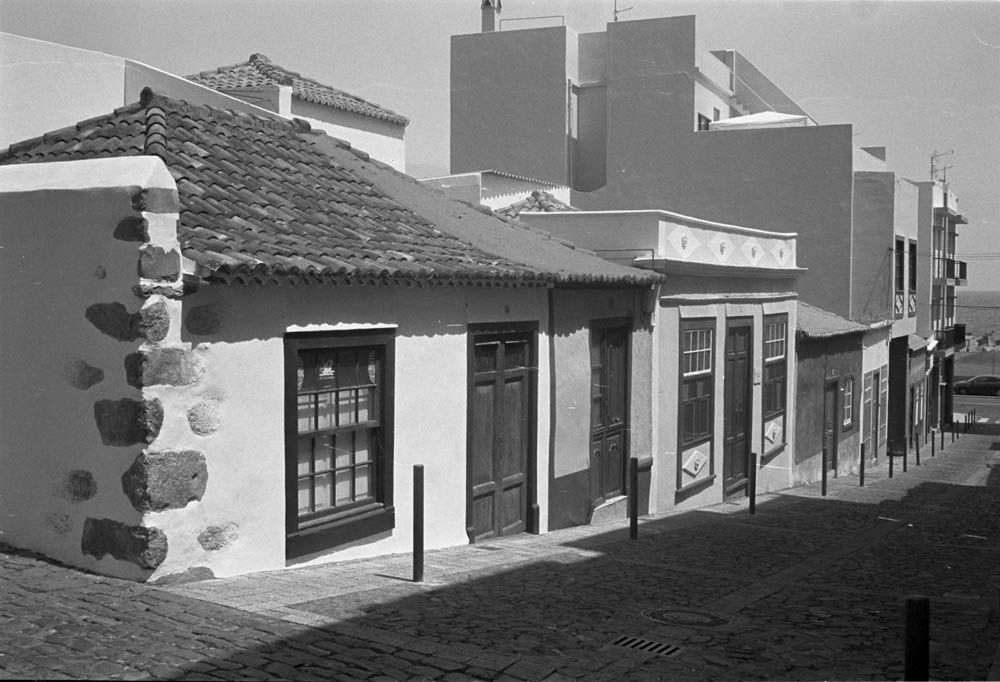
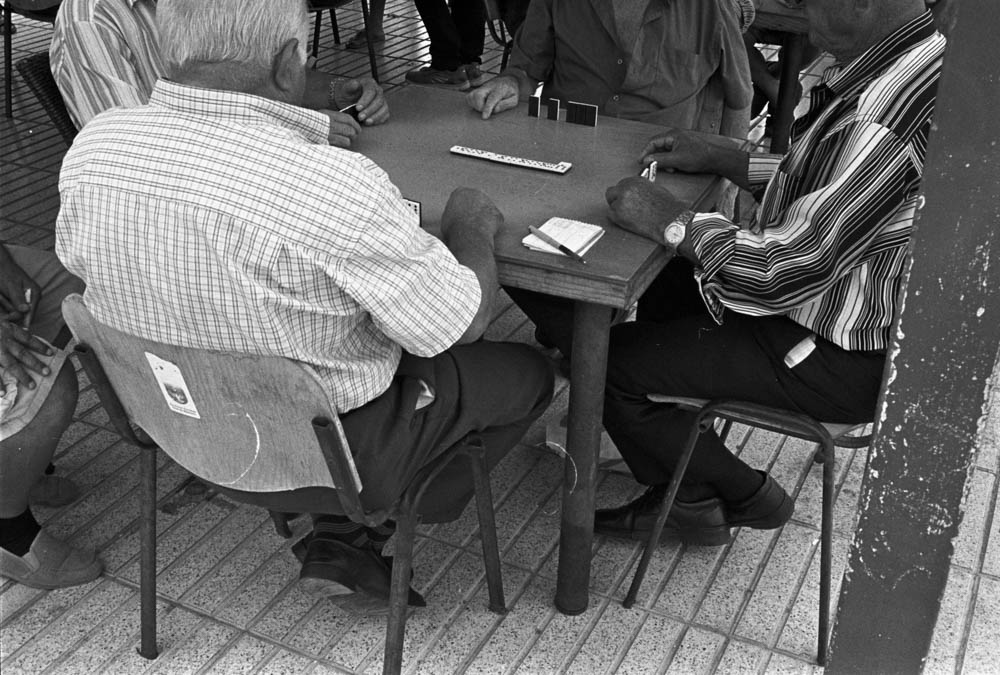
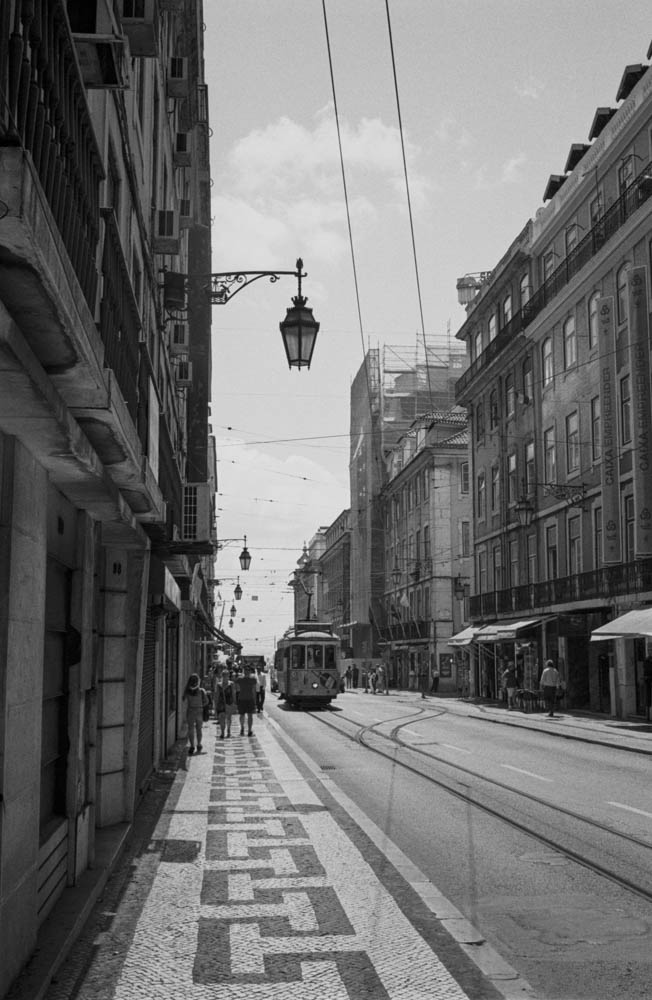
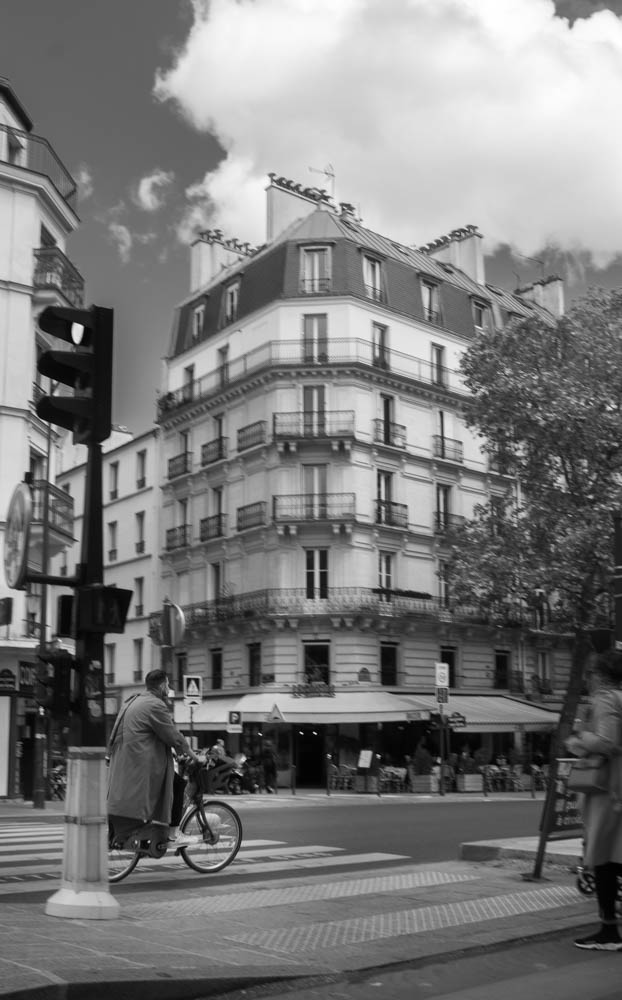
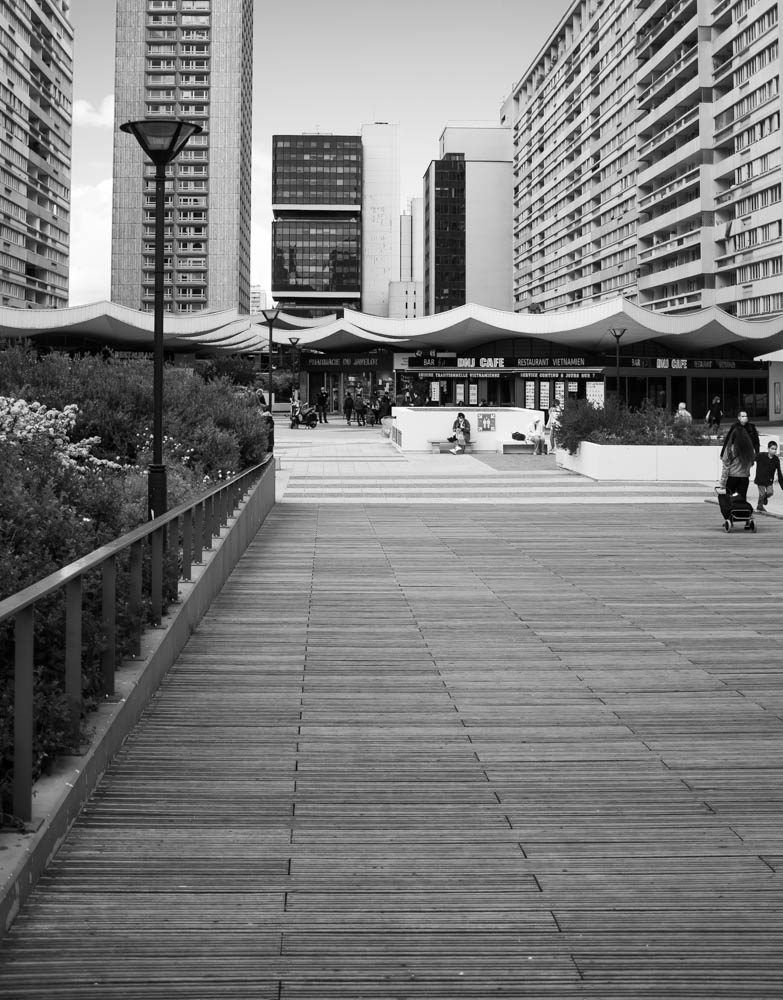
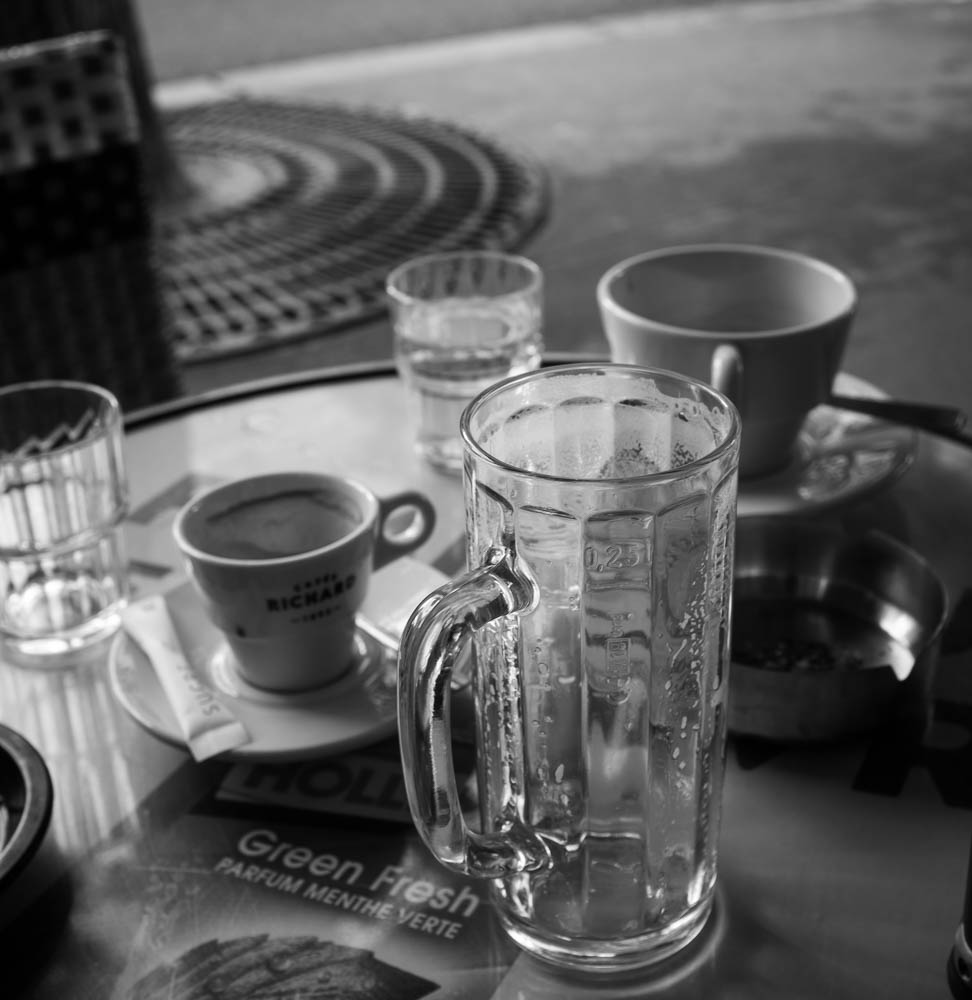
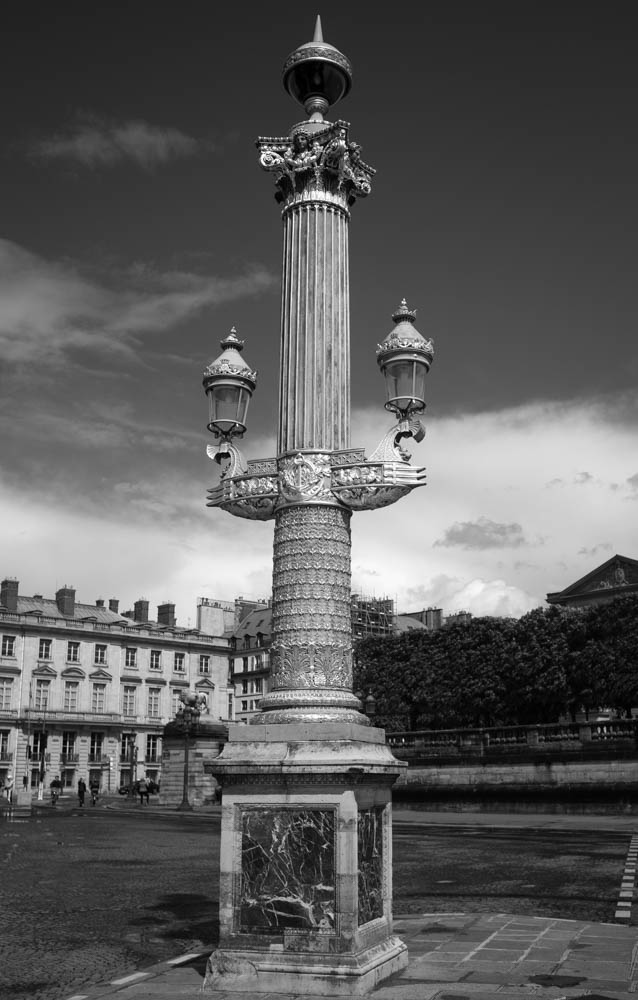
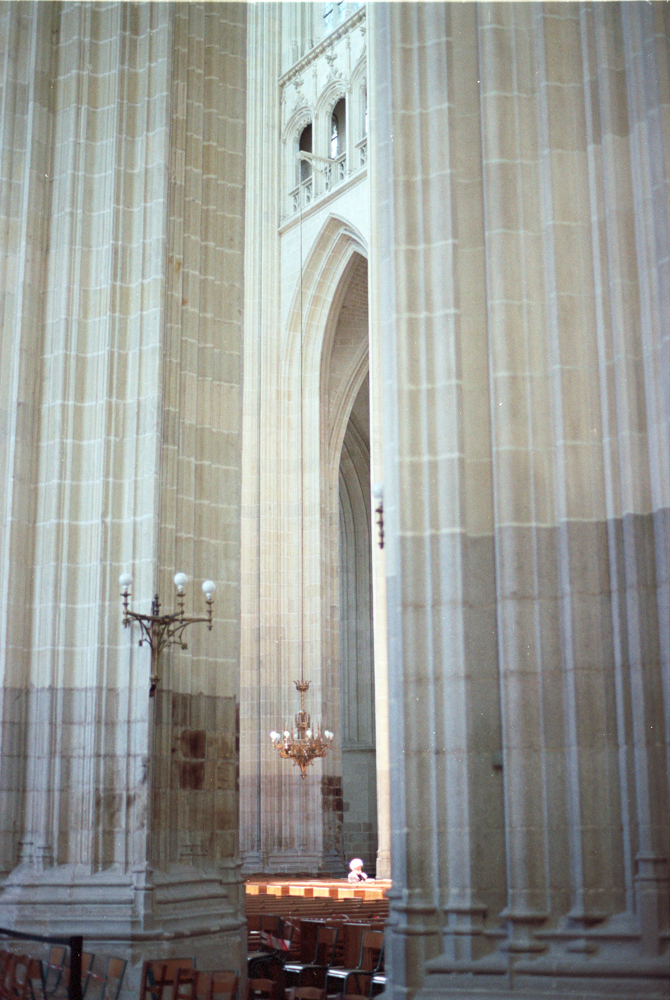
But, most importantly, let me stop talking and allow you to enjoy some photos taken with the Pentax ME Super, capturing moments in Clisson and Nantes.

Post Scriptum

If the Pentax ME Super has caught your attention, I’d recommend checking out my other posts on classic film cameras like the Olympus Pen EE S (Aug 9, 2023) or my reflections on the lasting appeal of film photography in In Defense of Film (Aug 23, 2023). For a more in-depth look at the Pentax in action, mark your calendars for Capturing the Essence of Nantes: A Street Photography Journey with the Pentax ME Super and Kentmere 100 Film (coming Nov 17, 2023). And for those curious about the Fujifilm X100F, you can preview how it compares in Seeing the World Through 35mm: Street Photography with the Fujifilm X100F (Jun 21, 2023). A more detailed comparison between these two cameras is also coming this November!

The FED 5


Back in 2009 I had a camera that died on me.  It might only be a camera to you but to me it was everything.  It was my first camera.  I was heartbroken.  To those of you mocking me, just think back to your first car and to your first accident in that car.  Alright, you may not be shedding a tear you unemotive bastard, but you might just have the smallest of inklings about my loss.  It was my fist camera that had taught me the basics of photography, and since 1987 had been a relatively constant companion, and part of me.  My son now has it on a shelf looking pretty damn cool on one of his shelves.

It was at that time that I had come back to film from digital.  Why bother using filters that would emulate film photography when you could get the same thing straight out of camera without going through the rigmaroles of messing around in Photoshop to get that result?  At that time, although digital gave me a lot, there was something missing.  Like most of us I was looking for something authentic. 

I went to the camera shop to see if anything could be done to repair my camera and bring it back to life.  With hope I entered the shop that would become a familiar haunt, and had to face the brutal truth.  My Praktica MTL3 was dead.  It had passed on, this camera was no more. It had ceased to be. It had expired and gone to meet its maker.  It was a stiff.  Bereft of photographic life.  It was resting in peace.  It was pushing up daisies.  Its metabolic processes were now history.  It was off the twig.  It had kicked the bucket.  It had shuffled off its mortal coil, run down the curtain and joined the bloody choir invisible. IT WAS AN EX Praktica MTL 3!  Any similarity to a Norwegian Blue parrot pining for the Fjords is a mere coincidence!  So I asked him if I could buy the one in the display cabinet and he said of course I could and that yes it was a little expensive, it came with a 6 month guarantee, and here was a film for it, and no mention of Bolton or Ipswitch.  Although not exactly the same it was a purchase that set me off on a series of events that lead me to “collecting” a certain quantity of cameras.  It was either that or becoming a lumberjack. 

Through YouTube, articles on the net, and my own research, I learnt about some of the iconic cameras that I never had, and at that stage, the hipsters hadn’t bought up everything on EBay and you could still get something very decent for un £50, which now of course might set you back between £150 to £200!  So I was very fortunate to start collecting when I did.

On the famous YouTube, and its infamous photography videos that I still seem to watch on a regular basis, I went down the rabbit hole of specialising in film cameras.  There was one guy, called Matt Day, who waxed lyrical about his Leica M6, and how much he loved using it to take images from his everyday life.  I started thinking, could this be my next acquisition.  And then I started looking at the prices that these things cost.  Megabucks, which is something that I don’t have and even if I did, such a purchase would be grounds for divorce.  It’s cheaper to keep her, as the classic Rhythm and Blues (before it became R’nB) so wisely reminded us. 

Therefore, what is the difference between my new old Praktica MTL3 and a Leica M6 I hear you say. Well, both are German.  One is a classic camera from a West German manufacturer, and was the gold standard of 35mm cameras from pre war times right up to the modern day, and was a rangefinder, the other one being a relatively cheap and yet very solid SLR from the old East Germany.

So both were made by the Boche, one further to the left that the other.  They say a picture is worth a thousand words, so a video  must be worth two thousand words! Earlier I talked about a certain Matt Day, well here is a video of his from last year talking about the differences.  I’ll let you watch it, and then we will be both on the same page!  I can tell you’re impressed.

Soooooo, I wanted to learn about a rangefinder and see how they worked out in real life.  But, as I said earlier it’s cheaper to keep her, so I was going to have to find another way of doing things.  As many photographers on a budget but wanting to get some half decent materiel, I looked East, towards Mother Russia.  Communism is messed up, but it did leave some rather solid cameras, and to the rangefinder aficionados, the names Zorky, and FED will be familiar.  The Zorky looks very vintage, rather sexy and exclusive with its Cyrillic writing on the top of the body, but I was not comfortable about using a camera without a light meter.  The Sunny 16 rule should be easy enough to follow, and with the latitude that black and white film photography gives you, you shouldn’t go too far wrong, but I was being stubborn, which is so out of character for me. 

I moved on to looking at the FED 5, especially since I had found one for only 15€ imported directly from the Ukraine, which at the time was not at war or hadn’t been annexed either by Mother Russia.  Oh you naughty boy Vladimir!!

Let’s get the boring stuff out of the way first.  The FED 5 was produced in the Ukrainian city of Kharkov from 1977 until 1990.  It is a 35mm format rangefinder camera, with interchangeable lenses with a Leica M39 screw thread, (mine has a 35mm f2.8 lens, which is great for street photography).  It has a focal plane shutter, shutter speeds of 1 second to 1/500th of a second, bulb mode, and the flash sync speed is 1/30th of a second.  What more could you ask for.  The film loading is similar to the Leica where you remove the base of the camera, load your film etc. and then put that base back on.  Because you know that it’s about the bass, ‘bout that bass no treble…

To do the metering you have to put your faith in the selenium cell light meter, on the top right of the front of the camera.  This will give you a reading on an EV meter on top of the camera next to the “calculation wheel”.  One dial is for the speed of you your film.  Now don’t go looking for Din, ISO, or ASA, but look for GOCT, or GOST. 90 GOST is 100ASA, 180 being 200ASA etc.  For 400ASA I just turn the little dot to the S in GOCT.  It’s one of those Soviet things that is just a quirk of this camera. This will give me a reading on the outer dial with my shutter speeds and F Stops combinations to nail that exposure! 

As with other Soviet-era rangefinders, the shutter-speed selector rotates when the shutter is released, and this should not be changed “until after” the shutter has been cocked. If you change the shutter speed before you cock the shutter first, the setting pin can be broken when you advance the film and cock the shutter!  Don’t even bother trying.  I never have, and it still works today!

Focussing is easy which is always something that catches my eye, no zone focussing, and it’s slightly different to the SLR.  As you saw in the video, there is a ghost image in the middle of the viewfinder and as soon as that ghost image disappears, it means that you have focussed successfully. 

Anyway, I paid my 15 Euros and a Ukrainian camera arrived two weeks later in an original box which is still in a display cabinet in my hallway.  The leather case still smells of leather! So I tried the damn thing out.  Worked out how to load the film which as completely foreign to me but still doable and not too demanding even for me.  It is supposed to be the street photography camera par excellence for a few reasons.  Firstly it looks pretty sexy around my neck and the leather is top notch without necessarily having a leather fetish, but each to his own!  You can use zone focussing with the lens as you can see at such and such an F-stop, the part of your photo which will be in focus is shown on the lens.  There is no mirror that slaps up, and the camera is relatively silent, and can be used to close to your subject and get that trendy and yet timeless street portrait.  Shooting from the hip. 

I can hear you saying, well thank you Ian for all this information.  Really great, and almost useful.  But pray tell, is it any good?  What’s it like to shoot with?  Is it worth me looking into? Can I buy you a Leica M6 for your birthday? 

Well Dear Reader, let me address your interrogations.  Firstly is it any good?  It is definitely slightly sexy and certainly looks the part! I wasn’t used to the focussing of a rangefinder but found the focussing to be spot on.  I’ll let you have a look at the photos and let you judge!  What’s it like to shoot with?  Once you get used to the way a Soviet camera functions it’s actually pretty neat!  What I do like is being able to get my exposition without having to look through the viewfinder.  You know that you’re going to be spot on, and indeed I was.  That’s half the battle won, which is what we’re all about.  It works mate, it works!  You need to be able to get that sot that you want and I think that’s pretty simple to do.  Is it worth me looking into?  All depends on what you’re looking for.  If you can get one for a relatively cheap price then get one just to try out; you can always sell on.  I certainly have no regrets and it’s still in my collection which just goes to show you!  Can I buy you a Leica M6 for your birthday?  Who am I to refuse such generosity?

The photos in this article were taken in Montaigu, Vendée  in 2016 and feature my daughter.  The film is Illford XP, which is a black and white film that is developed with colour film chemicals and processes.  C41 for those in the know.  It’s always strange seeing photos from nearly 6 years ago and I remember that outing with my daughter as if it were yesterday.  It was one of the ways I used to cope with my depression.  I might not know what day it was but I remember taking each photo.  We all cope in our own individual ways I suppose…

The Olympus Trip 35


After the success of my review of the Fuji Film X100F, I am excited to introduce you to another fantastic camera. If you’re not a tech-savvy person, don’t worry, this camera is a breeze to use. In fact, even my seven-year-old daughter had no trouble operating it! Let’s delve into the world of film photography with the Olympus Trip 35.

The Olympus Trip, as the name suggests, was designed for travel photography and gained popularity in the 1960s and 1970s (production ceased in 1988). This point-and-shoot camera comes without any gimmicks, and while this may not be a style or fashion blog, the Olympus Trip 35 is a beautiful object that exudes undeniable sex appeal. Trust me; you’ll have people complimenting you on how gorgeous your camera looks. To add to its allure, I replaced the original wrist strap with a more comfortable and chunky version from Amazon.

One of the camera’s limitations is that you can’t change lenses. However, the 40mm Zuiko F 2.8 lens covers most situations you’ll encounter during your photographic journey and delivers stunning results, especially with modern emulsions! Just take a look at the X100F photos, and it becomes evident. While the Olympus Trip lacks the modern conveniences of a DSLR or mirrorless camera, it compensates with the absence of battery worries as it relies on a selenium cell for metering. You will need to get film for it, and it takes ISO (or ASA) 25 to 400, which works well for your travel needs.

Loading film is incredibly simple, even a seven-year-old can do it, just like my daughter did with ease. Once the film is loaded, you’re all set to explore the world through your lens. Let me explain how to focus the camera. The Olympus Trip uses zone focusing. As you turn the lens, you’ll see markings for different distances, such as a face, a couple, a group of people, and a mountain for infinity and beyond. It’s photography, not a film about Ants or Seven Samurai, so rest assured it’s easy to grasp.

Regarding shutter speeds, the camera offers two options: 1/200th of a second and 1/40th. The camera will automatically choose the appropriate shutter speed. With a 40mm lens, camera shake shouldn’t be a concern at 1/40th of a second. This versatility allows you to capture images at F22 with 1/200th of a second to F2.8 at 1/40th of a second. Keep an eye on the F-stop dial in the viewfinder for a seamless shooting experience. Set the camera to A (automatic) when not using a flash. If there’s insufficient light, a little red flag will pop up in the viewfinder, indicating that the camera shutter won’t fire. Rest assured; it’s idiot-proof!

To make it easier to understand how to load film, her is a helpful video from YouTube.

So, get out there and start taking some amazing photos! Embark on street photography adventures and capture the essence of your trips. The Olympus Trip 35 is here to be your trusty companion. Have fun and feel free to share your photos with the world! Mine are from a memorable trip to Portugal and the Canary Islands in 2016, shot on Ilford HP5 Plus film. Make of them what you will, and let the camera take you on a delightful photographic journey!

The Fujifilm X100F


I use a Fuji X100F as my every day camera and love it for different reasons.  Firstly, this article is not a collaboration with Fuji or anyone else for that matter.  Will I fan boy on my Fuji camera?  Possibly.  Is that a problem for me?  Nope.  Is that a problem for you?  I haven’t a clue, but if it is you might want to wait for the next article…

Here is a link to the manufacturer’s site, which will give you all the techy stuff.  I don’t really care about that.  It’s part of the camera of course, but not just.  I’ll take you back to 2018 when I bought the camera.  I had a Sony bridge, which was fine, but left me wanting, like a French cup of tea, or an English so called baguette.  I mean they try hard, but it’s not just quite there.  The fact that I could only get jpegs and not raw files was bugging me like a small child who has more patience that I do.

I have never done a review article yet, and after this one and feedback, might not try again.  I’m counting on you Mummy to put me right!  I don’t even have a plan for what I’ll be writing so you might just be reading the edited version of this article which hasn’t even been written yet.

Anyway…  Back to the subject in hand.  I had done a large amount of film photography to get me over my photographic frustrations.  It was really doing it for me too, and I would get a huge amount of pleasure.  The negatives and scans were giving me some beautiful images, and my mother has a huge print of one those images on the wall in their house.  I might have overdone it again.  It’s massive on their wall and is definitely a “statement” piece.   And that statement was even though not my childhood home, it’s still a beautiful part of the world to be able to call home.

Why am I not talking about a Fuji camera yet?  Because I’m doing the groundwork and preparation for my story.  I want you there with me in that strange place called my brain.  So my photography was analogic, without too much logic, but that’s my problem.  I also got into my film funk which was cured thanks to lockdown.  If you’re really keen you can read about it here.

So, I was at the beginning of my film funk, and was wanting to replace film with a digital camera.  I had perused the internet and YouTube looking for reviews and articles and results of said cameras.  I had been into the shops and had looked at the cameras face to face, and was thinking very seriously about either a bridge, but a really nice Lumix one with a Leica lens, and whist in the shop I saw the X100F just sitting there in the display, and I could hear it talking to me, yes this crap does happen in my head, and it was saying, “buy me, you know you want to!”   I answered, “Oooooooh, you are one sexy camera, but just let me have a look at the rest, just in case.”  I mean the price tag alone was saying, “I think you might want to talk to your bank manager about this…”  And I was desperately trying to think how can I explain this to my wife, who was used to various film cameras turning up on our doorstep. 

Well, I had the yearly 13th month bonus.  Look it up of you don’t know about life in France.  And that was what tilted the scale in my favour.  I remember going to the shop with my wife, because this is serious business.  I purchased the camera, ordered the rather sexy leather strap and case on the internet, and took my new baby home. 

It was exactly the same size and weight as my Pentax ME Super, and had the same kind of feel.  When you look at it you can mistake it for a film camera, with the dials for exposure compensation, film speed, and shutter speed.  The aperture is on the lens just like the rest of my film cameras.  It feels just like a film camera in my hands, which, is a great plus.  It has a leaf shutter, so is silent, therefore discreet, and for street photography is perfect.  The lens is a 35mm equivalent F2.0 lens which is great for me and is built into the camera, so you can’t change it, but it simplifies everything, and for somebody used to 50mm F1.7 or f1.8 depending on the camera, the transition was easy.  Another thing that tilted the balance were the film simulations.  Classic Chrome is a wonderful thing and is my “go to” when shooting colour.  It gives a beautiful vintage tone, and even better when you over expose by one stop, but be careful not to blow out those highlights.  I was used to black and white photography and that had become etched in my brain thanks to Ilford and HP5+.  So when I discovered the Acros black and white film simulation with a red filter, I was home.  To be honest it’s what I use nearly all the time.  I still have my RAW files with all the information, but the JPEGS are just amazing, as you will see on my Instagram feed.

Some have called it the poor man’s Leica, but I refuse to put 10 grand into a camera, because my wife would make my life a living hell, and I wouldn’t be able to take it out in case somebody nicked it.  I like good gear, but I’m not paying silly money despite my desires to own one.  It’s not worth it to me.  But if anybody wants to give me one then I would of course accept with tremendous grace, but as if that’s going to happen!

So I have this beautiful object in my hands and want to get out there trying it out.  And boy did I try it out.    I remember talking about it in one of my first articles on this blog.  There was a whole gang of us that had decided to meet up and you smell the testosterone.  Each camera bigger and larger than the next one.  It was like a penis size contest and I turn up with my discreet X100F.  We went round Nantes taking pictures and you could feel a certain “size matters” feel to the whole thing.  That was until we started comparing pictures!  Yes it’s not huge but I know how to use it!  I definitely felt less intimidated at that moment.

“They” say it’s a street photographer’s camera.  “They” say that due to its small size, it’s a great travel camera.  “They” also tend to say that it is great for documentary photography.  Sometimes “they” are right, but not about everything.  It also works really well in the studio and the auto focus works like a doosey!  And when you show the client those colours, then they get over the discreetness of its size and realise that you don’t always need a massive DSLR to be a serious photographer.

I had also wanted to do some night time photography on the streets in Nantes, and because of it’s smaller size people don’t feel threatened by it.  It is silent, and, as I’ve said before and allows you to get up close. 

But why should you get a new camera?  If you have the money, then why not.  But that’s not the main reason.  I bought my X100 for more than just that.  I had “grown out” of my previous camera and could only see the limitations.  I wanted a camera that would help me develop as a photographer.  With the settings on automatic, and just using exposure compensation I have been able to concentrate on just getting the shot.  Seeing a shot in the street.  Composing.  Putting the camera to my eye, and taking the shot.  It really feels like my old film cameras except that with the EVF (electronic view finder) I know what I will be getting.  This has allowed me to get away from just settings, and concentrating more on my photography.  You soon get very used to seeing the world in 35mm, and it gives me more room to capture a scene than a 50mm.  So, for that reason alone, it is worth getting one.  Even a second hand one.  They’re coming down in price since the latest super duper model was released, the Fujifilm X 100 V.  Do I want one?  Honestly?  Yes , because who doesn’t like a new camera.  Will I get one?  No.  I don’t have the need for one.  My X100F is more than what I need. 

Do you have a camera that just takes you to your happy place when you go out shooting?  I do.  My Mamiya C220.  And when I want to go digital, I have my X100F.  I get happy, by just getting in the car and having it with me.  I know that I will have a good few hours taking photos.  Do I like my Canon DSLR?  Definitely especially with my 16-35mm lens, but it’s heavy, and makes you look like a proper photographer, but it’s like having a Citroen 2CV.  Is it the best car in the world?  Nope.  Is it the fastest car in the world?  Nope.  Does it just have style and makes you feel good?  Damn right people!

They say the proof is in the pudding.  As long as there is chocolate in that pudding then I’m good.  Take note of my love of tea, and cake!  At the top of each article, you can see the tags used.  If you click on the X100f tag, then you will see the photos, which speak louder than words.

Before I conclude this fan boy article I would just like to talk briefly about Fuji X Weekly!  If the X100F is a film shooters digital camera, then this web site will give you “recipes” that will emulate different film stocks, even like Kodachrome, that sadly died in 2009.  RIP Kodachrome.  The geeks will understand me.  So if you have a Fuji, then go and check it out!

So let’s see where we are.  Is the X100F a great camera?  Yes.  Does it look wonderful?  Yes.  Even last Saturday, I got complements about how beautiful my camera is!  Felt elated for ages.  Is it great for street photography?  Yes.  It’s small and not heavy, so having it around your neck all day is fine.  And it still gets the job done, which in the end, is what we’re all after.  Getting that image, without our camera or our own incompetence getting in the way.  Like Marie Kendo, does it inspire joy?  Yes, by the truckload.  And if a camera can inspire you get out and take photographs, then it’s a winner in my eyes.  Thank you Fuji for having created the X100 line of cameras, and thank you for the X100F!

Kodak Portra 160 in action


I have already shown these photos on Facebook and Instagram, but I wanted to share them here too. I had the pleasure to take a film camera out to Nantes with some Portra in it. Kodak Portra is one of those iconic films that everybody waxes lyrical about and I can understand what the hype is about. I certainly love it and the results the I mananged to get from it. I would love be able to work out how to make my digital photos have the same feeling, but when I take film shots I don’t have to worry about it.

The following photos were taken on Portra 160 film using my Pentax ME Super, which as the name suggests is pretty cool, during the month of May just after lockdown and in Nantes where I can be found often with a camera around my neck.

Portra 160 is described as having a natural color palette with low saturation and low contrast. It has breathtaking color, sharpness, and very fine grain. I really love these colours. Normally the name Portra might suggest Portrait and you’d be right in thinking that. For portraits it’s magical. But it also seems to work in street photography.

I do love the Cathedral in Nantes and haven’t been back inside since the fire. I miss it and the music from the organ which was magnificent and depressingly no longer there.

https://shootitwithfilm.com/how-to-shoot-kodak-portra-160/ This could interest you too

https://www.alexburkephoto.com/blog/2019/5/16/metering-and-shooting-kodak-portra-film And here is another link that you might want to have a look at. Loads of info and worth a read. I wish I had have know about this first. I don’t think I was too far off though.

https://fstoppers.com/film/unofficial-film-film-look-long-term-review-kodak-portra-400-502260 This article is on Fstoppers and discusses Portra 400 but it’s a good read too.

Canon and the Helios 44-2 58mm


The Sunday morning sun was shining, and I was in need of some fresh air after a fun-filled birthday celebration with friends. Armed with my trusty Canon 6D Mark II, I decided to push my photography boundaries by attaching the Helios 44-2 58mm f/2.0 lens to my camera.

Stepping into the realm of portrait lens territory with a 58mm focal length, I knew I was taking a bold move, especially for street photography in Nantes. The Helios 44-2 is a Russian lens from the Soviet era, boasting a sturdy M42 screw mount. To use it on my modern DSLR, I needed an adapter, and the manual focusing without focus peaking presented a challenge for my not-so-great eyes. Thankfully, I discovered the trick of using the flippy-outy screen and zooming in, which helped me achieve some surprisingly sharp images.

While the build quality of this lens might be described as slightly solid (as proven by a regrettable incident where it fell from my dining room table and chipped a tile), it can undoubtedly withstand everyday use.

However, let’s talk about the true highlight of the Helios 44-2—the bokeh it produces. If you’re a fan of creamy bokeh goodness with a touch of artistic swirl, this lens will not disappoint. As you browse through the photos taken with it, keep an eye out for the captivating bokeh effect that enhances the overall visual appeal of the images. For those with an affinity for bokeh, the Helios 44-2 delivers in spades.

In conclusion, pairing my Canon DSLR with the Helios 44-2 58mm lens was a delightful adventure. While it demanded some manual effort in terms of focusing, the resulting images made it all worthwhile. If you’re up for experimenting with a vintage lens, the Helios 44-2 might be just the ticket for adding a touch of nostalgia and artistic flair to your photography. Just remember to handle it with care, unlike my unfortunate dining table incident, and you’ll be rewarded with stunning bokeh and a unique photography experience. Happy shooting!