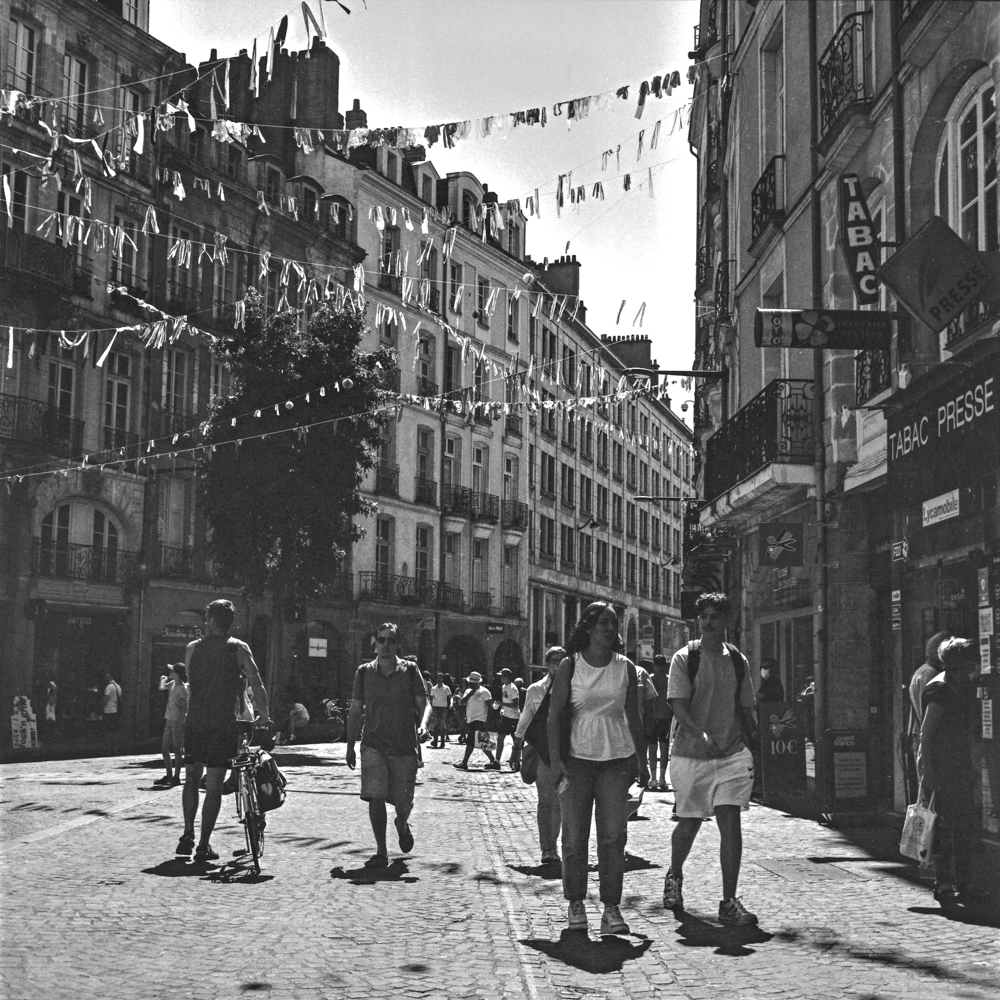
Canon and the Helios 44-2 58mm


The Sunday morning sun was shining, and I was in need of some fresh air after a fun-filled birthday celebration with friends. Armed with my trusty Canon 6D Mark II, I decided to push my photography boundaries by attaching the Helios 44-2 58mm f/2.0 lens to my camera.

Stepping into the realm of portrait lens territory with a 58mm focal length, I knew I was taking a bold move, especially for street photography in Nantes. The Helios 44-2 is a Russian lens from the Soviet era, boasting a sturdy M42 screw mount. To use it on my modern DSLR, I needed an adapter, and the manual focusing without focus peaking presented a challenge for my not-so-great eyes. Thankfully, I discovered the trick of using the flippy-outy screen and zooming in, which helped me achieve some surprisingly sharp images.

While the build quality of this lens might be described as slightly solid (as proven by a regrettable incident where it fell from my dining room table and chipped a tile), it can undoubtedly withstand everyday use.

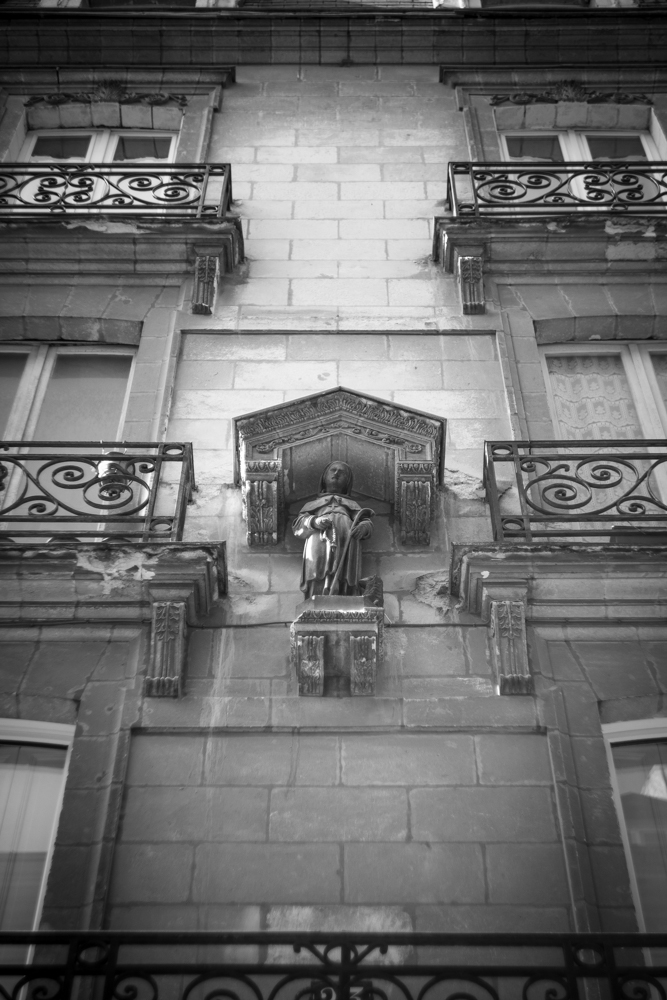
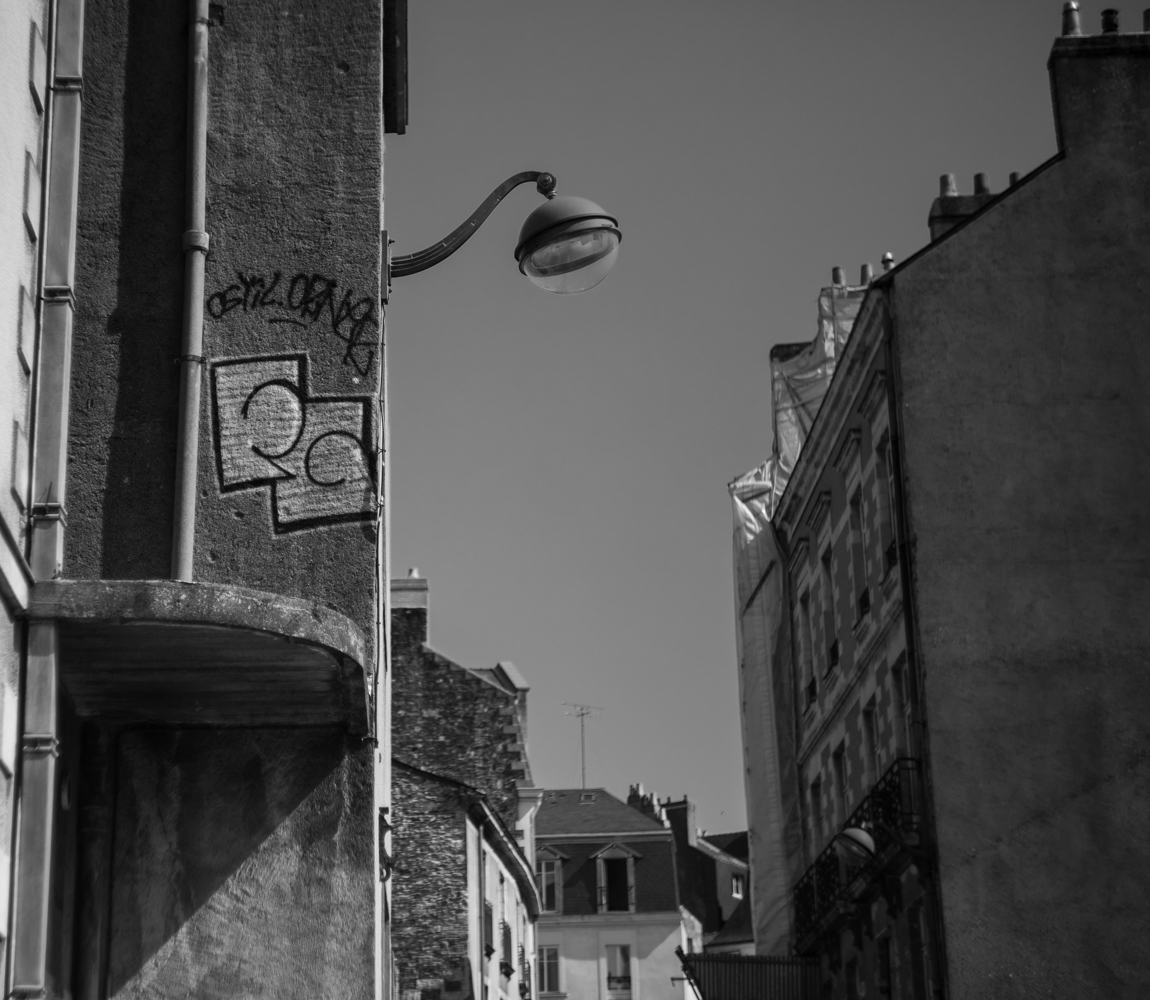
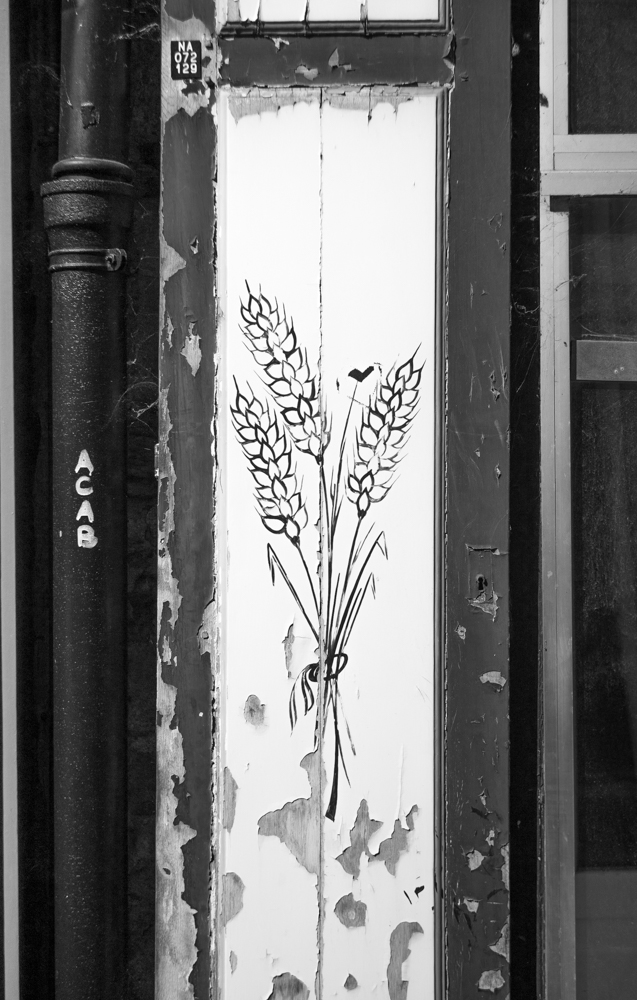
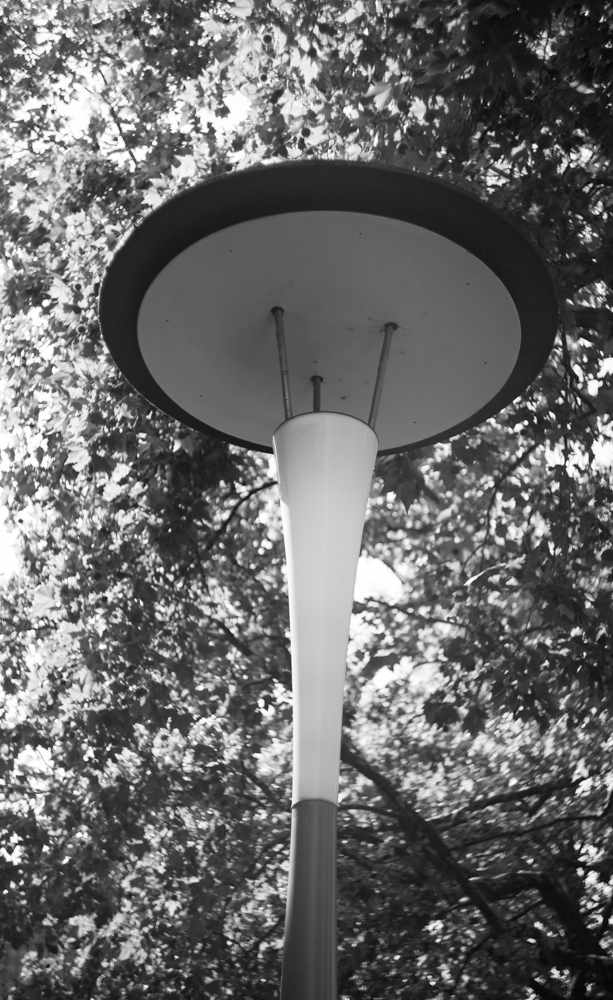
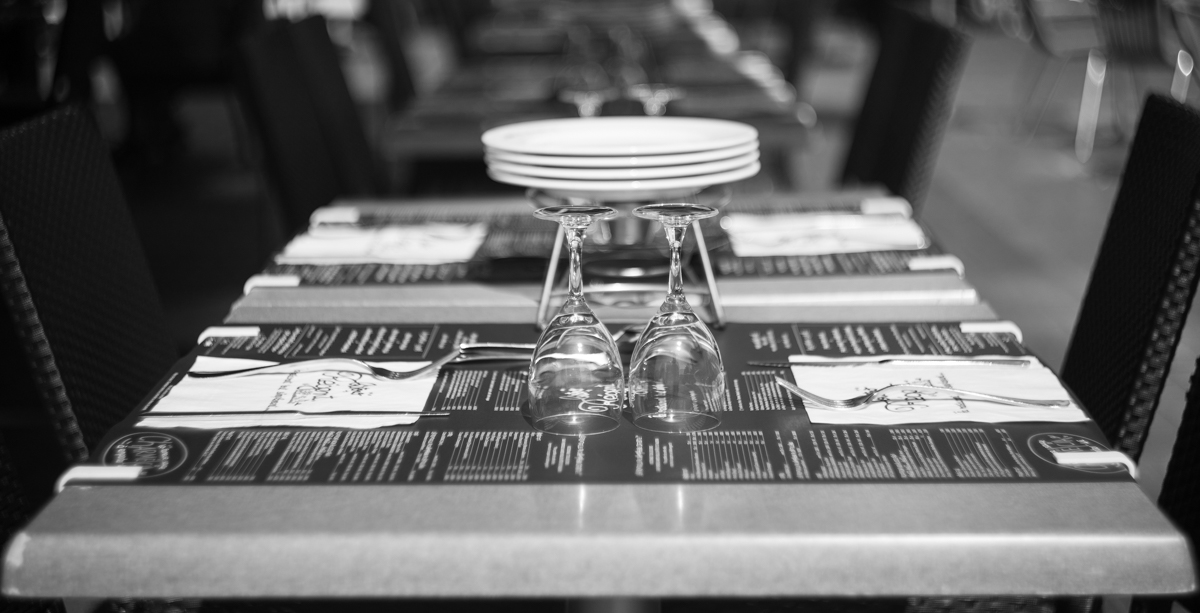
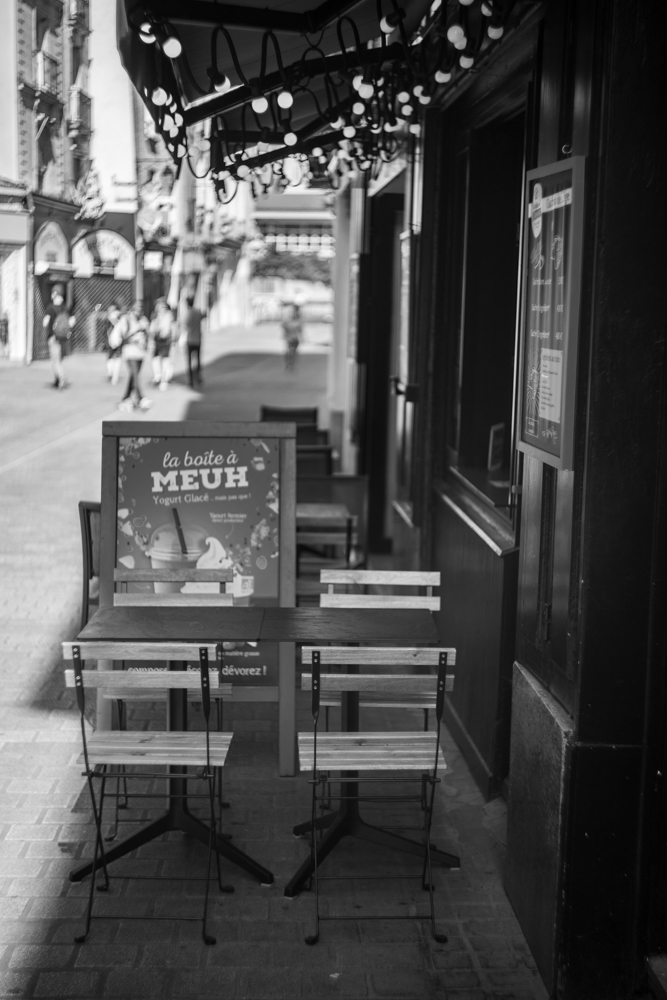
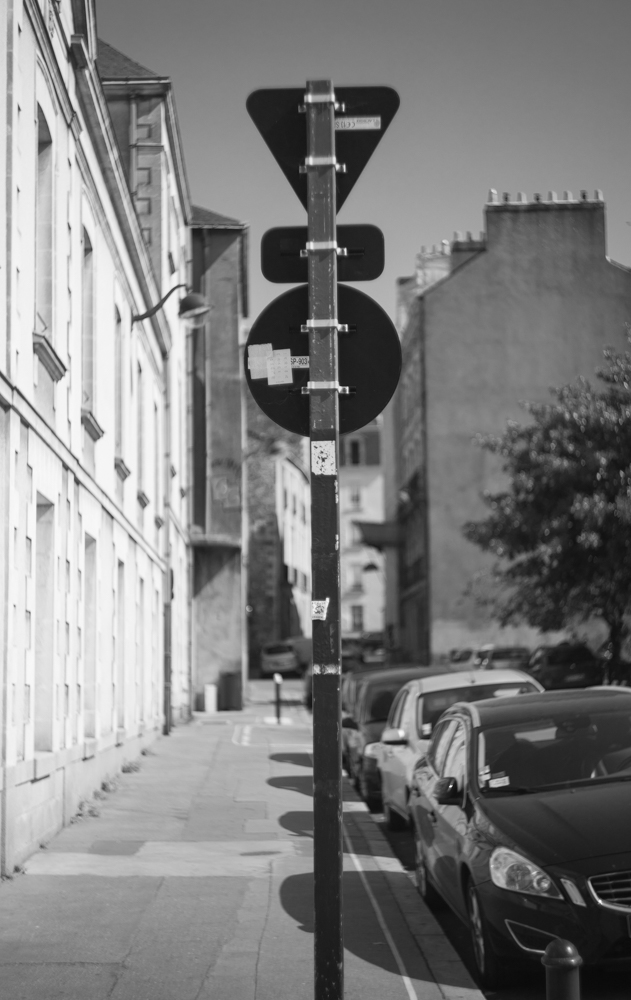
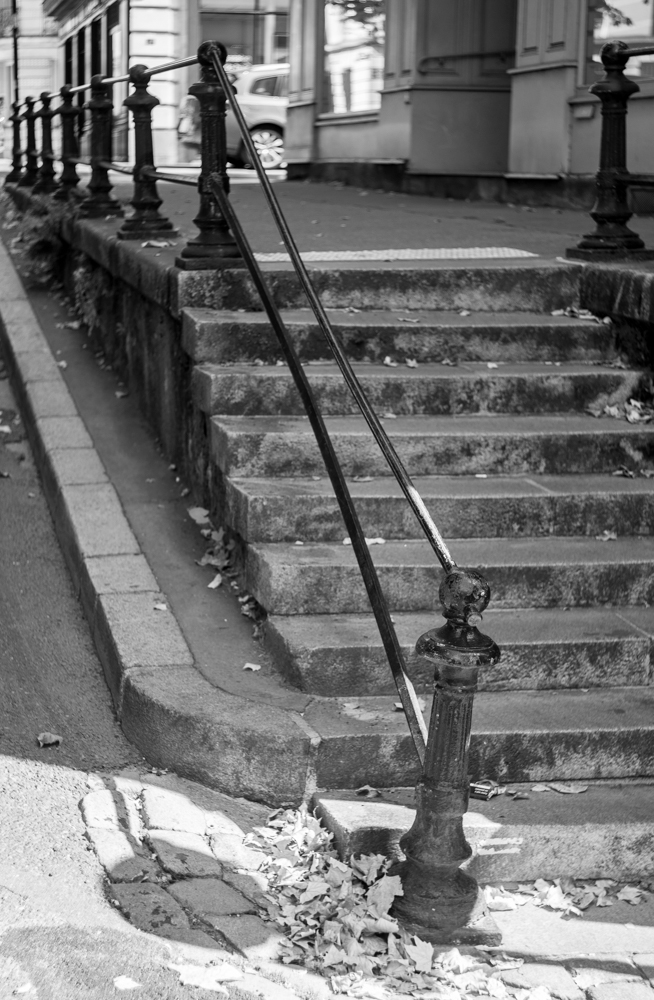
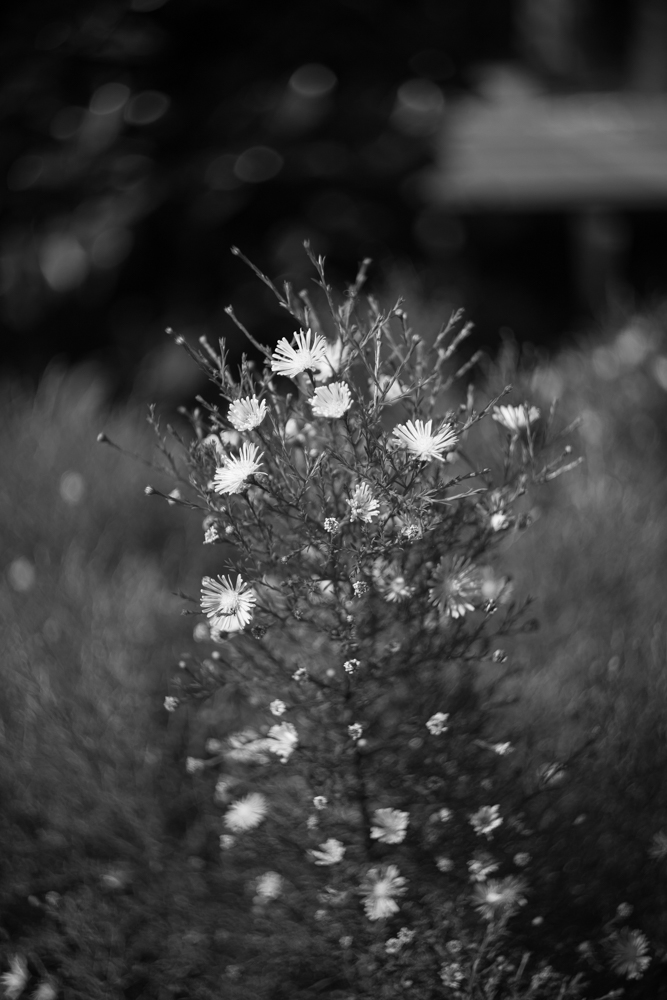
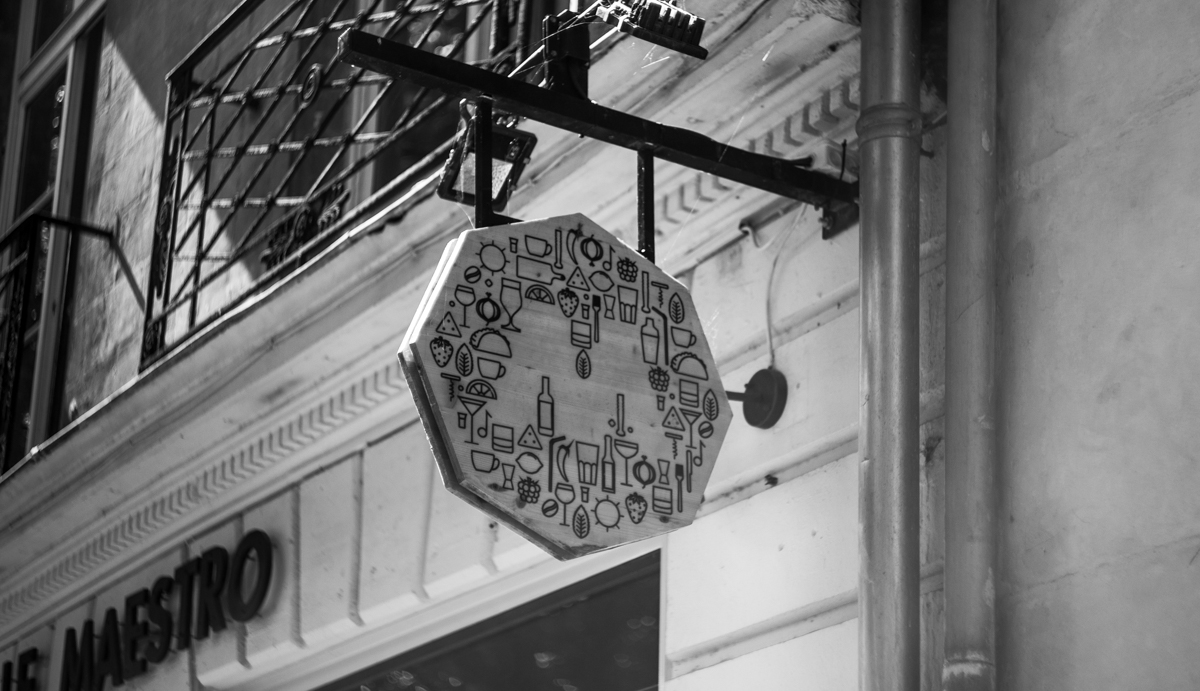
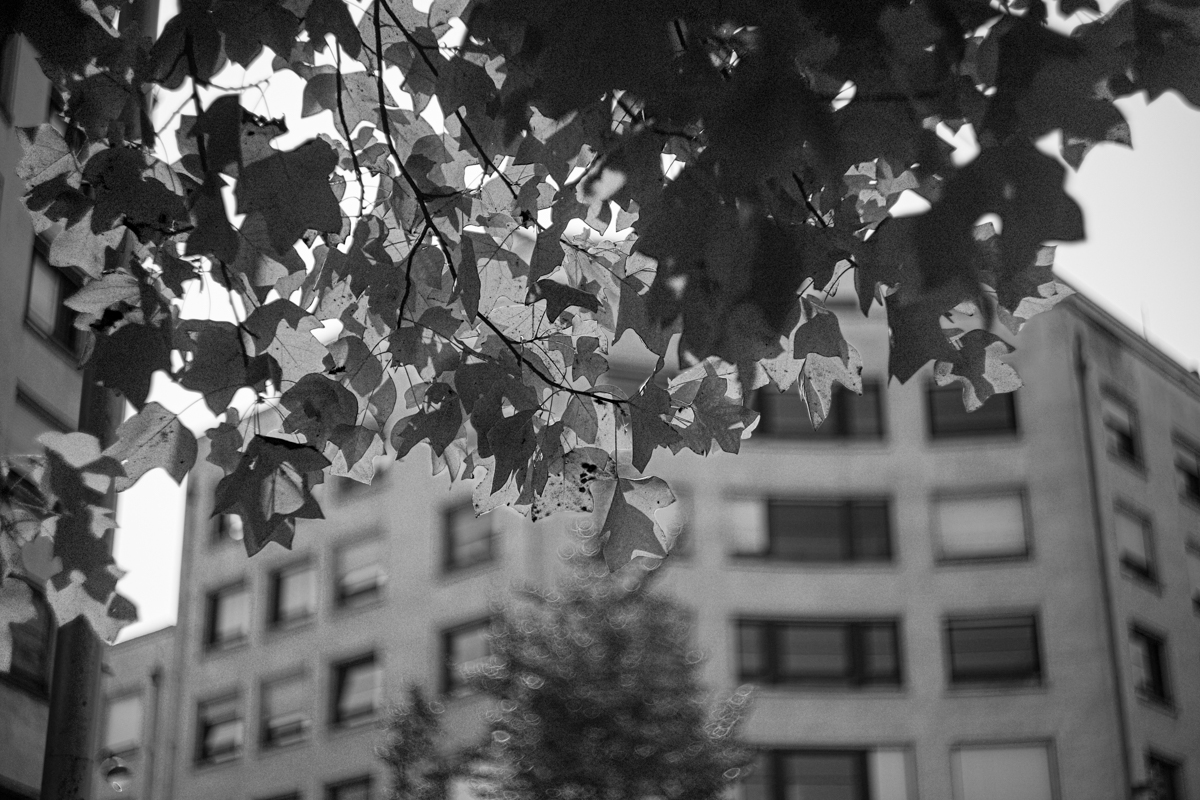
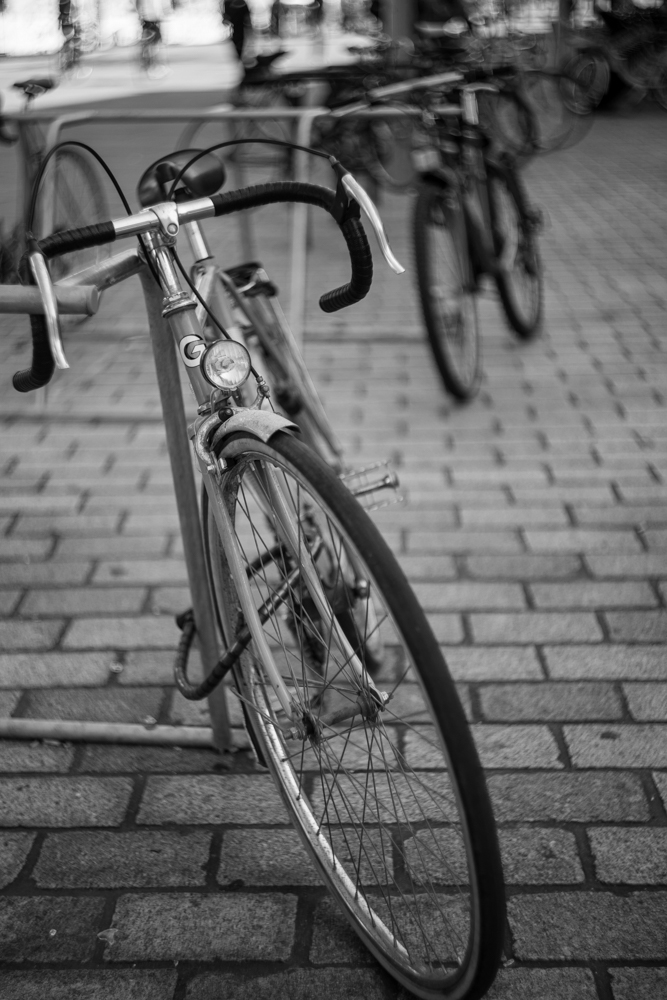
However, let’s talk about the true highlight of the Helios 44-2—the bokeh it produces. If you’re a fan of creamy bokeh goodness with a touch of artistic swirl, this lens will not disappoint. As you browse through the photos taken with it, keep an eye out for the captivating bokeh effect that enhances the overall visual appeal of the images. For those with an affinity for bokeh, the Helios 44-2 delivers in spades.

In conclusion, pairing my Canon DSLR with the Helios 44-2 58mm lens was a delightful adventure. While it demanded some manual effort in terms of focusing, the resulting images made it all worthwhile. If you’re up for experimenting with a vintage lens, the Helios 44-2 might be just the ticket for adding a touch of nostalgia and artistic flair to your photography. Just remember to handle it with care, unlike my unfortunate dining table incident, and you’ll be rewarded with stunning bokeh and a unique photography experience. Happy shooting!
My Mamiya C220


My Mamiya C220, aka my little baby, aka possibly my favourite camera, has just been repaired. It is a Twin Lens Reflex, or TLR for those in the know. Why is it my favourite camera? For a few reasons.

Reason 1. I can actually see what I’m doing. I look into the viewfinder and can see everything really clearly without my glasses. The perception of depth of field is amazing and it’s almost like looking at a 3D tv screen.

Reason 2. It looks so cool! When I’m out on the streets the camera becomes a conversation piece. If I’m taking photos with my Canon 6D and zoom lens, people can get slightly tetchy and think I’m up to no good. Going for the understatement of the year award. However with the Mamiya they seem to think a guy with that big a camera around his neck deserve special respect, even though size doesn’t really matter and it’s all about the moment you’re capturing on film. It starts a conversation and therfore an exchange. You tell them that it’s Medium Format and what that entails. which leads me up to Reason 3.

Reason 3. It’s a Medium Format camera. Now, all the hipsters started discovering film a short while back, and talked about how awesome it was Dude! They were there with their Canon Ae1’s feeling so “with it” because “film is just so authentic man,” and because “film photography is real photography”, and that “digital just isn’t the same man!” Well guess what, you bearded little hipster you, film is how we OG’s rolled back in the day, because that was all there was. That was with 35mm film photography with 135 film. Medium Format just blows their minds because it’ 6 x 6, which translated means each negative mesures 6 centimetres by centimetres. Yes, size does seem to count again. You’re basically getting a huge amount of information on your negative.

Reason 4. Because of the depth of field you get with that 80mm lens. Alright you can get the same depth of field with a smaller lens, but it’s not the same. I’m worried that size is becoming a theme in this article and may show lack of confidence and hidden insecurities…

Reason 5. Did I say it looked really cool? I’ve just looked further up and it appears that I have already said that. Remeber what I said in a previous article about the importance of the “film process” which takes you from buying the film, putting it in the camera, taking the photos, right through to developing, and then scanning your negs, etc. When I use digital, it’s great. I love it. It is so dependable. I press a button and the camera can do so much. It’s like driving my Renault Scénic to work every day. It does the job and does it really well, and I still enjoy it. Taking the Mamiya out for a spin is like getting that beautiful vintage MG out of the garage and driving out to the coast, and just enjoying the wind in my hair, or my memory of what that felt like. It’s a camera that gets me excited to go out and take photos.

Was it good for you too? Right. Let’s get down to the nitty and the gritty and show you some photos. I used two rolls that day. One was Fomapan 120 format ASA 100, and the other was Ilford HP5 shot at box speed. The C220 doesn’t have a light metre so I calculated exposition using “Sunny 16.”