I want it, but do I really need it?


The camera gear industry is a powerful beast and it tries to convince us that this piece of kit, that is conveniently in stock, will help you become that photographer that you are destined to be.  Be that in magazines, be that in youtube influencer videos that “try out the camera” that the manufacturer has just lent us to show you what it’s like.  I’ve watched loads of these videos especially when thinking about the kit I wanted to buy.  Come on in and I’ll make sure you have the best camera possible, and the best possible lens.  What’s your budget?  OK, I’m sure we can work something out.  What kind of photography do you want to do?  Well, you’ll need this, and this, and this, etc.

That nice man in the shop will be more than happy to take your money and sell a high end camera that will be a thing of beauty.  But look at the title again.  “I want it, but do I really need it?”  You have fallen into their trap.  I’m not trying to put down these sales people, and their wealth of knowledge, but know that there are other options out there.

I’m going to dare say it.  You don’t need the latest and greatest equipment to take great photos.  Instead prioritise value, and mindful shooting, over gear acquisition.  Think about boys and toys.  I get exactly the same feeling as you when I enter a camera store.  I want it all.  Of course I do.  Who doesn’t?  But,what would my wife say?  What would my bank manager say?  What would reason tell me instead of letting my emotions get the better of me?  Can I really justify this acquisition?  Do I really need it, or is there a less onerous solution?  I know.  I’ve just pissed on your bonfire, but it’s time for a reality check here…

So what can I do about that?  You can realise that there is a huge market of second hand gear out there.  I have taken this route in the past and have no regrets.  Yes, I did it my way…

Where do you go to discover all these hidden gems?  There is of course E-Bay, that huge online auction site which I used to acquire the majority of my film cameras.  When I was a customer of the site the film cameras were fairly cheap, since those pesky hipsters hadn’t cottoned on to the fact that film photography is cool.  So yes, each purchase was a gamble, but I had less money to lose, and the return would be greater.  The old cameras were simpler, the lenses were great, and there are still lots of examples of reasonable cameras out there.  Would I use it for digital?  Probably not.  I’m not really a gambling man, and don’t have a huge wad of cash that I am willing to possibly waste.

But E-Bay is not the only option.  There are various online sites such as mpb.com that have a very good reputation, and have tested each piece of equipment that they sell.  They give you an honest appraisal of the piece of kit and are honest about the state of said piece of kit.  They guarantee each purchase, and have a generous returns policy.  I might consider using it if I were interested in buying some new kit.  But at the moment I’m not.  There are also second hand areas of our beloved camera shops that will have used gear.  

When buying second hand, you will generally be spending less money, or at worst, getting more kit for your hard earned cash.  Older models of camera might not be as super duper as the latest models that look so sexy in that shop window, but for what most us mere mortals need, they are more than adequate.   You really have to look at which features are most important to you.  Thanks to you, there will be one less camera going to landfill.

Talking of features, let’s talk about the 80/20 rule.  For 80% of your photographs, you will use about 20% of your gear, and features on your camera. I urge you to identify the essential features for your type of photography (e.g., autofocus, image stabilisation, dynamic range), and maybe avoid spending money on features or lenses that you won’t use frequently.  Shutter speed when doing sports photography, or high dynamic range for landscape photography.  Is an F1.2 lens really what you need, or will F2.0 pr F2.8 still get the effect you want?

I’m going to talk about the X100F (again!) and compare it to the latest version from Fujifilm, the X100V and the X100VI

FeatureFujifilm X100FFujifilm X100VFujifilm X100VI
Sensor24.3MP APS-C X-Trans CMOS III26.1MP APS-C X-Trans CMOS 440.2MP APS-C X-Trans CMOS 5 HR Sensor
Lens23mm f/2 (35mm equivalent)23mm f/2 (35mm equivalent) with improved optics23mm f/2 (35mm equivalent) with further improved optics
Autofocus91-point hybrid autofocus425-point hybrid autofocus with improved face/eye detection425-point hybrid autofocus with further improved face/eye detection and subject tracking
ViewfinderHybrid viewfinder (optical/electronic)Hybrid viewfinder (optical/electronic) with improved EVFHybrid viewfinder (optical/electronic) with a larger and higher resolution EVF
Screen3-inch fixed LCD3-inch tilting touchscreen3-inch tilting touchscreen
Image StabilisationN/AN/A6-Stop In-Body Image Stabilization
Video1080p up to 60fps4K up to 30fps6.2K (cropped) and 4K up to 30fps
Weather SealingNoYesYes
Price (approx.)€800-€1000 (used)€1300-€1500 (used)€1700-€1800 (new)

Key Takeaways:

  • Sensor: The X100VI offers a significant resolution upgrade with its 40.2MP sensor, providing greater detail and flexibility for cropping compared to the X100V and X100F.
  • Lens: All three models share the same focal length, but the X100V and X100VI feature improved lens designs for better sharpness and close-focus performance.
  • Autofocus: The X100V and X100VI offer a substantial upgrade in autofocus points and performance compared to the X100F, making them better suited for fast-moving subjects and low-light situations.
  • Viewfinder: The X100VI has the most advanced viewfinder with a larger, higher resolution electronic viewfinder (EVF) and improved refresh rate.
  • Screen: The X100V and X100VI have tilting touchscreens, which can be helpful for composing shots from awkward angles, while the X100F has a fixed screen.
  • Video: The X100VI boasts the most advanced video capabilities, offering 6.2K recording with a crop, while the X100V is limited to 4K, and the X100F to 1080p.
  • Weather Sealing: Both the X100V and X100VI offer weather sealing, making them more durable in adverse conditions compared to the X100F.
  • Price: The X100F remains the most affordable option, especially on the secondhand market. The X100V offers a good balance of features and price, while the X100VI is the most expensive but comes with the latest technology.

Ultimately, the choice depends on your budget, needs, and priorities. If you need the highest resolution and advanced video features, the X100VI is the way to go. If you prioritize value and portability, the X100F is still a great option. The X100V sits in the middle, offering a good balance of features and price.

If you are a professional, then I think the same logic will apply.  Even though a nice kit is an investment you need to consider the returns on your investment?  Is the purchase justified and will it bring more work for you?  Will it expand my offer enough?  If you are an amateur, then you can spend any amount of money you want, but if you could do more, with less, wouldn’t that be an appealing option? Have I not managed to convince you yet? Look at the film archives… And look at the pictures from the X100F

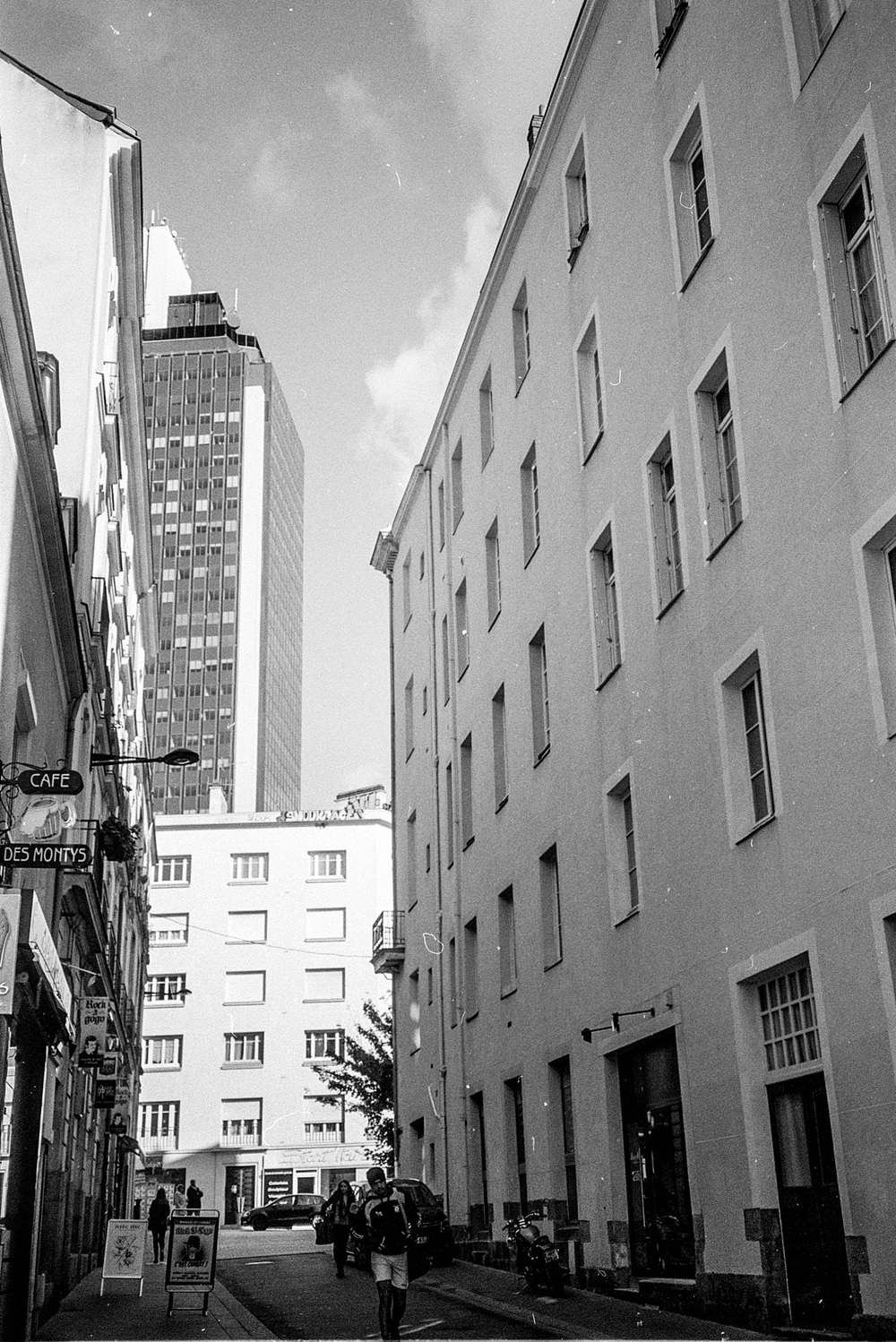
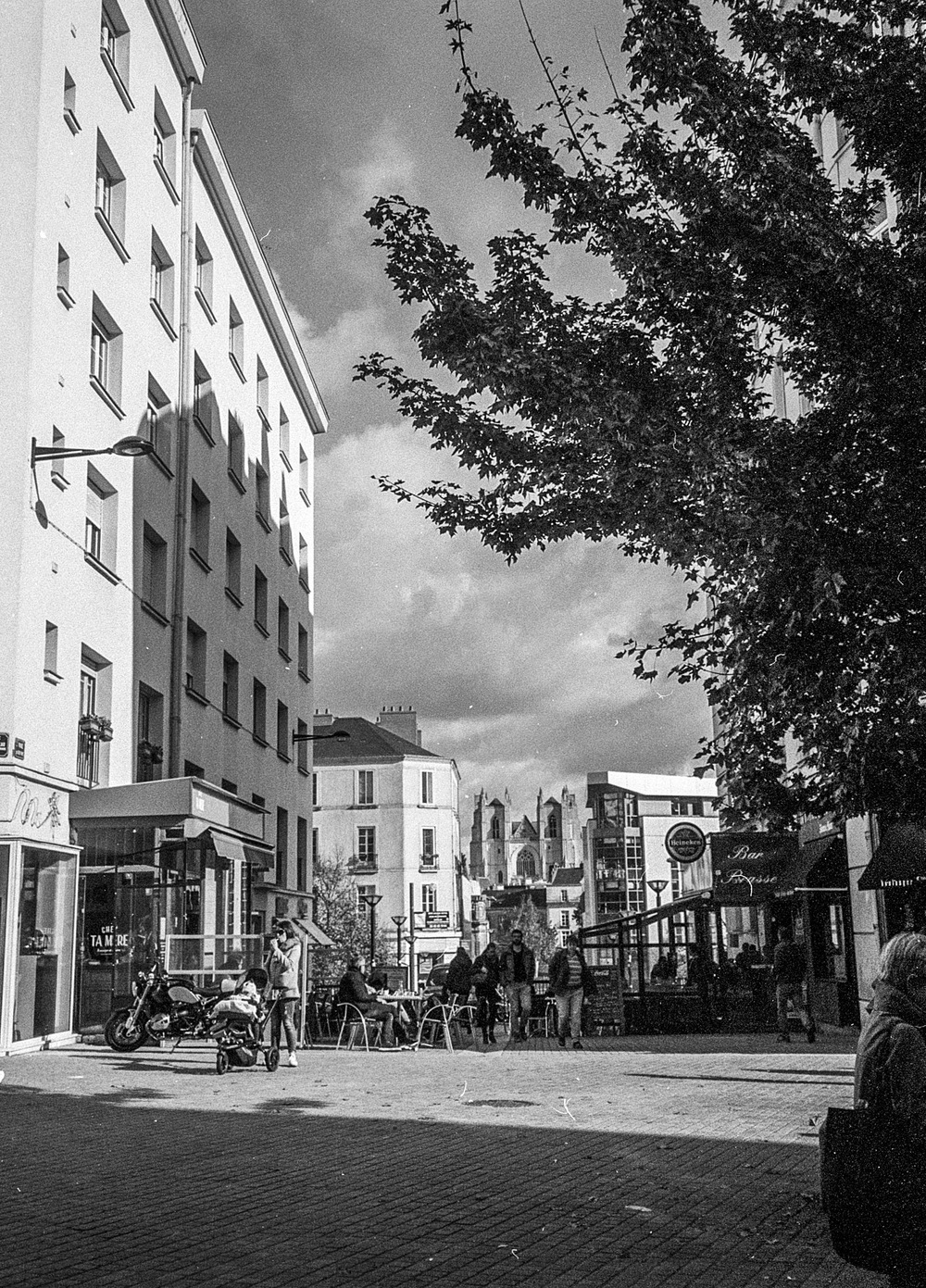
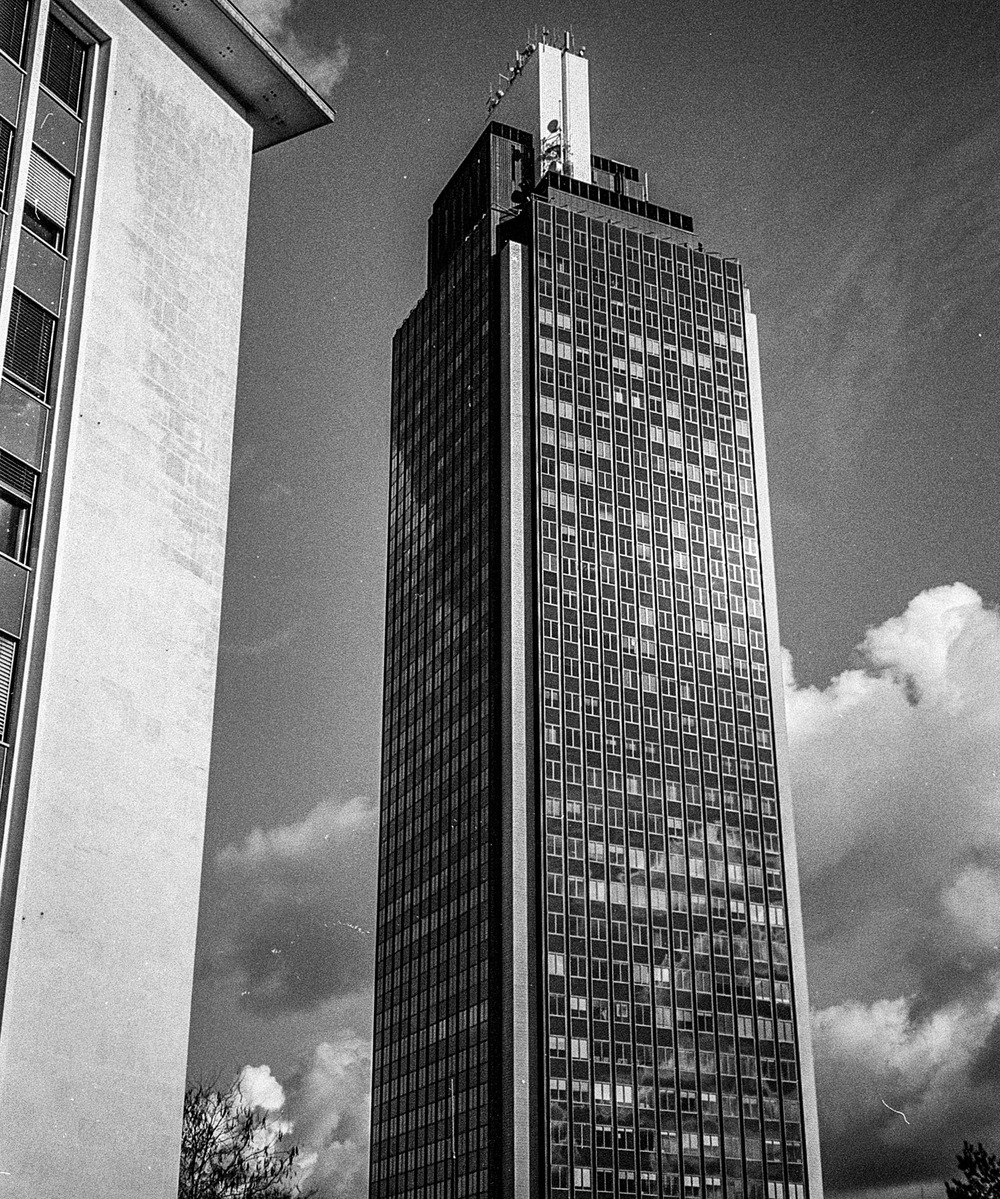
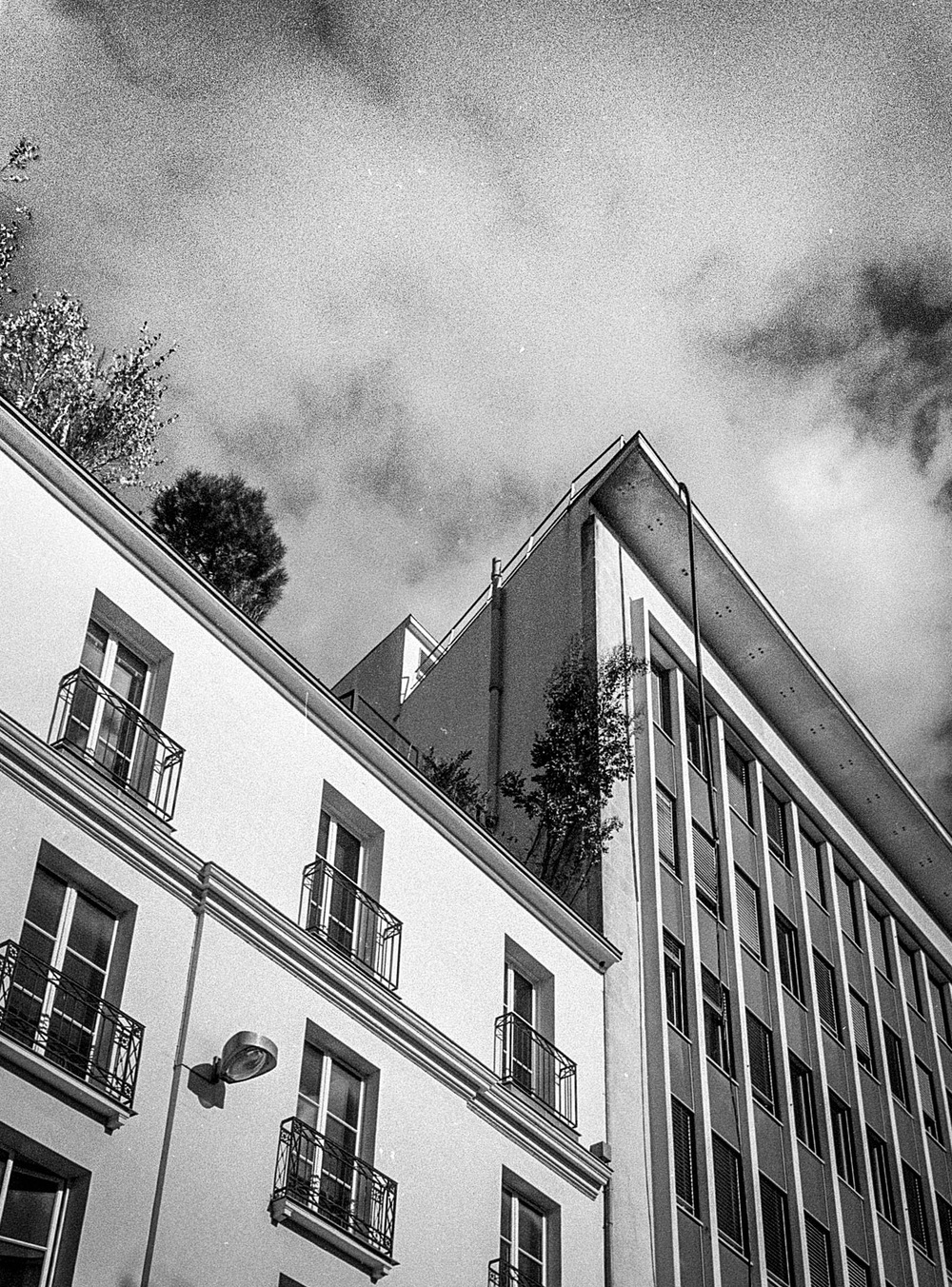
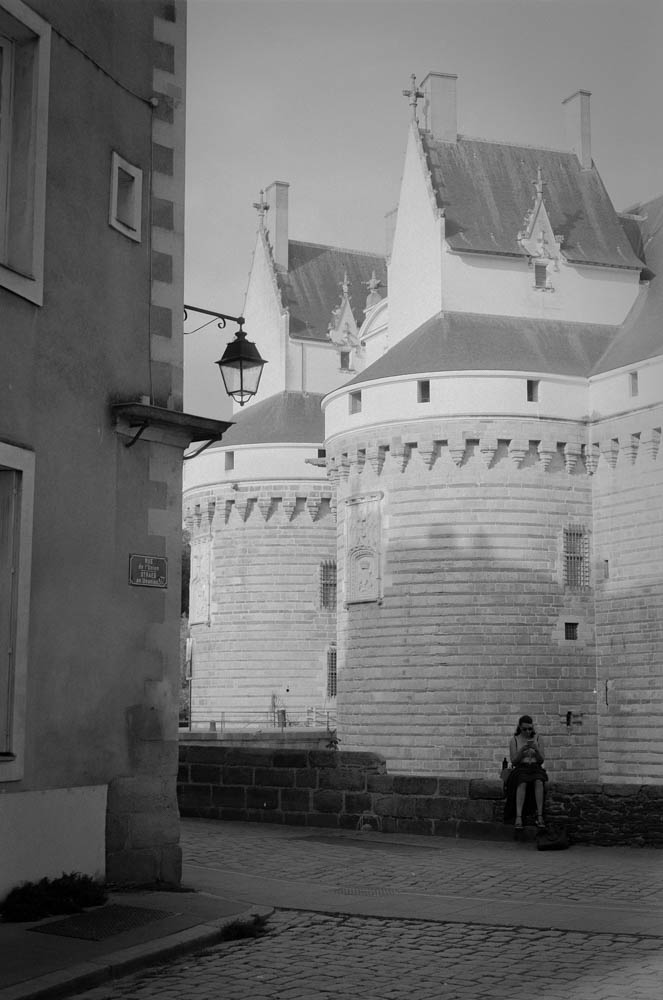
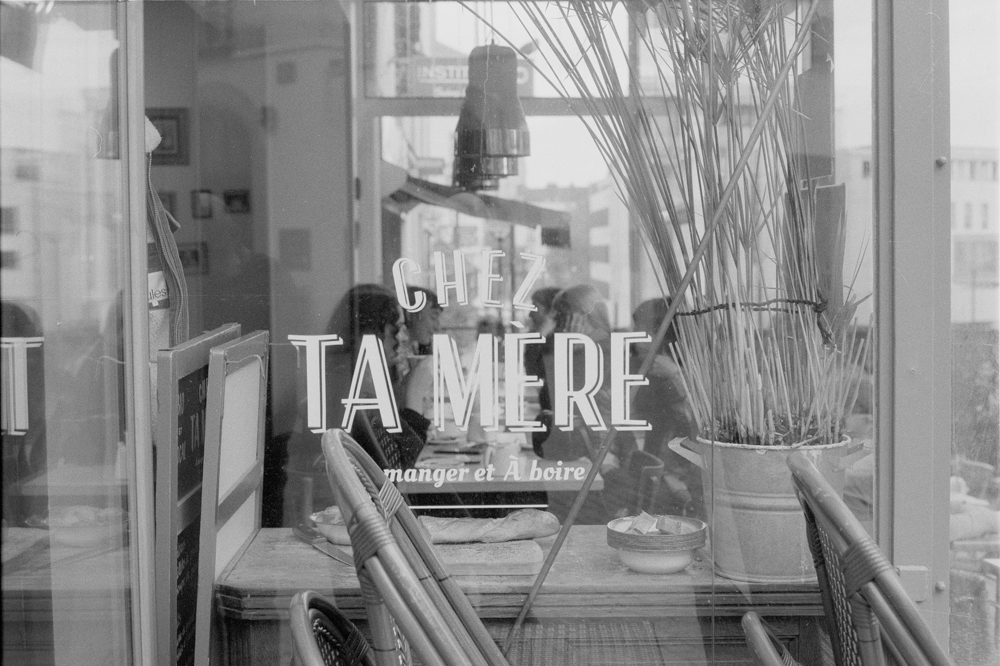
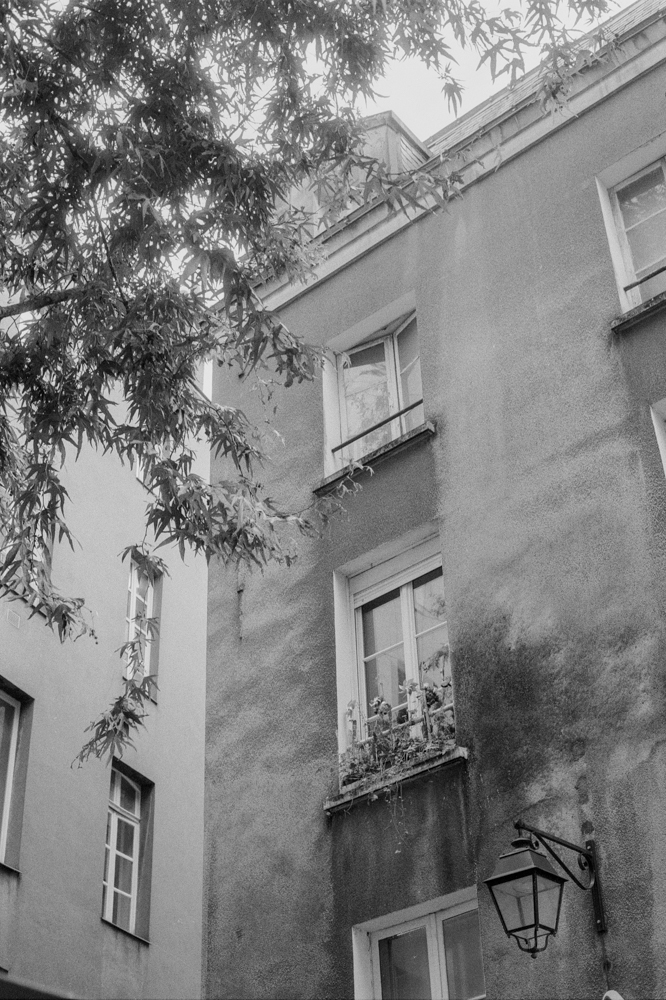
The Opening of the Film Archives – Nantes November 2016


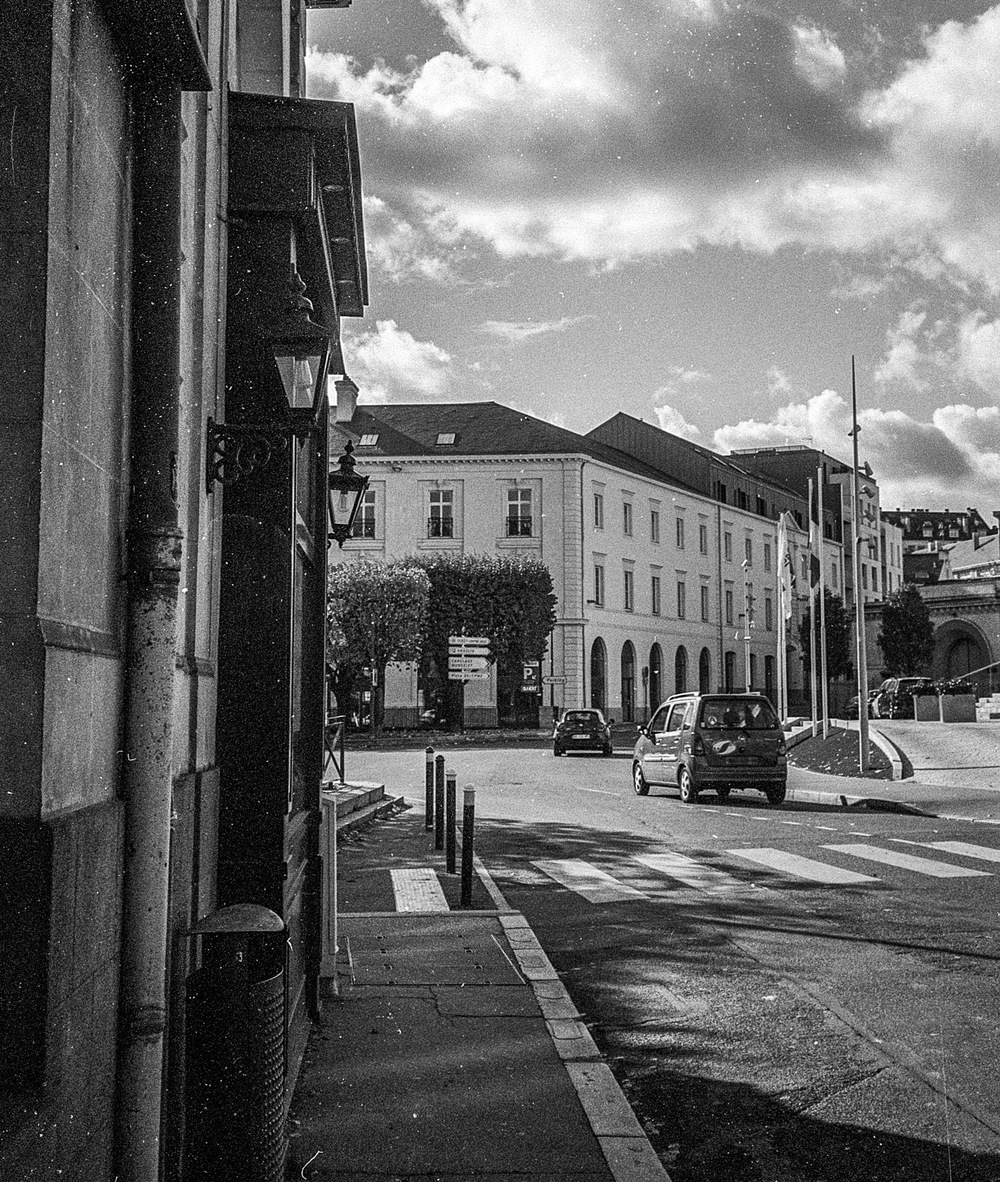
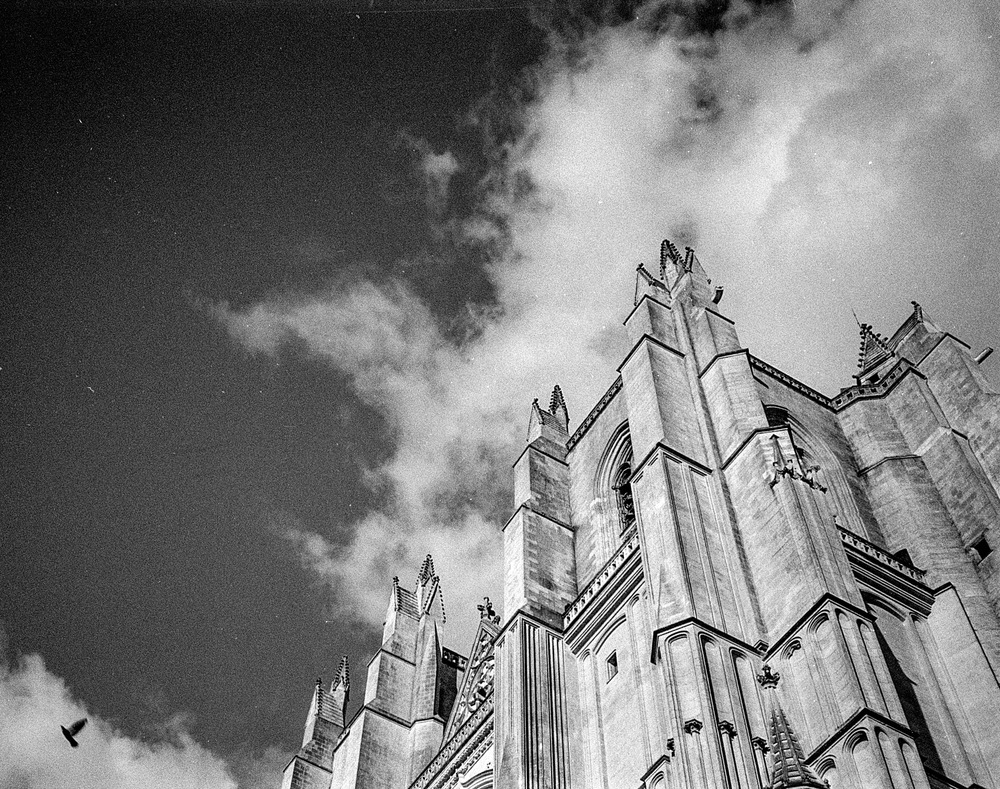
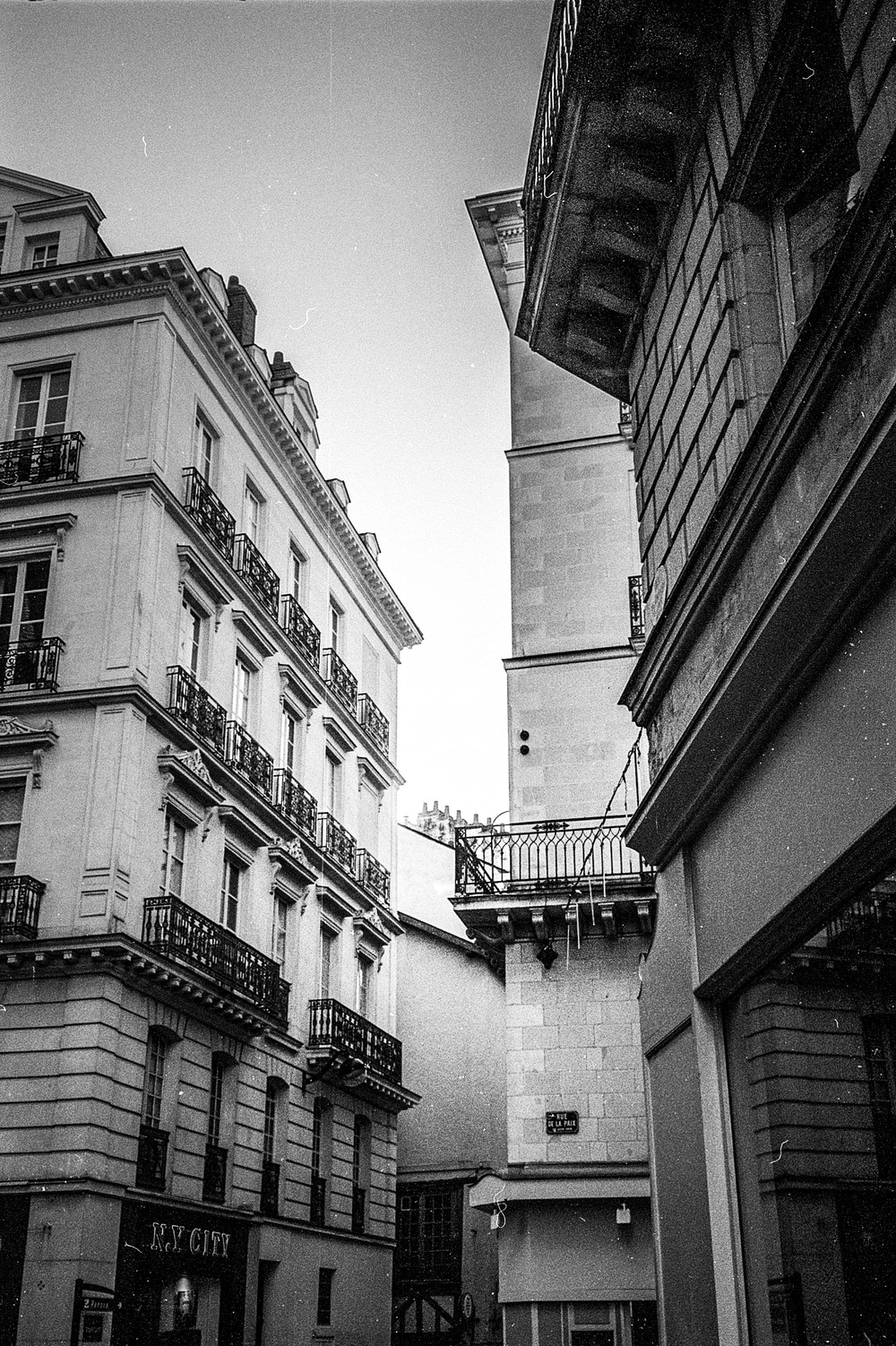
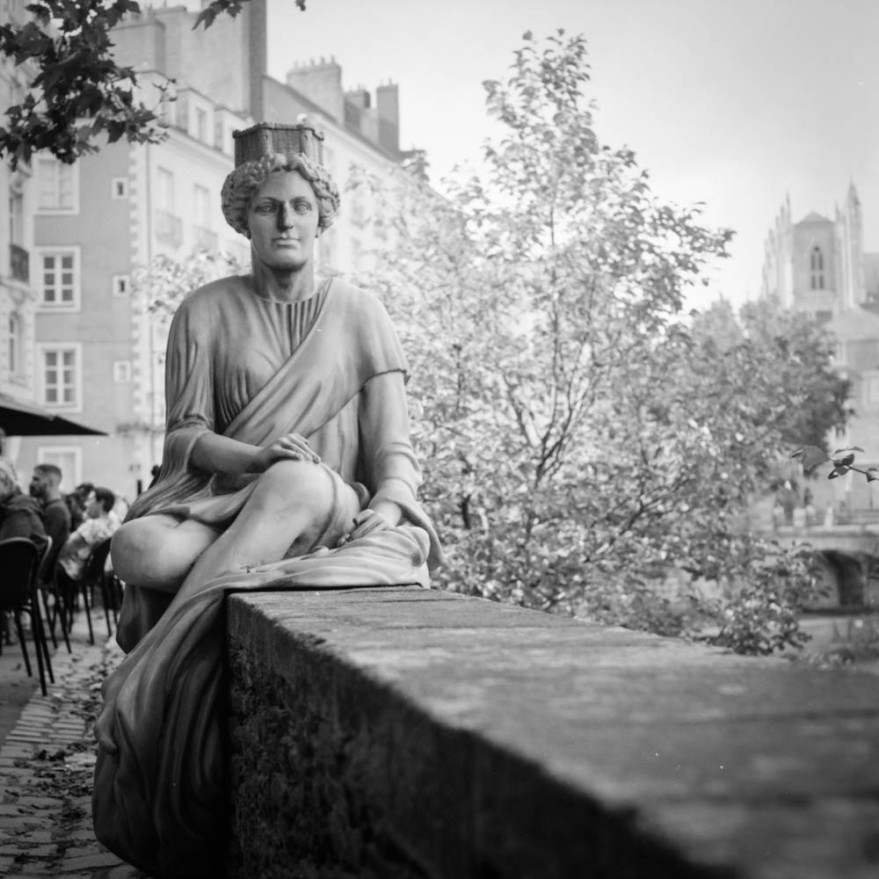
Following our last trip to Carnac, the film archive now has a look at Nantes in the autumn of 2016. These photos offer a glimpse into how I approached photographing a city back then, and if I’m being totally honest with you, still do. I treat the city much like a model on a photoshoot. The goal is to capture not just the physical landscape, but the essence and atmosphere of a place, allowing viewers to get a feel for the city simply by looking at the images. In this series of pictures, Nantes reveals herself and her architecture, resplendent in the autumnal sunshine.

Over time, I have come to know the city and appreciate her architecture. Buildings are not only a reflection of the architect but also of the people who live in them. They add character to the city, allowing her personality to shine through.  I enjoy looking at the lines, and the shapes of them.  They inspire me.  They tell the story of the people who, either work, or live in them.  They are not just mere edifices.  

You will notice as we go through the archives, I might not respect the timeline slavishly. My aim is to give you an aperçu of my world at the time through film. I know you will be able to take this affront in your stride and not hate me!

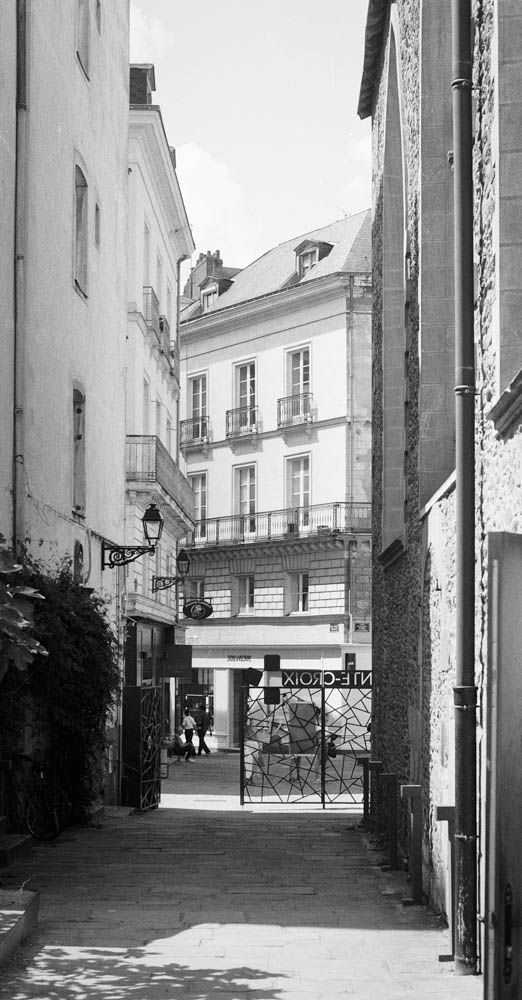
We’ll go from the bains douches municipales, through to the Sainte Croix church, to the Stalinian 1950’s architecture of the Social Security building, passing by the odd shop, Hausmanian architecture, and even a shot looking towards the Cathedral.

Choosing the Right Film Format: 35mm vs. Medium Format Photography


Introduction In the world of film photography, the choice of film format can significantly impact the results you achieve. Whether you’re an aspiring street photographer or simply an enthusiast looking to explore the world of analog photography, the decision between 35mm and medium format can be crucial. This article explores the major differences between these two formats, helping you along on your photographic journey. As we dive into this discussion, it’s essential to understand how the choice of format can influence your work.

1. Understanding the Basics Let’s start by establishing a foundation. 35mm photography is the more common format, known for its accessibility, ease of use, and widespread availability. It is the standard format of film. However, medium format photography offers distinct advantages worth exploring.

2. The Key Differences

Image Quality and Resolution: The most noticeable difference between medium format and 35mm photography lies in image quality and resolution. Medium format film, with its significantly larger negative size, captures an significant level of detail and clarity. The larger negatives provide ample room for precise rendering of textures, fine lines, and intricate patterns. This translates to stunningly sharp and highly detailed images, ideal for both professional work and fine art photography. If you’re aiming for prints that capture every nuance, medium format is the way to go.

Aspect Ratio: Another significant difference is the aspect ratio. 35mm film typically yields images with a 3:2 aspect ratio, while medium format cameras typically offer a square 1:1 aspect ratio. The square format can be a creative boon, pushing photographers to rethink composition. It forces a balance between the vertical and horizontal aspects of your subject, a characteristic reminiscent of the iconic street photographer Vivian Maier, who frequently used a TLR camera. The square format encourages unique framing and adds an artistic challenge to your photography.

Depth of Field: Medium format allows for a shallower depth of field compared to 35mm. This means that it’s easier to achieve that sought-after background blur or bokeh, perfect for portrait and street photography. With a well-executed composition, your subject can pop against a beautifully blurred backdrop, making them the focal point of the image.

Size and Weight of Equipment: In terms of portability, 35mm cameras have the upper hand. They are compact, lightweight, and ideal for street photography where you need to be quick on your feet. Medium format cameras, on the other hand, tend to be bulkier and heavier due to the larger film format and the associated optics. This makes them better suited for planned shoots where image quality takes precedence over convenience.

Cost of Film and Development: While 35mm film and development are more budget-friendly, medium format film comes at a higher cost. When using the 6×6 format you will only have 12 images per roll of film. This of course makes every shot count. If you are stressed out about messing up a shot on 35mm film then your anxiety will shoot up to lunar levels with only 12 shots. But remember what I have said earlier, no shot is wasted and every shot is a learning experience. The enhanced image quality, detail, and artistic potential make medium format film worth the investment for those who prioritize the final result over the upfront cost. If you’re planning to produce gallery-worthy prints or pursue a professional career, the expense can be justified.

Flexibility and Convenience: 35mm cameras are known for their flexibility and convenience, making them well-suited for capturing quick shots or candid moments. They’re also readily available, and film processing is more accessible. In contrast, medium format cameras require a more methodical approach, ideal for planned and deliberate photography. The process is slower, encouraging you to carefully consider each shot and compose it meticulously. This added effort can lead to more thoughtful and deliberate photographs.

3. Street Photography with the Pentax ME Super and TLR Influence Vivian Maier, a renowned street photographer, serves as an inspiring example of how camera choice can shape your photographic style. Maier favored the TLR camera, a medium format model known for its distinctive qualities. Her use of the square format and unique perspective have left an indelible mark on street photography.

I want you to think about the fact that a TLR is hanging around your neck at tummy level or even waist level, so the way of looking at your subject will automatically affected too.

If you’re looking to explore street photography with a Pentax ME Super, remember that the compact 35mm format offers its advantages for candid, on-the-go shots. However, Maier’s work reminds us that the choice of equipment is a personal one, and there’s no one-size-fits-all answer.

4. The Mamiya C220 Review: A Medium Format Marvel As we venture further into the world of medium format, the Mamiya C220 beckons. Just as Vivian Maier chose a TLR for her street photography, other photographers have found success with medium format cameras like the Mamiya C220. In my upcoming review, I’ll explore the features, benefits, and considerations of this remarkable medium format camera, guiding you towards your next photography adventure.

The Induction to a Higher Level of Photography When you make the transition from 35mm to medium format, you’re stepping into a higher echelon of photography. If you think that 35mm film is great, you’ll be enthralled when you see your images taken by a medium format camera. The level of detail and depth of field that medium format offers is simply unmatched. It’s like upgrading from a standard screen to 4K resolution for your photography. Every detail comes to life, and the depth of field adds a whole new dimension to your work. It’s a revelation that will leave you wondering why you didn’t make the leap sooner.

The 35mm format photo captured on the Pentax MS Super. The “standard” format of film photography. The one we all know.

The square format common to much medium format photography with a 6×6 format. I’ll let you look at the differences for yourself.

The lenses for each shot was a 50mm lens for the 35mm format film photo, and the 80mm mm lens for the medium format photo. However, both lenses are equivalents.

Conclusion In closing, remember that there’s no definitive answer to the question of 35mm vs. medium format. It’s a matter of personal preference and artistic vision. Both formats have their merits, and your choice should align with your goals and the style of photography you wish to pursue.

Stay tuned for the Mamiya C220 review, where I’ll delve deeper into the world of medium format photography, and consider the impact of the TLR on your creative journey.

The journey of film photography is full of exciting choices, from your film format to your camera model. Vivian Maier’s legacy reminds us that every camera has its unique personality and that your creative vision should be the driving force behind your choices. Whether you decide on 35mm or medium format, your camera is your artistic tool, and the world of film photography is yours to explore.

Capturing the Essence of Nantes: A Street Photography Journey with the Pentax ME Super and Kentmere 100 Film


Dear Reader,

This is less of a tutorial than the last four articles but more a “how I approach the subject” kind of article. You can read about something I seem to do a lot of and have experience of. I’ll be talking about my film photography phase from this summer when my X100F was still dead

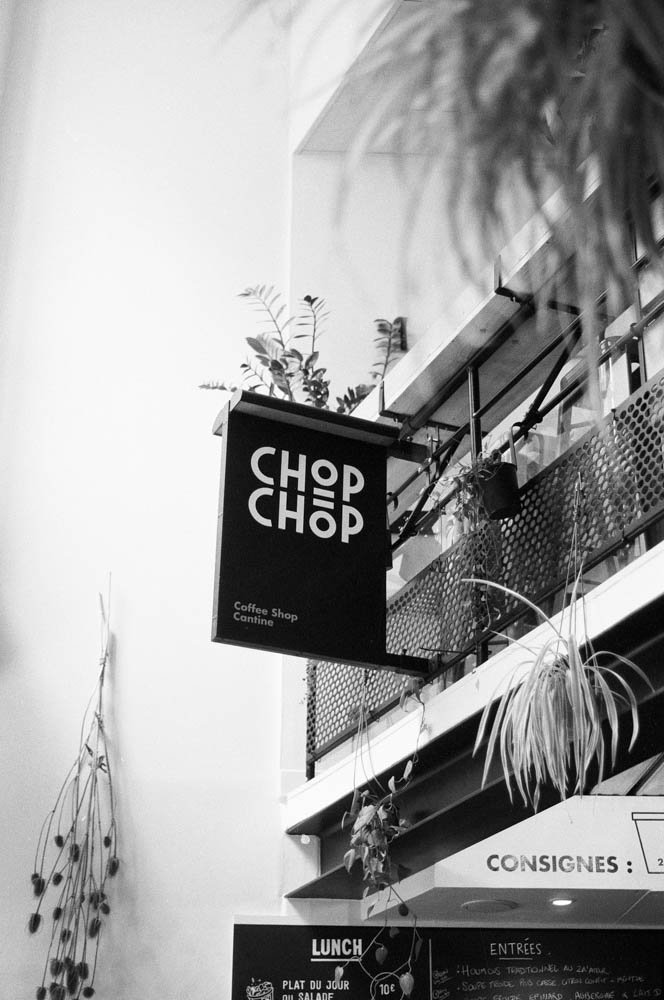
Have you ever felt that familiar tug of nostalgia while strolling through a city that reminds you of your hometown? For me, Nantes, with its maritime heritage and busy streets, brings back memories of Hull in East Yorkshire. Those of you from Hull will see the irony in this, wondering how the heck a town can be like Hull, but it has similarities… If you know, you know. It’s a city that feels like home, and it’s just a short 35-minute drive from where I live. Come with me through the streets of Nantes, with the Pentax ME Super and Kentmere 100 film.

Exploring Nantes Through My Lens

Nantes, like Hull, boasts a rich maritime history, or is it the other way round? As I set foot in the city, I can’t help but feel the past staring me in the face. The first thing I do is head to my favourite spot, Parking Feydeau. It’s become somewhat of a ritual for me. I park on the same floor, in the same space — predictability eases one worry when you’re out capturing moments, or as my son says, are you autistic Dad? The cheeky little bugger. No, I’m just me! An old Fuddy-Duddy.

As I step out onto the street, I take my first light reading with my camera. It’s a bit like taking the city’s pulse, getting the vibe for the day. My starting point is usually Quartier Bouffay, near the castle , and the fact that the pub is close by has nothing to do with anything! From there, I seem to find myself in front of the Sainte Croix Church. Sometimes, it’s for confession; other times, it’s just to warm up, both physically, spiritually, and visually.

Just as walking the streets of Nantes is a physical workout, and with a camera it is akin to a visual workout. You’re constantly observing, framing, and capturing scenes as they unfold. Rue des Carmes or the path leading to the Castle are some of my more frequent routes, but I’ve been known to start my journey at Place Royale, especially if a visit to my barber is in order. My beard and length has often been a debate between my mother and I. She prefers the shorter, therefore neat and tidy beard. I seem to like a little more length, going for the Father Christmas look. From there, I can explore the Rue de Calvaire or aim for the Tour de Bretagne. Should I choose Rue Crébillon, it will take me to Place Graslin, and I end up in the very French and very stylish Cours Cambronne. They do do a nice courtyard do the French. Sometimes I will head to Quai Président Wilson, to the Hangar à Bananes, where I go to the HAB Gallérie. The added bonus is that parking is free in this area, and after all as Tesco’s would have us believe, every little helps. Again, the fact that I have an address for a beer and a piece of cake has nothing to do with anything, and I will, of course deny everything!

Moments and Encounters: The Heart of Street Photography

As an older gentleman with a slight limp, courtesy of arthritis, I’ve come to understand the importance of comfortable shoes. Fortunately, I do happen to posess some comfortable shoes, allowing me the extra bit of ease whilst wandering around the streets. I’ve also done the odd reckie of spots where I can sit down— be it for a meal, people-watching, sipping a cup of French expresso that packs one heck of a caffeine punch, or, on rare occasions, enjoying a decent cup of tea, but as we are in France this a much more challenging endevour. The French can just be so French now and again. Ah, tea — that drink that is a hug in a mug.

Navigating the streets of Nantes with a camera in hand and a discerning palate for food has become somewhat of a habit for me. Some of the things I hold dearest to my heart, tea, and cake. In France, we encounter the “droit à l’image,” a set of laws governing the right to one’s image. Some people may feel uncomfortable having their photo taken, and I’ve seen it manifest in numerous shots of people’s backs. However, these unwitting contributors add a recognisable element to the urban landscape, showing human interactions in the city.

I recall an incident when a passerby accused me of taking his picture without permission. I had a 28mm lens, and he was merely an infinitesimal part of the scene I was capturing. Reassuring him, I explained that he was not the focus of the photo, and that I had only noticed him when he started yelling at me. So much of a muchness. It was a lesson in navigating the sometimes touchy waters of street photography in a culture sensitive to “the right to one’s image.” As it turns out, compassion is the universal language, but so is muttering under my breath when out of earshot.

Another way I combine photography and life in Nantes is through my visits to the local barber. Whenever I’m in the chair, I discreetly document the atmosphere of the shop. The photos I take are subsequently given to my barber, forming a visual record of his small business — it’s good to be good, and it’s my small way of supporting local businesses. As is drinking tea and eating cake. Nothing to do with my tummy, and nothing like Whinnie the Pooh…

The Pentax ME Super and Kentmere 100 Film: A Street Photographer’s Dream Team

Why do I choose the Pentax ME Super for my street photography outings? Well, it’s a matter of practicality and style. First and foremost, it’s compact — a small camera, and in my pocket another lens and a couple of rolls of film. In the world of street photography, less is often more. It’s a “Keep It Simple, Stupid” approach, and I am a great fan of simple.

But it’s not just about size as in many domains; it’s also about subtlety. A massive DSLR with a conspicuous zoom lens can be intimidating, both for the photographer and the subjects. With the ME Super and prime lens, I “zoom with my feet.” This set-up forces me to engage more intimately with my surroundings especially with the 50mm lens, and the result is a more authentic perspective of the city. Plus, let’s face it — the ME Super is just a really cool looking camera and its vintage appearance just oozes kudos and style. It makes me feel like a true photographer, even though I’m merely an observer of the city.

Now, let’s talk about the Kentmere 100 film. It’s practical and easy to find. This film stock is budget-friendly, a nicer way of saying cheap (Fomapan is another cheaper film stock too), which, if you have seen the prices of Kodak film, is a very convincing argument, yet it reminds me of more renowned Ilford films. One year, I decided to exclusively use HP5+, a faster film. Switching to Kentmere 100 or any other 100 ASA film gives me a finer grain, and I can still expose at F2 and 1/2000th of a second for that silky depth of field that just makes everyone go weak at the knees in “good” light. Bokeh whores I’m talking to you!

Street photographers often aspire to capture the kind of timeless black and white aesthetic seen in the works of Doisneau, Cartier-Bresson, or Vivian Maier. While we may never fully replicate their images, using black and white film, allows us a head start on our digital brothers. I’ve always been drawn to this style of documentary photography. Street photography, for me, isn’t just about street portraiture; it’s about observing the street and documenting it in a classic way — classic, much like myself, or should I say, old-fashioned? Whatever it may be, it’s certainly not modern and up-to-date, just like Yours Truly, but that’s fine too! We all have our place.

Tips for Aspiring Street Photographers

Now, for those of you who aspire to explore street photography, let me share some tips. Remember the phrase from the cover of “The Hitchhiker’s Guide to the Galaxy”: DON’T PANIC! When you’re working with a film camera, such as the Pentax ME Super with its 36 exposures, don’t expect to get 36 keepers. However, consider each photo that doesn’t quite hit the mark as a valuable visual note.

These notes help you study your subjects and how the scene changes with shifting light. Practise, after all, makes perfect. Don’t think that any photographer publishes all their shots; in fact, I curate and edit my photos carefully before sharing them on my Instagram feed. It’s all part of the learning process, using each “less than perfect” shot to refine your craft. And each photograph is a journey towards the ultimate photograph.

Dont forget those comfortable shoes, which, as I mentioned earlier, are essential. You’ll be walking and standing a lot, so prioritise comfort. Again, reduce your kit to the minimum. The less weight you have to carry, the fewer excuses you’ll have to sit down and maybe have a cup of tea and a piece of cake. But keep that option open, you never know…

I photograph to find out what something will look like photographed.

Garry Winogrand

Conclusion: Capturing the Essence

In conclusion, street photography is about capturing the essence of the city, and with the Pentax ME Super and Kentmere 100 film, I document the life, culture, and people of Nantes. It’s a city with a rich past and a vibrant present, and through my lens, I’ve sought to capture moments that reflect its unique character.

Each click of the shutter is a testament to the enduring appeal of film photography and its ability to capture moments that transcend time. It’s a classic approach in a modern world, much like my beloved Nantes itself. I mean, it’s not Hull, but not many places can rival Hull. If you know, you know.

So, Dear Reader, whether you’re a seasoned street photographer or just beginning your photographic journey, I encourage you to explore the streets of your own city or a new one. Embrace the art of observation, document its nuances, and don’t be afraid to capture this essence of the world around you. It’s a journey that rewards both the observer and the observed.

Thank you for joining me on this photographic adventure. I invite you to share your own street photography experiences and engage in a conversation about this beautiful art form. Until next time, keep clicking and exploring.

Canon AE-1 Program – A Classic Film Camera for Timeless Photography


The Canon AE-1 Program is a timeless gem that continues to captivate photographers and film enthusiasts alike. As a classic film camera first introduced in 1981, it effortlessly combines automatic and manual features, making it an excellent choice for both beginners and experienced photographers.

Automatic and Manual Controls

One of the standout features of the Canon AE-1 Program is its versatility in handling exposure. For those new to film photography, the program mode automatically sets both the shutter speed and aperture, allowing them to focus solely on composition and creativity. It takes the technical complexities out of the equation, delivering stunning results with ease.

However, for those who crave creative control, the AE-1 Program offers manual settings as well. With the freedom to adjust shutter speed and aperture manually, photographers can explore their artistic vision and experiment with different effects. The inclusion of shutter priority mode and bulb mode for long exposure photography adds even more possibilities for artistic expression.

Build and Design

The camera’s solid metal body exudes durability and reliability, ensuring that it can withstand the test of time. Its sturdiness makes it a trustworthy companion on any photographic journey. Handling the AE-1 Program instills a sense of nostalgia and craftsmanship that modern digital cameras often struggle to replicate.

The bright and clear viewfinder with a split-image prism aids accurate focusing, enhancing the overall shooting experience. Moreover, the hot shoe for attaching external flashes and the self-timer feature further contribute to the camera’s versatility.

Technical Details

  • 35mm SLR film camera
  • Program mode, shutter priority mode, manual mode
  • Metal body for durability
  • Bright and clear viewfinder with split-image prism
  • Hot shoe for flash attachment
  • Self-timer for group shots and self-portraits
  • ISO range: 12-1600
  • Shutter speeds: 1/1000 to 30 seconds
  • Aperture range: f/1.2 to f/16 (depending on lens)

Pros

  1. User-Friendly Interface: Ideal for beginners and those new to film photography, the AE-1 Program’s program mode takes care of exposure details, allowing photographers to focus on creativity.
  2. Creative Freedom: With manual controls and additional shooting modes, experienced photographers can fully unleash their creativity and experiment with different photographic techniques.
  3. Timeless Design: The camera’s robust metal body exudes a sense of craftsmanship and nostalgia, making it a pleasure to handle and use.
  4. Bright Viewfinder: The clear and bright viewfinder with a split-image prism aids accurate focusing, ensuring sharp and well-composed shots.

Cons

  1. Iconic Status: As one of the most sought-after film cameras, the Canon AE-1 Program may come with a higher price tag due to its iconic status.

The Verdict

The Canon AE-1 Program stands as a testament to timeless design and reliable performance. Whether you’re new to film photography or a seasoned enthusiast, this classic camera offers a perfect balance between automatic convenience and manual creativity. Its sturdy build and user-friendly interface make it a delightful companion for any photography journey.

So, if you’re yearning to experience the charm of film photography or simply want to relive the golden era of analog cameras, the Canon AE-1 Program will undoubtedly leave you inspired and amazed by the magic of capturing moments on film.

Happy shooting!

My Personal Thoughts

Without any hesitation, I wholeheartedly recommend the AE-1 Program to all photography enthusiasts out there. Whether you’re new to the charm of film photography or an experienced shutterbug seeking a trustworthy and adaptable companion, this camera will surely delight you. “Just do it” as a certain shoemaker once said.

I’ve had the pleasure of using the AE-1 Program for quite some time now, and I must say it’s been an absolute joy. Not only does it beautifully capture those precious everyday moments, but it also allows for endless creative possibilities. One feature that I particularly appreciate is its seamless transition between automatic and manual controls, empowering me to effortlessly tailor my shooting experience.

The idea here is to give you a raw image from the film scans and show you what you can get with a minimum of fuss in Lightroom with some very basic edits. What do you think?

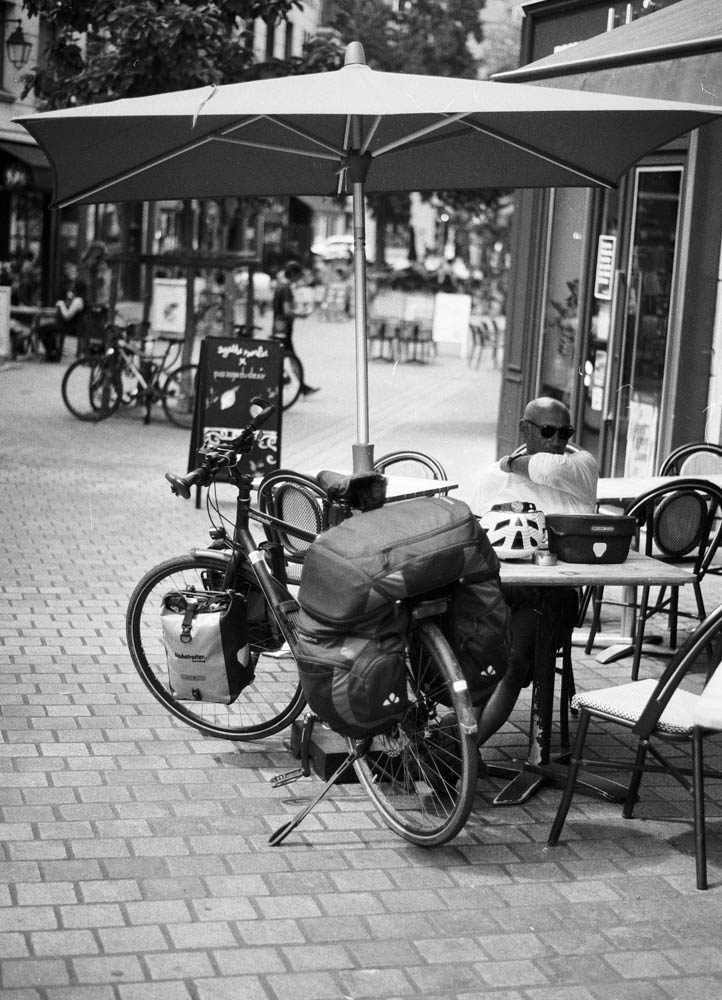
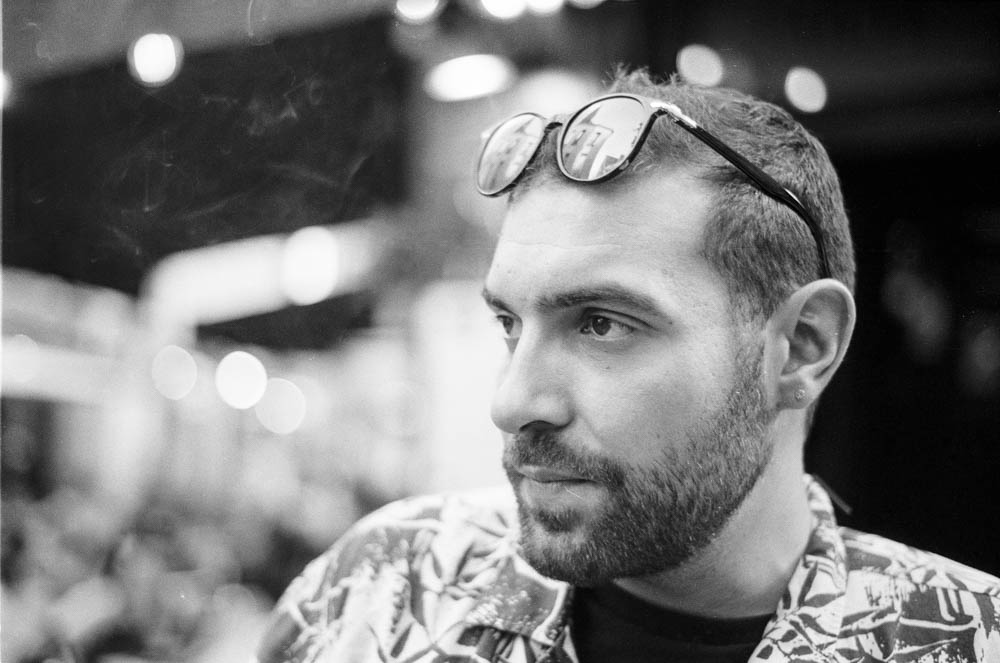
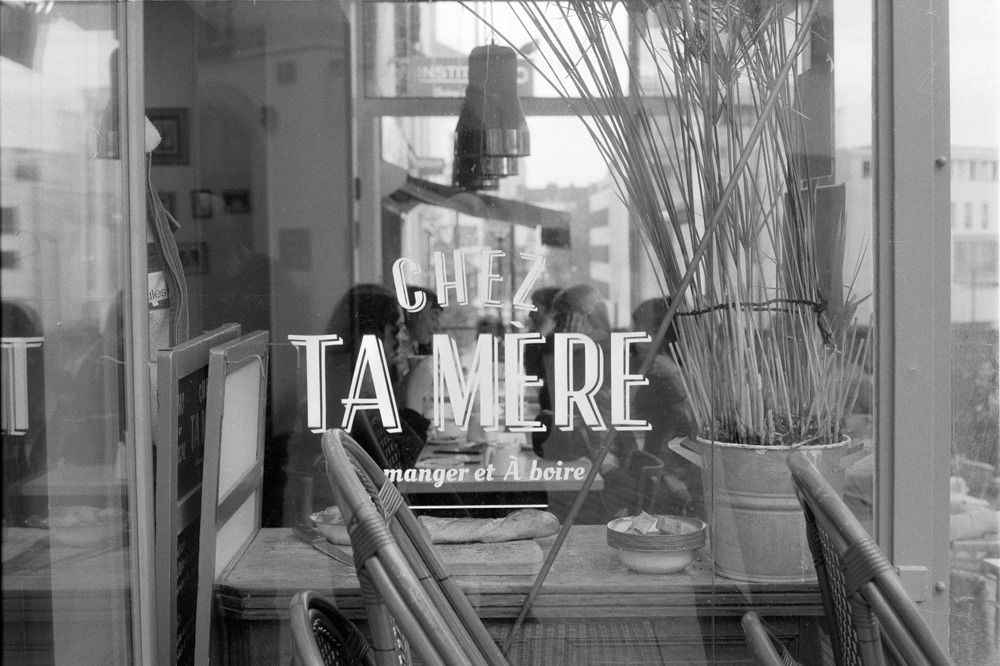
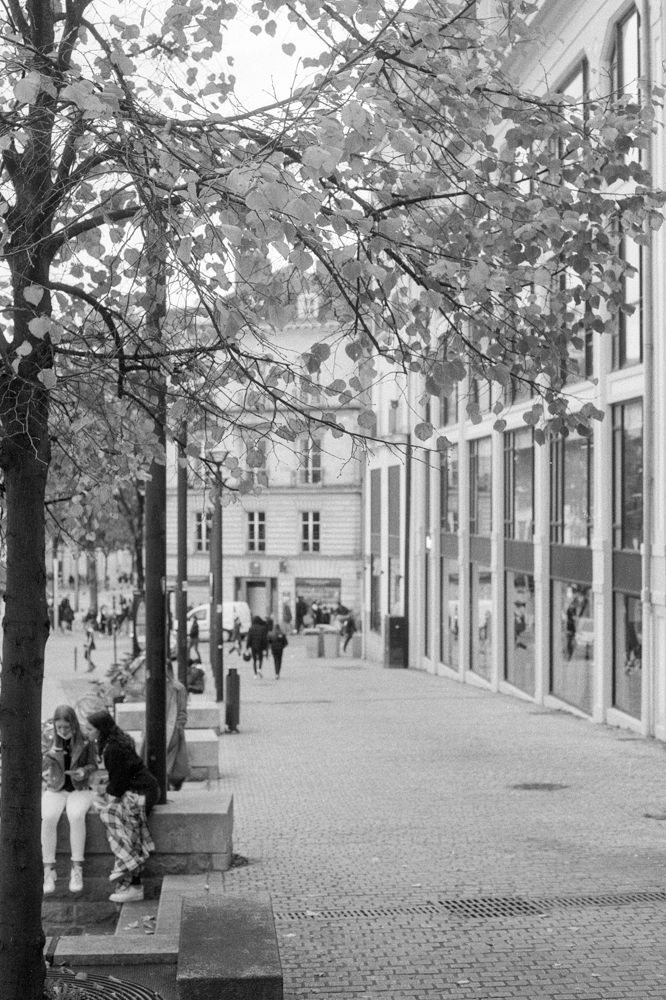
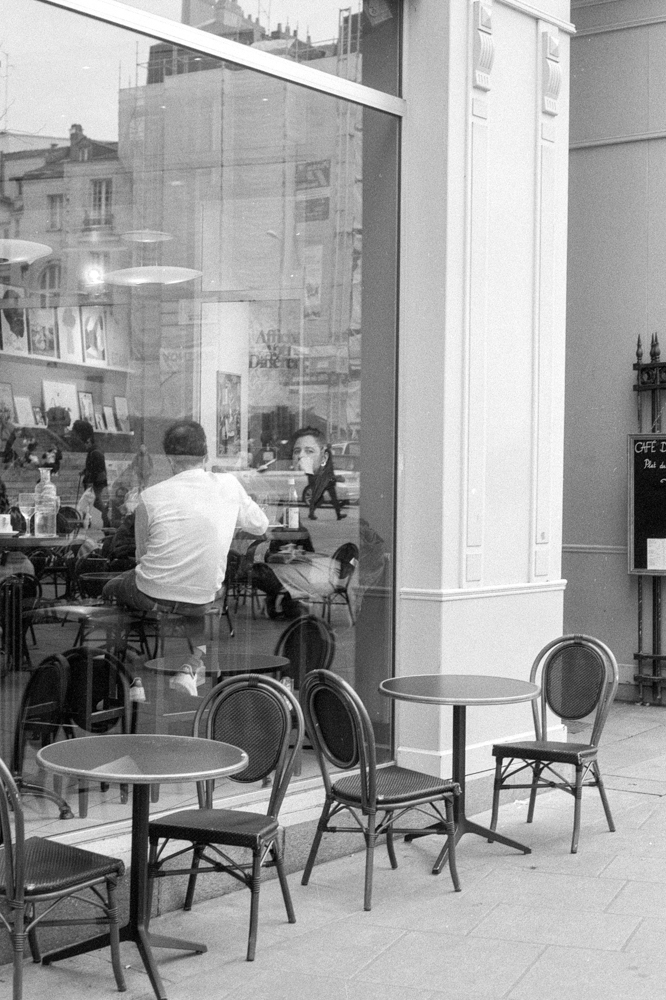
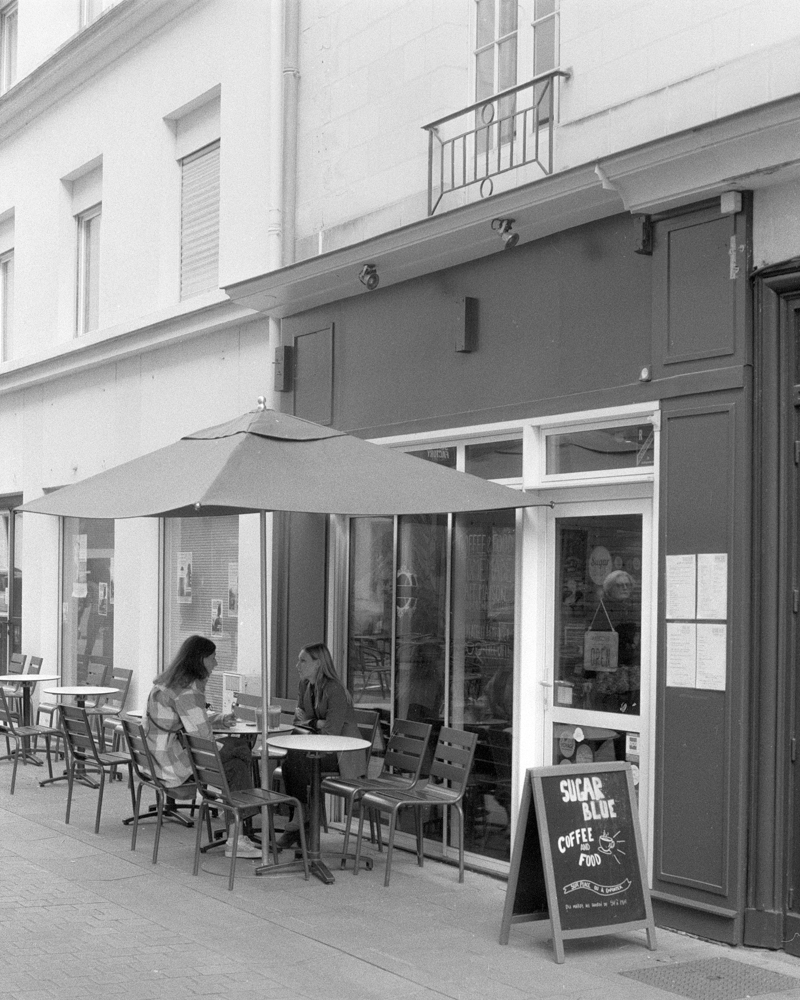
And here we go with a small selection of pictures from the last roll I developed, which are from 2022 and taken in the streets of Nantes. There will be more to come as I head back into the magical world of film photography!