
The Connection between Emotion and Image
I’m going to tell you a story about an essay that was given to us by the music master at the beginning of my Music A level course. There were four of us studying music, and the lessons took place in his study, much like a tutorial at university. The title of the essay was something like describe the perfect piece of music.
Back then I described the Glenn Miller song, Moonlight Serenade. One of my fellow pupils described the Planets from Holst. In the following tutorial after our essays had been marked, I was criticised since the Master thought my piece was repetitive, had no particular musical merit, and was corny. I, on the other hand, argued that it was the way the piece made me feel.
With hindsight I should have just handed in a clean sheet of paper saying that there is no such thing as a perfect piece of music, as taste is purely subjective and that he should take his essay question and possibly reconsider his stance! I didn’t of course. But it certainly got me thinking, even to this day!
Subjectivity in Art
As in any art the appreciation of the viewer is purely subjective and we have to be so careful about reading an interpretation into a given work. There are effectively themes that are explored in literature that could be described as obvious. But in Photography, I maintain that any connection to a particular photograph is an emotional one first, before going any deeper.
The Essence of Emotional Connection
But what makes this emotional connection possible? And how do I go about achieving this in photography. I’m going to harken back to my musical training. My horn teacher in France would say, your concerto is your text. Your job is to recite that text to the audience. That is all you have to concentrate on. You’ve worked through your concerto, the techniques necessary to play it, and once the sound leaves the bell of the instrument, it is no longer yours. It belongs to the audience. They are the ones listening and they are the ones that will form the emotional connection.
Creating Meaningful Portraits
So how do I make this connection with my audience when it comes to photography? Well, in portraiture they say to focus on the eyes of your model. Eyes being the entrance to the soul. If I can capture that and have my model looking directly at my camera and therefore my audience then I’m well on the way to creating a meaningful portrait.

The Art of Street Photography
In my street photography, it can be about catching a detail that everybody sees but that nobody notices until they look at your image. You can go to my photography tutorials and look at the composition articles to learn about how we direct the audience to a particular point in our photograph by using leading lines, the rule of thirds, and emphasising our subject with our lighting, or by isolating our subject.

The Role of Colour in Evoking Emotion
We also solicit emotion through the colors we choose. Warmer tones can infuse images with energy and happiness, while cooler tones can make them feel peaceful or introspective. For example, adding reds and oranges to a portrait can evoke warmth and approachability, while blues and greens can give a landscape a calm, reflective quality. Considering these colours “in camera” can make the entire process more intuitive, helping you set the mood before you even begin editing.

The Power of Black and White
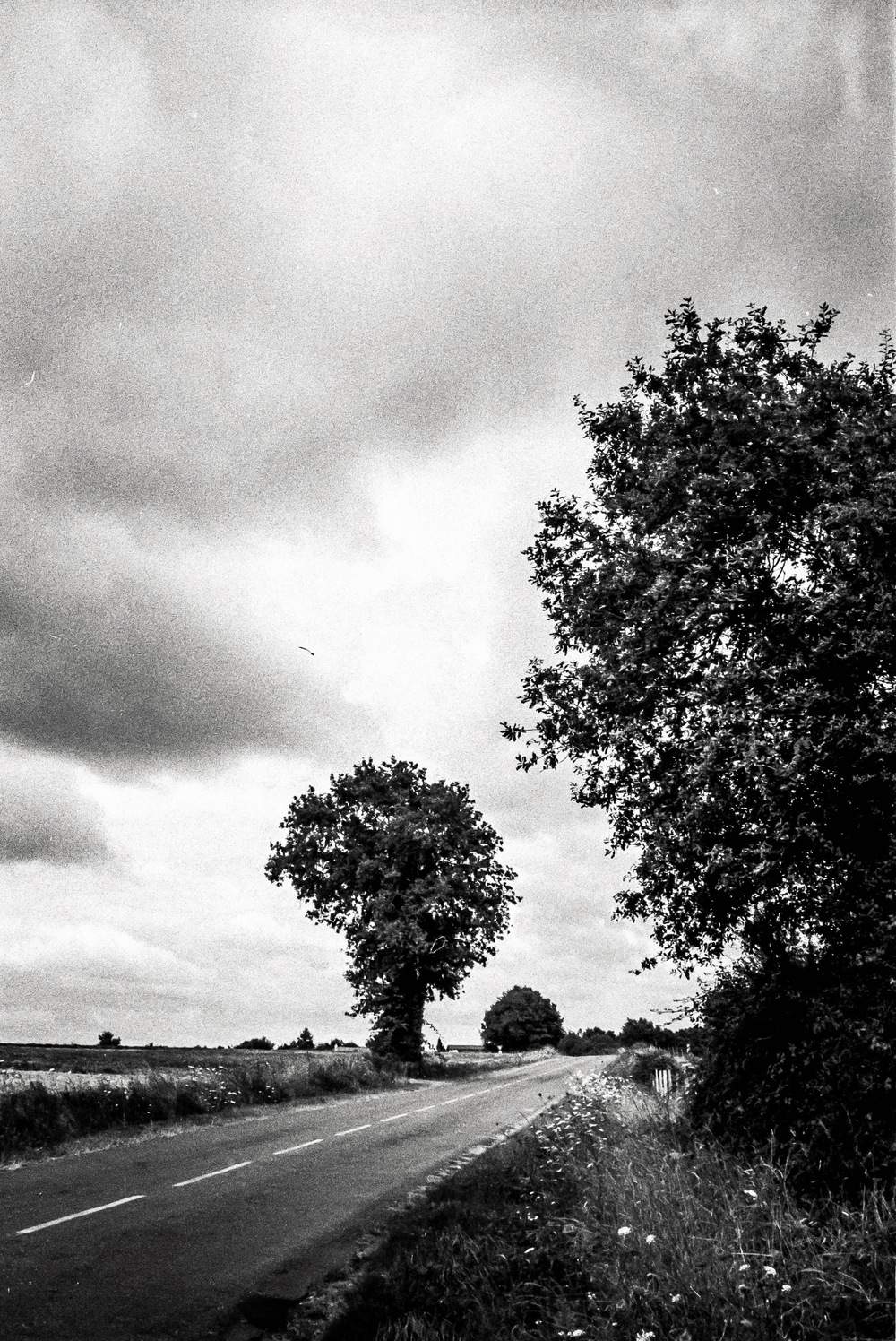
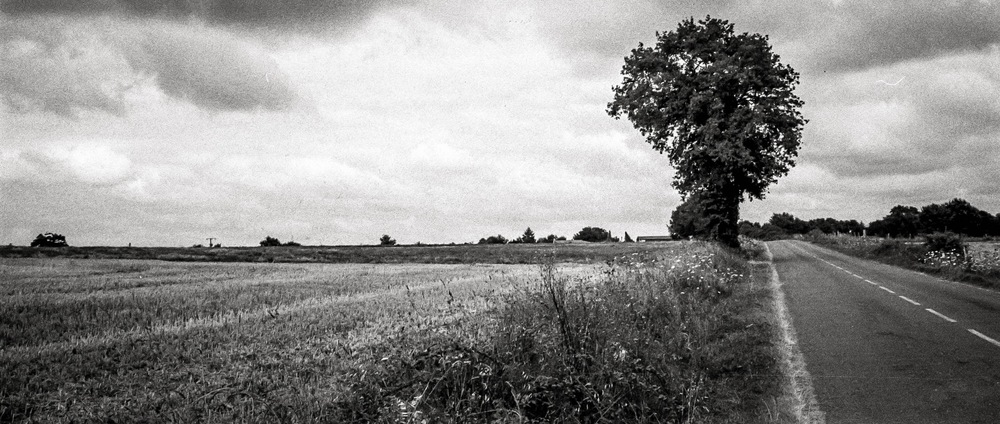
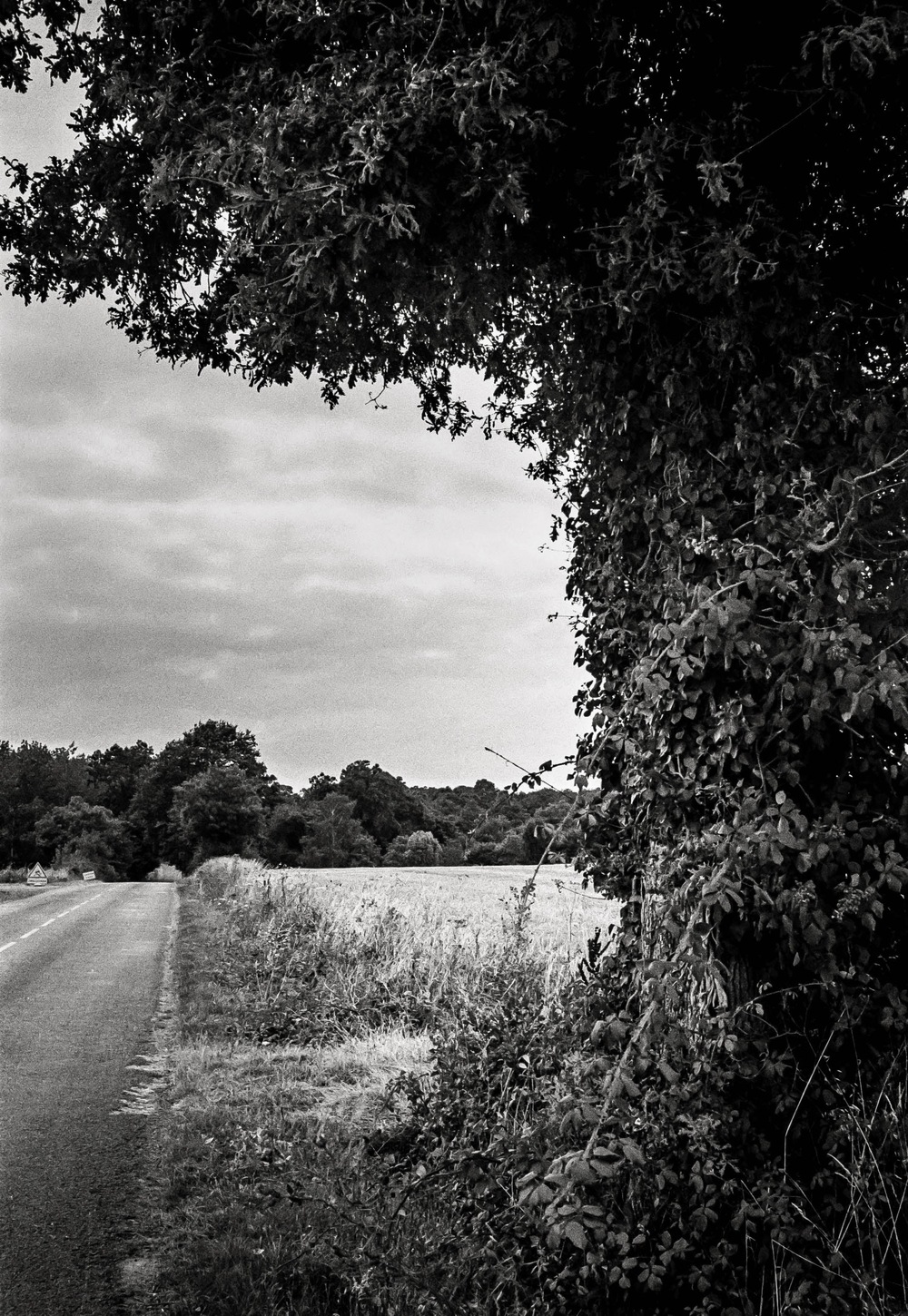
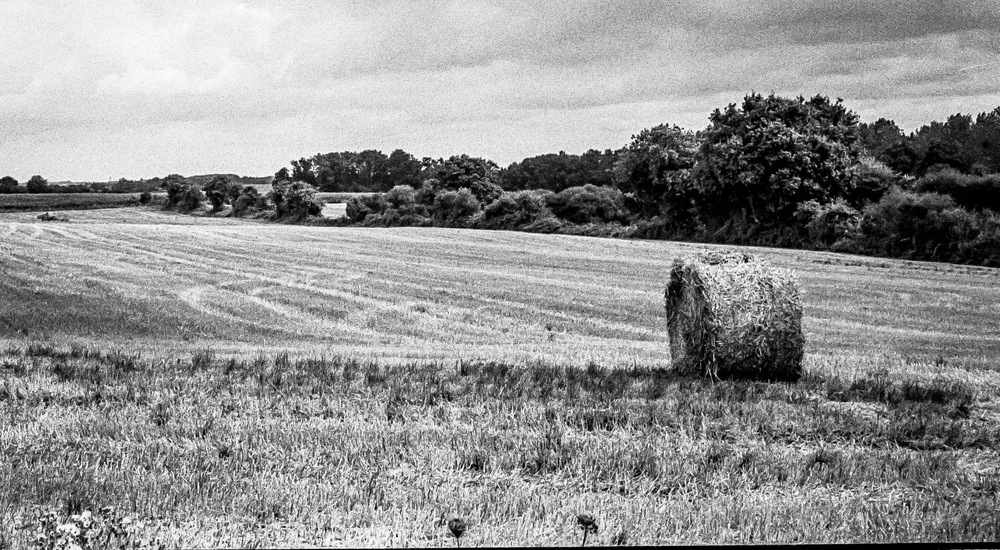
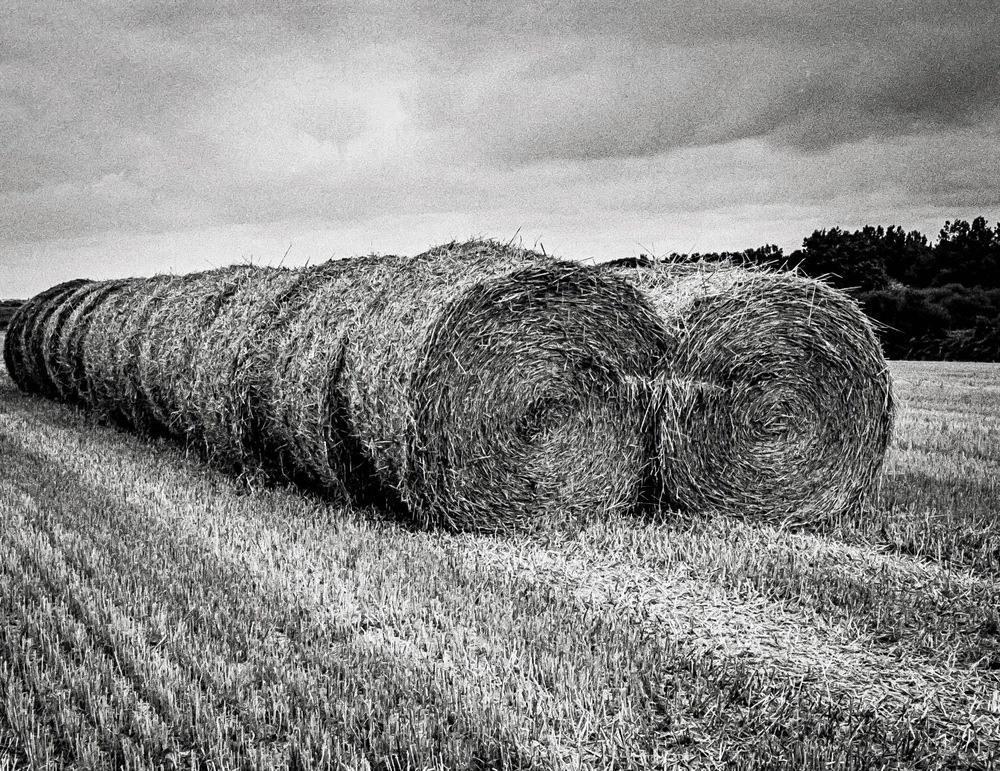
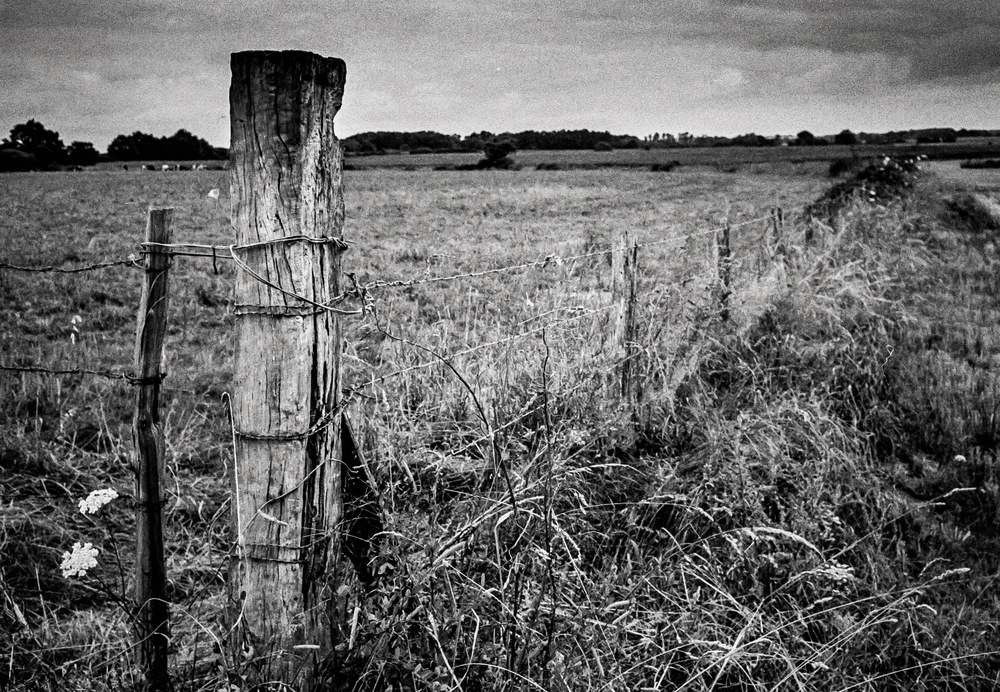
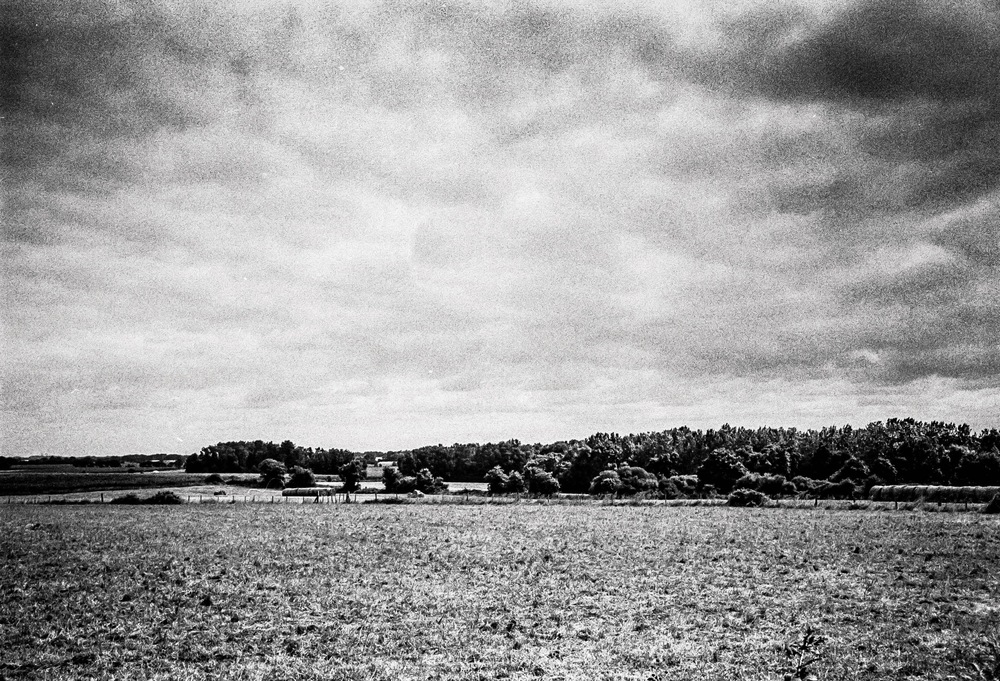
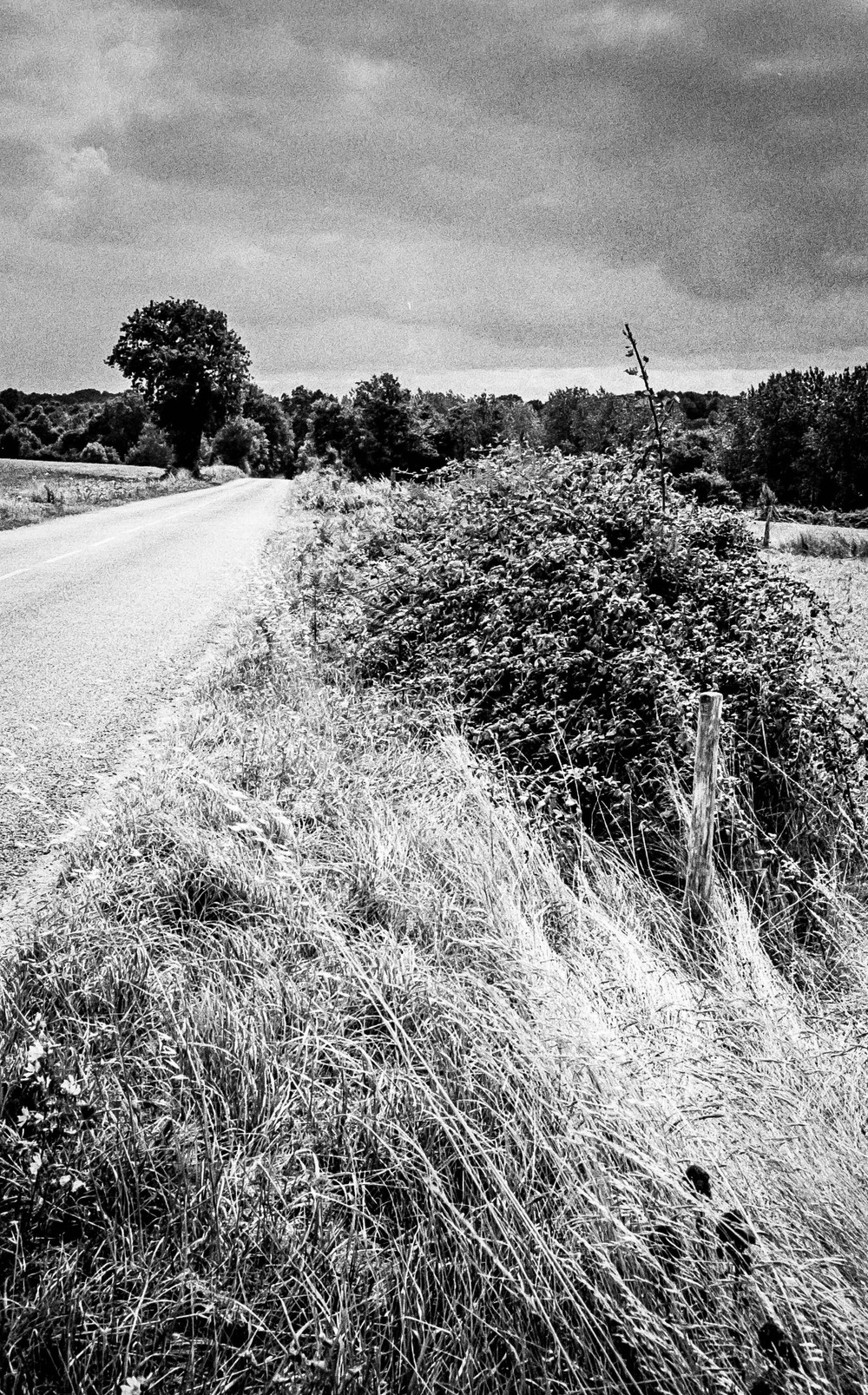
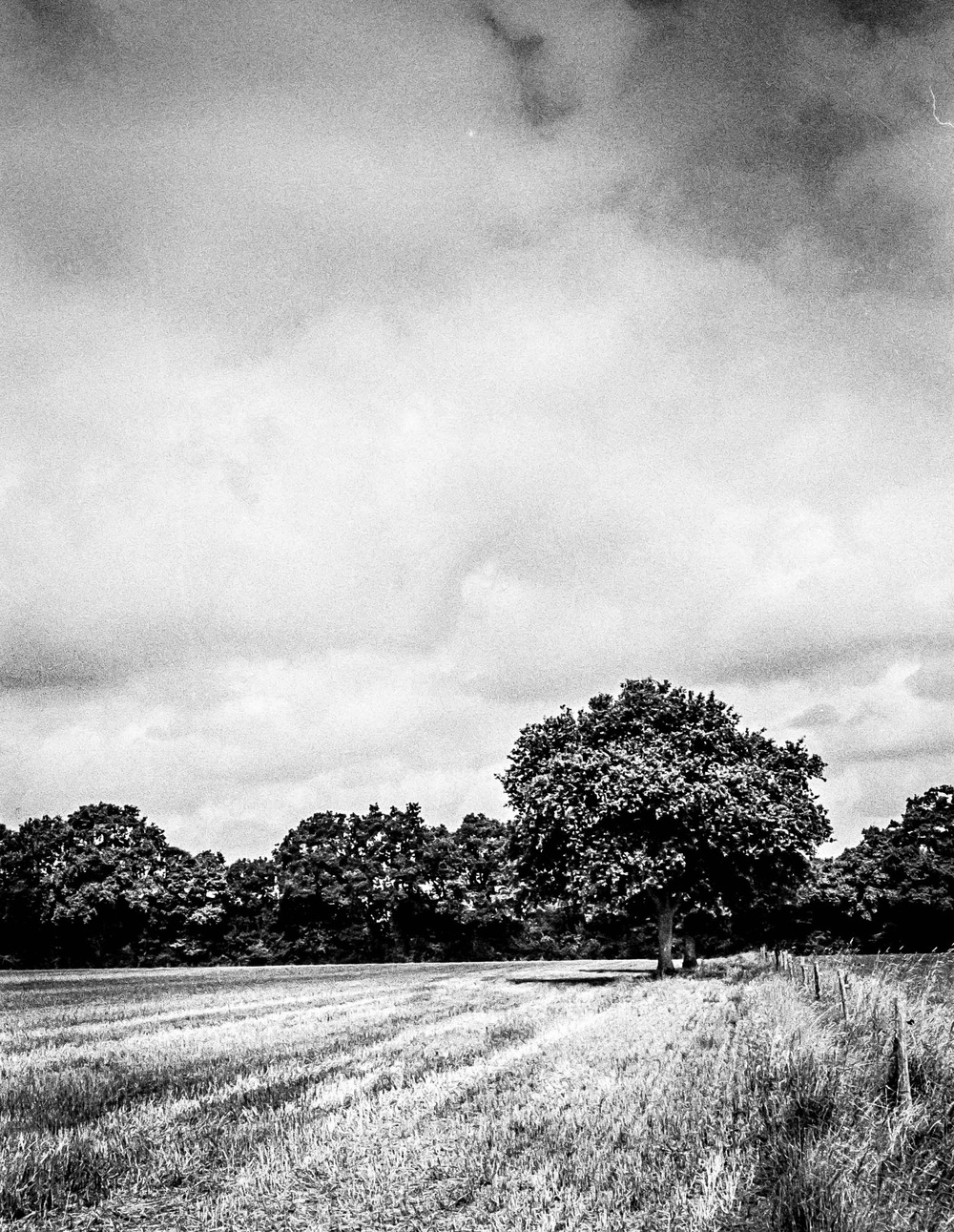
Shooting in black and white, using only tones of light strips away the influence of colour and presents us with the “essence” of a scene, and it’s one of the reasons I love shooting in black and white, be that on film or digitally. I aim for a timeless quality to my black and white images, and the emotion can be just as intense. Without color, we focus on texture, shadow, and contrast—elements that can evoke nostalgia, solitude, or contemplation.

Mindfulness in the Photographic Process
What I think I’m getting at is that to evoke an emotion we need to be so mindful of our photographic process. Sometimes taking that step backwards allows us to reflect before pressing the shutter button.
Conclusion
I don’t have all the answers of course, but in the end, capturing emotion in photography is as much about the heart as it is about the eyes behind the lens. Each photograph we create is a bridge between ourselves and our viewers—a connection forged in the moment but lasting beyond it. Just as a musician lets their notes drift into the silence, we photographers must let our images speak, leaving space for others to interpret, feel, and connect.
So, as you move forward in your own photography, remember to pause, to feel, and to let emotion guide your hand. Don’t be afraid to take a step back before pressing the shutter, and ask yourself: What do I want my viewer to feel?
I hope this reflection gives you a new perspective on how you approach your next shot. After all, photography, like any art, is a journey without fixed answers—one of constant discovery. Take time to explore, experiment, and, most importantly, to feel.










 IJM Photography