Prime Lenses: Elevating Your Photography Beyond the Basics – Part I


Introduction

This article is a follow on from my last article discussing the various merits of zoom and prime lenses.  Today I’m going to try and give a more indepth look into this world of primes.  The lenses that I will be discussing are my own and I have experience with them.  I will be talking more about how “I” use them and how they affect “my” photography, be that the actual photos or the photographic experience.  All the really techy stuff is available on Google;  I’m trying to give you an idea of the sentiments that I have when using the various lenses.  That said, let’s get into the nitty gritty.  I will go through each lens giving you details on how I use it, how “they” say I should use it, and start from the widest to the longest focal length.  This was turning into a longer article than usual, but since there’s a lot to cover, it will become a two part article.  Again mother, I will be talking shop, so consider yourself warned again… Sounds fair?  Let’s go!

Fisheye lens (TT Artisans 7mm f2.0 manual focus lens)

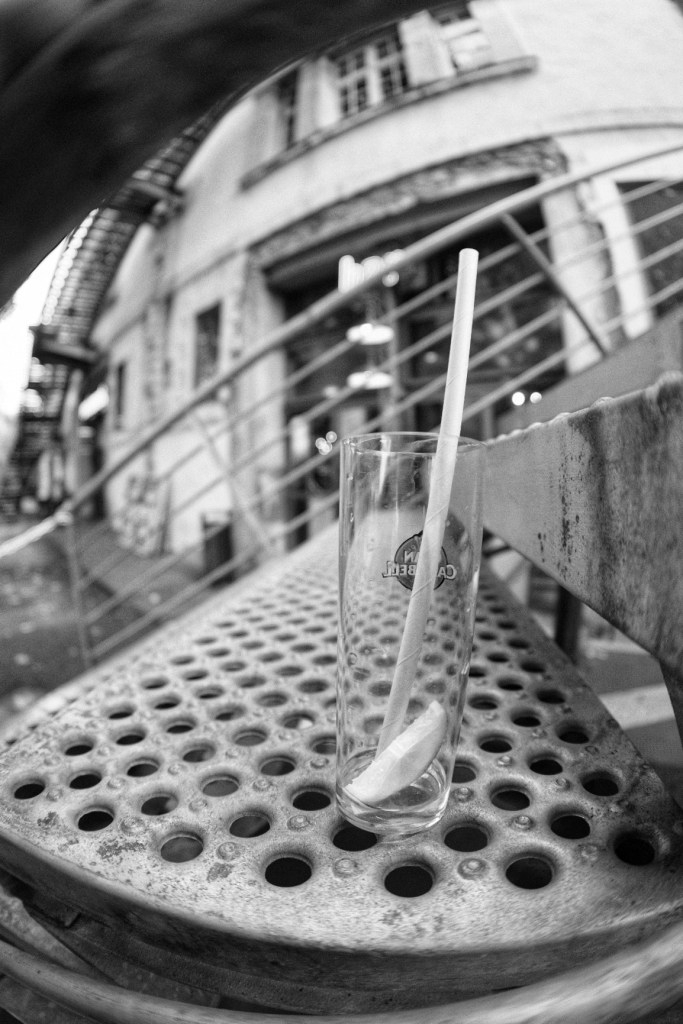
My fisheye lens (7mm so a 11mm full frame equivalent) is the one I use with my Fujifilm XT2.  It is a super wide lens made by TT Artisans, and its main claim to be included in my collection is that it was affordable.  Or at least affordable compared to some of the lenses out there.  However it doesn’t feel cheap on the camera.  It’s manual focus, but I can focus very closely (minimum focus distance is 0.125 metres) and the whole shot will be sharp.  It’s ultra wide so it gives a great level of distortion, which I love, but others might not.  If you can manage to get your horizon level, then you might not get as much distortion as you could by just raising the view 10° higher than the horizon. I love the effect that I can get from it.  It’s definitely a niche lens, and the price I would have to pay for something similar for my DSLR would be silly money.

16mm f2.0 (Fujifilm brand lens with autofocus 24mm equivalent for full frame lenses)

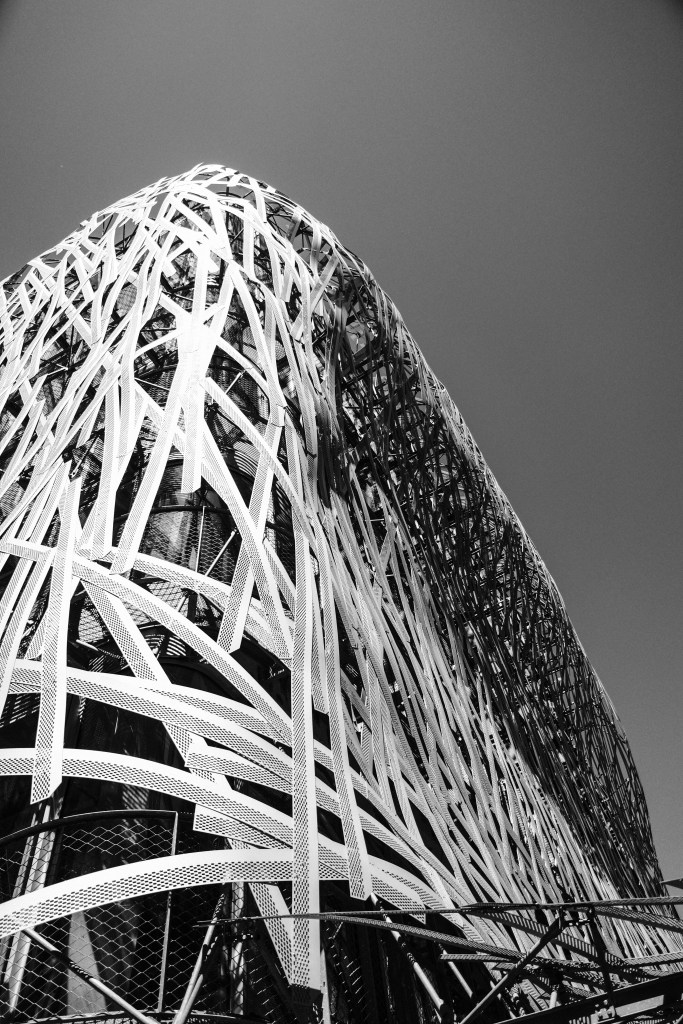
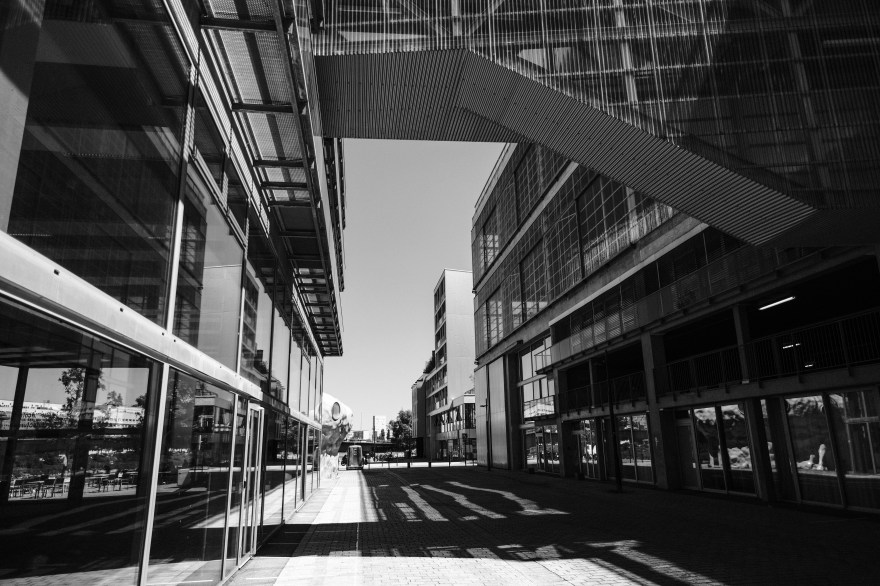
This was the first lens I bought for my Fujifilm XT2.  This 16mm lens’ full frame equivalent would be 24mm.  Why did I buy it?  Well, I already had a 35mm equivalent lens on my X100F, and thought that the difference between 24mm and 35mm would allow me to go wider and get more into my scene whilst avoiding the distortion of the fisheye lens. A particular outing sticks in my mind and was when I used the lens to take photos of the modern architecture on the Île de Nantes.  The wide angle of view (hence the name wide angle lens) was perfect for this kind of street landscape photography.  Would I use it for close-up portraits?  Only if I want to elongate people when taking a shot from low down on the ground looking up.  Would it be good for classic street photography?  Possibly as a compliment lens to my 35mm equivalent lens on my X100F.  Do I regret acquiring it?  Not at all and I particularly like its wide angle of view.

28mm f2.0 M42 mount lens for the Praktica MTL 3 film camera

I started my photographic journey with this film camera and only bought this lens much later.  I had my 50mm f1.8 (nifty fifty) and this was my first venture into a wider lens.  Could I see a massive difference straight away?  No.  But I no longer felt the need to move further back to get the view I wanted into frame.  Moving back with  a camera on your eye and banging into a building and saying sorry to the building is not the way to go, however British you may be.  The Leica Q (a very sexy little thing) uses this 28mm lens and is aimed at street photographers who have enough money to buy a Leica.  The same goes for the Richo GR II but without the need to sell a kidney.  There is a great debate on the Internet talking about the difference between the 28mm and 35mm lens for street photography, which tries to polarise everyone.  I try to stay as neutral as possible in these kinds of controversies but I do use my 35mm lens more.  Do I still like the 28mm format?  Yes.  Is it very different from the 24mm format?  Not hugely, but I tend to worry less about distortion .  I should probably go out and run a roll of film and see how I feel afterwards.  I remember the need to go in close to avoid capturing too much in the frame with this lens, but that is not a factor that could deter me from using it.

23mm f2.0 (X100F lens equivalent to the 35mm for a full frame camera)

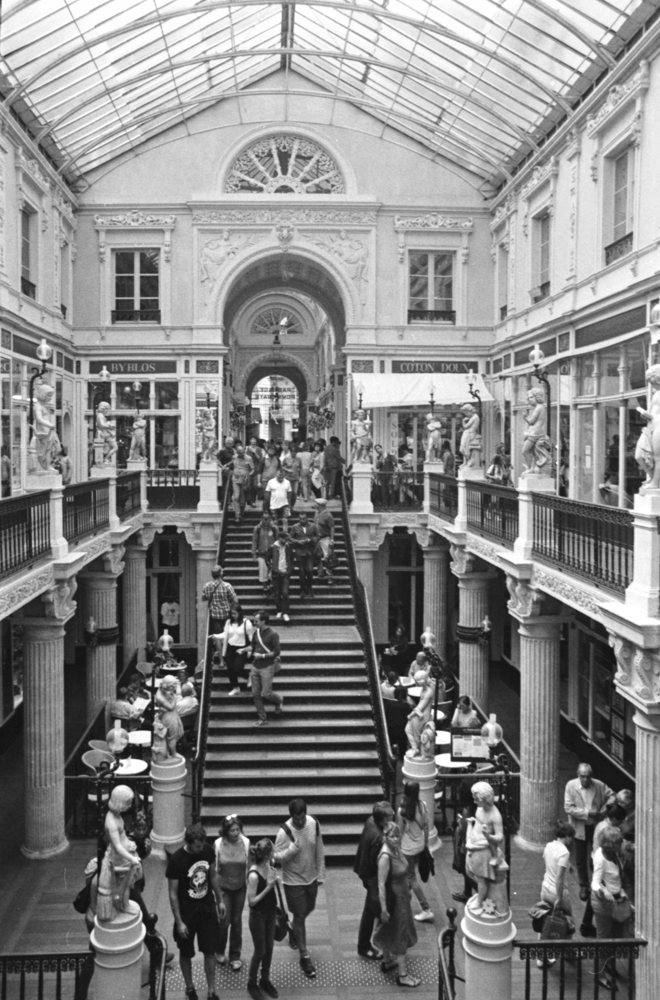
The 35mm lens is the classic for street and documentary photography.  It was the lens used by a majority of newspaper photojournalists in the 1970’s, 1980’s and 1990’s.  This might explain its influence on my own photography.  I remember when the Independent first came out and the high quality of photojournalism.  I think that if Fujifilm decided on the 35mm equivalent for their fixed lens cameras then there’s probably a very good reason for it.  Through my use of the X100F for street and documentary photography I have become very accustomed to the view it gives me of the world.  It’s not just for the street though.  Even as a sole travel lens it allows me to capture details of a trip, as well as wider views to tell my story in more detail. It’s brilliant as a lens for environmental portraits and is wide enough to always give contect in the frame to the main subject.  If you try to do close up photography with portraits you might notice some distortion but if that happens just move ever so slightly backwards, reframe, and the problem should no longer be one.

In my next article, we will go higher up the focal lengths and discuss the narrowing field of view that they offer and explore how they bring the background forwards. As for this article, all the information laid out is equally as valid for film or digital photgraphy.

The Photographer Behind the Lens


Embarking on a photography outing is filled with anticipation, decision-making, and a blend of personal passion and professional discipline. Anything can go wrong, but maybe that’s not the right way to put it. Perhaps I should rather say, expect the unexpected and be ready to adapt. As I prepare for each little jaunt, I face a range of choices that shape the outcome of my photographic endeavours.

Selecting the Right Gear:

The first step in my preparation involves choosing the right camera for the occasion. Factors such as, “Does it still work?” for my film cameras, or “have I charged enough batteries?” for my digital cameras, enter into consideration. My energy levels and the allure of film versus digital play a crucial role in this decision-making process. For example, “Do I have the energy to develop and scan my negatives, or can I face hours of photo editing?” For me at least, it’s not just about the gear, but about the experience it brings. Those of you who have used film will know exactly what I mean. It is a totally different experience to using digital cameras. The words “faffing” and “about” spring to mind. What is my goal in going out today? Is it just to see what happens, or do I “have” to get results?

Navigating Weather and Mental Health:

Weather forecasts and mental well-being become significant considerations as I plan my outing. I, like most people, have an aversion to being rained upon. Even though I might not melt, I don’t want rain getting into the electronics in modern cameras. The allure of capturing the perfect shot often outweighs the discomfort. Yet, there are moments when self-care takes precedence, telling me to just stay in. Sometimes, staying in and getting my ironing done provides as much satisfaction as going out, allowing me to look so dapper on my next outing. The joy of unlimited cups of tea might just make staying in on a rainy day all the more appealing.

Packing the Essentials:

A well-equipped photography bag is essential for any outing. From spare batteries to a flask of tea for comfort, each item serves a purpose in ensuring a successful day of shooting. The contents of my bag reflect not only my photographic needs but also my personal preferences and creature comforts. However, the weight of the equipment is a crucial consideration, especially for street photography where mobility is key. As a more rotund gentleman of 52 years, this has become more and more important. Basically, you can take it with you, but you have to carry it. The X100F and a couple of spare batteries weigh next to nothing, but a Mamiya, or DSLR with a couple of nice zoom lenses suddenly makes you feel less young and daring. Don’t get me started on tripods. Yes, you might need one (in fact, you do) if you want to be doing long exposure photography, but imagine lugging one up a mountain. Okay, don’t. It’s not worth it. So ask yourself what do you really need, and will one of your children carry it for you? And how much will it cost you to make it worth their while?

The Lens Palette:

Crafting Perspectives: Different lenses allow me to achieve different results. If I use my 16-35 lens, I will get wide vistas in town and have a certain level of “artistic distortion.” If I use the 24-70, I have quite a good range of focal lengths, and also a macro feature on the lens. If I use my fisheye lens, I can get all “arty farty.” With a 35mm lens, I am perfect for street photography, and it’s the lens I use the most. The nifty fifty allows me to have a more human-eye view of the world.

The Digital Dilemma:

When it comes to the choice between film and digital photography, authenticity often clashes with practicality. While the allure of film photography appeals to my desire for authenticity, and it does look exceptionally cool, and you can enter “smug mode” knowing that you are arguably better than those who only know about digital photography (yes, snob value does exist!), the energy and time required for development and scanning can be daunting. On the other hand, digital photography offers convenience, allowing for instant image transfer and easy post-processing in software like Lightroom. The decision ultimately hinges on the balance between artistic vision and practical considerations, and can I really be bothered? I know, you have just lost respect for me as an artist, but the struggle is real.

Professionalism Meets Passion:

For professional assignments, meticulous preparation is paramount. From checking equipment to selecting the perfect lenses for the job, every detail contributes to achieving the desired outcome. I noticed this during my musical studies when the goal is to get a paying gig and deserving the pay. You have to get results and your reputation depends on those results. But, even in the midst of professional obligations, the passion for photography remains at the heart of every endeavor. Top tip of the the day. Always have a back-up plan. No planning survives initial contact with the enemy. You’re on your own and have to improvise. What can go wrong, will go wrong, so prepare for this.

Mapping Out the Journey:

Finally, planning the route to my destination adds an element of anticipation to the journey. Do I have to drive for miles, and will there be a loo somewhere on the way? How will I be able to acquire snacks? Are there any small producers that might need a client? I mean I don’t always think about food, but when you live in a country known for the quality of its produce, and where it is almost a duty to consume on the good stuff, it kind of is… Anyway, make sure you look at where you’re going on a map. And if you’re visiting a historic site or attraction then check the opening times. It has happened before. You turn up to a place and it’s closed, so I went a saw my plan B… The path ahead is filled with possibilities and opportunities for creative exploration.

In conclusion

The art of preparation is an integral part of the photographer’s journey. Balancing personal passion with professional commitment, each outing offers a chance to immerse yourself in the beauty of the world through the lens of a camera, whether it’s under the open sky or amidst the comforting hum of domesticity.

Exploring Nantes: A Photographer’s Perspective


In the hushed confines of my study, where the scent of bookst mingles with the comforting aroma of steeping tea, I find myself transported to distant realms of discovery. With my faithful canine companion at my feet and a mischievous feline observer perched high atop a pile of unironed laundry (I must get that sorted out), I embark on a journey not only through the winding lanes of Nantes but through the corridors of time itself.

Nantes, with its labyrinthine streets steeped in centuries of history, beckons with the allure of bygone eras and whispers tales of yore to those who listen with open hearts and discerning eyes. As a photographer of a somewhat vintage disposition, I am drawn not only to the grandeur of its architectural marvels but to the quiet corners and hidden alcoves where the soul of the city reveals itself in subtle nuances and fleeting moments.

My approach to photography, much like my approach to life, is one steeped in reverence for the past and a keen appreciation for the present. Armed with my camera and a discerning eye for detail, I set out to capture the essence of Nantes not merely as a series of picturesque scenes but as a living, breathing tapestry of human experience.

In my wanderings through the cobbled streets of the old town, I am enraptured by the timeless beauty of the Château des Ducs de Bretagne, its imposing walls bearing witness to centuries of tumultuous history. Yet it is in the quiet courtyards and shadowed alcoves of this ancient fortress that the true spirit of Nantes reveals itself, echoing with the whispers of generations long past.

  • Chateau de Ducs de Bretagne, or Nantes Castle

As I meander through the bustling markets and labyrinthine alleyways, I am captivated by the vibrant tapestry of colors and textures that adorn the cityscape, each tableau a testament to the creativity and resilience of its inhabitants. From the fragrant stalls of the Marché de Talensac to the bohemian charm of the Île de Nantes, every corner of the city offers a glimpse into the rich tapestry of Nantais life.

But it is perhaps in the quiet moments of reflection, amidst the tranquil banks of the Loire River or beneath the leafy boughs of the Jardin des Plantes, that the true magic of Nantes reveals itself. Here, far from the hustle and bustle of the city streets, I find solace in the simple beauty of nature and the timeless rhythm of the river, a reminder that amidst the chaos of modern life, there are still moments of peace and serenity to be found.

In my pursuit of the perfect photograph, I am guided not only by technical skill and artistic vision but by a profound sense of reverence for the world around me. Each click of the shutter is not merely an attempt to capture a fleeting moment in time but a homage to the beauty and wonder of the world we inhabit.

As the sun sets over the horizon and the last rays of light dance upon the waters of the Loire, I find myself filled with a sense of gratitude for the privilege of bearing witness to the timeless beauty of Nantes. In its winding streets and hidden corners, I have discovered not only the essence of a city but the essence of life itself—a tapestry of moments, both fleeting and eternal, woven together in the fabric of time.

As the golden hues of sunset paint the Loire River, my camera lens captures one last fleeting moment of this captivating city. Nantes has unveiled its charm, whispering stories through its cobblestones and revealing its soul in hidden corners. While my journey ends here, yours can begin. Pick up your camera, wander the winding streets, and discover the magic of Nantes waiting to be captured, frame by frame. You might just find yourself transported, too.

The X100F, again!


It seems that I’m not the only one who raves about this powerhouse of a camera. This just proves that size truly doesn’t matter. I’ve mentioned it on numerous occasions and I stand completely justified in doing so!

Here’s a selection of articles that I have written showcasing phtoography from this amazing little camera in no particular order:

The idea behind using a camera is not just about capturing moments, it’s also about the experience it grants you. This camera has the ability to inspire and motivate its users to explore and create, which is a testament to its design and functionality. The joy and enthusiasm that comes with using this camera is contagious, and it’s evident in the way it empowers photographers to unleash their creativity. It’s not just a tool, but a companion that fuels the passion for photography, encouraging individuals to embrace the world around them through its lens.

Choosing the Right Film Format: 35mm vs. Medium Format Photography


Introduction In the world of film photography, the choice of film format can significantly impact the results you achieve. Whether you’re an aspiring street photographer or simply an enthusiast looking to explore the world of analog photography, the decision between 35mm and medium format can be crucial. This article explores the major differences between these two formats, helping you along on your photographic journey. As we dive into this discussion, it’s essential to understand how the choice of format can influence your work.

1. Understanding the Basics Let’s start by establishing a foundation. 35mm photography is the more common format, known for its accessibility, ease of use, and widespread availability. It is the standard format of film. However, medium format photography offers distinct advantages worth exploring.

2. The Key Differences

Image Quality and Resolution: The most noticeable difference between medium format and 35mm photography lies in image quality and resolution. Medium format film, with its significantly larger negative size, captures an significant level of detail and clarity. The larger negatives provide ample room for precise rendering of textures, fine lines, and intricate patterns. This translates to stunningly sharp and highly detailed images, ideal for both professional work and fine art photography. If you’re aiming for prints that capture every nuance, medium format is the way to go.

Aspect Ratio: Another significant difference is the aspect ratio. 35mm film typically yields images with a 3:2 aspect ratio, while medium format cameras typically offer a square 1:1 aspect ratio. The square format can be a creative boon, pushing photographers to rethink composition. It forces a balance between the vertical and horizontal aspects of your subject, a characteristic reminiscent of the iconic street photographer Vivian Maier, who frequently used a TLR camera. The square format encourages unique framing and adds an artistic challenge to your photography.

Depth of Field: Medium format allows for a shallower depth of field compared to 35mm. This means that it’s easier to achieve that sought-after background blur or bokeh, perfect for portrait and street photography. With a well-executed composition, your subject can pop against a beautifully blurred backdrop, making them the focal point of the image.

Size and Weight of Equipment: In terms of portability, 35mm cameras have the upper hand. They are compact, lightweight, and ideal for street photography where you need to be quick on your feet. Medium format cameras, on the other hand, tend to be bulkier and heavier due to the larger film format and the associated optics. This makes them better suited for planned shoots where image quality takes precedence over convenience.

Cost of Film and Development: While 35mm film and development are more budget-friendly, medium format film comes at a higher cost. When using the 6×6 format you will only have 12 images per roll of film. This of course makes every shot count. If you are stressed out about messing up a shot on 35mm film then your anxiety will shoot up to lunar levels with only 12 shots. But remember what I have said earlier, no shot is wasted and every shot is a learning experience. The enhanced image quality, detail, and artistic potential make medium format film worth the investment for those who prioritize the final result over the upfront cost. If you’re planning to produce gallery-worthy prints or pursue a professional career, the expense can be justified.

Flexibility and Convenience: 35mm cameras are known for their flexibility and convenience, making them well-suited for capturing quick shots or candid moments. They’re also readily available, and film processing is more accessible. In contrast, medium format cameras require a more methodical approach, ideal for planned and deliberate photography. The process is slower, encouraging you to carefully consider each shot and compose it meticulously. This added effort can lead to more thoughtful and deliberate photographs.

3. Street Photography with the Pentax ME Super and TLR Influence Vivian Maier, a renowned street photographer, serves as an inspiring example of how camera choice can shape your photographic style. Maier favored the TLR camera, a medium format model known for its distinctive qualities. Her use of the square format and unique perspective have left an indelible mark on street photography.

I want you to think about the fact that a TLR is hanging around your neck at tummy level or even waist level, so the way of looking at your subject will automatically affected too.

If you’re looking to explore street photography with a Pentax ME Super, remember that the compact 35mm format offers its advantages for candid, on-the-go shots. However, Maier’s work reminds us that the choice of equipment is a personal one, and there’s no one-size-fits-all answer.

4. The Mamiya C220 Review: A Medium Format Marvel As we venture further into the world of medium format, the Mamiya C220 beckons. Just as Vivian Maier chose a TLR for her street photography, other photographers have found success with medium format cameras like the Mamiya C220. In my upcoming review, I’ll explore the features, benefits, and considerations of this remarkable medium format camera, guiding you towards your next photography adventure.

The Induction to a Higher Level of Photography When you make the transition from 35mm to medium format, you’re stepping into a higher echelon of photography. If you think that 35mm film is great, you’ll be enthralled when you see your images taken by a medium format camera. The level of detail and depth of field that medium format offers is simply unmatched. It’s like upgrading from a standard screen to 4K resolution for your photography. Every detail comes to life, and the depth of field adds a whole new dimension to your work. It’s a revelation that will leave you wondering why you didn’t make the leap sooner.

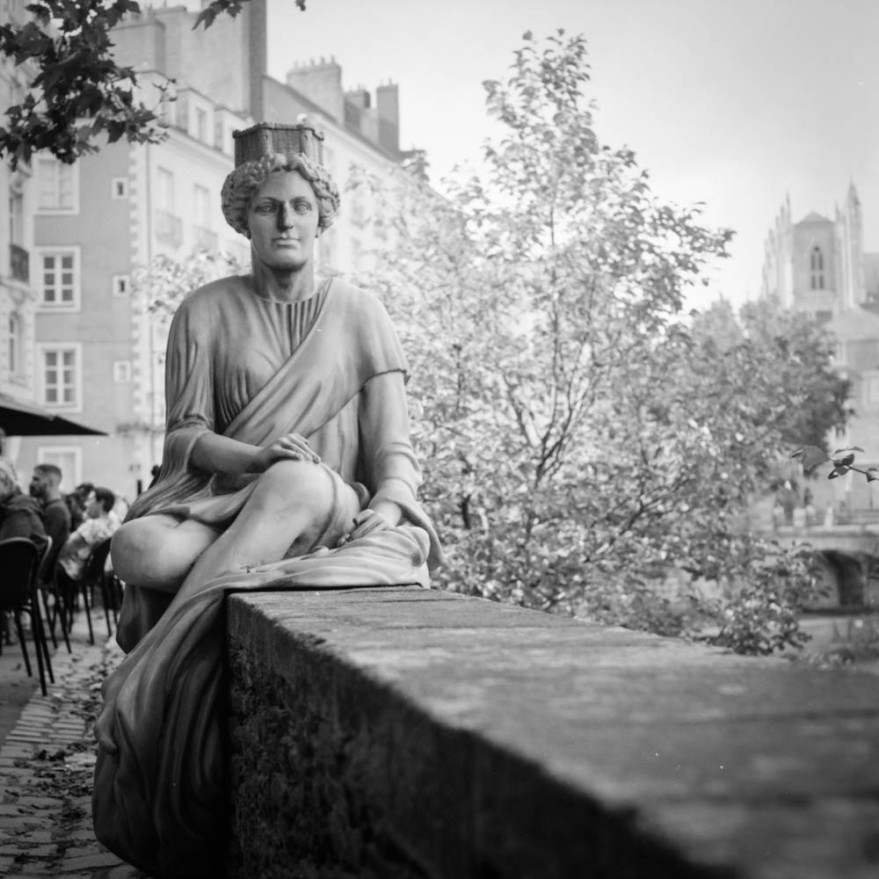
The 35mm format photo captured on the Pentax MS Super. The “standard” format of film photography. The one we all know.

The square format common to much medium format photography with a 6×6 format. I’ll let you look at the differences for yourself.

The lenses for each shot was a 50mm lens for the 35mm format film photo, and the 80mm mm lens for the medium format photo. However, both lenses are equivalents.

Conclusion In closing, remember that there’s no definitive answer to the question of 35mm vs. medium format. It’s a matter of personal preference and artistic vision. Both formats have their merits, and your choice should align with your goals and the style of photography you wish to pursue.

Stay tuned for the Mamiya C220 review, where I’ll delve deeper into the world of medium format photography, and consider the impact of the TLR on your creative journey.

The journey of film photography is full of exciting choices, from your film format to your camera model. Vivian Maier’s legacy reminds us that every camera has its unique personality and that your creative vision should be the driving force behind your choices. Whether you decide on 35mm or medium format, your camera is your artistic tool, and the world of film photography is yours to explore.

Frame It Right: The Art of Composition in Photography Part IV


In my previous articles, we’ve embarked on a journey to understand the basics in photography. I have talked about exposure, set out some of the “rules” of composition, and even delved into the world of colour theory. Today, I’d like to introduce you to the rule of odds and the rules of space, two fundamental elements that will take your photography to the next level.

Before we talk about these new concepts, let me reiterate the importance of building a solid foundation. Just as we did with framing, negative space, and colour theory, it’s crucial to master each concept before moving on to the next. Take your time to learn and apply these principles in your photography journey. The other four articles will stay up, and you can read them at your leisure.

The Rule of Odds in Photography

The rule of odds is a composition guideline that suggests using an odd number of subjects or elements in your frame, typically three or five, rather than even numbers. Why? Because odd numbers tend to create a more balanced and visually pleasing composition.

When you use the rule of odds, you create a natural focal point within your photograph. Our eyes are drawn to the centre subject, and the uneven arrangement adds a sense of harmony and intrigue to the image. The result? A more captivating and dynamic photo that engages your viewers. It’s all about balance.


Rules of Space: Balance and Direction

Now, let’s look at the rules of space. This concept involves how you position elements and subjects within your frame to achieve balance and direct the viewer’s gaze. It leaves space for the subject and can be used in multiple ways as a storytelling tool. It can also be used in conjunction with the other composition techniques that I have talked about in my previous articles.

Tips

Think outside the frame. What is going on outside the frame becomes as important as what is oing on inside the frame. Let’ take the picture of the guitarist. Who is he looking at? What’s going on outside the frame? Is there an audience? Where is the audience? Using rules of space the viewer will more curious and be more engaged in the photo.

Conclusion

One can talk about composition and the effect it has on photography till the cow come home. People will always bring up “composition” and will always tell you how “they” would have done it differently. In these four articles you will now know what they are talking about and be able to decide for yourself. In absolute terms, “your” photographs are about what “you” saw, and only “you” can see that. But keep the rules that we have discussed in the back of your mind, and take your photograph with purpose and being conscious about what you are doing. Mindfulness is the key.

My next article will talk about the differences between 35mm film photography and medium format photography. For film enthusiasts or anyone else who is curious you will be entering into a new world. There are, of course, trade offs between each format, and we will discover them. Maybe you’ll be bitten by the Medium Format bug too… As always Dear Reader, I appreciate your enthusiasm, and I look forward to our next exploration together. Until then, happy shooting!