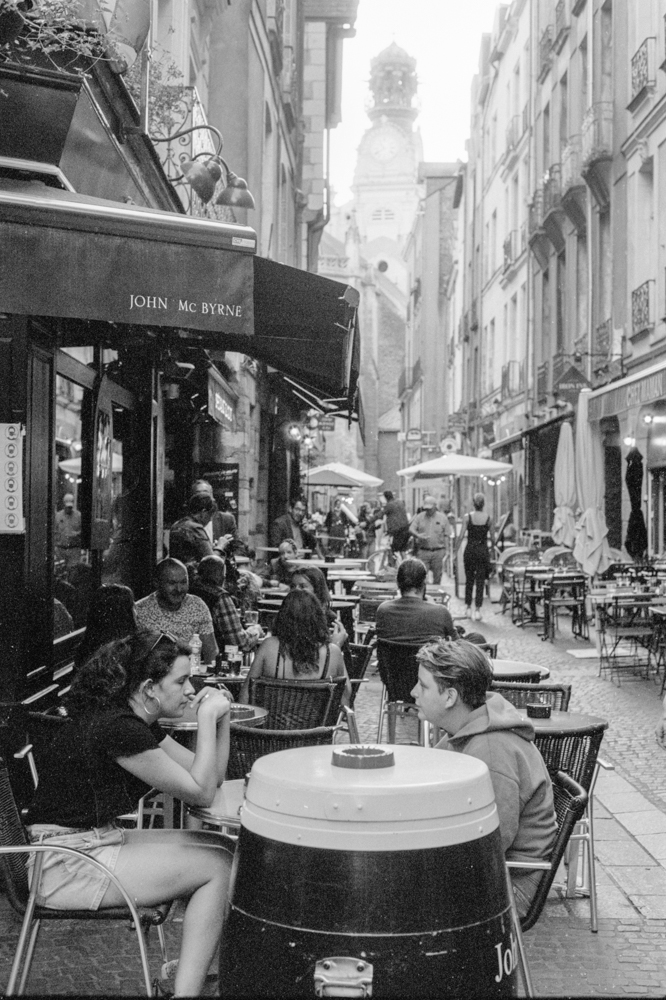
Photography 101: Mastering the Fundamentals


Why Photography?

Hello, Dear Reader,

I’ve decided to take some advice and start a series of articles focused purely on photography. You may already know how photography has impacted my life, and perhaps you’re hoping to discover something similar for yourself. This isn’t a formal course, and the advice I share comes from my own experiences over the years. My aim here is to offer you a useful reference point as you begin or continue your own photographic journey.

Let’s assume you’re new to photography and want to move beyond using your phone’s camera. You’re ready for a “real” camera. Does that sound about right?

From time to time, people approach me and say, “Ian, what’s the deal with photography? How do I get photos like yours?” That’s when my imposter syndrome likes to make an appearance. But despite that, I’m here to share what I know.

To begin, you’ll need a camera. I know it can feel overwhelming, especially if you’ve glanced at the price of a Leica and wondered if it’s worth selling a kidney. (Pro tip: hold off on that.) Leicas are beautiful, but you don’t need to break the bank to get started.

Any camera within your budget is a good starting point, especially if it allows you to control settings manually. Whether you choose film or digital, the fundamentals remain the same. Do you want the retro charm of a Canon AE1, the compact style of a Fujifilm X100F, or perhaps a more professional DSLR? The choice is yours, but remember: the camera is just a tool. It’s how you use it that matters. I’ve written some camera reviews you can check out, and I plan to add more in the future.

Now, let’s talk about the basics.

Exposure Basics

Photography is essentially about light—how much of it reaches your camera’s sensor (or film) and how it interacts with your subject. Too much light, and your image will be “overexposed” (too bright). Too little light, and it will be “underexposed” (too dark). You can, of course, play with these elements intentionally, using over- or underexposure to highlight specific areas of your shot. Photographers often talk about exposing for the highlights or shadows to get the right balance. In film photography we will expose for the shadows and in digital photography we expose for the highlights.

How do I control the light?

It all comes down to balancing three key elements, often called the “Exposure Triangle”: ISO, shutter speed, and aperture. Adjust one, and you’ll need to compensate with the others. Let’s go through each of these in turn.
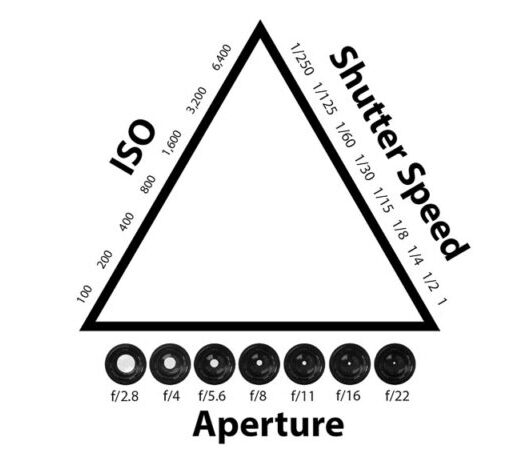
Exposure triangle, showing the effects of aperture, shutter speed and ISO

Understanding ISO

ISO controls your camera’s sensitivity to light, crucial for getting the right exposure in your photographs. In film photography, it’s referred to as ASA, but the principle remains the same.

  • Lower ISO Settings (100-400): Ideal for bright conditions, such as sunny days, as they produce images with minimal grain or “noise.” For example, using ISO 100 outdoors on a clear day will give you crisp, clear shots.
  • Moderate ISO Settings (400-800): These settings are suitable for cloudy days or indoor lighting. Using ISO 400 allows you to capture good quality images without excessive grain, but expect some visibility of noise when using ISO 800 in dimmer conditions.
  • Higher ISO Settings (1600 and above): Perfect for low-light situations, such as indoors or nighttime photography. While ISO 1600 can help you capture images without a flash, be prepared for more noticeable grain. ISO 3200 can be used for very low light, but expect significant grain in the final image.

Modern digital cameras handle higher ISO settings much better than older film cameras did, significantly reducing noise even at higher values. The key takeaway is to experiment with different ISO settings to see how they affect your shots. Don’t hesitate to adjust your ISO based on the lighting conditions—higher sensitivity can make a big difference in capturing those special moments.

Shutter Speed

Shutter speed determines how long the sensor (or film) is exposed to light. A fast shutter speed—like 1/500th or 1/2000th of a second—will freeze motion, but it lets in less light, so you may need to increase your ISO to compensate. Slower shutter speeds (1/60th of a second or lower) let in more light but can cause motion blur or camera shake. If you’re handholding the camera, try to stay above 1/60th of a second. If you’re using a longer lens, say 85mm, you may want to use 1/100th of a second or faster to avoid shake.

For stability with slower shutter speeds, a tripod is your friend. Just bear in mind that vintage cameras often have lower maximum shutter speeds, but those quirks deserve their own chapter.


Aperture and depth of field

Aperture controls how wide the lens opens to let light in, and it’s measured in f-stops. A smaller f-stop number (like f/2.0) means a wider aperture, which lets in more light and creates a shallower depth of field—ideal for those portraits with a soft, blurry background. A higher f-stop (like f/16) means a smaller aperture, which lets in less light but keeps more of the scene in focus—perfect for landscapes.

Aperture not only affects the amount of light coming through but also how much of your image appears sharp. The trick is finding the right balance for the look you’re aiming to achieve.

Conclusion

One of the great things about digital cameras is that you can experiment with these settings without worrying about the cost of film. You can see the results immediately and make adjustments on the fly. Most digital cameras offer different modes to help you control the exposure. For example, “Shutter Priority” lets you set the shutter speed while the camera adjusts the other settings. “Aperture Priority” does the same for aperture. If you’re more experienced, you can take full control with manual mode.

This is just the first in a series of articles designed for beginners, but it’s always helpful for even the more seasoned among us to revisit the fundamentals. If you have questions, feel free to leave a comment. No question is too simple, and I’ll do my best to respond.

Until next time, Dear Reader.

Post Scriptum

I’ve noticed many of you arrive at this site through this page (probably from Google), so welcome! This is just the first in a broader series on photography. If you found this article helpful, there’s more where this came from. I also cover topics like composition, gear choices such as the Pentax ME Super, which as its name suggests is rather Super, the differences between 35mm and medium format, and my approach to street photography.

My aim is to demystify photography. It doesn’t have to be complicated. Whether you’re just starting out or already have some experience, I hope you’ll find something useful here. Thanks for reading, and don’t hesitate to ask questions or leave a comment. I look forward to hearing from you.

Canon AE-1 Program – A Classic Film Camera for Timeless Photography


The Canon AE-1 Program is a timeless gem that continues to captivate photographers and film enthusiasts alike. As a classic film camera first introduced in 1981, it effortlessly combines automatic and manual features, making it an excellent choice for both beginners and experienced photographers.

Automatic and Manual Controls

One of the standout features of the Canon AE-1 Program is its versatility in handling exposure. For those new to film photography, the program mode automatically sets both the shutter speed and aperture, allowing them to focus solely on composition and creativity. It takes the technical complexities out of the equation, delivering stunning results with ease.

However, for those who crave creative control, the AE-1 Program offers manual settings as well. With the freedom to adjust shutter speed and aperture manually, photographers can explore their artistic vision and experiment with different effects. The inclusion of shutter priority mode and bulb mode for long exposure photography adds even more possibilities for artistic expression.

Build and Design

The camera’s solid metal body exudes durability and reliability, ensuring that it can withstand the test of time. Its sturdiness makes it a trustworthy companion on any photographic journey. Handling the AE-1 Program instills a sense of nostalgia and craftsmanship that modern digital cameras often struggle to replicate.

The bright and clear viewfinder with a split-image prism aids accurate focusing, enhancing the overall shooting experience. Moreover, the hot shoe for attaching external flashes and the self-timer feature further contribute to the camera’s versatility.

Technical Details

  • 35mm SLR film camera
  • Program mode, shutter priority mode, manual mode
  • Metal body for durability
  • Bright and clear viewfinder with split-image prism
  • Hot shoe for flash attachment
  • Self-timer for group shots and self-portraits
  • ISO range: 12-1600
  • Shutter speeds: 1/1000 to 30 seconds
  • Aperture range: f/1.2 to f/16 (depending on lens)

Pros

  1. User-Friendly Interface: Ideal for beginners and those new to film photography, the AE-1 Program’s program mode takes care of exposure details, allowing photographers to focus on creativity.
  2. Creative Freedom: With manual controls and additional shooting modes, experienced photographers can fully unleash their creativity and experiment with different photographic techniques.
  3. Timeless Design: The camera’s robust metal body exudes a sense of craftsmanship and nostalgia, making it a pleasure to handle and use.
  4. Bright Viewfinder: The clear and bright viewfinder with a split-image prism aids accurate focusing, ensuring sharp and well-composed shots.

Cons

  1. Iconic Status: As one of the most sought-after film cameras, the Canon AE-1 Program may come with a higher price tag due to its iconic status.

The Verdict

The Canon AE-1 Program stands as a testament to timeless design and reliable performance. Whether you’re new to film photography or a seasoned enthusiast, this classic camera offers a perfect balance between automatic convenience and manual creativity. Its sturdy build and user-friendly interface make it a delightful companion for any photography journey.

So, if you’re yearning to experience the charm of film photography or simply want to relive the golden era of analog cameras, the Canon AE-1 Program will undoubtedly leave you inspired and amazed by the magic of capturing moments on film.

Happy shooting!

My Personal Thoughts

Without any hesitation, I wholeheartedly recommend the AE-1 Program to all photography enthusiasts out there. Whether you’re new to the charm of film photography or an experienced shutterbug seeking a trustworthy and adaptable companion, this camera will surely delight you. “Just do it” as a certain shoemaker once said.

I’ve had the pleasure of using the AE-1 Program for quite some time now, and I must say it’s been an absolute joy. Not only does it beautifully capture those precious everyday moments, but it also allows for endless creative possibilities. One feature that I particularly appreciate is its seamless transition between automatic and manual controls, empowering me to effortlessly tailor my shooting experience.

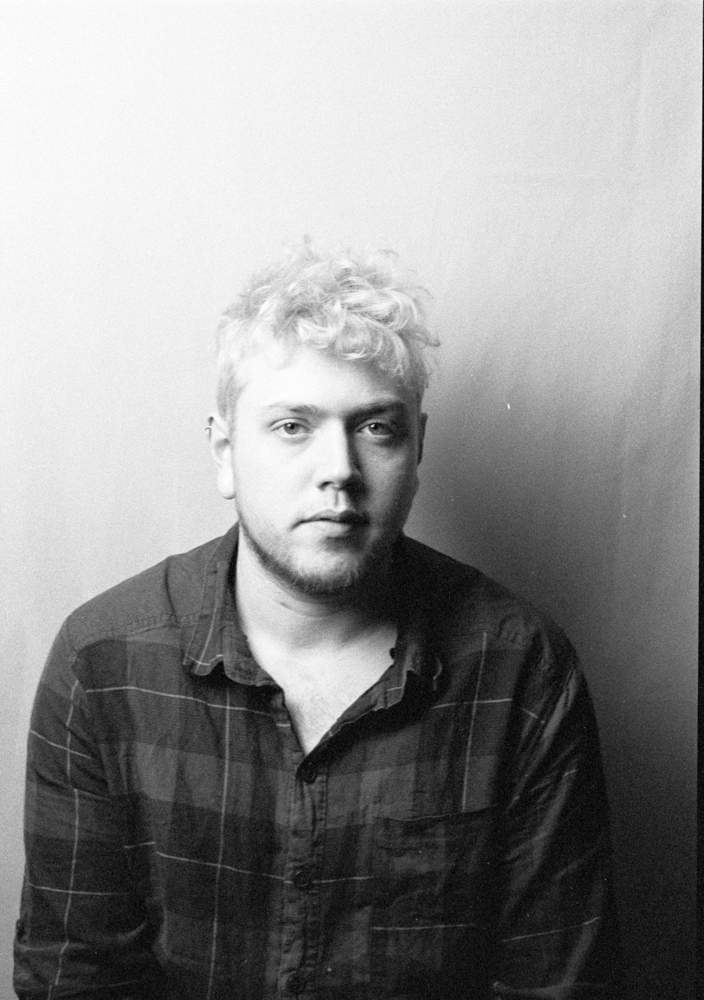
The idea here is to give you a raw image from the film scans and show you what you can get with a minimum of fuss in Lightroom with some very basic edits. What do you think?

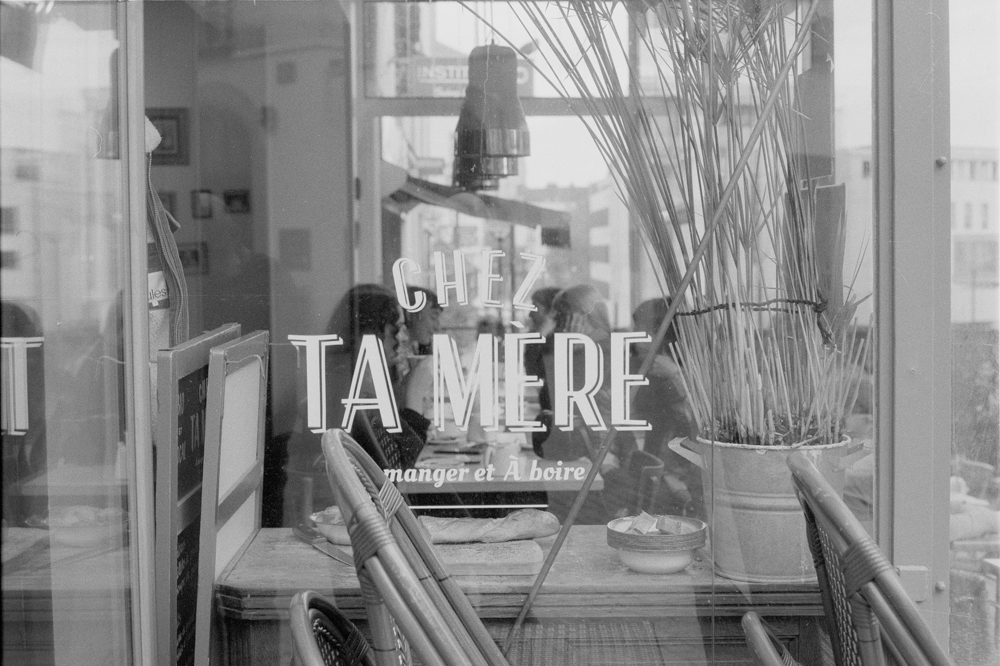
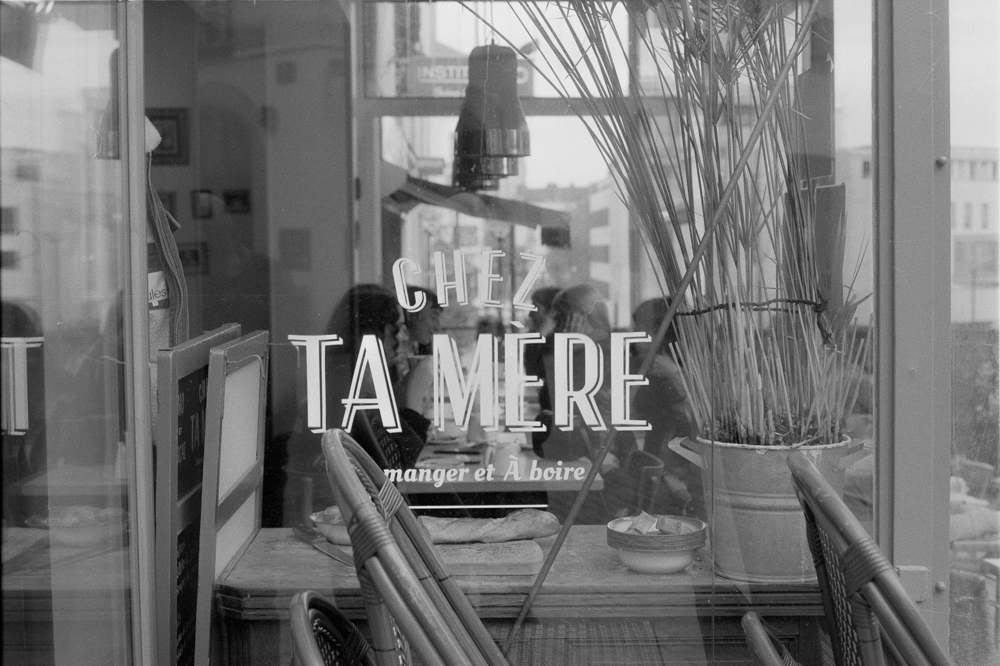
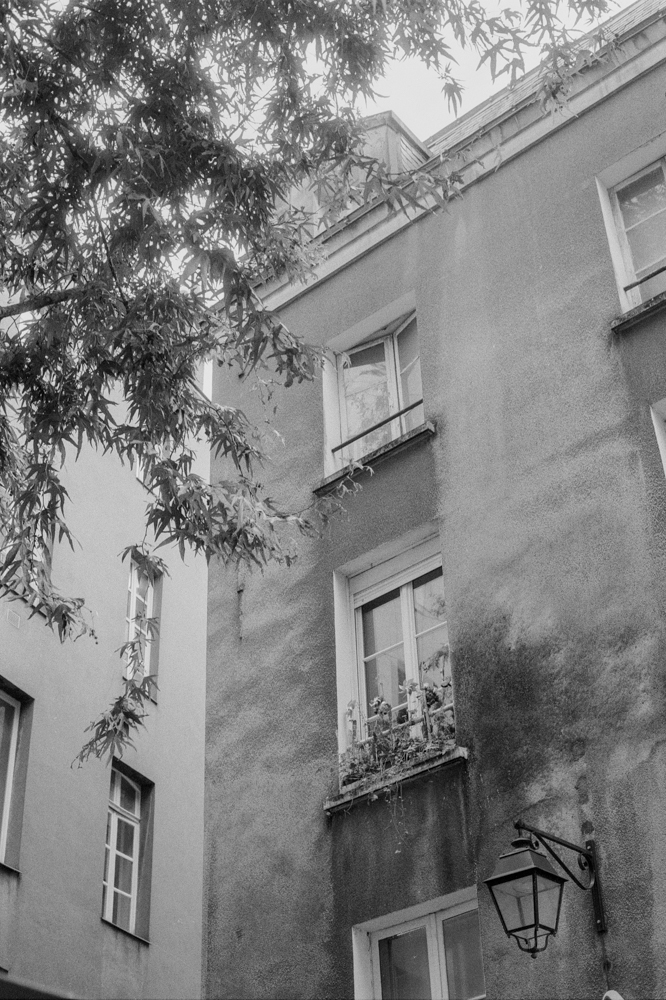
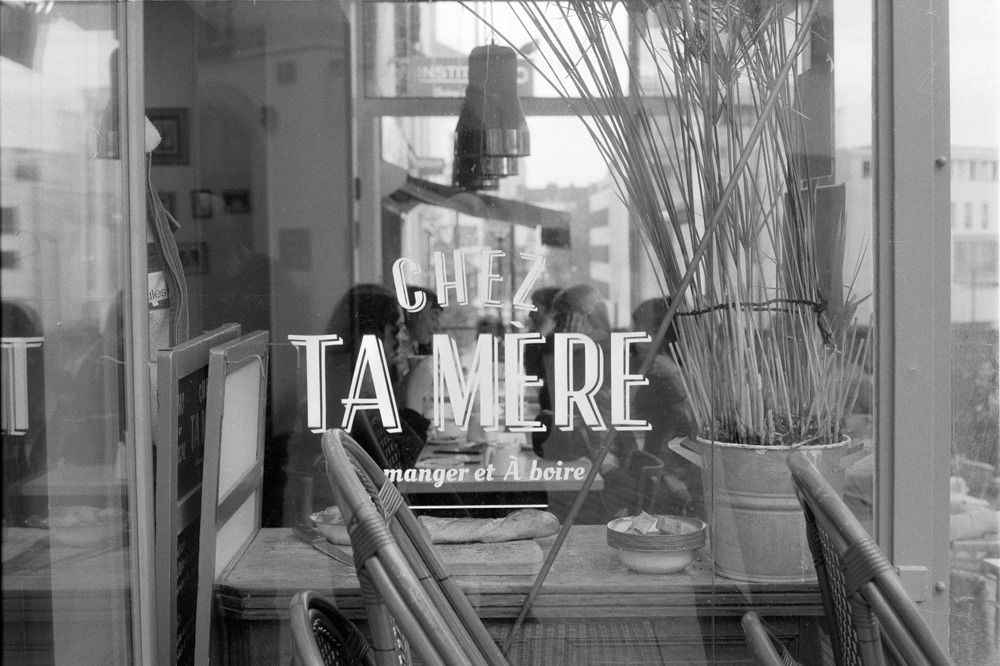
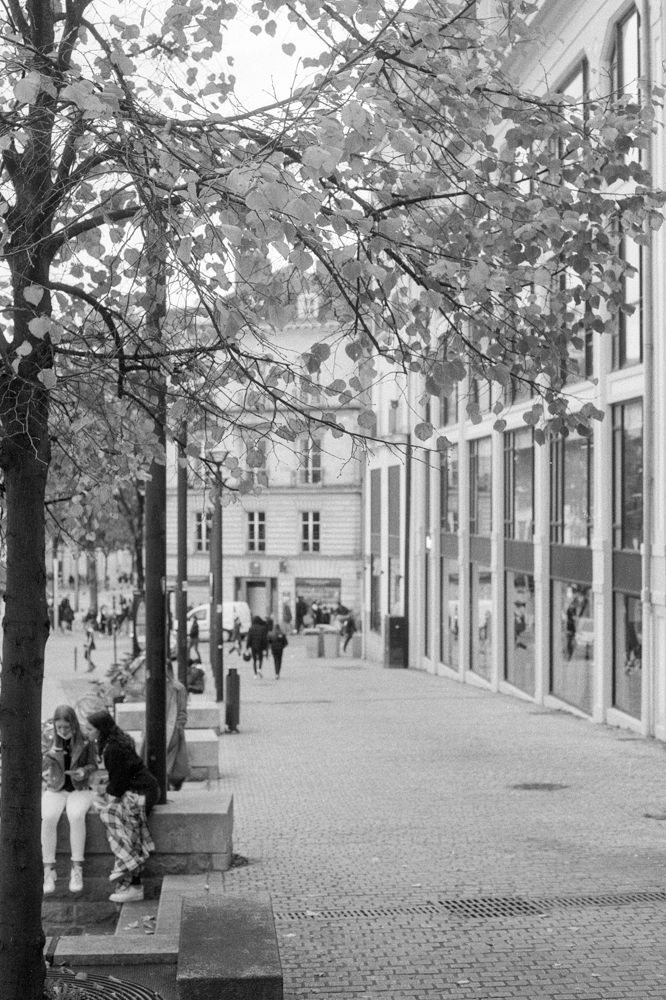
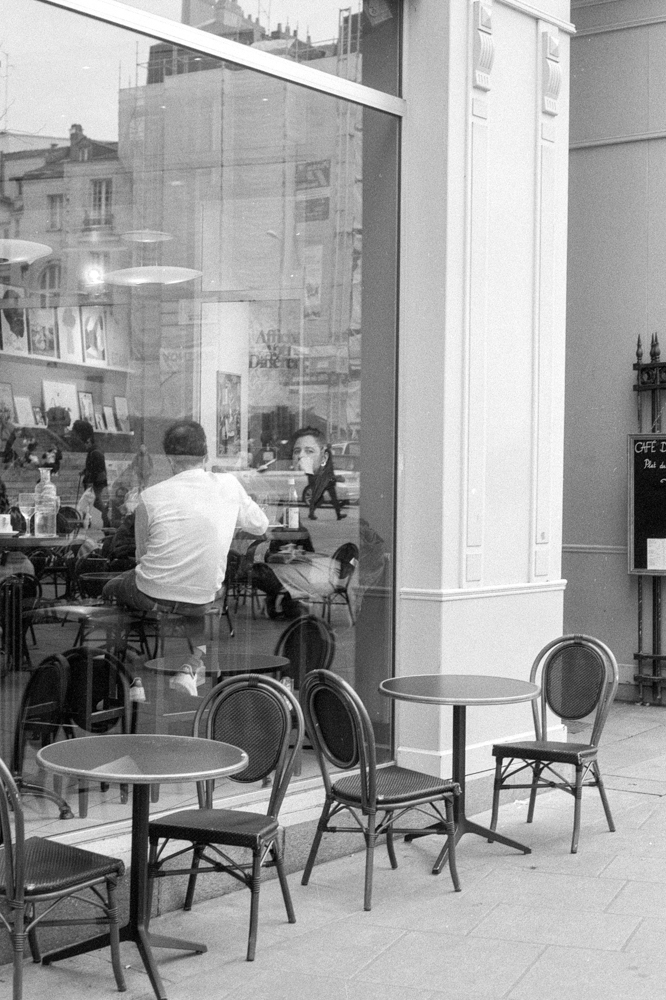
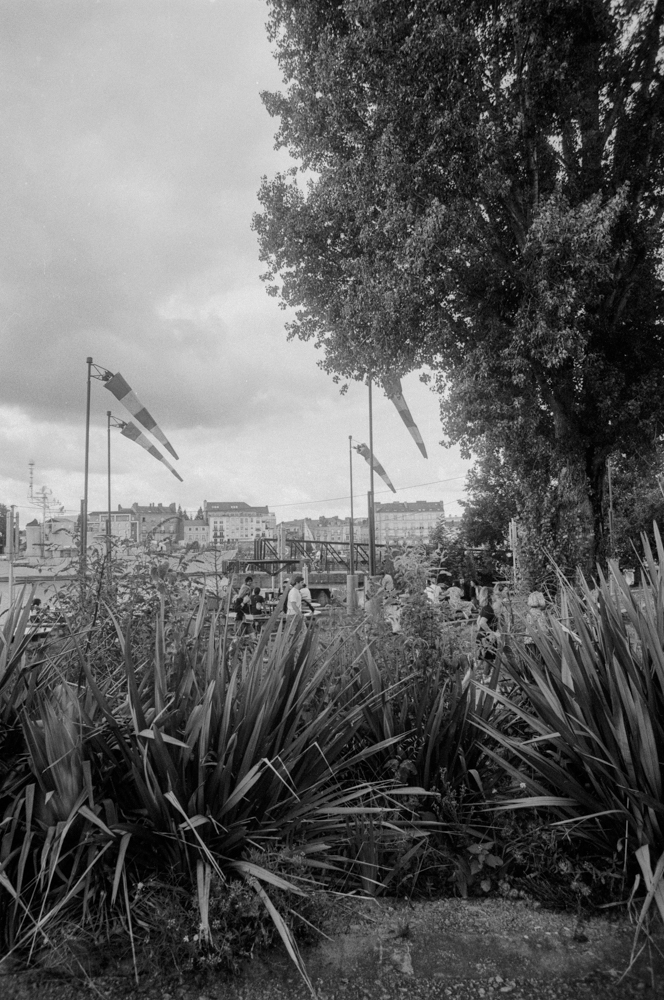
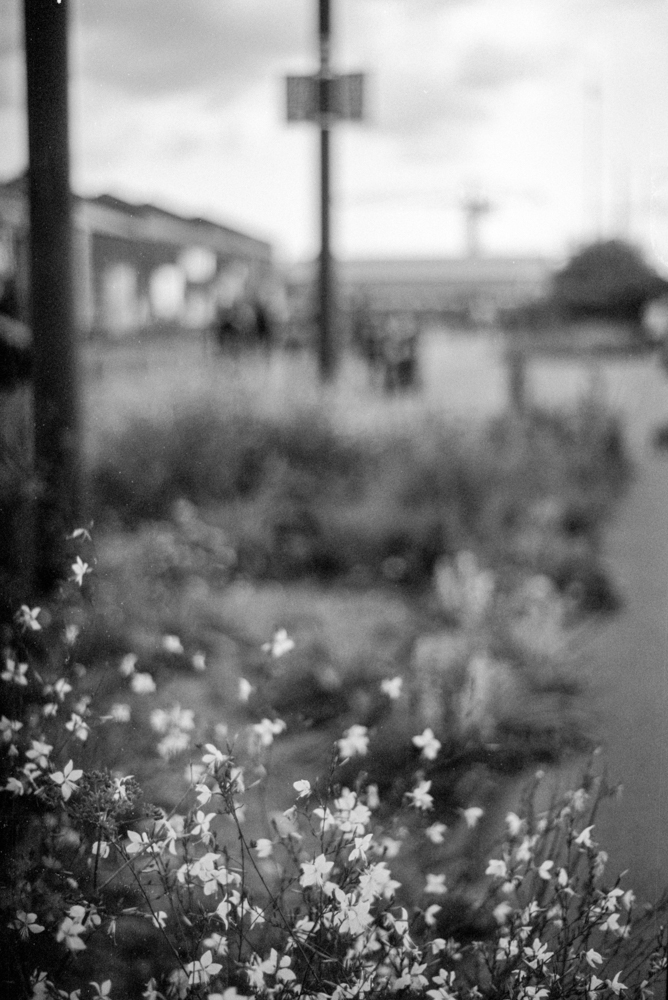
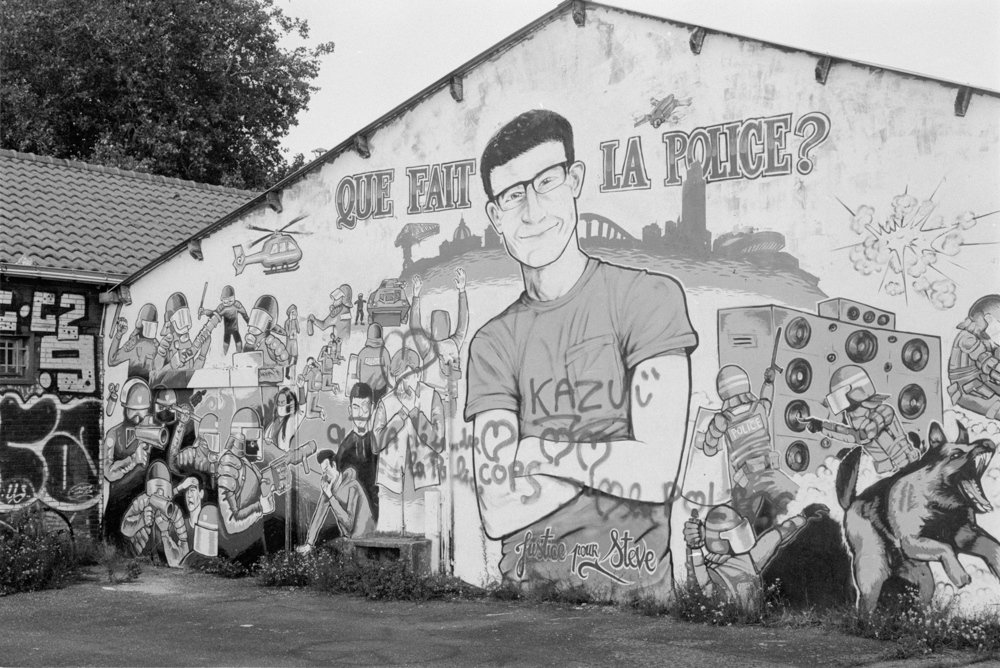
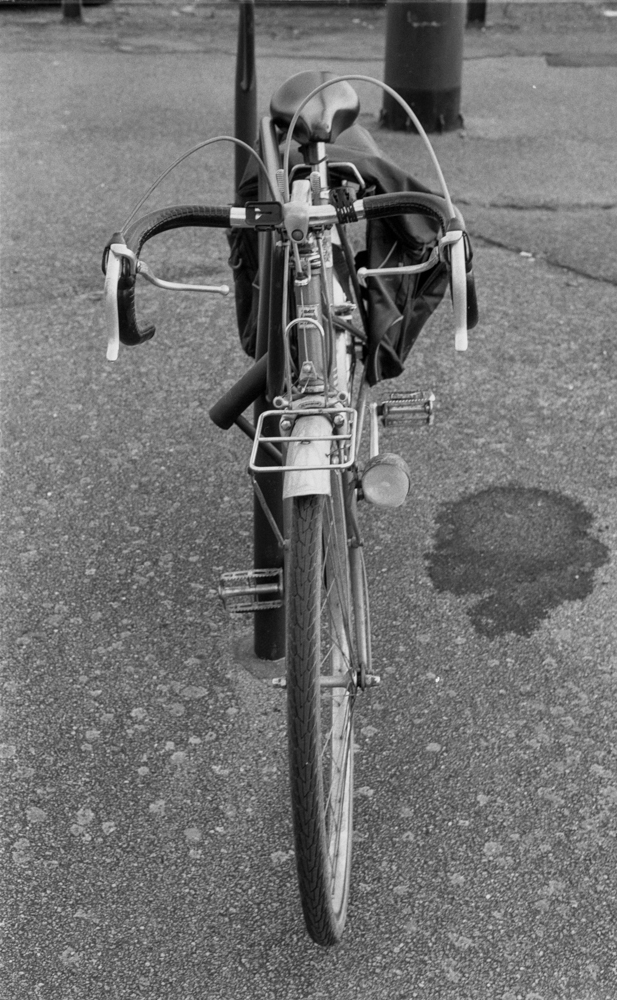
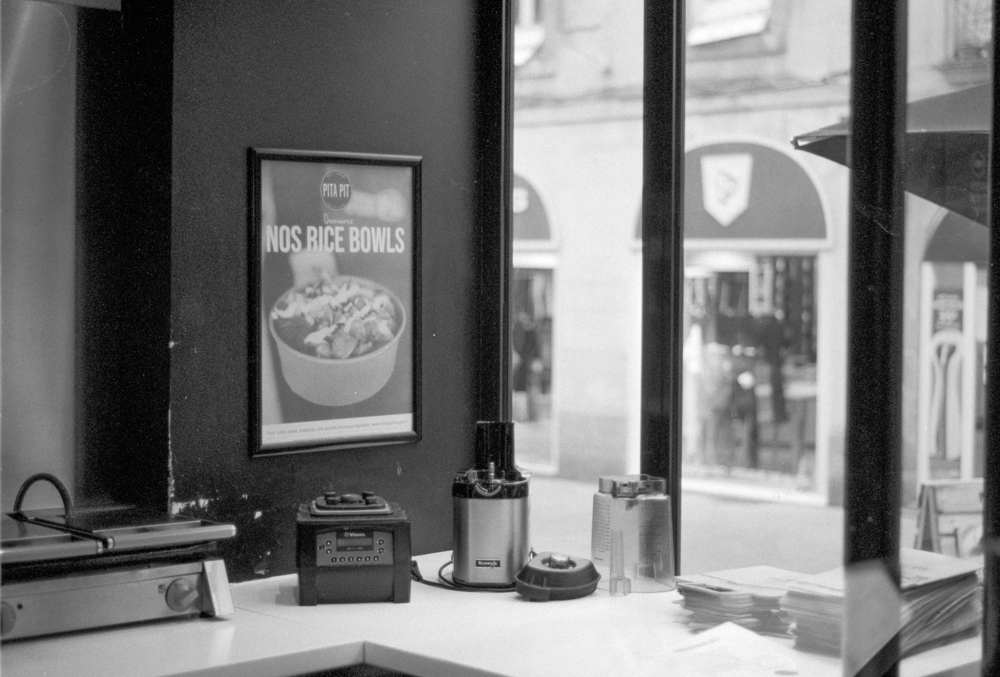
And here we go with a small selection of pictures from the last roll I developed, which are from 2022 and taken in the streets of Nantes. There will be more to come as I head back into the magical world of film photography!

Why the Pentax ME Super Is the Perfect First Film Camera (Even in 2025)


Dear Reader, if you’ve read my last post, you will understand my current state of photographic helplessness after my X100F was taken out of service. Before we proceed, I want to take a moment to reassure my dear mother that I’m doing fine, being a big brave boy during this challenging time, and not losing my mind. I’m still getting my photographic fix, and I thank you, Dear Reader, for your understanding.

Now, let’s dive into today’s topic. The Pentax ME Super, a camera gifted to me by a fellow musician and dear friend, Robert McMillan, holds a special place in my heart. Using it brings back fond memories, and I’m forever grateful for the thoughtful present.

Introduced in 1979, the Pentax ME Super is a 35mm SLR camera that offers reliability and ease of use, making it perfect for those seeking excellent image quality. However, it requires proper focus and composition to make the most of its capabilities. When I use it, I approach photography in a similar manner to how I would with my beloved X100F, albeit with a slight adjustment due to the 50mm lens, which changes from the 35mm lens on the Fuji.

Technical Specs:

  • Shutter speed range: 4 seconds to 1/2000 second, plus Bulb – allowing wide apertures and excellent depth of field.
  • ISO speed range: 12 to 1600
  • Exposure control: Aperture priority
  • Viewfinder: 0.9x magnification, 95% coverage
  • Other features: include a self-timer, a cable release socket, and exposure compensation.

Handling and Ergonomics:

The ME Super is a well-made and compact camera, making it easy to carry around; it is almost the same size and weight as the X100F. The controls are user-friendly and well-positioned. The large, bright viewfinder helps, especially for those of us with less-than-perfect vision.

While it may not surpass the joy I find in using the X100F, the ME Super is steadily gaining ground, and its satisfying shutter noise is a small comfort during this time of longing. Loading and unloading film is a breeze, and the shutter release is smooth and responsive. Additionally, the camera’s reliability is reassuring, offering solace in the absence of the X100F.

Image Quality:

The Pentax ME Super consistently delivers excellent image quality. Composing shots is a breeze with the sharp and bright viewfinder, and the aperture priority exposure control ensures proper exposure. For someone like me who cherishes depth of field, the 1/2000 of a second shutter speed is a delightful feature.

Moreover, the ME Super is compatible with a wide range of Pentax K-mount lenses, providing versatile options for image-making. With my collection of 24mm wide-angle, 50mm F1.7, and 24-80mm zoom lenses, I’m well-equipped for various shooting scenarios, and there is even a 15mm wide angle lens, but I nearly peed myself when I saw the price!

The Verdict:

In conclusion, the Pentax ME Super is an exceptional 35mm SLR camera. Its well-made design, ease of use, and ability to produce outstanding image quality make it an appealing choice. If you’re searching for a reliable and versatile camera that brings years of photographic enjoyment, the Pentax ME Super won’t disappoint.

Pros:

  • Excellent build quality
  • Sharp and bright viewfinder
  • Simple and straightforward operation
  • Wide range of compatible lenses
  • Capable of producing excellent image quality
  • Built-in exposure compensation
  • Self-timer
  • Cable release socket

Cons:

  • Flash sync limitations at faster shutter speeds (i.e., more than 1/125)
  • Not an X100F

Overall:

The Pentax ME Super is an excellent 35mm SLR camera, offering great build quality, ease of use, and superb image quality. It’s a dependable choice for any photography enthusiast seeking a delightful film shooting experience.

Additional Information:

The ME Super remains popular among collectors for its exceptional build and image quality. If you’re interested in acquiring one, you can explore used cameras online or at camera shops. Additionally, you’ll find manuals and other valuable information about the camera on the internet.

I hope this review proves helpful. If you have any questions, please feel free to ask in the comment section.

But, most importantly, let me stop talking and allow you to enjoy some photos taken with the Pentax ME Super, capturing moments in Clisson and Nantes.

Post Scriptum

If the Pentax ME Super has caught your attention, I’d recommend checking out my other posts on classic film cameras like the Olympus Pen EE S (Aug 9, 2023) or my reflections on the lasting appeal of film photography in In Defense of Film (Aug 23, 2023). For a more in-depth look at the Pentax in action, mark your calendars for Capturing the Essence of Nantes: A Street Photography Journey with the Pentax ME Super and Kentmere 100 Film (coming Nov 17, 2023). And for those curious about the Fujifilm X100F, you can preview how it compares in Seeing the World Through 35mm: Street Photography with the Fujifilm X100F (Jun 21, 2023). A more detailed comparison between these two cameras is also coming this November!