The UK Chronicles, Part II: Alnmouth


A Rare Visit to Alnmouth: Making the Most of It

Little did I know this would be my only visit to the beach and village of Alnmouth this year, so I decided to make the most of it. I had my X100F around my neck, as usual. I was up at the crack of dawn, chasing that perfect light once again.

The morning routine was pretty much the same as my first day in Lesbury: early rising, early breakfast, and an early cup of tea. The weather was gorgeous, and the light was amazing. What could go wrong?

Arriving in Alnmouth: The Beauty of Early Morning Light

I hopped in the car and headed to Alnmouth, just a short drive down the road. As I came around the roundabout in Hipsburn, Alnmouth and the River Aln came into view, bathed in golden light. The reflections on the water were breathtaking. It was early enough to find a parking space without any trouble. If you’d like to see more photos of Alnmouth, I can add a link for you.

Exploring Alnmouth: A Village with a Rich History

As the name suggests, Alnmouth is a village at the mouth of the River Aln. It was once a bustling port, playing a significant role in 17th-century Northumbrian trade. I’ll let you read up on that on Wikipedia, and I’ll be here when you’re done.

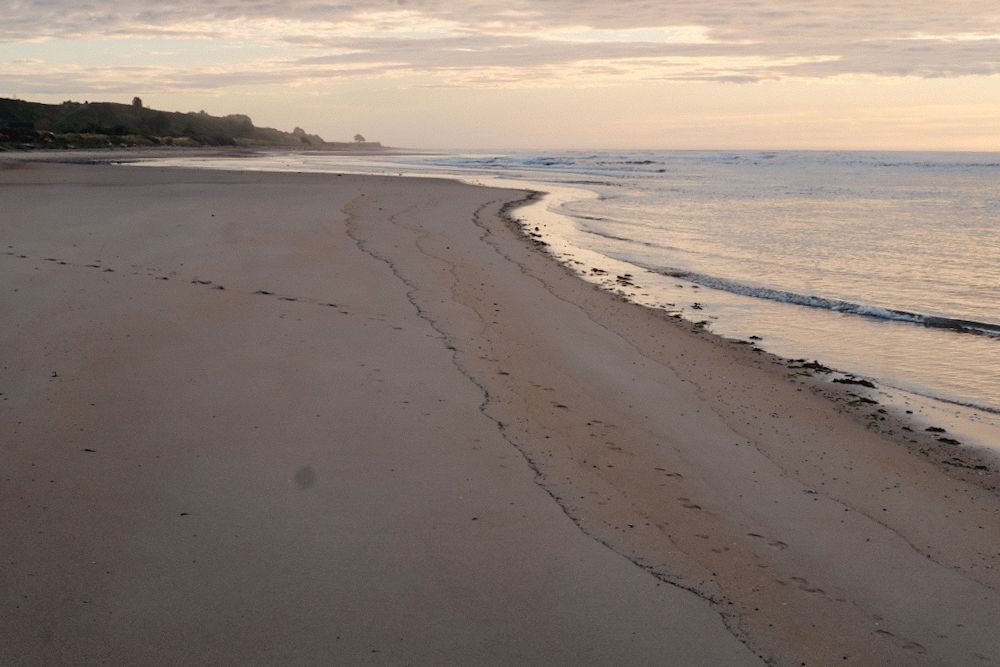
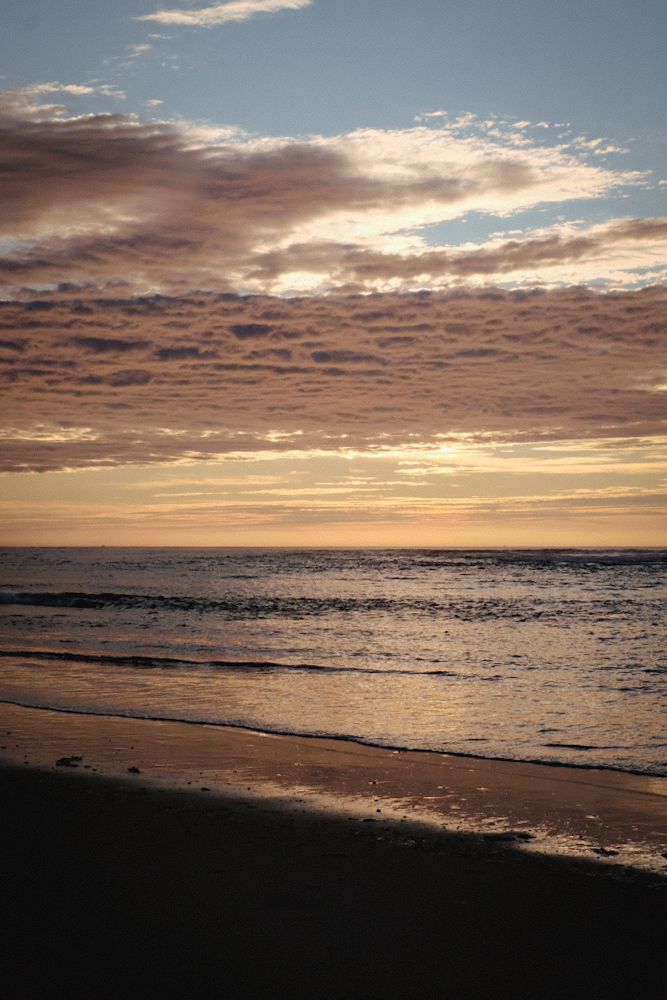
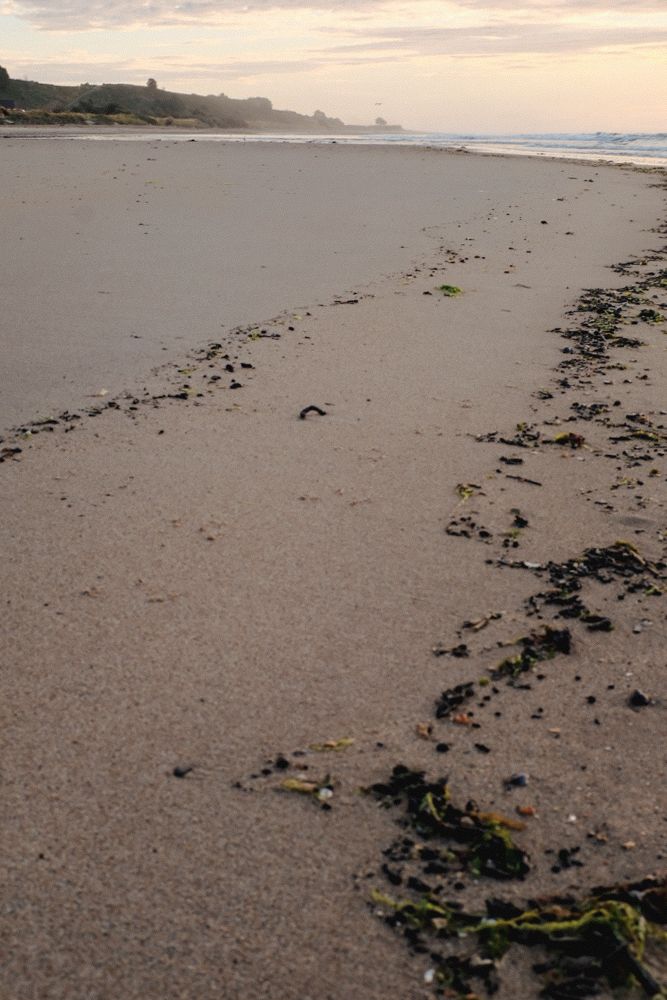
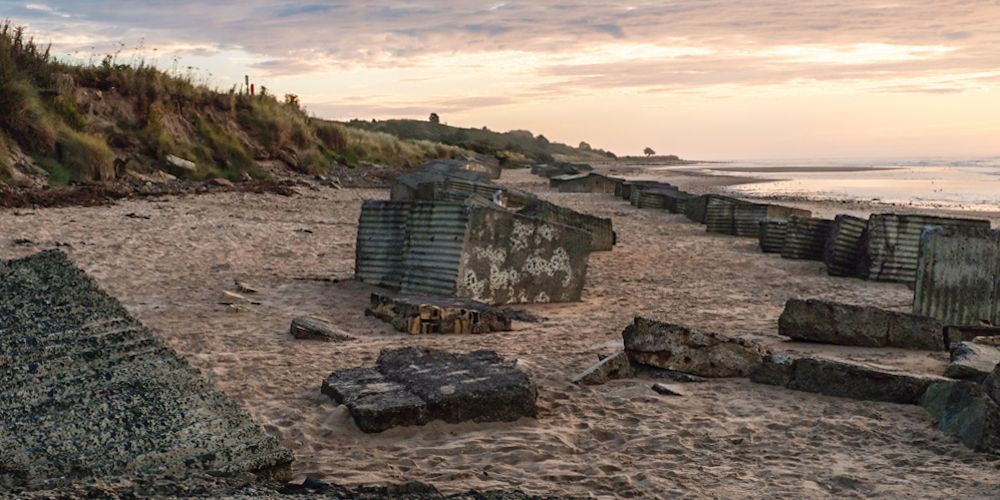
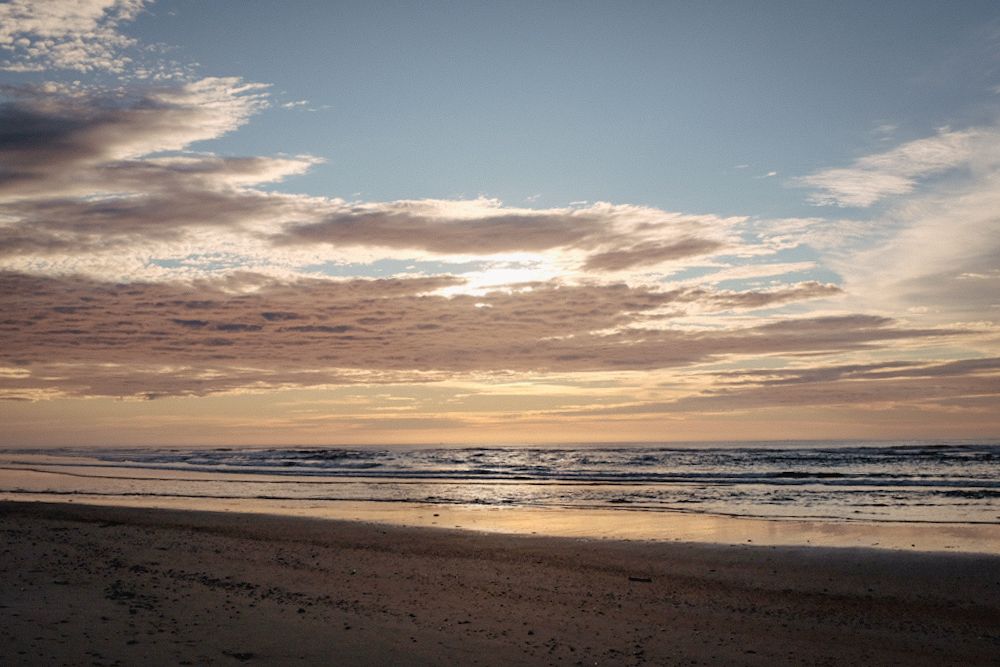
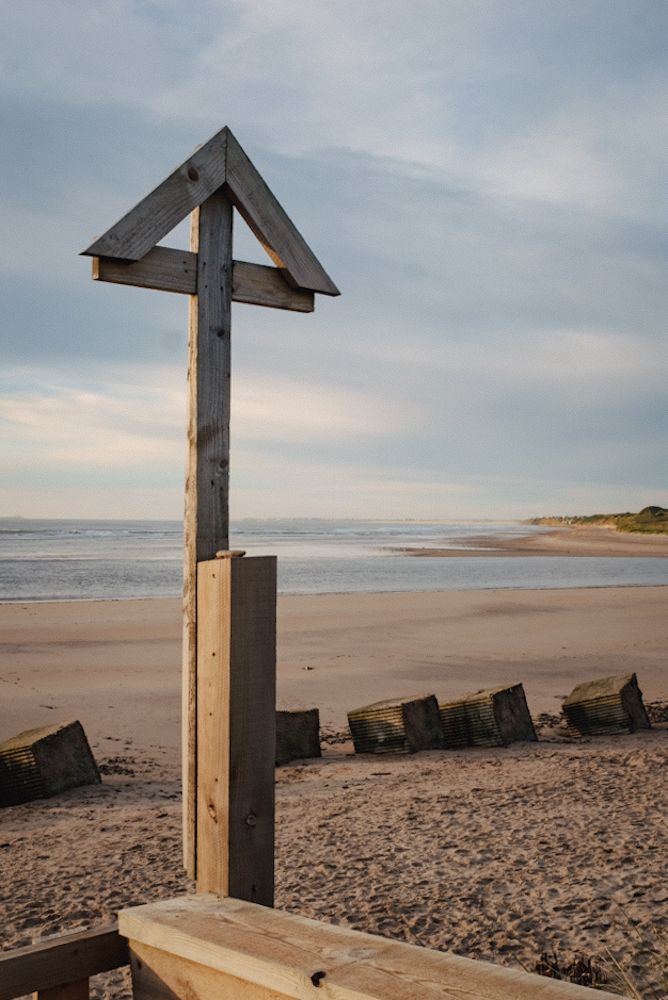
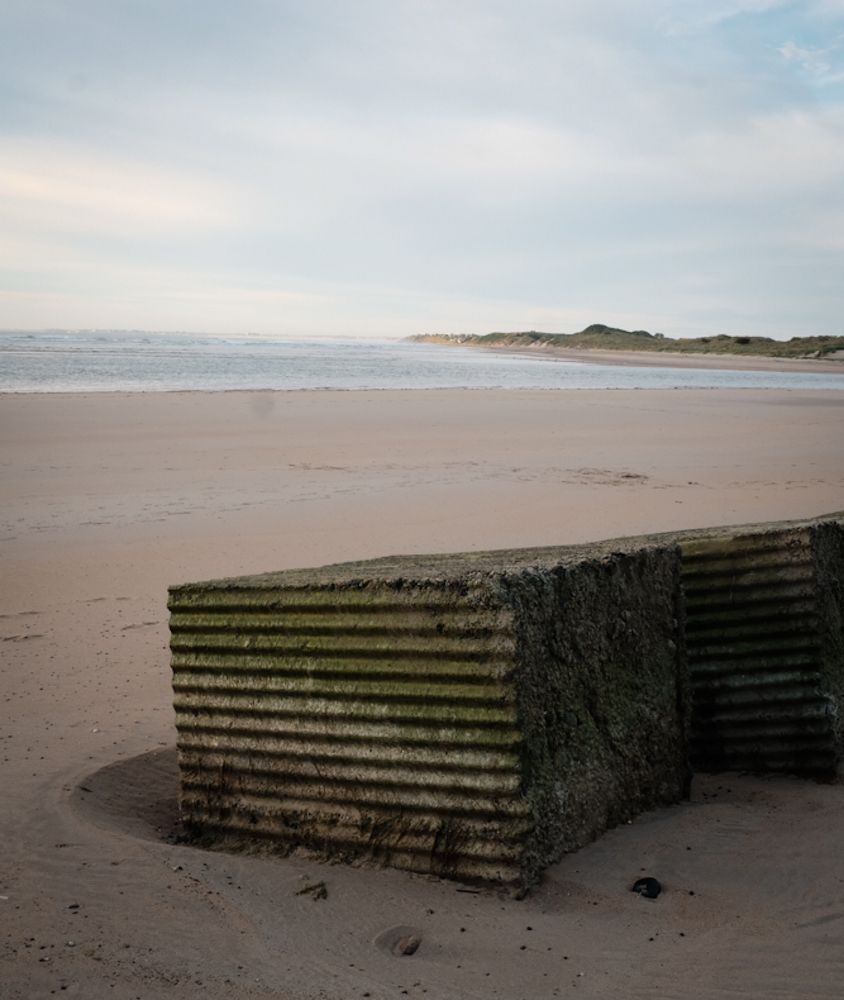
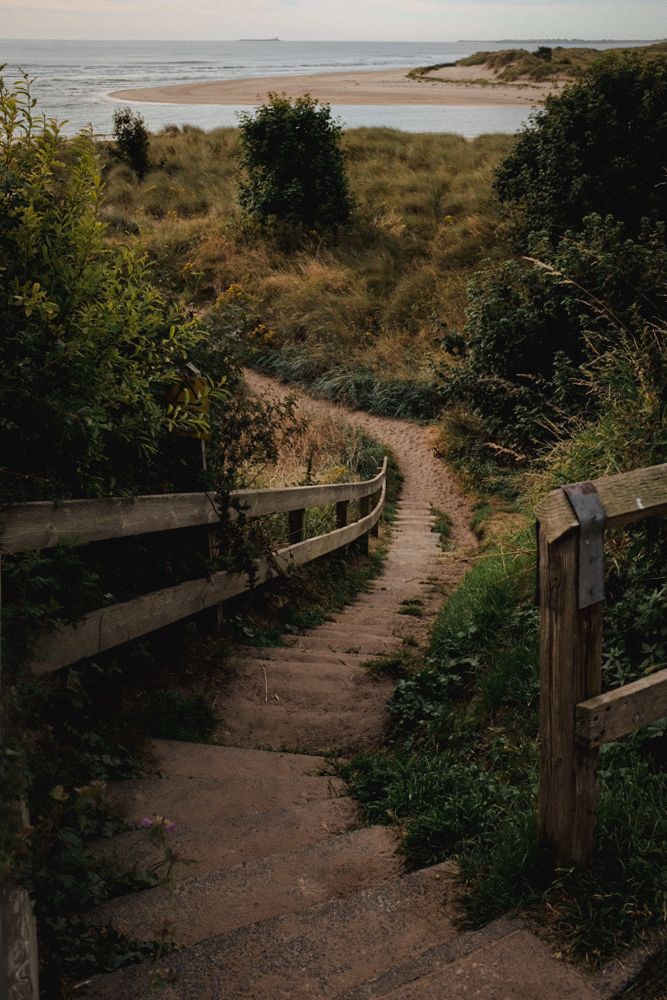
The village was still asleep as I made my way past the golf club and down to the beach. The only people around were a few dog walkers and me, enjoying the morning’s fresh air. The orange hues in the sky were perfectly reflected on the sand.

Discovering Color in Photography: A Shift in Perspective

For those interested in color theory, the use of complementary colors was striking—blue skies contrasted beautifully with the oranges in both the sky and the sand. I’m on a quest to explore my colorful side. While I still love black-and-white photography, this trip made me eager to embrace color.

My knee wasn’t even hurting; I felt fantastic. Maybe there’s something to be said about the sun’s healing powers. I made my way back to the car, carrying a lump of coal I’d found on the beach. It was too good a find to keep to myself. Surely, Killian would be up by now. Lesbury was only five minutes away. Oh, what the heck? I’ll go wake him up!

Father-Son Bonding: Revisiting Alnmouth Together

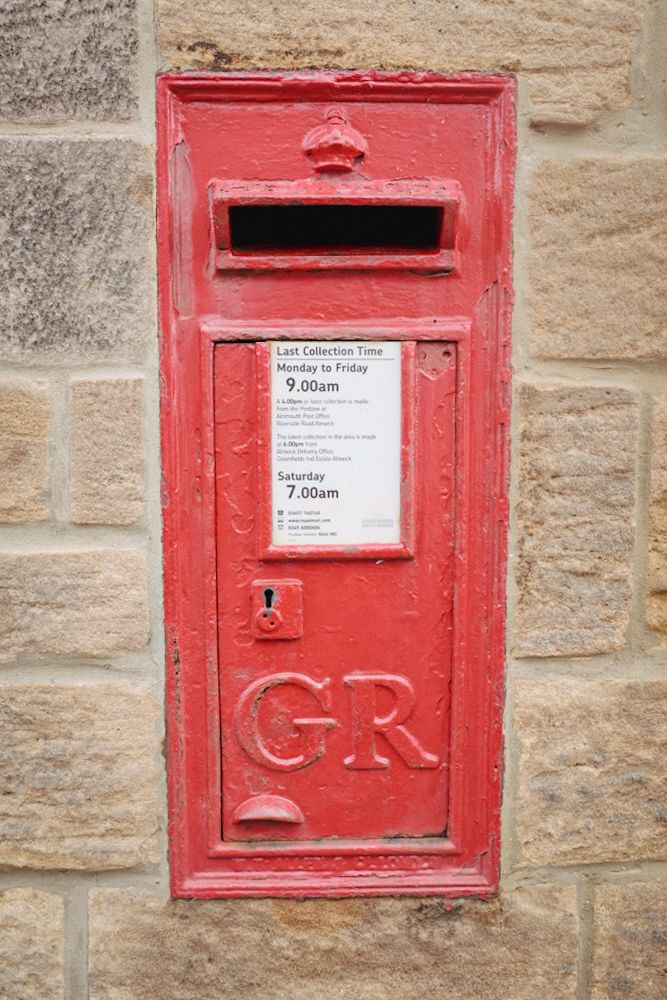
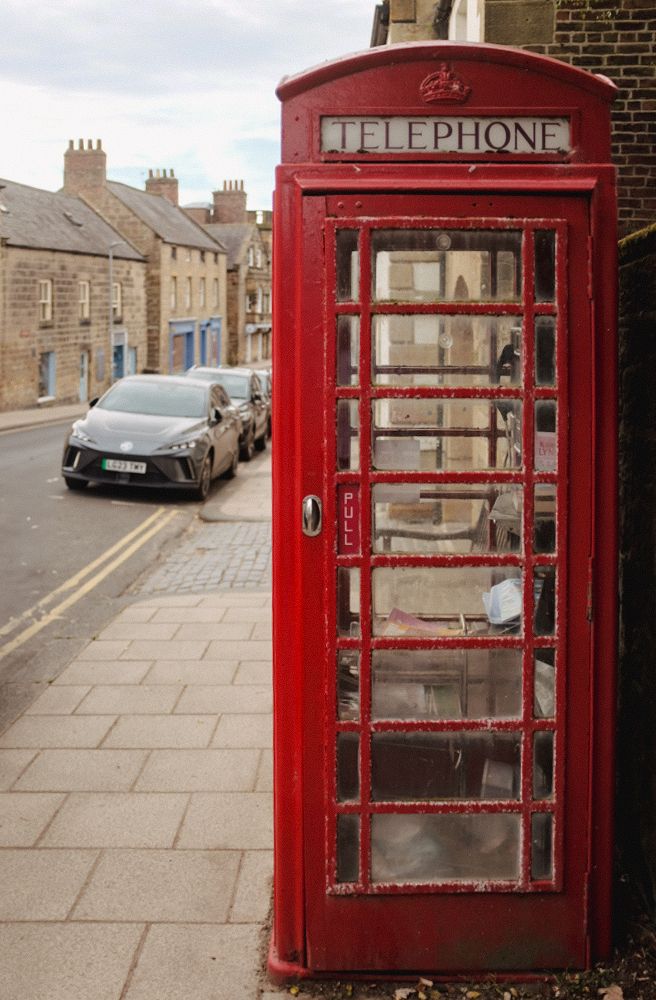
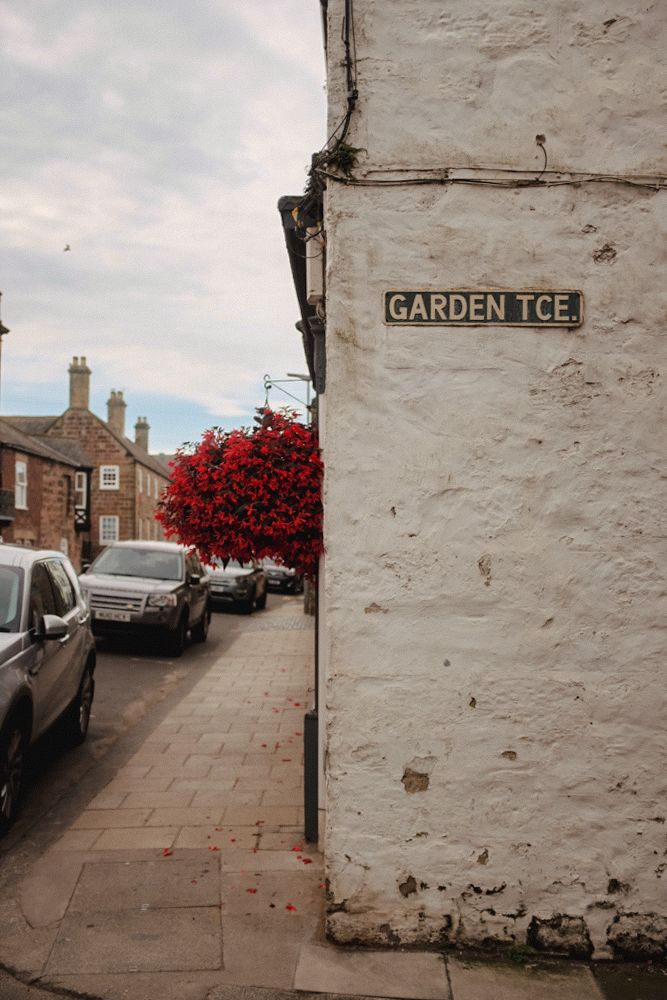
Killian was fine getting up and out with me. I only had to bribe him with a sandwich and some chocolate. We went back to Alnmouth together, and I took more pictures of the village. It was a very pleasant father-son bonding moment. He wanted to go to the post office or general store. They didn’t take cash, and for once, I was able to pay with my card for him.

Switching Editing Tools: From Snapseed to Mobile Lightroom

I recently talked about Snapseed and had been using it to edit my photos, but this time, I wasn’t happy with the results. The photos had so much potential, and I didn’t want to waste them. Some friends had recommended Lightroom Mobile, so I decided to give it a try. I already knew my way around Lightroom on the PC, and I felt right at home with the mobile version. It was very intuitive—almost as much as Snapseed. What a pleasant surprise!

So, I went back with Killian and took more pictures of the village. It turned into a wonderful father-son bonding moment. He wanted to visit the post office or the general store, but they didn’t accept cash. Luckily, I could pay with my card for him.

A Missed Opportunity: Scotts of Alnmouth

I was hoping to visit Scotts of Alnmouth, but they were closed. As we walked back to the car, I saw the owners heading to work and was invited to come back when they were open. Unfortunately, I never managed to return to taste their wonderful coffee and cakes. That was the only low point of the holiday. But as that Austrian strongman and actor famously said, “I’ll be back!” It’s good to be home.

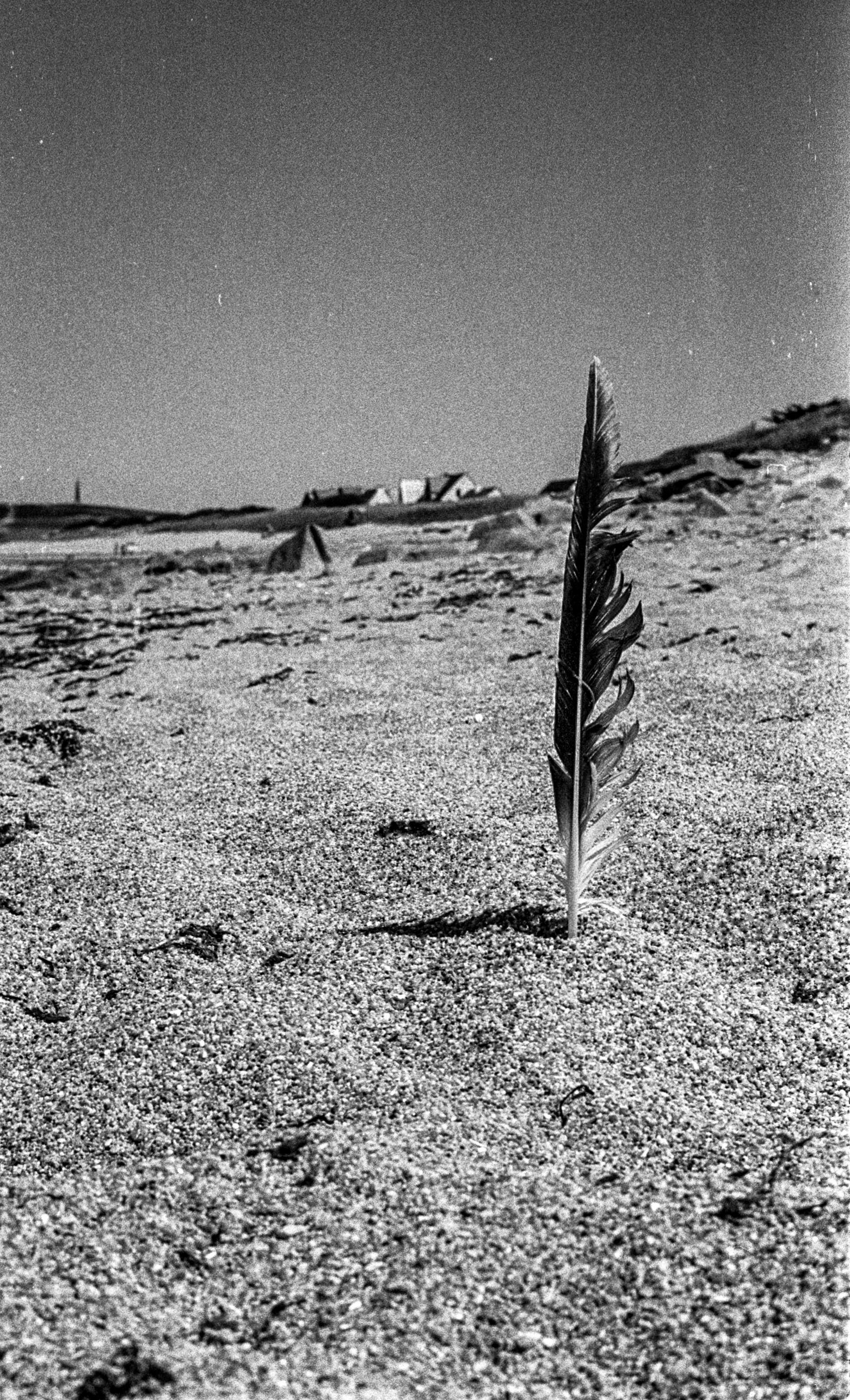
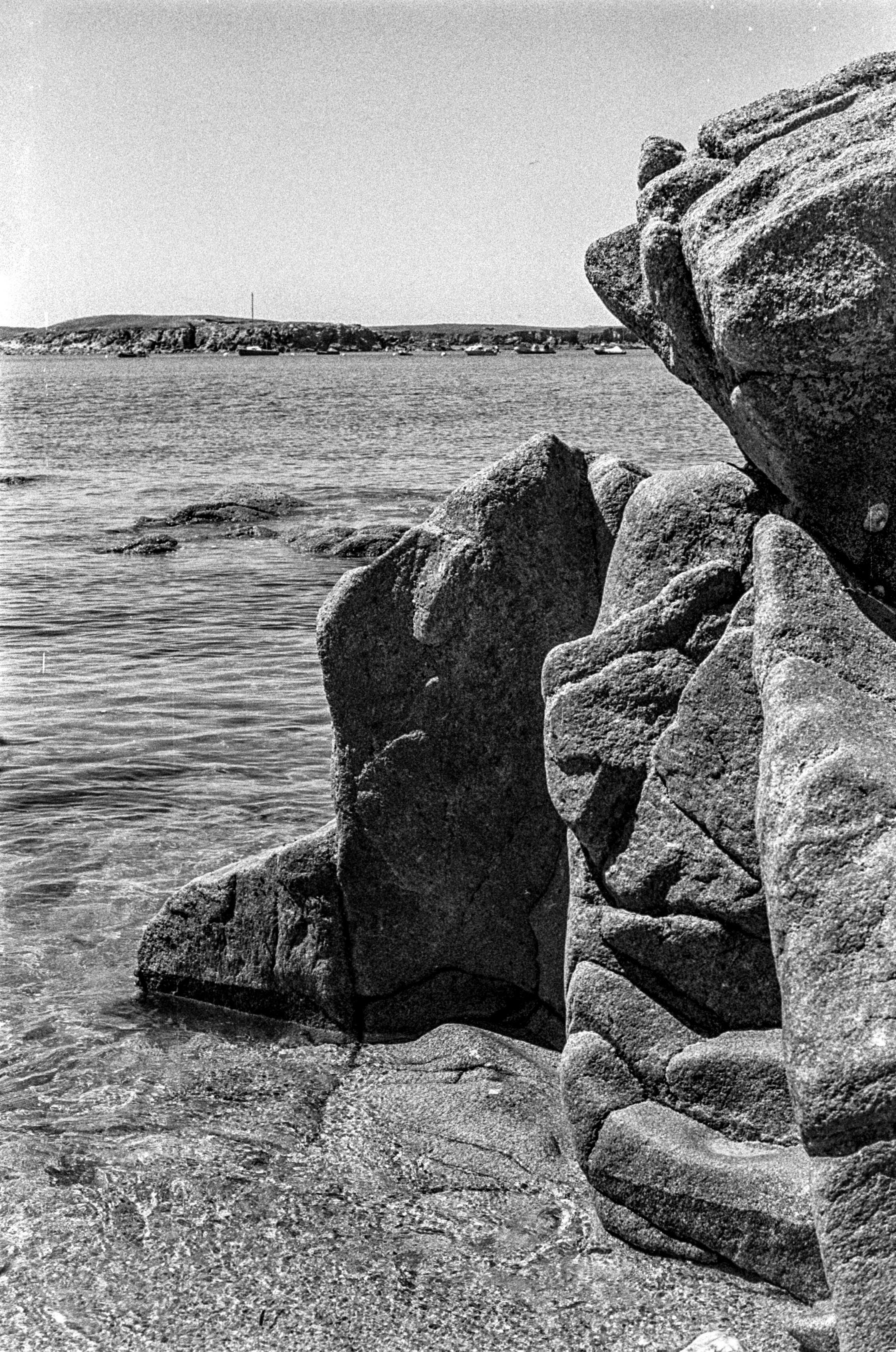
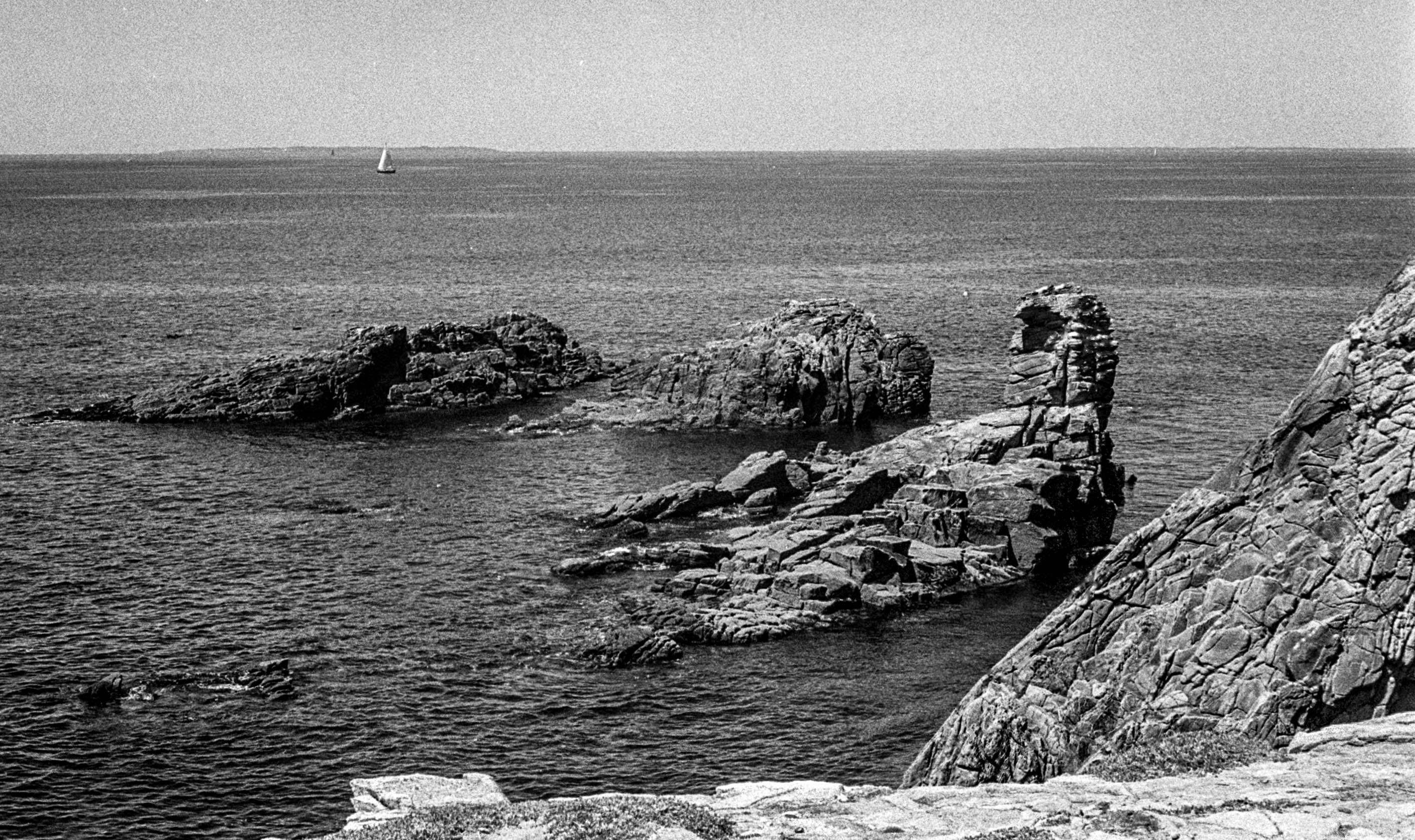
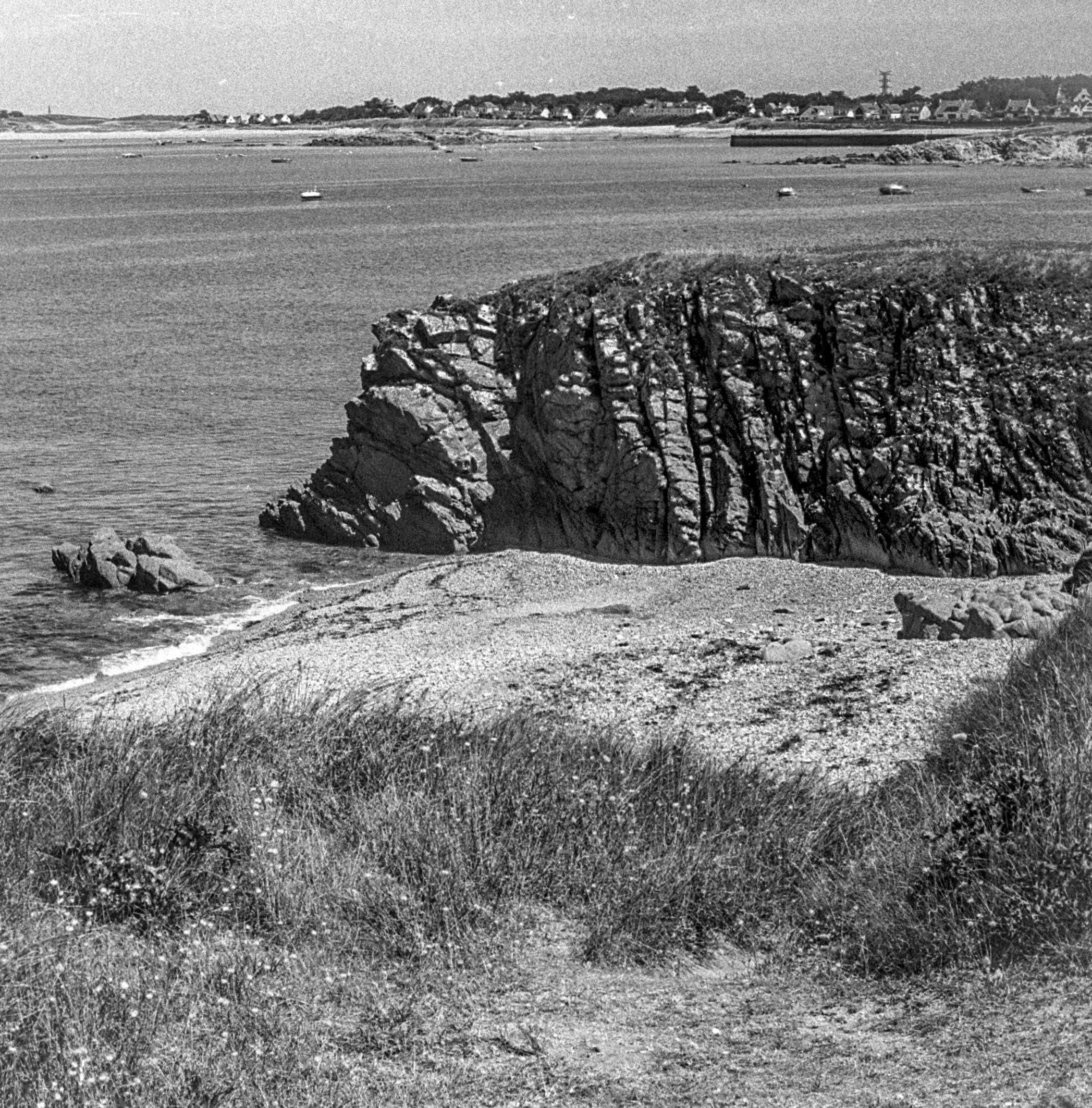
The Opening of the Film Archives – Penthièvres July 2016


I don’t know about you, but I’m really getting into this Film Archive business. It’s great sharing these archives with you all, and it’s certainly bringing back lots of memories to me. Maybe less for you because I haven’t published them here yet. But I know you’ll like them as much as I do.
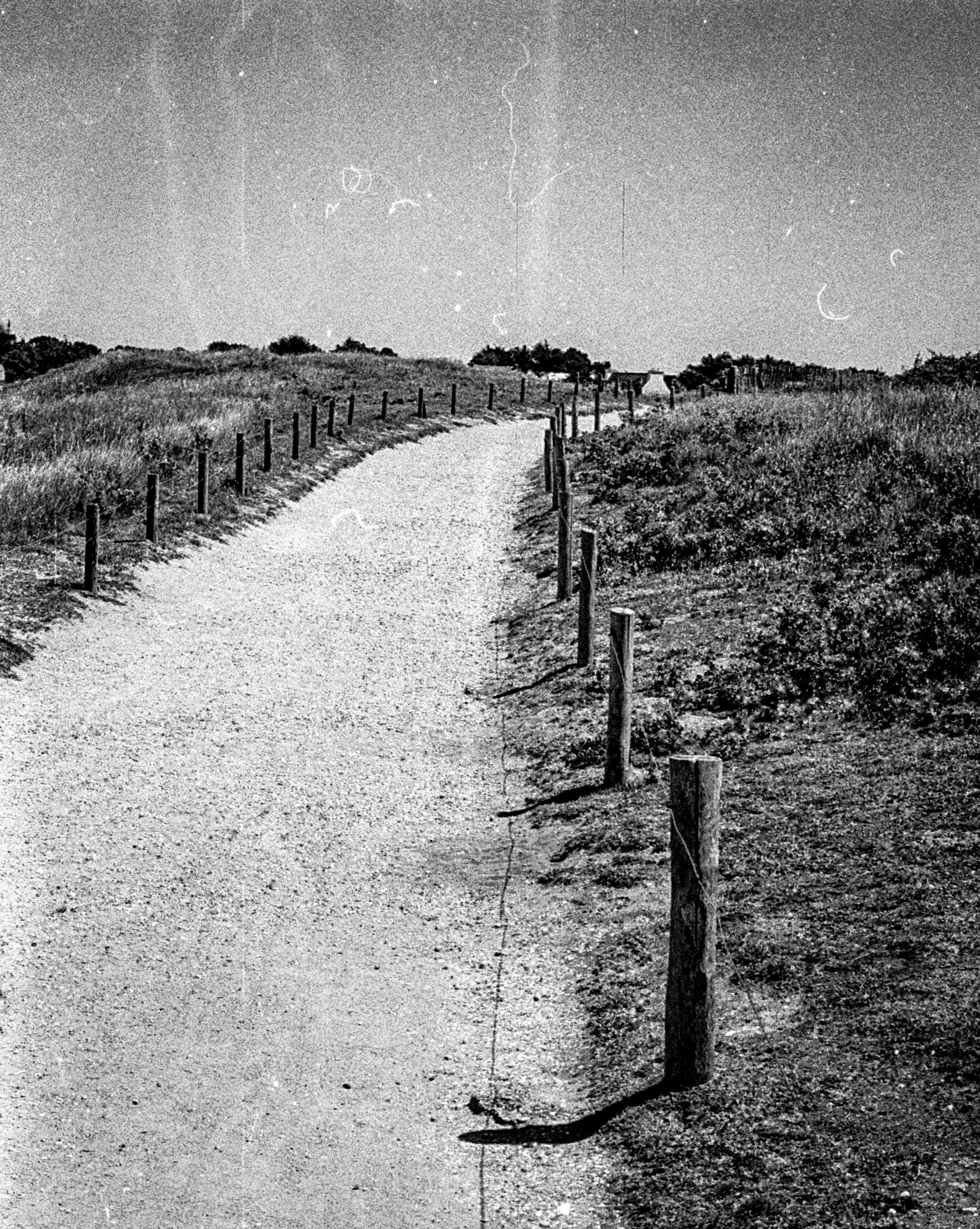
This particular set of photos was taken on Penthièvres beach, located on the Quiberon Peninsula in the Morbihan. It has a special place in my heart. Not just because I like the sea, but the smell of the sea, and the feel of the sea air on my face. It’s a place I often escape to for a bit of tranquillity especially with the chaotic nature of family visits.
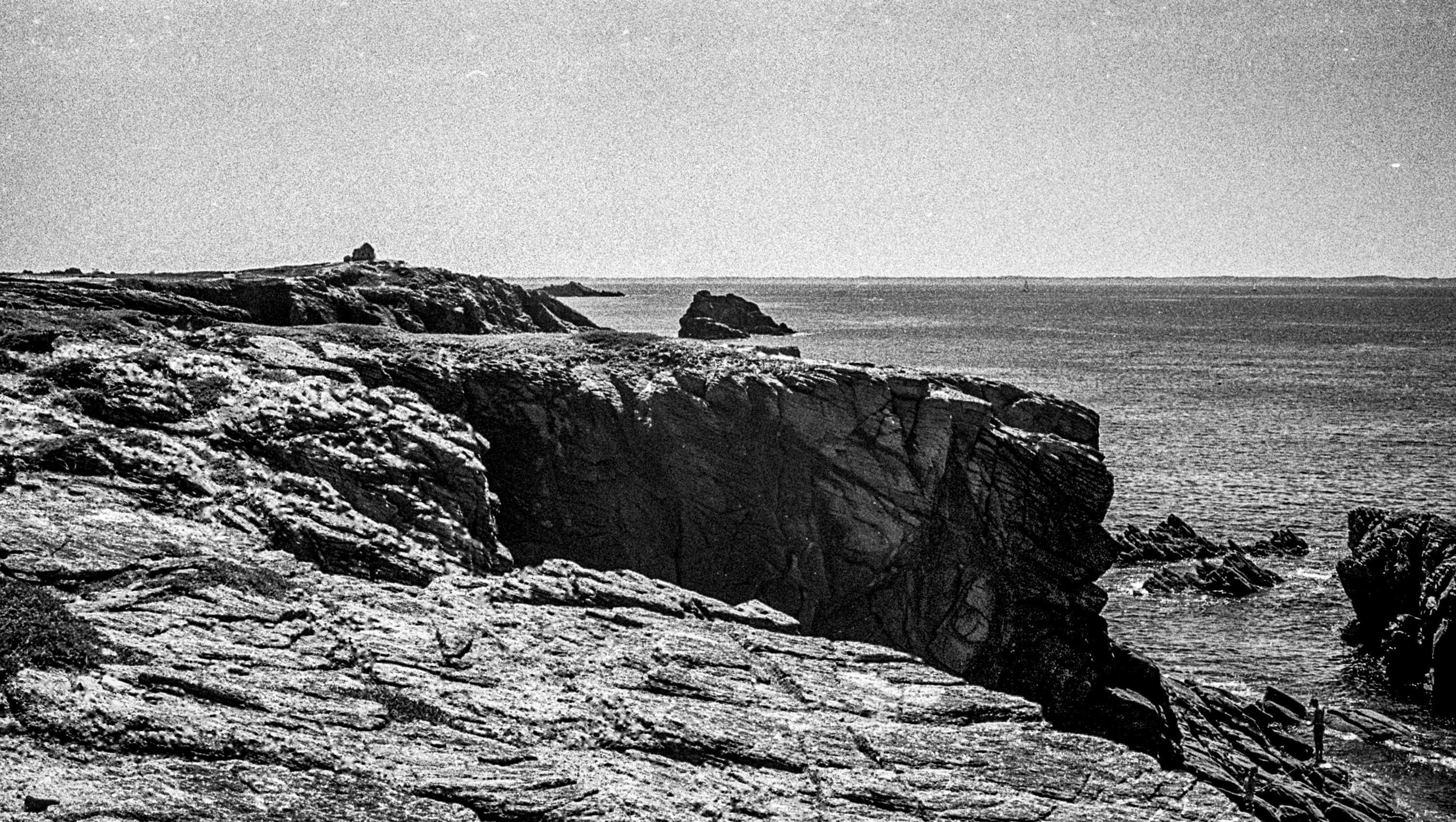
In some respects it’s strange going to the beach to “relax” as it’s something I usually hate.  The idea of the outing to beach with the family and putting towels down, with rocks on each corner of the towel, and having to watch over children going to swim and bathe, making sure they don’t drown because you’ll get shouted at.  The shouting of the children, and worse other people’s children.   Getting sand in between your toes and then getting back to the car and having the impression you’ve brought back the whole beach…

But here it was different.  Boots stayed on.  No screaming children.  Just the wind, the heat of the sun, just being an observer and not having to chat with anyone.  Being able to capture the beach on film.  Pure, solitary bliss.

So, now that you know where we are, let’s look at the camera and film du jour. The film stock that day was the usual Ilford HP5 that I always used at the time, a classic choice for its versatility and ability to capture the subtle nuances of light and shadow. The camera was the Ukrainian made rangefinder, FED 5 manufactured during the Soviet era. Loading the film with this camera is done by unscrewing the base plate, similar to the way one does with a Leica. The focusing with the “ghost” image is spot on and it’s a joy to use. I still love the smell of the leather case too. As in much of my film photography it’s as much about the experience of shooting as the final images.

In the end, Penthièvres became more than just a backdrop for my photographs. It became a sanctuary, a place where I could reconnect with my love for photography and find solace in the beauty of the natural world. These images are a testament to that experience, a reminder of the power of film to capture not just the physical landscape, but the emotions and memories that are woven into every frame.

Manual Mastery – a beginner’s guide Part I


How many times have I seen grown men go to pieces at the suggestion of using manual mode?  Or worse, how many times have I seen other grown men saying that to be a real photographer you have to master manual mode otherwise you’re not a real photographer?  Let me assure you that it’s not as complicated as it sounds.  When I took my first  photography lessons in 1984, I learnt it as a child.  You’ve got this, and I’m here to accompany you through the process.   As the Hitchkiker’s Guide so elegantly says, in comforting letters, “Don’t Panic!”

There are some basic concepts to understand, the first of which is the exposure triangle which we were introduced to in the Photography 101 article.  Those three things to consider are, ISO, or film sensitivity, shutter speed, aperture, and balancing them together.

Are you ready?  We’ll go step by step telling you how each of these settings influence your shot, and how we will balance them to create the image that “you” want instead of the image that your “camera” wants to take.  You are the creative boss after all.  And that is the reason that people use Manual Mode.

ISO, or film sensitivity

When I started learning photography in the last century was I was a young boy, yes I was young once, we only had film as a means to capture our images.  You would choose your film in function of the light available.  And when using my film cameras I still work in this way.  100 ASA (which is the same as ISO on modern camera) for sunny conditions, sometimes even 50 ASA, where the film can be used in bright conditions, going through to 200 ASA when it’s cloudy, but with sun shining through, to 400 ASA when overcast, 800 ASA when inside or even 1600 ASA, to 3200 ASA for night photography.  

In the film days we would talk about the presence or absence of grain and this was part of the deal.  You would get less grain the lower down the ASA range you went, and more grain the further up you went.  And this grain was a result of the crystals on the film emulsion, and the chemical developing process.  The choice could be as much about lighting conditions as an artistic decision.  Once the film you chose was in the camera however, it didn’t change until you changed your film.

Nowadays with all this modern technology palaver, you can change this ISO (because it’s digital photography) and change it for each photo.  Unfortunately the higher up you go in these values, the more “noise” you will get.  This digital noise is in a random pattern and totally unlike the grain of film photography.

Shutter speed

Shutter speed, as the words suggest, is about the speed of which the shutter opens  and closes to expose either the film or camera’s sensor.  You see, I told you that this would be simple to understand.  If I can get it, then so can you.  So now we’re on to speed.  When changing the speed of which the light hits the film or the shutter, I can freeze motion, of get a conscious motion blur, where the photo will seem animated.

Let’s say I want to take a photo of somebody running towards me. I will use a higher shutter speed to freeze the action.  Think of sports photography, of catching a  pass of a ball in rugby, or a footballer stopping a ball etc.  Those factors will make or break your image.  Imagine a photo of a football match and you can’t see the ball because it’s going faster than your shutter.  It might not work out for you.  In this situation, on my film cameras I will let the shutter curtain open for just 1/1000th of a second.  Depending on which digital camera I can go as quick as 1/8000 th of a second.

Let’s go to the other extreme.  I’m taking photos of a landscape and I want to show the motion of trees in the wind, the movement of the clouds, or the movement of water. I will use a longer shutter speed, say anything from 1/8th of a second to one second…  The subject will be moving faster than the shutter curtain, and I will get that artistic blur. 

I could be somewhere very dark, so in order to get a clear photo, I will have to let more light through onto my film or sensor.There I might have to use bulb mode in order to leave the shutter curtain for longer than 2 seconds.

For shooting a subject walking I would use 1/125th to 1/250th of a second to freeze the frame.  When using a flash in manual mode, I would aim to be around 1/60th of a second (which depends on your camera’s flash sync value).  When talking about shutter speeds I’m thinking of my film cameras  and bearing in mind that most digital cameras will have wider ranges of shutter speed.  Another tip for you would be to not let your shutter speed go below the number of your focal length (the legendary reciprocal rule).  Let’s say I’m using a 50mm lens, then I would not use a speed under 1/50th of a second, or even 1/60th of a second.  If I have a 200mm lens I would not go under 1/200th of a second. This is to counterbalance the weight of the lens and avoid lens shake.

Conclusion

This article has a lot of information in it and I have decided to separate everything and have a Part II.  In this Part I we have talked about sensitivity to light be that film, and the different ratings of films for various lighting situations.  In digital photography we have a wider range of ISO settings and with the newer cameras, the noise in an ISO 3200 setting will produce a much less grainy image than with film.  However this “grain” can be used as an artistic choice and I will let “you” experiment and see what each film gives you.

We have talked about shutter speed, and the ability to freeze an instant with a higher speed.  And the opposite of this to create motion in our image.

Next week we will talk about Aperture and how this effects depth of field and discover the rich creaminess of bokeh.  We will also explore various scenarii and give concrete examples of the effects of this triangle and how to turn it into an advantage.

Finding Balance: Photography and Personal Wellness


In the sanctuary of my thoughts, where the gentle glow of lamplight dances upon well-worn bookshelves, I find solace from the chaos of the world. With my dog, Molly, by my side, I embark on a journey of introspection.

As someone who values quiet reflection and nuanced understanding, I’ve learned to appreciate the delicate equilibrium that enriches a fulfilling life. Amidst the pursuit of knowledge and creative expression, it’s easy to become ensnared in the whirlwind of activity, neglecting personal well-being in the relentless chase for success.

Yet, amidst the simplicity of my surroundings, among the familiar scents of brewed tea and the soft hum of a jazz record playing in the background, I am reminded of a timeless truth: genuine fulfillment springs not from ceaseless striving, but from nurturing inner peace and harmony.

For photographers and thinkers alike, the quest for excellence can exact a toll on the spirit, leaving behind exhaustion and doubt. Each moment of creation demands both physical exertion and emotional resilience.

But amid life’s ebbs and flows, it’s crucial to honor the sanctity of body and mind, to heed the whispers of intuition and the call of the soul. What value is there in a well-crafted image or a finely wrought idea if born from weariness?

In my own journey as a seeker of beauty and understanding, I’ve come to embrace moments of stillness and contemplation, carving out time for rest and reflection amidst the bustle of daily life. Whether reveling in solitude or feeling the gentle caress of a cool breeze, I’ve discovered that inspiration often arises from quiet depths.

Photography serves as a therapeutic outlet for many, offering respite from the pressures of modern life. Through the lens, we enter a realm of infinite possibilities where time seems to slow and worries fade into the background. Immersed in the act of creation, we create a space where anxiety and overthinking lose their grip, replaced by a sense of calm and clarity.

For those grappling with depression or loneliness, photography can serve as a lifeline, gently coaxing us out of isolation and into the embrace of the world. As we wander with camera in hand, we become mere observers, detached from the chaos that threatens to overwhelm. In framing a shot, we find solace in the simple beauty of the moment, forging a connection with the world that soothes the soul and restores the spirit.

When I’m not at my desk, crafting articles or editing photos to share with you, I’m exploring this balance between creativity and self-care, constantly striving to find harmony in my own life.

In the tranquil sanctuary of creativity and self-discovery, photography emerges not only as a means of capturing fleeting moments but also as a powerful tool for nurturing personal wellness. Through our cameras, we embark on a journey of exploration and introspection, finding solace in the beauty of the world and sanctuary in the act of creation.

As we navigate the complexities of modern life, let us honor the delicate balance between ambition and well-being. Photography offers us a pathway to reconnect with ourselves and the world, inviting us to embrace stillness amidst the chaos and find beauty in the ordinary.

Whether framing the perfect shot or crafting prose to accompany our images, let us remember the profound interconnectedness between creativity and personal wellness. By prioritizing self-care and mindfulness in our photographic practices, we not only enhance our capacity for artistic expression but also cultivate a deeper sense of harmony and fulfillment in our lives. Even if our endeavors don’t always yield the desired result, it’s essential to recognize that the journey itself is as, if not more, important than the destination.

So, dear reader, as you embark on your own photographic journey, may you find solace in the act of creation, clarity in moments of quiet contemplation, and inspiration in the beauty that surrounds you. May your photographs serve not only as snapshots of the world but also as windows into the depths of your soul, guiding you towards a life of greater balance and well-being.