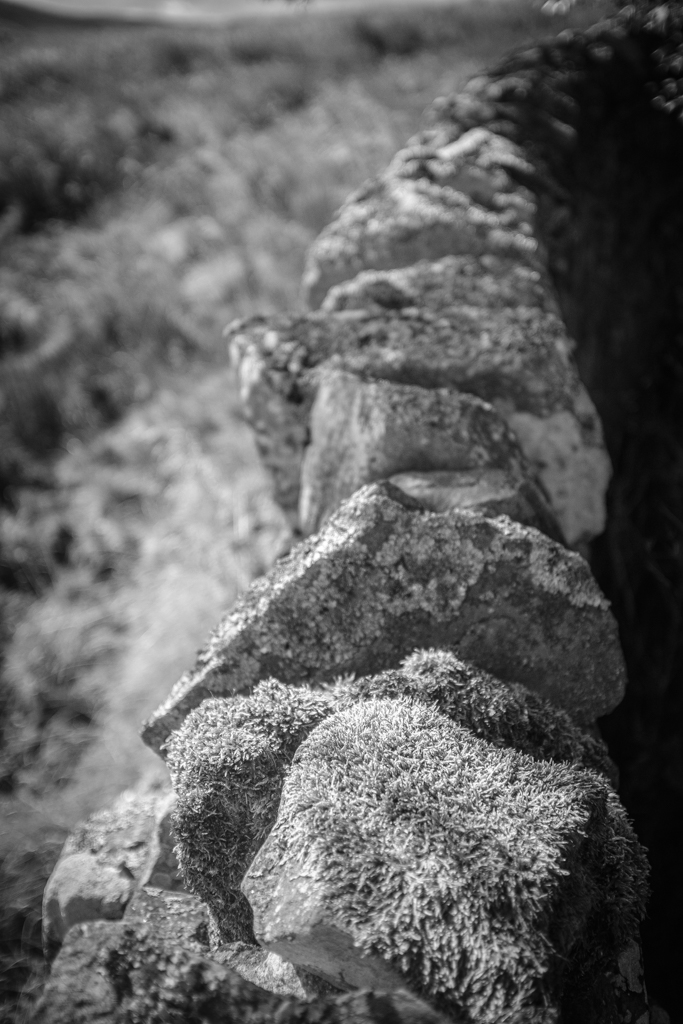
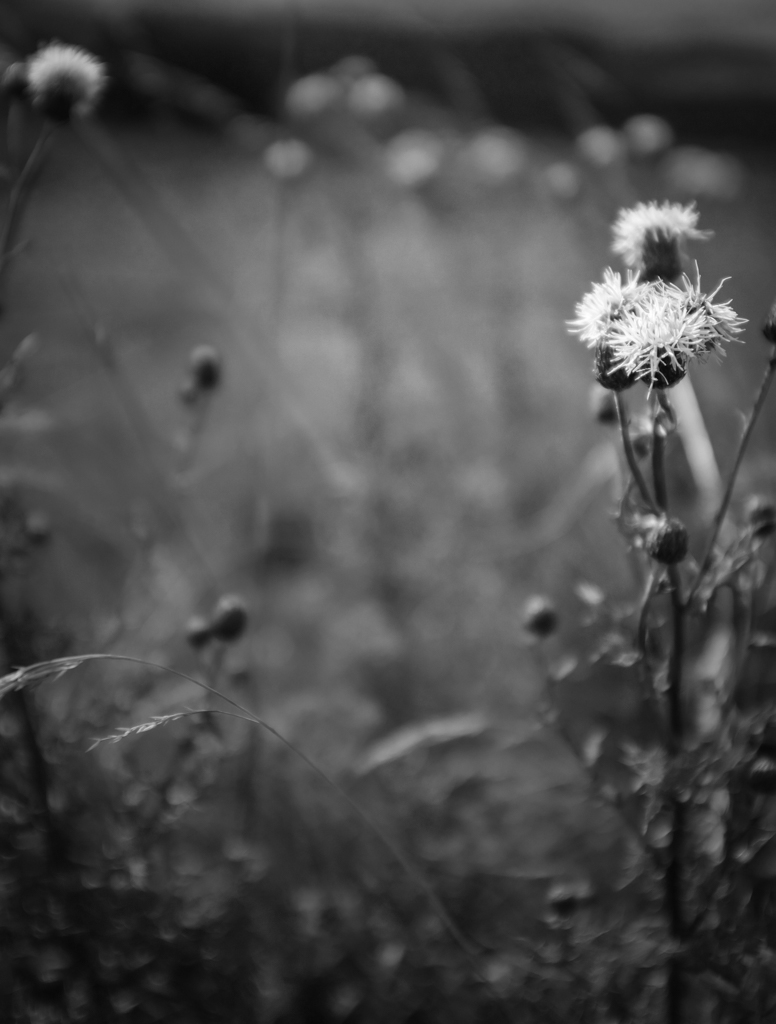
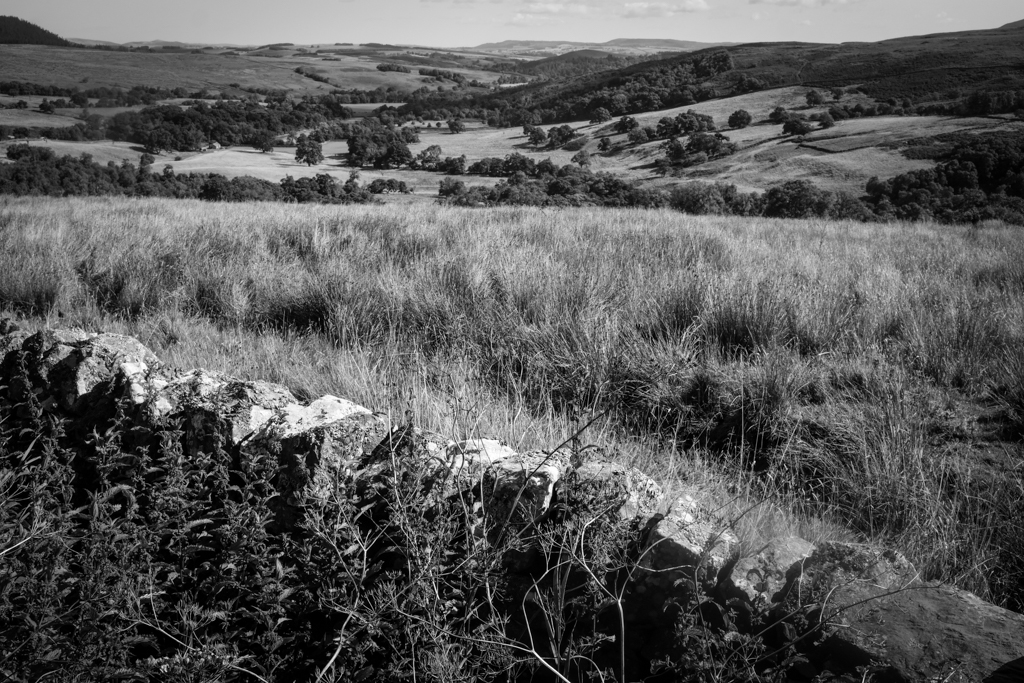
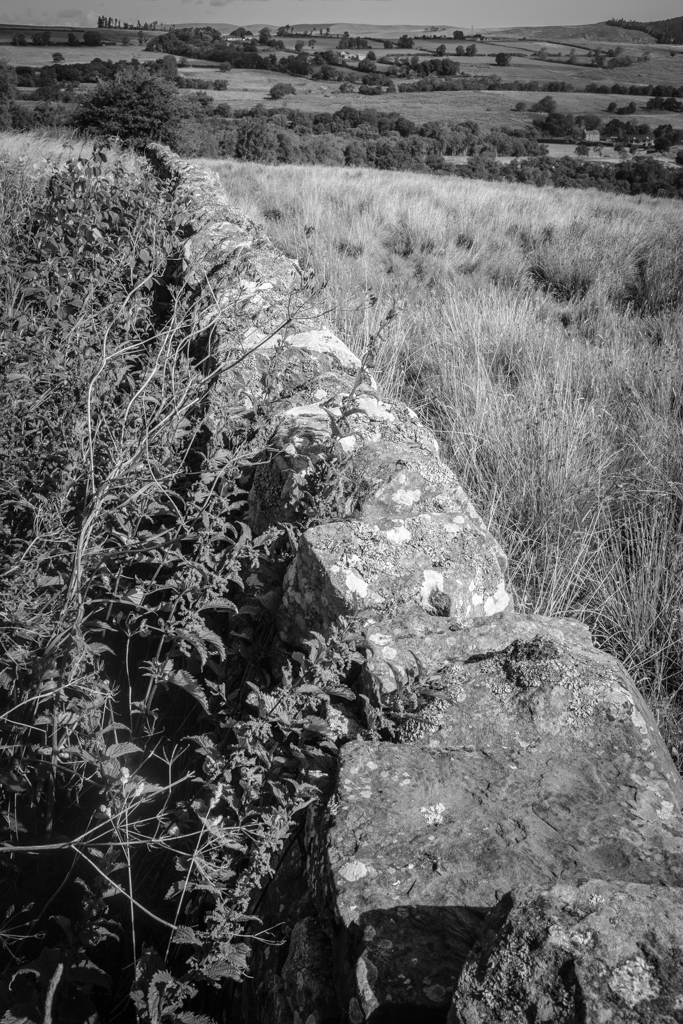
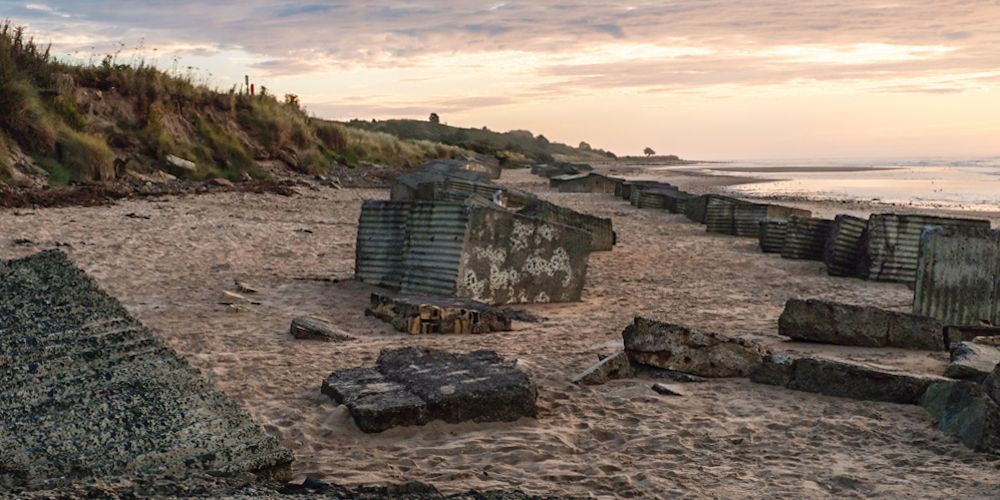
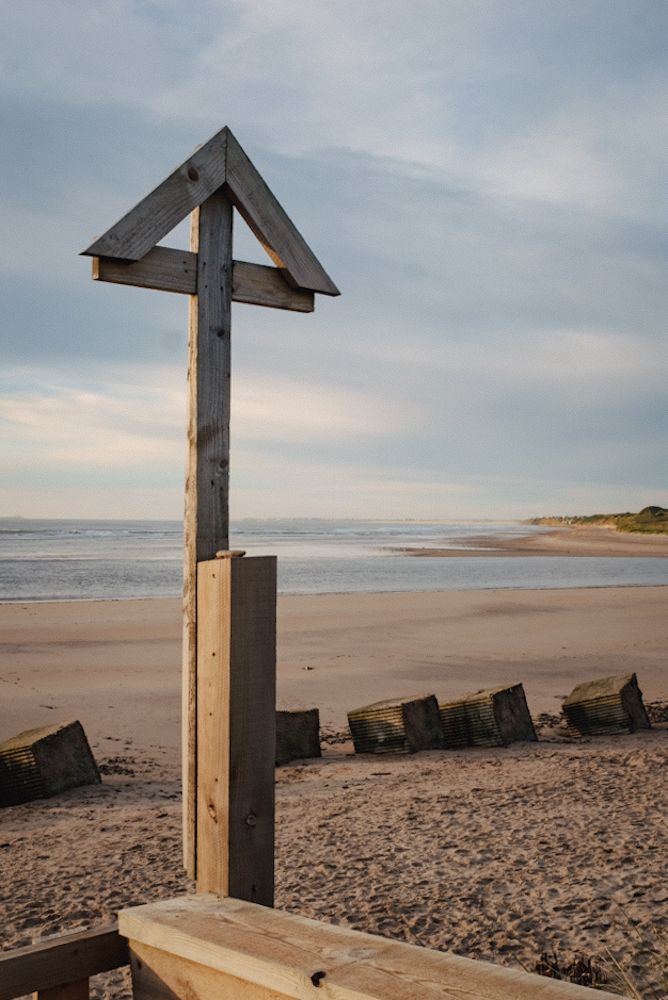
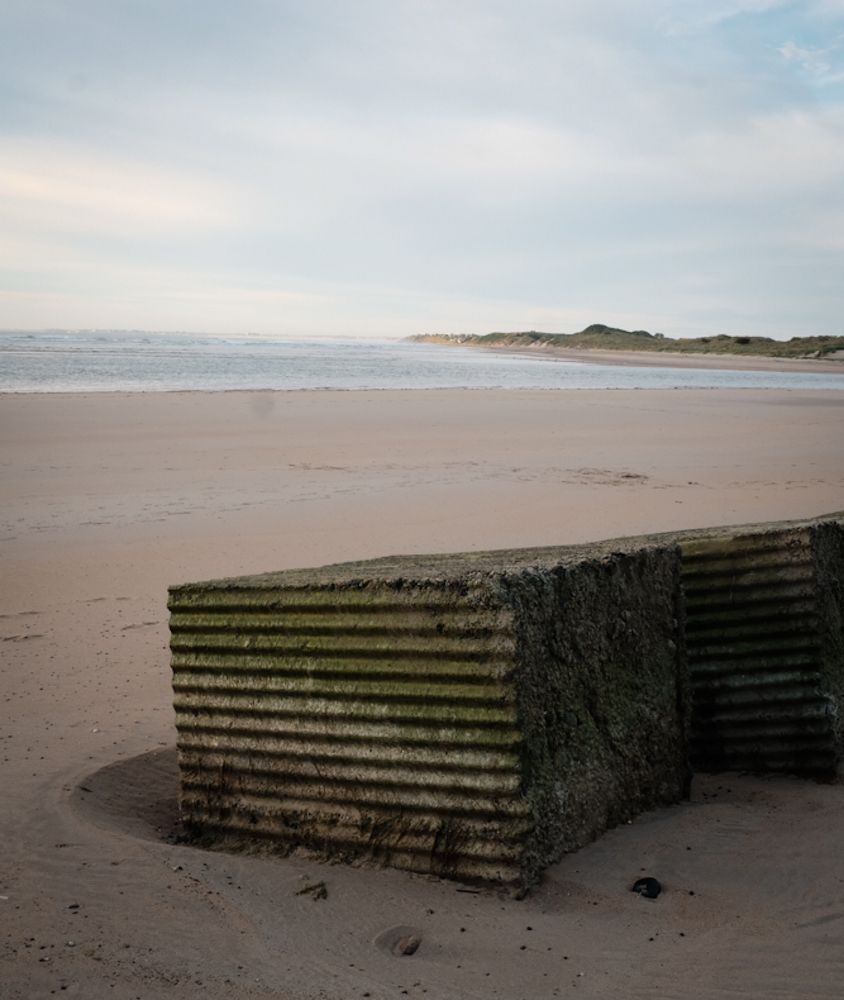
The UK Chronicles: A Black and White Footnote


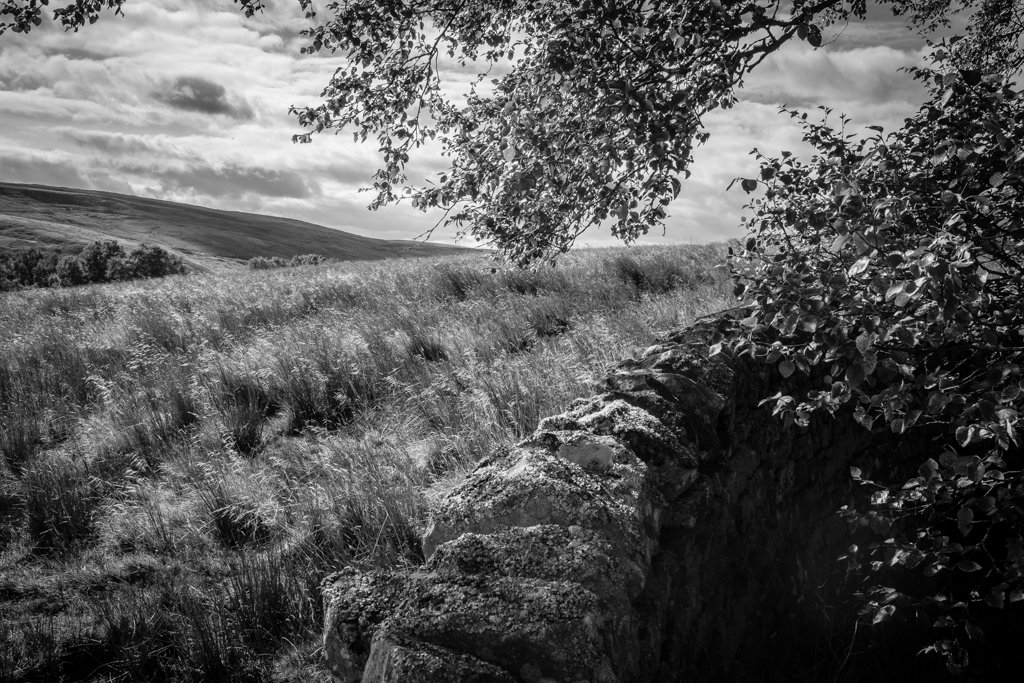
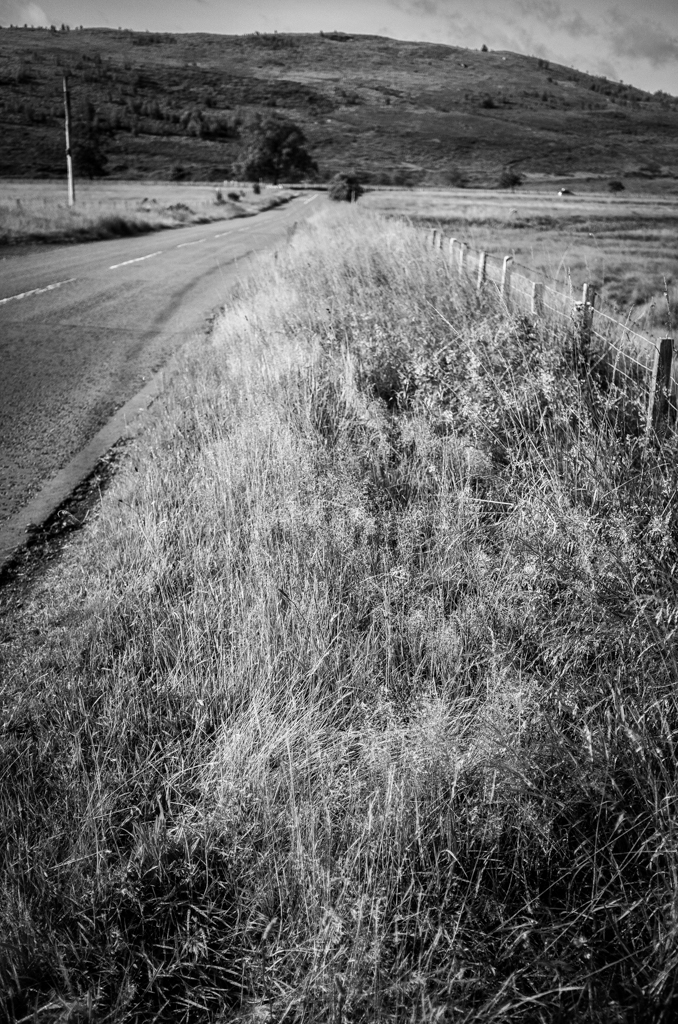
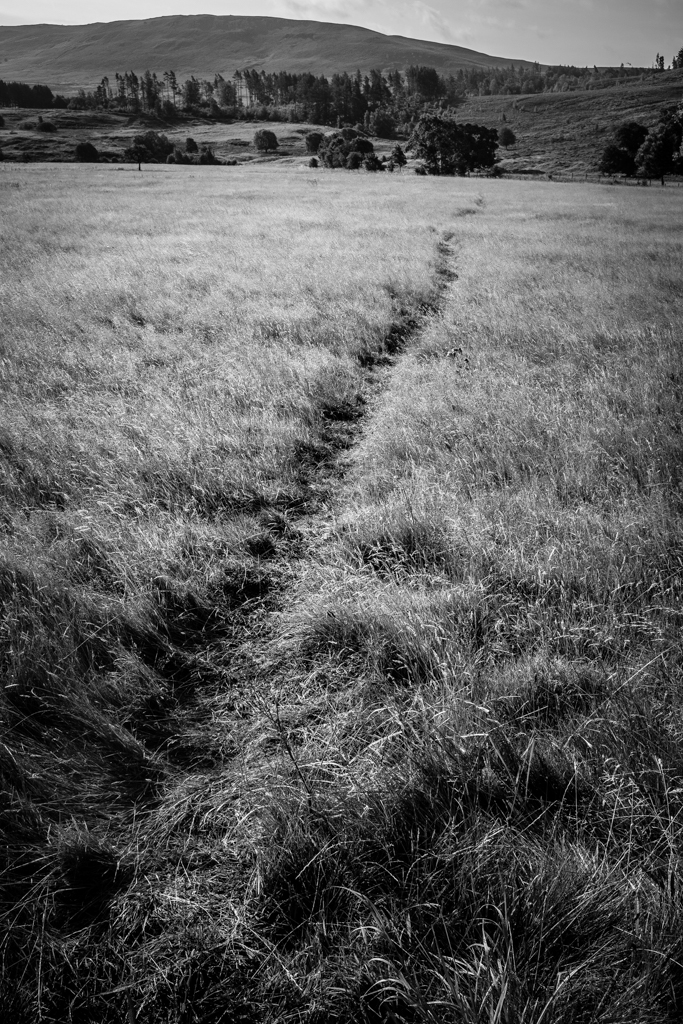
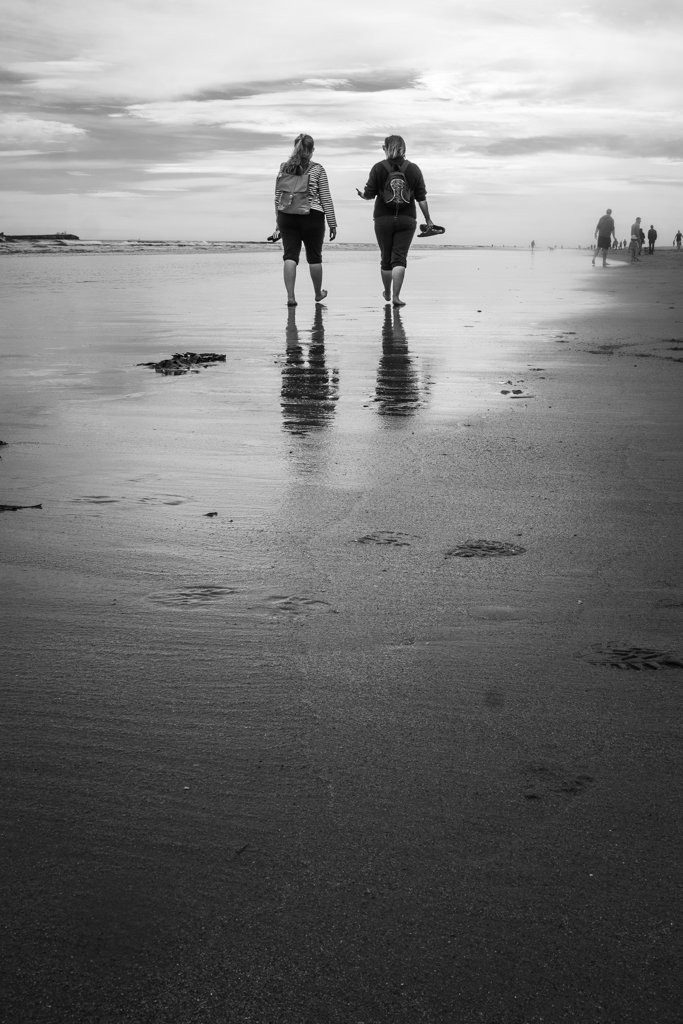
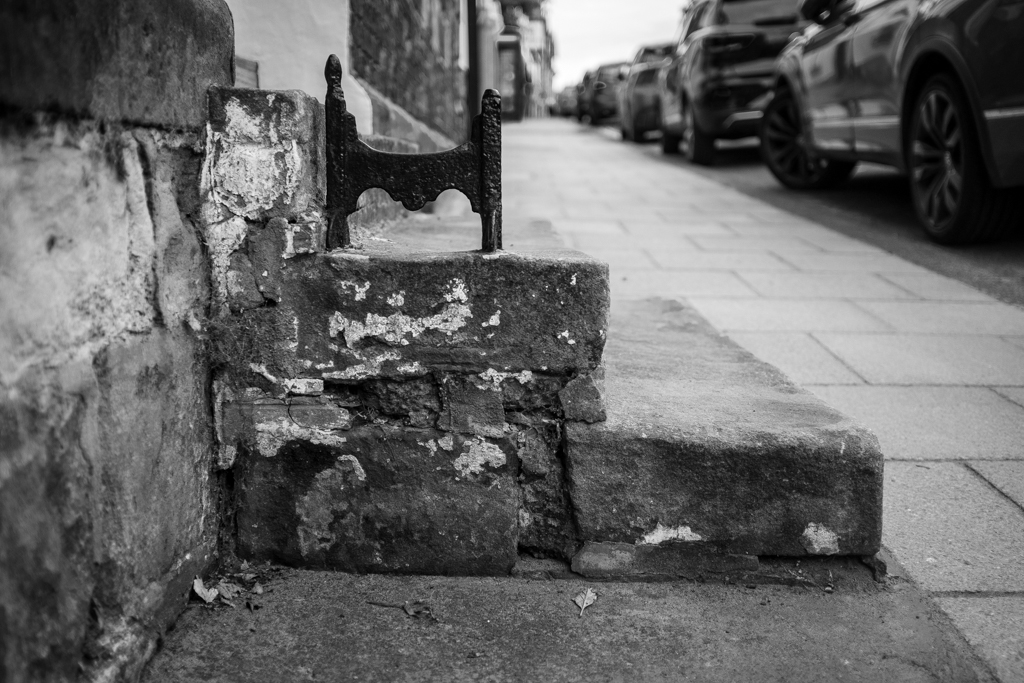
My usual approach to black and white photography is to shoot directly in black and white, either using black and white film or the Acros film simulation with my X100F. When using the X100F on this UK trip, my EVF displayed the black and white shot using Acros with a red filter—my go-to simulation. This method puts me in a black-and-white “frame of mind” from the outset.

However, this time I decided to break from my usual practice and experiment. I did something I normally advise against—starting with the intention to create color images and only considering black and white later. I chose the Classic Chrome film simulation instead of Acros, focusing on capturing the vibrant colors of the Northumbrian countryside. It was all about breaking free from my black-and-white routine. Both color and black-and-white photography have their place, but for this trip, I wanted to prioritize one over the other. Still, wouldn’t it be intriguing to compare both approaches?

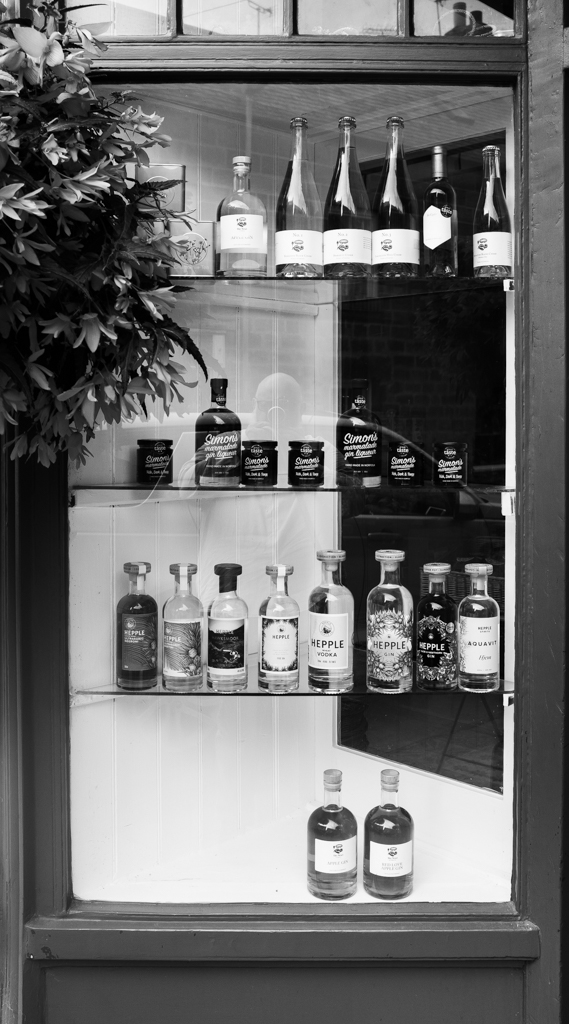
Back in France, as I prepared the images for my black-and-white Instagram feed, I began to wonder if some of the colorful shots might also work in black and white. Initially hesitant—given my emphasis on shooting with intention and purpose—I decided to embrace the experiment. I was breaking one of my own rules, yet the idea intrigued me.

Reviewing the color shots, I considered which might translate well into black and white. I look for images with texture and varying tones rather than just color. My composition is usually solid since I’ve already edited my color images, including reframing and straightening as needed. With digital RAW files, converting to black and white and producing different versions is straightforward. As they say, the goal is to produce images that reflect how they made you feel, not just how you saw them. This is why I convert my images to black and white—they capture more of the emotional essence.

Opening Adobe Lightroom on my PC, I saw the familiar images on my screen. My editing approach may seem finicky, but it’s effective. While the simplest way to convert an image to black and white is to slide the “saturation” slider to the left, this often results in a flat, lifeless image. Instead, I use a more nuanced approach to control various color tones in the black-and-white image. This technique helps preserve depth and character, ensuring that each image maintains its visual impact even without color.

Here’s how I approach black-and-white conversion in Lightroom:

  • Black and White Profile: Sets the overall tone and mood of the image.
  • Clarity: Enhances texture and detail for a more dynamic appearance.
  • Contrast: Adjusts the range between light and dark areas, adding visual interest.
  • Color Sliders: Modifies the luminance of specific colors to bring out different tones in the black-and-white image.
  • Highlight Tool: Adds subtle vignetting and balances highlights for a polished finish.

So, why convert to black and white after shooting in color? For me, it offers a classic, timeless aesthetic, and challenges me to create a “better” image by focusing on composition and texture without the distraction of color. This approach pushes me to craft photographs that rely on fundamental elements, enhancing their overall impact.

Impact is at the heart of photography. While I cherish the colors of the Northumbrian countryside and am eager to learn how to use color more effectively, I also deeply value the strengths of black-and-white photography. It’s about transcending color to create images that resonate through composition and texture.

But there’s something more personal about these black-and-white conversions. Perhaps it’s because I broke my own rules this time around, allowing color to take center stage and letting the black-and-white images emerge later. These images weren’t planned with black and white in mind—yet, despite that, or perhaps because of it, they feel even more special to me. Sometimes, going against what you think you know leads to unexpected results. And, in this case, those results resonate even more deeply.

Isn’t impact what we strive for in our photography? Don’t get me wrong—I love the colors of the Northumbrian countryside and am on a quest to learn how to use color more effectively. But I do believe in the strength of the fundamentals offered by black-and-white photography. Sometimes, breaking your own routine brings surprising rewards.

The UK Chronicles Part III: Bamburgh


Memories of Bamburgh: A Personal Connection

I’ve been going to Bamborourgh since I was a little boy. Fifty years later, it still affects me in a way that not many places do. Growing up, there was a painting of the castle in my mother’s bathroom, and ever since I learned photography, I’ve wanted to capture my own photo of the place. Patience, my dear boy, patience…

The last time I was there, I was with my wife and daughter. We explored the castle—a gurt big affair that overlooks the coast and the Farne Islands. This time, I was with my son. It’s all about passing on the experiences we’ve had to future generations. To be honest, this whole trip was about creating memories for the children and spending quality time with them. Ever wary of spending too much, we decided to visit just the village and the beach.
Exploring the Beach: A Walk through the Dunes

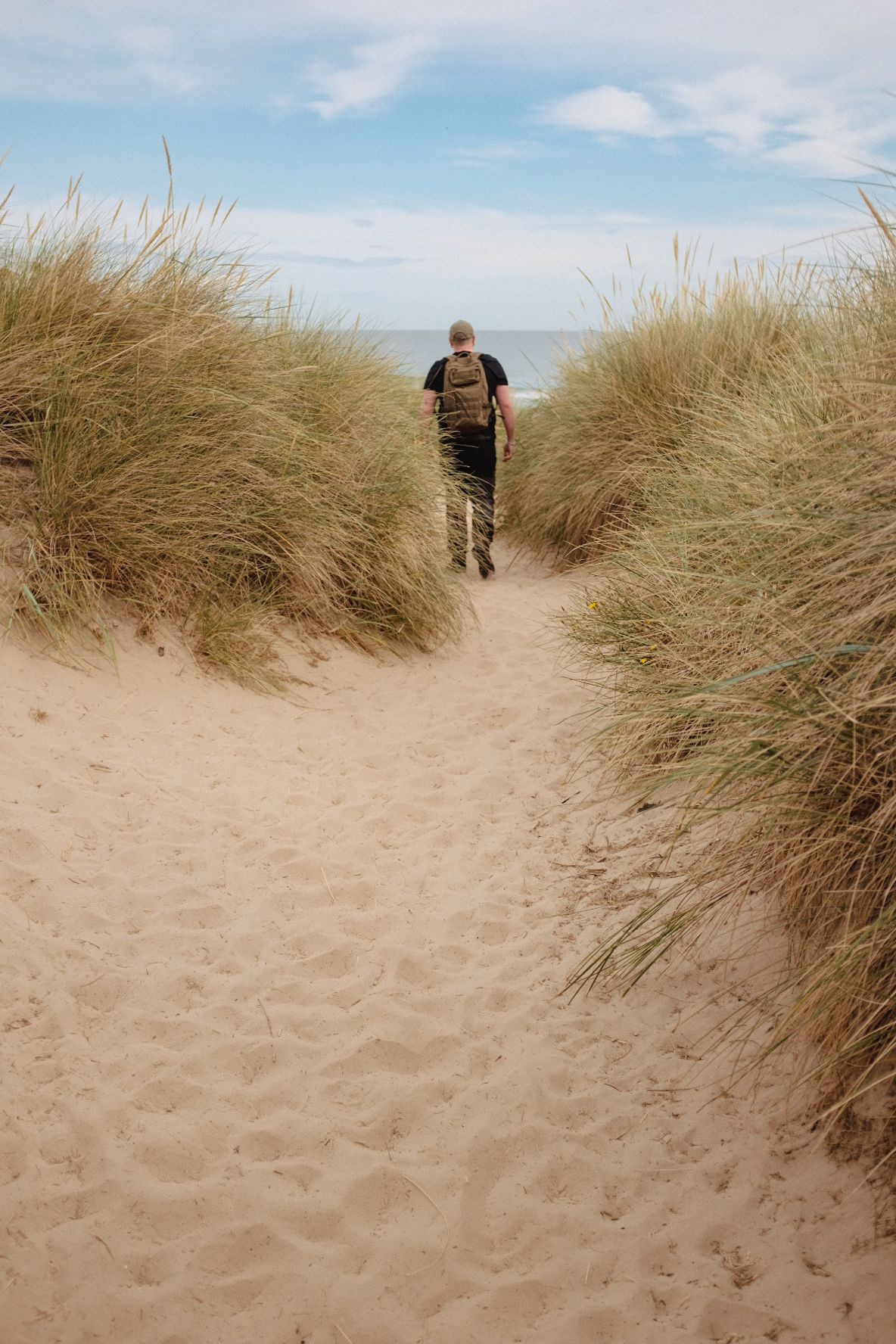
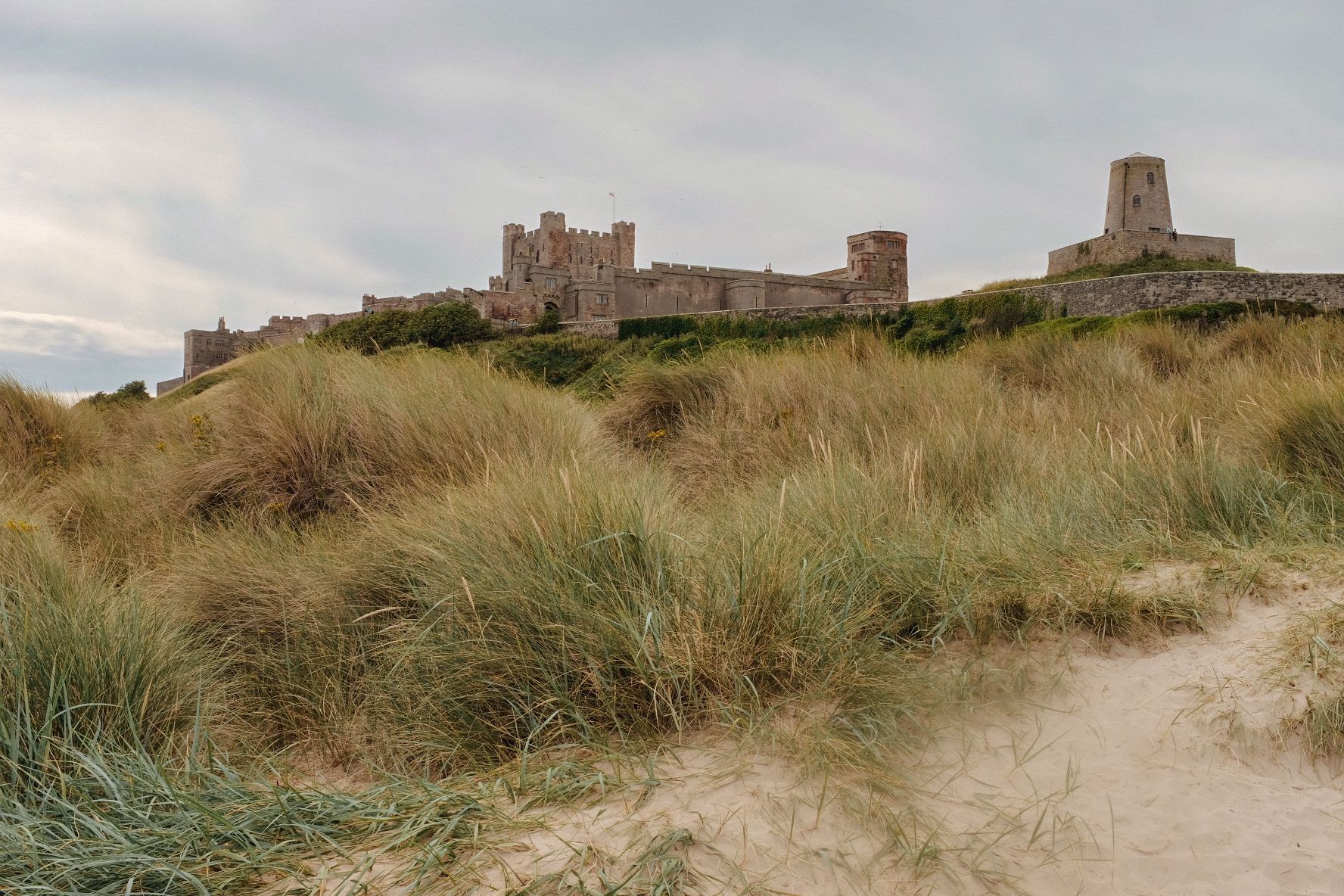
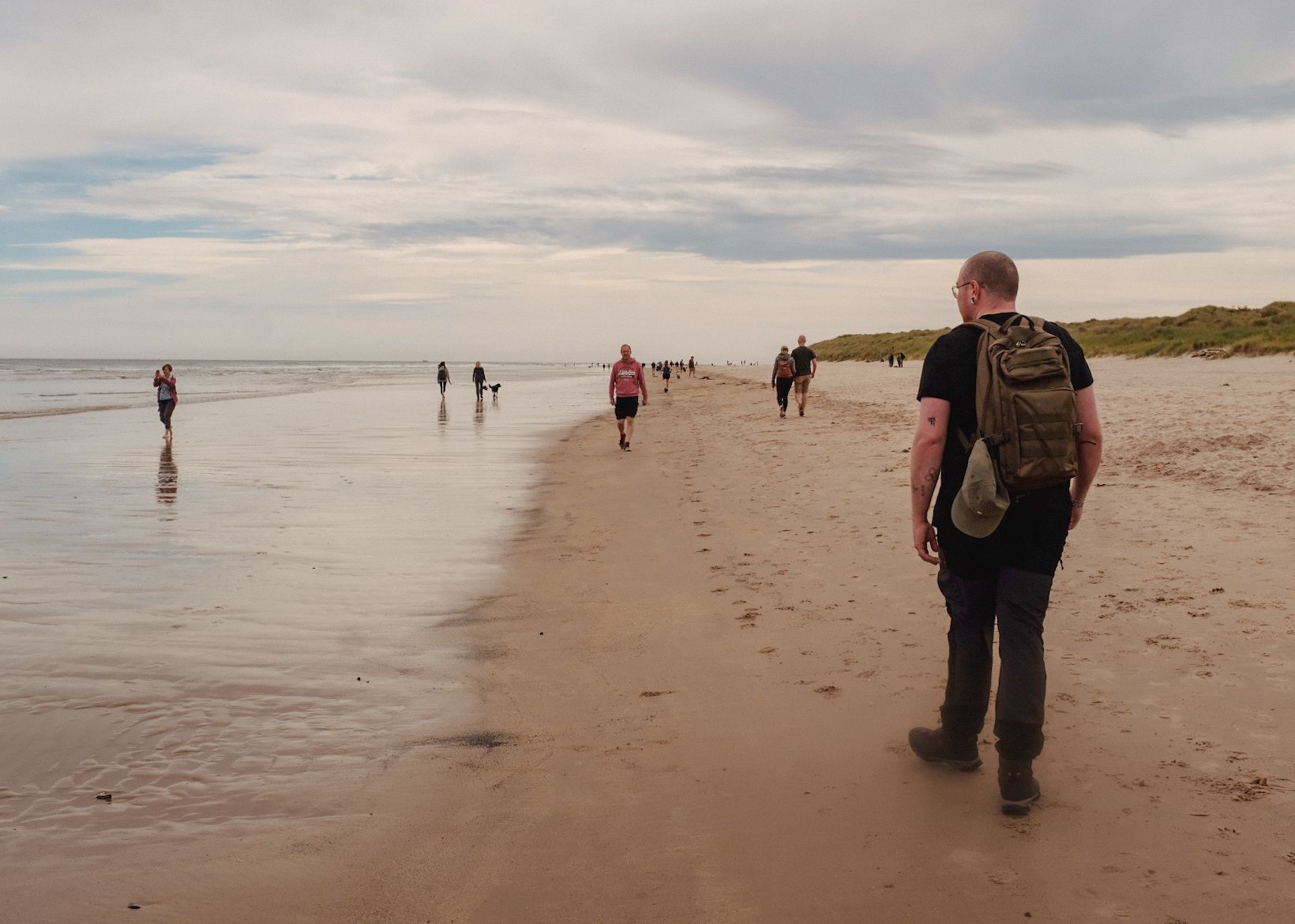
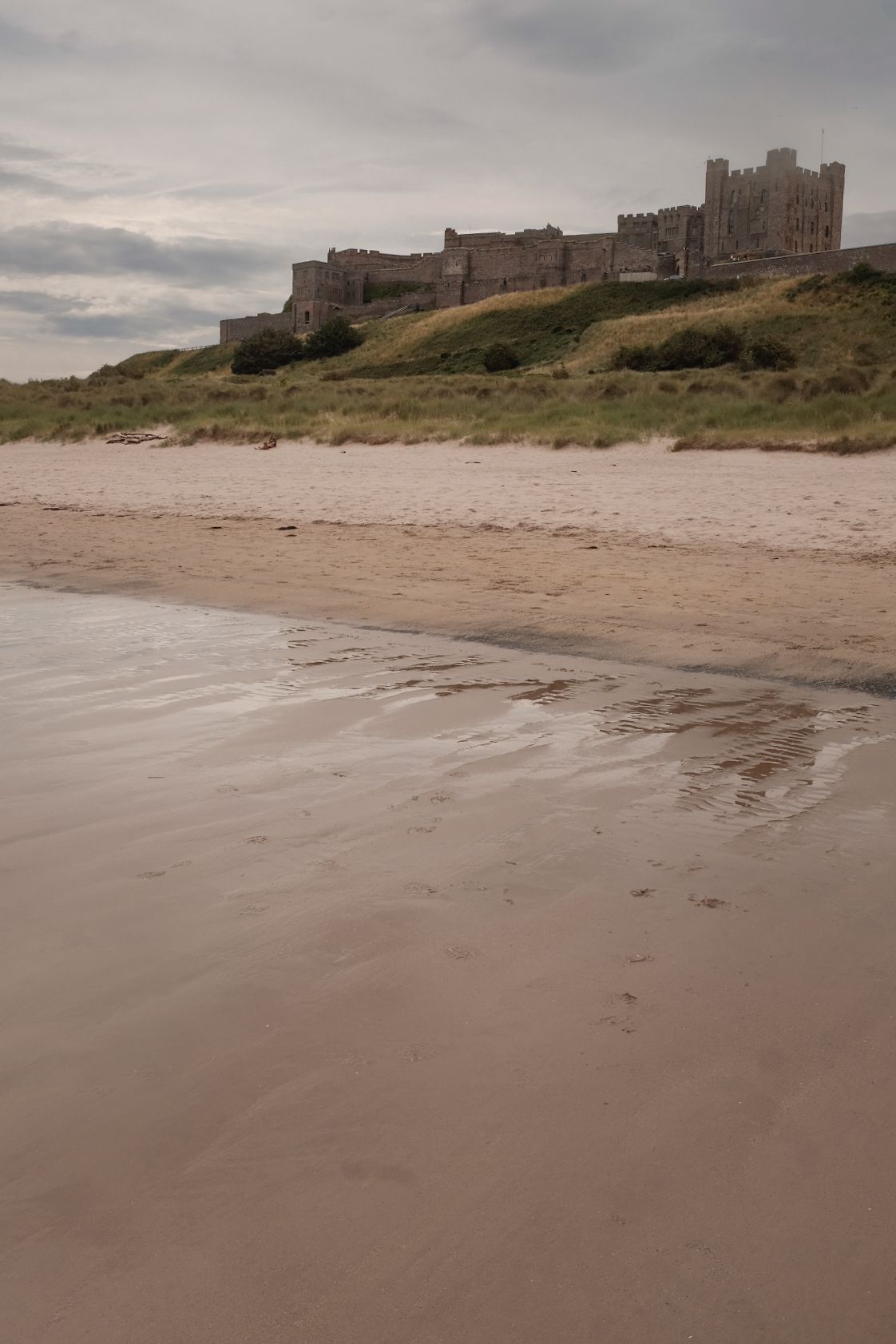
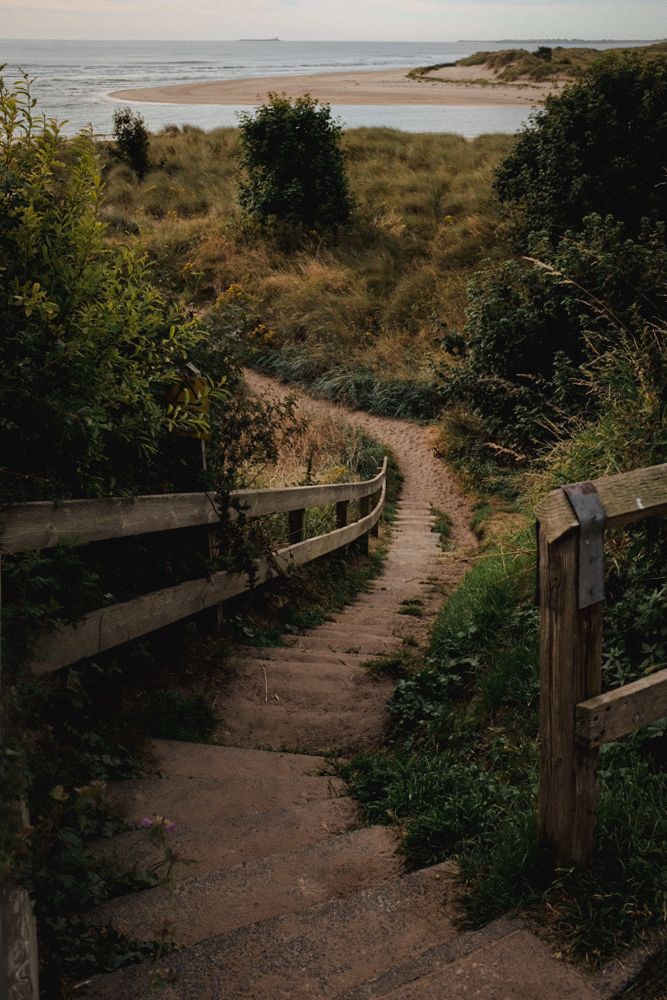
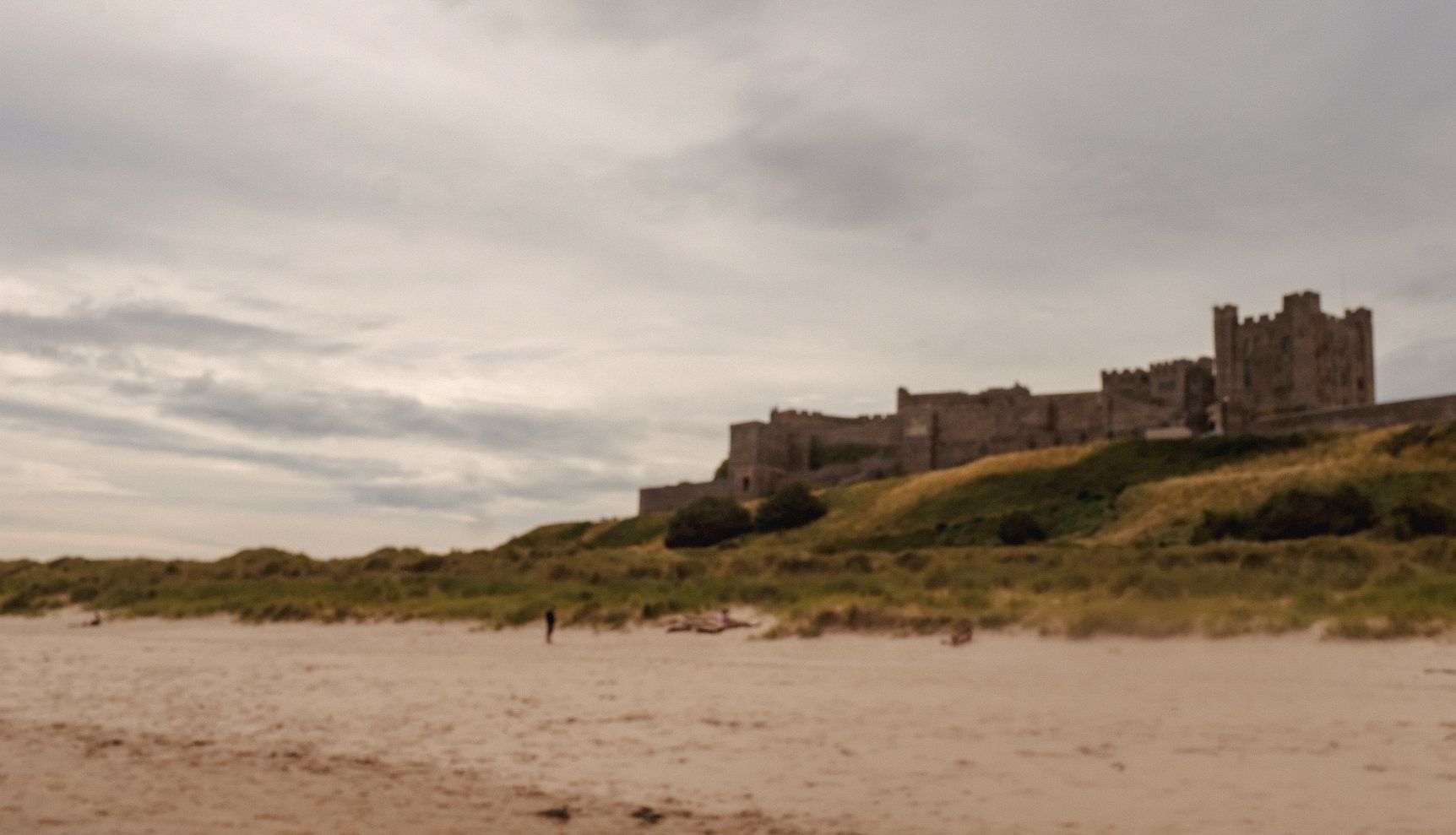
To get to the beach, you have to go through the dunes, following the paths, because wandering around the dunes willy-nilly is not the done thing—conservation of the local flora and fauna and all that. The castle towers above the beach, giving a sense of protection. By the time we got there, the beach was fairly full of people, dog walkers, and their dogs, all just enjoying the summer. A British, Northumbrian summer, but summer nonetheless.
I don’t know if you know, but I have a gammy knee and arthritis. I’ve also been taking collagen every day, and although it seems to be doing me good, it’s a bit early to see real effects. Killian was very kind, looking after me and making sure I was keeping up. He’s a good man, and it’s nice spending time with him. After walking on the beach for a while and letting me take my pictures, we found a log to sit on before heading back into the village.

A Stroll Back to the Village: Nostalgia and New Discoveries

As we headed back to the car, we came up the side of the castle and walked along the cricket ground. Dogs and their walkers were still out in force, with the owners throwing balls for the aforementioned dogs. All of a sudden, I missed Molly, our dog, and thought how much she would have loved coming with us, but she’s an old girl, and it wouldn’t have been feasible.

I thought about going up to the church to pay my respects to the local heroine, Grace Darling, who was the Lighthouse Keeper’s daughter in the 19th century. During an epic storm in 1838, a ship was wrecked on the Farne Islands, and Grace and her father went out in a rowing boat to pick up the survivors, as it was considered too rough a sea for the Seahouses lifeboat. They saved 9 out of the 62 passengers and had to shelter in the lighthouse for a further 3 days until the storm calmed down.

A Pub Lunch at The Lord Crewe: A Culinary Interlude

I didn’t manage to get that far. Killian, much like myself, has a weakness for pub lunches. And look, a pub! The Lord Crewe! One of those posh pubs that tries to hit above its station… We went straight to the bar and tried to order two pints of Guinness, while letting them know that we wanted to eat too. “Oh, in that case, just go up to the restaurant, and they’ll deal with you…” I was ready to leave the place and go somewhere else, but Killian was hungry, so we didn’t. However, we did enjoy being rude about the two barmen in French.

Killian decided on fish and chips, or “cod fillet with a beer batter”, and I went for the prawn cocktail. As you can see in the picture, even as Frenchmen, we couldn’t fault the presentation of the dishes. The taste was pretty good too! Eating a meal like that just takes you back to a place of joy and nostalgia. It takes you back to a place of calm and reflection. It takes you back to a place where everything is just the way it should be. It almost helped us forget the two barmen. Almost…

A rather delicious and impeccably presented prawn cocktail..

Continuing the Adventure: More Pints and Ice Cream

We paid and left, still joking at the barmen’s expense. We continued up the road and found the other pub. Ah well, another pint of Guinness. We never got to the church, but that was fine, as I already had the photos I wanted. The beach, the castle, and the dog walkers. We headed back towards the car and had that ice cream that we had noticed while walking up to pub number two. What a sound decision. It was very good ice cream and helped us forget the two rude barmen from the other place… Almost…

Capturing Bamburgh: A Photographer’s Reflections

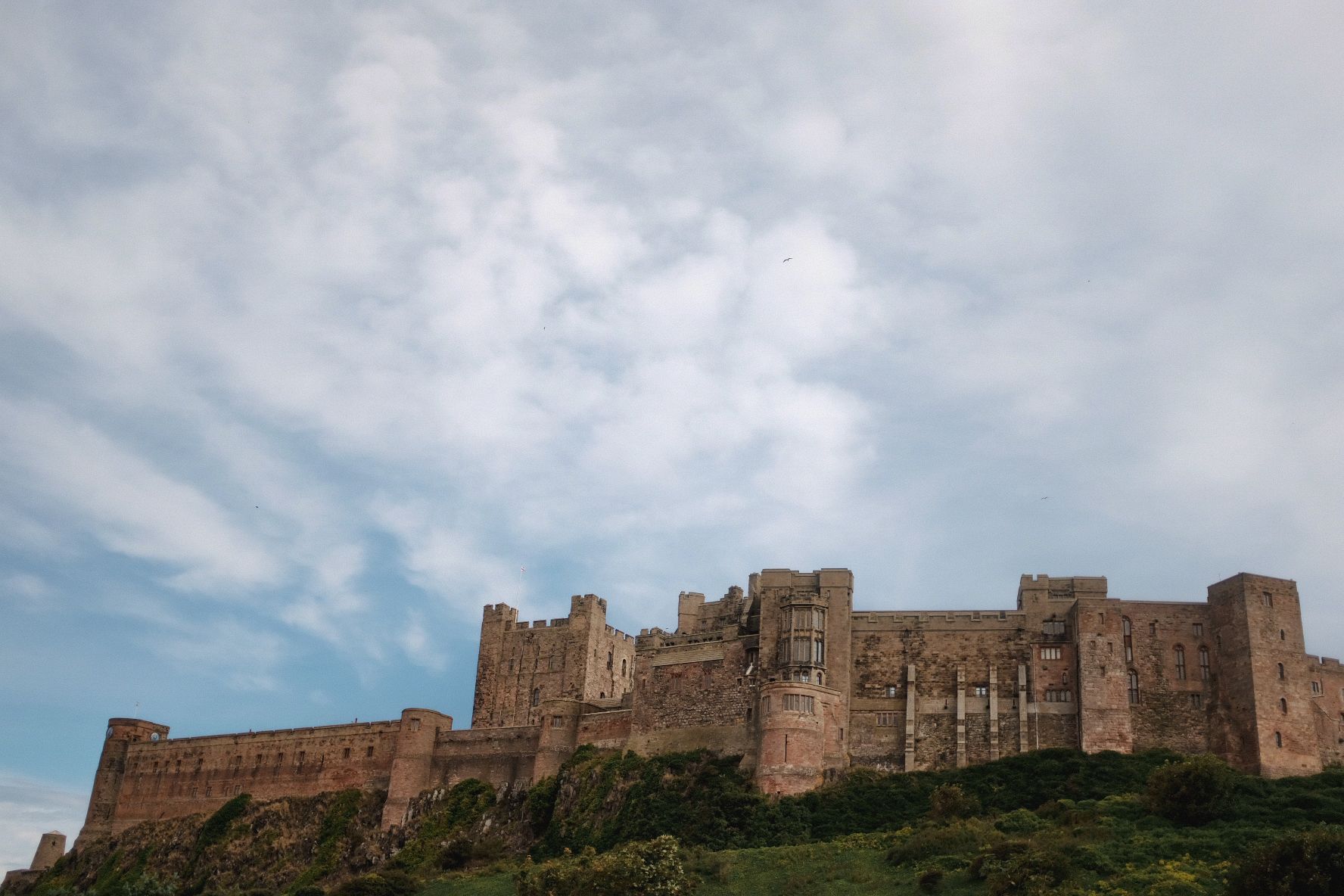
Anyway, back to the car, and back to Lesbury to go and see the girls. I had the photograph I wanted. I wanted the castle, on top of its hill overlooking the beach and the dunes. The other photos were just a bonus. Yes, I went to a place for just one photo, but it was a photo I had been eager to get for some time. The next time I might just have to go at sunset to get the good light…

Photography Insights: Challenges and Techniques

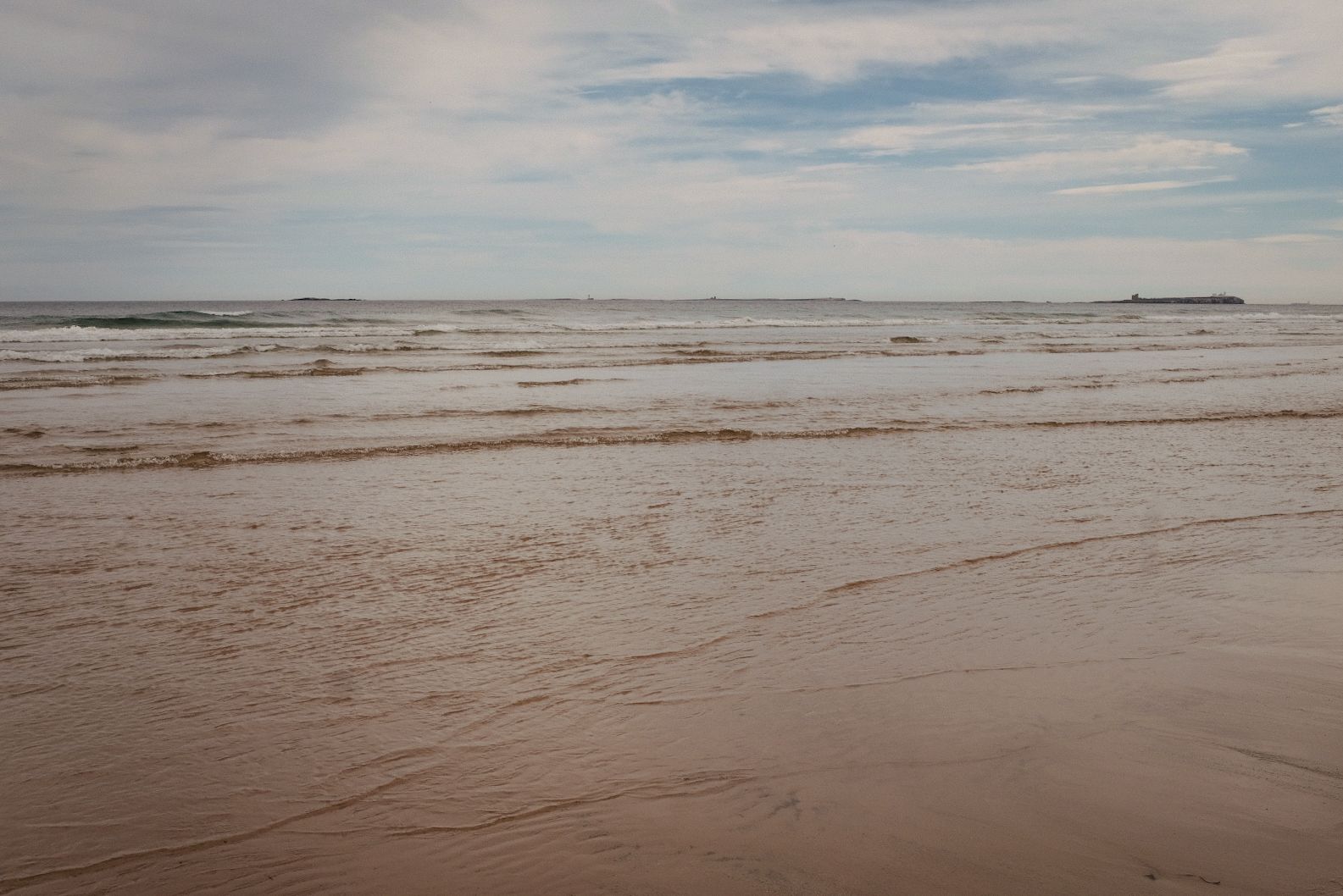
Let’s conclude by talking about the photography from the day. The main technical difficulty was my camera’s metering of the scenes. I had to really expose for my highlights to compensate for the bright sky and the reflection of this light on the sand. I was actually worried about not being able to retrieve the information in the shadows. Luckily, Lightroom was a champion with photo editing and showed itself to be a top-notch app. For me, Bamburgh is all about the castle. It’s about the castle and the sea. It’s about the castle, the sea, the sand, and the dunes. If you can capture all that, then you’re well on your way to getting some pretty good photos.

The UK Chronicles, Part II: Alnmouth


A Rare Visit to Alnmouth: Making the Most of It

Little did I know this would be my only visit to the beach and village of Alnmouth this year, so I decided to make the most of it. I had my X100F around my neck, as usual. I was up at the crack of dawn, chasing that perfect light once again.

The morning routine was pretty much the same as my first day in Lesbury: early rising, early breakfast, and an early cup of tea. The weather was gorgeous, and the light was amazing. What could go wrong?

Arriving in Alnmouth: The Beauty of Early Morning Light

I hopped in the car and headed to Alnmouth, just a short drive down the road. As I came around the roundabout in Hipsburn, Alnmouth and the River Aln came into view, bathed in golden light. The reflections on the water were breathtaking. It was early enough to find a parking space without any trouble. If you’d like to see more photos of Alnmouth, I can add a link for you.

Exploring Alnmouth: A Village with a Rich History

As the name suggests, Alnmouth is a village at the mouth of the River Aln. It was once a bustling port, playing a significant role in 17th-century Northumbrian trade. I’ll let you read up on that on Wikipedia, and I’ll be here when you’re done.

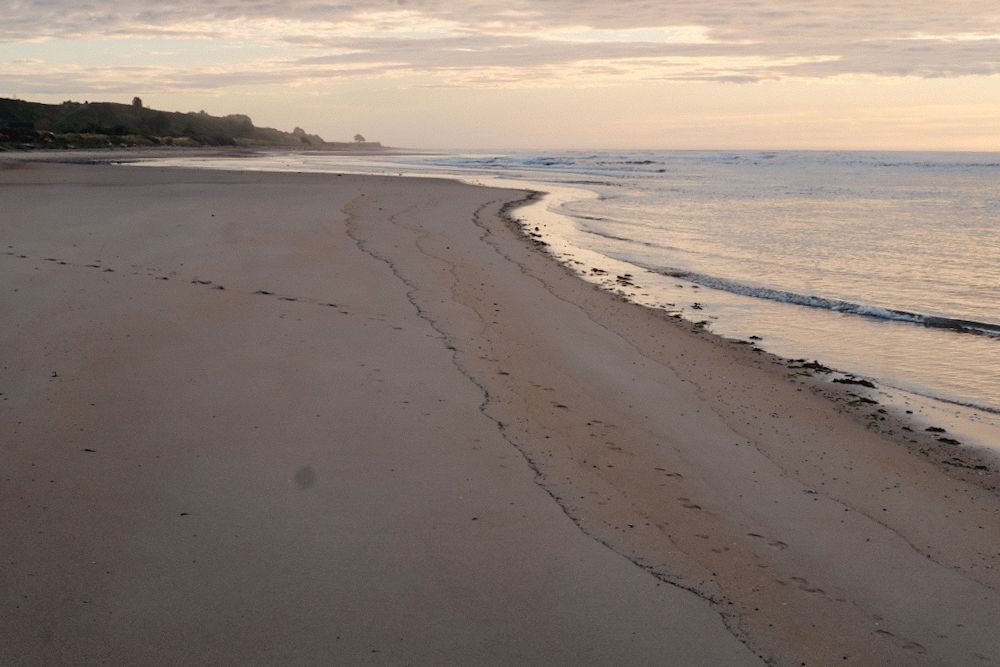
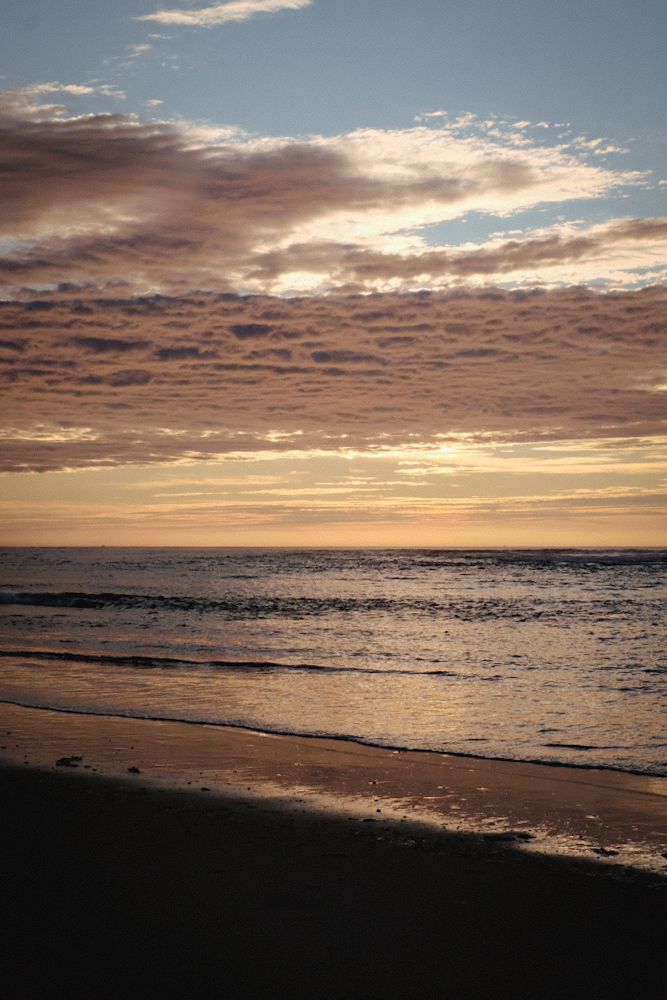
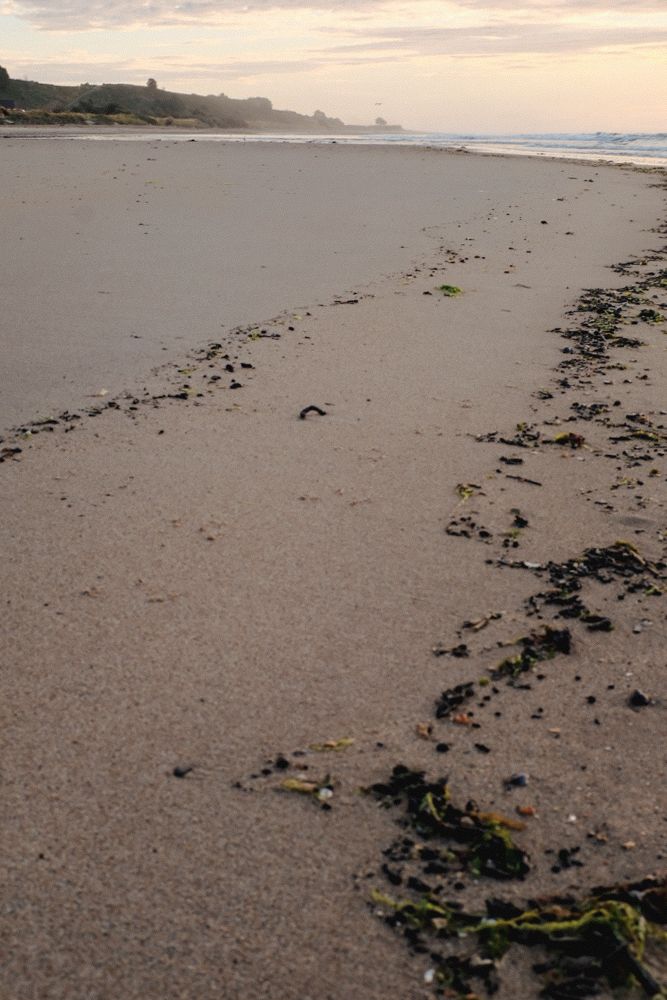
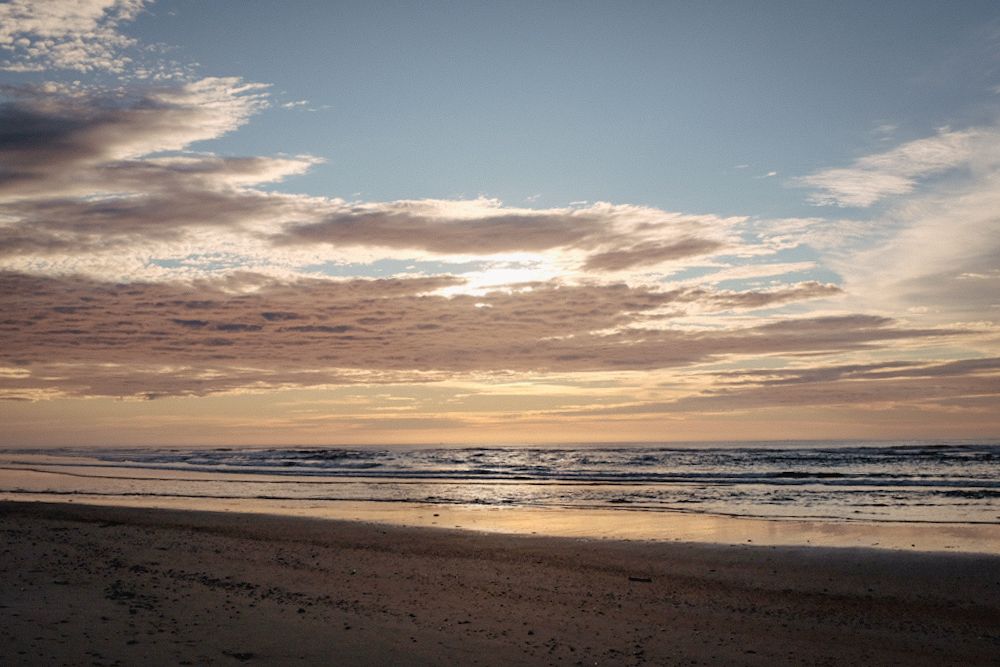
The village was still asleep as I made my way past the golf club and down to the beach. The only people around were a few dog walkers and me, enjoying the morning’s fresh air. The orange hues in the sky were perfectly reflected on the sand.

Discovering Color in Photography: A Shift in Perspective

For those interested in color theory, the use of complementary colors was striking—blue skies contrasted beautifully with the oranges in both the sky and the sand. I’m on a quest to explore my colorful side. While I still love black-and-white photography, this trip made me eager to embrace color.

My knee wasn’t even hurting; I felt fantastic. Maybe there’s something to be said about the sun’s healing powers. I made my way back to the car, carrying a lump of coal I’d found on the beach. It was too good a find to keep to myself. Surely, Killian would be up by now. Lesbury was only five minutes away. Oh, what the heck? I’ll go wake him up!

Father-Son Bonding: Revisiting Alnmouth Together

Killian was fine getting up and out with me. I only had to bribe him with a sandwich and some chocolate. We went back to Alnmouth together, and I took more pictures of the village. It was a very pleasant father-son bonding moment. He wanted to go to the post office or general store. They didn’t take cash, and for once, I was able to pay with my card for him.

Switching Editing Tools: From Snapseed to Mobile Lightroom

I recently talked about Snapseed and had been using it to edit my photos, but this time, I wasn’t happy with the results. The photos had so much potential, and I didn’t want to waste them. Some friends had recommended Lightroom Mobile, so I decided to give it a try. I already knew my way around Lightroom on the PC, and I felt right at home with the mobile version. It was very intuitive—almost as much as Snapseed. What a pleasant surprise!

So, I went back with Killian and took more pictures of the village. It turned into a wonderful father-son bonding moment. He wanted to visit the post office or the general store, but they didn’t accept cash. Luckily, I could pay with my card for him.

A Missed Opportunity: Scotts of Alnmouth

I was hoping to visit Scotts of Alnmouth, but they were closed. As we walked back to the car, I saw the owners heading to work and was invited to come back when they were open. Unfortunately, I never managed to return to taste their wonderful coffee and cakes. That was the only low point of the holiday. But as that Austrian strongman and actor famously said, “I’ll be back!” It’s good to be home.

Canon AE-1 Program – A Classic Film Camera for Timeless Photography


The Canon AE-1 Program is a timeless gem that continues to captivate photographers and film enthusiasts alike. As a classic film camera first introduced in 1981, it effortlessly combines automatic and manual features, making it an excellent choice for both beginners and experienced photographers.

Automatic and Manual Controls

One of the standout features of the Canon AE-1 Program is its versatility in handling exposure. For those new to film photography, the program mode automatically sets both the shutter speed and aperture, allowing them to focus solely on composition and creativity. It takes the technical complexities out of the equation, delivering stunning results with ease.

However, for those who crave creative control, the AE-1 Program offers manual settings as well. With the freedom to adjust shutter speed and aperture manually, photographers can explore their artistic vision and experiment with different effects. The inclusion of shutter priority mode and bulb mode for long exposure photography adds even more possibilities for artistic expression.

Build and Design

The camera’s solid metal body exudes durability and reliability, ensuring that it can withstand the test of time. Its sturdiness makes it a trustworthy companion on any photographic journey. Handling the AE-1 Program instills a sense of nostalgia and craftsmanship that modern digital cameras often struggle to replicate.

The bright and clear viewfinder with a split-image prism aids accurate focusing, enhancing the overall shooting experience. Moreover, the hot shoe for attaching external flashes and the self-timer feature further contribute to the camera’s versatility.

Technical Details

  • 35mm SLR film camera
  • Program mode, shutter priority mode, manual mode
  • Metal body for durability
  • Bright and clear viewfinder with split-image prism
  • Hot shoe for flash attachment
  • Self-timer for group shots and self-portraits
  • ISO range: 12-1600
  • Shutter speeds: 1/1000 to 30 seconds
  • Aperture range: f/1.2 to f/16 (depending on lens)

Pros

  1. User-Friendly Interface: Ideal for beginners and those new to film photography, the AE-1 Program’s program mode takes care of exposure details, allowing photographers to focus on creativity.
  2. Creative Freedom: With manual controls and additional shooting modes, experienced photographers can fully unleash their creativity and experiment with different photographic techniques.
  3. Timeless Design: The camera’s robust metal body exudes a sense of craftsmanship and nostalgia, making it a pleasure to handle and use.
  4. Bright Viewfinder: The clear and bright viewfinder with a split-image prism aids accurate focusing, ensuring sharp and well-composed shots.

Cons

  1. Iconic Status: As one of the most sought-after film cameras, the Canon AE-1 Program may come with a higher price tag due to its iconic status.

The Verdict

The Canon AE-1 Program stands as a testament to timeless design and reliable performance. Whether you’re new to film photography or a seasoned enthusiast, this classic camera offers a perfect balance between automatic convenience and manual creativity. Its sturdy build and user-friendly interface make it a delightful companion for any photography journey.

So, if you’re yearning to experience the charm of film photography or simply want to relive the golden era of analog cameras, the Canon AE-1 Program will undoubtedly leave you inspired and amazed by the magic of capturing moments on film.

Happy shooting!

My Personal Thoughts

Without any hesitation, I wholeheartedly recommend the AE-1 Program to all photography enthusiasts out there. Whether you’re new to the charm of film photography or an experienced shutterbug seeking a trustworthy and adaptable companion, this camera will surely delight you. “Just do it” as a certain shoemaker once said.

I’ve had the pleasure of using the AE-1 Program for quite some time now, and I must say it’s been an absolute joy. Not only does it beautifully capture those precious everyday moments, but it also allows for endless creative possibilities. One feature that I particularly appreciate is its seamless transition between automatic and manual controls, empowering me to effortlessly tailor my shooting experience.

The idea here is to give you a raw image from the film scans and show you what you can get with a minimum of fuss in Lightroom with some very basic edits. What do you think?

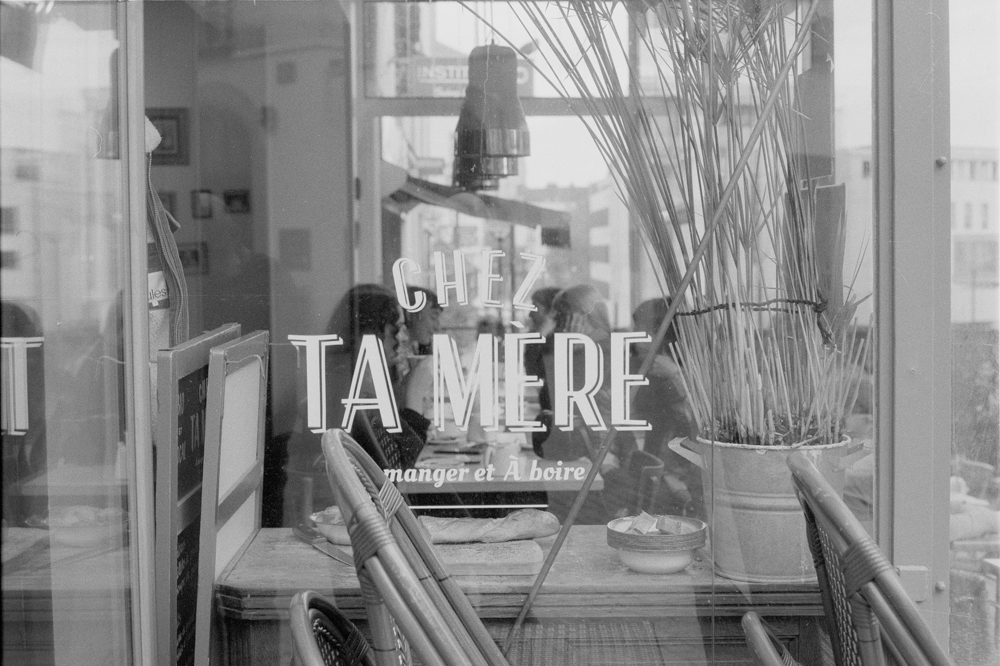
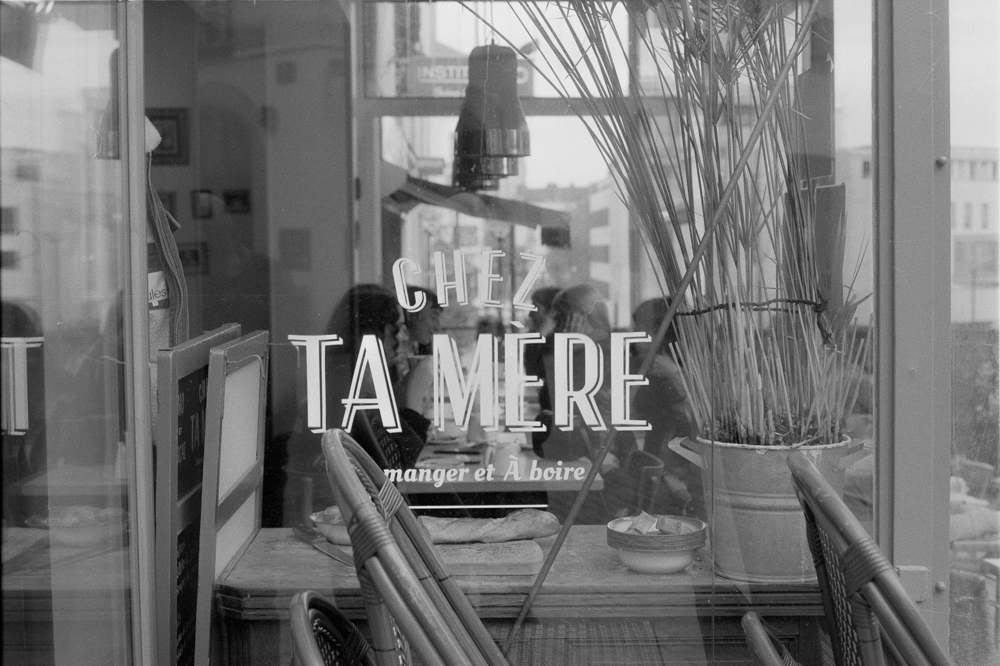
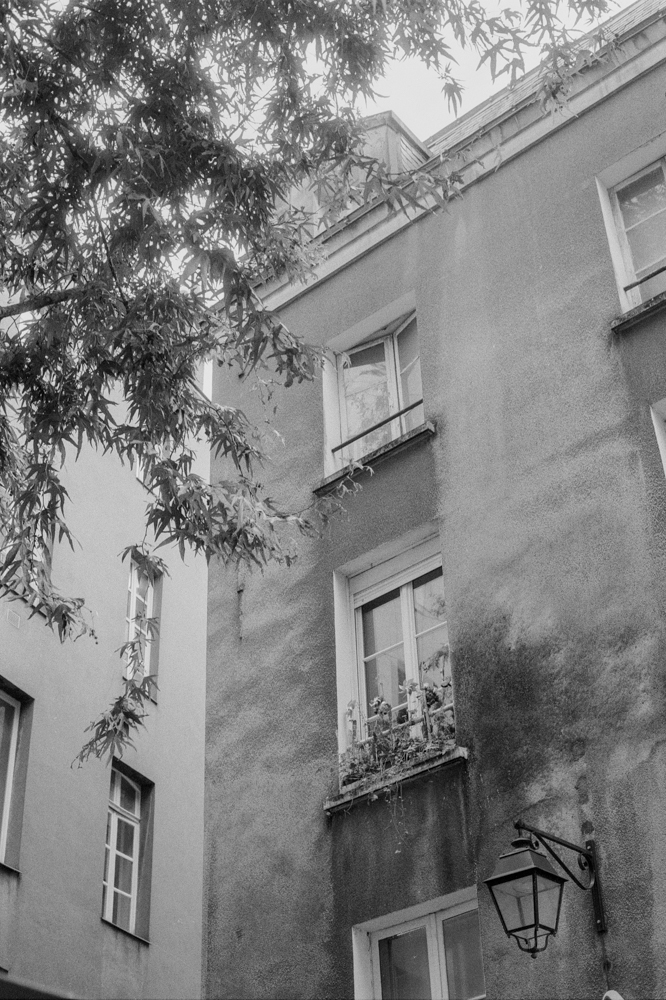
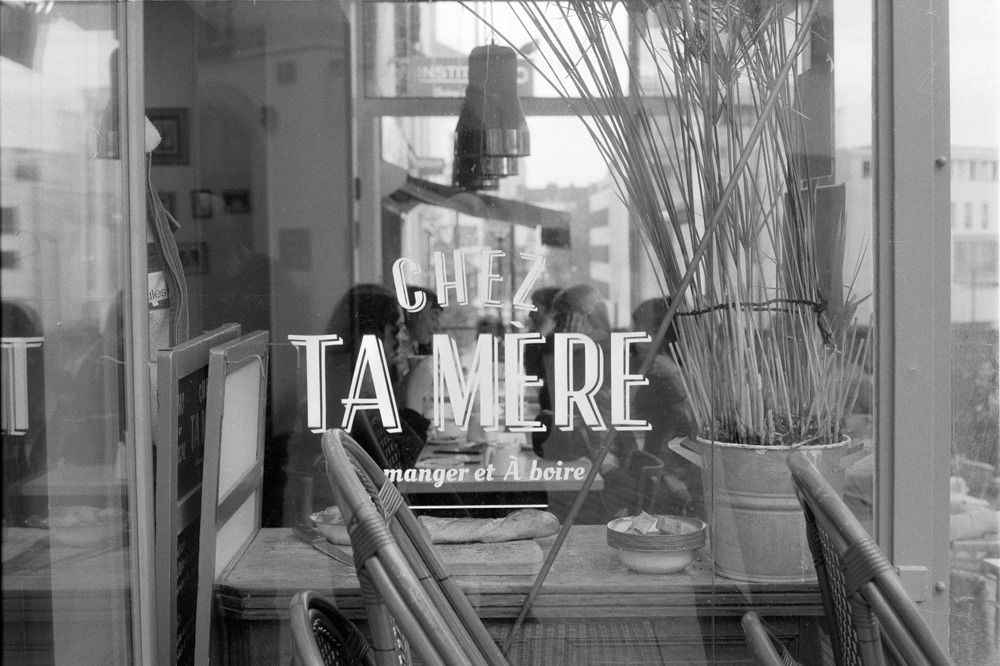
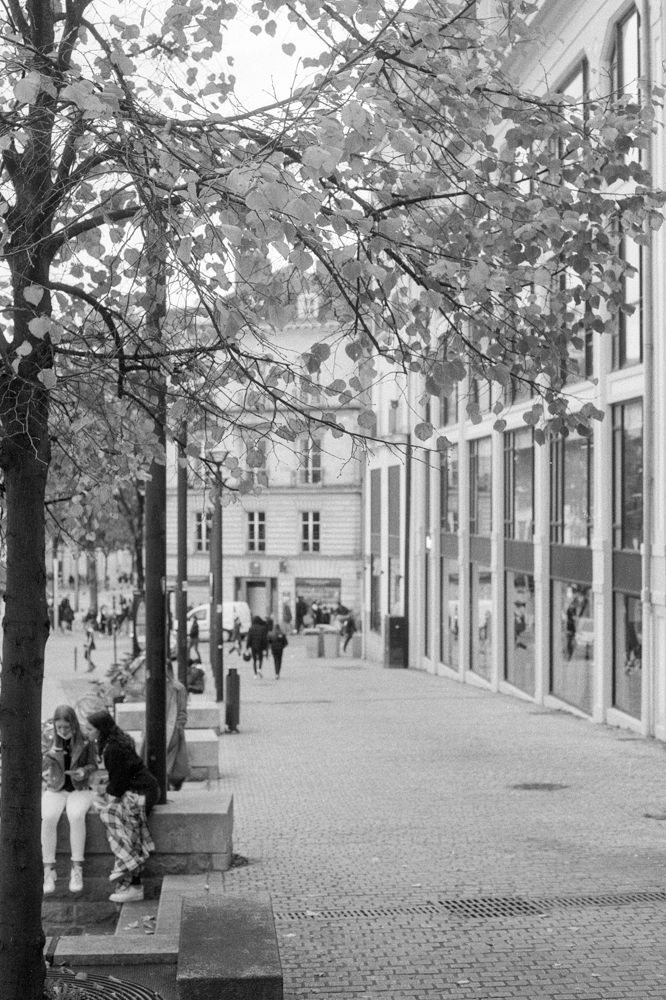
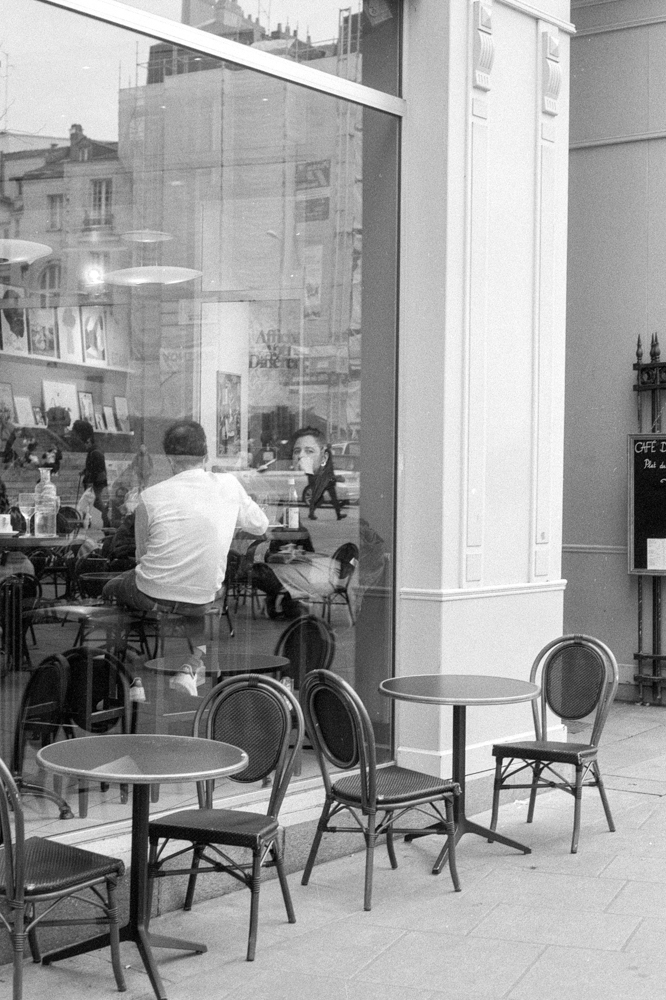
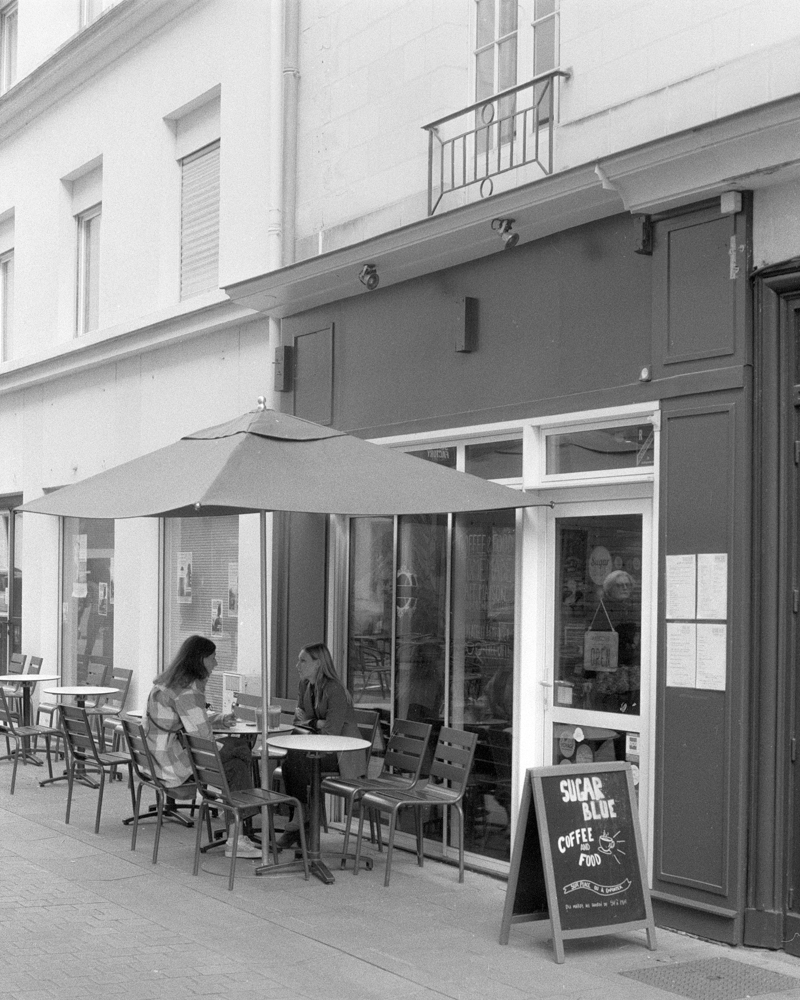
And here we go with a small selection of pictures from the last roll I developed, which are from 2022 and taken in the streets of Nantes. There will be more to come as I head back into the magical world of film photography!

Mon fils


Sometimes you just want to try something out. Be it a new feature for the website or even a new way of editing your portraits, after having watched some YouTube from Sean Tucker. The idea here was to have a portrait that had been edited without the edits being too obvious and keeping everything looking relatively natural… What do you think?

My son Killian taken on the Canon 6D Mark II

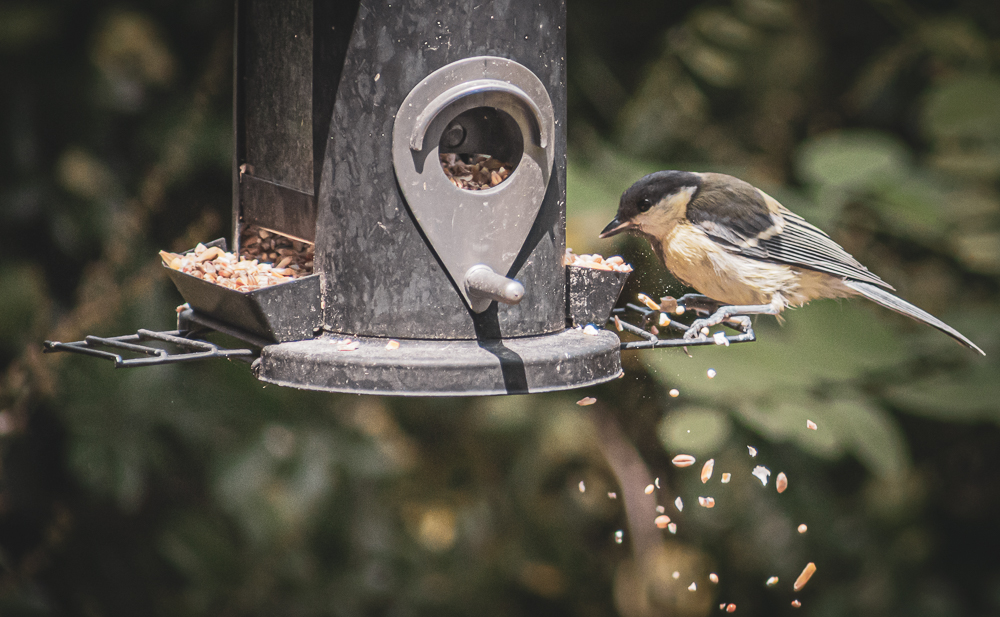
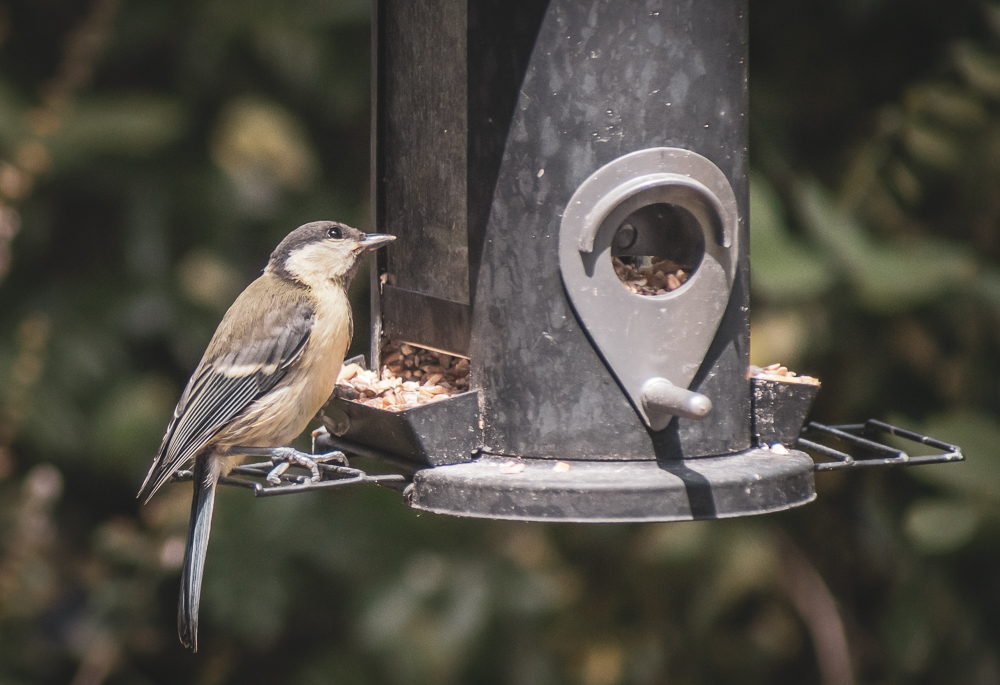
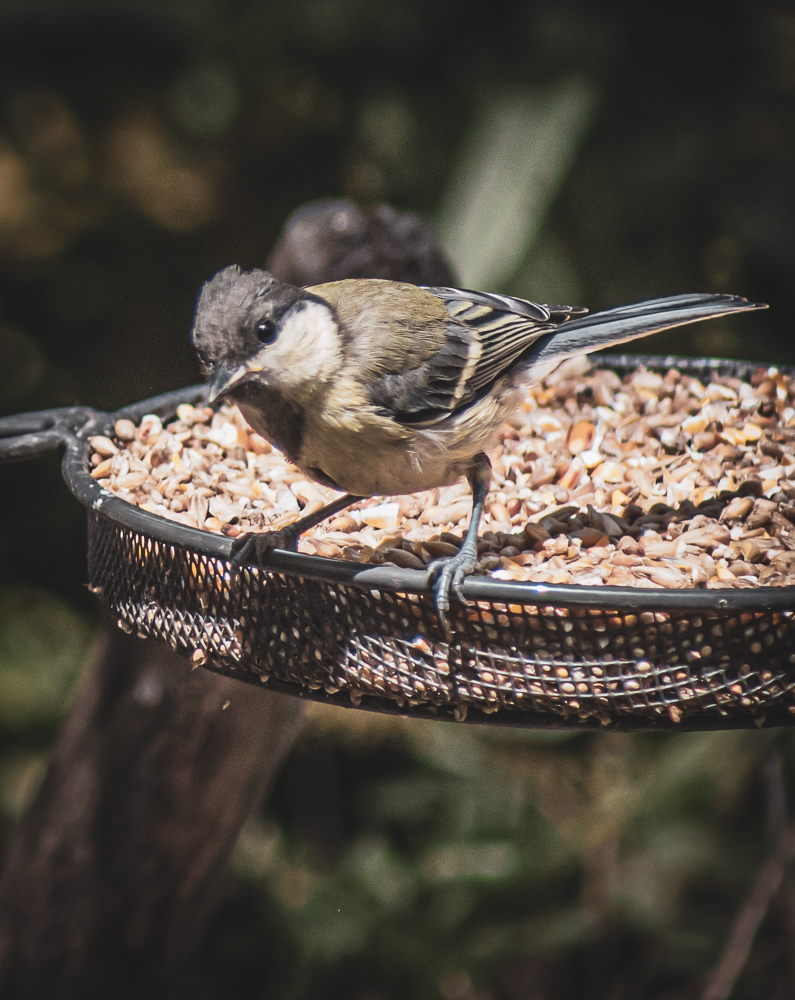
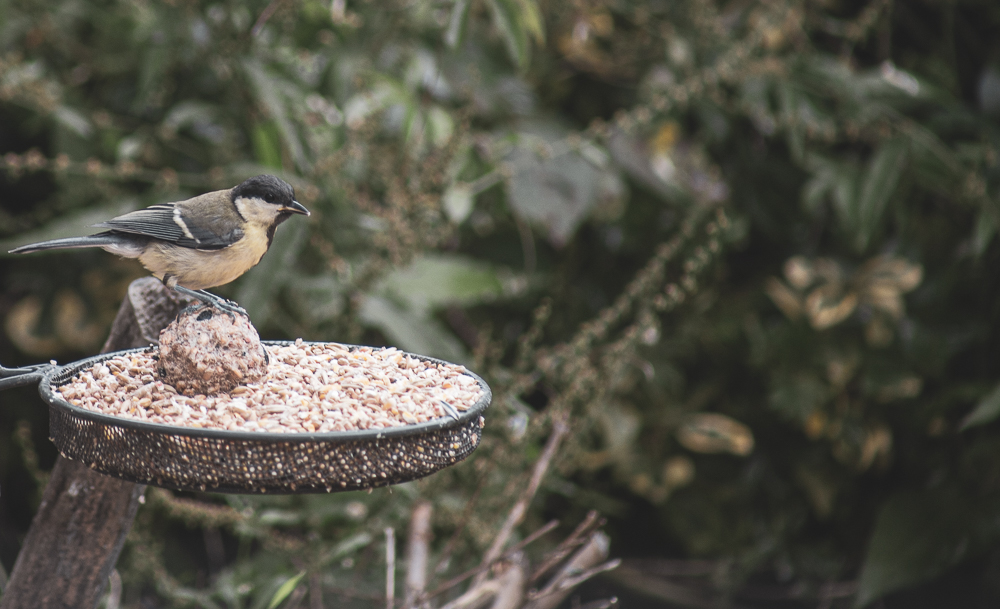
Garden birds


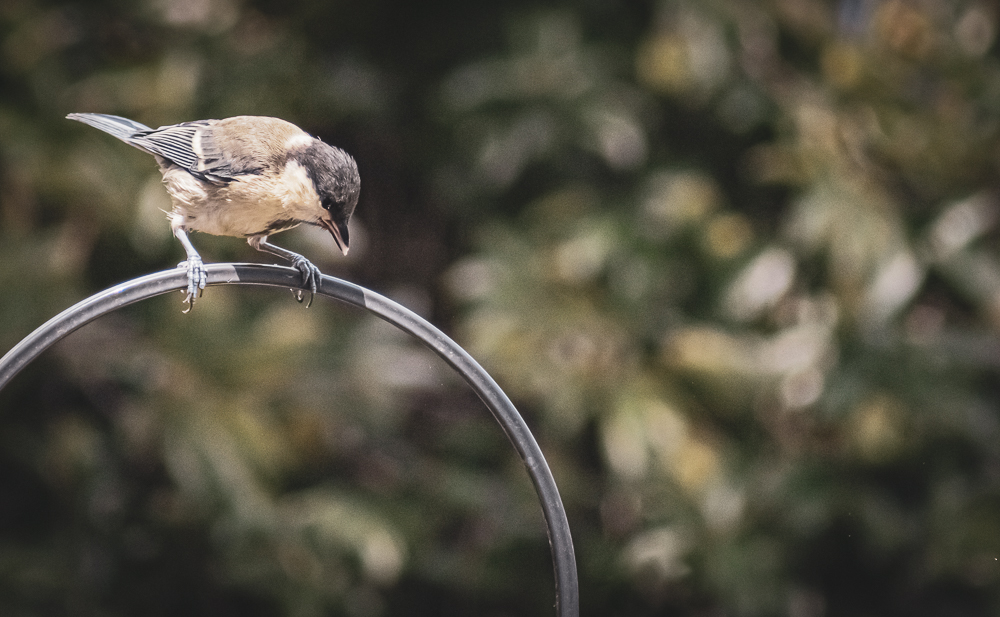
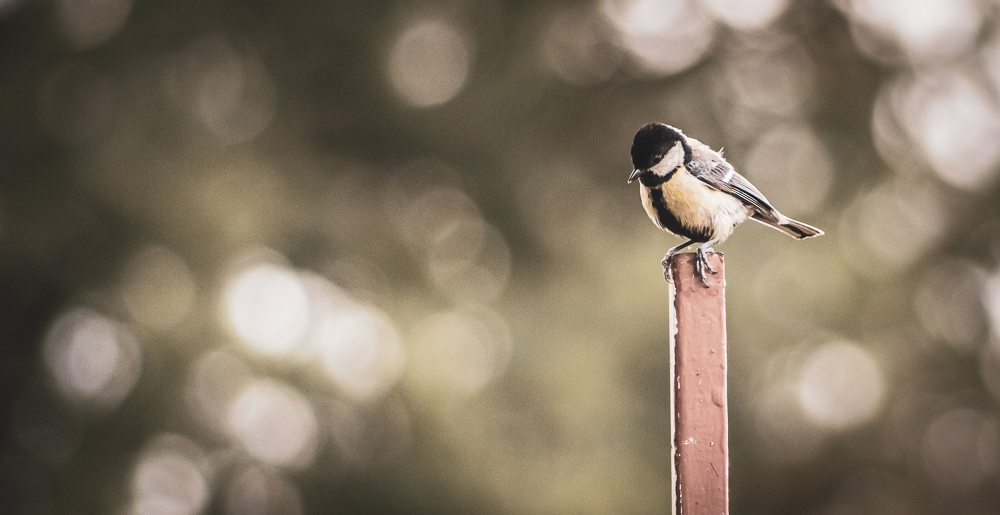
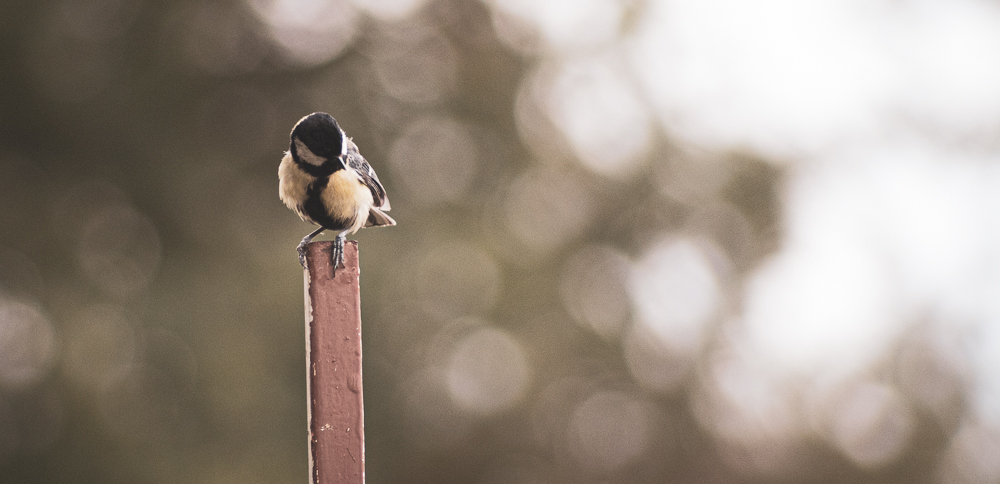
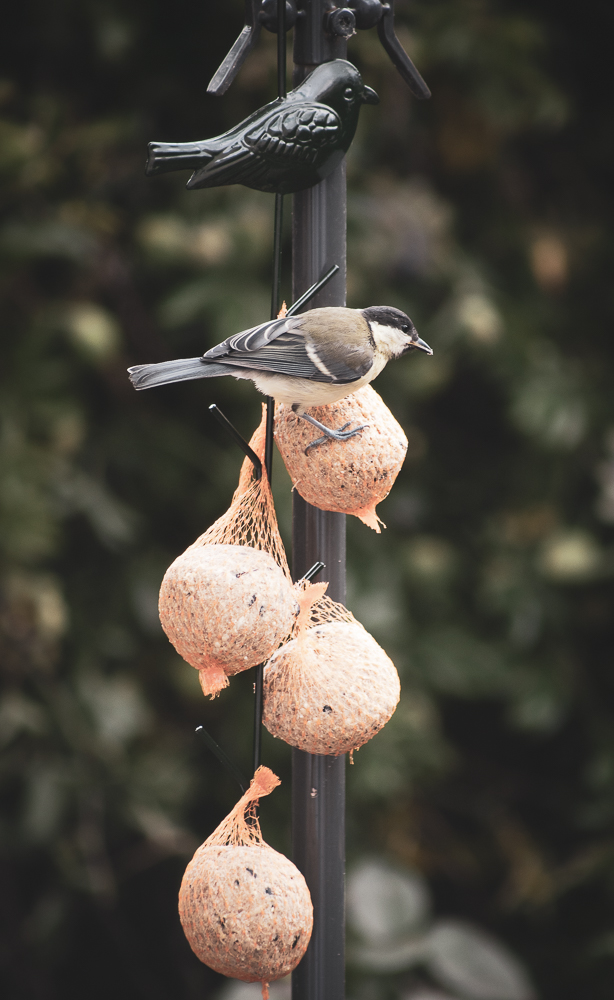
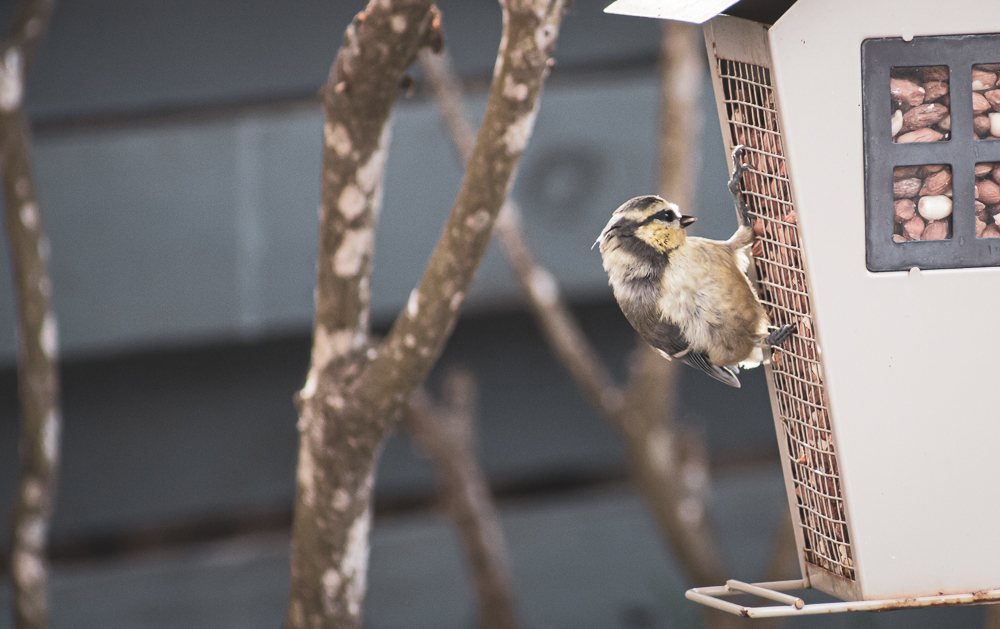
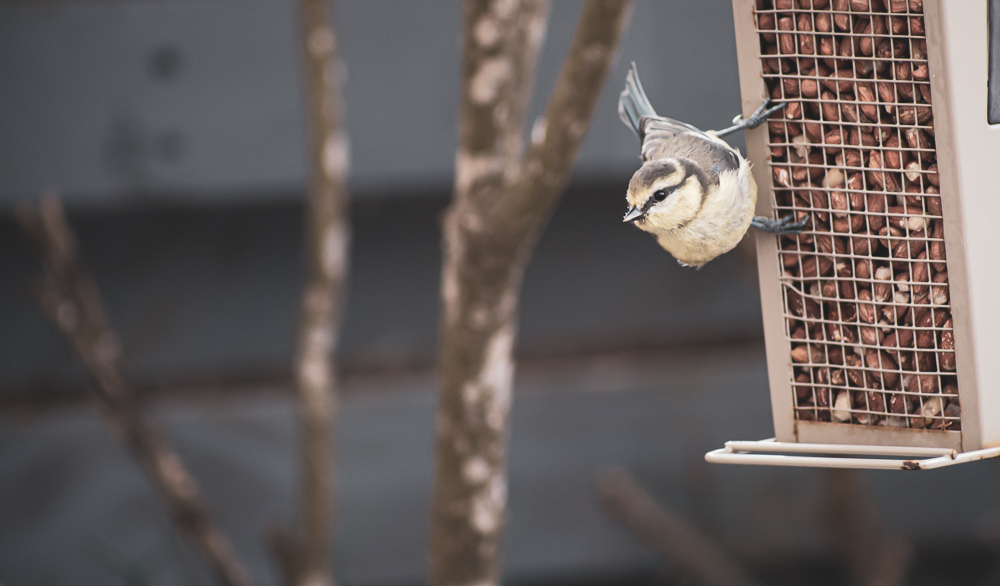
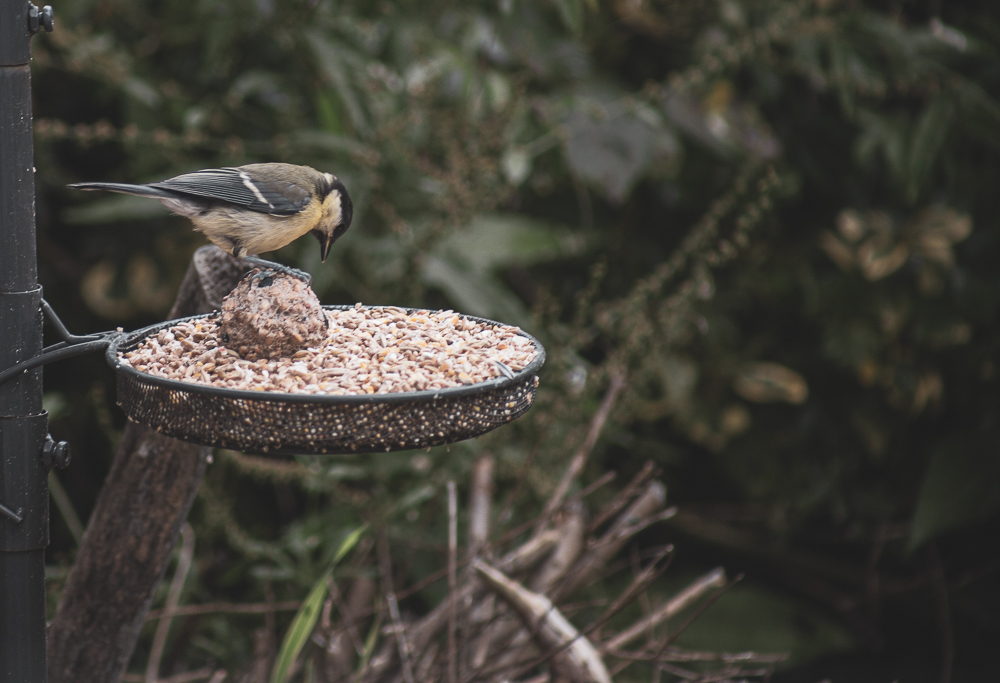
I have always loved watching the birds in the garden and since I was a small boy we have always put out food for them. For my last birthday, my wife and children bought me a couple of feeders and they have been well used. It may sound silly, but it brings me such happiness and pleasure. The cats seem to agree.

I was using the Canon 6D Mark II with a 75-300mm F4 lens and the editing was done in Lightroom. I’ve tried to give another feel to these photos and keep them slightly unnatural, but it seems to work. I hope you think so too.