Optimizing Images On-the-Go: Mobile Photography Editing Guide


Introduction

As the title suggests, I will describe my workflow when out and about. While there are surely other ways to do it, this is my method. It works and has stood the test of time. I usually wander around taking photos, then find a café to sit down and transfer my images to my phone. Everything is better with a nice cup of tea (or coffee) and a piece of cake.

Downloading Photos to Your Phone

Most cameras today can connect to phones via Bluetooth or Wi-Fi. My two Fujis (X100F and XT2) and my Canon (6D Mark II) certainly can. I enable Wi-Fi on my camera and connect it directly to my phone. Next, I open the corresponding app—Canon Camera Connect for my Canon and Fujifilm Camera Remote for my Fujis. Each manufacturer provides its own app for Android or Apple devices. Once the camera is connected to my phone, I can import my photographs, selecting the images I prefer.

Sorting Photos

Now comes the fun bit: sorting through all those wonderful shots you took and deciding which ones are worth working on and editing. When I transfer my images from my camera to my phone, the phone creates a folder for the imported photos. Different apps will put them in different places, so I’ll leave that to you to manage. As a rule of thumb, you will see them in the gallery app, which will show you your latest photos.

In the gallery app, you can sort your photos by date taken, favourite images, or the place where the photo was taken.

I will assume you have read my last few articles on Photography 101, composition, and the types of lenses available and how to use them, or at least how I use them. If you haven’t had that pleasure, then go and have a read…

Is the photo worthy of publication, and are you happy with it representing your talent as a photographer? Is the image in focus? Is the image well exposed? Does it fulfil its storytelling role? Will it add to your narrative? Or simply, do you like it enough to want to share it?

Let’s assume that you answered yes. You then get to share your image to Snapseed.

Editing in Snapseed

Starting with Styles:

I like to begin by using the “Portrait” style. It is a preset that gives the photo a subtle glow and some vignette. I just seem to like it, and when you have something you like that flatters your image, you are tempted to stick with it. Most times, this will work a treat on well-exposed images. But let’s imagine that you have exposed for the highlights and that your shadows are “too dark” and you want to bring them up a bit. Then I would go to the “Tools” section and use the Tune Image.

En aparté:

When exposing in digital photography, we expose for the highlights, as it is easy to lighten, or “bring up” the shadows, and we don’t want to “blow out” our highlights and just turn it into a mass of white. In film photography, it’s the opposite. We expose for the shadows, as film has more difficulties capturing details in the shadows especially in a photo with lots of light.

Using the Tools

As I inferred in the title, this is my workflow, and shows the way I use Snapseed. There’s a whole load of tools to stylise your image and to completely change the look of it, but I’m more of a “less is more” disciple when editing. Also most apps out there will have similar tools, so you can carry this knowledge with you across the board.

Crop Tool:

One thing I learnt early one is to KISS, i.e. Keep it simple stupid. Sometimes I will have an element in my photo that distracts from my subject. With the crop tool I can just crop the image and make it disappear. I can also use the crop tool to format the image to fit certain social media post settings. I’m thinking about you Instagram and Facebook. Try searching google for social medi formats and you will be inundated with results.

Healing Tool:

Sometimes the crop isn’t enough to take away distracting elements from our photo. You might have a beautiful shy and want to get rid of that Jumbo Jet in the sky. One way of doing that is to wait until the Jumbo Jet has flown away, but let’s say that it’s too late… Using the healing tool will clone part of the image and replace the Jumbo Jet that just wants to noticed and validated man! To get the best results it’s better to zoom into the image and have a smaller area to work on.

Tune Image:

This is where I do the basic edits, bringing up the shadows or bringing down the highlights. I usually keep it to that. At a push, I will bring up the brightness if the photo has been underexposed. Somtimes I will add a little contrast but I tend not to use the other tools. I don’t want to denautre the photograph.

Rotate Tool:

We should always try and keep our horizons straight, except when making the conscious decision not to. The rotation tool tries to straighten what it thinks should be straight. It generally works quite well, but you do have total control as well as a grid to check the lines in your photo.

Brush Tool:

This is where we can do our burning and dodging. You can choose to highlight a certain area and darken others to emphasise your subject. This brings the photo to life. There are tutorials galore on YouTube that go into more detail than I will in this “basics” article.

Black and White Tool:

Welcome to the world of black and white conversion. It’s a process that a majority of my photography goes through. You can, of course, just use the saturation tool in the “Tune Image” section, and you will get a monochrome image. But you can do so much more.

So, let’s do so much more. The black and white tool offers you some presets which might correspond to your taste. I tend to leave them alone and instead press on the circle that will give a series of colour filters to choose from. This is a direct link back to black and white film photography, and you know how much I love that. I love using the red filter, which, as in film photography, will make your blues darker. This is beautiful for those landscape photos where you want a dark sky to complement those fluffy white clouds.  It’s also my default film simulation on the X100F that I use for all my street photography.  It’s just a look that I fell in love with years ago.
The other common filters are all covered too.

  • Orange:  Orange filters give stronger effects than  yellow filters but are not as bold and dramatic as a red. It is therefore an ideal choice to span the effects given by both these filters.  Blue skies will be recorded in very dark tones on the print, giving bold contrast between the sky and clouds. An orange filter will also penetrate haze and fog. Most flowers will be recorded with a significant difference in tone from the surrounding foliage giving impact and effect.
  • Yellow, the general purpose black and white filter,
  • Green:  When photographing foliage in black and white, a green filter is used almost exclusively.  It lightens green foliage, which is particularly important with dark green leaves which can record very dark without a filter. It therefore gives a more natural, lighter feel to the photograph.
  • Blue: A blue filter is not often associated with black & white photography however, it can really add “mood” to a photograph by increasing the effect of haze or fog.  It also lightens blues and darkens yellows, oranges and reds which helps separation in scenes containing a mix of colours.

Export

You have two options.  You can either press on “done” and Snapseed will record your image in the Snapseed folder and in your gallery in the Album neamed Snapseed, or you you can press “share “and you will be presented with various options on how to share your image, to Instagram, via gmail etc.

Before you do that you can press on settings where you can change the resolution of the image that will be exported.  This can help if you need to reduce the image to take up less space on your phone, or if you’re loading the photo up to a website and you require a “lighter” image.

Conclusion

You now have an idea about how I edit my images on the go, and the more time goes on, the more I do it this way.  Is it the same as Lightroom on my computer?  No.  I can’t have as much control as in Lightroom. I can’t batch edit, I can’t do this or that, but I can manage without, especially on the go.  There are of course other options for photo editing on the go like Lightroom mobile,VSCO, your native photo editor app on your phone.  As I said at the beginning of the article this is how “I” do things.  It works for me.  Try it out and it might just work for you too!

The Opening of the Film Archives – Clisson May 2016


Introduction

Welcome back to the film archives.  Today I’m going to share some photos of the first reel from my “new” Canon AE1.  Well, not new, but certainly new to me.  The Canon AE1s were produced between 1976 and 1984.  It is one of those iconic cameras and at the time I must have paid about 50€.  When I say iconic, I really mean iconic.  It is a shutter speed priority camera using Canon’s FD lenses. I used it an awful lot that summer.  I liked it so much that I even bought a second one that I ended up giving to a photographer friend. 

Colour

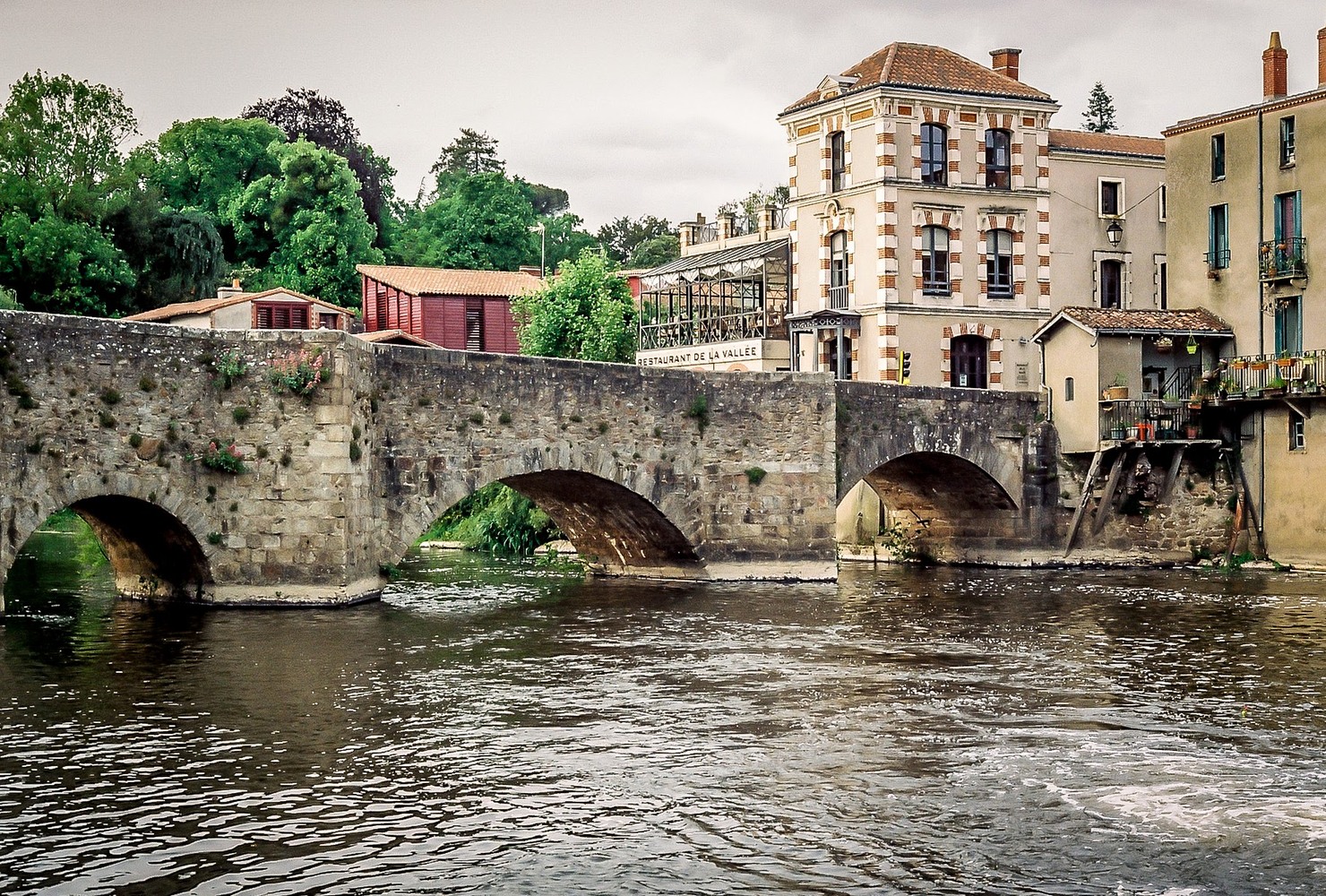
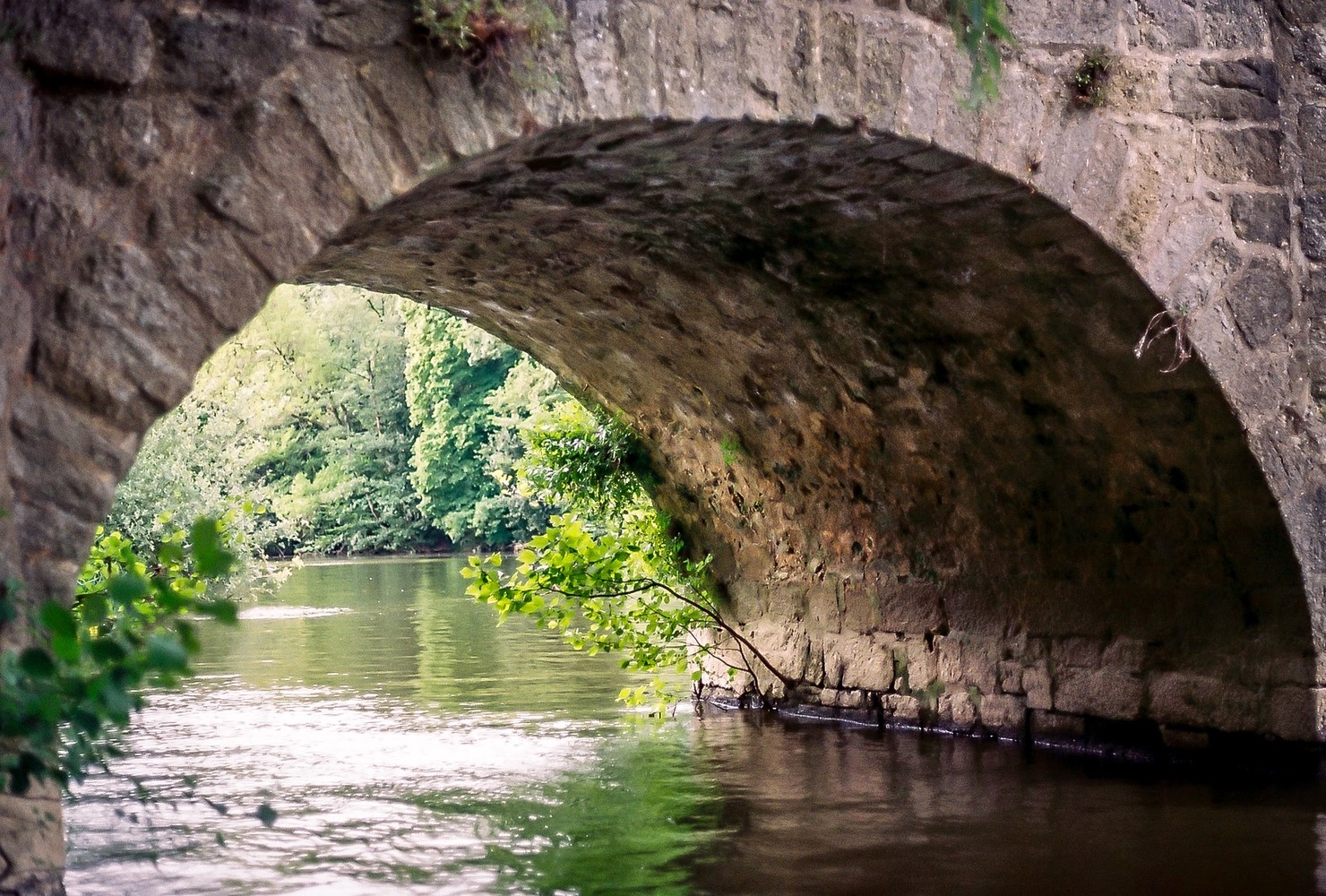
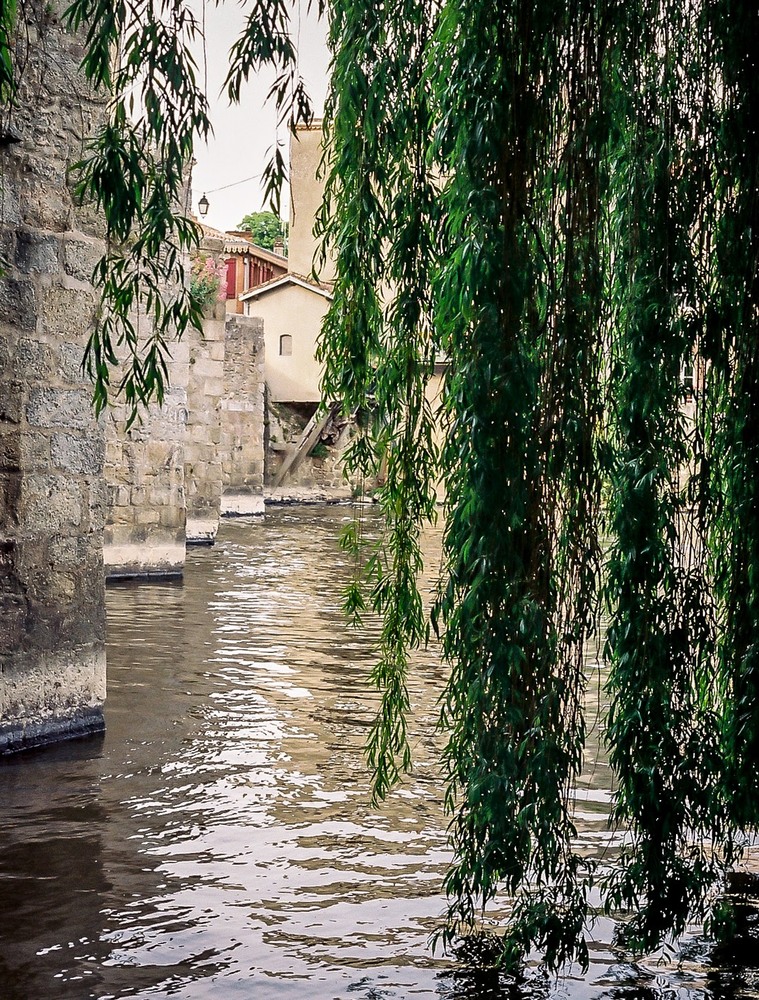
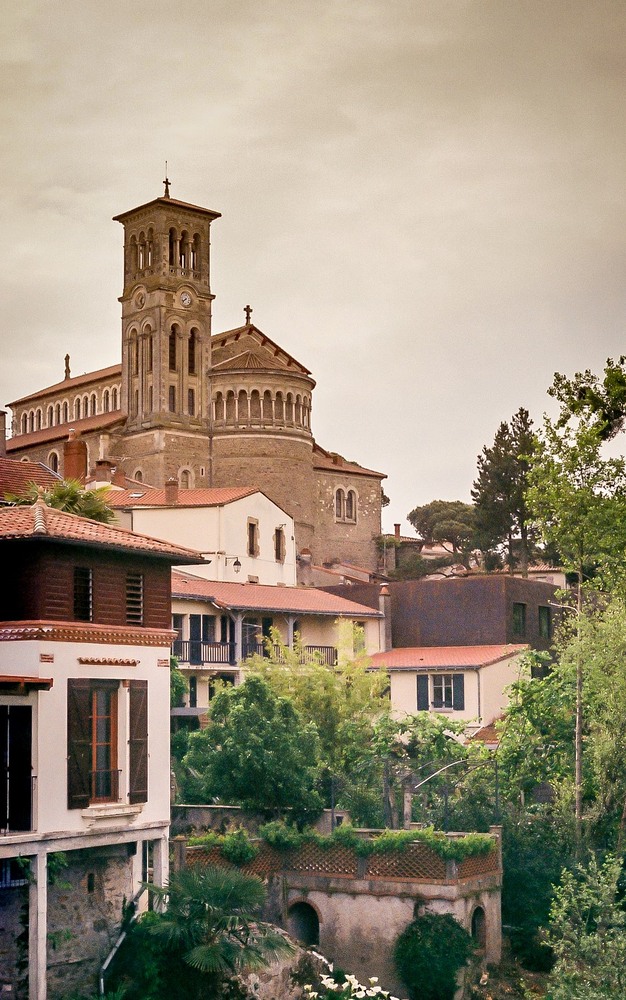
To some people of my generation they represent their first cameras, and were so popular.  Talking of popular, the photographs from this part of the archive are from the very popular and photogenic town, Clisson.  Also you will have noticed that the photos are in colour.  Which only goes to show that not all film photography is black and white photography.

Clisson, as you can see in the photos, is one of those beautiful French villages that oozes Gallic charm.  It also exudes a certain Italian charm, and is known for its Italian style architecture.  

Canon AE1

I have both a Canon AE1 and AEI Program. The AE1 is the big brother of the AE1 Program, and doesn’t have a program mode, but as you can see from the photos it still works a treat.

FeatureCanon AE-1Canon AE-1 ProgramDifferences
Release Year19761981AE-1 Program released 5 years after AE-1
Exposure ModesShutter Priority AEShutter Priority AE, Program AEProgram AE added to AE-1 Program
MeteringCenter-weighted AverageCenter-weighted AverageNo difference
Shutter Speeds2s – 1/1000s2s – 1/1000sNo difference
Viewfinder DisplayLEDsLEDsNo difference
Film Speed SettingManualManualNo difference
Self-timerYesYesNo difference
Depth of Field PreviewYesYesNo difference
Motor Drive CompatibilityYesYesNo difference
Other NotesFirst Canon SLR with microprocessor; revolutionary for its timeSimplified controls for easier use; appealed to wider audienceAE-1 Program aimed at beginners and enthusiasts
As you can see there’s not a huge differece between the two. The major difference being the Program option, and the other allowing for easier changing of the ASA film sensitivity setting.

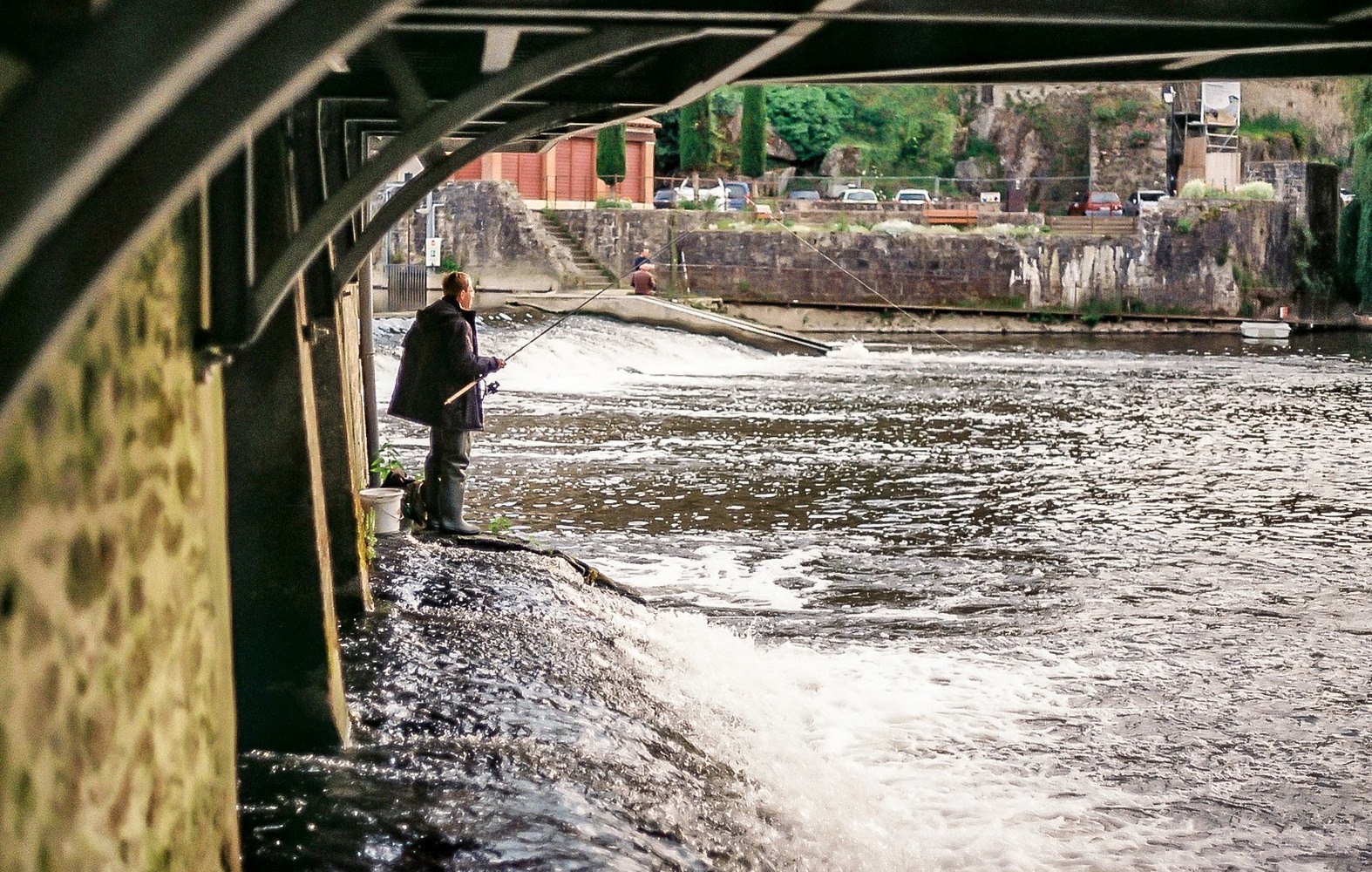
On the day in question I must have parked just next to the river and concentrated on this picturesque  area.  You can see the castle, the bridge, and the river, all making for a peaceful spring moment.

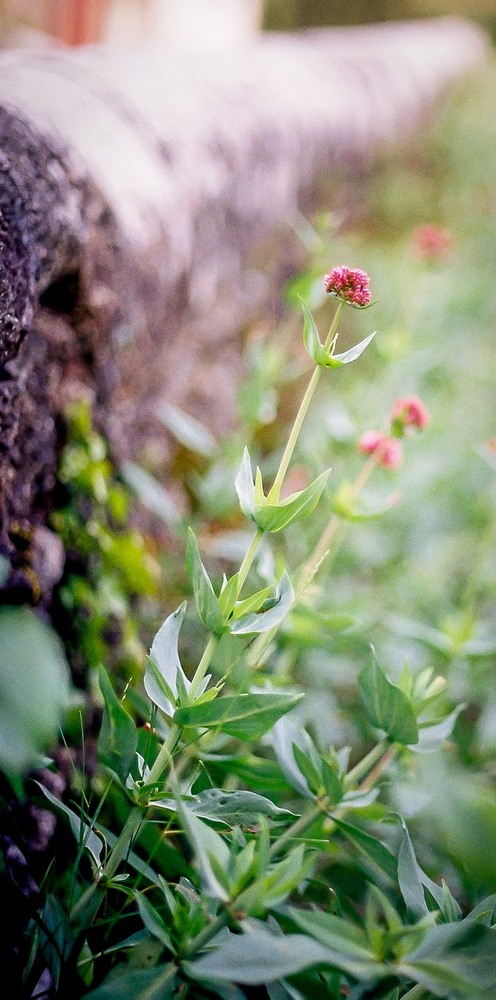
I think the film was Fuji Superia, and I just wanted to use colour.  Thetones are slightly muted and warm, and the flowers, trees and plants were just screaming out to be photographed.  I remember the excitement of loading the film into this “new” camera, and the novelty of simply using an iconic camera.

Here is what fuji tells us about the film:

FUJICOLOR SUPERIA X-TRA400

An all-round general purpose, high-performance, high speed color negative film delivering truly fine-grain. Superb for snapshots or action, in low light with flash, outdoors or indoors. Ideal for general use with compact zoom lens cameras.

  • Excellent skin tones
    For beautiful, clear people-shots.
  • Fine grain
    Great results even when enlarged.
  • High-speed
    Superb results, whatever the shooting conditions.
  • Sensitivity and Film Sizes
    ISO : 400
    Film Sizes : 135 : 36 exp.

 When using digital, it’s so difficult to get that particular film look, and using film and an older camera just changes your whole outlook.  The fact of not having your image straight away leaves you with that anticipation that we all used to feel when we sent off our films to the lab.

Give film a try.  There are still cheap film cameras out there, and your photography experience will be totally different.  I certainly appreciate it.

Bastille Day 2023


It’s of course Bastille Day here in France so you have to imagine the pace of life in a 2CV, in first gear, driving along a farm track, at not a rapid rate of knots. One could even go as far as too say, slitgly more sedate than usual, pumped up on black French coffee.

This morning was very sedate. My alarm went off as if it were normal working Friday, and the pleasure I had turning the multiple alarms of and not going to work was almost obscene.

My shower wasn’t hurried and as I did my skin care routine (thank you Horace) I felt glowing, nearly as much as the sun trying to come through the shutters.

My cup of tea this morning was a pint of Darjeeling tea. I must have still had the glow-up as I actually filled the dishwasher before being yelled at to do by that woman who said yes 25 years ago so now has to put up with me full-time. I even made us all lunch.

My wife has an aversion to prawns so guess what I prepared for lunch. But I cooked them in olive oil and deglazed with lemon juice. So off to a good start. Sauce – half mayo, half Greek yoghurt, lemon juice, sweet paprika, and with the prawns, some chopped up four hard boiled eggs, one cucumber, and one red onion. All that served up on French “pain” as opposed to baguette, with baby spinach.

It was delicious and i now have to wash my t-shirt which has sauce on it. I also did all my dishes so I dont want to hear any nagging from a particular lady.

My original plan for the day was and still is do develop some films that have been waiting around and I have no idea what is on them, and some films that I must have started over a year ago but never got around to finishing. The idea is to have a fresh start and get back into doing some analogue photography.

We’re out at a friend’s house for dinner tonight amd admire the fireworks from afar. I think the word I’m looking for is delightful!
It would appear that I can still produce half decent negatives…

Watching people watching art


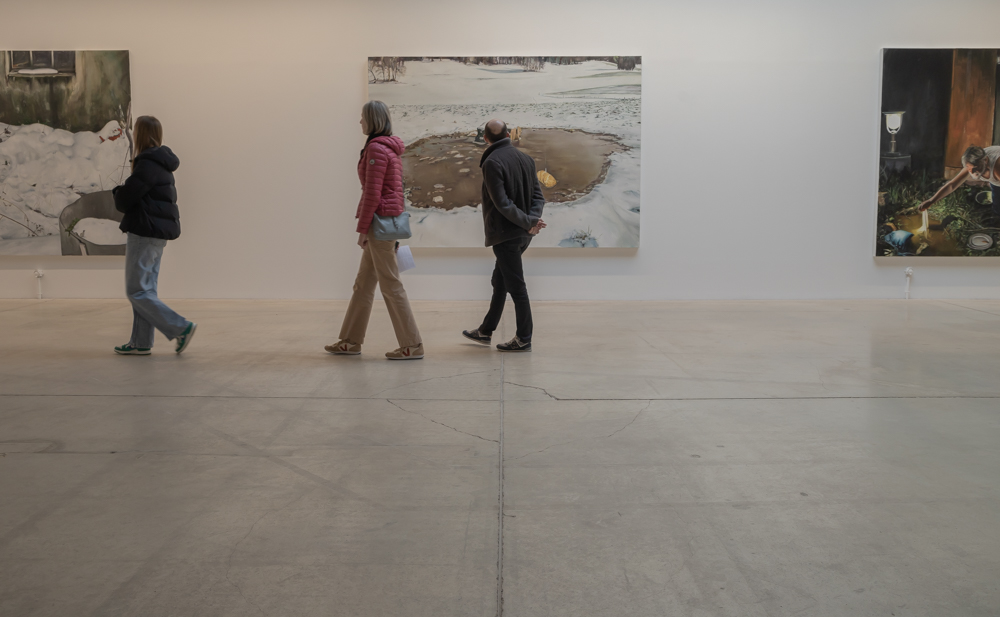
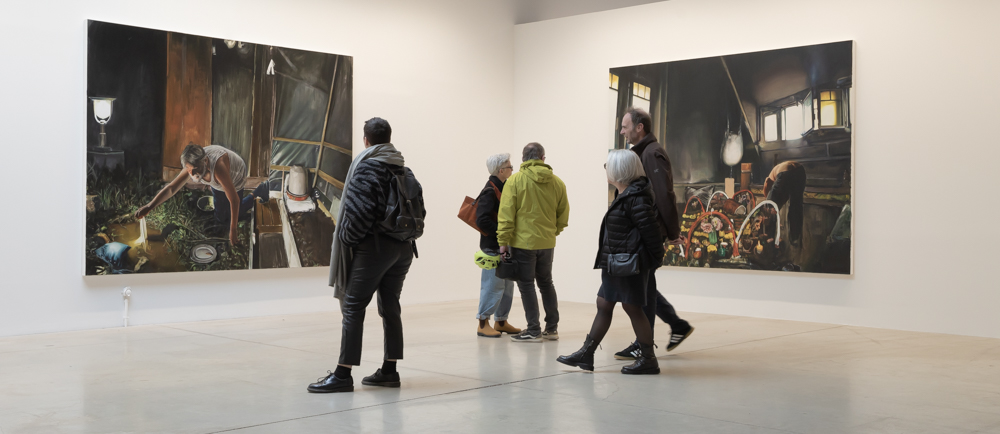
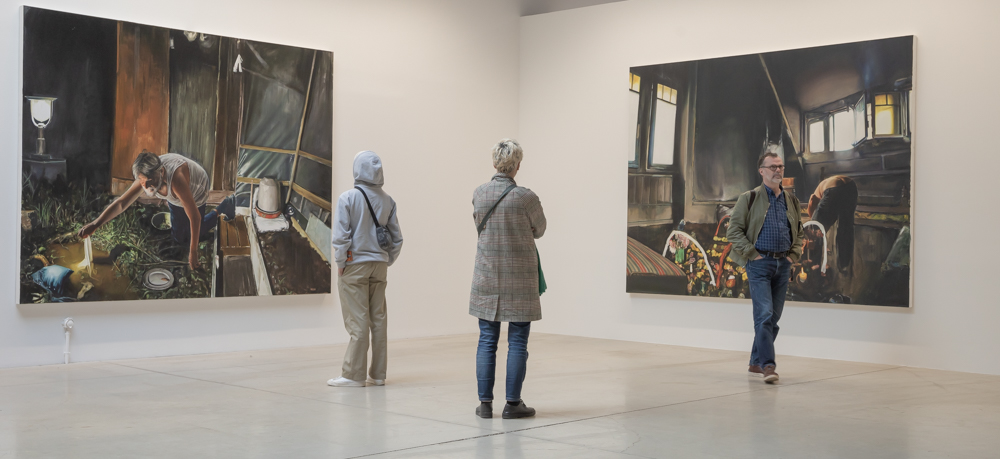
Sometimes watching people watch art is half the fun. Especially modern art. It makes you question what art actually is. Sometimes you have to look twice. Sometimes you think a five-year-old could do the same thing, and maybe even better. Or, as in the case of the work “Comedian” by Maurizio Cattelan, your art gets eaten by a hungry student that skipped breakfast.

I always seem to put things off, so I’m obviously running behind schedule with this piece. Simply put, things seem to get in the way. I nevertheless believe that the idea has some merit. The exhibition itself ended on May 7th, and I’m writing about it now, 20 days later. Dear Reader, I am aware that you are understanding of your humble servant and that you are forgiving.

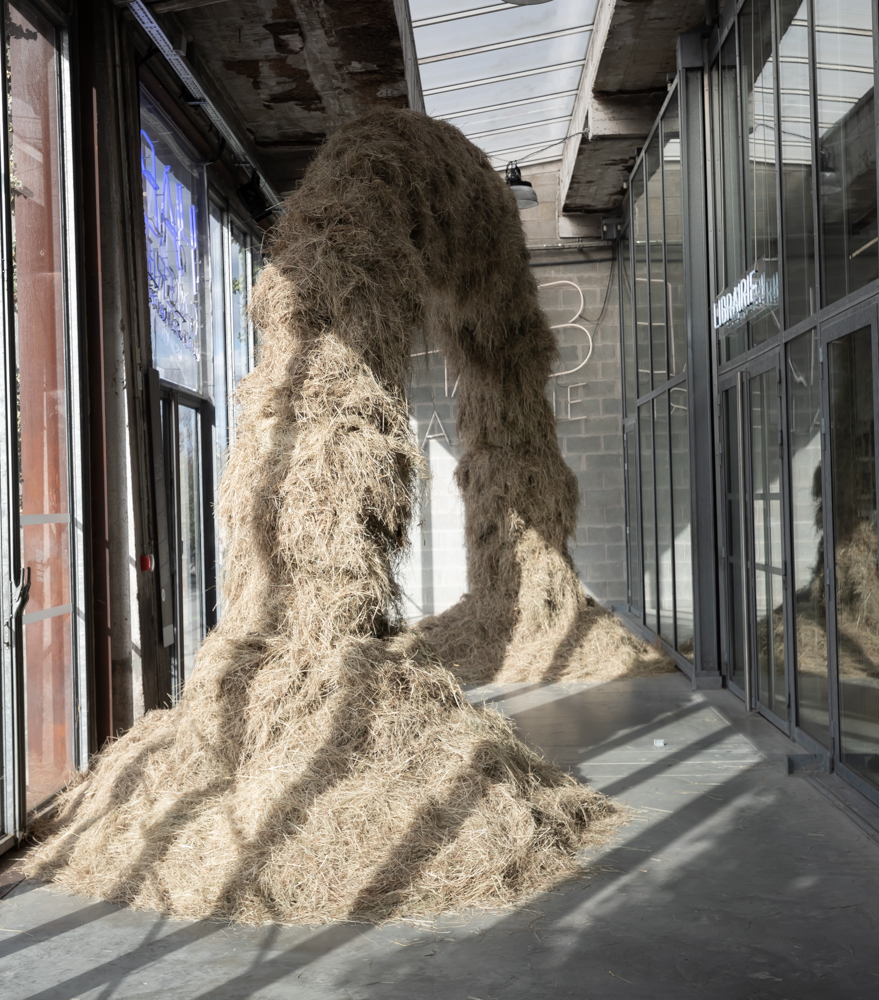
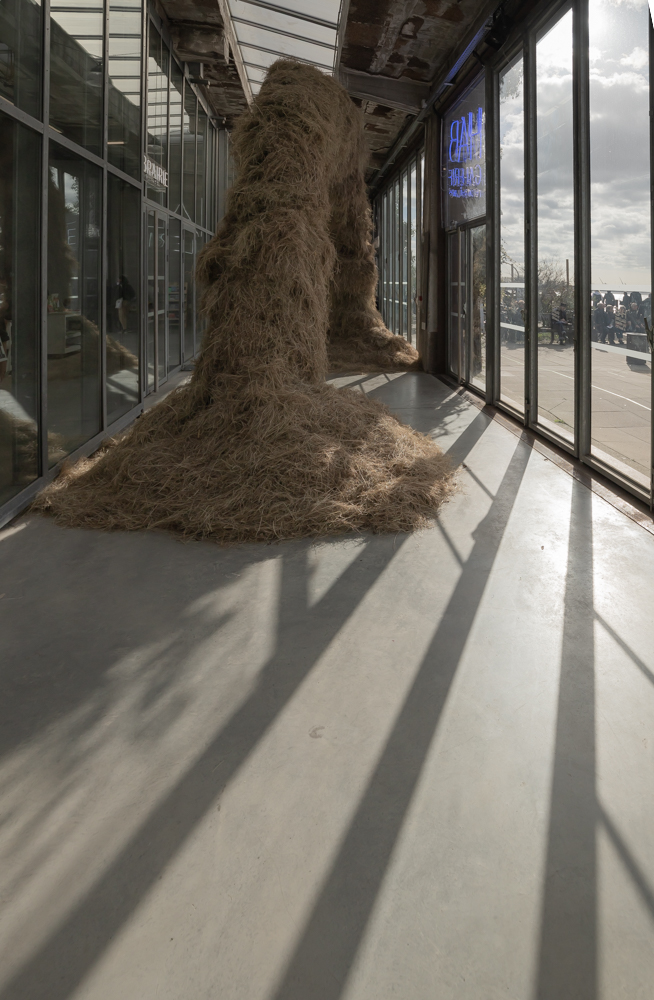
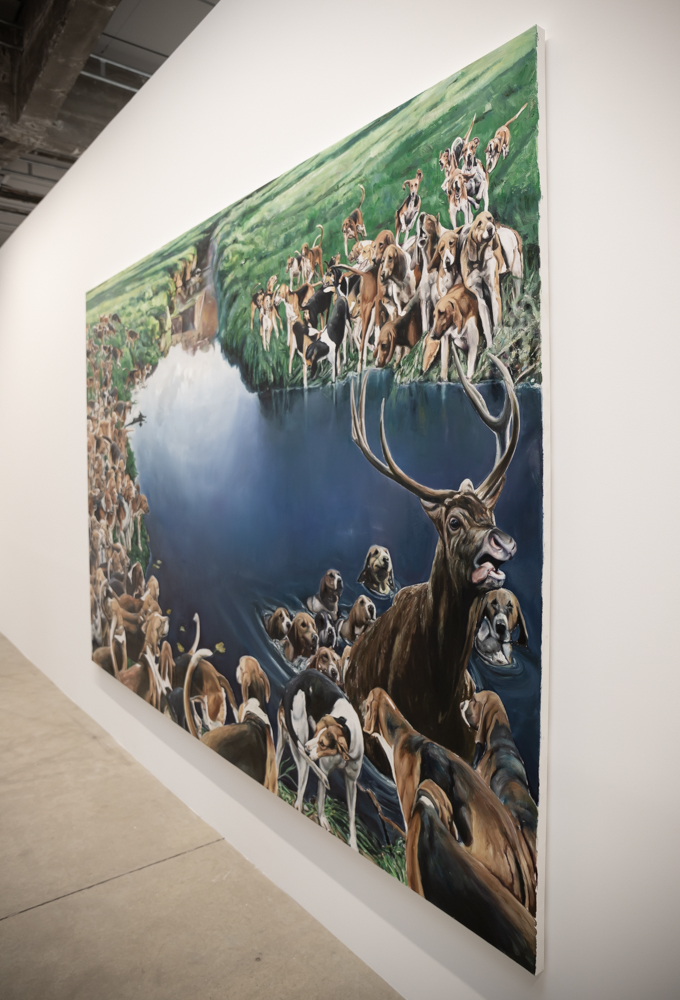
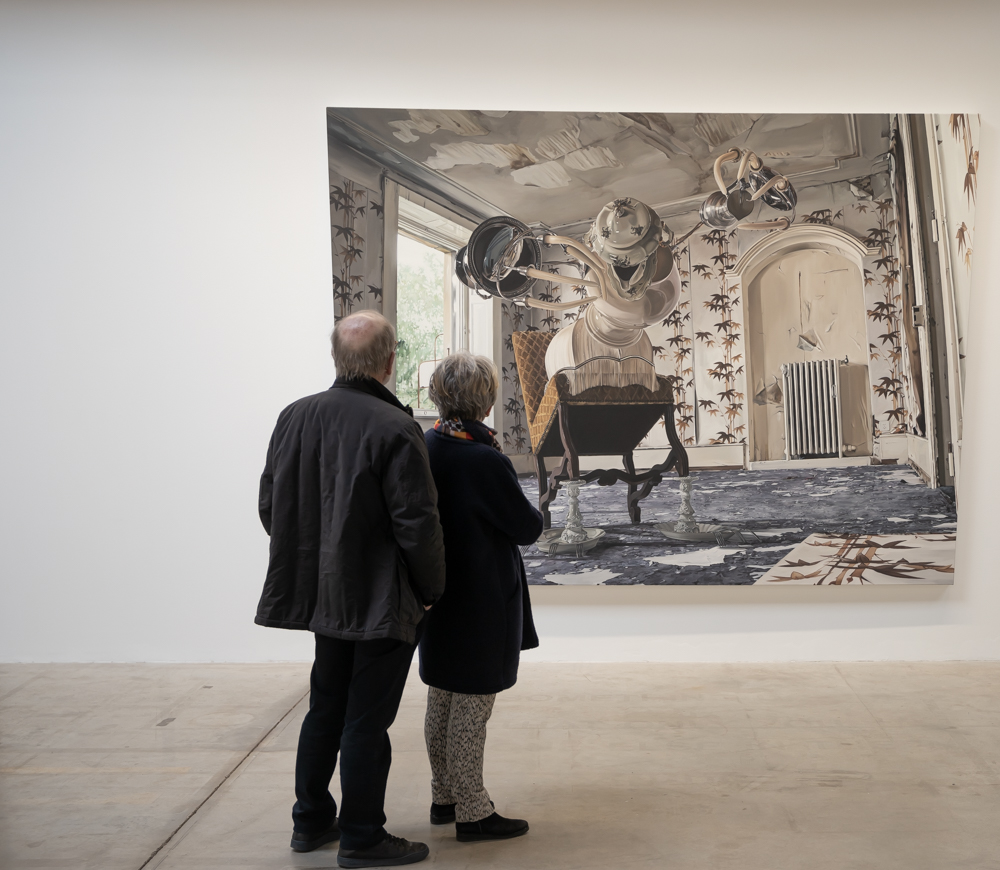
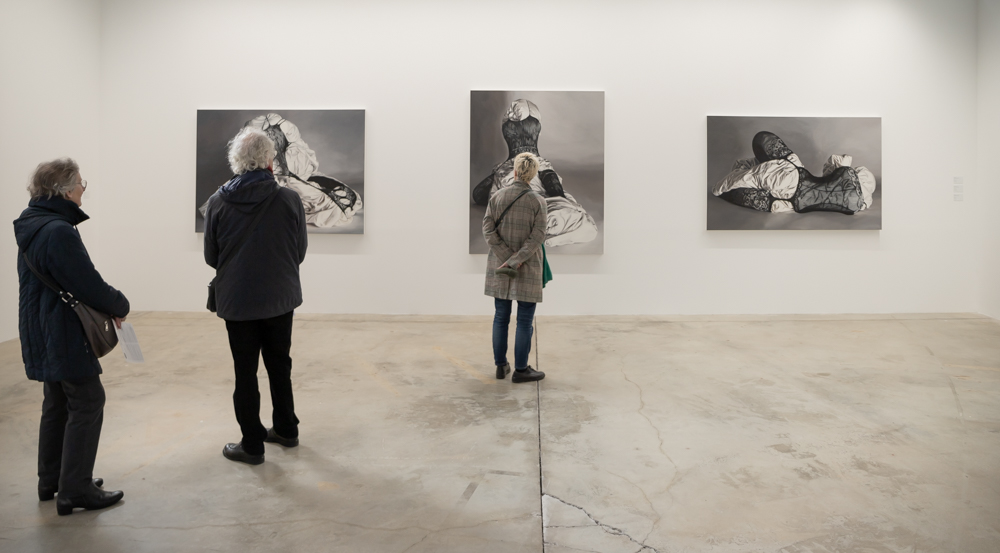
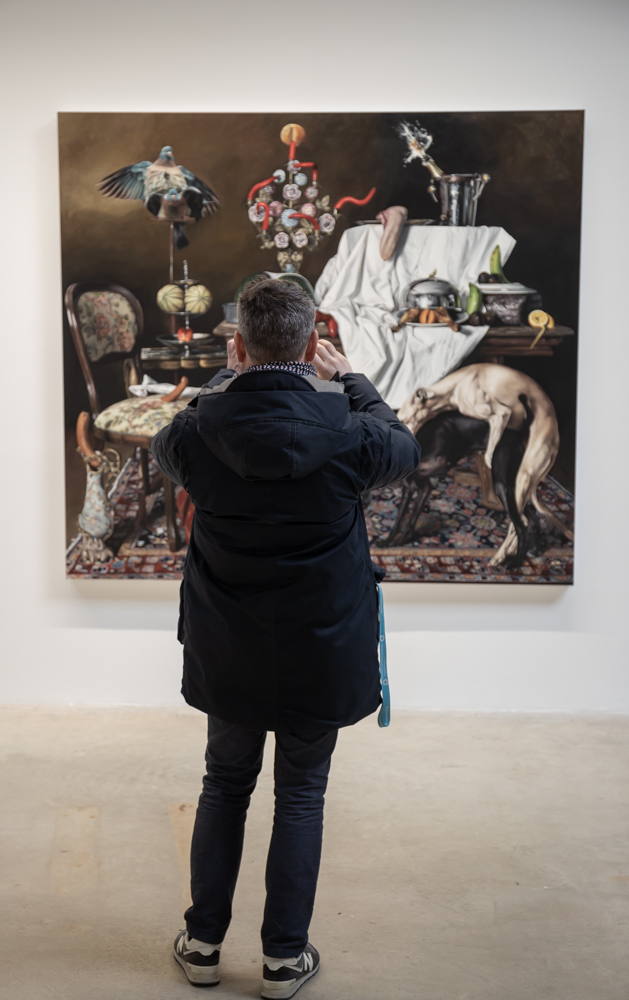
If I want to enjoy some art in the same manner that I have been known to enjoy a cup of tea and some cake, I think about going to the HAB Gallery in Nantes’ Hangar à Bananes. If you were in town last month, you could have seen the “Une ebauche lente à venir” show, which featured recent pieces by Léopold Rabus and Till Rabus, some of which were produced just for the event. This art helps you take a second glance and discover the fun and foolishness in art. You may see it in the images at the conclusion of this post. See if you can spot two mischievous dogs and two mischievous pigeons!

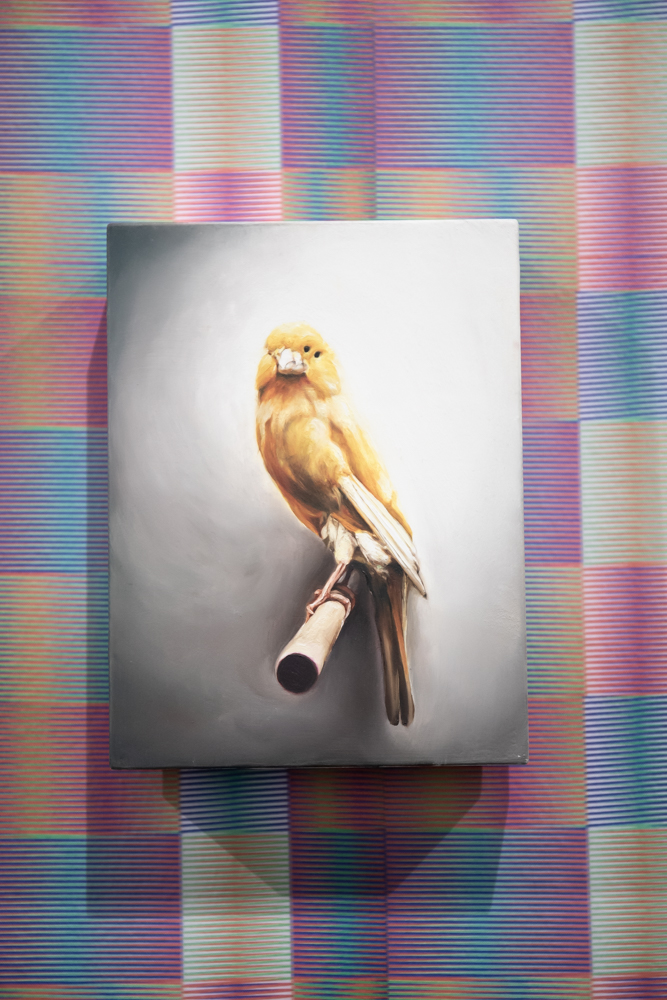
Still life and landscapes are combined and delve into the artist’s basic urge to paint. Léopold’s paintings are loaded with lovely and weird animals: cows, slugs, birds, flies, dogs, and deer in the snow; a mound of faeces; chicken coops; and fields. Till’s paintings, in baroque and extravagant compositions, are loaded with trash, people, and other consumer objects.

Léopold Rabus (born 1977) and Till Rabus (born 1975) are Swiss artists that pay close attention to the reality of the world around them, and their art is full of sarcasm and comedy, challenging preconceived notions of what is and isn’t beautiful.

This piece, however, is about those who are viewing art and absorbing it all in. Or are they simply devouring culture to appear fashionable? To be in, since who wants to be left out? The French and their elitism in culture!  Half the fun is watching those who make a concerted effort to “educate” themselves because it is trendy, a la Molière’s Bourgeois Gentilhomme, and those who take it all less seriously and enjoy watching the humour in the paintings and laughing at the absurdity of some of the pieces. I’m all for being an intellectual in intellectual settings where the study of art is academic, as opposed to the faux leftist intellectuals, yet at times art is about not being an intellectual. As Nike once tried to say, Just Do It!

The exhibition closed on the 7th of May.

Hepple for Photos not Gin


Hepple. Even just saying it gives me a certain sensation of pleasure. Heh-pull. It just rolls of the tongue, and the pull sound at the end is tension that is let out and offers some relief. A bit like a fart, but less smelly. Amis de la poésie, bonsoir!

Now don’t get me wrong, I love Alnmouth but I like to get out into the country when I visit my parents. You drive into Alnwick, and then through the town past the TA base going up towards Rothbury and the on to Otterburn where the Army likes to play soldiers with live ammo and you are warned not to go onto the land otherwise you might go boom. Going boom is not a nice thing to do and should he avoided at all costs unless you really do want to go out with a bang.

You go past Cragside which as a family we have visited before, in the sun and the rain. It was one Summer and it was raining all bloody week and my mother said we should go out to Cragside and have fun going through the maze on the hills around the very stately home. It was a great idea, except for the fact that it had been raining like a cow taking a piss, and the whole place was waterlogged and we were all wearing crocs (other more suitable footwear from other brands do exist) and that other footwear would have been most welcome. We arrived back at my parents house soaked and a little pissed off. Oh the joys of family holidays during the British summer.

I digress. Je diverge, et parfois je dis bite!

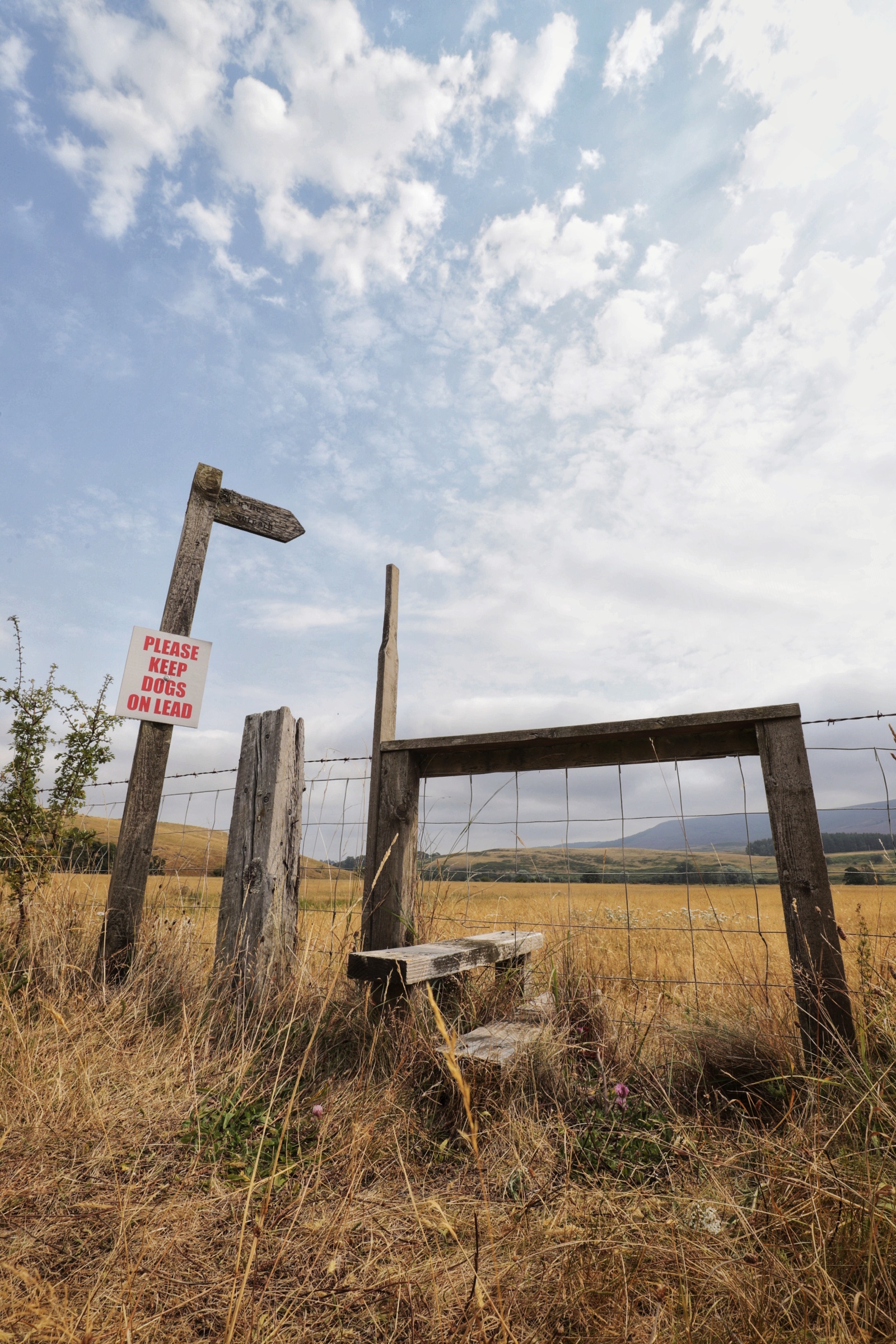
Anyway, you go past Cragside and you will eventually end up at Hepple. I tend to go through the village and park up on the verge after the bridge. You can’t miss it, and if you do miss it the you are on the wrong road.

I have this stupid idea in my head that if I watch enough YouTube and try and learn ever more about photography from the various videos watched, and learn to leave my comfort zone and try new things, then I might discover something new and find out something that I might not even suspect possible. Yes it was one of those kinds of days… I should have known.

I was in the car with my camera and my father for this trip out. For some reason or other, fate had thrown us together and I had missed having sandwiches for lunch at parent’s house and still can’t remember how and why my father was in my car. Well, I wasn’t going to miss the opportunity to spend some quality time with one of my favourite people. So we had driven off to Hepple. I promise I will get to the end of this story. Maybe not straight away, but maybe by the end of this article.

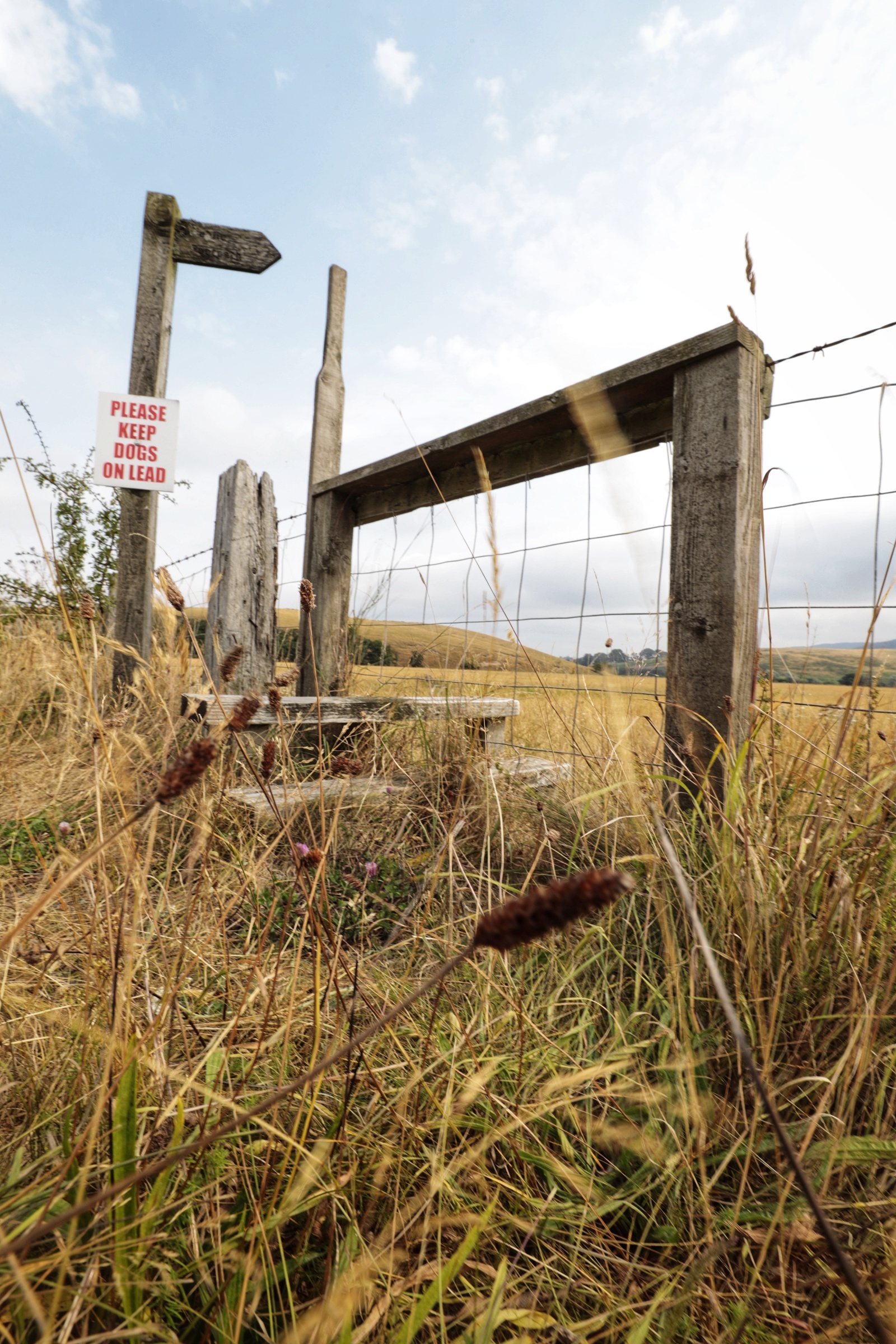
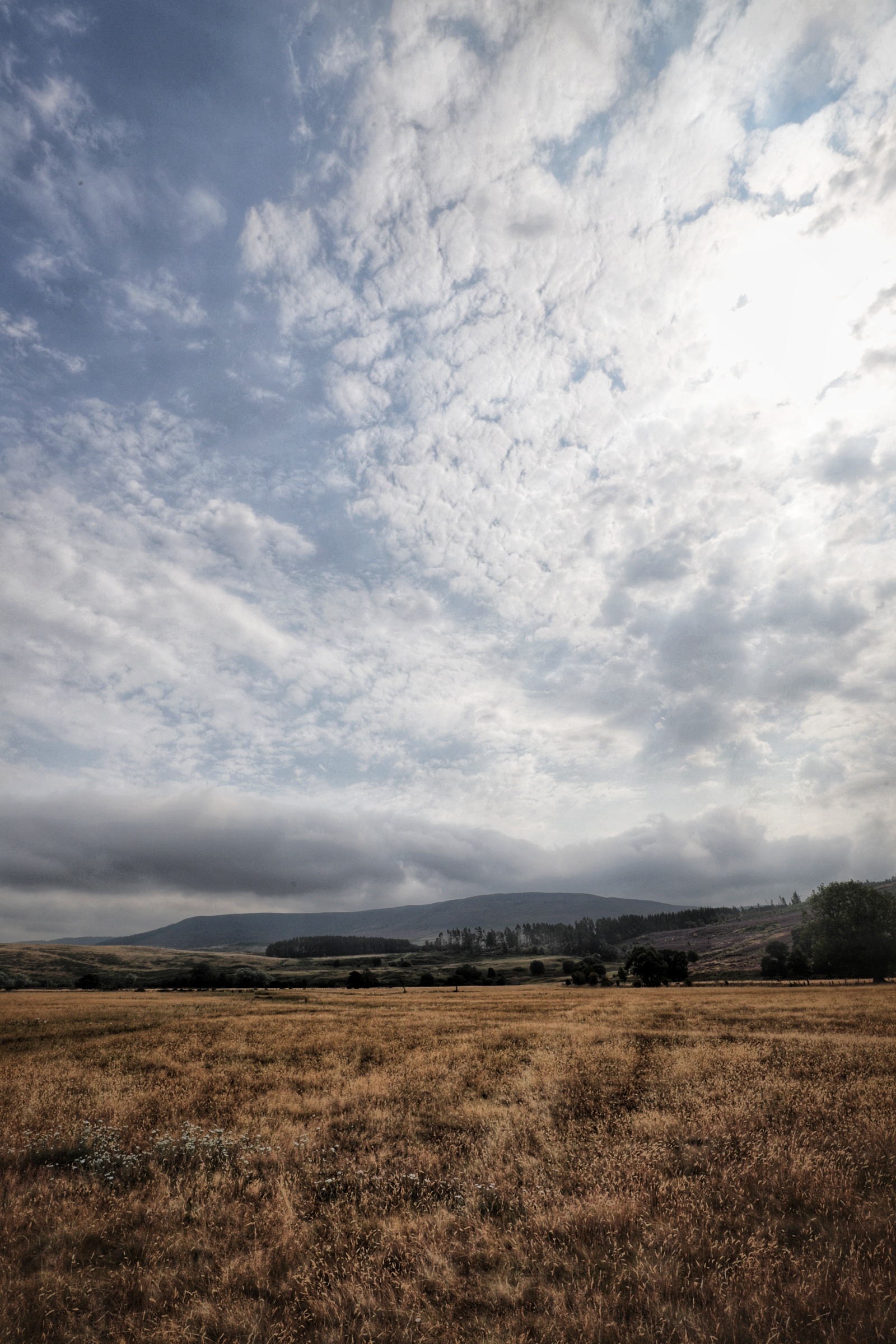
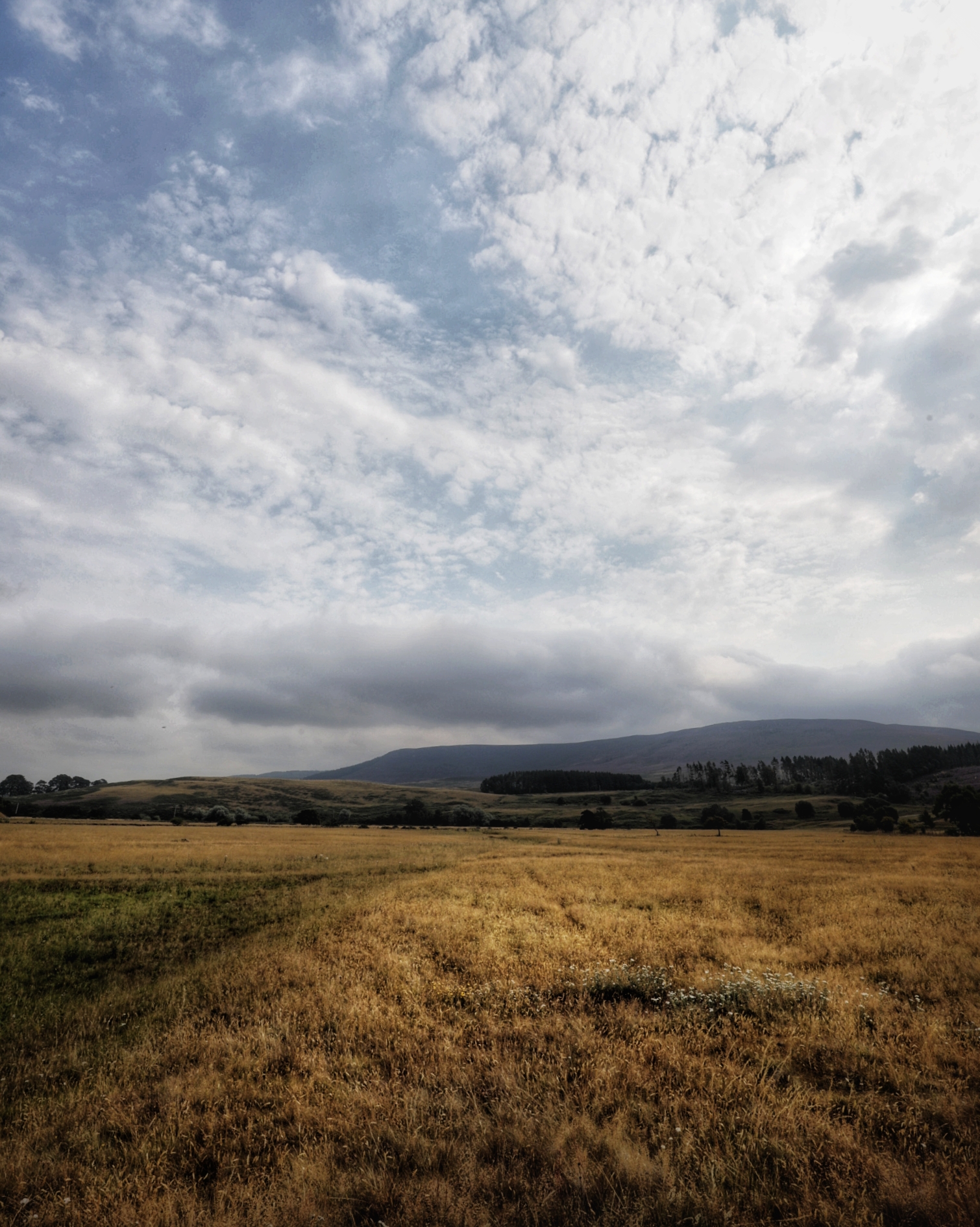
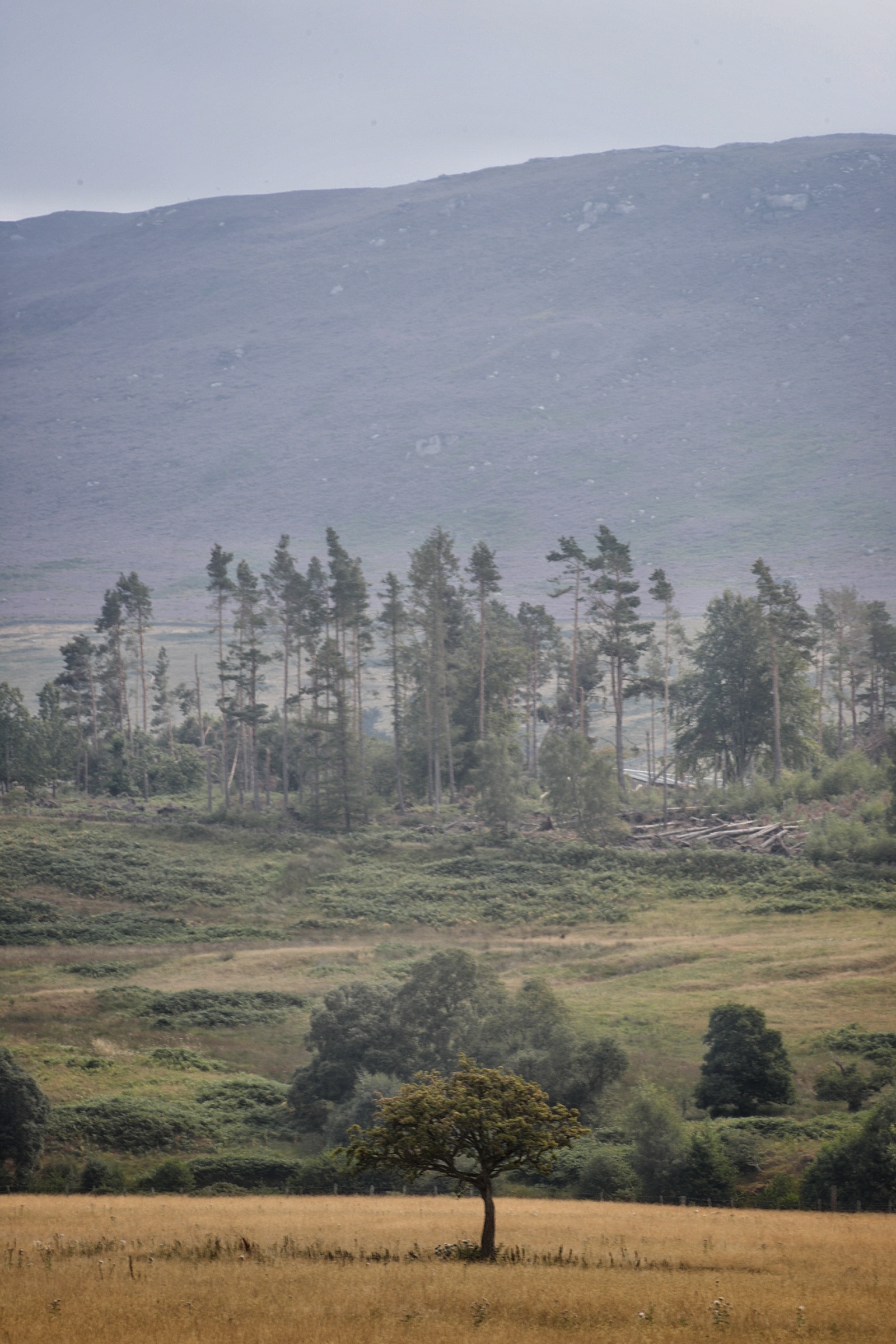
Parked up. Ready to shoot. Camera out. Lens on camera. And then I just jave to work the scene and try and get compositions and pictures together. Now one video suggested using a telephoto lens for landscape photography. I wasn’t sure about this but tried it anyway just in case. While I was out of the car taking photos my father would be quietly listening to car radio holding one of the lenses as I was doing my thing. Bless him. That man has the patience of a saint. Either that or he enjoyed seeing me doing my thing. It was sharing with him one of the ways I seem to spend a lot of time.

It’s moments like that, that will stick in my memory forever in a way that going to the kitchen to get salt for my wife will be forgotten once I arrive in the kitchen. Not that I don’t want to to get salt for my wife, I just seen to forget very quickly.

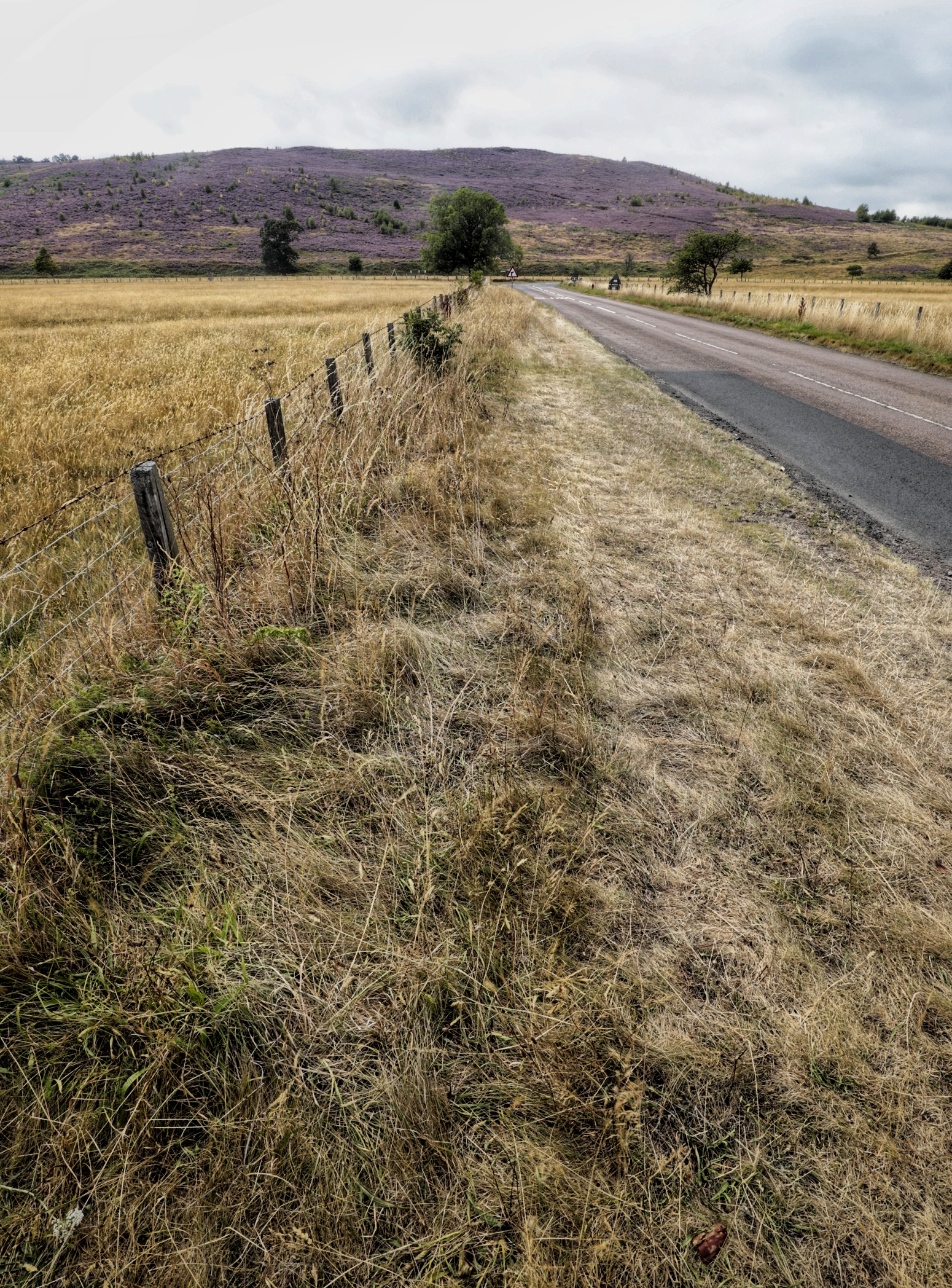
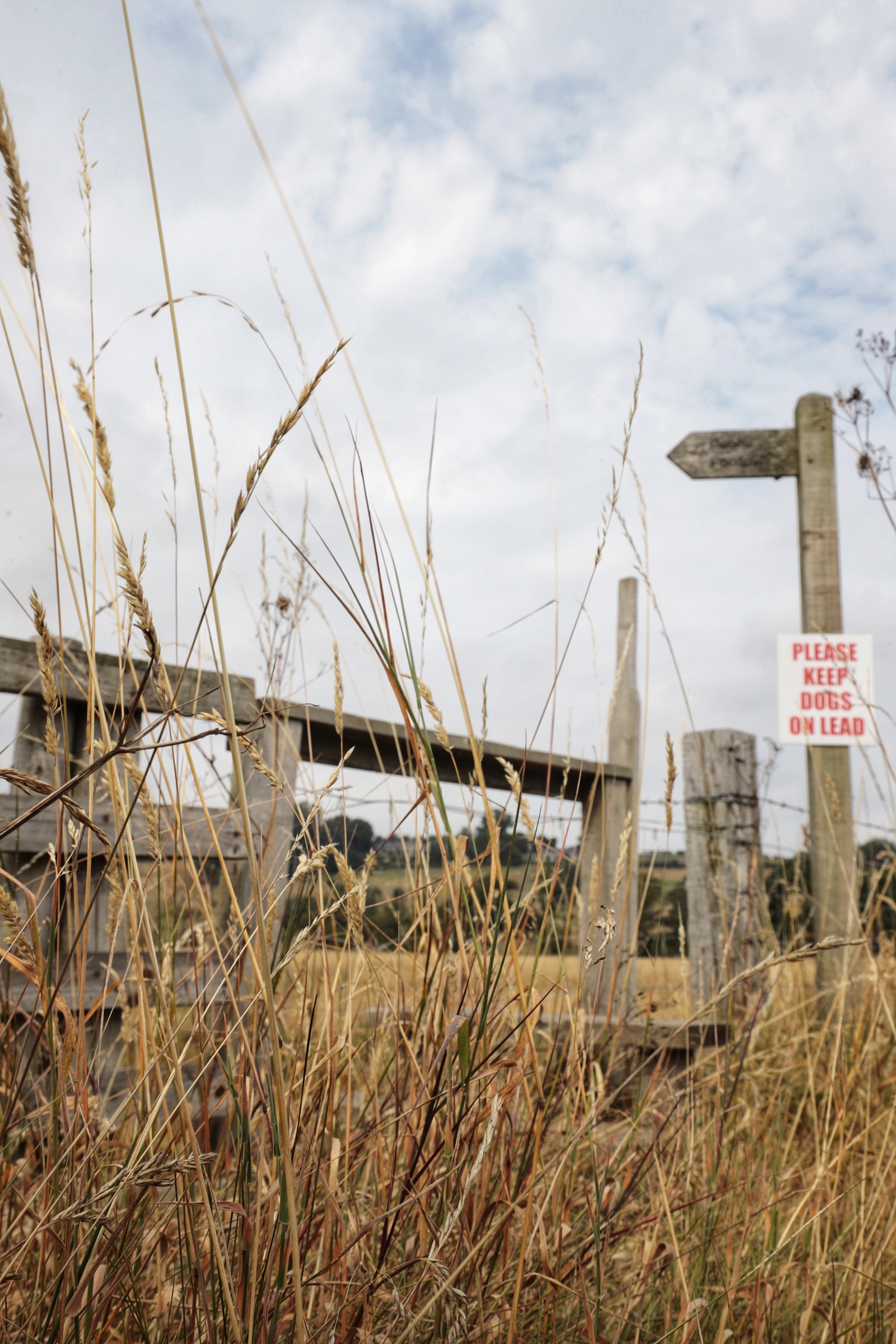
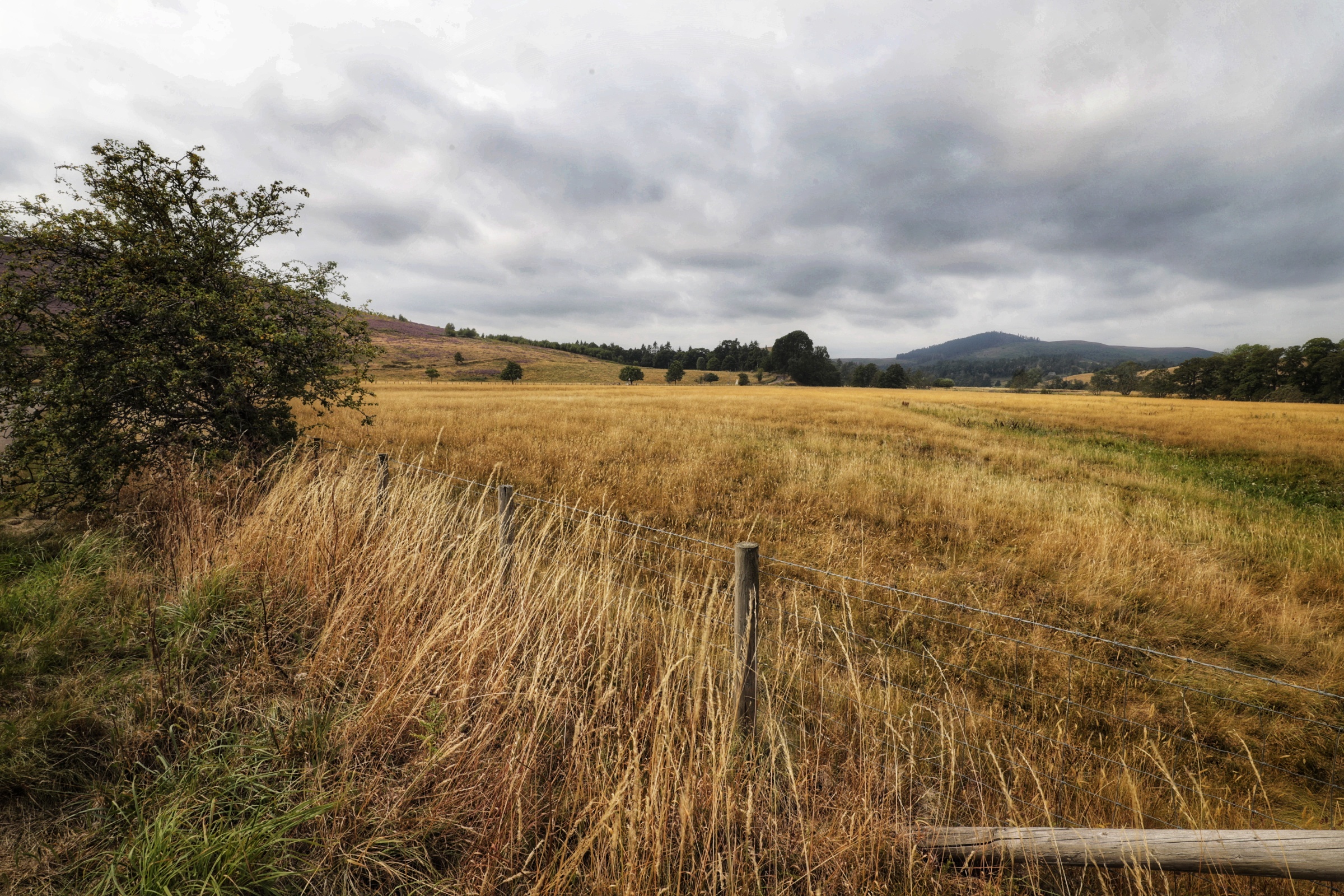
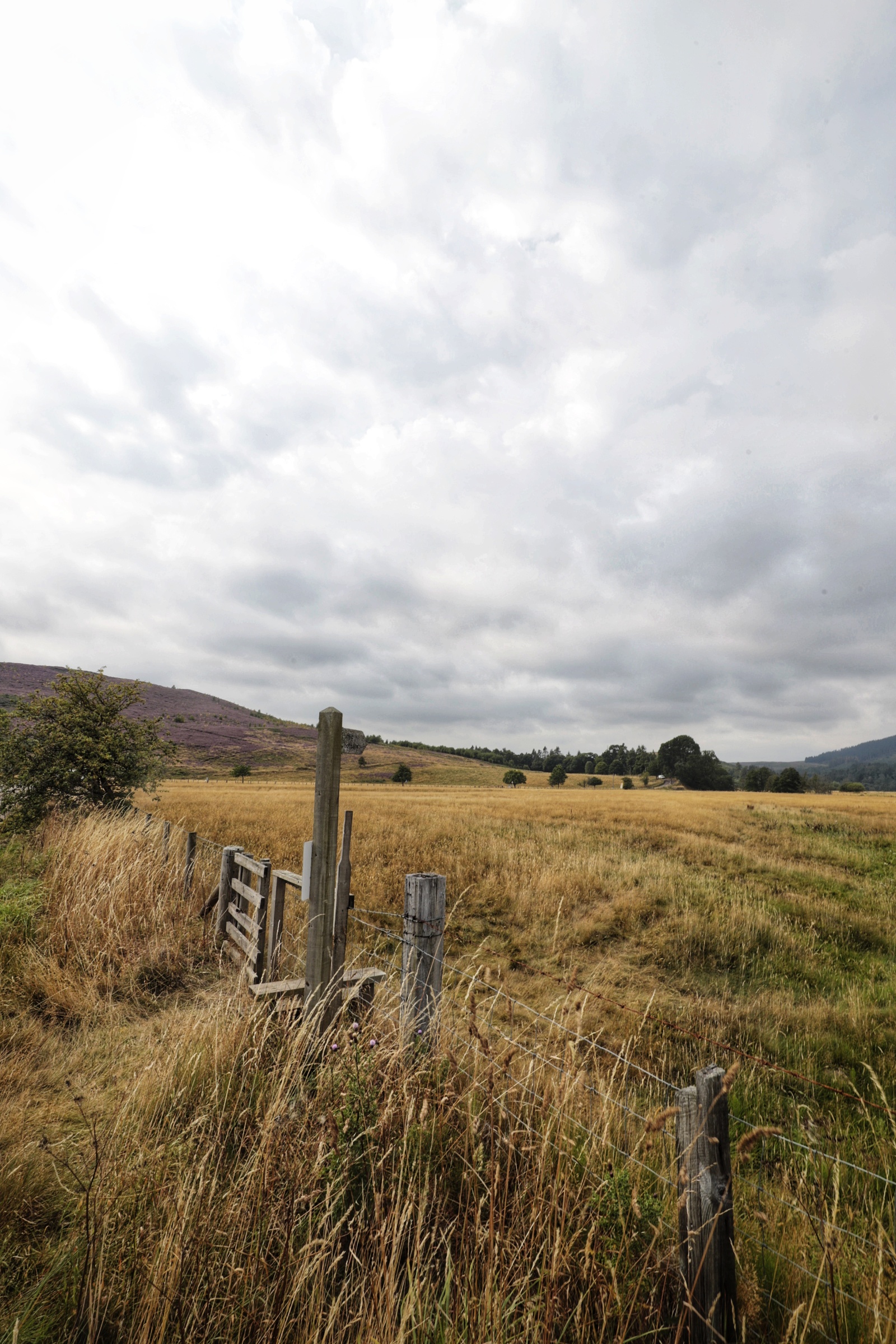
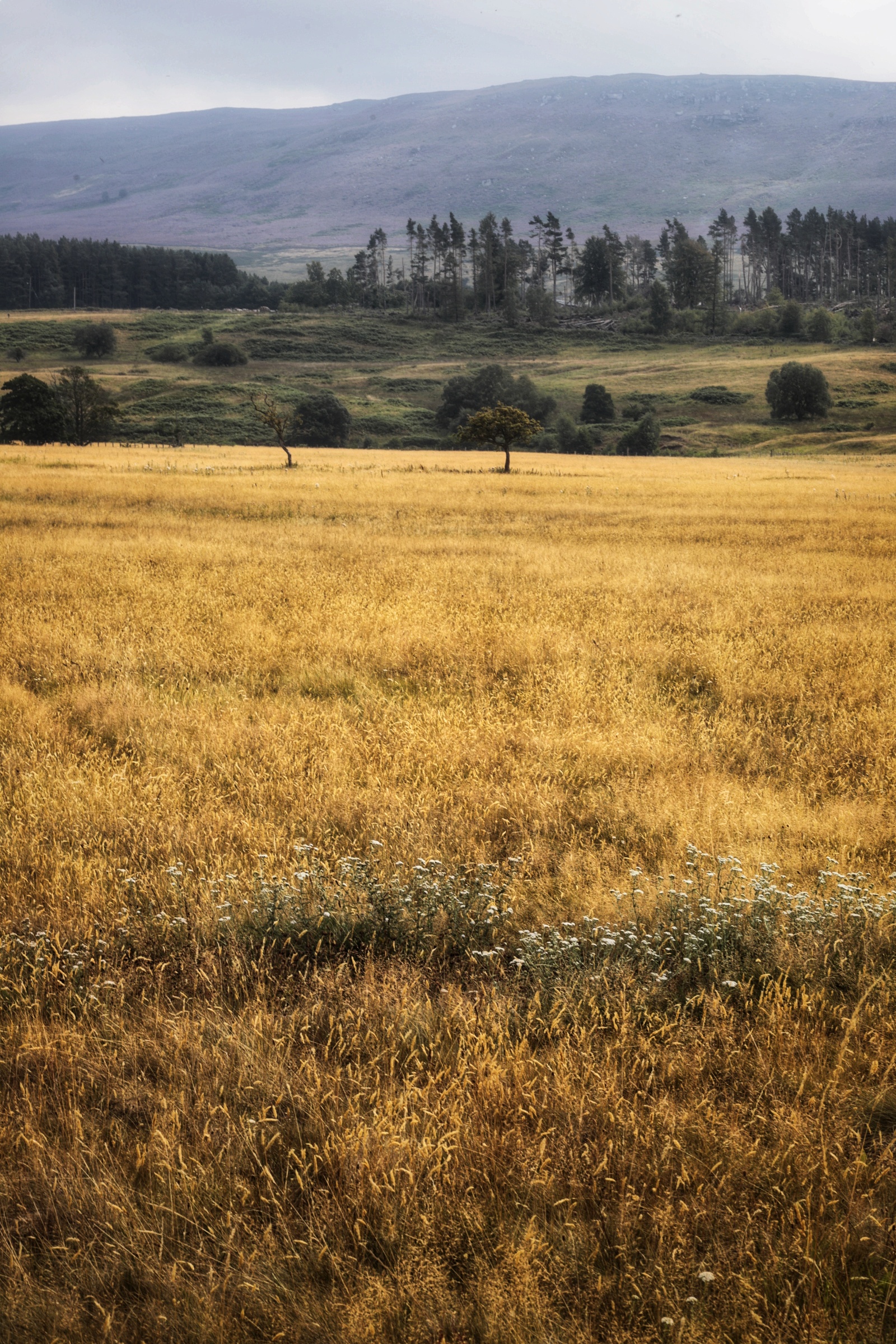
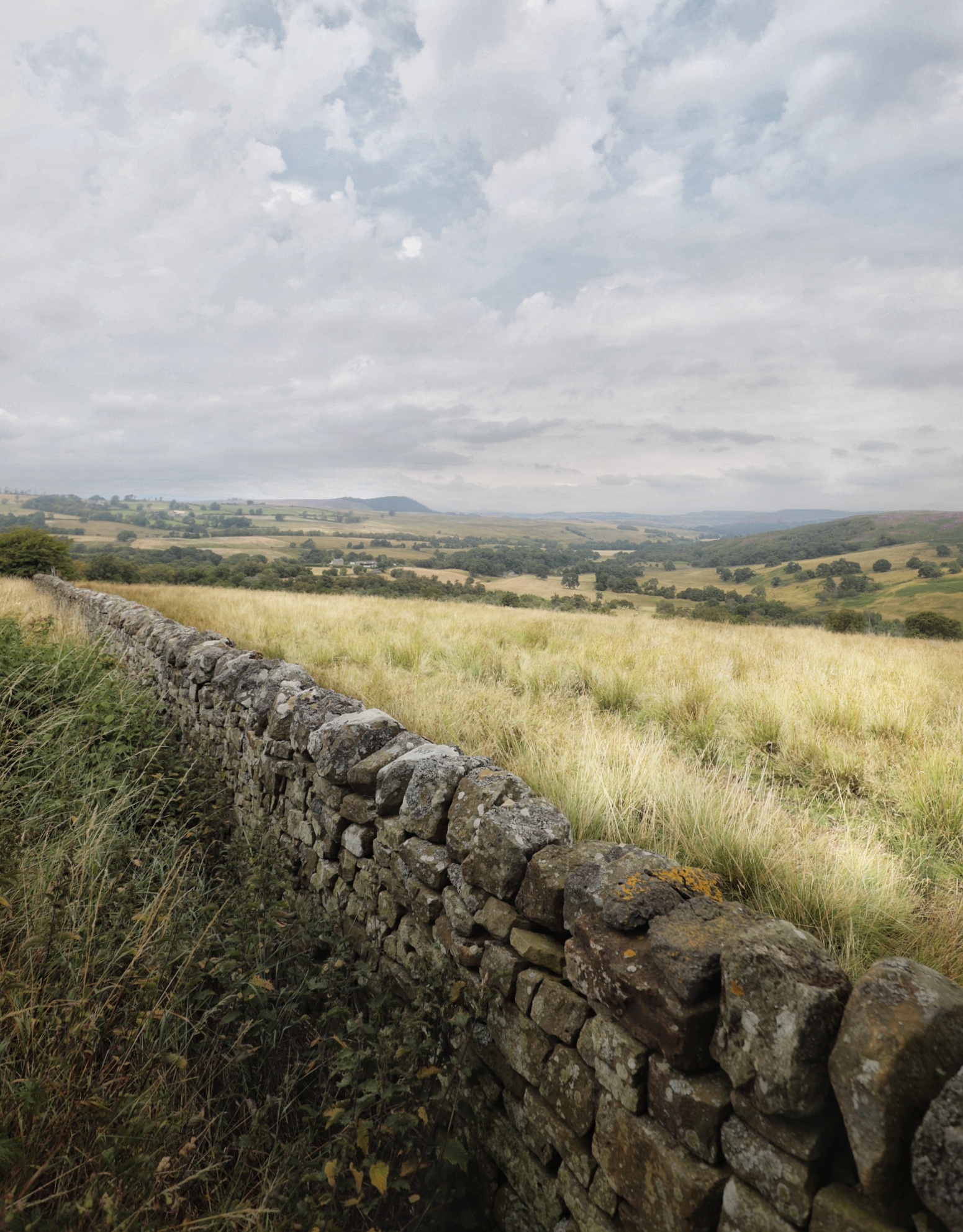
So I started of by using my wide-angle lens and the thought, why the hell not, I’ll get the 70-300mm out of the bag and see what I can do with it. A wide angled lens will give you a very wide angle of view and offer up some wonderful distortion. Hence the name wide angled lens. The originality of that name still blows my mind! A telephoto lens however will give you the impression that everything has been drawn in and the background seems to be just being the foreground. It compresses the view… However they still say telephoto lens and not compressor lens. Go figure.

In the photos from this outing I think you’ll be able to see which photos were taken with which pens and of you click on each photos you can see the type of lens used in the description.

It’s one of my happy places and one that I keep going back to. They must think it weird that every summer a French car pulls up and this fat dude gets out with a camera and starts taking photos then gets back into said French car and drives off with souvenirs in his head that will keep him going until he comes back. It was just brilliant being able to just take in the scenery and enjoy being there with my Dad. Definitely a keeper that memory. It was just happiness. Happiness is being out with your Dad taking pictures and just being two men in a car driving across the Northumbrian countryside. These little instances of happiness that just seem to carry you through. Thanks Dad.

Noia


Sometimes it’s good to be good to people. I mean it’s always good to try and be a good person, as subconsciously, I would like to think that we are all called to goodness and to be decent people, despite the example given to us by the Conservative party over the last three years. Maybe there is hope and they will put past delinquency behind them.

Anyway, I’m not here to bash Boris, however pleasurable this might be. I’m here to talk to you about how I once took some photographs for somebody who was very kind about my work. It was for a guy called Elvis, who, despite the song, was not seen down the chip shop, but at a barber shop. You can see the original photos here and I have to admit that I was pretty happy with them.

Elvis was the owner of the barbershop. But he was above all involved behind the scenes in professional football, but the poor lad was going through long covid and not in a good way. Later on, whilst in training and getting thinner, he discovered a lump. It’s not the thing you want to hear when you’re about to have a new addition to your family. Thankfully, God has this way of looking after us and it was discovered and treated, and he now has a young daughter as well as his other children.

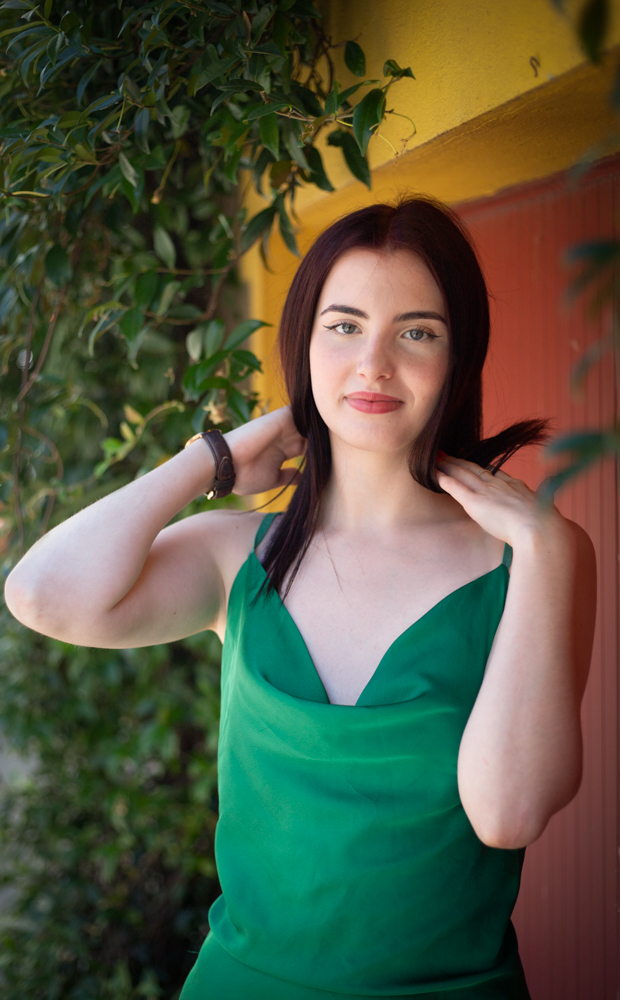
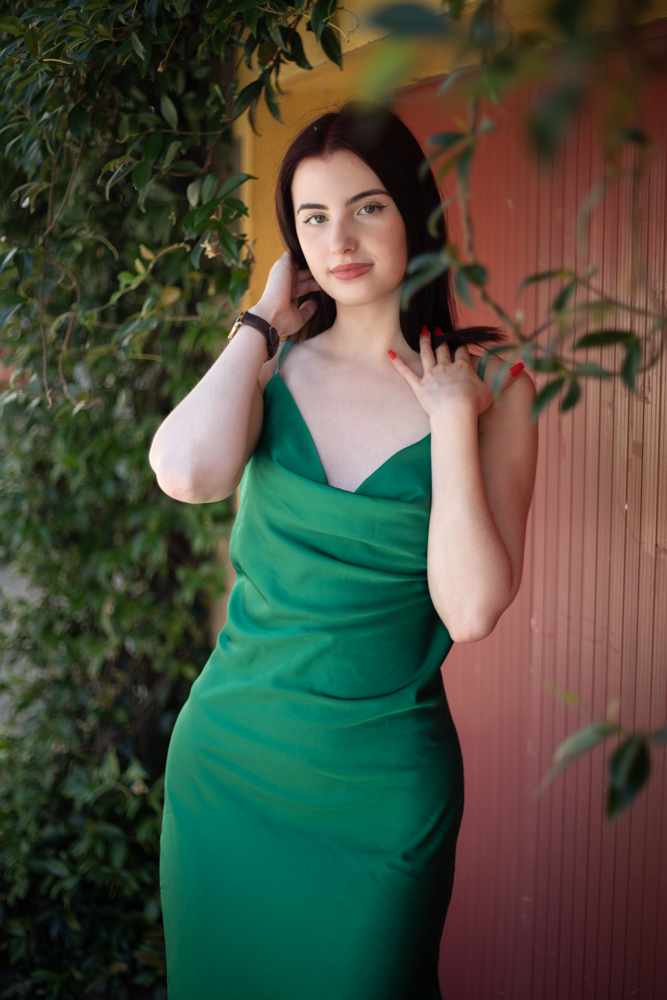
His elder daughter wanted to confect a “book” to present to various modelling agencies etc. Elvis thought of me. I of course agreed because it’s good to be good, and even better when that person is a friend. Then I went and caught COVID. Yes, I was one of those optimists who thought that with his three vaccines, he might have just escaped the dreaded lurgy! Oh silly me! Anyway, we managed to get a date together that was good for the both of us, and where good weather would be slightly more likely. I suggested taking my portable studio after the success with Hervé, so we wouldn’t have to worry about inclement weather, but we agreed on shooting on location.

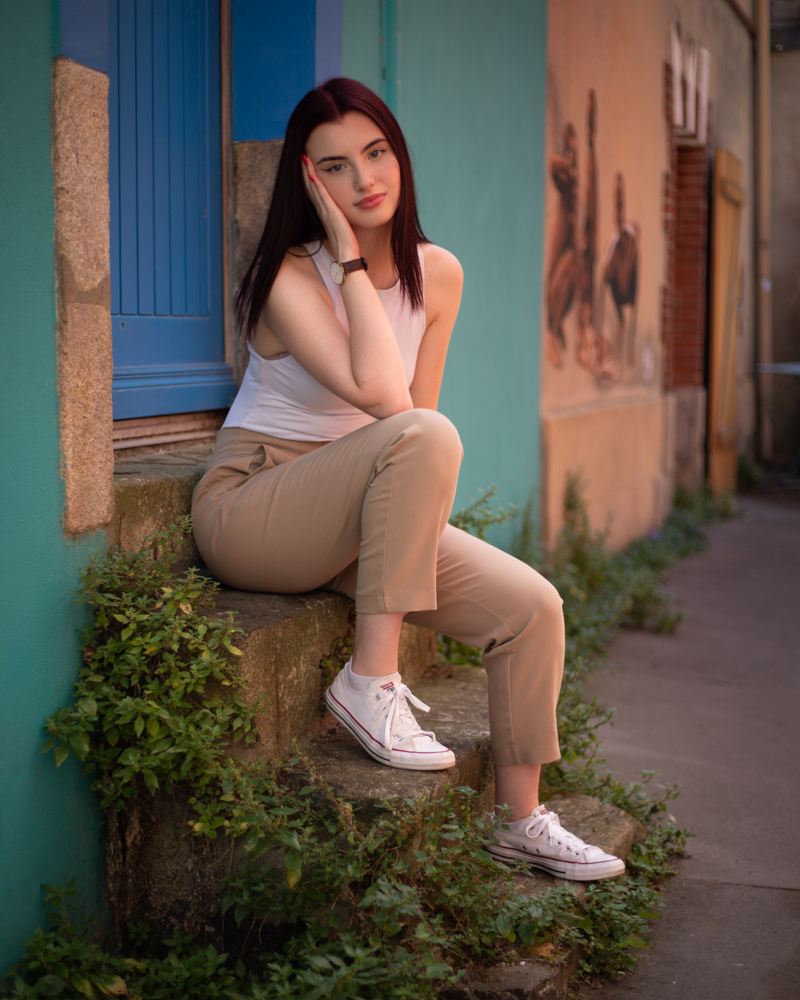
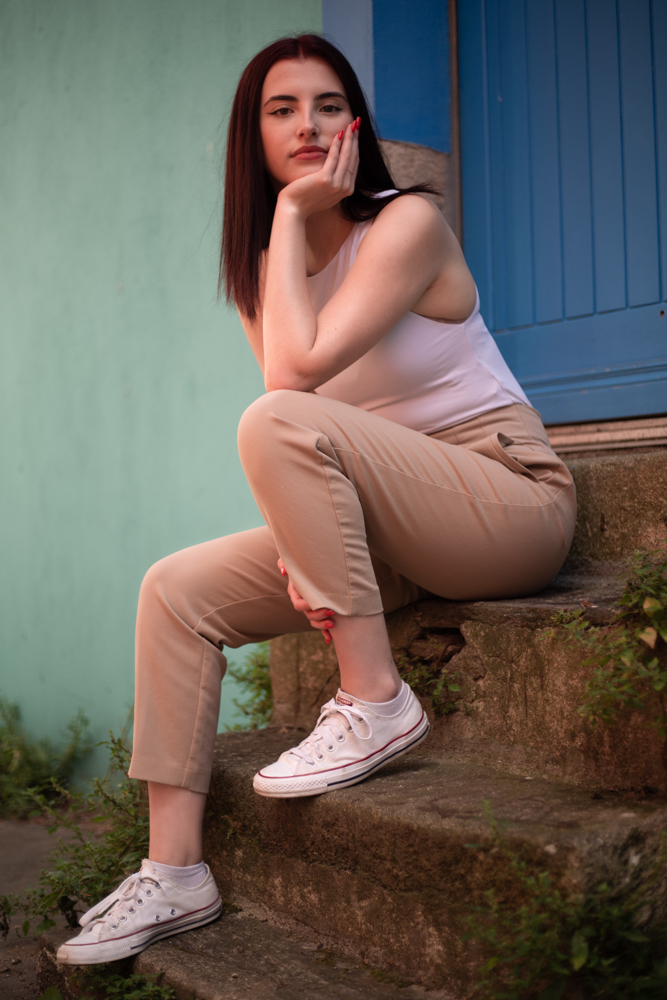
We eventually decided to go to Trentemoult where the coloured houses would provide some colourful backdrops. And despite the harsh sunlight, we found lots of spots in the shade. Yes, you can have too much light. The rendez vous point was given and when they arrived we went to a café for a brief and to tell Noia how things were going to happen. Elvis, bless him, was wonderful carrying my reflector for me.

We wandered around, ooohing and ahhhing, agreeing on how pretty it was and how colourful it was, and how it was probably a good idea not to check out the house prices.

The shoot was done, we went to another café, had a beer, chatted and put the world right.

For this shoot I used the Canon 6D Mark II, with the 85mm F2.8 lens and the 50mm F1.8 lens. I would also like to thank Sean Tucker, for his expertise and tutorials for his editing techniques that I used here as I wanted to try something different and get back into Photoshop.