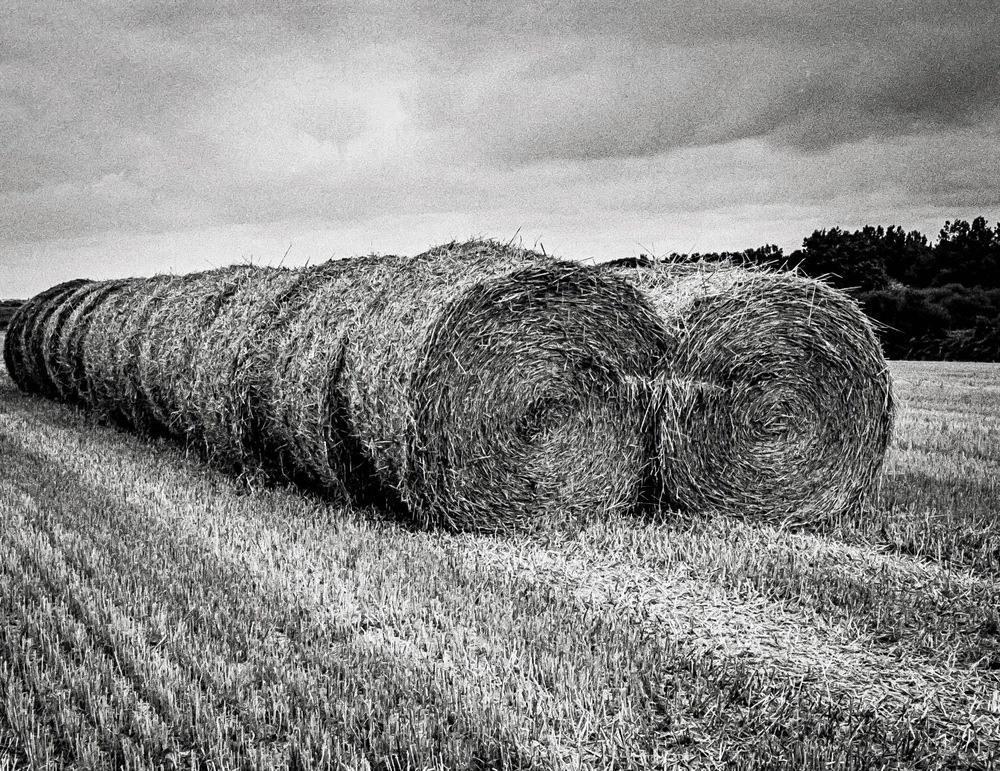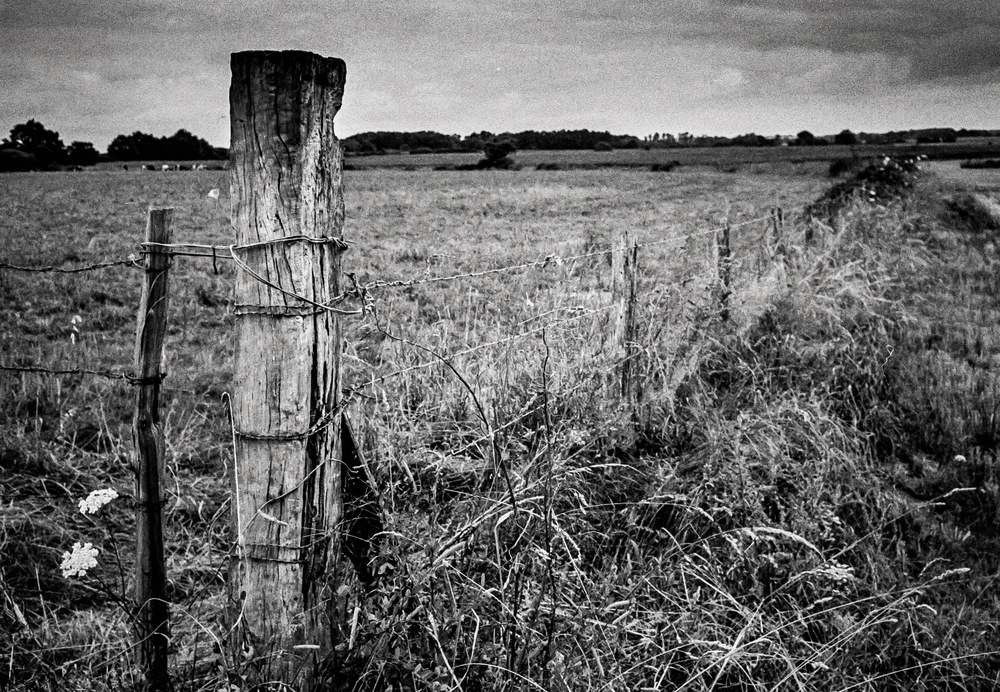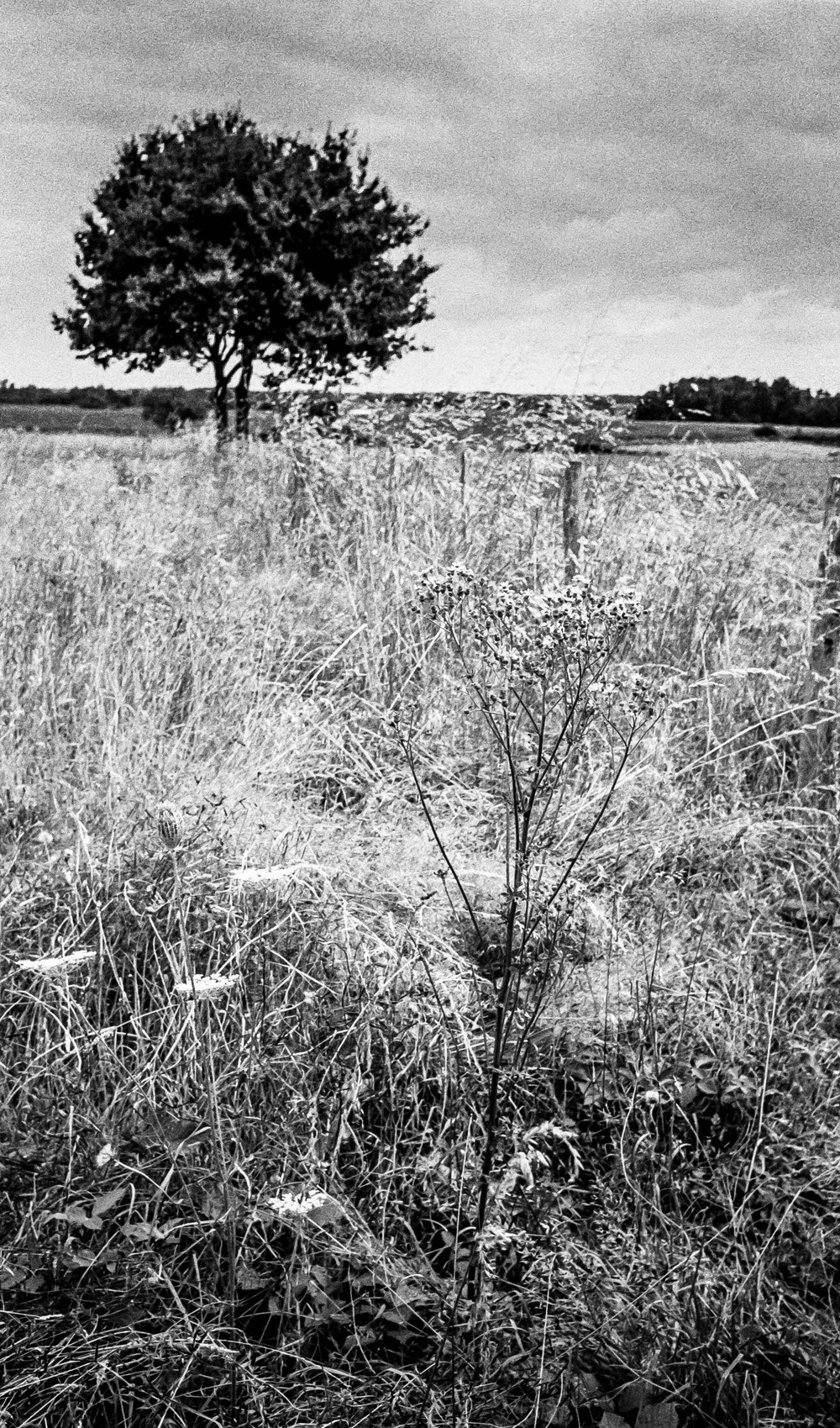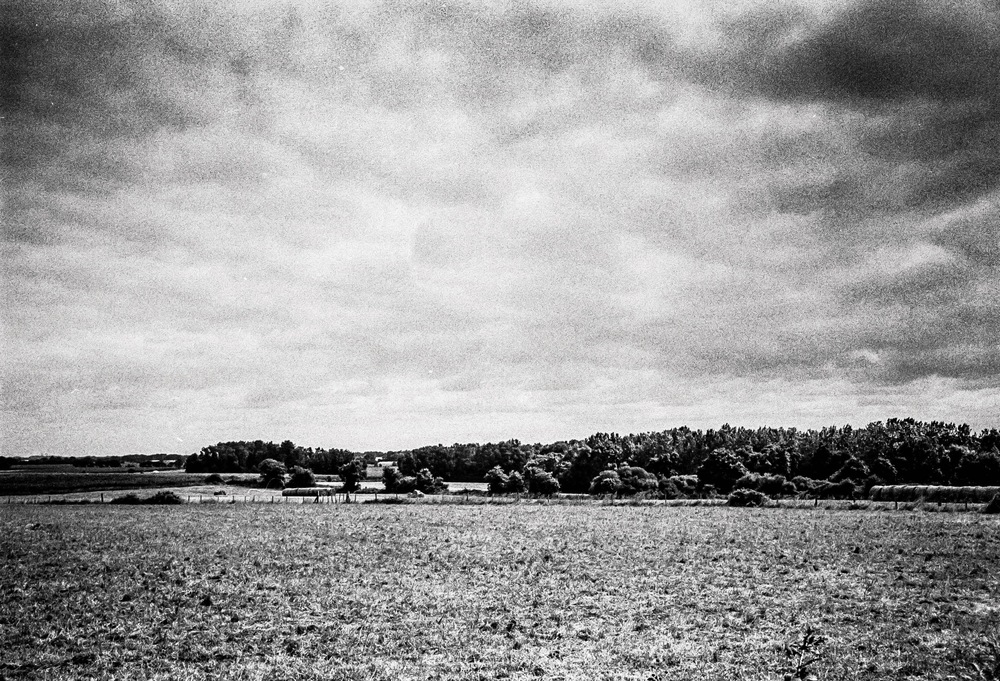
The Opening of the Film Archives – On the way to work


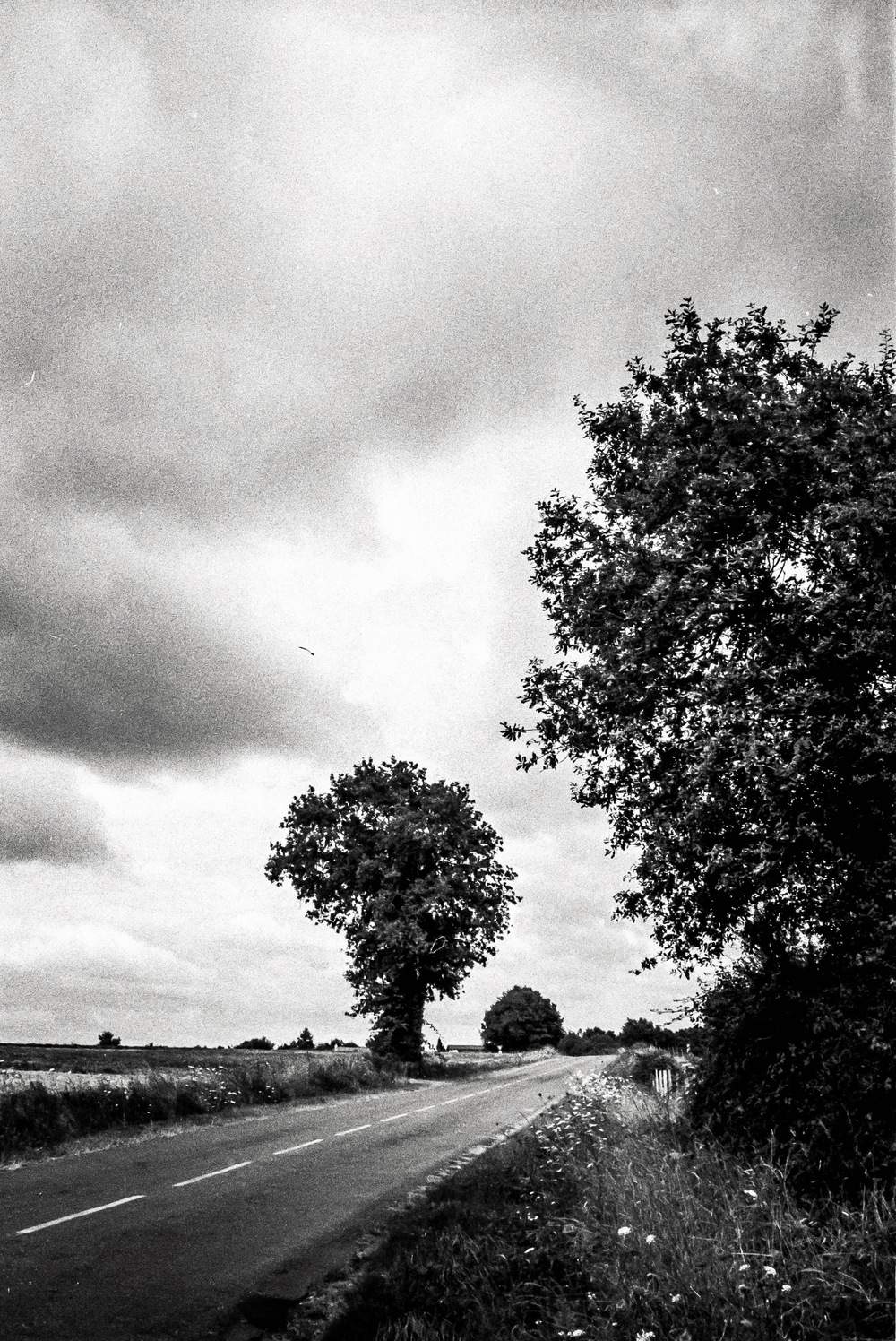
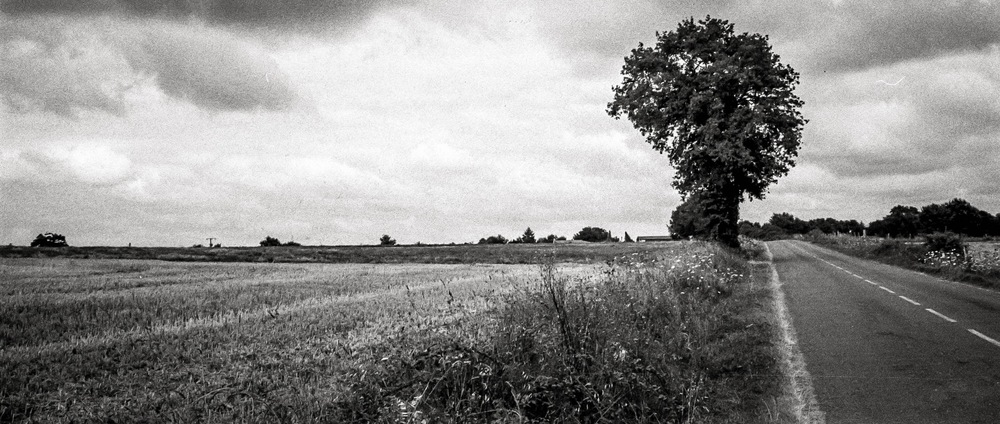
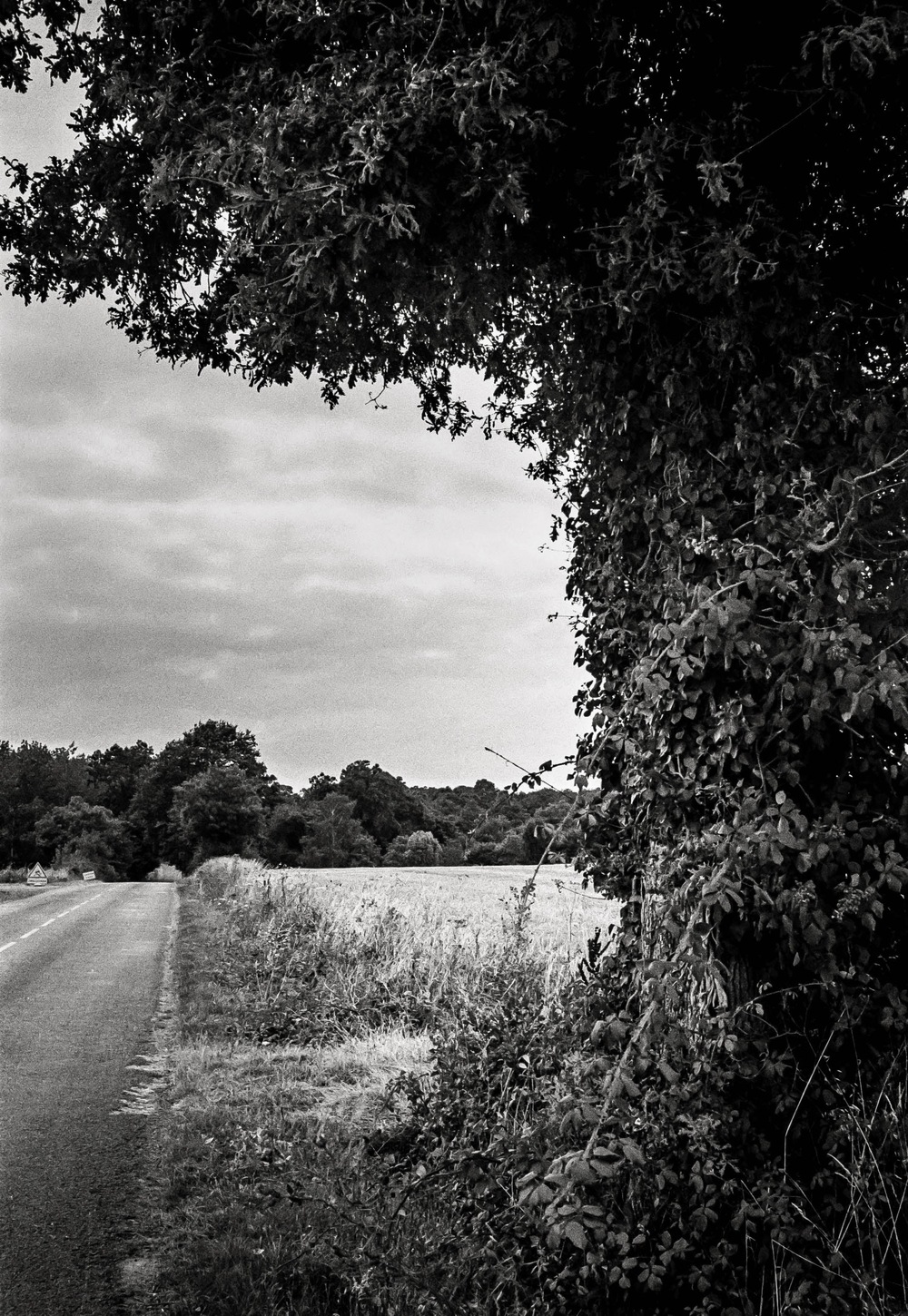
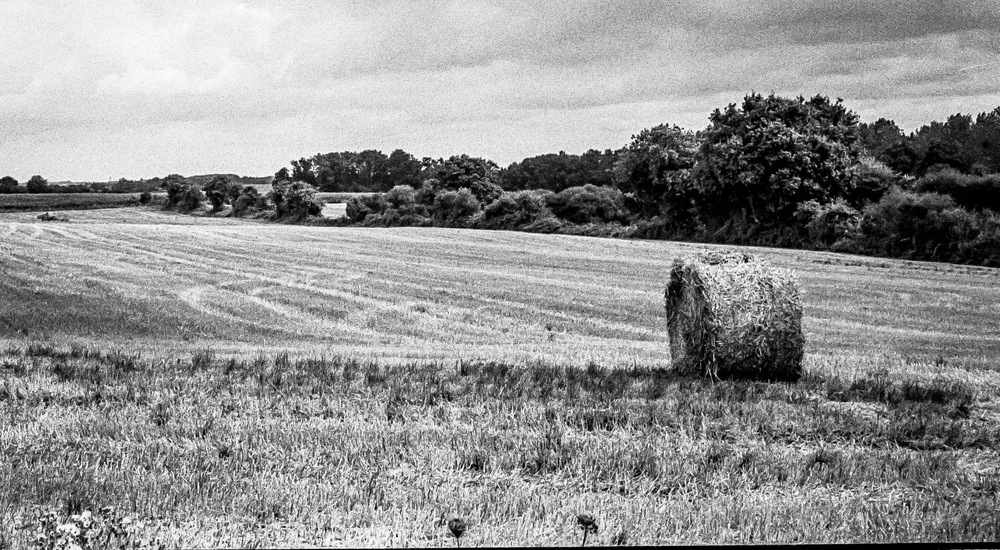
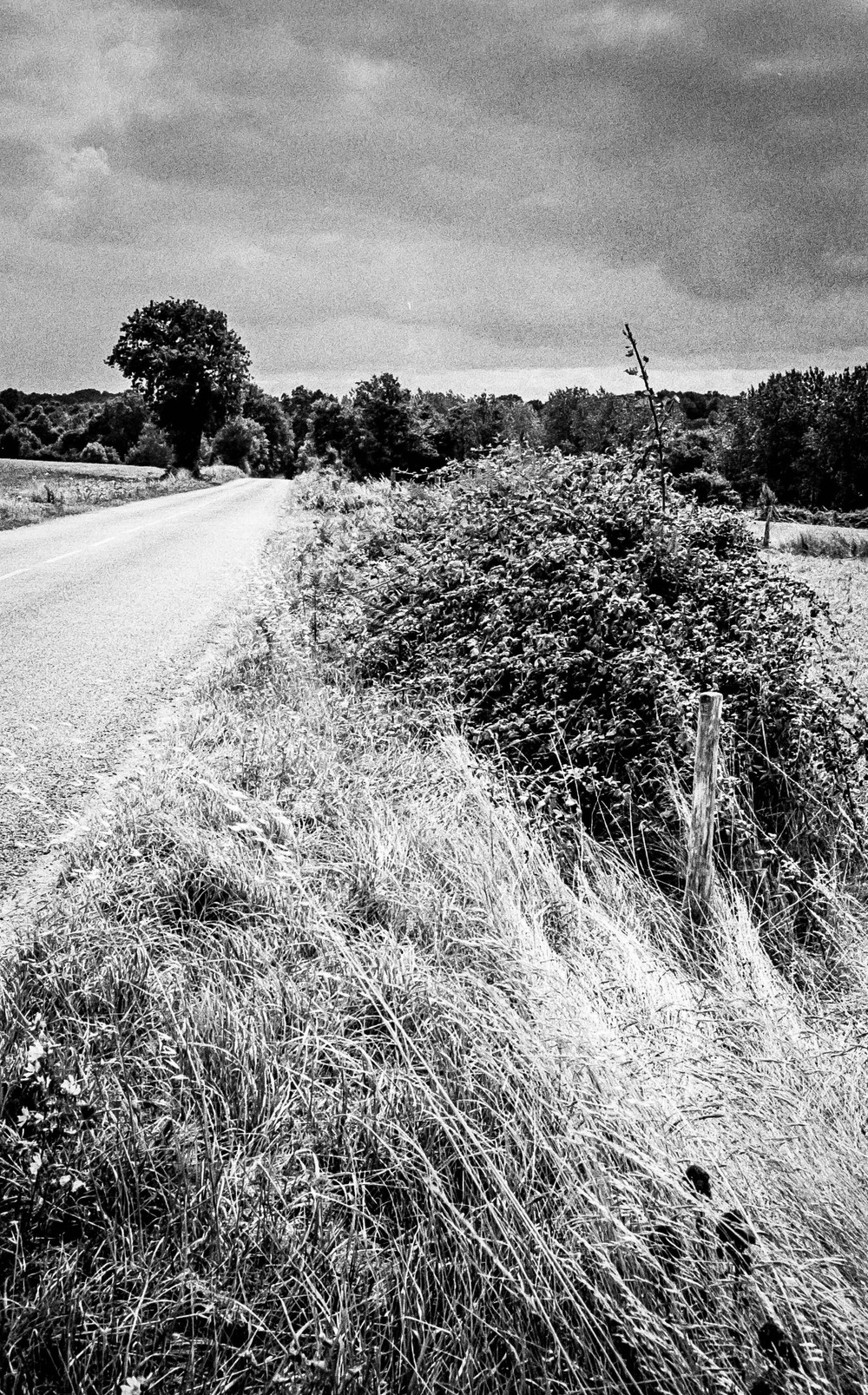
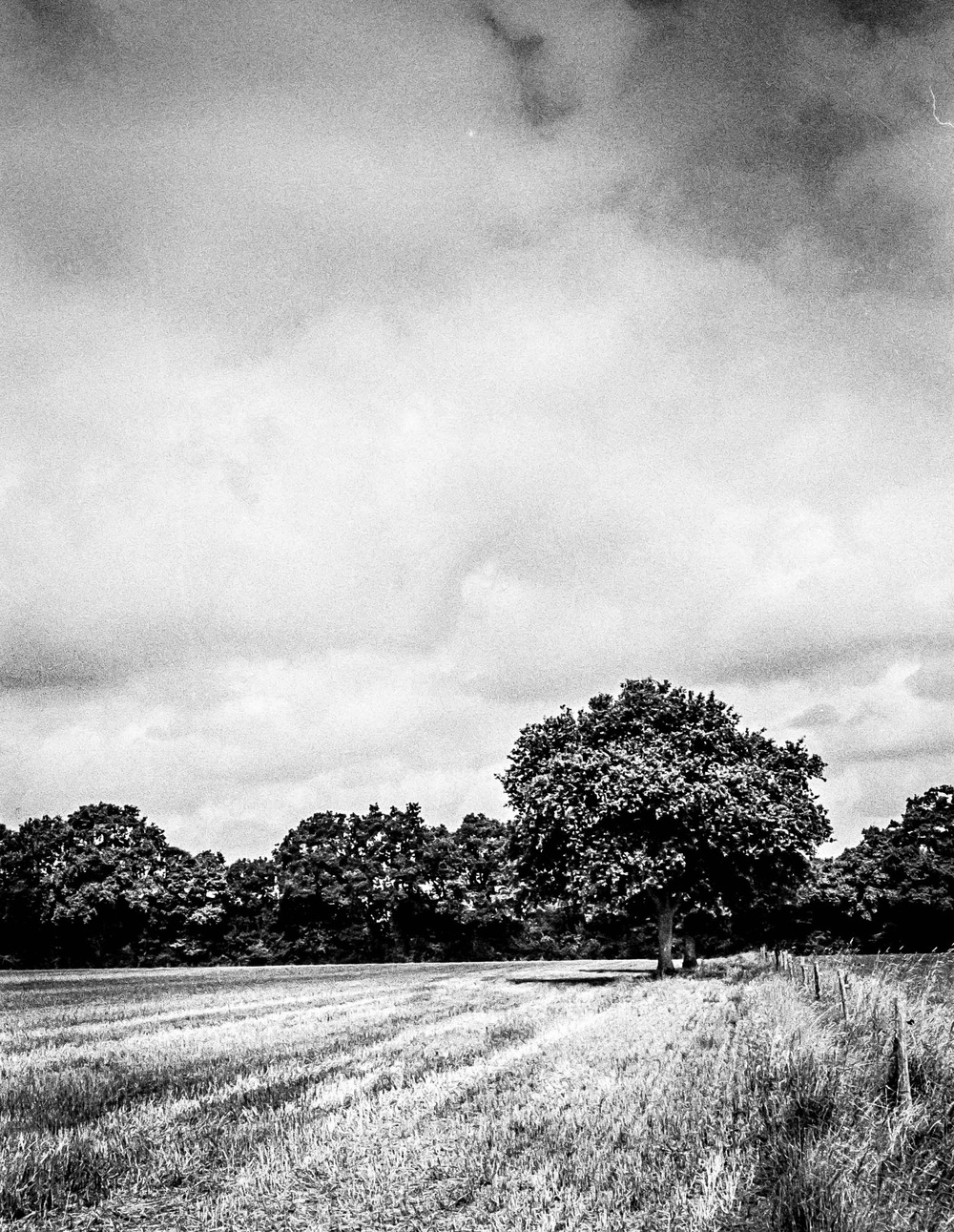
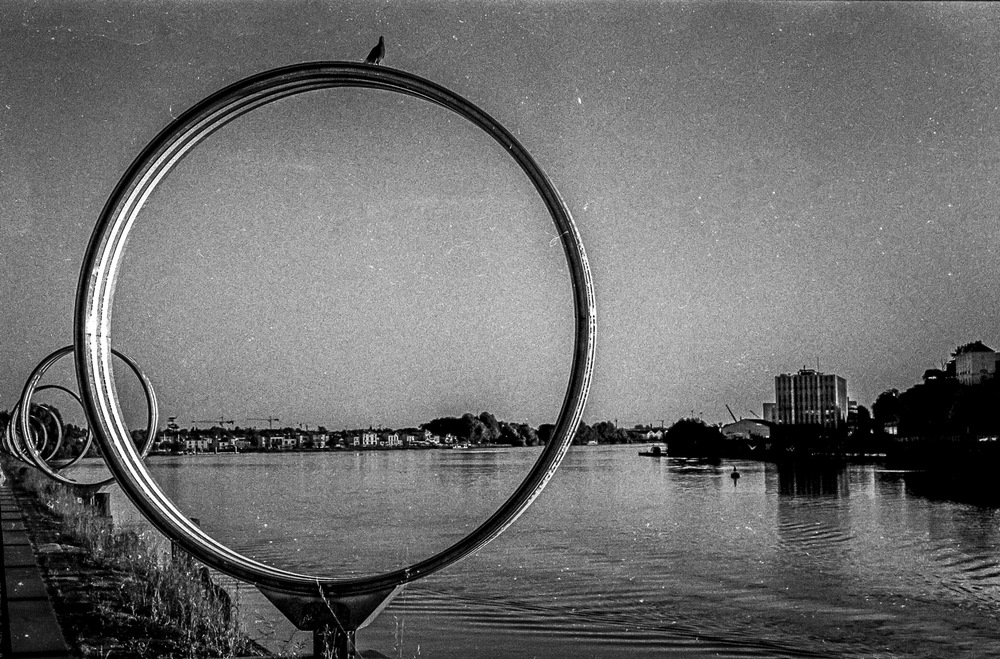
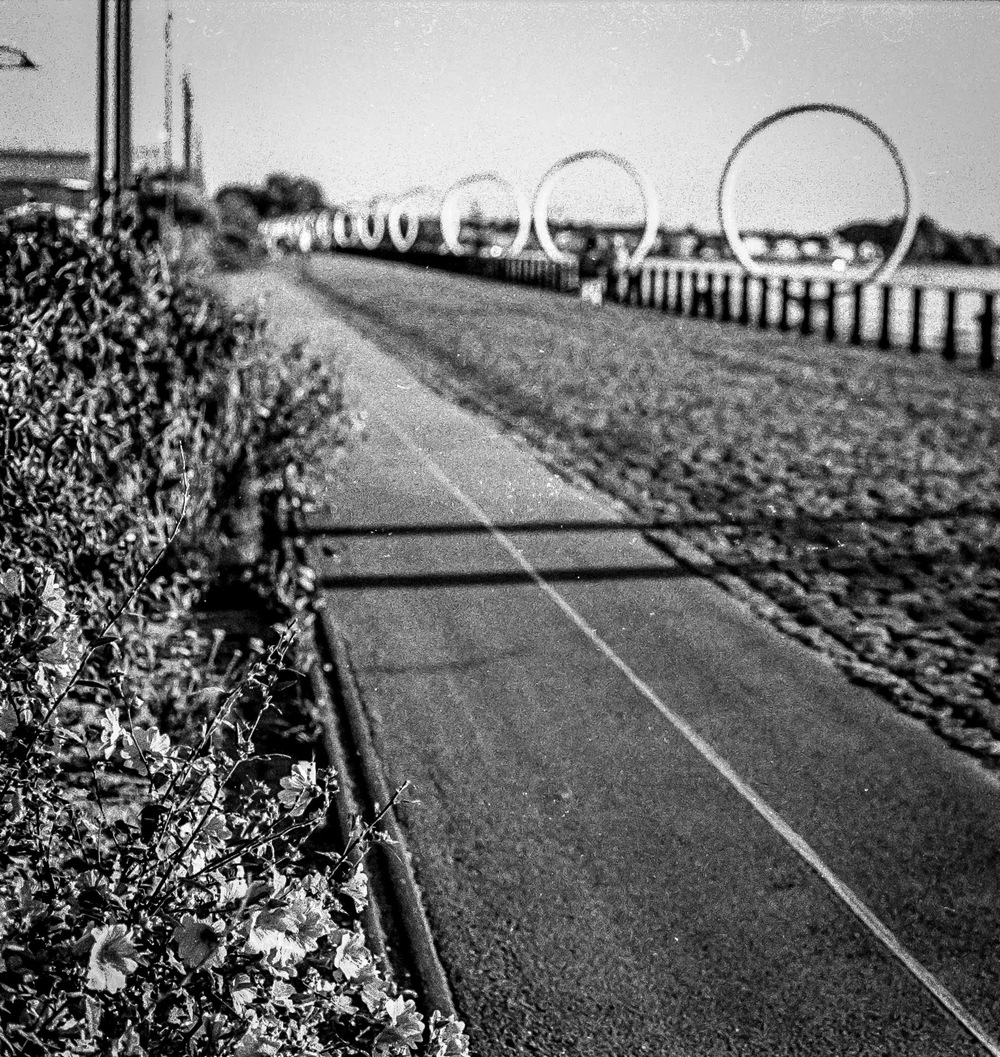
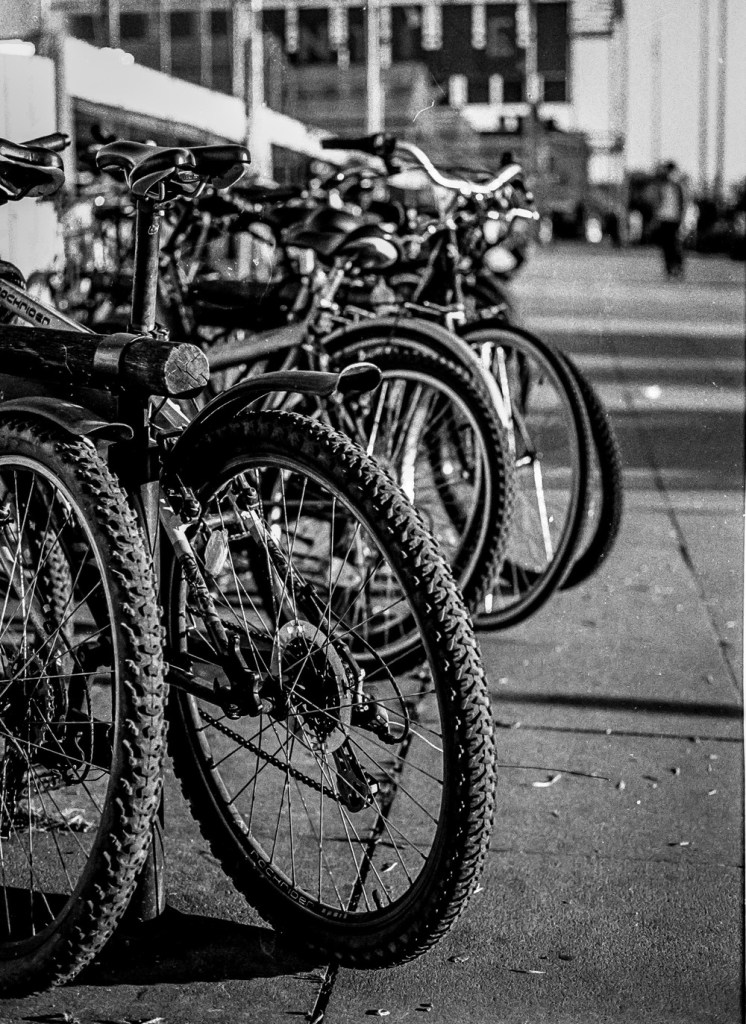
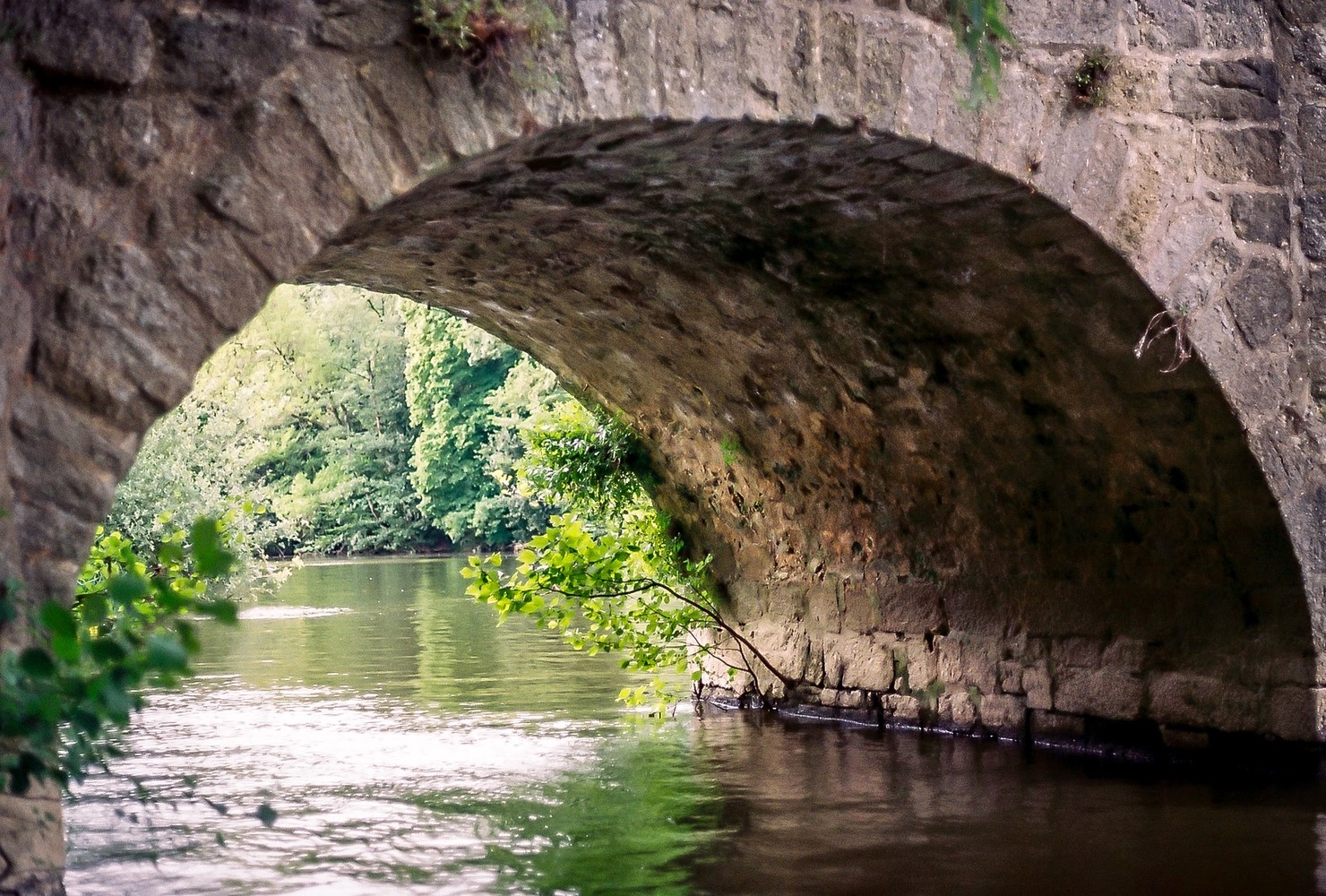
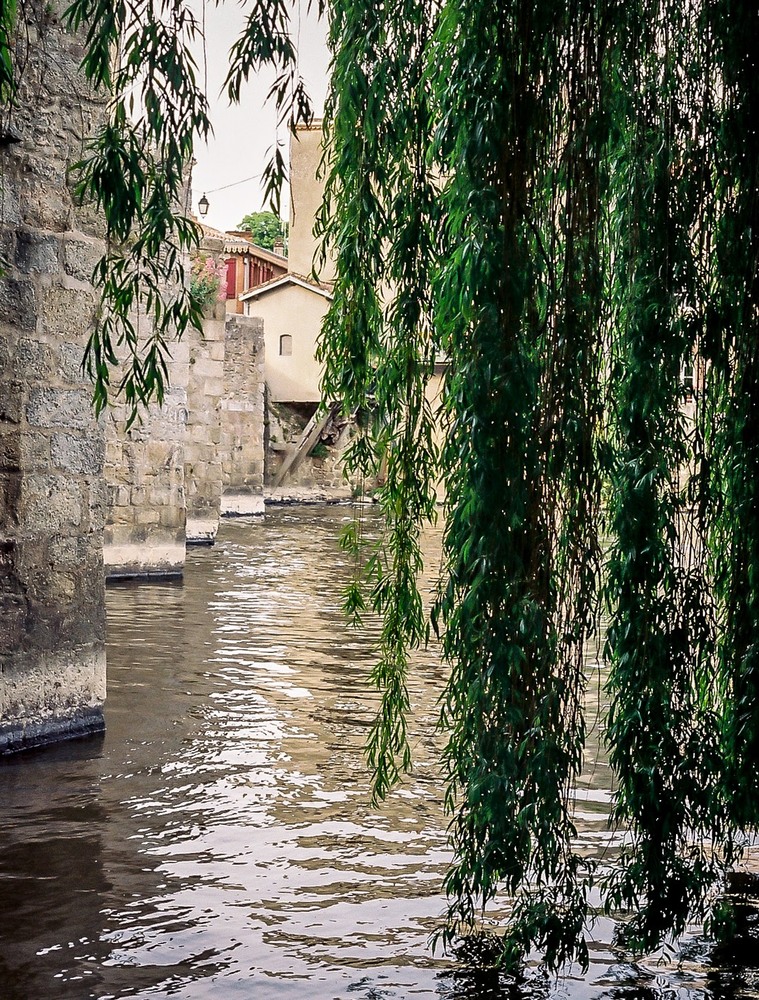
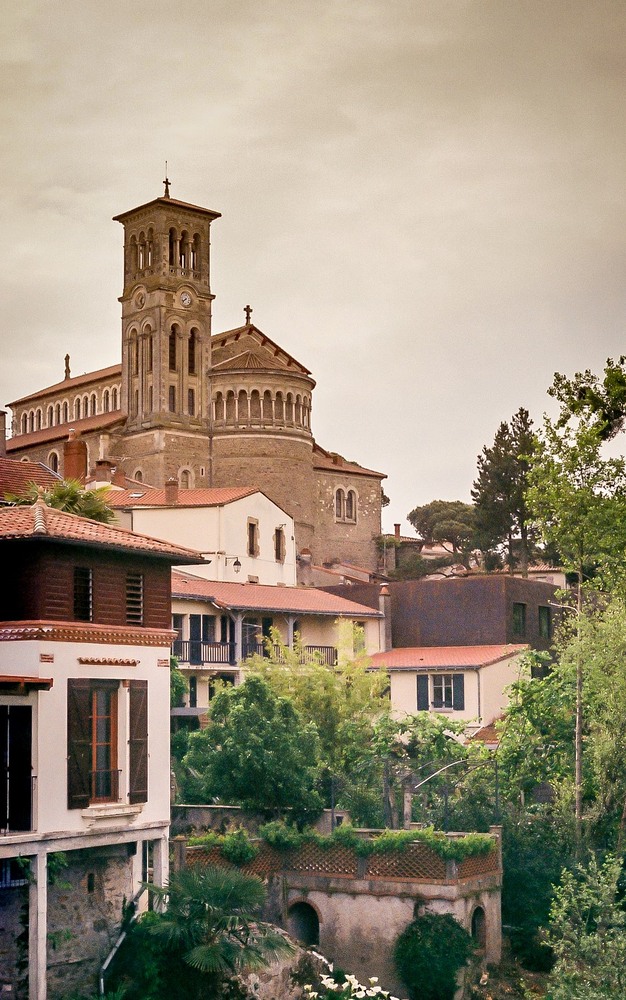
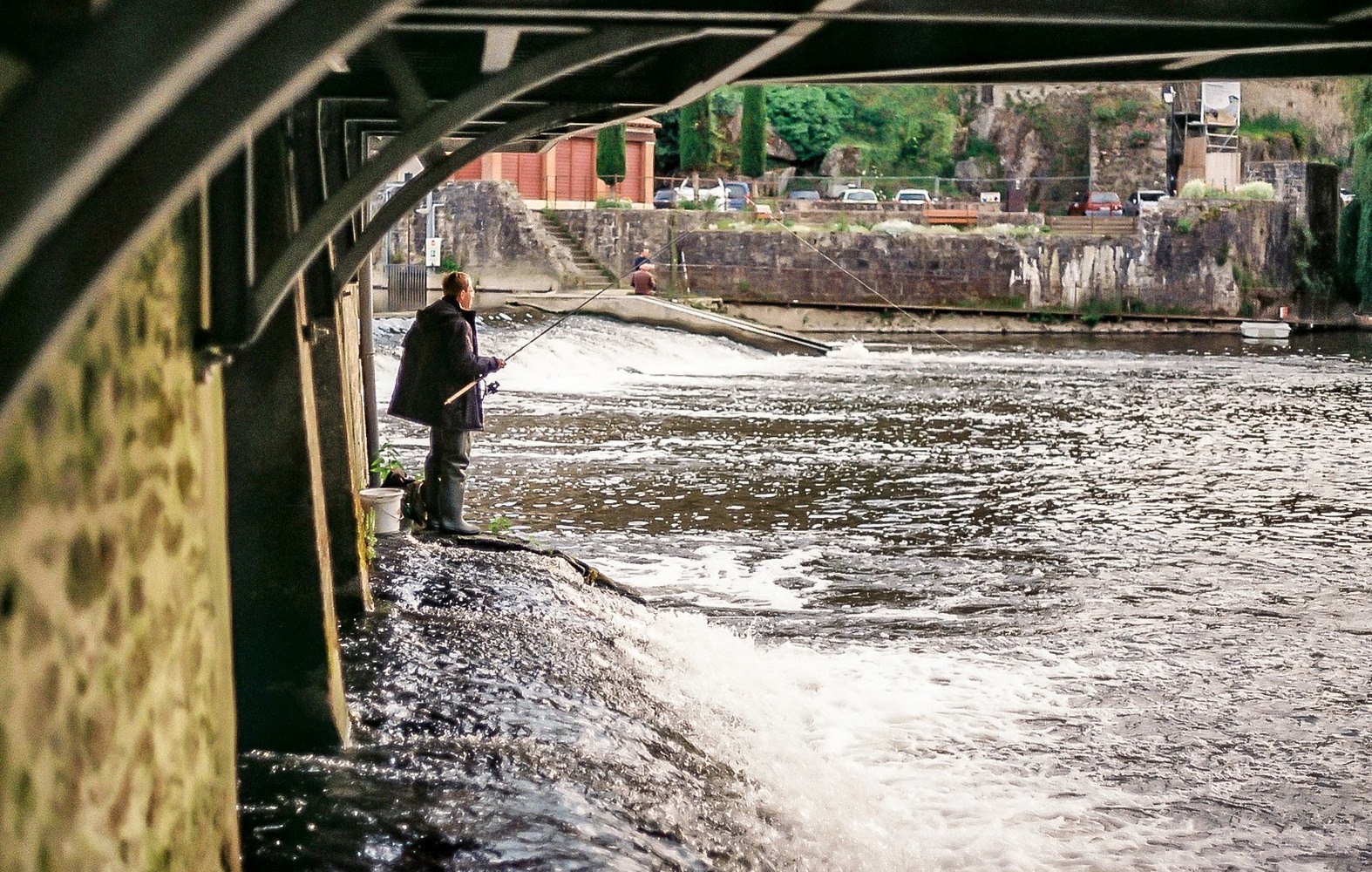
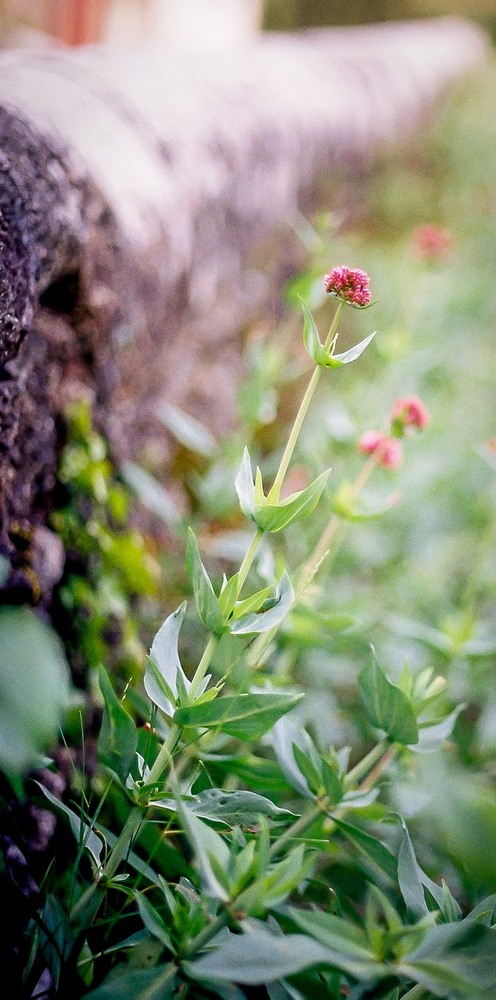
Sometimes we can have a tendency to ignore our habitual surroundings as photographers.  In this series of photos from the film archive, I’m going to show you part of the route I use to go to work.  What is ordinary to one person might be an pastoral idyl to somebody else.  It only goes to show that there is beauty everywhere in this world and one of our roles as photographers is to document it for future generations.

My wife, bless her, has always said that my black and white photos have a timeless feel to them, be they in the city or out here in the country.  I think that using film, especially this grainy HP5 Plus, even shot at box speed, adds to that sentiment.  The fact that I used Rodinal as my developer might have accentuated the grain too.  Also don’t forget that this is the beginning of my return to film development so I might have been a little vigorous in my “agitations” whilst developing the film.  I now use mostly Ilfosil 3 and lower grain film, and have brought a little more “calm” to my “agitations.”

The camera that day was the FED 5 rangefinder camera from Ukraine.  I’ve talked about it before, and although I mainly use SLRs, I still feel guilty about not using it more.  It’s a beautiful camera and I don’t want it to feel neglected.  I might just have to correct that soon.

I lived just outside Paris for 7 years before moving out to the country in 2001.  The change in ambiance was startling.  I went from blocks of flats to village life in the French countryside.  I went from riding the metro, and suburban Parisian trains, to learning to drive though this beautiful landscape.  Driving through this scenery still gets me every time I get into the car.  I wonder what I’ll see.  I see the changes in the fields and countryside through the seasons.

I want you to promise me, Dear Reader, that you will take a closer look at your route to work, and maybe I can convince you to record it too for prosperity.  Don’t worry about film or camera, even just using your phone will do the trick.

The UK Chronicles – Preface


Off to the UK

Good Evening, Dear Reader. You might not be able to feel the same excitement and trepidation as me, but I can assure you it’s palpable. I’m not talking about the Olympics, or the opening ceremony, which was very, very French. I’m talking about my upcoming annual leave. I will be going home to the UK for 10 days. I will be going home. Home is where the heart is, and as my mate David Frank once reminded me, you can take the boy out of Hull, but not the Hull out of the boy. How right he is. Even after 30 years of living in a foreign country, and despite having become somewhat “continental,” the UK is, and always will be, home.

Heading Home: Embracing Nostalgia and Anticipation

The physical preparations are not underway yet, but the mental ones certainly are. We will be driving up to Calais from the Vendée. It is a drive that over the years has become vaguely familiar, and I have the images in my mind of the various stops along the way, and the signs that I will be looking out for. My wife is a professional driver, and I will be relegated to helping out when she becomes tired and needs a rest.

The Road to the North: Familiar Drives and Service Station Delights

I don’t know about you, but when I’m in my car, I’m in a familiar environment, and it feels a little like having a part of my home with me. The controls for driving are second nature, and I don’t have to think. As I have mentioned, I am a creature of habit, and despite not being alone whilst driving, and the possibility of a mad screaming harpie, I mean wife, sitting next to me, I’m still looking forward to the trip. For the first time in 4 ½ years, my son will be coming with us, so I’ll have some masculine back-up and will feel less dominated by my daughter and wife.

We will have a stopover in Dover, and take the now familiar road up to Northumberland to see my parents. I’m actually looking forward to the service stations in the UK, especially one near Peterborough, that has a kind of Food Court, which includes Marks and Spencer. I’m looking forward to biting down onto a prawn cocktail sandwich, and a Wensleydale and carrot chutney sandwich. I know it’s not the “gastronomie” that the French might talk about, but to me, it’s about the nostalgia of the thing. It’s part of coming home.

Home Away from Home: Comfort in the Driver’s Seat

But, I hear you say, Dear Reader, you haven’t talked about cameras or photography yet? And you would be right. Thank you for allowing my little trip to nostalgia land. So, let’s talk about cameras for this trip. There is, of course, the X100F, that is the travel photographer’s camera par excellence. It’s compact, it works, and gets the job done. It’s what I will probably be using nearly 80% of the time. The 35mm F2.0 lens has me covered for nearly all situations, and if I take the telephoto conversion lens, then I’ll be even more covered.

Capturing Northumberland’s Beauty: Gear and Location Plans

Do I already have plans for where to take photos? Mayyyybe…

I have already a largish selection of photos of the village of Alnmouth, that you should be able to find on this site, either by using the search bar, or looking at the tag list at the bottom of every article. But, believe it or not, Northumberland is not just about Alnmouth. I know. Mind blowing.

I would like to get some shots of Dunstanborough Castle (for which I might even have to take my Canon 6D Mark II and various lenses, but I’m not sure about that yet), Beadnell, Seahouses, the Farne Islands, Holy Island, Craster, Bambourgh Castle. There’ll be beaches, islands, birds, seals, boats, and harbours. I even thought of going down by Amble and maybe stopping off in Walkworth.

That might mean a Canon bag, with lenses and filters, and possibly even a tripod. Decisions, decisions. Do I need more room in the car, and will the family gang up on me if I take more photography kit with me? There is a difference in volume and weight, of course.

Weathering the Storm (Or Not): Temperature Contrasts and Photographic Possibilities

I suppose it all depends on the weather. One tends not to visit the UK for the great weather. Here in my little corner of France, it’s supposed to be getting up to 36°C today. Not in Northumberland, though. I’m expecting 20°C and maybe lows of 14°C. Much more comfortable, and almost human.

Conclusion

So “home is where the heart is” is still something that resonates with me.  Thirty years a foreigner, and yet as a lot of us immigrants, we’ll never be completely at home in our adopted country, we are condemned to never feel fully at home in our home country.  We will be “continental”.  Our very essence has changed. The nostalgia for a past that has moved on since we left is another of our penances.  Maybe that’s why I do so much black and white photography; a way of trying to capture this bygone time.

The Opening of the Film Archives – Le Hangar à Bananes July 2016


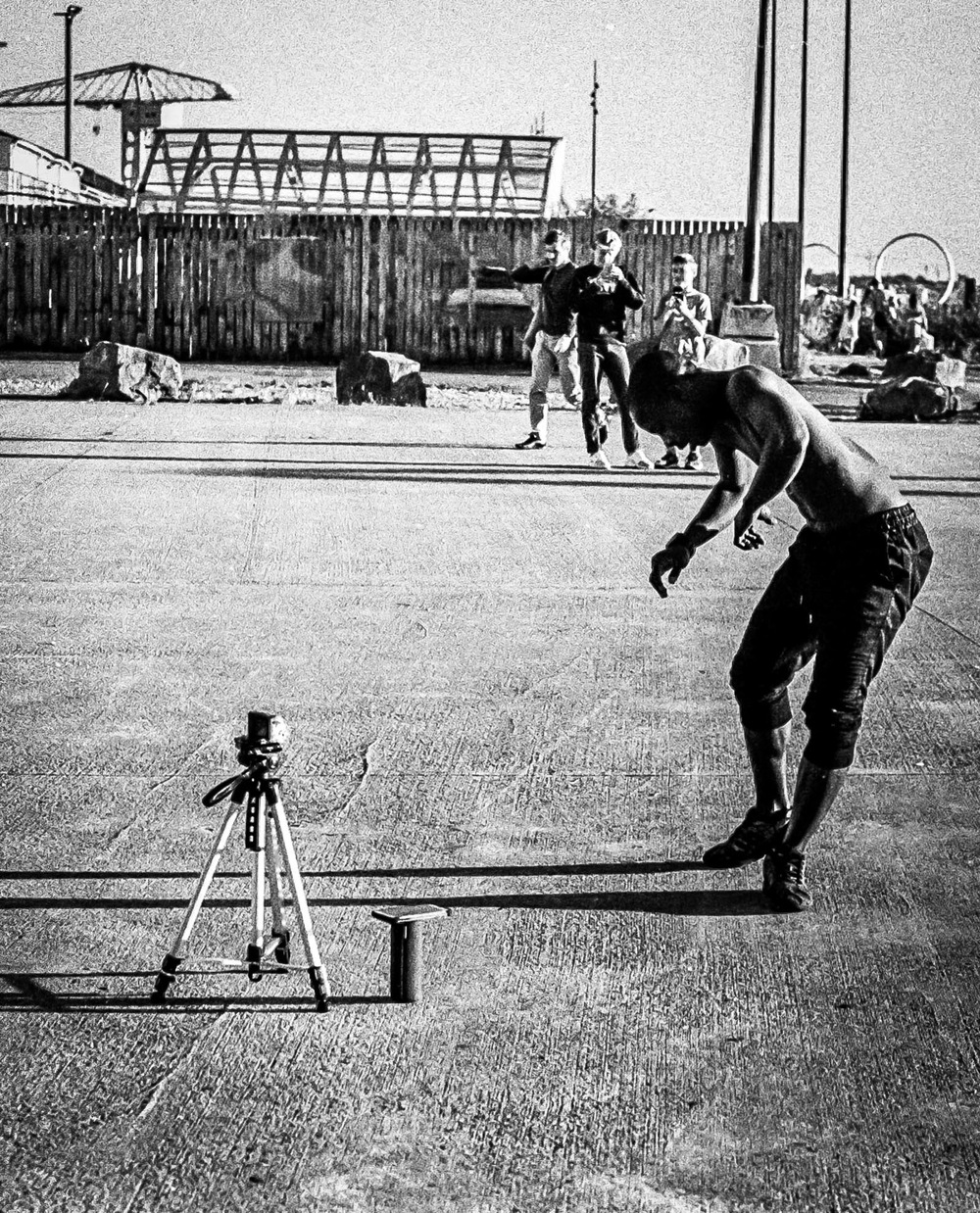
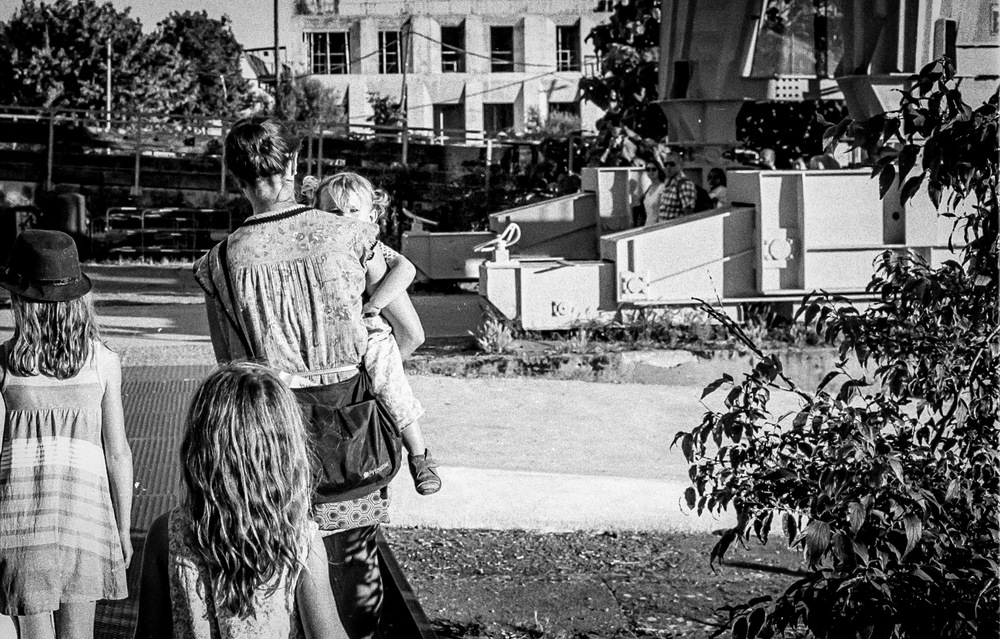
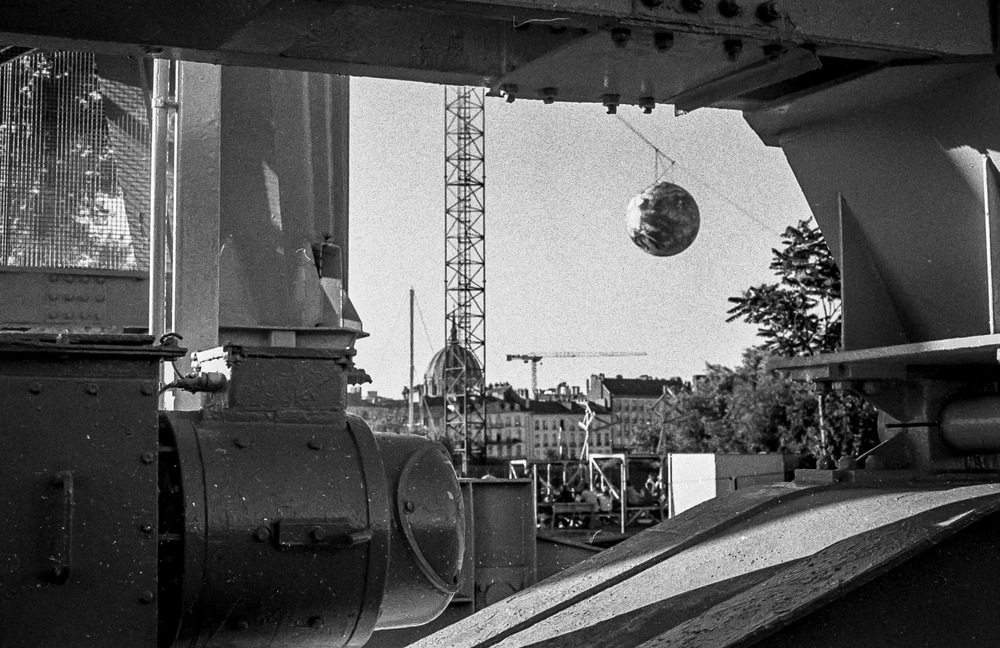
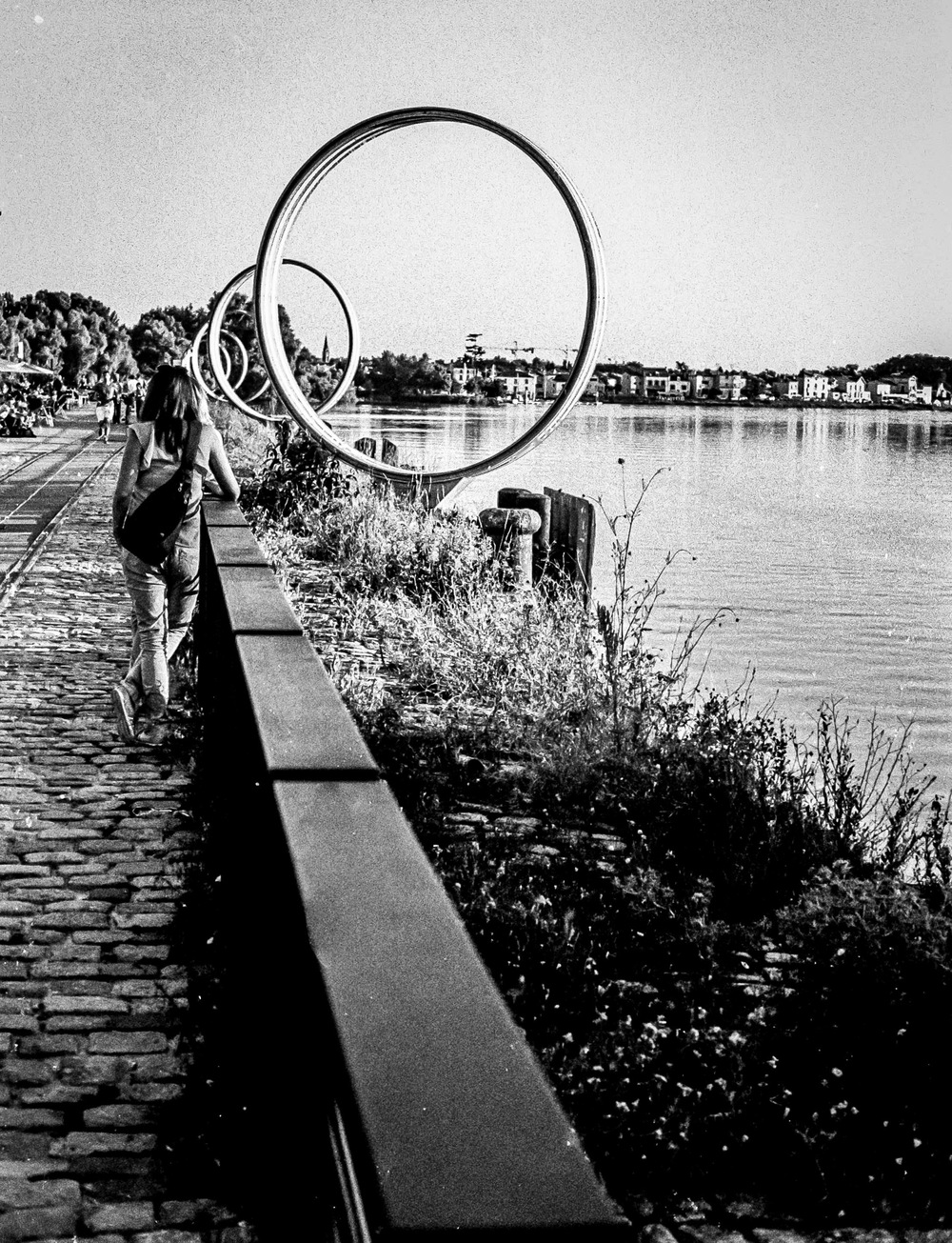
Continuing our journey through the film archives, we find ourselves on the Île de Nantes, home to the iconic Hangar à Bananes. Let’s rewind to July 2016, when I captured this vibrant scene with my then favourite Canon AE1. Once a shipbuilding powerhouse, Nantes had cleverly repurposed its abandoned infrastructure into a bustling hub. The area is now home to the fantastical Machines de l’Île, the historic Chantiers Navals, the towering Grue Jaune, and of course, the Hangar à Bananes itself. Back then, the Hangar was a hive of activity, buzzing with picnics, impromptu barbecues, and lazy afternoons under the summer sun.

My goal was to capture that unmistakable “Summer Vibe.” As always, I started with the architecture, drawn to its striking modern lines, a refreshing departure from the stark brutalism of the 1970s. The clever use of texture and the innovative design of the apartment buildings particularly caught my eye.

That summer, the Voyage à Nantes festival had a brilliant idea: communal barbecues for everyone. Genius, right? You simply brought your food, and they provided the grills, charcoal, tables, and chairs. It might not be Texas, but the French know their way around a barbecue, and being the food lovers they are, they go beyond the usual sausages and burgers. It was a true testament to what a public space should be – a place for everyone to gather, share, and simply enjoy themselves.

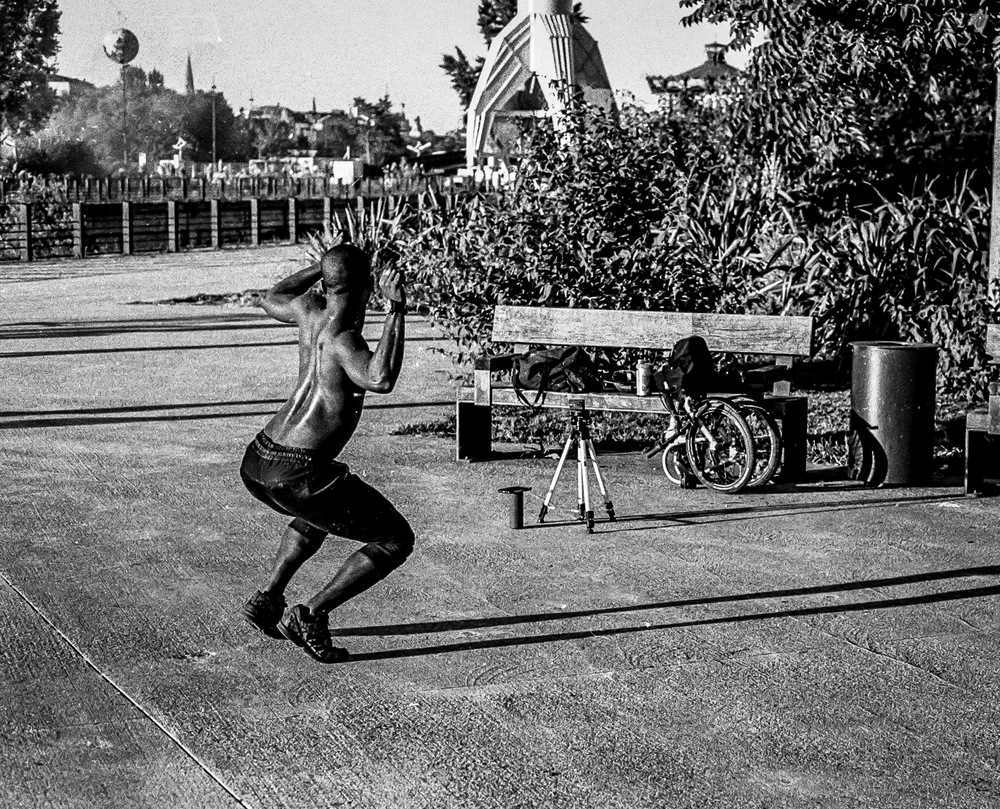
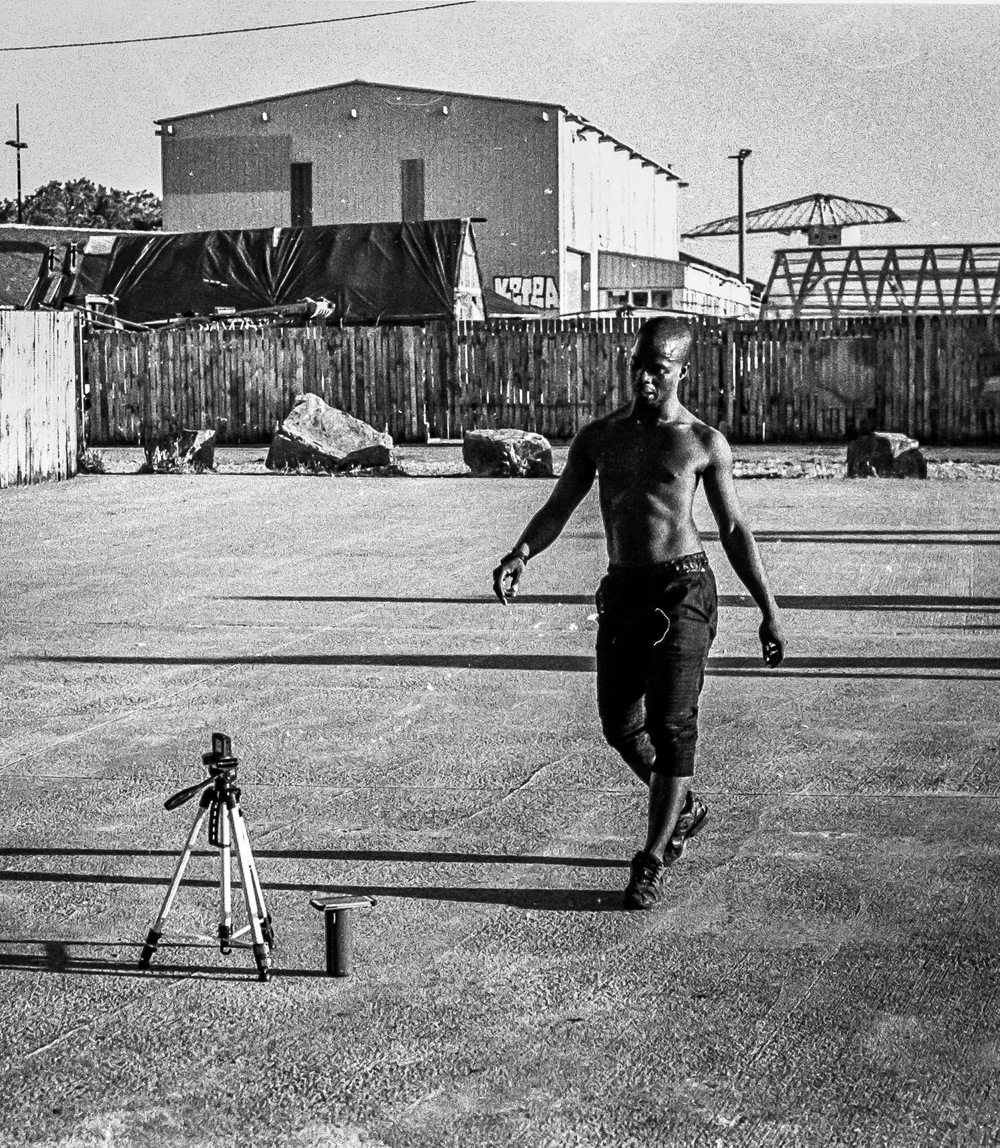
Then there was the dancer. He was just filming himself with a GoPro, but the way the sunlight caught his movements and the glistening sweat on his skin was mesmerising. It was a fleeting moment, the first and only time I’ve ever photographed a dancer, but it left a lasting impression. There’s something undeniably captivating about the human body in motion.

My wanderings continued to the edge of the island, where the mighty Grue Jaune – now a “monument historique” and a symbol of Nantes – stands tall. Walking past and through this enormous yellow crane was an awe-inspiring experience.

Along the riverfront, the Anneaux de Buren, a series of massive rings, stretched out in a mesmerizing pattern. At night, they transform into a dazzling display of vibrant reds, blues, and greens – a photographer’s dream, offering endless possibilities for capturing leading lines, geometric shapes, and unique framings of the cityscape.

And of course, no photo series of mine would be complete without the obligatory bike shot. It’s a bit of a tradition for me.

Even now, in 2024, the Hangar à Bananes still exudes that same “Summer Vibe.” It remains a popular spot for after-work drinks with friends and colleagues, boasting a variety of restaurants, bars, the HAB Gallery, and the infamous “Warehouse.” While the area can get a bit dicey later at night, it’s perfectly safe and enjoyable for a daytime visit or an early evening soirée.

The Opening of the Film Archives – Clisson May 2016


Introduction

Welcome back to the film archives.  Today I’m going to share some photos of the first reel from my “new” Canon AE1.  Well, not new, but certainly new to me.  The Canon AE1s were produced between 1976 and 1984.  It is one of those iconic cameras and at the time I must have paid about 50€.  When I say iconic, I really mean iconic.  It is a shutter speed priority camera using Canon’s FD lenses. I used it an awful lot that summer.  I liked it so much that I even bought a second one that I ended up giving to a photographer friend. 

Colour

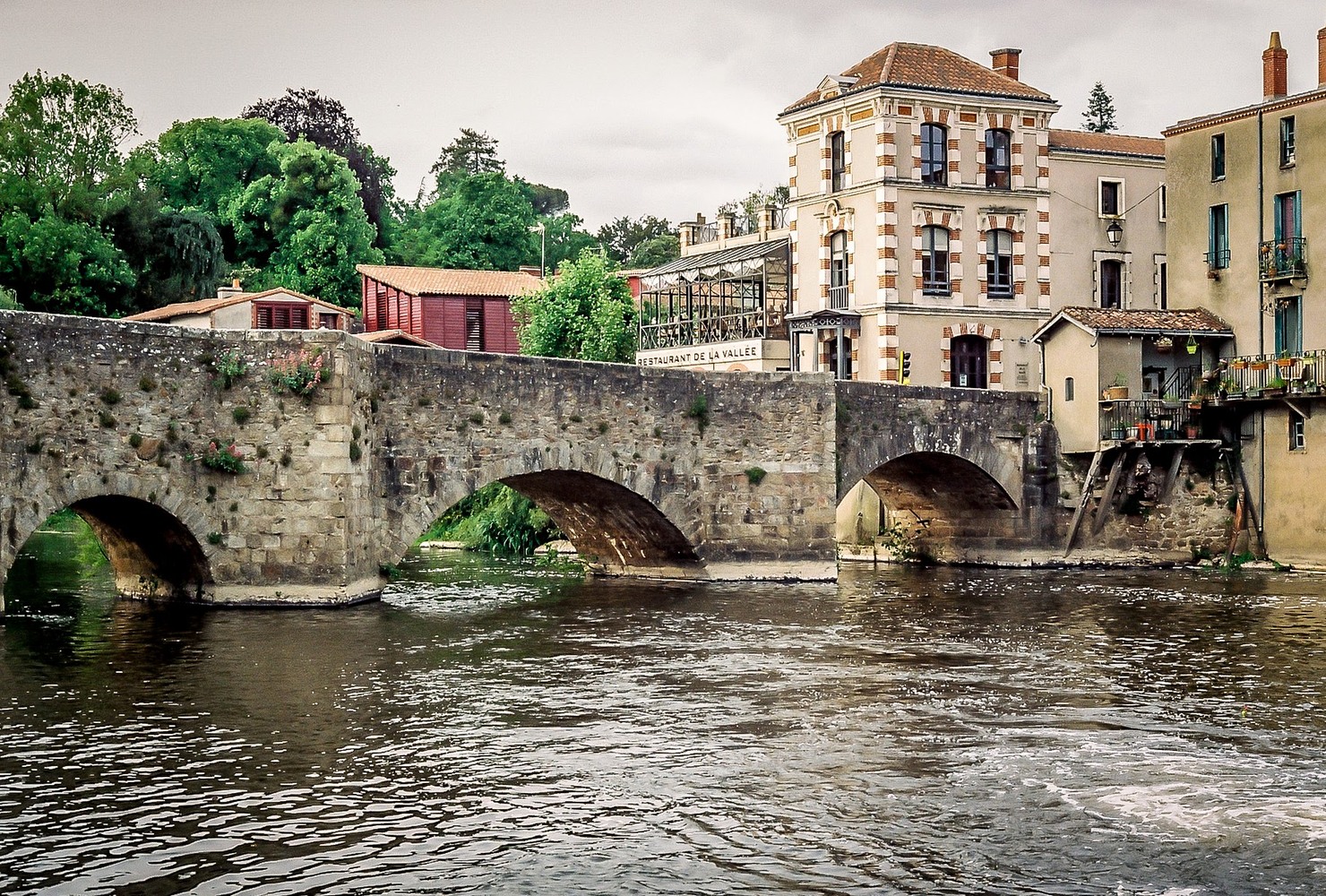
To some people of my generation they represent their first cameras, and were so popular.  Talking of popular, the photographs from this part of the archive are from the very popular and photogenic town, Clisson.  Also you will have noticed that the photos are in colour.  Which only goes to show that not all film photography is black and white photography.

Clisson, as you can see in the photos, is one of those beautiful French villages that oozes Gallic charm.  It also exudes a certain Italian charm, and is known for its Italian style architecture.  

Canon AE1

I have both a Canon AE1 and AEI Program. The AE1 is the big brother of the AE1 Program, and doesn’t have a program mode, but as you can see from the photos it still works a treat.

FeatureCanon AE-1Canon AE-1 ProgramDifferences
Release Year19761981AE-1 Program released 5 years after AE-1
Exposure ModesShutter Priority AEShutter Priority AE, Program AEProgram AE added to AE-1 Program
MeteringCenter-weighted AverageCenter-weighted AverageNo difference
Shutter Speeds2s – 1/1000s2s – 1/1000sNo difference
Viewfinder DisplayLEDsLEDsNo difference
Film Speed SettingManualManualNo difference
Self-timerYesYesNo difference
Depth of Field PreviewYesYesNo difference
Motor Drive CompatibilityYesYesNo difference
Other NotesFirst Canon SLR with microprocessor; revolutionary for its timeSimplified controls for easier use; appealed to wider audienceAE-1 Program aimed at beginners and enthusiasts
As you can see there’s not a huge differece between the two. The major difference being the Program option, and the other allowing for easier changing of the ASA film sensitivity setting.

On the day in question I must have parked just next to the river and concentrated on this picturesque  area.  You can see the castle, the bridge, and the river, all making for a peaceful spring moment.

I think the film was Fuji Superia, and I just wanted to use colour.  Thetones are slightly muted and warm, and the flowers, trees and plants were just screaming out to be photographed.  I remember the excitement of loading the film into this “new” camera, and the novelty of simply using an iconic camera.

Here is what fuji tells us about the film:

FUJICOLOR SUPERIA X-TRA400

An all-round general purpose, high-performance, high speed color negative film delivering truly fine-grain. Superb for snapshots or action, in low light with flash, outdoors or indoors. Ideal for general use with compact zoom lens cameras.

  • Excellent skin tones
    For beautiful, clear people-shots.
  • Fine grain
    Great results even when enlarged.
  • High-speed
    Superb results, whatever the shooting conditions.
  • Sensitivity and Film Sizes
    ISO : 400
    Film Sizes : 135 : 36 exp.

 When using digital, it’s so difficult to get that particular film look, and using film and an older camera just changes your whole outlook.  The fact of not having your image straight away leaves you with that anticipation that we all used to feel when we sent off our films to the lab.

Give film a try.  There are still cheap film cameras out there, and your photography experience will be totally different.  I certainly appreciate it.

The Opening of the Film Archives – Saint Cado, Belz, Morbihan


Welcome back to the film archives, and welcome back to Brittany, that gorgeous corner of France where my in-laws live. I think I might have let it be known that my French family love camping. Yes, they’re so in tents… I’ll just let that joke sink in for a couple of seconds. In 2016 I had begun “collecting” cameras. The photos from this Breton outing in Saint Cado were taken with the Kodak Retinette 1B, a little gem of a camera from the 1960s, and HP5 Plus film.

We’ll start with Saint Cado. It’s one of those picture-perfect postcard places. It’s not easy to take a bad photo of the place. It’s photogenic. It’s quaint. It has all the clichés of a small Brittany island in the Ria d’Etel, which is an inland sea connected to the Atlantic at the Barre d’Etel… I’m thinking lobster pots, oyster beds, black and white houses with slate roofs, a local Saint, a chapel to this local saint, who was actually from Wales of all places, and a miraculous fountain that fills up with every incoming tide. Yes, it’s one of those places… Did I mention that the bridge that links the island to the mainland is a Devil’s bridge? It is said that the devil demanded the soul of the first creature to cross it. The story relates that Saint-Cado, who was a shrewd fellow, put a cat on it! It is just gorgeous!
Let’s talk about the Kodak Retinette 1B. As I said in the introduction, it is a camera from the 1960s that uses zone focusing, and the 1B as opposed to the 1A has a selenium light meter that works a treat. Zone focusing is where you focus by zones. Mind-blowing, right? If I look at my lens, I will see a distance measurement that I will use as a guesstimate. I will move my aperture dial and let’s say I’m at F8, well everything from one F8 to the other F8 will be in focus. A lot of cameras from this period used this system, and it works. If you want to open right up to F2.8, then there are little rangefinders that you can put on the hot shoe mount and there you will be able to get an exact reading for the distance from your subject. Up to you…

Why use a camera that is over 60 years old?  First of all, why not?  It works.  It’s simple to use.  It doesn’t need a battery.  You load your film and Bob’s your Uncle!  Off you go to shoot your 36 exposures.  It also looks pretty damned sexy hanging around your neck too…  It actually looks so sexy that my son nicked mine, and I had to go and get another one.  At the time of purchase I must have paid no more than £15, and even now it will cost you less than £50.  

So there you have it – a charming little island, a vintage camera, and a roll of trusty HP5 Plus. This trip to Saint Cado was a reminder that sometimes, the best photos come from the simplest tools and the most unexpected places. And who knows, maybe those old film cameras aren’t just gathering dust in the attic – they might just be waiting to capture your next adventure. (But if you happen to see my son with a Kodak Retinette slung around his neck, please tell him to bring it back!)

The Opening of the Film Archives – Penthièvres July 2016


I don’t know about you, but I’m really getting into this Film Archive business. It’s great sharing these archives with you all, and it’s certainly bringing back lots of memories to me. Maybe less for you because I haven’t published them here yet. But I know you’ll like them as much as I do.

This particular set of photos was taken on Penthièvres beach, located on the Quiberon Peninsula in the Morbihan. It has a special place in my heart. Not just because I like the sea, but the smell of the sea, and the feel of the sea air on my face. It’s a place I often escape to for a bit of tranquillity especially with the chaotic nature of family visits.

In some respects it’s strange going to the beach to “relax” as it’s something I usually hate.  The idea of the outing to beach with the family and putting towels down, with rocks on each corner of the towel, and having to watch over children going to swim and bathe, making sure they don’t drown because you’ll get shouted at.  The shouting of the children, and worse other people’s children.   Getting sand in between your toes and then getting back to the car and having the impression you’ve brought back the whole beach…

But here it was different.  Boots stayed on.  No screaming children.  Just the wind, the heat of the sun, just being an observer and not having to chat with anyone.  Being able to capture the beach on film.  Pure, solitary bliss.

So, now that you know where we are, let’s look at the camera and film du jour. The film stock that day was the usual Ilford HP5 that I always used at the time, a classic choice for its versatility and ability to capture the subtle nuances of light and shadow. The camera was the Ukrainian made rangefinder, FED 5 manufactured during the Soviet era. Loading the film with this camera is done by unscrewing the base plate, similar to the way one does with a Leica. The focusing with the “ghost” image is spot on and it’s a joy to use. I still love the smell of the leather case too. As in much of my film photography it’s as much about the experience of shooting as the final images.

In the end, Penthièvres became more than just a backdrop for my photographs. It became a sanctuary, a place where I could reconnect with my love for photography and find solace in the beauty of the natural world. These images are a testament to that experience, a reminder of the power of film to capture not just the physical landscape, but the emotions and memories that are woven into every frame.