Thank you for being here. If you’re reading this, you’ve been following my work for a while — and that means more to me than I can easily say.
I wanted to share something with you before anyone else.
Over the past months I’ve been quietly building a small print shop — seven photographs that have stayed with me long after the shutter closed. A path in Huizhou. A canal in Shaoxing. A Vespa in the Quartier Bouffay. A tiny wooden shed in Northumberland that stopped me in my tracks.
Each print comes with the story behind it — because a photograph without its story is only half the picture.
If one of them speaks to you — I’d be genuinely honoured to have it on your wall.
Thank you for six years of reading, liking, commenting, and quietly being there.
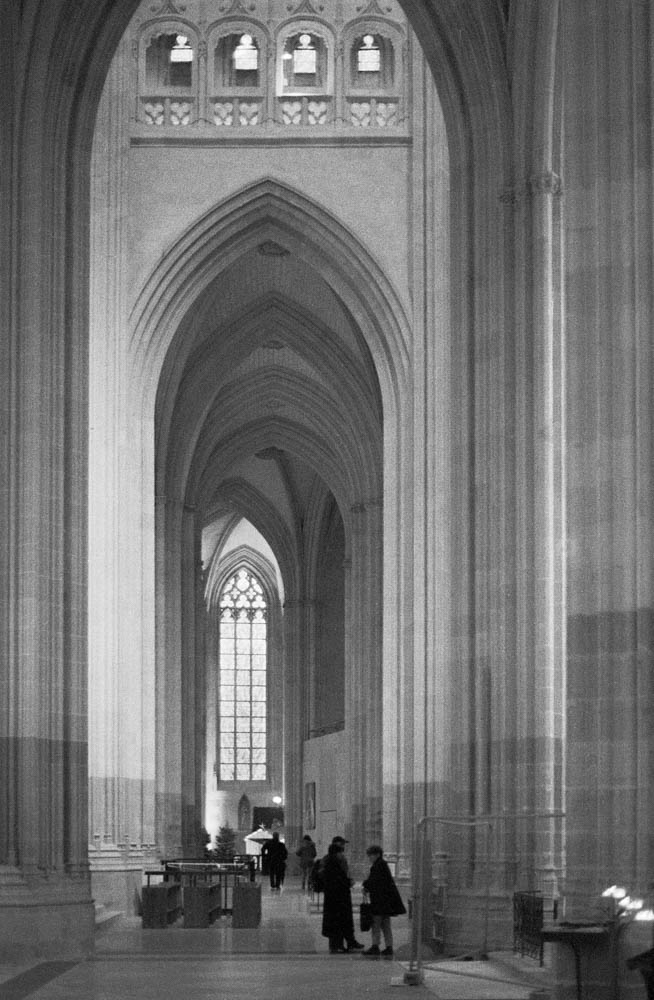
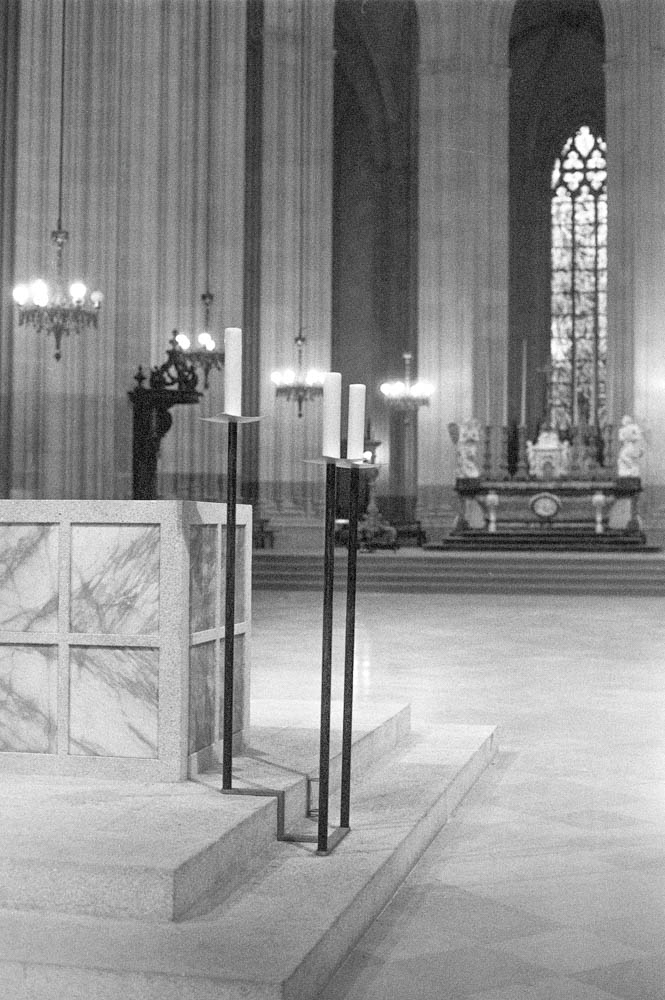
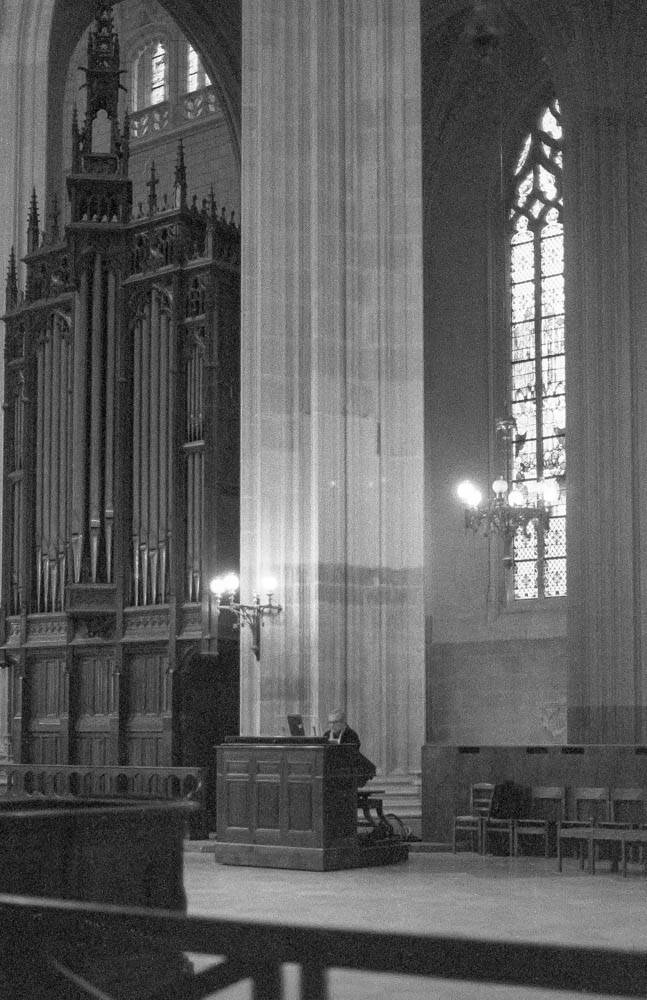
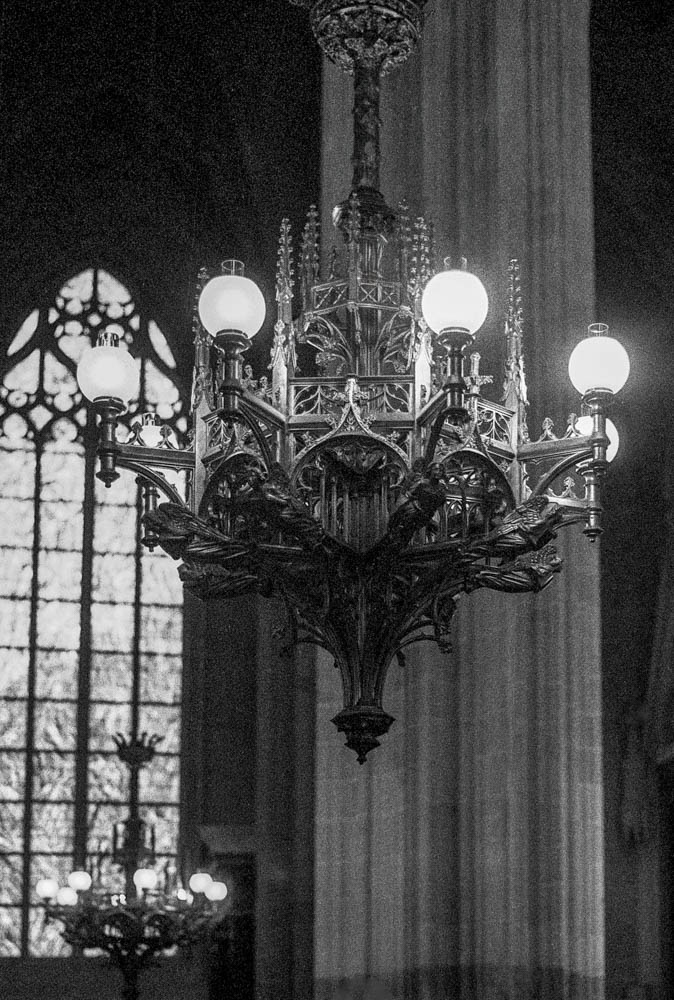
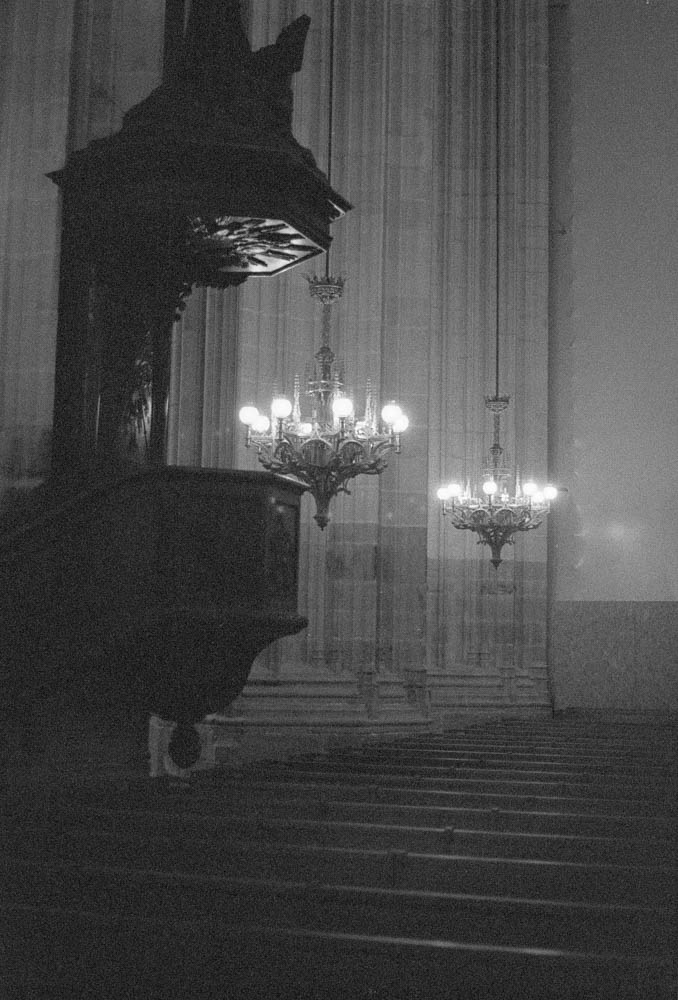
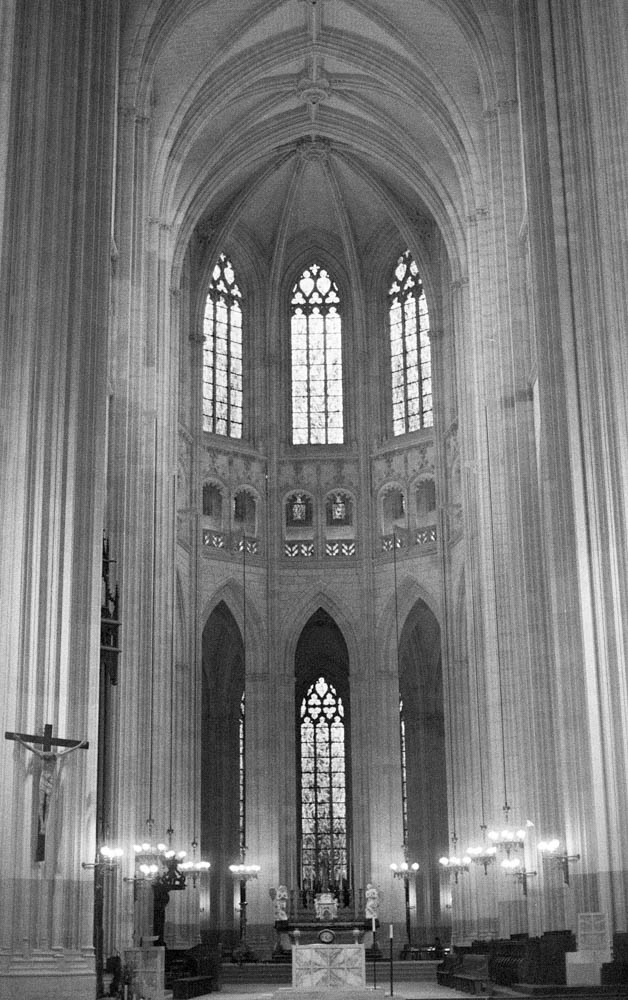
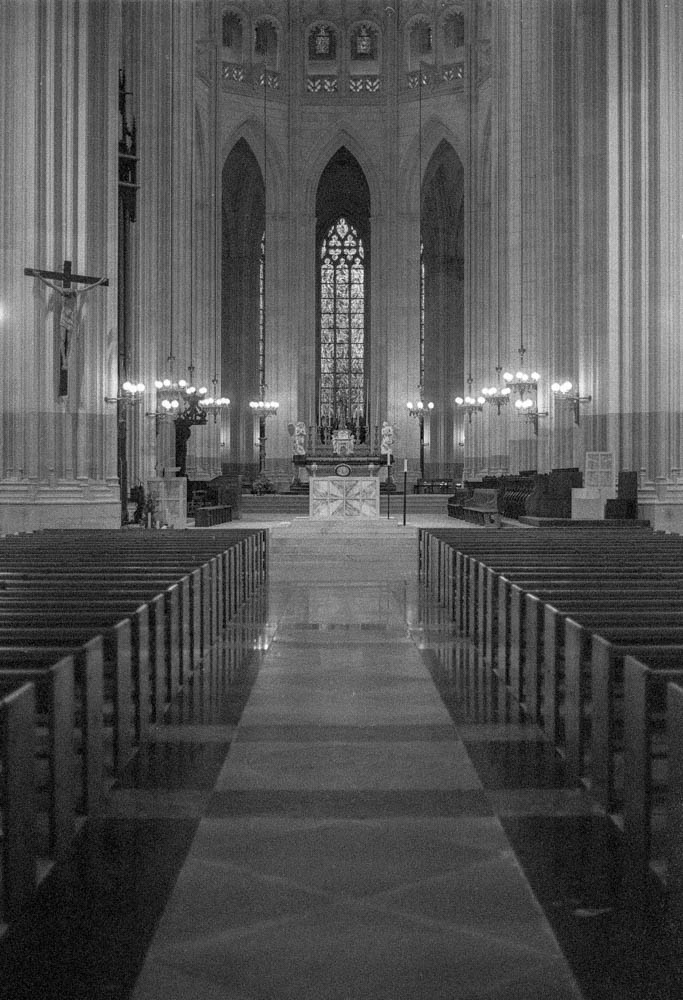
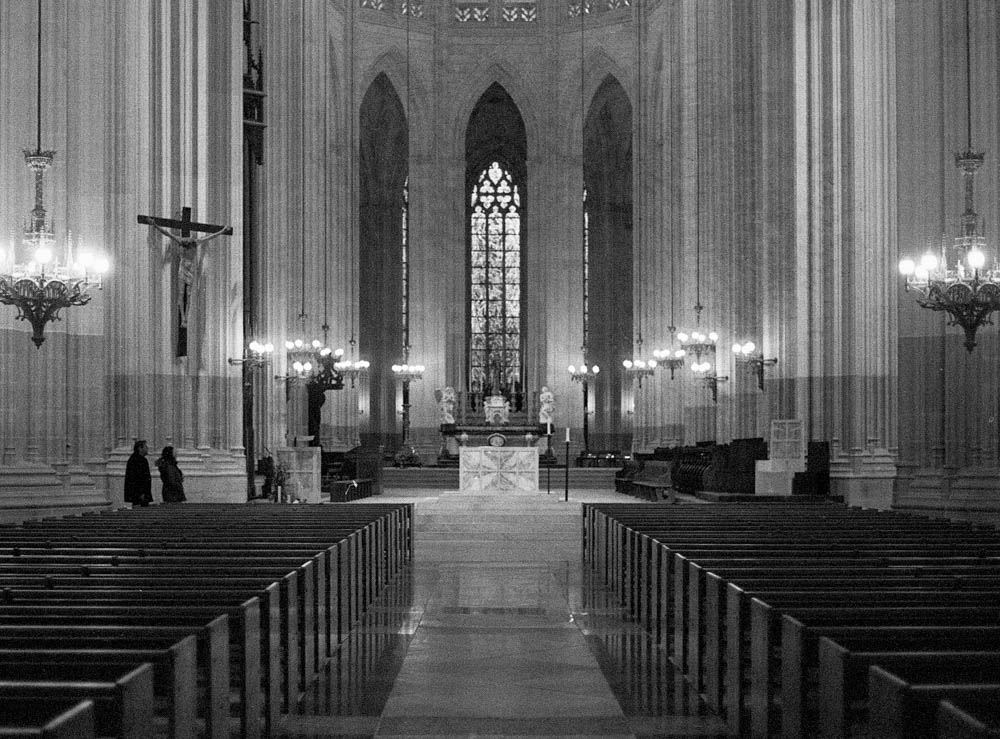
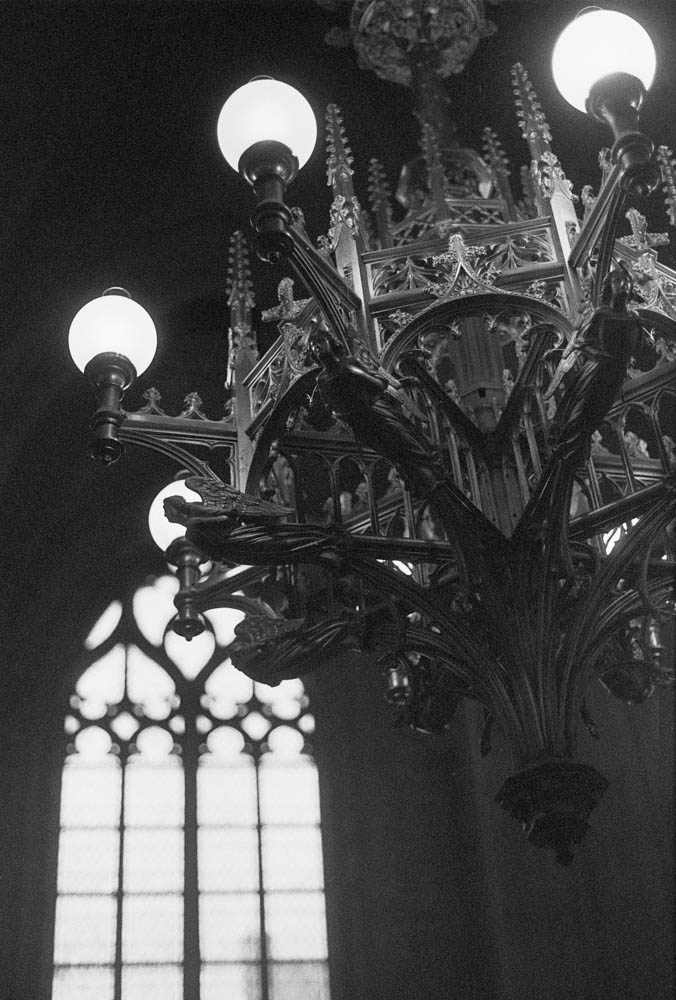
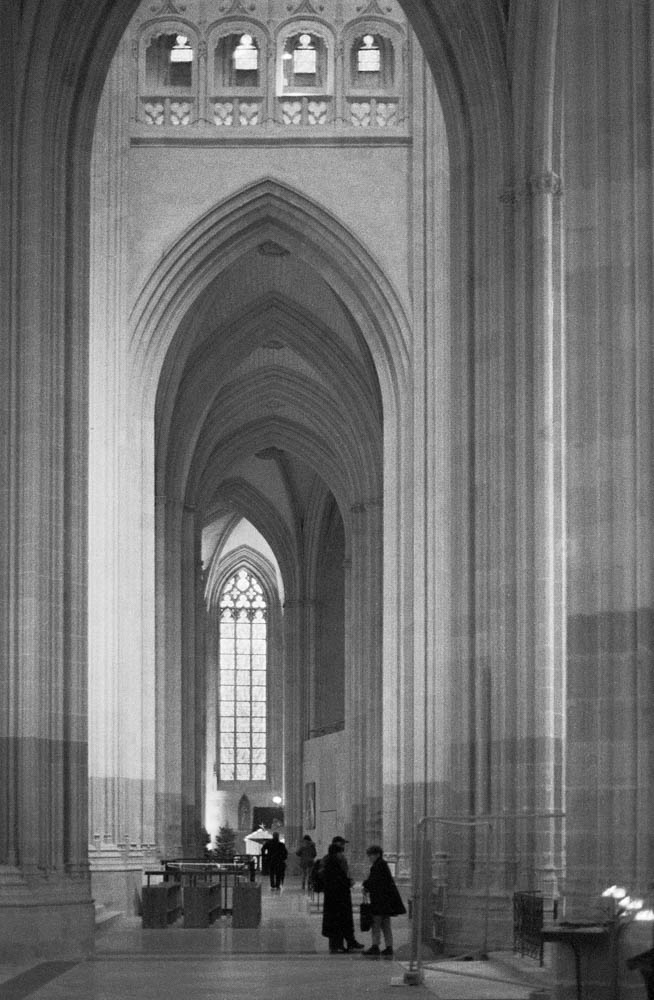
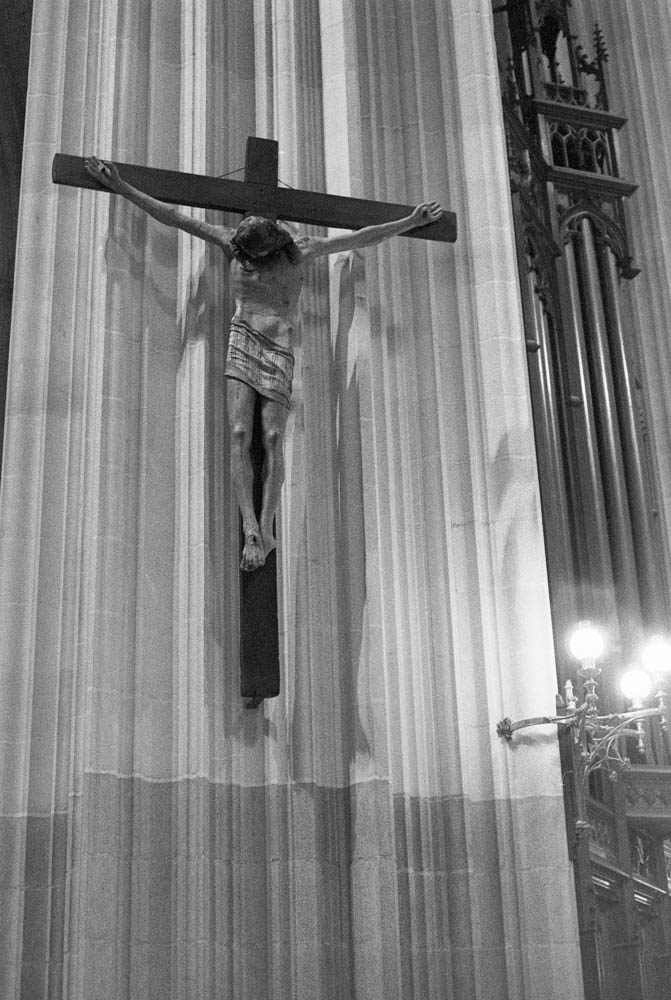
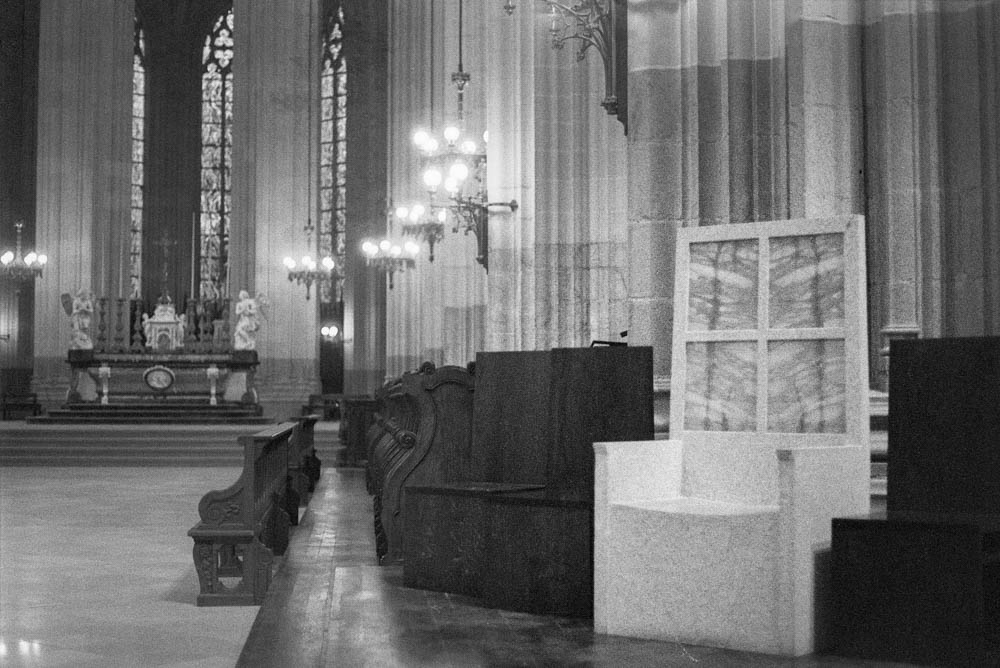
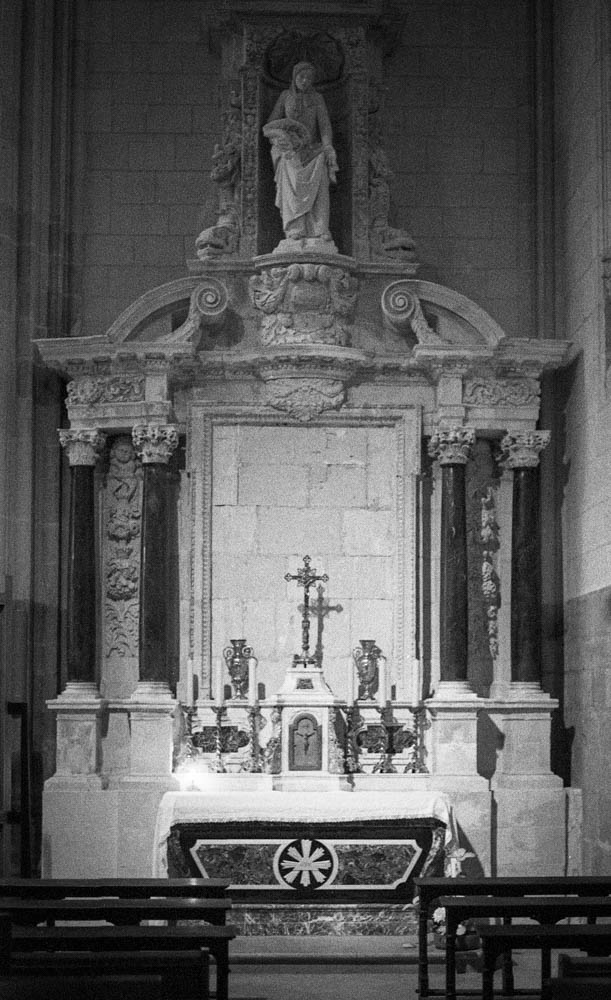
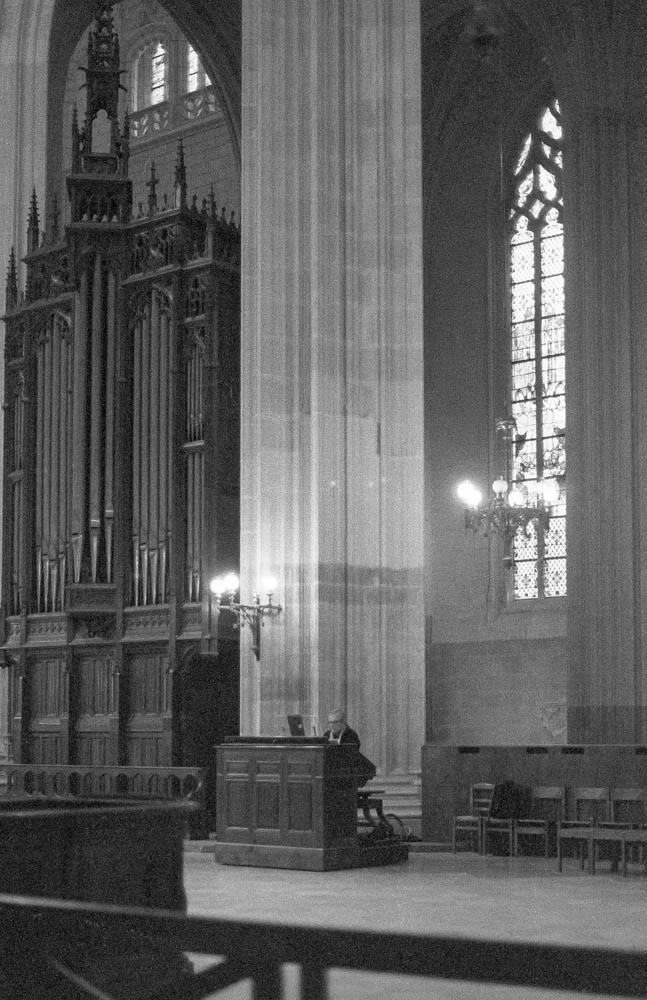
I didn’t set foot in the cathedral while Voyage en hiver draped its silence in municipal spectacle. Not out of protest—I simply couldn’t bear to see sacred space turned into a backdrop. So I waited. And when the banners finally came down in December, I loaded a roll of Ilford HP5 into my Nikon FE and walked back in—not as a tourist, not as a patient, but as someone hoping to find the light exactly where I’d left it.
I’ve always abhorred political recuperation. The Voyage en Hiver had no place in the cathedral’s reopening. This was about worship. About returning to God in a space that had been quiet for too long—not about municipal branding or winter tourism. “Give unto Caesar what belongs to Caesar, and unto God what belongs to God.” (Matthew 22:21)
That day, I chose God’s silence over their spectacle.
My hands were cold when I raised the camera. December light in a stone cathedral is a quiet thing—more absence than presence. I wondered, honestly, if 400 ASA would be enough. But I wanted authenticity: more grain than digital noise, more truth than polish. So I trusted the FE’s metering, opened up my aperture, and let the film do what it does best. No second-guessing. No LCD screen. Just the click of the shutter and the hope that the light would hold.
And it did.
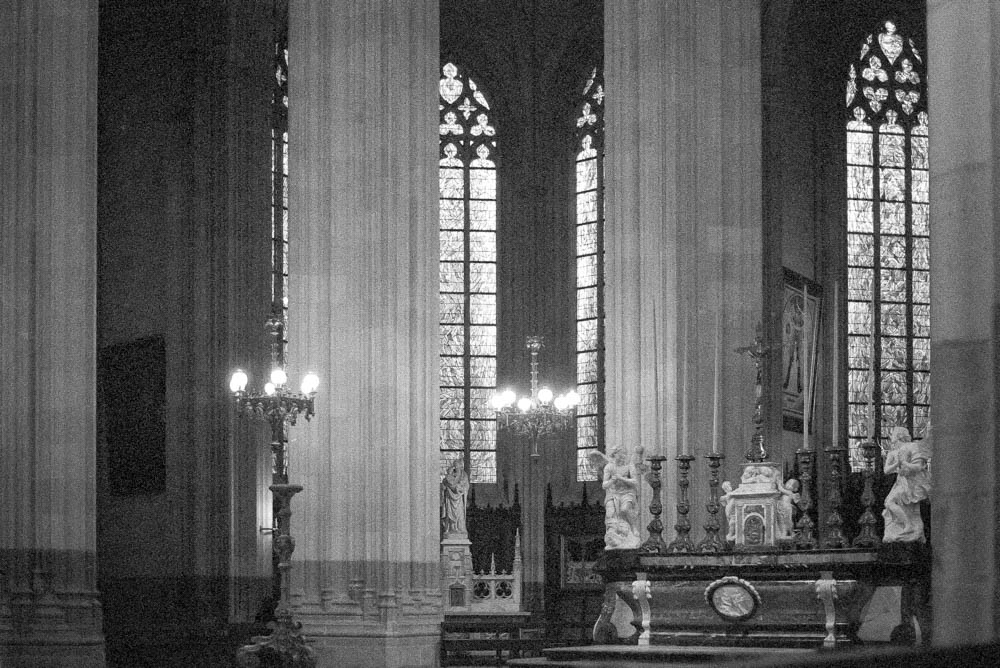
The frames that emerged are darker than summer would allow—but this was December, after all. And in that darkness, something gentle remains: the grain cradling the texture of worn wooden pews, shadows tracing the ribs of vaulted stone, candlelight bleeding softly into halos where no banner now hangs. Black and white stripped away every distraction—the logos, the seasonal clutter, the noise—until only what mattered remained: light on stone, silence between pillars, the architecture of reverence.
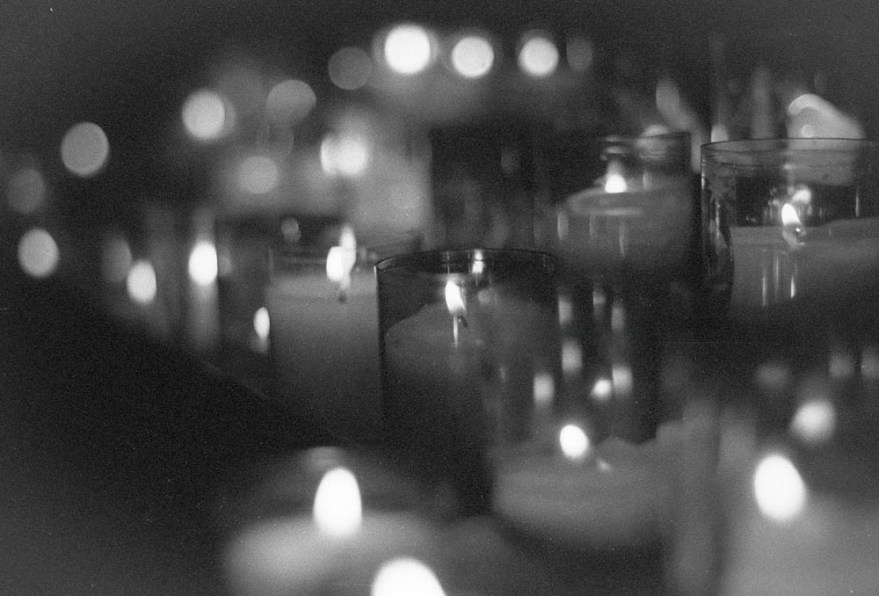
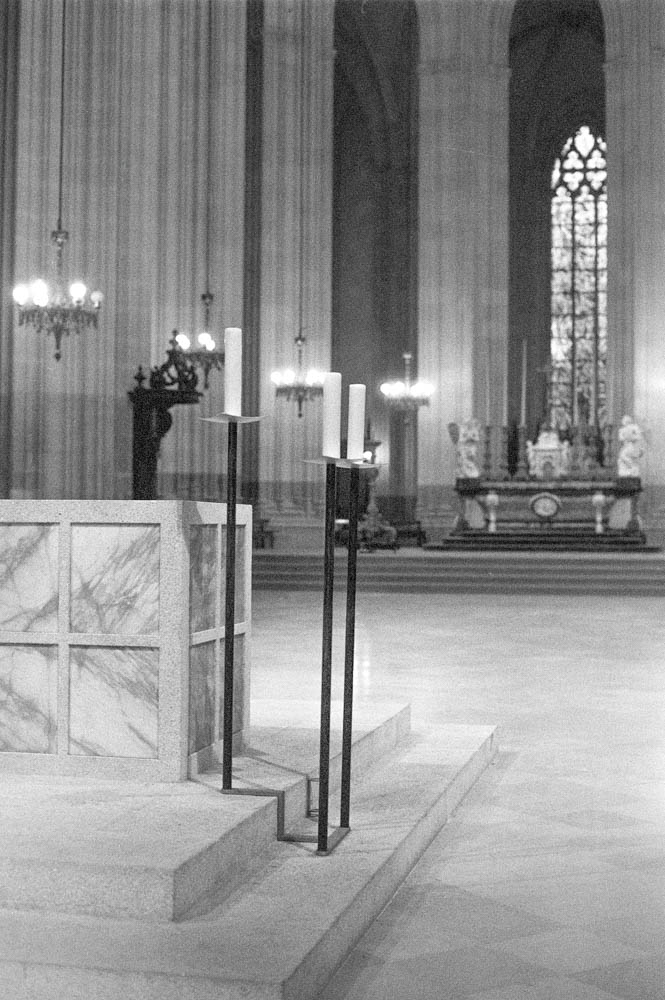
One frame in particular stays with me: the candles. Shot at 1/30s, my hands unsteady not from illness but from the simple weight of the moment. The focus slipped slightly. The flames blurred into one another. And instead of frustration, I felt a quiet relief—the film hadn’t captured perfection. It had captured presence. Grain became breath. Blur became prayer.
I didn’t go to “get out of the house.” I went because the space was clean again—just stone, silence, and the stubborn glow of candlelight. And for a few minutes, with the FE cold against my palm and the smell of incense in the air, I remembered why I love film photography: it doesn’t lie. It holds what’s there—shadows and all—and asks only that you trust the process.
They sold a spectacle. I took back the light. And the grain—warm, imperfect, alive—proved which one will last. My small act of reparation…
In my last venture into the film archives, I talked about how there was a time that my daughter hadn’t yet seen me the way I see myself and how she actually still liked me, before turning into a teenager. This is the second part of that special day.
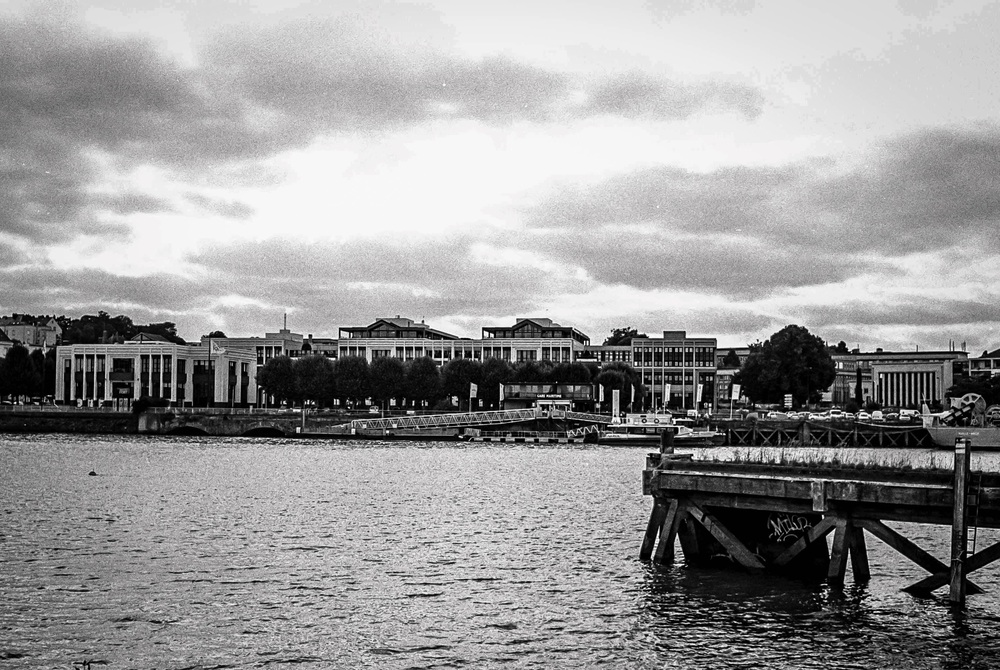
We had explored the Jardin des Plantes and discovered what they had to offer. This of course builds up an appetite in a young lady, and convinces her that she really needs to drink something Daddy. And why couldn’t we go to the Altercafé (now the D3) at the Hangar à Bananes.
So what else was I to do but drive us to the Hangar à Bananes. You will have seen the Hangar in this article, and you will now be completely up to date and know nearly everything there is to know.
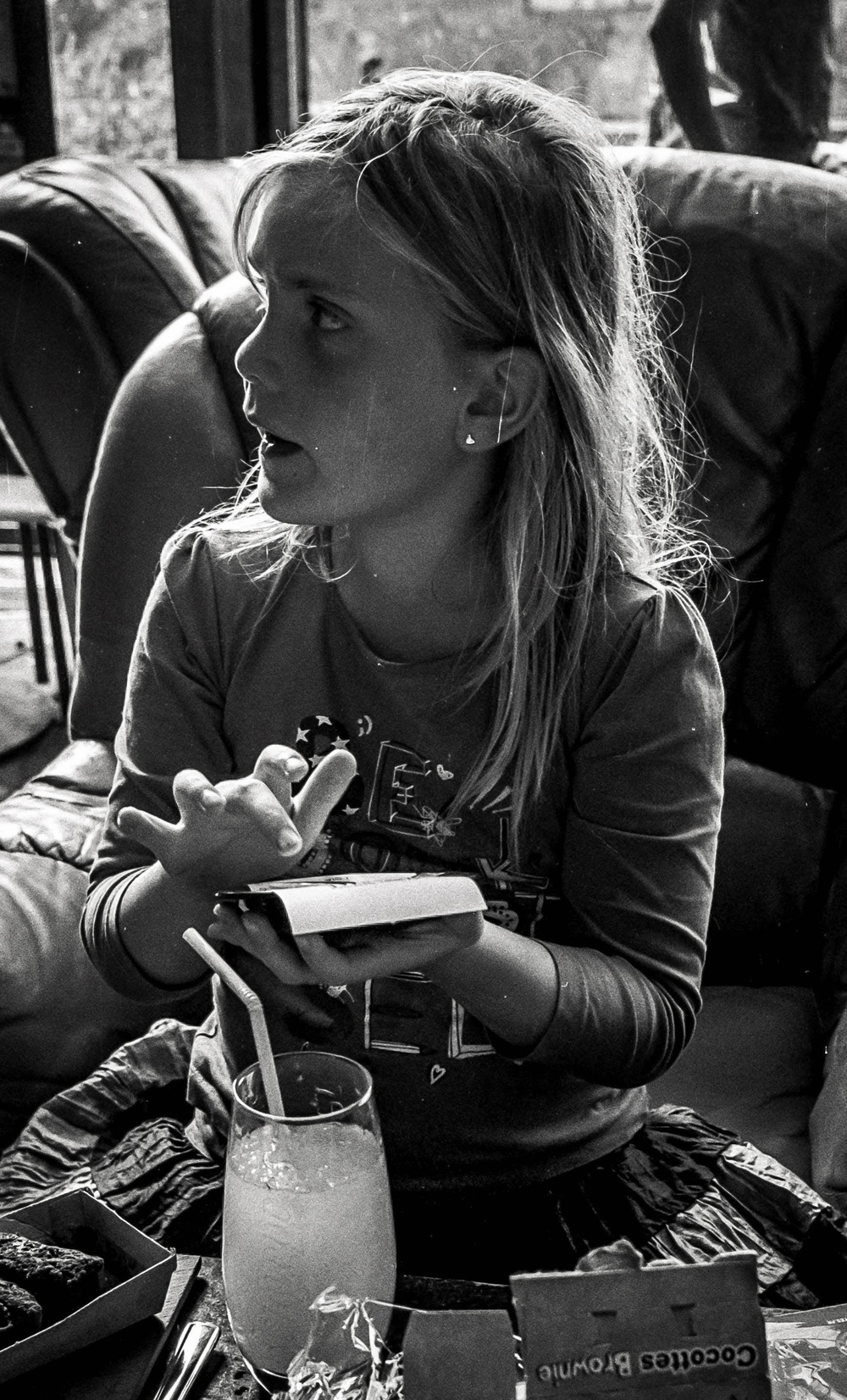
Don’t forget that this is a girl who gets an idea into her head and then just goes through with it. That idea is so rooted that it is nigh on impossible to change that idea. I knew what was coming. I would order a chocolate brownie, and Kate would have an Orangina. I could have a beer. How gracious of her.
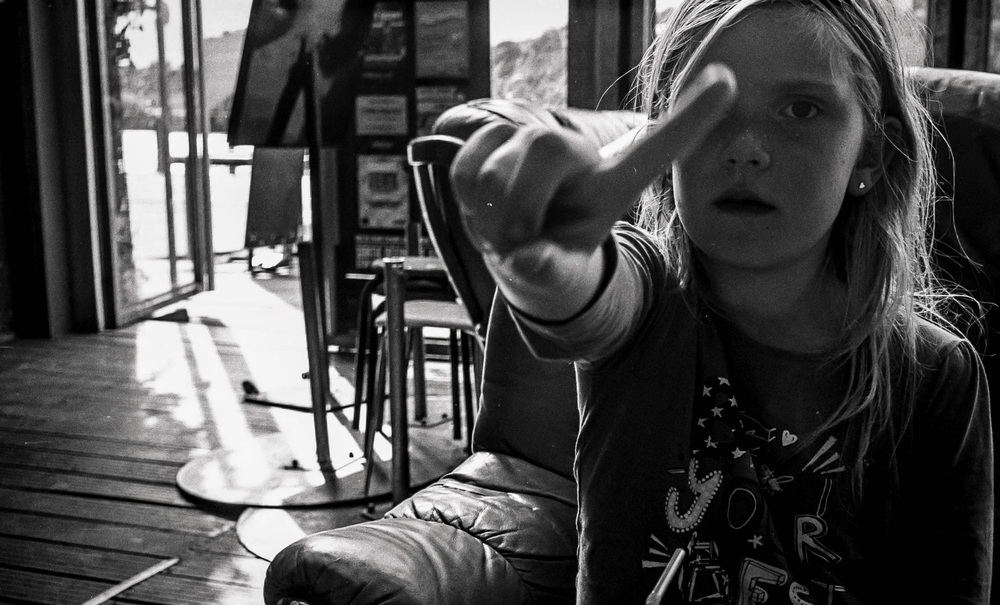
She had been my model for most of the day and even a top model needs a rest, and just has nothing left to give a photographer. You just know when enough is enough…
There was a time when my daughter wasn’t a teenager. There was a time when she quite liked her Dad, and she would accompany me everywhere. It was good being that child’s hero. It was a more innocent time. It was a time when she actively tried to spend time with me. It was a time when she didn’t see me the way I see myself…
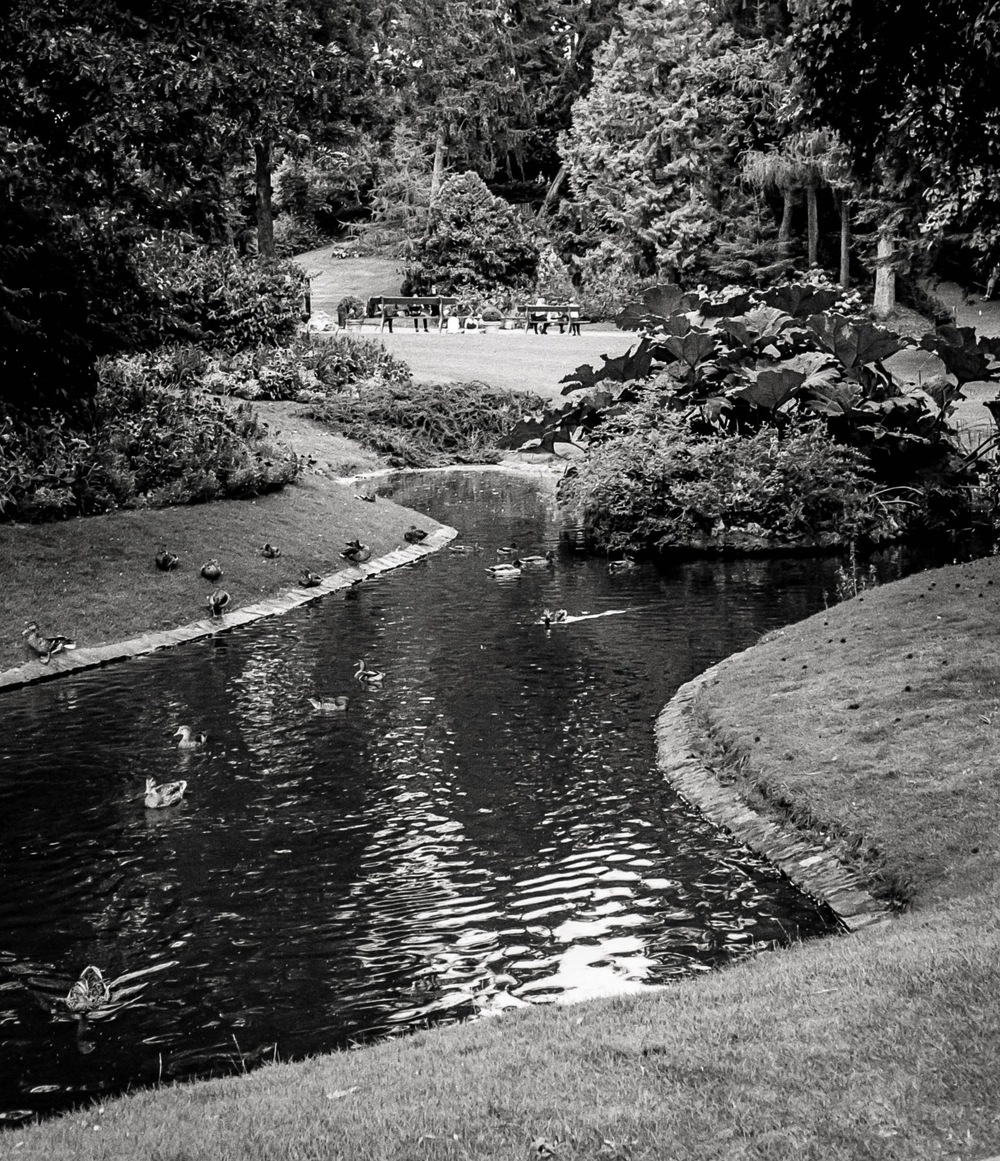
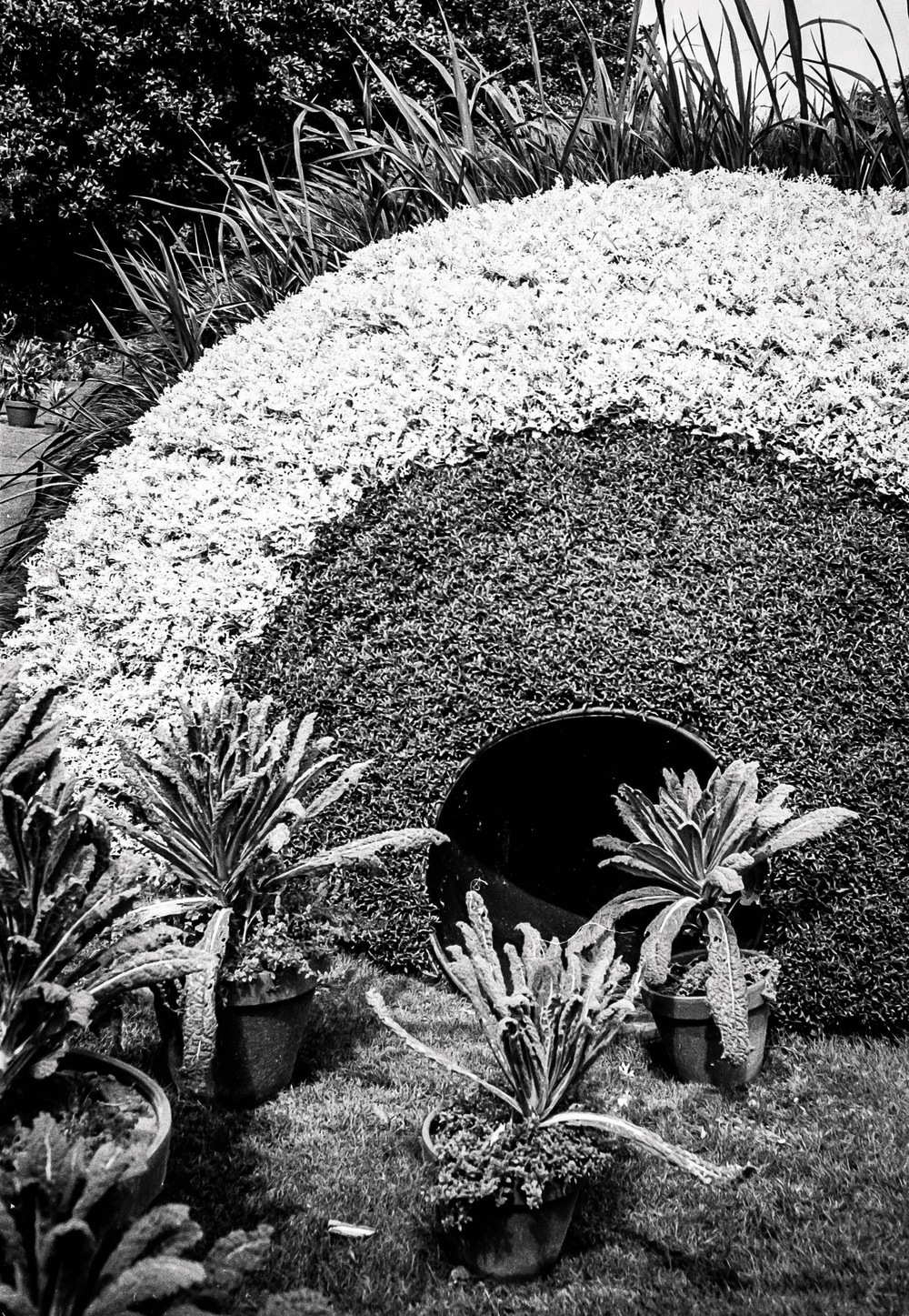
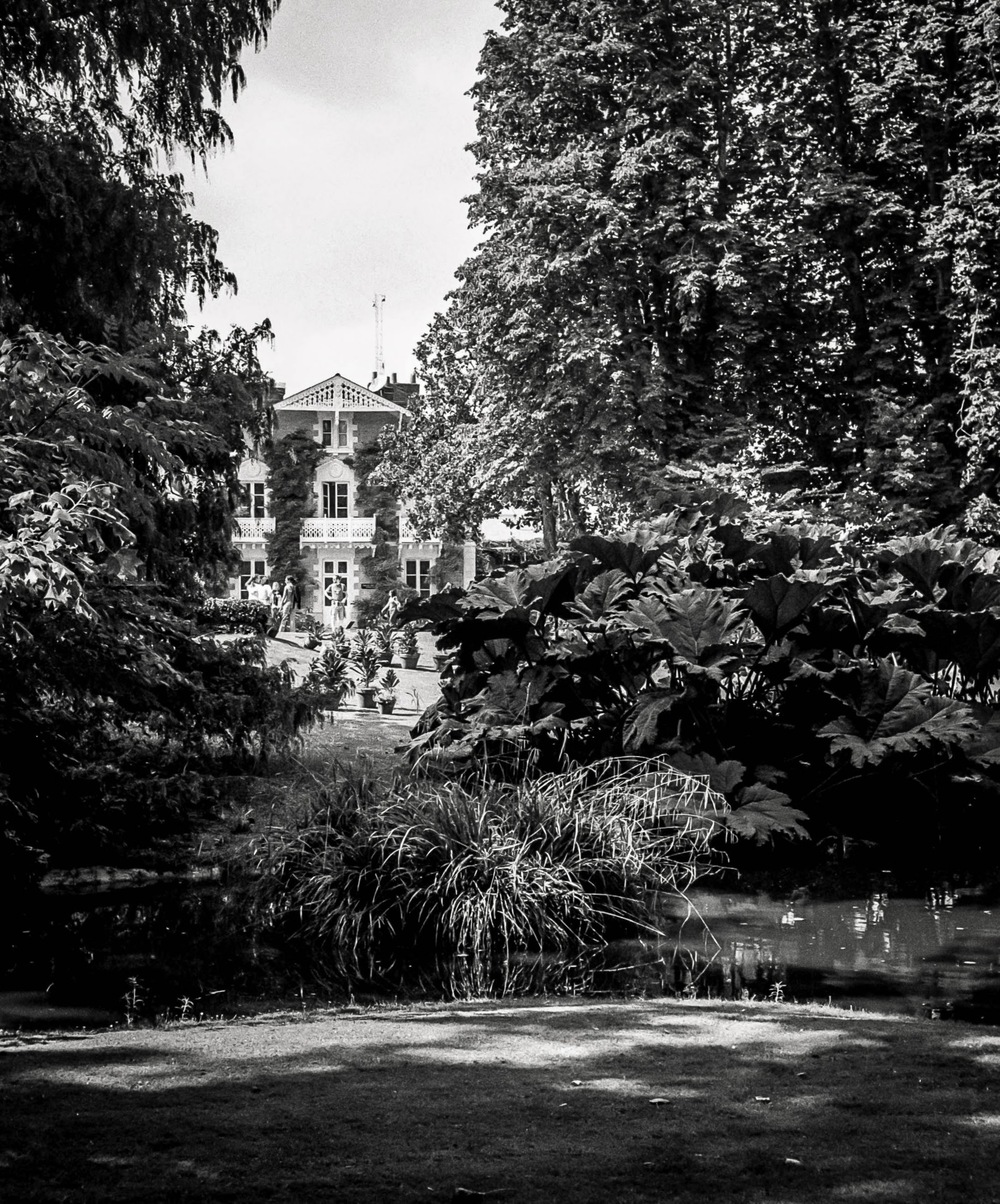
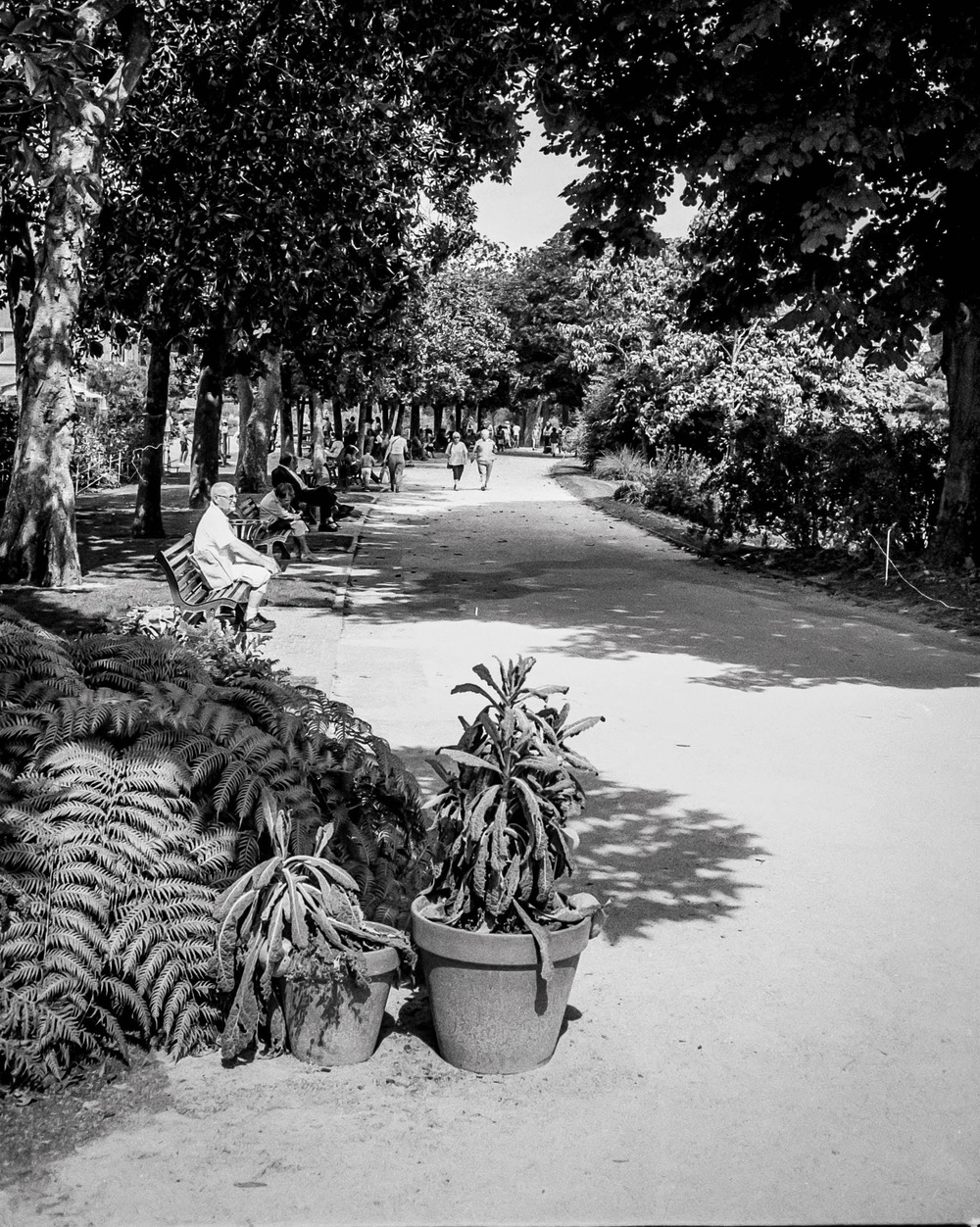
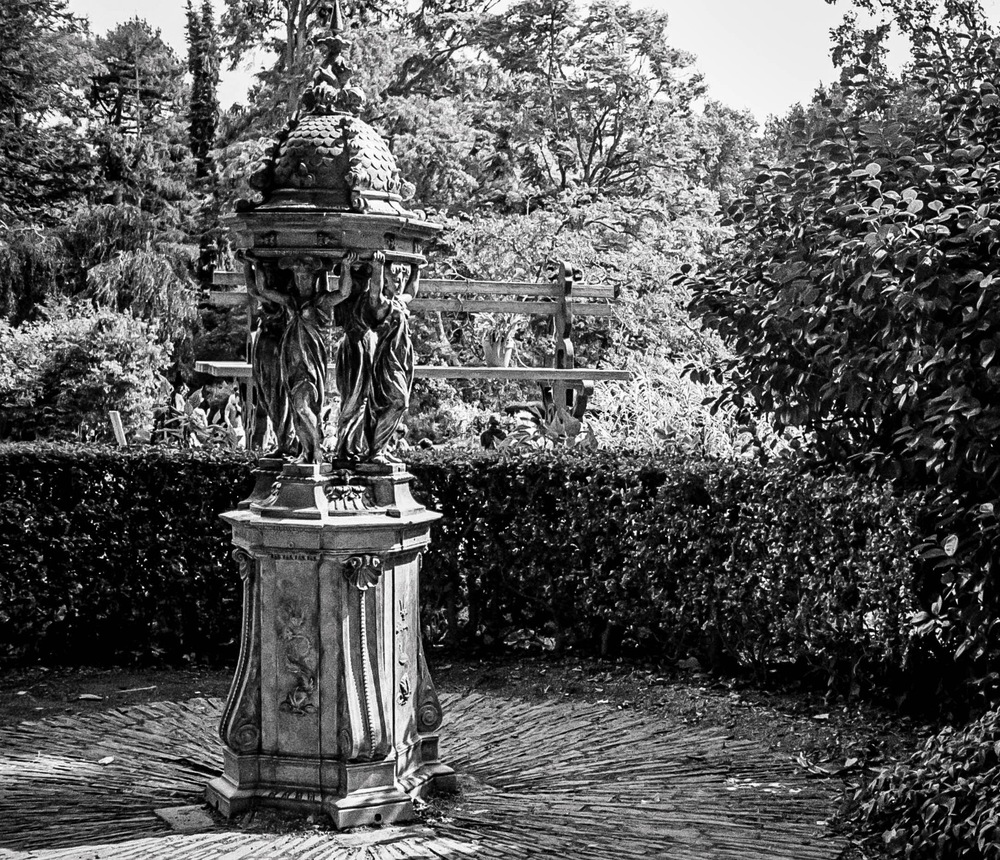
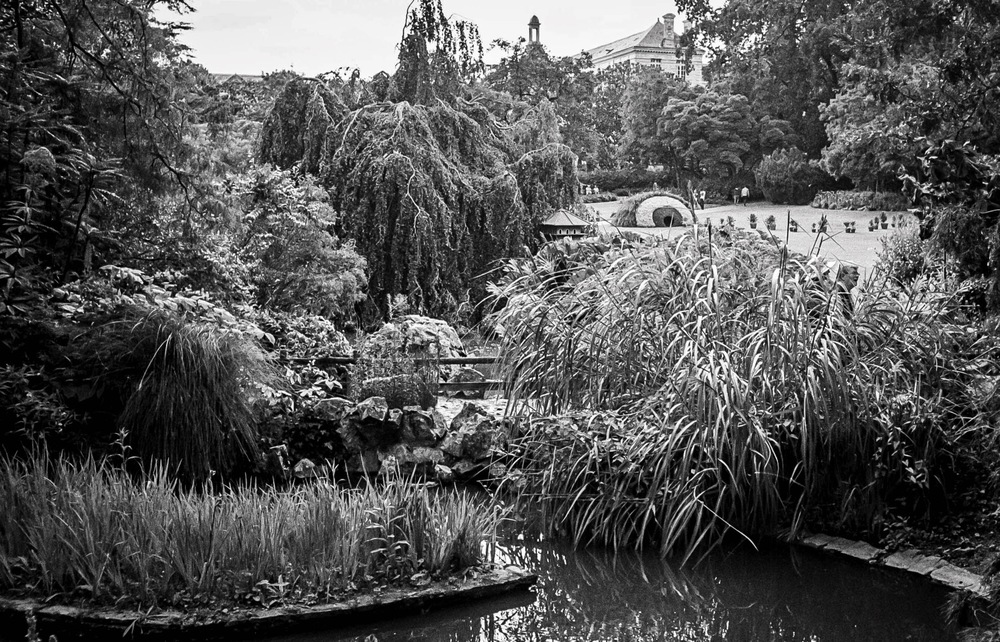
One of her favourite places in Nantes was the Jardin des Plantes, a huge botanical garden in the middle of Nantes just across the road from the station. I could talk about the fact of it being a haven of peace in the bustling city. I could talk about it being an oasis of green in a sea of concrete. I could talk using clichés ‘til the cows come home…
These photographs are not clichés, but real attempts of capturing a specific moment in time allowing me to travel back through time. And looking at these images, I’m definitely back in time.
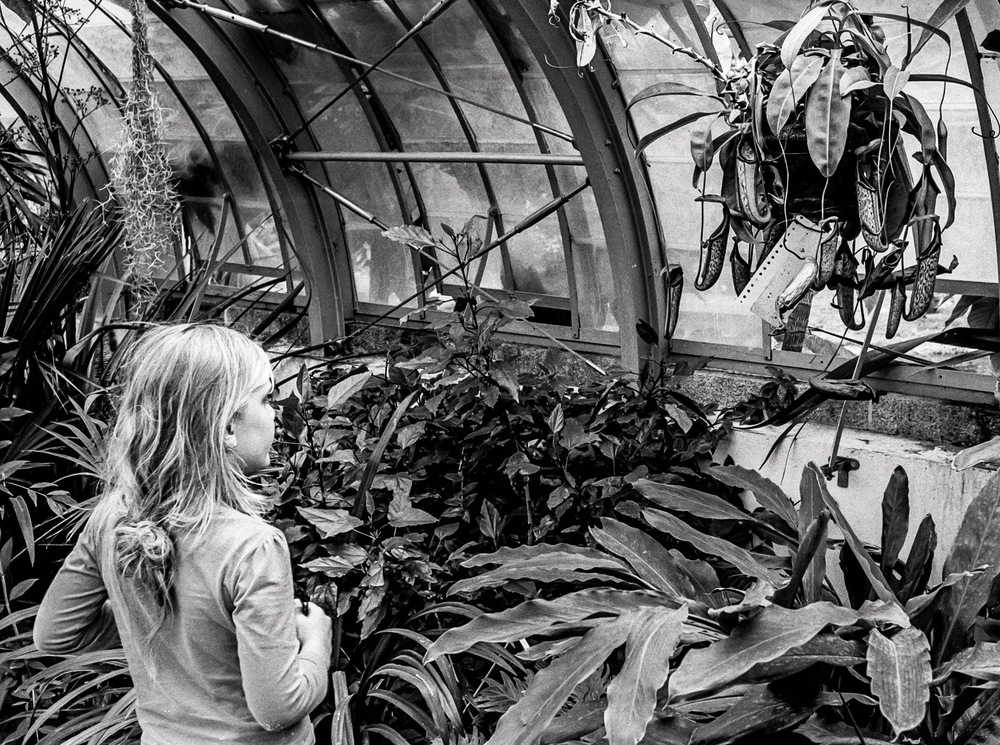
Let me introduce you to my daughter from 2016. She was a 7 year old that already knew what she wanted but was slightly more subtle about it. She would suggest that we go into town. That I could take my camera. That we could go to such and such a place. That we could do such and such a thing. And all this as if it were completely natural. And I was a very willing victim.
This time she suggested going to the Jardin des Plantes. She would take her camera (my old Sony bridge) and I would take my Olympus Trip 35. I used the Olympus Trip quite a lot at that time and its ease of use, the zone focussing, and general lack of buttons to press, made it quite the fool proof piece of kit.
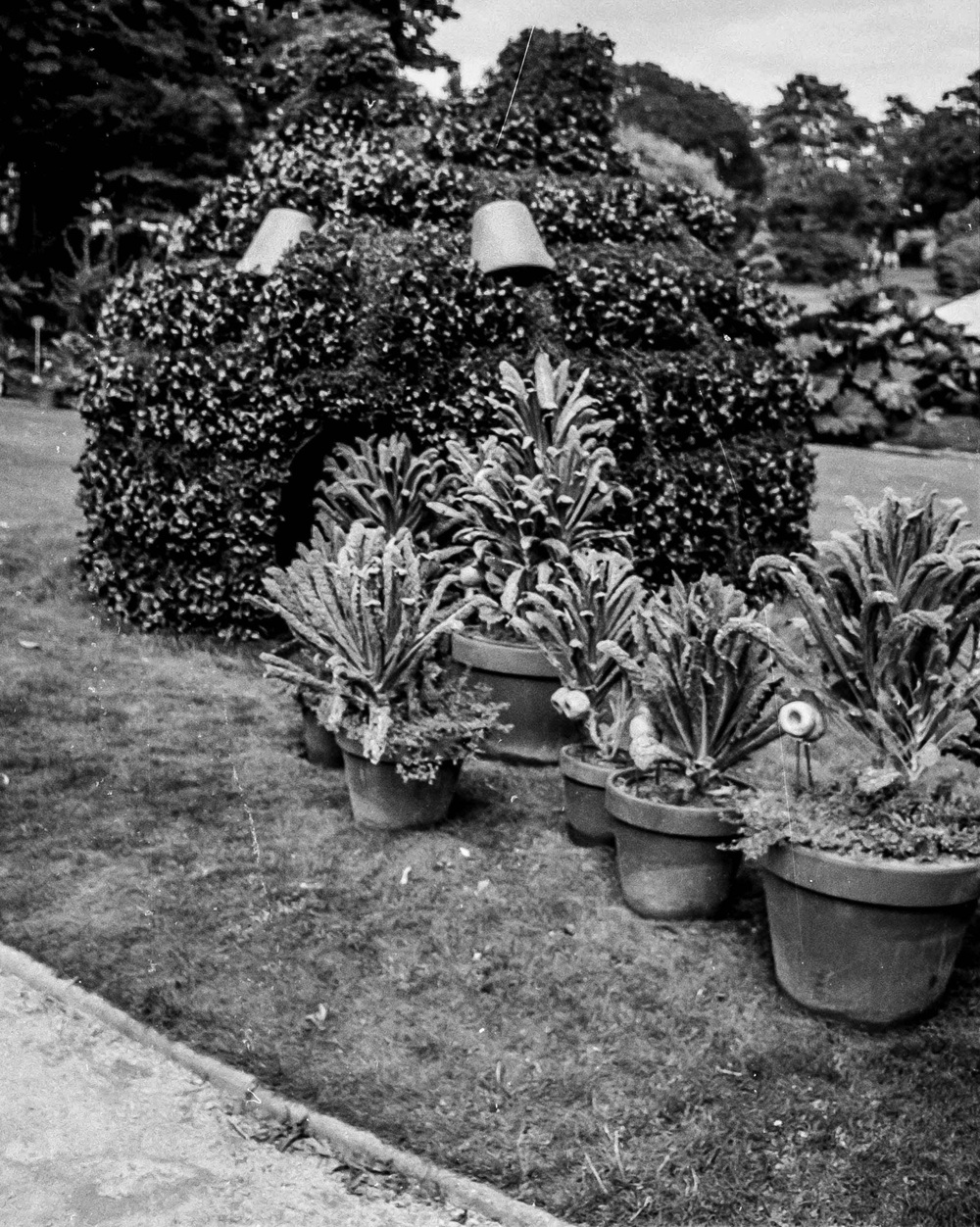
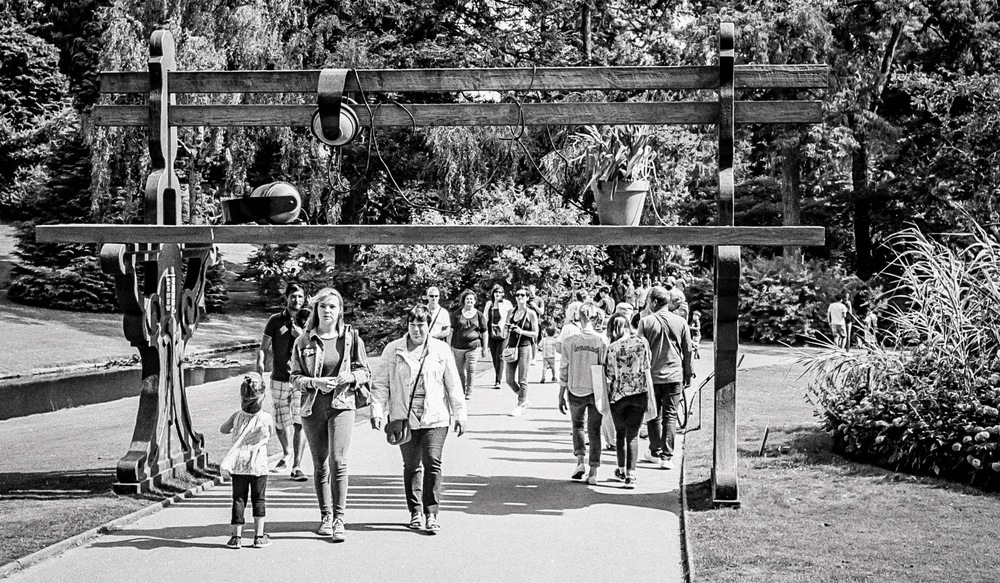
As usual, I let her lead the way. This was here outing after all, and kept a respectful distance, so I could photograph her and record her for posterity. The Jardin des Plantes has not only plants, the clue is in the title, but also is the backdrop to the Voyage à Nantes, and certainly was that year.
I think the images speak for themselves and I’ll let you peruse them at your leisure. They were taken on Ilford HP5 Plus film shot at box speed.
Good evening Dear Reader. You may have noticed, and then again, you may not have noticed, that I have created a couple of new pages. Instead of adding article categories to my site in the menus, I have created pages with a carousel showing collections of articles in one specific category. This started with Photography Tutorials, which is a collection of, surprise surprise, photography tutorials. Another one for Travel Photography, one for Camera information, and a final one for articles featuring Film Photography. The idea behind this rather brash move on my part, was to help you find what you wanted to read or discover more easily.
This Meisterwerk of a blog is a work in constant evolution, as I think you may have gathered, especially for those of you that have been with me since the beginning. But what does this have to do with Film photography I hear you ask. Well, when creating the film photography page I realised that there are fewer articles than I first thought. This struck me as a little odd, because at one stage I had a little bit of a reputation as a film photographer, and at one stage was purely a film photographer. This was, of course, before the start of this blog lark in 2019. Between 2009 and 2019 I did a huge amount of film photography that I realised I have not shared with you. Even more so since 2016, when I started developing and scanning my negatives at home.
The beginning of the blog also tied in with the X100F and the Canon 6D Mark II coming into my photography, and since lockdown, I have done only small amounts of film photography. Time to reveal more of myself to you. At least if that’s alright… But this isn’t just about me dusting off old memories. By sharing these photos, I hope to spark a conversation, ignite a passion for film, and maybe even inspire you to dig out your old camera and give it a whirl. Who knows what treasures you might find in your own archives?
Taken on the Praktica MTL3 probably with the 50mm Pentacon F1.8 lens on HP5 Plus at box speed in the Quartier Bouffay in Nantes.
So bearing all this in mind, I have a proposal for you. Let’s open the vaults and let’s have a look at the “film archive”. This could be in the form of a series of articles complementing the weekly outpouring of anecdotes or advice, as an addition, or it could be the content for the upcoming weeks. I haven’t decided yet. Let me know in the comments which option you prefer, or if you have any other ideas for how you’d like to see the film archive content. There’ll be shots of Nantes, the UK, England, and Scotland and maybe even Spain, and Portugal. There will be colour and black and white photography too. I don’t know yet. I might not have yet taken into account the magnitude of the task ahead. Everything is open.
On the way to Otterburn in Northumberland with the Pentax ME Super using Portra 160. It was another good day out.
But whatever you decide, I hope you come along for the ride. It’ll be worth it!
Introduction In the world of film photography, the choice of film format can significantly impact the results you achieve. Whether you’re an aspiring street photographer or simply an enthusiast looking to explore the world of analog photography, the decision between 35mm and medium format can be crucial. This article explores the major differences between these two formats, helping you along on your photographic journey. As we dive into this discussion, it’s essential to understand how the choice of format can influence your work.
1. Understanding the Basics Let’s start by establishing a foundation. 35mm photography is the more common format, known for its accessibility, ease of use, and widespread availability. It is the standard format of film. However, medium format photography offers distinct advantages worth exploring.
2. The Key Differences
Image Quality and Resolution: The most noticeable difference between medium format and 35mm photography lies in image quality and resolution. Medium format film, with its significantly larger negative size, captures an significant level of detail and clarity. The larger negatives provide ample room for precise rendering of textures, fine lines, and intricate patterns. This translates to stunningly sharp and highly detailed images, ideal for both professional work and fine art photography. If you’re aiming for prints that capture every nuance, medium format is the way to go.
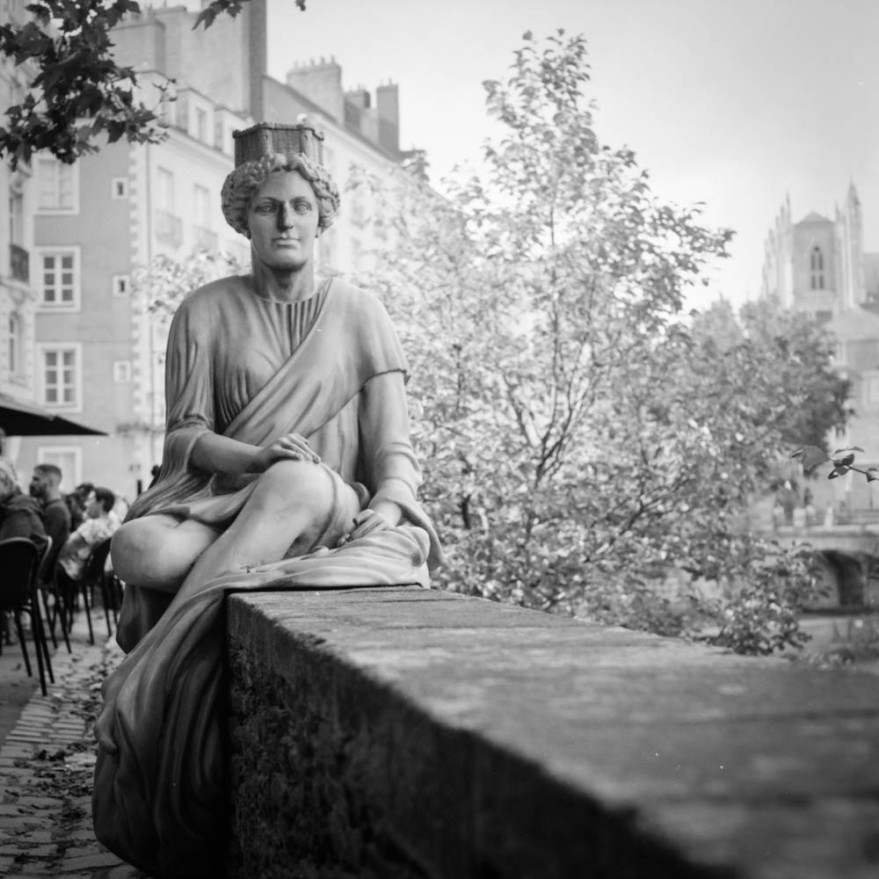
Aspect Ratio: Another significant difference is the aspect ratio. 35mm film typically yields images with a 3:2 aspect ratio, while medium format cameras typically offer a square 1:1 aspect ratio. The square format can be a creative boon, pushing photographers to rethink composition. It forces a balance between the vertical and horizontal aspects of your subject, a characteristic reminiscent of the iconic street photographer Vivian Maier, who frequently used a TLR camera. The square format encourages unique framing and adds an artistic challenge to your photography.
Depth of Field: Medium format allows for a shallower depth of field compared to 35mm. This means that it’s easier to achieve that sought-after background blur or bokeh, perfect for portrait and street photography. With a well-executed composition, your subject can pop against a beautifully blurred backdrop, making them the focal point of the image.
Size and Weight of Equipment: In terms of portability, 35mm cameras have the upper hand. They are compact, lightweight, and ideal for street photography where you need to be quick on your feet. Medium format cameras, on the other hand, tend to be bulkier and heavier due to the larger film format and the associated optics. This makes them better suited for planned shoots where image quality takes precedence over convenience.
Cost of Film and Development: While 35mm film and development are more budget-friendly, medium format film comes at a higher cost. When using the 6×6 format you will only have 12 images per roll of film. This of course makes every shot count. If you are stressed out about messing up a shot on 35mm film then your anxiety will shoot up to lunar levels with only 12 shots. But remember what I have said earlier, no shot is wasted and every shot is a learning experience. The enhanced image quality, detail, and artistic potential make medium format film worth the investment for those who prioritize the final result over the upfront cost. If you’re planning to produce gallery-worthy prints or pursue a professional career, the expense can be justified.
Flexibility and Convenience: 35mm cameras are known for their flexibility and convenience, making them well-suited for capturing quick shots or candid moments. They’re also readily available, and film processing is more accessible. In contrast, medium format cameras require a more methodical approach, ideal for planned and deliberate photography. The process is slower, encouraging you to carefully consider each shot and compose it meticulously. This added effort can lead to more thoughtful and deliberate photographs.
3. Street Photography with the Pentax ME Super and TLR Influence Vivian Maier, a renowned street photographer, serves as an inspiring example of how camera choice can shape your photographic style. Maier favored the TLR camera, a medium format model known for its distinctive qualities. Her use of the square format and unique perspective have left an indelible mark on street photography.
I want you to think about the fact that a TLR is hanging around your neck at tummy level or even waist level, so the way of looking at your subject will automatically affected too.
If you’re looking to explore street photography with a Pentax ME Super, remember that the compact 35mm format offers its advantages for candid, on-the-go shots. However, Maier’s work reminds us that the choice of equipment is a personal one, and there’s no one-size-fits-all answer.
4. The Mamiya C220 Review: A Medium Format Marvel As we venture further into the world of medium format, the Mamiya C220 beckons. Just as Vivian Maier chose a TLR for her street photography, other photographers have found success with medium format cameras like the Mamiya C220. In my upcoming review, I’ll explore the features, benefits, and considerations of this remarkable medium format camera, guiding you towards your next photography adventure.
The Induction to a Higher Level of Photography When you make the transition from 35mm to medium format, you’re stepping into a higher echelon of photography. If you think that 35mm film is great, you’ll be enthralled when you see your images taken by a medium format camera. The level of detail and depth of field that medium format offers is simply unmatched. It’s like upgrading from a standard screen to 4K resolution for your photography. Every detail comes to life, and the depth of field adds a whole new dimension to your work. It’s a revelation that will leave you wondering why you didn’t make the leap sooner.
The 35mm format photo captured on the Pentax MS Super. The “standard” format of film photography. The one we all know.
The square format common to much medium format photography with a 6×6 format. I’ll let you look at the differences for yourself.
The lenses for each shot was a 50mm lens for the 35mm format film photo, and the 80mm mm lens for the medium format photo. However, both lenses are equivalents.
Conclusion In closing, remember that there’s no definitive answer to the question of 35mm vs. medium format. It’s a matter of personal preference and artistic vision. Both formats have their merits, and your choice should align with your goals and the style of photography you wish to pursue.
Stay tuned for the Mamiya C220 review, where I’ll delve deeper into the world of medium format photography, and consider the impact of the TLR on your creative journey.
The journey of film photography is full of exciting choices, from your film format to your camera model. Vivian Maier’s legacy reminds us that every camera has its unique personality and that your creative vision should be the driving force behind your choices. Whether you decide on 35mm or medium format, your camera is your artistic tool, and the world of film photography is yours to explore.




















 IJM Photography