Seeing the World Through 35mm: Street Photography with the Fujifilm X100F


Introduction

I have been writing for this blog for a while now and everytime I get a comment it feels wonderful. Especially when I get a thought provoking comment.  LIke this one from my friend Joe:

Excellent post Ian I admire your willingness to stay neutral on the merits of which focal length lens is better for street photography. I personally find the 23mm 2.0 Fuji lens fairly close to what my eyes are seeing before I take the image. Of course we are talking about lenses designed for the APS-C sized Fuji sensor so 35mm would be the equivalent field of view for my 23mm lens (23mm x 1.5 = 34.5mm). Undoubtedly some people will say the nifty fifty is a closer field of view to what the human eye sees but in my opinion I will leave that up to other people that may care to argue that point….
Sorry for my long winded response but I enjoy your articles so much I cannot resist replying even though once I get started you can’t shut me up

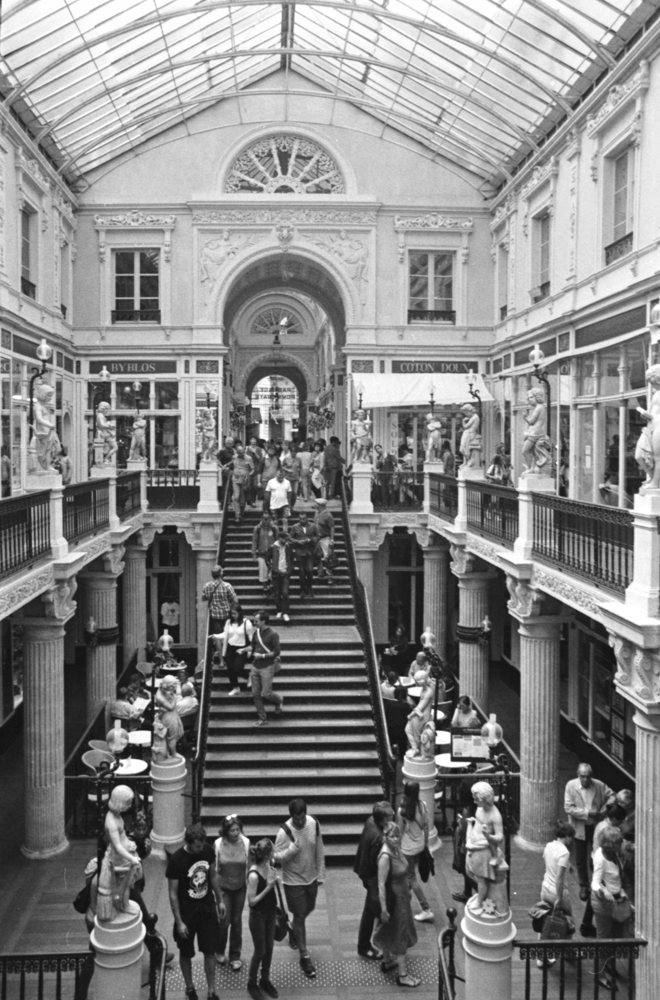
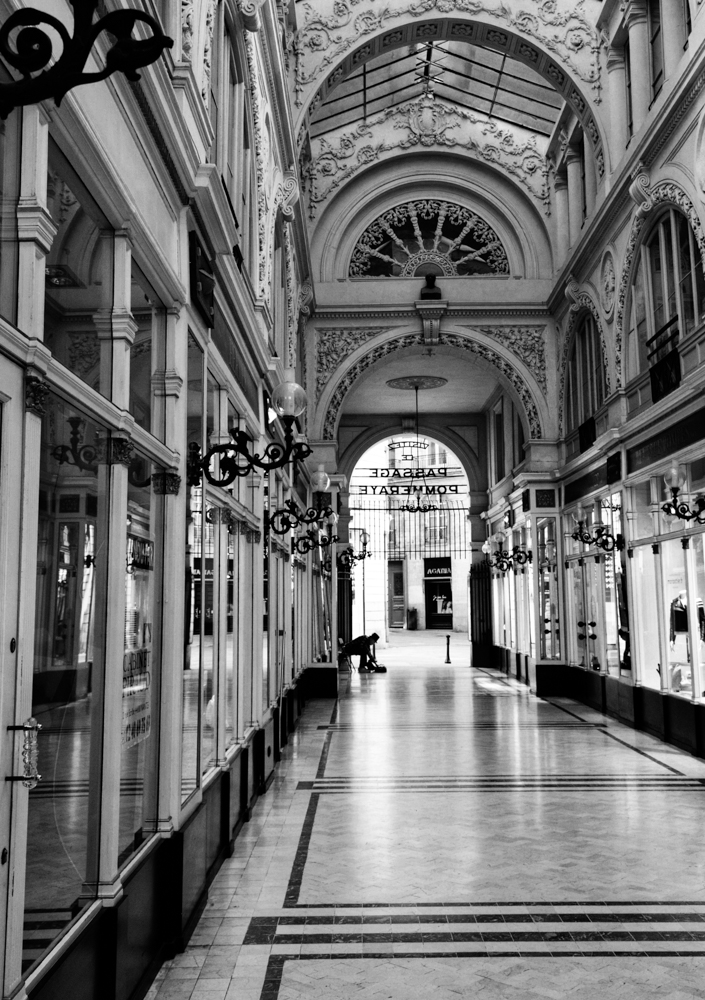
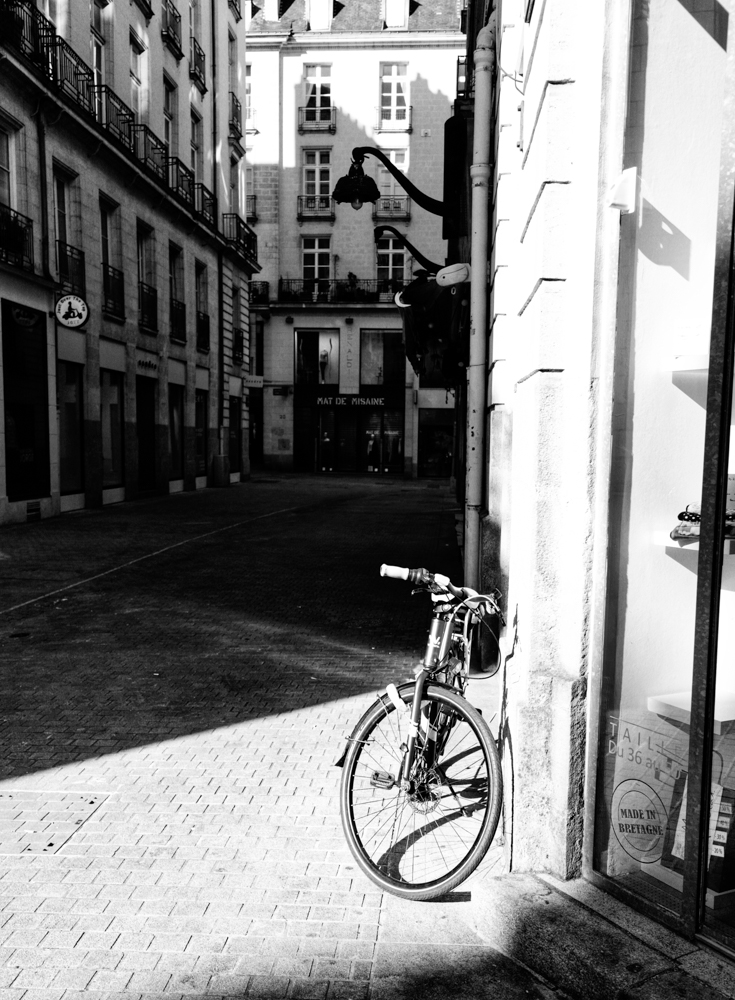
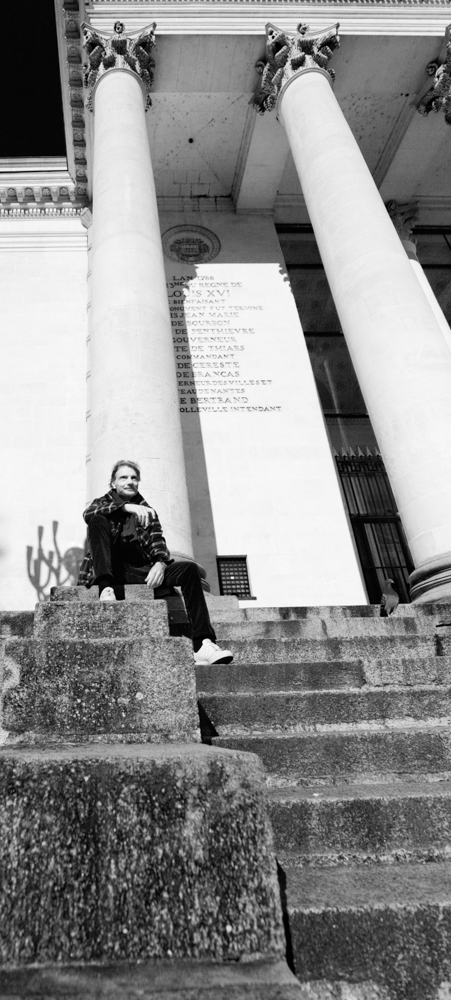
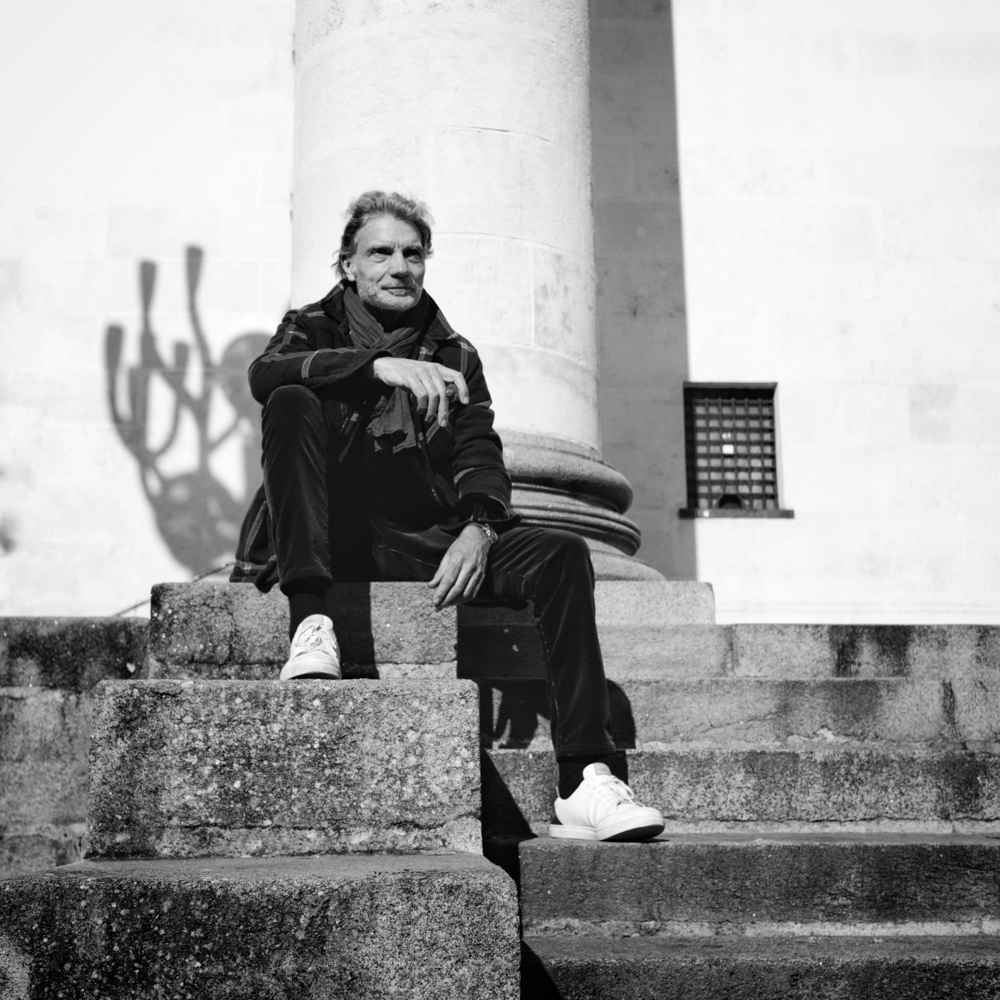
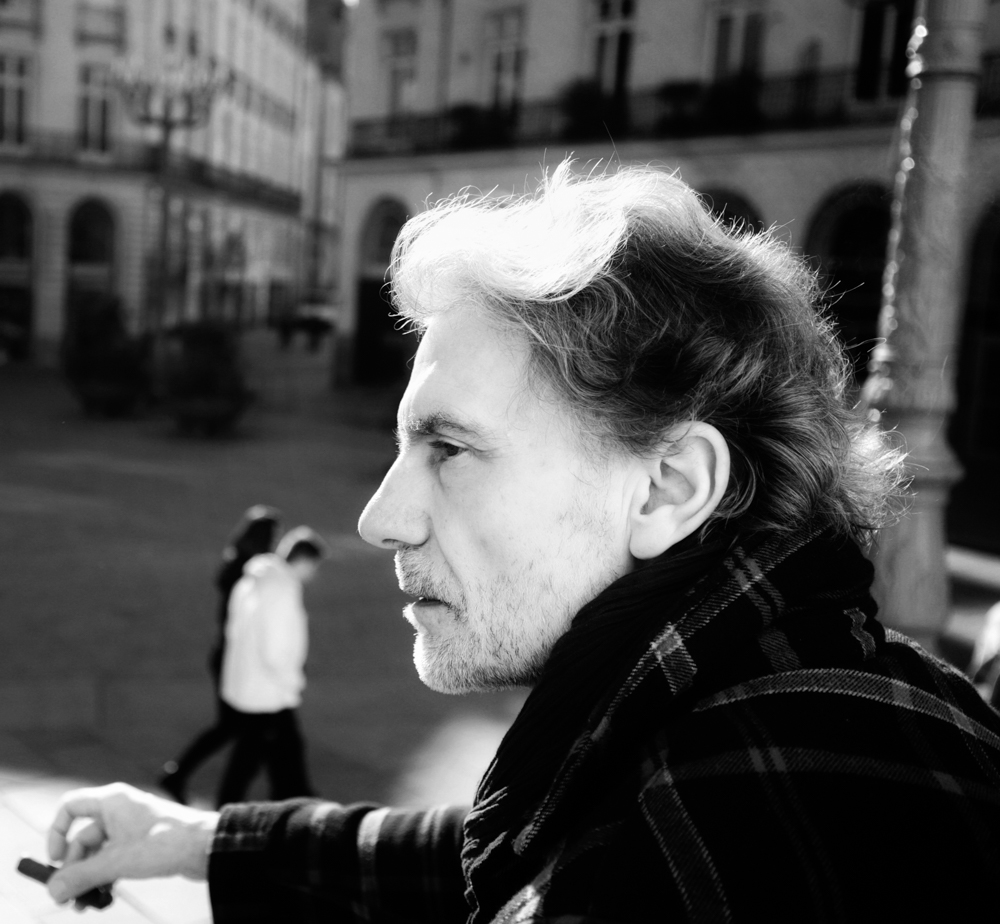
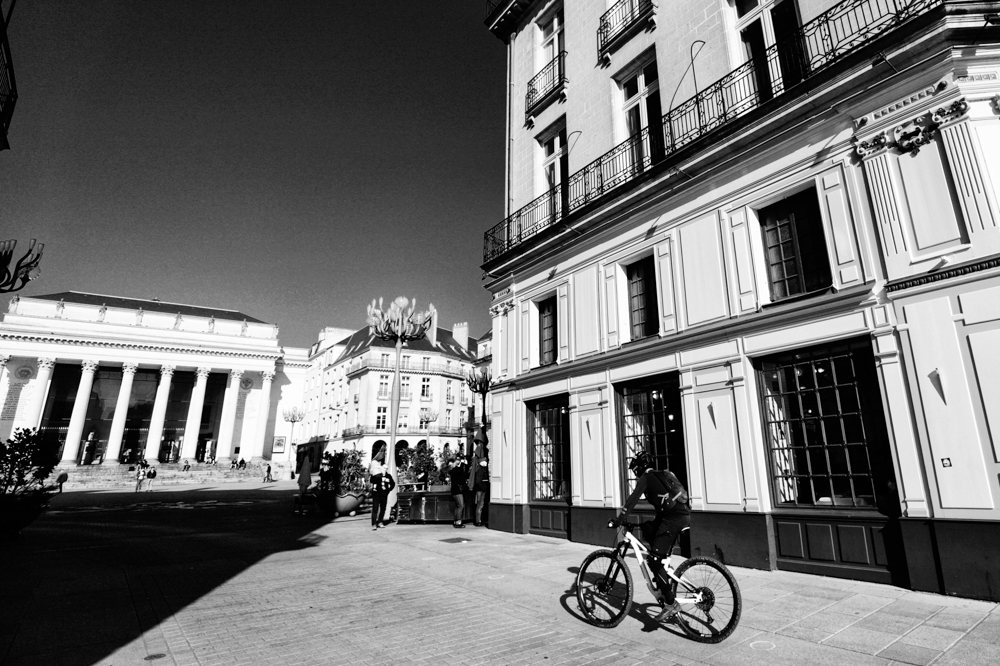
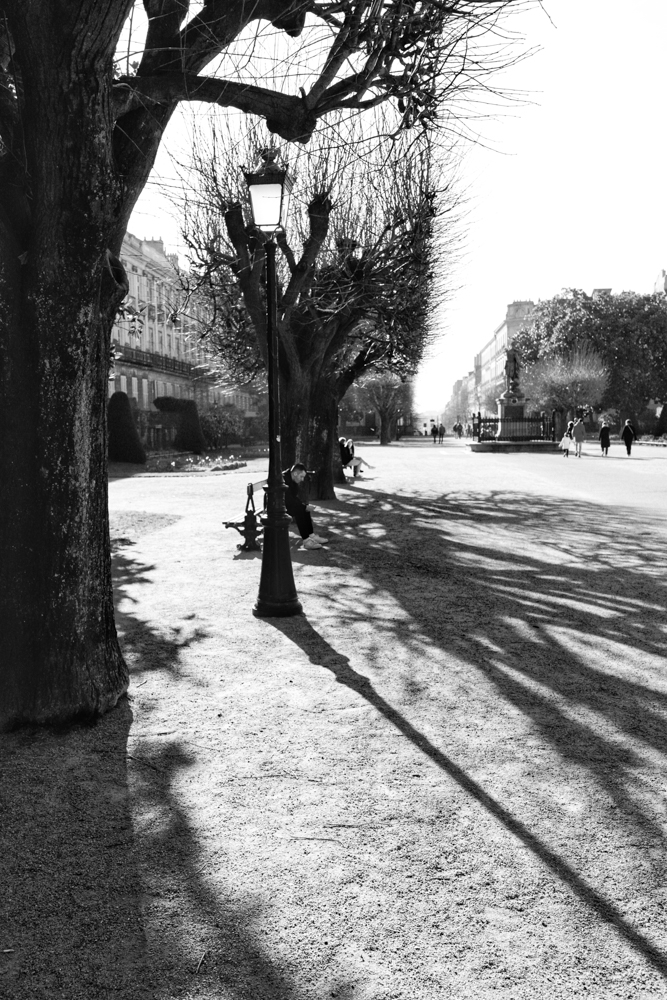
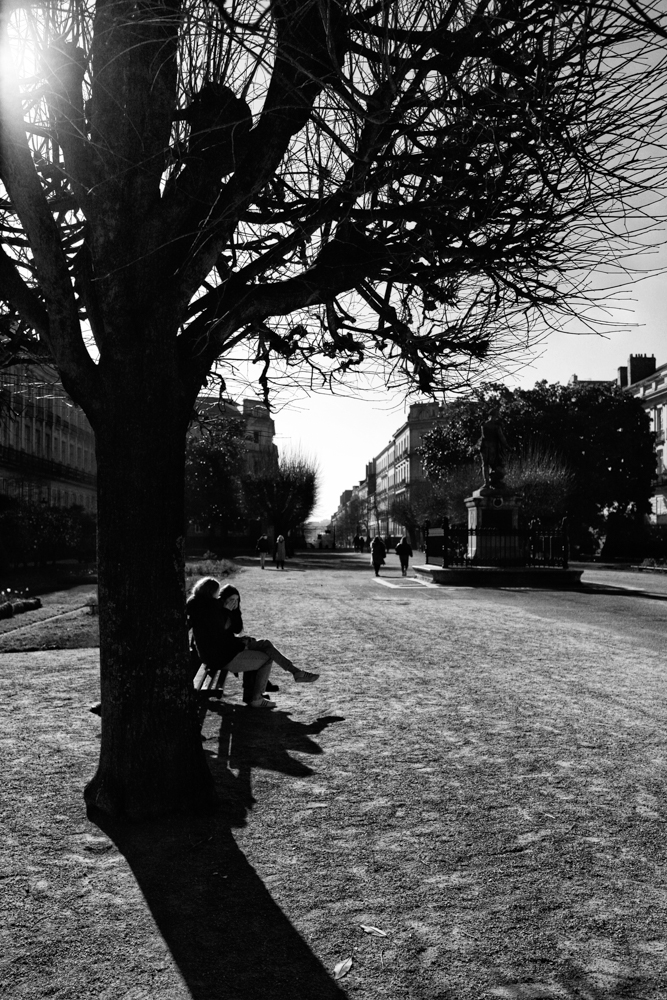
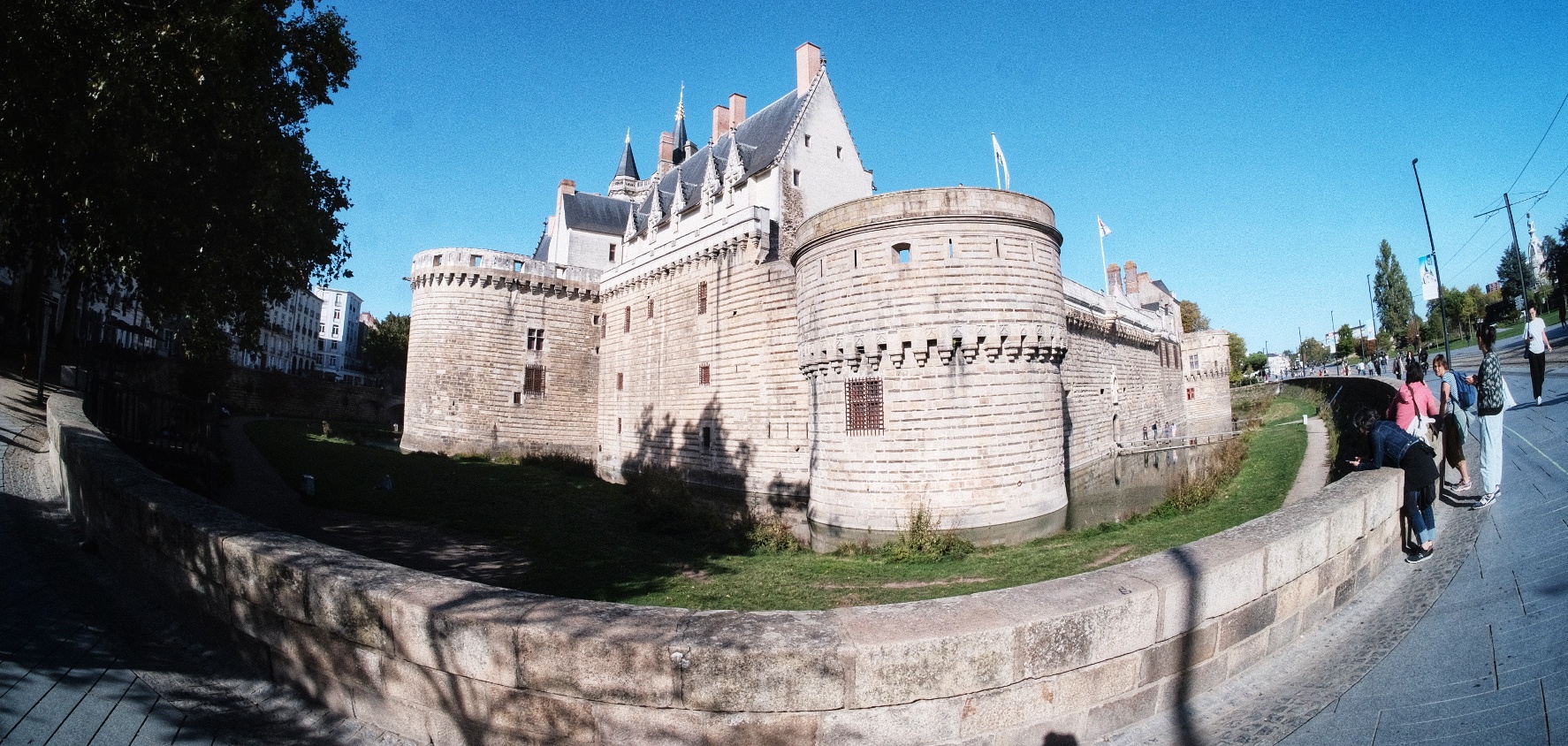
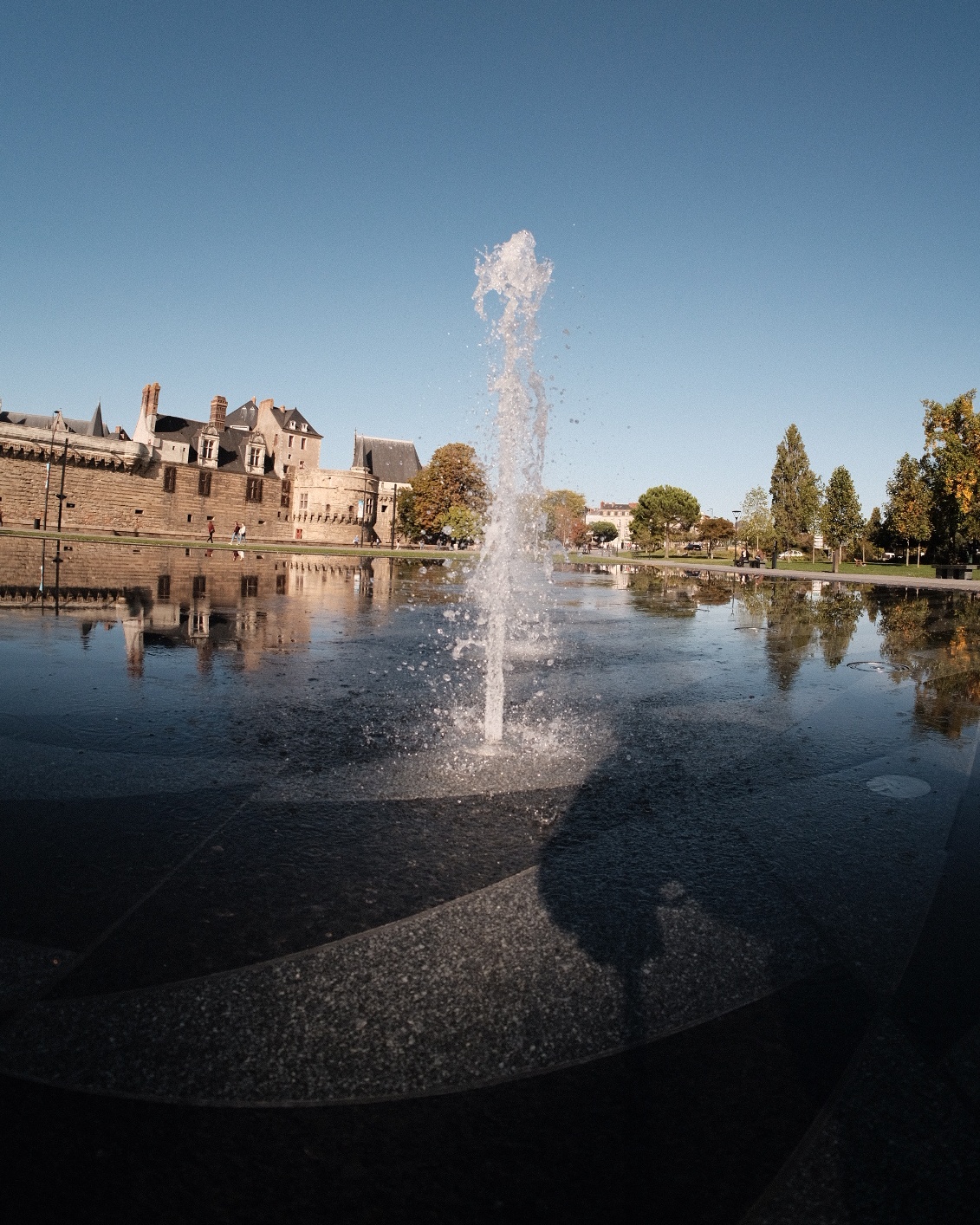
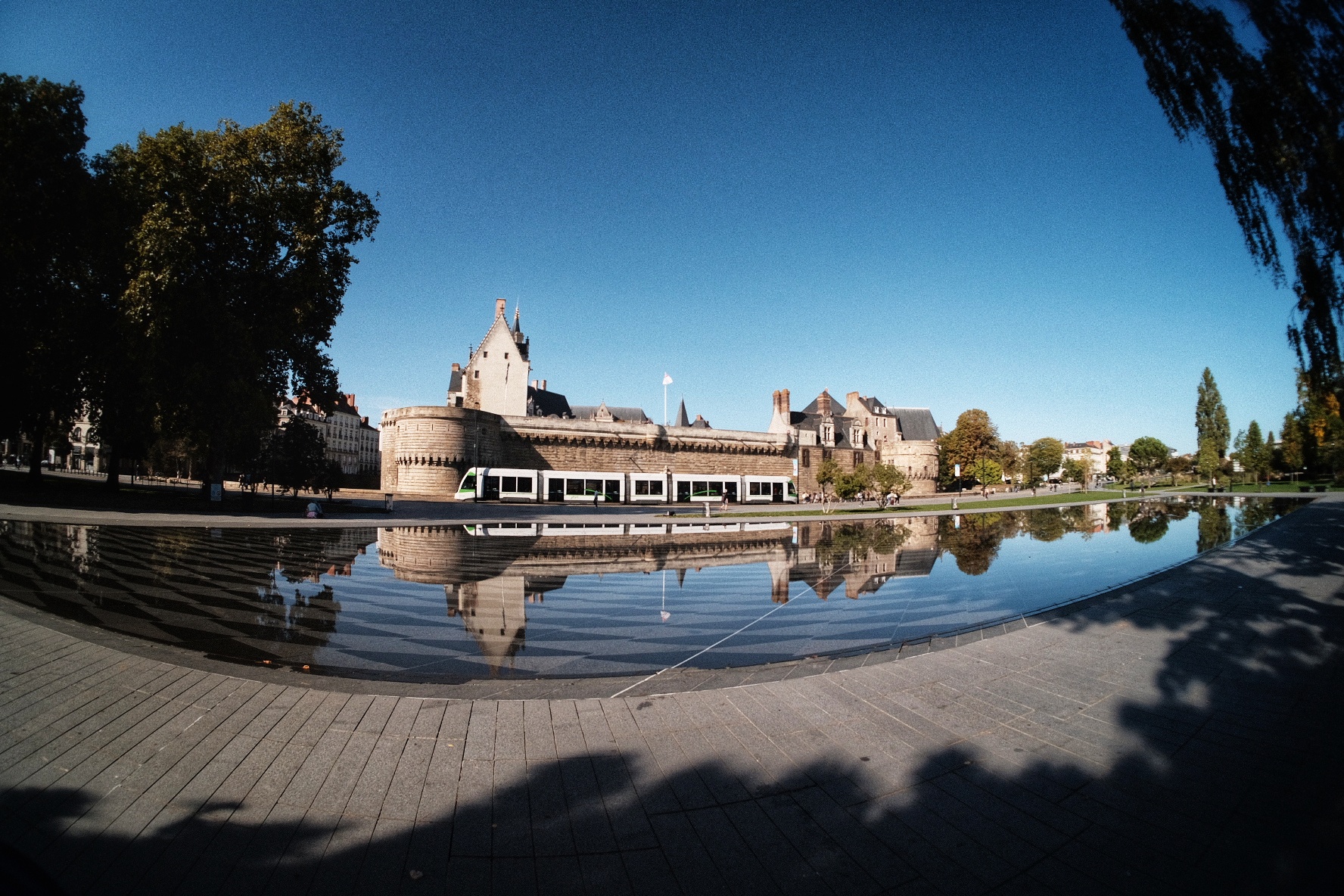
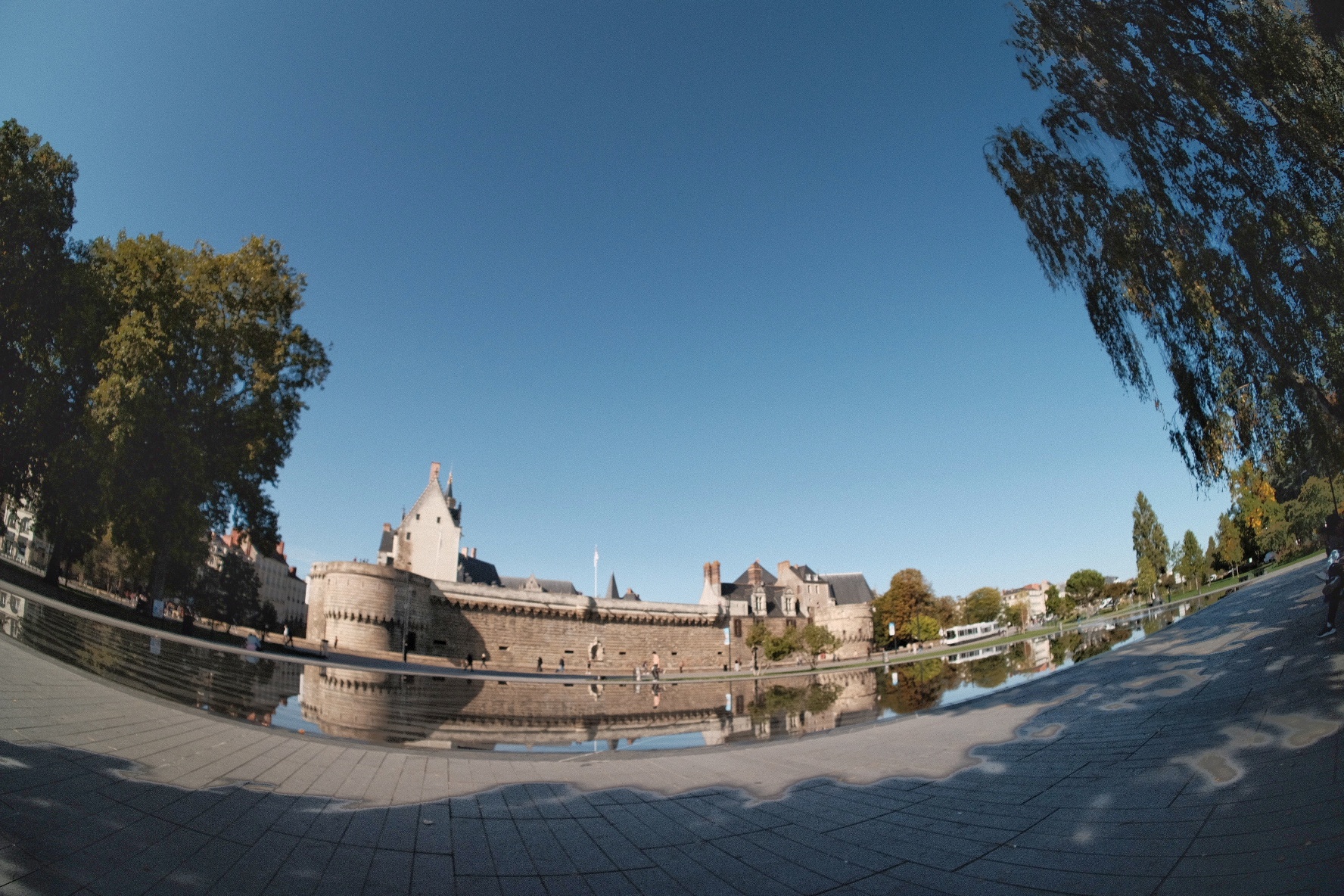
I am grateful for Joe’s thoughtful comment and I am still going to stay neutral, and just explain why I use the 35mm (equivalent) on my X100F, for street photography, and environmental portraits, despite having the teleconverter to convert that lens into a 50mm (equivalent) lens.  As a special bonus I will present my latest street photography from Nantes, which just goes to show the sun can shine on us…

The Appeal of the 35mm Lens

The 35mm offers a world view which is very similar to that of the human eye albeit with a very slight distortion that disappears at 50mm.  So, when on the street, we know that our image will have much the same view as what “we” see.  When I get really close for a close up of a subject, the possible distortion remains manageable and doesn’t distract from the subject.   

My Journey with the Fujifilm X100F

I have fanboyed and waxed lyrical about this camera in previous articles and will not do that here. However, I have had mine since 2018 and still use it on a very regular basis, which tells you an awful lot. I use it during travel and when doing street photography because it is light, takes up next to no space, and is subtle, unlike the huge DSLRs and their massive lenses. Moreover, I have enough self-confidence to not need to compensate for anything. It’s also a very sexy little camera, and over the years that we have been together, I have learned how to use it to its full capacity. I can use it intuitively without having to think, which is always a relief. According to camera manufacturers, six years is a long time to be with just one camera, but the costs of replacing it with the latest version are prohibitive, and not enough of them are being produced. The old argument about one in the hand still holds true.

The Versatility of the 35mm Lens on the X100F 

The versatility of the lens, as with any lens, depends on the person “behind” the camera. I use it for documenting a scene. It’s just wide enough to get a good view, but not to distort or have too “busy” a scene, as can happen with the 28mm. It’s great for portraits. Dear Reader, I know I have previously talked about the distortion when close up, but what it is great for is a portrait of a person in his environment. It gives us more context about the person and tells more about him, as we can see his surroundings. Because of the silent shutter, I can also get nearer to my subject without making a flapping mirror sound when I press the shutter button. At F2.0, I can either get massive depth of field or shoot in relatively low light. My basic setup is ISO 3200 and F2.0. But on a day like today, I will put it into ISO 400, and if things get really bright, then I can use the inbuilt ND filter.

Comparisons with Other Focal Lengths

I have already touched upon the differences between the 28mm, the 35mm, and the 50mm focal lengths, but let’s get real for a second.  The 28mm is great, but too much distortion and makes the image very busy because of the wider field of view.  This is fine when used with intent, but you have to be so much more careful with your composition.  The 50mm is the lens that I grew up, but after having used the slightly wider 35mm, I find myself backing up to get the same field of view, which leads to banging into things and apologising profusely to the bin that I have just reversed into.  It has happened!

Practical Tips for Street Photography with the 35mm

Just use it, go back and use it again, and if you have any doubts then just go out and use it once more to be sure.  Don’t overthink it.  Don’t worry about the distortion I have mentioned.  It only really happens when you get right up to your subject.  If you have only used the nifty fifty then you shouldn’t notice a huge difference, but physically you will.  You’ll be moving closer to things, but it’s just “one step up.”  It will seamlessly “grow” on you.  

Be the man in grey, or whatever colour you fancy, but know the environment in which you’ll be shooting.  You might want to avoid fuchsia if you’re going to be in the woods shooting, or in that beautifully tailored three piece suit if you’re going to be in the stands at a football match.  Think sore thumb and being out standing in a field.

Conclusion

If you so wish, you now have the arguments for and against the 35mm lens.  I don’t think that arguing about ti will get you anywhere though…  The lens, as the camera, is a tool at your disposal to create an image.  Just getting a new lens won’t change your life despite what the guy in the shop might tell you.  You “can” use a 50mm for street photography, and some even use the 85mm to go for more details, and more candid shots.  Use what you have already.  I have just talked about my experience since using the 35mm (equivalent) on the X100F.  The information is purely subjective.  If you want an X100, then by all means go out and buy one.  Maybe go for an older model like the X100F or even the X100T for the price difference.  Or if you can get your hands on one, the X100VI is wonderful.  At the moment however, I cannot justify buying a more expensive camera to my wife!

I’ll leave you the comments section to debate the various merits of each piece of kit.  And you can use the hashtag “#ijmphotography” to share your images with me on the gram.  Look forward to hearing from you.  Until next time…

Prime Lenses: Elevating Your Photography Beyond the Basics – Part I


Introduction

This article is a follow on from my last article discussing the various merits of zoom and prime lenses.  Today I’m going to try and give a more indepth look into this world of primes.  The lenses that I will be discussing are my own and I have experience with them.  I will be talking more about how “I” use them and how they affect “my” photography, be that the actual photos or the photographic experience.  All the really techy stuff is available on Google;  I’m trying to give you an idea of the sentiments that I have when using the various lenses.  That said, let’s get into the nitty gritty.  I will go through each lens giving you details on how I use it, how “they” say I should use it, and start from the widest to the longest focal length.  This was turning into a longer article than usual, but since there’s a lot to cover, it will become a two part article.  Again mother, I will be talking shop, so consider yourself warned again… Sounds fair?  Let’s go!

Fisheye lens (TT Artisans 7mm f2.0 manual focus lens)

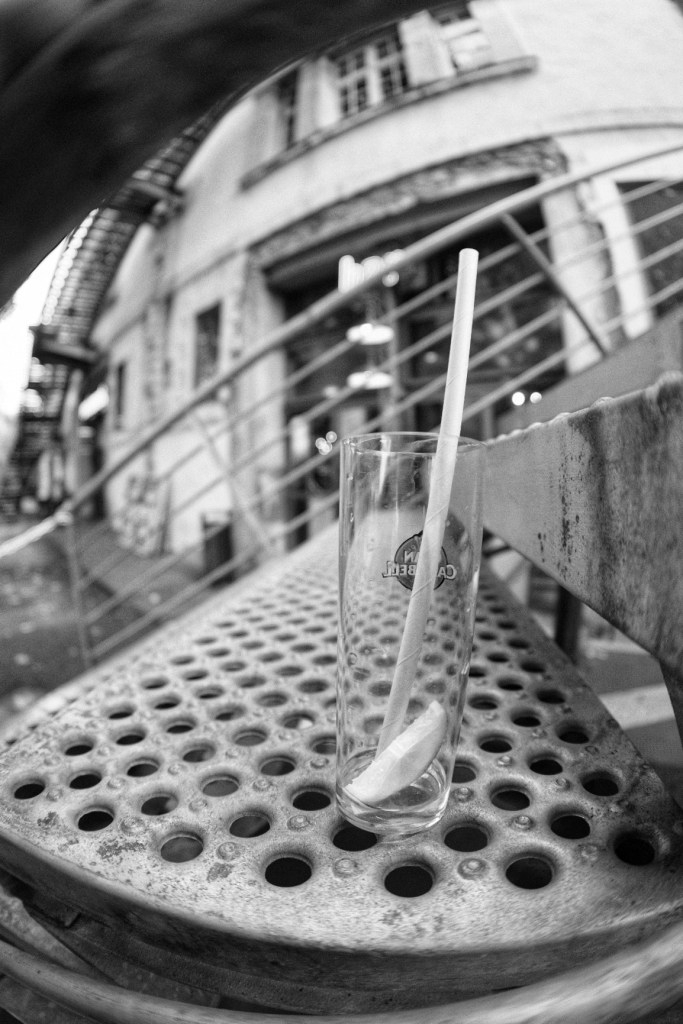
My fisheye lens (7mm so a 11mm full frame equivalent) is the one I use with my Fujifilm XT2.  It is a super wide lens made by TT Artisans, and its main claim to be included in my collection is that it was affordable.  Or at least affordable compared to some of the lenses out there.  However it doesn’t feel cheap on the camera.  It’s manual focus, but I can focus very closely (minimum focus distance is 0.125 metres) and the whole shot will be sharp.  It’s ultra wide so it gives a great level of distortion, which I love, but others might not.  If you can manage to get your horizon level, then you might not get as much distortion as you could by just raising the view 10° higher than the horizon. I love the effect that I can get from it.  It’s definitely a niche lens, and the price I would have to pay for something similar for my DSLR would be silly money.

16mm f2.0 (Fujifilm brand lens with autofocus 24mm equivalent for full frame lenses)

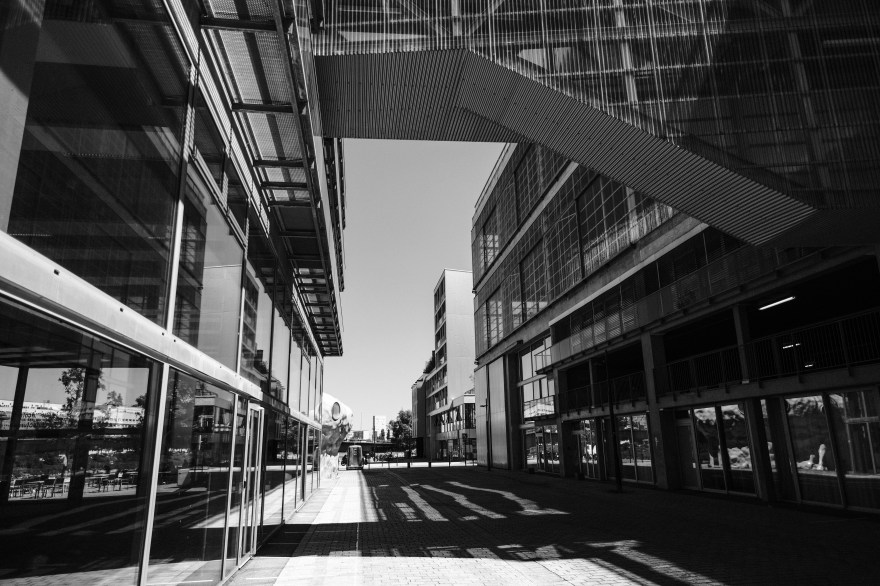
This was the first lens I bought for my Fujifilm XT2.  This 16mm lens’ full frame equivalent would be 24mm.  Why did I buy it?  Well, I already had a 35mm equivalent lens on my X100F, and thought that the difference between 24mm and 35mm would allow me to go wider and get more into my scene whilst avoiding the distortion of the fisheye lens. A particular outing sticks in my mind and was when I used the lens to take photos of the modern architecture on the Île de Nantes.  The wide angle of view (hence the name wide angle lens) was perfect for this kind of street landscape photography.  Would I use it for close-up portraits?  Only if I want to elongate people when taking a shot from low down on the ground looking up.  Would it be good for classic street photography?  Possibly as a compliment lens to my 35mm equivalent lens on my X100F.  Do I regret acquiring it?  Not at all and I particularly like its wide angle of view.

28mm f2.0 M42 mount lens for the Praktica MTL 3 film camera

I started my photographic journey with this film camera and only bought this lens much later.  I had my 50mm f1.8 (nifty fifty) and this was my first venture into a wider lens.  Could I see a massive difference straight away?  No.  But I no longer felt the need to move further back to get the view I wanted into frame.  Moving back with  a camera on your eye and banging into a building and saying sorry to the building is not the way to go, however British you may be.  The Leica Q (a very sexy little thing) uses this 28mm lens and is aimed at street photographers who have enough money to buy a Leica.  The same goes for the Richo GR II but without the need to sell a kidney.  There is a great debate on the Internet talking about the difference between the 28mm and 35mm lens for street photography, which tries to polarise everyone.  I try to stay as neutral as possible in these kinds of controversies but I do use my 35mm lens more.  Do I still like the 28mm format?  Yes.  Is it very different from the 24mm format?  Not hugely, but I tend to worry less about distortion .  I should probably go out and run a roll of film and see how I feel afterwards.  I remember the need to go in close to avoid capturing too much in the frame with this lens, but that is not a factor that could deter me from using it.

23mm f2.0 (X100F lens equivalent to the 35mm for a full frame camera)

The 35mm lens is the classic for street and documentary photography.  It was the lens used by a majority of newspaper photojournalists in the 1970’s, 1980’s and 1990’s.  This might explain its influence on my own photography.  I remember when the Independent first came out and the high quality of photojournalism.  I think that if Fujifilm decided on the 35mm equivalent for their fixed lens cameras then there’s probably a very good reason for it.  Through my use of the X100F for street and documentary photography I have become very accustomed to the view it gives me of the world.  It’s not just for the street though.  Even as a sole travel lens it allows me to capture details of a trip, as well as wider views to tell my story in more detail. It’s brilliant as a lens for environmental portraits and is wide enough to always give contect in the frame to the main subject.  If you try to do close up photography with portraits you might notice some distortion but if that happens just move ever so slightly backwards, reframe, and the problem should no longer be one.

In my next article, we will go higher up the focal lengths and discuss the narrowing field of view that they offer and explore how they bring the background forwards. As for this article, all the information laid out is equally as valid for film or digital photgraphy.

A Sunny February Afternoon


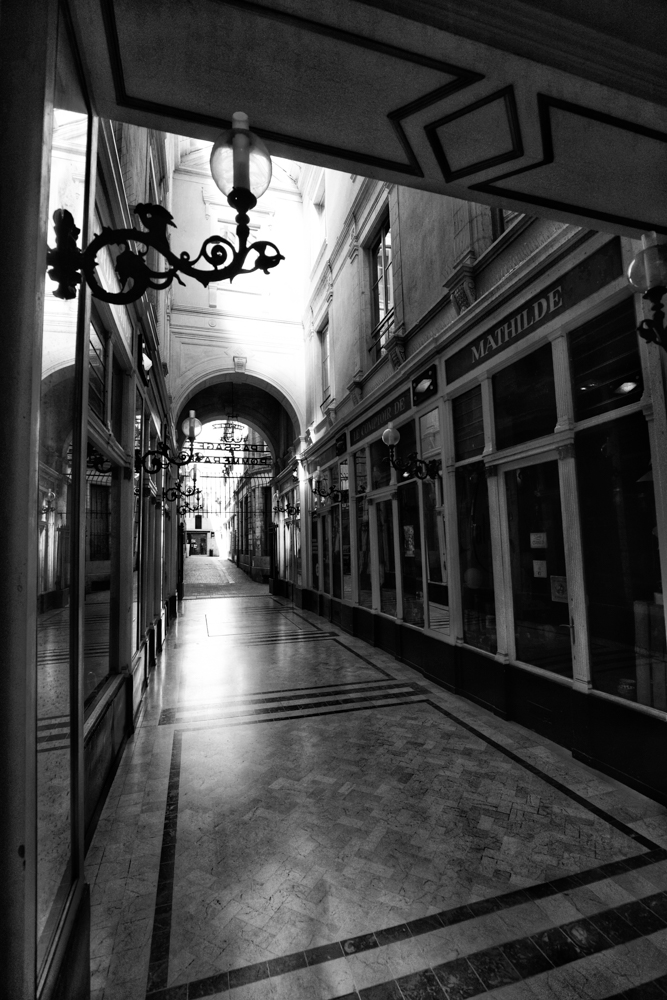
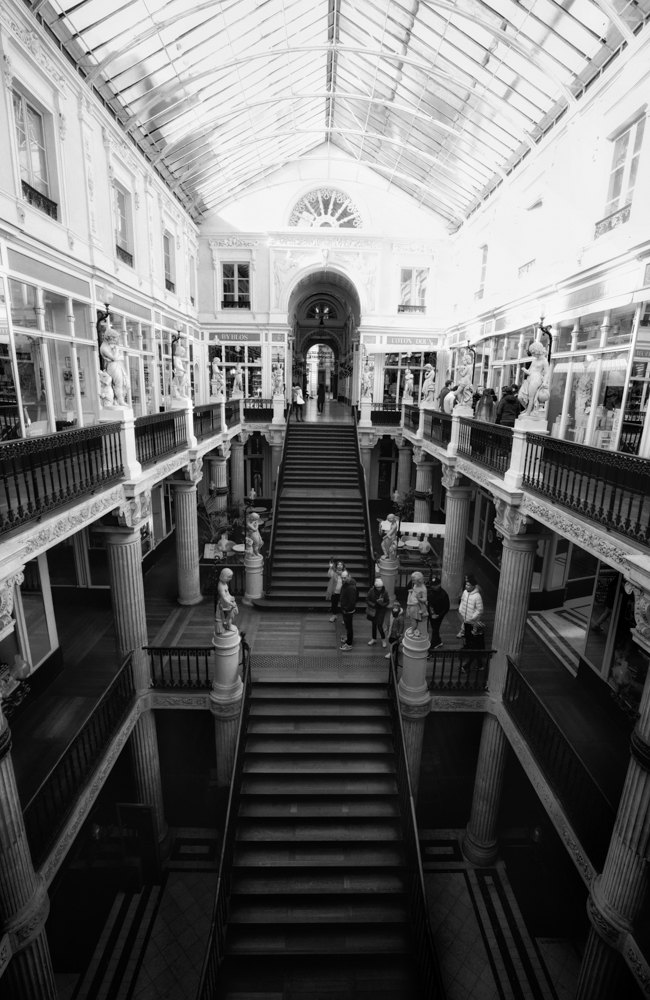
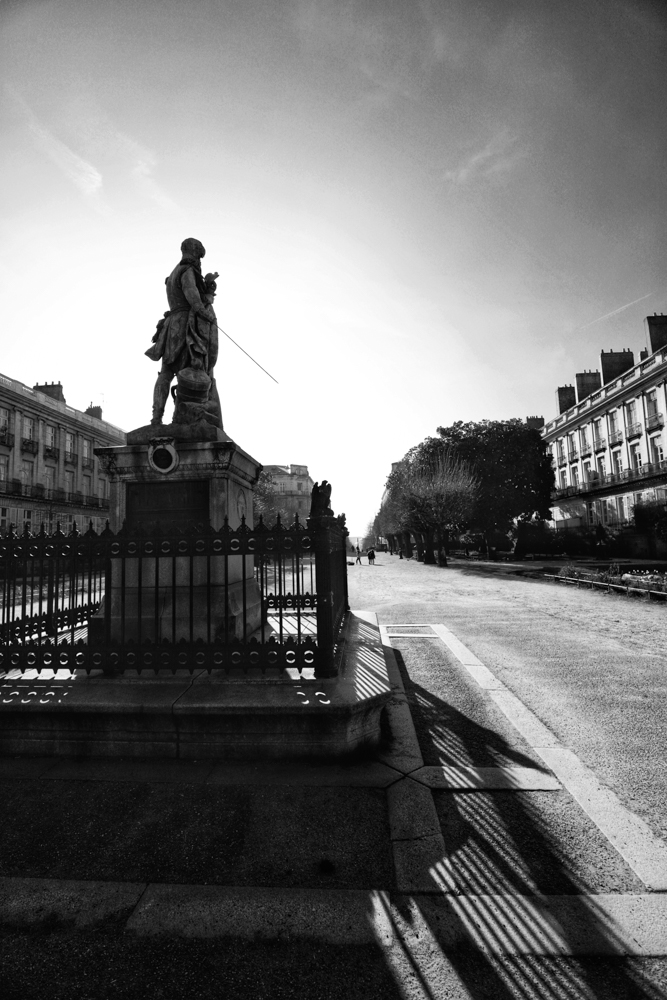
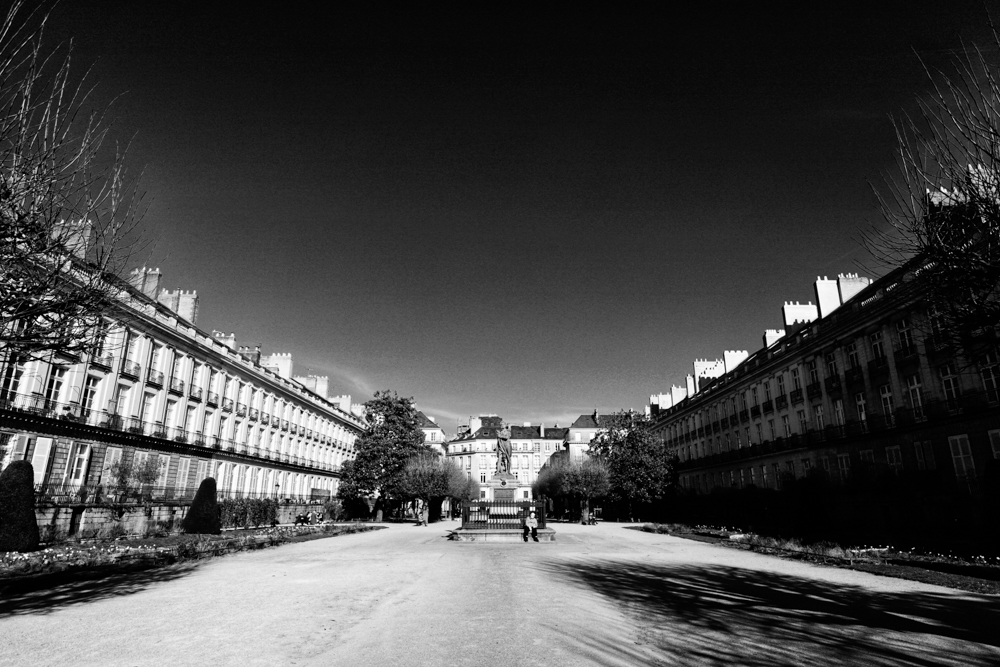
Sometimes you have brunch and just feel that all is well with the world. Well, that Sunday, all was definitely well with the world, or at least, well with my world, which isn’t a bad way to be on a delightful sunny February afternoon. Out in town with my camera, well-fed, and just wandering around, seeing what would turn up in front of my camera.

If I were to be honest, I know that if I go to such-and-such an area, I will get such-and-such a kind of photo, so we can’t about wandering around aimlessly, but there was a sort of randomness… Sort of.

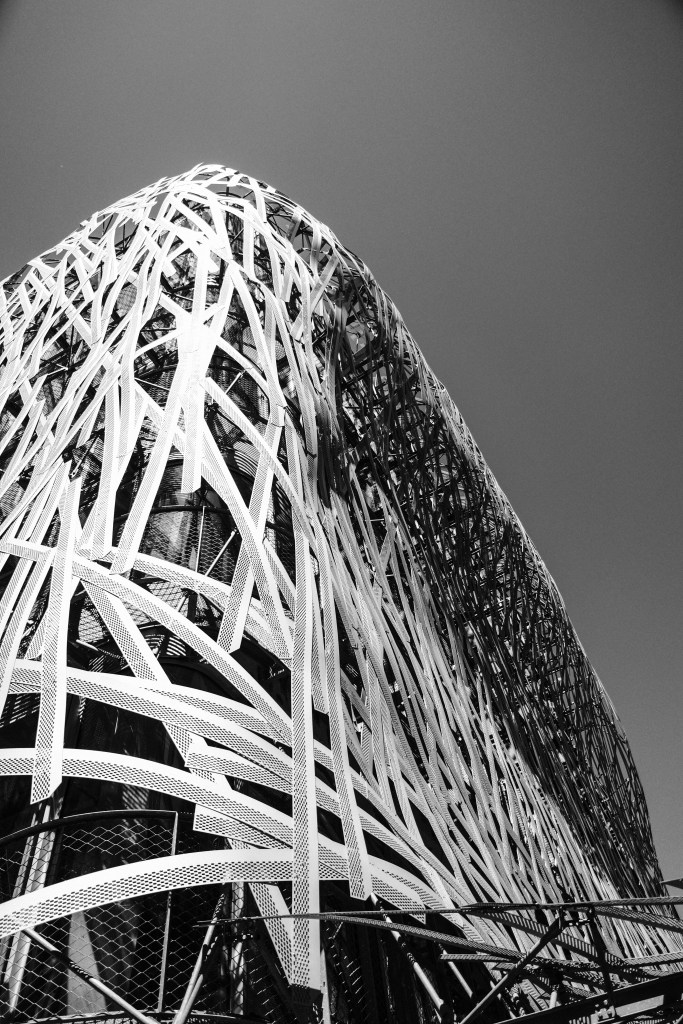
Get ready for some technical information, which will hopefully explain the style of photos that I am presenting to you today. When converting my images to black and white, I edited as if I had a red filter on my camera and as if I were using black and white film. When using this red filter, anything that is blue comes out in a darker tone. It’s going to be easier to use an image instead of a thousand words…

Basically, anything that is a deep blue turns almost black and makes for a powerful image. Some people love it (I do), others don’t (ah well), and that’s all fine too! You get the picture!

A lot of the photos that follow will exhibit this effect as if they were case book studies. You need the sky to be a certain way or it just won’t work, but when it does, you get the kind of image that jumps out at you. That and the 16-35mm lens, you can’t really go wrong. Mind you, after that delicious brunch, not a lot could go wrong…

He’s still wider…


Dear Reader, in my last article I said I would try and get some more photos for your delectation. On Saturday I was in a rehearsal room all afternoon playing for a new orchestra. The Symphonique des Bords de Loire, which basically means on the river Loire just south of Nantes.

The Orchestre d’Harmonie de Cholet have just just changed musical direction, and all of a sudden I was looking for a new direction (not the pop group), so I seized the opportunity to make a change and start playing some more “classical” music in a different setting. I of course wish them the best of luck with their new conductor.

So that’s where I was on Saturday afternoon and so wasn’t really busy capturing images with my new toy.

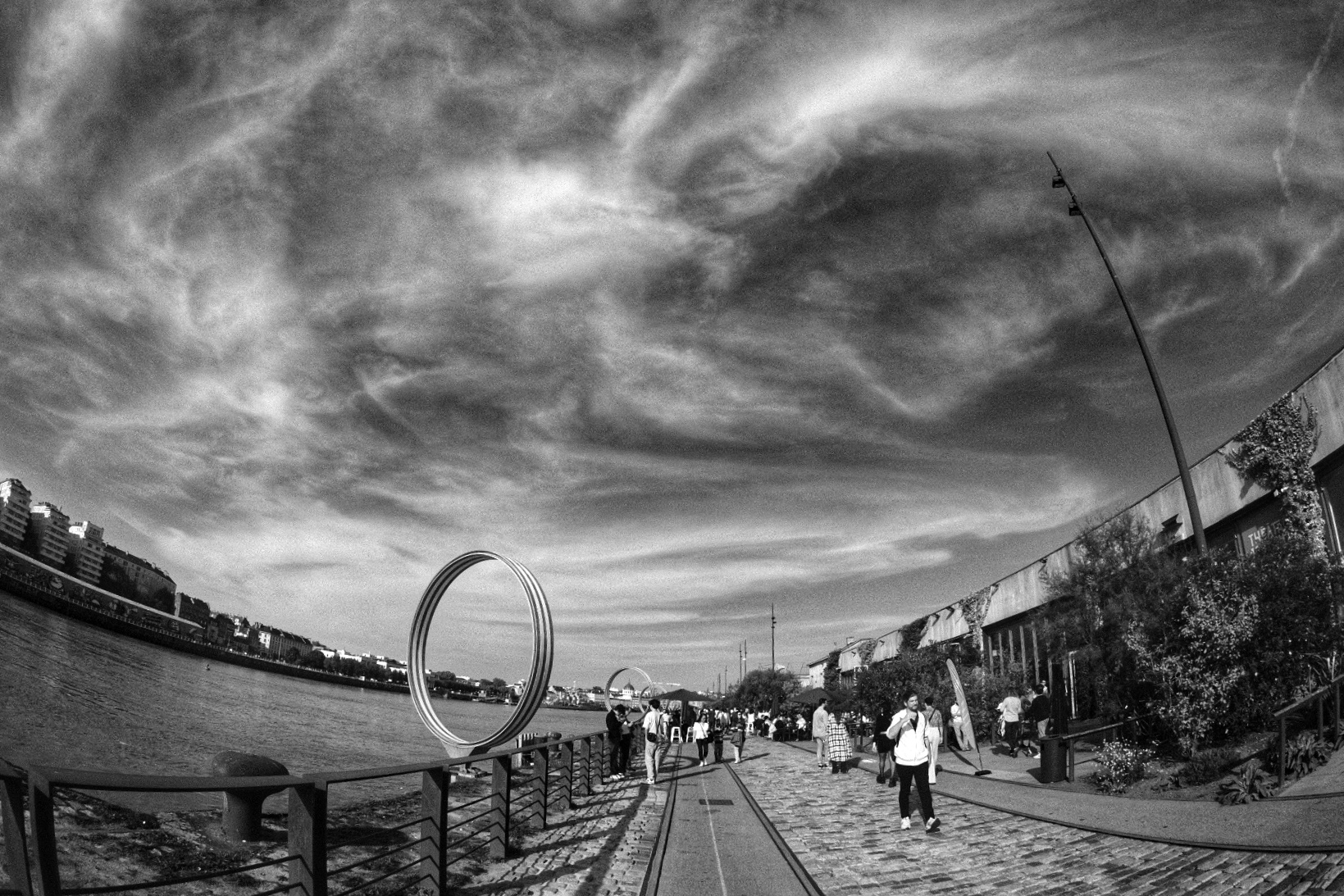
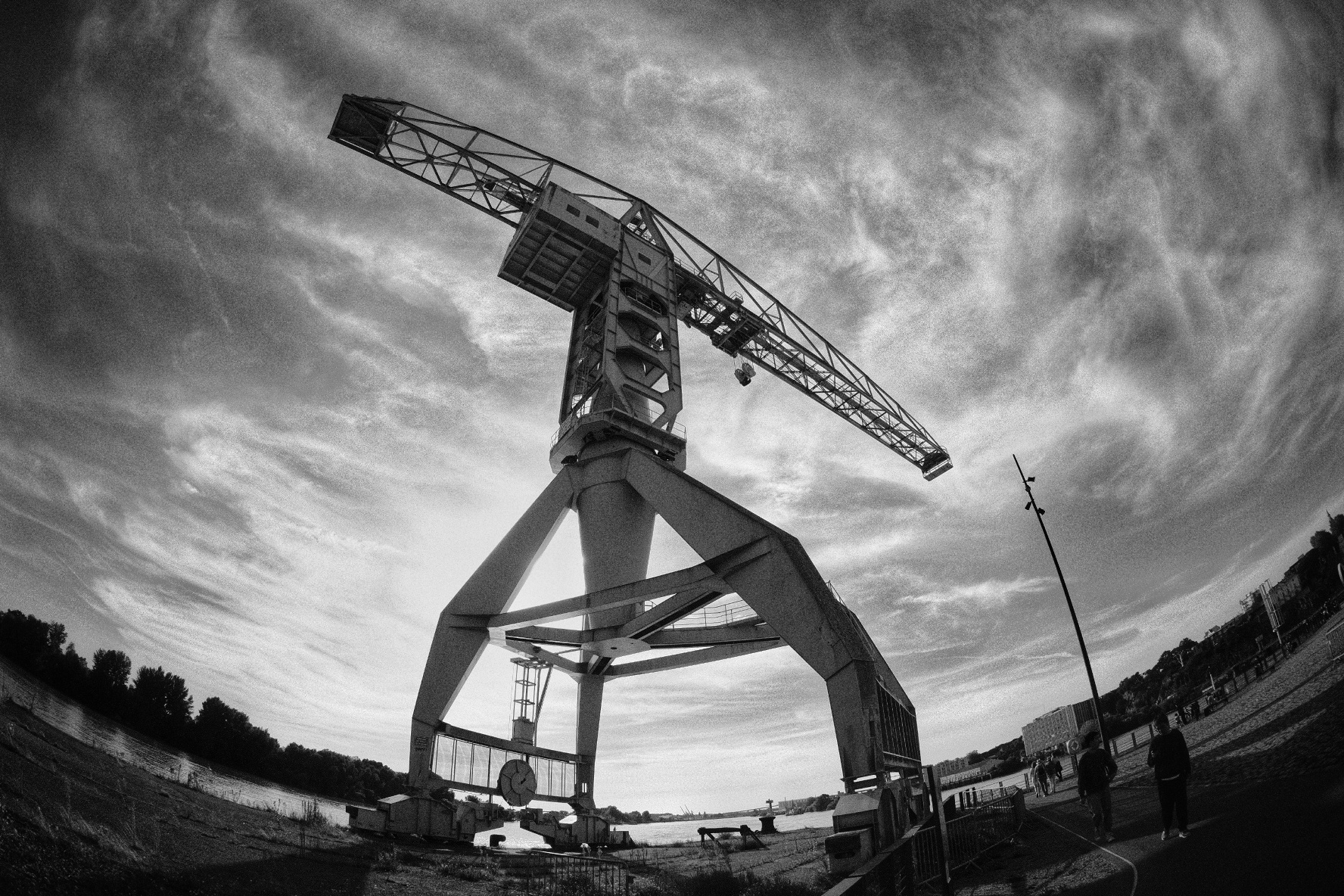
My wife has decided to get to some Spring cleaning. Who ever said you can’t do autumnal Spring cleaning? Vive la différence! My cleaning skills despite military training in the early nineties have been declared not up to my wife’s standards and methods so my apparent incompetance is your gain, and also allows me to be out taking photographs with my new toy, the 12mm TT Artisan fish-eye lens on the Fujifilm XT2. At least I’m doing something creative instead of getting shouted out for being bloody useless.

So, I am now in town taking photos at the Hangar à Bananes which is seriously lacking in bananas before going to Sunday night mass, and looking after my soul. You get a different kind of crowd on a Sunday night and it feels a little more exclusive. I will then proceed to the pub for a pint of Guninness to look after the Guinness family, and to continue to drink the pub dry one pint at a time. This is a life long quest so I can take my time instead of do it all in one session. I suspect that they might being re-supplied before I can dent their stock. I suppose it’s just a feeble excuse to go to see my friends and talk bollocks all night.

Here is the photographic evidence of the time spent this afternoon pursuing artistic endeavours!

He went wider


Dear Reader, you know how in the past I have talked about how some of us love the big massive telephoto lenses?  And how others like to go wider?  And how we start of with the “nifty fifty” F1.8 and learn on that?  That was in the days before digital photography and a world where zoom lenses came to the fore.  We had them before in the days of film photography, but my memories are of using these prime lenses, and zooms seemed to be looked down on.  I wanted to go wider.

I remember my first proper photography course where I learnt the basics of film photography, going from taking the photo, developing the film, and getting a print as an end result.  I remember seeing a photo of a horse taken with a massive head taken with a wide-angled lens and finding it fascinating!  When I said the head was massive, the lens deformed our view of this majestic beast and its body seemed smaller than its head, which is something indeed.  It was then that I learnt a photograph doesn’t have to represent a visual that is faithful to the subject.  We can mess around with reality and show the world completely differently.

So, as I said, I learnt photography with a 50mm lens.  These 50mm seem to be closest to how the human eye sees the world.  It represents reality.  In 2018 I acquired the Fujifilm X100F which has a lens equivalent to a 35mm lens.  Slightly wider, but still represents the reality of this world, and is considered “the” street photography lens par excellence.  It has a larger angle of view and allows me to get a little more in the frame and I felt the difference with the 50mm straight away.  It was still a great lens and very versatile until I tried taking a close-up portrait.  All of a sudden, I discovered some distortion in my model.  I’m not saying that my model is deformed, well, no more deformed than any of us. 

Suddenly watching YouTube, as many of us do apparently, I discovered the 16-35mm F4 lens from Canon for my Canon 6D Mark II.  It was a little more than I had ever paid for a lens, but worth every centime of euro and so satisfying.  If you care to have a look in the archives of this blog on my Instagram feed, you will discover many photos taken with this lens.  My desire to go wider was now a reality.  Distortion of reality was now in my hands.  I could create interesting images.  I discovered the way a very wide-angled lens can transform the world around us.  Leading lines exist all over the place, and the wide-angled lens exaggerates each line, leading or not!

But, and this is a big but.  You fellas can’t deny… It is possible to go wider.  I know.  Exciting isn’t it!  My mind is now blown!  There is a lens, a very special lens, called a fish-eye lens.  This type of lens can offer you even more distortion and make the world seem even weirder than it already is!  Canon does one.  It’s a 15-8mm zoom lens.  There are two types of fish-eye lenses.  One will give a rectangular view, however distorted, and one will give a round image with a black frame.  It’s a wonderful piece of engineering and for over €1000 it can be yours.  But for €1000 it can’t be mine simply because I can’t justify spending that much money on camera kit and might even be cause for divorce.  Since it is cheaper to keep her, I would have to look elsewhere instead of buying a super duper automatic lens from Canon.  So like any self-respecting poor photographer I went onto Amazon and found a manual lens for my Fujifilm XT2 (like the famous X100F except I can change lenses) for 169€ which is slightly cheaper and a slightly more reasonable purchase, and my dear wife didn’t bat an eyelid!  Not batting and eyelid is a very desirable reaction!!!

I will go out this afternoon to test this new toy and get back to you with some pictures!