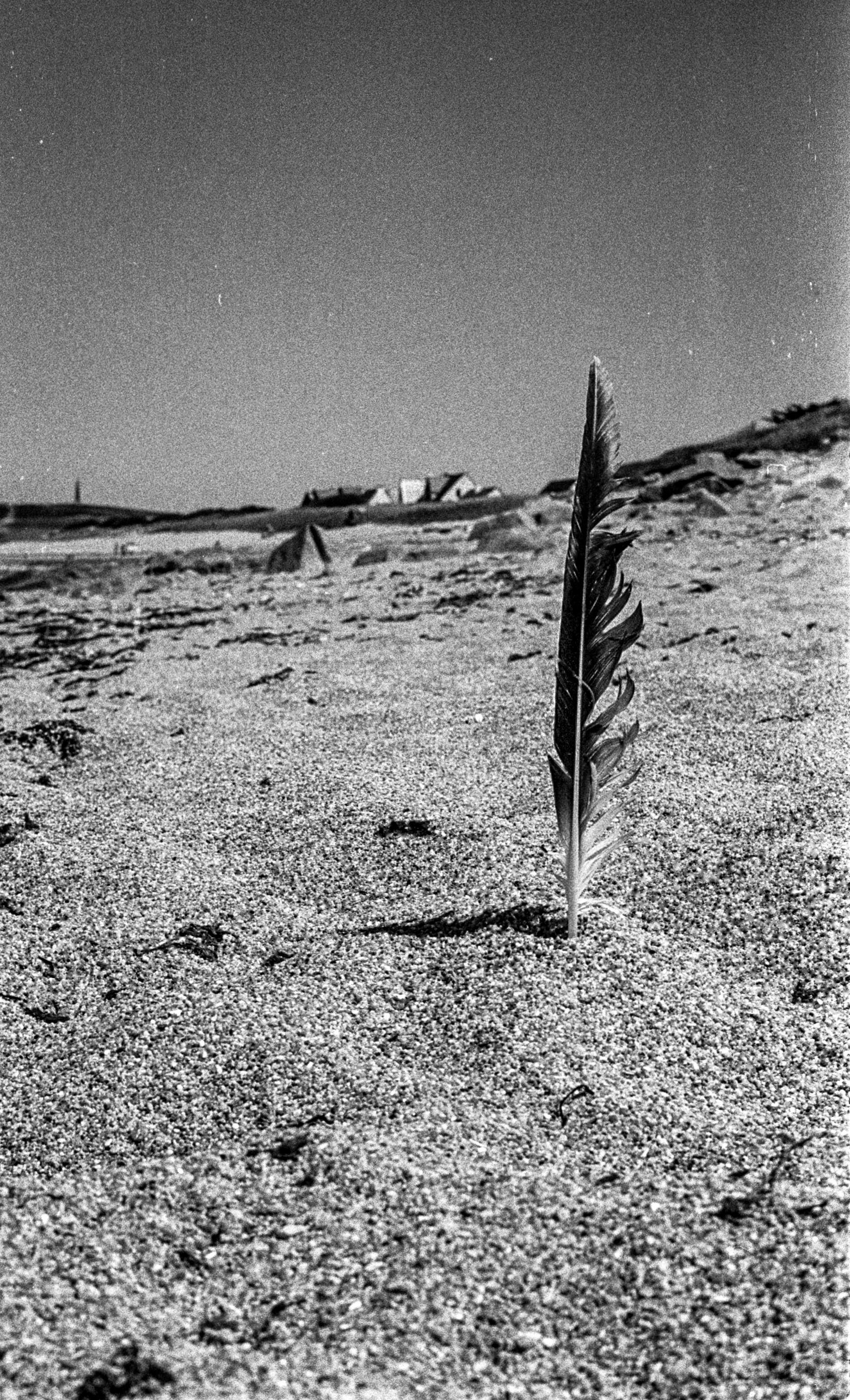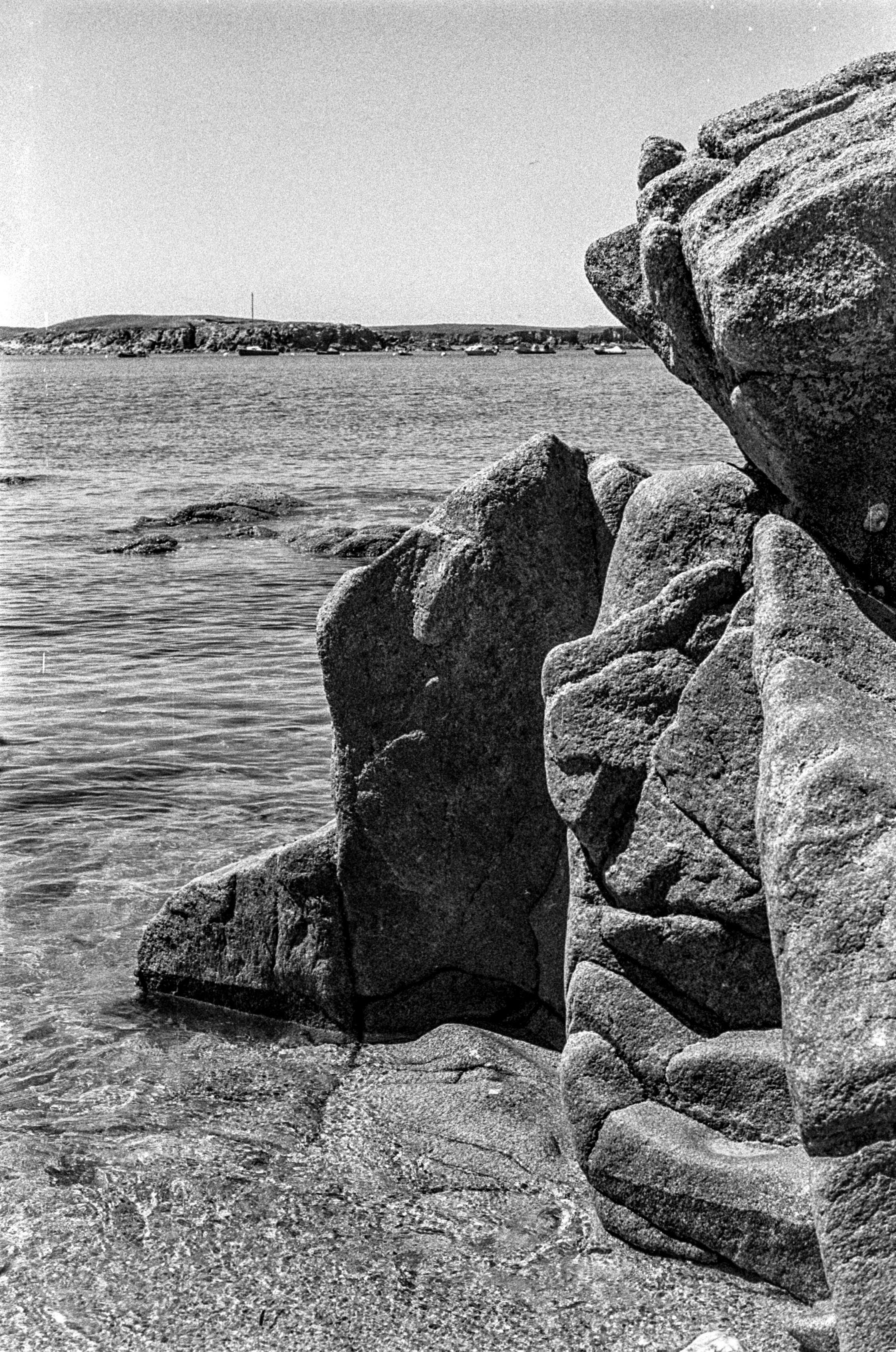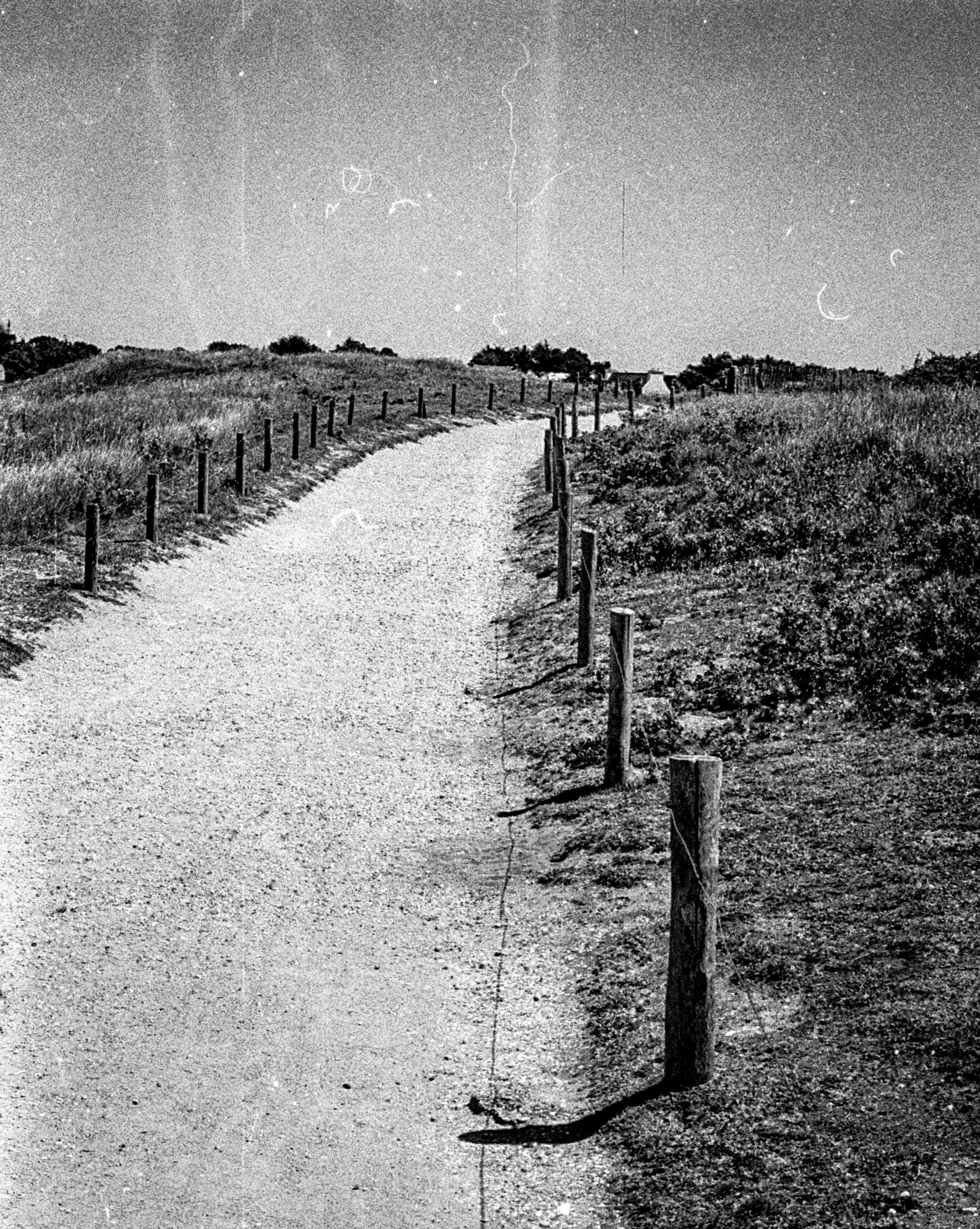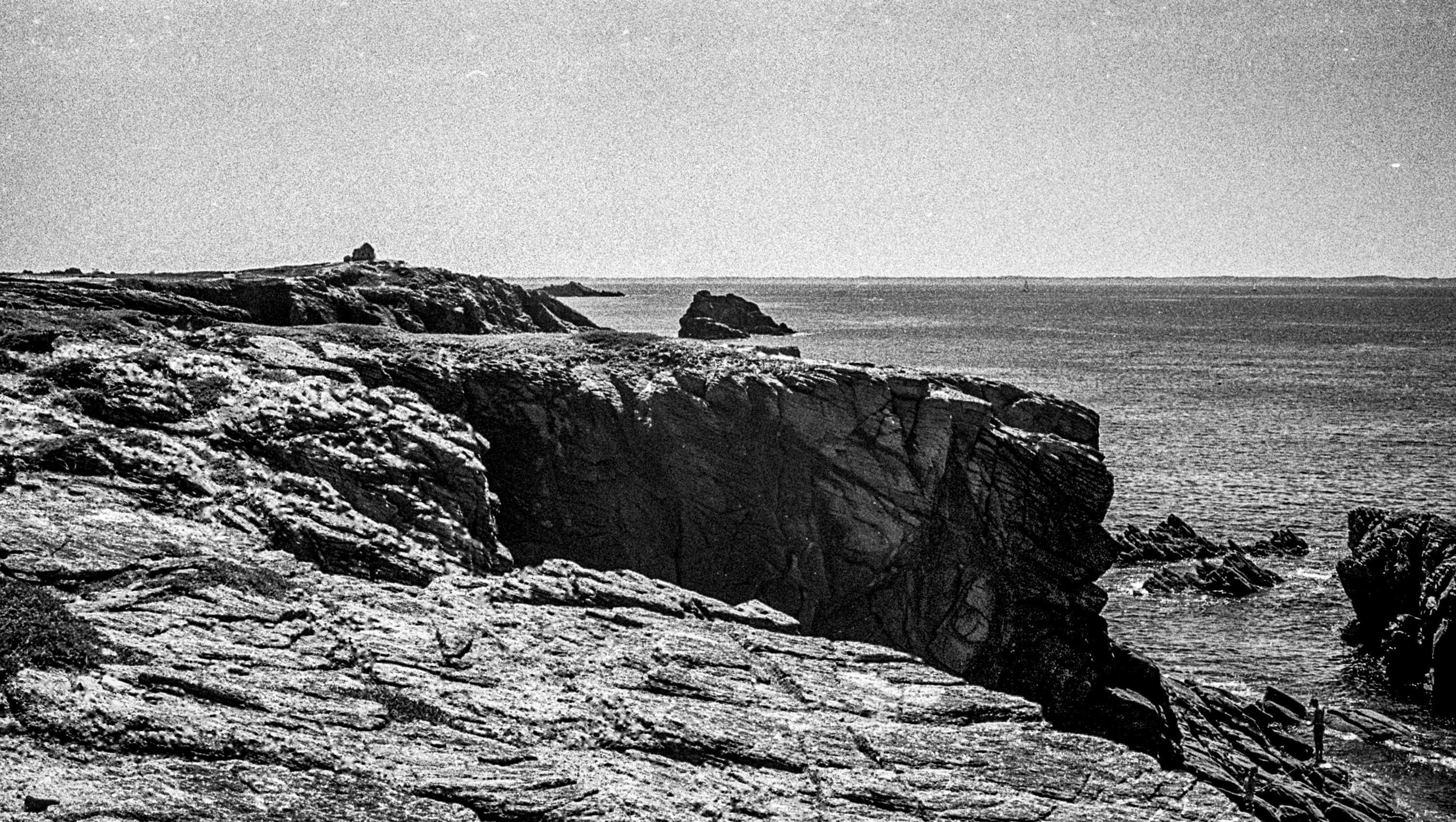
24-70mm Lens: Unveiling the Beauty of Vendée Coastal Landscapes


Work. That familiar feeling of being a hamster on a never-ending wheel. Emails, passive agressive colleagues, and meetings blurring into one another like the monotonous hum of voices in the office. Sound familiar? Yeah, that was me a few weeks ago. So, what’s a weary soul to do? Employ some sartorial elegance with navy blue chinos, a white button down shirt, my new sungalsses, and my favourite Panama hat, and embark on a spontaneous coastal escape to Vendée!

Now, full disclosure, Vendée isn’t exactly the Caribbean. But for a quick mental recharge, it certainly does the trick. Plus, it was the perfect opportunity to put my Canon 6D Mark II through its paces, specifically the oft-maligned 24-70mm f/4L lens. This trusty workhorse gets a bad rap sometimes, but let me tell you, by the end of this trip, I was a convert.

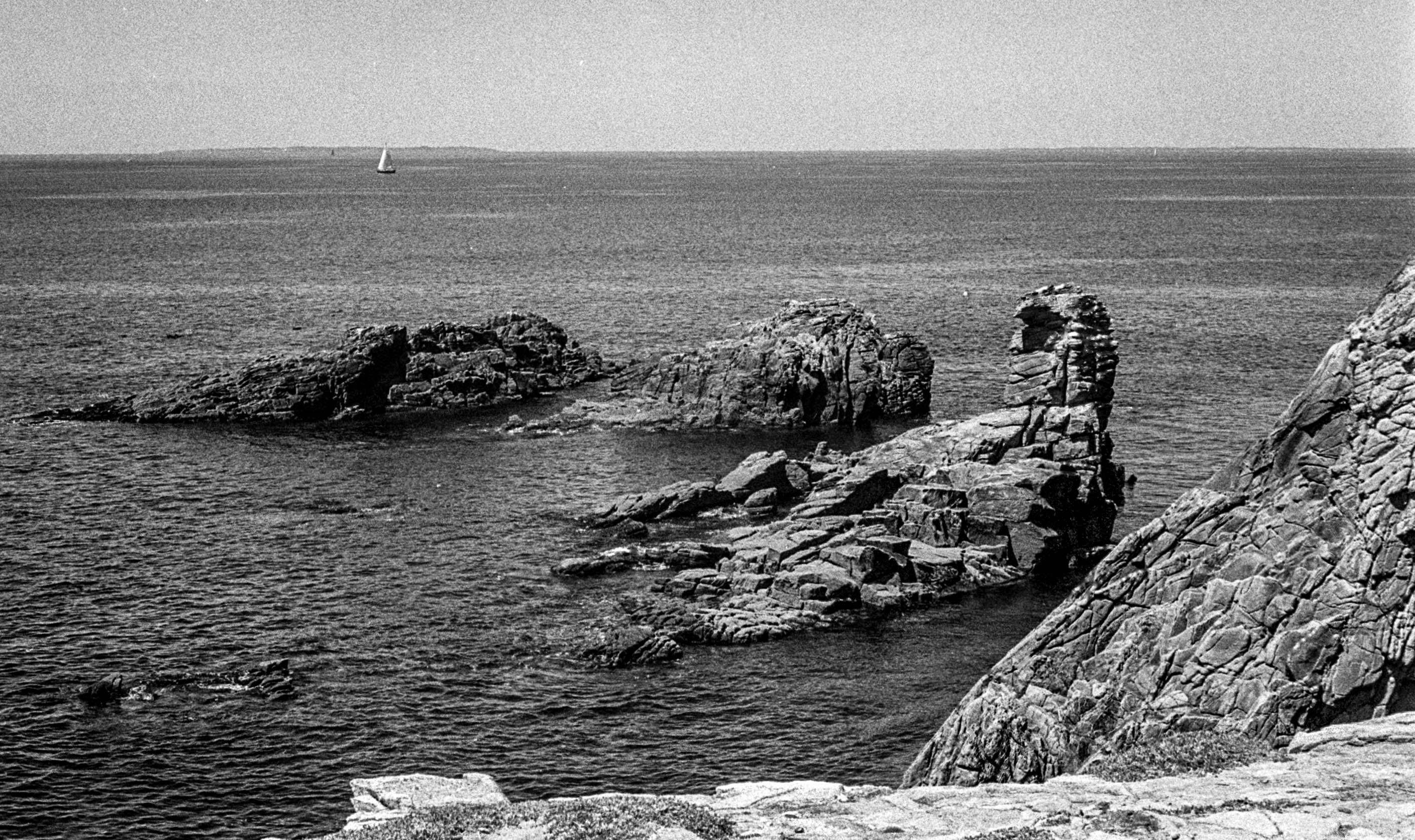
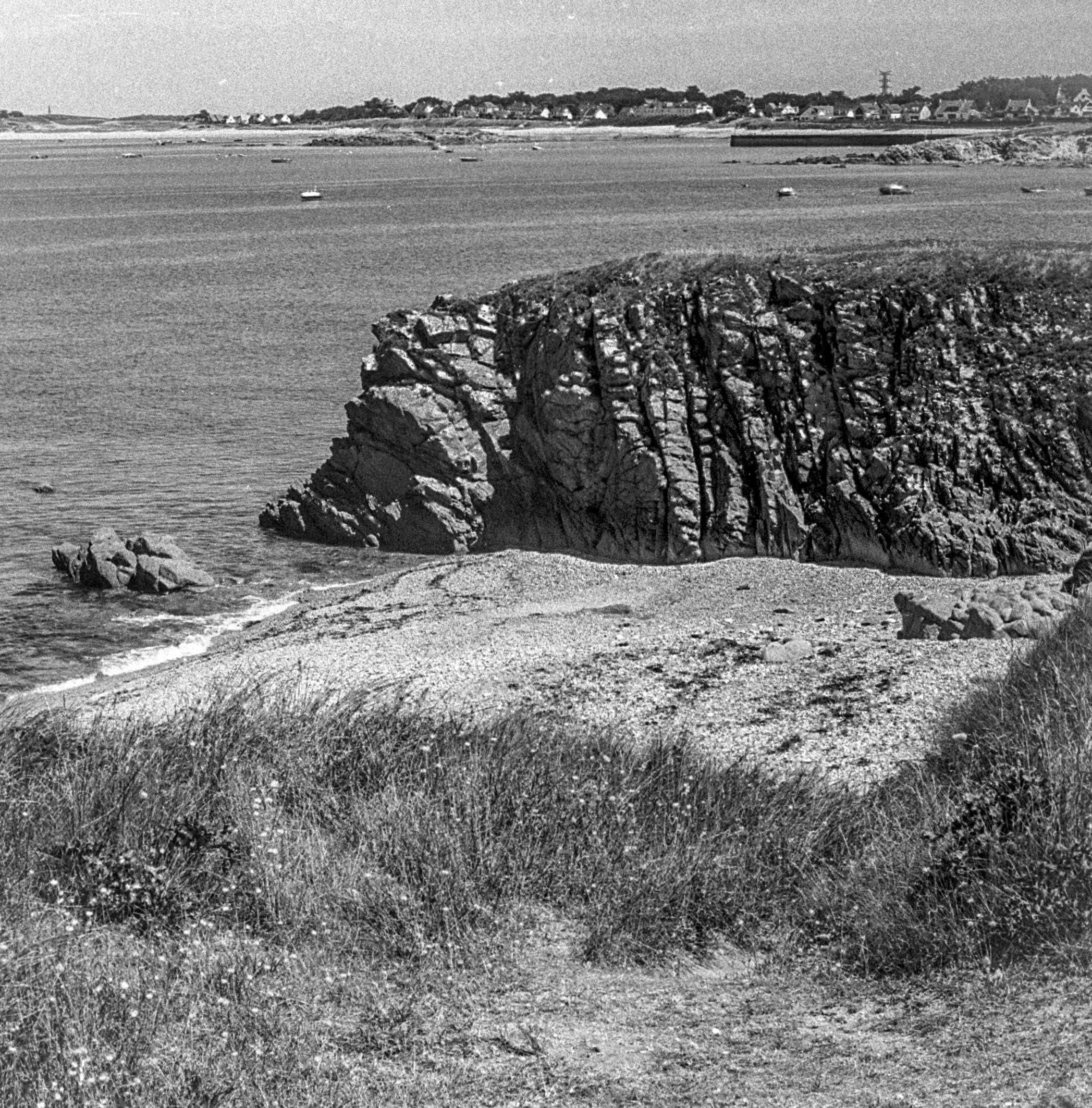
The Vendée coast is a tapestry of stunning landscapes, each begging to be captured. My first stop was Viellevigne (not strictly the Vendée and just on the other side of the Loire Atlantique border), a charming little town I usually just whiz through on my daily commute. But this time, with a camera in hand and a head full of vacation vibes, I saw it with fresh eyes. I framed the quaint church nestled between two ancient trees, a scene I’d driven past a thousand times without a second glance. The hedgerows, usually just a blur of green, revealed a hidden world of wildflowers and buzzing insects when I switched to the lens’s macro function. Suddenly, the familiar became fascinating.

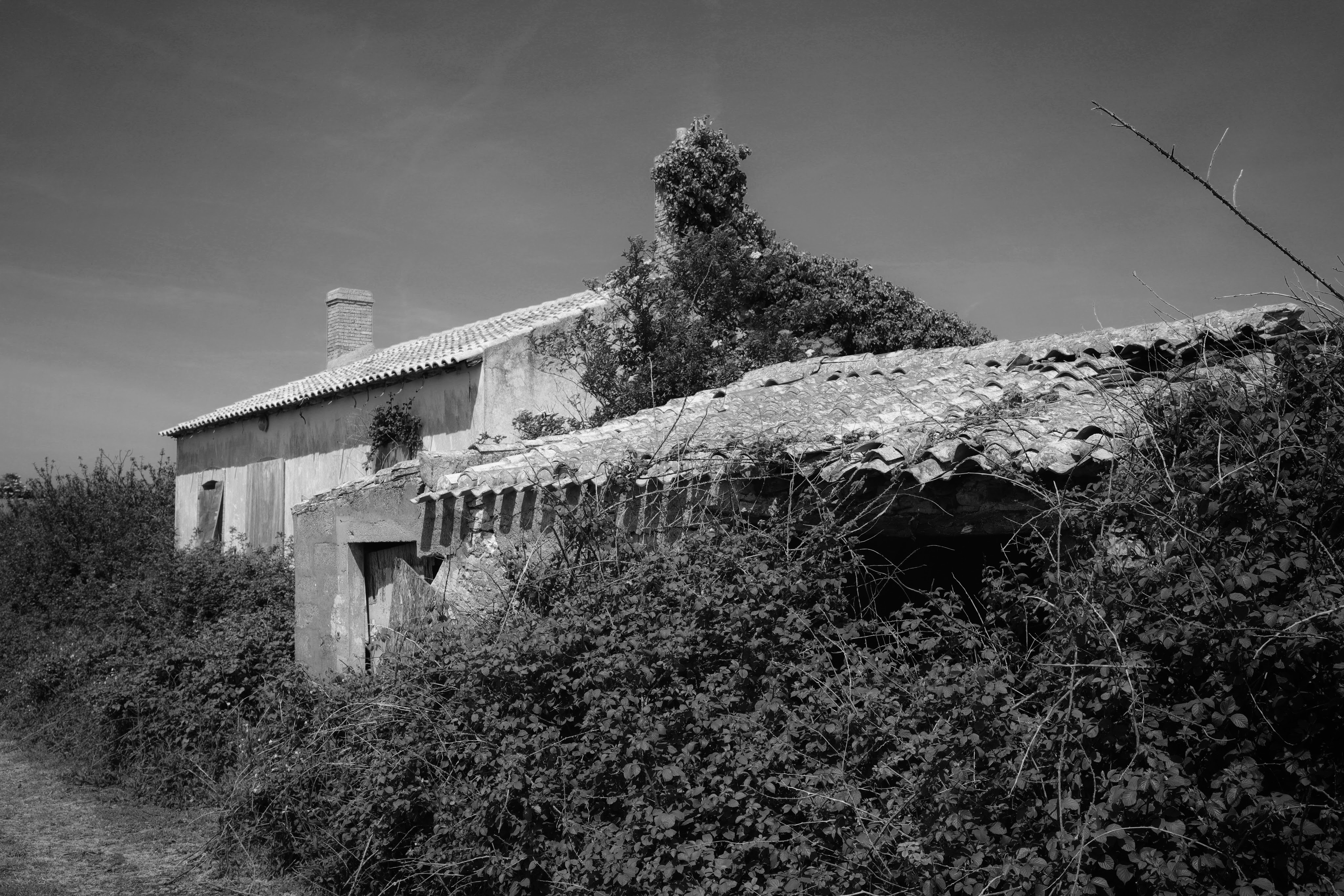
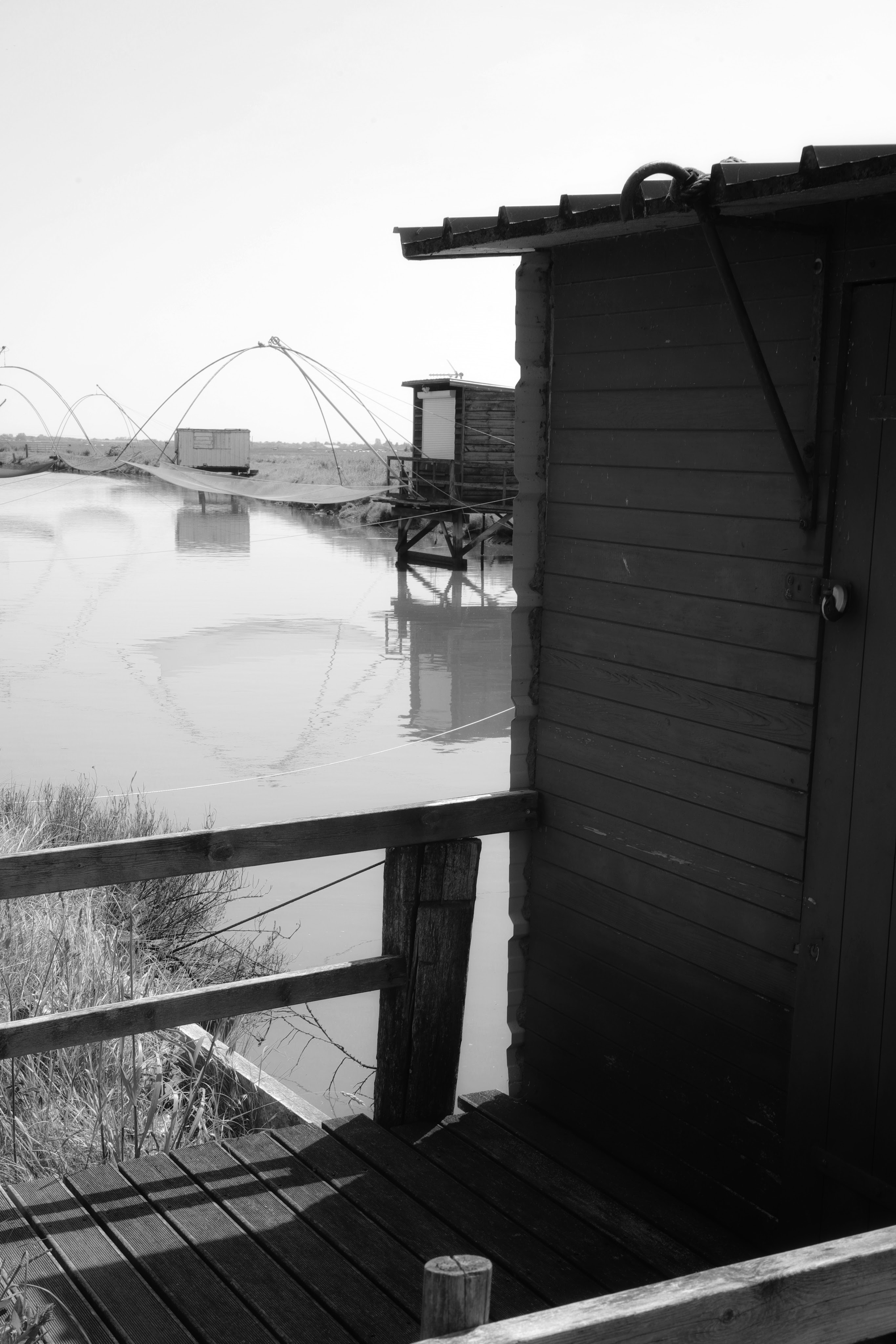
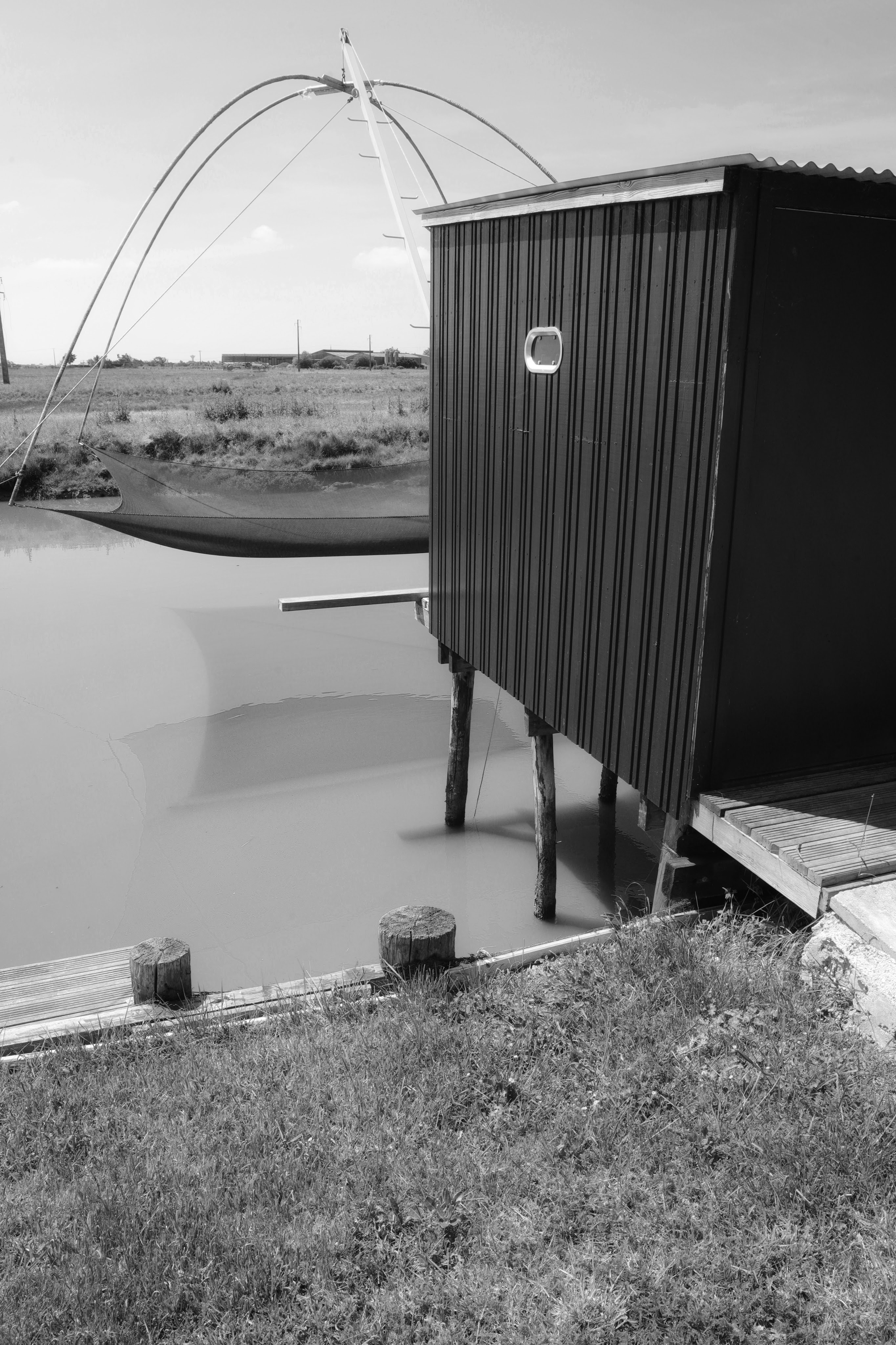
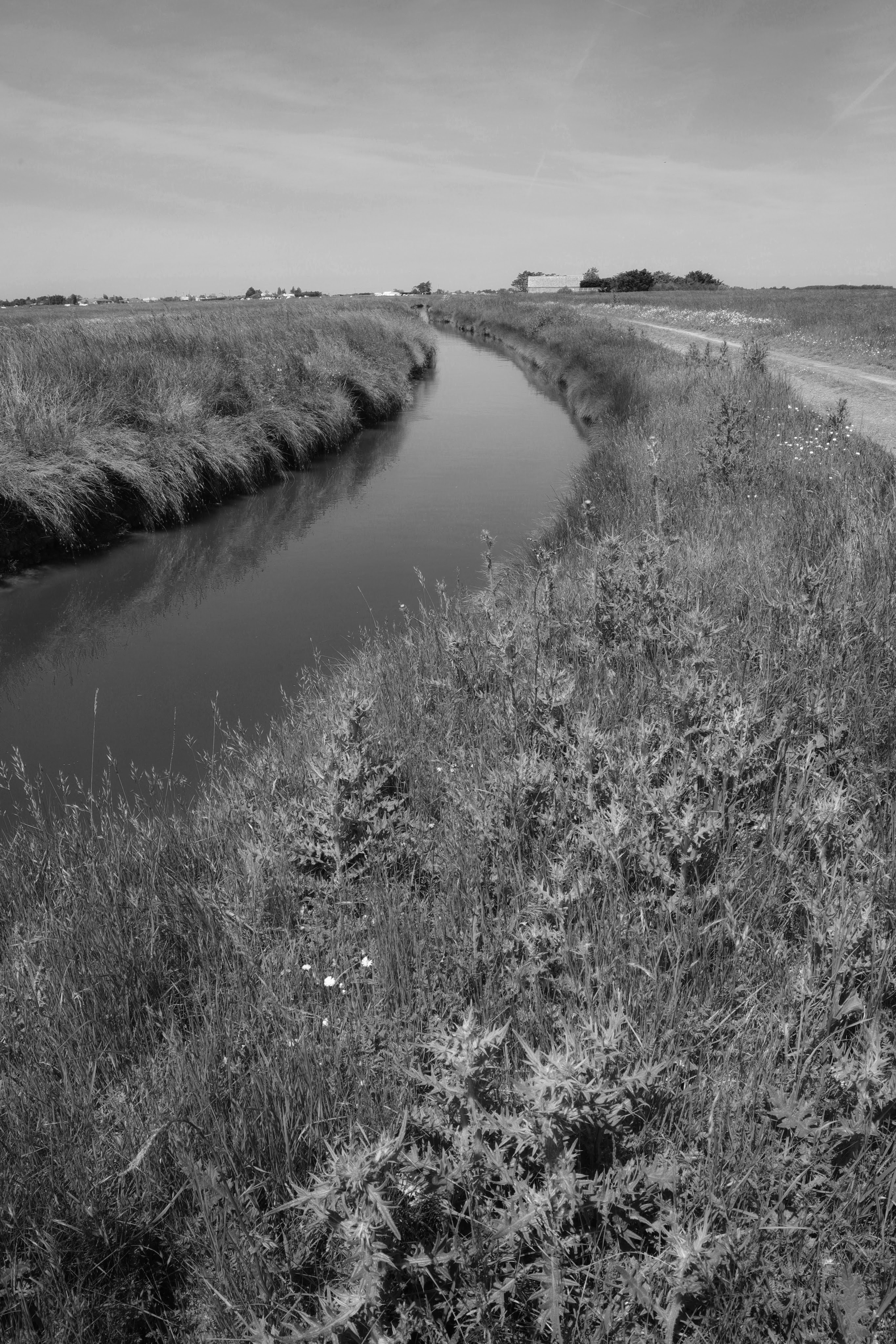
Next, I cruised down to the grand canal near Fromentine. Now I don’t know if grand means big or grand in this instance. I mean it’s not huge, and the grand canal in Venice is somewhat ore deserving of the title. The sun, a generous giver of both light and good mood, cast a warm glow on the weathered ruins of old houses lining the water. Across the road bridge stood a line of fishing huts, its battered paint a testament to years of battling the elements. The 24-70mm here proved its versatility, letting me capture both the vastness of the canal and the intricate details of the local flora.

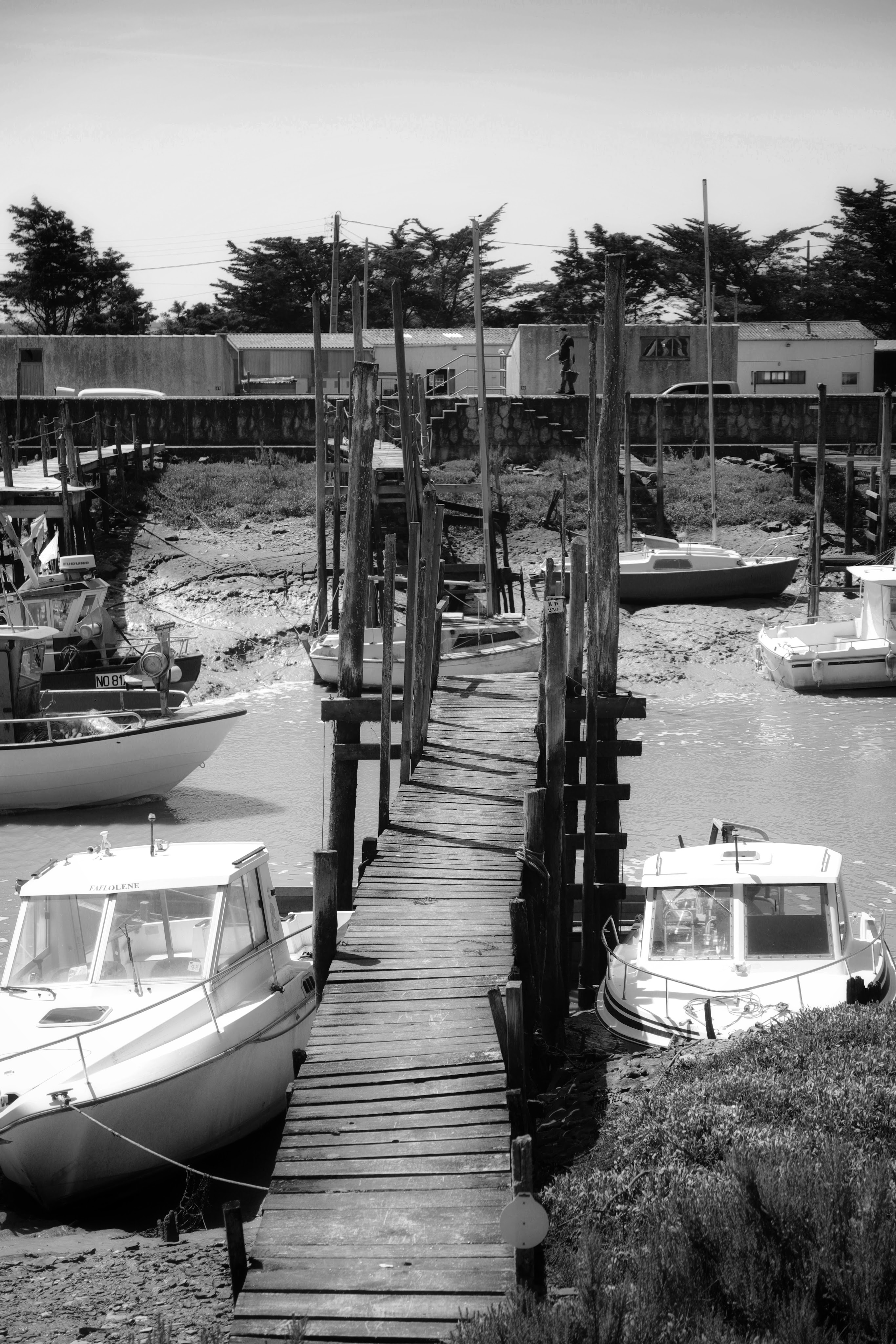
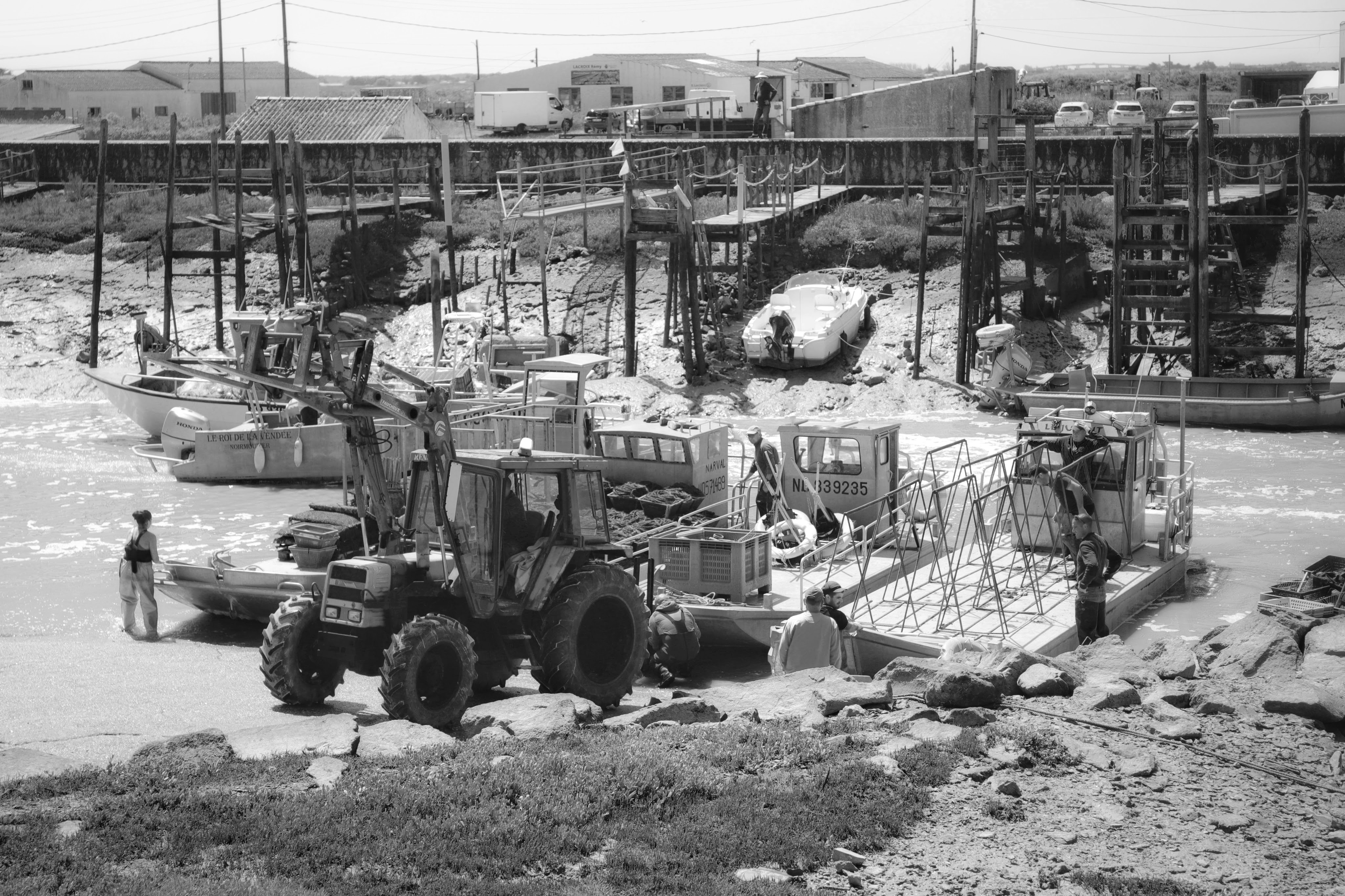
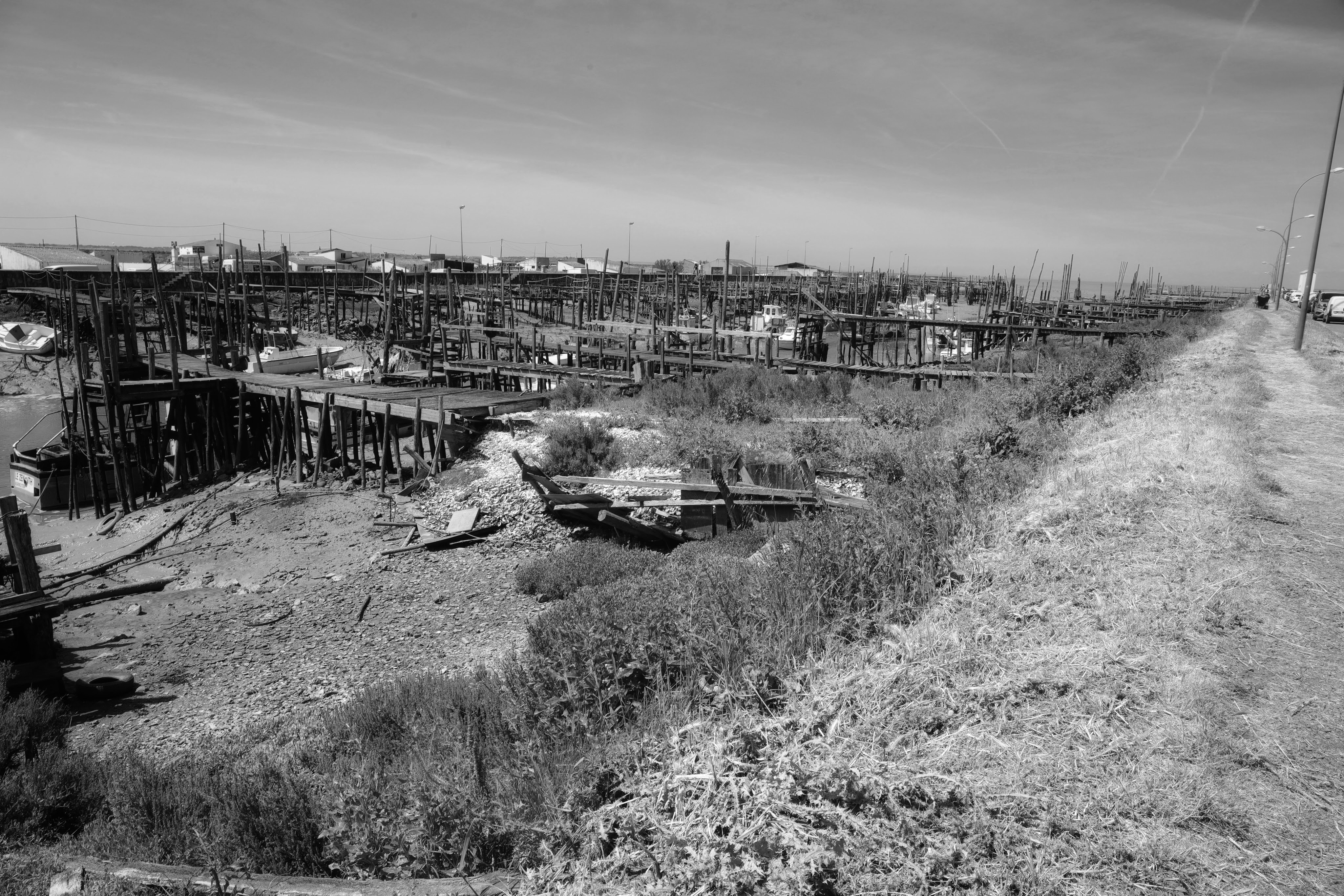
As the day wore on, I found myself at Port de Bec, a haven for oyster farmers. Here, the scene was abuzz with activity. Tractors lumbered out of the water, hauling heavy loads of oyster boats ashore. The rickety moorings, weathered and worn, added even more charm. The lens’s sharp autofocus kept pace with the bustling scene, ensuring I didn’t miss a single detail.

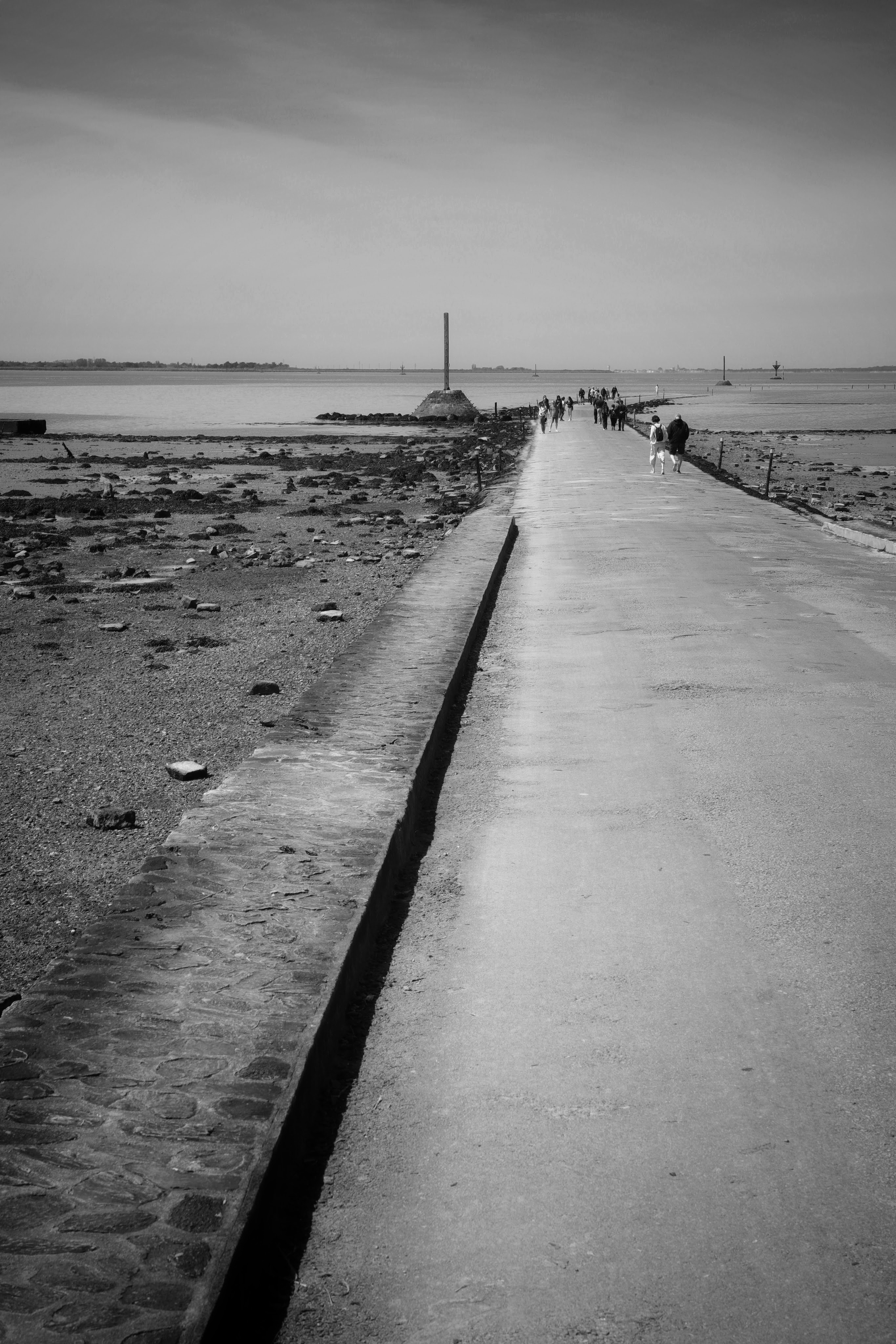
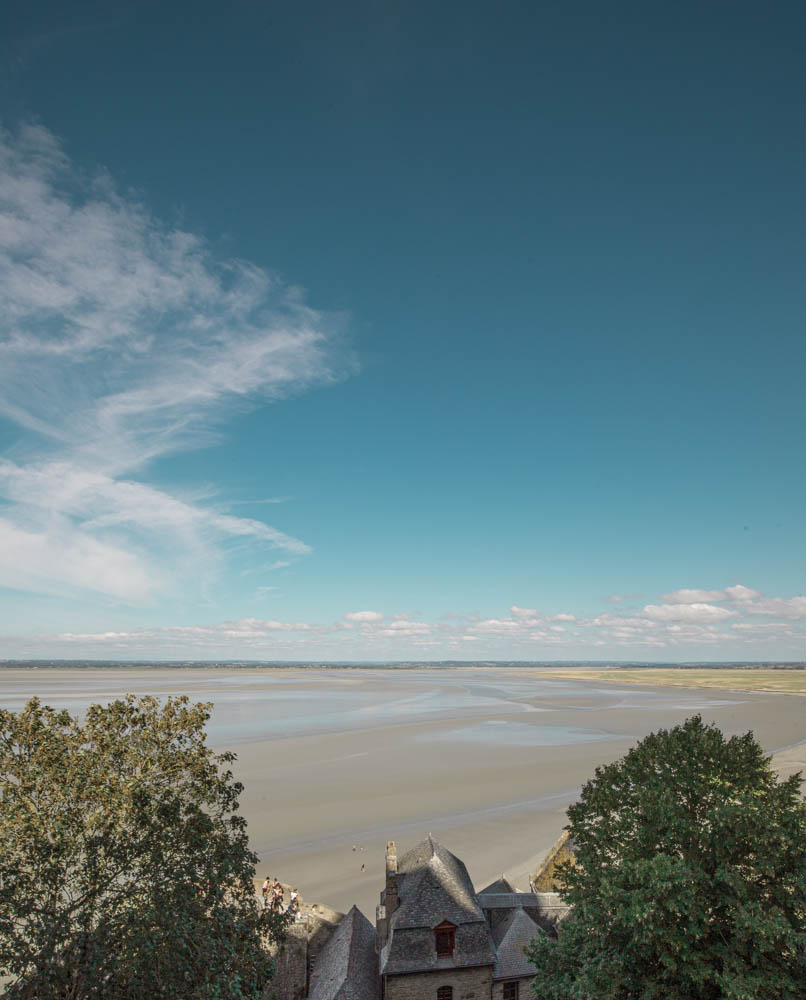
Finally, the crown jewel of the trip: the Passage de Gois. This legendary causeway, submerged twice a day by the tide, is a photographer’s playground (just make sure you keep an eye on the water, unlike yours truly who nearly got his sandals swept away!). The tide was rolling in fast, creating a dramatic contrast between the exposed road and the encroaching water. The 24-70mm handled the dynamic light and vastness of the scene beautifully.

But this trip wasn’t just about capturing stunning photos (although, let’s be honest, those were pretty damned cool!). It was a much-needed reminder of the power of stepping off the hamster wheel, even if it’s just for a short while. The fresh air, the sun on my face, the beauty of the Vendée coast – it all conspired to wash away the workaday stress. I came back feeling refreshed, inspired, and with a newfound appreciation for the magic that can be found right on your doorstep, if you just know where to look.

And the 24-70mm? Yeah, it more than held its own. It proved to be a versatile and capable travel companion, capturing everything from sweeping landscapes to macro details. So, next time someone throws shade at this trusty lens, I’ll just point them to my Vendée photo album and let the pictures do the talking.

Until our next adventure my Dear Reader!

The X100F, again!


It seems that I’m not the only one who raves about this powerhouse of a camera. This just proves that size truly doesn’t matter. I’ve mentioned it on numerous occasions and I stand completely justified in doing so!

Here’s a selection of articles that I have written showcasing phtoography from this amazing little camera in no particular order:

The idea behind using a camera is not just about capturing moments, it’s also about the experience it grants you. This camera has the ability to inspire and motivate its users to explore and create, which is a testament to its design and functionality. The joy and enthusiasm that comes with using this camera is contagious, and it’s evident in the way it empowers photographers to unleash their creativity. It’s not just a tool, but a companion that fuels the passion for photography, encouraging individuals to embrace the world around them through its lens.

Frame It Right: The Art of Composition in Photography Part IV


In my previous articles, we’ve embarked on a journey to understand the basics in photography. I have talked about exposure, set out some of the “rules” of composition, and even delved into the world of colour theory. Today, I’d like to introduce you to the rule of odds and the rules of space, two fundamental elements that will take your photography to the next level.

Before we talk about these new concepts, let me reiterate the importance of building a solid foundation. Just as we did with framing, negative space, and colour theory, it’s crucial to master each concept before moving on to the next. Take your time to learn and apply these principles in your photography journey. The other four articles will stay up, and you can read them at your leisure.

The Rule of Odds in Photography

The rule of odds is a composition guideline that suggests using an odd number of subjects or elements in your frame, typically three or five, rather than even numbers. Why? Because odd numbers tend to create a more balanced and visually pleasing composition.

When you use the rule of odds, you create a natural focal point within your photograph. Our eyes are drawn to the centre subject, and the uneven arrangement adds a sense of harmony and intrigue to the image. The result? A more captivating and dynamic photo that engages your viewers. It’s all about balance.


Rules of Space: Balance and Direction

Now, let’s look at the rules of space. This concept involves how you position elements and subjects within your frame to achieve balance and direct the viewer’s gaze. It leaves space for the subject and can be used in multiple ways as a storytelling tool. It can also be used in conjunction with the other composition techniques that I have talked about in my previous articles.

Tips

Think outside the frame. What is going on outside the frame becomes as important as what is oing on inside the frame. Let’ take the picture of the guitarist. Who is he looking at? What’s going on outside the frame? Is there an audience? Where is the audience? Using rules of space the viewer will more curious and be more engaged in the photo.

Conclusion

One can talk about composition and the effect it has on photography till the cow come home. People will always bring up “composition” and will always tell you how “they” would have done it differently. In these four articles you will now know what they are talking about and be able to decide for yourself. In absolute terms, “your” photographs are about what “you” saw, and only “you” can see that. But keep the rules that we have discussed in the back of your mind, and take your photograph with purpose and being conscious about what you are doing. Mindfulness is the key.

My next article will talk about the differences between 35mm film photography and medium format photography. For film enthusiasts or anyone else who is curious you will be entering into a new world. There are, of course, trade offs between each format, and we will discover them. Maybe you’ll be bitten by the Medium Format bug too… As always Dear Reader, I appreciate your enthusiasm, and I look forward to our next exploration together. Until then, happy shooting!

A Pilgrimage to Mont Saint Michel: A Journey of Faith and Endurance


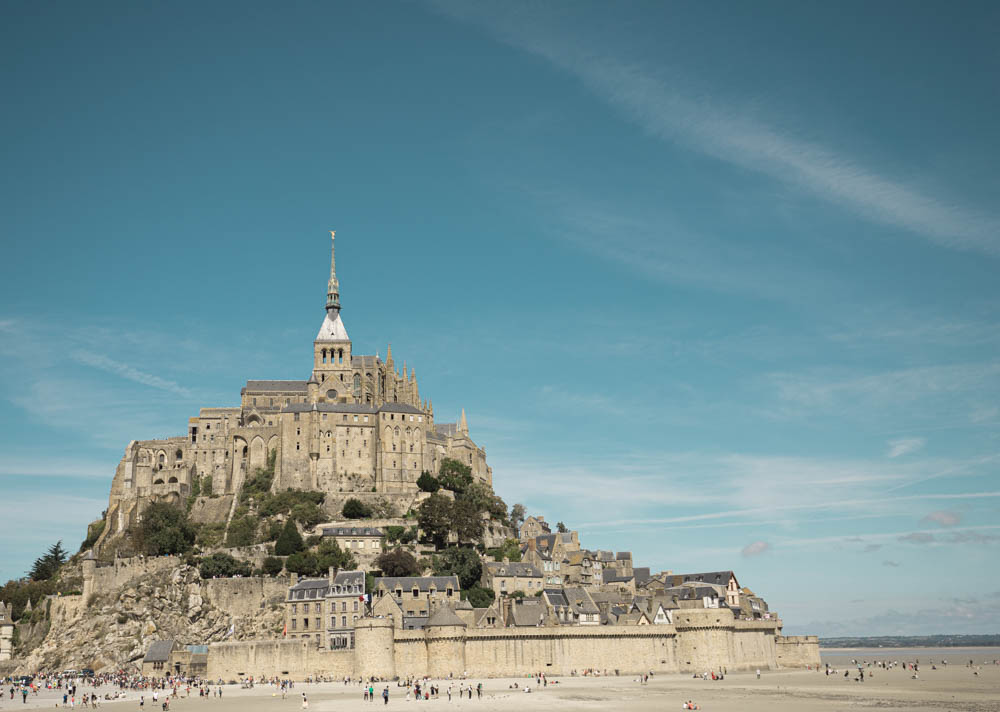
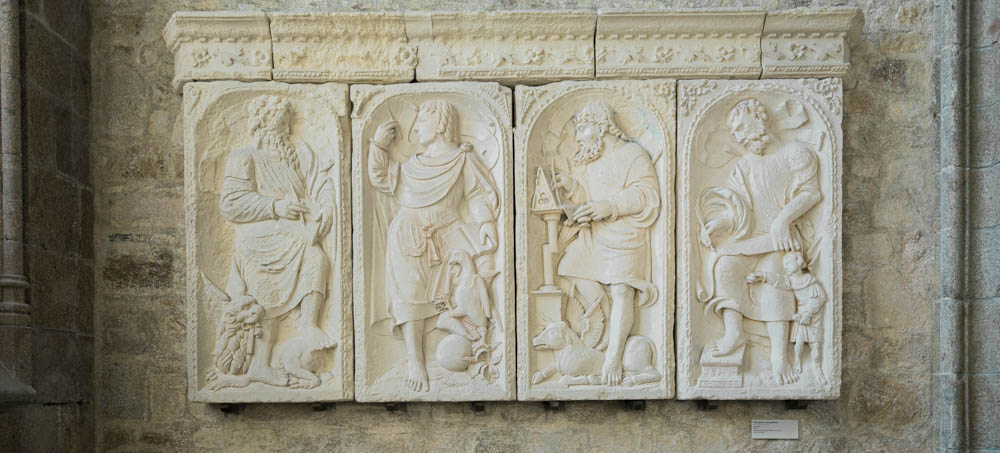
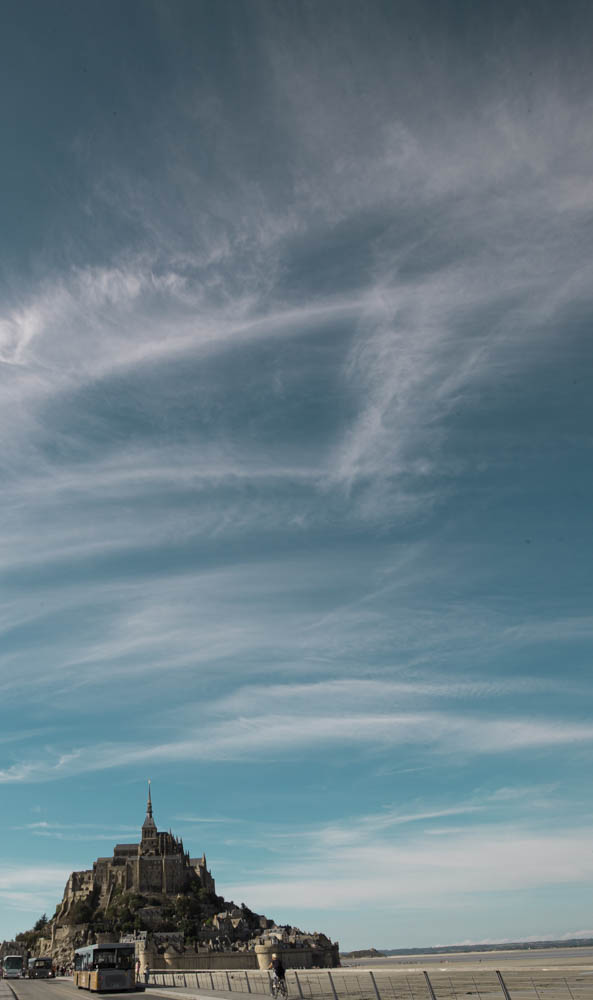
The hot summer sun beat down as I embarked on a journey that had been brewing in my mind. Mont St. Michel was not only a quest to escape the sweltering Vendée heat but also a spiritual endeavour to connect with the divine in a magnificent setting.

A Return to Childhood Memories

The journey began at my home in the picturesque Vendée region, where I set out on a 220-kilometer trip to Mont Saint Michel. It was a return to a place I had visited as a wide-eyed boy, eager to explore its mysteries. However, this time, my mission was twofold: to capture the awe-inspiring beauty of this monument through my camera lens and, most importantly, to offer my prayers to the Almighty.

The Road Less Travelled

The road to Mont St. Michel took me through Nantes and Rennes, where I made stops at local bakeries to purchase food for the journey. As I stocked up on provisions, I couldn’t help but reminisce about my first visit to this iconic place some forty years ago. Speaking with my parents, who recalled our family visit, added a nostalgic layer to this pilgrimage.

Physical Challenges and the Power of Will

One of the significant challenges I faced during this pilgrimage was my battle with arthritis, a persistent companion that had become an unwelcome part of my life. Walking with the aid of a cane, I knew that this journey would not be without its pains. However, I had learned a valuable lesson during my time in the Army: the mind can command the body to persevere beyond its perceived limits. Armed with this knowledge, I pressed on, determined to conquer the physical difficulties that lay ahead.
Prayers in Motion

My journey was more than a physical voyage; it was a spiritual quest. Along the way, I offered up my sufferings to God, a testament to my unwavering faith. The act of praying while traversing the miles was a reminder of the power of faith, even in the face of adversity.

A Divine Encounter at Mont St. Michel

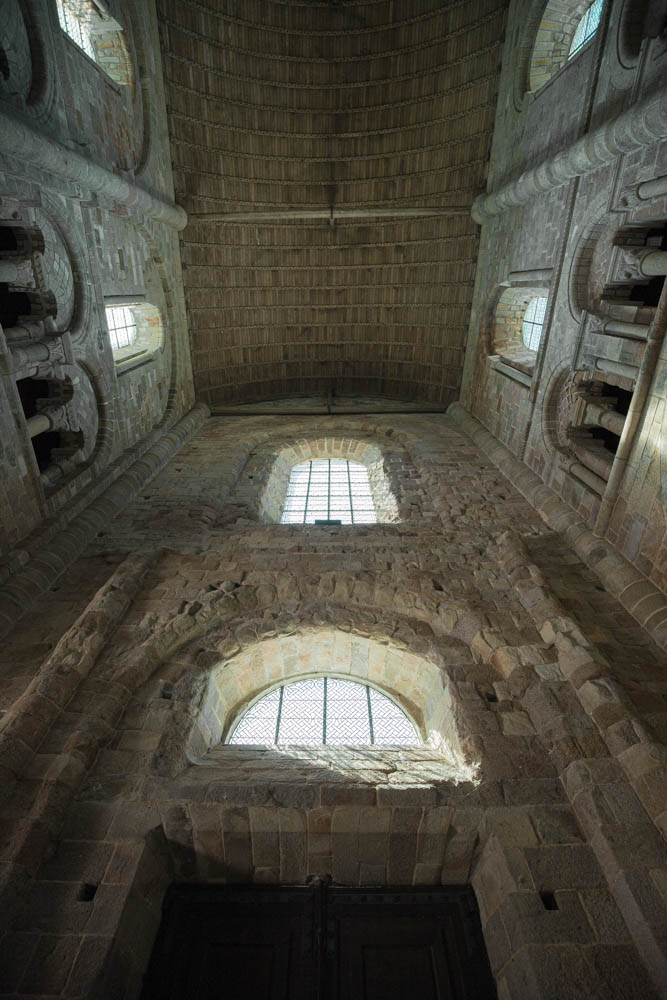
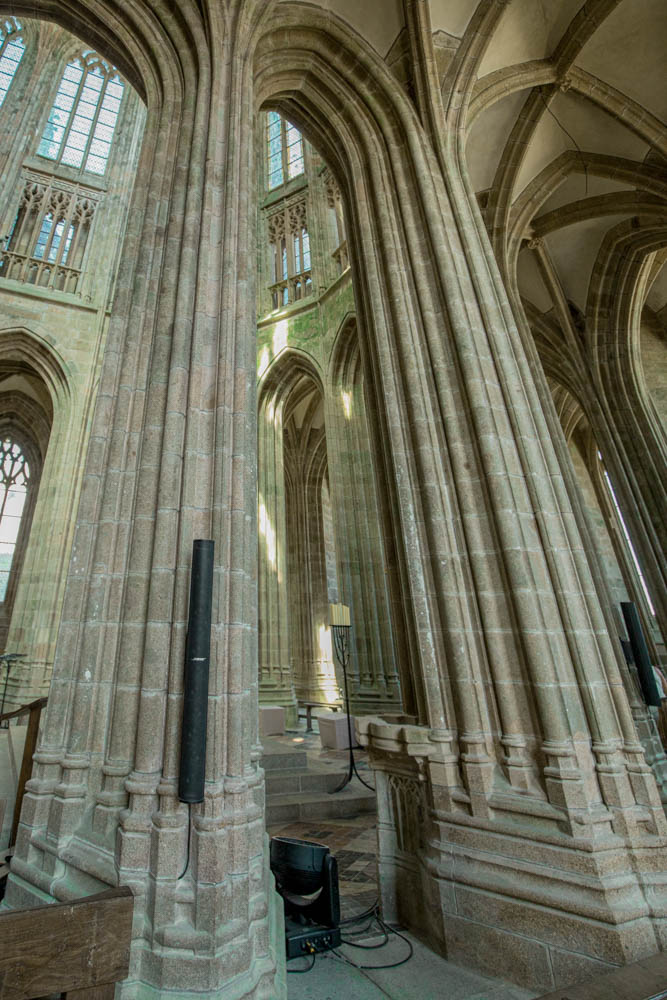
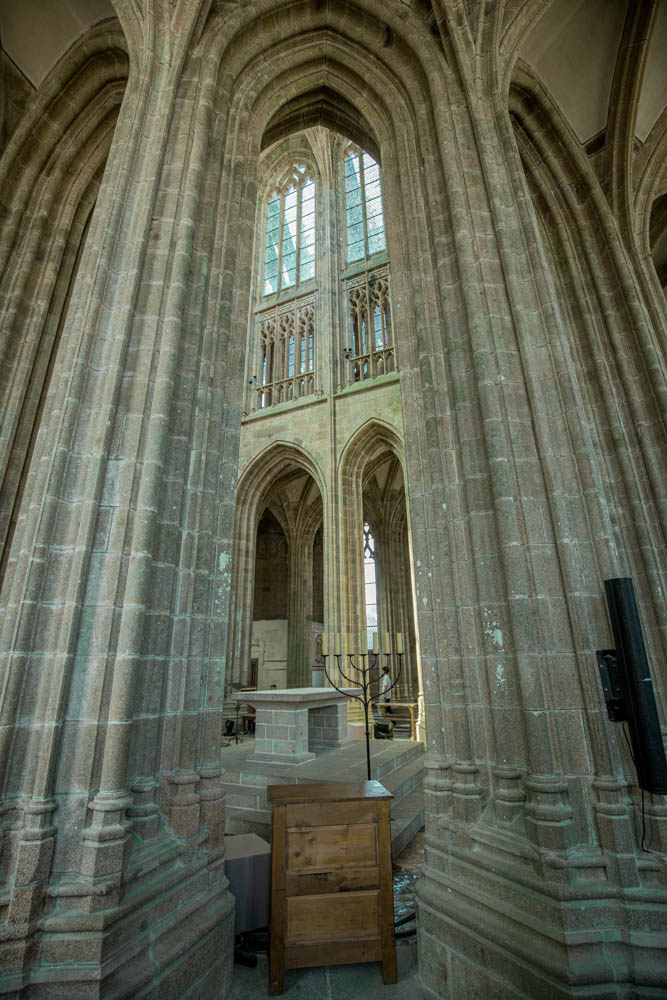
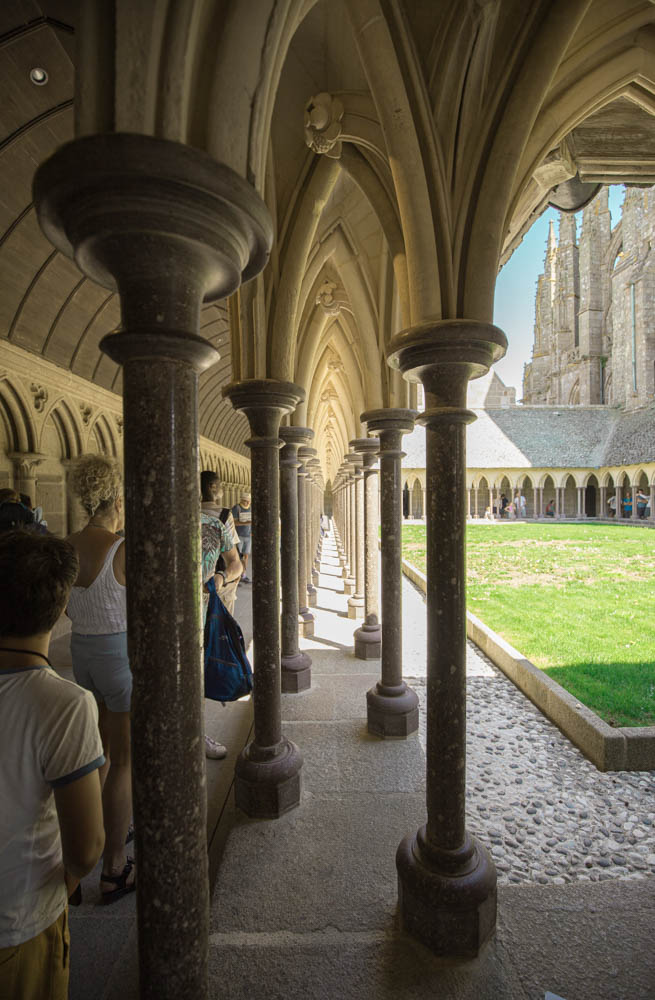
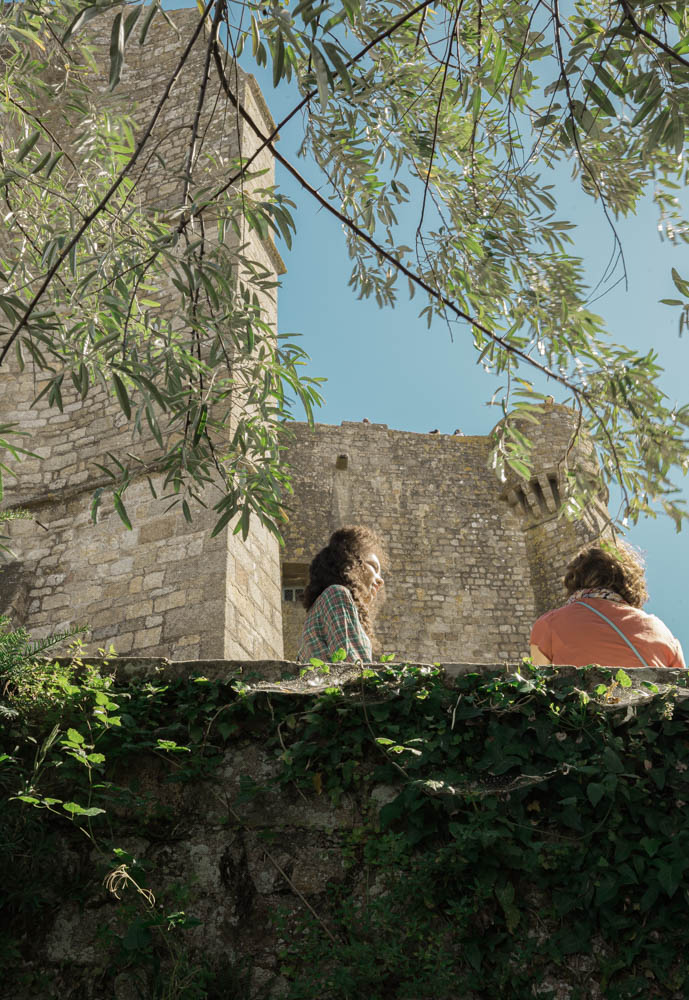
Finally, I reached the awe-inspiring Mont St. Michel. Its grandeur and the spiritual aura surrounding it took my breath away. I knew I was in the presence of something sacred. It was here that my pilgrimage took on its most profound meaning.

A Moment of Grace

Before the Blessed Sacrament, I knelt in prayer. As I poured out my heart to the Lord, I couldn’t help but notice the passers-by who seemed oblivious to the divine presence. In that moment, I offered a prayer that God might reveal Himself to them in some way. And then, as if in answer to my prayer, two individuals genuflected before the Blessed Sacrament. It was a poignant reminder that God’s presence is not always apparent, but it is real and powerful. The simple act of acknowledgment by those two individuals filled me with hope and gratitude.

A Pilgrimage Worth Every Step

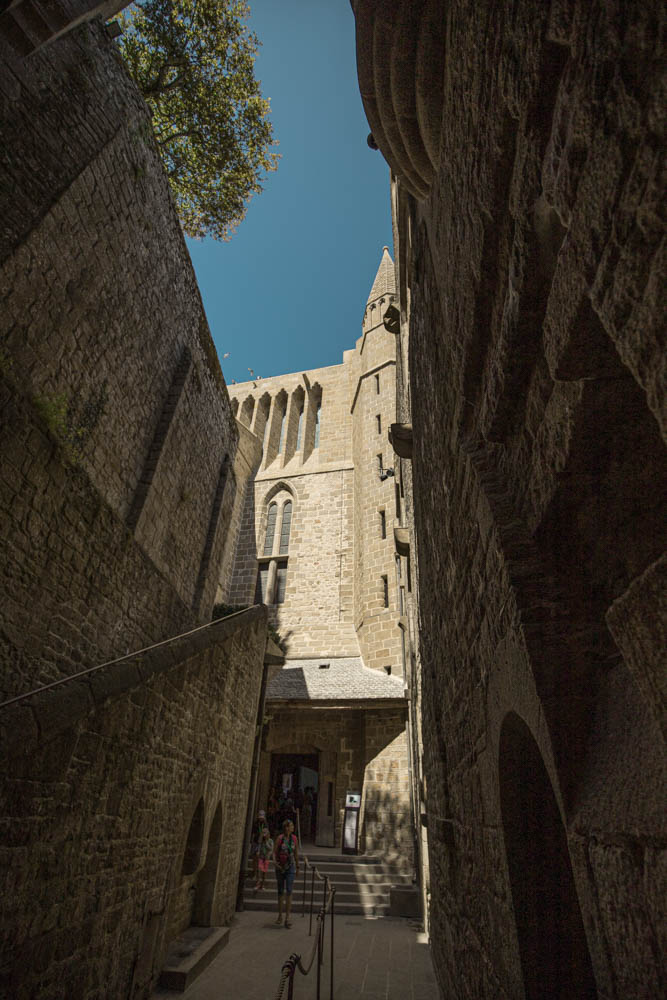
As the day wore on and I made my way back home, I couldn’t help but feel tired. The physical exertions of navigating the ups and downs of Mont Saint Michel had taken their toll. However, it was a good tired, a sense of accomplishment and fulfilment that can only be gained through a meaningful journey.

Looking Ahead

Reflecting on my pilgrimage, I realize that while the physical challenges were significant, they were far outweighed by the spiritual rewards. My journey was a testament to the power of faith and the determination of the human spirit. If I were to undertake this pilgrimage again, I would not go alone. Having someone to share the driving and the walks would undoubtedly make the journey more manageable. In the end, my pilgrimage to Mont Saint Michel left a lasting mark on me. It was a journey of faith, endurance, and prayer, a testament to the power of the human spirit and the divine presence that guides our paths.

The Ship Cemetery


I can’t help but think about the men who sailed on these old ships that have been abandoned. Most likely, fisherman heading out to sea to bring back fish to sell at Ettel, a Breton port. They must be grateful not to be shipwrecks like their former vessels. And yet, when we contemplate them, we are filled with awe, realising that these fishing boats were the only defence these men had against the elements and the mighty waves.

Some of them are so decomposed that we can only just make out their skeletons and speculate about their previous states. Others have been turned into supports for street art. Maybe a more fitting tribute.

This maritime cemetery is just upstream of the Barre d’Etel, a most treacherous stretch of water with currents that will drag you out to sea, and sandbanks that will stop you entering the Ria D’Etel.

Bretagne – a story of sea and stones


It has been a quiet week in Saint Hilaire… But it was a pleasant weekend in Brittany.  Some may accuse the Bretons of being way too preoccupied with being Bretons, similar to the Cornish in Cornwall, or the Welsh in Wales, when they can manage to forget about getting cuddly with sheep.  In that previous paragraph, I just irritated 6.9 million people.  That’s not bad for a single paragraph.

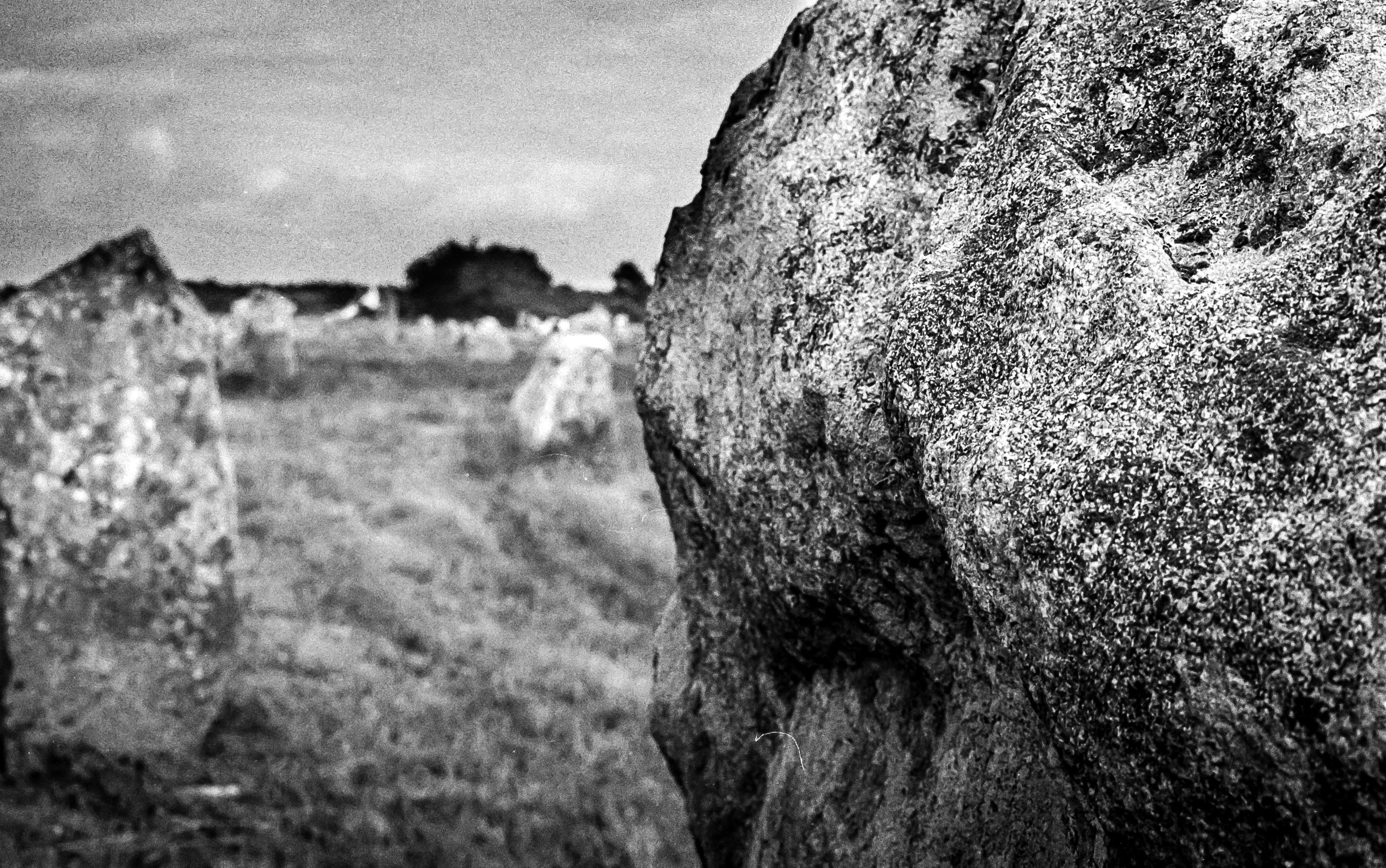
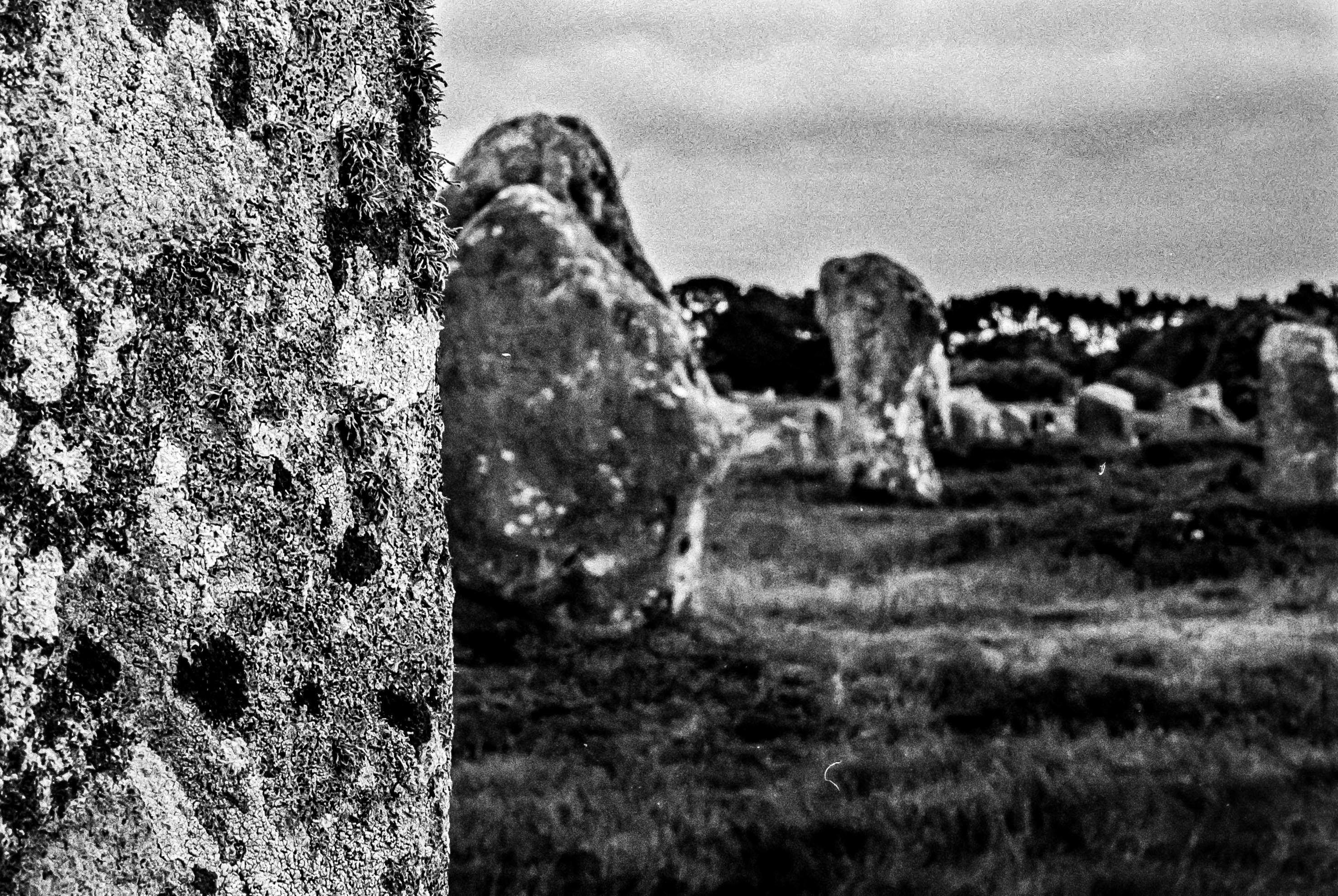
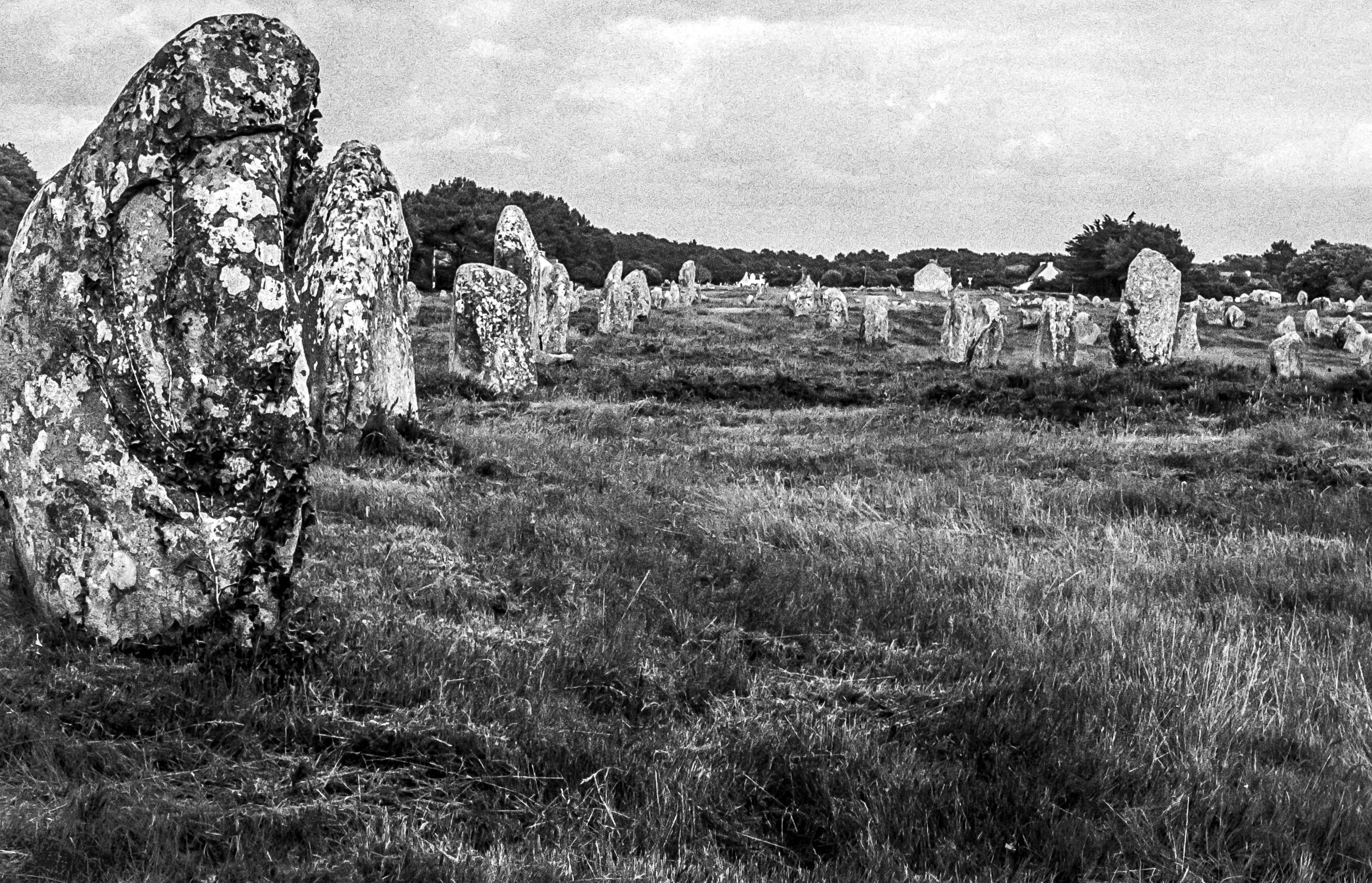
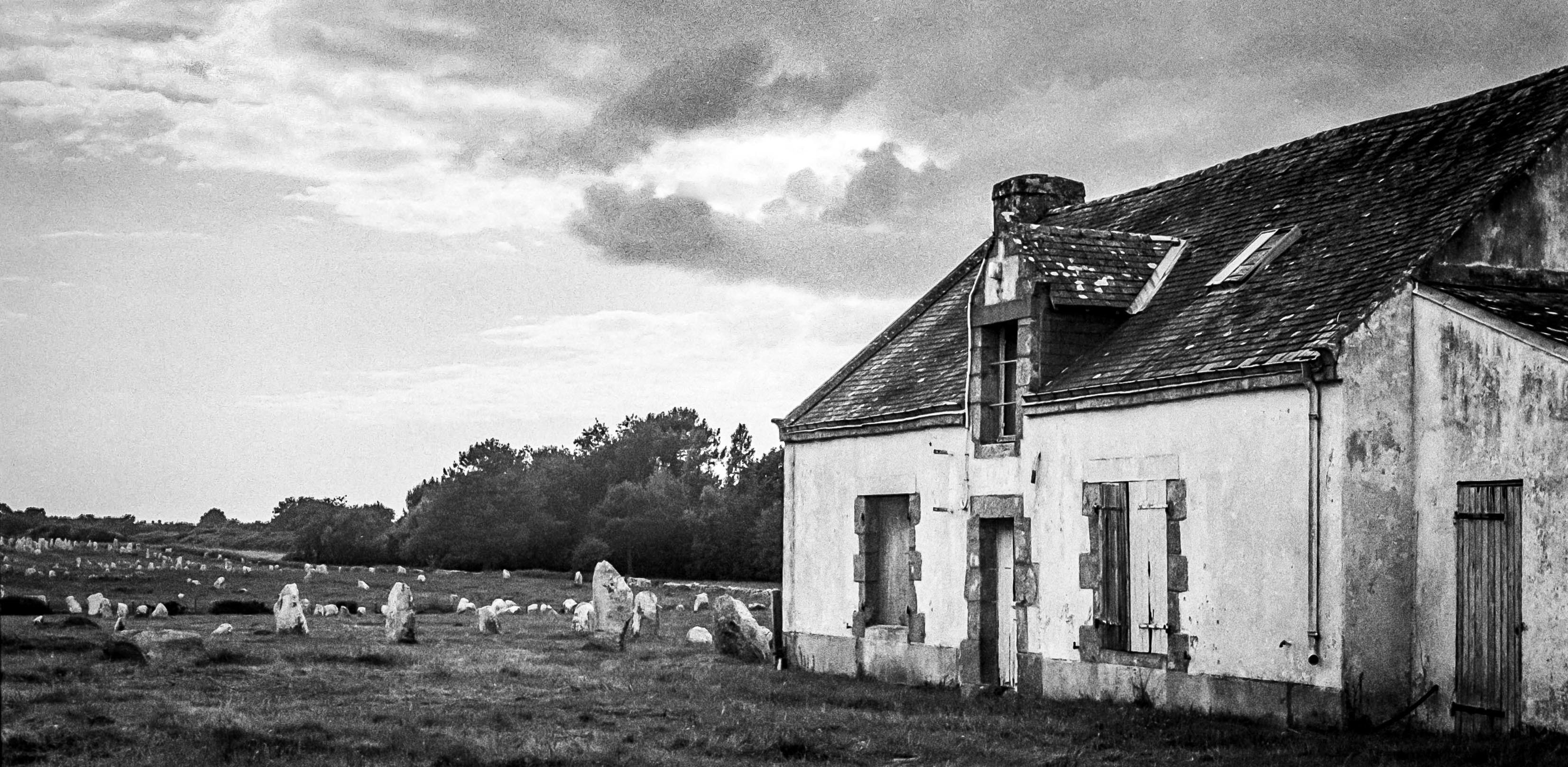
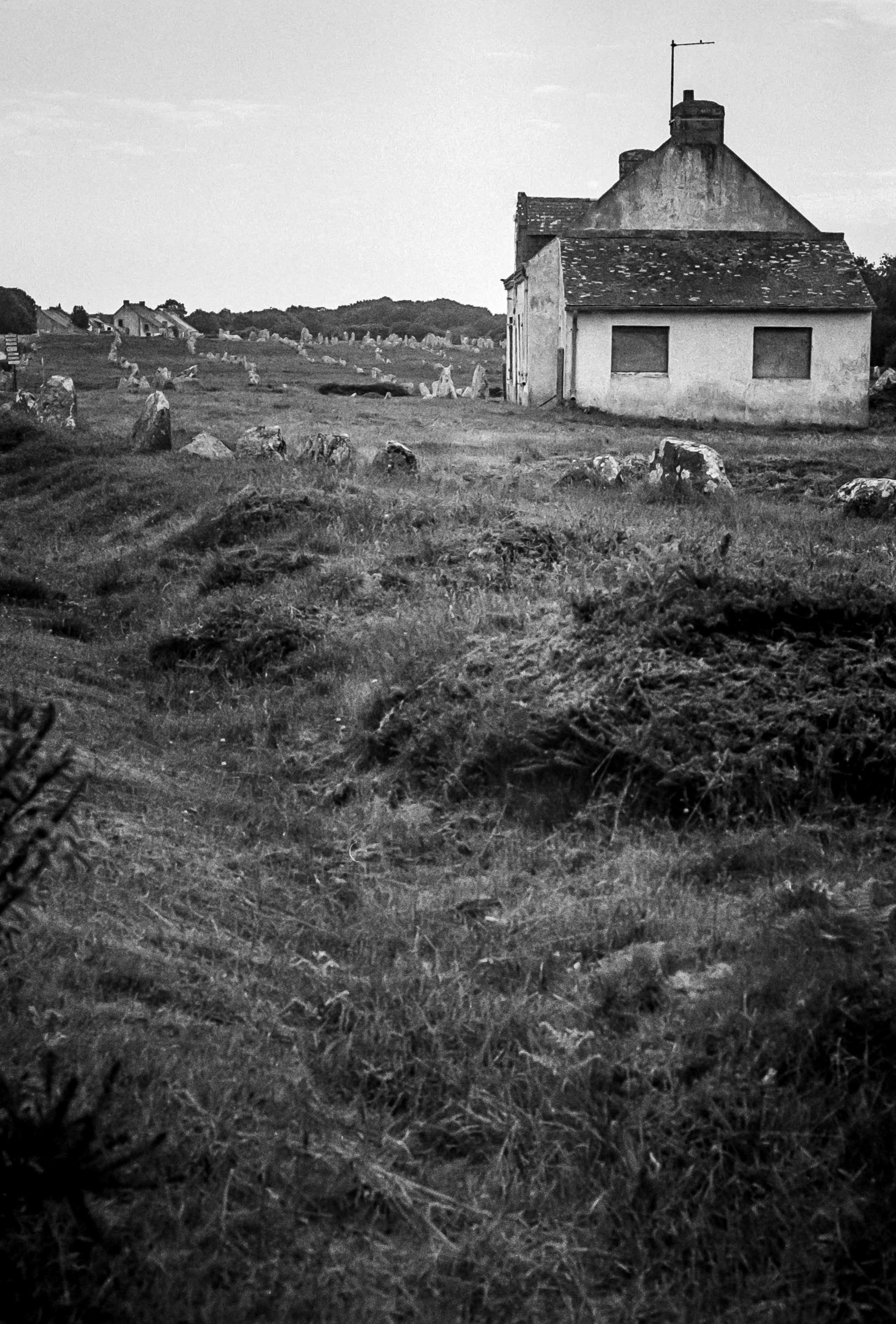
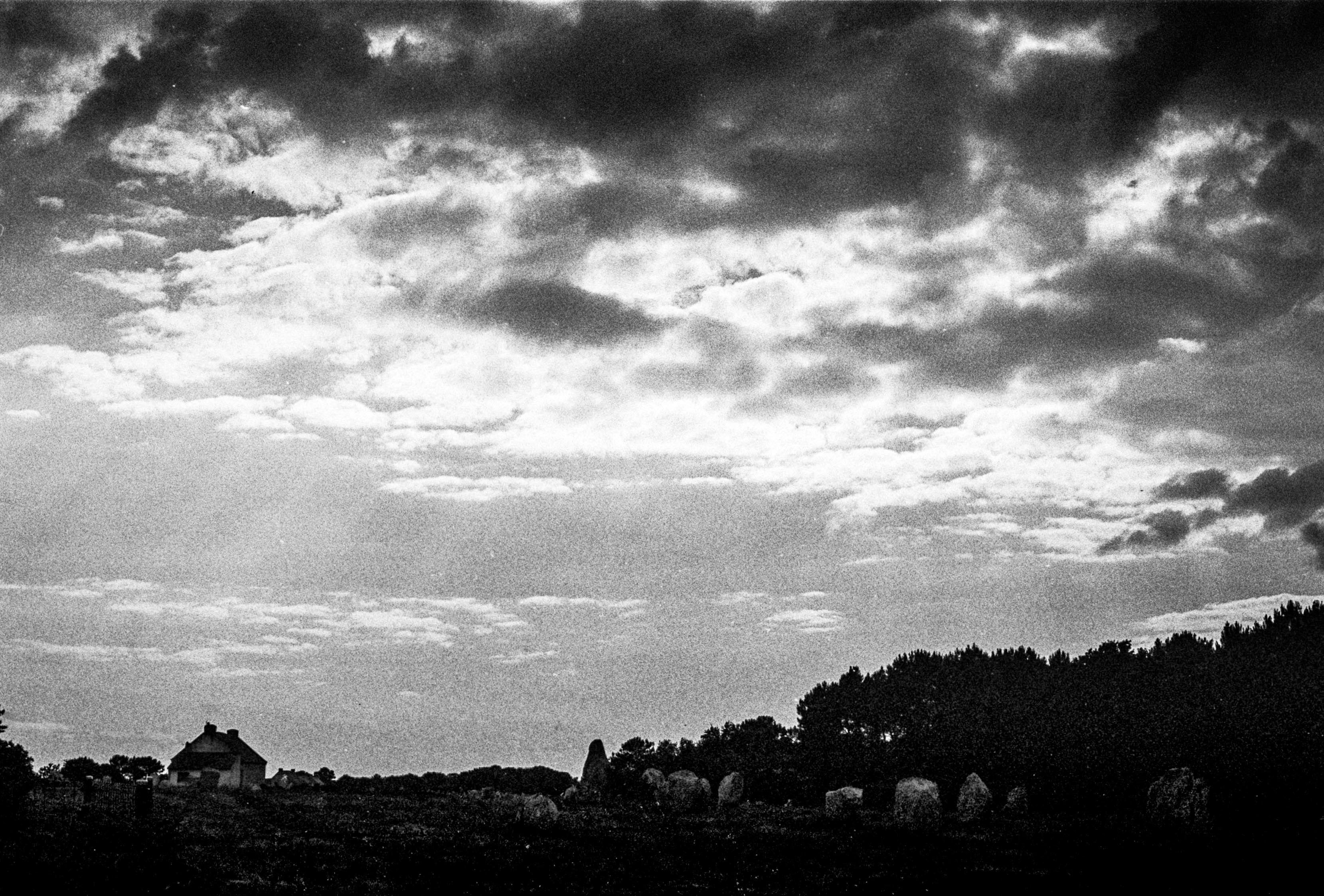
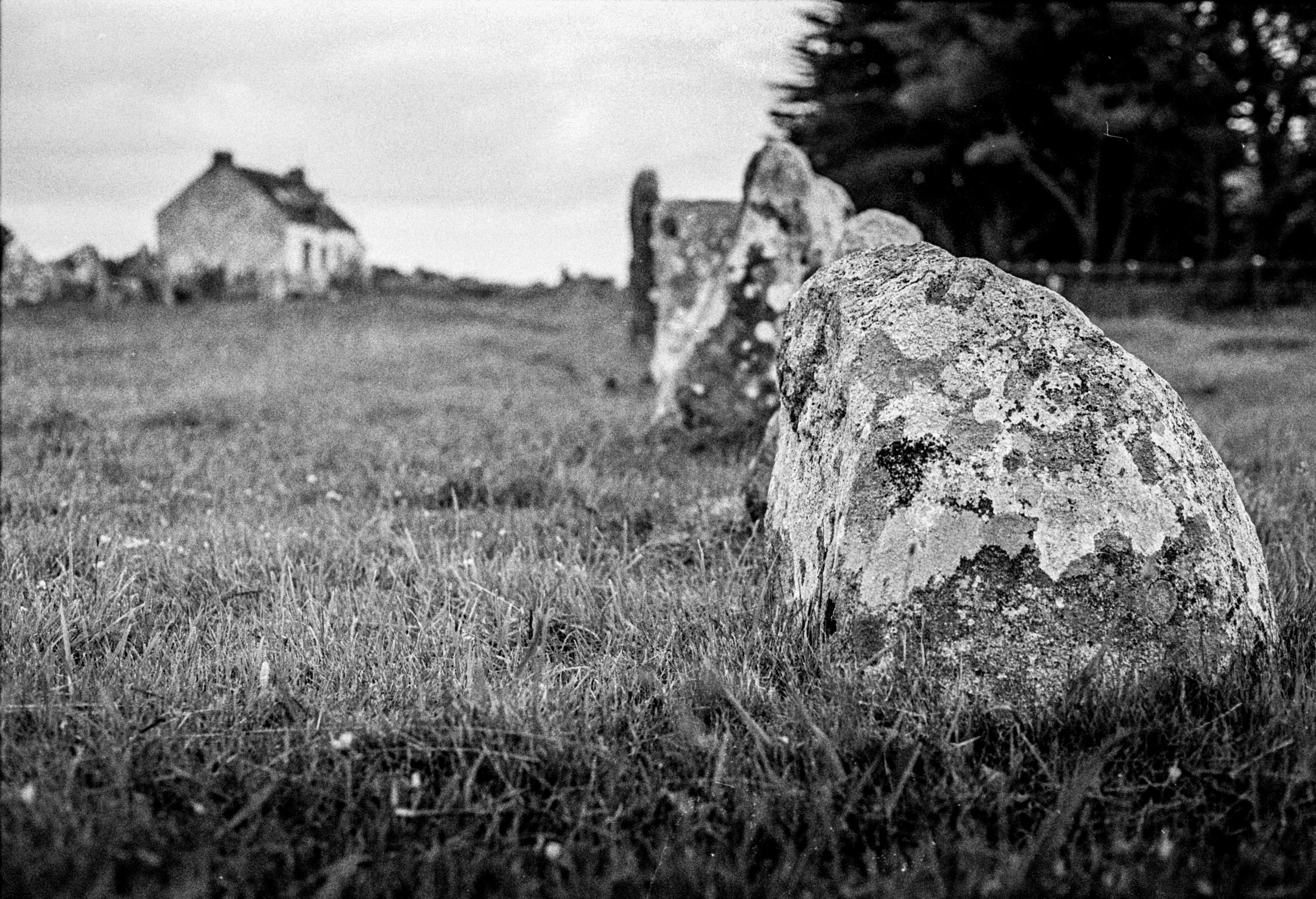
Say what you will about the Breton people, they do do a great line in standing stones, or standing lines of standing stones, especially near Carnac.  This gets me topq where my in-laws live, which is not far from Carnac.  It was the first afternoon of our stay, and I didn’t want to irritate my mother-in-law by just existing, breathing, and so on.  I seized the chance to go out with my camera and shoot some photos.  It’s one of the reasons I look forward to these visits.  It’s truly about getting away from everything and simply soaking in the scenery.

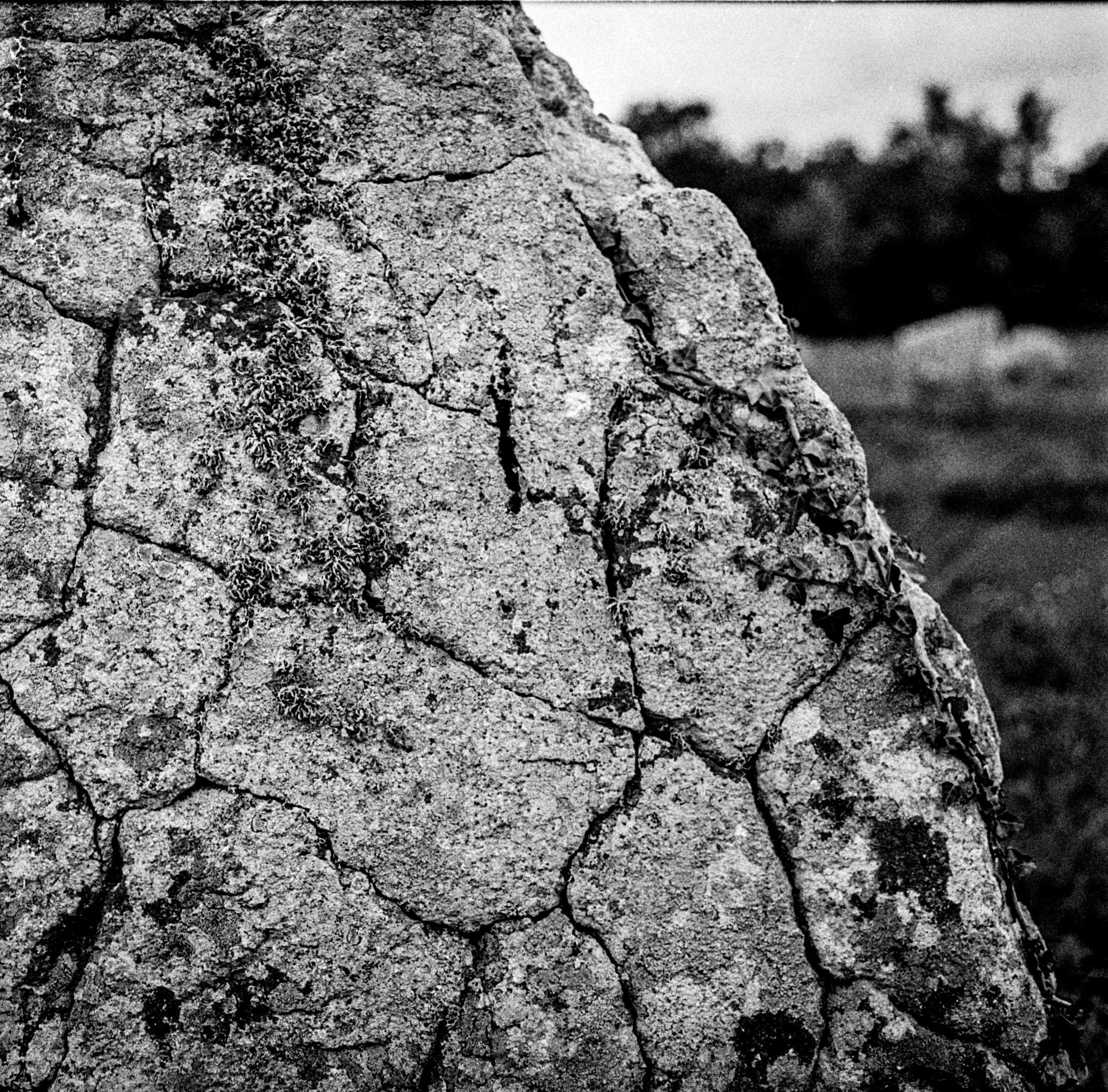
These stones have been standing for around 7000 years, so they must be getting exhausted.  Some have just given up on life and collapsed, or have they had too many parties and consumed too much alcohol?  Anyway, when I was travelling around the grounds of these lines of standing stones, or stones standing in lines, I observed a lady with dowsing rods sitting on one of the stones.  There’s nowt as funny as folk, as my father once stated…  Then the first lady’s companion came up and tried to hug the rocks.  Now, I’ve seen some unusual things in my life, as has the majority of Hull’s population, since it’s never dull in ‘Ull.

But this not only took the biscuit, but it almost took the tea as well!  They said that the Druids had placed the stones there to make the soil more fertile, and that each stone had its unique set of qualities.  I tried not to laugh as I thought about how fertile their imagination was.  After all, they were completely serious.  I know nothing about old stones, whether standing or not, but I patiently listened to them.

I explained how we had once been to Stonehenge and how there was something about the place that was less than ordinary, and how we had seen people kissing the ground and having moments.  They told me that of course this was because of the energy.  You must ask the stone for permission to use its qualities first then sit on it.  And were I to do this I would feel something.  The only thing I felt was a sore bottom!

Wait a minute! He mentioned the Sea, not simply stones. We want to see the marine pics!!! If you’re good and well behaved I might include them in an upcoming post. I can assure you that they are ready. I’ll be highlighting Ettel’s Boat Cemetery. Be patient already!