Seeing the World Through 35mm: Street Photography with the Fujifilm X100F


Introduction

I have been writing for this blog for a while now and everytime I get a comment it feels wonderful. Especially when I get a thought provoking comment.  LIke this one from my friend Joe:

Excellent post Ian I admire your willingness to stay neutral on the merits of which focal length lens is better for street photography. I personally find the 23mm 2.0 Fuji lens fairly close to what my eyes are seeing before I take the image. Of course we are talking about lenses designed for the APS-C sized Fuji sensor so 35mm would be the equivalent field of view for my 23mm lens (23mm x 1.5 = 34.5mm). Undoubtedly some people will say the nifty fifty is a closer field of view to what the human eye sees but in my opinion I will leave that up to other people that may care to argue that point….
Sorry for my long winded response but I enjoy your articles so much I cannot resist replying even though once I get started you can’t shut me up

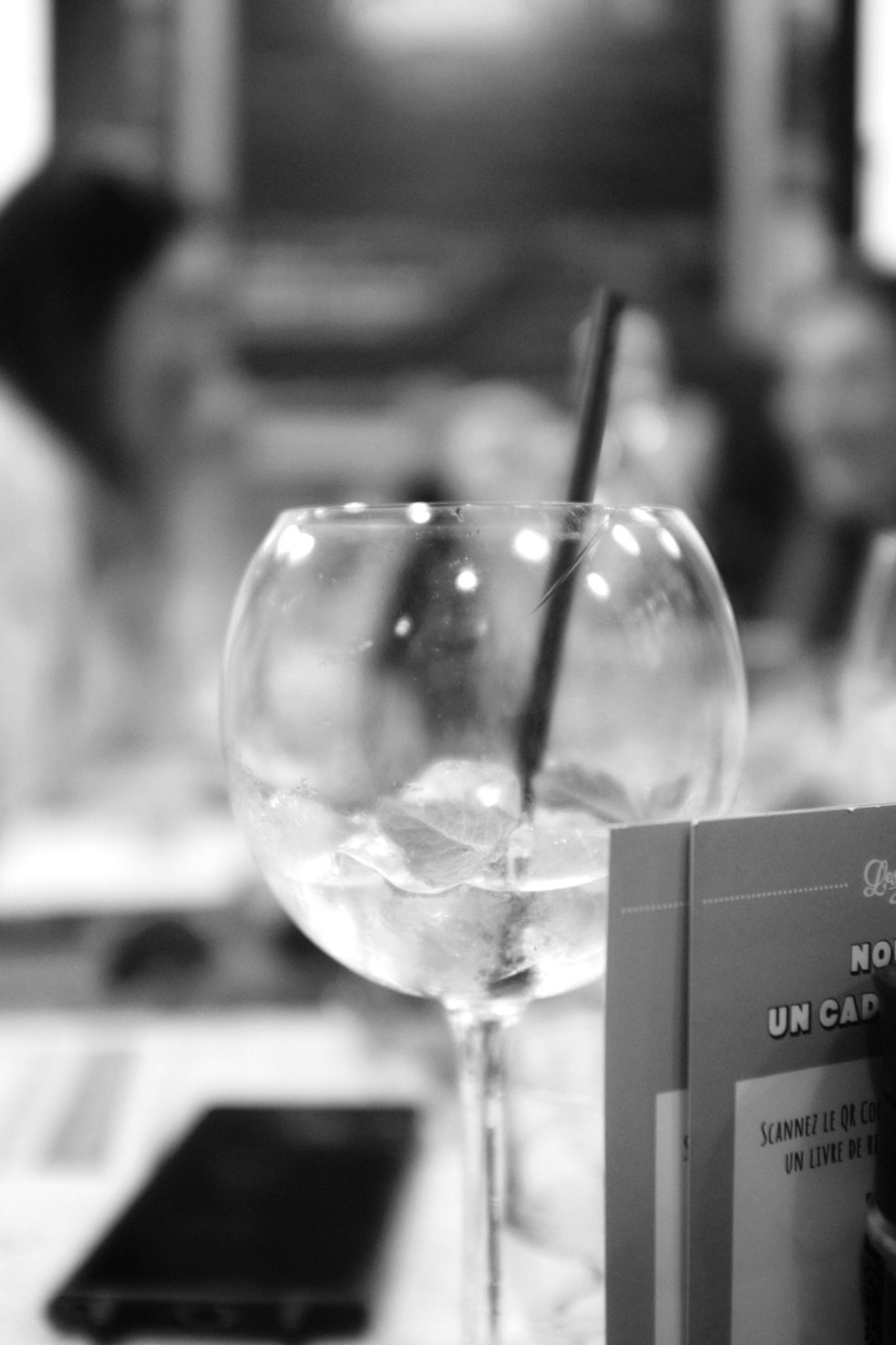
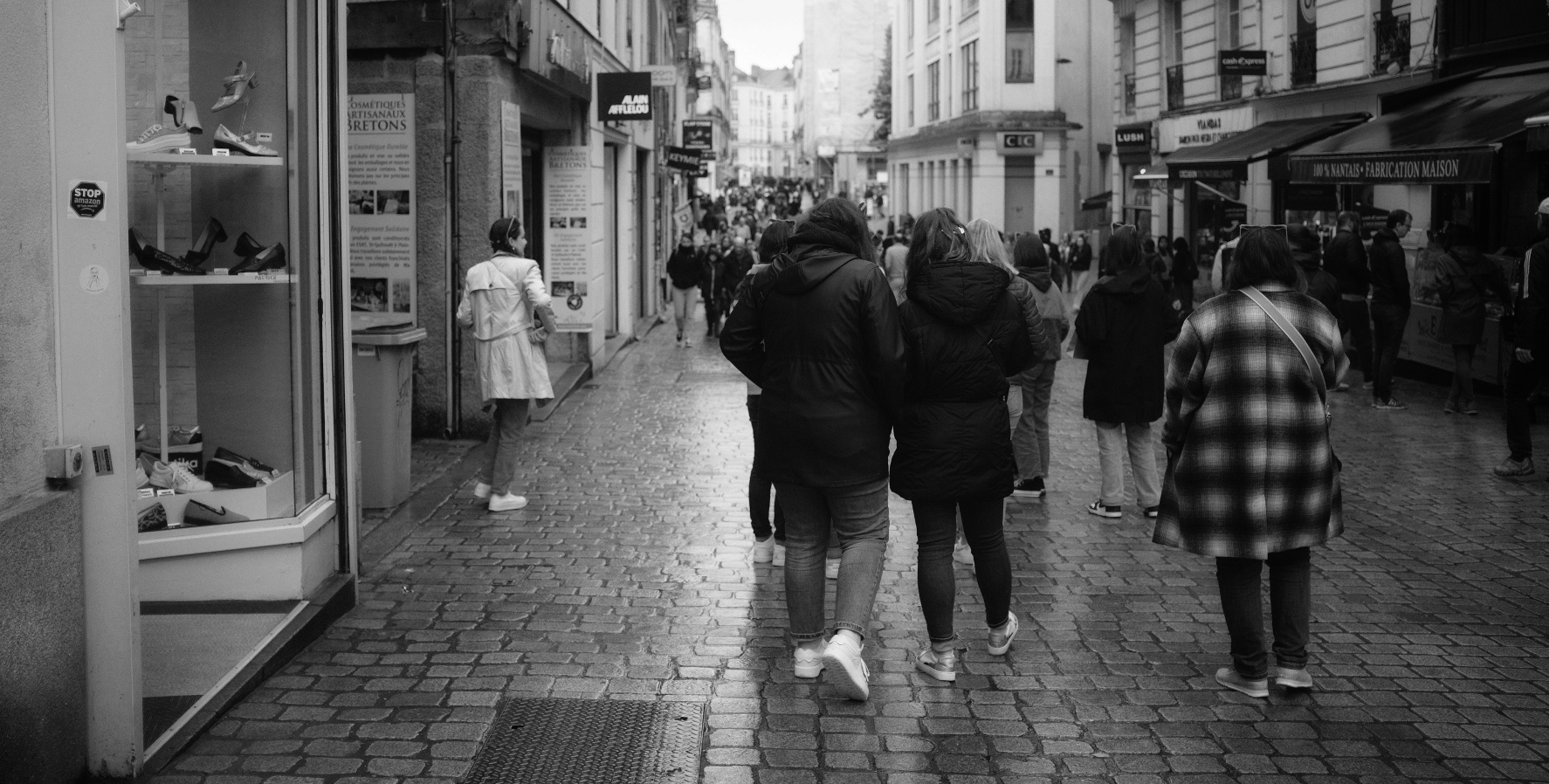
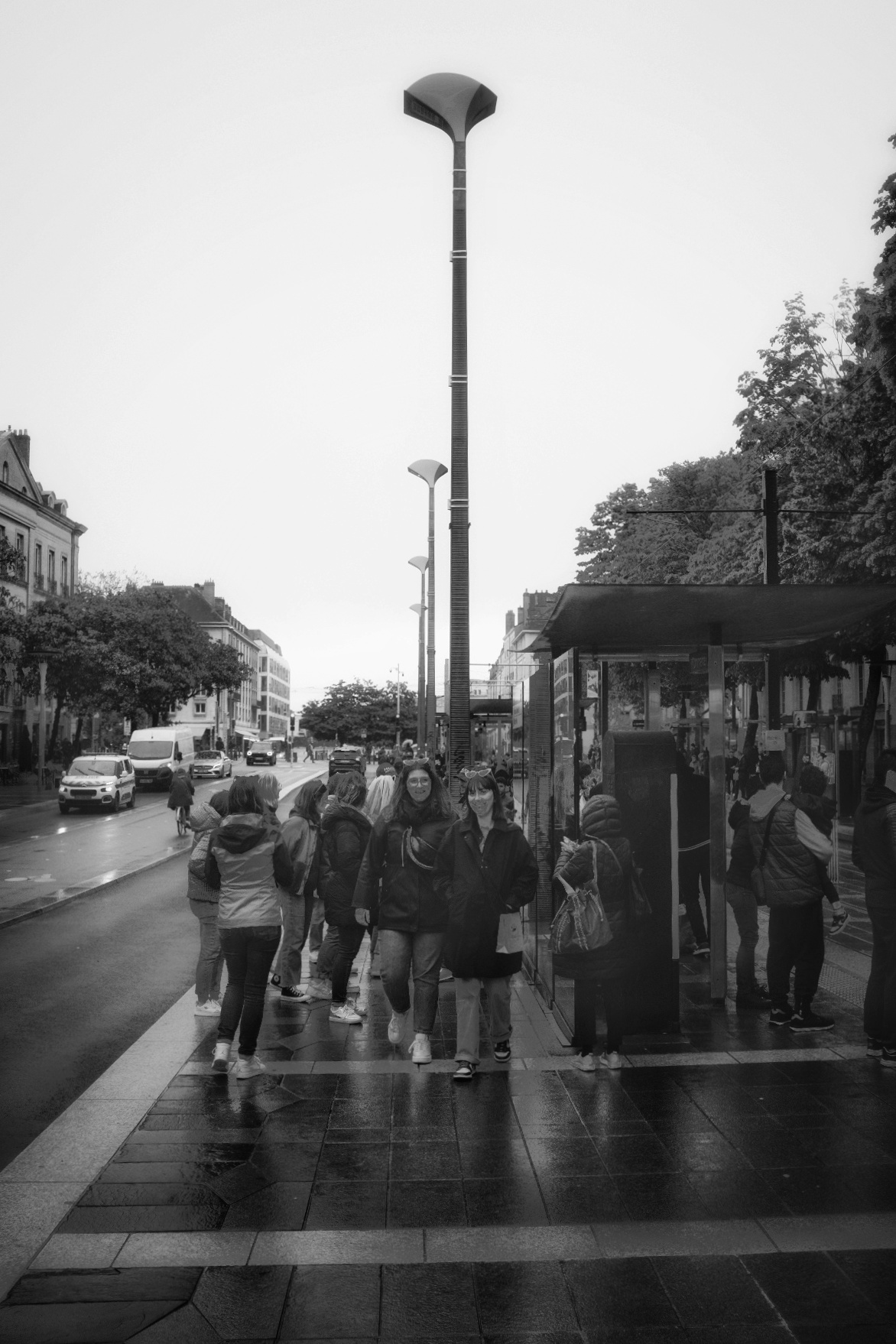
I am grateful for Joe’s thoughtful comment and I am still going to stay neutral, and just explain why I use the 35mm (equivalent) on my X100F, for street photography, and environmental portraits, despite having the teleconverter to convert that lens into a 50mm (equivalent) lens.  As a special bonus I will present my latest street photography from Nantes, which just goes to show the sun can shine on us…

The Appeal of the 35mm Lens

The 35mm offers a world view which is very similar to that of the human eye albeit with a very slight distortion that disappears at 50mm.  So, when on the street, we know that our image will have much the same view as what “we” see.  When I get really close for a close up of a subject, the possible distortion remains manageable and doesn’t distract from the subject.   

My Journey with the Fujifilm X100F

I have fanboyed and waxed lyrical about this camera in previous articles and will not do that here. However, I have had mine since 2018 and still use it on a very regular basis, which tells you an awful lot. I use it during travel and when doing street photography because it is light, takes up next to no space, and is subtle, unlike the huge DSLRs and their massive lenses. Moreover, I have enough self-confidence to not need to compensate for anything. It’s also a very sexy little camera, and over the years that we have been together, I have learned how to use it to its full capacity. I can use it intuitively without having to think, which is always a relief. According to camera manufacturers, six years is a long time to be with just one camera, but the costs of replacing it with the latest version are prohibitive, and not enough of them are being produced. The old argument about one in the hand still holds true.

The Versatility of the 35mm Lens on the X100F 

The versatility of the lens, as with any lens, depends on the person “behind” the camera. I use it for documenting a scene. It’s just wide enough to get a good view, but not to distort or have too “busy” a scene, as can happen with the 28mm. It’s great for portraits. Dear Reader, I know I have previously talked about the distortion when close up, but what it is great for is a portrait of a person in his environment. It gives us more context about the person and tells more about him, as we can see his surroundings. Because of the silent shutter, I can also get nearer to my subject without making a flapping mirror sound when I press the shutter button. At F2.0, I can either get massive depth of field or shoot in relatively low light. My basic setup is ISO 3200 and F2.0. But on a day like today, I will put it into ISO 400, and if things get really bright, then I can use the inbuilt ND filter.

Comparisons with Other Focal Lengths

I have already touched upon the differences between the 28mm, the 35mm, and the 50mm focal lengths, but let’s get real for a second.  The 28mm is great, but too much distortion and makes the image very busy because of the wider field of view.  This is fine when used with intent, but you have to be so much more careful with your composition.  The 50mm is the lens that I grew up, but after having used the slightly wider 35mm, I find myself backing up to get the same field of view, which leads to banging into things and apologising profusely to the bin that I have just reversed into.  It has happened!

Practical Tips for Street Photography with the 35mm

Just use it, go back and use it again, and if you have any doubts then just go out and use it once more to be sure.  Don’t overthink it.  Don’t worry about the distortion I have mentioned.  It only really happens when you get right up to your subject.  If you have only used the nifty fifty then you shouldn’t notice a huge difference, but physically you will.  You’ll be moving closer to things, but it’s just “one step up.”  It will seamlessly “grow” on you.  

Be the man in grey, or whatever colour you fancy, but know the environment in which you’ll be shooting.  You might want to avoid fuchsia if you’re going to be in the woods shooting, or in that beautifully tailored three piece suit if you’re going to be in the stands at a football match.  Think sore thumb and being out standing in a field.

Conclusion

If you so wish, you now have the arguments for and against the 35mm lens.  I don’t think that arguing about ti will get you anywhere though…  The lens, as the camera, is a tool at your disposal to create an image.  Just getting a new lens won’t change your life despite what the guy in the shop might tell you.  You “can” use a 50mm for street photography, and some even use the 85mm to go for more details, and more candid shots.  Use what you have already.  I have just talked about my experience since using the 35mm (equivalent) on the X100F.  The information is purely subjective.  If you want an X100, then by all means go out and buy one.  Maybe go for an older model like the X100F or even the X100T for the price difference.  Or if you can get your hands on one, the X100VI is wonderful.  At the moment however, I cannot justify buying a more expensive camera to my wife!

I’ll leave you the comments section to debate the various merits of each piece of kit.  And you can use the hashtag “#ijmphotography” to share your images with me on the gram.  Look forward to hearing from you.  Until next time…

Black and White Conversion


Some people see in colour, but I tend to see in black and white. I don’t know if it’s because I come from the world before digital, where “serious” photography was always monochrome. It just resonates with me more, and with you too, Dear Reader. Or at least I hope it does because in all […]

Black and White Conversion

Another post as a guest on Monochromia…  if you’re  interested in  black and white photography and feel in need of some inspiration then go and check it out!

24-70mm Lens: Unveiling the Beauty of Vendée Coastal Landscapes


Work. That familiar feeling of being a hamster on a never-ending wheel. Emails, passive agressive colleagues, and meetings blurring into one another like the monotonous hum of voices in the office. Sound familiar? Yeah, that was me a few weeks ago. So, what’s a weary soul to do? Employ some sartorial elegance with navy blue chinos, a white button down shirt, my new sungalsses, and my favourite Panama hat, and embark on a spontaneous coastal escape to Vendée!

Now, full disclosure, Vendée isn’t exactly the Caribbean. But for a quick mental recharge, it certainly does the trick. Plus, it was the perfect opportunity to put my Canon 6D Mark II through its paces, specifically the oft-maligned 24-70mm f/4L lens. This trusty workhorse gets a bad rap sometimes, but let me tell you, by the end of this trip, I was a convert.

The Vendée coast is a tapestry of stunning landscapes, each begging to be captured. My first stop was Viellevigne (not strictly the Vendée and just on the other side of the Loire Atlantique border), a charming little town I usually just whiz through on my daily commute. But this time, with a camera in hand and a head full of vacation vibes, I saw it with fresh eyes. I framed the quaint church nestled between two ancient trees, a scene I’d driven past a thousand times without a second glance. The hedgerows, usually just a blur of green, revealed a hidden world of wildflowers and buzzing insects when I switched to the lens’s macro function. Suddenly, the familiar became fascinating.

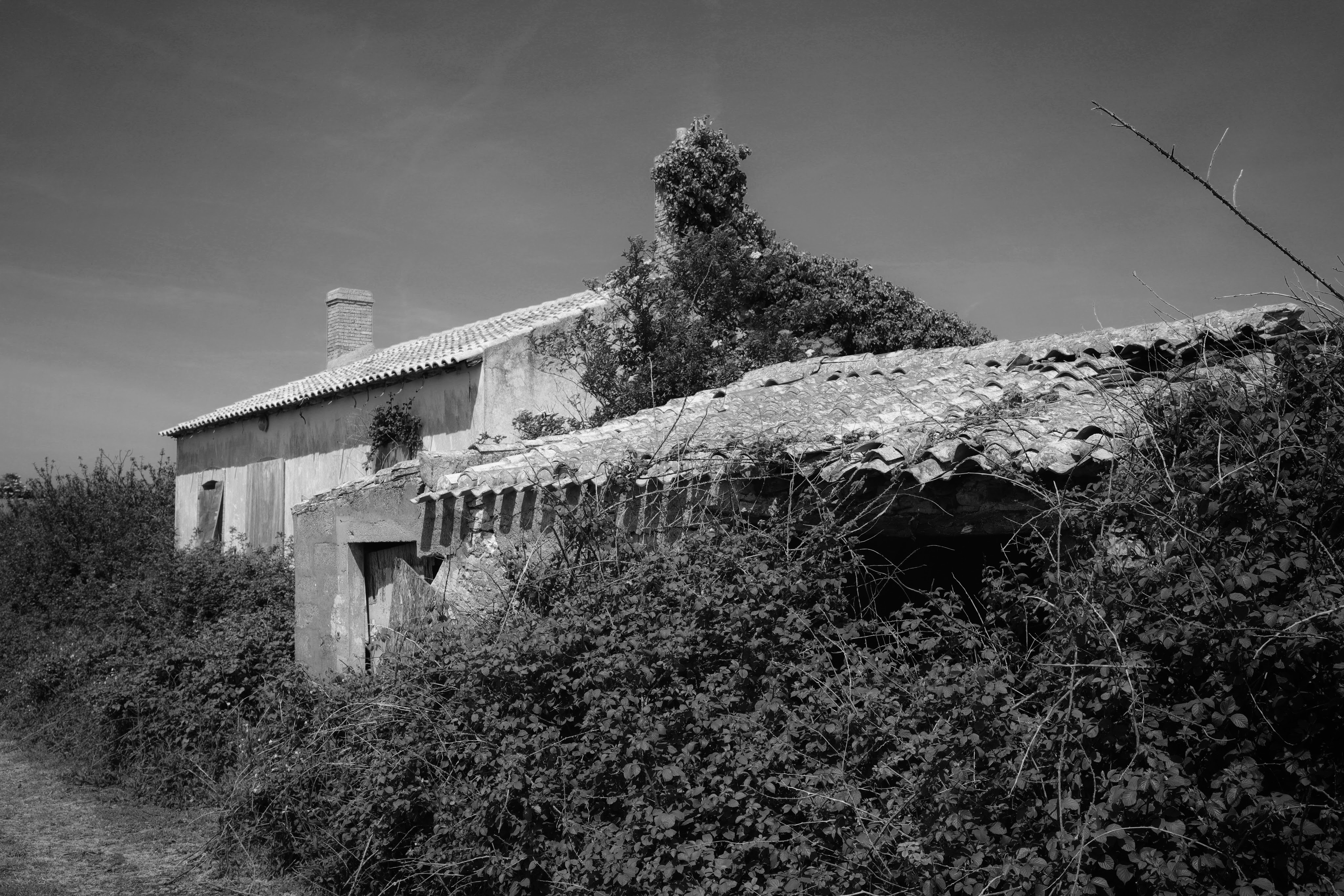
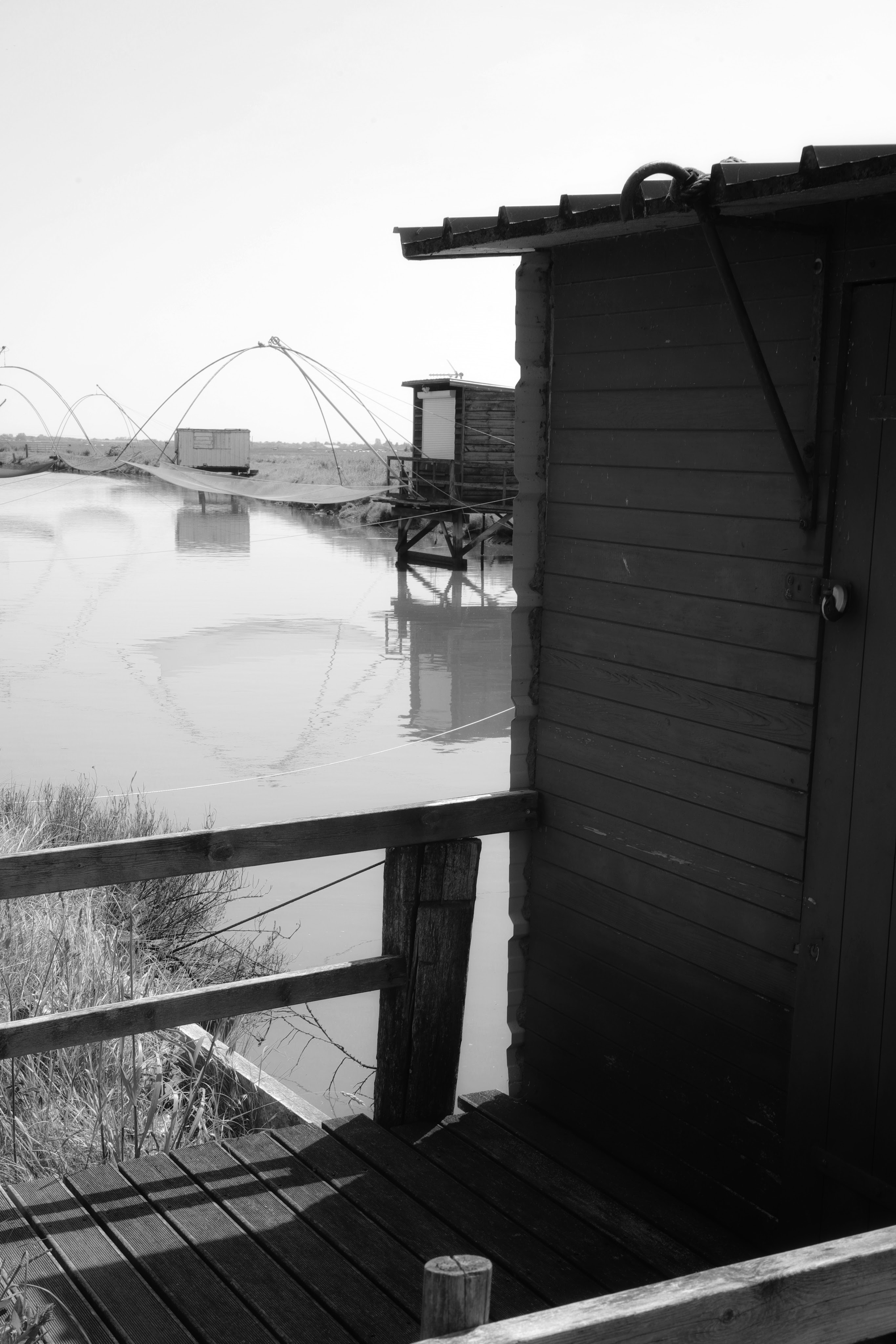
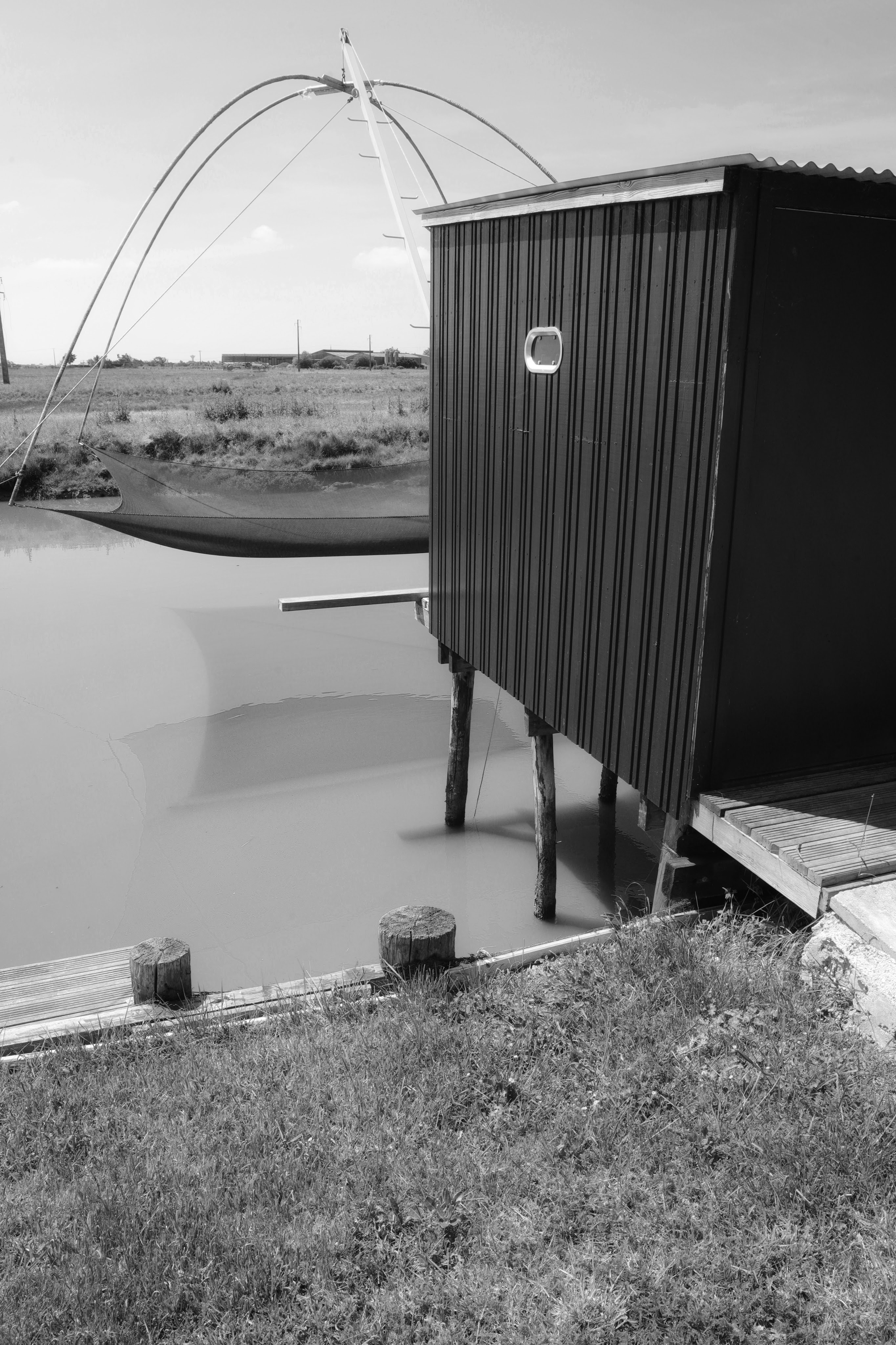
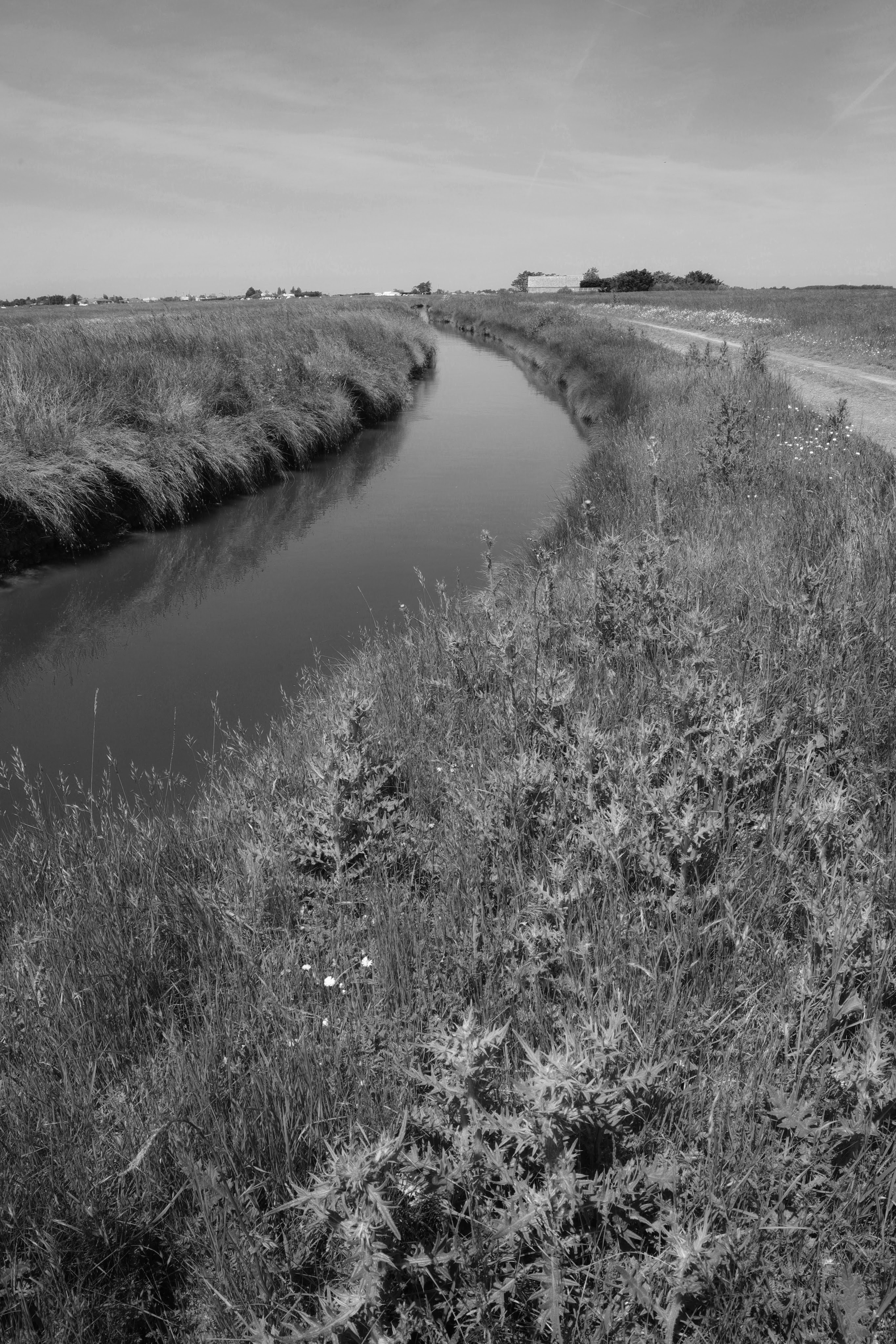
Next, I cruised down to the grand canal near Fromentine. Now I don’t know if grand means big or grand in this instance. I mean it’s not huge, and the grand canal in Venice is somewhat ore deserving of the title. The sun, a generous giver of both light and good mood, cast a warm glow on the weathered ruins of old houses lining the water. Across the road bridge stood a line of fishing huts, its battered paint a testament to years of battling the elements. The 24-70mm here proved its versatility, letting me capture both the vastness of the canal and the intricate details of the local flora.

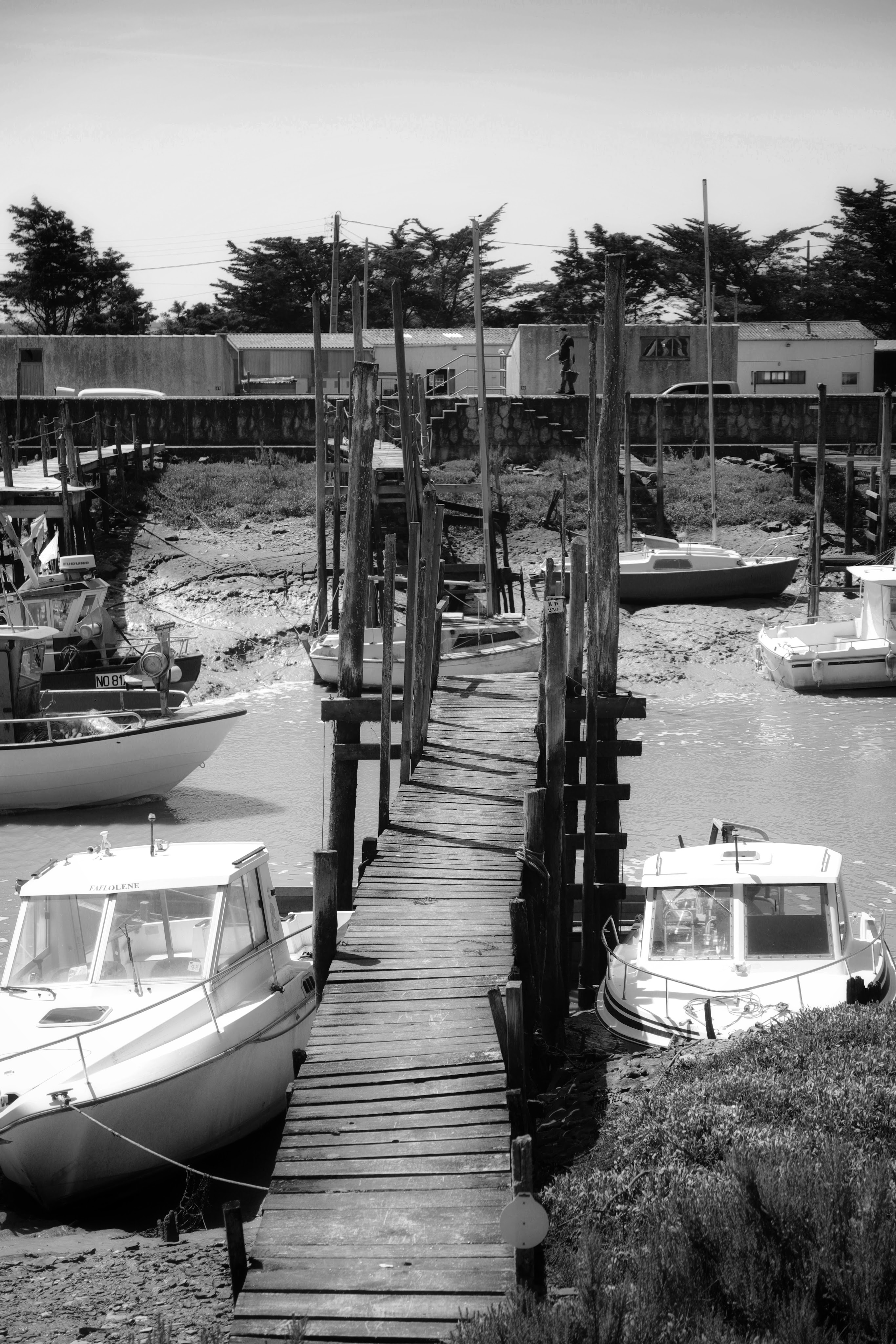
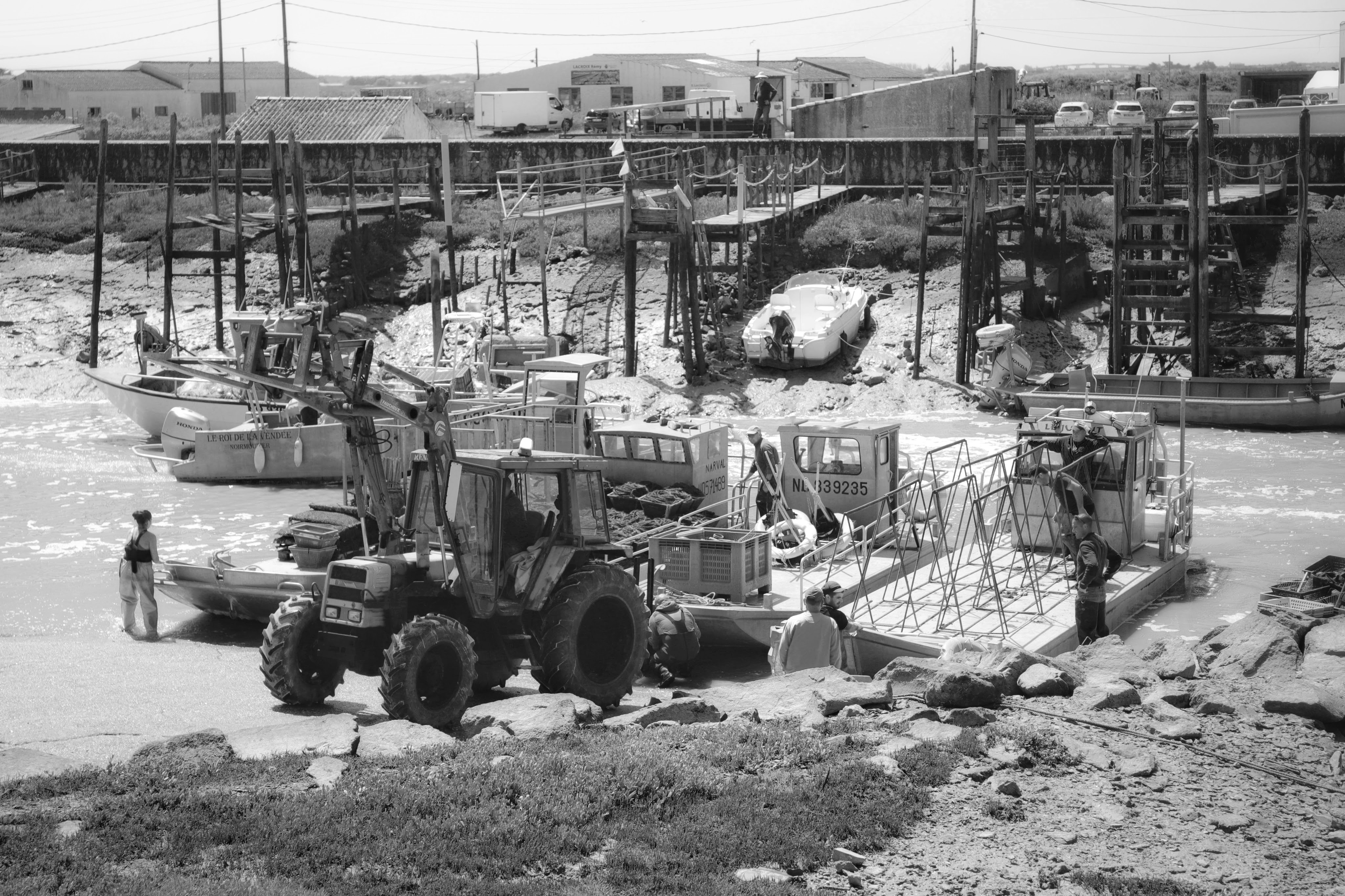
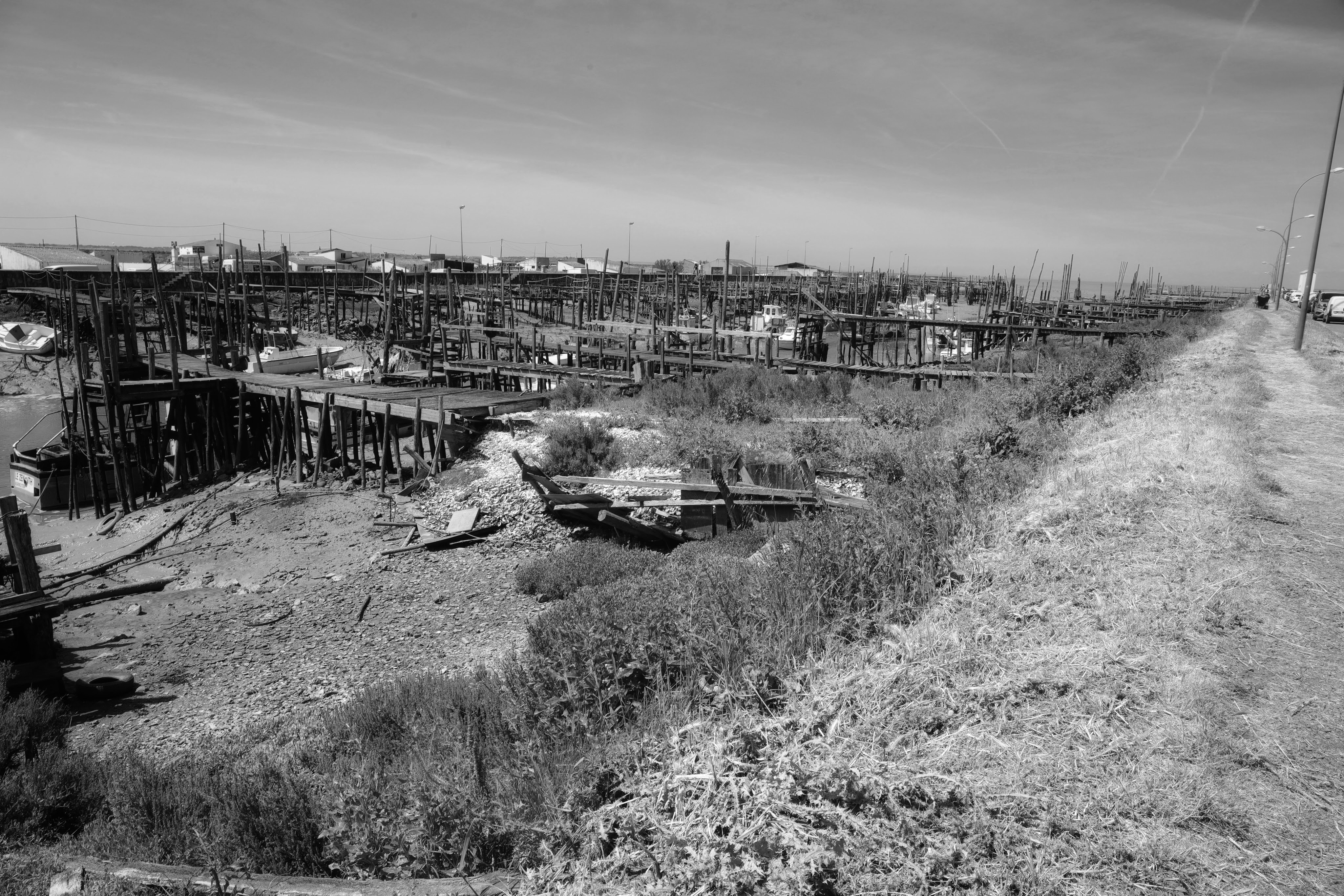
As the day wore on, I found myself at Port de Bec, a haven for oyster farmers. Here, the scene was abuzz with activity. Tractors lumbered out of the water, hauling heavy loads of oyster boats ashore. The rickety moorings, weathered and worn, added even more charm. The lens’s sharp autofocus kept pace with the bustling scene, ensuring I didn’t miss a single detail.

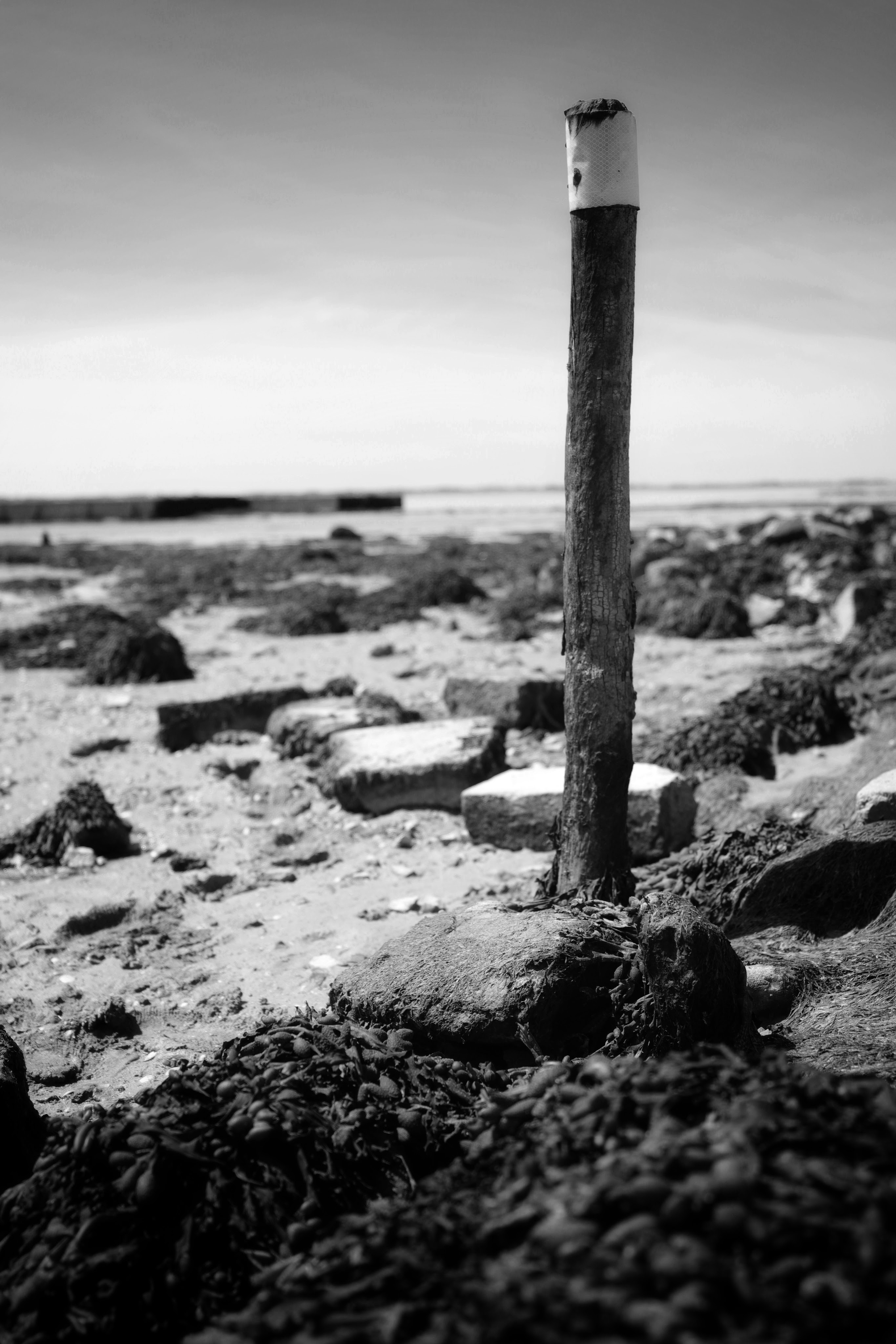
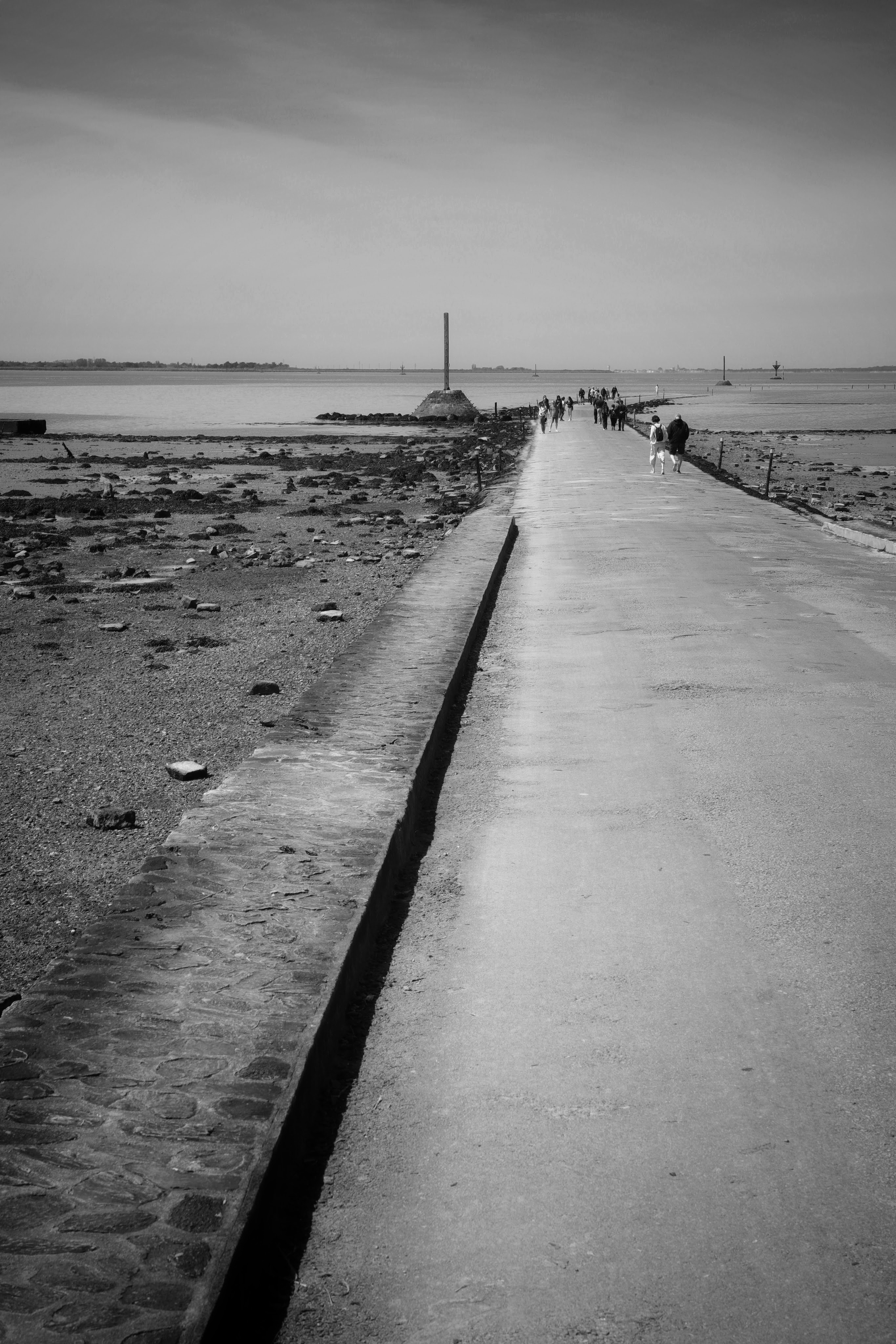
Finally, the crown jewel of the trip: the Passage de Gois. This legendary causeway, submerged twice a day by the tide, is a photographer’s playground (just make sure you keep an eye on the water, unlike yours truly who nearly got his sandals swept away!). The tide was rolling in fast, creating a dramatic contrast between the exposed road and the encroaching water. The 24-70mm handled the dynamic light and vastness of the scene beautifully.

But this trip wasn’t just about capturing stunning photos (although, let’s be honest, those were pretty damned cool!). It was a much-needed reminder of the power of stepping off the hamster wheel, even if it’s just for a short while. The fresh air, the sun on my face, the beauty of the Vendée coast – it all conspired to wash away the workaday stress. I came back feeling refreshed, inspired, and with a newfound appreciation for the magic that can be found right on your doorstep, if you just know where to look.

And the 24-70mm? Yeah, it more than held its own. It proved to be a versatile and capable travel companion, capturing everything from sweeping landscapes to macro details. So, next time someone throws shade at this trusty lens, I’ll just point them to my Vendée photo album and let the pictures do the talking.

Until our next adventure my Dear Reader!

My First Hen-Do Photography Experience


May 2024

This month, amidst publishing various tutorials for your delectation, I ventured into uncharted territory with my camera. A musician friend asked if I could photograph her sister’s hen-do.  How about that for a challenge.  Slightly scary…  Slightly?  No, terrifying for the introvert that I am.  Flattery and food convinced me.

Having previously photographed a wedding, I was somewhat prepared. For that event, I bought a second-hand 24-70mm f/4.0 lens and a Canon flash. I was advised to use the Canon 6D Mark II in program mode with the flash set for TTL (through the lens metering). Today’s first activity called for the same setup.

Tahitian Dancing

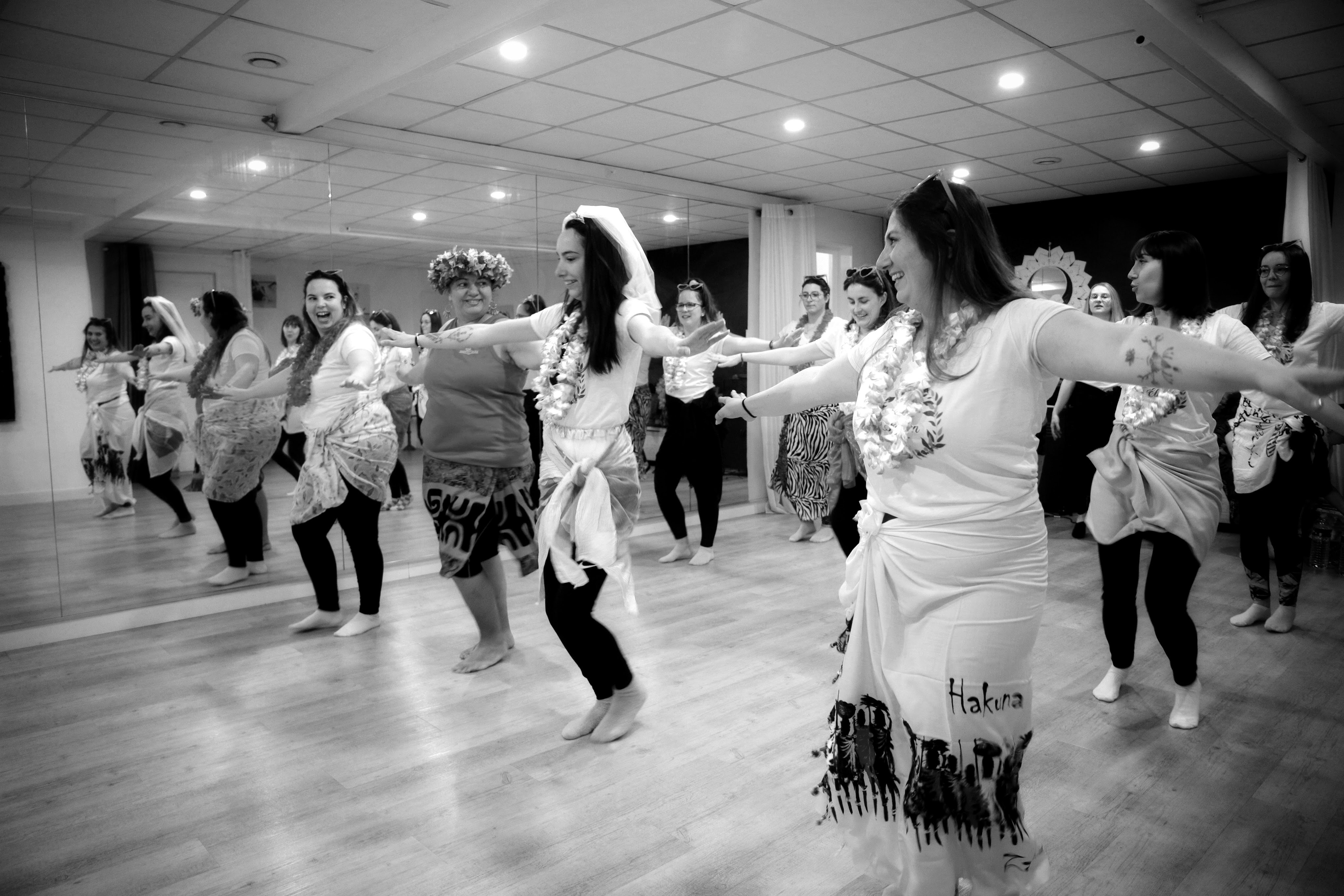
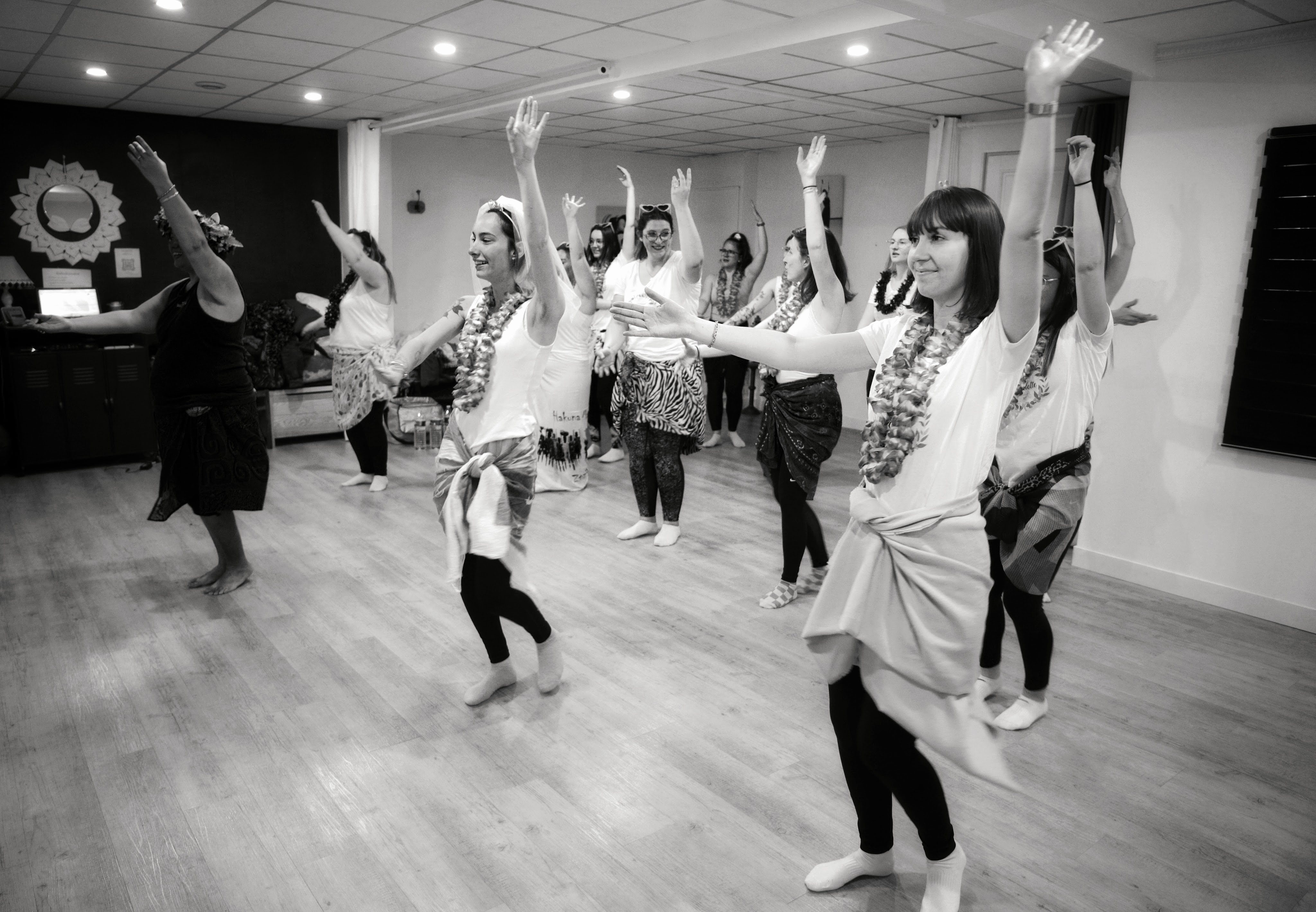
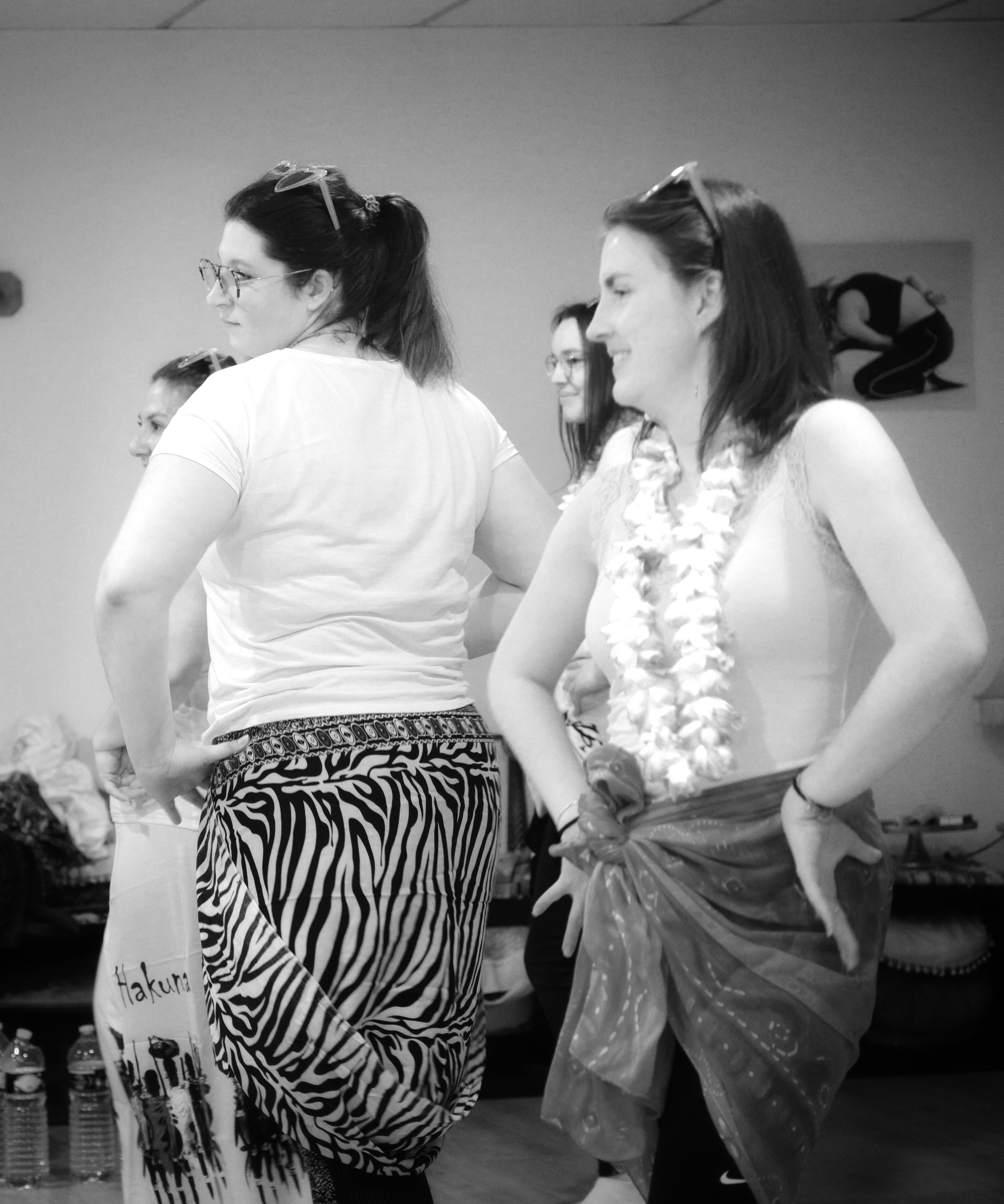
I arrived at the venue for the first activity: Tahitian dancing. The bride-to-be was proposed to in the Pacific Ocean, hence the theme. The girls were already there, and I tried to stay out of the way as best I could. I may be creating memories for everyone, but those memories aren’t mine.  The lens worked perfectly, and I didn’t even need my flash batteries. They’re ready for next time and one less item to tick off.

The dance session seemed to go on forever, and I resisted the urge to sit down. I felt completely out of place, more a prize pillock, but kept telling myself to fake it till I made it. It worked—my wife approved of the photos, and more importantly, so did the bride-to-be. Creating rapport was nigh on impossible so I just watched the spectacle and pressed the shutter.  Do what you can and leave the rest for later…  So I did just that!

My favourite bit of the day

I switched from my clunky DSLR to my sexier Fuji X100F.  It’s always better to be inconspicuous and yet still be able to take decent photos.  I’m big enough already as it is, but having a smaller camera helps people forget that I’m there…

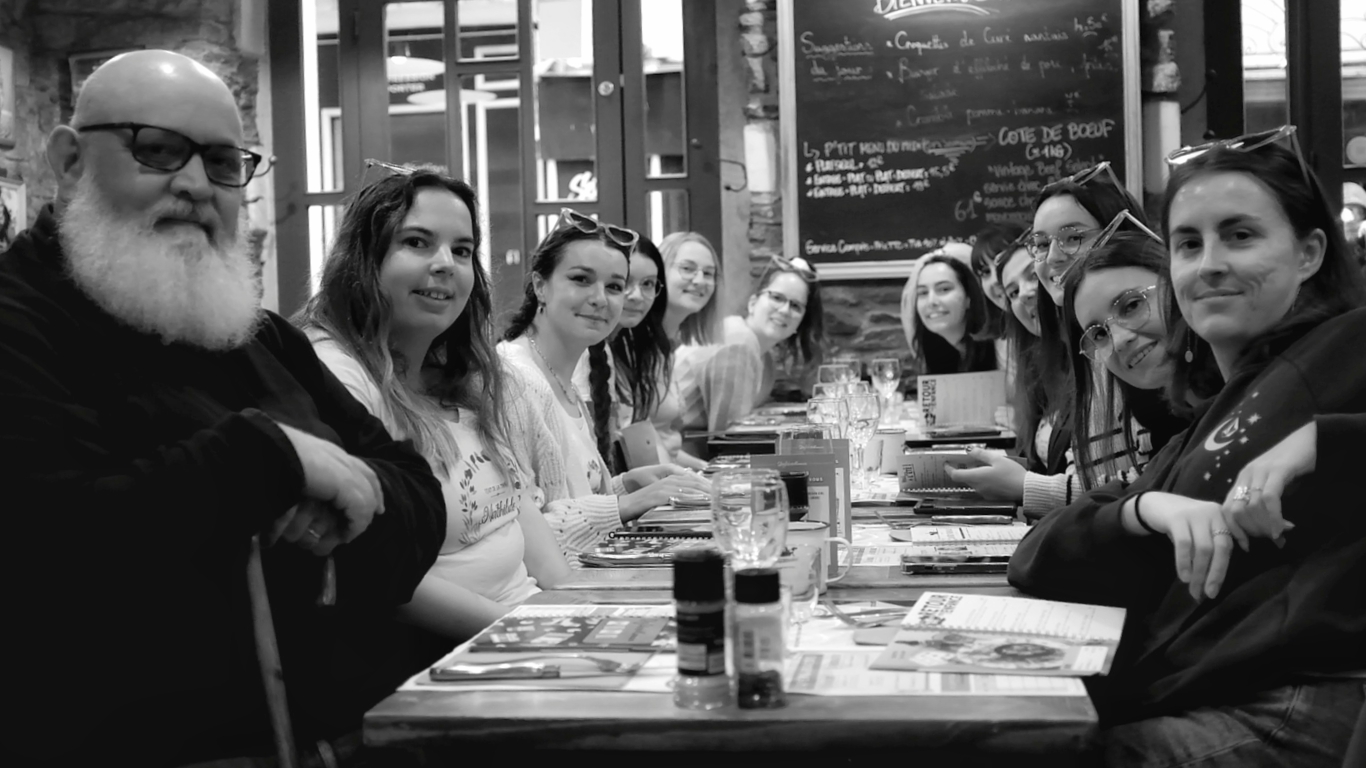
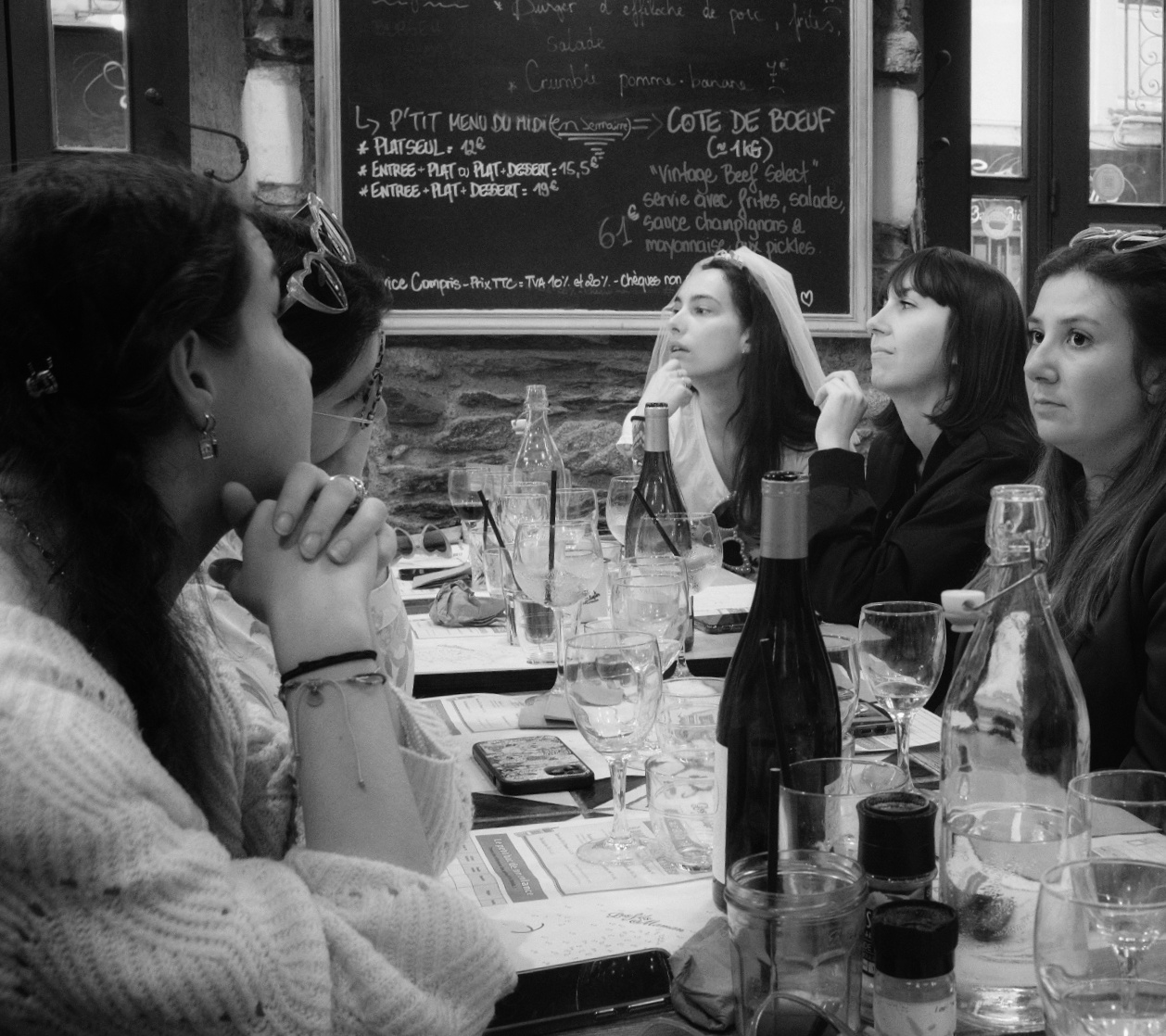
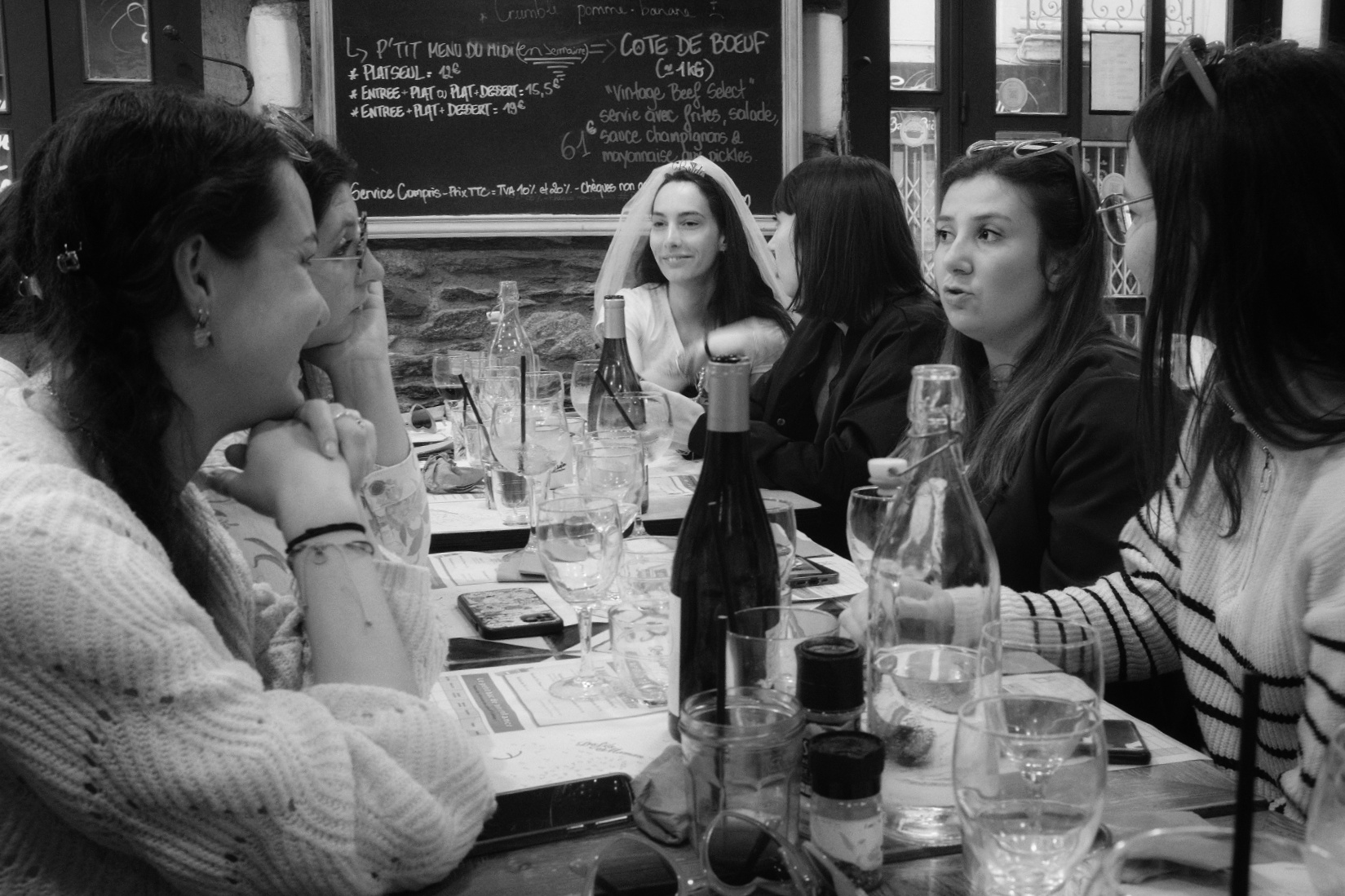
This next activity was probably my favourite. The restaurant was one that I had walked past on many occasions, but had never gone in. It was one of those themed places for Millennials in need of some nostalgia. The owners and chef had created a menu with grown up “children’s food” from the 90s and 80’s. There were activities and crayons for the place mats. The decor was 80’s and everything was vintage. At least for them, which is the main thing. Ok, it was a bit for me too, reminding me of my arrival in France all those years ago. I was offered a seat near the bride, but was whisked off by my friend to sit next to her. She’s so protective of me… We all ordered and chatted, and I started to relax. The girls were interested in my photography, and they showed me photos of their very young children. I did the same, and showed them then and now photos to show how those small children grow up so quickly. I felt like the Patriarch at the end of the table. 

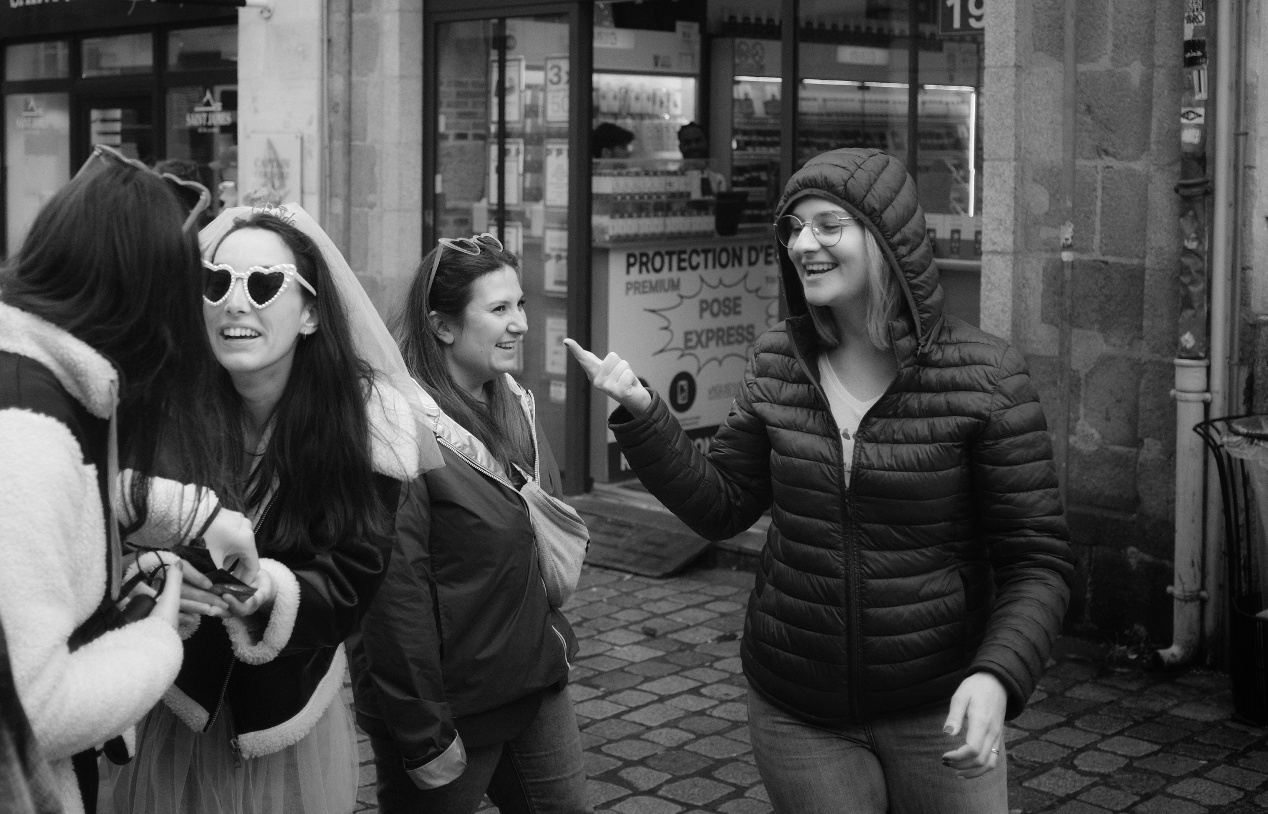
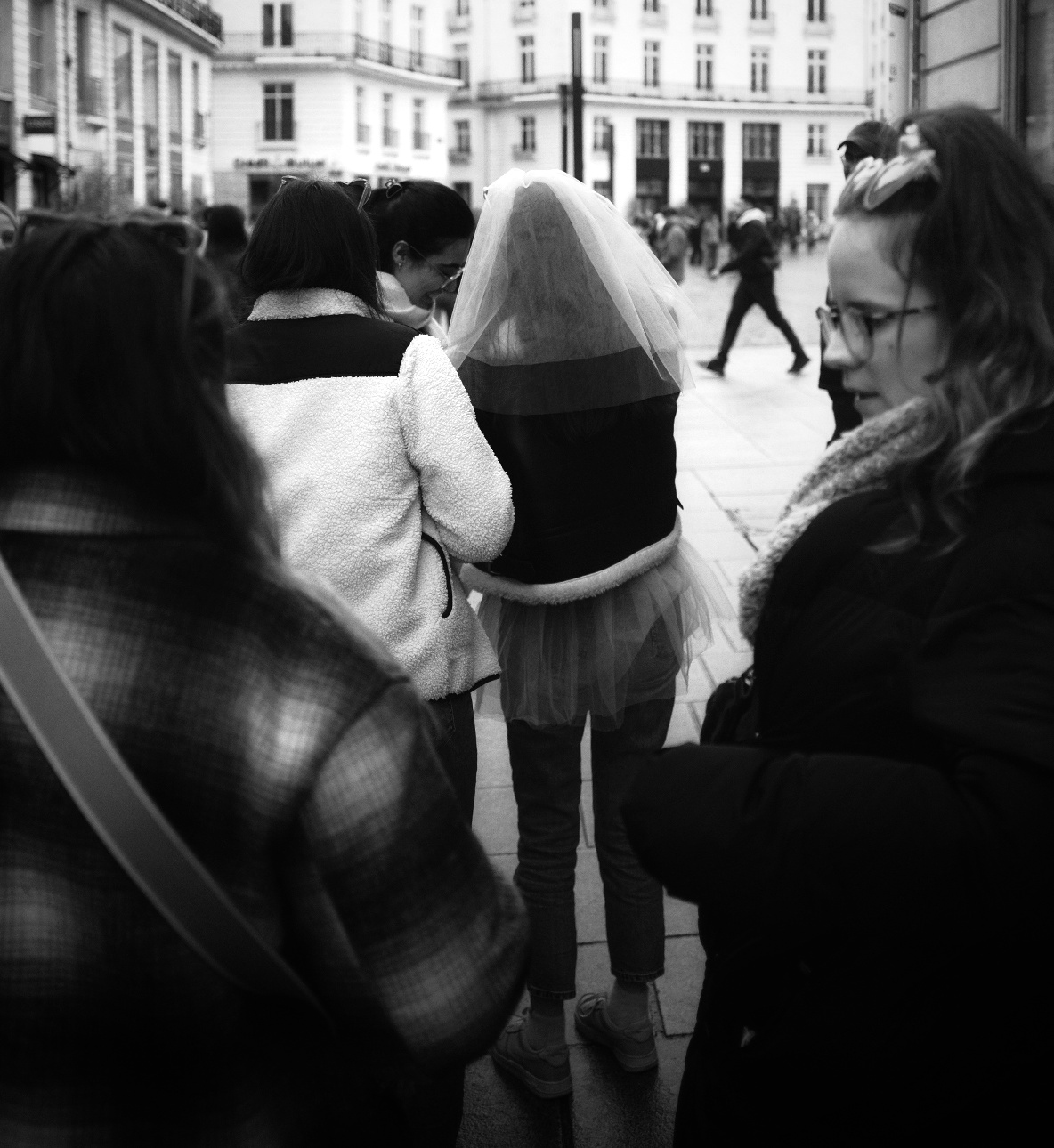
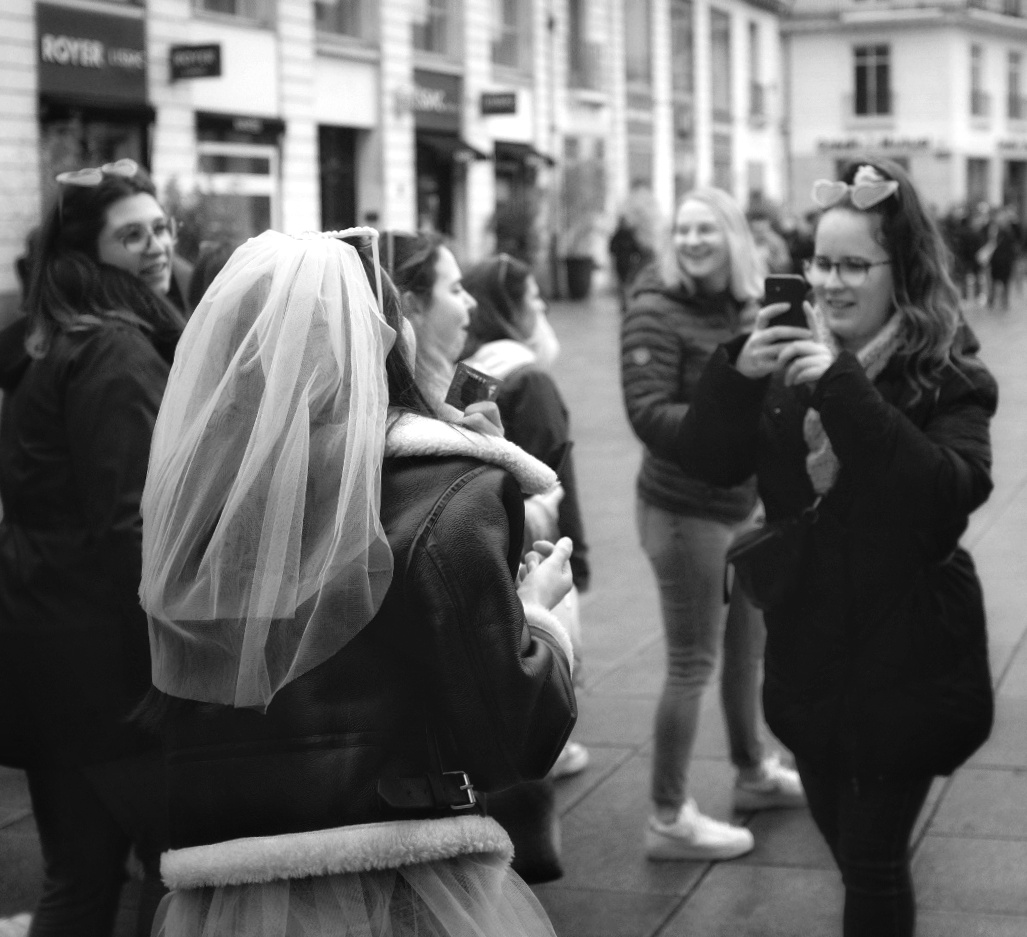
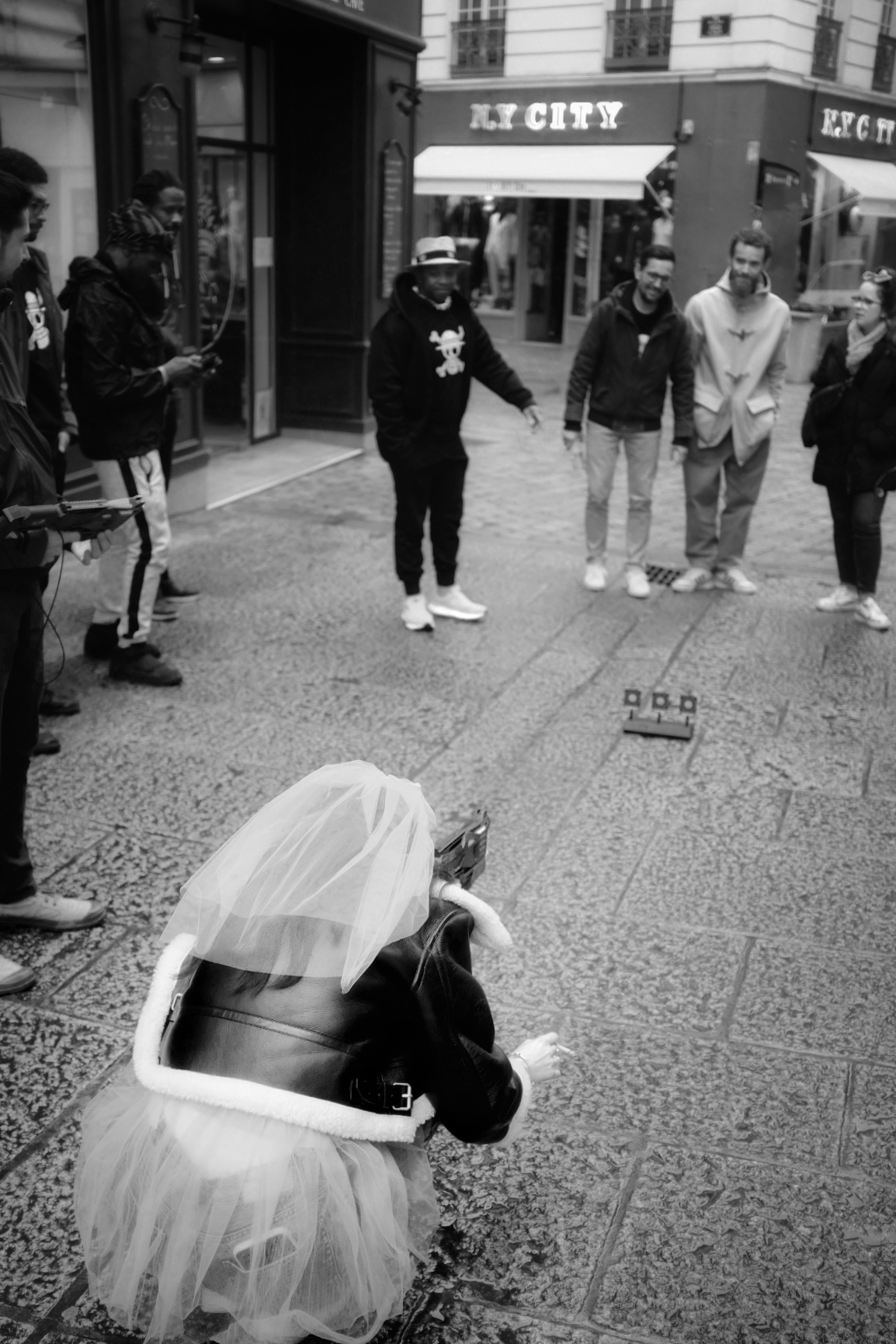
The food was good, and I could see they were all having a good time, and then came out the shots… I was being very teetotal in order to have my mind clear to get my photos for the bride to be. I had switched from the DSLR to the Fuji X100F to follow them around Nantes, and do street photography to which I am more accustomed. The poor “hen” was given a mission by her friends who had purchased a whole load of condoms and she was tasked to sell them to passers by. She fulfilled her mission with gusto, and we ended up in the Rue de la Paix, shooting nerf guns at targets provided by a stag do outing. 

Conclusion

I wasn’t needed for the next activity and drove back to the pub to chill, and get my head together. The photos from the X100F were edited on the go, and shared immediately.  The DSLR photos went through the computer and were shared by the end of the weekend.  

All in all a good day, and interesting experience, and I’ll let the photos do the talking for me…

Guest Post – Ian Myers


Please welcome our newest guest contributor – Ian Myers This is a photograph of the Château de la Preuille taken in 2022 on the Canon 6D Mark II, using an ND filter for the long exposure of the sky.  The château was once a supplier of Muscadet white wine to Président Mieterrand.  But now the […]

Guest Post – Ian Myers

My first contribution to Monochromia. They very nicely asked me if I might want to start contributing to the collective of monochromatic photographers, and it would appear that I know something about it, so I answered Joe and said I would be over the moon  If you to, are into black and white photography,  then go and check them out and subscribe.

I’ll  be publishing over there once a month so keep am eye open for me!

Manual Mastery – a beginner’s guide Part I


How many times have I seen grown men go to pieces at the suggestion of using manual mode?  Or worse, how many times have I seen other grown men saying that to be a real photographer you have to master manual mode otherwise you’re not a real photographer?  Let me assure you that it’s not as complicated as it sounds.  When I took my first  photography lessons in 1984, I learnt it as a child.  You’ve got this, and I’m here to accompany you through the process.   As the Hitchkiker’s Guide so elegantly says, in comforting letters, “Don’t Panic!”

There are some basic concepts to understand, the first of which is the exposure triangle which we were introduced to in the Photography 101 article.  Those three things to consider are, ISO, or film sensitivity, shutter speed, aperture, and balancing them together.

Are you ready?  We’ll go step by step telling you how each of these settings influence your shot, and how we will balance them to create the image that “you” want instead of the image that your “camera” wants to take.  You are the creative boss after all.  And that is the reason that people use Manual Mode.

ISO, or film sensitivity

When I started learning photography in the last century was I was a young boy, yes I was young once, we only had film as a means to capture our images.  You would choose your film in function of the light available.  And when using my film cameras I still work in this way.  100 ASA (which is the same as ISO on modern camera) for sunny conditions, sometimes even 50 ASA, where the film can be used in bright conditions, going through to 200 ASA when it’s cloudy, but with sun shining through, to 400 ASA when overcast, 800 ASA when inside or even 1600 ASA, to 3200 ASA for night photography.  

In the film days we would talk about the presence or absence of grain and this was part of the deal.  You would get less grain the lower down the ASA range you went, and more grain the further up you went.  And this grain was a result of the crystals on the film emulsion, and the chemical developing process.  The choice could be as much about lighting conditions as an artistic decision.  Once the film you chose was in the camera however, it didn’t change until you changed your film.

Nowadays with all this modern technology palaver, you can change this ISO (because it’s digital photography) and change it for each photo.  Unfortunately the higher up you go in these values, the more “noise” you will get.  This digital noise is in a random pattern and totally unlike the grain of film photography.

Shutter speed

Shutter speed, as the words suggest, is about the speed of which the shutter opens  and closes to expose either the film or camera’s sensor.  You see, I told you that this would be simple to understand.  If I can get it, then so can you.  So now we’re on to speed.  When changing the speed of which the light hits the film or the shutter, I can freeze motion, of get a conscious motion blur, where the photo will seem animated.

Let’s say I want to take a photo of somebody running towards me. I will use a higher shutter speed to freeze the action.  Think of sports photography, of catching a  pass of a ball in rugby, or a footballer stopping a ball etc.  Those factors will make or break your image.  Imagine a photo of a football match and you can’t see the ball because it’s going faster than your shutter.  It might not work out for you.  In this situation, on my film cameras I will let the shutter curtain open for just 1/1000th of a second.  Depending on which digital camera I can go as quick as 1/8000 th of a second.

Let’s go to the other extreme.  I’m taking photos of a landscape and I want to show the motion of trees in the wind, the movement of the clouds, or the movement of water. I will use a longer shutter speed, say anything from 1/8th of a second to one second…  The subject will be moving faster than the shutter curtain, and I will get that artistic blur. 

I could be somewhere very dark, so in order to get a clear photo, I will have to let more light through onto my film or sensor.There I might have to use bulb mode in order to leave the shutter curtain for longer than 2 seconds.

For shooting a subject walking I would use 1/125th to 1/250th of a second to freeze the frame.  When using a flash in manual mode, I would aim to be around 1/60th of a second (which depends on your camera’s flash sync value).  When talking about shutter speeds I’m thinking of my film cameras  and bearing in mind that most digital cameras will have wider ranges of shutter speed.  Another tip for you would be to not let your shutter speed go below the number of your focal length (the legendary reciprocal rule).  Let’s say I’m using a 50mm lens, then I would not use a speed under 1/50th of a second, or even 1/60th of a second.  If I have a 200mm lens I would not go under 1/200th of a second. This is to counterbalance the weight of the lens and avoid lens shake.

Conclusion

This article has a lot of information in it and I have decided to separate everything and have a Part II.  In this Part I we have talked about sensitivity to light be that film, and the different ratings of films for various lighting situations.  In digital photography we have a wider range of ISO settings and with the newer cameras, the noise in an ISO 3200 setting will produce a much less grainy image than with film.  However this “grain” can be used as an artistic choice and I will let “you” experiment and see what each film gives you.

We have talked about shutter speed, and the ability to freeze an instant with a higher speed.  And the opposite of this to create motion in our image.

Next week we will talk about Aperture and how this effects depth of field and discover the rich creaminess of bokeh.  We will also explore various scenarii and give concrete examples of the effects of this triangle and how to turn it into an advantage.