Frame It Right: The Art of Composition in Photography Part IV


In my previous articles, we’ve embarked on a journey to understand the basics in photography. I have talked about exposure, set out some of the “rules” of composition, and even delved into the world of colour theory. Today, I’d like to introduce you to the rule of odds and the rules of space, two fundamental elements that will take your photography to the next level.

Before we talk about these new concepts, let me reiterate the importance of building a solid foundation. Just as we did with framing, negative space, and colour theory, it’s crucial to master each concept before moving on to the next. Take your time to learn and apply these principles in your photography journey. The other four articles will stay up, and you can read them at your leisure.

The Rule of Odds in Photography

The rule of odds is a composition guideline that suggests using an odd number of subjects or elements in your frame, typically three or five, rather than even numbers. Why? Because odd numbers tend to create a more balanced and visually pleasing composition.

When you use the rule of odds, you create a natural focal point within your photograph. Our eyes are drawn to the centre subject, and the uneven arrangement adds a sense of harmony and intrigue to the image. The result? A more captivating and dynamic photo that engages your viewers. It’s all about balance.


Rules of Space: Balance and Direction

Now, let’s look at the rules of space. This concept involves how you position elements and subjects within your frame to achieve balance and direct the viewer’s gaze. It leaves space for the subject and can be used in multiple ways as a storytelling tool. It can also be used in conjunction with the other composition techniques that I have talked about in my previous articles.

Tips

Think outside the frame. What is going on outside the frame becomes as important as what is oing on inside the frame. Let’ take the picture of the guitarist. Who is he looking at? What’s going on outside the frame? Is there an audience? Where is the audience? Using rules of space the viewer will more curious and be more engaged in the photo.

Conclusion

One can talk about composition and the effect it has on photography till the cow come home. People will always bring up “composition” and will always tell you how “they” would have done it differently. In these four articles you will now know what they are talking about and be able to decide for yourself. In absolute terms, “your” photographs are about what “you” saw, and only “you” can see that. But keep the rules that we have discussed in the back of your mind, and take your photograph with purpose and being conscious about what you are doing. Mindfulness is the key.

My next article will talk about the differences between 35mm film photography and medium format photography. For film enthusiasts or anyone else who is curious you will be entering into a new world. There are, of course, trade offs between each format, and we will discover them. Maybe you’ll be bitten by the Medium Format bug too… As always Dear Reader, I appreciate your enthusiasm, and I look forward to our next exploration together. Until then, happy shooting!

Canon AE-1 Program – A Classic Film Camera for Timeless Photography


The Canon AE-1 Program is a timeless gem that continues to captivate photographers and film enthusiasts alike. As a classic film camera first introduced in 1981, it effortlessly combines automatic and manual features, making it an excellent choice for both beginners and experienced photographers.

Automatic and Manual Controls

One of the standout features of the Canon AE-1 Program is its versatility in handling exposure. For those new to film photography, the program mode automatically sets both the shutter speed and aperture, allowing them to focus solely on composition and creativity. It takes the technical complexities out of the equation, delivering stunning results with ease.

However, for those who crave creative control, the AE-1 Program offers manual settings as well. With the freedom to adjust shutter speed and aperture manually, photographers can explore their artistic vision and experiment with different effects. The inclusion of shutter priority mode and bulb mode for long exposure photography adds even more possibilities for artistic expression.

Build and Design

The camera’s solid metal body exudes durability and reliability, ensuring that it can withstand the test of time. Its sturdiness makes it a trustworthy companion on any photographic journey. Handling the AE-1 Program instills a sense of nostalgia and craftsmanship that modern digital cameras often struggle to replicate.

The bright and clear viewfinder with a split-image prism aids accurate focusing, enhancing the overall shooting experience. Moreover, the hot shoe for attaching external flashes and the self-timer feature further contribute to the camera’s versatility.

Technical Details

  • 35mm SLR film camera
  • Program mode, shutter priority mode, manual mode
  • Metal body for durability
  • Bright and clear viewfinder with split-image prism
  • Hot shoe for flash attachment
  • Self-timer for group shots and self-portraits
  • ISO range: 12-1600
  • Shutter speeds: 1/1000 to 30 seconds
  • Aperture range: f/1.2 to f/16 (depending on lens)

Pros

  1. User-Friendly Interface: Ideal for beginners and those new to film photography, the AE-1 Program’s program mode takes care of exposure details, allowing photographers to focus on creativity.
  2. Creative Freedom: With manual controls and additional shooting modes, experienced photographers can fully unleash their creativity and experiment with different photographic techniques.
  3. Timeless Design: The camera’s robust metal body exudes a sense of craftsmanship and nostalgia, making it a pleasure to handle and use.
  4. Bright Viewfinder: The clear and bright viewfinder with a split-image prism aids accurate focusing, ensuring sharp and well-composed shots.

Cons

  1. Iconic Status: As one of the most sought-after film cameras, the Canon AE-1 Program may come with a higher price tag due to its iconic status.

The Verdict

The Canon AE-1 Program stands as a testament to timeless design and reliable performance. Whether you’re new to film photography or a seasoned enthusiast, this classic camera offers a perfect balance between automatic convenience and manual creativity. Its sturdy build and user-friendly interface make it a delightful companion for any photography journey.

So, if you’re yearning to experience the charm of film photography or simply want to relive the golden era of analog cameras, the Canon AE-1 Program will undoubtedly leave you inspired and amazed by the magic of capturing moments on film.

Happy shooting!

My Personal Thoughts

Without any hesitation, I wholeheartedly recommend the AE-1 Program to all photography enthusiasts out there. Whether you’re new to the charm of film photography or an experienced shutterbug seeking a trustworthy and adaptable companion, this camera will surely delight you. “Just do it” as a certain shoemaker once said.

I’ve had the pleasure of using the AE-1 Program for quite some time now, and I must say it’s been an absolute joy. Not only does it beautifully capture those precious everyday moments, but it also allows for endless creative possibilities. One feature that I particularly appreciate is its seamless transition between automatic and manual controls, empowering me to effortlessly tailor my shooting experience.

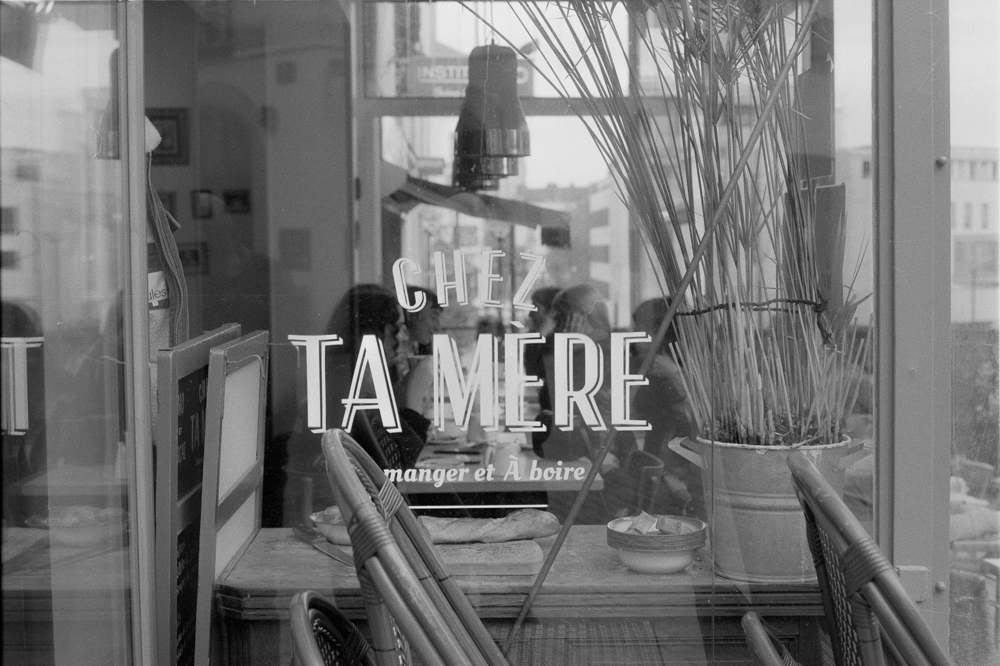
The idea here is to give you a raw image from the film scans and show you what you can get with a minimum of fuss in Lightroom with some very basic edits. What do you think?

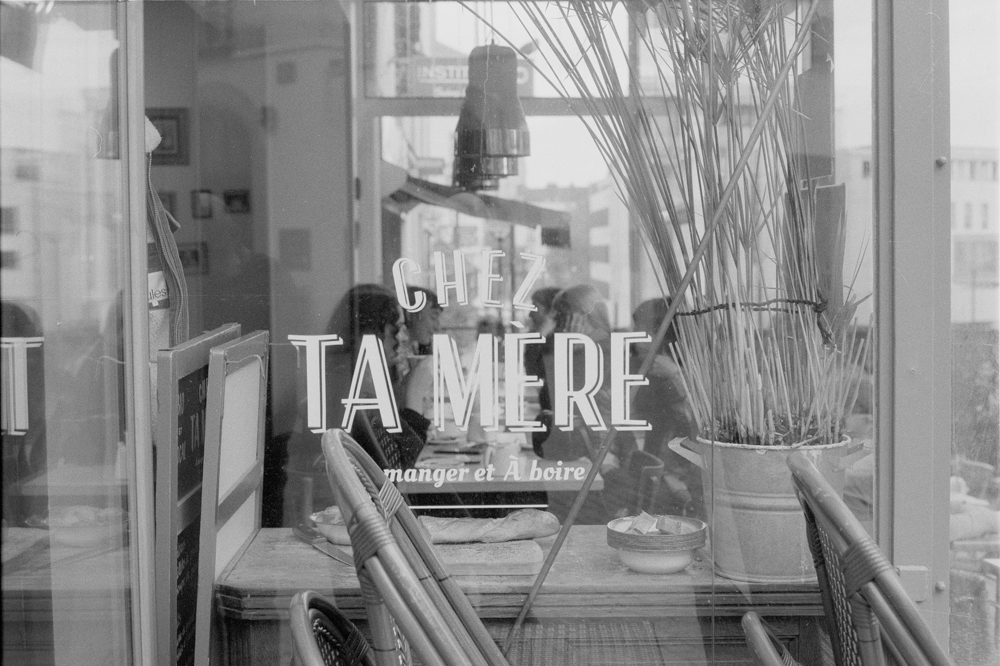
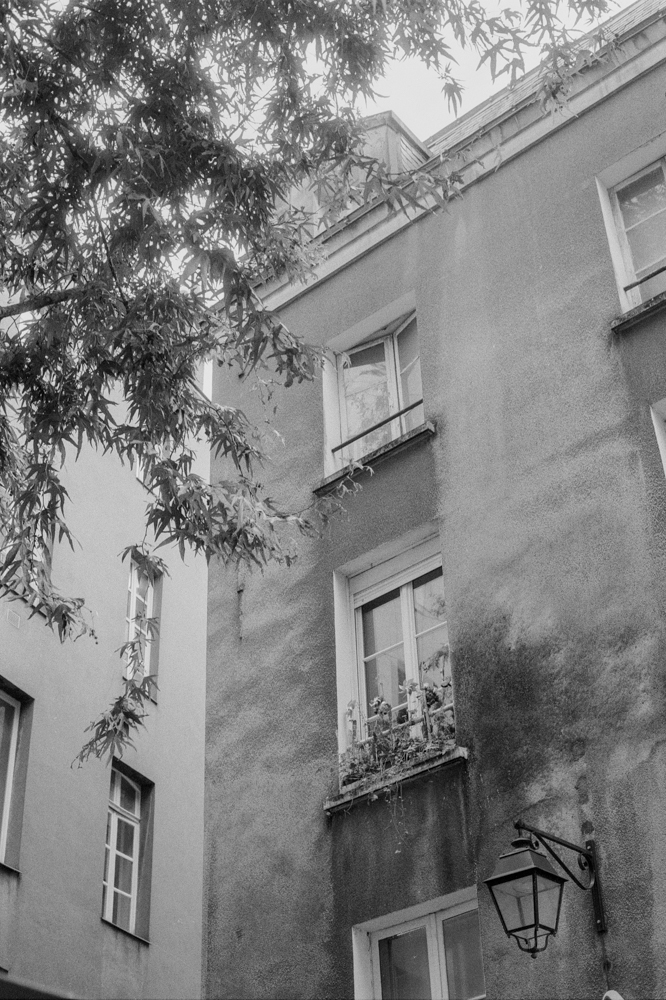
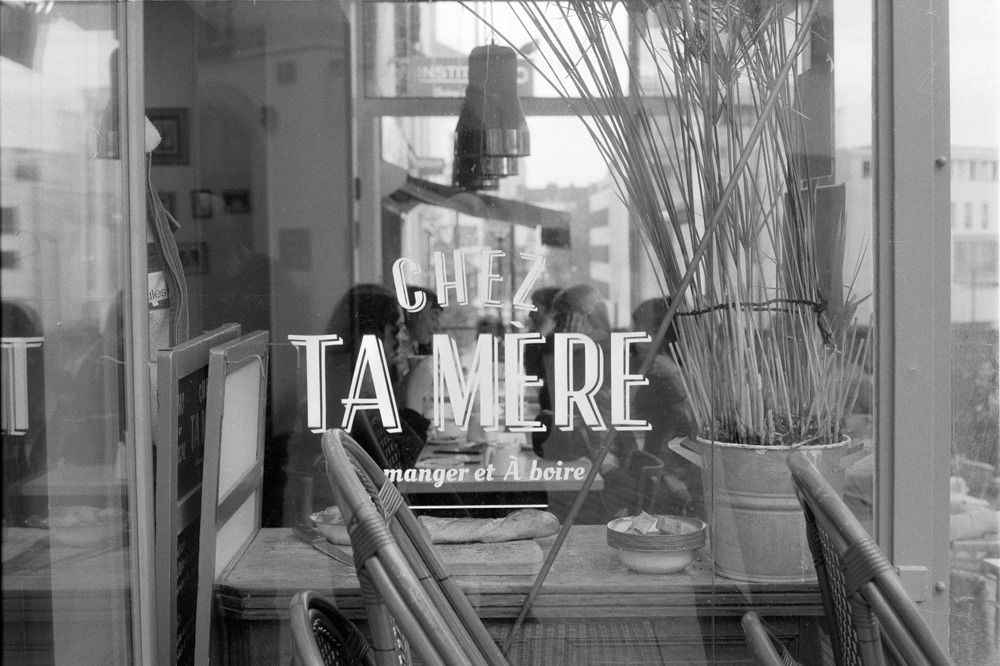
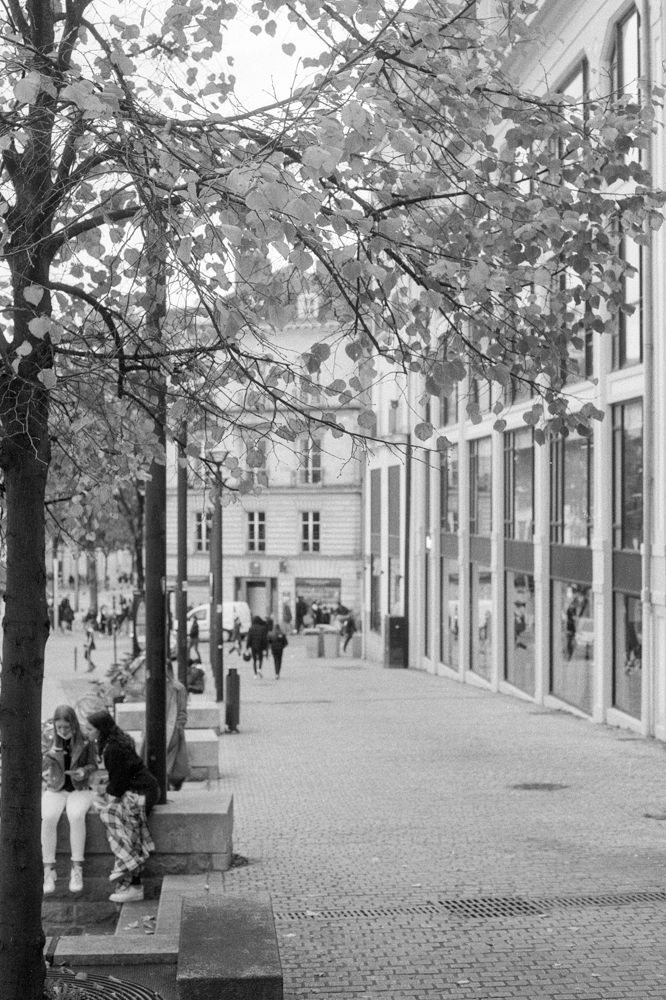
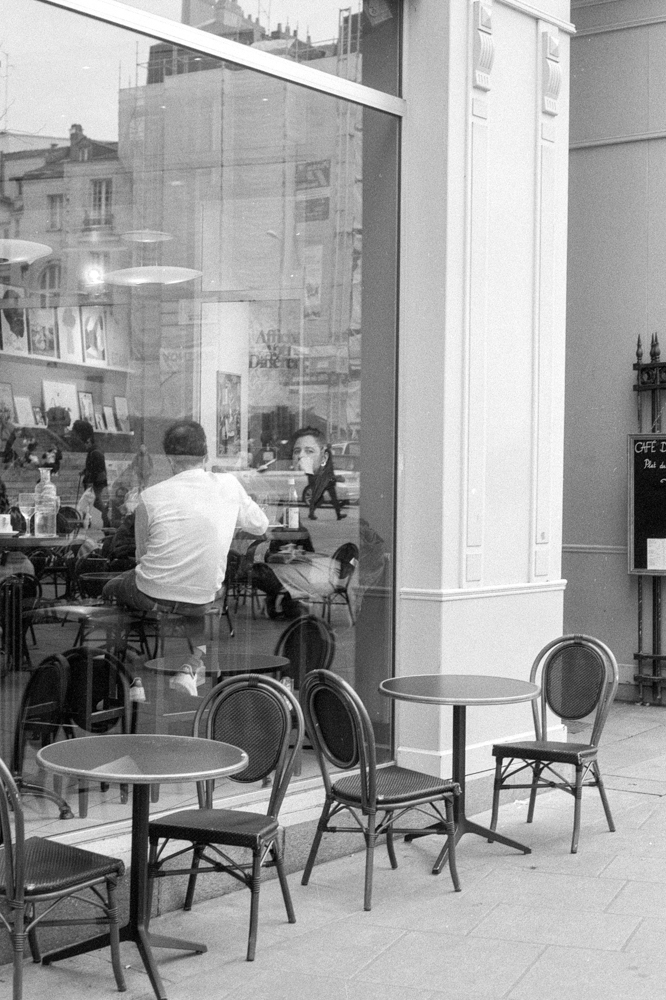
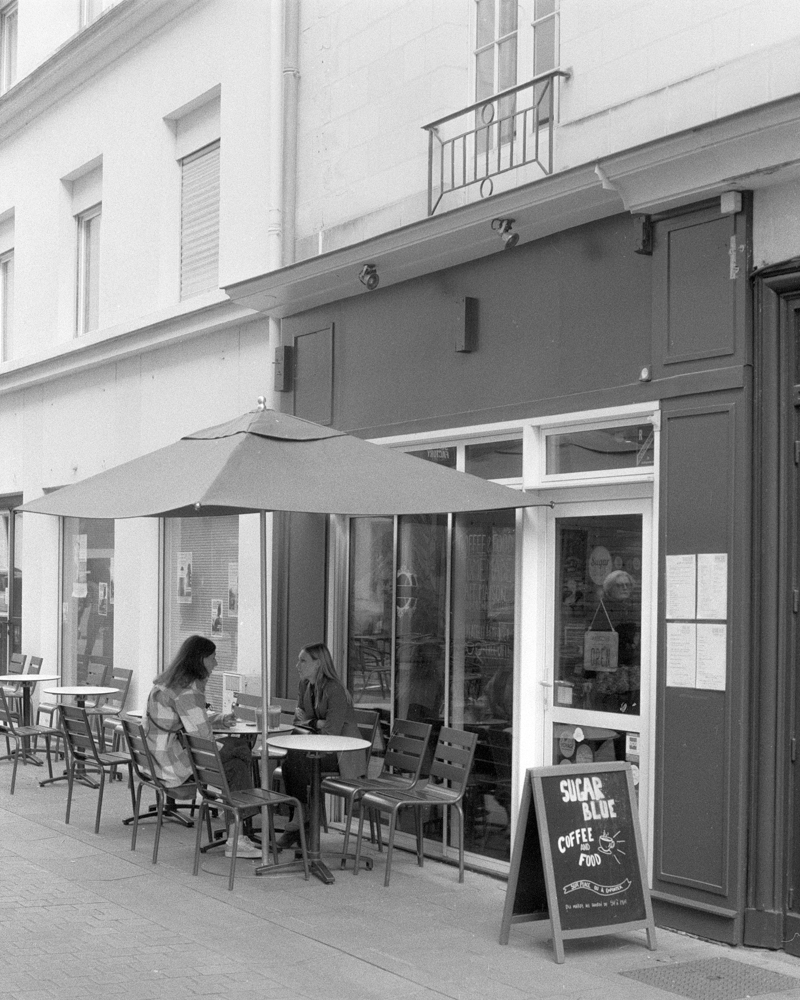
And here we go with a small selection of pictures from the last roll I developed, which are from 2022 and taken in the streets of Nantes. There will be more to come as I head back into the magical world of film photography!

L’œil du Cyclone


Dear Reader, some of you might know that I don’t live too far away from Nantes and that I can be found wandering the streets of Nantes with a camera, or sitting in the pub talking with friends. So, nothing new here then.  You might not know that I sometimes publish said photos of Nantes, and even the pub, with friends of course, on Instagram.  I also sometimes go out and participate with other photographers in what is usually a solitary pastime. 

Nantes Grand Angle, a sort of collective of photographers from Nantes, often has events (with local partners) that want to get their event onto the local social networks and get some “viral” publicity.  The game is you go to the event and then talk about it on your social accounts and people might be interested thinking well, he went to see this, why don’t I go along too.  It’s the basics of social marketing. 

Why do I usually see photography as a solitary pastime? Because I get a certain amount of social anxiety.  For most extroverts, those pushy people that are in favour now, the word “mingle” gives them a buzz that they seem to thrive on.  I, as an introvert, find the words “new people”, or even the idea of “meeting new people”, “social”, or “mingle” just fill me with dread.  It’s akin to going on one of those terrifying rides at the fair. It’s scary, thankfully doesn’t last very long, leaves you feeling empty, very awkward, sheepish, and makes you want to run away as soon as possible.  sonds like my sex life on a good day.

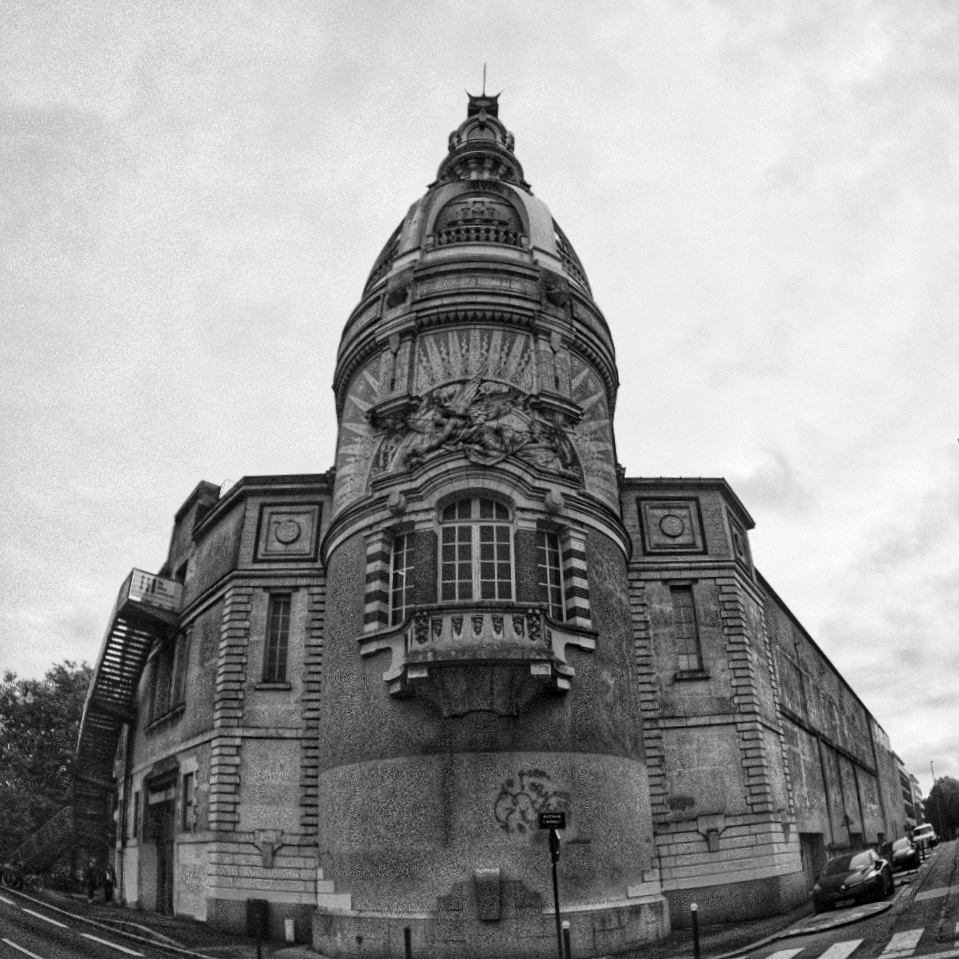
So against my better judgement, I confronted my fear, and went on an outing with Nantes Grand Angle.  I could always just stay at the back and be subtle and try to fade into the background.  It also meant that I would visit a new place, Le Lieu Unique, which as its name might suggest, is certainly unique!  The Lieu Unique also contains the Tour Lu (sans T pour le jeu de mot de merde en français, et oui, je suis rendu à ce point là !)  It originally house the LU biscuit factory (des petits beurres de LU, which is another pun for the Happy Birthday song).  Dear Reader, I apologise for the years of therapy that you will need to get over that last paragraph.  It’ll teach you to speak French!

Right, back on track.  The Lieu Unique, which indeed is unique as the name suggests, houses not only an exhibition for introverts to take photos of for social marketing, but a bar, a reading room, a bookshop, and if I’m not mistaken, a hammam, as well as a whopping great tower.  It is a hothouse of culture where you can get fed, drunk, steamed, and get some culture, leading to the acquisition of a little intelligence! Maybe, depending on the order you do each activity.

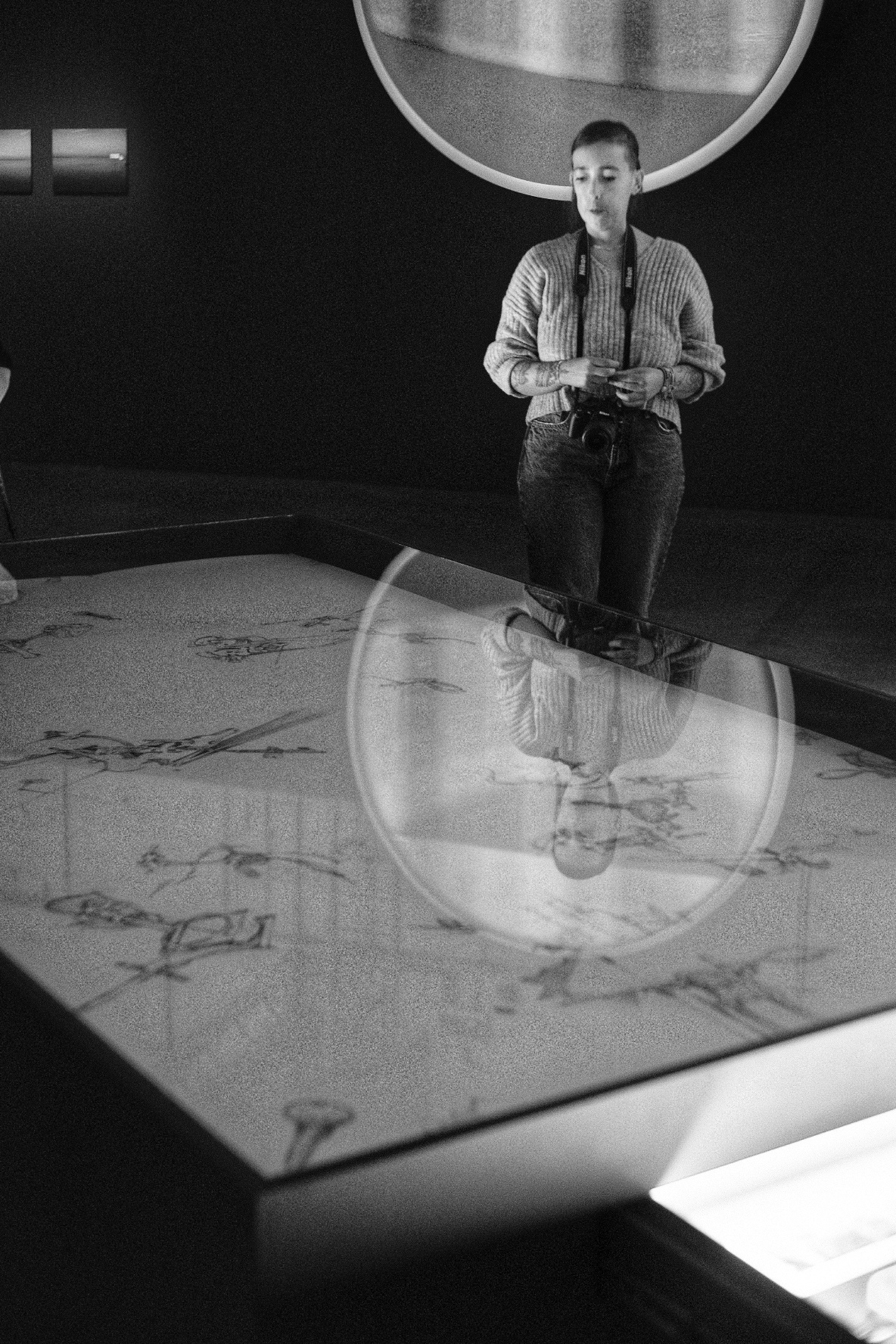
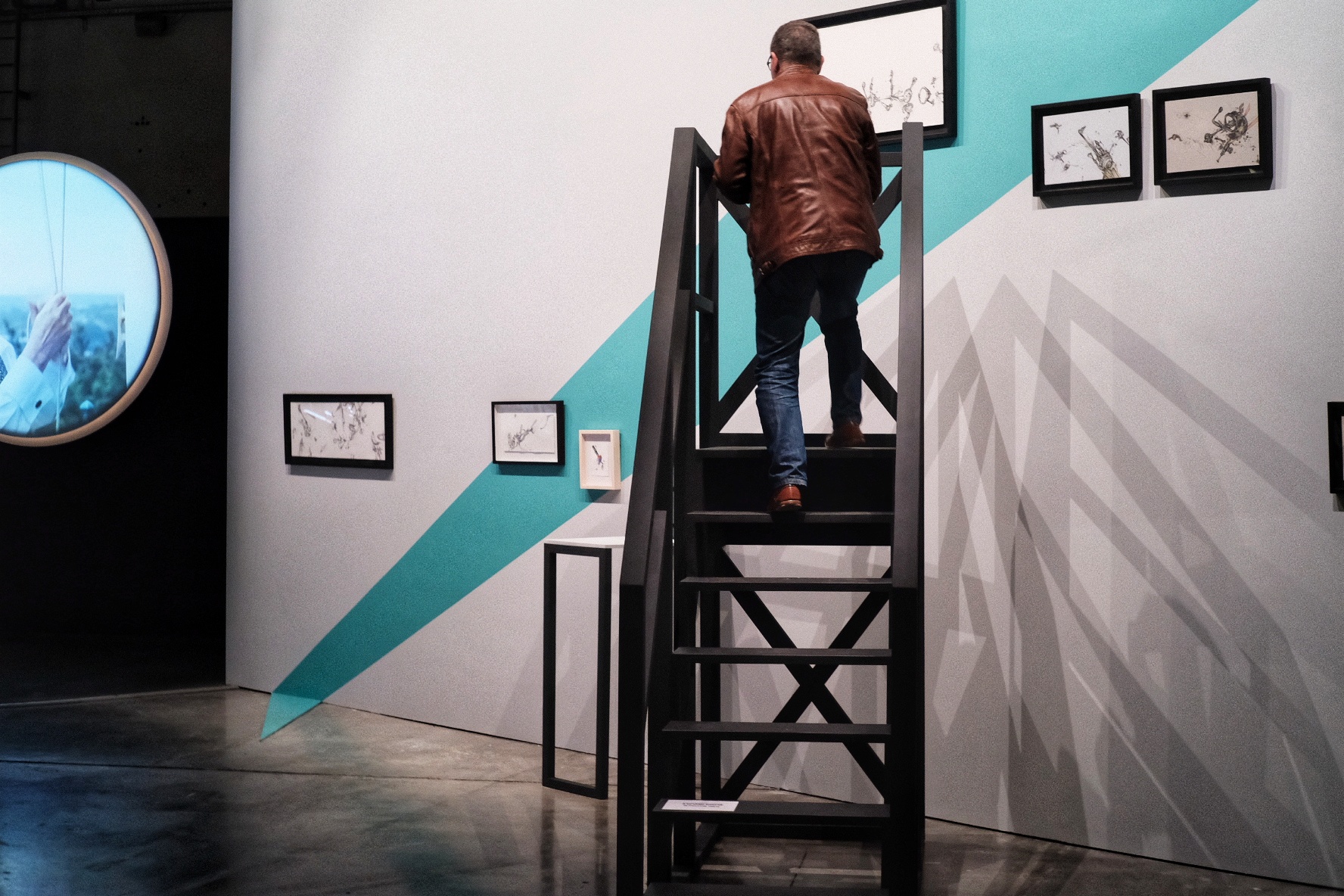
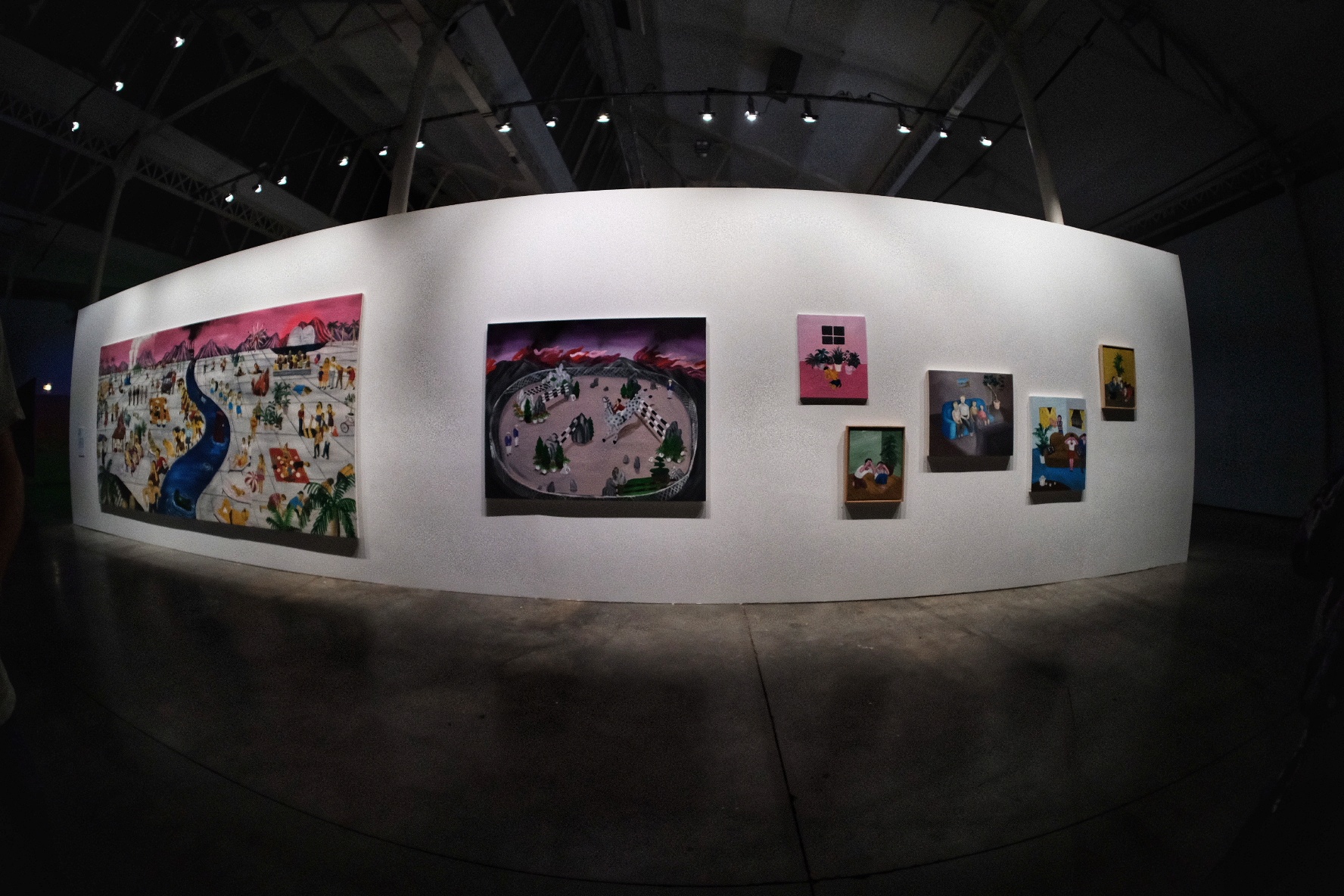
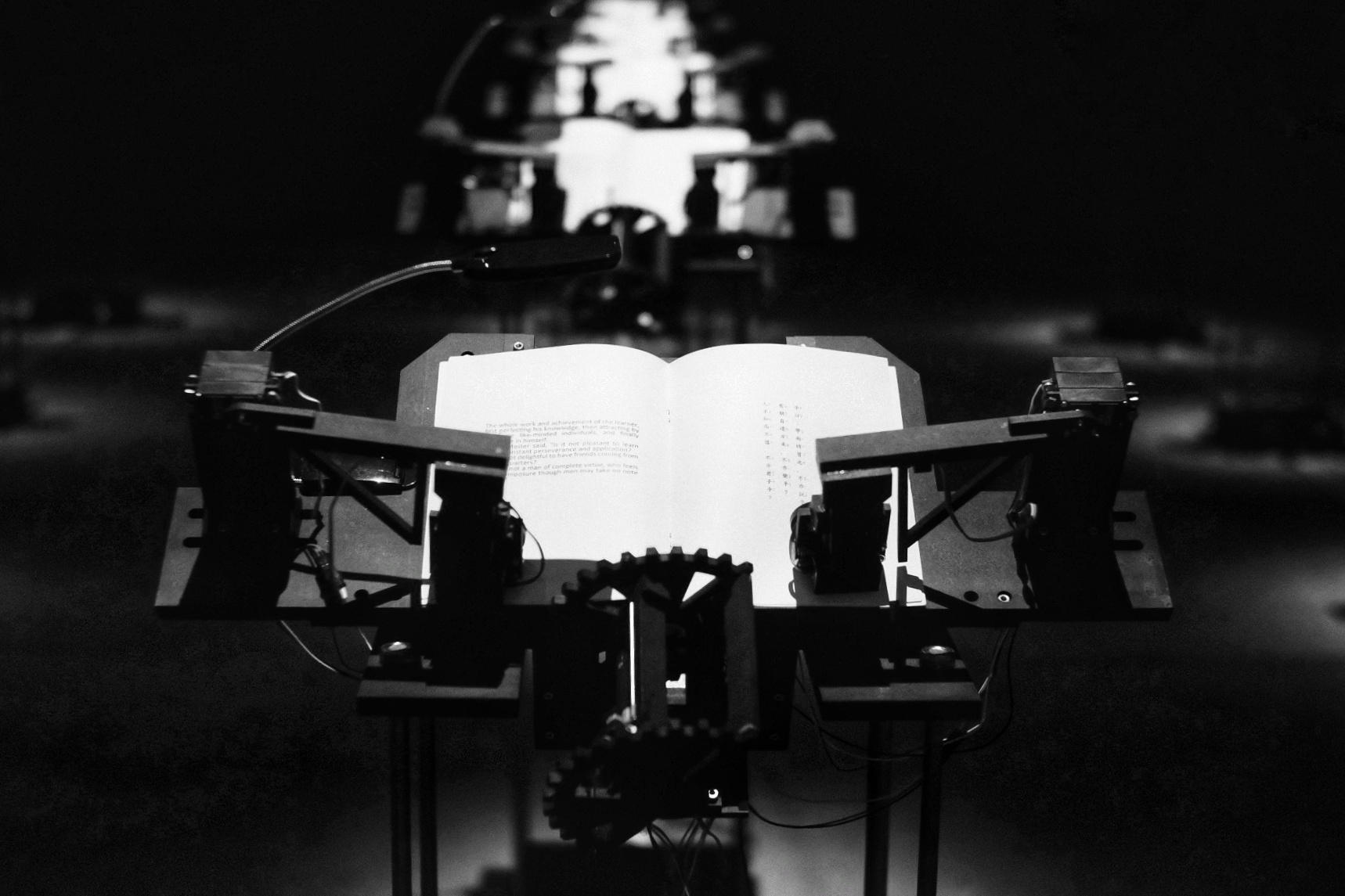
I was there with my fellow photographers, some of which were annoyingly extrovert, to live the experience of Art from Taiwan in the “Eye of the Cyclone.”  The Lieu Unique boss, had, uniquely, gone to Taiwan in 2018, had been to an exhibition at The National Museum of Fine Arts of Taiwan, and had invited some of the artists to come to Nantes and show their work, purely an artistic venture.  Since 2018, the world has changed not only through COVID, but also because China would like to get its hands on Taiwan for economic reasons and political ones.  Taiwan came to the front in modern terms when the Kuomintang government who lost to Mao’s Communists, fled Mao and fled to the Island of Taiwan, setting up a new independent government, that China still hasn’t gotten over and is still very upset about.

In the early 1960s, Taiwan entered a period of rapid economic growth and industrialisation called the “Taiwan Miracle».  In the late 1980s and early 1990s, ROC transitioned from a one-party military dictatorship to a multi-party democracy with a semi-presidential system. Taiwan’s export-oriented industrial economy is the 21st-largest in the world by nominal GDP and 19th-largest by PPP measures, focusing on steel, machinery, electronics and chemicals manufacturing. Taiwan is a developed country, ranking 20th in GDP per capita. It is ranked highly in terms of civil liberties, healthcare, and human development.  Again, something that China isn’t overjoyed by.  So as you can imagine, such an exhibition is as much political as artistic.

So now we have set the scene, let’s get down to the nitty-gritty.  The expo itself.  I admit not knowing a huge amount about Taiwan, however, since visiting the expo, I have read up to find out more about its history and culture.  It’s Chinese but at the same time properly Taiwanese. I will include official links to the expo and the English documentation at the end of the article.  But what I really wanted to do with this article was to talk about my experience of the exposition and the way the exhibits left their mark on me.

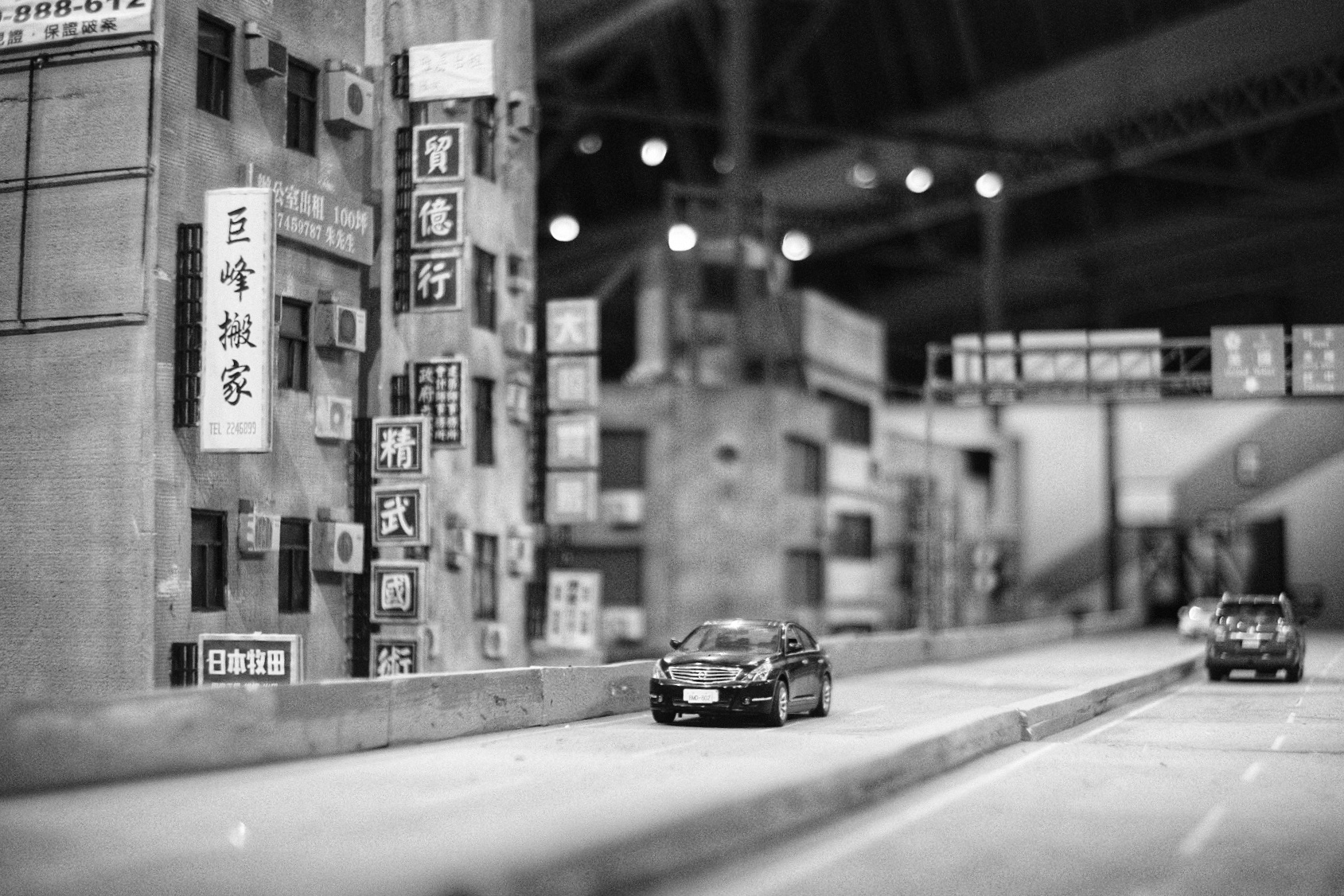
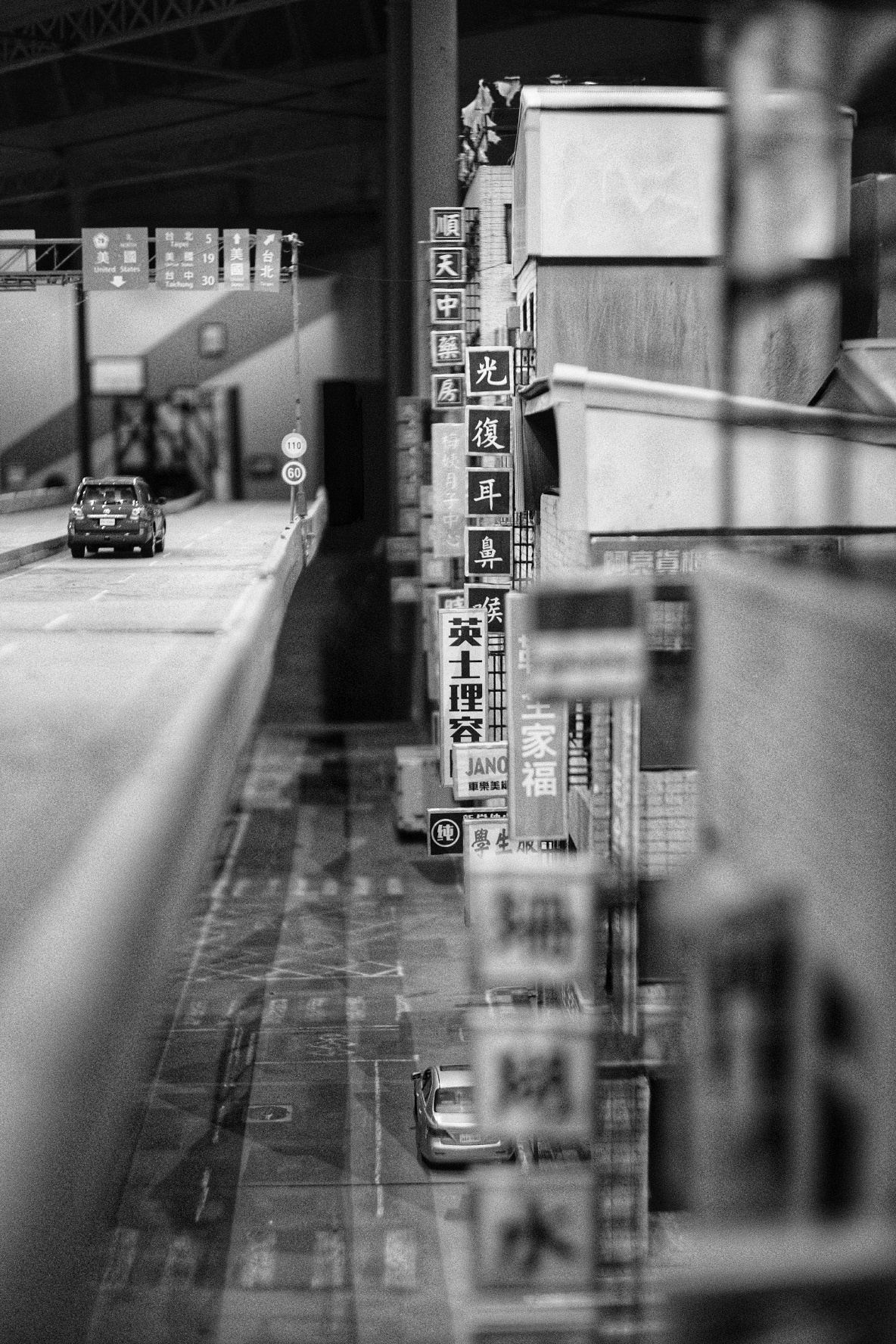
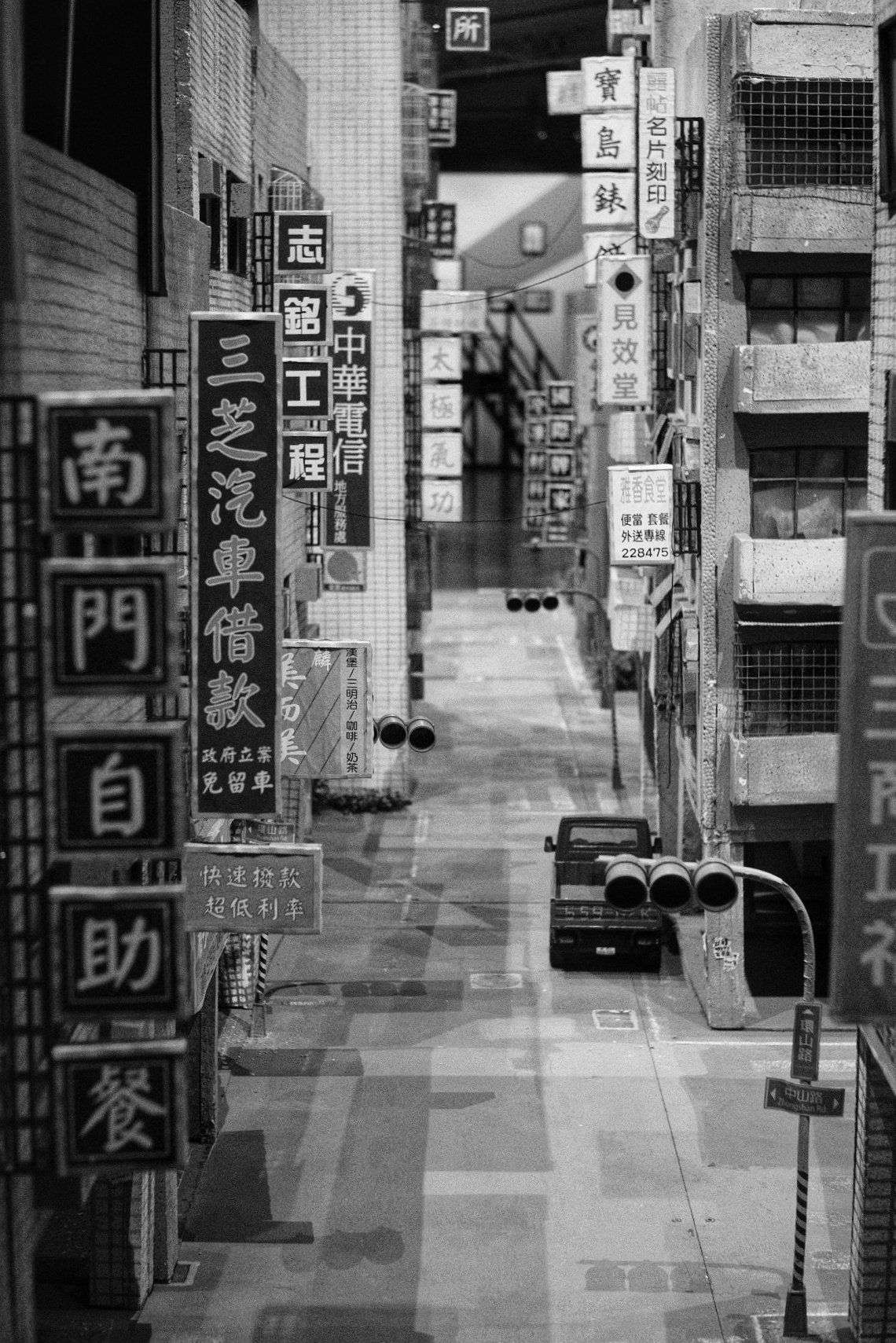
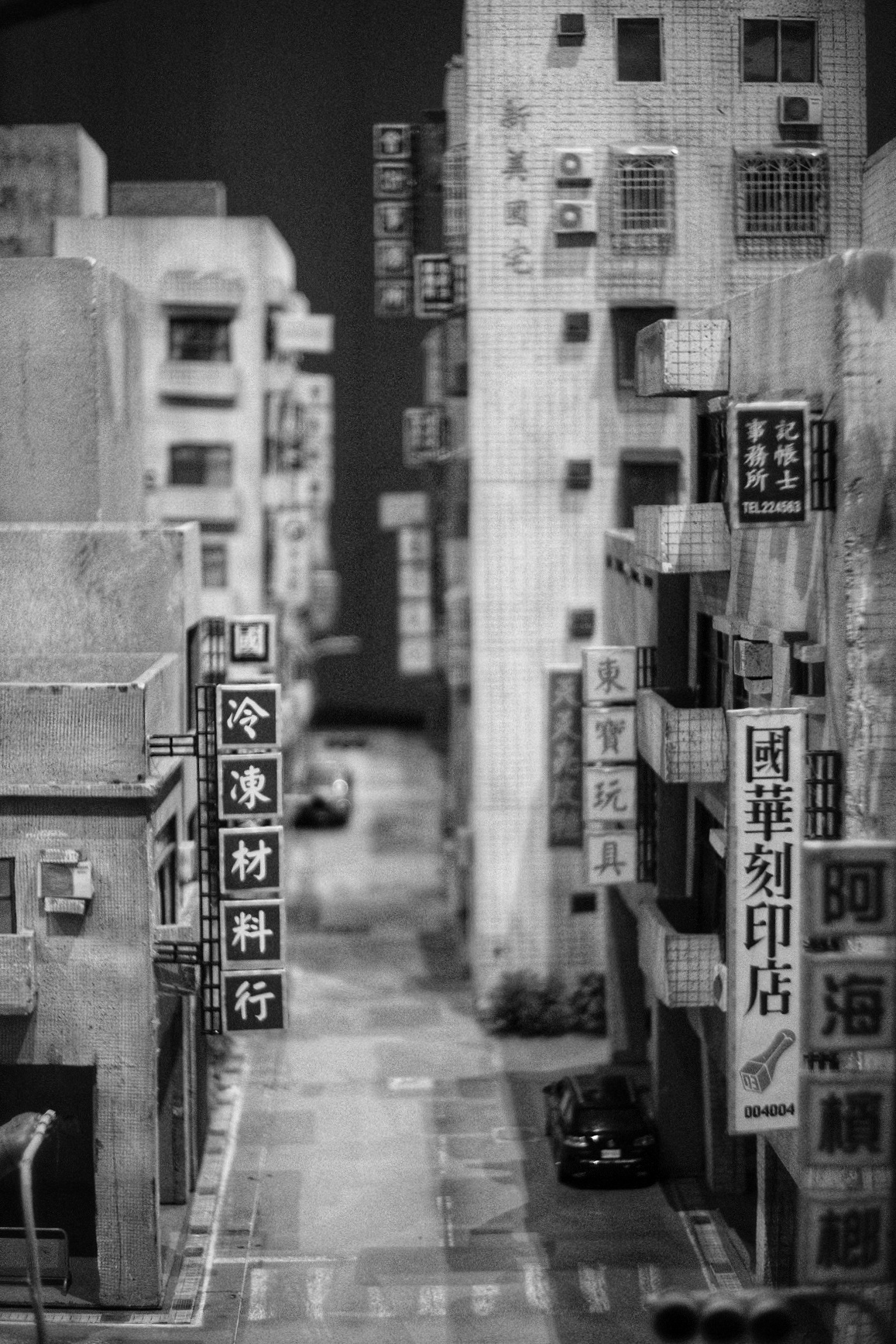
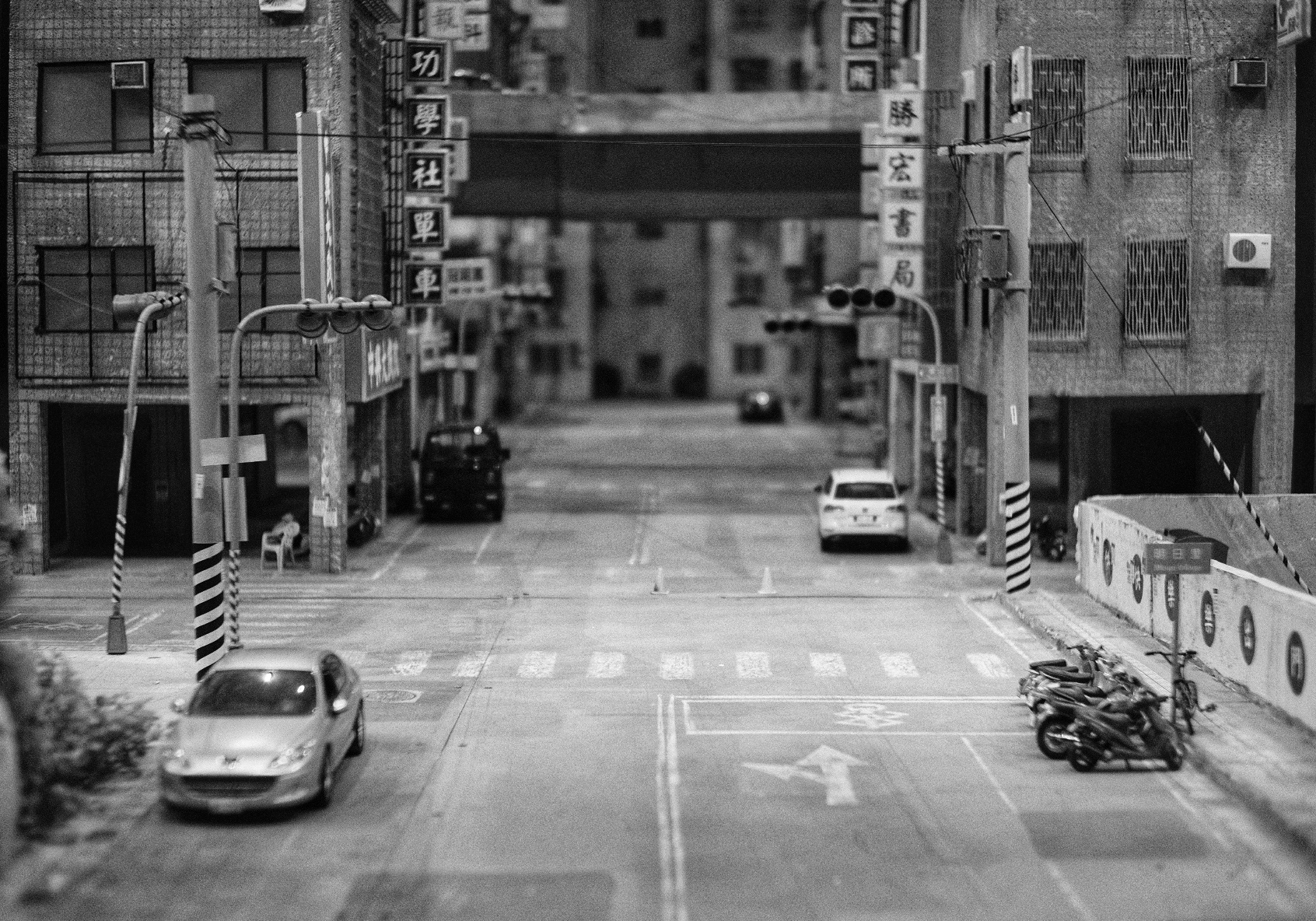
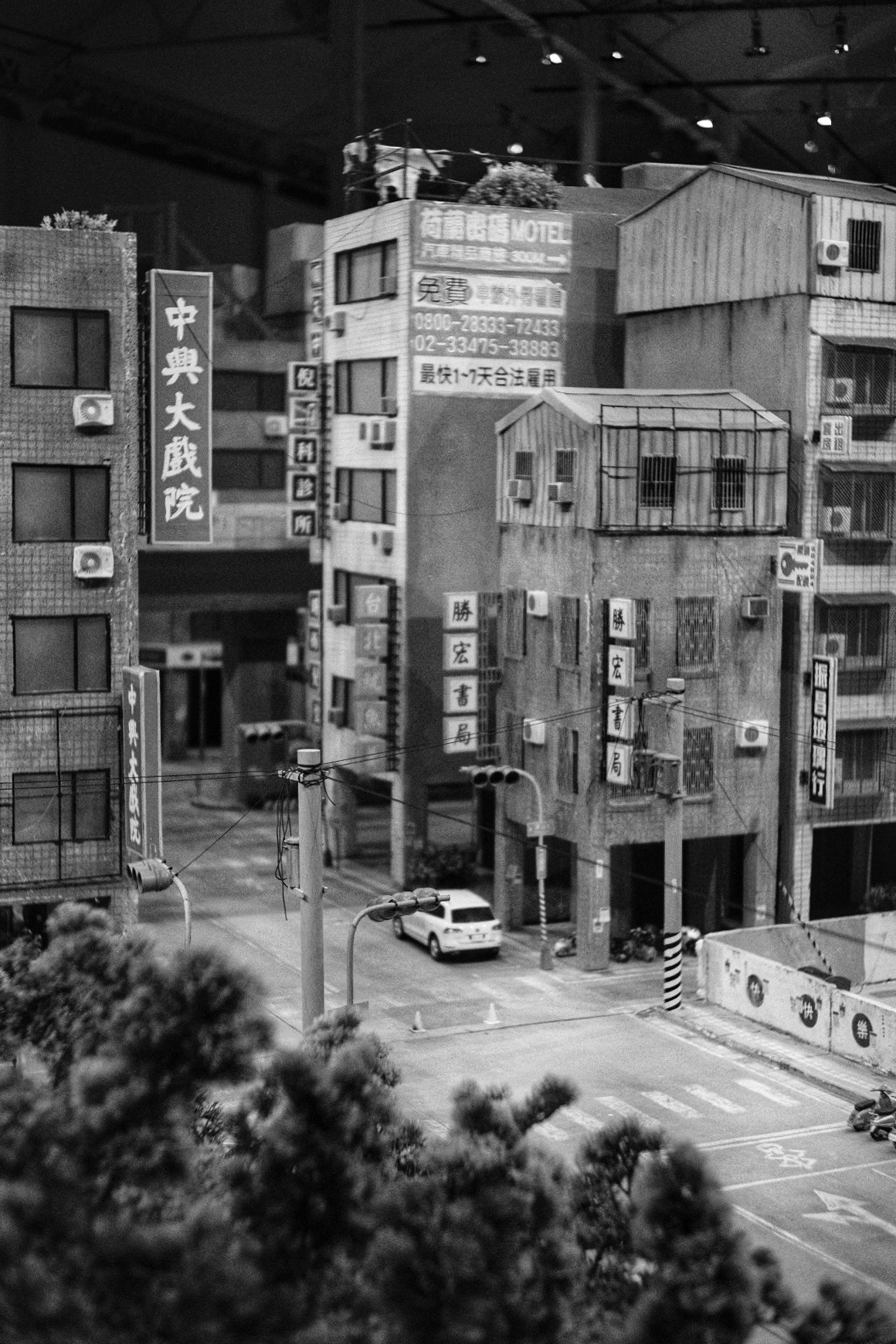
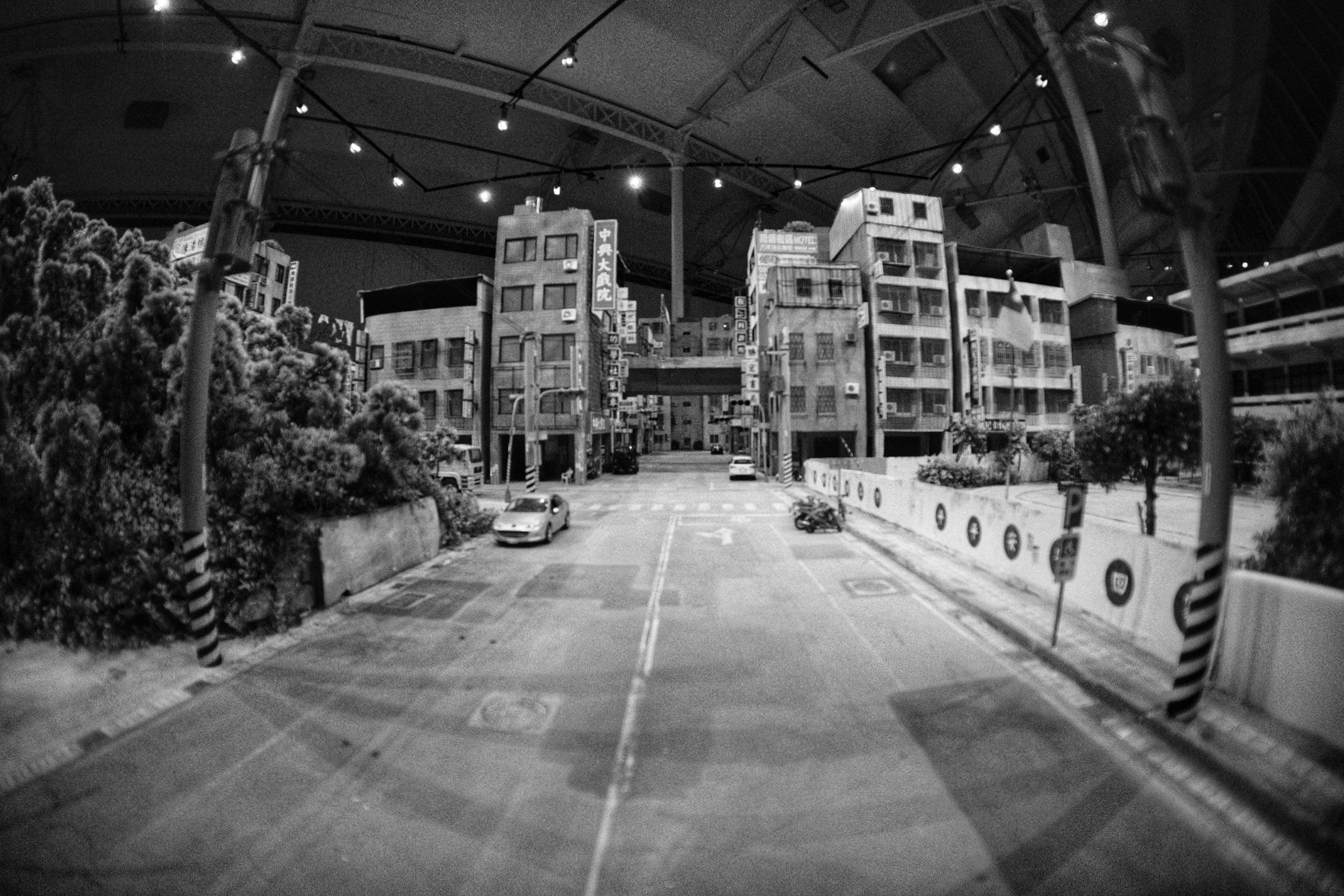
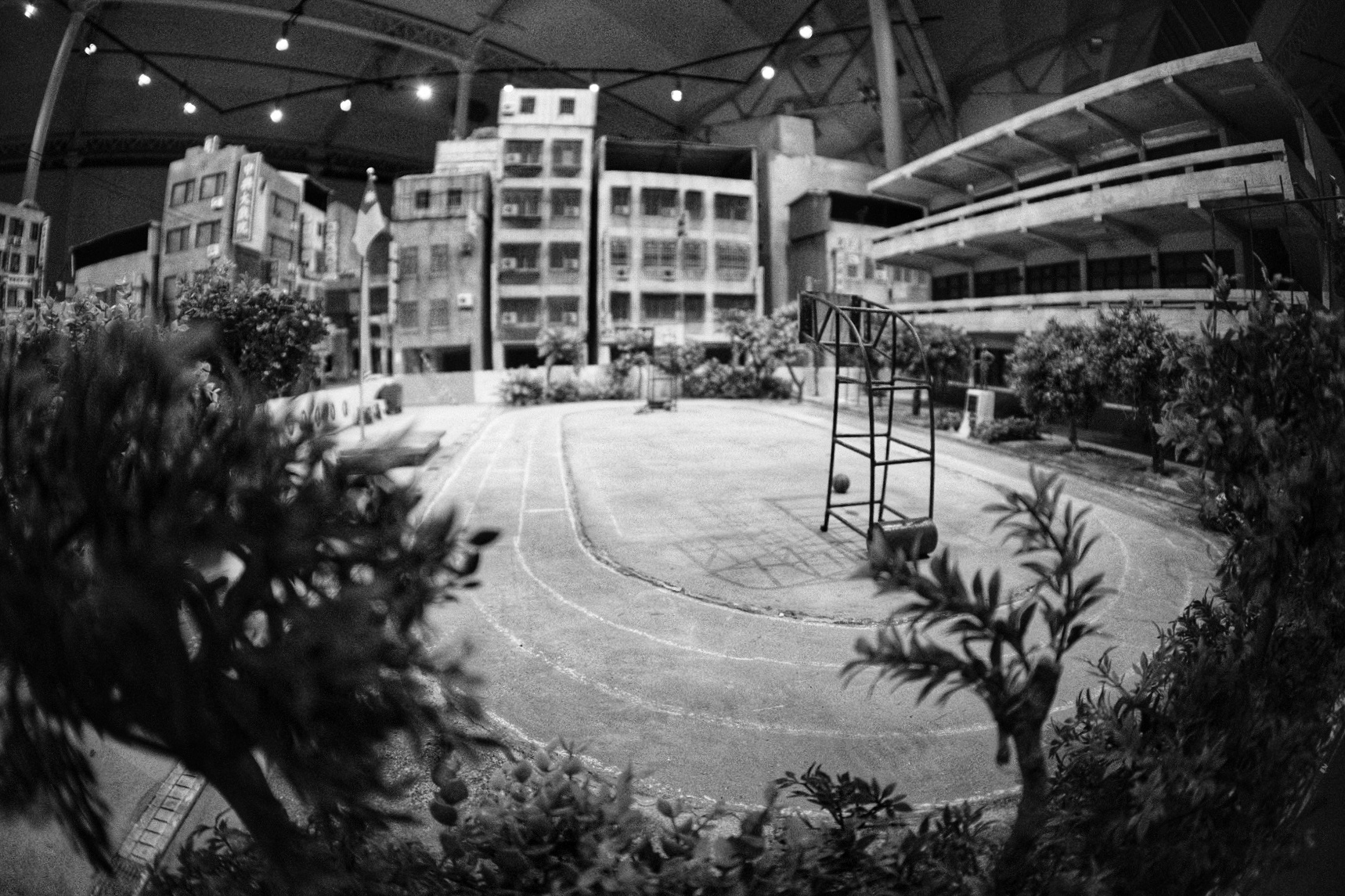
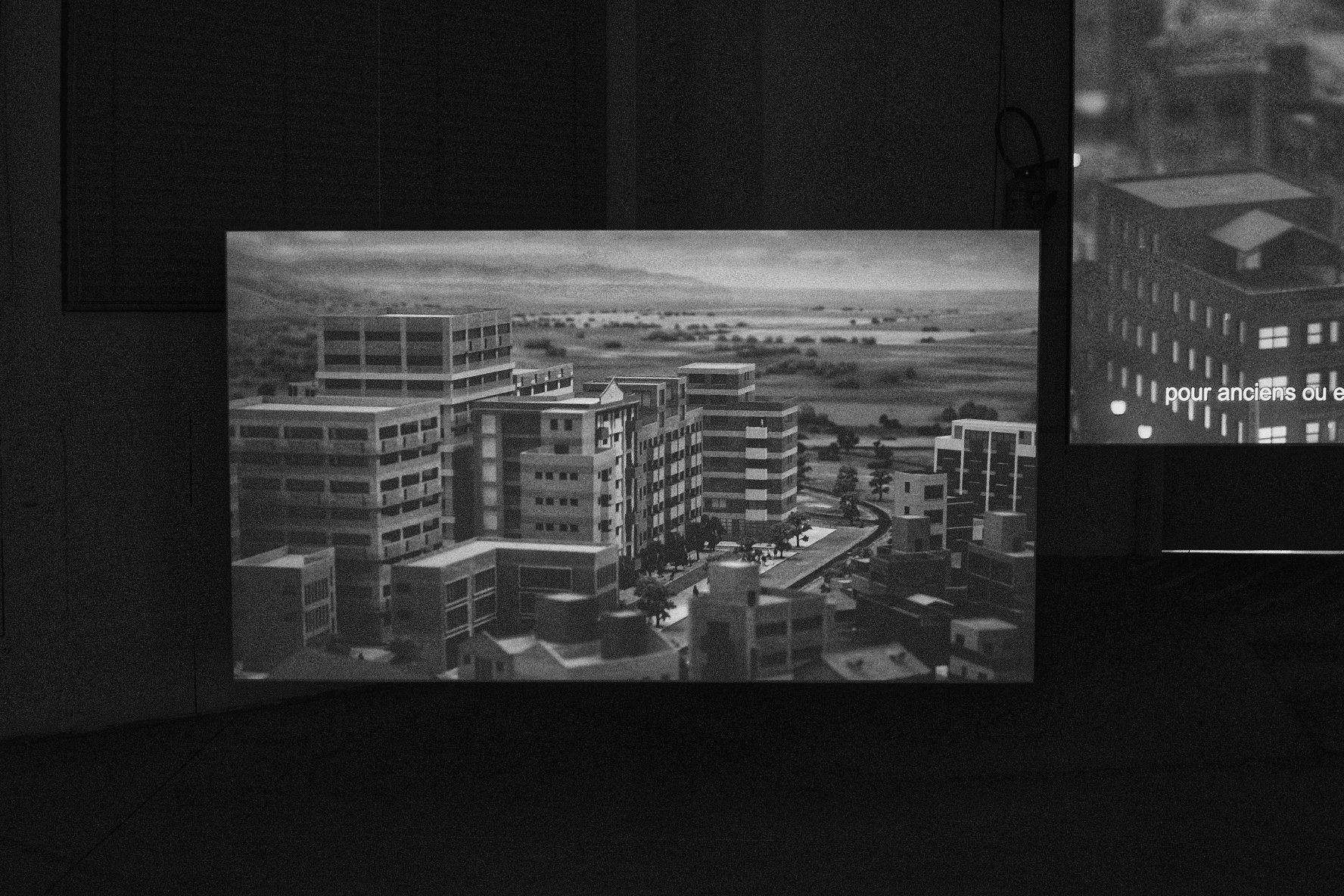
The first exhibit, Exhibit A, or Battle City – Scene, by Chang, Li-Ren, model, just blew me away with the complexity of the modelling and the realism recreated in model form.  The artist came over for the oeuvre installation and I can imagine a rather rotund Asian chap on all fours adding details to his masterwork.  Not based on reality, but the artist just wants to give an impression of what Taiwanese urbanism looks like.   There are cars, housing, and motorbikes, but the whole place is devoid of people.  It’s very eerie, yet totally fascinating and a photographer’s dream.  The whole thing is massive (7600mm x 8100mm x 2600mm), and the attention to detail is fascinating.

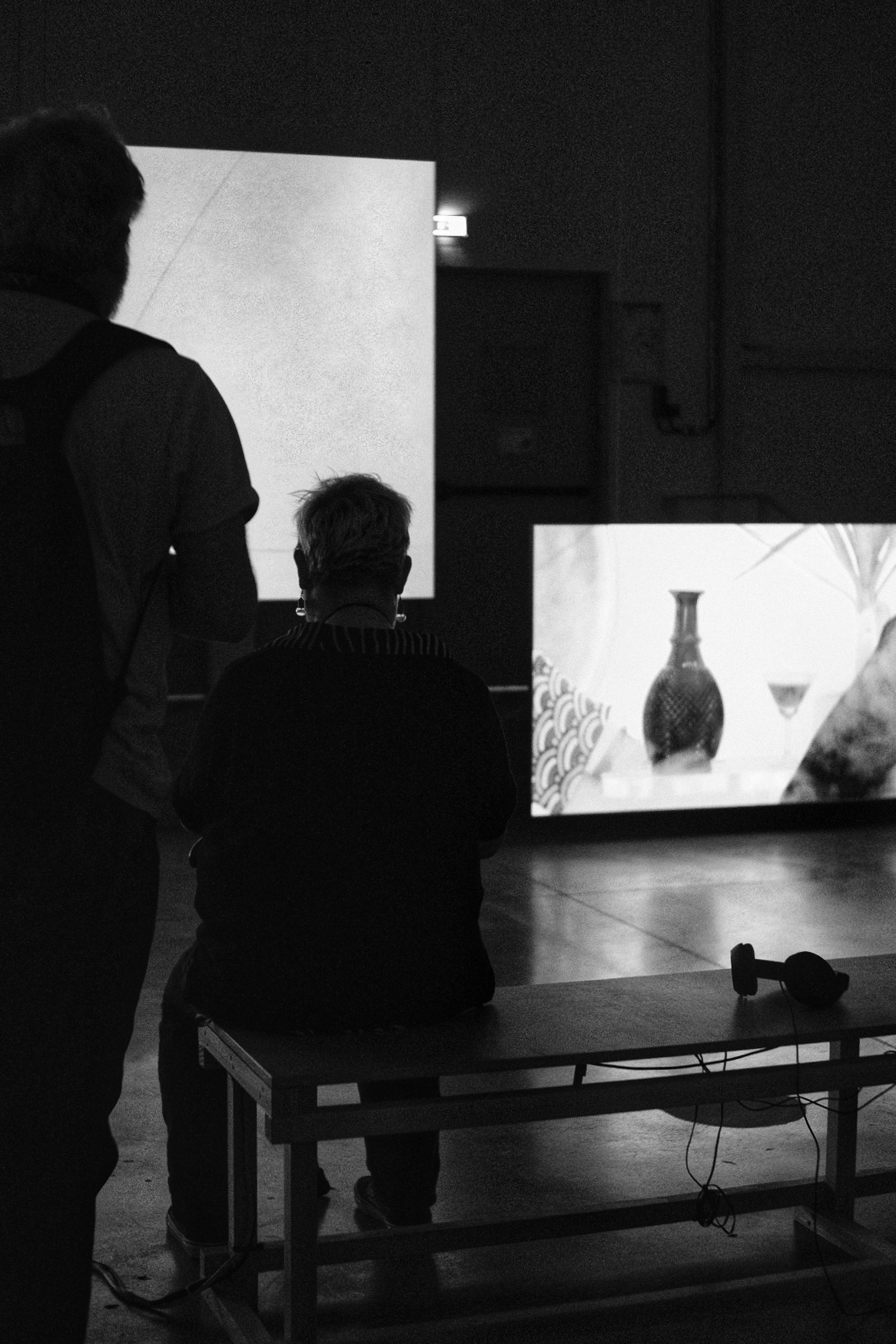
Exhibit B, Future Shock, by SU Hui-Yu, video, talks about a dystopian future, unfortunately, a not-too-distant future according to the artist influenced heavily by the American author Alvin Toffler, where people are drowning in information, and unethical technologies.  Maybe it’s happening already?  Definitely though provoking and frightening in equal measure.

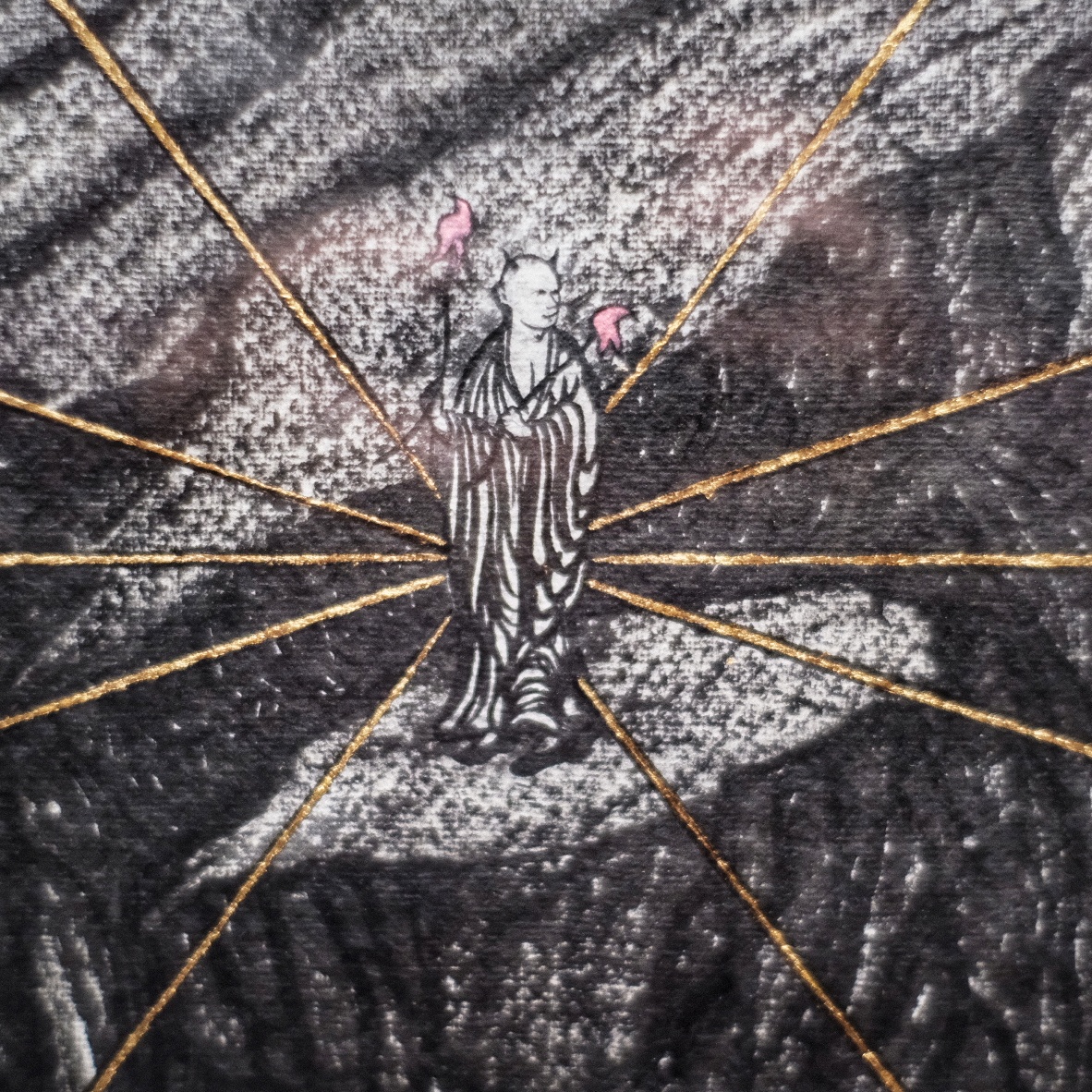
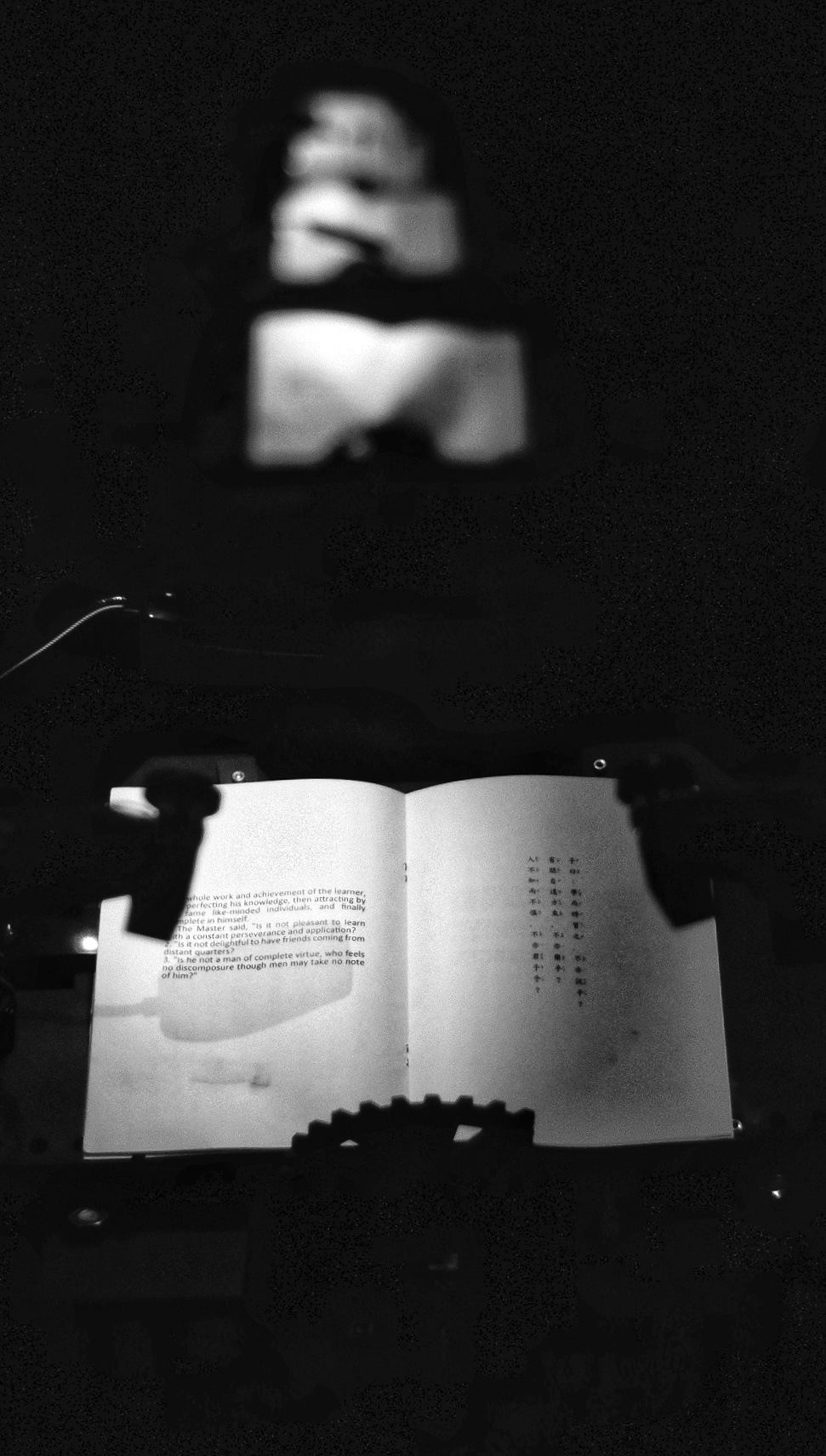
Exhibit C, Braindead travelogue, YUAN Goang-Ming.  At first, you have the impression of traditional Chinese brush art, but with non-traditional means, like using markers, but also gold and jade.  From the centre of the painting, shoot out 10 disks of images showing the artist marking his territory in the landscape.

Exhibit D?  I’m going to keep the rest of the exhibition secret, because the idea is that you go and have a look yourselves, especially if you live in Nantes!  Did you really think that I would or could reveal all?  No!  Leave them wanting more!!!  Oh ok, you can have a few more pictures, but that’s your lot.  Go down there and have a look.  It’s free to visit; and you won’t be left unmoved…  You really get a feel of what life is like in the “Eye of the Cyclone.”

Links and all that:
Le Lieu Unique
Nantes Grande Angle
The documentation in English (pdf file 0,99Mo)

I would like to thank Nantes Grande Angle and our guide, Tanguy, not only for his welcome to the uniquely Lieu Unique but also for his great expertise. The poor man even had a look at this blog to see where I would publish my write-up. Brave too, and probably already in therapy. I hope I have done him justice!

Beauty of the Mundane


Every now and again you come across an article in a newspaper or a video on YouTube that makes you think in a way that a cute cat video won’t. Sometimes it might be a new newspaper with just a different look or feel to it. Or a new book from an author that you don’t know. As a child I discovered the Independent newspaper being delivered all of a sudden and falling in love with the photography inside it. Looking at these images and being touched by them. Not just the subjects, but the pure beauty of the images. At that time journalism in the newspaper industry meant black and white images taken by people in the field, film cannisters being sent back to the newspaper, people editing the photos in the darkroom, and then either being scanned on drum scanners or plates being made which were then incorporated into the different page layouts and then printed on the presses.

Wow, that just took me back to having breakfast with my father every day as a child before school in the sun room gazing at the newspaper and the garden. The smell of coffee on my father’s breath, and him looking so dapper in pyjamas and his dressing gown. Amazing how one can time travel in one’s mind in a split second. Radio three on the radio which gave such a calmness to the whole situation.

But onwards and upwards! Recently you discover a YouTube channel that makes you think… I have a few that I watch on a regular basis, mostly about photography but I suppose that’s not a huge surprise to you! If I’m not mistaken, then this is the video that made me think a little further. I’ll just let you watch it first and then we can continue.

Seeing is so important in photography as it is in any visual art. I’m not going to pretend to be some wonderful artist. I will have a go at being a visual documenter, and I think I may have already touched on this in a previous article, but I’m going to do it again. Couldn’t find the article so it must have been a discussion on a comments section from a Facebook post. Anyway….

To me, Photography is an art of observation. It’s about finding something interesting in an ordinary place… I’ve found this has little to with the things you see and everything to do with the way you see them

Elliot Erwitt

That resonnated with me. It made me want to explore the idea of photographing the ordinary, but trying to see how light treated those scenes or things, and try to capture the beauty in it. Having worked recently with artificial light, I have become a lot more aware of light in my photography and how I might use it to get the most out of an image. The brief is to try and take a few photos a day of my ordinary every day life and the objects that are in front of my eyes, and publish them on an Instagram account.

Julia Margaret Cameron: soft-focus photographer with an iron will

From her housemaid to Alfred Tennyson, the indomitable Victorian wrestled everybody into her studio, dressing them up as characters from Shakespeare and the Bible. For years, these tableaux have been out of fashion – but two new shows cast this pioneering photographer in a new light

So let’s welcome Beauty in the Mundane, the new IJM account! This is a side project and will have it’s own little feeling to it. There is a new profile pic, or auto portrait for those who like think of themselves as better than the rest of us. One kind follower pointed out, “Hello ton autoportrait est flou🤔,” to which I replied, “Je sais. Mais ce n’est pas le fin du monde…. ça donne une impression de l’irréel or ce compte est que du réel. Mais merci de m’avoir prévenu.” O Irony! I then pointed him to an article from the Guardian, and started talking about the need to embrace imperfection.

So there is this new project to try and see this ordinary and try and see its inherent beauty, be that by form, shape, light, the was the light creates form as it falls on an object. Don’t expect huge landscape vistas, or portraits. It’s not that kind of thing. It might be utter bunkum and look like three shades of crap, but then again, it might not. There will certainly be an evolution as there should be be always. I don’t don’t where it will lead, or if it will be nothing more than just a personal photographic exercise. It might provide some high art. I don’t know yet,

I’ve just started. But if you don’t follow then you won’t know. Don’t want you missing out on anything do we….