Photography Philosophy – Part V – Identity and Self-Expression


Photography as a Reflection of Self

What could be a more contemporary expression of self than the modern selfie? For some, it represents a genuine connection, while for others, it becomes a carefully curated fantasy shared on Instagram in pursuit of self-importance—think #lifestyle, #ootd, or #memyselfandI. These representations can evoke mixed feelings about the authenticity of self-expression.

However, this is not how I view photography as a reflection of self. Photography is the only art form that allows the viewer to look through the lens just as I did when I pressed the shutter button. You see exactly what I saw in that moment, and, depending on how I edited the photo, you may catch a glimpse of the emotions swirling in my mind at that time.

Consider two people facing each other, a coin held up between them. One sees the heads side, while the other sees the tails. Each perspective offers only a partial view of the whole object, much like how each photograph can convey different meanings and emotions depending on the viewer’s interpretation. This highlights the importance of taking in the entire picture.  But it’s not just this perspective that changes the way each individual looks at the coin, but all the personality and life experience that the person brings.

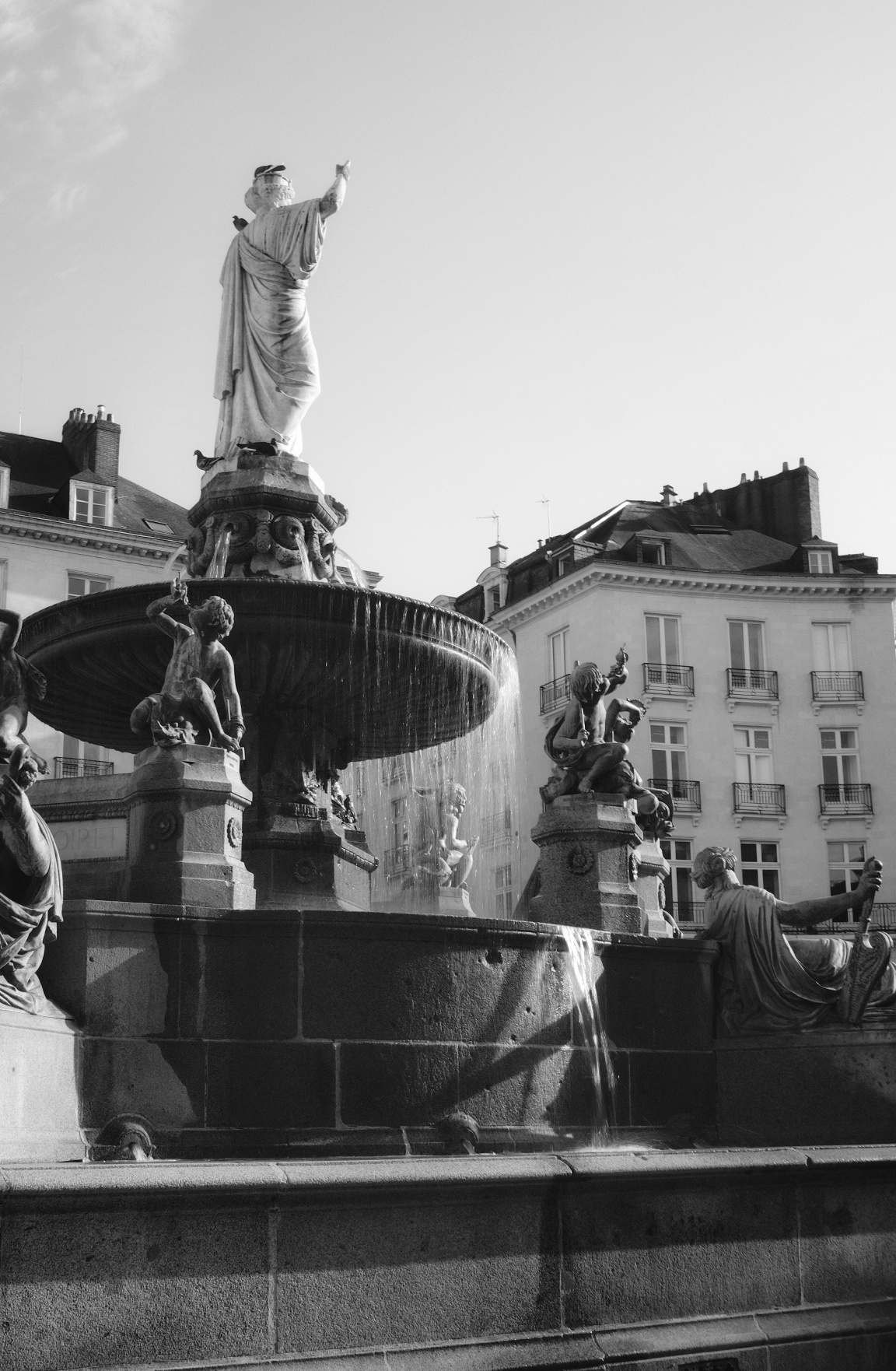
So, what about the expression of my identity and worldview? You might detect my state of mind through the subject matter of the photograph. If you see one of my photos taken during the anti-government demonstrations in Nantes, you might draw conclusions about my political leanings, when in reality, I was completely neutral about the situation. Here, the viewer adds their own interpretation to what they see, imagining this world and identifying with the picture in a way that is relevant to them.  I think we all are guilty of that.  My worldview, too, may show through—an insight into the world around me and how I choose to see and document it, since you are witnessing a moment in time as I saw it.

But why press the shutter button at a particular moment and not 1 second before, or 1 second after?  Cartier Bresson talked about capturing the decisive moment.  I try and make sure that I have no distracting elements.  I try and get my subject right where I want them, or wait for them to cross the scene at a certain spot.  Does this mean that I miss shots?  Yes, but it’s all part of the game!  Have I become a self-hating perfectionist?  Fortunately, no.  But do I try and make that extra effort?  Definitely.  I owe it to myself, but to the viewer of the resulting photo.  Some might talk about a certain professional conscience, but if you’re going to do something, then try and do your best?
Personal Growth

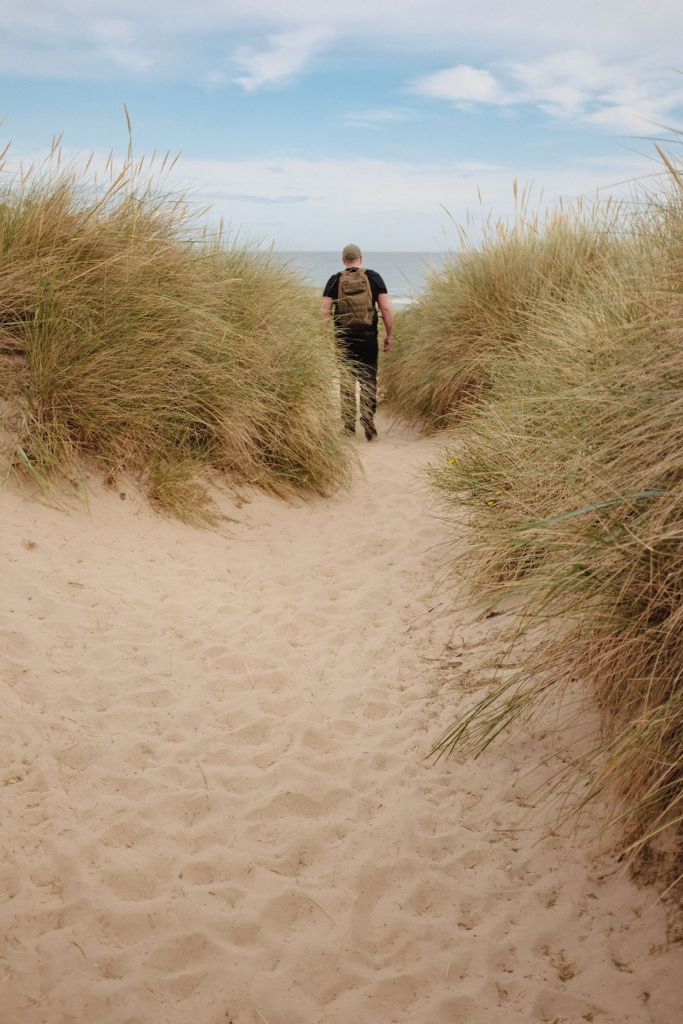
This is a tricky subject, as I’m not entirely certain that my subject matter has evolved as I have. Am I still taking the same old photos as I used to? Possibly. Yet there are new techniques I’ve picked up along my learning journey. I may have started learning about photography over 40 years ago, but I’ve never stopped. In the last ten years alone, I’ve learnt so much, often with YouTube as my teacher. I’ve expanded my knowledge of film—how to use it and develop it—and I’ve learnt more about editing. I might just mention that I trained in “Desktop Publishing” back in 2003. Twenty years ago… time flies! Lots of Photoshop, Illustrator, and QuarkXpress.

New equipment and different lenses have allowed me to explore wide-angle photography and, as they say, “get it out of my system.” But is it really out, or have I simply explored it enough to satisfy my curiosity for the time being? I will, no doubt, revisit it again. This exploration has clearly shaped the way I view a scene, and I now know how to use the distortion it offers as another stylistic string to my bow. Wide angles enable me to alter how the subject is seen, making a more significant impact on the viewer, who experiences something distinctly out of the ordinary. It’s a small but meaningful addition to my work that could offer that extra something to a potential client.

I’ve grown more confident in my photography over time through consistency and practice. Getting out there with your camera is, without a doubt, the way to go. Some might accuse me of relying on gear, but I feel that I’ve genuinely put the hours in to master certain aspects of this craft and to have a certain self confidence in my abilities as a photographer.

Do I take the  same photos that I did back in 1987 and now?  In certain ways, yes.  Because my personality shines through the photograph.  However back in 1987 I was concerned just about nailing the exposure, and didn’t have the knowledge and photographic culture that I do today in 2024.  I was also a 15 year old back in 1987, and am now over 50.  The essential part of who I am remains, but my life experience has changed me, as it would anyone over 35 years.

Cultural Context

You might not know this about me, but I have lived in France for the last thirty years.  More time than I lived at “home” in the UK.  Has that affected my photography in any way?    Maaaaybe…

France is the home of Cartier Bresson, and Doisneau, and their wonderfully crafted street photography.  Yes, I have explored their work and have been amazed by it, and amazed by the simplicity in certain shots of theirs, but a deceptive simplicity that takes so much time to emulate.  So yes, I have been influenced by French culture. It forms the way I look at the world around me, especially when in the streets of Nantes and I feel their influence accompanying me as I wander around the streets.  It’s also the subject matter that changes from country to country.  Just look at the difference between my two countries, the UK and France.  

But it doesn’t stop there.  I have been influenced by photographers that I see on the Internet.  Names like Sean Tucker, Thomas Heaton, James Popsys, Mango Street, Peter McKinnon, and Jamie Windsor spring to mind and their videos have certainly been a huge influence on me.  And there’s not even one Frenchman in that short list…  It’s not that I reject French youtubers, but when at work I have to make the effort to speak French, when I am outside my house I have to make the effort to speak French, aso when at home I prefer to keep things in my mother tongue.  It’s a me problem, and not a them problem.
Conclusion: The Lens of Self-Reflection

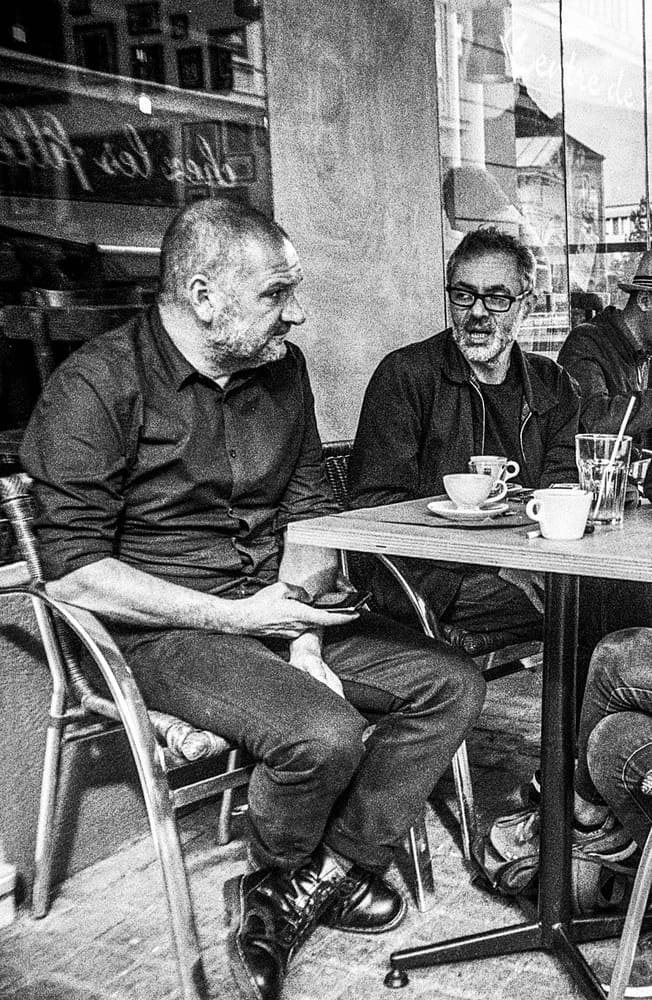
Photography, at its core, is about more than just taking pictures; it’s about capturing fragments of identity and moments of personal evolution. While the images we create may reflect the world around us, they also tell the story of how we see ourselves and the ever-changing lens through which we view the world.

What I’ve come to realise is that photography isn’t just a technical pursuit or a series of compositions—it’s a mirror. Through it, I’ve discovered not only the nuances of the world but the nuances within myself. From the early days of worrying over exposure to now, when the process feels more like a conversation with the scene, I have grown not just as a photographer, but as an individual.

Yet, this growth is never complete. Photography, like life, is a journey with no clear destination. The influences, the techniques, and even the subjects will continue to shift as I evolve. What remains constant is the intention: to connect, to reflect, and to capture not just an image, but a piece of time that speaks to who I am, and who I am becoming.

In the end, photography is an act of constant reinvention. Each shutter press is an opportunity to redefine the self and understand the world a little better, one image at a time.

Opening of the Film Archives – Canon AE1 Street Photography in Nantes


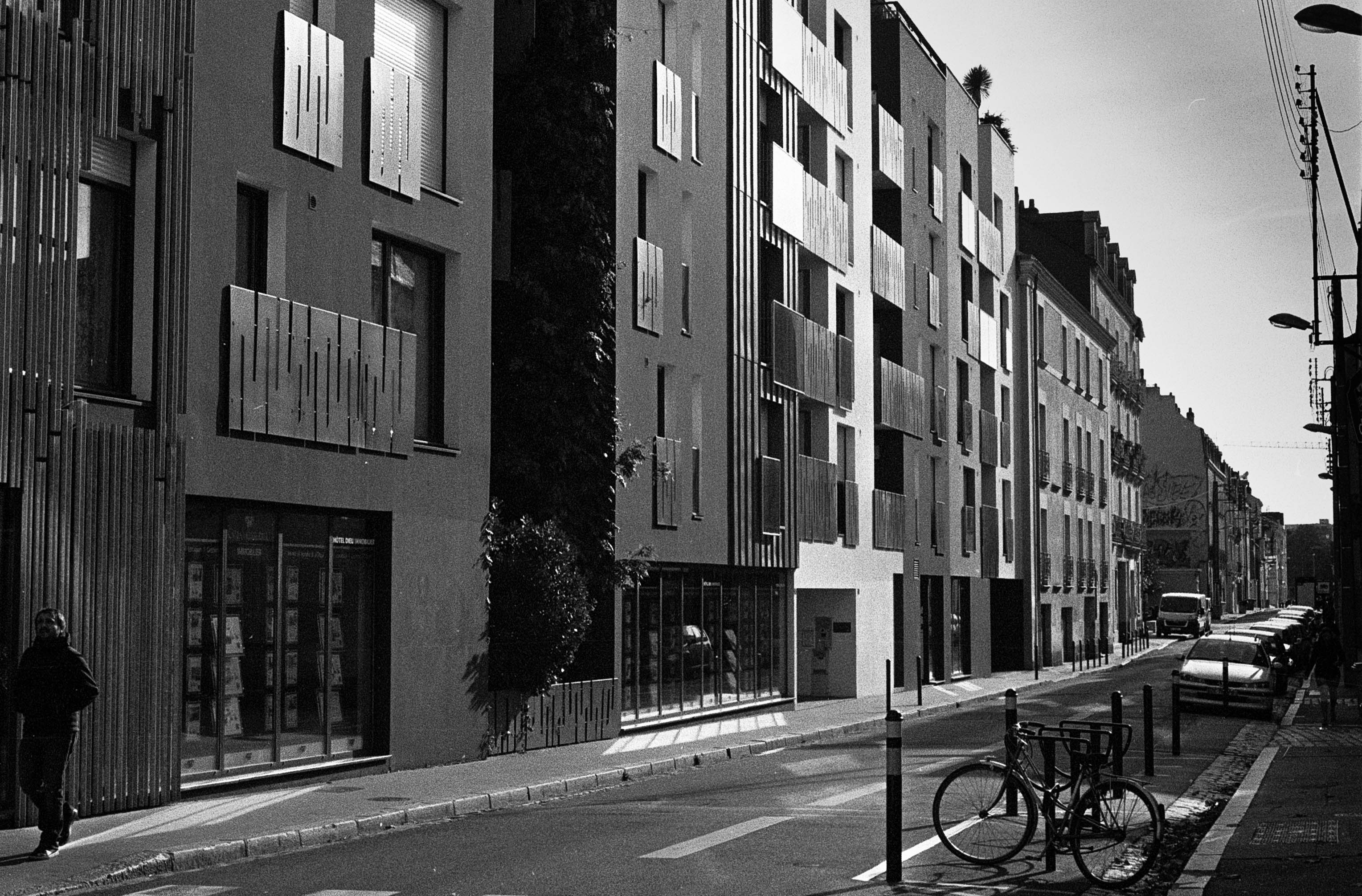
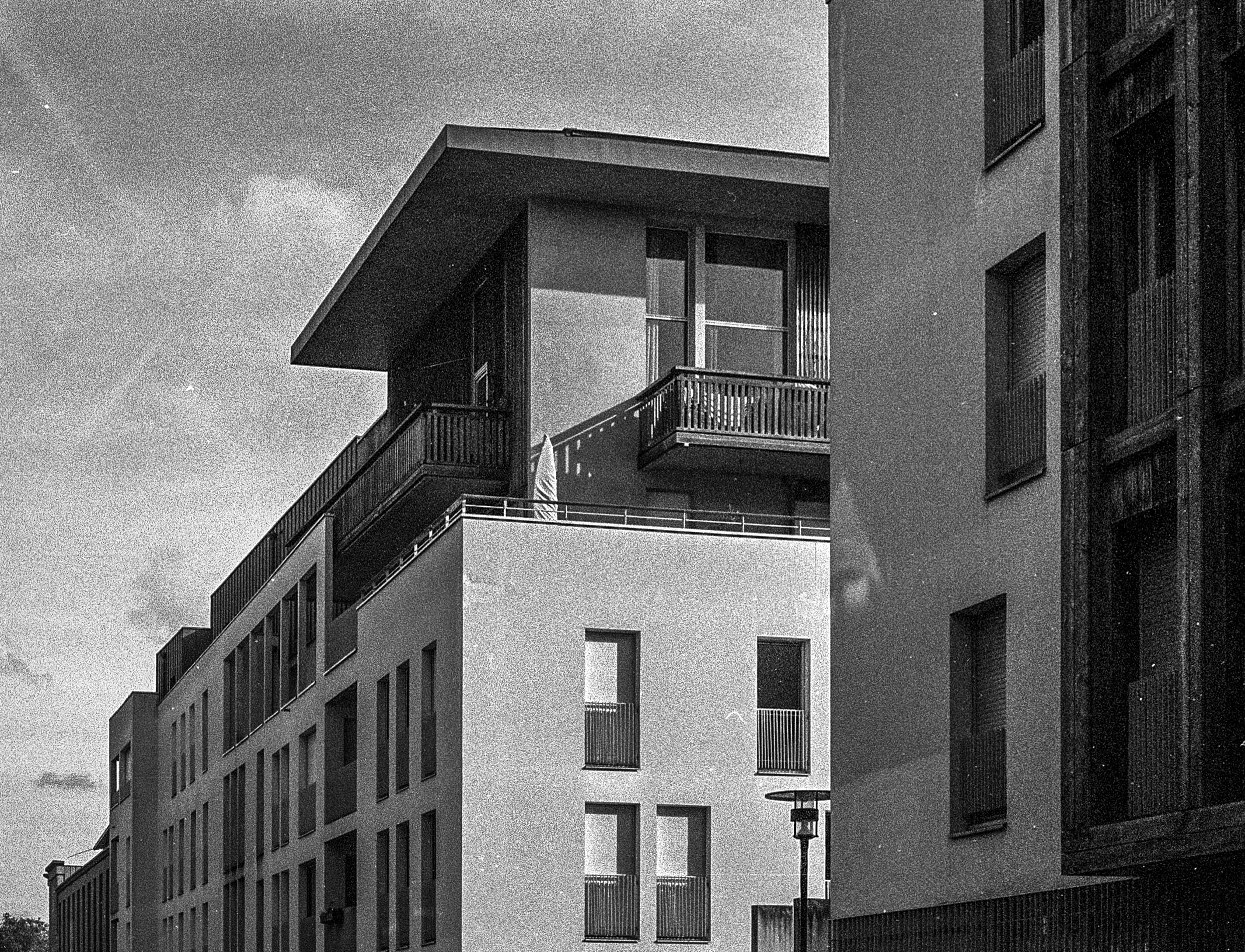
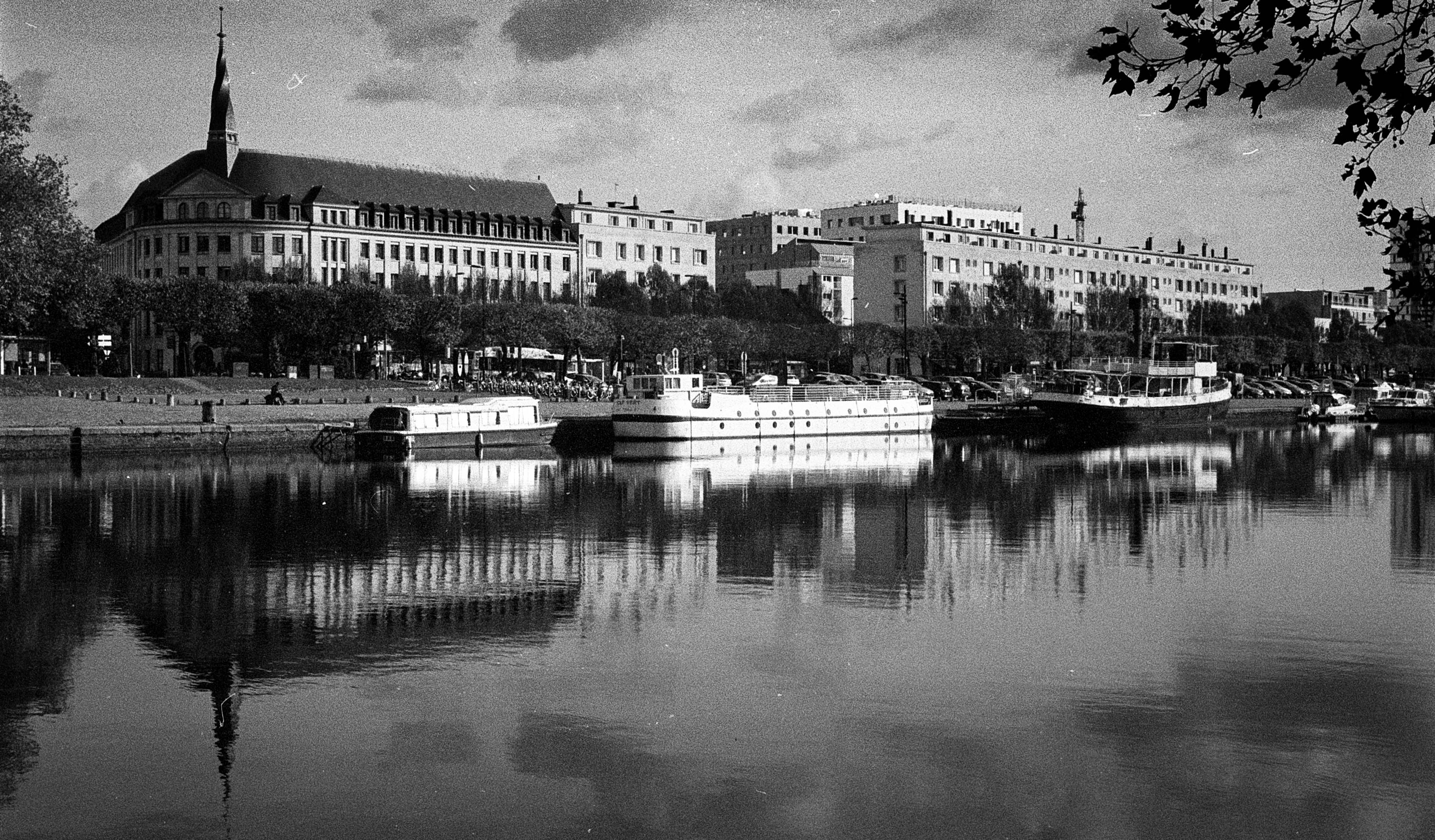
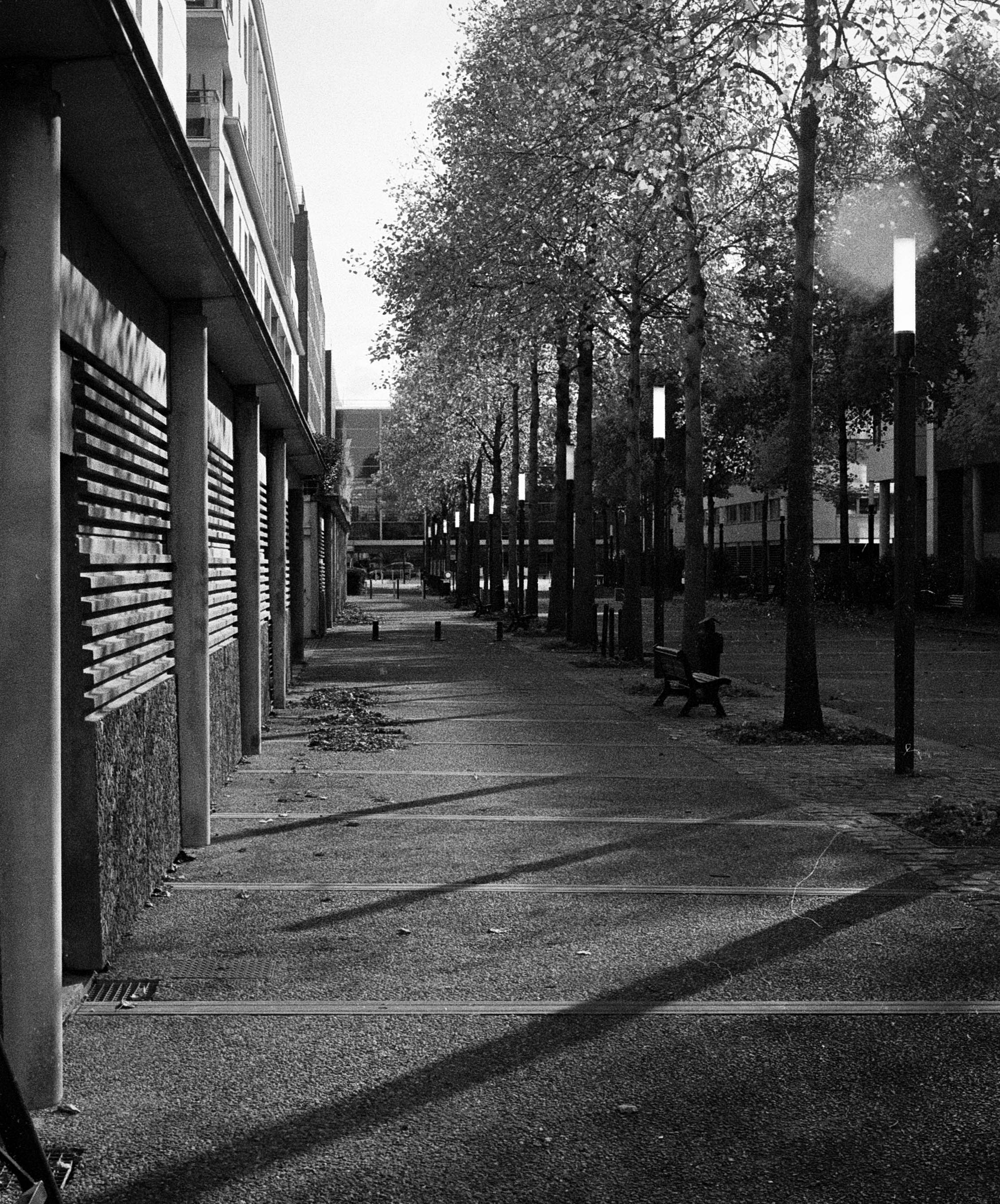
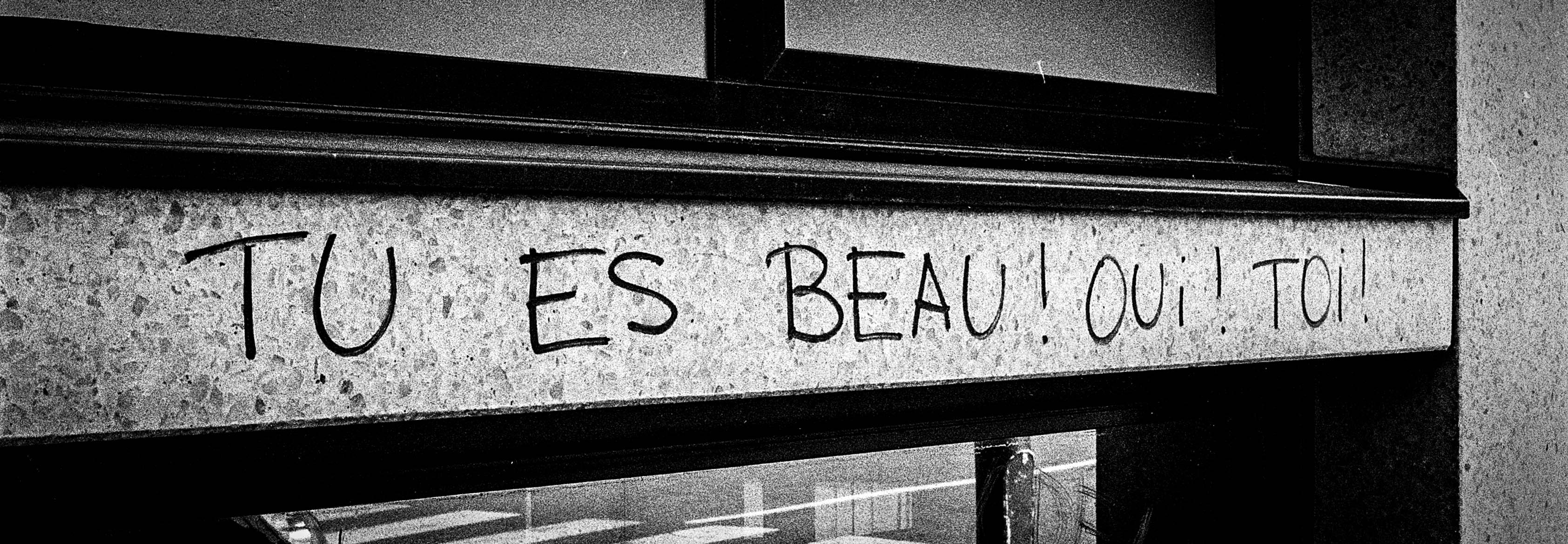
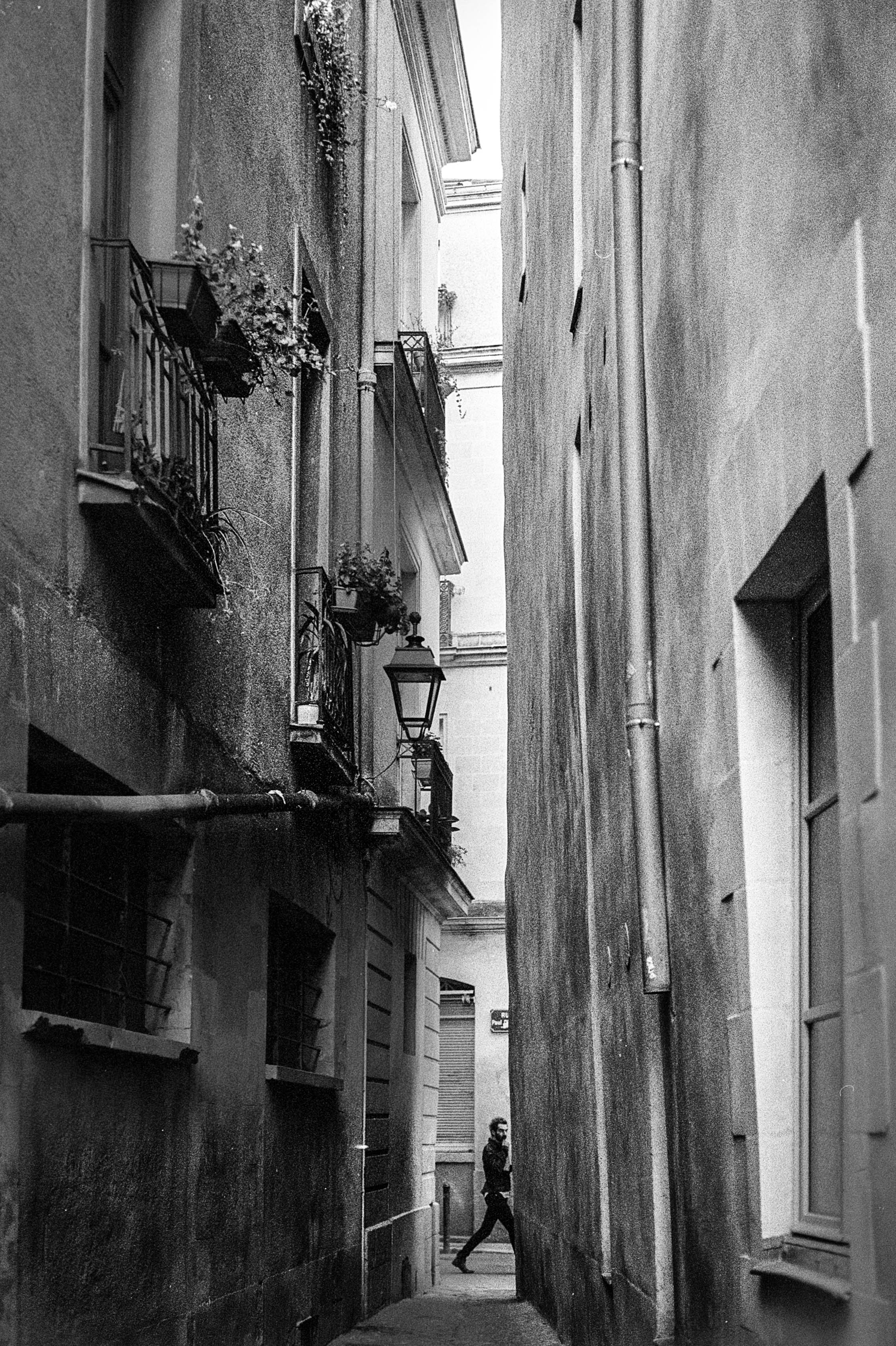
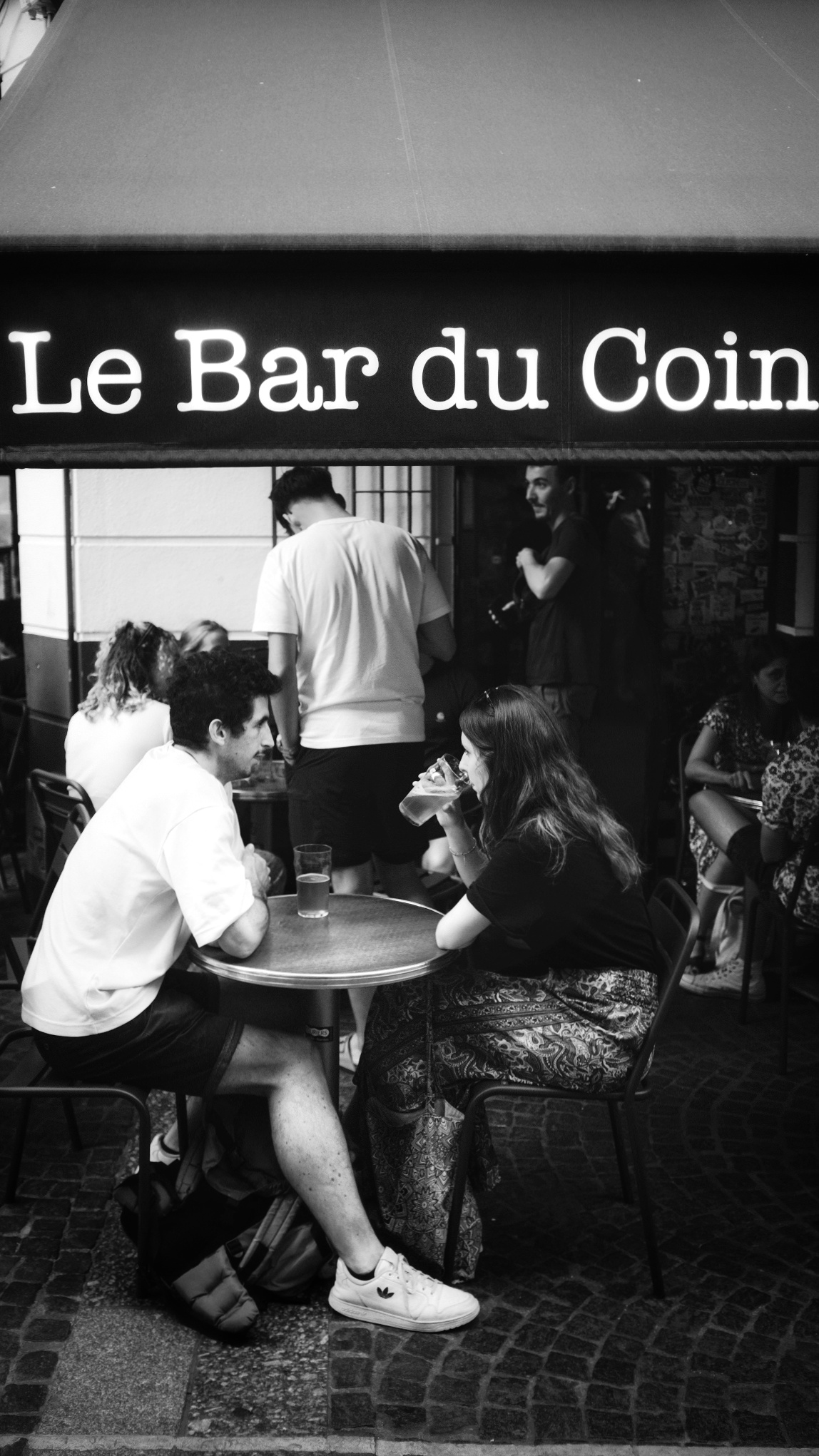
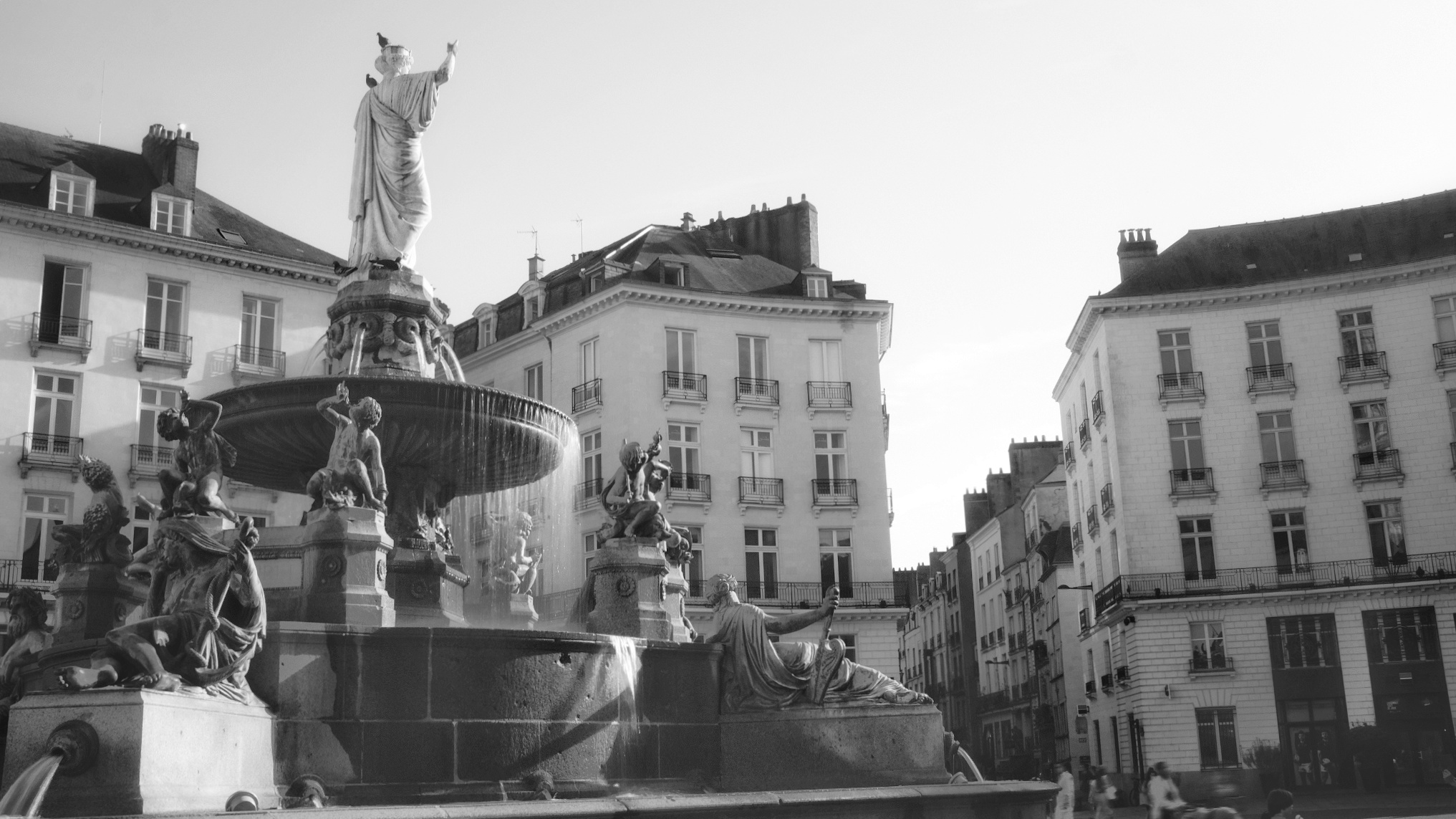
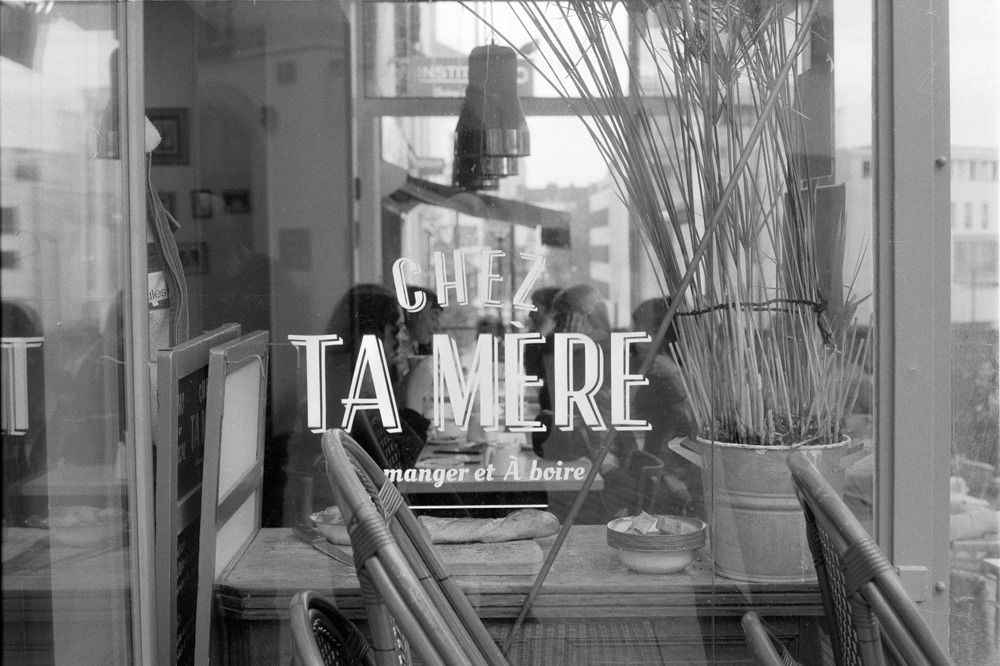
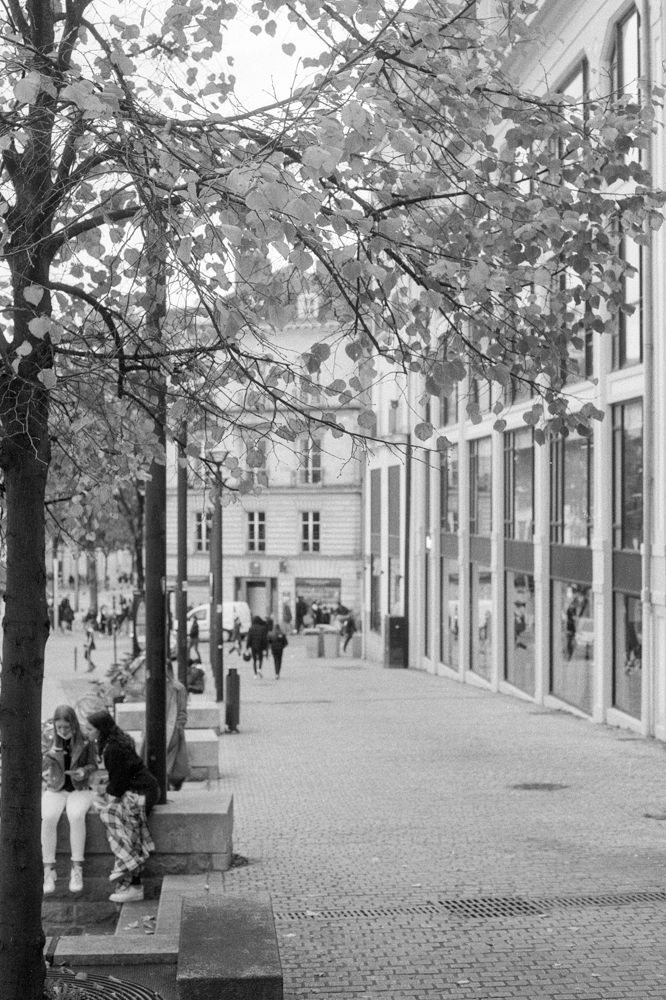
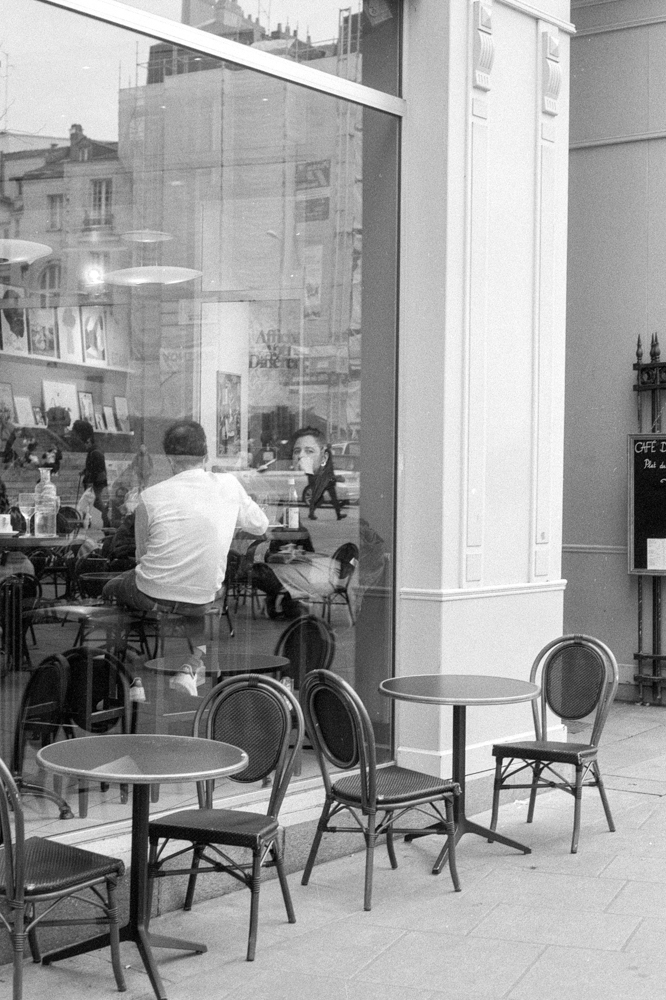
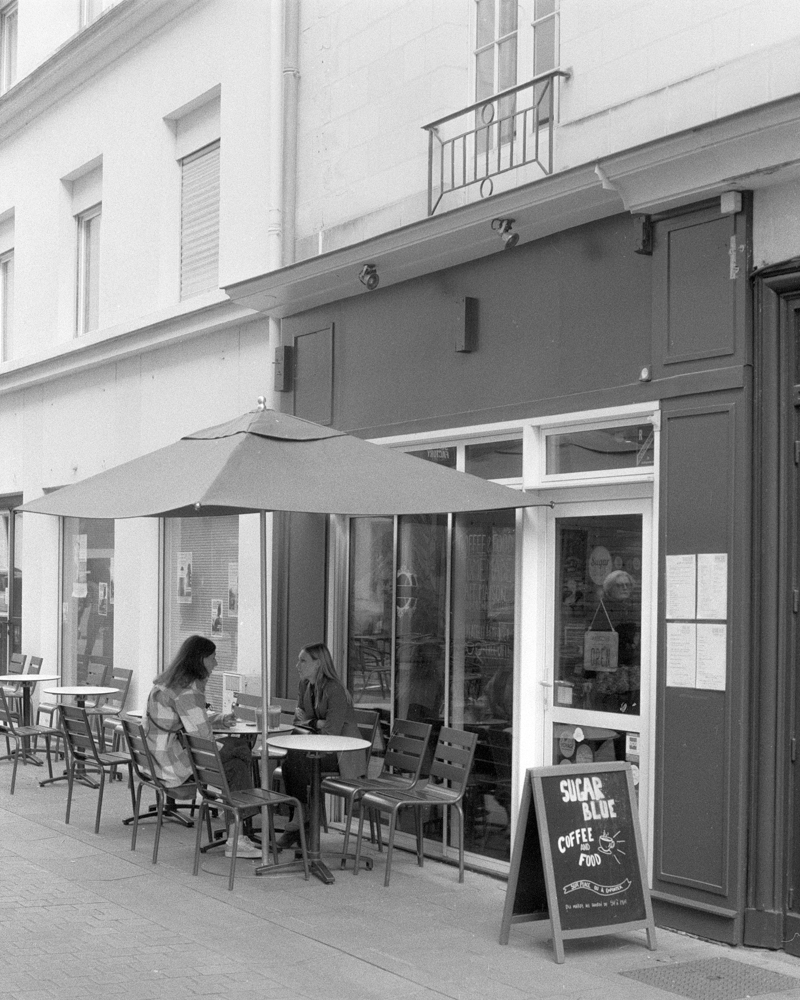
Good afternoon, Dear Reader. I’m writing this article thinking of you and wondering what to show you next in this ongoing series. The clue is in the title: Canon AE1 Street Photography in the streets of Nantes.

I know you have the eyes of a hawk who never miss a trick because your vision is so sharp. You might even have scrolled down to the photos already, and your eagle eyes will have noticed that this isn’t the usual area I visit on these outings. And, of course, you’d be right!

Yes, I still parked in the Feydeau car park but crossed the road to the south, heading along Baco-Lu, past the Tour Lu (sans “t”), towards the St Felix Canal, and then back into town… Some of the places no longer exist or have changed hands, but you would still recognise them even today.

I think that with these photographs, I’m getting closer to what some might call “proper” or “traditional” street photography. The images have a certain gritty quality to them, including the people in the shots. This was something I was actively aiming for. Maybe it’s the grain—something I don’t get with the X100F—that helped bring this about. Or could it be the people, whose presence seems to reveal the stories behind them? Whatever it is, I felt that this was a very good day.

I think I may have shared with you that I’m going to China this Christmas on tour with the orchestra I play for. I’m still undecided about which camera to take and wondering if I should bring a film camera along. With the X100F, I’ve become so accustomed to the 35mm lens, while my film cameras only have 50mm lenses to work with. Reviewing these older images may help me make up my mind. It’s going to be an epic trip, and I want to be sure of the kinds of images I’ll be able to capture.

As much as I’d love the flexibility to hop in the car and retake a shot if needed, this trip to China will be different. I’ll need to trust my choices and embrace the moment as it unfolds—something that feels both exciting and a little daunting. But that’s the beauty of photography, isn’t it? The challenge of capturing fleeting moments, knowing they might never come around again. So, whatever I decide, I know the experience will be unforgettable.

While the anticipation of the China photos may be killing you, I know you’ll be patient, whatever I decide to use. Rest assured, those photos will capture the spirit of the trip. Only two and a half weeks before I start my travels…

A Photography Philosophy Series – Part I – An Introduction


With the aim of delving deeper into the meaning behind photography, I’ve decided to launch a new series of articles. Here, I want to explore questions like why rather than just how or with what. In my Photography 101 series, we looked at the basics—technique, lenses, and so on. I’ve written extensively about gear in my camera reviews. But now, I’m searching for something beyond that.

The wheels in my mind are already beginning to turn. Not frenetically yet, but there’s a steady intellectual process underway. Answering “why” feels more challenging than “how” or “with what.” It demands more from me than simply focusing on technique or gear.

Here goes anyway!

To set the stage for this exploration, I’ll begin by sharing my own journey in photography. Understanding where I come from may help illuminate my perspective on the medium.

I was born in an age before the all-powerful image took over. Yes, we had photos, and I enjoyed looking through them in our albums. Each image was a physical object, and the idea of viewing images on a screen was foreign to us all. When we spoke of phones, we meant the ones hanging on the wall at home or in the phone boxes on the street. They certainly weren’t for taking photographs.

Back then, cameras fell into two categories: point-and-shoot cameras for the masses and “proper” cameras for photographers. Point-and-shoots were basic, easy to use, and, for me as a small child, they were an introduction to photography. Proper cameras, on the other hand, were for those who had learned the craft of photography, and using one made you feel part of a certain fraternity.

My first Form Master at prep school, Father Gerald, had a proper camera and recorded school life with it. Occasionally, a board with a selection of 6-by-4-inch photos would appear, always in black and white. Father Gerald must have had his own darkroom for developing and printing. I have no idea what kind of camera he used, but it was undoubtedly a proper one.

In 1984, a German orchestra visited Hull, and Stefan Haller from Neustadt an der Aisch stayed with us. Stefan had a proper camera, and I was fascinated by it. When I asked my father if I could have one too, he agreed—but I would have to learn how to use it first. The local YPI organized a summer school offering various activities, including proper photography. And that, Dear Reader, is how I first encountered this “proper photography” lark!

So now you know the why and how behind my beginnings in photography. Let’s look at how this journey evolved. My first proper camera was a Praktica MTL 3. It was fully manual and had a built-in light meter, which helped me get my exposure right each time—or nearly each time. With that camera, I trained my eye and explored the world around me.

Photography at the time was film photography. Although Kodak invented the digital camera in 1979, digital photography didn’t become accessible until the early 21st century. Growing up, color photography was for capturing moments with friends and having a laugh; black and white was considered more “arty” and suited for serious photography. I was deeply affected by the black-and-white images in newspapers, while color images seemed relegated to magazines.

I remember having breakfast with my father every morning as he read The Independent, a paper known for its high standard of photographic journalism. This was my daily visual inspiration. I had a subscription to National Geographic, where I encountered even more incredible photography in its pages. This was top-class photojournalism, and these images now serve as a historical reference for us all.

This is the time and place I come from. For young Gen Z readers, it might sound like ancient history, but to me, it’s deeply real and continues to influence my approach to photography in the digital age.

Now that you’ve had a glimpse into my why, let’s dive deeper. In the next article, we’ll look at why others feel compelled to pick up a camera. Throughout the series, we’ll explore the connections between images and emotions, how we tell stories through our photos, and how photography can be a form of self-expression leading to personal growth. We’ll examine how photography connects us to others, reflect on the philosophy of impermanence, and, at the end of the series, I’ll invite you, Dear Reader, to reflect on your own photographic journey…

The Art of Visual Note-Taking in Photography: Lessons from a Reflective Portrait


A Glimpse into Visual Note-Taking

Photography is more than just capturing perfect portfolio shots. It’s a journey of exploration, experimentation, and personal growth. In this article, we’ll delve into the world of visual note-taking with your camera, drawing inspiration from a poignant black and white portrait capturing a moment shared between a father and his son.

The photograph that serves as our muse in this exploration is a black and white portrait taken within the confines of an elevator. It’s a seemingly ordinary setting, yet it holds within it the essence of visual note-taking. In the center of the frame, my son stands, gazing intently into the elevator’s mirror.

This image isn’t just about following the rule of thirds, although it does so with remarkable precision. What truly sets it apart is the subtle yet profoundly impactful detail: my own reflection, almost ethereal, lingers in the mirror behind my son. It’s a moment frozen in time, a visual note that encapsulates a father’s perspective and a son’s curiosity.

Lessons Learned Through the Lens

This visual note, seemingly unassuming, has been a source of profound lessons in my photographic journey:

1. The Dance of Composition: The deliberate use of the rule of thirds here isn’t just about aesthetics; it’s about orchestrating a visual symphony. The composition invites viewers to explore the depths of the image, guiding their eyes from my son’s contemplative gaze to the faint presence of my reflection. It’s a testament to the power of composition in storytelling.

2. The Narrative Thread: Photography is storytelling with light, and this image narrates a journey. It’s not merely a reflection in a mirror; it’s a snapshot of our journey from the subterranean depths of an underground carpark to the bustling life of the city streets above. It captures the transient nature of existence, reminding us that every moment is a story waiting to be told.

3. The Reflective Element: The mirror within the elevator introduces an intriguing layer of reflection and perspective. It turns an ordinary scene into a canvas for creativity, showcasing the hidden depths within seemingly confined spaces. It’s a reminder that as photographers, we should always be attuned to the opportunities around us, even in the most mundane settings.

4. Emotion Unveiled: Portraits are vessels of emotion and connection. My son’s expression, captured in this visual note, reflects a myriad of feelings—contemplation, curiosity, or perhaps a touch of wonder. These emotions breathe life into the photograph, making it relatable and evocative.

The Journey Continues

This visual note is more than just a photograph; it’s a reflection of my evolving perspective as a photographer and a father. It’s a testament to the idea that within the ordinary, we can find the extraordinary. It speaks to the profound lessons we can draw from visual note-taking in photography.

As you embark on your own photographic journey, remember that each click of the shutter is a note in the symphony of your experience. Visual notes may not always be destined for your portfolio, but they are the heartbeats of your creative exploration. They are reminders of where you’ve been and stepping stones to where you’re going.

Capture the journey, one visual note at a time. Your next revelation may be just a click away.

The following photos, or should I say visual notes, we’re taken over two September Saturdays with my Fujifilm X100f. What did you take away from these visual notes?

Canon AE-1 Program – A Classic Film Camera for Timeless Photography


The Canon AE-1 Program is a timeless gem that continues to captivate photographers and film enthusiasts alike. As a classic film camera first introduced in 1981, it effortlessly combines automatic and manual features, making it an excellent choice for both beginners and experienced photographers.

Automatic and Manual Controls

One of the standout features of the Canon AE-1 Program is its versatility in handling exposure. For those new to film photography, the program mode automatically sets both the shutter speed and aperture, allowing them to focus solely on composition and creativity. It takes the technical complexities out of the equation, delivering stunning results with ease.

However, for those who crave creative control, the AE-1 Program offers manual settings as well. With the freedom to adjust shutter speed and aperture manually, photographers can explore their artistic vision and experiment with different effects. The inclusion of shutter priority mode and bulb mode for long exposure photography adds even more possibilities for artistic expression.

Build and Design

The camera’s solid metal body exudes durability and reliability, ensuring that it can withstand the test of time. Its sturdiness makes it a trustworthy companion on any photographic journey. Handling the AE-1 Program instills a sense of nostalgia and craftsmanship that modern digital cameras often struggle to replicate.

The bright and clear viewfinder with a split-image prism aids accurate focusing, enhancing the overall shooting experience. Moreover, the hot shoe for attaching external flashes and the self-timer feature further contribute to the camera’s versatility.
Technical Details

  • 35mm SLR film camera
  • Program mode, shutter priority mode, manual mode
  • Metal body for durability
  • Bright and clear viewfinder with split-image prism
  • Hot shoe for flash attachment
  • Self-timer for group shots and self-portraits
  • ISO range: 12-1600
  • Shutter speeds: 1/1000 to 30 seconds
  • Aperture range: f/1.2 to f/16 (depending on lens)

Pros

  1. User-Friendly Interface: Ideal for beginners and those new to film photography, the AE-1 Program’s program mode takes care of exposure details, allowing photographers to focus on creativity.
  2. Creative Freedom: With manual controls and additional shooting modes, experienced photographers can fully unleash their creativity and experiment with different photographic techniques.
  3. Timeless Design: The camera’s robust metal body exudes a sense of craftsmanship and nostalgia, making it a pleasure to handle and use.
  4. Bright Viewfinder: The clear and bright viewfinder with a split-image prism aids accurate focusing, ensuring sharp and well-composed shots.

Cons

  1. Iconic Status: As one of the most sought-after film cameras, the Canon AE-1 Program may come with a higher price tag due to its iconic status.

The Verdict

The Canon AE-1 Program stands as a testament to timeless design and reliable performance. Whether you’re new to film photography or a seasoned enthusiast, this classic camera offers a perfect balance between automatic convenience and manual creativity. Its sturdy build and user-friendly interface make it a delightful companion for any photography journey.

So, if you’re yearning to experience the charm of film photography or simply want to relive the golden era of analog cameras, the Canon AE-1 Program will undoubtedly leave you inspired and amazed by the magic of capturing moments on film.

Happy shooting!

My Personal Thoughts

Without any hesitation, I wholeheartedly recommend the AE-1 Program to all photography enthusiasts out there. Whether you’re new to the charm of film photography or an experienced shutterbug seeking a trustworthy and adaptable companion, this camera will surely delight you. “Just do it” as a certain shoemaker once said.

I’ve had the pleasure of using the AE-1 Program for quite some time now, and I must say it’s been an absolute joy. Not only does it beautifully capture those precious everyday moments, but it also allows for endless creative possibilities. One feature that I particularly appreciate is its seamless transition between automatic and manual controls, empowering me to effortlessly tailor my shooting experience.

The idea here is to give you a raw image from the film scans and show you what you can get with a minimum of fuss in Lightroom with some very basic edits. What do you think?

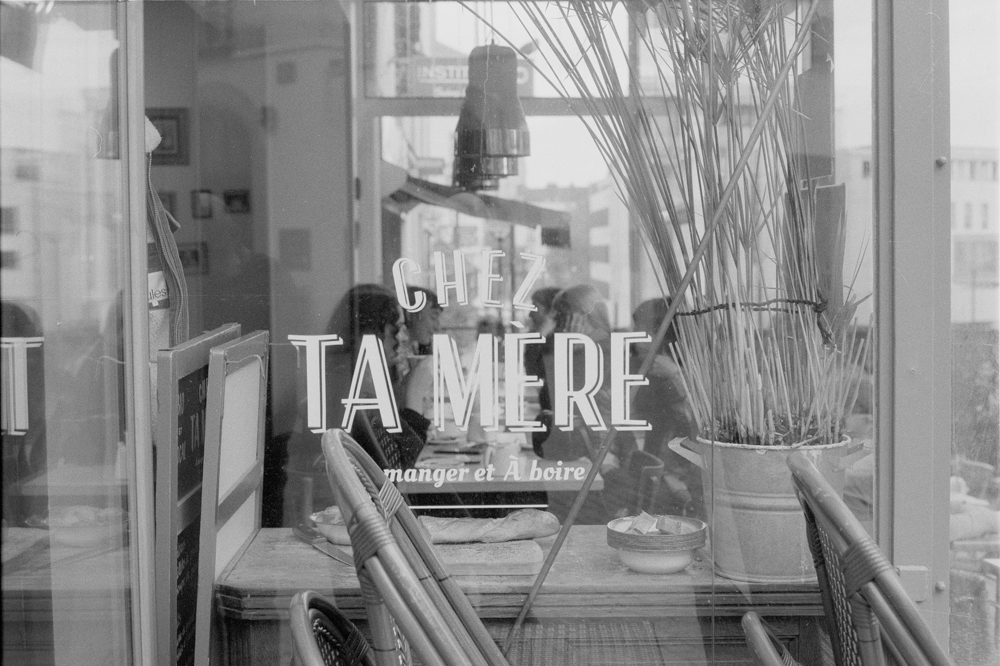
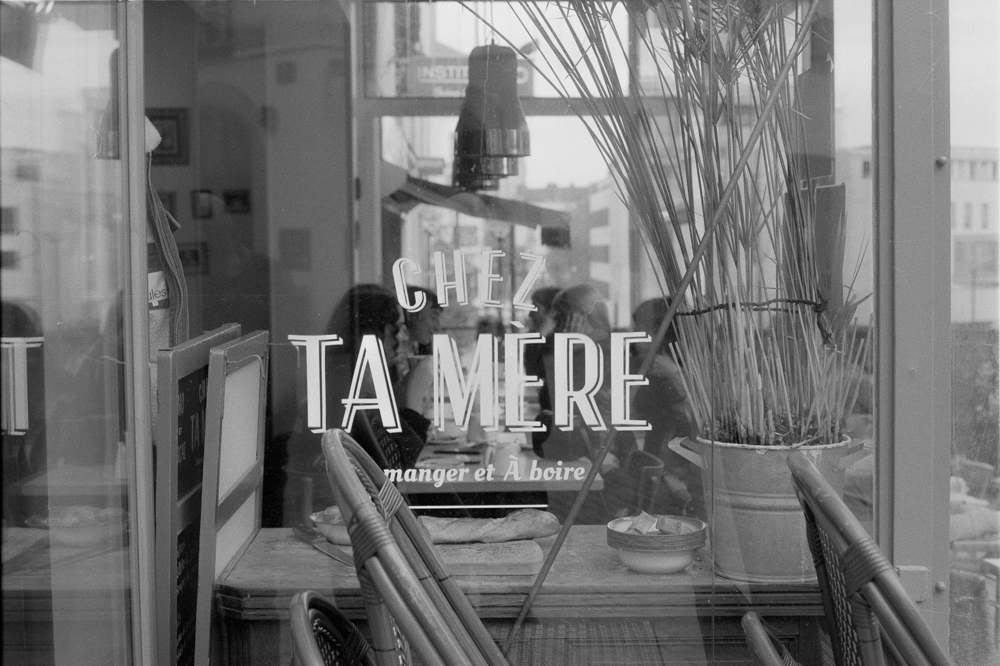
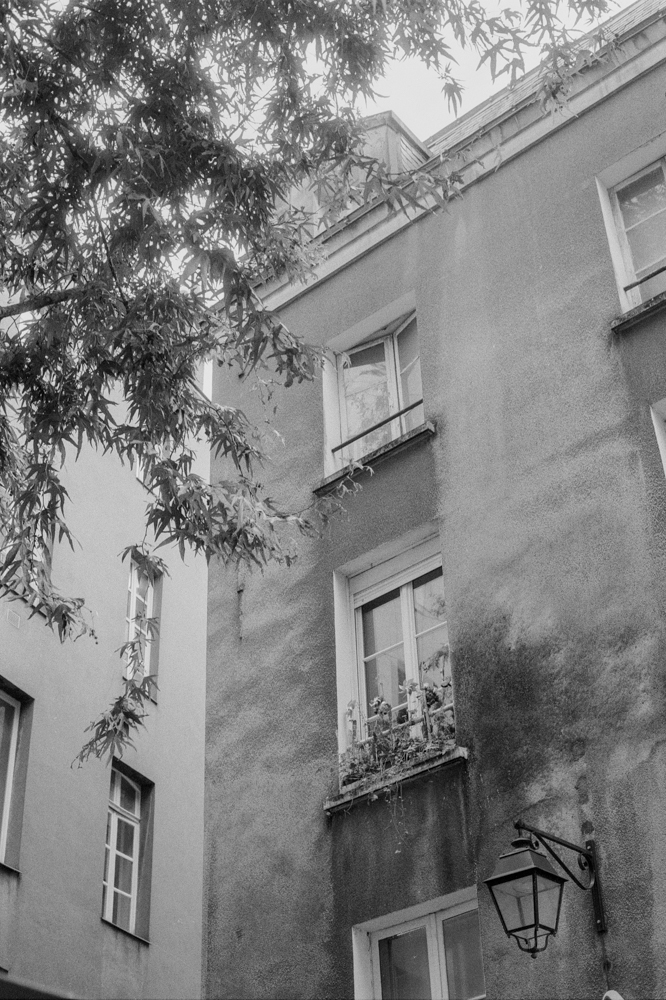
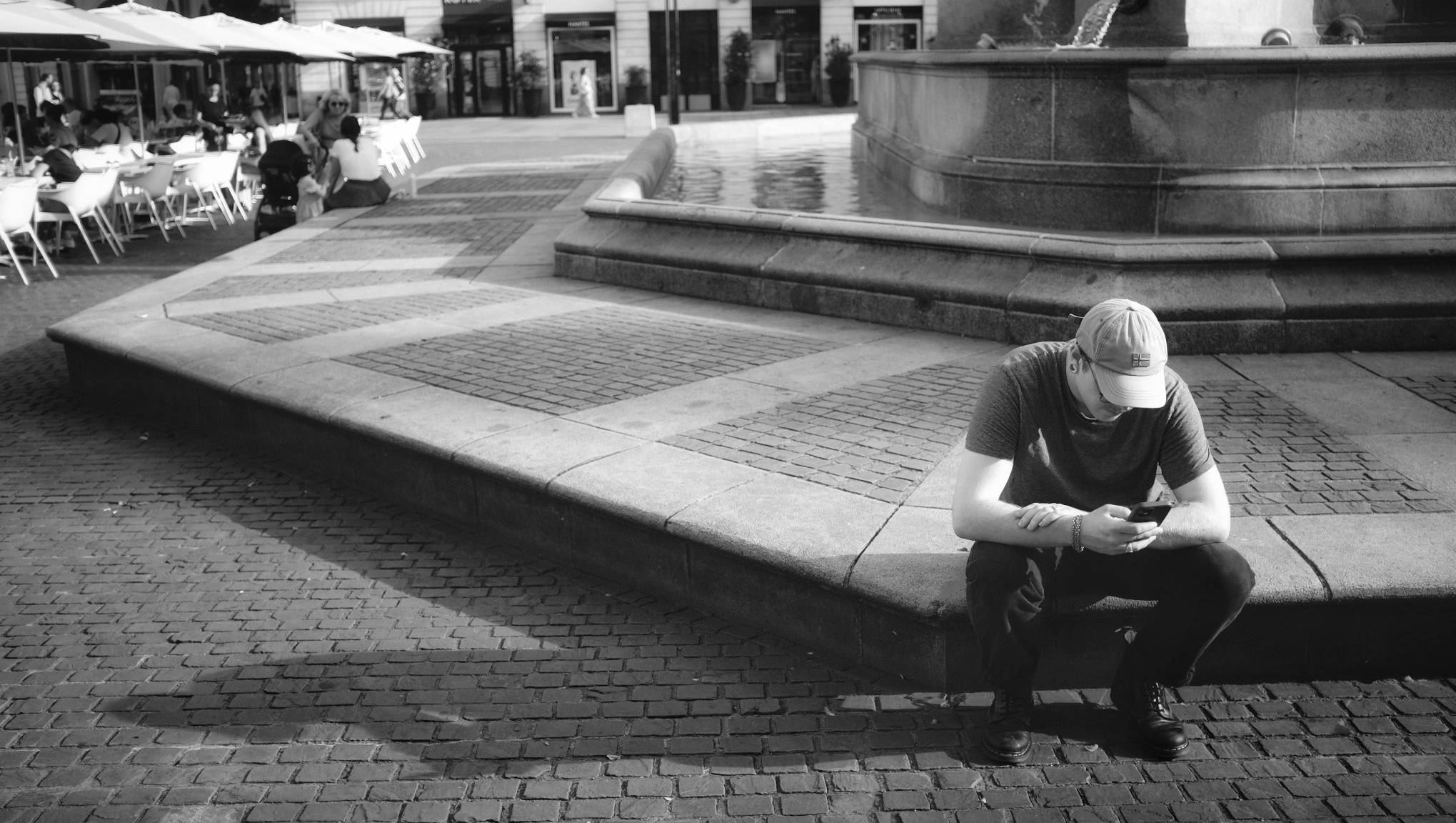
And here we go with a small selection of pictures from the last roll I developed, which are from 2022 and taken in the streets of Nantes. There will be more to come as I head back into the magical world of film photography!