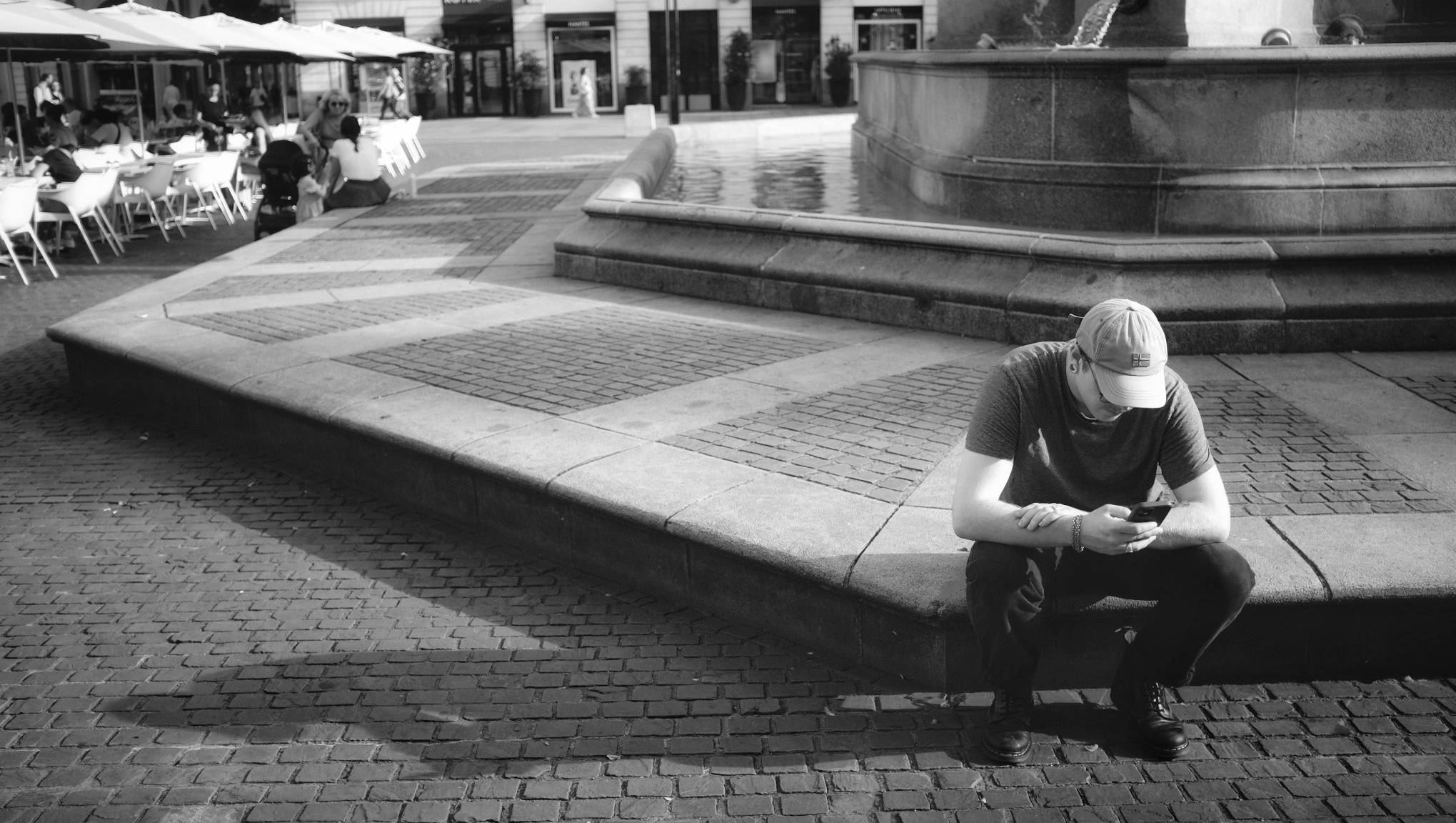
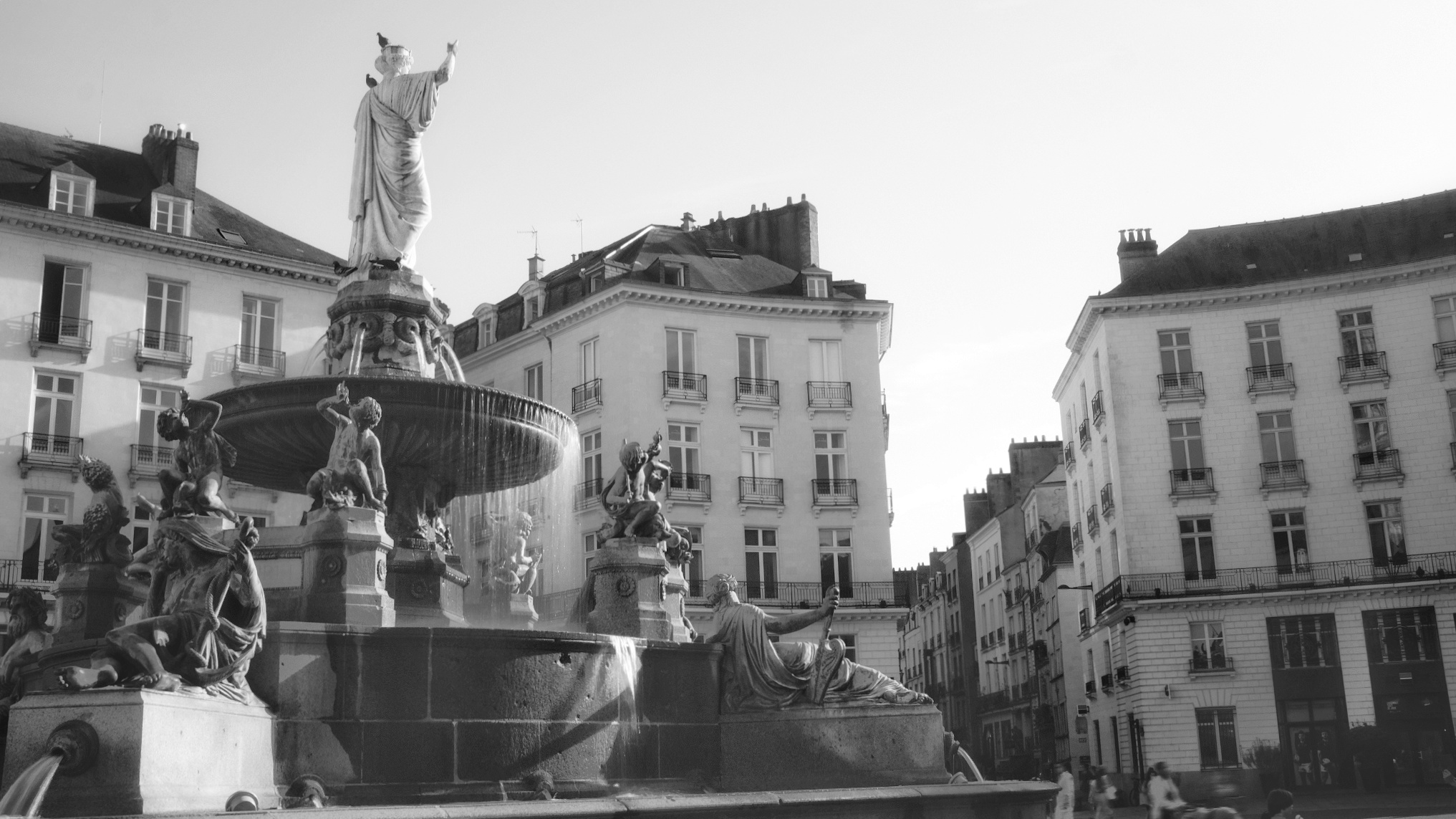
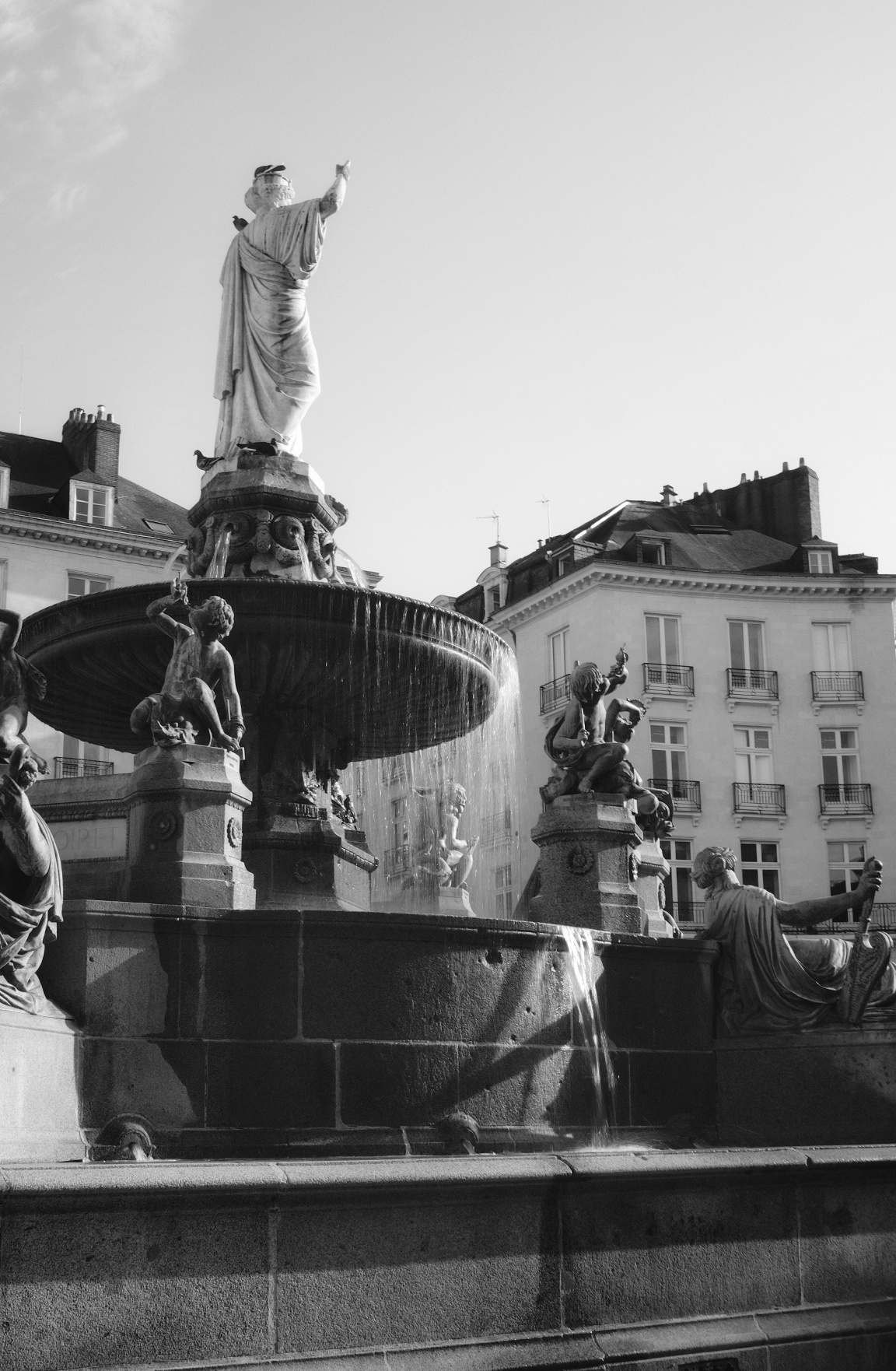
Photography Philosophy – Part VII – The Philosophy of Impermanence


Capturing Fleeting Moments

When we talk about a moment in time, that moment is no longer the present; it has become the past. We cannot repeat it, nor can we reclaim it. It has happened and will never come back. Photography is an art form that allows us to capture a specific moment and preserve it for all time. We know that it is impossible to capture exactly the same conditions in which the shot was taken. We can attempt a recreation, but it will never be identical. Time has moved on to the next moment.

As photographers, we are left with the task of capturing the present, knowing it is already slipping away. What does this mean for the way we approach our art? Will we constantly look back, regretting the passage of time, or will we, on the contrary, feel privileged to have documented it for the future?

This brings us back to the idea of preserving the decisive moment that Cartier-Bresson spoke of. Like comedy, it would appear that photography is all about timing.

When we capture that moment, we must decide how we want to portray it. Do we want to freeze the action with a very high shutter speed, or can we slow down and add a sense of movement to our image? How fleeting is the image we are trying to capture?  What will this motion add to the image?

My approach

Over time, I’ve come to appreciate these fleeting moments in time and try to document them, whether in the big city or out in the countryside with my children—especially when they play together. I want the spontaneity of it all, to capture those precious moments of complicity. As any parent knows, our children grow up before our eyes, and before we can truly realise it, they are grown up. Even when they’re not together, and I look through these past moments in time, I get an overwhelming feeling of, “Where did it all go?” My son is 25, and my daughter is 15 already.

Embracing Mistakes: A Journey to the Image

I’ll admit, I’m not one to embrace mistakes easily. I’ve always strived for precision in my photography, seeking to control every variable and meticulously plan each shot. I don’t like leaving things to chance, and so, when things don’t go as expected, there’s often a twinge of frustration. A blurred shot, an overexposed image, or a missed moment—those mistakes are a part of the process I try my hardest to avoid.

But over time, I’ve started to realise something: these mistakes, as unsettling as they may feel in the moment, are often a necessary part of the journey toward the image I’m truly after. When I reflect on the photographs I’ve captured, it’s clear that the path to the perfect shot wasn’t a straight line. It was made up of trial and error, of learning how to see the scene in front of me not just through my lens, but also through the lens of my mistakes.

It’s the misfires, the accidents, that force me to reconsider my approach, to adjust my frame or my focus. They open my eyes to perspectives I might not have considered, angles I might not have thought of, and emotions I might not have expected to capture. Each mistake teaches me something new, something that nudges me closer to that elusive, perfect image. They’re not setbacks, but rather signposts that guide me, sometimes uncomfortably, to a place where I can see the photograph with fresh eyes.

I’ve come to understand that each imperfection is part of the journey. The photograph I end up with is rarely the first shot I took, or the second, or the third. It’s the culmination of countless adjustments, failures, and moments of doubt, all leading me to the image that feels right. In the end, I realise that without those mistakes, the image I’m truly after might never have come into focus.

So while I still seek control, I’ve learned that there is value in embracing the unexpected. It’s in the mistakes, the missed moments, and the misjudgments that I find the essence of my photography. They are just as much a part of the creative process as the moments of perfection, guiding me closer to the image that speaks to me—and perhaps even to the viewer—most clearly.

Conclusion: The Beauty of the Journey

Photography, at its core, is a celebration of the fleeting moments that pass us by in the blink of an eye. The act of capturing these moments is an acknowledgement that time is forever slipping away, and in that impermanence, there is both beauty and significance. As photographers, we are tasked with documenting not just what we see, but also what we feel—the raw, unrepeatable essence of time itself.

The pursuit of the perfect image is a delicate dance between intention and spontaneity, control and surrender. It’s a journey that, more often than not, veers off the well-trodden path and into uncharted territory. Along the way, mistakes become our teachers, guiding us toward discoveries we might never have made if we had stayed within the confines of our comfort zone. These missteps, rather than being failures, are integral to the creative process, pushing us to reimagine, reframe, and reinvent our approach.

In the end, photography is about embracing the imperfection of both the world around us and our own creative efforts. It’s in the mess, the mistakes, and the fleeting nature of the moment that we often find the most powerful images. And while the perfect shot may remain elusive, it is in the journey—the trial and error, the fleeting moments, and the lessons learned—that the true beauty of photography lies.

So, as we continue to document our world, let us not only cherish the decisive moments but also embrace the imperfections that make them meaningful. For it is through the transient, the imperfect, and the unexpected that we capture not just images but stories—stories that resonate with the heart and echo the passage of time.

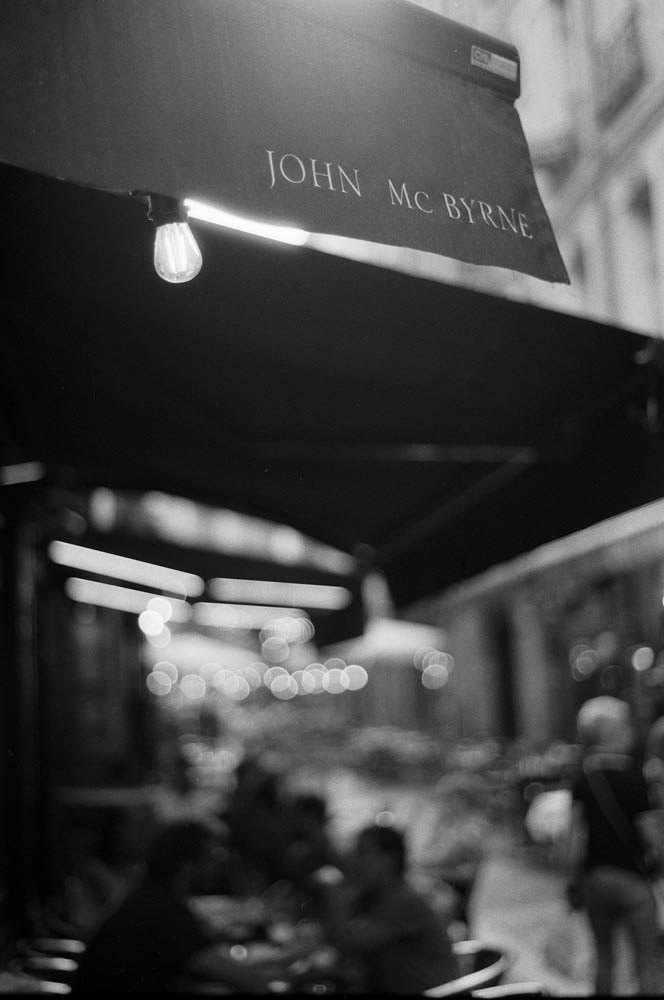
Smartphone Photography – Welcome to the Dark Side


Introduction

You might have caught on to the fact that I’m a little bit the photography enthusiast. I even have a “few” different cameras, most of which are manual film cameras, with a few digital ones thrown into the mix. Over 40 years of learning have gone into getting the results you, Dear Reader, might just have seen on this blog.

Democratisation of photography

How many times have I heard people say, “Oh, I just use my phone,” or worse, “Oh, I could just do that with the camera on my phone?” These statements can really get on my wick! Don’t they just toss aside all the work I’ve put into photography with “real cameras?”

But after a lovely cup of tea and a slice of cake, my nerves have settled, and I’ve had time to reflect on the brashness of my emotions, and come back down to earth. Yes, some people do use the camera on their phone, and maybe, just maybe, unlike the microwave in the tea-making process, it might have a role in photography. Ooooooh, haven’t I just gotten controversial!

A little historical context

Just a quick interlude to remind myself of the democratisisation of photography that came with the Box Brownie in the 1920 and the purists were up in arms! Then the shock and horror of those same purists when colour photography came out with those dastardly Kodak Instamatics, and making photography even more egalitarian. Maybe the phone is just the extension of this and I should remove my own head from my arse and just chill!

The best camera?

“The best camera is the one that’s with you.” — Chase Jarvis.

While this statement might be true in absolute terms, it pains me to admit that for most of the hoi polloi, that camera might just be the one on our ever-intrusive phone. Does that mean I’d choose my phone over a film camera? Hell no! But it does remind me that photography is about capturing the decisive moment in time. I’ve often talked about balance in the photographic process, where you might have to sacrifice grain or digital noise (grains rather disgraced cousin from an inbred family, where somebody knew somebody in the family), to get more light to expose a shot. Or where I might have to sacrifice a certain amount of bokeh, in order to use a longer lens to “bring me nearer to my subject… The eternal give and take, if you will.

I think we might just have to have a little reality check here. Will a mobile phone, or even a very smart phone with a degree in smartness from the dashing and debonair university of Smartness upon Thames, ever be as good as a film camera, or a modern DSLR, even my beloved X100F? No. Sorry if I have just pissed on your bonfire. It will not. However, does that mean that it is completely useless? Far from it.

You still have to “think!”

As an avid reader of this wonderful and thoroughly informative blog, it will not have escaped your attention that I have written a couple of articles about the fundamentals of photography.  Going from the very basics of the exposure triangle, through various rules of composition that come to us from the world of traditional art, and that have been transferred to photography.  You will have found out and learnt about various lenses available for various cameras, and I have even touched upon the differences between medium format and 35mm film photography.  I talked about the advice given for digital as well as film photography.  I’ll let you into a secret, “It’s just as valid for smartphone photography!

Yes, I’ve said it.  If you put in as much effort into getting the shot on a smartphone as you do with your “real” camera, then You will get good results.  Can you have control over every aspect of the shot?  No.  But, and it’s a big but, “so you other brothers can’t deny,” there is a lot of technology in that little device that really helps you out.

Mindful always

What I’m trying to get at is that when you mindfully take photographs, even with your phone, it is always better than just snapping away like a small dog that knows it’s small.  Just a tiny bit of effort towards composition will go a long way.  Think about framing, and where the objects are in your image.  Think about where the light is coming from.  Try and get the best image that you can.  So it’s not a Leica?  You still have your kidneys and haven’t had to sell one yet.  It might be a less formal way of taking a photograph, but I would really like you to respect yourself and put in the effort to take your phone photography beyond the bare minimum.

Conclusion

It would appear that smartphone despite my frist misgivings is here to stay. It is a logical progression of the democratisation of this art. I have been asked to contribute to the website Monochromia, and one of my future colleagues reminded me that one of their contributors uses only his Iphone, and has received all kinds of accolades and has been the subject of numerous Expositions. I have seen his work and it is clear that he is a most mindful photographer, and the only thing that separates us are the tools we use to capture the image. I must not be such a photgraphy snob and so dismissive.

What’s next

I might just have to go further into this subject and talk about editing images on your phone and giving you ways of sharing your images if you so wish.  Maybe even some tips to help you get the results you want.  I will talk about the features of the phone camera, how the AI within can help you not just in photography, but also in video production.  Stick around to find out more!

Prime vs Zoom Lenses: Choosing the Right Lens for Your Photography


Good evening Dear Reader.  We’re back delving  into another series of articles where I will talk shop.  Mother, if that doesn’t interest you then consider yourself warned.  I will, as the title of this article suggests, be talking about the differences between zoom and prime lenses.  I too, many moons ago, was a beginner photographer, and just starting out with a Praktica MTL3, with a 50mm F1.8 lens, and a Helios 135mm F2.8 lens.  An SLR because in 1987 a DSLR did not exist.   This was my first lot of “gear.” That was then and this is now.  2024.  When buying a “starter” camera, “they” will try and flog you, or offer in a bundle what has become known as the ubiquitous “kit lens.”  Otherwise you will be gazing upon a “huge” array of lenses with some “huge” prices to go with them.  This will generally be included in the more “accessible” range of cameras.  It certainly was for my Fuji XT2 18-55mm zoom lens (24-70mm equivalent for full frame sensor).  Don’t get me wrong, I use my 18-55 lens on my Fuji XT2 and like using it.  BUT, when I bought that camera I bought a 24mm equivalent prime lens for it.

This raises the question about what is a prime lens and what is a zoom lens.  A prime lens is a lens that has a fixed focal length.  A zoom lens allows you to vary this focal length and “zoom” in and out.

Advantages of Prime Lenses

Superior Image Quality

You will generally find that you can obtain a “sharper” image with a prime.  Some of the older lenses and ones that we used in film photography are slightly softer, but we were fine about it then, and this quest for modern sharpness seems to have become more important.  In digital photography, this new and thoroughly modern technology will lead to less distortion, and chromatic aberration, which is indeed an aberration where you might get a blueish outline around the subjects in your shots.

Wide Aperture Capabilities

I touched on the concept of aperture in my Photography 101 article.  The aperture is the hole that allows light to expose the film or your camera sensor.  The larger aperture (indcicate by a smaller f number) allows two things.  More light to hit the film, therefore allowing us to shoot in lower light,  and the separation of the subject from the background by getting that “creamy” bokeh beloved by so many of us. 

Compactness and Portability

The “average” prime lens is more “compact” than the average zoom lens.  Effect number one of this is that you can fit more primes into your camera bag and it will probably be lighter.  Think about what I said in my street photography article.  A camera with a smaller lens is also less threatening than having a massive thing thrust in your face.  Being less threatening is always good, and makes the photographic experience more pleasant for everyone.

Creativity and Artistic Expression

When using primes every shot becomes more deliberate.  The choice of which prime to use becomes more important.  You “zoom” with your feet and not with the lens. I have talked about this mindfulness in my photography tutorial series.   

Advantages of Zoom Lenses

First of all we have to talk about what a zoom lens is.  Well, it’s a lens that allows you to zoom.  Sorry about that, I couldn’t help myself. On a more serious note, it is a lens which glides through a series of focal lengths on the same lens.  I have three zooms for my DSLR, a 16-35mm f4, a 24-70mm f4, and a 70-300 f4 – f5.6, and the 18-55mm (24-70 full frame equivalent) kit lens for my Fuji XT2. With three lenses I am covered from 16mm to 300mm, which for me is a big deal.  My 16-35mm has me covered for wide angled vistas of the Place Cambronne in Nantes, and those distorted obligatory bike shots, to general street photography.  My 24-70 f4 even has a macro function offering me even more versatility.  I would class it as my events lens and can double for street photography, and even street portraits.  It’s a veritable work horse of a lens and was what I used when I talked about spring.  My 70-300 lens is for when I can’t get near enough to my subject without spooking it, be that my children messing around next to the river, or taking shots of cormorants sunbathing on the river Erdre in Nantes.

Convenience and Ease of Use

In my previous paragraph I talked about the different focal lengths that I have with each zoom lens.  At the moment in my camera bag I have my Fuji X100F and its 35mm equivalent f2 lens and my Canon 6D Mark II and my 24-70mm f4 lens.  It means carrying less equipment and being prepared for a variety of shots when on the streets or taking photos for my work.  It also provides for less “faffing about” which is something I love to avoid in general, unless I am prepared mentally and ready for it.

All-in-one Solution

Instead of having a different lens for each situation, I have a solution in my bag that allows me to adapt.  Why buy three lenses when I can have a multitude of possibilities with just one lens?  They might seem expensive, but when you are not a professional, cost is something that has to be taken into account, otherwise you have to be very good at communication with your spouse justifying all these purchases.  Happy wife, Happy life.  Happy Husband, we’ll see about that!

Image Stabilisation

In the last paragraph, I talked about stable marital life, and on my zooms I have image stabilisation, which will allow me a more stable shooting of an image.  In the Photography 101 article I talked about having an exposition of nothing lower than the focal length.  IE with a 50mm lens I should not shoot lower than a 50th of a second to avoid camera shake and therefore a sharper image.  This stabilisation offers me about 4 stops extra to play with, be that having a longer shutter speed, or having a larger aperture and therefore getting more in focus in my image.  

Conclusion

I have talked about how this photography lark is all about give and take.  This is so true in the exposition triangle where everything is a question of balance, but also true in the case of lens choice.  Some will be more expensive but give you more control, and others will offer you more ease of use and versatility. You are the one who ultimately has to decide on what camera gear you need (more than want).  What is most important to you?  How will the lens help you?  What is your budget?  

When all these questions are answered honestly then you will be well on the way to having the kit you need, to do the type of photography that you want to do.  

What would I advise a novice for their first acquisition?  I would say the nifty fifty.  The 50mm is closest to what the eye sees.  This prime generally offers an opening of F1.8 which gives you that sexy bokeh.  

Ultimately the choice is yours alone.  But this simple guide may help you reflect and question yourself and allow you to make a deliberate well thought out decision.  The most important thing is to get out there with your camera, start making memories and training that beautiful eye of yours!

Frame It Right: The Art of Composition in Photography Part IV


In my previous articles, we’ve embarked on a journey to understand the basics in photography. I have talked about exposure, set out some of the “rules” of composition, and even delved into the world of colour theory. Today, I’d like to introduce you to the rule of odds and the rules of space, two fundamental elements that will take your photography to the next level.

Before we talk about these new concepts, let me reiterate the importance of building a solid foundation. Just as we did with framing, negative space, and colour theory, it’s crucial to master each concept before moving on to the next. Take your time to learn and apply these principles in your photography journey. The other four articles will stay up, and you can read them at your leisure.

The Rule of Odds in Photography

The rule of odds is a composition guideline that suggests using an odd number of subjects or elements in your frame, typically three or five, rather than even numbers. Why? Because odd numbers tend to create a more balanced and visually pleasing composition.

When you use the rule of odds, you create a natural focal point within your photograph. Our eyes are drawn to the centre subject, and the uneven arrangement adds a sense of harmony and intrigue to the image. The result? A more captivating and dynamic photo that engages your viewers. It’s all about balance.


Rules of Space: Balance and Direction

Now, let’s look at the rules of space. This concept involves how you position elements and subjects within your frame to achieve balance and direct the viewer’s gaze. It leaves space for the subject and can be used in multiple ways as a storytelling tool. It can also be used in conjunction with the other composition techniques that I have talked about in my previous articles.

Tips

Think outside the frame. What is going on outside the frame becomes as important as what is oing on inside the frame. Let’ take the picture of the guitarist. Who is he looking at? What’s going on outside the frame? Is there an audience? Where is the audience? Using rules of space the viewer will more curious and be more engaged in the photo.

Conclusion

One can talk about composition and the effect it has on photography till the cow come home. People will always bring up “composition” and will always tell you how “they” would have done it differently. In these four articles you will now know what they are talking about and be able to decide for yourself. In absolute terms, “your” photographs are about what “you” saw, and only “you” can see that. But keep the rules that we have discussed in the back of your mind, and take your photograph with purpose and being conscious about what you are doing. Mindfulness is the key.

My next article will talk about the differences between 35mm film photography and medium format photography. For film enthusiasts or anyone else who is curious you will be entering into a new world. There are, of course, trade offs between each format, and we will discover them. Maybe you’ll be bitten by the Medium Format bug too… As always Dear Reader, I appreciate your enthusiasm, and I look forward to our next exploration together. Until then, happy shooting!

Frame It Right: The Art of Composition in Photography Part II


In my last article, we talked about three of the rules of composition, rule of thirds, leading lines, and symmetry.  We talked about the origins in classical art, as well of how to use them in our photography.  We also explored the implementation of these rules “or guides” and how we should practice each one, master it, and then move on to the next one.  You will still have your photos for the “Gram,” but more importantly, you will be growing as a photographer, gaining experience, and building a body of work.  You will, by definition start becoming more deliberate in capturing your shots, and will be more mindful than somebody just shooting blindly and praying that they get at least on shot!

In this article we will continue to explore certain concepts that be used to make our photographs even more engaging and interesting.  We will explore framing, i.e. using frames with in frames, and the use of negative space, used to isolate of emphasize our subject, and go minimalist.

Framing

When I say the word framing, I’m not talking about the gilded golden frame that you will use to frame your photography to give as gifts to your mother-in-law, but using visual frames inside your image to “frame” your subject…

These examples illustrate how framing can be a powerful tool in photography, guiding the viewer into the image and providing depth and context to the subject or scene being captured. A technique that can make your photos more engaging and immersive.  You can use trees, windows, element on the ground, buildings.  Go out and explore the world around you and try and “frame” your shots.

Negative space

Negative space is the space that surrounds our subject, this empty space or unoccupied space is almost as important as the subject itself.  It’s role is to create balance in the image and adds to the importance of the subject.

Key points

This negative “space” around the subject gives the subject room to breath, and takes away the clutter so we can concentrate on our subject.  It emphasizes the subject and leaves no doubt where the subject is to be found.  For those of you who want a “minimalist” approach to photography, it is one of the best ways to do this.  Less is more after all.  Think of simplicity, tranquillity, and elegance.  It can be used to create mood and atmosphere, and in landscape photography can portray ideas of solitude or freedom.  Think of a vast empty sky and rolling hills.  Negative space doesn’t have to be completely devoid of detail. It can be an area of uniform colour or texture that complements the subject and adds visual interest, or we can use depth of field to emphasize our subject

When using negative space, it’s essential to pay attention to the balance between the subject and the surrounding empty areas. The goal is to create a harmonious composition where the negative space complements and enhances the subject, rather than overpowering it. This technique can lead to powerful and emotionally resonant photographs, adding depth and impact to your work.

When you look at my photos of the girl against the colourful walls in Trentemoult in Nantes, think about how placing the model on the left or right of the frame makes you feel.  Looking forwards or looking backwords… 

Colour Theory

Colour theory is not just for those trendy designers in those advertising agencies.  If you go onto my Instagram feed, you will see that most of my work is predominantly black and white.  “So no colour,” I hear you say.  Well, yes and no.  Black and white photography concentrates on tones, but we can look at colour in the same way and seek balance in our colours.  So what’s this colour wheel then?  Well, it’s a way of looking at colours that go together, like green and red (think of Christmas cards), blue and orange, yellow and purple, all these colour are opposite on the colour wheel. Also, think about complimentary colours that are next to each other on the wheel, such as yellow, light green and dark green.  You will find yourself becoming aware of colours in nature and how they complement each other.  There will be some photographs that depend on this colour for their artistic value, and that won’t work in black and white photography.

Think about the portraits in the previous section and the natural colour in the photos in the country side.

Conclusion

We’ve continued our journey into composition by exploring how to use elements in our photos to frame our subjects. We’ve delved into the concept of negative space, emphasizing our subjects in our images. To conclude, we’ve begun to consider how colour can add harmony to our compositions. My advice is to incorporate these elements into your photography one step at a time. Don’t rush; there’s no need to feel overwhelmed. It’s a lot of information to take in, but as you explore each aspect mindfully, you’ll witness an evolution in your approach. Keep up the excellent work, and I look forward to our next session where we will talk about pattern and repetition, scale and proportion, and depth and layering.

The Art of Visual Note-Taking in Photography: Lessons from a Reflective Portrait


A Glimpse into Visual Note-Taking

Photography is more than just capturing perfect portfolio shots. It’s a journey of exploration, experimentation, and personal growth. In this article, we’ll delve into the world of visual note-taking with your camera, drawing inspiration from a poignant black and white portrait capturing a moment shared between a father and his son.

The photograph that serves as our muse in this exploration is a black and white portrait taken within the confines of an elevator. It’s a seemingly ordinary setting, yet it holds within it the essence of visual note-taking. In the center of the frame, my son stands, gazing intently into the elevator’s mirror.

This image isn’t just about following the rule of thirds, although it does so with remarkable precision. What truly sets it apart is the subtle yet profoundly impactful detail: my own reflection, almost ethereal, lingers in the mirror behind my son. It’s a moment frozen in time, a visual note that encapsulates a father’s perspective and a son’s curiosity.

Lessons Learned Through the Lens

This visual note, seemingly unassuming, has been a source of profound lessons in my photographic journey:

1. The Dance of Composition: The deliberate use of the rule of thirds here isn’t just about aesthetics; it’s about orchestrating a visual symphony. The composition invites viewers to explore the depths of the image, guiding their eyes from my son’s contemplative gaze to the faint presence of my reflection. It’s a testament to the power of composition in storytelling.

2. The Narrative Thread: Photography is storytelling with light, and this image narrates a journey. It’s not merely a reflection in a mirror; it’s a snapshot of our journey from the subterranean depths of an underground carpark to the bustling life of the city streets above. It captures the transient nature of existence, reminding us that every moment is a story waiting to be told.

3. The Reflective Element: The mirror within the elevator introduces an intriguing layer of reflection and perspective. It turns an ordinary scene into a canvas for creativity, showcasing the hidden depths within seemingly confined spaces. It’s a reminder that as photographers, we should always be attuned to the opportunities around us, even in the most mundane settings.

4. Emotion Unveiled: Portraits are vessels of emotion and connection. My son’s expression, captured in this visual note, reflects a myriad of feelings—contemplation, curiosity, or perhaps a touch of wonder. These emotions breathe life into the photograph, making it relatable and evocative.

The Journey Continues

This visual note is more than just a photograph; it’s a reflection of my evolving perspective as a photographer and a father. It’s a testament to the idea that within the ordinary, we can find the extraordinary. It speaks to the profound lessons we can draw from visual note-taking in photography.

As you embark on your own photographic journey, remember that each click of the shutter is a note in the symphony of your experience. Visual notes may not always be destined for your portfolio, but they are the heartbeats of your creative exploration. They are reminders of where you’ve been and stepping stones to where you’re going.

Capture the journey, one visual note at a time. Your next revelation may be just a click away.
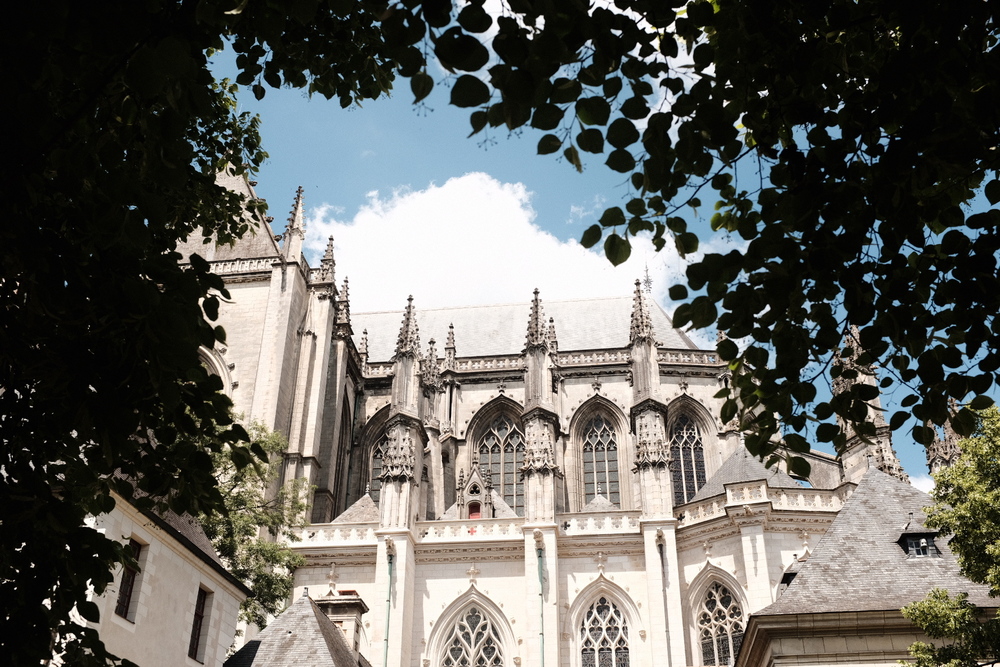
The following photos, or should I say visual notes, we’re taken over two September Saturdays with my Fujifilm X100f. What did you take away from these visual notes?