Photography Philosophy – Part VII – The Philosophy of Impermanence


Capturing Fleeting Moments

When we talk about a moment in time, that moment is no longer the present; it has become the past. We cannot repeat it, nor can we reclaim it. It has happened and will never come back. Photography is an art form that allows us to capture a specific moment and preserve it for all time. We know that it is impossible to capture exactly the same conditions in which the shot was taken. We can attempt a recreation, but it will never be identical. Time has moved on to the next moment.

As photographers, we are left with the task of capturing the present, knowing it is already slipping away. What does this mean for the way we approach our art? Will we constantly look back, regretting the passage of time, or will we, on the contrary, feel privileged to have documented it for the future?

This brings us back to the idea of preserving the decisive moment that Cartier-Bresson spoke of. Like comedy, it would appear that photography is all about timing.

When we capture that moment, we must decide how we want to portray it. Do we want to freeze the action with a very high shutter speed, or can we slow down and add a sense of movement to our image? How fleeting is the image we are trying to capture?  What will this motion add to the image?

My approach

Over time, I’ve come to appreciate these fleeting moments in time and try to document them, whether in the big city or out in the countryside with my children—especially when they play together. I want the spontaneity of it all, to capture those precious moments of complicity. As any parent knows, our children grow up before our eyes, and before we can truly realise it, they are grown up. Even when they’re not together, and I look through these past moments in time, I get an overwhelming feeling of, “Where did it all go?” My son is 25, and my daughter is 15 already.

Embracing Mistakes: A Journey to the Image

I’ll admit, I’m not one to embrace mistakes easily. I’ve always strived for precision in my photography, seeking to control every variable and meticulously plan each shot. I don’t like leaving things to chance, and so, when things don’t go as expected, there’s often a twinge of frustration. A blurred shot, an overexposed image, or a missed moment—those mistakes are a part of the process I try my hardest to avoid.

But over time, I’ve started to realise something: these mistakes, as unsettling as they may feel in the moment, are often a necessary part of the journey toward the image I’m truly after. When I reflect on the photographs I’ve captured, it’s clear that the path to the perfect shot wasn’t a straight line. It was made up of trial and error, of learning how to see the scene in front of me not just through my lens, but also through the lens of my mistakes.

It’s the misfires, the accidents, that force me to reconsider my approach, to adjust my frame or my focus. They open my eyes to perspectives I might not have considered, angles I might not have thought of, and emotions I might not have expected to capture. Each mistake teaches me something new, something that nudges me closer to that elusive, perfect image. They’re not setbacks, but rather signposts that guide me, sometimes uncomfortably, to a place where I can see the photograph with fresh eyes.

I’ve come to understand that each imperfection is part of the journey. The photograph I end up with is rarely the first shot I took, or the second, or the third. It’s the culmination of countless adjustments, failures, and moments of doubt, all leading me to the image that feels right. In the end, I realise that without those mistakes, the image I’m truly after might never have come into focus.

So while I still seek control, I’ve learned that there is value in embracing the unexpected. It’s in the mistakes, the missed moments, and the misjudgments that I find the essence of my photography. They are just as much a part of the creative process as the moments of perfection, guiding me closer to the image that speaks to me—and perhaps even to the viewer—most clearly.

Conclusion: The Beauty of the Journey

Photography, at its core, is a celebration of the fleeting moments that pass us by in the blink of an eye. The act of capturing these moments is an acknowledgement that time is forever slipping away, and in that impermanence, there is both beauty and significance. As photographers, we are tasked with documenting not just what we see, but also what we feel—the raw, unrepeatable essence of time itself.

The pursuit of the perfect image is a delicate dance between intention and spontaneity, control and surrender. It’s a journey that, more often than not, veers off the well-trodden path and into uncharted territory. Along the way, mistakes become our teachers, guiding us toward discoveries we might never have made if we had stayed within the confines of our comfort zone. These missteps, rather than being failures, are integral to the creative process, pushing us to reimagine, reframe, and reinvent our approach.

In the end, photography is about embracing the imperfection of both the world around us and our own creative efforts. It’s in the mess, the mistakes, and the fleeting nature of the moment that we often find the most powerful images. And while the perfect shot may remain elusive, it is in the journey—the trial and error, the fleeting moments, and the lessons learned—that the true beauty of photography lies.

So, as we continue to document our world, let us not only cherish the decisive moments but also embrace the imperfections that make them meaningful. For it is through the transient, the imperfect, and the unexpected that we capture not just images but stories—stories that resonate with the heart and echo the passage of time.

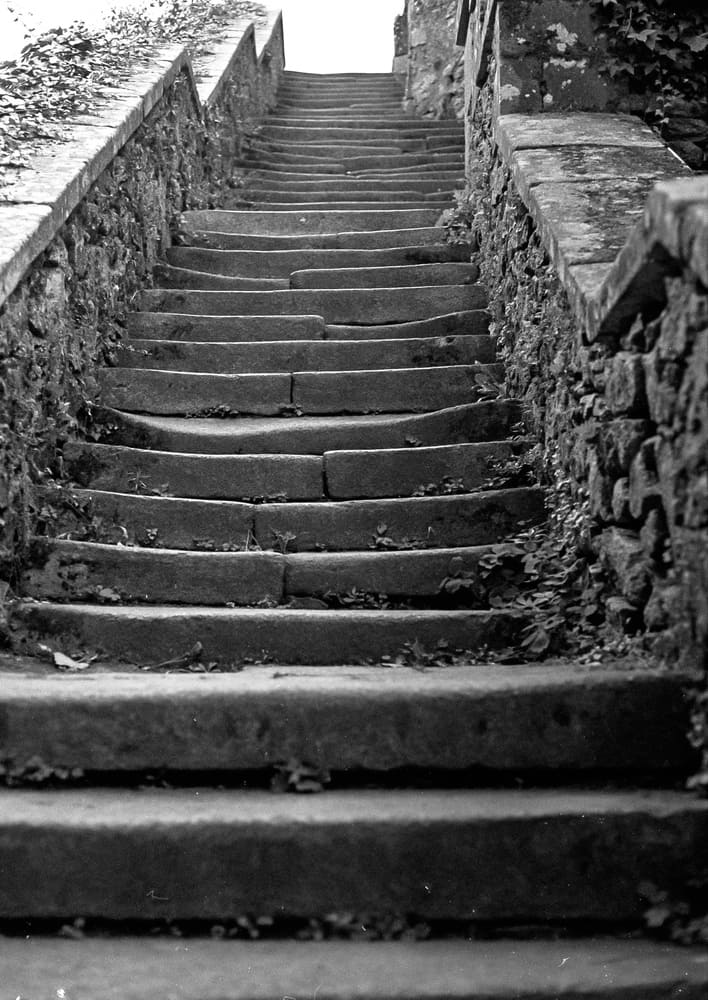
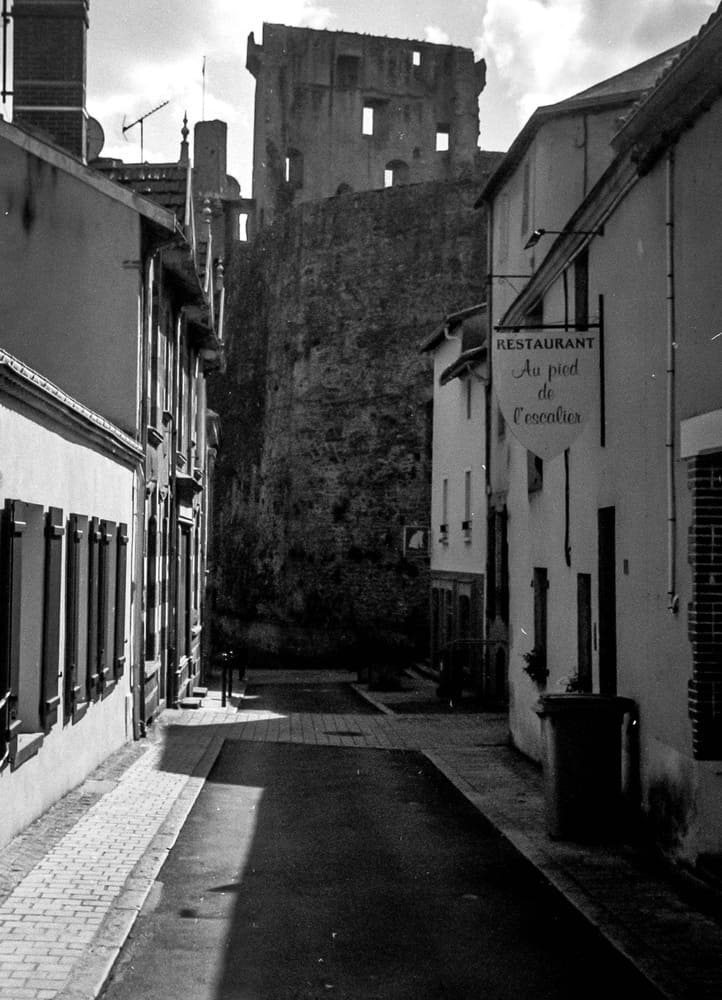
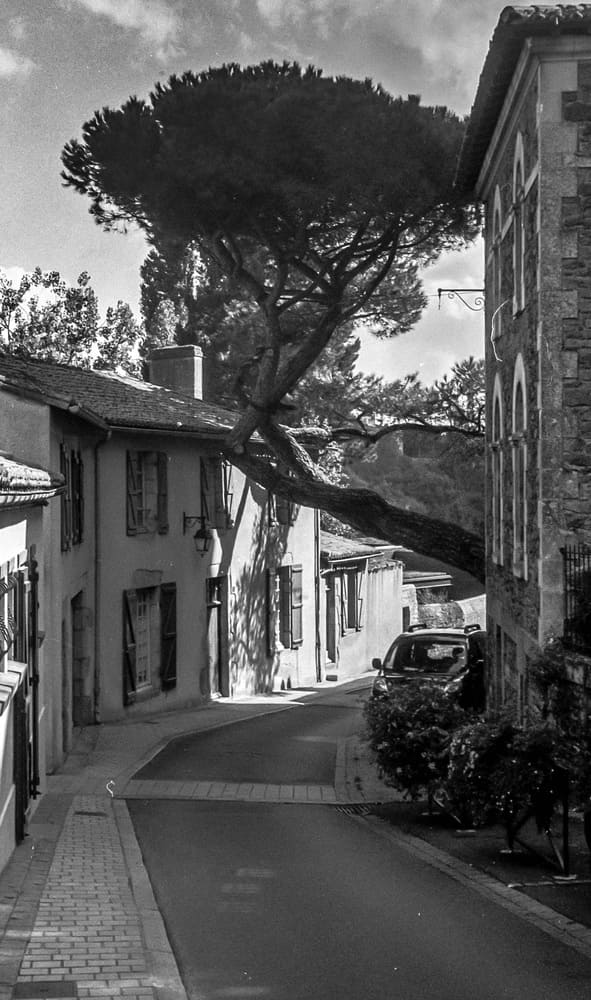
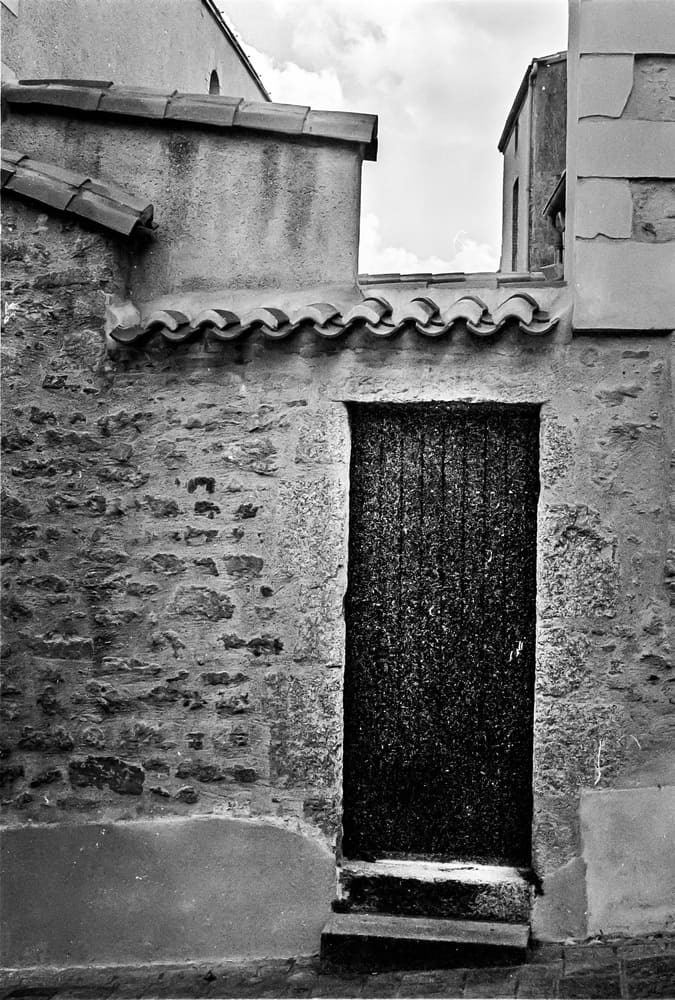
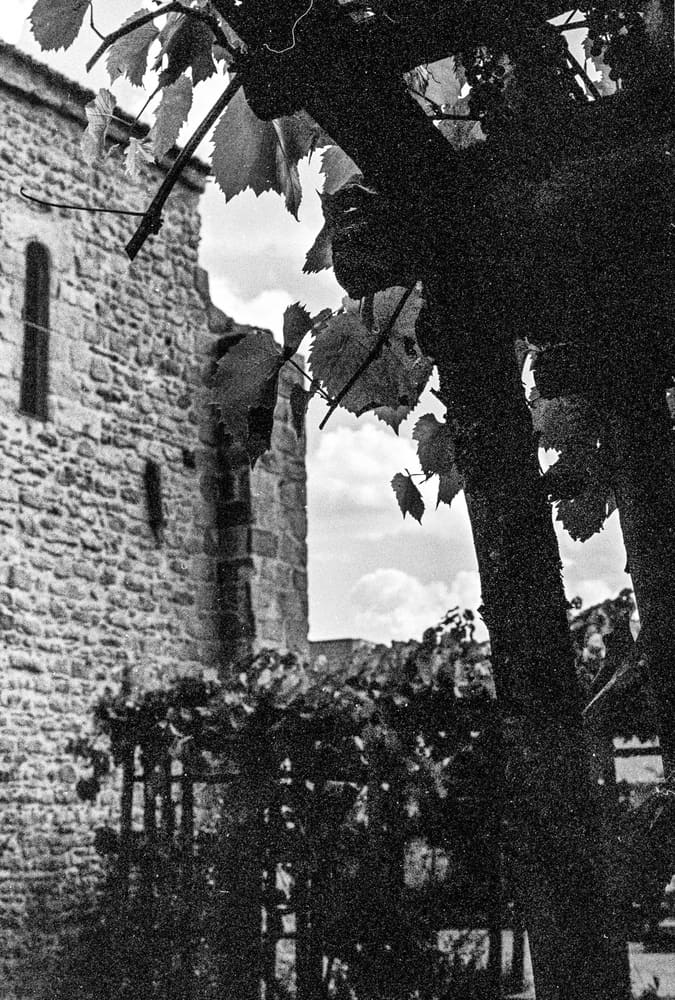
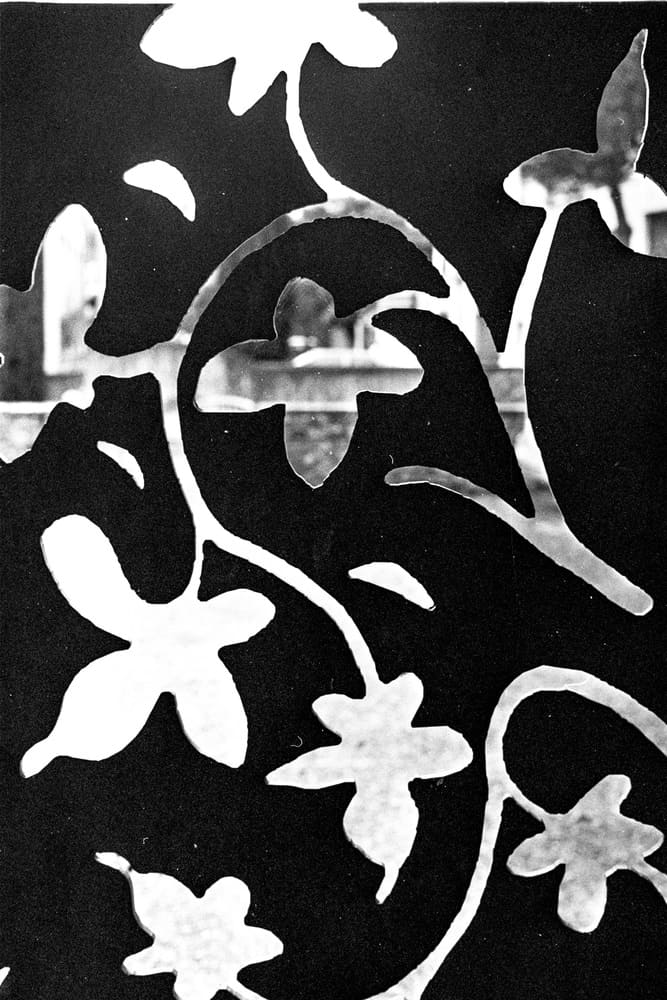
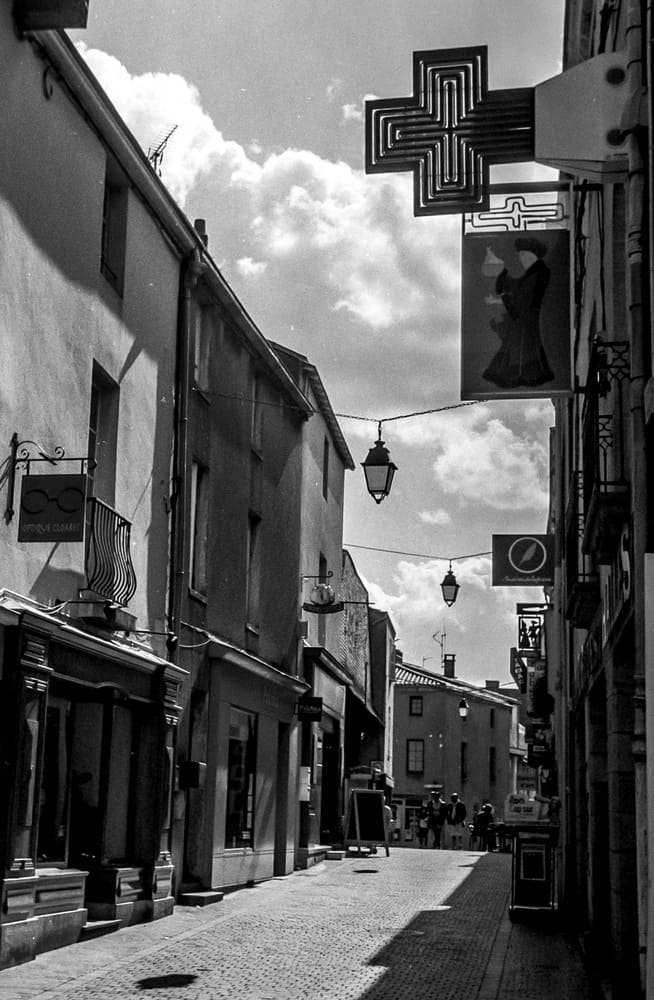
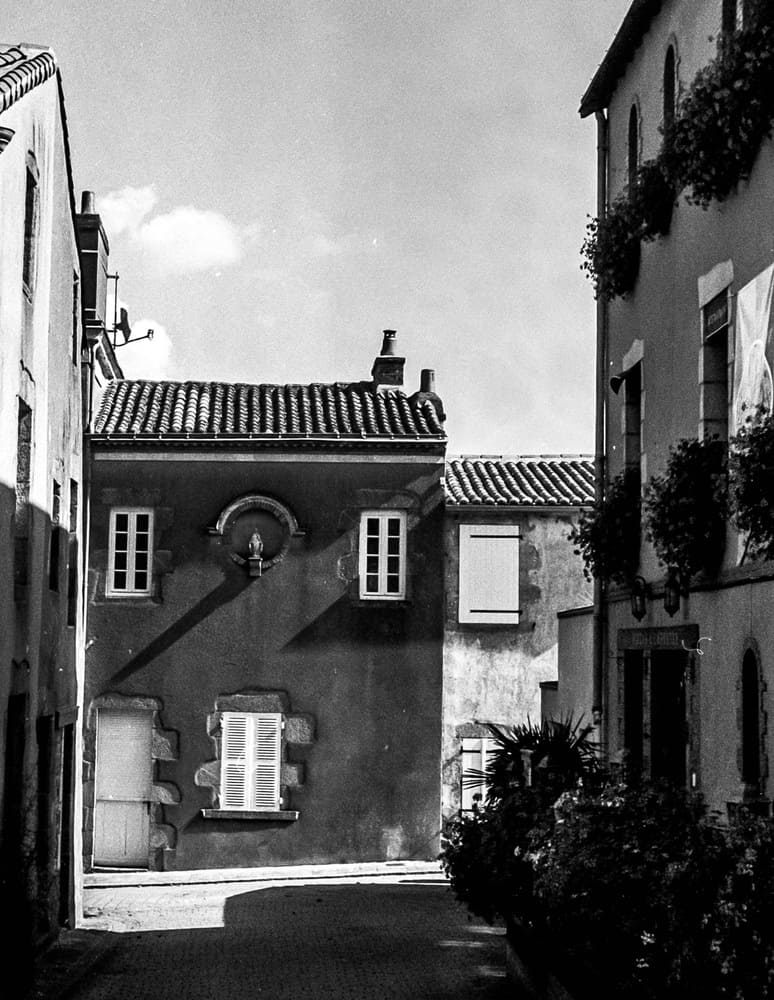
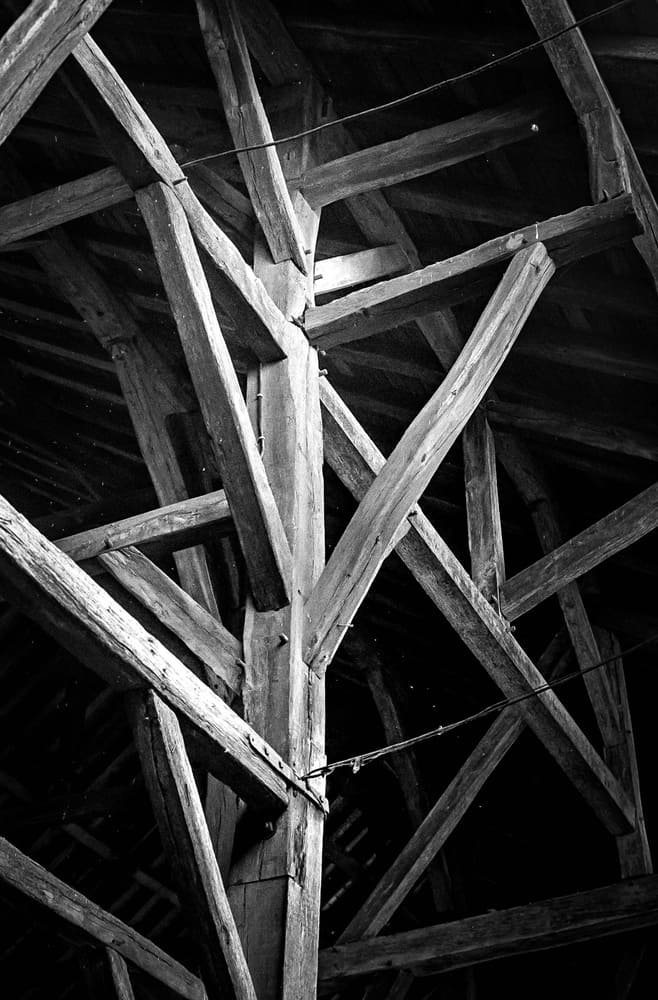
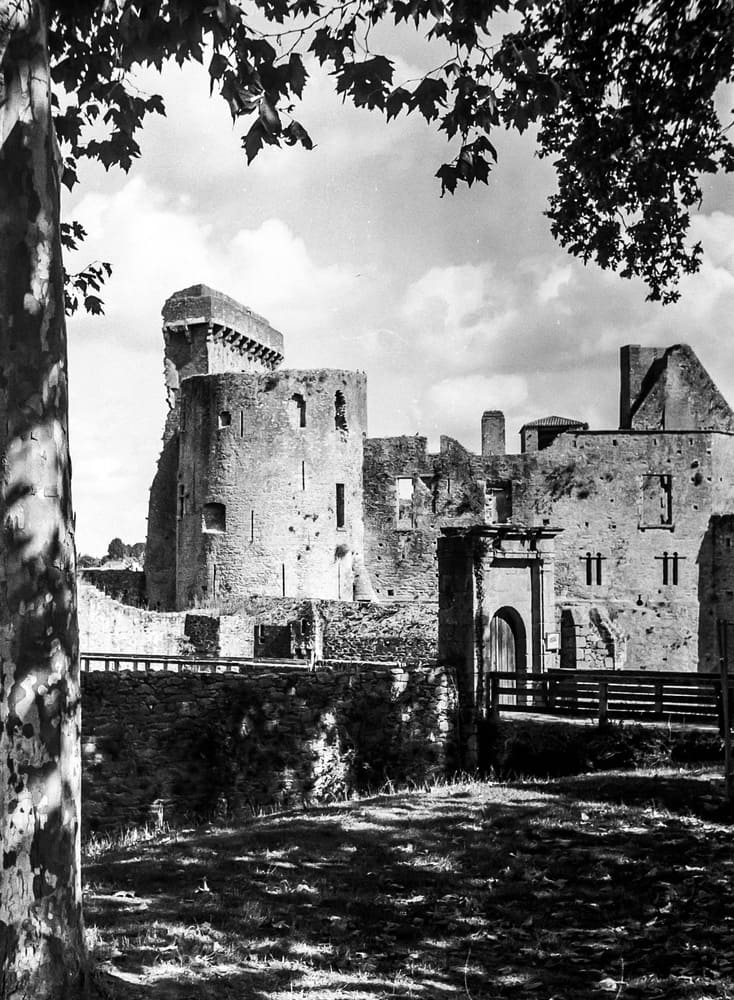
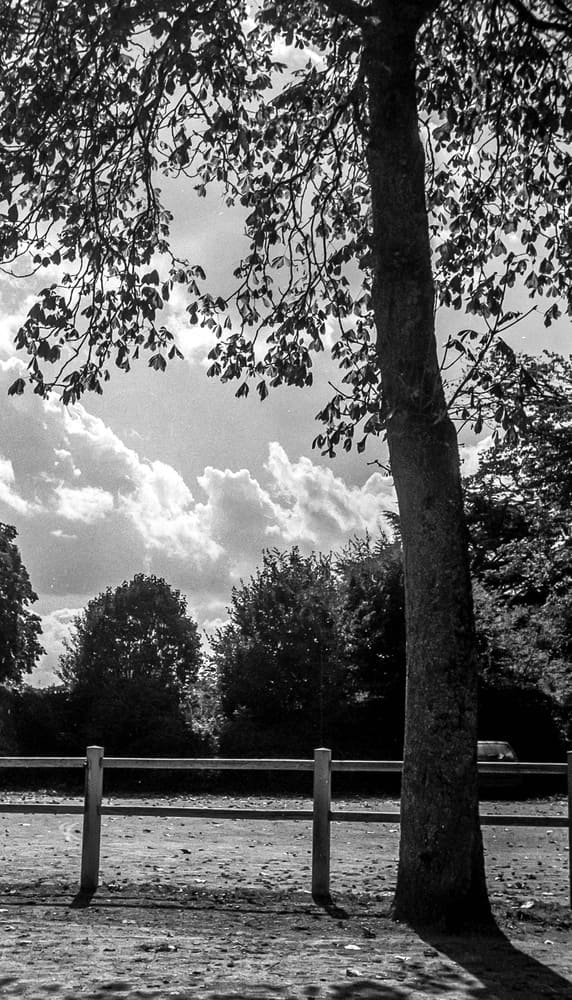
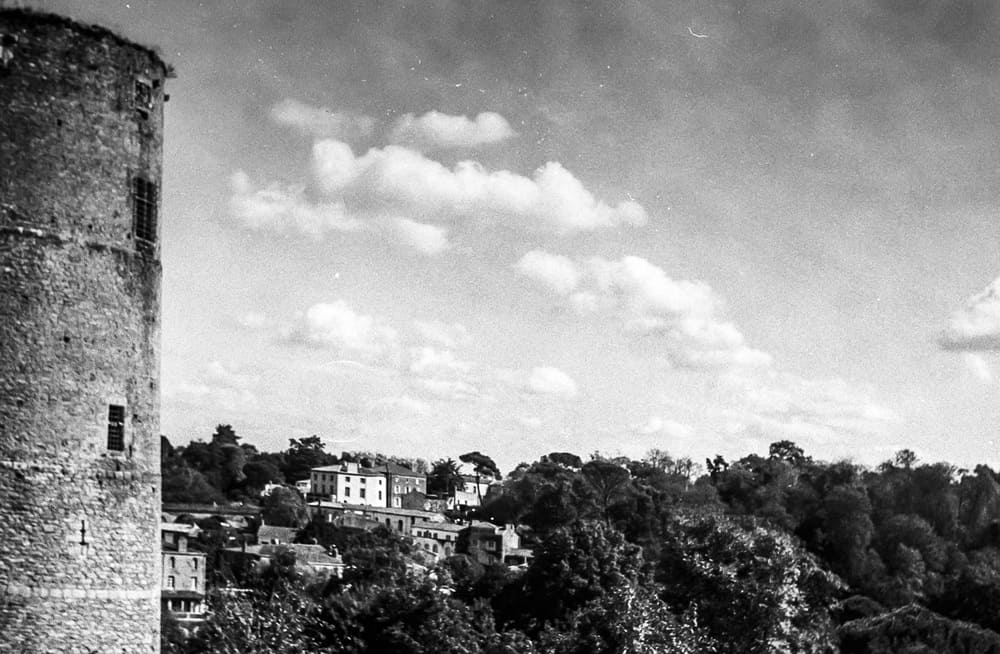
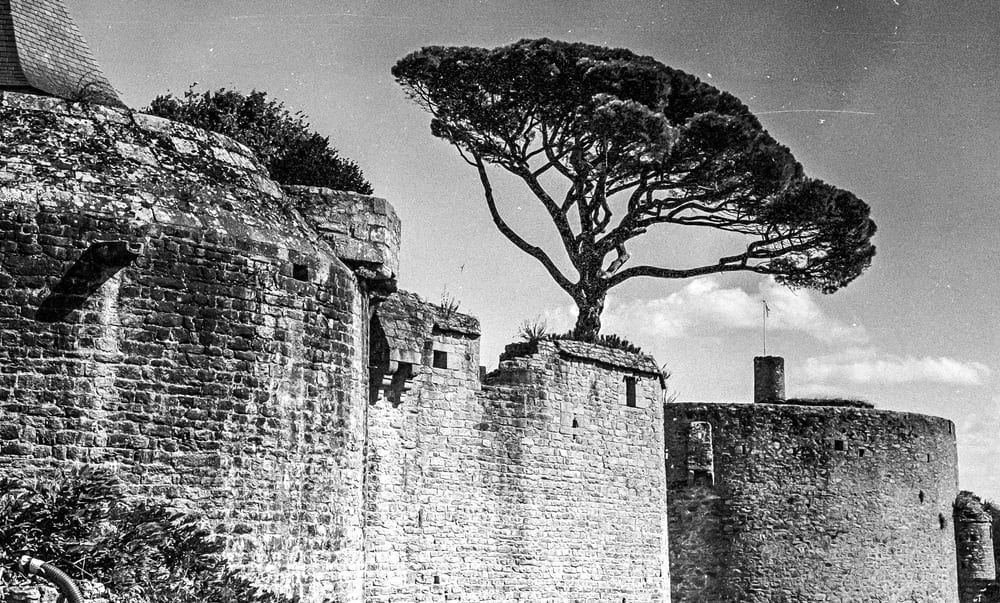
The Opening of the Film Archives—Clisson, September 2016


Welcome back, Dear Reader, to the film archives, still with the Canon AE1 and HP5 Plus from Ilford, but in Clisson this time.  You will remember Clisson from previous articles and will have seen the pictures, so it shouldn’t be a stranger to you.  Who knows, it could even feel like revisiting an old friend.  It certainly is for me. 
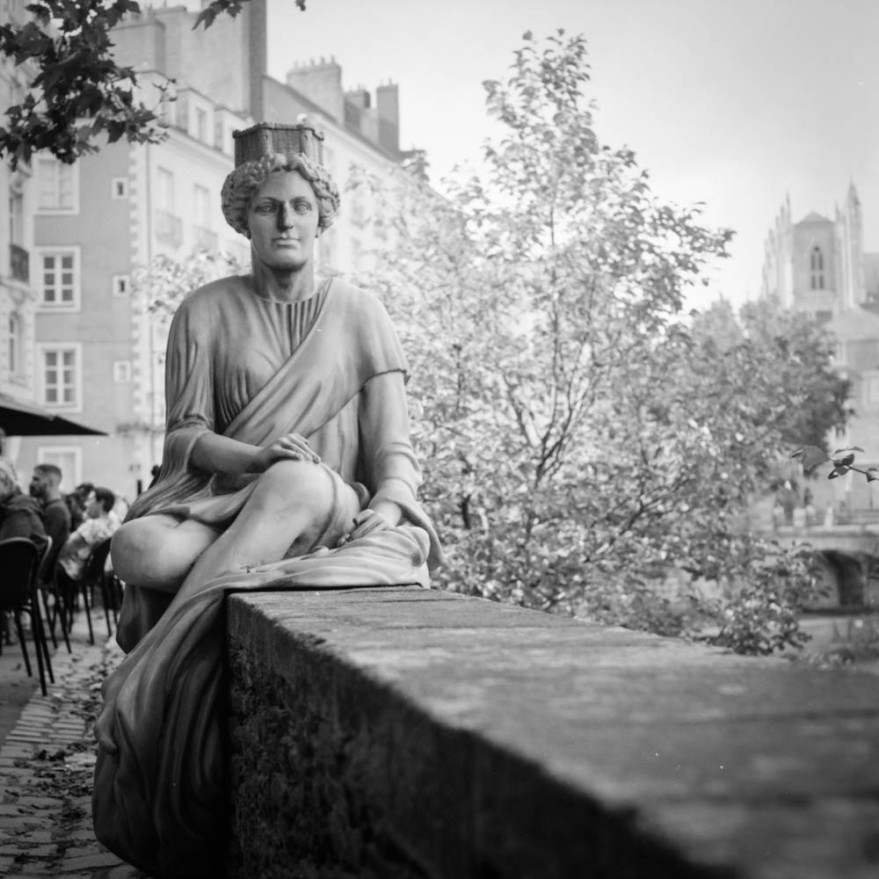
But why Clisson I hear you say.  Well, it’s not very far away from where I live.  It’s also one of those market towns that is renowned for the beauty of its architecture with an Italian slant.  It has the massive castle that towers above the river.  It has me taking photographs of it.  

Clisson, like most things, has options.  On a Friday the main option is the huge market, and wandering around the 14th-century Halles, which can keep you out of the sun, the rain, the heat or the cold, depending on the time of year.  I either go down to the river and wander along the river banks in the Garenne and Lemot park, or park at the top of town and stroll around the Halles and surrounding streets.  In the series of photos at the end, you will see some stone steps that join the two options, but I have dodgy knees, and those steps are like leg day at the gym.  You can avoid those steps by just following the road that wraps itself around the church, and going under the tree that just got tired and decided to rest on the house opposite.  

But this time I decided to break out of my habits and visit the Quartier St Jacques with its decommissioned chapel, and garden.  It’s yet another pretty place in a pretty town, and when I was sitting there in the sun, I felt that I didn’t have a care in the world.  Serenity flooded my mind and all was well with the world…

The X100F, again!


It seems that I’m not the only one who raves about this powerhouse of a camera. This just proves that size truly doesn’t matter. I’ve mentioned it on numerous occasions and I stand completely justified in doing so!

Here’s a selection of articles that I have written showcasing phtoography from this amazing little camera in no particular order:

The idea behind using a camera is not just about capturing moments, it’s also about the experience it grants you. This camera has the ability to inspire and motivate its users to explore and create, which is a testament to its design and functionality. The joy and enthusiasm that comes with using this camera is contagious, and it’s evident in the way it empowers photographers to unleash their creativity. It’s not just a tool, but a companion that fuels the passion for photography, encouraging individuals to embrace the world around them through its lens.

Choosing the Right Film Format: 35mm vs. Medium Format Photography


Introduction In the world of film photography, the choice of film format can significantly impact the results you achieve. Whether you’re an aspiring street photographer or simply an enthusiast looking to explore the world of analog photography, the decision between 35mm and medium format can be crucial. This article explores the major differences between these two formats, helping you along on your photographic journey. As we dive into this discussion, it’s essential to understand how the choice of format can influence your work.

1. Understanding the Basics Let’s start by establishing a foundation. 35mm photography is the more common format, known for its accessibility, ease of use, and widespread availability. It is the standard format of film. However, medium format photography offers distinct advantages worth exploring.

2. The Key Differences

Image Quality and Resolution: The most noticeable difference between medium format and 35mm photography lies in image quality and resolution. Medium format film, with its significantly larger negative size, captures an significant level of detail and clarity. The larger negatives provide ample room for precise rendering of textures, fine lines, and intricate patterns. This translates to stunningly sharp and highly detailed images, ideal for both professional work and fine art photography. If you’re aiming for prints that capture every nuance, medium format is the way to go.

Aspect Ratio: Another significant difference is the aspect ratio. 35mm film typically yields images with a 3:2 aspect ratio, while medium format cameras typically offer a square 1:1 aspect ratio. The square format can be a creative boon, pushing photographers to rethink composition. It forces a balance between the vertical and horizontal aspects of your subject, a characteristic reminiscent of the iconic street photographer Vivian Maier, who frequently used a TLR camera. The square format encourages unique framing and adds an artistic challenge to your photography.

Depth of Field: Medium format allows for a shallower depth of field compared to 35mm. This means that it’s easier to achieve that sought-after background blur or bokeh, perfect for portrait and street photography. With a well-executed composition, your subject can pop against a beautifully blurred backdrop, making them the focal point of the image.

Size and Weight of Equipment: In terms of portability, 35mm cameras have the upper hand. They are compact, lightweight, and ideal for street photography where you need to be quick on your feet. Medium format cameras, on the other hand, tend to be bulkier and heavier due to the larger film format and the associated optics. This makes them better suited for planned shoots where image quality takes precedence over convenience.

Cost of Film and Development: While 35mm film and development are more budget-friendly, medium format film comes at a higher cost. When using the 6×6 format you will only have 12 images per roll of film. This of course makes every shot count. If you are stressed out about messing up a shot on 35mm film then your anxiety will shoot up to lunar levels with only 12 shots. But remember what I have said earlier, no shot is wasted and every shot is a learning experience. The enhanced image quality, detail, and artistic potential make medium format film worth the investment for those who prioritize the final result over the upfront cost. If you’re planning to produce gallery-worthy prints or pursue a professional career, the expense can be justified.

Flexibility and Convenience: 35mm cameras are known for their flexibility and convenience, making them well-suited for capturing quick shots or candid moments. They’re also readily available, and film processing is more accessible. In contrast, medium format cameras require a more methodical approach, ideal for planned and deliberate photography. The process is slower, encouraging you to carefully consider each shot and compose it meticulously. This added effort can lead to more thoughtful and deliberate photographs.

3. Street Photography with the Pentax ME Super and TLR Influence Vivian Maier, a renowned street photographer, serves as an inspiring example of how camera choice can shape your photographic style. Maier favored the TLR camera, a medium format model known for its distinctive qualities. Her use of the square format and unique perspective have left an indelible mark on street photography.

I want you to think about the fact that a TLR is hanging around your neck at tummy level or even waist level, so the way of looking at your subject will automatically affected too.

If you’re looking to explore street photography with a Pentax ME Super, remember that the compact 35mm format offers its advantages for candid, on-the-go shots. However, Maier’s work reminds us that the choice of equipment is a personal one, and there’s no one-size-fits-all answer.

4. The Mamiya C220 Review: A Medium Format Marvel As we venture further into the world of medium format, the Mamiya C220 beckons. Just as Vivian Maier chose a TLR for her street photography, other photographers have found success with medium format cameras like the Mamiya C220. In my upcoming review, I’ll explore the features, benefits, and considerations of this remarkable medium format camera, guiding you towards your next photography adventure.

The Induction to a Higher Level of Photography When you make the transition from 35mm to medium format, you’re stepping into a higher echelon of photography. If you think that 35mm film is great, you’ll be enthralled when you see your images taken by a medium format camera. The level of detail and depth of field that medium format offers is simply unmatched. It’s like upgrading from a standard screen to 4K resolution for your photography. Every detail comes to life, and the depth of field adds a whole new dimension to your work. It’s a revelation that will leave you wondering why you didn’t make the leap sooner.

The 35mm format photo captured on the Pentax MS Super. The “standard” format of film photography. The one we all know.

The square format common to much medium format photography with a 6×6 format. I’ll let you look at the differences for yourself.

The lenses for each shot was a 50mm lens for the 35mm format film photo, and the 80mm mm lens for the medium format photo. However, both lenses are equivalents.

Conclusion In closing, remember that there’s no definitive answer to the question of 35mm vs. medium format. It’s a matter of personal preference and artistic vision. Both formats have their merits, and your choice should align with your goals and the style of photography you wish to pursue.

Stay tuned for the Mamiya C220 review, where I’ll delve deeper into the world of medium format photography, and consider the impact of the TLR on your creative journey.

The journey of film photography is full of exciting choices, from your film format to your camera model. Vivian Maier’s legacy reminds us that every camera has its unique personality and that your creative vision should be the driving force behind your choices. Whether you decide on 35mm or medium format, your camera is your artistic tool, and the world of film photography is yours to explore.