Instagram’s Double-Edged Legacy: A Photographer’s Perspective


In October 2010, Kevin Systrom and Mike Krieger unleashed Instagram upon the world. With its intuitive interface and playful filters, the app revolutionised how we share photos, ushering in a new era of mobile photography. However, over time, Instagram’s trajectory has shifted dramatically, raising questions about its impact on photography, the rise of influencers, and its changing priorities. This article delves into Instagram’s complex legacy, exploring its transformative yet increasingly problematic role in modern photography.

The Rise and Fall of Photography on Instagram

In its early days, Instagram democratised photography, empowering everyday users to become amateur photographers. The app’s filters and nostalgic aesthetic resonated with users, transforming personal snapshots into artistic expressions shared with a global audience. This initial period fostered a vibrant community of photographers who connected, shared their work, and even launched careers. However, Instagram’s algorithm, initially chronological, evolved into a complex beast driven by engagement metrics. This shift, combined with the rise of influencers and the platform’s increasing emphasis on video content, has had a detrimental impact on photography.

The Instagram Algorithm: A Photographer’s Nemesis

The algorithm, shrouded in secrecy, prioritises content that generates the most likes, comments, and shares. This has led to a homogenisation of aesthetics, favouring trends and viral content over unique artistic expression. Photographers feel pressured to conform to popular styles and create content that caters to the algorithm’s whims rather than their own creative vision. Moreover, the algorithm’s preference for short-form videos, like Reels, has further marginalised photography. Photos are often buried in favour of videos, making it increasingly difficult for photographers to gain visibility and reach a wider audience. This shift has raised concerns about the devaluation of photography as an art form and the platform’s changing priorities.

The Influencer Paradox: Celebrity Without Substance

Instagram’s influencer culture, where individuals gain fame and fortune through their follower count rather than their talent or skill, has further exacerbated the problem. Many influencers prioritise self-promotion and brand endorsements over genuine artistic expression, perpetuating a cycle of superficiality and instant gratification. This culture has also created unrealistic expectations and fuelled unhealthy comparisons among users, including photographers. The pressure to maintain a perfect online persona and constantly chase likes and followers can lead to anxiety, depression, and a loss of creative autonomy.

The Future of Instagram: A Photographer’s Dilemma

As Instagram continues to prioritise short-form video content and cater to influencer culture, photographers face a difficult choice. They can either adapt to the platform’s changing landscape by creating more videos and conforming to popular trends, or they can seek out alternative platforms that prioritise photography and genuine artistic expression. The latter option, while challenging, may be more fulfilling for photographers who value their craft and refuse to compromise their artistic integrity. By exploring alternative platforms and building communities outside of Instagram, photographers can regain control of their work and connect with audiences who appreciate their unique vision.

An Alternative?

While Instagram’s focus shifts away from photography, several alternative platforms offer havens for photographers to showcase their work, connect with like-minded individuals, and foster a supportive community. VERO, for example, boasts a chronological feed, an ad-free environment, and features tailored to visual artists. 500px provides a dedicated space for professional and amateur photographers to share high-quality images, participate in contests, and even sell their work. Glass is another emerging platform designed specifically for photographers, offering a clean interface, curated collections, and a focus on long-form visual storytelling. Ello, known for its artist-centric approach, provides a space for creative expression without the pressure of algorithms or ads. These are just a few examples of the many platforms available that prioritise photography and offer a refreshing alternative to Instagram’s increasingly commercialised environment.

Conclusion: Reclaiming Photography

Instagram’s legacy in the realm of photography is undeniably complex. While it initially empowered photographers and fostered a vibrant community, its current trajectory raises serious concerns about the future of photography on the platform. Photographers must recognise that Instagram is no longer primarily a platform for photography. It has become a commercialised space dominated by short-form videos and influencer culture. To protect their artistic integrity and find meaningful engagement, photographers need to explore alternative platforms, diversify their content, and most importantly, create work that speaks to their own unique vision rather than chasing the elusive validation of the Instagram algorithm.

24-70mm Lens: Unveiling the Beauty of Vendée Coastal Landscapes


Work. That familiar feeling of being a hamster on a never-ending wheel. Emails, passive agressive colleagues, and meetings blurring into one another like the monotonous hum of voices in the office. Sound familiar? Yeah, that was me a few weeks ago. So, what’s a weary soul to do? Employ some sartorial elegance with navy blue chinos, a white button down shirt, my new sungalsses, and my favourite Panama hat, and embark on a spontaneous coastal escape to Vendée!

Now, full disclosure, Vendée isn’t exactly the Caribbean. But for a quick mental recharge, it certainly does the trick. Plus, it was the perfect opportunity to put my Canon 6D Mark II through its paces, specifically the oft-maligned 24-70mm f/4L lens. This trusty workhorse gets a bad rap sometimes, but let me tell you, by the end of this trip, I was a convert.

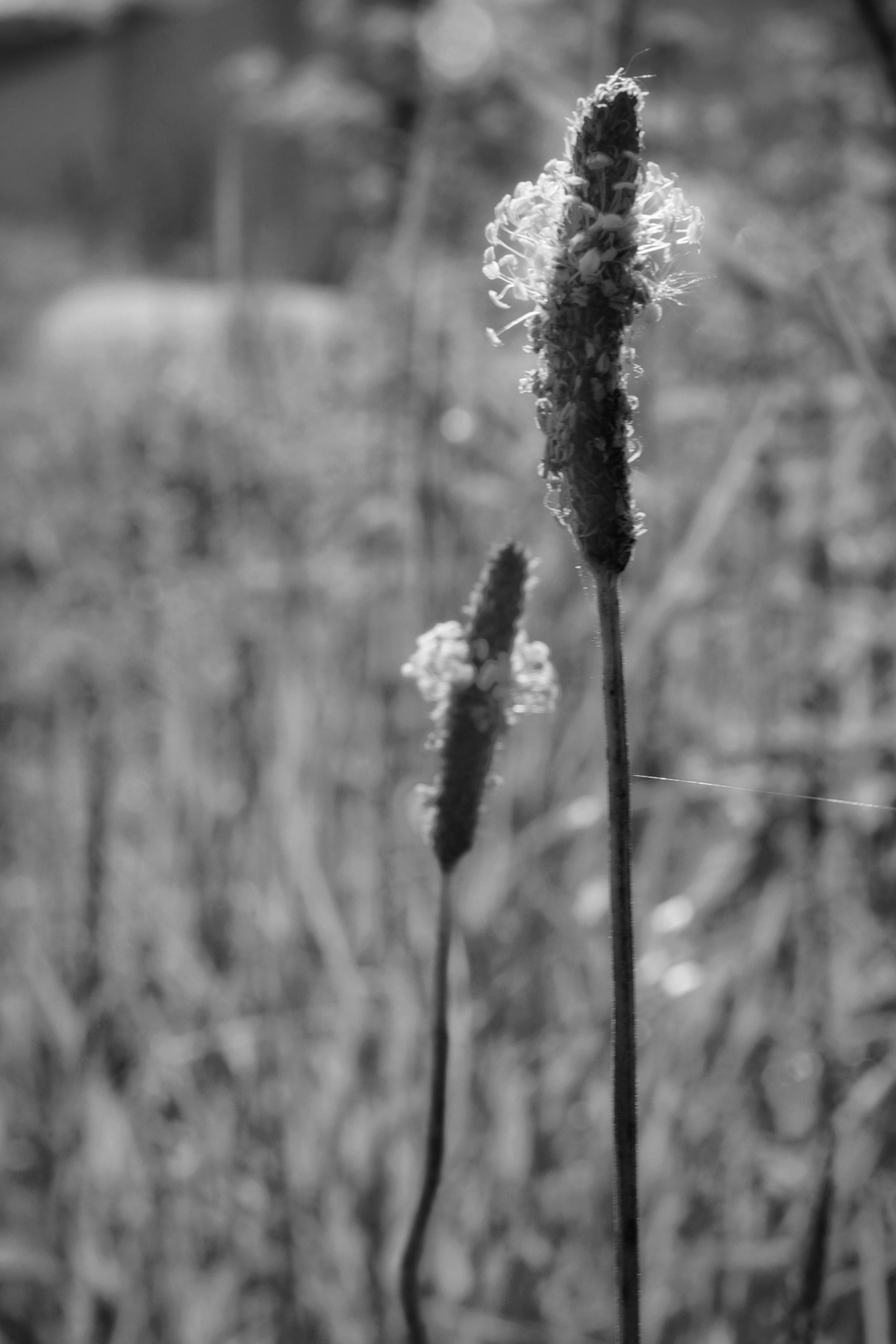
The Vendée coast is a tapestry of stunning landscapes, each begging to be captured. My first stop was Viellevigne (not strictly the Vendée and just on the other side of the Loire Atlantique border), a charming little town I usually just whiz through on my daily commute. But this time, with a camera in hand and a head full of vacation vibes, I saw it with fresh eyes. I framed the quaint church nestled between two ancient trees, a scene I’d driven past a thousand times without a second glance. The hedgerows, usually just a blur of green, revealed a hidden world of wildflowers and buzzing insects when I switched to the lens’s macro function. Suddenly, the familiar became fascinating.

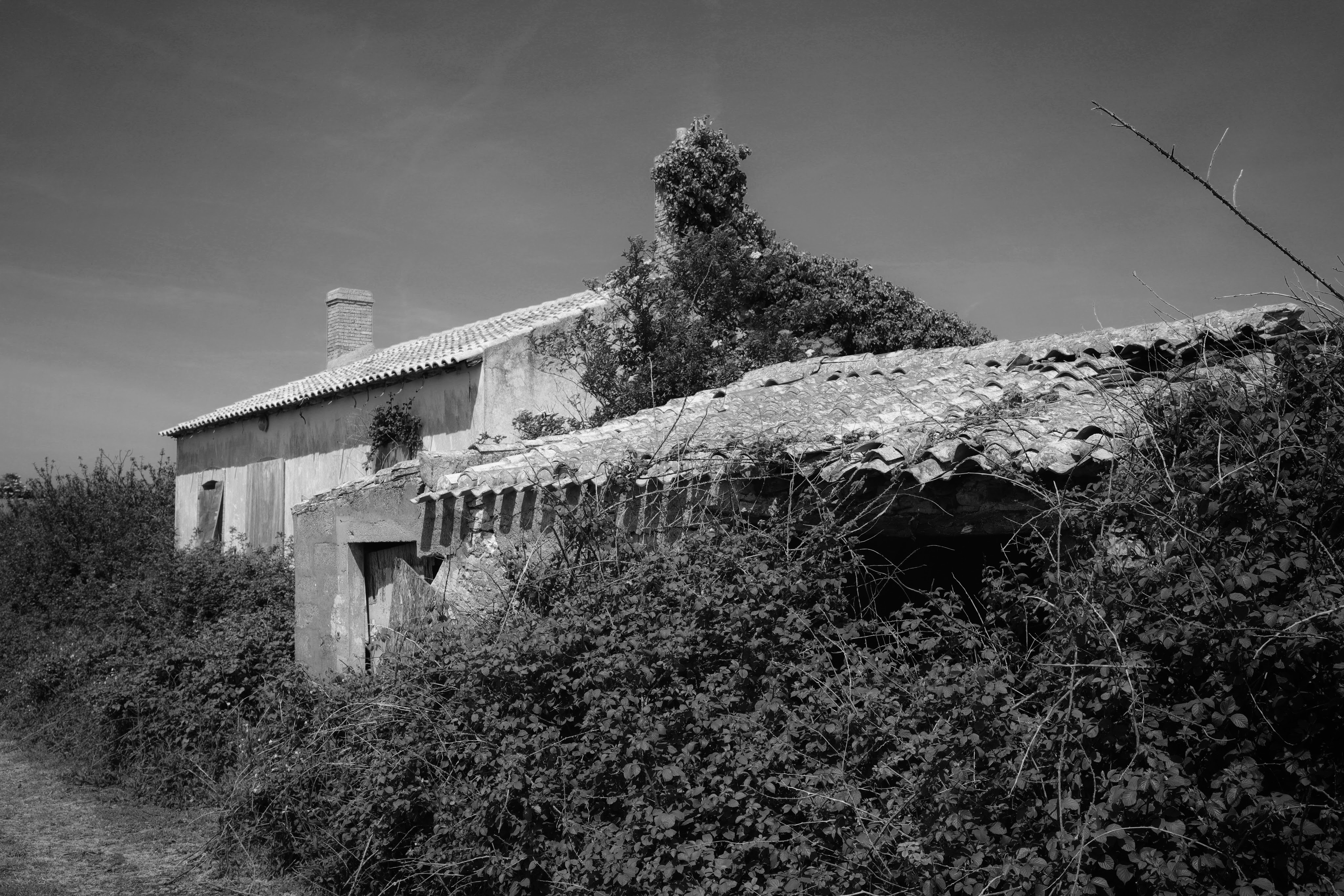
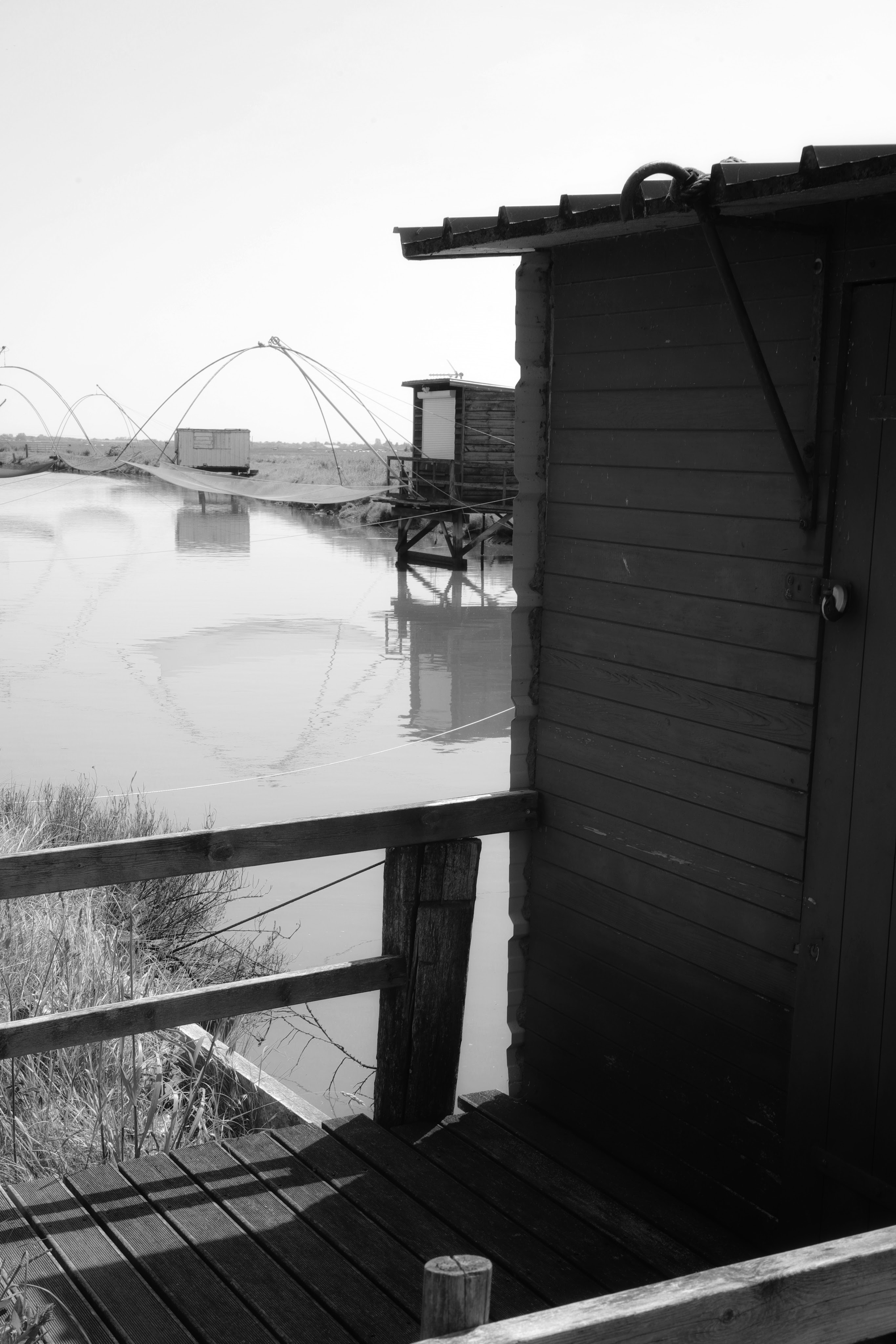
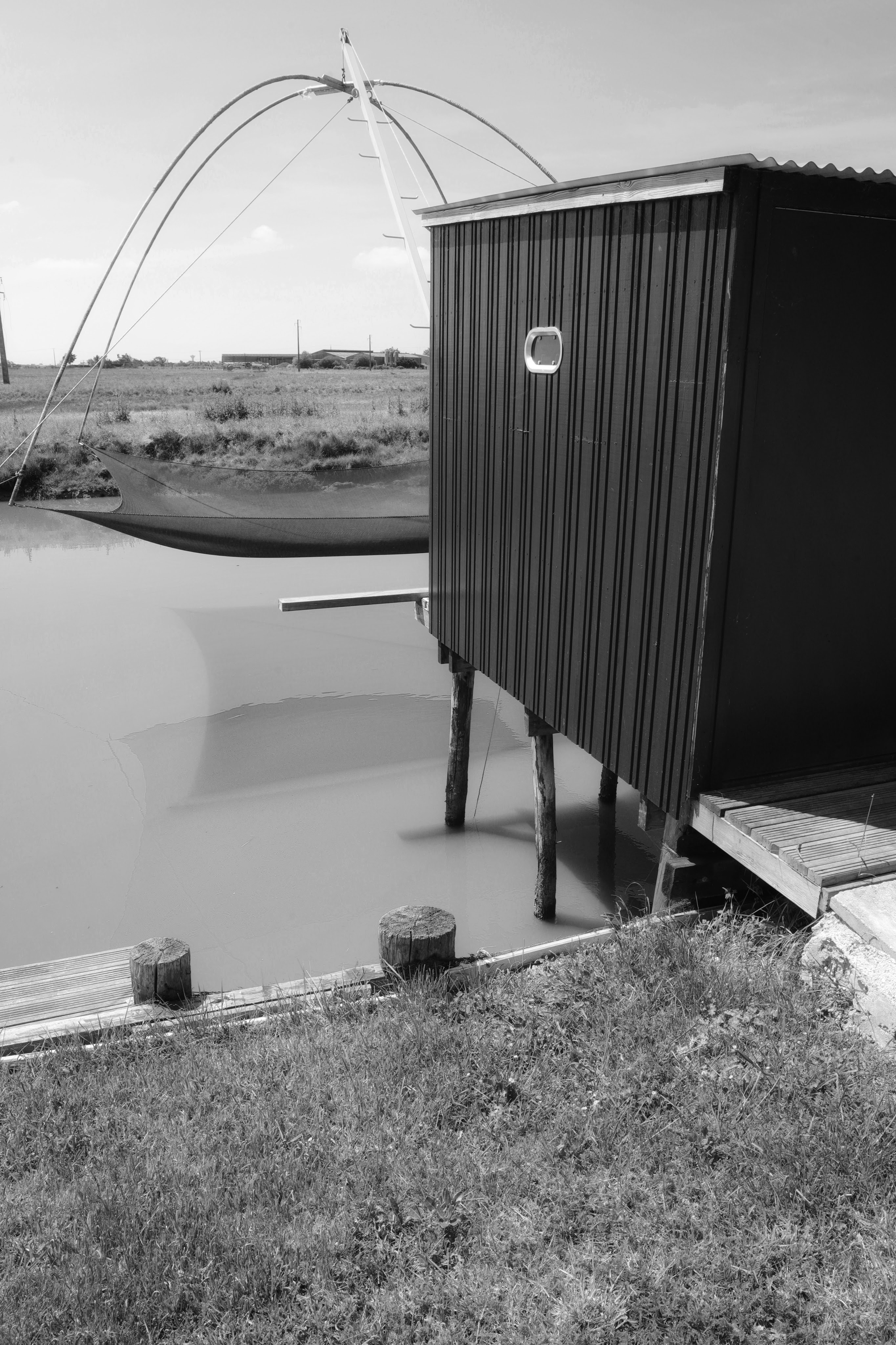
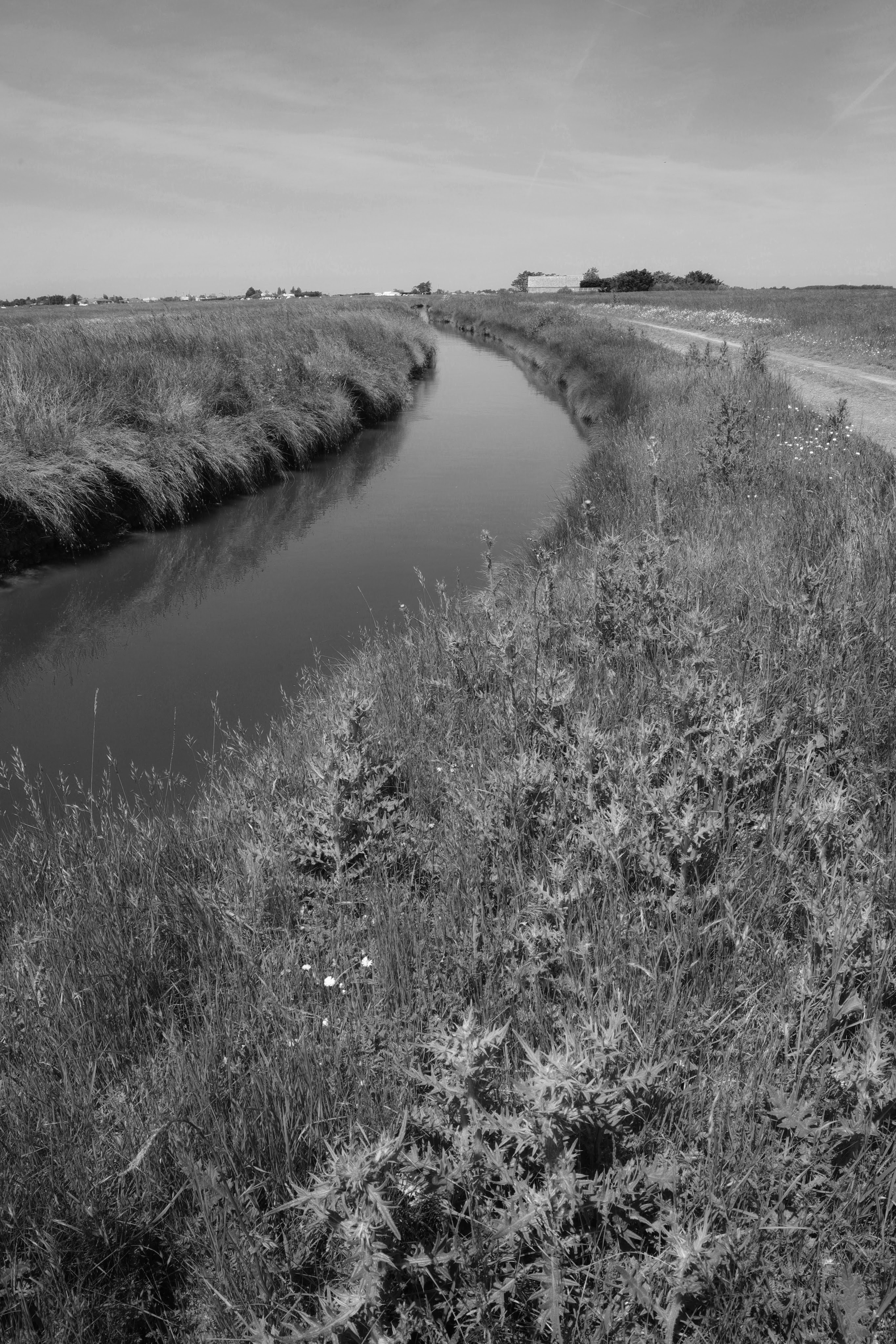
Next, I cruised down to the grand canal near Fromentine. Now I don’t know if grand means big or grand in this instance. I mean it’s not huge, and the grand canal in Venice is somewhat ore deserving of the title. The sun, a generous giver of both light and good mood, cast a warm glow on the weathered ruins of old houses lining the water. Across the road bridge stood a line of fishing huts, its battered paint a testament to years of battling the elements. The 24-70mm here proved its versatility, letting me capture both the vastness of the canal and the intricate details of the local flora.

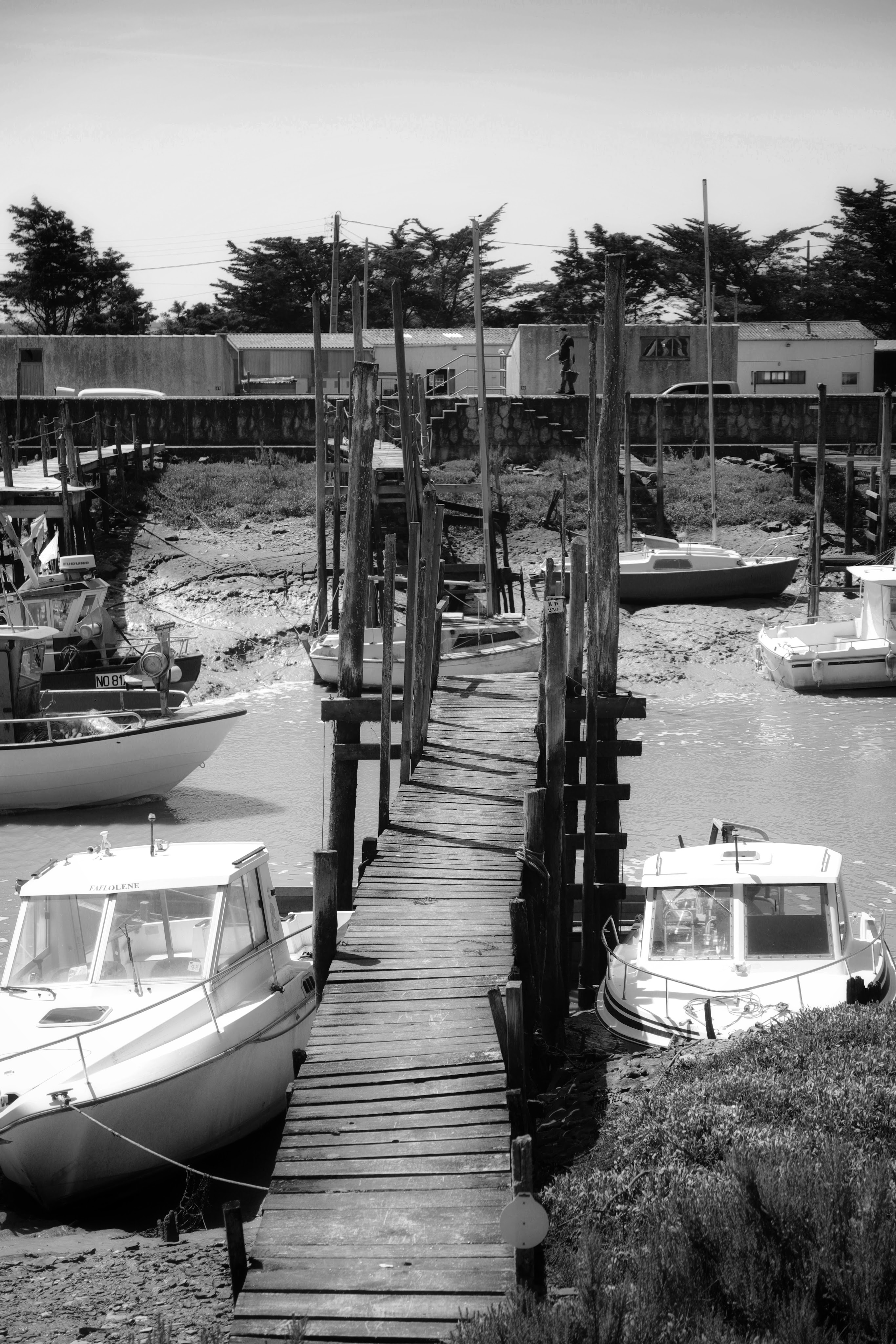
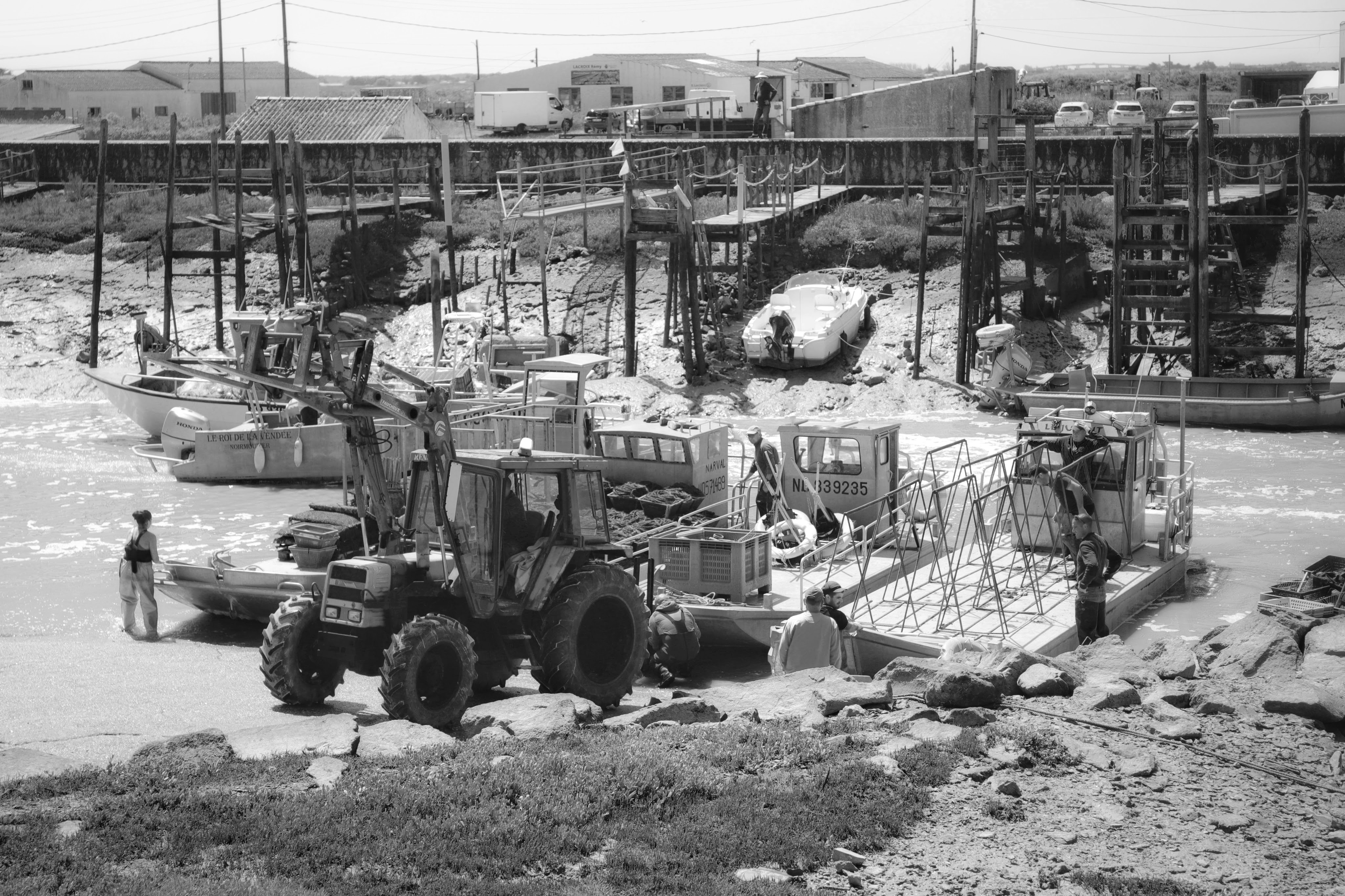
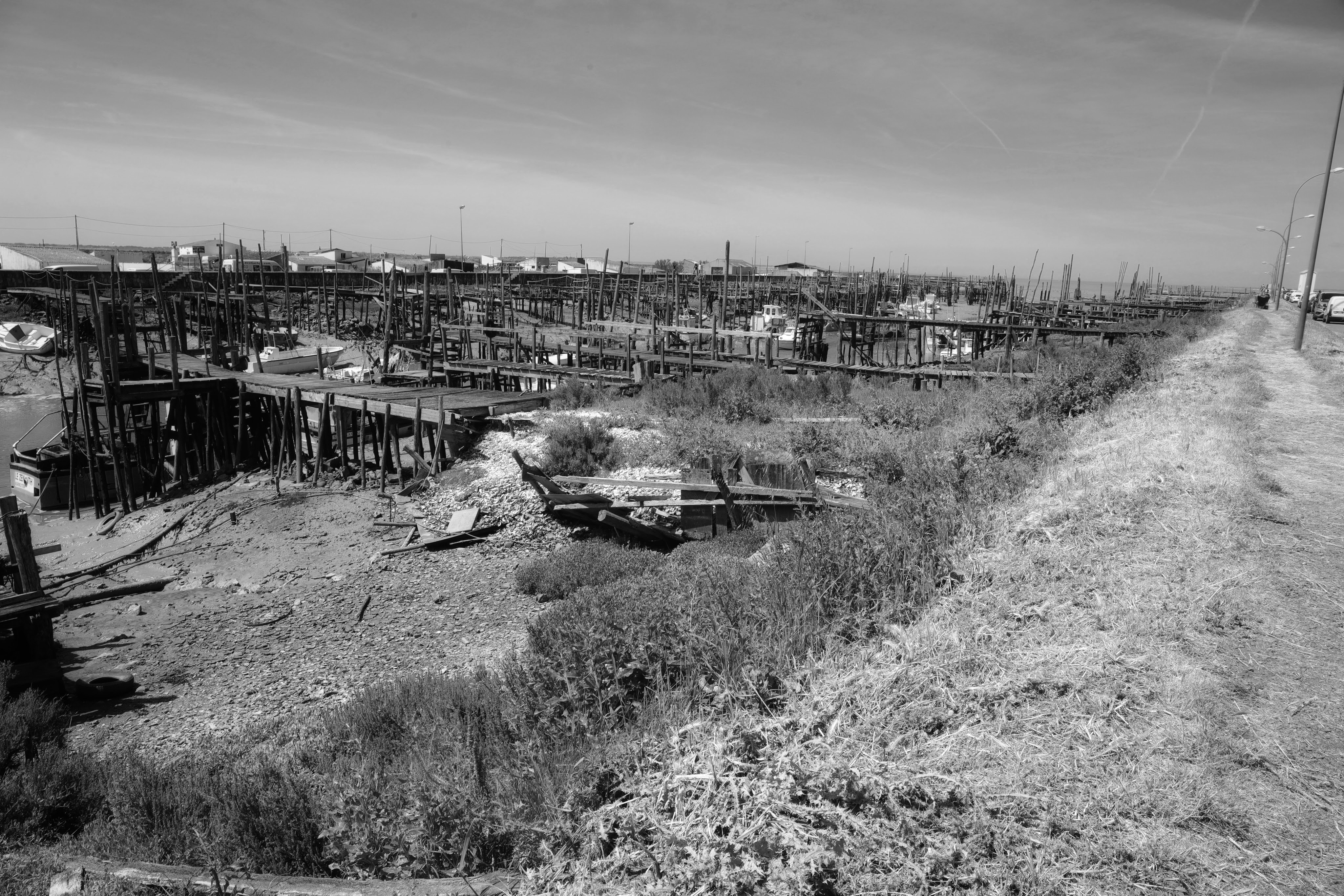
As the day wore on, I found myself at Port de Bec, a haven for oyster farmers. Here, the scene was abuzz with activity. Tractors lumbered out of the water, hauling heavy loads of oyster boats ashore. The rickety moorings, weathered and worn, added even more charm. The lens’s sharp autofocus kept pace with the bustling scene, ensuring I didn’t miss a single detail.

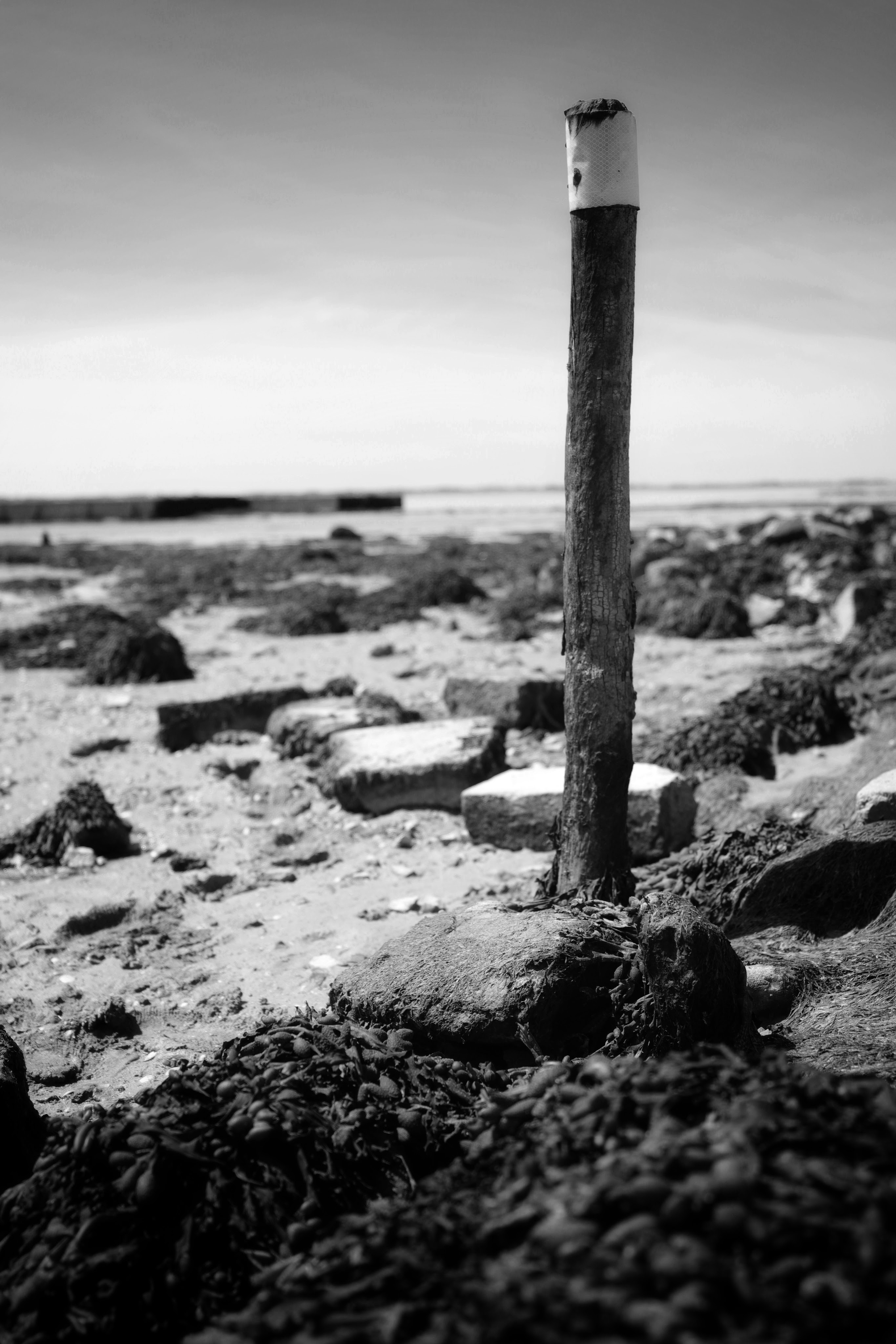
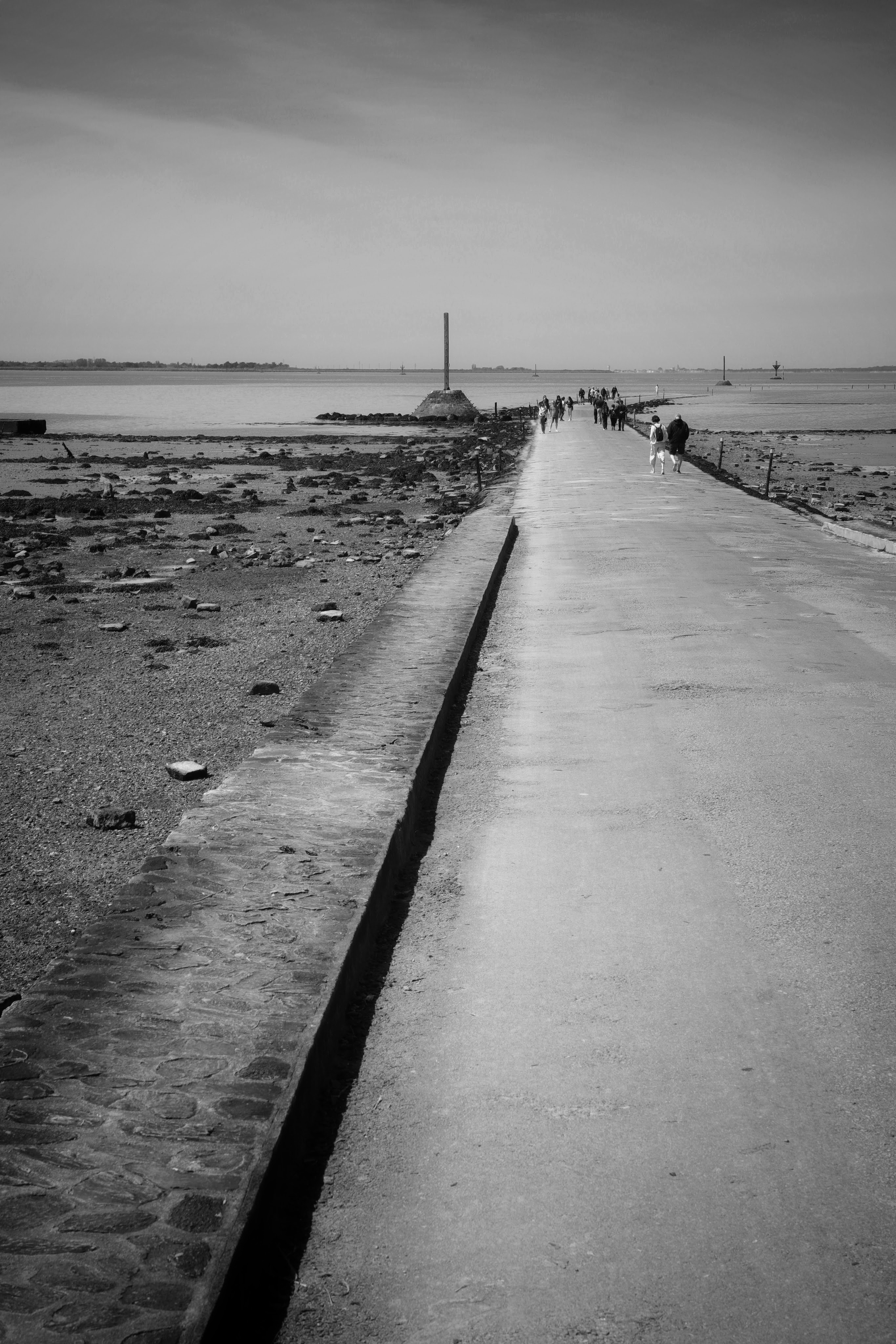
Finally, the crown jewel of the trip: the Passage de Gois. This legendary causeway, submerged twice a day by the tide, is a photographer’s playground (just make sure you keep an eye on the water, unlike yours truly who nearly got his sandals swept away!). The tide was rolling in fast, creating a dramatic contrast between the exposed road and the encroaching water. The 24-70mm handled the dynamic light and vastness of the scene beautifully.

But this trip wasn’t just about capturing stunning photos (although, let’s be honest, those were pretty damned cool!). It was a much-needed reminder of the power of stepping off the hamster wheel, even if it’s just for a short while. The fresh air, the sun on my face, the beauty of the Vendée coast – it all conspired to wash away the workaday stress. I came back feeling refreshed, inspired, and with a newfound appreciation for the magic that can be found right on your doorstep, if you just know where to look.

And the 24-70mm? Yeah, it more than held its own. It proved to be a versatile and capable travel companion, capturing everything from sweeping landscapes to macro details. So, next time someone throws shade at this trusty lens, I’ll just point them to my Vendée photo album and let the pictures do the talking.

Until our next adventure my Dear Reader!

The Photographer Behind the Lens


Embarking on a photography outing is filled with anticipation, decision-making, and a blend of personal passion and professional discipline. Anything can go wrong, but maybe that’s not the right way to put it. Perhaps I should rather say, expect the unexpected and be ready to adapt. As I prepare for each little jaunt, I face a range of choices that shape the outcome of my photographic endeavours.

Selecting the Right Gear:

The first step in my preparation involves choosing the right camera for the occasion. Factors such as, “Does it still work?” for my film cameras, or “have I charged enough batteries?” for my digital cameras, enter into consideration. My energy levels and the allure of film versus digital play a crucial role in this decision-making process. For example, “Do I have the energy to develop and scan my negatives, or can I face hours of photo editing?” For me at least, it’s not just about the gear, but about the experience it brings. Those of you who have used film will know exactly what I mean. It is a totally different experience to using digital cameras. The words “faffing” and “about” spring to mind. What is my goal in going out today? Is it just to see what happens, or do I “have” to get results?

Navigating Weather and Mental Health:

Weather forecasts and mental well-being become significant considerations as I plan my outing. I, like most people, have an aversion to being rained upon. Even though I might not melt, I don’t want rain getting into the electronics in modern cameras. The allure of capturing the perfect shot often outweighs the discomfort. Yet, there are moments when self-care takes precedence, telling me to just stay in. Sometimes, staying in and getting my ironing done provides as much satisfaction as going out, allowing me to look so dapper on my next outing. The joy of unlimited cups of tea might just make staying in on a rainy day all the more appealing.

Packing the Essentials:

A well-equipped photography bag is essential for any outing. From spare batteries to a flask of tea for comfort, each item serves a purpose in ensuring a successful day of shooting. The contents of my bag reflect not only my photographic needs but also my personal preferences and creature comforts. However, the weight of the equipment is a crucial consideration, especially for street photography where mobility is key. As a more rotund gentleman of 52 years, this has become more and more important. Basically, you can take it with you, but you have to carry it. The X100F and a couple of spare batteries weigh next to nothing, but a Mamiya, or DSLR with a couple of nice zoom lenses suddenly makes you feel less young and daring. Don’t get me started on tripods. Yes, you might need one (in fact, you do) if you want to be doing long exposure photography, but imagine lugging one up a mountain. Okay, don’t. It’s not worth it. So ask yourself what do you really need, and will one of your children carry it for you? And how much will it cost you to make it worth their while?

The Lens Palette:

Crafting Perspectives: Different lenses allow me to achieve different results. If I use my 16-35 lens, I will get wide vistas in town and have a certain level of “artistic distortion.” If I use the 24-70, I have quite a good range of focal lengths, and also a macro feature on the lens. If I use my fisheye lens, I can get all “arty farty.” With a 35mm lens, I am perfect for street photography, and it’s the lens I use the most. The nifty fifty allows me to have a more human-eye view of the world.

The Digital Dilemma:

When it comes to the choice between film and digital photography, authenticity often clashes with practicality. While the allure of film photography appeals to my desire for authenticity, and it does look exceptionally cool, and you can enter “smug mode” knowing that you are arguably better than those who only know about digital photography (yes, snob value does exist!), the energy and time required for development and scanning can be daunting. On the other hand, digital photography offers convenience, allowing for instant image transfer and easy post-processing in software like Lightroom. The decision ultimately hinges on the balance between artistic vision and practical considerations, and can I really be bothered? I know, you have just lost respect for me as an artist, but the struggle is real.

Professionalism Meets Passion:

For professional assignments, meticulous preparation is paramount. From checking equipment to selecting the perfect lenses for the job, every detail contributes to achieving the desired outcome. I noticed this during my musical studies when the goal is to get a paying gig and deserving the pay. You have to get results and your reputation depends on those results. But, even in the midst of professional obligations, the passion for photography remains at the heart of every endeavor. Top tip of the the day. Always have a back-up plan. No planning survives initial contact with the enemy. You’re on your own and have to improvise. What can go wrong, will go wrong, so prepare for this.

Mapping Out the Journey:

Finally, planning the route to my destination adds an element of anticipation to the journey. Do I have to drive for miles, and will there be a loo somewhere on the way? How will I be able to acquire snacks? Are there any small producers that might need a client? I mean I don’t always think about food, but when you live in a country known for the quality of its produce, and where it is almost a duty to consume on the good stuff, it kind of is… Anyway, make sure you look at where you’re going on a map. And if you’re visiting a historic site or attraction then check the opening times. It has happened before. You turn up to a place and it’s closed, so I went a saw my plan B… The path ahead is filled with possibilities and opportunities for creative exploration.

In conclusion

The art of preparation is an integral part of the photographer’s journey. Balancing personal passion with professional commitment, each outing offers a chance to immerse yourself in the beauty of the world through the lens of a camera, whether it’s under the open sky or amidst the comforting hum of domesticity.

Finding Balance: Photography and Personal Wellness


In the sanctuary of my thoughts, where the gentle glow of lamplight dances upon well-worn bookshelves, I find solace from the chaos of the world. With my dog, Molly, by my side, I embark on a journey of introspection.

As someone who values quiet reflection and nuanced understanding, I’ve learned to appreciate the delicate equilibrium that enriches a fulfilling life. Amidst the pursuit of knowledge and creative expression, it’s easy to become ensnared in the whirlwind of activity, neglecting personal well-being in the relentless chase for success.

Yet, amidst the simplicity of my surroundings, among the familiar scents of brewed tea and the soft hum of a jazz record playing in the background, I am reminded of a timeless truth: genuine fulfillment springs not from ceaseless striving, but from nurturing inner peace and harmony.

For photographers and thinkers alike, the quest for excellence can exact a toll on the spirit, leaving behind exhaustion and doubt. Each moment of creation demands both physical exertion and emotional resilience.

But amid life’s ebbs and flows, it’s crucial to honor the sanctity of body and mind, to heed the whispers of intuition and the call of the soul. What value is there in a well-crafted image or a finely wrought idea if born from weariness?

In my own journey as a seeker of beauty and understanding, I’ve come to embrace moments of stillness and contemplation, carving out time for rest and reflection amidst the bustle of daily life. Whether reveling in solitude or feeling the gentle caress of a cool breeze, I’ve discovered that inspiration often arises from quiet depths.

Photography serves as a therapeutic outlet for many, offering respite from the pressures of modern life. Through the lens, we enter a realm of infinite possibilities where time seems to slow and worries fade into the background. Immersed in the act of creation, we create a space where anxiety and overthinking lose their grip, replaced by a sense of calm and clarity.

For those grappling with depression or loneliness, photography can serve as a lifeline, gently coaxing us out of isolation and into the embrace of the world. As we wander with camera in hand, we become mere observers, detached from the chaos that threatens to overwhelm. In framing a shot, we find solace in the simple beauty of the moment, forging a connection with the world that soothes the soul and restores the spirit.

When I’m not at my desk, crafting articles or editing photos to share with you, I’m exploring this balance between creativity and self-care, constantly striving to find harmony in my own life.

In the tranquil sanctuary of creativity and self-discovery, photography emerges not only as a means of capturing fleeting moments but also as a powerful tool for nurturing personal wellness. Through our cameras, we embark on a journey of exploration and introspection, finding solace in the beauty of the world and sanctuary in the act of creation.

As we navigate the complexities of modern life, let us honor the delicate balance between ambition and well-being. Photography offers us a pathway to reconnect with ourselves and the world, inviting us to embrace stillness amidst the chaos and find beauty in the ordinary.

Whether framing the perfect shot or crafting prose to accompany our images, let us remember the profound interconnectedness between creativity and personal wellness. By prioritizing self-care and mindfulness in our photographic practices, we not only enhance our capacity for artistic expression but also cultivate a deeper sense of harmony and fulfillment in our lives. Even if our endeavors don’t always yield the desired result, it’s essential to recognize that the journey itself is as, if not more, important than the destination.

So, dear reader, as you embark on your own photographic journey, may you find solace in the act of creation, clarity in moments of quiet contemplation, and inspiration in the beauty that surrounds you. May your photographs serve not only as snapshots of the world but also as windows into the depths of your soul, guiding you towards a life of greater balance and well-being.

Ian James Myers: A Candid Exploration of Life, Humor, and Cultural Observations


At 52 years old, Ian James Myers embodies a unique blend of wit, introspection, and cultural curiosity that permeates his writing and captivates his audience. Through candid conversations and insightful reflections, Ian invites readers into his world, offering a glimpse into the complexities of his mind and the richness of his experiences.

From his irreverent musings on birthdays to his humorous critiques of French culture, Ian’s writing is characterized by its authenticity and unfiltered honesty. He doesn’t shy away from discussing personal struggles, societal issues, or the absurdities of life, infusing each piece with a refreshing dose of humor and self-awareness.

Ian’s journey through life has been anything but conventional, and his writing reflects the myriad twists and turns that have shaped his perspective. Born in the United Kingdom and later relocating to France, Ian has navigated the complexities of cultural identity and belonging with humor and grace. His observations on French society, from its perceived arrogance to its cultural quirks, offer a nuanced portrayal of life as an expatriate.

One of the most striking aspects of Ian’s writing is his willingness to confront difficult topics with candor and vulnerability. Whether he’s grappling with mental health struggles, navigating familial dynamics, or pondering life’s existential questions, Ian approaches each subject with a keen sense of introspection and empathy. His writing serves as a mirror for readers to reflect on their own experiences and find solace in shared humanity.

Despite his self-professed “grouchiness” and irreverent humor, Ian’s writing is imbued with a deep sense of gratitude and humility. He expresses genuine appreciation for his readership, acknowledging the role they play in his creative endeavors and the sense of community they foster. From the thousands of visitors to his website to the supportive comments left by readers, Ian’s audience serves as a source of inspiration and validation for his work.

Ian’s writing journey has been a testament to the power of authenticity and self-expression. He doesn’t conform to societal norms or expectations but instead embraces his quirks and imperfections with unabashed honesty. Through his writing, Ian reminds us that it’s okay to be flawed, to question the status quo, and to find humor in life’s absurdities.

As Ian continues to navigate the ups and downs of life, one thing remains constant: his commitment to sharing his unique perspective with the world. Whether he’s chronicling his adventures in photography, reflecting on the passage of time, or simply sharing a humorous anecdote, Ian’s voice resonates with authenticity and warmth.

In a world inundated with noise and superficiality, Ian James Myers stands out as a beacon of sincerity and humor. His writing challenges us to embrace our own quirks, to find joy in the mundane, and to approach life with a healthy dose of skepticism and laughter. As we journey alongside Ian through the ups and downs of life, we are reminded of the power of storytelling to connect us, to inspire us, and to remind us of our shared humanity.

This article was generated by Chat GPT after having been shown various articles on this blog and asking for him, or should I say her, to analyse some of the more juicier ones. I can assure you Dear Reader that they have not become my therapist, but isn’t it interesting to get a non biased idea on who AI thinks I am. I’m not sure about eye-opening, but definitely interesting. Am I unhappy about what they said? I’m not really sure. Those of who who know me personally, or throujgh my writing, tell me what you think. Feel free to be completely honnest in the comments section. That’s what it’s there for!

Farewell, my beloved X100F


It is with great sadness that I must announce the unfortunate fate of my beloved X100F – its ISO dial has broken and will require repair. To those who don’t understand the attachment to a camera, it may seem trivial, but it’s like losing your favorite cup from which you drink your morning tea. The feeling of loss and instability is truly disarming. The X100F has been my faithful companion, capturing countless cherished moments.

I visited the camera shop to check if it was a simple setting issue, but alas, it wasn’t. In September, I will send it to Fuji for repair, no matter the cost. I am determined to bring it back to life.

While I grieve the temporary loss of my X100F, I find solace in other photographic tools at my disposal. My trusty XT2 and Canon 6D Mark II, along with various lenses, are there to fill the void. But it won’t be the same; the X100F had a unique charm that cannot be easily replaced.

I believe there might be a lesson in all this. Perhaps it’s a subtle nudge from the universe to slow down and appreciate the art of photography in its purest form, to revisit the world of film and embrace its magic.

During this challenging time, I gratefully welcome any moral support. Meanwhile, I’ve been diving into the world of film photography, scanning old negatives, and maybe even writing reviews on vintage cameras. It’s my way of coping with the “X100F PTSD.”

While I await the return of my dear companion, I want to share some of my favorite shots taken with the X100F. It has been a source of inspiration and creativity, and its memory will live on through the photographs captured with its lens.

Farewell for now, my dear X100F. Until we meet again.