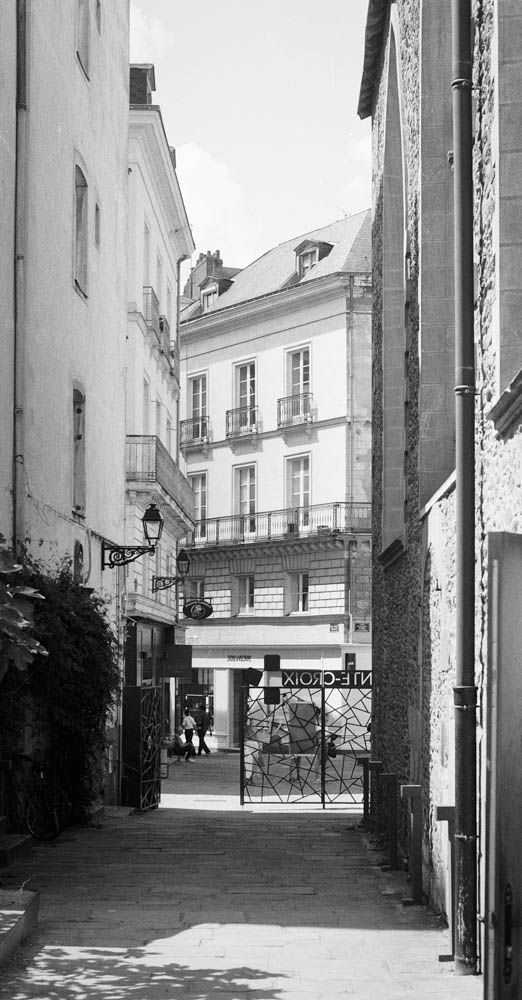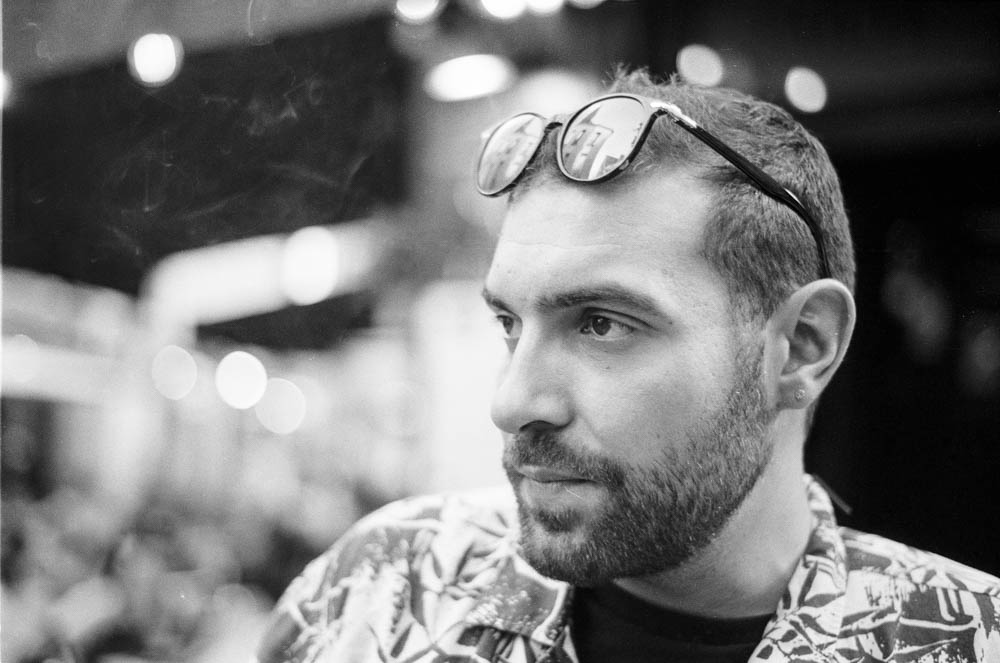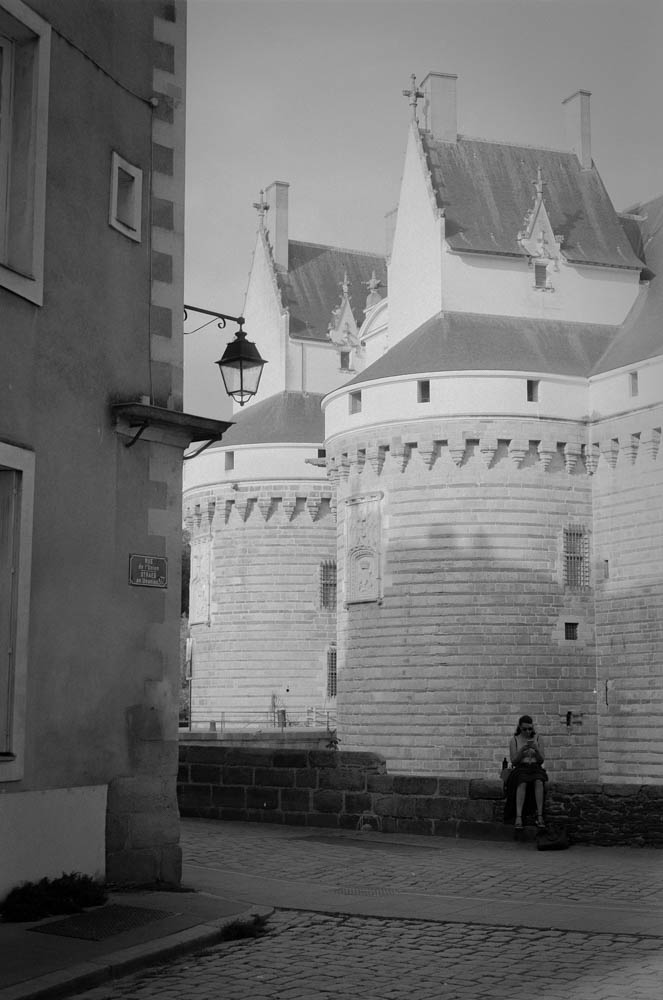
Prime Lenses: Elevating Your Photography Beyond the Basics – Part II


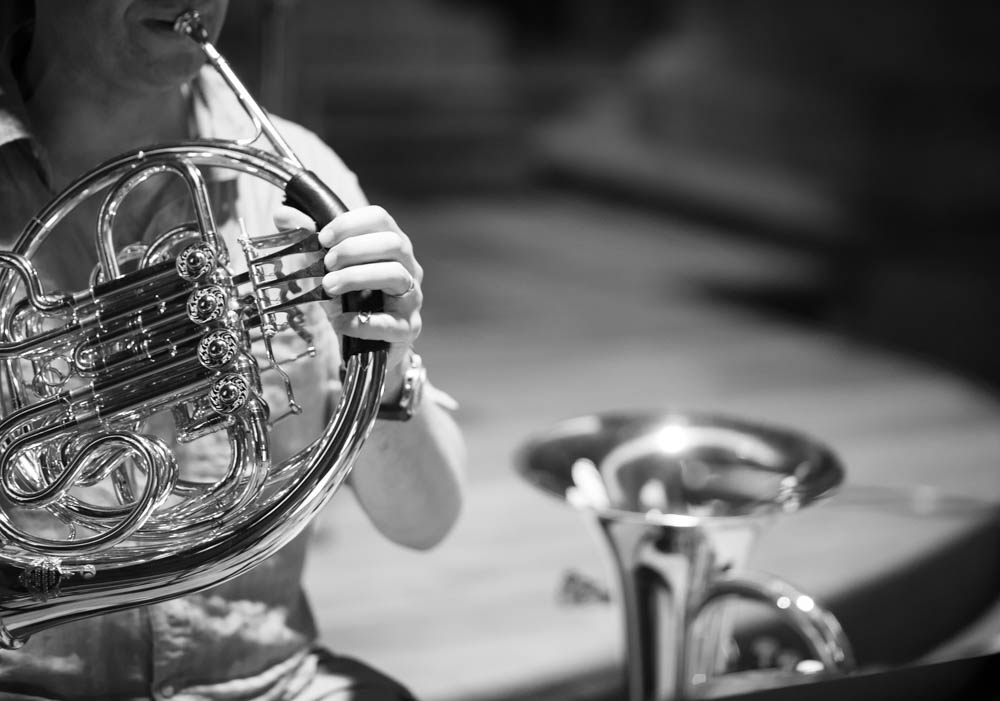
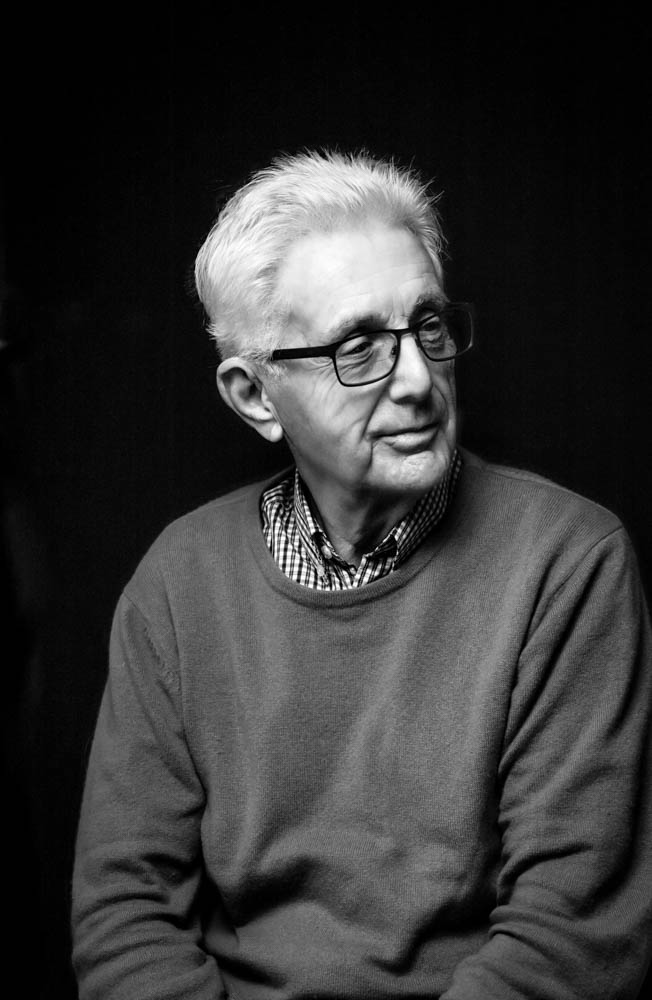
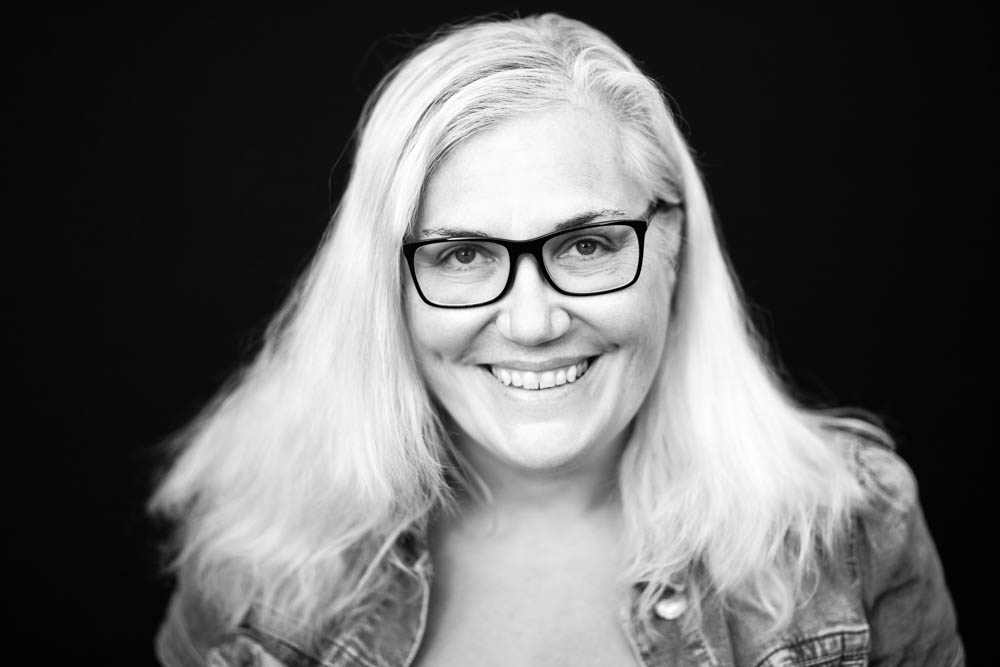
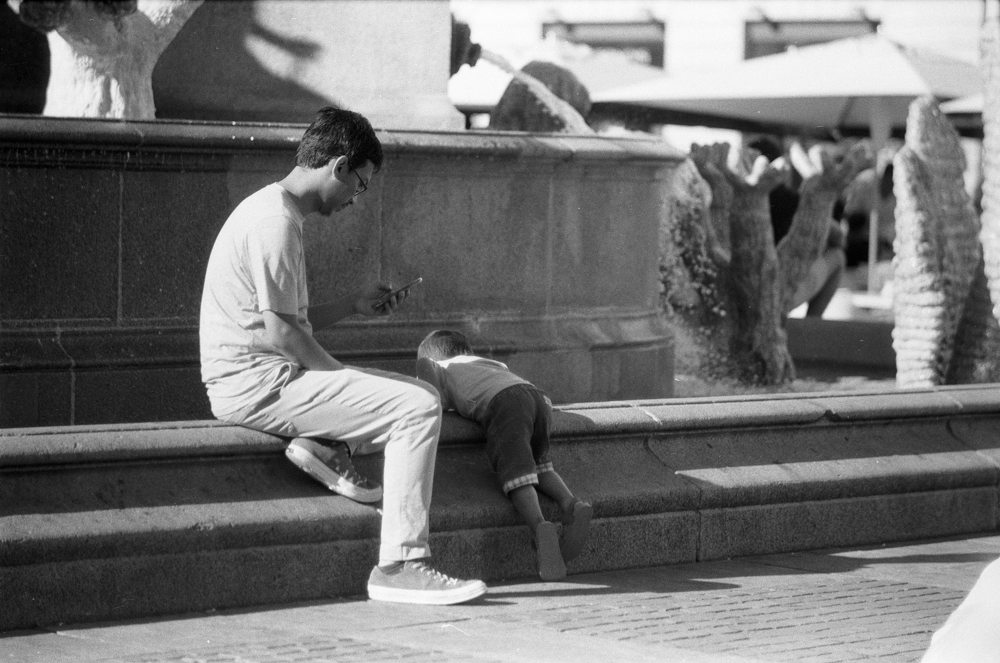
In my last article we explored the prime lenses in my collection and how and why I use them concentrating on my own experience with each one. I started ultra wide and am now going to head towards a narrower field of view. We’ll start with the nifty fifty, go through the Helios 44-2 58mm f2, on to the 85mm f1.8, and end on the Helios 135mm f2.8.

50mm f1.8 – the nifty fifty

Be it a digital lens or one for a film camera, this focal length is considered to be the “standard” to which all the others are compared to.  I have already mentioned my initial set from 1987 where the Pentacon 50mm f1.8 was fitted onto my Praktica MTL3.  It is the lens with which I learnt photography.  Why is it considered the “standard?”  Conventional wisdom would suggest that the view offered by the lens is the closest to the human eye.  This explains why Robert Doisneau used it extensively in his documentary photography.  Henri Cartier-Bresson is known for his ability to capture decisive moments in street photography. The 50mm focal length, with its natural perspective and good depth of field, was perfectly suited to this approach. It is also one of the more simply constructed lenses and yet still offers a great shooting experience be that digital or film shooting.

Helios  44-2 58mm f2.0 

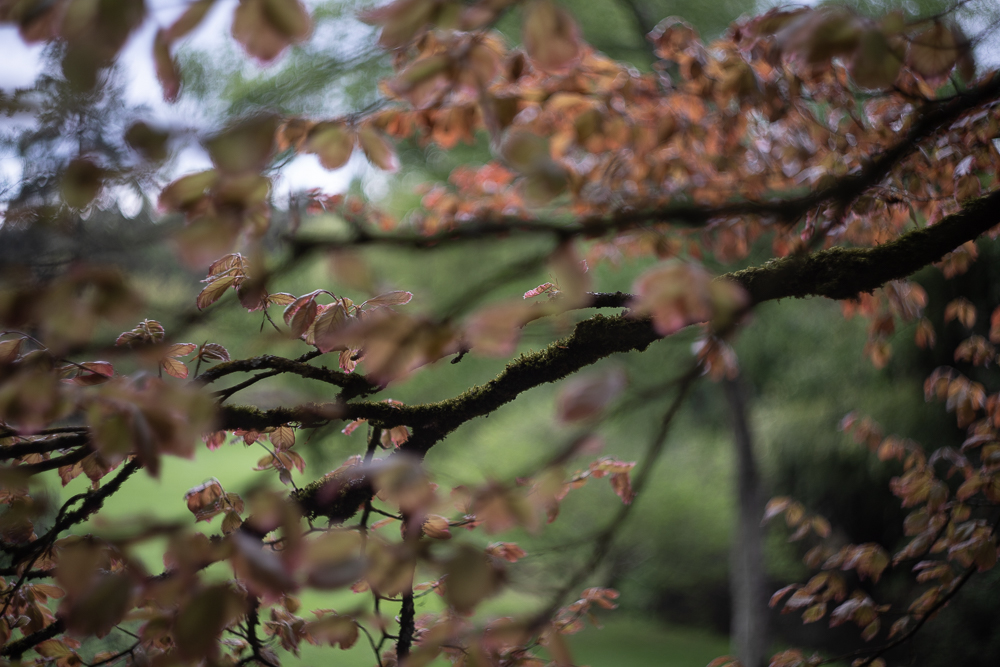
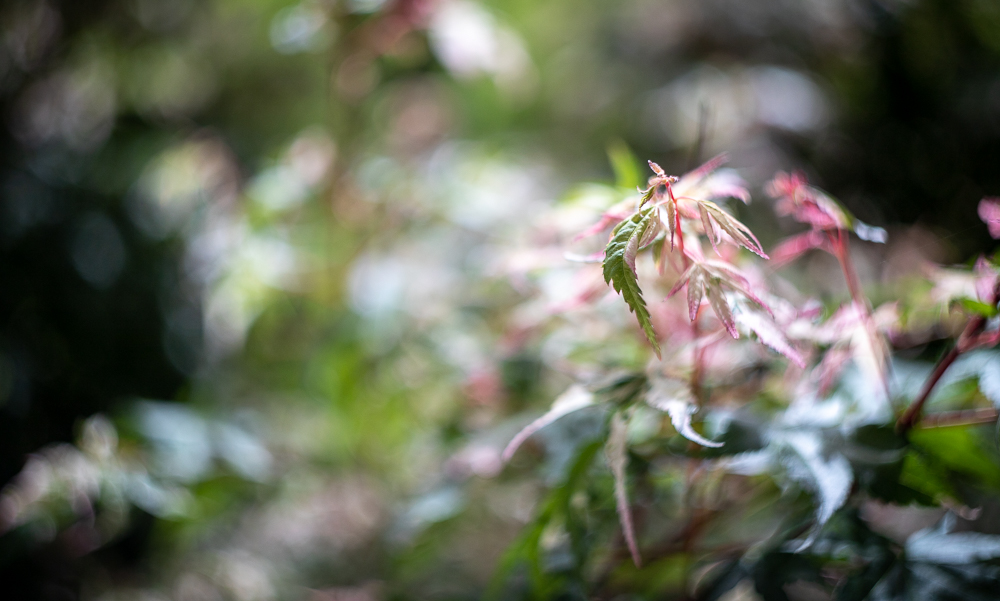
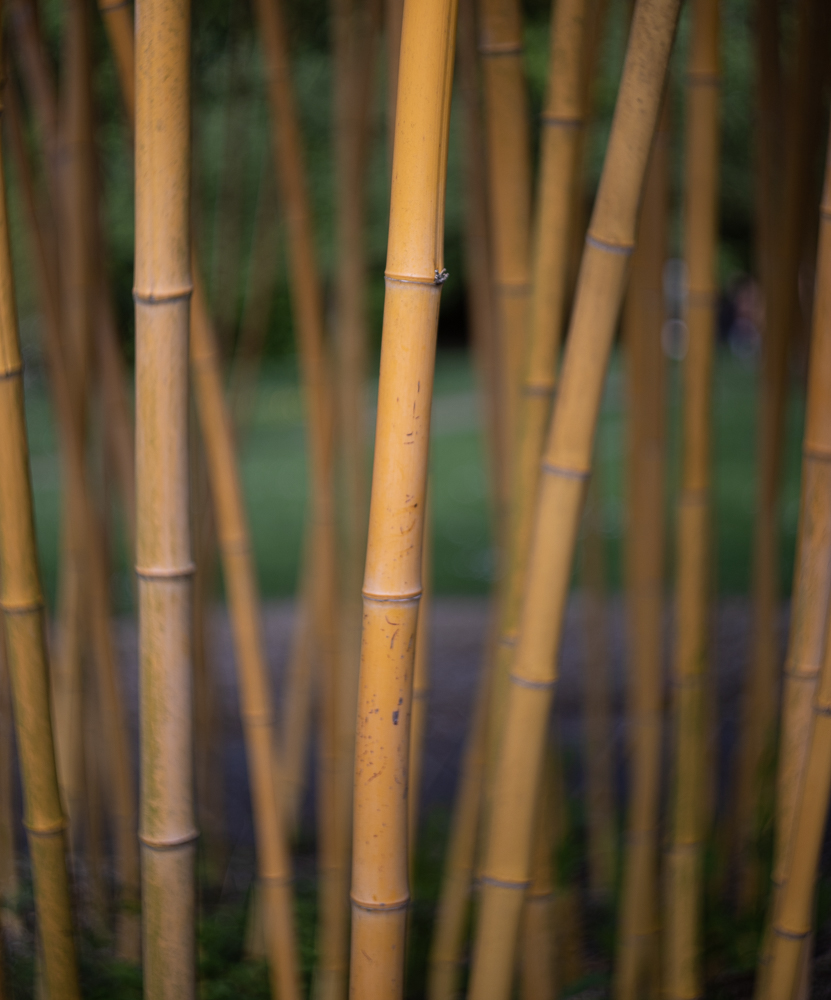
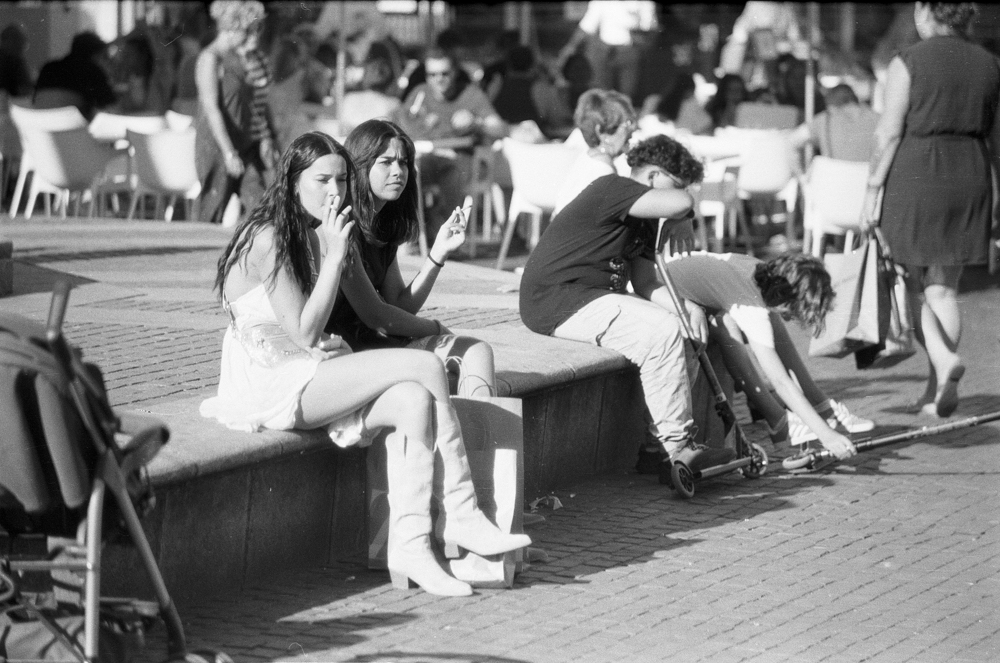
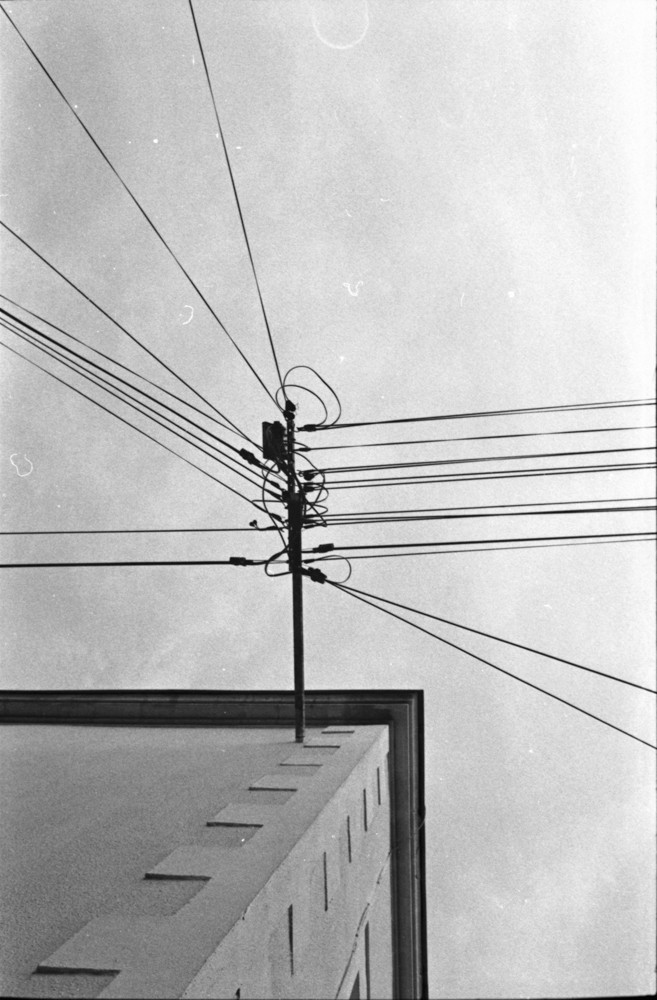
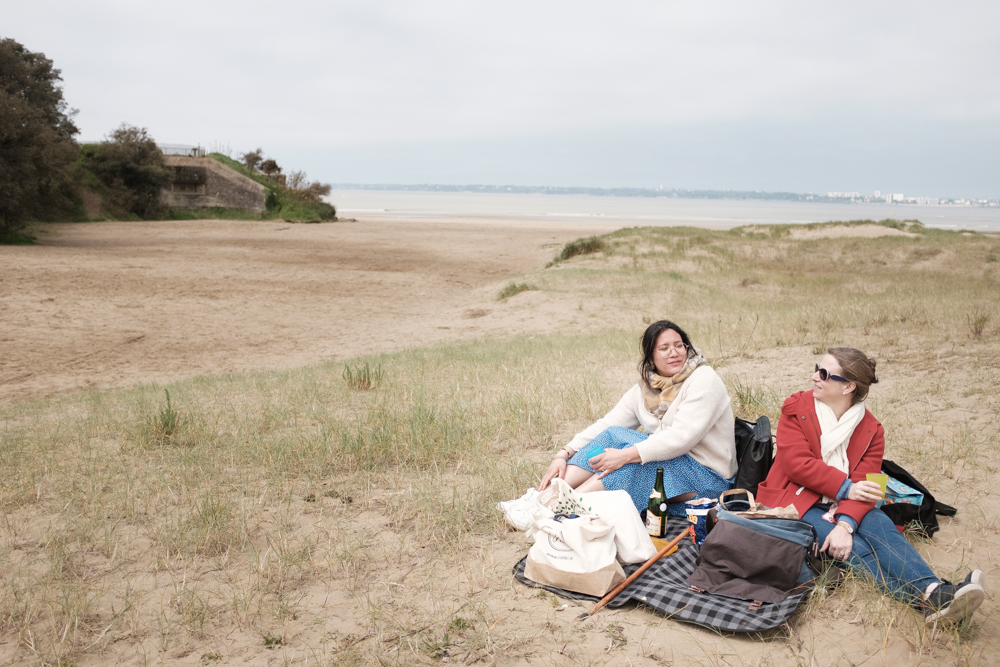
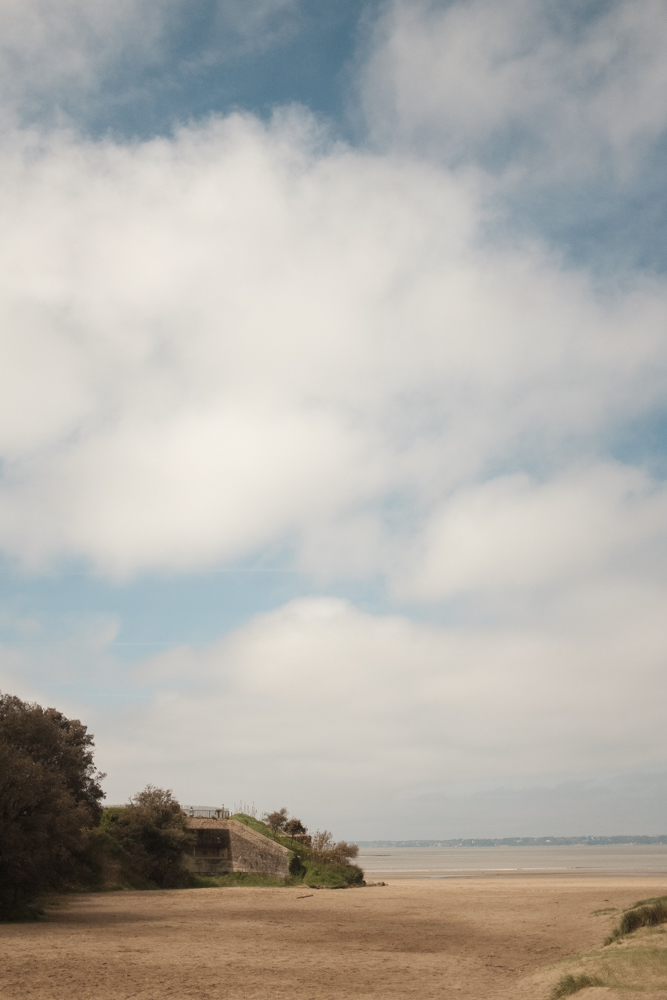
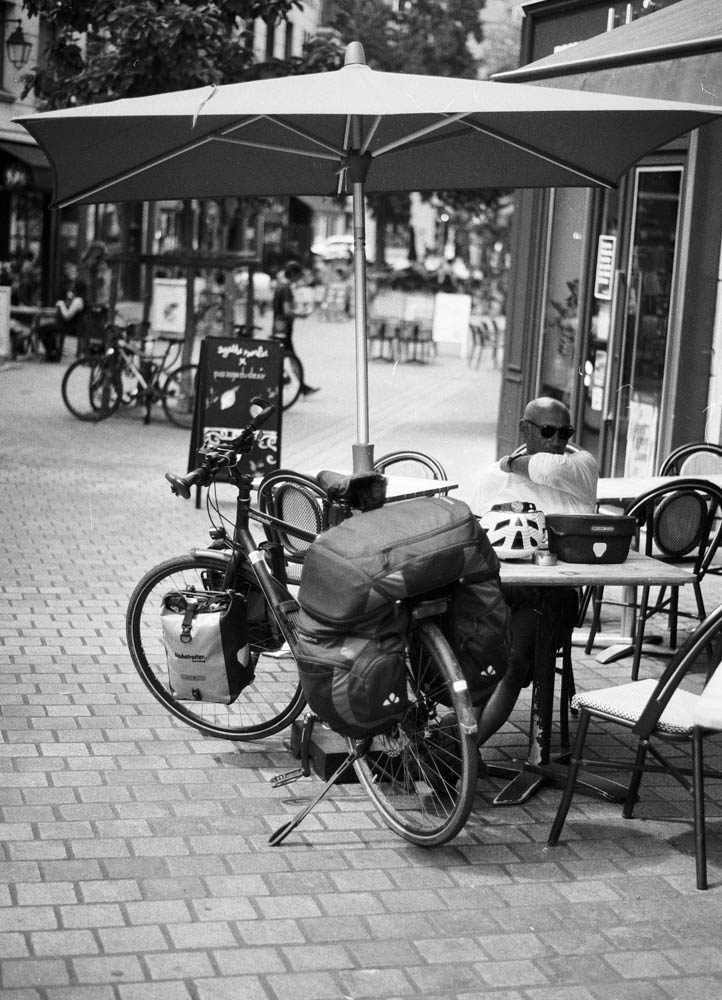
This is one of those lenses that one hears about and has a certain mythology.  It is known  most for its swirly bokeh which you can see in the images in the slideshow below.  I think mine must have cost around 50 Euros so in my mind I was thinking, you can’t go far wrong.  This swirliness adds interest to any photograph be it in an oriental garden, on in portraits.  Just enough to make the viewer have a closer look and fall even further in love with your capture.  It’s an old soviet lens and fairly solid as you can read in the article I wrote about the Helios and the Canon 6D mark II.  It is the first of my “portrait” lenses.

We’ve done the bokeh bit, now let’s talk about the focal length.  When in the studio I will start using my 50mm, but this is always ready in my bag.  But it’s not just a portrait studio lens, and I have used it on outings in Nantes.  As all “telephoto” lenses, it separates the background from the subject, and brings forward the subject to the fore.  I haven’t used it on my Praktica film camera yet and should probably do so very quickly.  It would be a shame not to after all.  As it stands I have to use an adapter for my Canon and another adapter for my Fuji XT2.  With the crop sensor on the Fuji it magically turns into an 85mm equivalent.
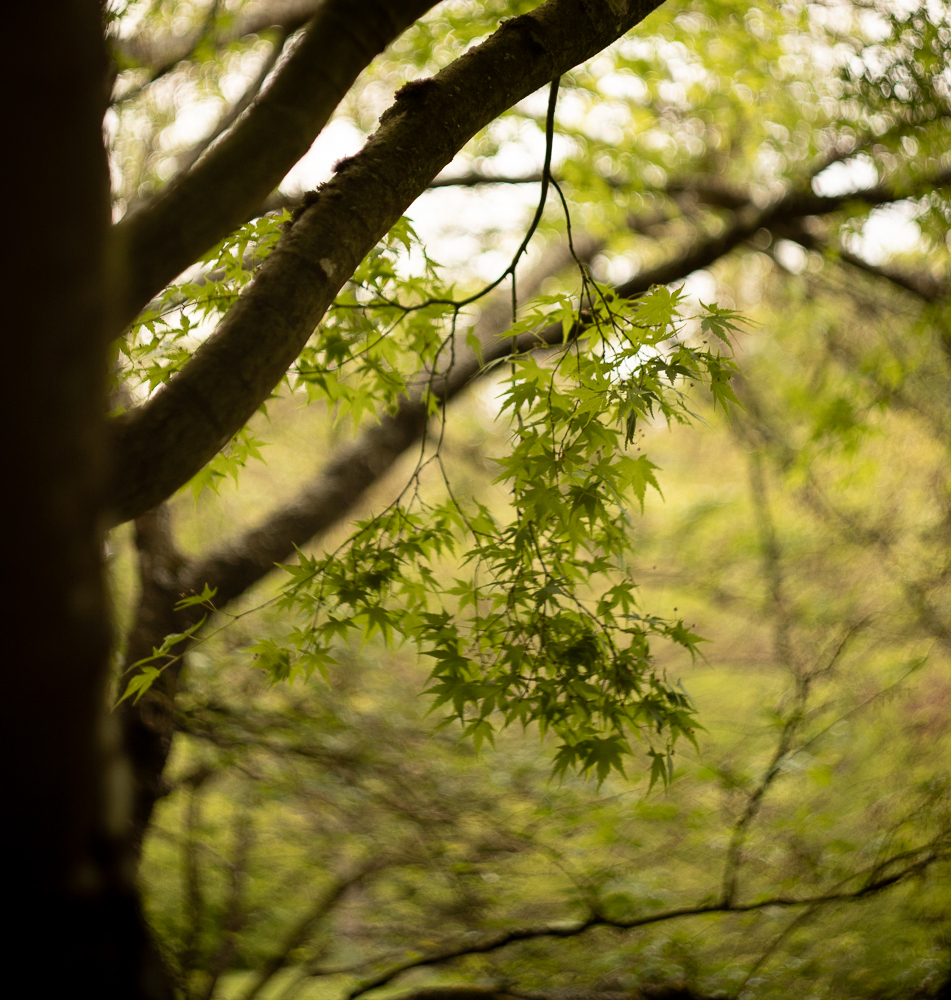
Canon 85mm f1.8

This is the most classic portrait lens and allows me to take a step back compared to using the 50mm.  Again, the bokeh on this lens is lovely and so creamy that it could give a rotund older gentleman a heart attack if it were cake.  But it’s not cake, so everything is fine.  When I’m in the studio I can concentrate on the eyes and by the time the portrait gets to the ears we’re in creamy bokeh territory.

However, some photographers will take this lens into the street for street portraits.  It’s not a huge lens, and thus less creepy, and allows the photographer to take a step back and still feel close to his subject.  This distance between photographer and subject contributes to a more natural interaction between photographer and model, reduces the feeling of being cramped or intrusive, and leads to a more natural interaction, which in turn leads to more natural posing and a more relaxing experience for everyone.

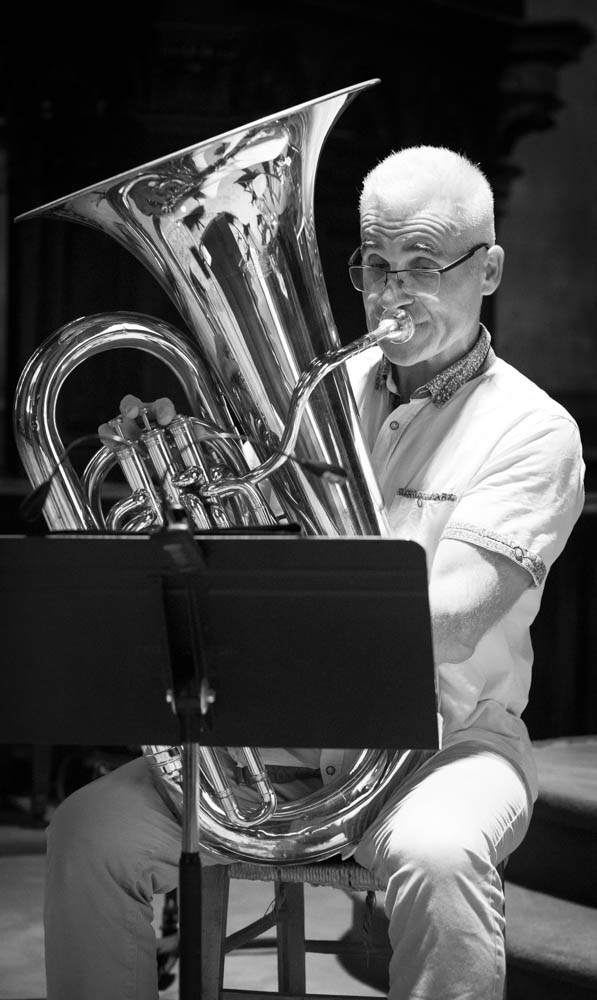
Helios 135mm f2.0

This is the largest of my “everyday” primes and back in 1987 it was in my bag to bring the world even closer than I could with the nifty fifty.  I was a beginner back then.  And didn’t realise the potential of telephoto lenses.  The approach is much the same as for the 85mm but allows even more distance, and is great for those intimate shots that can capture the alluring side look.  In landscape it can help you pick out details in the landscape that you can’t get closer to for practical reasons, and bringst that background that much closer to the foreground.  For those of you who don’t like manual focussing, you might want to give this one a miss.  This was a lens from an age before autofocus came along.   However on my Fujifilm XT2 this transforms into a rather snazzy 200mm lens due to it’s APSC sensor and 1.5 crop factor,  which would be a lot cheaper than a more modern equivalent, and with the focus peaking on mirrorless cameras, this can be a very convincing argument.

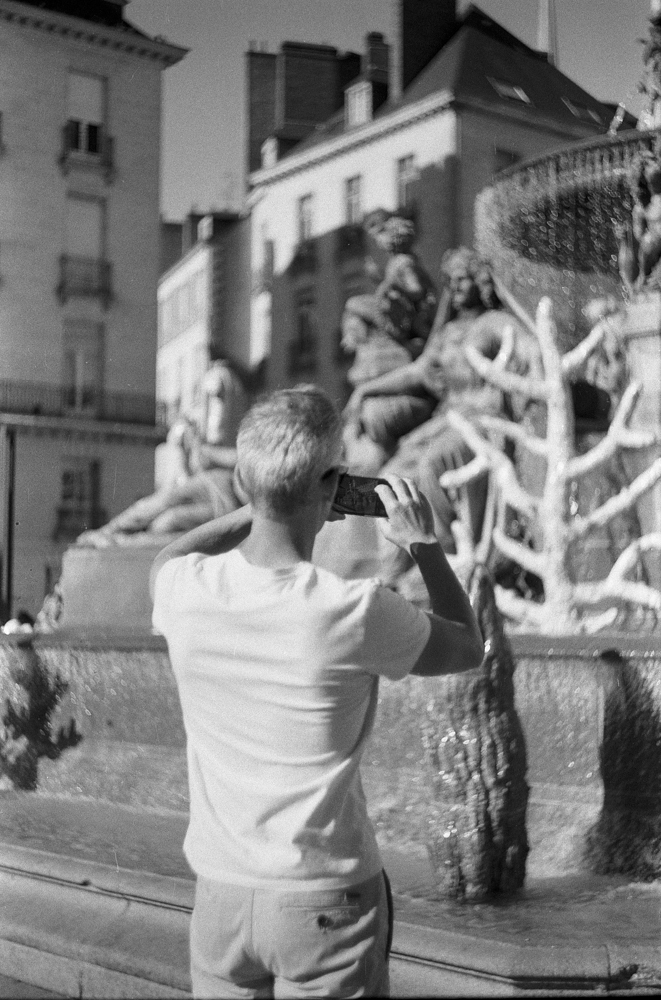
Conclusion.

Primes can generally be considered to be a higher quality option.  With their simpler constructions, they can offer sharper images   They generally have larger apertures, allowing for ease of use in lower light, and providing that creamy, sexy bokeh that everyone keeps mentioning.  By adding a limitation to the creative process they can help the photographer become a more deliberate and mindful craftsman, and concentrate more on composition.

However, even though individually lighter than most zooms, their collective mass may be more important if you constantly want to have every single option available in your bag.  You will be changing lenses more often, when having more to choose from.  Never forget that you are the person carrying them around.  So choose carefully, be deliberate, and plan ahead.   The results will be worth it! 

Prime Lenses: Elevating Your Photography Beyond the Basics – Part I


Introduction

This article is a follow on from my last article discussing the various merits of zoom and prime lenses.  Today I’m going to try and give a more indepth look into this world of primes.  The lenses that I will be discussing are my own and I have experience with them.  I will be talking more about how “I” use them and how they affect “my” photography, be that the actual photos or the photographic experience.  All the really techy stuff is available on Google;  I’m trying to give you an idea of the sentiments that I have when using the various lenses.  That said, let’s get into the nitty gritty.  I will go through each lens giving you details on how I use it, how “they” say I should use it, and start from the widest to the longest focal length.  This was turning into a longer article than usual, but since there’s a lot to cover, it will become a two part article.  Again mother, I will be talking shop, so consider yourself warned again… Sounds fair?  Let’s go!
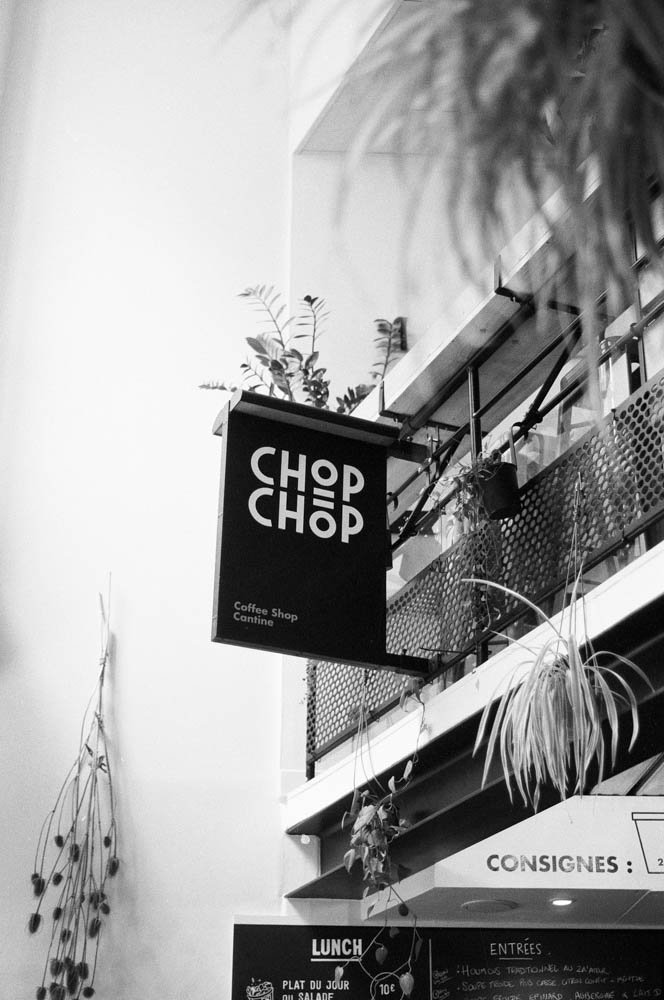
Fisheye lens (TT Artisans 7mm f2.0 manual focus lens)

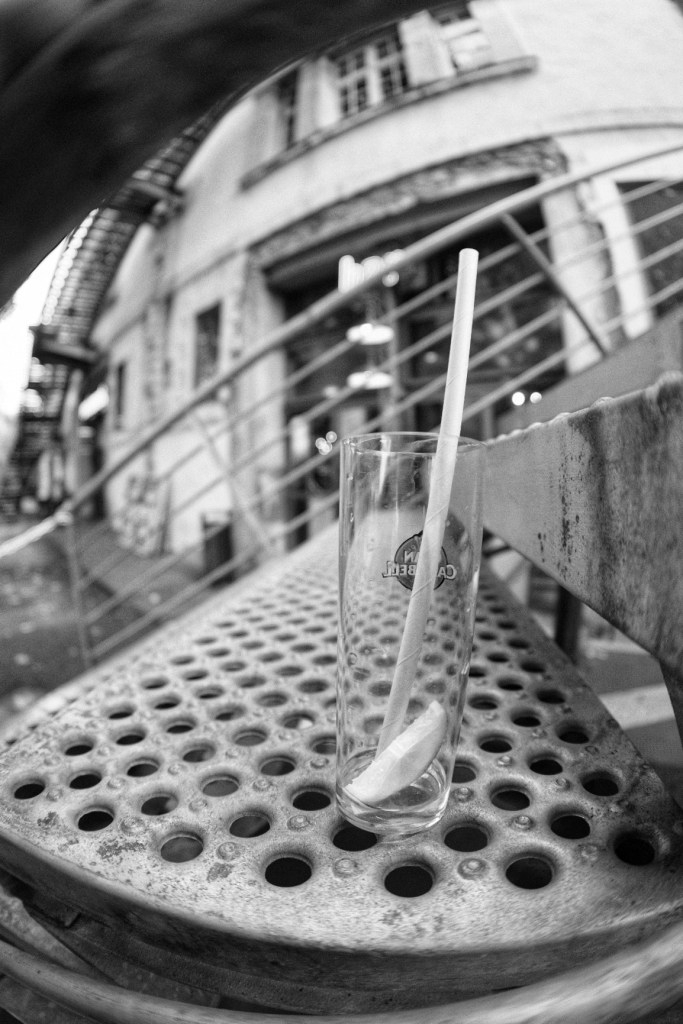
My fisheye lens (7mm so a 11mm full frame equivalent) is the one I use with my Fujifilm XT2.  It is a super wide lens made by TT Artisans, and its main claim to be included in my collection is that it was affordable.  Or at least affordable compared to some of the lenses out there.  However it doesn’t feel cheap on the camera.  It’s manual focus, but I can focus very closely (minimum focus distance is 0.125 metres) and the whole shot will be sharp.  It’s ultra wide so it gives a great level of distortion, which I love, but others might not.  If you can manage to get your horizon level, then you might not get as much distortion as you could by just raising the view 10° higher than the horizon. I love the effect that I can get from it.  It’s definitely a niche lens, and the price I would have to pay for something similar for my DSLR would be silly money.

16mm f2.0 (Fujifilm brand lens with autofocus 24mm equivalent for full frame lenses)

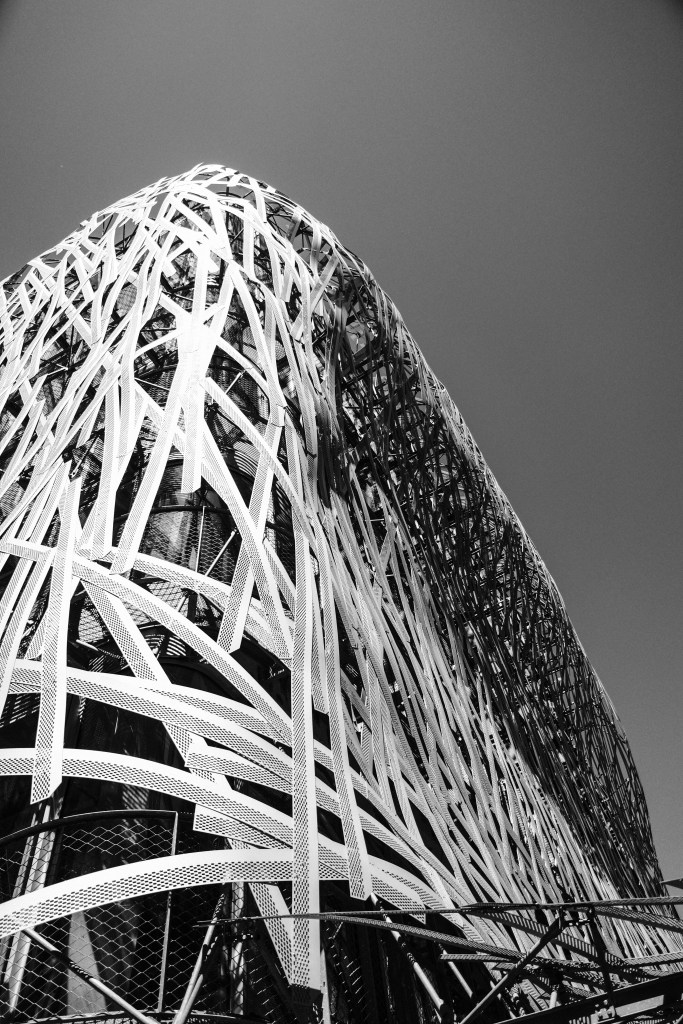
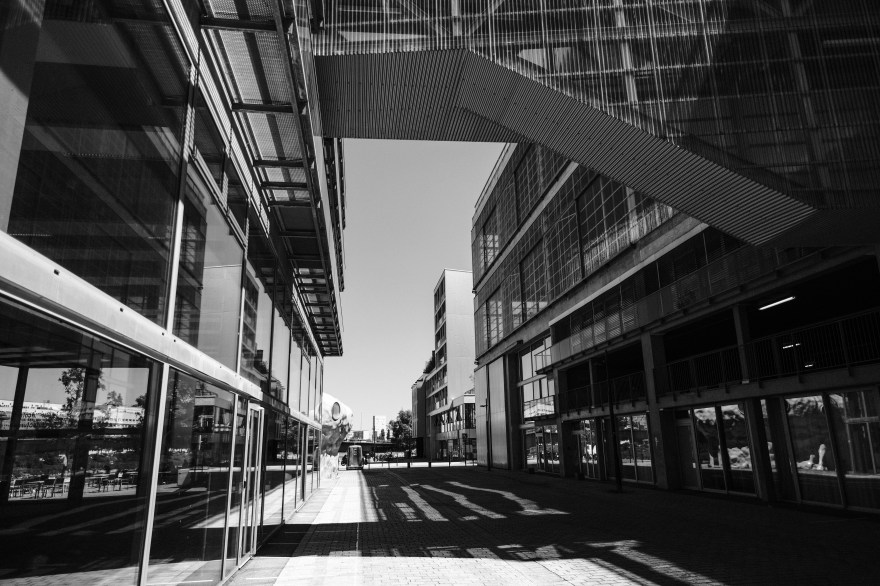
This was the first lens I bought for my Fujifilm XT2.  This 16mm lens’ full frame equivalent would be 24mm.  Why did I buy it?  Well, I already had a 35mm equivalent lens on my X100F, and thought that the difference between 24mm and 35mm would allow me to go wider and get more into my scene whilst avoiding the distortion of the fisheye lens. A particular outing sticks in my mind and was when I used the lens to take photos of the modern architecture on the Île de Nantes.  The wide angle of view (hence the name wide angle lens) was perfect for this kind of street landscape photography.  Would I use it for close-up portraits?  Only if I want to elongate people when taking a shot from low down on the ground looking up.  Would it be good for classic street photography?  Possibly as a compliment lens to my 35mm equivalent lens on my X100F.  Do I regret acquiring it?  Not at all and I particularly like its wide angle of view.

28mm f2.0 M42 mount lens for the Praktica MTL 3 film camera

I started my photographic journey with this film camera and only bought this lens much later.  I had my 50mm f1.8 (nifty fifty) and this was my first venture into a wider lens.  Could I see a massive difference straight away?  No.  But I no longer felt the need to move further back to get the view I wanted into frame.  Moving back with  a camera on your eye and banging into a building and saying sorry to the building is not the way to go, however British you may be.  The Leica Q (a very sexy little thing) uses this 28mm lens and is aimed at street photographers who have enough money to buy a Leica.  The same goes for the Richo GR II but without the need to sell a kidney.  There is a great debate on the Internet talking about the difference between the 28mm and 35mm lens for street photography, which tries to polarise everyone.  I try to stay as neutral as possible in these kinds of controversies but I do use my 35mm lens more.  Do I still like the 28mm format?  Yes.  Is it very different from the 24mm format?  Not hugely, but I tend to worry less about distortion .  I should probably go out and run a roll of film and see how I feel afterwards.  I remember the need to go in close to avoid capturing too much in the frame with this lens, but that is not a factor that could deter me from using it.

23mm f2.0 (X100F lens equivalent to the 35mm for a full frame camera)

The 35mm lens is the classic for street and documentary photography.  It was the lens used by a majority of newspaper photojournalists in the 1970’s, 1980’s and 1990’s.  This might explain its influence on my own photography.  I remember when the Independent first came out and the high quality of photojournalism.  I think that if Fujifilm decided on the 35mm equivalent for their fixed lens cameras then there’s probably a very good reason for it.  Through my use of the X100F for street and documentary photography I have become very accustomed to the view it gives me of the world.  It’s not just for the street though.  Even as a sole travel lens it allows me to capture details of a trip, as well as wider views to tell my story in more detail. It’s brilliant as a lens for environmental portraits and is wide enough to always give contect in the frame to the main subject.  If you try to do close up photography with portraits you might notice some distortion but if that happens just move ever so slightly backwards, reframe, and the problem should no longer be one.

In my next article, we will go higher up the focal lengths and discuss the narrowing field of view that they offer and explore how they bring the background forwards. As for this article, all the information laid out is equally as valid for film or digital photgraphy.

The Quiet Orchestra of Cups and Crumbs: Indulging in Tea and Cake at Home


There’s a hush within the walls of home, broken only by the gentle clink of china and the soft rustle of pages turning. Sunlight paints warm squares on the table, and a familiar aroma fills the air – the alluring scent of freshly brewed tea, mingling with the promise of sweet delight. Forget the clamour of cafes and the pressure of trendy patisseries; here, amidst the comfort of your own haven, awaits an indulgence both simple and sublime: the pairing of tea and cake.

This is not just a snack, mind you, but a ritual, a rebellion against the hurried pace of life. Here, you are the maestro, wielding the teapot and cake fork with practiced ease. No deadlines loom, no expectations burden you. Just the quiet orchestra of clinking cups, the warmth of tea on your tongue, and the crumbly symphony of cake yielding to your fork.

But before we lose ourselves in the indulgence, let’s ensure the foundation is perfect. Forget the sacrilege of microwaved water! A proper cup of tea deserves a touch of ceremony. Here’s the secret:

The Art of Brewing:

  1. Choose your weapon: Select your tea wisely. A robust Assam for an invigorating morning, a delicate Darjeeling for a contemplative afternoon, or a fragrant jasmine for a touch of serenity. Loose leaf offers the fullest experience, but quality tea bags work too – I’m thinking Yorkshire tea, Yorshire Gold, or even Barry’s Gold from Ireland.
  2. Heat the water: Water is the soul of tea. Use water heated to the appropriate temperature – boiling for black tea, around 80°C for green tea (except green tea is for hippies or stresed out millenials). Using a kettle helps achieve precise temperature control.
  3. Warm your vessel: Preheat your mug or teapot with hot water to prevent a temperature drop when the tea arrives.
  4. The infusion dance: Measure your tea – a teaspoon per cup. Add the tea leaves to the warmed pot, then pour the hot water gently over them. When using a tea pot, the rule is one spoon of tea for the pot and one spoon of tea per person.
  5. Let it steep: Respect the steeping time! Each tea has its preference – 3-5 minutes for black tea, 2-3 minutes for green tea (for hippies and stressed out millenials). Be patient, this is where the flavour magic happens.
  6. Strain and savour: Once steeped, strain the tea and discard the leaves (unless using a teabag). Now, breathe in the aroma, hold the warm cup in your hands, and take that first sip. Let the flavours bloom on your tongue. I always add milk, which takes off the tanin edge of strong tea.

The Perfect Pairing:

Now, to the cake! Choose a companion that complements your tea’s character. A rich chocolate brownie pairs well with robust teas, while a light, citrusy slice enhances the delicate notes of Darjeeling. Remember, this is your symphony, so experiment and find the perfect harmony.

With each sip and bite, the tension of the day melts away. The world outside can wait, for within these four walls, you’ve created a sanctuary of indulgence. No judgement, no pressure, just the quiet joy of the moment.

So, the next time you crave a moment of solace, skip the cafes and turn inwards. Brew a pot of tea, slice a delightful cake, and settle into the haven of your home. Let the quiet orchestra of cups and crumbles fill your senses, and rediscover the simple yet profound pleasure of indulging in your own company.

And remember, Nantes may boast charming cafes, but the truest indulgence often lies in the quiet corners of your own home, waiting to be savoured with every mindful sip and bite. Take a moment, dear reader, and indulge in the simple symphony of tea and cake at home. You deserve it.

A nice cup of tea made with love ? It’s a hug in a mug!

Navigating the Digital Abyss: Unmasking the Devil’s Tactics in Online Discourse


In the vast expanse of the digital landscape, where opinions clash and egos collide, a subtle malevolence seems to linger—the devil finds a home in the chaos of internet comment sections. This virtual realm, often hailed as a marketplace of ideas, reveals a darker side where the battle for truth is marred by the cacophony of raw emotion and the absence of reasoned discourse.

The Temptation of Raw Emotion

Engaging in these comment sections is akin to stepping onto a battlefield without body armor, where every keystroke can be a weapon, and reason is the first casualty. As I ventured into a discussion on the joys and challenges of parenthood, the vitriol that followed made me question not just generational differences but the very nature of dialogue in our digital age.

I expressed my own personal experience of fatherhood and the joy that it has brought me. However, when I dared to offer my opposing perspective, emphasizing the personal and societal benefits of fatherhood, I was met with a barrage of hostility, misrepresentation, and accusations of being “evil.” These individuals, shielded by the anonymity of the internet, felt emboldened to lash out with vitriolic remarks, dismissing my views as irrelevant and even harmful.

For example, I was called a “dinosaur” and a “boomer” for expressing my support for traditional values. I was also accused of being “out of touch” and “selfish” for wanting to have children. I was told to “shut the fcuk up,” and “did you take your meds today?” I was told that I was senile and suffering from Alzheimer’s disease.

These personal attacks were hurtful, but more importantly they also served to try to silence my voice and prevent me from engaging in a meaningful dialogue. The devil, it seemed, had found a way to weaponize the internet , using it to sow discord and discourage open-mindedness.

The Echoes of Selfishness and Malhonnête Intellectuelle

In the realm of pixels and screens, one encounters not only differing perspectives but also a stubborn refusal to entertain dissenting opinions. It is a breeding ground for selfishness, where personal preferences override empathy and thoughtful consideration. The accusation of wanting to control others, merely for expressing a different viewpoint, echoes the selfishness that permeates our society.

The devil’s influence is further amplified by the prevalence of “malhonnêteté intellectuelle,” a French term that roughly translates to “intellectual dishonesty.” In the world of internet comment sections, this takes the form of misrepresenting or distorting opposing viewpoints, cherry-picking evidence to support one’s own argument, and engaging in ad hominem attacks. These tactics create an atmosphere of distrust and suspicion, making it even more difficult to have productive conversations.

For instance, when I highlighted the positive impact of fatherhood on society, I was met with claims that overpopulation was a more pressing issue and that personal freedom should trump the call to embrace the responsibilities of family life. These arguments were not only based on flawed logic but also served to dismiss the value of fatherhood and the importance of raising children in a stable and loving home.

The devil takes advantage of this self-absorbed mindset by encouraging people to dismiss opposing viewpoints as irrelevant or insignificant. This creates an echo chamber effect, where individuals are only exposed to information that confirms their existing beliefs, further entrenching them in their worldview and making it harder for them to engage in meaningful dialogue.

The Age of Navel Gazing

The reluctance to welcome diverse perspectives reflects a society increasingly prone to navel gazing—fixated on individual desires and comfort, dismissing the collective wisdom that arises from shared experiences. As I extolled the virtues of fatherhood, it was met with such dismissive responses as, “Who cares what you think?” and “Mind your own business.”

The devil takes advantage of this self-absorbed mindset by encouraging people to dismiss opposing viewpoints as irrelevant or insignificant. This creates an echo chamber effect, where individuals are only exposed to information that confirms their existing beliefs, further entrenching them in their worldview and making it harder for them to engage in meaningful dialogue.

The Church’s Wisdom: A Beacon in the Digital Abyss

In the teachings of the Catholic Church, one finds a call to discernment, humility, and the pursuit of truth. In the face of emotional onslaughts, the Church encourages us to be steadfast in reason, guided by love, and unyielding in our commitment to fostering a culture of life. As Pope Francis aptly noted, “We were created to love, and love demands an open heart, open to God.”

The Church’s teachings provide a valuable framework for navigating the digital abyss. They remind us that we are not merely individuals, but members of a larger community with a shared responsibility for creating a more just and compassionate society. They also encourage us to engage in dialogue with others, even when we disagree, with respect and open-mindedness.

Conclusion: The Path to Renewal

In our journey through the virtual abyss, we must don the armor of reason and the cloak of empathy. The devil, it seems, thrives on the breakdown of dialogue and the rejection of diverse viewpoints. Let us resist the temptation to succumb to raw emotion, and instead, strive for a digital discourse that reflects the grace and wisdom found in genuine human connection.

As we confront the devil in the comment sections, let our responses be guided not by the fleeting winds of emotion but by the enduring light of reason, compassion, and the timeless teachings that remind us of our shared humanity. Together, we can create a digital space that is more inclusive, respectful, and conducive to meaningful dialogue.

We must remember that the internet is not just a place for expressing our opinions; it is also a place for learning, understanding, and building relationships. By engaging in dialogue, we can transform the digital landscape into a space that fosters not only individual growth but also a more just and compassionate society. Let us reclaim the internet as a tool for good and use it to build bridges, not burn them.

Happy New Year


It would appear to be that time of year when everyone greets each other with the quasi obligatory Bonne Année. Usually followed by some generic wish such as Santé, Bonheur, and even Prospérité. Some have even dared to reduce it too Bonne et Heureuse… But let’s not talk about them.

A Message of Hope and Peace

I wish you a very Happy New Year. I wish you what you need to get through 2024, and what you need to affront the difficulties that you may face. But most of all, I wish you Peace. I wish you the peace that is said when Jesus said Peace be with you, or Shalom, or As-salamu alaykum. That inner Peace that we receive from our creator. This peace will bring you much more joy than mere health, happiness, and success. I think it goes much further than this “worldly” greeting.

Finding Peace in Solitude and Family

Over the Christmas period I have been on holiday, and have managed to find some of this more deeper notion of peace. I greatly appreciate my colleagues, but it was lovely just being with my family. And like with the Covid lockdowns, it gave me space, and rest, but most importantly, it gave me time. Time to be with my wife and children. Time to just be in their presence and feel the joy that they give out.

The Joy of Ironing and Shoe Shining

It also gave me time to complete my ironing and get that pile “done”. There were things that had been waiting so patiently. Even my cotton handkerchiefs which are a joy to iron. Humanity seems to fall into two groups, no, not male and female, but those who iron and those who don’t. I am in the former and my wife is in the latter.
I met my wife back in 1992 and I used to wear green for a living. That poor girl once tried ironing my uniform, and I was stupid, foolish, a bit rash, a complete eejit, and declared don’t touch things that you know nothing about.
I had been taught to iron firstly by my mother and became adept at ironing cotton hankies. We all have to start somewhere. My training continued with those gentlemen who wear green for a living and therefore have to be immaculately dressed at every hour of the day or night. They would explain how to iron everything from A to Z and then we would do the same. We were then expected to execute the same task to the same high standard. I still have nightmares about tramlines. If you know, you know. And if you don’t know, then that’s one less traumatic event to have to share with your therapist.
Needless to say, my Dear wife has not ironed since 1992, and that task has fallen to me. I learnt my lesson and now keep my mouth shut.
I also learnt how to shine shoes, taught by those same men in green. So I took the time to go through every single pair in the house, shining them and making them like new and being complimented by my wife who had the impression of having new shoes. Some could be repaired but the repair costs would have been more than the shoes were worth. Those loved shoes are now in a better place.

A Rejuvenating Holiday with Loved Ones

Time, time, and more time. You wondrous thing. The kitchen needed attention, and is now looking loved as well as lived in. My children cooked the Christmas Eve meal for us and they did themselves proud. I said that I was available if needed and they only asked me to do a tartare sauce. So I did.

Grateful for Family and Faith

Time, time again. On Christmas Day I always put my foot down and insist they come to church with me. So, they were spared Midnight mass, Dawn Mass, and even morning mass, but they were with me for the evening mass. I’ve talked about this before, but again, this is so important to me and it always feels wonderful.
Happy New Year Dear Reader, I wish you Peace for 2024, and may your God bless you.

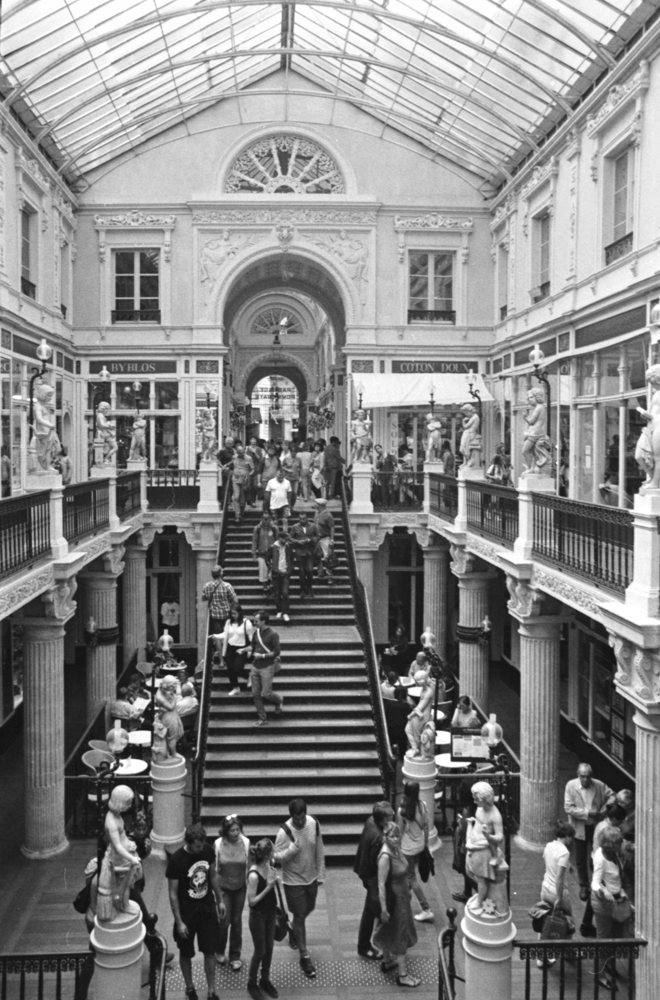
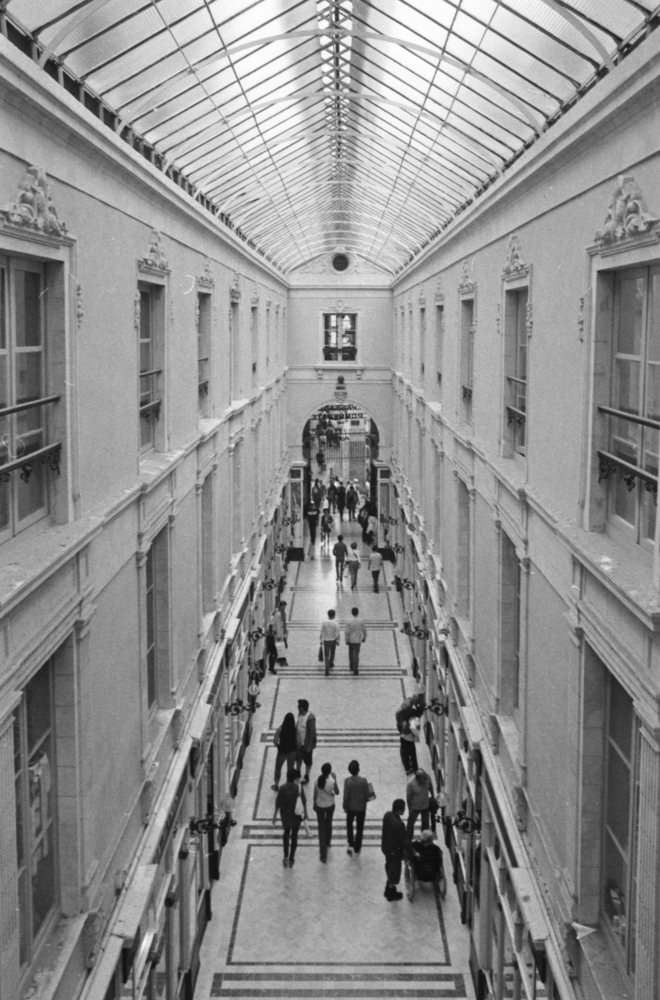
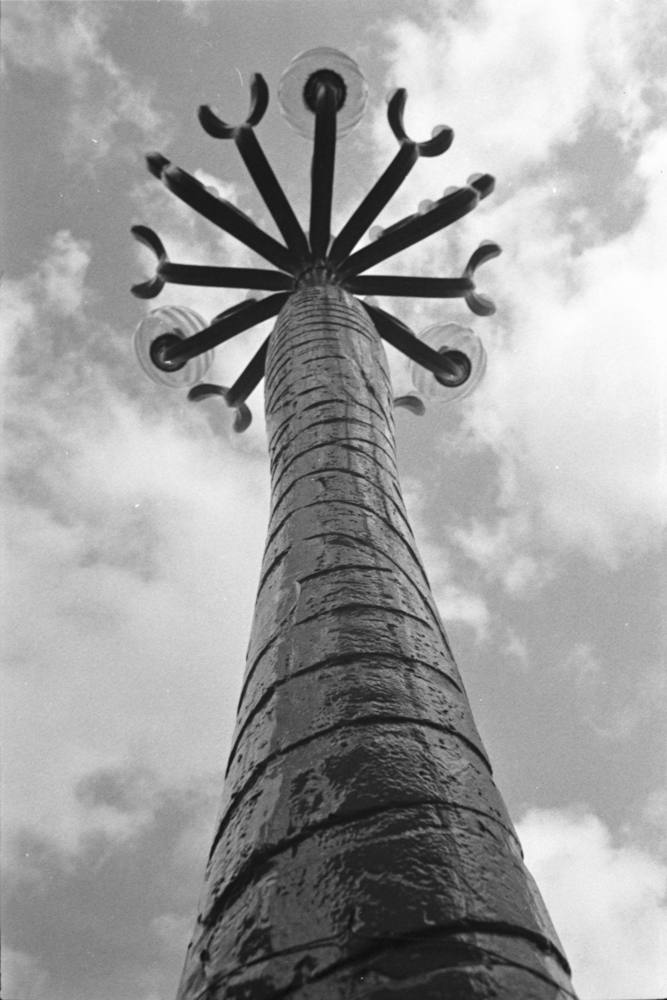
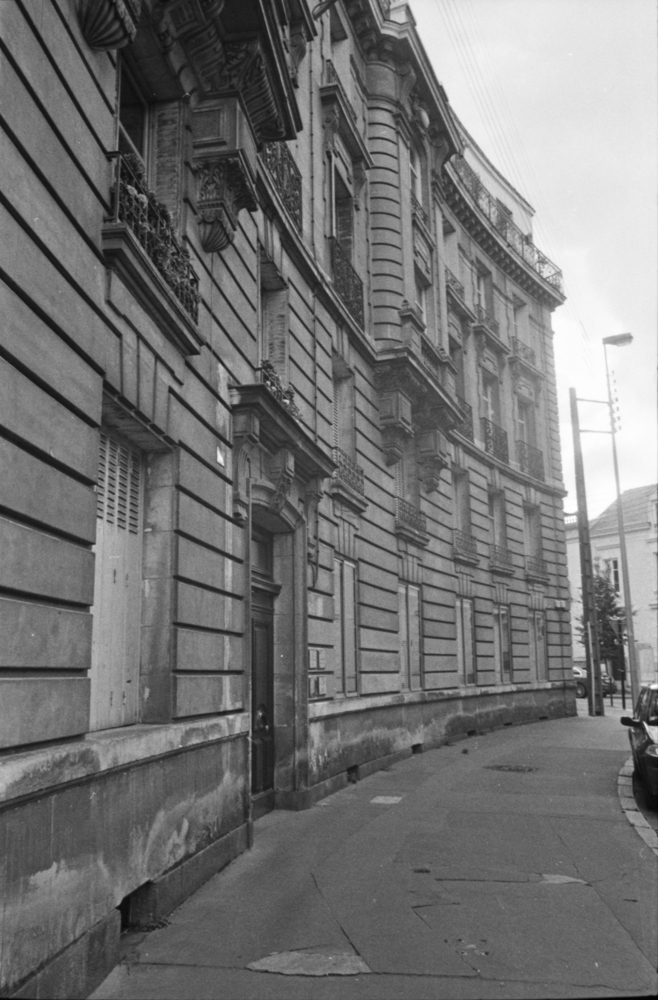
Capturing the Essence of Nantes: A Street Photography Journey with the Pentax ME Super and Kentmere 100 Film


Dear Reader,

This is less of a tutorial than the last four articles but more a “how I approach the subject” kind of article. You can read about something I seem to do a lot of and have experience of. I’ll be talking about my film photography phase from this summer when my X100F was still dead

Have you ever felt that familiar tug of nostalgia while strolling through a city that reminds you of your hometown? For me, Nantes, with its maritime heritage and busy streets, brings back memories of Hull in East Yorkshire. Those of you from Hull will see the irony in this, wondering how the heck a town can be like Hull, but it has similarities… If you know, you know. It’s a city that feels like home, and it’s just a short 35-minute drive from where I live. Come with me through the streets of Nantes, with the Pentax ME Super and Kentmere 100 film.

Exploring Nantes Through My Lens

Nantes, like Hull, boasts a rich maritime history, or is it the other way round? As I set foot in the city, I can’t help but feel the past staring me in the face. The first thing I do is head to my favourite spot, Parking Feydeau. It’s become somewhat of a ritual for me. I park on the same floor, in the same space — predictability eases one worry when you’re out capturing moments, or as my son says, are you autistic Dad? The cheeky little bugger. No, I’m just me! An old Fuddy-Duddy.

As I step out onto the street, I take my first light reading with my camera. It’s a bit like taking the city’s pulse, getting the vibe for the day. My starting point is usually Quartier Bouffay, near the castle , and the fact that the pub is close by has nothing to do with anything! From there, I seem to find myself in front of the Sainte Croix Church. Sometimes, it’s for confession; other times, it’s just to warm up, both physically, spiritually, and visually.

Just as walking the streets of Nantes is a physical workout, and with a camera it is akin to a visual workout. You’re constantly observing, framing, and capturing scenes as they unfold. Rue des Carmes or the path leading to the Castle are some of my more frequent routes, but I’ve been known to start my journey at Place Royale, especially if a visit to my barber is in order. My beard and length has often been a debate between my mother and I. She prefers the shorter, therefore neat and tidy beard. I seem to like a little more length, going for the Father Christmas look. From there, I can explore the Rue de Calvaire or aim for the Tour de Bretagne. Should I choose Rue Crébillon, it will take me to Place Graslin, and I end up in the very French and very stylish Cours Cambronne. They do do a nice courtyard do the French. Sometimes I will head to Quai Président Wilson, to the Hangar à Bananes, where I go to the HAB Gallérie. The added bonus is that parking is free in this area, and after all as Tesco’s would have us believe, every little helps. Again, the fact that I have an address for a beer and a piece of cake has nothing to do with anything, and I will, of course deny everything!

Moments and Encounters: The Heart of Street Photography

As an older gentleman with a slight limp, courtesy of arthritis, I’ve come to understand the importance of comfortable shoes. Fortunately, I do happen to posess some comfortable shoes, allowing me the extra bit of ease whilst wandering around the streets. I’ve also done the odd reckie of spots where I can sit down— be it for a meal, people-watching, sipping a cup of French expresso that packs one heck of a caffeine punch, or, on rare occasions, enjoying a decent cup of tea, but as we are in France this a much more challenging endevour. The French can just be so French now and again. Ah, tea — that drink that is a hug in a mug.

Navigating the streets of Nantes with a camera in hand and a discerning palate for food has become somewhat of a habit for me. Some of the things I hold dearest to my heart, tea, and cake. In France, we encounter the “droit à l’image,” a set of laws governing the right to one’s image. Some people may feel uncomfortable having their photo taken, and I’ve seen it manifest in numerous shots of people’s backs. However, these unwitting contributors add a recognisable element to the urban landscape, showing human interactions in the city.

I recall an incident when a passerby accused me of taking his picture without permission. I had a 28mm lens, and he was merely an infinitesimal part of the scene I was capturing. Reassuring him, I explained that he was not the focus of the photo, and that I had only noticed him when he started yelling at me. So much of a muchness. It was a lesson in navigating the sometimes touchy waters of street photography in a culture sensitive to “the right to one’s image.” As it turns out, compassion is the universal language, but so is muttering under my breath when out of earshot.

Another way I combine photography and life in Nantes is through my visits to the local barber. Whenever I’m in the chair, I discreetly document the atmosphere of the shop. The photos I take are subsequently given to my barber, forming a visual record of his small business — it’s good to be good, and it’s my small way of supporting local businesses. As is drinking tea and eating cake. Nothing to do with my tummy, and nothing like Whinnie the Pooh…

The Pentax ME Super and Kentmere 100 Film: A Street Photographer’s Dream Team

Why do I choose the Pentax ME Super for my street photography outings? Well, it’s a matter of practicality and style. First and foremost, it’s compact — a small camera, and in my pocket another lens and a couple of rolls of film. In the world of street photography, less is often more. It’s a “Keep It Simple, Stupid” approach, and I am a great fan of simple.

But it’s not just about size as in many domains; it’s also about subtlety. A massive DSLR with a conspicuous zoom lens can be intimidating, both for the photographer and the subjects. With the ME Super and prime lens, I “zoom with my feet.” This set-up forces me to engage more intimately with my surroundings especially with the 50mm lens, and the result is a more authentic perspective of the city. Plus, let’s face it — the ME Super is just a really cool looking camera and its vintage appearance just oozes kudos and style. It makes me feel like a true photographer, even though I’m merely an observer of the city.

Now, let’s talk about the Kentmere 100 film. It’s practical and easy to find. This film stock is budget-friendly, a nicer way of saying cheap (Fomapan is another cheaper film stock too), which, if you have seen the prices of Kodak film, is a very convincing argument, yet it reminds me of more renowned Ilford films. One year, I decided to exclusively use HP5+, a faster film. Switching to Kentmere 100 or any other 100 ASA film gives me a finer grain, and I can still expose at F2 and 1/2000th of a second for that silky depth of field that just makes everyone go weak at the knees in “good” light. Bokeh whores I’m talking to you!

Street photographers often aspire to capture the kind of timeless black and white aesthetic seen in the works of Doisneau, Cartier-Bresson, or Vivian Maier. While we may never fully replicate their images, using black and white film, allows us a head start on our digital brothers. I’ve always been drawn to this style of documentary photography. Street photography, for me, isn’t just about street portraiture; it’s about observing the street and documenting it in a classic way — classic, much like myself, or should I say, old-fashioned? Whatever it may be, it’s certainly not modern and up-to-date, just like Yours Truly, but that’s fine too! We all have our place.

Tips for Aspiring Street Photographers

Now, for those of you who aspire to explore street photography, let me share some tips. Remember the phrase from the cover of “The Hitchhiker’s Guide to the Galaxy”: DON’T PANIC! When you’re working with a film camera, such as the Pentax ME Super with its 36 exposures, don’t expect to get 36 keepers. However, consider each photo that doesn’t quite hit the mark as a valuable visual note.

These notes help you study your subjects and how the scene changes with shifting light. Practise, after all, makes perfect. Don’t think that any photographer publishes all their shots; in fact, I curate and edit my photos carefully before sharing them on my Instagram feed. It’s all part of the learning process, using each “less than perfect” shot to refine your craft. And each photograph is a journey towards the ultimate photograph.

Dont forget those comfortable shoes, which, as I mentioned earlier, are essential. You’ll be walking and standing a lot, so prioritise comfort. Again, reduce your kit to the minimum. The less weight you have to carry, the fewer excuses you’ll have to sit down and maybe have a cup of tea and a piece of cake. But keep that option open, you never know…

I photograph to find out what something will look like photographed.

Garry Winogrand

Conclusion: Capturing the Essence

In conclusion, street photography is about capturing the essence of the city, and with the Pentax ME Super and Kentmere 100 film, I document the life, culture, and people of Nantes. It’s a city with a rich past and a vibrant present, and through my lens, I’ve sought to capture moments that reflect its unique character.

Each click of the shutter is a testament to the enduring appeal of film photography and its ability to capture moments that transcend time. It’s a classic approach in a modern world, much like my beloved Nantes itself. I mean, it’s not Hull, but not many places can rival Hull. If you know, you know.

So, Dear Reader, whether you’re a seasoned street photographer or just beginning your photographic journey, I encourage you to explore the streets of your own city or a new one. Embrace the art of observation, document its nuances, and don’t be afraid to capture this essence of the world around you. It’s a journey that rewards both the observer and the observed.

Thank you for joining me on this photographic adventure. I invite you to share your own street photography experiences and engage in a conversation about this beautiful art form. Until next time, keep clicking and exploring.