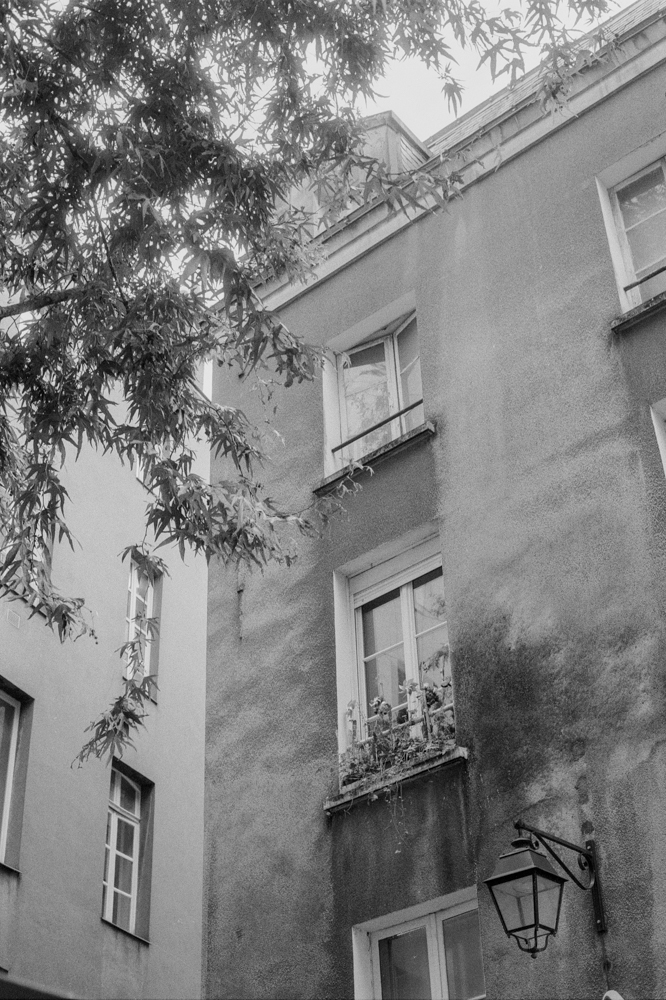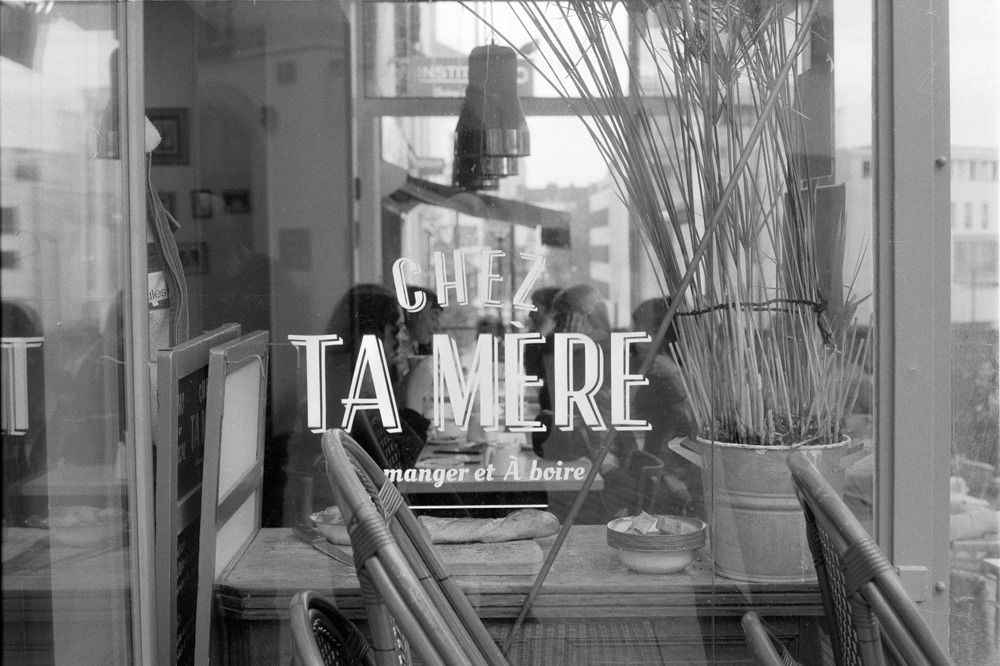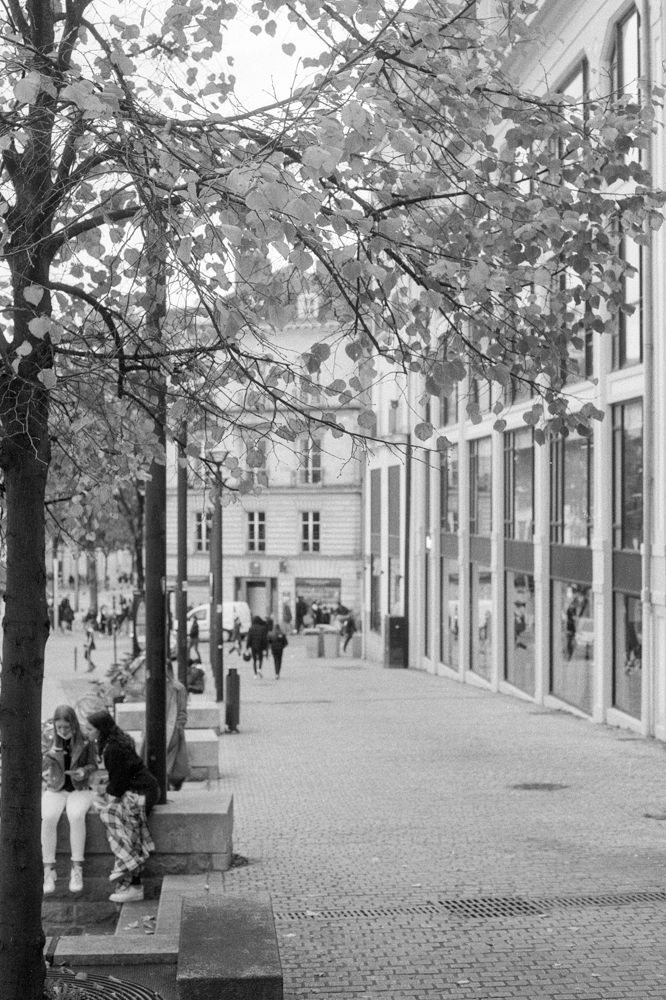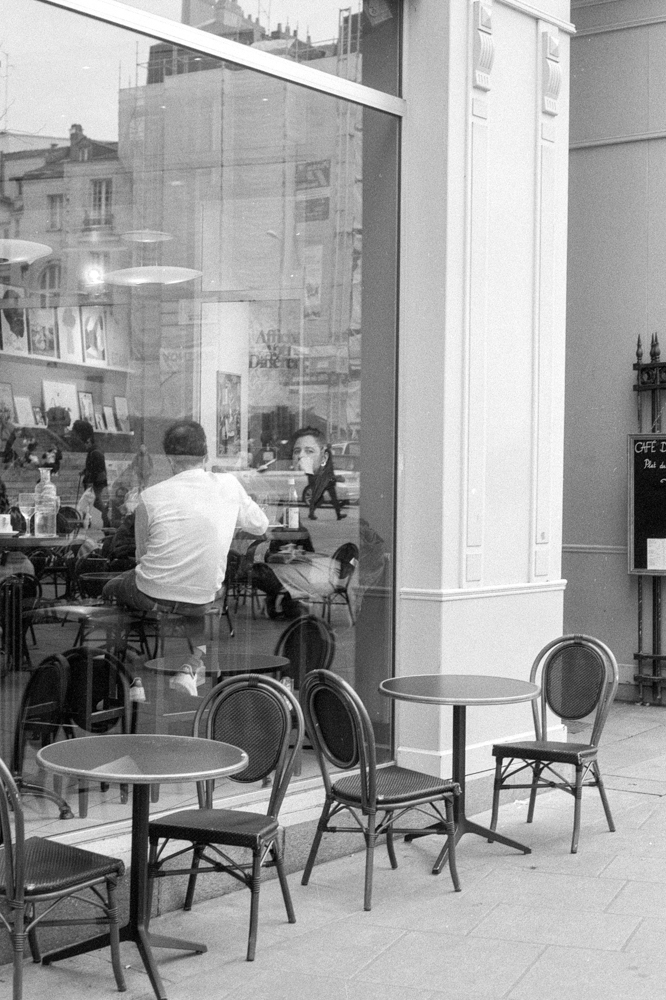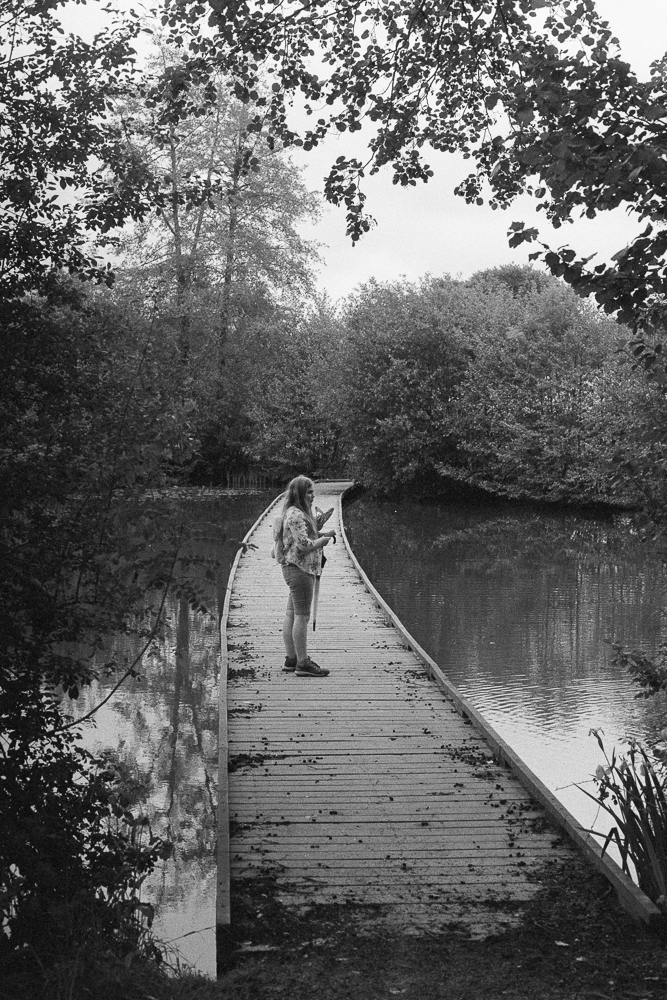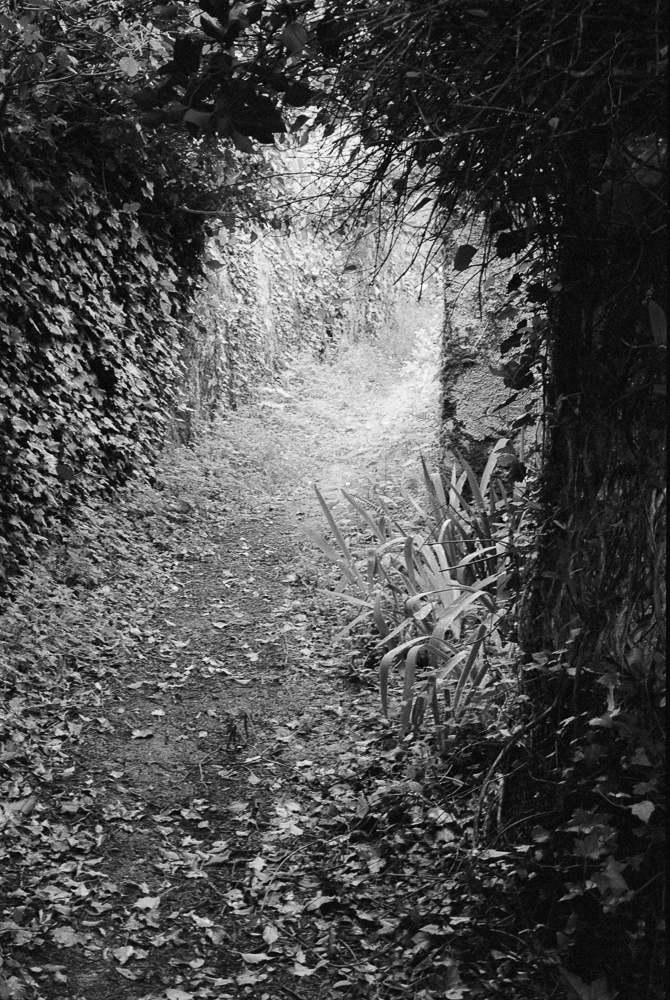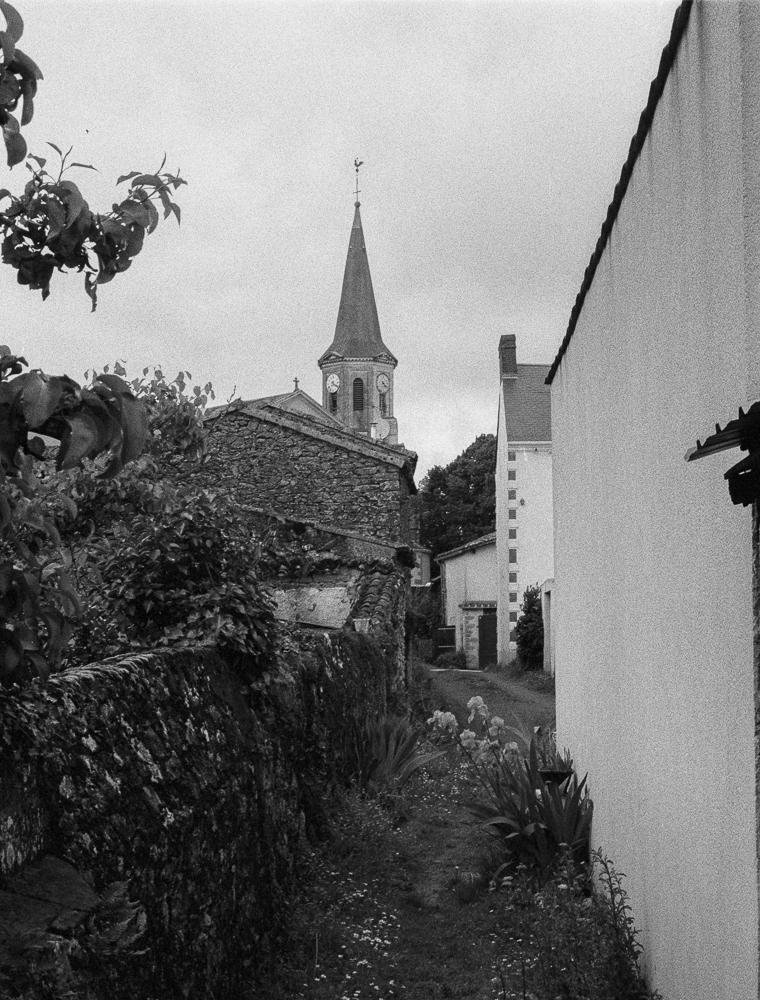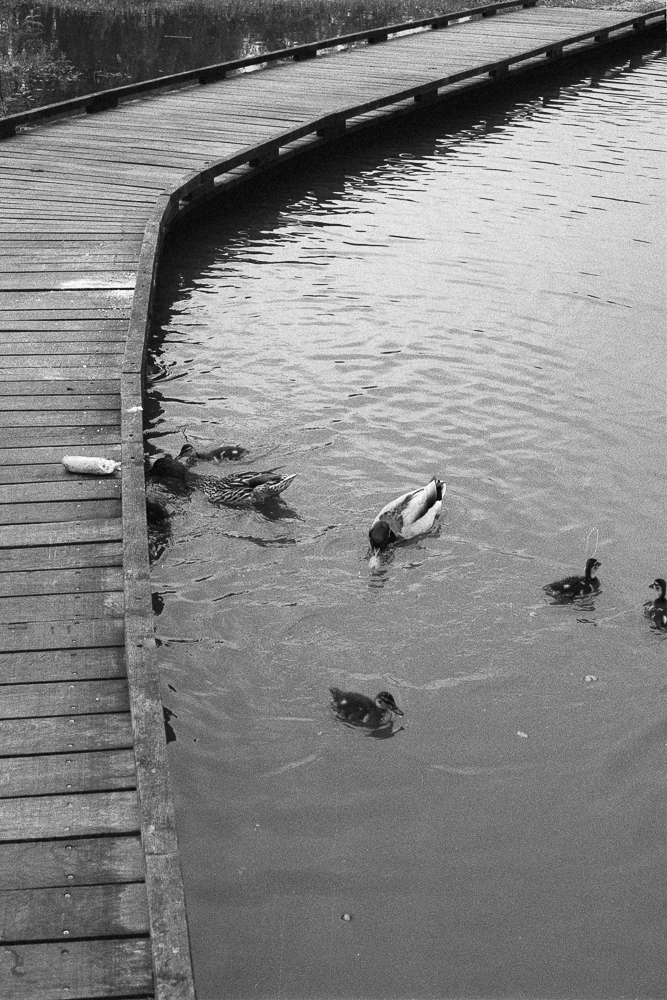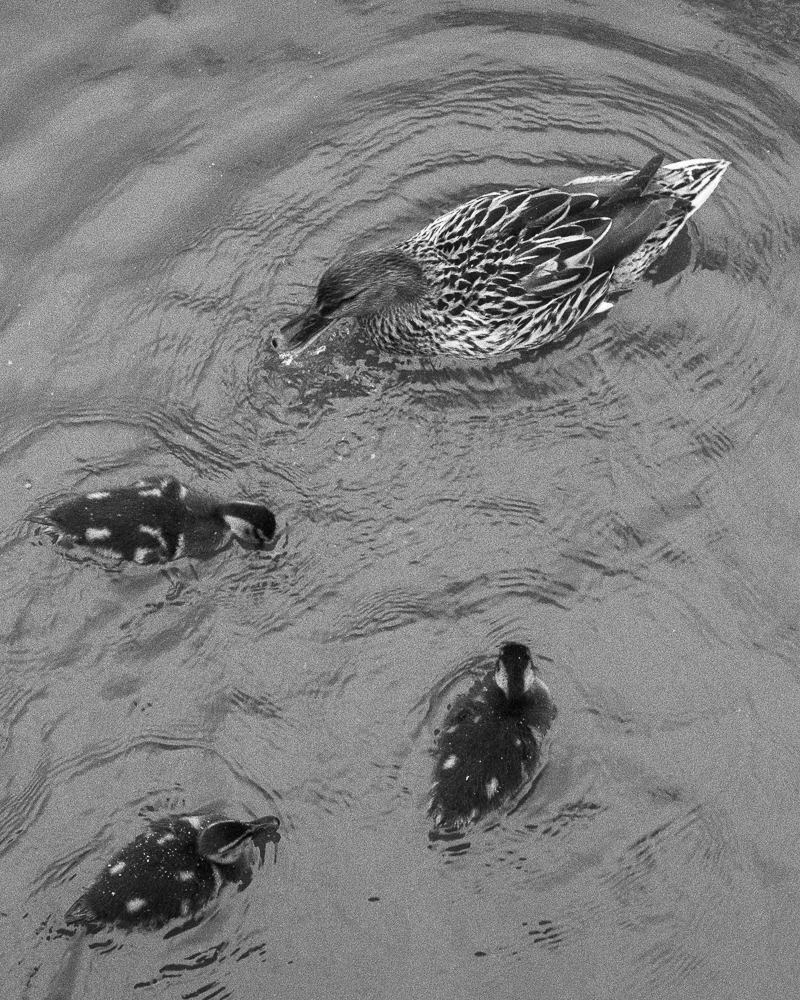
The Opening of the Film Archives – Clisson May 2016


Introduction

Welcome back to the film archives.  Today I’m going to share some photos of the first reel from my “new” Canon AE1.  Well, not new, but certainly new to me.  The Canon AE1s were produced between 1976 and 1984.  It is one of those iconic cameras and at the time I must have paid about 50€.  When I say iconic, I really mean iconic.  It is a shutter speed priority camera using Canon’s FD lenses. I used it an awful lot that summer.  I liked it so much that I even bought a second one that I ended up giving to a photographer friend. 

Colour

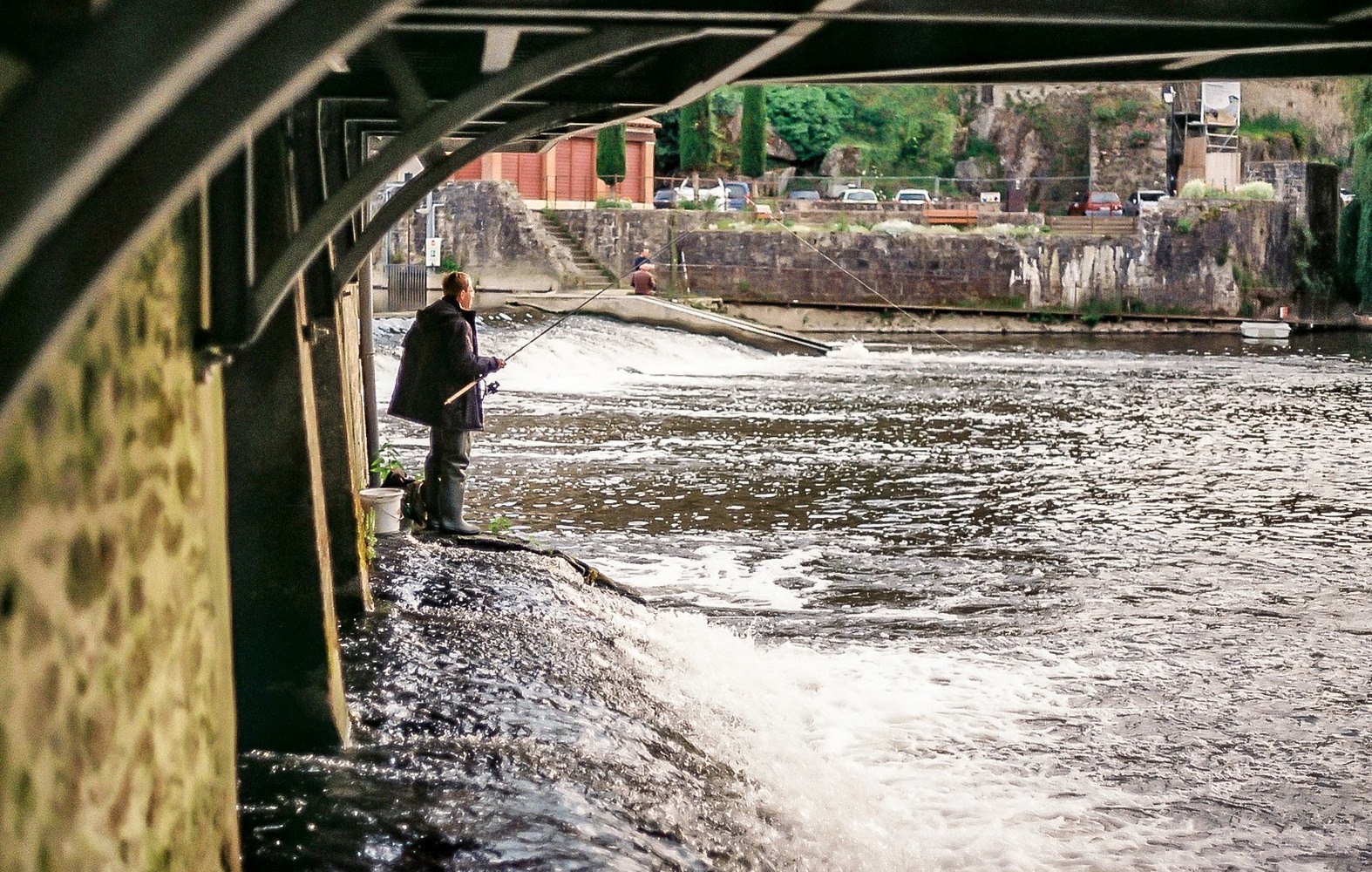
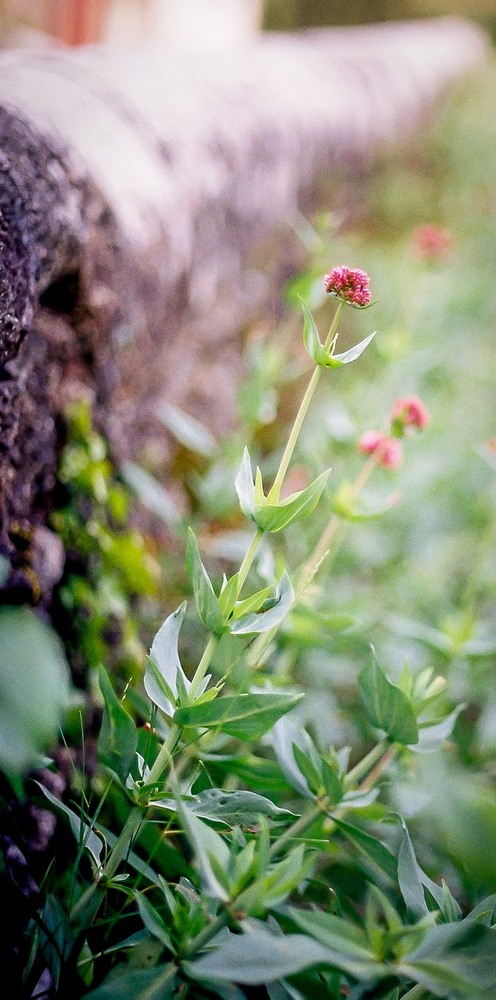
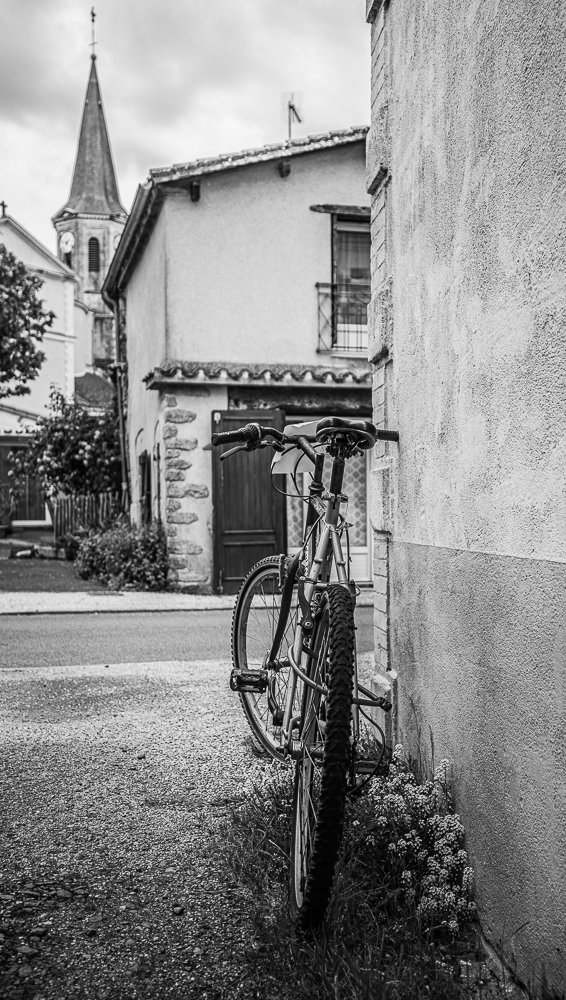
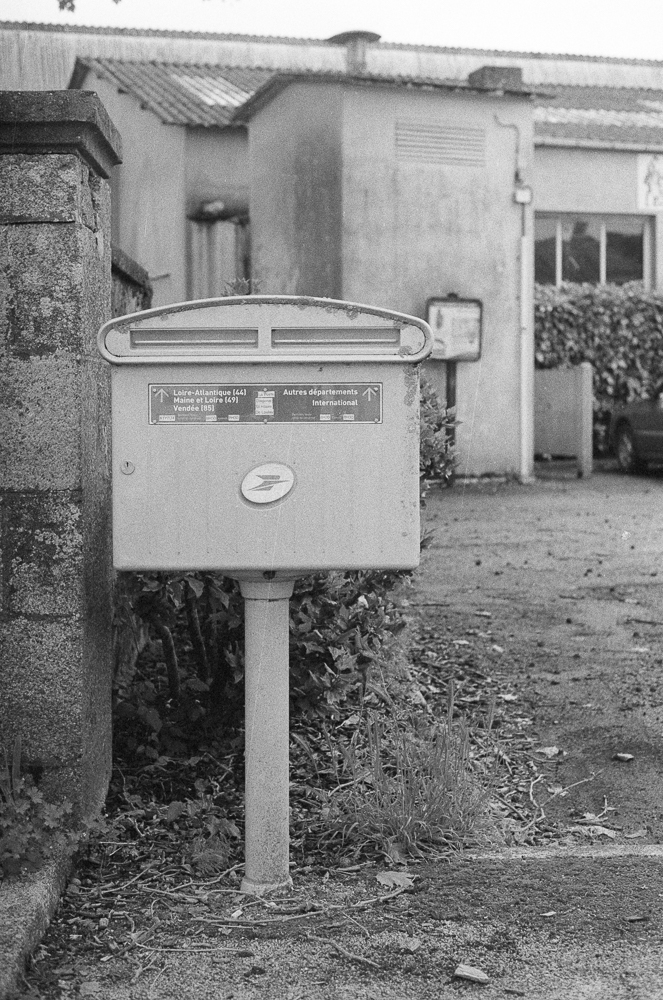
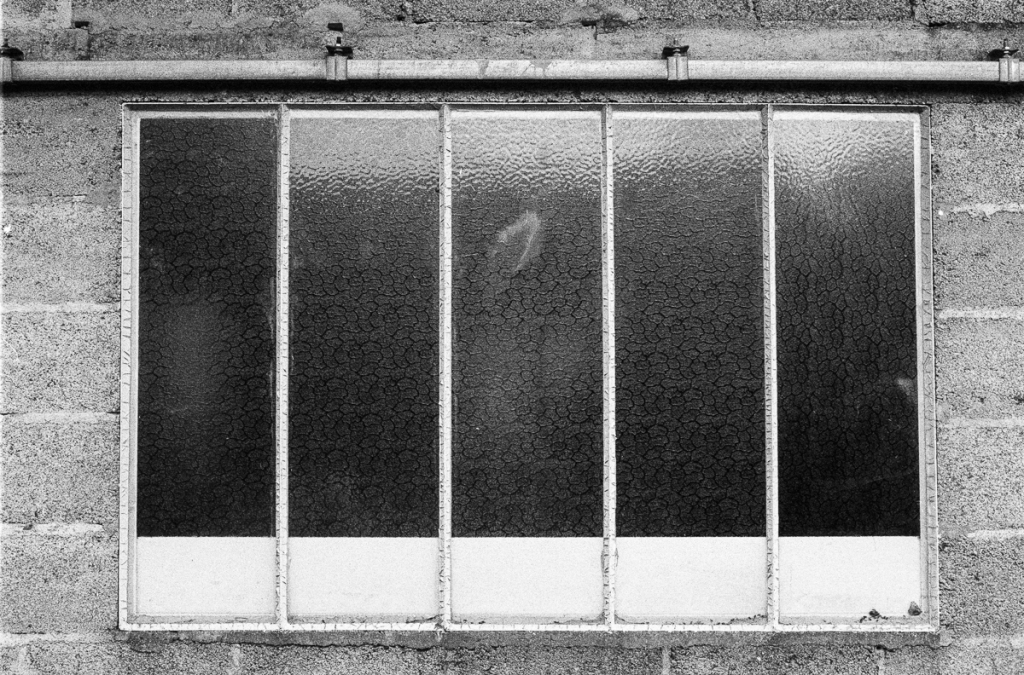
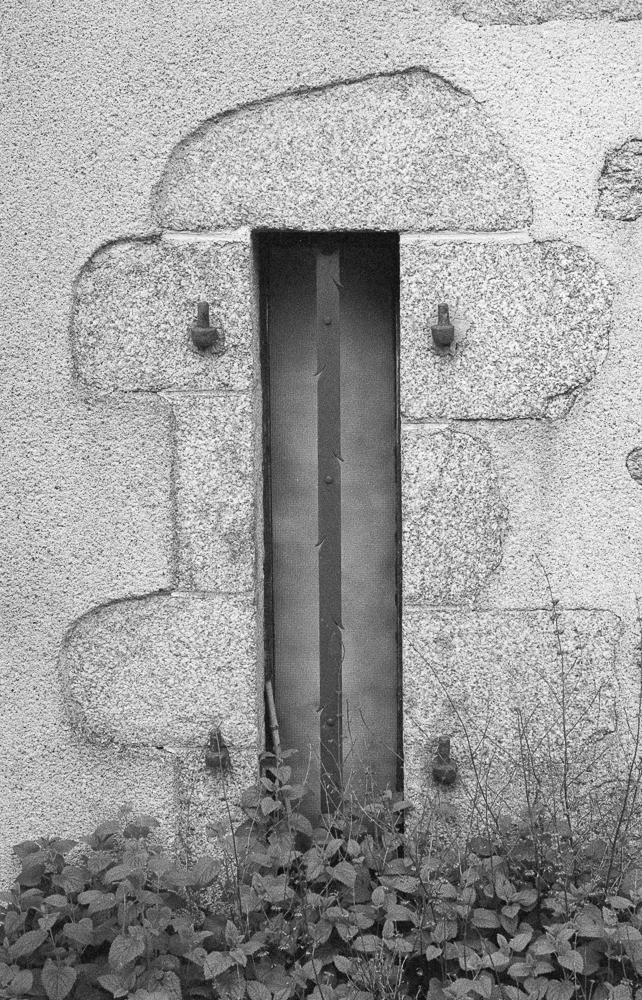
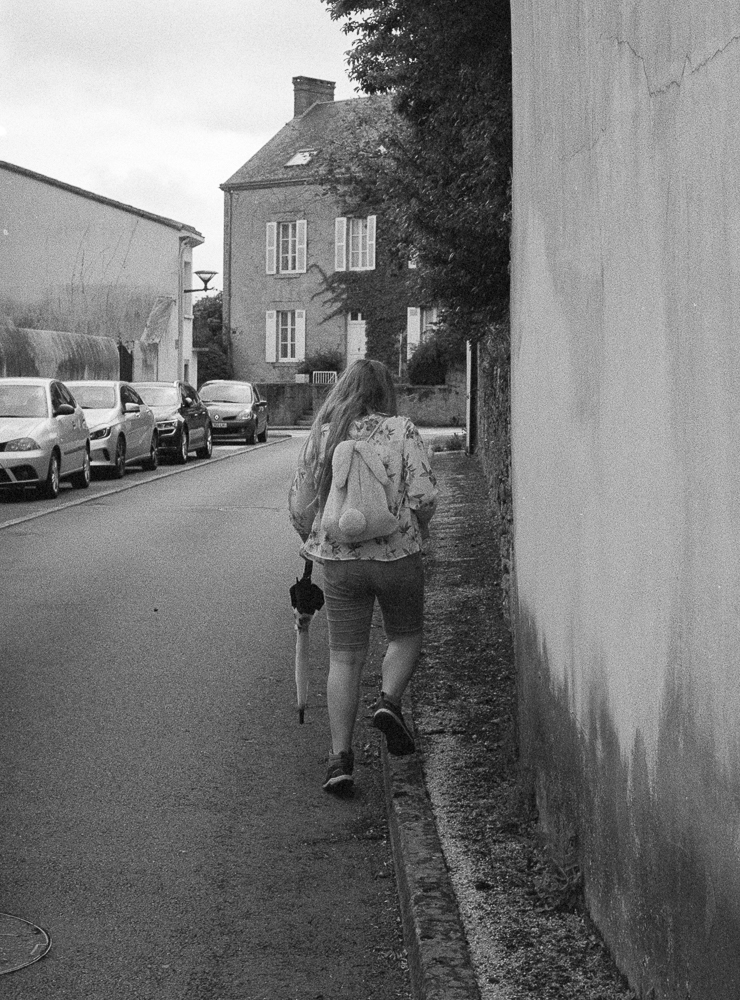
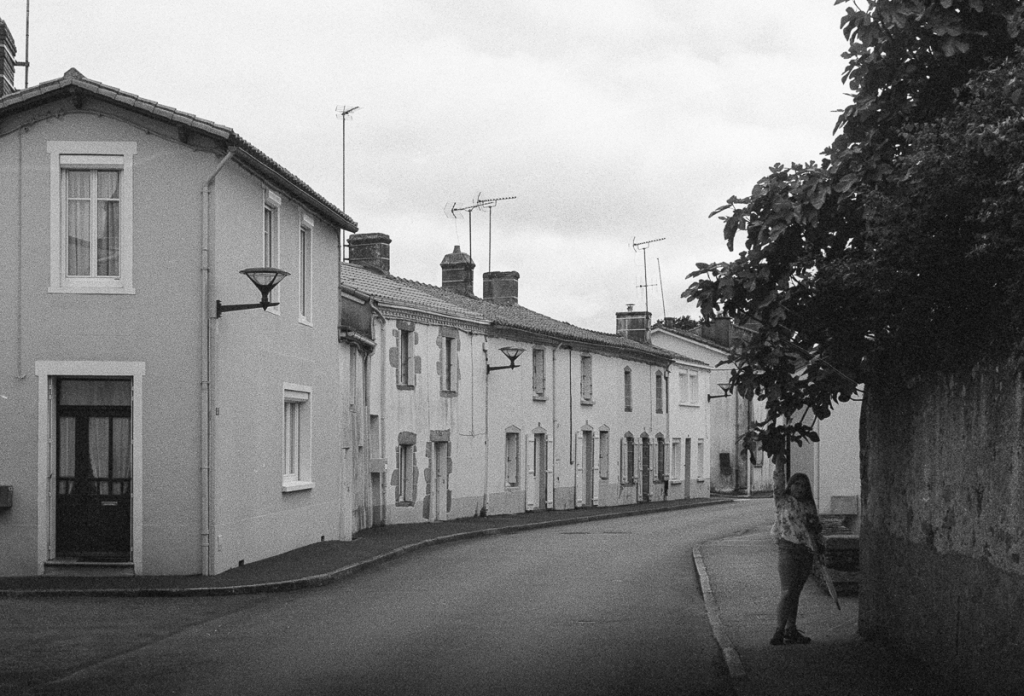
To some people of my generation they represent their first cameras, and were so popular.  Talking of popular, the photographs from this part of the archive are from the very popular and photogenic town, Clisson.  Also you will have noticed that the photos are in colour.  Which only goes to show that not all film photography is black and white photography.

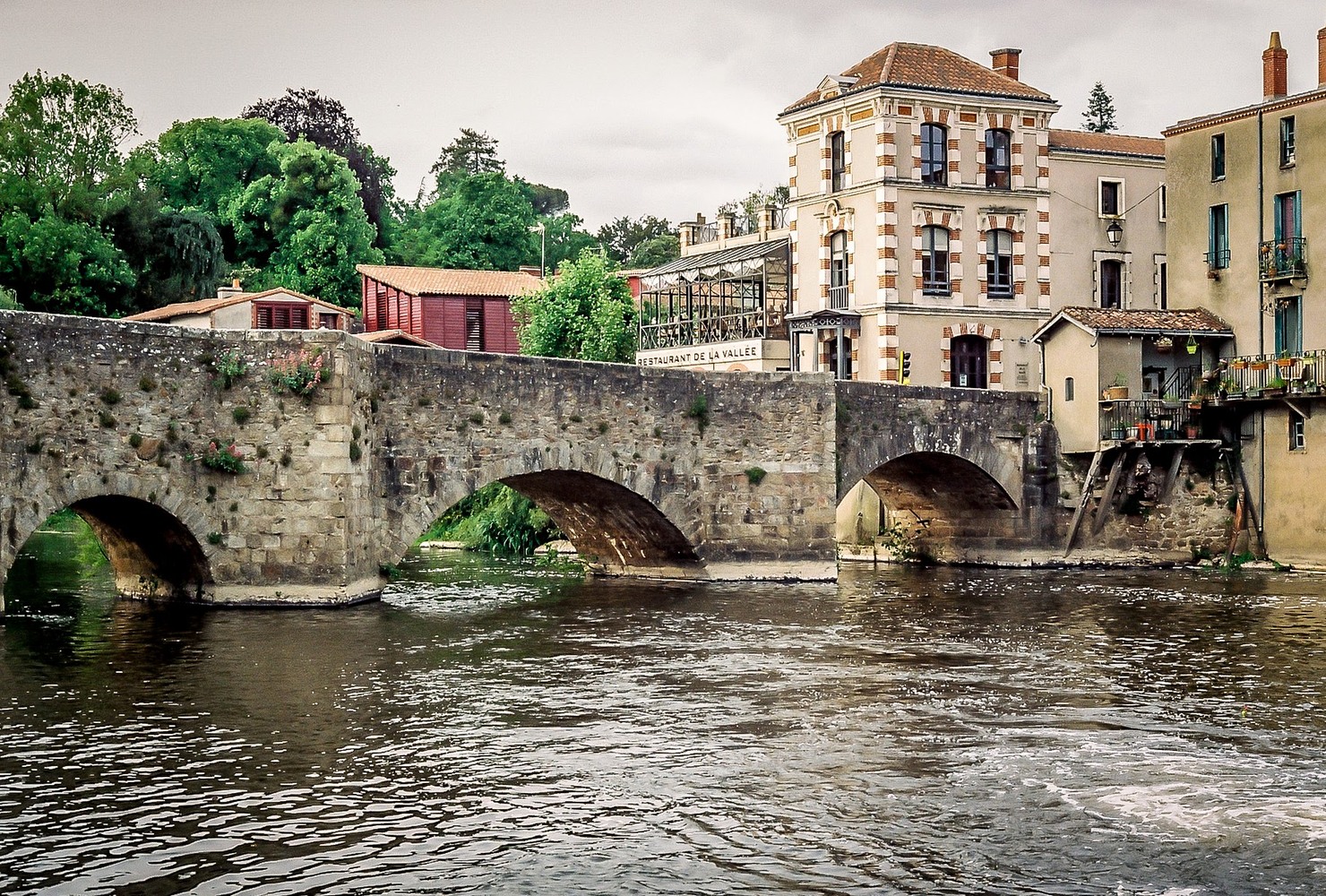
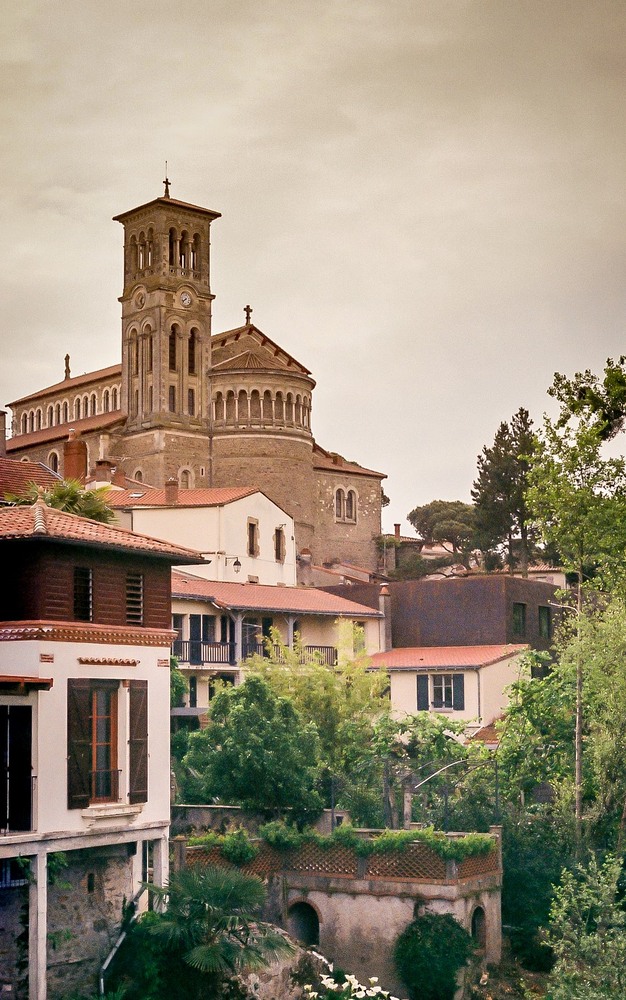
Clisson, as you can see in the photos, is one of those beautiful French villages that oozes Gallic charm.  It also exudes a certain Italian charm, and is known for its Italian style architecture.  

Canon AE1

I have both a Canon AE1 and AEI Program. The AE1 is the big brother of the AE1 Program, and doesn’t have a program mode, but as you can see from the photos it still works a treat.

FeatureCanon AE-1Canon AE-1 ProgramDifferences
Release Year19761981AE-1 Program released 5 years after AE-1
Exposure ModesShutter Priority AEShutter Priority AE, Program AEProgram AE added to AE-1 Program
MeteringCenter-weighted AverageCenter-weighted AverageNo difference
Shutter Speeds2s – 1/1000s2s – 1/1000sNo difference
Viewfinder DisplayLEDsLEDsNo difference
Film Speed SettingManualManualNo difference
Self-timerYesYesNo difference
Depth of Field PreviewYesYesNo difference
Motor Drive CompatibilityYesYesNo difference
Other NotesFirst Canon SLR with microprocessor; revolutionary for its timeSimplified controls for easier use; appealed to wider audienceAE-1 Program aimed at beginners and enthusiasts
As you can see there’s not a huge differece between the two. The major difference being the Program option, and the other allowing for easier changing of the ASA film sensitivity setting.

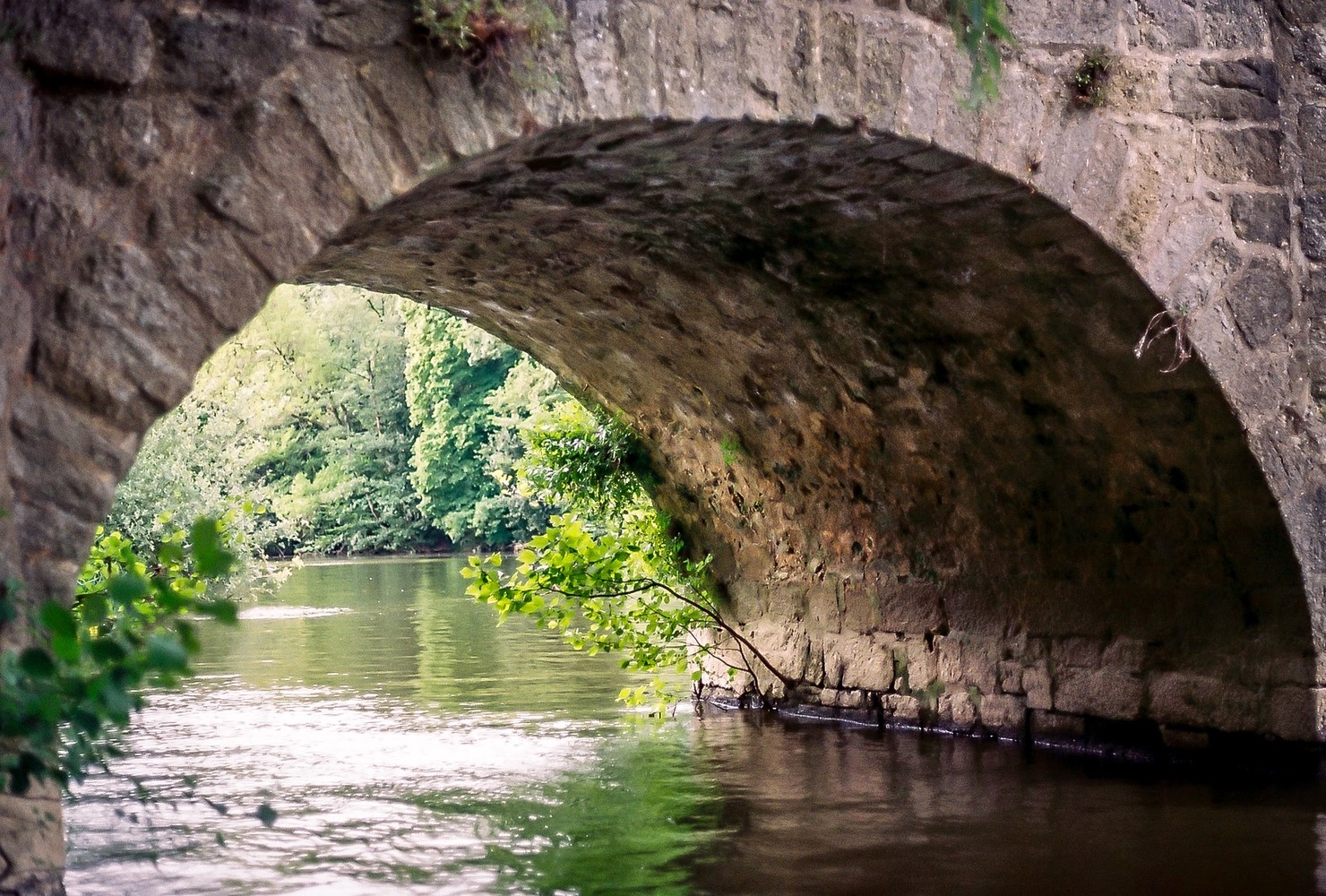
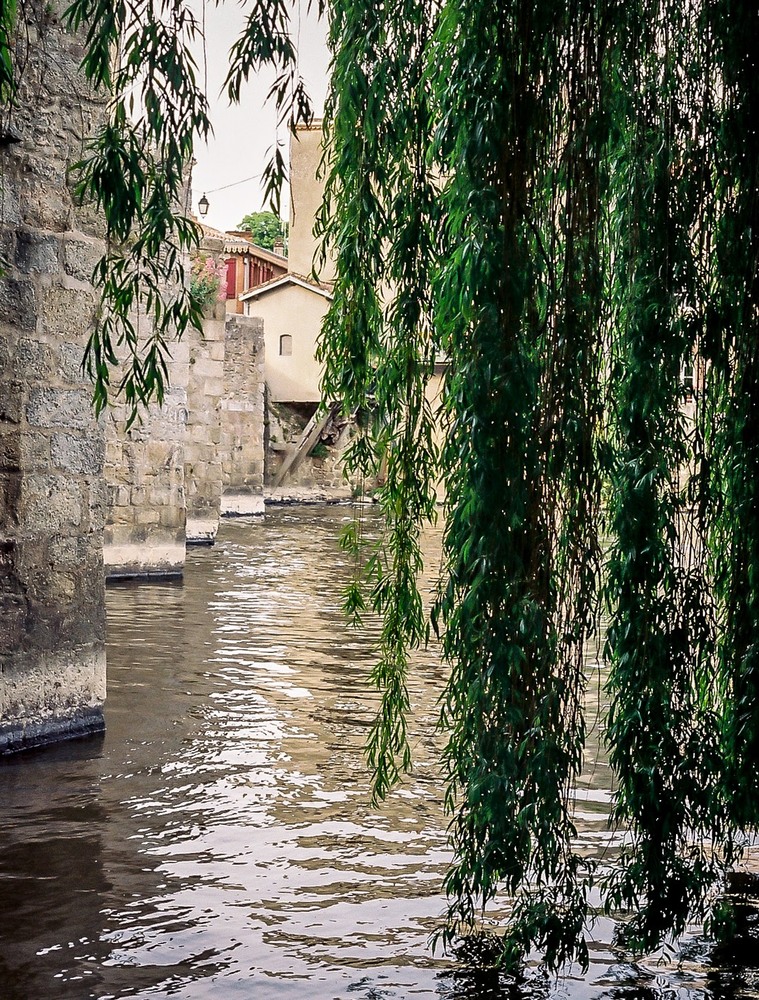
On the day in question I must have parked just next to the river and concentrated on this picturesque  area.  You can see the castle, the bridge, and the river, all making for a peaceful spring moment.

I think the film was Fuji Superia, and I just wanted to use colour.  Thetones are slightly muted and warm, and the flowers, trees and plants were just screaming out to be photographed.  I remember the excitement of loading the film into this “new” camera, and the novelty of simply using an iconic camera.

Here is what fuji tells us about the film:

FUJICOLOR SUPERIA X-TRA400

An all-round general purpose, high-performance, high speed color negative film delivering truly fine-grain. Superb for snapshots or action, in low light with flash, outdoors or indoors. Ideal for general use with compact zoom lens cameras.

  • Excellent skin tones
    For beautiful, clear people-shots.
  • Fine grain
    Great results even when enlarged.
  • High-speed
    Superb results, whatever the shooting conditions.
  • Sensitivity and Film Sizes
    ISO : 400
    Film Sizes : 135 : 36 exp.

 When using digital, it’s so difficult to get that particular film look, and using film and an older camera just changes your whole outlook.  The fact of not having your image straight away leaves you with that anticipation that we all used to feel when we sent off our films to the lab.

Give film a try.  There are still cheap film cameras out there, and your photography experience will be totally different.  I certainly appreciate it.

Canon AE-1 Program – A Classic Film Camera for Timeless Photography


The Canon AE-1 Program is a timeless gem that continues to captivate photographers and film enthusiasts alike. As a classic film camera first introduced in 1981, it effortlessly combines automatic and manual features, making it an excellent choice for both beginners and experienced photographers.

Automatic and Manual Controls

One of the standout features of the Canon AE-1 Program is its versatility in handling exposure. For those new to film photography, the program mode automatically sets both the shutter speed and aperture, allowing them to focus solely on composition and creativity. It takes the technical complexities out of the equation, delivering stunning results with ease.

However, for those who crave creative control, the AE-1 Program offers manual settings as well. With the freedom to adjust shutter speed and aperture manually, photographers can explore their artistic vision and experiment with different effects. The inclusion of shutter priority mode and bulb mode for long exposure photography adds even more possibilities for artistic expression.

Build and Design

The camera’s solid metal body exudes durability and reliability, ensuring that it can withstand the test of time. Its sturdiness makes it a trustworthy companion on any photographic journey. Handling the AE-1 Program instills a sense of nostalgia and craftsmanship that modern digital cameras often struggle to replicate.

The bright and clear viewfinder with a split-image prism aids accurate focusing, enhancing the overall shooting experience. Moreover, the hot shoe for attaching external flashes and the self-timer feature further contribute to the camera’s versatility.

Technical Details

  • 35mm SLR film camera
  • Program mode, shutter priority mode, manual mode
  • Metal body for durability
  • Bright and clear viewfinder with split-image prism
  • Hot shoe for flash attachment
  • Self-timer for group shots and self-portraits
  • ISO range: 12-1600
  • Shutter speeds: 1/1000 to 30 seconds
  • Aperture range: f/1.2 to f/16 (depending on lens)

Pros

  1. User-Friendly Interface: Ideal for beginners and those new to film photography, the AE-1 Program’s program mode takes care of exposure details, allowing photographers to focus on creativity.
  2. Creative Freedom: With manual controls and additional shooting modes, experienced photographers can fully unleash their creativity and experiment with different photographic techniques.
  3. Timeless Design: The camera’s robust metal body exudes a sense of craftsmanship and nostalgia, making it a pleasure to handle and use.
  4. Bright Viewfinder: The clear and bright viewfinder with a split-image prism aids accurate focusing, ensuring sharp and well-composed shots.

Cons

  1. Iconic Status: As one of the most sought-after film cameras, the Canon AE-1 Program may come with a higher price tag due to its iconic status.

The Verdict

The Canon AE-1 Program stands as a testament to timeless design and reliable performance. Whether you’re new to film photography or a seasoned enthusiast, this classic camera offers a perfect balance between automatic convenience and manual creativity. Its sturdy build and user-friendly interface make it a delightful companion for any photography journey.

So, if you’re yearning to experience the charm of film photography or simply want to relive the golden era of analog cameras, the Canon AE-1 Program will undoubtedly leave you inspired and amazed by the magic of capturing moments on film.

Happy shooting!

My Personal Thoughts

Without any hesitation, I wholeheartedly recommend the AE-1 Program to all photography enthusiasts out there. Whether you’re new to the charm of film photography or an experienced shutterbug seeking a trustworthy and adaptable companion, this camera will surely delight you. “Just do it” as a certain shoemaker once said.

I’ve had the pleasure of using the AE-1 Program for quite some time now, and I must say it’s been an absolute joy. Not only does it beautifully capture those precious everyday moments, but it also allows for endless creative possibilities. One feature that I particularly appreciate is its seamless transition between automatic and manual controls, empowering me to effortlessly tailor my shooting experience.

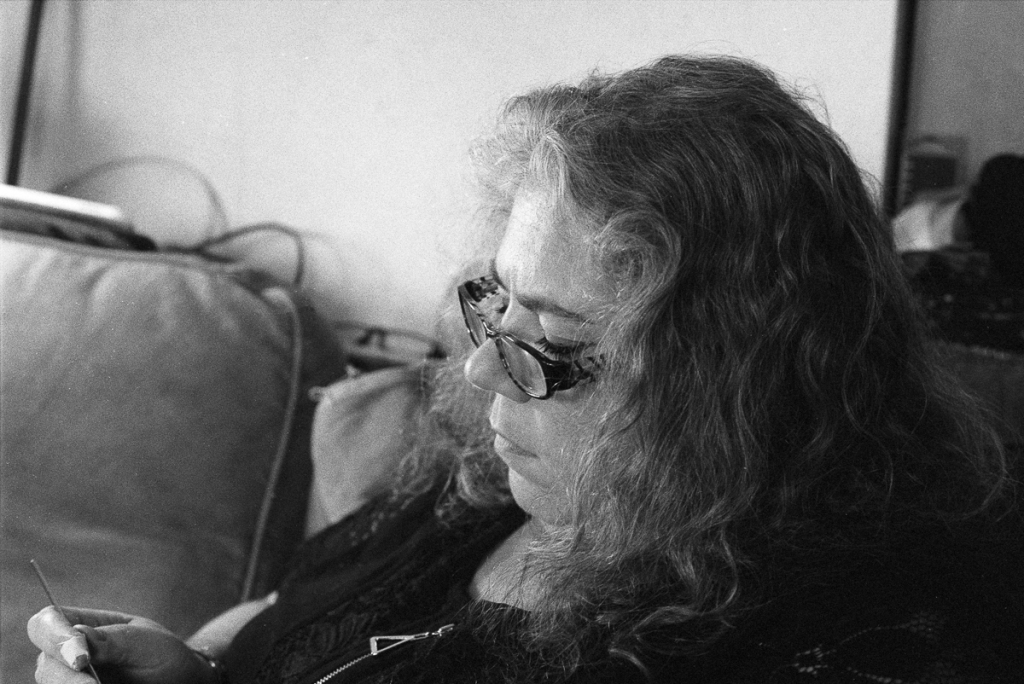
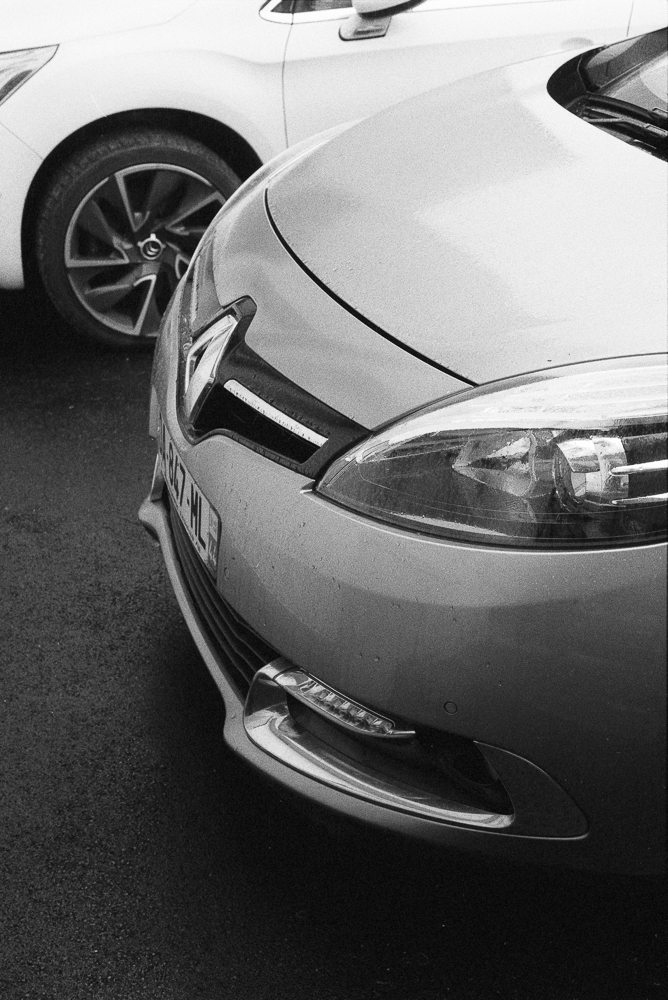
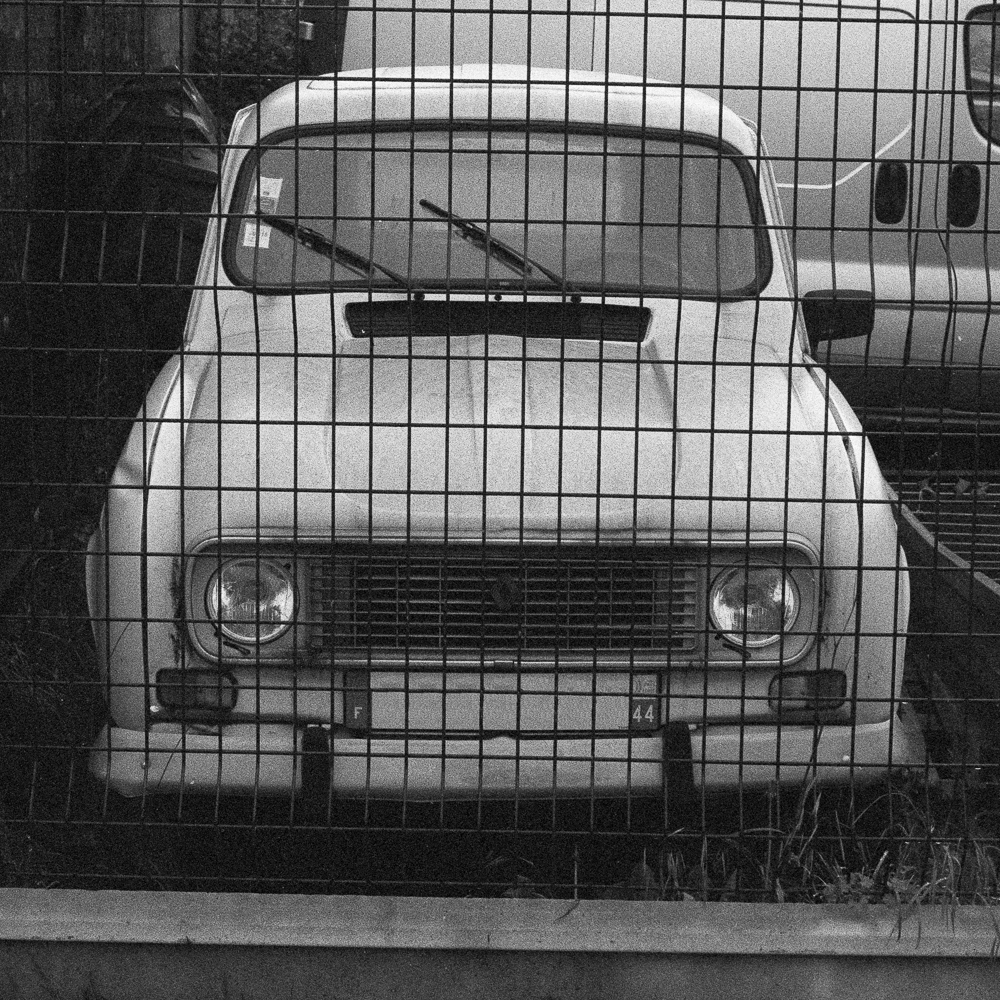
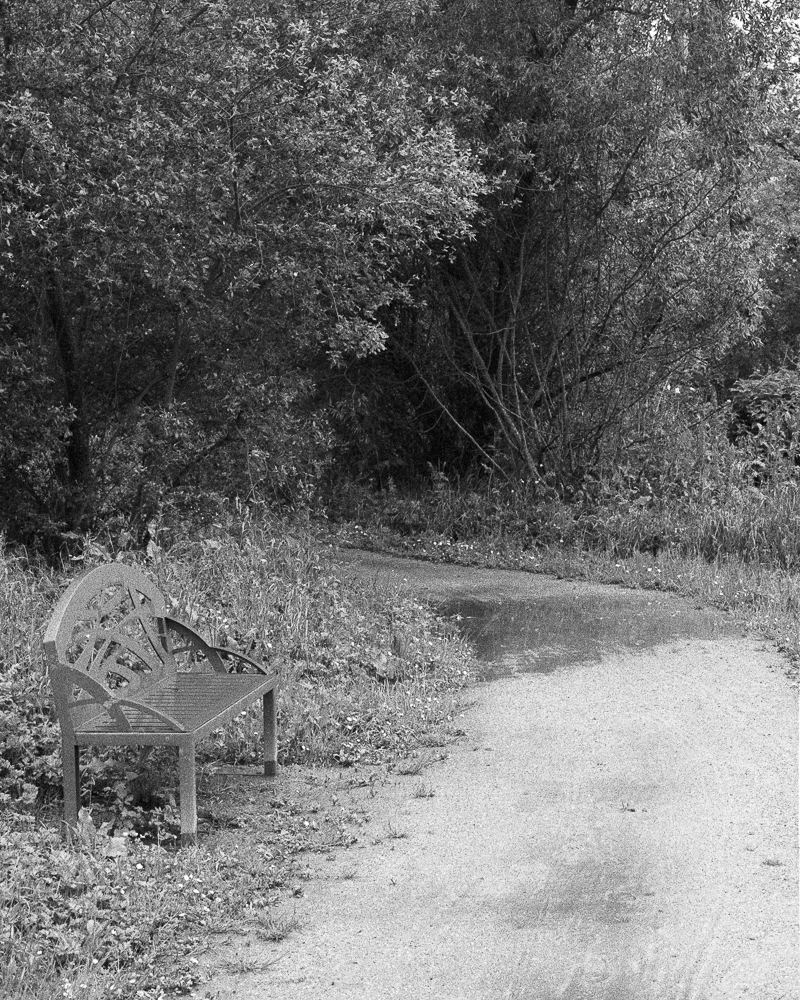
The idea here is to give you a raw image from the film scans and show you what you can get with a minimum of fuss in Lightroom with some very basic edits. What do you think?

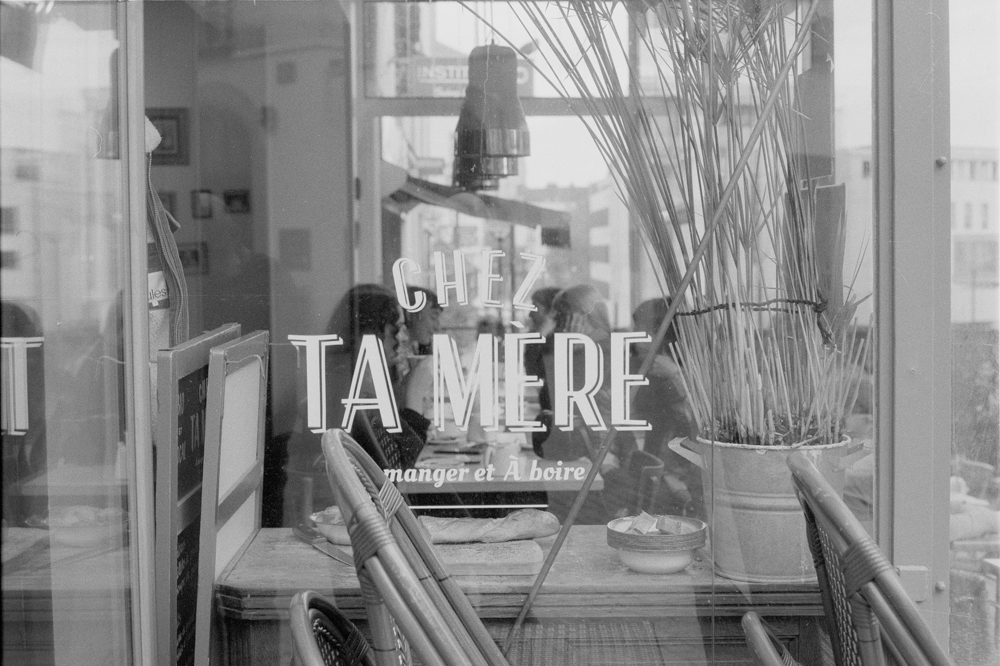
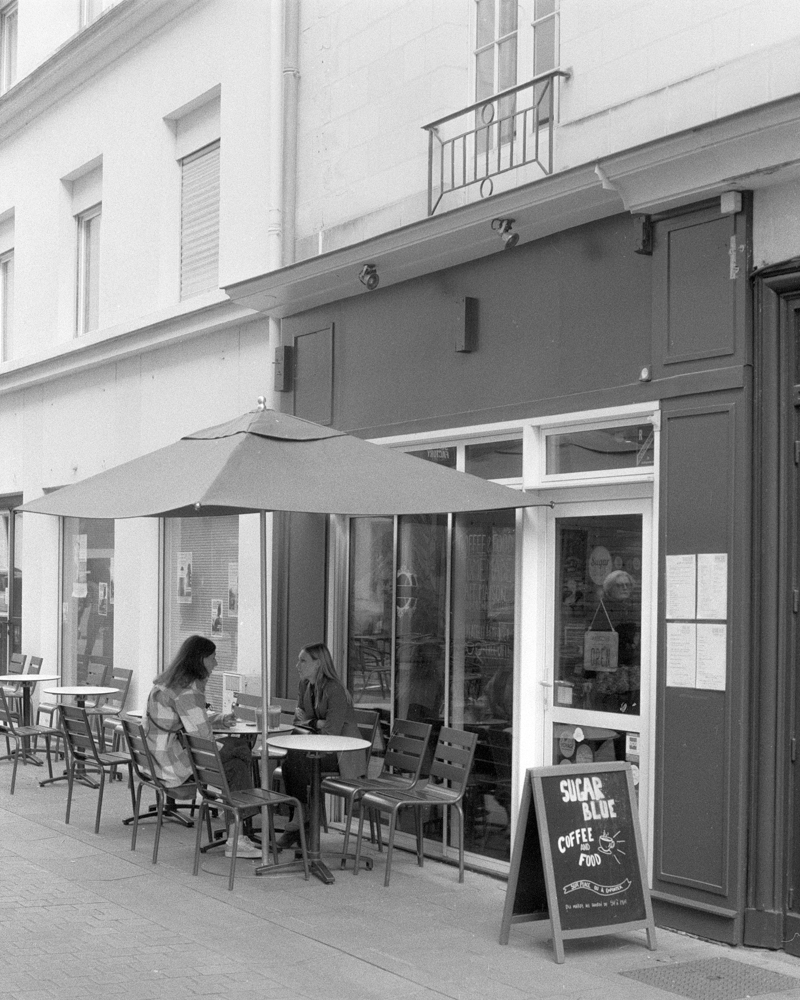
And here we go with a small selection of pictures from the last roll I developed, which are from 2022 and taken in the streets of Nantes. There will be more to come as I head back into the magical world of film photography!

Bastille Day 2023


It’s of course Bastille Day here in France so you have to imagine the pace of life in a 2CV, in first gear, driving along a farm track, at not a rapid rate of knots. One could even go as far as too say, slitgly more sedate than usual, pumped up on black French coffee.

This morning was very sedate. My alarm went off as if it were normal working Friday, and the pleasure I had turning the multiple alarms of and not going to work was almost obscene.

My shower wasn’t hurried and as I did my skin care routine (thank you Horace) I felt glowing, nearly as much as the sun trying to come through the shutters.

My cup of tea this morning was a pint of Darjeeling tea. I must have still had the glow-up as I actually filled the dishwasher before being yelled at to do by that woman who said yes 25 years ago so now has to put up with me full-time. I even made us all lunch.

My wife has an aversion to prawns so guess what I prepared for lunch. But I cooked them in olive oil and deglazed with lemon juice. So off to a good start. Sauce – half mayo, half Greek yoghurt, lemon juice, sweet paprika, and with the prawns, some chopped up four hard boiled eggs, one cucumber, and one red onion. All that served up on French “pain” as opposed to baguette, with baby spinach.

It was delicious and i now have to wash my t-shirt which has sauce on it. I also did all my dishes so I dont want to hear any nagging from a particular lady.

My original plan for the day was and still is do develop some films that have been waiting around and I have no idea what is on them, and some films that I must have started over a year ago but never got around to finishing. The idea is to have a fresh start and get back into doing some analogue photography.

We’re out at a friend’s house for dinner tonight amd admire the fireworks from afar. I think the word I’m looking for is delightful!

It would appear that I can still produce half decent negatives…

The Lockdown Diaries Part 2


If you’re still here then it means that you’re still alive and not dead from Covid 19, or the light beer virus for those in the know, which is a good thing after all. Soooo…

Lockdown is officially over but it doesn’t really feel like it. People are still covering their faces with masks, which would have been a motive to arrest people during the Gilets Jaunes demonstrations. Strange how things change so quickly.

I have a tendency towards social anxiety that can be treated with beer, but not the light variety. I tend to withdraw into my room and not come out. For the others it must be like living in a Victorian Mansion where you don’t go onto the East Wing despite the ominous noises that come out from there. Or me being a legend like the depressive yeti, where it was once seen near the fridge but then vanished. I think I mentioned that my son’s girlfriend was living with us during lockdown, and then one day there was a knock on my door, and she told me she was going home to her mother’s. That came a bit out of the blue, and I went into anxiety overdrive, like why is she leaving, what had my son done, what had any of us done, I’m sure I always flushed the toilet, didn’t I buy her her favourite jam for breakfast etc. Apparently it had been planned all along. She was just there for the duration…

It’s strange how you can get used to a situation and then all of a sudden everything changes and you don’t know what world you are living in anymore. It’s like entering the Twilight Zone, nah nah nah nah, nah nah nah nah….

Things are open here like shops, Mac Donald’s, schools and the like, but it’s not the same. The omnipresent fear of the dreaded virus is strong. No touching people, no being close to people, changes at work…. I hate it. Sometimes I’d rather be dead. Human kindness seems to have packed up ship and buggered off. Human warmth doesn’t exist. There is just this fear. People being short tempered and distant, and complaining about everything. Not just suspicious minds, but suspicious everything. The authorities say one thing one day, and then it changes. When we need strong leadership we realise that they are as shit scared as the rest of us and don’t know much more than we do. And yet life goes on, but I hate this life.
So what can I do about it? Not a lot. When I get to work I have to go through a checkpoint managed by my workshop bosses. They take my temperature, and put a small amount of gel into my hands. Nobody shakes hands anymore and you just go to your work station. The coffee machine has been shut off, and I really feel isolated in my stores. People used to come in and have a chat, but that’s gone. And I’m the lucky one. I have Alexa with me who plays me BBC Radio 2. The presenters do a great job, and it makes me feel less alone, but it’s not the same.

I know I shouldn’t complain and just keep calm and carry on, take it on the chin, and stiff upper lip and all that, but this situation is without precedent in my lifetime, and is slowly wearing me down. Thank God I still have my photography. It really is my only therapy and gets me out of the house and doing something constructive.

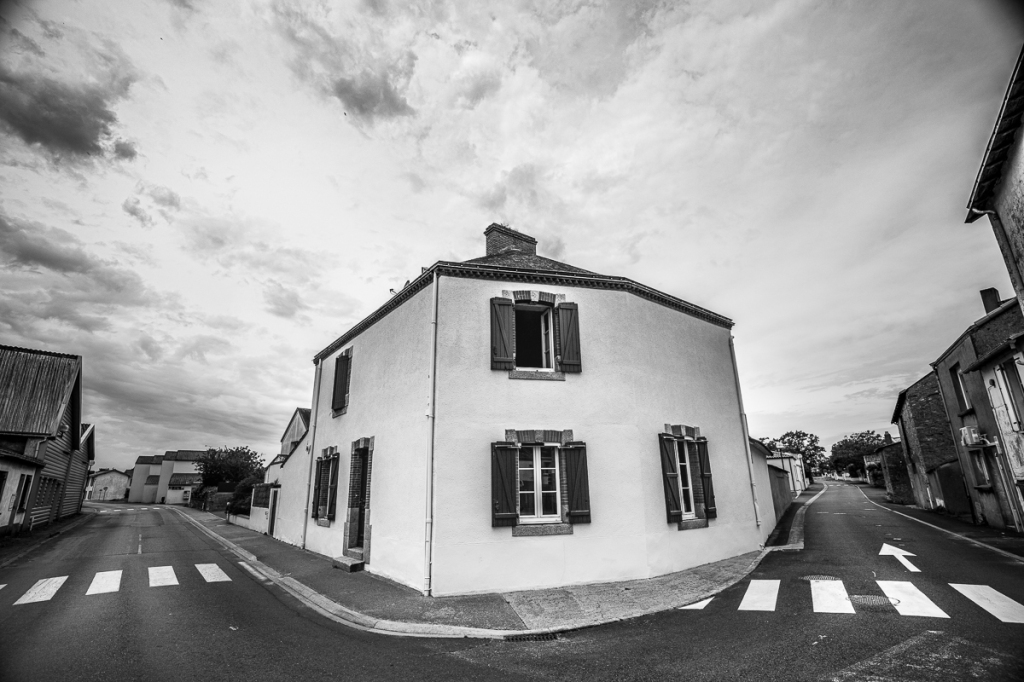
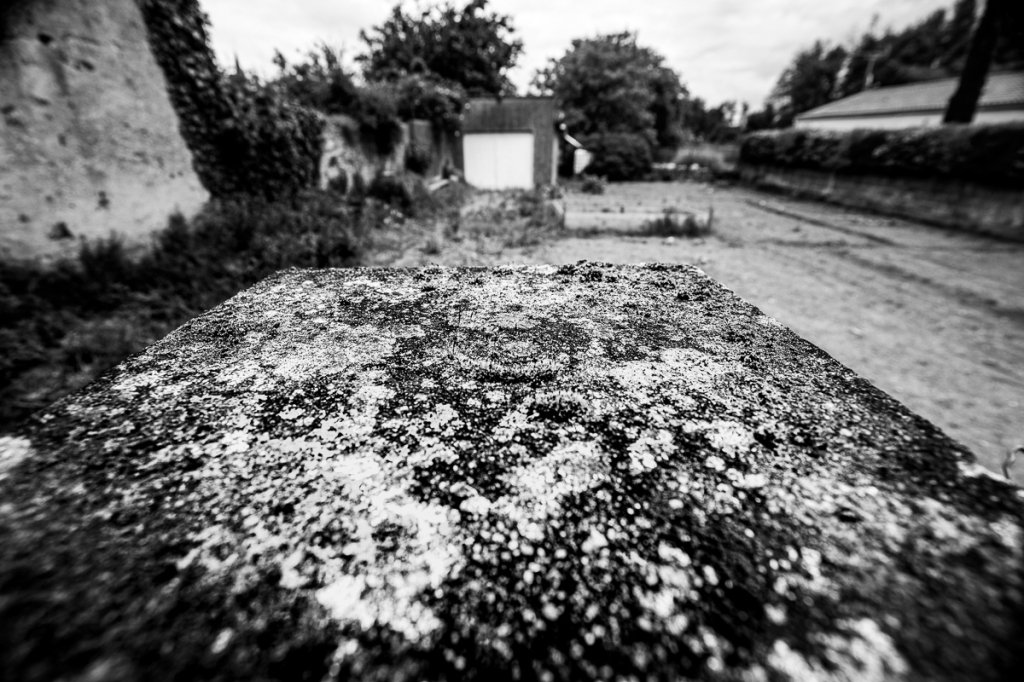
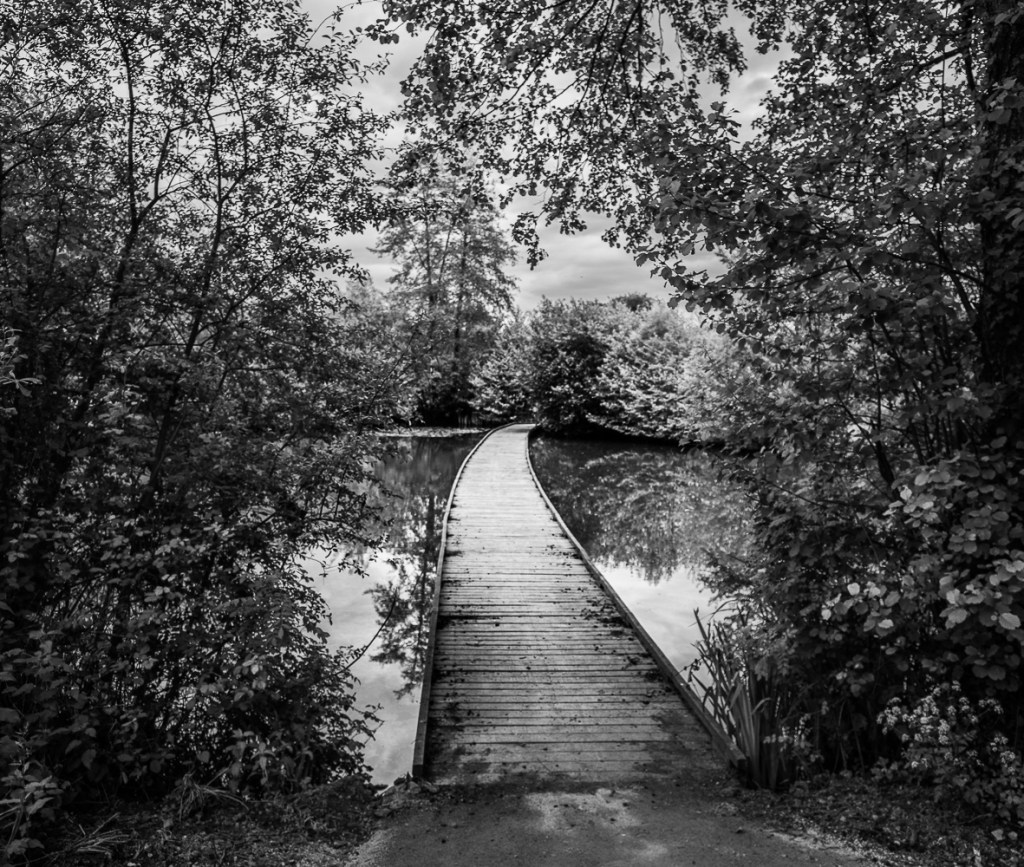
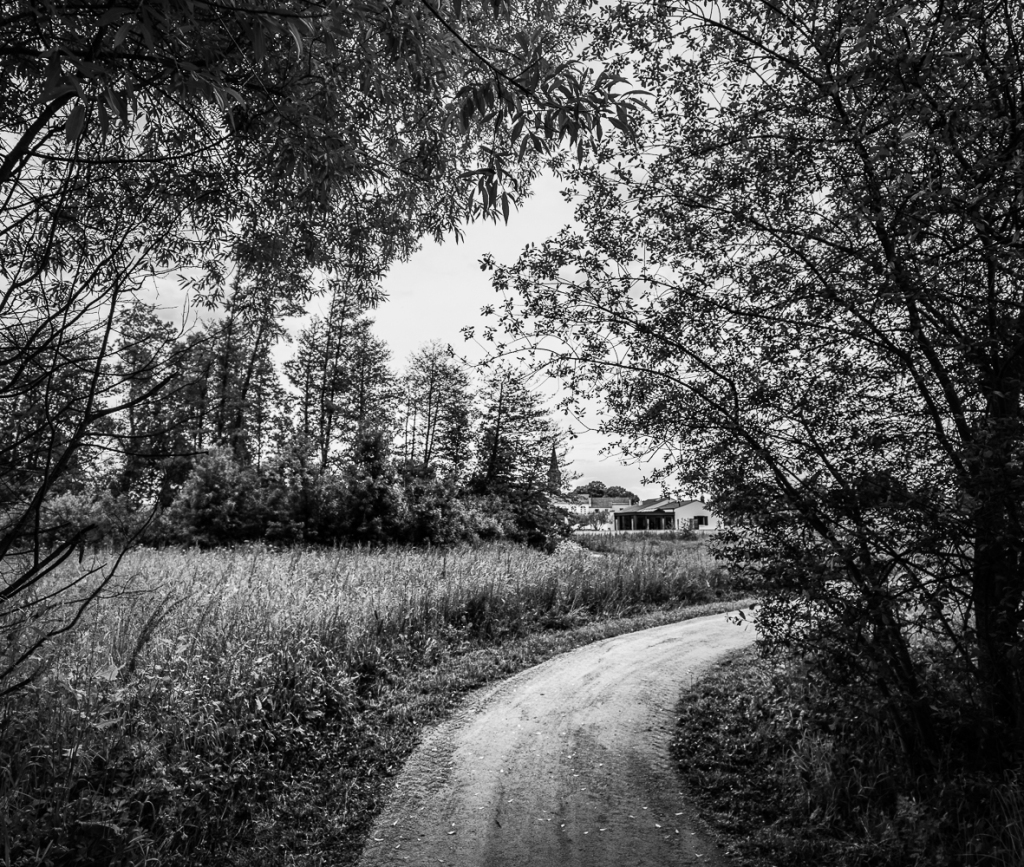
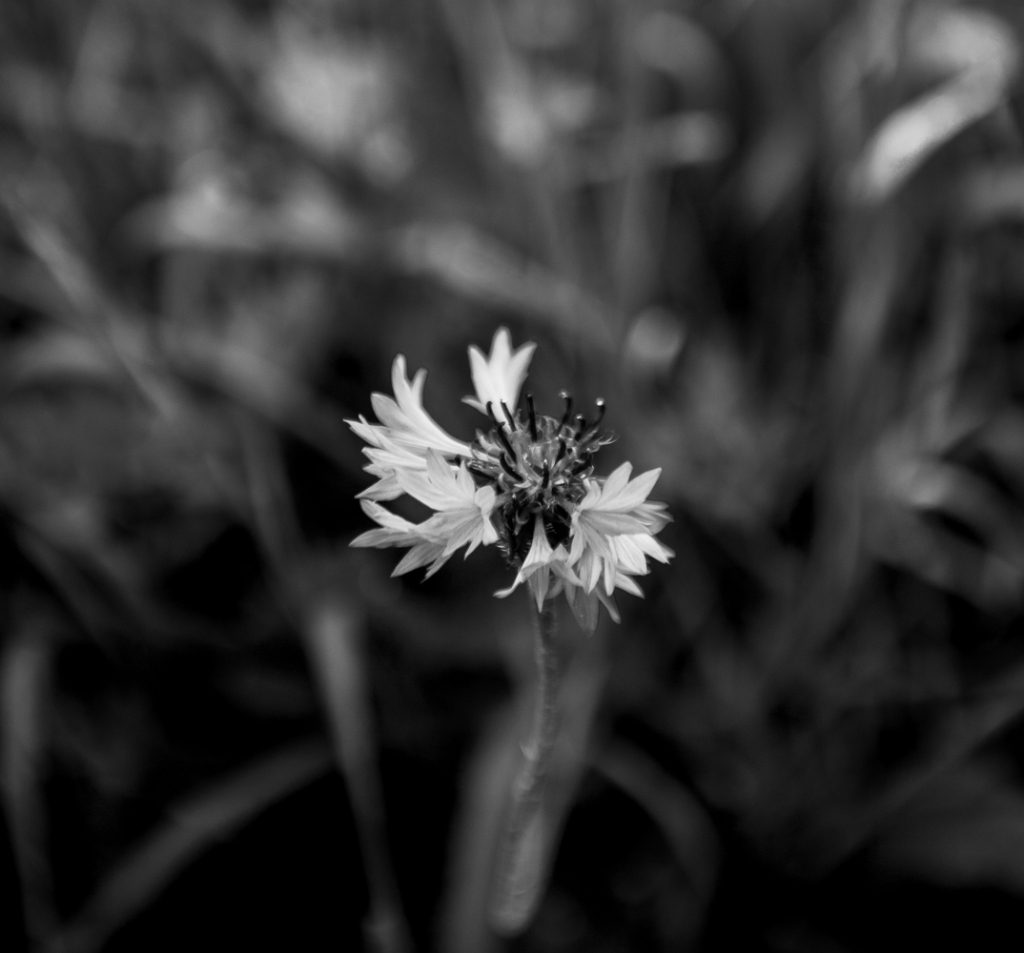
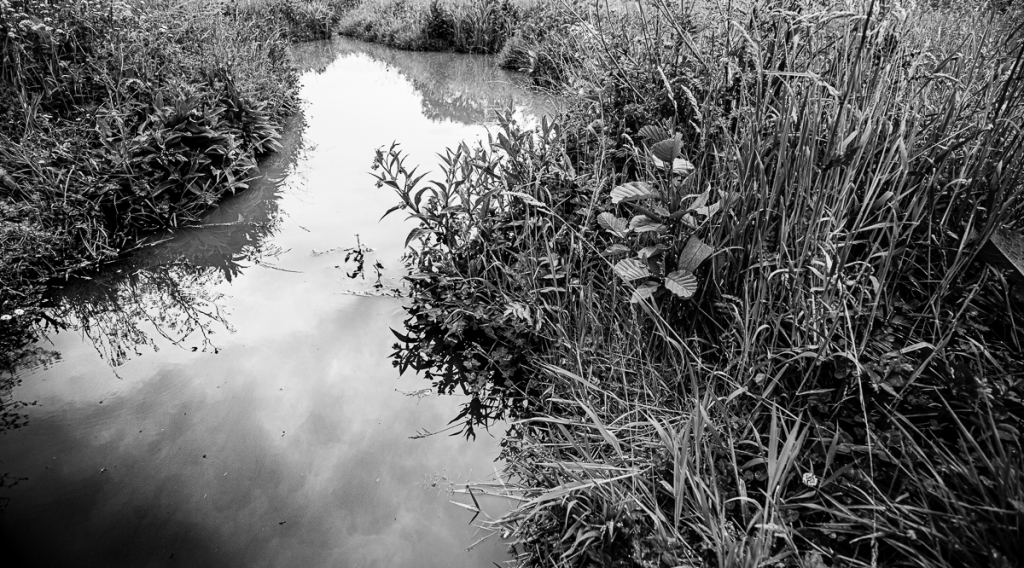
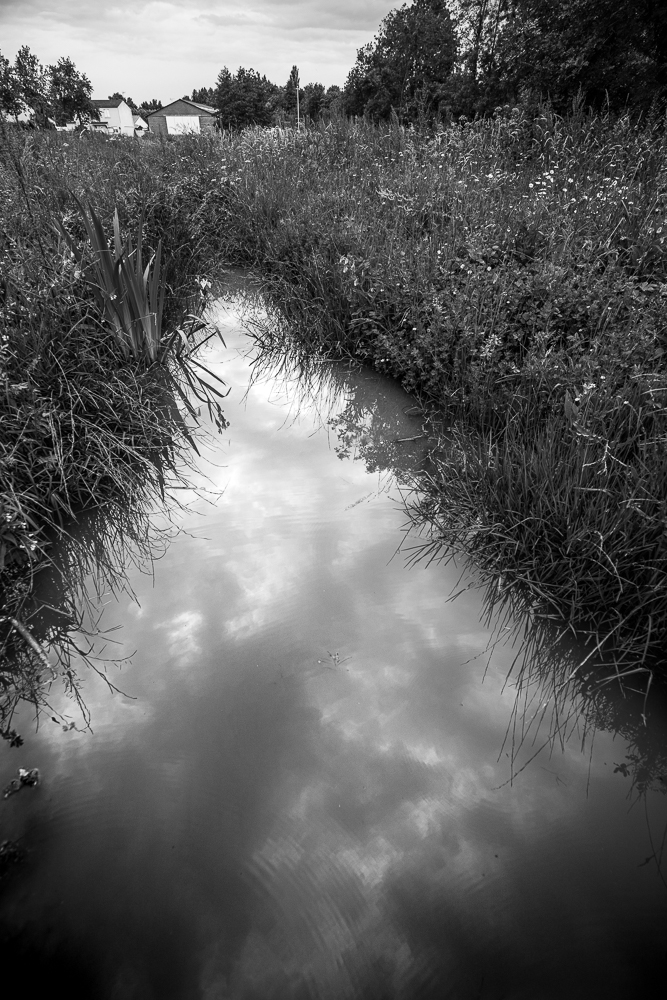
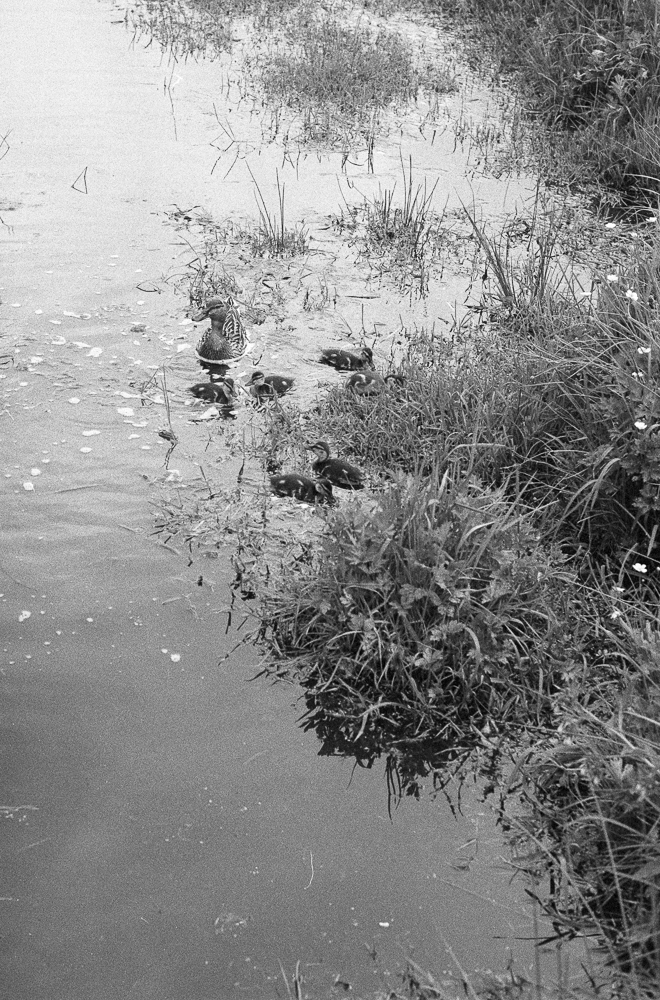
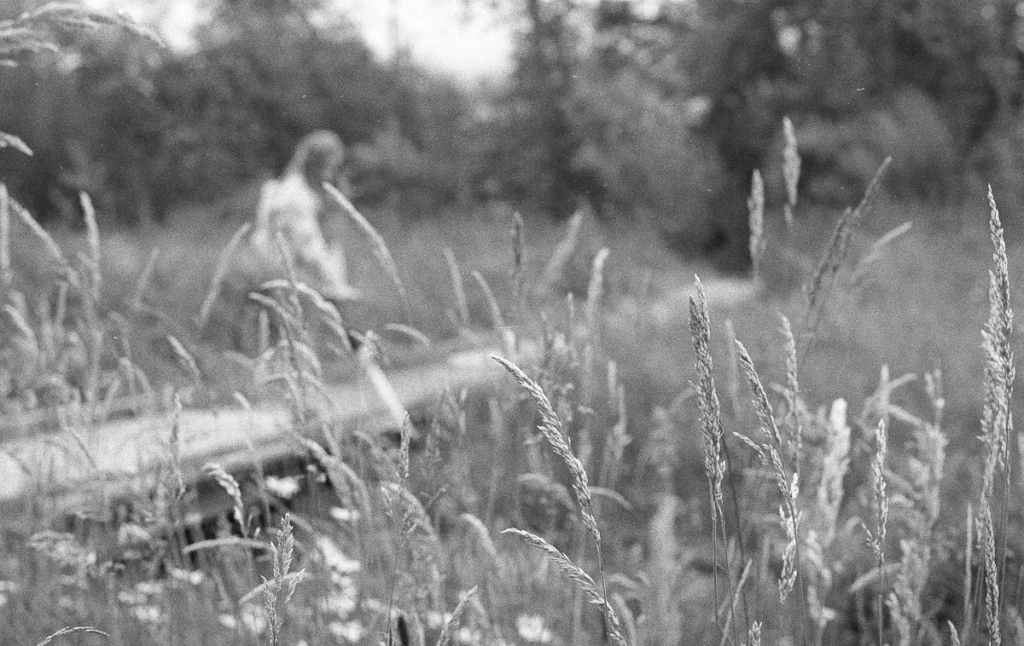
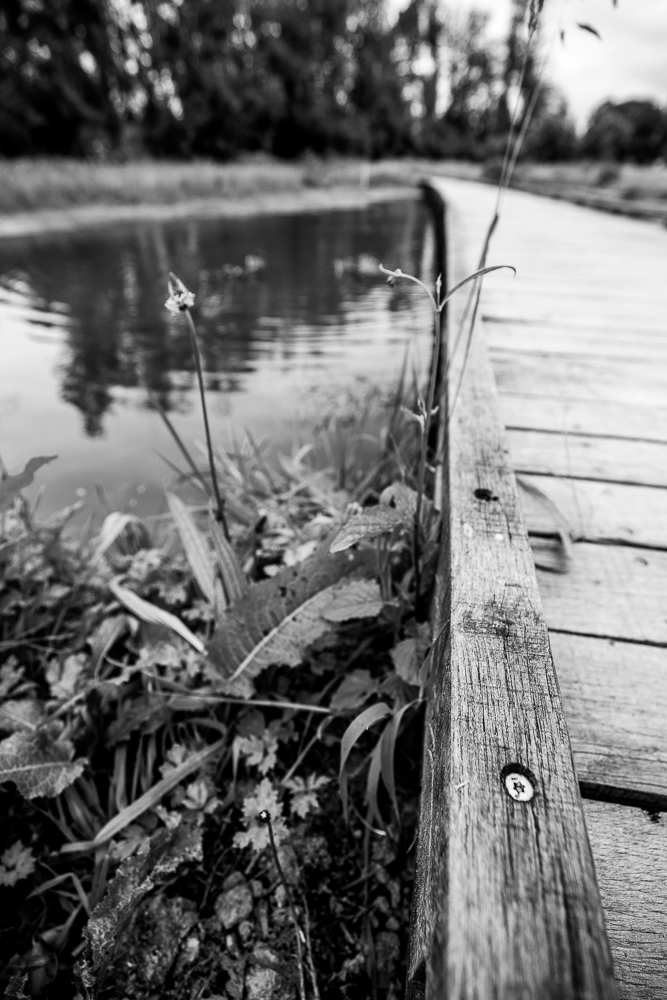
Talking about photography, let’s please, move onto something les anxiety inducing. The following photos are of the pond and prairie that I talked about in my last article. There is a mixture of digital and film photos. I have been exploring the notion of pushing film. This not involve putting a film canister in the table and nudging it forward gently, but not exposing it at box speed.

Let me explain. I buy Ilford HP5 Plus black and white negative film. Normally it is to be exposed at 400 ASA. However, by under exposing and extending the developing time you can get a little more contrast on the negative. Other consequences are that with less light, I can still have smaller apertures and get more in focus. I will get more grain but that’s fine. It adds to the analogue photo I think. You’ll see what I mean when you see the photos. There will be three galleries, one showing digital images, one showing the images from the film exposed at 800 ASA, and the last gallery showing images exposed at 1600 ASA. How does that sound?

This first gallery was taken with the Canon 6D Mark II and the 16-35 mm F4 lens.

This second gallery was taken on the Pentax ME Super with a 50mm F1.7 lens with Ilford HP5 but pushed to 800 ASA

This last gallery was taken on the Canon AE1 Program with a 50mm F1.8 lens on Ilford HP5 but pushed to 1600 ASA