Balancing Film and Digital: A Photographer’s Journey


Introduction

Have you ever had to make a difficult decision that you really had to think long and hard about, one that would have real-world consequences for you and your creative process? I have, and I’m going to share this first-world problem with you. Now, I know first-world problems are a joke, but this problem became very real to me during the run-up to the China Orchestra Tour: film or digital?

You all know about my fondness for the analogue process and the results I’ve been able to acquire. Judging by my recent stats and pages visited, this might just interest you.

The Allure of Film Photography

I’m not saying this was causing me the traditional anxiety that I have been known to suffer from in the past. But… I had to decide how I was going to record my trip and, therefore, what to take with me. I’ll give you a list of my ideal kit, and it might help you to understand my dilemma.

  • Camera 1
    A recently acquired Nikon FE (my first ever Nikon) and black-and-white film, ranging from Fomapan 100 ASA right through to Ilford HP5 Plus, whose box speed is 400 ASA but can be pushed up to 1600 ASA and still provide great images.
  • Camera 2
    A Mamiya C220, which is a beautiful piece of kit with various 120 format black-and-white films, HP5 Plus, Portra 400, with the addition of Kodak Tri-X.
  • Camera 3 (maybe 4)
    My Olympus Trip or even the Olympus Pen EE S half-frame camera, for those informal colour shots with some Kodak Ultra and even a roll of Portra 160 for that gorgeous vintage style.

So, you have my film cameras with the film that goes with them. They provide a photographic experience unlike any other. The slowing down of the process, the reflection on each shot taken, the satisfying sound they make when you press the shutter release button. And so much more. They also look pretty damned sexy just hanging there around your neck, and people will think you are a “real” photographer, and that old-school vibe just adds tonnes to your sartorial elegance. Yes, you become a real poser, but do I care? Absolutely not!

The Practicality of Digital
  • Camera 5
    My much-loved Canon 6D Mark II, with a couple of zoom lenses – 24-70mm F4.0, and my 16-35mm F4.0 lens, and maybe even my nifty 50.
  • Camera 6
    Fujifilm X100F, the travel photographer’s ideal camera with the 35mm equivalent F2.0 lens for that sexy bokeh. It’s the Internet that said it, not me.

Now moving into the digital world. Convenience, convenience, and in case you hadn’t realised, convenience. I love them both for the variety of shots they allow me to take, and as I learnt photography “back in the day,” I have still conserved the same approach that I had in analogue photography, i.e., not spraying and praying like I have seen some colleagues do.

It is easier to use a flash, and you have an image that can be transferred to your phone, edited in Lightroom CC, and rapidly shared in the China Orchestra Tour WhatsApp group. And people can see what a great photographer you are. Couple the Canon colours and the Fuji film simulations, and you can have all the creativity fixes you might need at your fingertips.

The film cameras were there to satisfy my love of the analogue process and the nostalgic film look that only film can give. The digital cameras for their practicality, lens effects of going really wide, and having the possibility of going right up to 70mm. Choices, choices, choices.

Reality Check

Now let’s get back to reality and look at the ever-growing list of constraints. First of all, I am going on tour as a musician and not as a photographer. One really has to make this important distinction, as it gives a sense of purpose to the trip as well as the implication of priorities.

I would be flying across half the world, and therefore have to follow the demands of the air travel industry and airline rules. That meant no more than two lithium batteries, and one in the camera, and not in your suitcase but in your hand luggage, or on your person. They don’t like the idea of these batteries exploding or causing fires mid-flight. And because we are respecting the zero BS rule here, I don’t fancy that either. I would be limited by weight for my suitcase: 23kg and 20kg for flights inside China. My priority was to be a musician first and not a photographer, if ever I needed reminding…

If I were going to the UK, I would just have to annoy my family in the car with it being loaded up with camera gear, but this is China we’re talking about. Not a jaunt across the Channel.

In my suitcase, I will need my clothes for two weeks, my suit for concerts, shoes for concerts, wash bag with all my toiletries, as well as my CPAP machine for my sleep apnoea (I have to think about my quality of sleep as well as not snoring for my unsuspecting roommate Corentin). My hand luggage would be my instrument, and as we didn’t need mutes, I might be able to get away with stuffing things up the end of my horn’s bell. Please note that I didn’t try to get a cheap laugh by using the word bell-end…

So here I am back at the beginning of this article, and yet now you might better understand my dilemma.

Tell us what you decided then!

Alright then, I will.  Welcome inside my mind and my thought processes. The sheer weight of all the kit would have made tking everything completely impractical.  I knew this and had come to terms with it.  I really wanted to analogical, but then had to come to terms with the fact that airport scanners can damage undeveloped film.  Also the Mamiya weighs a tonne and would have been impractical to lug around China, despite the wonderful images it provides.  Carmer 2 out!  Now for security check I had bought a metal film box for my films so that those charming people at airport security could check my films, making sure that I would not blow up the plane.  Not really my style…

That would leave me with Camera1, 3, and 4.  Cameras 3 and 4 are particularly sexy and Carmera 4 being a half frame camera, gives you double the amount of shots for your film.  However it uses zone focussing, and the ISO setting only go up to 200ASA so you need lots of light.  Camera 3 is similar in the fact that it goes only up to 400ASA so not good for lowlight shooting.  Cameras 3 and 4 out.

That leaves me with Camera 2.  Which is of course uber sexy and Aperture priotity, which I like, and has a larger ISO range, and one that I can focus accurately with.  I had black and white film for it which I enjoy using and know how it reacts and what kind of shots I can get out of it.  Very satisfying shots.  It also doesn’t need lithium batteries to work, so that helps rule that danger out.  But I would still have to contend with the possibility of annoying security staff, and annoying Chinese security staff, and as I speak no Chinese, that would be challenging. And yet it still had a chance of staying in the race.

Now lets explore the digital realm. Camera 5: The Canon 6D Mark II is a beast of a camera and one I enjoy using.  It’s lenses are beyond compare, and it would offer me lots of choice in choosing my subjects.  However it would be heavy, especially with those lenses, and despite being able to have my images straight away, would it really be worth that added weight.  Camera 5 out.

Camera 6.  The Fujifilm X100F.  Probably my favourite digital camera, and the one I took to the UK this summer as a test for this Chinese trip.  It’s small.  Compact and silent.  And yet despite being a digital camera, it has an analogue feel to it, and is also very sexy, so I can still pose with it and it will give that serious photographer look, and make make people wonder is he using digital of analogue…  Hmmm.  Sounds like a good choice.  It’s downfall lies in its power consumption. I would need three batteries in total.  Which would mean that I would have to entrust a battery to a friend..

The two cameras left in the race are the Nikon FE analogue camera with it’s 50mm F1.8 lens which doesn’t need batteries.  50mm was the lens I learnt photography on and would allow me to get some decent portrait shots.  However with the Fujifilm, I could change ISO setting without the hassle of changing my film, create scenic shots, as well as environmental portraits, and I could transfer the photos directly to my phone and share them straight after editing.  

The X100F: Why It Was the Right Choice

The X100F became the clear winner for several reasons. It’s compact and lightweight, which was essential for travel, yet it produces sharp, detailed images. The 35mm equivalent F2.0 lens allowed me to shoot wide-open for beautiful bokeh in portraiture and environmental shots. The range of film simulations, from classic Chrome to Acros, allowed me to quickly achieve the look I desired without extra post-processing.

Its hybrid viewfinder provided both optical and electronic options, letting me choose the right method depending on the shooting conditions. The controls are direct, giving me full control over exposure and depth of field, without the need to dig through menus. And though it’s a digital camera, it retains that analogue charm that makes shooting feel personal and intentional.

The only downside was battery life, but I managed to bring a few extra batteries, which wasn’t too much of an issue for the flexibility the X100F offered.

Conclusion

In the end, the Fujifilm X100F was the perfect balance between practicality and creativity. Its digital conveniences, combined with its classic photographic feel, made it the ideal camera for the China Orchestra Tour. The images you’ve seen in my latest China Series article were all taken with the X100F, and I’m happy with the decision I made and I hope you might be too…

The Enduring Elegance of Vintage Cameras: A Personal Journey


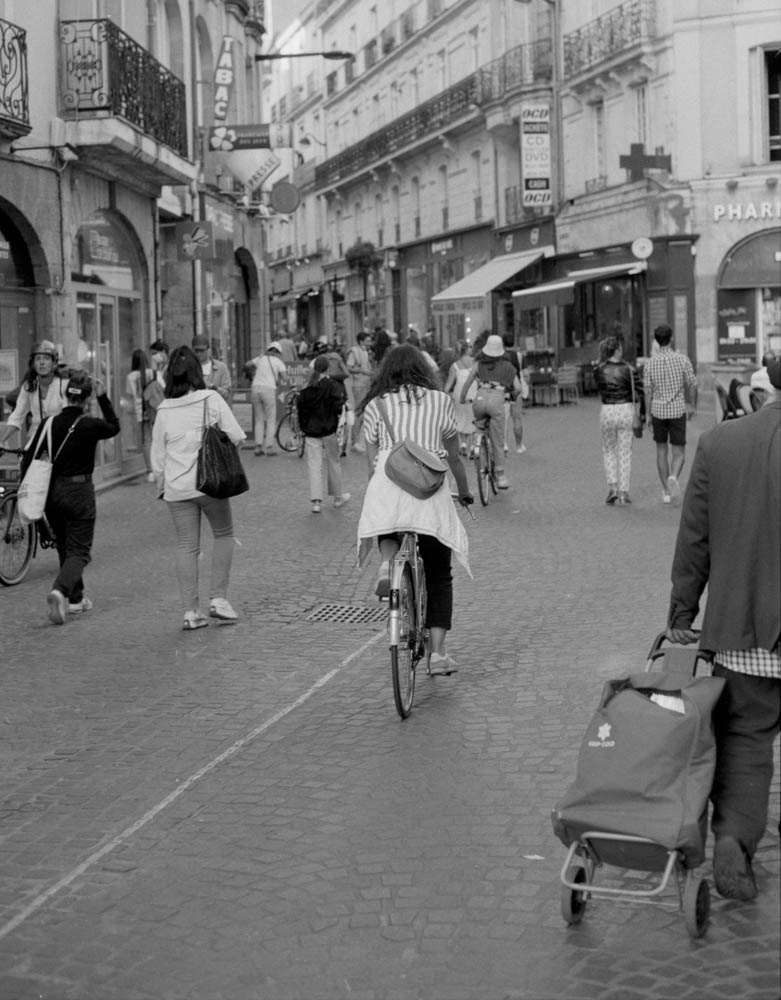
I often find myself discussing the concept of “vintage” with my father during our phone calls. I live in France, while my parents are in Northumberland. The term “vintage” means different things to different generations. For my 25-year-old son, vintage clothing is anything from the 90s—he even sports a few of my sweaters from that era. At 52, I’m beginning to see myself as slightly vintage, with a style that has evolved into something more classic and refined compared to my younger years. And to my 15-year-old daughter, my father, who grew up during the war, must seem positively ancient.

So, what does this have to do with photography? For me, a camera from the 1990s feels relatively modern, while those from the 80s and 70s seem older but not quite ancient—much like myself. Using these older cameras in my photography practice forces me to slow down and be more deliberate. Just as my style has become more refined with age, these cameras have an enduring elegance and charm. They may be from a slightly bygone era, but they still capture images with timeless grace.

Incorporating this vintage technology into my work isn’t just about using old equipment, however enjoyable working with what could be considered museum pieces may be; it’s about embracing a process that demands patience and mindfulness—concepts that are somewhat foreign to this younger generation. Each shot taken with these cameras becomes a deliberate act, mirroring how I approach life and photography. The result? A deeper connection to the process and a greater appreciation for the unique quality of film. This slower pace allows me to savour each moment, akin to how my evolving style reflects a deeper appreciation for life’s subtleties.

In a world increasingly dominated by digital immediacy, there’s something profoundly satisfying about the slower, more thoughtful pace of using vintage cameras. They may not be the latest technology, but their classic design and the deliberate process they require make them a joy to use—much like the evolving sense of style and perspective that comes with age. The emotional impact of working with these cameras is profound; they carry the weight of history and personal connection, enriching my creative process and deepening my engagement with photography.

My own “vintage collection” began with an SLR from the 1980s: an East German Praktica MTL3 that served me faithfully until 2009. After it finally gave up, I quickly replaced it with another. From there, I delved into exploring more iconic cameras from the 1970s and 1980s. At that time, they were still relatively affordable before the hipsters discovered film photography and the prices inevitably started rising.

My exploration didn’t stop there. I began to seek out cameras from the 1960s and even the 1950s. The oldest camera in my collection dates back to 1949! It’s quite vintage, even for me, though perhaps not so much for my father. Each piece of my collection is a link to a past era, offering a tactile connection to history that digital tools can’t replicate.

There was a time during the digital age when people sought to recapture the film aesthetic, and right on cue, apps like Hipstamatic, Instagram, and VSCO began to emerge. These digital tools embraced the nostalgic look of film, offering a nod to the past while thriving in the digital present. Yet, this digital simulation can’t quite match the authentic experience and emotional resonance of using actual vintage cameras.

This led me to a thought: if I truly wanted to capture that film aesthetic, why not use actual film and cameras from the eras I admire? I have always been drawn to “old” things, having loved exploring a special drawer at my grandmother’s house filled with genuine relics—not just my grandparents’ old possessions. My fascination with older technology, particularly when it’s still functional, remains strong. There’s an undeniable charm and satisfaction in using equipment that carries a legacy, offering a perspective that both honours the past and enriches the present.

So just because something might be old, it might still work and open a whole new world to you that you didn’t even suspect existed! It might, however, have something of a quirky nature, but once you get over that, the world is your oyster.

The UK Chronicles Part VIII: From Chesters, to Rothbury, to Lesbury


Thank you for following this series of UK Chronicles, and I would just like to say that this is the last one. It had been a long day, but a good day, despite the disappointment in Otterburn. You overcome and adapt. Killian was still sad not to have some Roman armour though.

So, despite not rocking the Roman look, we still had to get back to Lesbury because that evening we would be eating with my parents in a pub in Boulmer, which was just down the road from Lesbury and on the coast. Boulmer is one of those little fishing villages that still has a small fleet of fishing boats that would have caught the fish and chips that we would be eating that night.

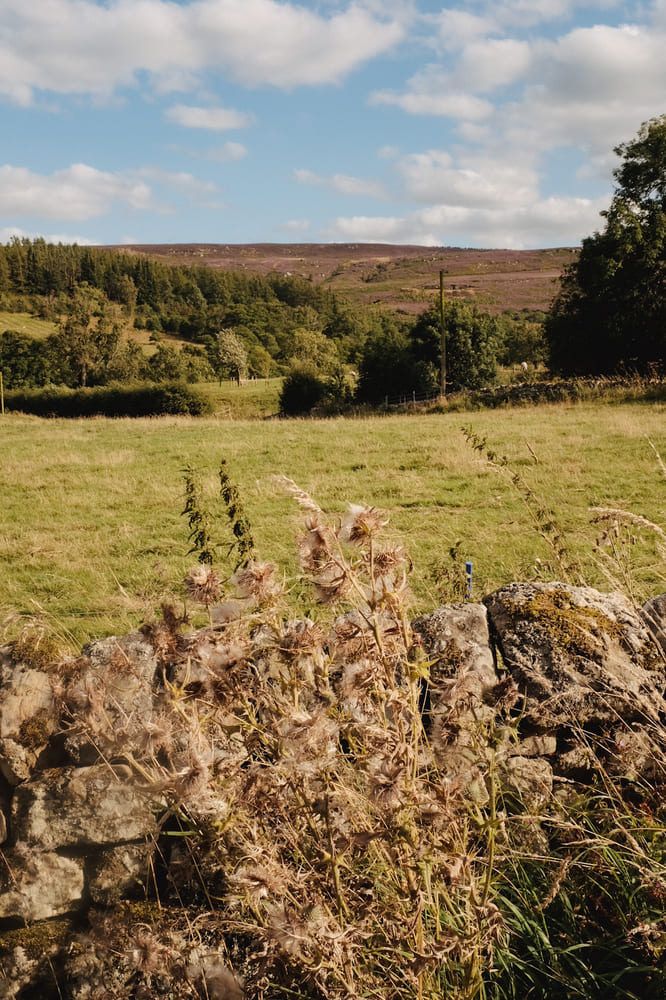
To get back home, I could take the more direct route, or I could go via the scenic route. Luckily for you, Dear Reader, we had enough time to take the scenic route. My driving was leisurely, or even slow, as we meandered through the bendy country roads. Again, just taking in the rural views and loving every minute of it. We wanted to go back to Rothbury to get another of those yummy sandwiches in the breadcakes that you only seem to be able to get in the UK.

We found the same parking spot as we did that very morning and crossed the road to go back to that morning’s bakery. It had just shut! Please don’t worry for us though; our lives still had some meaning. We visited the ironmongers that hadn’t yet opened that morning. It was one of those places that had everything that one could need, from bird feeders to butter dishes. Killian decided that I needed a new walking stick. He had seen me leaning with my old one, which, in his mind, was too small for me. I think he really had his eye on a shepherd’s crook, but we settled on a nice wooden walking stick that is just a tiny bit taller than my French ones, and it’s propped up against my desk as I write—a little reminder of home.

Killian suggested we walk to a particular shop and then return, now with my new walking stick in hand. Leisurely was definitely the word of the day and summed up our attitude to it so well. We strolled down to the RSPCA charity shop. I thought I might just be able to get Killian a jacket to help smarten him up a bit, but failed. Ah well. We walked past the toy shop, which you could tell was for rural folk. The amount of toy tractors and all the farming machinery was awe-inspiring. Somebody somewhere had obviously been frustrated as a child…

We passed the Queen’s Head pub, and surprise surprise, we went in. I ordered the drinks and the crisps, made sure Killian had a place to sit, and went to the loo. The bar was full of locals, I presume farmers, judging by the size and musculature of the men. It would appear that their Friday evening sesh was just beginning. There was a couple of walkers with their dog, and a water bowl had been provided, and the dog was enjoying some of the treats from the complimentary dog treat jar. While some find the Northumbrian accent incomprehensible, to me, it’s music to my ears. I get every word of it. Killian, although fully bilingual in English, was struggling, praying that nobody would come up to him and try talking to him. Poor lad. And that was despite a pint of creamy, silky John Smith’s Bitter!

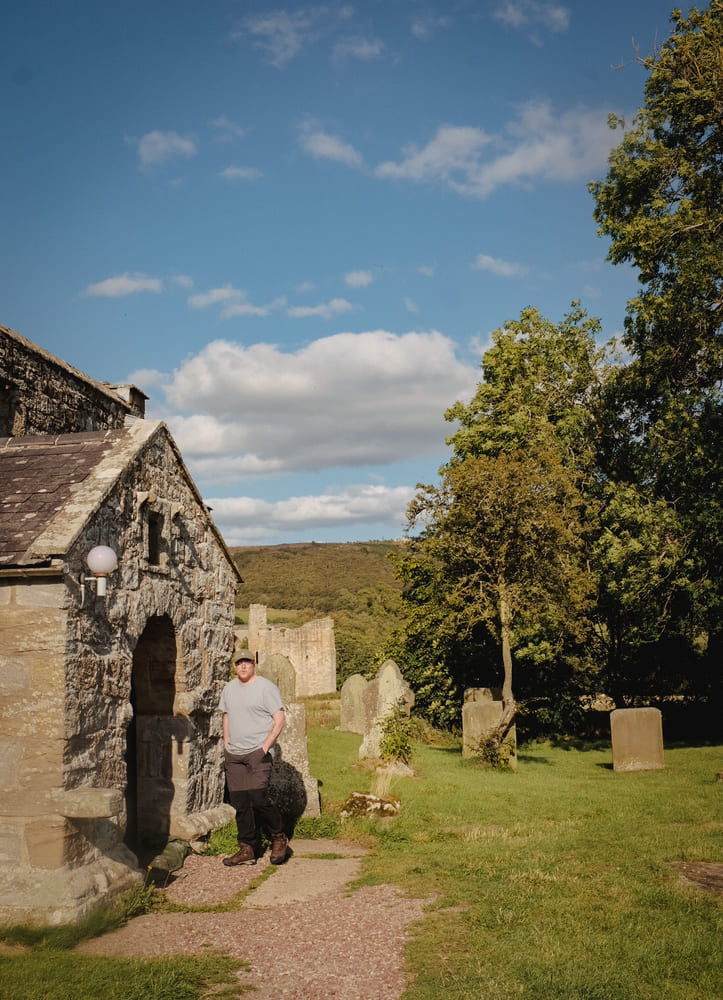
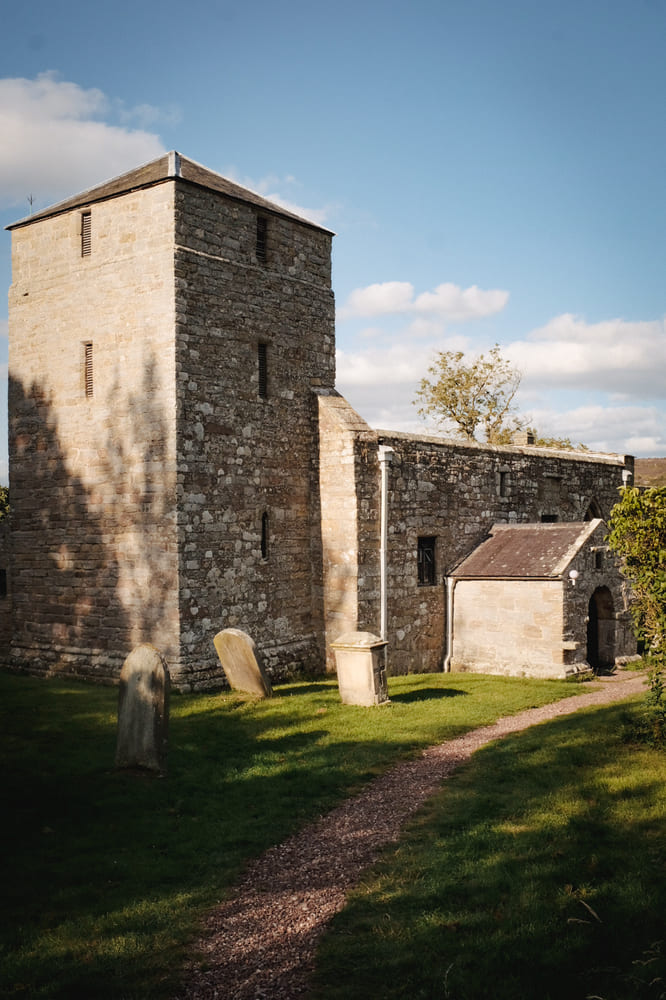
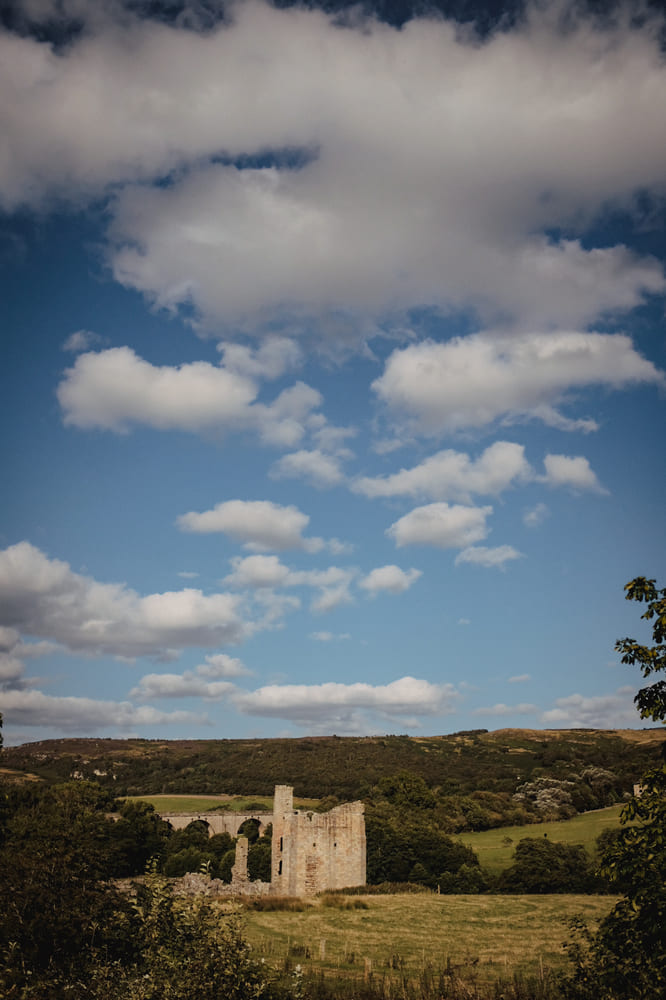
We left Rothbury behind us, feeling as if all were good in this world. Leisurely and peaceful, which felt amazing. We would head back towards Alnwick and have another look at the scenery in a new light compared with that morning. I have taken this route a few times and in the valley have always noticed a castle, and this time I thought, you know what? I’m going to have a look at that place. We saw the sign to the village of Edlingham and its 14th-century castle and turned left. You park just in front of the church, and you can go and see the ruins. We went into the church and saw somebody taking photographs with an old film camera. This guy had a vintage Nikon, and it looked beautiful. As photographers will do, we started talking shop. We talked about the films we used and how my X100F, although not a film camera, was the nearest thing I had found to a film camera in its feel and use. The photographer mentioned that the castle ruins were propped up with large iron beams, which seemed to detract from their historical charm. So, we decided to skip the visit. We parted ways and left the church after having managed to capture a couple of photos. Killian came running back in to ask the guy if he had a Nissan. He did. Well, in that case, it was his car that had just smashed into the church gate. Killian lifted the damaged gate to put it against the wall, and the driver was convinced that he had put his handbrake on. The gentleman called the number on the church notice board to try and tell the vicar about what had happened, but there was no answer. We never did find out if the driver managed to reach the vicar, but it was an unexpected end to our day of exploration.

The Opening of the Film Archives—Clisson, September 2016


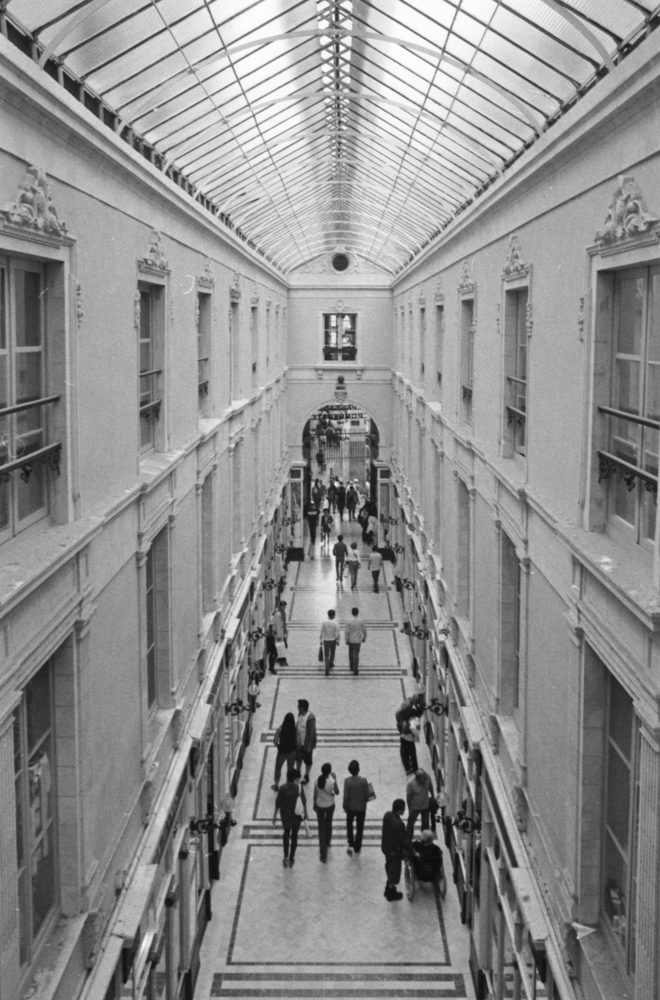
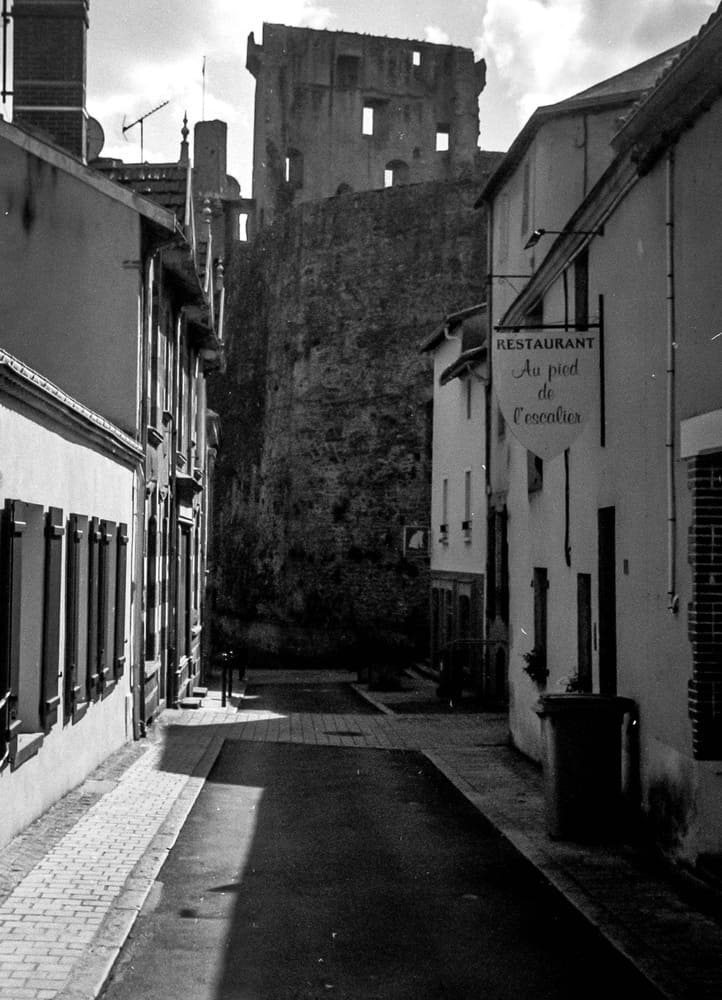
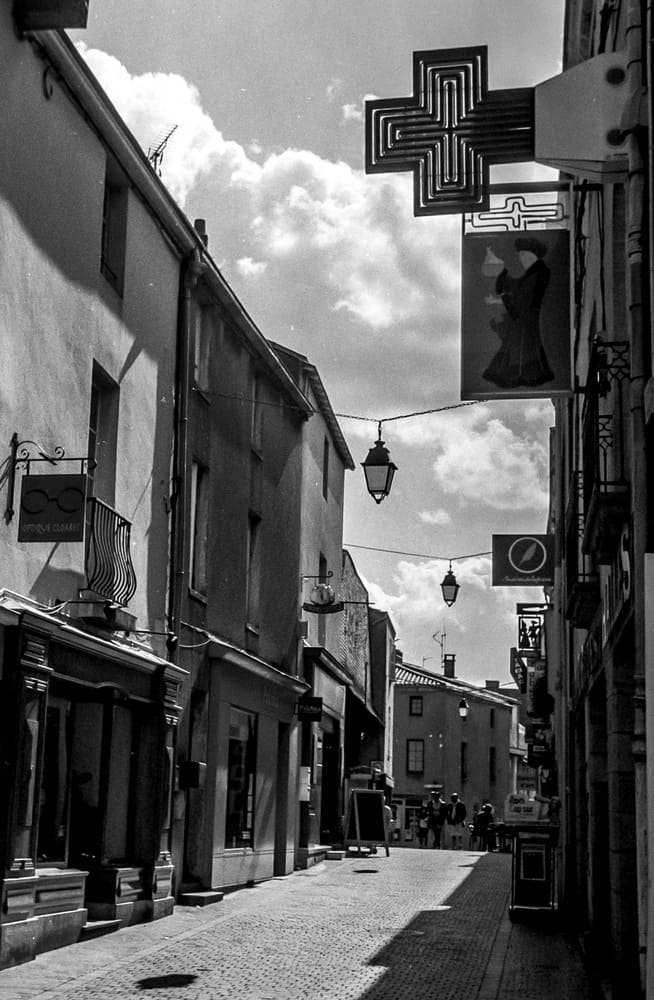
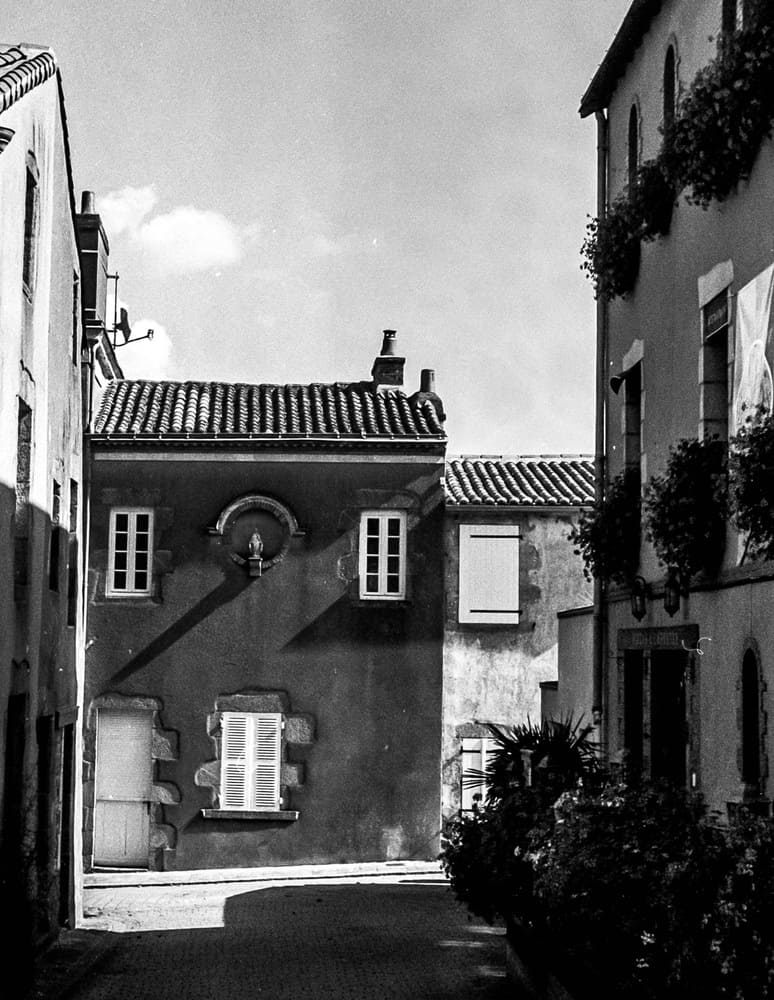
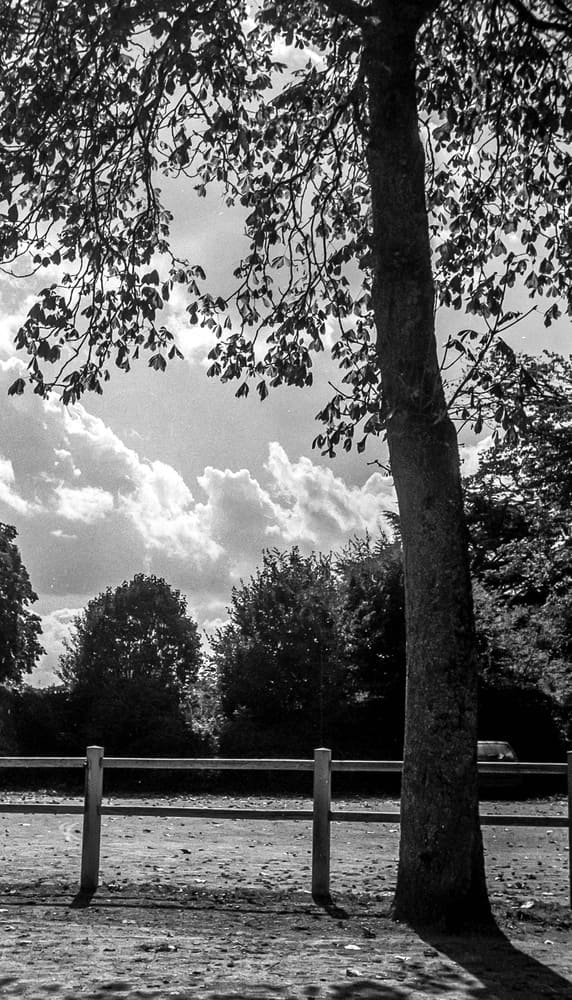
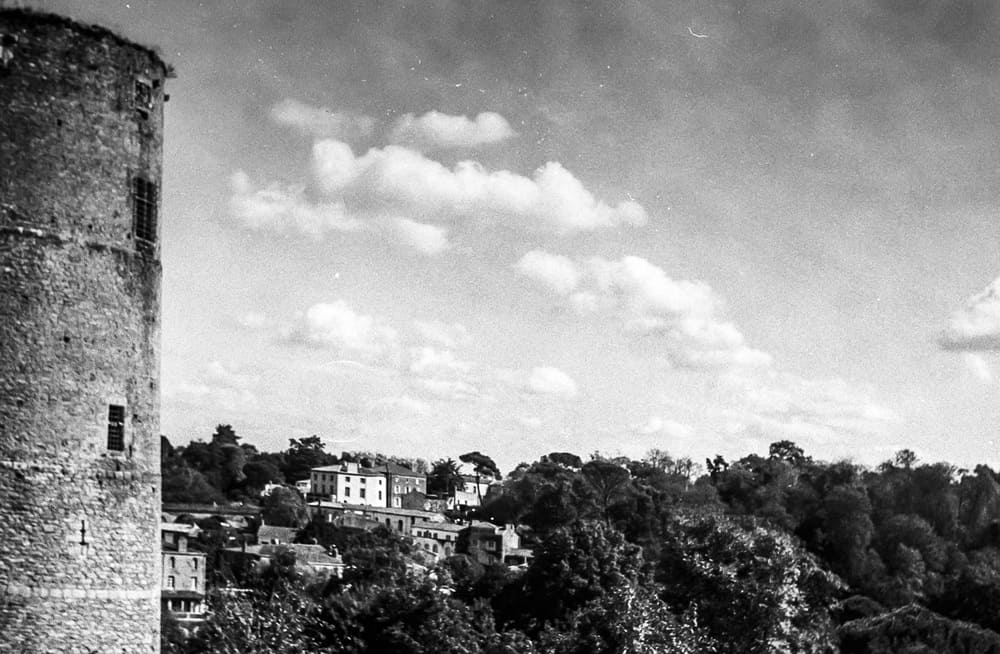
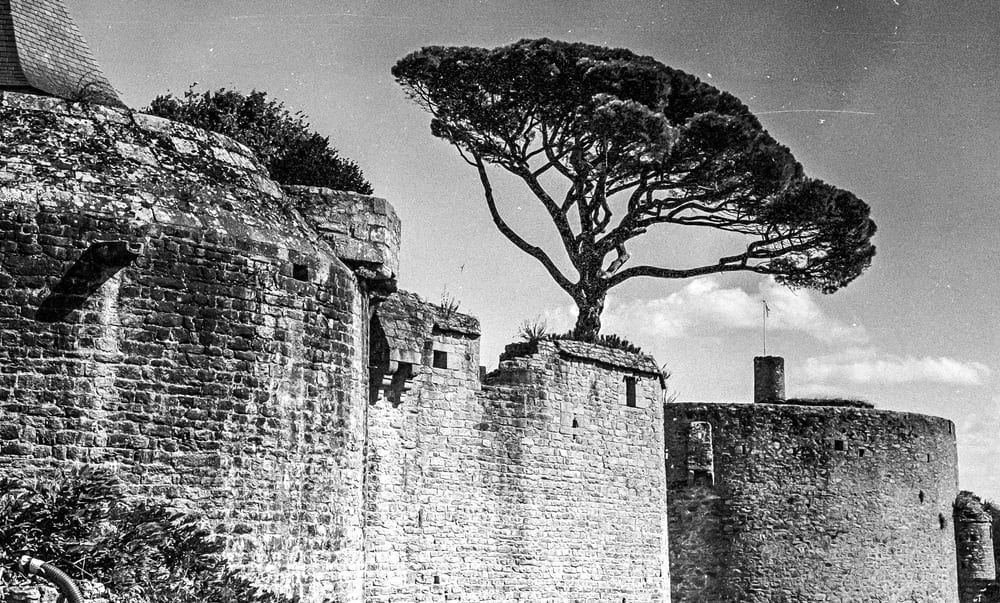
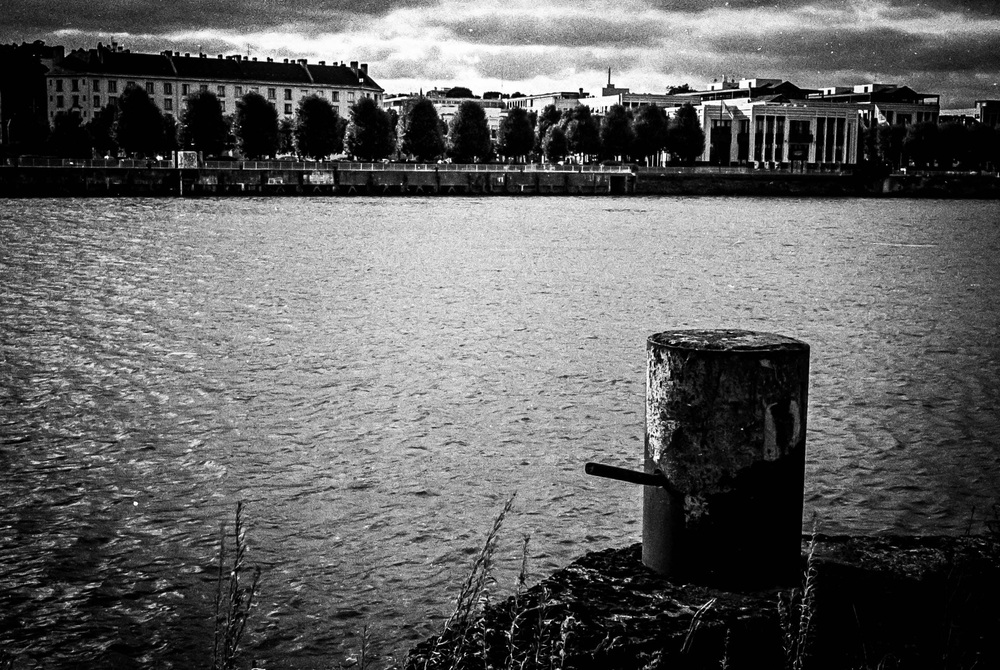
Welcome back, Dear Reader, to the film archives, still with the Canon AE1 and HP5 Plus from Ilford, but in Clisson this time.  You will remember Clisson from previous articles and will have seen the pictures, so it shouldn’t be a stranger to you.  Who knows, it could even feel like revisiting an old friend.  It certainly is for me. 

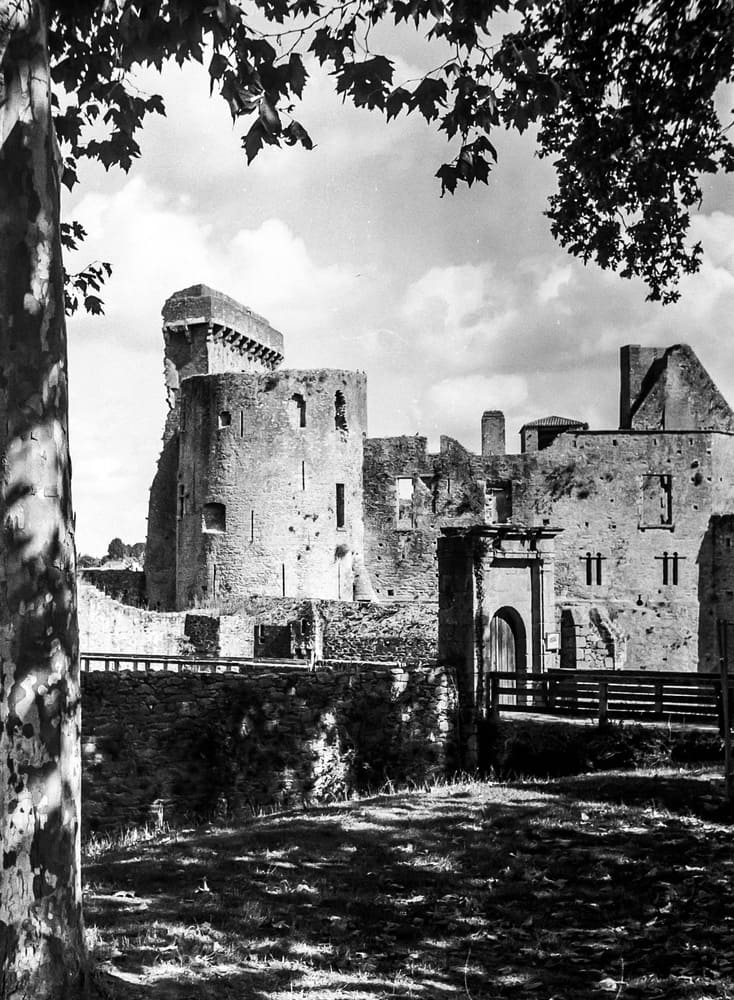
But why Clisson I hear you say.  Well, it’s not very far away from where I live.  It’s also one of those market towns that is renowned for the beauty of its architecture with an Italian slant.  It has the massive castle that towers above the river.  It has me taking photographs of it.  

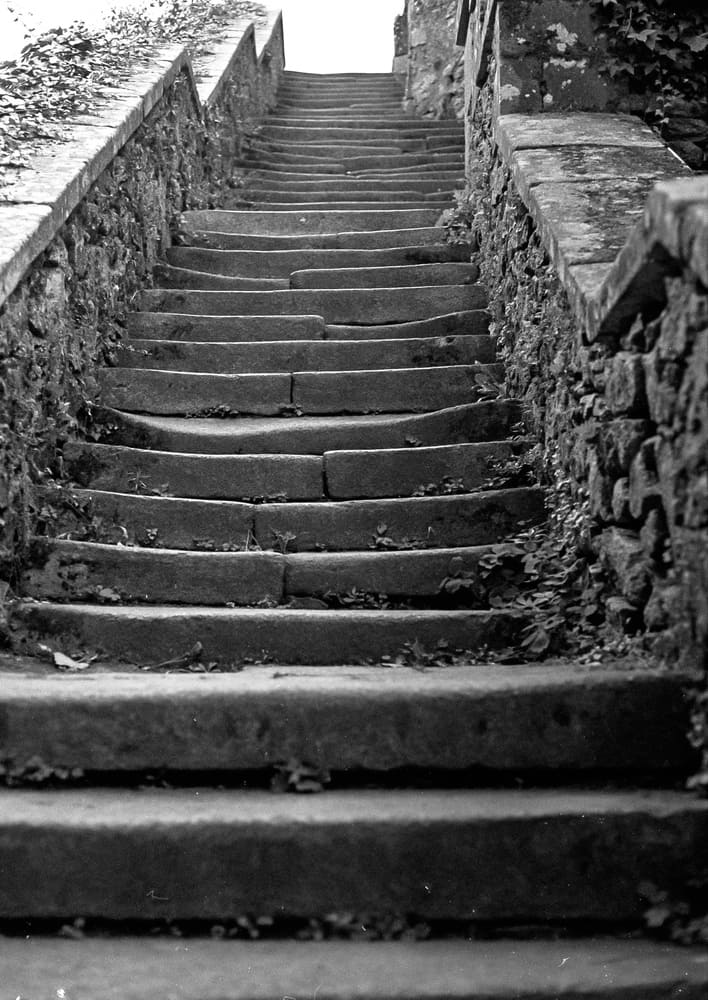
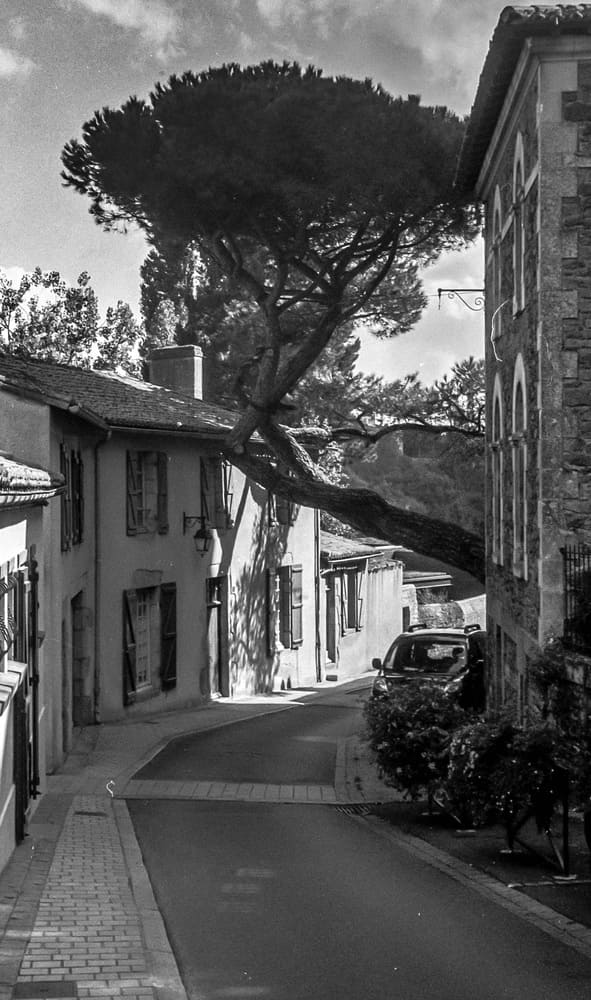
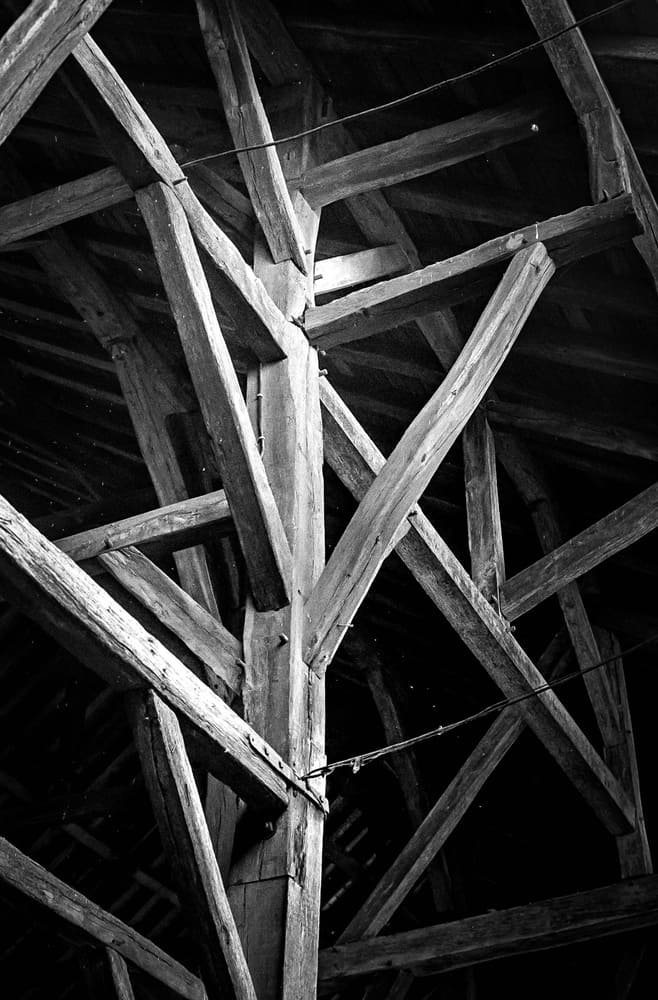
Clisson, like most things, has options.  On a Friday the main option is the huge market, and wandering around the 14th-century Halles, which can keep you out of the sun, the rain, the heat or the cold, depending on the time of year.  I either go down to the river and wander along the river banks in the Garenne and Lemot park, or park at the top of town and stroll around the Halles and surrounding streets.  In the series of photos at the end, you will see some stone steps that join the two options, but I have dodgy knees, and those steps are like leg day at the gym.  You can avoid those steps by just following the road that wraps itself around the church, and going under the tree that just got tired and decided to rest on the house opposite.  

But this time I decided to break out of my habits and visit the Quartier St Jacques with its decommissioned chapel, and garden.  It’s yet another pretty place in a pretty town, and when I was sitting there in the sun, I felt that I didn’t have a care in the world.  Serenity flooded my mind and all was well with the world…

The Opening of the Film Archives—the Hangar à Bananes August 2016


In my last venture into the film archives, I talked about how there was a time that my daughter hadn’t yet seen me the way I see myself and how she actually still liked me, before turning into a teenager.  This is the second part of that special day.

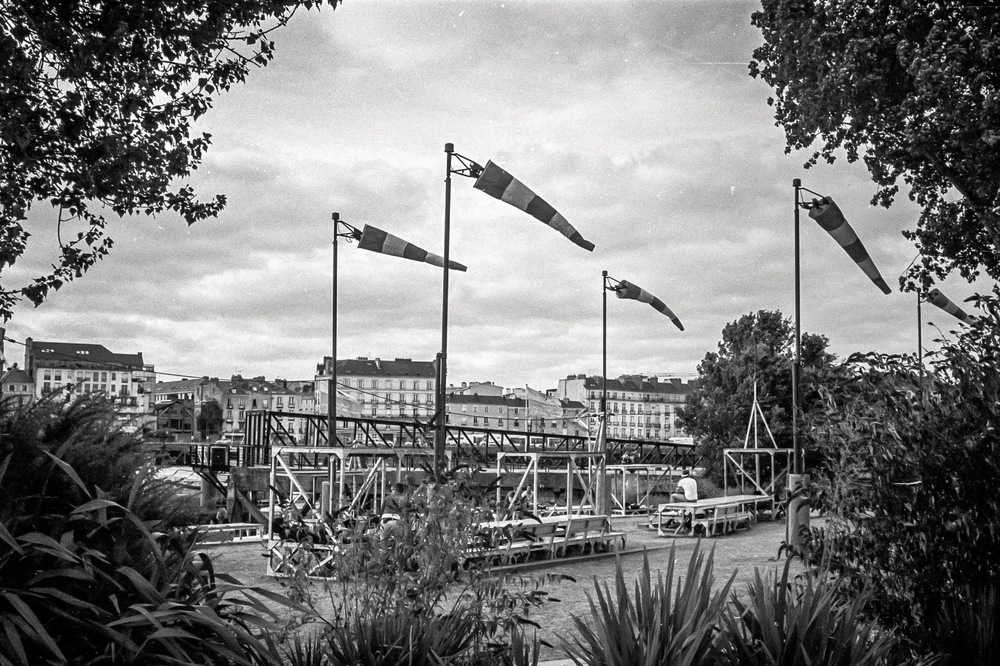
We had explored the Jardin des Plantes and discovered what they had to offer.  This of course builds up an appetite in a young lady, and convinces her that she really needs to drink something Daddy.  And why couldn’t we go to the Altercafé (now the D3) at the Hangar à Bananes.

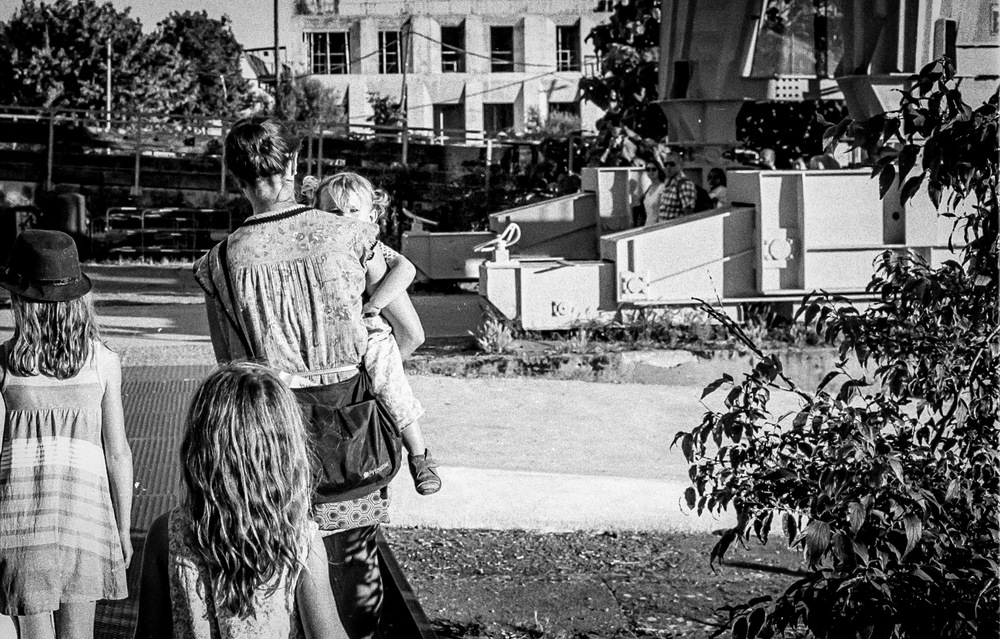
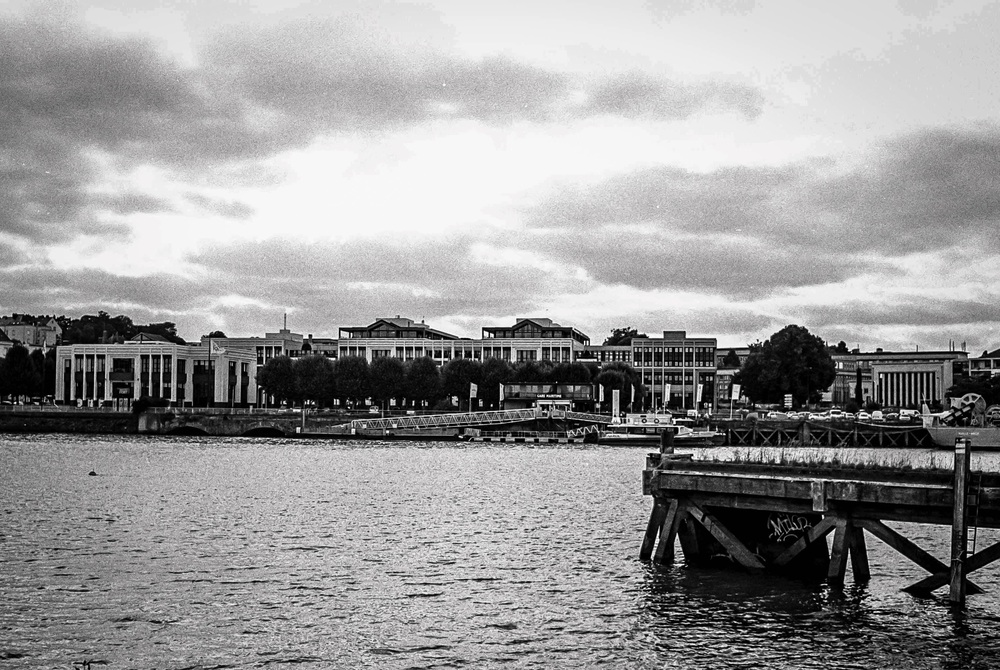
So what else was I to do but drive us to the Hangar à Bananes.  You will have seen the Hangar in this article, and you will now be completely up to date and know nearly everything there is to know.

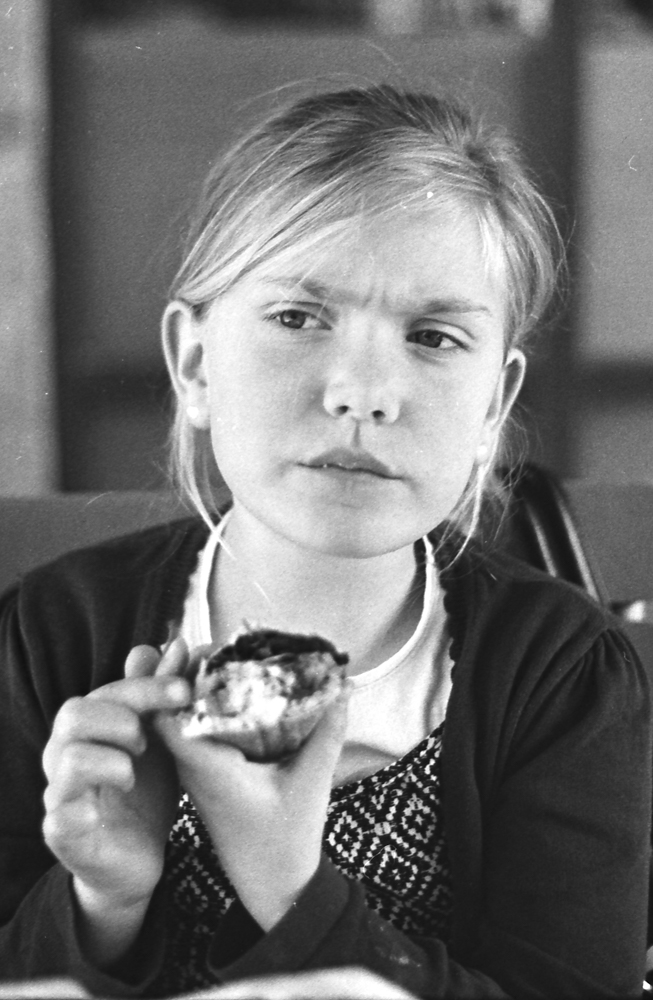
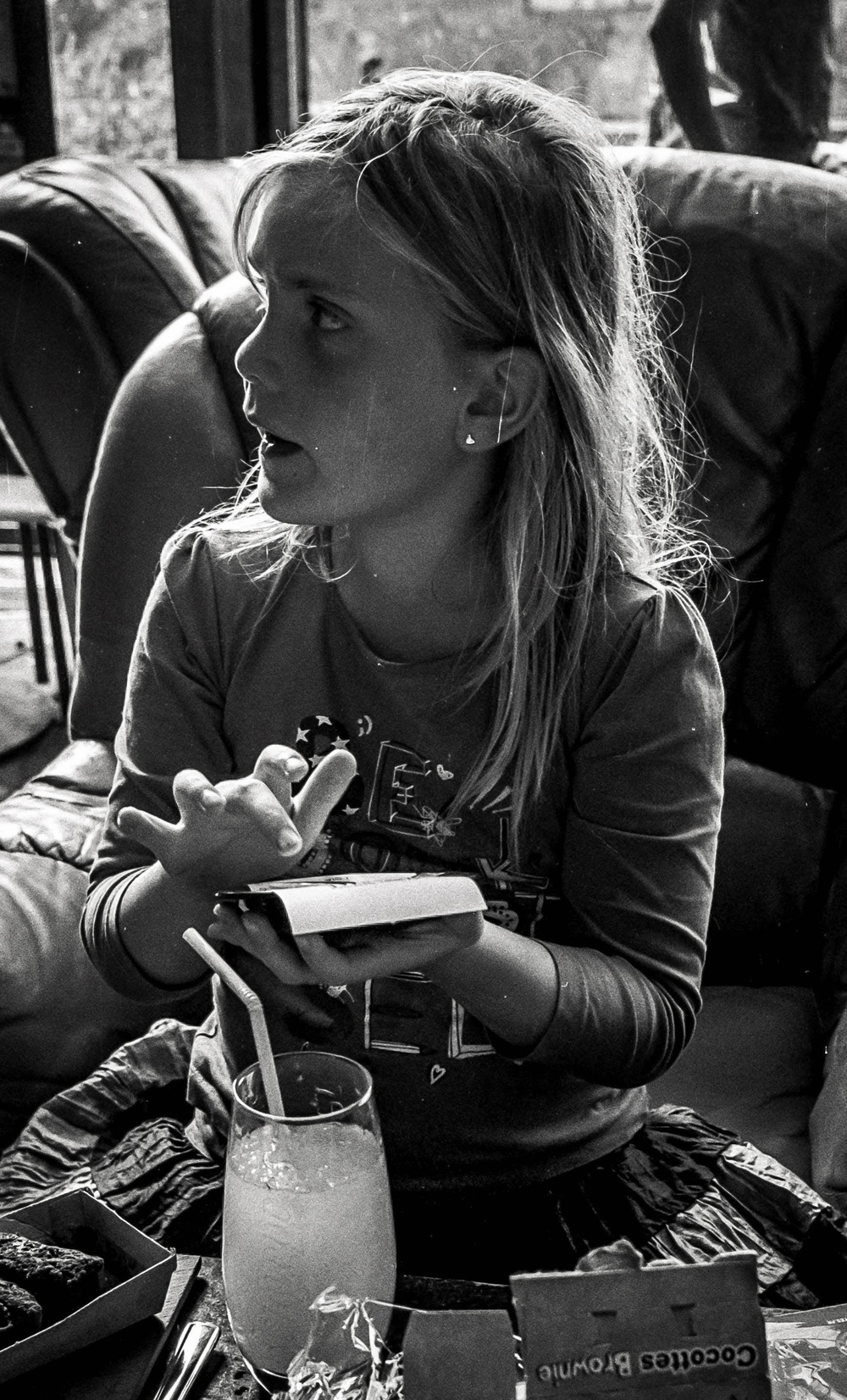
Don’t forget that this is a girl who gets an idea into her head and then just goes through with it.  That idea is so rooted that it is nigh on impossible to change that idea.  I knew what was coming.  I would order a chocolate brownie, and Kate would have an Orangina.  I could have a beer.  How gracious of her.

She had been my model for most of the day and even a top model needs a rest, and just has nothing left to give a photographer.  You just know when enough is enough…

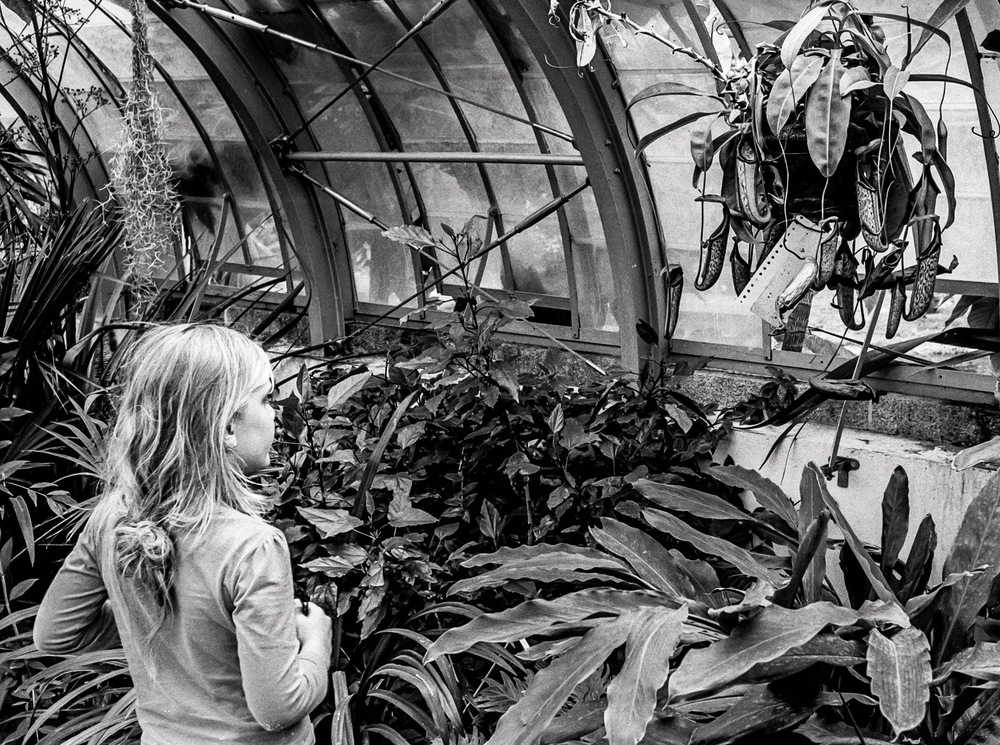
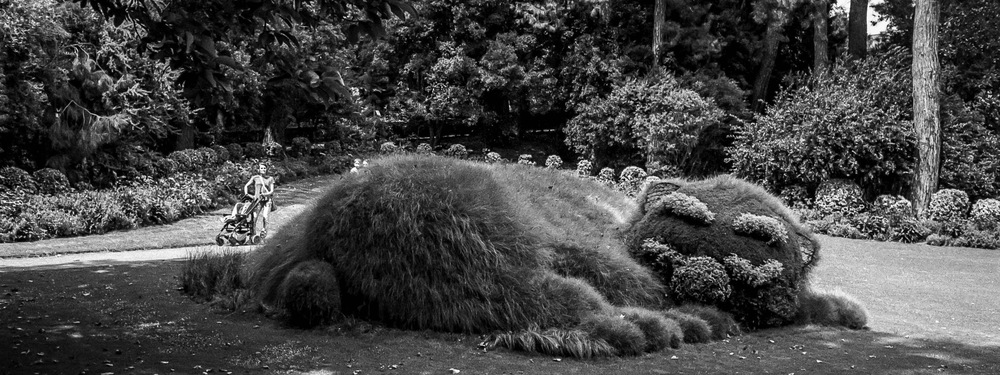
The Opening of the Film Archives—Jardin des Plantes August 2016


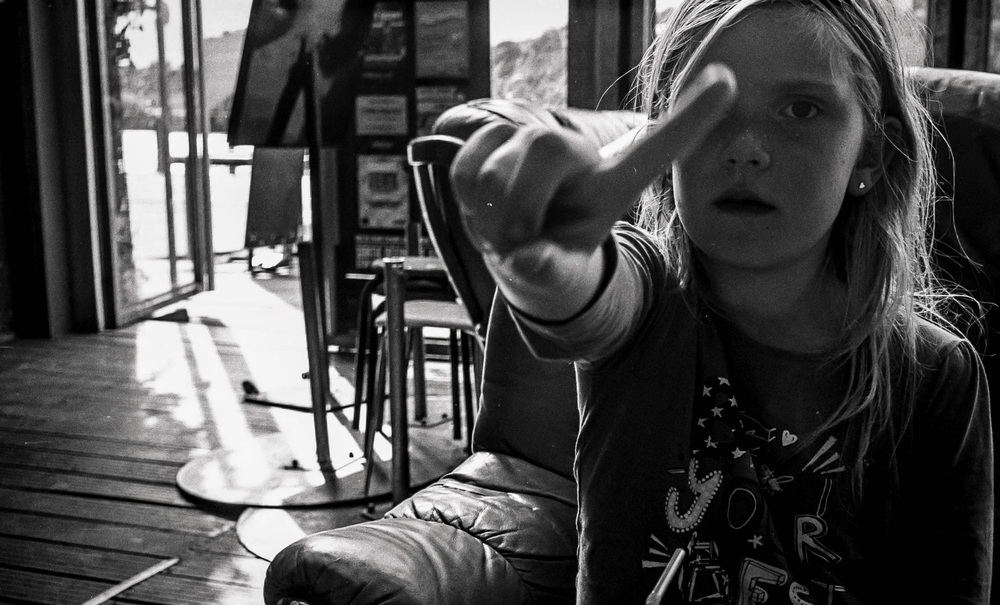
There was a time when my daughter wasn’t a teenager.  There was a time when she quite liked her Dad, and she would accompany me everywhere.  It was good being that child’s hero.  It was a more innocent time.  It was a time when she actively tried to spend time with me.  It was a time when she didn’t see me the way I see myself…

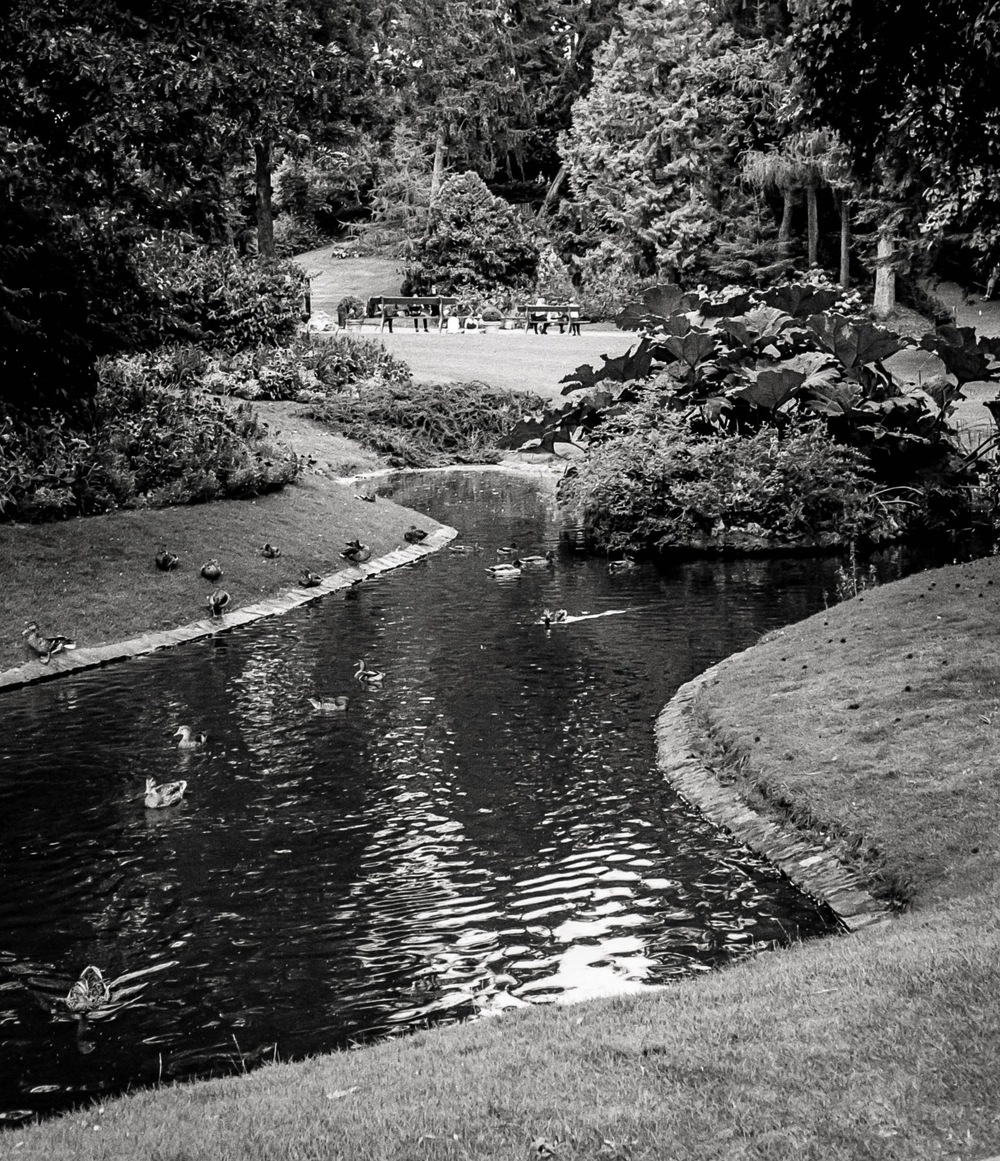
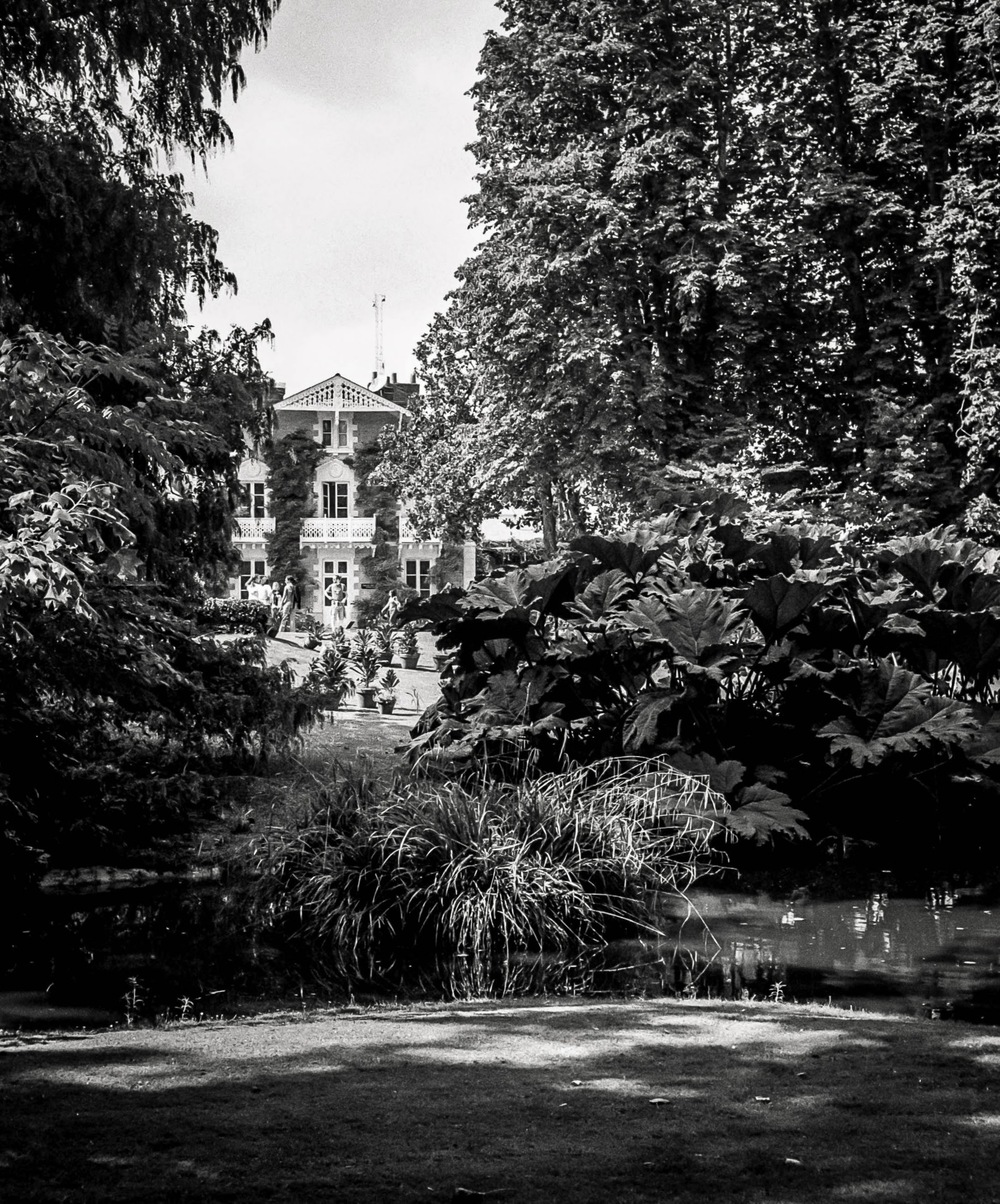
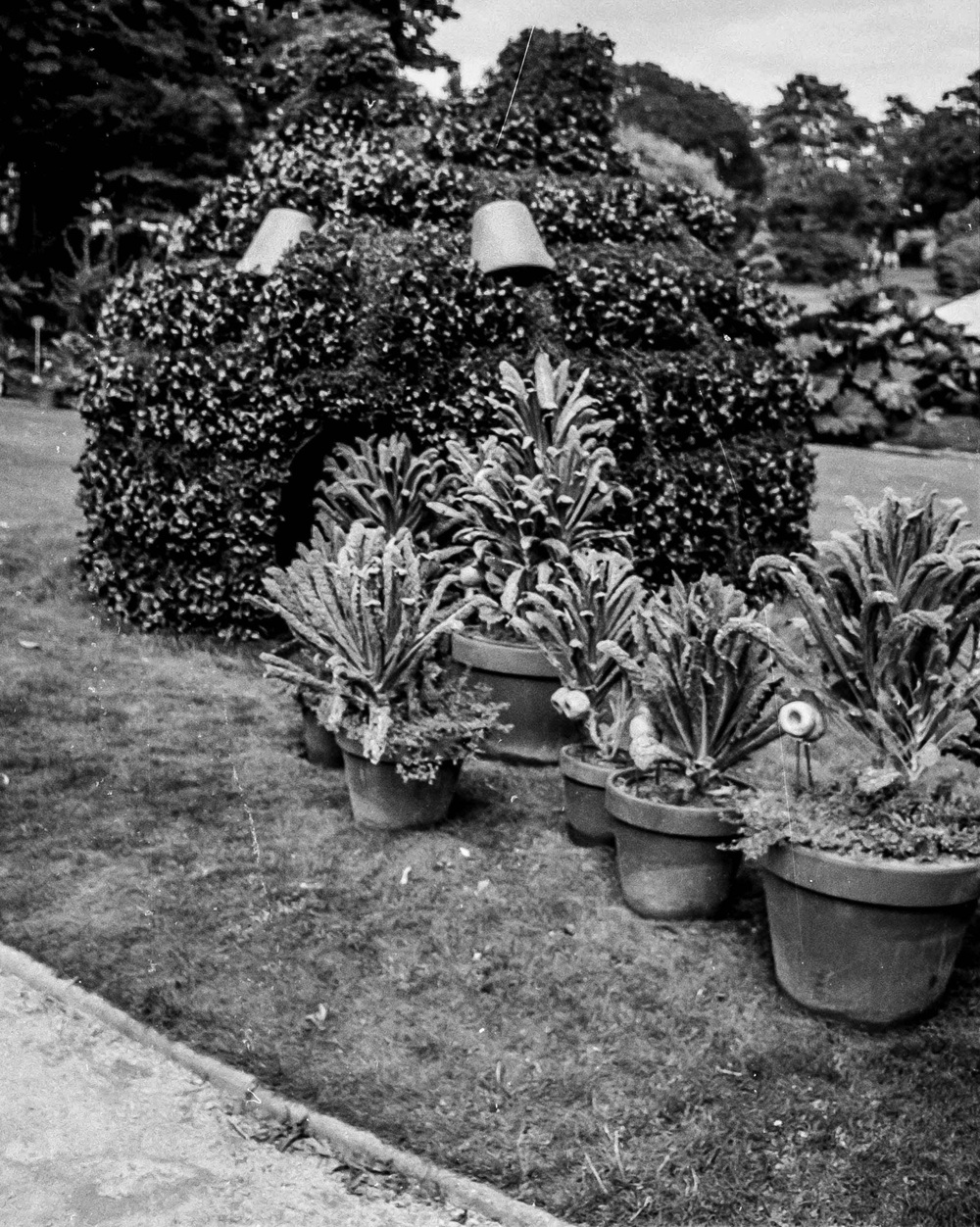
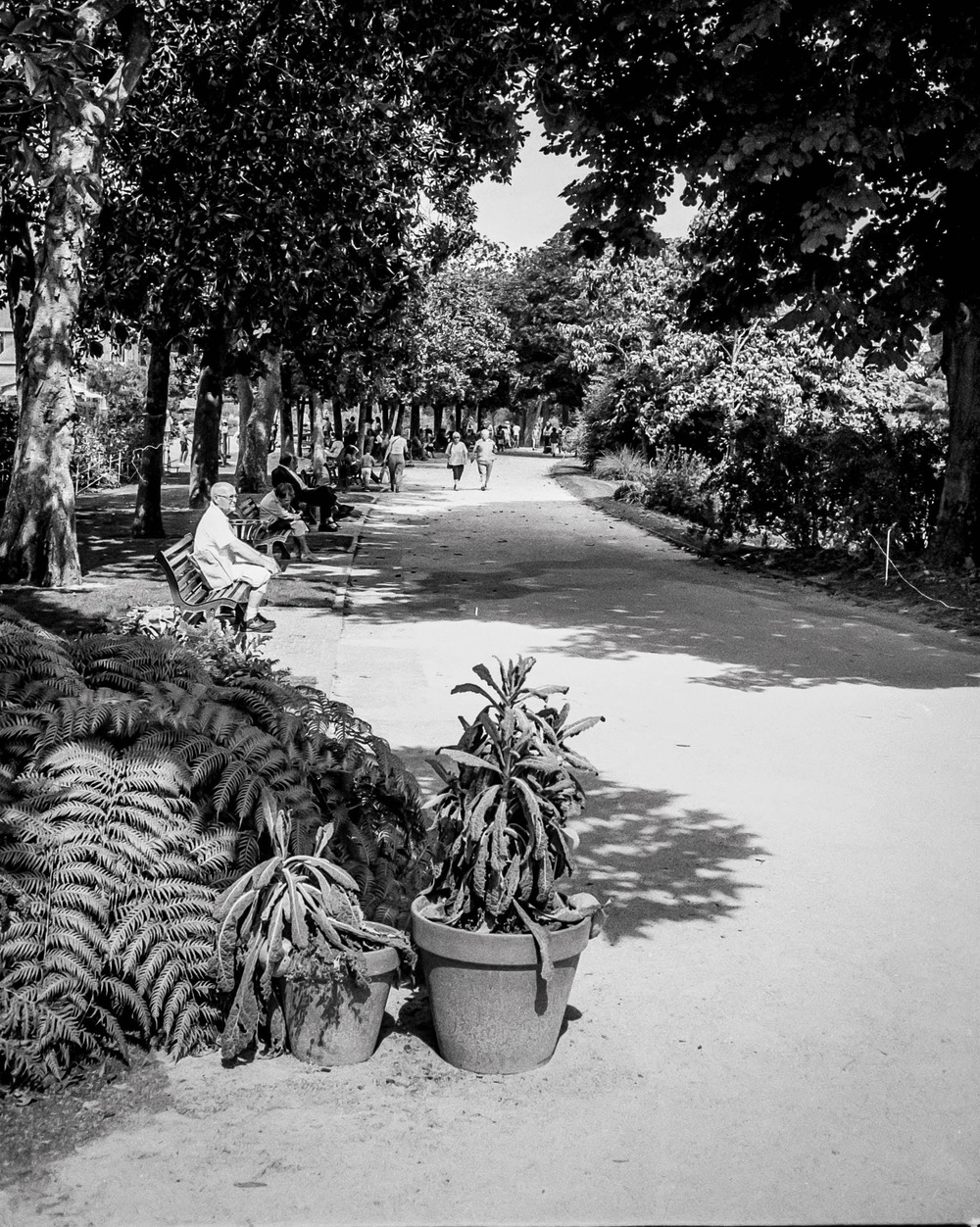
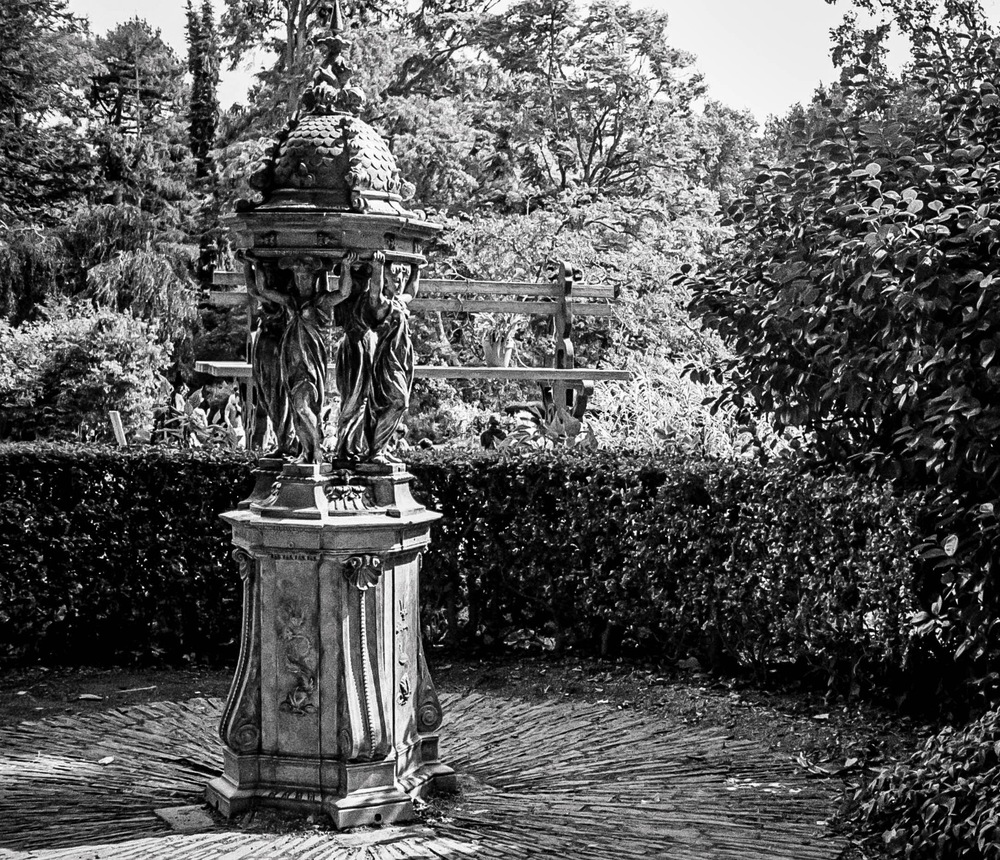
One of her favourite places in Nantes was the Jardin des Plantes, a huge botanical garden in the middle of Nantes just across the road from the station.  I could talk about the fact of it being a haven of peace in the bustling city.  I could talk about it being an oasis of green in a sea of concrete.  I could talk using clichés ‘til the cows come home…

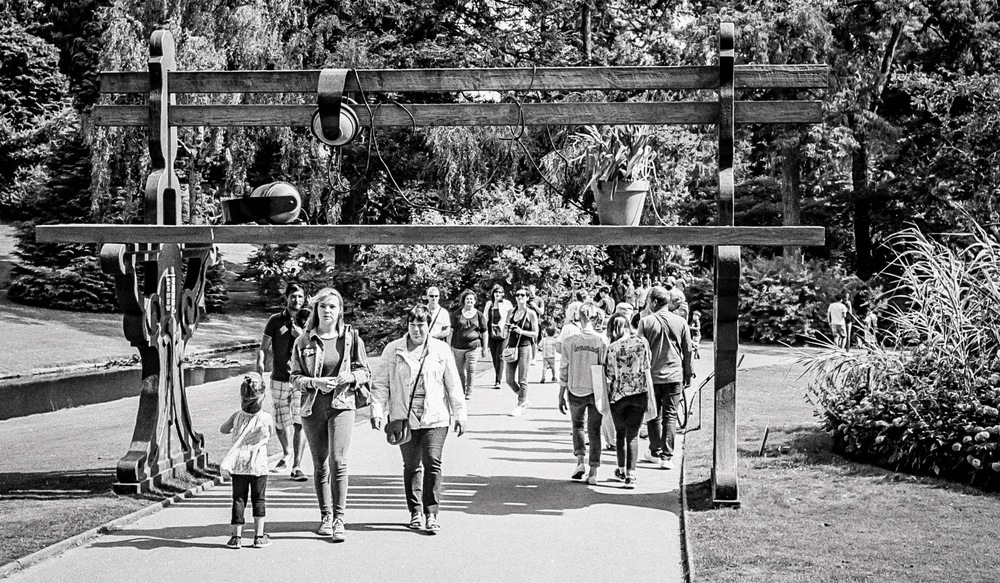
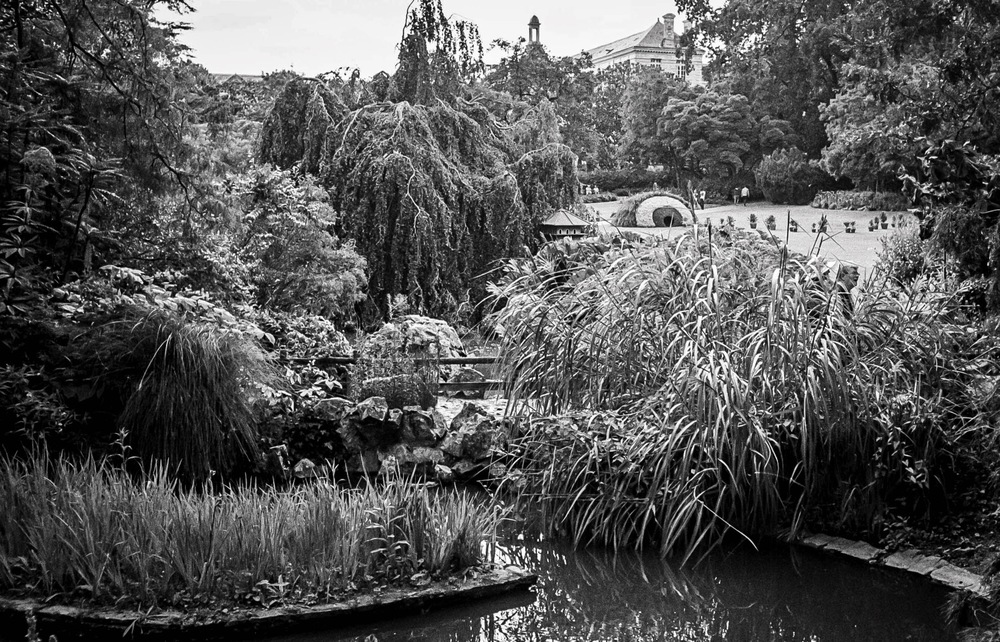
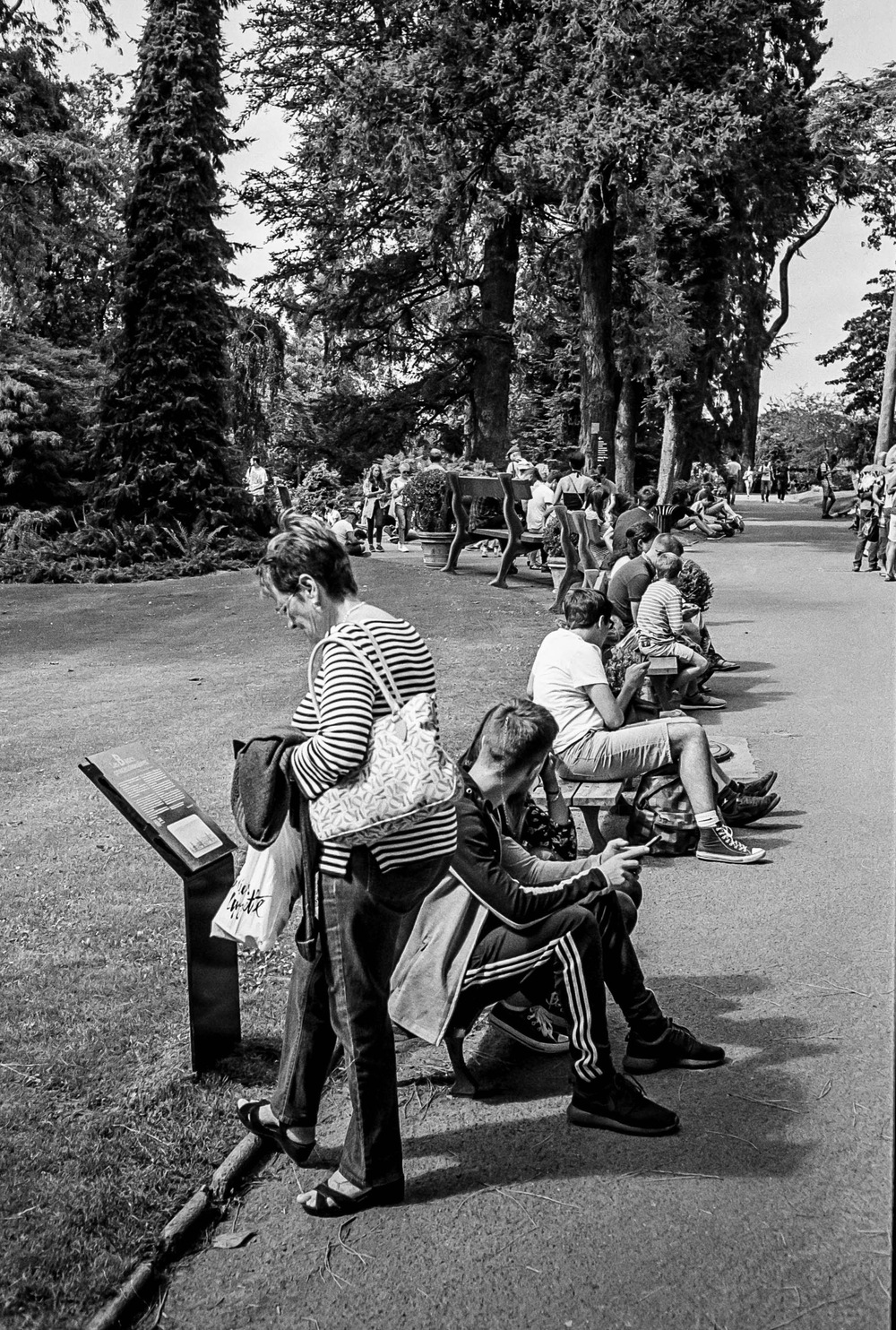
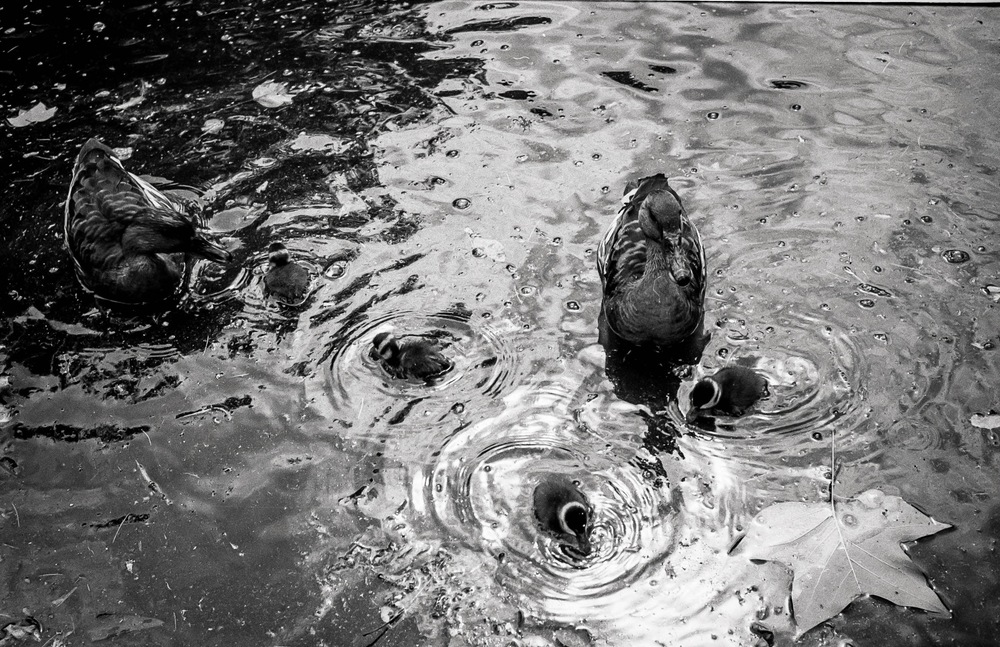
These photographs are not clichés, but real attempts of capturing a specific moment in time allowing me to travel back through time.  And looking at these images, I’m definitely back in time.

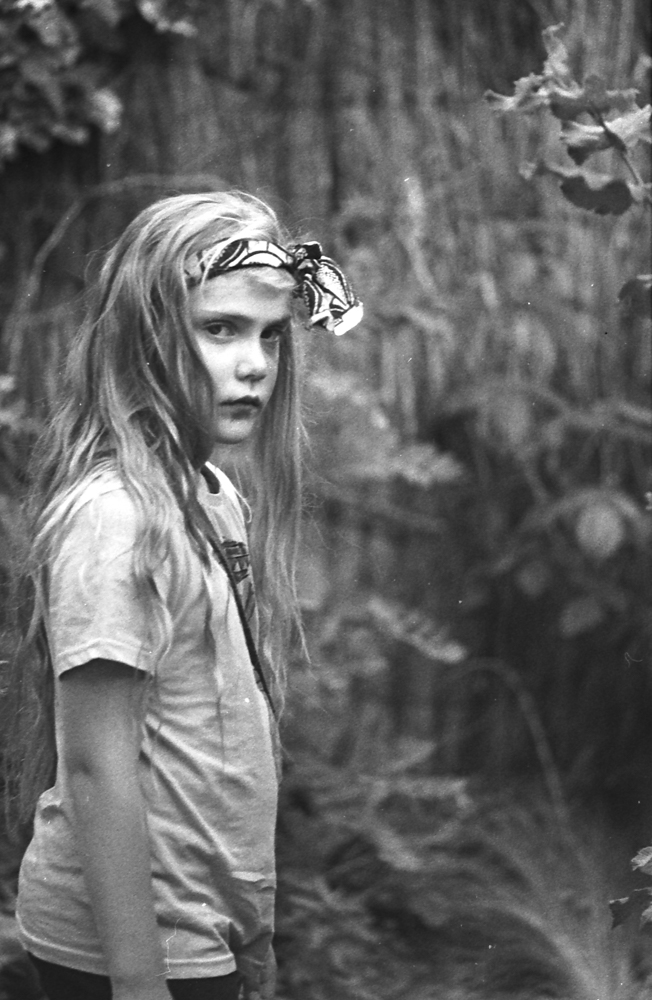
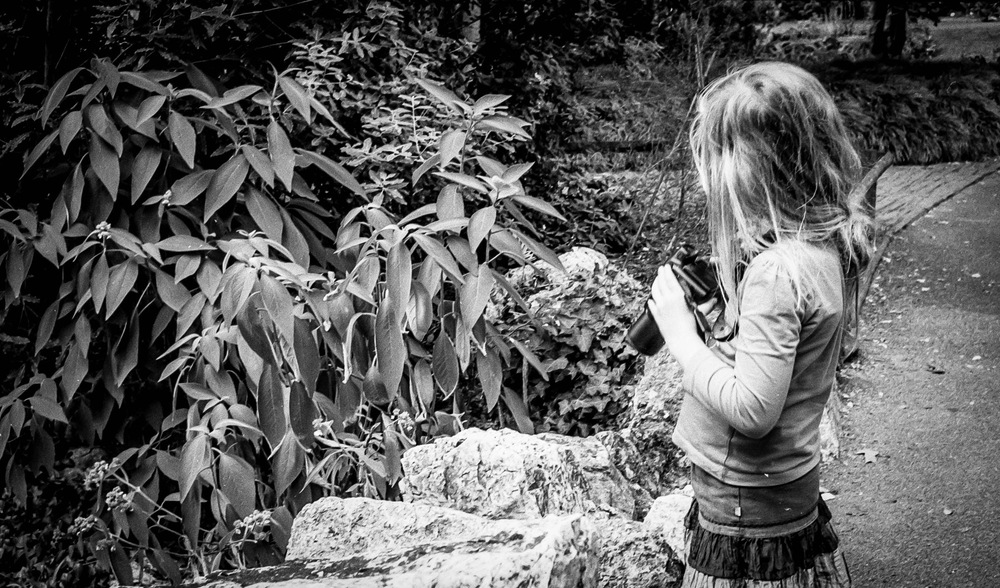
Let me introduce you to my daughter from 2016.  She was a 7 year old that already knew what she wanted but was slightly more subtle about it.  She would suggest that we go into town.  That I could take my camera.  That we could go to such and such a place.  That we could do such and such a thing.  And all this as if it were completely natural.  And I was a very willing victim.   

This time she suggested going to the Jardin des Plantes.  She would take her camera (my old Sony bridge) and I would take my Olympus Trip 35.  I used the Olympus Trip quite a lot at that time and its ease of use, the zone focussing, and general lack of buttons to press, made it quite the fool proof piece of kit.    

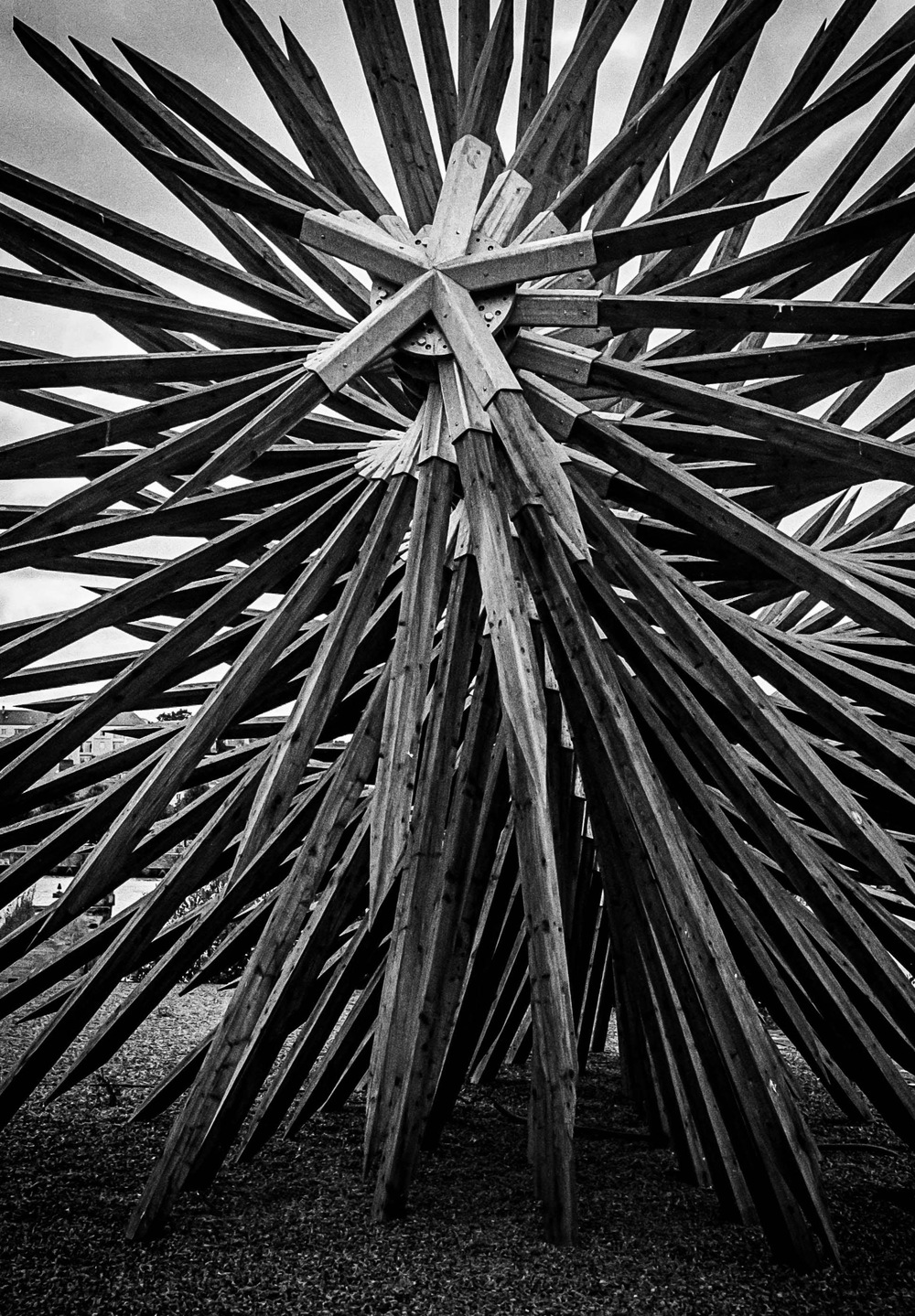
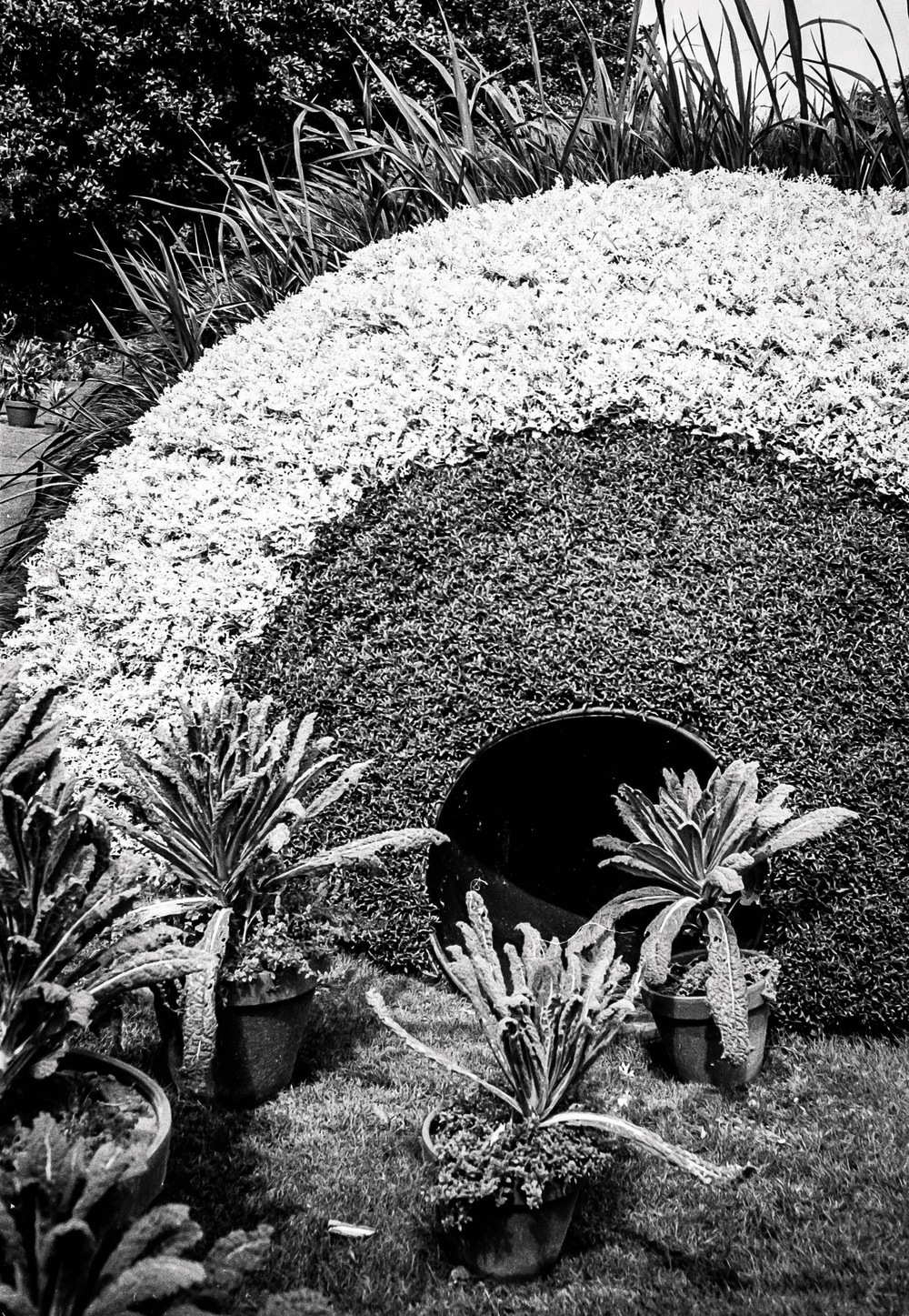
As usual, I let her lead the way.  This was here outing after all, and kept a respectful distance, so I could photograph her and record her for posterity.  The Jardin des Plantes has not only plants, the clue is in the title, but also is the backdrop to the Voyage à Nantes, and certainly was that year.  

I think the images speak for themselves and I’ll let you peruse them at your leisure.  They were taken on Ilford HP5 Plus film shot at box speed.