The UK Chronicles, Part II: Alnmouth


A Rare Visit to Alnmouth: Making the Most of It

Little did I know this would be my only visit to the beach and village of Alnmouth this year, so I decided to make the most of it. I had my X100F around my neck, as usual. I was up at the crack of dawn, chasing that perfect light once again.

The morning routine was pretty much the same as my first day in Lesbury: early rising, early breakfast, and an early cup of tea. The weather was gorgeous, and the light was amazing. What could go wrong?

Arriving in Alnmouth: The Beauty of Early Morning Light

I hopped in the car and headed to Alnmouth, just a short drive down the road. As I came around the roundabout in Hipsburn, Alnmouth and the River Aln came into view, bathed in golden light. The reflections on the water were breathtaking. It was early enough to find a parking space without any trouble. If you’d like to see more photos of Alnmouth, I can add a link for you.

Exploring Alnmouth: A Village with a Rich History

As the name suggests, Alnmouth is a village at the mouth of the River Aln. It was once a bustling port, playing a significant role in 17th-century Northumbrian trade. I’ll let you read up on that on Wikipedia, and I’ll be here when you’re done.

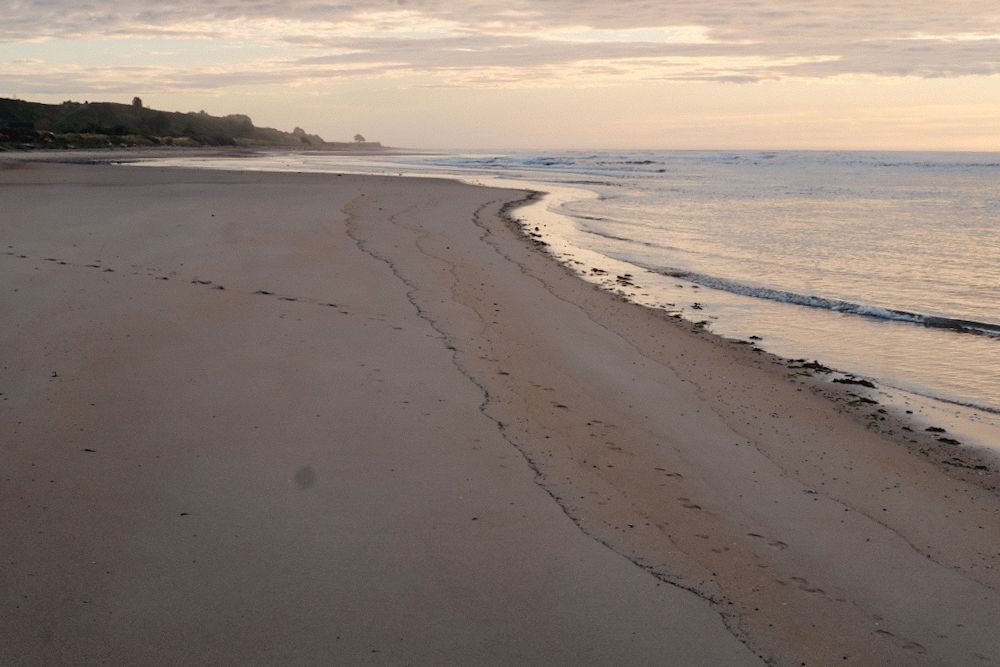
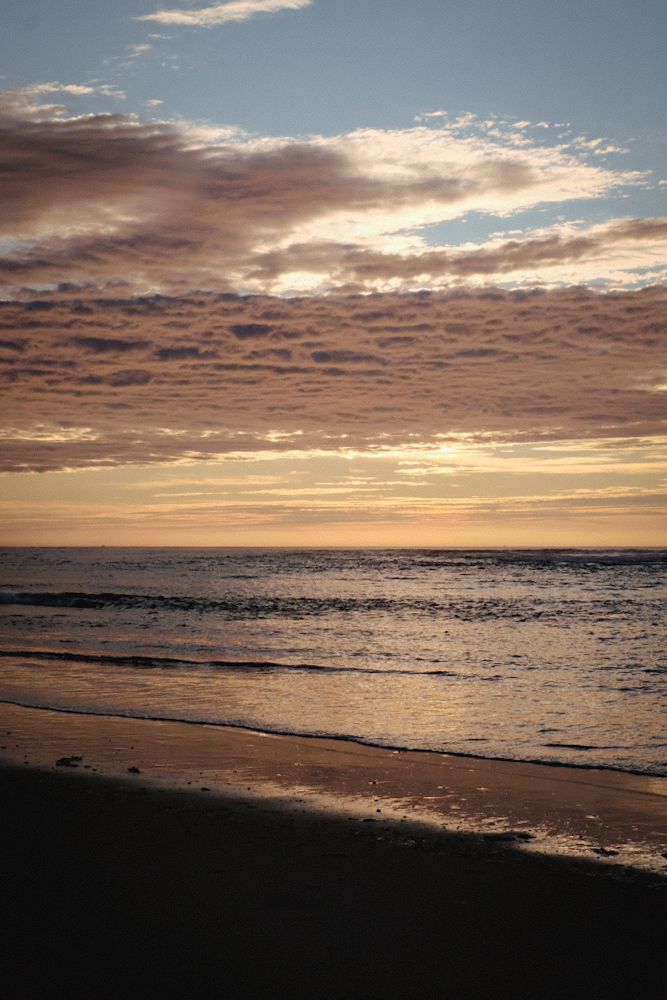
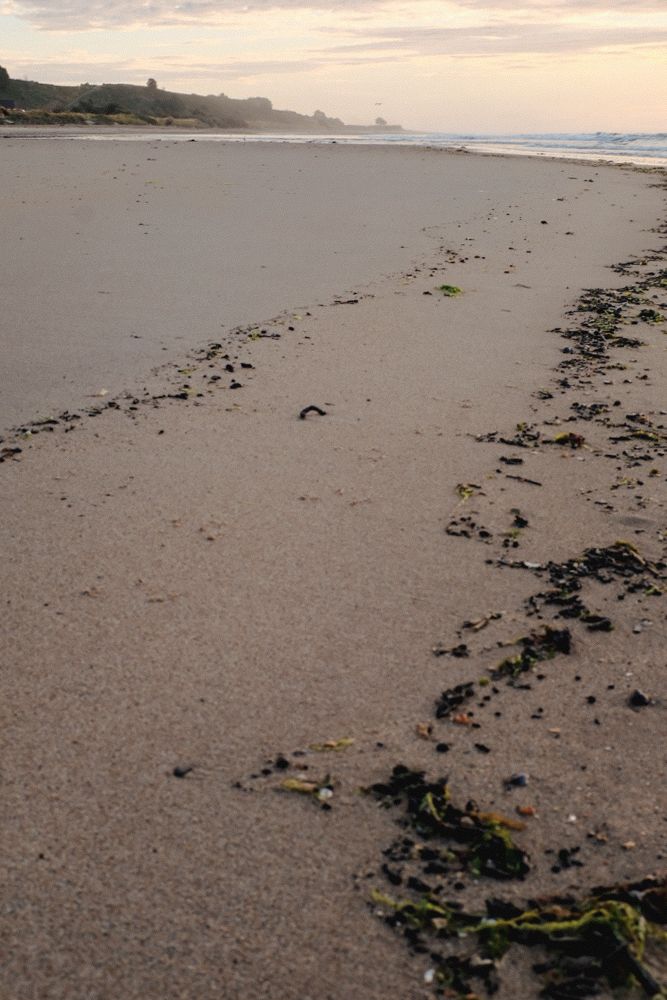
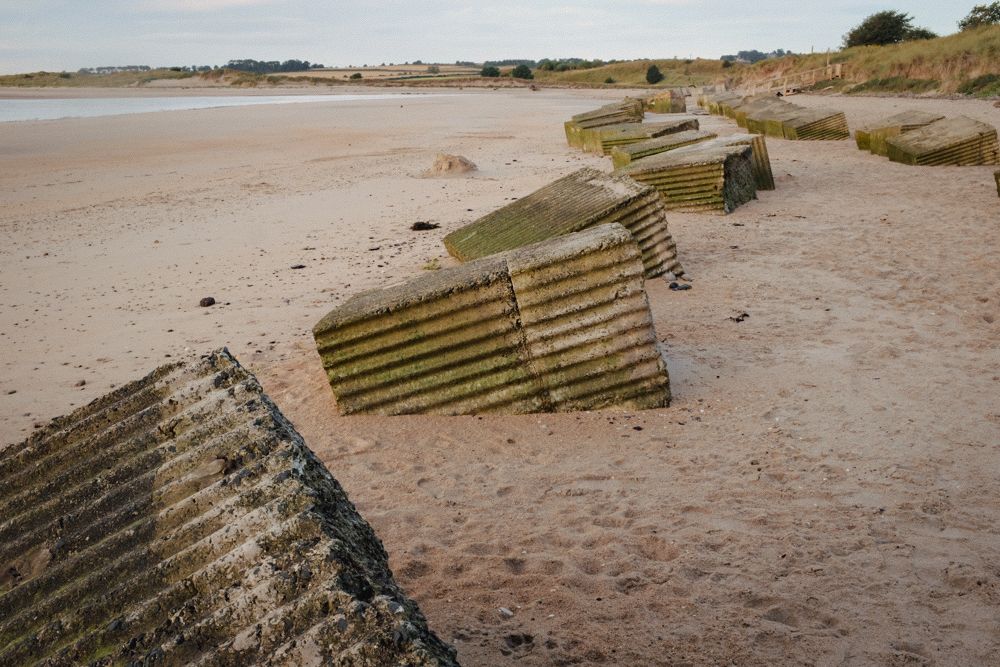
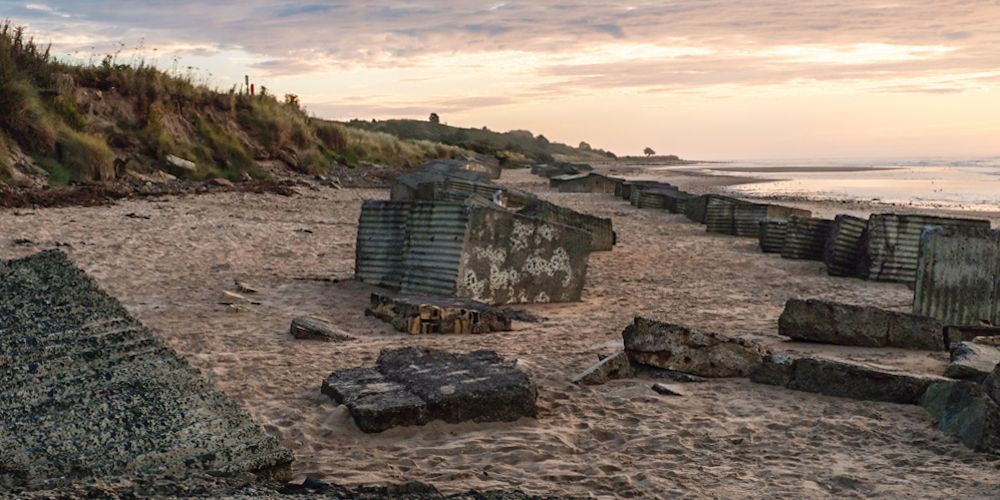
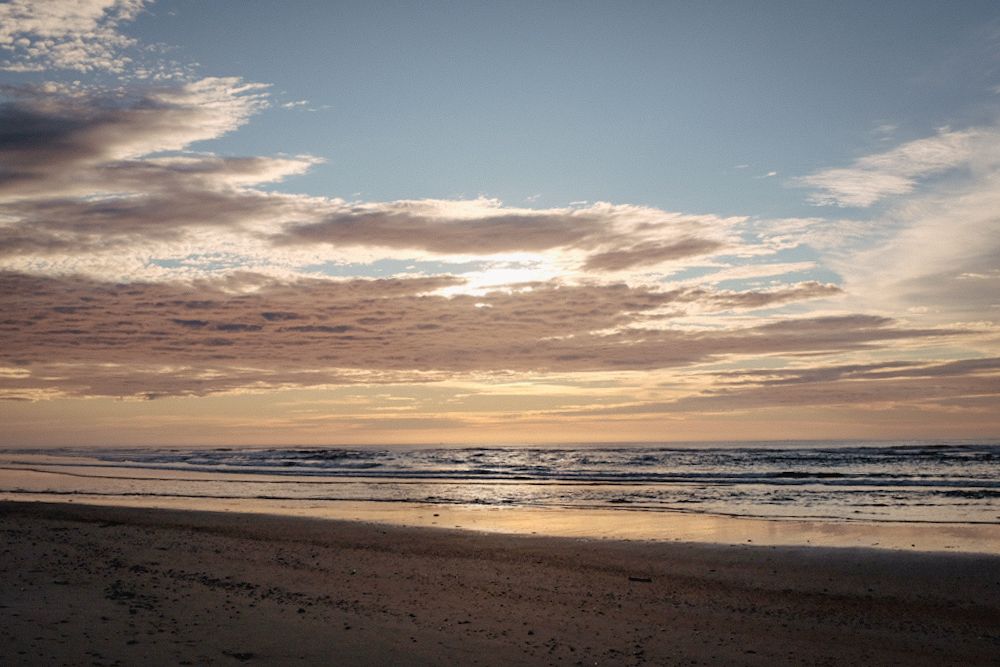
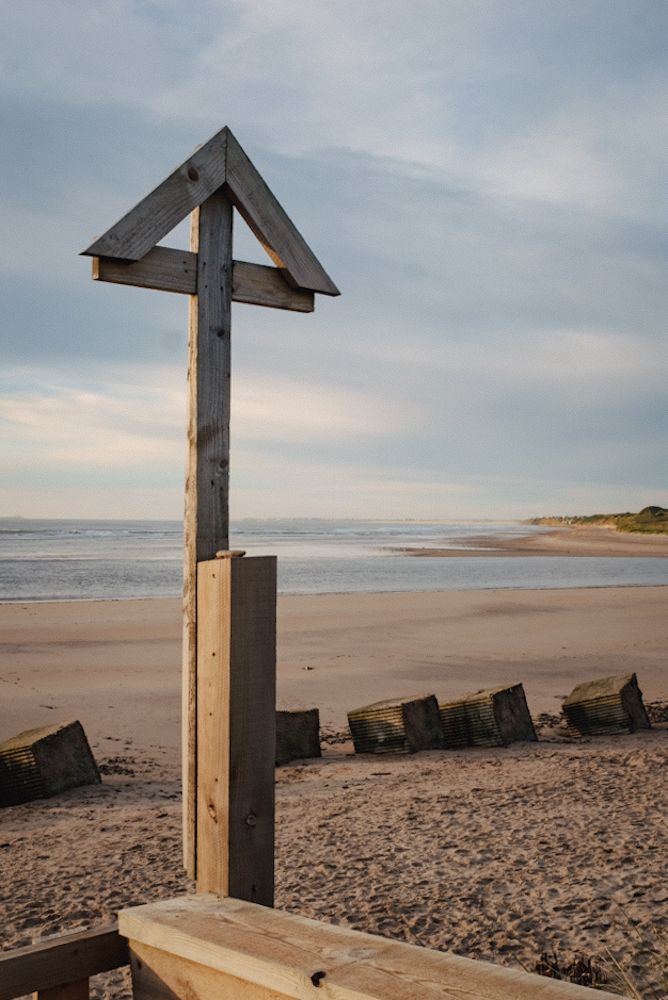
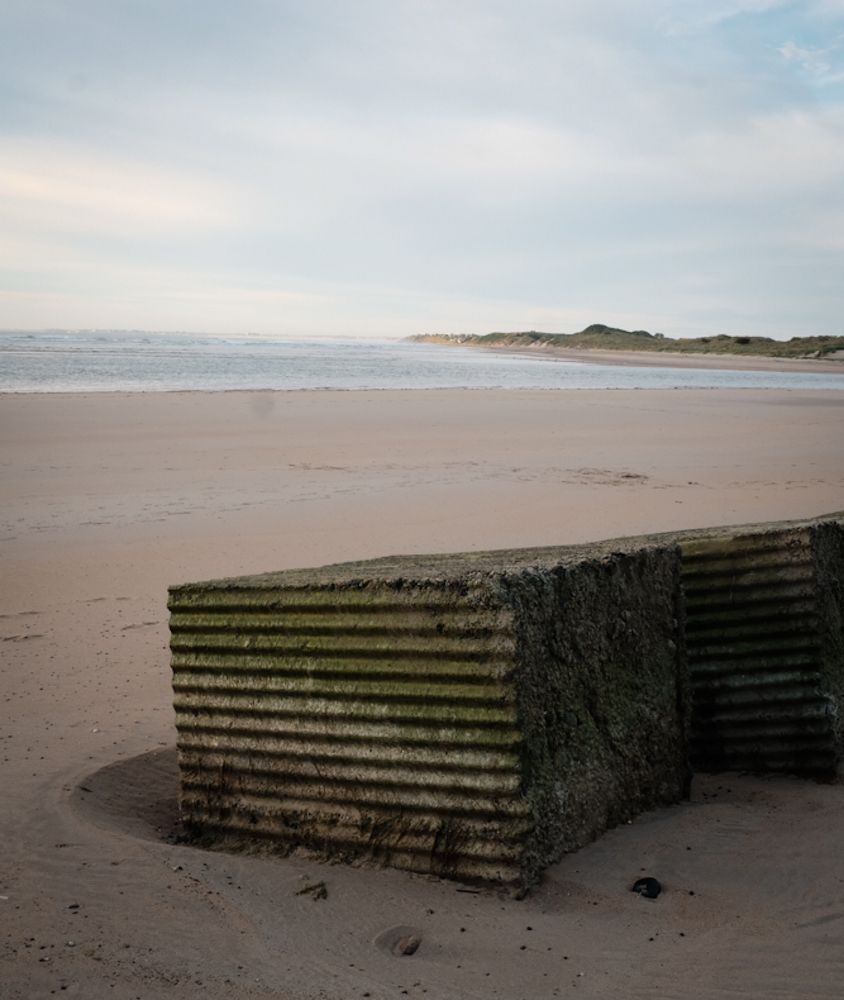
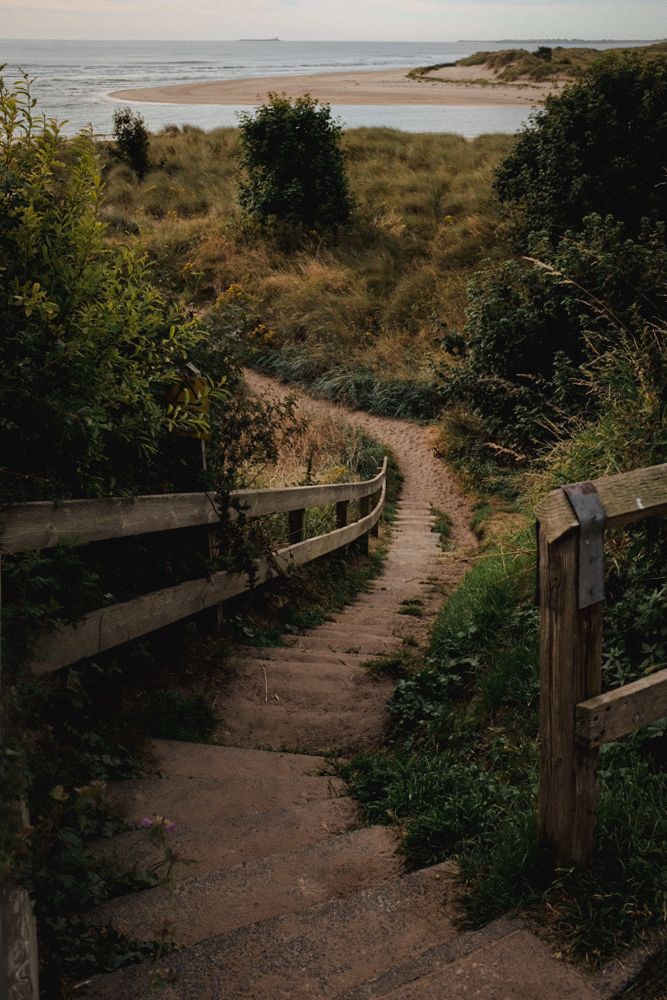
The village was still asleep as I made my way past the golf club and down to the beach. The only people around were a few dog walkers and me, enjoying the morning’s fresh air. The orange hues in the sky were perfectly reflected on the sand.

Discovering Color in Photography: A Shift in Perspective

For those interested in color theory, the use of complementary colors was striking—blue skies contrasted beautifully with the oranges in both the sky and the sand. I’m on a quest to explore my colorful side. While I still love black-and-white photography, this trip made me eager to embrace color.

My knee wasn’t even hurting; I felt fantastic. Maybe there’s something to be said about the sun’s healing powers. I made my way back to the car, carrying a lump of coal I’d found on the beach. It was too good a find to keep to myself. Surely, Killian would be up by now. Lesbury was only five minutes away. Oh, what the heck? I’ll go wake him up!

Father-Son Bonding: Revisiting Alnmouth Together

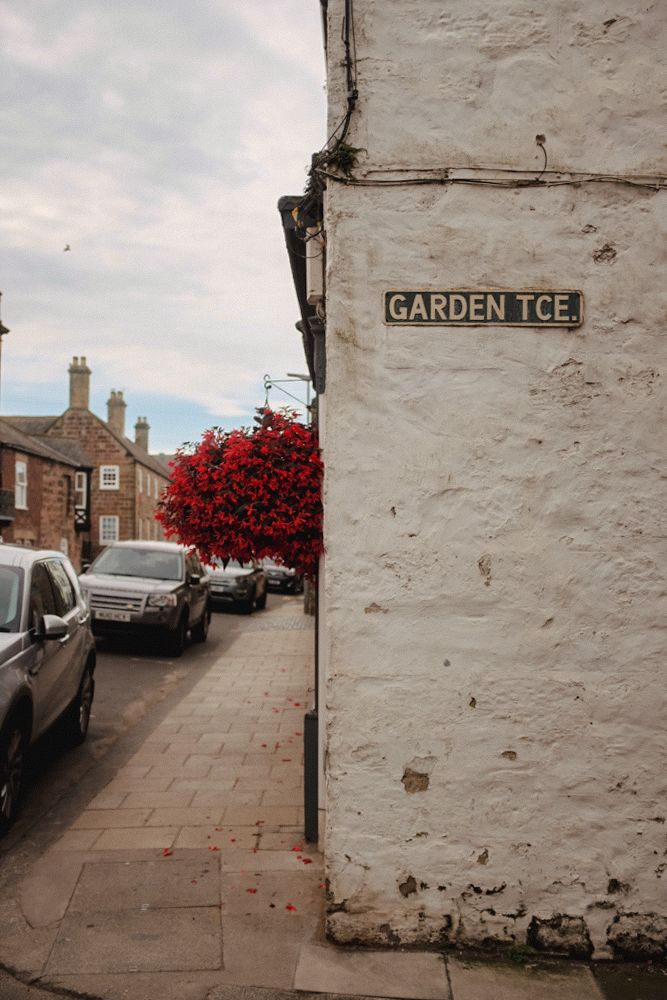
Killian was fine getting up and out with me. I only had to bribe him with a sandwich and some chocolate. We went back to Alnmouth together, and I took more pictures of the village. It was a very pleasant father-son bonding moment. He wanted to go to the post office or general store. They didn’t take cash, and for once, I was able to pay with my card for him.

Switching Editing Tools: From Snapseed to Mobile Lightroom

I recently talked about Snapseed and had been using it to edit my photos, but this time, I wasn’t happy with the results. The photos had so much potential, and I didn’t want to waste them. Some friends had recommended Lightroom Mobile, so I decided to give it a try. I already knew my way around Lightroom on the PC, and I felt right at home with the mobile version. It was very intuitive—almost as much as Snapseed. What a pleasant surprise!

So, I went back with Killian and took more pictures of the village. It turned into a wonderful father-son bonding moment. He wanted to visit the post office or the general store, but they didn’t accept cash. Luckily, I could pay with my card for him.

A Missed Opportunity: Scotts of Alnmouth

I was hoping to visit Scotts of Alnmouth, but they were closed. As we walked back to the car, I saw the owners heading to work and was invited to come back when they were open. Unfortunately, I never managed to return to taste their wonderful coffee and cakes. That was the only low point of the holiday. But as that Austrian strongman and actor famously said, “I’ll be back!” It’s good to be home.

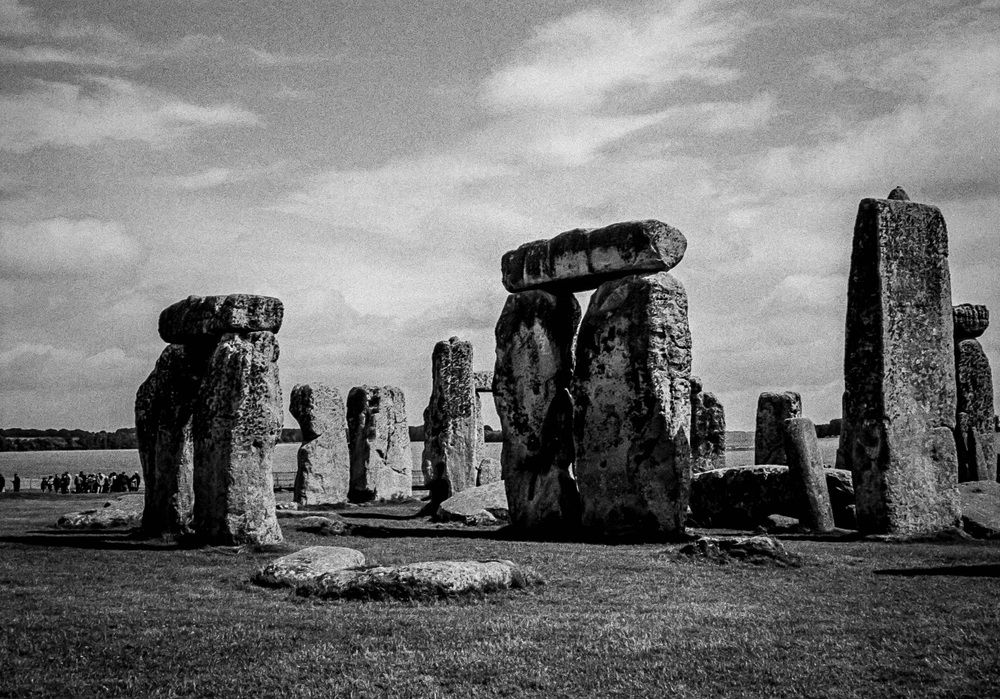
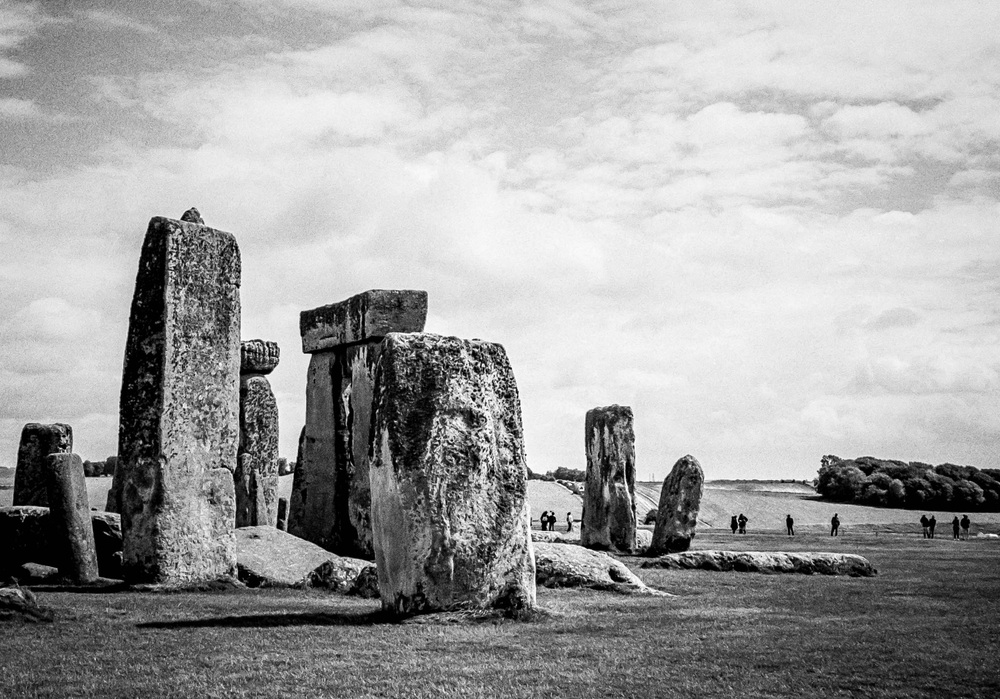
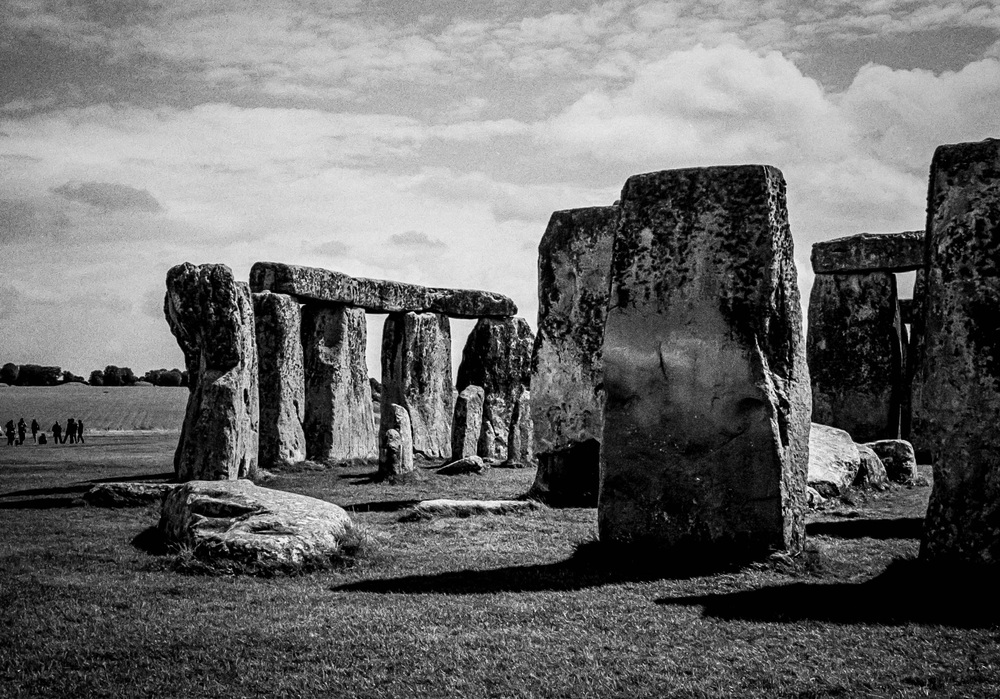
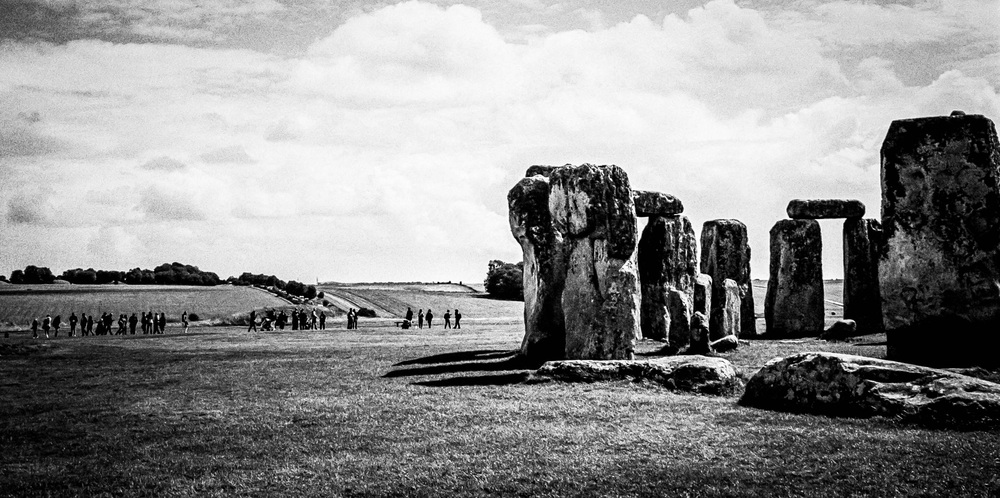
The Opening of the Film Archives – Stonehenge August 2016


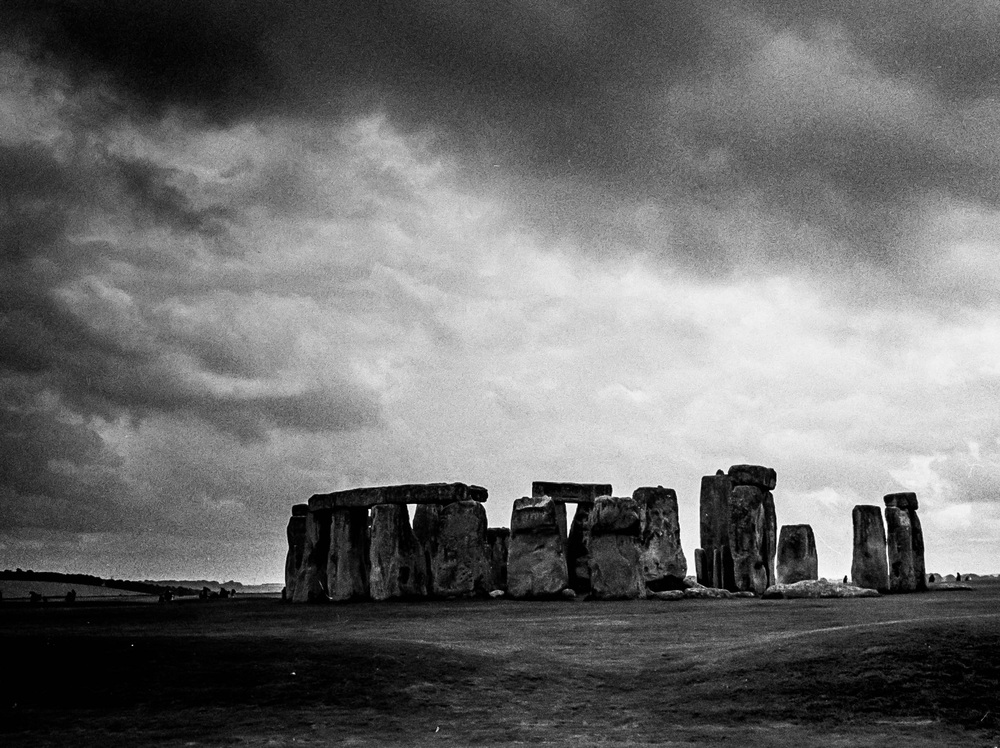
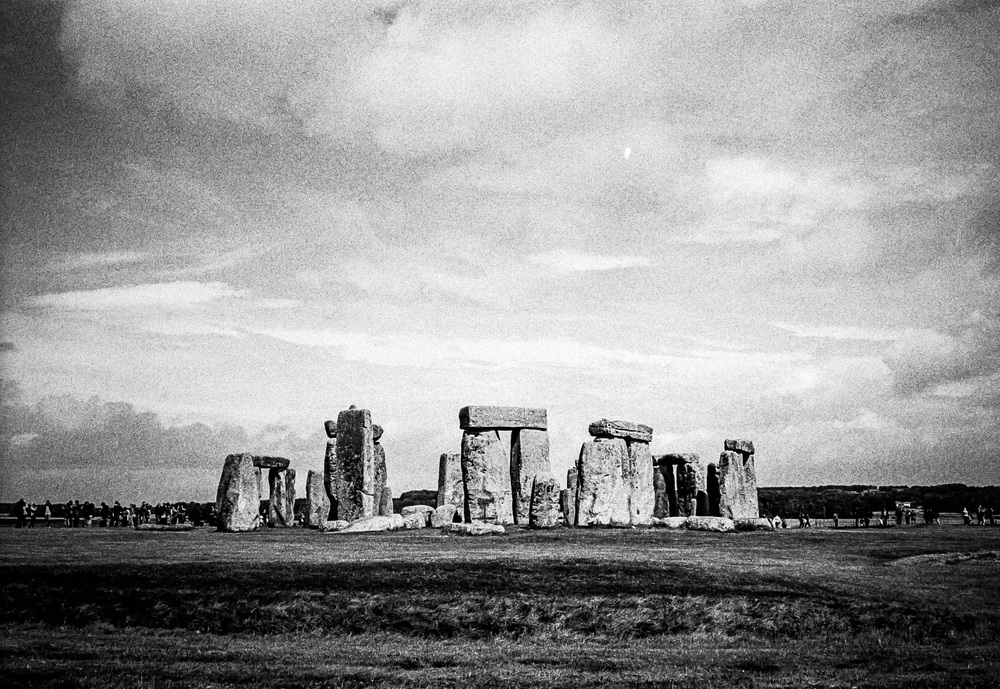
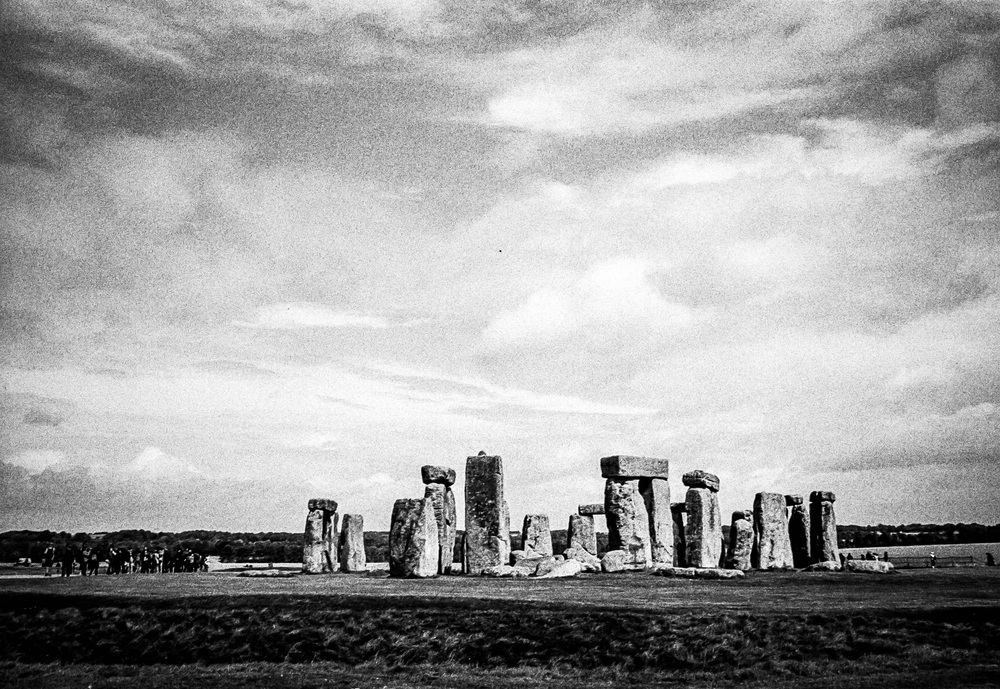
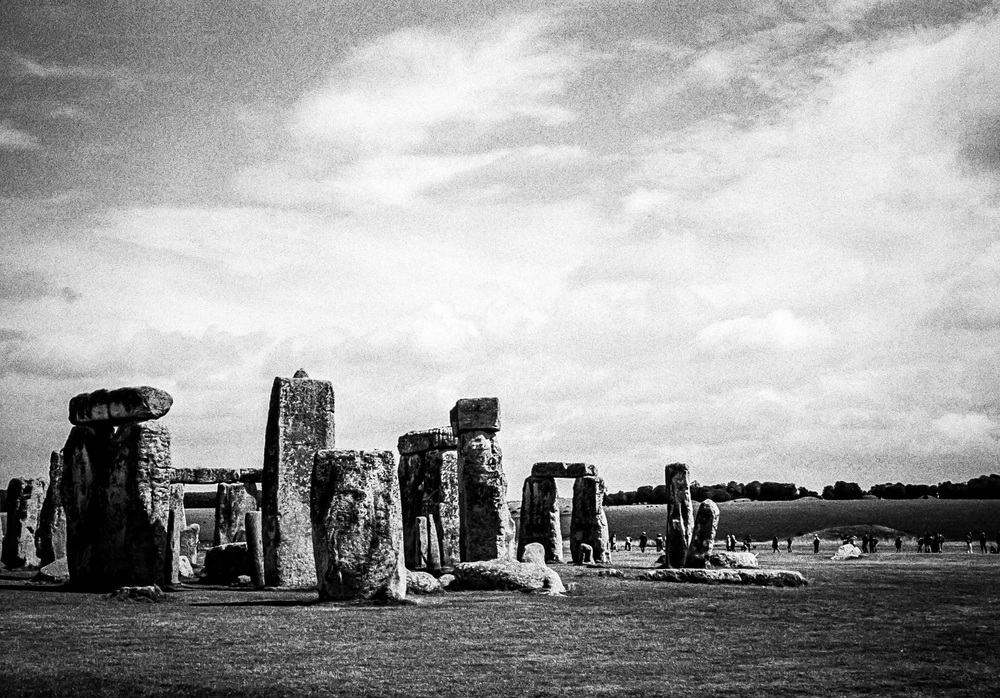
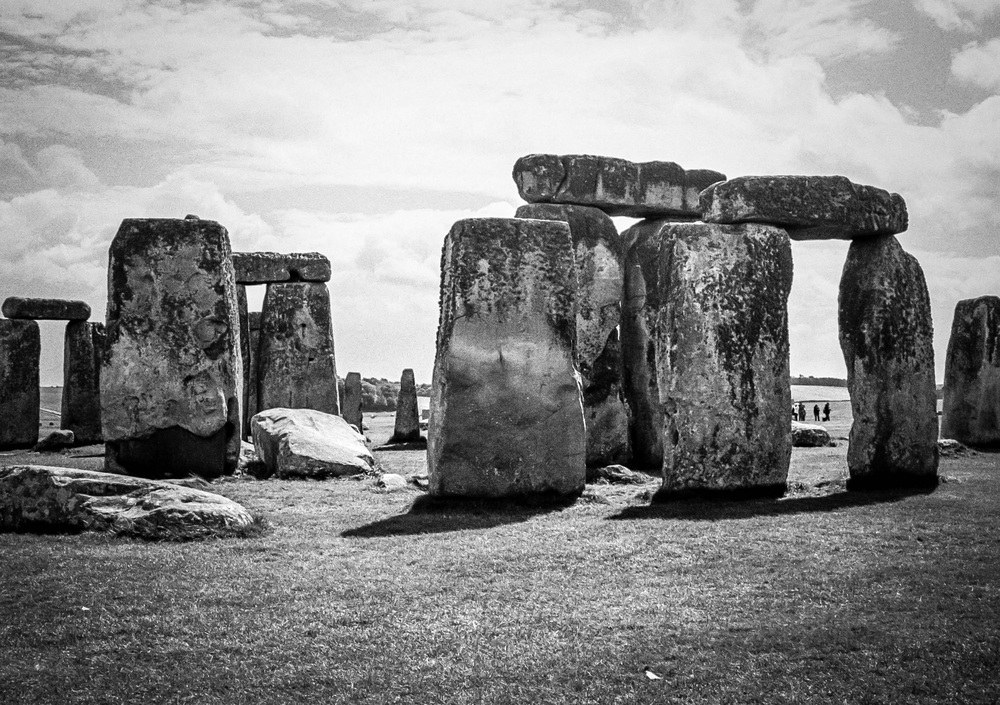
Stonehenge is something different for most people.  For some it is a historical site in Wiltshire, and despite not being part of the 7 wonders of the ancient world, still remains pretty special.  For some more “alternative” folks, it’s an ancient spiritual centre, and just happens to be on converging energy lines.  For some it’s a day out with the children.

We had come back from a cruise that had taken us around the Canary islands, Lisbon, and Galicia in Spain.  Thank you Mummy, and thank you Daddy!  I think they felt guilty about us always coming up to see them in Northumberland, and wanted us to get a different holiday experience.  Well, different it was!  But that is a totally different story, and the photos can be found in the Olympus Trip 35 article.

So our ship docked at Southampton and we still were in the holiday mood.  I remember as a small boy visiting Stonehenge, and thought it was “the” opportunity to introduce my family to the site.  

It seemed slightly smaller than I remember it.  As do most things if I’m going to be honest with you, but the majesty of the stones remained.  As did the wonder at the fact that these stones had been dragged overland from Wales, and put into place, with the joints still being “rock solid” and down to the nearest millimetre.  I work in a factory that does industrial woodworking and I know what we can do with modern tools and technology and yet here, this massive construction was put together using basic tools.

The children were just taking in the whole experience, and rather bemused at the sight of Japanese tourists being shoved around the site and taking the obligatory selfie.  They also seem quite bemused by the amount of school groups being led around.  

I preferred, as often as I do, to just take my time and take it all in and get some photos of the place.  With the 40 mm zuiko lens I was getting some lovely environmental shots that you can see below.  

My wife, however, was in tears.  Crying her heart out.  She later confided in me telling me how she just felt overcome with emotion.  Maybe those lines of energy for those alternative folks might have something in them…

The Opening of the Film Archives—the Hangar à Bananes August 2016


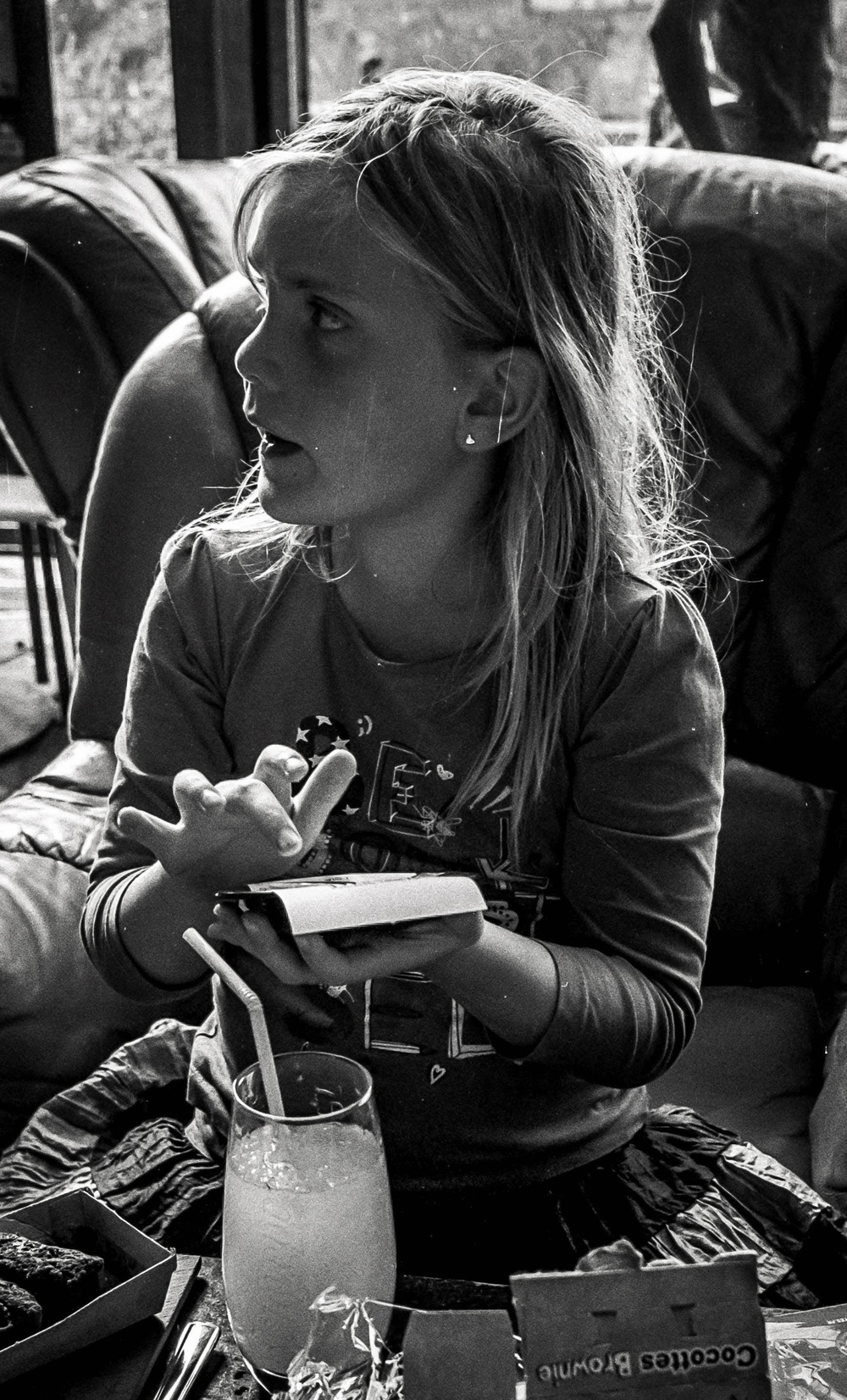
In my last venture into the film archives, I talked about how there was a time that my daughter hadn’t yet seen me the way I see myself and how she actually still liked me, before turning into a teenager.  This is the second part of that special day.

We had explored the Jardin des Plantes and discovered what they had to offer.  This of course builds up an appetite in a young lady, and convinces her that she really needs to drink something Daddy.  And why couldn’t we go to the Altercafé (now the D3) at the Hangar à Bananes.

So what else was I to do but drive us to the Hangar à Bananes.  You will have seen the Hangar in this article, and you will now be completely up to date and know nearly everything there is to know.

Don’t forget that this is a girl who gets an idea into her head and then just goes through with it.  That idea is so rooted that it is nigh on impossible to change that idea.  I knew what was coming.  I would order a chocolate brownie, and Kate would have an Orangina.  I could have a beer.  How gracious of her.

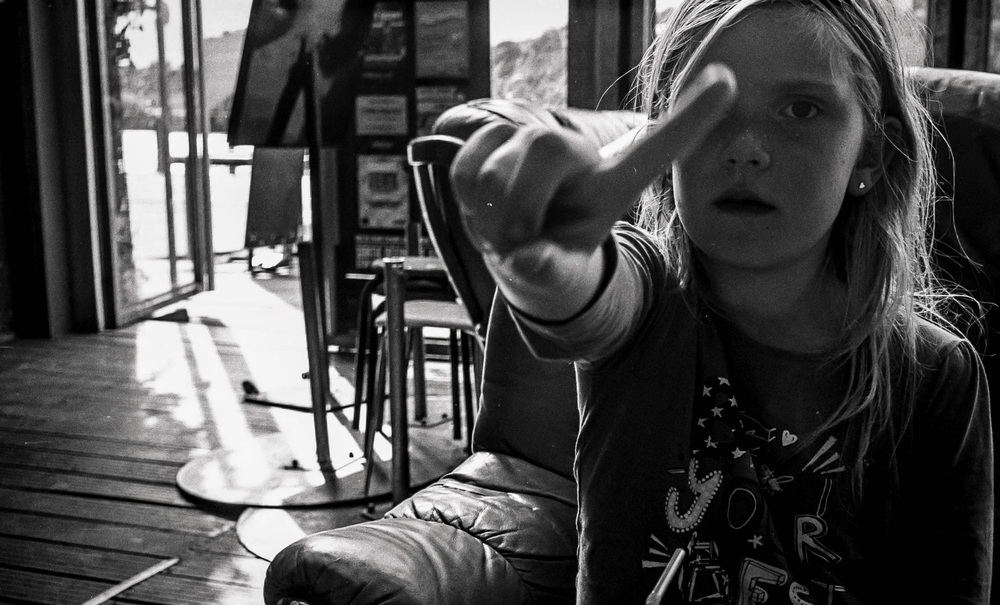
She had been my model for most of the day and even a top model needs a rest, and just has nothing left to give a photographer.  You just know when enough is enough…

The Opening of the Film Archives—Jardin des Plantes August 2016


There was a time when my daughter wasn’t a teenager.  There was a time when she quite liked her Dad, and she would accompany me everywhere.  It was good being that child’s hero.  It was a more innocent time.  It was a time when she actively tried to spend time with me.  It was a time when she didn’t see me the way I see myself…

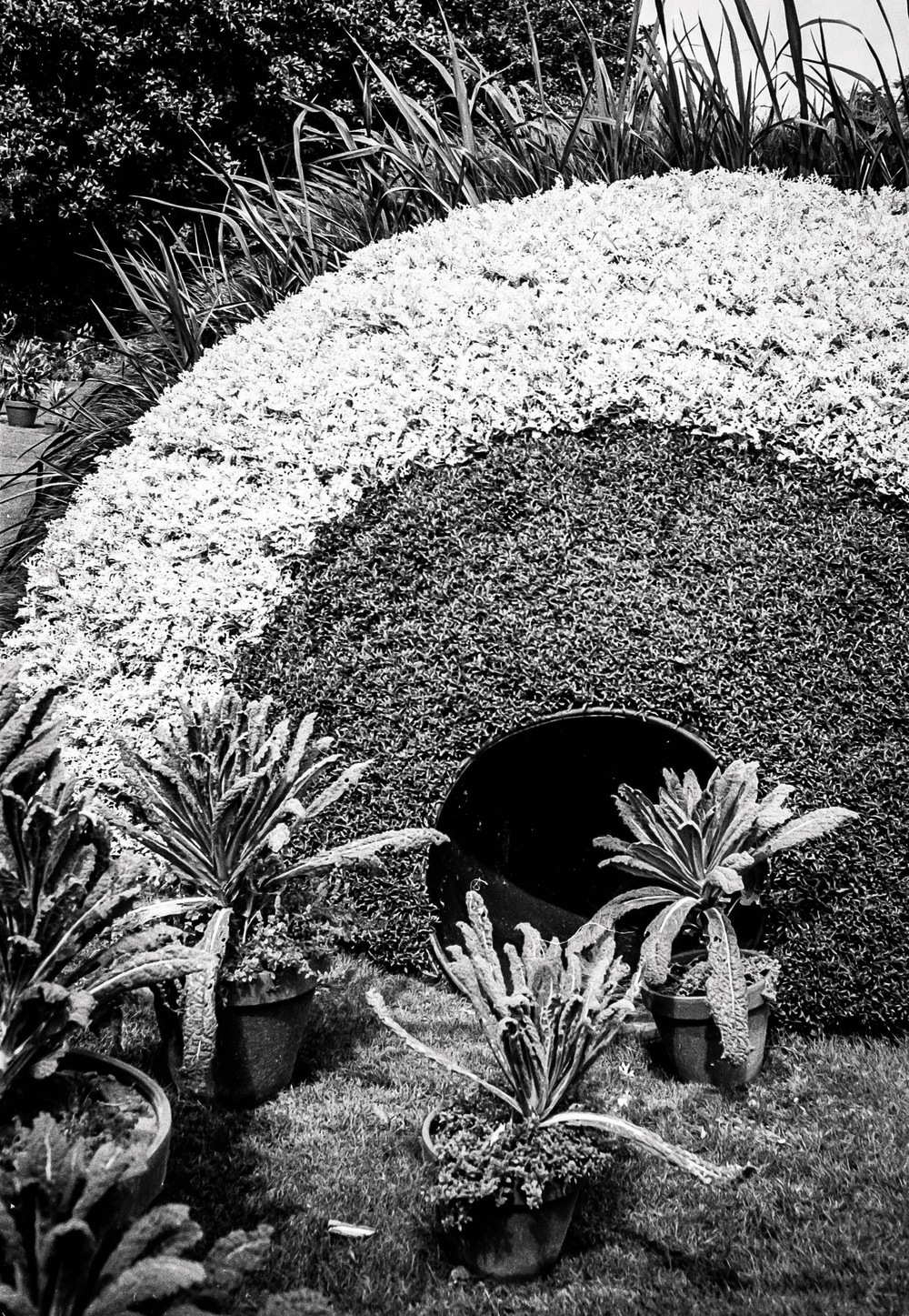
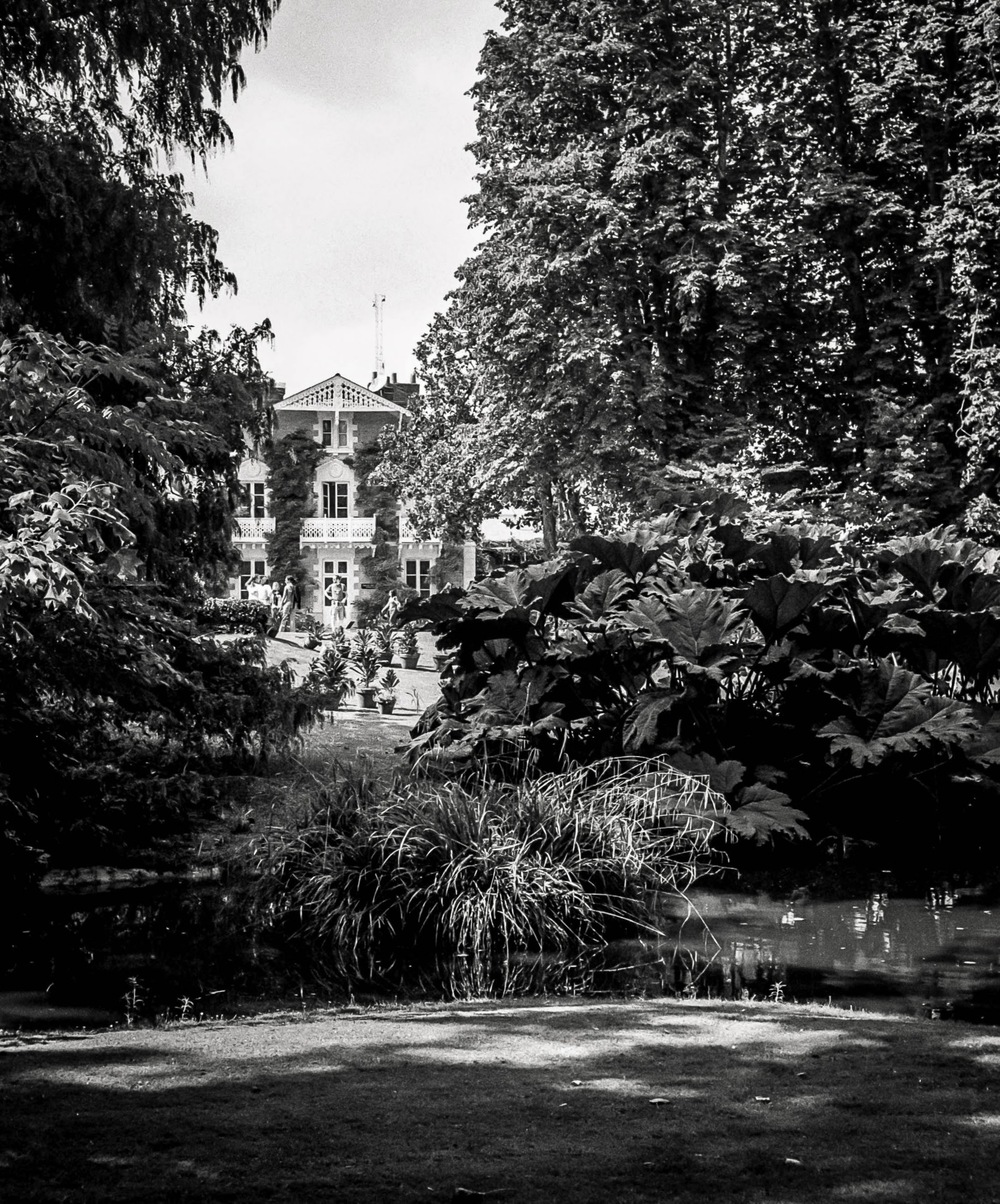
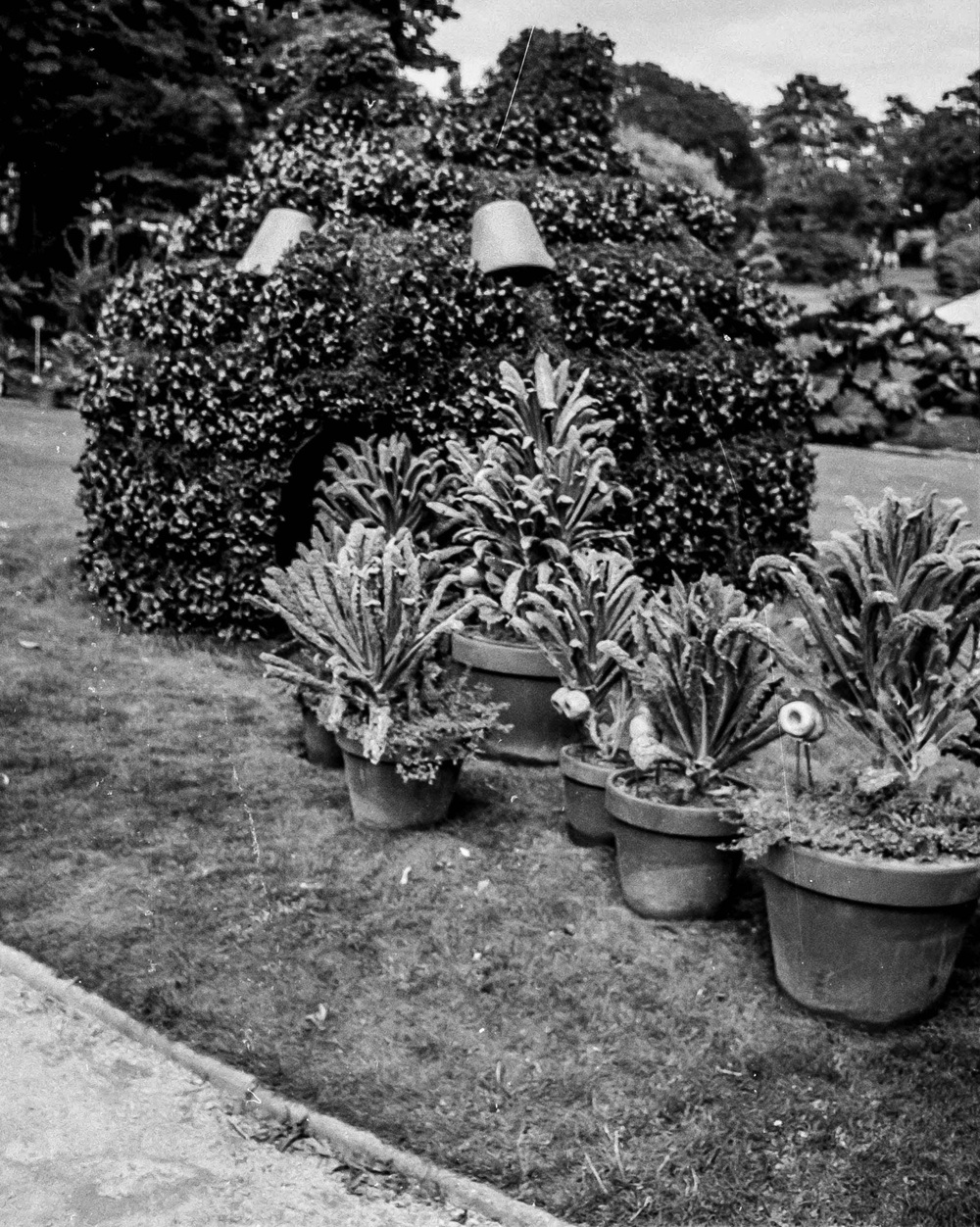
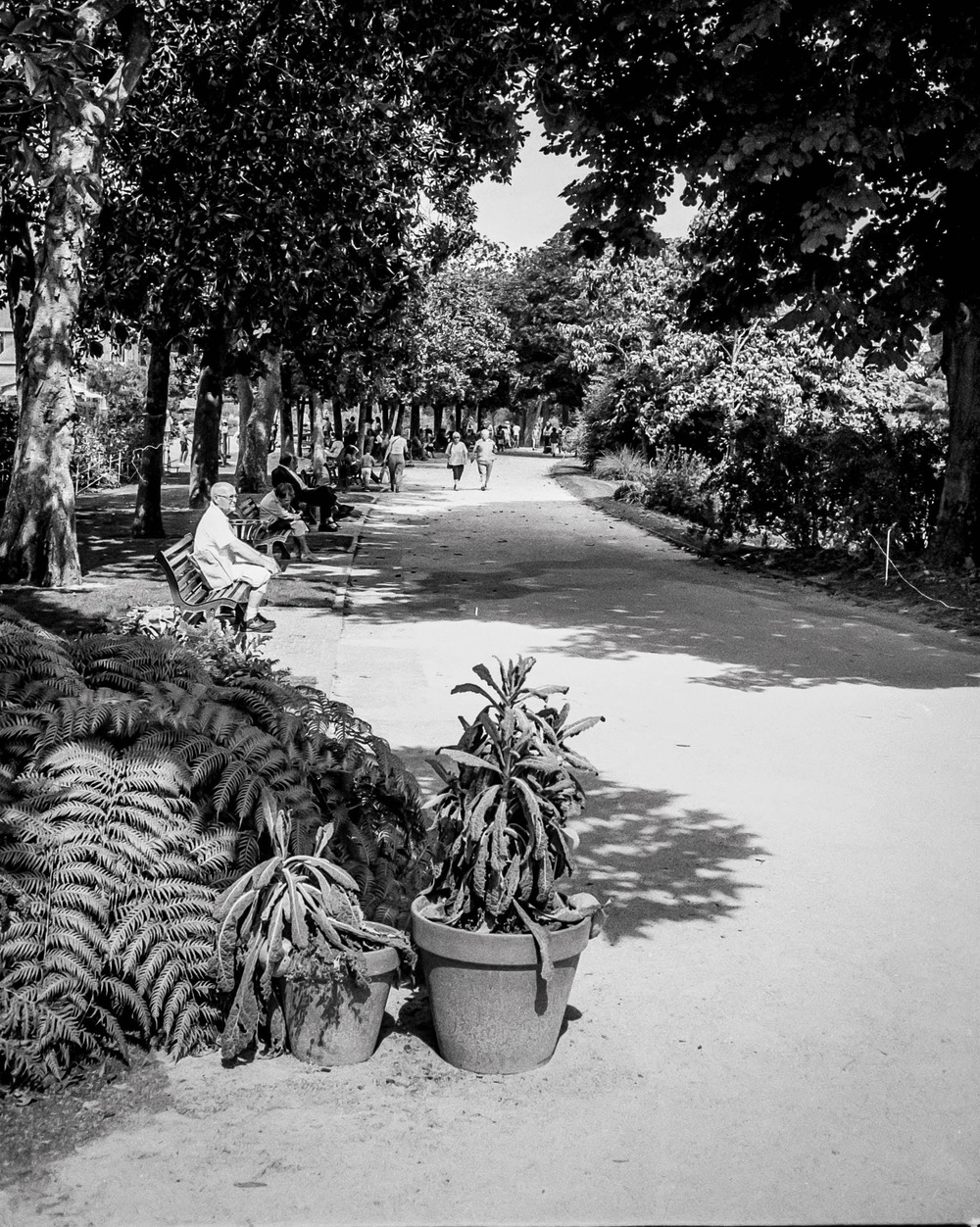
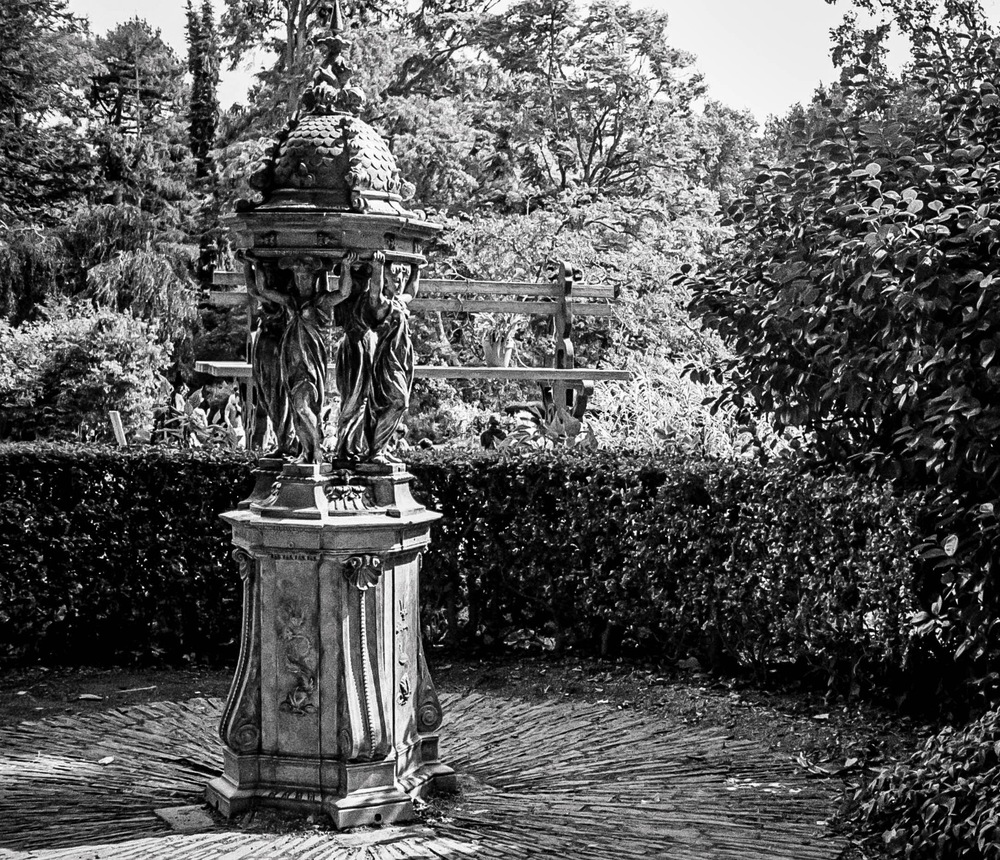
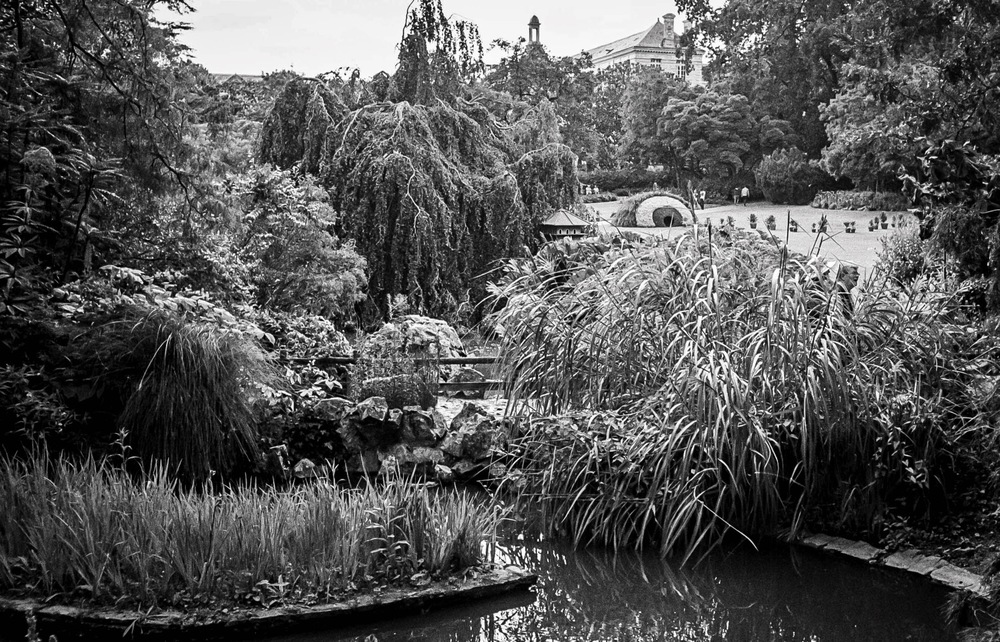
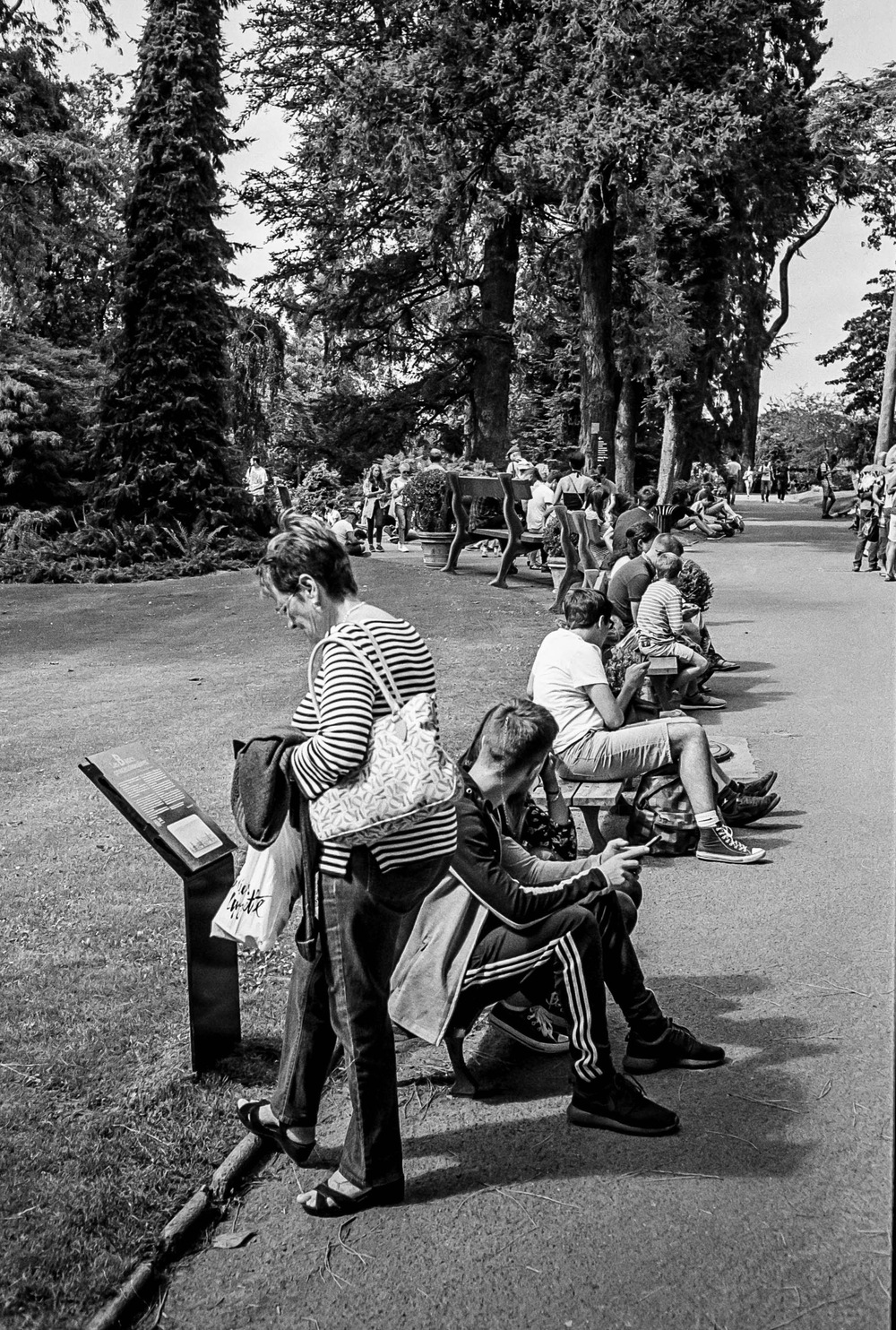
One of her favourite places in Nantes was the Jardin des Plantes, a huge botanical garden in the middle of Nantes just across the road from the station.  I could talk about the fact of it being a haven of peace in the bustling city.  I could talk about it being an oasis of green in a sea of concrete.  I could talk using clichés ‘til the cows come home…

These photographs are not clichés, but real attempts of capturing a specific moment in time allowing me to travel back through time.  And looking at these images, I’m definitely back in time.

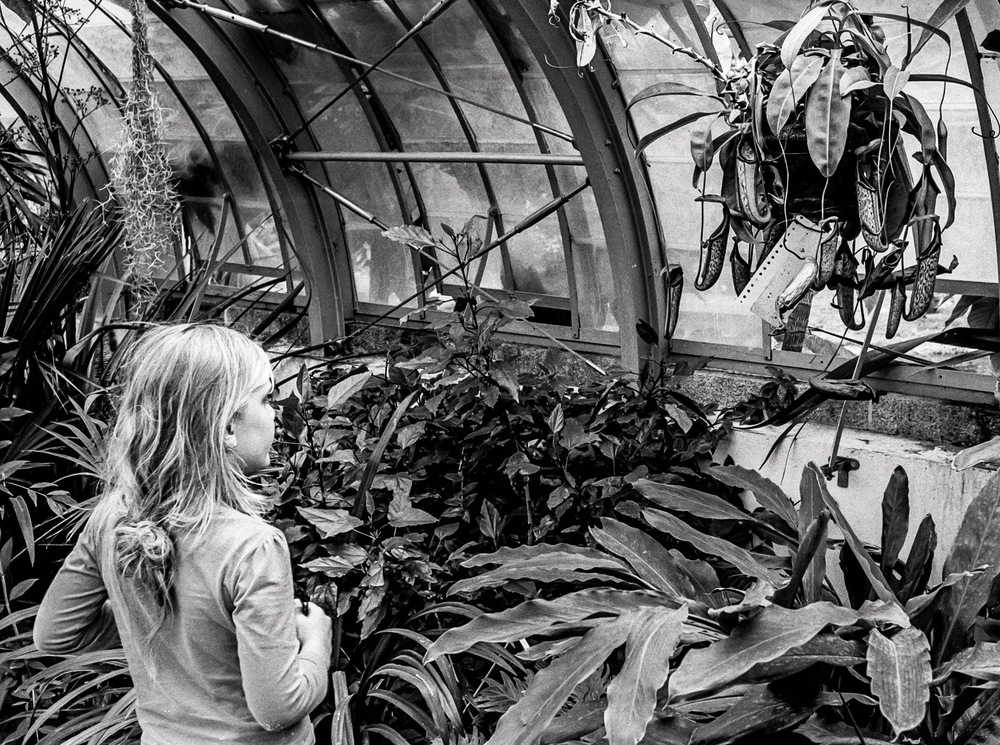
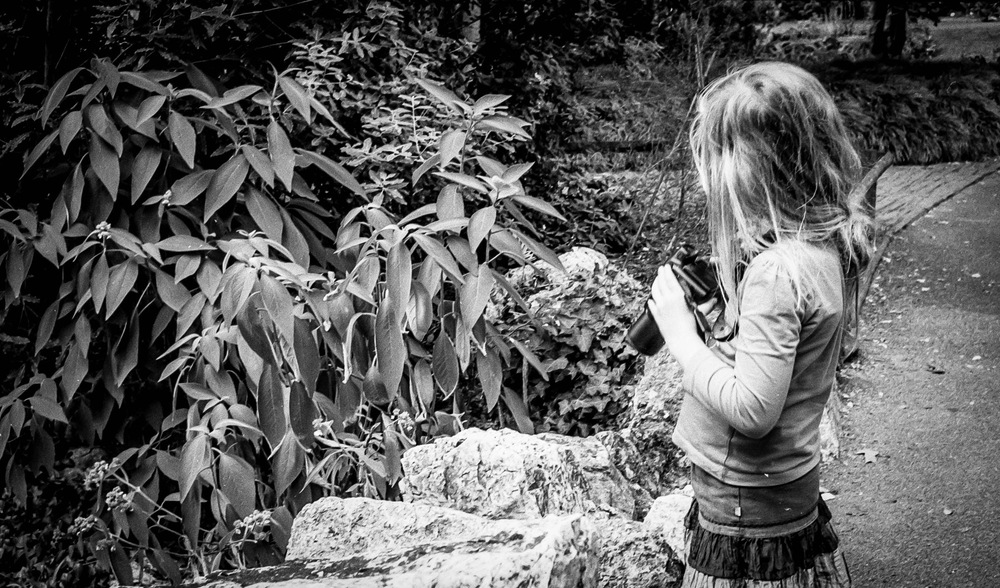
Let me introduce you to my daughter from 2016.  She was a 7 year old that already knew what she wanted but was slightly more subtle about it.  She would suggest that we go into town.  That I could take my camera.  That we could go to such and such a place.  That we could do such and such a thing.  And all this as if it were completely natural.  And I was a very willing victim.   

This time she suggested going to the Jardin des Plantes.  She would take her camera (my old Sony bridge) and I would take my Olympus Trip 35.  I used the Olympus Trip quite a lot at that time and its ease of use, the zone focussing, and general lack of buttons to press, made it quite the fool proof piece of kit.    

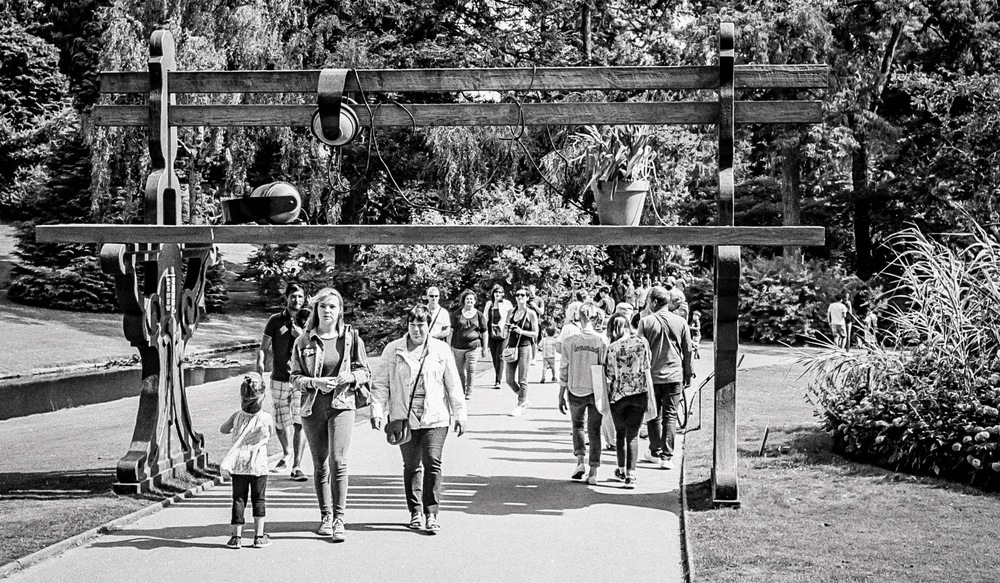
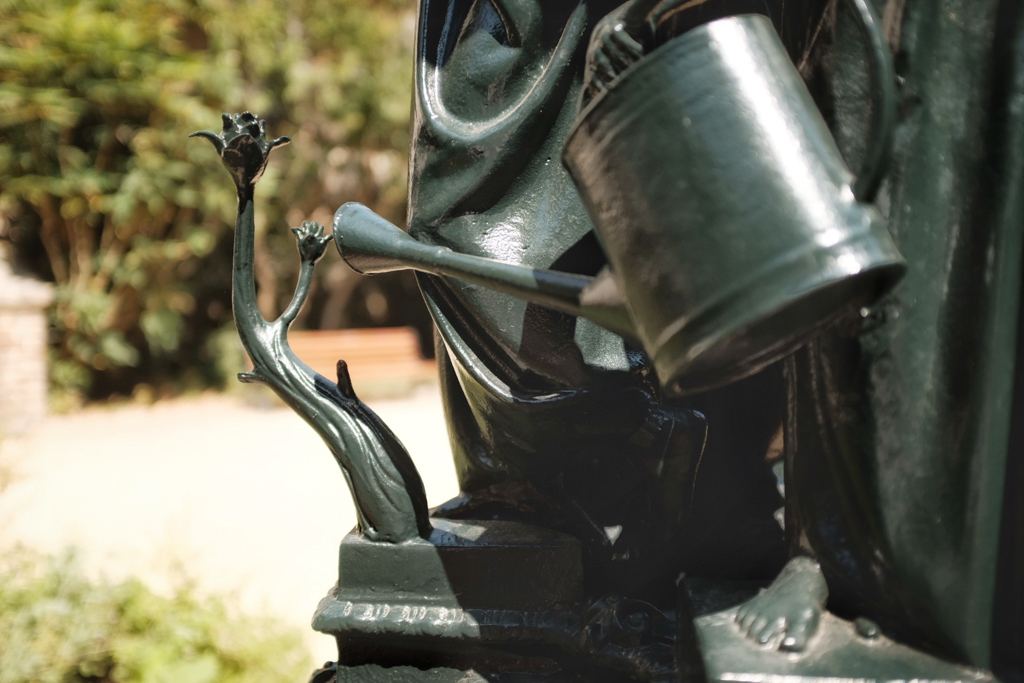
As usual, I let her lead the way.  This was here outing after all, and kept a respectful distance, so I could photograph her and record her for posterity.  The Jardin des Plantes has not only plants, the clue is in the title, but also is the backdrop to the Voyage à Nantes, and certainly was that year.  

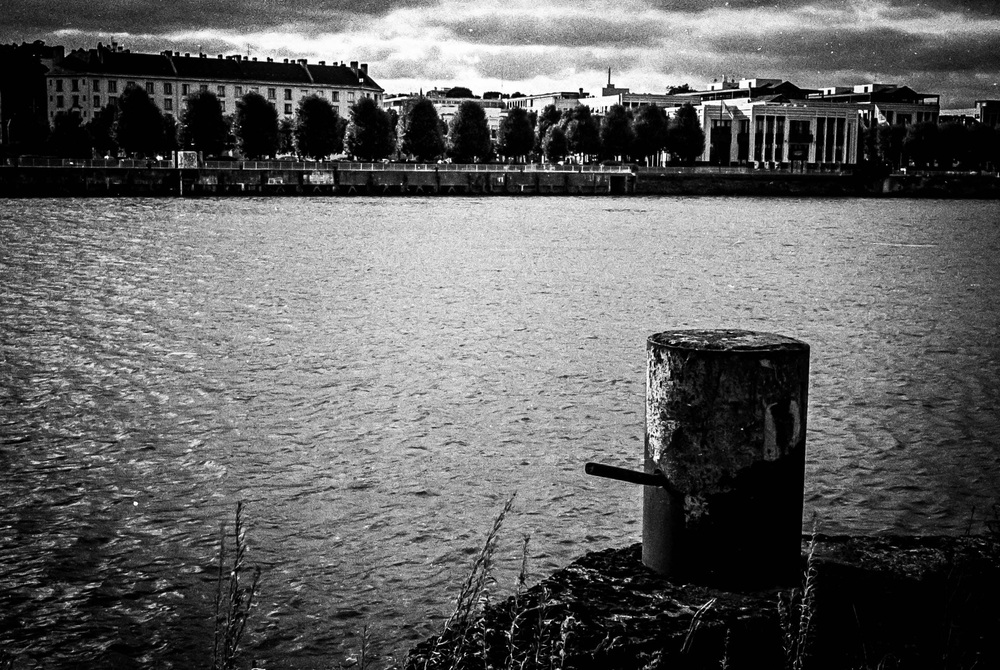
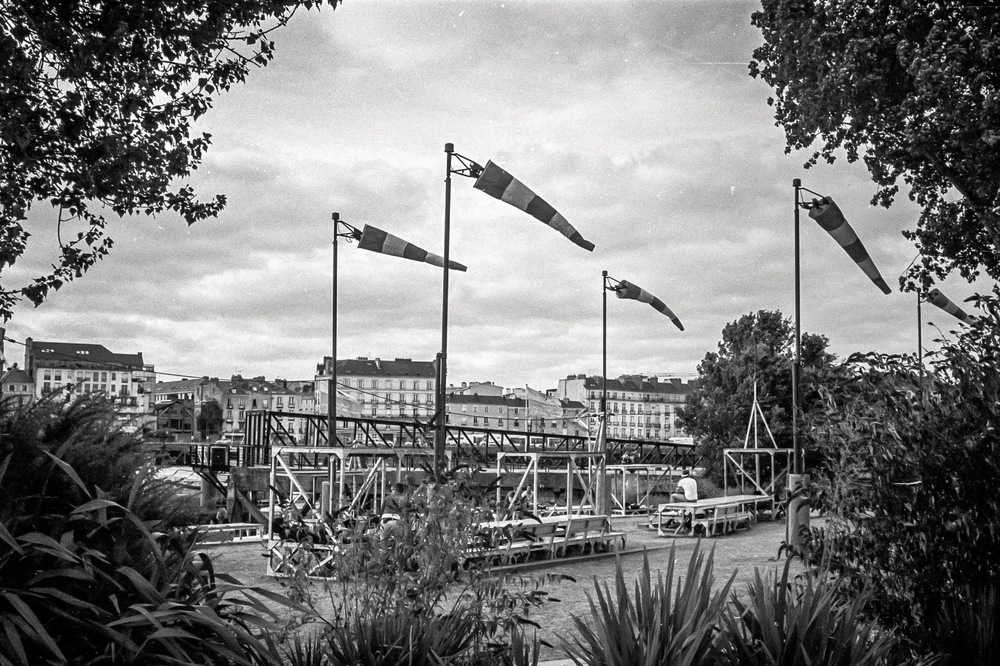
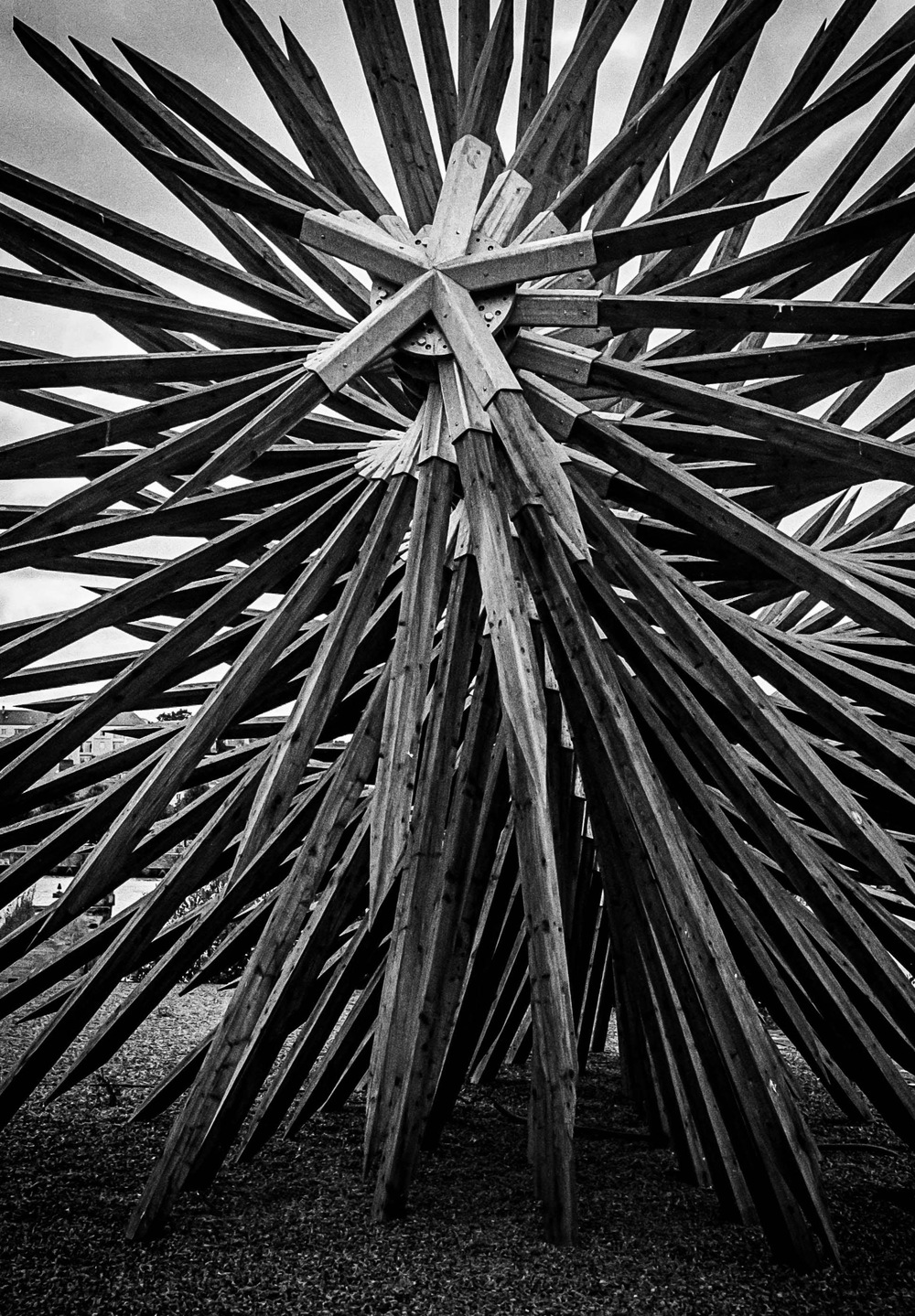
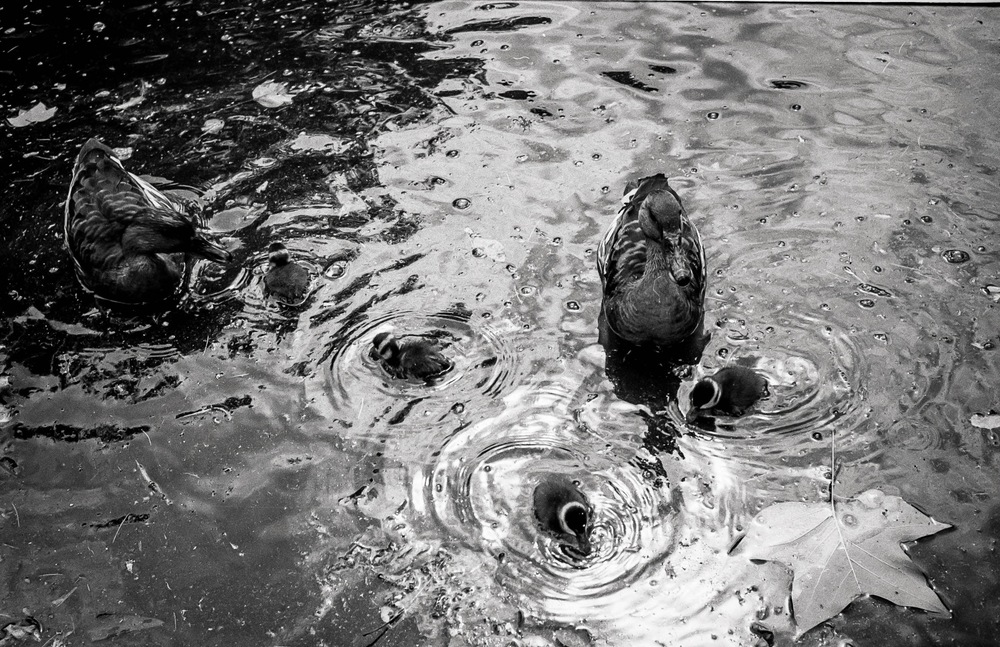
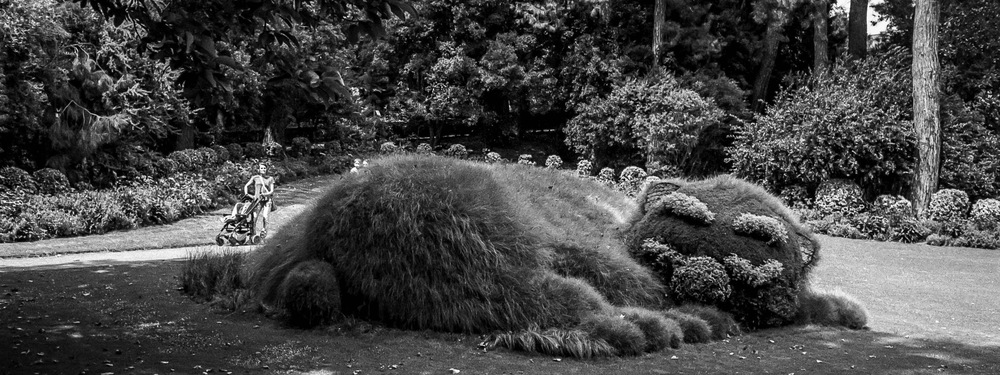
I think the images speak for themselves and I’ll let you peruse them at your leisure.  They were taken on Ilford HP5 Plus film shot at box speed.

The Opening of the Film Archives – On the way to work


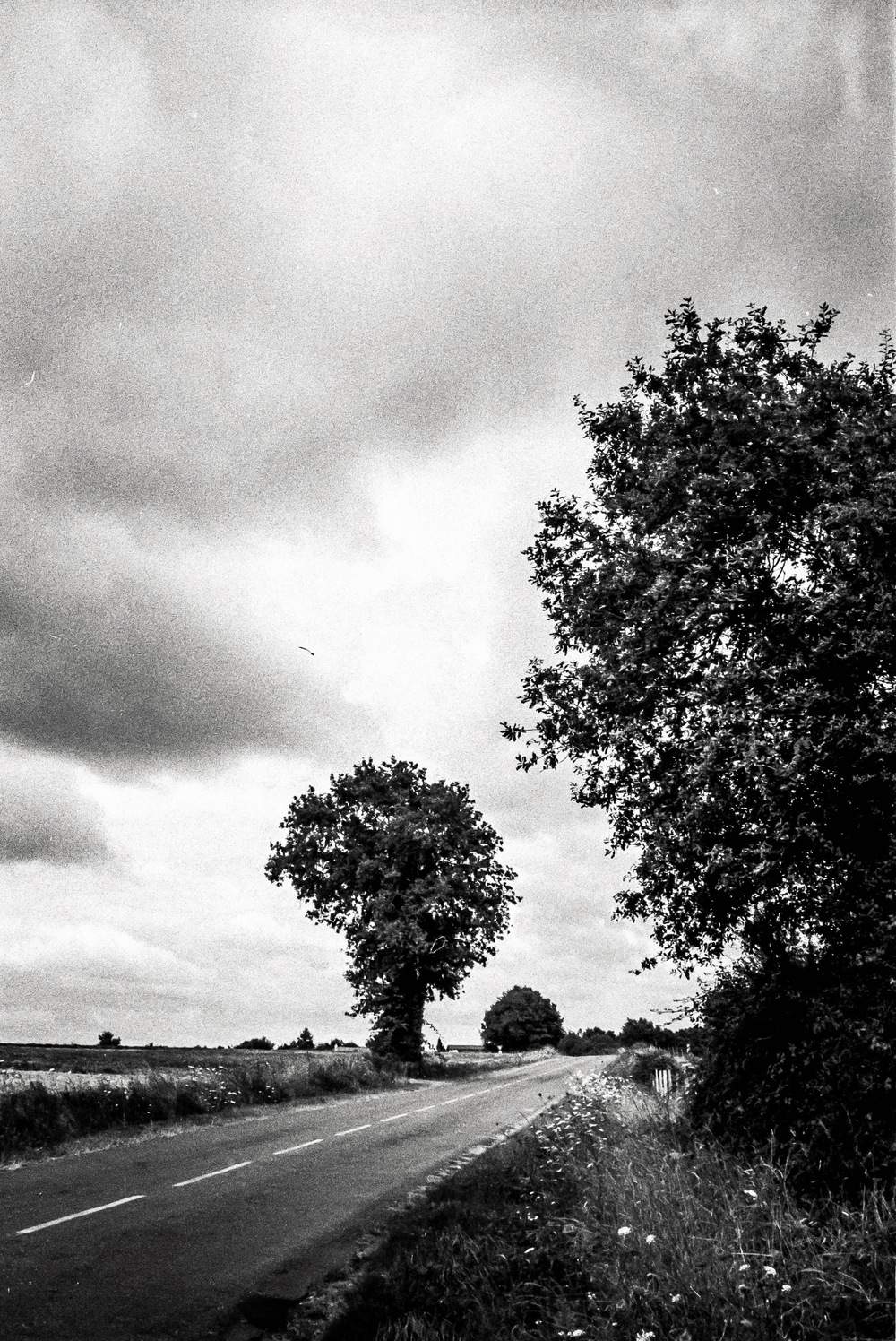
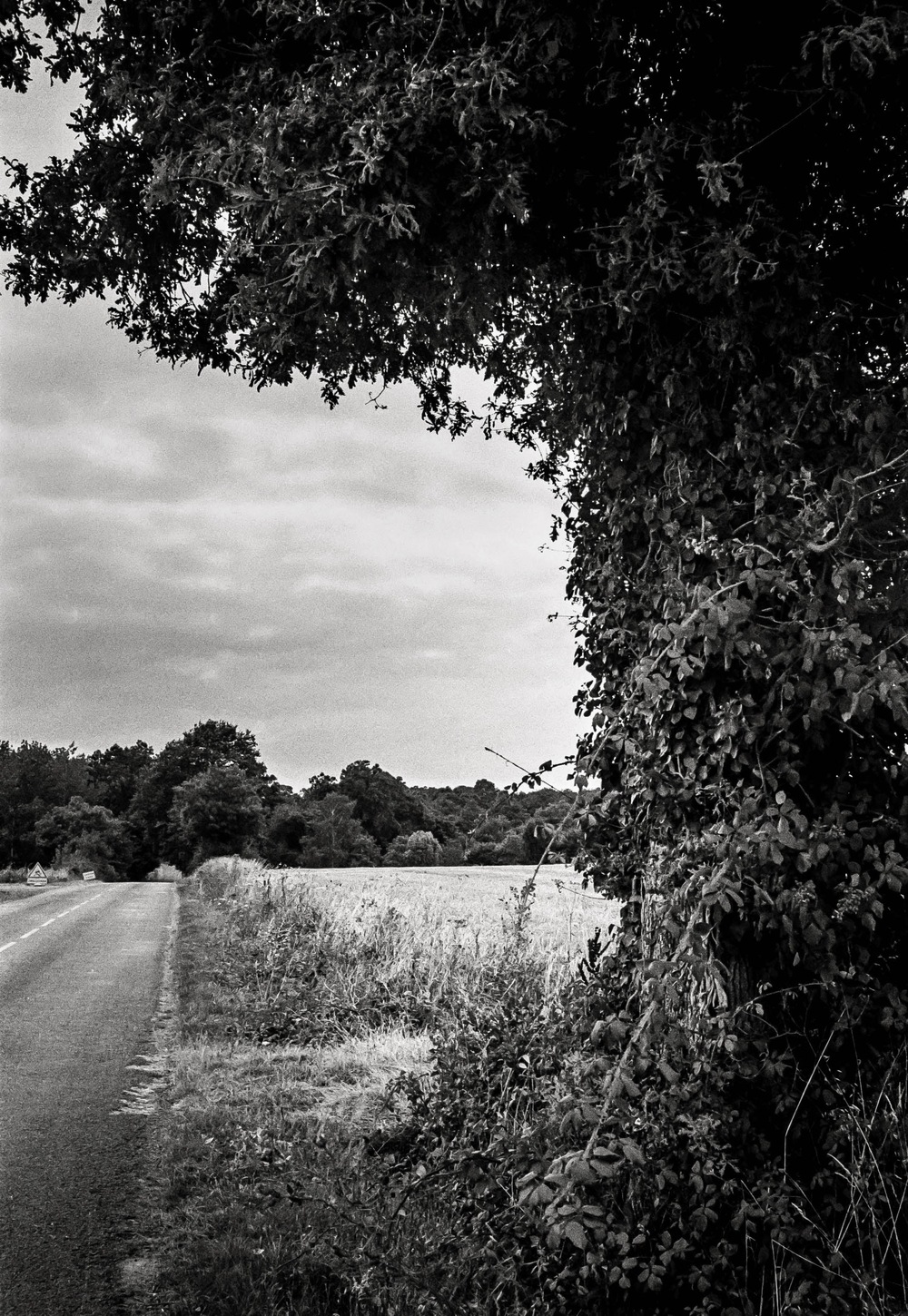
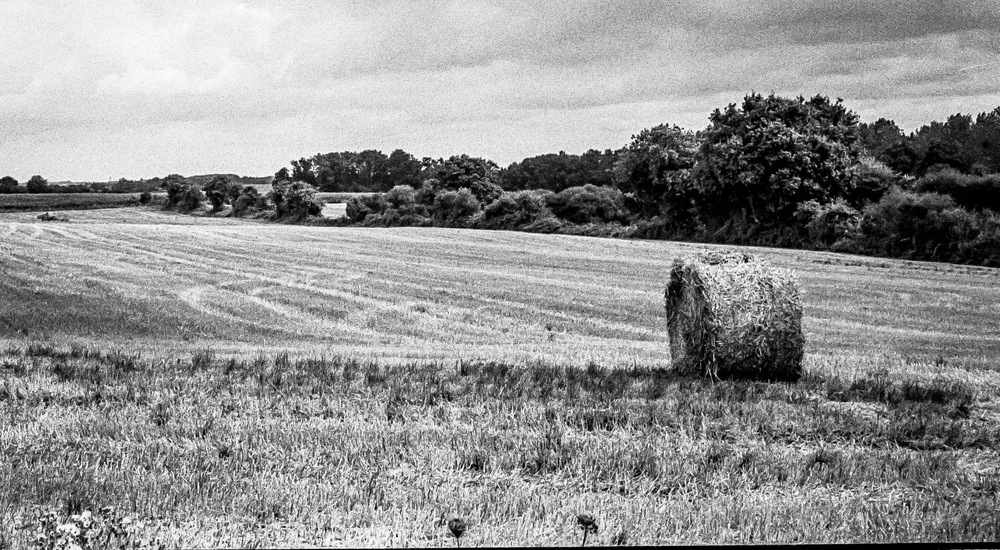
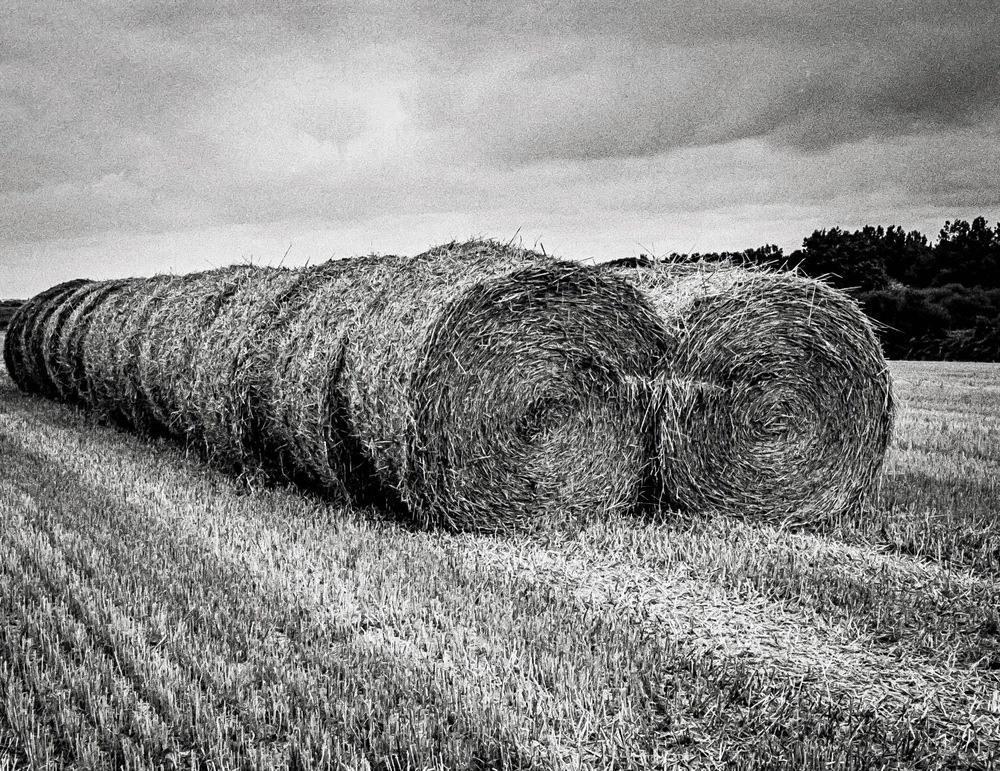
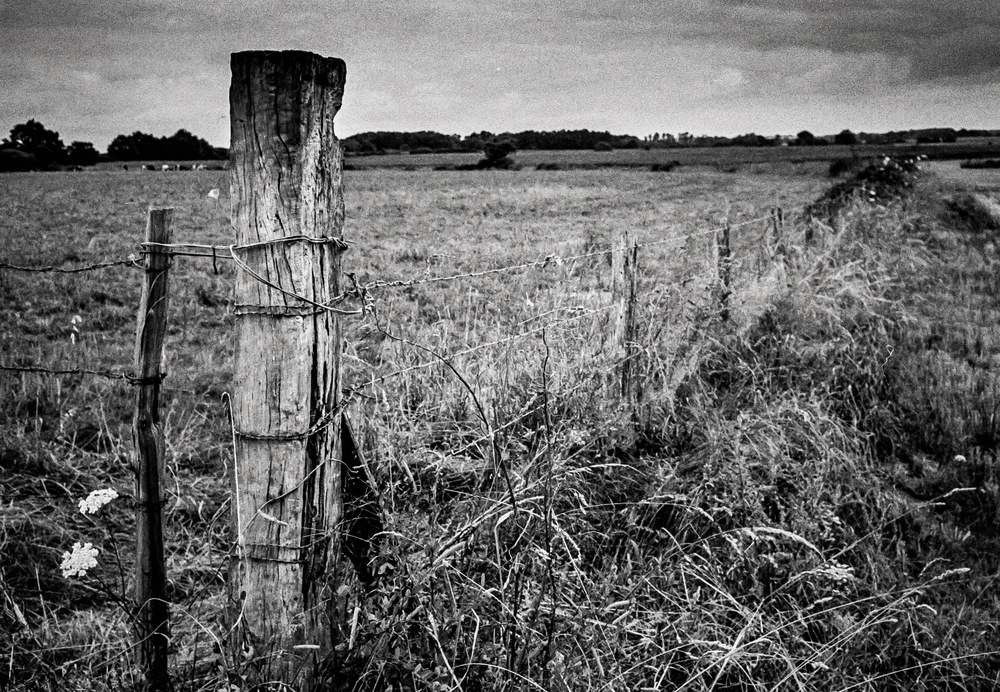
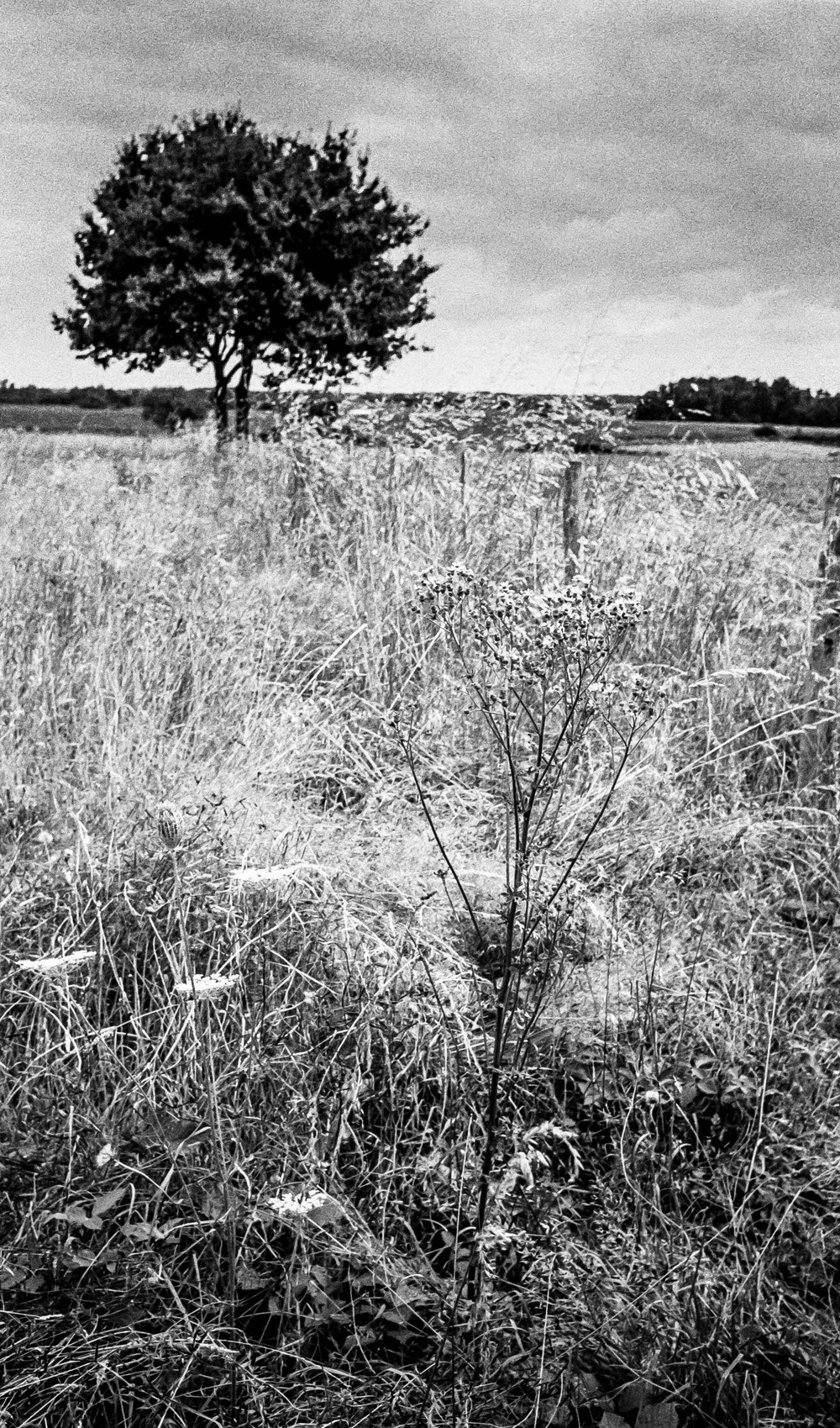
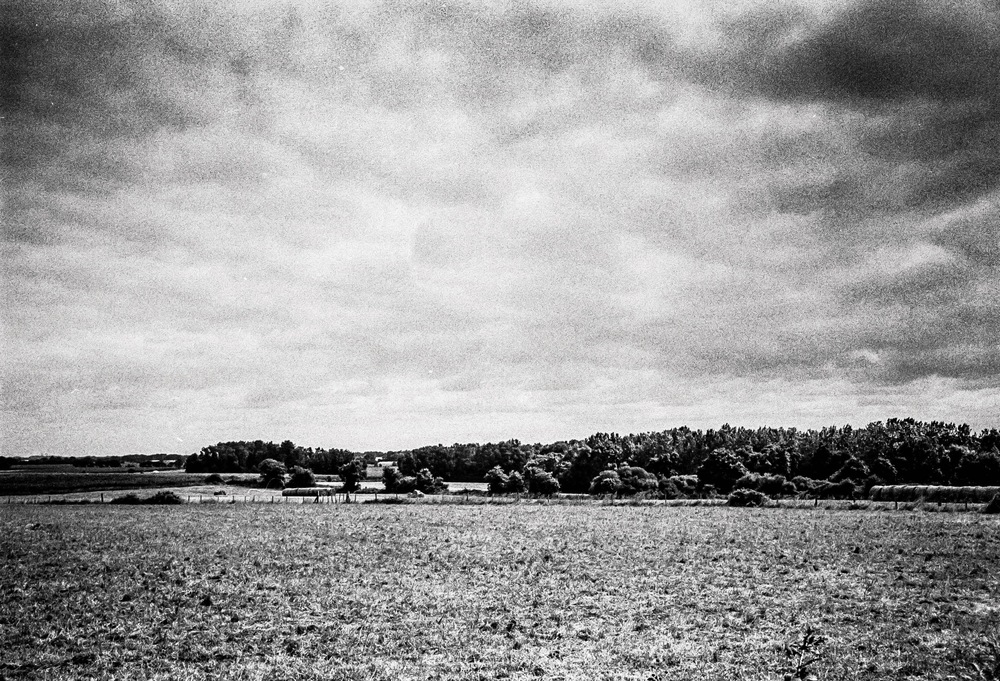
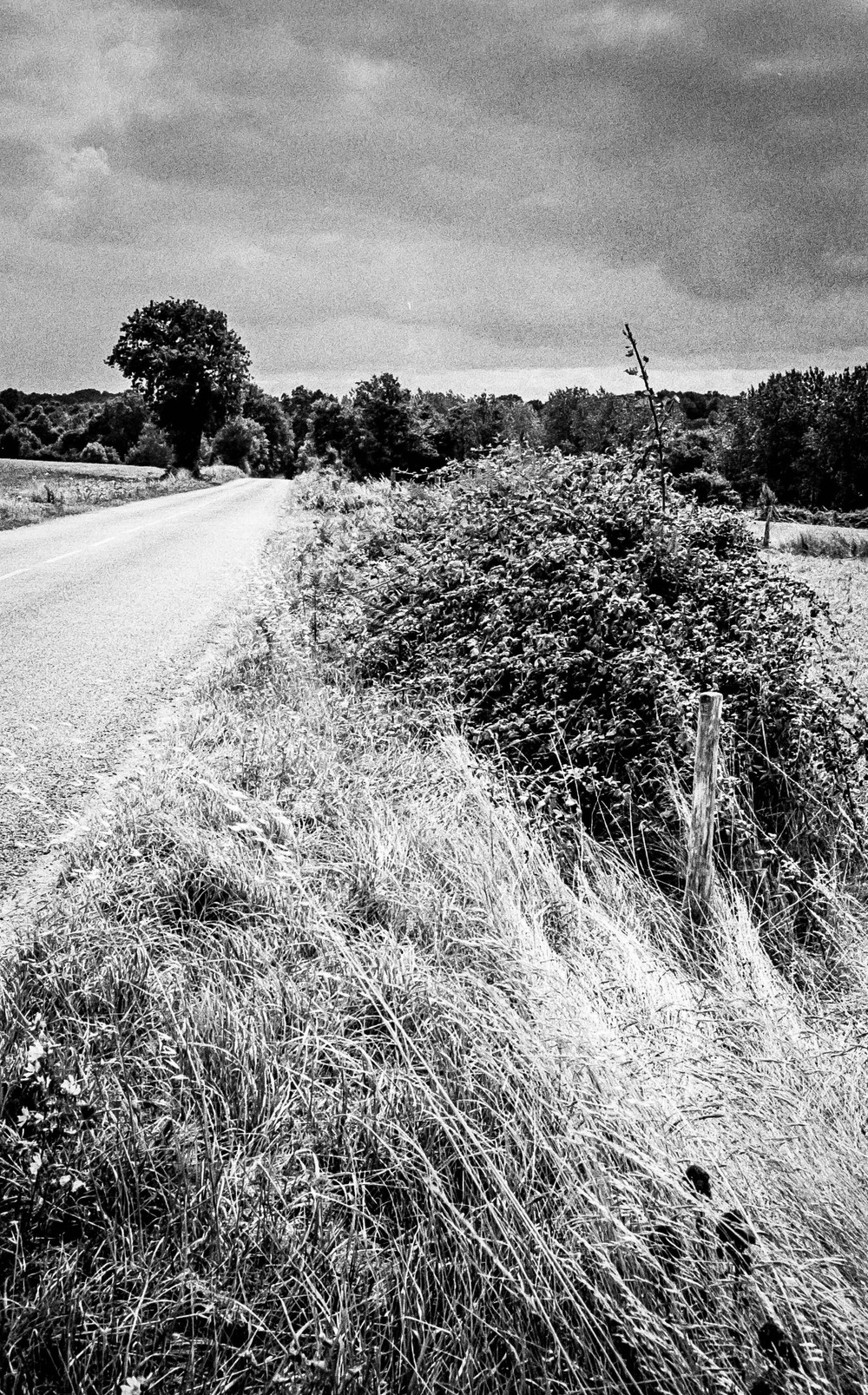
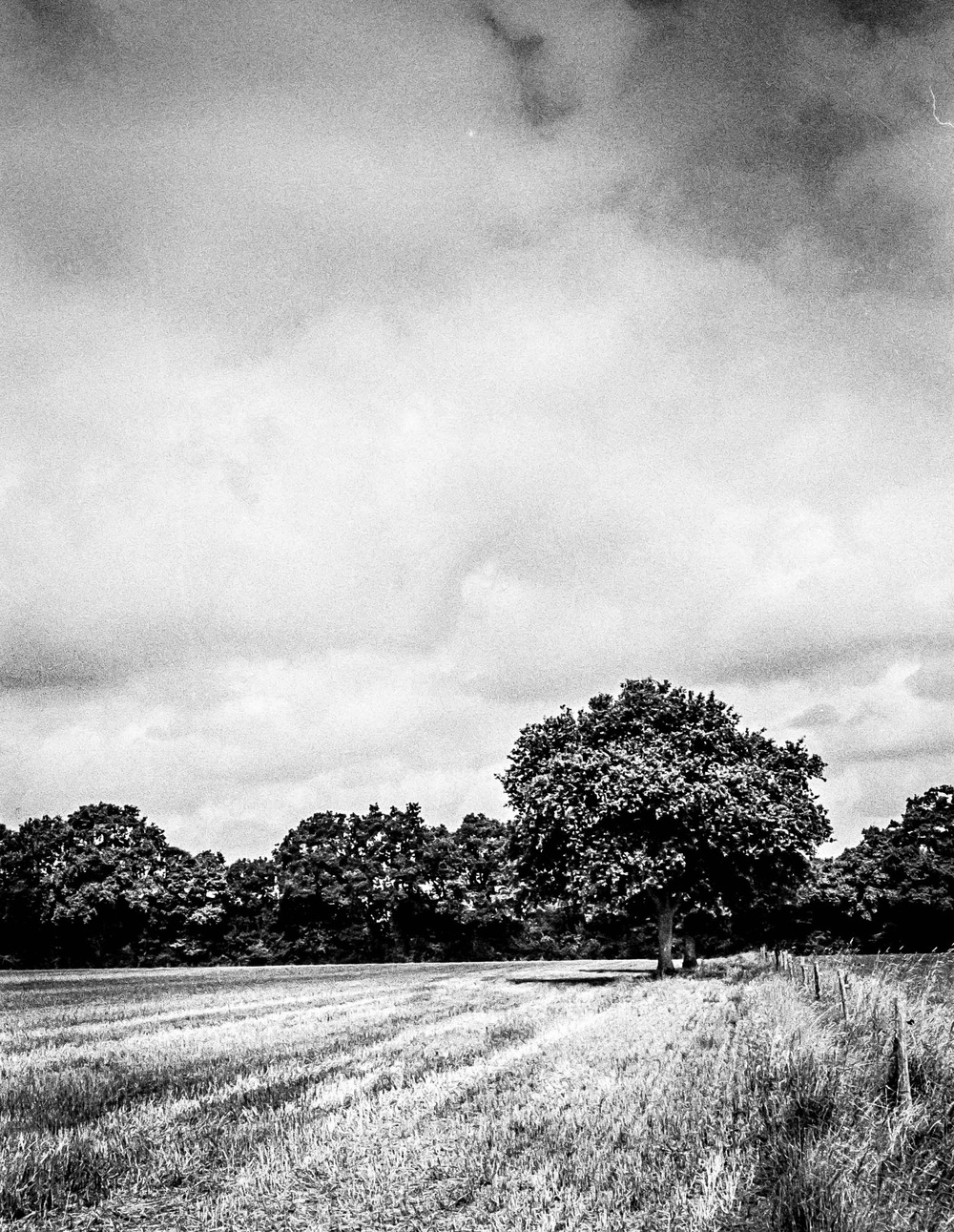
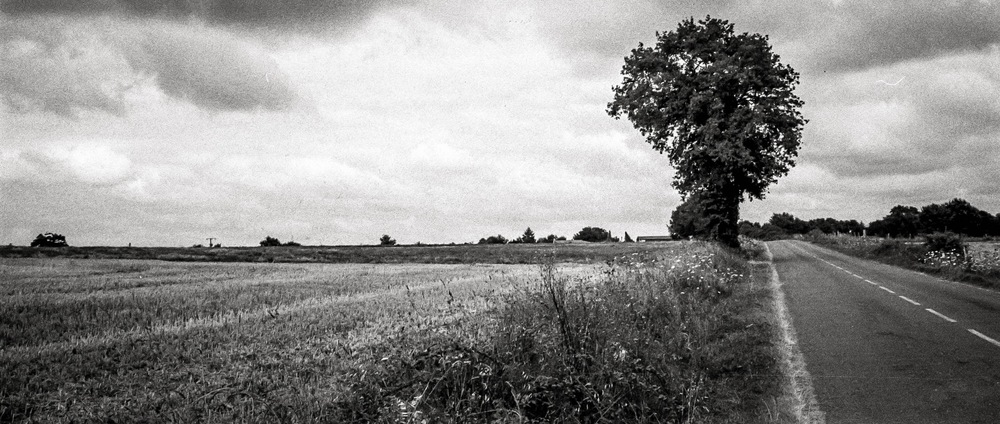
Sometimes we can have a tendency to ignore our habitual surroundings as photographers.  In this series of photos from the film archive, I’m going to show you part of the route I use to go to work.  What is ordinary to one person might be an pastoral idyl to somebody else.  It only goes to show that there is beauty everywhere in this world and one of our roles as photographers is to document it for future generations.

My wife, bless her, has always said that my black and white photos have a timeless feel to them, be they in the city or out here in the country.  I think that using film, especially this grainy HP5 Plus, even shot at box speed, adds to that sentiment.  The fact that I used Rodinal as my developer might have accentuated the grain too.  Also don’t forget that this is the beginning of my return to film development so I might have been a little vigorous in my “agitations” whilst developing the film.  I now use mostly Ilfosil 3 and lower grain film, and have brought a little more “calm” to my “agitations.”

The camera that day was the FED 5 rangefinder camera from Ukraine.  I’ve talked about it before, and although I mainly use SLRs, I still feel guilty about not using it more.  It’s a beautiful camera and I don’t want it to feel neglected.  I might just have to correct that soon.

I lived just outside Paris for 7 years before moving out to the country in 2001.  The change in ambiance was startling.  I went from blocks of flats to village life in the French countryside.  I went from riding the metro, and suburban Parisian trains, to learning to drive though this beautiful landscape.  Driving through this scenery still gets me every time I get into the car.  I wonder what I’ll see.  I see the changes in the fields and countryside through the seasons.

I want you to promise me, Dear Reader, that you will take a closer look at your route to work, and maybe I can convince you to record it too for prosperity.  Don’t worry about film or camera, even just using your phone will do the trick.

Why the Olympus Pen EE-S Is the Best Budget Film Camera for Beginners


Why the Olympus Pen EE-S Is the Best Budget Film Camera for Beginners (Even in 2025)

Pentax 17 fever is sweeping the film photography world, and I’ll admit, I was tempted. Half-frame cameras, with their promise of double the shots per roll, sound pretty amazing. But with a price tag of 500€, the Pentax 17 isn’t exactly within my budget. That’s when I rediscovered a little gem tucked away in my camera collection: the Olympus Pen EE S.

This Japanese-made half-frame beauty hails from the 1960s, the same era as the beloved Olympus Trip 35. Like its sibling, the Pen EE S features zone focusing and a selenium cell meter for fuss-free shooting. The lens is an F2.8 22.5mm Zuiko lens. The ISO settings go up to 200 ASA, unlike the Olympus Trip which goes up to 400 ASA. So, despite everything else, it needs light. The half-frame format means you get a whopping 48 exposures on a standard 24-exposure roll. That’s double the shots for your buck, folks!

Now, the idea of twice as many photos for the same developing cost is pretty appealing. But does the Olympus Pen EE S deliver the goods in practice? Stay tuned as I put this vintage camera through its paces and share my findings. Could this be the perfect half-frame hero for those of us who can’t quite swing a Pentax 17? Let’s find out!

Well, for starters, it felt very much like using the Olympus Trip 35. It’s very slightly smaller and weighs next to nothing. The shutter button is almost identical as well. Instead of having four zones for focusing, you have three, but it’s fine, and when you turn the dial, you feel a click as you enter a new zone. You point, and then press. Simple!

Let’s talk about this half-frame shooting experience. When talking about the Pentax 17, “they” talk about how the images are great for sharing on social media. A little like using your phone… This is the mindset that I had when putting in my Kodak Gold 200 to capture those famous Kodak moments in Nantes.

I found it a challenge to get used to the half-frame. “They” say that you have to take your photos as diptychs and remember that the two photos in your full frames are related, not just simple images. The idea is that when the two half frames are put together, you create a story and a suite of ideas, instead of two separate photos. I tried, and the results will show you if I succeeded. I felt that “they” were pulling my leg!

I’ll be honest with you. The idea behind the outing was to test the camera, see how I felt using it, and have a look at the results. It took me out of my comfort zone, which is something rare in photography for me. I was thinking about taking it to the UK with me to record the trip. It takes up next to no space in a camera bag and would allow me to shoot some film while back home. The idea of getting twice as many shots by using just half the frame is attractive. I’m just getting used to the reduced coverage that you get with just using half the frame.

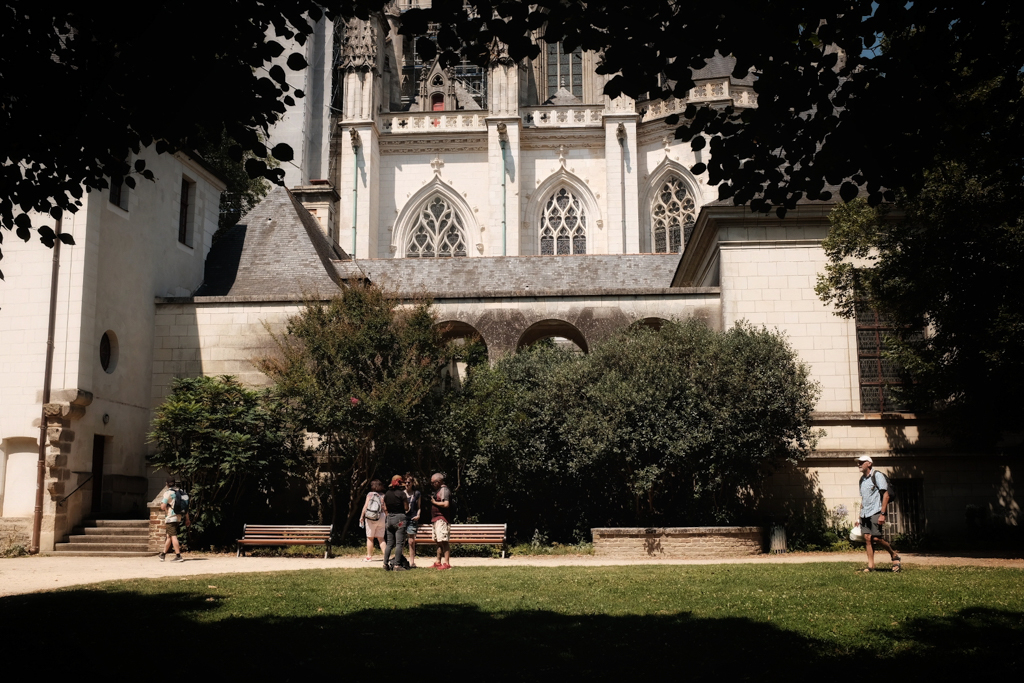
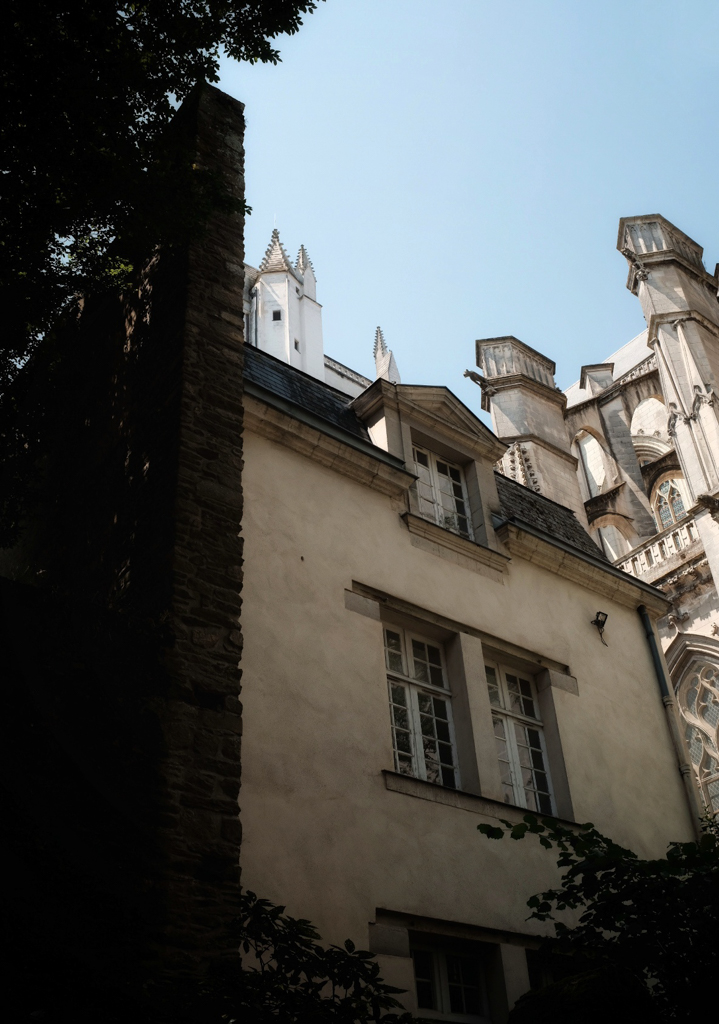
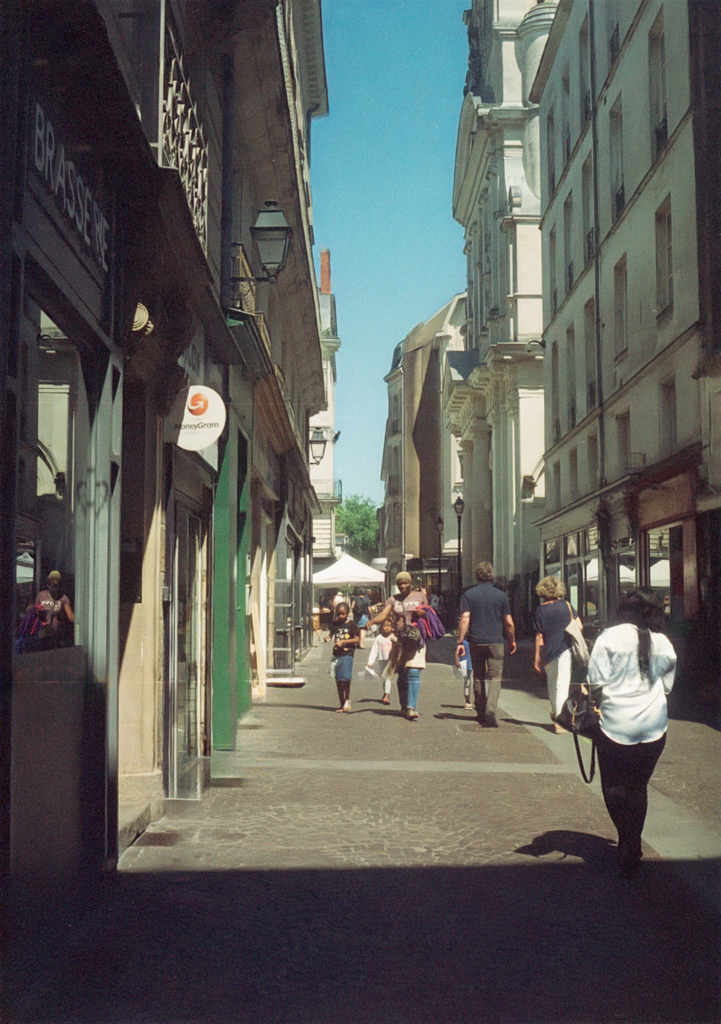
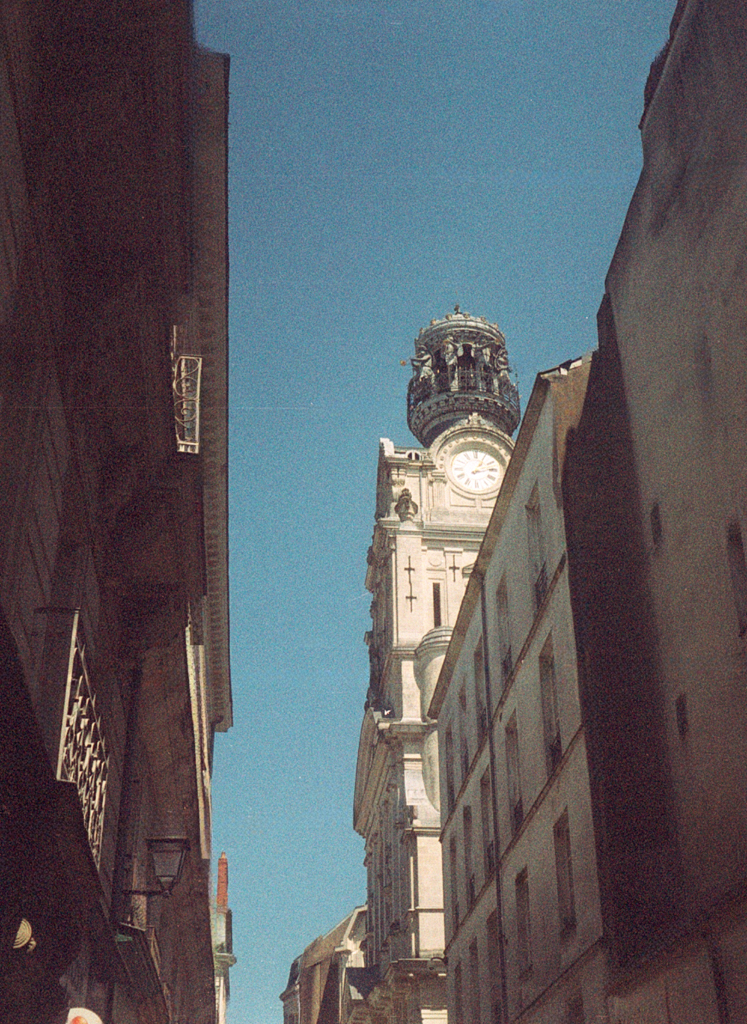
For this outing, I decided to head out towards the Cathedral, and takes some shots of the Voyage à Nantes.

I found myself thinking differently about framing my shots and using my phone as a mental template. As for the resolution of my images, they will be half as much as using my full frame, but were I to print my photos, then I would definitely see a difference. But if they’re just for sharing on social media, then the resolution will be perfectly satisfactory.

The million-dollar question is, will I take it on my trip, and will I use it? Yes, I will. Will it be my main camera? Possibly not. Will it be more like using a new toy? Possibly, even if the toy in question is a vintage 1966 toy…

Here’s what I’ll do. I’ll put some images taken on the X100F, my more modern toy, and let you see how they compare. You’ll see the diptychs and see how the different shooting styles change the outlook and how they change the framing.
These are the X100F photos with editing in Snapseed…

And these are the half frame images from the Pen EE S… with the editing done in Photoshop using the neural filters to get rid of the scratches on the film.

So what do you think? Worth taking?