China – Shenzhen Day 2


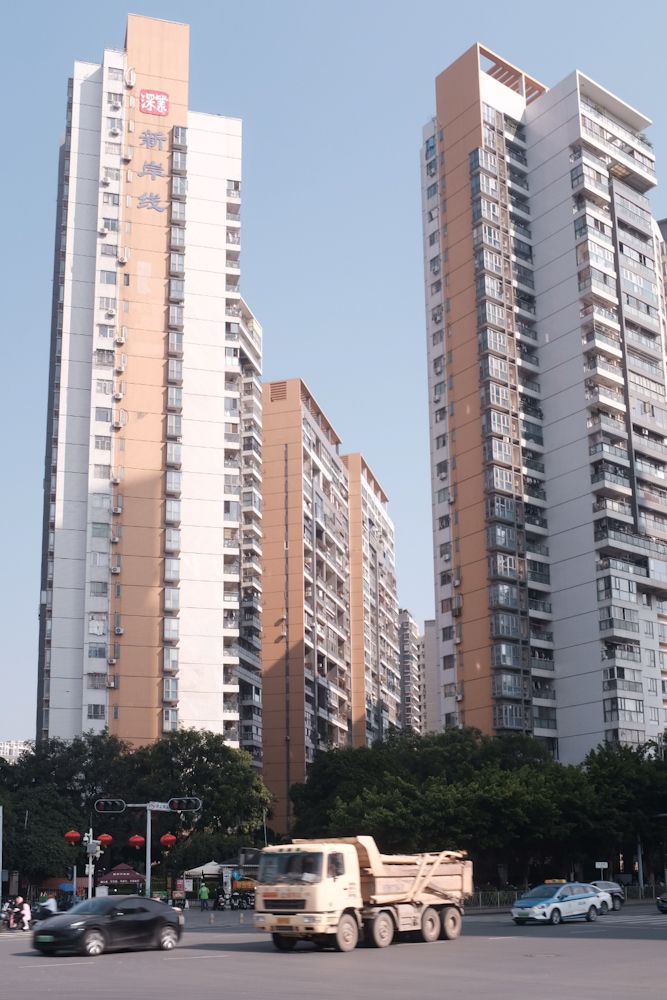
Welcome back to China, Dear Reader. First, let me tell you a little about Shenzhen to set the scene. It’s massive—really massive. Just across the bay is Hong Kong, which we handed back in 1997. Yes, we actually gave back a colony! It can happen. Shenzhen used to be Hong Kong’s poorer sibling, standing in its shadow. But China had bigger plans, determined to create a statement city to rival Hong Kong. Now, Shenzhen is home to 17 million people, boasting every modern convenience imaginable, even a higher GDP than Hong Kong.

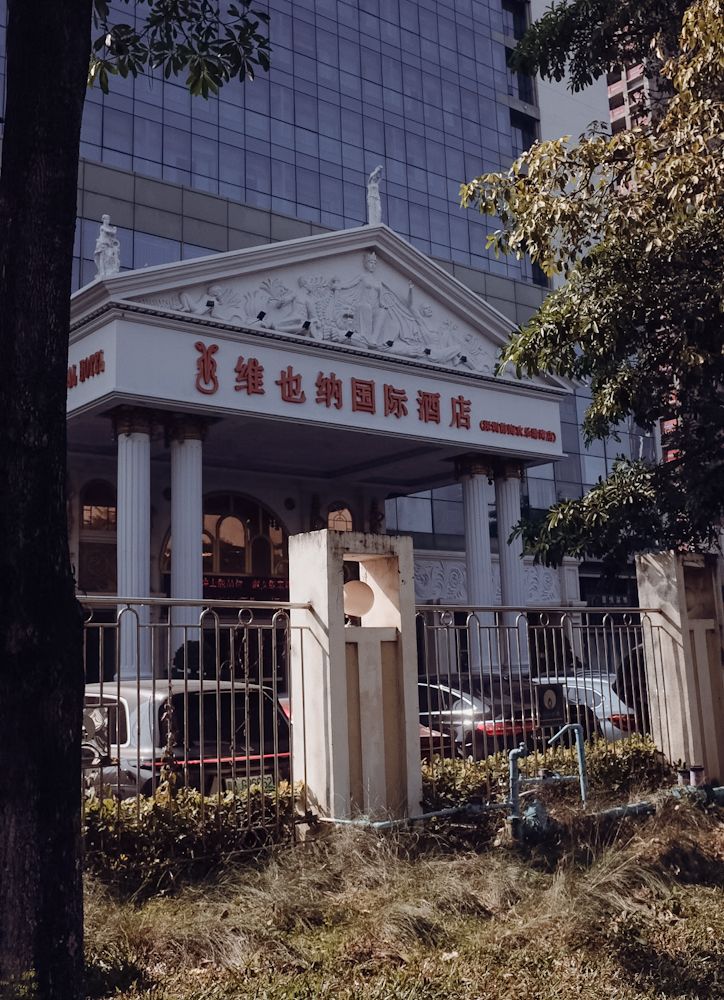
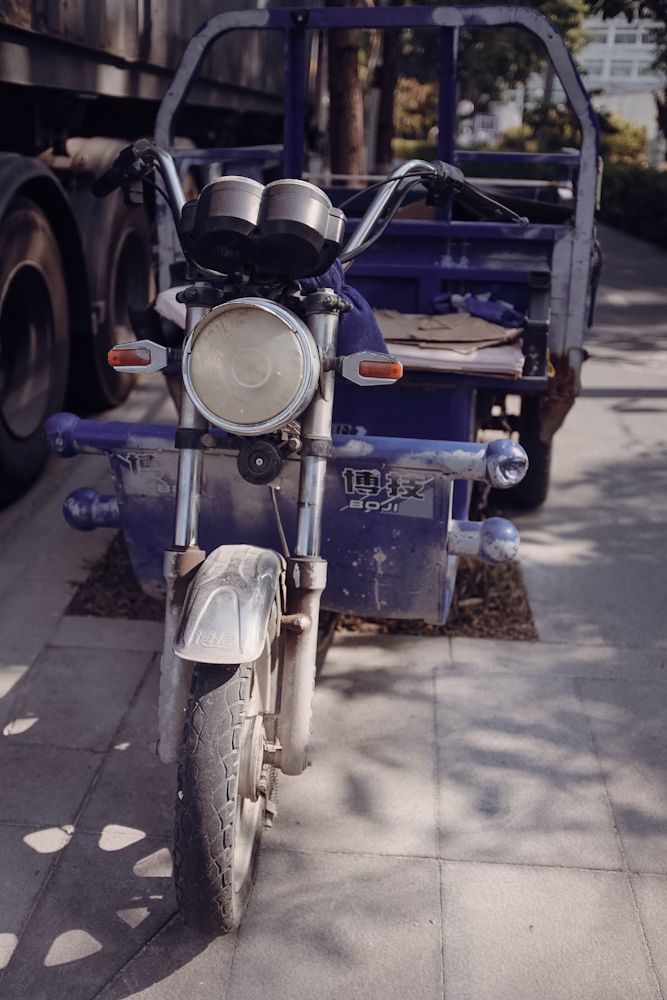
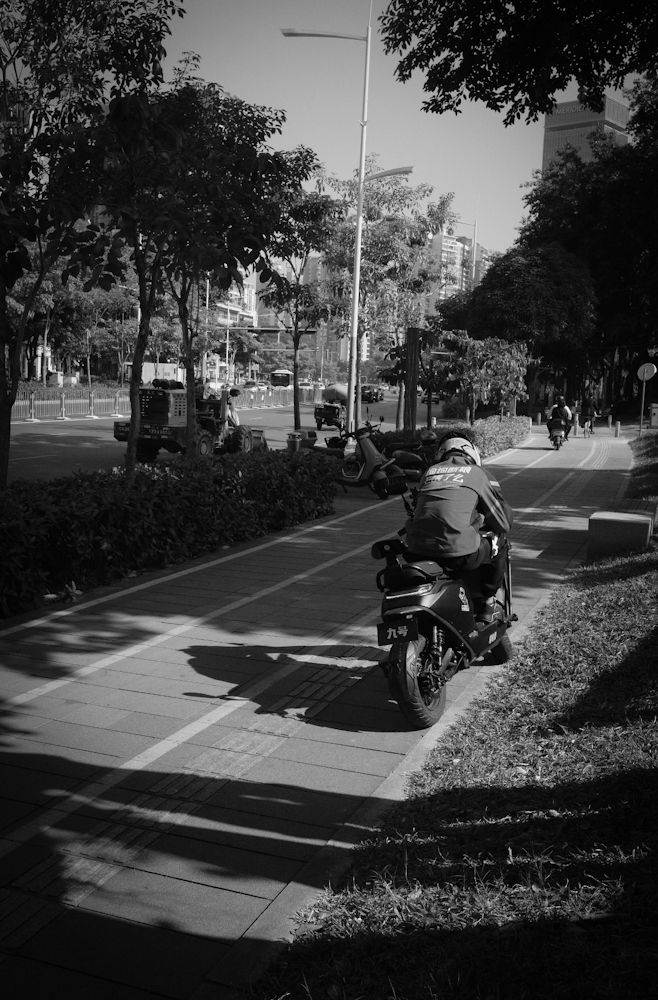
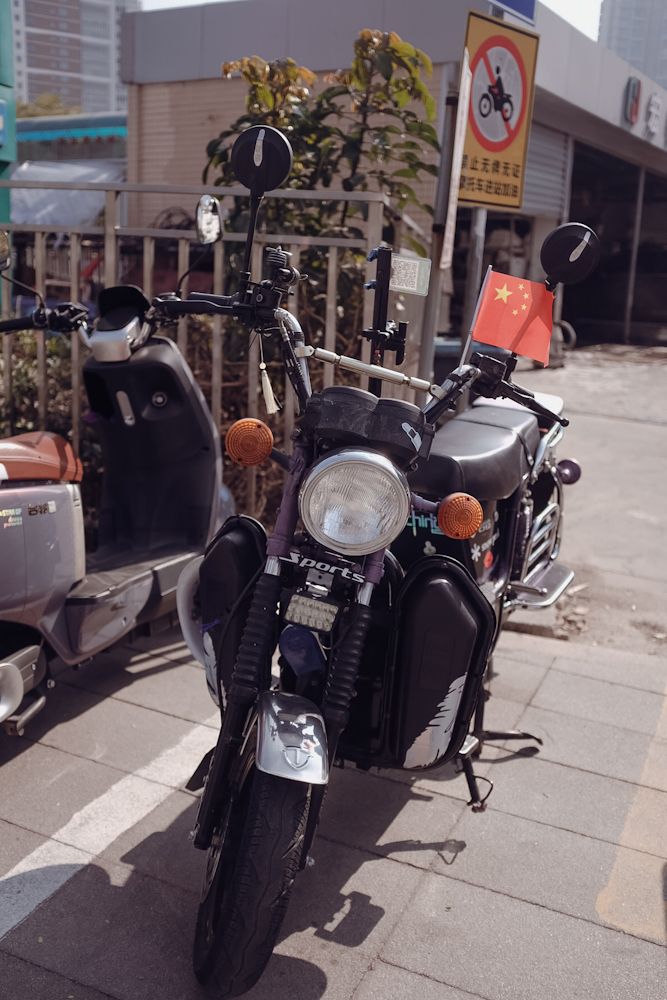
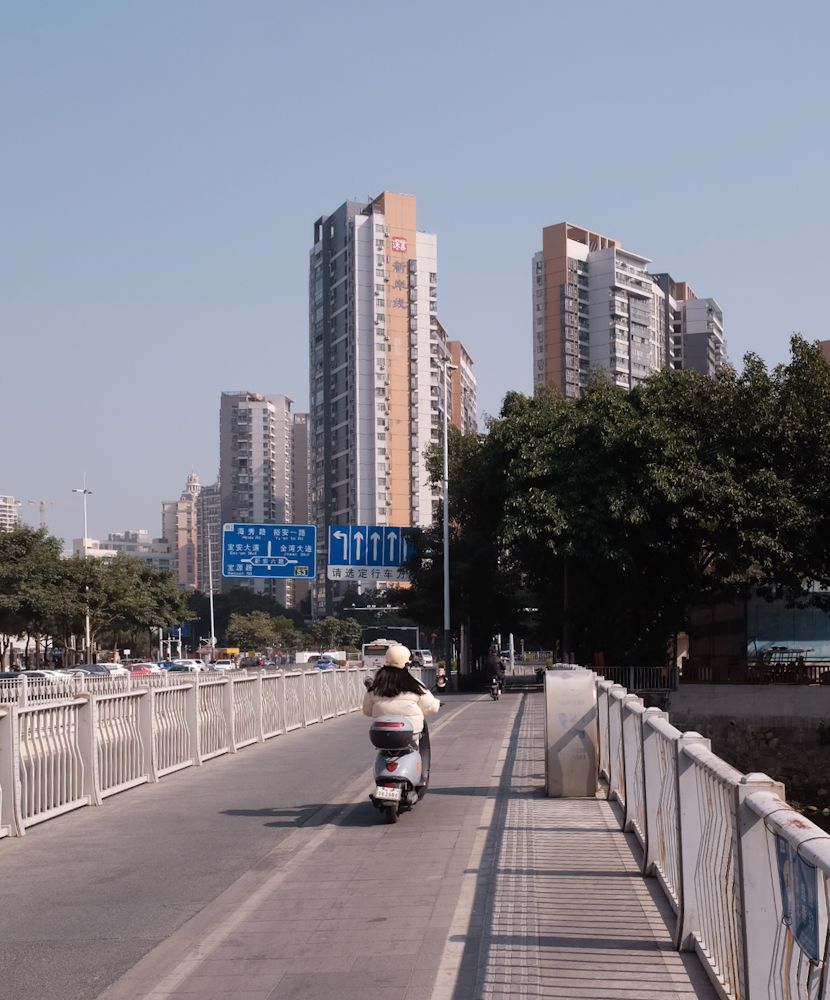
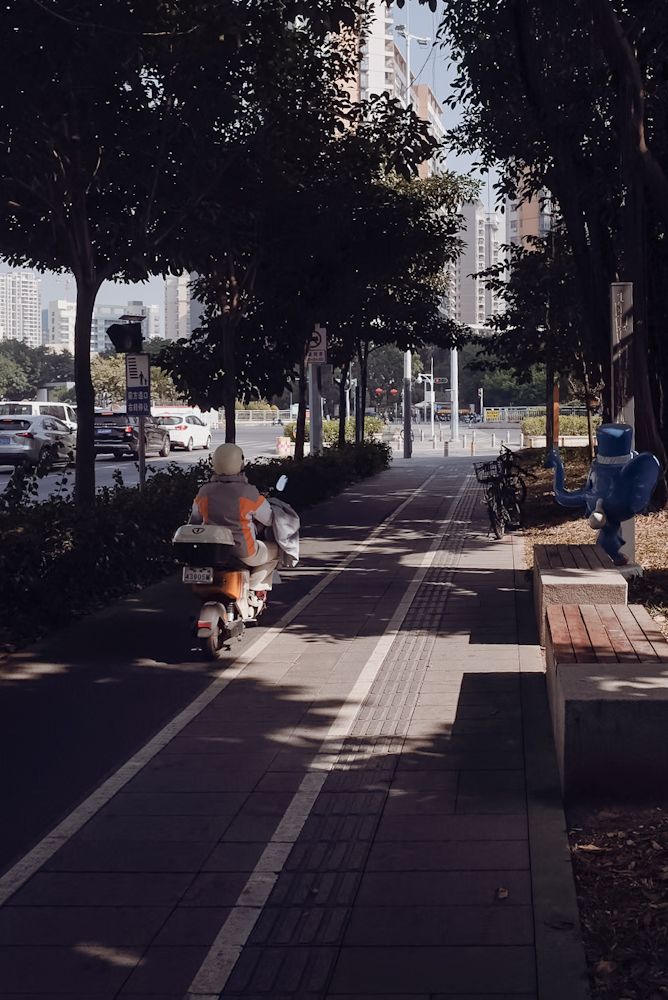
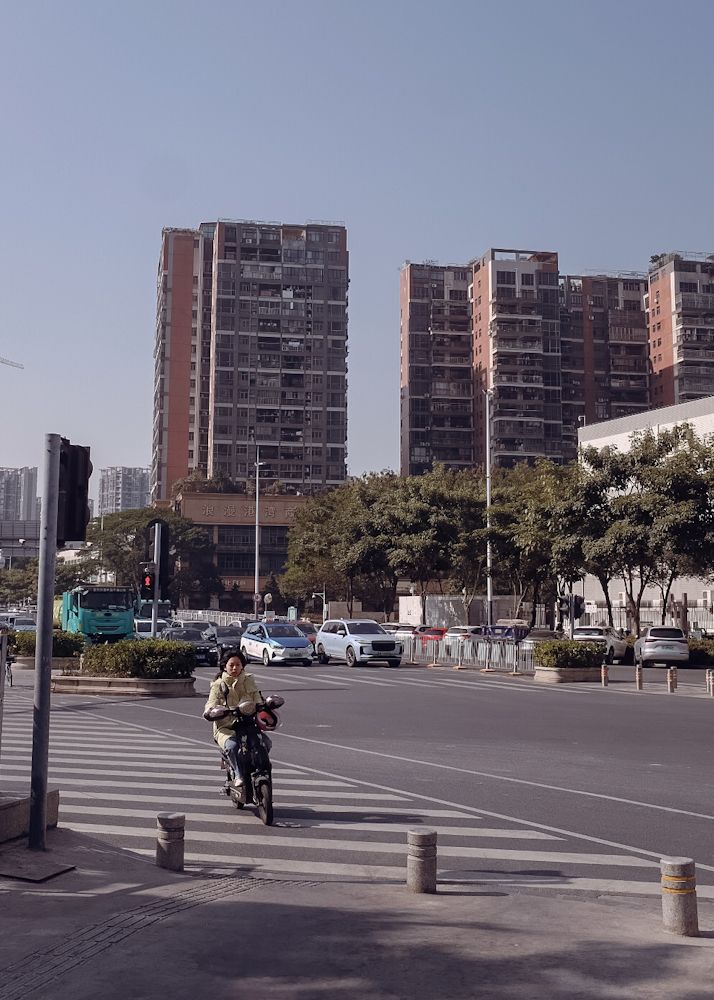
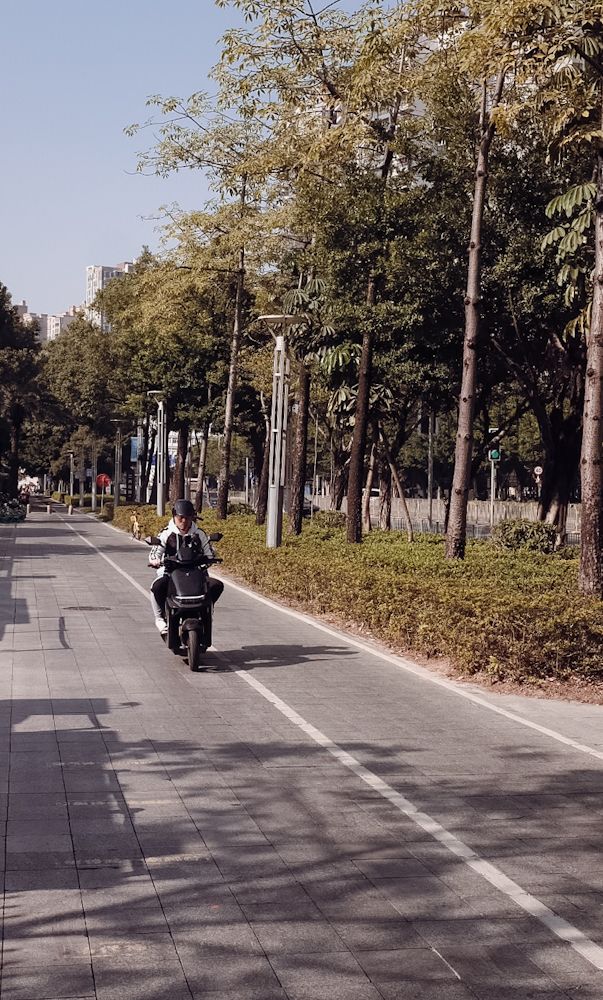
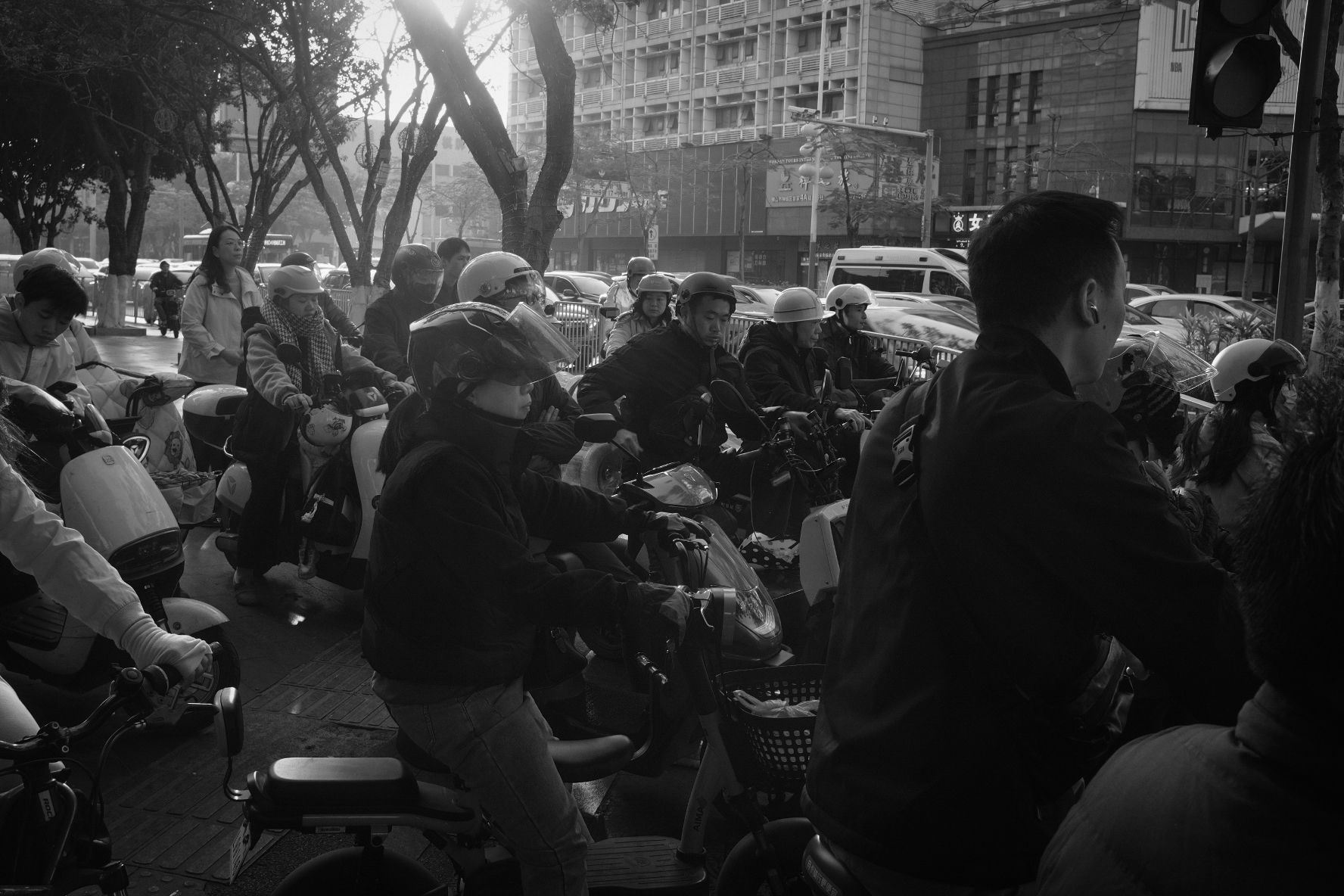
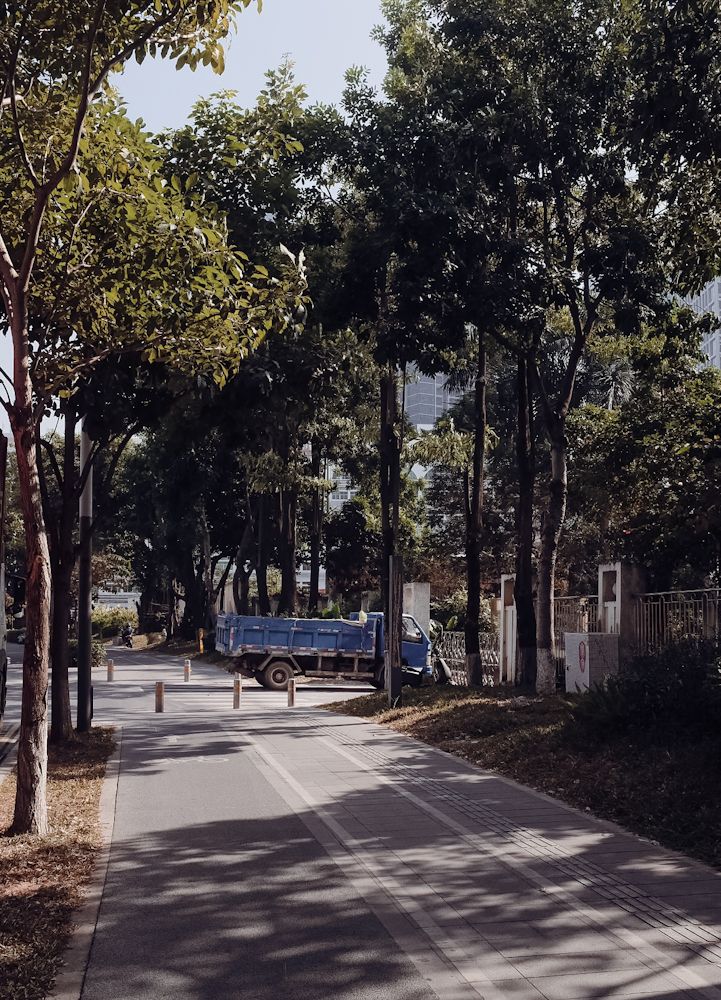
The first thing I noticed here was the relative tidiness of the electric mopeds compared to Foshan. They were everywhere but parked neatly in rows, a small yet striking difference. We were staying near the UK China International College, which felt a little like home and looked rather grand. Across the road was a McDonald’s—a far nicer one than the ones in Nantes. I couldn’t help but wonder if visiting a McDonald’s in Shenzhen feels as novel to locals as Chinese restaurants do to us back home. Watching children celebrate their birthdays there was a joy. I promised myself I’d stop by later to experience it properly—but that, Dear Reader, will be for another time.

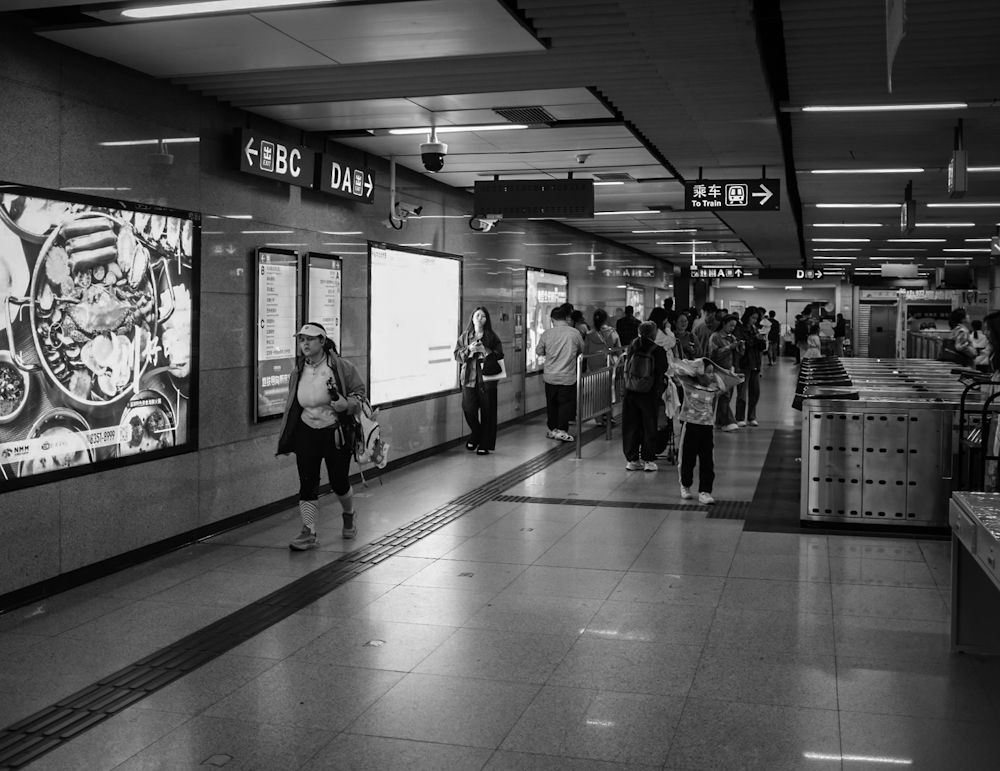
On the road from Foshan to Shenzhen, our organiser, Yuan Yuan, asked if we wanted to join an excursion on our first full day here. It included visiting a village—a sort of condensed version of China—and a park with miniature monuments from across the country. All for 25 euros. As a slightly introverted person, the idea of being stuck on a bus with a group filled me with dread. Oh heavens, no! I decided to opt out and spend the day enjoying some alone time, exploring the city, and indulging in street photography—a much-needed mental reset.

I’m not much for breakfasts, so I sipped my tea quietly, savouring every drop, alone, in my room. Tea—a hug in a mug. Much like chicken soup for the Jews: it might not cure anything, but it never hurts. I quietly prepared for the day, ticking off my morning routine. Triple S, of course, minus the smoke—it’s been 26 years since I quit. Feeling reasonably presentable, I headed down to the lobby to absorb the city’s atmosphere.

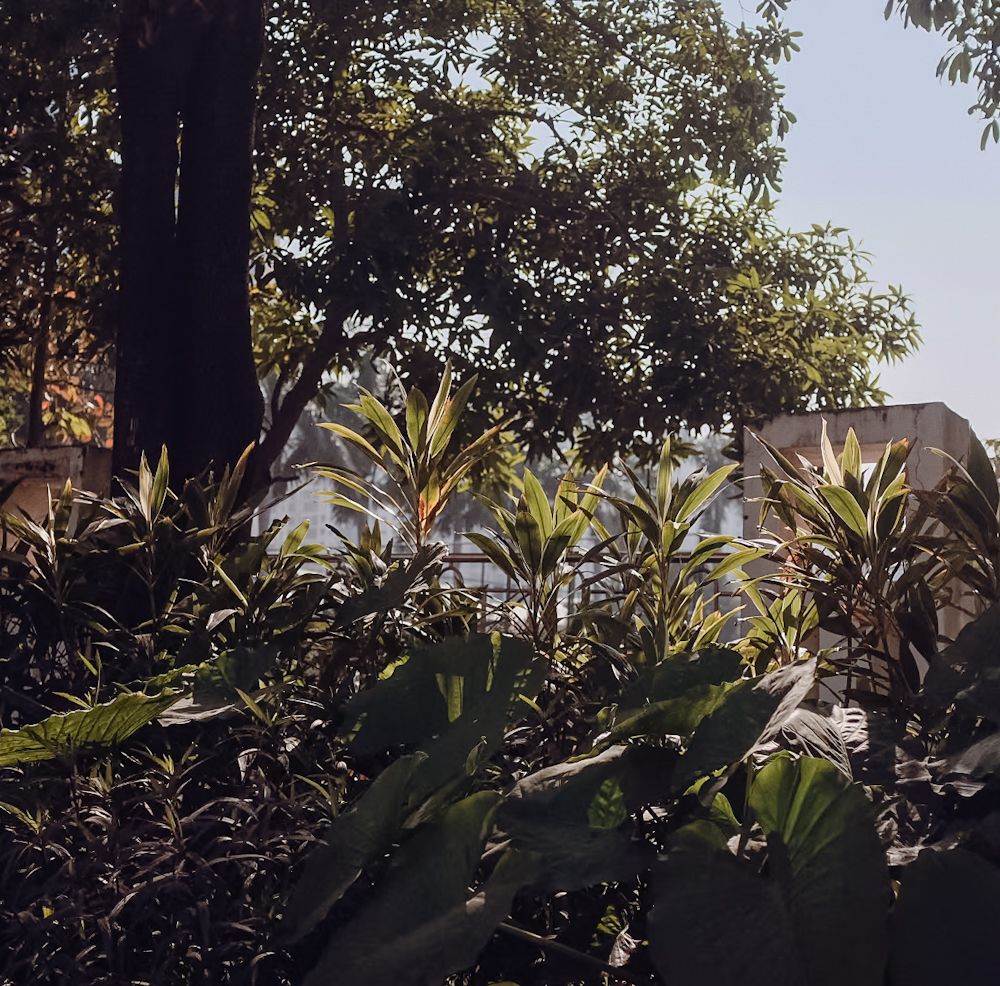
The first thing that struck me was the mild, sunny climate. It felt like a Northumberland summer, but in the middle of winter. Invigorating! As I stepped outside, I spotted one of the double bass players in the hotel shop. Should I avoid him and enjoy some me time? I hesitated but ended up joining him on a bench. He offered me a cookie, which was gladly accepted with the good grace with which it was offered. We chatted about nothing in particular, enjoying the weather—two blokes, passing the time of day.

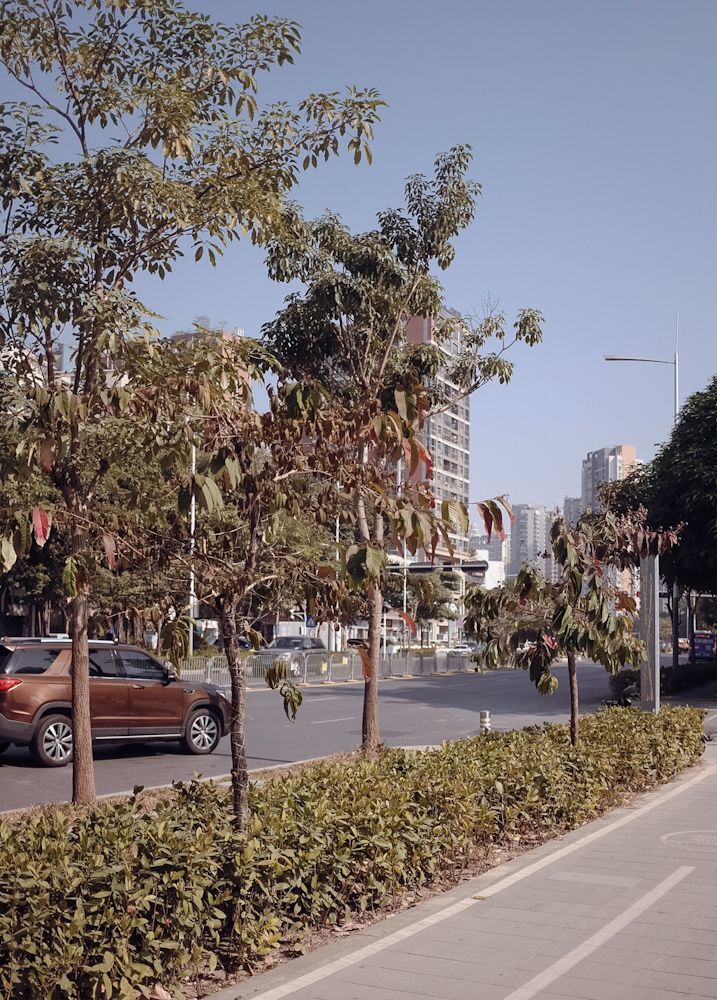
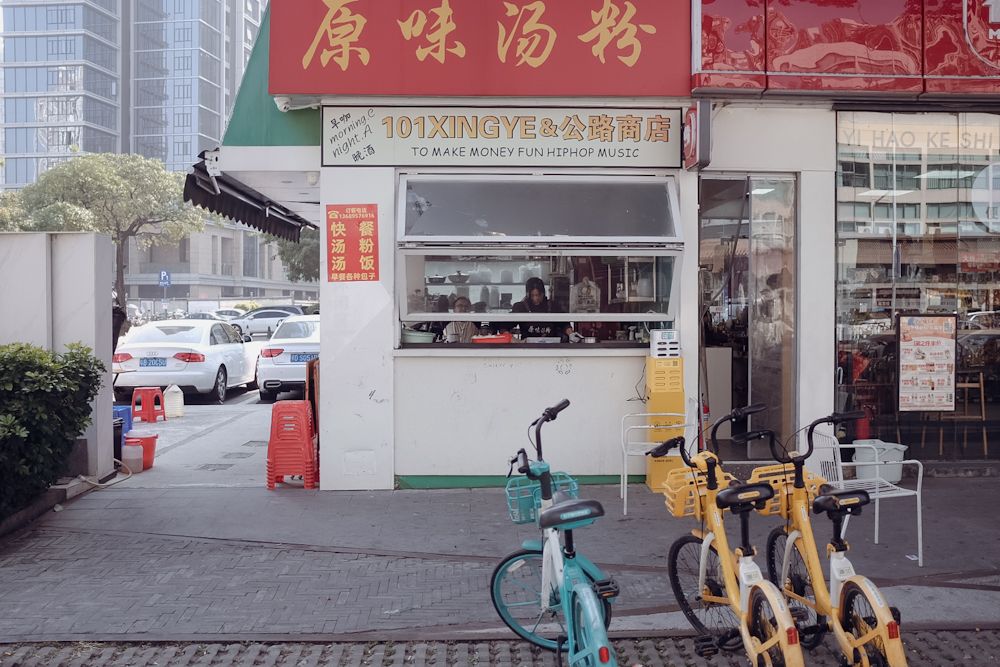
Later, Michel, my walking companion for the morning, decided it was time to move out. I warned him I’d stop often to take photos, and he was happy to wait. The night before, my wife had remarked that while my photos were great, she’d like to see some in colour. Oh really? Challenge accepted.

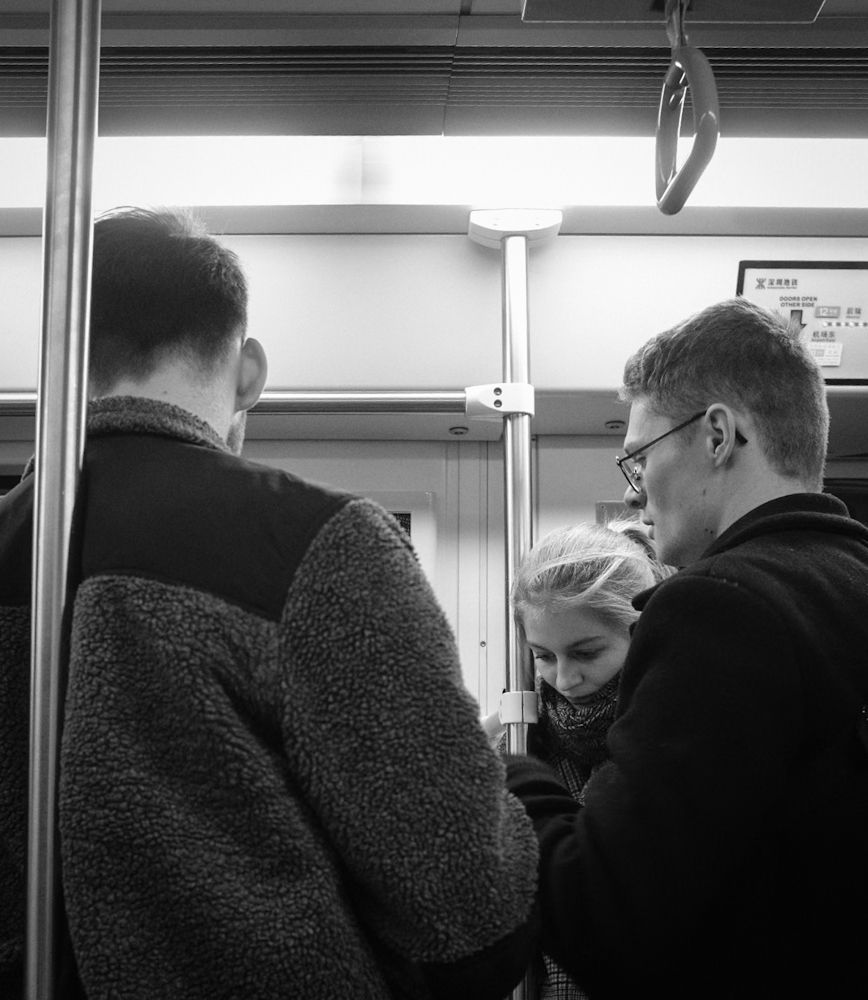
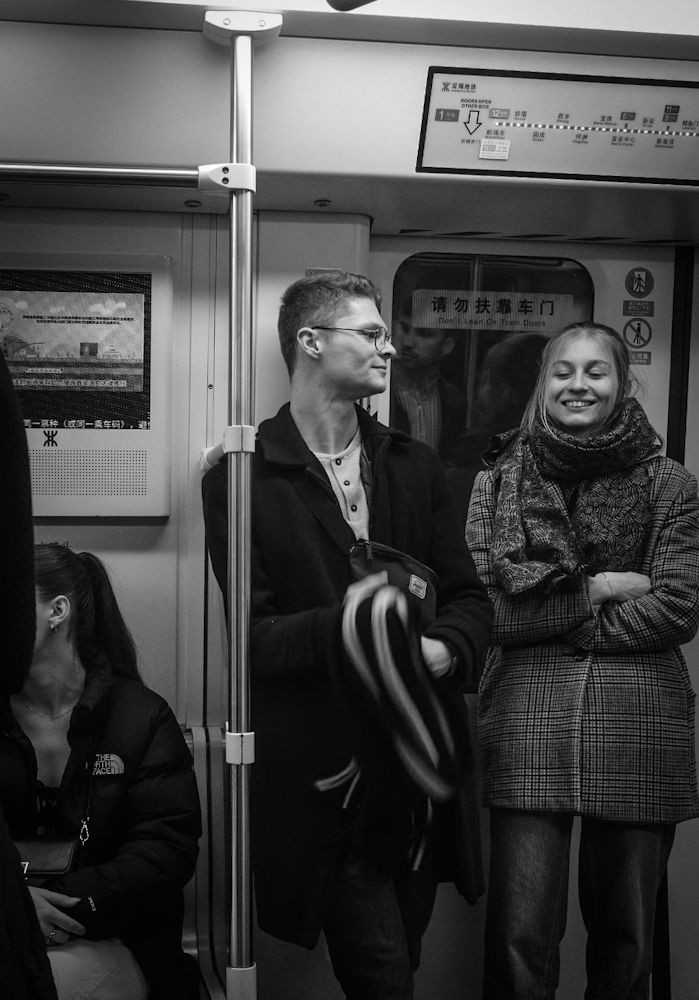
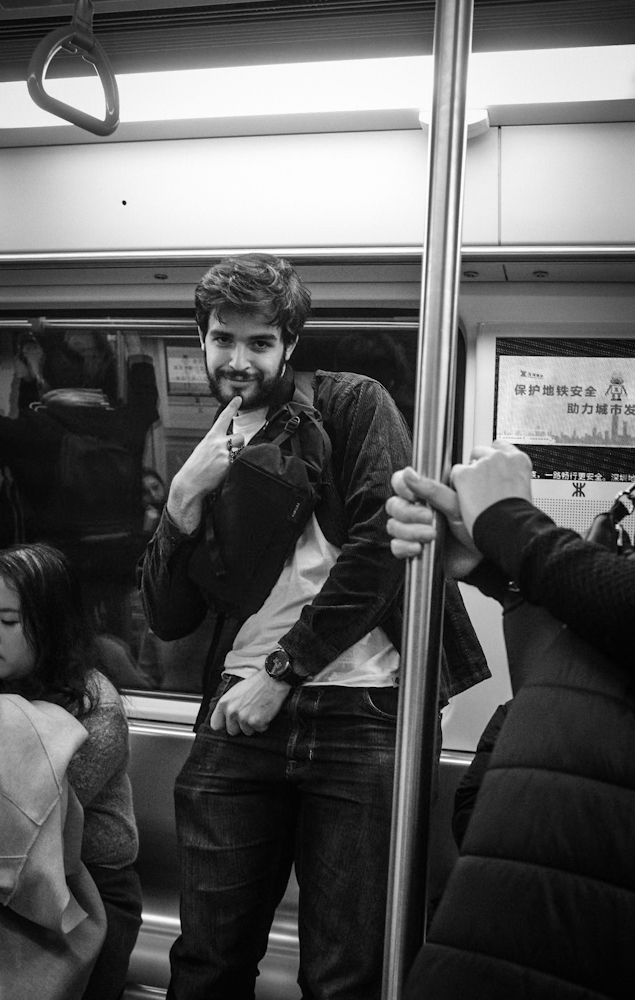
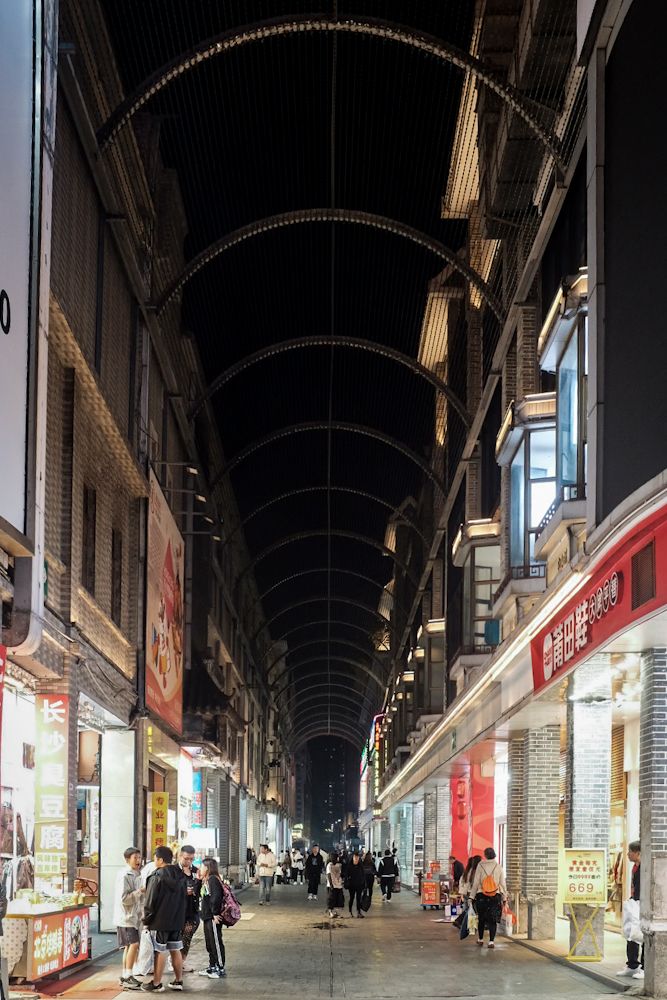
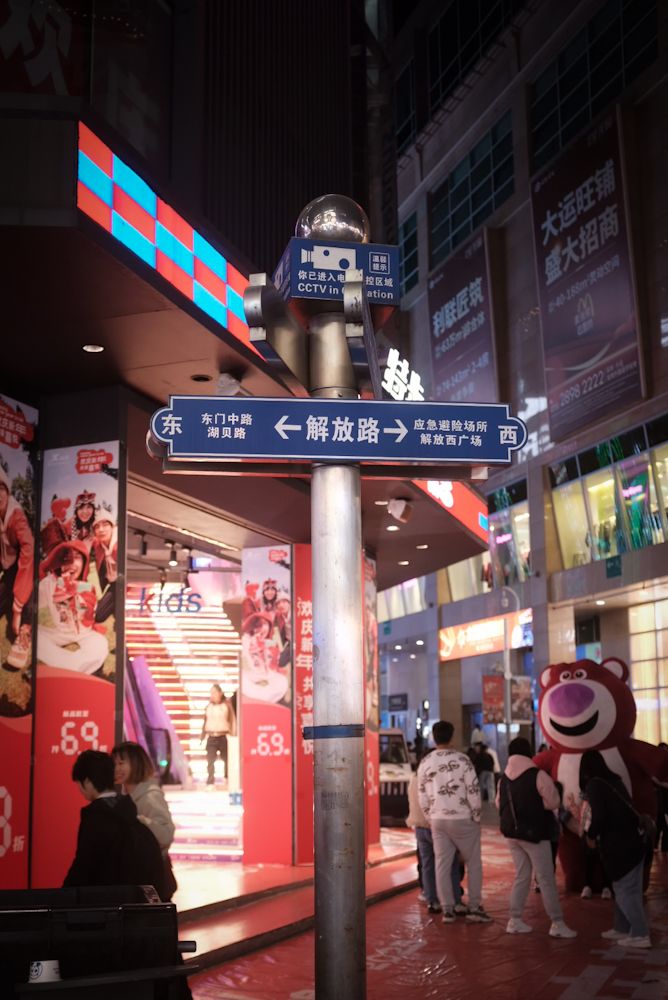
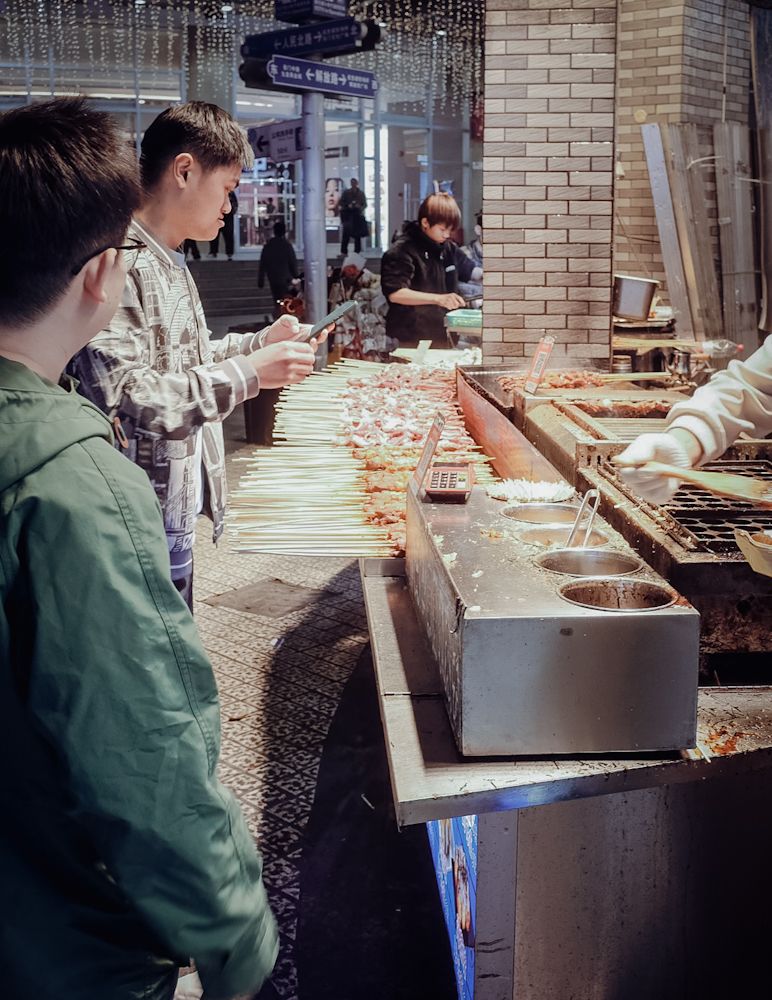
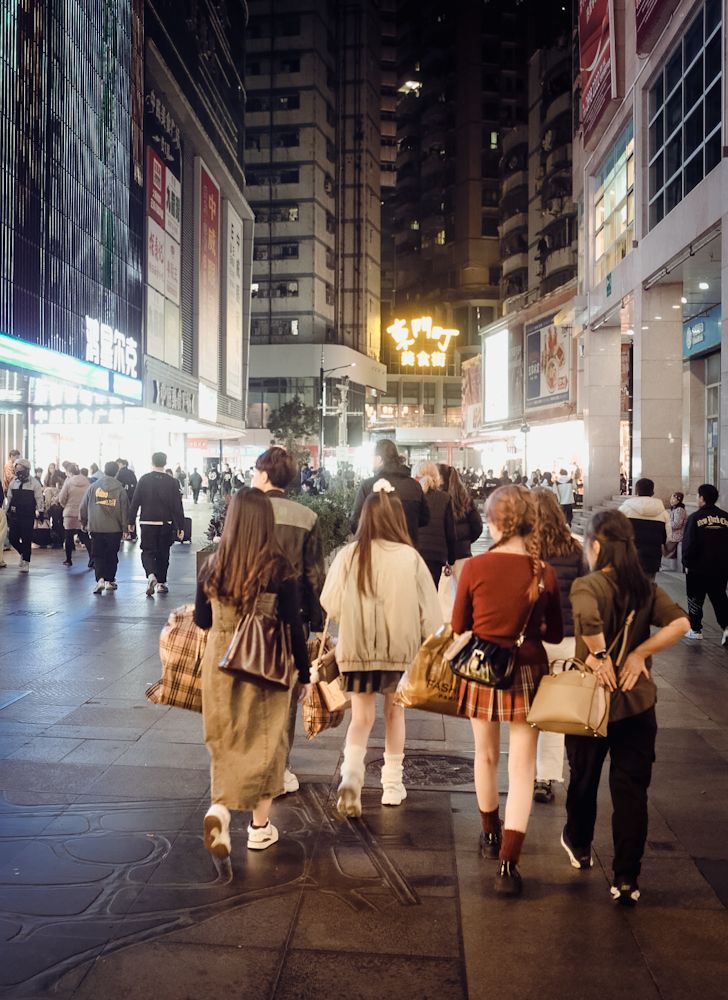
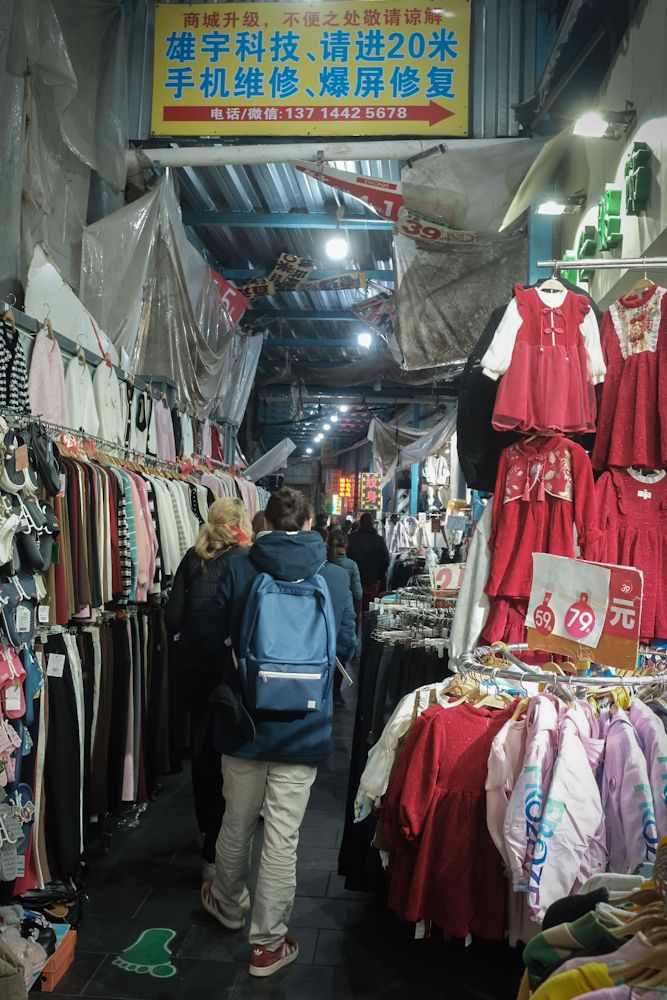
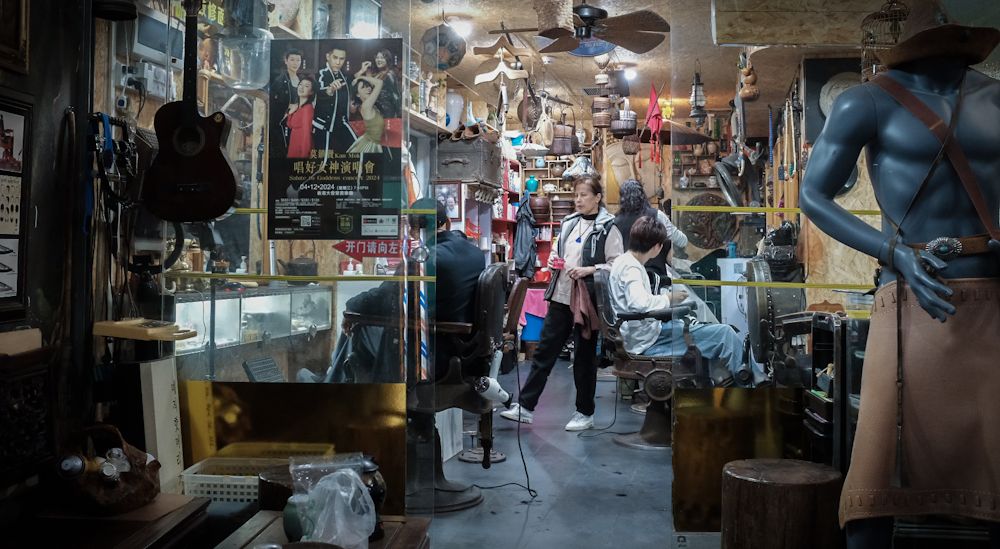
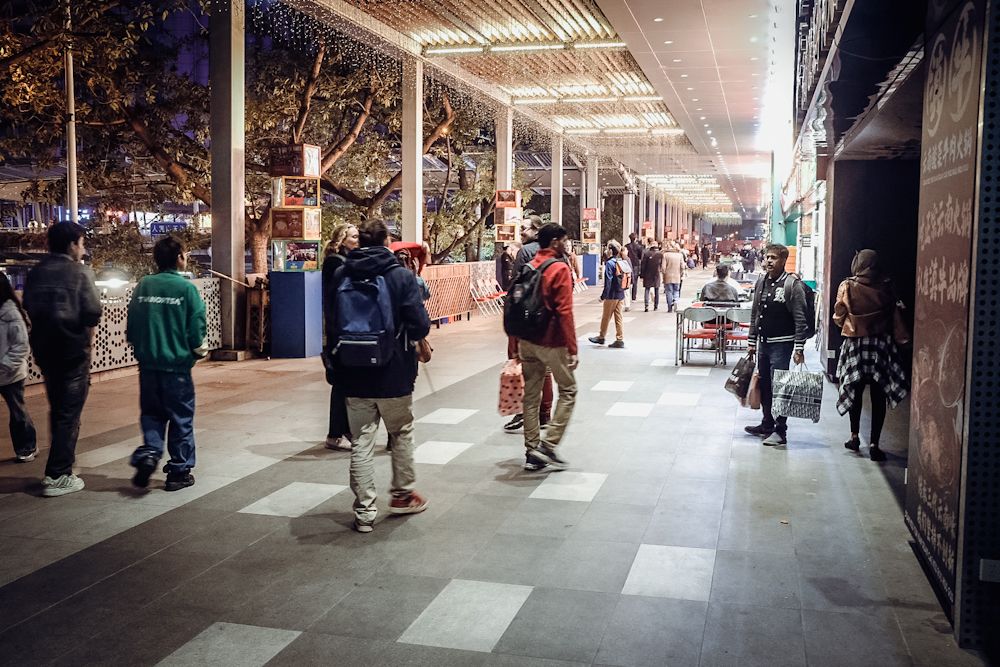
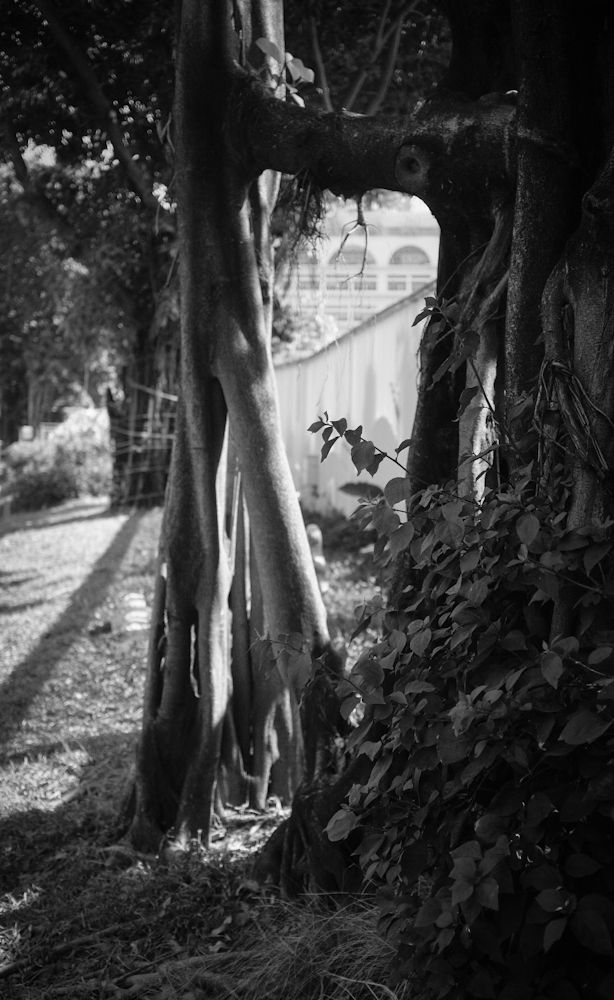
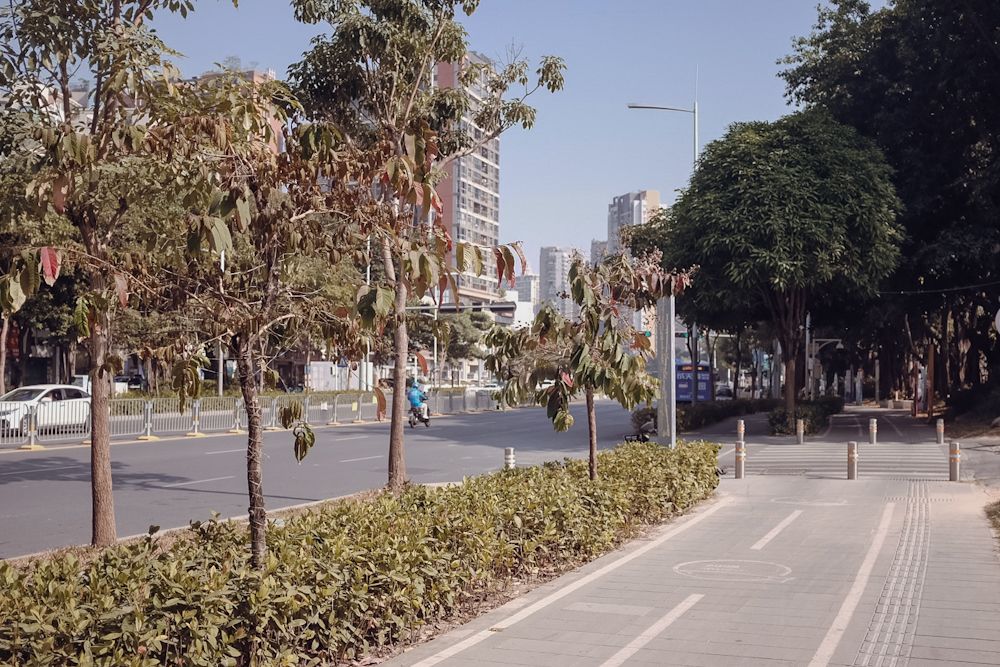
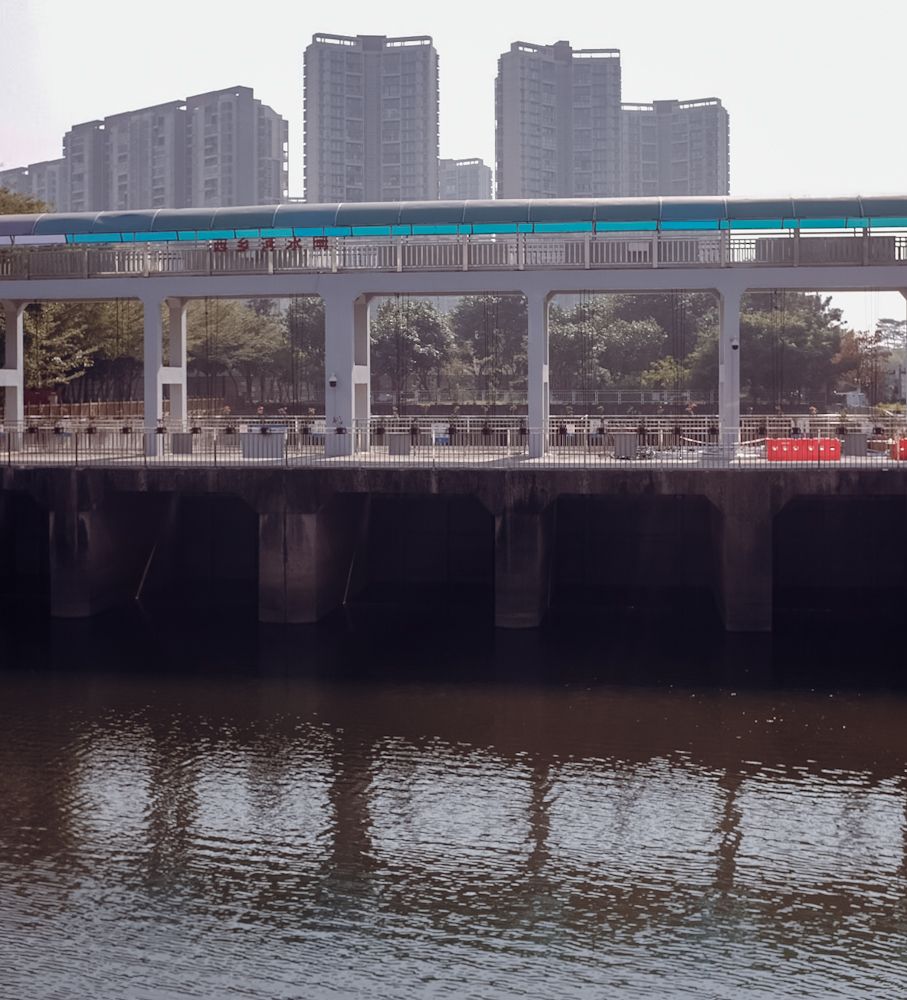
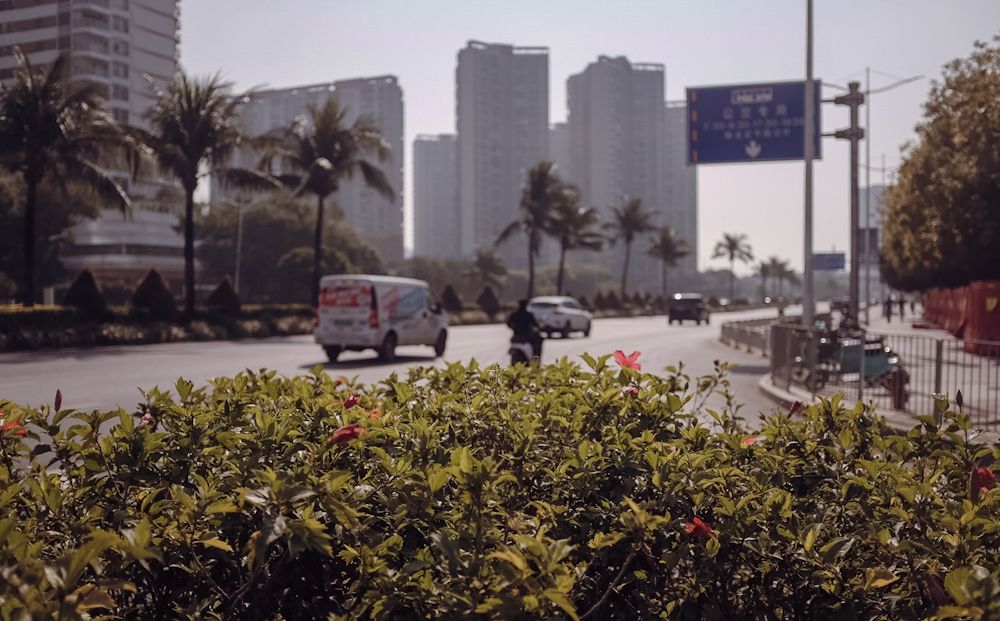
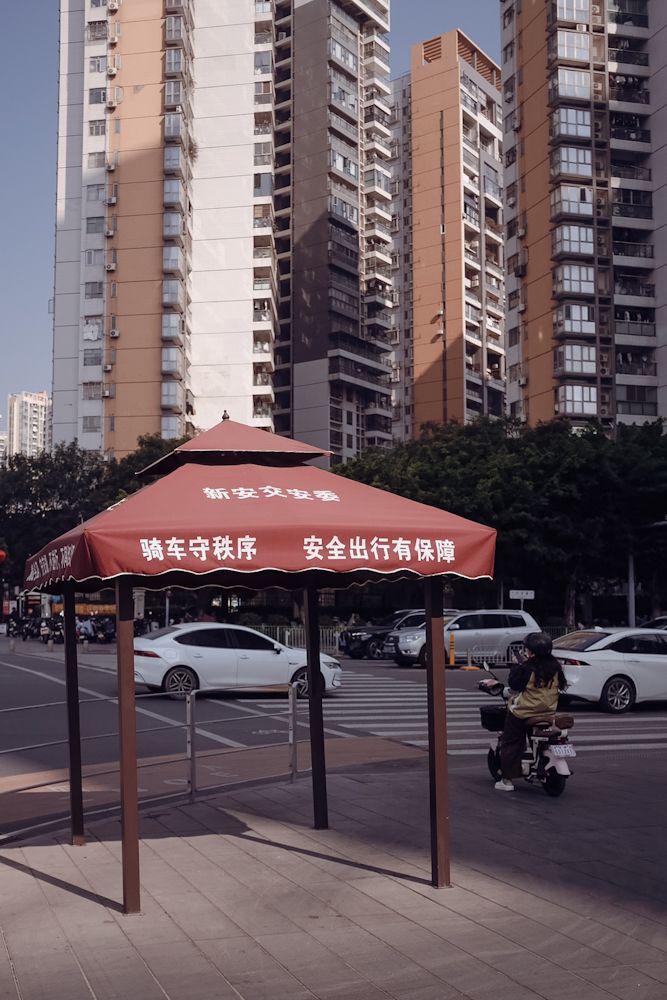
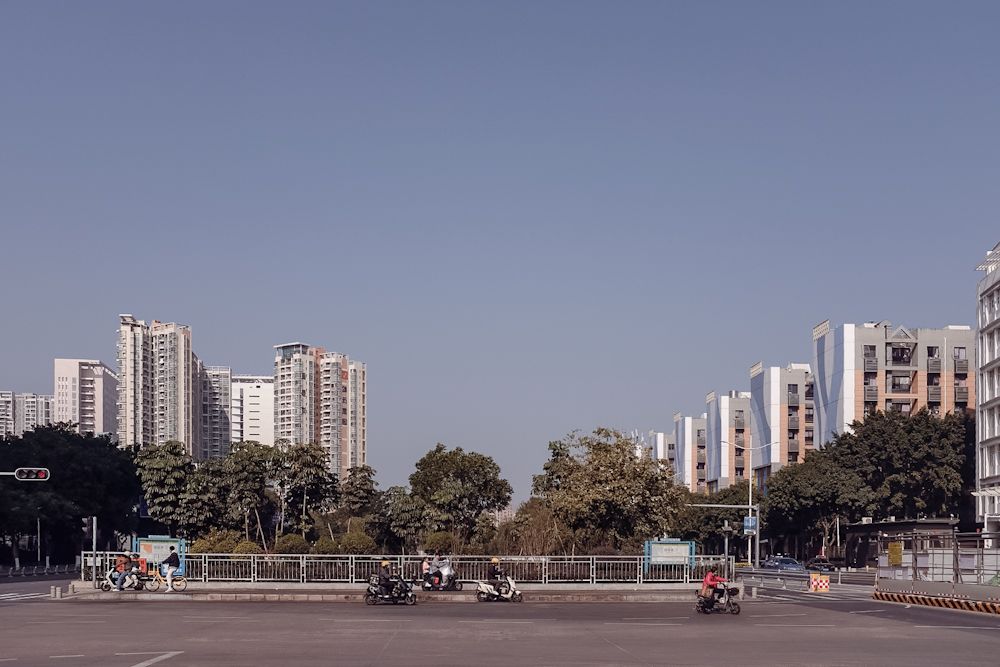
We strolled at a leisurely pace—perfect for soaking in the city’s atmosphere and capturing its essence through my lens. Michel patiently waited as I darted around, snapping shots like a dog owner indulging their pup’s curious sniffs. I was content to get my daily paces in while immersing myself in Shenzhen’s charm, the perfect start to a day of exploration.

We arrived back at the hotel, and I was starting to feel slightly peckish. What more could I need than a visit to McDonald’s to help me out? Two of the lads had been there the night before and shared their thoughts about everything—the similarities and differences. I just had to go and see for myself. I ordered a double Filet-O-Fish, a bamboo and chicken wrap, a large coke, crinkle-cut chips, and an Oreo McFlurry. It cost me a grand total of 75 yuan, which seemed very reasonable. The lads hadn’t enjoyed the wrap much, but I found it to be delicious, and it really hit the spot. At least a four out of five for me!

Stuffed full of McDonald’s and pleased with my morning’s wandering, I made my way back to the hotel, ready for a short rest before heading out again. Shenzhen by day had been a pleasant surprise—neatly parked mopeds, familiar-yet-different fast food, and a city that felt both vast and oddly welcoming.

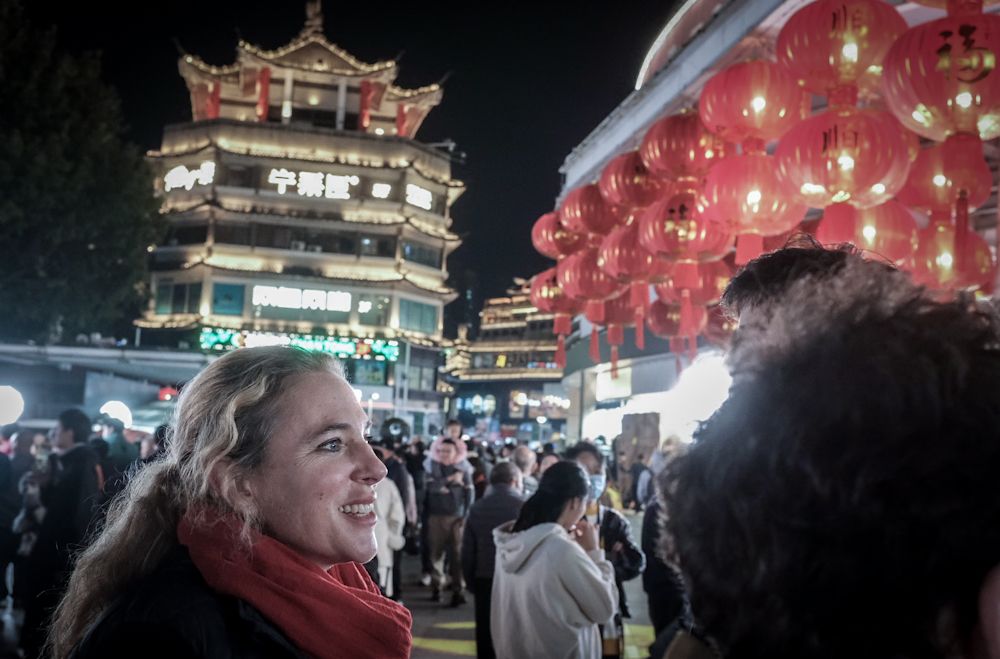
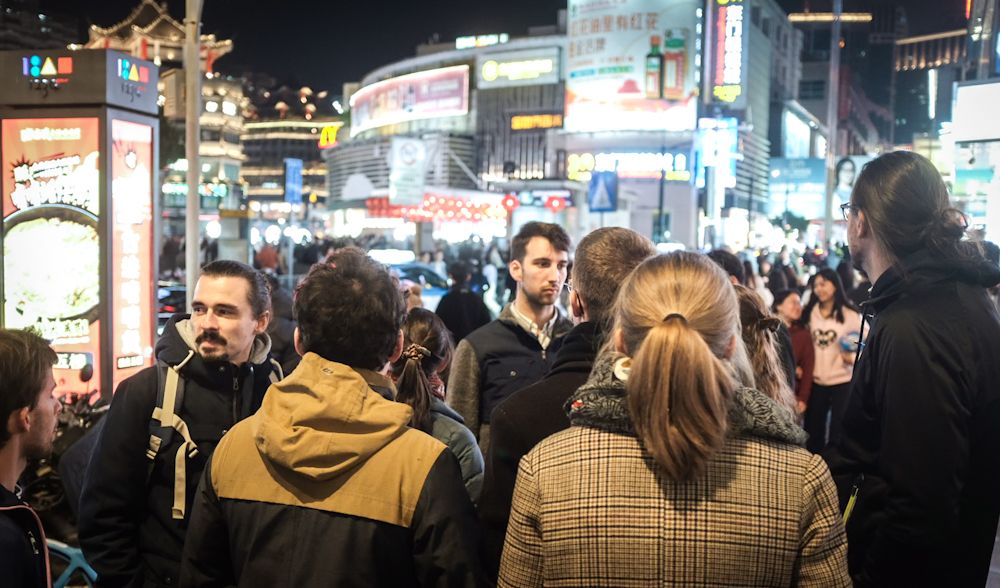
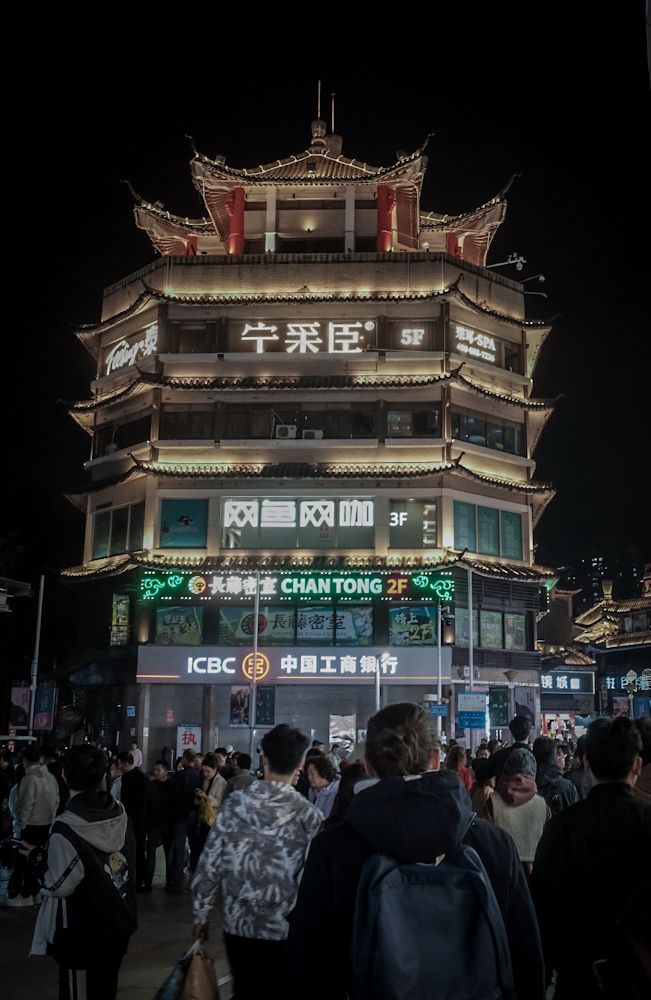
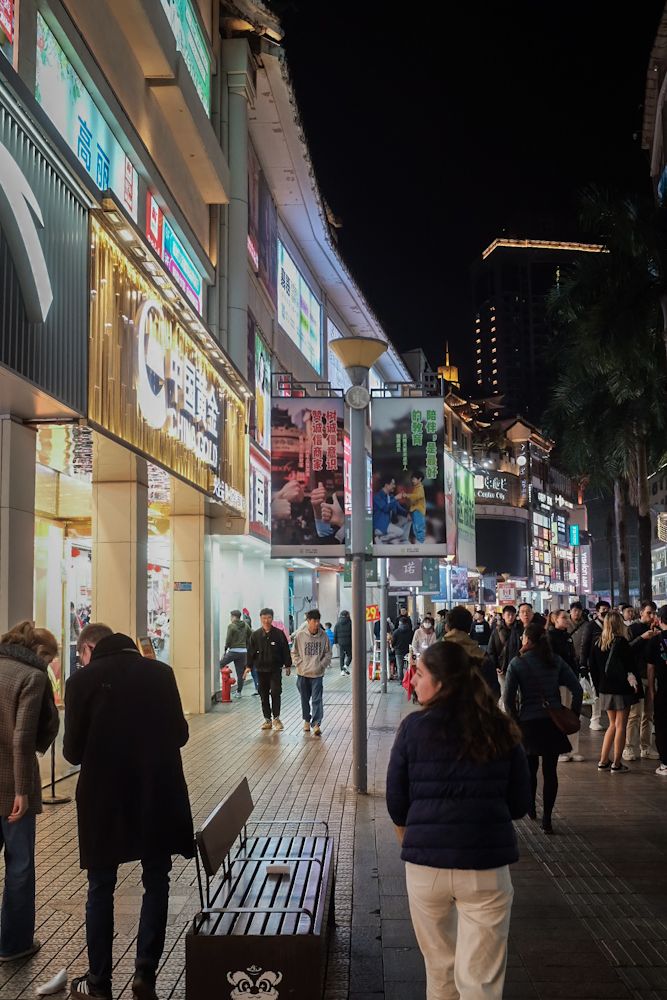
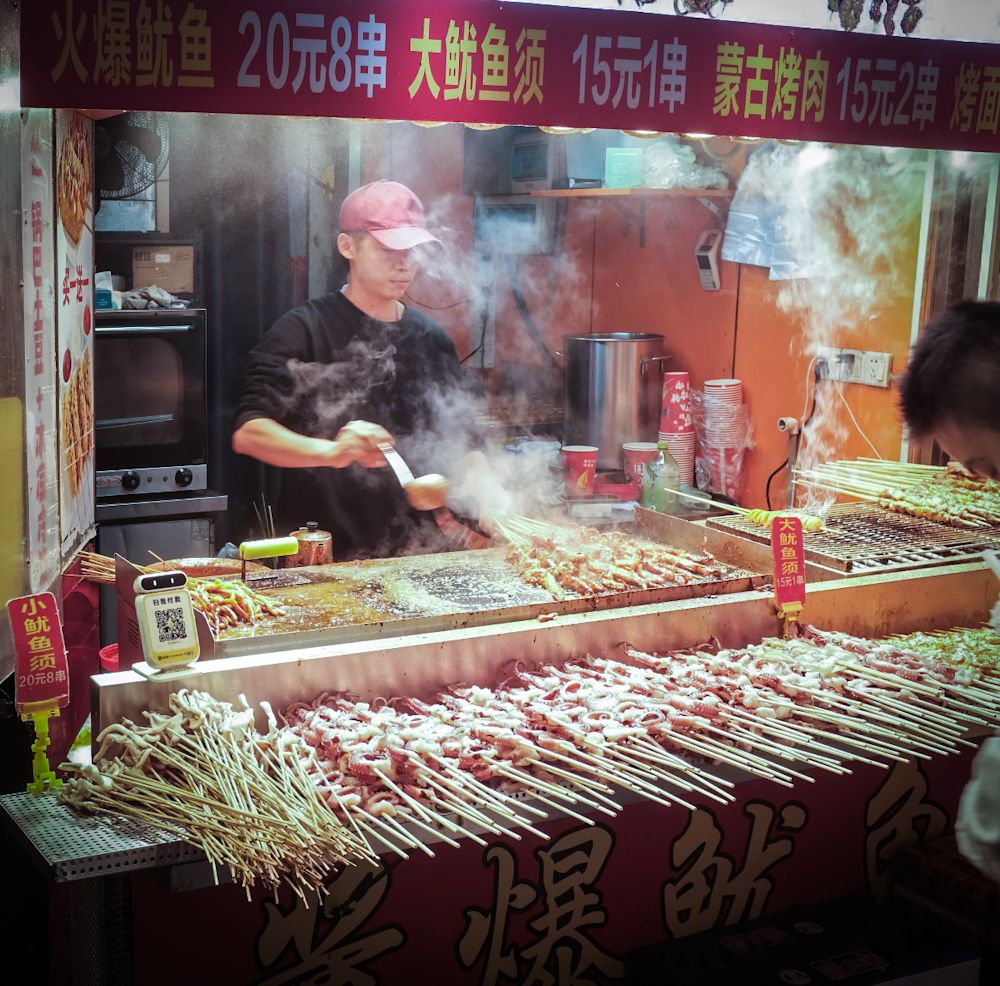
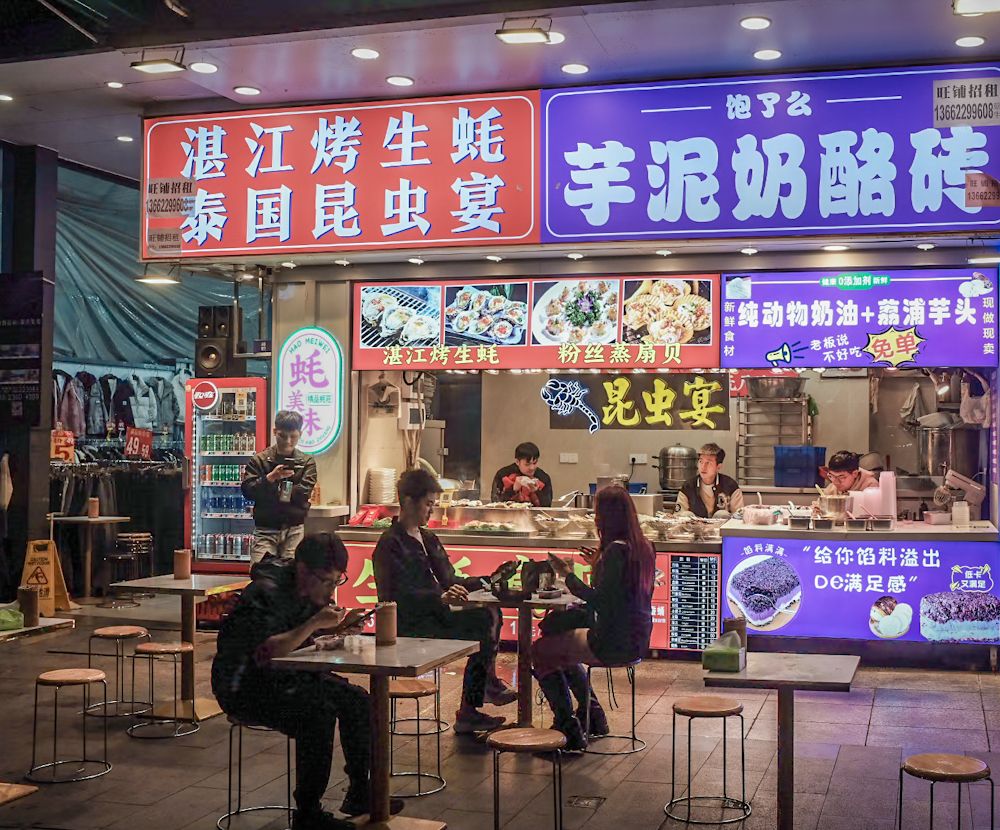
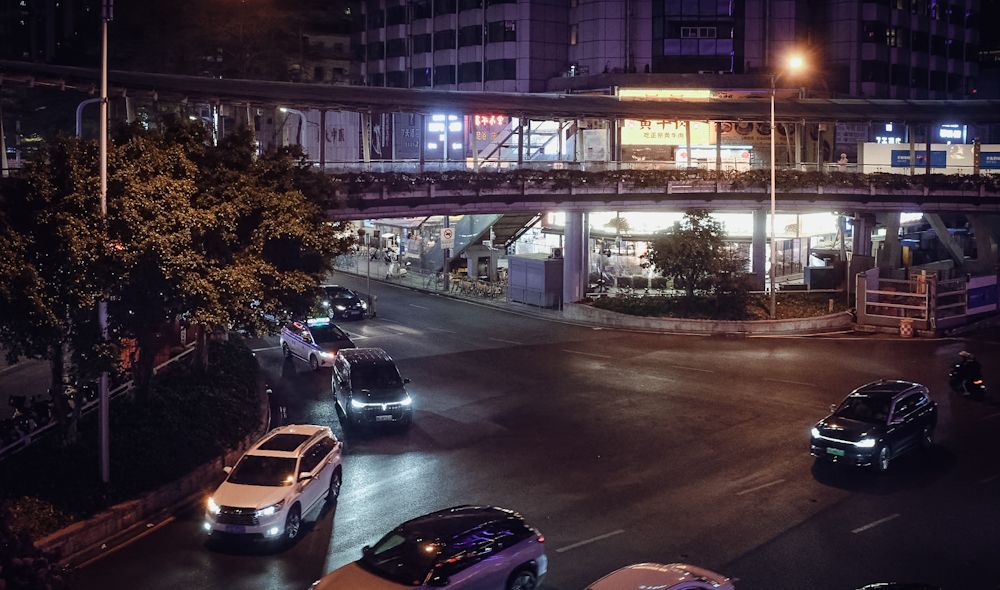
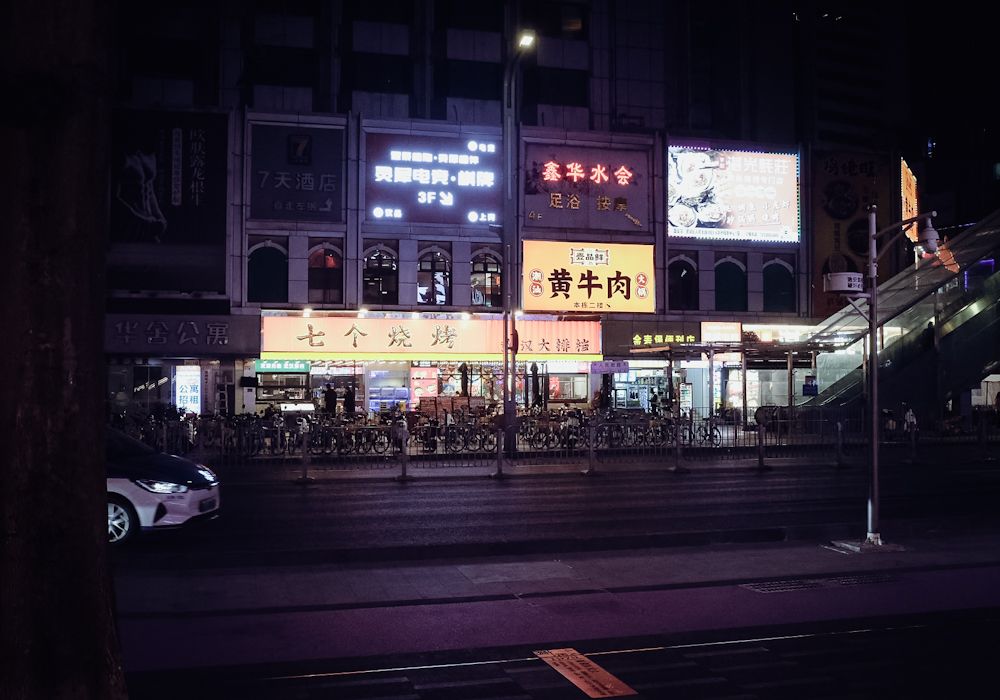
But Shenzhen by night? That was something else entirely. The streets lit up with neon, the air thick with the scent of street food sizzling away on open grills. Couples strolling, friends gathered around hotpot tables, and electric mopeds whizzing past, their riders silent but swift. The city didn’t slow down—it just changed gear.

With my camera in hand and my curiosity still buzzing, a whole group of us stepped back outside. Time to see what Shenzhen had to offer after dark.

Operation Shenzhen Nights was about to be launched…

China – YongZhou to Foshan


Boxing Day 2024

Now, you might think of accusing Uncle Ian of feeling a little delicate this morning after the previous evening’s “fun,” but I’m going to disappoint you. My head did not feel as if it had gone through 10 rounds with a certain Mr Tyson, though I will admit to feeling a little tired. Slightly less bright-eyed and bushy-tailed than I’ve known myself to be. Will that satisfy you? Good, then we shall move on. Today’s destination was Foshan, much further south, and our first stop in Guangdong Province.
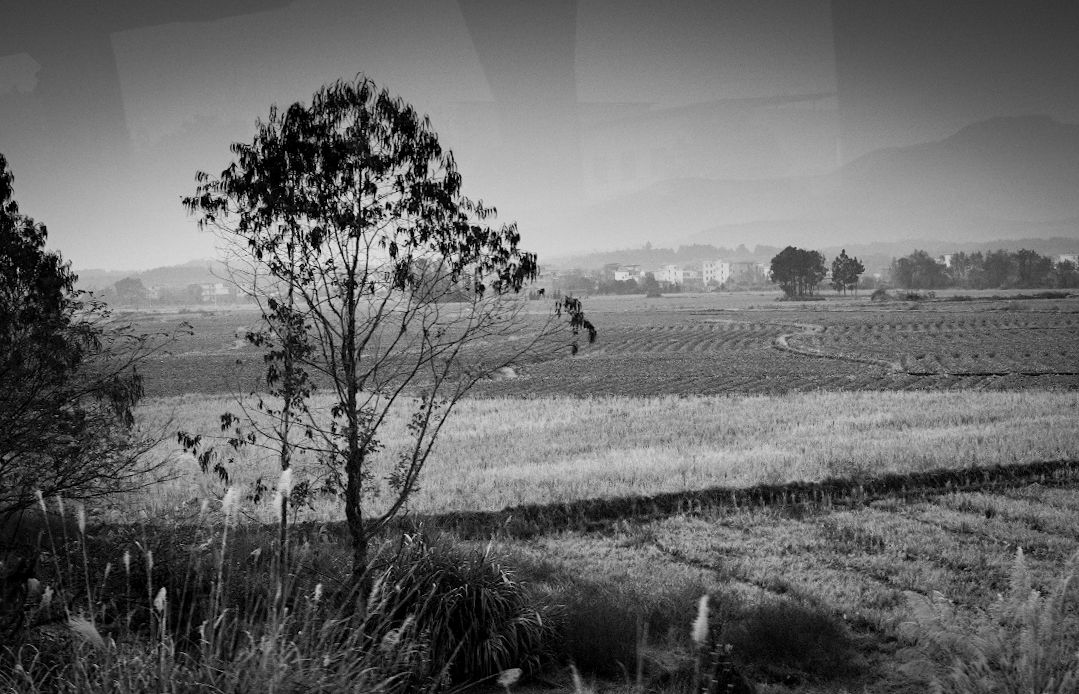
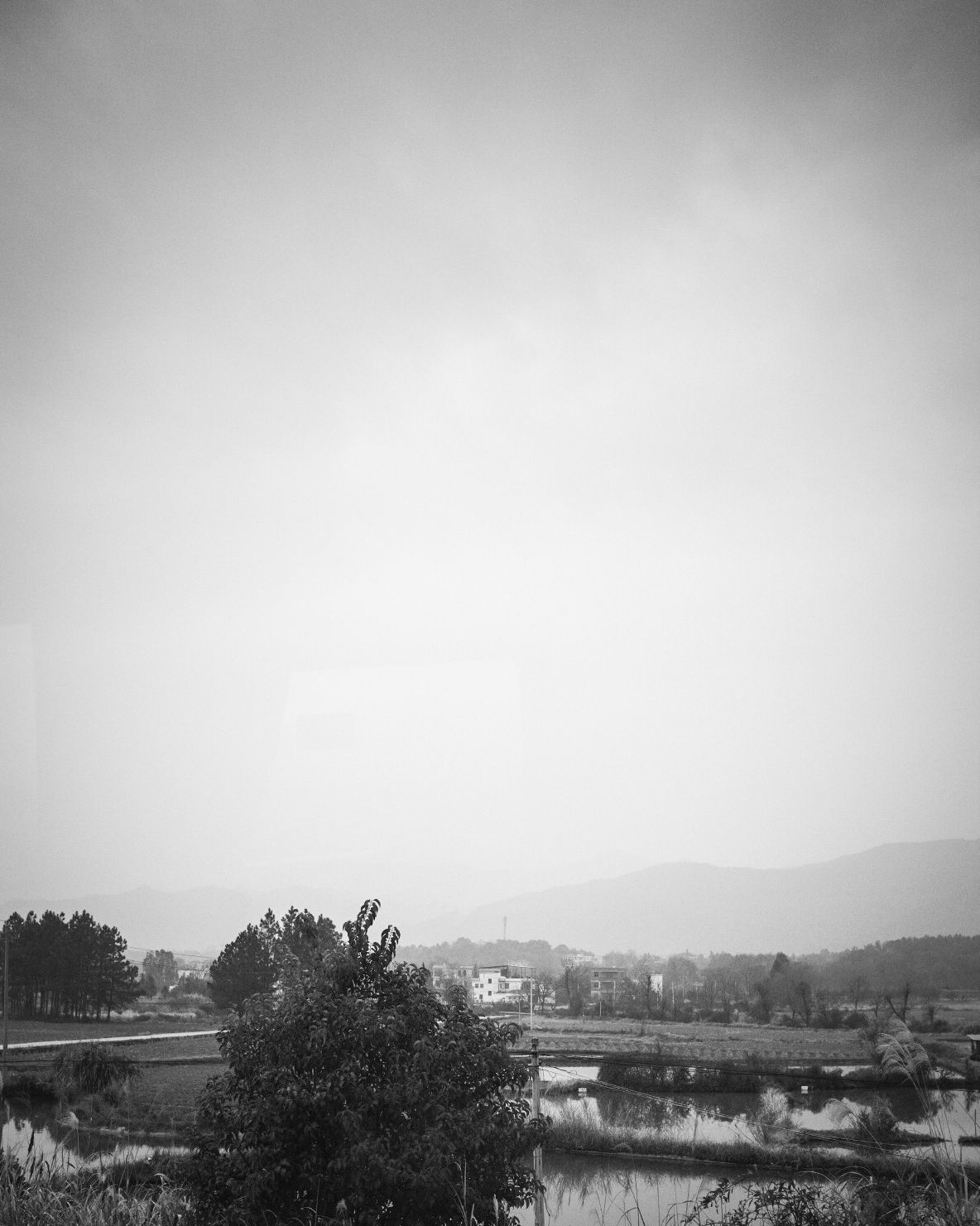
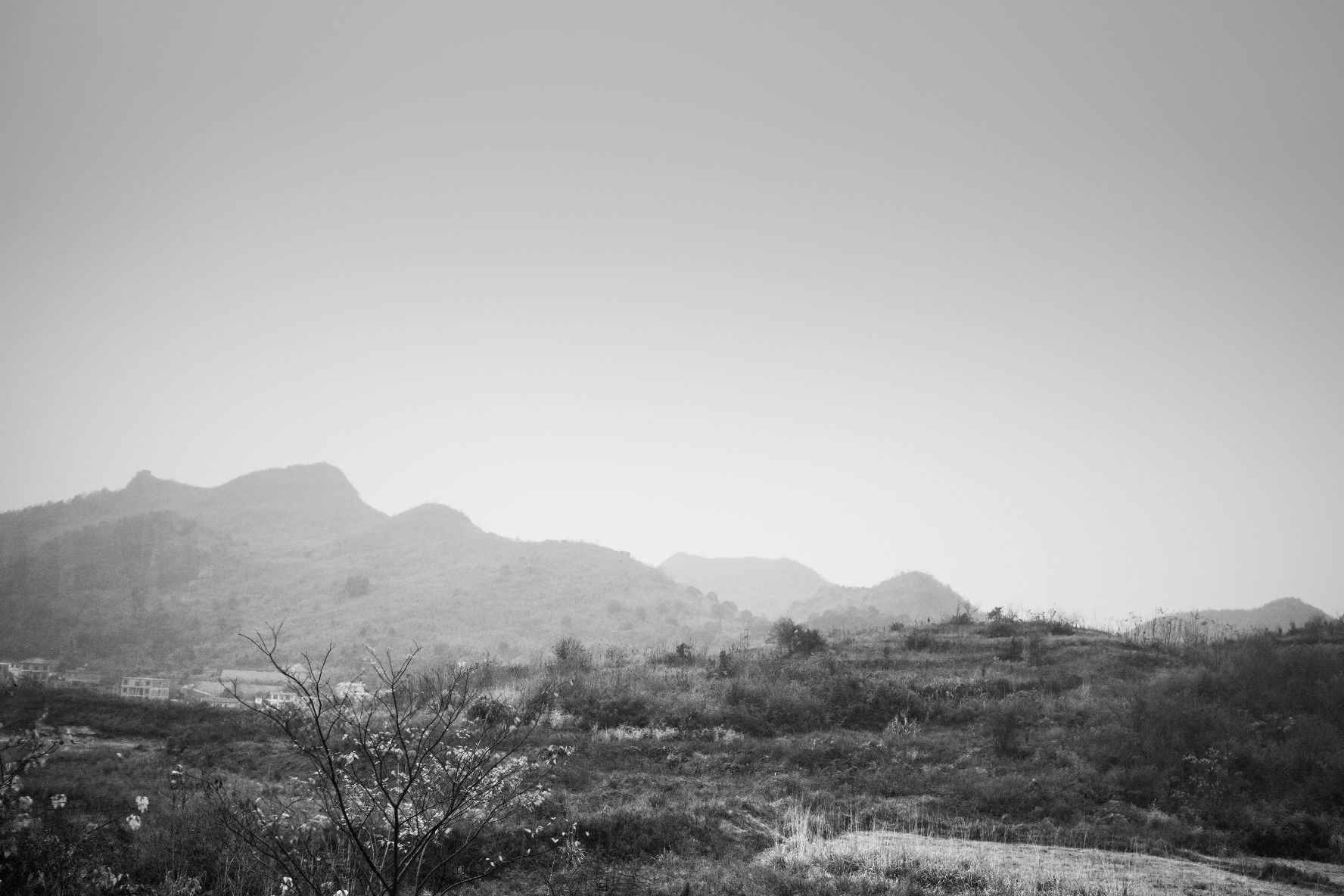
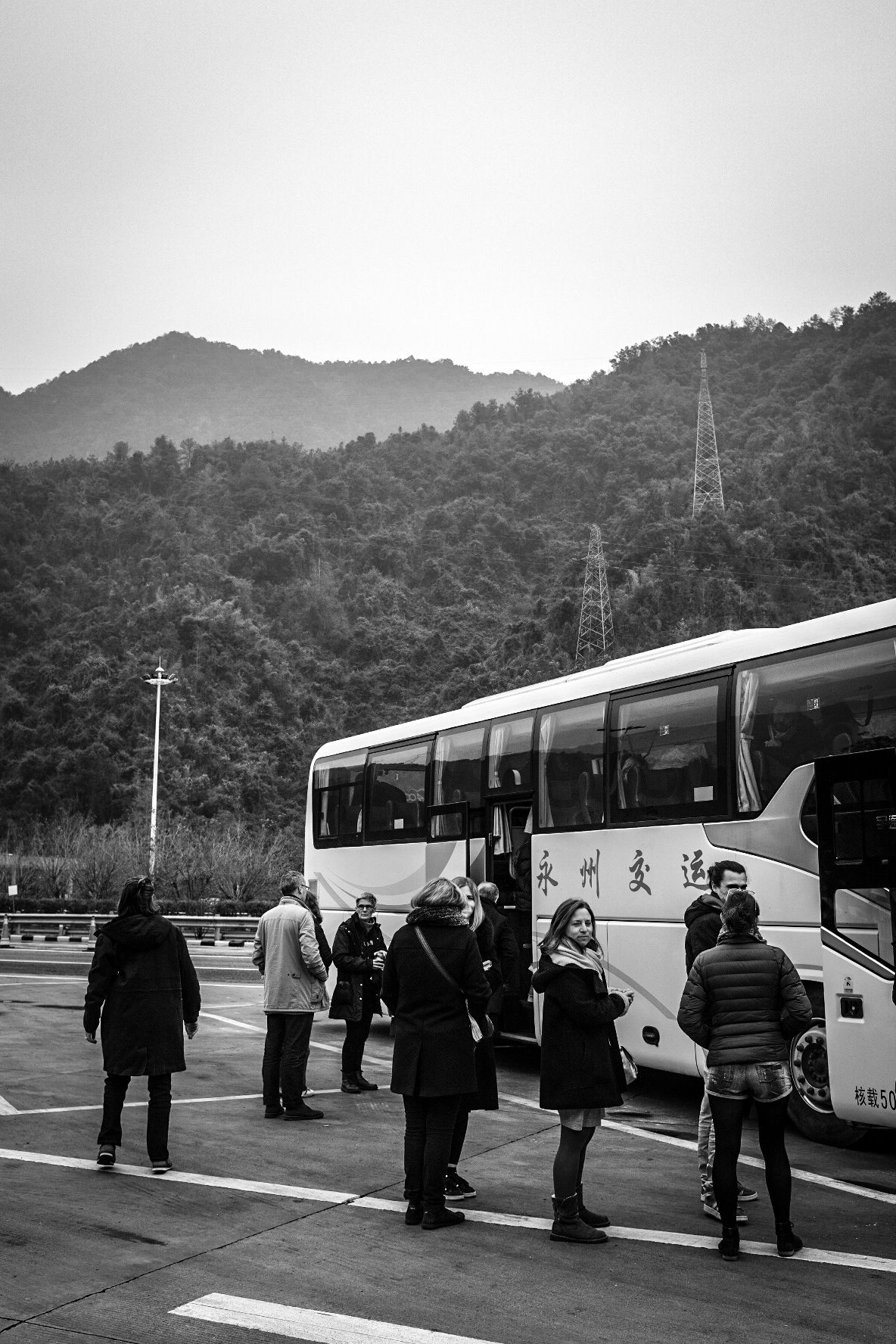
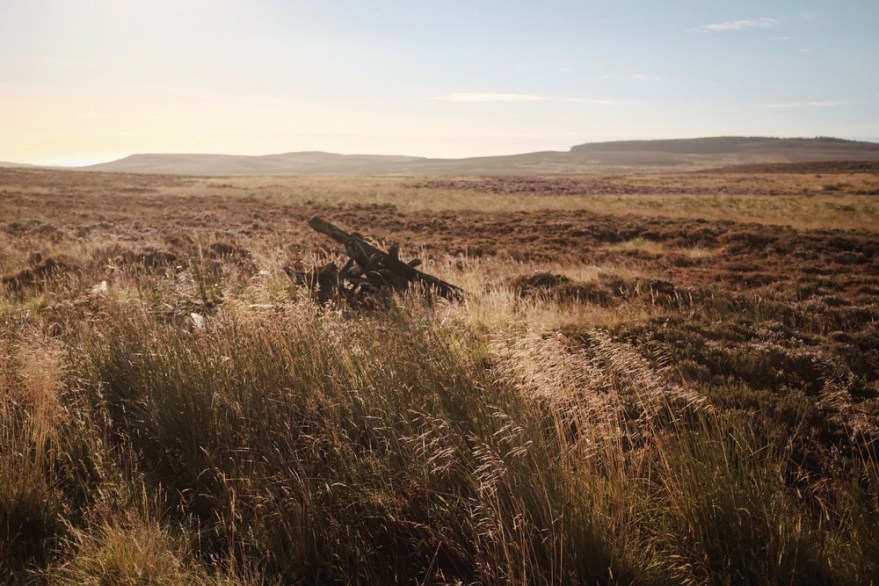
We were to have a mere 500km bus ride to Foshan. I decided to be anti-social and put my headphones on, just staring out of the window. A more relaxed way of passing the time and something that allowed me to simply take in the countryside. And what countryside it was. Now, the Vendée, where I live, isn’t exactly known for its mountainous terrain. Think more Jane Birkin than Marilyn Monroe—flat, laid-back, and subtle. At first, I didn’t realise what the trees were; some appeared bent over and broken. I just thought they were very young trees, before eventually cottoning on to the fact that I was looking at bamboo forests on the hillsides. They reached high up, gently moving with the wind. It was something I had never witnessed before.
We passed houses and farms along the way too. Again, a stark contrast to the cityscapes we had previously contemplated.

There was, of course, the inevitable “stop pipi,” and we all shuffled into the service station, which still wasn’t selling overpriced sandwiches. But the snacks available were certainly something to behold.

Now, you may be wondering if I partook in the tasting of these delicious-looking snacks. I did not. I was afraid they might be a little on the spicy side. Otherwise, absolutely no problem with eating poultry feet. Really, none whatsoever! I ended up getting something that vaguely resembled a chicken burger. Cheap, filling enough, and actually quite nice!

We arrived at the hotel. Before lunch—well, you know the drill: passports, room keys, and then we could finally eat. By now, I was really getting into Chinese food, and my chopstick funk was over. I was back in form! I managed to grab a couple of photos of the table we were eating at to show you, Dear Reader. The central turning platter took up most of the space and, by the end of the meal, was piled high with dishes that were certainly on the interesting side. In French, we say “tout est bon dans le cochon,” as a means of justifying eating the whole animal. In China, there is no mistaking what you’re eating. The whole beast goes into or onto the serving plate. Even the chicken’s head and feet. It was on this day that I ate tortoise for the first time. It was delicious! I think I had to get over any Western superiority complex I may have had and just eat what was in front of me. It would save trauma later on, and my belly would be full. Oh, sweet ignorant bliss!

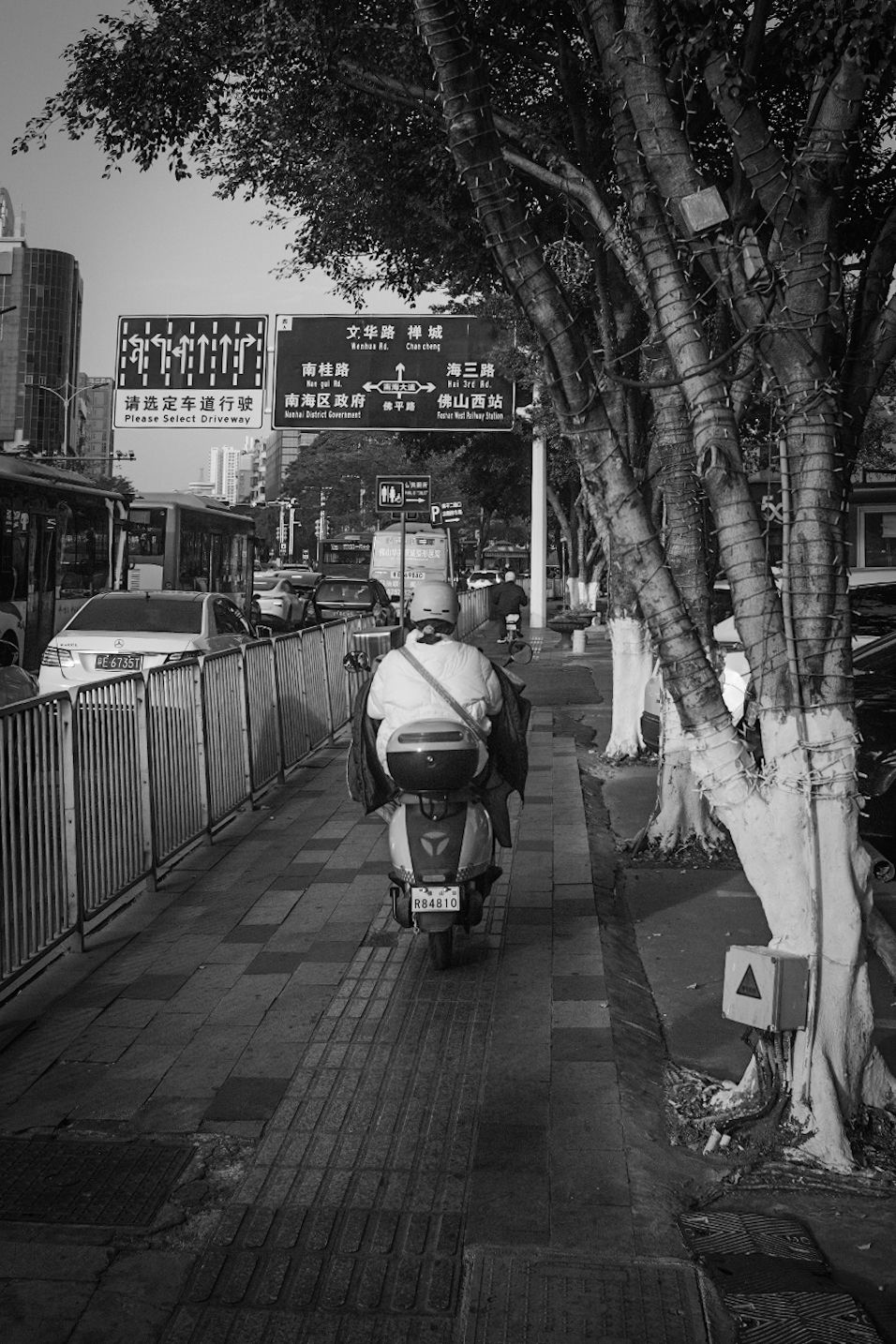
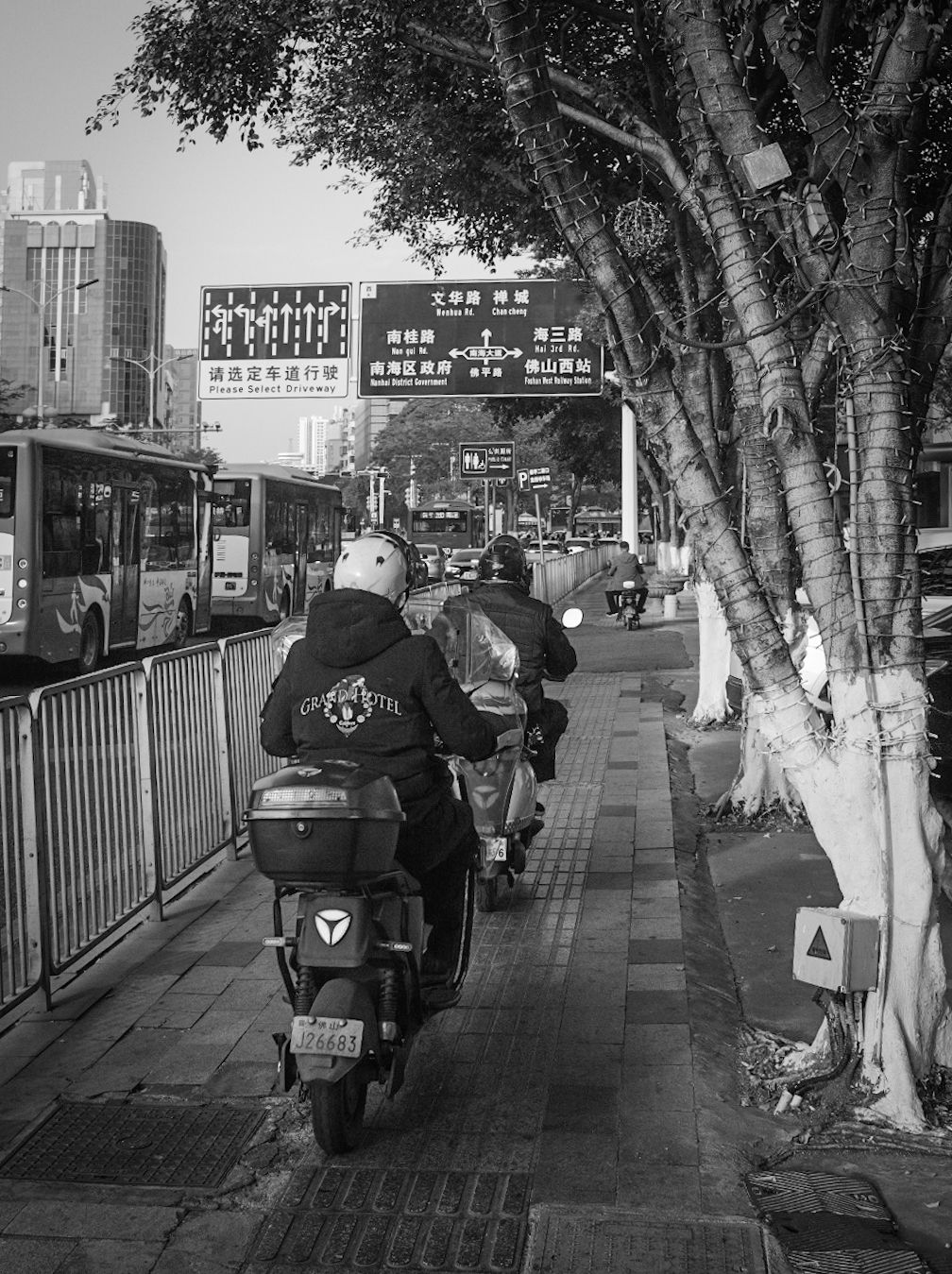
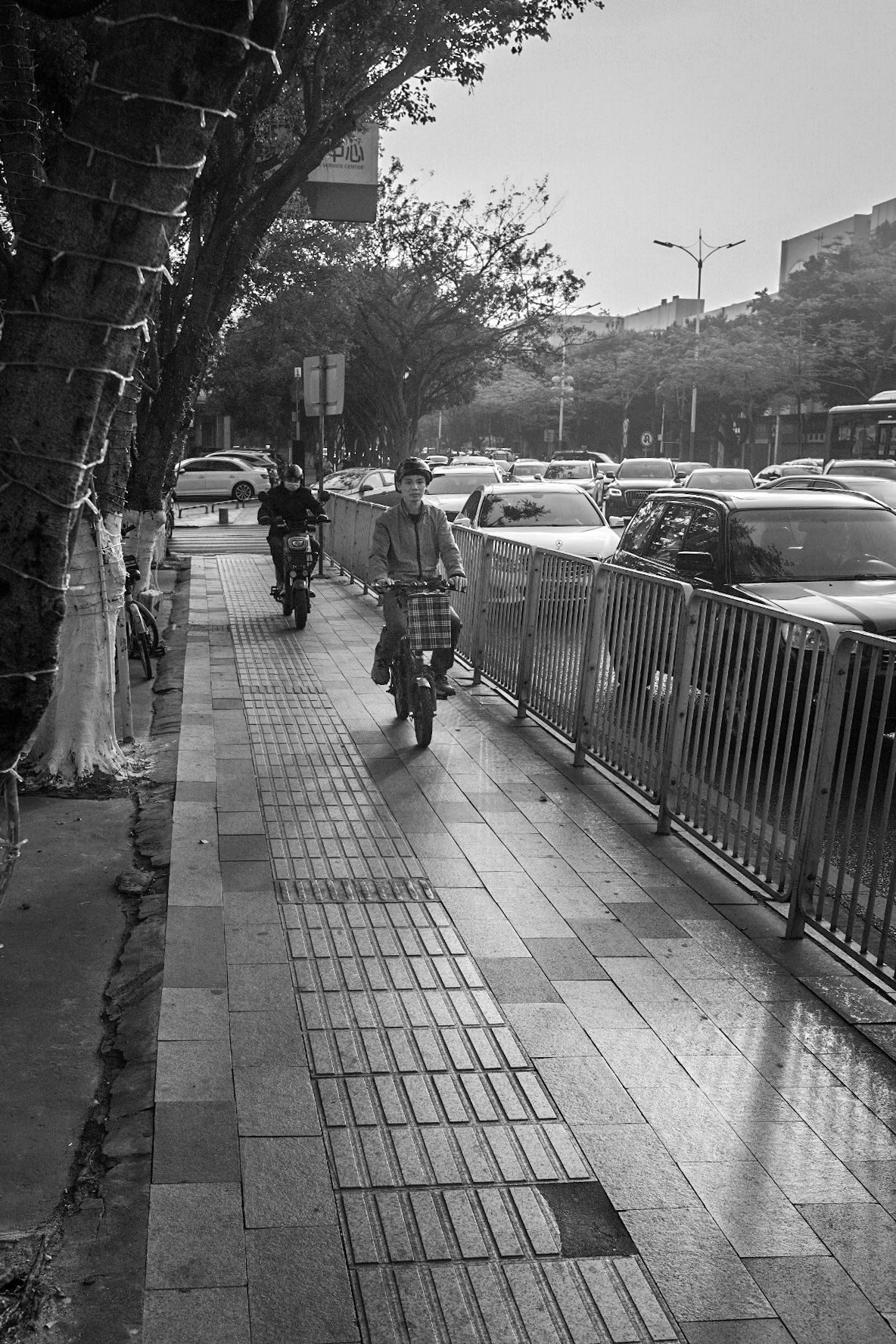
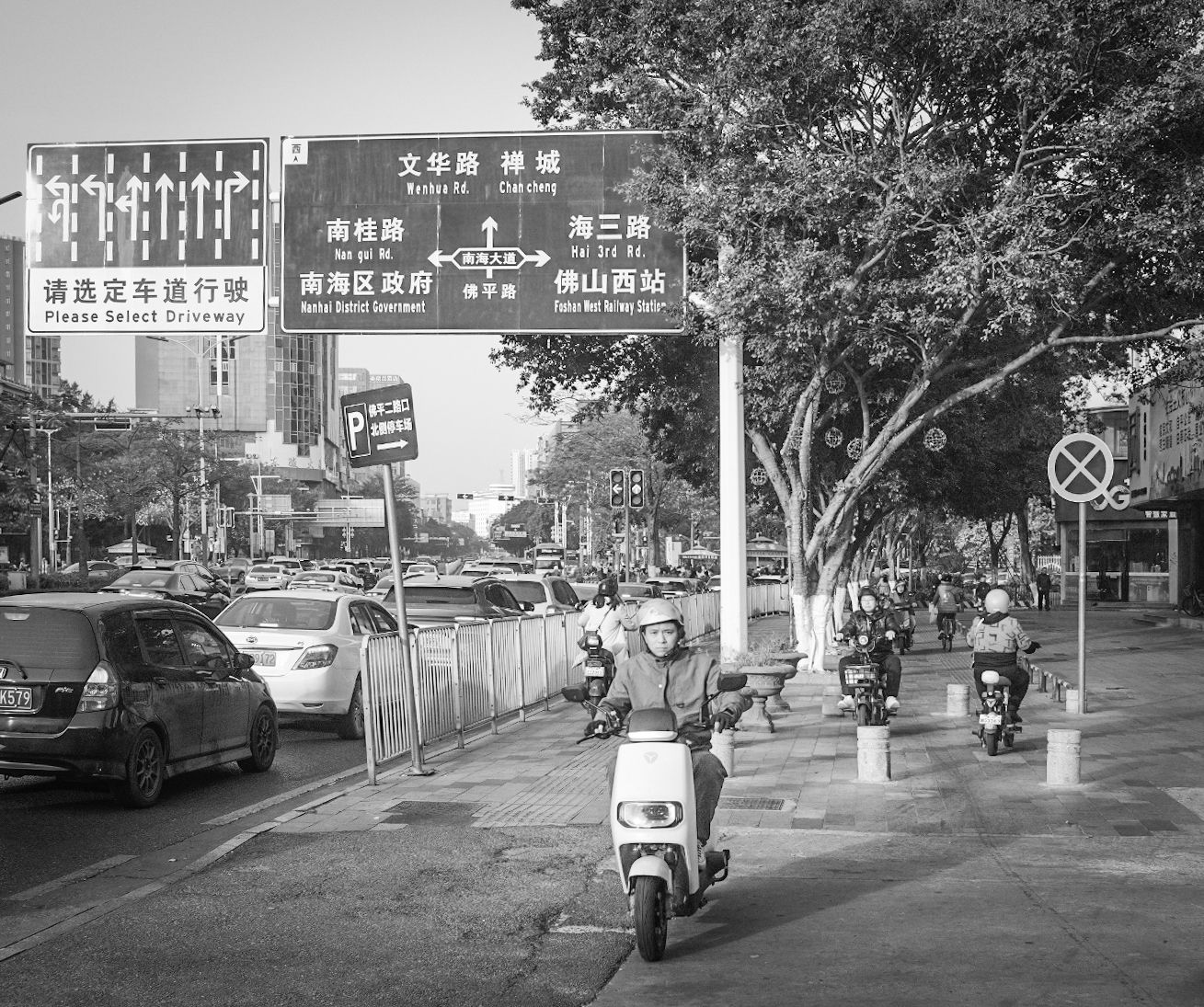
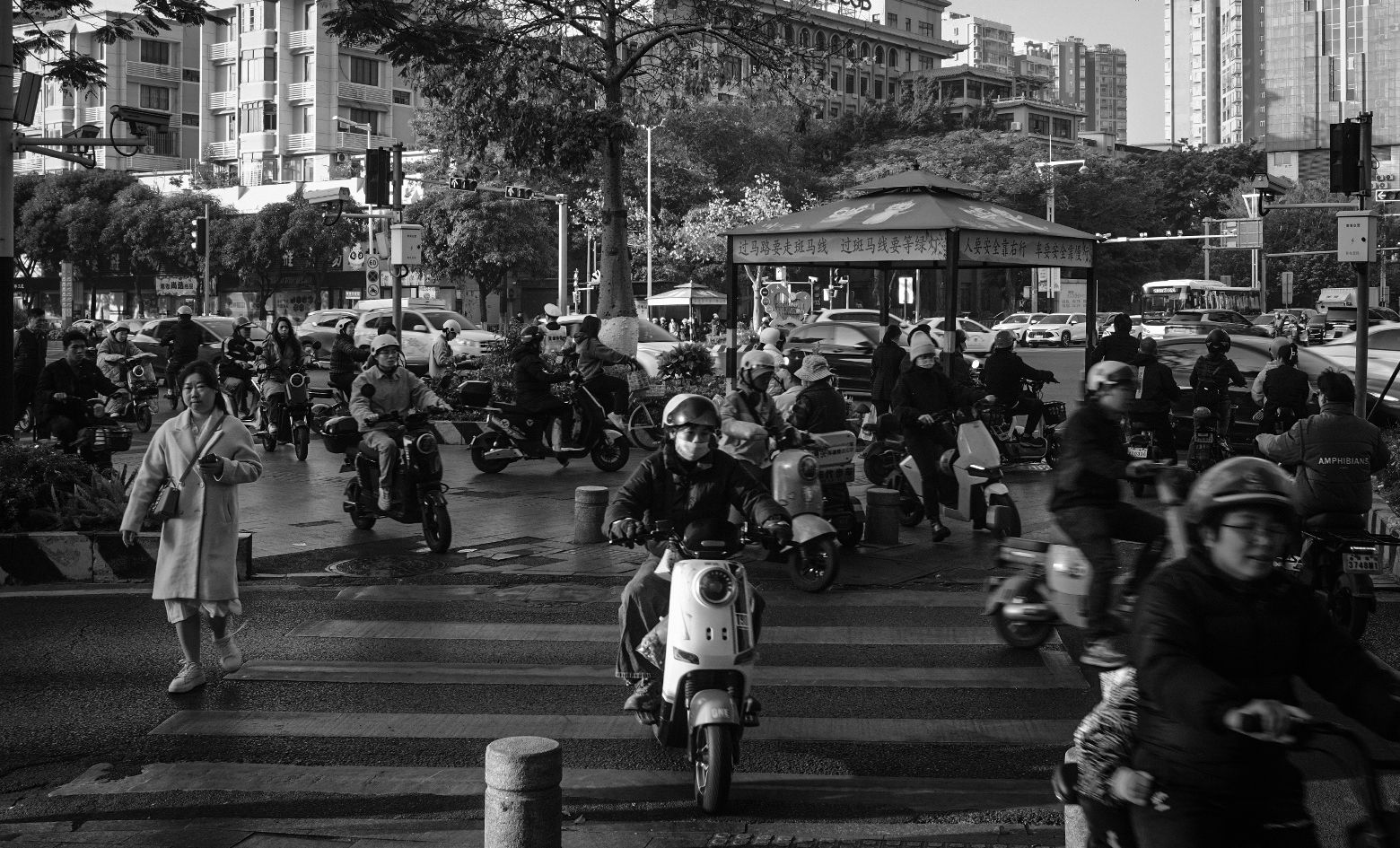
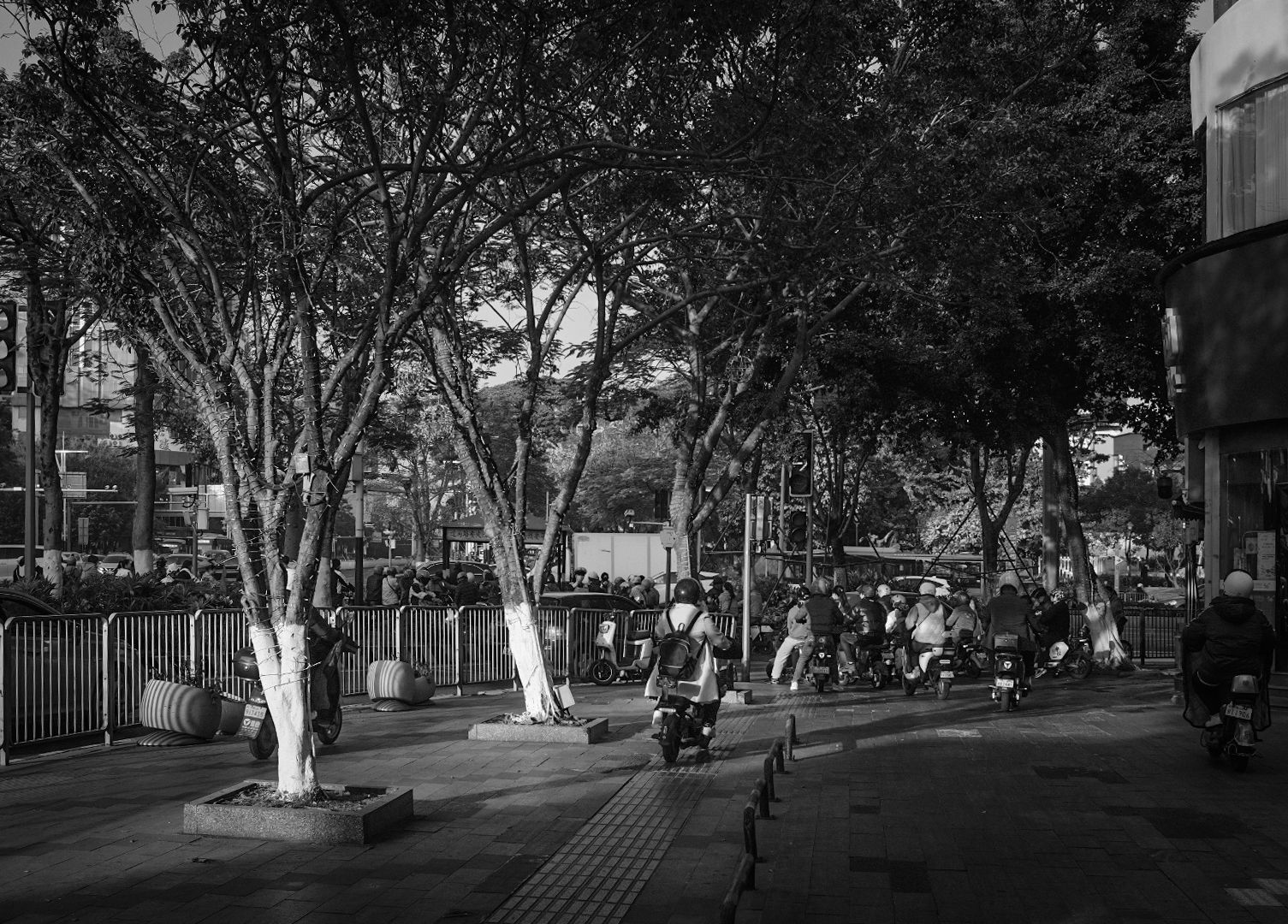
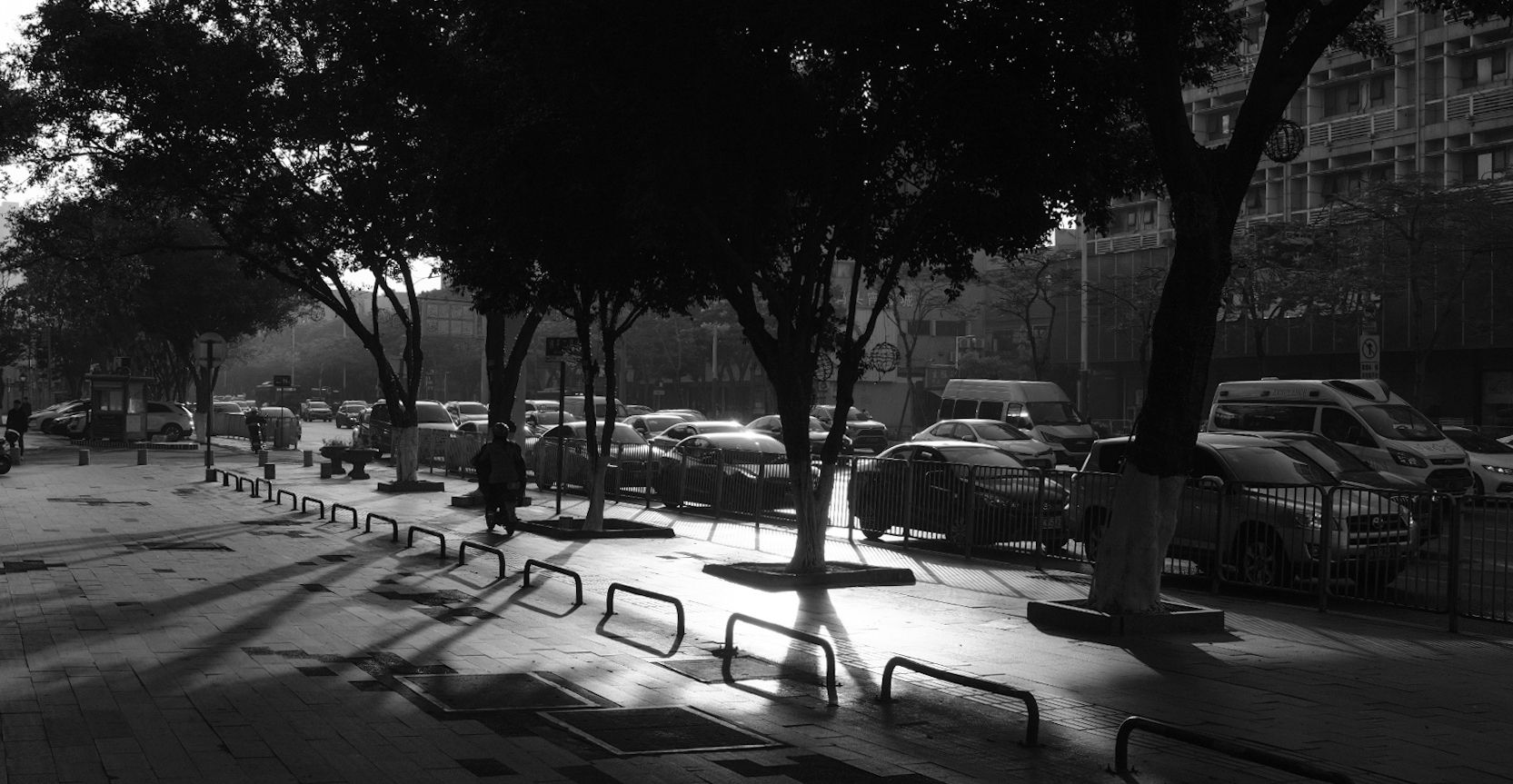
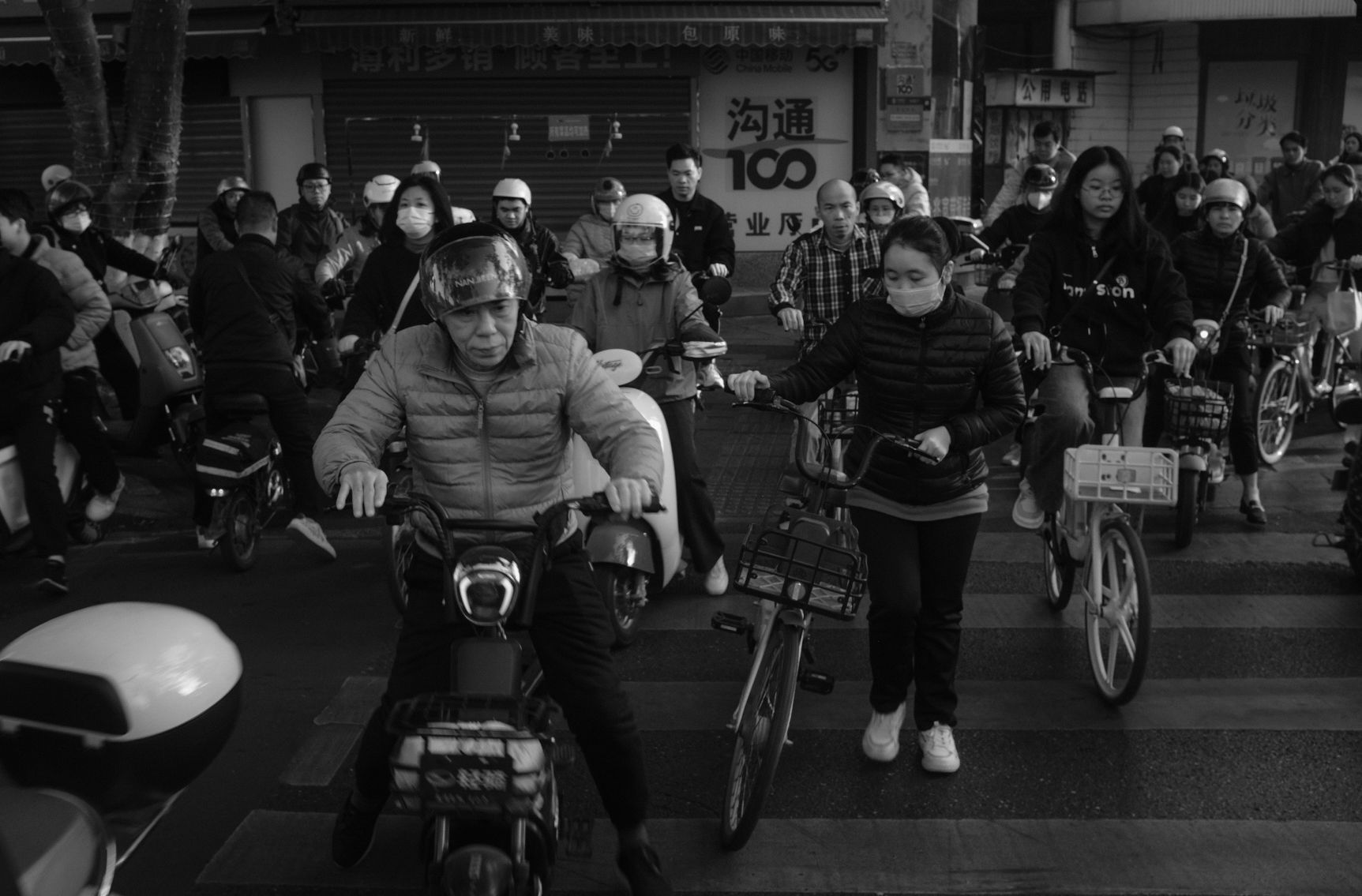
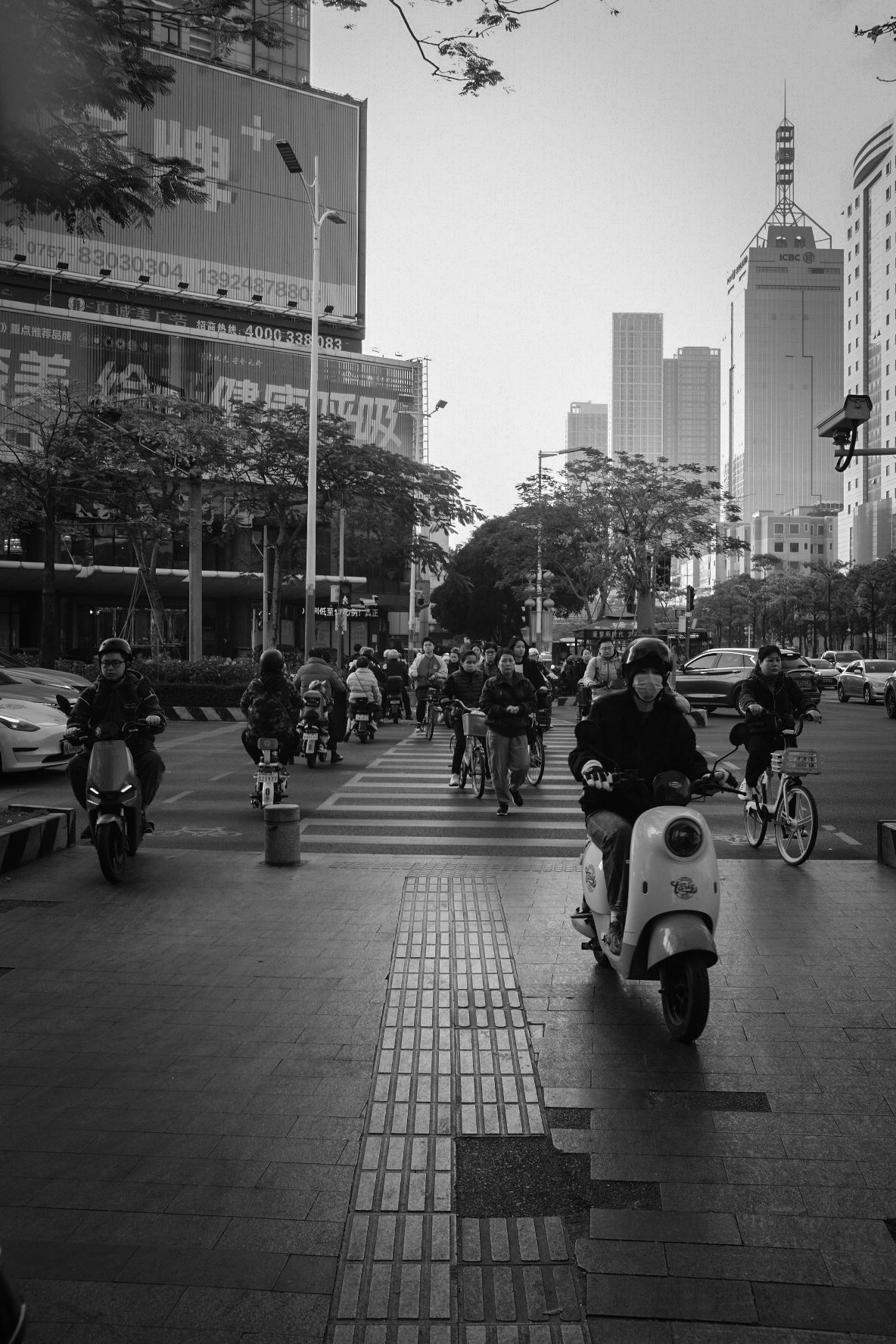
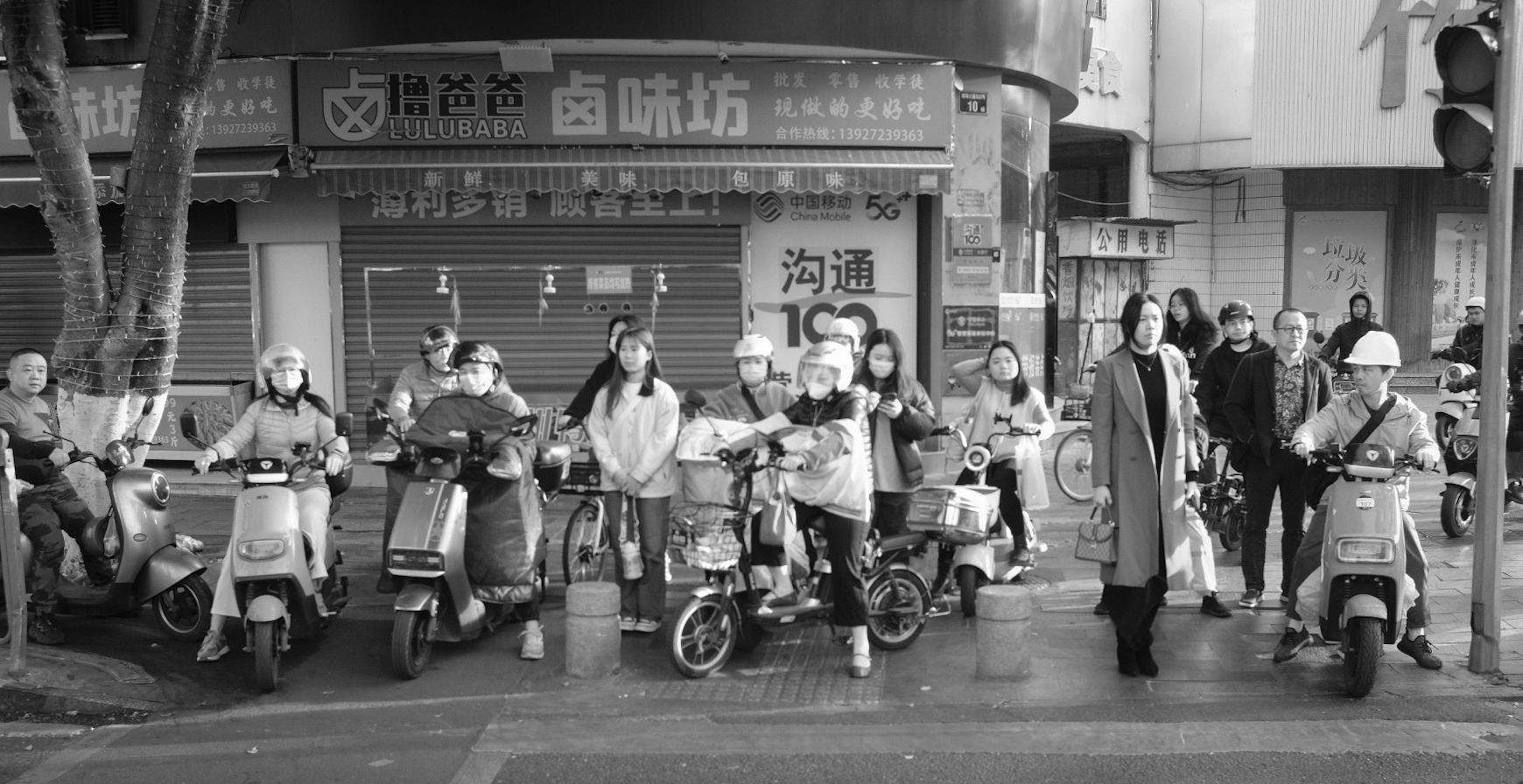
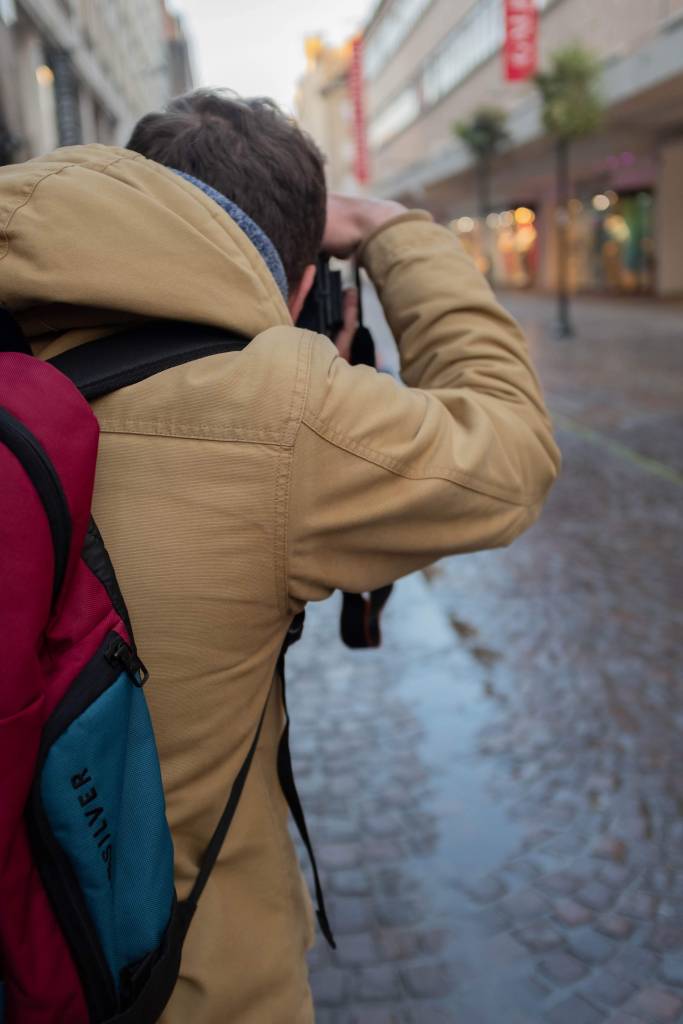
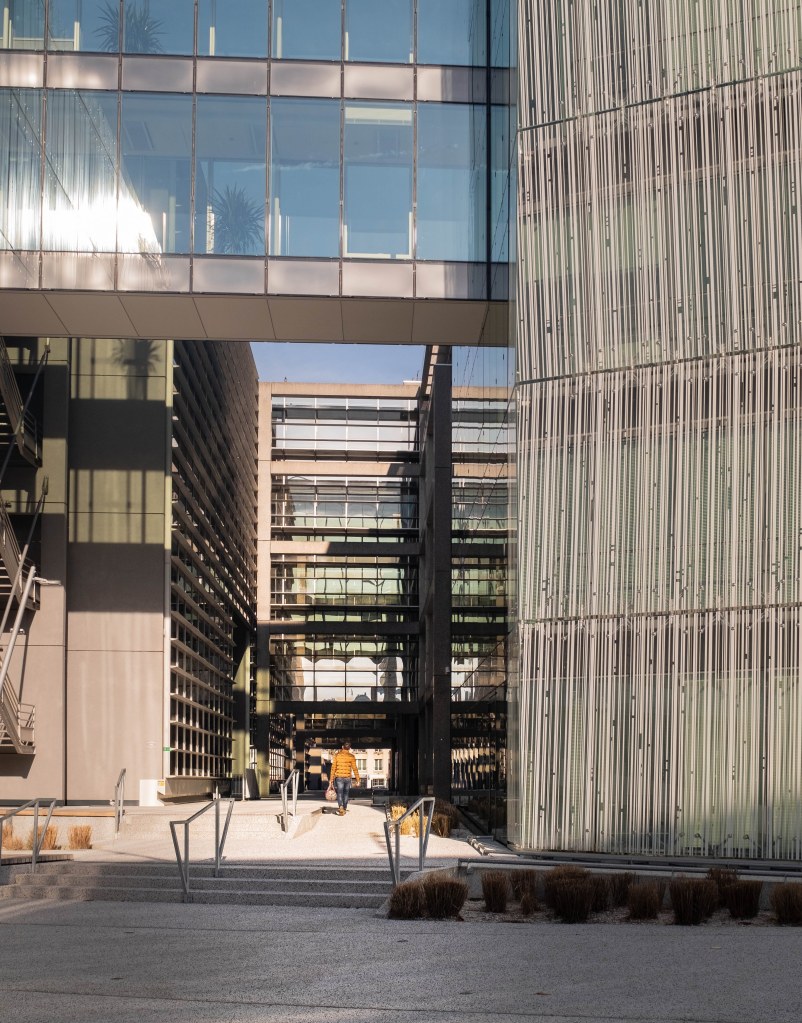
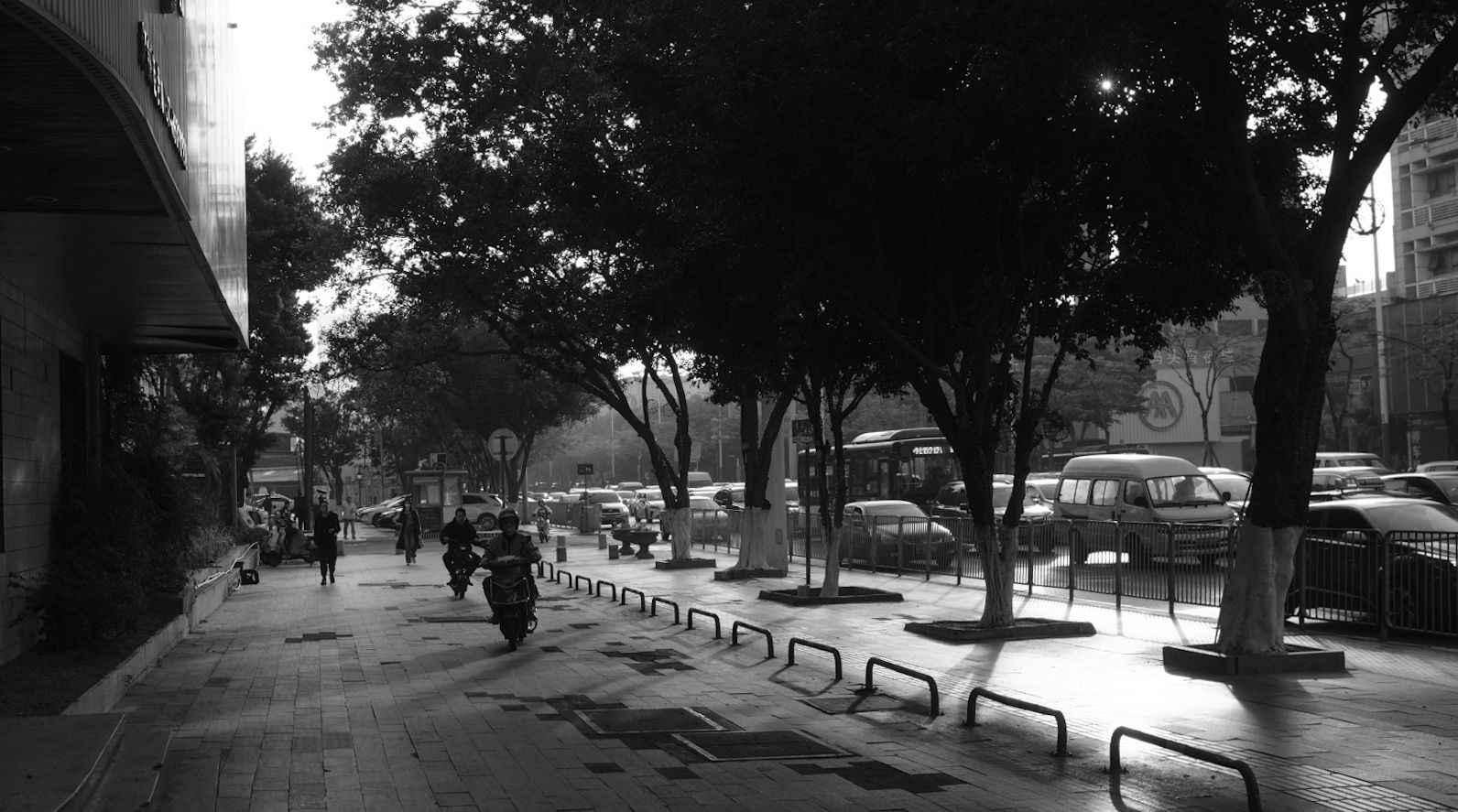
Inbetween lunch and getting ready to go to the theatre, I decided to relax by having a go at some street photography to get the “vibe” of the city.  The main “vibe” was the amount of electric scooters everywhere, and the fact that they drive on pavements.  The French might have called it “un joyeux bordel” but somehow, don’t ask me how, it all seemed to work flawlessly.  You had couples on scooters, mother and small children on scooters, gentlemen on scooters.  Everybody in that place was on an electric scooter, or so it seemed.  The only downfall of such a system especially with me being hard of hearing, was that I could only hear them when they honked their horns at me.  Usually I hate this, but they were all honking!  The sun was out.  I was out, and the whole process gave me a mental clense that was greatly appreciated!

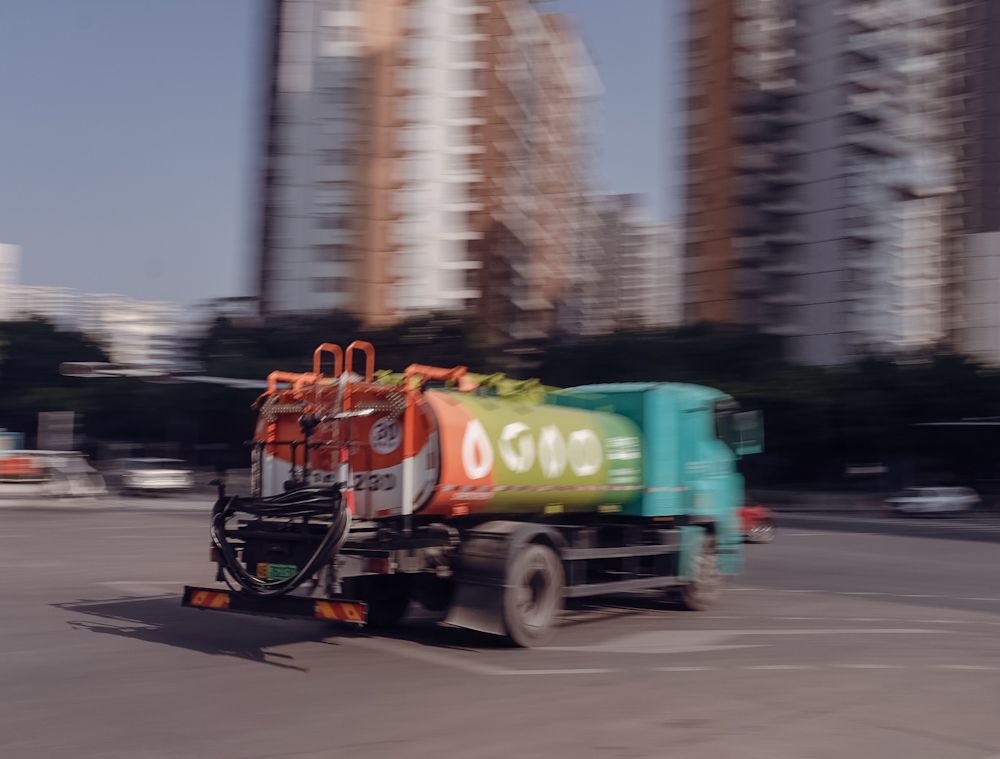
If you know China at all you will know that they have a reputation for pollution.  Oooooh.  Pollution bad!  Pollution very nasty.  Not good.  However, it does give a wonderful diffused light for photography, and one of the way theys fight pollution is not only by a huge amount of electric scooters and electric cars, but also by spraying water vapour in the streets hoping to capture some of those not very nice particles.  You can see this in a couple of my street photos above  It is said that all their electricity comes from coal powered power stations, but I saw plenty of solar panels as well as wind turbines.  I think they’re really trying, and should be encouraged.

Back to the hotel, getting washed, and changed, and dressed to go to the theatre for the rehearsal and concert.  But that will be for another day…

Photography Philosophy – Part VI – Connection Through Photography


Building Relationships

I once read that if two Germans meet, they will form a club. I am not German, but they perfectly illustrate this universal need to belong. They are generally not the most extroverted of people, but even introverts have this need to form a relationship with somebody. As photographers, we have this same urge, but perhaps in a more subtle way. When I’m out on the street, I will always notice someone with a camera, even when I’m without one myself. I find myself looking to check the brand, possibly the make of the camera, and the type of lens the person is using. Even when we simply nod at each other, it’s a recognition of our shared enthusiasm for the art form. Am I judging them? Sometimes, yes, but to err is human.

When I see a film camera around someone’s neck, I am immediately drawn to it. When I venture out with the behemoth Mamiya C220, the camera is almost as much a statement as the actual image I’ll eventually take with it. People will come and inquisitively ask, “What kind of camera is that? Can you still get film for it?” or say, “Yes, my grandfather had one like that.” The obvious charm of a medium format TLR in this modern world.

Photography is sometimes seen as quite a niche activity, and film photography even more so. A film camera gives out a more exclusive vibe, telling the world that, yes, we actually are serious about this, and know what we are doing, as the camera isn’t doing anything for us. We are artists and therefore superior to you, at least that’s what we tell ourselves for validation… One could argue that there is a need for even more knowledge with film photography, and that the need to develop our films just goes to show our dedication to the craft.

Well, not always. But it does give a starting point to a chat, which invariably leads to a discussion about this shared interest, and gives us a common starting point to our relationship, however brief that relationship might be.

I also want to explore the relationship between the subject and the person photographing that subject. For a long time, I was petrified of using a model. I’m an introvert by nature, so the idea of having to make small talk with and direct a model was awful. I wanted to learn more about photographing a model and to break out of this comfort zone. Strangely, buildings won’t talk back at you or tell you what they think of your shot. People, on the other hand, are completely different.

I had learnt basic lighting technique and then had to find models. Luckily, I could rely on my daughter and wife as my first subjects, then branch out to include my son and his then-girlfriend. I then moved onto unsuspecting friends, fellow musicians, and eventually felt my confidence slowly building enough for me to photograph complete strangers by establishing that rapport between us. I discovered that sometimes they were as terrified as I was. Again, something we had in common…

I followed some advice from Sean Tucker, who specialises in portraiture. I simply had a conversation with my model, which seemed to put us both at ease. This allowed the model to detach from the shoot and just chat away.

Community and Collaboration

But connection isn’t limited to brief exchanges with strangers on the street; it can also be found in deeper collaborations with other photographers. As I said earlier, I am more of an introvert, and the idea of making an effort to be sociable is something I find exhausting. At parties, I have been known to chill out on the outer realm of guests and chat to the dog. Hey, we have great conversations together!

However, I have been known to make that special effort and even meet up with other photographers. If you’ve ever talked to me about photography and the merits of various pieces of kit, and actual cameras, you’ll know that I can talk about it until the cows come home—to the point that most people switch off after 30 seconds. But when you have a captive audience who actually cares and knows what you’re talking about, it just brings me out of my shell.

Sometimes one might think it’s a very blokey thing to meet up with other men and talk about, and participate in, some rather niche activity. That might sound a little suspect, but I assure you it isn’t.

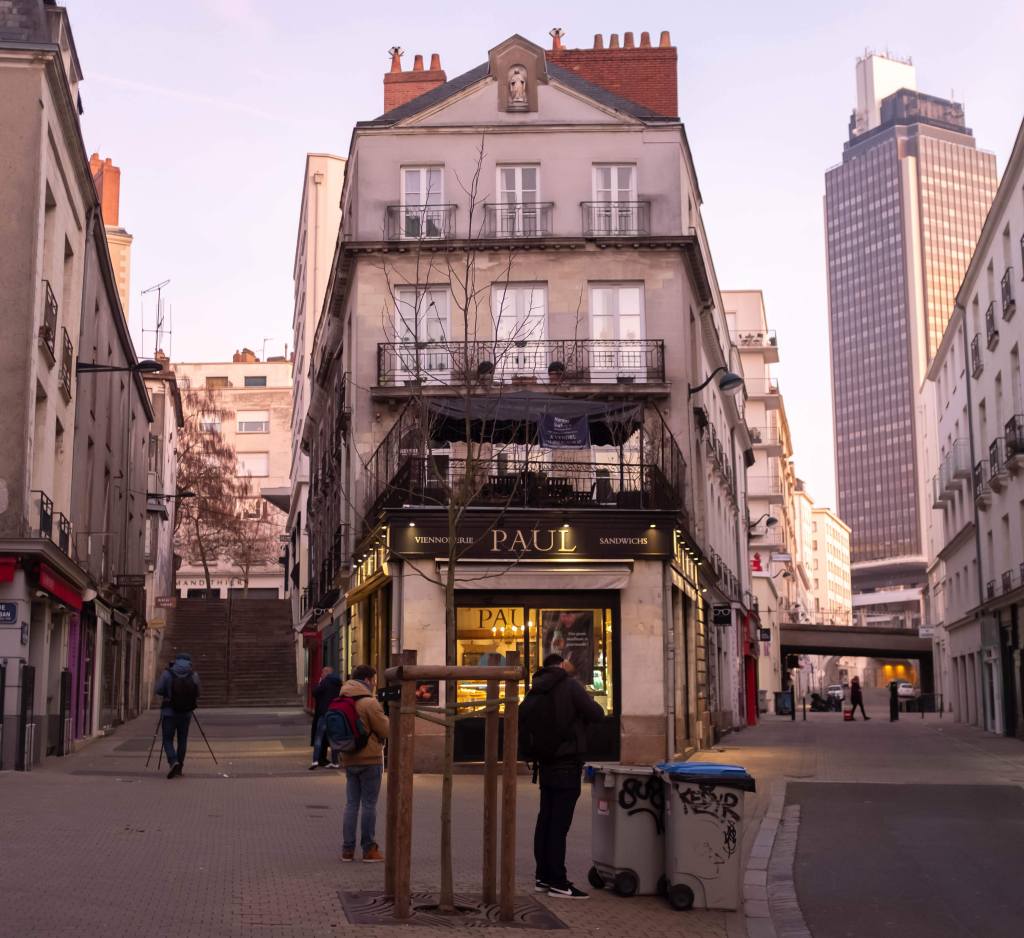
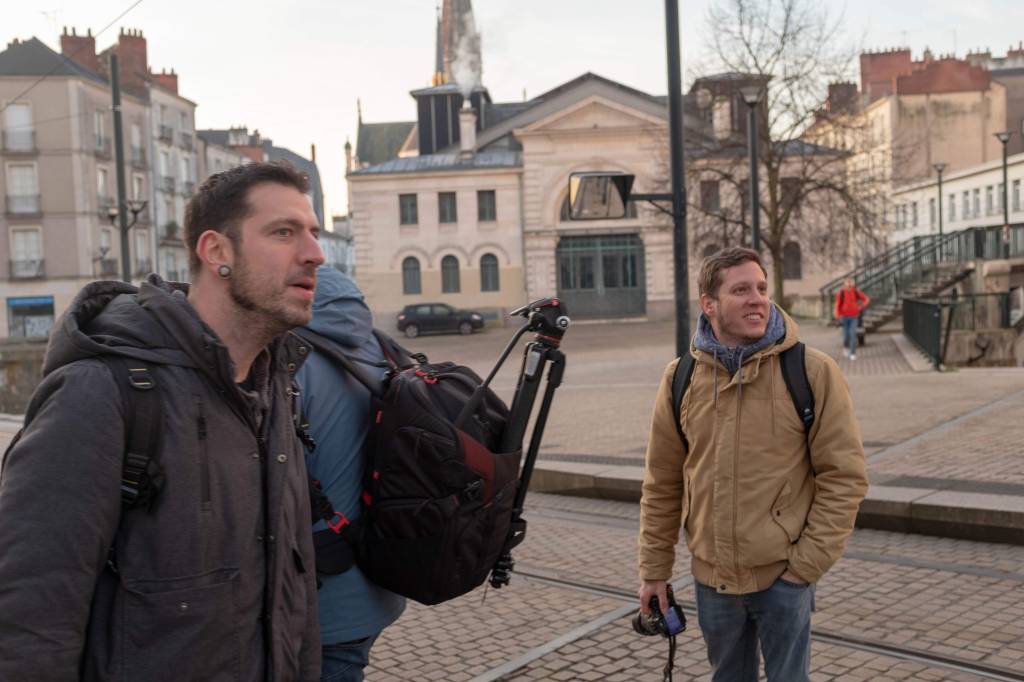
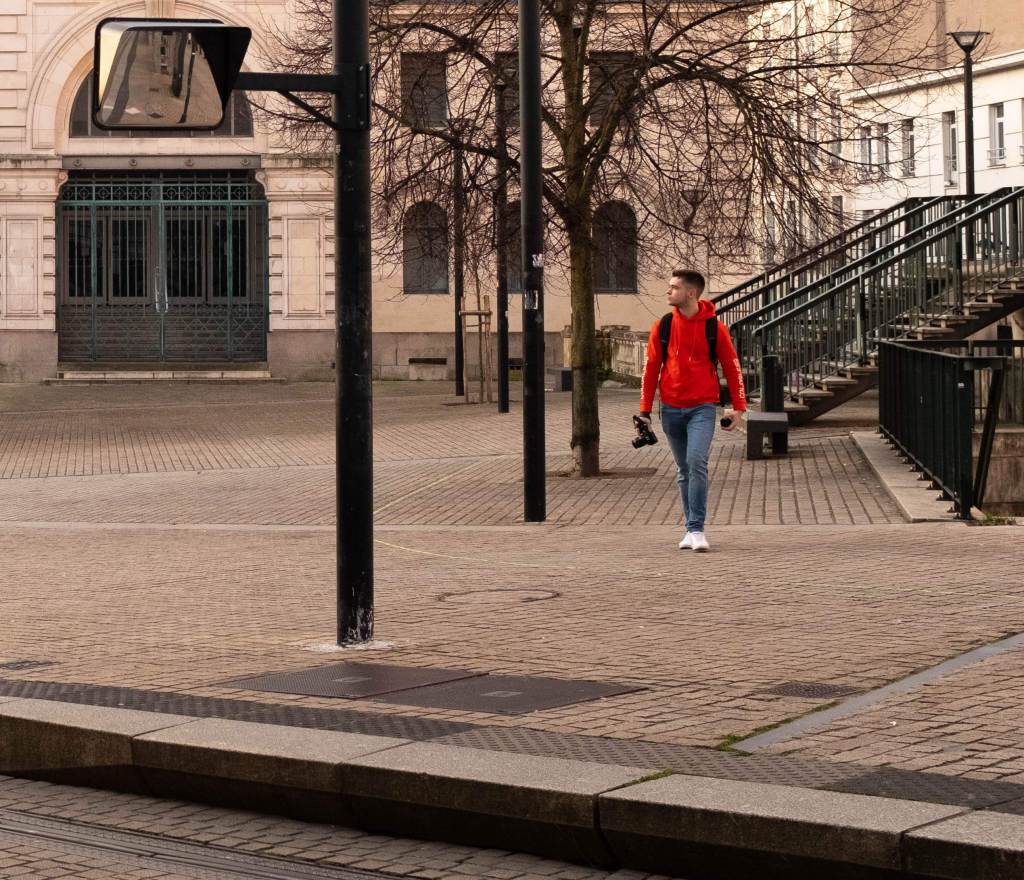
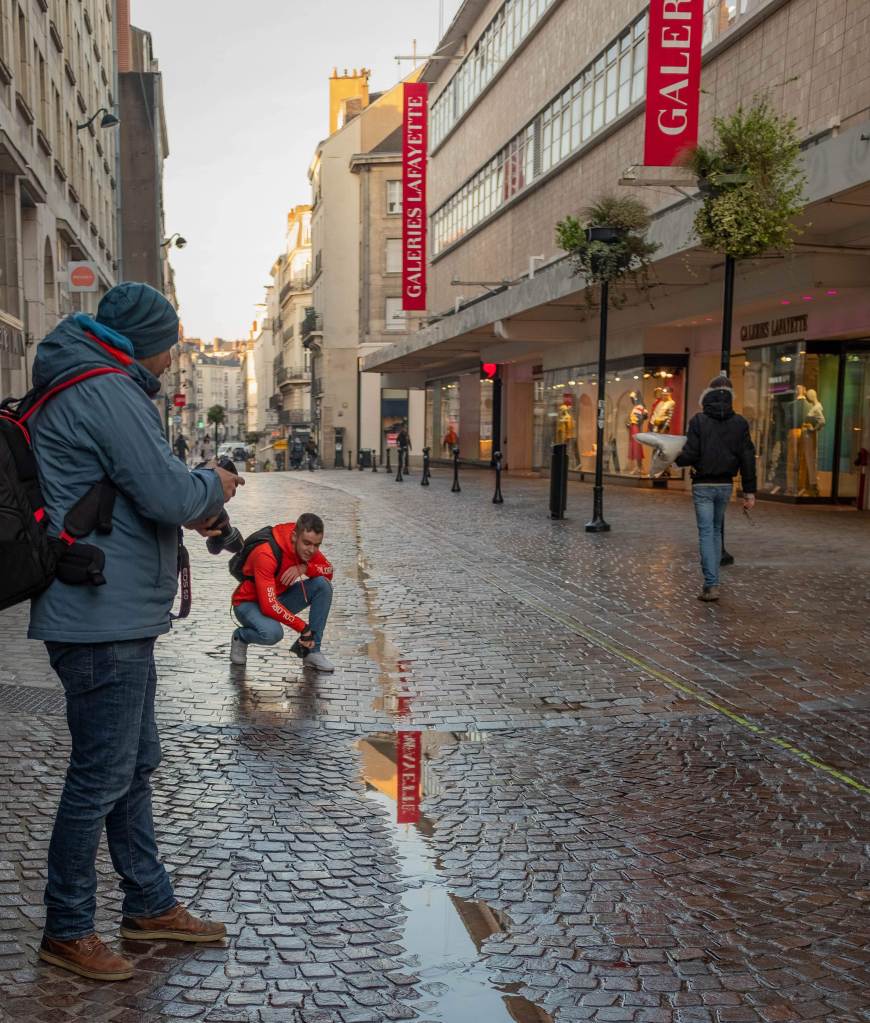
I once had a meet-up in Nantes (the very first article on this blog), and it was so rewarding. It was a typical male bonding activity, and everyone, except for me, brought along their biggest cameras and most expensive lenses. It almost felt like a competition to see who had the most impressive camera. I just brought my relatively tiny X100F, the thinking man’s camera. Much like my car, it’s not the most inspiring thing to look at, but I enjoy using it, and it certainly gets the job done in a very satisfactory way!

I have also collaborated with Nantes Grand Angle, a collective of photographers that have outings in and around Nantes. In exchange for a free tour or free visit, we take pictures during the outings and write about them in our blogs or publish the photos on Instagram. I have done a couple of outings with them, and it’s always interesting to see other photographers in action. They are there seeing the same things as me, but not in the same way. That sense of belonging has a huge feel-good factor too.

A Shared Lens

Photography may often feel like a solitary pursuit, but beneath it lies a powerful thread of connection, weaving us together through moments captured and stories told. Whether it’s the subtle camaraderie exchanged between strangers with a simple nod on the street, the thrill of collaborating with others who share our passion, or the quiet understanding forged with a subject in front of the lens, these encounters remind us that we are never truly alone in this journey.

Through photography, we find not just a way to see the world but a way to be part of it—a community of like-minded souls bound by a shared appreciation for light, shadow, and time itself. In the end, our photographs are a bridge, linking us to others and creating a lasting connection beyond the mere act of pressing the shutter. For as long as we hold a camera, we’re part of something bigger, capturing fragments of life that, no matter how fleeting, will always connect us back to one another.

Photography Philosophy – Part V – Identity and Self-Expression


Photography as a Reflection of Self

What could be a more contemporary expression of self than the modern selfie? For some, it represents a genuine connection, while for others, it becomes a carefully curated fantasy shared on Instagram in pursuit of self-importance—think #lifestyle, #ootd, or #memyselfandI. These representations can evoke mixed feelings about the authenticity of self-expression.

However, this is not how I view photography as a reflection of self. Photography is the only art form that allows the viewer to look through the lens just as I did when I pressed the shutter button. You see exactly what I saw in that moment, and, depending on how I edited the photo, you may catch a glimpse of the emotions swirling in my mind at that time.

Consider two people facing each other, a coin held up between them. One sees the heads side, while the other sees the tails. Each perspective offers only a partial view of the whole object, much like how each photograph can convey different meanings and emotions depending on the viewer’s interpretation. This highlights the importance of taking in the entire picture.  But it’s not just this perspective that changes the way each individual looks at the coin, but all the personality and life experience that the person brings.

So, what about the expression of my identity and worldview? You might detect my state of mind through the subject matter of the photograph. If you see one of my photos taken during the anti-government demonstrations in Nantes, you might draw conclusions about my political leanings, when in reality, I was completely neutral about the situation. Here, the viewer adds their own interpretation to what they see, imagining this world and identifying with the picture in a way that is relevant to them.  I think we all are guilty of that.  My worldview, too, may show through—an insight into the world around me and how I choose to see and document it, since you are witnessing a moment in time as I saw it.

But why press the shutter button at a particular moment and not 1 second before, or 1 second after?  Cartier Bresson talked about capturing the decisive moment.  I try and make sure that I have no distracting elements.  I try and get my subject right where I want them, or wait for them to cross the scene at a certain spot.  Does this mean that I miss shots?  Yes, but it’s all part of the game!  Have I become a self-hating perfectionist?  Fortunately, no.  But do I try and make that extra effort?  Definitely.  I owe it to myself, but to the viewer of the resulting photo.  Some might talk about a certain professional conscience, but if you’re going to do something, then try and do your best?

Personal Growth

This is a tricky subject, as I’m not entirely certain that my subject matter has evolved as I have. Am I still taking the same old photos as I used to? Possibly. Yet there are new techniques I’ve picked up along my learning journey. I may have started learning about photography over 40 years ago, but I’ve never stopped. In the last ten years alone, I’ve learnt so much, often with YouTube as my teacher. I’ve expanded my knowledge of film—how to use it and develop it—and I’ve learnt more about editing. I might just mention that I trained in “Desktop Publishing” back in 2003. Twenty years ago… time flies! Lots of Photoshop, Illustrator, and QuarkXpress.

New equipment and different lenses have allowed me to explore wide-angle photography and, as they say, “get it out of my system.” But is it really out, or have I simply explored it enough to satisfy my curiosity for the time being? I will, no doubt, revisit it again. This exploration has clearly shaped the way I view a scene, and I now know how to use the distortion it offers as another stylistic string to my bow. Wide angles enable me to alter how the subject is seen, making a more significant impact on the viewer, who experiences something distinctly out of the ordinary. It’s a small but meaningful addition to my work that could offer that extra something to a potential client.

I’ve grown more confident in my photography over time through consistency and practice. Getting out there with your camera is, without a doubt, the way to go. Some might accuse me of relying on gear, but I feel that I’ve genuinely put the hours in to master certain aspects of this craft and to have a certain self confidence in my abilities as a photographer.

Do I take the  same photos that I did back in 1987 and now?  In certain ways, yes.  Because my personality shines through the photograph.  However back in 1987 I was concerned just about nailing the exposure, and didn’t have the knowledge and photographic culture that I do today in 2024.  I was also a 15 year old back in 1987, and am now over 50.  The essential part of who I am remains, but my life experience has changed me, as it would anyone over 35 years.

Cultural Context

You might not know this about me, but I have lived in France for the last thirty years.  More time than I lived at “home” in the UK.  Has that affected my photography in any way?    Maaaaybe…

France is the home of Cartier Bresson, and Doisneau, and their wonderfully crafted street photography.  Yes, I have explored their work and have been amazed by it, and amazed by the simplicity in certain shots of theirs, but a deceptive simplicity that takes so much time to emulate.  So yes, I have been influenced by French culture. It forms the way I look at the world around me, especially when in the streets of Nantes and I feel their influence accompanying me as I wander around the streets.  It’s also the subject matter that changes from country to country.  Just look at the difference between my two countries, the UK and France.  

But it doesn’t stop there.  I have been influenced by photographers that I see on the Internet.  Names like Sean Tucker, Thomas Heaton, James Popsys, Mango Street, Peter McKinnon, and Jamie Windsor spring to mind and their videos have certainly been a huge influence on me.  And there’s not even one Frenchman in that short list…  It’s not that I reject French youtubers, but when at work I have to make the effort to speak French, when I am outside my house I have to make the effort to speak French, aso when at home I prefer to keep things in my mother tongue.  It’s a me problem, and not a them problem.

Conclusion: The Lens of Self-Reflection

Photography, at its core, is about more than just taking pictures; it’s about capturing fragments of identity and moments of personal evolution. While the images we create may reflect the world around us, they also tell the story of how we see ourselves and the ever-changing lens through which we view the world.

What I’ve come to realise is that photography isn’t just a technical pursuit or a series of compositions—it’s a mirror. Through it, I’ve discovered not only the nuances of the world but the nuances within myself. From the early days of worrying over exposure to now, when the process feels more like a conversation with the scene, I have grown not just as a photographer, but as an individual.

Yet, this growth is never complete. Photography, like life, is a journey with no clear destination. The influences, the techniques, and even the subjects will continue to shift as I evolve. What remains constant is the intention: to connect, to reflect, and to capture not just an image, but a piece of time that speaks to who I am, and who I am becoming.

In the end, photography is an act of constant reinvention. Each shutter press is an opportunity to redefine the self and understand the world a little better, one image at a time.

A photography Philosophy – Part III – The Emotions of Photography


The Connection between Emotion and Image

I’m going to tell you a story about an essay that was given to us by the music master at the beginning of my Music A level course.  There were four of us studying music, and the lessons took place in his study, much like a tutorial at university.  The title of the essay was something like describe the perfect piece of music.  

Back then I described the Glenn Miller song, Moonlight Serenade.  One of my fellow pupils described the Planets from Holst.  In the following tutorial after our essays had been marked, I was criticised since the Master thought my piece was repetitive, had no particular musical merit, and was corny.  I, on the other hand, argued that it was the way the piece made me feel.

With hindsight I should have just handed in a clean sheet of paper saying that there is no such thing as a perfect piece of music, as taste is purely subjective and that he should take his essay question and possibly reconsider his stance!  I didn’t of course.  But it certainly got me thinking, even to this day!  

Subjectivity in Art

As in any art the appreciation of the viewer is purely subjective and we have to be so careful about reading an interpretation into a given work.  There are effectively themes that are explored in literature that could be described as obvious.  But in Photography, I maintain that any connection to a particular photograph is an emotional one first, before going any deeper.  

The Essence of Emotional Connection

But what makes this emotional connection possible? And how do I go about achieving this in photography.  I’m going to harken back to my musical training.  My horn teacher in France would say, your concerto is your text.  Your job is to recite that text to the audience.    That is all you have to concentrate on.  You’ve worked through your concerto, the techniques necessary to play it, and once the sound leaves the bell of the instrument, it is no longer yours.  It belongs to the audience.  They are the ones listening and they are the ones that will form the emotional connection.

Creating Meaningful Portraits

So how do I make this connection with my audience when it comes to photography?  Well, in portraiture they say to focus on the eyes of your model.  Eyes being the entrance to the soul. If I can capture that and have my model looking directly at my camera and therefore my audience then I’m well on the way to creating a meaningful portrait.

Kate, my daughter
The Art of Street Photography

In my street photography, it can be about catching a detail that everybody sees but that nobody notices until they look at your image.  You can go to my photography tutorials and look at the composition articles to learn about how we direct the audience to a particular point in our photograph by using leading lines, the rule of thirds, and emphasising our subject with our lighting, or by isolating our subject.

The Role of Colour in Evoking Emotion

We also solicit emotion through the colors we choose. Warmer tones can infuse images with energy and happiness, while cooler tones can make them feel peaceful or introspective. For example, adding reds and oranges to a portrait can evoke warmth and approachability, while blues and greens can give a landscape a calm, reflective quality. Considering these colours “in camera” can make the entire process more intuitive, helping you set the mood before you even begin editing.

The Power of Black and White

Shooting in black and white, using only tones of light strips away the influence of colour and presents us with the “essence” of a scene, and it’s one of the reasons I love shooting in black and white, be that on film or digitally.  I aim for a timeless quality to my black and white images, and the emotion can be just as intense.  Without color, we focus on texture, shadow, and contrast—elements that can evoke nostalgia, solitude, or contemplation.

Mindfulness in the Photographic Process

What I think I’m getting at is that to evoke an emotion we need to be so mindful of our photographic process.  Sometimes taking that step backwards allows us to reflect before pressing the shutter button.

Conclusion

I don’t have all the answers of course, but in the end, capturing emotion in photography is as much about the heart as it is about the eyes behind the lens. Each photograph we create is a bridge between ourselves and our viewers—a connection forged in the moment but lasting beyond it. Just as a musician lets their notes drift into the silence, we photographers must let our images speak, leaving space for others to interpret, feel, and connect.

So, as you move forward in your own photography, remember to pause, to feel, and to let emotion guide your hand. Don’t be afraid to take a step back before pressing the shutter, and ask yourself: What do I want my viewer to feel?

I hope this reflection gives you a new perspective on how you approach your next shot. After all, photography, like any art, is a journey without fixed answers—one of constant discovery. Take time to explore, experiment, and, most importantly, to feel.

Opening of the Film Archives – Canon AE1 Street Photography in Nantes


Good afternoon, Dear Reader. I’m writing this article thinking of you and wondering what to show you next in this ongoing series. The clue is in the title: Canon AE1 Street Photography in the streets of Nantes.

I know you have the eyes of a hawk who never miss a trick because your vision is so sharp. You might even have scrolled down to the photos already, and your eagle eyes will have noticed that this isn’t the usual area I visit on these outings. And, of course, you’d be right!

Yes, I still parked in the Feydeau car park but crossed the road to the south, heading along Baco-Lu, past the Tour Lu (sans “t”), towards the St Felix Canal, and then back into town… Some of the places no longer exist or have changed hands, but you would still recognise them even today.

I think that with these photographs, I’m getting closer to what some might call “proper” or “traditional” street photography. The images have a certain gritty quality to them, including the people in the shots. This was something I was actively aiming for. Maybe it’s the grain—something I don’t get with the X100F—that helped bring this about. Or could it be the people, whose presence seems to reveal the stories behind them? Whatever it is, I felt that this was a very good day.

I think I may have shared with you that I’m going to China this Christmas on tour with the orchestra I play for. I’m still undecided about which camera to take and wondering if I should bring a film camera along. With the X100F, I’ve become so accustomed to the 35mm lens, while my film cameras only have 50mm lenses to work with. Reviewing these older images may help me make up my mind. It’s going to be an epic trip, and I want to be sure of the kinds of images I’ll be able to capture.

As much as I’d love the flexibility to hop in the car and retake a shot if needed, this trip to China will be different. I’ll need to trust my choices and embrace the moment as it unfolds—something that feels both exciting and a little daunting. But that’s the beauty of photography, isn’t it? The challenge of capturing fleeting moments, knowing they might never come around again. So, whatever I decide, I know the experience will be unforgettable.

While the anticipation of the China photos may be killing you, I know you’ll be patient, whatever I decide to use. Rest assured, those photos will capture the spirit of the trip. Only two and a half weeks before I start my travels…