Saint Cado


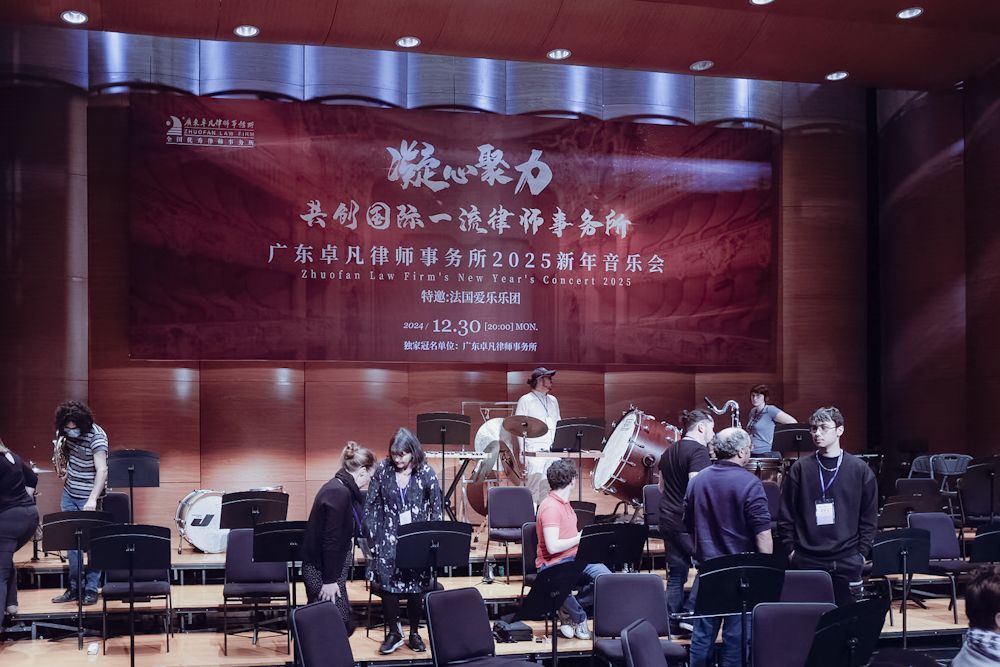
The concert was for the municipality of Lorient and was more I’ll scratch your back if you scratch mine. Sometimes as musicians we have to kowtow to certain political matters to keep the municipality sweet. They said it would be cramped, but it was, at worst, cosy, so no complaints there.

After the concert, I had organised my car so I could sleep in it. I parked up in front of my mother-in-law’s house to spend the night and get some photography in during the early hours of the morning — and because my mother-in-law can be intense, and I don’t like bothering people. It’s not that I don’t like staying overnight in people’s houses, but at one stage on exercise with the RCT (Royal Corps of Transport) back in the late 1980s, I learnt that I could sleep anywhere and that it was nothing to worry about. I didn’t have my sleeping bag from those days, which would let me sleep comfortably in minus temperatures, but I did have a couple of Scottish tartan blankets that would keep me nice and warm.

It wasn’t long before I got off to sleep. I actually slept quite well, considering, and bought myself breakfast at the local boulangerie. No snoring to contend with and no risk of being shouted at because the dog was awake and needed to go outside to poop. Yes, a very satisfying night.

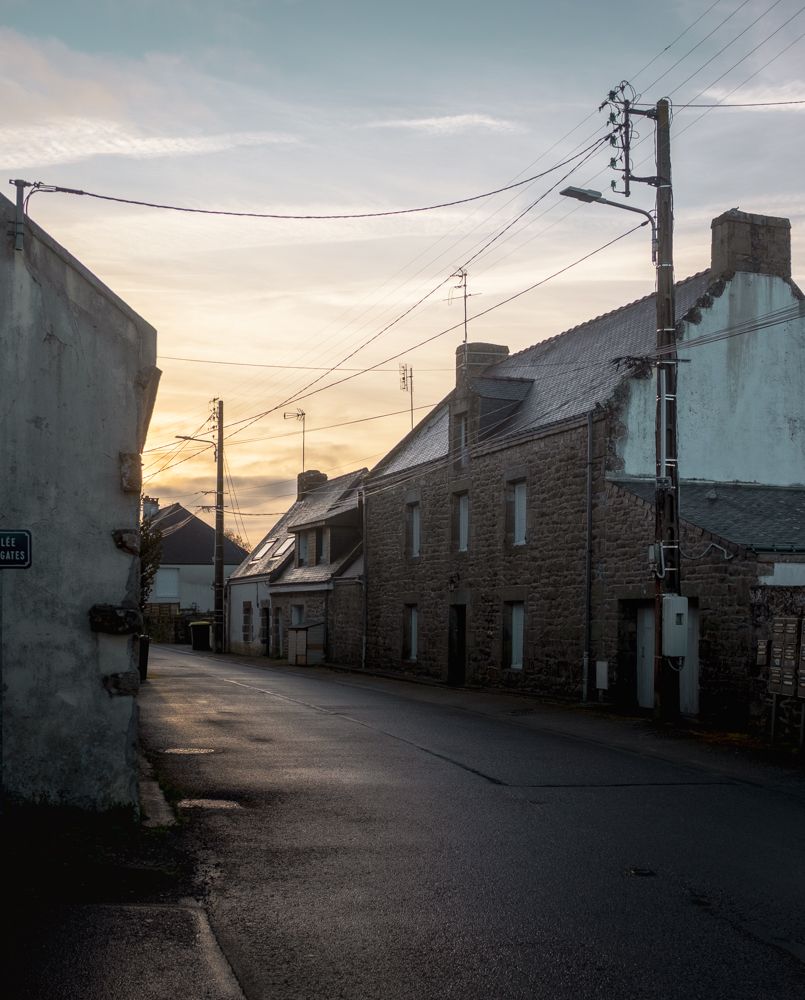
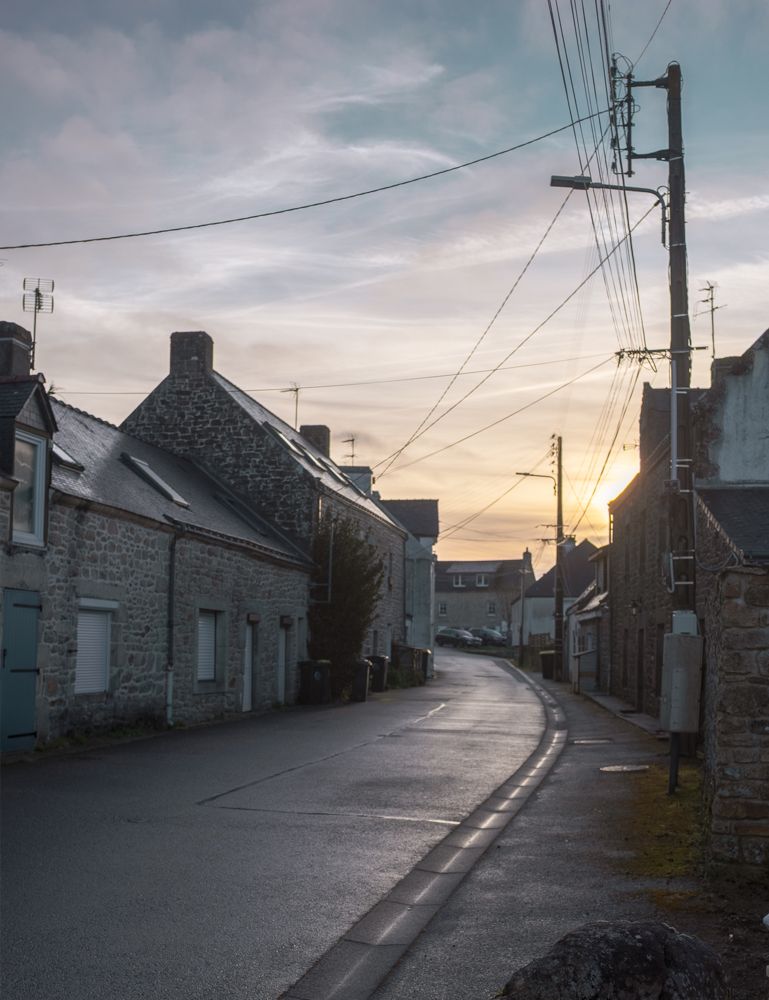
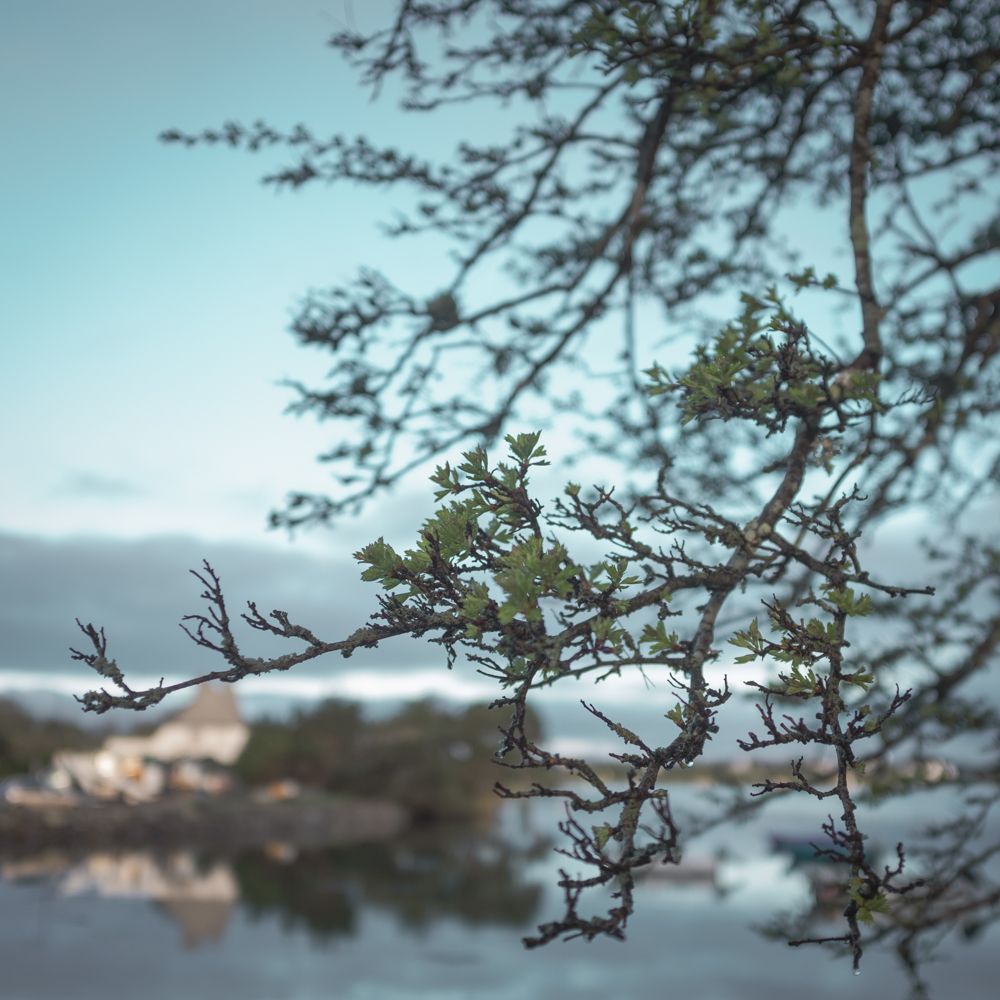
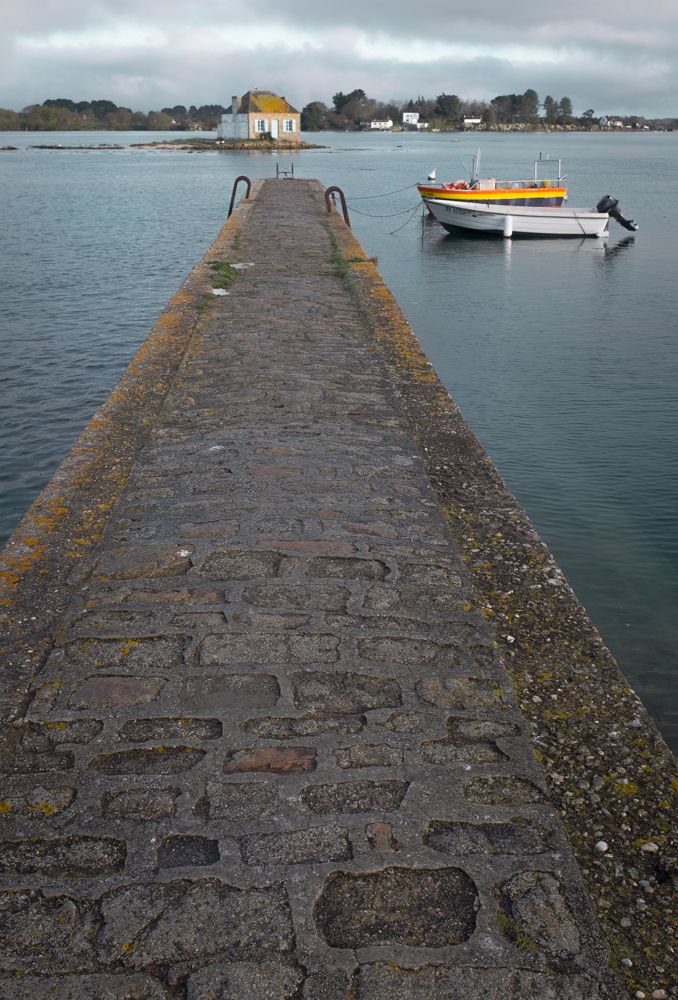
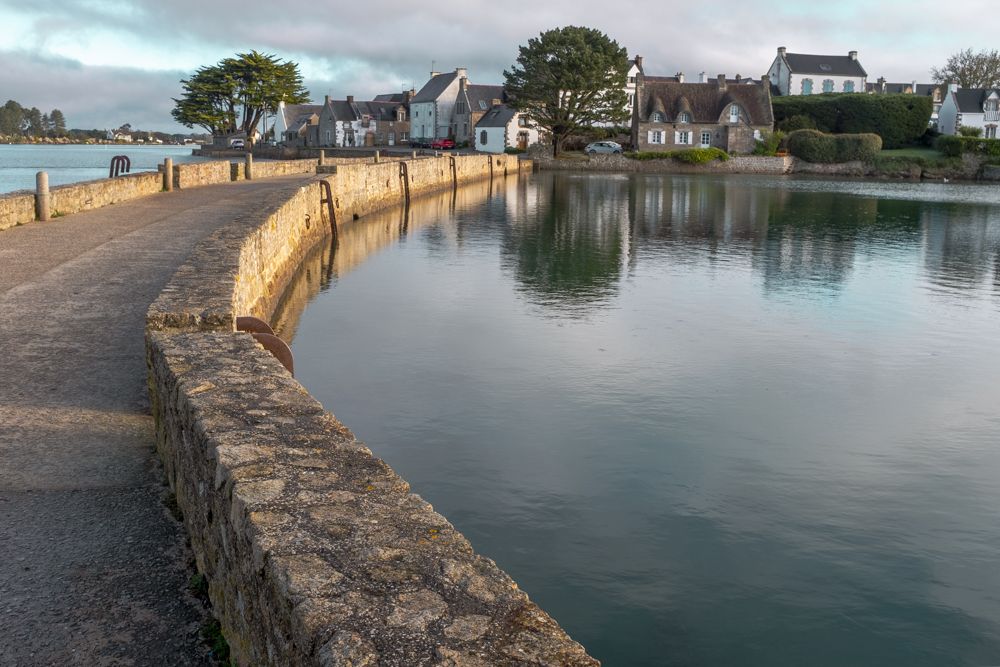
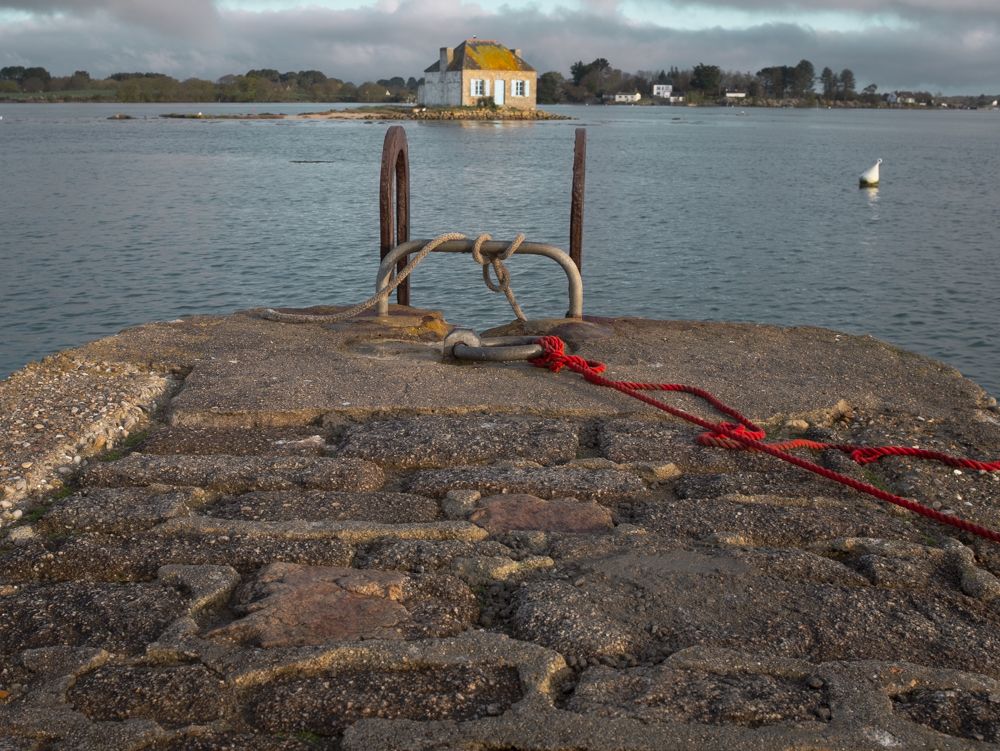
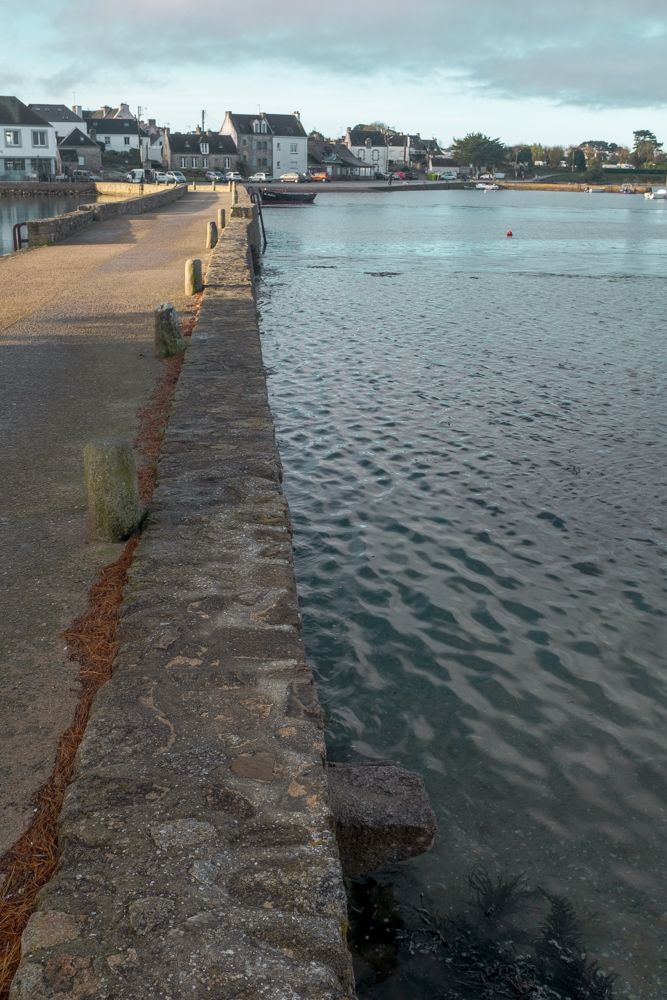
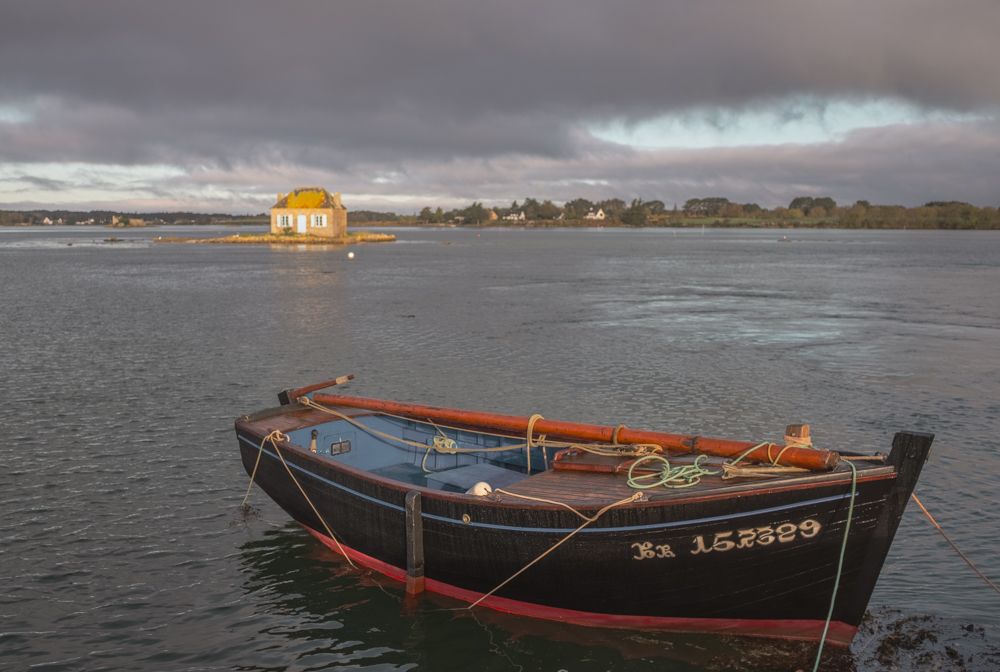
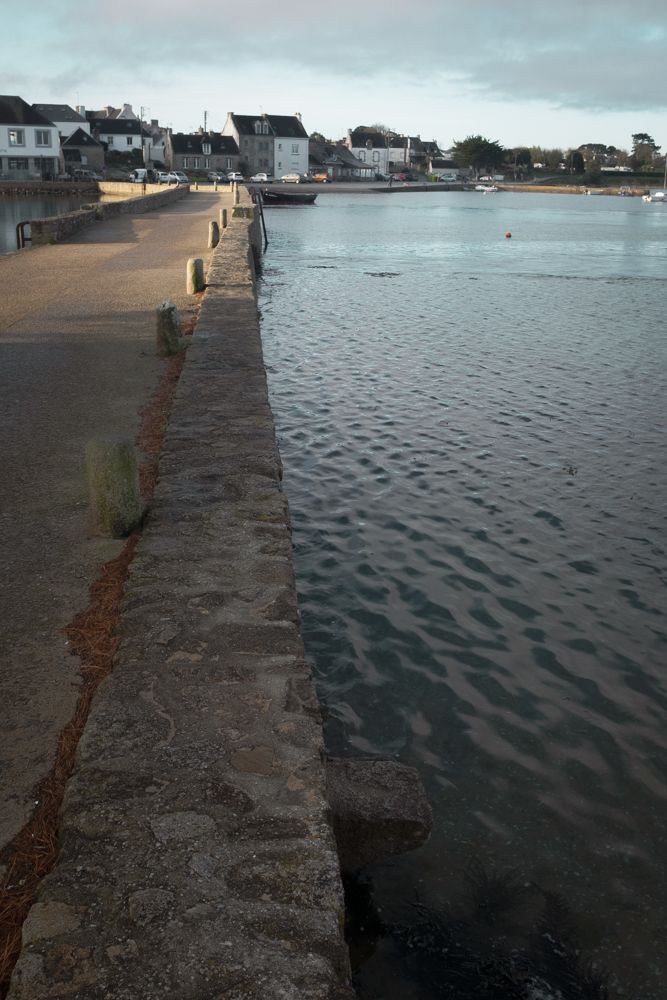
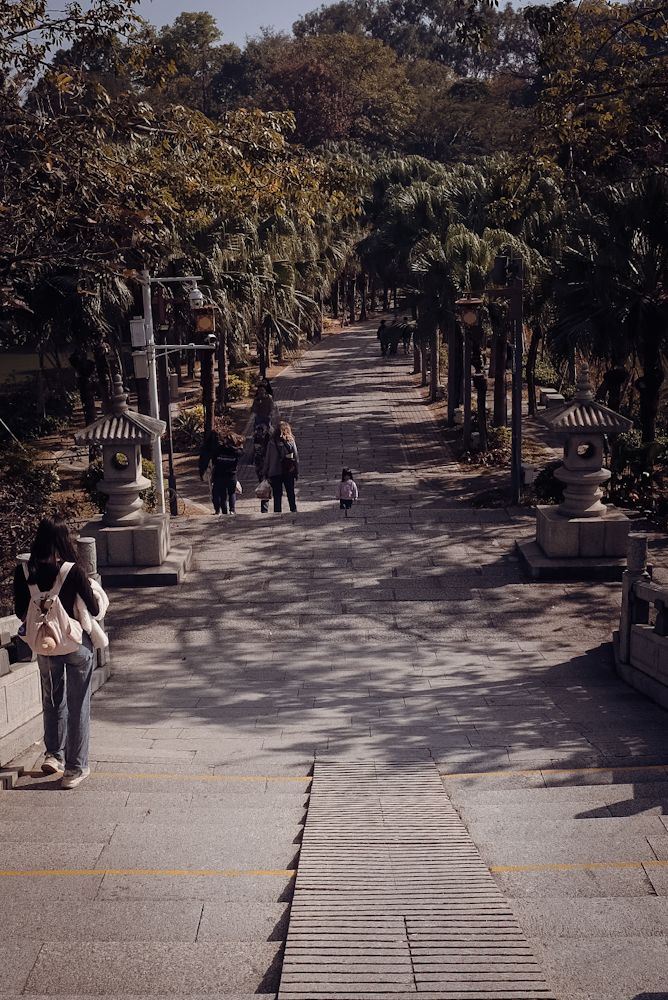
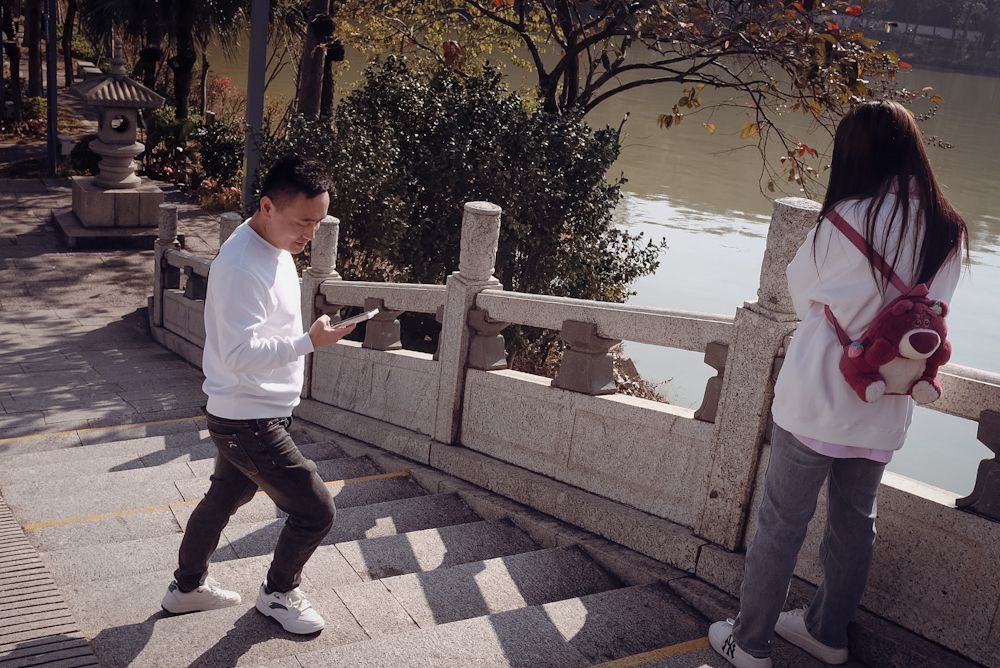
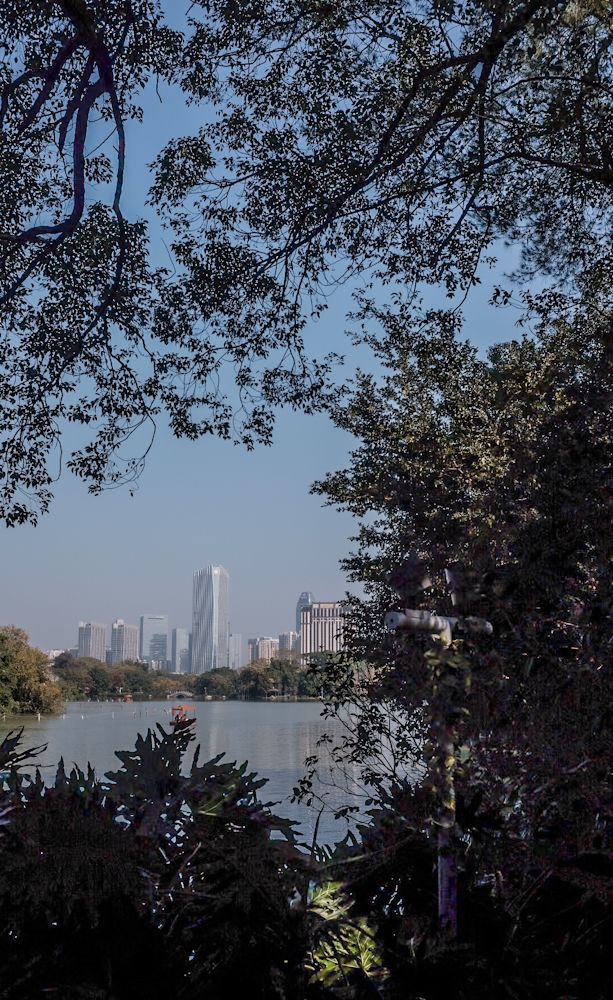
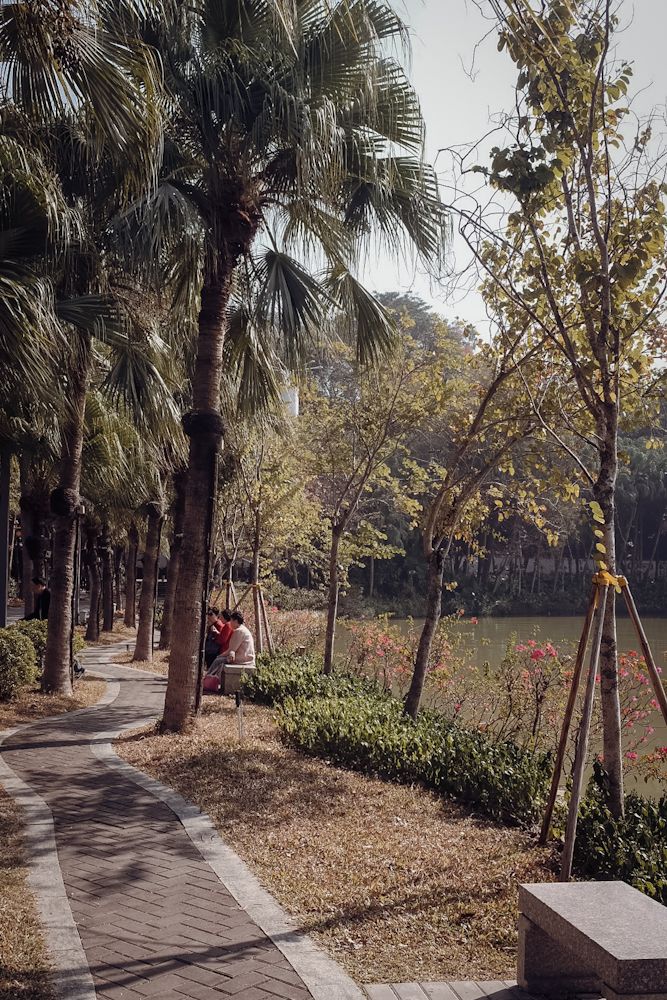
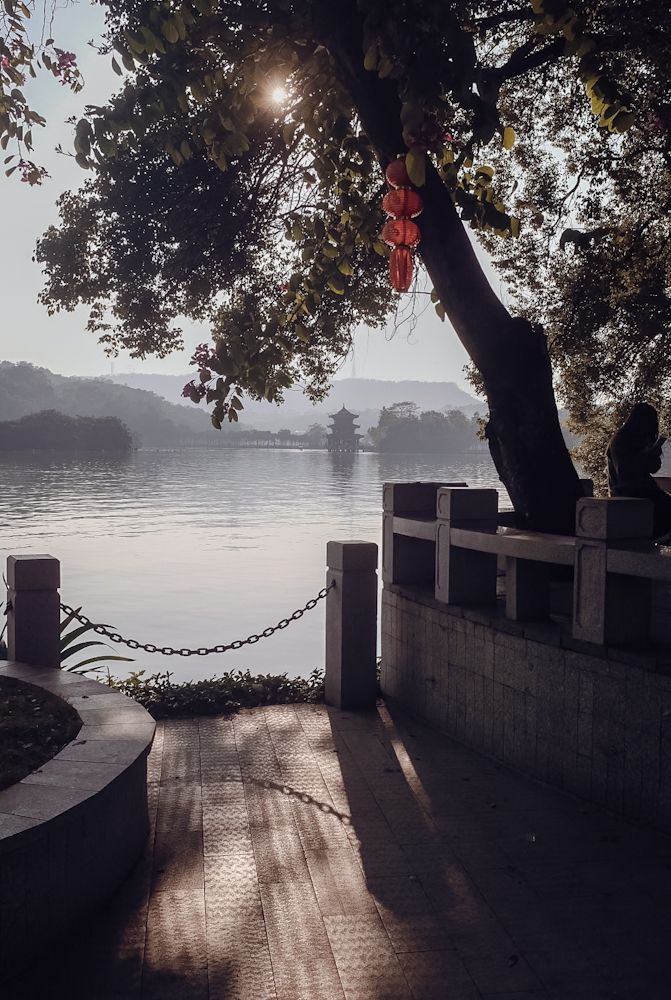
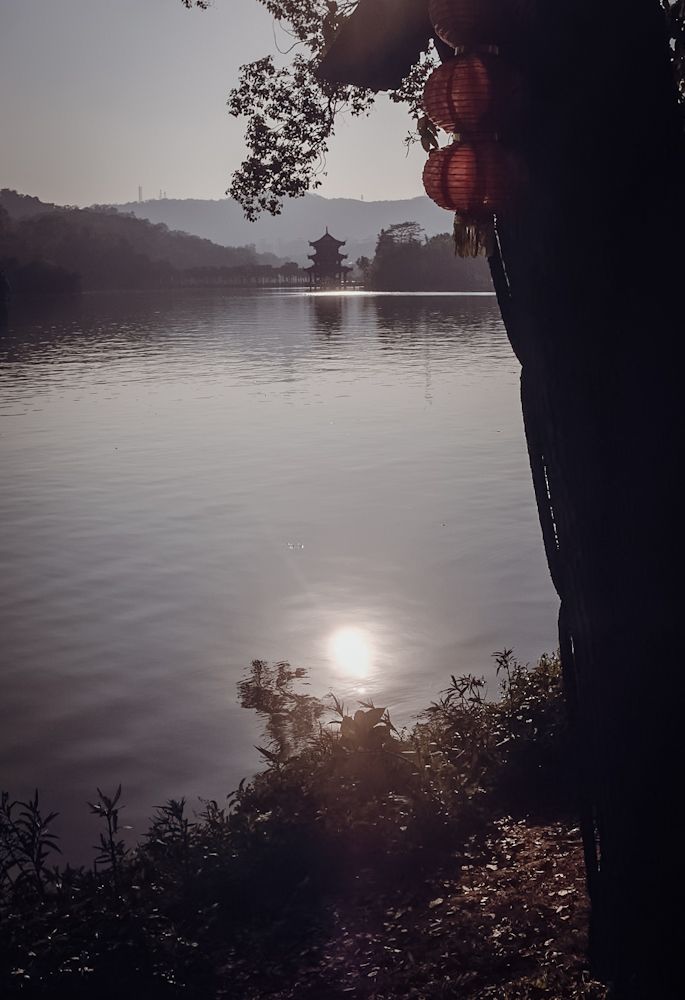
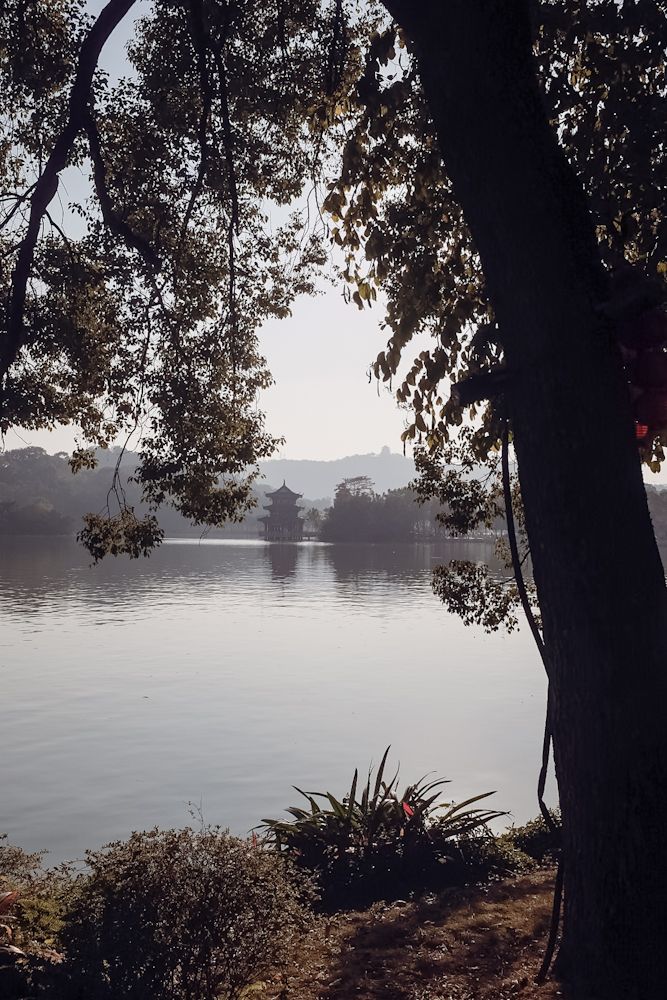
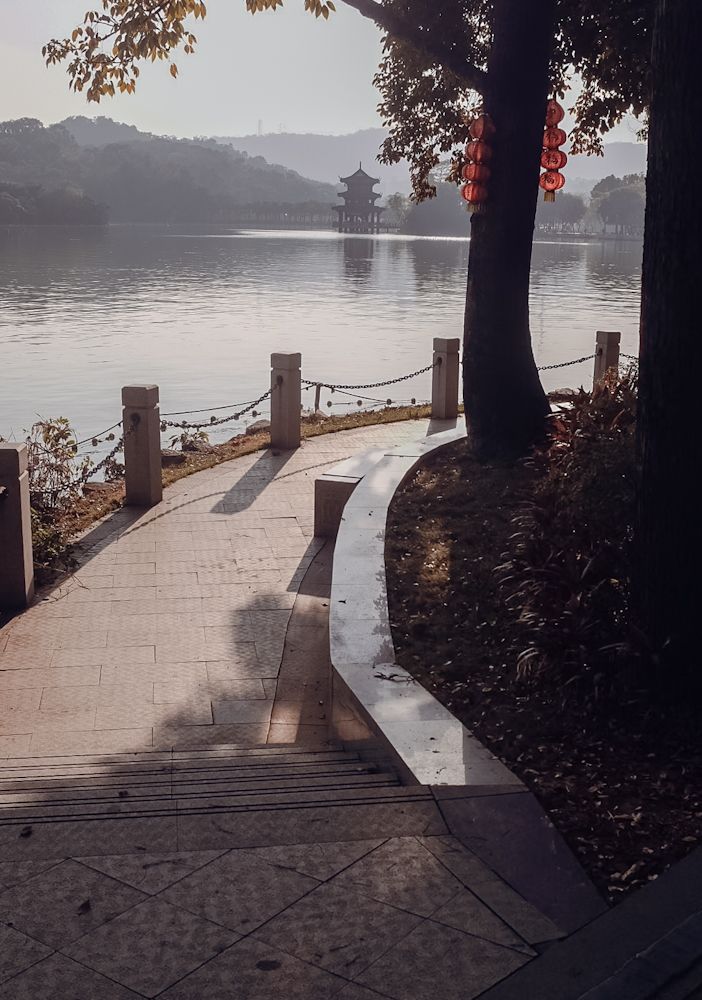
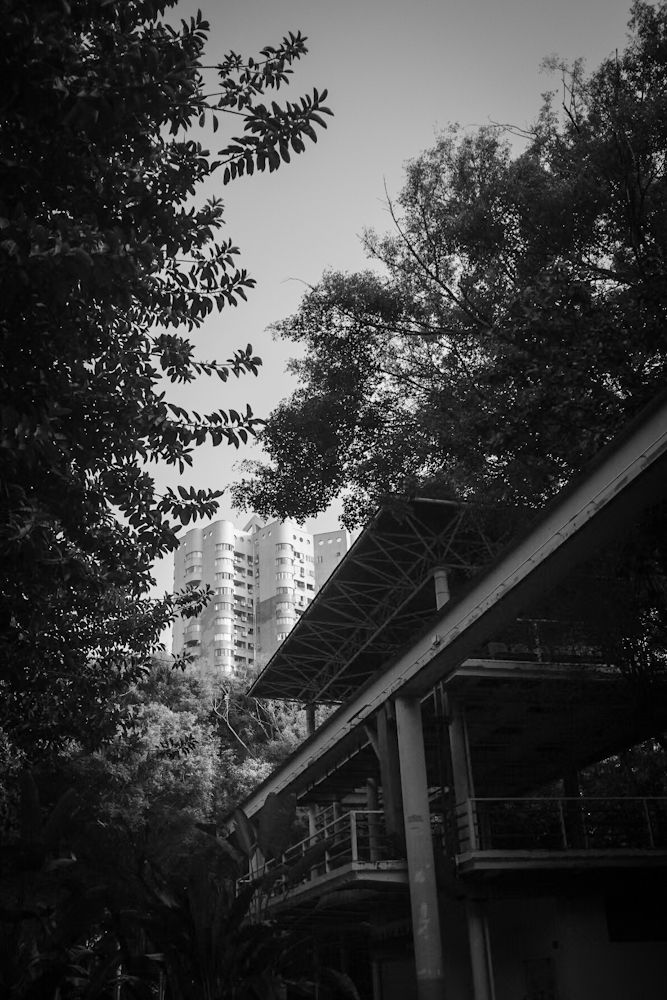
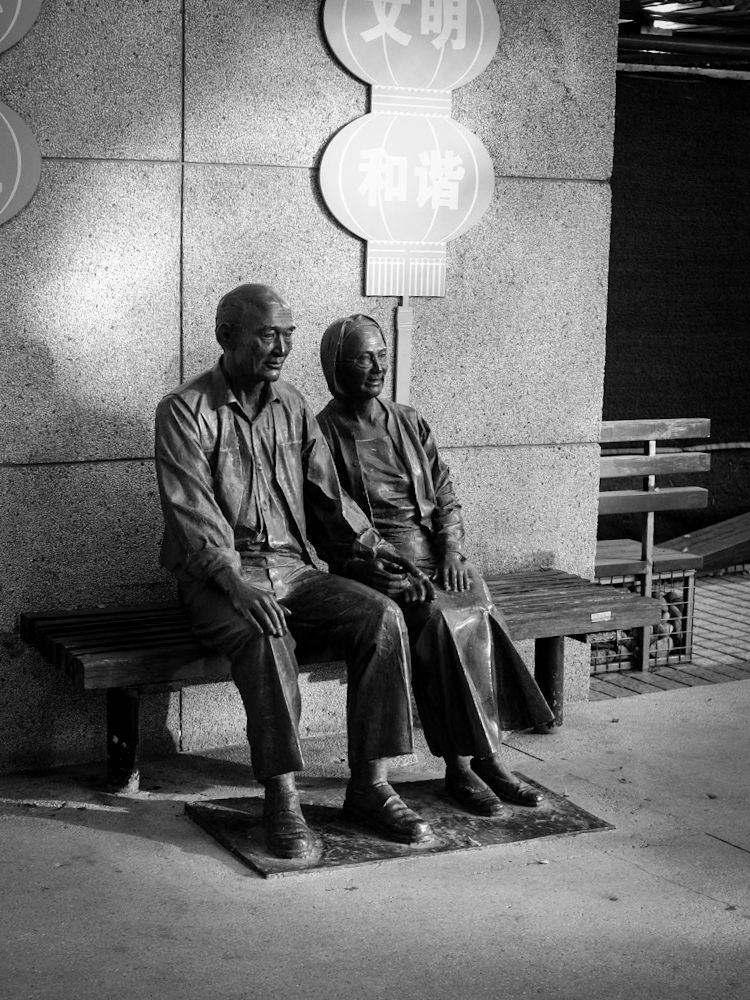
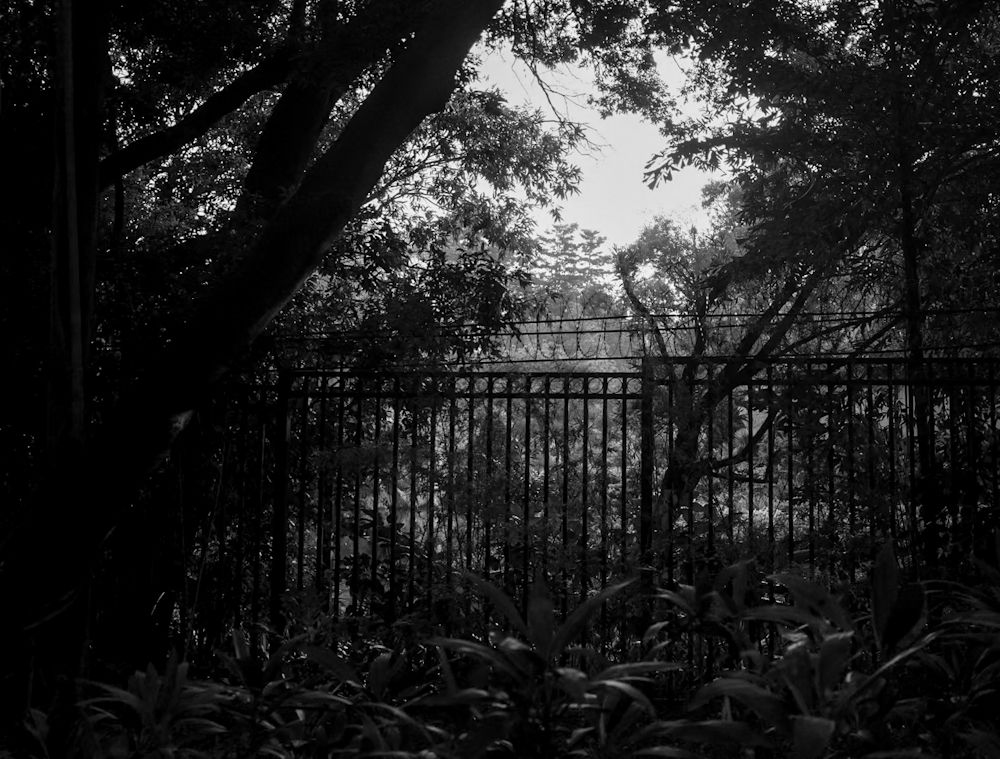
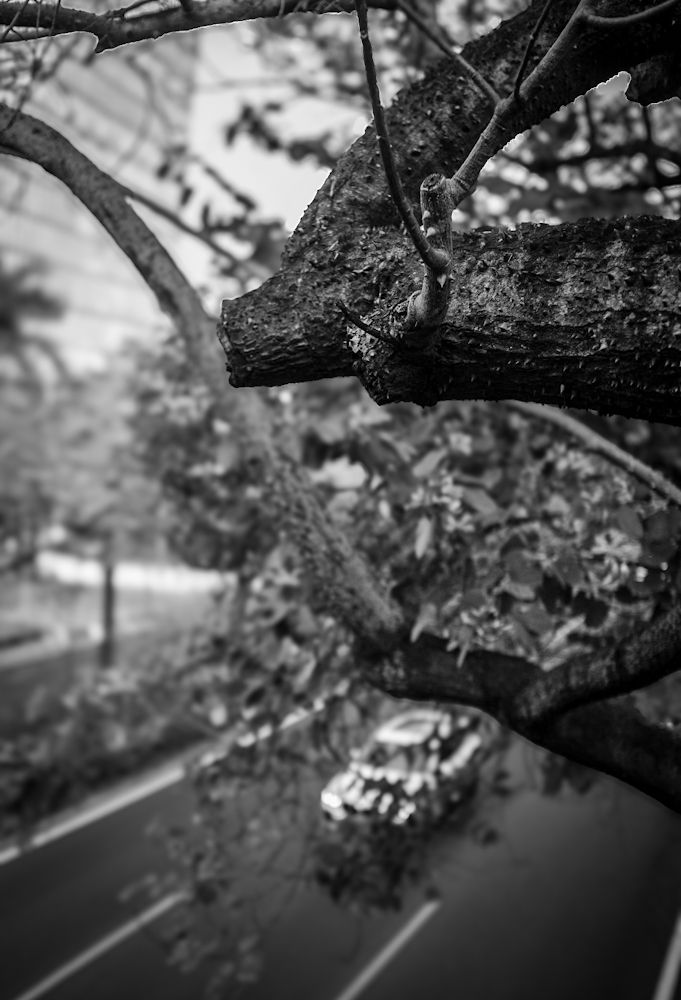
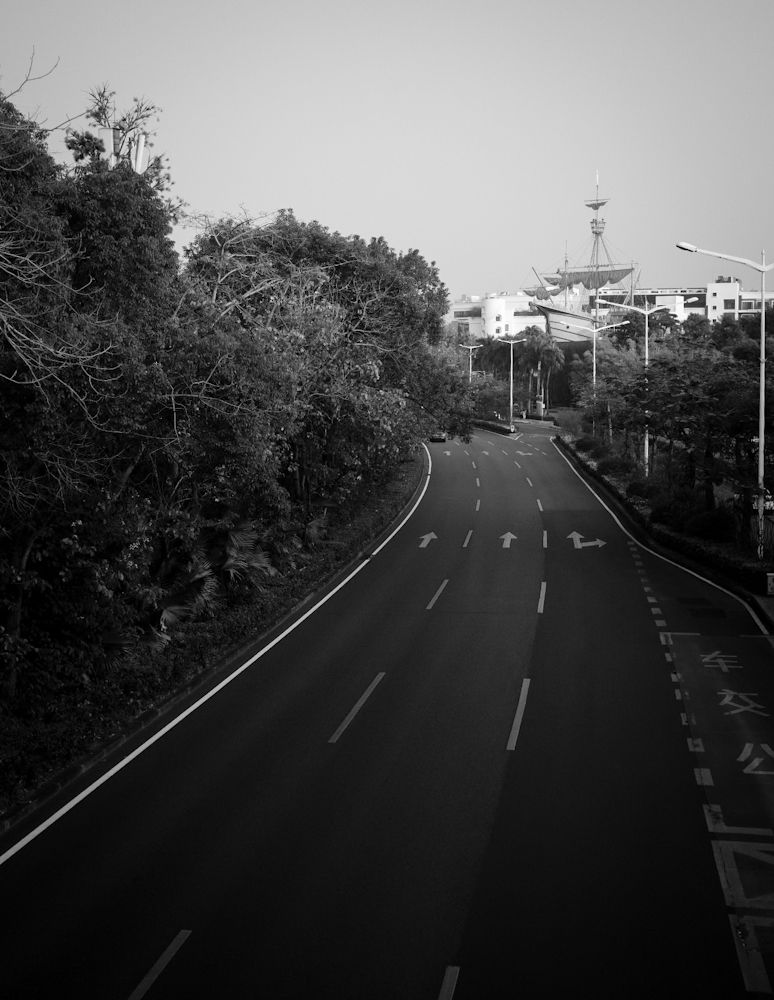
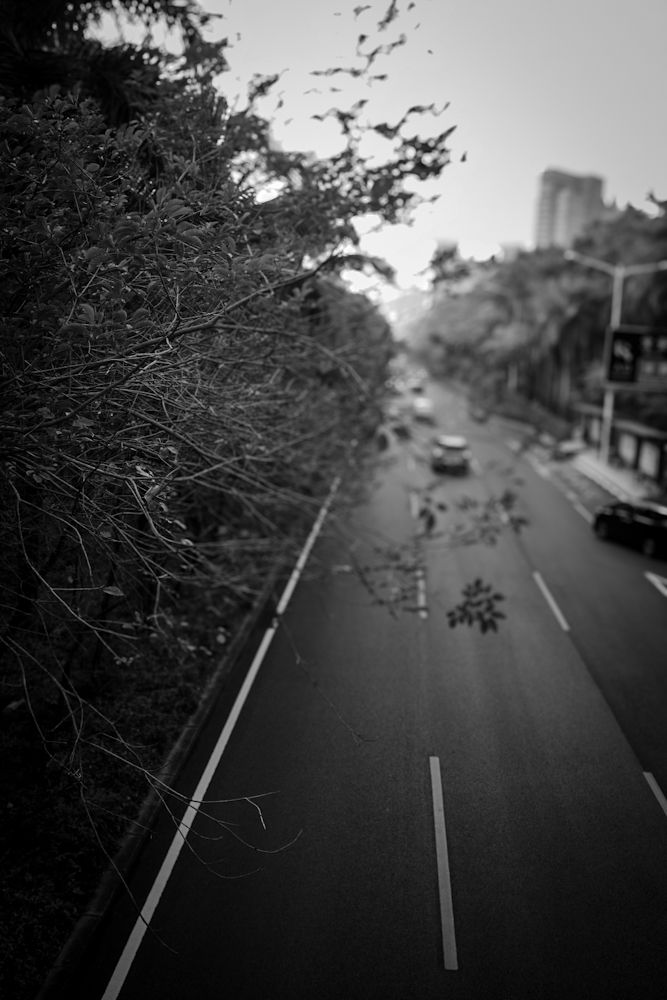
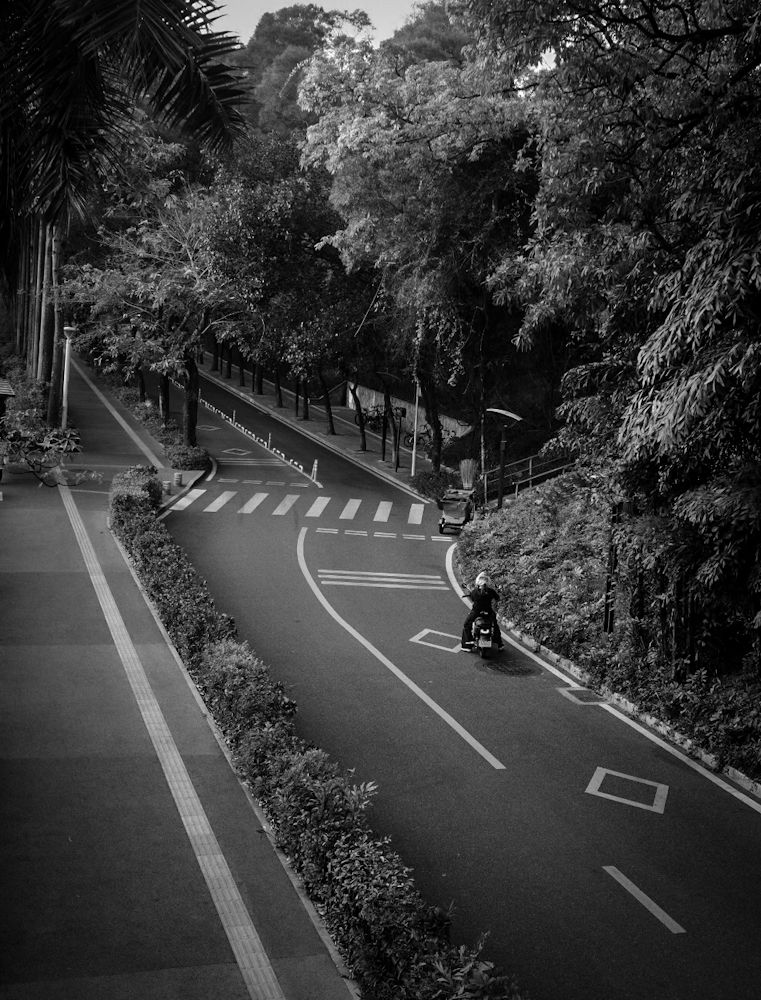
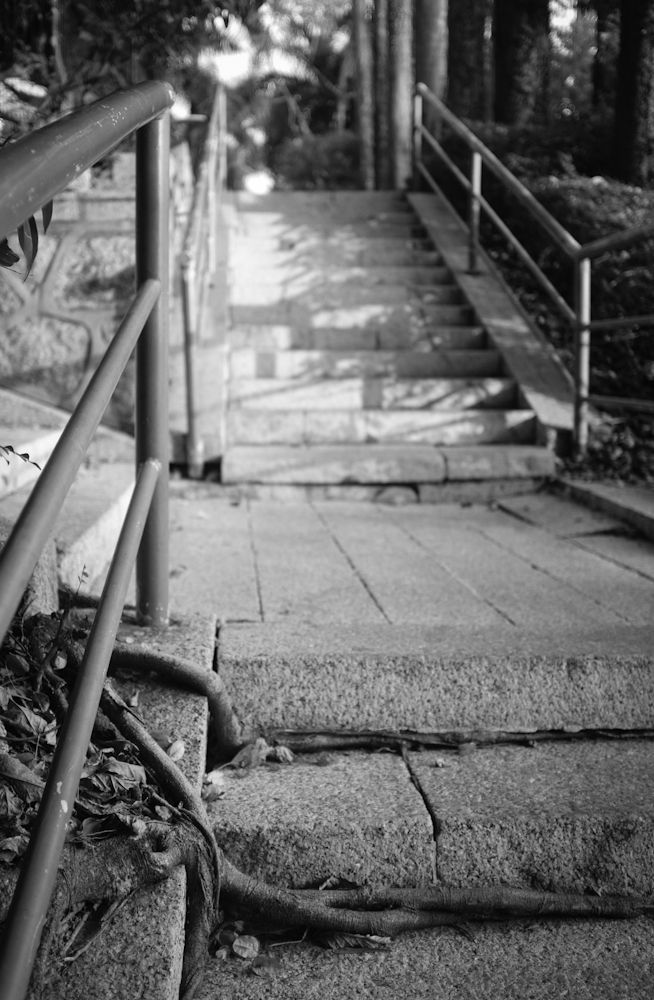
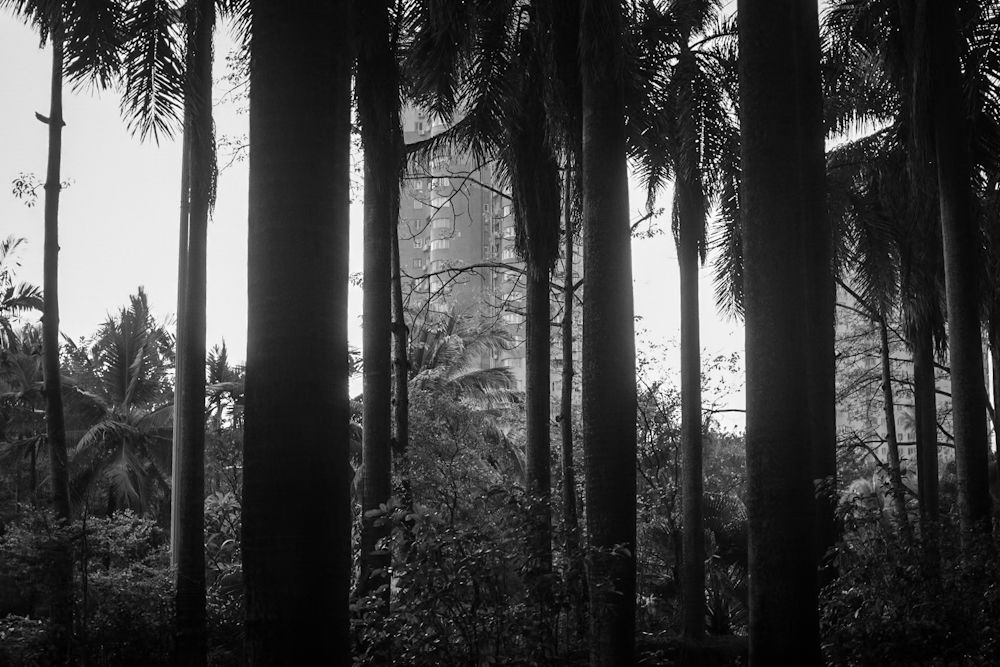
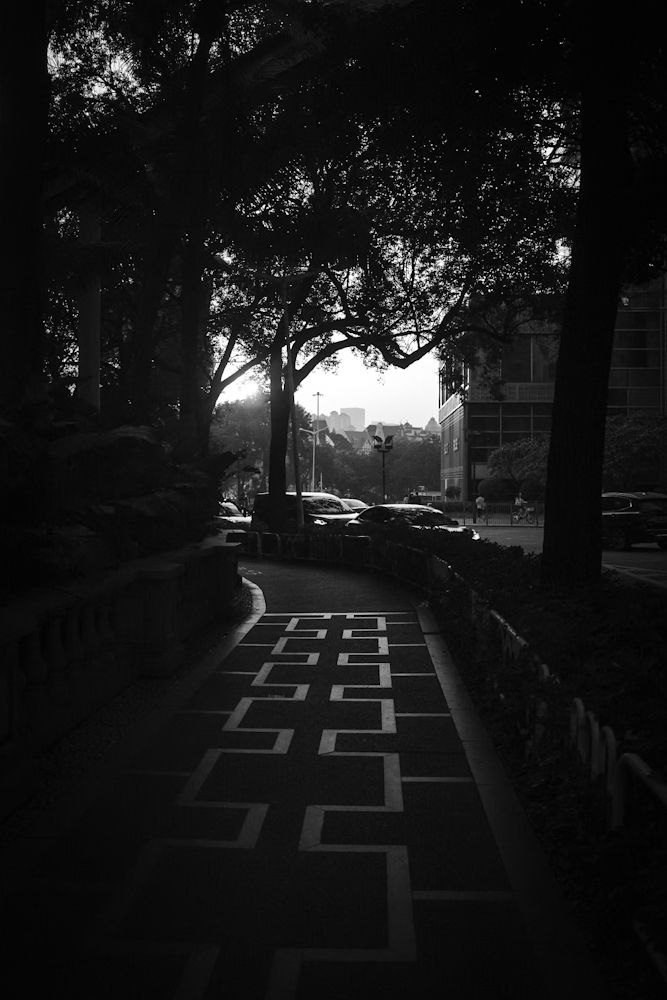
After my wonderful bakery breakfast, I headed to St Cado, which really is a cadeau — a gift — for the eyes. You’ll see what I mean when you see the pictures.

I relish solitude, not just because I’m an introvert, but because I like calm and quiet. And the idea of being up at the crack of dawn is wonderful, especially when I don’t have to get out of my bed and stop hugging my wife. I was on my own and loving every minute of it.

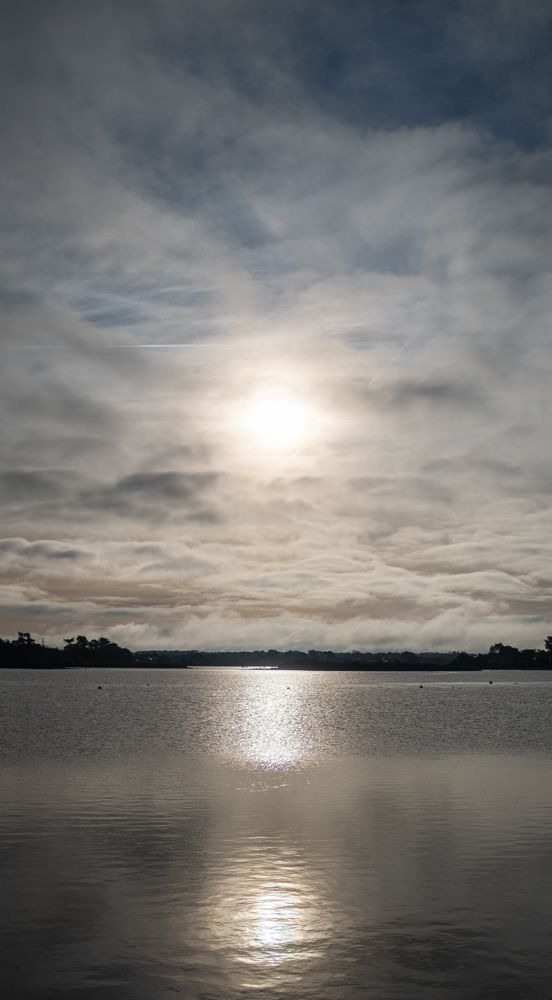
I arrived at St Cado and used the public conveniences, as it is not the done thing to poop in front of everyone. I’m not a dog, after all. St Cado was there waiting for me to get some photos in some beautiful light. I’ve started bracketing lately to get as much as I can out of each image. Bracketing, for those who think I am speaking in Chinese, consists of taking the same photo three times — once with normal metering for light, once underexposed, and once overexposed. Back in the day, you would set up your tripod and take each photo one at a time, but now I press the button and it does it automatically. On film you would lose film doing this, but on digital, with an empty SD card — why not?

As the morning light continued to change and the village slowly came to life, I packed up my gear feeling quietly content. These simple moments — waking early, capturing the beauty of a place like St Cado, and enjoying solitude — remind me why I keep a camera close. It’s not just about the photos, but about being present and finding peace in the everyday. Saint Cado truly was a gift to the senses, and I’m grateful for the chance to savour it in my own way.

Where I’ve Been: Life, Photos & Bursting Tyres


Good morning, dear reader.

Hello lovely people. I know it’s been a couple of weeks since I shared any photography—nothing for your perusal, your viewing pleasure, your delectation—but fear not: I’m still alive and almost kicking.

Life has been happening, as it tends to do. But I have been busy behind the lens, and I’ve got photos from left, right, and even centre. Lourdes. The mountains. The wild coast of Brittany. There was even a family photoshoot for my mother-in-law and two of her daughters. All with stories attached, of course. I just need the time to edit the images and write them up properly for you.

Recent Life & Travel Updates

So what’s new in my world?

Well, my son has moved into his own place with a mate—which is both a proud and surreal moment for a parent. As for me, I managed to burst two tyres on my car by accidentally driving up onto a particularly cruel bit of pavement. I was properly disgusted with myself.

Thankfully, the garage reassured me that I wasn’t a rubbish driver—that stretch of pavement had claimed more than a few victims. Apparently, I’m just one in a long line.

I’m now looking into getting a different car for my upcoming summer trip to the UK. That, and I’ve been eyeing drones—yes, partially because a mate has one, but also because the cinematic potential is just too good to ignore.

Dipping Into Video & Drone Photography

Lately, I’ve been making short training films for work, which has nudged me into exploring video for myself. It’s been a learning curve, but I’m enjoying it. Drone footage, in particular, would give my personal video projects that sweeping, cinematic feel everyone seems to be chasing right now.

It’s exciting to try new creative tools—it stretches the eye and challenges how I think about framing, movement, and story.

Favourite Photography Gear Right Now

If you’re curious about the gear I’ve been reaching for lately, here’s what’s been in my rotation:

  • Fuji X100F with the 23mm f/2.0 (35mm equivalent) – perfect for mindful black and white street work.
  • Canon 6D Mark II with the 16–35mm f/4.0 – excellent for dramatic landscapes and travel shots.
  • Fuji XT-2 with the 18–55mm f/2.8–4.0 – a solid choice for work-related video filming.

And yes—I’m still working in both black and white and colour. I love both approaches, but when I shoot black and white, I try to do so deliberately, not just as an afterthought in post. The choice of tone affects everything—the light I look for, the lens I pick, even the timing of the shutter.

What’s Next: Photo Editing, Writing & More

Music is winding down for the season after some fantastic concerts. Meanwhile, the world rolls on—there’s a new Pope I quite like, and it seems Donald and Elon are in a bit of a spat again (but let’s not get into that).

As for me, I’m getting back to editing, writing, and creating. Thank you for bearing with the silence—new photos, stories, and perhaps even videos will be coming soon.

Until then, keep well, stay curious, and maybe avoid the pavements.

— Ian

Balancing Film and Digital: A Photographer’s Journey


Introduction

Have you ever had to make a difficult decision that you really had to think long and hard about, one that would have real-world consequences for you and your creative process? I have, and I’m going to share this first-world problem with you. Now, I know first-world problems are a joke, but this problem became very real to me during the run-up to the China Orchestra Tour: film or digital?

You all know about my fondness for the analogue process and the results I’ve been able to acquire. Judging by my recent stats and pages visited, this might just interest you.

The Allure of Film Photography

I’m not saying this was causing me the traditional anxiety that I have been known to suffer from in the past. But… I had to decide how I was going to record my trip and, therefore, what to take with me. I’ll give you a list of my ideal kit, and it might help you to understand my dilemma.

  • Camera 1
    A recently acquired Nikon FE (my first ever Nikon) and black-and-white film, ranging from Fomapan 100 ASA right through to Ilford HP5 Plus, whose box speed is 400 ASA but can be pushed up to 1600 ASA and still provide great images.
  • Camera 2
    A Mamiya C220, which is a beautiful piece of kit with various 120 format black-and-white films, HP5 Plus, Portra 400, with the addition of Kodak Tri-X.
  • Camera 3 (maybe 4)
    My Olympus Trip or even the Olympus Pen EE S half-frame camera, for those informal colour shots with some Kodak Ultra and even a roll of Portra 160 for that gorgeous vintage style.

So, you have my film cameras with the film that goes with them. They provide a photographic experience unlike any other. The slowing down of the process, the reflection on each shot taken, the satisfying sound they make when you press the shutter release button. And so much more. They also look pretty damned sexy just hanging there around your neck, and people will think you are a “real” photographer, and that old-school vibe just adds tonnes to your sartorial elegance. Yes, you become a real poser, but do I care? Absolutely not!

The Practicality of Digital
  • Camera 5
    My much-loved Canon 6D Mark II, with a couple of zoom lenses – 24-70mm F4.0, and my 16-35mm F4.0 lens, and maybe even my nifty 50.
  • Camera 6
    Fujifilm X100F, the travel photographer’s ideal camera with the 35mm equivalent F2.0 lens for that sexy bokeh. It’s the Internet that said it, not me.

Now moving into the digital world. Convenience, convenience, and in case you hadn’t realised, convenience. I love them both for the variety of shots they allow me to take, and as I learnt photography “back in the day,” I have still conserved the same approach that I had in analogue photography, i.e., not spraying and praying like I have seen some colleagues do.

It is easier to use a flash, and you have an image that can be transferred to your phone, edited in Lightroom CC, and rapidly shared in the China Orchestra Tour WhatsApp group. And people can see what a great photographer you are. Couple the Canon colours and the Fuji film simulations, and you can have all the creativity fixes you might need at your fingertips.

The film cameras were there to satisfy my love of the analogue process and the nostalgic film look that only film can give. The digital cameras for their practicality, lens effects of going really wide, and having the possibility of going right up to 70mm. Choices, choices, choices.

Reality Check

Now let’s get back to reality and look at the ever-growing list of constraints. First of all, I am going on tour as a musician and not as a photographer. One really has to make this important distinction, as it gives a sense of purpose to the trip as well as the implication of priorities.

I would be flying across half the world, and therefore have to follow the demands of the air travel industry and airline rules. That meant no more than two lithium batteries, and one in the camera, and not in your suitcase but in your hand luggage, or on your person. They don’t like the idea of these batteries exploding or causing fires mid-flight. And because we are respecting the zero BS rule here, I don’t fancy that either. I would be limited by weight for my suitcase: 23kg and 20kg for flights inside China. My priority was to be a musician first and not a photographer, if ever I needed reminding…

If I were going to the UK, I would just have to annoy my family in the car with it being loaded up with camera gear, but this is China we’re talking about. Not a jaunt across the Channel.

In my suitcase, I will need my clothes for two weeks, my suit for concerts, shoes for concerts, wash bag with all my toiletries, as well as my CPAP machine for my sleep apnoea (I have to think about my quality of sleep as well as not snoring for my unsuspecting roommate Corentin). My hand luggage would be my instrument, and as we didn’t need mutes, I might be able to get away with stuffing things up the end of my horn’s bell. Please note that I didn’t try to get a cheap laugh by using the word bell-end…

So here I am back at the beginning of this article, and yet now you might better understand my dilemma.

Tell us what you decided then!

Alright then, I will.  Welcome inside my mind and my thought processes. The sheer weight of all the kit would have made tking everything completely impractical.  I knew this and had come to terms with it.  I really wanted to analogical, but then had to come to terms with the fact that airport scanners can damage undeveloped film.  Also the Mamiya weighs a tonne and would have been impractical to lug around China, despite the wonderful images it provides.  Carmer 2 out!  Now for security check I had bought a metal film box for my films so that those charming people at airport security could check my films, making sure that I would not blow up the plane.  Not really my style…

That would leave me with Camera1, 3, and 4.  Cameras 3 and 4 are particularly sexy and Carmera 4 being a half frame camera, gives you double the amount of shots for your film.  However it uses zone focussing, and the ISO setting only go up to 200ASA so you need lots of light.  Camera 3 is similar in the fact that it goes only up to 400ASA so not good for lowlight shooting.  Cameras 3 and 4 out.

That leaves me with Camera 2.  Which is of course uber sexy and Aperture priotity, which I like, and has a larger ISO range, and one that I can focus accurately with.  I had black and white film for it which I enjoy using and know how it reacts and what kind of shots I can get out of it.  Very satisfying shots.  It also doesn’t need lithium batteries to work, so that helps rule that danger out.  But I would still have to contend with the possibility of annoying security staff, and annoying Chinese security staff, and as I speak no Chinese, that would be challenging. And yet it still had a chance of staying in the race.

Now lets explore the digital realm. Camera 5: The Canon 6D Mark II is a beast of a camera and one I enjoy using.  It’s lenses are beyond compare, and it would offer me lots of choice in choosing my subjects.  However it would be heavy, especially with those lenses, and despite being able to have my images straight away, would it really be worth that added weight.  Camera 5 out.

Camera 6.  The Fujifilm X100F.  Probably my favourite digital camera, and the one I took to the UK this summer as a test for this Chinese trip.  It’s small.  Compact and silent.  And yet despite being a digital camera, it has an analogue feel to it, and is also very sexy, so I can still pose with it and it will give that serious photographer look, and make make people wonder is he using digital of analogue…  Hmmm.  Sounds like a good choice.  It’s downfall lies in its power consumption. I would need three batteries in total.  Which would mean that I would have to entrust a battery to a friend..

The two cameras left in the race are the Nikon FE analogue camera with it’s 50mm F1.8 lens which doesn’t need batteries.  50mm was the lens I learnt photography on and would allow me to get some decent portrait shots.  However with the Fujifilm, I could change ISO setting without the hassle of changing my film, create scenic shots, as well as environmental portraits, and I could transfer the photos directly to my phone and share them straight after editing.  

The X100F: Why It Was the Right Choice

The X100F became the clear winner for several reasons. It’s compact and lightweight, which was essential for travel, yet it produces sharp, detailed images. The 35mm equivalent F2.0 lens allowed me to shoot wide-open for beautiful bokeh in portraiture and environmental shots. The range of film simulations, from classic Chrome to Acros, allowed me to quickly achieve the look I desired without extra post-processing.

Its hybrid viewfinder provided both optical and electronic options, letting me choose the right method depending on the shooting conditions. The controls are direct, giving me full control over exposure and depth of field, without the need to dig through menus. And though it’s a digital camera, it retains that analogue charm that makes shooting feel personal and intentional.

The only downside was battery life, but I managed to bring a few extra batteries, which wasn’t too much of an issue for the flexibility the X100F offered.

Conclusion

In the end, the Fujifilm X100F was the perfect balance between practicality and creativity. Its digital conveniences, combined with its classic photographic feel, made it the ideal camera for the China Orchestra Tour. The images you’ve seen in my latest China Series article were all taken with the X100F, and I’m happy with the decision I made and I hope you might be too…

China – Shenzhen day 4 – Shenzhen to Huizhou to Shenzhen.


Today, we were giving a concert in Huizhou (clue in the title, as always) and needed to be ready for the buses at 10 a.m.—a thoroughly civilised hour for a gentleman like myself. The journey would take us about 90 kilometres, another day of life on tour spent bussing around. Victor, the oboe player, kindly put my suit in his suiter, leaving me to carry only my instrument and camera. What a pleasant young man. As people drifted down from their respective floors, we gathered in the hotel lobby, a mix of sleepy faces and quiet anticipation. 

Off we went. Was I with the young, trendy crowd today? Not at all. Always leave them wanting more. Instead, I decided to spend the day with my “girlies” from my Cholet days—Eléonore, Titaua, and Mathilde—along with Catherine, another first violin. It was a calmer group, slightly olde9r than the twenty-somethings at the back, which suited me just fine.

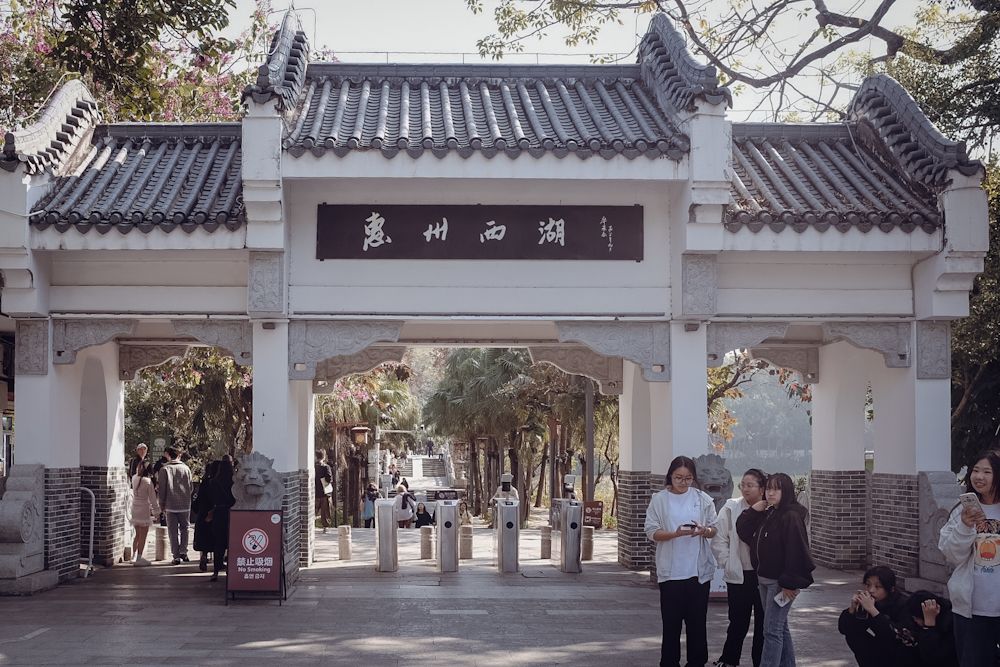
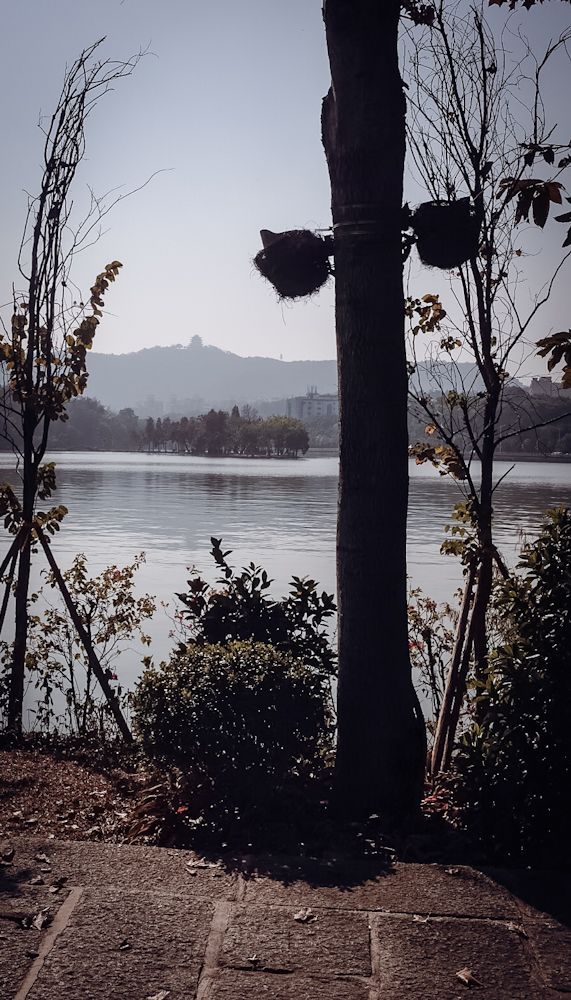
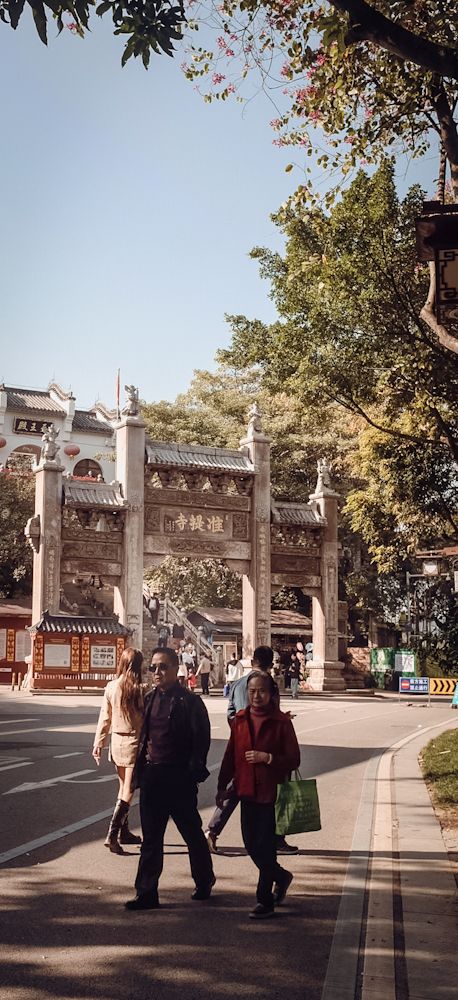
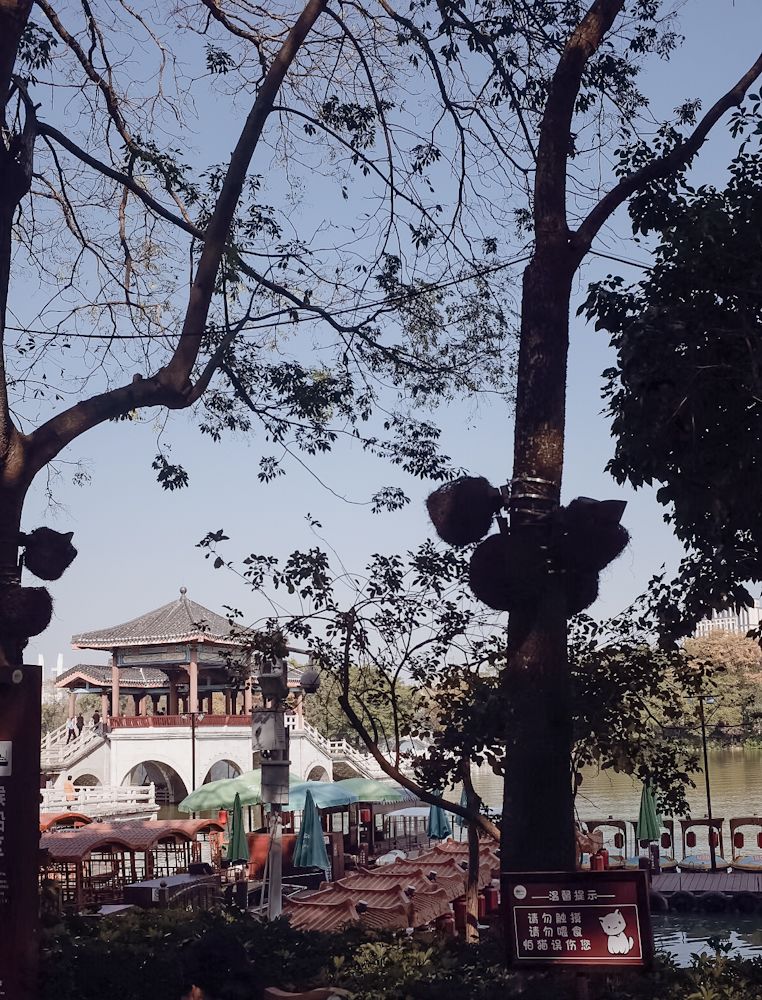
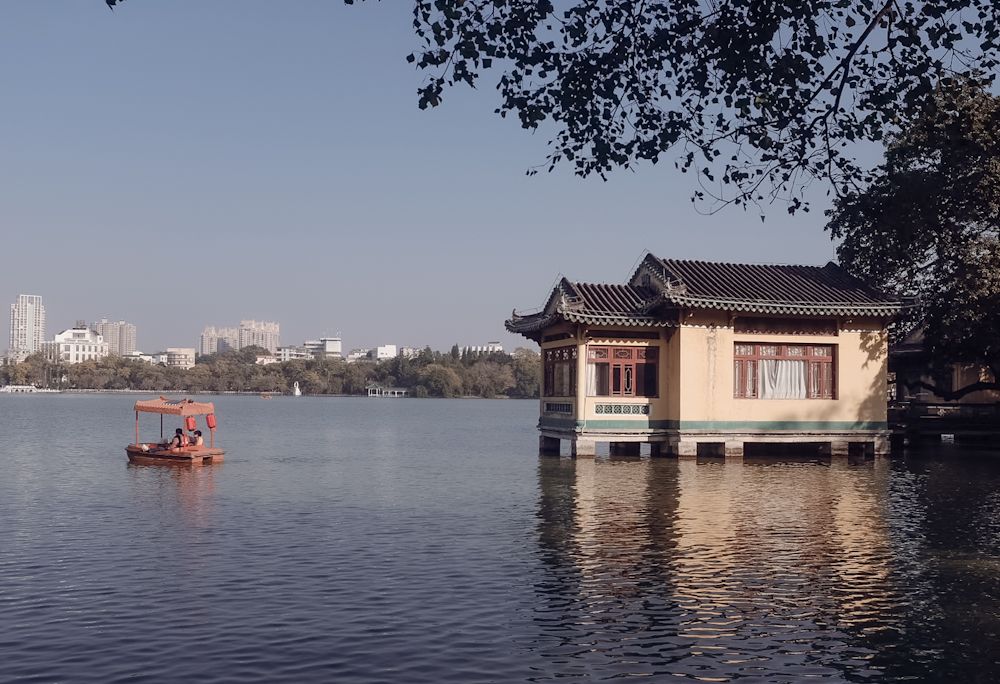
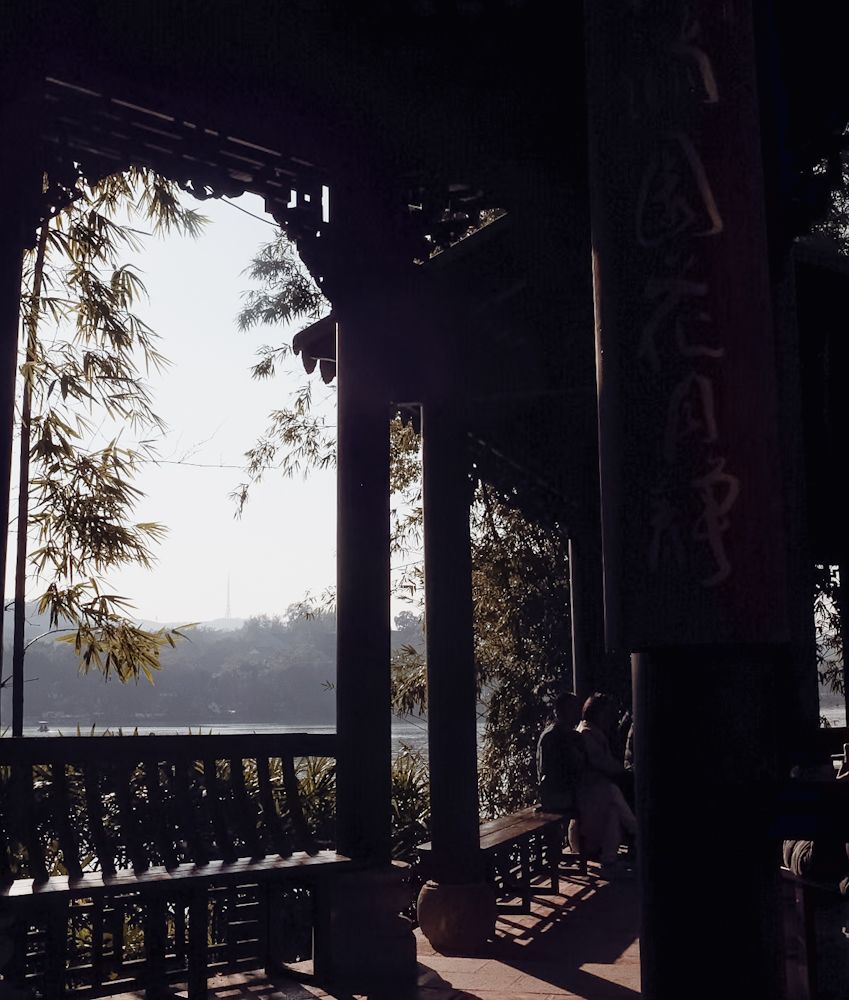
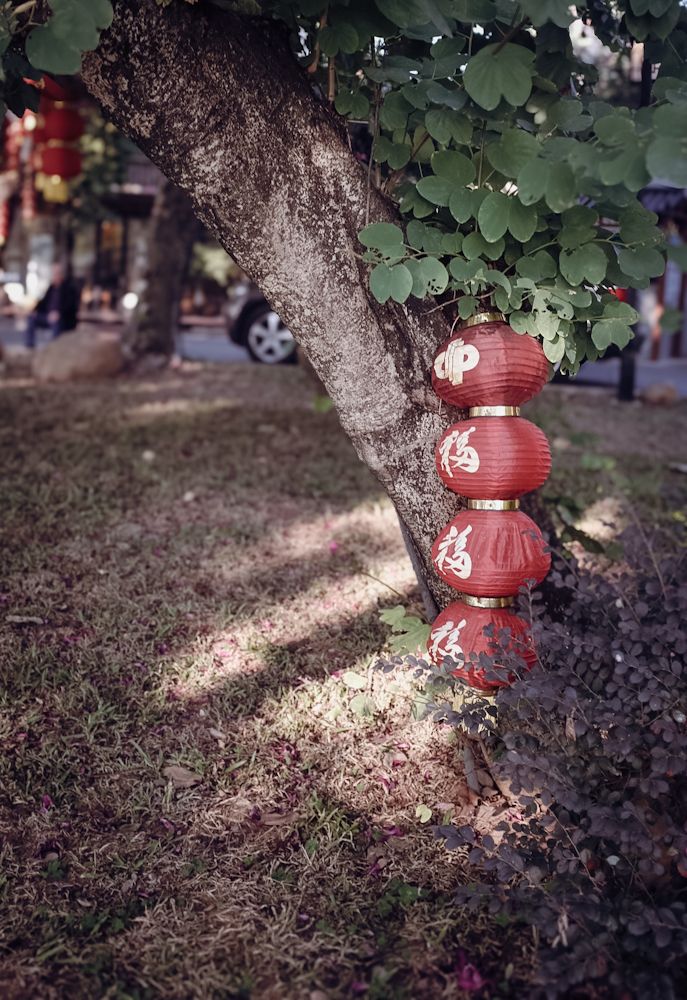
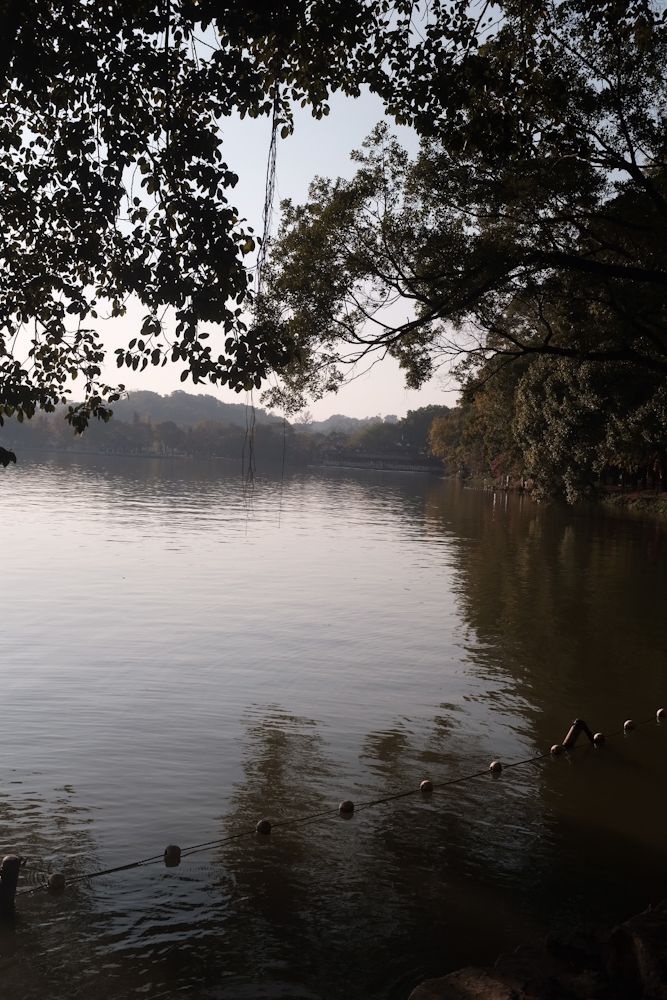
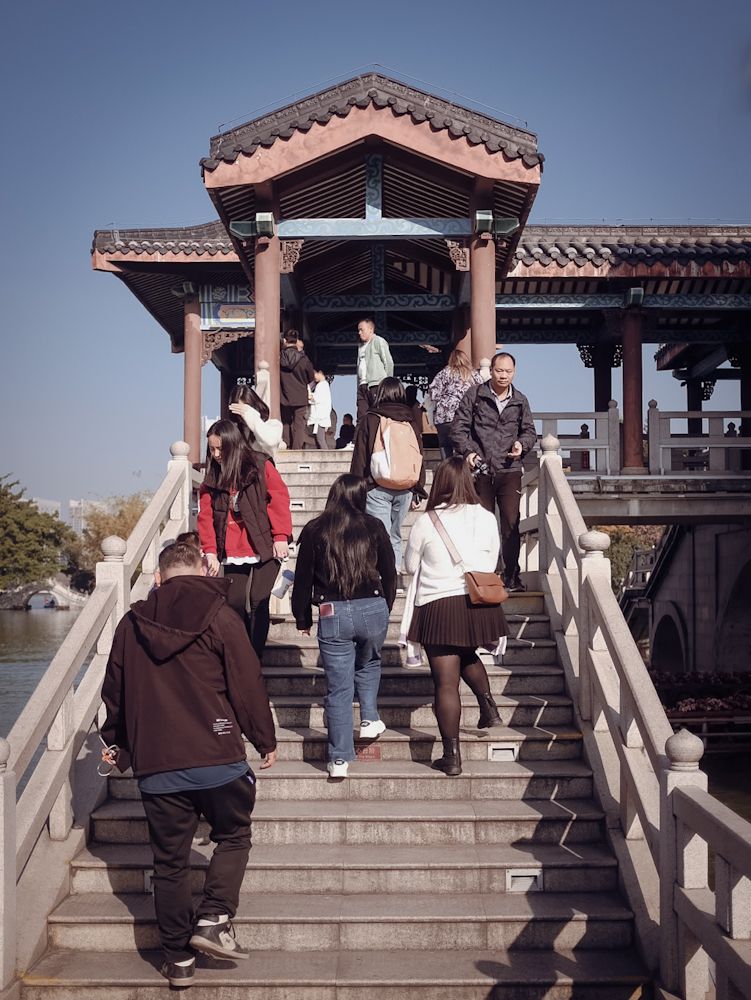
Once underway, we learned our first stop would be a lake before heading to the evening’s venue. A leisurely stroll around a lake? I wasn’t thrilled at the idea. Am I coming across as a misanthrope? Moi? Really? But when we arrived, I was pleasantly surprised. The lake, surrounded by hazy sunshine, was breathtaking—quintessentially Chinese with pagodas, temples, and bamboo groves. The entrance gate itself was a work of art: a grey, ornate roof atop white columns, with traditional calligraphy adorning the sign above. It was beautiful, and I felt unexpectedly happy to be there. 

The walk would be leisurely, which was ideal for me. The trees and bamboo offered some welcome shade and acted as a diffuser for my photographs, and I knew this was definitely going to be a good day. I saw our friends’ Chinese boyfriend and Chinese girlfriend going through the same rigmarole as they had in Shenzhen’s Window on the World, which I still find amusing! 

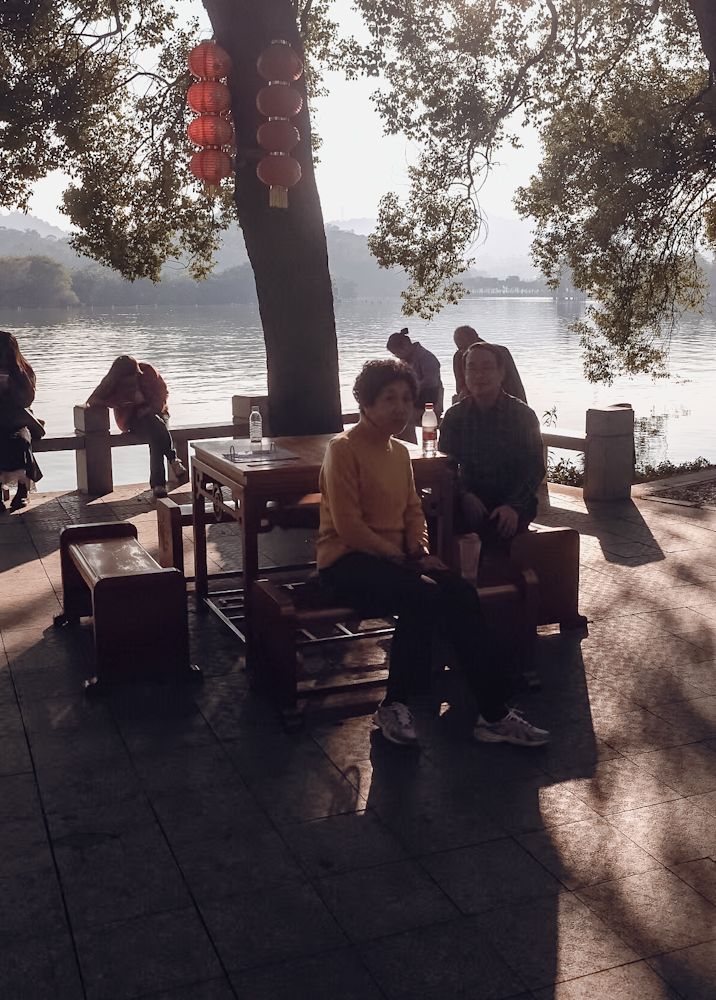
There were groups of Aunties and Uncles, as the Chinese call older people, sitting on benches looking out across the lake at various pagodas and temples. It was one of those places that breathes calm. I like calm. 

I sat down to join the girls for lunch, but I had already eaten, yet they insisted I partake of their picnic, which I did with pleasure. They really are good to Uncle Ian. They joked about hiring a pedalo and going around the lake. Mathilde’s foot was hurting her, so we decided to take the shorter walk back to our rendezvous point, letting Eléonore and Catherine explore the long way round. We even joked about hiring one of the electric golf cart-type buggies to get around. You may have noticed that I haven’t talked about selfies yet.

 Well, at the table behind was an Uncle and Auntie who wanted to take a selfie with us—first it was the two uncles together, then everyone! I was getting a taste for all this. The attention is definitely validating and made us feel amazing. Yes, made me feel very special, especially when you see their smiles. It’s not like being adulated by adoring fans, but more like appreciating and celebrating your presence in China. It is something that will stay with me for the rest of my life. 

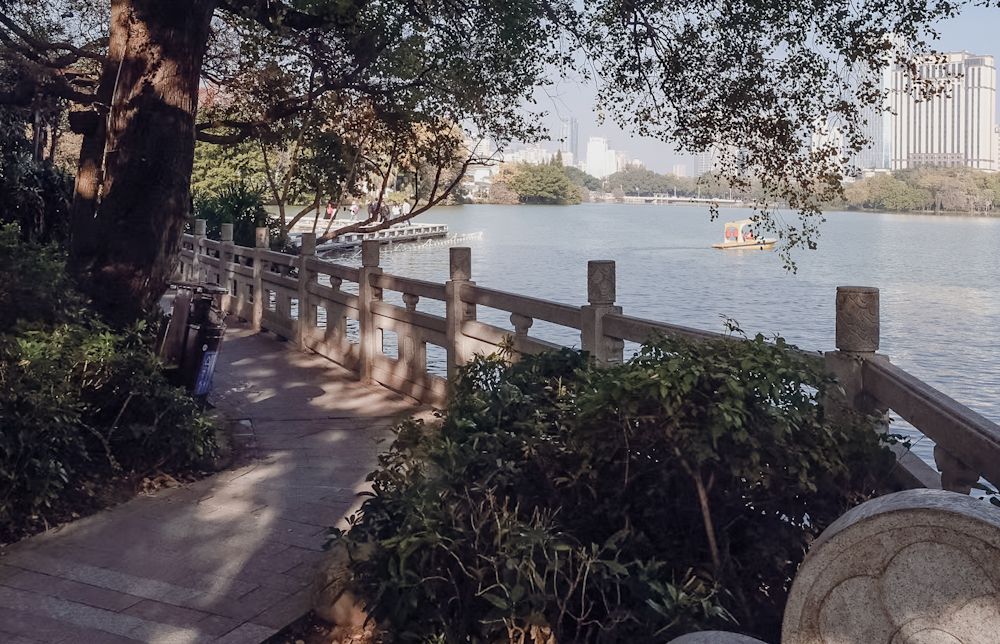
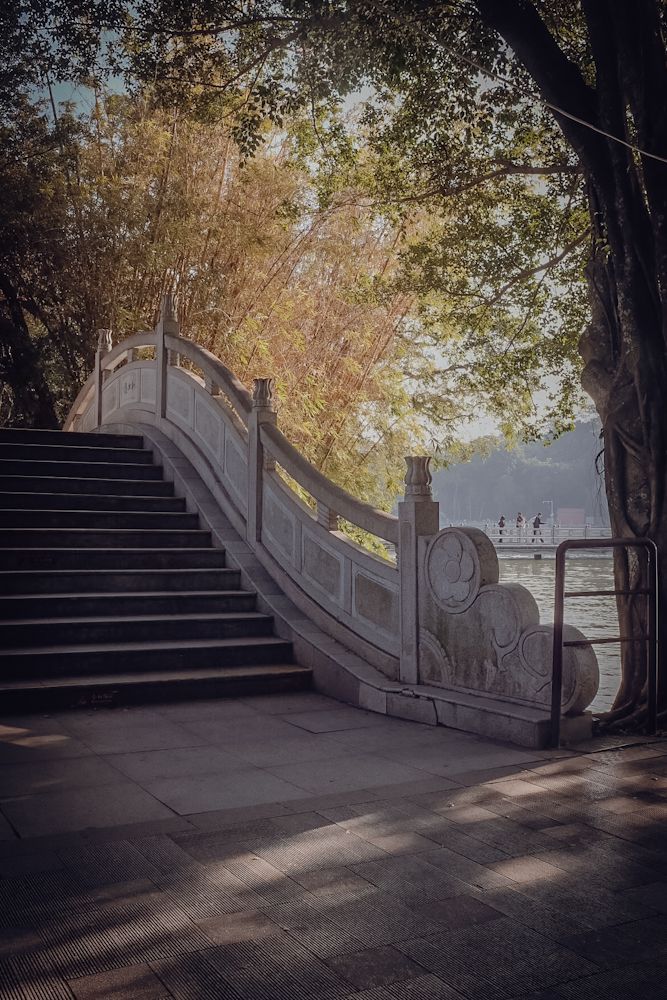
We crossed the lake using the walkway and going through the decorated walkway with its traditional Chinese style. Everything felt Chinese, but in a more classical way. The architecture, the building styles, the plants—even with the bamboo being a feature—as well as the white hump-backed bridges. I was having a special moment with Mathilde and Titaua as we gently made our way back to the bus, and even though it wasn’t the scenic route, you could be mistaken for believing it was. The views were amazing… 

Taking in the light coming through the trees, and sparkling on the water. It was beautiful, and I was so happy to be there amongst longtime friends. Titaua moved on ahead, and I stayed to accompany Mathilde and her bad foot. 

She had put on a brave face the day before, chasing around Shenzhen with the girls. It had gotten so bad that Titaua had to accompany her back to the hotel in a taxi. She didn’t want to put anyone out, and I found myself seeing her in a new light. Maybe that’s what this tour was really about—seeing people in a new light and discovering facets of them you’d never noticed before. When you’re on tour, the masks we all wear tend to slip, and the inner person shines through. It’s human nature to put on a front—I’m certainly guilty of it, especially with my own ongoing struggles with mental health. But during the tour, I felt I could let that mask drop. It was liberating in a way I didn’t quite expect. 

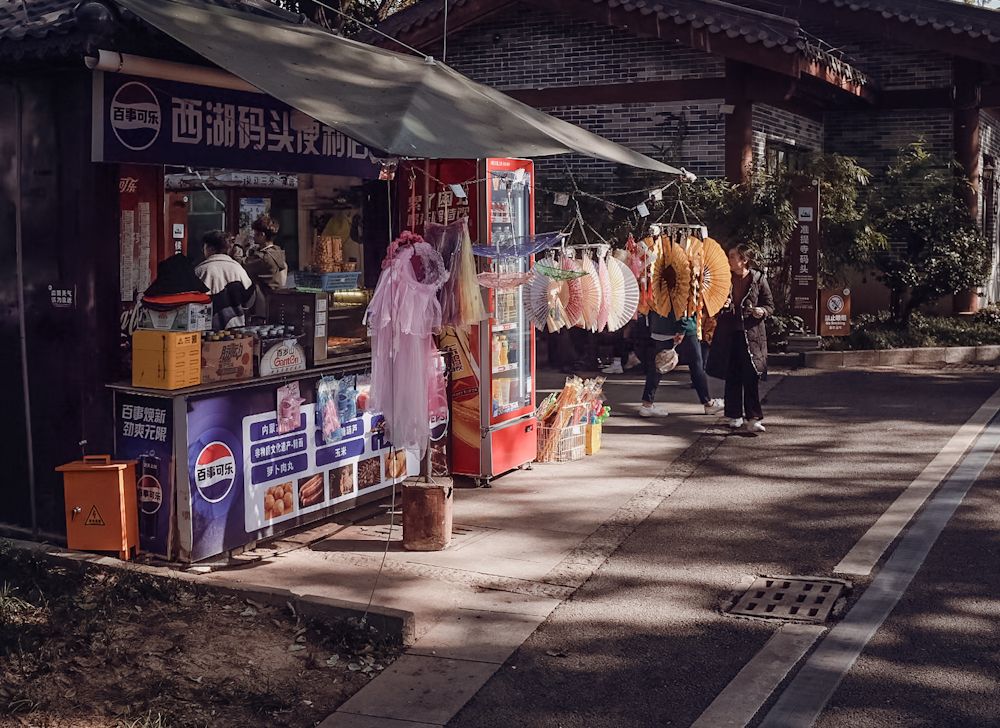
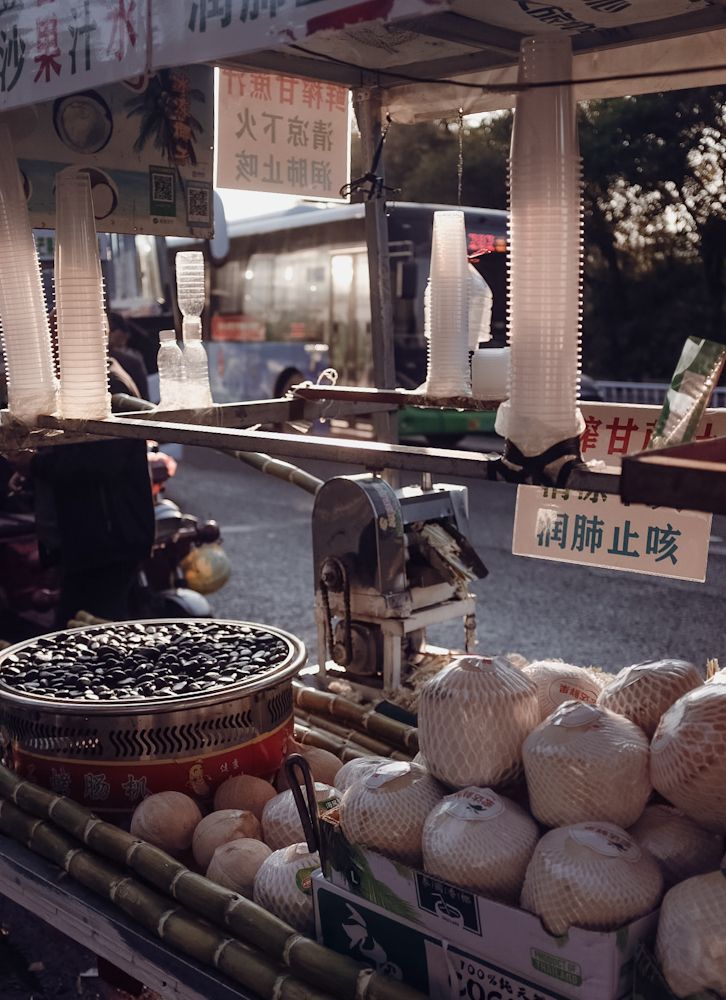
Back at the rendezvous, I was captivated by a coconut and sugarcane juice stall—a moped with a shop grafted onto its back. I didn’t partake but saw how the backlit scene looked very poetic and couldn’t resist taking a picture. I’m glad I did. 

The younger crowd soon returned, with Corentin (aka Sir Fanny Magnet) and Paul (“Duck Tongue” Trouillet) basking in their fan club’s adoration. 

Another selfie session ensued with the younger crowd having selfies with the young Chinese crowd. Corentin, aka Sir Fanny Magnet, and Paul “the Duck Tongue” Trouillet had obviously told their fan club of their imminent arrival. But unexpectedly, that same younger Chinese crowd came up to me asking very shyly if they could have photos with me. I don’t know if it was the Uncle Ian legendary charm or the Father Christmas effect; it certainly left me feeling even more wonderful!

Yes, I think you might have guessed by now, but it was back onto the buses, and off to the venue. I had certainly been inspired for this concert by the kindness and bienveillance of the local population. I would have to make this a performance to remember. And indeed, it was!

China – Shenzhen Day 3


A Day Off in Shenzhen – Rest, Reflection, and Culture

https://ijmphotography.net/2025/11/14/致我在中国的读者们:一封感谢信a-letter-of-gratitude-to-my-readers-in-china亲爱/

After a late night chat (you know how it goes on tour – what happens, stays on tour), I decided to treat myself to the luxury of a lie-in. And it was just what I needed. This felt like our mini-break during the tour – a sort of weekend off. It was well deserved. Life on tour can be demanding, and the emotional investment involved can really take its toll. Corentin and I both got up at the same time, and he was off to join the others in the big city. As for me, I was having a day to myself with my little companion – the X100F. Just the two of us.

So, what was the plan for the day? Well, I was hoping to visit a spa for a massage to sort out my legs. I’m not exactly fond of pain, but thought it would do me good. I have arthritis in my right knee, and although the weight loss has relieved much of the pain, my left knee has been compensating, and my left calf was starting to feel like it was on the brink of tearing. Not ideal. I had found a few places on TripAdvisor, one of which had a rather dubious reputation – apparently, not only offering massages but also “happy endings.” Definitely not for me. I did find a more refined option with a solid reputation for wellness. Perfect. All I had to do now was find it.

As I left the hotel, I bumped into Jennifer Courcier, our soloist and guest star. She still has an amazing voice – if you caught last week’s concert post, you would have heard it. If not, well, go have a listen now. I’ll wait…

Starbucks and Cultural Contradictions

Good, wasn’t it? Doesn’t she sing beautifully? Jennifer mentioned she was heading to the beach but first needed a coffee fix. Starbucks was nearby, so off we went for a caffeine hit. Now, whenever I hear the word “Starbucks,” the phrase “basic bitch” comes to mind. I never know what to order, so, with a bit of help, I discovered that “ordinary” coffee is actually a double espresso. My anxiety was starting to rise as I tried to make the choice, but I finally settled on the “Yunnan” blend. The Chinese barista prepared it with such care that I almost felt like royalty. Things were already looking up.

We sat on the terrace and chatted. I’d been mentoring one of my younger horn players to help him out of a funk. He had recently switched mouthpieces to improve his upper range but went back to his old one. Classic horn player existential crisis. If you know, you know. Jennifer had witnessed one of my coaching sessions and seemed quite impressed by the process. Maybe I did know a thing or two about teaching after all.

The coffee was excellent, and so was the company. We chatted some more, staying off the topic of music. Who wants to talk shop when you can get to know the real person? It humanises them, and Jennifer shared the story of how she became a professional singer, her journey to this point. We eventually parted ways, and I popped back into Starbucks to buy a couple of mugs for the children. One less thing to argue about back home.

Solo Adventure – Exploring the City

I managed to find the metro on my own and bought my little green ticket. The attendant asked where I was going and showed me the map. I couldn’t make sense of it, so out came my phone to zoom in on the stop I needed. I suddenly felt very old, yet thoroughly modern.

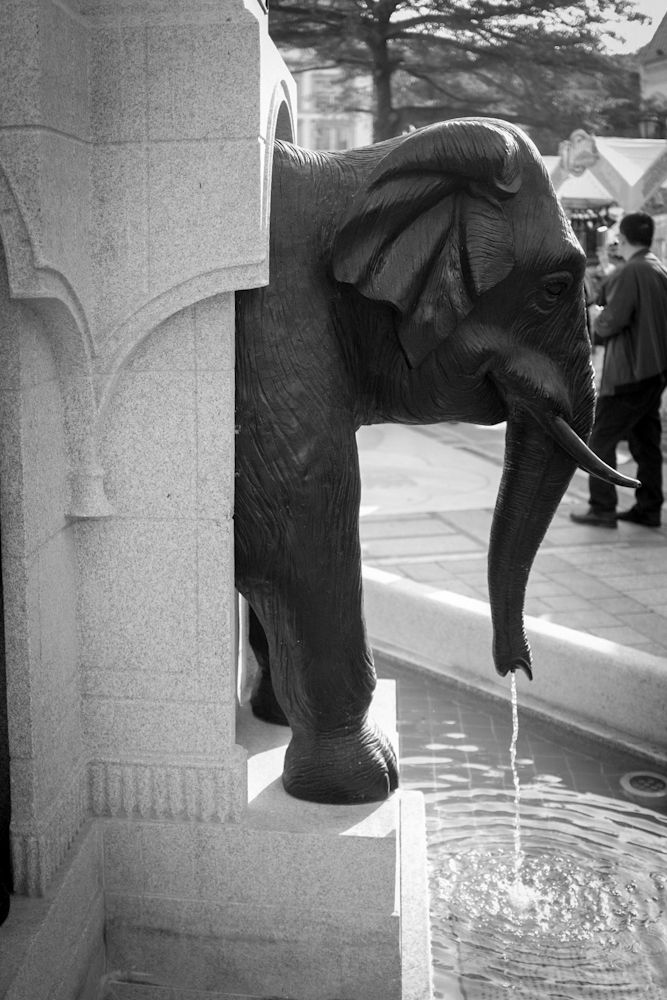
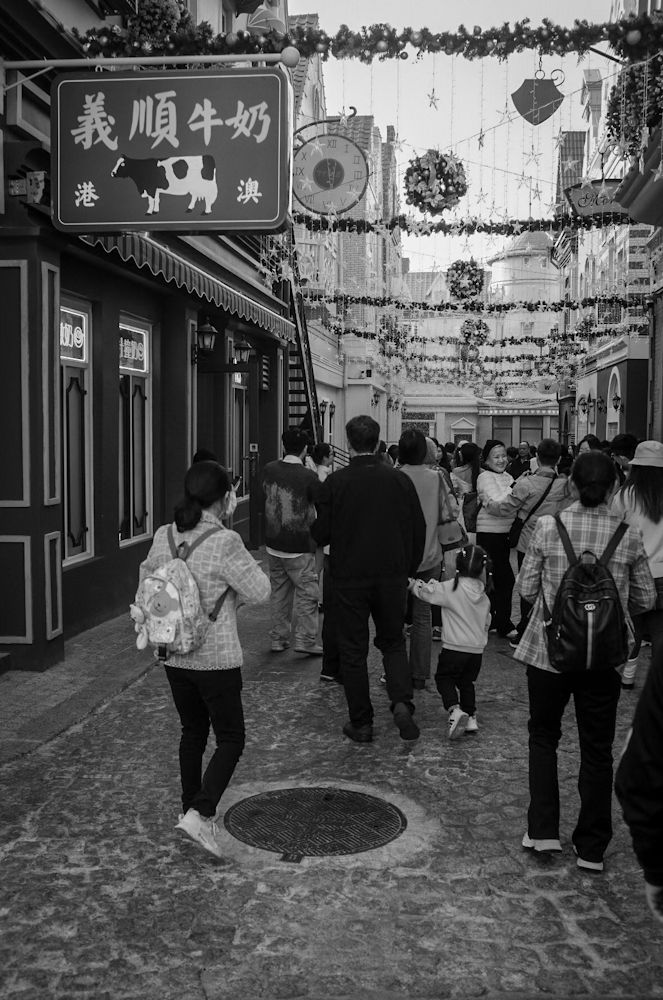
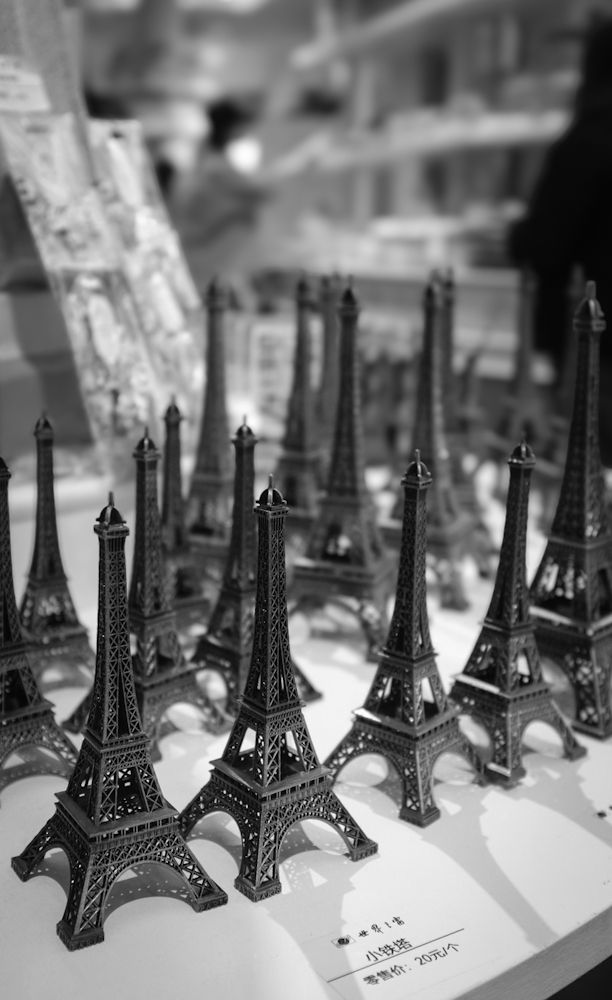
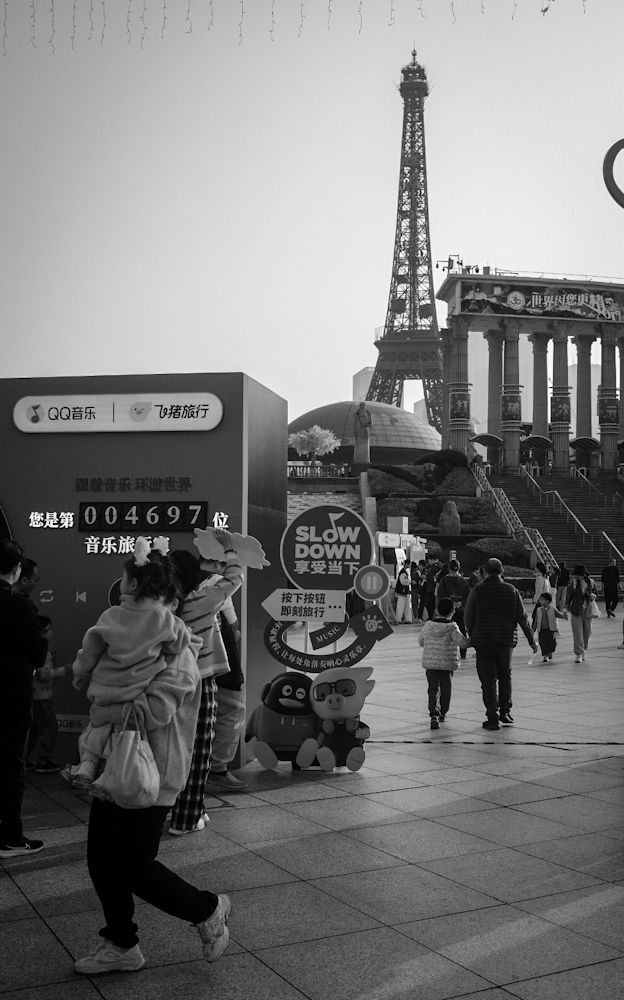
On the train, I just watched people, even managed to get a photo or two. My destination? Window to the World – a theme park where you can see replicas of monuments from around the world. I wasn’t going to pay for the full experience, as I’ve already seen many of the real monuments during my travels, but it seemed like good material for photography.

I’ve mentioned before the cultural differences between France and China, but this next observation took me by surprise. Let me introduce you to our characters: Chinese girlfriend and Chinese boyfriend. Chinese girlfriend is the picture of elegance, effortlessly fashionable, her makeup and hair flawless. Chinese boyfriend, by definition, is the photographer, capturing every moment to make his girlfriend look like a top model. She strikes a pose, usually demure and poised, while he stands there, holding the handbag, looking less than graceful. After a few snaps, she sends him back to retake the shot, and they repeat the process at every new location.

I could understand the desire to control one’s image, especially in a location that might seem exotic for a Chinese person, just as a pagoda in Europe feels exotic for us. In some ways, I must seem a bit exotic to them, too. Later, I learned that some people had been taking photos of me without approaching. It might have been a respect thing, as I was a bit older than them.

I wandered around, watching society unwind on a Sunday outing. It felt good to be alive. But then, it was time to head to my massage.

The Google Maps Mishap

I knew the spa wasn’t far away, but that’s where I made the mistake of trusting Google Maps in China. Let’s just say it’s not the most reliable way to get around here. It led me in the wrong direction, and before I knew it, I was walking the streets, getting increasingly lost. But in moments like these, you often find unexpected shots because you’re paying attention to everything, frantically trying to orient yourself. I eventually found my way thanks to a kind gentleman at a hotel who pointed me in the right direction. I was back on track.

The Deep Tissue Experience

Arriving at the spa, I was greeted by dimmed lighting, tea, and a comfortable chair to relax in. I chose a deep tissue massage that would last an hour – pure self-care. I was told there was a short wait, so I took the opportunity to edit some of my photos from earlier in the day. I was offered more tea by the receptionist, who made sure I felt well taken care of.

When it was my turn, I was shown to the massage room and instructed to change into the disposable undies and bathrobe. Let’s just say, as a bigger guy, I was given their largest robe, and it was definitely on the small side. The little lady who came in to perform the massage had no hesitation in digging her elbows into my back with surprising force. She asked if the pressure was okay, and honestly, it felt like her elbows were massaging so deep that they had gone right through me. The pressure was definitely intense, and despite whincing a little, I said the pressure was fine, lying through my back teeth. She worked through my back, shoulders, and calves, and though at times it felt a “little” too much, I could feel the benefits immediately. They don’t call it deep tissue for nothing!

Recharging and Reflection

After the massage, I was feeling thoroughly relaxed, though not quite “recharged” yet. It would take a couple of days before I truly felt the benefits, but it was already worth it. I was pampered with more tea, biscuits, and nuts – twice! I couldn’t fault the service.

Next, I popped into a shopping mall near the hotel, hoping to find a silk tie for my outfit. Dark jeans, nice shirt, and sports jacket – I looked quite dashing, if I do say so myself. But the price of the ties wasn’t going to work for me, I’m fine with a little luxury now and again, but everything within reason…

A Humorous End to the Day

I took the tube back to the hotel, but of course, I foolishly tried to use Google Maps again to navigate. That was a mistake. I ended up lost. As my phone battery started running low, I sent a WhatsApp message to Corentin, who suggested I take a taxi and sent me the address in Chinese. I was perfectly safe, but definitely lost. Eventually, I hailed a cab, showed the driver the address, and thanked him for saving me. When I told him how awful Google Maps was in China, he just smiled. The fare wasn’t much, but the relief of getting back to the hotel was priceless.

As the great man himself once said, “All’s well that ends well.”

Conclusion: Reflecting on the Philosophy of Photography


As we reach the end of A Photography Philosophy Series, I hope this journey has been as rewarding for you as it has been for me. Through these articles, we’ve explored the philosophy behind why we photograph—going beyond equipment and technique to dig into the heart of what makes photography so meaningful. Each theme in the series has shed light on a unique layer of photography, from capturing emotions to telling stories, reflecting identity, building connections, and even embracing impermanence.

We began with Why Do We Photograph?—a question that sits at the root of every image we capture. For some, photography is about preserving memories; for others, it’s about self-expression, documenting moments, or sharing perspectives. Over time, our reasons for photographing often shift and evolve, bringing more layers to our work as we grow. This first article set the tone for the series by reminding us that photography is a deeply personal journey, and our motivations shape each image we create.

Then we delved into The Emotions of Photography, exploring how images can carry feelings, from joy and nostalgia to solitude and contemplation. Photography allows us to express emotions that words often fail to capture, communicating through light, composition, and mood. Each photograph holds the potential to resonate with viewers in a way that feels both personal and universal, offering a window into the photographer’s emotional landscape.

The Art of Storytelling in Photography came next, where we looked at how images can create narratives—small windows into people, places, or moments that form part of a larger story. Photography has a remarkable way of capturing both detail and the bigger picture, allowing us to document stories that speak to shared experiences or unique perspectives. In a world full of words, photographs can often tell a story with a quiet eloquence.

In Identity and Self-Expression, we explored how photography offers a chance to express who we are and what we see. Our images inevitably reflect parts of ourselves—our backgrounds, our worldview, and our personal journey. For many, photography is as much a journey of self-discovery as it is a creative practice, helping us find our own voice and share it with others. Photography encourages us to see ourselves more clearly and to reveal something of that to the world.

Then came Connection Through Photography, a theme close to my heart. Photography, as we’ve seen, can forge connections—between photographer and subject, among fellow photographers, or with viewers who see something of themselves in the image. These connections remind us that we’re not alone in this world; they foster a sense of community, shared understanding, and empathy that goes beyond language. Photography has a unique power to unite us, even if only for a moment.

Lastly, we explored The Philosophy of Impermanence, where we reflected on the fleeting nature of each photograph. Every image captures a moment that can never be repeated, lending photography its unique poignancy. Impermanence reminds us to treasure the moment and see beauty in the transient. Photography, like life itself, is filled with unexpected moments, and it’s often the imperfections or mistakes that give images their authenticity and depth.

As we close, I invite you to reflect on your own photographic journey. What drives you to take photographs? Which themes resonate most with you—capturing emotions, telling stories, connecting with others, or perhaps embracing impermanence? These reflections aren’t just theoretical ideas; they form the personal philosophy that shapes how each of us approaches photography.

Ultimately, photography is about connecting with the world and each other through shared moments and meanings. If this series has encouraged you to think more deeply about your motivations, experiences, and the meaning behind your work, then I hope you’ll carry those reflections forward. Photography gives us a way to see, to understand, and to share in ways that words alone can’t.

Thank you for joining me on this exploration. I’d love to hear about your own experiences—what drives you, what connects you, and how photography shapes your view of the world. Let’s keep the conversation going and continue building a community of thoughtful photographers, one image at a time.