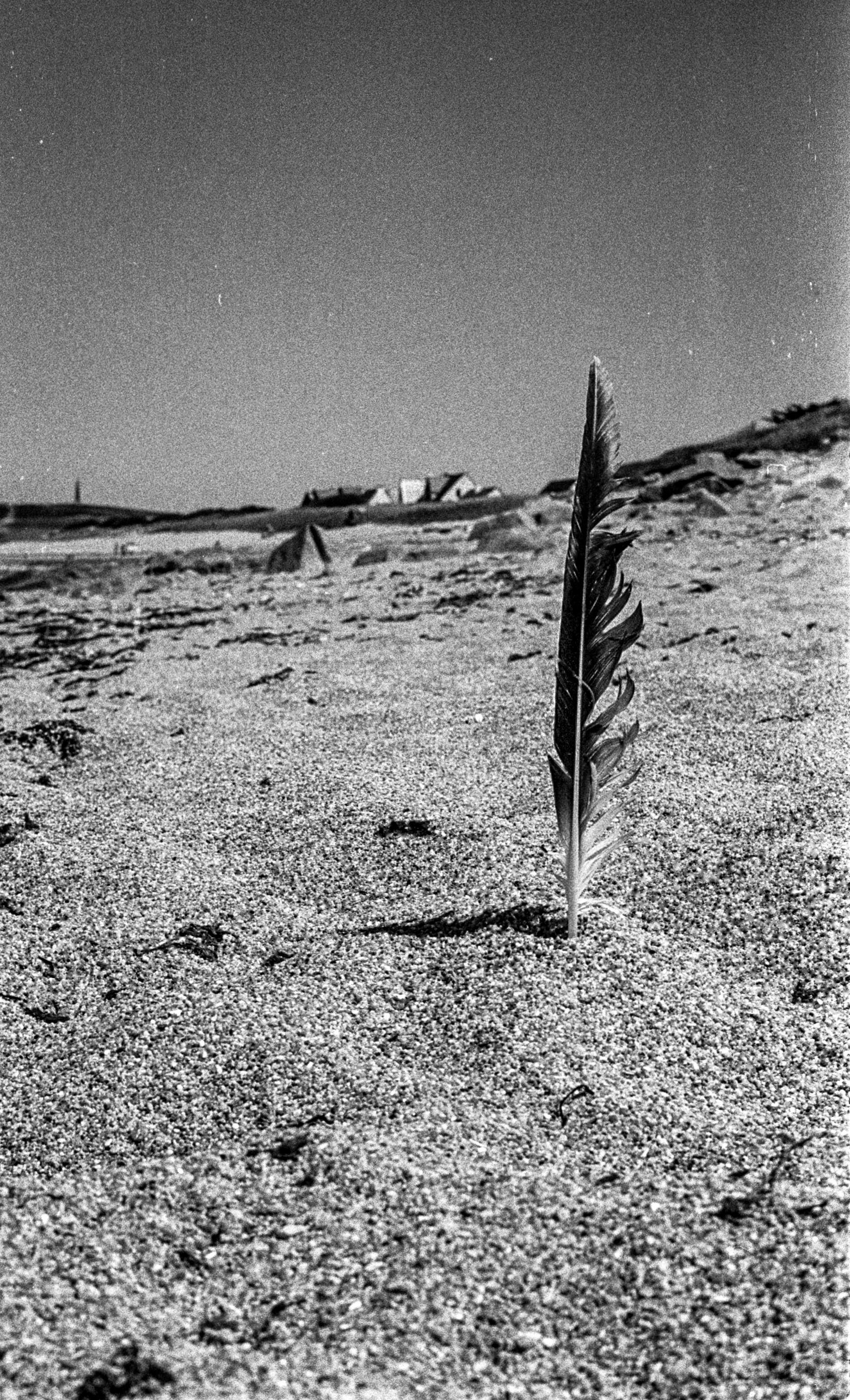
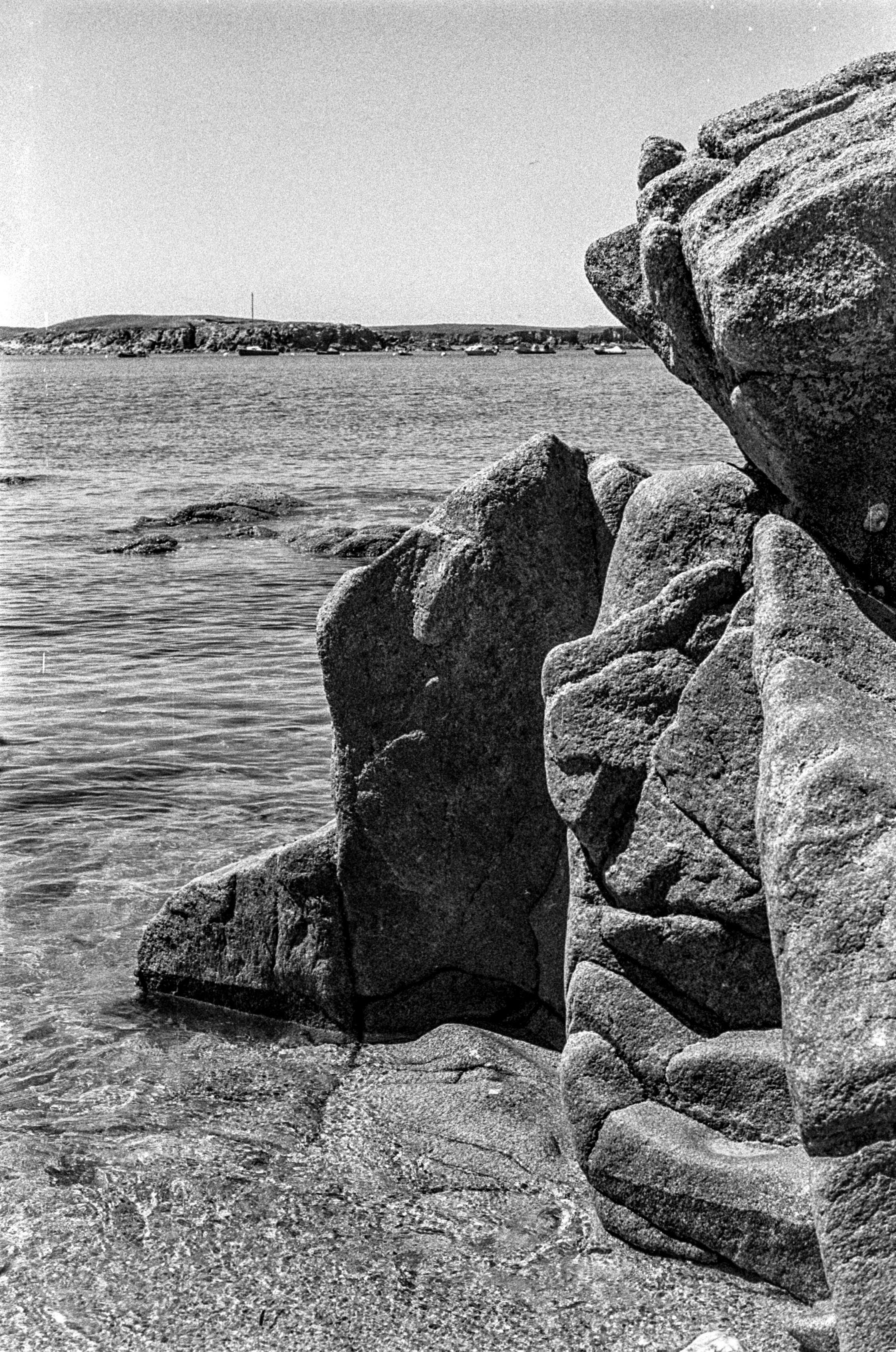
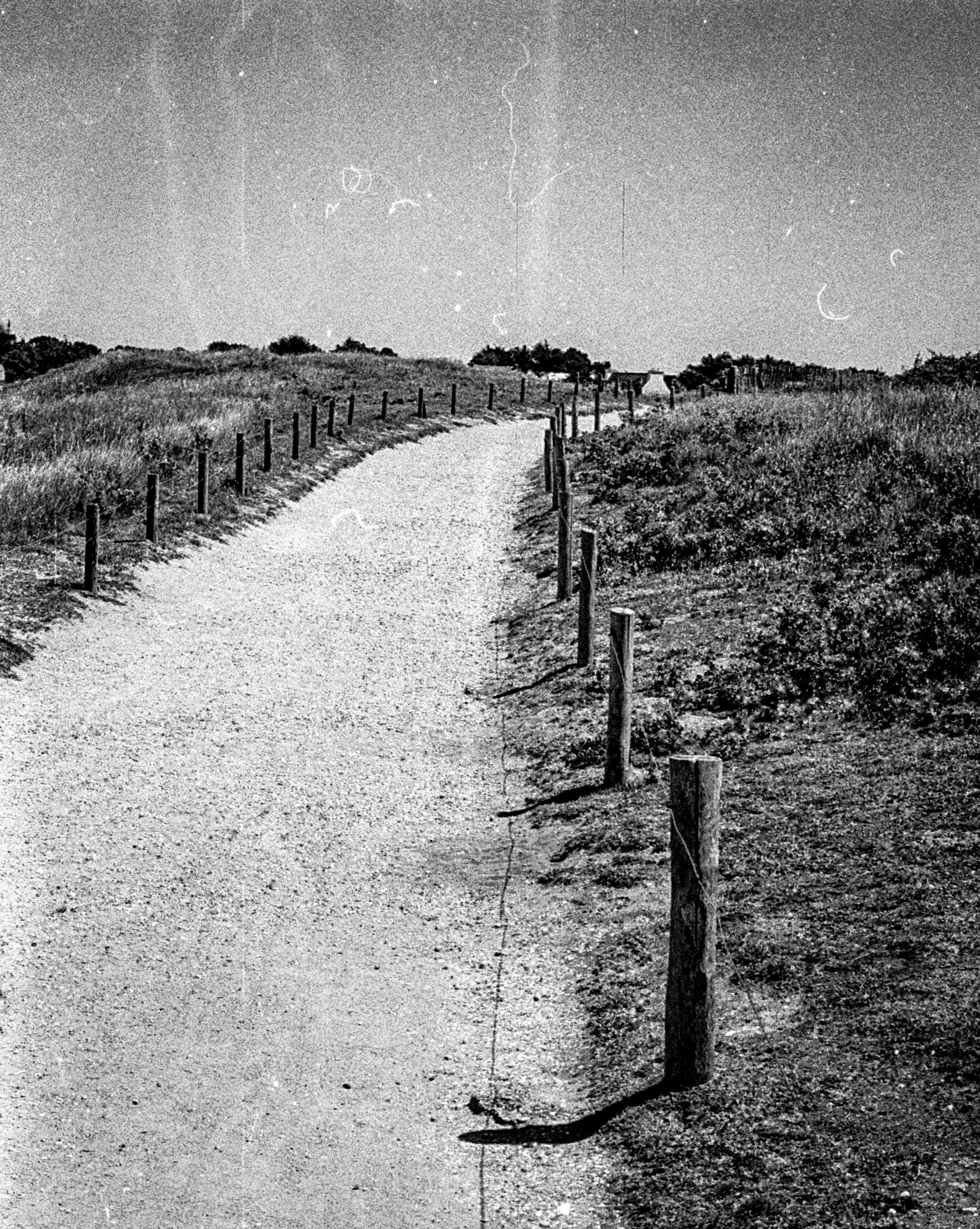
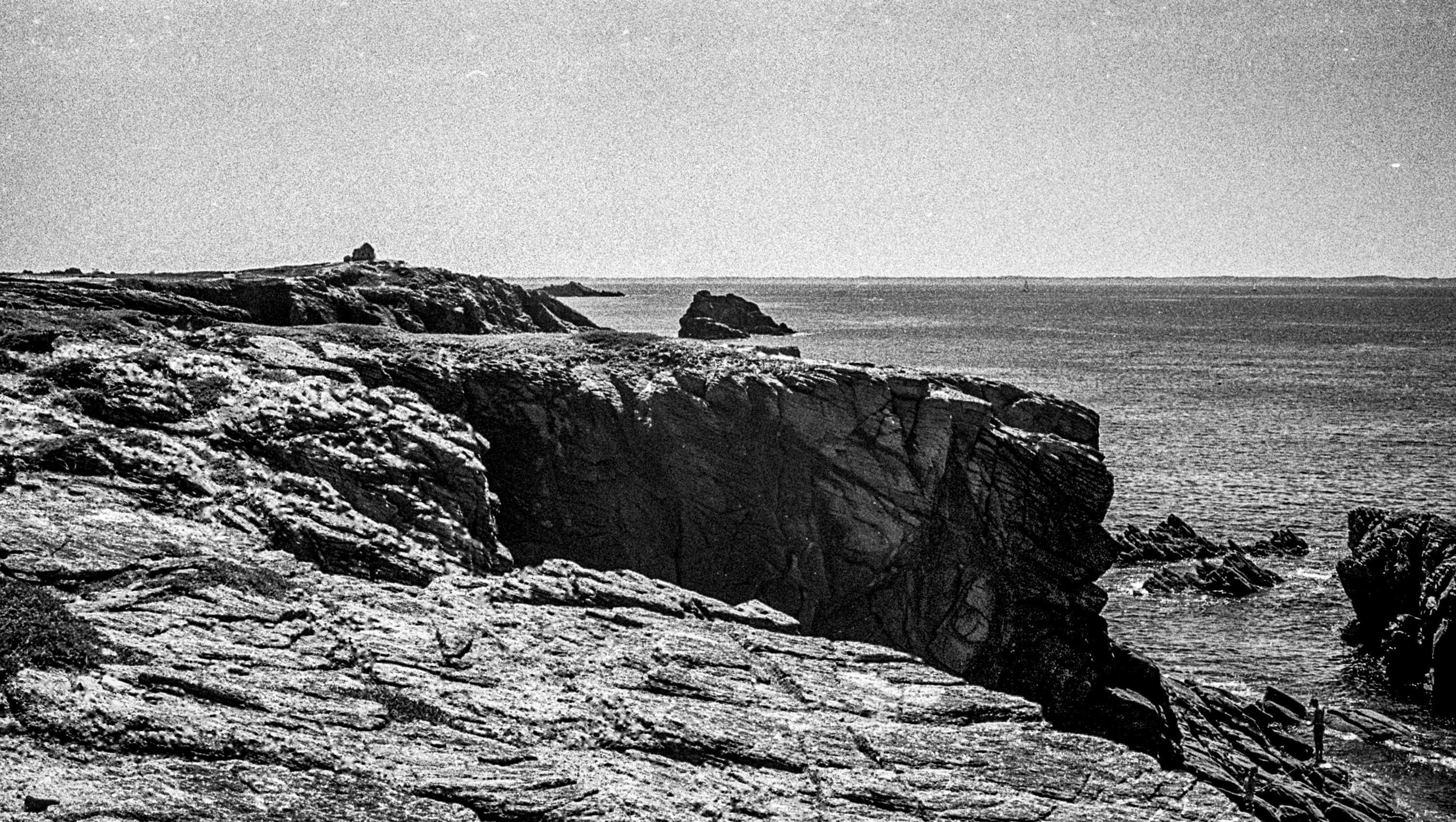
The Opening of the Film Archives – Penthièvres July 2016


I don’t know about you, but I’m really getting into this Film Archive business. It’s great sharing these archives with you all, and it’s certainly bringing back lots of memories to me. Maybe less for you because I haven’t published them here yet. But I know you’ll like them as much as I do.

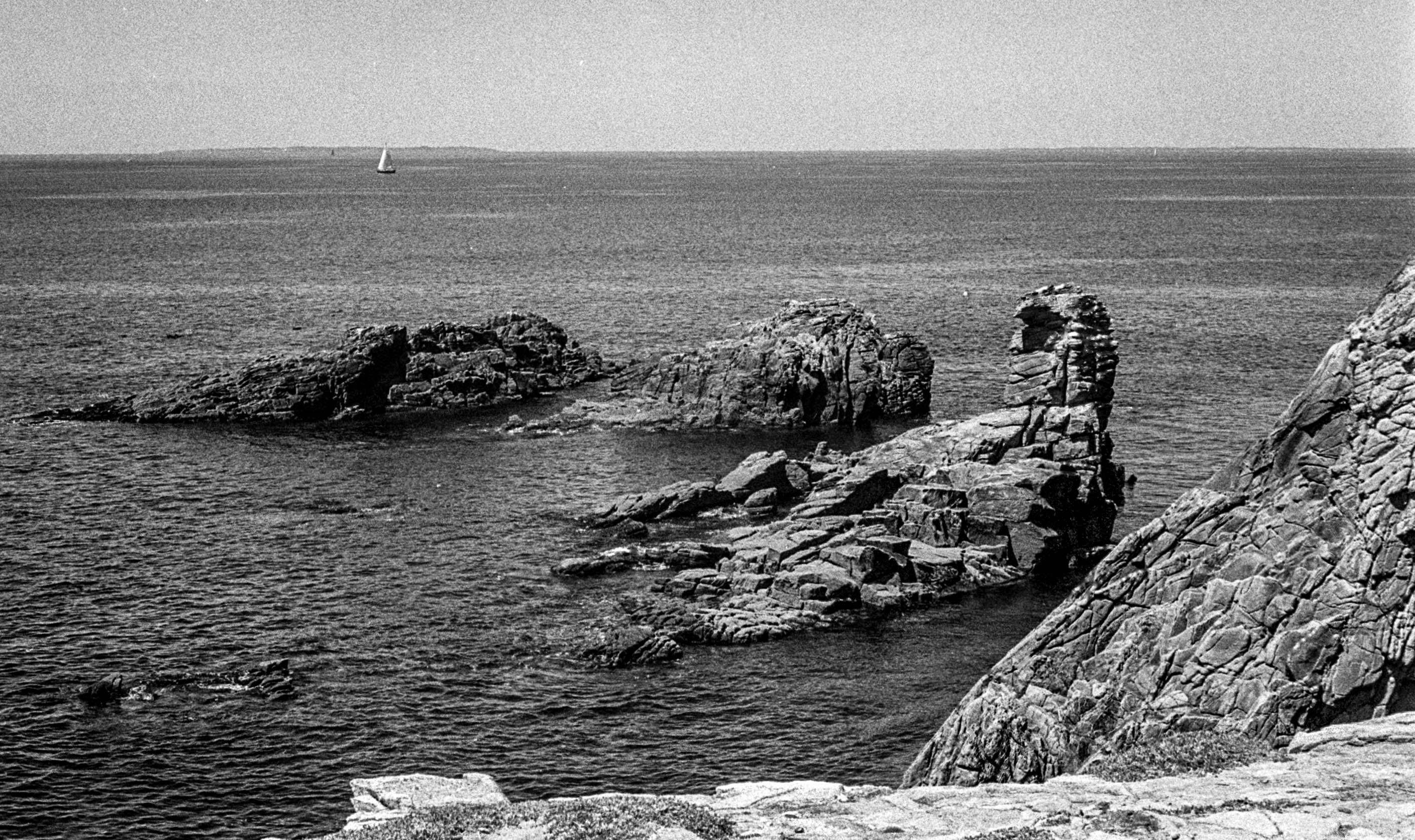
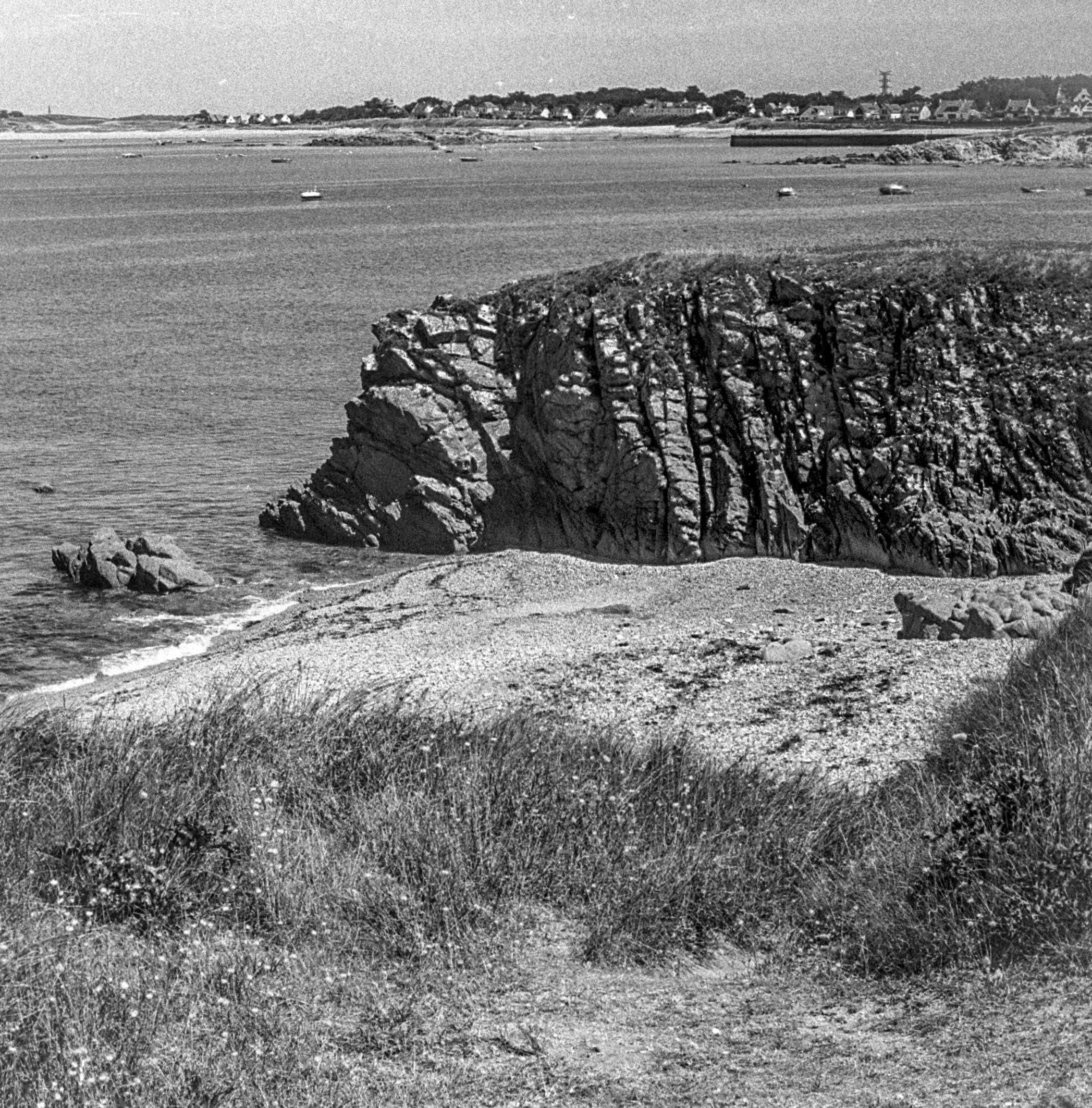
This particular set of photos was taken on Penthièvres beach, located on the Quiberon Peninsula in the Morbihan. It has a special place in my heart. Not just because I like the sea, but the smell of the sea, and the feel of the sea air on my face. It’s a place I often escape to for a bit of tranquillity especially with the chaotic nature of family visits.

In some respects it’s strange going to the beach to “relax” as it’s something I usually hate.  The idea of the outing to beach with the family and putting towels down, with rocks on each corner of the towel, and having to watch over children going to swim and bathe, making sure they don’t drown because you’ll get shouted at.  The shouting of the children, and worse other people’s children.   Getting sand in between your toes and then getting back to the car and having the impression you’ve brought back the whole beach…

But here it was different.  Boots stayed on.  No screaming children.  Just the wind, the heat of the sun, just being an observer and not having to chat with anyone.  Being able to capture the beach on film.  Pure, solitary bliss.

So, now that you know where we are, let’s look at the camera and film du jour. The film stock that day was the usual Ilford HP5 that I always used at the time, a classic choice for its versatility and ability to capture the subtle nuances of light and shadow. The camera was the Ukrainian made rangefinder, FED 5 manufactured during the Soviet era. Loading the film with this camera is done by unscrewing the base plate, similar to the way one does with a Leica. The focusing with the “ghost” image is spot on and it’s a joy to use. I still love the smell of the leather case too. As in much of my film photography it’s as much about the experience of shooting as the final images.

In the end, Penthièvres became more than just a backdrop for my photographs. It became a sanctuary, a place where I could reconnect with my love for photography and find solace in the beauty of the natural world. These images are a testament to that experience, a reminder of the power of film to capture not just the physical landscape, but the emotions and memories that are woven into every frame.

My First Hen-Do Photography Experience


May 2024

This month, amidst publishing various tutorials for your delectation, I ventured into uncharted territory with my camera. A musician friend asked if I could photograph her sister’s hen-do.  How about that for a challenge.  Slightly scary…  Slightly?  No, terrifying for the introvert that I am.  Flattery and food convinced me.

Having previously photographed a wedding, I was somewhat prepared. For that event, I bought a second-hand 24-70mm f/4.0 lens and a Canon flash. I was advised to use the Canon 6D Mark II in program mode with the flash set for TTL (through the lens metering). Today’s first activity called for the same setup.

Tahitian Dancing

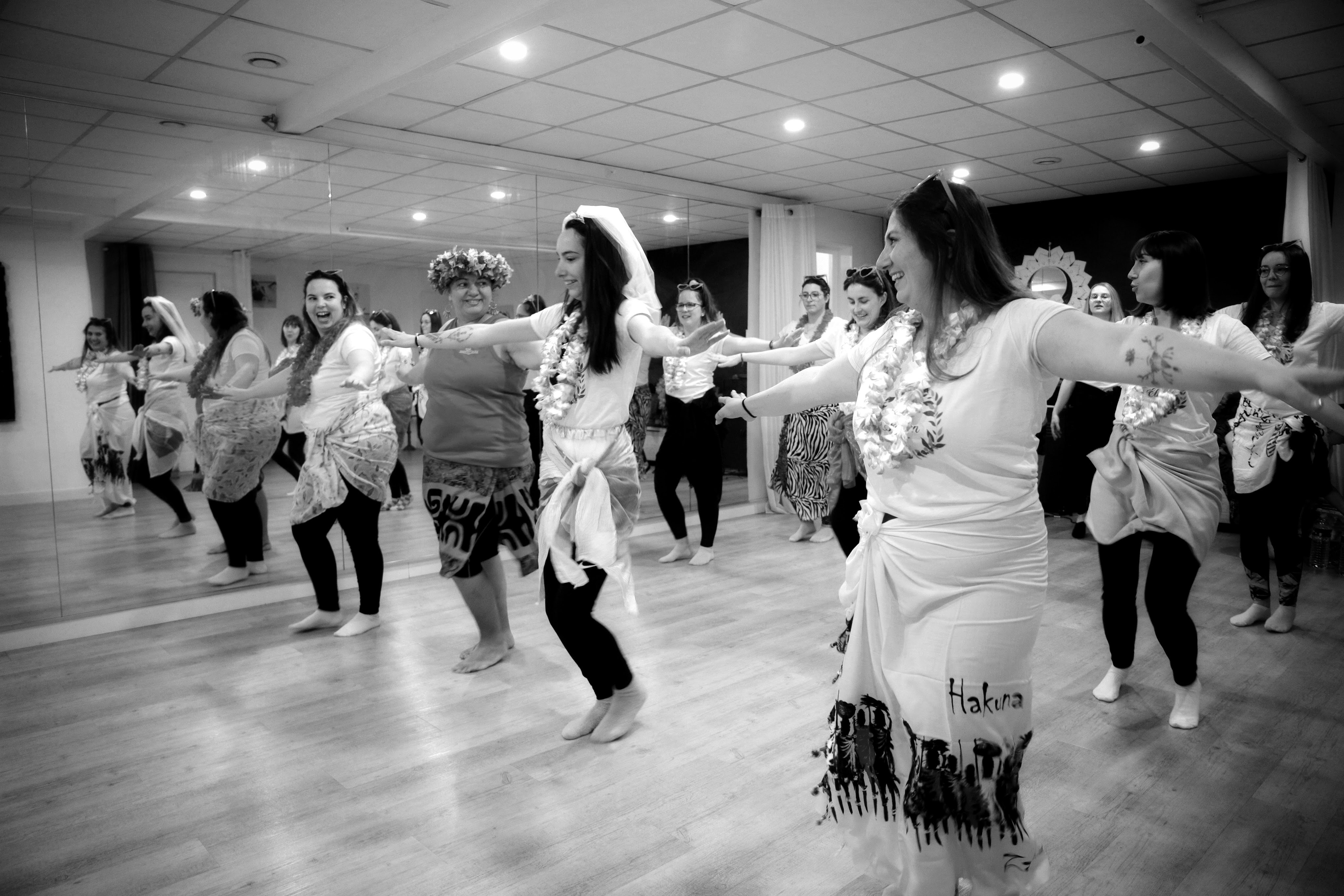
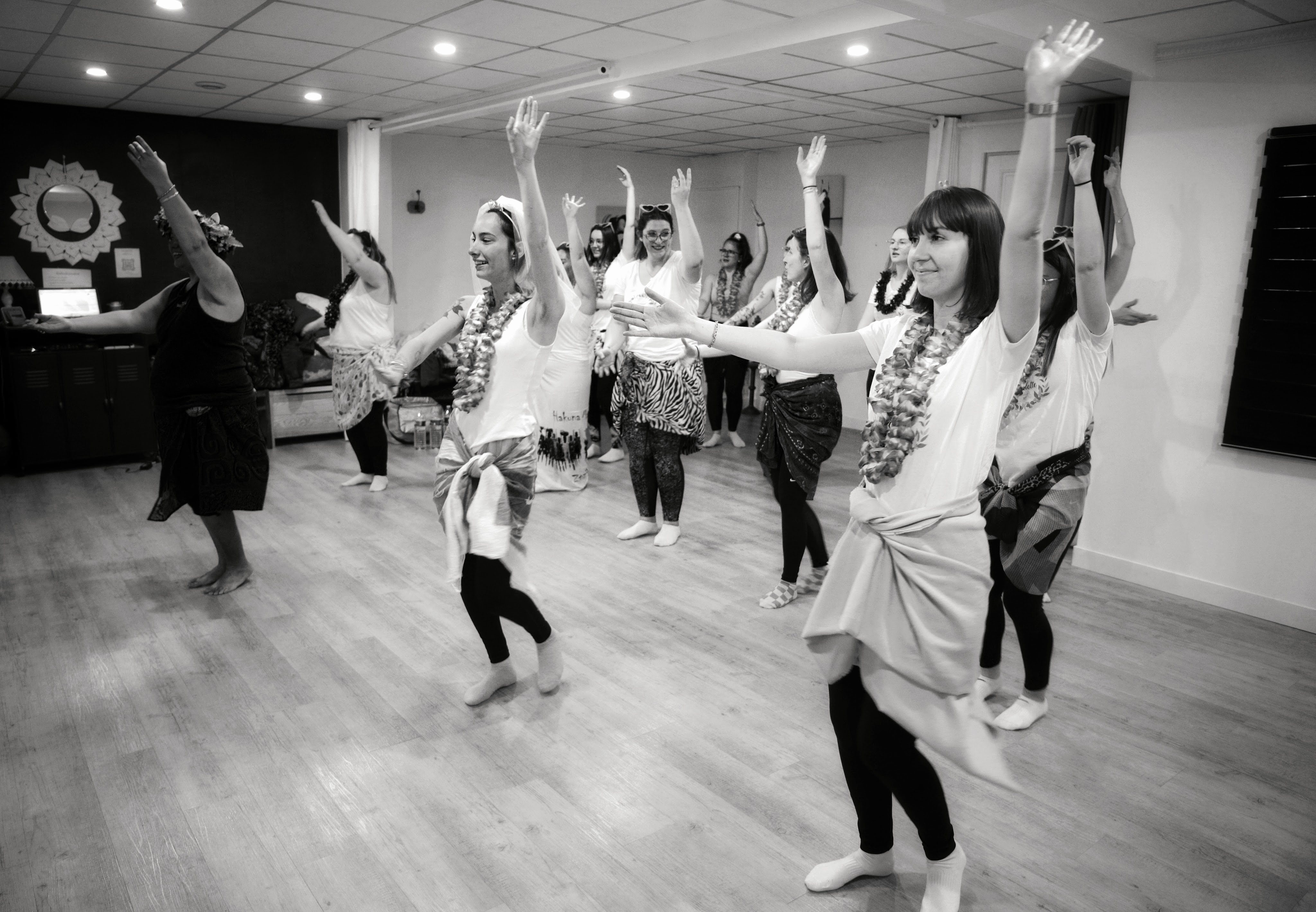
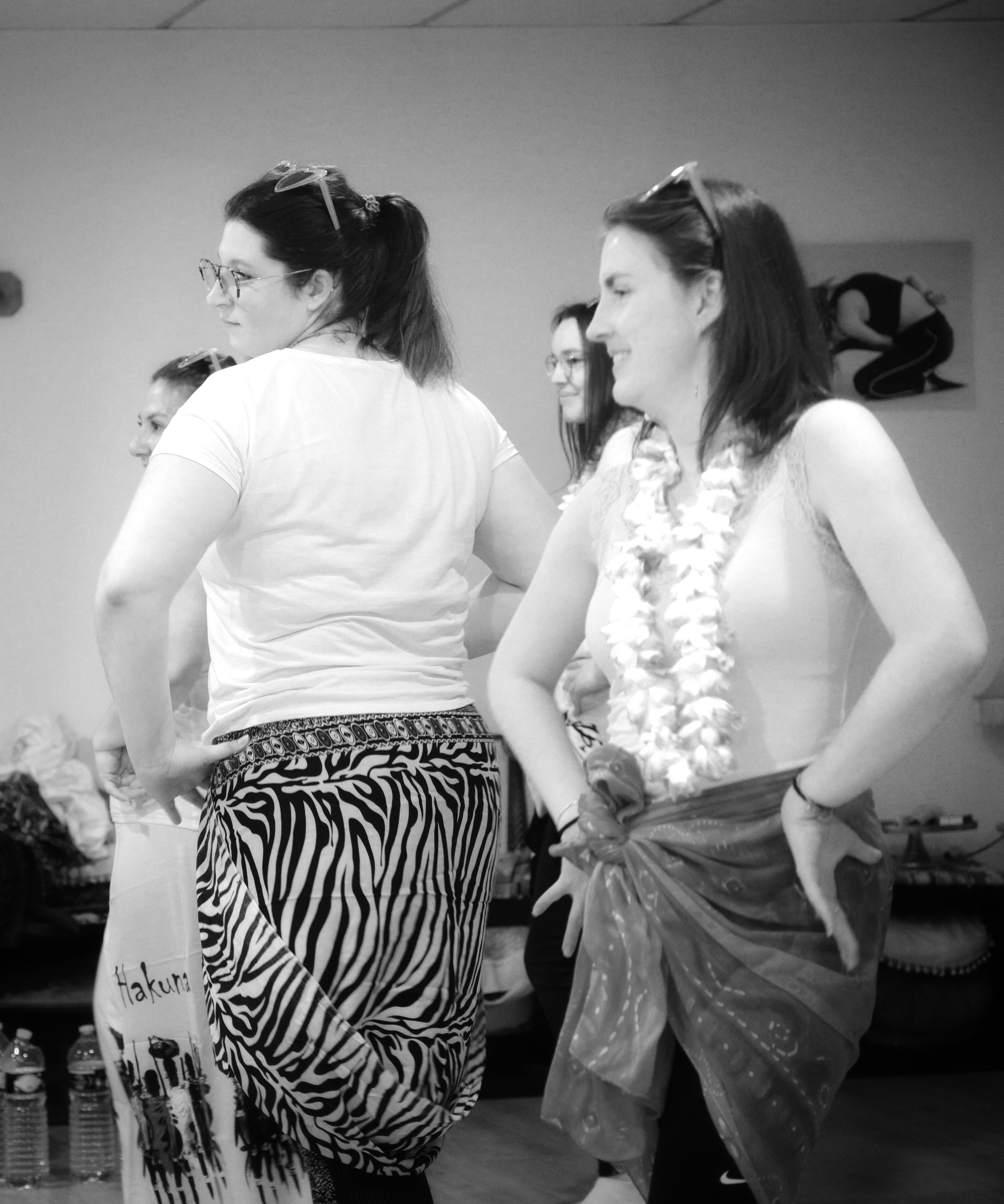
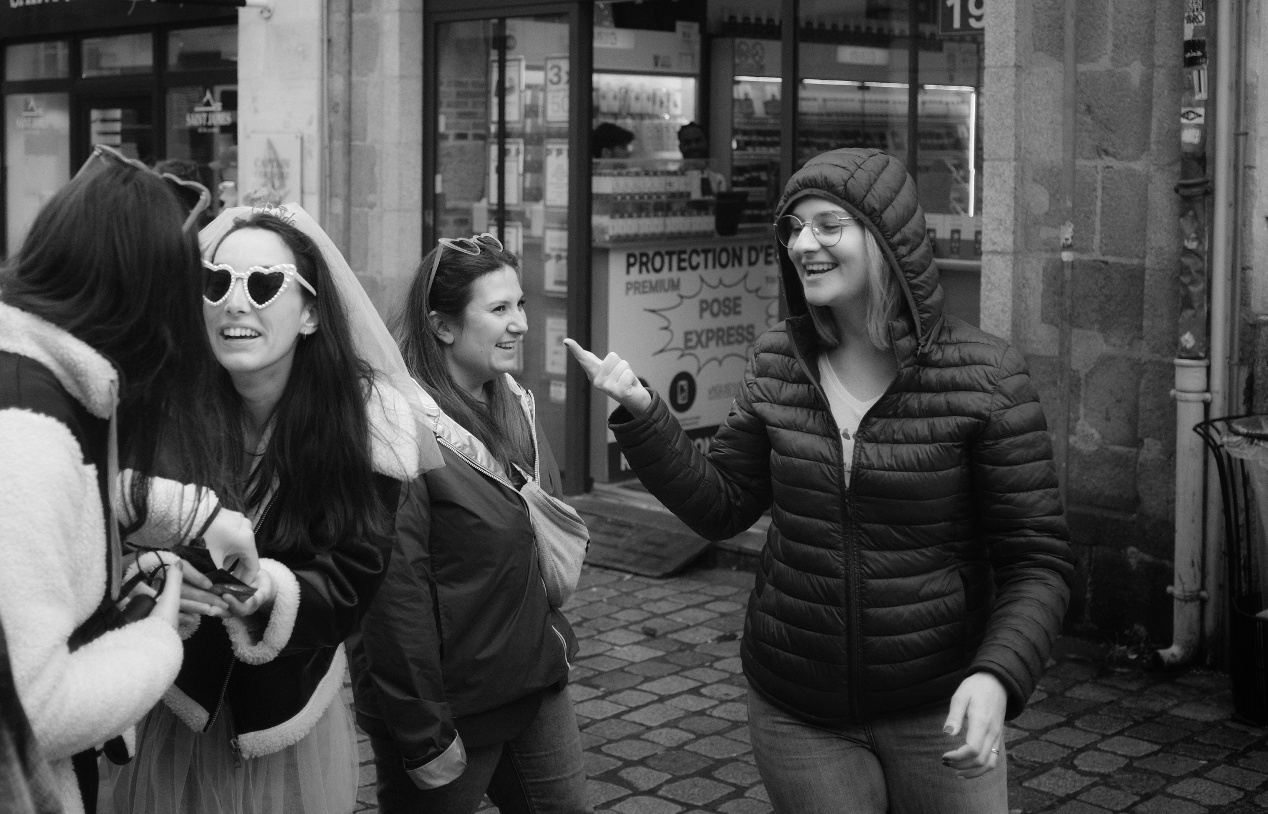
I arrived at the venue for the first activity: Tahitian dancing. The bride-to-be was proposed to in the Pacific Ocean, hence the theme. The girls were already there, and I tried to stay out of the way as best I could. I may be creating memories for everyone, but those memories aren’t mine.  The lens worked perfectly, and I didn’t even need my flash batteries. They’re ready for next time and one less item to tick off.

The dance session seemed to go on forever, and I resisted the urge to sit down. I felt completely out of place, more a prize pillock, but kept telling myself to fake it till I made it. It worked—my wife approved of the photos, and more importantly, so did the bride-to-be. Creating rapport was nigh on impossible so I just watched the spectacle and pressed the shutter.  Do what you can and leave the rest for later…  So I did just that!

My favourite bit of the day

I switched from my clunky DSLR to my sexier Fuji X100F.  It’s always better to be inconspicuous and yet still be able to take decent photos.  I’m big enough already as it is, but having a smaller camera helps people forget that I’m there…

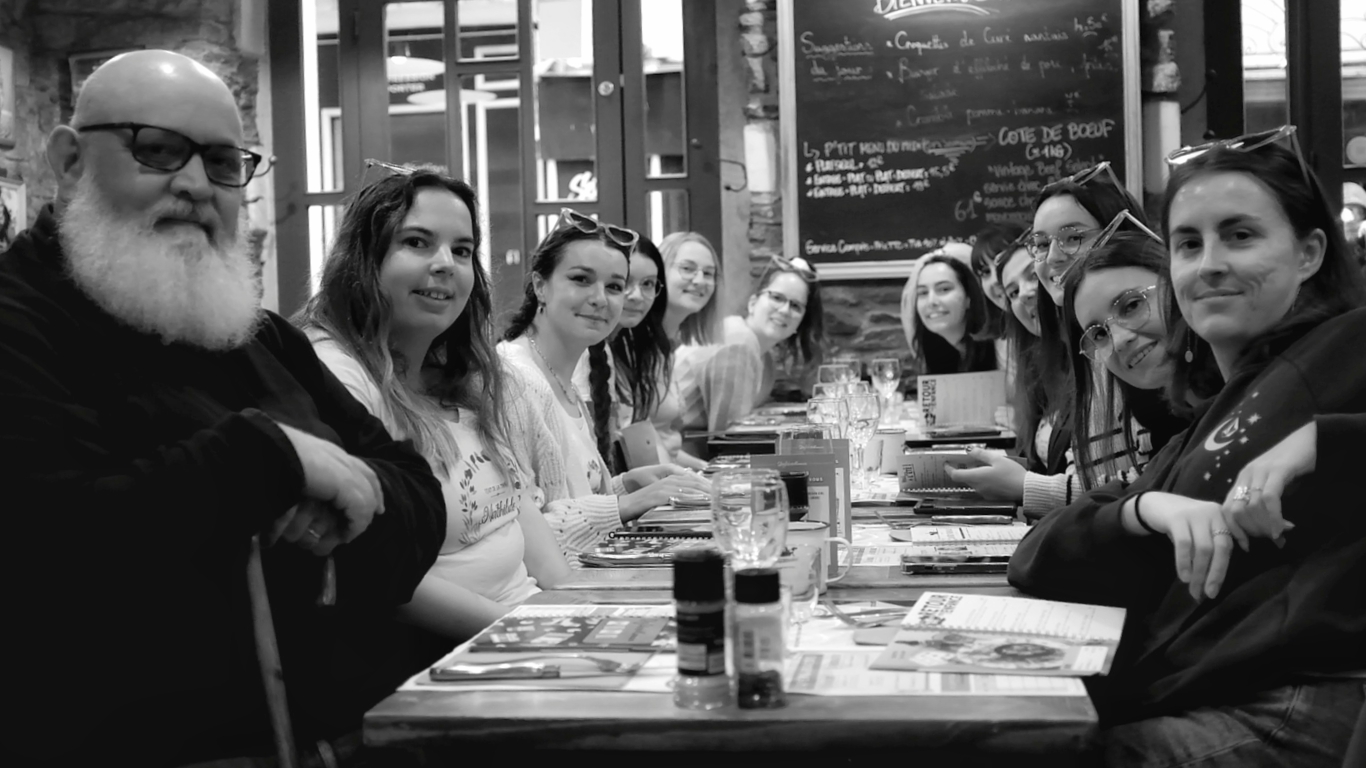
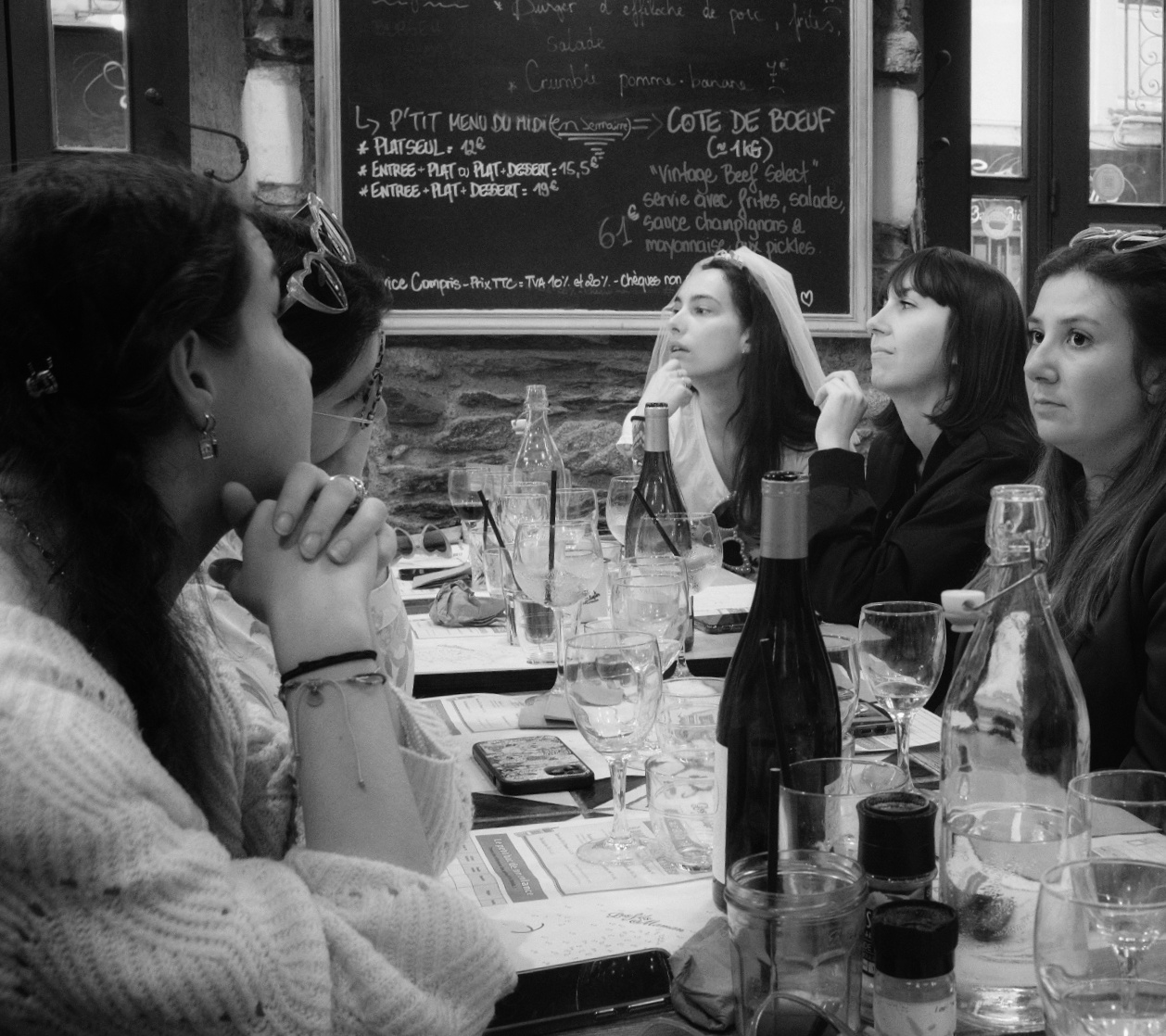
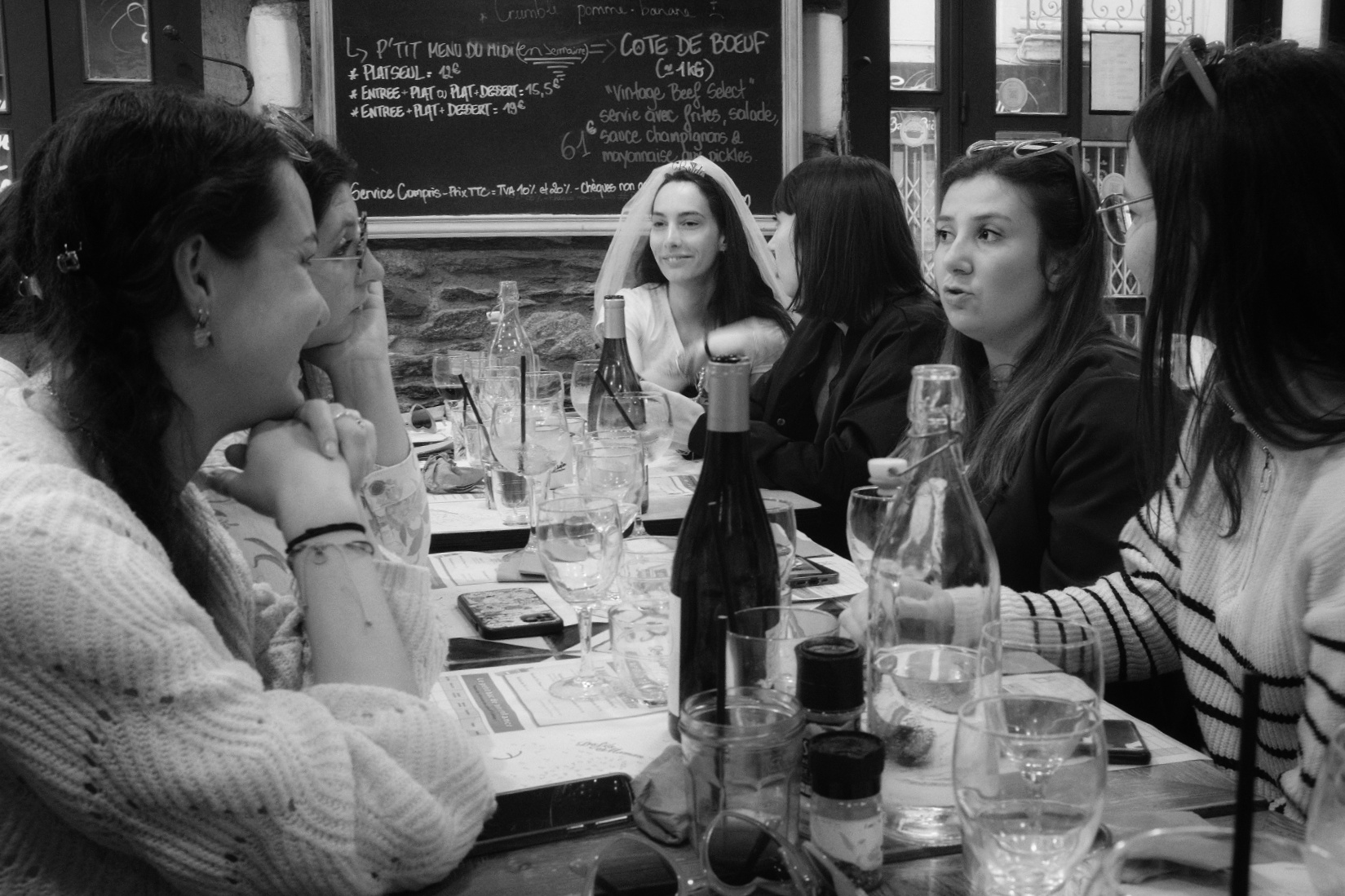
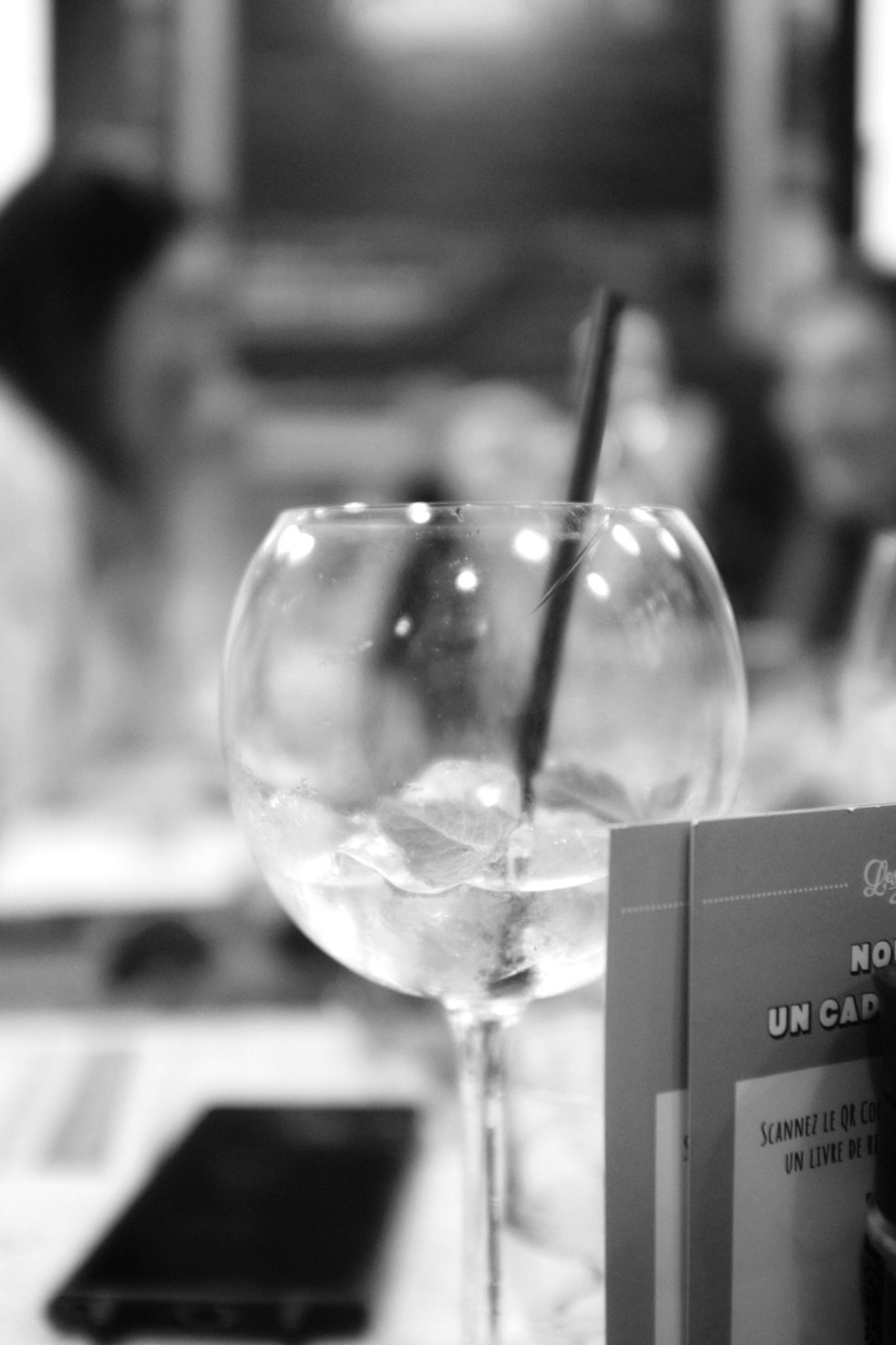
This next activity was probably my favourite. The restaurant was one that I had walked past on many occasions, but had never gone in. It was one of those themed places for Millennials in need of some nostalgia. The owners and chef had created a menu with grown up “children’s food” from the 90s and 80’s. There were activities and crayons for the place mats. The decor was 80’s and everything was vintage. At least for them, which is the main thing. Ok, it was a bit for me too, reminding me of my arrival in France all those years ago. I was offered a seat near the bride, but was whisked off by my friend to sit next to her. She’s so protective of me… We all ordered and chatted, and I started to relax. The girls were interested in my photography, and they showed me photos of their very young children. I did the same, and showed them then and now photos to show how those small children grow up so quickly. I felt like the Patriarch at the end of the table. 

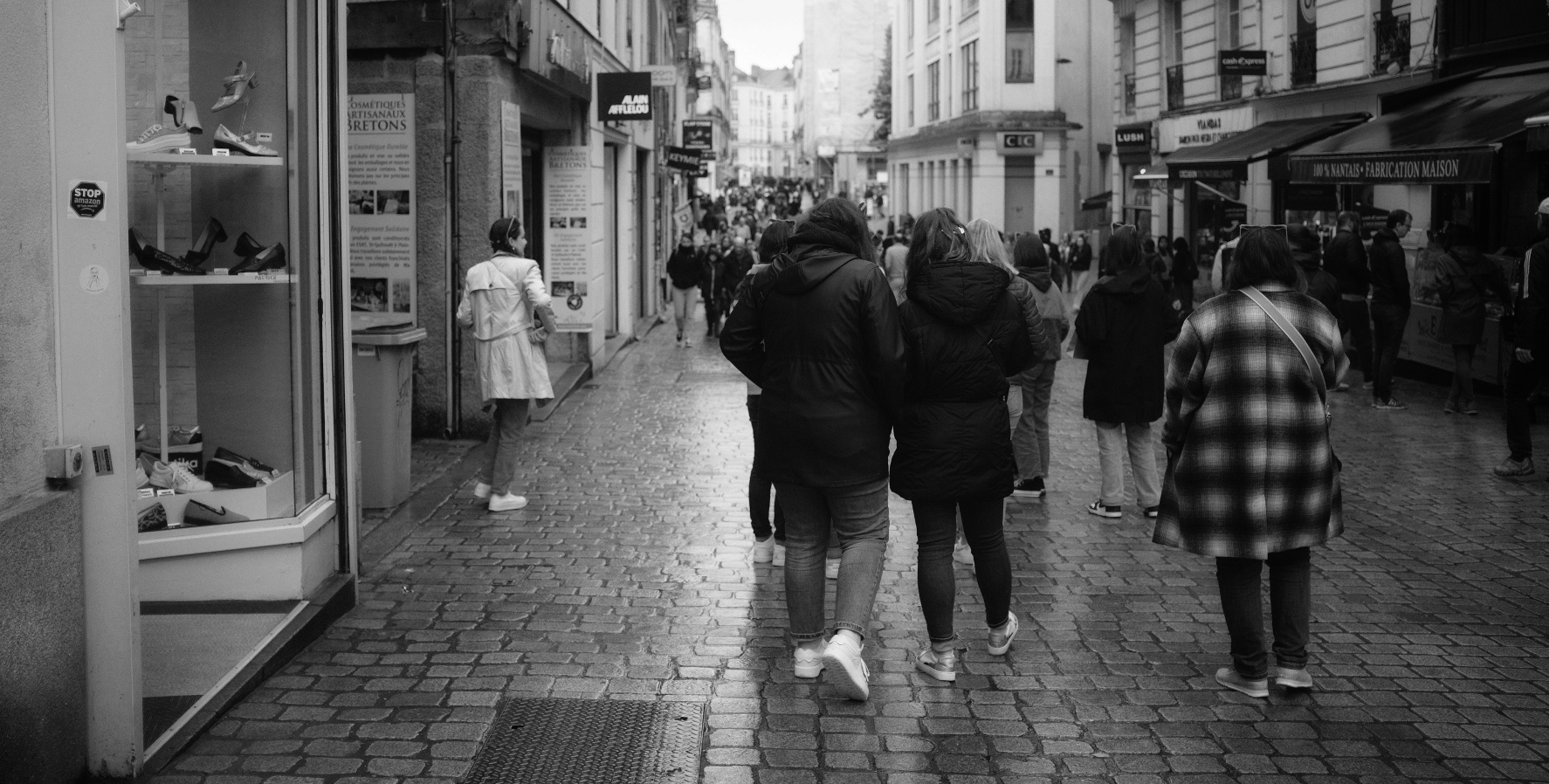
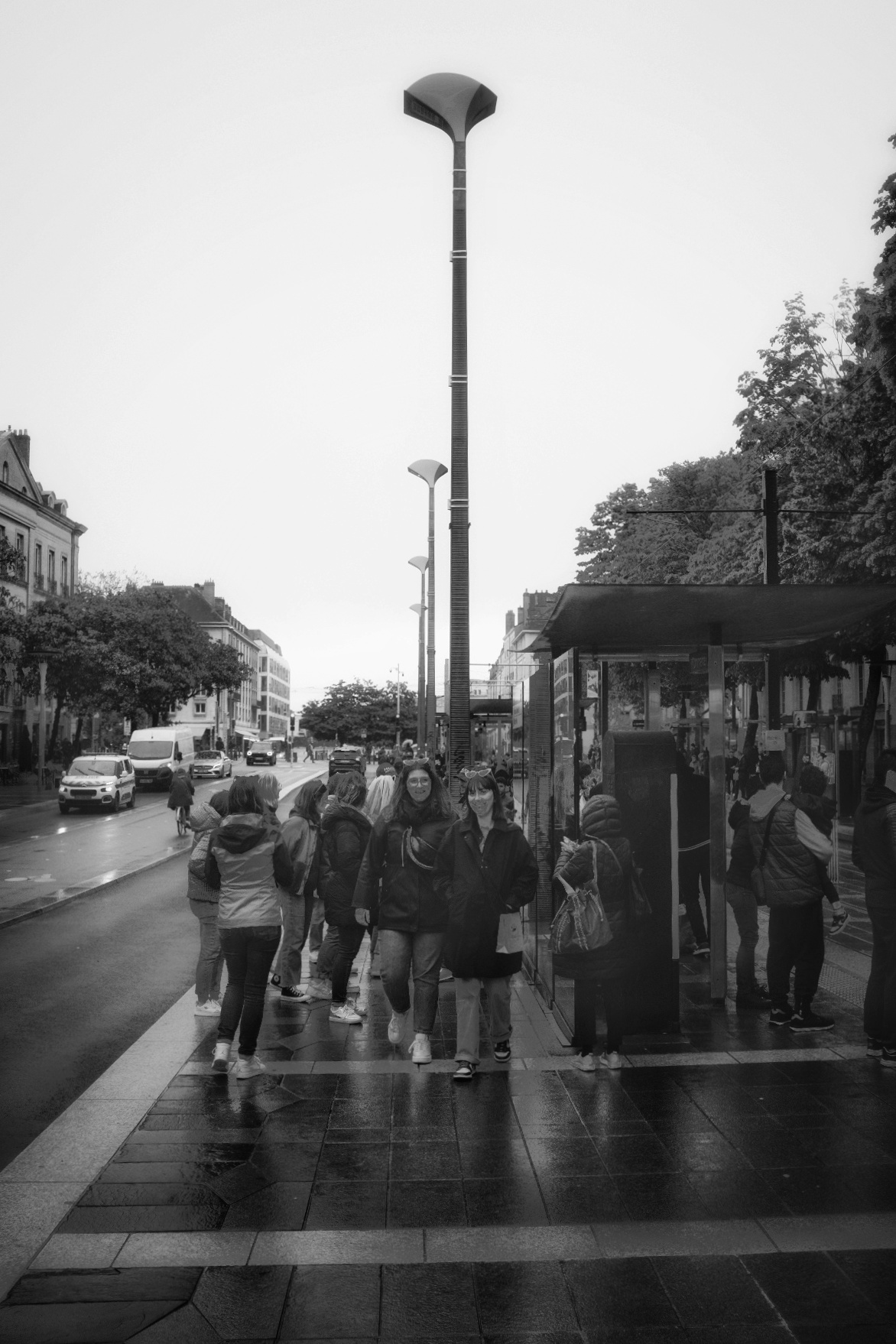
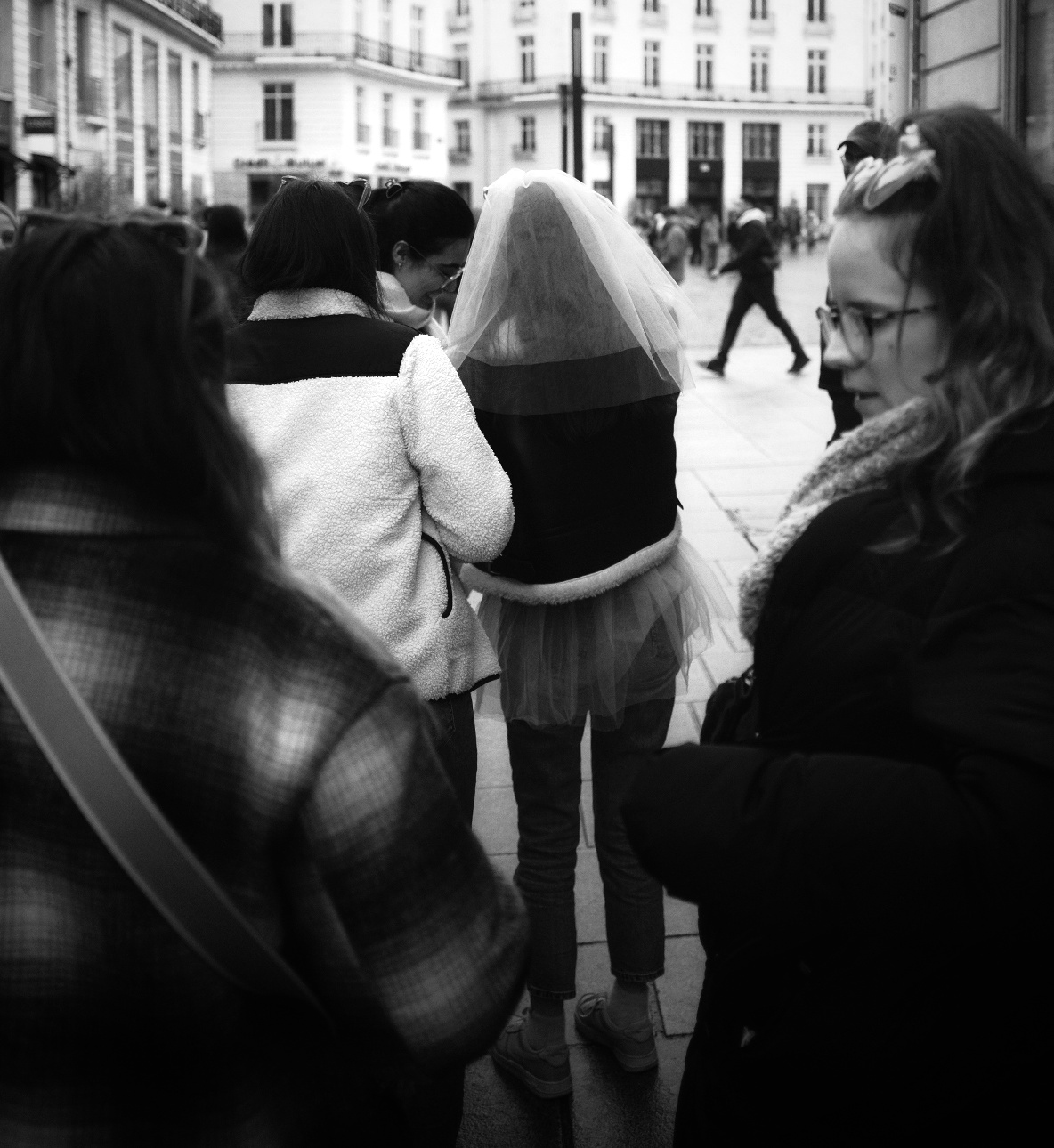
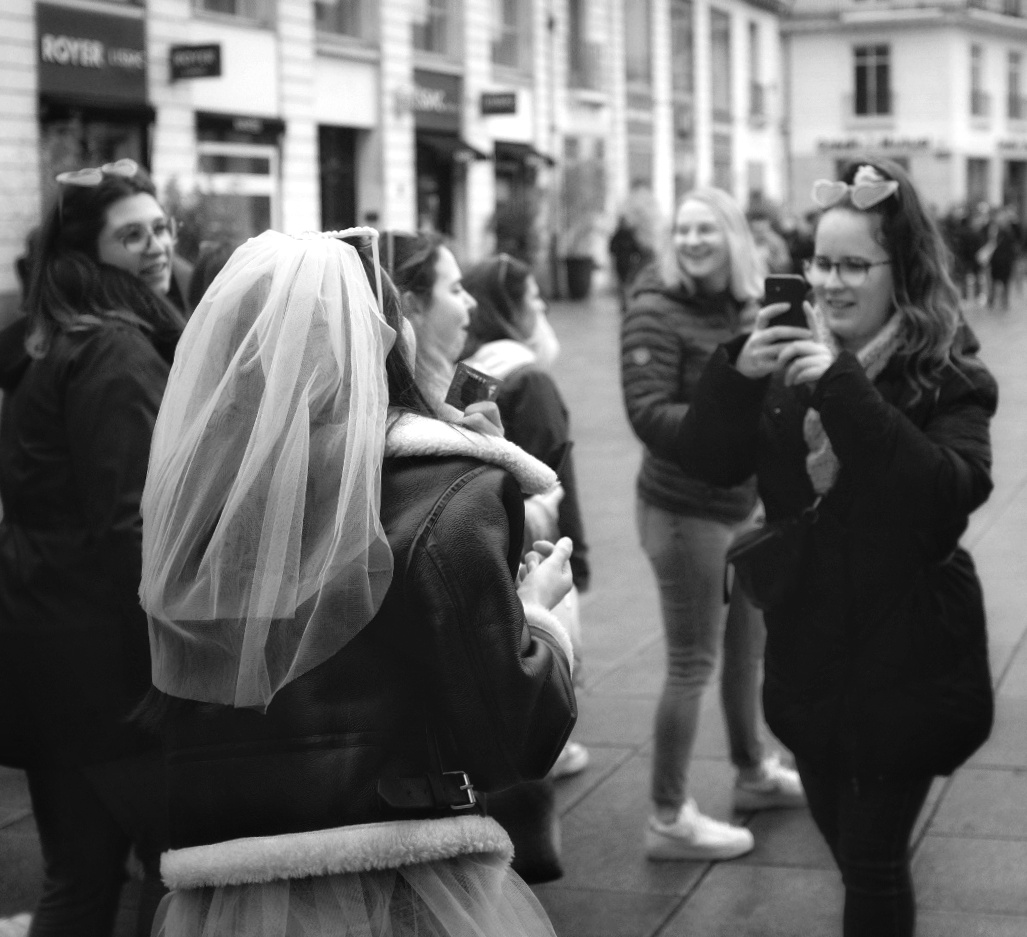
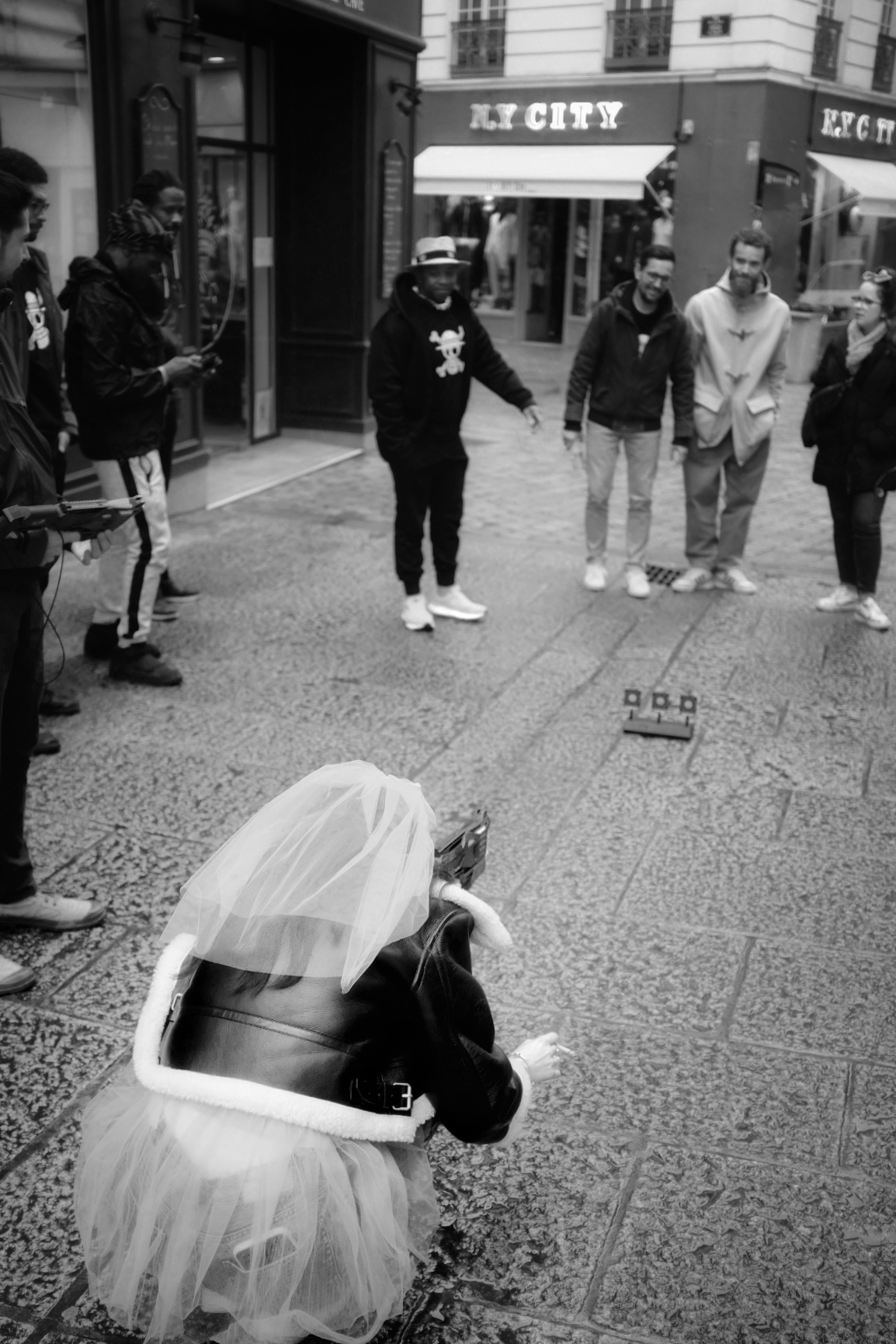
The food was good, and I could see they were all having a good time, and then came out the shots… I was being very teetotal in order to have my mind clear to get my photos for the bride to be. I had switched from the DSLR to the Fuji X100F to follow them around Nantes, and do street photography to which I am more accustomed. The poor “hen” was given a mission by her friends who had purchased a whole load of condoms and she was tasked to sell them to passers by. She fulfilled her mission with gusto, and we ended up in the Rue de la Paix, shooting nerf guns at targets provided by a stag do outing. 

Conclusion

I wasn’t needed for the next activity and drove back to the pub to chill, and get my head together. The photos from the X100F were edited on the go, and shared immediately.  The DSLR photos went through the computer and were shared by the end of the weekend.  

All in all a good day, and interesting experience, and I’ll let the photos do the talking for me…

Zooming In on Flexibility Part I


We’ve talked about prime lenses and the difference between primes and zooms.  But we haven’t touched on zooms.  Yet.  But we’re about to enter the dark side.  They have cookies.  So now that we’ve had a cookie, let’s talk about having our cake and eating it.  Metaphorically speaking of course.  

The ability to zoom in on a subject, be it in photography or in conversation has become such an ubiquitous saying.  Zooming in on the details in a conversation.  The image evoked is fair though.  A zoom lens allows us to zoom in visually. 

I might even go as far as to describe them as a guilty pleasure.  That kind of thing that gets results but leaves you feeling a little dirty afterwards, and you feel like you have to justify why you couldn’t just use a purer prime.  Well sometimes you need the versatility of a zoom.  It means you have to take less kit to weigh you down.

This article started as a single piece of writing, and then going more in depth, it has morphed into a series of two articles.  I have a lot of information for you, and it might be easier to digest as a two part story.

The Zoom lens work flow

A zoom lens is more than an investment, it is akin to having four lenses in one support.  One going from 16mm, 24mm, 28mm to 35mm, another from 24mm, to 35mm, to 35mm, to 50mm, and onwards and upwards to 70mm.  Roughly translated you’re getting more glass for your buck, which sounds very enticing.

Advantages and disadvantages

 As in all photography, everything is a matter of balance though.  Ok, you may have more glass, but instead of creamy f1.8, f2.0 creamy bokeh, the trade off will be f4 bokeh, while still nice isn’t as creamy.  You might find f2. Bokeh but you’ll be paying many more bucks.  The difference in price between the Canon EF 16-35mm f/4 L IS USM and the Canon EF 16-35mm f/2.8 L IS USM is around 1000€ which doubles the price of your lens.  This basic economics speaks volumes to me.  

The different focal lengths in just one place allows you to adapt more quickly to a changing situation rather than “faffing” about changing multiple lenses multiple times.  Just one turn of the focal ring, and you’re good to go.  So you’re more available to contemplate a scene and not miss a thing.

They are generally larger than the more subtle nifty fifty, and the general public will take you for a “pro” and wonder why you are pointing a massive obtrusion towards their face.  Some zooms are of course less imposing than others, but you might have to explain more about what you are doing.  

The types of Zooms  

I have talked about the concept of a zoom lens as being a collection of different lenses in just one lens.  In the next article I will describe the example of each zoom I  use, but here I will do the introductions.  We don’t want to get ahead of ourselves.

For me, there are three types of zooms, the wide angle, the general, and the telephoto.  So three types of zoom tend towards three types of application.

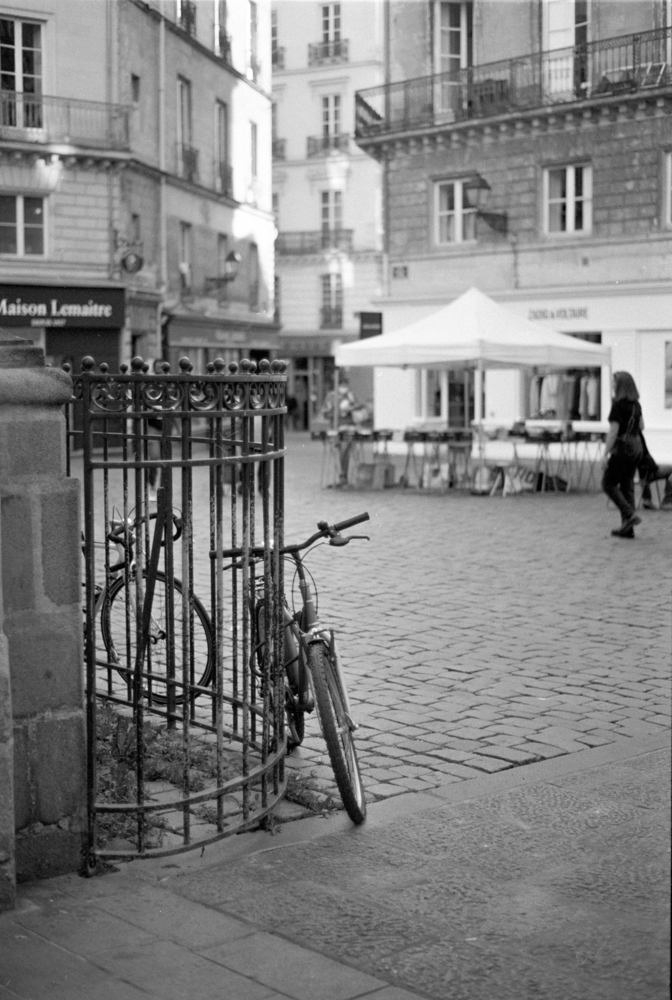
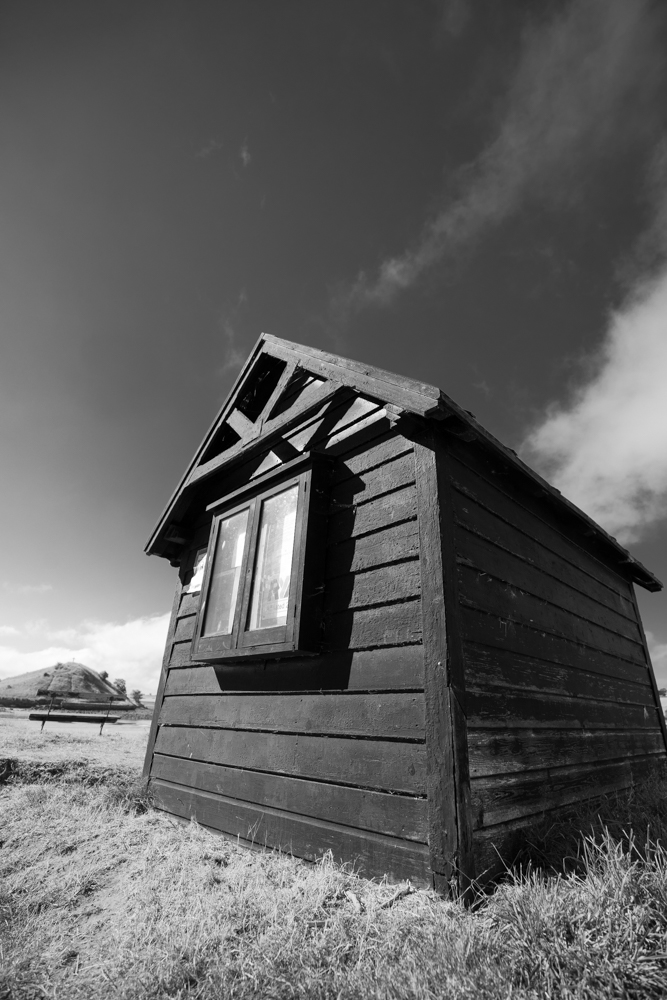
The wide angle zoom offers you a wide angle of view, and its downfall of image distortion can be made the most important feature allowing you a means of getting creative in your images.   You can go from those beautiful vistas so beloved of landscape photographers, to those of us who seem to have an obsession with taking close-up photos of bicycles and helping the audience see the world in a more non-conventional or even exciting way.  

The general zoom, is as its name suggests a zoom that has you covered for general scenarii.  The focal lengths are the ones most commonly used.  It’s great in a street photography or documentary environment allowing you to easily glide between wider and narrower views.  Even though the aperture may not be as important as in primes, the image stabilisation helps the photographer when the light becomes more challenging. 

The telephoto zoom allows us to be closer to our subject whilst at the same time being a greater distance.  Useful not only for wildlife photography, but also for sports photography where the players are on the pitch and not the photographer!

Conclusion

Now we are on the same page and have a greater idea of what the whole situation is and how these solutions can help you as a photographer, be that a beginner, an intermediate, or a more advanced photog.  I talk about guilty pleasure, but when push comes to shove, the viewer of your photography doesn’t care.  They care about the image and how it makes them feel.  The fact that we used such and such a  lens is just speaking to them in a foreign language.  We’ve talked about the trade offs but also the benefits of zooms and in my next article I will talk about my set-ups and the experiences I have when shooting with these lenses..

Prime vs Zoom Lenses: Choosing the Right Lens for Your Photography


Good evening Dear Reader.  We’re back delving  into another series of articles where I will talk shop.  Mother, if that doesn’t interest you then consider yourself warned.  I will, as the title of this article suggests, be talking about the differences between zoom and prime lenses.  I too, many moons ago, was a beginner photographer, and just starting out with a Praktica MTL3, with a 50mm F1.8 lens, and a Helios 135mm F2.8 lens.  An SLR because in 1987 a DSLR did not exist.   This was my first lot of “gear.” That was then and this is now.  2024.  When buying a “starter” camera, “they” will try and flog you, or offer in a bundle what has become known as the ubiquitous “kit lens.”  Otherwise you will be gazing upon a “huge” array of lenses with some “huge” prices to go with them.  This will generally be included in the more “accessible” range of cameras.  It certainly was for my Fuji XT2 18-55mm zoom lens (24-70mm equivalent for full frame sensor).  Don’t get me wrong, I use my 18-55 lens on my Fuji XT2 and like using it.  BUT, when I bought that camera I bought a 24mm equivalent prime lens for it.

This raises the question about what is a prime lens and what is a zoom lens.  A prime lens is a lens that has a fixed focal length.  A zoom lens allows you to vary this focal length and “zoom” in and out.

Advantages of Prime Lenses

Superior Image Quality

You will generally find that you can obtain a “sharper” image with a prime.  Some of the older lenses and ones that we used in film photography are slightly softer, but we were fine about it then, and this quest for modern sharpness seems to have become more important.  In digital photography, this new and thoroughly modern technology will lead to less distortion, and chromatic aberration, which is indeed an aberration where you might get a blueish outline around the subjects in your shots.

Wide Aperture Capabilities

I touched on the concept of aperture in my Photography 101 article.  The aperture is the hole that allows light to expose the film or your camera sensor.  The larger aperture (indcicate by a smaller f number) allows two things.  More light to hit the film, therefore allowing us to shoot in lower light,  and the separation of the subject from the background by getting that “creamy” bokeh beloved by so many of us. 

Compactness and Portability

The “average” prime lens is more “compact” than the average zoom lens.  Effect number one of this is that you can fit more primes into your camera bag and it will probably be lighter.  Think about what I said in my street photography article.  A camera with a smaller lens is also less threatening than having a massive thing thrust in your face.  Being less threatening is always good, and makes the photographic experience more pleasant for everyone.

Creativity and Artistic Expression

When using primes every shot becomes more deliberate.  The choice of which prime to use becomes more important.  You “zoom” with your feet and not with the lens. I have talked about this mindfulness in my photography tutorial series.   

Advantages of Zoom Lenses

First of all we have to talk about what a zoom lens is.  Well, it’s a lens that allows you to zoom.  Sorry about that, I couldn’t help myself. On a more serious note, it is a lens which glides through a series of focal lengths on the same lens.  I have three zooms for my DSLR, a 16-35mm f4, a 24-70mm f4, and a 70-300 f4 – f5.6, and the 18-55mm (24-70 full frame equivalent) kit lens for my Fuji XT2. With three lenses I am covered from 16mm to 300mm, which for me is a big deal.  My 16-35mm has me covered for wide angled vistas of the Place Cambronne in Nantes, and those distorted obligatory bike shots, to general street photography.  My 24-70 f4 even has a macro function offering me even more versatility.  I would class it as my events lens and can double for street photography, and even street portraits.  It’s a veritable work horse of a lens and was what I used when I talked about spring.  My 70-300 lens is for when I can’t get near enough to my subject without spooking it, be that my children messing around next to the river, or taking shots of cormorants sunbathing on the river Erdre in Nantes.

Convenience and Ease of Use

In my previous paragraph I talked about the different focal lengths that I have with each zoom lens.  At the moment in my camera bag I have my Fuji X100F and its 35mm equivalent f2 lens and my Canon 6D Mark II and my 24-70mm f4 lens.  It means carrying less equipment and being prepared for a variety of shots when on the streets or taking photos for my work.  It also provides for less “faffing about” which is something I love to avoid in general, unless I am prepared mentally and ready for it.

All-in-one Solution

Instead of having a different lens for each situation, I have a solution in my bag that allows me to adapt.  Why buy three lenses when I can have a multitude of possibilities with just one lens?  They might seem expensive, but when you are not a professional, cost is something that has to be taken into account, otherwise you have to be very good at communication with your spouse justifying all these purchases.  Happy wife, Happy life.  Happy Husband, we’ll see about that!

Image Stabilisation

In the last paragraph, I talked about stable marital life, and on my zooms I have image stabilisation, which will allow me a more stable shooting of an image.  In the Photography 101 article I talked about having an exposition of nothing lower than the focal length.  IE with a 50mm lens I should not shoot lower than a 50th of a second to avoid camera shake and therefore a sharper image.  This stabilisation offers me about 4 stops extra to play with, be that having a longer shutter speed, or having a larger aperture and therefore getting more in focus in my image.  

Conclusion

I have talked about how this photography lark is all about give and take.  This is so true in the exposition triangle where everything is a question of balance, but also true in the case of lens choice.  Some will be more expensive but give you more control, and others will offer you more ease of use and versatility. You are the one who ultimately has to decide on what camera gear you need (more than want).  What is most important to you?  How will the lens help you?  What is your budget?  

When all these questions are answered honestly then you will be well on the way to having the kit you need, to do the type of photography that you want to do.  

What would I advise a novice for their first acquisition?  I would say the nifty fifty.  The 50mm is closest to what the eye sees.  This prime generally offers an opening of F1.8 which gives you that sexy bokeh.  

Ultimately the choice is yours alone.  But this simple guide may help you reflect and question yourself and allow you to make a deliberate well thought out decision.  The most important thing is to get out there with your camera, start making memories and training that beautiful eye of yours!

The Photographer Behind the Lens


Embarking on a photography outing is filled with anticipation, decision-making, and a blend of personal passion and professional discipline. Anything can go wrong, but maybe that’s not the right way to put it. Perhaps I should rather say, expect the unexpected and be ready to adapt. As I prepare for each little jaunt, I face a range of choices that shape the outcome of my photographic endeavours.

Selecting the Right Gear:

The first step in my preparation involves choosing the right camera for the occasion. Factors such as, “Does it still work?” for my film cameras, or “have I charged enough batteries?” for my digital cameras, enter into consideration. My energy levels and the allure of film versus digital play a crucial role in this decision-making process. For example, “Do I have the energy to develop and scan my negatives, or can I face hours of photo editing?” For me at least, it’s not just about the gear, but about the experience it brings. Those of you who have used film will know exactly what I mean. It is a totally different experience to using digital cameras. The words “faffing” and “about” spring to mind. What is my goal in going out today? Is it just to see what happens, or do I “have” to get results?

Navigating Weather and Mental Health:

Weather forecasts and mental well-being become significant considerations as I plan my outing. I, like most people, have an aversion to being rained upon. Even though I might not melt, I don’t want rain getting into the electronics in modern cameras. The allure of capturing the perfect shot often outweighs the discomfort. Yet, there are moments when self-care takes precedence, telling me to just stay in. Sometimes, staying in and getting my ironing done provides as much satisfaction as going out, allowing me to look so dapper on my next outing. The joy of unlimited cups of tea might just make staying in on a rainy day all the more appealing.

Packing the Essentials:

A well-equipped photography bag is essential for any outing. From spare batteries to a flask of tea for comfort, each item serves a purpose in ensuring a successful day of shooting. The contents of my bag reflect not only my photographic needs but also my personal preferences and creature comforts. However, the weight of the equipment is a crucial consideration, especially for street photography where mobility is key. As a more rotund gentleman of 52 years, this has become more and more important. Basically, you can take it with you, but you have to carry it. The X100F and a couple of spare batteries weigh next to nothing, but a Mamiya, or DSLR with a couple of nice zoom lenses suddenly makes you feel less young and daring. Don’t get me started on tripods. Yes, you might need one (in fact, you do) if you want to be doing long exposure photography, but imagine lugging one up a mountain. Okay, don’t. It’s not worth it. So ask yourself what do you really need, and will one of your children carry it for you? And how much will it cost you to make it worth their while?

The Lens Palette:

Crafting Perspectives: Different lenses allow me to achieve different results. If I use my 16-35 lens, I will get wide vistas in town and have a certain level of “artistic distortion.” If I use the 24-70, I have quite a good range of focal lengths, and also a macro feature on the lens. If I use my fisheye lens, I can get all “arty farty.” With a 35mm lens, I am perfect for street photography, and it’s the lens I use the most. The nifty fifty allows me to have a more human-eye view of the world.

The Digital Dilemma:

When it comes to the choice between film and digital photography, authenticity often clashes with practicality. While the allure of film photography appeals to my desire for authenticity, and it does look exceptionally cool, and you can enter “smug mode” knowing that you are arguably better than those who only know about digital photography (yes, snob value does exist!), the energy and time required for development and scanning can be daunting. On the other hand, digital photography offers convenience, allowing for instant image transfer and easy post-processing in software like Lightroom. The decision ultimately hinges on the balance between artistic vision and practical considerations, and can I really be bothered? I know, you have just lost respect for me as an artist, but the struggle is real.

Professionalism Meets Passion:

For professional assignments, meticulous preparation is paramount. From checking equipment to selecting the perfect lenses for the job, every detail contributes to achieving the desired outcome. I noticed this during my musical studies when the goal is to get a paying gig and deserving the pay. You have to get results and your reputation depends on those results. But, even in the midst of professional obligations, the passion for photography remains at the heart of every endeavor. Top tip of the the day. Always have a back-up plan. No planning survives initial contact with the enemy. You’re on your own and have to improvise. What can go wrong, will go wrong, so prepare for this.

Mapping Out the Journey:

Finally, planning the route to my destination adds an element of anticipation to the journey. Do I have to drive for miles, and will there be a loo somewhere on the way? How will I be able to acquire snacks? Are there any small producers that might need a client? I mean I don’t always think about food, but when you live in a country known for the quality of its produce, and where it is almost a duty to consume on the good stuff, it kind of is… Anyway, make sure you look at where you’re going on a map. And if you’re visiting a historic site or attraction then check the opening times. It has happened before. You turn up to a place and it’s closed, so I went a saw my plan B… The path ahead is filled with possibilities and opportunities for creative exploration.

In conclusion

The art of preparation is an integral part of the photographer’s journey. Balancing personal passion with professional commitment, each outing offers a chance to immerse yourself in the beauty of the world through the lens of a camera, whether it’s under the open sky or amidst the comforting hum of domesticity.

The X100F, again!


It seems that I’m not the only one who raves about this powerhouse of a camera. This just proves that size truly doesn’t matter. I’ve mentioned it on numerous occasions and I stand completely justified in doing so!

Here’s a selection of articles that I have written showcasing phtoography from this amazing little camera in no particular order:

The idea behind using a camera is not just about capturing moments, it’s also about the experience it grants you. This camera has the ability to inspire and motivate its users to explore and create, which is a testament to its design and functionality. The joy and enthusiasm that comes with using this camera is contagious, and it’s evident in the way it empowers photographers to unleash their creativity. It’s not just a tool, but a companion that fuels the passion for photography, encouraging individuals to embrace the world around them through its lens.