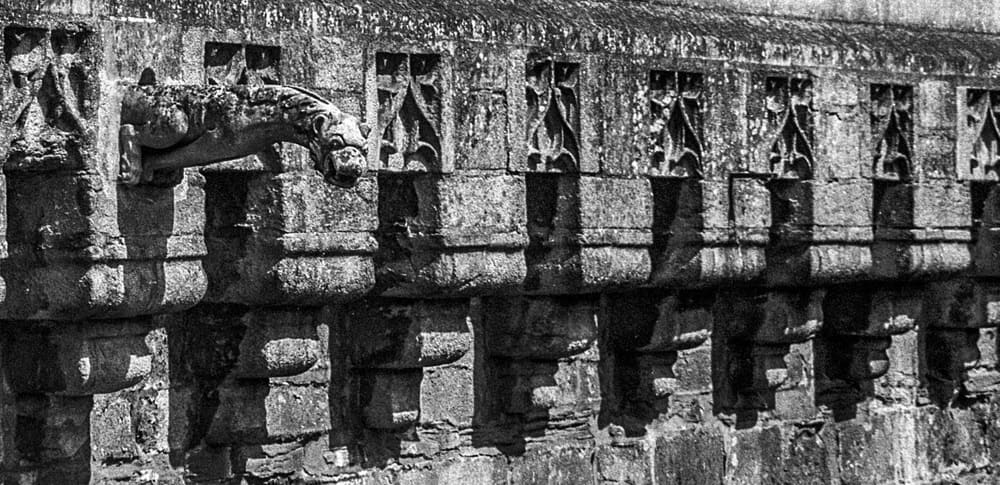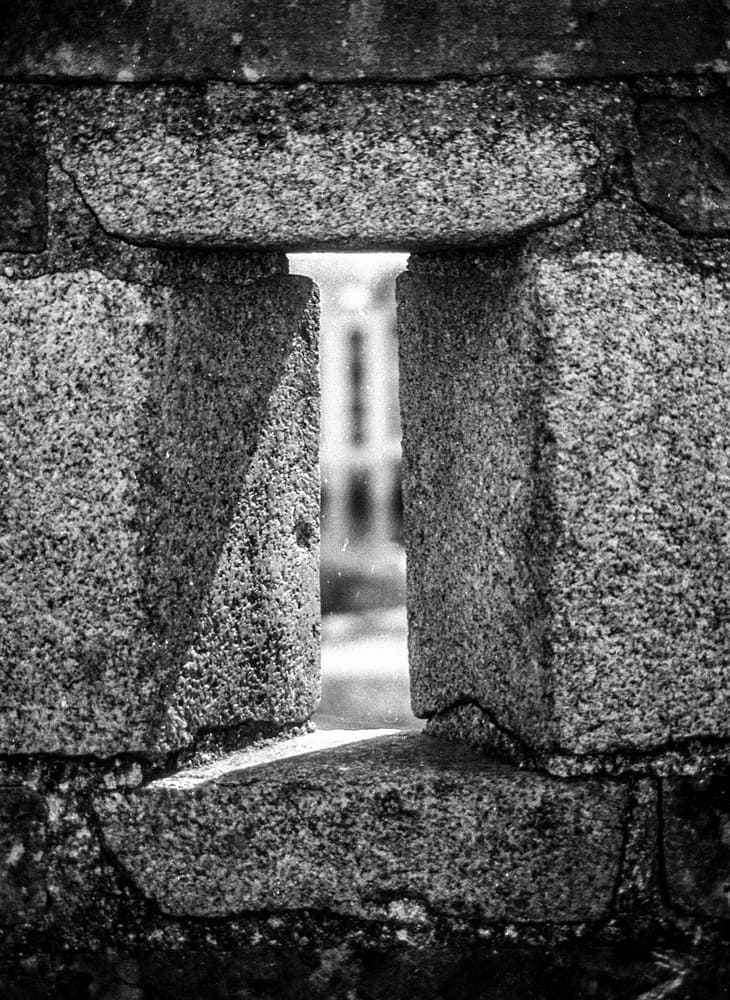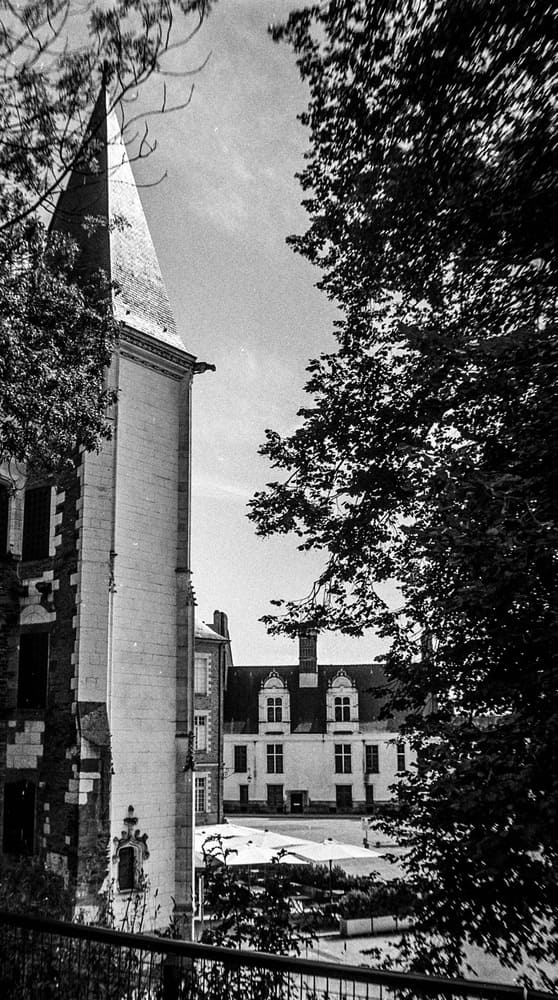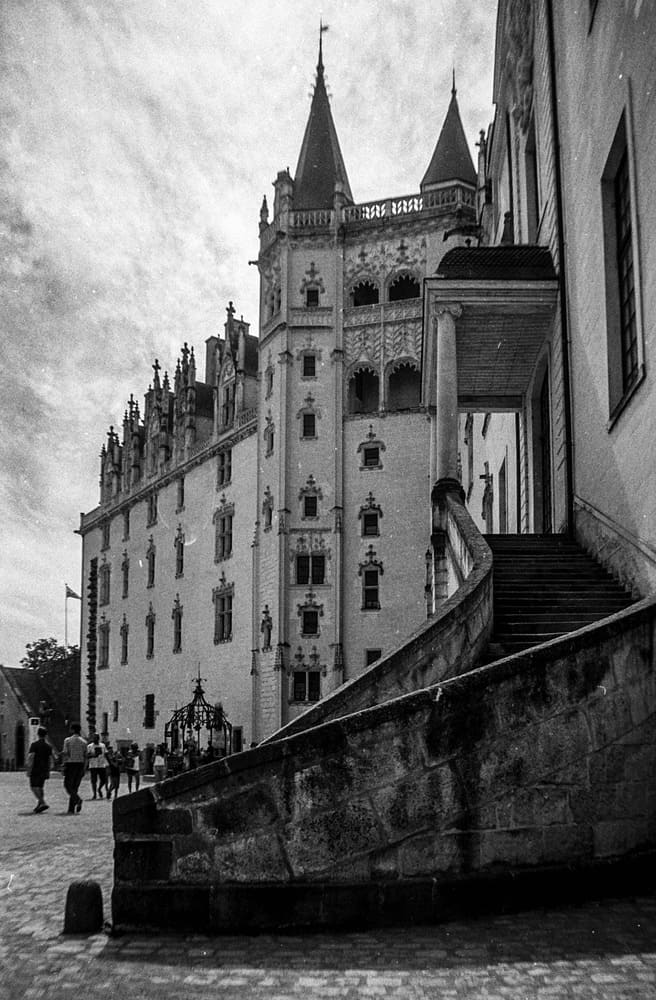
The Opening of the Film Archives—Le Château des Ducs de Bretagne, August 2016


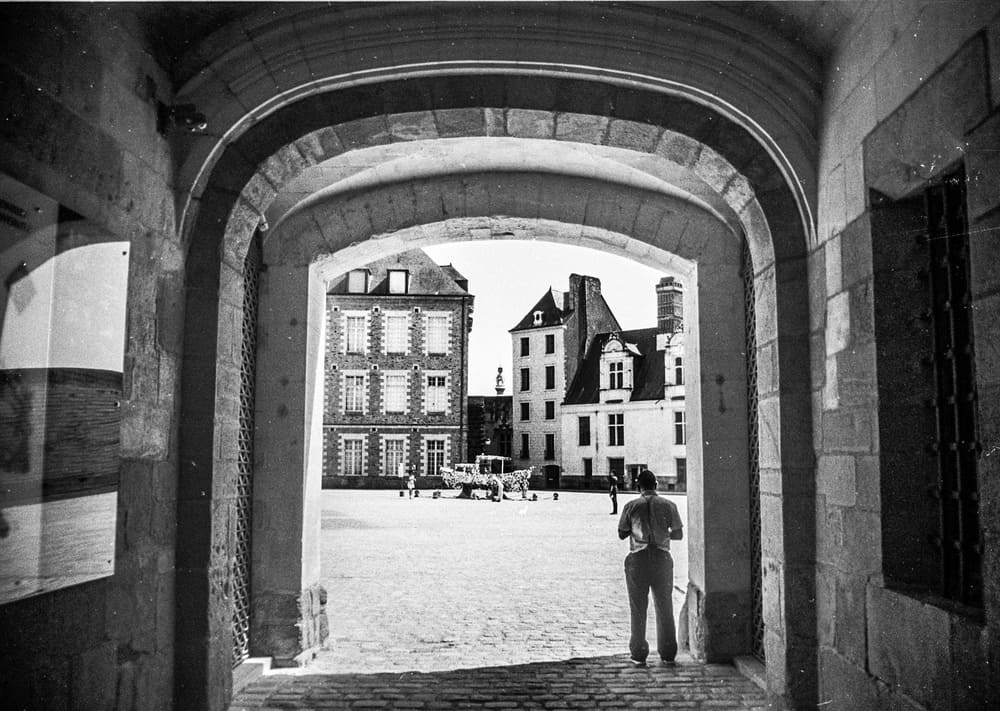
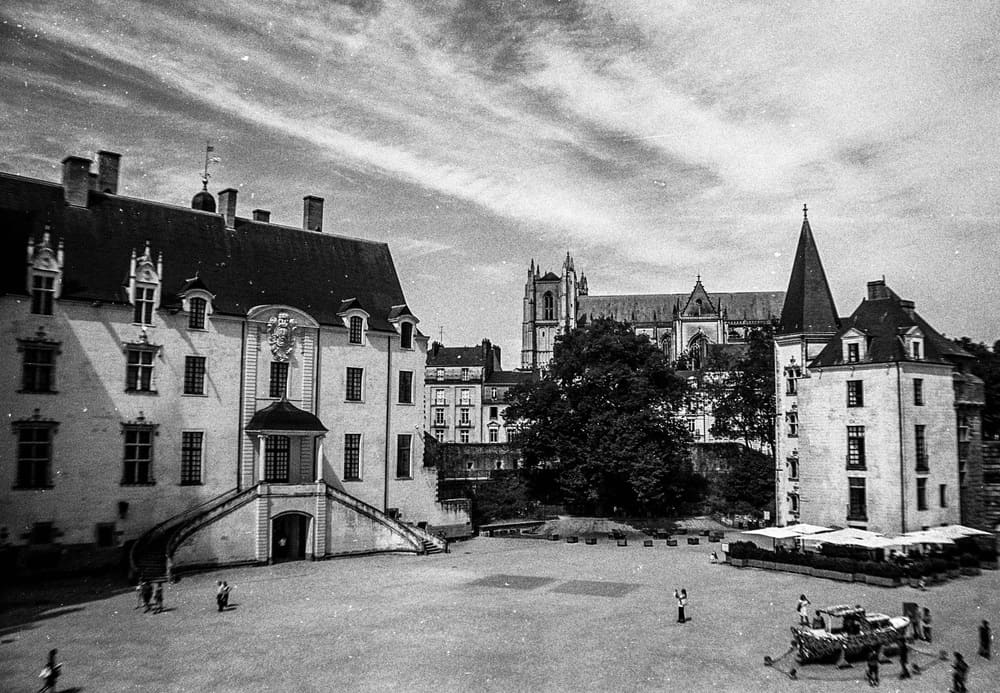
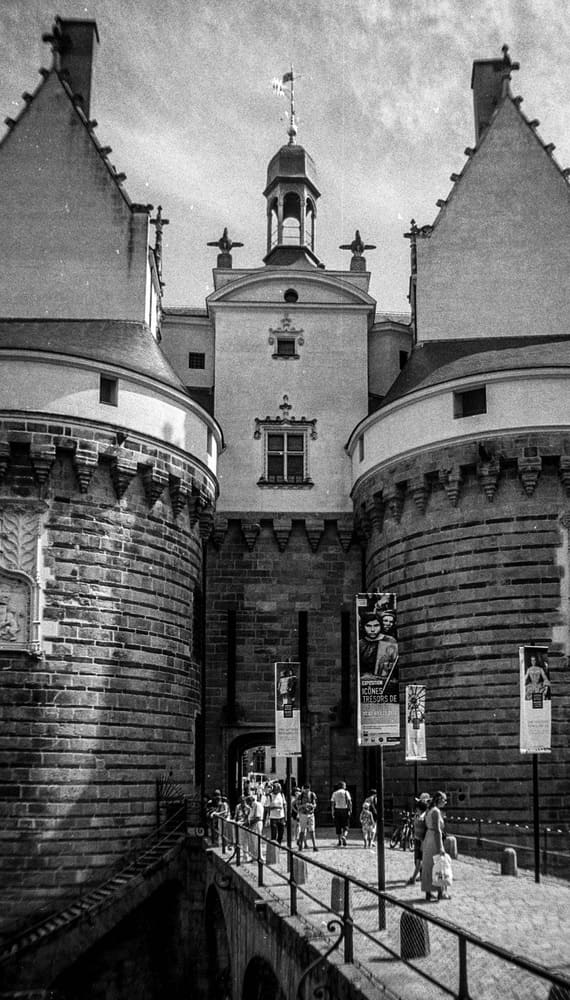
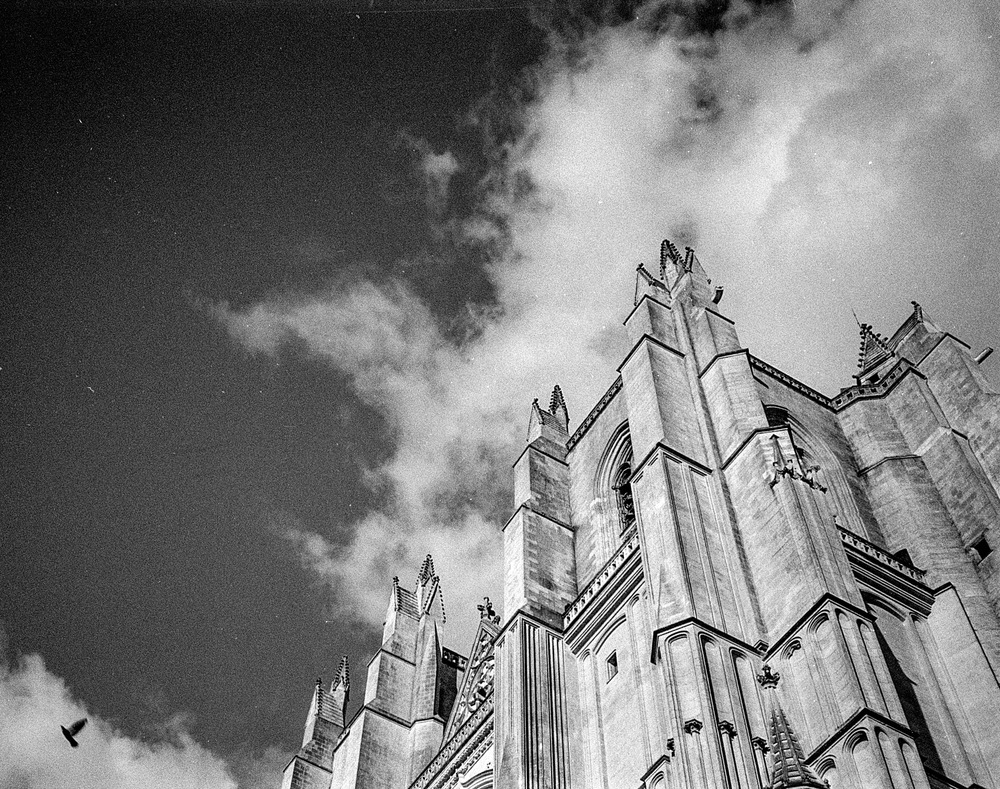
Welcome back to the Film Archive of IJM Photography! This time, we find ourselves in the beautiful city of Nantes, in the heart of the Cité des Ducs. Our adventure takes us through the majestic Château des Ducs de Bretagne, a site rich in history and culture.

As we explore the castle, I’m armed with another one of my favorite cameras from the golden days of film photography—the Canon AE1. This was before the surge of interest from the YouTube hipster crowd, who quickly snatched up every classic camera they could find, driving up prices and making these gems harder to come by.

The Canon AE1 is justifiably sought after, and for good reason. It’s a camera that offers both simplicity and elegance, paired with the beautiful FD 50mm F1.8 lens. This lens, in particular, has a way of capturing light that enhances every shot, allowing me, the photographer, to create images that feel alive. You can see the results in the photos here—every frame is a testament to the quality and craftsmanship of this camera.

It feels solid in the hand, and focusing with the split prism is a breeze. The camera is “shutter priority,” and it adapts the f-stop to the speed at which you’re shooting. As a street photographer, I don’t need to shoot at 1/1000th of a second for all my shots, so I have a wider range of options than someone taking pictures of sports. It still provides me with the necessary depth of field.

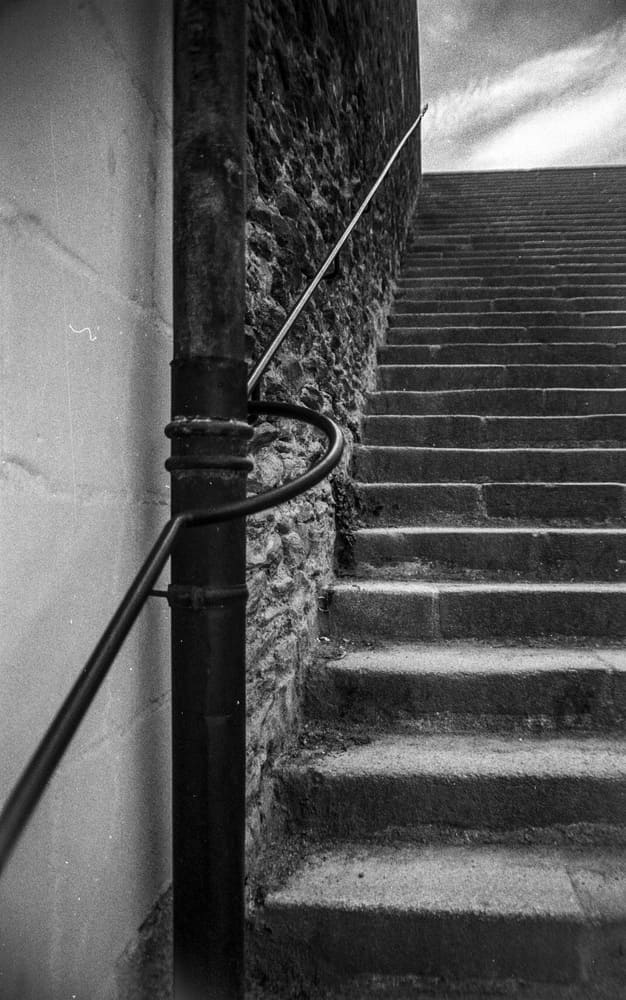
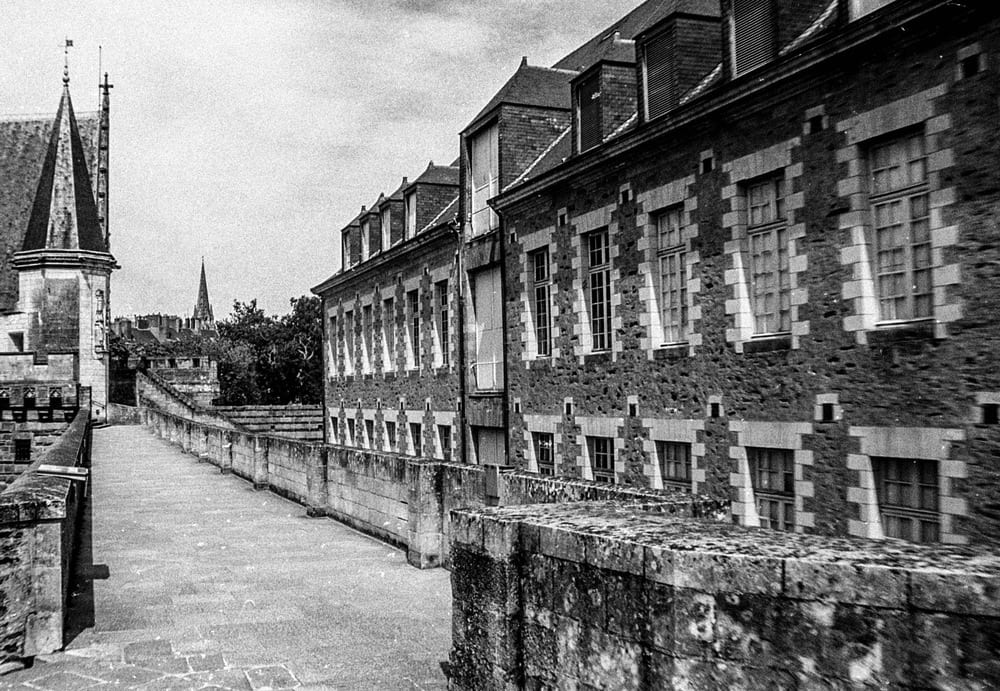
On this particular day, I was motivated and thought I could walk up the steps to the battlements to get some more interesting shots from a raised standpoint. I captured the urban landscape that spans from the 13th to the 21st century, and in one of the shots, you can see the ever-present figure of the Tour de Bretagne. It once represented the modernity of the 20th century and is now closed for asbestos removal. My feet, however, were firmly rooted much earlier in the castle.

Exploring the Château des Ducs de Bretagne with the Canon AE1 was a journey through both time and photography. The castle’s ancient walls and rich history provided a stunning backdrop for capturing moments that feel timeless. With every click of the shutter, I was reminded of the magic of film photography—the anticipation, the artistry, and the satisfaction of seeing the world through a vintage lens. As I descended from the battlements, I couldn’t help but feel grateful for the simple joy of capturing life on film, in a place where history and modernity blend seamlessly. Until next time, keep exploring and shooting. There’s always more to discover.

The Opening of the Film Archives—the Hangar à Bananes August 2016


In my last venture into the film archives, I talked about how there was a time that my daughter hadn’t yet seen me the way I see myself and how she actually still liked me, before turning into a teenager.  This is the second part of that special day.
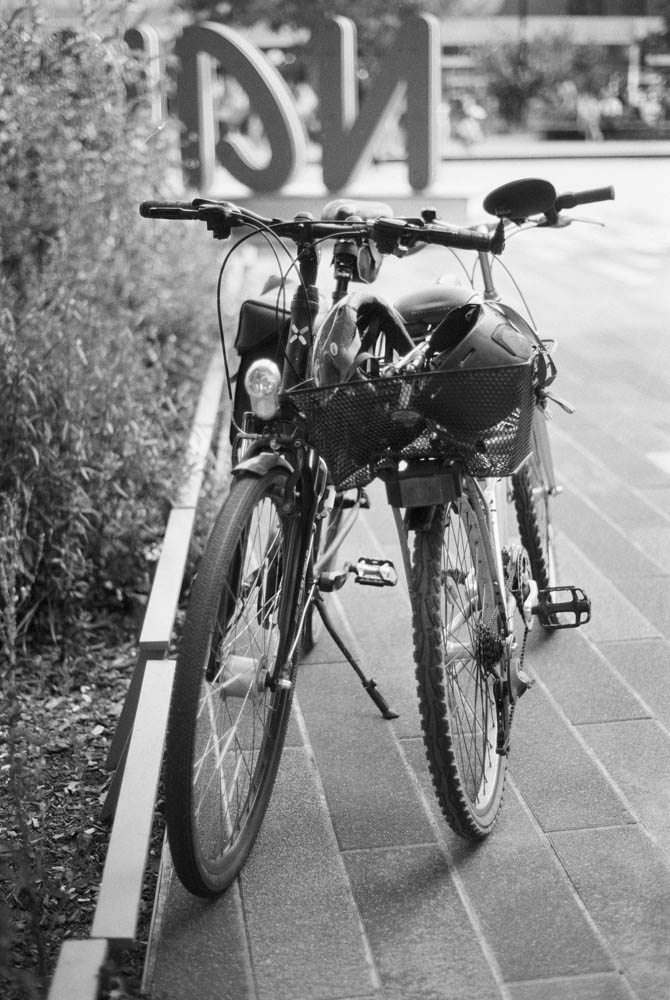
We had explored the Jardin des Plantes and discovered what they had to offer.  This of course builds up an appetite in a young lady, and convinces her that she really needs to drink something Daddy.  And why couldn’t we go to the Altercafé (now the D3) at the Hangar à Bananes.
So what else was I to do but drive us to the Hangar à Bananes.  You will have seen the Hangar in this article, and you will now be completely up to date and know nearly everything there is to know.

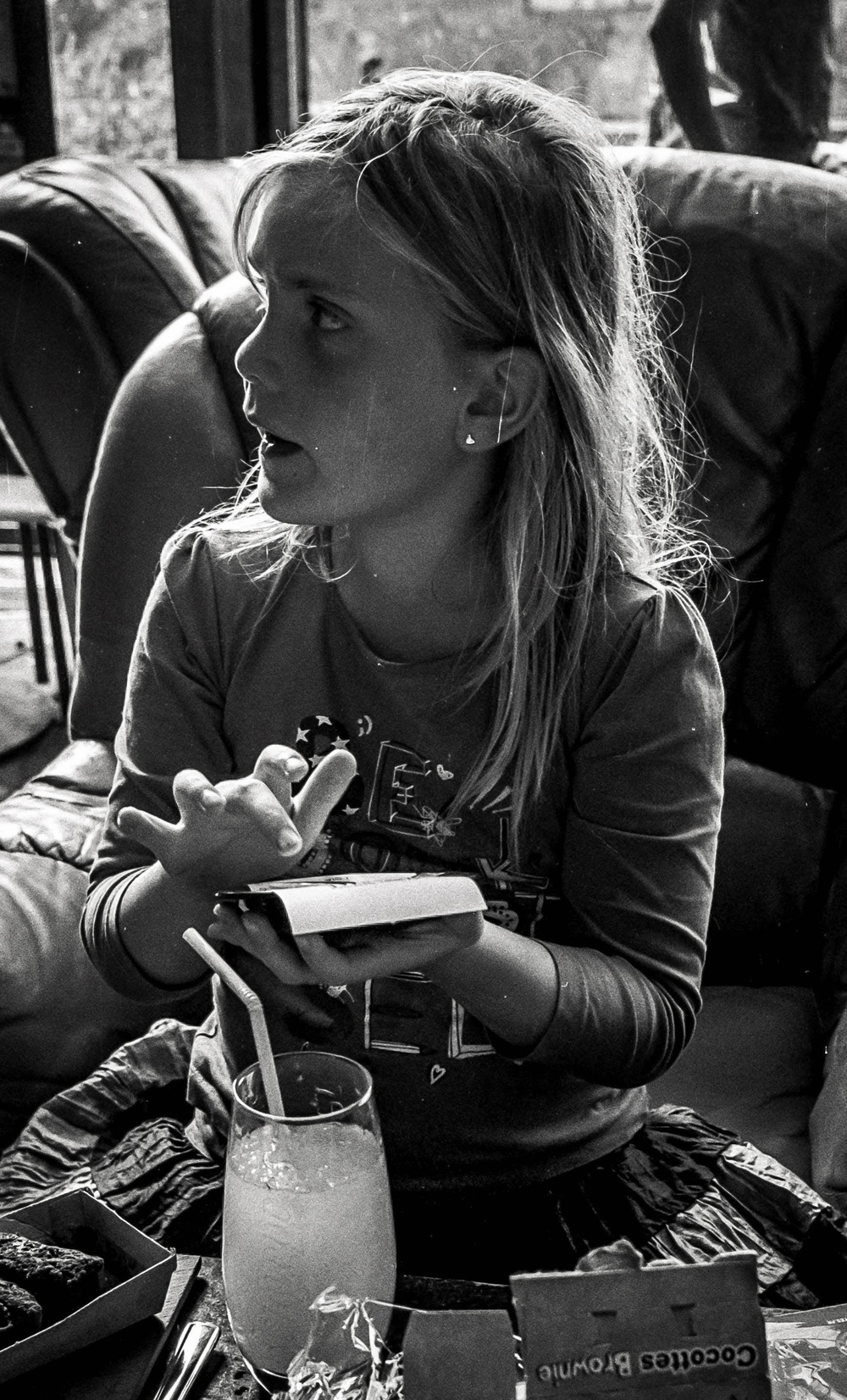
Don’t forget that this is a girl who gets an idea into her head and then just goes through with it.  That idea is so rooted that it is nigh on impossible to change that idea.  I knew what was coming.  I would order a chocolate brownie, and Kate would have an Orangina.  I could have a beer.  How gracious of her.
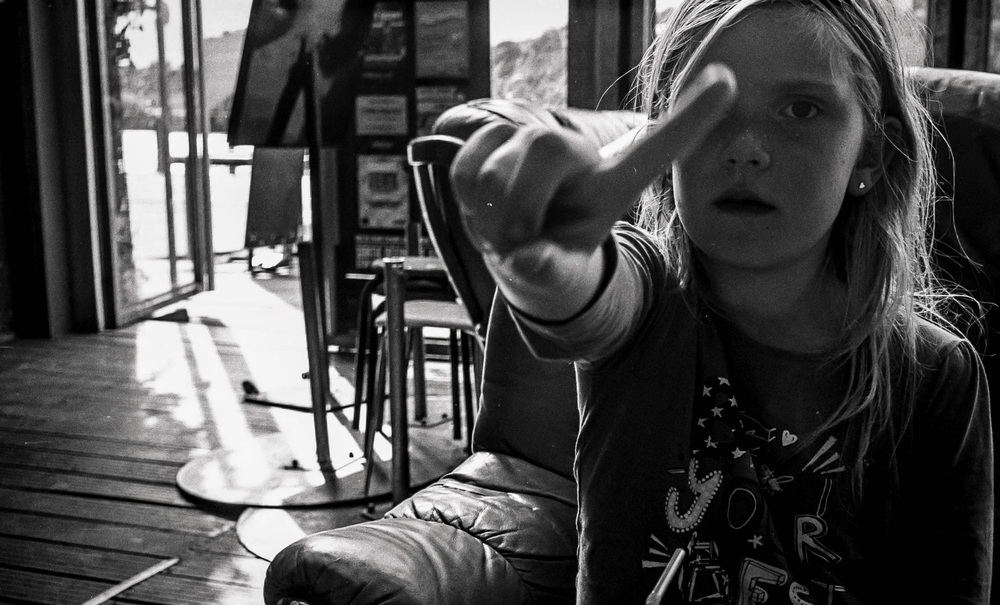
She had been my model for most of the day and even a top model needs a rest, and just has nothing left to give a photographer.  You just know when enough is enough…

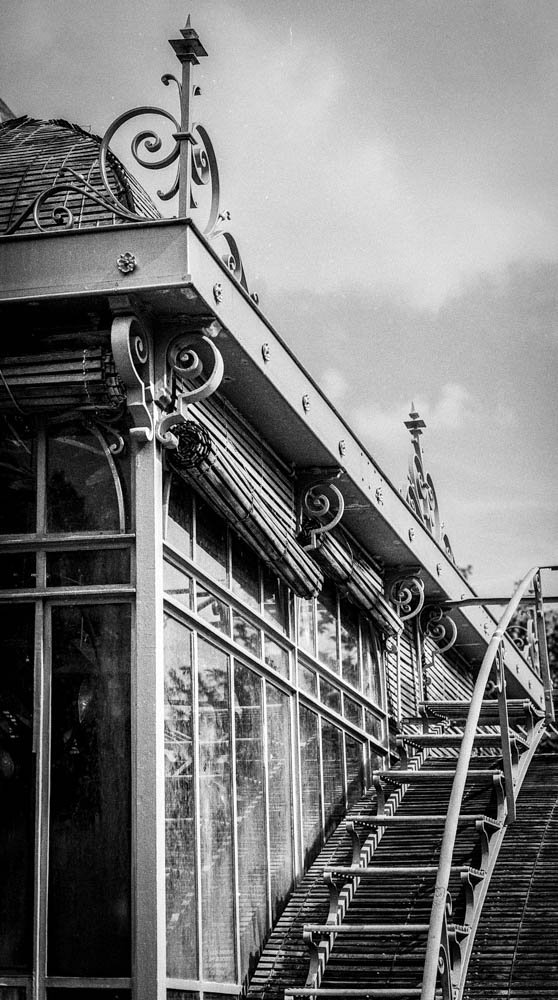
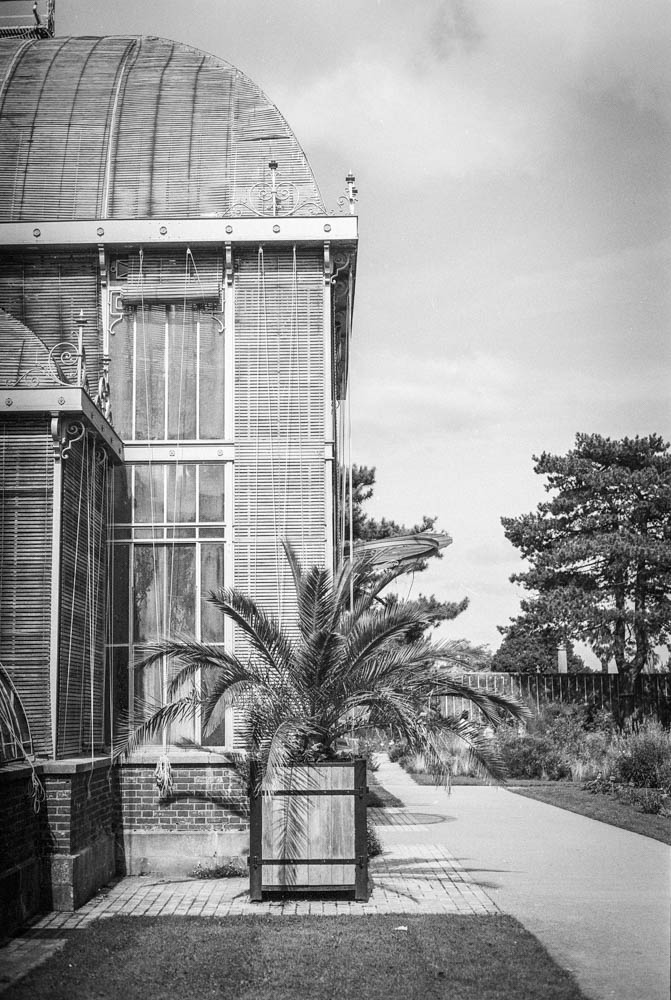
The Opening of the Film Archives—Jardin des Plantes August 2016


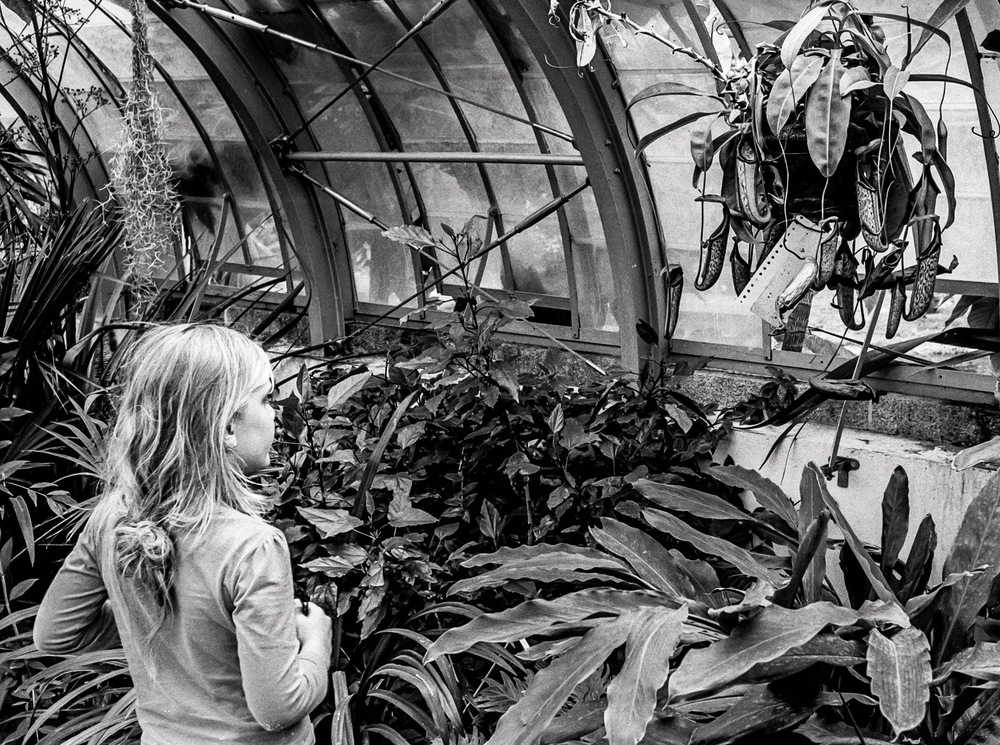
There was a time when my daughter wasn’t a teenager.  There was a time when she quite liked her Dad, and she would accompany me everywhere.  It was good being that child’s hero.  It was a more innocent time.  It was a time when she actively tried to spend time with me.  It was a time when she didn’t see me the way I see myself…

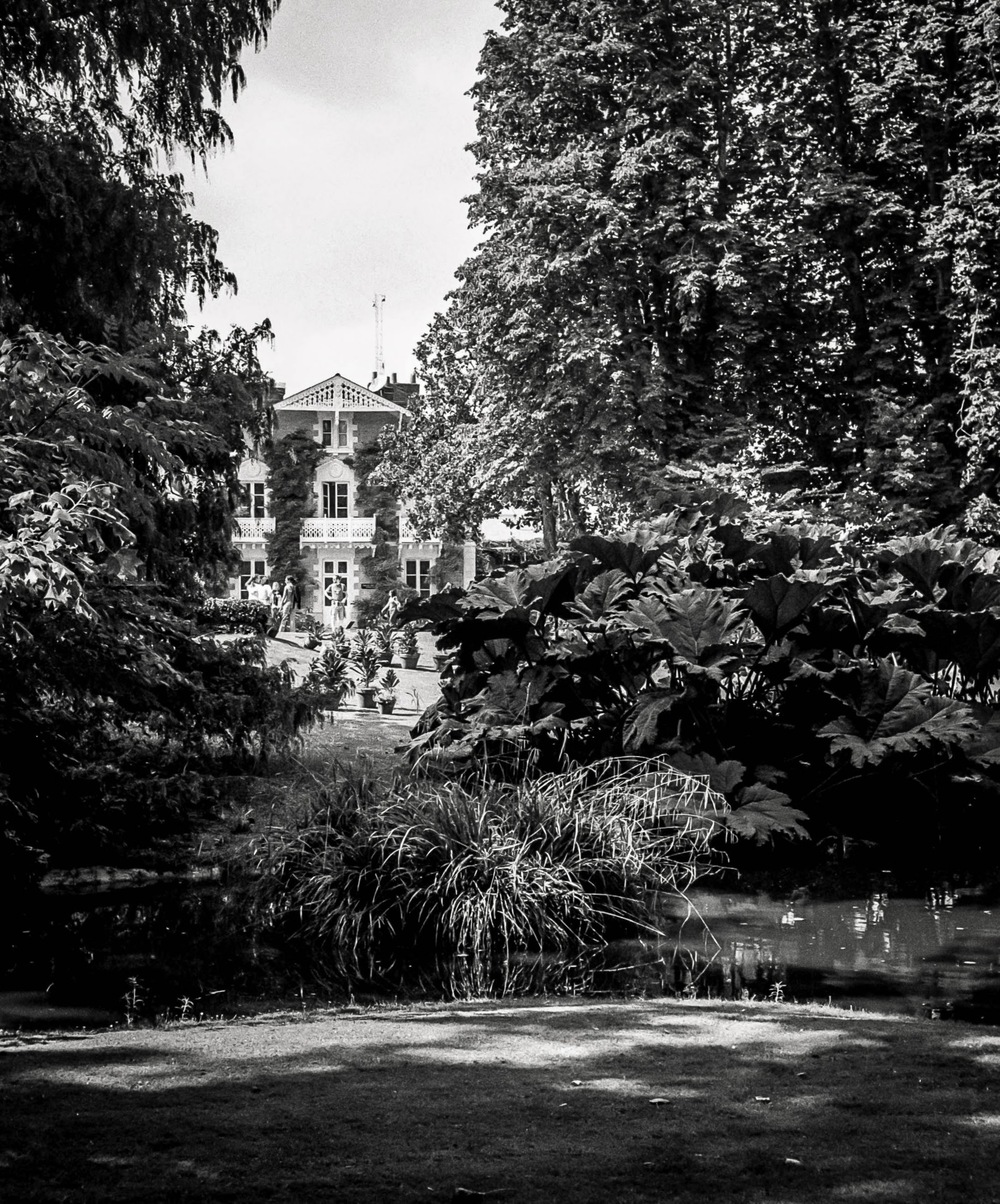
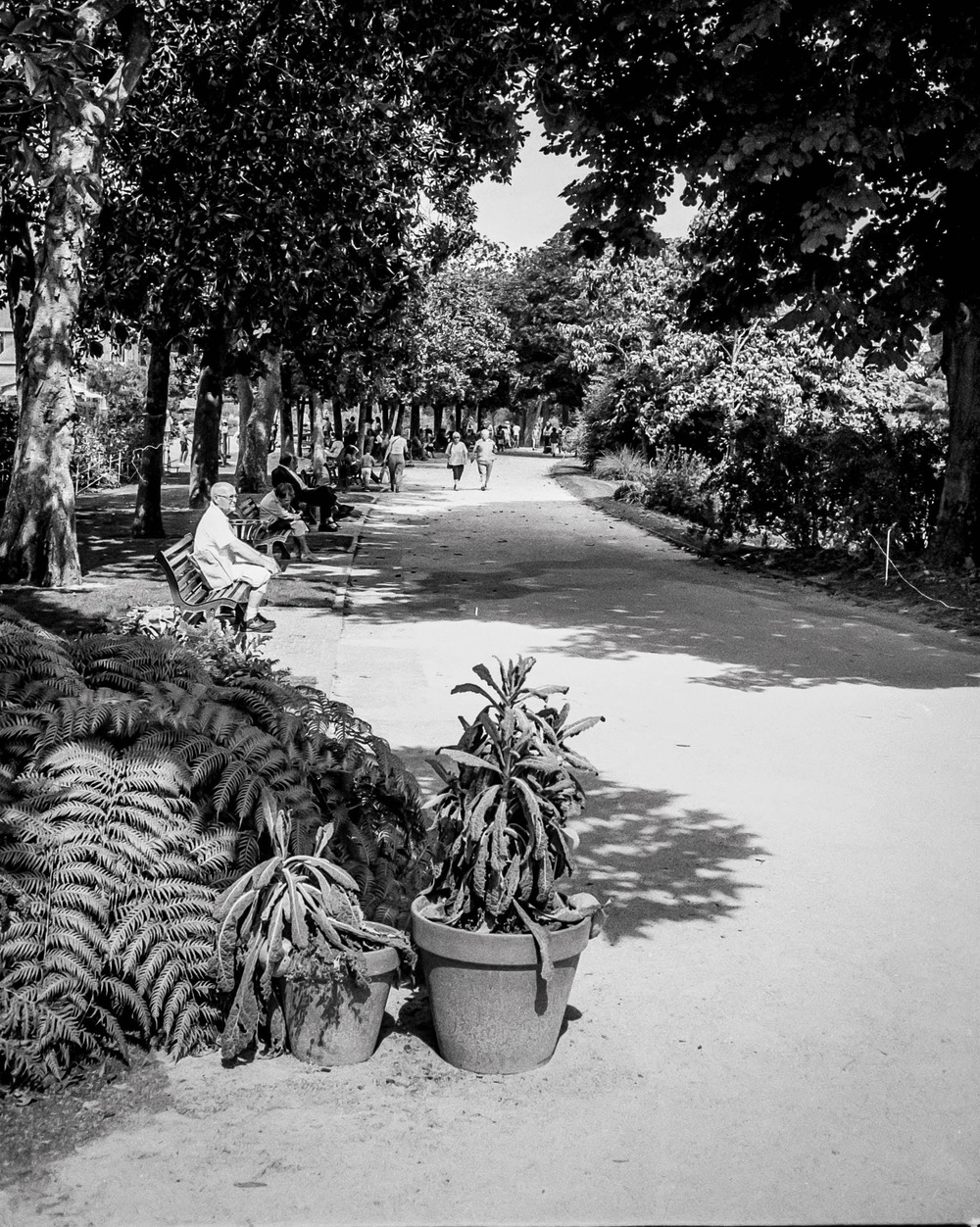
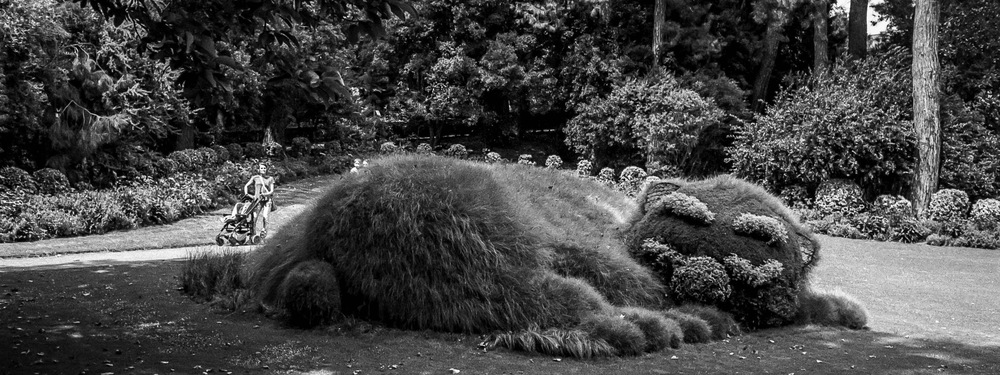
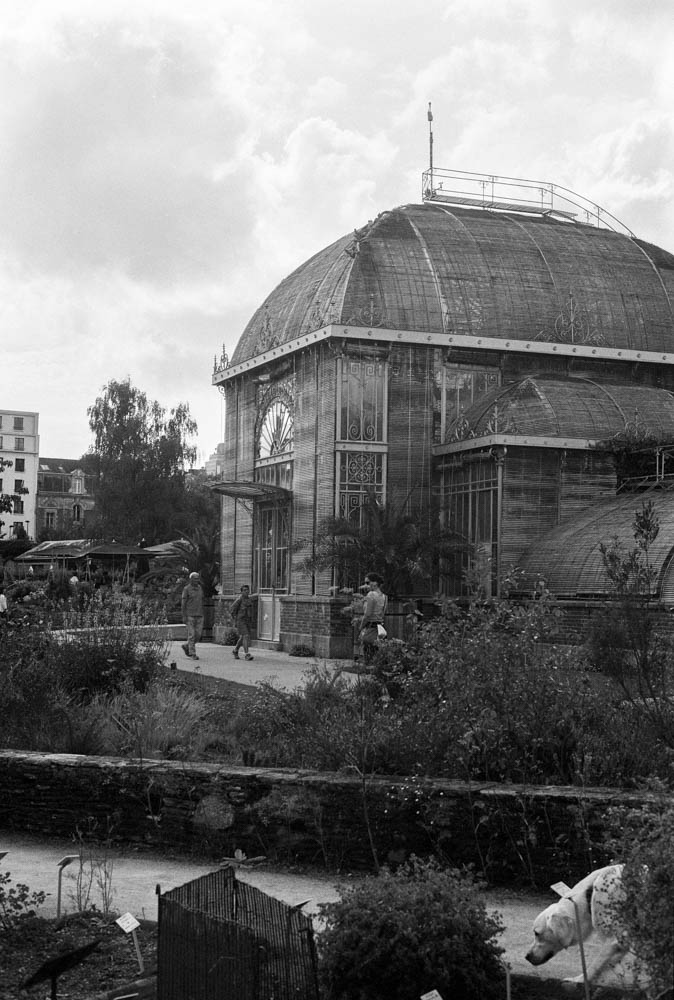
One of her favourite places in Nantes was the Jardin des Plantes, a huge botanical garden in the middle of Nantes just across the road from the station.  I could talk about the fact of it being a haven of peace in the bustling city.  I could talk about it being an oasis of green in a sea of concrete.  I could talk using clichés ‘til the cows come home…

These photographs are not clichés, but real attempts of capturing a specific moment in time allowing me to travel back through time.  And looking at these images, I’m definitely back in time.

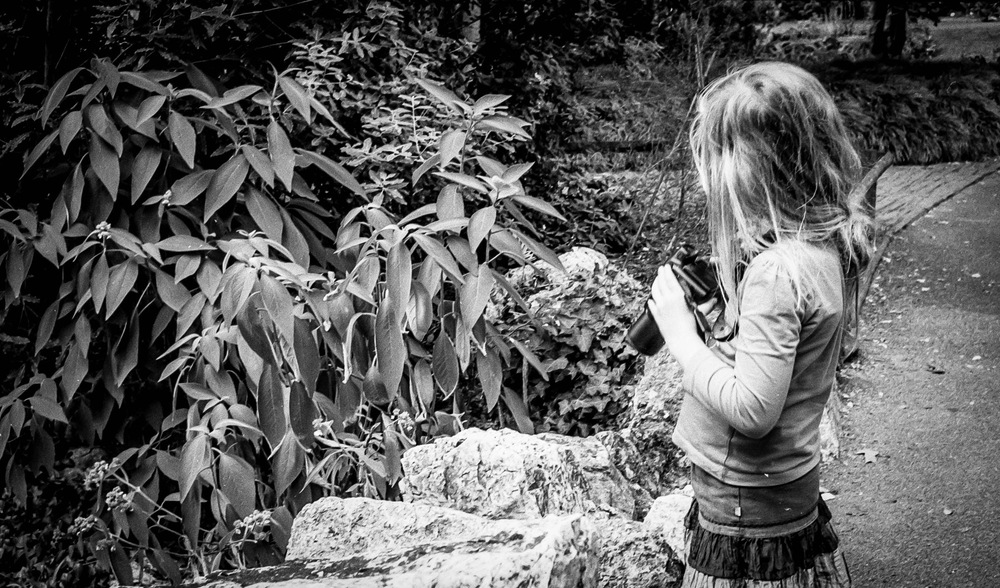
Let me introduce you to my daughter from 2016.  She was a 7 year old that already knew what she wanted but was slightly more subtle about it.  She would suggest that we go into town.  That I could take my camera.  That we could go to such and such a place.  That we could do such and such a thing.  And all this as if it were completely natural.  And I was a very willing victim.   

This time she suggested going to the Jardin des Plantes.  She would take her camera (my old Sony bridge) and I would take my Olympus Trip 35.  I used the Olympus Trip quite a lot at that time and its ease of use, the zone focussing, and general lack of buttons to press, made it quite the fool proof piece of kit.    

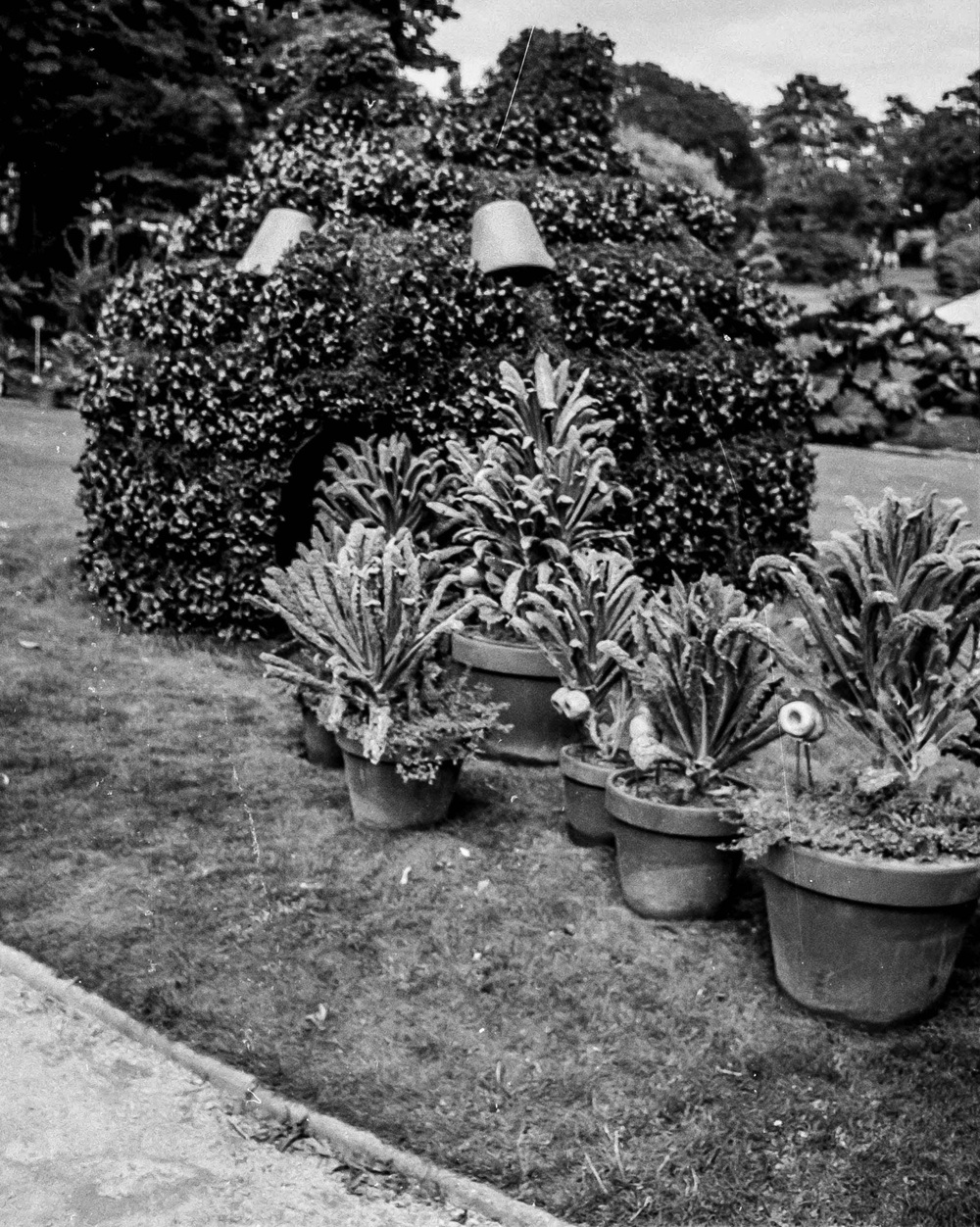
As usual, I let her lead the way.  This was here outing after all, and kept a respectful distance, so I could photograph her and record her for posterity.  The Jardin des Plantes has not only plants, the clue is in the title, but also is the backdrop to the Voyage à Nantes, and certainly was that year.  

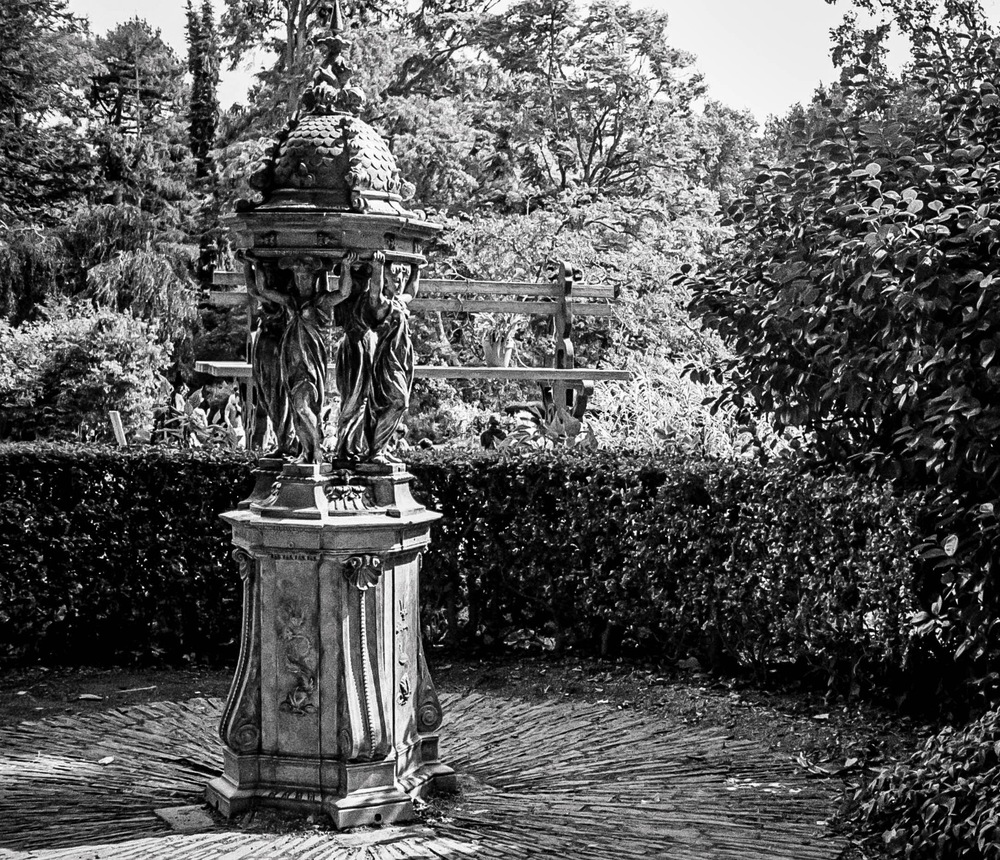
I think the images speak for themselves and I’ll let you peruse them at your leisure.  They were taken on Ilford HP5 Plus film shot at box speed.

The Opening of the Film Archives – On the way to work


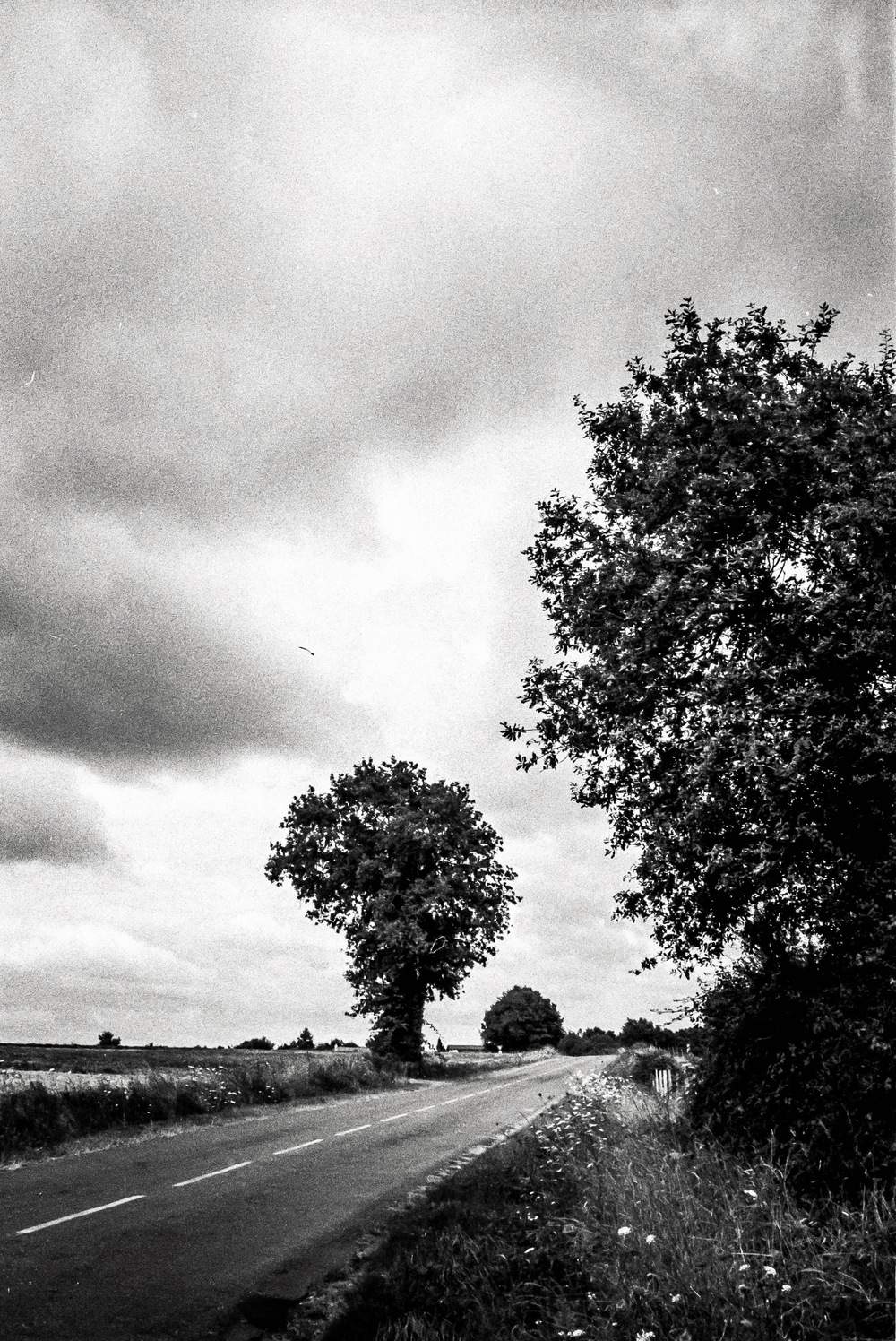
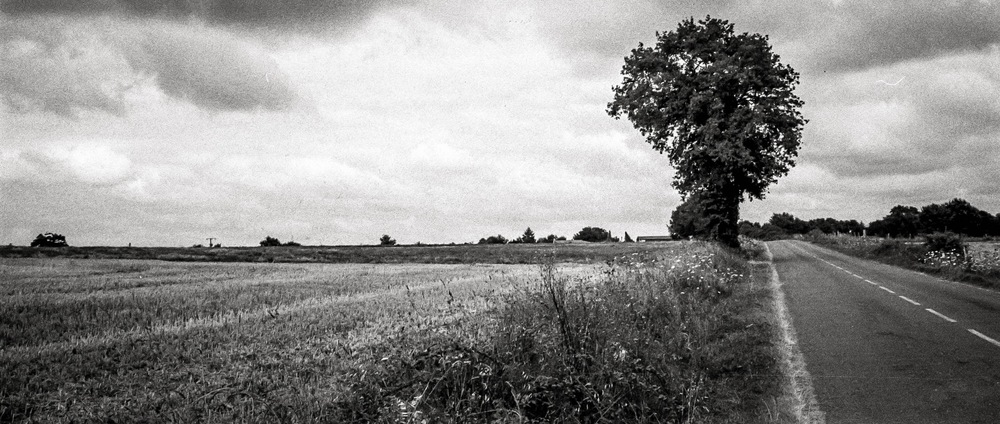
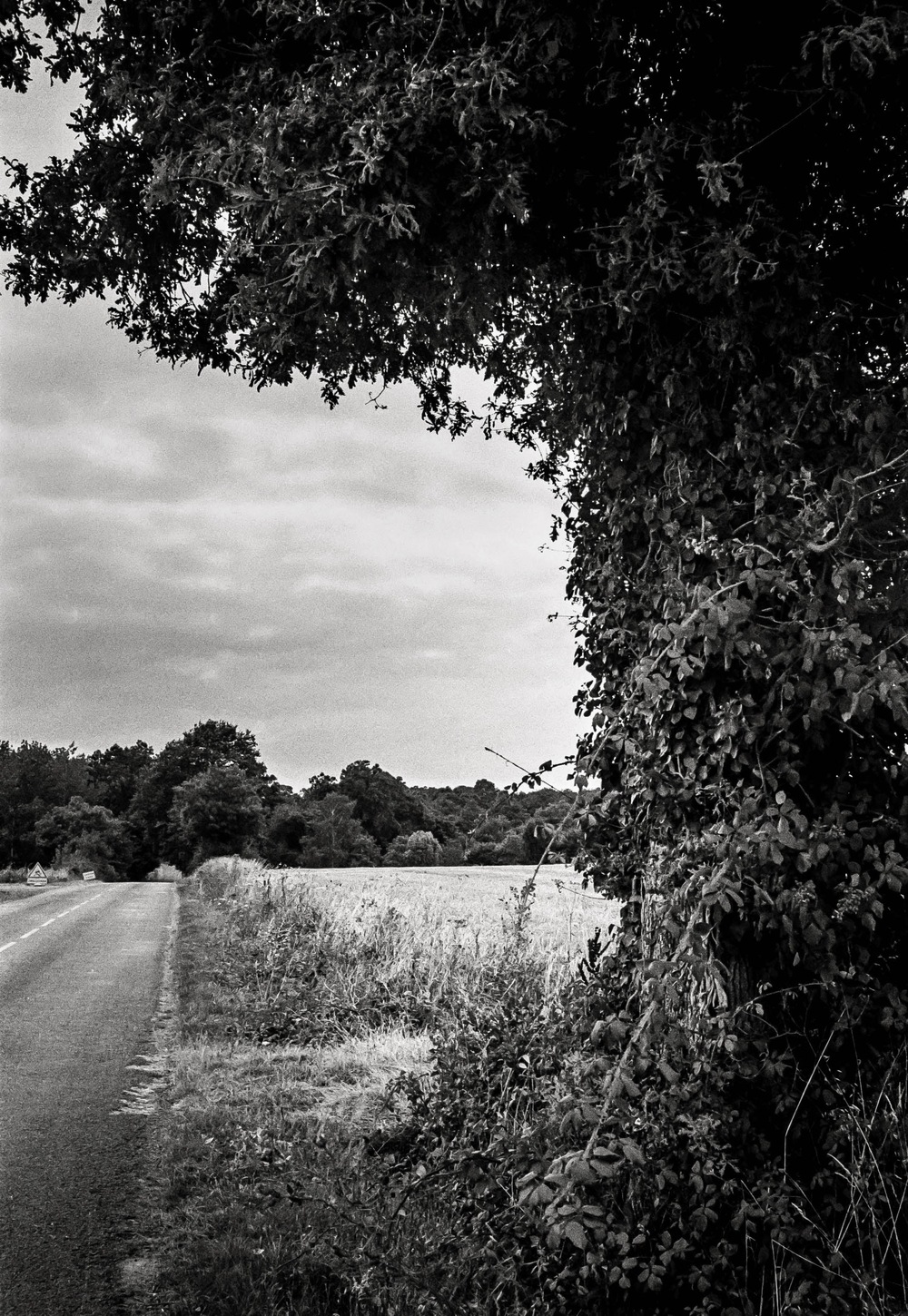
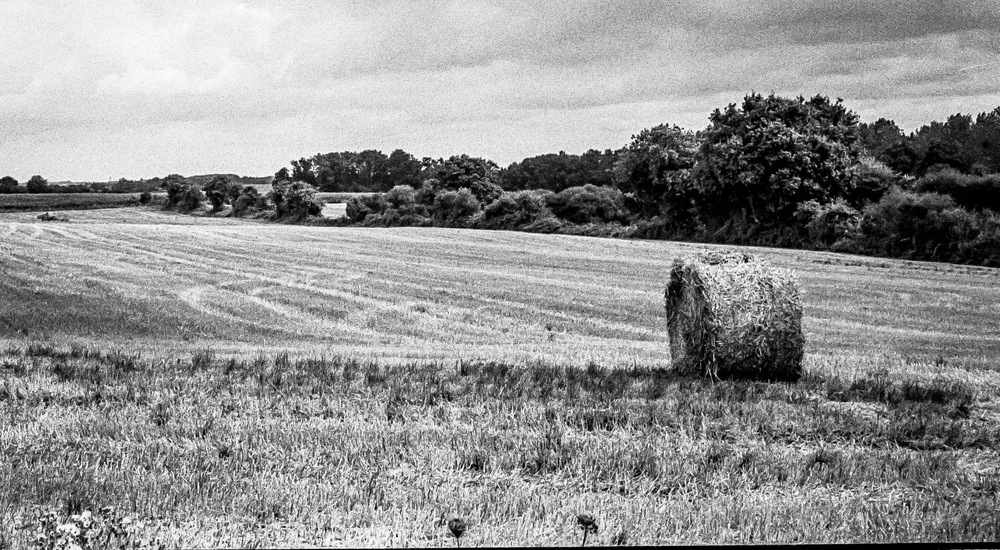
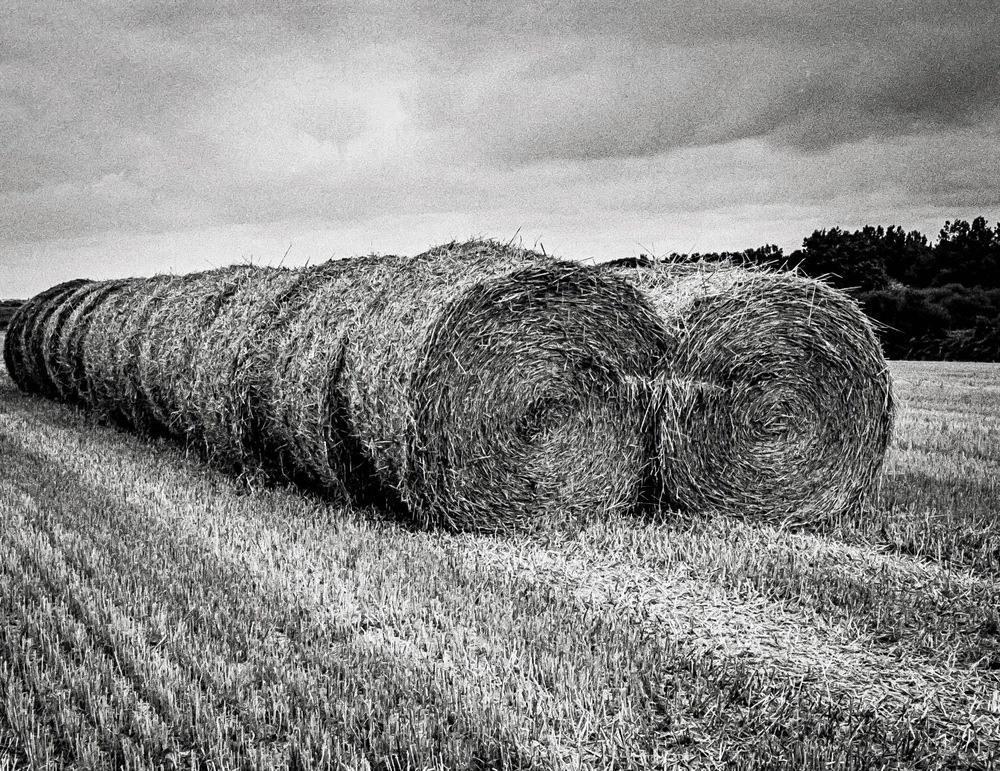
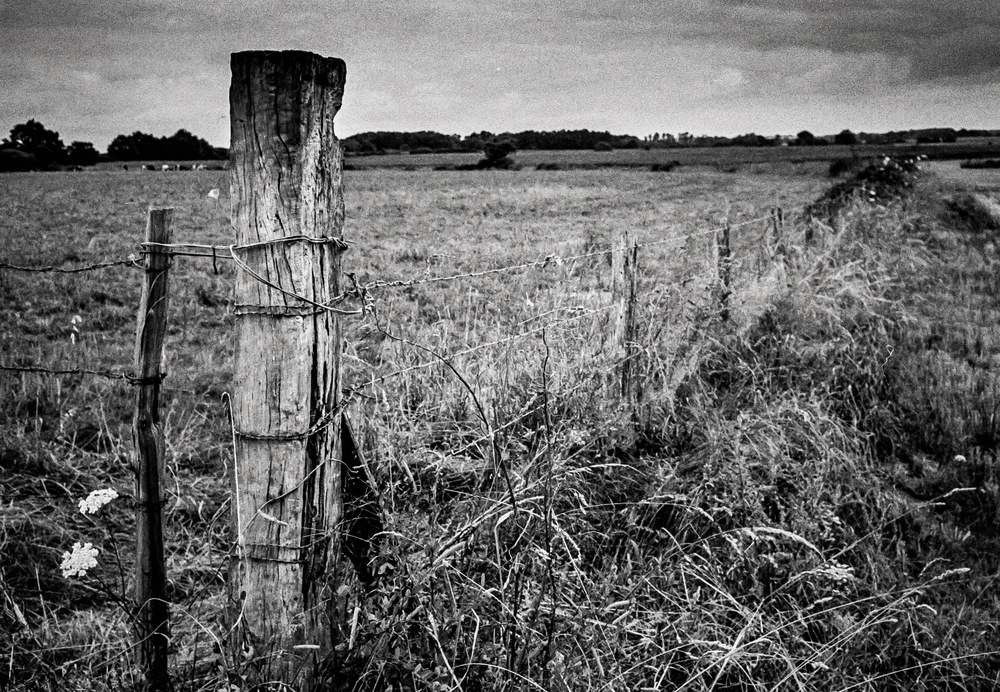
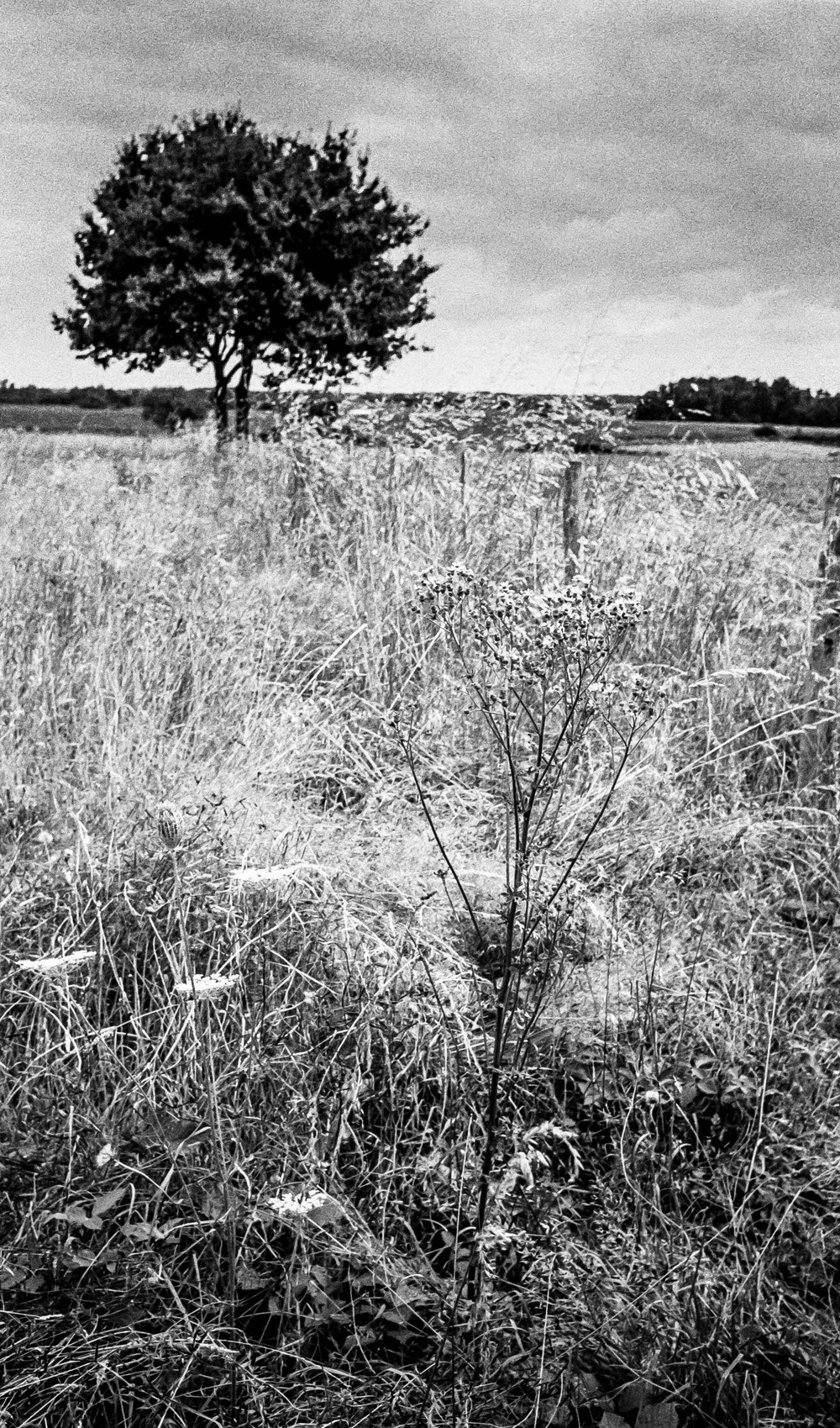
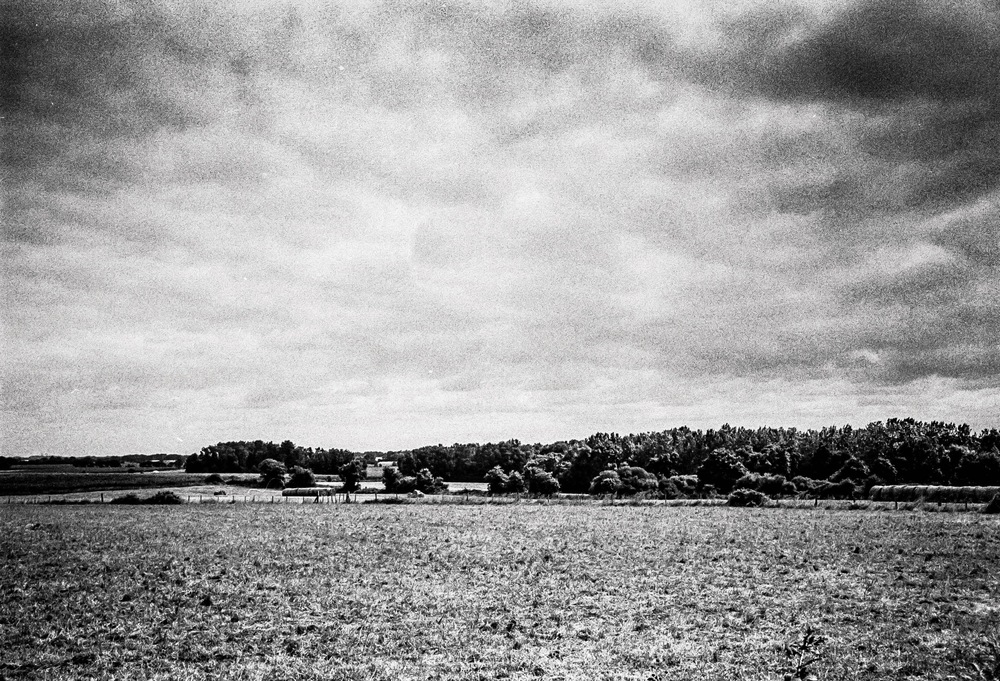
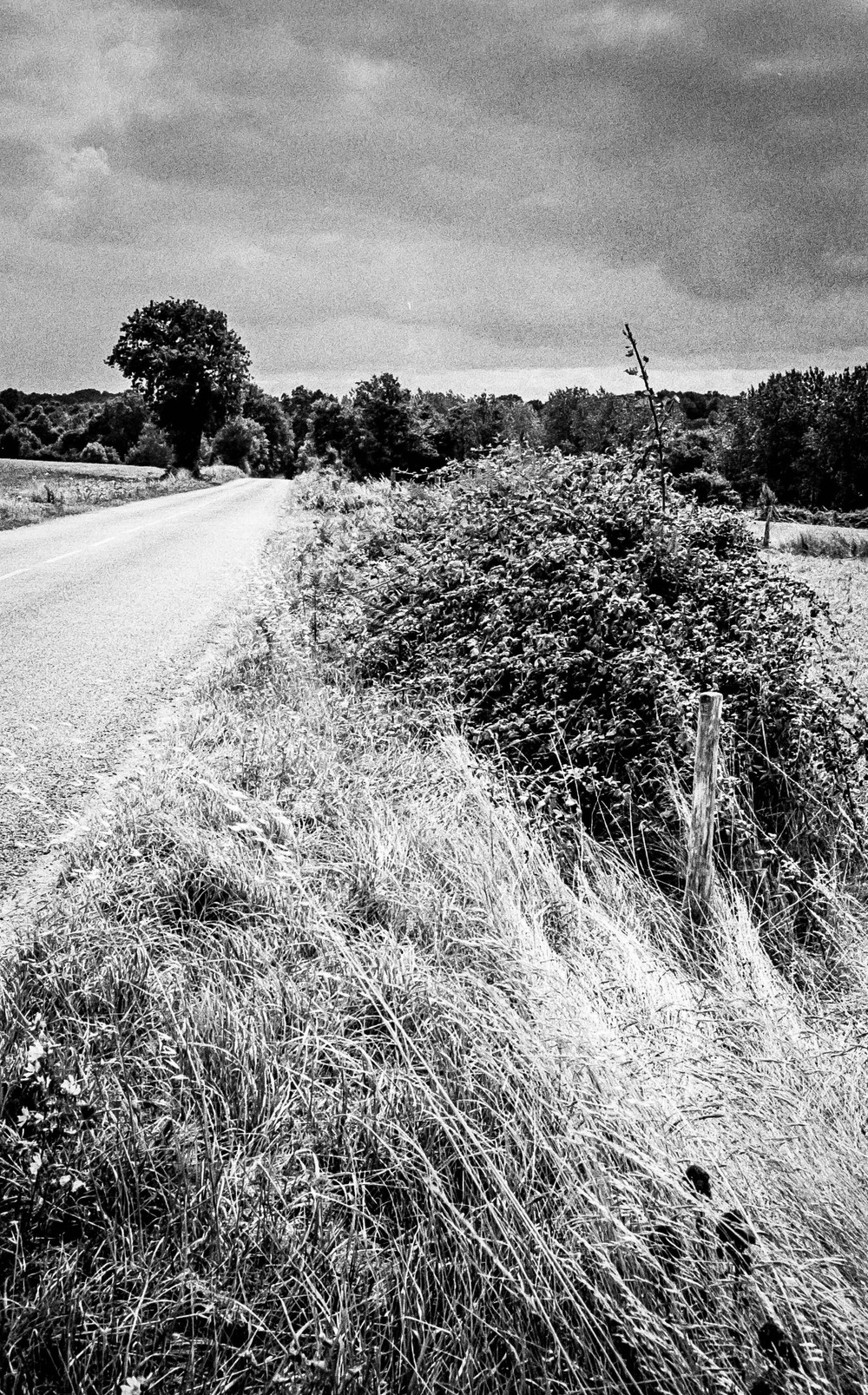
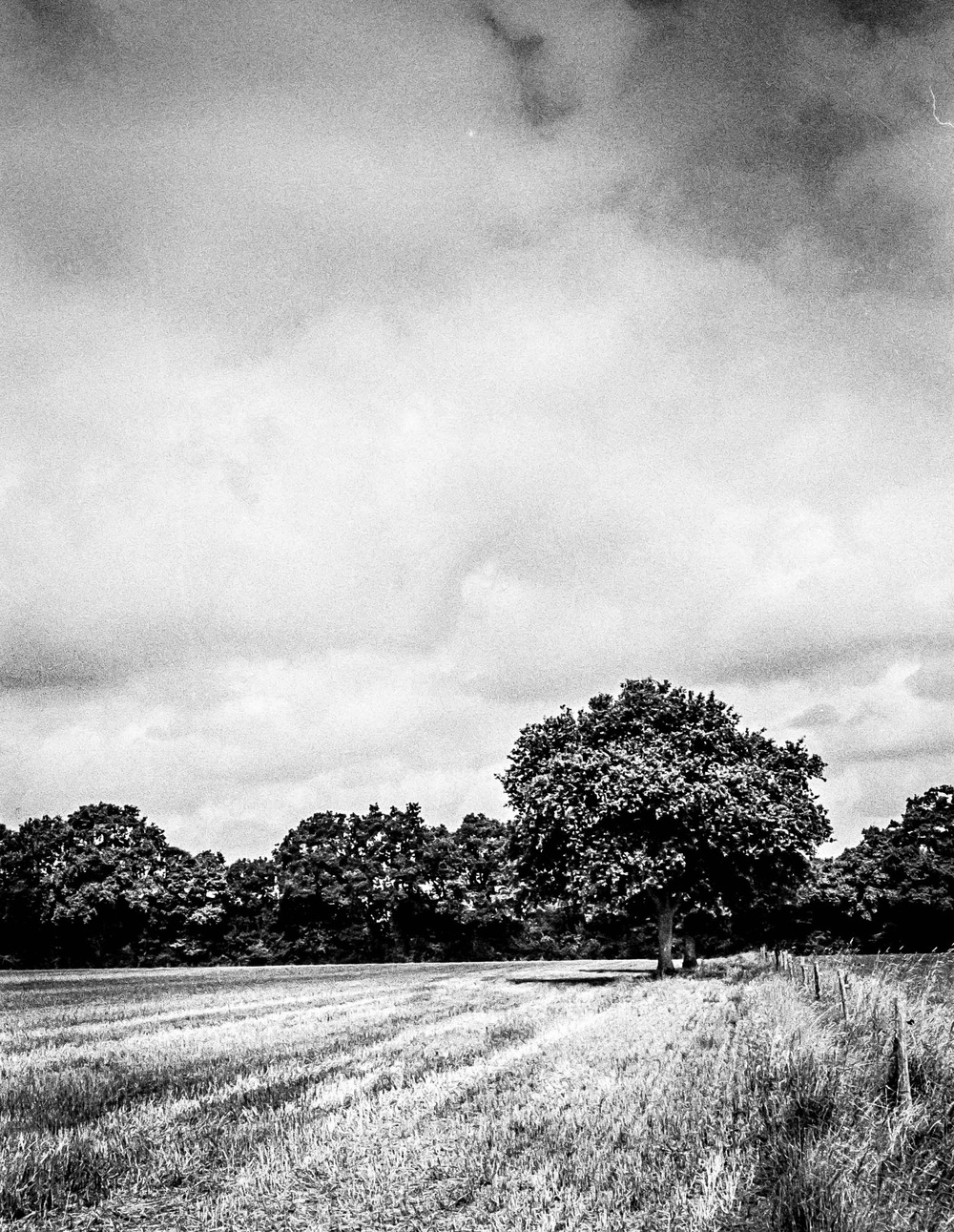
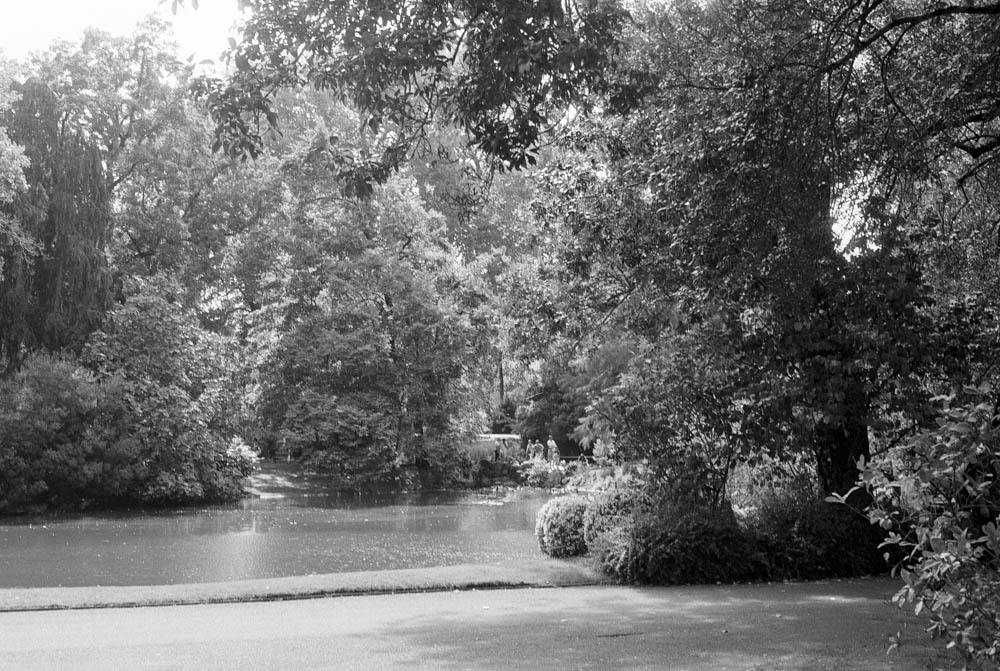
Sometimes we can have a tendency to ignore our habitual surroundings as photographers.  In this series of photos from the film archive, I’m going to show you part of the route I use to go to work.  What is ordinary to one person might be an pastoral idyl to somebody else.  It only goes to show that there is beauty everywhere in this world and one of our roles as photographers is to document it for future generations.

My wife, bless her, has always said that my black and white photos have a timeless feel to them, be they in the city or out here in the country.  I think that using film, especially this grainy HP5 Plus, even shot at box speed, adds to that sentiment.  The fact that I used Rodinal as my developer might have accentuated the grain too.  Also don’t forget that this is the beginning of my return to film development so I might have been a little vigorous in my “agitations” whilst developing the film.  I now use mostly Ilfosil 3 and lower grain film, and have brought a little more “calm” to my “agitations.”

The camera that day was the FED 5 rangefinder camera from Ukraine.  I’ve talked about it before, and although I mainly use SLRs, I still feel guilty about not using it more.  It’s a beautiful camera and I don’t want it to feel neglected.  I might just have to correct that soon.

I lived just outside Paris for 7 years before moving out to the country in 2001.  The change in ambiance was startling.  I went from blocks of flats to village life in the French countryside.  I went from riding the metro, and suburban Parisian trains, to learning to drive though this beautiful landscape.  Driving through this scenery still gets me every time I get into the car.  I wonder what I’ll see.  I see the changes in the fields and countryside through the seasons.

I want you to promise me, Dear Reader, that you will take a closer look at your route to work, and maybe I can convince you to record it too for prosperity.  Don’t worry about film or camera, even just using your phone will do the trick.

The Opening of the Film Archives – Nantes November 2016


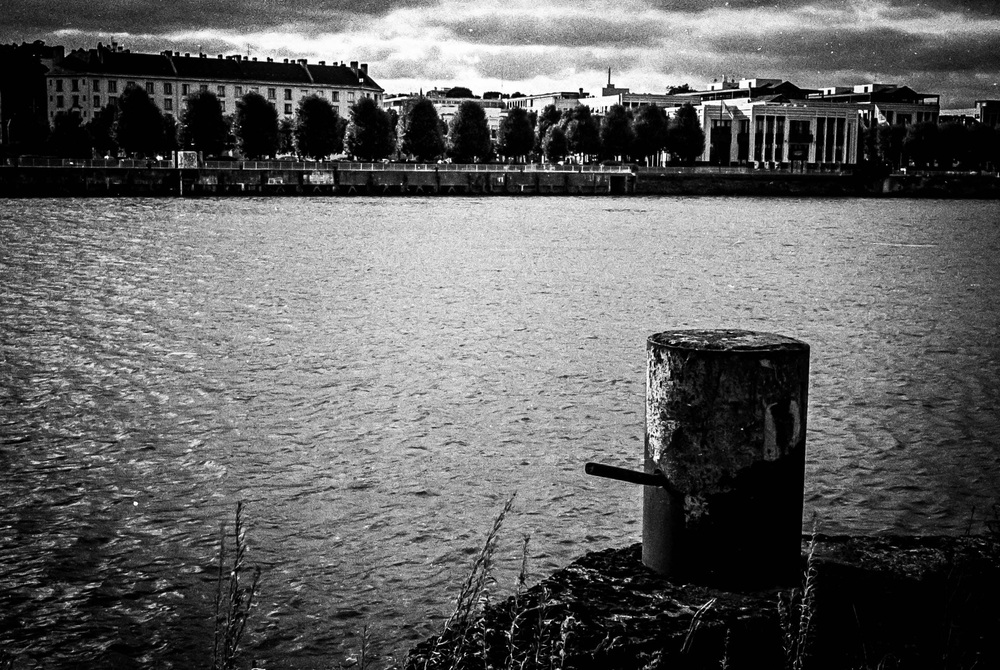
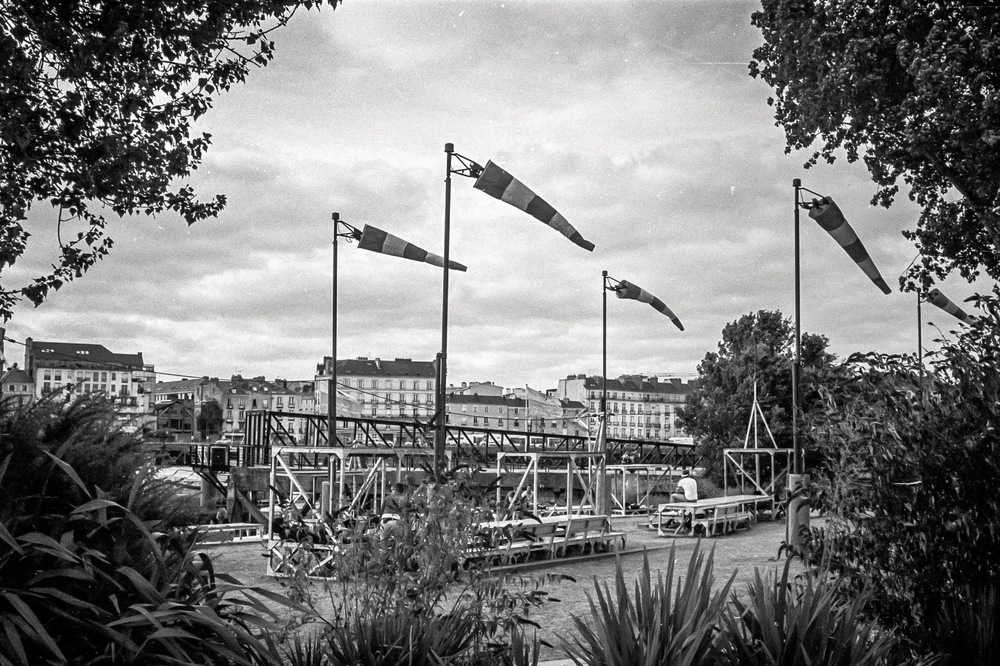
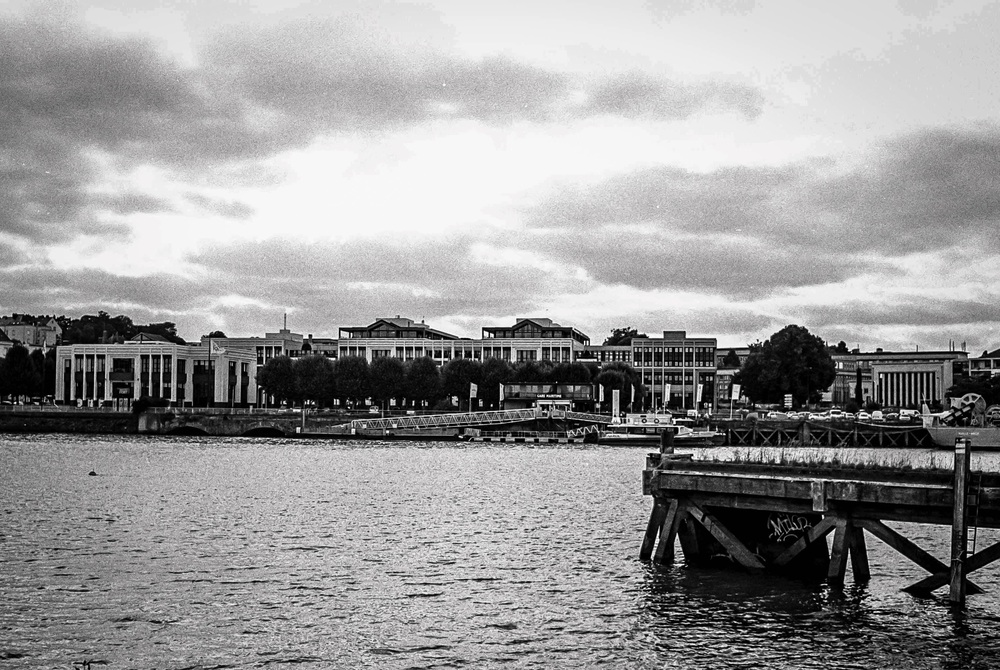
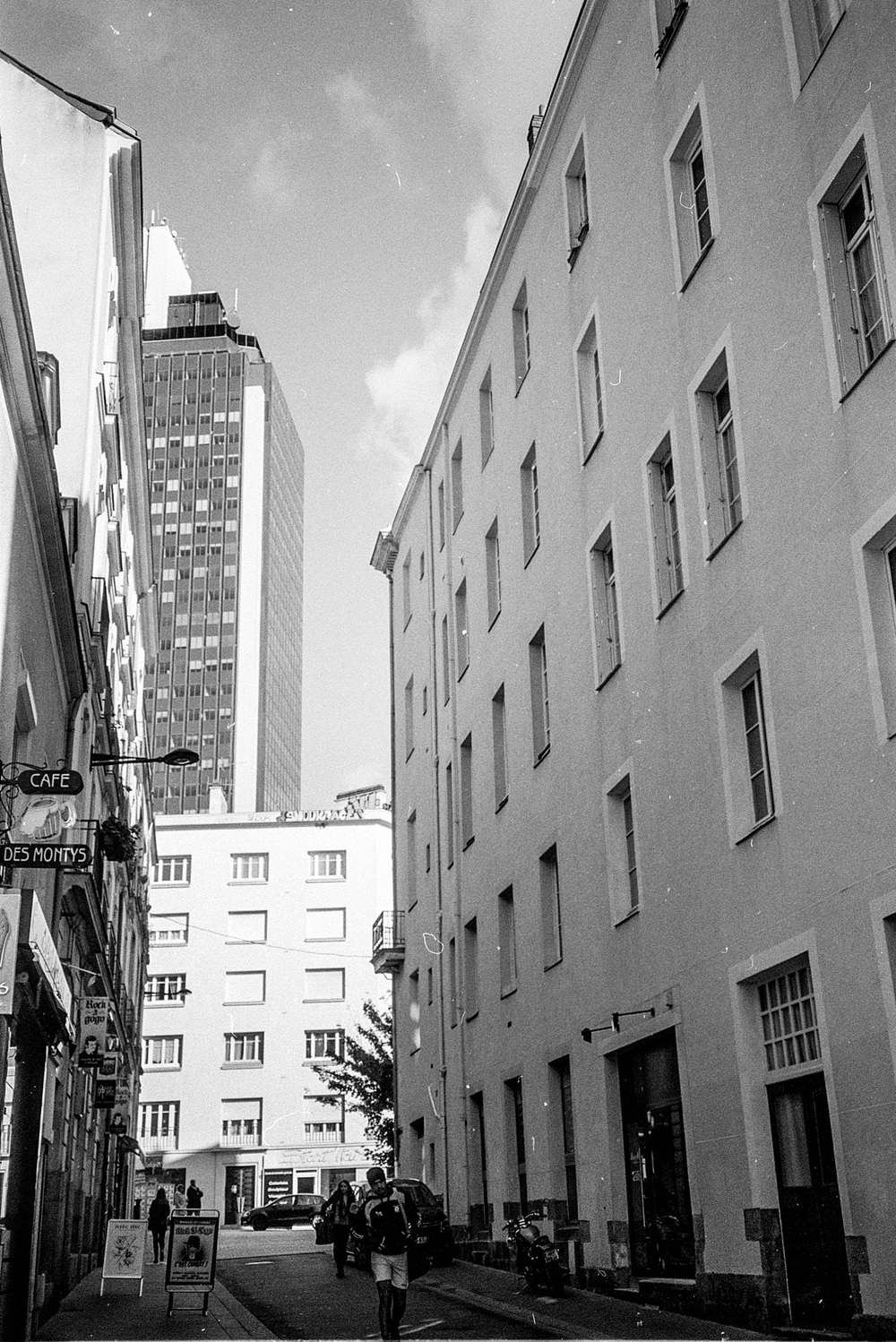
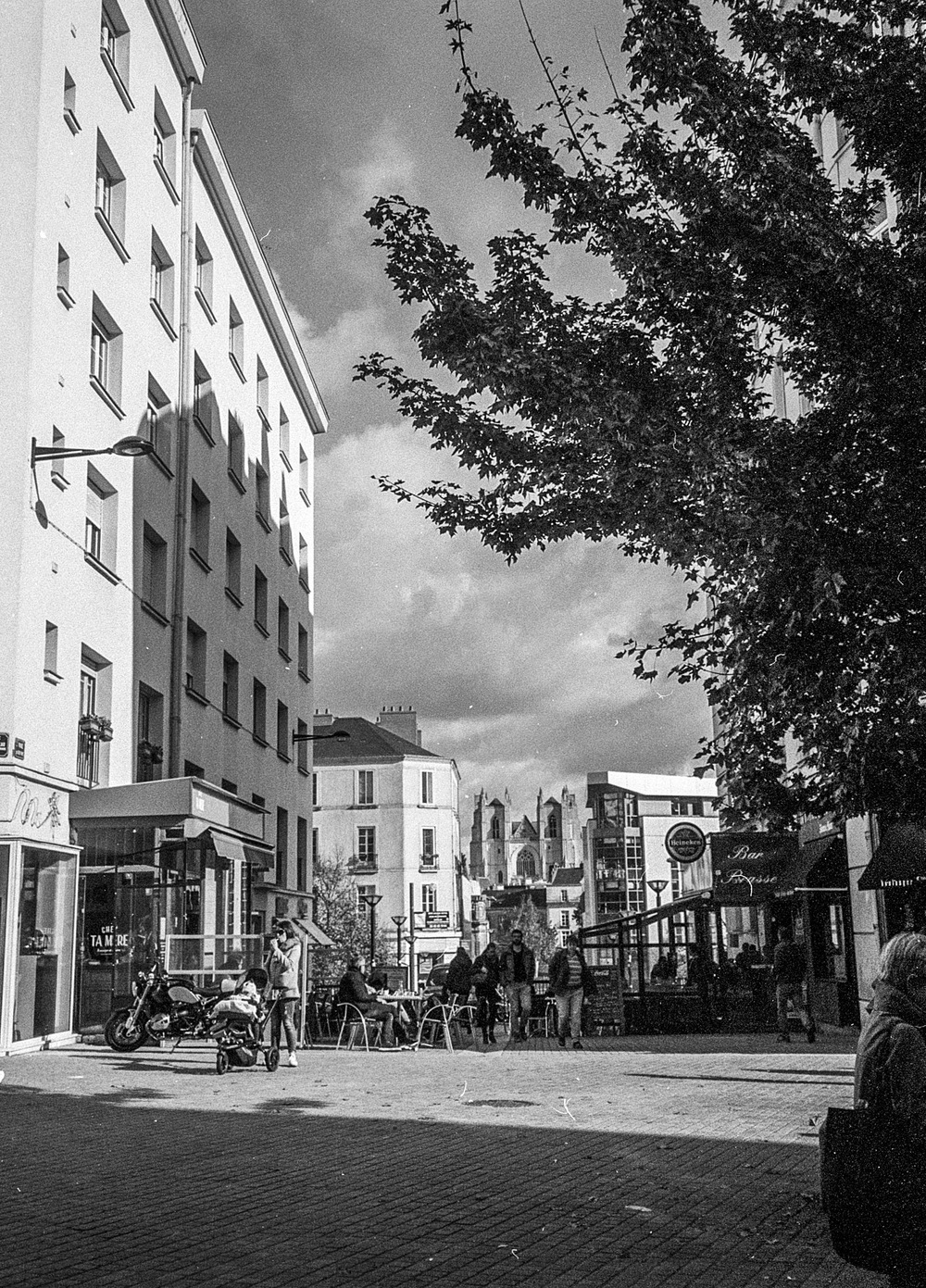
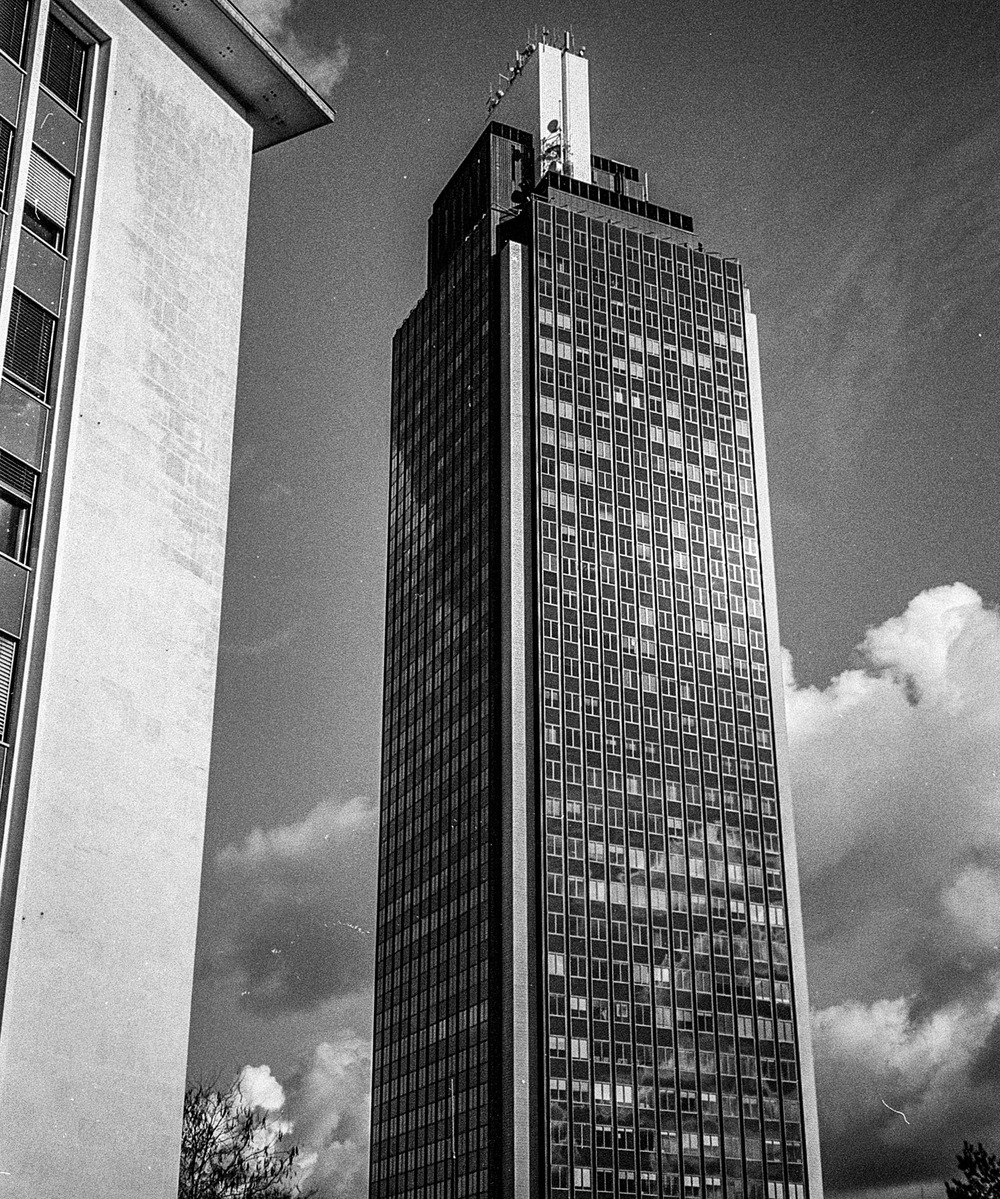
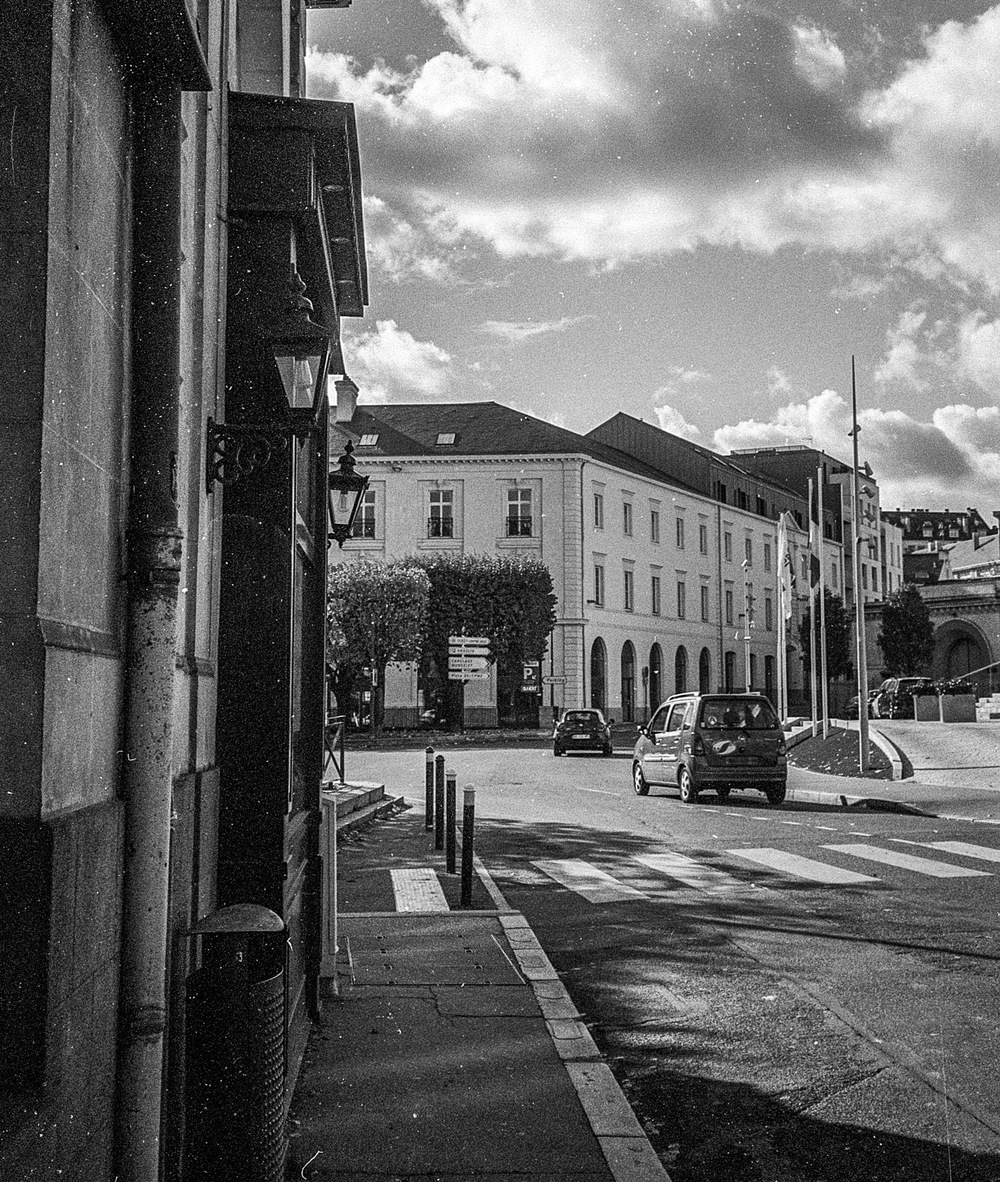
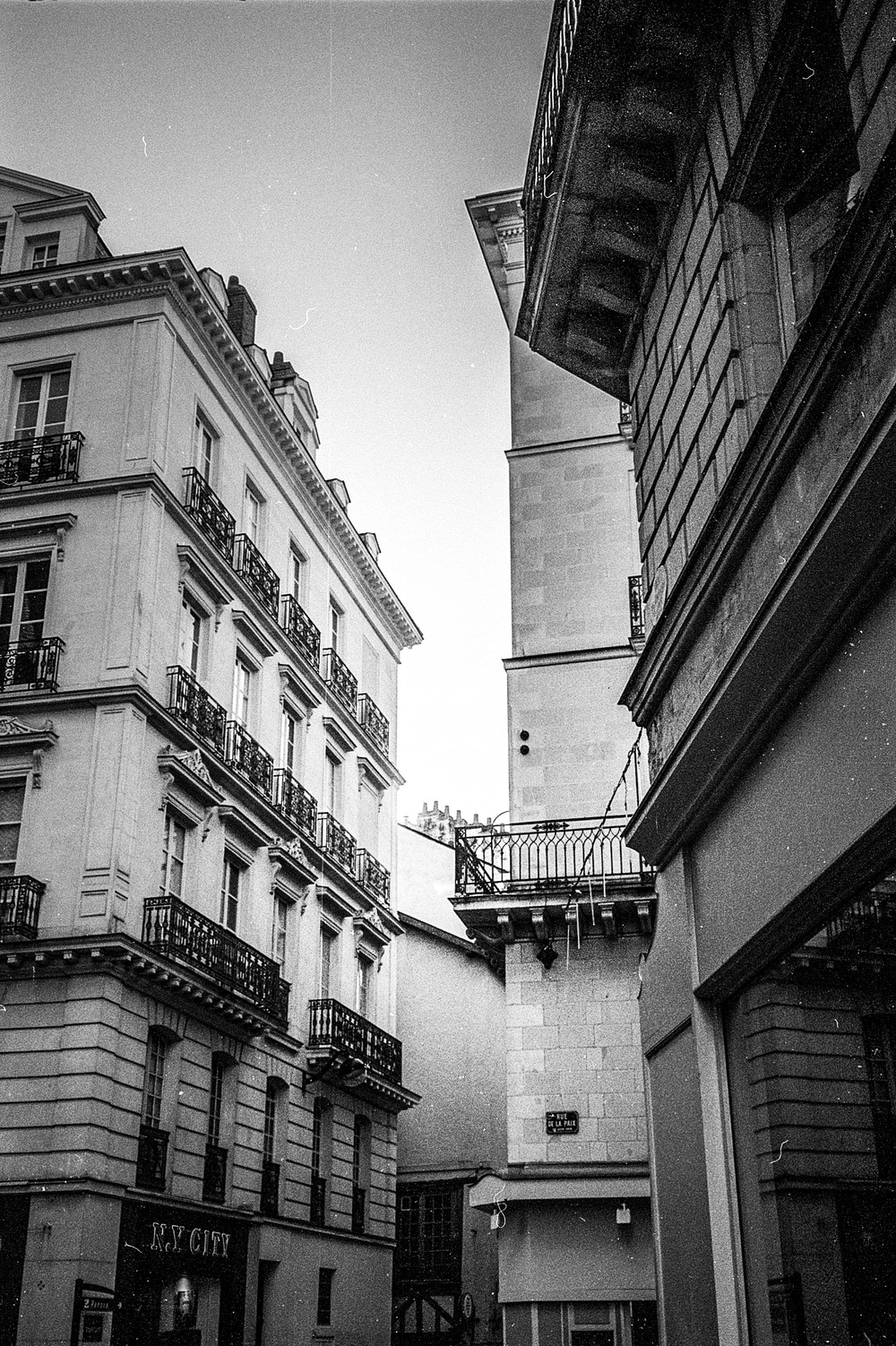
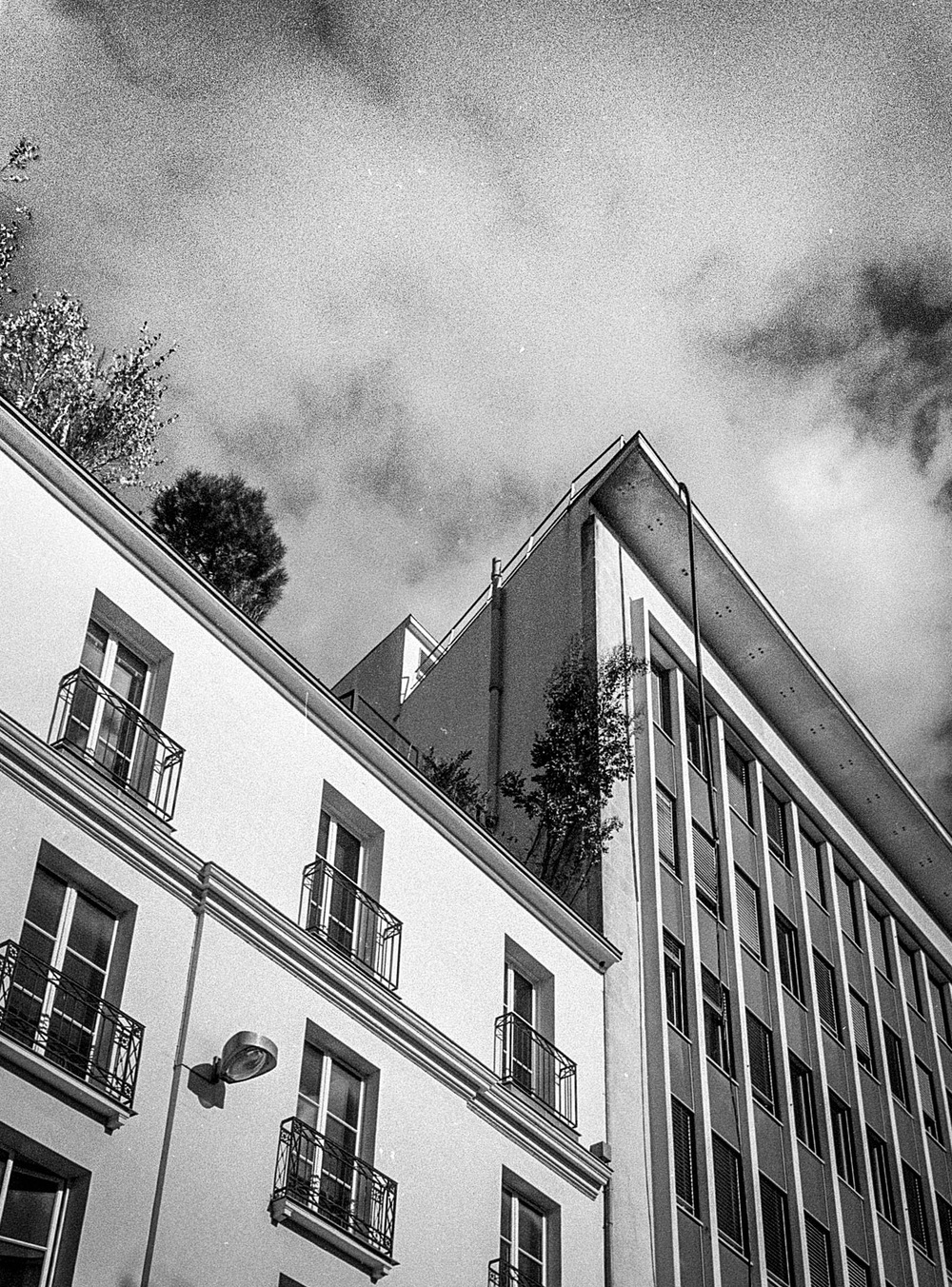
Following our last trip to Carnac, the film archive now has a look at Nantes in the autumn of 2016. These photos offer a glimpse into how I approached photographing a city back then, and if I’m being totally honest with you, still do. I treat the city much like a model on a photoshoot. The goal is to capture not just the physical landscape, but the essence and atmosphere of a place, allowing viewers to get a feel for the city simply by looking at the images. In this series of pictures, Nantes reveals herself and her architecture, resplendent in the autumnal sunshine.

Over time, I have come to know the city and appreciate her architecture. Buildings are not only a reflection of the architect but also of the people who live in them. They add character to the city, allowing her personality to shine through.  I enjoy looking at the lines, and the shapes of them.  They inspire me.  They tell the story of the people who, either work, or live in them.  They are not just mere edifices.  

You will notice as we go through the archives, I might not respect the timeline slavishly. My aim is to give you an aperçu of my world at the time through film. I know you will be able to take this affront in your stride and not hate me!

We’ll go from the bains douches municipales, through to the Sainte Croix church, to the Stalinian 1950’s architecture of the Social Security building, passing by the odd shop, Hausmanian architecture, and even a shot looking towards the Cathedral.

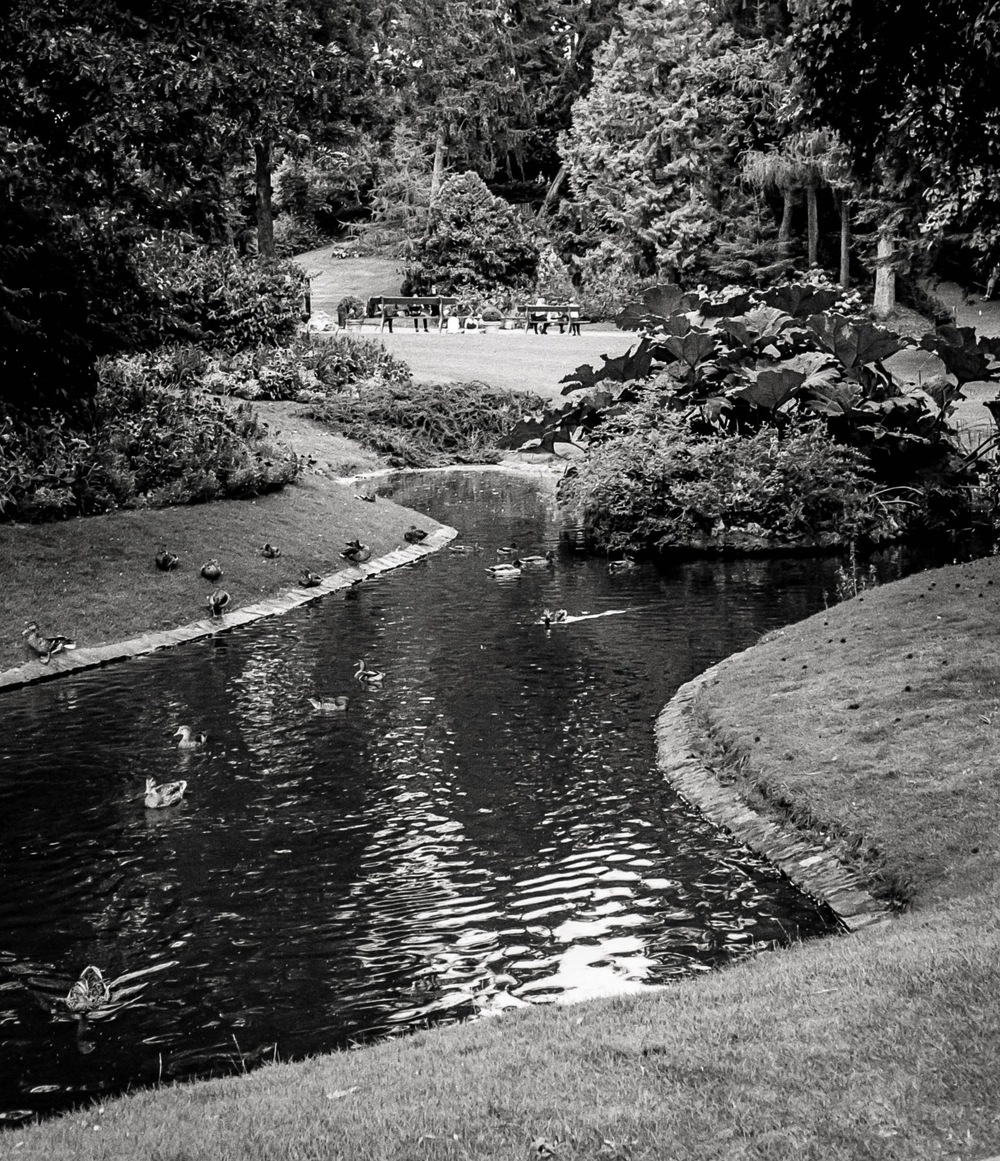
A Peaceful Stroll Through Jardin de Plantes


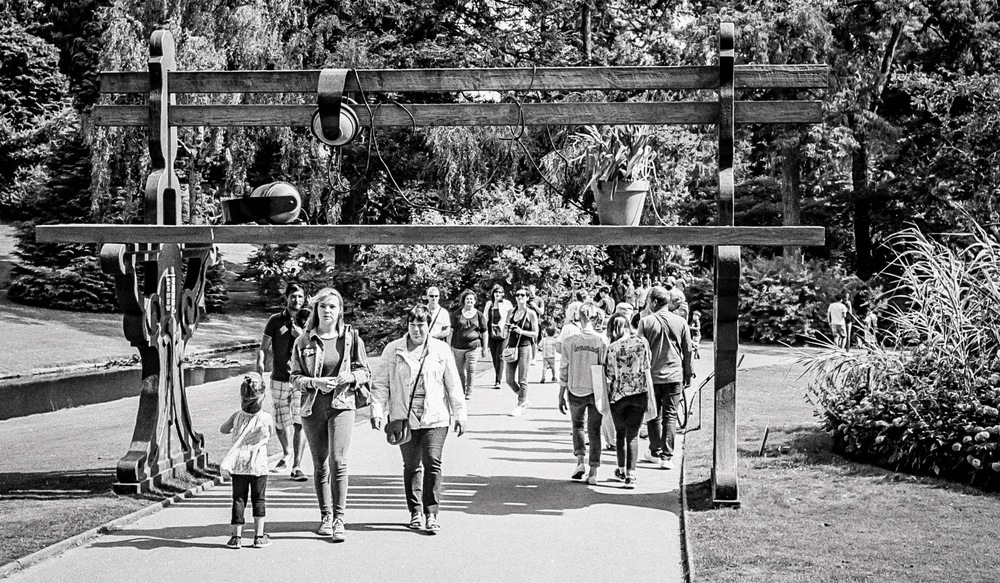
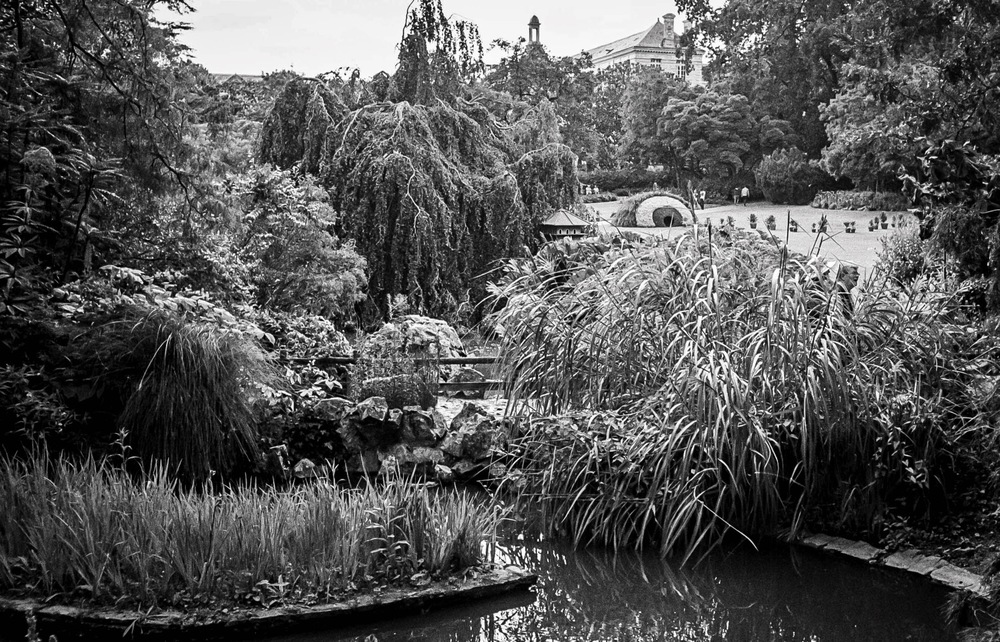
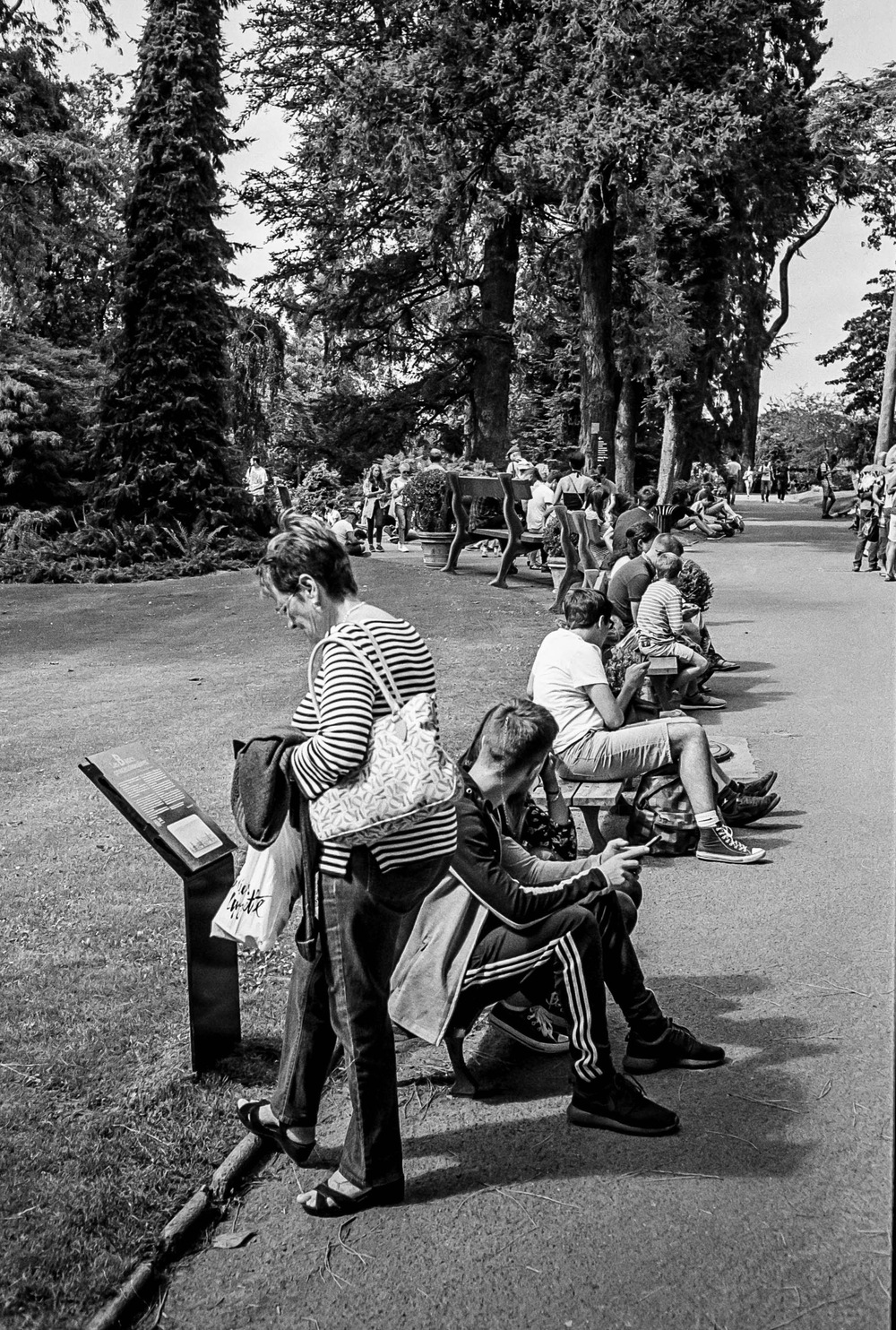
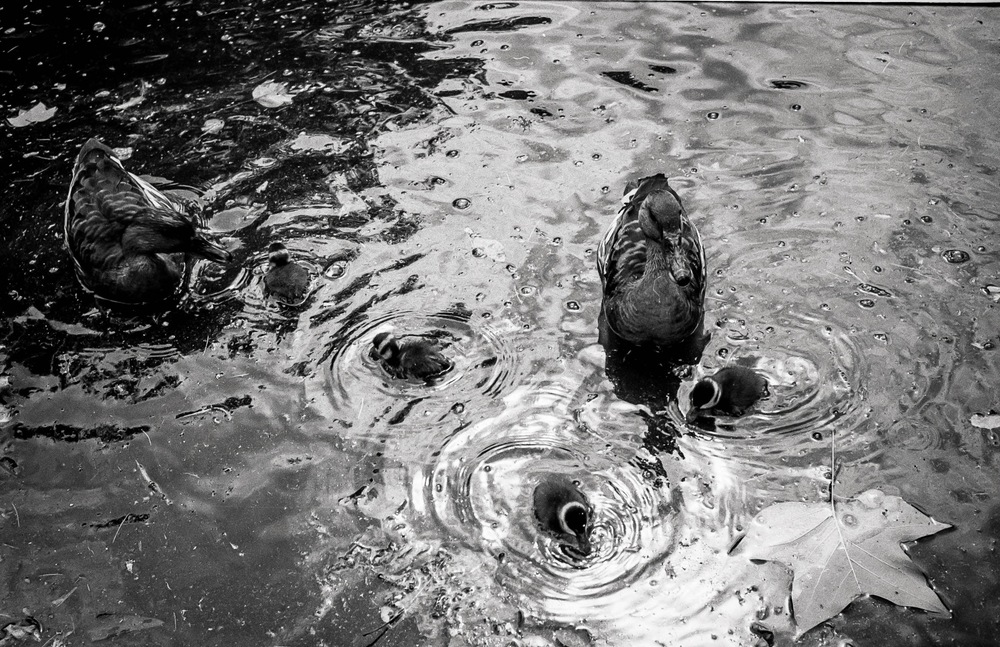
In the heart of Nantes, a city bustling with life and movement, lies a haven of tranquilly—the Jardin de Plantes. With my trusty Pentax ME Super in hand and a roll of Kentmere 100 film, I embarked on a photo walk with my niece, weaving together the threads of modernity and nostalgia.

As the sun cast its gentle rays on the vibrant petals and verdant foliage, my niece and I strolled through the garden, our spirits lifted by the scent of blooming flowers and the melody of chirping birds. The Pentax ME Super, a relic of a bygone era, clicked and whirred, capturing the essence of the ambiance around us.

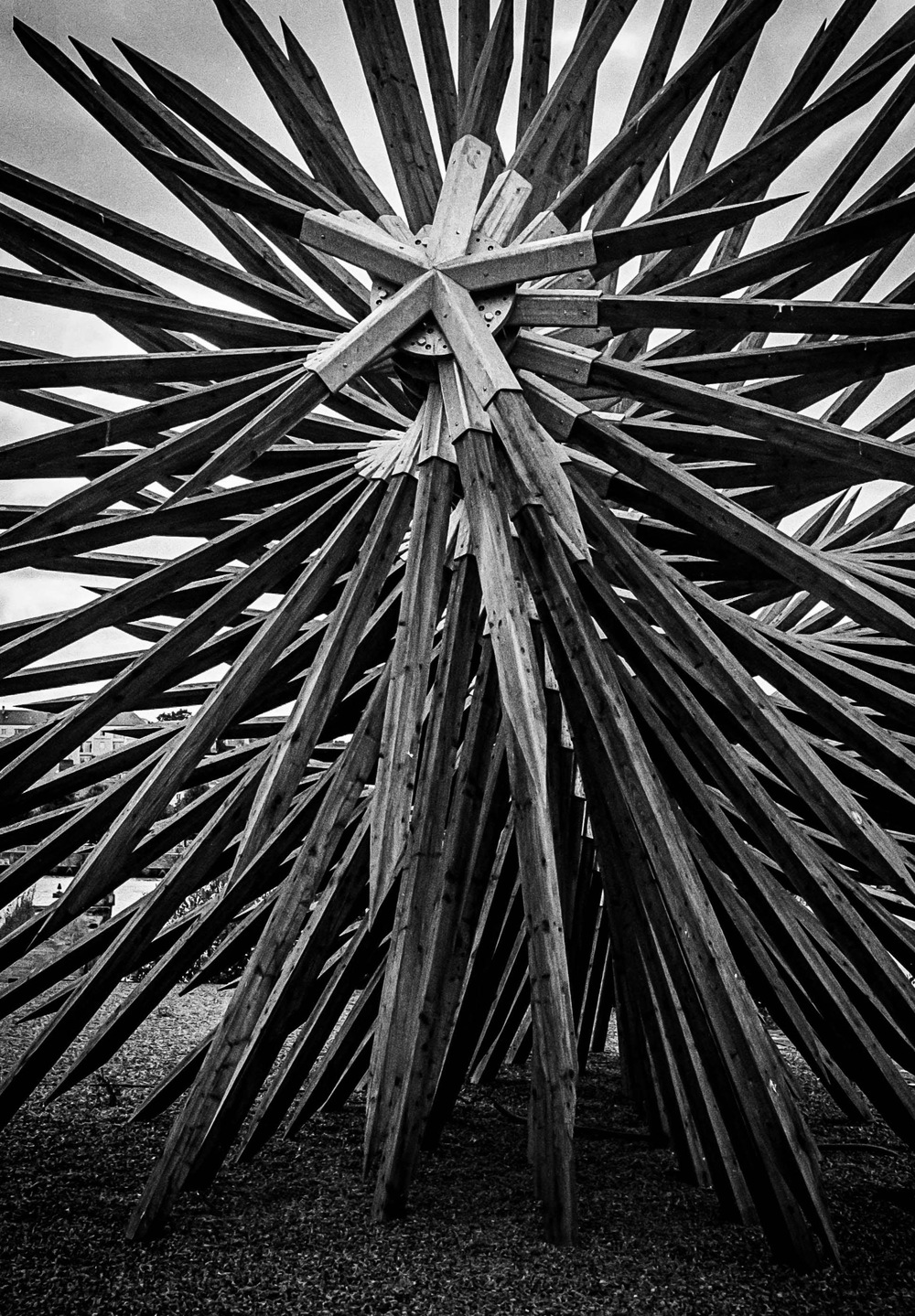
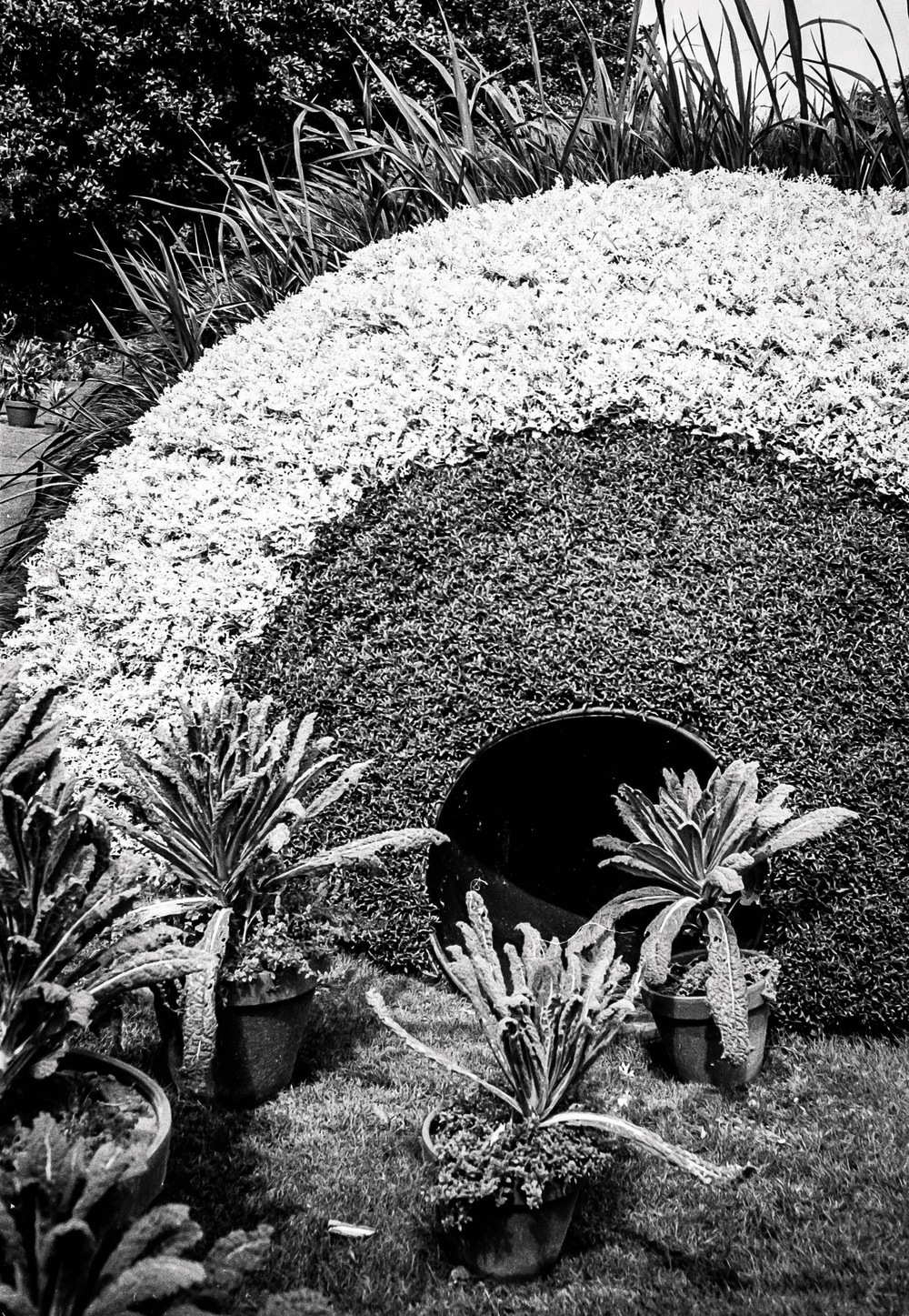
In the heart of this botanical wonderland, a delightful surprise awaited us – artworks from the Voyage à Nantes, seamlessly integrated into the landscape. Sculptures and installations whispered tales of creativity, adding an artistic flair to the already enchanting scenery. With each click of the shutter, the Kentmere 100 film immortalised these moments, creating a bridge between the past and the present.

Amidst the garden’s serenity, the city’s rhythm seemed to fade into the background. The laughter of children echoed, the fragrance of earth danced in the air, and a sense of peace enveloped us. The bustling streets felt miles away, replaced by the gentle rustle of leaves and the soothing trickle of fountains. It was a moment to pause, to breathe, and to find solace in the embrace of nature.

As my niece marvelled at the artistic wonders and explored every nook and cranny, I couldn’t help but recall a time when the world seemed simpler, captured through the lens of vintage cameras. The Pentax ME Super, a faithful companion, clicked away, a reminder that while times change, the emotions and memories we capture remain timeless.

In the heart of the garden, as my niece’s wonder met my own nostalgia, I realised that these fleeting moments, captured on film, became whispers of timelessness. The Kentmere 100 film transformed scenes into memories, the Pentax ME Super gave them life, and the Jardin de Plantes offered its serene backdrop.

Our visit came to an end, and the laughter and footsteps of visitors began to fade, leaving behind a quietude that felt like a hidden treasure. With a final click, I knew that I had captured not just images, but fragments of serenity and beauty, framed by the lens of a camera that has witnessed decades.

The Jardin de Plantes, a breath of fresh air in the heart of a bustling city, became a canvas on which moments of joy, peace, and art intertwined. The Kentmere 100 film told their story, the Pentax ME Super etched them onto film, and I, a mere observer, was fortunate to be a part of this beautiful narrative.

In the end, it’s the ability to capture the ephemeral that gives photography its magic. It’s not just about freezing time but about encapsulating emotions that stand the test of time. As I looked at the photographs that adorned my album, I knew that every click was a brushstroke on the canvas of memory— a reminder of the day my niece and I discovered the beauty of the Jardin de Plantes and the timeless charm of classic photography.