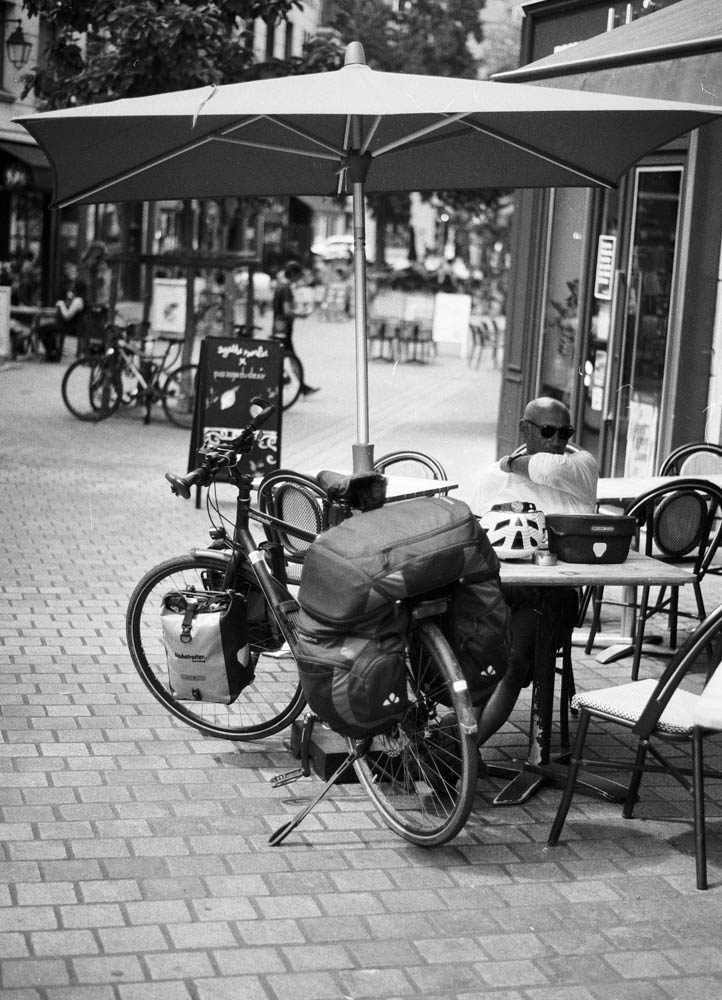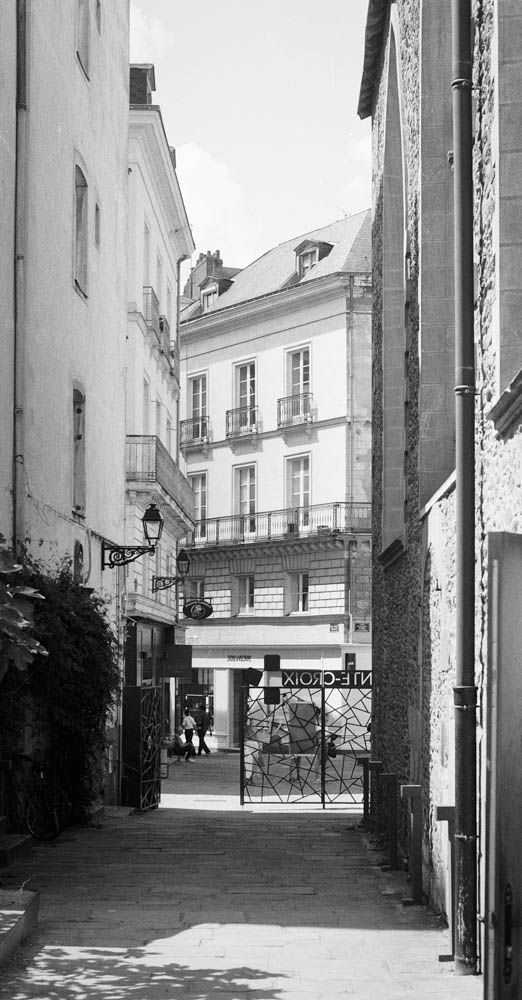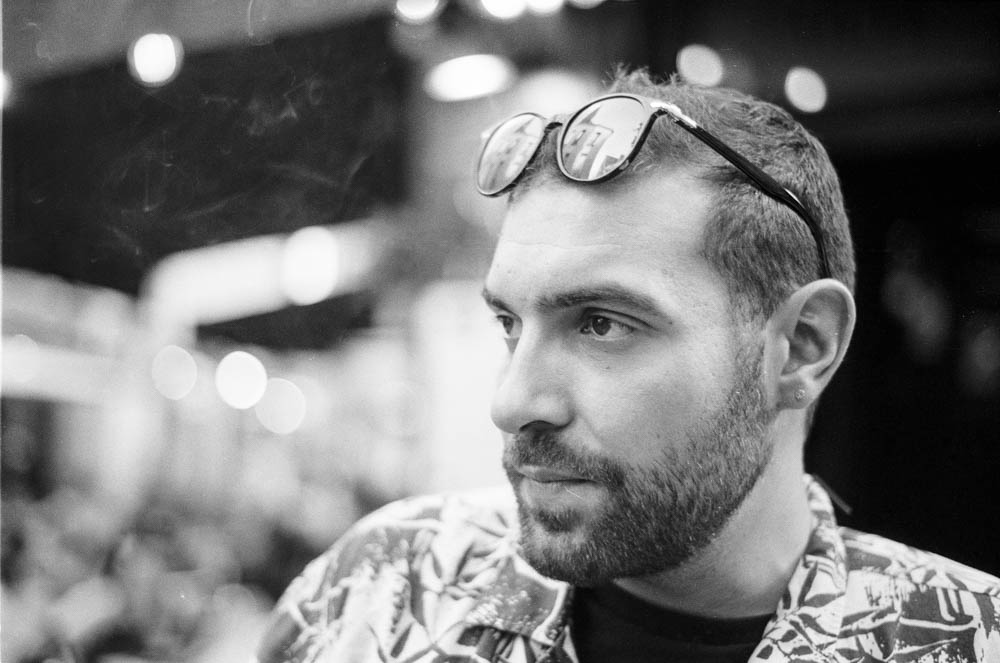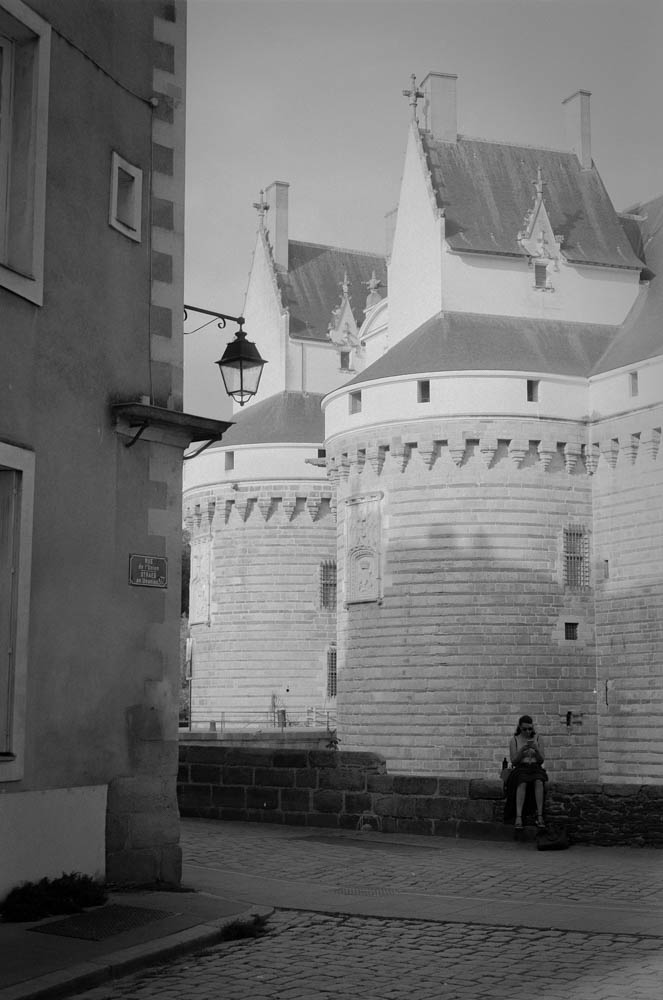
Capturing the Essence of Nantes: A Street Photography Journey with the Pentax ME Super and Kentmere 100 Film


Dear Reader,

This is less of a tutorial than the last four articles but more a “how I approach the subject” kind of article. You can read about something I seem to do a lot of and have experience of. I’ll be talking about my film photography phase from this summer when my X100F was still dead

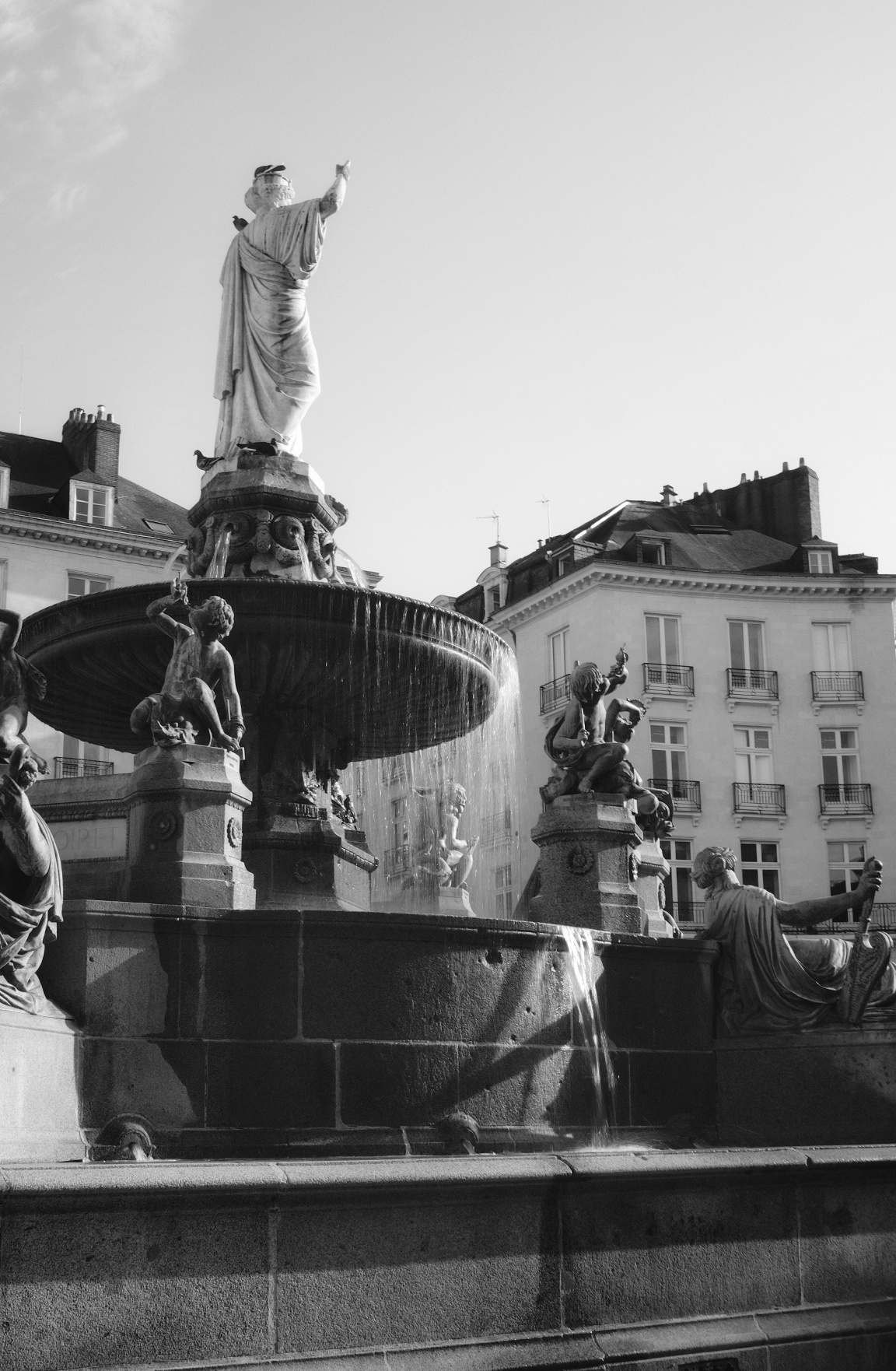
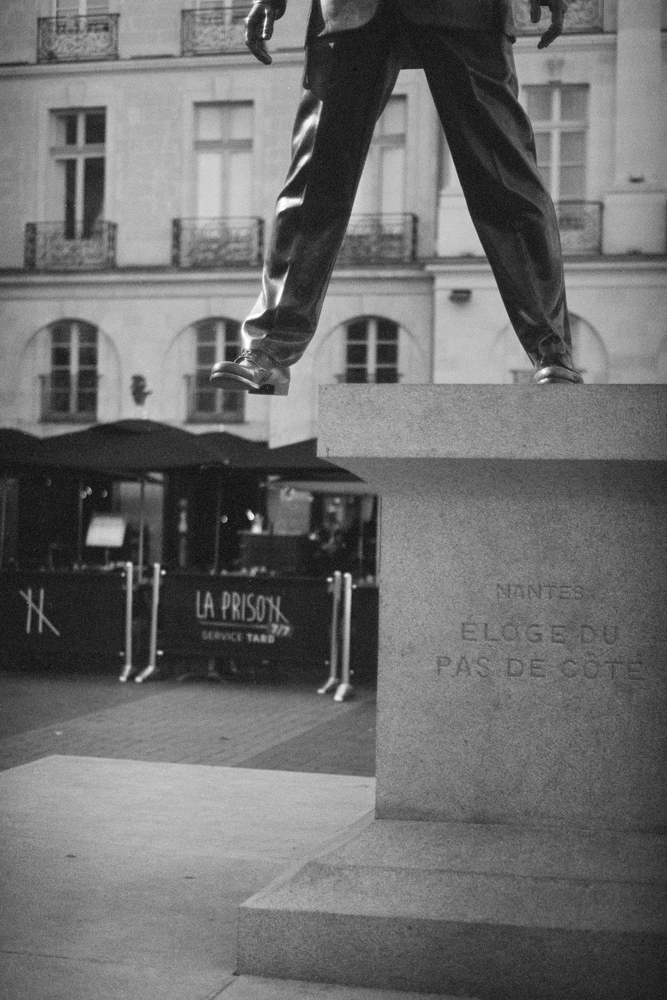
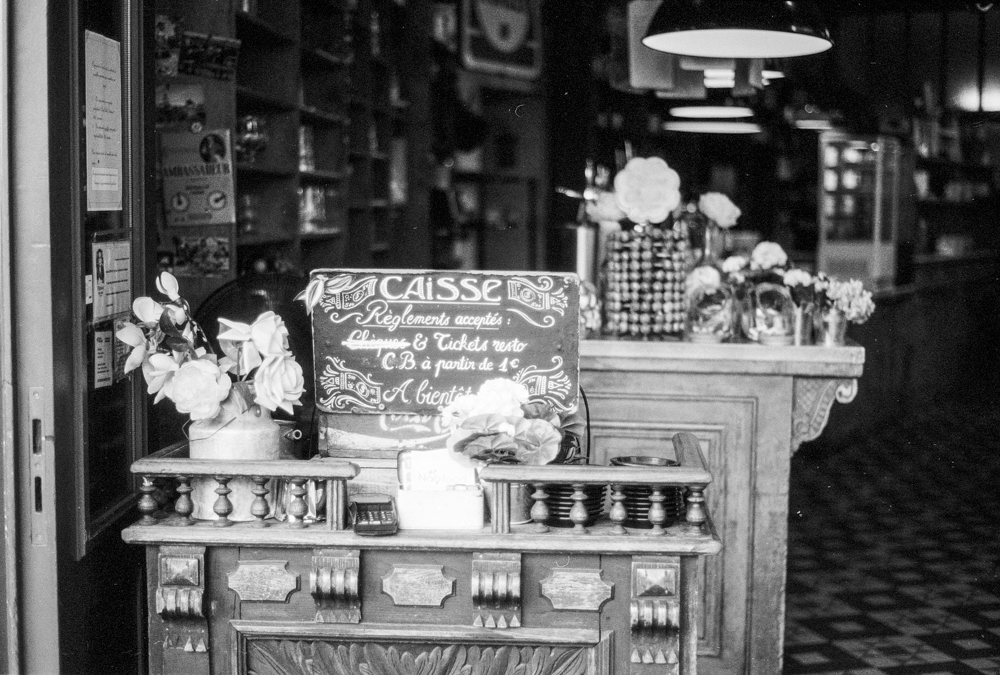
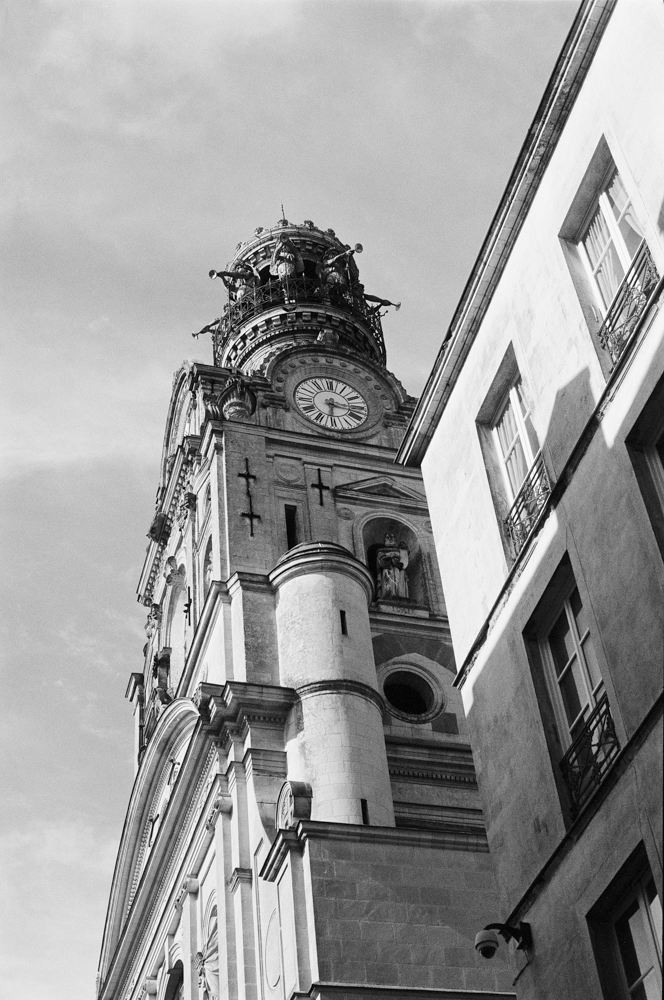
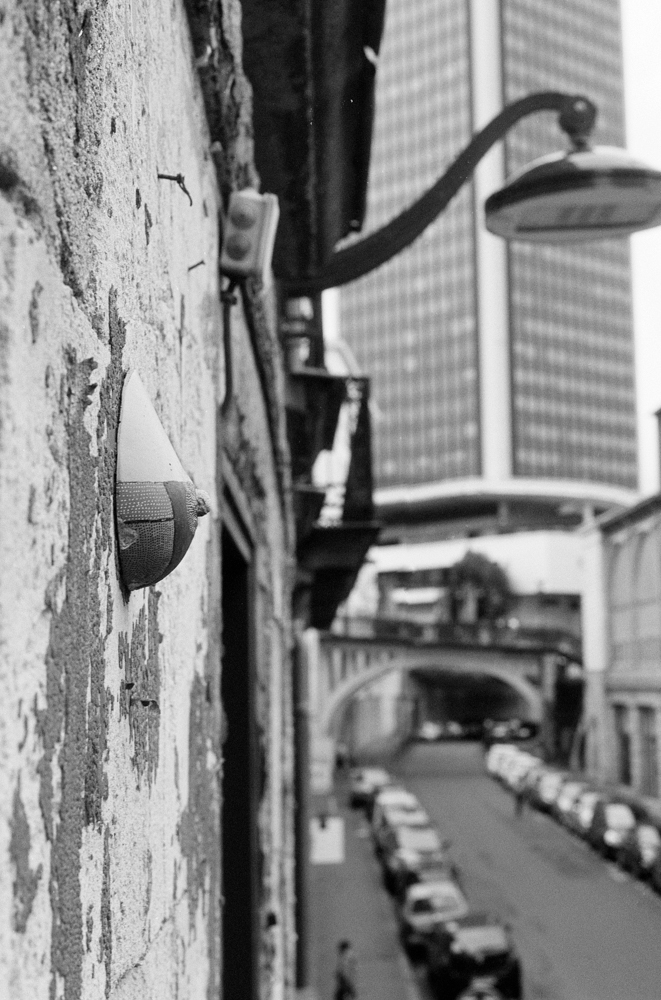
Have you ever felt that familiar tug of nostalgia while strolling through a city that reminds you of your hometown? For me, Nantes, with its maritime heritage and busy streets, brings back memories of Hull in East Yorkshire. Those of you from Hull will see the irony in this, wondering how the heck a town can be like Hull, but it has similarities… If you know, you know. It’s a city that feels like home, and it’s just a short 35-minute drive from where I live. Come with me through the streets of Nantes, with the Pentax ME Super and Kentmere 100 film.

Exploring Nantes Through My Lens

Nantes, like Hull, boasts a rich maritime history, or is it the other way round? As I set foot in the city, I can’t help but feel the past staring me in the face. The first thing I do is head to my favourite spot, Parking Feydeau. It’s become somewhat of a ritual for me. I park on the same floor, in the same space — predictability eases one worry when you’re out capturing moments, or as my son says, are you autistic Dad? The cheeky little bugger. No, I’m just me! An old Fuddy-Duddy.

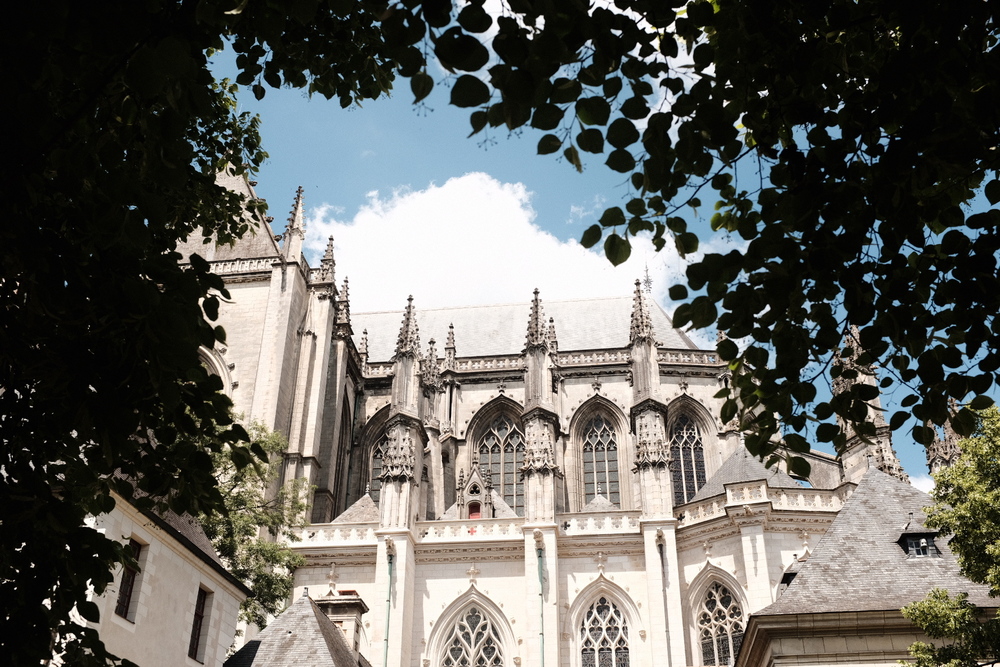
As I step out onto the street, I take my first light reading with my camera. It’s a bit like taking the city’s pulse, getting the vibe for the day. My starting point is usually Quartier Bouffay, near the castle , and the fact that the pub is close by has nothing to do with anything! From there, I seem to find myself in front of the Sainte Croix Church. Sometimes, it’s for confession; other times, it’s just to warm up, both physically, spiritually, and visually.

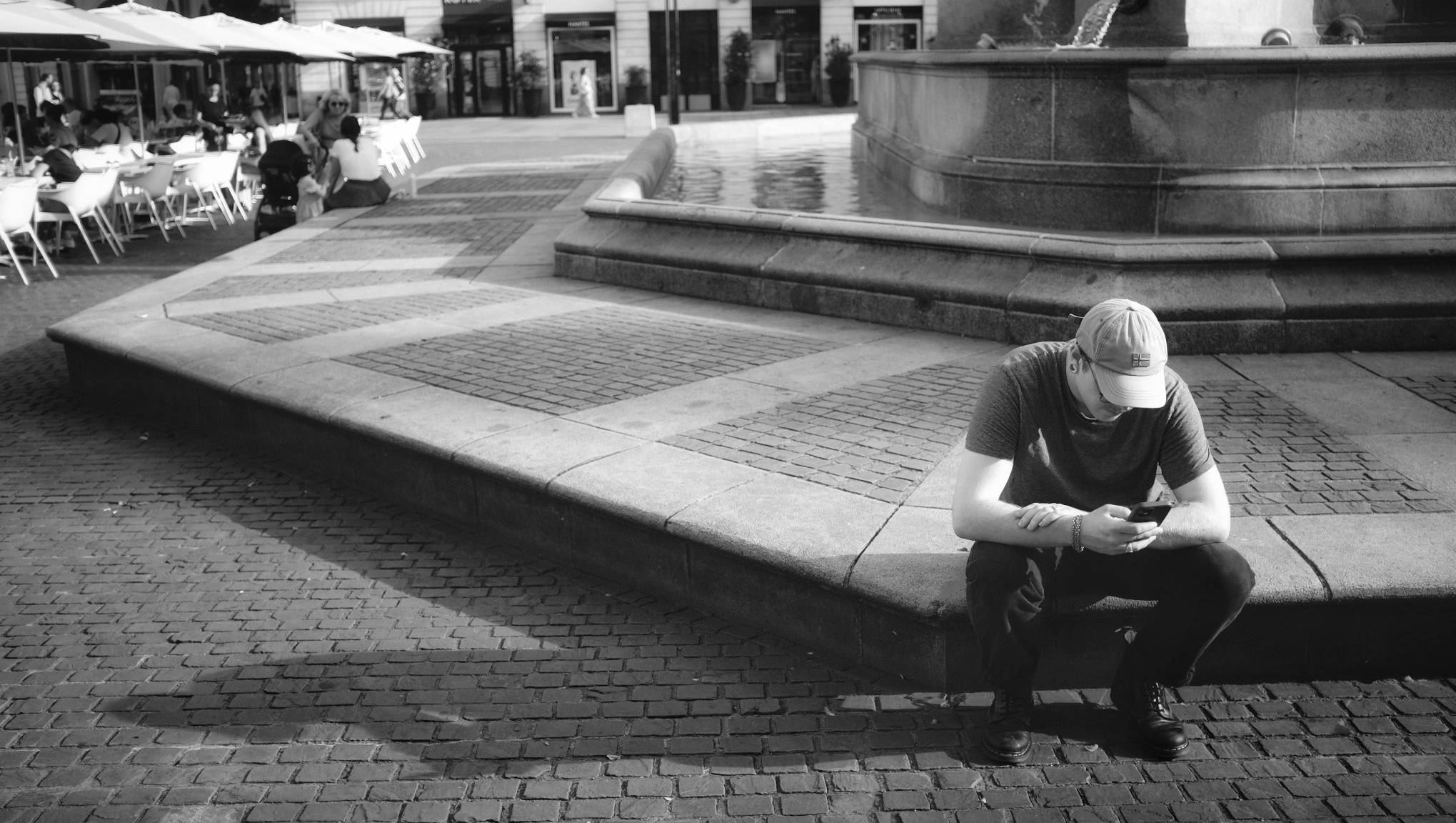
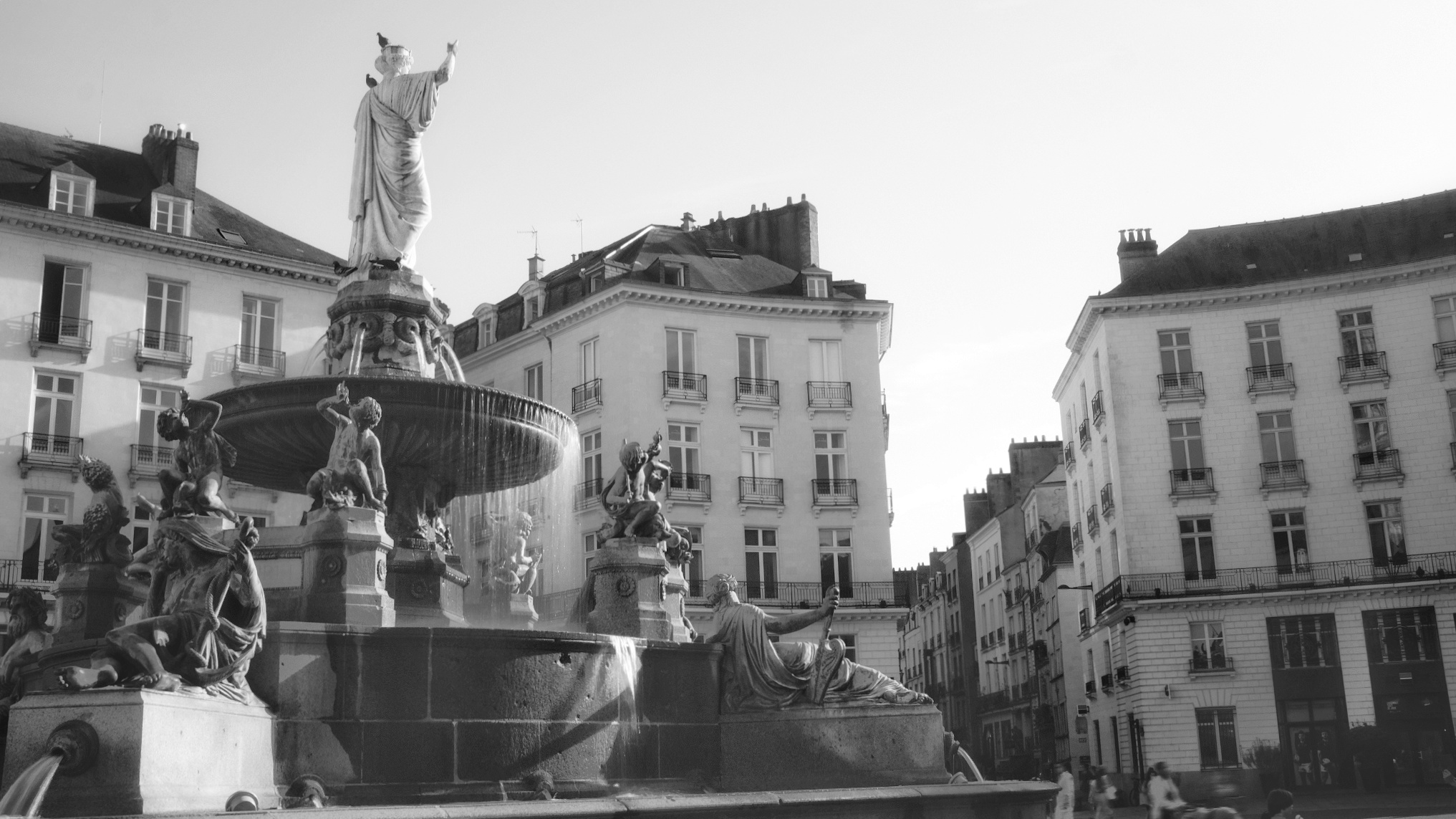
Just as walking the streets of Nantes is a physical workout, and with a camera it is akin to a visual workout. You’re constantly observing, framing, and capturing scenes as they unfold. Rue des Carmes or the path leading to the Castle are some of my more frequent routes, but I’ve been known to start my journey at Place Royale, especially if a visit to my barber is in order. My beard and length has often been a debate between my mother and I. She prefers the shorter, therefore neat and tidy beard. I seem to like a little more length, going for the Father Christmas look. From there, I can explore the Rue de Calvaire or aim for the Tour de Bretagne. Should I choose Rue Crébillon, it will take me to Place Graslin, and I end up in the very French and very stylish Cours Cambronne. They do do a nice courtyard do the French. Sometimes I will head to Quai Président Wilson, to the Hangar à Bananes, where I go to the HAB Gallérie. The added bonus is that parking is free in this area, and after all as Tesco’s would have us believe, every little helps. Again, the fact that I have an address for a beer and a piece of cake has nothing to do with anything, and I will, of course deny everything!

Moments and Encounters: The Heart of Street Photography

As an older gentleman with a slight limp, courtesy of arthritis, I’ve come to understand the importance of comfortable shoes. Fortunately, I do happen to posess some comfortable shoes, allowing me the extra bit of ease whilst wandering around the streets. I’ve also done the odd reckie of spots where I can sit down— be it for a meal, people-watching, sipping a cup of French expresso that packs one heck of a caffeine punch, or, on rare occasions, enjoying a decent cup of tea, but as we are in France this a much more challenging endevour. The French can just be so French now and again. Ah, tea — that drink that is a hug in a mug.

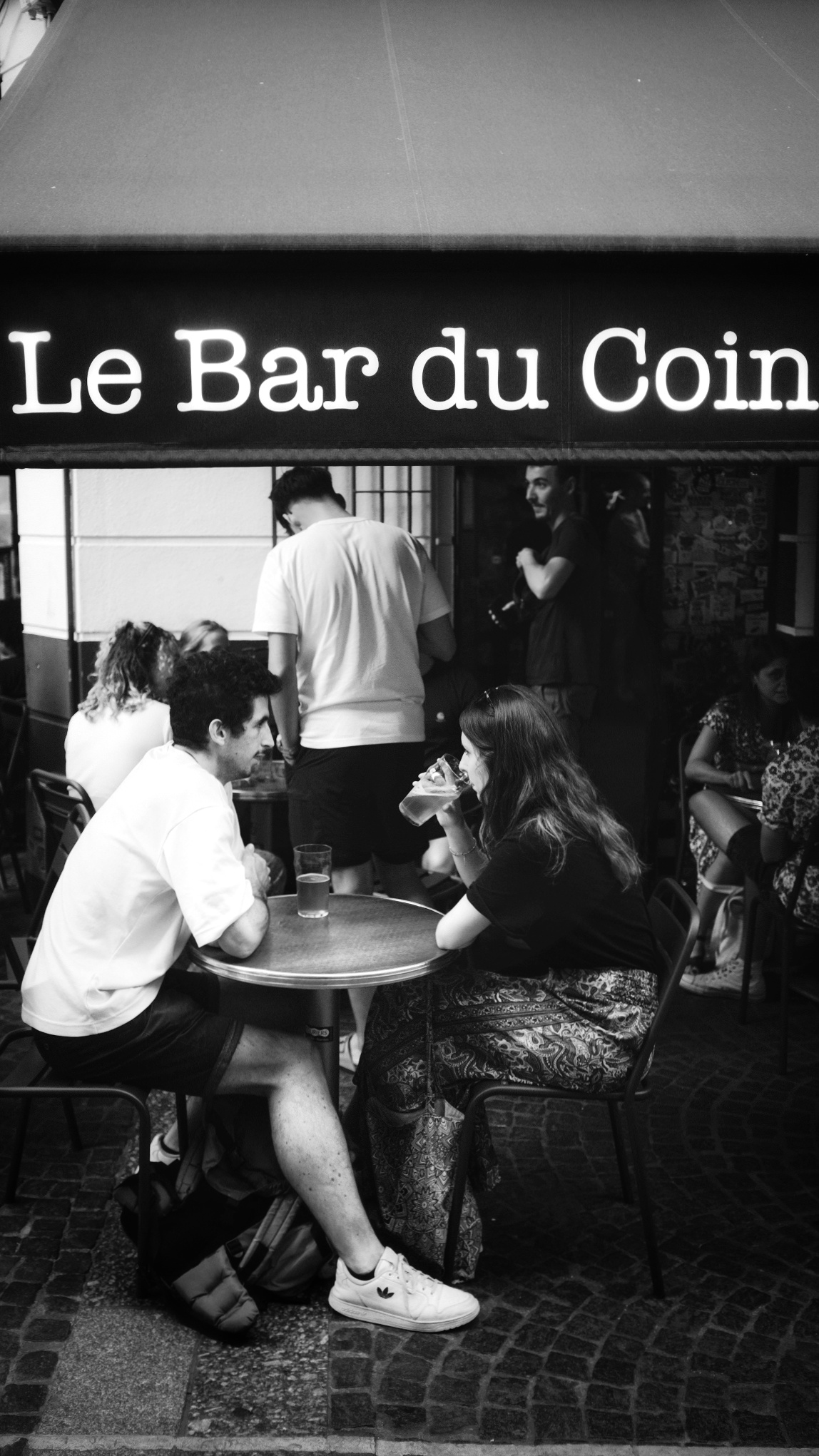
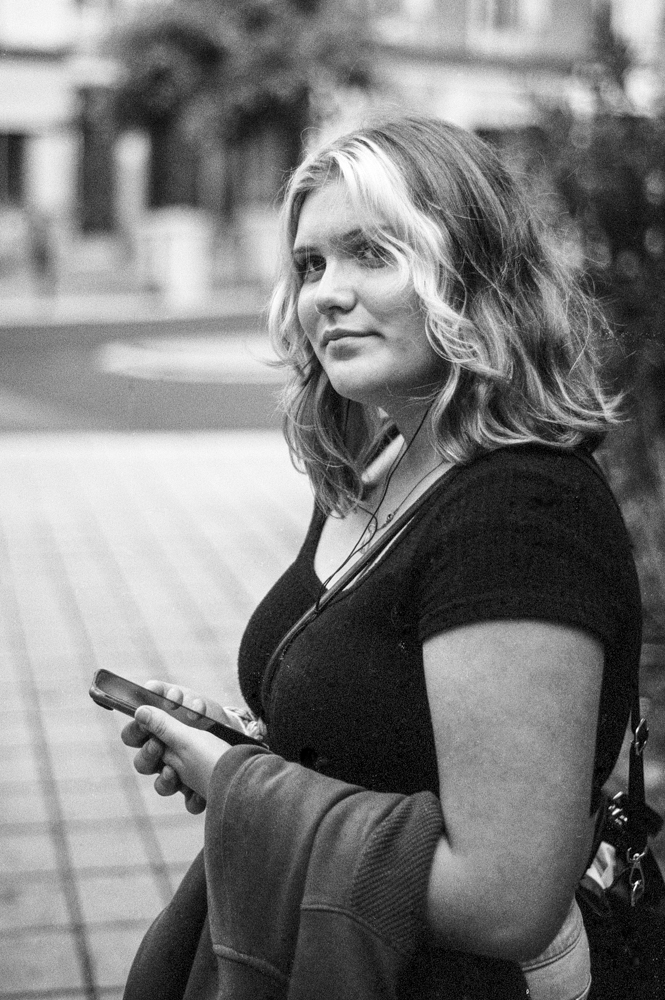
Navigating the streets of Nantes with a camera in hand and a discerning palate for food has become somewhat of a habit for me. Some of the things I hold dearest to my heart, tea, and cake. In France, we encounter the “droit à l’image,” a set of laws governing the right to one’s image. Some people may feel uncomfortable having their photo taken, and I’ve seen it manifest in numerous shots of people’s backs. However, these unwitting contributors add a recognisable element to the urban landscape, showing human interactions in the city.

I recall an incident when a passerby accused me of taking his picture without permission. I had a 28mm lens, and he was merely an infinitesimal part of the scene I was capturing. Reassuring him, I explained that he was not the focus of the photo, and that I had only noticed him when he started yelling at me. So much of a muchness. It was a lesson in navigating the sometimes touchy waters of street photography in a culture sensitive to “the right to one’s image.” As it turns out, compassion is the universal language, but so is muttering under my breath when out of earshot.

Another way I combine photography and life in Nantes is through my visits to the local barber. Whenever I’m in the chair, I discreetly document the atmosphere of the shop. The photos I take are subsequently given to my barber, forming a visual record of his small business — it’s good to be good, and it’s my small way of supporting local businesses. As is drinking tea and eating cake. Nothing to do with my tummy, and nothing like Whinnie the Pooh…

The Pentax ME Super and Kentmere 100 Film: A Street Photographer’s Dream Team

Why do I choose the Pentax ME Super for my street photography outings? Well, it’s a matter of practicality and style. First and foremost, it’s compact — a small camera, and in my pocket another lens and a couple of rolls of film. In the world of street photography, less is often more. It’s a “Keep It Simple, Stupid” approach, and I am a great fan of simple.

But it’s not just about size as in many domains; it’s also about subtlety. A massive DSLR with a conspicuous zoom lens can be intimidating, both for the photographer and the subjects. With the ME Super and prime lens, I “zoom with my feet.” This set-up forces me to engage more intimately with my surroundings especially with the 50mm lens, and the result is a more authentic perspective of the city. Plus, let’s face it — the ME Super is just a really cool looking camera and its vintage appearance just oozes kudos and style. It makes me feel like a true photographer, even though I’m merely an observer of the city.

Now, let’s talk about the Kentmere 100 film. It’s practical and easy to find. This film stock is budget-friendly, a nicer way of saying cheap (Fomapan is another cheaper film stock too), which, if you have seen the prices of Kodak film, is a very convincing argument, yet it reminds me of more renowned Ilford films. One year, I decided to exclusively use HP5+, a faster film. Switching to Kentmere 100 or any other 100 ASA film gives me a finer grain, and I can still expose at F2 and 1/2000th of a second for that silky depth of field that just makes everyone go weak at the knees in “good” light. Bokeh whores I’m talking to you!

Street photographers often aspire to capture the kind of timeless black and white aesthetic seen in the works of Doisneau, Cartier-Bresson, or Vivian Maier. While we may never fully replicate their images, using black and white film, allows us a head start on our digital brothers. I’ve always been drawn to this style of documentary photography. Street photography, for me, isn’t just about street portraiture; it’s about observing the street and documenting it in a classic way — classic, much like myself, or should I say, old-fashioned? Whatever it may be, it’s certainly not modern and up-to-date, just like Yours Truly, but that’s fine too! We all have our place.

Tips for Aspiring Street Photographers

Now, for those of you who aspire to explore street photography, let me share some tips. Remember the phrase from the cover of “The Hitchhiker’s Guide to the Galaxy”: DON’T PANIC! When you’re working with a film camera, such as the Pentax ME Super with its 36 exposures, don’t expect to get 36 keepers. However, consider each photo that doesn’t quite hit the mark as a valuable visual note.

These notes help you study your subjects and how the scene changes with shifting light. Practise, after all, makes perfect. Don’t think that any photographer publishes all their shots; in fact, I curate and edit my photos carefully before sharing them on my Instagram feed. It’s all part of the learning process, using each “less than perfect” shot to refine your craft. And each photograph is a journey towards the ultimate photograph.

Dont forget those comfortable shoes, which, as I mentioned earlier, are essential. You’ll be walking and standing a lot, so prioritise comfort. Again, reduce your kit to the minimum. The less weight you have to carry, the fewer excuses you’ll have to sit down and maybe have a cup of tea and a piece of cake. But keep that option open, you never know…

I photograph to find out what something will look like photographed.

Garry Winogrand

Conclusion: Capturing the Essence

In conclusion, street photography is about capturing the essence of the city, and with the Pentax ME Super and Kentmere 100 film, I document the life, culture, and people of Nantes. It’s a city with a rich past and a vibrant present, and through my lens, I’ve sought to capture moments that reflect its unique character.

Each click of the shutter is a testament to the enduring appeal of film photography and its ability to capture moments that transcend time. It’s a classic approach in a modern world, much like my beloved Nantes itself. I mean, it’s not Hull, but not many places can rival Hull. If you know, you know.

So, Dear Reader, whether you’re a seasoned street photographer or just beginning your photographic journey, I encourage you to explore the streets of your own city or a new one. Embrace the art of observation, document its nuances, and don’t be afraid to capture this essence of the world around you. It’s a journey that rewards both the observer and the observed.

Thank you for joining me on this photographic adventure. I invite you to share your own street photography experiences and engage in a conversation about this beautiful art form. Until next time, keep clicking and exploring.
Frame It Right: The Art of Composition in Photography Part II


In my last article, we talked about three of the rules of composition, rule of thirds, leading lines, and symmetry.  We talked about the origins in classical art, as well of how to use them in our photography.  We also explored the implementation of these rules “or guides” and how we should practice each one, master it, and then move on to the next one.  You will still have your photos for the “Gram,” but more importantly, you will be growing as a photographer, gaining experience, and building a body of work.  You will, by definition start becoming more deliberate in capturing your shots, and will be more mindful than somebody just shooting blindly and praying that they get at least on shot!

In this article we will continue to explore certain concepts that be used to make our photographs even more engaging and interesting.  We will explore framing, i.e. using frames with in frames, and the use of negative space, used to isolate of emphasize our subject, and go minimalist.

Framing

When I say the word framing, I’m not talking about the gilded golden frame that you will use to frame your photography to give as gifts to your mother-in-law, but using visual frames inside your image to “frame” your subject…

These examples illustrate how framing can be a powerful tool in photography, guiding the viewer into the image and providing depth and context to the subject or scene being captured. A technique that can make your photos more engaging and immersive.  You can use trees, windows, element on the ground, buildings.  Go out and explore the world around you and try and “frame” your shots.

Negative space

Negative space is the space that surrounds our subject, this empty space or unoccupied space is almost as important as the subject itself.  It’s role is to create balance in the image and adds to the importance of the subject.

Key points

This negative “space” around the subject gives the subject room to breath, and takes away the clutter so we can concentrate on our subject.  It emphasizes the subject and leaves no doubt where the subject is to be found.  For those of you who want a “minimalist” approach to photography, it is one of the best ways to do this.  Less is more after all.  Think of simplicity, tranquillity, and elegance.  It can be used to create mood and atmosphere, and in landscape photography can portray ideas of solitude or freedom.  Think of a vast empty sky and rolling hills.  Negative space doesn’t have to be completely devoid of detail. It can be an area of uniform colour or texture that complements the subject and adds visual interest, or we can use depth of field to emphasize our subject

When using negative space, it’s essential to pay attention to the balance between the subject and the surrounding empty areas. The goal is to create a harmonious composition where the negative space complements and enhances the subject, rather than overpowering it. This technique can lead to powerful and emotionally resonant photographs, adding depth and impact to your work.

When you look at my photos of the girl against the colourful walls in Trentemoult in Nantes, think about how placing the model on the left or right of the frame makes you feel.  Looking forwards or looking backwords… 

Colour Theory

Colour theory is not just for those trendy designers in those advertising agencies.  If you go onto my Instagram feed, you will see that most of my work is predominantly black and white.  “So no colour,” I hear you say.  Well, yes and no.  Black and white photography concentrates on tones, but we can look at colour in the same way and seek balance in our colours.  So what’s this colour wheel then?  Well, it’s a way of looking at colours that go together, like green and red (think of Christmas cards), blue and orange, yellow and purple, all these colour are opposite on the colour wheel. Also, think about complimentary colours that are next to each other on the wheel, such as yellow, light green and dark green.  You will find yourself becoming aware of colours in nature and how they complement each other.  There will be some photographs that depend on this colour for their artistic value, and that won’t work in black and white photography.

Think about the portraits in the previous section and the natural colour in the photos in the country side.

Conclusion

We’ve continued our journey into composition by exploring how to use elements in our photos to frame our subjects. We’ve delved into the concept of negative space, emphasizing our subjects in our images. To conclude, we’ve begun to consider how colour can add harmony to our compositions. My advice is to incorporate these elements into your photography one step at a time. Don’t rush; there’s no need to feel overwhelmed. It’s a lot of information to take in, but as you explore each aspect mindfully, you’ll witness an evolution in your approach. Keep up the excellent work, and I look forward to our next session where we will talk about pattern and repetition, scale and proportion, and depth and layering.
A Day at Château de la Preuille: A Tale of Heritage, Friendship, and Unexpected Adventures


Hello Dear Reader! Today, I want to share a story with you, a story that unfolded under the skies of Saint Hilaire de Loulay. It’s a tale of heritage, friendship, and a day filled with unexpected adventures at Château de la Preuille. This picturesque château, which I’ve been photographing since my arrival in Saint Hilaire in 2001, holds a special place in my heart. This year, it unveiled a new chapter in its history, one that I had the privilege to document.

The Château and Its New Custodians

As the warm September sun bathed the château’s iconic towers, I couldn’t help but wonder at how time had woven our lives together. What began as a photographer’s fascination with this beautiful place morphosed into something deeper when I had the chance to meet Sandra and Paul, the château’s new owners from the Netherlands. Our paths crossed through my frequent visits to the castle with my camera, our mutual following on Instagram. Little did I know that this connection would lead to an extraordinary invitation — to document the Journées de Patrimoine 2023.

Journées de Patrimoine: A Glimpse Behind Closed Doors

The Journées de Patrimoine, or Heritage Days, are an important tradition in France, and a tradition that I embrace wholeheartedly. It’s the time when historic sites and monuments, normally closed to the public, throw open their doors and reveal their secrets to curious visitors. And Château de la Preuille was no exception. On Sunday, the 17th of September, 2023, the château took part in this tradition offering a rare glimpse into its storied past.

The Old Kitchens and a Giant Rubber Duckie

Inside the château, the only area accessible to the public was the old kitchens, overlooking the moat. It is someones home after all. From here, you have a captivating view of the moat itself, one of the majestic towers, and a rather amusing resident – a giant yellow rubber duckie! The water level in the moat was a lot lower than it should be. It is leaking water and needs repairing, but it still allows those lovely reflection photographs that everybdy seems to like.

Inside the kitchens, I discovered Louis Georges my old neighbour, who was exhibiting his wooden models of monuments and buildings, including meticulous replicas of the château itself. The intricacy and attention to detail were nothing short of remarkable, making it easy to recognize these iconic structures. He used to make them out of matches, and still referred to himself the whole day as Monsieur Alumette!

An Array of Delights in the Grounds

The rest of the day’s festivities took place in the château’s picturesque grounds, where an eclectic array of stalls and activities awaited. From jewelry crafted from delicate petals and leaves in resin to a herbologist sharing the secrets of plants, there was something to grab everyone’s interests.

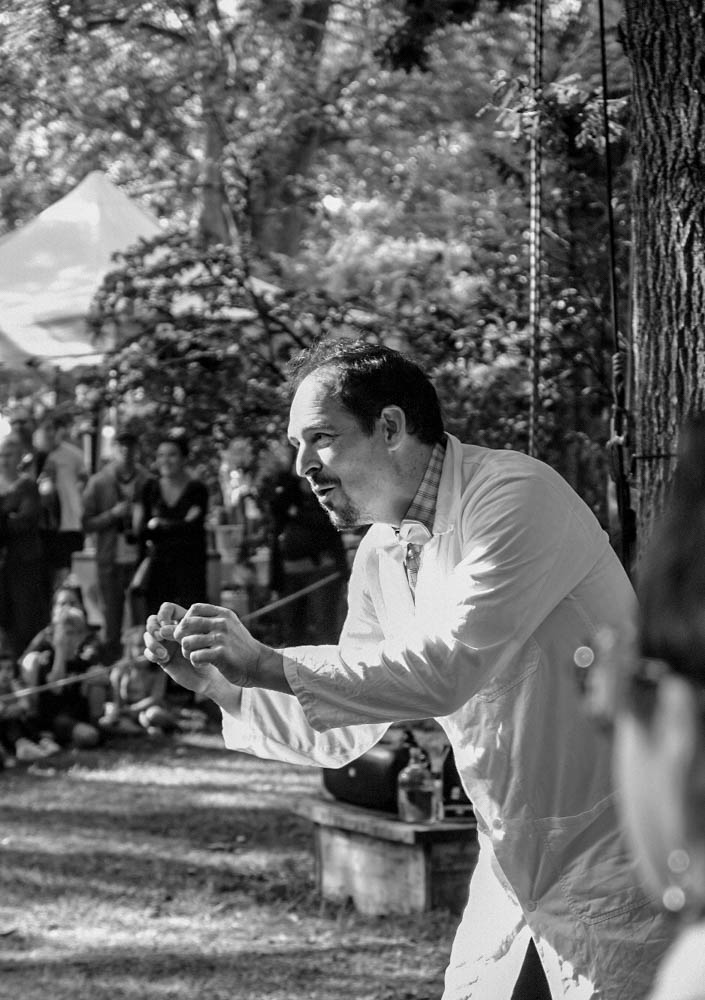
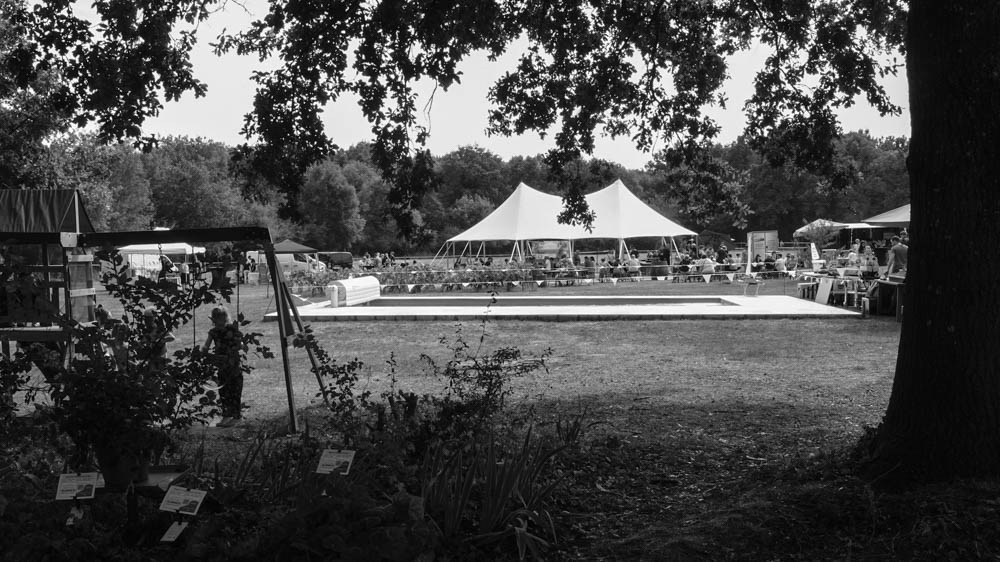
As I wandered through this tapestry, I encountered a sophrologist promoting relaxation techniques, a candlemaker, an artist who used vegetables and fruits in her art workshops, a plant vendor, Vinnochio, a local wine merchant, a model boat club “navigat”sailing” their vessels in the swimming pool, fire eaters, magicians, two mad scientists in trees (or as my wife called them, les deux zozos en blouse blanche) telling us how trees breathe, eat and drink, and so much more.

Reunions and Rediscoveries:

During the day, I was pleasantly surprised to see a large number of familiar faces and old friends whom I hadn’t seen for such a long time. The château, with its rich history and vibrant present, became a meeting point for cherished reunions and heartwarming rediscoveries.

These encounters were like snapshots of the past (which is very useful because my memory seems to be slowly going on strike, and I can hear the comedy duo Al and Heimer at the door, rekindling old connections and fostering a sense of community. The smiles and embraces were a testament to the power of such events in bringing people together. It was a reminder that in this world, where the pace of life often feels relentless, its good to be good to people and maintaining meaningful connections truly matters.

The simple act of reaching out, whether through shared interests, mutual acquaintances, or the universal language of photography, allowed for these meaningful reunions. It underscored the importance of nurturing friendships and how small seemingly ordinary gestures can lead to extraordinary moments.

As the day unfolded, and amidst the laughter, music, it became clear that the Journées de Patrimoine at Château de la Preuille extended beyond heritage and history; it was about celebrating the warmth of personal connections. In a world that sometimes feels divided, this day served as a poignant reminder that kindness, friendship, and the willingness to engage in the beauty of heritage and community are treasures that bring out the best in us all.

A Day of Discovery

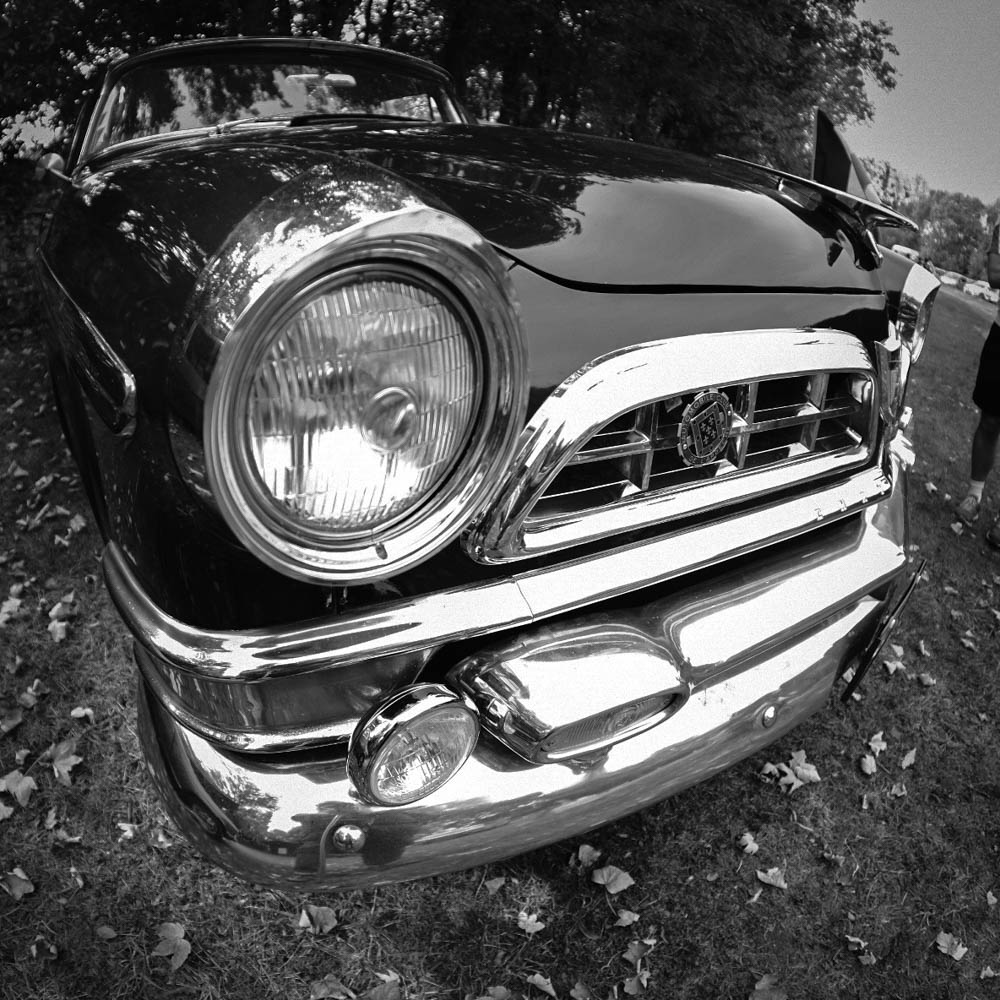
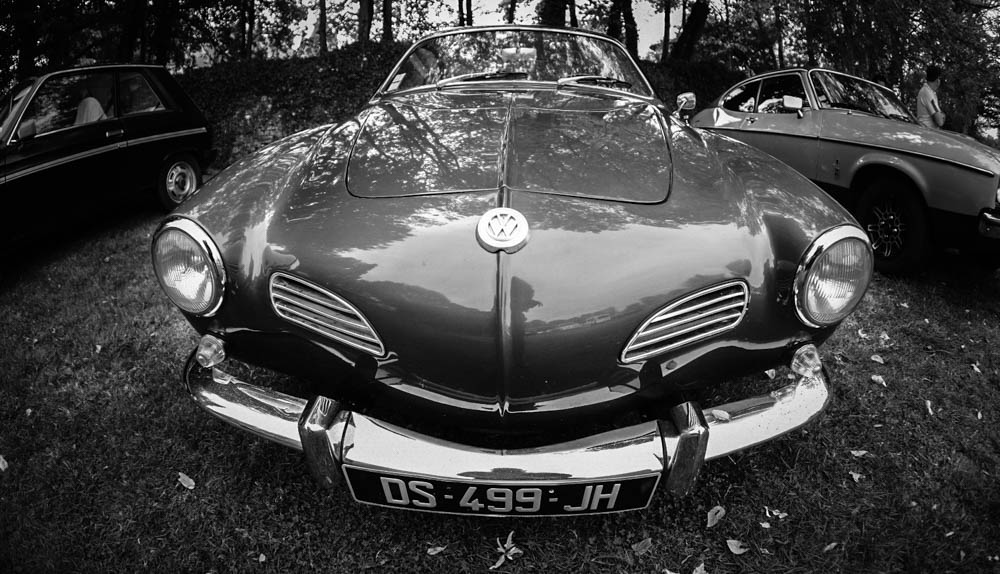
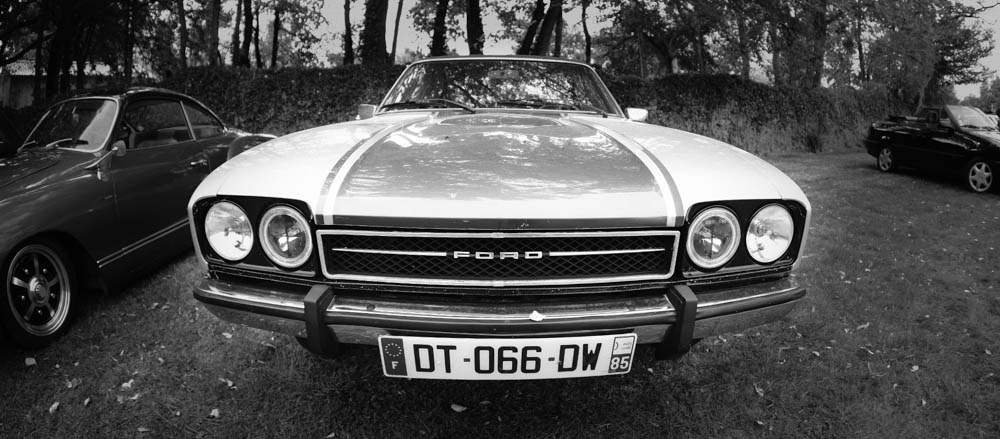
Food trucks catered to the gastronomic cravings of the large crowd. The French may be the French, but their food is excellent! And a bar run by the Comité de fêtes (yes, we have a party committee!) kept spirits high as well as raising money for repairing the moat. A DJ from “Angleterre” provided the soundtrack, vintage car enthusiasts proudly displayed their cars, and a specialist showcased games crafted from wood.

As the day unfolded, live music filled the air, and I, yours truly, had the incredible privilege of documenting every moment. But it didn’t end there. The château played host to a cycling outing, with participants in cycling helmets and lycra looking sportier than ever. The château, now in Dutch hands, even offered a dedicated parking area for bikes. How very Dutch!

Conclusion: A Day of Heritage, Friendship, and New Beginnings

As the sun dipped below the horizon, casting a golden glow over Château de la Preuille, I couldn’t help but feel a deep sense of gratitude. This day was not just about documenting history; it was about forging new connections, celebrating friendship, and cherishing the adventure that life brings.

So, Dear Reader, remember that life has a way of intertwining our passions and paths, leading us to places and people we never could have imagined. Château de la Preuille, with its rich history, artistic wonders, warm-hearted owners, and the embrace of old friends, showed me that heritage is not just about the past but also the vibrant present and the promising future.

Now, if you like the photographs in this article, I would suggest that you book a stay in the Castle. You can contact Sandra and Paul through their website, and Instagram. They can cater for range of events and the venue is popular for weddings. Can you imagine getting married and then staying in the very Castle where you had the reception. Yes you, you romantic little Reader, treat your spouse like the King or Queen that they are, and appreciate the magic. There may be a supplement for the massive rubber duckie. I’ll let you check with them….

The Art of Visual Note-Taking in Photography: Lessons from a Reflective Portrait


A Glimpse into Visual Note-Taking

Photography is more than just capturing perfect portfolio shots. It’s a journey of exploration, experimentation, and personal growth. In this article, we’ll delve into the world of visual note-taking with your camera, drawing inspiration from a poignant black and white portrait capturing a moment shared between a father and his son.

The photograph that serves as our muse in this exploration is a black and white portrait taken within the confines of an elevator. It’s a seemingly ordinary setting, yet it holds within it the essence of visual note-taking. In the center of the frame, my son stands, gazing intently into the elevator’s mirror.

This image isn’t just about following the rule of thirds, although it does so with remarkable precision. What truly sets it apart is the subtle yet profoundly impactful detail: my own reflection, almost ethereal, lingers in the mirror behind my son. It’s a moment frozen in time, a visual note that encapsulates a father’s perspective and a son’s curiosity.

Lessons Learned Through the Lens

This visual note, seemingly unassuming, has been a source of profound lessons in my photographic journey:

1. The Dance of Composition: The deliberate use of the rule of thirds here isn’t just about aesthetics; it’s about orchestrating a visual symphony. The composition invites viewers to explore the depths of the image, guiding their eyes from my son’s contemplative gaze to the faint presence of my reflection. It’s a testament to the power of composition in storytelling.

2. The Narrative Thread: Photography is storytelling with light, and this image narrates a journey. It’s not merely a reflection in a mirror; it’s a snapshot of our journey from the subterranean depths of an underground carpark to the bustling life of the city streets above. It captures the transient nature of existence, reminding us that every moment is a story waiting to be told.

3. The Reflective Element: The mirror within the elevator introduces an intriguing layer of reflection and perspective. It turns an ordinary scene into a canvas for creativity, showcasing the hidden depths within seemingly confined spaces. It’s a reminder that as photographers, we should always be attuned to the opportunities around us, even in the most mundane settings.

4. Emotion Unveiled: Portraits are vessels of emotion and connection. My son’s expression, captured in this visual note, reflects a myriad of feelings—contemplation, curiosity, or perhaps a touch of wonder. These emotions breathe life into the photograph, making it relatable and evocative.

The Journey Continues

This visual note is more than just a photograph; it’s a reflection of my evolving perspective as a photographer and a father. It’s a testament to the idea that within the ordinary, we can find the extraordinary. It speaks to the profound lessons we can draw from visual note-taking in photography.

As you embark on your own photographic journey, remember that each click of the shutter is a note in the symphony of your experience. Visual notes may not always be destined for your portfolio, but they are the heartbeats of your creative exploration. They are reminders of where you’ve been and stepping stones to where you’re going.

Capture the journey, one visual note at a time. Your next revelation may be just a click away.

The following photos, or should I say visual notes, we’re taken over two September Saturdays with my Fujifilm X100f. What did you take away from these visual notes?

A Whirlwind of Joy: A Day of Celebrations


Sundays usually find me in the city of Nantes, where I prefer attending an evening Mass. You get a different crowd at the evening mass, and it feels more exclusive. This particular church stands out for its reverent atmosphere, the cherished celebrant, and the more traditional Mass it offers. It’s not just about tradition; it’s the sense of reverence it brings, allowing for leisurely Sunday mornings. But yesterday was different, and I found myself up at the somewhat ungodly hour to go to mass at 9:30 AM.

Why the early rise, you might wonder? I had a date with destiny at 1:00 PM, helping friends celebrate their 30th wedding anniversary.

If you’ve read my recent article about bidding farewell to my beloved X100F, you’ll recall the camera’s untimely breakdown. Fate, it seemed, had other plans for me. The ISO dial had broken down, rendering me unable to control ISO settings. It was a frustrating predicament for any photographer.

In an attempt to assess the camera’s condition, I had left it sitting in my glove box for over a month, thinking I might need to send it for repairs. But yesterday, as I turned it on, I was amazed and baffled to see it working again as if nothing had happened. It was a photographic miracle, one that put a smile on my face.

With my trusted camera miraculously resurrected, I set off for my friends’ home, ready to revel in their love story and join the festivities. It was a heartwarming celebration, marking three glorious decades of their union. But there was more to this gathering than just an anniversary.

My friends had recently embarked on a journey to adopt their second child, a precious soul from China. They were soon to depart for China, eager to bring their new daughter home. The air was filled with palpable excitement, the anticipation of a new chapter in their lives.

As I arrived at the party, I was greeted not only by the radiant couple but also by familiar faces from my past. Friends who had once been my teachers and companions in the orchestra I had been part of until the previous year had gathered. It was a reunion of kindred spirits, a chance to catch up on life’s many twists and turns.

The day took an unexpected turn when my wife joined the festivities later in the after. She had been having a meal with the people she had learned to drive a school bus with, so she was going to be late. Little did I know that the surprise and icing on the proverbial cake were yet to come.

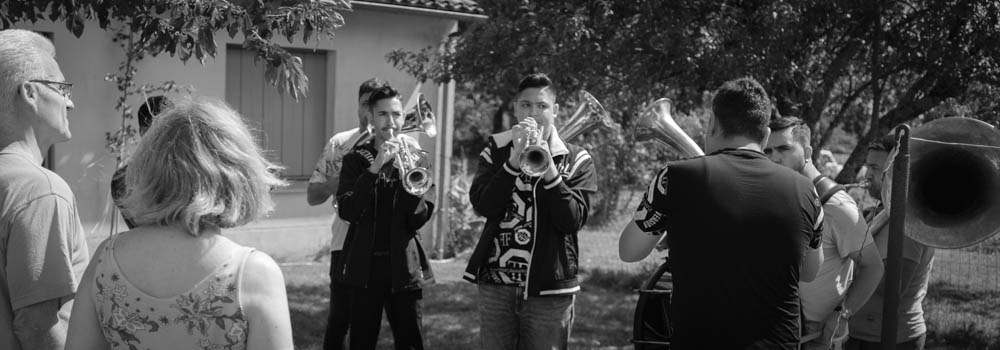
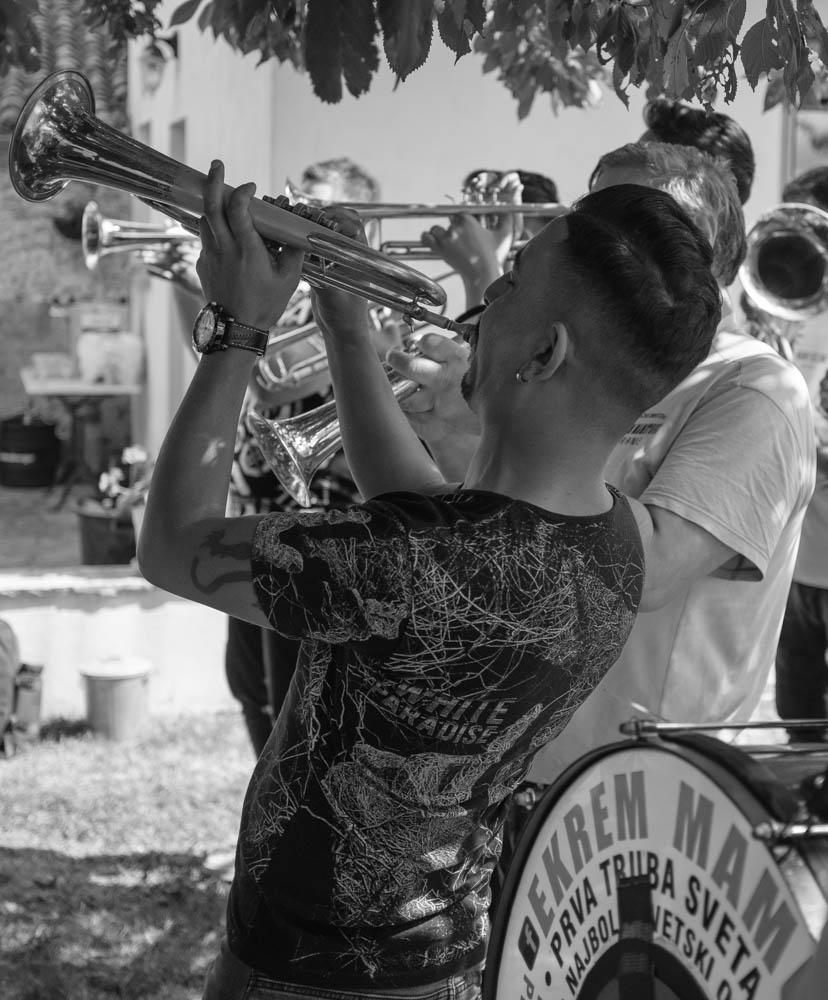
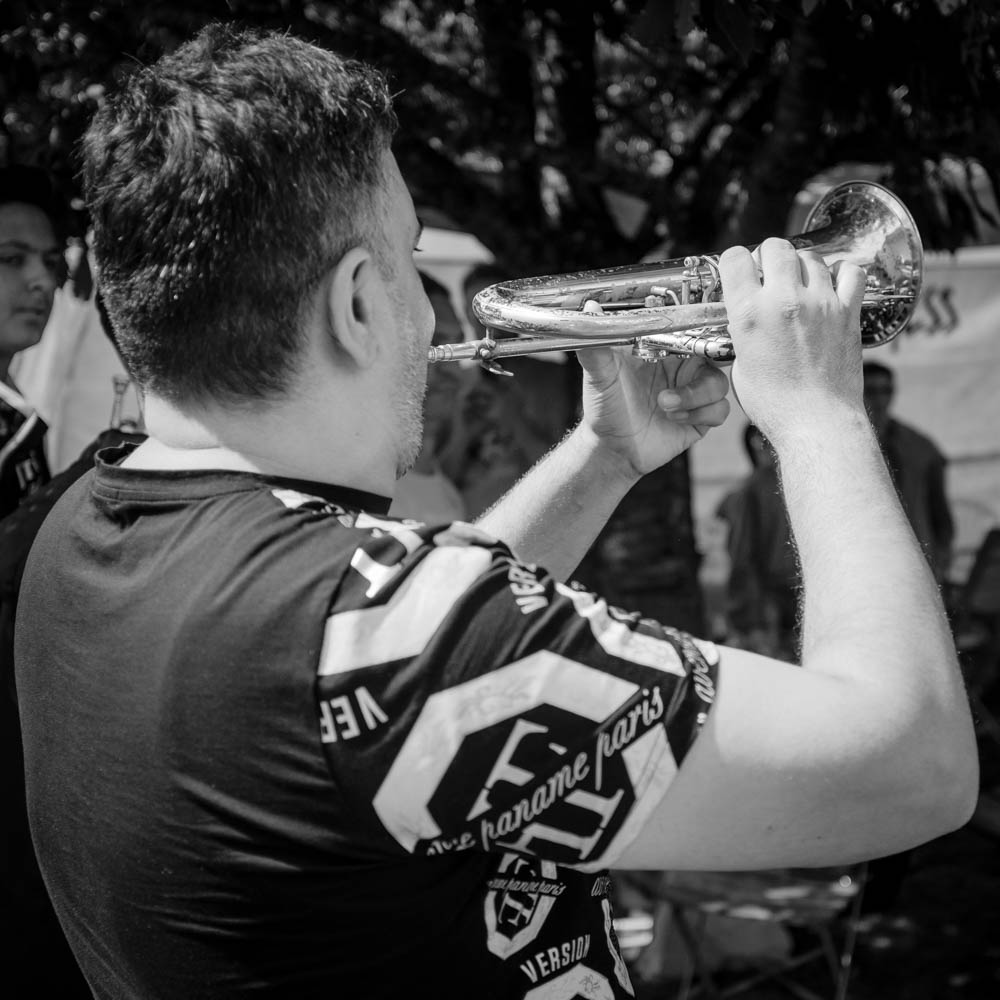
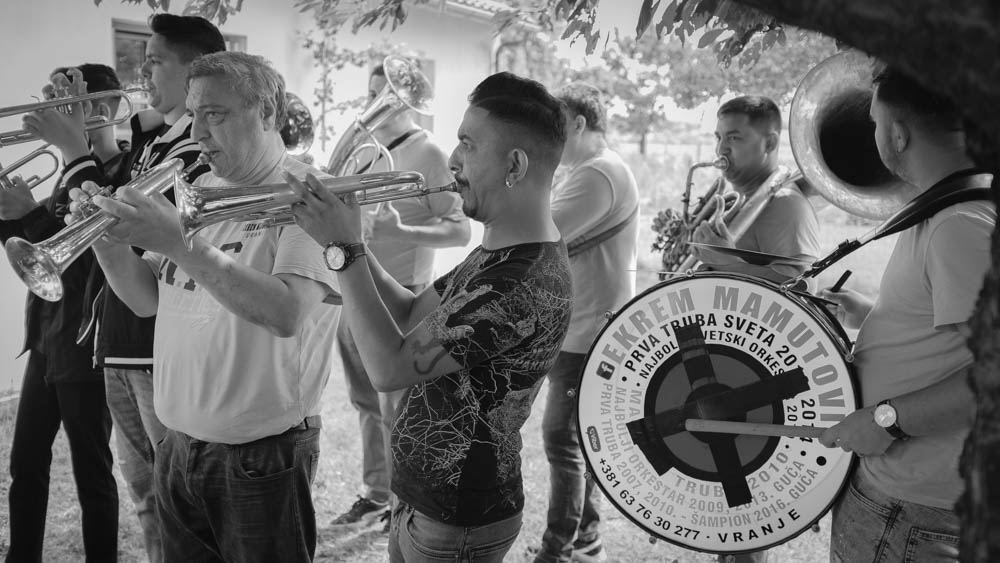
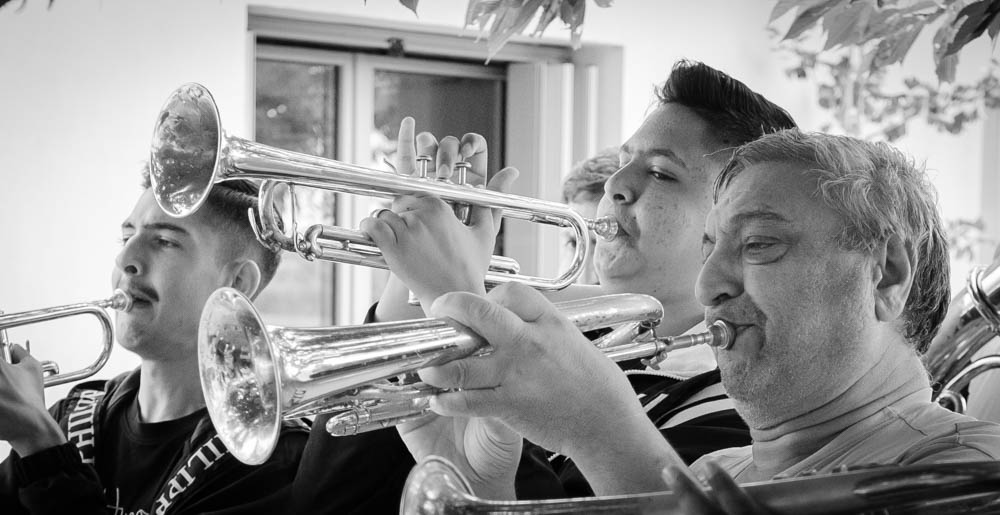
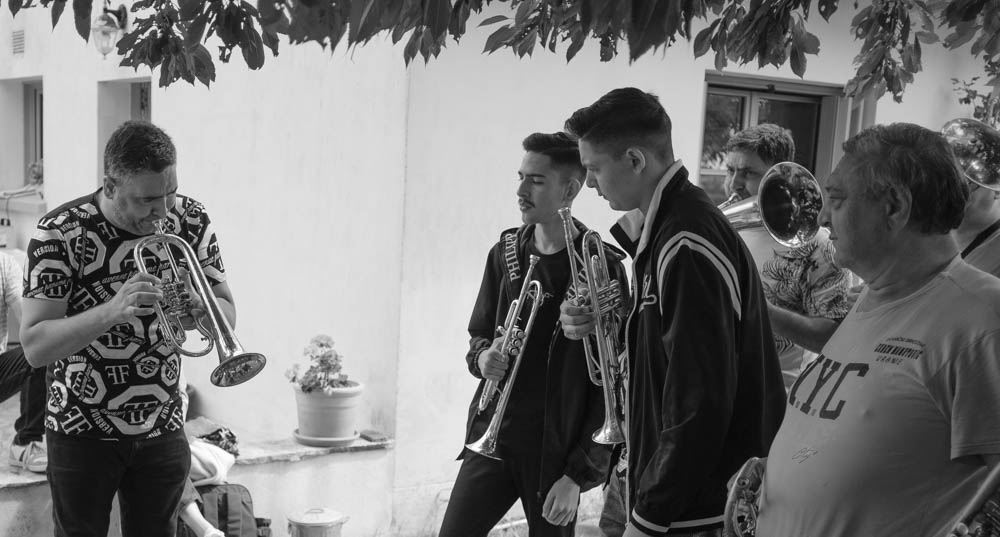
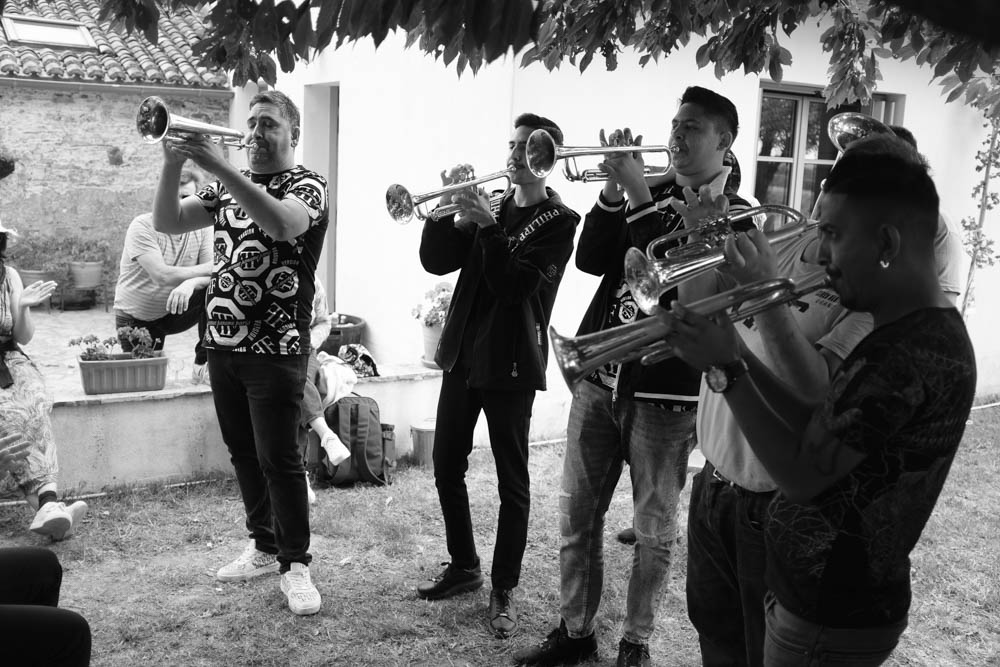
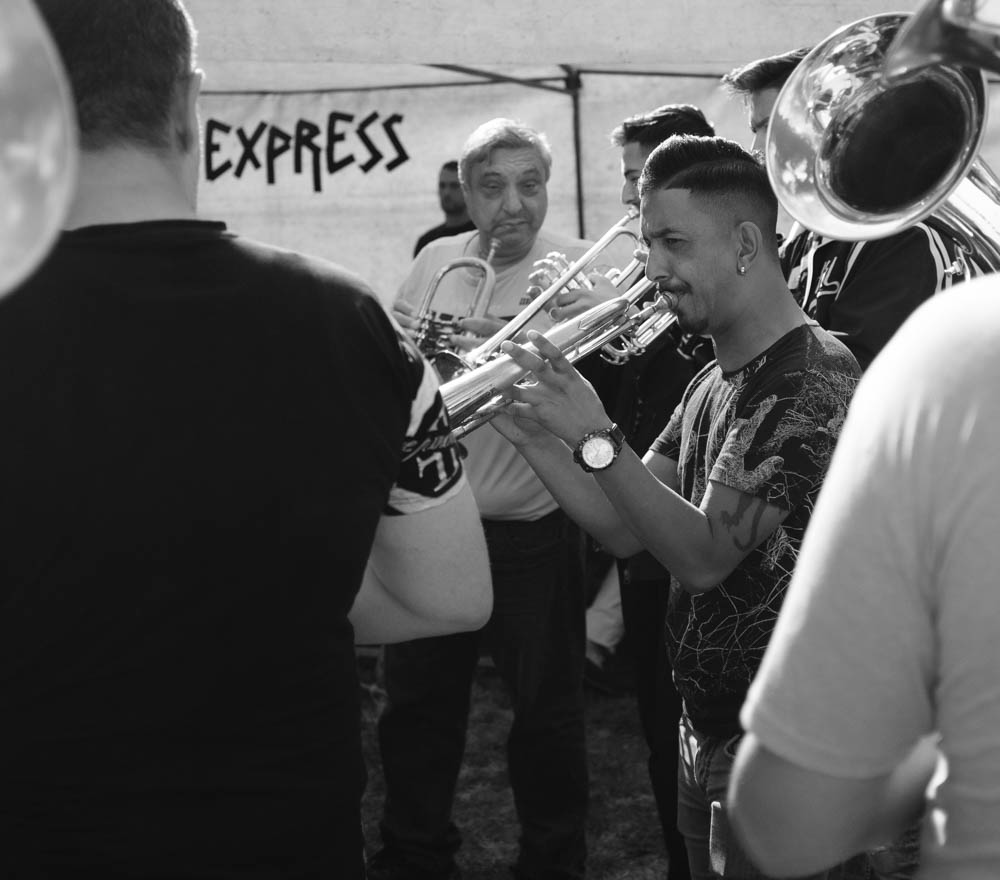
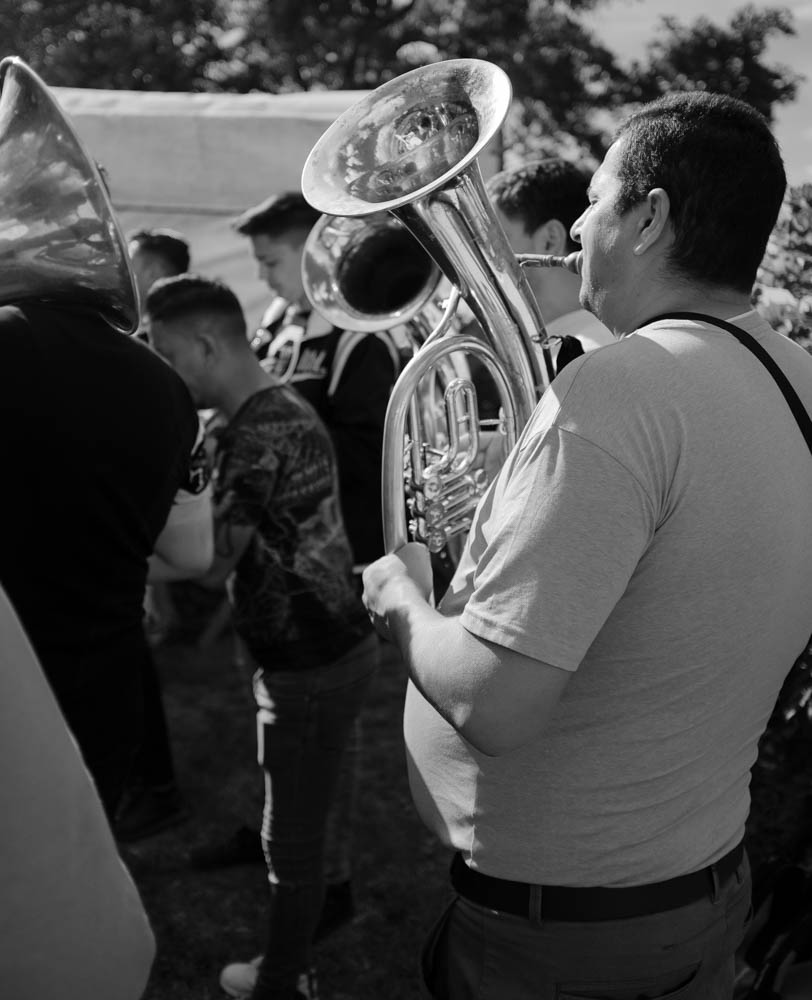
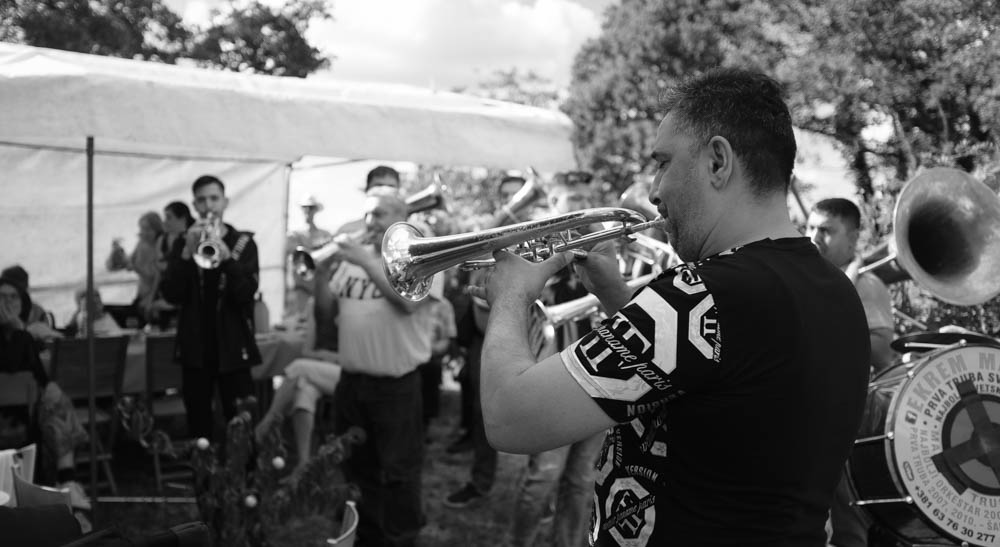
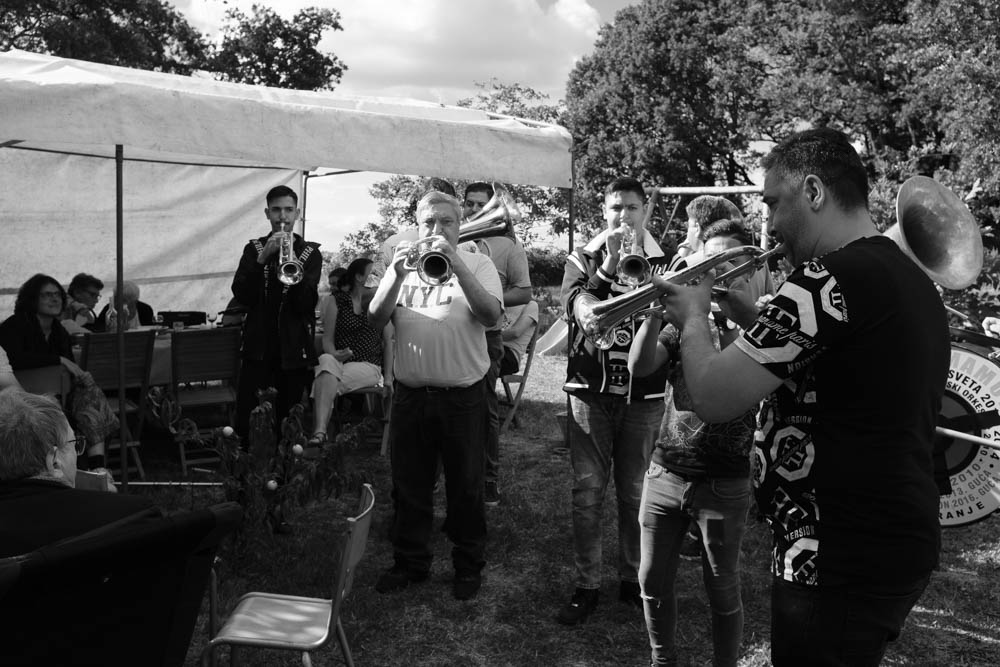
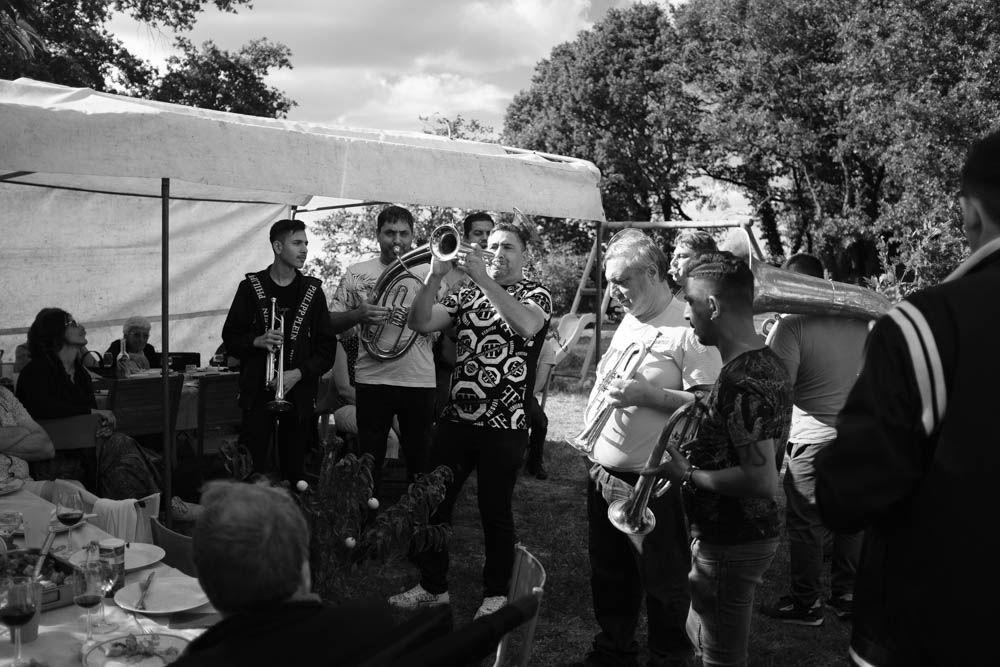
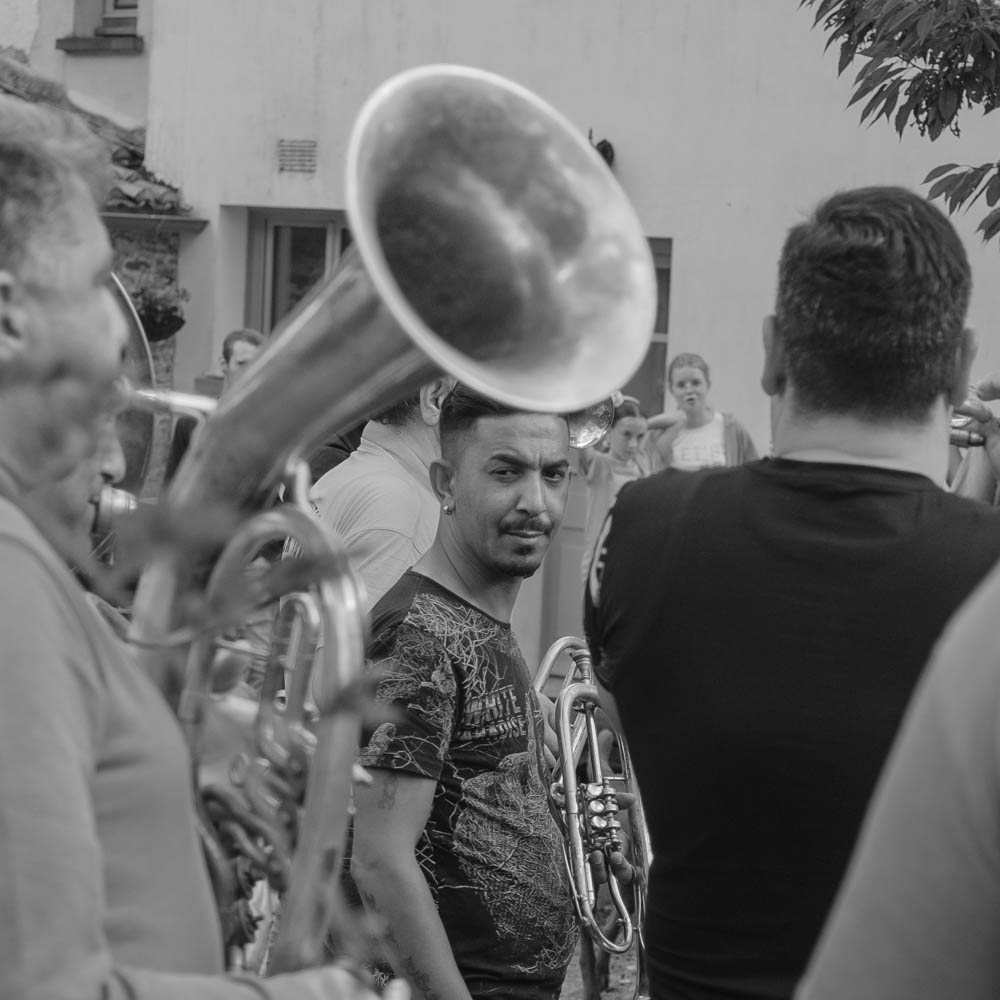
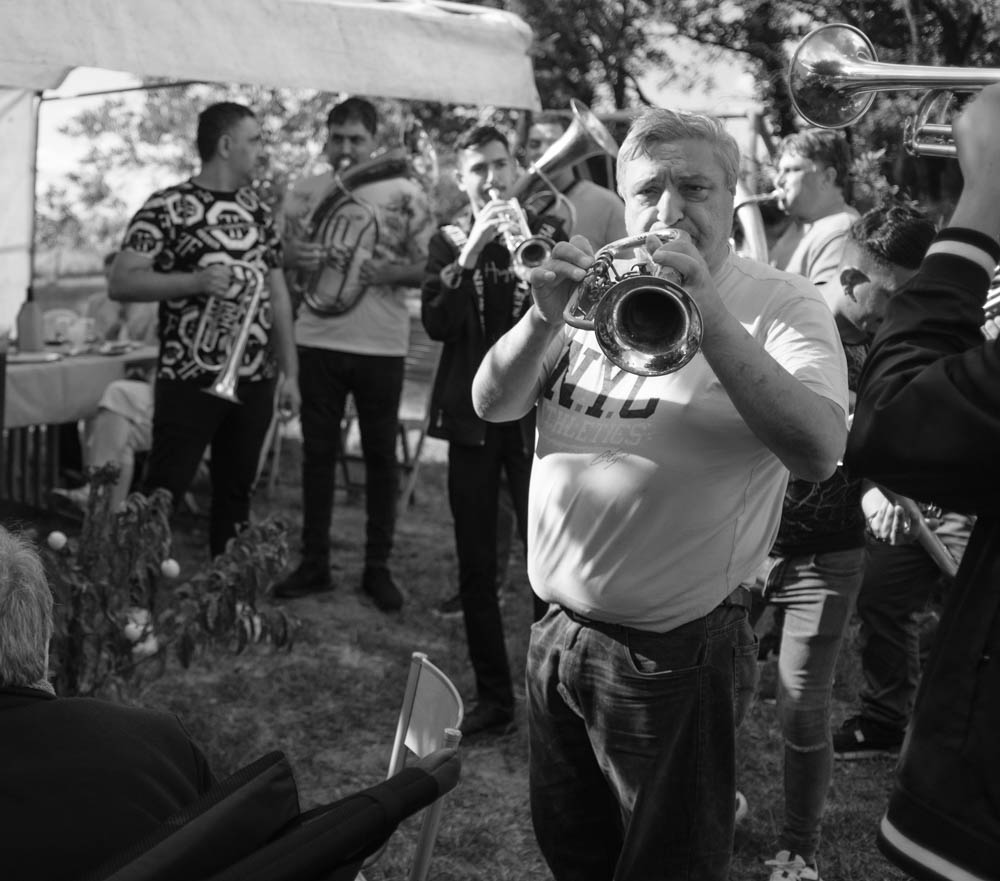
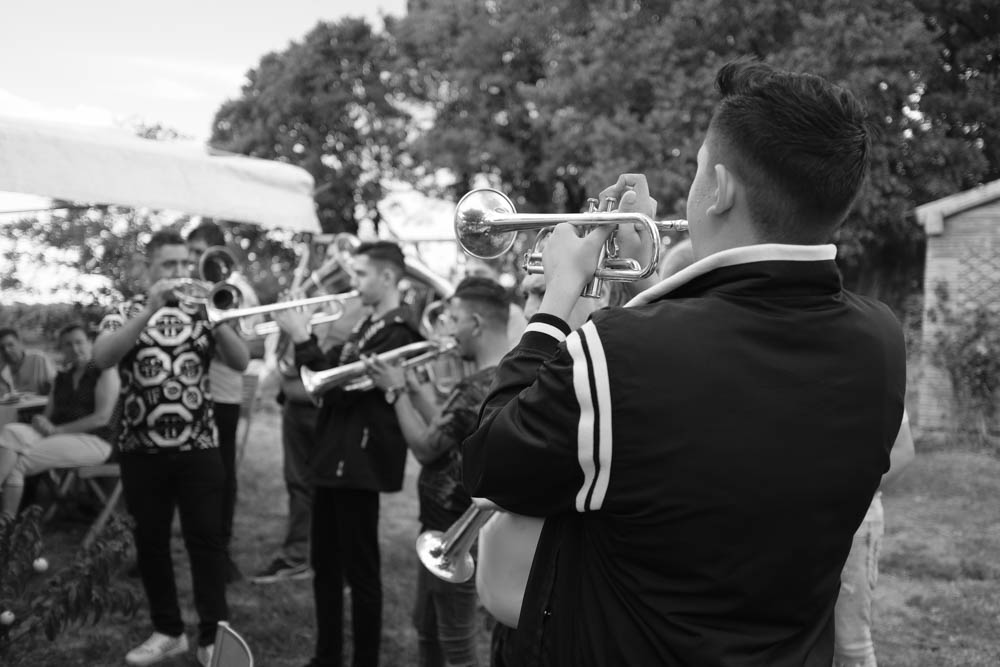
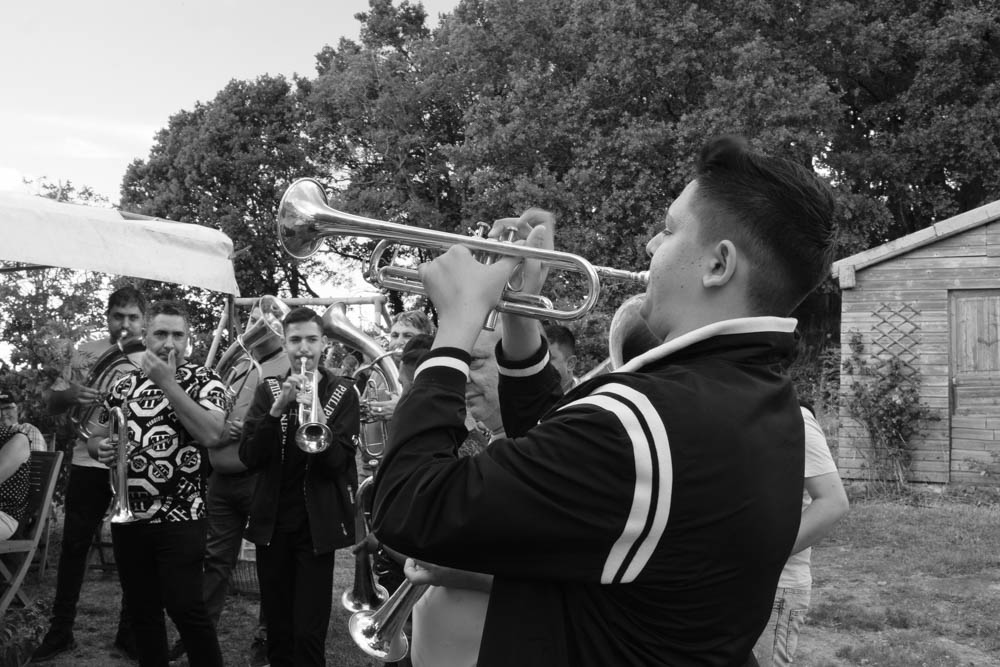
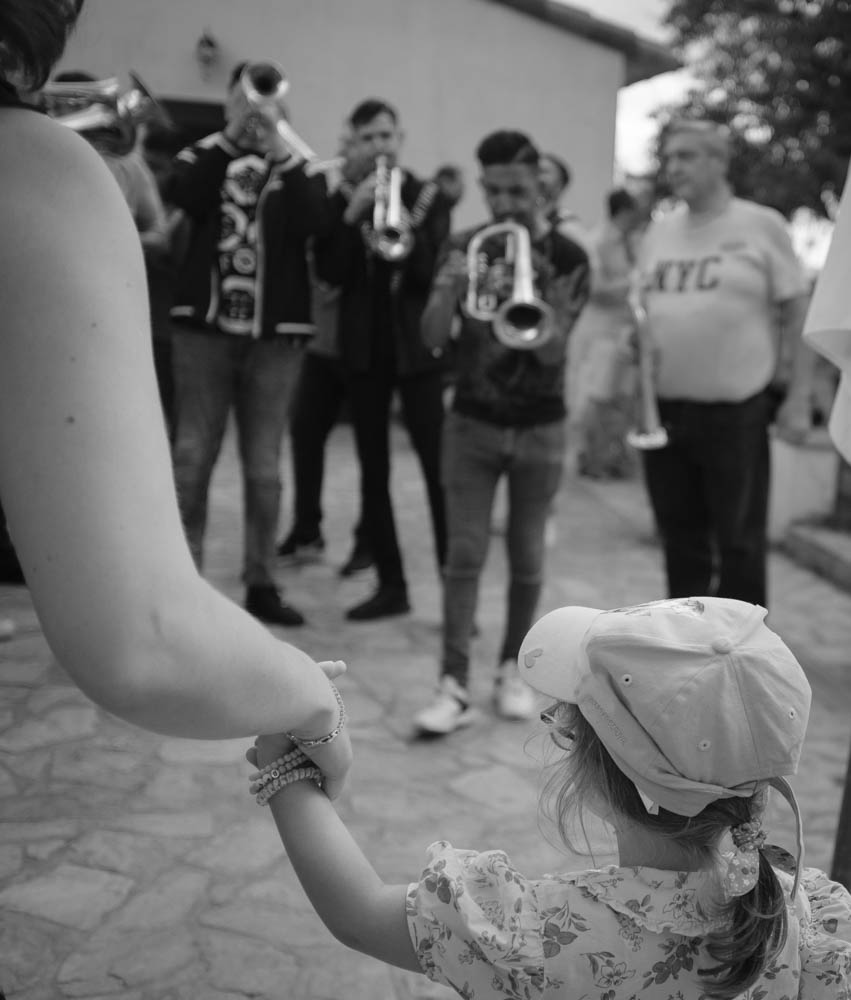
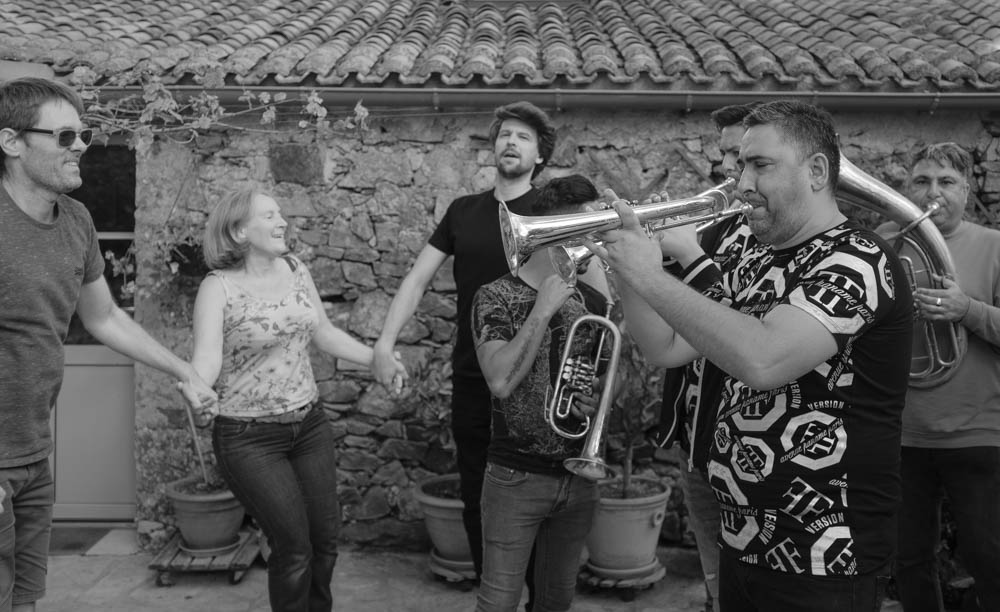
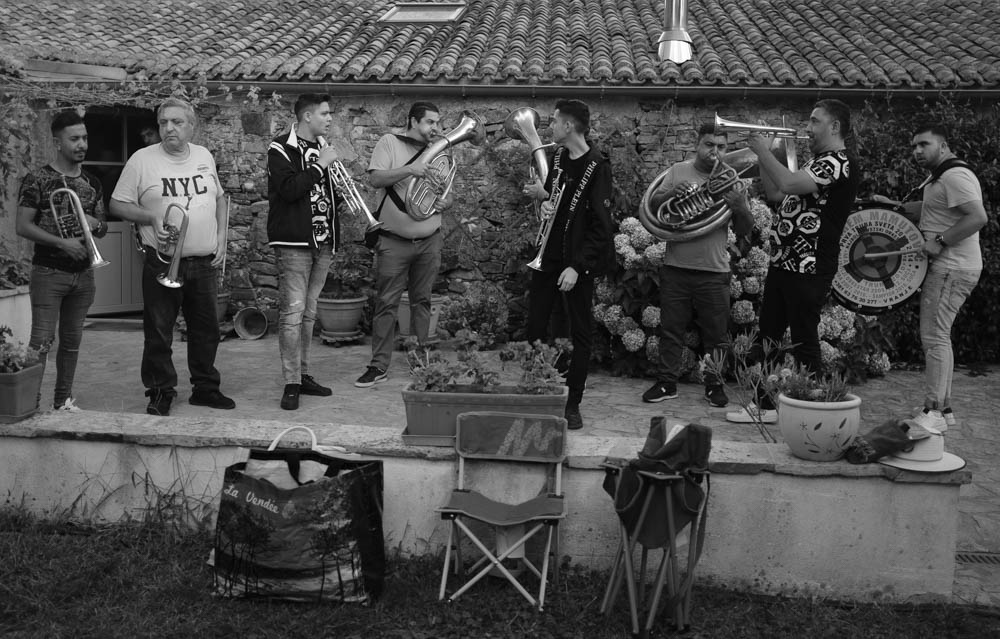
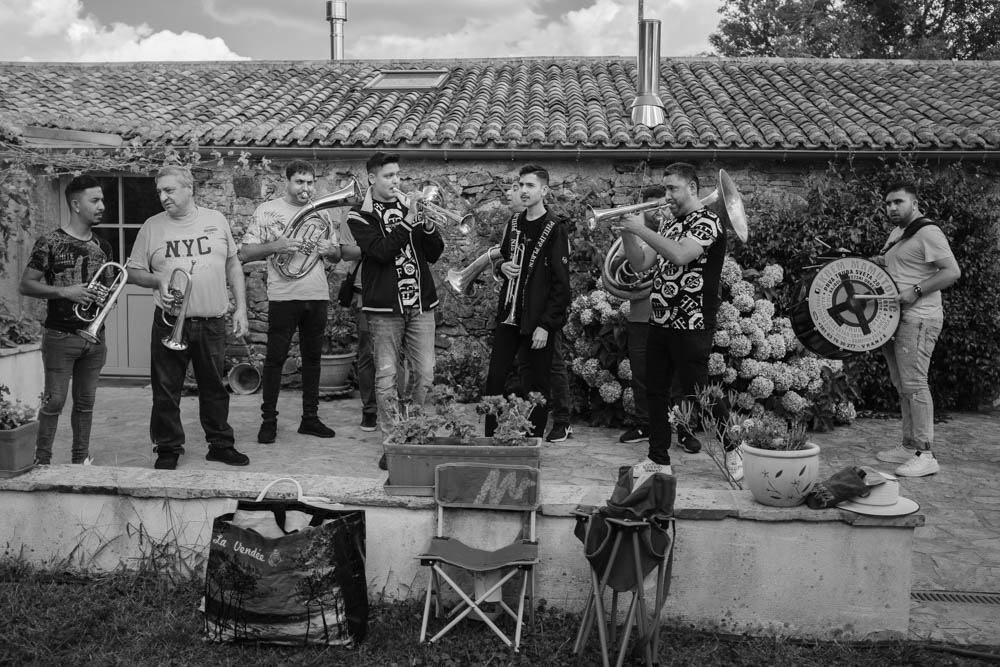
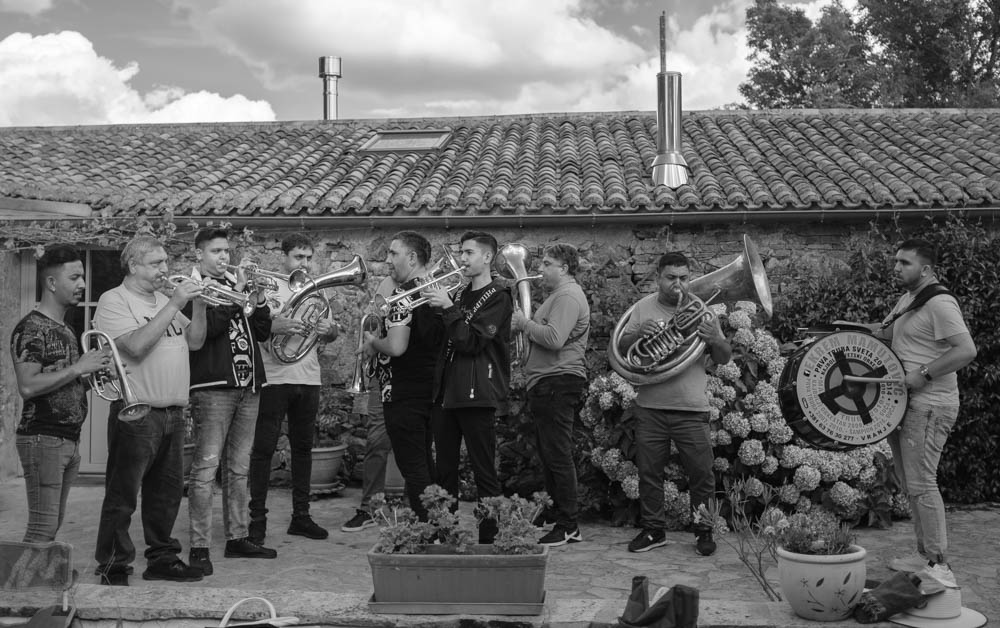
A Serbian orchestra arrived, instruments playing and walked playing up to the rest of us. The moment they began to play, the air was filled with a symphony of pure magic. The musicians entertained us with their musical virtuosity, their music becoming the heartbeat of the celebration.

Under the summer sun and the backdrop of a joyful celebration, the strains of Balkan music filled the air. It was as if the very essence of celebration had taken musical form. The infectious rhythms swept us off our feet, and we danced with abandon, reveling in the sheer euphoria of the moment. Laughter, love, and music merged into an unforgettable medley, creating memories that would last a lifetime.

As I reflect on that day, I can’t help but marvel at how life has a way of surprising us when we least expect it. What began as a simple morning Mass and a camera conundrum unfolded into a day of pure joy and connection. It was a reminder that sometimes, the best moments in life are the ones we don’t plan for—the unexpected gifts that leave our hearts brimming with gratitude.

And so, my summer concluded with a flourish, with the echoes of Balkan rhythms resonating in my heart. It was a day of celebrations, a day of love and friendship, and a day that reminded me of the beauty of life’s unpredictable dance. It’s safe to say that I’ll be holding onto the memories of this day for a long, long time, and perhaps reconsidering the pace of my Sunday mornings in Nantes.

That August Holiday Vibe


My son seems to use the word “vibe” in a lot of situations. And for once, that word encapsulates exactly how I feel at this very moment. I’m in front of my computer at my desk, typing this article. Why is this an August vibe, though? Because I’m not at work and have the freedom that comes with August to do what I want, within reason, of course. I have my Marshall headphones that have a Princess Leia “vibe”. I’m listening to Ella Fitzgerald sing her beautiful heart out on Amazon Music, and the fan on top of my desk is blowing a fresh breeze through my golden locks. Those of you who know me will understand the ridicule of that last phrase. Locks, golden or otherwise, are something I haven’t had to deal with for many years, but that cool breeze is still very refreshing on my bald scalp.

I have been out, and this will blow your minds as much as the fan is blowing my hair, with my camera taking photographs. I can hardly believe it too. The photographs at the end will not likely seem like holiday photos to you, but to me they are precious! You don’t have to be sitting roasting on a beach to feel on holiday. What I’m getting at is that freedom comes only once a year. Work is important, but rest is important too. Ironically, “Summertime” is playing. The version with Louis Armstrong and Ella together! It really does take you to another place.

And then, there’s my photography escapade. I went old-school with film this time—none of that instant digital gratification. You take the shot, develop the film, scan the negatives, and only then do you wade into the world of editing. Now, you’re probably wondering, “Why the hassle when you’ve got smartphones and digital cameras?” But let me tell you, it’s a deliberate pace that wraps you in its own magic. You deliberate on each shot, finding meaning in every click. Out of the 36 shots I took, I’ve kept 16 for this piece. Fingers crossed, they’re worth the effort.

Film photos emanate a distinct “vibe” compared to their pristine digital counterparts. There’s a soft grain, an endearing imperfection that render them timeless. Some would say they embody an eternal tranquilly, a perpetual “vibe.” In future articles, you will see more of that timeless “vibe,” and pictures from an exhibition at the HAB Gallerie, which I’ve talked about in past articles. There will be shots of various art works all over Nantes that are all part of the annual Voyage à Nantes art season. This year, it’s all about statues taking over the city. But that’s for future articles. I have to keep you coming back for more, don’t I!