
As a compliment to the film archive article featuring the standing stones in Carnac, I’m just going to drop this article here. Paris 19972 – Versailles 2003 is a site run by a friend who has some very interesting articles and a prolific output of articles covering a wide selection of subjects, including Bretagne, Paris, Versailles, Spain.
Category: Reportage
Sir Foxy Foxalot
I have been writing for this blog since 2019, and it seems I am still here, sharing my thoughts on photography and its role in my life. Photography, alongside music, appears to be one of the few things I do quite well. Another talent, it seems, is writing, as evidenced by the fact that just over 13,200 of you have viewed this site over 51,000 times since I started this project. I’m not saying this to show off, since for a British subject of His Majesty King Charles III, it is formally forbidden to blow one’s own trumpet—a social faux pas—and, were I to be completely honest, the behaviour of a cad!
However, when somebody else does it, those social cues are no longer applicable. Sir Foxy Foxalot — aka Fox Reviews Rock for those in the know — does the same kind of thing as I do. His expertise lies in Rock Music and Heavy Metal, genres I might not be very knowledgeable about. However, learning something new is always a voyage of discovery. We have been following each other for some months now, gradually learning about our different worlds and coming to appreciate each other’s forays into the blogosphere.
Recently, he sent out a message asking for volunteers to be interviewed by him and answer some questions on Rock and Heavy Metal. Being the decent chap and all-around good egg that I try to be, I said that despite my ignorance, I would be delighted to participate.
Despite my limited knowledge of the genre, I did spend three years working with the famous and infamous Christophe “Bobonne” Bonnin, who taught me all I know. He introduced me to a certain Tennessee Bourbon, a favourite of the late Lemmy, bass player and singer of Motorhead, and an all-round legend. Lemmy has a memorial at Hellfest in the quaint village of Clisson, which becomes the centre of all things Metal once a year. I even learned that he had a custom-made case for his bass, with compartments for said Bourbon, his bass, and a packet of cigarettes. Despite the much-vaunted medicinal properties of the aforementioned Bourbon, don’t overdo it, chaps!Let me tell you more about the man behind Fox Reviews Rock. Like me, he has dedicated himself to writing about his passion, and despite having been at it for a relatively short time, he has acquired quite the following. His output is impressive, and he maintains a very high standard. He has also had the great intelligence to surround himself with an excellent writing team. His articles, though about a subject I know little about, are always a good read. I also enjoy the structure of his blog. Check out his weekly schedule here. What more can I say, except get your pretty self to his site and check him out. It’s quite the blossoming project, run by those who are passionate about their subject. Tell him I said hi!
PS. Here is the link to the article they wrote about me. Go and visit it right now. Off you go. No messing around. You’ll like it!
Instagram’s Double-Edged Legacy: A Photographer’s Perspective
In October 2010, Kevin Systrom and Mike Krieger unleashed Instagram upon the world. With its intuitive interface and playful filters, the app revolutionised how we share photos, ushering in a new era of mobile photography. However, over time, Instagram’s trajectory has shifted dramatically, raising questions about its impact on photography, the rise of influencers, and its changing priorities. This article delves into Instagram’s complex legacy, exploring its transformative yet increasingly problematic role in modern photography.
The Rise and Fall of Photography on Instagram
In its early days, Instagram democratised photography, empowering everyday users to become amateur photographers. The app’s filters and nostalgic aesthetic resonated with users, transforming personal snapshots into artistic expressions shared with a global audience. This initial period fostered a vibrant community of photographers who connected, shared their work, and even launched careers. However, Instagram’s algorithm, initially chronological, evolved into a complex beast driven by engagement metrics. This shift, combined with the rise of influencers and the platform’s increasing emphasis on video content, has had a detrimental impact on photography.
The Instagram Algorithm: A Photographer’s Nemesis
The algorithm, shrouded in secrecy, prioritises content that generates the most likes, comments, and shares. This has led to a homogenisation of aesthetics, favouring trends and viral content over unique artistic expression. Photographers feel pressured to conform to popular styles and create content that caters to the algorithm’s whims rather than their own creative vision. Moreover, the algorithm’s preference for short-form videos, like Reels, has further marginalised photography. Photos are often buried in favour of videos, making it increasingly difficult for photographers to gain visibility and reach a wider audience. This shift has raised concerns about the devaluation of photography as an art form and the platform’s changing priorities.
The Influencer Paradox: Celebrity Without Substance
Instagram’s influencer culture, where individuals gain fame and fortune through their follower count rather than their talent or skill, has further exacerbated the problem. Many influencers prioritise self-promotion and brand endorsements over genuine artistic expression, perpetuating a cycle of superficiality and instant gratification. This culture has also created unrealistic expectations and fuelled unhealthy comparisons among users, including photographers. The pressure to maintain a perfect online persona and constantly chase likes and followers can lead to anxiety, depression, and a loss of creative autonomy.
The Future of Instagram: A Photographer’s Dilemma
As Instagram continues to prioritise short-form video content and cater to influencer culture, photographers face a difficult choice. They can either adapt to the platform’s changing landscape by creating more videos and conforming to popular trends, or they can seek out alternative platforms that prioritise photography and genuine artistic expression. The latter option, while challenging, may be more fulfilling for photographers who value their craft and refuse to compromise their artistic integrity. By exploring alternative platforms and building communities outside of Instagram, photographers can regain control of their work and connect with audiences who appreciate their unique vision.
An Alternative?
While Instagram’s focus shifts away from photography, several alternative platforms offer havens for photographers to showcase their work, connect with like-minded individuals, and foster a supportive community. VERO, for example, boasts a chronological feed, an ad-free environment, and features tailored to visual artists. 500px provides a dedicated space for professional and amateur photographers to share high-quality images, participate in contests, and even sell their work. Glass is another emerging platform designed specifically for photographers, offering a clean interface, curated collections, and a focus on long-form visual storytelling. Ello, known for its artist-centric approach, provides a space for creative expression without the pressure of algorithms or ads. These are just a few examples of the many platforms available that prioritise photography and offer a refreshing alternative to Instagram’s increasingly commercialised environment.
Conclusion: Reclaiming Photography
Instagram’s legacy in the realm of photography is undeniably complex. While it initially empowered photographers and fostered a vibrant community, its current trajectory raises serious concerns about the future of photography on the platform. Photographers must recognise that Instagram is no longer primarily a platform for photography. It has become a commercialised space dominated by short-form videos and influencer culture. To protect their artistic integrity and find meaningful engagement, photographers need to explore alternative platforms, diversify their content, and most importantly, create work that speaks to their own unique vision rather than chasing the elusive validation of the Instagram algorithm.
24-70mm Lens: Unveiling the Beauty of Vendée Coastal Landscapes
Work. That familiar feeling of being a hamster on a never-ending wheel. Emails, passive agressive colleagues, and meetings blurring into one another like the monotonous hum of voices in the office. Sound familiar? Yeah, that was me a few weeks ago. So, what’s a weary soul to do? Employ some sartorial elegance with navy blue chinos, a white button down shirt, my new sungalsses, and my favourite Panama hat, and embark on a spontaneous coastal escape to Vendée!
Now, full disclosure, Vendée isn’t exactly the Caribbean. But for a quick mental recharge, it certainly does the trick. Plus, it was the perfect opportunity to put my Canon 6D Mark II through its paces, specifically the oft-maligned 24-70mm f/4L lens. This trusty workhorse gets a bad rap sometimes, but let me tell you, by the end of this trip, I was a convert.
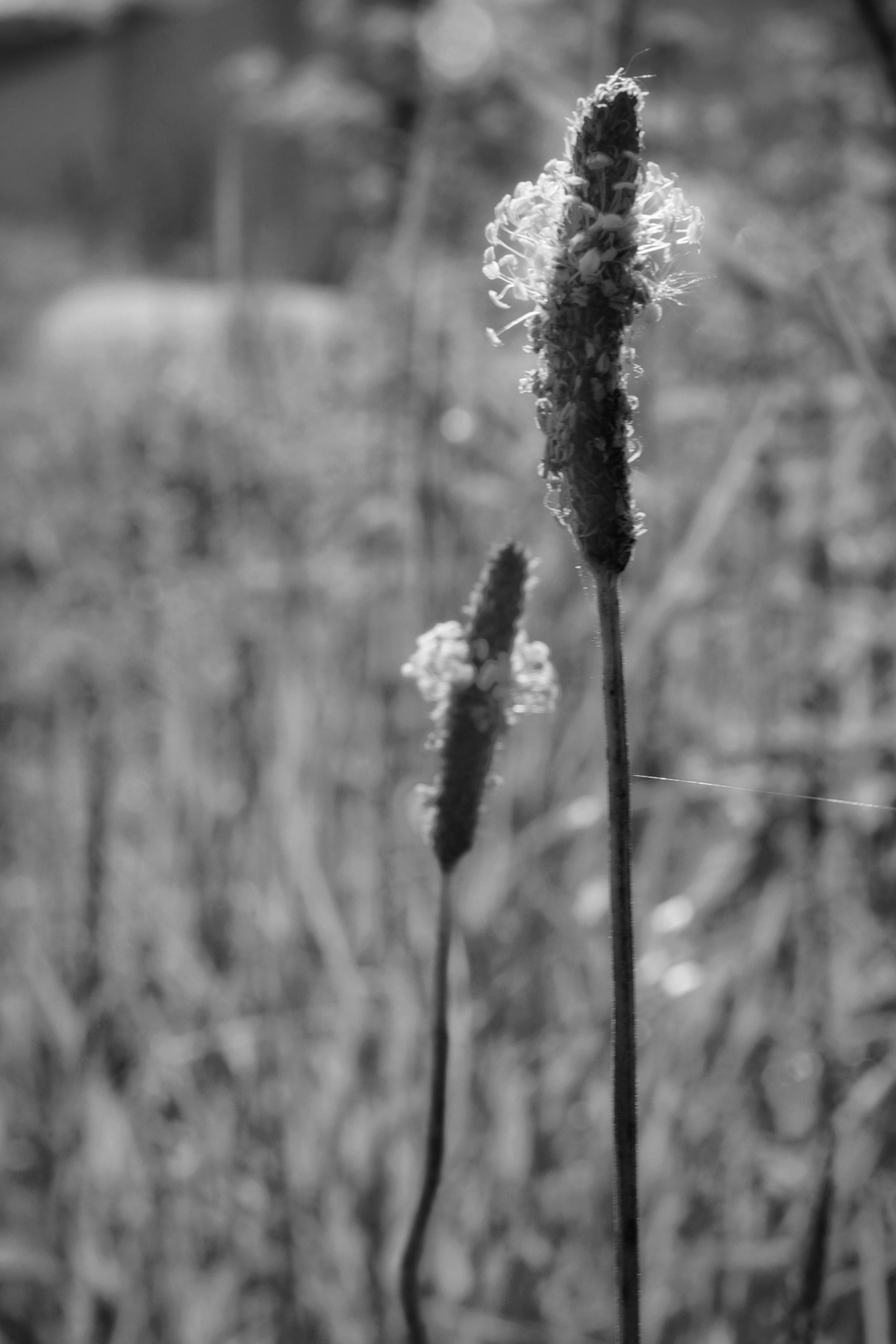
The Vendée coast is a tapestry of stunning landscapes, each begging to be captured. My first stop was Viellevigne (not strictly the Vendée and just on the other side of the Loire Atlantique border), a charming little town I usually just whiz through on my daily commute. But this time, with a camera in hand and a head full of vacation vibes, I saw it with fresh eyes. I framed the quaint church nestled between two ancient trees, a scene I’d driven past a thousand times without a second glance. The hedgerows, usually just a blur of green, revealed a hidden world of wildflowers and buzzing insects when I switched to the lens’s macro function. Suddenly, the familiar became fascinating.



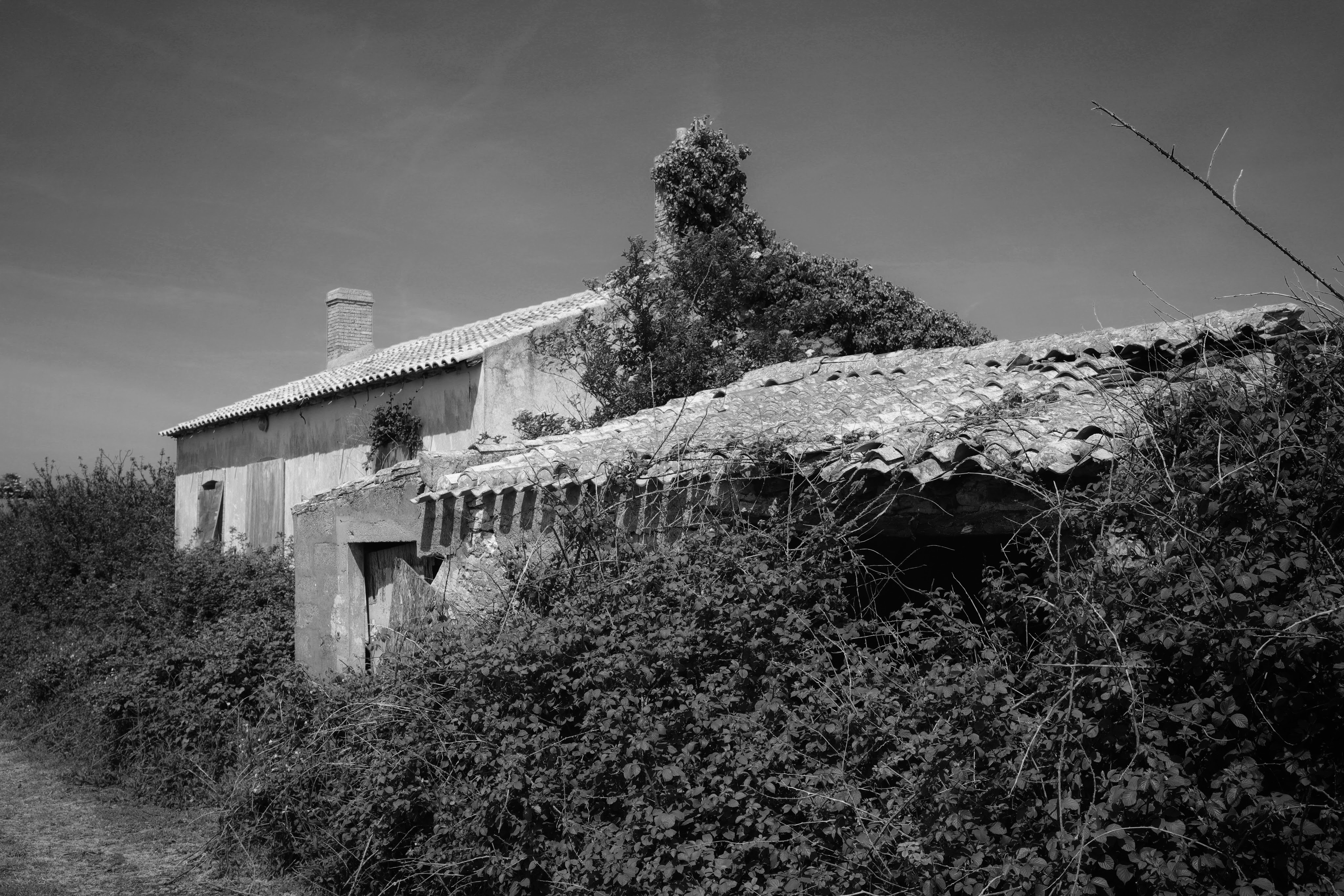
Next, I cruised down to the grand canal near Fromentine. Now I don’t know if grand means big or grand in this instance. I mean it’s not huge, and the grand canal in Venice is somewhat ore deserving of the title. The sun, a generous giver of both light and good mood, cast a warm glow on the weathered ruins of old houses lining the water. Across the road bridge stood a line of fishing huts, its battered paint a testament to years of battling the elements. The 24-70mm here proved its versatility, letting me capture both the vastness of the canal and the intricate details of the local flora.


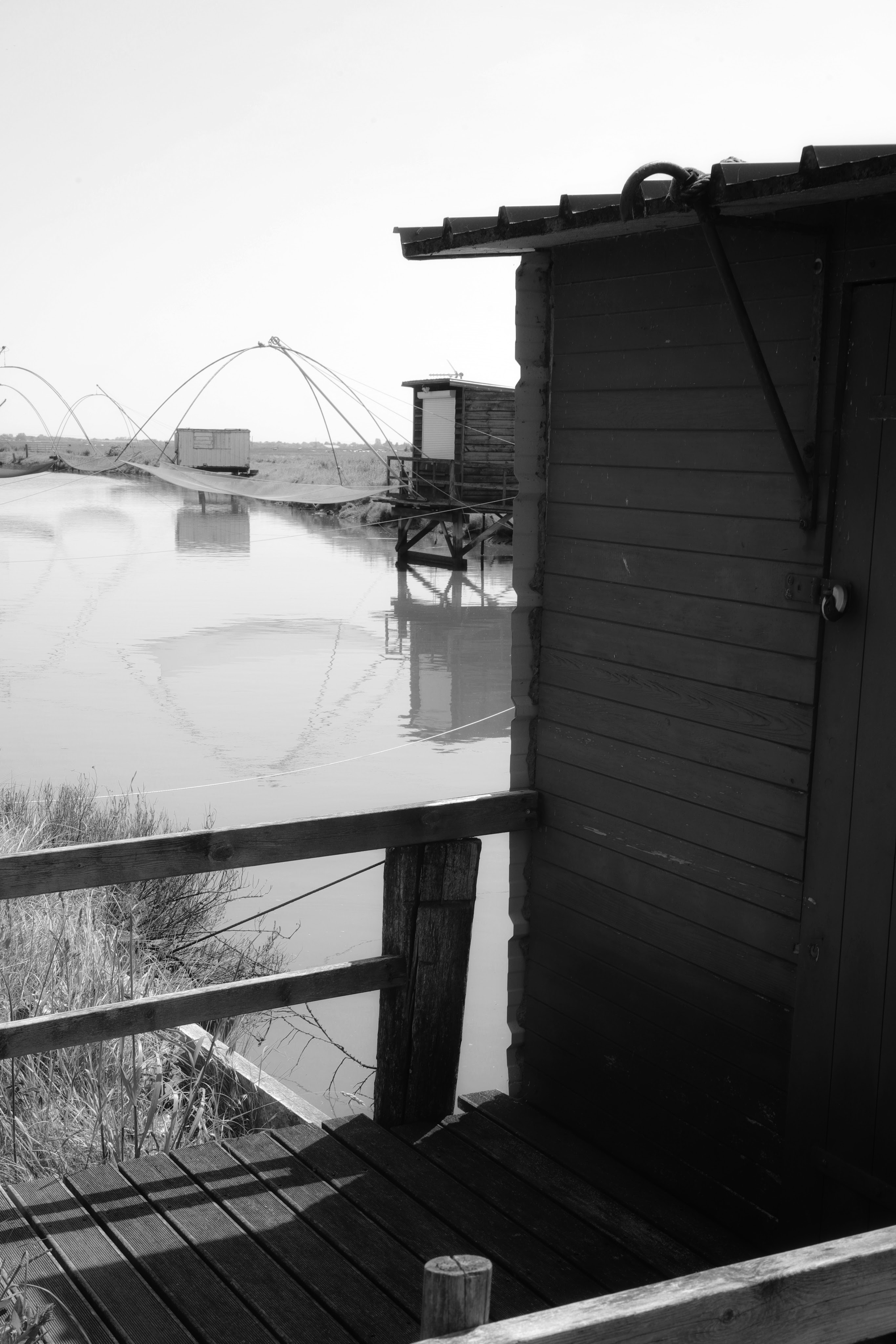
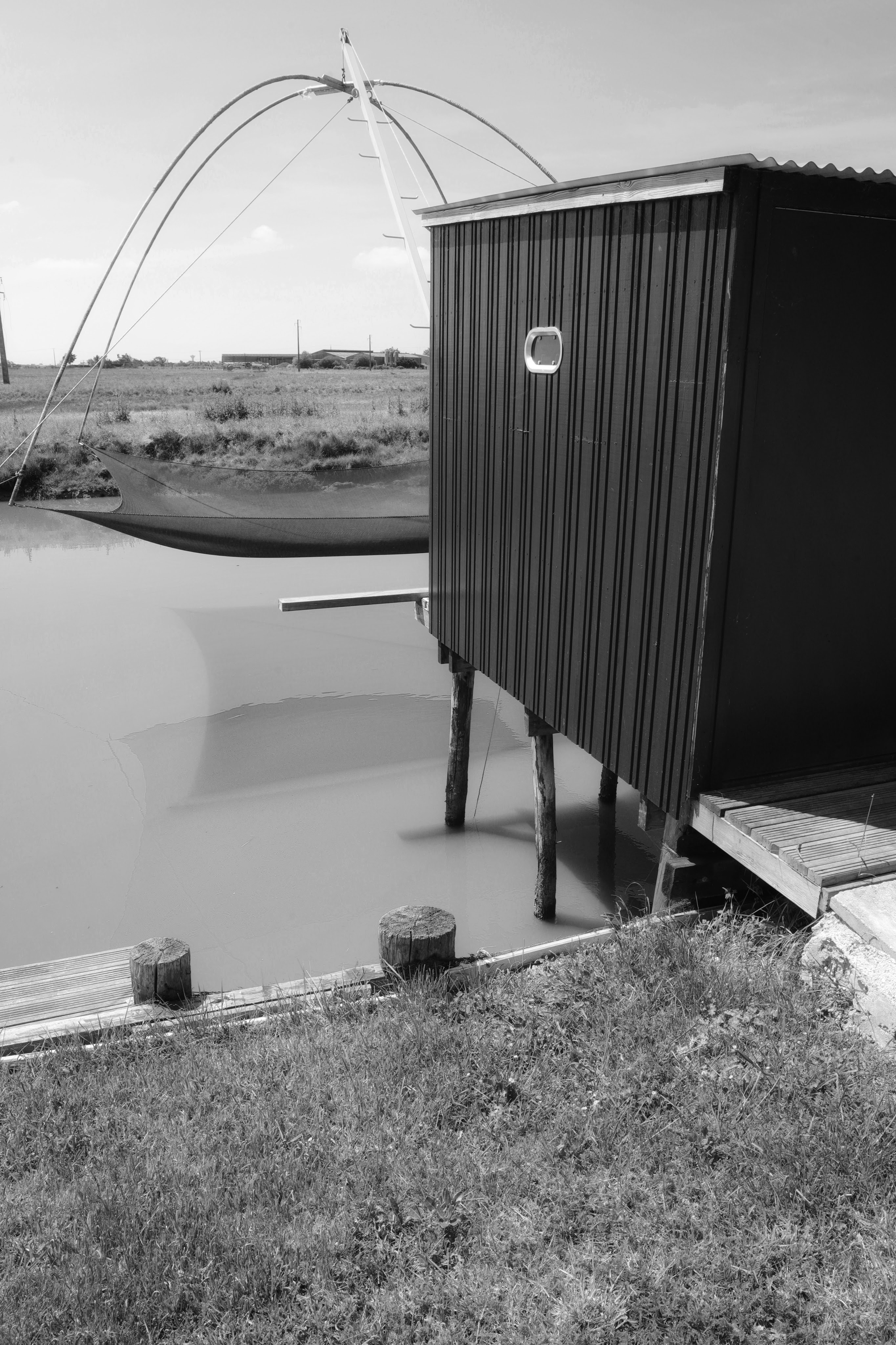
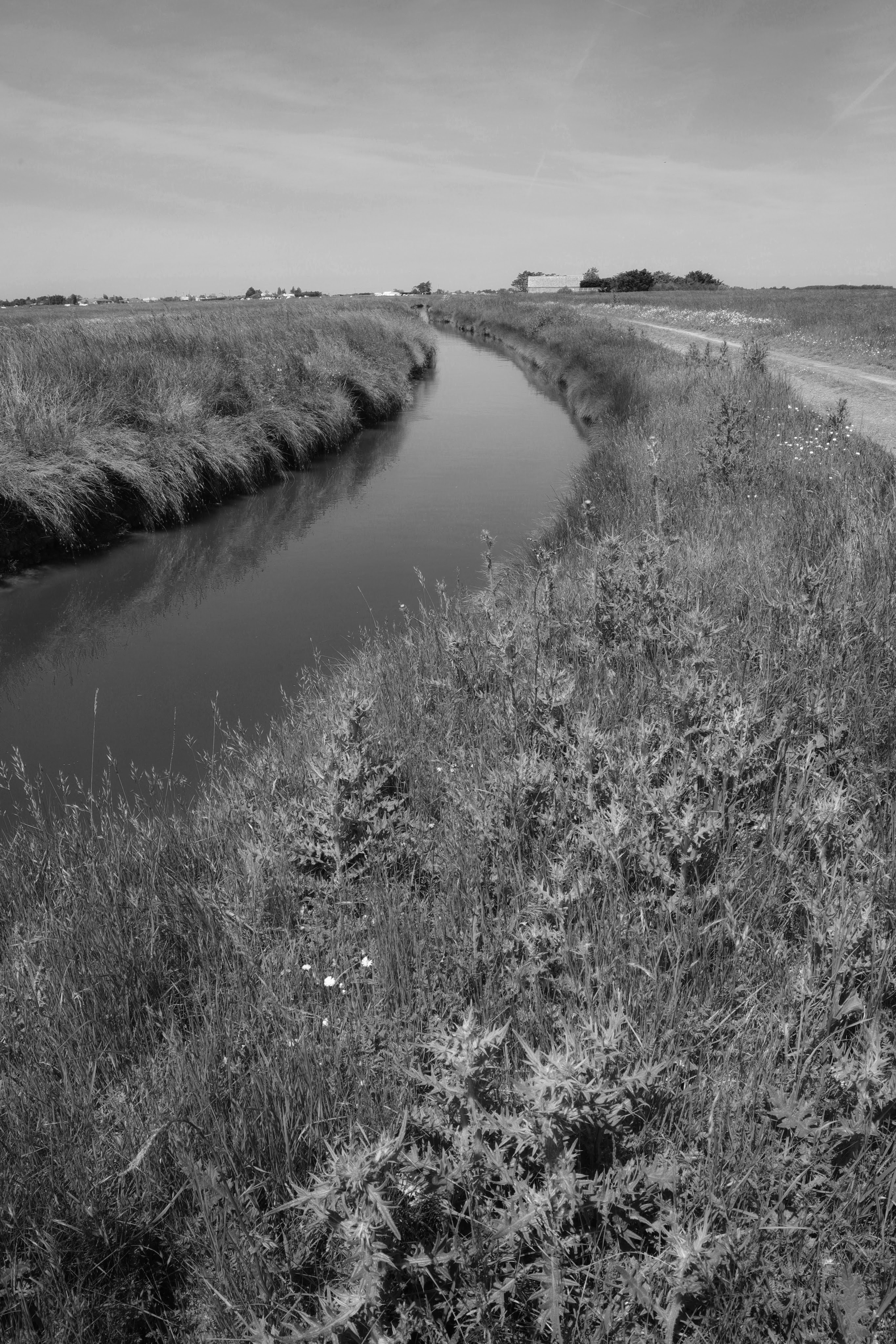


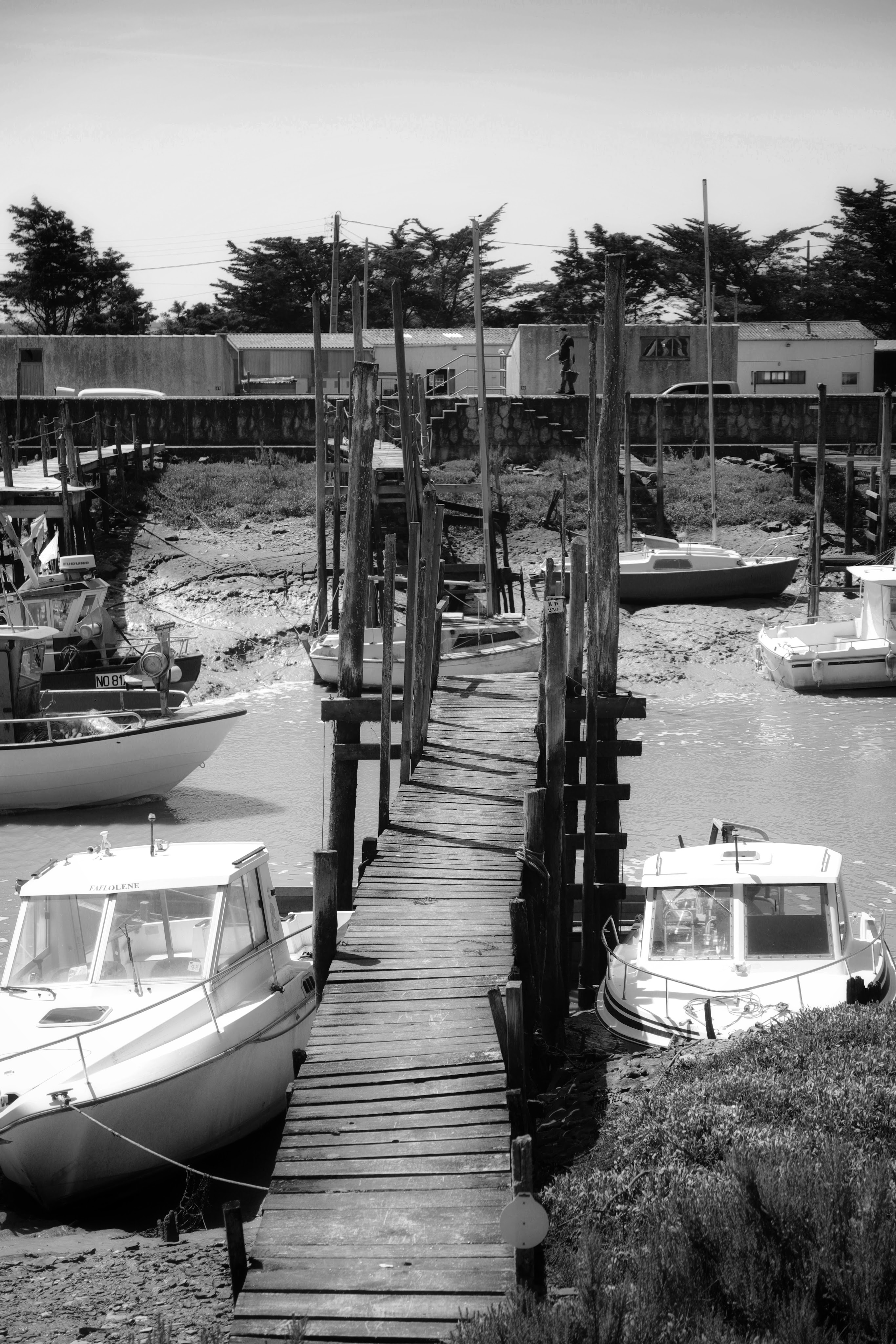
As the day wore on, I found myself at Port de Bec, a haven for oyster farmers. Here, the scene was abuzz with activity. Tractors lumbered out of the water, hauling heavy loads of oyster boats ashore. The rickety moorings, weathered and worn, added even more charm. The lens’s sharp autofocus kept pace with the bustling scene, ensuring I didn’t miss a single detail.






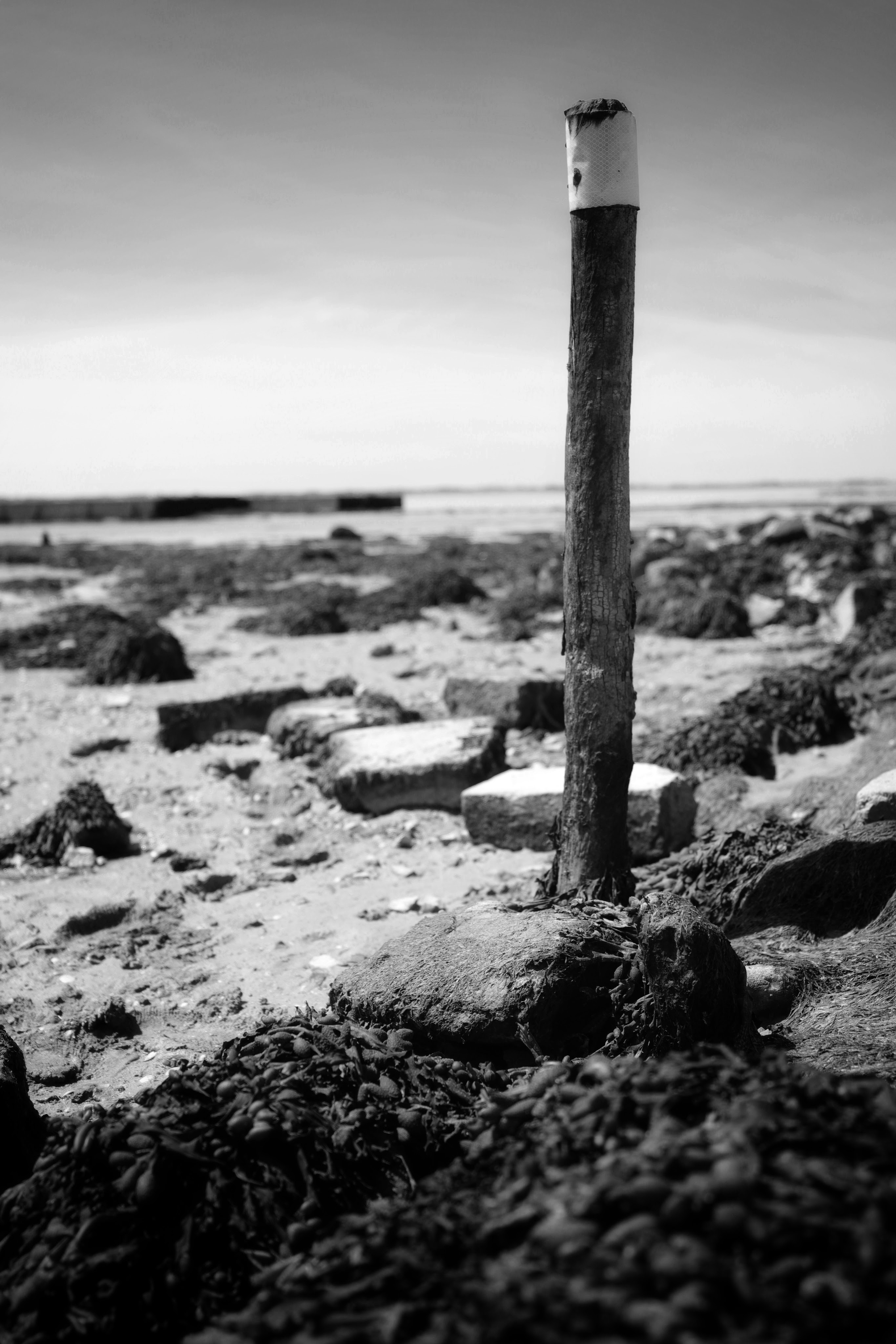
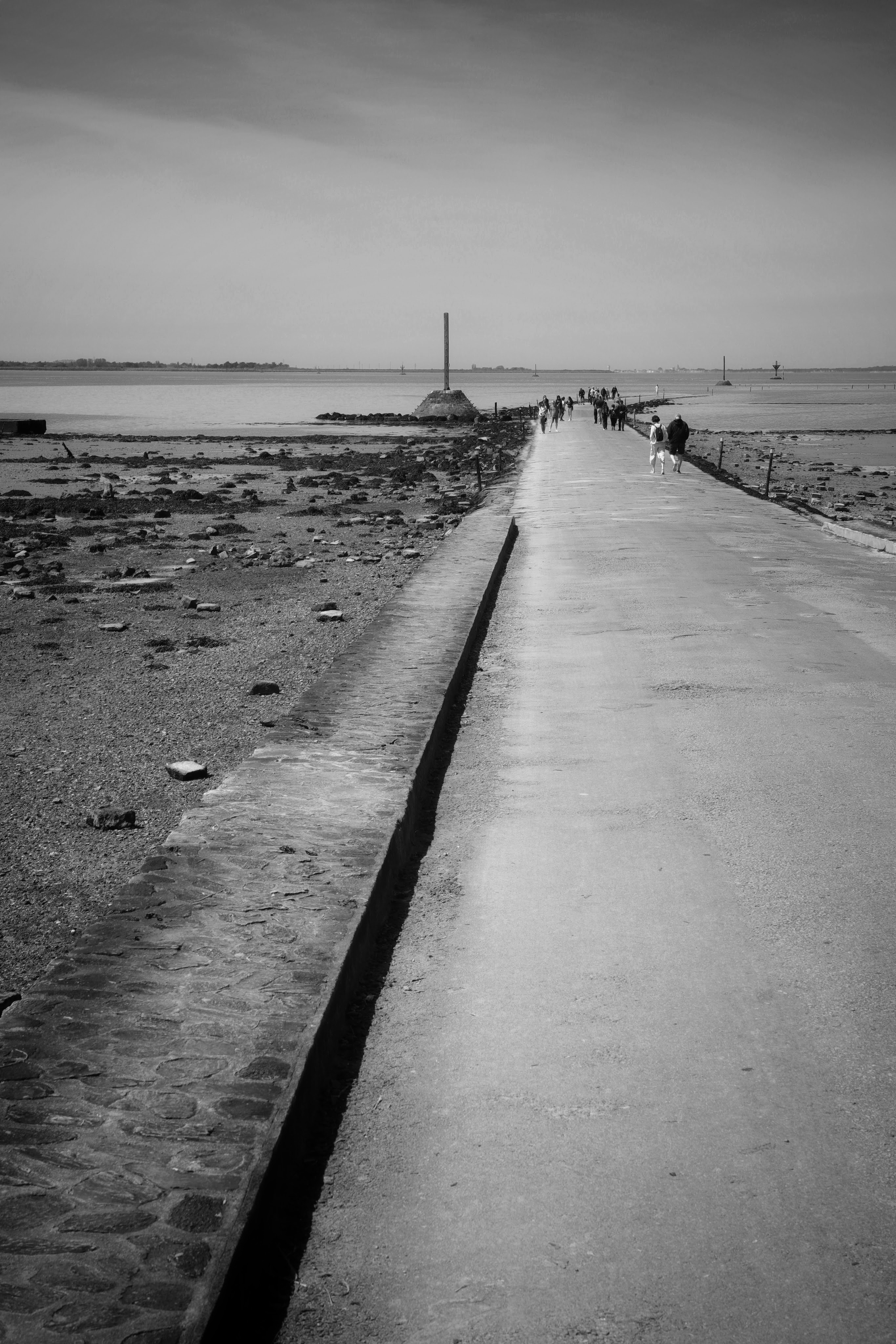
Finally, the crown jewel of the trip: the Passage de Gois. This legendary causeway, submerged twice a day by the tide, is a photographer’s playground (just make sure you keep an eye on the water, unlike yours truly who nearly got his sandals swept away!). The tide was rolling in fast, creating a dramatic contrast between the exposed road and the encroaching water. The 24-70mm handled the dynamic light and vastness of the scene beautifully.

But this trip wasn’t just about capturing stunning photos (although, let’s be honest, those were pretty damned cool!). It was a much-needed reminder of the power of stepping off the hamster wheel, even if it’s just for a short while. The fresh air, the sun on my face, the beauty of the Vendée coast – it all conspired to wash away the workaday stress. I came back feeling refreshed, inspired, and with a newfound appreciation for the magic that can be found right on your doorstep, if you just know where to look.
And the 24-70mm? Yeah, it more than held its own. It proved to be a versatile and capable travel companion, capturing everything from sweeping landscapes to macro details. So, next time someone throws shade at this trusty lens, I’ll just point them to my Vendée photo album and let the pictures do the talking.
Until our next adventure my Dear Reader!
Ian James Myers: A Candid Exploration of Life, Humor, and Cultural Observations
At 52 years old, Ian James Myers embodies a unique blend of wit, introspection, and cultural curiosity that permeates his writing and captivates his audience. Through candid conversations and insightful reflections, Ian invites readers into his world, offering a glimpse into the complexities of his mind and the richness of his experiences.
From his irreverent musings on birthdays to his humorous critiques of French culture, Ian’s writing is characterized by its authenticity and unfiltered honesty. He doesn’t shy away from discussing personal struggles, societal issues, or the absurdities of life, infusing each piece with a refreshing dose of humor and self-awareness.
Ian’s journey through life has been anything but conventional, and his writing reflects the myriad twists and turns that have shaped his perspective. Born in the United Kingdom and later relocating to France, Ian has navigated the complexities of cultural identity and belonging with humor and grace. His observations on French society, from its perceived arrogance to its cultural quirks, offer a nuanced portrayal of life as an expatriate.
One of the most striking aspects of Ian’s writing is his willingness to confront difficult topics with candor and vulnerability. Whether he’s grappling with mental health struggles, navigating familial dynamics, or pondering life’s existential questions, Ian approaches each subject with a keen sense of introspection and empathy. His writing serves as a mirror for readers to reflect on their own experiences and find solace in shared humanity.
Despite his self-professed “grouchiness” and irreverent humor, Ian’s writing is imbued with a deep sense of gratitude and humility. He expresses genuine appreciation for his readership, acknowledging the role they play in his creative endeavors and the sense of community they foster. From the thousands of visitors to his website to the supportive comments left by readers, Ian’s audience serves as a source of inspiration and validation for his work.
Ian’s writing journey has been a testament to the power of authenticity and self-expression. He doesn’t conform to societal norms or expectations but instead embraces his quirks and imperfections with unabashed honesty. Through his writing, Ian reminds us that it’s okay to be flawed, to question the status quo, and to find humor in life’s absurdities.
As Ian continues to navigate the ups and downs of life, one thing remains constant: his commitment to sharing his unique perspective with the world. Whether he’s chronicling his adventures in photography, reflecting on the passage of time, or simply sharing a humorous anecdote, Ian’s voice resonates with authenticity and warmth.
In a world inundated with noise and superficiality, Ian James Myers stands out as a beacon of sincerity and humor. His writing challenges us to embrace our own quirks, to find joy in the mundane, and to approach life with a healthy dose of skepticism and laughter. As we journey alongside Ian through the ups and downs of life, we are reminded of the power of storytelling to connect us, to inspire us, and to remind us of our shared humanity.
This article was generated by Chat GPT after having been shown various articles on this blog and asking for him, or should I say her, to analyse some of the more juicier ones. I can assure you Dear Reader that they have not become my therapist, but isn’t it interesting to get a non biased idea on who AI thinks I am. I’m not sure about eye-opening, but definitely interesting. Am I unhappy about what they said? I’m not really sure. Those of who who know me personally, or throujgh my writing, tell me what you think. Feel free to be completely honnest in the comments section. That’s what it’s there for!
The Quiet Orchestra of Cups and Crumbs: Indulging in Tea and Cake at Home
There’s a hush within the walls of home, broken only by the gentle clink of china and the soft rustle of pages turning. Sunlight paints warm squares on the table, and a familiar aroma fills the air – the alluring scent of freshly brewed tea, mingling with the promise of sweet delight. Forget the clamour of cafes and the pressure of trendy patisseries; here, amidst the comfort of your own haven, awaits an indulgence both simple and sublime: the pairing of tea and cake.
This is not just a snack, mind you, but a ritual, a rebellion against the hurried pace of life. Here, you are the maestro, wielding the teapot and cake fork with practiced ease. No deadlines loom, no expectations burden you. Just the quiet orchestra of clinking cups, the warmth of tea on your tongue, and the crumbly symphony of cake yielding to your fork.


But before we lose ourselves in the indulgence, let’s ensure the foundation is perfect. Forget the sacrilege of microwaved water! A proper cup of tea deserves a touch of ceremony. Here’s the secret:
The Art of Brewing:
- Choose your weapon: Select your tea wisely. A robust Assam for an invigorating morning, a delicate Darjeeling for a contemplative afternoon, or a fragrant jasmine for a touch of serenity. Loose leaf offers the fullest experience, but quality tea bags work too – I’m thinking Yorkshire tea, Yorshire Gold, or even Barry’s Gold from Ireland.
- Heat the water: Water is the soul of tea. Use water heated to the appropriate temperature – boiling for black tea, around 80°C for green tea (except green tea is for hippies or stresed out millenials). Using a kettle helps achieve precise temperature control.
- Warm your vessel: Preheat your mug or teapot with hot water to prevent a temperature drop when the tea arrives.
- The infusion dance: Measure your tea – a teaspoon per cup. Add the tea leaves to the warmed pot, then pour the hot water gently over them. When using a tea pot, the rule is one spoon of tea for the pot and one spoon of tea per person.
- Let it steep: Respect the steeping time! Each tea has its preference – 3-5 minutes for black tea, 2-3 minutes for green tea (for hippies and stressed out millenials). Be patient, this is where the flavour magic happens.
- Strain and savour: Once steeped, strain the tea and discard the leaves (unless using a teabag). Now, breathe in the aroma, hold the warm cup in your hands, and take that first sip. Let the flavours bloom on your tongue. I always add milk, which takes off the tanin edge of strong tea.
The Perfect Pairing:
Now, to the cake! Choose a companion that complements your tea’s character. A rich chocolate brownie pairs well with robust teas, while a light, citrusy slice enhances the delicate notes of Darjeeling. Remember, this is your symphony, so experiment and find the perfect harmony.
With each sip and bite, the tension of the day melts away. The world outside can wait, for within these four walls, you’ve created a sanctuary of indulgence. No judgement, no pressure, just the quiet joy of the moment.
So, the next time you crave a moment of solace, skip the cafes and turn inwards. Brew a pot of tea, slice a delightful cake, and settle into the haven of your home. Let the quiet orchestra of cups and crumbles fill your senses, and rediscover the simple yet profound pleasure of indulging in your own company.
And remember, Nantes may boast charming cafes, but the truest indulgence often lies in the quiet corners of your own home, waiting to be savoured with every mindful sip and bite. Take a moment, dear reader, and indulge in the simple symphony of tea and cake at home. You deserve it.
A nice cup of tea made with love ? It’s a hug in a mug!
 IJM Photography