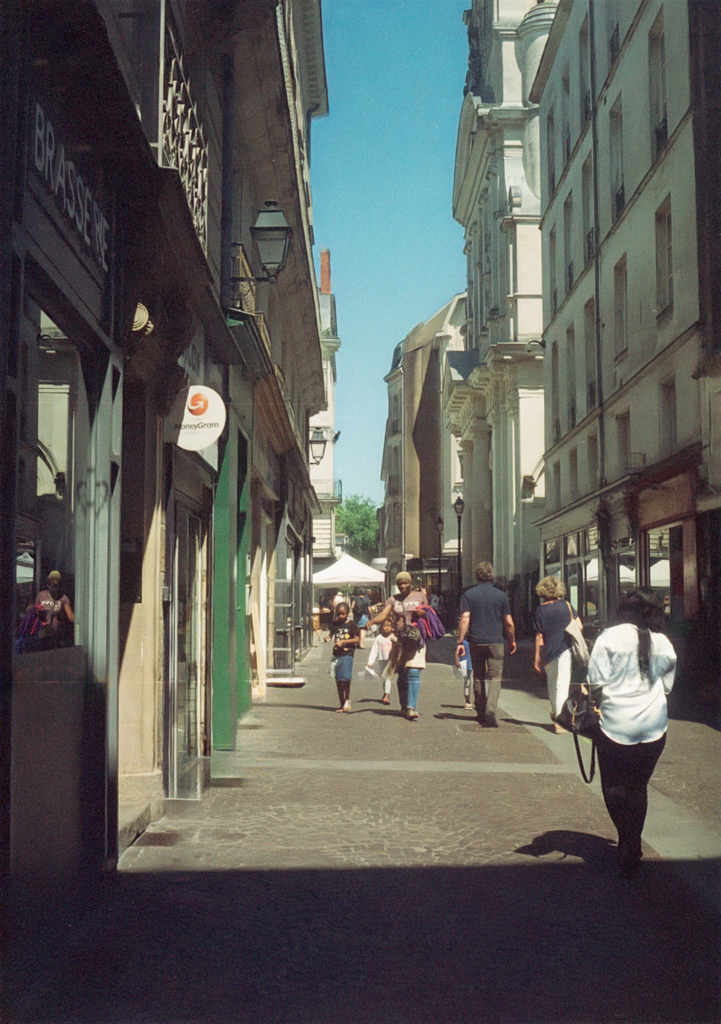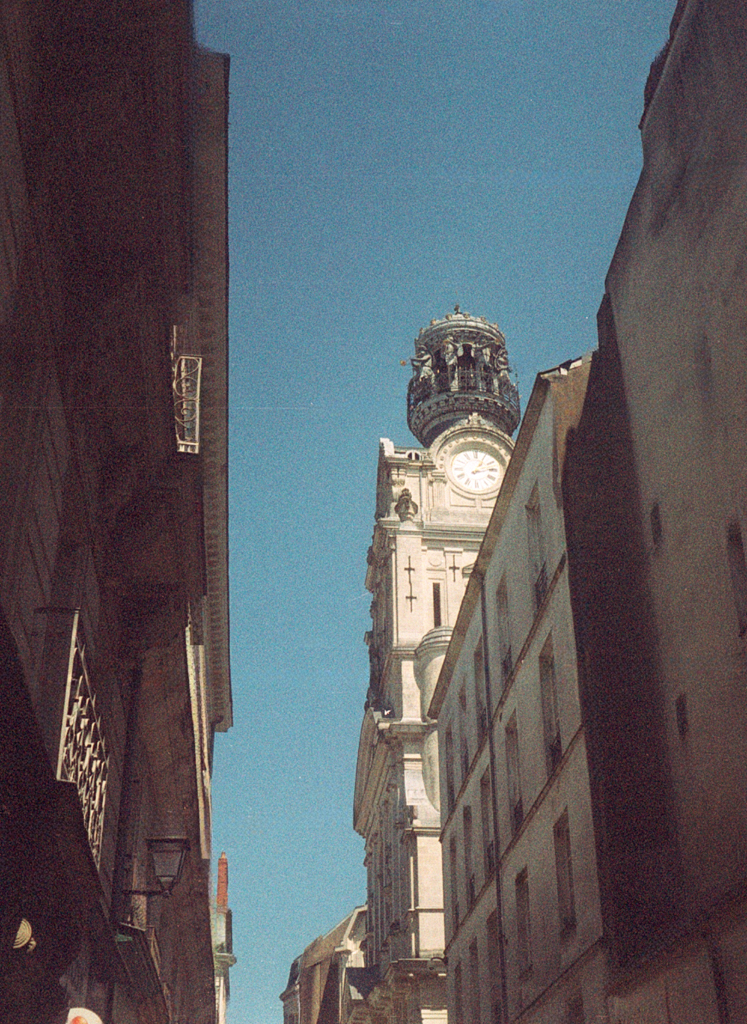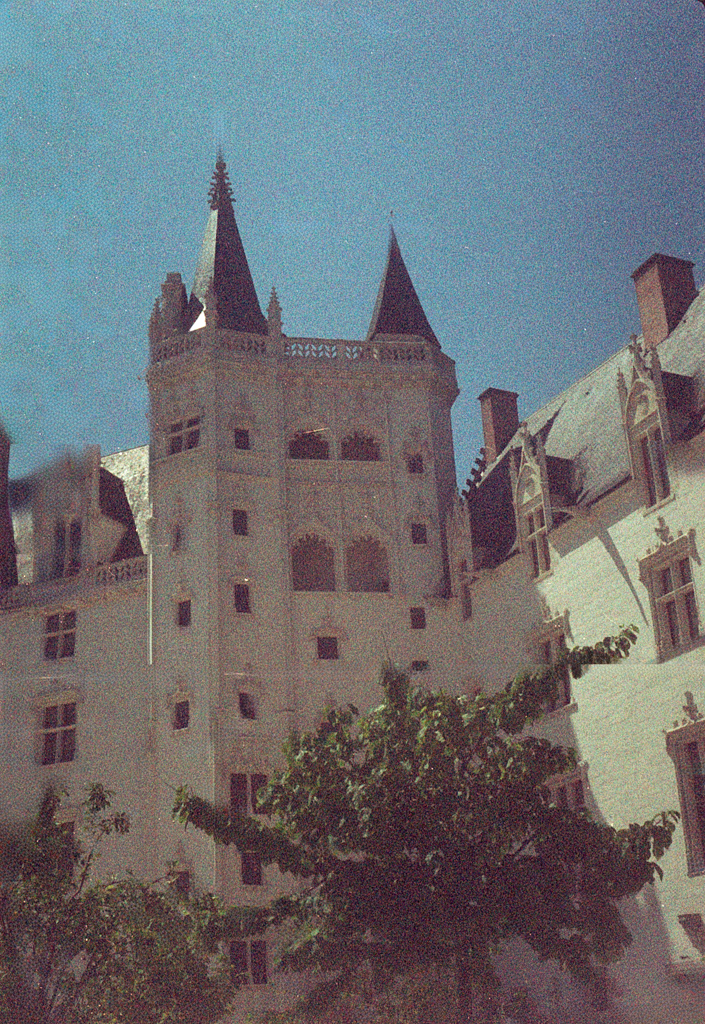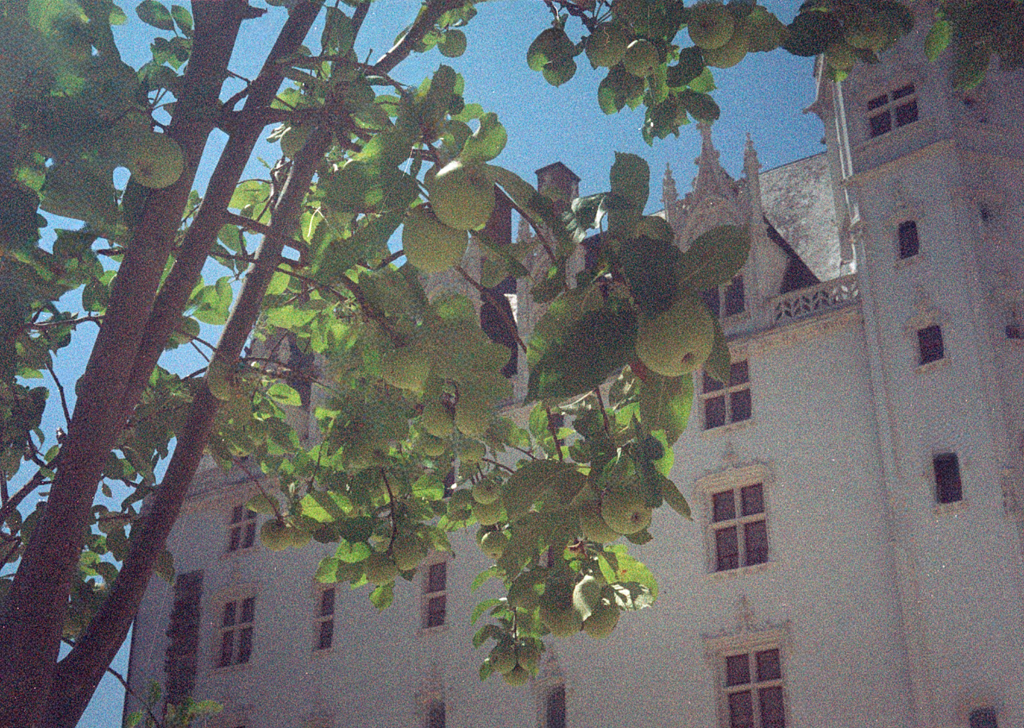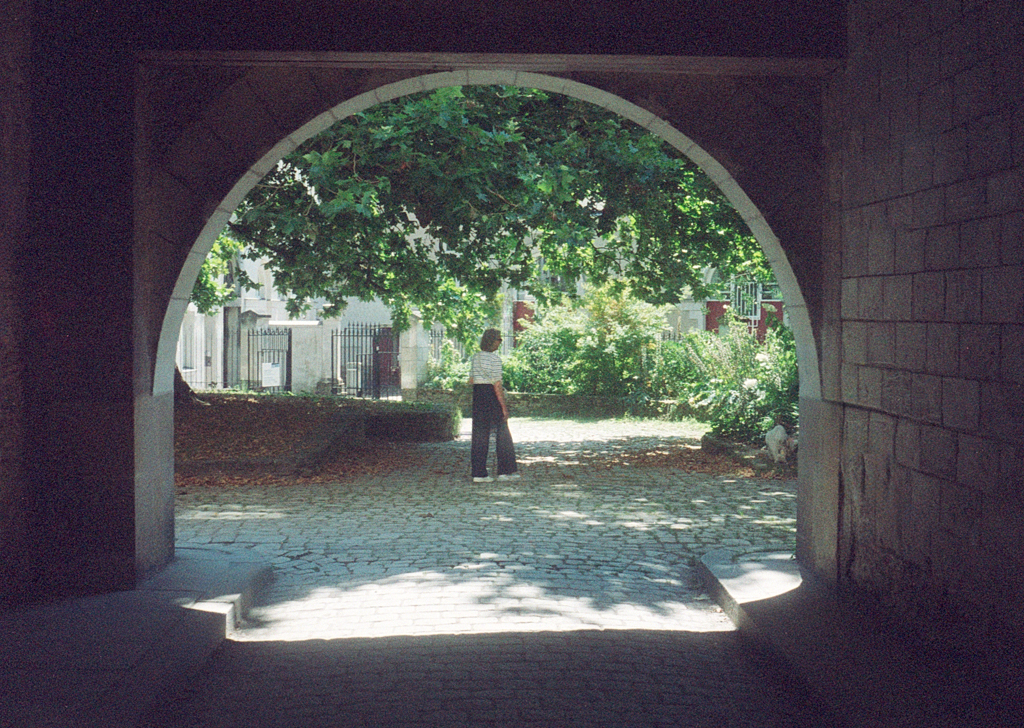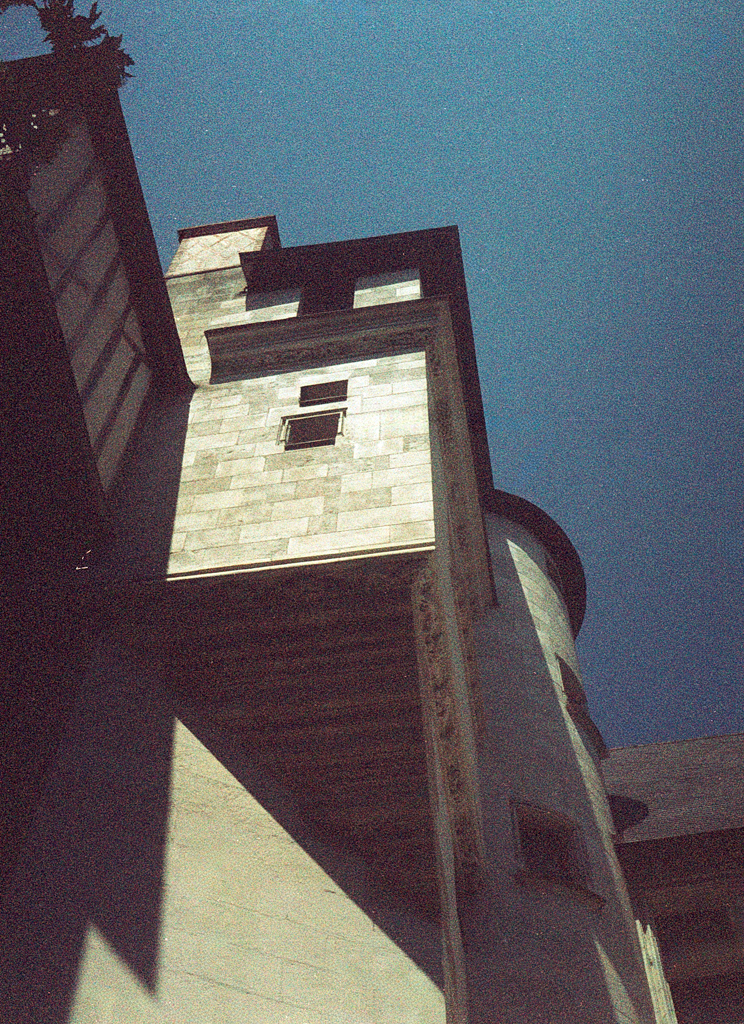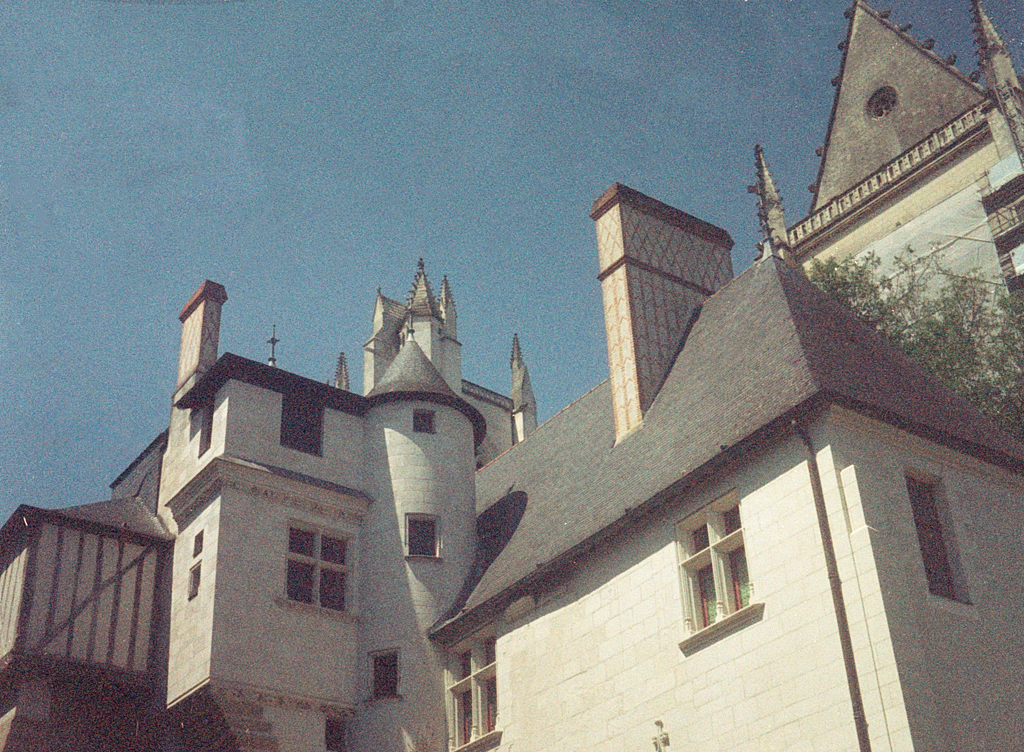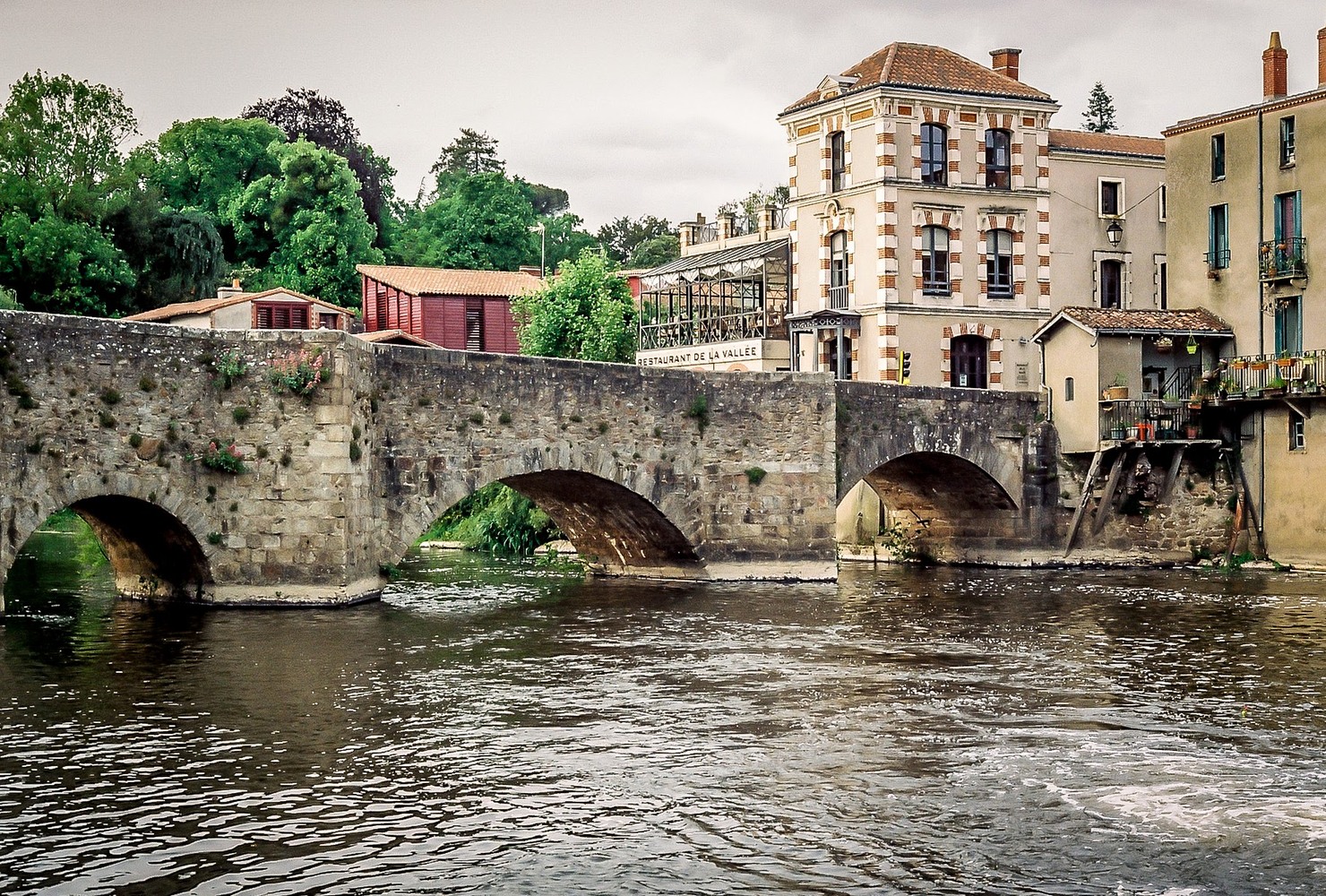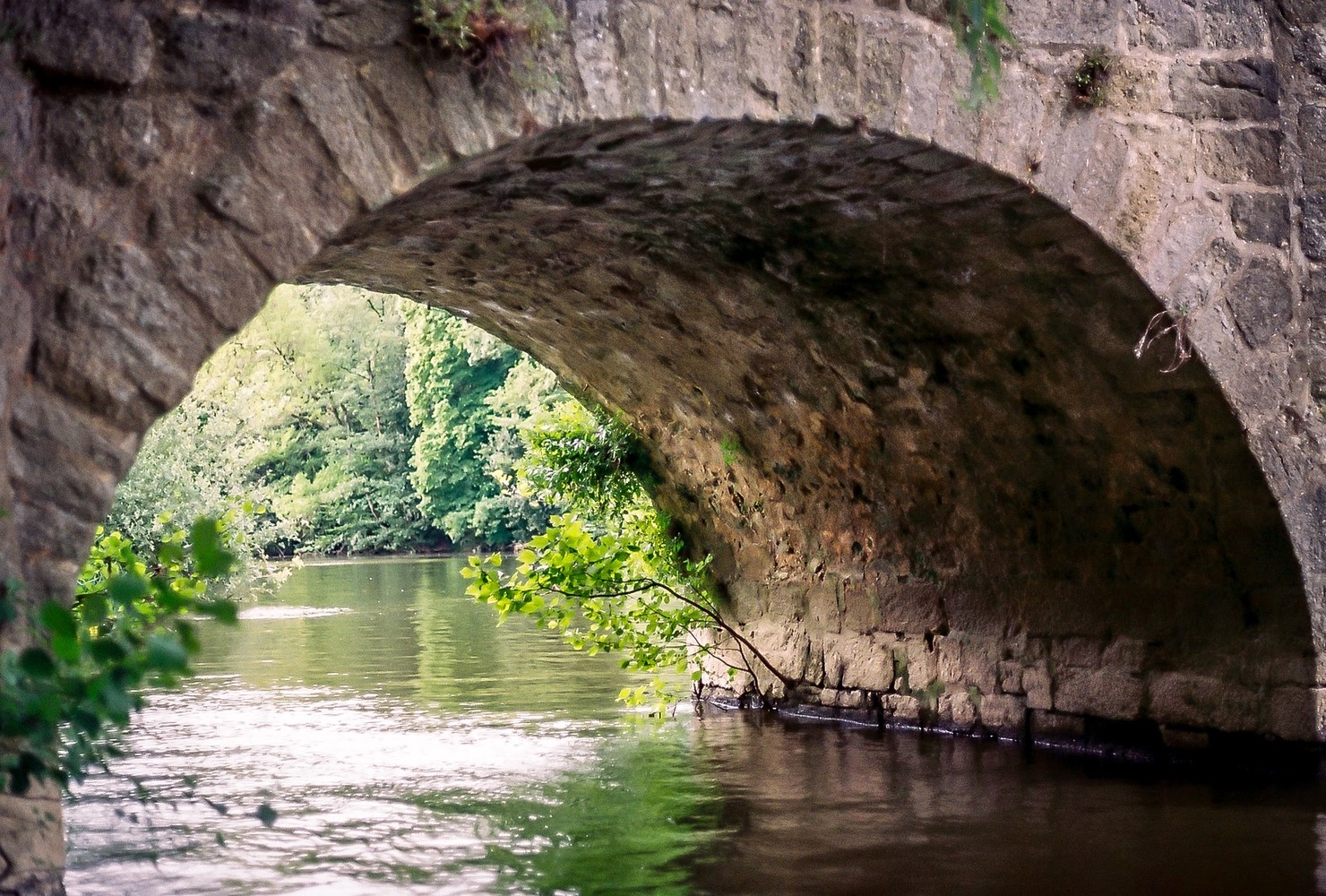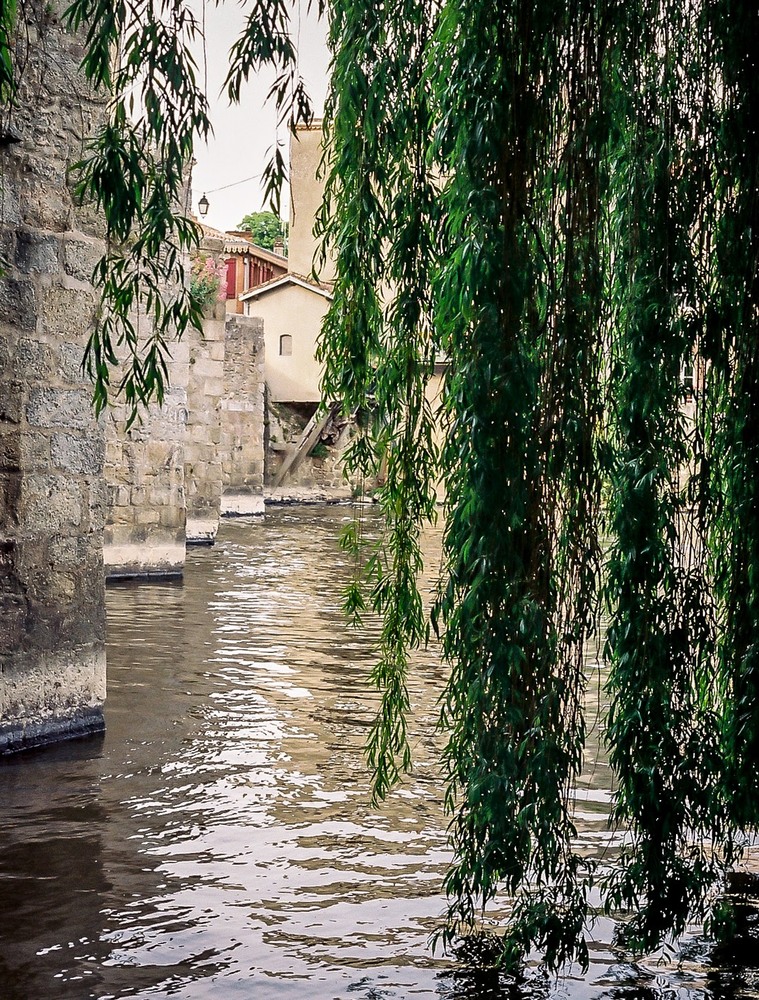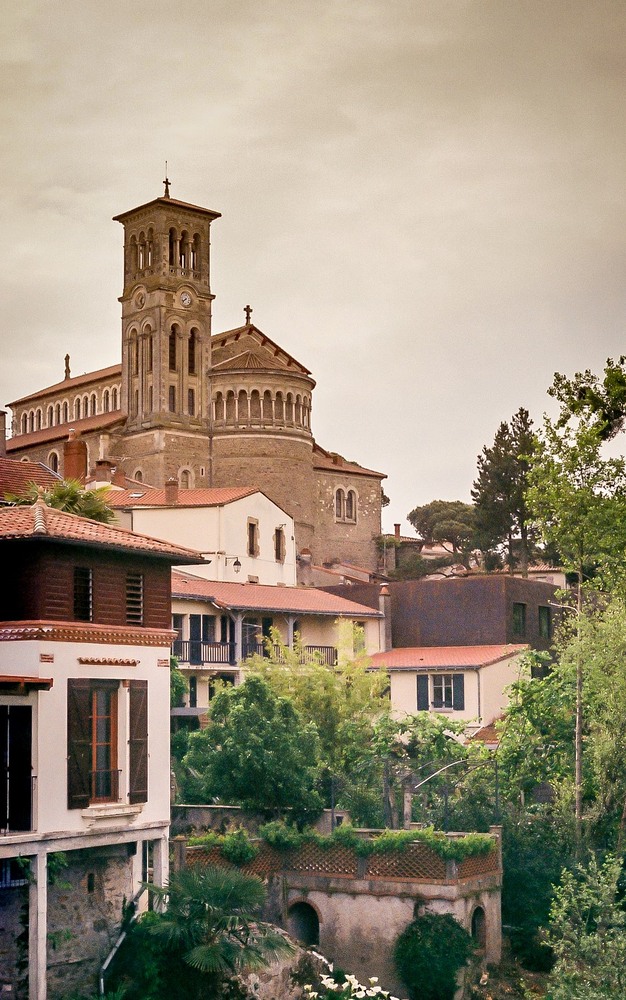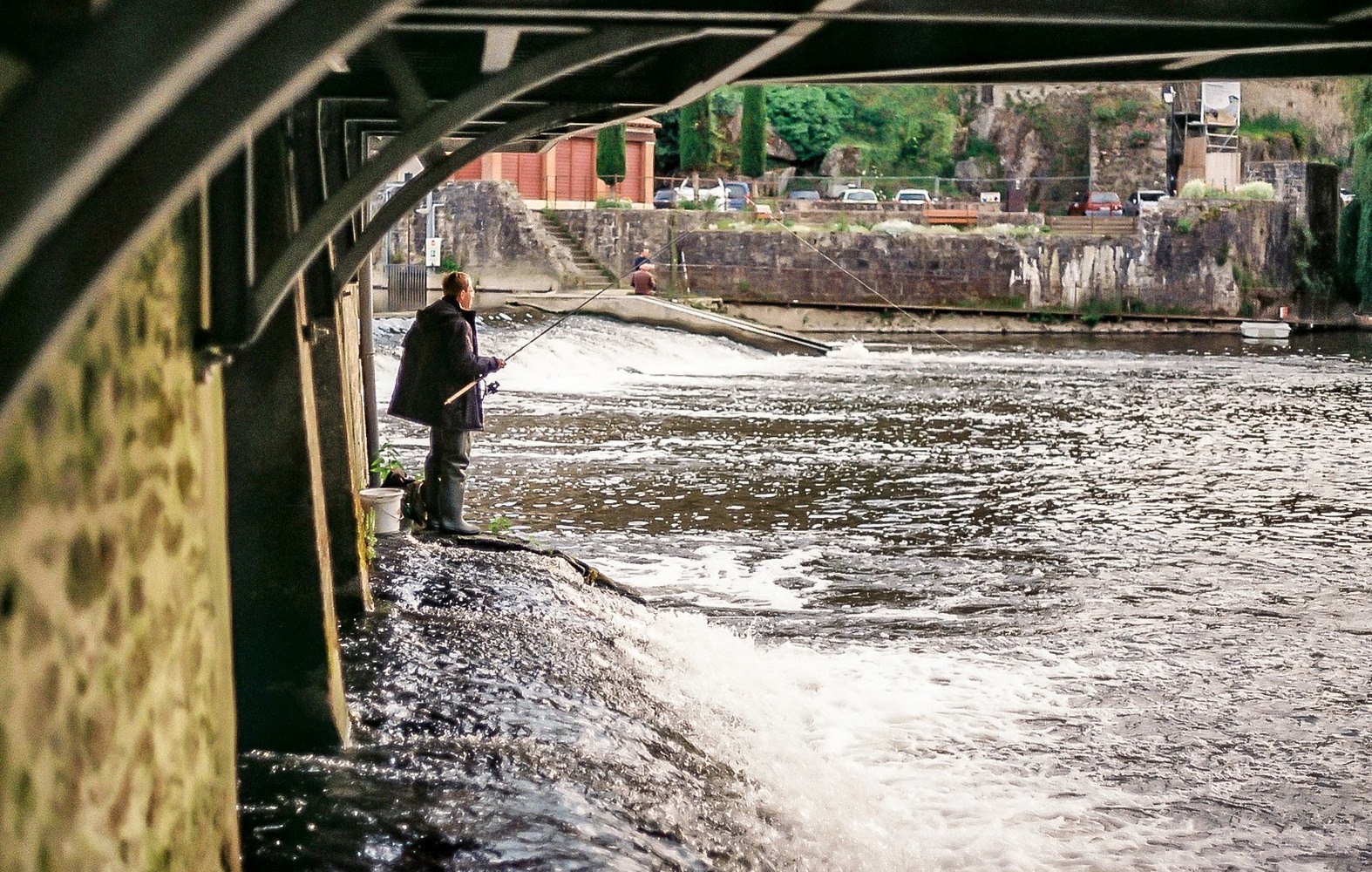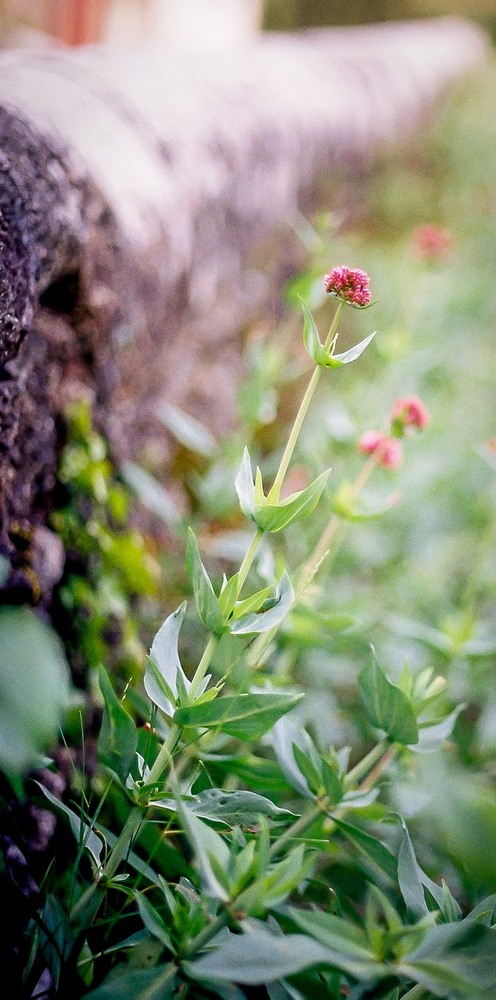
Welcome back to the film archives. Today I’m going to share some photos of the first reel from my “new” Canon AE1. Well, not new, but certainly new to me. The Canon AE1s were produced between 1976 and 1984. It is one of those iconic cameras and at the time I must have paid about 50€. When I say iconic, I really mean iconic. It is a shutter speed priority camera using Canon’s FD lenses. I used it an awful lot that summer. I liked it so much that I even bought a second one that I ended up giving to a photographer friend.
Colour
To some people of my generation they represent their first cameras, and were so popular. Talking of popular, the photographs from this part of the archive are from the very popular and photogenic town, Clisson. Also you will have noticed that the photos are in colour. Which only goes to show that not all film photography is black and white photography.
Clisson, as you can see in the photos, is one of those beautiful French villages that oozes Gallic charm. It also exudes a certain Italian charm, and is known for its Italian style architecture.
Canon AE1
I have both a Canon AE1 and AEI Program. The AE1 is the big brother of the AE1 Program, and doesn’t have a program mode, but as you can see from the photos it still works a treat.
Feature
Canon AE-1
Canon AE-1 Program
Differences
Release Year
1976
1981
AE-1 Program released 5 years after AE-1
Exposure Modes
Shutter Priority AE
Shutter Priority AE, Program AE
Program AE added to AE-1 Program
Metering
Center-weighted Average
No difference
Shutter Speeds
2s – 1/1000s
2s – 1/1000s
No difference
Viewfinder Display
LEDs
LEDs
No difference
Film Speed Setting
Manual
Manual
No difference
Self-timer
Yes
Yes
No difference
Depth of Field Preview
Yes
Yes
No difference
Motor Drive Compatibility
Yes
Yes
No difference
Other Notes
First Canon SLR with microprocessor; revolutionary for its time
Simplified controls for easier use; appealed to wider audience
AE-1 Program aimed at beginners and enthusiasts
As you can see there’s not a huge differece between the two. The major difference being the Program option, and the other allowing for easier changing of the ASA film sensitivity setting.
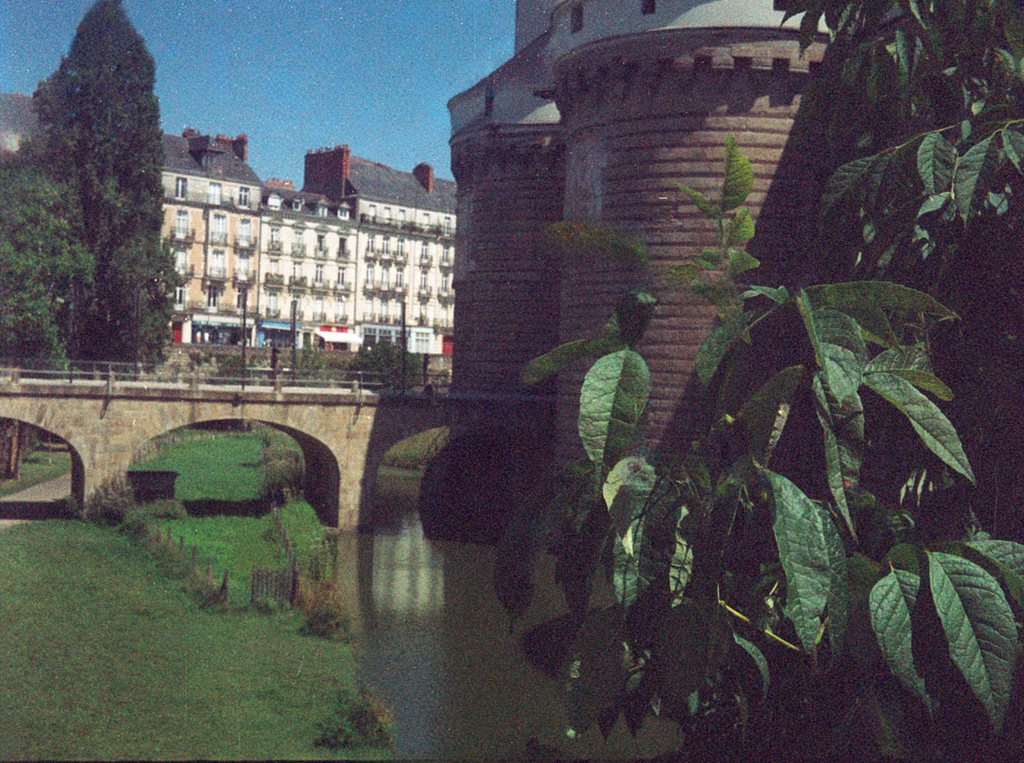
On the day in question I must have parked just next to the river and concentrated on this picturesque area. You can see the castle, the bridge, and the river, all making for a peaceful spring moment.
I think the film was Fuji Superia, and I just wanted to use colour. Thetones are slightly muted and warm, and the flowers, trees and plants were just screaming out to be photographed. I remember the excitement of loading the film into this “new” camera, and the novelty of simply using an iconic camera.
Here is what fuji tells us about the film:
FUJICOLOR SUPERIA X-TRA400
An all-round general purpose, high-performance, high speed color negative film delivering truly fine-grain. Superb for snapshots or action, in low light with flash, outdoors or indoors. Ideal for general use with compact zoom lens cameras.
Excellent skin tones For beautiful, clear people-shots.
Fine grain Great results even when enlarged.
High-speed Superb results, whatever the shooting conditions.
Sensitivity and Film Sizes ISO : 400 Film Sizes : 135 : 36 exp.
When using digital, it’s so difficult to get that particular film look, and using film and an older camera just changes your whole outlook. The fact of not having your image straight away leaves you with that anticipation that we all used to feel when we sent off our films to the lab.
Give film a try. There are still cheap film cameras out there, and your photography experience will be totally different. I certainly appreciate it.
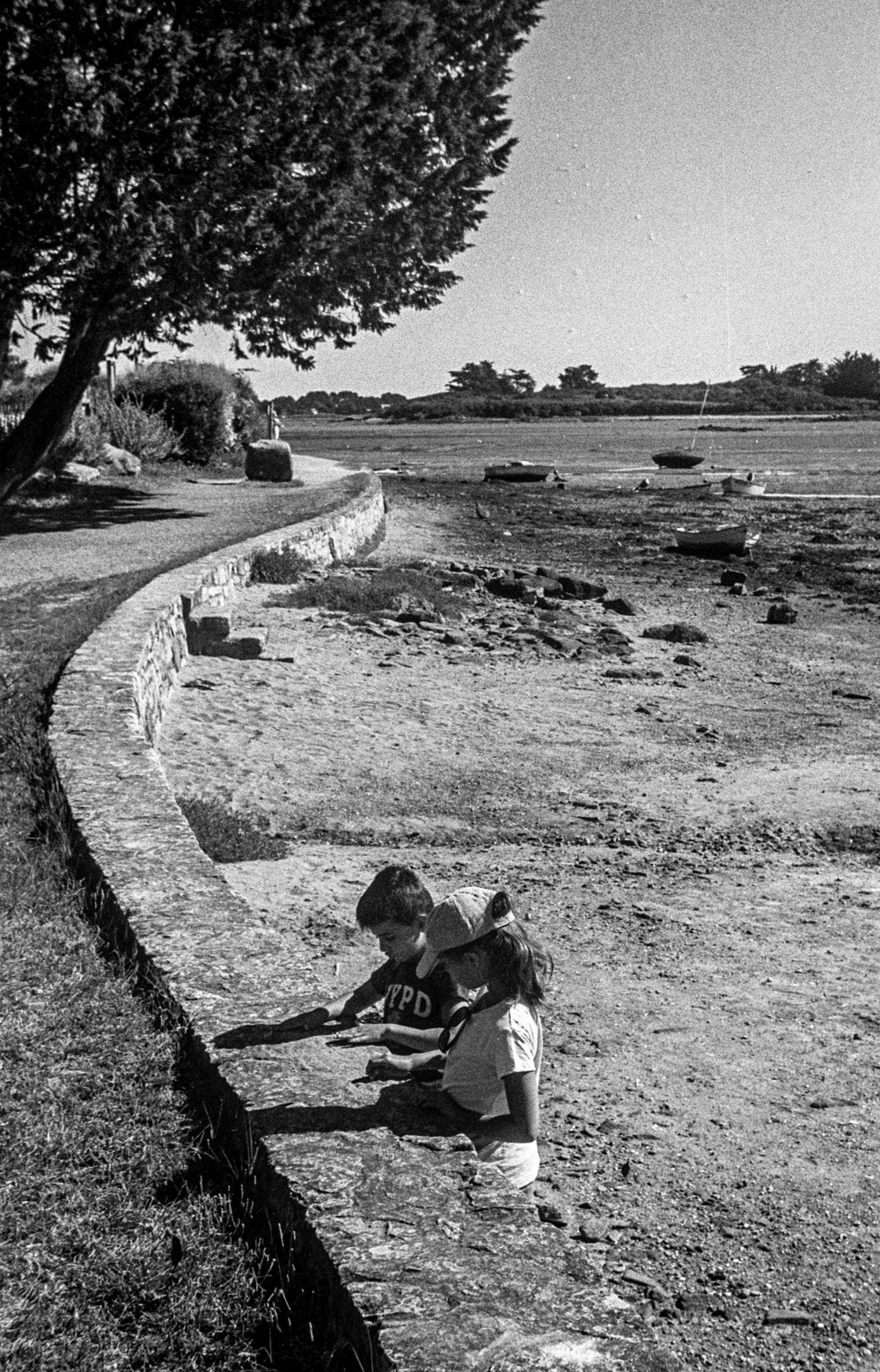
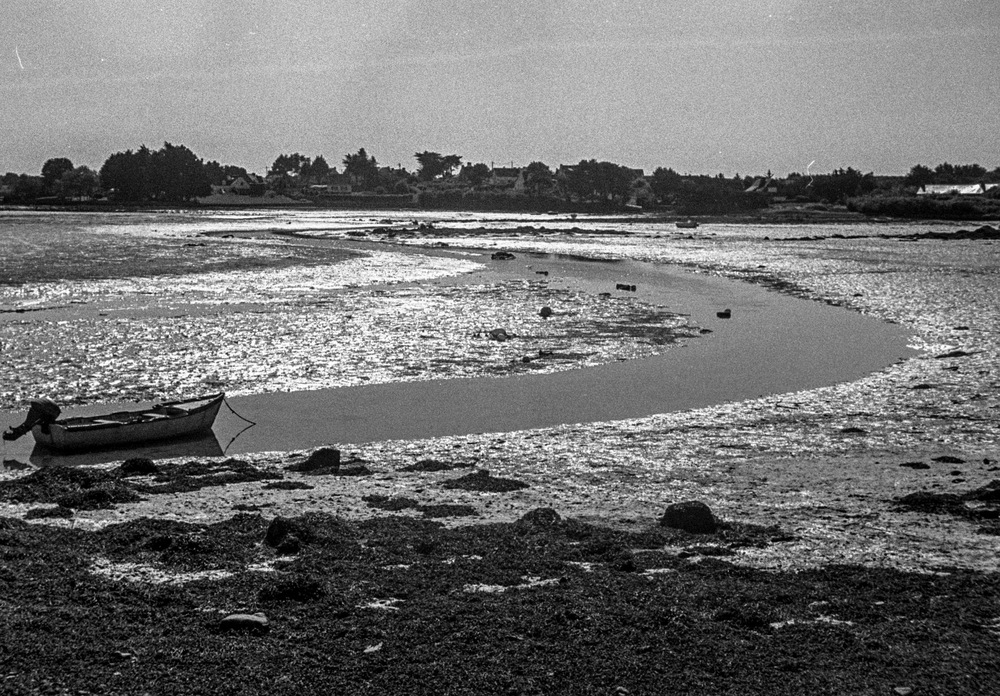
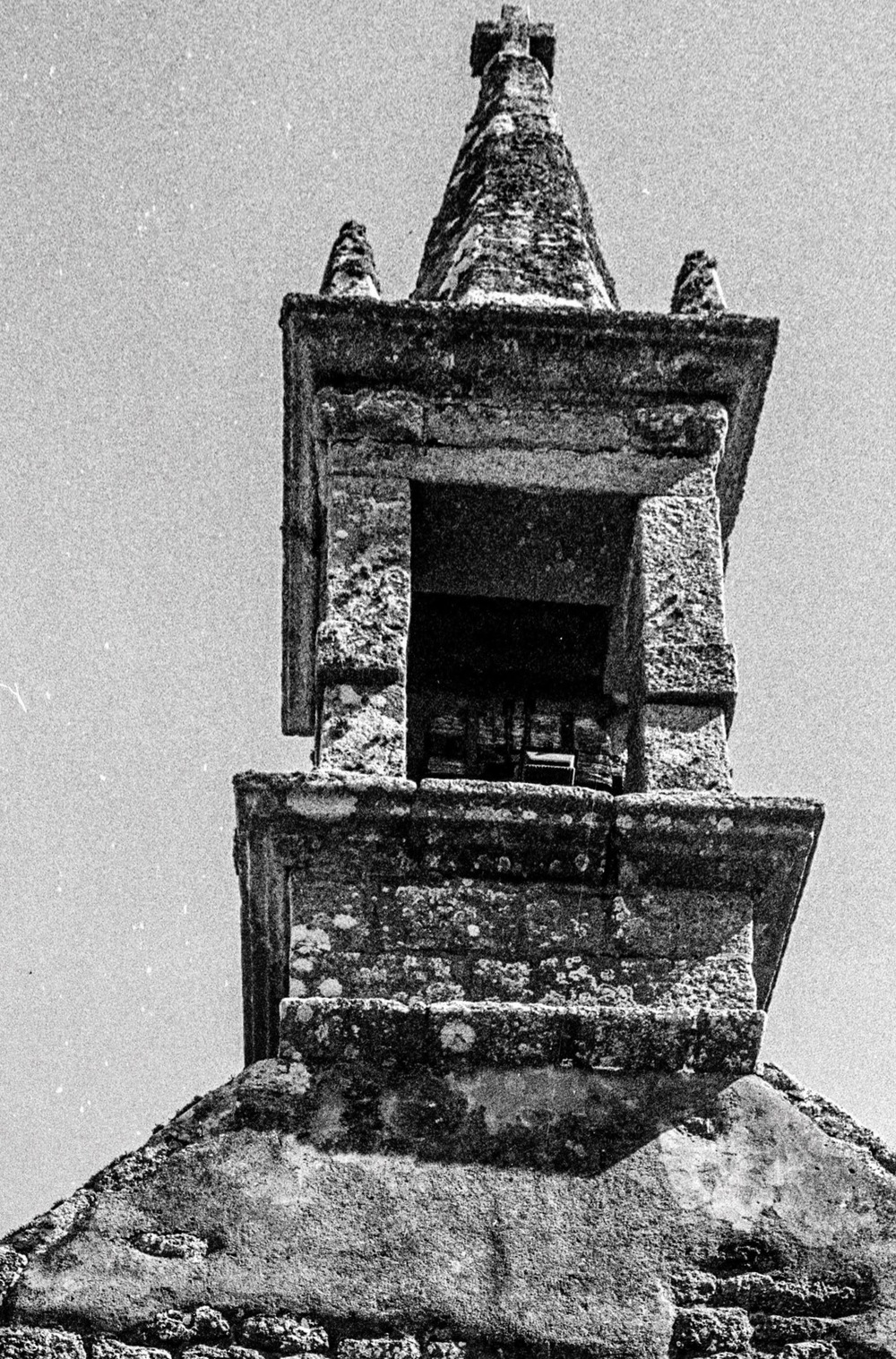
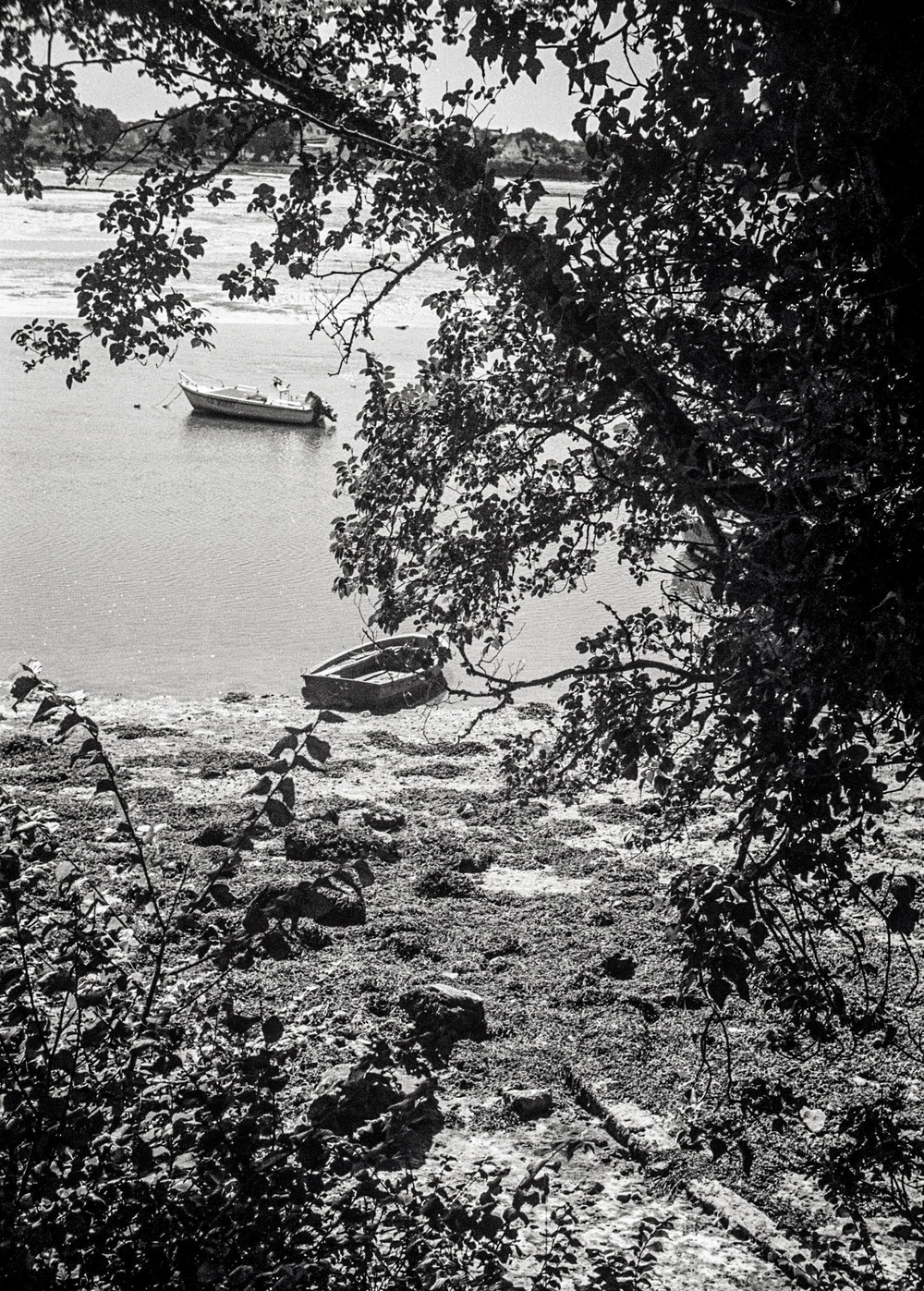
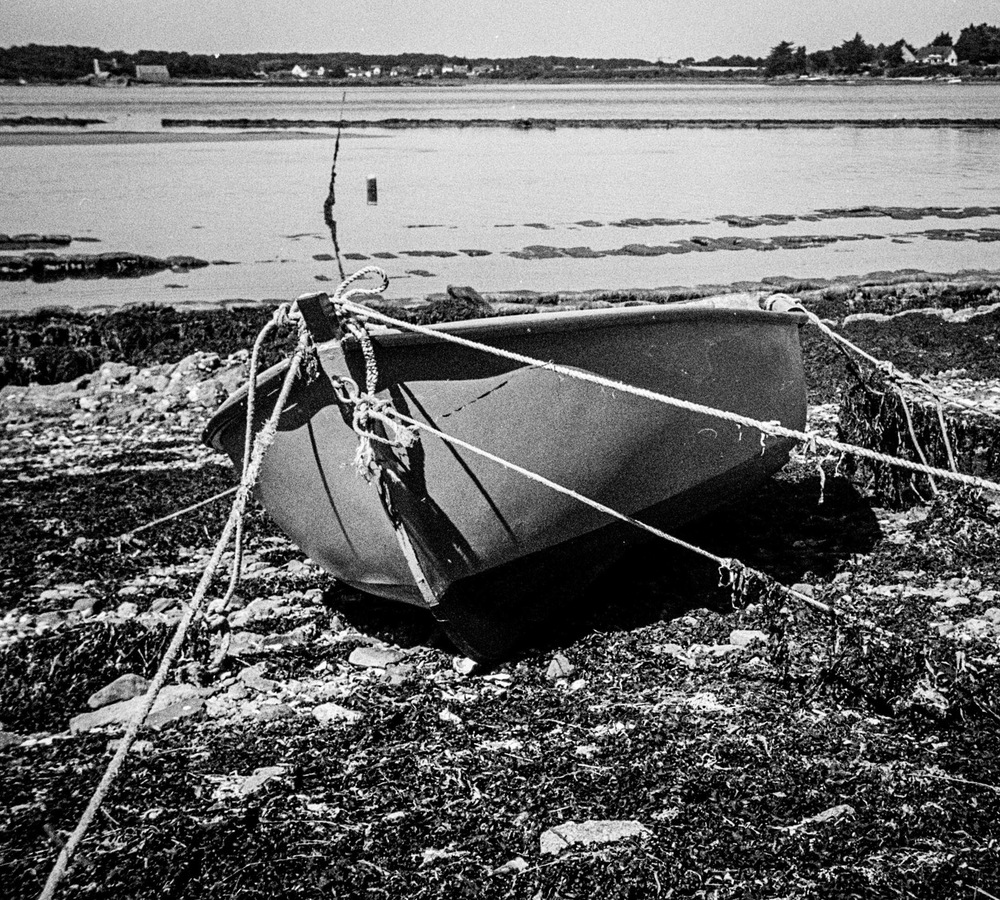
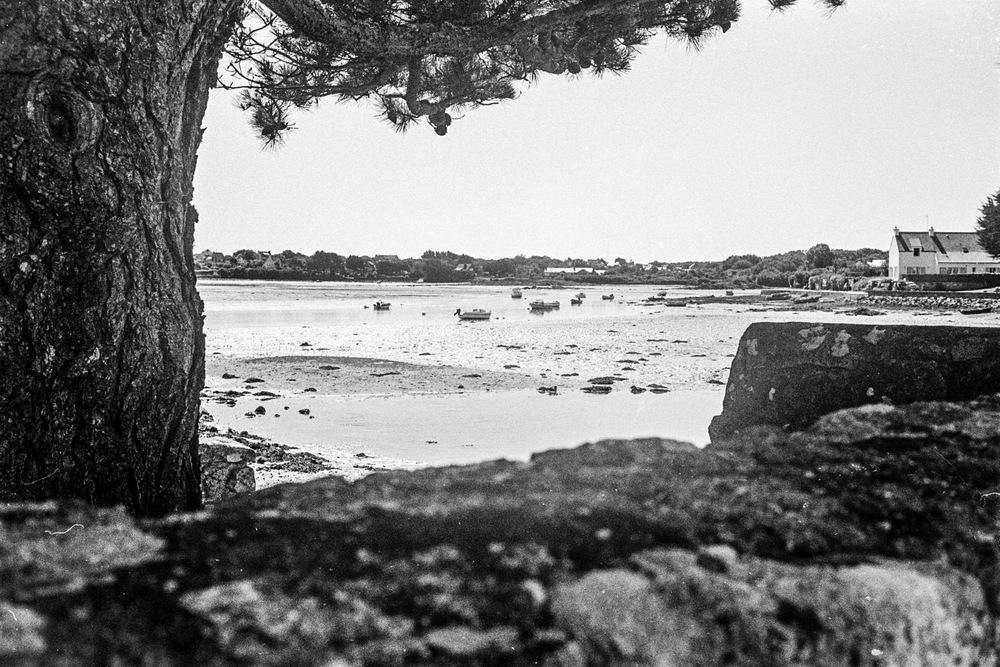
Welcome back to the film archives, and welcome back to Brittany, that gorgeous corner of France where my in-laws live. I think I might have let it be known that my French family love camping. Yes, they’re so in tents… I’ll just let that joke sink in for a couple of seconds. In 2016 I had begun “collecting” cameras. The photos from this Breton outing in Saint Cado were taken with the Kodak Retinette 1B, a little gem of a camera from the 1960s, and HP5 Plus film.
We’ll start with Saint Cado. It’s one of those picture-perfect postcard places. It’s not easy to take a bad photo of the place. It’s photogenic. It’s quaint. It has all the clichés of a small Brittany island in the Ria d’Etel, which is an inland sea connected to the Atlantic at the Barre d’Etel… I’m thinking lobster pots, oyster beds, black and white houses with slate roofs, a local Saint, a chapel to this local saint, who was actually from Wales of all places, and a miraculous fountain that fills up with every incoming tide. Yes, it’s one of those places… Did I mention that the bridge that links the island to the mainland is a Devil’s bridge? It is said that the devil demanded the soul of the first creature to cross it. The story relates that Saint-Cado, who was a shrewd fellow, put a cat on it! It is just gorgeous!
Let’s talk about the Kodak Retinette 1B. As I said in the introduction, it is a camera from the 1960s that uses zone focusing, and the 1B as opposed to the 1A has a selenium light meter that works a treat. Zone focusing is where you focus by zones. Mind-blowing, right? If I look at my lens, I will see a distance measurement that I will use as a guesstimate. I will move my aperture dial and let’s say I’m at F8, well everything from one F8 to the other F8 will be in focus. A lot of cameras from this period used this system, and it works. If you want to open right up to F2.8, then there are little rangefinders that you can put on the hot shoe mount and there you will be able to get an exact reading for the distance from your subject. Up to you…
Why use a camera that is over 60 years old? First of all, why not? It works. It’s simple to use. It doesn’t need a battery. You load your film and Bob’s your Uncle! Off you go to shoot your 36 exposures. It also looks pretty damned sexy hanging around your neck too… It actually looks so sexy that my son nicked mine, and I had to go and get another one. At the time of purchase I must have paid no more than £15, and even now it will cost you less than £50.
So there you have it – a charming little island, a vintage camera, and a roll of trusty HP5 Plus. This trip to Saint Cado was a reminder that sometimes, the best photos come from the simplest tools and the most unexpected places. And who knows, maybe those old film cameras aren’t just gathering dust in the attic – they might just be waiting to capture your next adventure. (But if you happen to see my son with a Kodak Retinette slung around his neck, please tell him to bring it back!)
I have been writing for this blog for a while now and everytime I get a comment it feels wonderful. Especially when I get a thought provoking comment. LIke this one from my friend Joe:
Excellent post Ian I admire your willingness to stay neutral on the merits of which focal length lens is better for street photography. I personally find the 23mm 2.0 Fuji lens fairly close to what my eyes are seeing before I take the image. Of course we are talking about lenses designed for the APS-C sized Fuji sensor so 35mm would be the equivalent field of view for my 23mm lens (23mm x 1.5 = 34.5mm). Undoubtedly some people will say the nifty fifty is a closer field of view to what the human eye sees but in my opinion I will leave that up to other people that may care to argue that point…. Sorry for my long winded response but I enjoy your articles so much I cannot resist replying even though once I get started you can’t shut me up
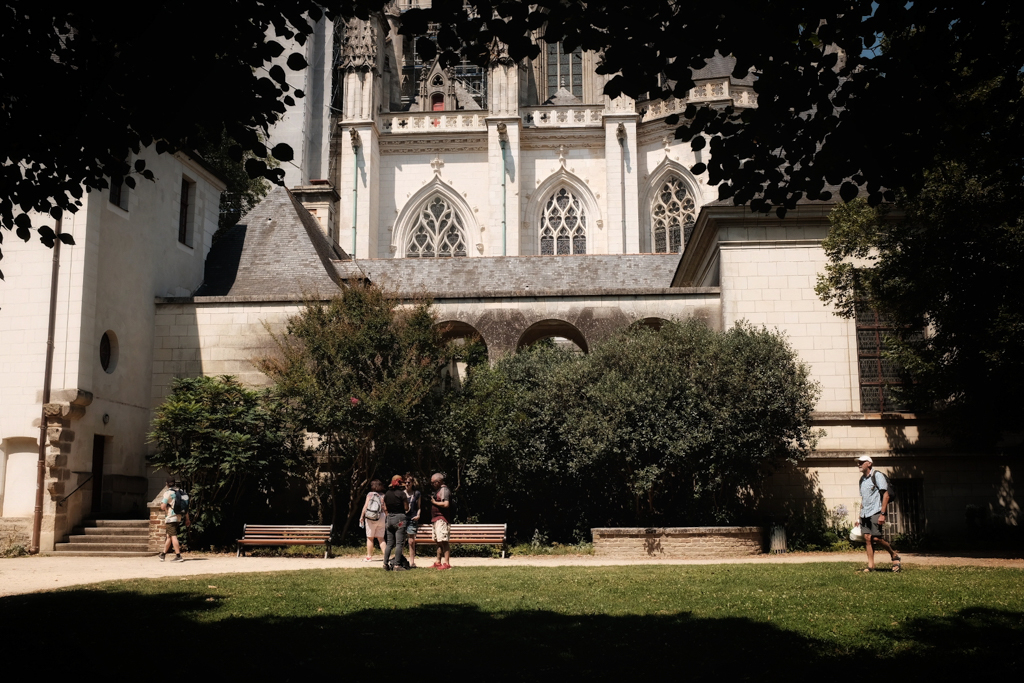
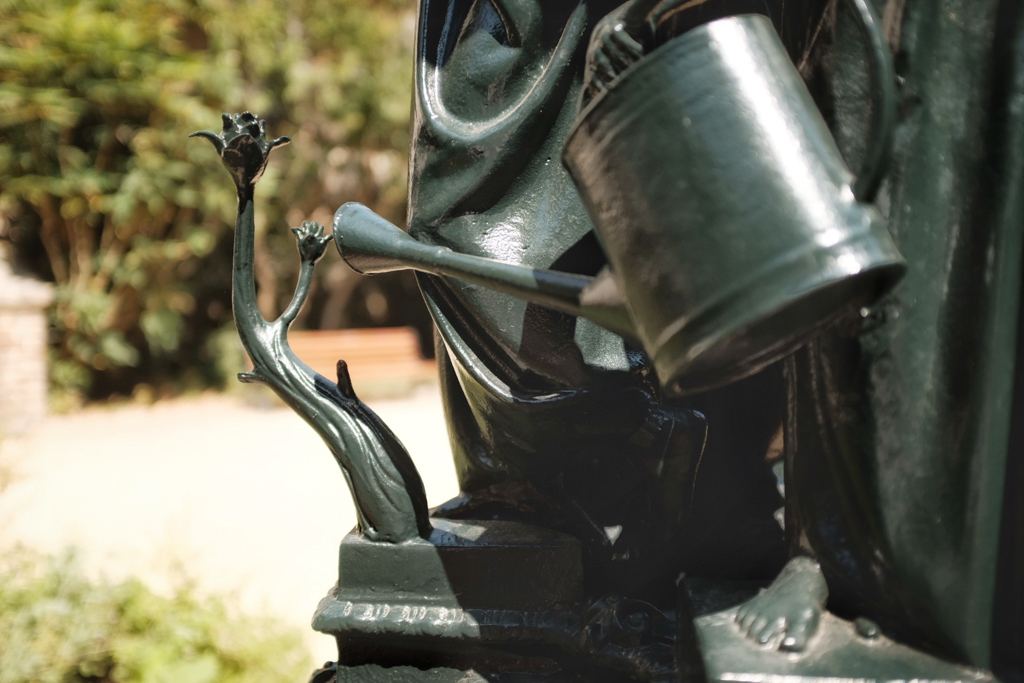
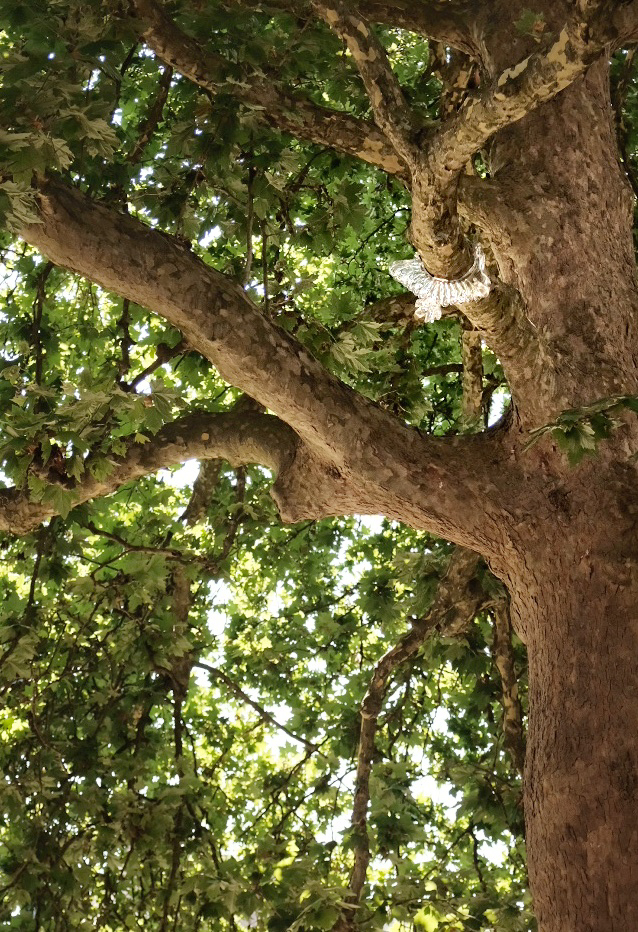
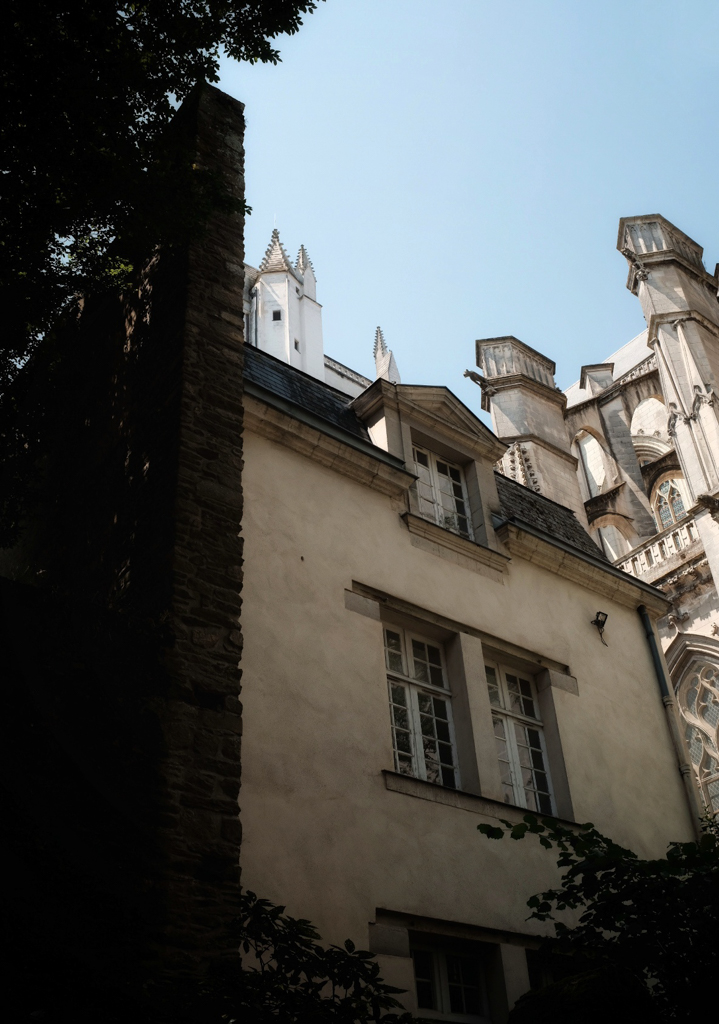
I am grateful for Joe’s thoughtful comment and I am still going to stay neutral, and just explain why I use the 35mm (equivalent) on my X100F, for street photography, and environmental portraits, despite having the teleconverter to convert that lens into a 50mm (equivalent) lens. As a special bonus I will present my latest street photography from Nantes, which just goes to show the sun can shine on us…
The Appeal of the 35mm Lens
The 35mm offers a world view which is very similar to that of the human eye albeit with a very slight distortion that disappears at 50mm. So, when on the street, we know that our image will have much the same view as what “we” see. When I get really close for a close up of a subject, the possible distortion remains manageable and doesn’t distract from the subject.
My Journey with the Fujifilm X100F
I have fanboyed and waxed lyrical about this camera in previous articles and will not do that here. However, I have had mine since 2018 and still use it on a very regular basis, which tells you an awful lot. I use it during travel and when doing street photography because it is light, takes up next to no space, and is subtle, unlike the huge DSLRs and their massive lenses. Moreover, I have enough self-confidence to not need to compensate for anything. It’s also a very sexy little camera, and over the years that we have been together, I have learned how to use it to its full capacity. I can use it intuitively without having to think, which is always a relief. According to camera manufacturers, six years is a long time to be with just one camera, but the costs of replacing it with the latest version are prohibitive, and not enough of them are being produced. The old argument about one in the hand still holds true.
The Versatility of the 35mm Lens on the X100F
The versatility of the lens, as with any lens, depends on the person “behind” the camera. I use it for documenting a scene. It’s just wide enough to get a good view, but not to distort or have too “busy” a scene, as can happen with the 28mm. It’s great for portraits. Dear Reader, I know I have previously talked about the distortion when close up, but what it is great for is a portrait of a person in his environment. It gives us more context about the person and tells more about him, as we can see his surroundings. Because of the silent shutter, I can also get nearer to my subject without making a flapping mirror sound when I press the shutter button. At F2.0, I can either get massive depth of field or shoot in relatively low light. My basic setup is ISO 3200 and F2.0. But on a day like today, I will put it into ISO 400, and if things get really bright, then I can use the inbuilt ND filter.
Comparisons with Other Focal Lengths
I have already touched upon the differences between the 28mm, the 35mm, and the 50mm focal lengths, but let’s get real for a second. The 28mm is great, but too much distortion and makes the image very busy because of the wider field of view. This is fine when used with intent, but you have to be so much more careful with your composition. The 50mm is the lens that I grew up, but after having used the slightly wider 35mm, I find myself backing up to get the same field of view, which leads to banging into things and apologising profusely to the bin that I have just reversed into. It has happened!
Practical Tips for Street Photography with the 35mm
Just use it, go back and use it again, and if you have any doubts then just go out and use it once more to be sure. Don’t overthink it. Don’t worry about the distortion I have mentioned. It only really happens when you get right up to your subject. If you have only used the nifty fifty then you shouldn’t notice a huge difference, but physically you will. You’ll be moving closer to things, but it’s just “one step up.” It will seamlessly “grow” on you.
Be the man in grey, or whatever colour you fancy, but know the environment in which you’ll be shooting. You might want to avoid fuchsia if you’re going to be in the woods shooting, or in that beautifully tailored three piece suit if you’re going to be in the stands at a football match. Think sore thumb and being out standing in a field.
Conclusion
If you so wish, you now have the arguments for and against the 35mm lens. I don’t think that arguing about ti will get you anywhere though… The lens, as the camera, is a tool at your disposal to create an image. Just getting a new lens won’t change your life despite what the guy in the shop might tell you. You “can” use a 50mm for street photography, and some even use the 85mm to go for more details, and more candid shots. Use what you have already. I have just talked about my experience since using the 35mm (equivalent) on the X100F. The information is purely subjective. If you want an X100, then by all means go out and buy one. Maybe go for an older model like the X100F or even the X100T for the price difference. Or if you can get your hands on one, the X100VI is wonderful. At the moment however, I cannot justify buying a more expensive camera to my wife!
I’ll leave you the comments section to debate the various merits of each piece of kit. And you can use the hashtag “#ijmphotography” to share your images with me on the gram. Look forward to hearing from you. Until next time…
I have recently tried to start learning about making videos. Somebody said that if you have an eye for creating a decent image, then your eye should be OK for filmmaking. There are of course different styles of shots because we are talking about moving pictures. Shots that move, and not just static plans as we would use in photography. We have to set a scene with establishing shots. We can combine medium framed shots and close-ups to keep the narrative going and to show the wood moving through the different machines. I therefore had to understand the manufacturing process. The composition principles that I have talked about in the past are still relevant. So my mindset was, “Why not give it a try. You know about images and how to place subjects in images. Get on to YouTube and start learning about filming . This isn’t Instagram or Tiktok, so you have more time and scope to deliver your message. And if “they” can do it then there is no reason why I can’t!” Nothing left to do but get it done! Do, don’t think…
The Kit – Use what you already have
For the moment I’m using the Canon 6D Mark II with the 24-70mm F4.0 zoom lens. For the editing I’m using CapCut and am slowly getting used to it. It just goes to show that yes, yes indeed, you can teach an old dog new tricks… I can already hear you Dear Reader asking, “But why did you use that camera, and that editing software, Ian?”
The camera
I would say, firstly why not.. But I’ll set out my reasoning. I used the Canon 6D Mark II, because I have it. It has the flippy screen that allows me to see what I’m filming, and I’m only beginning, so no exterior monitors yet. I also know how to use it and like using it. Does it have 4K video, which “they” say is a must nowadays? No it doesn’t, but I’m not in the market for a new camera, so I’ll be using what I have already thank you very much. On a tripod I could do static shots, and panning shots. The idea was to have a series of shots showing the wood in motion going through the manufacturing process.
The lens
Why the 24-70mm lens? Well think back to the articles where I talk about lenses. I said that it was a workhorse and has me covered for “quite a few” situations, and it has image stabilisation. I used my tripod, but there were a couple of handheld shots. It is also a pretty fine lens in its own right. More important to invest in the good glass, than a camera body. What matters is what the client, or audience sees. They’re not doing a mental breakdown of your kit!
CapCut
And why CapCut? Again I would argue yet again, why not! Price of the software was a consideration. As was simplicity. I had tried using Adobe Express, as it is part of my subscription for Lightroom and Photoshop, but it didn’t seem to have the capacity to give me the result that I was after. It did however, introduce me to the concept of the timeline and linking up the various sequences that I had filmed. I had also seen a lot of people waxing lyrical about CapCut, and it just seemed more “accessible” to a newbie like me. There are of course more professional tools available but for the moment seem to have more than I need. I of course went back to Youtube for various tutorials to get me started.
The Brief
So here we go with the actual video. I was told to make a video that would be shown to new employees as part of their integration into the company. Showing the total process will give them a better idea of where they feature in the “bigger picture.” Something dynamic they said. Show the wood moving through the machine they said. So I tried… Then I looked back at my brief from my boss, and realised that I was way too long and had to go back to the drawing board. Ah well. The idea is to show the process of transformation from timber to a door frame that can go to the other plant for assembly.
When you’re doing personal work you have the freedom to do what you want, but work requires sticking to the plan. So stick I did! I showed my boss the first draft, and was told that maybe cut this out, change the speed of the footage, only speed things up for the machines, but leave the shots of people at normal speed. Such and such a shot adds nothing to the story so get rid of it. It felt very much like the process I have when I get back from a shoot. You have to do a first triage of everything, and only have the strict necessary to portray your message.
The creative Process
So I had my brief. I knew the kind of film I was after. Or at least I had a couple of ideas. The basic premise was to be able to follow a piece of timber from being unloaded from a truck, following the piece of timber as it is transformed into a door frame. I had in mind those films I saw as a child showing how something is made, and how we see cans of soup moving along a conveyor belt. For each sequence, I wanted a piece of wood going into a machine, going through the machine, and coming out the other end having been transformed. Starting with an establishing shot, and following more or less closely, with close-ups and medium shots to give an idea of movement…
A short extract from the full video…
Conclusion
So you have now seen the video. All this happened in a week. I went from know very little about making a video, to having a viewable result, and one that tell the story that was asked for. Am I happy with it? I’m certainly not unhappy, and it was interesting to see the thing evolve from a series of moving pictures into something that will be used in training for future employees. Would I have done things differently? Possibly. I might have used the 16-35 F4 lens too, for even wider shots. I know have a little more familiarity with my software and will be spending less time searching for the effects and tools I wish to use. It made me aware of what kit I may be lacking, like mics for sound, but here I didn’t need to record any more sound. I would have liked wheels for my tripod to have a different panel of shots. I maybe should have used my phone and the gimbal to get more variety in my shots. I could have done some time-lapse sequences. But the primordial question would be, “What does it add to my story?” and “Do I need to acquire any kit to do it?” Money talks, and if I can get what I need without spending any more then that has to be a good idea!
What did I take away
I was introduced into a new world of storytelling. I learnt about thinking in a more linear way. Not just thinking about the shot as I would in photography , but about using these shots to make a story. Maybe I already did this with my photo series, but here it became so much more relevant. This might be the main change in my outlook. I already knew about acquiring shots for stills, and doing the same for video seemed to be a natural progression.
What next?
Am I going to get further into this film making lark? By definition yes, because work wants more videos for training people on various machines, and the HR dept have noticed my work, and are getting ideas… Do I want to make videos for me? Yes. It is certainly something I want to look further into. And the more I watch on YouTube the more I am learning, and the more I believe that I can actually do this. Am I going to become a YouTuber? I honestly have no idea, but as in photography, I have to start doing something. People will usually give feedback, and comment sections on YouTube seem to be lees harsh than on Instagram or Twitter. I remember my father making home movies with a cine camera and I can now do the same thing, and edit my footage too. Learning something is never wasted, and it does the brain good to learn new things. Who knows where this can take me? I don’t, but isn’t it interesting to find out?
Medium format photography with the Mamiya C220 is a journey into a world that’s quite different from using “ordinary” film cameras. It’s an experience that opens up new possibilities and allows you to capture images with remarkable details and depth.
The Mamiya C220 is a beast of a camera. It’s big, heavy, and built like a tank. But it’s also a joy to use. The viewfinder is bright and clear, and the lenses are sharp. The camera is easy to use, even for beginners.
A Closer Look at the Lenses
One of the best things about the Mamiya C220 is the lenses. There are a variety of lenses available, including the 50mm f/2.8, 80mm f/2.8, 100mm f/2.8, and 135mm f/4. All of these lenses are sharp and produce beautiful images. The 80mm f/2.8 is my favorite lens for the C220, and it’s a great all-around lens for portraiture, landscape, and street photography.
Metering and Focusing
The Mamiya C220 doesn’t have a built-in light meter, so you’ll need to use an external meter if you want to meter your exposures. This can be a bit of a pain, but it’s not a deal-breaker. You can use a handheld light meter, or you can use a smartphone app.
The Mamiya C220 is a manual focus camera, so you’ll need to learn how to focus manually. This can be a bit tricky at first, but it’s not too difficult to learn. The viewfinder provides a unique 3D-like experience that helps you focus with precision.
In My Experience
Now, let me share some of my personal experiences with the Mamiya C220. I found that despite its bulk, the camera feels great in the hand. The viewfinder remains bright and clear, even in low light conditions. The lenses consistently deliver sharp and beautiful images. Plus, it’s easy to use, even if you’re new to film photography.
Sample Photos and Comparisons
To help you visualize the camera’s potential, I recommend checking out some sample photos taken with the Mamiya C220. They showcase the camera’s unique aesthetic and image quality. In comparison to other TLR cameras, the Mamiya C220 stands out in terms of its lens options and build quality. You will notice that this particular model takes square format pictures so bear that in mind when thing about acquiring one.
Enhancements and Care
If you’re looking to enhance your Mamiya C220 experience, consider exploring compatible accessories like different viewfinders, focusing screens, or other accessories to improve your shooting comfort.
While there are no alternative film backs for the Mamiya C220, it’s important to note that the camera is versatile when it comes to film formats. You can use both 120 and 220 format films by simply indicating your choice when loading the film. This flexibility allows you to adapt to different shooting situations with ease.
A Unique Statement Piece
The Mamiya C220 can be best described as a statement piece. When you’re out taking photographs with this camera, you’ll undoubtedly attract curious passersby who can’t resist approaching you to ask about it. They’ll often share nostalgic stories about how their grandparents had a camera just like it, igniting a sense of shared history and fascination.
The Mamiya C220 oozes vintage appeal, making it a conversation starter wherever you go. Despite its vintage charm, it’s a resolutely modern camera, dating back to the 1980s, which, in the world of classic film photography, is considered relatively recent. For many, including myself at aged 51, this era doesn’t feel old at all.
Medium Format Magic
Medium format photography, in particular, is a game-changer. The negatives produced are significantly larger than those from “ordinary” film cameras, resulting in breathtaking details and unparalleled depth in your images. This quality is what truly sets the Mamiya C220 apart and makes it a preferred choice for photographers seeking extraordinary clarity and definition in their work.
Community and Conclusion
Lastly, join the vibrant community of Mamiya C220 enthusiasts online. You can find forums, groups, and communities where you can share experiences and get valuable tips from fellow photographers. In conclusion, if you’re in search of a classic medium format TLR that consistently produces high-quality images, the Mamiya C220 is a strong contender. Just be prepared to embrace its substantial size and weight while enjoying the fantastic results it delivers.
Tech Specs and Pricing
Here are some technical specifications of the Mamiya C220:
The Canon AE-1 Program is a timeless gem that continues to captivate photographers and film enthusiasts alike. As a classic film camera first introduced in 1981, it effortlessly combines automatic and manual features, making it an excellent choice for both beginners and experienced photographers.
Automatic and Manual Controls
One of the standout features of the Canon AE-1 Program is its versatility in handling exposure. For those new to film photography, the program mode automatically sets both the shutter speed and aperture, allowing them to focus solely on composition and creativity. It takes the technical complexities out of the equation, delivering stunning results with ease.
However, for those who crave creative control, the AE-1 Program offers manual settings as well. With the freedom to adjust shutter speed and aperture manually, photographers can explore their artistic vision and experiment with different effects. The inclusion of shutter priority mode and bulb mode for long exposure photography adds even more possibilities for artistic expression.
Build and Design
The camera’s solid metal body exudes durability and reliability, ensuring that it can withstand the test of time. Its sturdiness makes it a trustworthy companion on any photographic journey. Handling the AE-1 Program instills a sense of nostalgia and craftsmanship that modern digital cameras often struggle to replicate.
The bright and clear viewfinder with a split-image prism aids accurate focusing, enhancing the overall shooting experience. Moreover, the hot shoe for attaching external flashes and the self-timer feature further contribute to the camera’s versatility.
Technical Details
35mm SLR film camera
Program mode, shutter priority mode, manual mode
Metal body for durability
Bright and clear viewfinder with split-image prism
Hot shoe for flash attachment
Self-timer for group shots and self-portraits
ISO range: 12-1600
Shutter speeds: 1/1000 to 30 seconds
Aperture range: f/1.2 to f/16 (depending on lens)
Pros
User-Friendly Interface: Ideal for beginners and those new to film photography, the AE-1 Program’s program mode takes care of exposure details, allowing photographers to focus on creativity.
Creative Freedom: With manual controls and additional shooting modes, experienced photographers can fully unleash their creativity and experiment with different photographic techniques.
Timeless Design: The camera’s robust metal body exudes a sense of craftsmanship and nostalgia, making it a pleasure to handle and use.
Bright Viewfinder: The clear and bright viewfinder with a split-image prism aids accurate focusing, ensuring sharp and well-composed shots.
Cons
Iconic Status: As one of the most sought-after film cameras, the Canon AE-1 Program may come with a higher price tag due to its iconic status.
The Verdict
The Canon AE-1 Program stands as a testament to timeless design and reliable performance. Whether you’re new to film photography or a seasoned enthusiast, this classic camera offers a perfect balance between automatic convenience and manual creativity. Its sturdy build and user-friendly interface make it a delightful companion for any photography journey.
So, if you’re yearning to experience the charm of film photography or simply want to relive the golden era of analog cameras, the Canon AE-1 Program will undoubtedly leave you inspired and amazed by the magic of capturing moments on film.
Happy shooting!
My Personal Thoughts
Without any hesitation, I wholeheartedly recommend the AE-1 Program to all photography enthusiasts out there. Whether you’re new to the charm of film photography or an experienced shutterbug seeking a trustworthy and adaptable companion, this camera will surely delight you. “Just do it” as a certain shoemaker once said.
I’ve had the pleasure of using the AE-1 Program for quite some time now, and I must say it’s been an absolute joy. Not only does it beautifully capture those precious everyday moments, but it also allows for endless creative possibilities. One feature that I particularly appreciate is its seamless transition between automatic and manual controls, empowering me to effortlessly tailor my shooting experience.
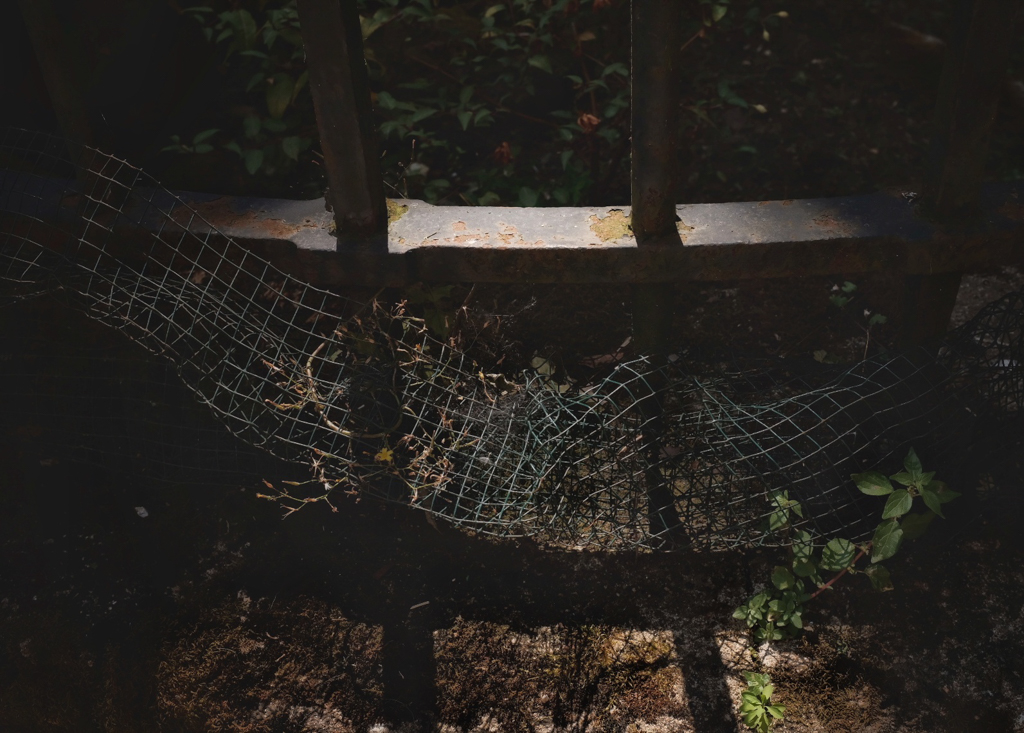
The idea here is to give you a raw image from the film scans and show you what you can get with a minimum of fuss in Lightroom with some very basic edits. What do you think?
And here we go with a small selection of pictures from the last roll I developed, which are from 2022 and taken in the streets of Nantes. There will be more to come as I head back into the magical world of film photography!