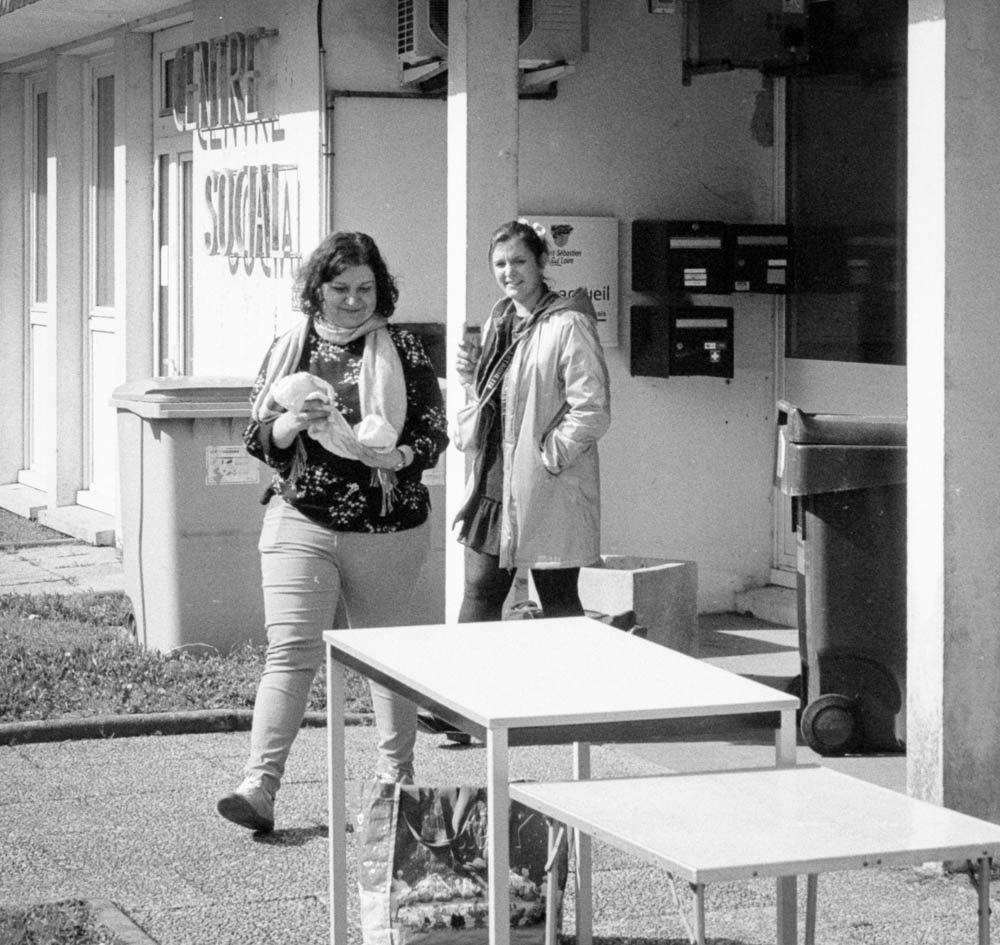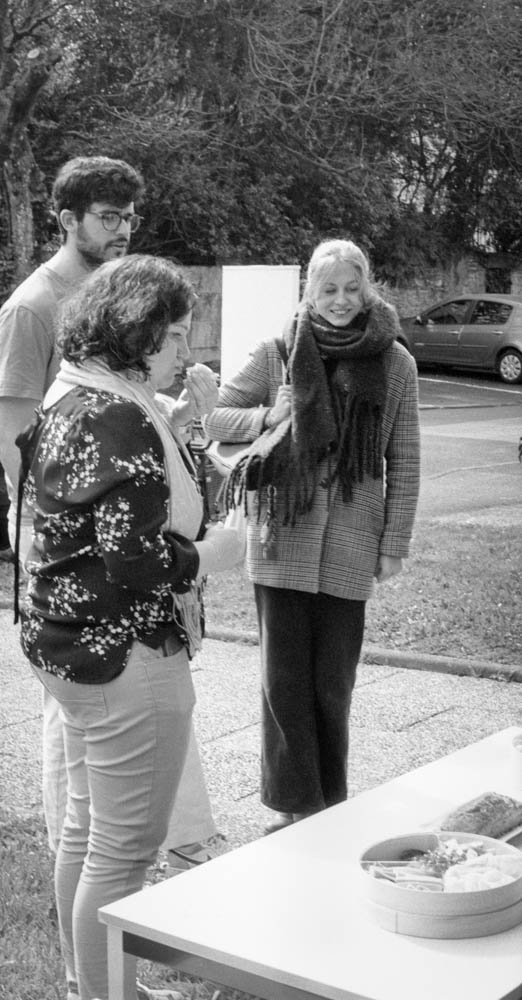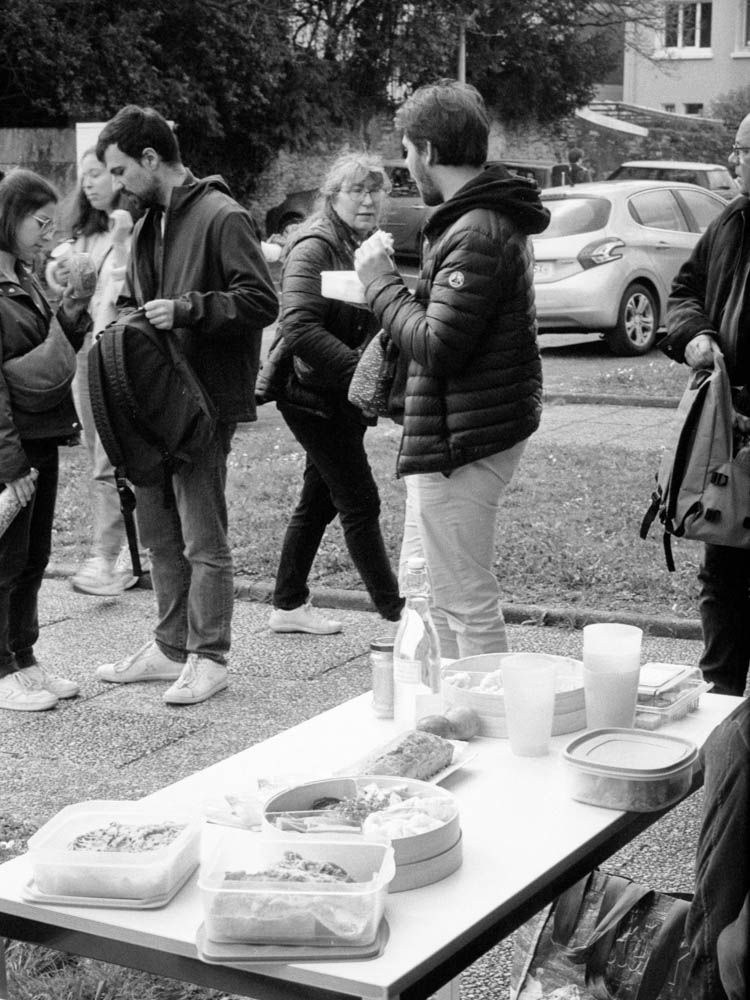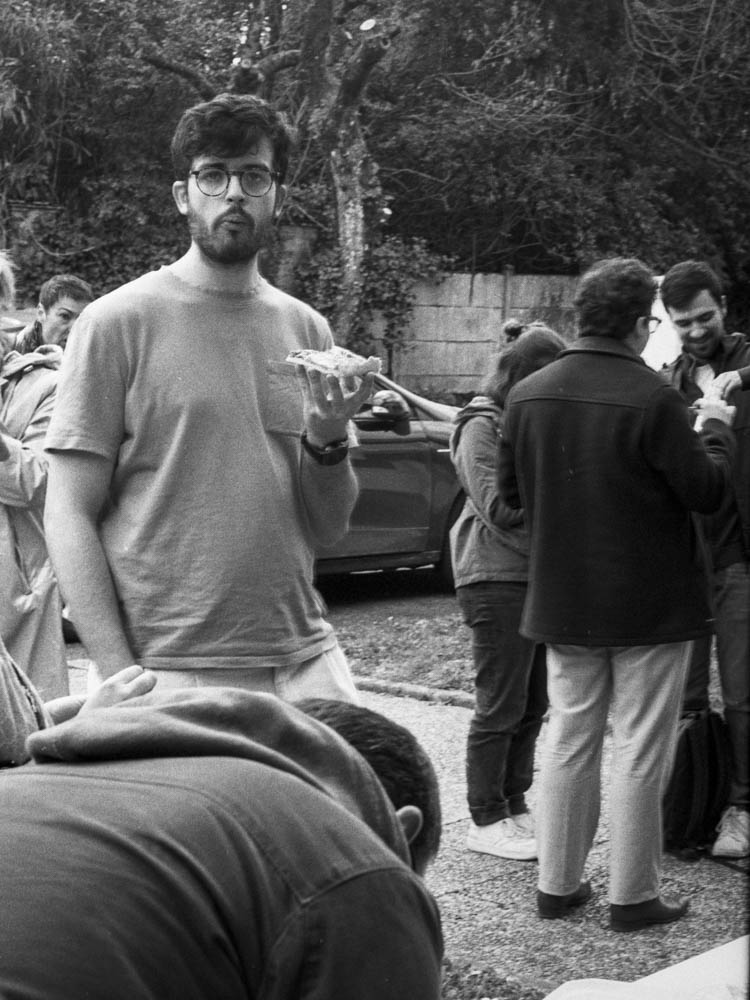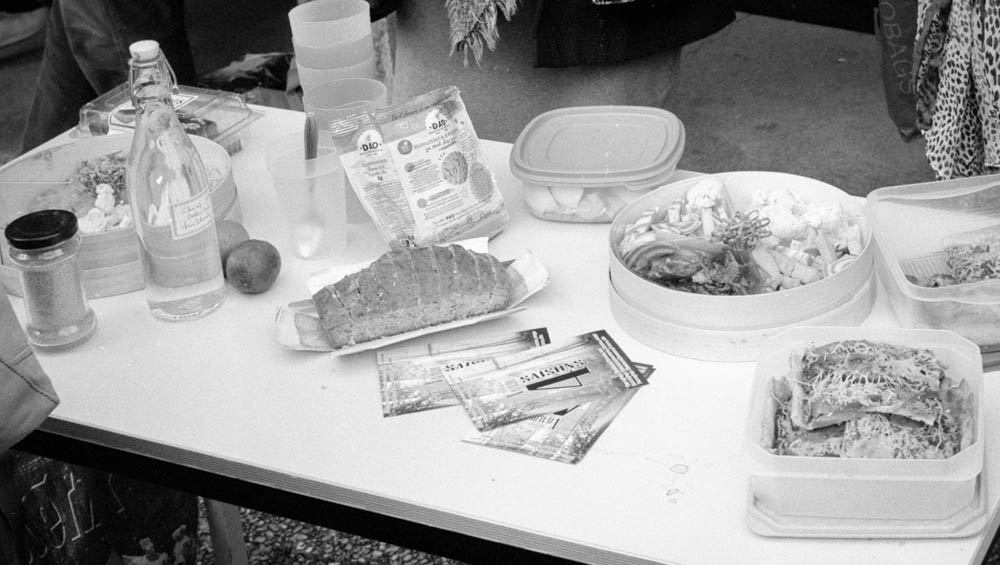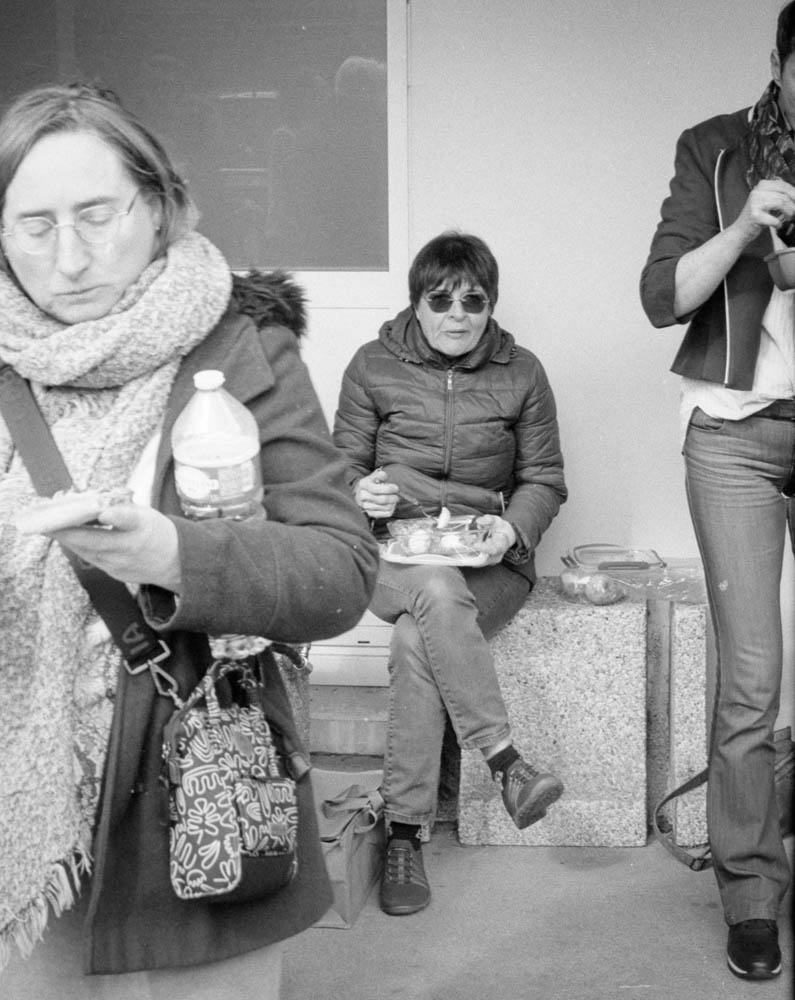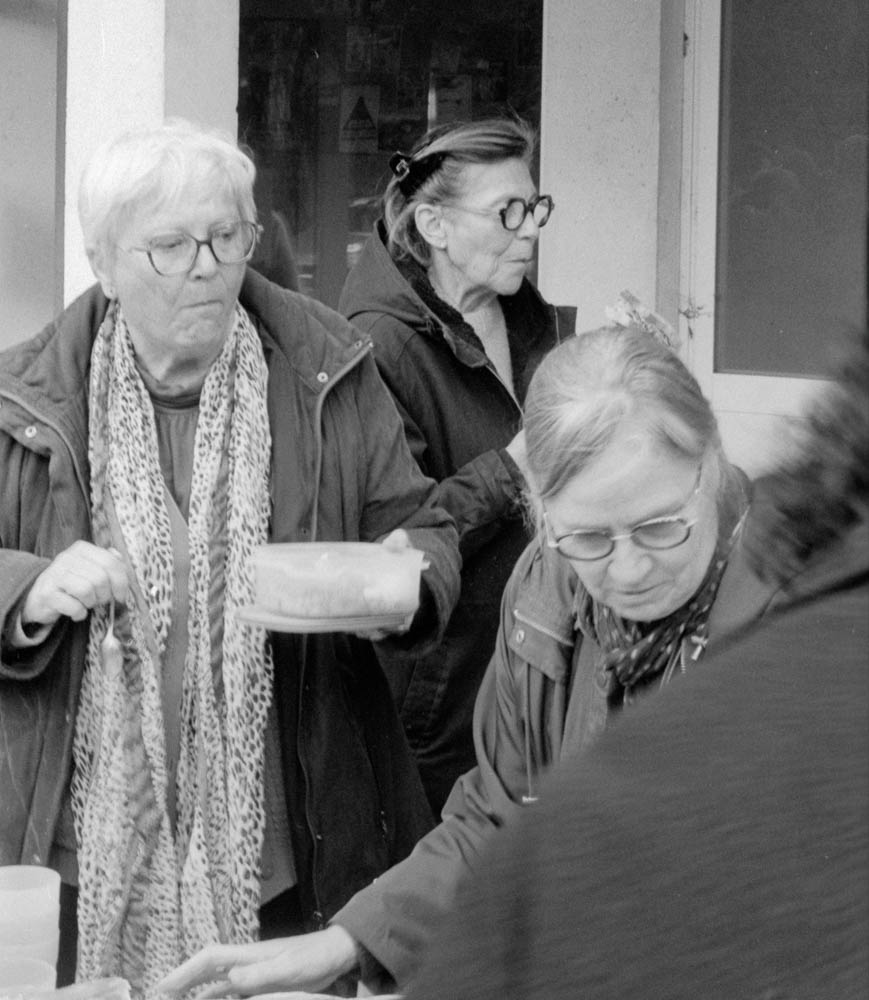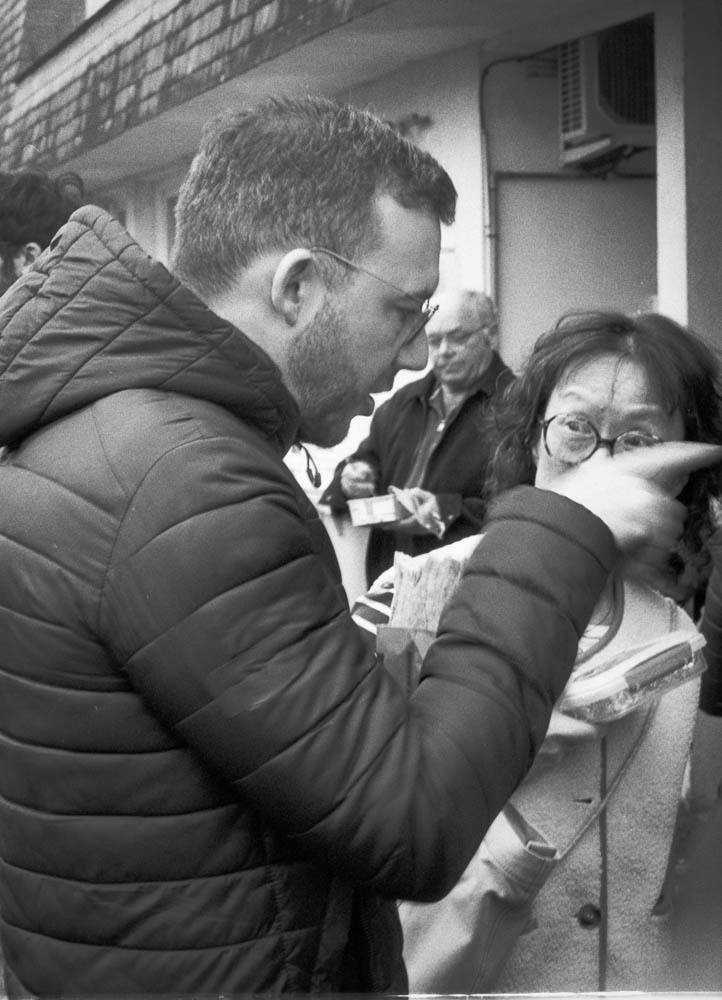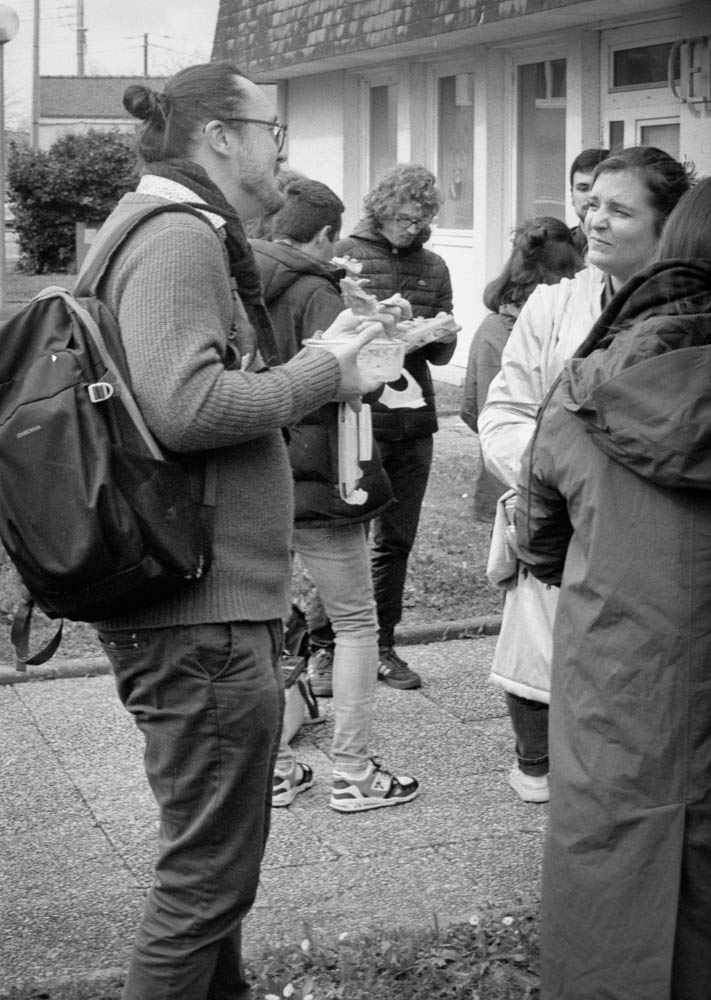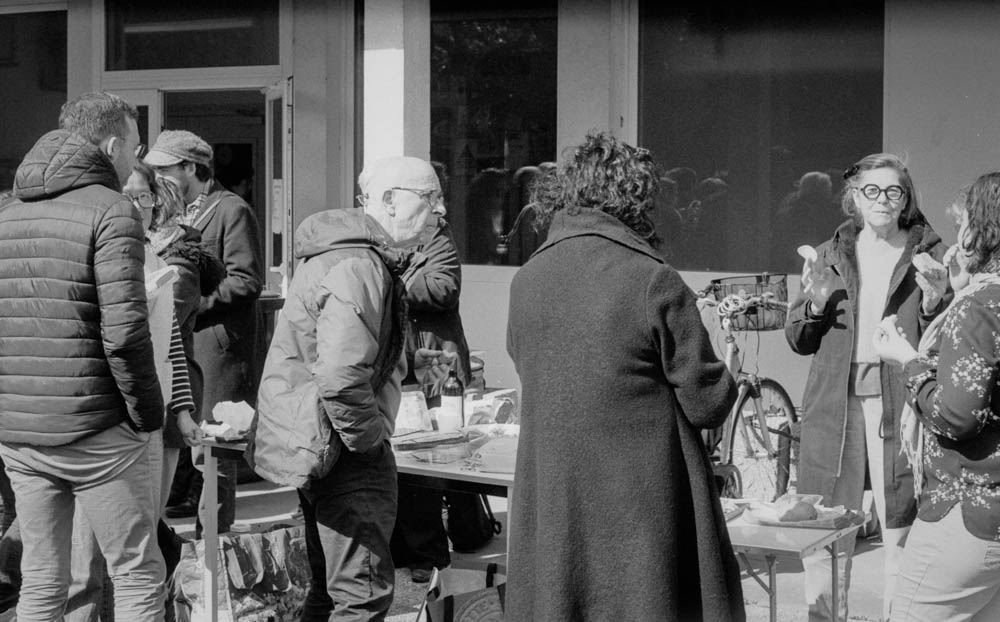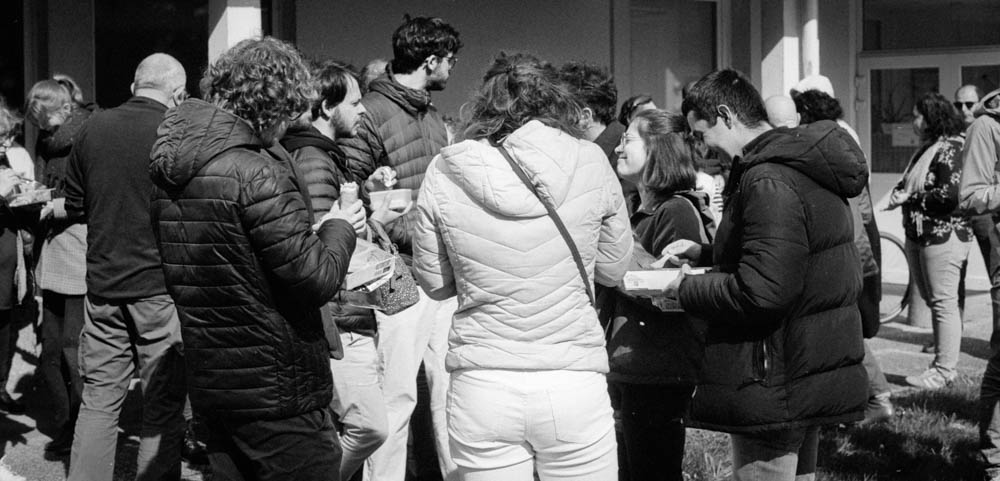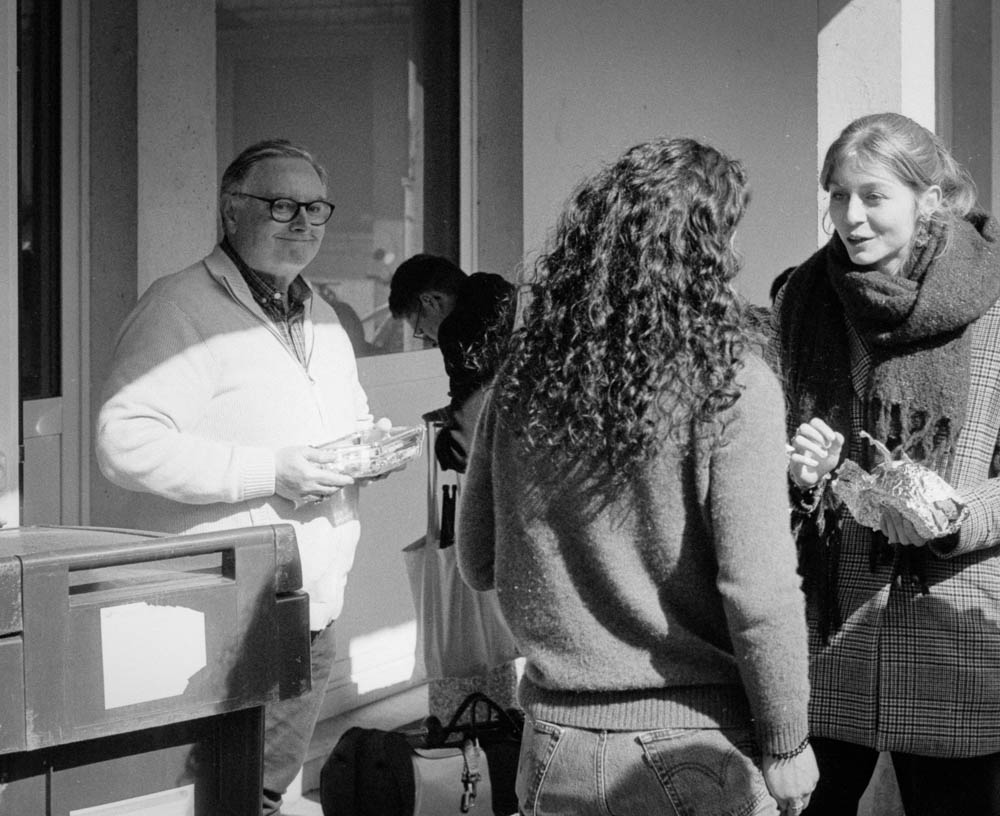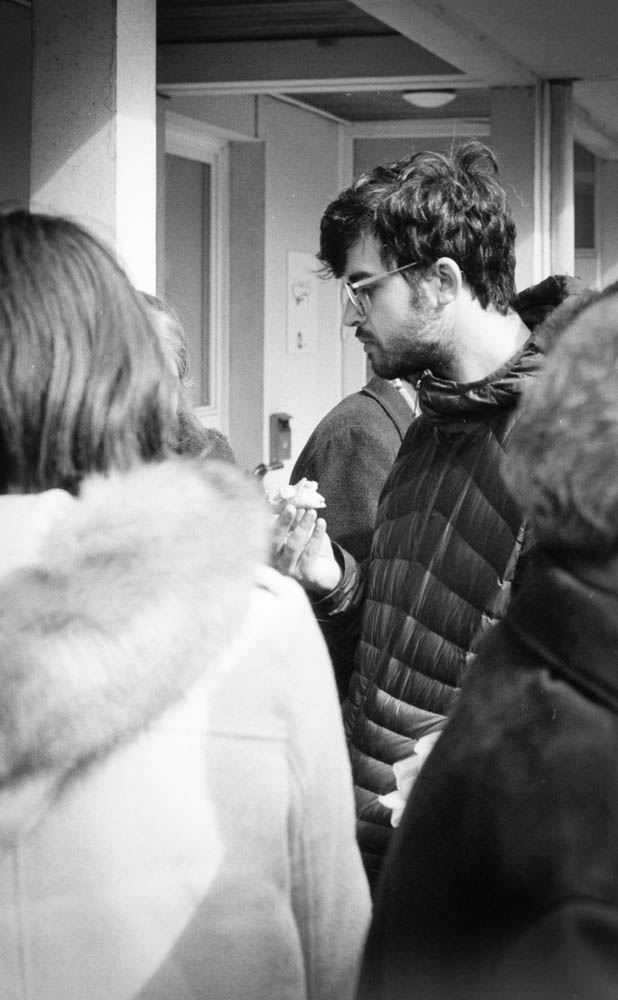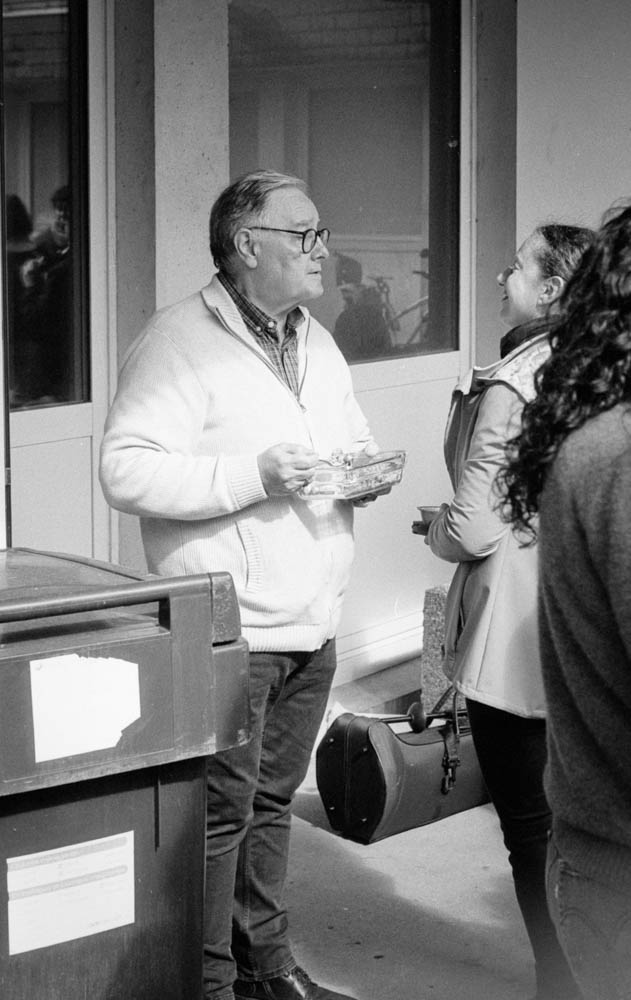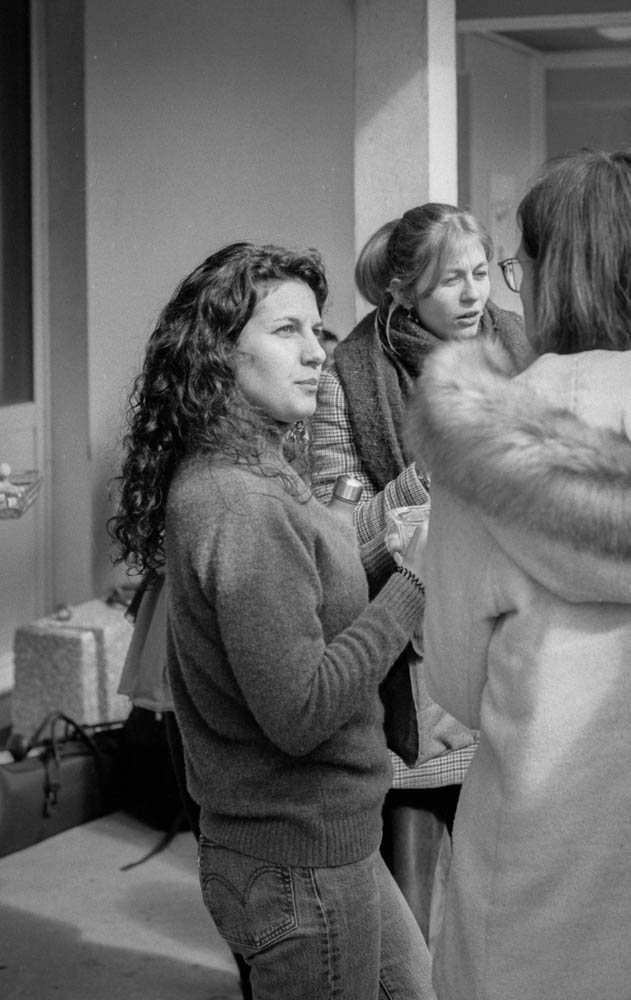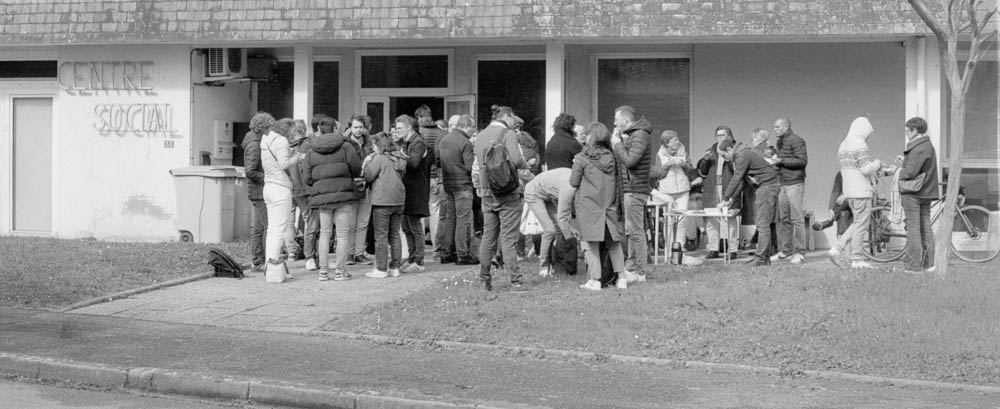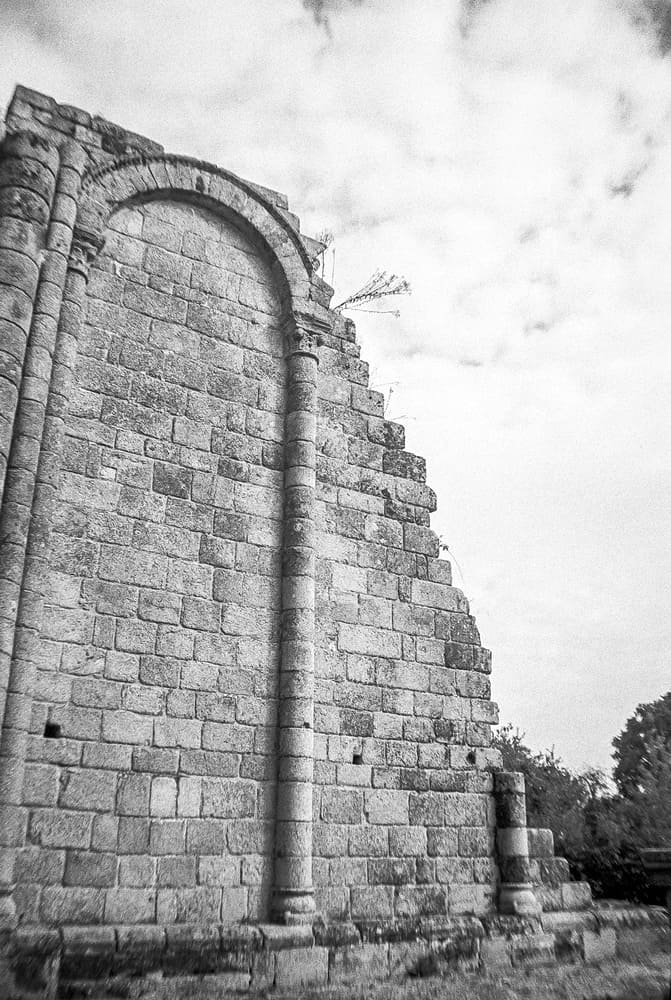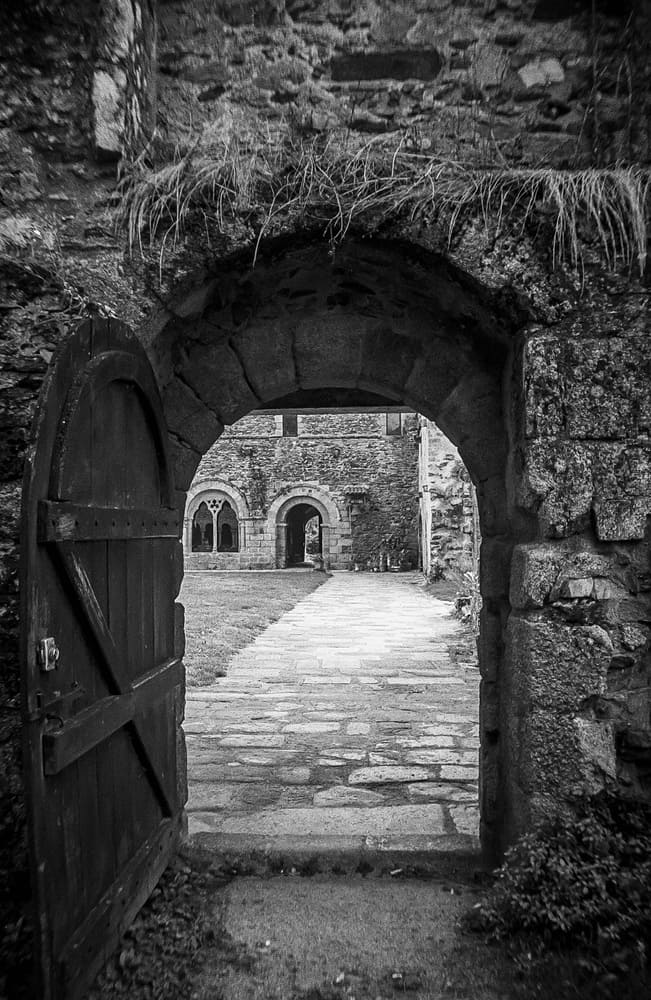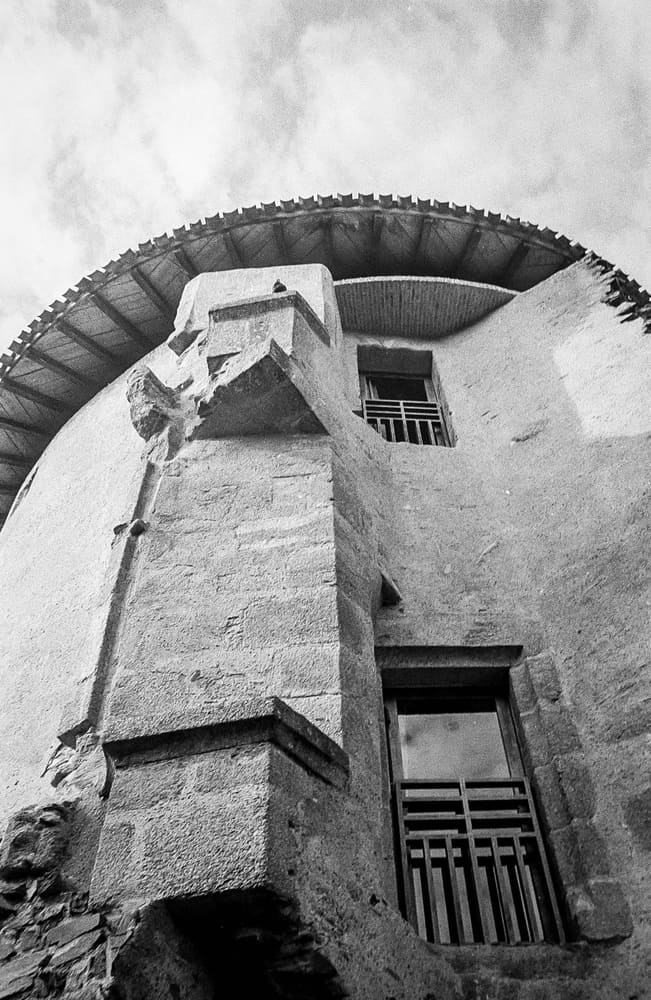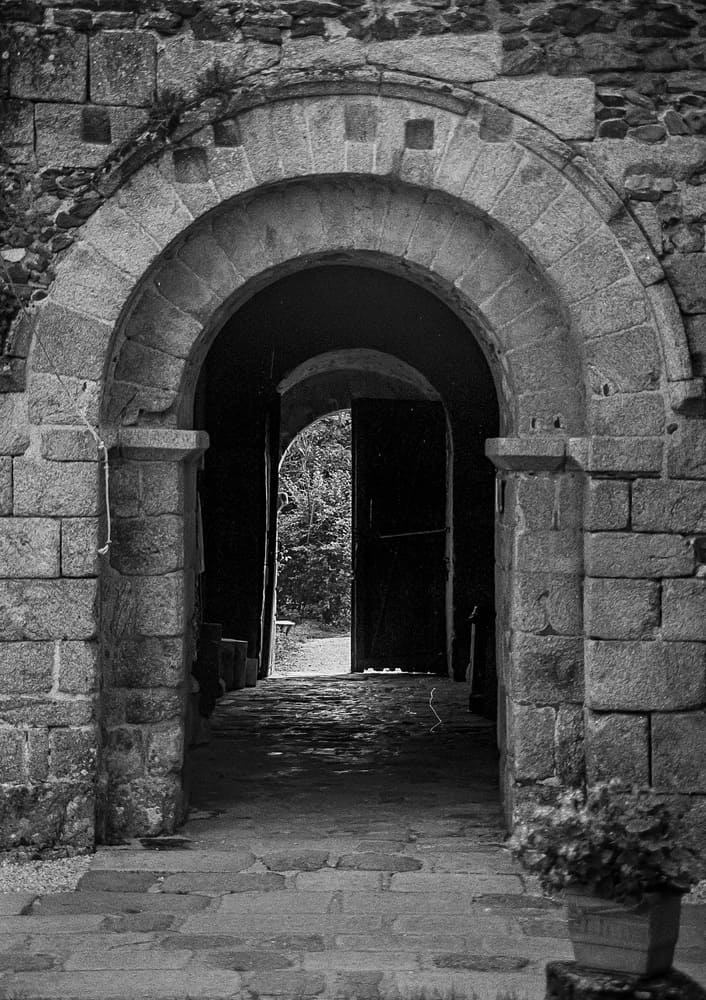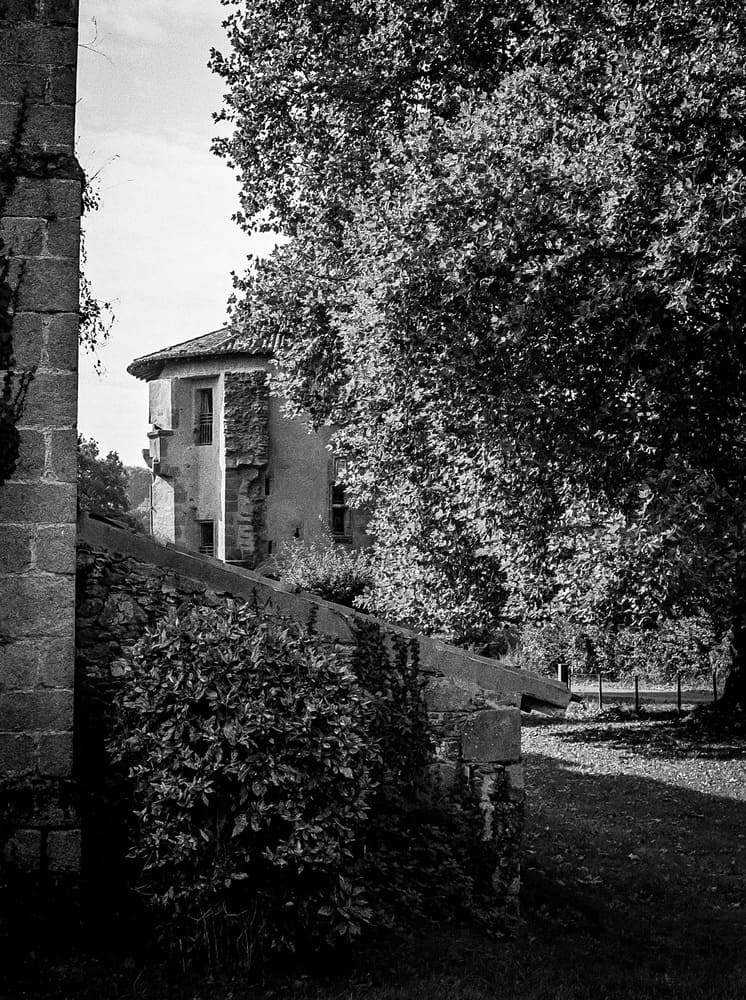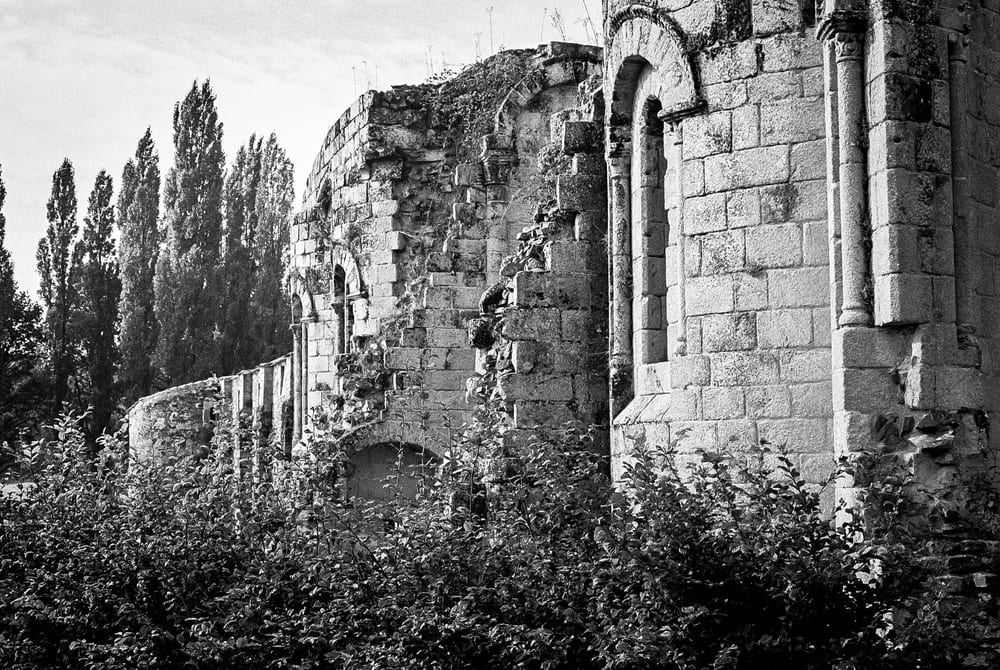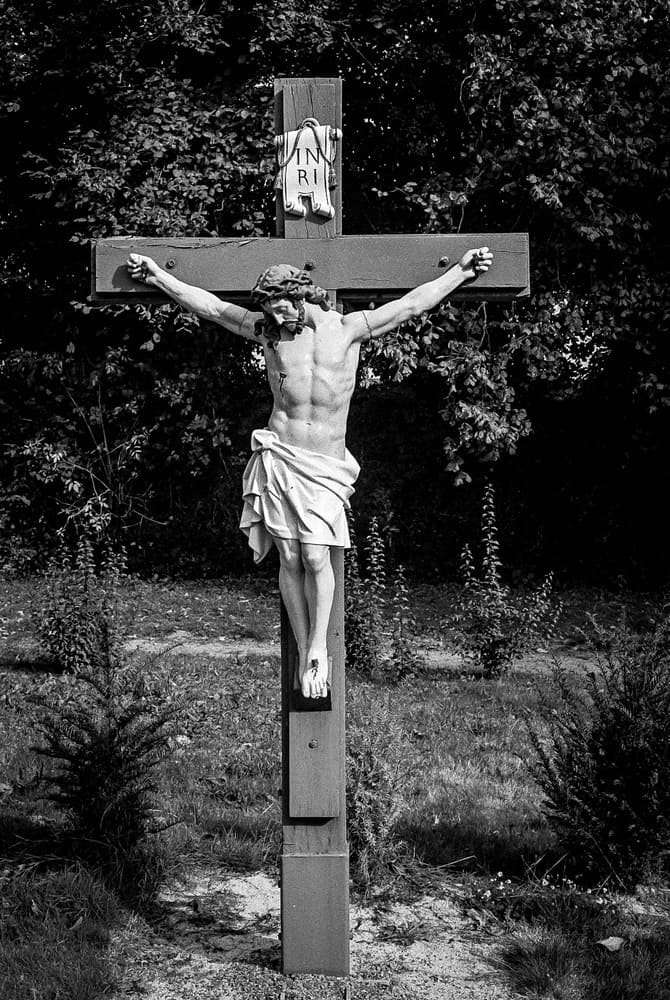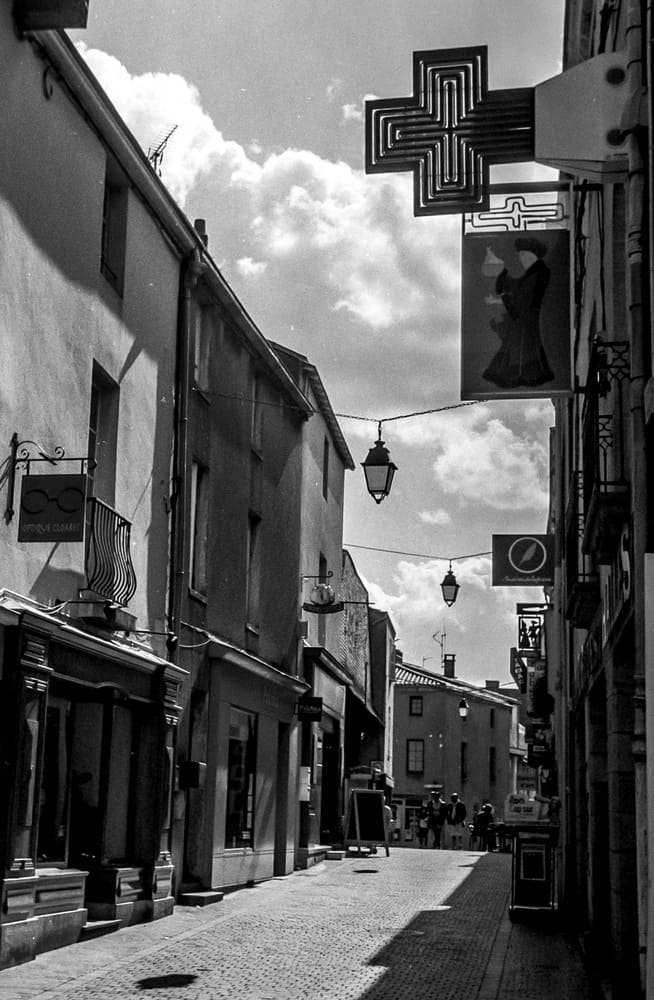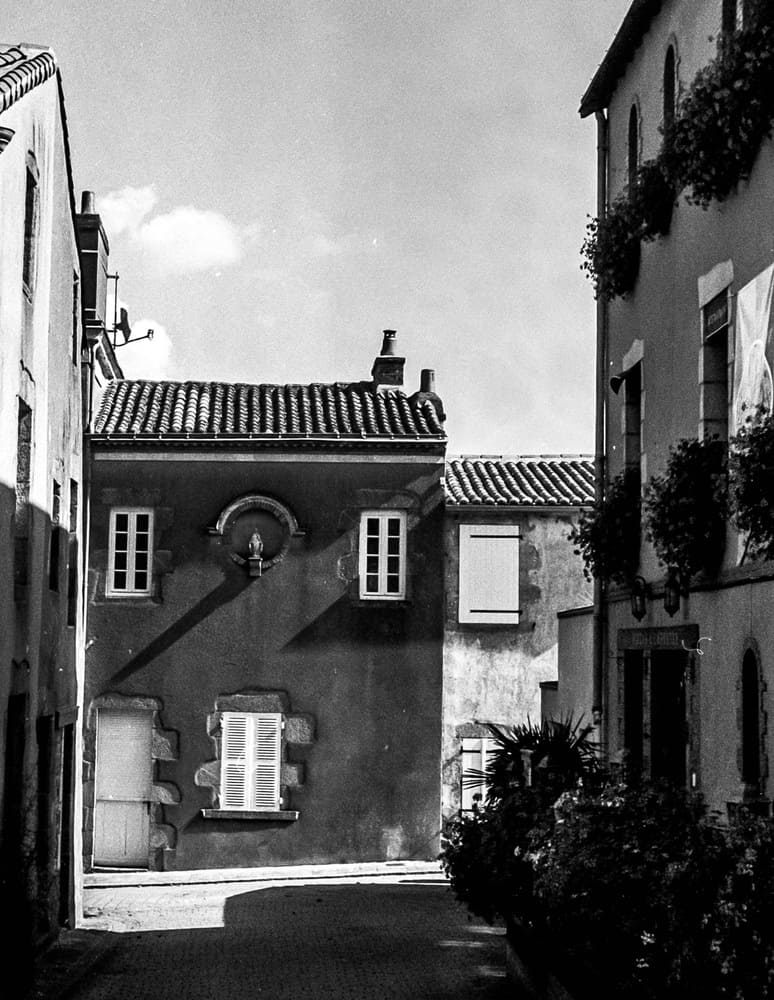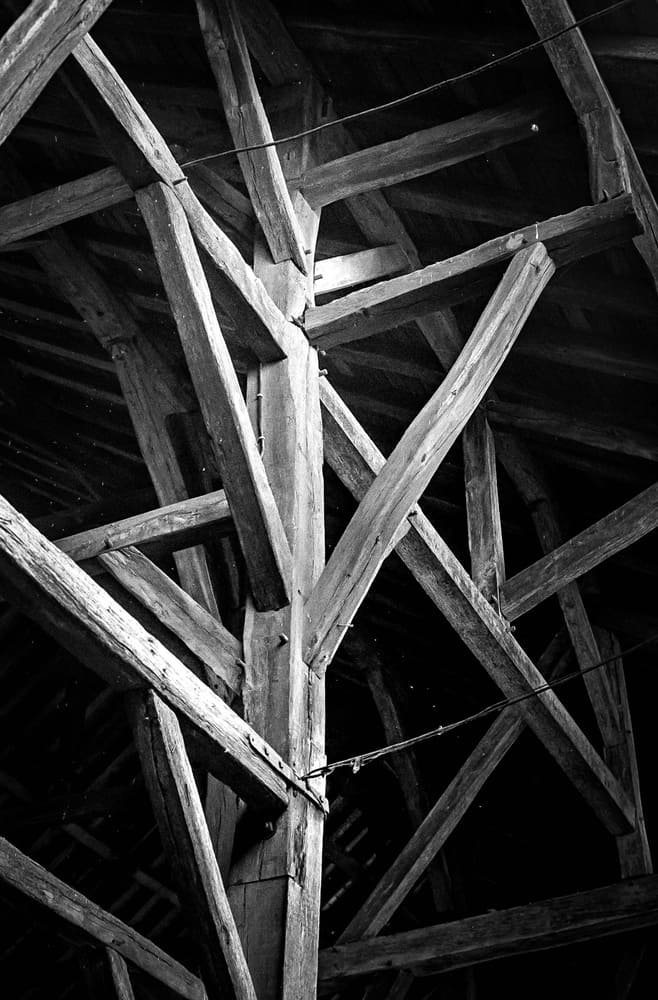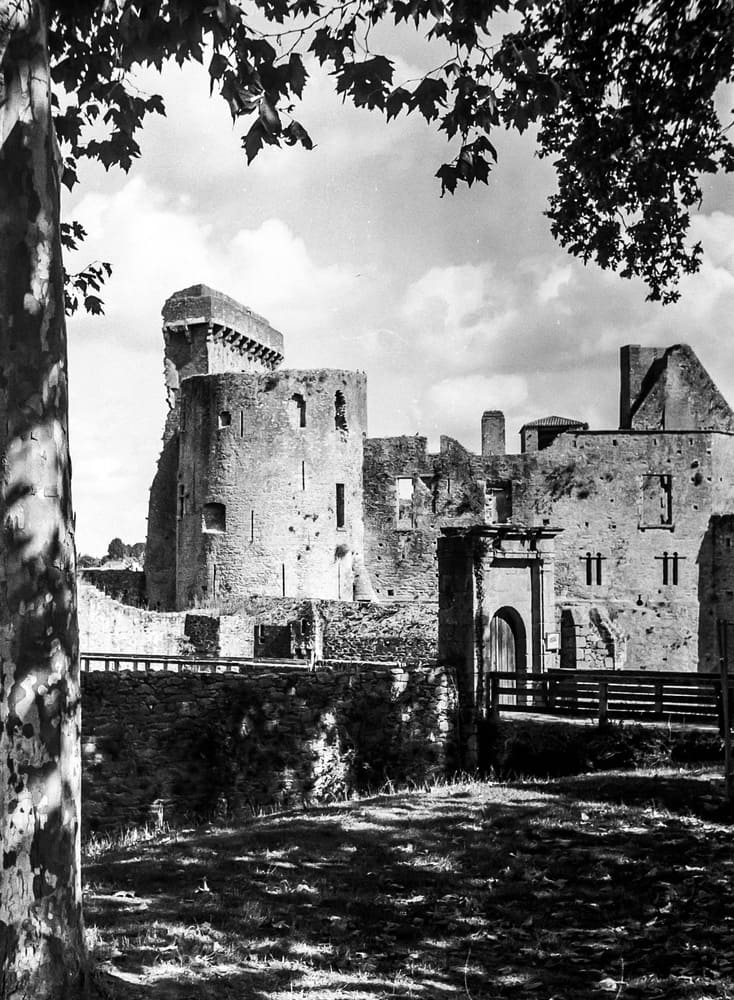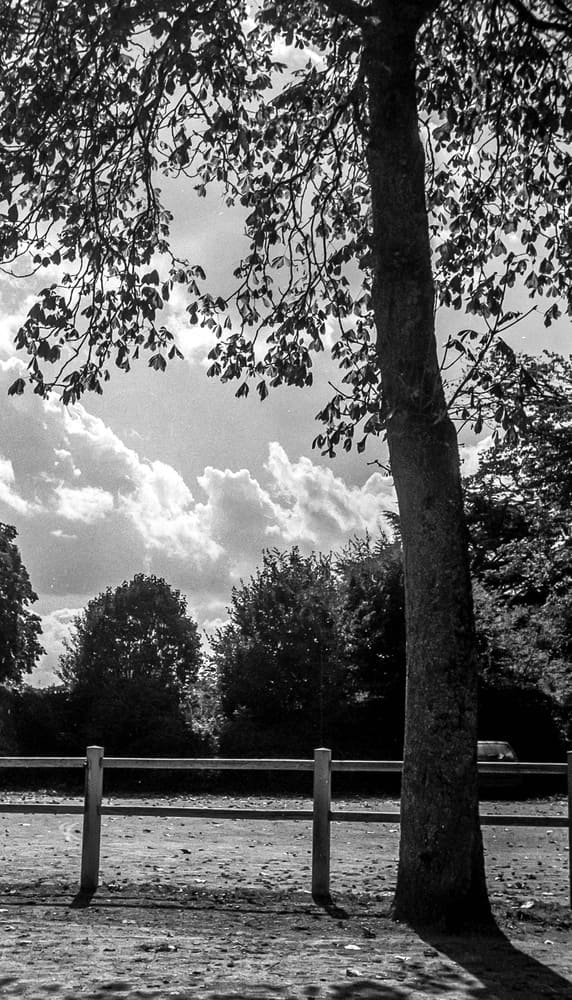
The Opening of the Film Archives—Abbaye de la Grainetière, October 2016


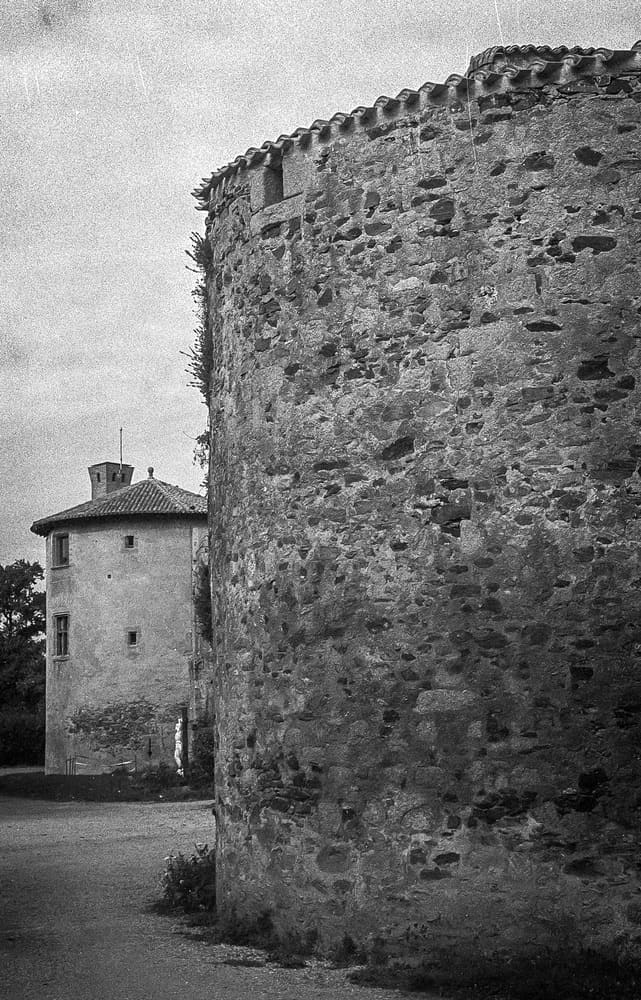
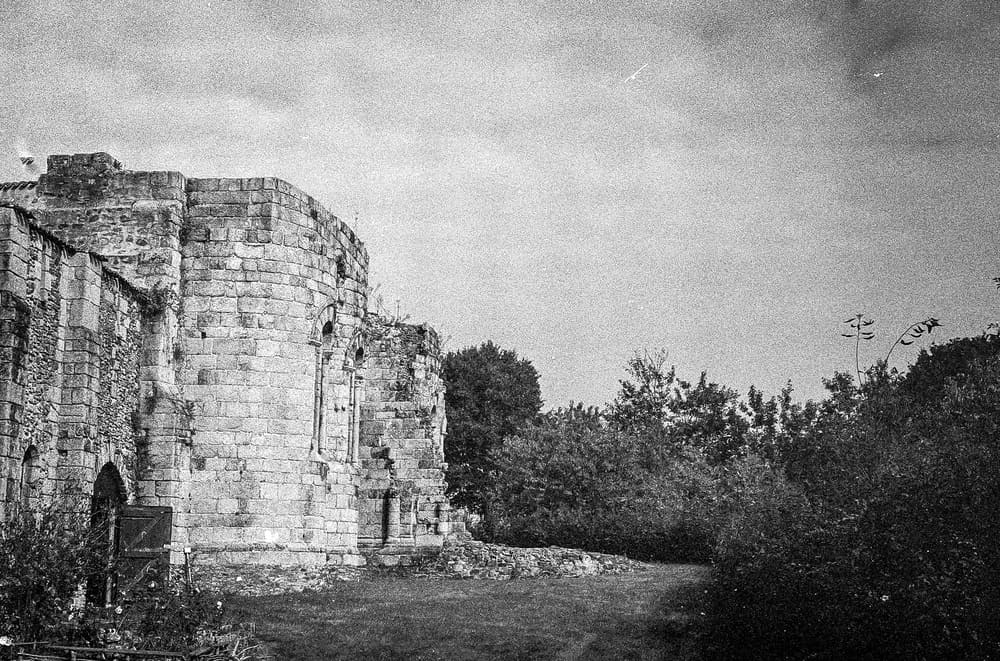
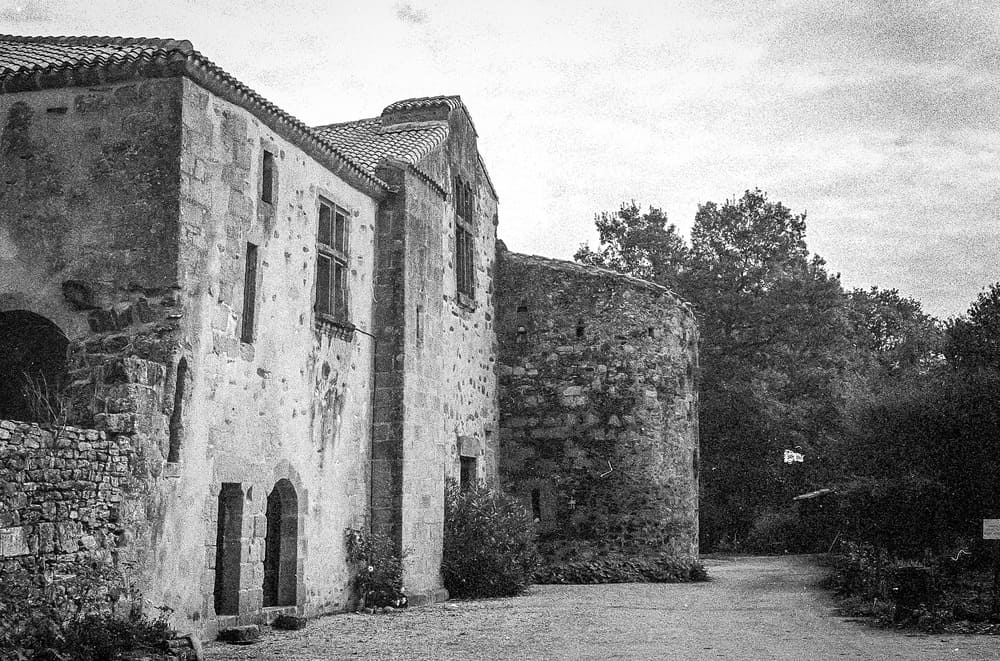
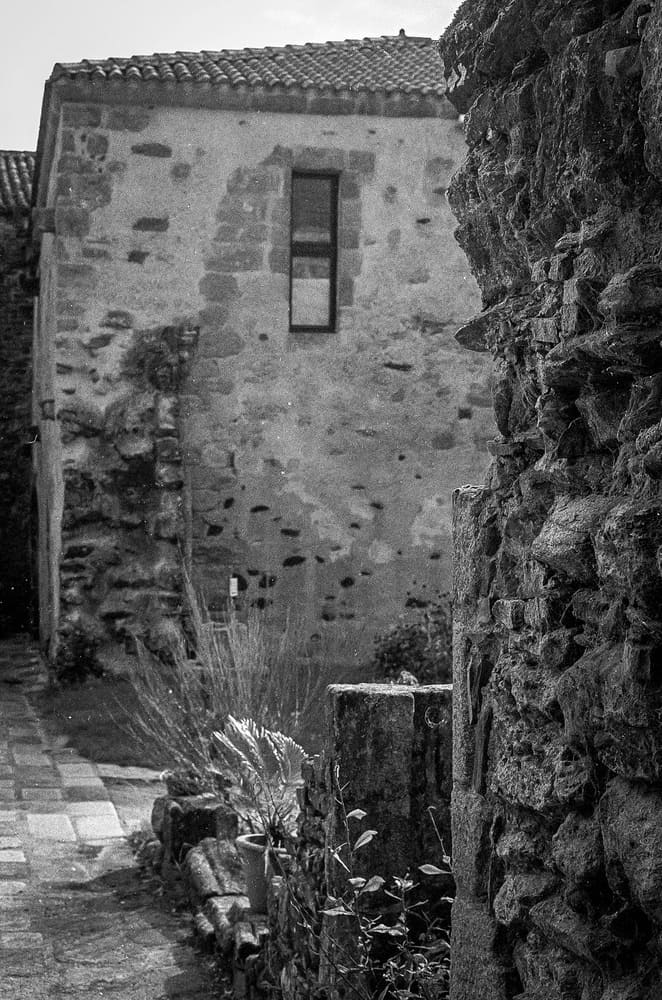
“They” say that if you leave your child to the Jesuits for seven years, then that child will belong to the Jesuits for life. I am not a Jesuit, but I was heavily influenced by the Benedictines when I went away to prep school in 1980. Mummy, Daddy, let me reassure you, this isn’t about Gilling—some things are better left in the past. This article will instead focus on a different Benedictine site, one that I visited much later in life: l’Abbaye de la Grainetière, a peaceful monastery here in the Vendée.

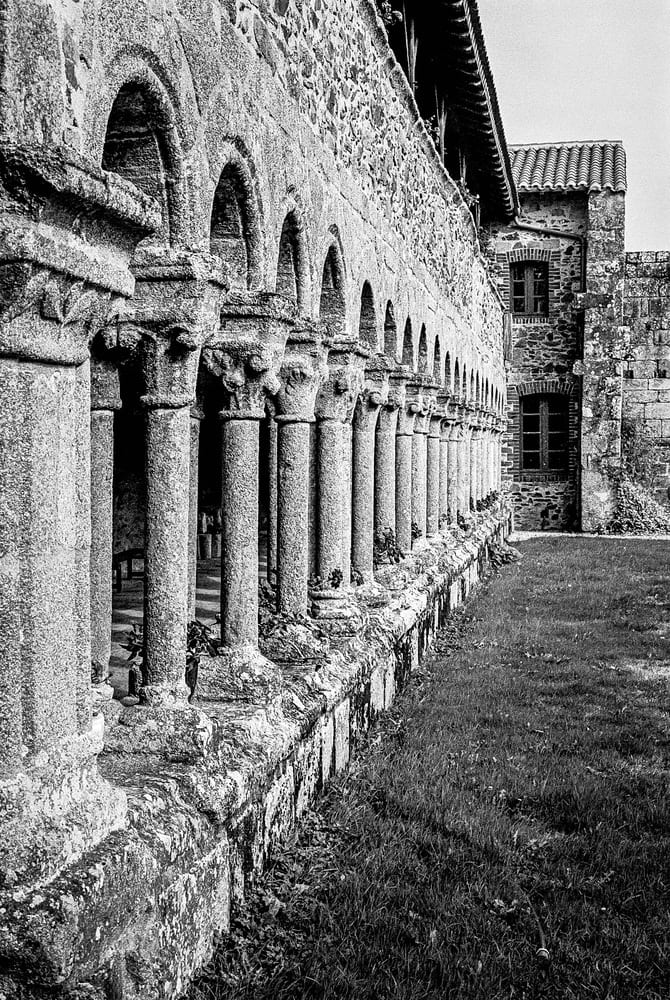
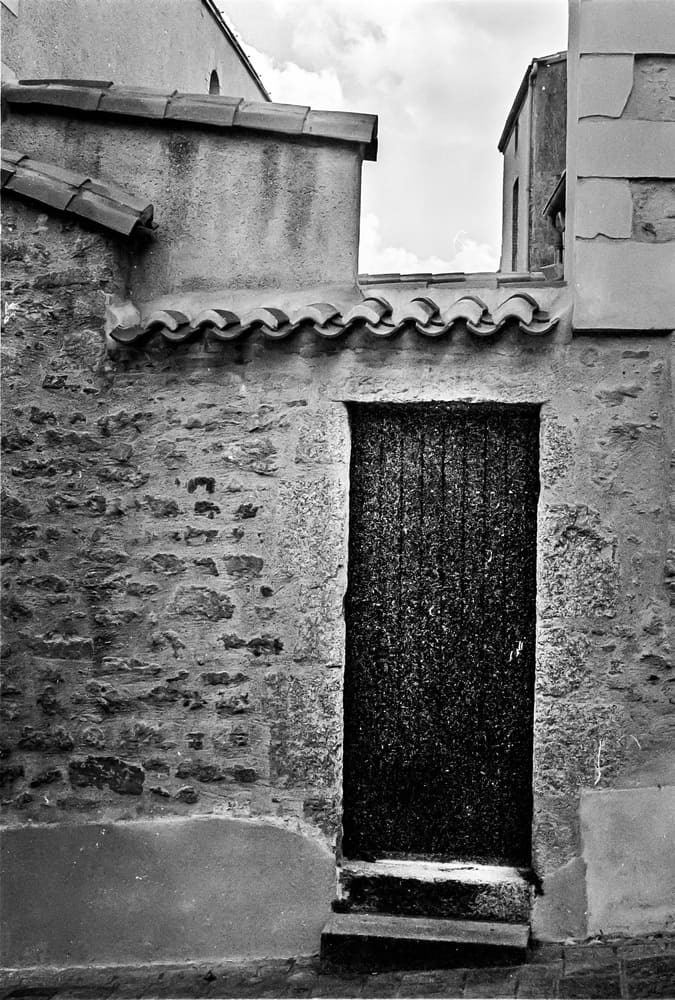
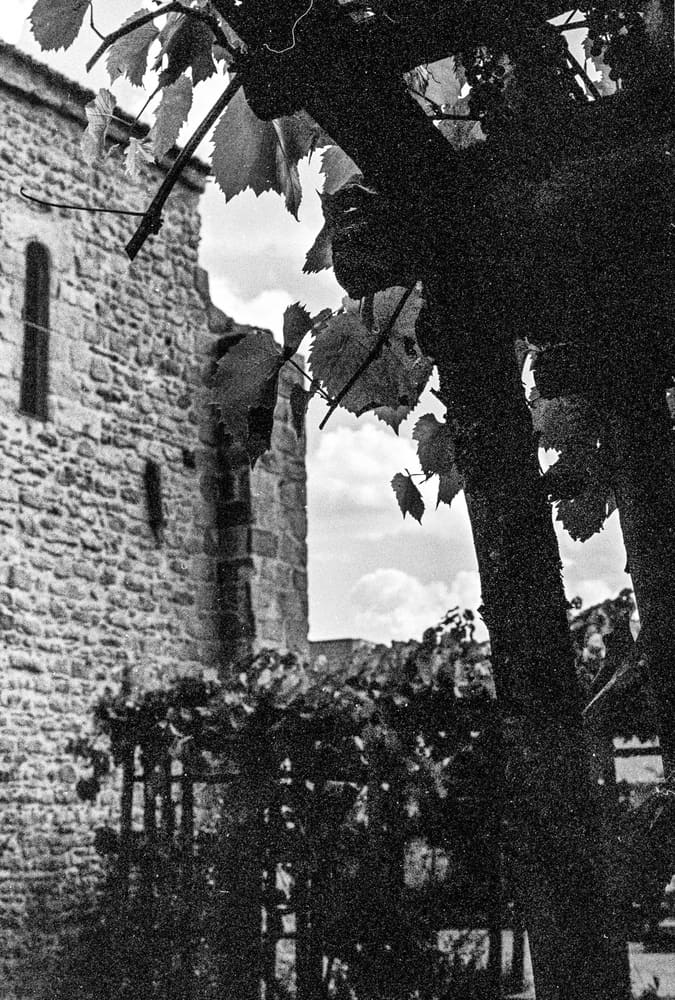
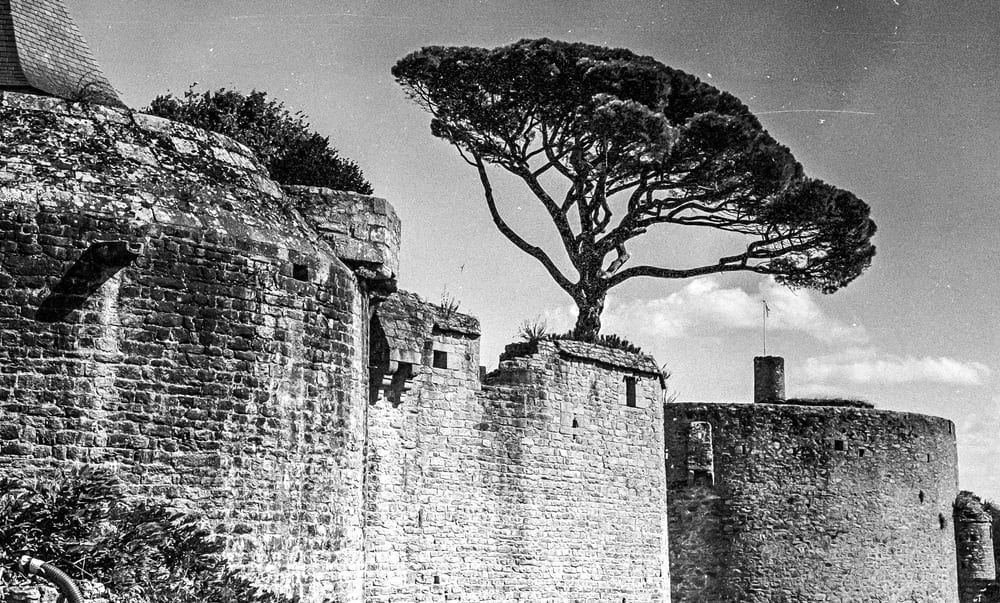
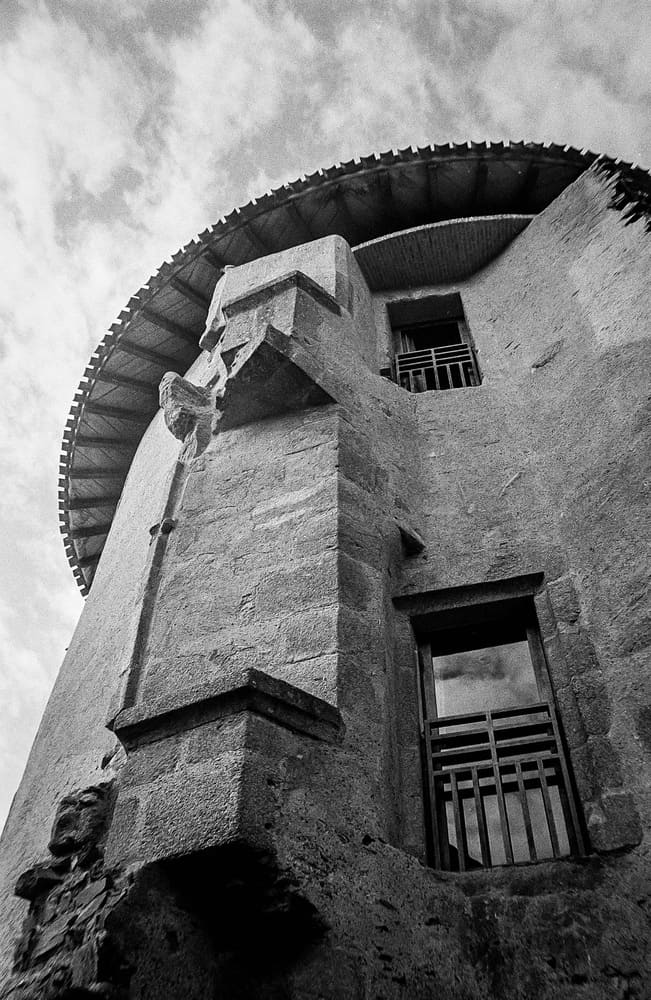
The Abbey of Notre-Dame de La Grainetière, on the outskirts of the town of Les Herbiers in Vendée (France), encompasses nearly nine centuries of tumultuous history. For over 50 years, numerous restoration works have been undertaken. These efforts allowed for the re-establishment of a community of monks at the end of 1978, nearly 200 years after the abbey was abandoned by the monks, shortly after the Revolution of 1789. Classified as a historical monument since 1946, many volunteers are working to continue the legacy of La Grainetière.

To those of you unfamiliar with the ins and outs of the Catholic Church, the role of monks is to live in community, and their main duty is to pray for us in the wider community. The monks elect a Father Abbot, who is responsible for running the monastery. In centuries gone by, the Abbot would wield a huge amount of influence, but this power has been reined in over time and is less evident outside the monastic community.

When I visited l’Abbaye de la Grainetière, I couldn’t help but reflect on how different this Benedictine monastery felt from my school days. The quiet prayer, the stillness—it offered a kind of peace that I hadn’t experienced for a long time, and a life that was once very appealing to me.

The monks follow the Rule of Saint Benedict, a foundational guide for monastic life that addresses not only prayer, but also how to live both within and beyond the monastery walls. Though written for monks, many of its teachings have been adopted by the laity seeking a structured, spiritually focused life.

I could almost say I envy them the simplicity of monastic life compared to the complexities of modern society and family life—juggling careers, responsibilities, and the endless distractions of today’s world. While I don’t regret the joys and vibrancy that come with having a family—something perhaps lacking in monastic life—it’s hard not to admire the stillness and purpose that a simpler existence can offer. We all have different vocations in life. Mine was to be a father.

As I packed away my camera and left the grounds of l’Abbaye de la Grainetière, I found myself still pondering the contrast between the quiet, ordered life of the monks and the complexity of my own. In some ways, visiting the abbey felt like opening a door to a simpler time, a place where life seemed more focused and more deliberate. Yet, as much as I admire the peace found within those ancient walls, my own path has led me elsewhere—to the joys, challenges, and unpredictability of family life.

In the end, it’s not a question of envy or regret, but rather a reminder that we all find our peace in different ways. For the monks of l’Abbaye de la Grainetière, it lies in prayer and solitude. For me, it’s found in the laughter of my children, the shared moments with loved ones, and yes, even in the rush and noise of everyday life. Each vocation, after all, carries its own kind of grace.

Perhaps that’s what lingers with me most from my visit to the abbey—not just the tranquillity of the place, but the realisation that we each have our own rhythm, our own way of navigating the world, and there is beauty in all of it.

Post Scriptum:

The photos were taken with a Canon AE1, and its FD mount 50mm F1.8 lens, using Ilford HP5 + black and white film.

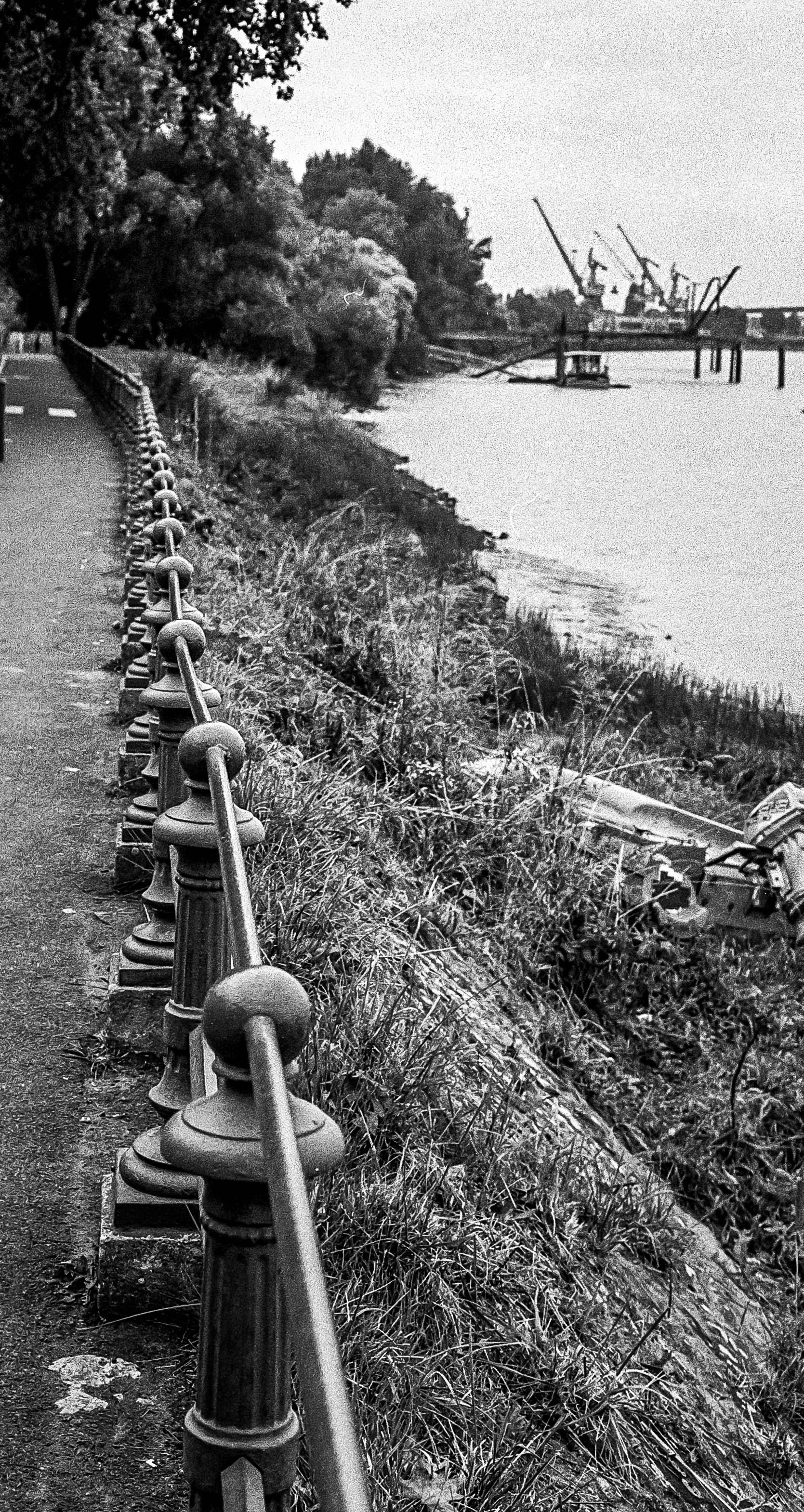
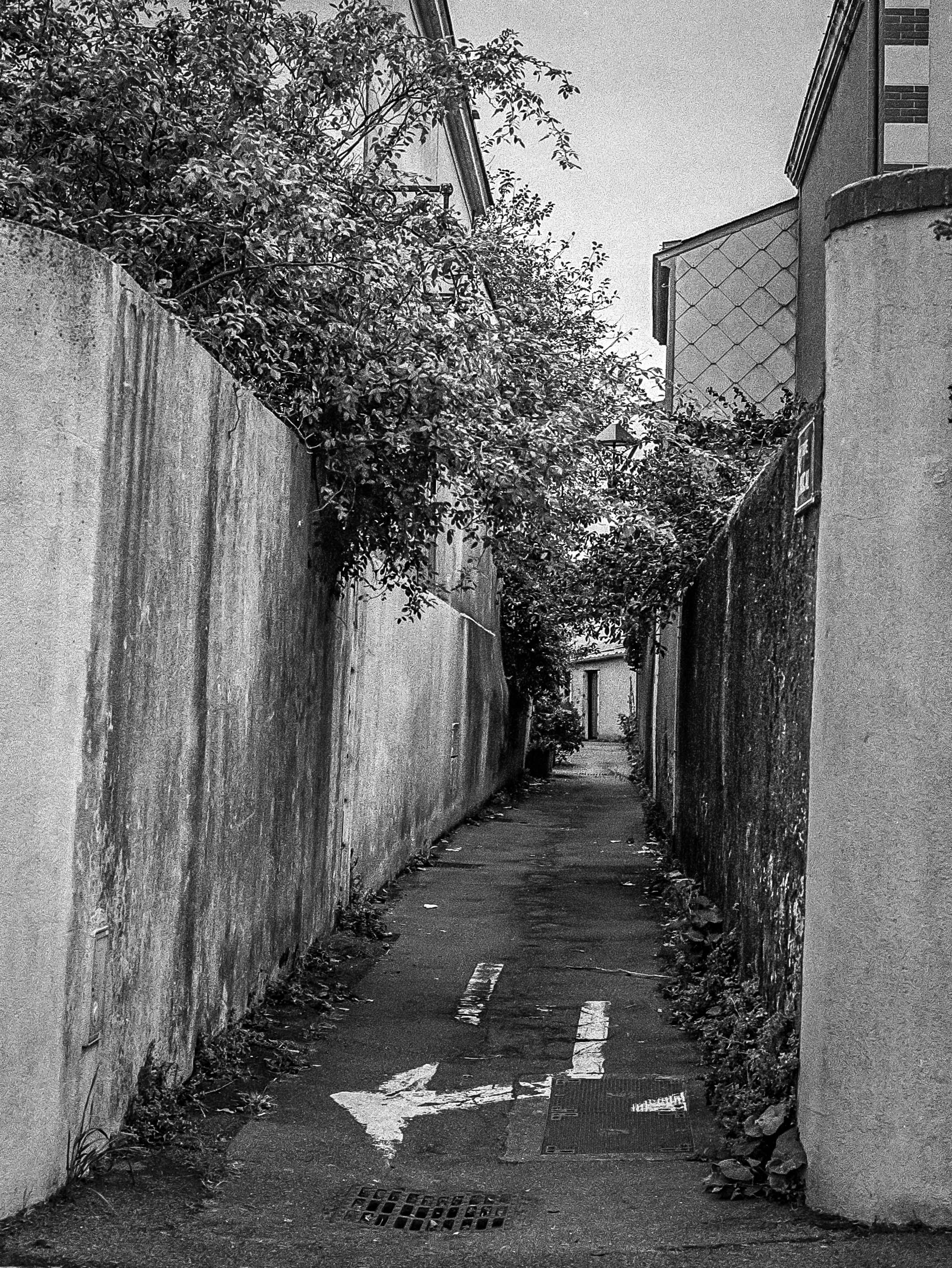
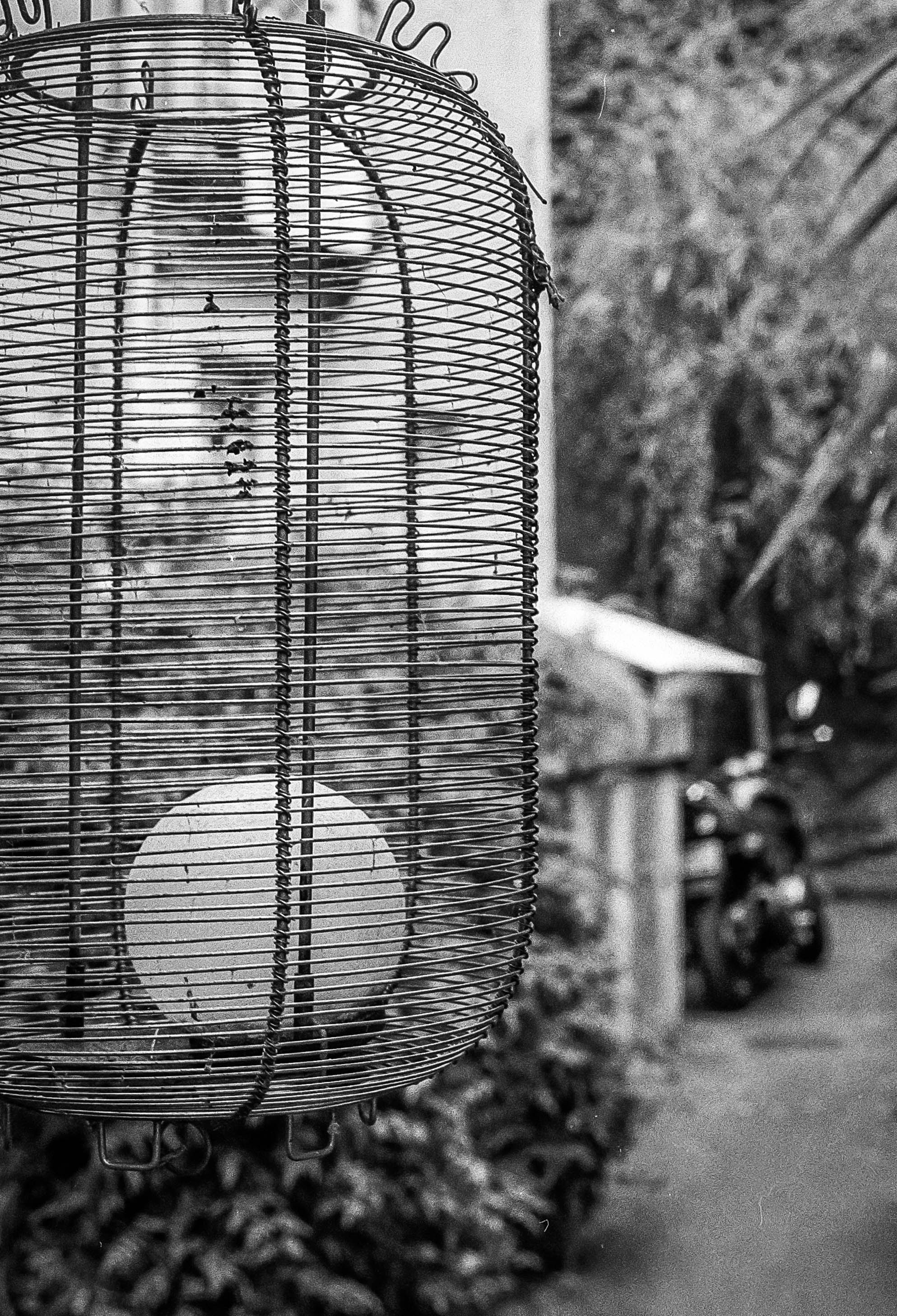
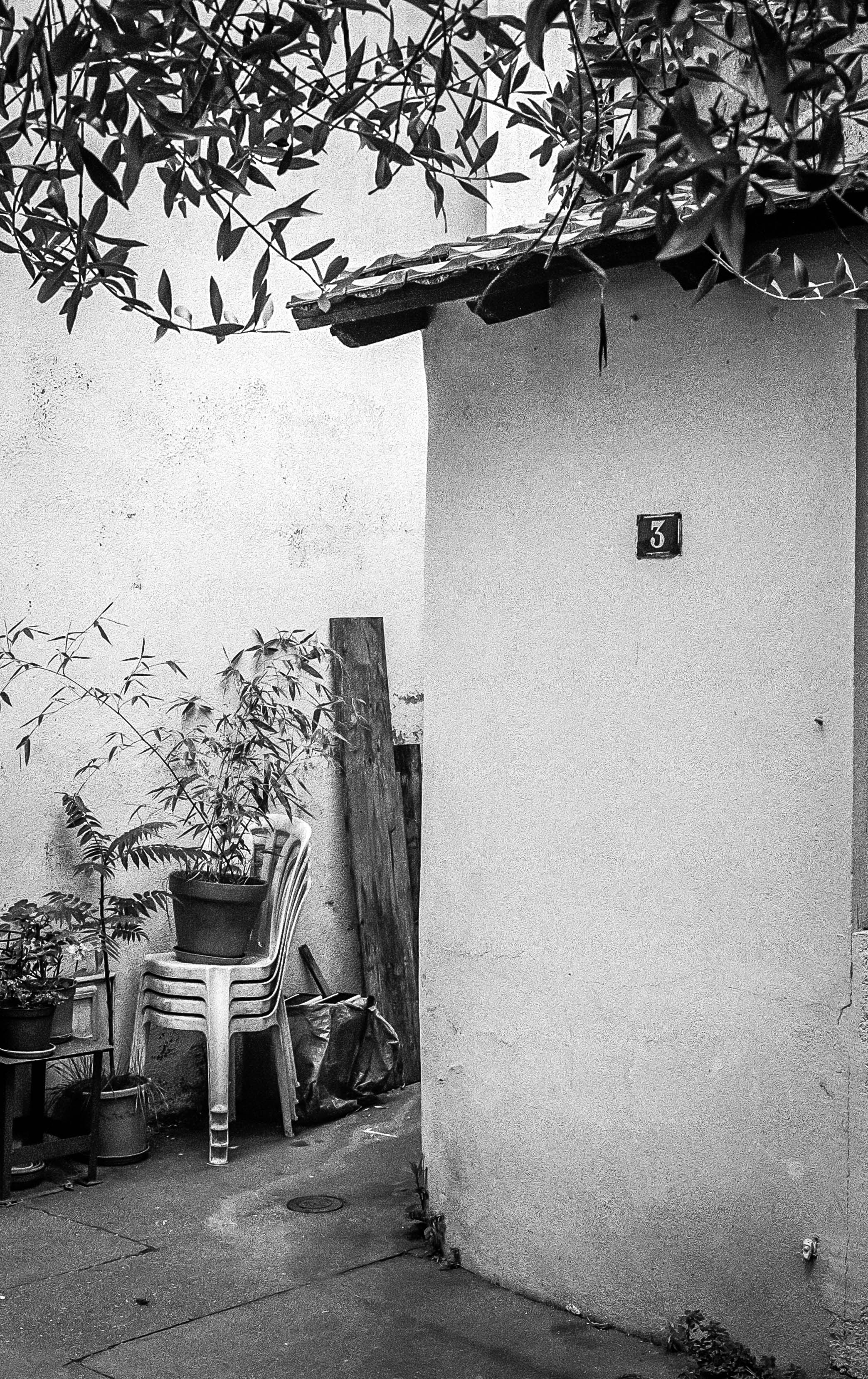
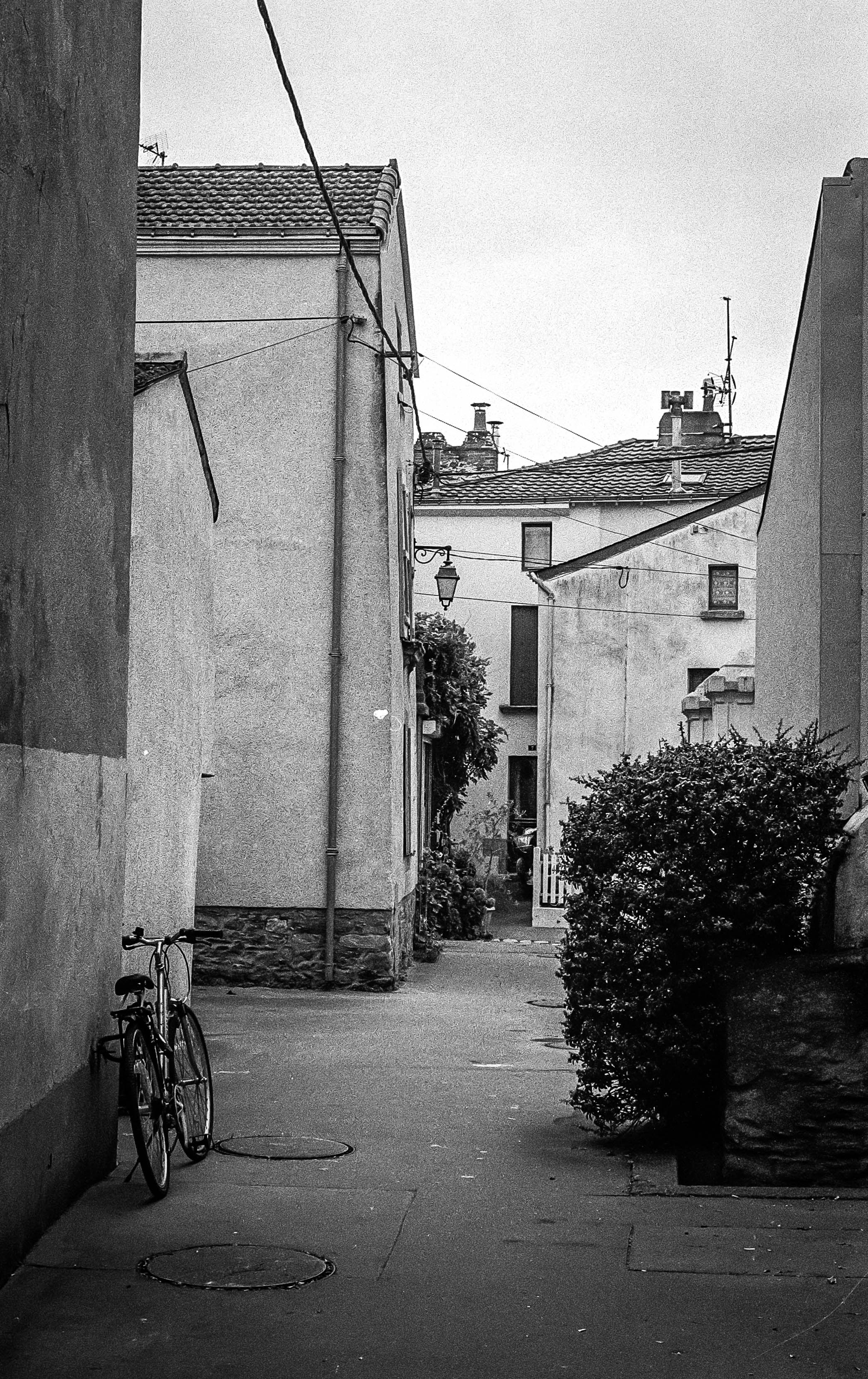
The Opening of the Film Archives – Trentemoult October 2016


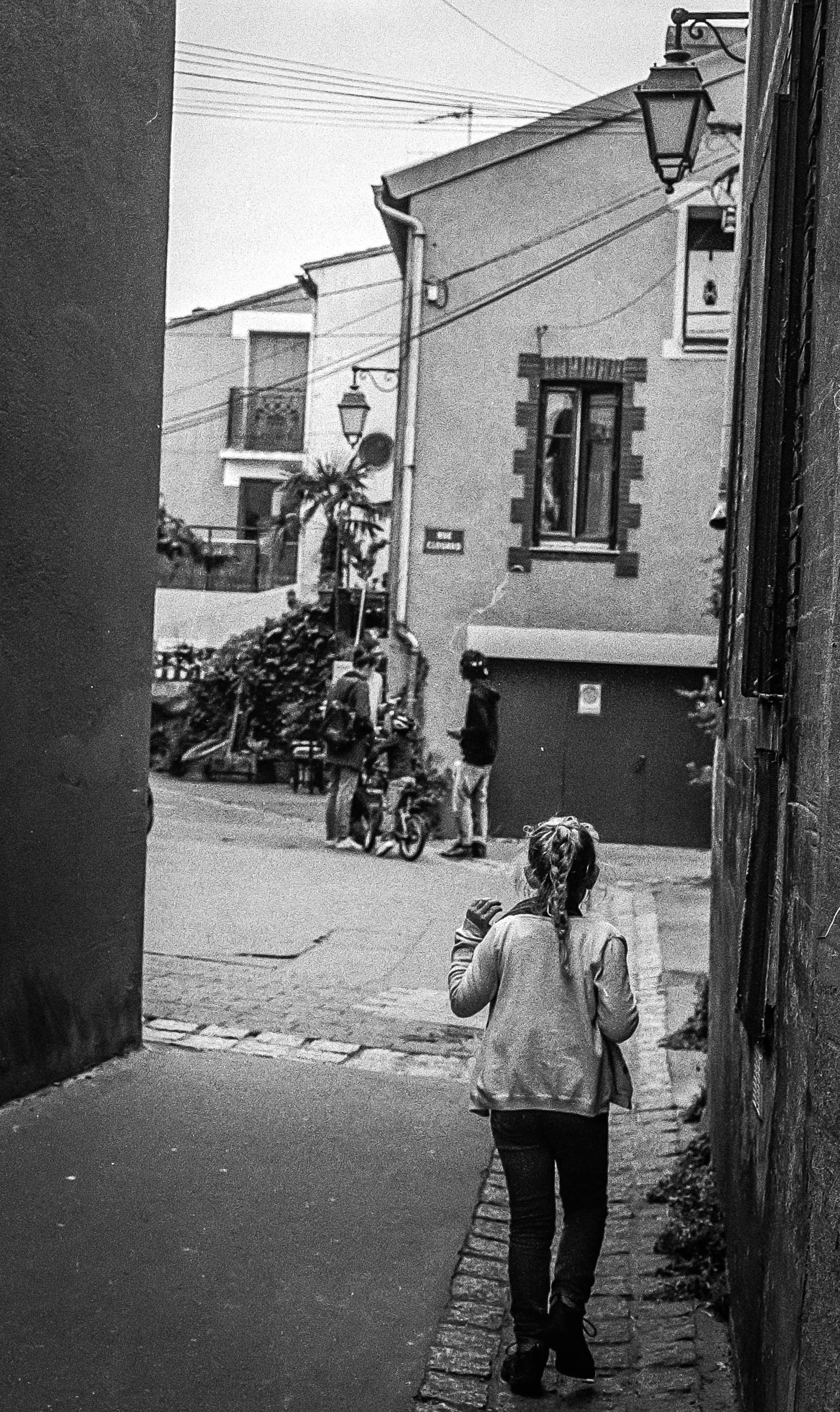
This was another Ian and Kate day.  Similar in concept to the Ian and Killian day, but a day where I can dedicate myself solely to Kate.  She’s fifteen now of course, but I should spend more time with her.  If she’ll let me of course.  At the time she was only seven—simpler times where I could make her happy with just a nice tea, a boat trip across the river, and just wandering around exploring the intricate streets of an old fishing village on the “bords de Loire.”  There are no cars in the narrow streets, and the children can run wild.  

This day was one spent in Trentemoult, that rather colourful village that you can see here. The colours are intense and provide a great backdrop for portrait photography. So of course I went in with a film camera and black and white film.  Which only goes to show that when you photograph a location, however colourful, and take away the distraction of that colour, you have to really concentrate on composition, texture, and forms.  I couldn’t rely on colour for my photos today.  But I was sure that I could reveal some good photos despite that.

So what do you do?  You just try and capture some moments of your daughter messing around and being a perfectly normal seven year old.  I tried to capture her exploring the streets and being absorbed by the whole ambiance of the place.  She became part of the scenery, and blended in perfectly.

I was just there purely to observe and record the day on film, with one eye in my camera and the other on Kate.  It was a good day.  

Looking back at those moments reminds me of how quickly time seems to slip by without me realising that I am getting older.  She of course is slightly older, and possibly slightly less “insouciante” or carefree, but my love for that girl is still as strong as ever.

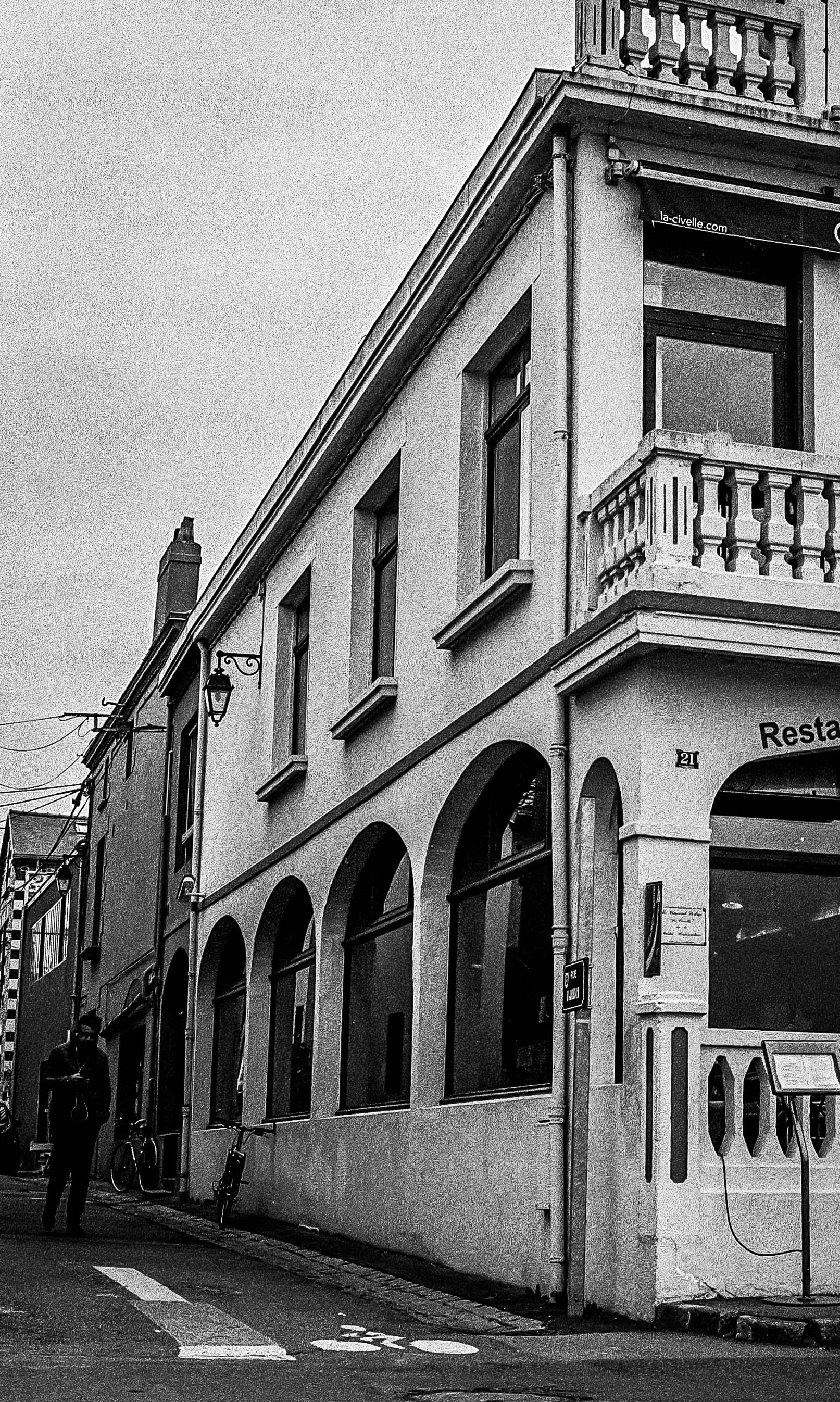
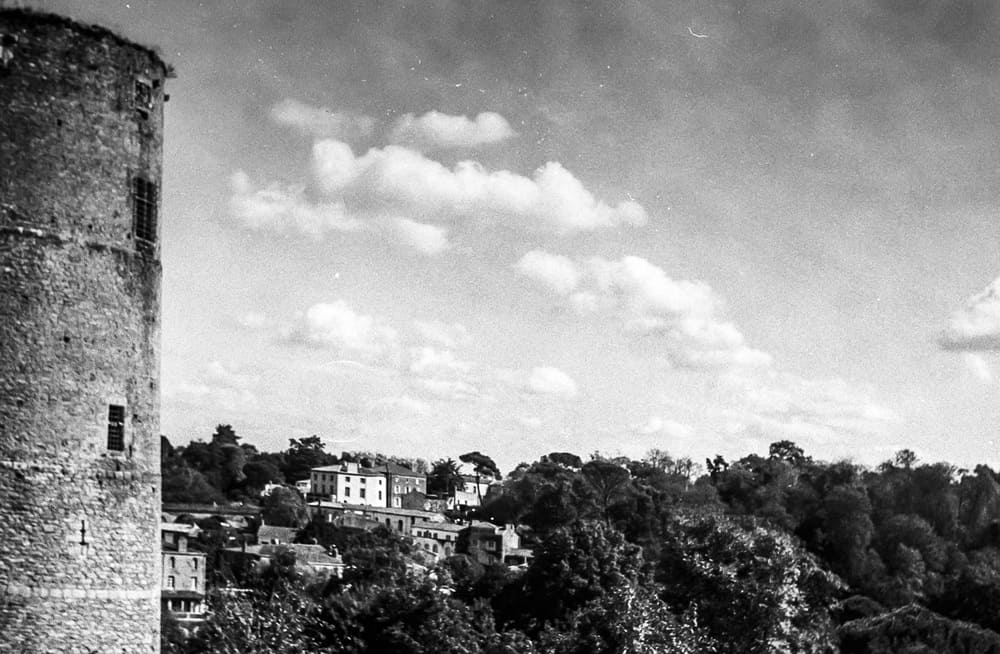
The Opening of the Film Archives—Clisson, September 2016


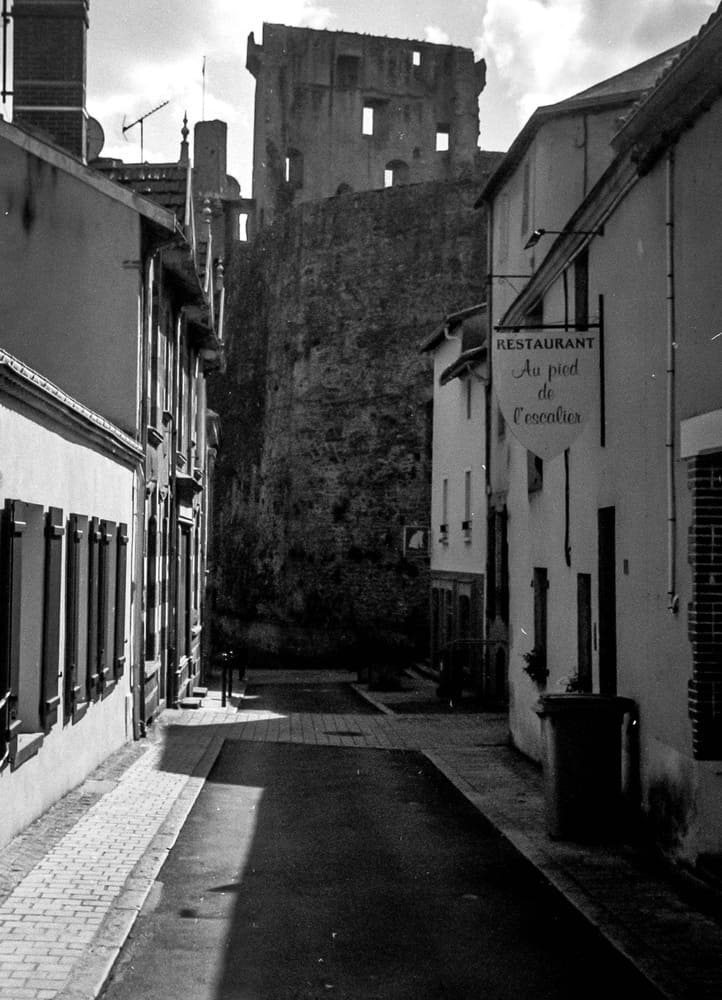
Welcome back, Dear Reader, to the film archives, still with the Canon AE1 and HP5 Plus from Ilford, but in Clisson this time.  You will remember Clisson from previous articles and will have seen the pictures, so it shouldn’t be a stranger to you.  Who knows, it could even feel like revisiting an old friend.  It certainly is for me. 

But why Clisson I hear you say.  Well, it’s not very far away from where I live.  It’s also one of those market towns that is renowned for the beauty of its architecture with an Italian slant.  It has the massive castle that towers above the river.  It has me taking photographs of it.  

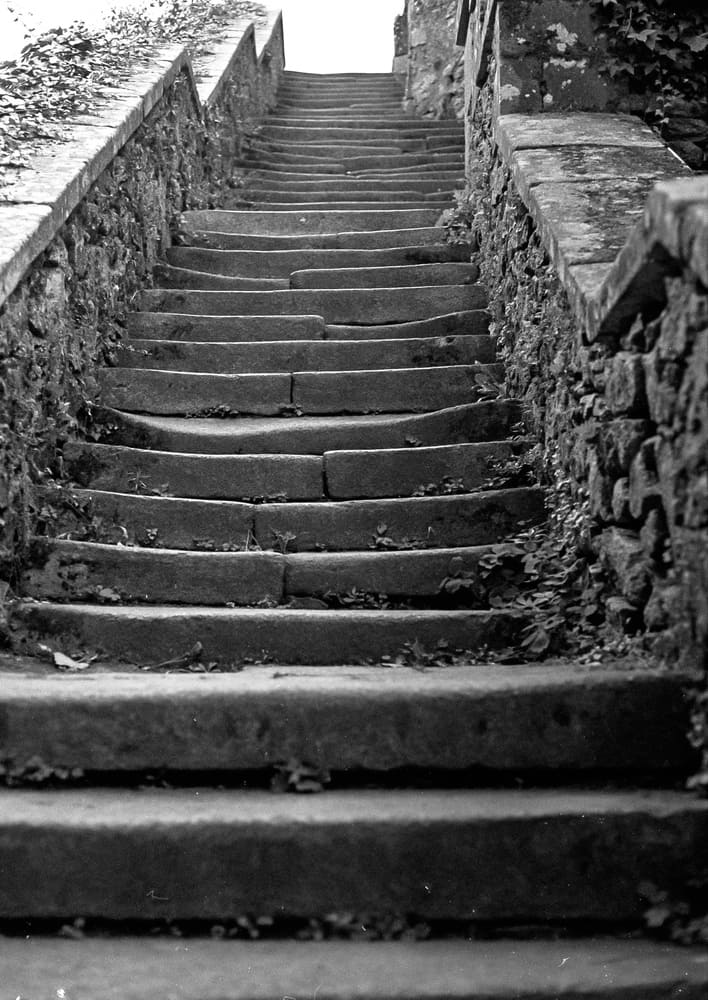
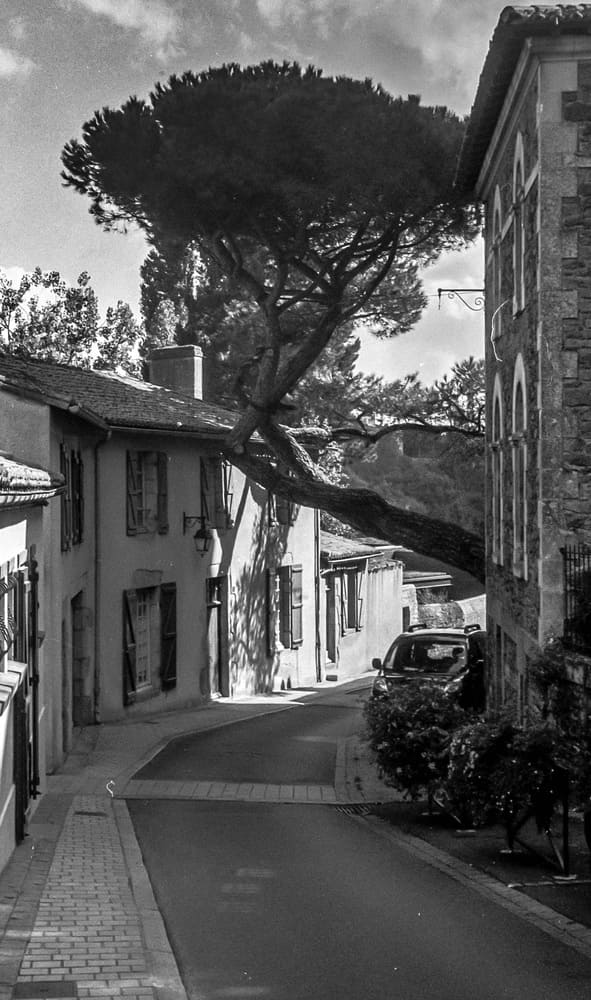
Clisson, like most things, has options.  On a Friday the main option is the huge market, and wandering around the 14th-century Halles, which can keep you out of the sun, the rain, the heat or the cold, depending on the time of year.  I either go down to the river and wander along the river banks in the Garenne and Lemot park, or park at the top of town and stroll around the Halles and surrounding streets.  In the series of photos at the end, you will see some stone steps that join the two options, but I have dodgy knees, and those steps are like leg day at the gym.  You can avoid those steps by just following the road that wraps itself around the church, and going under the tree that just got tired and decided to rest on the house opposite.  

But this time I decided to break out of my habits and visit the Quartier St Jacques with its decommissioned chapel, and garden.  It’s yet another pretty place in a pretty town, and when I was sitting there in the sun, I felt that I didn’t have a care in the world.  Serenity flooded my mind and all was well with the world…

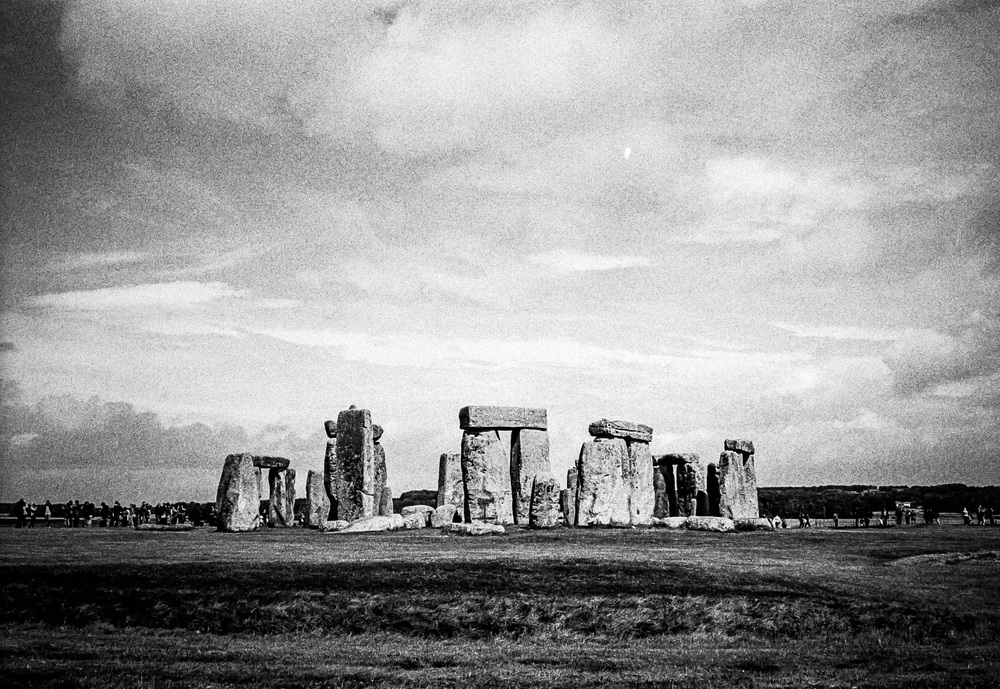
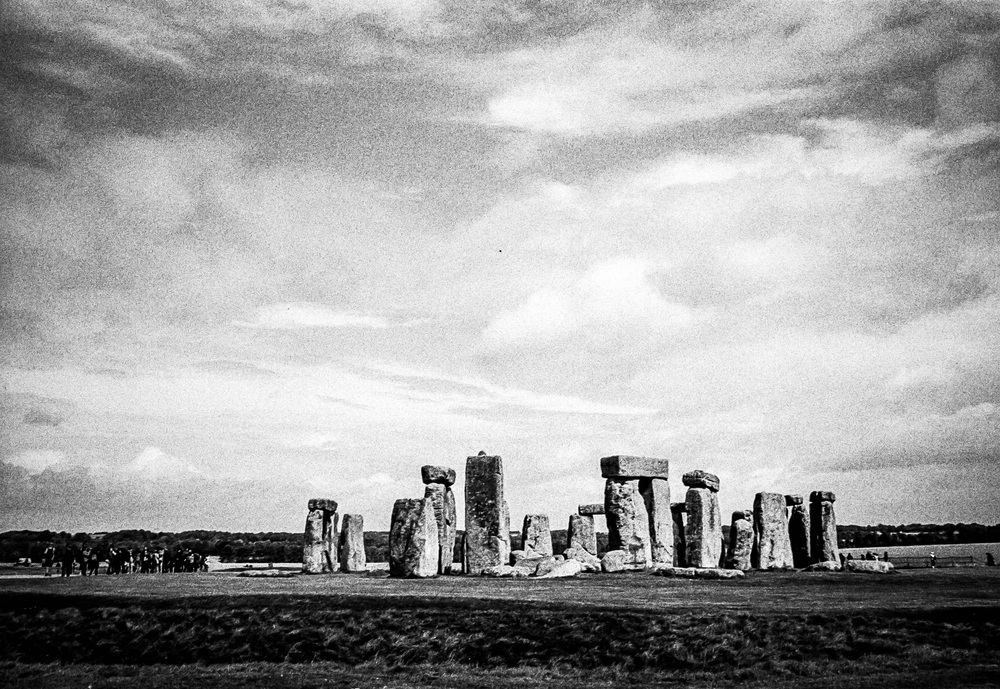
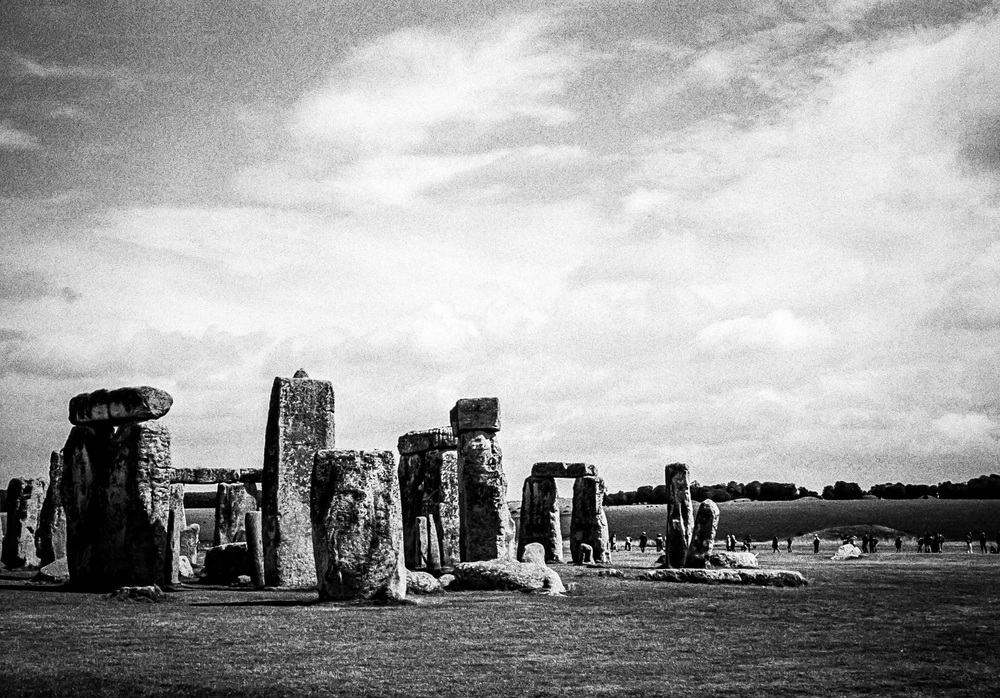
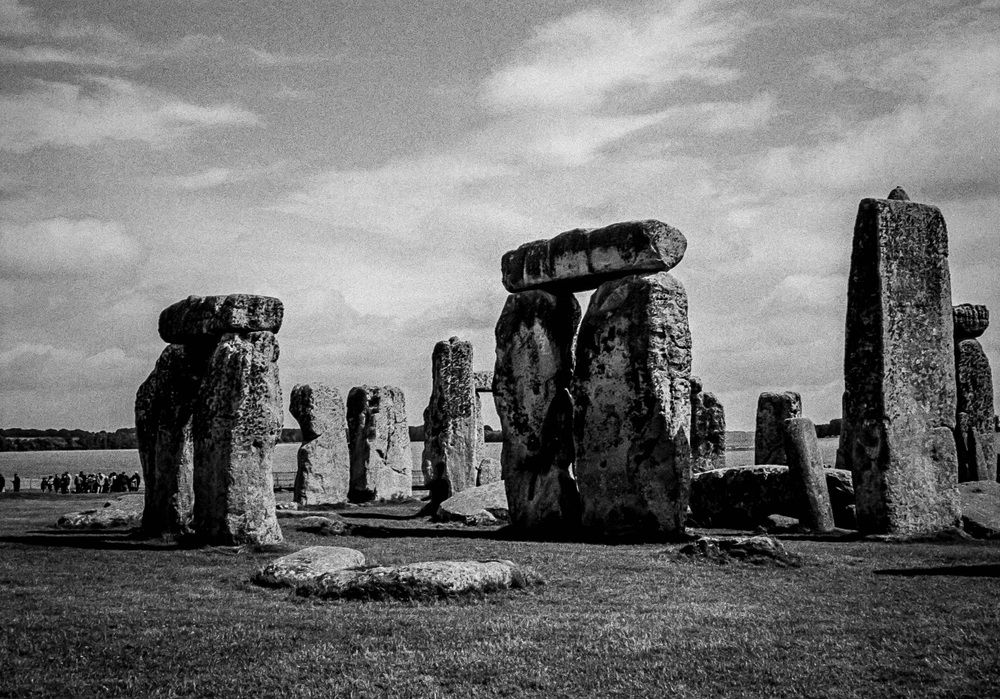
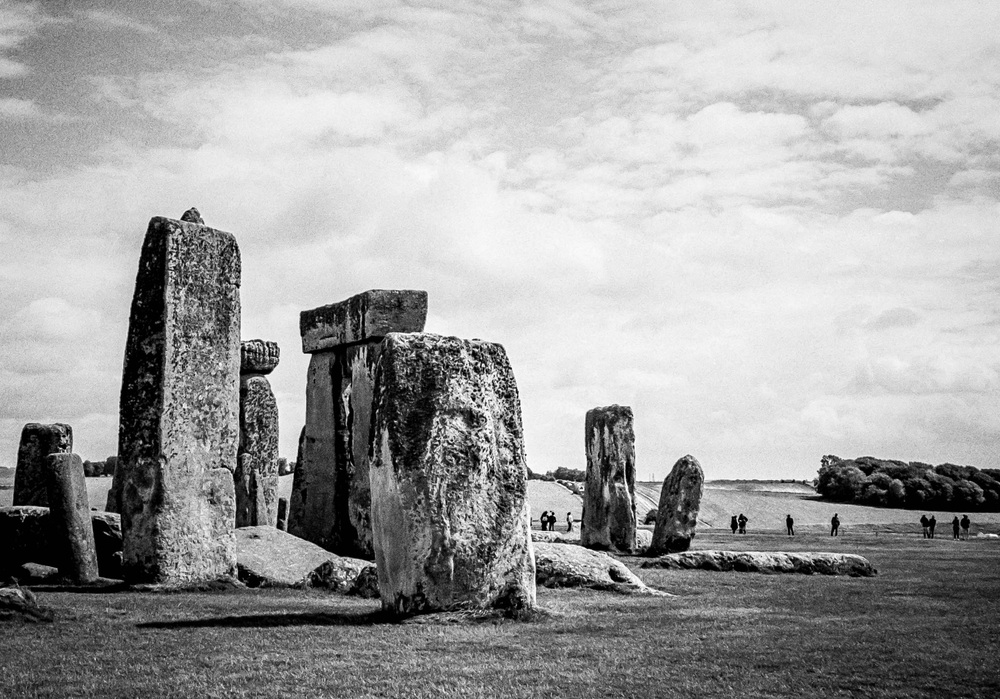
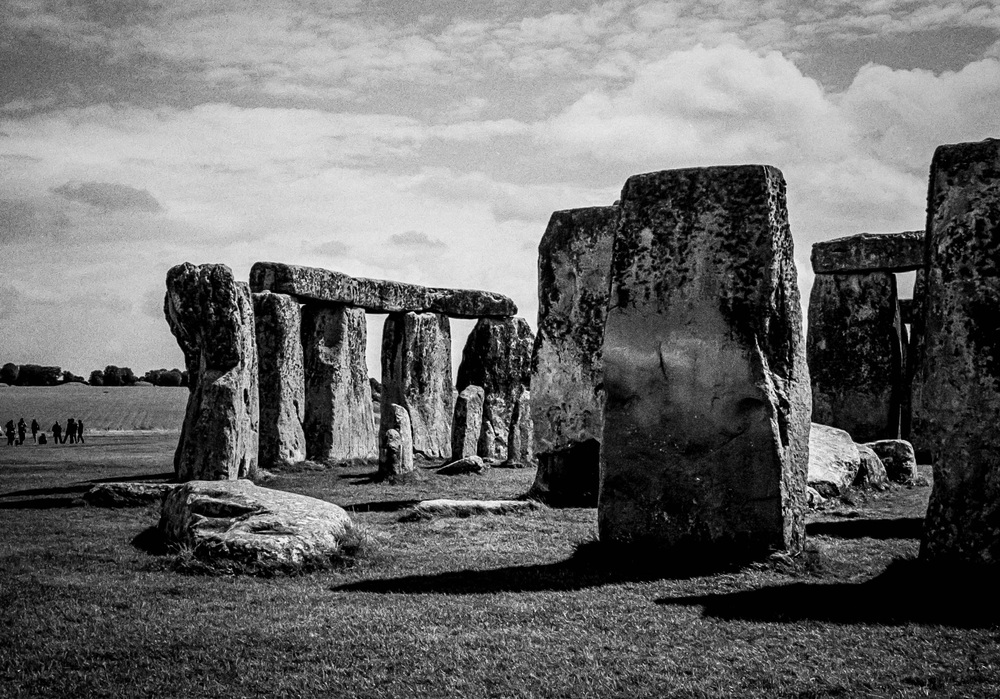
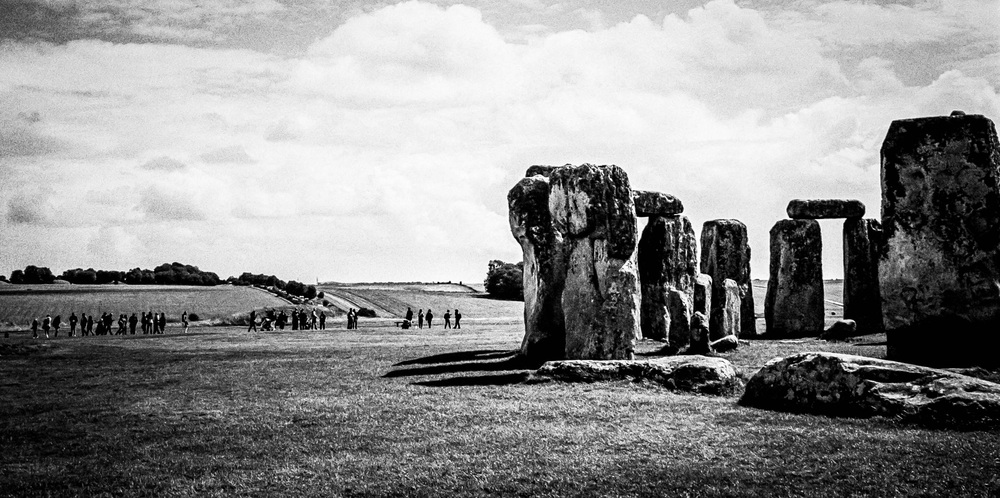
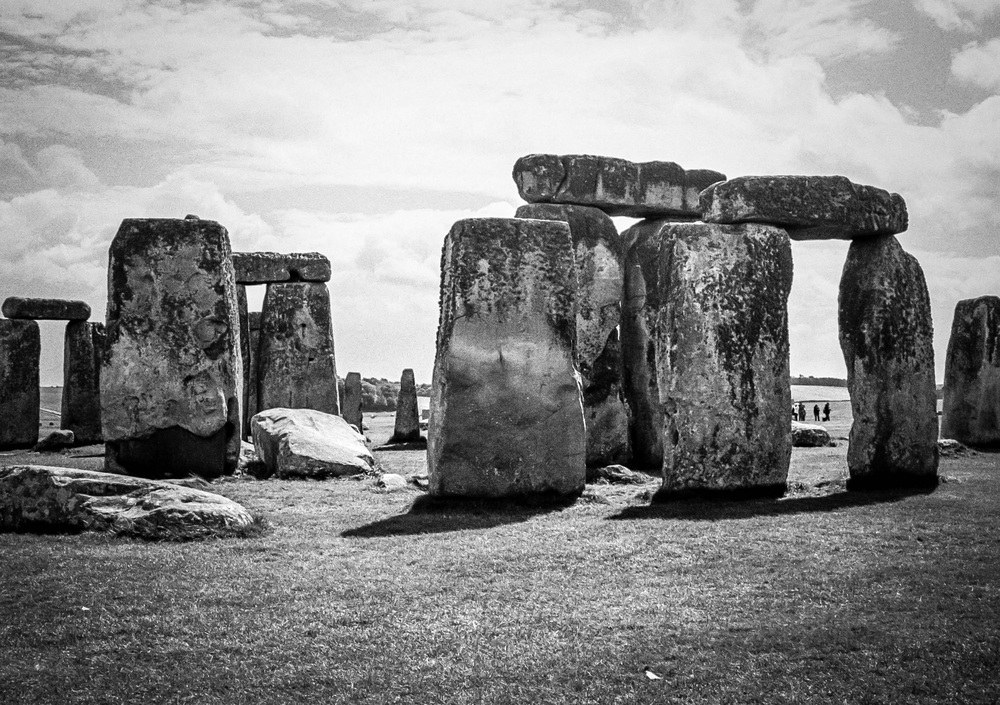
The Opening of the Film Archives – Stonehenge August 2016


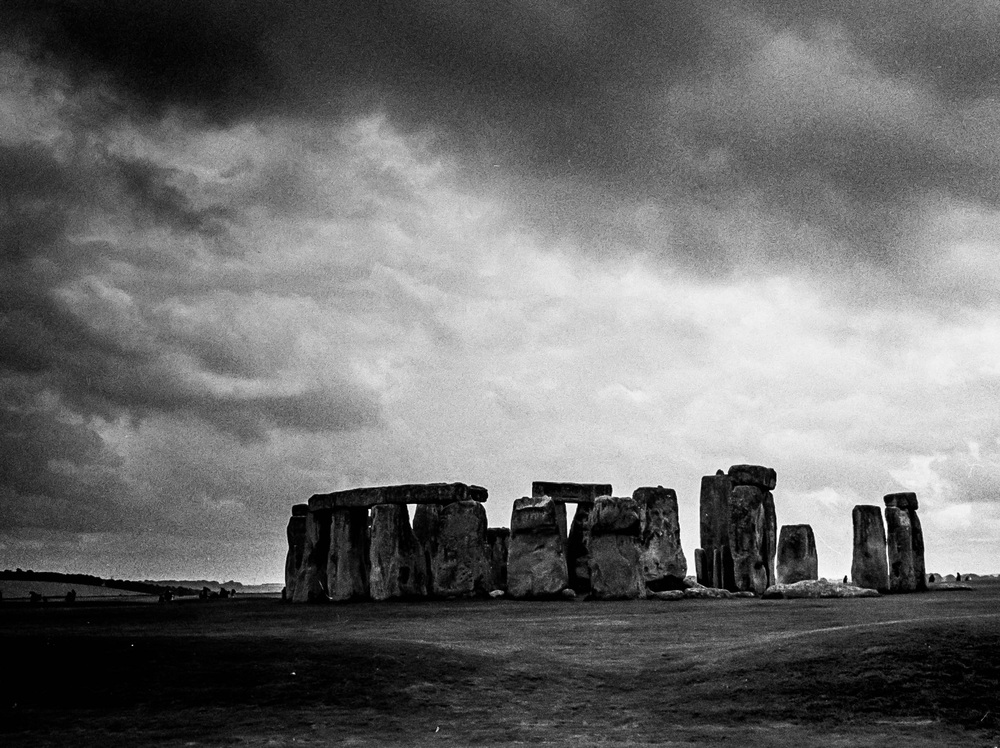
Stonehenge is something different for most people.  For some it is a historical site in Wiltshire, and despite not being part of the 7 wonders of the ancient world, still remains pretty special.  For some more “alternative” folks, it’s an ancient spiritual centre, and just happens to be on converging energy lines.  For some it’s a day out with the children.

We had come back from a cruise that had taken us around the Canary islands, Lisbon, and Galicia in Spain.  Thank you Mummy, and thank you Daddy!  I think they felt guilty about us always coming up to see them in Northumberland, and wanted us to get a different holiday experience.  Well, different it was!  But that is a totally different story, and the photos can be found in the Olympus Trip 35 article.

So our ship docked at Southampton and we still were in the holiday mood.  I remember as a small boy visiting Stonehenge, and thought it was “the” opportunity to introduce my family to the site.  

It seemed slightly smaller than I remember it.  As do most things if I’m going to be honest with you, but the majesty of the stones remained.  As did the wonder at the fact that these stones had been dragged overland from Wales, and put into place, with the joints still being “rock solid” and down to the nearest millimetre.  I work in a factory that does industrial woodworking and I know what we can do with modern tools and technology and yet here, this massive construction was put together using basic tools.

The children were just taking in the whole experience, and rather bemused at the sight of Japanese tourists being shoved around the site and taking the obligatory selfie.  They also seem quite bemused by the amount of school groups being led around.  

I preferred, as often as I do, to just take my time and take it all in and get some photos of the place.  With the 40 mm zuiko lens I was getting some lovely environmental shots that you can see below.  

My wife, however, was in tears.  Crying her heart out.  She later confided in me telling me how she just felt overcome with emotion.  Maybe those lines of energy for those alternative folks might have something in them…

The Opening of the Film Archives – Penthièvres July 2016


I don’t know about you, but I’m really getting into this Film Archive business. It’s great sharing these archives with you all, and it’s certainly bringing back lots of memories to me. Maybe less for you because I haven’t published them here yet. But I know you’ll like them as much as I do.

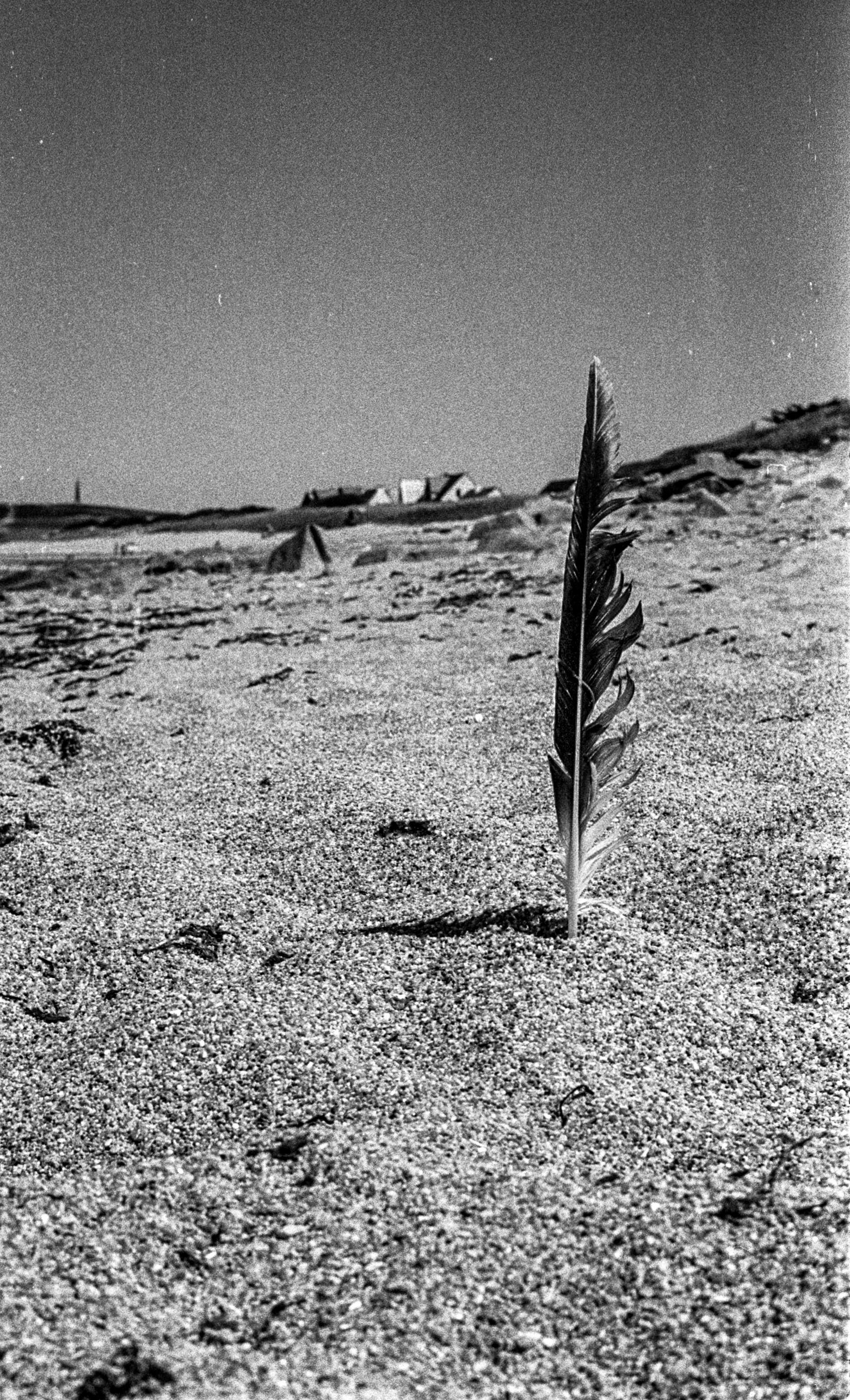
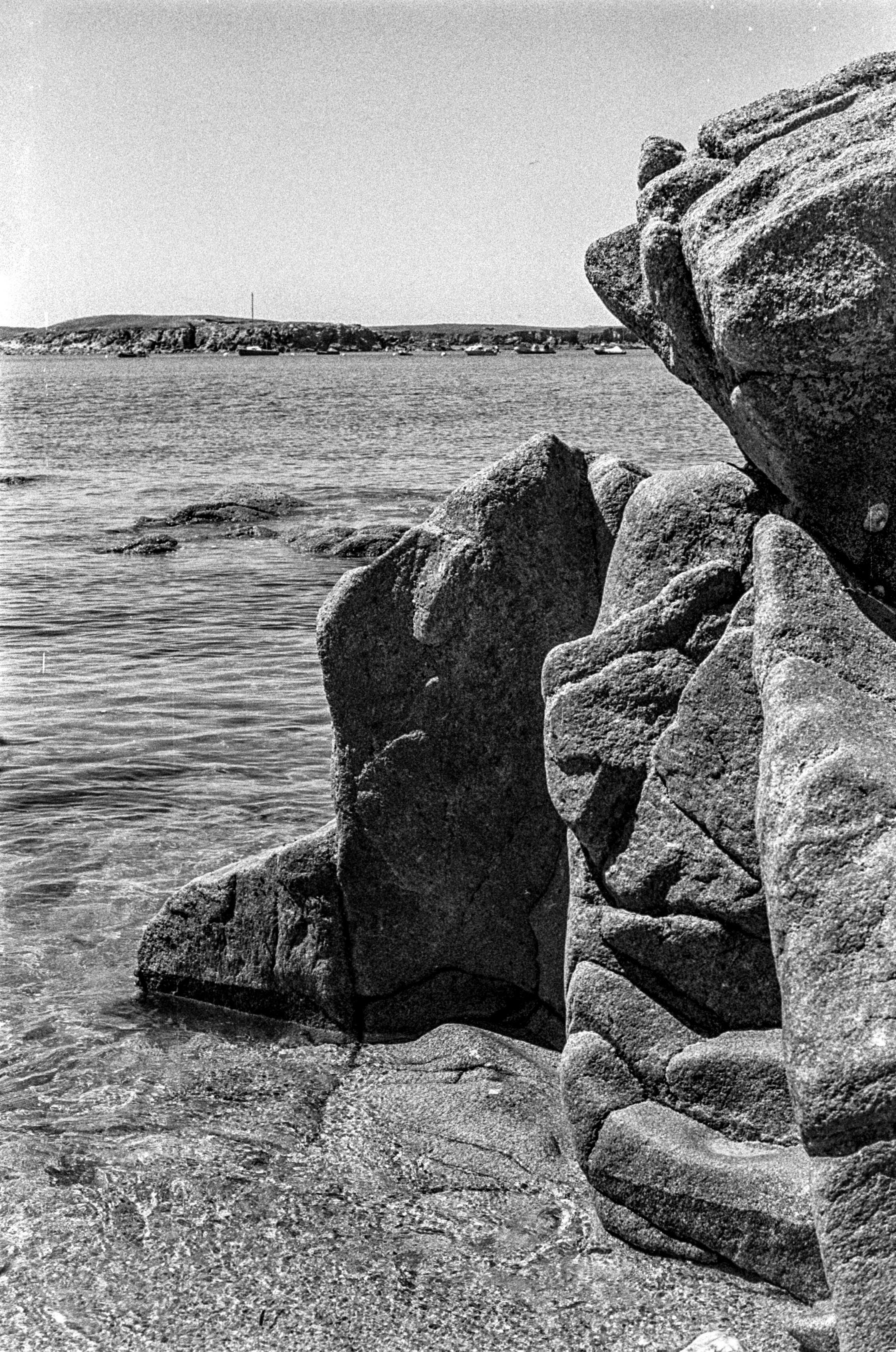
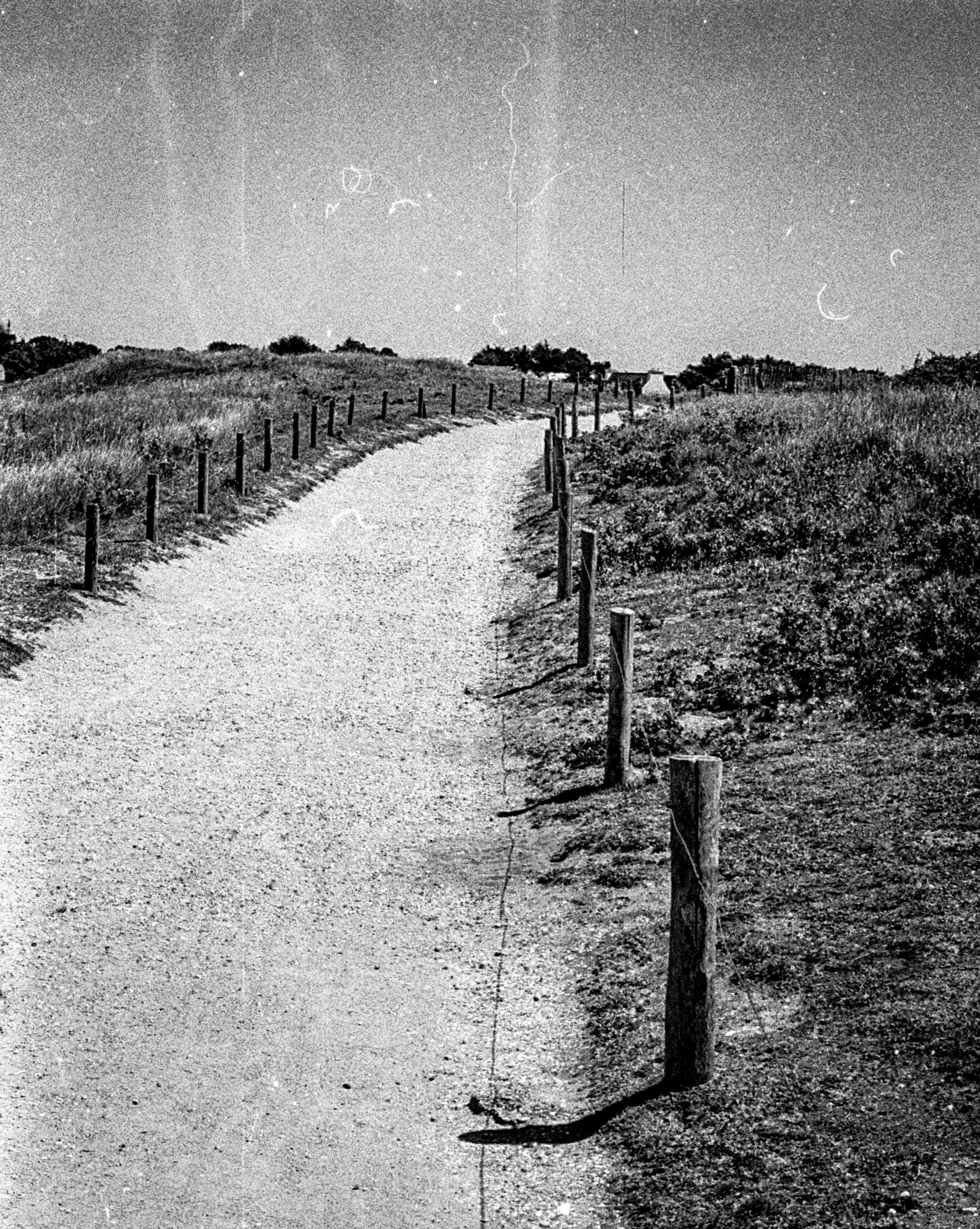
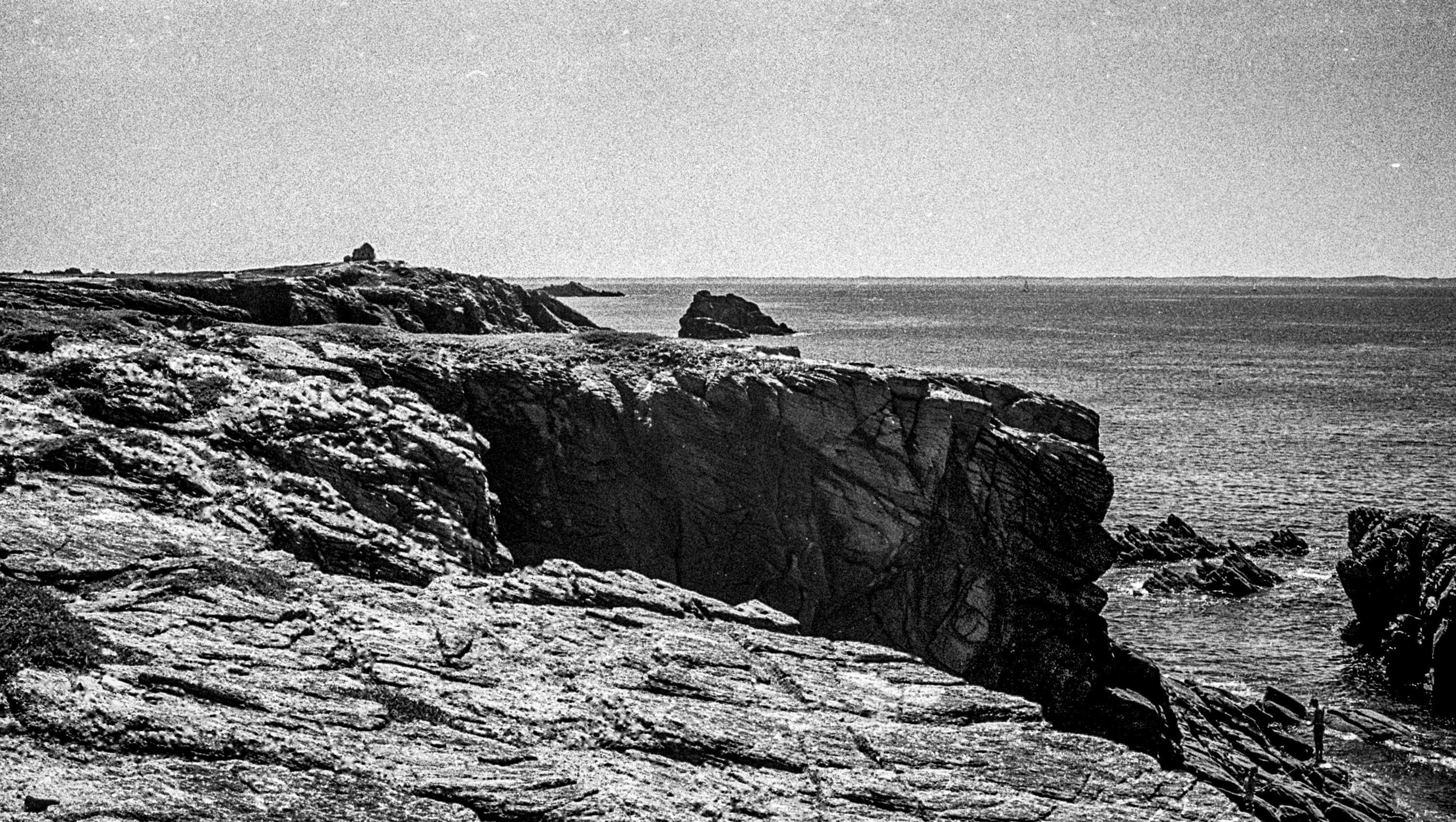
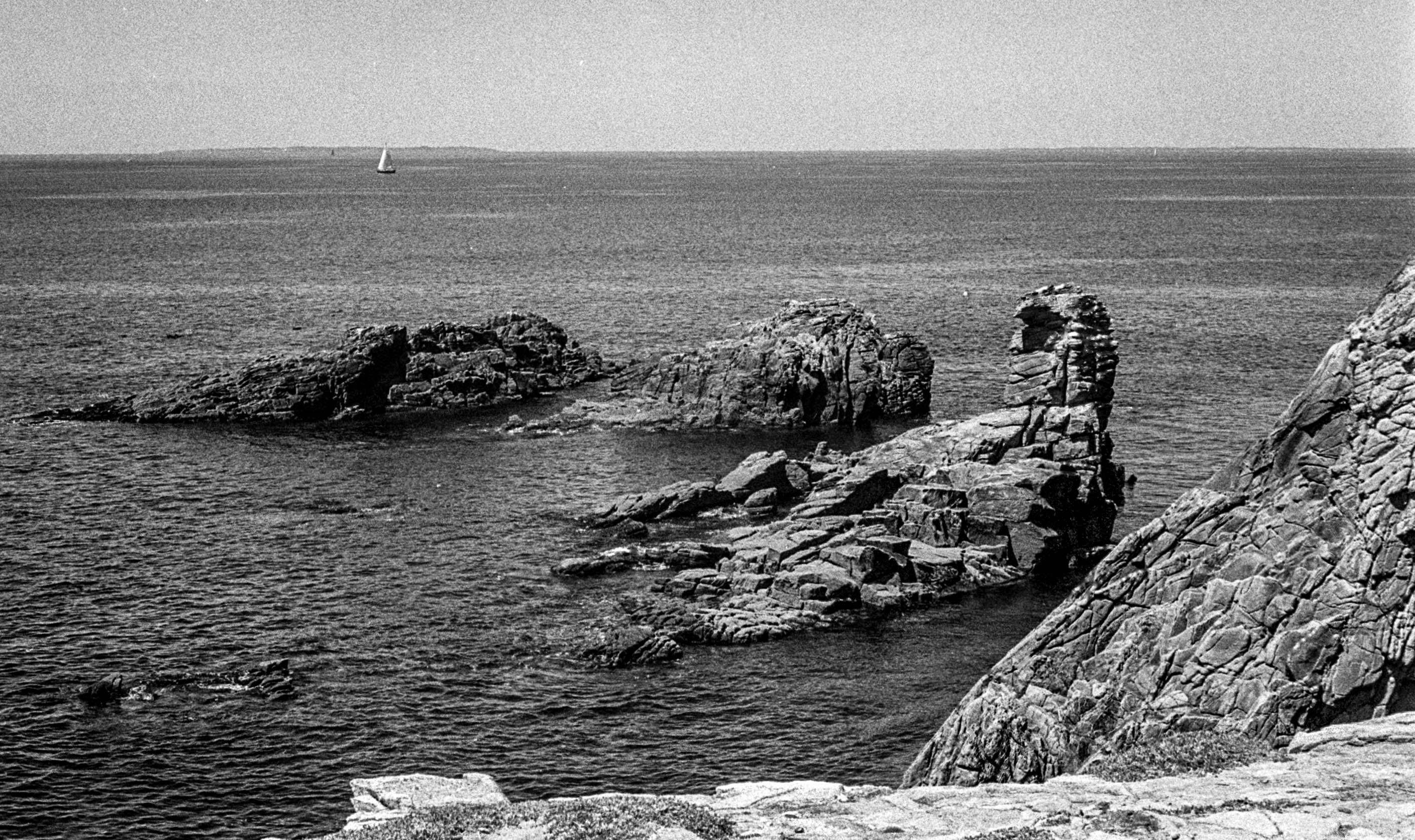
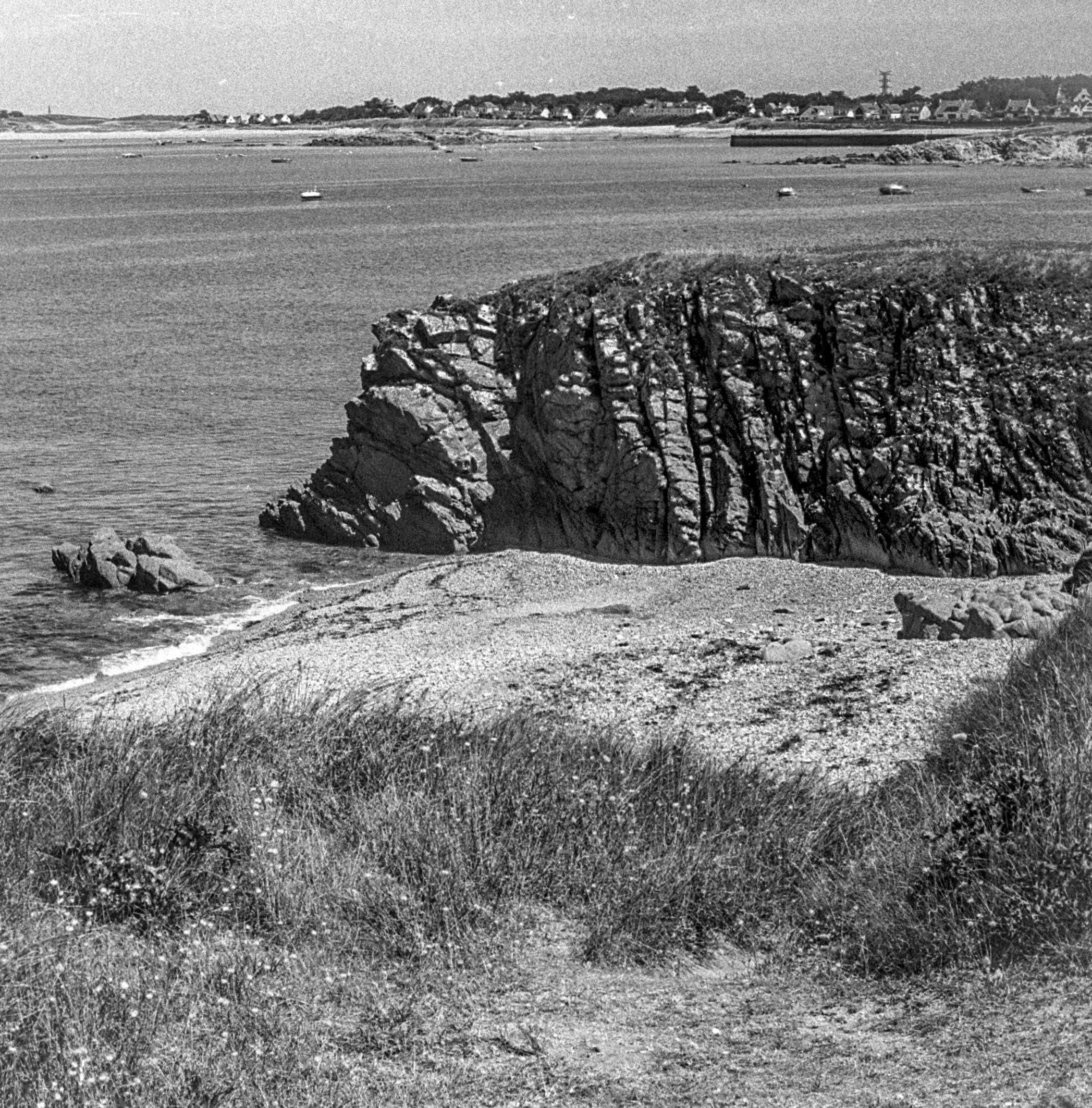
This particular set of photos was taken on Penthièvres beach, located on the Quiberon Peninsula in the Morbihan. It has a special place in my heart. Not just because I like the sea, but the smell of the sea, and the feel of the sea air on my face. It’s a place I often escape to for a bit of tranquillity especially with the chaotic nature of family visits.

In some respects it’s strange going to the beach to “relax” as it’s something I usually hate.  The idea of the outing to beach with the family and putting towels down, with rocks on each corner of the towel, and having to watch over children going to swim and bathe, making sure they don’t drown because you’ll get shouted at.  The shouting of the children, and worse other people’s children.   Getting sand in between your toes and then getting back to the car and having the impression you’ve brought back the whole beach…

But here it was different.  Boots stayed on.  No screaming children.  Just the wind, the heat of the sun, just being an observer and not having to chat with anyone.  Being able to capture the beach on film.  Pure, solitary bliss.

So, now that you know where we are, let’s look at the camera and film du jour. The film stock that day was the usual Ilford HP5 that I always used at the time, a classic choice for its versatility and ability to capture the subtle nuances of light and shadow. The camera was the Ukrainian made rangefinder, FED 5 manufactured during the Soviet era. Loading the film with this camera is done by unscrewing the base plate, similar to the way one does with a Leica. The focusing with the “ghost” image is spot on and it’s a joy to use. I still love the smell of the leather case too. As in much of my film photography it’s as much about the experience of shooting as the final images.

In the end, Penthièvres became more than just a backdrop for my photographs. It became a sanctuary, a place where I could reconnect with my love for photography and find solace in the beauty of the natural world. These images are a testament to that experience, a reminder of the power of film to capture not just the physical landscape, but the emotions and memories that are woven into every frame.

The Photographer Behind the Lens


Embarking on a photography outing is filled with anticipation, decision-making, and a blend of personal passion and professional discipline. Anything can go wrong, but maybe that’s not the right way to put it. Perhaps I should rather say, expect the unexpected and be ready to adapt. As I prepare for each little jaunt, I face a range of choices that shape the outcome of my photographic endeavours.

Selecting the Right Gear:

The first step in my preparation involves choosing the right camera for the occasion. Factors such as, “Does it still work?” for my film cameras, or “have I charged enough batteries?” for my digital cameras, enter into consideration. My energy levels and the allure of film versus digital play a crucial role in this decision-making process. For example, “Do I have the energy to develop and scan my negatives, or can I face hours of photo editing?” For me at least, it’s not just about the gear, but about the experience it brings. Those of you who have used film will know exactly what I mean. It is a totally different experience to using digital cameras. The words “faffing” and “about” spring to mind. What is my goal in going out today? Is it just to see what happens, or do I “have” to get results?

Navigating Weather and Mental Health:

Weather forecasts and mental well-being become significant considerations as I plan my outing. I, like most people, have an aversion to being rained upon. Even though I might not melt, I don’t want rain getting into the electronics in modern cameras. The allure of capturing the perfect shot often outweighs the discomfort. Yet, there are moments when self-care takes precedence, telling me to just stay in. Sometimes, staying in and getting my ironing done provides as much satisfaction as going out, allowing me to look so dapper on my next outing. The joy of unlimited cups of tea might just make staying in on a rainy day all the more appealing.

Packing the Essentials:

A well-equipped photography bag is essential for any outing. From spare batteries to a flask of tea for comfort, each item serves a purpose in ensuring a successful day of shooting. The contents of my bag reflect not only my photographic needs but also my personal preferences and creature comforts. However, the weight of the equipment is a crucial consideration, especially for street photography where mobility is key. As a more rotund gentleman of 52 years, this has become more and more important. Basically, you can take it with you, but you have to carry it. The X100F and a couple of spare batteries weigh next to nothing, but a Mamiya, or DSLR with a couple of nice zoom lenses suddenly makes you feel less young and daring. Don’t get me started on tripods. Yes, you might need one (in fact, you do) if you want to be doing long exposure photography, but imagine lugging one up a mountain. Okay, don’t. It’s not worth it. So ask yourself what do you really need, and will one of your children carry it for you? And how much will it cost you to make it worth their while?
The Lens Palette:

Crafting Perspectives: Different lenses allow me to achieve different results. If I use my 16-35 lens, I will get wide vistas in town and have a certain level of “artistic distortion.” If I use the 24-70, I have quite a good range of focal lengths, and also a macro feature on the lens. If I use my fisheye lens, I can get all “arty farty.” With a 35mm lens, I am perfect for street photography, and it’s the lens I use the most. The nifty fifty allows me to have a more human-eye view of the world.

The Digital Dilemma:

When it comes to the choice between film and digital photography, authenticity often clashes with practicality. While the allure of film photography appeals to my desire for authenticity, and it does look exceptionally cool, and you can enter “smug mode” knowing that you are arguably better than those who only know about digital photography (yes, snob value does exist!), the energy and time required for development and scanning can be daunting. On the other hand, digital photography offers convenience, allowing for instant image transfer and easy post-processing in software like Lightroom. The decision ultimately hinges on the balance between artistic vision and practical considerations, and can I really be bothered? I know, you have just lost respect for me as an artist, but the struggle is real.

Professionalism Meets Passion:

For professional assignments, meticulous preparation is paramount. From checking equipment to selecting the perfect lenses for the job, every detail contributes to achieving the desired outcome. I noticed this during my musical studies when the goal is to get a paying gig and deserving the pay. You have to get results and your reputation depends on those results. But, even in the midst of professional obligations, the passion for photography remains at the heart of every endeavor. Top tip of the the day. Always have a back-up plan. No planning survives initial contact with the enemy. You’re on your own and have to improvise. What can go wrong, will go wrong, so prepare for this.

Mapping Out the Journey:

Finally, planning the route to my destination adds an element of anticipation to the journey. Do I have to drive for miles, and will there be a loo somewhere on the way? How will I be able to acquire snacks? Are there any small producers that might need a client? I mean I don’t always think about food, but when you live in a country known for the quality of its produce, and where it is almost a duty to consume on the good stuff, it kind of is… Anyway, make sure you look at where you’re going on a map. And if you’re visiting a historic site or attraction then check the opening times. It has happened before. You turn up to a place and it’s closed, so I went a saw my plan B… The path ahead is filled with possibilities and opportunities for creative exploration.

In conclusion

The art of preparation is an integral part of the photographer’s journey. Balancing personal passion with professional commitment, each outing offers a chance to immerse yourself in the beauty of the world through the lens of a camera, whether it’s under the open sky or amidst the comforting hum of domesticity.