Classic Chrome Meets Portra 160: Evaluating the Pentax ME Super and Fujifilm X100F


Let’s talk about two of my favorite cameras—the Fujifilm X100F and the Pentax ME Super. While these cameras belong to entirely different eras of photography, they share a surprising similarity in size and portability. I’ve used both extensively, and today, I want to compare their unique qualities without turning it into a clichéd “film vs. digital” debate.

Photography enthusiasts often find themselves in one of two camps: those who champion the convenience and immediacy of digital, and the purists who swear by the timelessness of film. But if you’ve followed this blog for a while, you’ll know I don’t see things that way. Instead, I value what each format brings to the table, and more importantly, how both contribute to the experience of photography.

A Tale of Two Cameras

For me, photography is more than just the final image—it’s about the journey of capturing it. Any Lomography fan will agree: the process is as important as the outcome. When I shoot with the Fujifilm X100F, I appreciate the immediate feedback of seeing the image on the screen and knowing right away what I’ve captured. But with the Pentax ME Super, it’s a different experience. I have a rough idea of what the film will deliver, but the magic isn’t fully revealed until the film is developed. That anticipation is part of the charm.

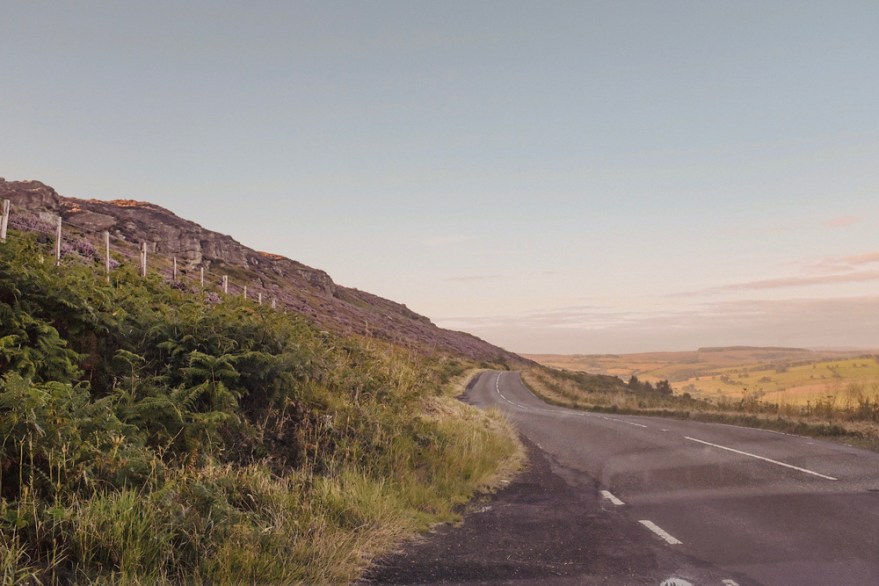
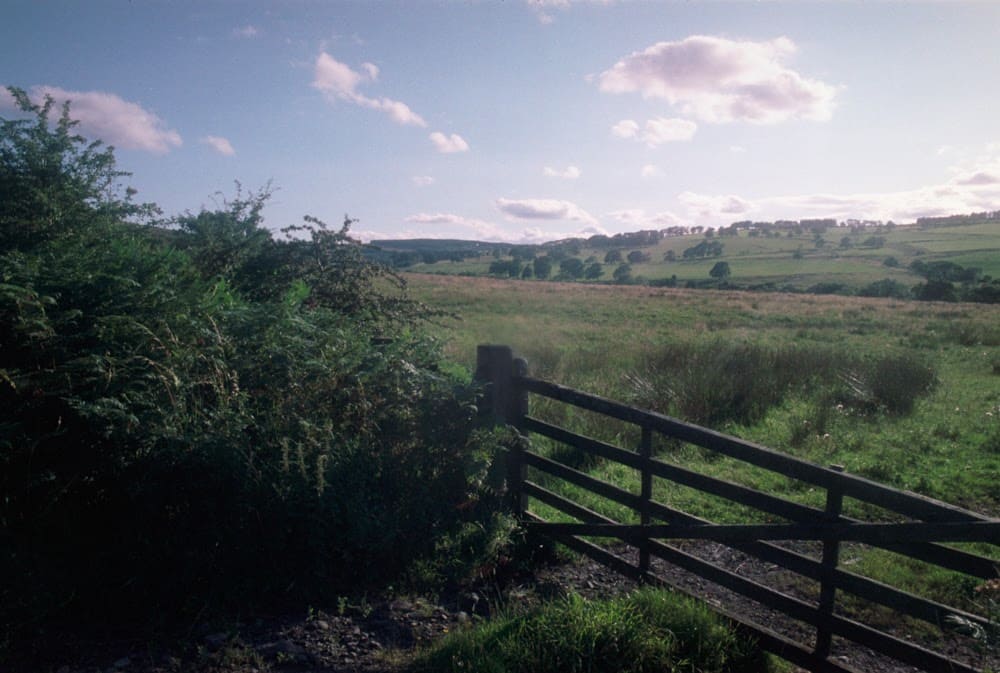
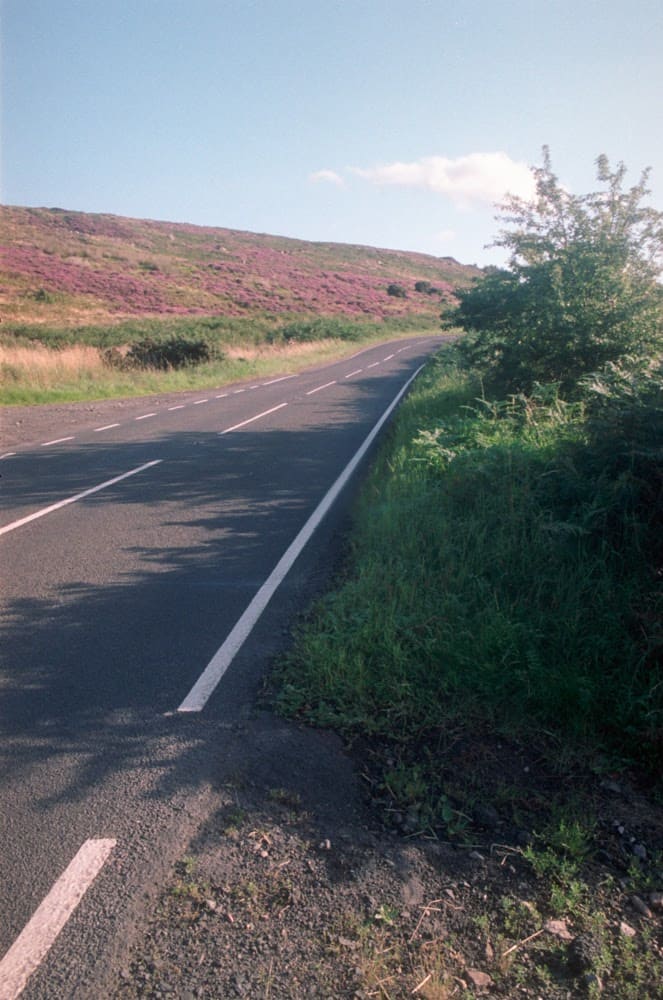
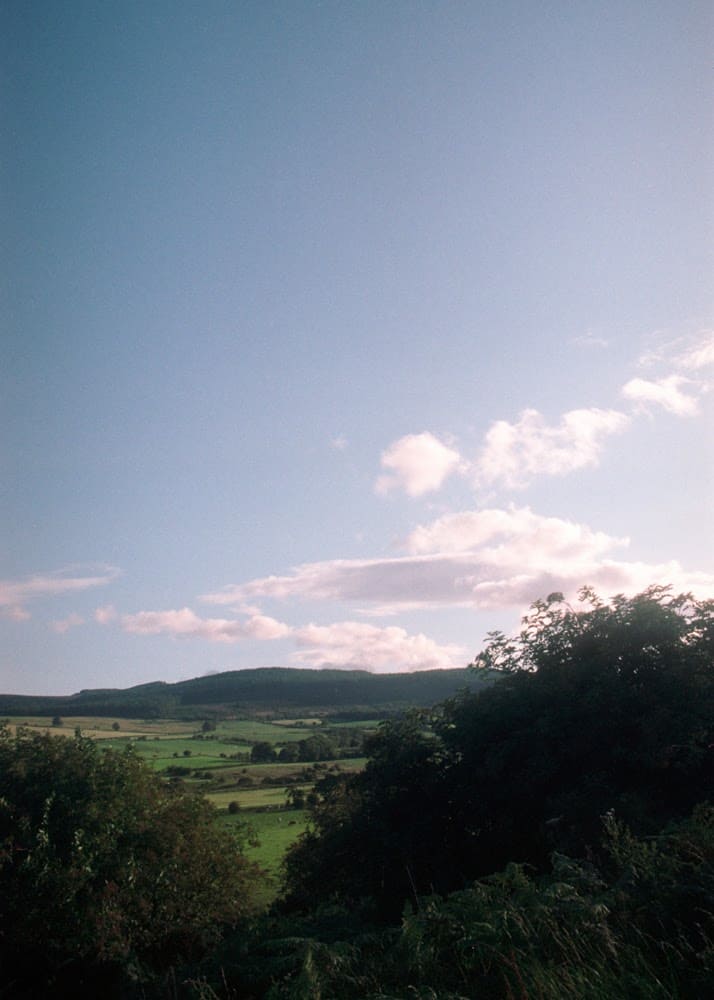
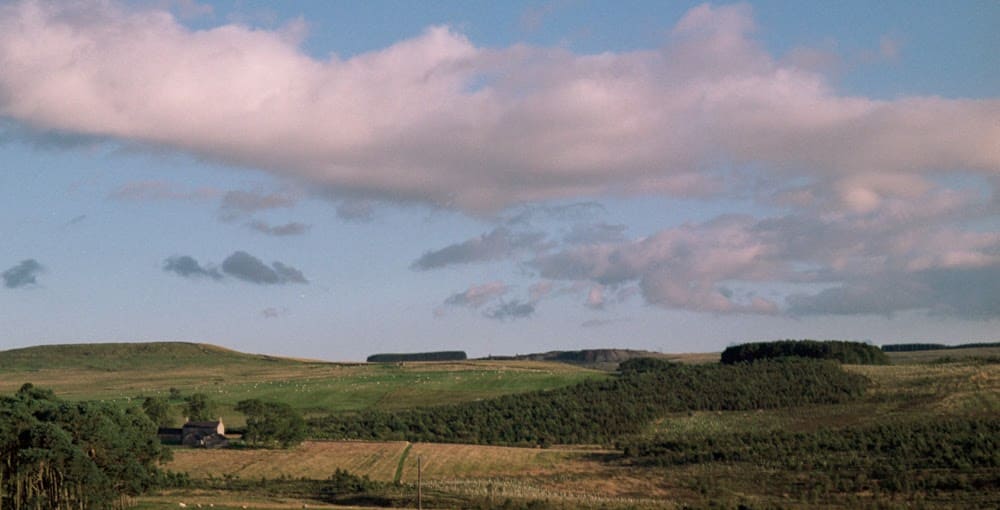
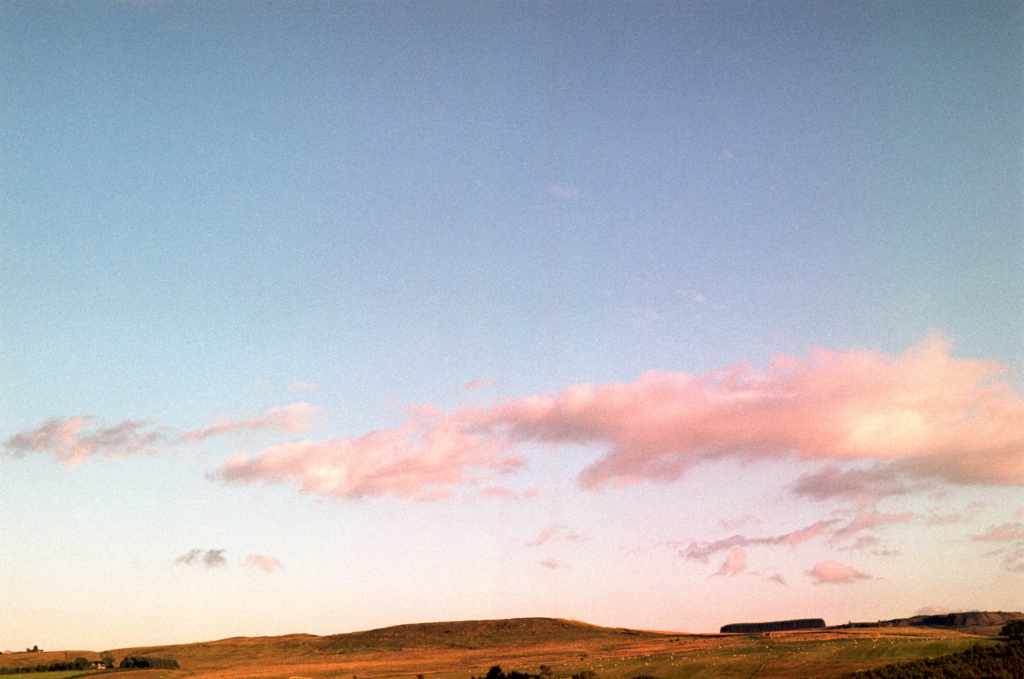
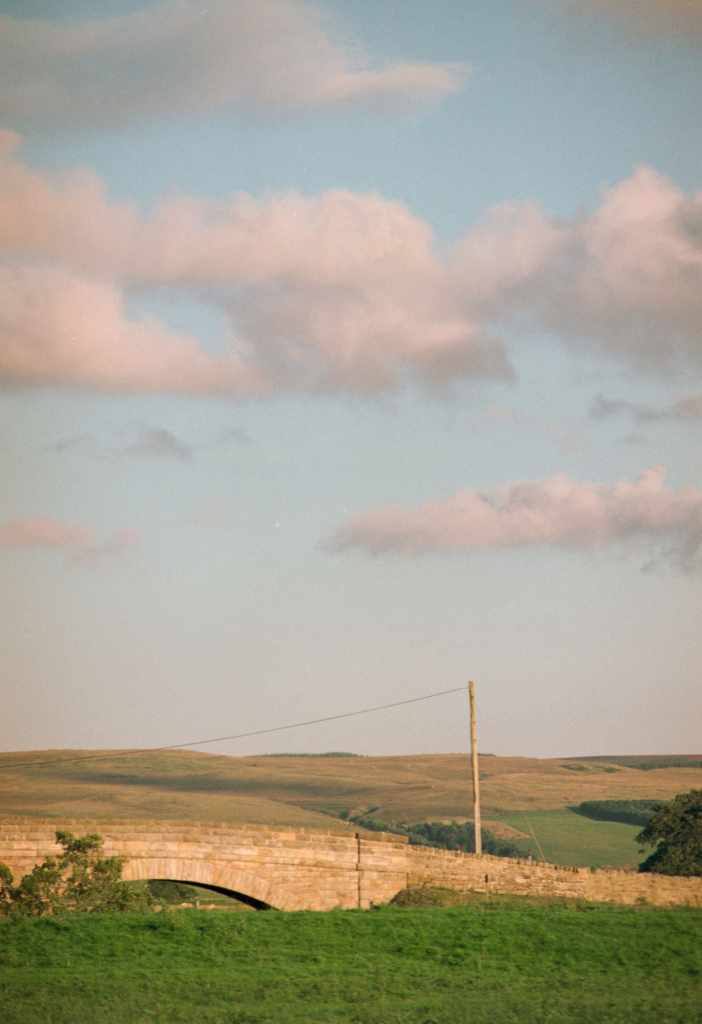
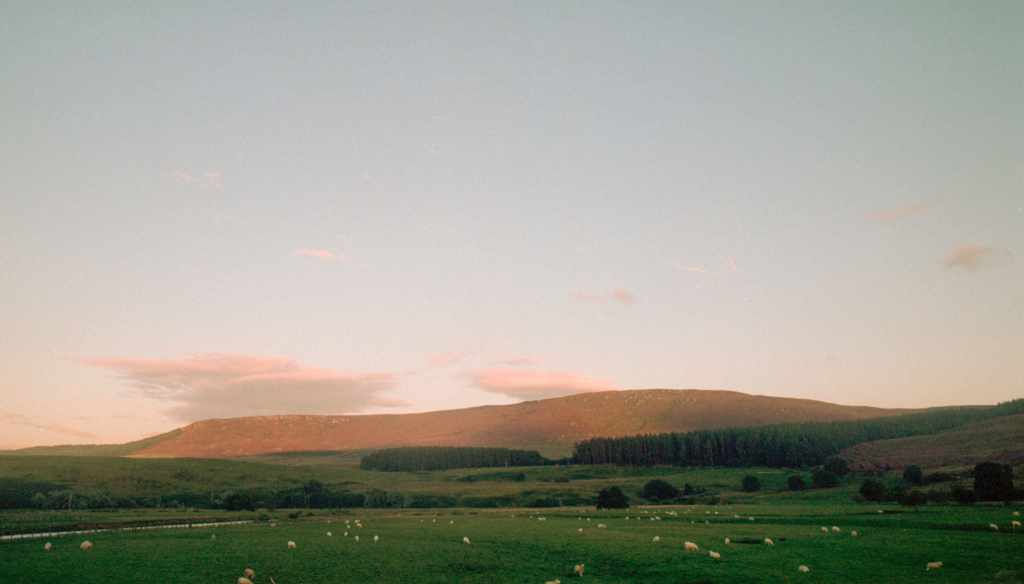
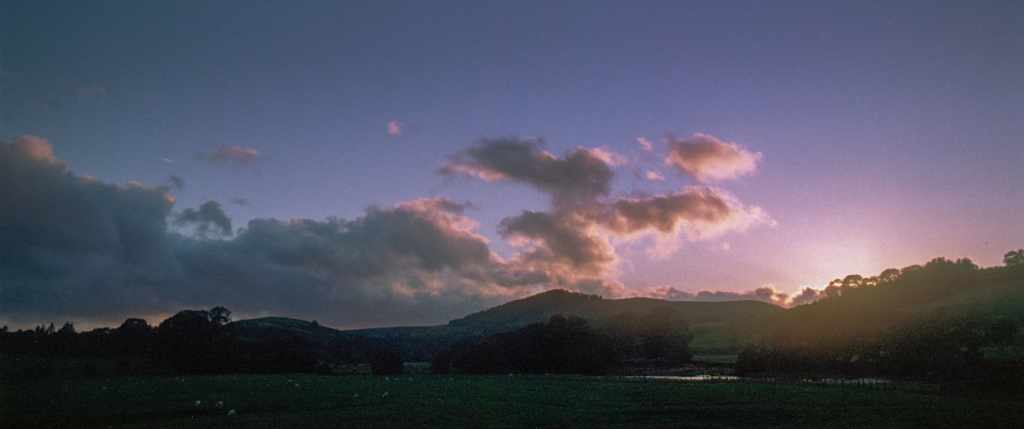
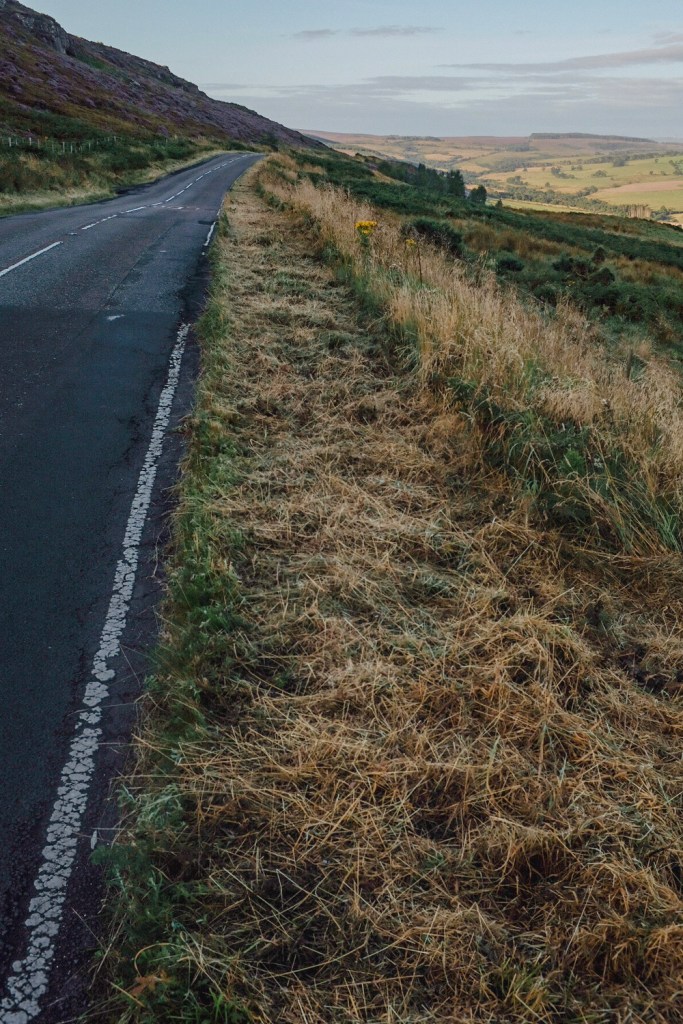
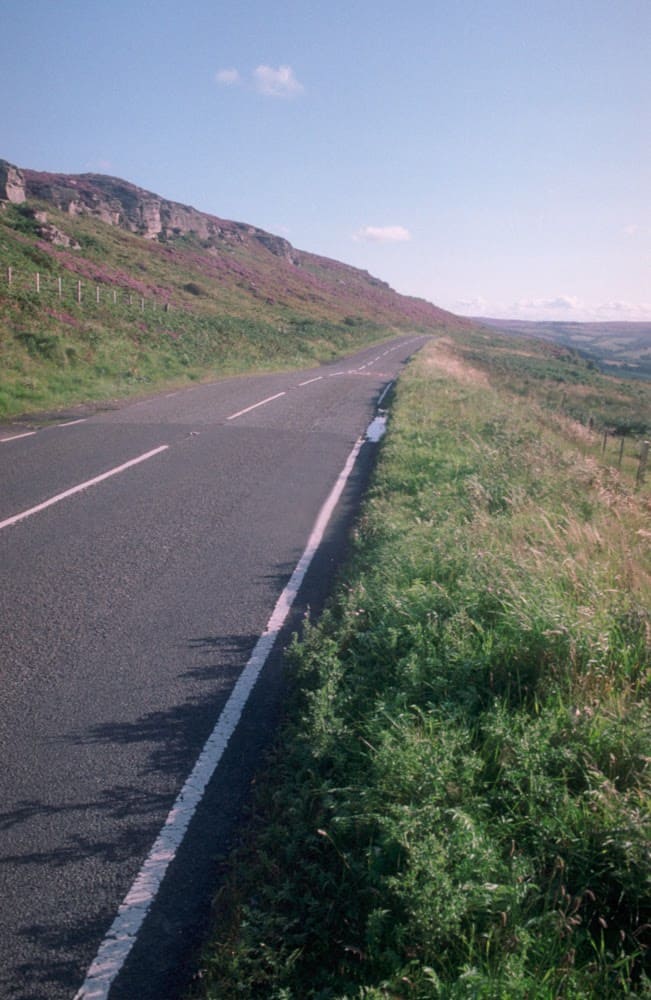
For this comparison, I’ve chosen photographs from Northumberland. Its moody, windswept landscapes—places like Alnmouth and the Northumbrian moors—present the perfect canvas for both film and digital. The X100F’s Classic Chrome simulation delivers a retro, muted look, while Kodak Portra 160 film, shot through the Pentax, brings warmth and richness to the tones.

The Fujifilm X100F

he X100F has often been called a bridge between the analogue and digital worlds, and I tend to agree. It’s packed with modern features like autofocus and an electronic viewfinder (EVF), but the controls are refreshingly tactile, with dedicated dials for aperture, shutter speed, and ISO. For anyone with a background in film photography, this setup feels familiar and intuitive.

What sets the X100F apart for me, though, is its Classic Chrome film simulation. It offers a subdued color palette that echoes old film stock, perfect when I want a slightly desaturated, vintage aesthetic. Unlike some over-the-top digital filters, Classic Chrome feels organic and subtle—bringing out details in the shadows without overwhelming the shot with contrast.

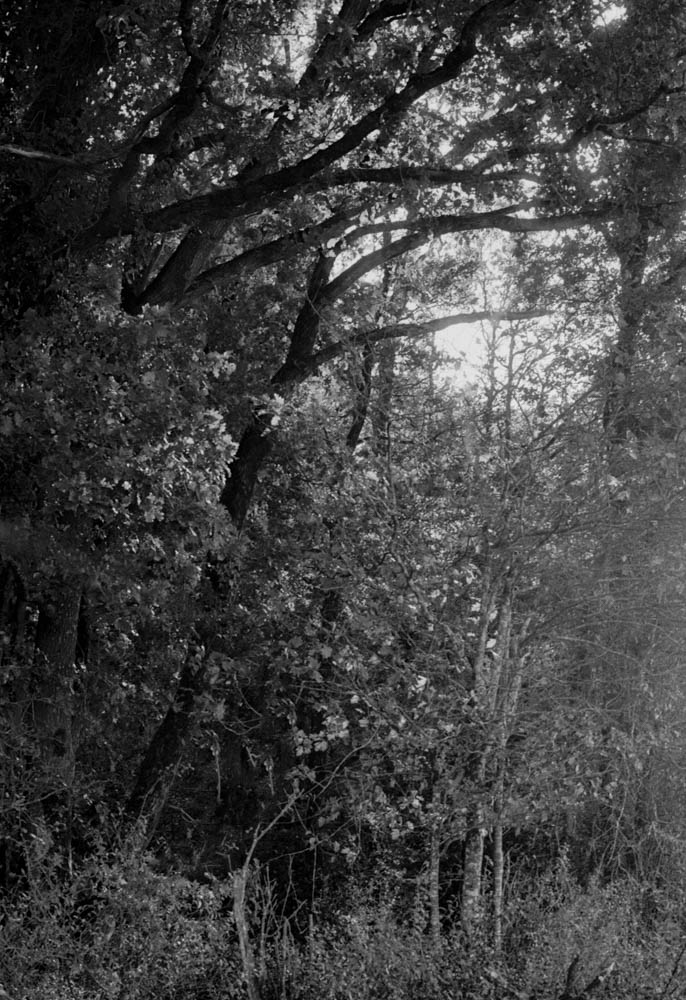
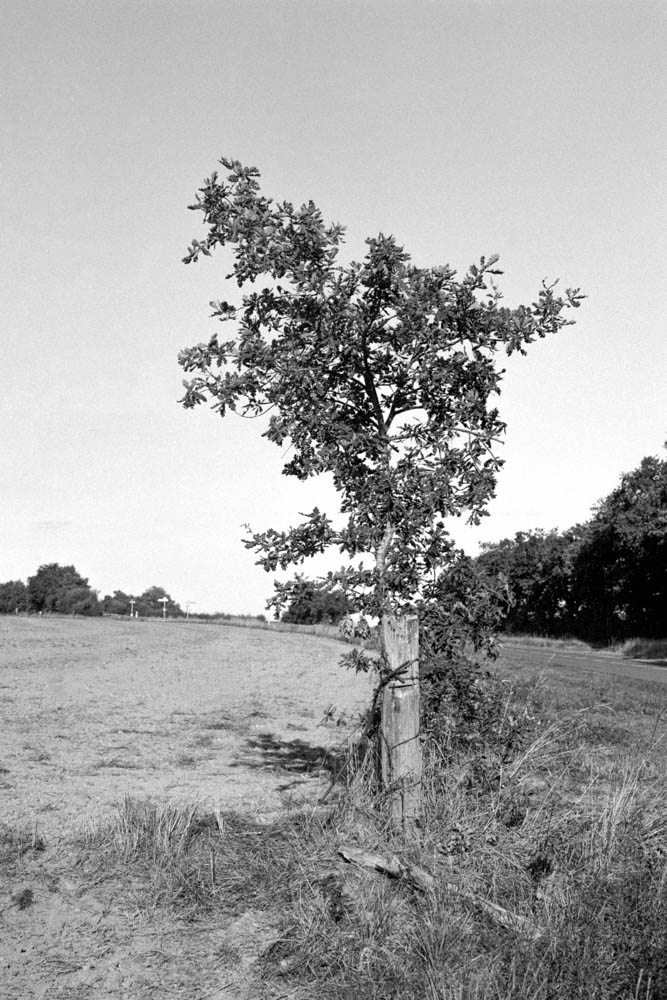
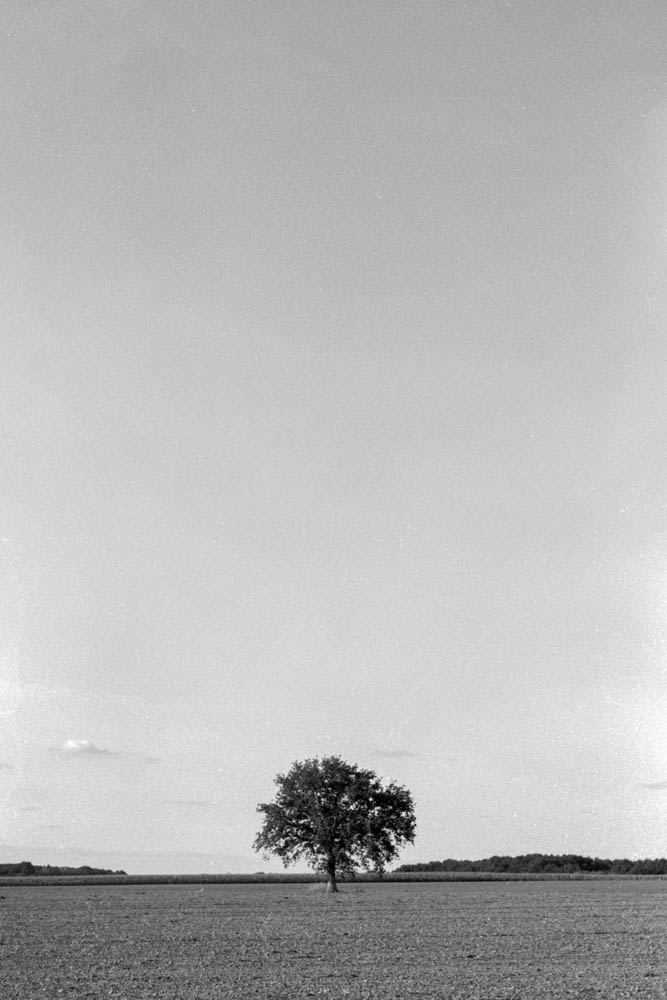
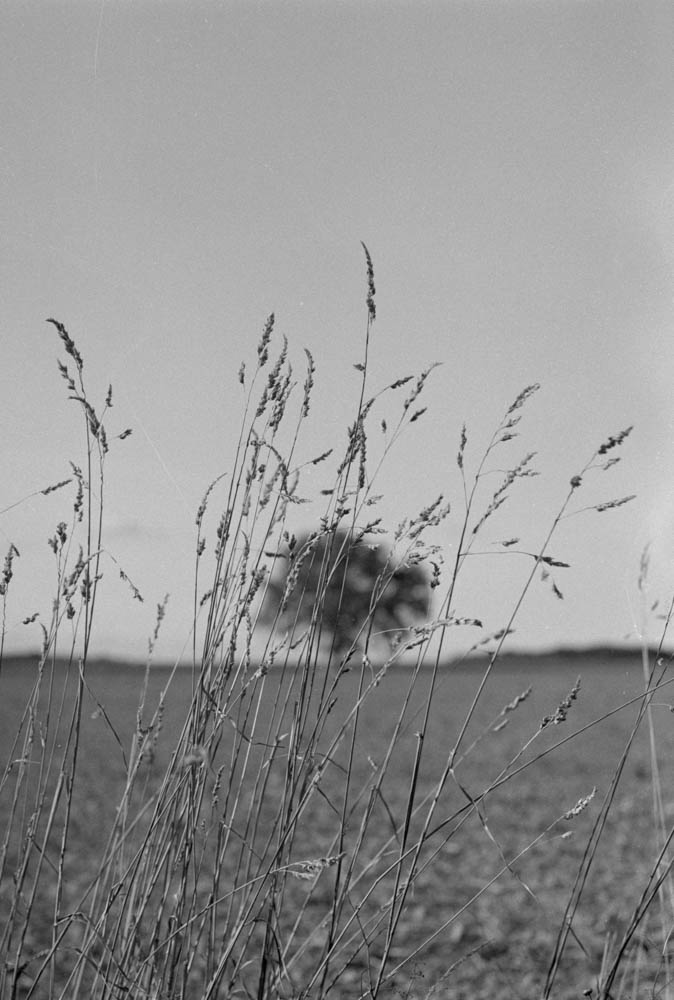
The X100F Photos
The Pentax ME Super

On the other hand, the Pentax ME Super is all about slowing down. There’s no EVF, no digital screen, and definitely no autofocus. Instead, you rely on a split-prism focusing system and aperture-priority mode. It forces you to be deliberate with each shot, a process that I find incredibly satisfying.

You’ll often hear film photographers talk about being more “in the moment” when shooting on film, and that’s exactly how I feel with the ME Super. The process of carefully composing each shot, setting exposure manually, and waiting for the film to be developed encourages patience and thoughtfulness.

For this outing, I paired the ME Super with Kodak Portra 160, a film that’s become known for its natural skin tones and soft, warm colors. Paired with the 50mm f/1.7 lens, this combination creates images with that unmistakable film character—shallow depth of field, soft highlights, and rich colors.

Lenses and Sensor Size

One of the most noticeable technical differences between these two cameras is their lenses and sensor sizes. The X100F features a 35mm equivalent f/2.0 fixed lens, while I usually use the 50mm f/1.7 on the Pentax. On the sensor front, the X100F has an APS-C crop sensor, giving it a narrower field of view compared to the full-frame 35mm film in the Pentax.

This technical difference goes beyond field of view. The Pentax ME Super has fixed ISO based on the film I choose, so I need to plan ahead for the lighting conditions I’ll be working in. In contrast, the X100F allows me to adjust ISO on the fly, providing flexibility in rapidly changing environments. This is something digital photographers have come to rely on, and it’s undeniably convenient when shooting in variable light.

The Pentax ME Super photos
Comparing the Images

Now, the big question: which is better, the Pentax ME Super or the Fujifilm X100F? Honestly, neither. They’re different tools for different purposes. Whether you’re drawn to the organic feel of film or the convenience of digital, both formats offer something unique. And that’s the beauty of photography—there’s no one-size-fits-all approach.

The sideshow feature shots from both cameras. As you look at them, you might favour one look over the other. The film shots have a warmth and texture that digital sometimes struggles to replicate, while the digital photos are sharp, detailed, and offer instant gratification. But ultimately, this comes down to personal preference, not a matter of one being objectively better.

Final Thoughts

At the end of the day, a camera is just a tool for capturing a scene in a particular way. As long as the final image is pleasing to the eye, I’d say the job is done. So don’t limit yourself to just one format—if you haven’t tried shooting film, give it a go. If you’re a film photographer who’s hesitant to try digital, maybe the X100F will ease that transition with its analogue-like feel.

More than anything, I encourage you to enjoy the process, whether it’s with film, digital, or both. Get out there, take your time, and remember that photography isn’t just about the images you capture—it’s about the experience.


Post Scriptum:
For those of you new to my blog, welcome! I cover everything from camera reviews to photography tips and techniques. Whether you’re a seasoned photographer or just starting out, there’s something here for you. Feel free to leave your thoughts or questions in the comments below—I’d love to hear from you!

In Defense of Film


Is film photography too expensive? Think again! Many assume that shooting film is a hobby reserved for the wealthy, but it doesn’t have to be. With the right approach, you can enjoy the unique aesthetic and creative process of film photography without breaking the bank. In this article, I’ll share my personal experiences and tips for saving money on film, developing, and gear, proving that the joy of film is accessible to everyone.

Often, even the tiniest things can spark a desire to write. In the infamous world of internet comment sections, people can have different opinions—a good thing, as it makes us reflect on our own positions. It challenges our perceived wisdom and questions us in ways that can be disarming. What’s obvious to me might not be to someone else.

I was talking to an Australian lady, likely of my generation since our photography journeys started the same way—with film. Except this lady has gone fully digital, keeping her film cameras as a reminder of her film days being over. Less hassle, less expense, less stress, and less “faffing about,” she said.

At first, I was taken aback. I love the film aesthetic in my photography. I like the predictability of film grain, as opposed to digital noise. But most of all, I’m in love with the process. I love the slower pace of film photography—none of this “spray and pray” nonsense. I appreciate how I become more mindful when shooting film, as each shot counts. I like the way an old film camera looks around my neck. And as the internet meme says, “I know about photography. I’ve been initiated into the exclusive circle of purists.”

The lady talked about the prohibitive prices of film and labs, which, let’s be honest, is a valid point.

Costs of Digital vs. Film Photography

I’ll talk about my kit and initial outlays compared to my film expenses. I bought my latest two digital cameras in late 2017 and 2018. My X100F cost around €1400, and my Canon 6D Mark II around €1200. I spent about €300 on a teleconverter for the X100F, and I probably have about €2500 worth of kit for the Canon, including speedlites, lenses, and filters. Then there’s the Fujifilm XT2, bought second hand for €400, with a couple of lenses totaling around €500.

This kit, though older, works well and is largely sufficient for my needs. As mentioned in my article “I Want It, But Do I Need It?”, I’d like a Leica, but do I need one? Would I refuse one if someone gave me one? Heck no! You can see the results throughout this site, and the images are great.

Let’s move on to film. Yes, if you love that Kodak Portra look, you’ll be spending a pretty penny. I have a certain nostalgia for the days when the prices hadn’t doubled. But—and this is important—not all film photography has to be done using Kodak Portra. There are more accessible films, especially black and white, that cost less. A roll of Fomapan 100 costs me around €5.50. So for less than the price of a pint of Guinness, I can get 36 shots. For a little more, I can go with Kentmere or even Ilford black and white film. I still have one roll of Portra left and a pack of five Tri-X medium format rolls.

Developing at Home

Ah, but then you have to send them to a lab to be developed. Again, a valid point. The cost for developing colour film where I go is less than €7 per film. I’ll share a little secret: I invested in a kit to develop my films at home. It cost about €140 initially, but now all I worry about is buying the chemistry. Yes, €30 for a developer seems steep, but I can develop 16 to 24 films with a bottle, depending on the dilution. I also invested €250 in a film scanner to produce digital files for editing.

Collecting Film Cameras

You might have noticed that I’ve talked about film but not film cameras. I started collecting a while back before hipsters raised the prices in the secondhand market. The most I paid for a film camera was just over €100, and the cheapest was €15. These film cameras are generally solid, and the lenses are great. The technology, though a little less modern (understatement of the year!), still works, and older cameras don’t even need batteries. And even those that do, the batteries last for ages. None of this “Do I have spare batteries for the X100F?” nonsense.

Each shot is taken on a brand new “sensor,” compared to shots on a digital sensor. And less dirt gets onto this sensor.

The Joy of Film

Don’t get me wrong, I love digital photography for its convenience and spontaneity. I can see my images right away and get instant feedback and gratification. With film, that gratification isn’t instant. You have to be patient and wait, but for people of my generation, that might be infuriating, it’s something we grew up with and accepted. I continue to accept it.

I enjoy using a machine sometimes older than me, knowing the image quality will be there. I know that with a certain film, I’ll get a certain result. I like the slower pace. If you visit the Film Photography page or the Film Archive page, you can decide for yourself if it’s worth the hassle, the expense, the stress, and the “faffing about.” I think it is, and I maintain that film has as much a place in photography as it ever did.

The Future of Film

Does film have a future? I think it does. Leica has relaunched the M6, Pentax has the new Pentax 17, and Kodak has the Kodak Ektar H35. The disposable cameras of yesteryear are still being produced and it has become the fashion to us them at weddings for that affordable yet classic look of film. Film photography continues to be popular with Gen Z and millennials. Case in point: my 25-year-old son nicked one of my Kodak Retinette 1B’s and a roll of film. I suspect my daughter might have her eye on one of my film cameras, too.

One thought came to mind whilst answering one of comments with the person saying that they “will never go back.”  I am old enough to remember when microwaves fist came out.   They were sold to us as being thoroughly modern and machines that could do everything so quickly and conveniently.  Except they couldn’t.  For certain tasks on the kitchen they are wonderful and far exceed the way we “used” to cook.  But they can’t do everything.  They have their place in the kitchen.  And will always will do.  But a slowly simmered boeuf bourguignon that infuses its odours through the kitchen will always have a special place in my heart.  Much like using film to capture my images…

The Contradictory Contradiction


I have a friend here who said that I am always contradicting myself and that it isn’t logical and how can I say two things at the same time, and I replied that the two things, although contradictory in appearance, are both as true.  That person is a production of French education with philosophy as the subject that all French teenagers go through to learn how to think the way the Education Nationale tells them to think, under the guise of learning all about freethinking and critical thinking.  I, however, am a lot less French despite what some people might like to think, and I will think any blooming way I desire, with or without contradictions.

I’m not talking about my mental state, for once, but photography.  I love both digital photography and analogic photography.  I am bewildered by modern technology and could be classed as a geek, and yet the experience of using old technology that is obsolete for some gets me all excited as a small child waiting for Father Christmas, but being told by their mother to go to bed, otherwise, he won’t come.  It didn’t stop me from waking up at the crack of dawn, and I think my parents might have regretted the decision to buy me a guitar for Christmas and hearing me playing at some ungodly hour of the morning.  As a 49, fat middle-aged gentleman, I can understand them, but my 6 or 7-year-old self didn’t and couldn’t imagine the disturbance that I had caused them.

Oh, how times change!  While I’m on the nostalgia train going to the “good” old days, I have vivid memories of a drawer at my grandparents’ house, where my mother was brought up, and in whose room I would be staying.  Inside this drawer, many “old” things just fascinated me.  It could be my grandfather’s old plumbing ruler or golf tees.  It could be anything but it was an entrance into another world for me.  My grandmother’s kitchen, because at that time, my Grandfather wouldn’t be in the kitchen, was a place where everything was from the 1930s and it all just fitted together.   There was the Anderson shelter, which had been turned into a proper pantry, was a relic from the Second World War where they would have sheltered from German bombs falling on the town and trying to stop my Great Uncle’s shipyards from operating correctly.  My Great Aunt would drive around in an ambulance taking care of casualties.  Amazing people from an amazing time. 

What does this have to do with photography?  Not a huge amount, but is that a problem?  Oh yes, it tells you about my fascination for the old and very new.  I have “a number” of cameras, the eldest being from the 1940s and the newest from 2021, with nearly every decade being represented in-between the two dates.

So I was going somewhere with all this.  Ah yes, lately I seem to be getting back into film again.  In the last but one article, you may have seen the photos from the Mamiya, which is a relatively modern camera being from the early ’80s.  Well, this time, I’m still using a camera from the 1980s, the Pentax ME Super.  For once, I wasn’t using Ilford HP5, which is my “go-to” film.  No, I decided to be different and get out of my comfort zone, and use a new film.  I say new film, I mean Rollei has been around for donkey’s years, but this was a “new to me” film.  May I introduce you to Rollei RPX 100.  I never use 100ASA film, but was turned by Fomapan 100, which you can see in the photos from the Hangar à Bananes.  A fine-grain film, especially when you compare it to the grain from HP5 even when shot at box speed, let alone 800ASA or even 1600ASA.

The film was developed in ILFOSIL 3, and I thought it was great.  I tried in town and country and was thrilled.  The thing that pleased me the most was that it kept flat, which means a lot to somebody who has ever tried to scan film. The last time I bought a film I played wild cards, and it was also a lot cheaper than HP5 which is a very convincing argument.  I still dream of Kodak Portra 160, but it is getting more and more scarce, and therefore more expensive.  A beginning of the month kind of film.  Oh look at that, my pay has just gone in…

So yesterday evening I was scanning a film my son had shot on a 1960s Kodak camera, and thinking about how he has changed since 2016 when I picked up my Fuji XT2, a slightly more modern mirrorless digital camera. I hadn’t used a modern camera in quite a while and it almost felt foreign to me, and yet familiar at the same time. My fingers seemed to find the controls without looking very far, and it felt very natural.  Maybe my love of digital and analogue isn’t that contradictory after all?

Now it’s time to show you the results of the Rollei RPX 100.  I liked it and am happy I bought more than one roll.  The camera, as I think I said earlier, was the Pentax ME Super.

Kodak Portra 160 in action


I have already shown these photos on Facebook and Instagram, but I wanted to share them here too. I had the pleasure to take a film camera out to Nantes with some Portra in it. Kodak Portra is one of those iconic films that everybody waxes lyrical about and I can understand what the hype is about. I certainly love it and the results the I mananged to get from it. I would love be able to work out how to make my digital photos have the same feeling, but when I take film shots I don’t have to worry about it.

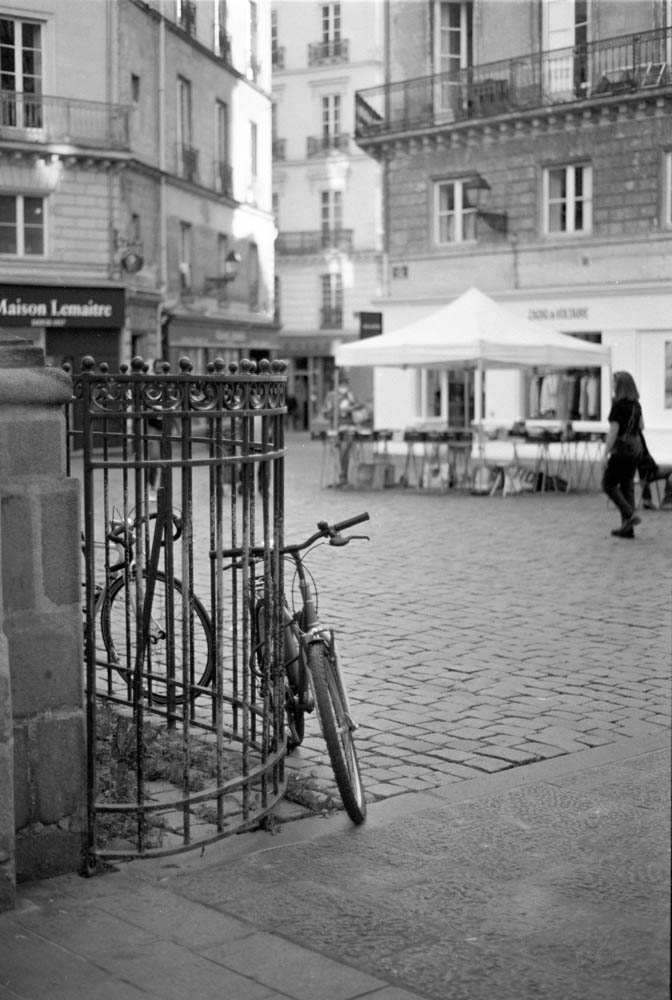
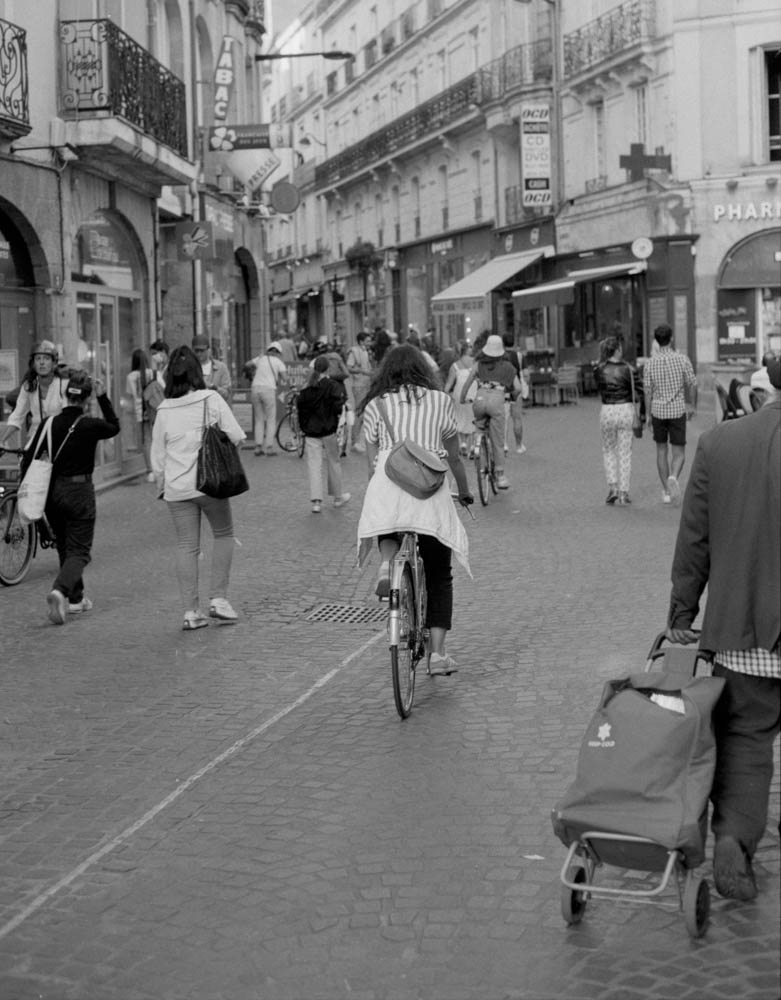
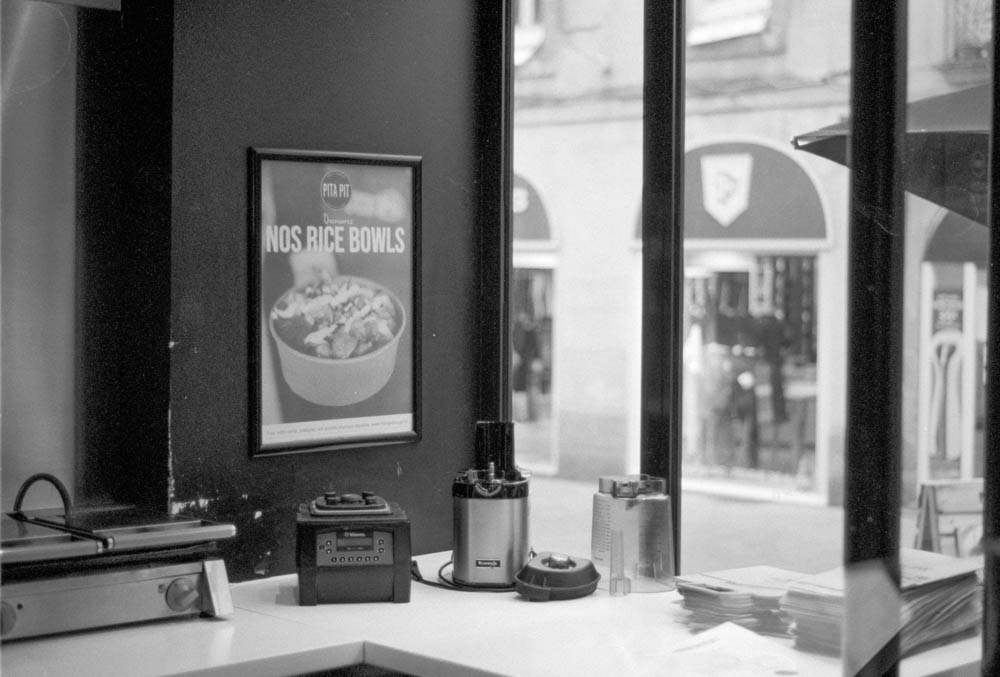
The following photos were taken on Portra 160 film using my Pentax ME Super, which as the name suggests is pretty cool, during the month of May just after lockdown and in Nantes where I can be found often with a camera around my neck.

Portra 160 is described as having a natural color palette with low saturation and low contrast. It has breathtaking color, sharpness, and very fine grain. I really love these colours. Normally the name Portra might suggest Portrait and you’d be right in thinking that. For portraits it’s magical. But it also seems to work in street photography.

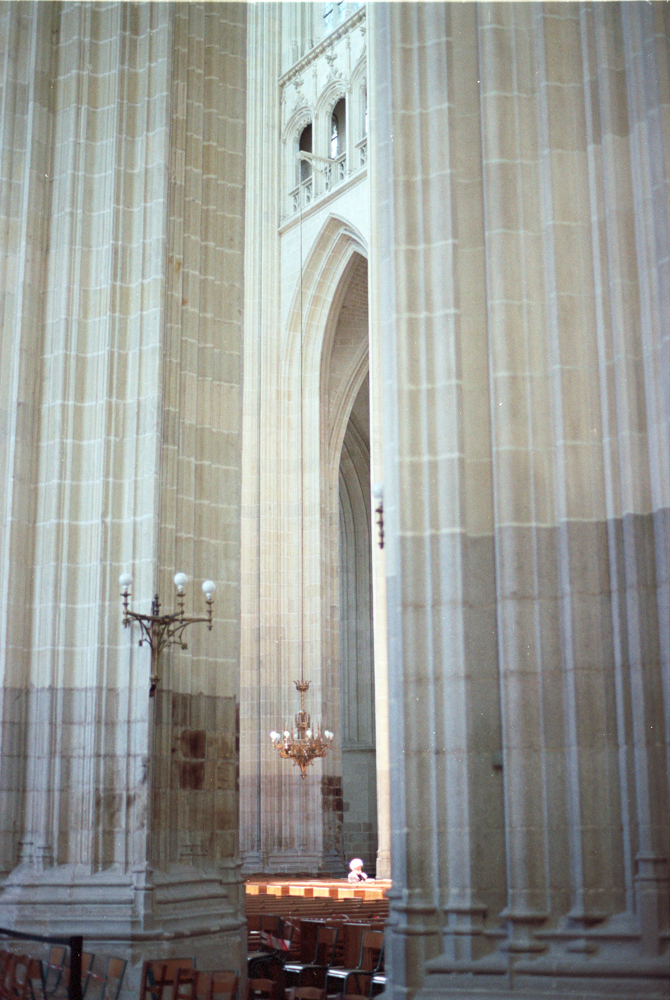
I do love the Cathedral in Nantes and haven’t been back inside since the fire. I miss it and the music from the organ which was magnificent and depressingly no longer there.

https://shootitwithfilm.com/how-to-shoot-kodak-portra-160/ This could interest you too

https://www.alexburkephoto.com/blog/2019/5/16/metering-and-shooting-kodak-portra-film And here is another link that you might want to have a look at. Loads of info and worth a read. I wish I had have know about this first. I don’t think I was too far off though.

https://fstoppers.com/film/unofficial-film-film-look-long-term-review-kodak-portra-400-502260 This article is on Fstoppers and discusses Portra 400 but it’s a good read too.