Balancing Film and Digital: A Photographer’s Journey


Introduction

Have you ever had to make a difficult decision that you really had to think long and hard about, one that would have real-world consequences for you and your creative process? I have, and I’m going to share this first-world problem with you. Now, I know first-world problems are a joke, but this problem became very real to me during the run-up to the China Orchestra Tour: film or digital?

You all know about my fondness for the analogue process and the results I’ve been able to acquire. Judging by my recent stats and pages visited, this might just interest you.

The Allure of Film Photography

I’m not saying this was causing me the traditional anxiety that I have been known to suffer from in the past. But… I had to decide how I was going to record my trip and, therefore, what to take with me. I’ll give you a list of my ideal kit, and it might help you to understand my dilemma.

  • Camera 1
    A recently acquired Nikon FE (my first ever Nikon) and black-and-white film, ranging from Fomapan 100 ASA right through to Ilford HP5 Plus, whose box speed is 400 ASA but can be pushed up to 1600 ASA and still provide great images.
  • Camera 2
    A Mamiya C220, which is a beautiful piece of kit with various 120 format black-and-white films, HP5 Plus, Portra 400, with the addition of Kodak Tri-X.
  • Camera 3 (maybe 4)
    My Olympus Trip or even the Olympus Pen EE S half-frame camera, for those informal colour shots with some Kodak Ultra and even a roll of Portra 160 for that gorgeous vintage style.

So, you have my film cameras with the film that goes with them. They provide a photographic experience unlike any other. The slowing down of the process, the reflection on each shot taken, the satisfying sound they make when you press the shutter release button. And so much more. They also look pretty damned sexy just hanging there around your neck, and people will think you are a “real” photographer, and that old-school vibe just adds tonnes to your sartorial elegance. Yes, you become a real poser, but do I care? Absolutely not!

The Practicality of Digital
  • Camera 5
    My much-loved Canon 6D Mark II, with a couple of zoom lenses – 24-70mm F4.0, and my 16-35mm F4.0 lens, and maybe even my nifty 50.
  • Camera 6
    Fujifilm X100F, the travel photographer’s ideal camera with the 35mm equivalent F2.0 lens for that sexy bokeh. It’s the Internet that said it, not me.

Now moving into the digital world. Convenience, convenience, and in case you hadn’t realised, convenience. I love them both for the variety of shots they allow me to take, and as I learnt photography “back in the day,” I have still conserved the same approach that I had in analogue photography, i.e., not spraying and praying like I have seen some colleagues do.

It is easier to use a flash, and you have an image that can be transferred to your phone, edited in Lightroom CC, and rapidly shared in the China Orchestra Tour WhatsApp group. And people can see what a great photographer you are. Couple the Canon colours and the Fuji film simulations, and you can have all the creativity fixes you might need at your fingertips.

The film cameras were there to satisfy my love of the analogue process and the nostalgic film look that only film can give. The digital cameras for their practicality, lens effects of going really wide, and having the possibility of going right up to 70mm. Choices, choices, choices.

Reality Check

Now let’s get back to reality and look at the ever-growing list of constraints. First of all, I am going on tour as a musician and not as a photographer. One really has to make this important distinction, as it gives a sense of purpose to the trip as well as the implication of priorities.

I would be flying across half the world, and therefore have to follow the demands of the air travel industry and airline rules. That meant no more than two lithium batteries, and one in the camera, and not in your suitcase but in your hand luggage, or on your person. They don’t like the idea of these batteries exploding or causing fires mid-flight. And because we are respecting the zero BS rule here, I don’t fancy that either. I would be limited by weight for my suitcase: 23kg and 20kg for flights inside China. My priority was to be a musician first and not a photographer, if ever I needed reminding…

If I were going to the UK, I would just have to annoy my family in the car with it being loaded up with camera gear, but this is China we’re talking about. Not a jaunt across the Channel.

In my suitcase, I will need my clothes for two weeks, my suit for concerts, shoes for concerts, wash bag with all my toiletries, as well as my CPAP machine for my sleep apnoea (I have to think about my quality of sleep as well as not snoring for my unsuspecting roommate Corentin). My hand luggage would be my instrument, and as we didn’t need mutes, I might be able to get away with stuffing things up the end of my horn’s bell. Please note that I didn’t try to get a cheap laugh by using the word bell-end…

So here I am back at the beginning of this article, and yet now you might better understand my dilemma.

Tell us what you decided then!

Alright then, I will.  Welcome inside my mind and my thought processes. The sheer weight of all the kit would have made tking everything completely impractical.  I knew this and had come to terms with it.  I really wanted to analogical, but then had to come to terms with the fact that airport scanners can damage undeveloped film.  Also the Mamiya weighs a tonne and would have been impractical to lug around China, despite the wonderful images it provides.  Carmer 2 out!  Now for security check I had bought a metal film box for my films so that those charming people at airport security could check my films, making sure that I would not blow up the plane.  Not really my style…

That would leave me with Camera1, 3, and 4.  Cameras 3 and 4 are particularly sexy and Carmera 4 being a half frame camera, gives you double the amount of shots for your film.  However it uses zone focussing, and the ISO setting only go up to 200ASA so you need lots of light.  Camera 3 is similar in the fact that it goes only up to 400ASA so not good for lowlight shooting.  Cameras 3 and 4 out.

That leaves me with Camera 2.  Which is of course uber sexy and Aperture priotity, which I like, and has a larger ISO range, and one that I can focus accurately with.  I had black and white film for it which I enjoy using and know how it reacts and what kind of shots I can get out of it.  Very satisfying shots.  It also doesn’t need lithium batteries to work, so that helps rule that danger out.  But I would still have to contend with the possibility of annoying security staff, and annoying Chinese security staff, and as I speak no Chinese, that would be challenging. And yet it still had a chance of staying in the race.

Now lets explore the digital realm. Camera 5: The Canon 6D Mark II is a beast of a camera and one I enjoy using.  It’s lenses are beyond compare, and it would offer me lots of choice in choosing my subjects.  However it would be heavy, especially with those lenses, and despite being able to have my images straight away, would it really be worth that added weight.  Camera 5 out.

Camera 6.  The Fujifilm X100F.  Probably my favourite digital camera, and the one I took to the UK this summer as a test for this Chinese trip.  It’s small.  Compact and silent.  And yet despite being a digital camera, it has an analogue feel to it, and is also very sexy, so I can still pose with it and it will give that serious photographer look, and make make people wonder is he using digital of analogue…  Hmmm.  Sounds like a good choice.  It’s downfall lies in its power consumption. I would need three batteries in total.  Which would mean that I would have to entrust a battery to a friend..

The two cameras left in the race are the Nikon FE analogue camera with it’s 50mm F1.8 lens which doesn’t need batteries.  50mm was the lens I learnt photography on and would allow me to get some decent portrait shots.  However with the Fujifilm, I could change ISO setting without the hassle of changing my film, create scenic shots, as well as environmental portraits, and I could transfer the photos directly to my phone and share them straight after editing.  

The X100F: Why It Was the Right Choice

The X100F became the clear winner for several reasons. It’s compact and lightweight, which was essential for travel, yet it produces sharp, detailed images. The 35mm equivalent F2.0 lens allowed me to shoot wide-open for beautiful bokeh in portraiture and environmental shots. The range of film simulations, from classic Chrome to Acros, allowed me to quickly achieve the look I desired without extra post-processing.

Its hybrid viewfinder provided both optical and electronic options, letting me choose the right method depending on the shooting conditions. The controls are direct, giving me full control over exposure and depth of field, without the need to dig through menus. And though it’s a digital camera, it retains that analogue charm that makes shooting feel personal and intentional.

The only downside was battery life, but I managed to bring a few extra batteries, which wasn’t too much of an issue for the flexibility the X100F offered.

Conclusion

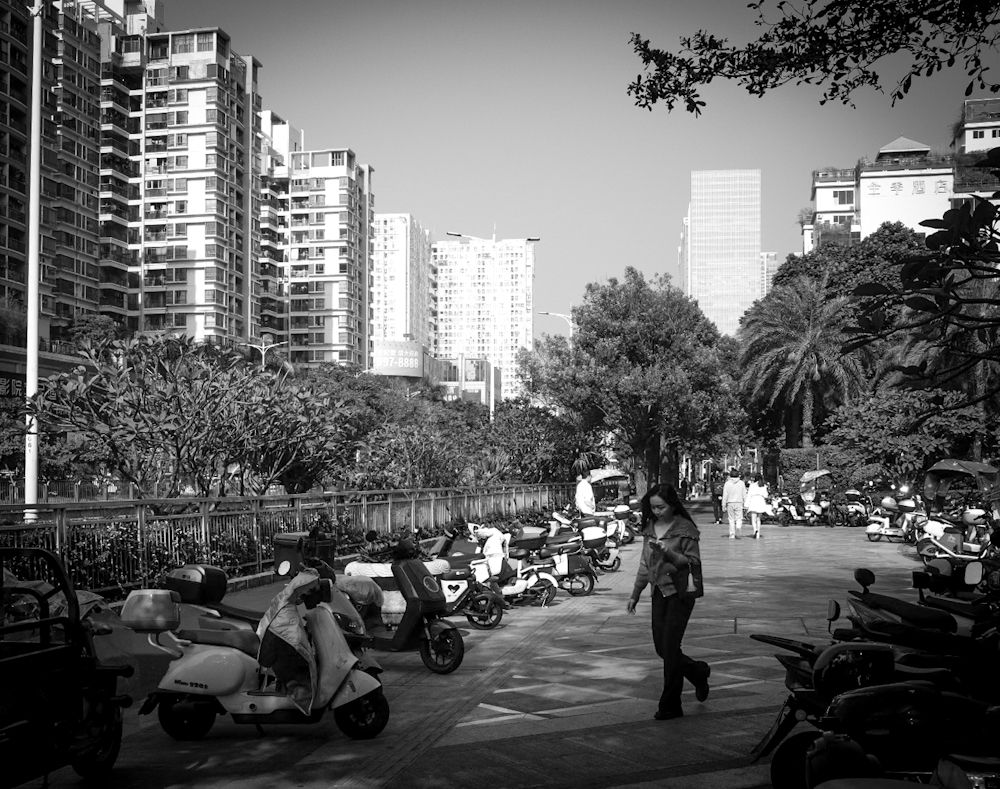
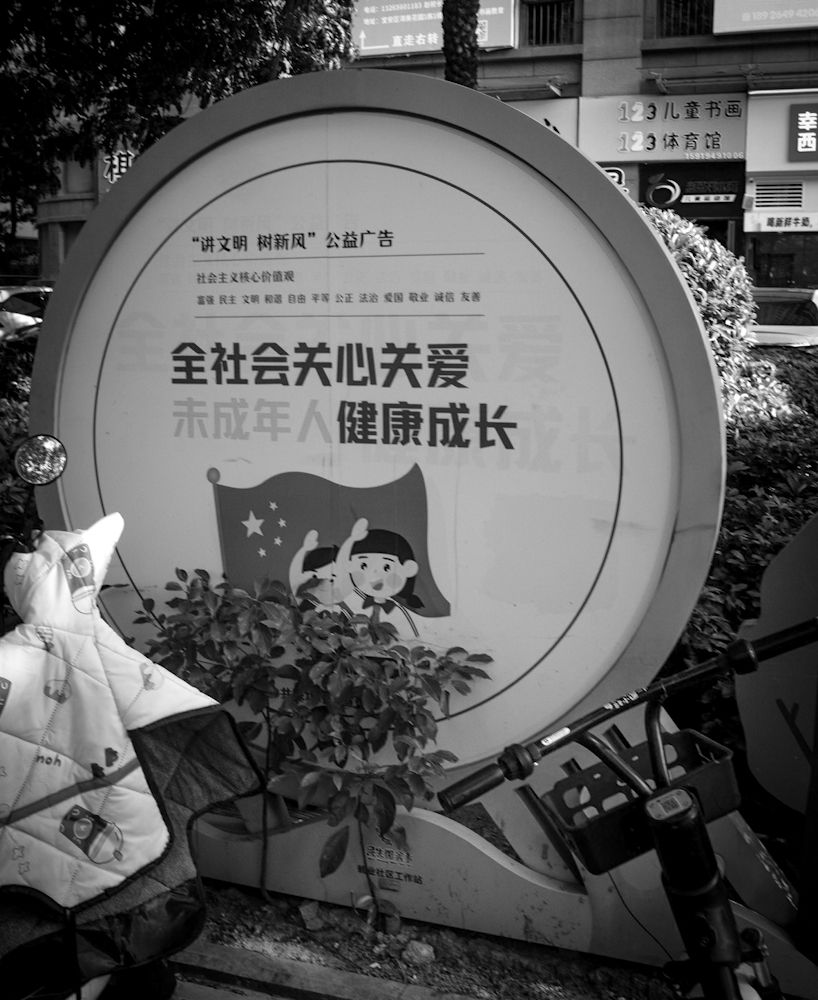
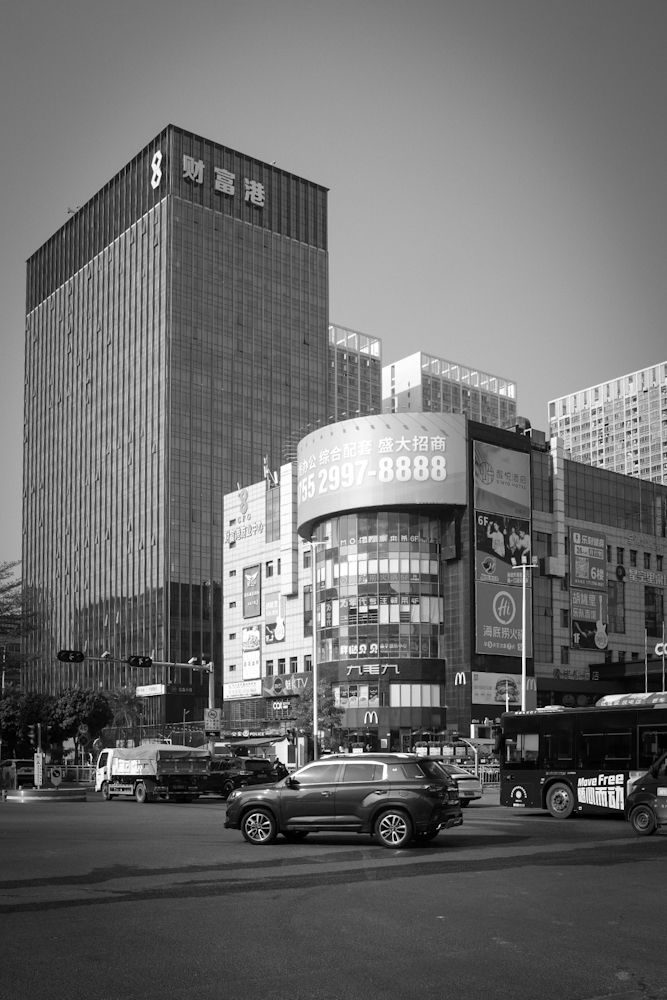
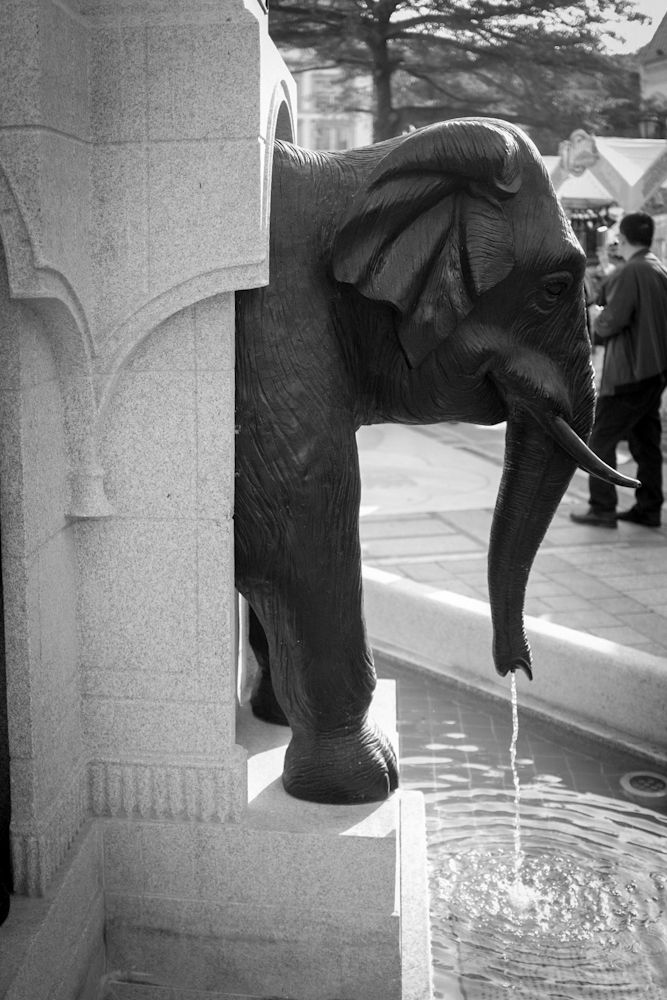
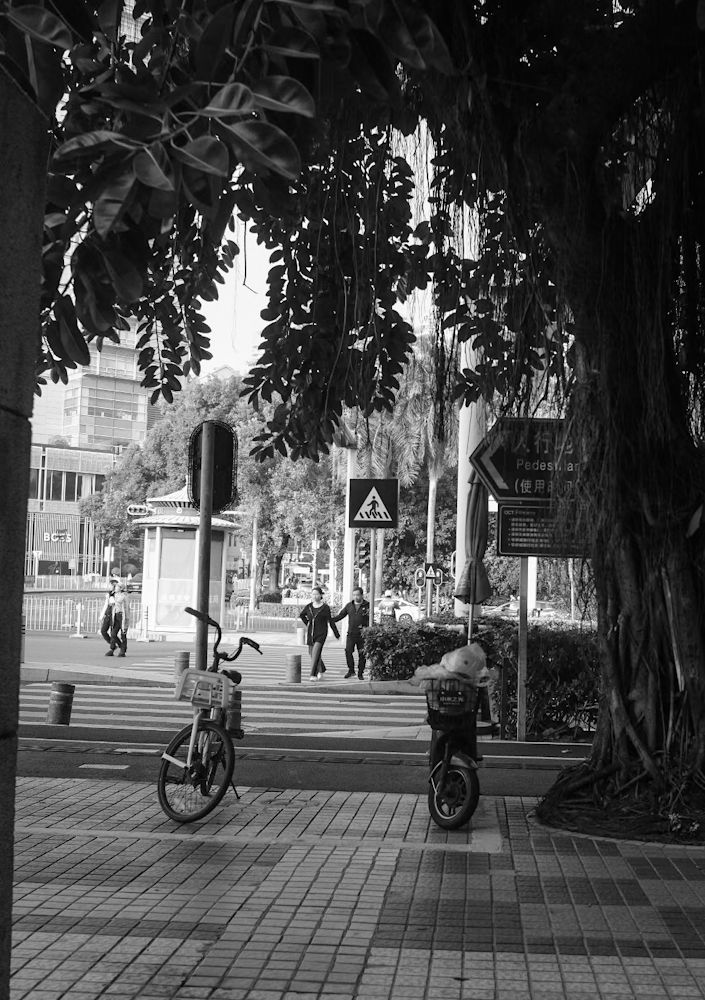
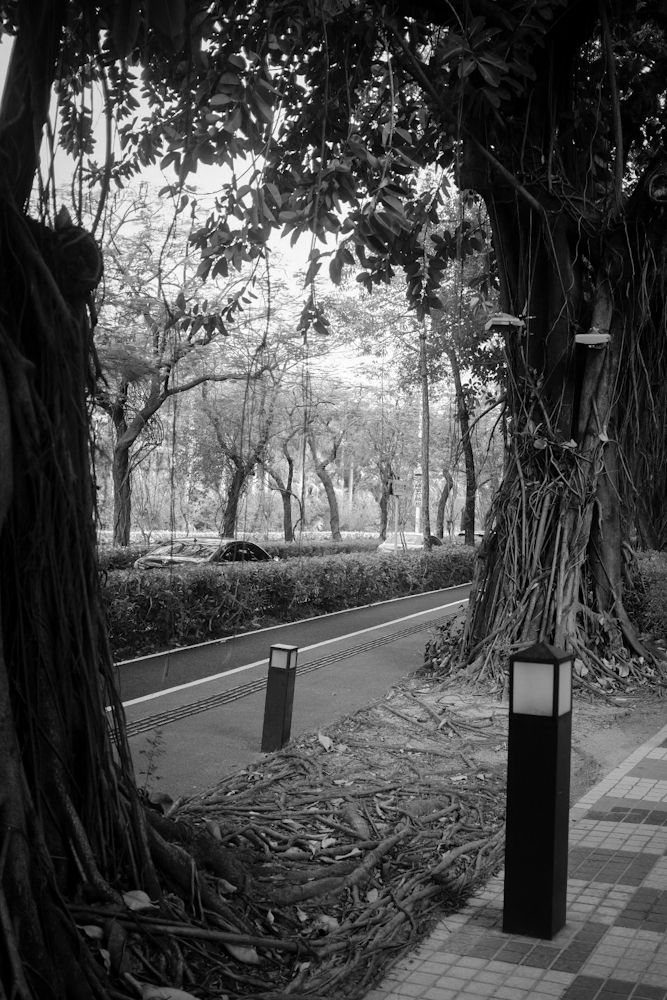
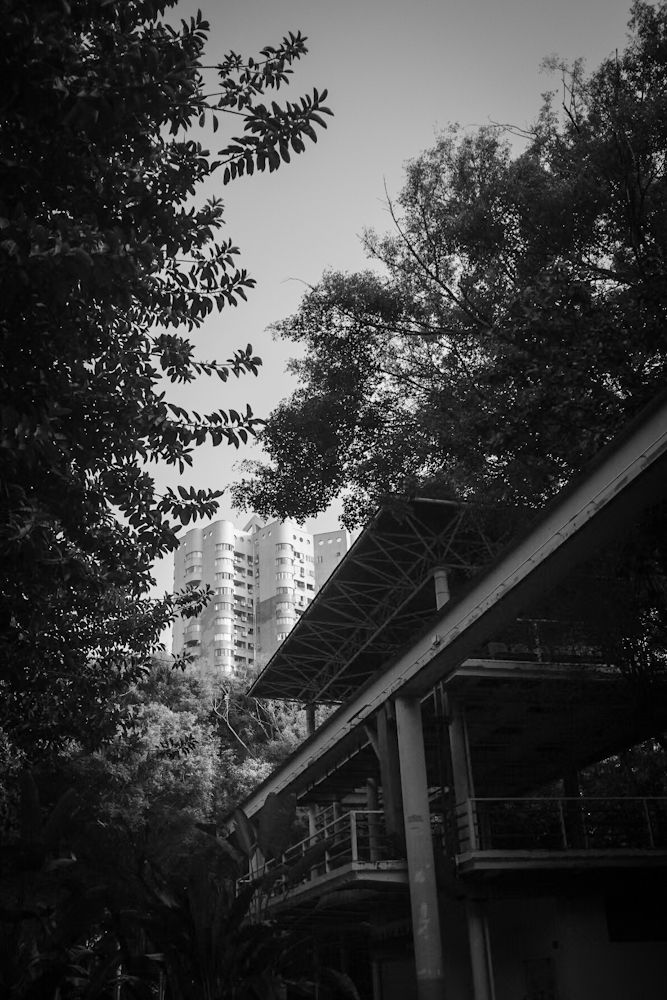
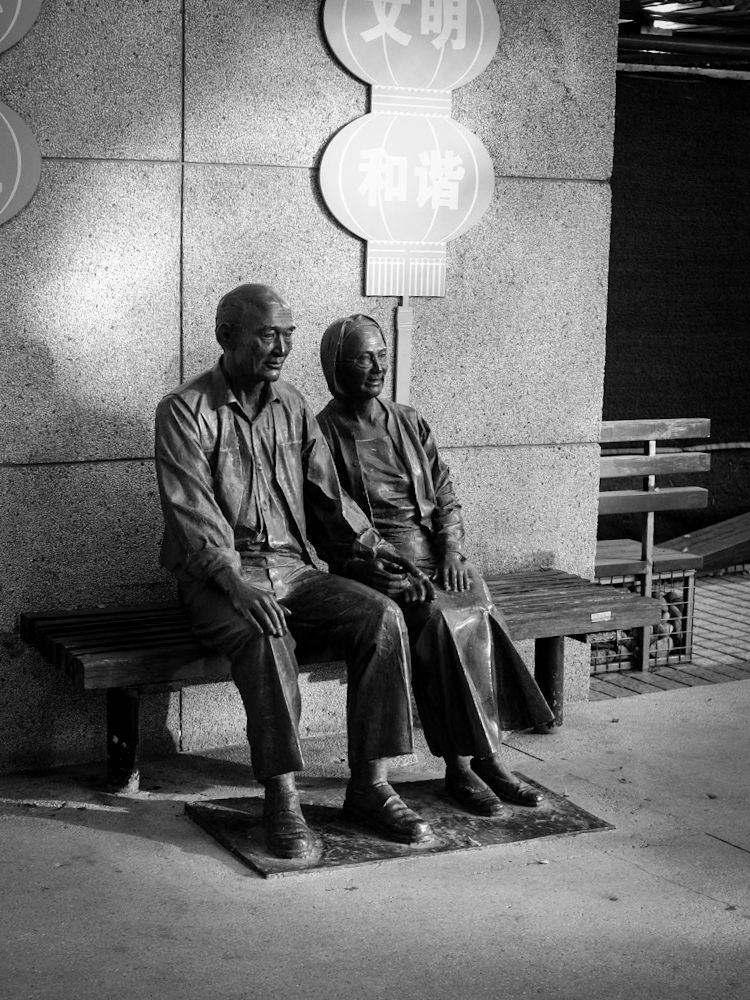
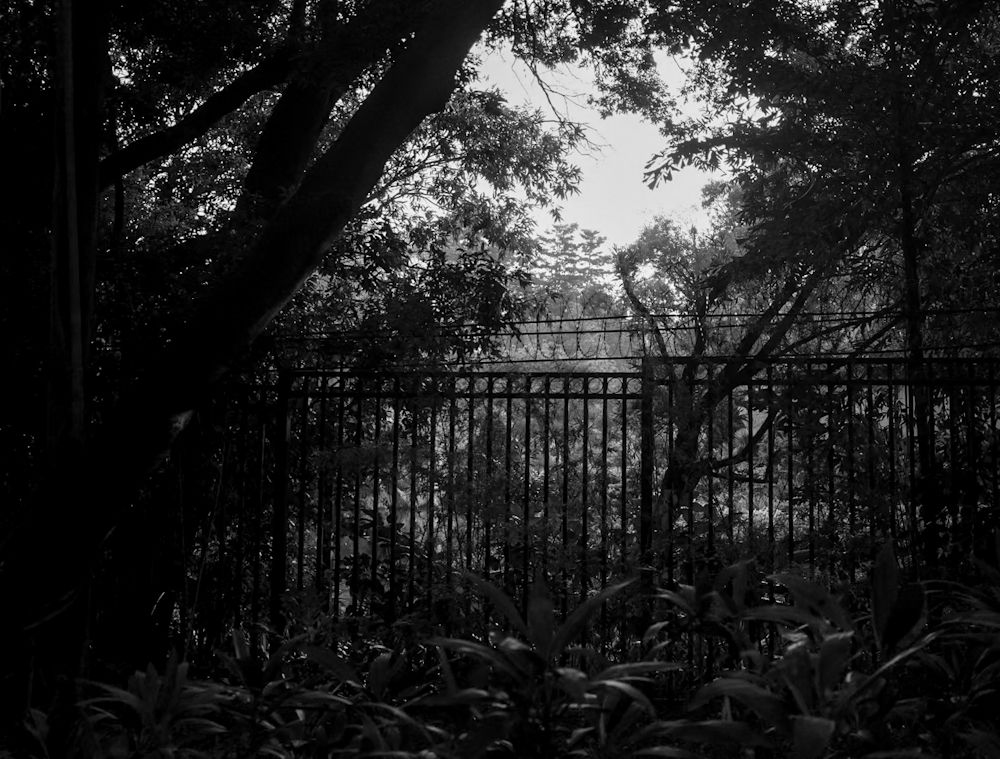
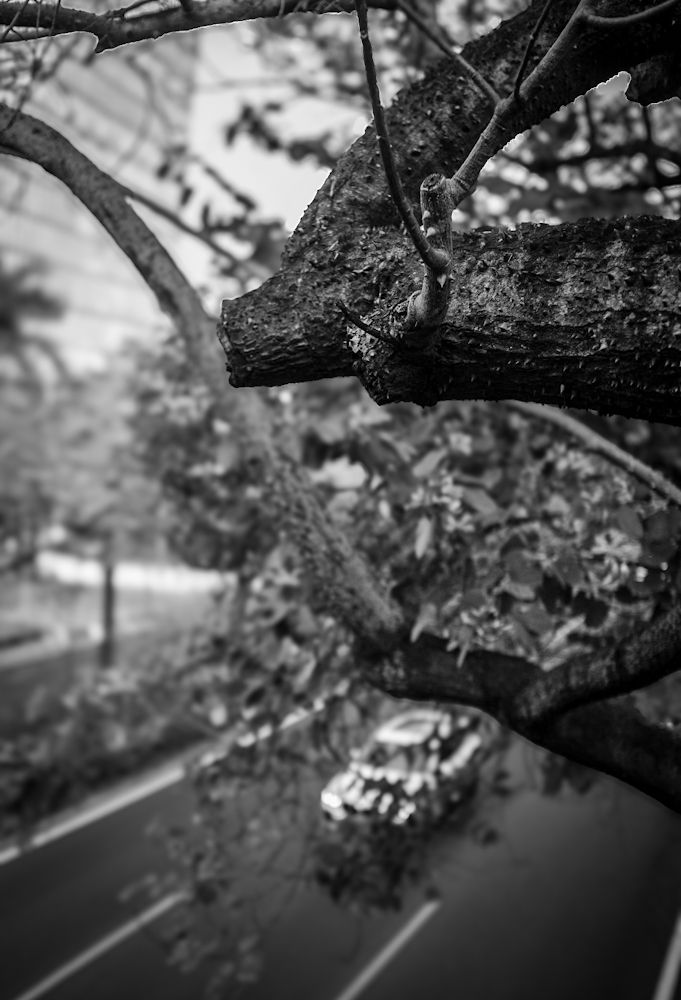
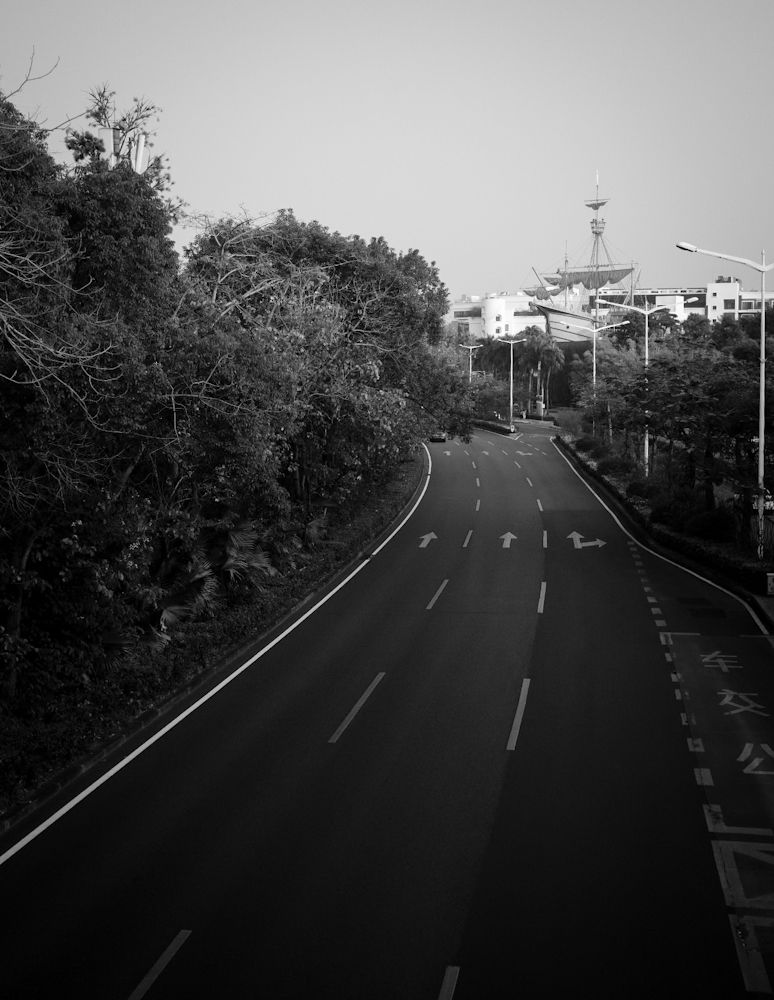
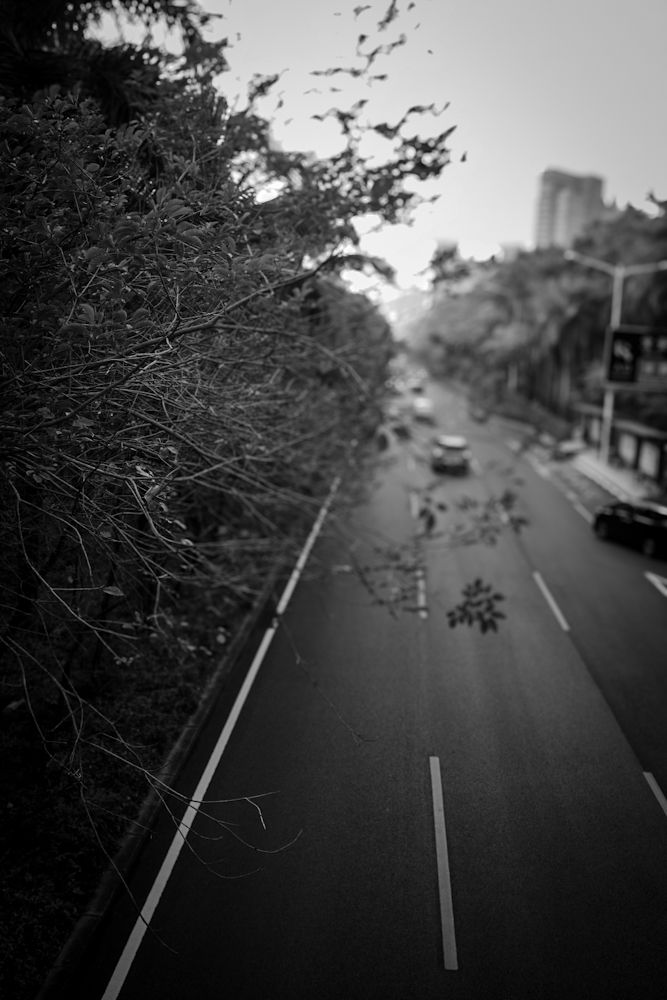
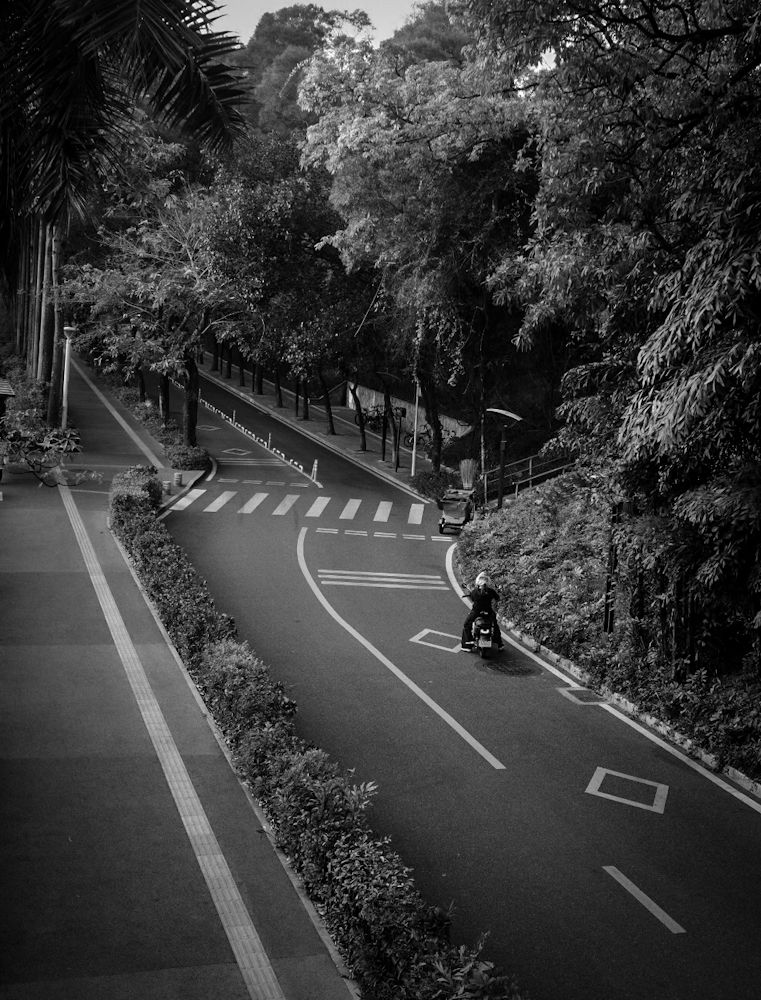
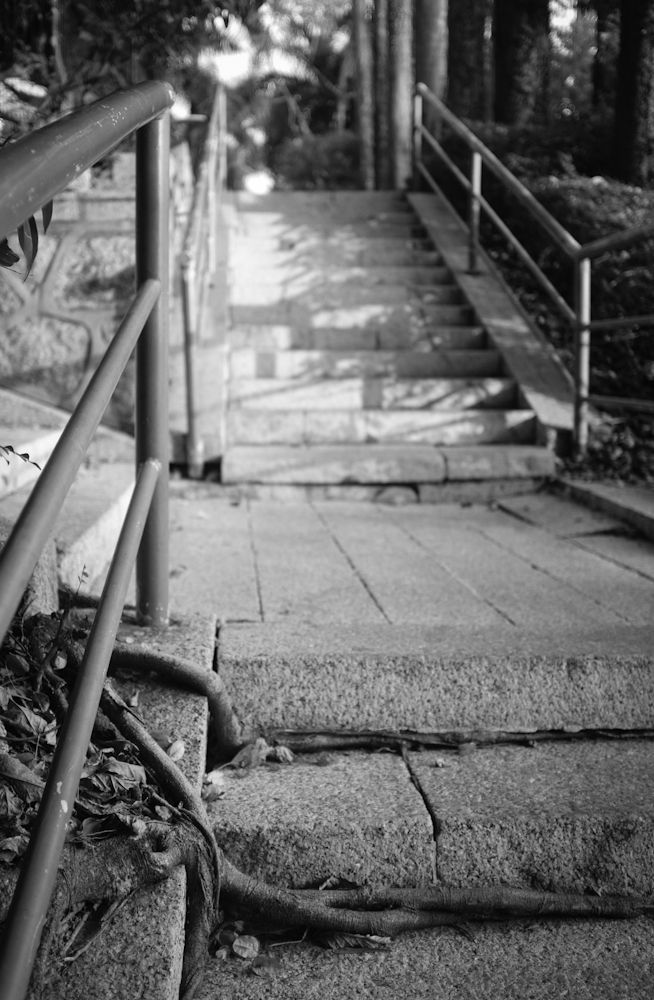
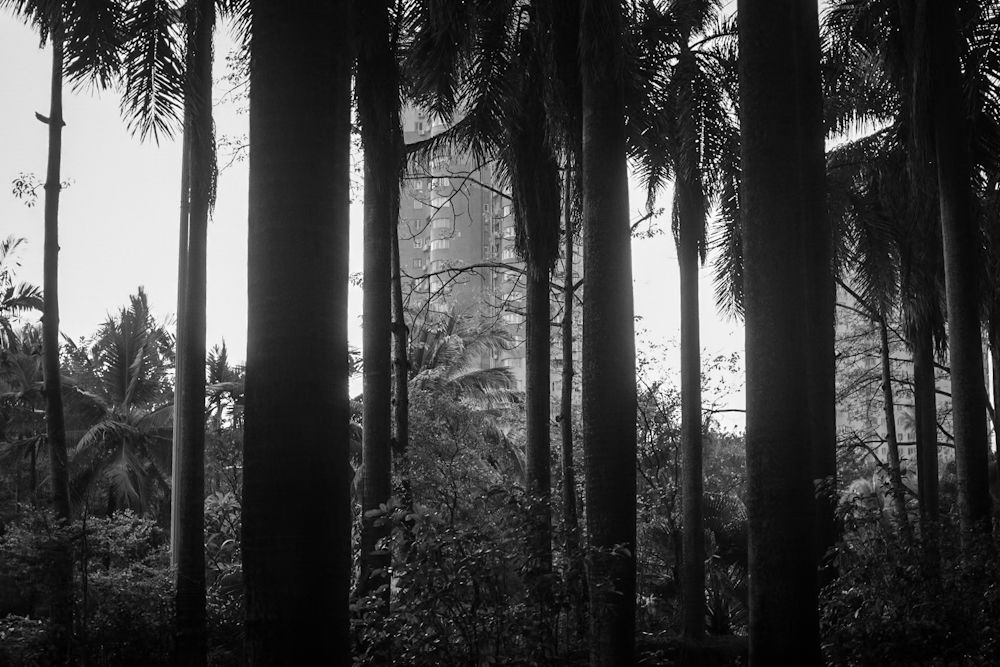
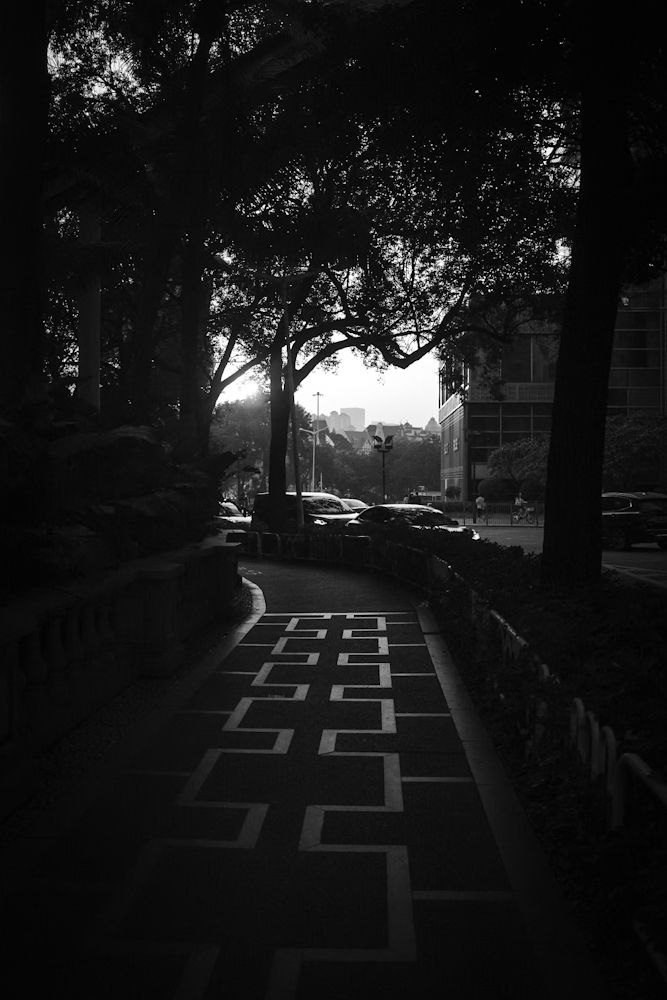
In the end, the Fujifilm X100F was the perfect balance between practicality and creativity. Its digital conveniences, combined with its classic photographic feel, made it the ideal camera for the China Orchestra Tour. The images you’ve seen in my latest China Series article were all taken with the X100F, and I’m happy with the decision I made and I hope you might be too…
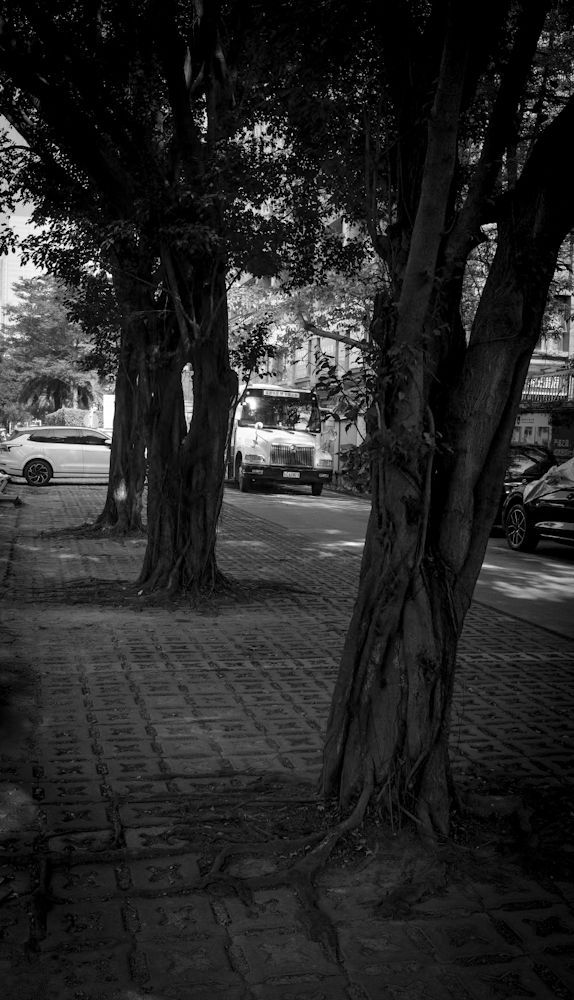
China – Shenzhen Day 3


A Day Off in Shenzhen – Rest, Reflection, and Culture

https://ijmphotography.net/2025/11/14/致我在中国的读者们:一封感谢信a-letter-of-gratitude-to-my-readers-in-china亲爱/

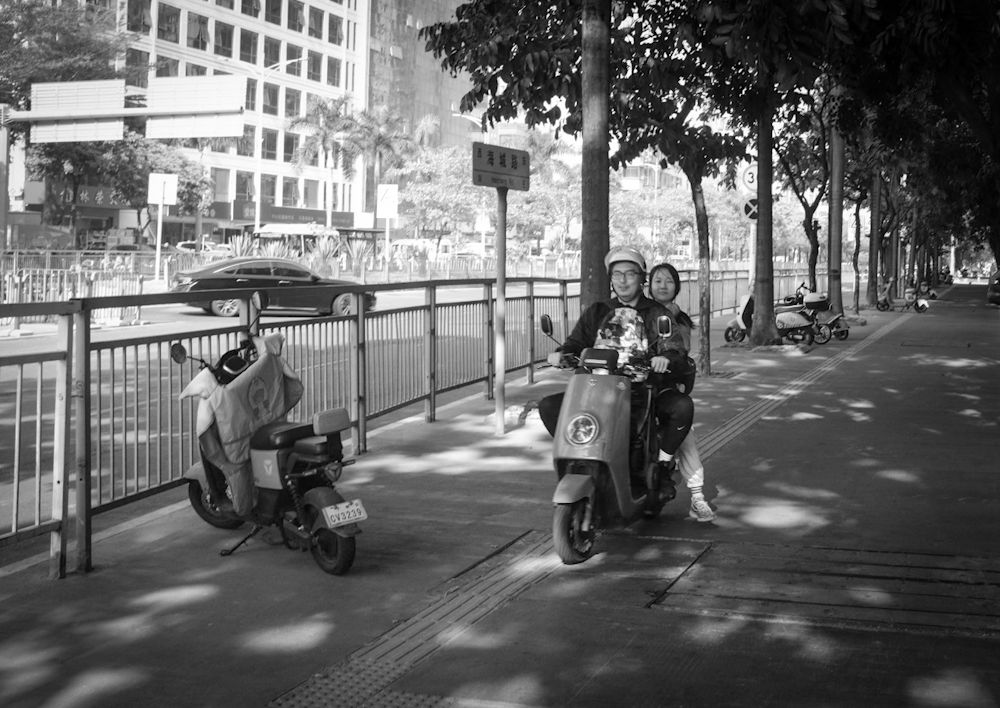
After a late night chat (you know how it goes on tour – what happens, stays on tour), I decided to treat myself to the luxury of a lie-in. And it was just what I needed. This felt like our mini-break during the tour – a sort of weekend off. It was well deserved. Life on tour can be demanding, and the emotional investment involved can really take its toll. Corentin and I both got up at the same time, and he was off to join the others in the big city. As for me, I was having a day to myself with my little companion – the X100F. Just the two of us.

So, what was the plan for the day? Well, I was hoping to visit a spa for a massage to sort out my legs. I’m not exactly fond of pain, but thought it would do me good. I have arthritis in my right knee, and although the weight loss has relieved much of the pain, my left knee has been compensating, and my left calf was starting to feel like it was on the brink of tearing. Not ideal. I had found a few places on TripAdvisor, one of which had a rather dubious reputation – apparently, not only offering massages but also “happy endings.” Definitely not for me. I did find a more refined option with a solid reputation for wellness. Perfect. All I had to do now was find it.

As I left the hotel, I bumped into Jennifer Courcier, our soloist and guest star. She still has an amazing voice – if you caught last week’s concert post, you would have heard it. If not, well, go have a listen now. I’ll wait…

Starbucks and Cultural Contradictions

Good, wasn’t it? Doesn’t she sing beautifully? Jennifer mentioned she was heading to the beach but first needed a coffee fix. Starbucks was nearby, so off we went for a caffeine hit. Now, whenever I hear the word “Starbucks,” the phrase “basic bitch” comes to mind. I never know what to order, so, with a bit of help, I discovered that “ordinary” coffee is actually a double espresso. My anxiety was starting to rise as I tried to make the choice, but I finally settled on the “Yunnan” blend. The Chinese barista prepared it with such care that I almost felt like royalty. Things were already looking up.

We sat on the terrace and chatted. I’d been mentoring one of my younger horn players to help him out of a funk. He had recently switched mouthpieces to improve his upper range but went back to his old one. Classic horn player existential crisis. If you know, you know. Jennifer had witnessed one of my coaching sessions and seemed quite impressed by the process. Maybe I did know a thing or two about teaching after all.

The coffee was excellent, and so was the company. We chatted some more, staying off the topic of music. Who wants to talk shop when you can get to know the real person? It humanises them, and Jennifer shared the story of how she became a professional singer, her journey to this point. We eventually parted ways, and I popped back into Starbucks to buy a couple of mugs for the children. One less thing to argue about back home.

Solo Adventure – Exploring the City

I managed to find the metro on my own and bought my little green ticket. The attendant asked where I was going and showed me the map. I couldn’t make sense of it, so out came my phone to zoom in on the stop I needed. I suddenly felt very old, yet thoroughly modern.

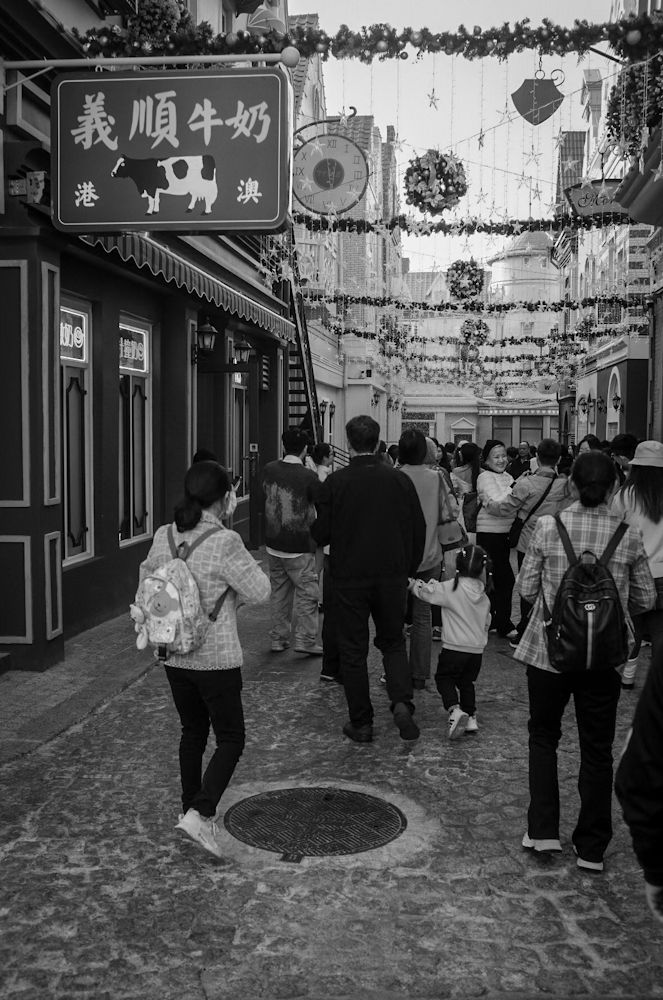
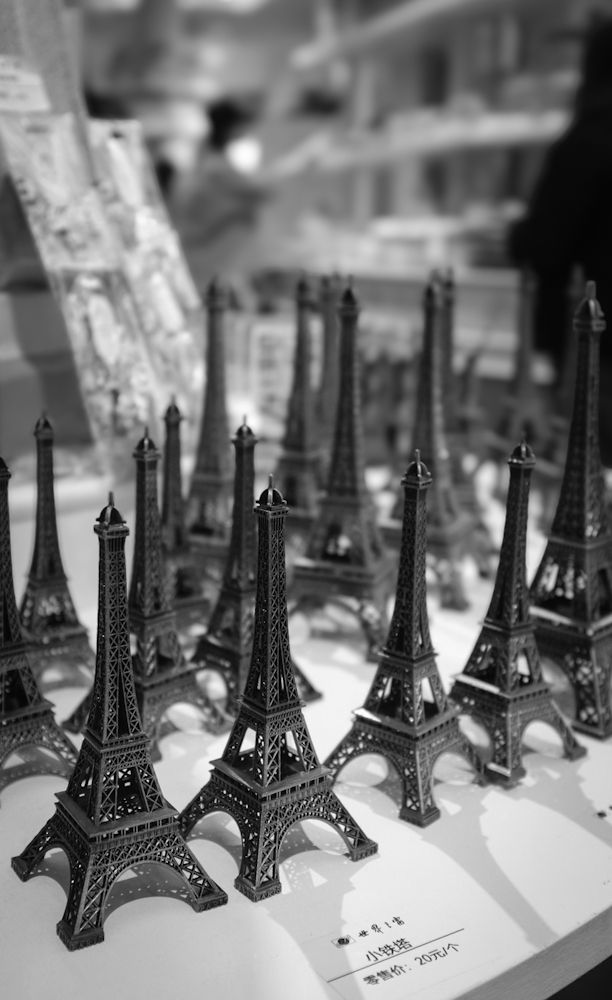
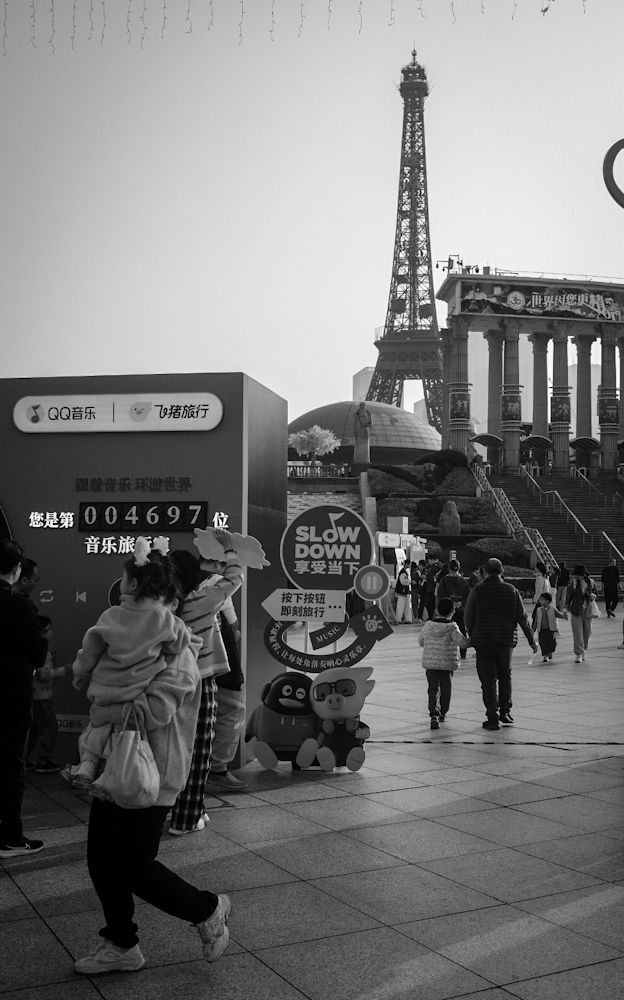
On the train, I just watched people, even managed to get a photo or two. My destination? Window to the World – a theme park where you can see replicas of monuments from around the world. I wasn’t going to pay for the full experience, as I’ve already seen many of the real monuments during my travels, but it seemed like good material for photography.

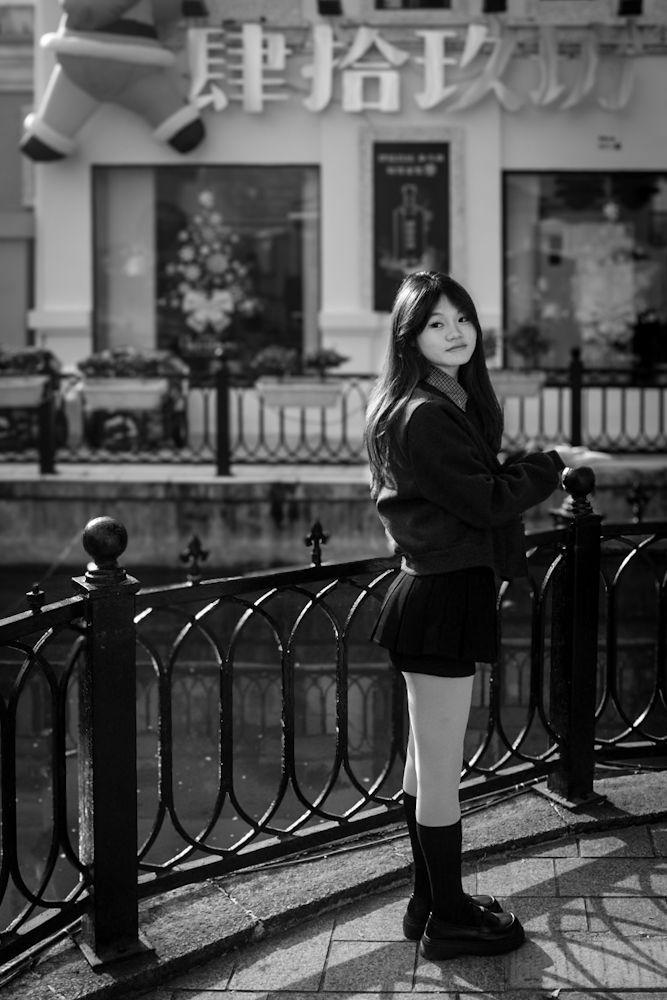
I’ve mentioned before the cultural differences between France and China, but this next observation took me by surprise. Let me introduce you to our characters: Chinese girlfriend and Chinese boyfriend. Chinese girlfriend is the picture of elegance, effortlessly fashionable, her makeup and hair flawless. Chinese boyfriend, by definition, is the photographer, capturing every moment to make his girlfriend look like a top model. She strikes a pose, usually demure and poised, while he stands there, holding the handbag, looking less than graceful. After a few snaps, she sends him back to retake the shot, and they repeat the process at every new location.

I could understand the desire to control one’s image, especially in a location that might seem exotic for a Chinese person, just as a pagoda in Europe feels exotic for us. In some ways, I must seem a bit exotic to them, too. Later, I learned that some people had been taking photos of me without approaching. It might have been a respect thing, as I was a bit older than them.

I wandered around, watching society unwind on a Sunday outing. It felt good to be alive. But then, it was time to head to my massage.

The Google Maps Mishap

I knew the spa wasn’t far away, but that’s where I made the mistake of trusting Google Maps in China. Let’s just say it’s not the most reliable way to get around here. It led me in the wrong direction, and before I knew it, I was walking the streets, getting increasingly lost. But in moments like these, you often find unexpected shots because you’re paying attention to everything, frantically trying to orient yourself. I eventually found my way thanks to a kind gentleman at a hotel who pointed me in the right direction. I was back on track.

The Deep Tissue Experience

Arriving at the spa, I was greeted by dimmed lighting, tea, and a comfortable chair to relax in. I chose a deep tissue massage that would last an hour – pure self-care. I was told there was a short wait, so I took the opportunity to edit some of my photos from earlier in the day. I was offered more tea by the receptionist, who made sure I felt well taken care of.

When it was my turn, I was shown to the massage room and instructed to change into the disposable undies and bathrobe. Let’s just say, as a bigger guy, I was given their largest robe, and it was definitely on the small side. The little lady who came in to perform the massage had no hesitation in digging her elbows into my back with surprising force. She asked if the pressure was okay, and honestly, it felt like her elbows were massaging so deep that they had gone right through me. The pressure was definitely intense, and despite whincing a little, I said the pressure was fine, lying through my back teeth. She worked through my back, shoulders, and calves, and though at times it felt a “little” too much, I could feel the benefits immediately. They don’t call it deep tissue for nothing!

Recharging and Reflection

After the massage, I was feeling thoroughly relaxed, though not quite “recharged” yet. It would take a couple of days before I truly felt the benefits, but it was already worth it. I was pampered with more tea, biscuits, and nuts – twice! I couldn’t fault the service.

Next, I popped into a shopping mall near the hotel, hoping to find a silk tie for my outfit. Dark jeans, nice shirt, and sports jacket – I looked quite dashing, if I do say so myself. But the price of the ties wasn’t going to work for me, I’m fine with a little luxury now and again, but everything within reason…

A Humorous End to the Day

I took the tube back to the hotel, but of course, I foolishly tried to use Google Maps again to navigate. That was a mistake. I ended up lost. As my phone battery started running low, I sent a WhatsApp message to Corentin, who suggested I take a taxi and sent me the address in Chinese. I was perfectly safe, but definitely lost. Eventually, I hailed a cab, showed the driver the address, and thanked him for saving me. When I told him how awful Google Maps was in China, he just smiled. The fare wasn’t much, but the relief of getting back to the hotel was priceless.

As the great man himself once said, “All’s well that ends well.”

Photography Philosophy – Part VII – The Philosophy of Impermanence


Capturing Fleeting Moments

When we talk about a moment in time, that moment is no longer the present; it has become the past. We cannot repeat it, nor can we reclaim it. It has happened and will never come back. Photography is an art form that allows us to capture a specific moment and preserve it for all time. We know that it is impossible to capture exactly the same conditions in which the shot was taken. We can attempt a recreation, but it will never be identical. Time has moved on to the next moment.

As photographers, we are left with the task of capturing the present, knowing it is already slipping away. What does this mean for the way we approach our art? Will we constantly look back, regretting the passage of time, or will we, on the contrary, feel privileged to have documented it for the future?

This brings us back to the idea of preserving the decisive moment that Cartier-Bresson spoke of. Like comedy, it would appear that photography is all about timing.

When we capture that moment, we must decide how we want to portray it. Do we want to freeze the action with a very high shutter speed, or can we slow down and add a sense of movement to our image? How fleeting is the image we are trying to capture?  What will this motion add to the image?

My approach

Over time, I’ve come to appreciate these fleeting moments in time and try to document them, whether in the big city or out in the countryside with my children—especially when they play together. I want the spontaneity of it all, to capture those precious moments of complicity. As any parent knows, our children grow up before our eyes, and before we can truly realise it, they are grown up. Even when they’re not together, and I look through these past moments in time, I get an overwhelming feeling of, “Where did it all go?” My son is 25, and my daughter is 15 already.

Embracing Mistakes: A Journey to the Image

I’ll admit, I’m not one to embrace mistakes easily. I’ve always strived for precision in my photography, seeking to control every variable and meticulously plan each shot. I don’t like leaving things to chance, and so, when things don’t go as expected, there’s often a twinge of frustration. A blurred shot, an overexposed image, or a missed moment—those mistakes are a part of the process I try my hardest to avoid.

But over time, I’ve started to realise something: these mistakes, as unsettling as they may feel in the moment, are often a necessary part of the journey toward the image I’m truly after. When I reflect on the photographs I’ve captured, it’s clear that the path to the perfect shot wasn’t a straight line. It was made up of trial and error, of learning how to see the scene in front of me not just through my lens, but also through the lens of my mistakes.

It’s the misfires, the accidents, that force me to reconsider my approach, to adjust my frame or my focus. They open my eyes to perspectives I might not have considered, angles I might not have thought of, and emotions I might not have expected to capture. Each mistake teaches me something new, something that nudges me closer to that elusive, perfect image. They’re not setbacks, but rather signposts that guide me, sometimes uncomfortably, to a place where I can see the photograph with fresh eyes.

I’ve come to understand that each imperfection is part of the journey. The photograph I end up with is rarely the first shot I took, or the second, or the third. It’s the culmination of countless adjustments, failures, and moments of doubt, all leading me to the image that feels right. In the end, I realise that without those mistakes, the image I’m truly after might never have come into focus.

So while I still seek control, I’ve learned that there is value in embracing the unexpected. It’s in the mistakes, the missed moments, and the misjudgments that I find the essence of my photography. They are just as much a part of the creative process as the moments of perfection, guiding me closer to the image that speaks to me—and perhaps even to the viewer—most clearly.

Conclusion: The Beauty of the Journey

Photography, at its core, is a celebration of the fleeting moments that pass us by in the blink of an eye. The act of capturing these moments is an acknowledgement that time is forever slipping away, and in that impermanence, there is both beauty and significance. As photographers, we are tasked with documenting not just what we see, but also what we feel—the raw, unrepeatable essence of time itself.

The pursuit of the perfect image is a delicate dance between intention and spontaneity, control and surrender. It’s a journey that, more often than not, veers off the well-trodden path and into uncharted territory. Along the way, mistakes become our teachers, guiding us toward discoveries we might never have made if we had stayed within the confines of our comfort zone. These missteps, rather than being failures, are integral to the creative process, pushing us to reimagine, reframe, and reinvent our approach.

In the end, photography is about embracing the imperfection of both the world around us and our own creative efforts. It’s in the mess, the mistakes, and the fleeting nature of the moment that we often find the most powerful images. And while the perfect shot may remain elusive, it is in the journey—the trial and error, the fleeting moments, and the lessons learned—that the true beauty of photography lies.

So, as we continue to document our world, let us not only cherish the decisive moments but also embrace the imperfections that make them meaningful. For it is through the transient, the imperfect, and the unexpected that we capture not just images but stories—stories that resonate with the heart and echo the passage of time.

Photography Philosophy – Part VI – Connection Through Photography


Building Relationships

I once read that if two Germans meet, they will form a club. I am not German, but they perfectly illustrate this universal need to belong. They are generally not the most extroverted of people, but even introverts have this need to form a relationship with somebody. As photographers, we have this same urge, but perhaps in a more subtle way. When I’m out on the street, I will always notice someone with a camera, even when I’m without one myself. I find myself looking to check the brand, possibly the make of the camera, and the type of lens the person is using. Even when we simply nod at each other, it’s a recognition of our shared enthusiasm for the art form. Am I judging them? Sometimes, yes, but to err is human.

When I see a film camera around someone’s neck, I am immediately drawn to it. When I venture out with the behemoth Mamiya C220, the camera is almost as much a statement as the actual image I’ll eventually take with it. People will come and inquisitively ask, “What kind of camera is that? Can you still get film for it?” or say, “Yes, my grandfather had one like that.” The obvious charm of a medium format TLR in this modern world.

Photography is sometimes seen as quite a niche activity, and film photography even more so. A film camera gives out a more exclusive vibe, telling the world that, yes, we actually are serious about this, and know what we are doing, as the camera isn’t doing anything for us. We are artists and therefore superior to you, at least that’s what we tell ourselves for validation… One could argue that there is a need for even more knowledge with film photography, and that the need to develop our films just goes to show our dedication to the craft.

Well, not always. But it does give a starting point to a chat, which invariably leads to a discussion about this shared interest, and gives us a common starting point to our relationship, however brief that relationship might be.

I also want to explore the relationship between the subject and the person photographing that subject. For a long time, I was petrified of using a model. I’m an introvert by nature, so the idea of having to make small talk with and direct a model was awful. I wanted to learn more about photographing a model and to break out of this comfort zone. Strangely, buildings won’t talk back at you or tell you what they think of your shot. People, on the other hand, are completely different.

I had learnt basic lighting technique and then had to find models. Luckily, I could rely on my daughter and wife as my first subjects, then branch out to include my son and his then-girlfriend. I then moved onto unsuspecting friends, fellow musicians, and eventually felt my confidence slowly building enough for me to photograph complete strangers by establishing that rapport between us. I discovered that sometimes they were as terrified as I was. Again, something we had in common…

I followed some advice from Sean Tucker, who specialises in portraiture. I simply had a conversation with my model, which seemed to put us both at ease. This allowed the model to detach from the shoot and just chat away.

Community and Collaboration

But connection isn’t limited to brief exchanges with strangers on the street; it can also be found in deeper collaborations with other photographers. As I said earlier, I am more of an introvert, and the idea of making an effort to be sociable is something I find exhausting. At parties, I have been known to chill out on the outer realm of guests and chat to the dog. Hey, we have great conversations together!

However, I have been known to make that special effort and even meet up with other photographers. If you’ve ever talked to me about photography and the merits of various pieces of kit, and actual cameras, you’ll know that I can talk about it until the cows come home—to the point that most people switch off after 30 seconds. But when you have a captive audience who actually cares and knows what you’re talking about, it just brings me out of my shell.

Sometimes one might think it’s a very blokey thing to meet up with other men and talk about, and participate in, some rather niche activity. That might sound a little suspect, but I assure you it isn’t.

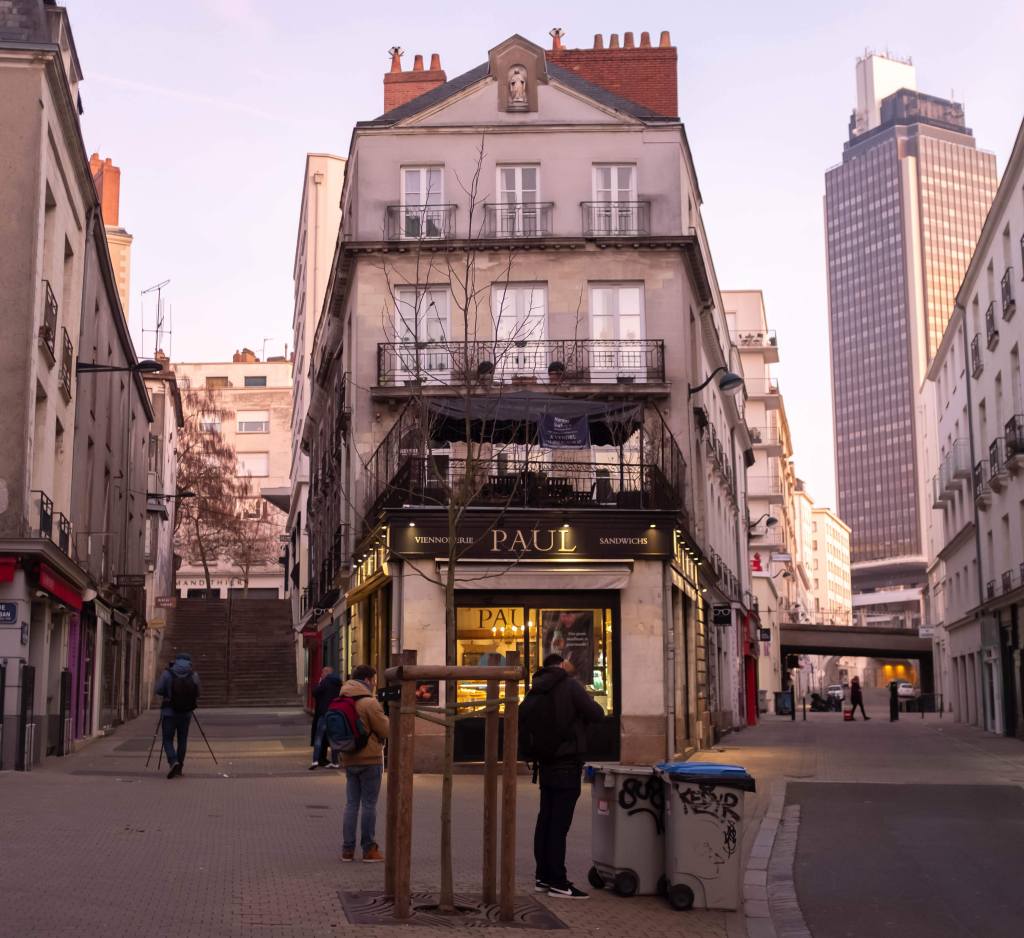
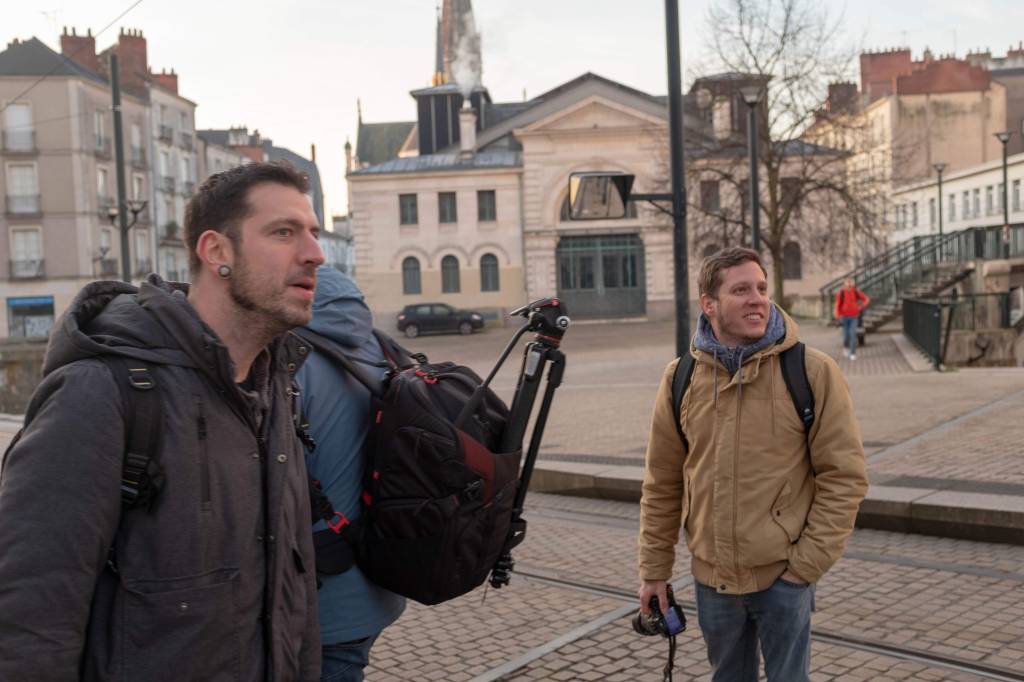
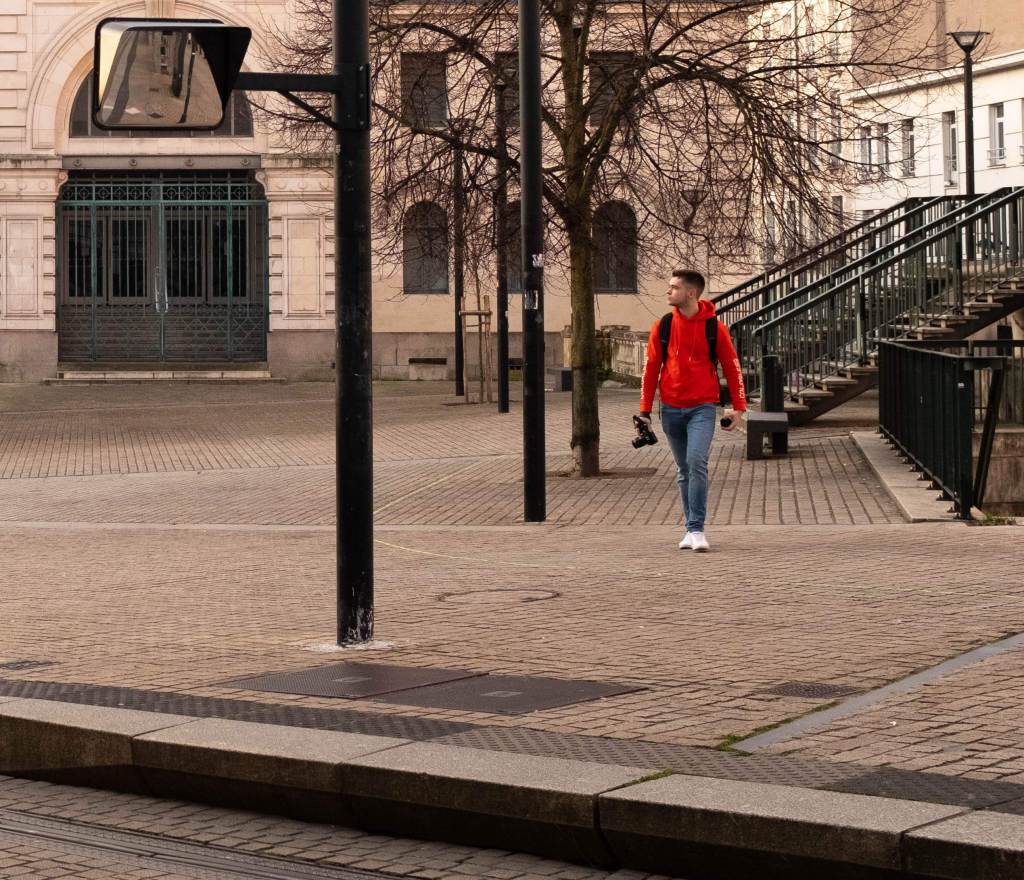
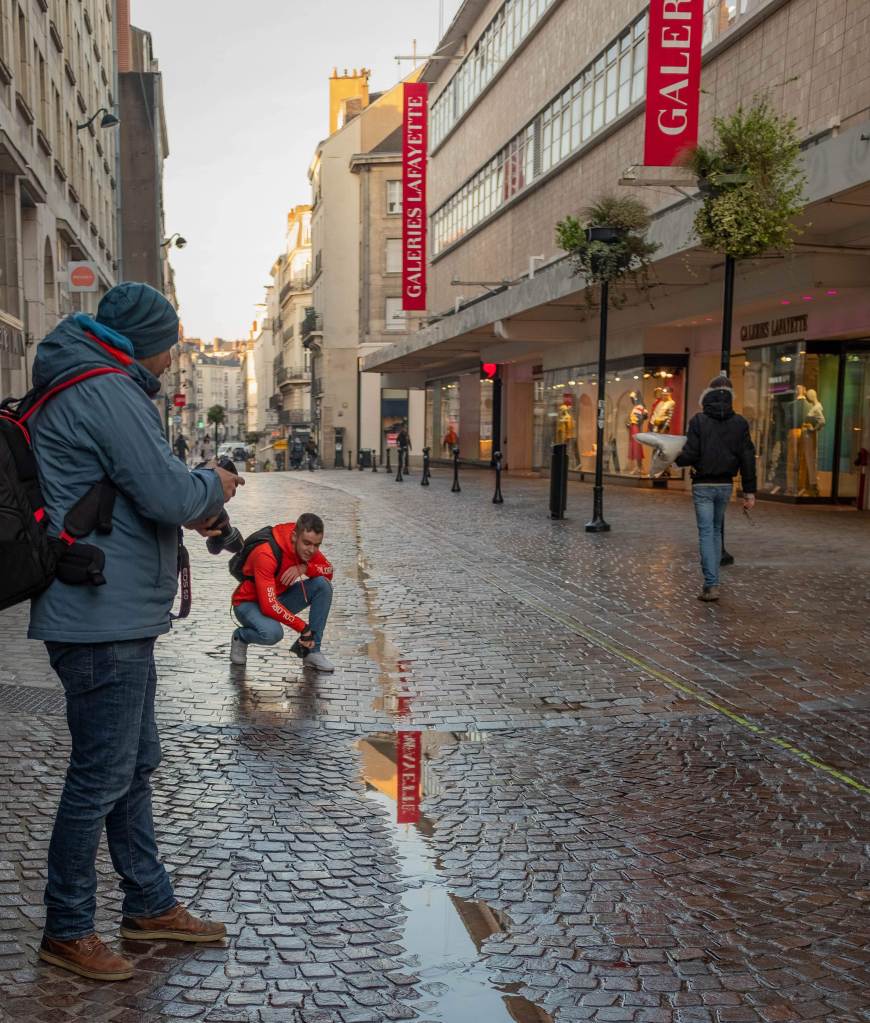
I once had a meet-up in Nantes (the very first article on this blog), and it was so rewarding. It was a typical male bonding activity, and everyone, except for me, brought along their biggest cameras and most expensive lenses. It almost felt like a competition to see who had the most impressive camera. I just brought my relatively tiny X100F, the thinking man’s camera. Much like my car, it’s not the most inspiring thing to look at, but I enjoy using it, and it certainly gets the job done in a very satisfactory way!

I have also collaborated with Nantes Grand Angle, a collective of photographers that have outings in and around Nantes. In exchange for a free tour or free visit, we take pictures during the outings and write about them in our blogs or publish the photos on Instagram. I have done a couple of outings with them, and it’s always interesting to see other photographers in action. They are there seeing the same things as me, but not in the same way. That sense of belonging has a huge feel-good factor too.

A Shared Lens

Photography may often feel like a solitary pursuit, but beneath it lies a powerful thread of connection, weaving us together through moments captured and stories told. Whether it’s the subtle camaraderie exchanged between strangers with a simple nod on the street, the thrill of collaborating with others who share our passion, or the quiet understanding forged with a subject in front of the lens, these encounters remind us that we are never truly alone in this journey.

Through photography, we find not just a way to see the world but a way to be part of it—a community of like-minded souls bound by a shared appreciation for light, shadow, and time itself. In the end, our photographs are a bridge, linking us to others and creating a lasting connection beyond the mere act of pressing the shutter. For as long as we hold a camera, we’re part of something bigger, capturing fragments of life that, no matter how fleeting, will always connect us back to one another.

Photography Philosophy – Part V – Identity and Self-Expression


Photography as a Reflection of Self

What could be a more contemporary expression of self than the modern selfie? For some, it represents a genuine connection, while for others, it becomes a carefully curated fantasy shared on Instagram in pursuit of self-importance—think #lifestyle, #ootd, or #memyselfandI. These representations can evoke mixed feelings about the authenticity of self-expression.

However, this is not how I view photography as a reflection of self. Photography is the only art form that allows the viewer to look through the lens just as I did when I pressed the shutter button. You see exactly what I saw in that moment, and, depending on how I edited the photo, you may catch a glimpse of the emotions swirling in my mind at that time.

Consider two people facing each other, a coin held up between them. One sees the heads side, while the other sees the tails. Each perspective offers only a partial view of the whole object, much like how each photograph can convey different meanings and emotions depending on the viewer’s interpretation. This highlights the importance of taking in the entire picture.  But it’s not just this perspective that changes the way each individual looks at the coin, but all the personality and life experience that the person brings.

So, what about the expression of my identity and worldview? You might detect my state of mind through the subject matter of the photograph. If you see one of my photos taken during the anti-government demonstrations in Nantes, you might draw conclusions about my political leanings, when in reality, I was completely neutral about the situation. Here, the viewer adds their own interpretation to what they see, imagining this world and identifying with the picture in a way that is relevant to them.  I think we all are guilty of that.  My worldview, too, may show through—an insight into the world around me and how I choose to see and document it, since you are witnessing a moment in time as I saw it.

But why press the shutter button at a particular moment and not 1 second before, or 1 second after?  Cartier Bresson talked about capturing the decisive moment.  I try and make sure that I have no distracting elements.  I try and get my subject right where I want them, or wait for them to cross the scene at a certain spot.  Does this mean that I miss shots?  Yes, but it’s all part of the game!  Have I become a self-hating perfectionist?  Fortunately, no.  But do I try and make that extra effort?  Definitely.  I owe it to myself, but to the viewer of the resulting photo.  Some might talk about a certain professional conscience, but if you’re going to do something, then try and do your best?

Personal Growth

This is a tricky subject, as I’m not entirely certain that my subject matter has evolved as I have. Am I still taking the same old photos as I used to? Possibly. Yet there are new techniques I’ve picked up along my learning journey. I may have started learning about photography over 40 years ago, but I’ve never stopped. In the last ten years alone, I’ve learnt so much, often with YouTube as my teacher. I’ve expanded my knowledge of film—how to use it and develop it—and I’ve learnt more about editing. I might just mention that I trained in “Desktop Publishing” back in 2003. Twenty years ago… time flies! Lots of Photoshop, Illustrator, and QuarkXpress.

New equipment and different lenses have allowed me to explore wide-angle photography and, as they say, “get it out of my system.” But is it really out, or have I simply explored it enough to satisfy my curiosity for the time being? I will, no doubt, revisit it again. This exploration has clearly shaped the way I view a scene, and I now know how to use the distortion it offers as another stylistic string to my bow. Wide angles enable me to alter how the subject is seen, making a more significant impact on the viewer, who experiences something distinctly out of the ordinary. It’s a small but meaningful addition to my work that could offer that extra something to a potential client.

I’ve grown more confident in my photography over time through consistency and practice. Getting out there with your camera is, without a doubt, the way to go. Some might accuse me of relying on gear, but I feel that I’ve genuinely put the hours in to master certain aspects of this craft and to have a certain self confidence in my abilities as a photographer.

Do I take the  same photos that I did back in 1987 and now?  In certain ways, yes.  Because my personality shines through the photograph.  However back in 1987 I was concerned just about nailing the exposure, and didn’t have the knowledge and photographic culture that I do today in 2024.  I was also a 15 year old back in 1987, and am now over 50.  The essential part of who I am remains, but my life experience has changed me, as it would anyone over 35 years.

Cultural Context

You might not know this about me, but I have lived in France for the last thirty years.  More time than I lived at “home” in the UK.  Has that affected my photography in any way?    Maaaaybe…

France is the home of Cartier Bresson, and Doisneau, and their wonderfully crafted street photography.  Yes, I have explored their work and have been amazed by it, and amazed by the simplicity in certain shots of theirs, but a deceptive simplicity that takes so much time to emulate.  So yes, I have been influenced by French culture. It forms the way I look at the world around me, especially when in the streets of Nantes and I feel their influence accompanying me as I wander around the streets.  It’s also the subject matter that changes from country to country.  Just look at the difference between my two countries, the UK and France.  

But it doesn’t stop there.  I have been influenced by photographers that I see on the Internet.  Names like Sean Tucker, Thomas Heaton, James Popsys, Mango Street, Peter McKinnon, and Jamie Windsor spring to mind and their videos have certainly been a huge influence on me.  And there’s not even one Frenchman in that short list…  It’s not that I reject French youtubers, but when at work I have to make the effort to speak French, when I am outside my house I have to make the effort to speak French, aso when at home I prefer to keep things in my mother tongue.  It’s a me problem, and not a them problem.

Conclusion: The Lens of Self-Reflection

Photography, at its core, is about more than just taking pictures; it’s about capturing fragments of identity and moments of personal evolution. While the images we create may reflect the world around us, they also tell the story of how we see ourselves and the ever-changing lens through which we view the world.

What I’ve come to realise is that photography isn’t just a technical pursuit or a series of compositions—it’s a mirror. Through it, I’ve discovered not only the nuances of the world but the nuances within myself. From the early days of worrying over exposure to now, when the process feels more like a conversation with the scene, I have grown not just as a photographer, but as an individual.

Yet, this growth is never complete. Photography, like life, is a journey with no clear destination. The influences, the techniques, and even the subjects will continue to shift as I evolve. What remains constant is the intention: to connect, to reflect, and to capture not just an image, but a piece of time that speaks to who I am, and who I am becoming.

In the end, photography is an act of constant reinvention. Each shutter press is an opportunity to redefine the self and understand the world a little better, one image at a time.

Classic Chrome Meets Portra 160: Evaluating the Pentax ME Super and Fujifilm X100F


Let’s talk about two of my favorite cameras—the Fujifilm X100F and the Pentax ME Super. While these cameras belong to entirely different eras of photography, they share a surprising similarity in size and portability. I’ve used both extensively, and today, I want to compare their unique qualities without turning it into a clichéd “film vs. digital” debate.

Photography enthusiasts often find themselves in one of two camps: those who champion the convenience and immediacy of digital, and the purists who swear by the timelessness of film. But if you’ve followed this blog for a while, you’ll know I don’t see things that way. Instead, I value what each format brings to the table, and more importantly, how both contribute to the experience of photography.

A Tale of Two Cameras

For me, photography is more than just the final image—it’s about the journey of capturing it. Any Lomography fan will agree: the process is as important as the outcome. When I shoot with the Fujifilm X100F, I appreciate the immediate feedback of seeing the image on the screen and knowing right away what I’ve captured. But with the Pentax ME Super, it’s a different experience. I have a rough idea of what the film will deliver, but the magic isn’t fully revealed until the film is developed. That anticipation is part of the charm.

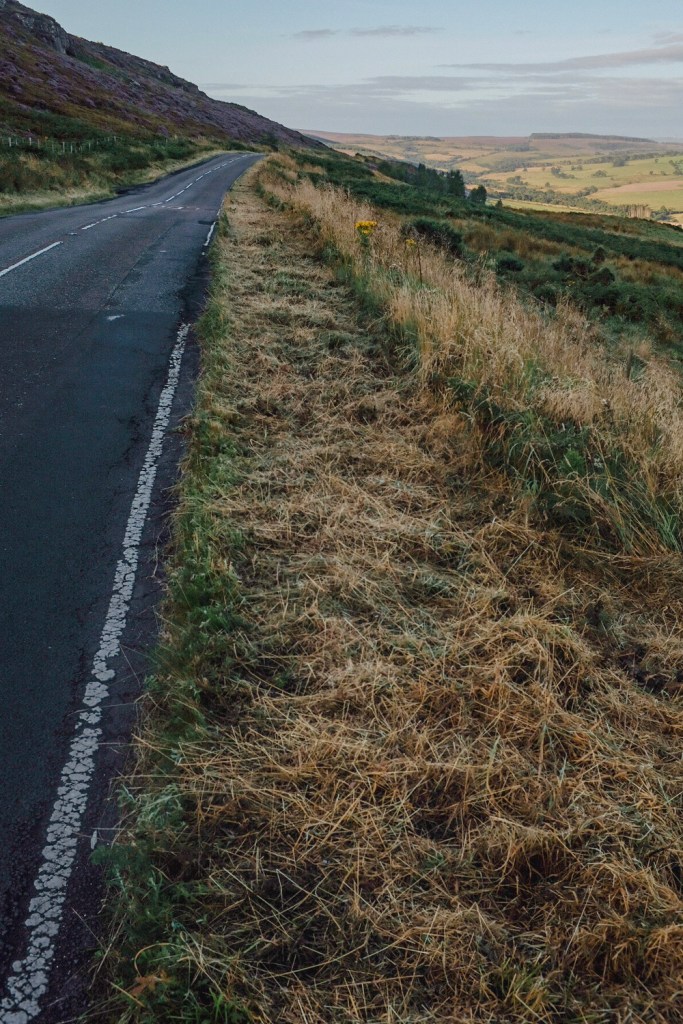
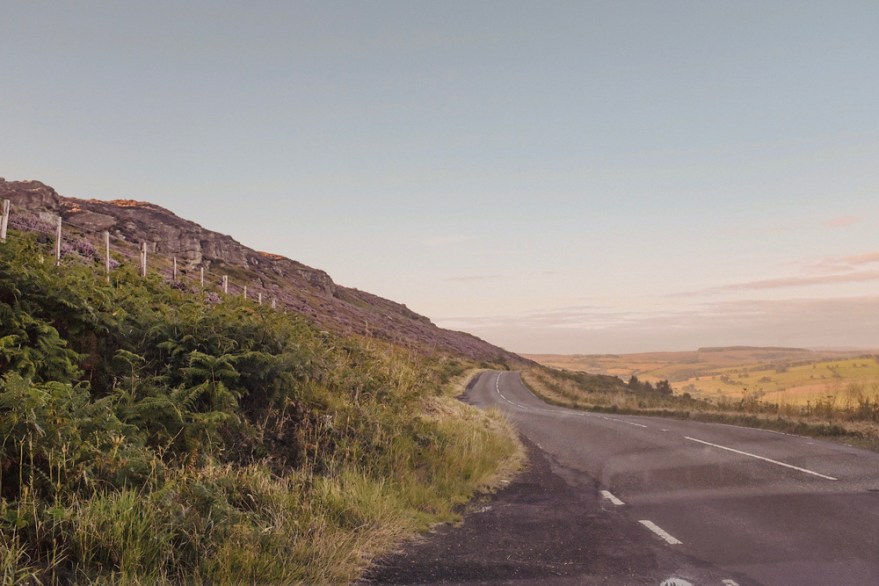
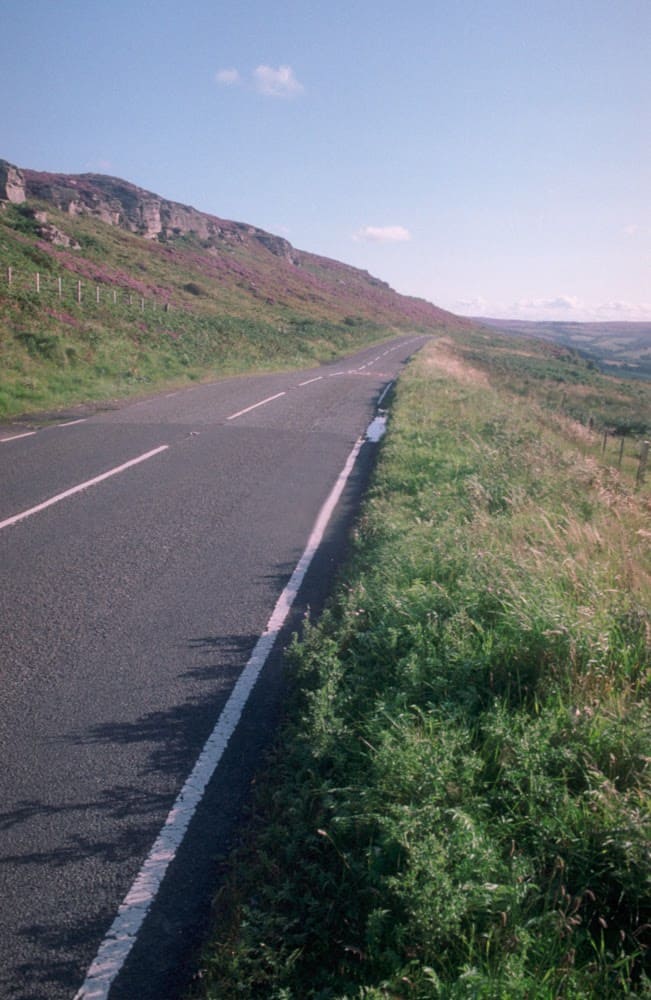
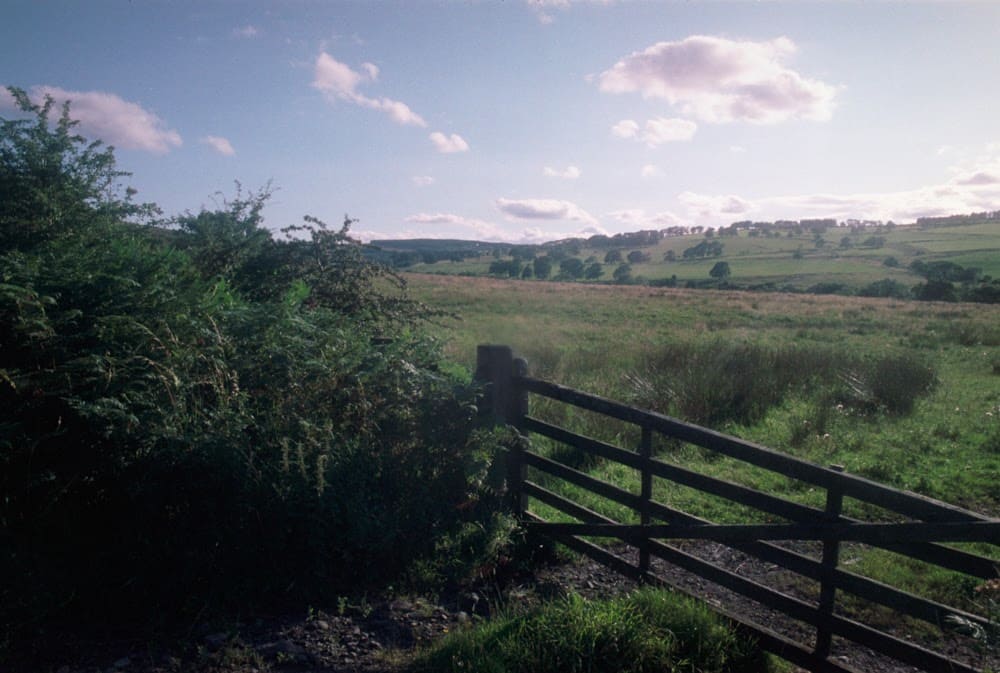
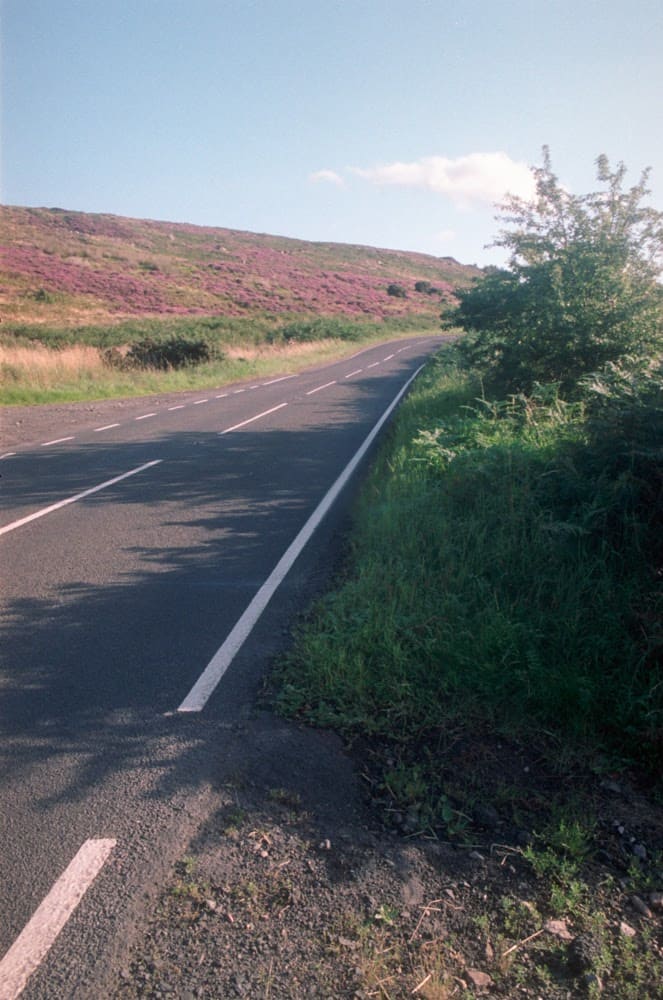
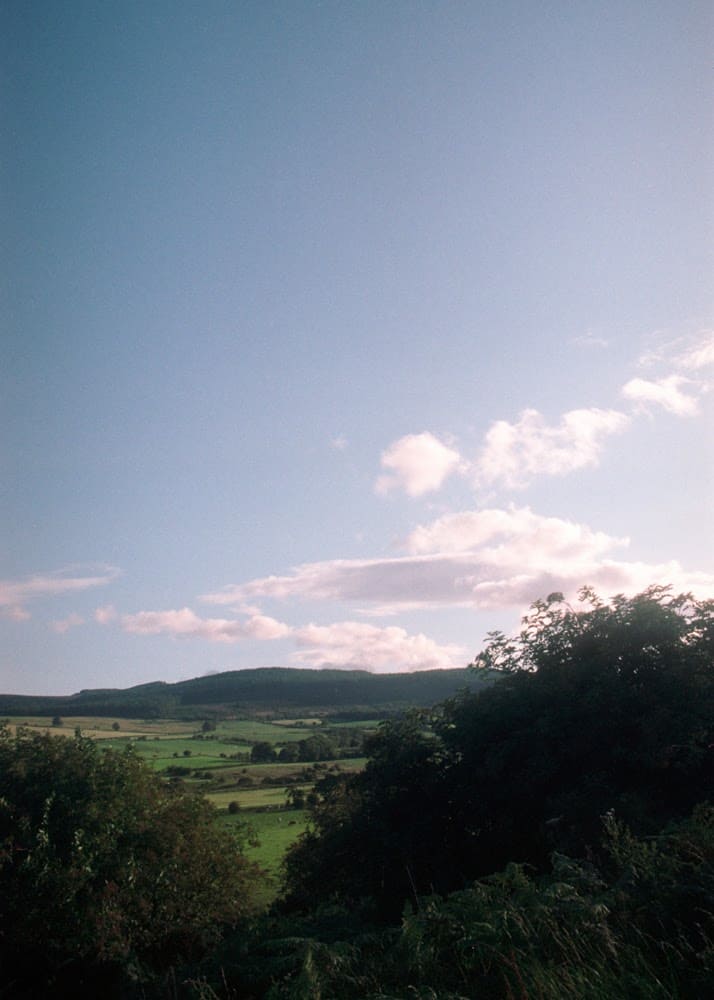
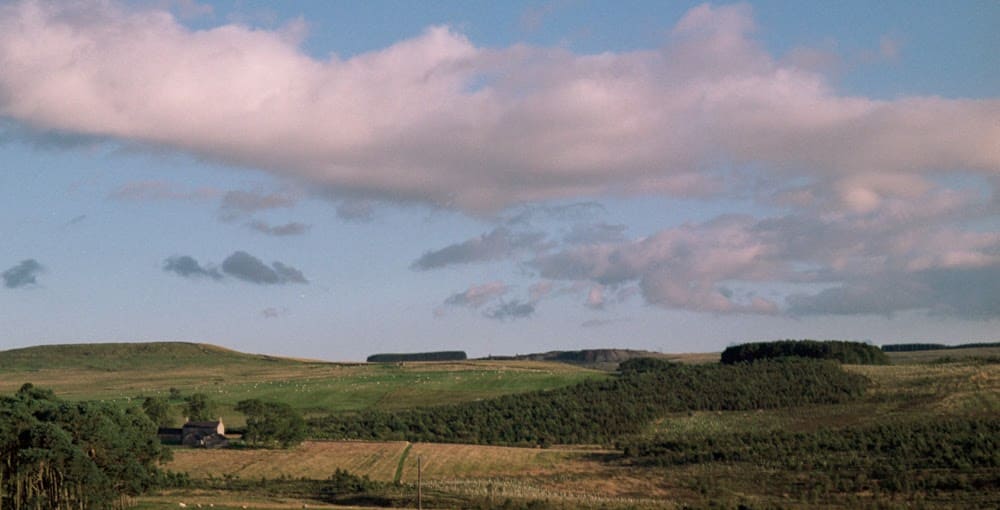
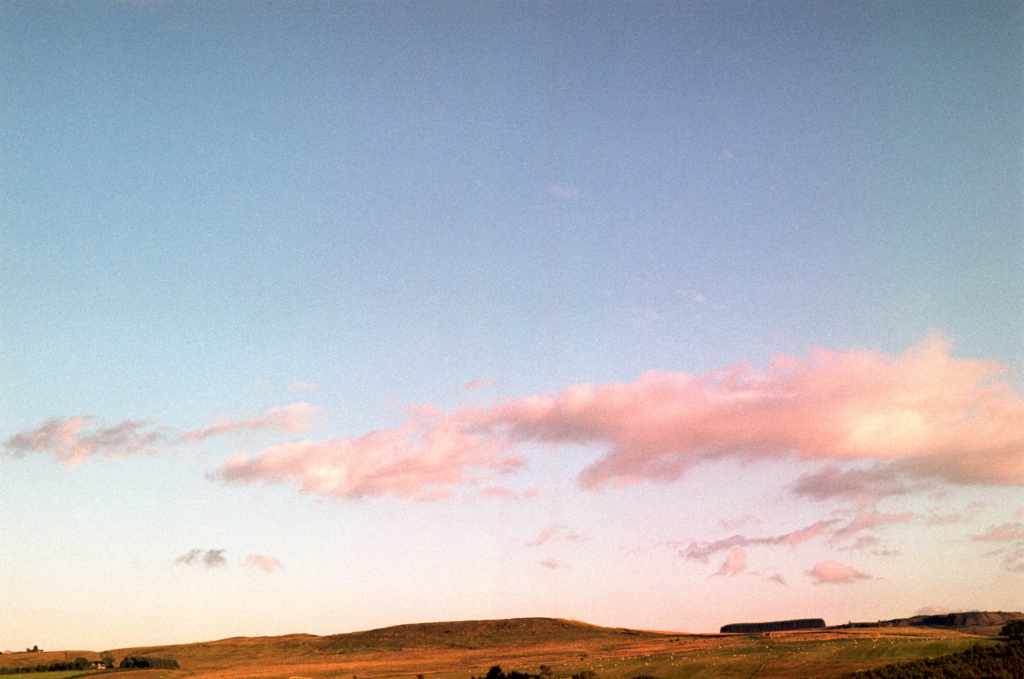
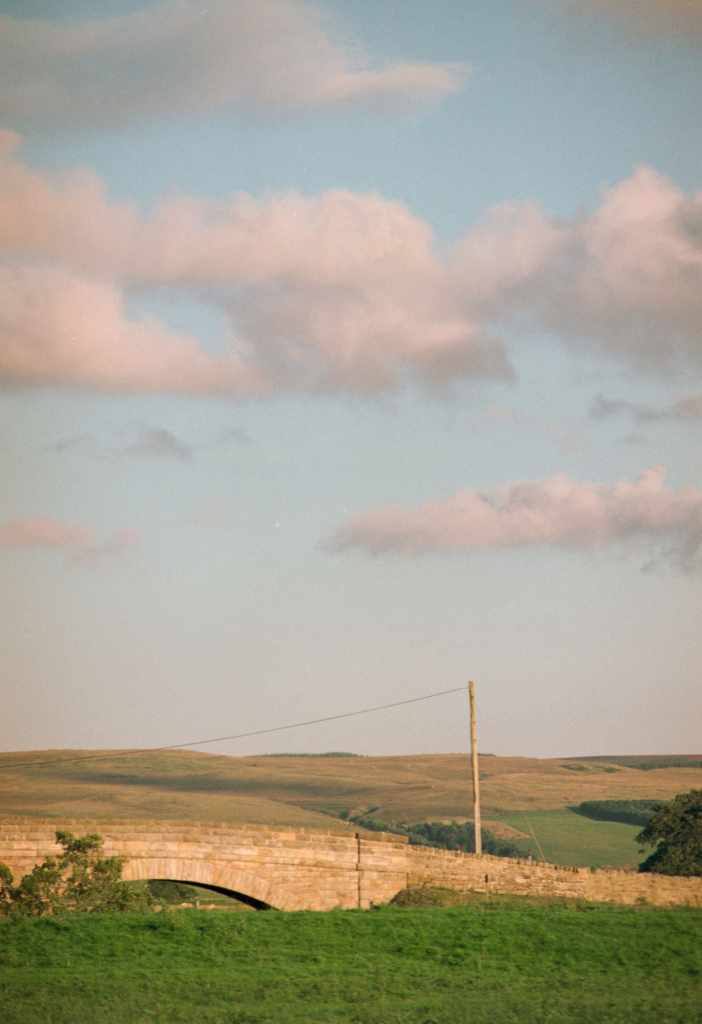
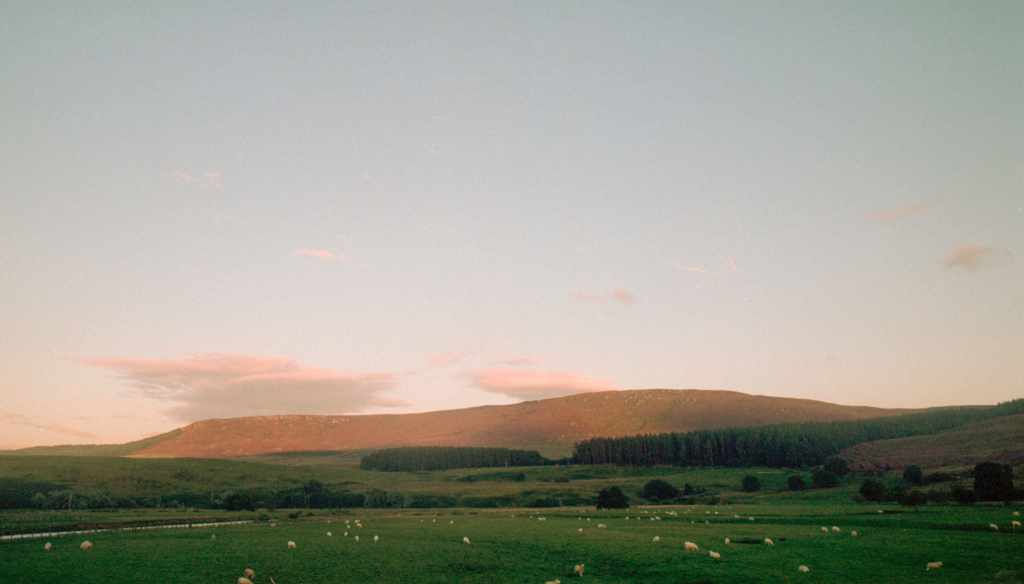
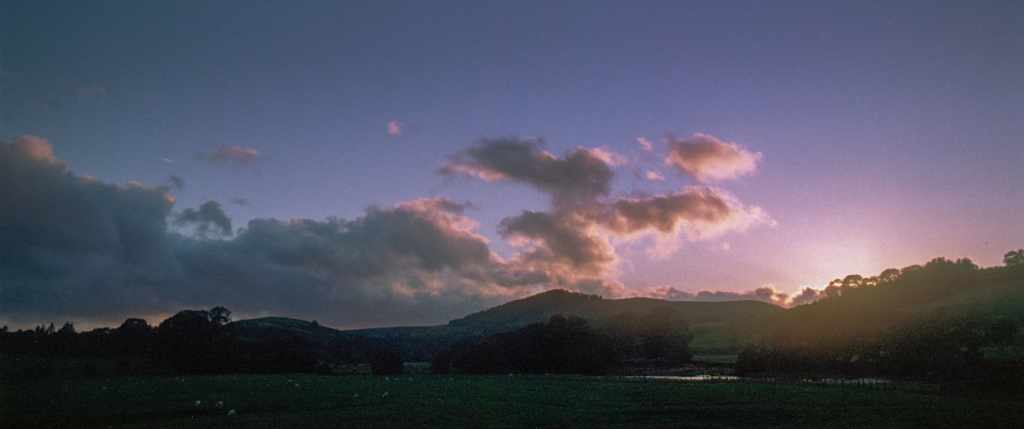
For this comparison, I’ve chosen photographs from Northumberland. Its moody, windswept landscapes—places like Alnmouth and the Northumbrian moors—present the perfect canvas for both film and digital. The X100F’s Classic Chrome simulation delivers a retro, muted look, while Kodak Portra 160 film, shot through the Pentax, brings warmth and richness to the tones.

The Fujifilm X100F

he X100F has often been called a bridge between the analogue and digital worlds, and I tend to agree. It’s packed with modern features like autofocus and an electronic viewfinder (EVF), but the controls are refreshingly tactile, with dedicated dials for aperture, shutter speed, and ISO. For anyone with a background in film photography, this setup feels familiar and intuitive.

What sets the X100F apart for me, though, is its Classic Chrome film simulation. It offers a subdued color palette that echoes old film stock, perfect when I want a slightly desaturated, vintage aesthetic. Unlike some over-the-top digital filters, Classic Chrome feels organic and subtle—bringing out details in the shadows without overwhelming the shot with contrast.

The X100F Photos

The Pentax ME Super

On the other hand, the Pentax ME Super is all about slowing down. There’s no EVF, no digital screen, and definitely no autofocus. Instead, you rely on a split-prism focusing system and aperture-priority mode. It forces you to be deliberate with each shot, a process that I find incredibly satisfying.

You’ll often hear film photographers talk about being more “in the moment” when shooting on film, and that’s exactly how I feel with the ME Super. The process of carefully composing each shot, setting exposure manually, and waiting for the film to be developed encourages patience and thoughtfulness.

For this outing, I paired the ME Super with Kodak Portra 160, a film that’s become known for its natural skin tones and soft, warm colors. Paired with the 50mm f/1.7 lens, this combination creates images with that unmistakable film character—shallow depth of field, soft highlights, and rich colors.

Lenses and Sensor Size

One of the most noticeable technical differences between these two cameras is their lenses and sensor sizes. The X100F features a 35mm equivalent f/2.0 fixed lens, while I usually use the 50mm f/1.7 on the Pentax. On the sensor front, the X100F has an APS-C crop sensor, giving it a narrower field of view compared to the full-frame 35mm film in the Pentax.

This technical difference goes beyond field of view. The Pentax ME Super has fixed ISO based on the film I choose, so I need to plan ahead for the lighting conditions I’ll be working in. In contrast, the X100F allows me to adjust ISO on the fly, providing flexibility in rapidly changing environments. This is something digital photographers have come to rely on, and it’s undeniably convenient when shooting in variable light.

The Pentax ME Super photos

Comparing the Images

Now, the big question: which is better, the Pentax ME Super or the Fujifilm X100F? Honestly, neither. They’re different tools for different purposes. Whether you’re drawn to the organic feel of film or the convenience of digital, both formats offer something unique. And that’s the beauty of photography—there’s no one-size-fits-all approach.

The sideshow feature shots from both cameras. As you look at them, you might favour one look over the other. The film shots have a warmth and texture that digital sometimes struggles to replicate, while the digital photos are sharp, detailed, and offer instant gratification. But ultimately, this comes down to personal preference, not a matter of one being objectively better.

Final Thoughts

At the end of the day, a camera is just a tool for capturing a scene in a particular way. As long as the final image is pleasing to the eye, I’d say the job is done. So don’t limit yourself to just one format—if you haven’t tried shooting film, give it a go. If you’re a film photographer who’s hesitant to try digital, maybe the X100F will ease that transition with its analogue-like feel.

More than anything, I encourage you to enjoy the process, whether it’s with film, digital, or both. Get out there, take your time, and remember that photography isn’t just about the images you capture—it’s about the experience.


Post Scriptum:
For those of you new to my blog, welcome! I cover everything from camera reviews to photography tips and techniques. Whether you’re a seasoned photographer or just starting out, there’s something here for you. Feel free to leave your thoughts or questions in the comments below—I’d love to hear from you!