Photography Philosophy Part IV – The Art of Storytelling in Photography


When I first started out in photography, I would go and get my film developed by the photographer on Newland Avenue near where I lived, and the photographer would do what people called a contact sheet.  Basically, the film was cut into strips, placed into a special frame to keep the negatives as flat as possible, and exposed directly onto a sheet of photographic paper.  These “thumbnails” allowed us to see the photos of the outing in one place and we could decide which ones might be worthy of developing.  

We have this digital contact sheet in Lightroom where we import our photos and decide which ones are worthy of being developed. It’s the same idea, just with different tools.

But what does this have to do with storytelling? Think of the contact sheet as the beginning of the story-crafting process. Just like a narrative needs a beginning, middle, and end, so too does our selection of images. With a contact sheet, we gain a bird’s-eye view of an outing—seeing not only the individual shots but how they relate to each other. Choosing which moments to develop isn’t just about technical quality; it’s about deciding which parts of the experience best tell the story.

This principle guides me when choosing photos to share here on the blog. Whether it’s capturing moments with my friend JD, the barber, or snapping a shot of my lunch before I dive in, each image plays a role in the day’s story, hoping that I don’t forget to take the photo of my dessert before eating it.  Otherwise you just get a photo of the plate with some traces of cake or just some crumbs.

But lets’s get back to the idea of story telling with an arc that covers the outing.  When I set out for the day, I begin with a few warm-up shots to set the scene. If I have a plan, great—but often I don’t. Instead, I focus on capturing the ambiance of my surroundings, whether it’s a café, church, or pub. Each photo builds on the last, creating a narrative of my day’s journey.
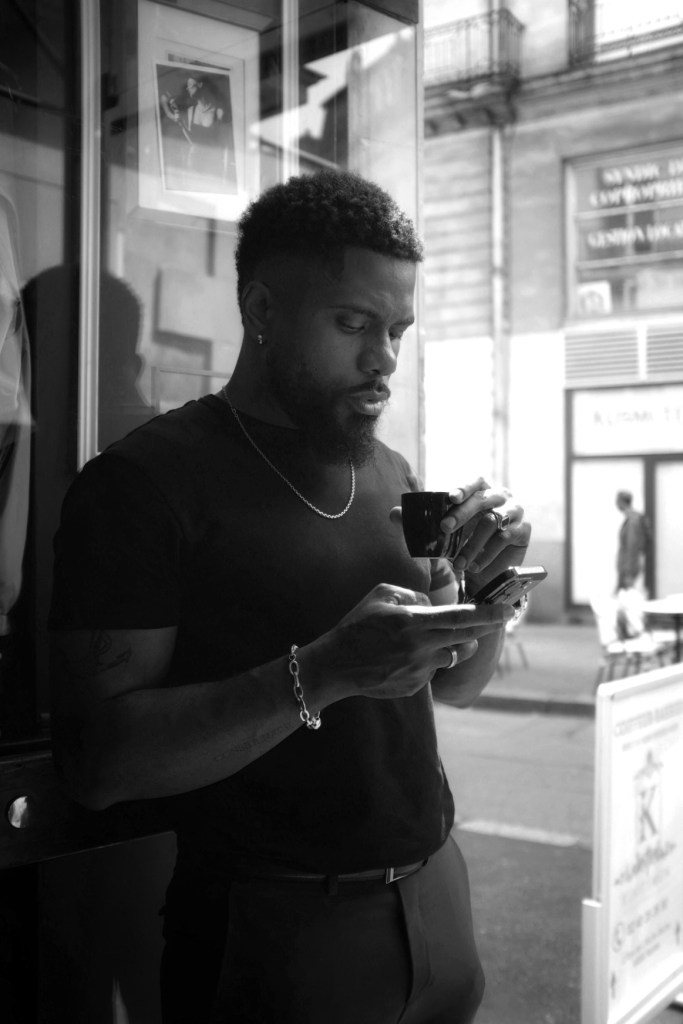
For events, especially when I’m hired to photograph, I’ll start by discussing the plan with my client. I want to know what’s important to capture, any specific conditions at the venue—lighting, mobility restrictions, etc.—and what moments they consider essential. Having this list of must-capture moments, like the classic Kodak moments that we talked about in the last article, helps me stay focused and give me structure.

For the sake of arguments, I have a wedding to photograph, and I know that I will be taking shots of the bride before the ceremony.  I know that I have to be at the venue before the happy couple arrives.  I’d better get a shot of the rings before they appear on the couples’ fingers, etc.  I’ll want environmental portraits of the guests, etc.  This planning ahead allows me to be more serene during the day itself.

newlyweds and their wedding bands
Just married

Not every story requires a series of images; sometimes, a single photograph can capture an entire narrative. Think of it as a self-contained story, a moment that holds not only what’s visible but also what’s implied—emotion, context, and sometimes, a sense of mystery.

For example, take a photograph of a lone, empty café table in the soft morning light, a half-full cup of coffee, and an open notebook on the table. This image can suggest solitude, introspection, or perhaps the moment right after someone has left. The viewer might wonder: Who was sitting here? Why did they leave? What were they writing? This photograph tells a story, inviting the viewer to step in and imagine the rest.

A single image can evoke different responses based on the viewer’s own experiences and emotions. In many ways, it’s a conversation between the photographer and the viewer. We as photographers might set the scene, choose the light, and capture the moment, but it’s the viewer who fills in the blanks, completing the story in their mind.

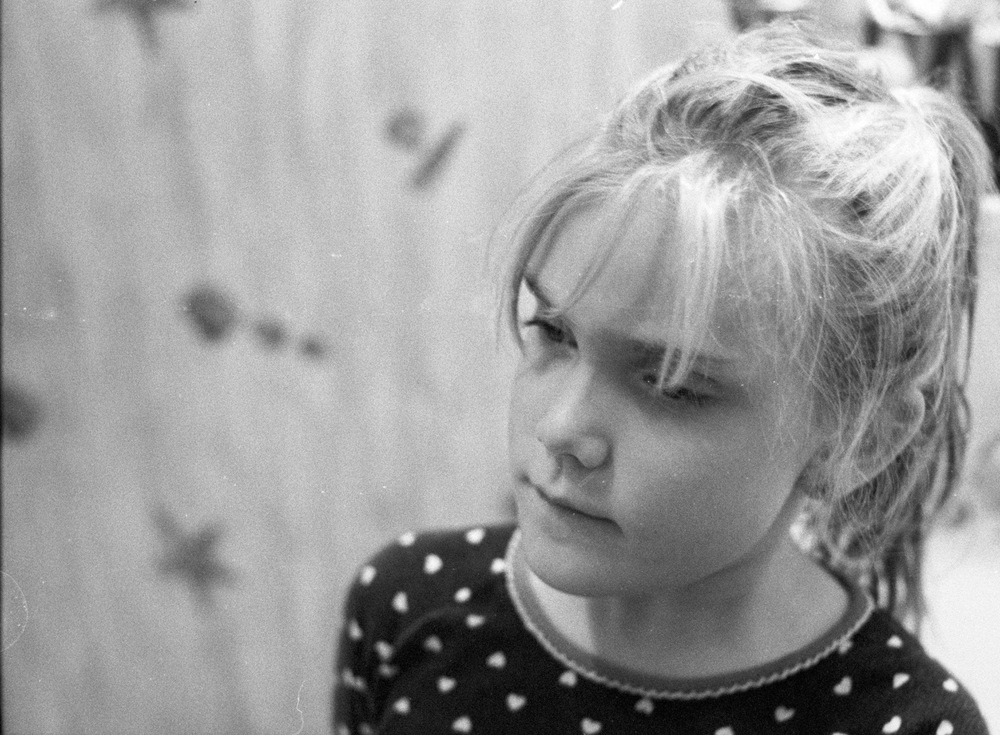
This approach also applies when photographing people. A portrait of a person lost in thought, gazing out of a window, can evoke curiosity about what’s on their mind, where they might be going, or what they’re experiencing at that moment. In these cases, the single image captures more than just a face or place; it holds an emotional narrative that transcends words.

my daughter contemplating cake
Am I sure about this cake?

Storytelling in photography isn’t just about taking pictures; it’s about deciding which moments matter and capturing them in a way that communicates more than what’s on the surface. Whether we’re crafting a narrative through a series of images or capturing an entire story in a single frame, each photo we take says something about how we see the world and what we want to share with others.

Next time you’re out with your camera, think about the story you’re building, whether it’s a quiet day at a café or a bustling event. What do you want your viewers to see, to feel, to wonder about? In some ways, we’re all storytellers—stringing together moments, big or small, to create something meaningful.

So, go on—look through your images as if they were frames in a film, each one a piece of a larger story. You might find that your perspective shifts, and that’s when photography becomes more than just a hobby; it becomes a way of understanding and connecting with the world.

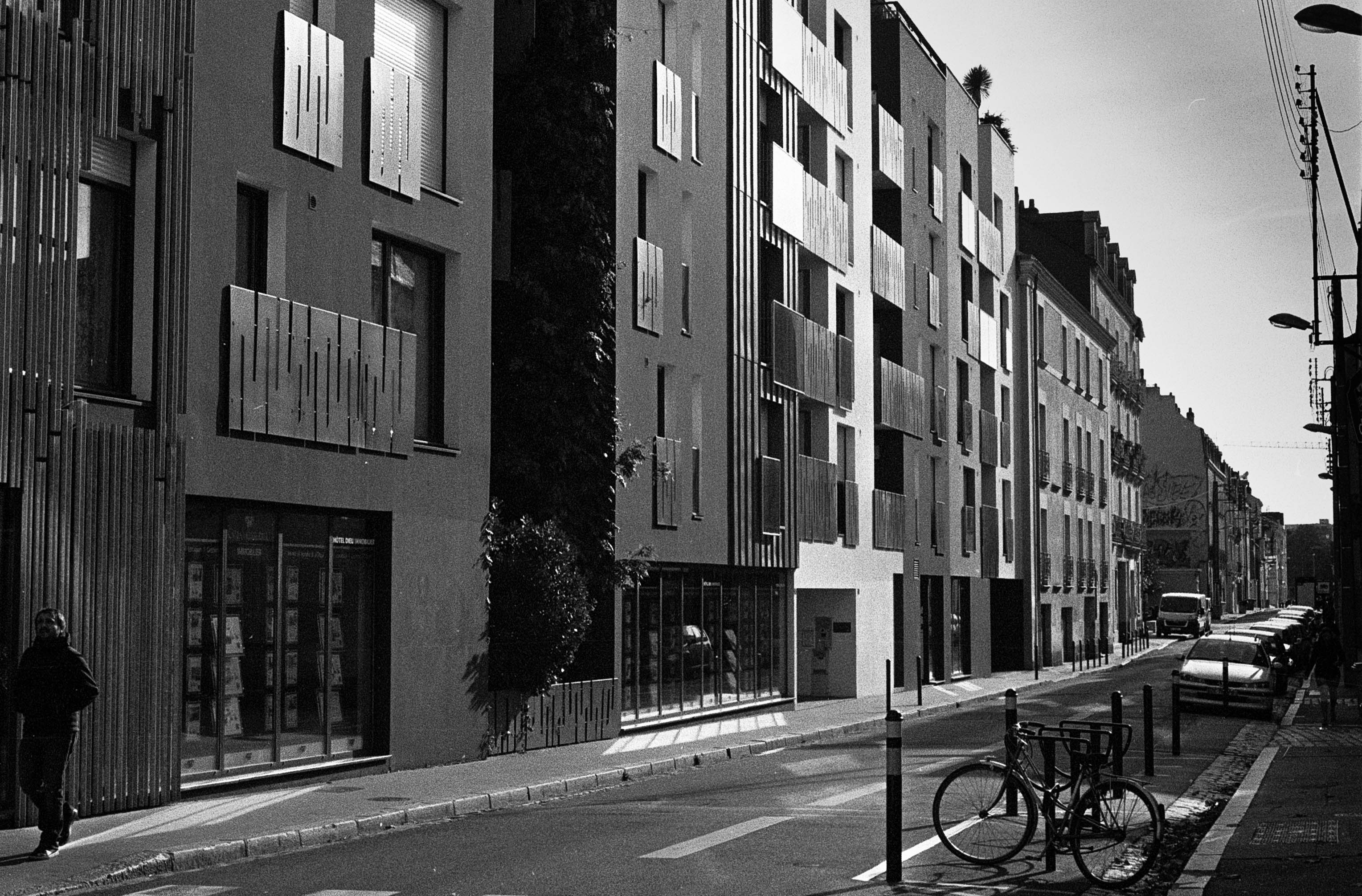
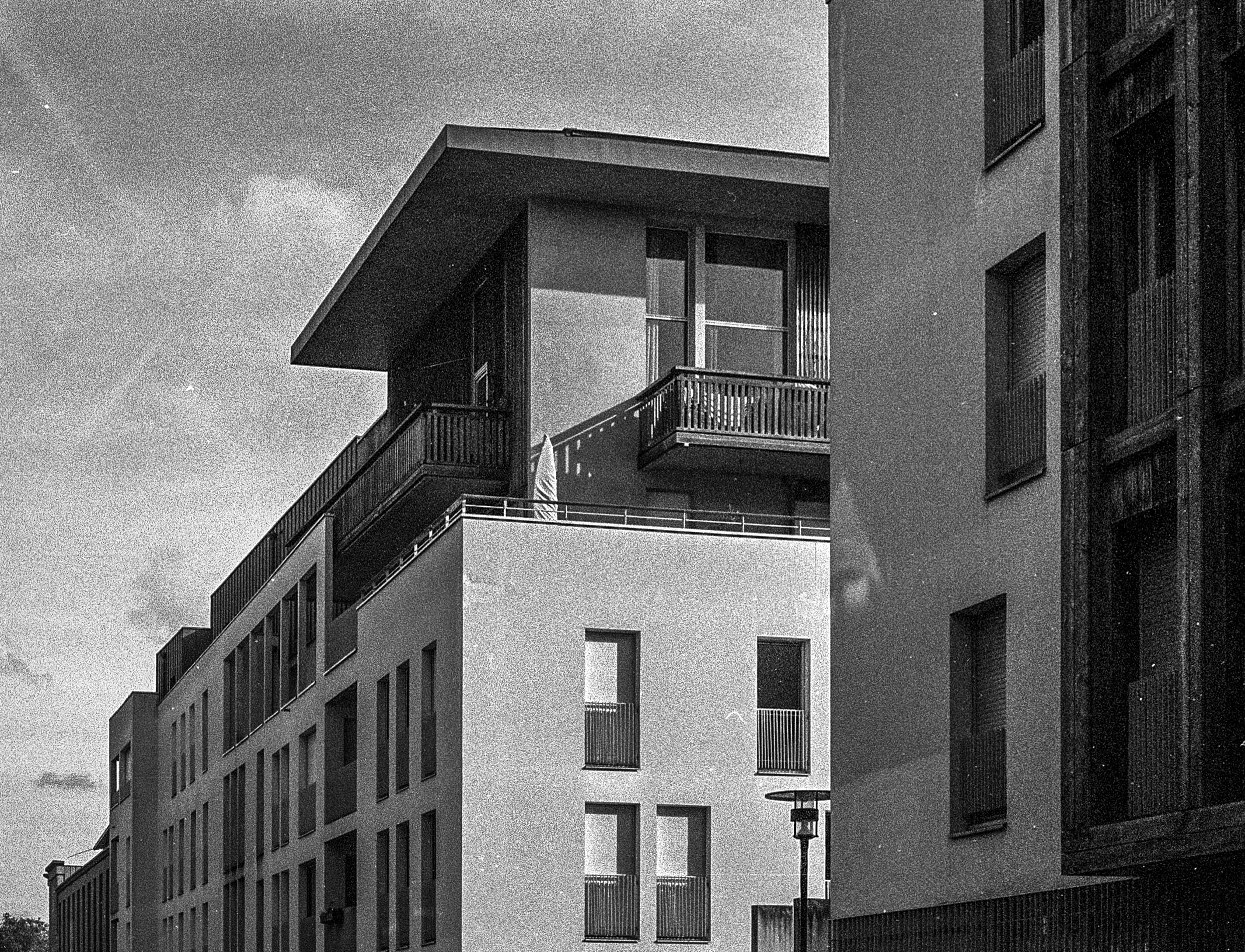
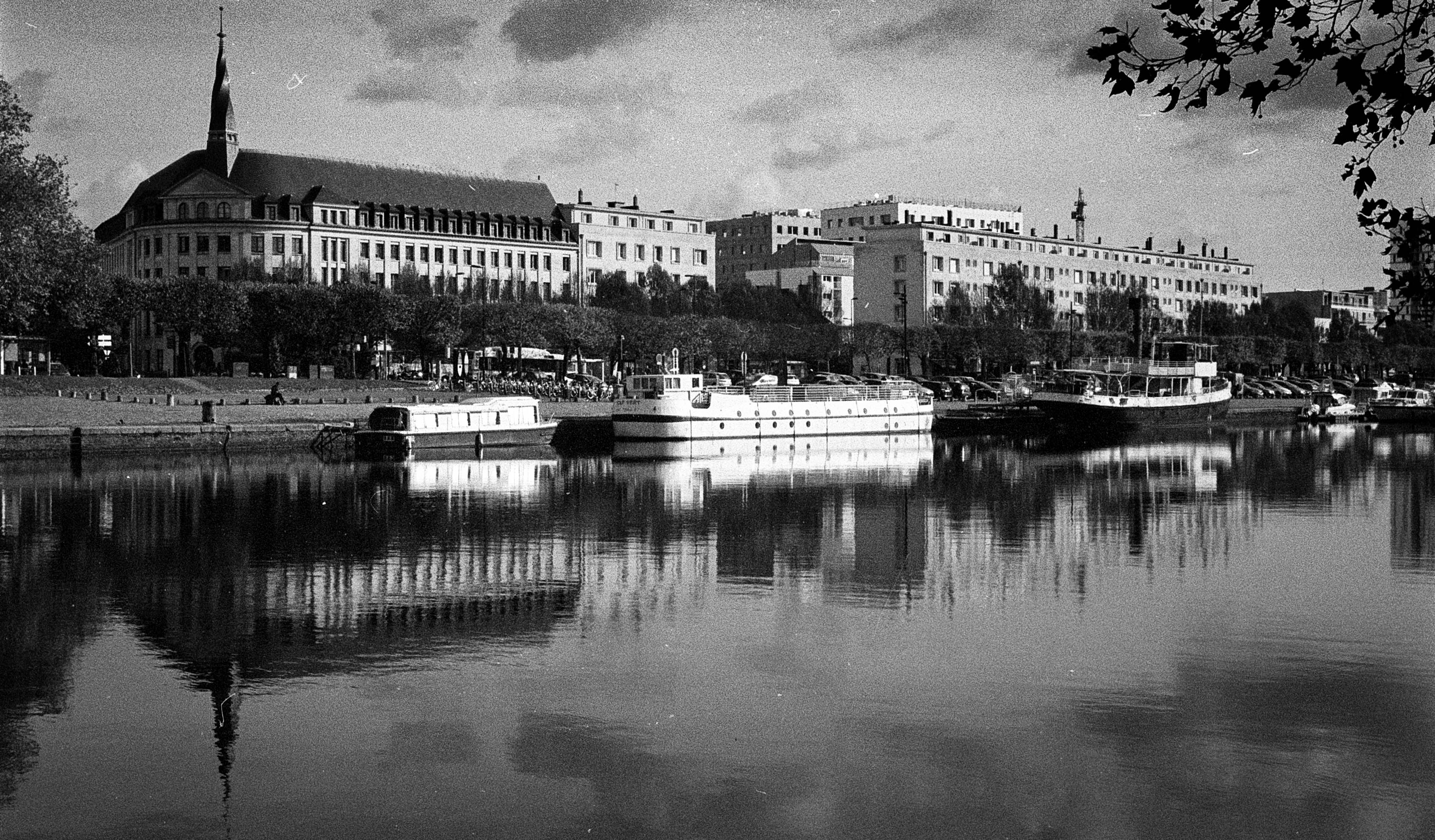
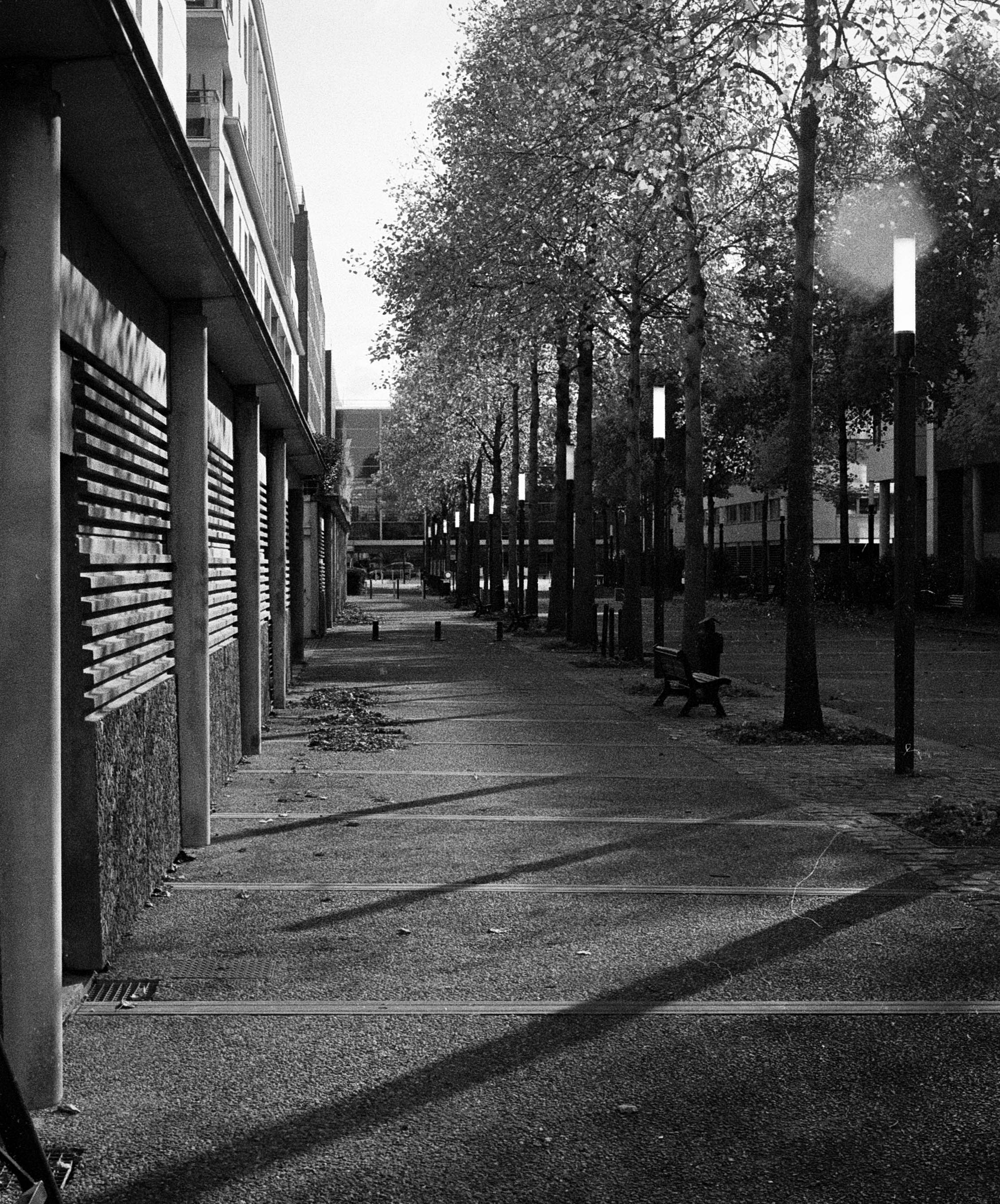
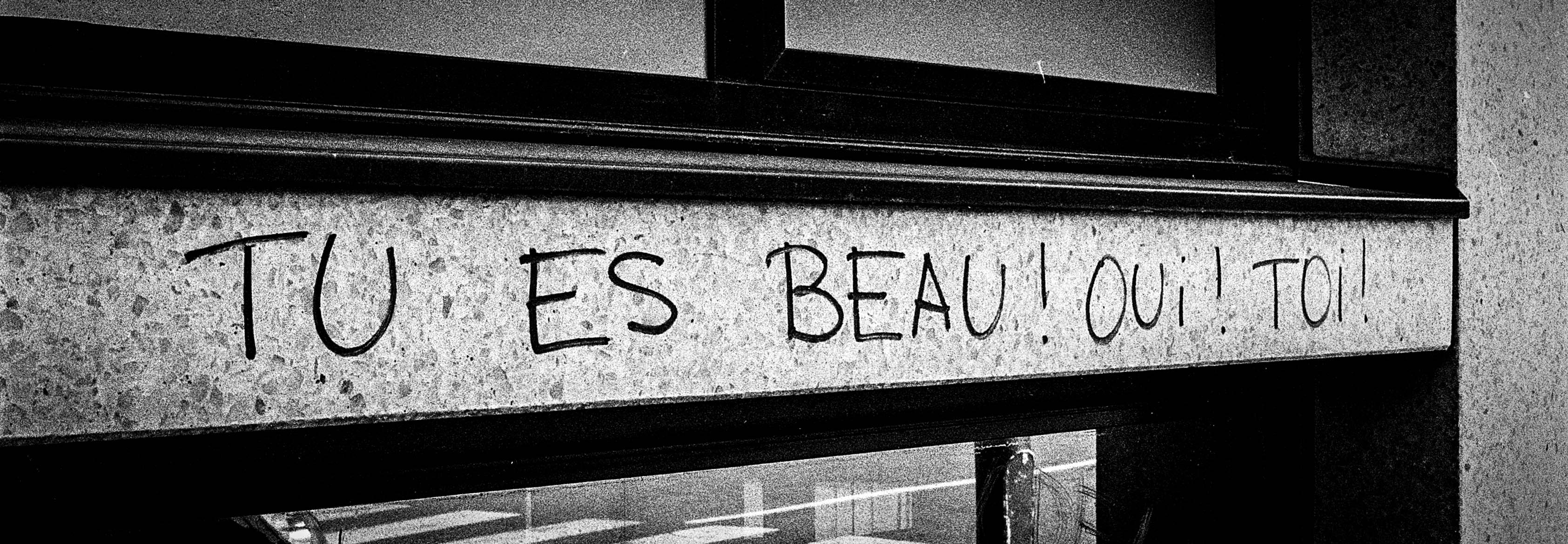
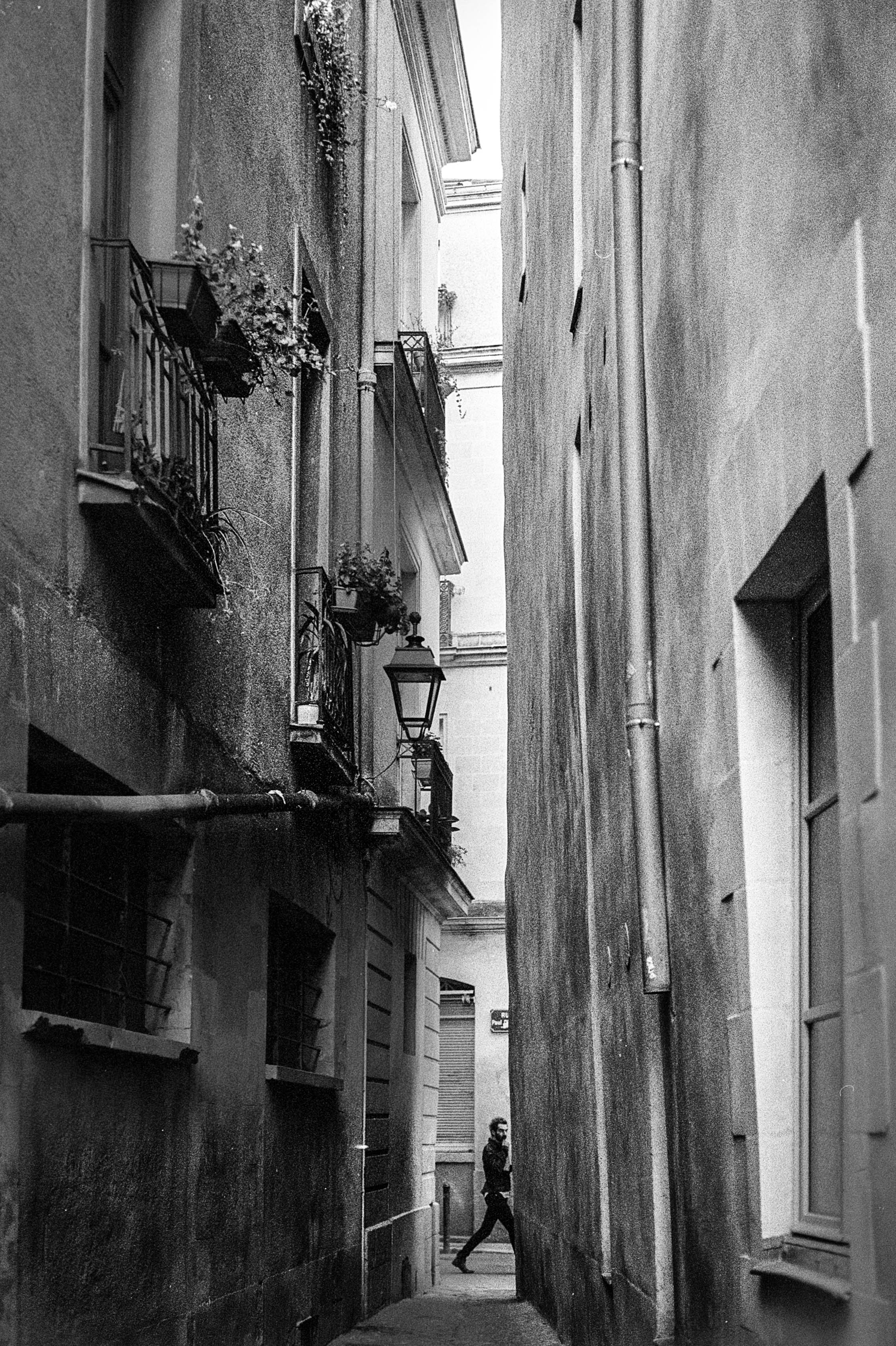
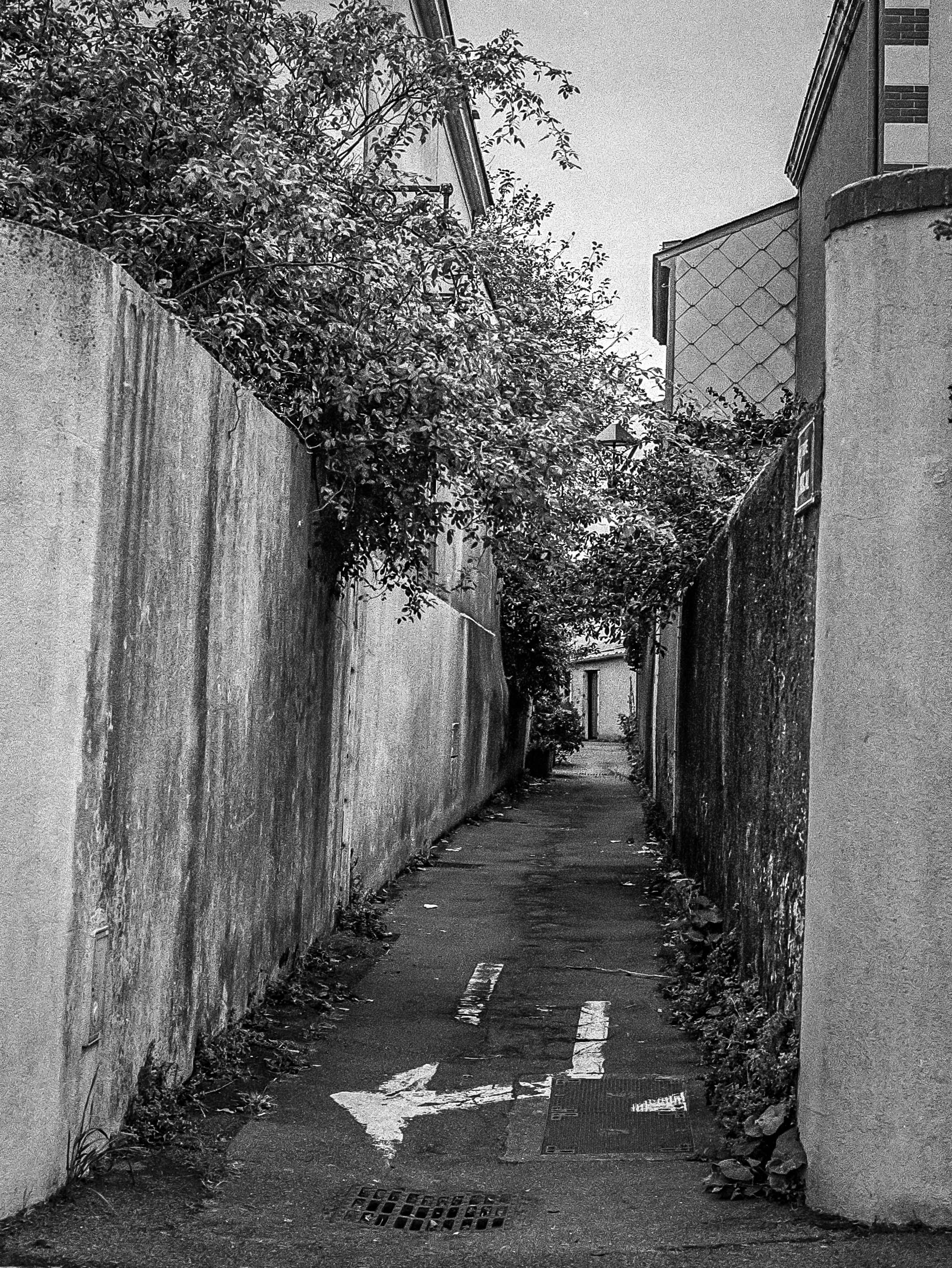
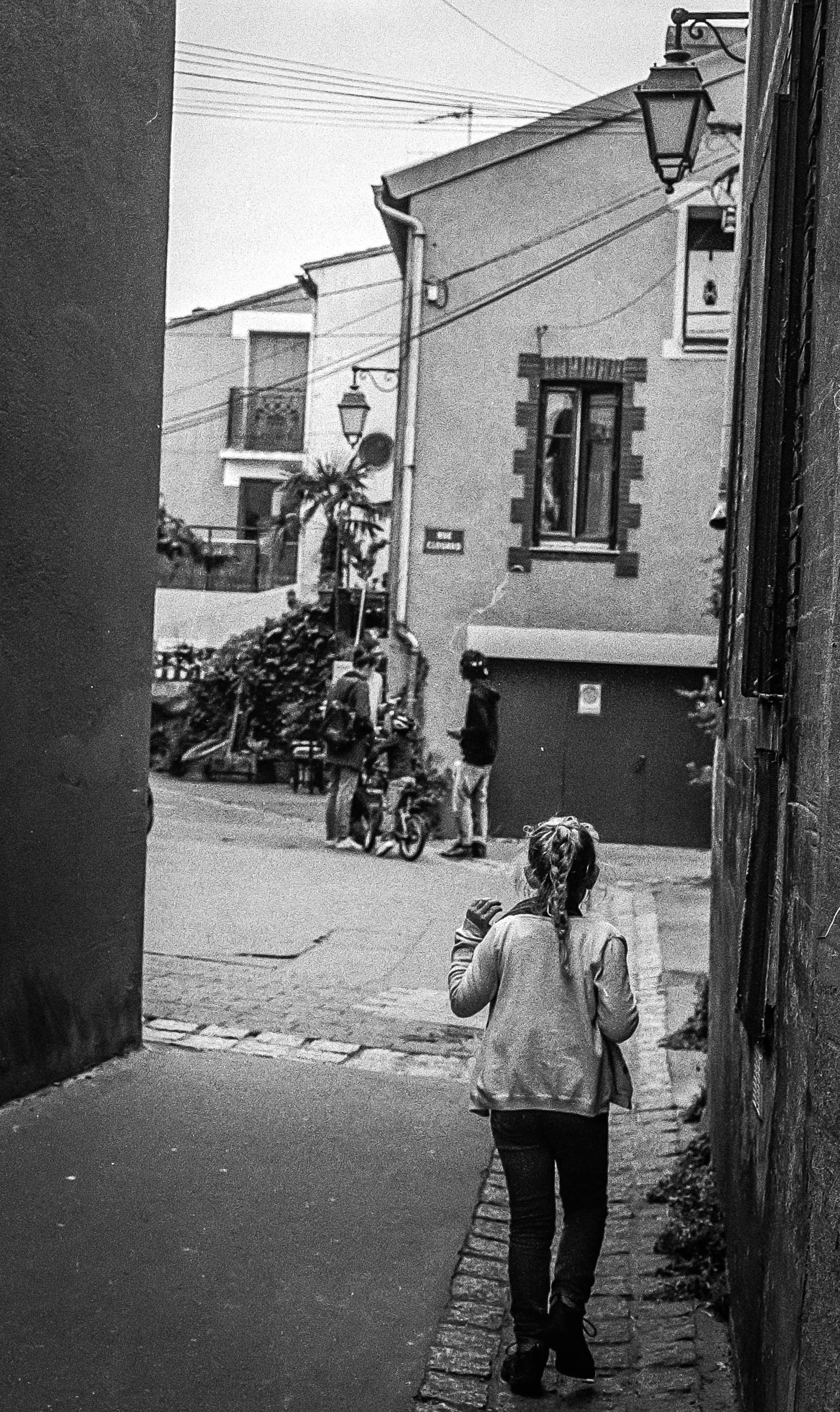
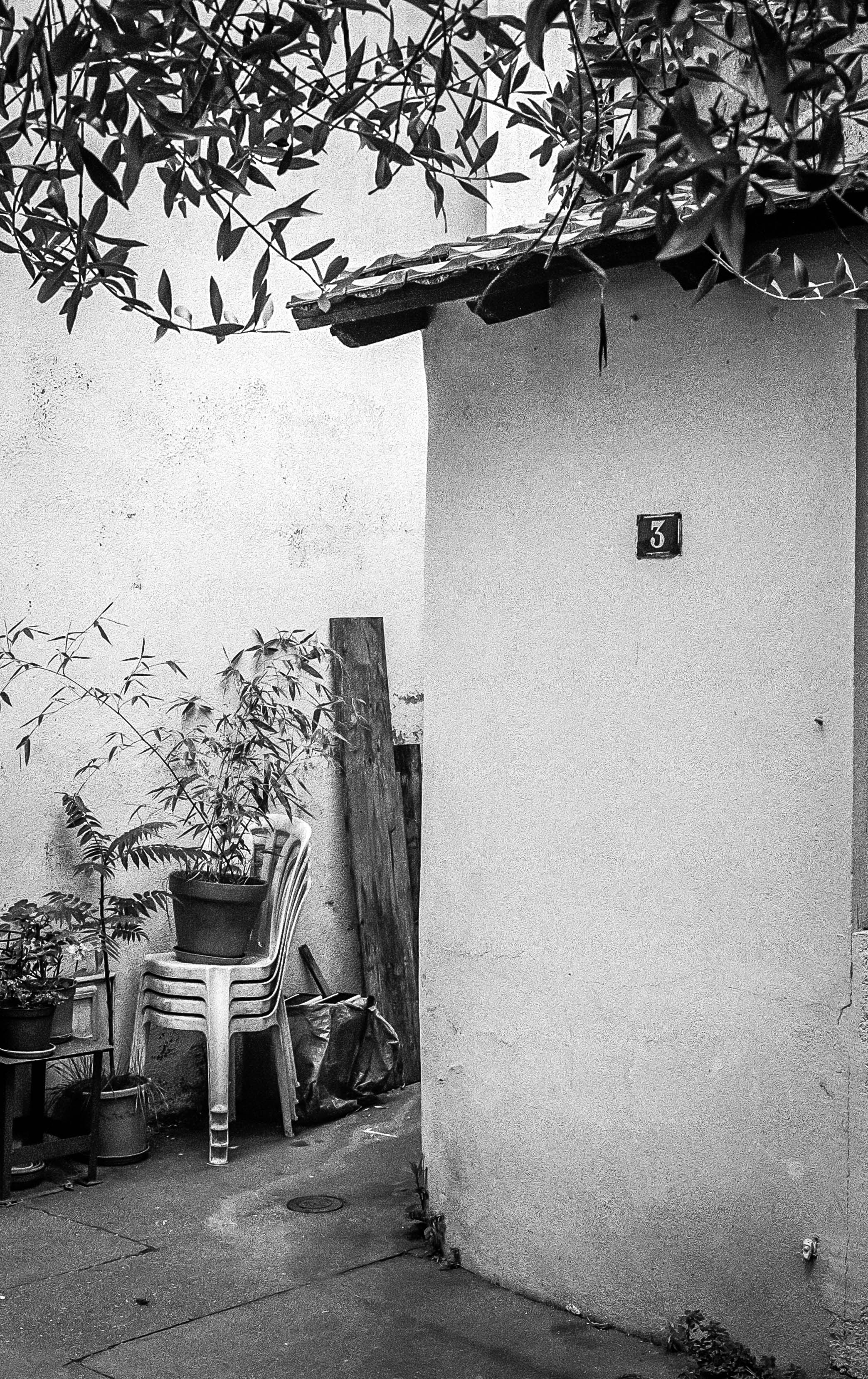
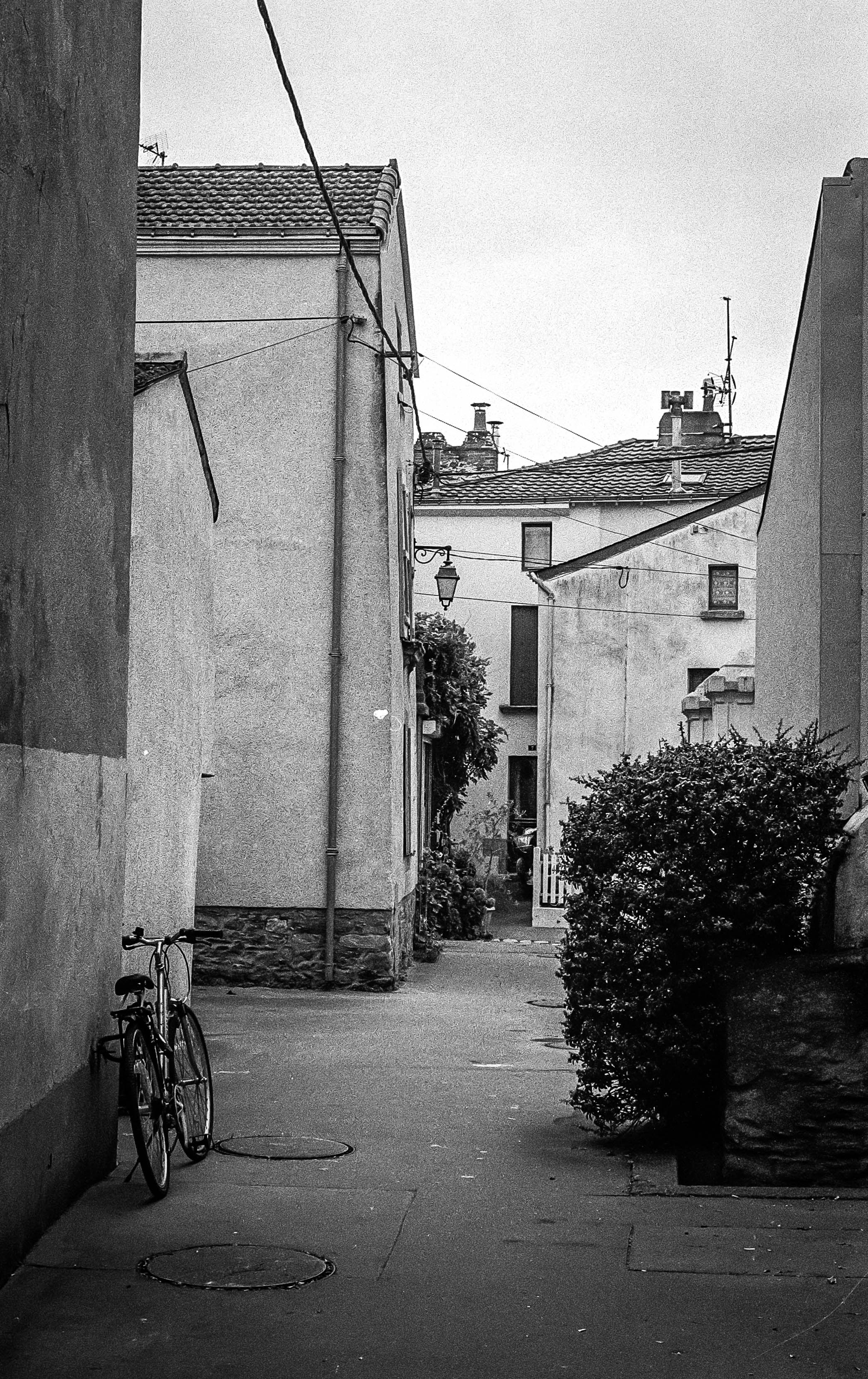
Opening of the Film Archives – Canon AE1 Street Photography in Nantes


Good afternoon, Dear Reader. I’m writing this article thinking of you and wondering what to show you next in this ongoing series. The clue is in the title: Canon AE1 Street Photography in the streets of Nantes.

I know you have the eyes of a hawk who never miss a trick because your vision is so sharp. You might even have scrolled down to the photos already, and your eagle eyes will have noticed that this isn’t the usual area I visit on these outings. And, of course, you’d be right!

Yes, I still parked in the Feydeau car park but crossed the road to the south, heading along Baco-Lu, past the Tour Lu (sans “t”), towards the St Felix Canal, and then back into town… Some of the places no longer exist or have changed hands, but you would still recognise them even today.

I think that with these photographs, I’m getting closer to what some might call “proper” or “traditional” street photography. The images have a certain gritty quality to them, including the people in the shots. This was something I was actively aiming for. Maybe it’s the grain—something I don’t get with the X100F—that helped bring this about. Or could it be the people, whose presence seems to reveal the stories behind them? Whatever it is, I felt that this was a very good day.

I think I may have shared with you that I’m going to China this Christmas on tour with the orchestra I play for. I’m still undecided about which camera to take and wondering if I should bring a film camera along. With the X100F, I’ve become so accustomed to the 35mm lens, while my film cameras only have 50mm lenses to work with. Reviewing these older images may help me make up my mind. It’s going to be an epic trip, and I want to be sure of the kinds of images I’ll be able to capture.

As much as I’d love the flexibility to hop in the car and retake a shot if needed, this trip to China will be different. I’ll need to trust my choices and embrace the moment as it unfolds—something that feels both exciting and a little daunting. But that’s the beauty of photography, isn’t it? The challenge of capturing fleeting moments, knowing they might never come around again. So, whatever I decide, I know the experience will be unforgettable.

While the anticipation of the China photos may be killing you, I know you’ll be patient, whatever I decide to use. Rest assured, those photos will capture the spirit of the trip. Only two and a half weeks before I start my travels…

A Photography Philosophy – Part II – Why Do We Photograph?


Cameras. Why? What is it that makes us pick one up? For me, a camera is not merely a beautiful object; it’s a tool—a simple box, with a lens through which light passes, creating an image on film or a sensor. Whether the box is a hundred years old or fresh off the production line, the same principles hold true. Even our phones are, in essence, an evolution of that same box. But beyond mechanics, what truly drives us to take a photograph?

The Kodak company told us it was all about “capturing that Kodak moment.” But what exactly is this moment, whether created by Kodak or any other company? Firstly, it was a stroke of marketing genius, associating a photograph with a personal, meaningful memory. Secondly, it gave us a compelling reason to pick up a camera and capture memories to share with others, possibly even sparking the first instances of FOMO (fear of missing out), which is now so prevalent in social media. Kodak cleverly linked photographs with significant memories, encouraging us to reach for our cameras. How kind of them.

Yet, let me assure you, it’s not a cure for FOMO, despite what Kodak or social media might suggest. Or at least, not entirely. I use my photography to document the world around me at a given moment in time. Photography is the only art form that allows you, the viewer, to see something through my eyes as I saw it. But while photojournalists capture our world, photography is not solely about documentation.

It’s about storytelling through images. A single photograph can hold an entire narrative within its frame, suggesting more than what’s immediately visible. But often, I find I need multiple images to fully convey a story. When I write my blog pieces, I aim to tell the story in both words and images. I guide you through a carefully curated selection, hoping that you might connect with them in the same way I did. This connection—between the photographer and the viewer—is, for me, one of the most powerful aspects of photography. Through our lenses, we offer others a brief glimpse into our world, our experiences, and our feelings. It’s a reminder that storytelling is more than just documentation; it’s about creating a shared space for interpretation and emotion.

Of course, beauty is also an integral part of why I pick up a camera. There’s something undeniably fulfilling about capturing a scene that feels, to me, perfectly composed. I like to believe I can craft a visually pleasing image and employ various techniques to do so. The idea is to present a scene so that the photograph conveys how I saw it, inspiring you to feel something. Photography is the only medium or art form that allows you, the viewer, to see something that only I saw, and because of the passage of time no longer exists.

It’s about creating art for art’s sake. In a world that constantly demands productivity and output, creating something purely for the joy of creating feels almost radical.

Then there’s the meditative side of photography. For me, the camera isn’t just a tool to create images; it’s a form of therapy. When I’m suffering from melancholia, or I’m lost in thought, stepping into the world as an observer through my camera often gives me a sense of calm. Looking through the lens allows me to disassociate from daily worries and approach the world with curiosity rather than anxiety. This small shift—seeing myself as a photographer rather than a participant—transforms the environment around me from something overwhelming into something inviting. The camera’s frame becomes a safe space in which I can explore without judgement or expectations. In this way, photography becomes a practice of mindfulness.

The process itself is deeply important. I often think of Vivian Maier, who left behind so many undeveloped rolls of film, underscoring the significance of the process itself. Born in 1926, Maier spent her life photographing the world without promoting her work. Of the 140,000 shots she took, only 5% were ever developed—a body of work unknown even to its creator. This fact alone astounds me. Perhaps she, too, was capturing moments for herself, deeply invested in the act of photography without any need for external recognition. Her legacy reminds us that the process can be as meaningful as the result and that photography has value even when the images are unseen.

In today’s image-saturated world, where everyone is encouraged to share, edit, and curate their lives, it’s worth asking if we’d still take photos knowing that nobody else would ever see them. For me, the answer is a resounding yes. Photography is more than a tool to impress, to document, or to share; it’s a means of expressing myself and, often, of making sense of my own experiences. Every image is a small act of discovery, helping me see the world more clearly or find beauty where I might not have noticed it before.

Ultimately, photography is a language, a form of communication that transcends barriers of culture, language, and time. A single photograph can capture something timeless—an unfiltered moment of life that can be understood and felt by someone across the globe. In this way, photography becomes a shared visual language, offering us a way to connect beyond words.

So, why do we photograph? Perhaps the answer is as varied as the photographers themselves, shaped by individual motives, experiences, and emotions. But whether we’re documenting, creating, or simply exploring, the act of photography invites us to see the world—and ourselves—with fresh eyes. And in the end, that might be the most compelling reason of all.

The Opening of the Film Archives – Trentemoult October 2016


This was another Ian and Kate day.  Similar in concept to the Ian and Killian day, but a day where I can dedicate myself solely to Kate.  She’s fifteen now of course, but I should spend more time with her.  If she’ll let me of course.  At the time she was only seven—simpler times where I could make her happy with just a nice tea, a boat trip across the river, and just wandering around exploring the intricate streets of an old fishing village on the “bords de Loire.”  There are no cars in the narrow streets, and the children can run wild.  

This day was one spent in Trentemoult, that rather colourful village that you can see here. The colours are intense and provide a great backdrop for portrait photography. So of course I went in with a film camera and black and white film.  Which only goes to show that when you photograph a location, however colourful, and take away the distraction of that colour, you have to really concentrate on composition, texture, and forms.  I couldn’t rely on colour for my photos today.  But I was sure that I could reveal some good photos despite that.

So what do you do?  You just try and capture some moments of your daughter messing around and being a perfectly normal seven year old.  I tried to capture her exploring the streets and being absorbed by the whole ambiance of the place.  She became part of the scenery, and blended in perfectly.

I was just there purely to observe and record the day on film, with one eye in my camera and the other on Kate.  It was a good day.  

Looking back at those moments reminds me of how quickly time seems to slip by without me realising that I am getting older.  She of course is slightly older, and possibly slightly less “insouciante” or carefree, but my love for that girl is still as strong as ever.

The Opening of the Film Archives – Kate July 2016


I am a father.  I am the father of a son, and have been for the last 25 years.  I am a father.  I am the father of a daughter, and have been for the last 14 years.  I am a father.  More traditional than modern, but definitely a doting and loving father of both children.  I am a photographer.  Both children have had multiple photos taken of them over the years.  However, the subject of bedtimes has always been contentious.  They say you have to be rigid and follow an established routine.  They say that for the good of the children you have to respect this routine to the letter.   They are obviously not parents.  They are obviously completely disconnected from reality.  They obviously have their heads buried so far up where the sun don’t shine.

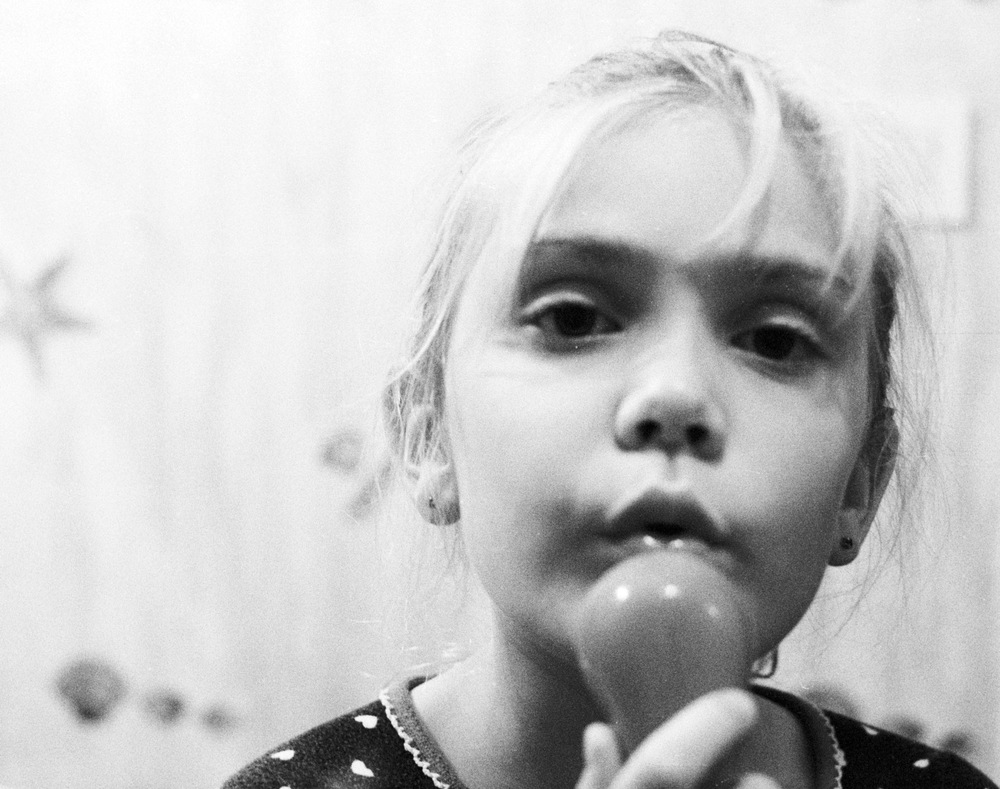
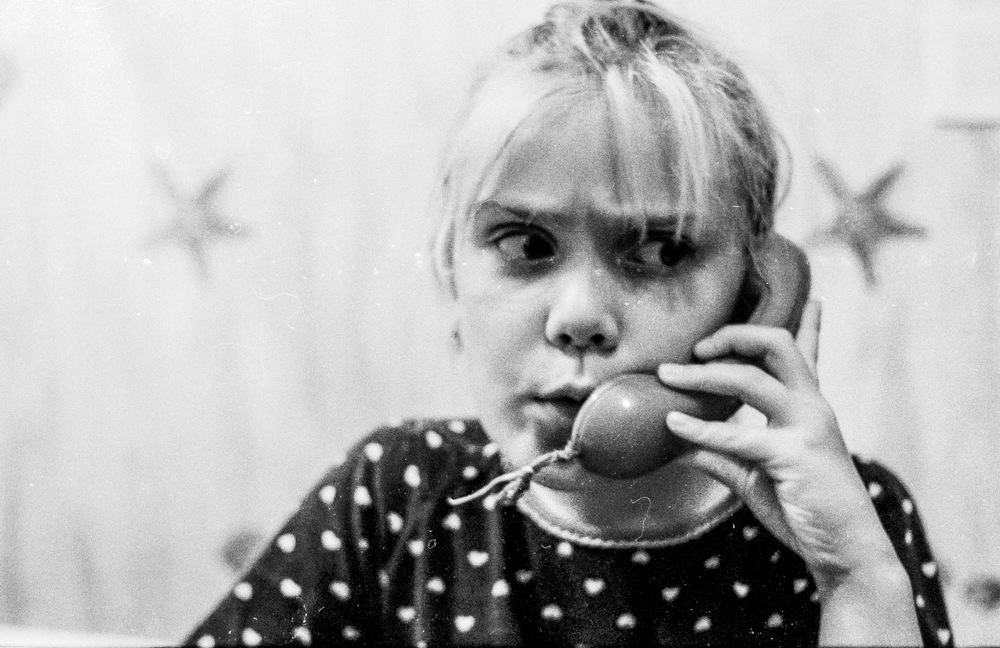
As a father, I’ve learned the importance of picking your battles, especially when it comes to bedtime routines. This particular night, with my 7-year-old daughter wide awake, a fight wasn’t the answer. So, I grabbed my Praktica MTL3, loaded some HP5 pushed to 1600, and turned a potential meltdown into an improvised photoshoot. We ended up in the bathroom – because teeth brushing was still non-negotiable – but the resulting photos captured a moment of pure magic.

Let’s talk about technical details: the Praktica MTL3 is the model that I learnt my craft on.  It’s solid.  It’s fully manual, and gets the job done admirably.  The lens is an F1.8 Pentacon 50mm, with a lovely depth of field.  I pushed the HP5 to 1600 to be able to take advantage of all the available light.  

Kate posed for me and thoroughly enjoyed herself.  Teeth brushing.  Calling somebody very important on the Fisher Price telephone.  And pulling a face to tell me off.  Some things just don’t change…

Photography is not the technique or the camera, or worse still, the settings used.  It’s about capturing that “Kodak moment” albeit with Ilford HP5.  It’s about the shared memories.  It’s about the nostalgia of looking back on family life that can never be recaptured.  It might seem mundane to you, but to me it’s priceless.  And looking back at these family photos, it just reminds me how much I love both my children, and am fortunate enough to have captured these fleeting instants.

Finding Balance: Photography and Personal Wellness


In the sanctuary of my thoughts, where the gentle glow of lamplight dances upon well-worn bookshelves, I find solace from the chaos of the world. With my dog, Molly, by my side, I embark on a journey of introspection.
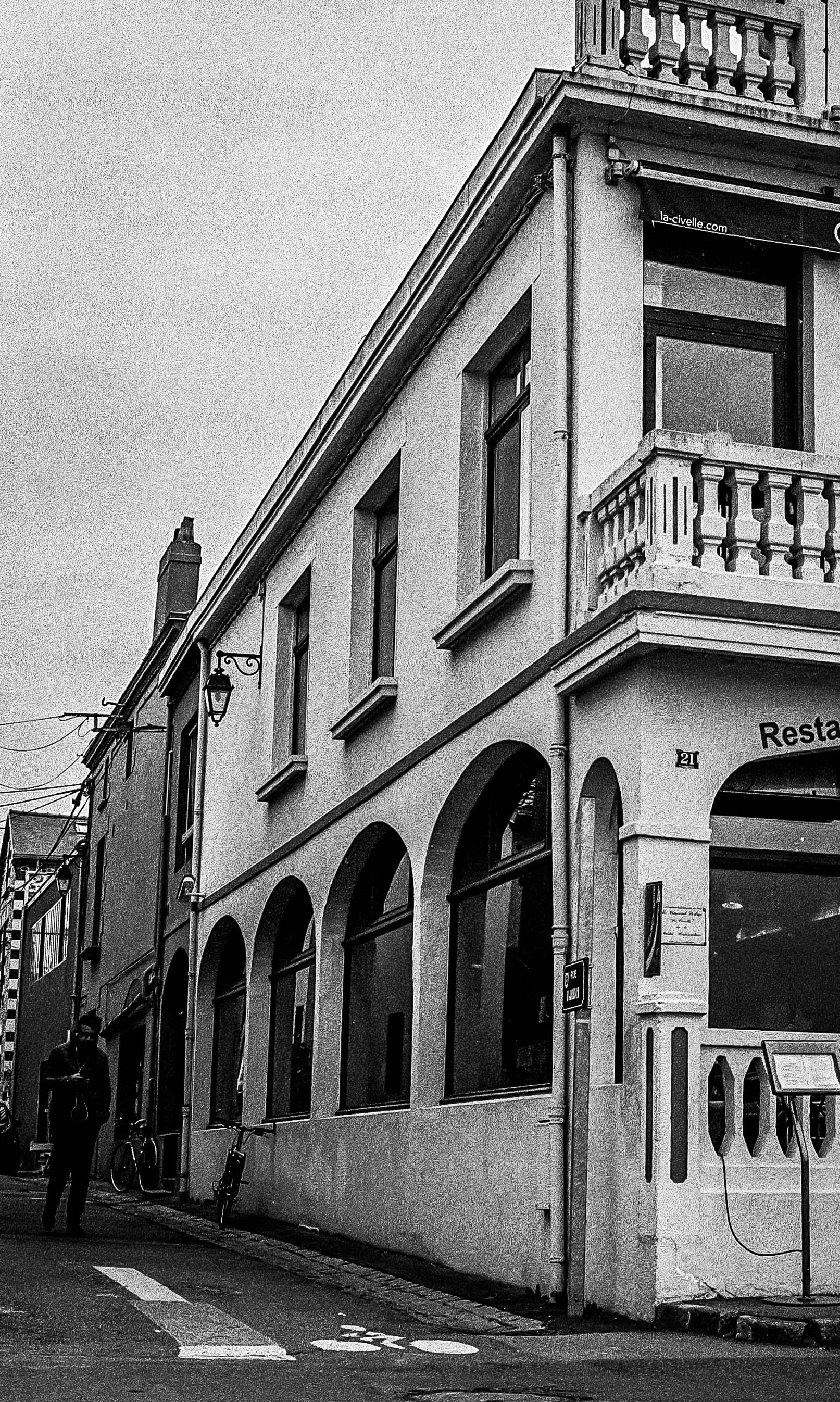
As someone who values quiet reflection and nuanced understanding, I’ve learned to appreciate the delicate equilibrium that enriches a fulfilling life. Amidst the pursuit of knowledge and creative expression, it’s easy to become ensnared in the whirlwind of activity, neglecting personal well-being in the relentless chase for success.

Yet, amidst the simplicity of my surroundings, among the familiar scents of brewed tea and the soft hum of a jazz record playing in the background, I am reminded of a timeless truth: genuine fulfillment springs not from ceaseless striving, but from nurturing inner peace and harmony.

For photographers and thinkers alike, the quest for excellence can exact a toll on the spirit, leaving behind exhaustion and doubt. Each moment of creation demands both physical exertion and emotional resilience.

But amid life’s ebbs and flows, it’s crucial to honor the sanctity of body and mind, to heed the whispers of intuition and the call of the soul. What value is there in a well-crafted image or a finely wrought idea if born from weariness?

In my own journey as a seeker of beauty and understanding, I’ve come to embrace moments of stillness and contemplation, carving out time for rest and reflection amidst the bustle of daily life. Whether reveling in solitude or feeling the gentle caress of a cool breeze, I’ve discovered that inspiration often arises from quiet depths.

Photography serves as a therapeutic outlet for many, offering respite from the pressures of modern life. Through the lens, we enter a realm of infinite possibilities where time seems to slow and worries fade into the background. Immersed in the act of creation, we create a space where anxiety and overthinking lose their grip, replaced by a sense of calm and clarity.

For those grappling with depression or loneliness, photography can serve as a lifeline, gently coaxing us out of isolation and into the embrace of the world. As we wander with camera in hand, we become mere observers, detached from the chaos that threatens to overwhelm. In framing a shot, we find solace in the simple beauty of the moment, forging a connection with the world that soothes the soul and restores the spirit.
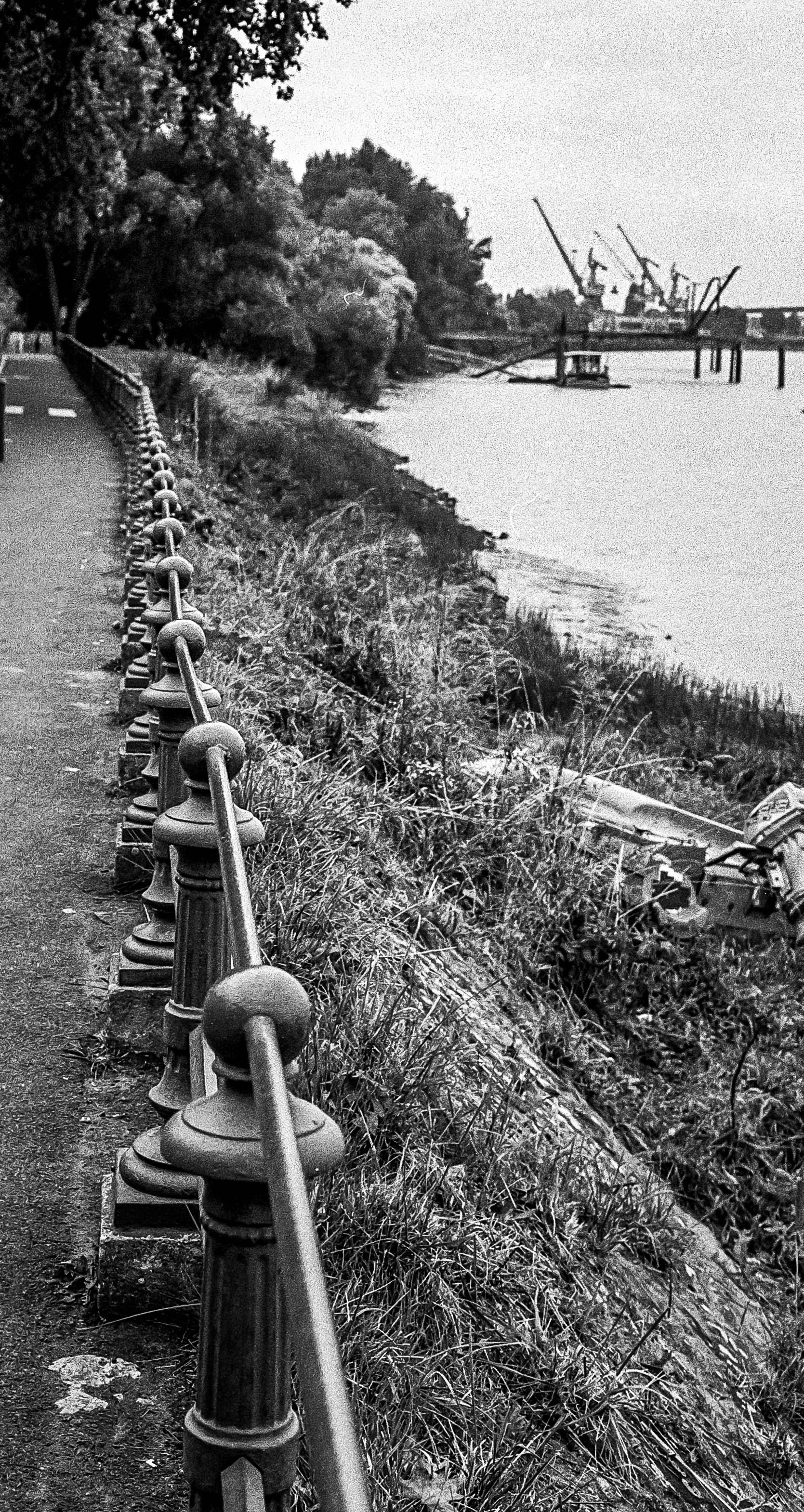
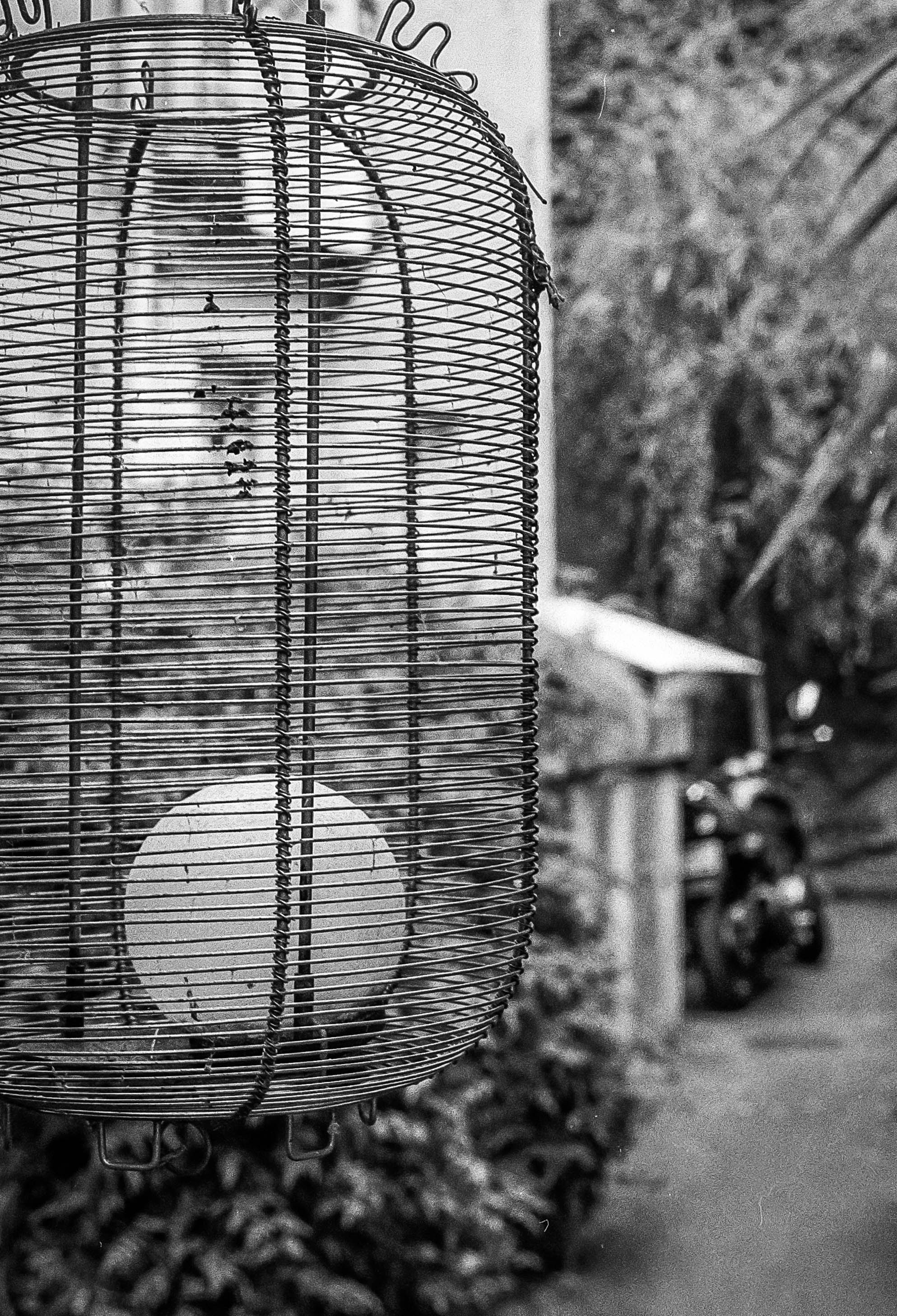
When I’m not at my desk, crafting articles or editing photos to share with you, I’m exploring this balance between creativity and self-care, constantly striving to find harmony in my own life.

In the tranquil sanctuary of creativity and self-discovery, photography emerges not only as a means of capturing fleeting moments but also as a powerful tool for nurturing personal wellness. Through our cameras, we embark on a journey of exploration and introspection, finding solace in the beauty of the world and sanctuary in the act of creation.

As we navigate the complexities of modern life, let us honor the delicate balance between ambition and well-being. Photography offers us a pathway to reconnect with ourselves and the world, inviting us to embrace stillness amidst the chaos and find beauty in the ordinary.

Whether framing the perfect shot or crafting prose to accompany our images, let us remember the profound interconnectedness between creativity and personal wellness. By prioritizing self-care and mindfulness in our photographic practices, we not only enhance our capacity for artistic expression but also cultivate a deeper sense of harmony and fulfillment in our lives. Even if our endeavors don’t always yield the desired result, it’s essential to recognize that the journey itself is as, if not more, important than the destination.

So, dear reader, as you embark on your own photographic journey, may you find solace in the act of creation, clarity in moments of quiet contemplation, and inspiration in the beauty that surrounds you. May your photographs serve not only as snapshots of the world but also as windows into the depths of your soul, guiding you towards a life of greater balance and well-being.