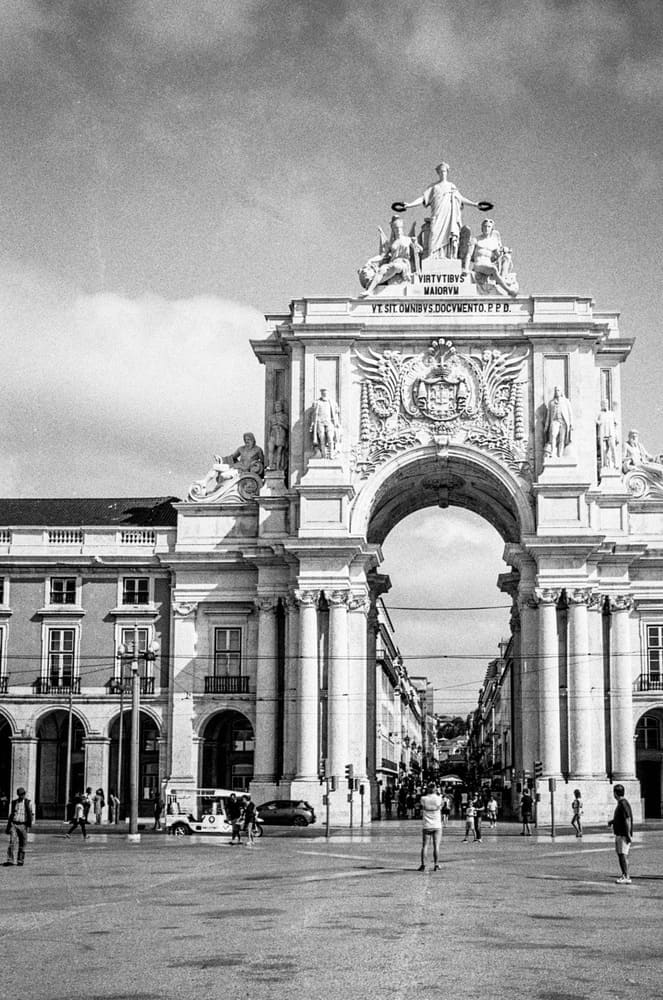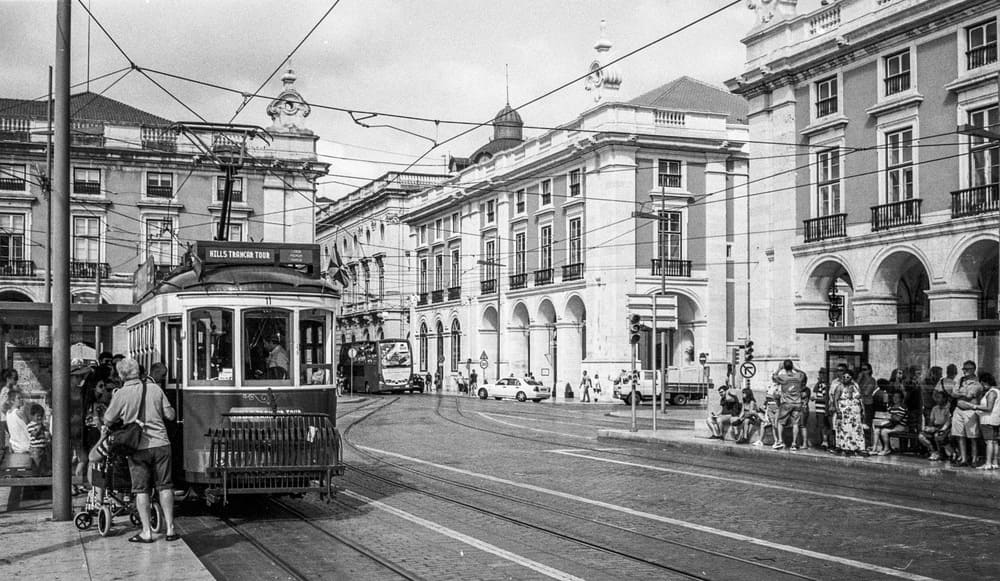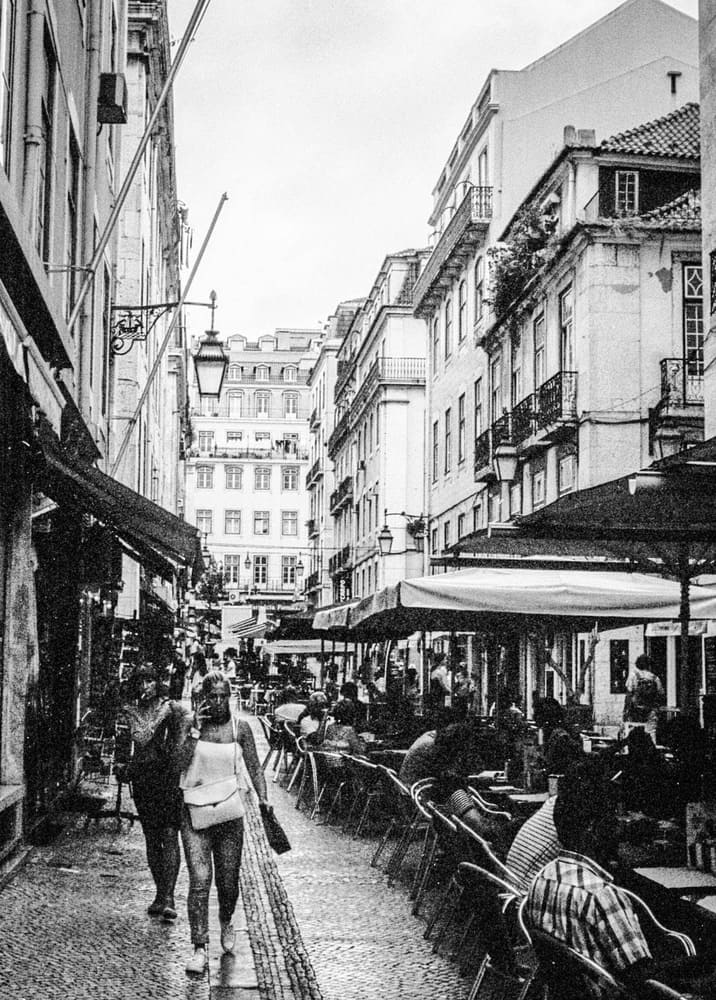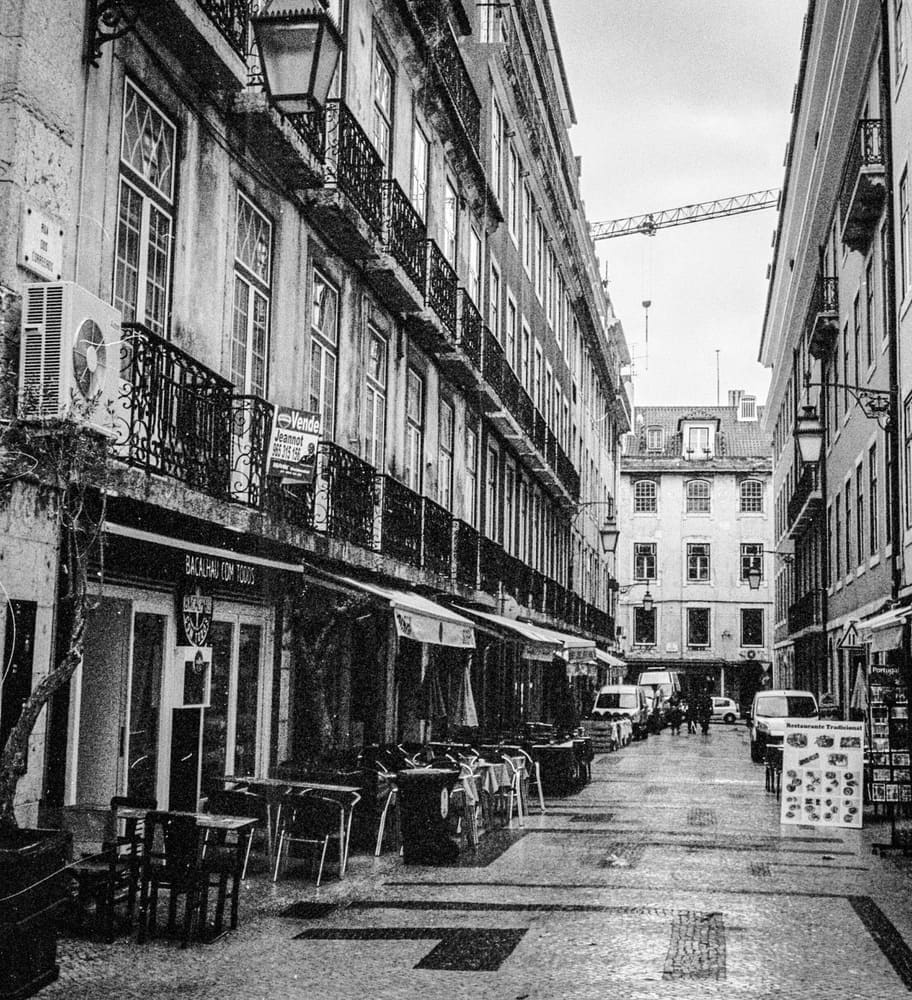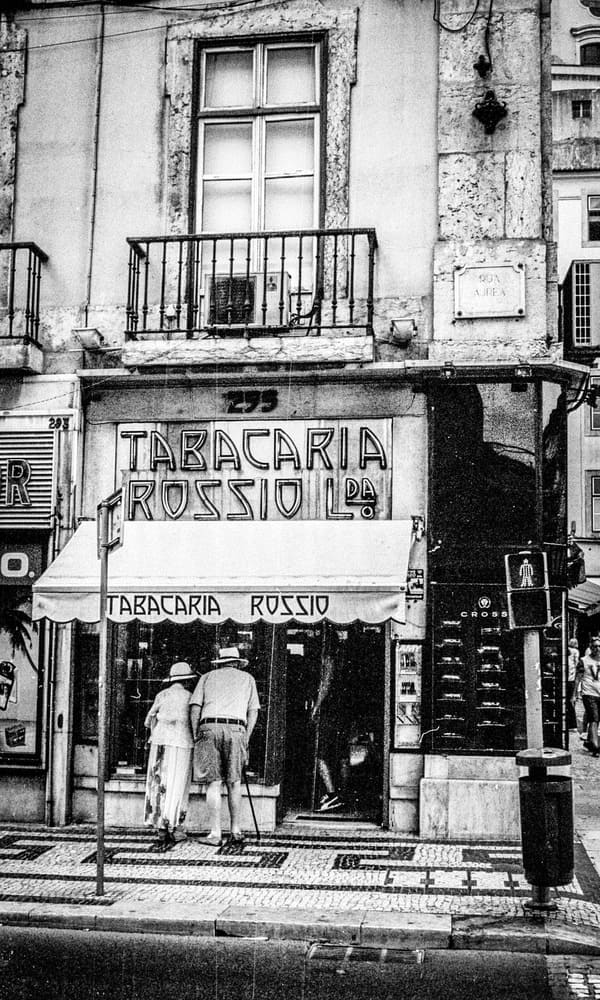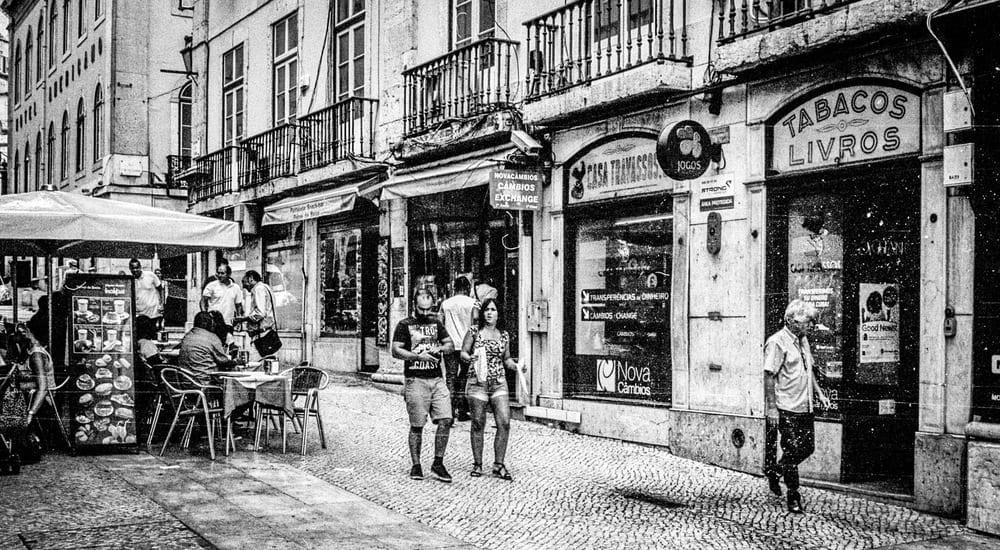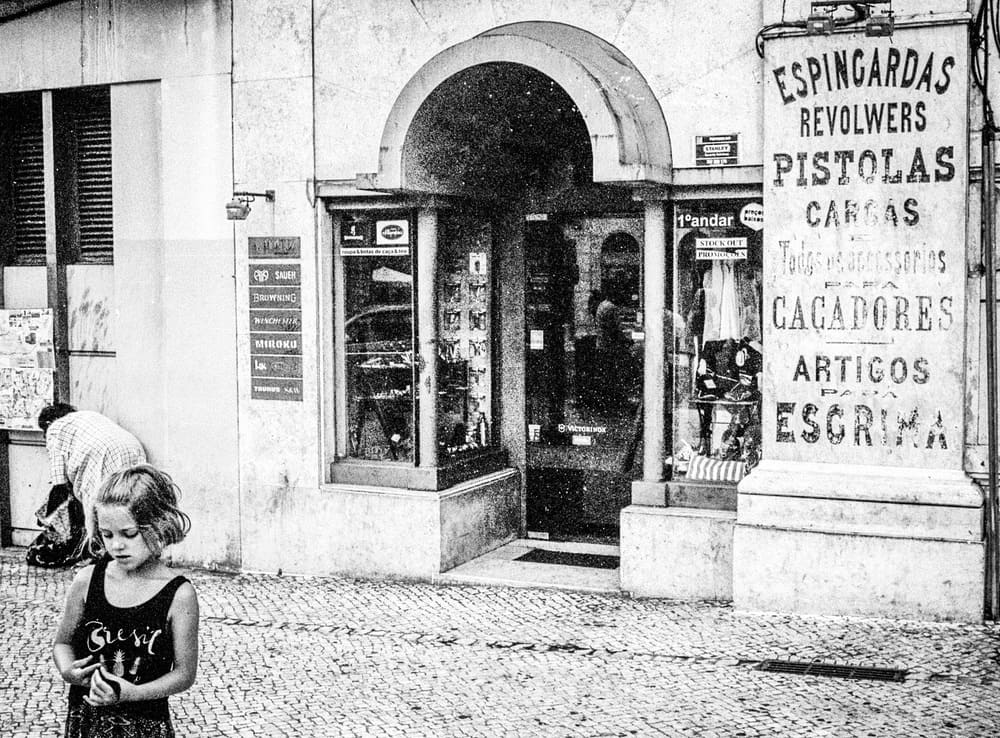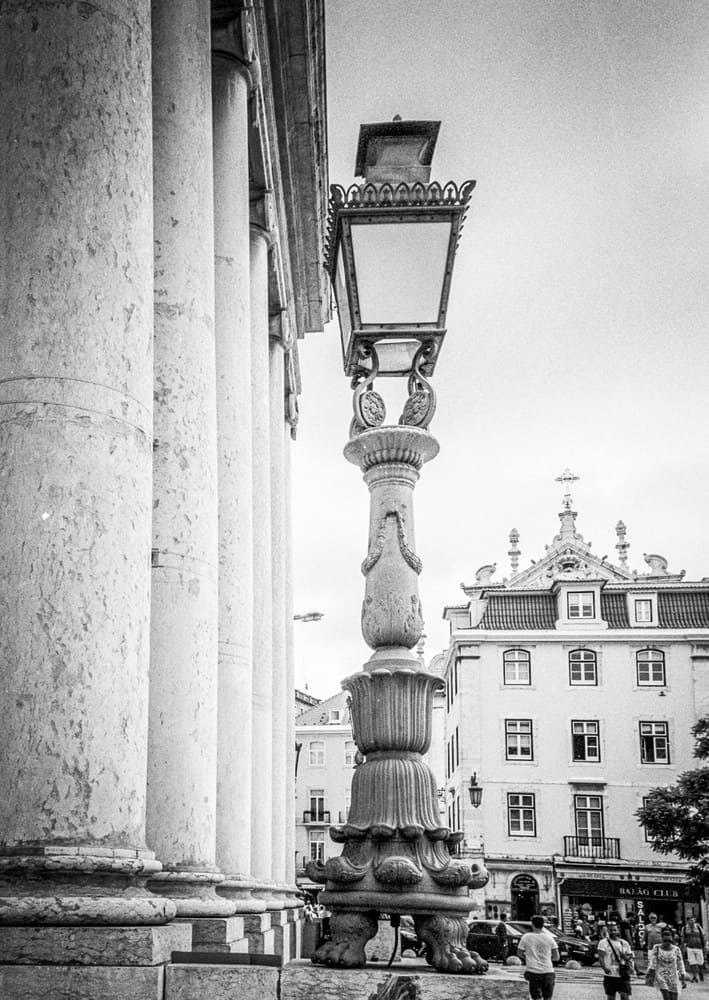
The Opening of the Film Archives, Lisbon, August 2016


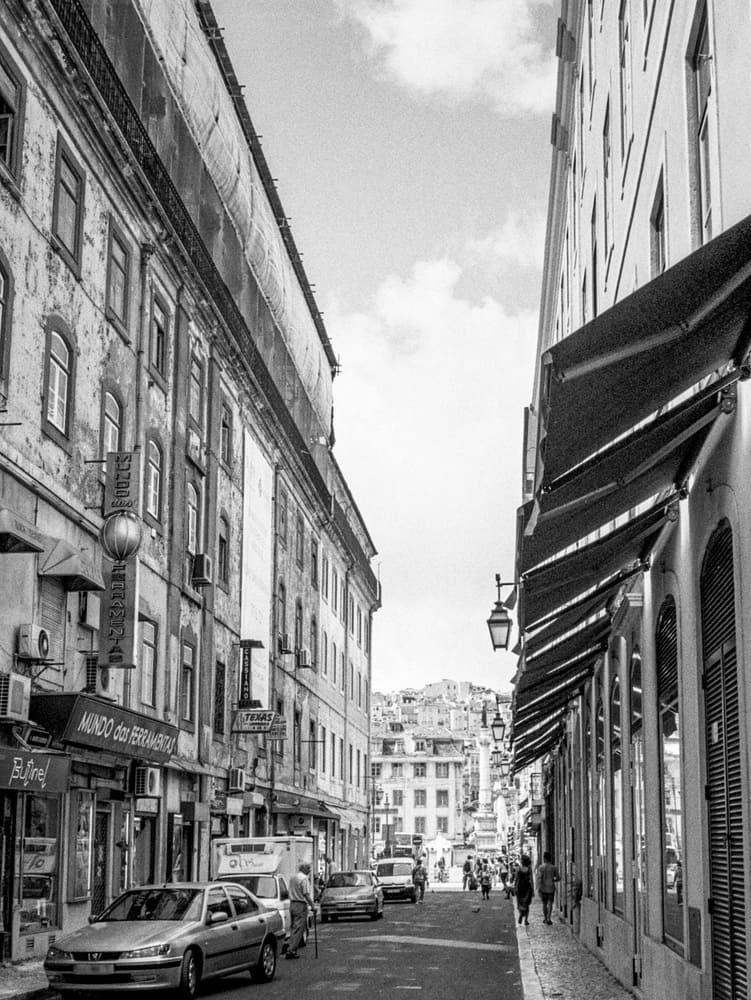
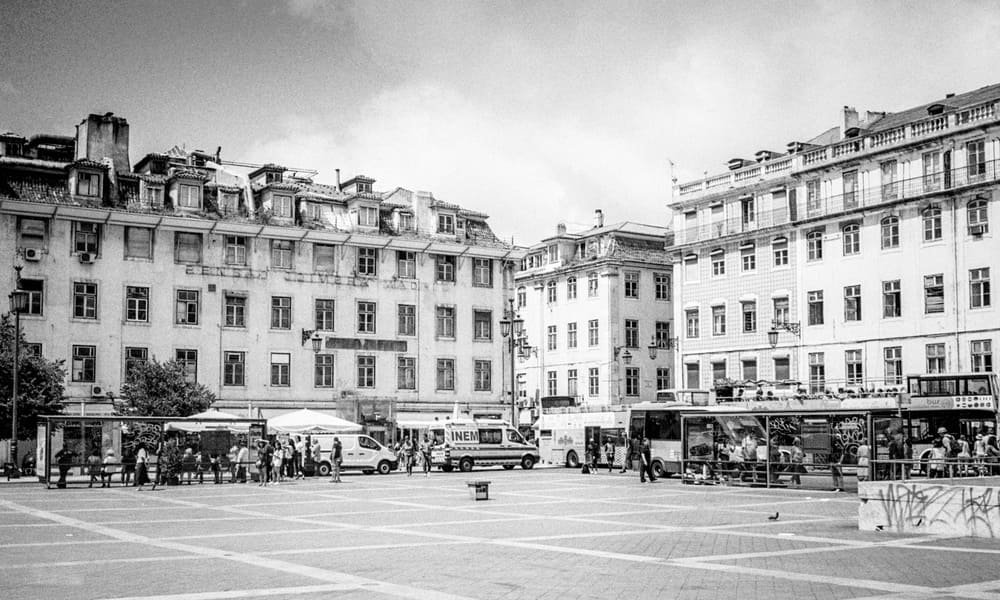
Welcome back to the Film Archives, where I showcase my analogue photography from the period BB (before the blog). In this edition, we’re diving into a street photography session in Lisbon, captured using the Olympus Trip 35 paired with Ilford HP5 Plus film. This camera and film combination was my go-to at the time, and with the fantastic lighting conditions in Lisbon, I was confident in its ability to deliver excellent results.

Setting the Scene

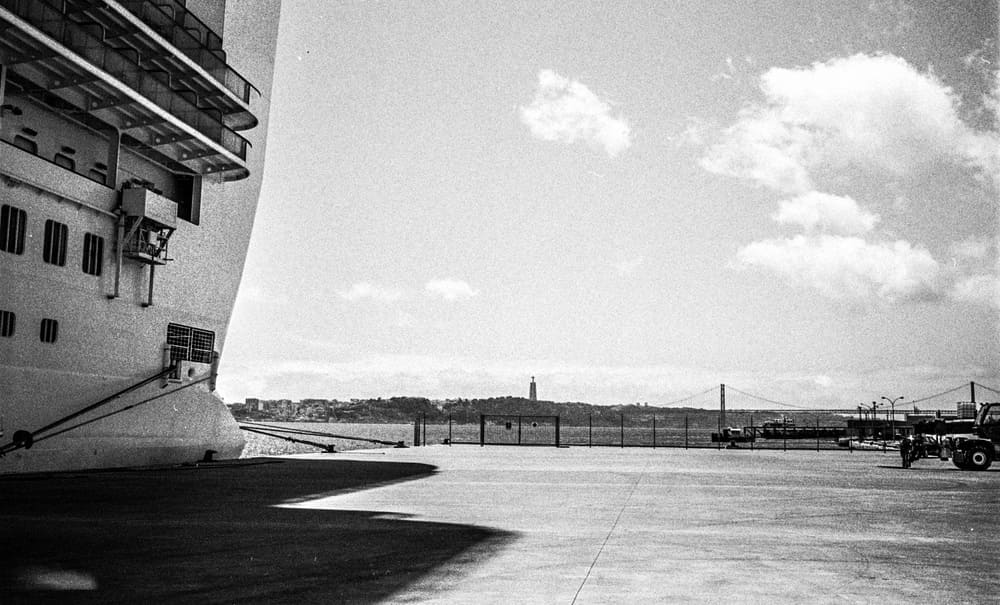
Our cruise around the Canary Islands had one final stop in Lisbon before heading back to Southampton. After disembarking, we faced the usual checks—showing ID and ensuring we had no contraband. The docks were conveniently close to the city center, and I followed the crowd to the left as we exited. My family, however, decided to explore in a different direction and turned right.

Capturing Lisbon’s Essence

Lisbon is renowned for its distinctive tiles, and I was immediately drawn to their intricate patterns. My first shot aimed to capture these tiles, which were a striking shade of blue. Of course, the beauty of these tiles is somewhat lost in black-and-white photos, but the pattern’s appeal was undeniable. Perhaps a color photograph would have better showcased their vibrancy, but the monochrome shots still convey the city’s essence.

Having visited Lisbon before, I was eager to find the massive statue of a man on a horse located in the square. Finding it again brought back memories of my previous visit. The weather was quite warm—typical of that summer—but I sought refuge under the cool arches, which made for excellent photographic compositions. The leading lines and repetitive patterns of the arches created compelling visual elements in my photos.

One aspect I had forgotten about was the trolley buses. Their bright yellow color adds a unique touch to the city’s character. Although these buses are less striking in black and white, their presence adds to the city’s charm and energy.

Technical Insights

The Olympus Trip 35 is a straightforward, fully mechanical camera with a fixed lens and automatic exposure. It’s perfect for street photography due to its simplicity and reliability. The HP5 Plus film is known for its versatility and fine grain, which works well in various lighting conditions. On this bright day in Lisbon, the film’s wide exposure latitude allowed me to capture the city’s details with great clarity and depth.

Experiencing Lisbon

As I walked through Lisbon, it felt as if I had stepped back in time. The city’s mosaic pavements and vintage shop signs created a nostalgic atmosphere reminiscent of the 1960s. While I’m sure some areas are more modern, my exploration was limited to the historic parts I could reach on foot. In these moments, I felt detached from the “real” world, fully immersed in observing and photographing the city. This sense of liberation of being a stranger in a new place is incredibly freeing.

During my shoot, a German lady, who was a resident of Lisbon, approached me on Instagram and was surprised when I told her these photos were taken just 15 days ago. It’s fascinating how a fresh perspective can capture the timeless quality of a place.

Conclusion

In summary, Lisbon, at least in the areas I explored, possesses a timeless charm akin to that of a gentleman in a linen suit with a Panama hat. The city’s classical style and foreign allure were captivating. Although I don’t speak Portuguese, I chose to keep to myself, relying on the universal language of photography to connect with the city.

The Olympus Trip 35 was ideal for this day of exploration. Its simplicity, coupled with the bright light of Lisbon, allowed me to focus on capturing the city’s spirit without being bogged down by complex settings. The vintage camera, combined with the city’s classic charm, perhaps contributed to the nostalgic vibe of the photos, adding to the allure that intrigued even my German friend.

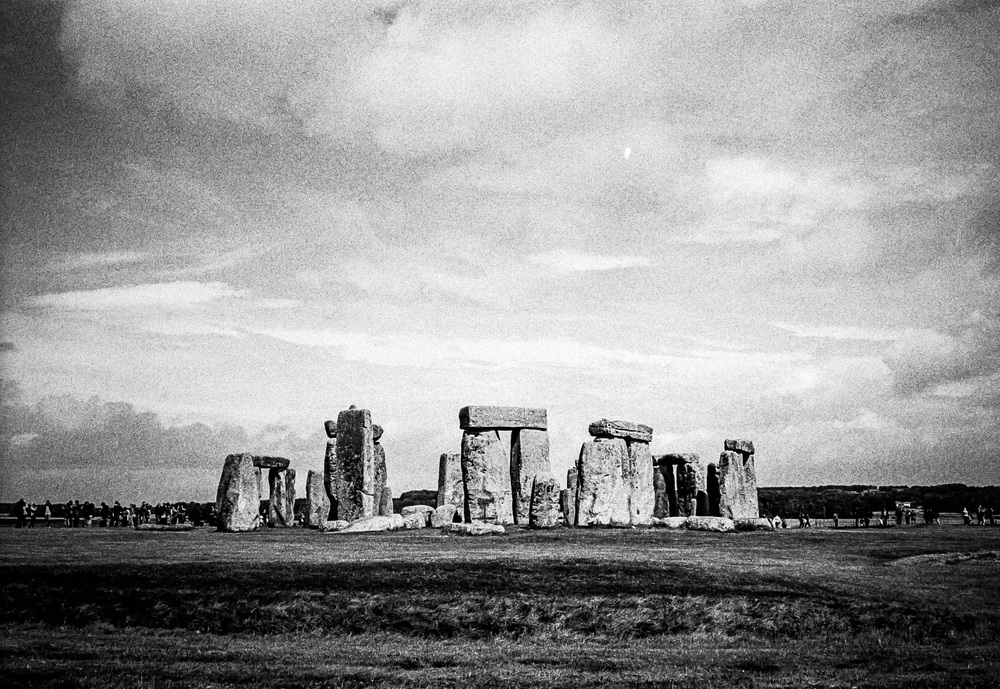
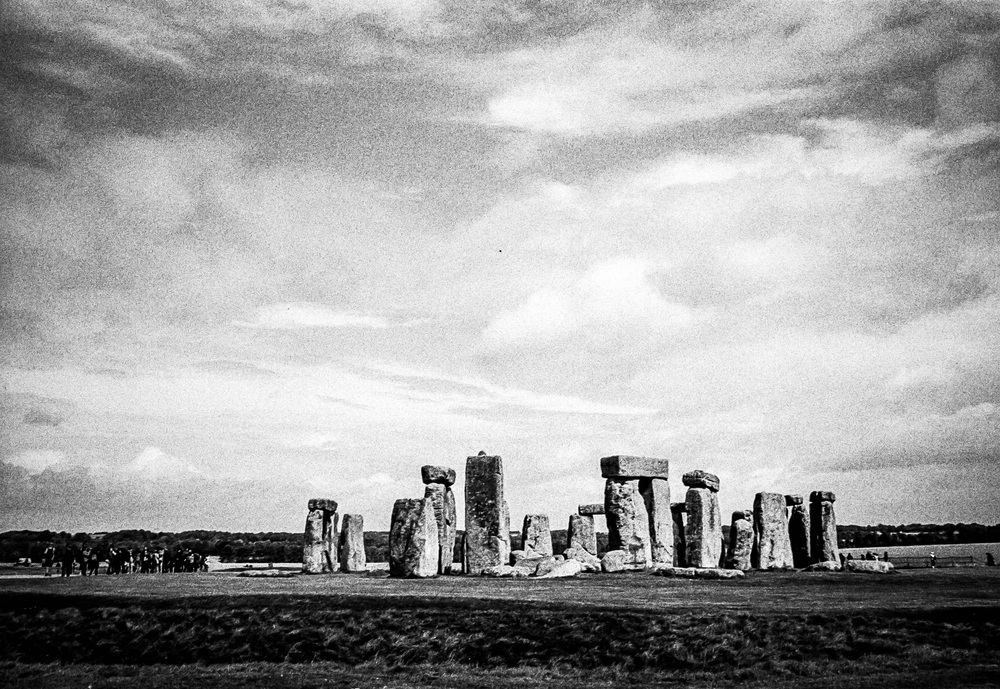
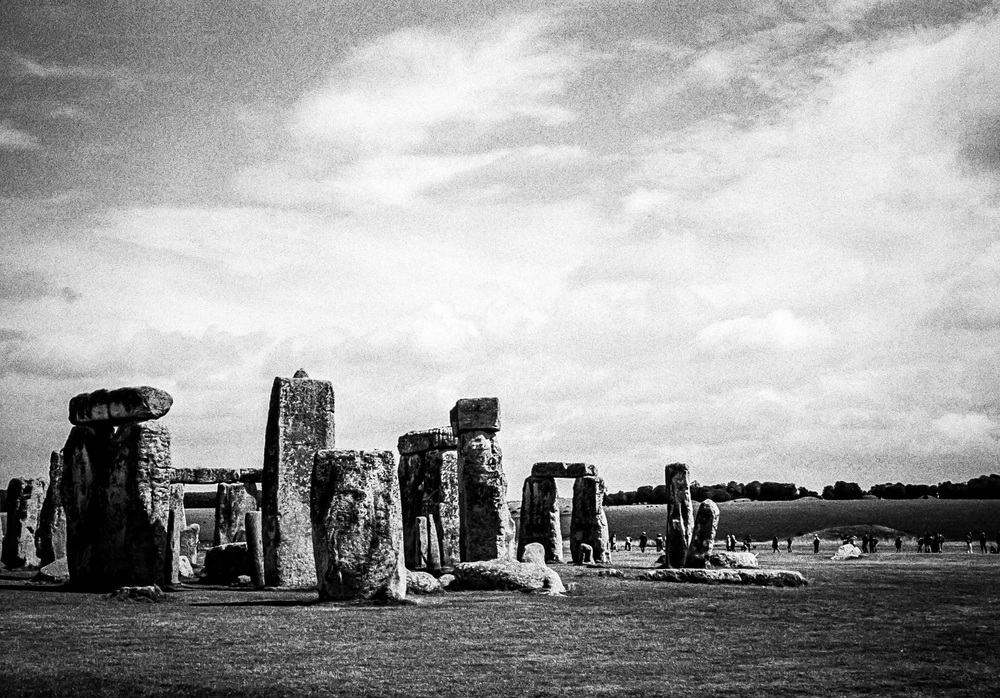
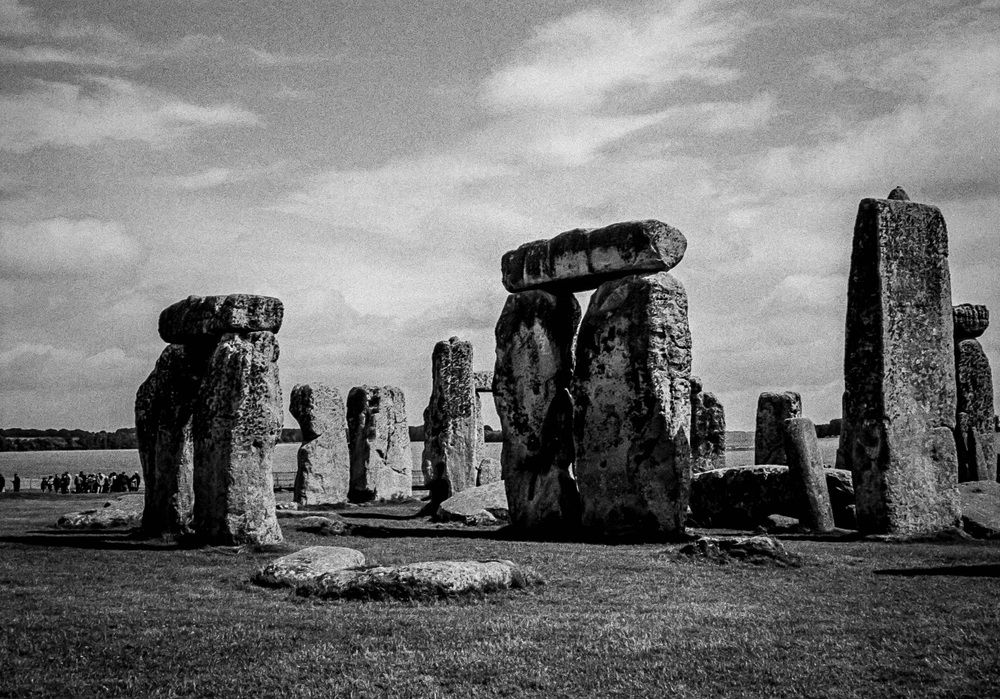
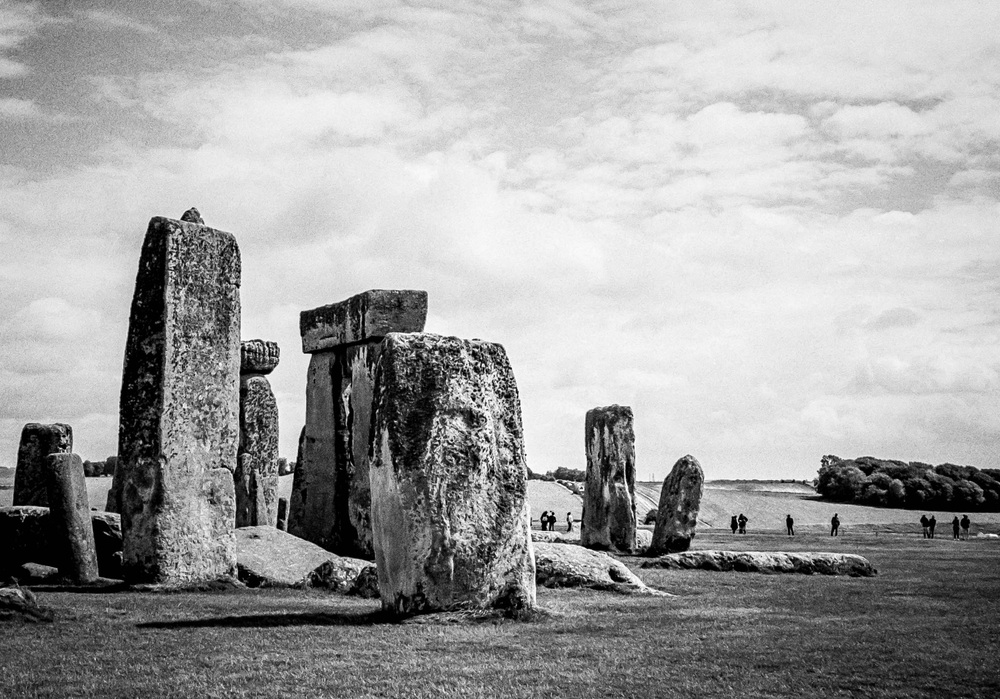
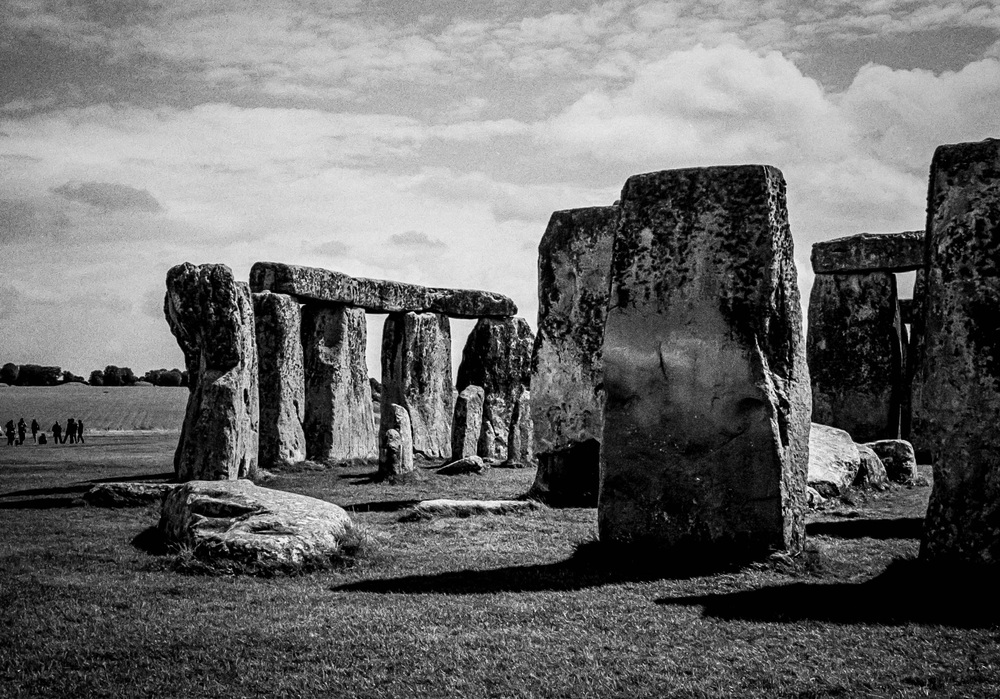
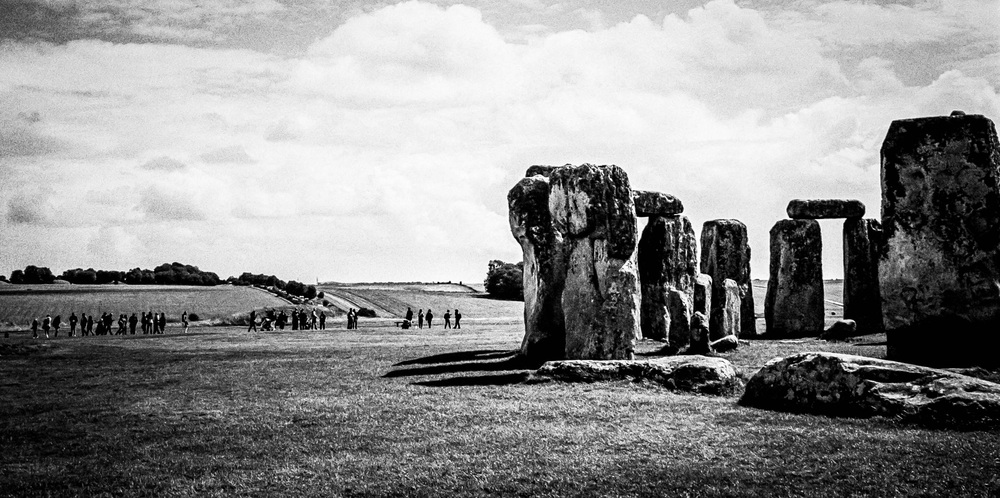
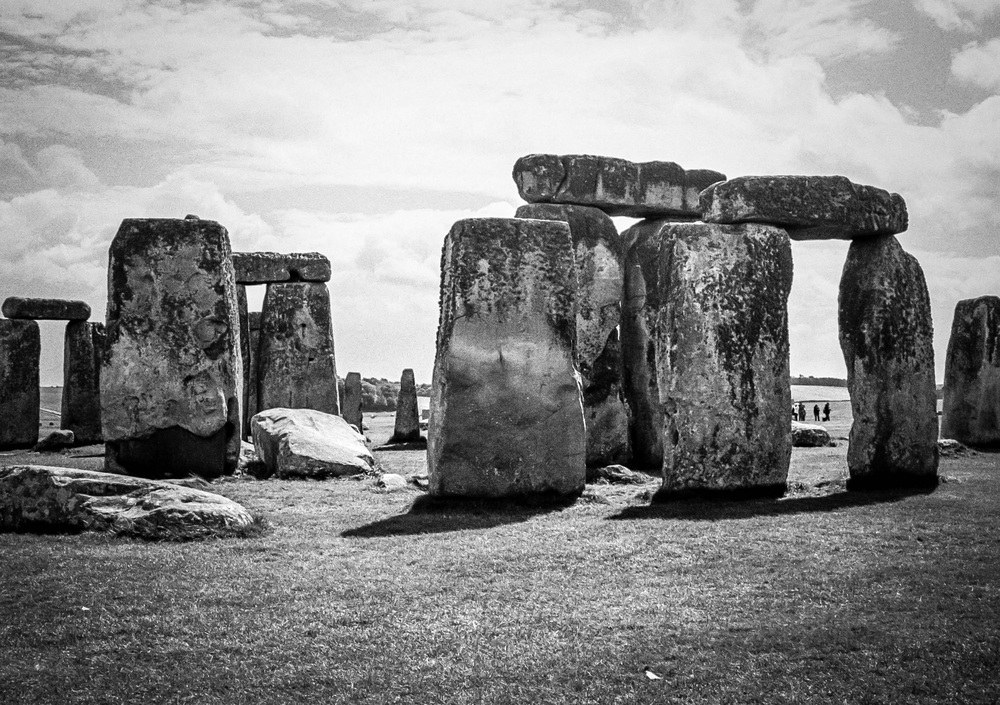
The Opening of the Film Archives – Stonehenge August 2016


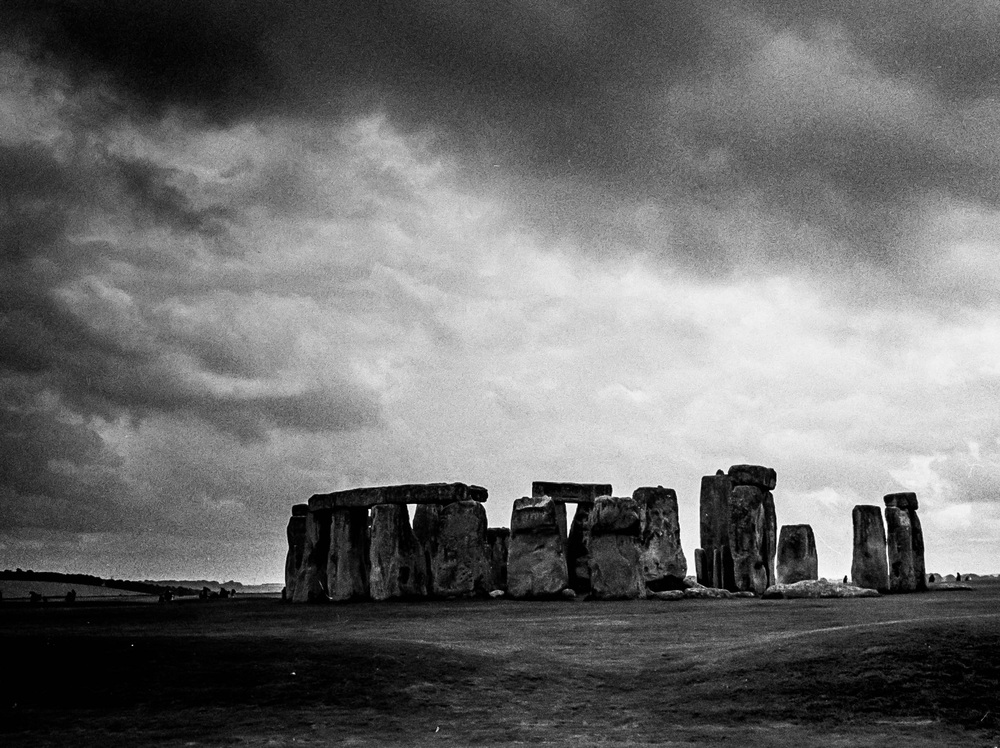
Stonehenge is something different for most people.  For some it is a historical site in Wiltshire, and despite not being part of the 7 wonders of the ancient world, still remains pretty special.  For some more “alternative” folks, it’s an ancient spiritual centre, and just happens to be on converging energy lines.  For some it’s a day out with the children.

We had come back from a cruise that had taken us around the Canary islands, Lisbon, and Galicia in Spain.  Thank you Mummy, and thank you Daddy!  I think they felt guilty about us always coming up to see them in Northumberland, and wanted us to get a different holiday experience.  Well, different it was!  But that is a totally different story, and the photos can be found in the Olympus Trip 35 article.

So our ship docked at Southampton and we still were in the holiday mood.  I remember as a small boy visiting Stonehenge, and thought it was “the” opportunity to introduce my family to the site.  

It seemed slightly smaller than I remember it.  As do most things if I’m going to be honest with you, but the majesty of the stones remained.  As did the wonder at the fact that these stones had been dragged overland from Wales, and put into place, with the joints still being “rock solid” and down to the nearest millimetre.  I work in a factory that does industrial woodworking and I know what we can do with modern tools and technology and yet here, this massive construction was put together using basic tools.

The children were just taking in the whole experience, and rather bemused at the sight of Japanese tourists being shoved around the site and taking the obligatory selfie.  They also seem quite bemused by the amount of school groups being led around.  

I preferred, as often as I do, to just take my time and take it all in and get some photos of the place.  With the 40 mm zuiko lens I was getting some lovely environmental shots that you can see below.  

My wife, however, was in tears.  Crying her heart out.  She later confided in me telling me how she just felt overcome with emotion.  Maybe those lines of energy for those alternative folks might have something in them…

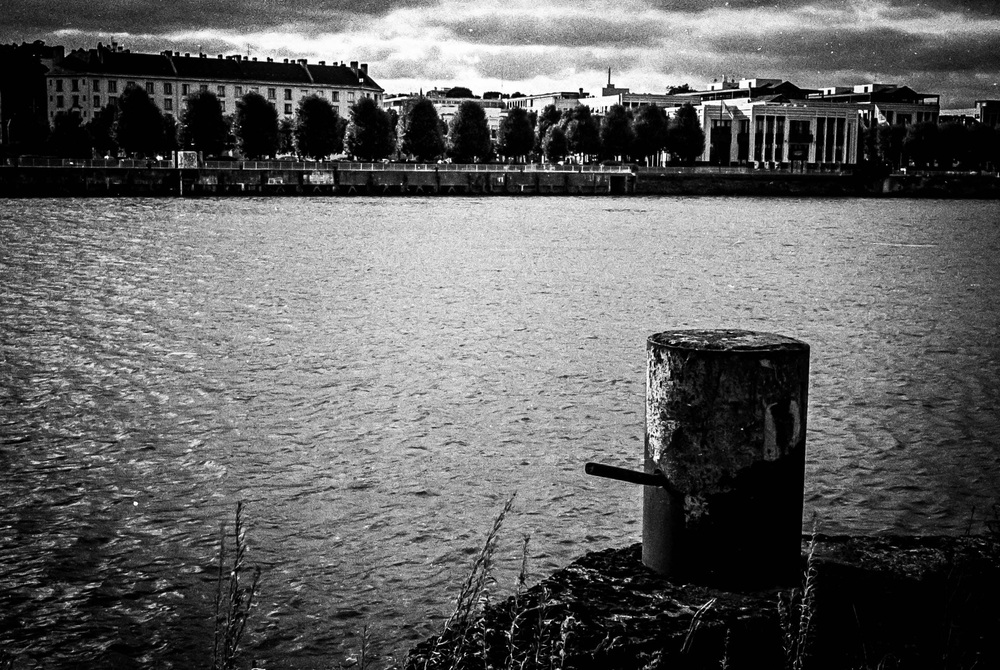
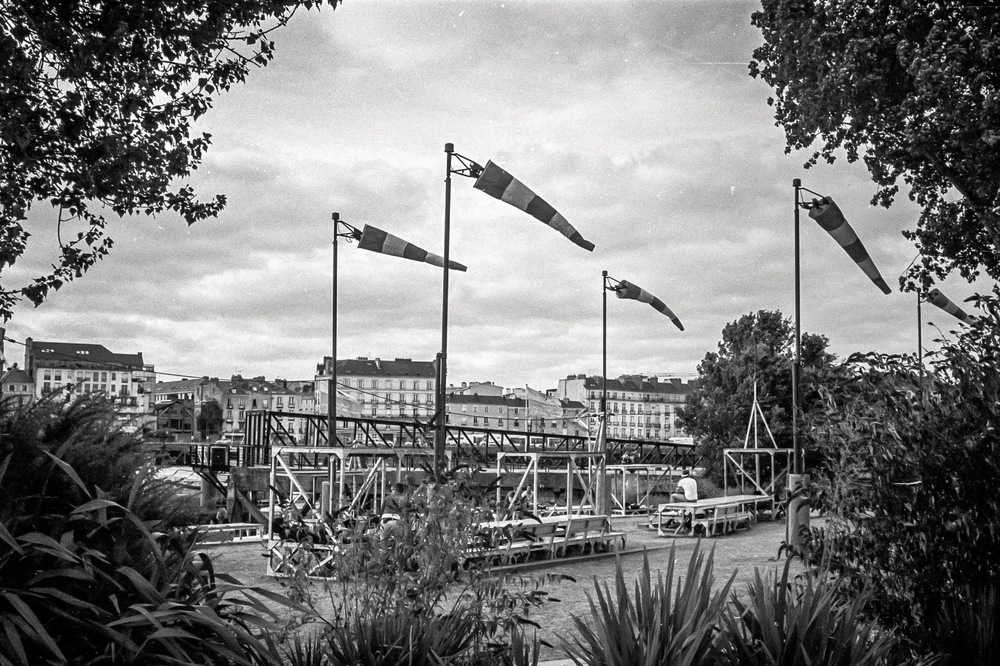
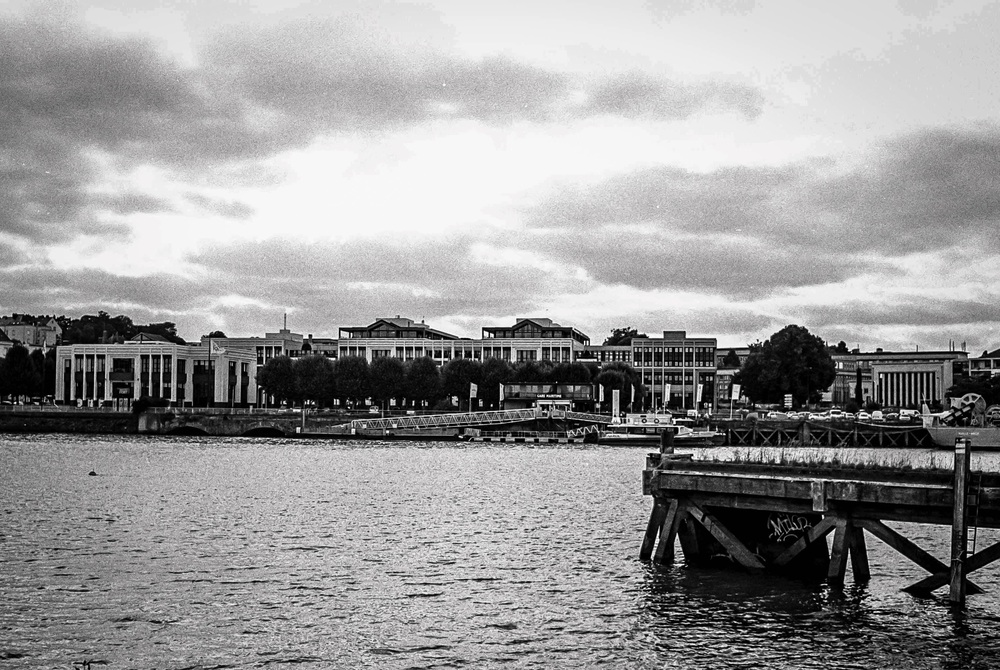
The Opening of the Film Archives—the Hangar à Bananes August 2016


In my last venture into the film archives, I talked about how there was a time that my daughter hadn’t yet seen me the way I see myself and how she actually still liked me, before turning into a teenager.  This is the second part of that special day.

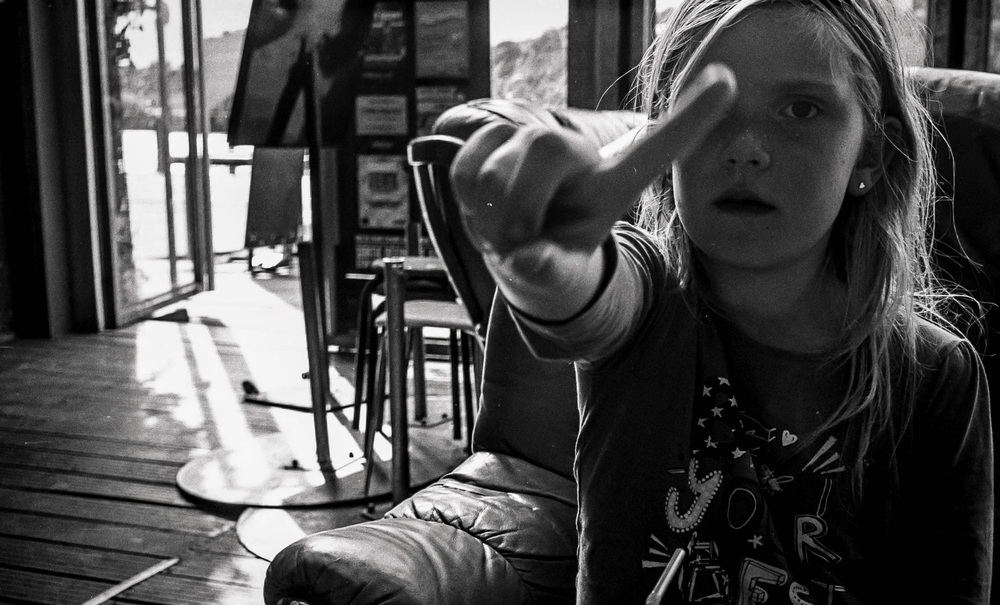
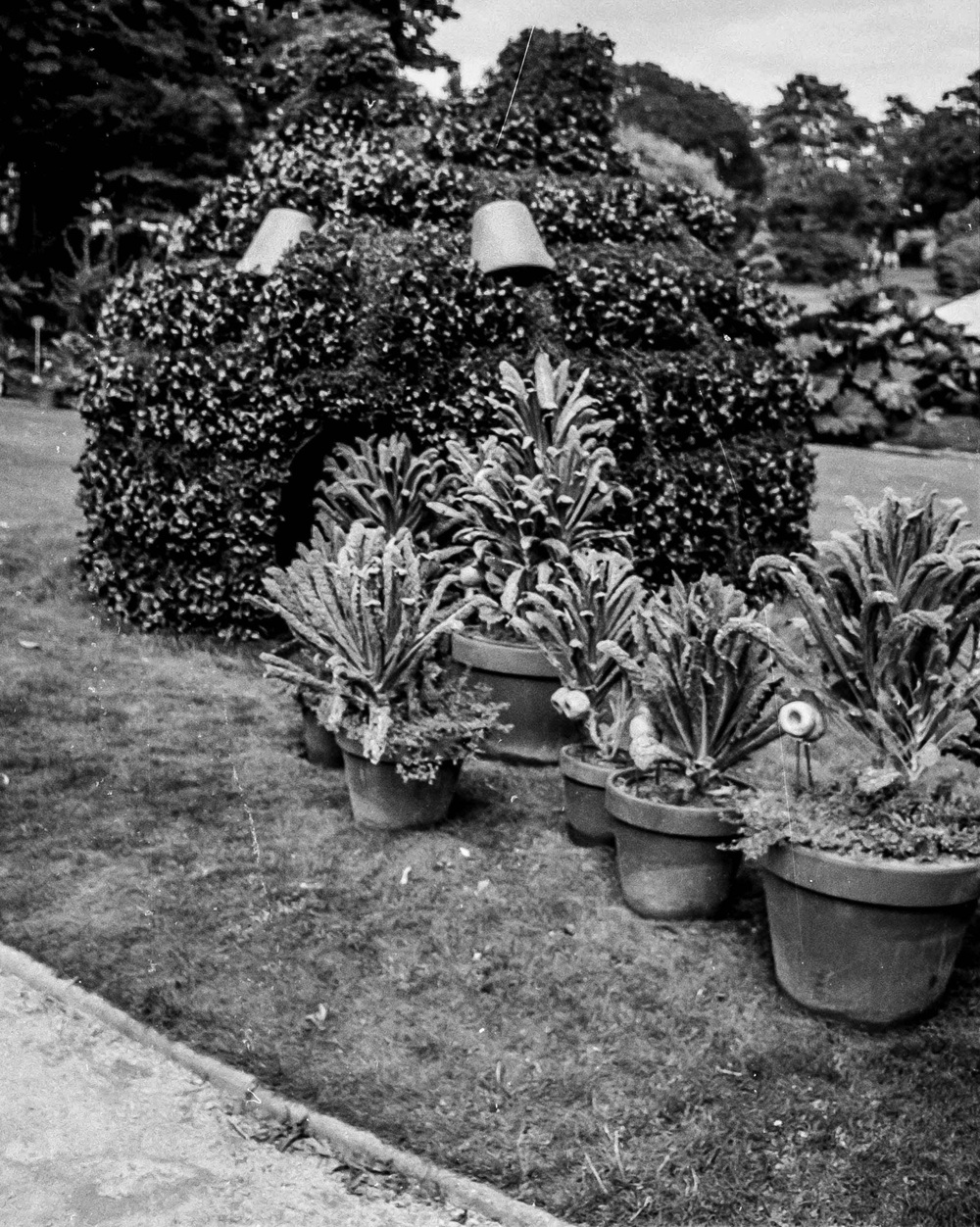
We had explored the Jardin des Plantes and discovered what they had to offer.  This of course builds up an appetite in a young lady, and convinces her that she really needs to drink something Daddy.  And why couldn’t we go to the Altercafé (now the D3) at the Hangar à Bananes.

So what else was I to do but drive us to the Hangar à Bananes.  You will have seen the Hangar in this article, and you will now be completely up to date and know nearly everything there is to know.

Don’t forget that this is a girl who gets an idea into her head and then just goes through with it.  That idea is so rooted that it is nigh on impossible to change that idea.  I knew what was coming.  I would order a chocolate brownie, and Kate would have an Orangina.  I could have a beer.  How gracious of her.

She had been my model for most of the day and even a top model needs a rest, and just has nothing left to give a photographer.  You just know when enough is enough…

The Opening of the Film Archives—Jardin des Plantes August 2016


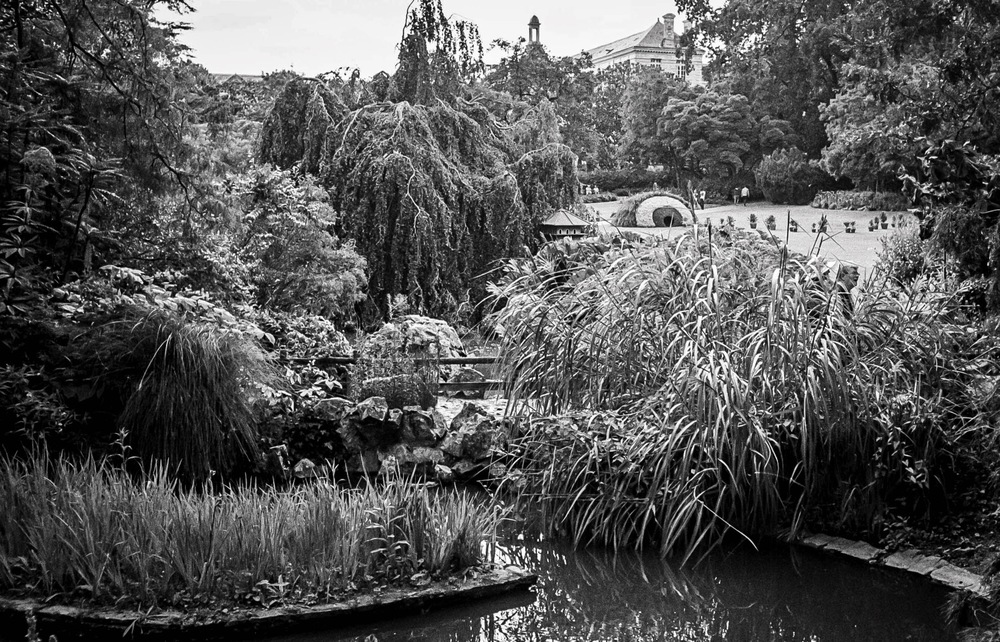
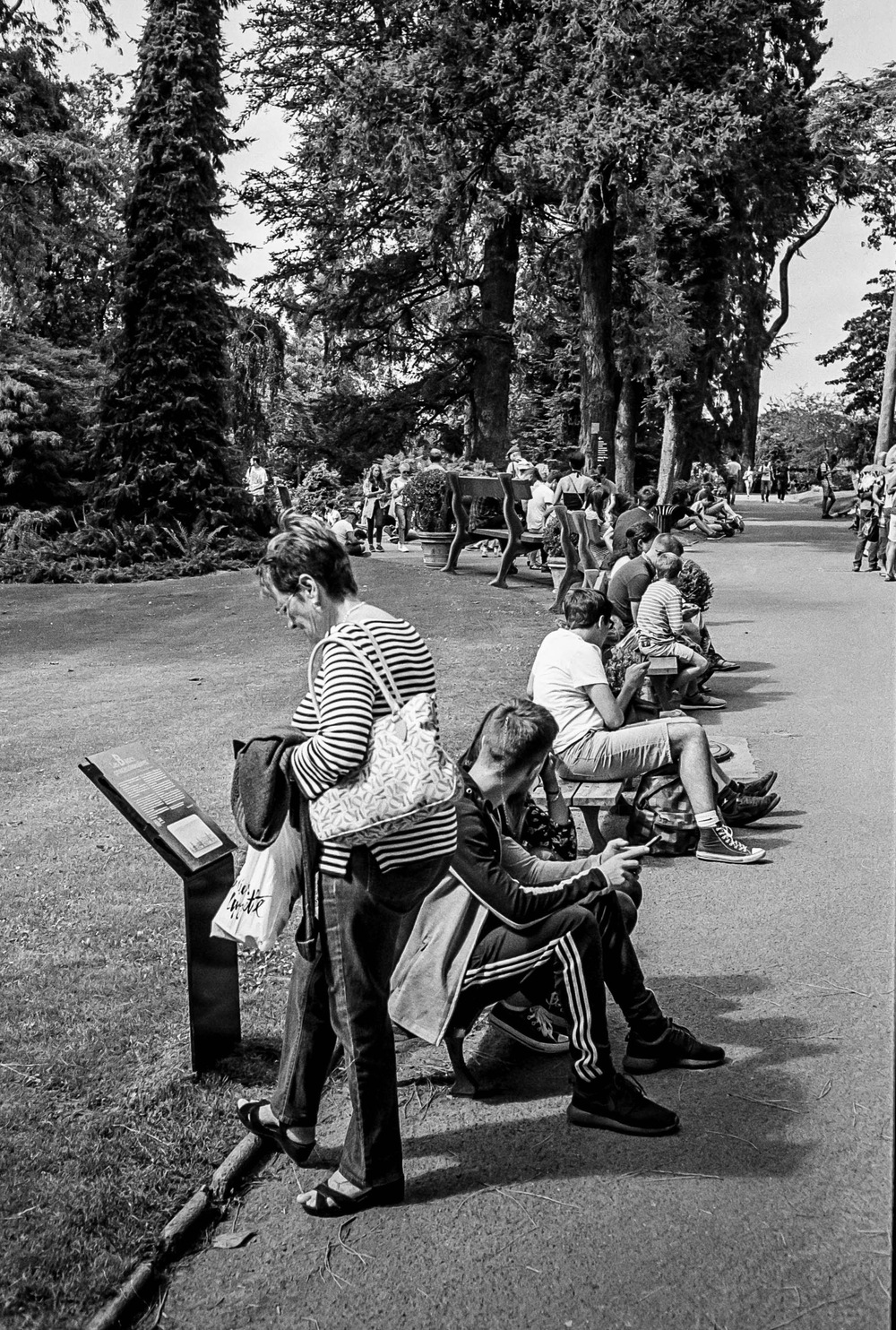
There was a time when my daughter wasn’t a teenager.  There was a time when she quite liked her Dad, and she would accompany me everywhere.  It was good being that child’s hero.  It was a more innocent time.  It was a time when she actively tried to spend time with me.  It was a time when she didn’t see me the way I see myself…

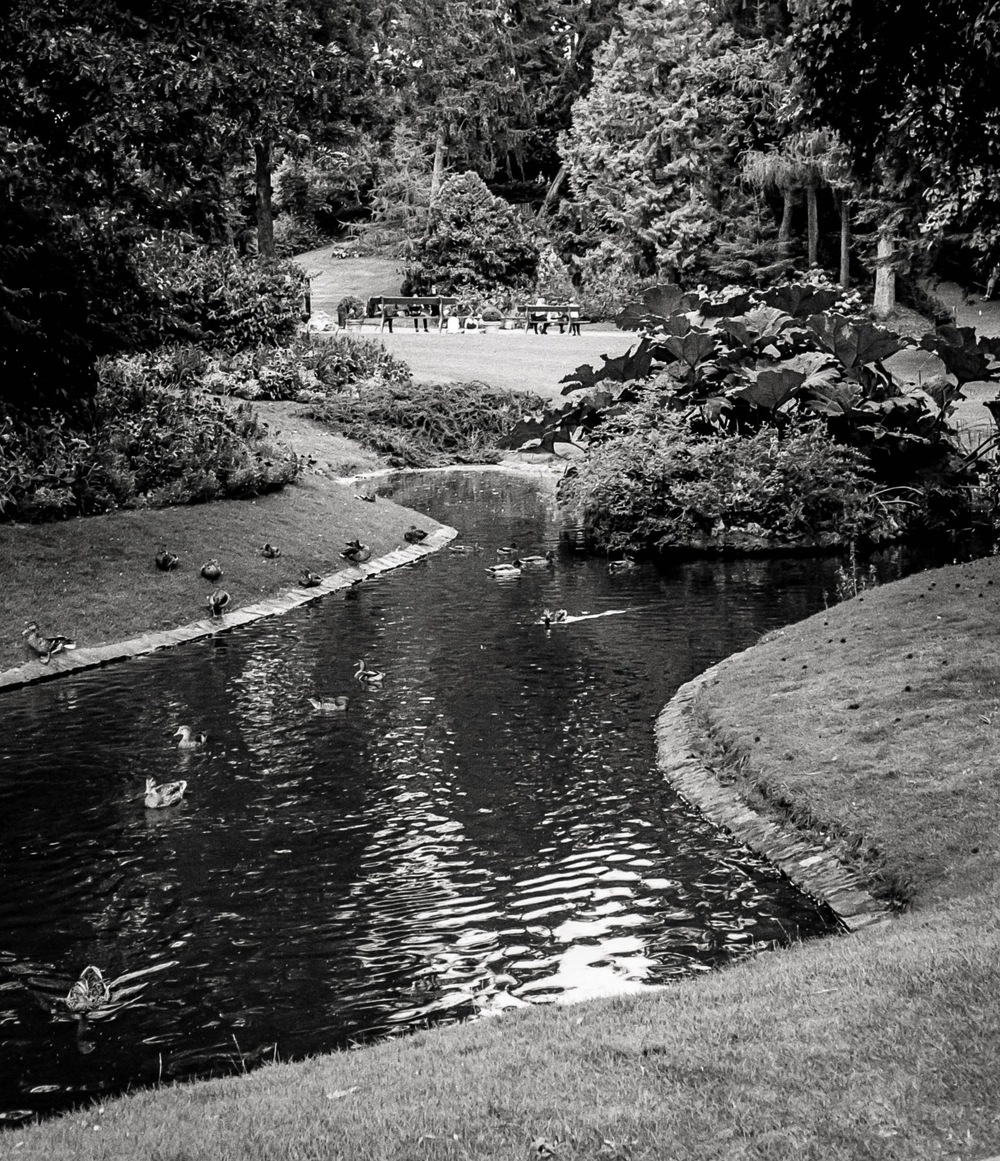
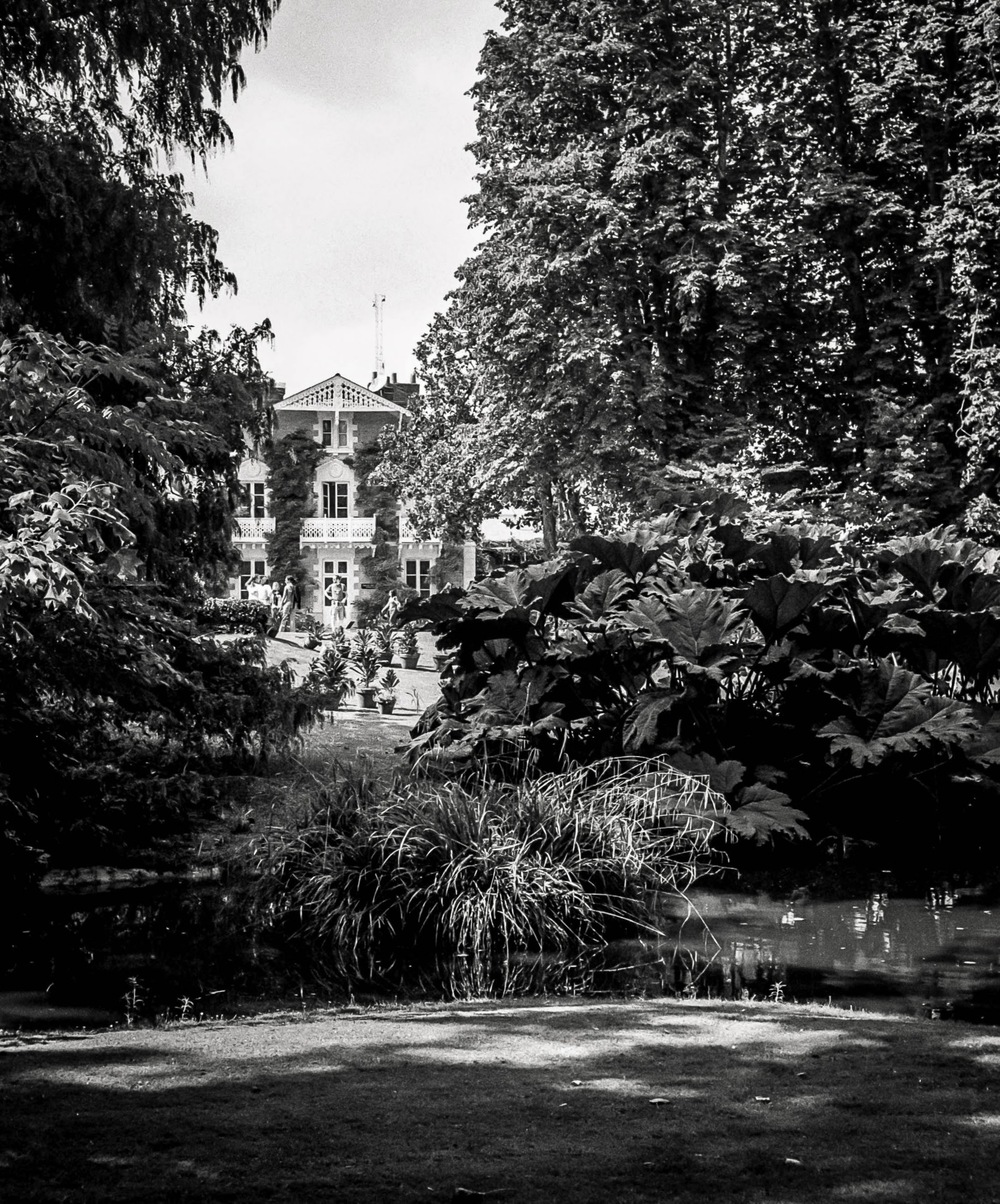
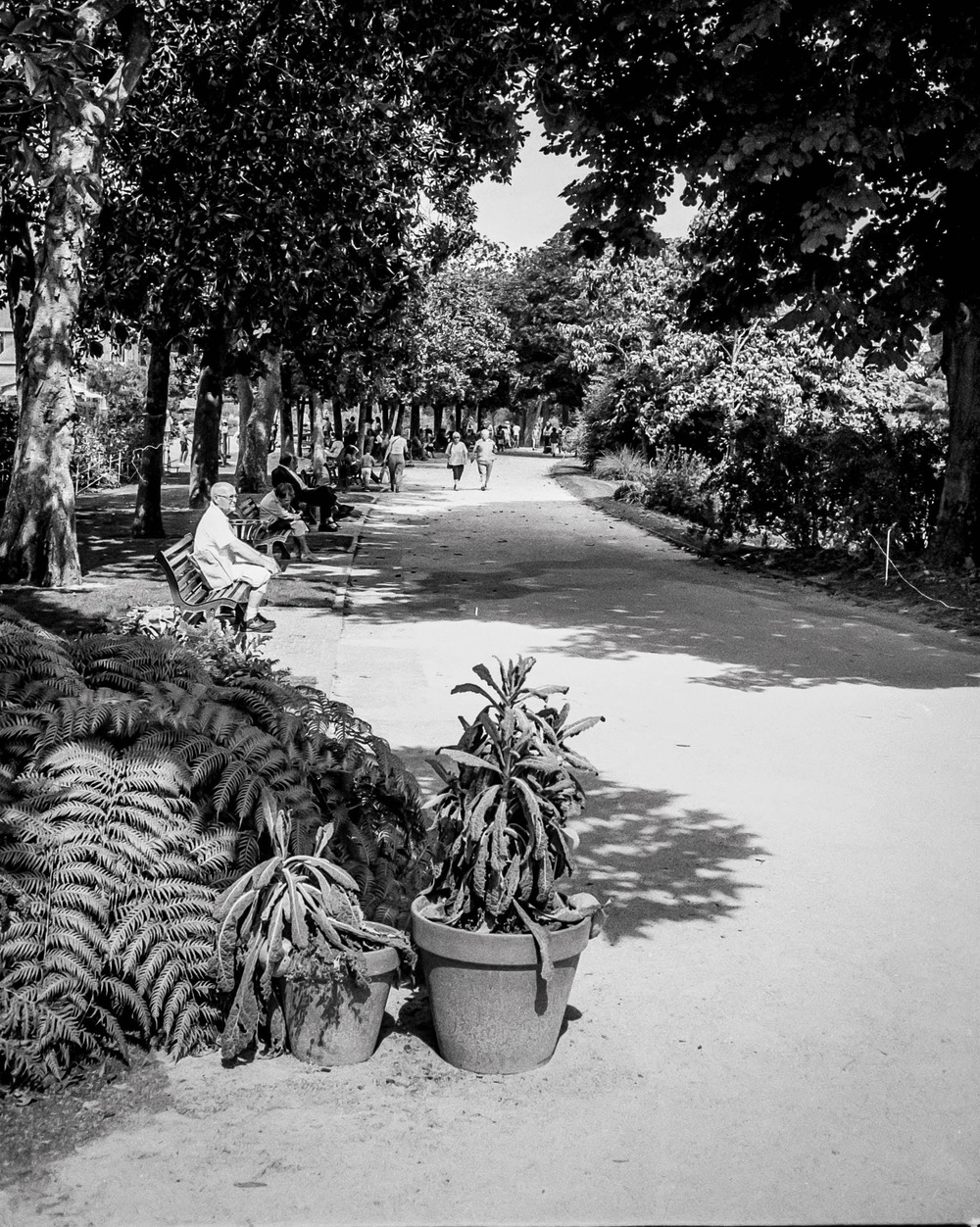
One of her favourite places in Nantes was the Jardin des Plantes, a huge botanical garden in the middle of Nantes just across the road from the station.  I could talk about the fact of it being a haven of peace in the bustling city.  I could talk about it being an oasis of green in a sea of concrete.  I could talk using clichés ‘til the cows come home…

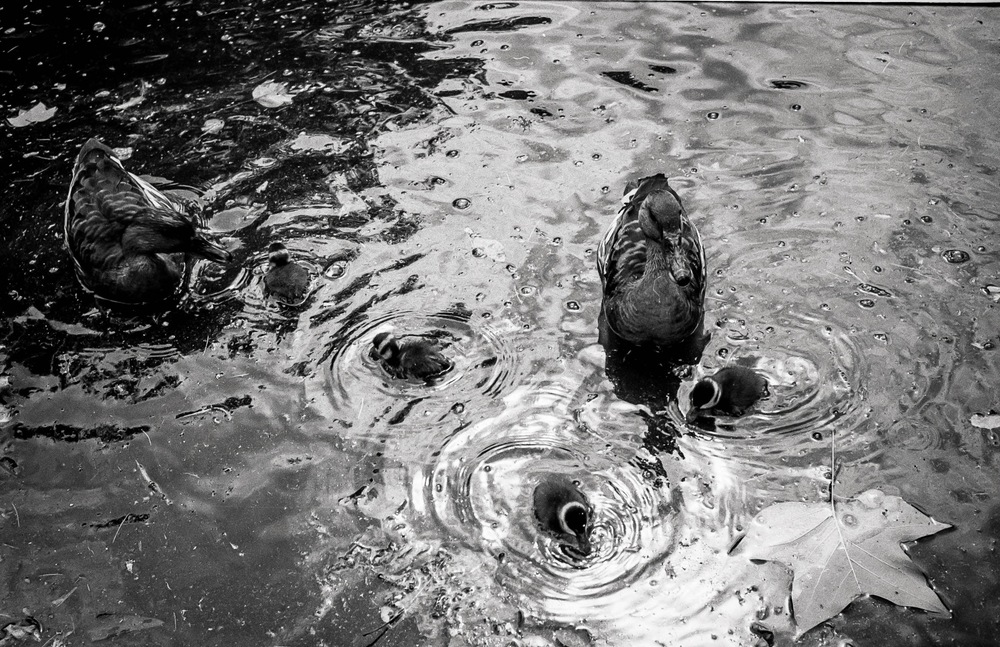
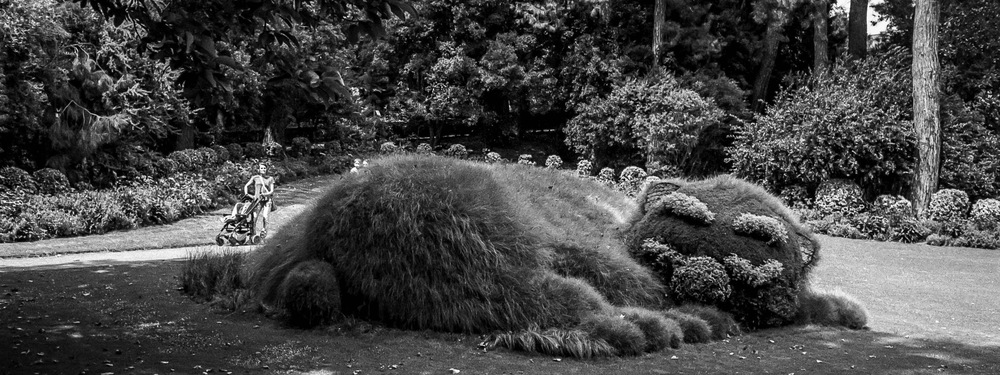
These photographs are not clichés, but real attempts of capturing a specific moment in time allowing me to travel back through time.  And looking at these images, I’m definitely back in time.

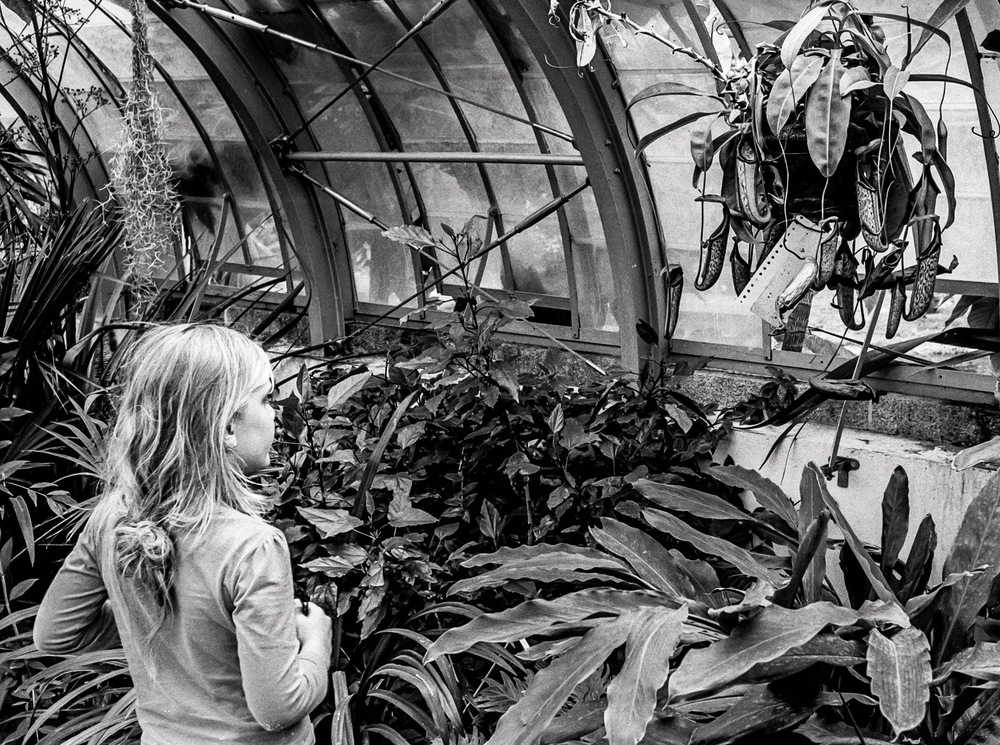
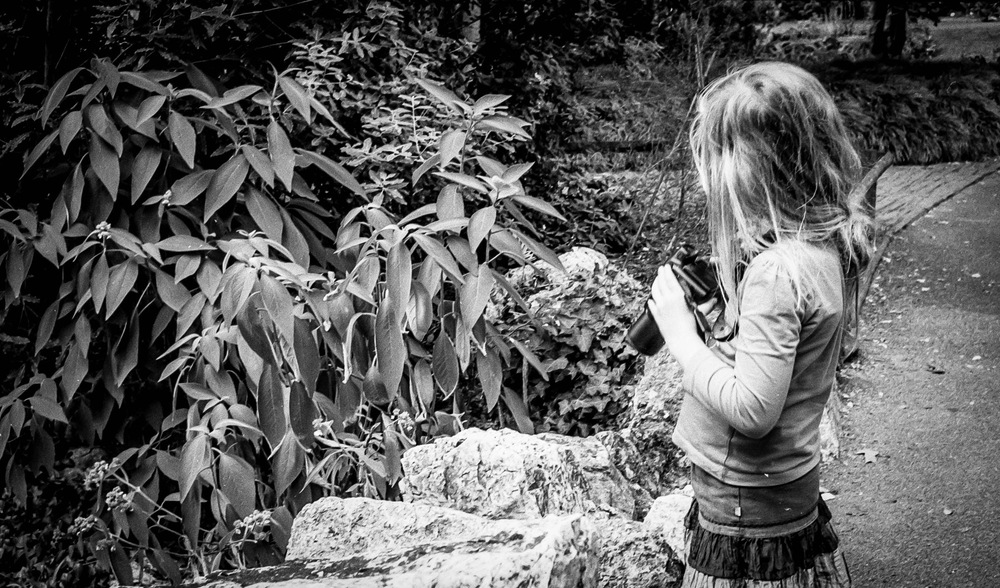
Let me introduce you to my daughter from 2016.  She was a 7 year old that already knew what she wanted but was slightly more subtle about it.  She would suggest that we go into town.  That I could take my camera.  That we could go to such and such a place.  That we could do such and such a thing.  And all this as if it were completely natural.  And I was a very willing victim.   

This time she suggested going to the Jardin des Plantes.  She would take her camera (my old Sony bridge) and I would take my Olympus Trip 35.  I used the Olympus Trip quite a lot at that time and its ease of use, the zone focussing, and general lack of buttons to press, made it quite the fool proof piece of kit.    

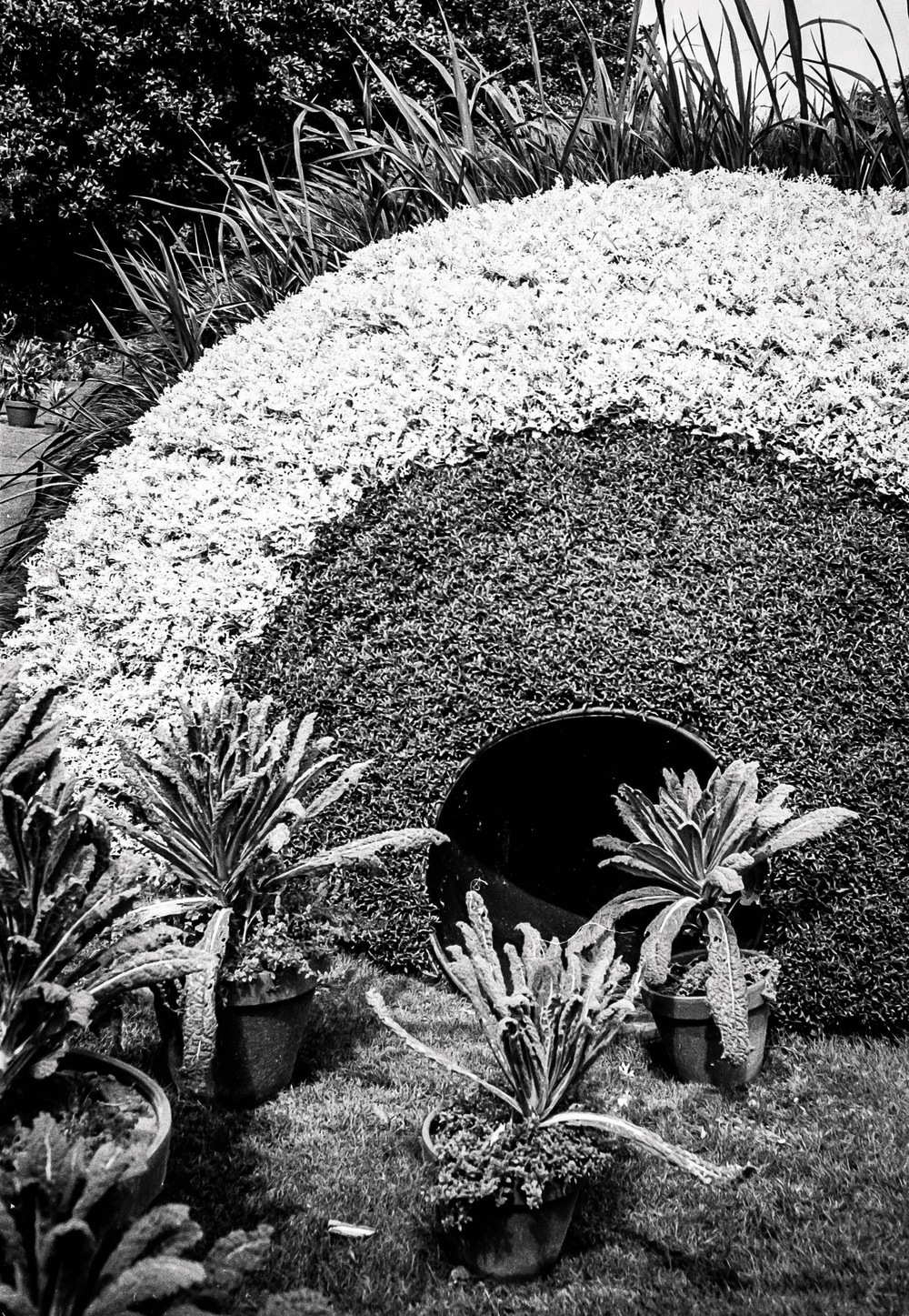
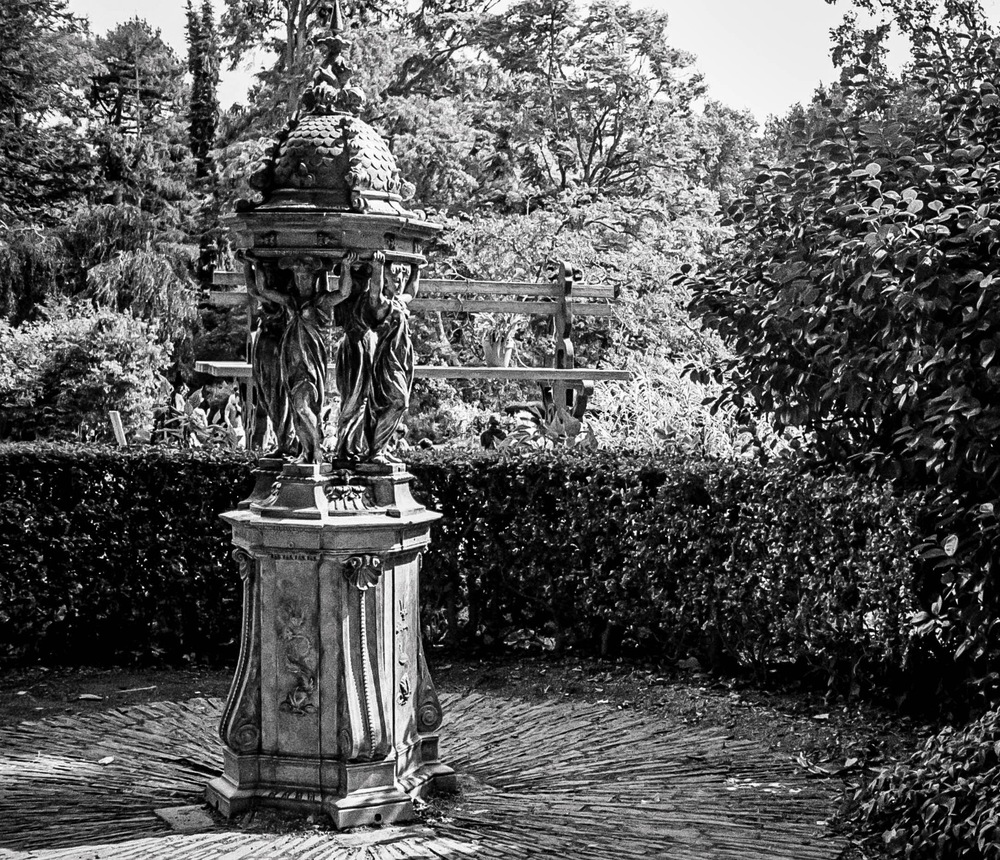
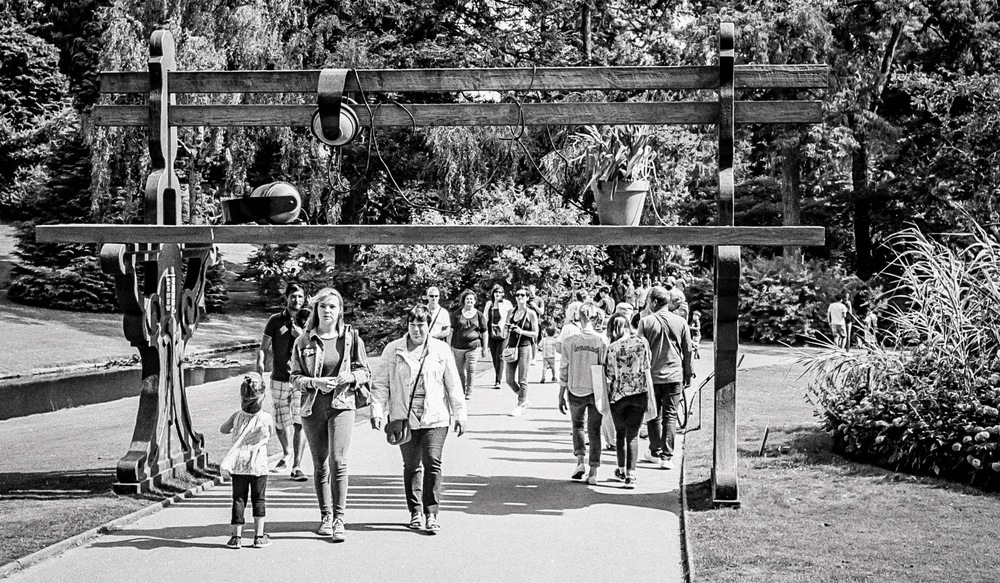
As usual, I let her lead the way.  This was here outing after all, and kept a respectful distance, so I could photograph her and record her for posterity.  The Jardin des Plantes has not only plants, the clue is in the title, but also is the backdrop to the Voyage à Nantes, and certainly was that year.  

I think the images speak for themselves and I’ll let you peruse them at your leisure.  They were taken on Ilford HP5 Plus film shot at box speed.

I want it, but do I really need it?


The camera gear industry is a powerful beast and it tries to convince us that this piece of kit, that is conveniently in stock, will help you become that photographer that you are destined to be.  Be that in magazines, be that in youtube influencer videos that “try out the camera” that the manufacturer has just lent us to show you what it’s like.  I’ve watched loads of these videos especially when thinking about the kit I wanted to buy.  Come on in and I’ll make sure you have the best camera possible, and the best possible lens.  What’s your budget?  OK, I’m sure we can work something out.  What kind of photography do you want to do?  Well, you’ll need this, and this, and this, etc.

That nice man in the shop will be more than happy to take your money and sell a high end camera that will be a thing of beauty.  But look at the title again.  “I want it, but do I really need it?”  You have fallen into their trap.  I’m not trying to put down these sales people, and their wealth of knowledge, but know that there are other options out there.

I’m going to dare say it.  You don’t need the latest and greatest equipment to take great photos.  Instead prioritise value, and mindful shooting, over gear acquisition.  Think about boys and toys.  I get exactly the same feeling as you when I enter a camera store.  I want it all.  Of course I do.  Who doesn’t?  But,what would my wife say?  What would my bank manager say?  What would reason tell me instead of letting my emotions get the better of me?  Can I really justify this acquisition?  Do I really need it, or is there a less onerous solution?  I know.  I’ve just pissed on your bonfire, but it’s time for a reality check here…

So what can I do about that?  You can realise that there is a huge market of second hand gear out there.  I have taken this route in the past and have no regrets.  Yes, I did it my way…

Where do you go to discover all these hidden gems?  There is of course E-Bay, that huge online auction site which I used to acquire the majority of my film cameras.  When I was a customer of the site the film cameras were fairly cheap, since those pesky hipsters hadn’t cottoned on to the fact that film photography is cool.  So yes, each purchase was a gamble, but I had less money to lose, and the return would be greater.  The old cameras were simpler, the lenses were great, and there are still lots of examples of reasonable cameras out there.  Would I use it for digital?  Probably not.  I’m not really a gambling man, and don’t have a huge wad of cash that I am willing to possibly waste.

But E-Bay is not the only option.  There are various online sites such as mpb.com that have a very good reputation, and have tested each piece of equipment that they sell.  They give you an honest appraisal of the piece of kit and are honest about the state of said piece of kit.  They guarantee each purchase, and have a generous returns policy.  I might consider using it if I were interested in buying some new kit.  But at the moment I’m not.  There are also second hand areas of our beloved camera shops that will have used gear.  

When buying second hand, you will generally be spending less money, or at worst, getting more kit for your hard earned cash.  Older models of camera might not be as super duper as the latest models that look so sexy in that shop window, but for what most us mere mortals need, they are more than adequate.   You really have to look at which features are most important to you.  Thanks to you, there will be one less camera going to landfill.

Talking of features, let’s talk about the 80/20 rule.  For 80% of your photographs, you will use about 20% of your gear, and features on your camera. I urge you to identify the essential features for your type of photography (e.g., autofocus, image stabilisation, dynamic range), and maybe avoid spending money on features or lenses that you won’t use frequently.  Shutter speed when doing sports photography, or high dynamic range for landscape photography.  Is an F1.2 lens really what you need, or will F2.0 pr F2.8 still get the effect you want?

I’m going to talk about the X100F (again!) and compare it to the latest version from Fujifilm, the X100V and the X100VI

FeatureFujifilm X100FFujifilm X100VFujifilm X100VI
Sensor24.3MP APS-C X-Trans CMOS III26.1MP APS-C X-Trans CMOS 440.2MP APS-C X-Trans CMOS 5 HR Sensor
Lens23mm f/2 (35mm equivalent)23mm f/2 (35mm equivalent) with improved optics23mm f/2 (35mm equivalent) with further improved optics
Autofocus91-point hybrid autofocus425-point hybrid autofocus with improved face/eye detection425-point hybrid autofocus with further improved face/eye detection and subject tracking
ViewfinderHybrid viewfinder (optical/electronic)Hybrid viewfinder (optical/electronic) with improved EVFHybrid viewfinder (optical/electronic) with a larger and higher resolution EVF
Screen3-inch fixed LCD3-inch tilting touchscreen3-inch tilting touchscreen
Image StabilisationN/AN/A6-Stop In-Body Image Stabilization
Video1080p up to 60fps4K up to 30fps6.2K (cropped) and 4K up to 30fps
Weather SealingNoYesYes
Price (approx.)€800-€1000 (used)€1300-€1500 (used)€1700-€1800 (new)

Key Takeaways:

  • Sensor: The X100VI offers a significant resolution upgrade with its 40.2MP sensor, providing greater detail and flexibility for cropping compared to the X100V and X100F.
  • Lens: All three models share the same focal length, but the X100V and X100VI feature improved lens designs for better sharpness and close-focus performance.
  • Autofocus: The X100V and X100VI offer a substantial upgrade in autofocus points and performance compared to the X100F, making them better suited for fast-moving subjects and low-light situations.
  • Viewfinder: The X100VI has the most advanced viewfinder with a larger, higher resolution electronic viewfinder (EVF) and improved refresh rate.
  • Screen: The X100V and X100VI have tilting touchscreens, which can be helpful for composing shots from awkward angles, while the X100F has a fixed screen.
  • Video: The X100VI boasts the most advanced video capabilities, offering 6.2K recording with a crop, while the X100V is limited to 4K, and the X100F to 1080p.
  • Weather Sealing: Both the X100V and X100VI offer weather sealing, making them more durable in adverse conditions compared to the X100F.
  • Price: The X100F remains the most affordable option, especially on the secondhand market. The X100V offers a good balance of features and price, while the X100VI is the most expensive but comes with the latest technology.

Ultimately, the choice depends on your budget, needs, and priorities. If you need the highest resolution and advanced video features, the X100VI is the way to go. If you prioritize value and portability, the X100F is still a great option. The X100V sits in the middle, offering a good balance of features and price.

If you are a professional, then I think the same logic will apply.  Even though a nice kit is an investment you need to consider the returns on your investment?  Is the purchase justified and will it bring more work for you?  Will it expand my offer enough?  If you are an amateur, then you can spend any amount of money you want, but if you could do more, with less, wouldn’t that be an appealing option? Have I not managed to convince you yet? Look at the film archives… And look at the pictures from the X100F

The Opening of the Film Archives – On the way to work


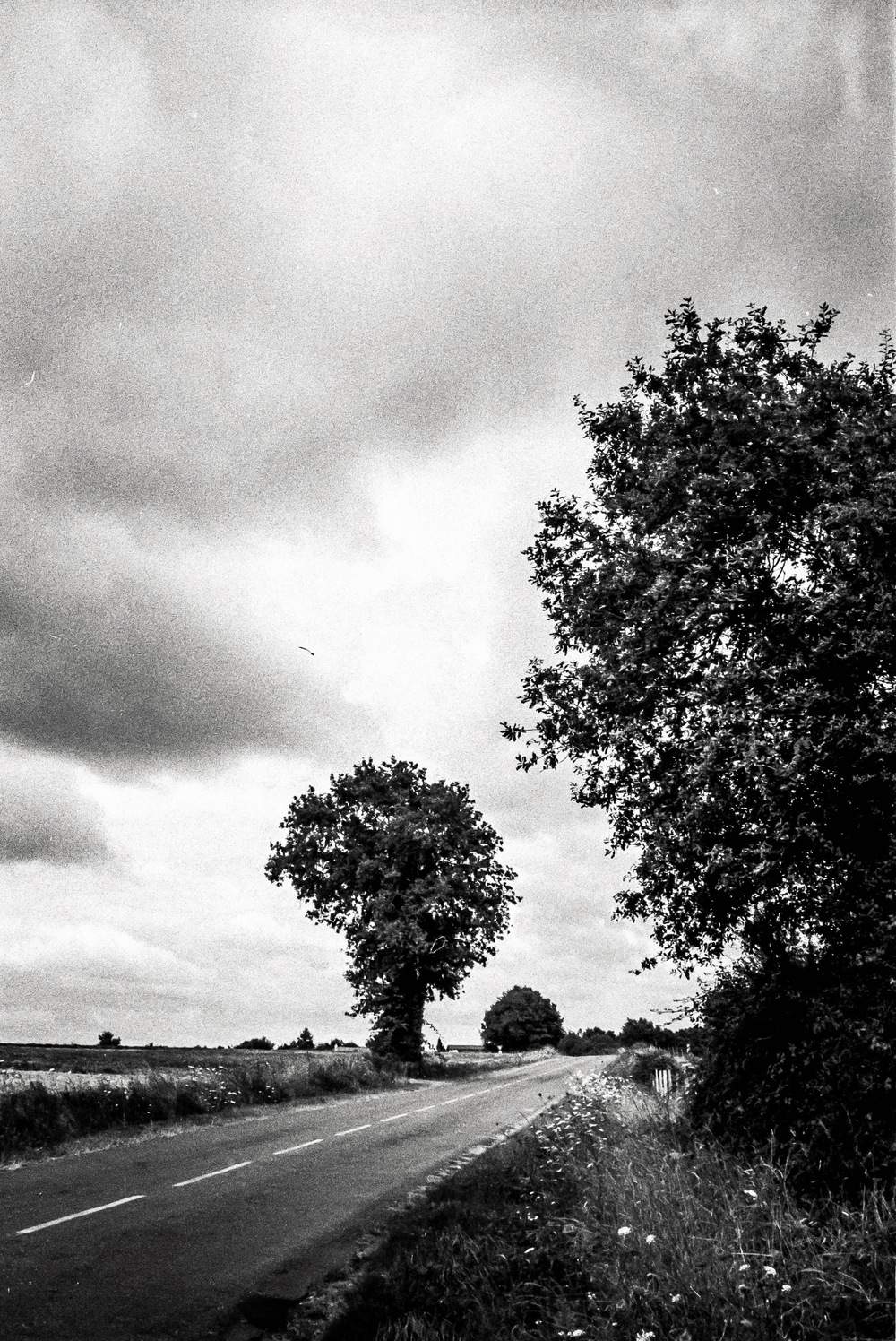
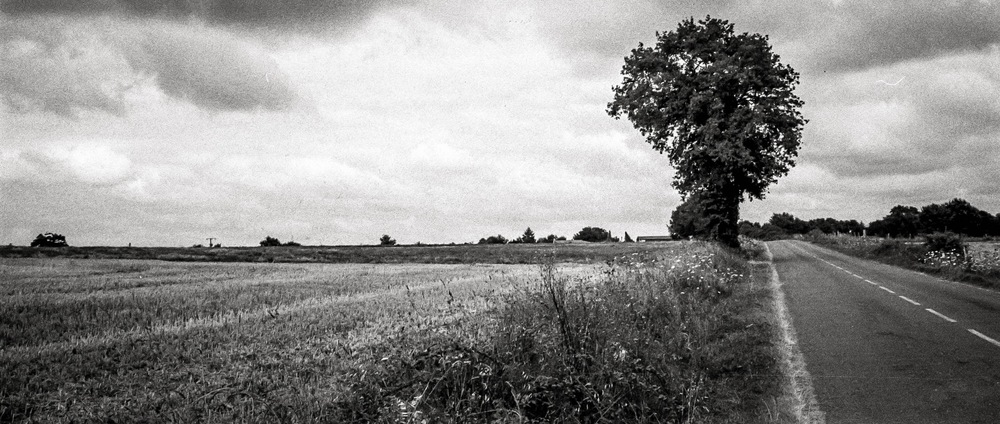
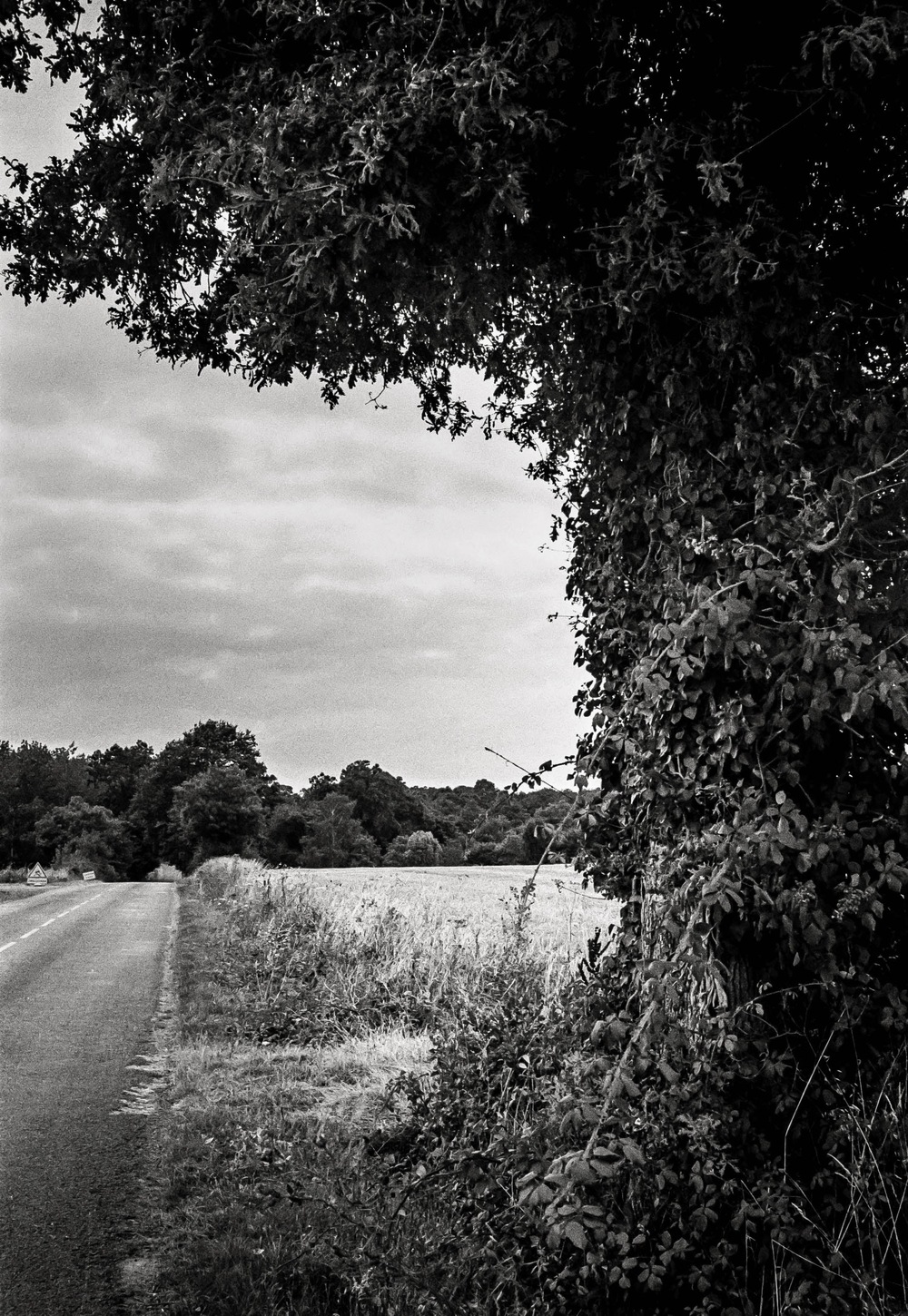
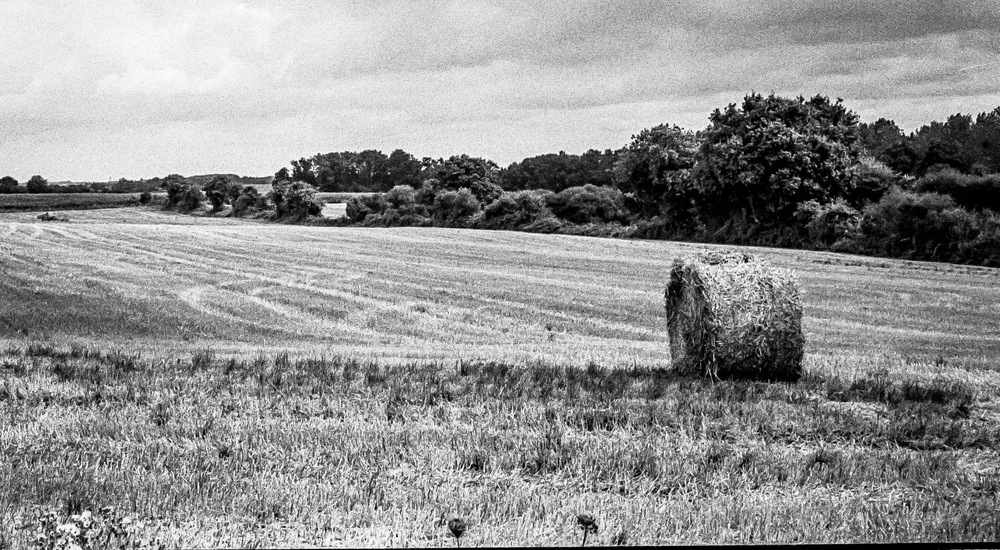
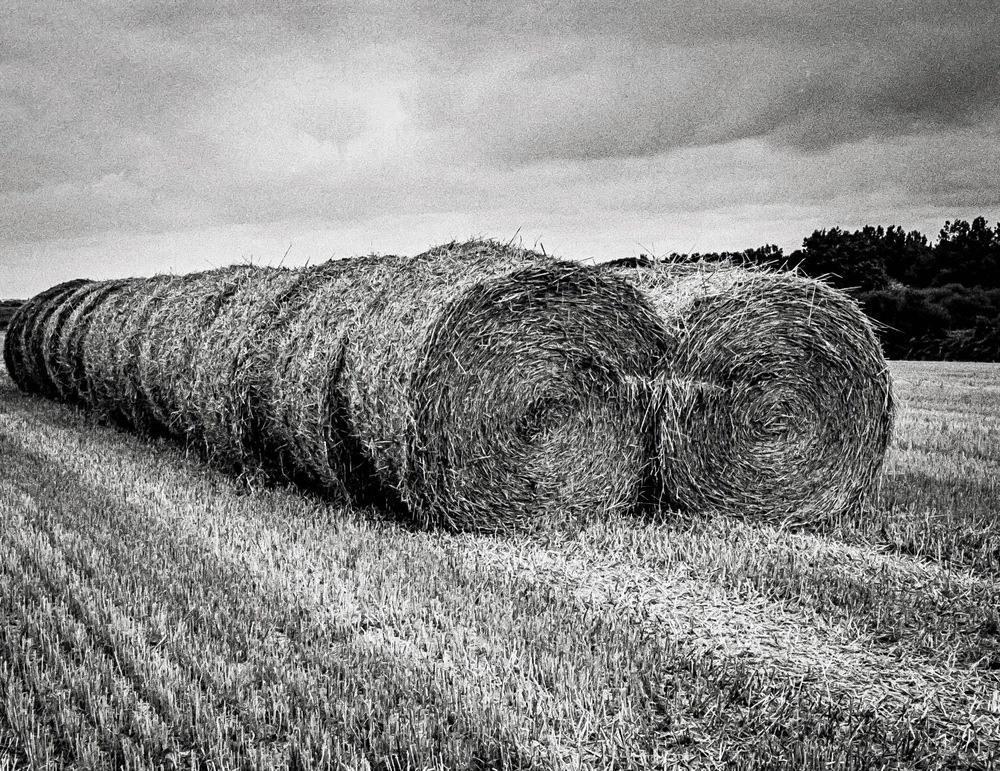
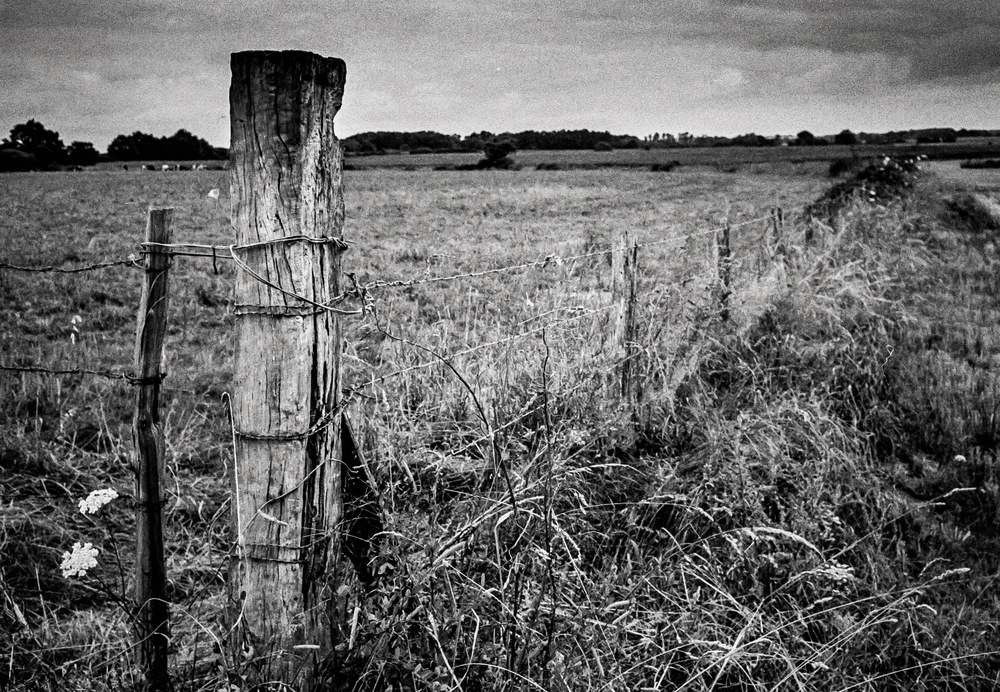
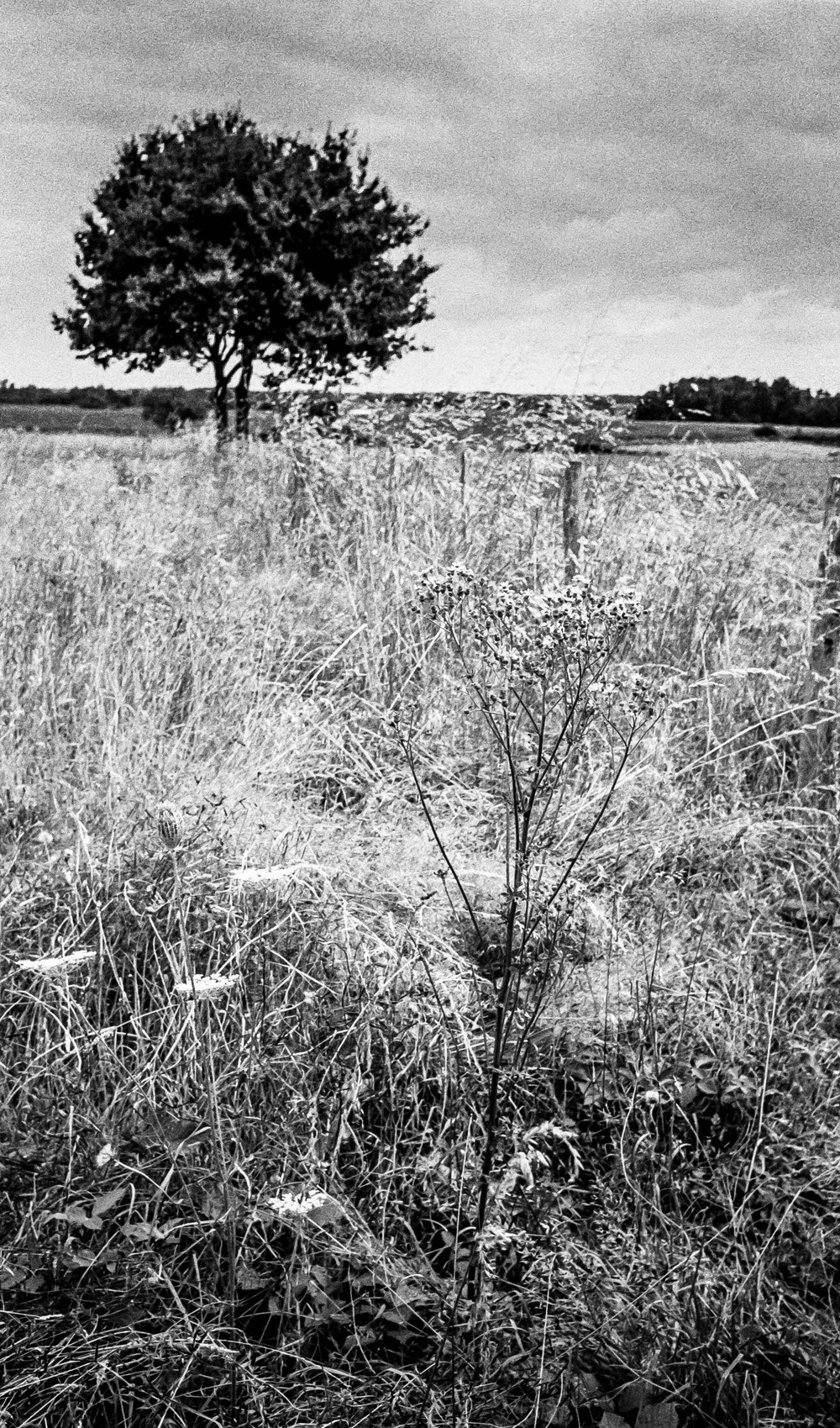
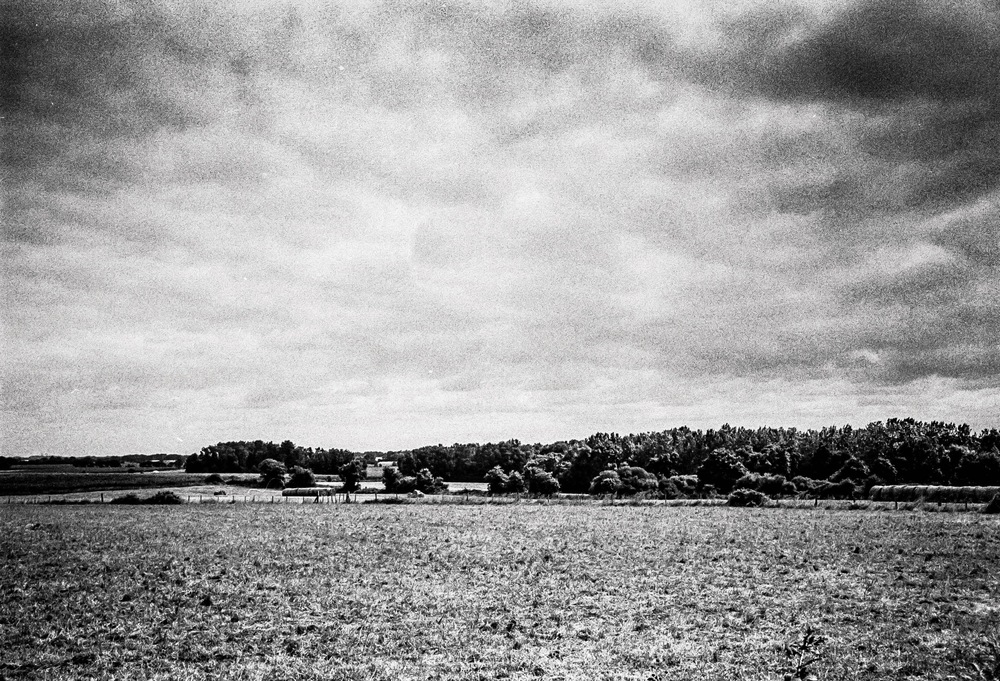
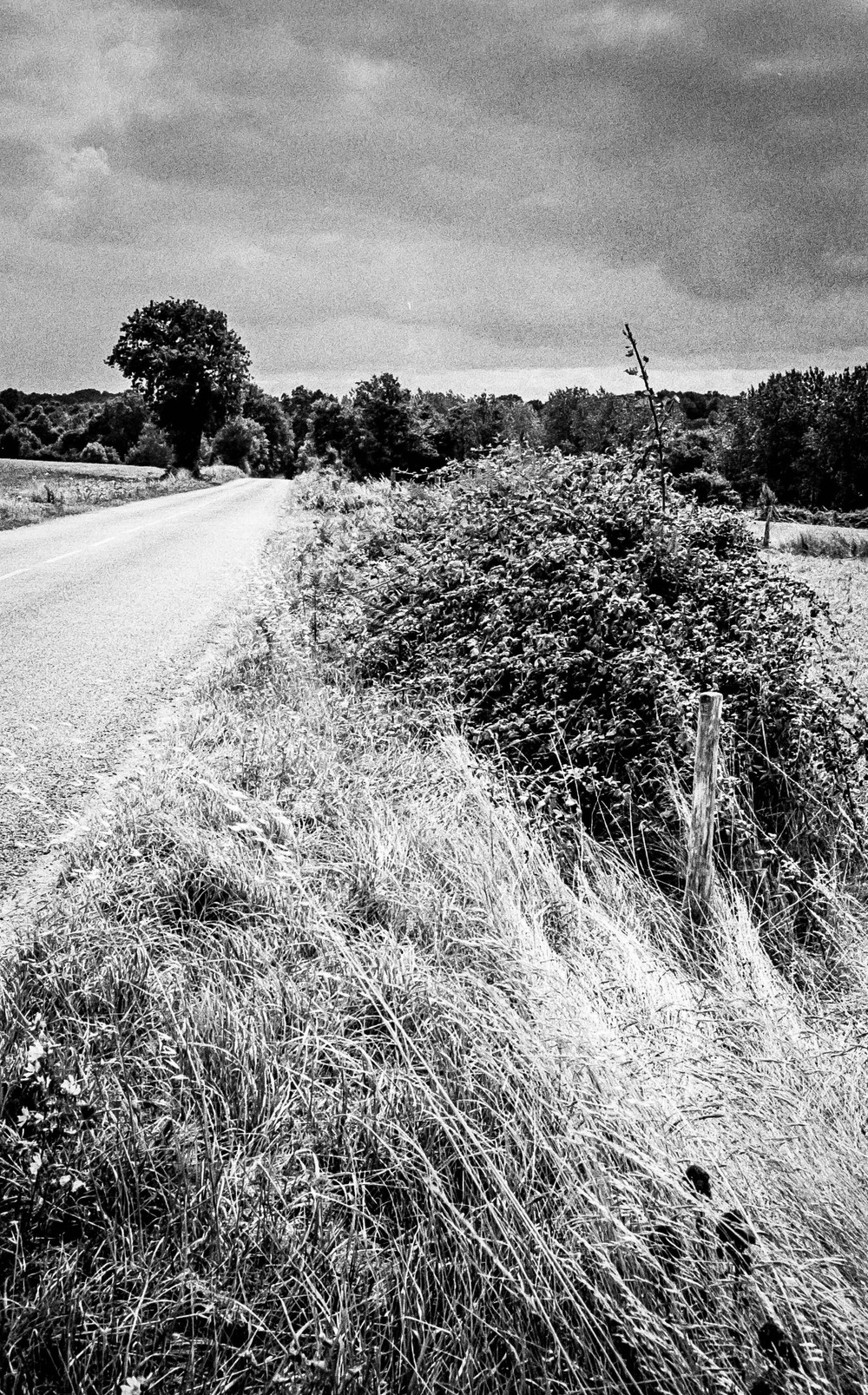
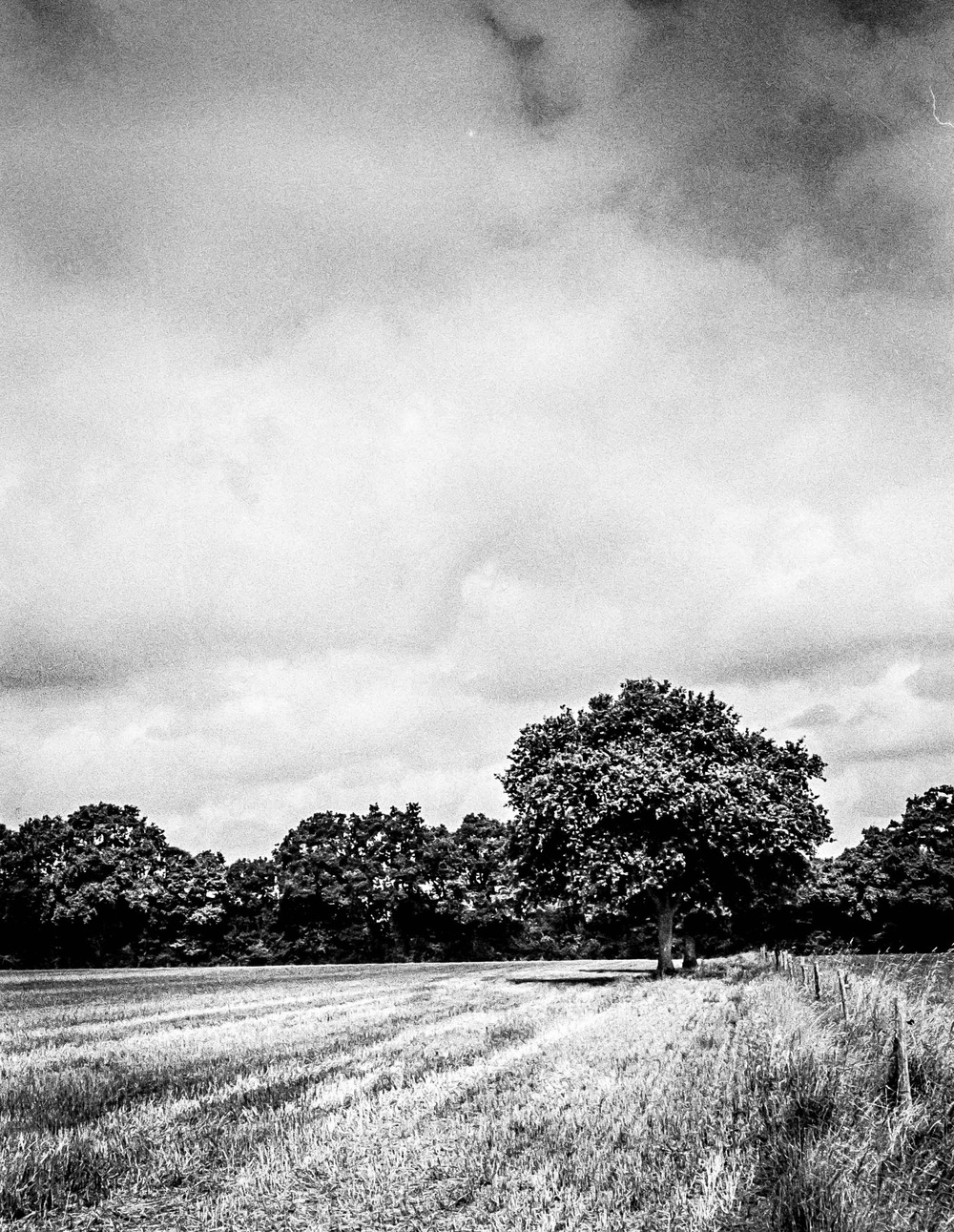
Sometimes we can have a tendency to ignore our habitual surroundings as photographers.  In this series of photos from the film archive, I’m going to show you part of the route I use to go to work.  What is ordinary to one person might be an pastoral idyl to somebody else.  It only goes to show that there is beauty everywhere in this world and one of our roles as photographers is to document it for future generations.

My wife, bless her, has always said that my black and white photos have a timeless feel to them, be they in the city or out here in the country.  I think that using film, especially this grainy HP5 Plus, even shot at box speed, adds to that sentiment.  The fact that I used Rodinal as my developer might have accentuated the grain too.  Also don’t forget that this is the beginning of my return to film development so I might have been a little vigorous in my “agitations” whilst developing the film.  I now use mostly Ilfosil 3 and lower grain film, and have brought a little more “calm” to my “agitations.”

The camera that day was the FED 5 rangefinder camera from Ukraine.  I’ve talked about it before, and although I mainly use SLRs, I still feel guilty about not using it more.  It’s a beautiful camera and I don’t want it to feel neglected.  I might just have to correct that soon.
I lived just outside Paris for 7 years before moving out to the country in 2001.  The change in ambiance was startling.  I went from blocks of flats to village life in the French countryside.  I went from riding the metro, and suburban Parisian trains, to learning to drive though this beautiful landscape.  Driving through this scenery still gets me every time I get into the car.  I wonder what I’ll see.  I see the changes in the fields and countryside through the seasons.

I want you to promise me, Dear Reader, that you will take a closer look at your route to work, and maybe I can convince you to record it too for prosperity.  Don’t worry about film or camera, even just using your phone will do the trick.