Good evening Dear Reader. Some of you may know that I live in France, despite being originally from the UK, and despite probably having gone native after living here for 30 years. I have even been accused of being a little “Continental” whatever that may mean.. I live in the west of France. You could think that I live in Nantes just judging by the quantity of photos taken in that city.
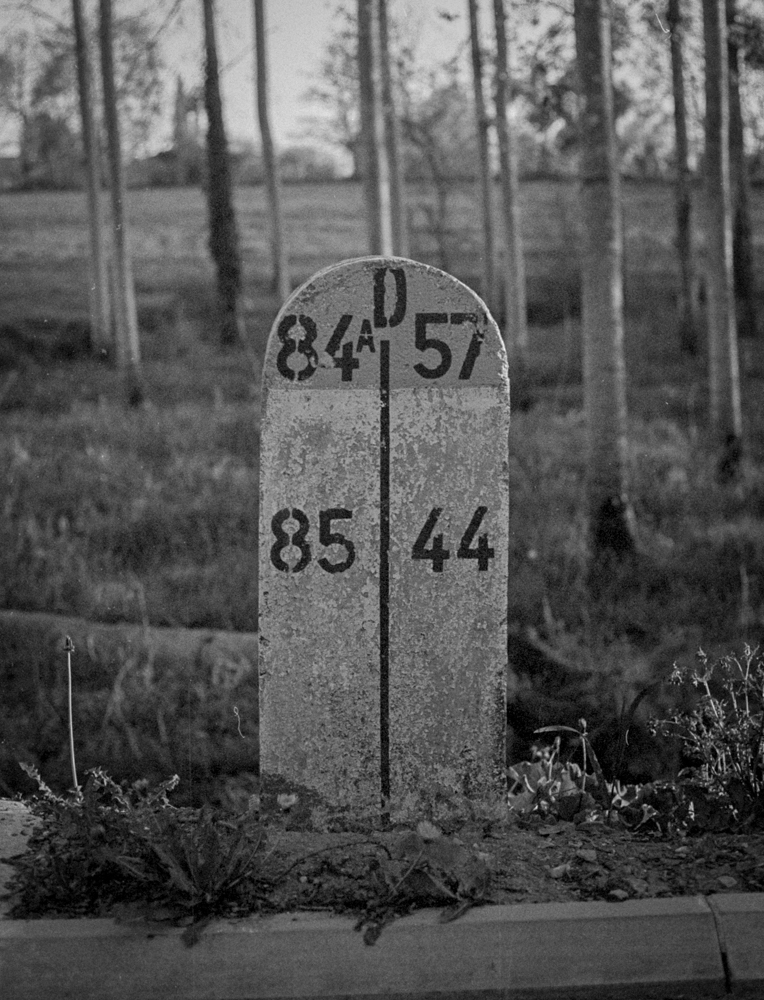
I actually live in a smallish village at the very northern edge of the Vendée and my village borders the “la Loire Inférieure” or to use the more modern term “la Loire Atlantique.” Our department number is 85 and theirs is 44. I’m not saying there is any animosity between the two, in the same way that there isn’t any animosity between the inhabitant of Lancashire, and God’s own county of Yorkshire. Absolutely none at all.
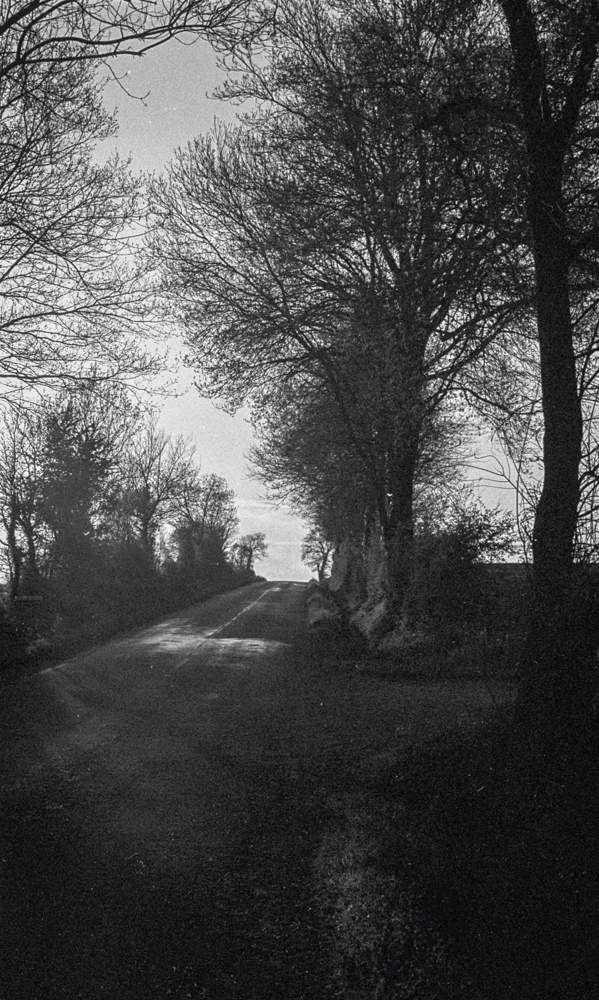
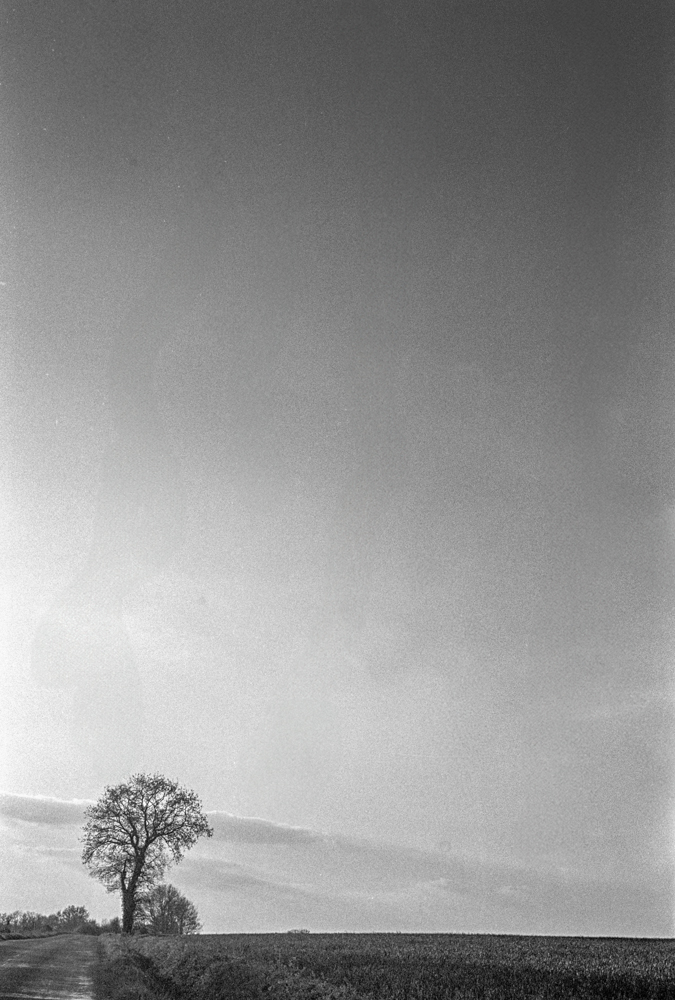
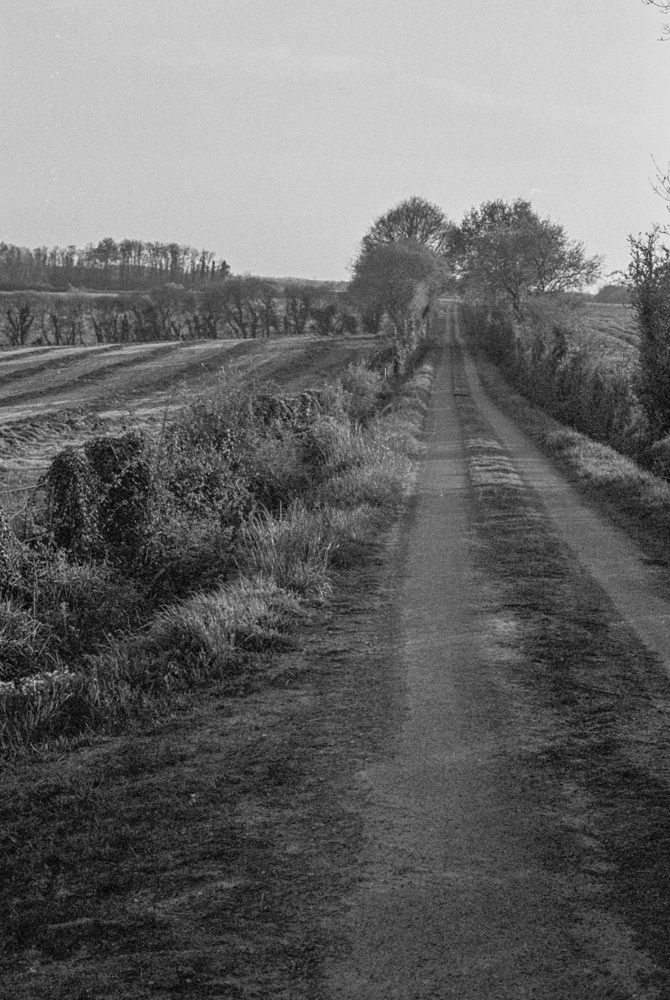
You now know where I am. Let’s have a closer look at that area through the lens of my Canon AE1. This series of photos was taken along my route to work. You can see the milestone on the road where the border between the two departments finds itself.
The trees along this stretch form a natural tunnel, creating an otherworldly atmosphere as sunlight filters through the canopy. Capturing that interplay of light and shadow was my goal with the Canon AE1. Despite some doubts about its metering capabilities, the camera performed admirably, and I’m thrilled with the results.
Since I took these photos, some of the trees have been cut back, making these images even more precious. They preserve a fleeting beauty—a reminder of how photography can immortalise moments before they change forever.
At the base of the hill runs a quiet stream, tame in spring but often overflowing in winter. Its stillness offers another perspective, reflecting the surrounding trees and clusters of mistletoe hanging high in their branches. These reflections, captured on film, reveal a different kind of magic—a mirror-like calm that contrasts with the lively interplay of light above.
This installment of the Film Archives is a tribute to the quiet beauty of my daily commute. Through these photographs, I hope to share not just a sense of place but a moment in time that speaks to the power of film photography to hold onto the ephemeral.
I’m going to tell you a story about an essay that was given to us by the music master at the beginning of my Music A level course. There were four of us studying music, and the lessons took place in his study, much like a tutorial at university. The title of the essay was something like describe the perfect piece of music.
Back then I described the Glenn Miller song, Moonlight Serenade. One of my fellow pupils described the Planets from Holst. In the following tutorial after our essays had been marked, I was criticised since the Master thought my piece was repetitive, had no particular musical merit, and was corny. I, on the other hand, argued that it was the way the piece made me feel.
With hindsight I should have just handed in a clean sheet of paper saying that there is no such thing as a perfect piece of music, as taste is purely subjective and that he should take his essay question and possibly reconsider his stance! I didn’t of course. But it certainly got me thinking, even to this day!
Subjectivity in Art
As in any art the appreciation of the viewer is purely subjective and we have to be so careful about reading an interpretation into a given work. There are effectively themes that are explored in literature that could be described as obvious. But in Photography, I maintain that any connection to a particular photograph is an emotional one first, before going any deeper.
The Essence of Emotional Connection
But what makes this emotional connection possible? And how do I go about achieving this in photography. I’m going to harken back to my musical training. My horn teacher in France would say, your concerto is your text. Your job is to recite that text to the audience. That is all you have to concentrate on. You’ve worked through your concerto, the techniques necessary to play it, and once the sound leaves the bell of the instrument, it is no longer yours. It belongs to the audience. They are the ones listening and they are the ones that will form the emotional connection.
Creating Meaningful Portraits
So how do I make this connection with my audience when it comes to photography? Well, in portraiture they say to focus on the eyes of your model. Eyes being the entrance to the soul. If I can capture that and have my model looking directly at my camera and therefore my audience then I’m well on the way to creating a meaningful portrait.
The Art of Street Photography
In my street photography, it can be about catching a detail that everybody sees but that nobody notices until they look at your image. You can go to my photography tutorials and look at the composition articles to learn about how we direct the audience to a particular point in our photograph by using leading lines, the rule of thirds, and emphasising our subject with our lighting, or by isolating our subject.
The Role of Colour in Evoking Emotion
We also solicit emotion through the colors we choose. Warmer tones can infuse images with energy and happiness, while cooler tones can make them feel peaceful or introspective. For example, adding reds and oranges to a portrait can evoke warmth and approachability, while blues and greens can give a landscape a calm, reflective quality. Considering these colours “in camera” can make the entire process more intuitive, helping you set the mood before you even begin editing.
The Power of Black and White
Shooting in black and white, using only tones of light strips away the influence of colour and presents us with the “essence” of a scene, and it’s one of the reasons I love shooting in black and white, be that on film or digitally. I aim for a timeless quality to my black and white images, and the emotion can be just as intense. Without color, we focus on texture, shadow, and contrast—elements that can evoke nostalgia, solitude, or contemplation.
Mindfulness in the Photographic Process
What I think I’m getting at is that to evoke an emotion we need to be so mindful of our photographic process. Sometimes taking that step backwards allows us to reflect before pressing the shutter button.
Conclusion
I don’t have all the answers of course, but in the end, capturing emotion in photography is as much about the heart as it is about the eyes behind the lens. Each photograph we create is a bridge between ourselves and our viewers—a connection forged in the moment but lasting beyond it. Just as a musician lets their notes drift into the silence, we photographers must let our images speak, leaving space for others to interpret, feel, and connect.
So, as you move forward in your own photography, remember to pause, to feel, and to let emotion guide your hand. Don’t be afraid to take a step back before pressing the shutter, and ask yourself: What do I want my viewer to feel?
I hope this reflection gives you a new perspective on how you approach your next shot. After all, photography, like any art, is a journey without fixed answers—one of constant discovery. Take time to explore, experiment, and, most importantly, to feel.
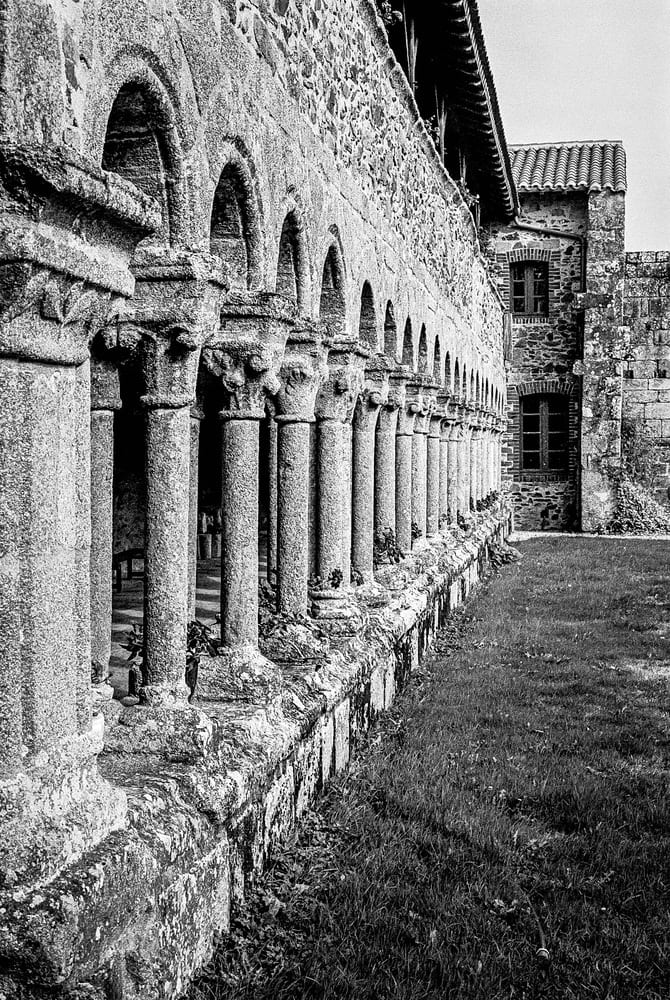
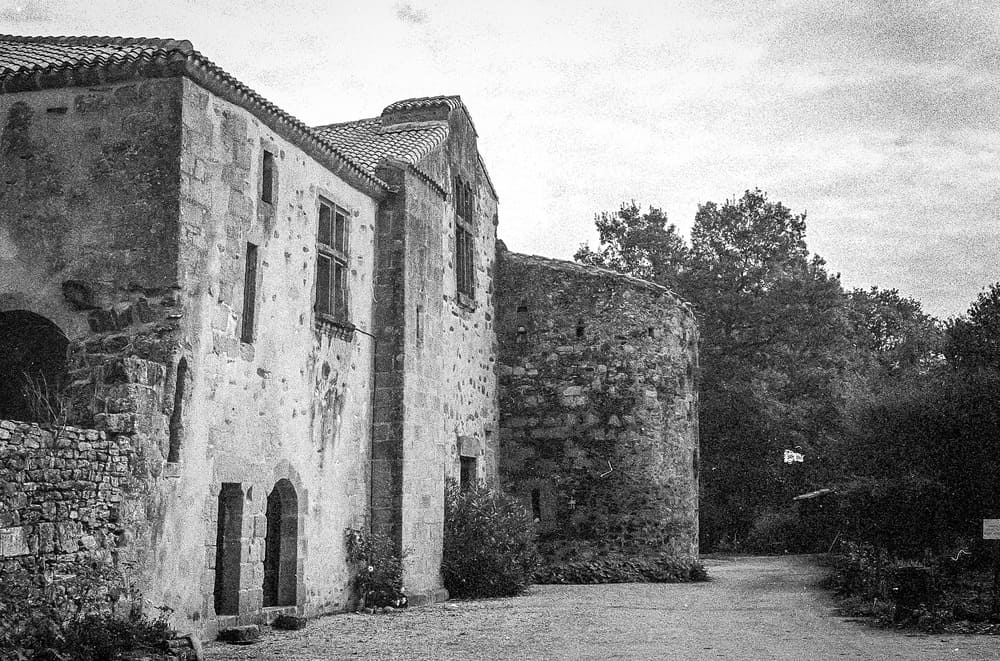
“They” say that if you leave your child to the Jesuits for seven years, then that child will belong to the Jesuits for life. I am not a Jesuit, but I was heavily influenced by the Benedictines when I went away to prep school in 1980. Mummy, Daddy, let me reassure you, this isn’t about Gilling—some things are better left in the past. This article will instead focus on a different Benedictine site, one that I visited much later in life: l’Abbaye de la Grainetière, a peaceful monastery here in the Vendée.
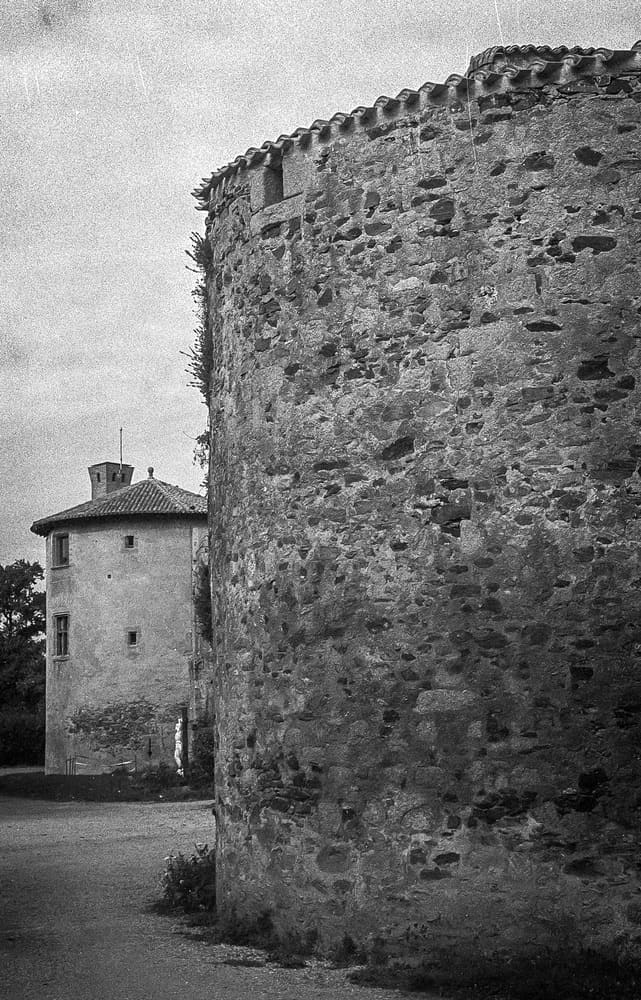
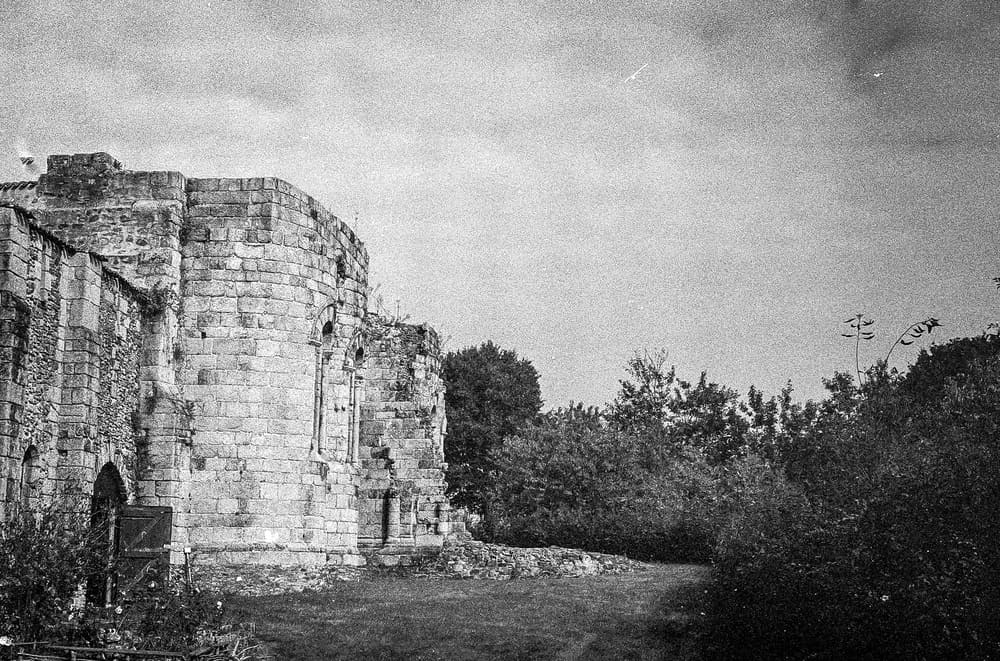
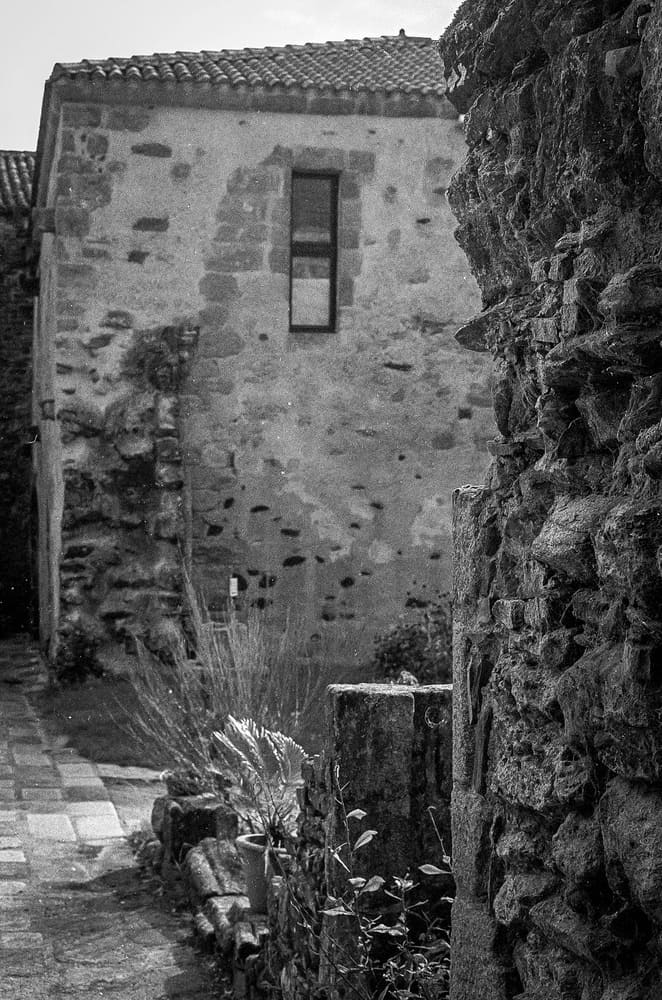
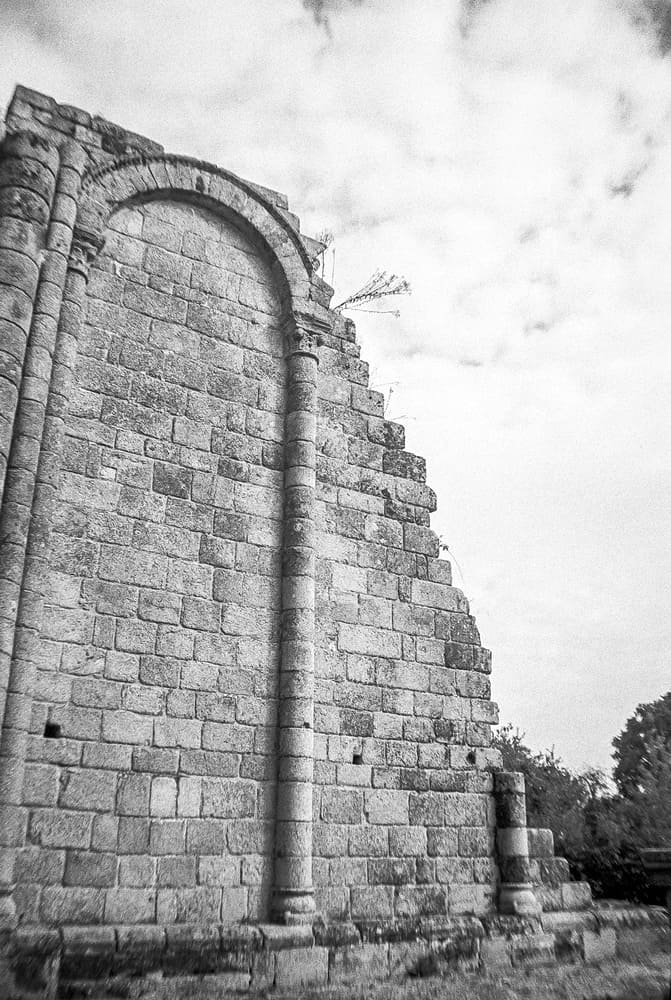
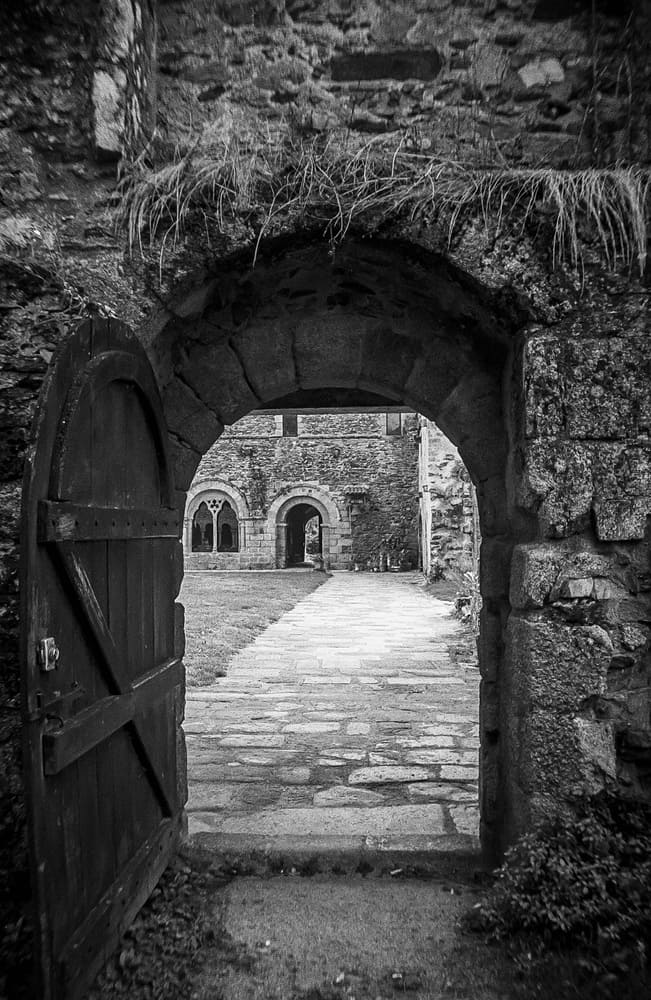
The Abbey of Notre-Dame de La Grainetière, on the outskirts of the town of Les Herbiers in Vendée (France), encompasses nearly nine centuries of tumultuous history. For over 50 years, numerous restoration works have been undertaken. These efforts allowed for the re-establishment of a community of monks at the end of 1978, nearly 200 years after the abbey was abandoned by the monks, shortly after the Revolution of 1789. Classified as a historical monument since 1946, many volunteers are working to continue the legacy of La Grainetière.
To those of you unfamiliar with the ins and outs of the Catholic Church, the role of monks is to live in community, and their main duty is to pray for us in the wider community. The monks elect a Father Abbot, who is responsible for running the monastery. In centuries gone by, the Abbot would wield a huge amount of influence, but this power has been reined in over time and is less evident outside the monastic community.
When I visited l’Abbaye de la Grainetière, I couldn’t help but reflect on how different this Benedictine monastery felt from my school days. The quiet prayer, the stillness—it offered a kind of peace that I hadn’t experienced for a long time, and a life that was once very appealing to me.
The monks follow the Rule of Saint Benedict, a foundational guide for monastic life that addresses not only prayer, but also how to live both within and beyond the monastery walls. Though written for monks, many of its teachings have been adopted by the laity seeking a structured, spiritually focused life.
I could almost say I envy them the simplicity of monastic life compared to the complexities of modern society and family life—juggling careers, responsibilities, and the endless distractions of today’s world. While I don’t regret the joys and vibrancy that come with having a family—something perhaps lacking in monastic life—it’s hard not to admire the stillness and purpose that a simpler existence can offer. We all have different vocations in life. Mine was to be a father.
As I packed away my camera and left the grounds of l’Abbaye de la Grainetière, I found myself still pondering the contrast between the quiet, ordered life of the monks and the complexity of my own. In some ways, visiting the abbey felt like opening a door to a simpler time, a place where life seemed more focused and more deliberate. Yet, as much as I admire the peace found within those ancient walls, my own path has led me elsewhere—to the joys, challenges, and unpredictability of family life.
In the end, it’s not a question of envy or regret, but rather a reminder that we all find our peace in different ways. For the monks of l’Abbaye de la Grainetière, it lies in prayer and solitude. For me, it’s found in the laughter of my children, the shared moments with loved ones, and yes, even in the rush and noise of everyday life. Each vocation, after all, carries its own kind of grace.
Perhaps that’s what lingers with me most from my visit to the abbey—not just the tranquillity of the place, but the realisation that we each have our own rhythm, our own way of navigating the world, and there is beauty in all of it.
Post Scriptum:
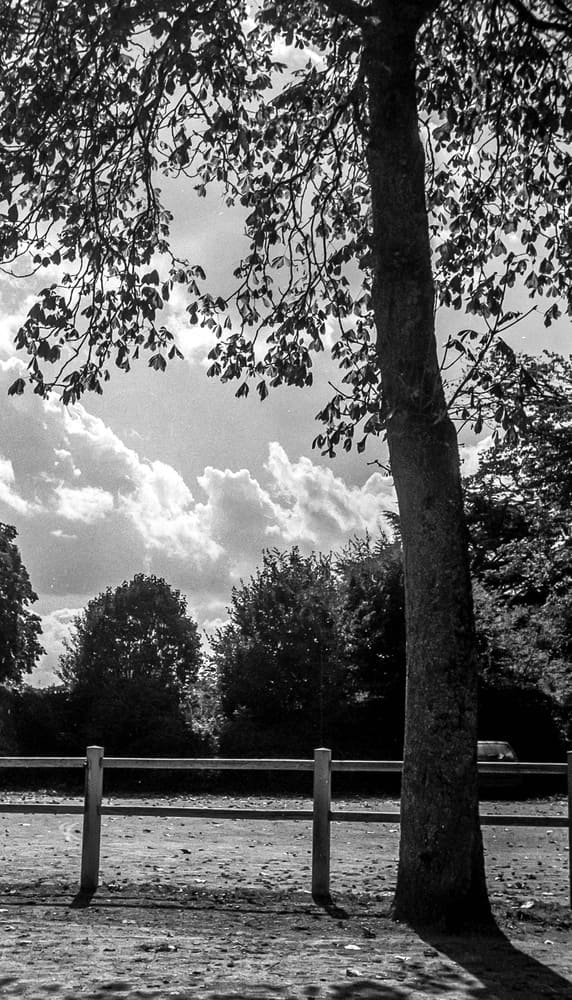
The photos were taken with a Canon AE1, and its FD mount 50mm F1.8 lens, using Ilford HP5 + black and white film.
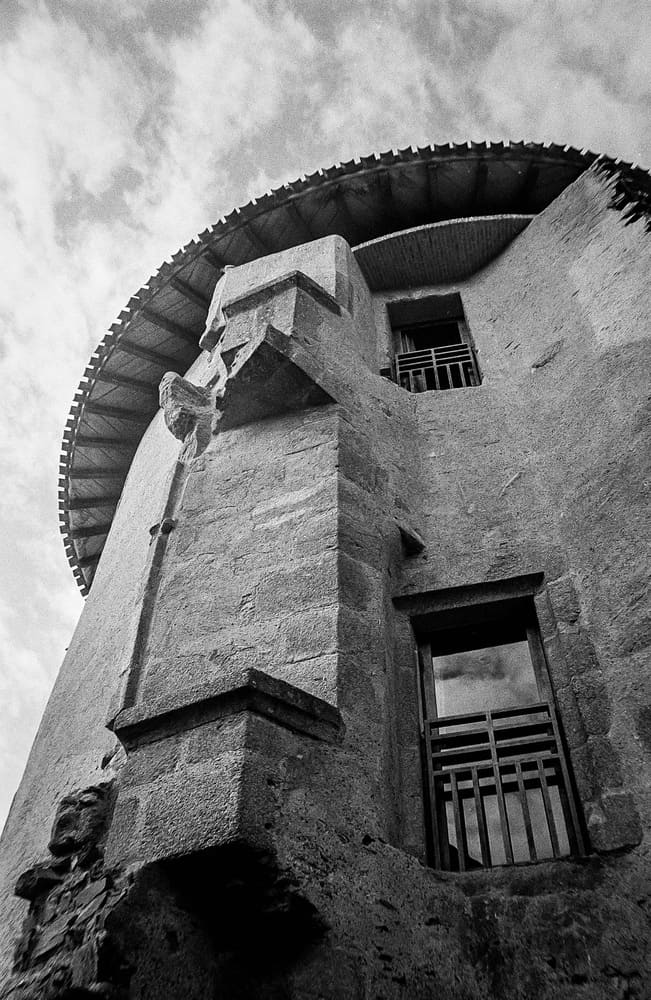
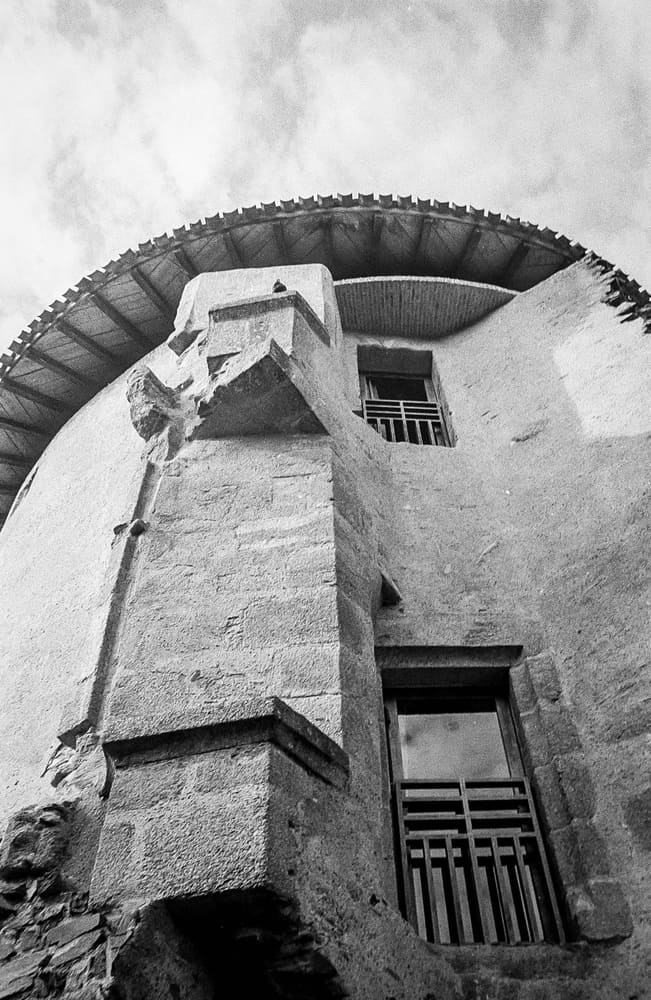
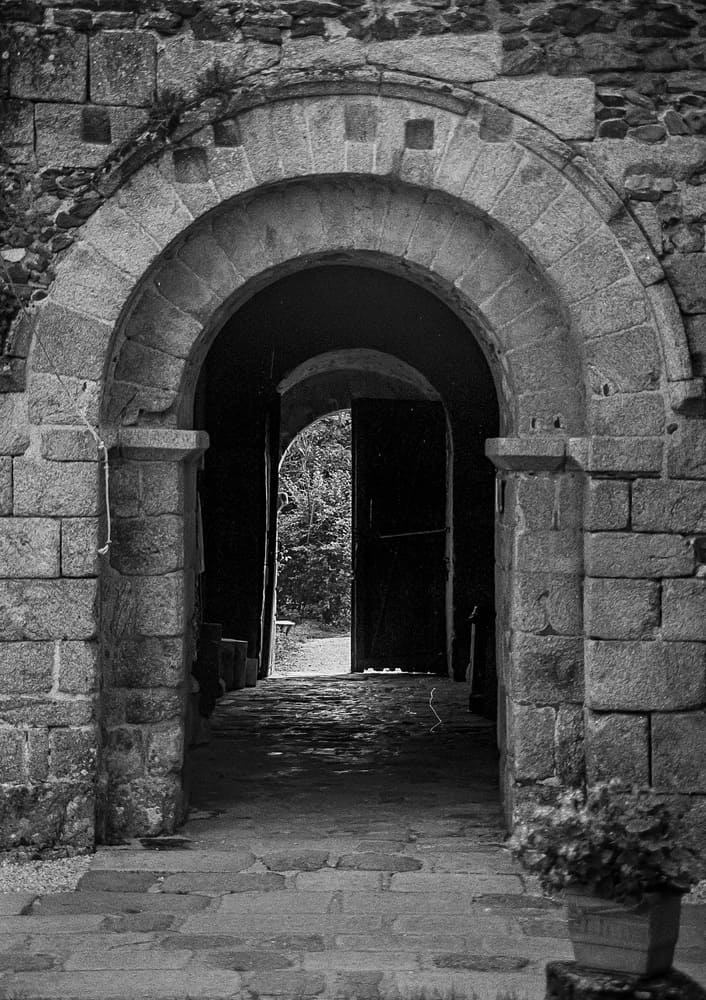
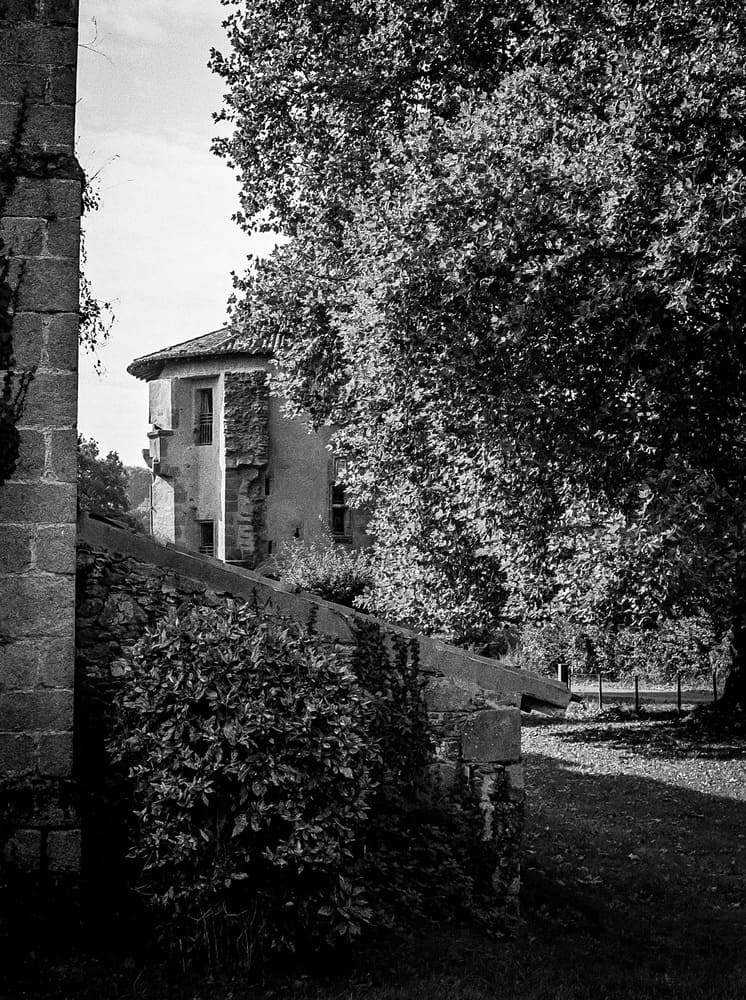
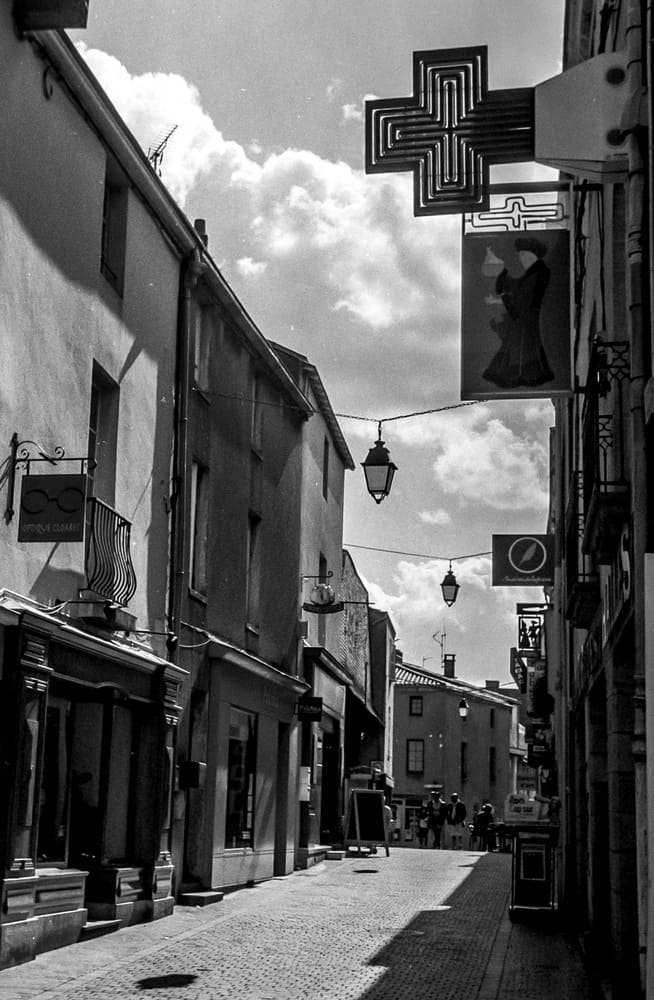
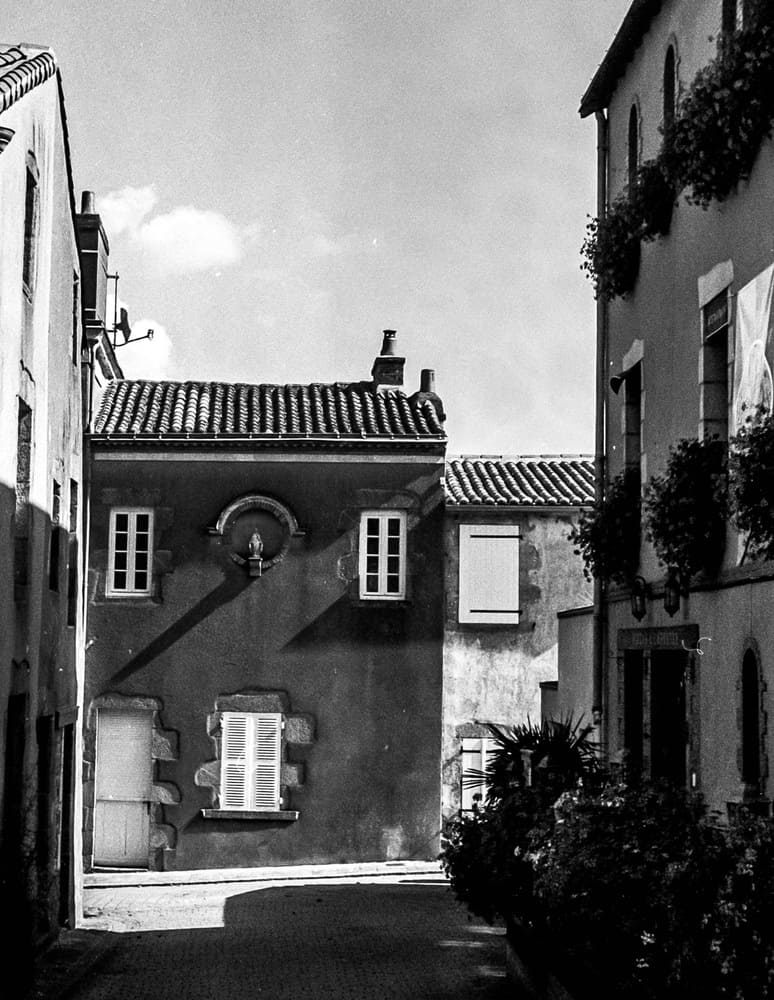
Welcome back, Dear Reader, to the film archives, still with the Canon AE1 and HP5 Plus from Ilford, but in Clisson this time. You will remember Clisson from previous articles and will have seen the pictures, so it shouldn’t be a stranger to you. Who knows, it could even feel like revisiting an old friend. It certainly is for me.
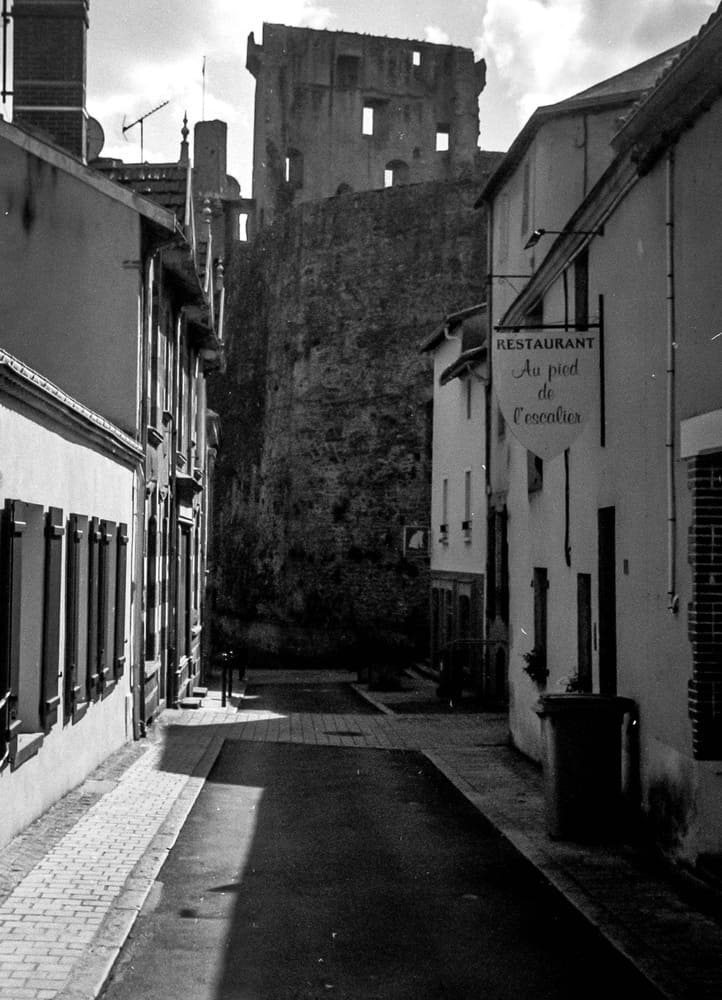
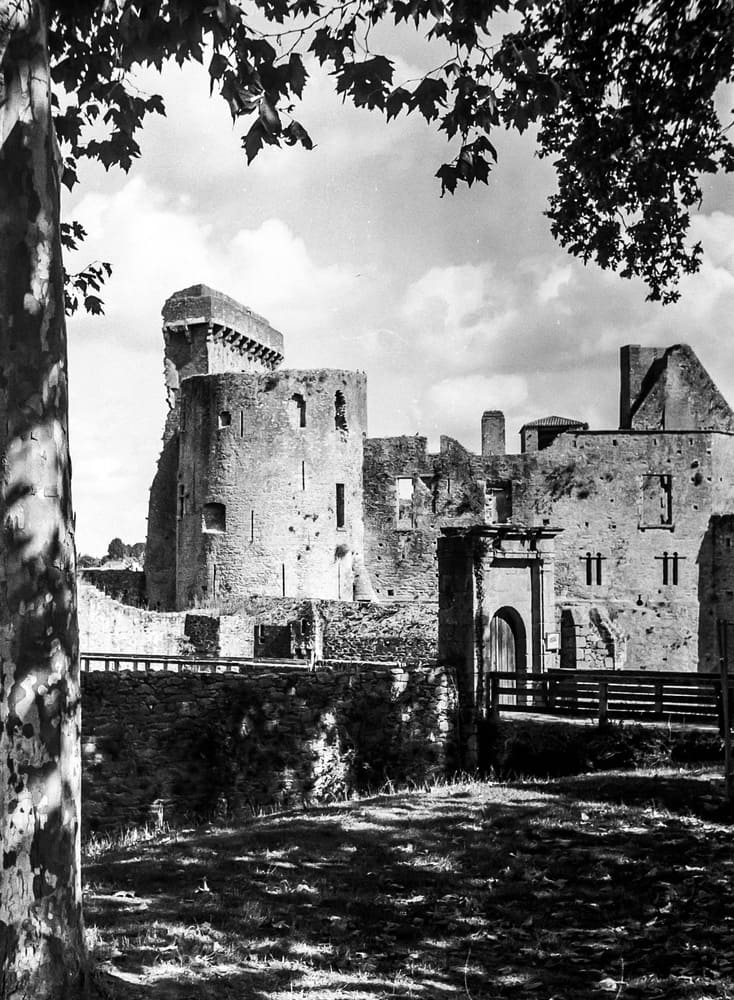
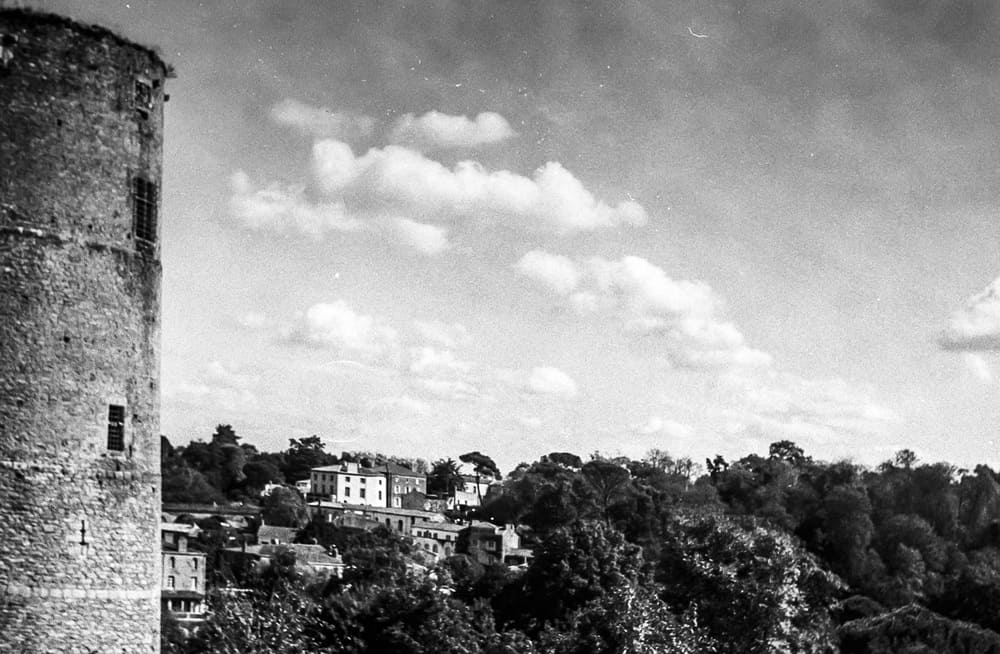
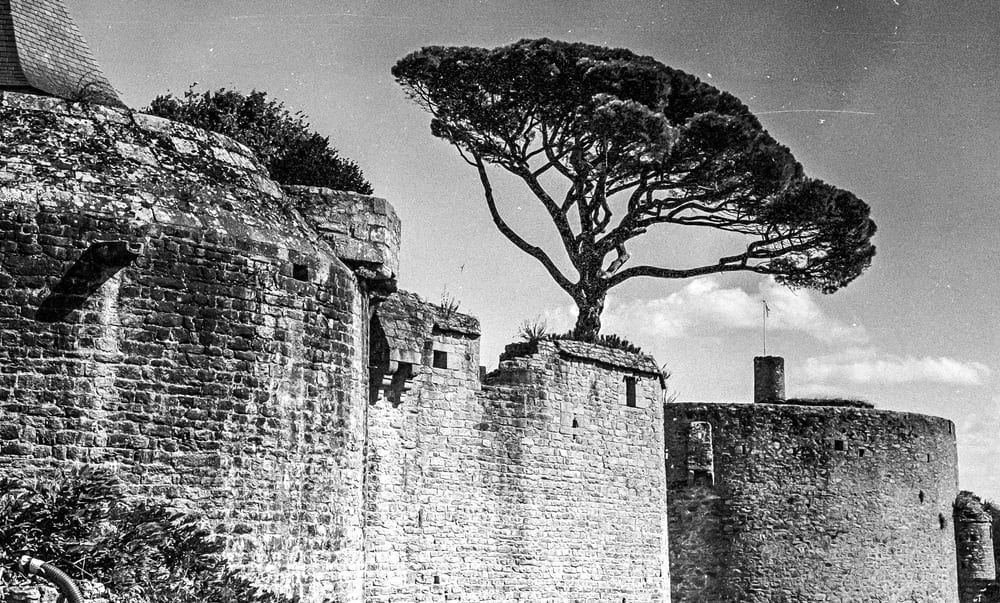
But why Clisson I hear you say. Well, it’s not very far away from where I live. It’s also one of those market towns that is renowned for the beauty of its architecture with an Italian slant. It has the massive castle that towers above the river. It has me taking photographs of it.
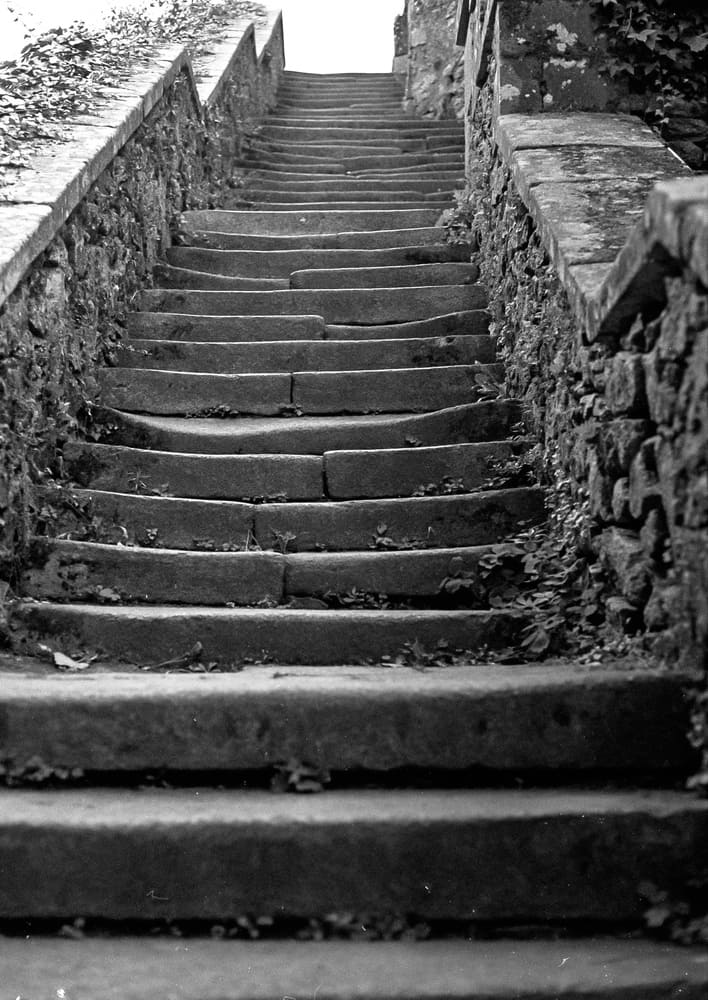
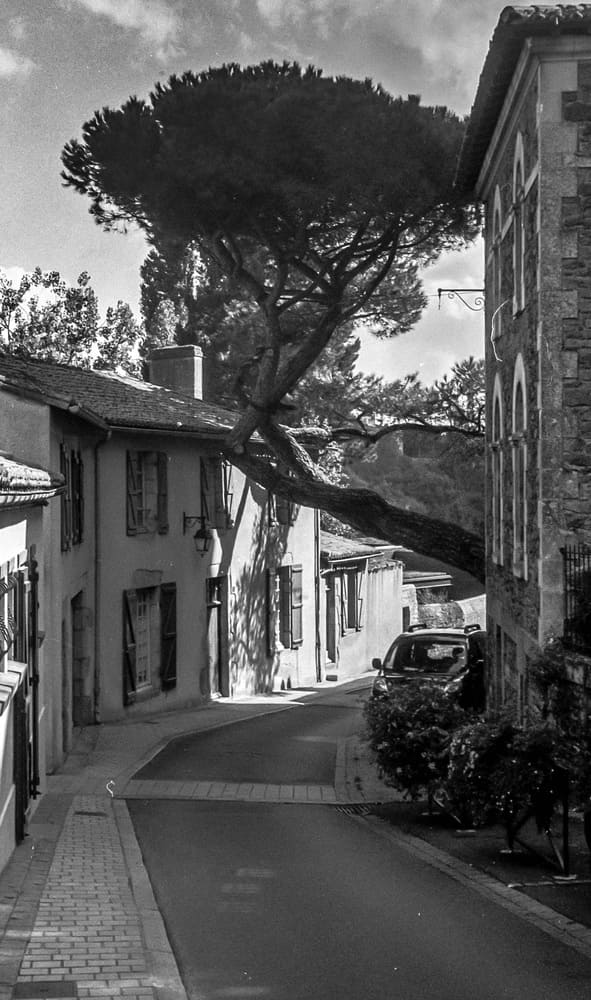
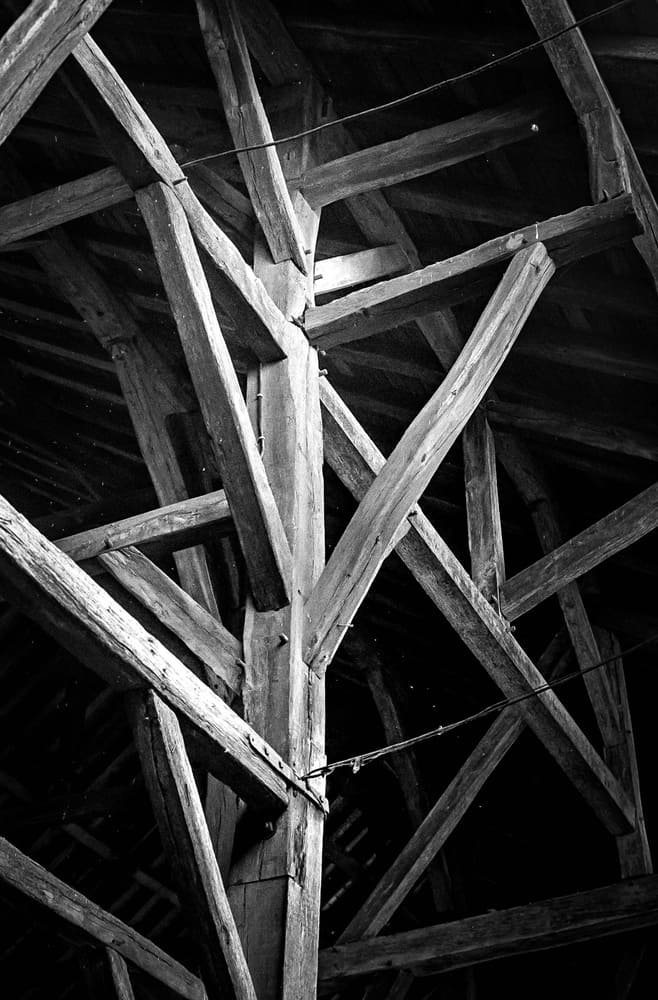
Clisson, like most things, has options. On a Friday the main option is the huge market, and wandering around the 14th-century Halles, which can keep you out of the sun, the rain, the heat or the cold, depending on the time of year. I either go down to the river and wander along the river banks in the Garenne and Lemot park, or park at the top of town and stroll around the Halles and surrounding streets. In the series of photos at the end, you will see some stone steps that join the two options, but I have dodgy knees, and those steps are like leg day at the gym. You can avoid those steps by just following the road that wraps itself around the church, and going under the tree that just got tired and decided to rest on the house opposite.
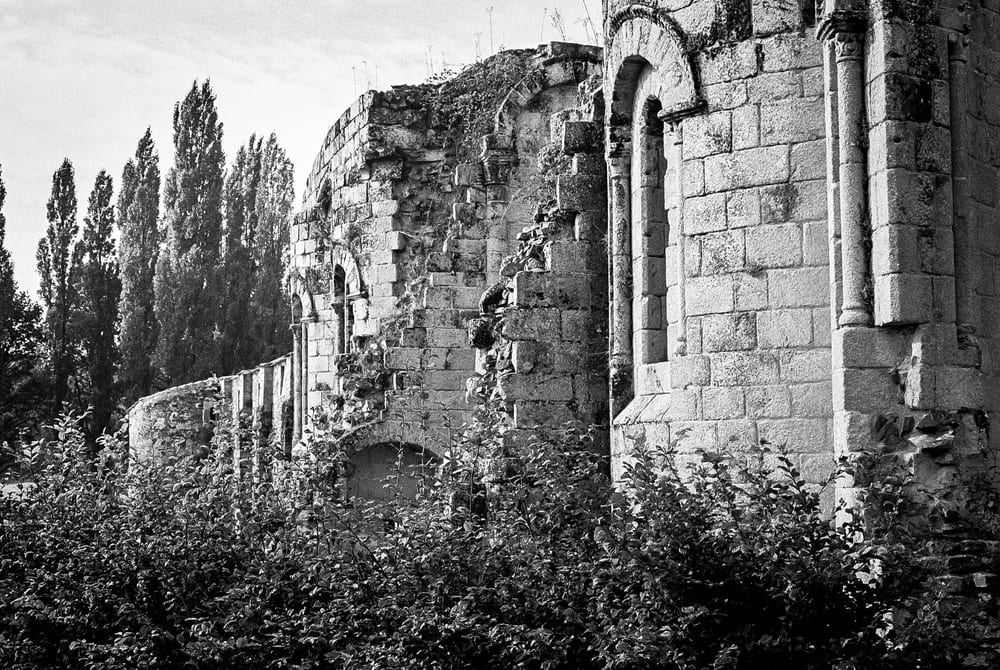
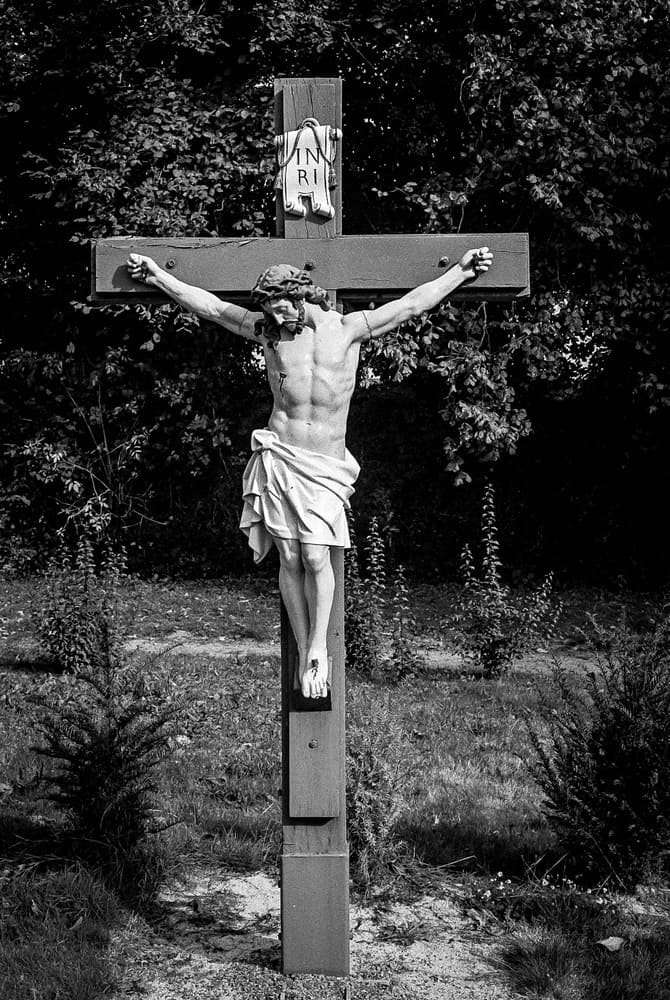
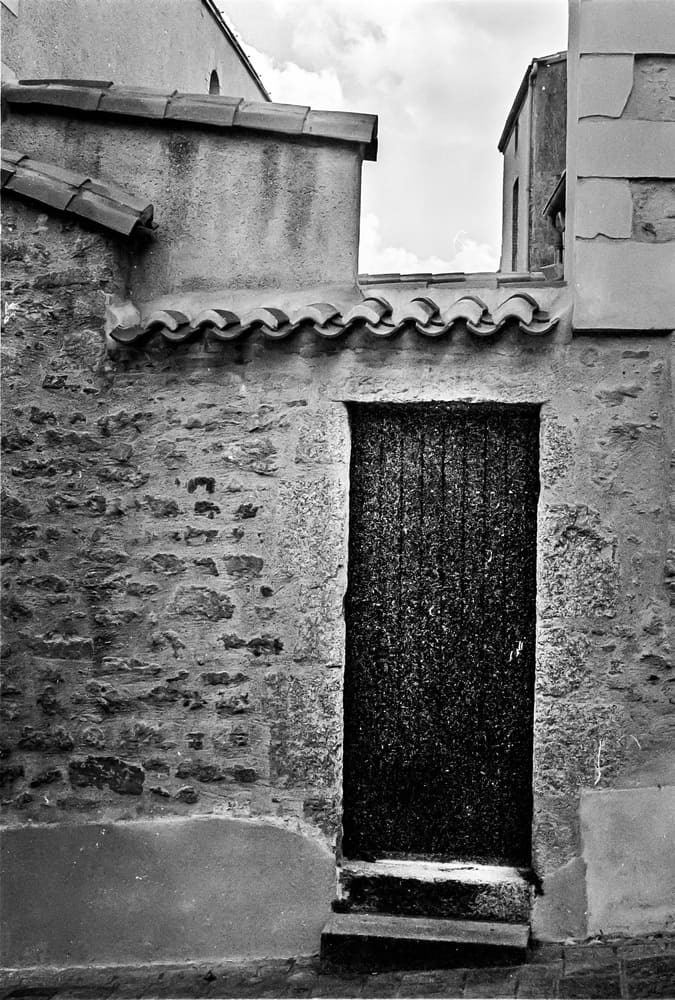
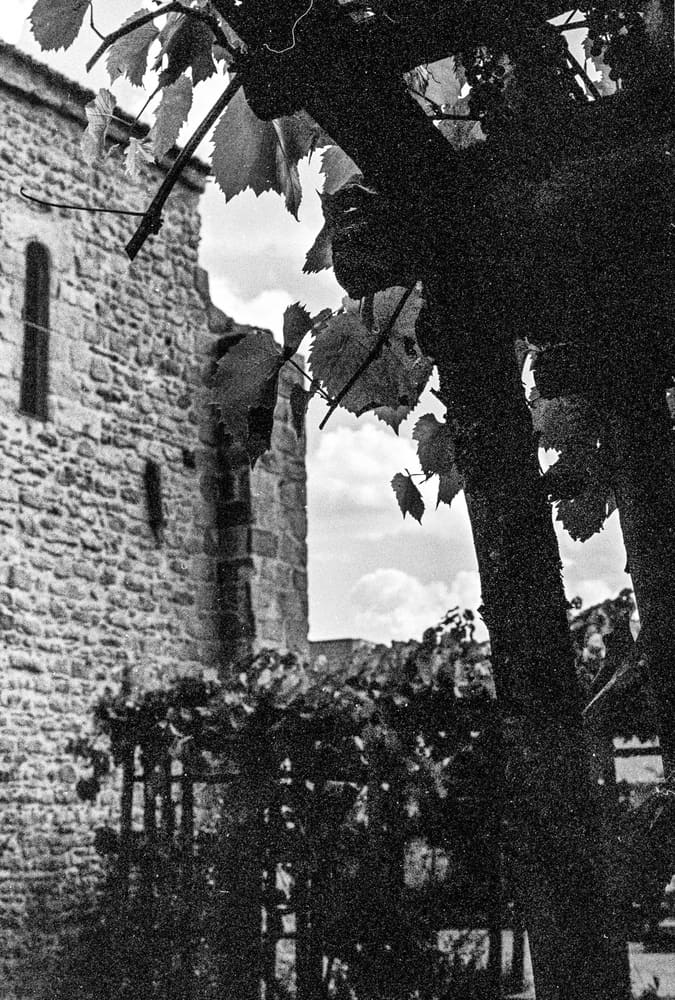
But this time I decided to break out of my habits and visit the Quartier St Jacques with its decommissioned chapel, and garden. It’s yet another pretty place in a pretty town, and when I was sitting there in the sun, I felt that I didn’t have a care in the world. Serenity flooded my mind and all was well with the world…


































 IJM Photography