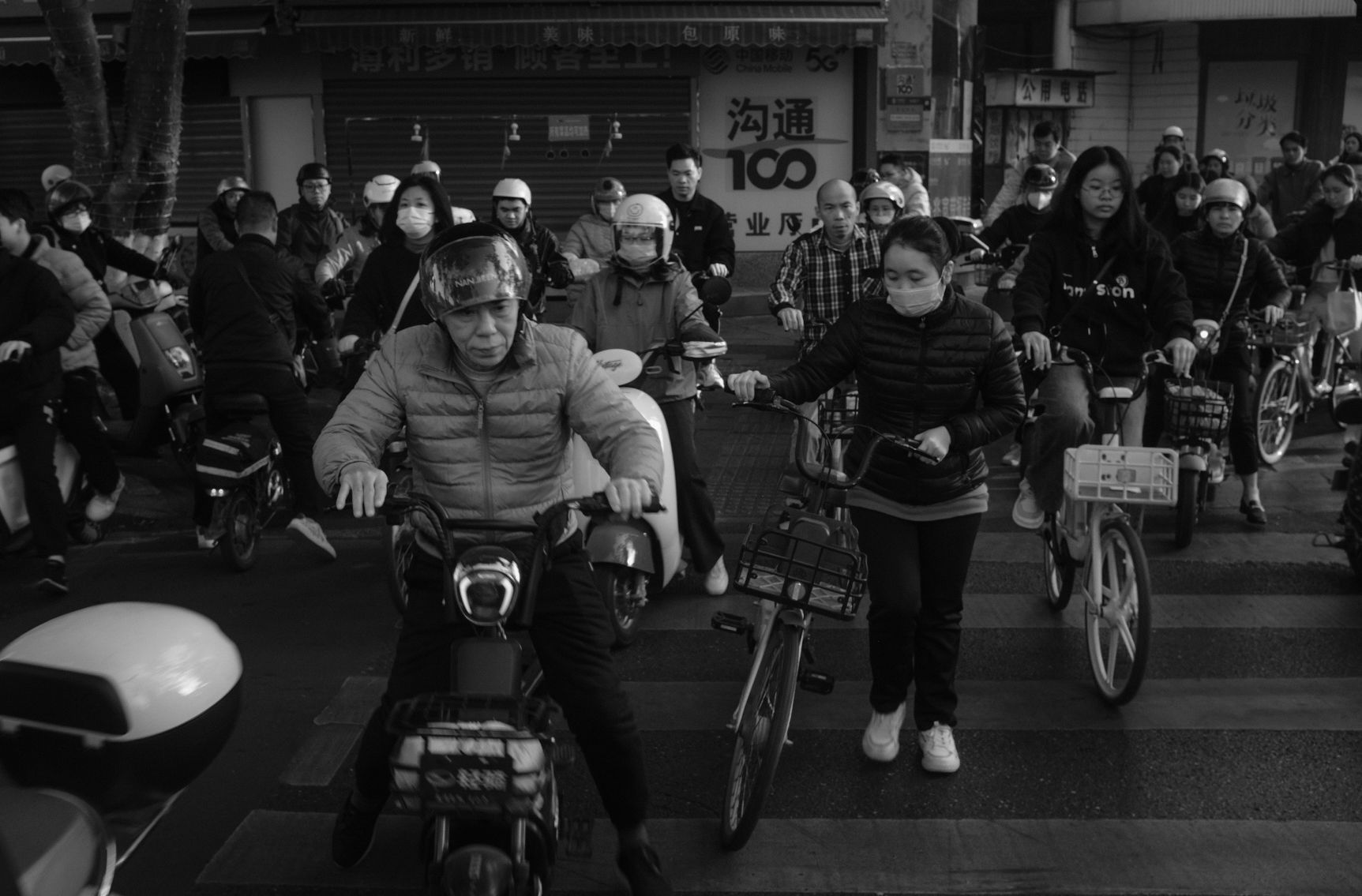
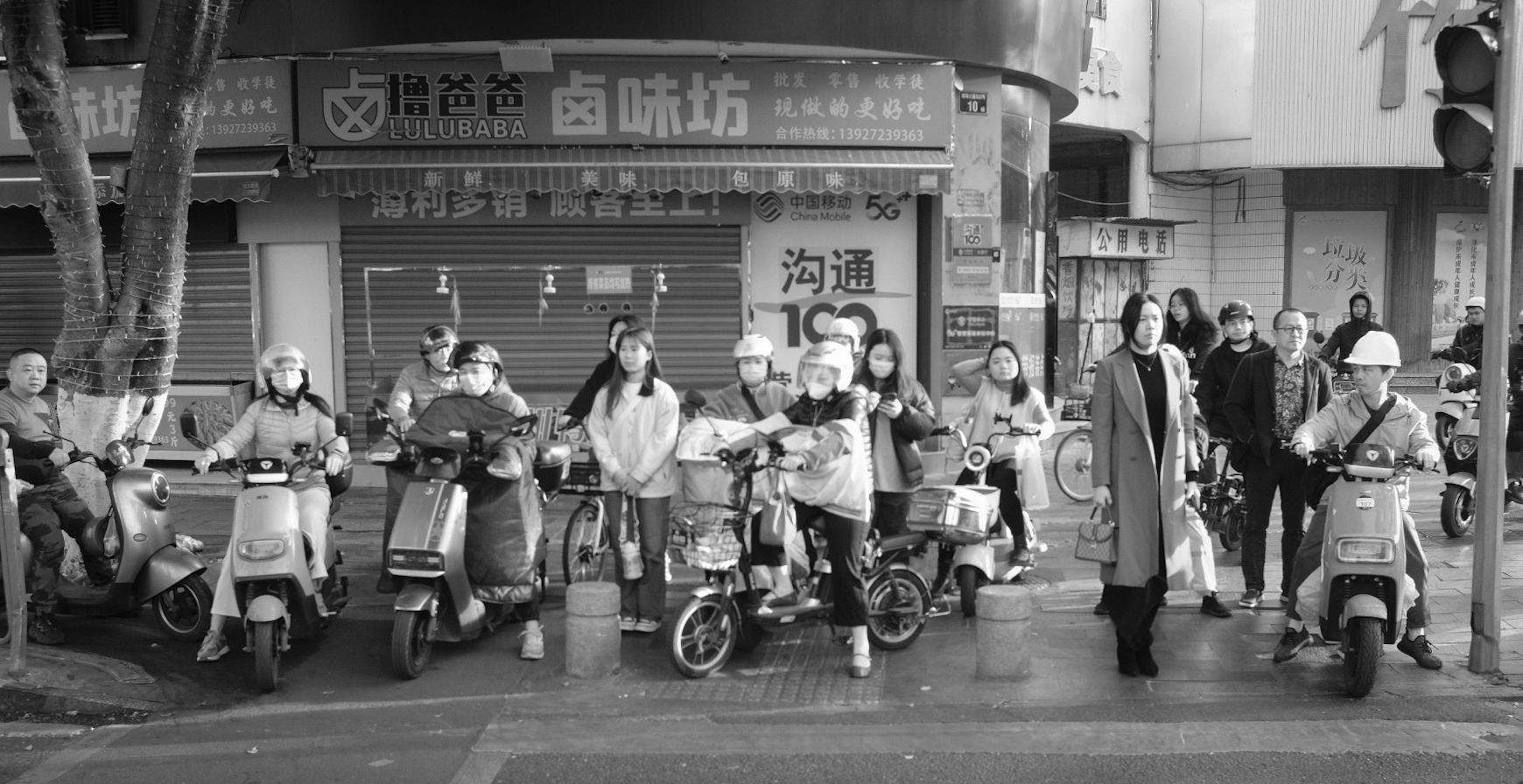
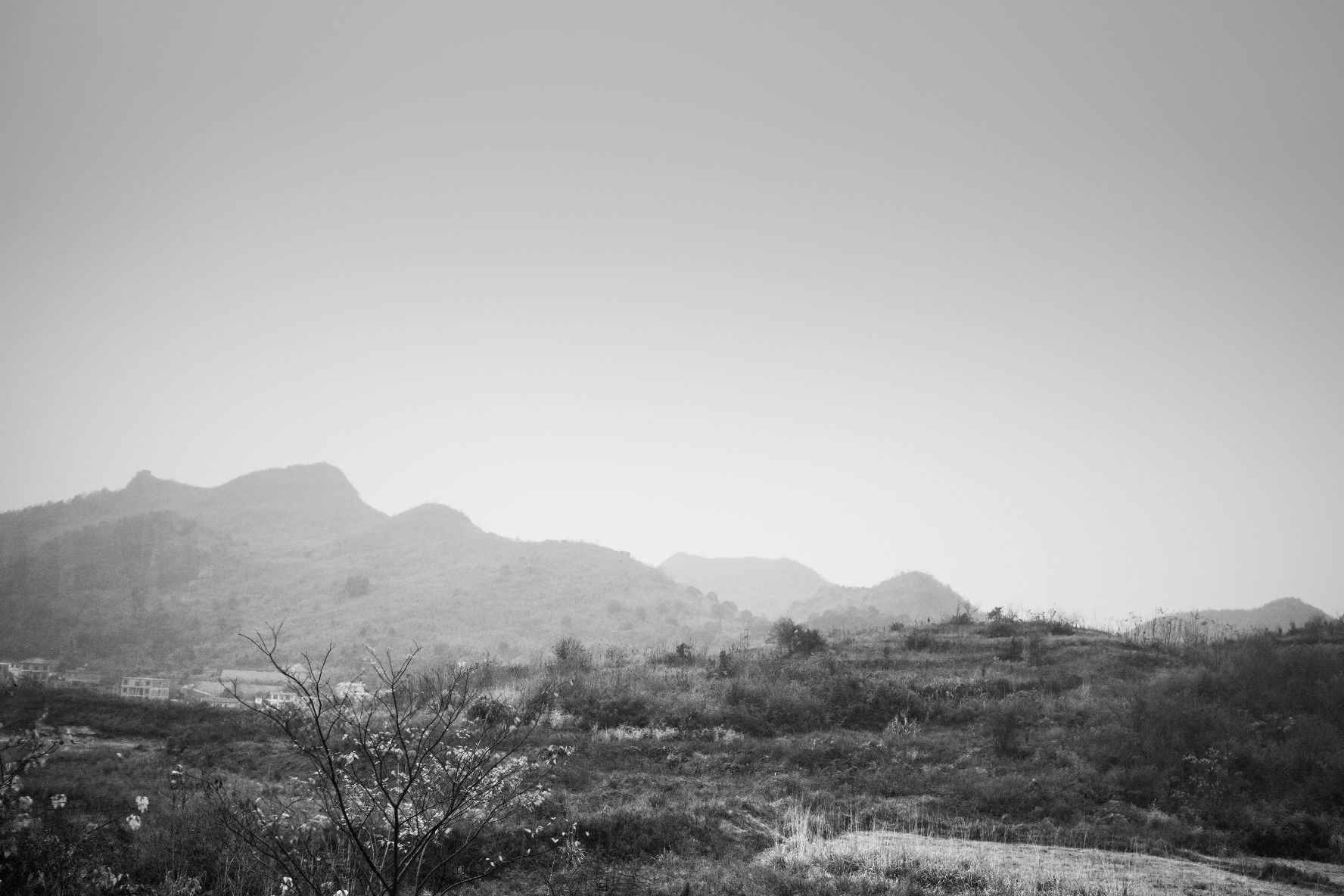
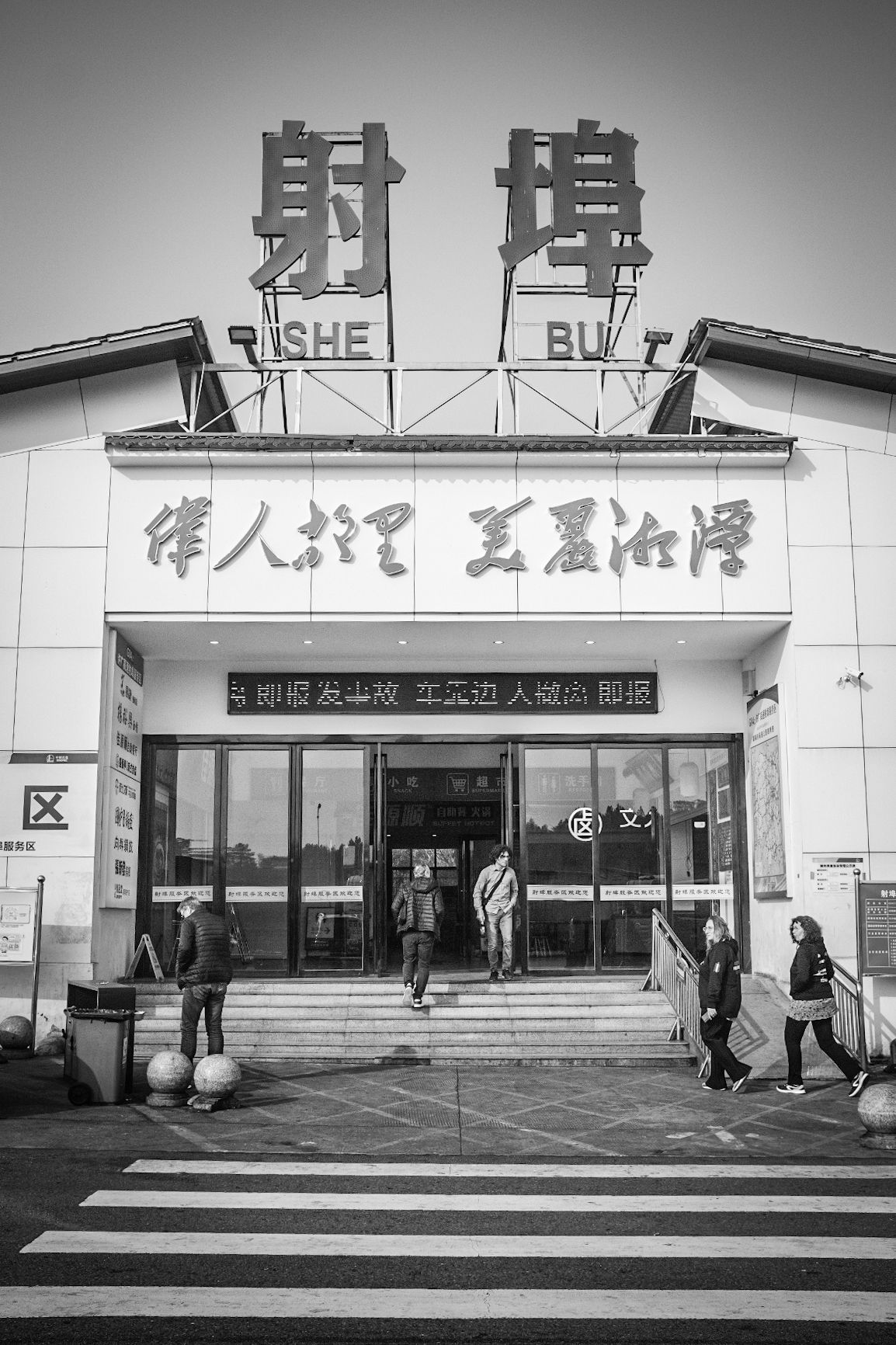
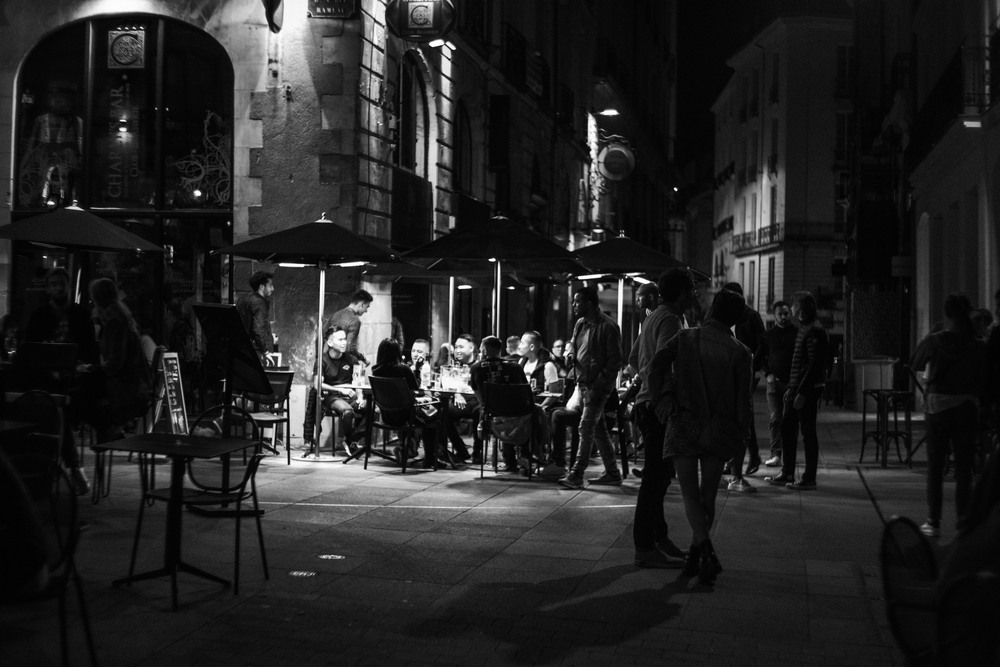
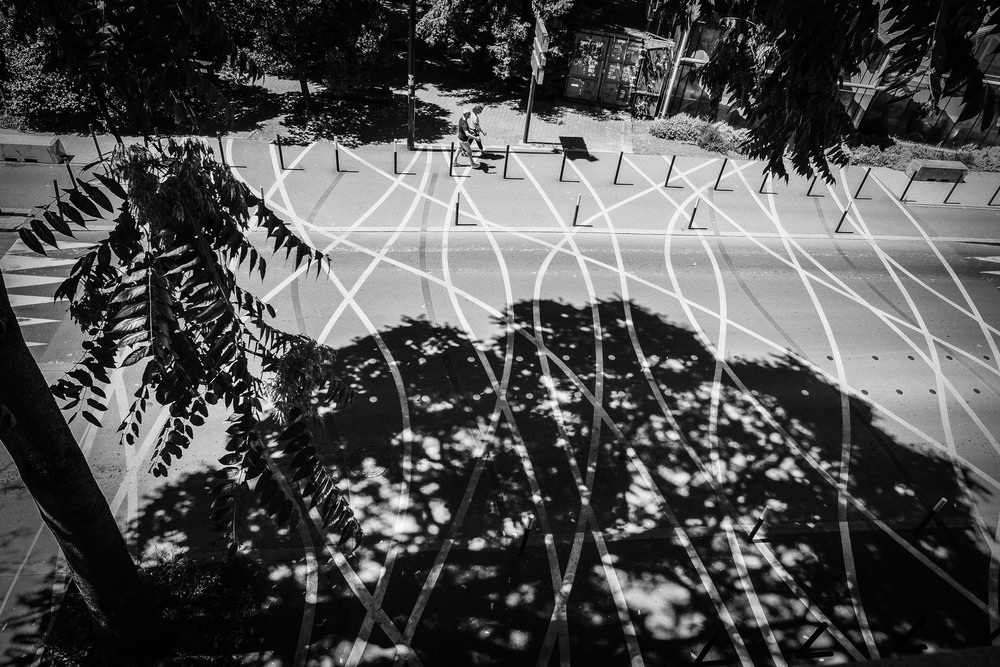
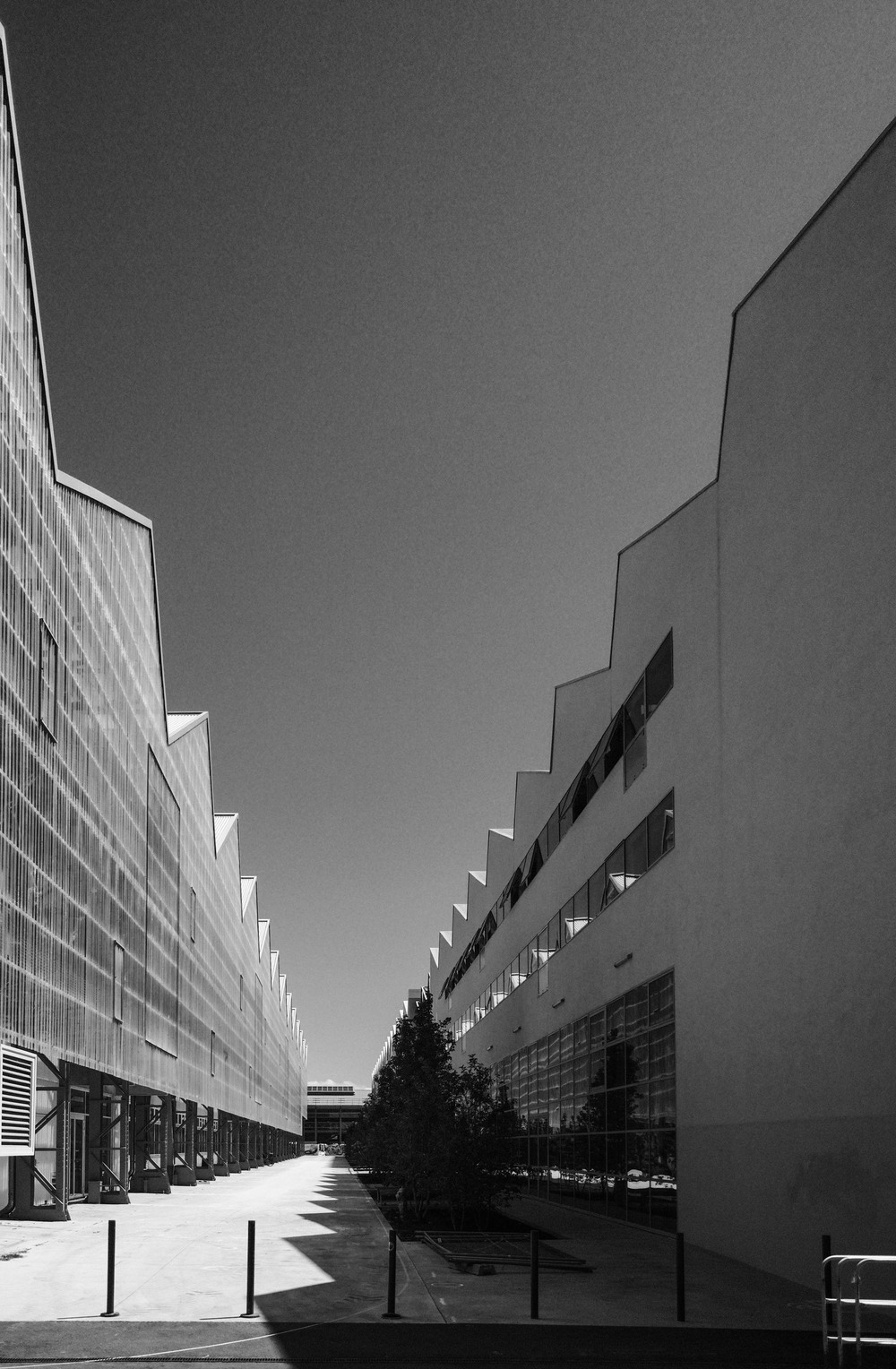
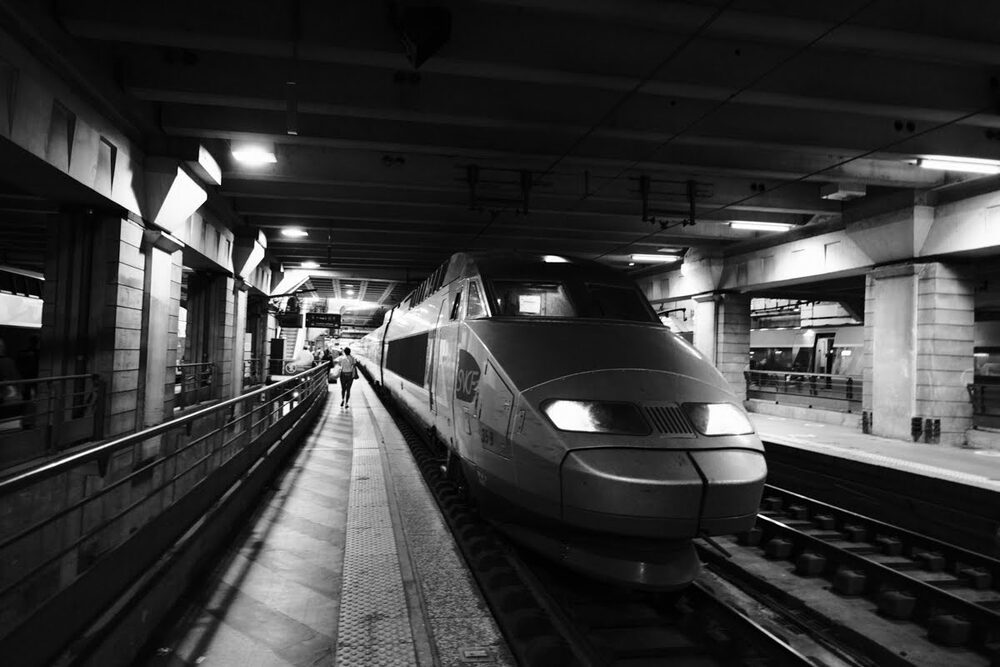
China: The Final Frame – Reflections on a Journey


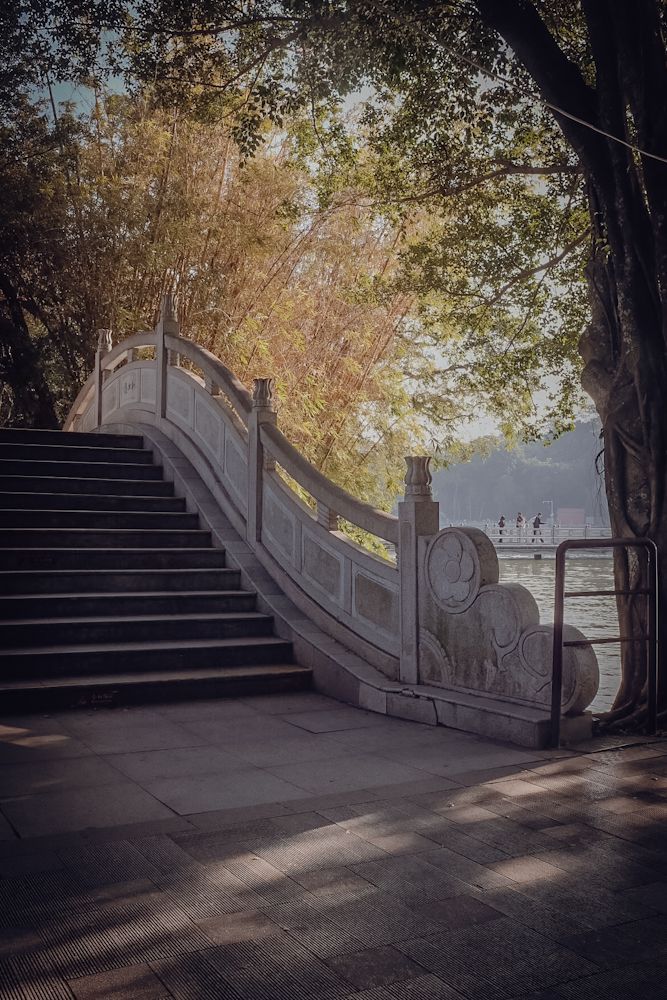
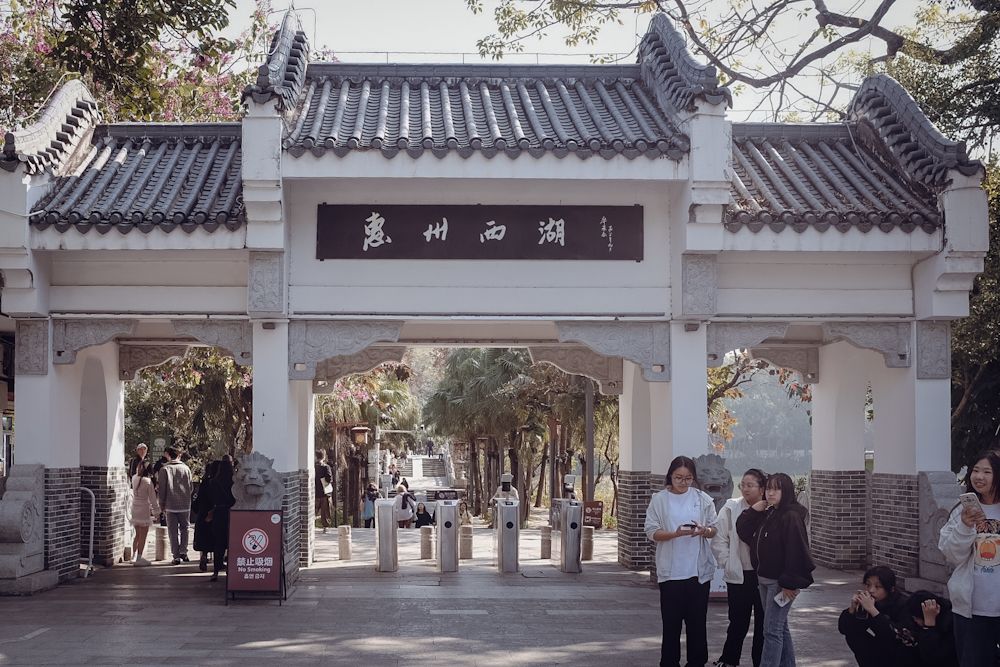
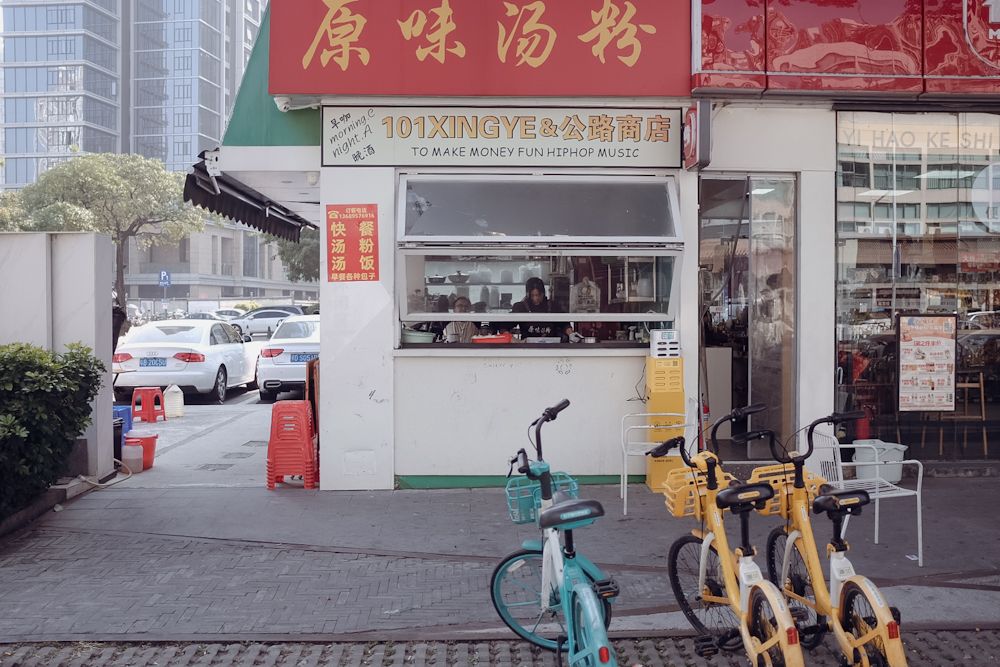
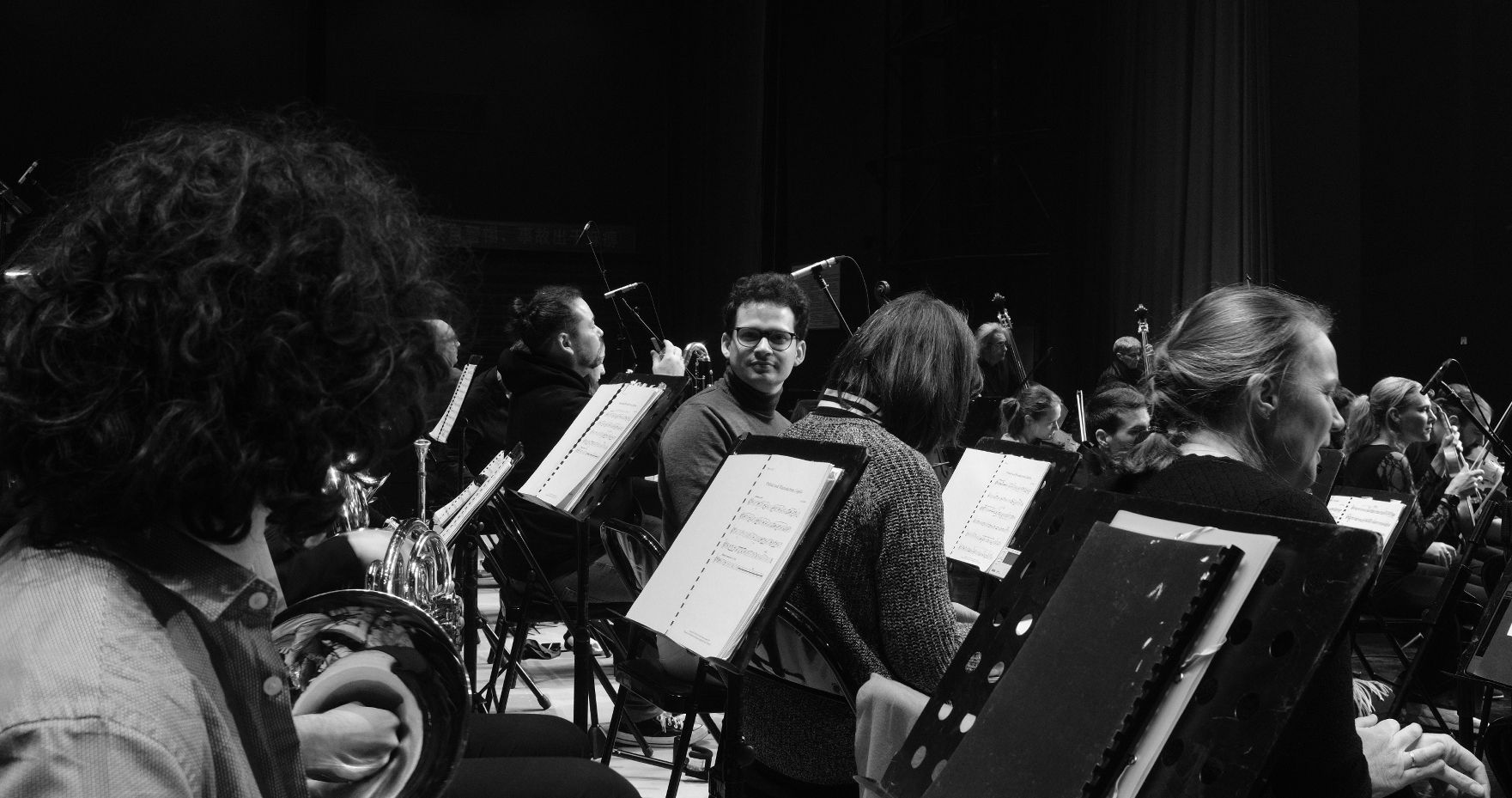
The tour is over. The bags are unpacked, and things are settling back into their usual rhythm at home. But even though I’m back, part of me is still in China—still thinking about the streets of Shao Xing, the energy of Shenzhen, or the moments shared with the orchestra. The journey may have ended, but it hasn’t really left me.

Reflecting on the Journey

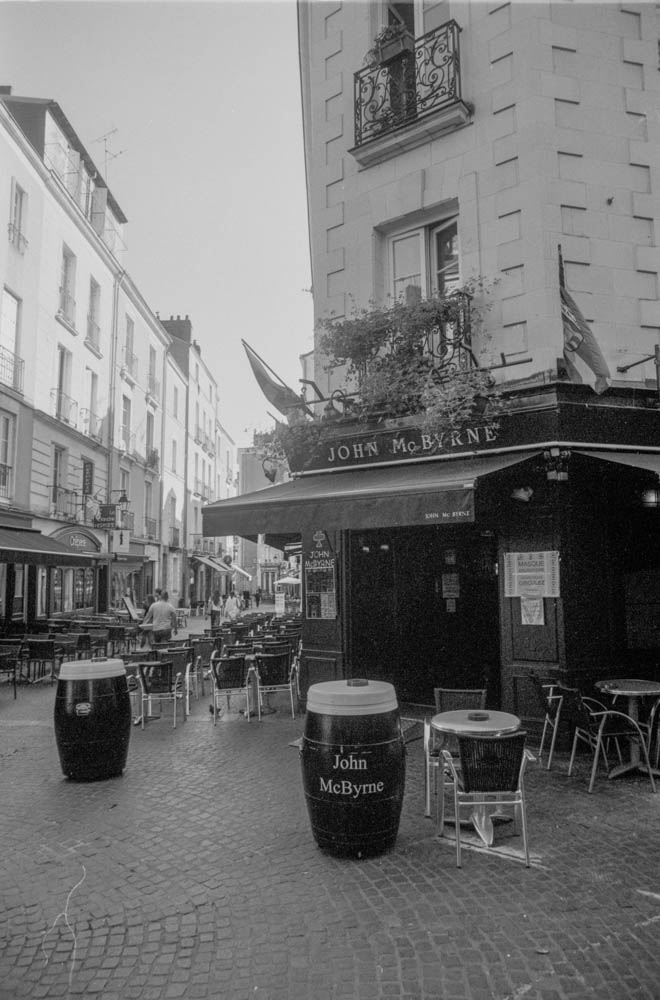
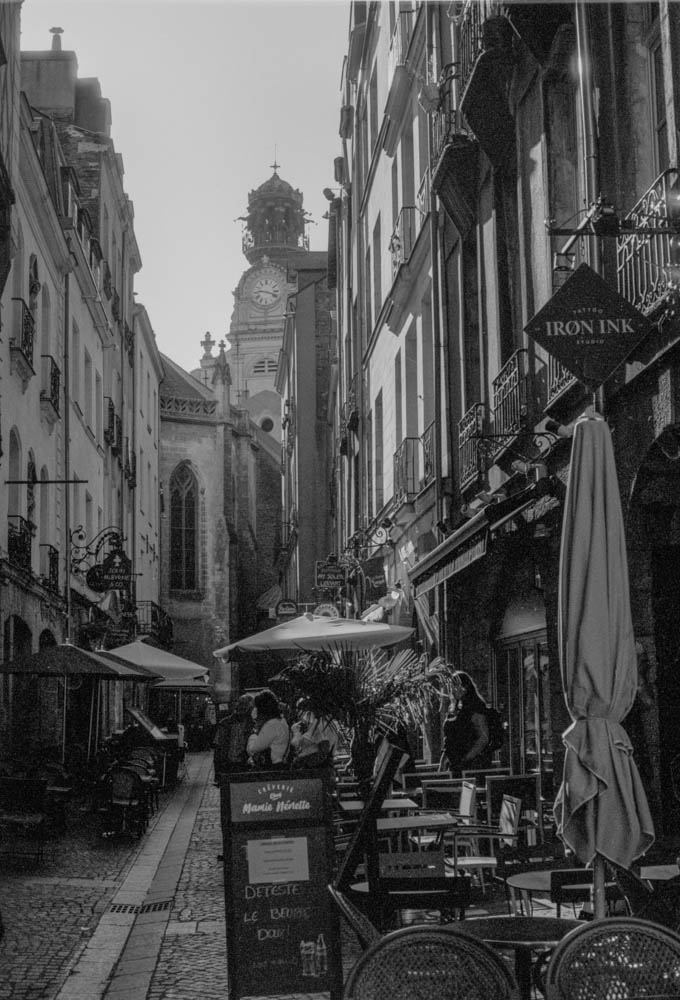
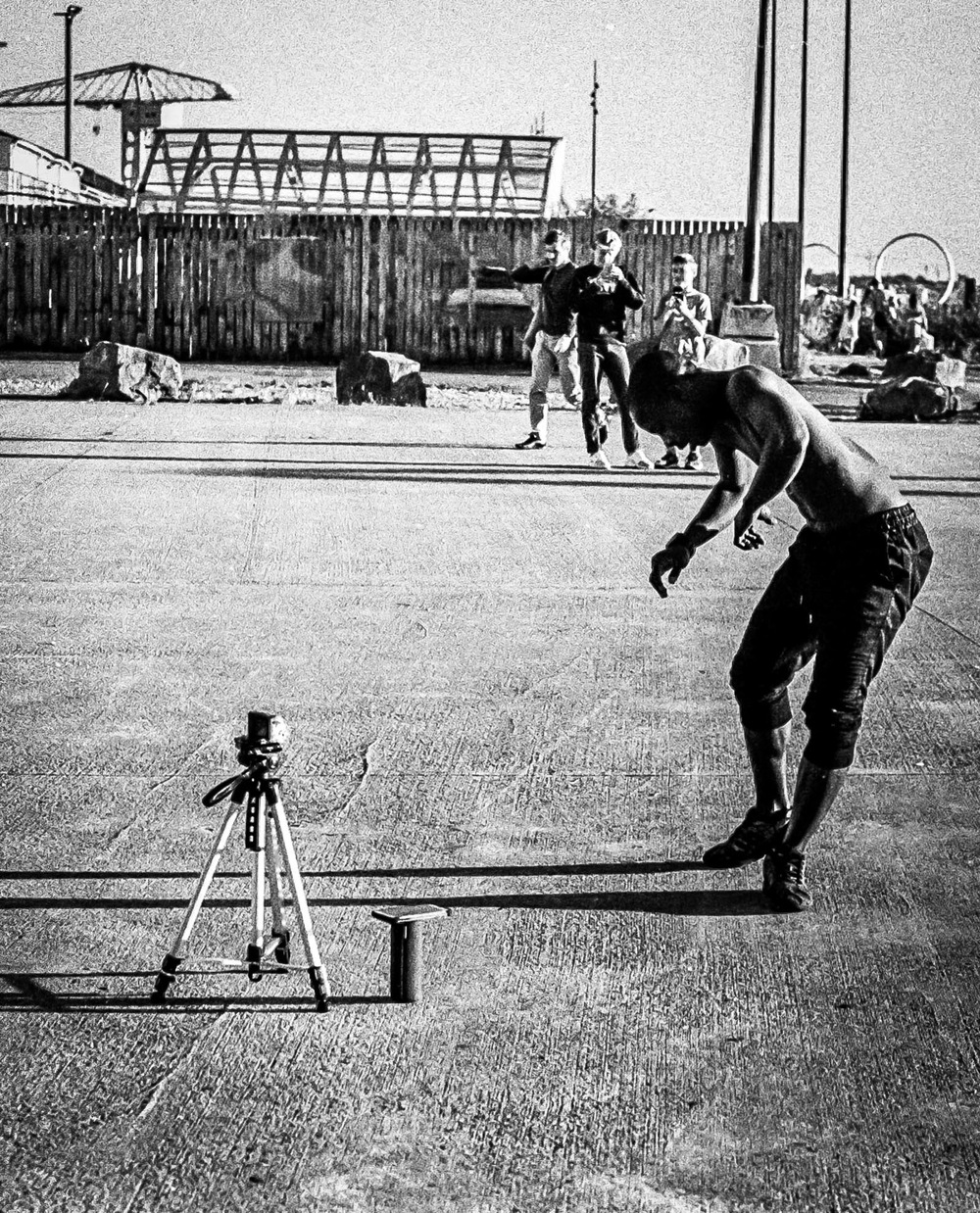
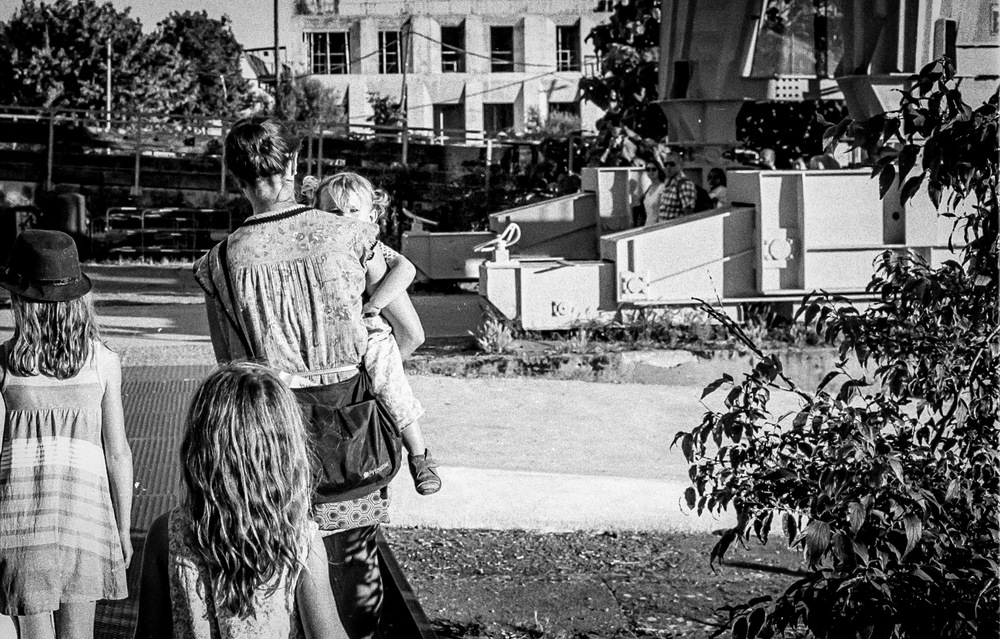
From the moment I landed in Changsha to the final farewell in Shanghai, this trip was a series of moments—some I expected, and some I didn’t. The hustle and bustle in Shenzhen, the streets of Shao Xing, the quiet hills of Xian Ju, and the meals shared with colleagues between concerts. It wasn’t just about the places. It was about the little things—a gesture of hospitality, that mutual respect between musicians, or just watching the world go by.

This trip wasn’t just about playing concerts, it was about learning and adjusting. It was about connecting with people, understanding their way of life, and how we relate to one another in those brief encounters.

The Photographer Without Film

For the first time in a long while, I didn’t travel with my usual film cameras. The Fujifilm X100F was the only camera I had with me, and while I had mixed feelings about it at first, it became a good fit. There was no hesitating over which shot was worth the price of a roll of film. It was just me, the camera, and the present moment.

Not every moment needed to be captured. I found myself slowing down and soaking things in—sometimes shooting quickly, sometimes just letting the moment pass. It wasn’t about having everything on film; it was about experiencing it fully, even without the lens in front of me.

Respect and Connection

One of the most memorable things about this trip wasn’t the landscapes or the buildings—it was the people. Everywhere I went, I felt a deep respect and sense of community. It wasn’t about being given titles like “Uncle” or anything else. It was just how people engaged, how they saw me as part of something.

The concerts themselves were a reminder of this—the public wasn’t there for rehearsals, but they were there for the concerts, offering energy and appreciation. Music, like photography, is about presence. It’s about sharing a moment with others, and that’s something I’ll never forget.

Coming Home

Returning home after a trip like this always feels a little strange. The familiar feels slightly unfamiliar at first—the quieter streets, the slower pace. But there’s comfort in returning, and yet, it’s hard not to feel that shift in perspective. Things seem different now.

The Final Frame

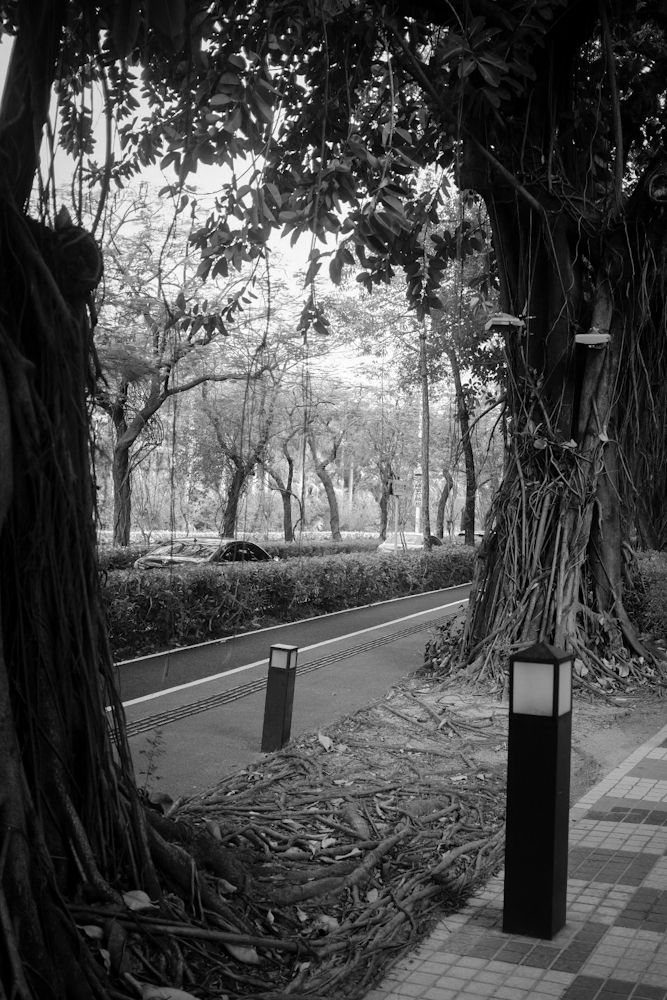
So, what remains from all of this? The photographs, of course. They’ll hold the moments, the details, the things I might forget over time. But beyond that, it’s not just about the photos. It’s the way travel shifts your perspective and makes you notice the small moments—the ones that don’t always get captured in a frame.

This series was meant to document a tour, but it ended up being more than that. It’s a reflection on the journey itself, on photography, on what it means to truly be somewhere, to connect with others. The tour might be over, but this story isn’t done yet. And whenever the next journey comes, I’ll be ready to pack my bags again.

I have been posting these articles in the WhatsApp group made for the people on the tour, and people’s feedback has been amazing. What came out the most was the feeling of revisiting the tour through the photographs and how that made people feel. And if you make somebody feel something with an image, then you’re off to a good start. The other comment was, “Oh, I didn’t see that!” And that is part of our role as photographers, to record what people don’t see… My reputation as a photographer seems to have surpassed my reputation as a beer drinker, which is good, because I hardly drink a drop anymore. My reputation as a writer seems to be well established too.

So not only am I seen as a hornplayer but also as a photographer, a writer, and a sensitive soul instead of the gruff bear that sits at the back of the orchestra and makes farting sounds with his instrument. Quite the step up really!

Balancing Film and Digital: A Photographer’s Journey


Introduction

Have you ever had to make a difficult decision that you really had to think long and hard about, one that would have real-world consequences for you and your creative process? I have, and I’m going to share this first-world problem with you. Now, I know first-world problems are a joke, but this problem became very real to me during the run-up to the China Orchestra Tour: film or digital?

You all know about my fondness for the analogue process and the results I’ve been able to acquire. Judging by my recent stats and pages visited, this might just interest you.

The Allure of Film Photography

I’m not saying this was causing me the traditional anxiety that I have been known to suffer from in the past. But… I had to decide how I was going to record my trip and, therefore, what to take with me. I’ll give you a list of my ideal kit, and it might help you to understand my dilemma.

  • Camera 1
    A recently acquired Nikon FE (my first ever Nikon) and black-and-white film, ranging from Fomapan 100 ASA right through to Ilford HP5 Plus, whose box speed is 400 ASA but can be pushed up to 1600 ASA and still provide great images.
  • Camera 2
    A Mamiya C220, which is a beautiful piece of kit with various 120 format black-and-white films, HP5 Plus, Portra 400, with the addition of Kodak Tri-X.
  • Camera 3 (maybe 4)
    My Olympus Trip or even the Olympus Pen EE S half-frame camera, for those informal colour shots with some Kodak Ultra and even a roll of Portra 160 for that gorgeous vintage style.

So, you have my film cameras with the film that goes with them. They provide a photographic experience unlike any other. The slowing down of the process, the reflection on each shot taken, the satisfying sound they make when you press the shutter release button. And so much more. They also look pretty damned sexy just hanging there around your neck, and people will think you are a “real” photographer, and that old-school vibe just adds tonnes to your sartorial elegance. Yes, you become a real poser, but do I care? Absolutely not!

The Practicality of Digital
  • Camera 5
    My much-loved Canon 6D Mark II, with a couple of zoom lenses – 24-70mm F4.0, and my 16-35mm F4.0 lens, and maybe even my nifty 50.
  • Camera 6
    Fujifilm X100F, the travel photographer’s ideal camera with the 35mm equivalent F2.0 lens for that sexy bokeh. It’s the Internet that said it, not me.

Now moving into the digital world. Convenience, convenience, and in case you hadn’t realised, convenience. I love them both for the variety of shots they allow me to take, and as I learnt photography “back in the day,” I have still conserved the same approach that I had in analogue photography, i.e., not spraying and praying like I have seen some colleagues do.

It is easier to use a flash, and you have an image that can be transferred to your phone, edited in Lightroom CC, and rapidly shared in the China Orchestra Tour WhatsApp group. And people can see what a great photographer you are. Couple the Canon colours and the Fuji film simulations, and you can have all the creativity fixes you might need at your fingertips.

The film cameras were there to satisfy my love of the analogue process and the nostalgic film look that only film can give. The digital cameras for their practicality, lens effects of going really wide, and having the possibility of going right up to 70mm. Choices, choices, choices.

Reality Check

Now let’s get back to reality and look at the ever-growing list of constraints. First of all, I am going on tour as a musician and not as a photographer. One really has to make this important distinction, as it gives a sense of purpose to the trip as well as the implication of priorities.

I would be flying across half the world, and therefore have to follow the demands of the air travel industry and airline rules. That meant no more than two lithium batteries, and one in the camera, and not in your suitcase but in your hand luggage, or on your person. They don’t like the idea of these batteries exploding or causing fires mid-flight. And because we are respecting the zero BS rule here, I don’t fancy that either. I would be limited by weight for my suitcase: 23kg and 20kg for flights inside China. My priority was to be a musician first and not a photographer, if ever I needed reminding…

If I were going to the UK, I would just have to annoy my family in the car with it being loaded up with camera gear, but this is China we’re talking about. Not a jaunt across the Channel.

In my suitcase, I will need my clothes for two weeks, my suit for concerts, shoes for concerts, wash bag with all my toiletries, as well as my CPAP machine for my sleep apnoea (I have to think about my quality of sleep as well as not snoring for my unsuspecting roommate Corentin). My hand luggage would be my instrument, and as we didn’t need mutes, I might be able to get away with stuffing things up the end of my horn’s bell. Please note that I didn’t try to get a cheap laugh by using the word bell-end…

So here I am back at the beginning of this article, and yet now you might better understand my dilemma.

Tell us what you decided then!

Alright then, I will.  Welcome inside my mind and my thought processes. The sheer weight of all the kit would have made tking everything completely impractical.  I knew this and had come to terms with it.  I really wanted to analogical, but then had to come to terms with the fact that airport scanners can damage undeveloped film.  Also the Mamiya weighs a tonne and would have been impractical to lug around China, despite the wonderful images it provides.  Carmer 2 out!  Now for security check I had bought a metal film box for my films so that those charming people at airport security could check my films, making sure that I would not blow up the plane.  Not really my style…

That would leave me with Camera1, 3, and 4.  Cameras 3 and 4 are particularly sexy and Carmera 4 being a half frame camera, gives you double the amount of shots for your film.  However it uses zone focussing, and the ISO setting only go up to 200ASA so you need lots of light.  Camera 3 is similar in the fact that it goes only up to 400ASA so not good for lowlight shooting.  Cameras 3 and 4 out.

That leaves me with Camera 2.  Which is of course uber sexy and Aperture priotity, which I like, and has a larger ISO range, and one that I can focus accurately with.  I had black and white film for it which I enjoy using and know how it reacts and what kind of shots I can get out of it.  Very satisfying shots.  It also doesn’t need lithium batteries to work, so that helps rule that danger out.  But I would still have to contend with the possibility of annoying security staff, and annoying Chinese security staff, and as I speak no Chinese, that would be challenging. And yet it still had a chance of staying in the race.

Now lets explore the digital realm. Camera 5: The Canon 6D Mark II is a beast of a camera and one I enjoy using.  It’s lenses are beyond compare, and it would offer me lots of choice in choosing my subjects.  However it would be heavy, especially with those lenses, and despite being able to have my images straight away, would it really be worth that added weight.  Camera 5 out.

Camera 6.  The Fujifilm X100F.  Probably my favourite digital camera, and the one I took to the UK this summer as a test for this Chinese trip.  It’s small.  Compact and silent.  And yet despite being a digital camera, it has an analogue feel to it, and is also very sexy, so I can still pose with it and it will give that serious photographer look, and make make people wonder is he using digital of analogue…  Hmmm.  Sounds like a good choice.  It’s downfall lies in its power consumption. I would need three batteries in total.  Which would mean that I would have to entrust a battery to a friend..

The two cameras left in the race are the Nikon FE analogue camera with it’s 50mm F1.8 lens which doesn’t need batteries.  50mm was the lens I learnt photography on and would allow me to get some decent portrait shots.  However with the Fujifilm, I could change ISO setting without the hassle of changing my film, create scenic shots, as well as environmental portraits, and I could transfer the photos directly to my phone and share them straight after editing.  

The X100F: Why It Was the Right Choice

The X100F became the clear winner for several reasons. It’s compact and lightweight, which was essential for travel, yet it produces sharp, detailed images. The 35mm equivalent F2.0 lens allowed me to shoot wide-open for beautiful bokeh in portraiture and environmental shots. The range of film simulations, from classic Chrome to Acros, allowed me to quickly achieve the look I desired without extra post-processing.

Its hybrid viewfinder provided both optical and electronic options, letting me choose the right method depending on the shooting conditions. The controls are direct, giving me full control over exposure and depth of field, without the need to dig through menus. And though it’s a digital camera, it retains that analogue charm that makes shooting feel personal and intentional.

The only downside was battery life, but I managed to bring a few extra batteries, which wasn’t too much of an issue for the flexibility the X100F offered.

Conclusion

In the end, the Fujifilm X100F was the perfect balance between practicality and creativity. Its digital conveniences, combined with its classic photographic feel, made it the ideal camera for the China Orchestra Tour. The images you’ve seen in my latest China Series article were all taken with the X100F, and I’m happy with the decision I made and I hope you might be too…

Photography Philosophy – Part VI – Connection Through Photography


Building Relationships

I once read that if two Germans meet, they will form a club. I am not German, but they perfectly illustrate this universal need to belong. They are generally not the most extroverted of people, but even introverts have this need to form a relationship with somebody. As photographers, we have this same urge, but perhaps in a more subtle way. When I’m out on the street, I will always notice someone with a camera, even when I’m without one myself. I find myself looking to check the brand, possibly the make of the camera, and the type of lens the person is using. Even when we simply nod at each other, it’s a recognition of our shared enthusiasm for the art form. Am I judging them? Sometimes, yes, but to err is human.

When I see a film camera around someone’s neck, I am immediately drawn to it. When I venture out with the behemoth Mamiya C220, the camera is almost as much a statement as the actual image I’ll eventually take with it. People will come and inquisitively ask, “What kind of camera is that? Can you still get film for it?” or say, “Yes, my grandfather had one like that.” The obvious charm of a medium format TLR in this modern world.

Photography is sometimes seen as quite a niche activity, and film photography even more so. A film camera gives out a more exclusive vibe, telling the world that, yes, we actually are serious about this, and know what we are doing, as the camera isn’t doing anything for us. We are artists and therefore superior to you, at least that’s what we tell ourselves for validation… One could argue that there is a need for even more knowledge with film photography, and that the need to develop our films just goes to show our dedication to the craft.

Well, not always. But it does give a starting point to a chat, which invariably leads to a discussion about this shared interest, and gives us a common starting point to our relationship, however brief that relationship might be.

I also want to explore the relationship between the subject and the person photographing that subject. For a long time, I was petrified of using a model. I’m an introvert by nature, so the idea of having to make small talk with and direct a model was awful. I wanted to learn more about photographing a model and to break out of this comfort zone. Strangely, buildings won’t talk back at you or tell you what they think of your shot. People, on the other hand, are completely different.

I had learnt basic lighting technique and then had to find models. Luckily, I could rely on my daughter and wife as my first subjects, then branch out to include my son and his then-girlfriend. I then moved onto unsuspecting friends, fellow musicians, and eventually felt my confidence slowly building enough for me to photograph complete strangers by establishing that rapport between us. I discovered that sometimes they were as terrified as I was. Again, something we had in common…

I followed some advice from Sean Tucker, who specialises in portraiture. I simply had a conversation with my model, which seemed to put us both at ease. This allowed the model to detach from the shoot and just chat away.

Community and Collaboration

But connection isn’t limited to brief exchanges with strangers on the street; it can also be found in deeper collaborations with other photographers. As I said earlier, I am more of an introvert, and the idea of making an effort to be sociable is something I find exhausting. At parties, I have been known to chill out on the outer realm of guests and chat to the dog. Hey, we have great conversations together!

However, I have been known to make that special effort and even meet up with other photographers. If you’ve ever talked to me about photography and the merits of various pieces of kit, and actual cameras, you’ll know that I can talk about it until the cows come home—to the point that most people switch off after 30 seconds. But when you have a captive audience who actually cares and knows what you’re talking about, it just brings me out of my shell.

Sometimes one might think it’s a very blokey thing to meet up with other men and talk about, and participate in, some rather niche activity. That might sound a little suspect, but I assure you it isn’t.

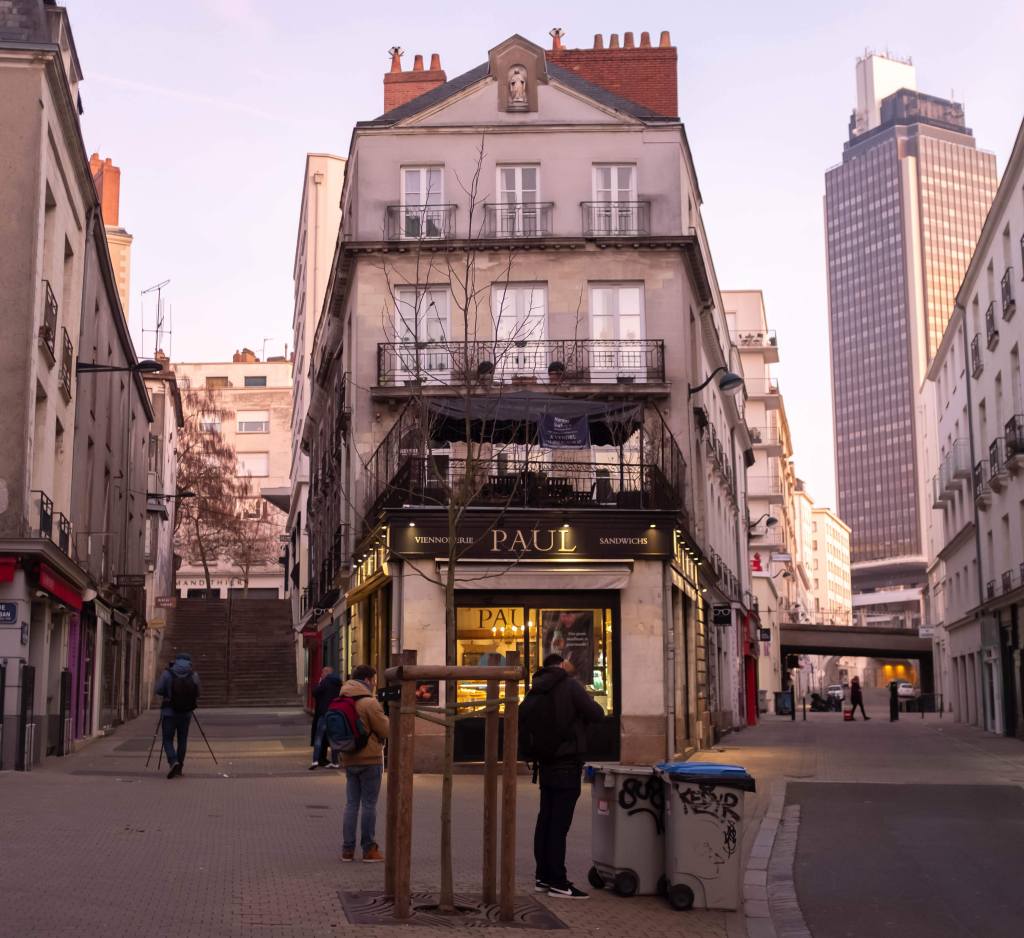
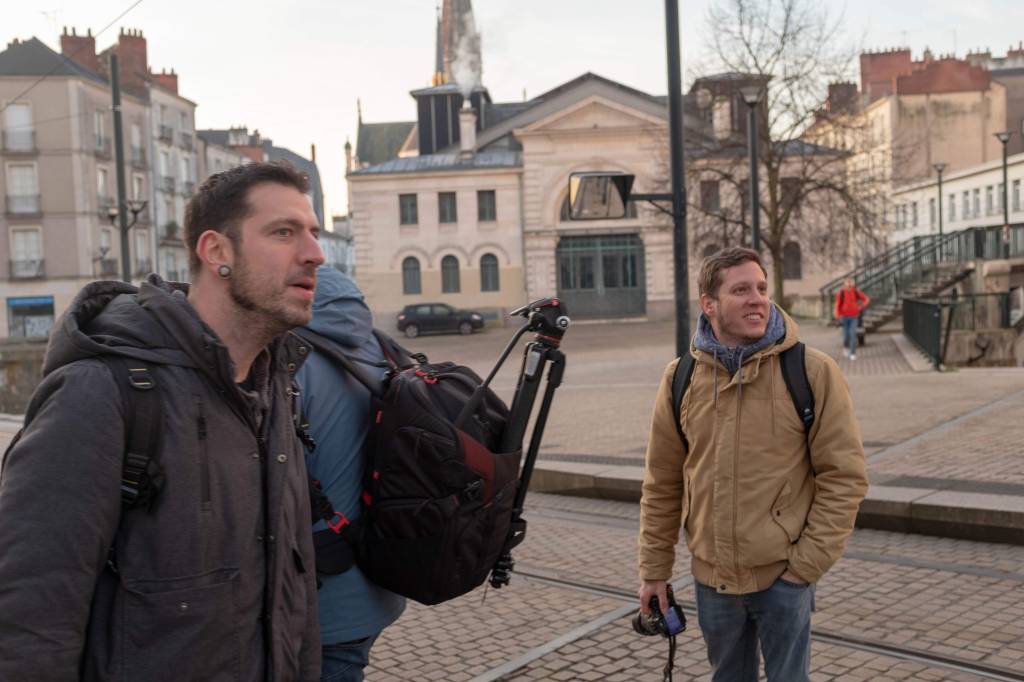
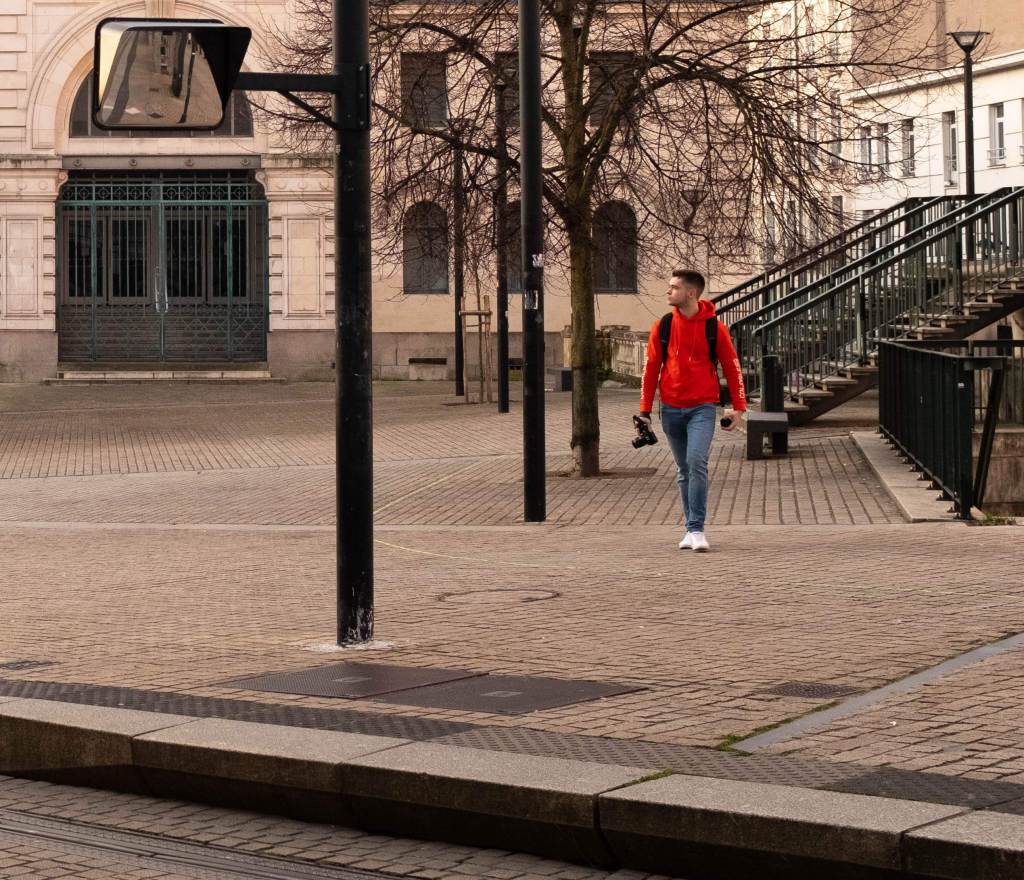
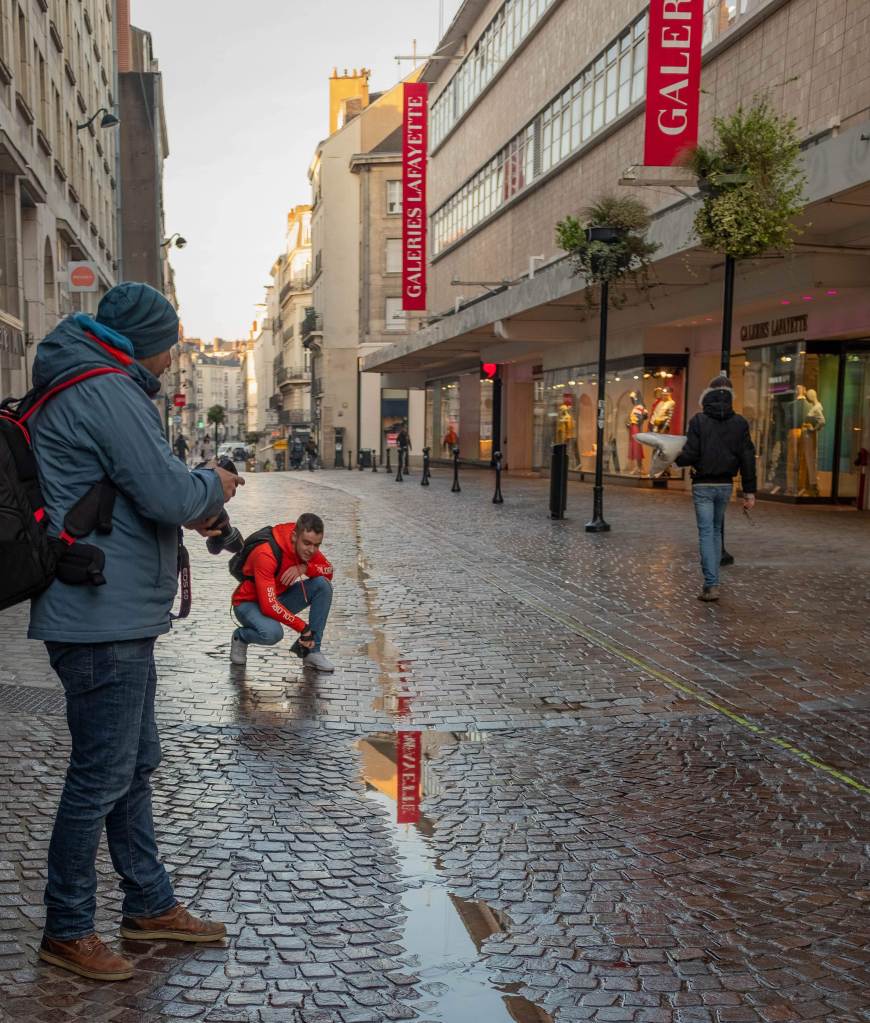
I once had a meet-up in Nantes (the very first article on this blog), and it was so rewarding. It was a typical male bonding activity, and everyone, except for me, brought along their biggest cameras and most expensive lenses. It almost felt like a competition to see who had the most impressive camera. I just brought my relatively tiny X100F, the thinking man’s camera. Much like my car, it’s not the most inspiring thing to look at, but I enjoy using it, and it certainly gets the job done in a very satisfactory way!

I have also collaborated with Nantes Grand Angle, a collective of photographers that have outings in and around Nantes. In exchange for a free tour or free visit, we take pictures during the outings and write about them in our blogs or publish the photos on Instagram. I have done a couple of outings with them, and it’s always interesting to see other photographers in action. They are there seeing the same things as me, but not in the same way. That sense of belonging has a huge feel-good factor too.

A Shared Lens

Photography may often feel like a solitary pursuit, but beneath it lies a powerful thread of connection, weaving us together through moments captured and stories told. Whether it’s the subtle camaraderie exchanged between strangers with a simple nod on the street, the thrill of collaborating with others who share our passion, or the quiet understanding forged with a subject in front of the lens, these encounters remind us that we are never truly alone in this journey.

Through photography, we find not just a way to see the world but a way to be part of it—a community of like-minded souls bound by a shared appreciation for light, shadow, and time itself. In the end, our photographs are a bridge, linking us to others and creating a lasting connection beyond the mere act of pressing the shutter. For as long as we hold a camera, we’re part of something bigger, capturing fragments of life that, no matter how fleeting, will always connect us back to one another.

The Enduring Elegance of Vintage Cameras: A Personal Journey


I often find myself discussing the concept of “vintage” with my father during our phone calls. I live in France, while my parents are in Northumberland. The term “vintage” means different things to different generations. For my 25-year-old son, vintage clothing is anything from the 90s—he even sports a few of my sweaters from that era. At 52, I’m beginning to see myself as slightly vintage, with a style that has evolved into something more classic and refined compared to my younger years. And to my 15-year-old daughter, my father, who grew up during the war, must seem positively ancient.

So, what does this have to do with photography? For me, a camera from the 1990s feels relatively modern, while those from the 80s and 70s seem older but not quite ancient—much like myself. Using these older cameras in my photography practice forces me to slow down and be more deliberate. Just as my style has become more refined with age, these cameras have an enduring elegance and charm. They may be from a slightly bygone era, but they still capture images with timeless grace.

Incorporating this vintage technology into my work isn’t just about using old equipment, however enjoyable working with what could be considered museum pieces may be; it’s about embracing a process that demands patience and mindfulness—concepts that are somewhat foreign to this younger generation. Each shot taken with these cameras becomes a deliberate act, mirroring how I approach life and photography. The result? A deeper connection to the process and a greater appreciation for the unique quality of film. This slower pace allows me to savour each moment, akin to how my evolving style reflects a deeper appreciation for life’s subtleties.

In a world increasingly dominated by digital immediacy, there’s something profoundly satisfying about the slower, more thoughtful pace of using vintage cameras. They may not be the latest technology, but their classic design and the deliberate process they require make them a joy to use—much like the evolving sense of style and perspective that comes with age. The emotional impact of working with these cameras is profound; they carry the weight of history and personal connection, enriching my creative process and deepening my engagement with photography.

My own “vintage collection” began with an SLR from the 1980s: an East German Praktica MTL3 that served me faithfully until 2009. After it finally gave up, I quickly replaced it with another. From there, I delved into exploring more iconic cameras from the 1970s and 1980s. At that time, they were still relatively affordable before the hipsters discovered film photography and the prices inevitably started rising.

My exploration didn’t stop there. I began to seek out cameras from the 1960s and even the 1950s. The oldest camera in my collection dates back to 1949! It’s quite vintage, even for me, though perhaps not so much for my father. Each piece of my collection is a link to a past era, offering a tactile connection to history that digital tools can’t replicate.

There was a time during the digital age when people sought to recapture the film aesthetic, and right on cue, apps like Hipstamatic, Instagram, and VSCO began to emerge. These digital tools embraced the nostalgic look of film, offering a nod to the past while thriving in the digital present. Yet, this digital simulation can’t quite match the authentic experience and emotional resonance of using actual vintage cameras.

This led me to a thought: if I truly wanted to capture that film aesthetic, why not use actual film and cameras from the eras I admire? I have always been drawn to “old” things, having loved exploring a special drawer at my grandmother’s house filled with genuine relics—not just my grandparents’ old possessions. My fascination with older technology, particularly when it’s still functional, remains strong. There’s an undeniable charm and satisfaction in using equipment that carries a legacy, offering a perspective that both honours the past and enriches the present.

So just because something might be old, it might still work and open a whole new world to you that you didn’t even suspect existed! It might, however, have something of a quirky nature, but once you get over that, the world is your oyster.

The Fujifilm X-T2: A 2024 Perspective – Is It Still Worth It?


My Love Affair with the X100F (and a Cuppa Tea)

It’s no secret to the regular readers of IJM Photography that I have a great fondness, deep affection, nearing on obsession with my Fujifilm X100F. It’s a great little camera that gets me excited whenever I take it out of my camera bag. But, Dear Reader, what does this have to do with the Fujifilm X-T2? Well, they’re both manufactured by Fuji, they both have an “X” in their name, and I have a deep affection for a nice cup of tea. Not the same T? Ah well…

Similarities and Differences: A Tale of Two X’s

I’ll talk about the differences and similarities between the two cameras and why I thought the X-T2 was a useful and complementary acquisition. We’ll look at not just the specs but also the rather similar way both cameras handle.

  • Sensor and Image Quality: Both use the same 24-megapixel sensor with an anti-aliasing filter, and offer an ISO range from 200 to 128000.
  • Screen and Viewfinder: The X100F has a fixed screen, while the X-T2 boasts a tilting one. Both share the same excellent viewfinder.
  • Performance: The X100F shoots at 8 fps while the X-T2 goes up to 14 fps. For video, the X100F is limited to Full HD, while the X-T2 offers 4K and can shoot at 120 fps.
  • Connectivity: Both cameras have built-in wireless capabilities.
  • Weight: The X100F is lighter at 469g, while the X-T2 is slightly heavier at 507g.
The Lens Factor (and Weather Sealing, Too!)

The main difference? The lens. The X100F has a fixed 23mm (35mm equivalent) f/2.0 lens, while the X-T2 can take the entire range of X-mount lenses. Quite a big difference, indeed. The X-T2 also has the added bonus of weather sealing!

Why Buy a 4-Year-Old Camera in 2020?

Because at the time, I could. It was the logical acquisition and complement to my X100F. Did I mention it also uses the same batteries? I still have the same, beloved-by-many film simulations, and while not as numerous as later models, they are more than enough for me!

My first lens purchase was the 16mm (24mm equivalent) f/2.8 Fuji lens, the perfect complement to the 35mm equivalent on the X100F. I later discovered TTArtisan and 7 Artisans, Chinese firms that make affordable manual focus lenses for the X-mount. I now have the 35mm (50mm equivalent) f/1.2 and 58mm (85mm equivalent) f/1.4, and the fish eye 7mm F2.8 lenses from both companies, both costing a fraction of the autofocus Fuji lenses. The only concession I made to Fuji was later purchasing the 18-55mm (24-70mm equivalent) f/2.8 autofocus kit lens.

Value for Money: The X-T2’s Sweet Spot in 2024

The fact that I bought it second-hand was also a contributing factor. Does it have as many megapixels as the more modern X-T5? No. But does it have enough? Yes! Does it have the same specs as the X-T5? No. But does it have enough? Yes. Can you see a pattern developing here?

For the amount of money spent, I think I have enough cameras for my buck. And that is the crux of the argument for acquiring a now 8-year-old camera in 2024. Is it the very best money can buy? No. But if you’re an amateur like myself, you generally don’t need the specs that manufacturers and those nice men in camera shops will try to tell you you need. 24 megapixels is more than enough for printing even 20″ by 30″ (500mm x 760mm) sized images.

I have just looked at mpb.com for you and have found XT2 bodies from 487€ to 729€ depending on the condition. An X-mount lens will cost you anything from 104€ for a 35mm (50mm equivalent) F1.2 from 7 artisans to 279€ to 340€ for the 16mm (24mm equivalent) F2.8 fuji lens. So as you can see, it’s certainly cheaper than buying the latest models…

Conclusion: A Timeless Tool for the Passionate Photographer

In 2024, the Fujifilm X-T2 remains a compelling option for photographers seeking excellent image quality, classic handling, and a wealth of creative possibilities. Its compact size, weather sealing, and extensive lens selection make it a versatile companion for various genres, from street photography to landscapes.

While newer models may boast more advanced features, the X-T2’s enduring appeal lies in its combination of performance, affordability, and the unique charm of Fujifilm’s X-Trans sensor and film simulations. For photographers who prioritise the essentials of image-making and value for money, the X-T2 continues to be a worthy contender in the ever-evolving world of digital cameras.

If you’re looking for a camera that delivers exceptional results without breaking the bank, the used market might just hold the perfect X-T2 for you. And who knows, you might even discover a newfound appreciation for a slightly older camera that still has plenty to offer in 2024 and beyond.

Post Scriptum

This camera is also capable of 4K video. And I’m using it at work for making videos for training new staff. It is certainly lighter than my Canon 6D Mark II, and I seem to be able to obtain a picture style that I like. It doesn’t have in-built image stabilisation. However, I use it on a tripod so that’s not an issue. And if ever I do decide to use the 18-55mm kit lens, I have image stabilisation in the lens.

I’ll see if I can’t find you an excerpt of the latest video…
And here it is…

The UK Chronicles, Part V: Rothbury to Hepple


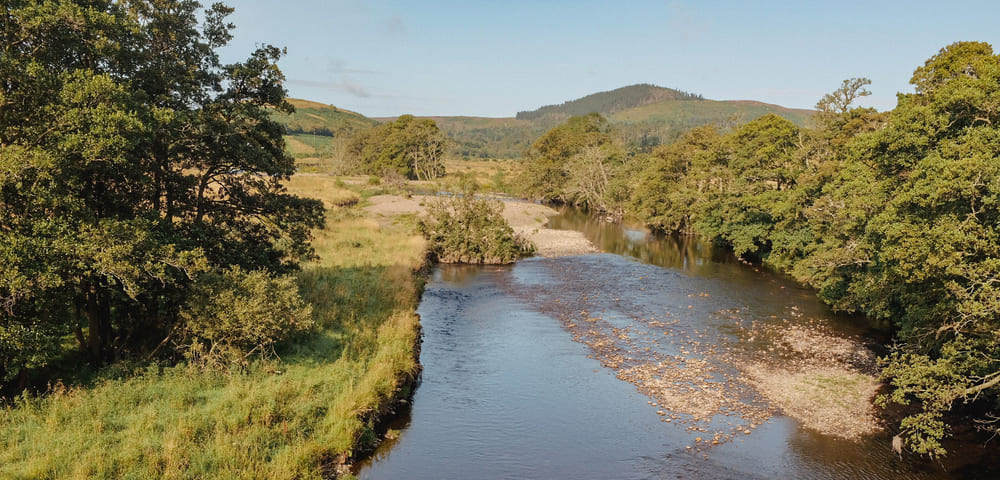
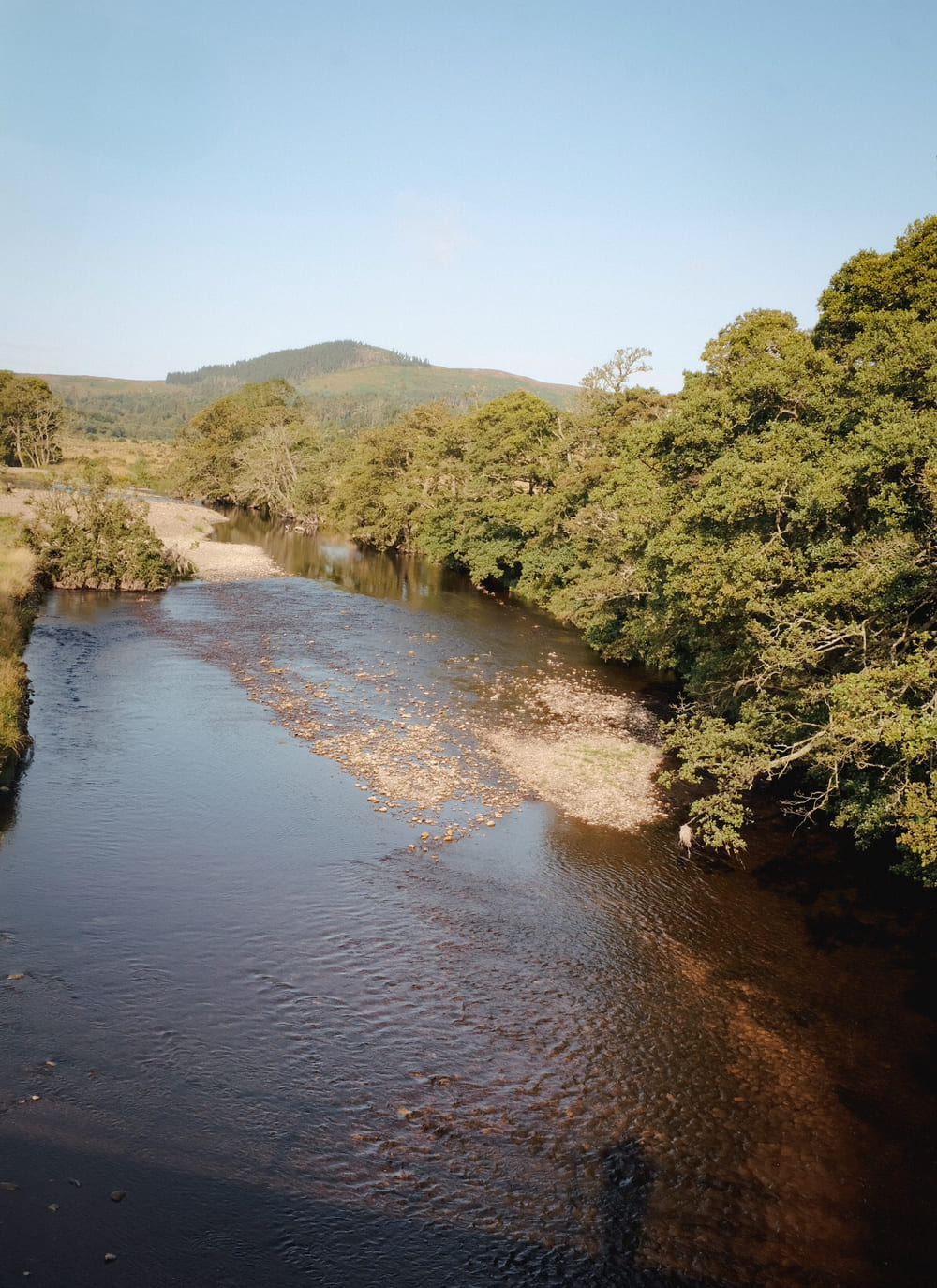
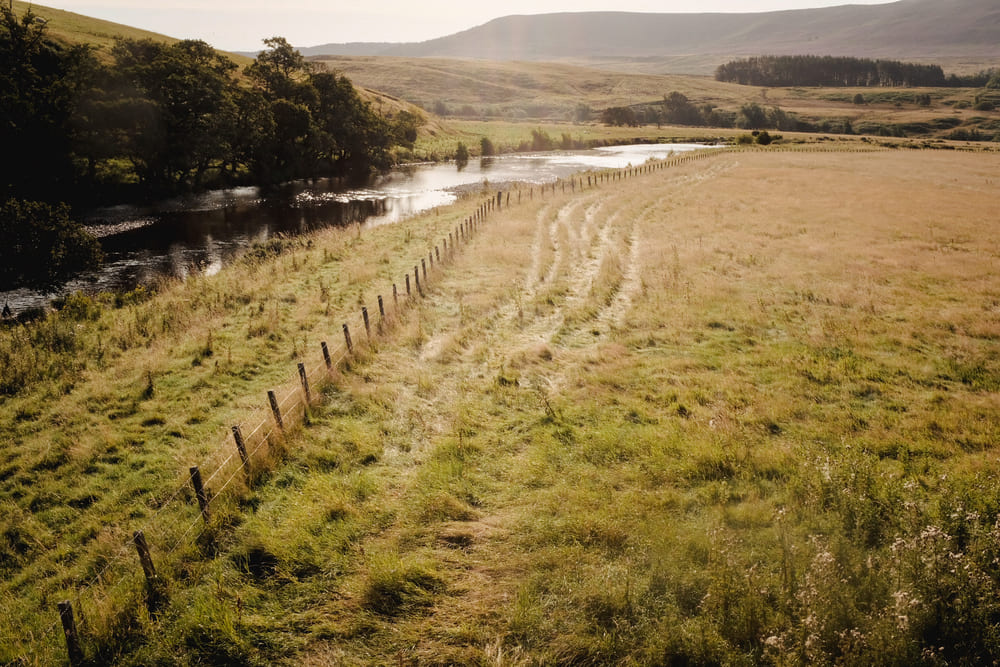
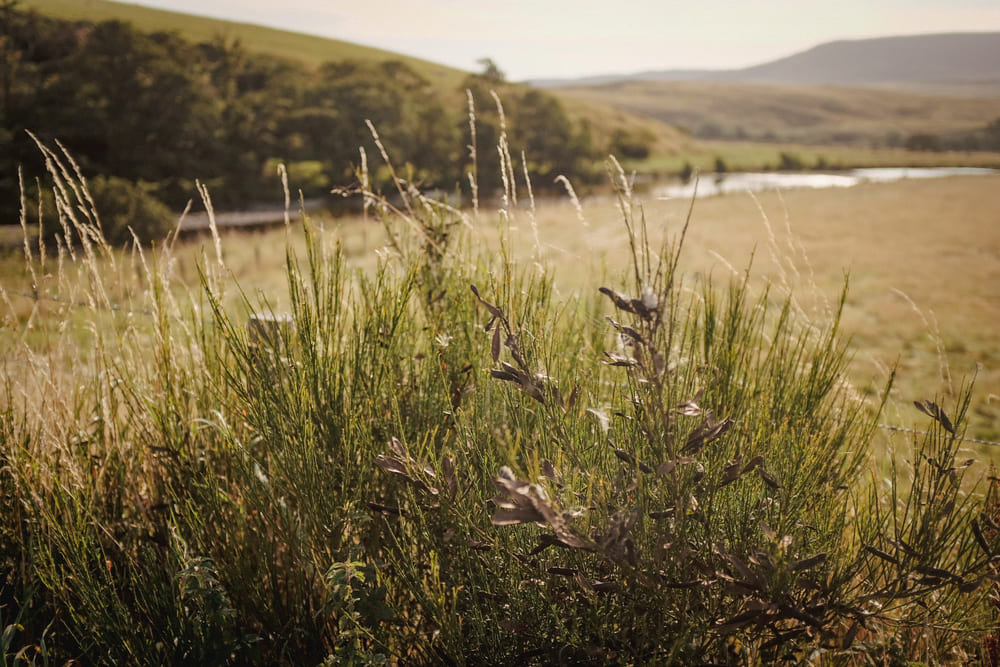
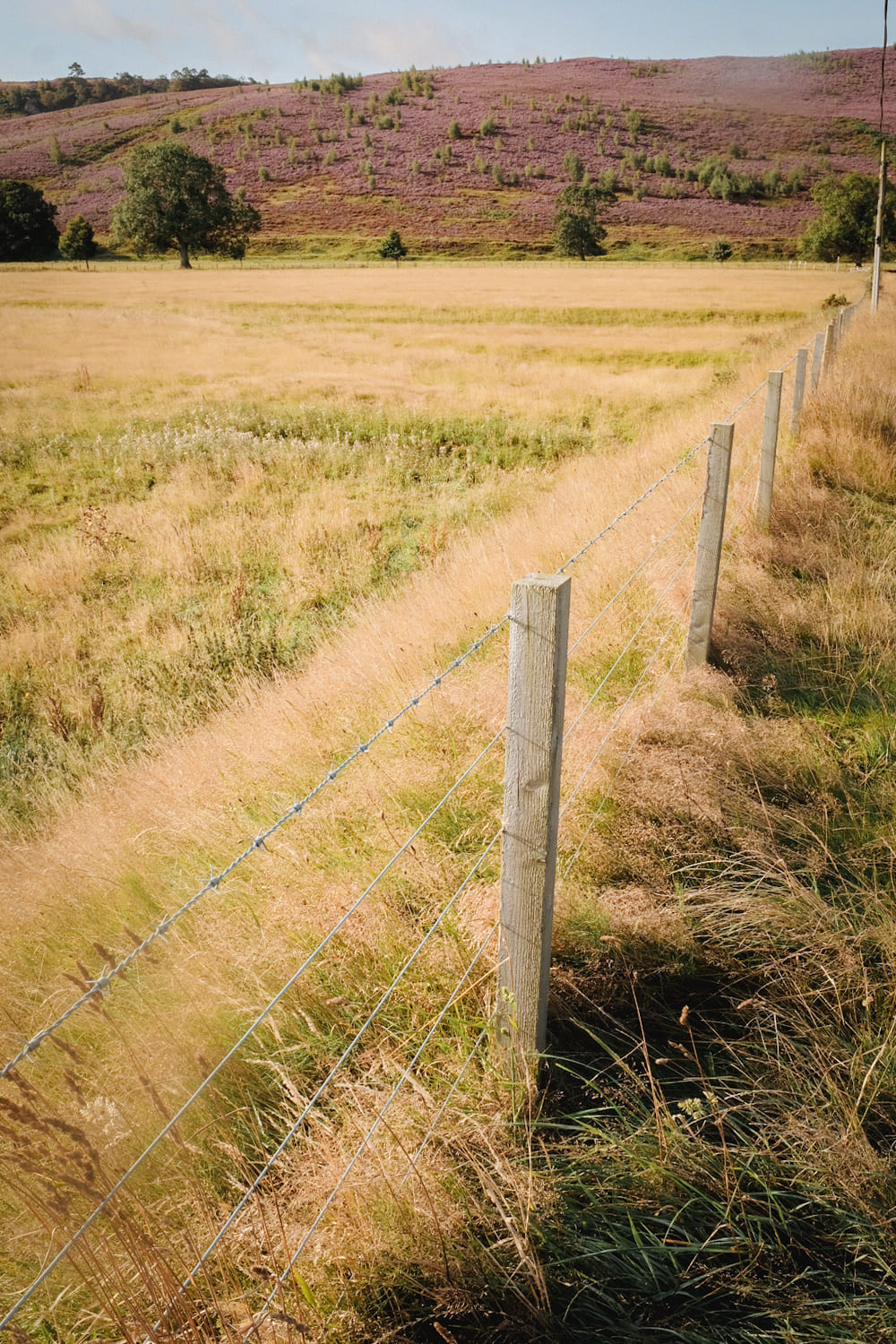
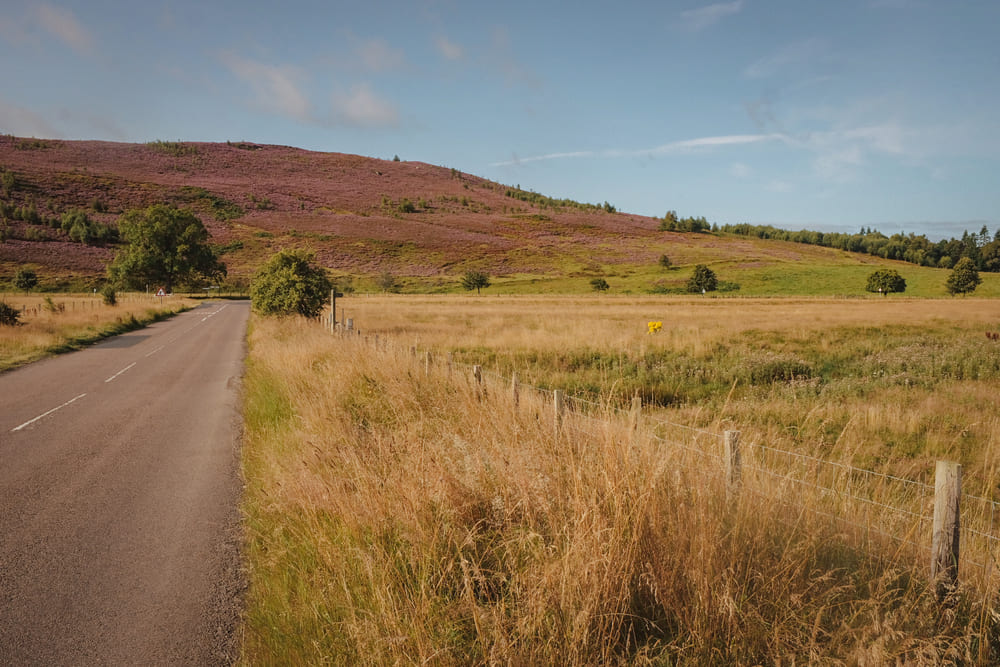
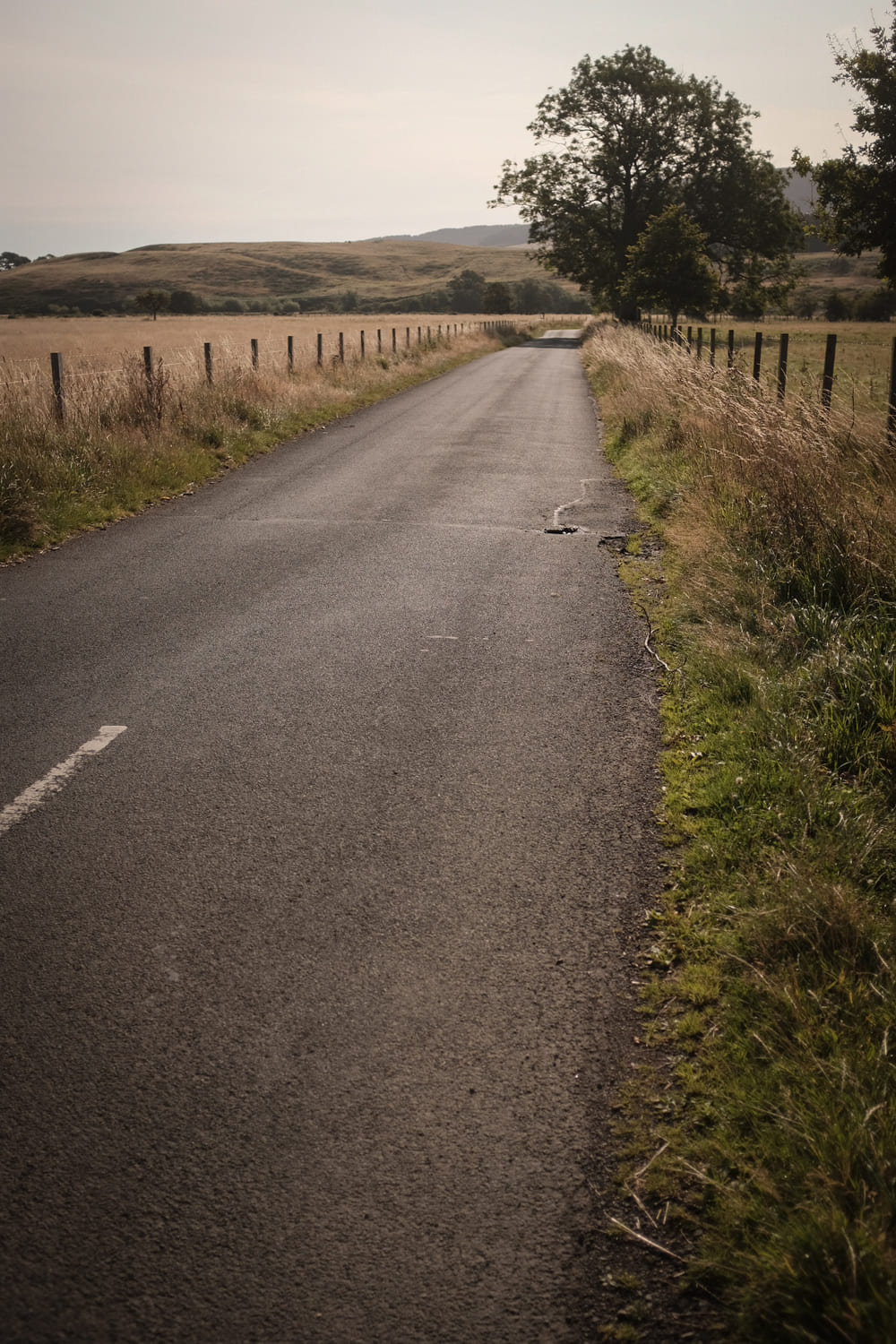
Do you have a place, be it real or imaginary, that just haunts your mind?  You think of it, and you are transported there instantly.  The smells of the grass, the sounds of the river, and the odd car driving past you wondering what the heck you are doing?  Hepple is my special place.  It is a place where I feel at peace and that all is right with the world.

I’m thinking back to an article I wrote a couple of years ago called Hepple for Photos, Not Gin. I was with my father and had my Canon 6D Mark II with the 16-35mm F4.0 lens and the 70-300mm zoom lens. This year, however, I had my X100F with just the 35mm f2.0 equivalent lens, and I was with Killian, who, surprisingly, was a little tired and decided to curl up on the back seat for a snooze. His loss…

This is the place, this stretch of road, that I have been looking forward to for 2 years. The weather was clement, and I can assure you that the place is still as beautiful as ever. I wasn’t going to have the choice of lenses this time; I would have to see the scene in 35mm and make do with it. No zooming, no switching lenses—just a little constraint. And you know what? I was fine with that!

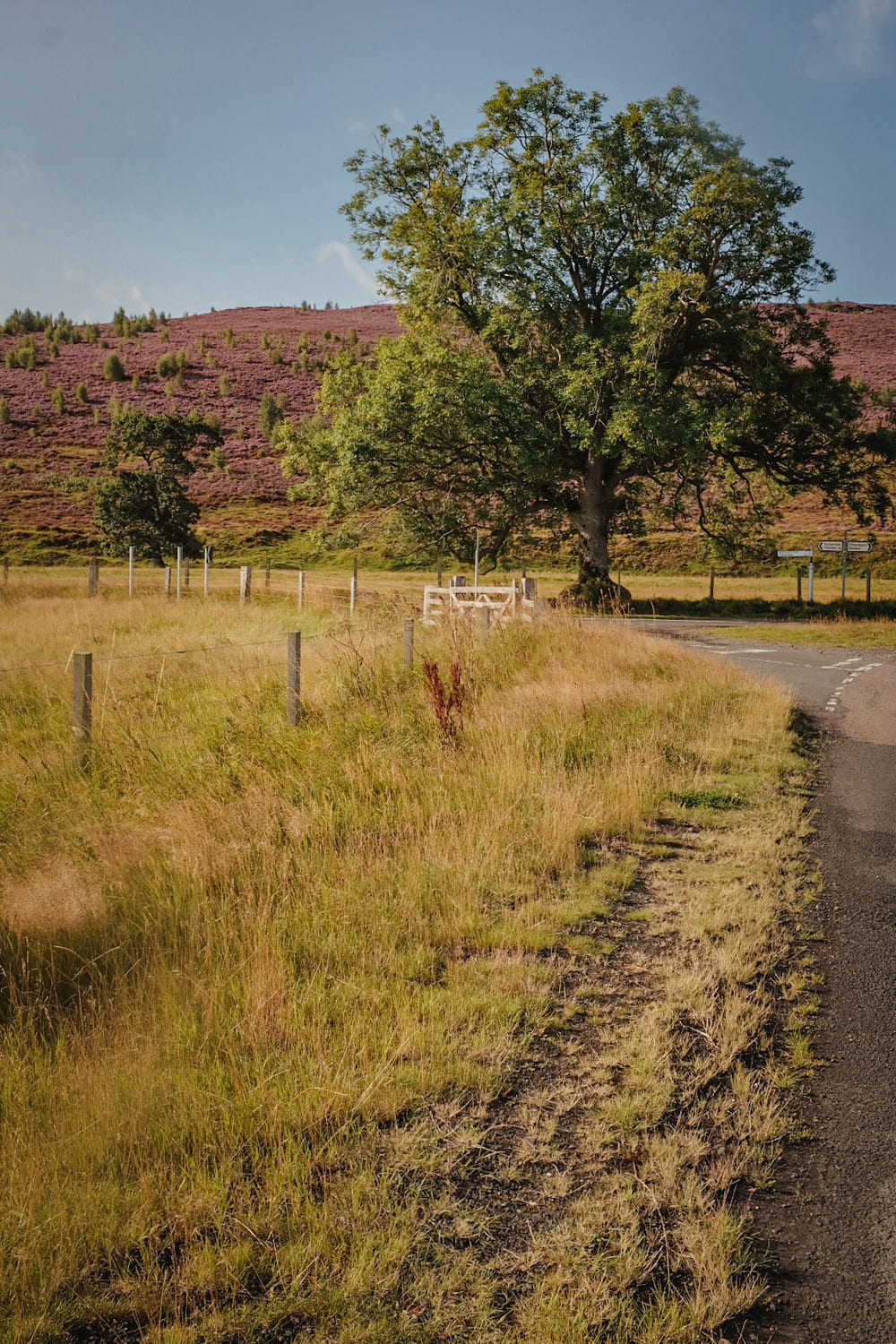
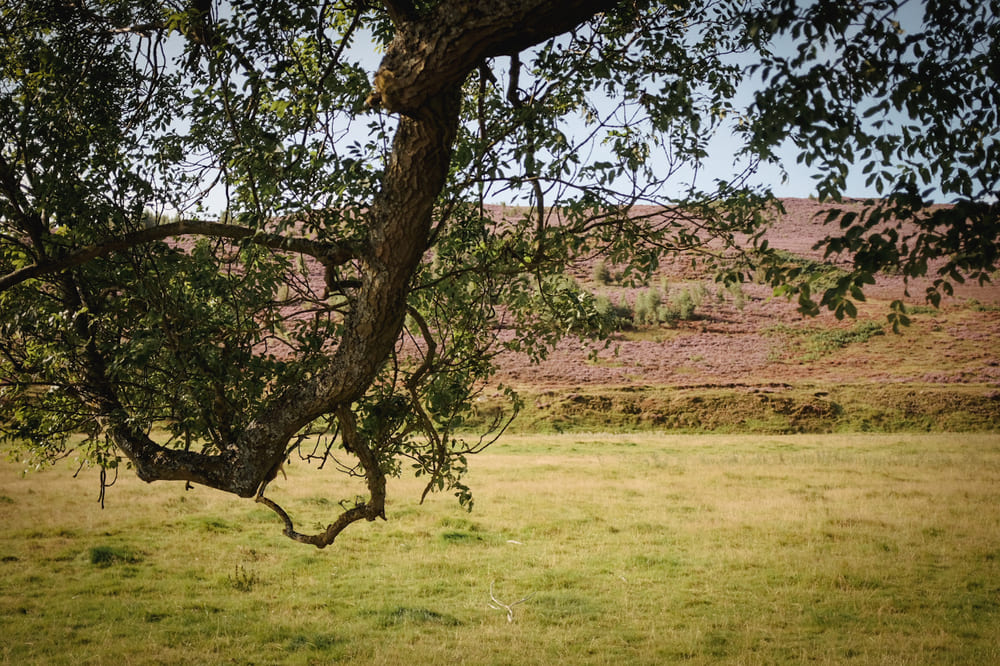
The lack of zooming and my sleeping son allowed me to walk around the area a little more, exploring under the tree at the end of the road and at the bottom of the hill.  These were views that I had not seen before.  It only goes to show that we might think we know a place, even in our memories, but it still has so much more to offer us.

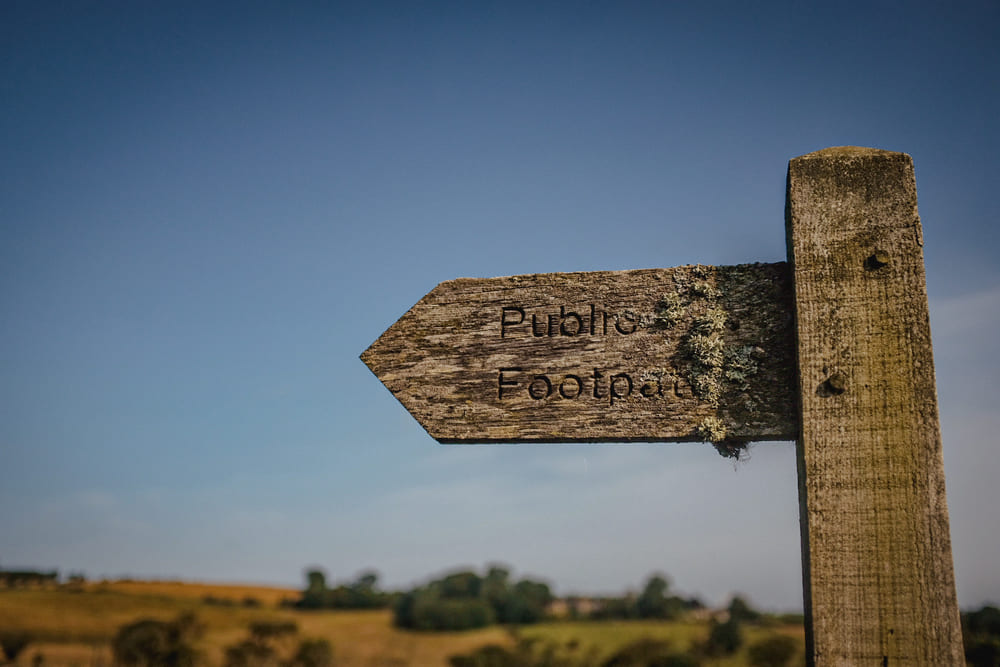
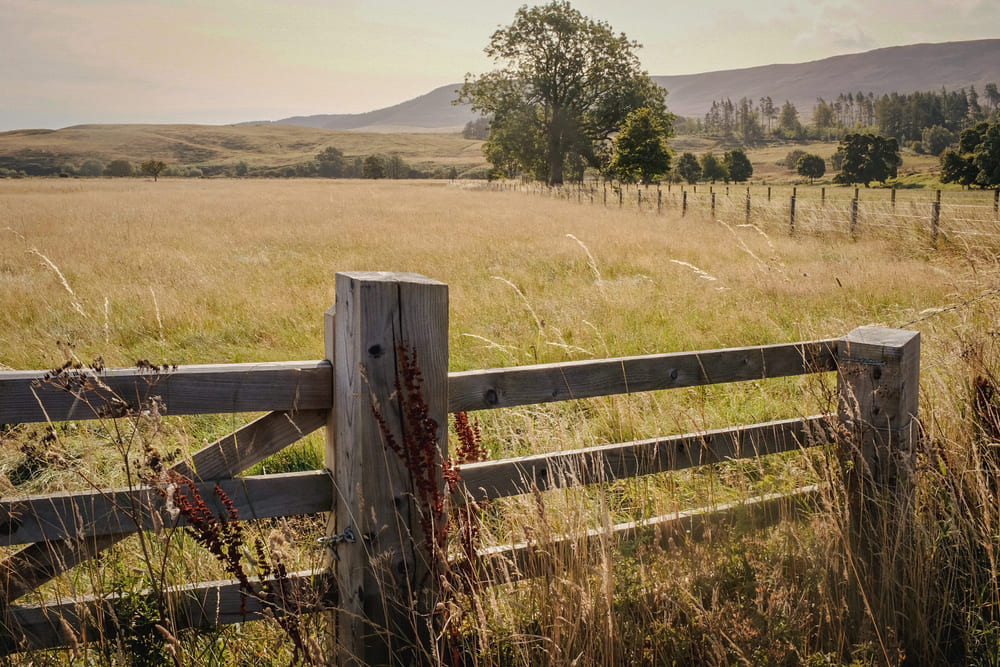
I parked just before the bridge, as I usually do. Everything was still in place: the stiles, the trees, the river—just as I had pictured it in my mind. It’s when looking at the countryside like this that I am convinced there is a creator behind all this creation. The beauty of it didn’t just happen by chance.

The noises were made by the flowing of the river and the breeze in the trees.  I had this feeling of calm.  I could take photos of that place every day and not get tired of it all.  I might even go so far as to say I could have died here and died a happy death.  I had found my peace.

Killian had found his peace too and was still asleep in the car.  A micro sieste, he said.  He might be 25, but he reminded me of the small boy who was once my son. 

I can’t be the only person on this earth to feel this?