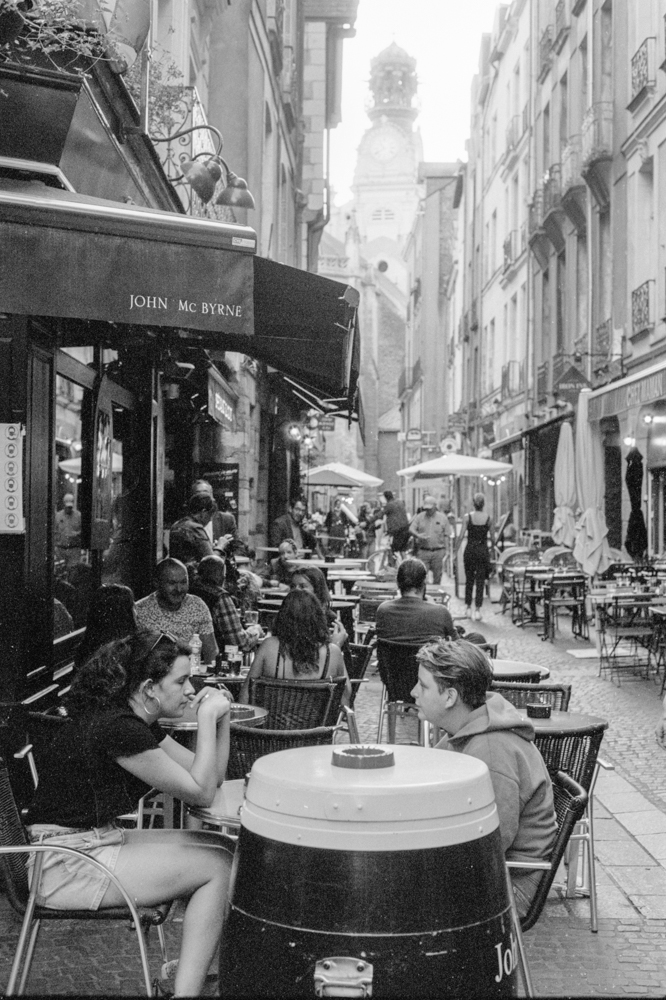
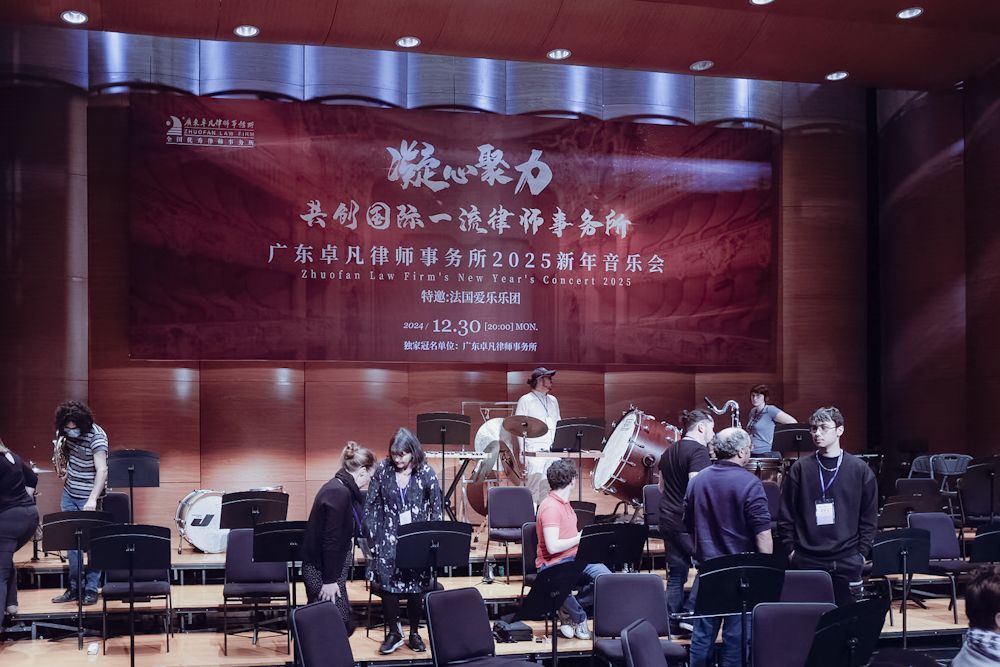
China – Shenzhen day 4 – Shenzhen to Huizhou to Shenzhen.


Today, we were giving a concert in Huizhou (clue in the title, as always) and needed to be ready for the buses at 10 a.m.—a thoroughly civilised hour for a gentleman like myself. The journey would take us about 90 kilometres, another day of life on tour spent bussing around. Victor, the oboe player, kindly put my suit in his suiter, leaving me to carry only my instrument and camera. What a pleasant young man. As people drifted down from their respective floors, we gathered in the hotel lobby, a mix of sleepy faces and quiet anticipation. 

Off we went. Was I with the young, trendy crowd today? Not at all. Always leave them wanting more. Instead, I decided to spend the day with my “girlies” from my Cholet days—Eléonore, Titaua, and Mathilde—along with Catherine, another first violin. It was a calmer group, slightly olde9r than the twenty-somethings at the back, which suited me just fine.

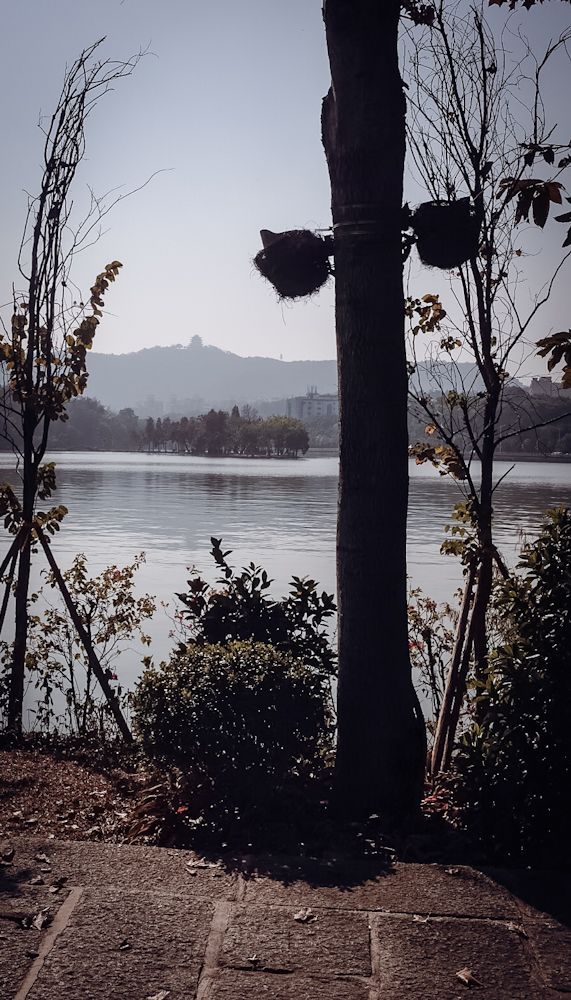
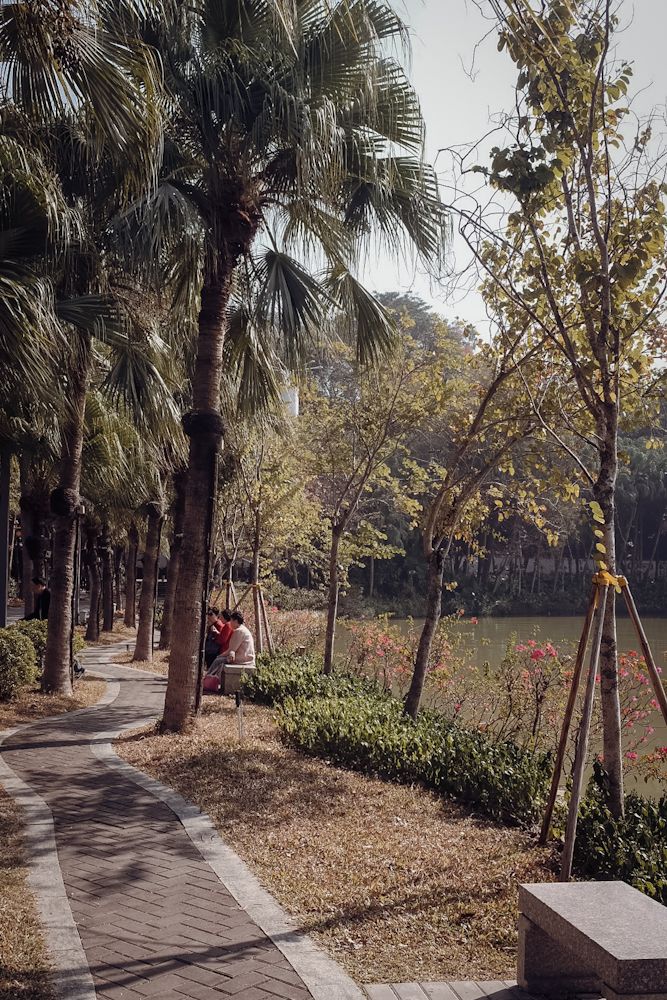
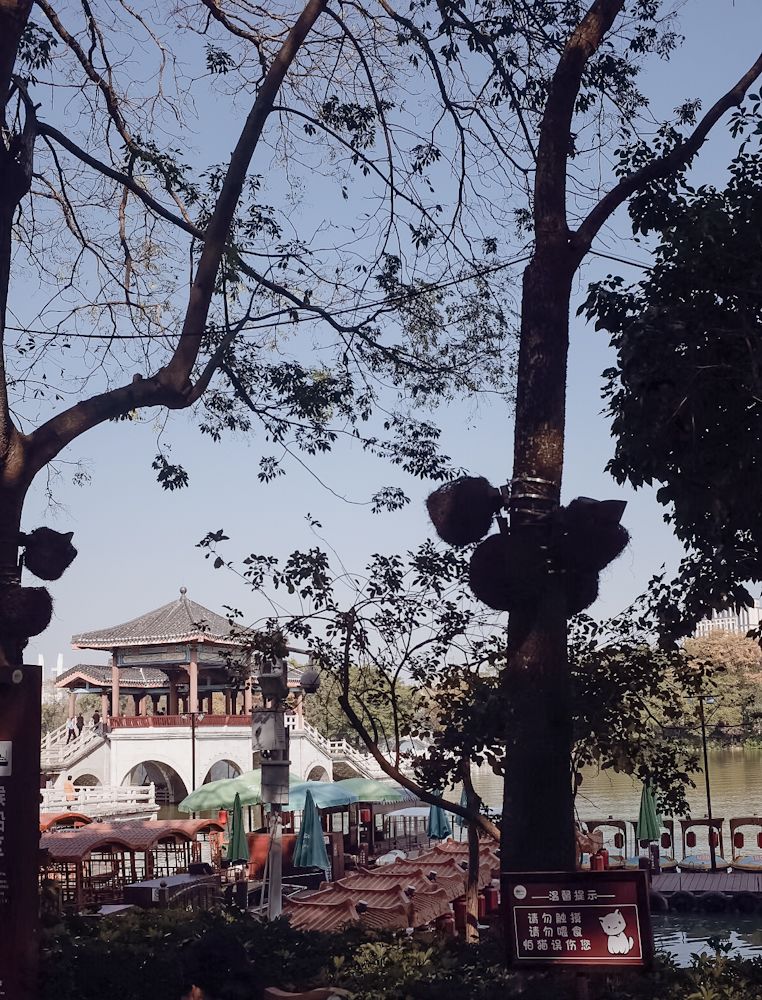
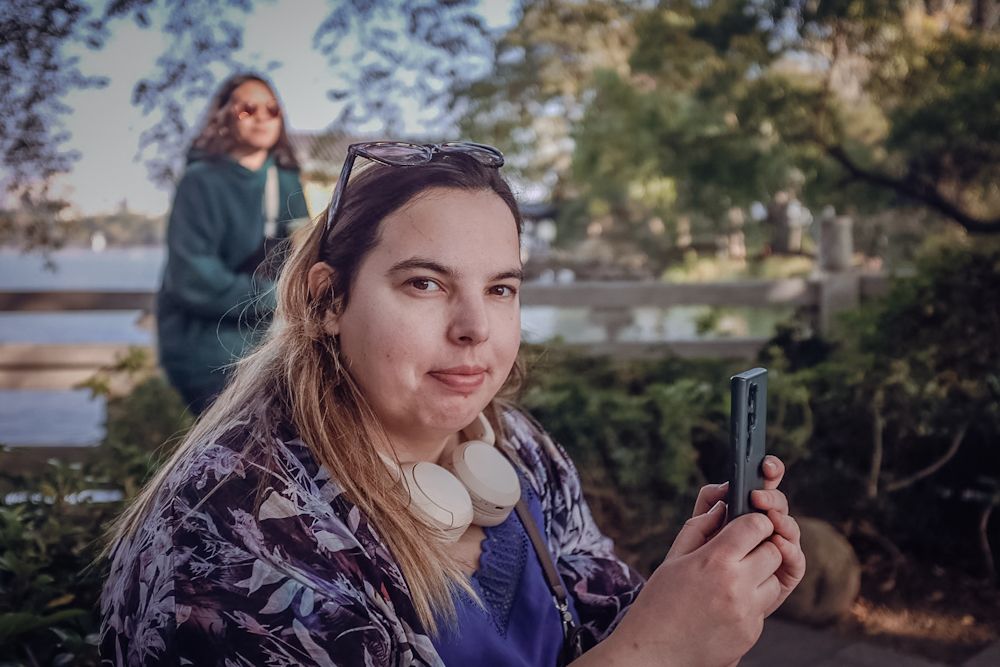
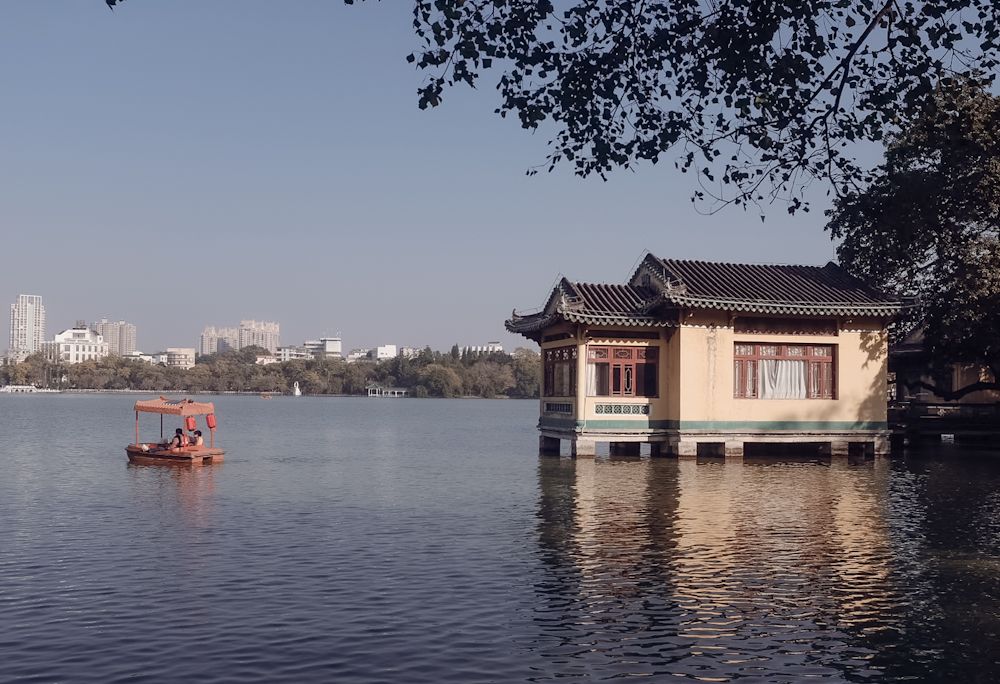
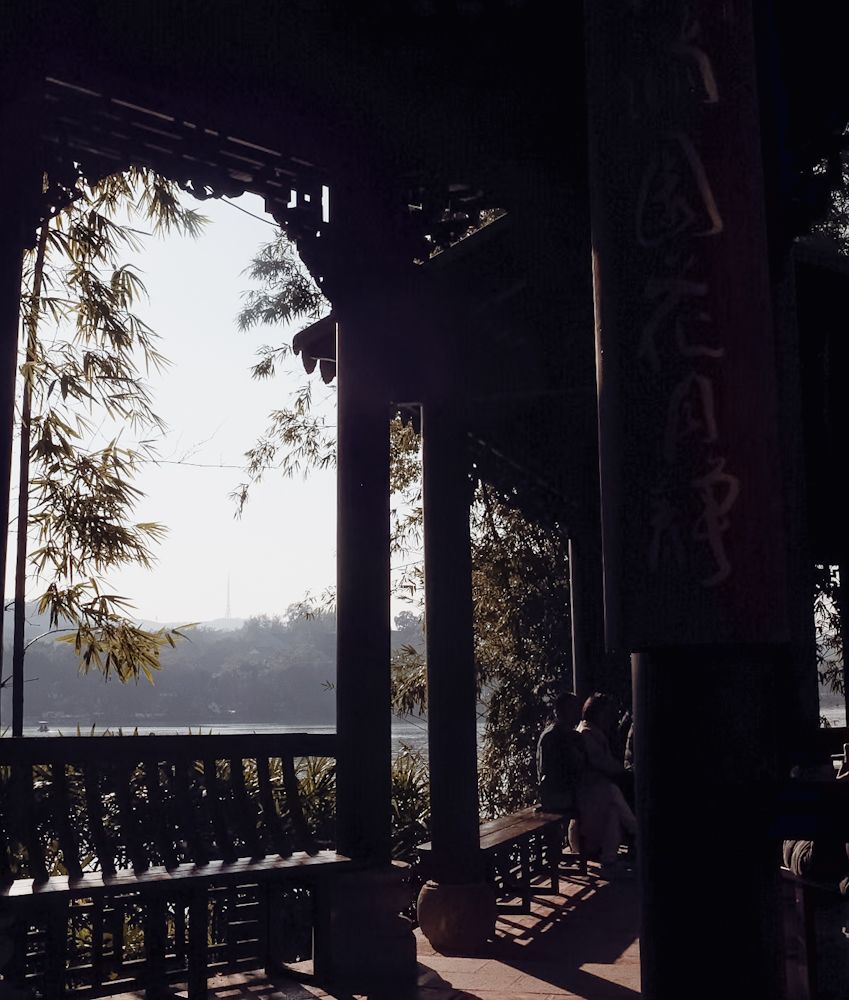
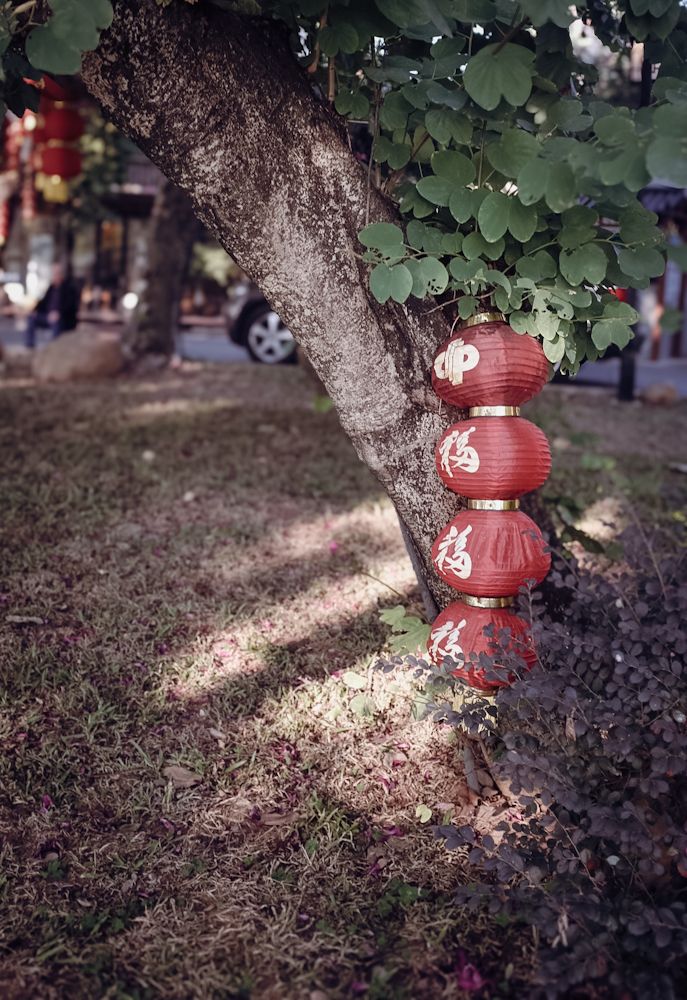
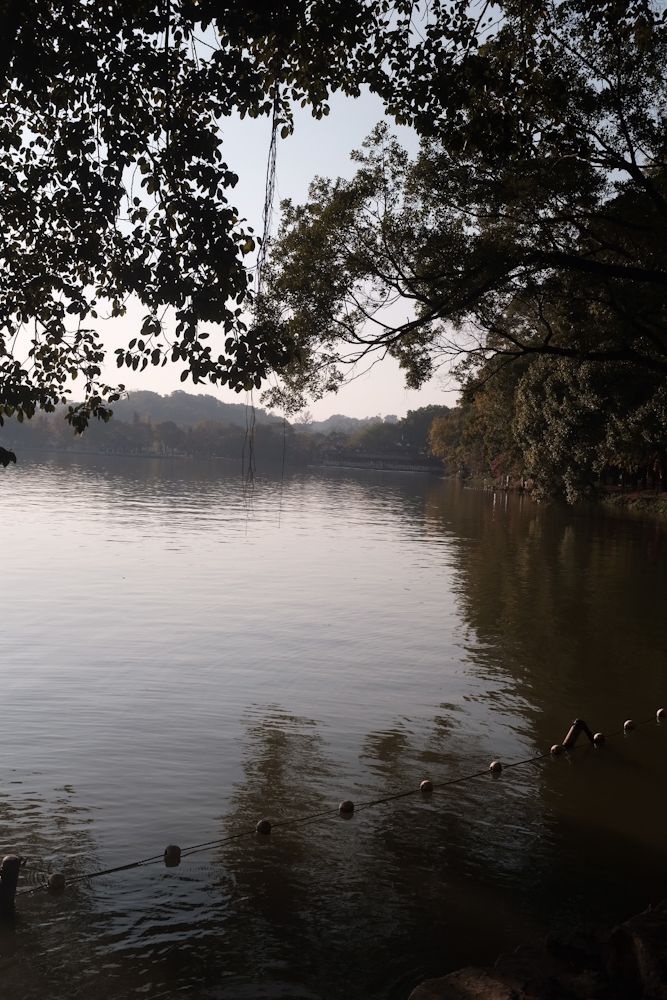
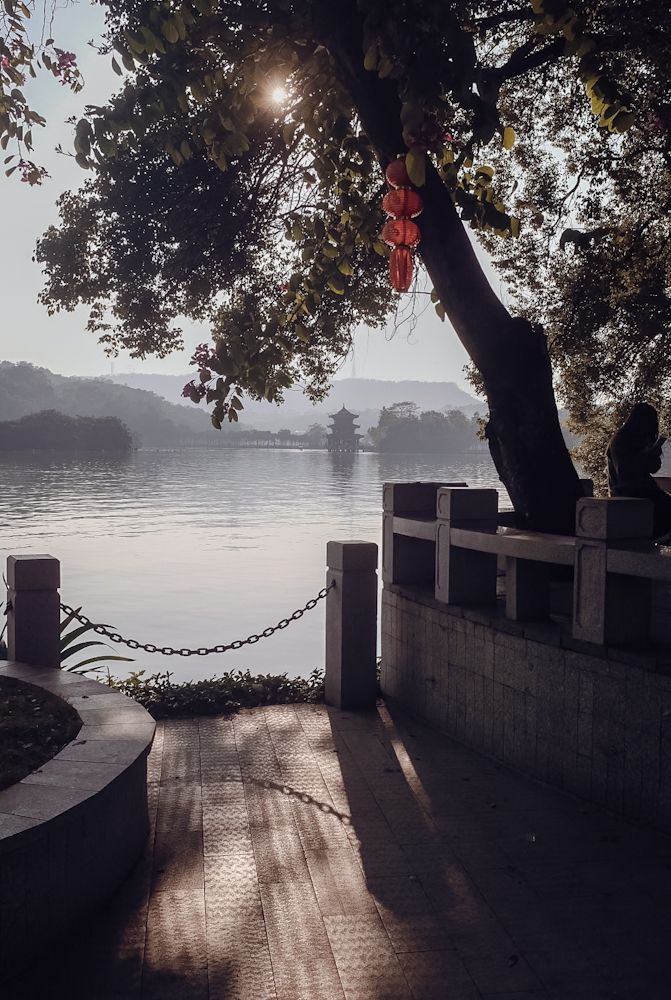
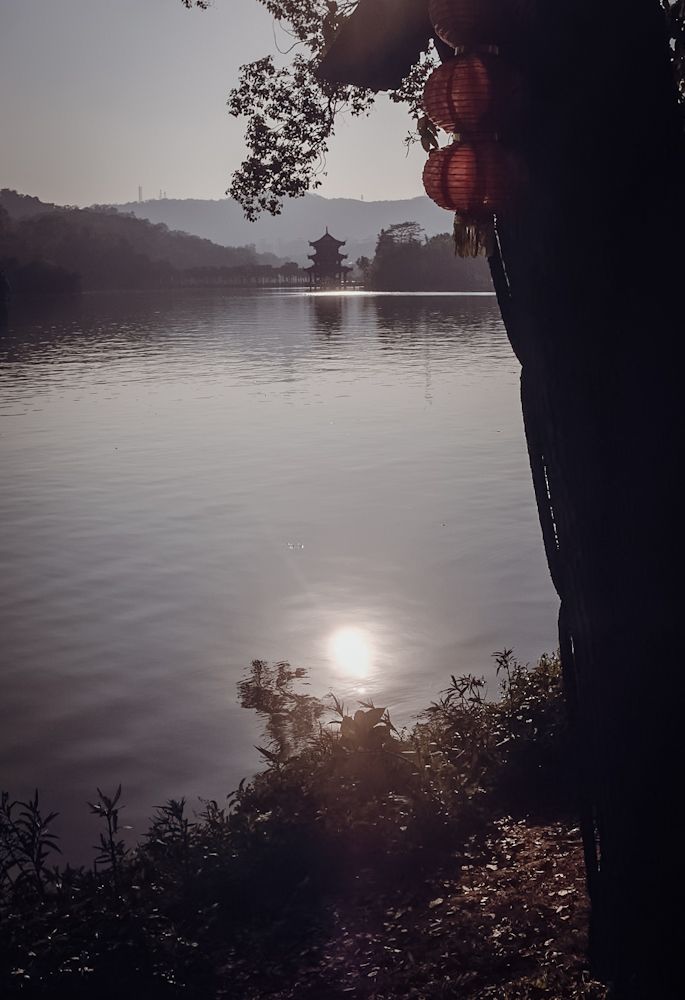
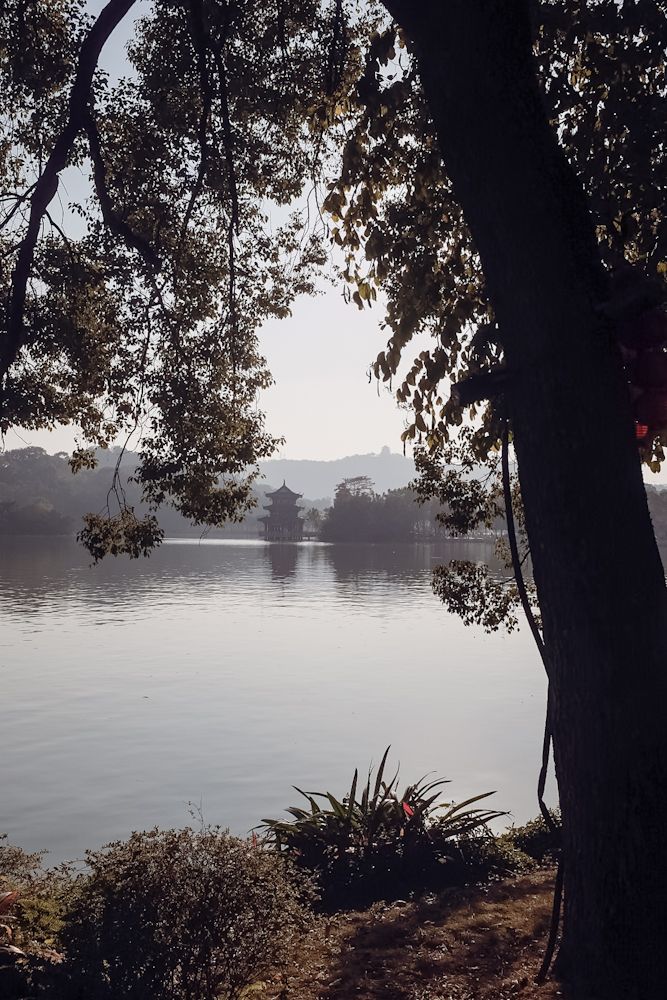
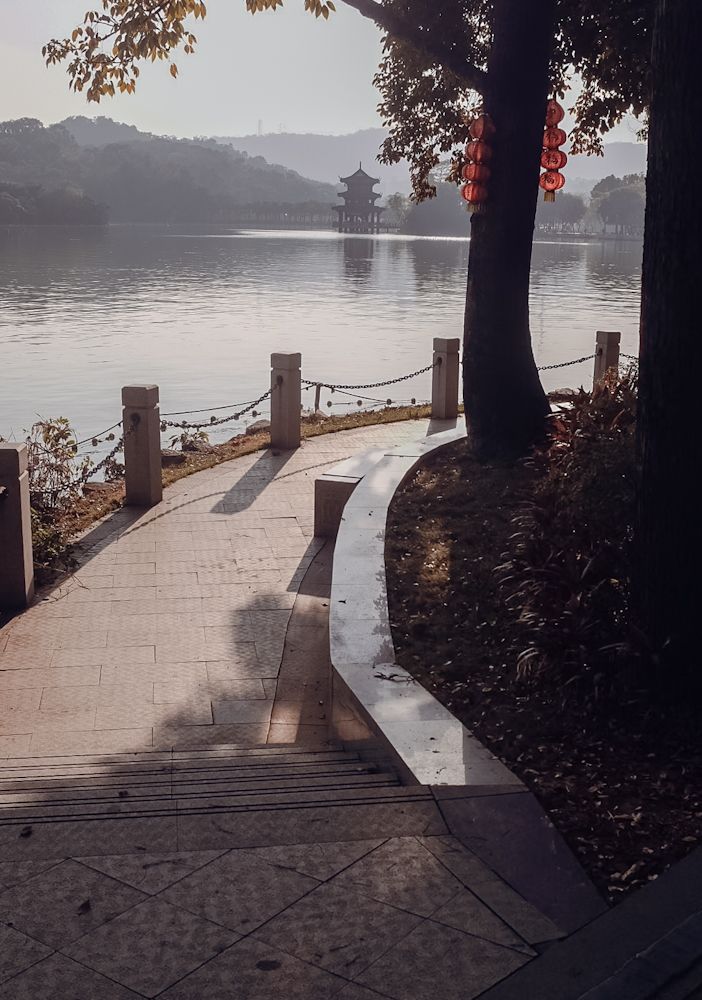
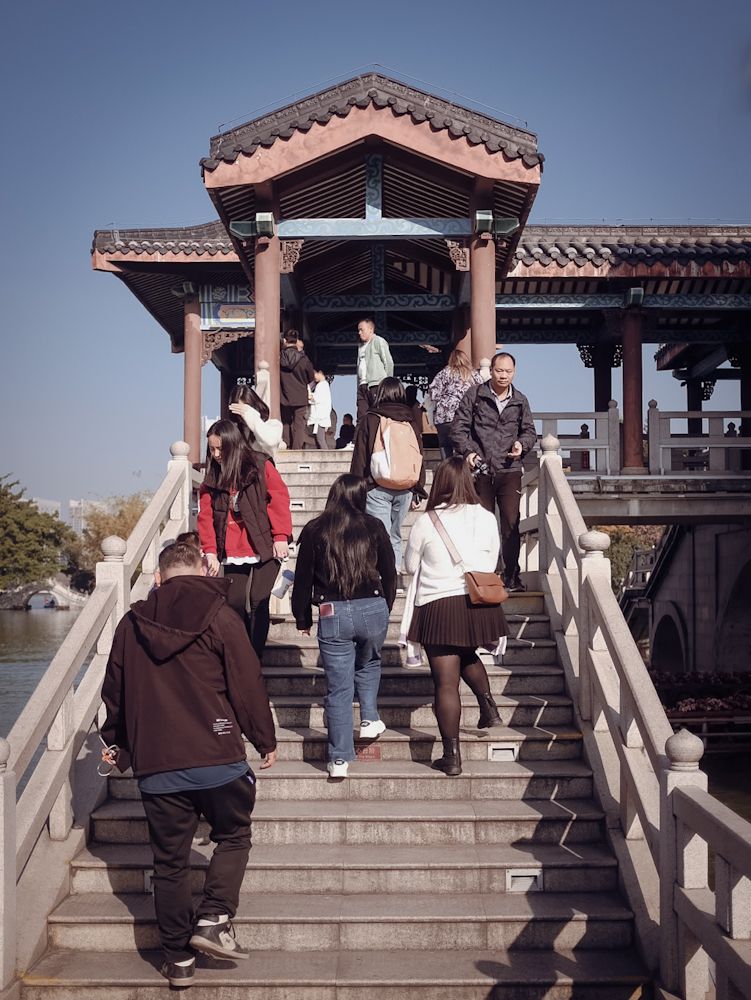
Once underway, we learned our first stop would be a lake before heading to the evening’s venue. A leisurely stroll around a lake? I wasn’t thrilled at the idea. Am I coming across as a misanthrope? Moi? Really? But when we arrived, I was pleasantly surprised. The lake, surrounded by hazy sunshine, was breathtaking—quintessentially Chinese with pagodas, temples, and bamboo groves. The entrance gate itself was a work of art: a grey, ornate roof atop white columns, with traditional calligraphy adorning the sign above. It was beautiful, and I felt unexpectedly happy to be there. 
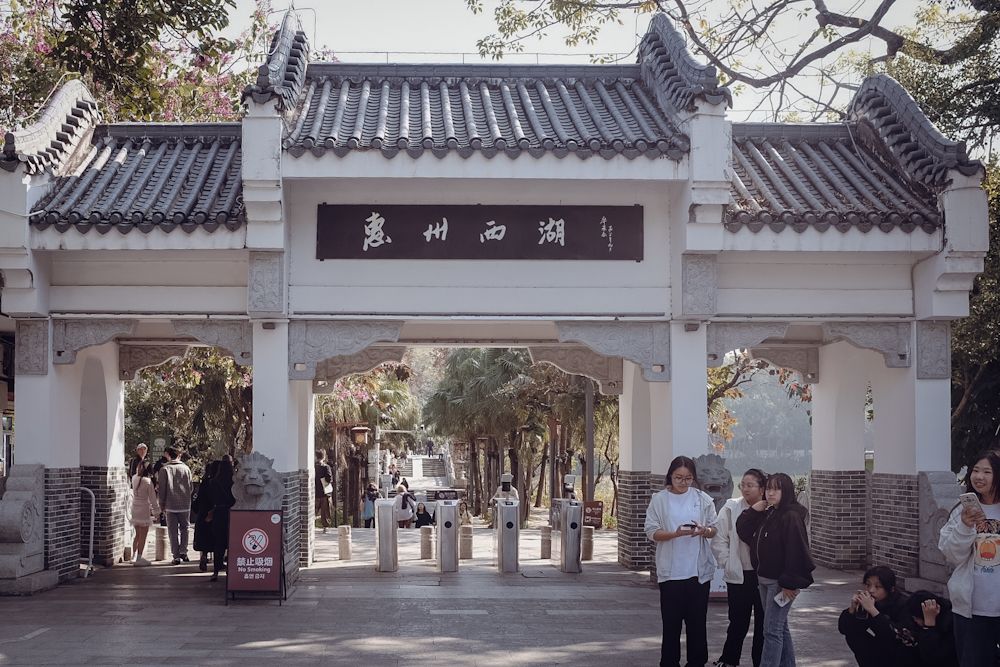
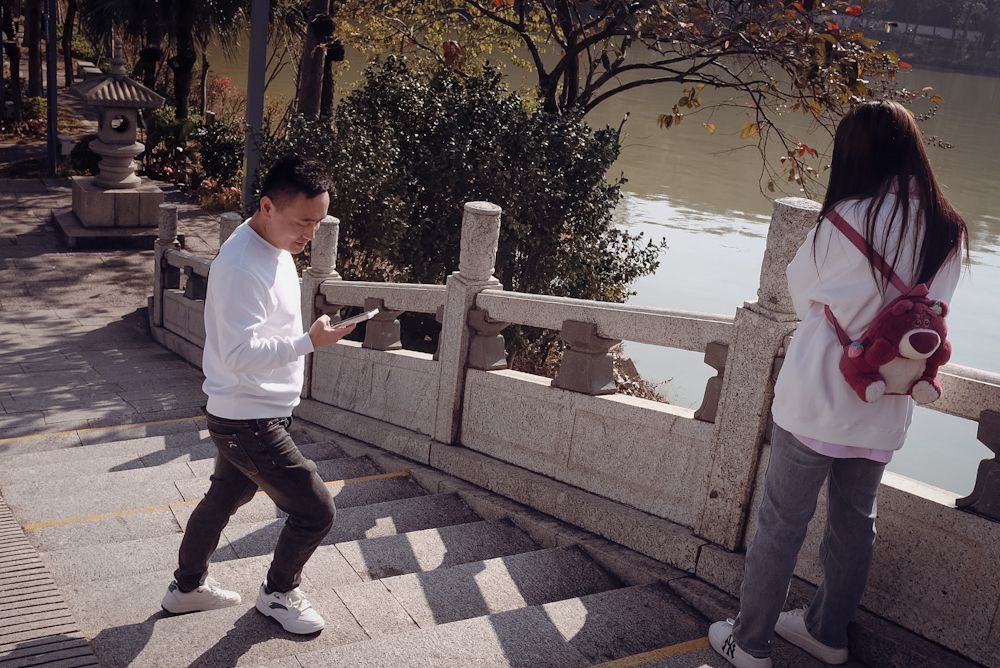
The walk would be leisurely, which was ideal for me. The trees and bamboo offered some welcome shade and acted as a diffuser for my photographs, and I knew this was definitely going to be a good day. I saw our friends’ Chinese boyfriend and Chinese girlfriend going through the same rigmarole as they had in Shenzhen’s Window on the World, which I still find amusing! 

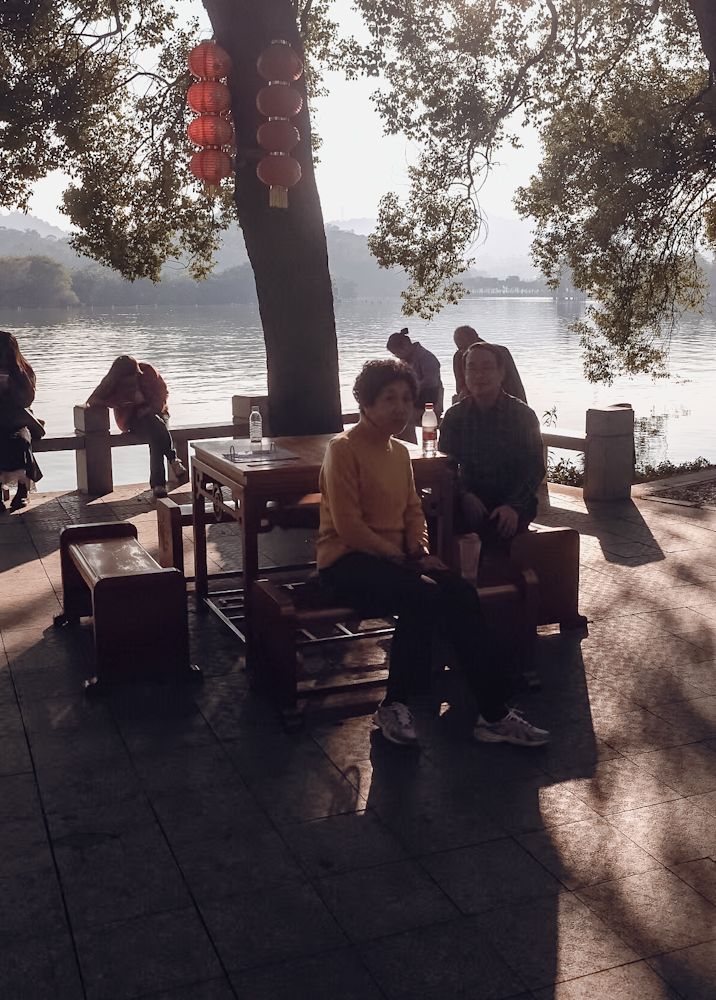
There were groups of Aunties and Uncles, as the Chinese call older people, sitting on benches looking out across the lake at various pagodas and temples. It was one of those places that breathes calm. I like calm. 

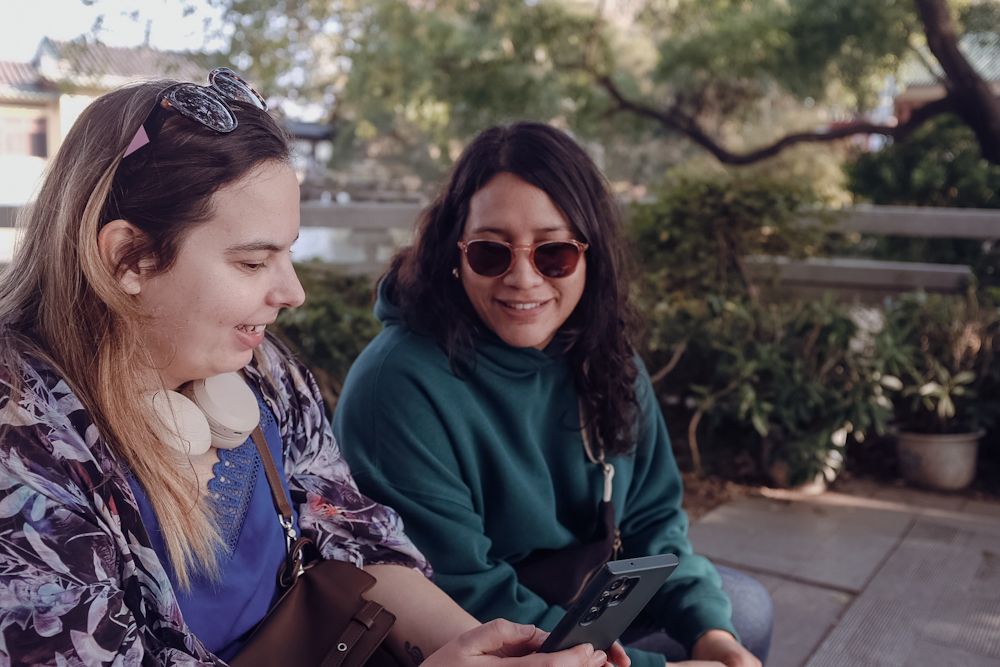
I sat down to join the girls for lunch, but I had already eaten, yet they insisted I partake of their picnic, which I did with pleasure. They really are good to Uncle Ian. They joked about hiring a pedalo and going around the lake. Mathilde’s foot was hurting her, so we decided to take the shorter walk back to our rendezvous point, letting Eléonore and Catherine explore the long way round. We even joked about hiring one of the electric golf cart-type buggies to get around. You may have noticed that I haven’t talked about selfies yet.

 Well, at the table behind was an Uncle and Auntie who wanted to take a selfie with us—first it was the two uncles together, then everyone! I was getting a taste for all this. The attention is definitely validating and made us feel amazing. Yes, made me feel very special, especially when you see their smiles. It’s not like being adulated by adoring fans, but more like appreciating and celebrating your presence in China. It is something that will stay with me for the rest of my life. 

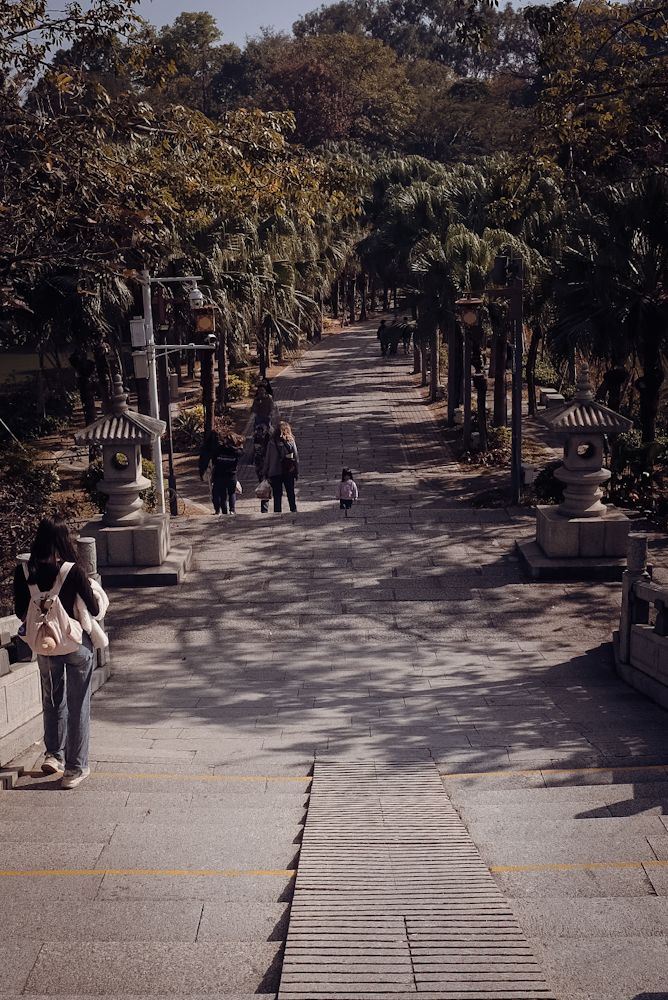
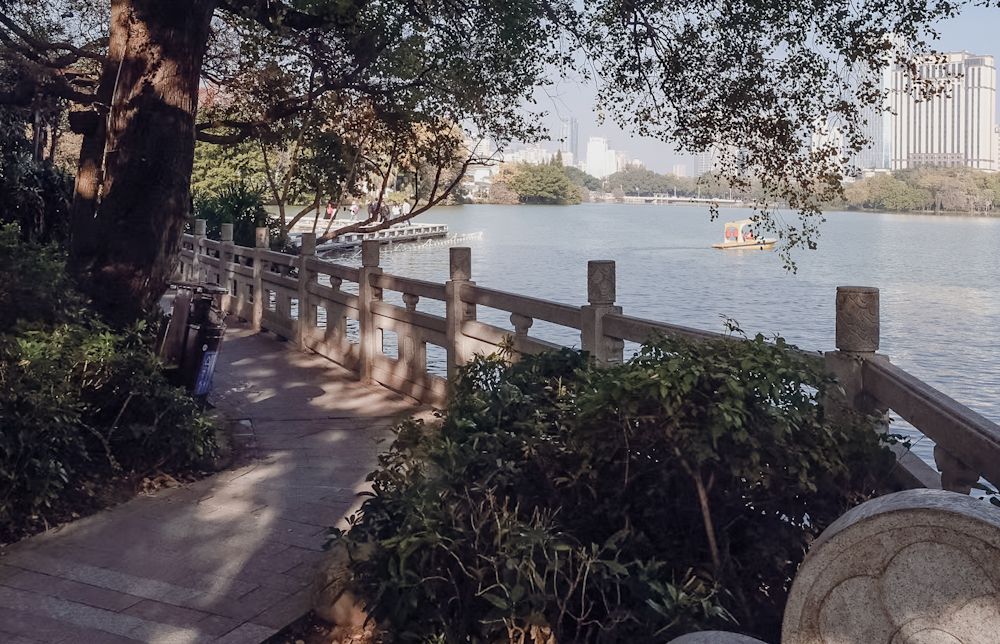
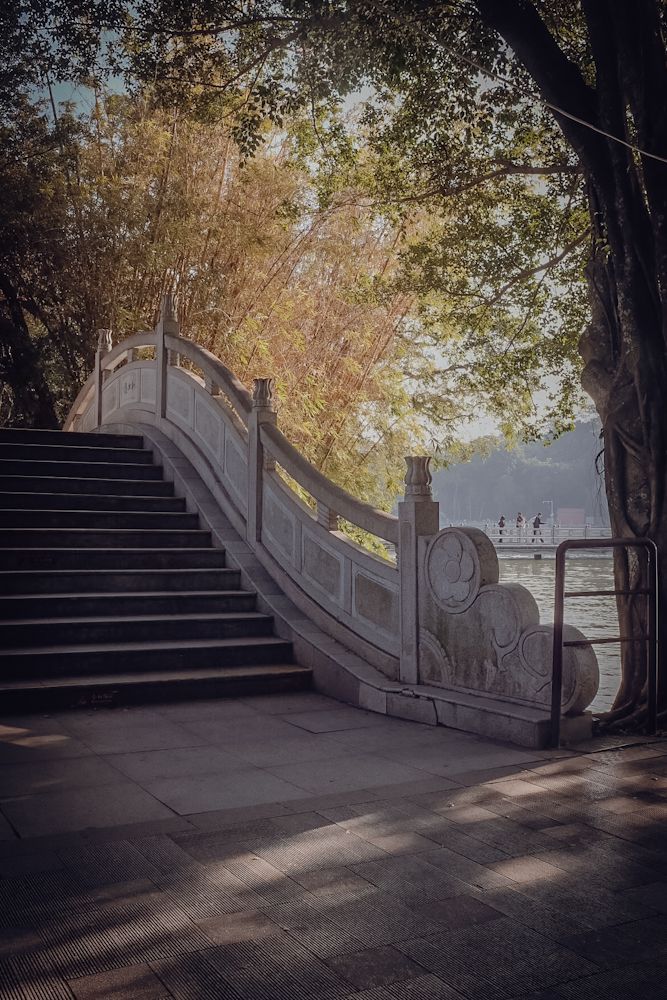
We crossed the lake using the walkway and going through the decorated walkway with its traditional Chinese style. Everything felt Chinese, but in a more classical way. The architecture, the building styles, the plants—even with the bamboo being a feature—as well as the white hump-backed bridges. I was having a special moment with Mathilde and Titaua as we gently made our way back to the bus, and even though it wasn’t the scenic route, you could be mistaken for believing it was. The views were amazing… 
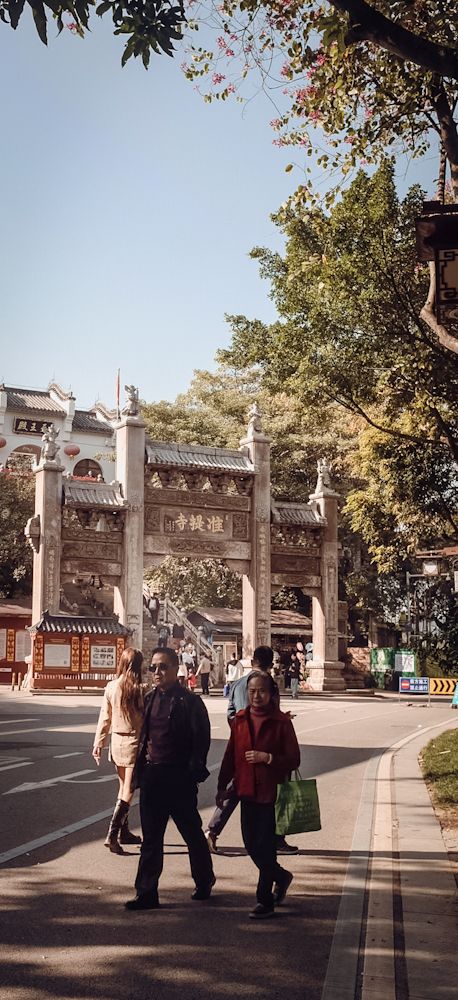
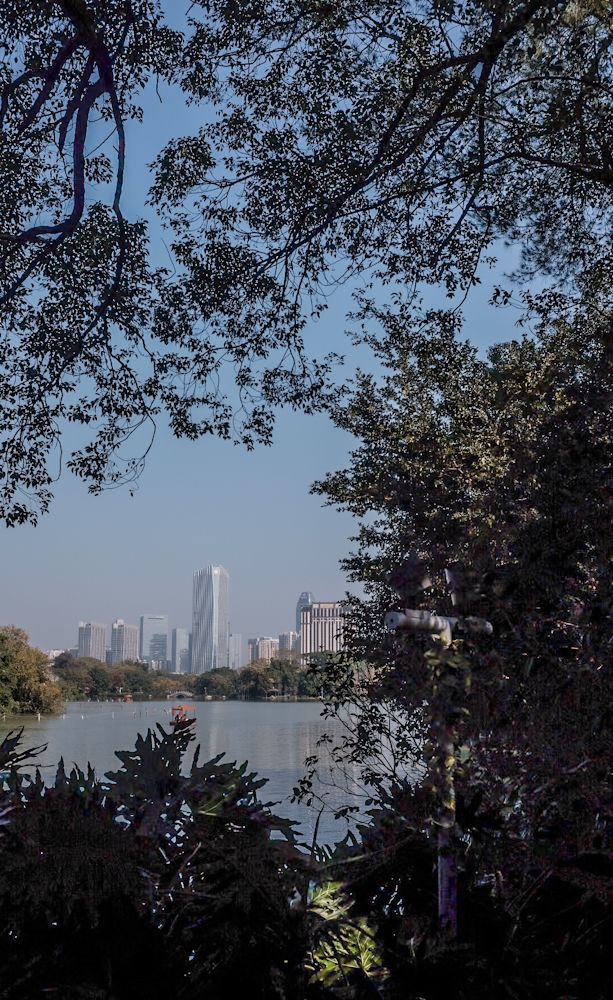
Taking in the light coming through the trees, and sparkling on the water. It was beautiful, and I was so happy to be there amongst longtime friends. Titaua moved on ahead, and I stayed to accompany Mathilde and her bad foot. 

She had put on a brave face the day before, chasing around Shenzhen with the girls. It had gotten so bad that Titaua had to accompany her back to the hotel in a taxi. She didn’t want to put anyone out, and I found myself seeing her in a new light. Maybe that’s what this tour was really about—seeing people in a new light and discovering facets of them you’d never noticed before. When you’re on tour, the masks we all wear tend to slip, and the inner person shines through. It’s human nature to put on a front—I’m certainly guilty of it, especially with my own ongoing struggles with mental health. But during the tour, I felt I could let that mask drop. It was liberating in a way I didn’t quite expect. 

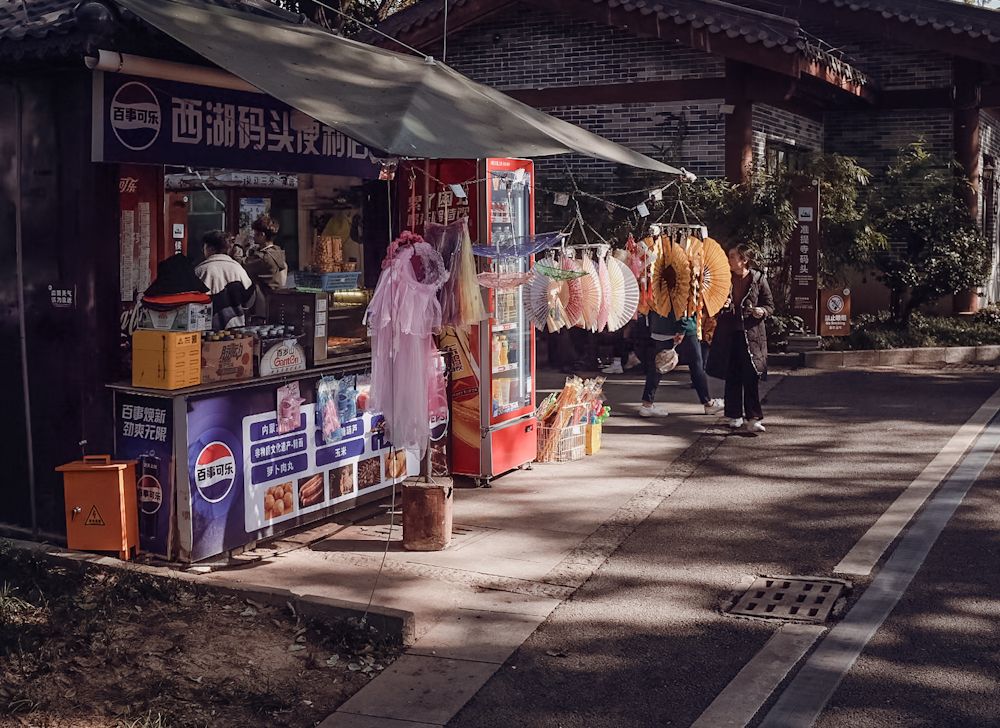
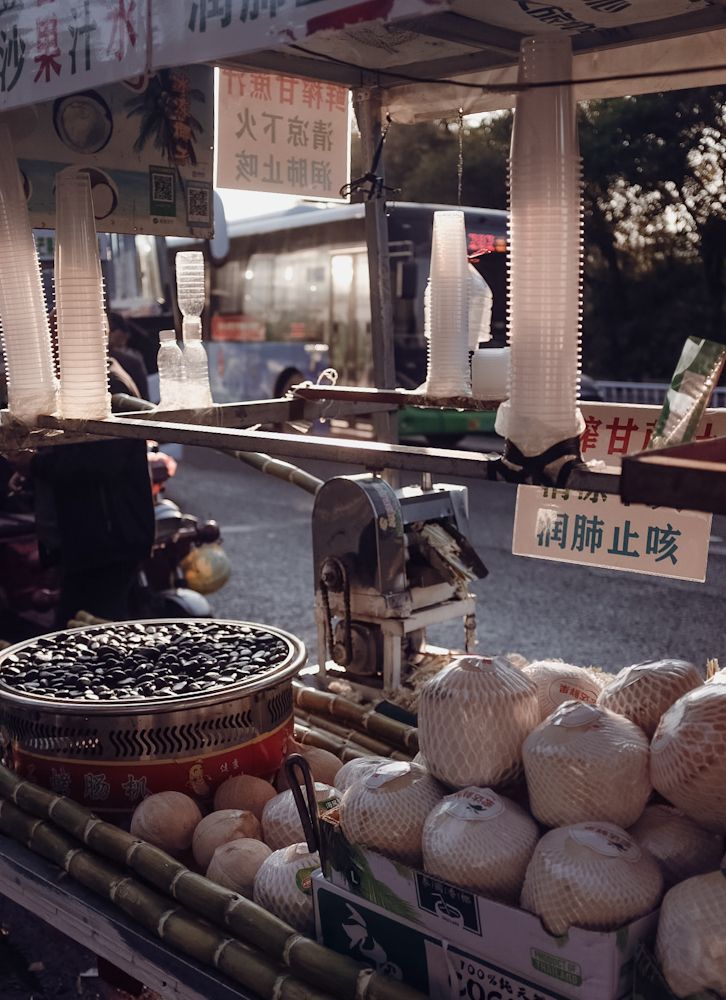
Back at the rendezvous, I was captivated by a coconut and sugarcane juice stall—a moped with a shop grafted onto its back. I didn’t partake but saw how the backlit scene looked very poetic and couldn’t resist taking a picture. I’m glad I did. 
The younger crowd soon returned, with Corentin (aka Sir Fanny Magnet) and Paul (“Duck Tongue” Trouillet) basking in their fan club’s adoration. 

Another selfie session ensued with the younger crowd having selfies with the young Chinese crowd. Corentin, aka Sir Fanny Magnet, and Paul “the Duck Tongue” Trouillet had obviously told their fan club of their imminent arrival. But unexpectedly, that same younger Chinese crowd came up to me asking very shyly if they could have photos with me. I don’t know if it was the Uncle Ian legendary charm or the Father Christmas effect; it certainly left me feeling even more wonderful!

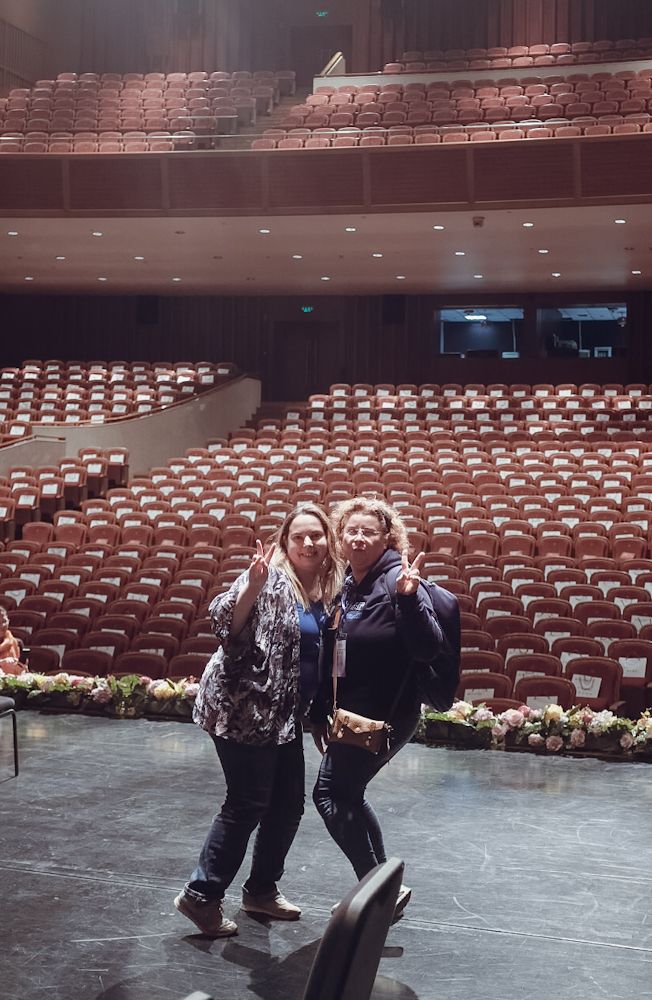
Yes, I think you might have guessed by now, but it was back onto the buses, and off to the venue. I had certainly been inspired for this concert by the kindness and bienveillance of the local population. I would have to make this a performance to remember. And indeed, it was!
Photography Philosophy – Part VI – Connection Through Photography


Building Relationships

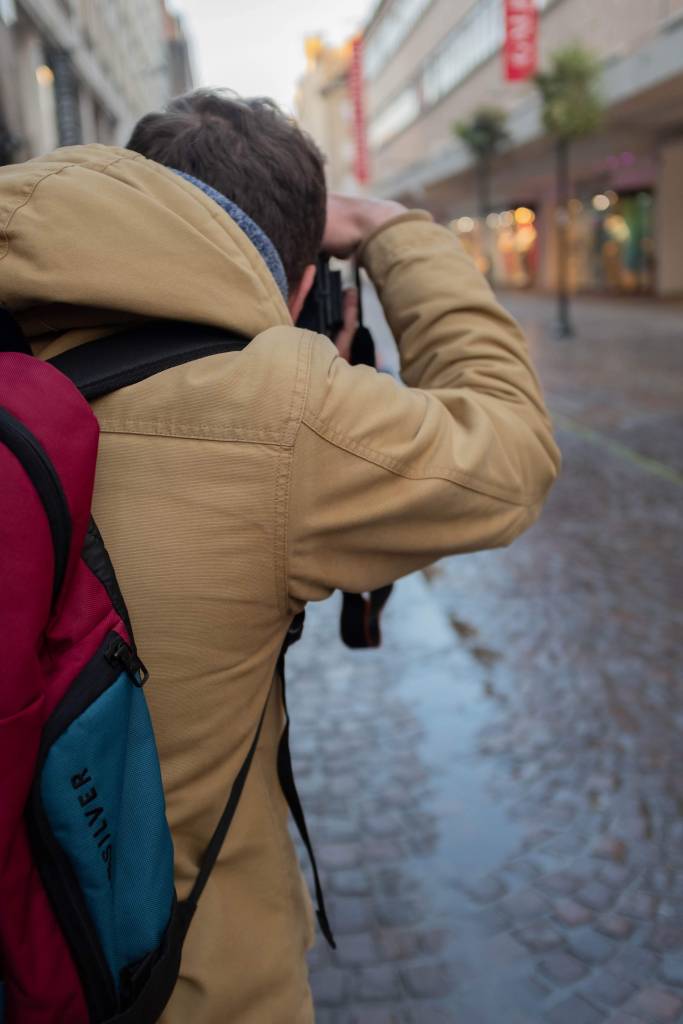
I once read that if two Germans meet, they will form a club. I am not German, but they perfectly illustrate this universal need to belong. They are generally not the most extroverted of people, but even introverts have this need to form a relationship with somebody. As photographers, we have this same urge, but perhaps in a more subtle way. When I’m out on the street, I will always notice someone with a camera, even when I’m without one myself. I find myself looking to check the brand, possibly the make of the camera, and the type of lens the person is using. Even when we simply nod at each other, it’s a recognition of our shared enthusiasm for the art form. Am I judging them? Sometimes, yes, but to err is human.

When I see a film camera around someone’s neck, I am immediately drawn to it. When I venture out with the behemoth Mamiya C220, the camera is almost as much a statement as the actual image I’ll eventually take with it. People will come and inquisitively ask, “What kind of camera is that? Can you still get film for it?” or say, “Yes, my grandfather had one like that.” The obvious charm of a medium format TLR in this modern world.

Photography is sometimes seen as quite a niche activity, and film photography even more so. A film camera gives out a more exclusive vibe, telling the world that, yes, we actually are serious about this, and know what we are doing, as the camera isn’t doing anything for us. We are artists and therefore superior to you, at least that’s what we tell ourselves for validation… One could argue that there is a need for even more knowledge with film photography, and that the need to develop our films just goes to show our dedication to the craft.

Well, not always. But it does give a starting point to a chat, which invariably leads to a discussion about this shared interest, and gives us a common starting point to our relationship, however brief that relationship might be.

I also want to explore the relationship between the subject and the person photographing that subject. For a long time, I was petrified of using a model. I’m an introvert by nature, so the idea of having to make small talk with and direct a model was awful. I wanted to learn more about photographing a model and to break out of this comfort zone. Strangely, buildings won’t talk back at you or tell you what they think of your shot. People, on the other hand, are completely different.

I had learnt basic lighting technique and then had to find models. Luckily, I could rely on my daughter and wife as my first subjects, then branch out to include my son and his then-girlfriend. I then moved onto unsuspecting friends, fellow musicians, and eventually felt my confidence slowly building enough for me to photograph complete strangers by establishing that rapport between us. I discovered that sometimes they were as terrified as I was. Again, something we had in common…

I followed some advice from Sean Tucker, who specialises in portraiture. I simply had a conversation with my model, which seemed to put us both at ease. This allowed the model to detach from the shoot and just chat away.

Community and Collaboration

But connection isn’t limited to brief exchanges with strangers on the street; it can also be found in deeper collaborations with other photographers. As I said earlier, I am more of an introvert, and the idea of making an effort to be sociable is something I find exhausting. At parties, I have been known to chill out on the outer realm of guests and chat to the dog. Hey, we have great conversations together!

However, I have been known to make that special effort and even meet up with other photographers. If you’ve ever talked to me about photography and the merits of various pieces of kit, and actual cameras, you’ll know that I can talk about it until the cows come home—to the point that most people switch off after 30 seconds. But when you have a captive audience who actually cares and knows what you’re talking about, it just brings me out of my shell.

Sometimes one might think it’s a very blokey thing to meet up with other men and talk about, and participate in, some rather niche activity. That might sound a little suspect, but I assure you it isn’t.

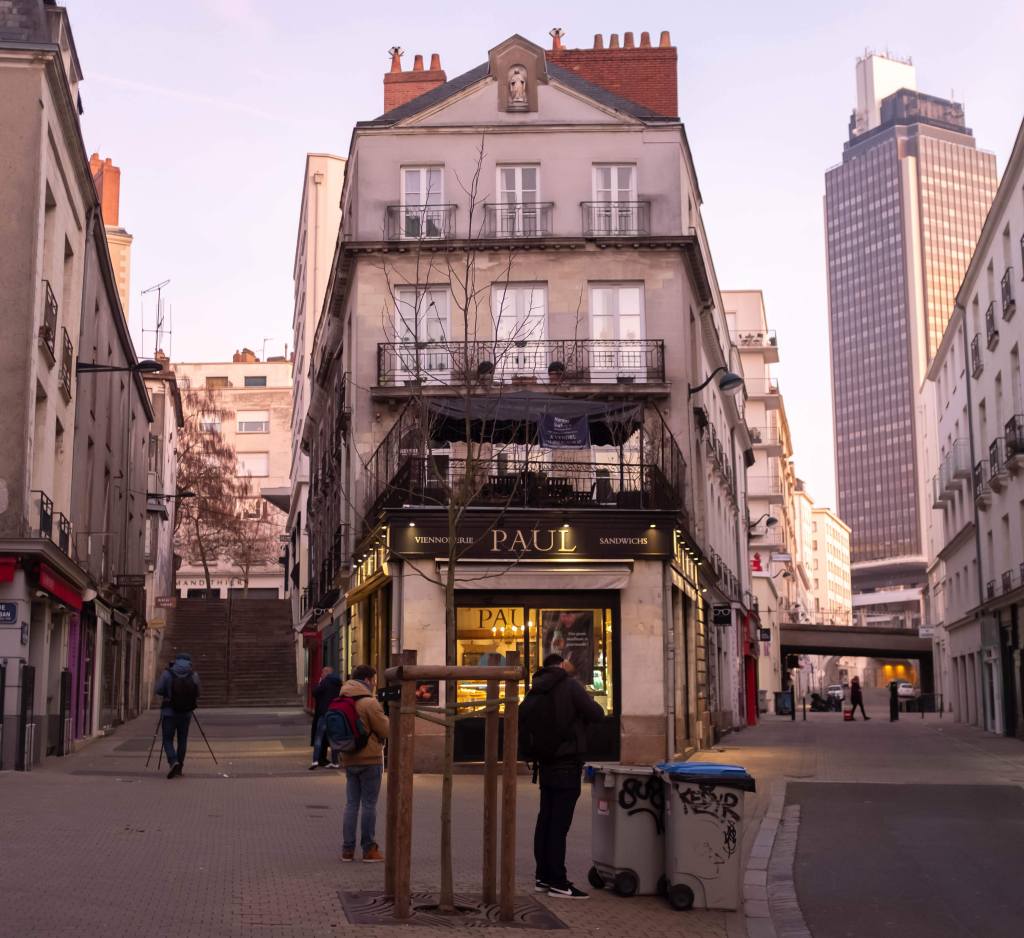
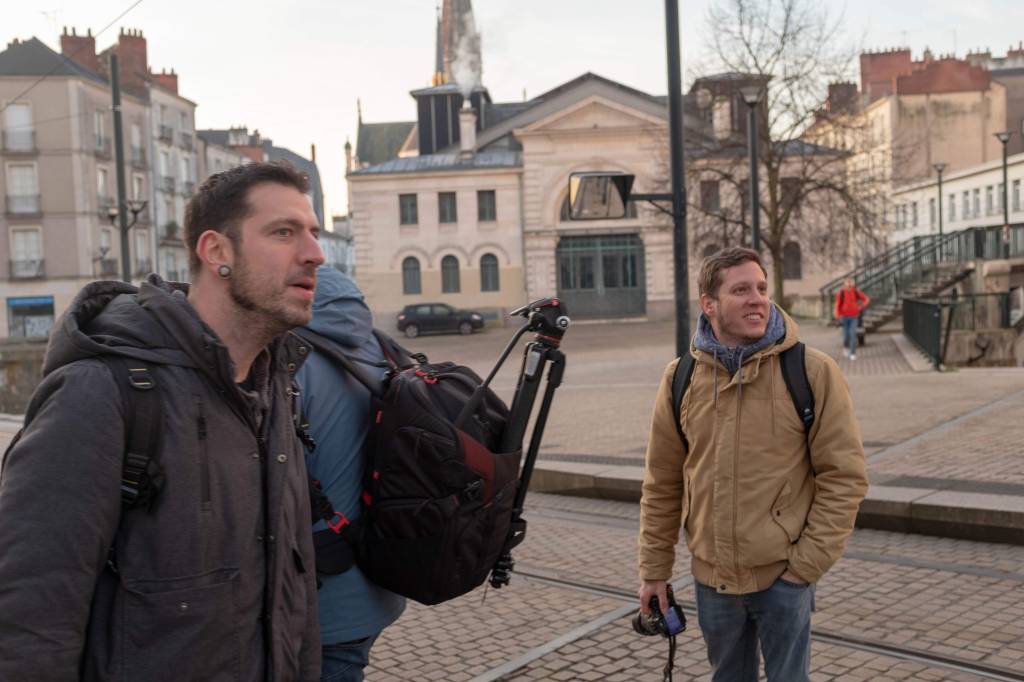
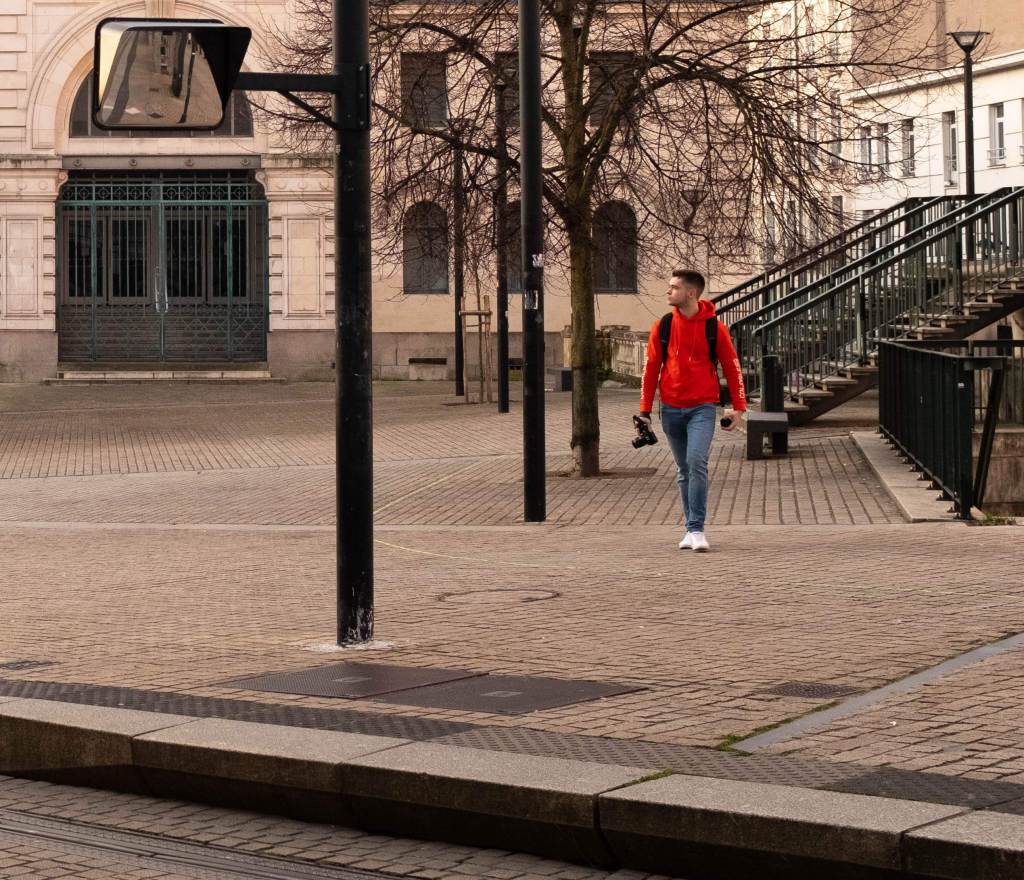
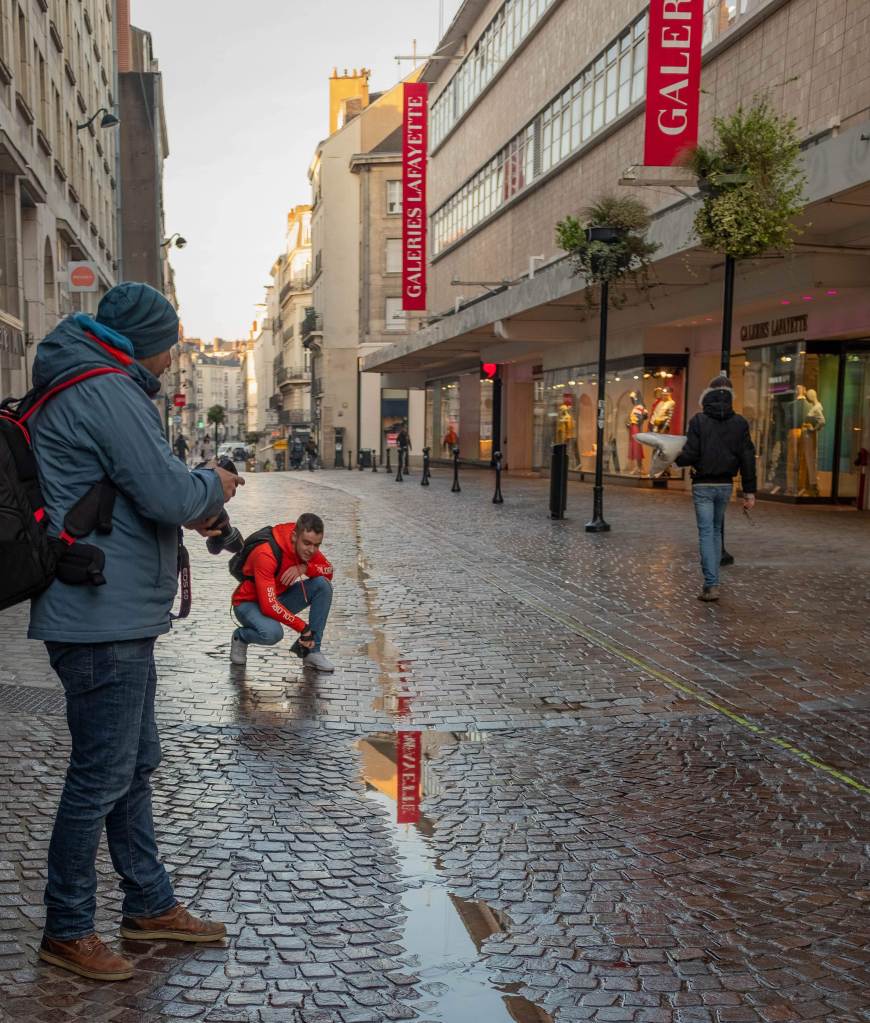
I once had a meet-up in Nantes (the very first article on this blog), and it was so rewarding. It was a typical male bonding activity, and everyone, except for me, brought along their biggest cameras and most expensive lenses. It almost felt like a competition to see who had the most impressive camera. I just brought my relatively tiny X100F, the thinking man’s camera. Much like my car, it’s not the most inspiring thing to look at, but I enjoy using it, and it certainly gets the job done in a very satisfactory way!

I have also collaborated with Nantes Grand Angle, a collective of photographers that have outings in and around Nantes. In exchange for a free tour or free visit, we take pictures during the outings and write about them in our blogs or publish the photos on Instagram. I have done a couple of outings with them, and it’s always interesting to see other photographers in action. They are there seeing the same things as me, but not in the same way. That sense of belonging has a huge feel-good factor too.

A Shared Lens

Photography may often feel like a solitary pursuit, but beneath it lies a powerful thread of connection, weaving us together through moments captured and stories told. Whether it’s the subtle camaraderie exchanged between strangers with a simple nod on the street, the thrill of collaborating with others who share our passion, or the quiet understanding forged with a subject in front of the lens, these encounters remind us that we are never truly alone in this journey.

Through photography, we find not just a way to see the world but a way to be part of it—a community of like-minded souls bound by a shared appreciation for light, shadow, and time itself. In the end, our photographs are a bridge, linking us to others and creating a lasting connection beyond the mere act of pressing the shutter. For as long as we hold a camera, we’re part of something bigger, capturing fragments of life that, no matter how fleeting, will always connect us back to one another.

Classic Chrome Meets Portra 160: Evaluating the Pentax ME Super and Fujifilm X100F


Let’s talk about two of my favorite cameras—the Fujifilm X100F and the Pentax ME Super. While these cameras belong to entirely different eras of photography, they share a surprising similarity in size and portability. I’ve used both extensively, and today, I want to compare their unique qualities without turning it into a clichéd “film vs. digital” debate.

Photography enthusiasts often find themselves in one of two camps: those who champion the convenience and immediacy of digital, and the purists who swear by the timelessness of film. But if you’ve followed this blog for a while, you’ll know I don’t see things that way. Instead, I value what each format brings to the table, and more importantly, how both contribute to the experience of photography.

A Tale of Two Cameras

For me, photography is more than just the final image—it’s about the journey of capturing it. Any Lomography fan will agree: the process is as important as the outcome. When I shoot with the Fujifilm X100F, I appreciate the immediate feedback of seeing the image on the screen and knowing right away what I’ve captured. But with the Pentax ME Super, it’s a different experience. I have a rough idea of what the film will deliver, but the magic isn’t fully revealed until the film is developed. That anticipation is part of the charm.

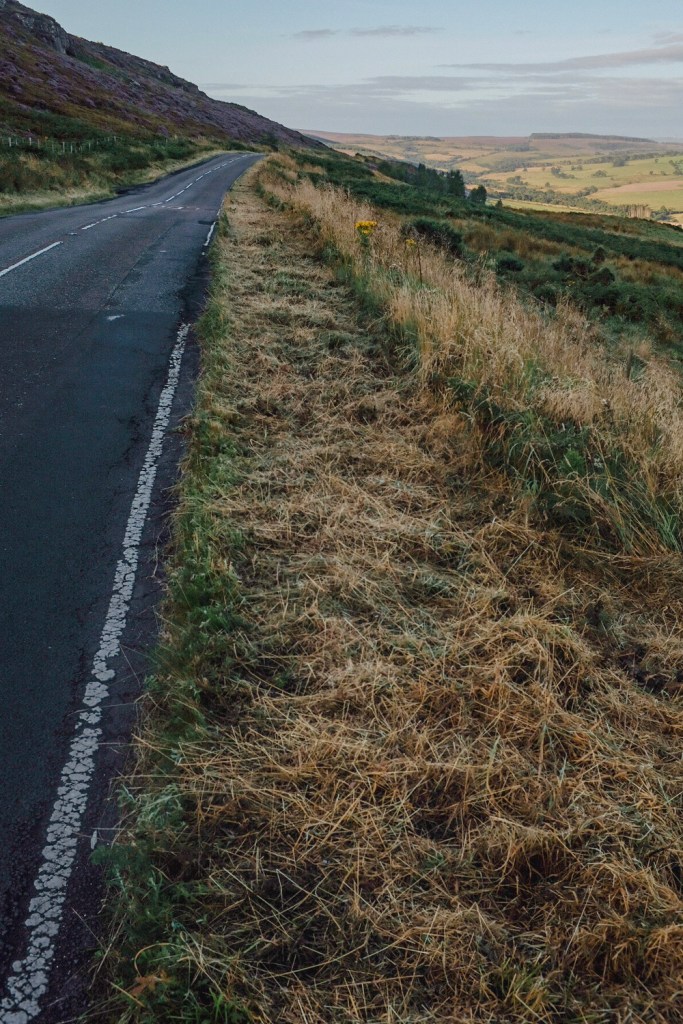
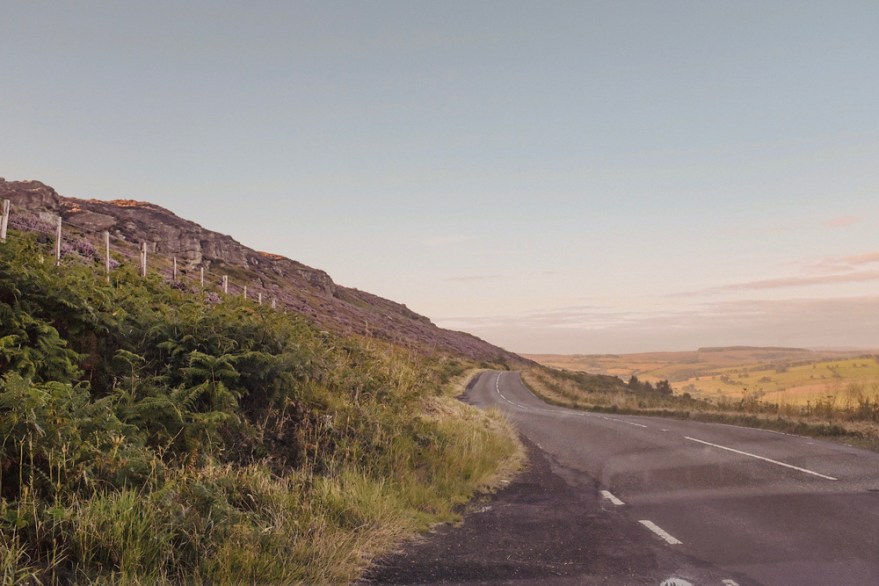
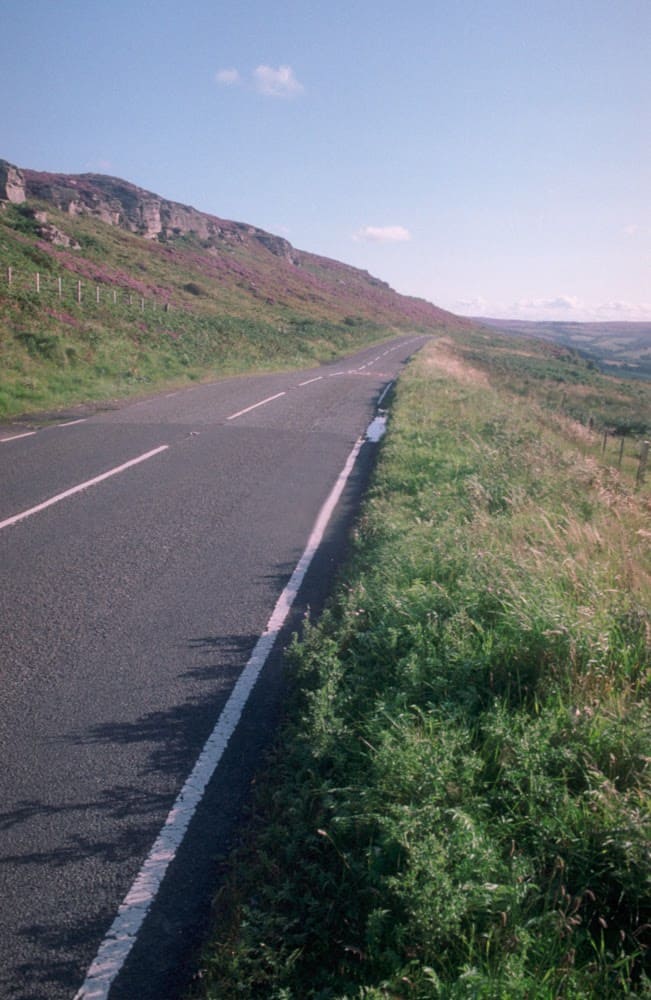
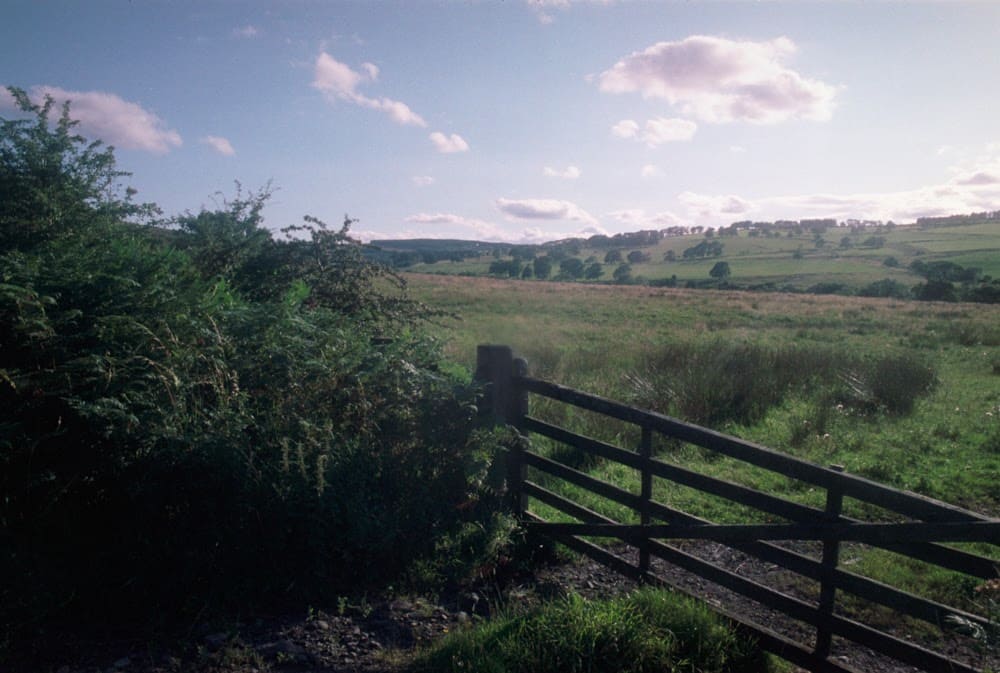
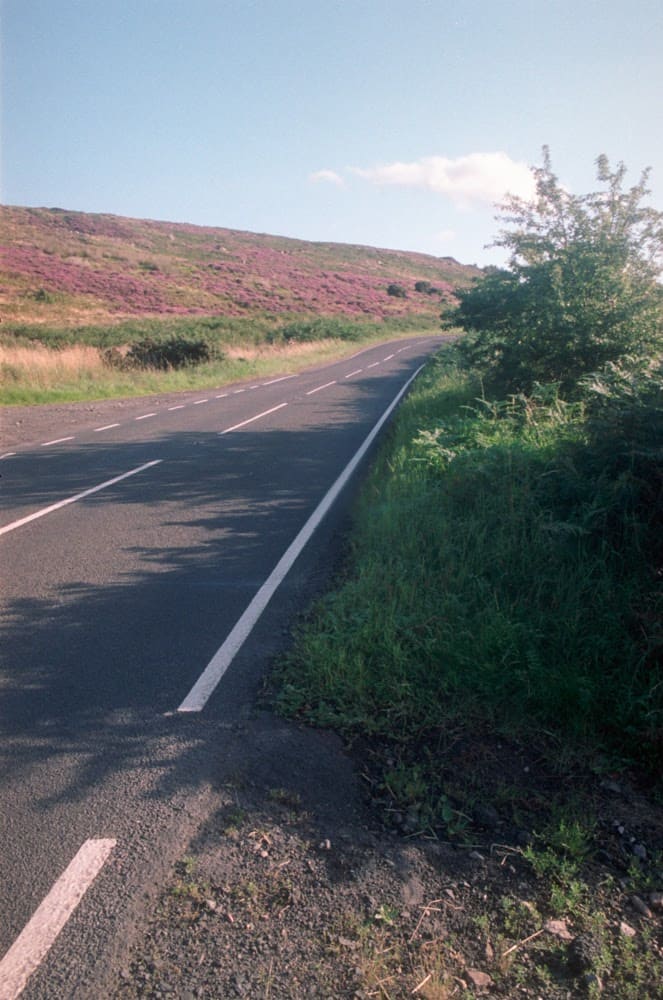
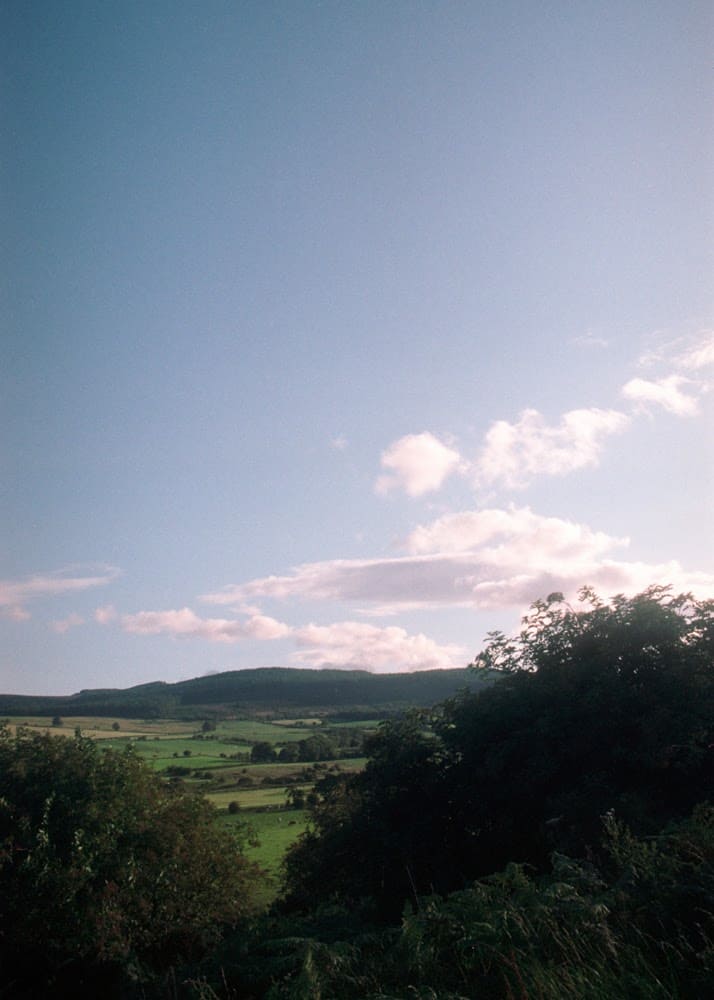
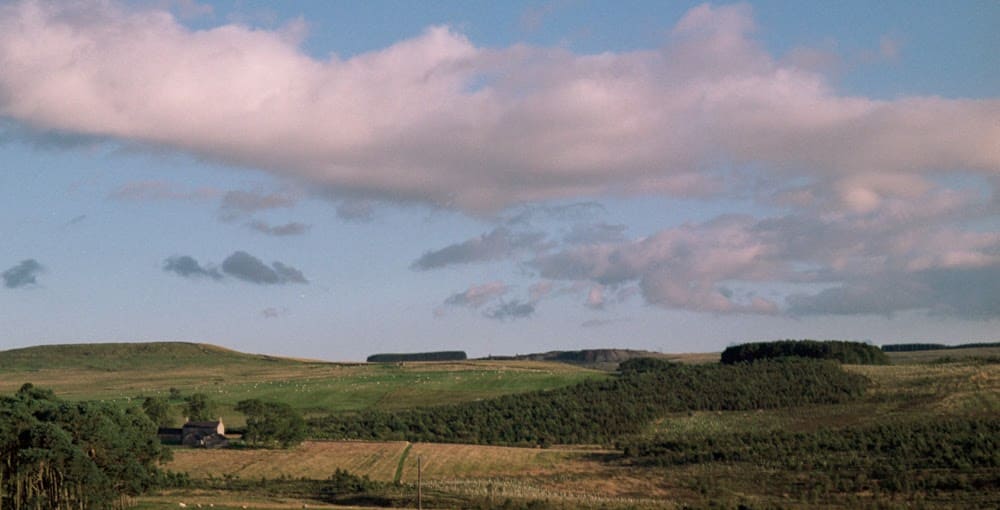
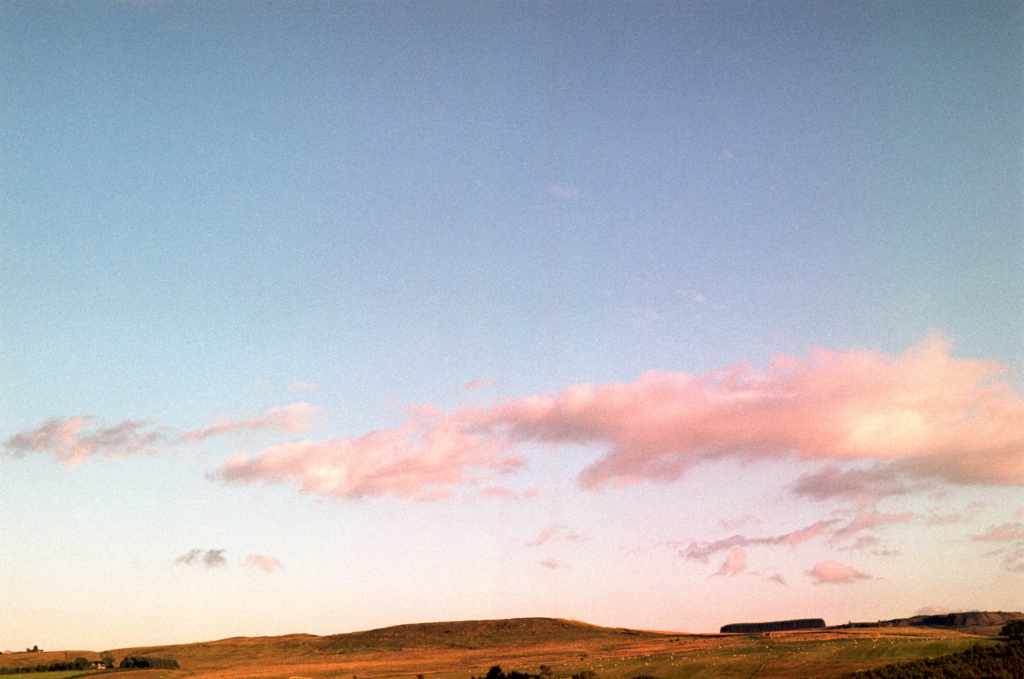
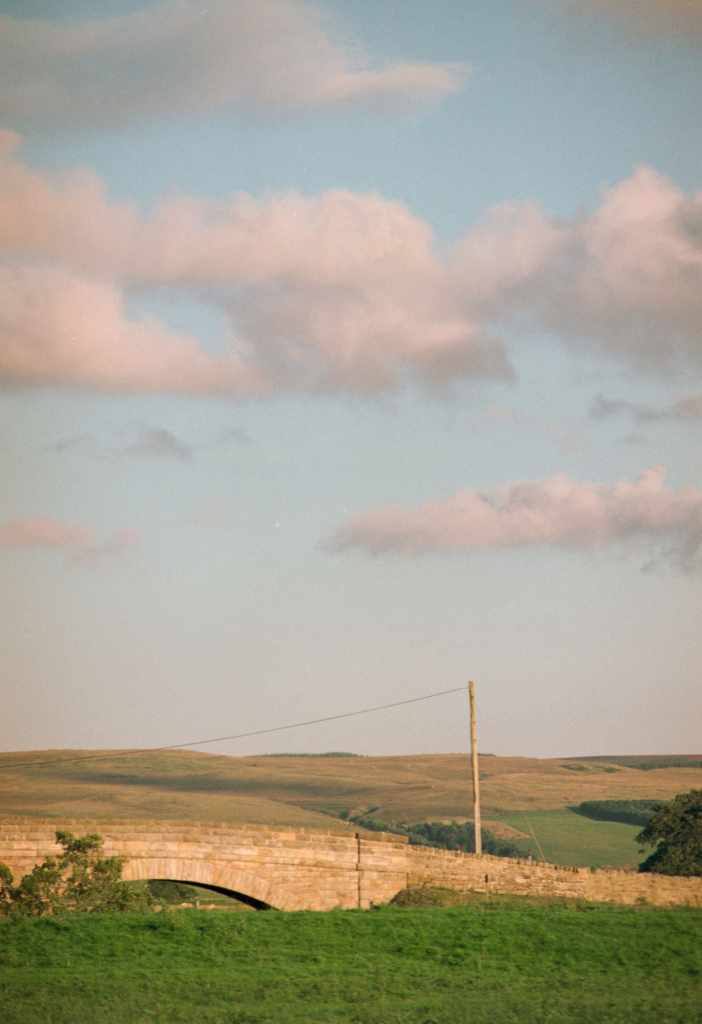
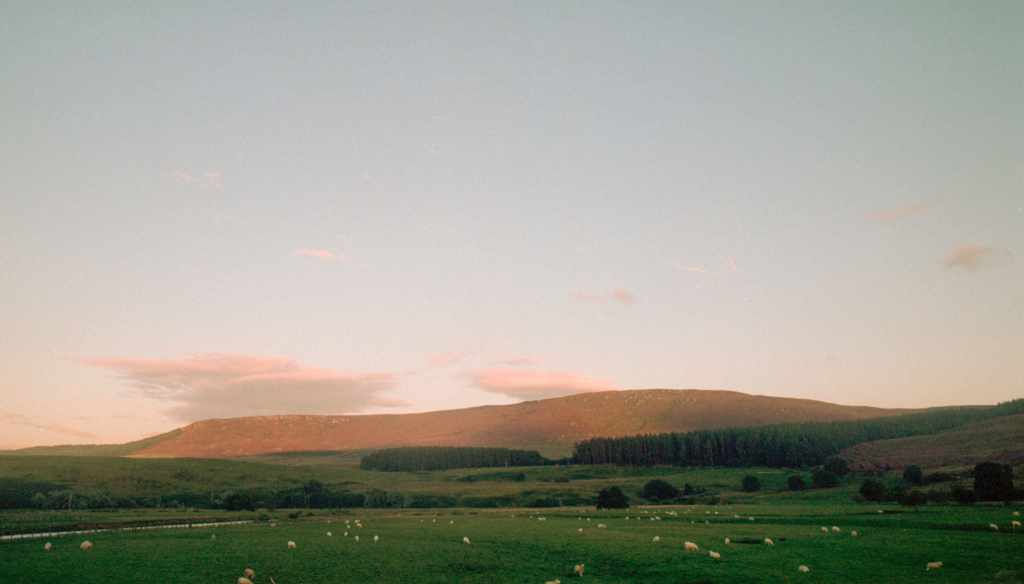
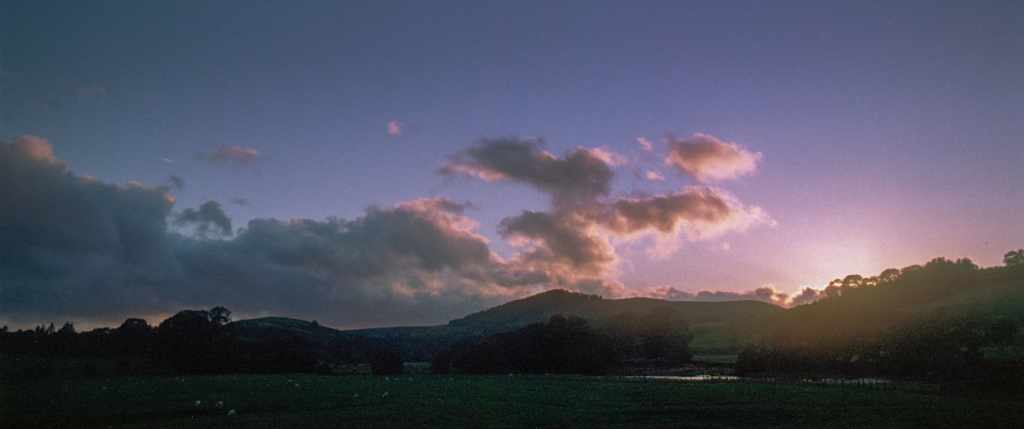
For this comparison, I’ve chosen photographs from Northumberland. Its moody, windswept landscapes—places like Alnmouth and the Northumbrian moors—present the perfect canvas for both film and digital. The X100F’s Classic Chrome simulation delivers a retro, muted look, while Kodak Portra 160 film, shot through the Pentax, brings warmth and richness to the tones.

The Fujifilm X100F

he X100F has often been called a bridge between the analogue and digital worlds, and I tend to agree. It’s packed with modern features like autofocus and an electronic viewfinder (EVF), but the controls are refreshingly tactile, with dedicated dials for aperture, shutter speed, and ISO. For anyone with a background in film photography, this setup feels familiar and intuitive.

What sets the X100F apart for me, though, is its Classic Chrome film simulation. It offers a subdued color palette that echoes old film stock, perfect when I want a slightly desaturated, vintage aesthetic. Unlike some over-the-top digital filters, Classic Chrome feels organic and subtle—bringing out details in the shadows without overwhelming the shot with contrast.

The X100F Photos

The Pentax ME Super

On the other hand, the Pentax ME Super is all about slowing down. There’s no EVF, no digital screen, and definitely no autofocus. Instead, you rely on a split-prism focusing system and aperture-priority mode. It forces you to be deliberate with each shot, a process that I find incredibly satisfying.

You’ll often hear film photographers talk about being more “in the moment” when shooting on film, and that’s exactly how I feel with the ME Super. The process of carefully composing each shot, setting exposure manually, and waiting for the film to be developed encourages patience and thoughtfulness.

For this outing, I paired the ME Super with Kodak Portra 160, a film that’s become known for its natural skin tones and soft, warm colors. Paired with the 50mm f/1.7 lens, this combination creates images with that unmistakable film character—shallow depth of field, soft highlights, and rich colors.

Lenses and Sensor Size

One of the most noticeable technical differences between these two cameras is their lenses and sensor sizes. The X100F features a 35mm equivalent f/2.0 fixed lens, while I usually use the 50mm f/1.7 on the Pentax. On the sensor front, the X100F has an APS-C crop sensor, giving it a narrower field of view compared to the full-frame 35mm film in the Pentax.

This technical difference goes beyond field of view. The Pentax ME Super has fixed ISO based on the film I choose, so I need to plan ahead for the lighting conditions I’ll be working in. In contrast, the X100F allows me to adjust ISO on the fly, providing flexibility in rapidly changing environments. This is something digital photographers have come to rely on, and it’s undeniably convenient when shooting in variable light.

The Pentax ME Super photos

Comparing the Images

Now, the big question: which is better, the Pentax ME Super or the Fujifilm X100F? Honestly, neither. They’re different tools for different purposes. Whether you’re drawn to the organic feel of film or the convenience of digital, both formats offer something unique. And that’s the beauty of photography—there’s no one-size-fits-all approach.

The sideshow feature shots from both cameras. As you look at them, you might favour one look over the other. The film shots have a warmth and texture that digital sometimes struggles to replicate, while the digital photos are sharp, detailed, and offer instant gratification. But ultimately, this comes down to personal preference, not a matter of one being objectively better.

Final Thoughts

At the end of the day, a camera is just a tool for capturing a scene in a particular way. As long as the final image is pleasing to the eye, I’d say the job is done. So don’t limit yourself to just one format—if you haven’t tried shooting film, give it a go. If you’re a film photographer who’s hesitant to try digital, maybe the X100F will ease that transition with its analogue-like feel.

More than anything, I encourage you to enjoy the process, whether it’s with film, digital, or both. Get out there, take your time, and remember that photography isn’t just about the images you capture—it’s about the experience.


Post Scriptum:
For those of you new to my blog, welcome! I cover everything from camera reviews to photography tips and techniques. Whether you’re a seasoned photographer or just starting out, there’s something here for you. Feel free to leave your thoughts or questions in the comments below—I’d love to hear from you!

Smartphone Photography – Welcome to the Dark Side


Introduction

You might have caught on to the fact that I’m a little bit the photography enthusiast. I even have a “few” different cameras, most of which are manual film cameras, with a few digital ones thrown into the mix. Over 40 years of learning have gone into getting the results you, Dear Reader, might just have seen on this blog.

Democratisation of photography

How many times have I heard people say, “Oh, I just use my phone,” or worse, “Oh, I could just do that with the camera on my phone?” These statements can really get on my wick! Don’t they just toss aside all the work I’ve put into photography with “real cameras?”

But after a lovely cup of tea and a slice of cake, my nerves have settled, and I’ve had time to reflect on the brashness of my emotions, and come back down to earth. Yes, some people do use the camera on their phone, and maybe, just maybe, unlike the microwave in the tea-making process, it might have a role in photography. Ooooooh, haven’t I just gotten controversial!

A little historical context

Just a quick interlude to remind myself of the democratisisation of photography that came with the Box Brownie in the 1920 and the purists were up in arms! Then the shock and horror of those same purists when colour photography came out with those dastardly Kodak Instamatics, and making photography even more egalitarian. Maybe the phone is just the extension of this and I should remove my own head from my arse and just chill!
The best camera?

“The best camera is the one that’s with you.” — Chase Jarvis.

While this statement might be true in absolute terms, it pains me to admit that for most of the hoi polloi, that camera might just be the one on our ever-intrusive phone. Does that mean I’d choose my phone over a film camera? Hell no! But it does remind me that photography is about capturing the decisive moment in time. I’ve often talked about balance in the photographic process, where you might have to sacrifice grain or digital noise (grains rather disgraced cousin from an inbred family, where somebody knew somebody in the family), to get more light to expose a shot. Or where I might have to sacrifice a certain amount of bokeh, in order to use a longer lens to “bring me nearer to my subject… The eternal give and take, if you will.

I think we might just have to have a little reality check here. Will a mobile phone, or even a very smart phone with a degree in smartness from the dashing and debonair university of Smartness upon Thames, ever be as good as a film camera, or a modern DSLR, even my beloved X100F? No. Sorry if I have just pissed on your bonfire. It will not. However, does that mean that it is completely useless? Far from it.

You still have to “think!”

As an avid reader of this wonderful and thoroughly informative blog, it will not have escaped your attention that I have written a couple of articles about the fundamentals of photography.  Going from the very basics of the exposure triangle, through various rules of composition that come to us from the world of traditional art, and that have been transferred to photography.  You will have found out and learnt about various lenses available for various cameras, and I have even touched upon the differences between medium format and 35mm film photography.  I talked about the advice given for digital as well as film photography.  I’ll let you into a secret, “It’s just as valid for smartphone photography!

Yes, I’ve said it.  If you put in as much effort into getting the shot on a smartphone as you do with your “real” camera, then You will get good results.  Can you have control over every aspect of the shot?  No.  But, and it’s a big but, “so you other brothers can’t deny,” there is a lot of technology in that little device that really helps you out.

Mindful always

What I’m trying to get at is that when you mindfully take photographs, even with your phone, it is always better than just snapping away like a small dog that knows it’s small.  Just a tiny bit of effort towards composition will go a long way.  Think about framing, and where the objects are in your image.  Think about where the light is coming from.  Try and get the best image that you can.  So it’s not a Leica?  You still have your kidneys and haven’t had to sell one yet.  It might be a less formal way of taking a photograph, but I would really like you to respect yourself and put in the effort to take your phone photography beyond the bare minimum.

Conclusion

It would appear that smartphone despite my frist misgivings is here to stay. It is a logical progression of the democratisation of this art. I have been asked to contribute to the website Monochromia, and one of my future colleagues reminded me that one of their contributors uses only his Iphone, and has received all kinds of accolades and has been the subject of numerous Expositions. I have seen his work and it is clear that he is a most mindful photographer, and the only thing that separates us are the tools we use to capture the image. I must not be such a photgraphy snob and so dismissive.

What’s next

I might just have to go further into this subject and talk about editing images on your phone and giving you ways of sharing your images if you so wish.  Maybe even some tips to help you get the results you want.  I will talk about the features of the phone camera, how the AI within can help you not just in photography, but also in video production.  Stick around to find out more!

The X100F, again!


It seems that I’m not the only one who raves about this powerhouse of a camera. This just proves that size truly doesn’t matter. I’ve mentioned it on numerous occasions and I stand completely justified in doing so!

Here’s a selection of articles that I have written showcasing phtoography from this amazing little camera in no particular order:

The idea behind using a camera is not just about capturing moments, it’s also about the experience it grants you. This camera has the ability to inspire and motivate its users to explore and create, which is a testament to its design and functionality. The joy and enthusiasm that comes with using this camera is contagious, and it’s evident in the way it empowers photographers to unleash their creativity. It’s not just a tool, but a companion that fuels the passion for photography, encouraging individuals to embrace the world around them through its lens.

Why the Pentax ME Super Is the Perfect First Film Camera (Even in 2025)


Dear Reader, if you’ve read my last post, you will understand my current state of photographic helplessness after my X100F was taken out of service. Before we proceed, I want to take a moment to reassure my dear mother that I’m doing fine, being a big brave boy during this challenging time, and not losing my mind. I’m still getting my photographic fix, and I thank you, Dear Reader, for your understanding.

Now, let’s dive into today’s topic. The Pentax ME Super, a camera gifted to me by a fellow musician and dear friend, Robert McMillan, holds a special place in my heart. Using it brings back fond memories, and I’m forever grateful for the thoughtful present.

Introduced in 1979, the Pentax ME Super is a 35mm SLR camera that offers reliability and ease of use, making it perfect for those seeking excellent image quality. However, it requires proper focus and composition to make the most of its capabilities. When I use it, I approach photography in a similar manner to how I would with my beloved X100F, albeit with a slight adjustment due to the 50mm lens, which changes from the 35mm lens on the Fuji.

Technical Specs:

  • Shutter speed range: 4 seconds to 1/2000 second, plus Bulb – allowing wide apertures and excellent depth of field.
  • ISO speed range: 12 to 1600
  • Exposure control: Aperture priority
  • Viewfinder: 0.9x magnification, 95% coverage
  • Other features: include a self-timer, a cable release socket, and exposure compensation.

Handling and Ergonomics:

The ME Super is a well-made and compact camera, making it easy to carry around; it is almost the same size and weight as the X100F. The controls are user-friendly and well-positioned. The large, bright viewfinder helps, especially for those of us with less-than-perfect vision.

While it may not surpass the joy I find in using the X100F, the ME Super is steadily gaining ground, and its satisfying shutter noise is a small comfort during this time of longing. Loading and unloading film is a breeze, and the shutter release is smooth and responsive. Additionally, the camera’s reliability is reassuring, offering solace in the absence of the X100F.

Image Quality:

The Pentax ME Super consistently delivers excellent image quality. Composing shots is a breeze with the sharp and bright viewfinder, and the aperture priority exposure control ensures proper exposure. For someone like me who cherishes depth of field, the 1/2000 of a second shutter speed is a delightful feature.

Moreover, the ME Super is compatible with a wide range of Pentax K-mount lenses, providing versatile options for image-making. With my collection of 24mm wide-angle, 50mm F1.7, and 24-80mm zoom lenses, I’m well-equipped for various shooting scenarios, and there is even a 15mm wide angle lens, but I nearly peed myself when I saw the price!

The Verdict:

In conclusion, the Pentax ME Super is an exceptional 35mm SLR camera. Its well-made design, ease of use, and ability to produce outstanding image quality make it an appealing choice. If you’re searching for a reliable and versatile camera that brings years of photographic enjoyment, the Pentax ME Super won’t disappoint.

Pros:

  • Excellent build quality
  • Sharp and bright viewfinder
  • Simple and straightforward operation
  • Wide range of compatible lenses
  • Capable of producing excellent image quality
  • Built-in exposure compensation
  • Self-timer
  • Cable release socket

Cons:

  • Flash sync limitations at faster shutter speeds (i.e., more than 1/125)
  • Not an X100F

Overall:

The Pentax ME Super is an excellent 35mm SLR camera, offering great build quality, ease of use, and superb image quality. It’s a dependable choice for any photography enthusiast seeking a delightful film shooting experience.

Additional Information:

The ME Super remains popular among collectors for its exceptional build and image quality. If you’re interested in acquiring one, you can explore used cameras online or at camera shops. Additionally, you’ll find manuals and other valuable information about the camera on the internet.

I hope this review proves helpful. If you have any questions, please feel free to ask in the comment section.

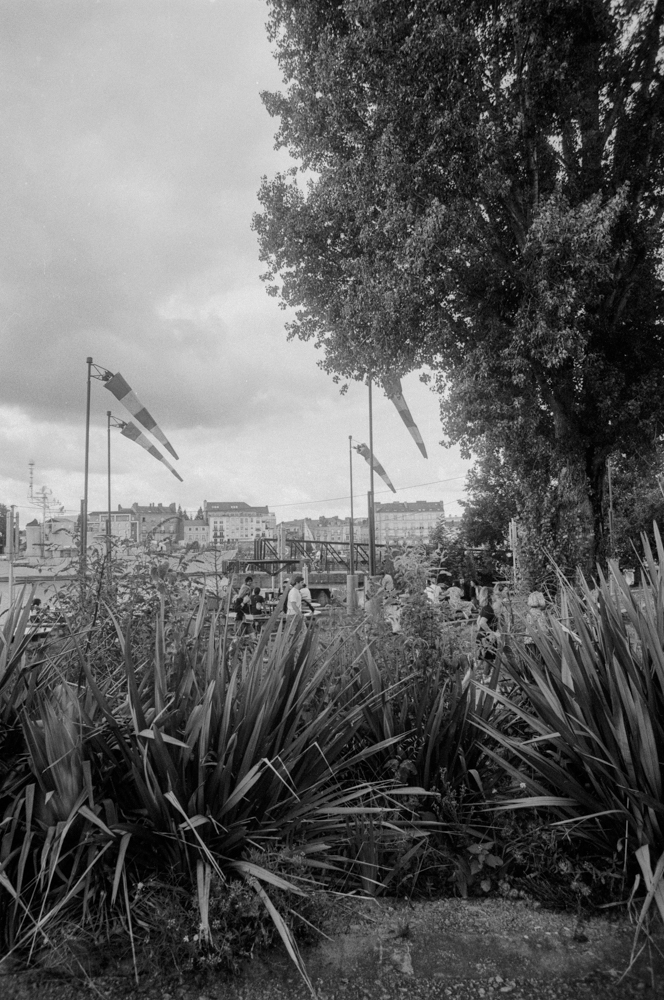
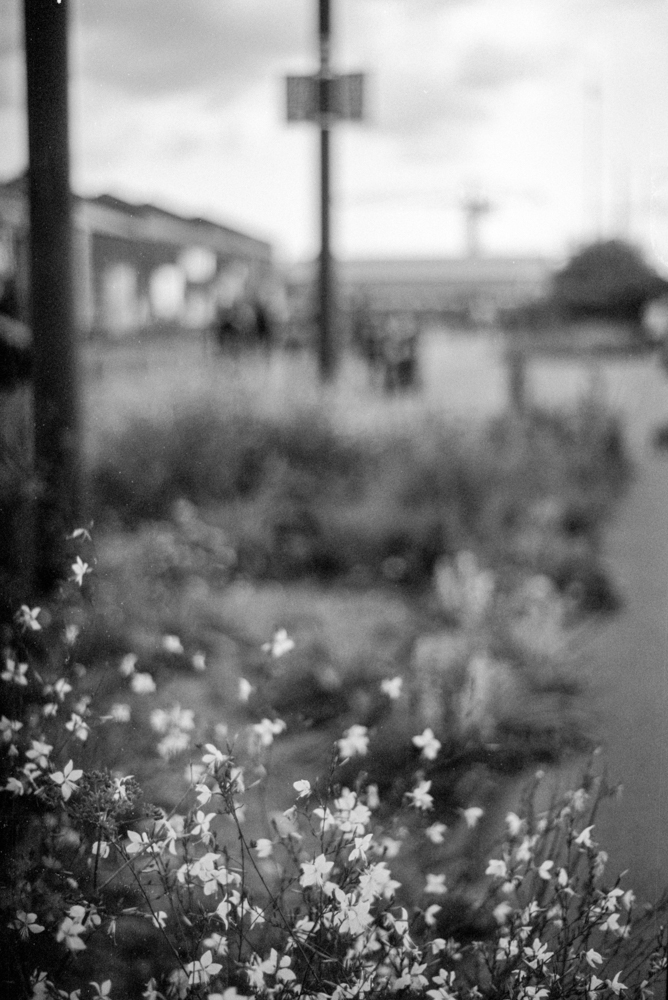
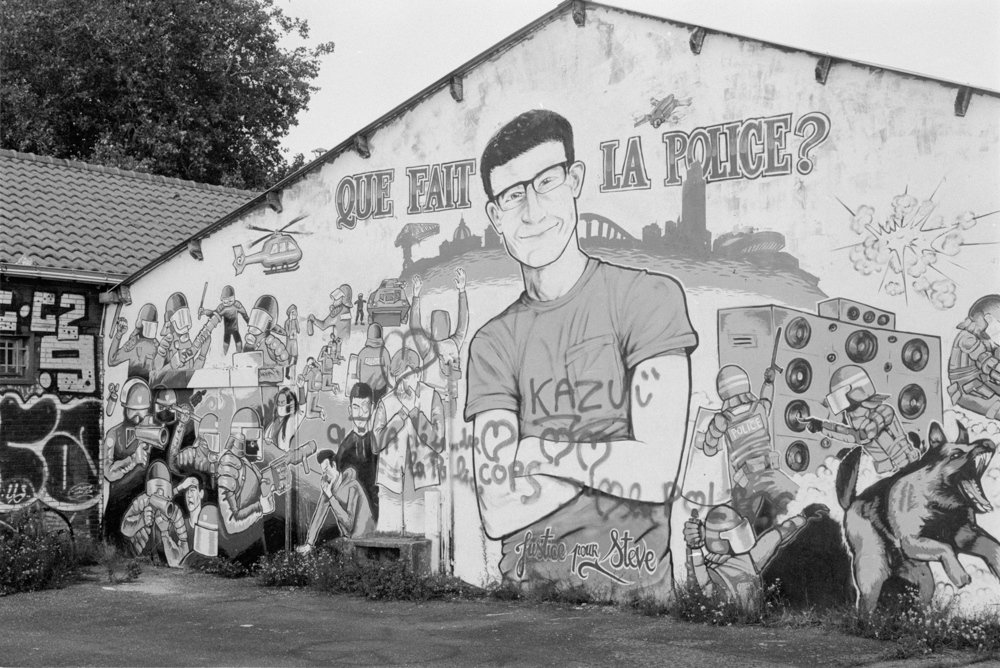
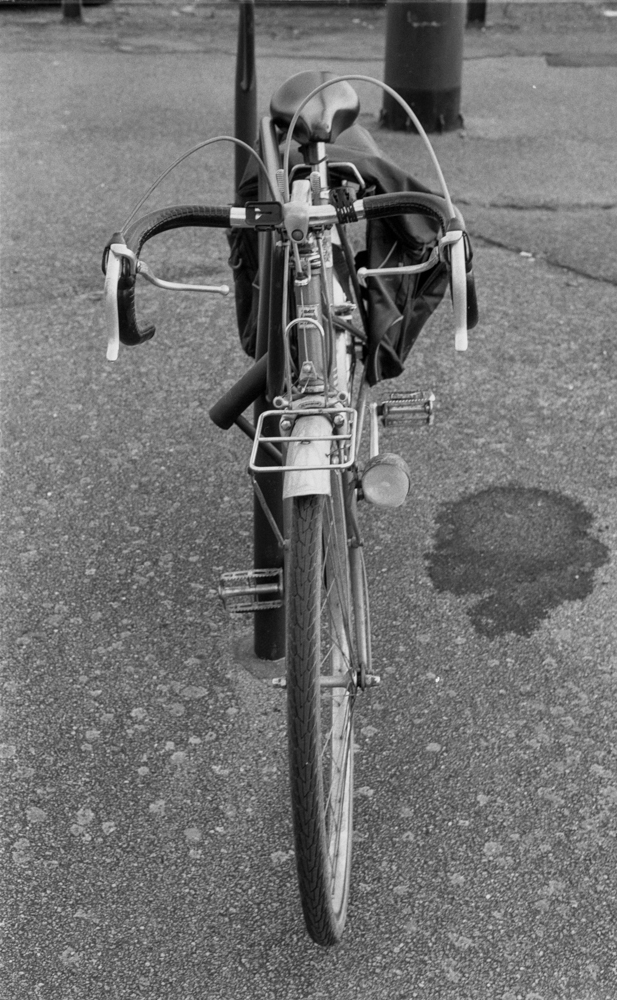
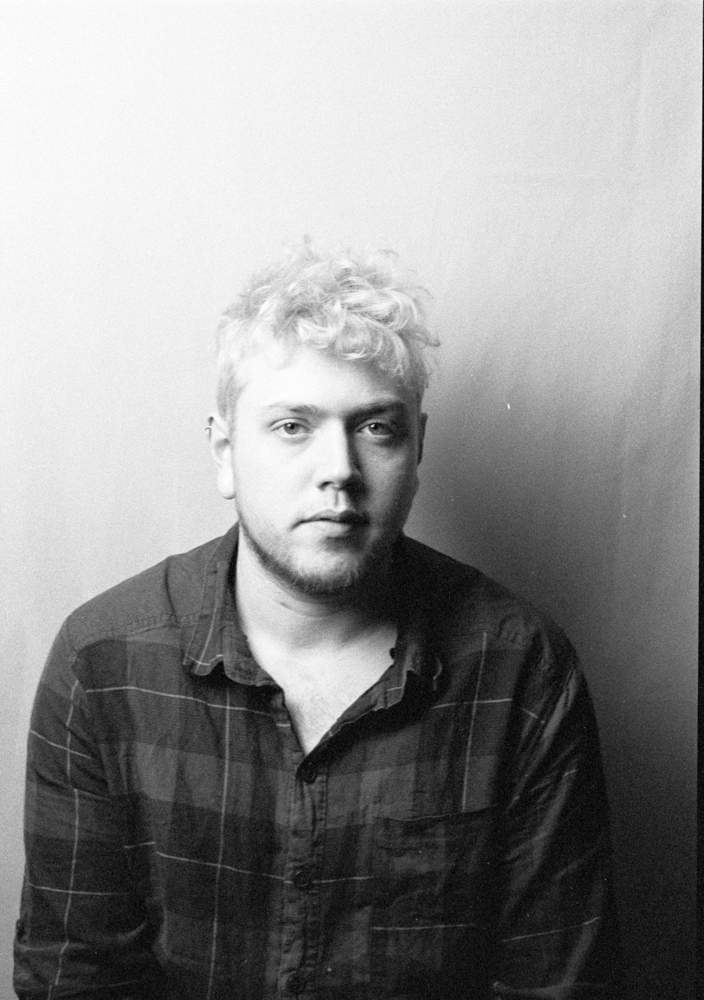
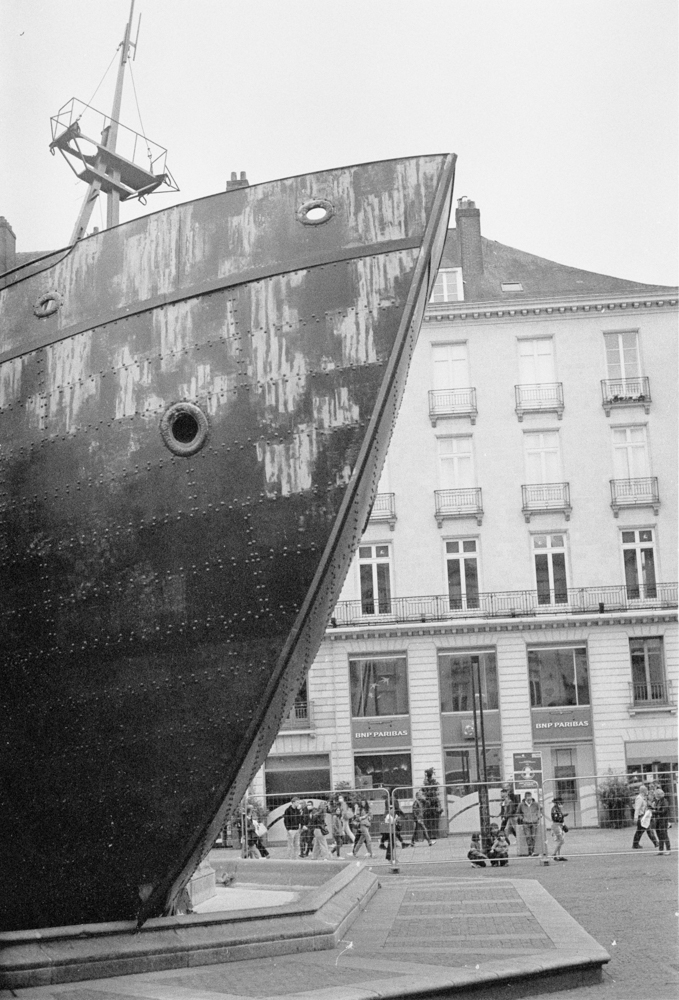
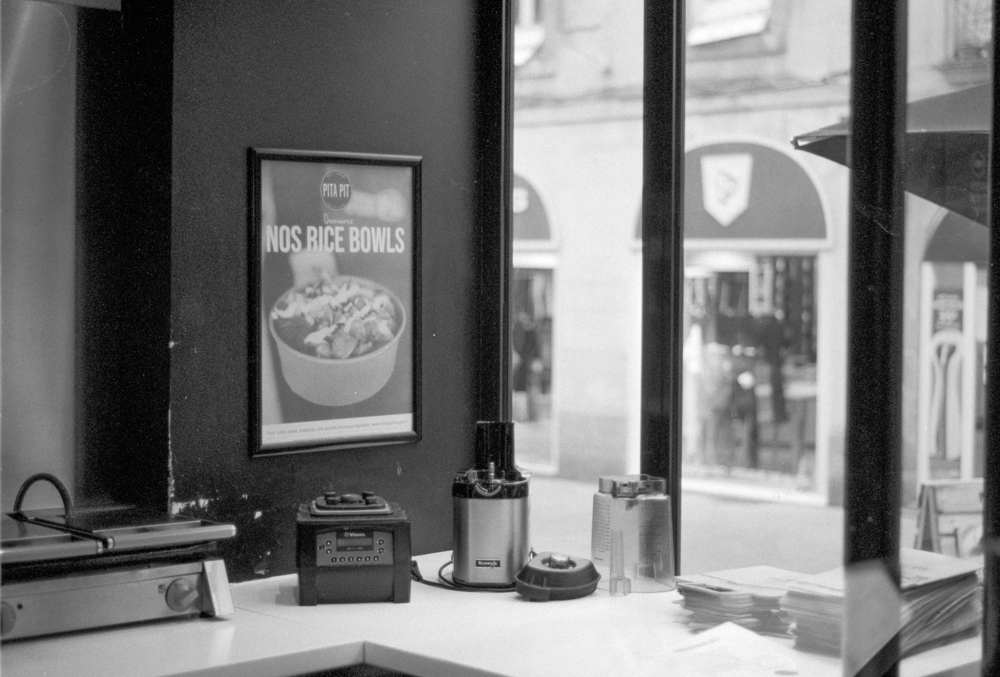
But, most importantly, let me stop talking and allow you to enjoy some photos taken with the Pentax ME Super, capturing moments in Clisson and Nantes.

Post Scriptum

If the Pentax ME Super has caught your attention, I’d recommend checking out my other posts on classic film cameras like the Olympus Pen EE S (Aug 9, 2023) or my reflections on the lasting appeal of film photography in In Defense of Film (Aug 23, 2023). For a more in-depth look at the Pentax in action, mark your calendars for Capturing the Essence of Nantes: A Street Photography Journey with the Pentax ME Super and Kentmere 100 Film (coming Nov 17, 2023). And for those curious about the Fujifilm X100F, you can preview how it compares in Seeing the World Through 35mm: Street Photography with the Fujifilm X100F (Jun 21, 2023). A more detailed comparison between these two cameras is also coming this November!