Mon beau-père, ce héros


My father in law, this hero.

This is the final chapter from our trip to Brittany. Now, where were we? Ah yes—the party in my pants. Not the fun kind. Not the sexy kind. The kind caused by just one “not so good” mussel.   I had paid my tribute to the seafood god.  And of course, as any self-respecting Frenchman would, we started thinking about lunch.  How very continental!

Marina has a flat just opposite where Gisèle, my mother in law, lives, and had made the very kind offer of feeding us that lunchtime.  Virginie, my wife, was asked if she wanted oysters for lunch.  No she didn’t, Maman. Did I want oysters?  Thinking back to my uncomfortable tribute to the seafood god, not for me, Gisèle. Oh I must have eaten a mussel that wasn’t bon…  Possibly Gisèle…

Gisèle still opened all the oysters she had and laid them out on a platter.  We would take said oysters with the leftovers from yesterday’s mammoth family lunch.  Yes of course I could take this, and that, and t’other….

The plan of the day: eat with Marina, Vincent, Raymond and Sylvie, and then go and see my father in law in hospital before heading home.

We ate with Marina and the others, and it was a lovely meal and we were made to feel so welcome.  Champagne to celebrate the 14th of July.  Ah well, I took one for the team and had a glass.  I wouldn’t be driving anyway.  My wife would be driving since I don’t know how to drive, and when I do, I drive like an old man.  My mother seems to like me driving like an old man, so there, Virginie!

The meal and company were both delicious, but like all good things had to come to an end.  We were going to the hospital to visit my father in law.

The poor chap hasn’t been well for some time, and has battled through cancer, botched operations, and old age.  This was the man I had met 32 years ago.  He was the Pasha.  The main man.  The man.  He was the archetype of a French male.  A man that I had grown to love and respect over the three decades.  Not always easy but what is?

We wandered through the hospital, and we eventually found Monsieur Jacob in his bed watching Arte, and films starring Jean-Paul Belmondo.  He was in pain but so happy to see us.  He looked nostalgic when watching the film, similar to the way I do when listening to the music of my youth.  However, he was no longer the man I had once known.  He had lost his right leg, and actually started to look old.  He looked like a shell of the man I had first met all those years ago.  His hands, once so strong they could crush a walnut, now trembled slightly under the thin hospital sheet.  Virginie held her father’s hand with such love and his eyes were telling her how much he loved her.  She told him about the trip to the UK to see my parents this summer, and about the children.  How Killian was back home, how Kate was changing schools, and how everything was good at home in Vendée.

We didn’t want to tire him more than necessary, and he had a date with Belmondo.  He hugged his daughter, then took my arm and kissed it.  Time moves on whether we like it or not.  He might no longer be the Pasha, but he’s still the man!
Fireworks, and the Party in My Pants


The calm had descended on the family and the Great Shutter Disaster of 2025 had been long forgotten and etched into the annals of family history. Tonight would be about fireworks, food (surprise, surprise), and the party in my pants.  Not that kind of party — this was France, not Netflix. But I did end up with a surprise performance later that night…

Bal des Pompiers: Fireworks, Firemen, and Fashion Crimes

We were all relatively refreshed after lunch and snoozes.  The plan was to head to Saint Cado to watch the traditional fireworks display, and who doesn’t enjoy looking at lights in the sky? Think Guy Fawkes meets French revolution, except we don’t burn anybody, and we celebrate with explosions, merriment, dancing, and firemen.

Tonight would be the “bal des pompiers” which I must remind you has nothing to do with firemen’s balls… Well, maybe towards the end of the dance, but that is none of my business. You could see a cross section of French society: the young teens trying to outdress each other, parents with children trying to keep an eye on aforementioned children, parents of a similar age to me looking at the young teens trying to think how anybody could let them out dressed like that, other older parents looking for food, and quite a lot of us looking for booze.

Organisation Française: A Joyful Mess

The organisation was very French, un joyeux bordel, and yet there were signs of some very organised organisers taking orders, firemen cooking various dishes, and others serving and selling the booze.

We drove down and Marina et al followed in their car. We saw the high-vis jackets telling people where to go to park. We were told to go to Car Park 3, because of la dame in the front seat of my car. La Dame was none other than my mother-in-law who was already in a good mood, flattered to be referred to with such deep respect.

A French Family Comedy in Real Time

We saw Louka, Jessica’s other boy, in a queue for something, and as the evening wore on there would be sightings of more offspring like in a French family comedy film.  Gisèle noticed a friend and her son, and this was the perfect opportunity to sit down, as my darling wife’s bad back was playing up.  All of a sudden we saw the Marina party, and they joined us.  

The Soundtrack to a Slightly Tipsy Night

The music from the French DJ was blaring out across the square, which is usually such a quiet place.  Not Bob Sinclair or David Guetta, but Bob Sincliair C5, and David Guet-Apens.  French hits from Claude François, whose songs are guaranteed to get French into a frenzy and doing specific dances.  Even after 30 years of living here there are still songs about the Phare d’Alexandrie, and barracudas that still traumatise me.  “They” seemed to be loving it and really getting into the “mood!”  There is a law against the shooting of crappy DJ’s.  A pity, really.

Moules Frites and Other Mistakes

Raymond and Vincent were sent away to get food.  There were so many lines of people to follow but I eventually caught up to the boys.  We were in the line for Moules Frites, which is a pretty good line to be in.  Little did I know…  but more about that later. I bought Moules Frites — fortunately nothing to do with the bathing costume of a similar name that modesty forbids me from mentioning.  But those who know will find it funny.  With the Moules Frites you had a piece of bread and either an apple tart, which had nothing to do with young teenagers dressed inappropriately, or Far Breton, which unlike the one from Alexandrie, had prûnes…  But more about that later.

Brownie Points and Last Frites

I turned up with my trays of Moules Frites, for my wife, her mother, and myself.  I was later told by my mother in law that she wasn’t really hungry and that I really shouldn’t have, as she was eating the last moule and the last frite, and that yes, she would have the apple tart.  Classic lose-lose situation.  

I had won brownie points galore when I got back with some cold beers for my wife and I.  Well, one does aime to please. 

Fireworks and Finding the Car

At just after 11.10pm the fireworks started.  We all oohed and ahhed at the appropriate times, and when it was all over played at find that car.  I’m not usually very good at that game but tonight I was on fire (more about that later), and we eventually made it home.  Bliss.

The Party in My Pants

It was up to bed for me for a good night’s sleep.  But, yes, little did I know, I was to be awoken in the middle of the night with a stomach ache.  The party in my pants was under way.  I let out a botty burp, which wasn’t the best idea of the night, and dashed to the loo.  I sat down and had my own personal fireworks display down below.  Explosions and oohing and ahhing..  I managed to clean myself up and discarded my underwear, which bore the brunt of the opening salvo…  An hour later, I had a repeat performance.  This was fast becoming a night to forget — or at least to flush from memory.  

The Seafood God Has Spoken

The seafood god had sought vengeance, and it was my turn to pay.  The French have a healthy respect for the seafood god, as his attacks are notorious, and the scars are worn as badges of honour.  Lesson learnt.  More respect and an extra pair of undies.  A true rite of passage.  I just wasn’t very fond of him having that right to my passage

The Opening of the Film Archives—Abbaye de la Grainetière, October 2016


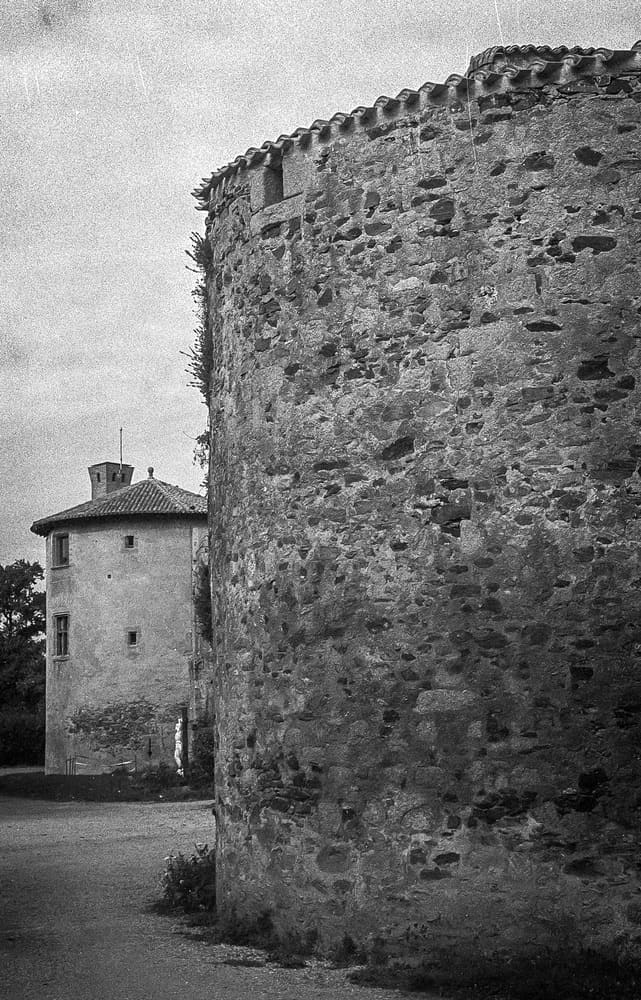
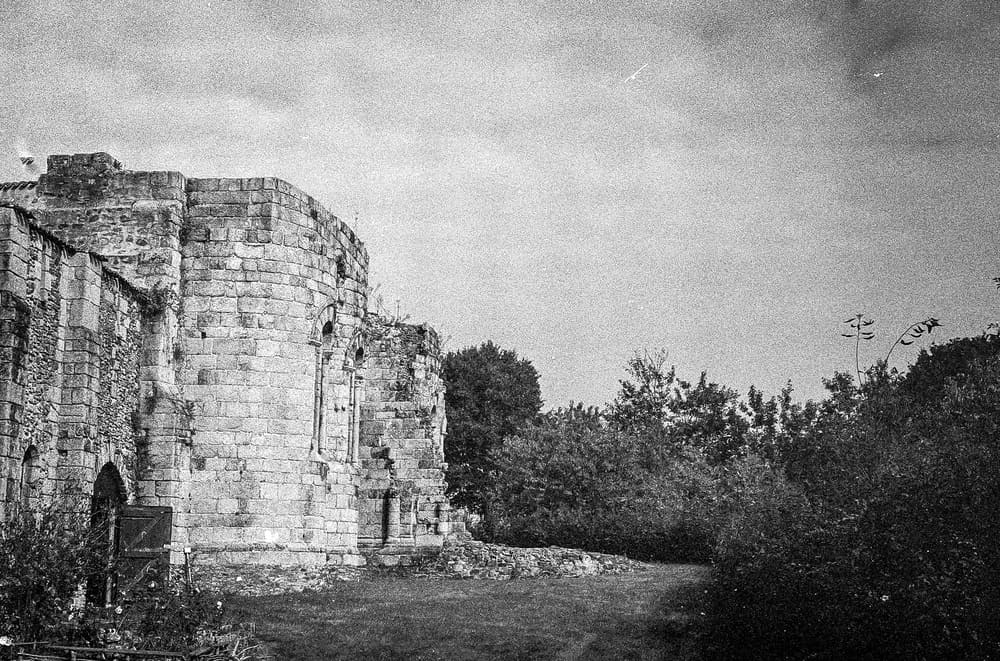
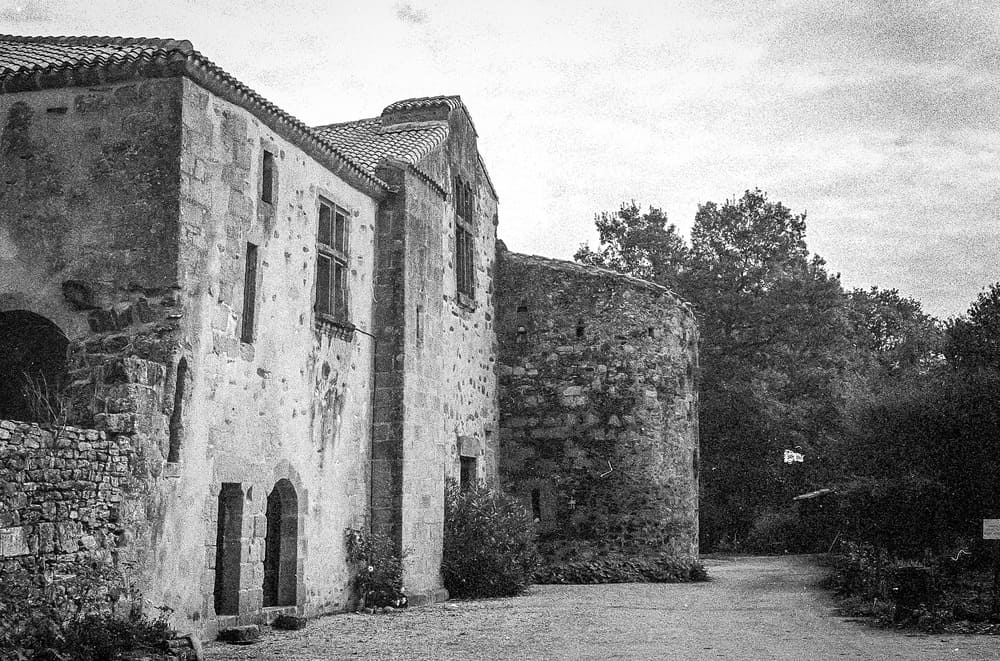
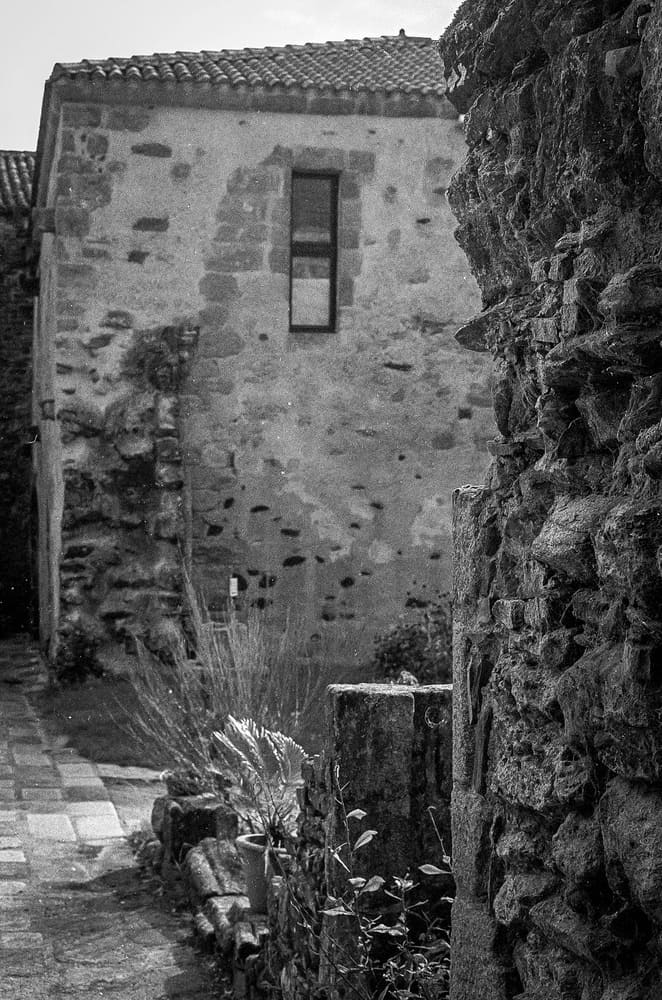
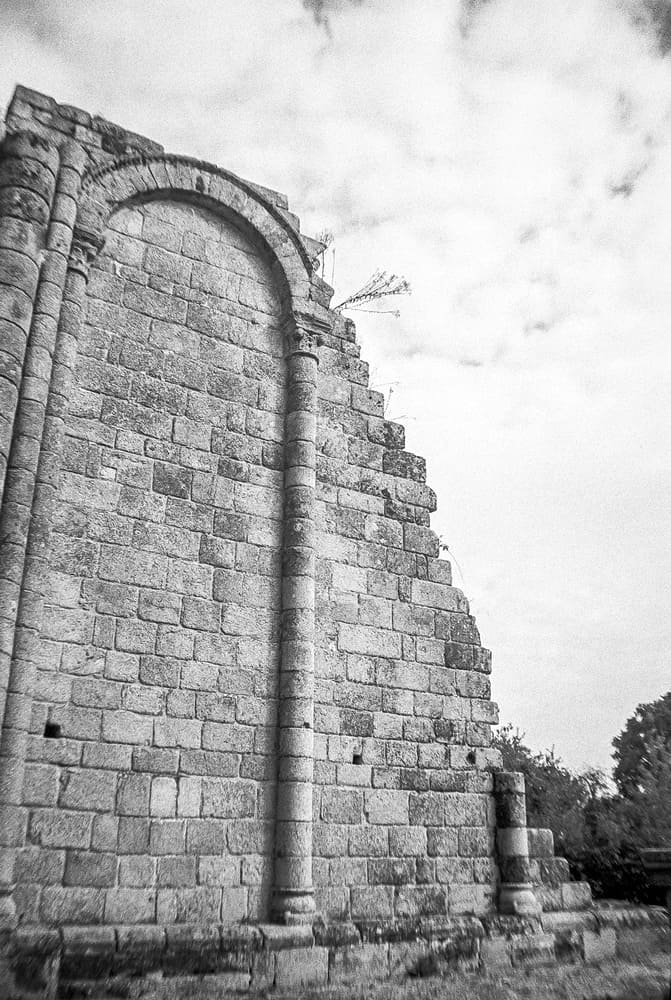
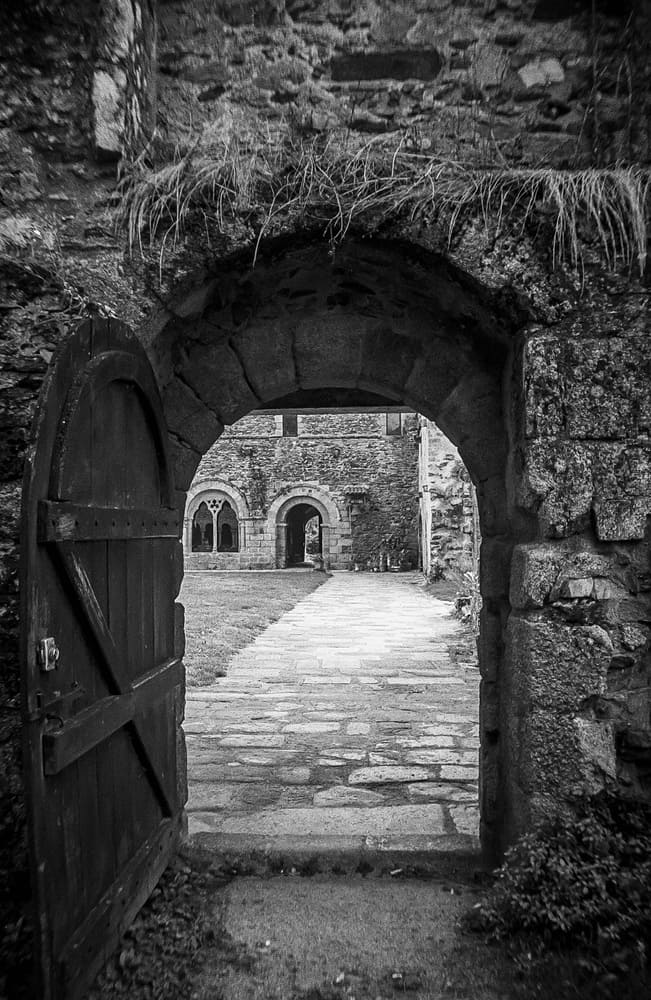
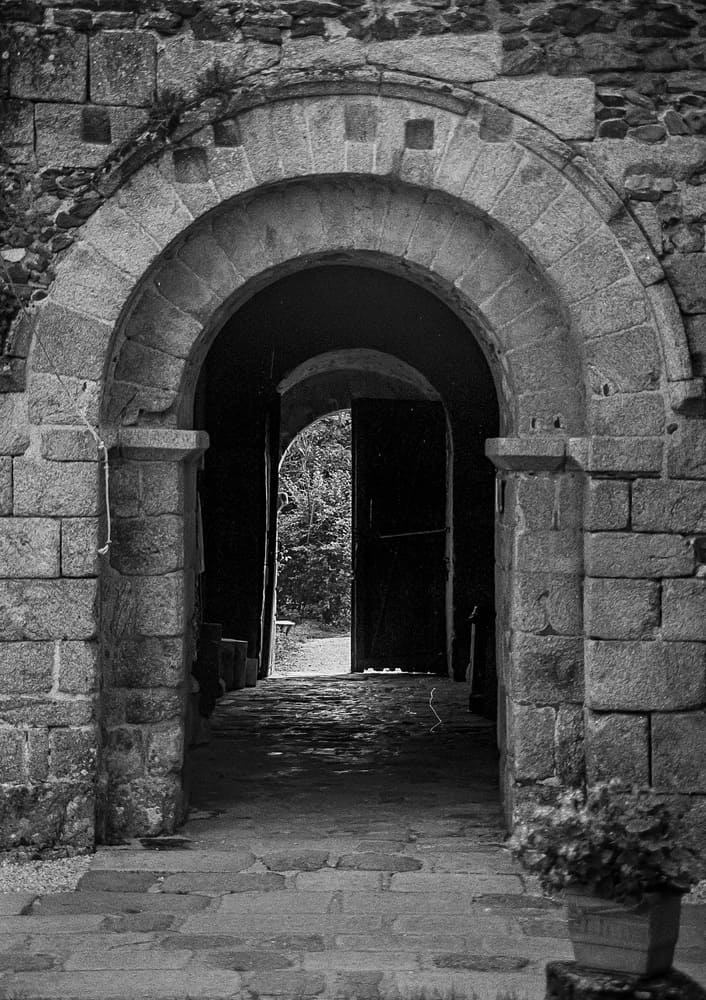
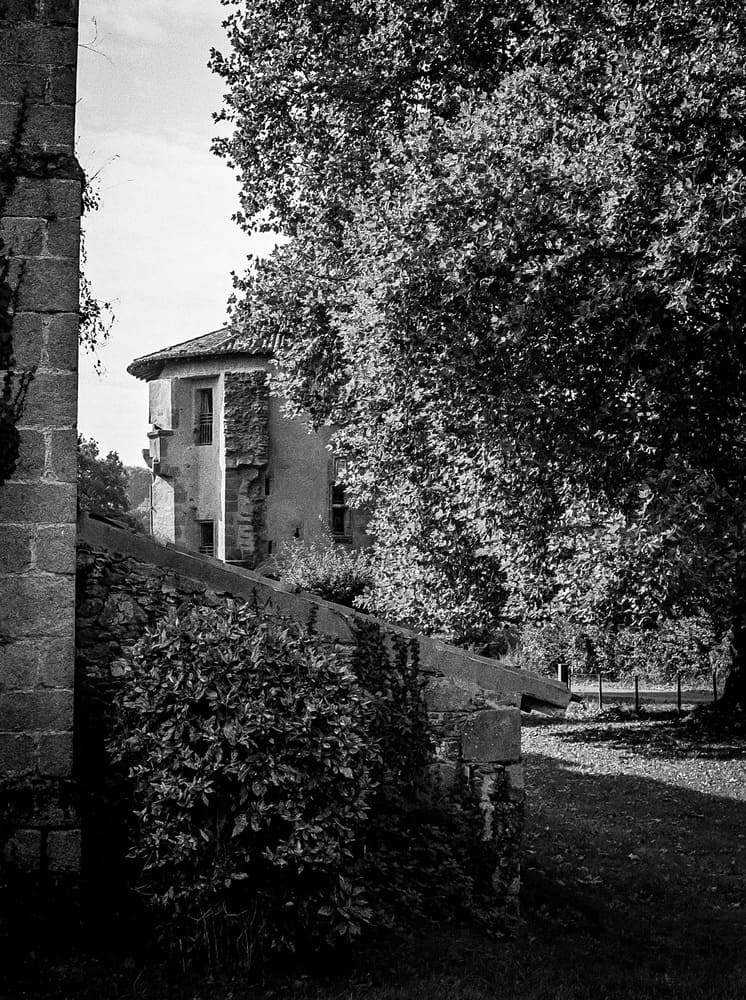
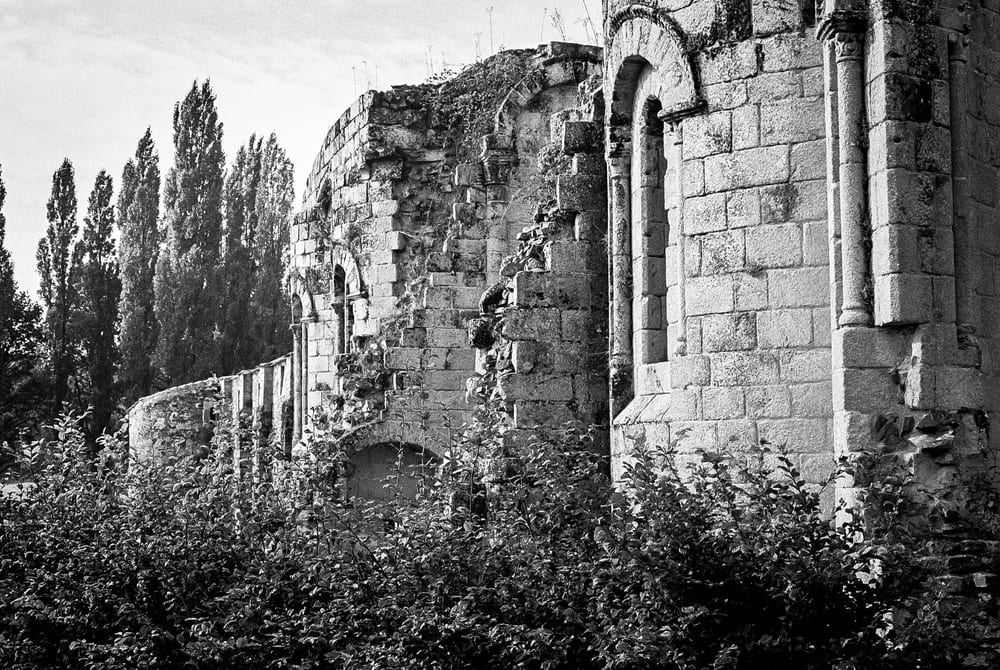
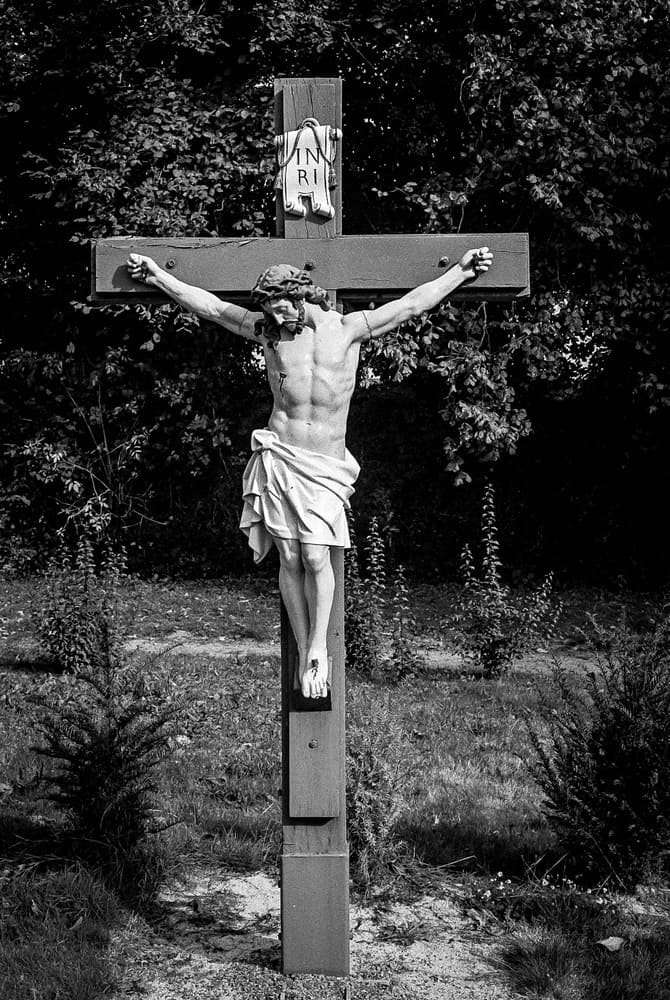
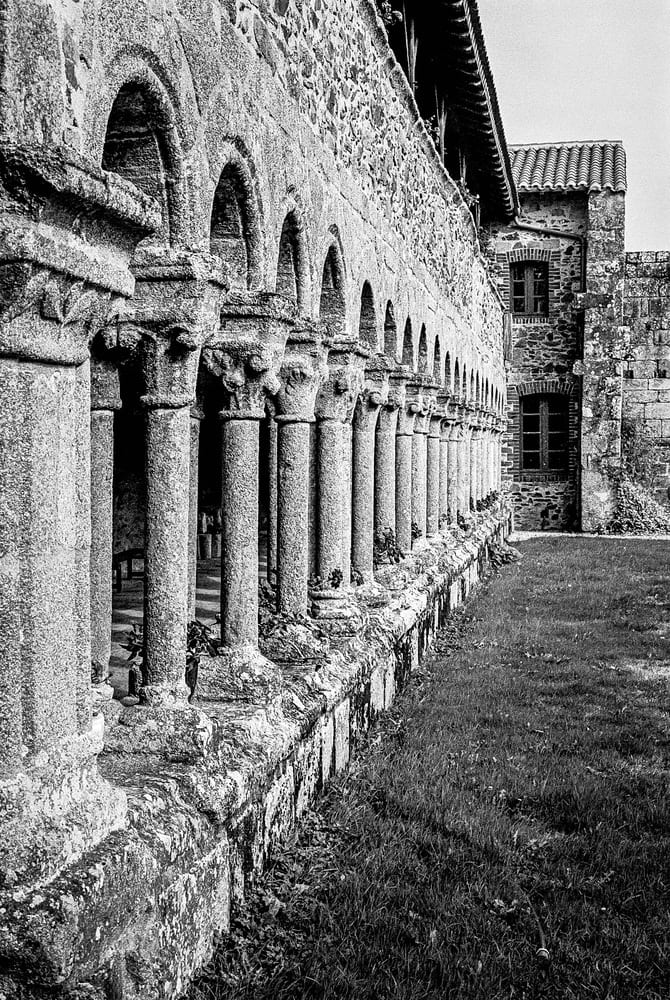
“They” say that if you leave your child to the Jesuits for seven years, then that child will belong to the Jesuits for life. I am not a Jesuit, but I was heavily influenced by the Benedictines when I went away to prep school in 1980. Mummy, Daddy, let me reassure you, this isn’t about Gilling—some things are better left in the past. This article will instead focus on a different Benedictine site, one that I visited much later in life: l’Abbaye de la Grainetière, a peaceful monastery here in the Vendée.

The Abbey of Notre-Dame de La Grainetière, on the outskirts of the town of Les Herbiers in Vendée (France), encompasses nearly nine centuries of tumultuous history. For over 50 years, numerous restoration works have been undertaken. These efforts allowed for the re-establishment of a community of monks at the end of 1978, nearly 200 years after the abbey was abandoned by the monks, shortly after the Revolution of 1789. Classified as a historical monument since 1946, many volunteers are working to continue the legacy of La Grainetière.

To those of you unfamiliar with the ins and outs of the Catholic Church, the role of monks is to live in community, and their main duty is to pray for us in the wider community. The monks elect a Father Abbot, who is responsible for running the monastery. In centuries gone by, the Abbot would wield a huge amount of influence, but this power has been reined in over time and is less evident outside the monastic community.

When I visited l’Abbaye de la Grainetière, I couldn’t help but reflect on how different this Benedictine monastery felt from my school days. The quiet prayer, the stillness—it offered a kind of peace that I hadn’t experienced for a long time, and a life that was once very appealing to me.

The monks follow the Rule of Saint Benedict, a foundational guide for monastic life that addresses not only prayer, but also how to live both within and beyond the monastery walls. Though written for monks, many of its teachings have been adopted by the laity seeking a structured, spiritually focused life.

I could almost say I envy them the simplicity of monastic life compared to the complexities of modern society and family life—juggling careers, responsibilities, and the endless distractions of today’s world. While I don’t regret the joys and vibrancy that come with having a family—something perhaps lacking in monastic life—it’s hard not to admire the stillness and purpose that a simpler existence can offer. We all have different vocations in life. Mine was to be a father.

As I packed away my camera and left the grounds of l’Abbaye de la Grainetière, I found myself still pondering the contrast between the quiet, ordered life of the monks and the complexity of my own. In some ways, visiting the abbey felt like opening a door to a simpler time, a place where life seemed more focused and more deliberate. Yet, as much as I admire the peace found within those ancient walls, my own path has led me elsewhere—to the joys, challenges, and unpredictability of family life.

In the end, it’s not a question of envy or regret, but rather a reminder that we all find our peace in different ways. For the monks of l’Abbaye de la Grainetière, it lies in prayer and solitude. For me, it’s found in the laughter of my children, the shared moments with loved ones, and yes, even in the rush and noise of everyday life. Each vocation, after all, carries its own kind of grace.

Perhaps that’s what lingers with me most from my visit to the abbey—not just the tranquillity of the place, but the realisation that we each have our own rhythm, our own way of navigating the world, and there is beauty in all of it.

Post Scriptum:

The photos were taken with a Canon AE1, and its FD mount 50mm F1.8 lens, using Ilford HP5 + black and white film.

The Opening of the Film Archives – Le Hangar à Bananes July 2016


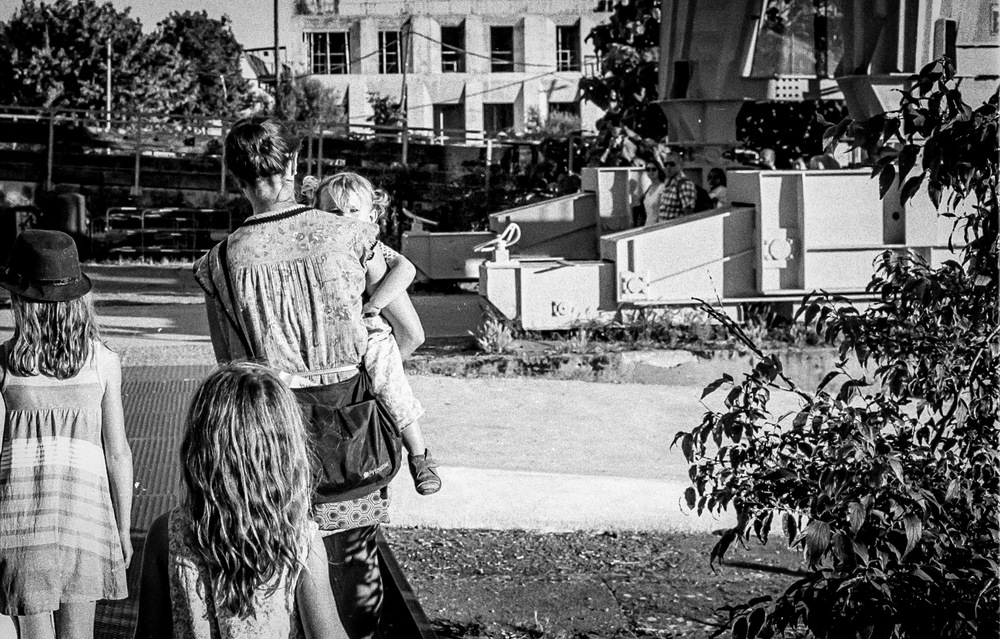
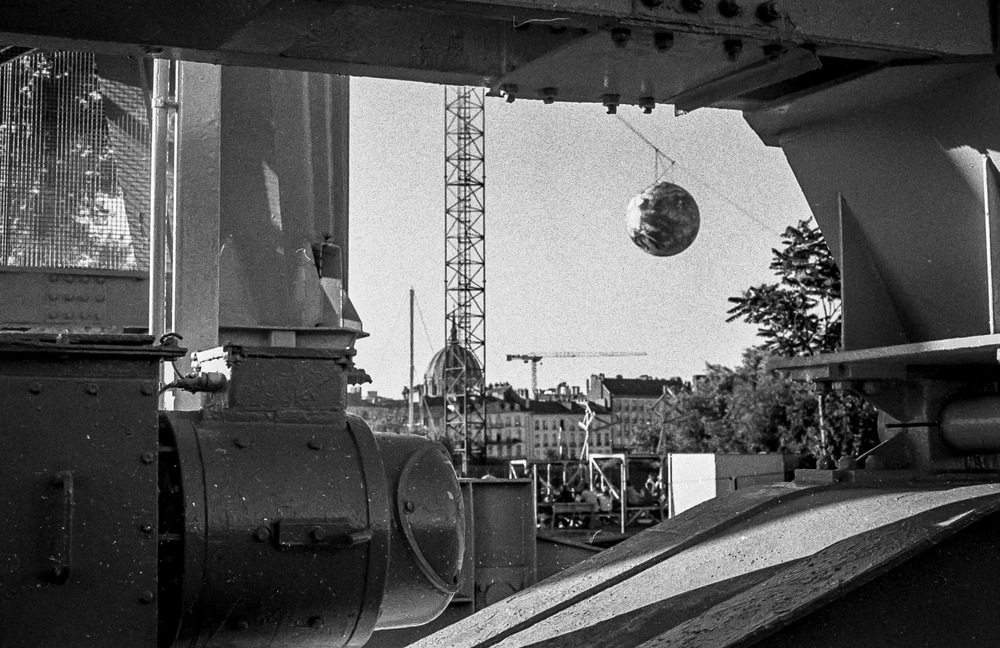
Continuing our journey through the film archives, we find ourselves on the Île de Nantes, home to the iconic Hangar à Bananes. Let’s rewind to July 2016, when I captured this vibrant scene with my then favourite Canon AE1. Once a shipbuilding powerhouse, Nantes had cleverly repurposed its abandoned infrastructure into a bustling hub. The area is now home to the fantastical Machines de l’Île, the historic Chantiers Navals, the towering Grue Jaune, and of course, the Hangar à Bananes itself. Back then, the Hangar was a hive of activity, buzzing with picnics, impromptu barbecues, and lazy afternoons under the summer sun.

My goal was to capture that unmistakable “Summer Vibe.” As always, I started with the architecture, drawn to its striking modern lines, a refreshing departure from the stark brutalism of the 1970s. The clever use of texture and the innovative design of the apartment buildings particularly caught my eye.

That summer, the Voyage à Nantes festival had a brilliant idea: communal barbecues for everyone. Genius, right? You simply brought your food, and they provided the grills, charcoal, tables, and chairs. It might not be Texas, but the French know their way around a barbecue, and being the food lovers they are, they go beyond the usual sausages and burgers. It was a true testament to what a public space should be – a place for everyone to gather, share, and simply enjoy themselves.

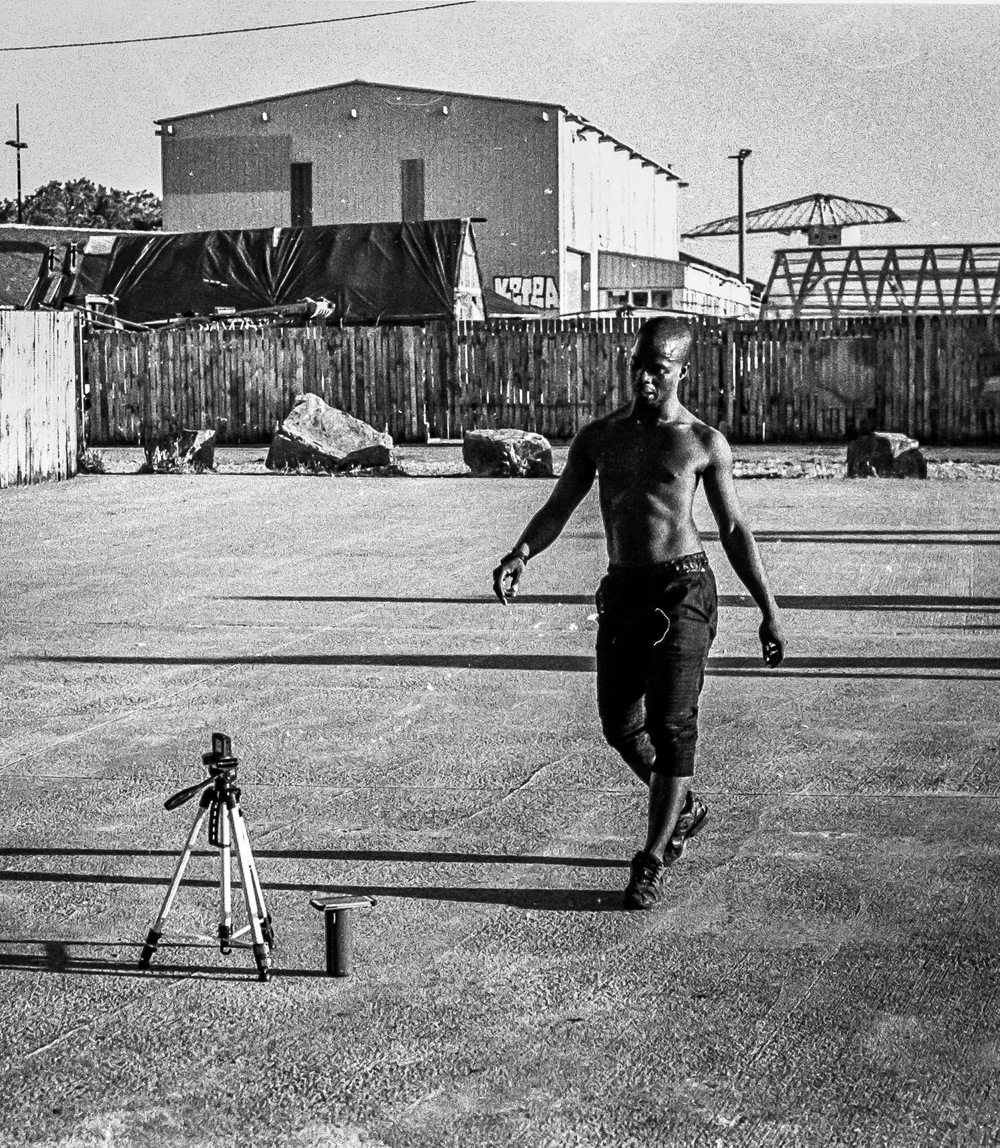
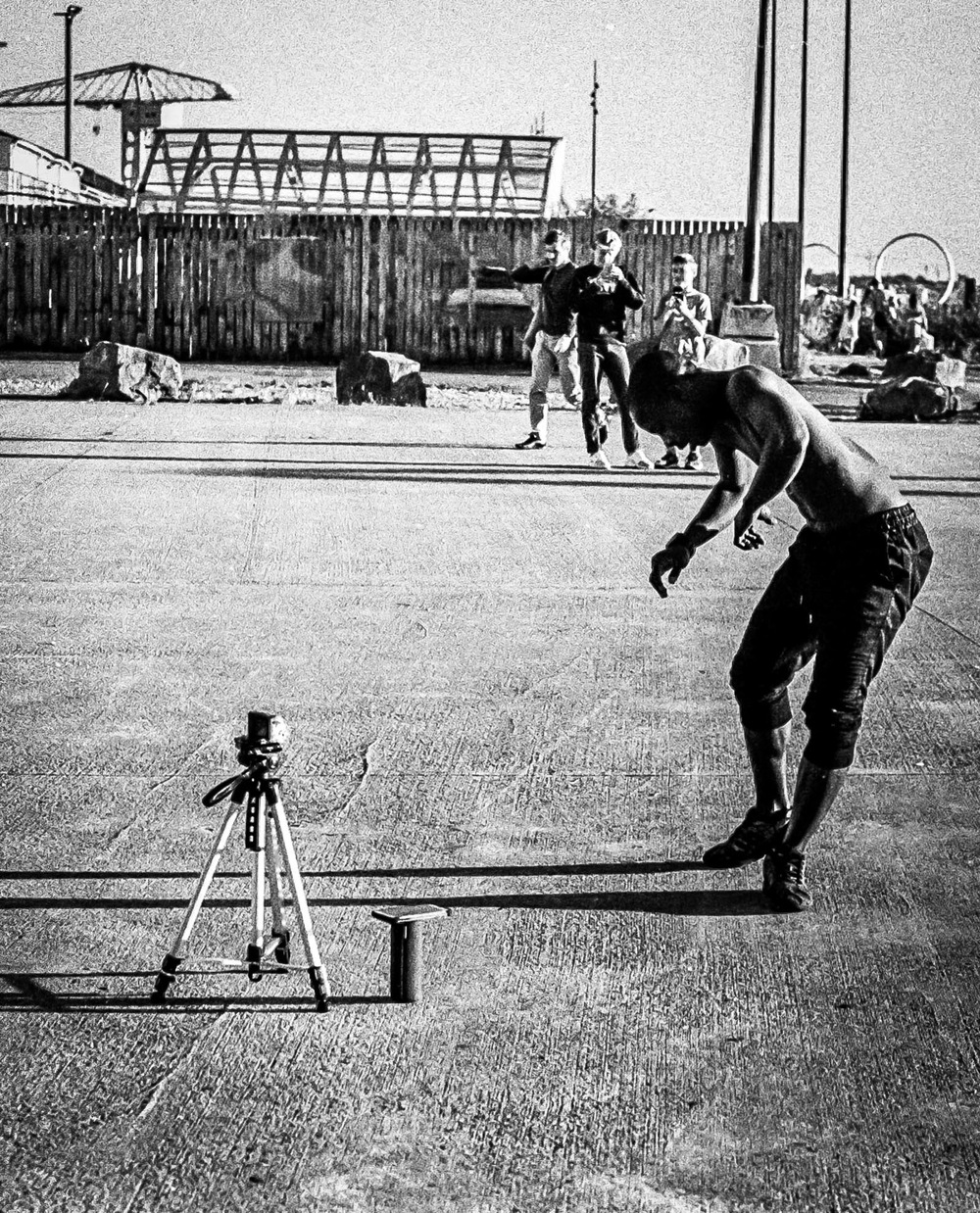
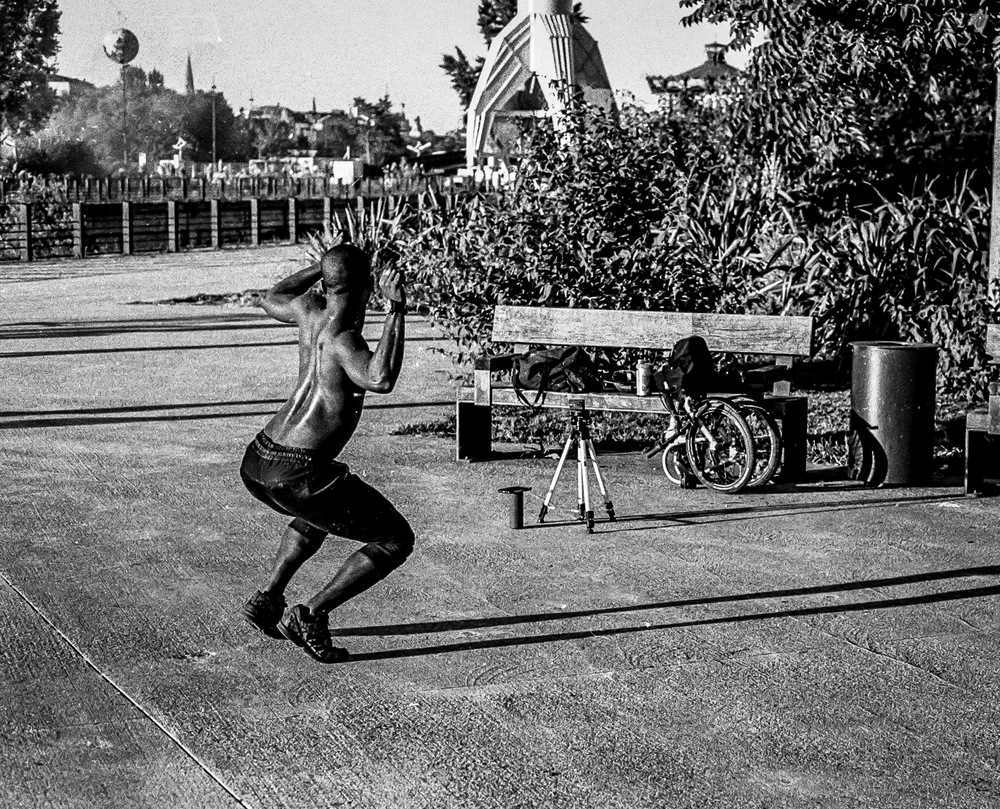
Then there was the dancer. He was just filming himself with a GoPro, but the way the sunlight caught his movements and the glistening sweat on his skin was mesmerising. It was a fleeting moment, the first and only time I’ve ever photographed a dancer, but it left a lasting impression. There’s something undeniably captivating about the human body in motion.

My wanderings continued to the edge of the island, where the mighty Grue Jaune – now a “monument historique” and a symbol of Nantes – stands tall. Walking past and through this enormous yellow crane was an awe-inspiring experience.

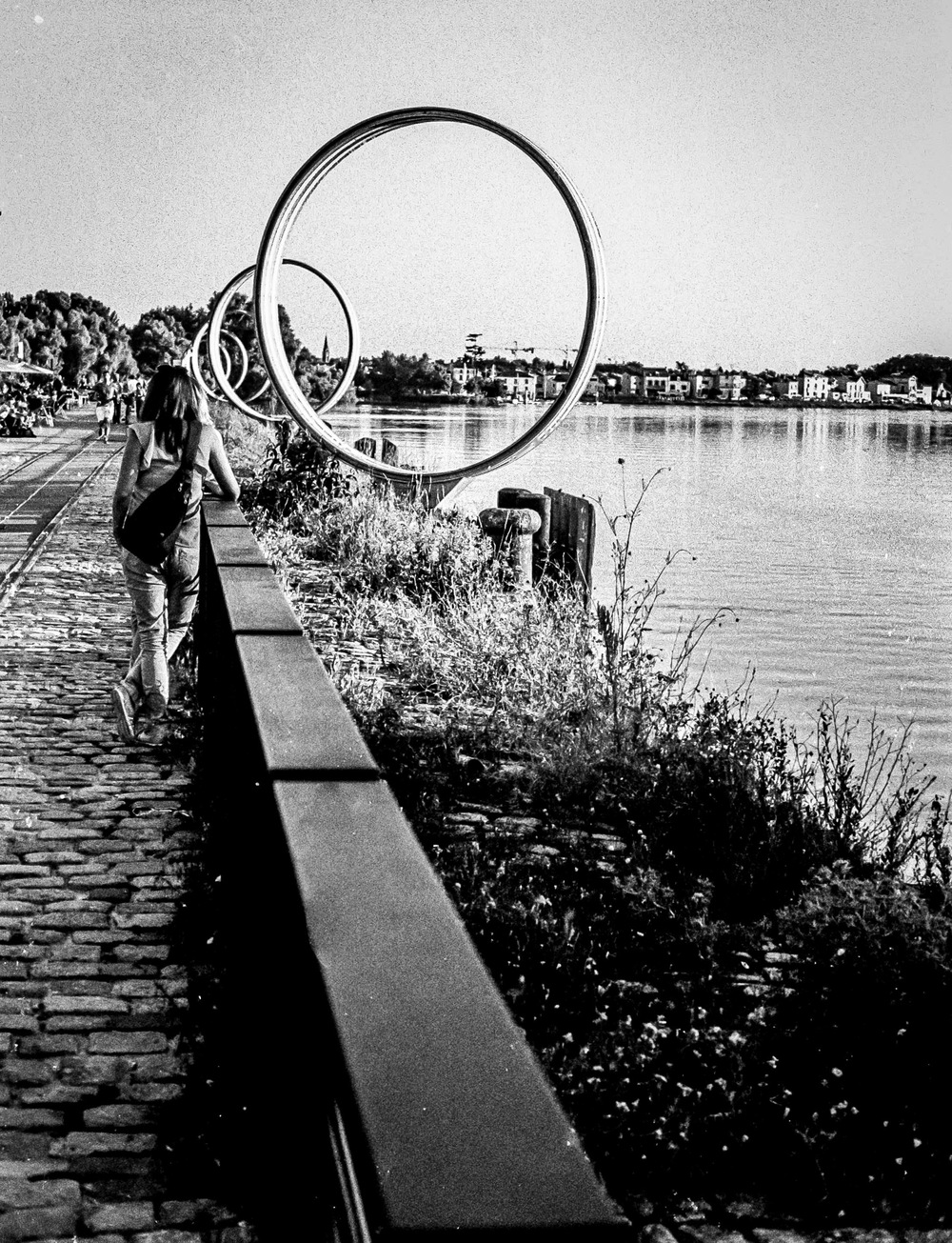
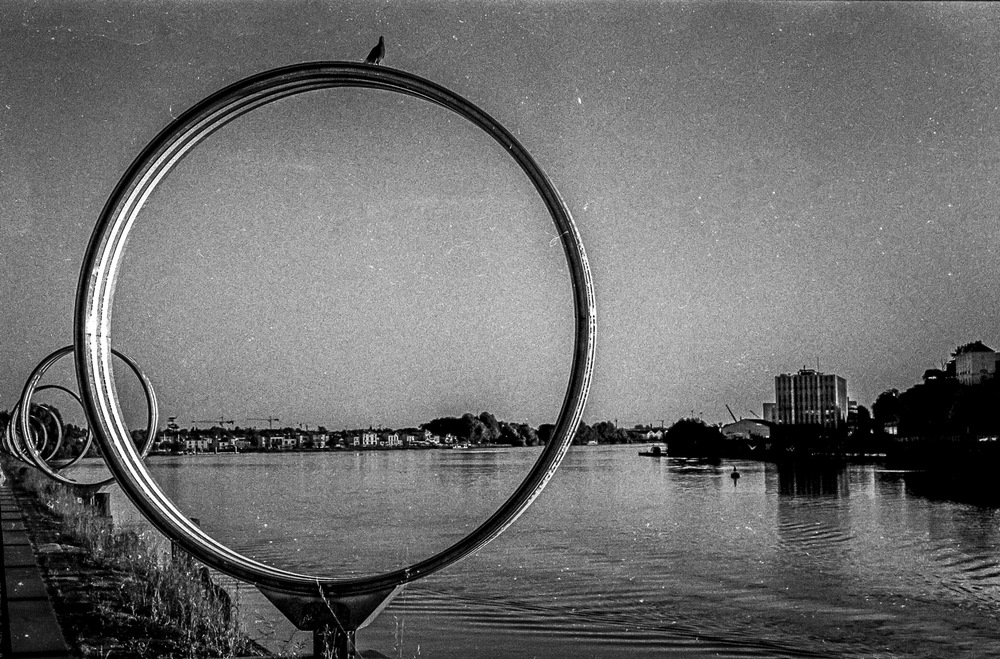
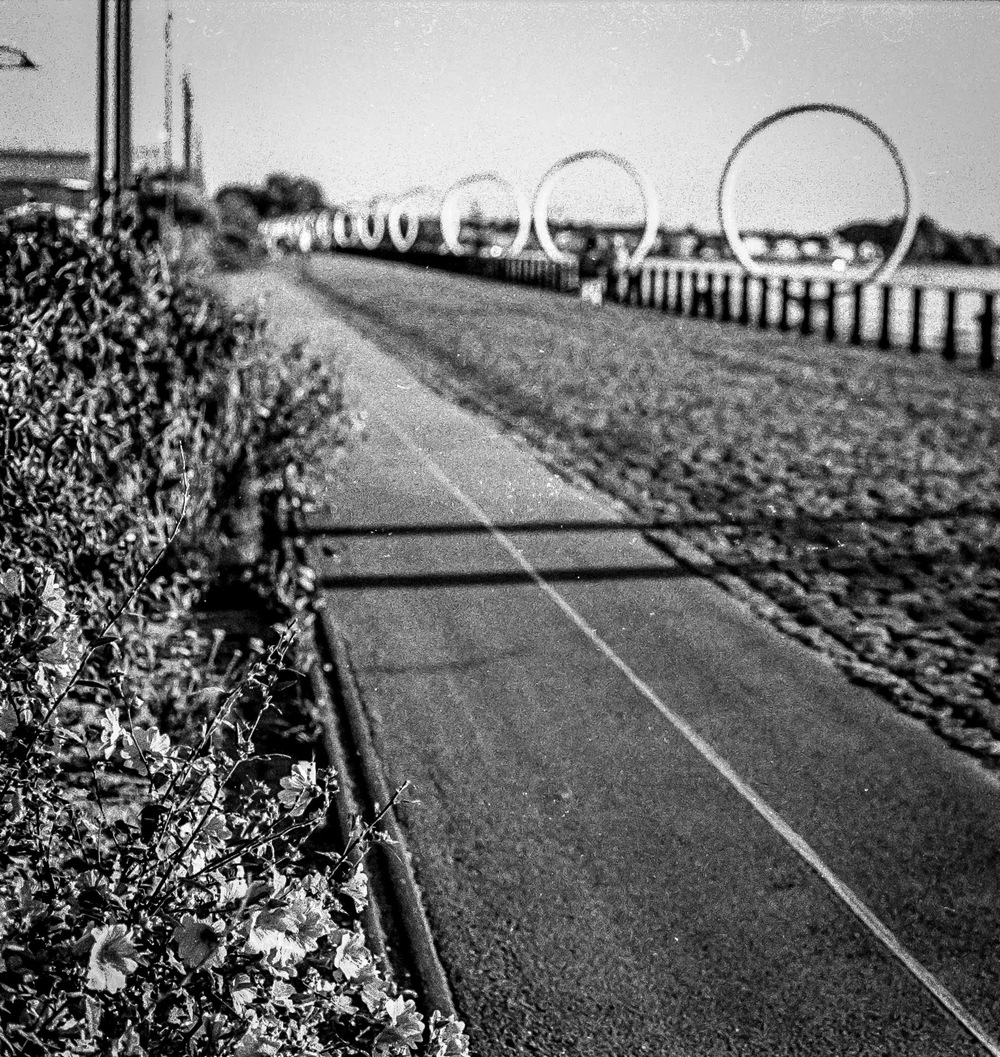
Along the riverfront, the Anneaux de Buren, a series of massive rings, stretched out in a mesmerizing pattern. At night, they transform into a dazzling display of vibrant reds, blues, and greens – a photographer’s dream, offering endless possibilities for capturing leading lines, geometric shapes, and unique framings of the cityscape.

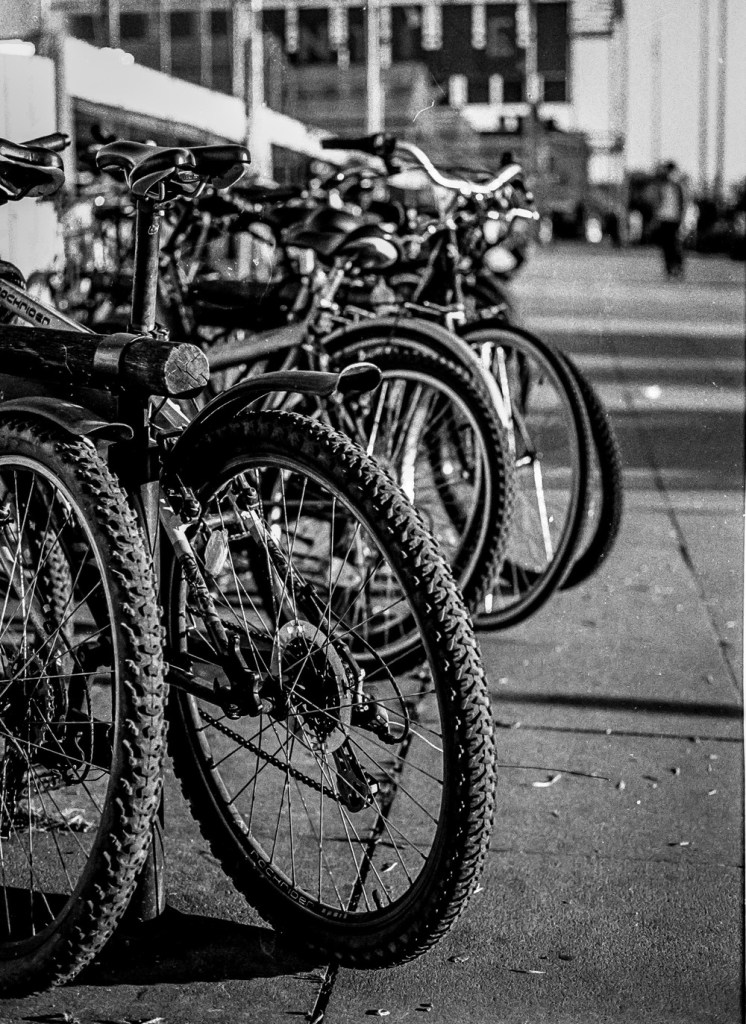
And of course, no photo series of mine would be complete without the obligatory bike shot. It’s a bit of a tradition for me.

Even now, in 2024, the Hangar à Bananes still exudes that same “Summer Vibe.” It remains a popular spot for after-work drinks with friends and colleagues, boasting a variety of restaurants, bars, the HAB Gallery, and the infamous “Warehouse.” While the area can get a bit dicey later at night, it’s perfectly safe and enjoyable for a daytime visit or an early evening soirée.

The Opening of the Film Archives – Saint Cado, Belz, Morbihan


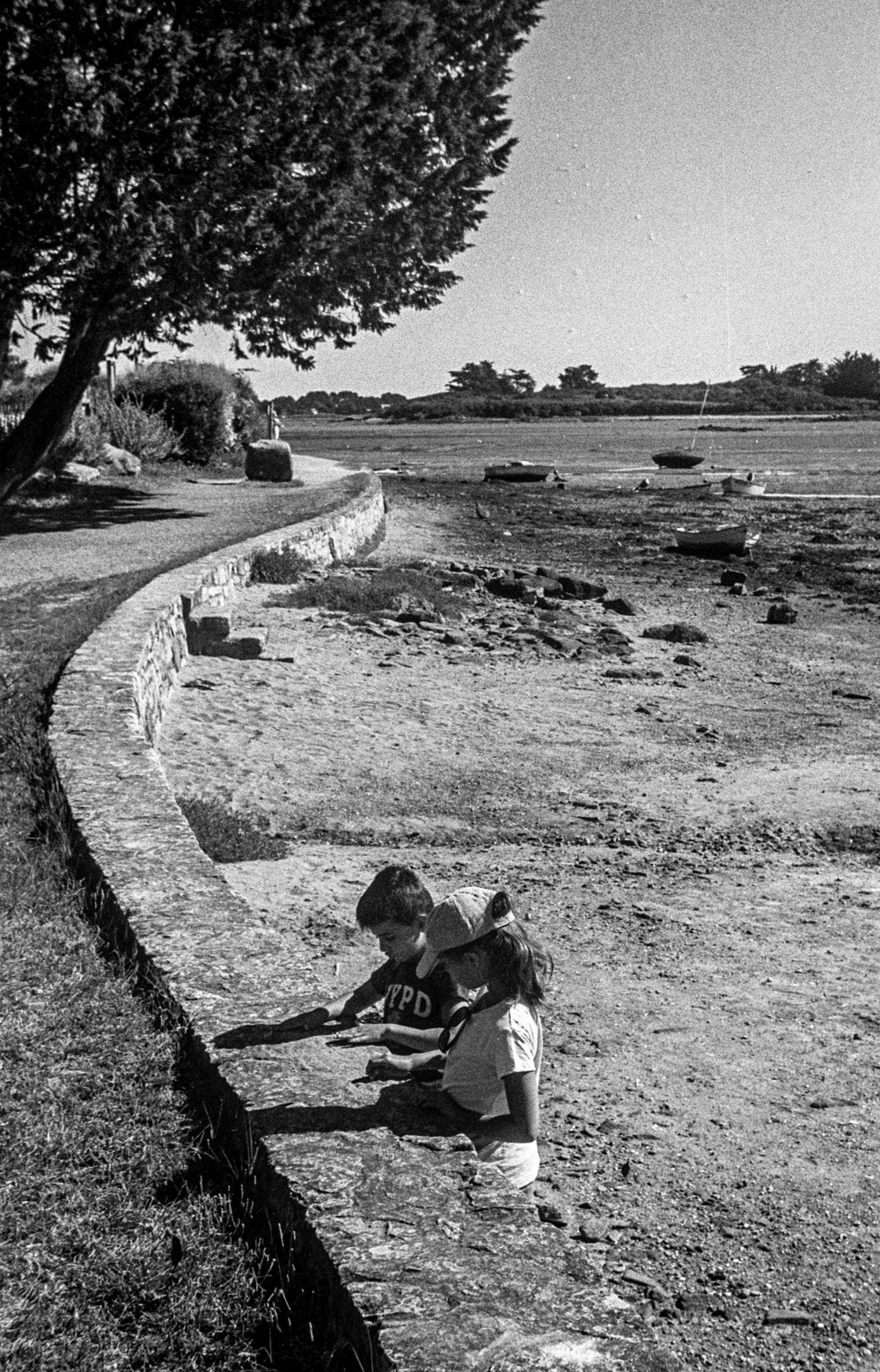
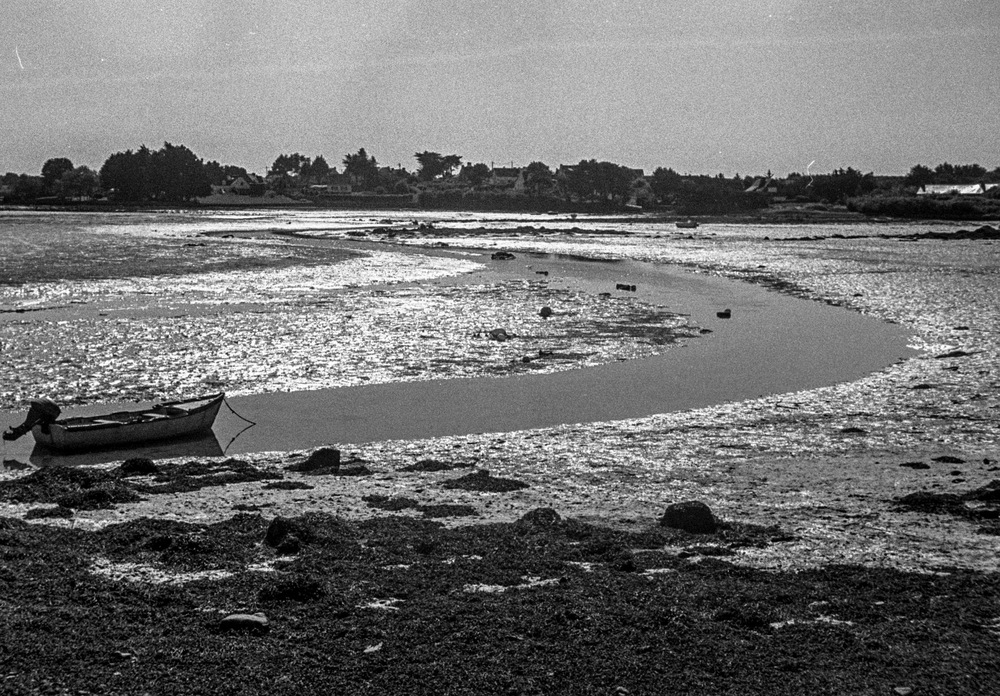
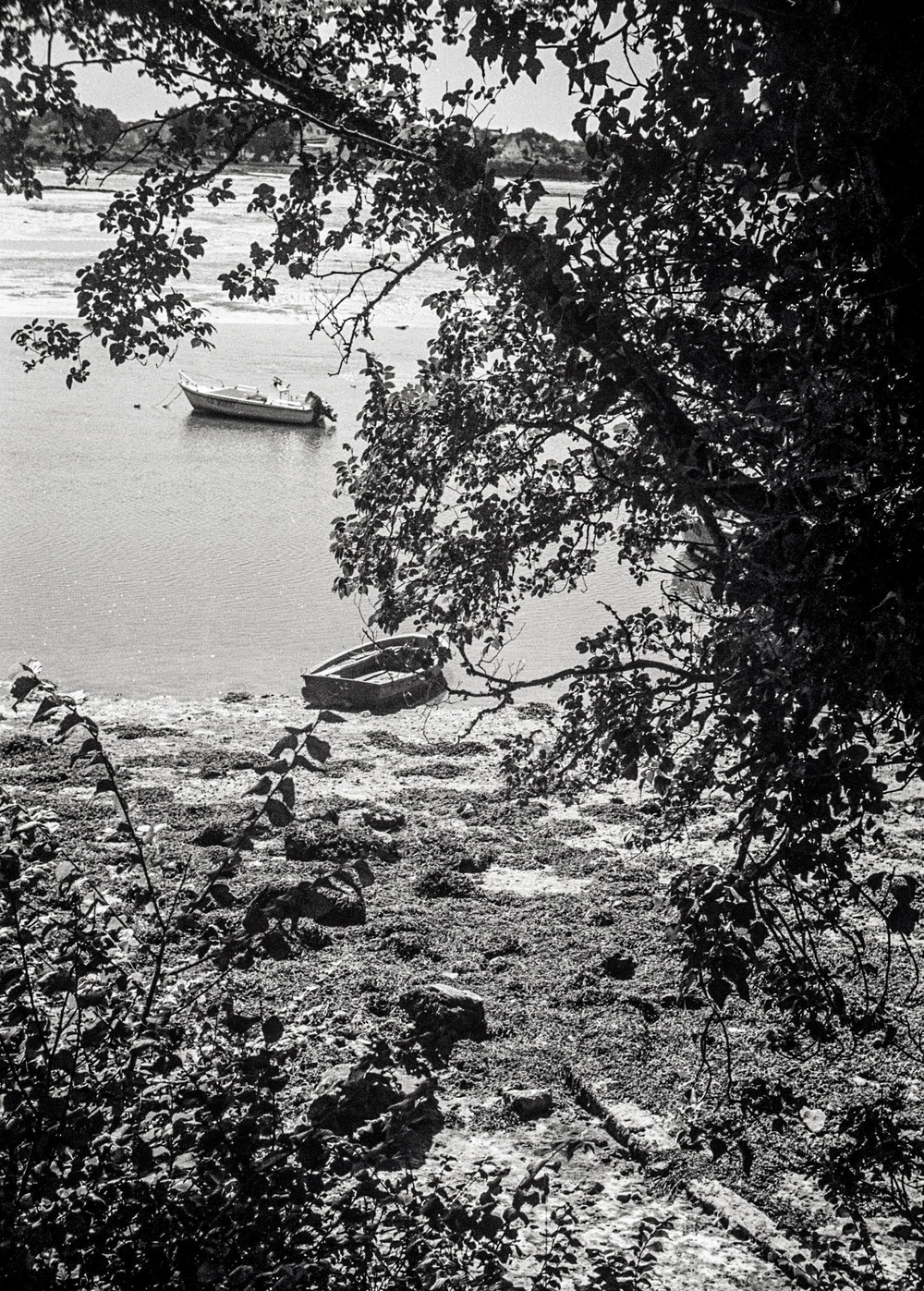
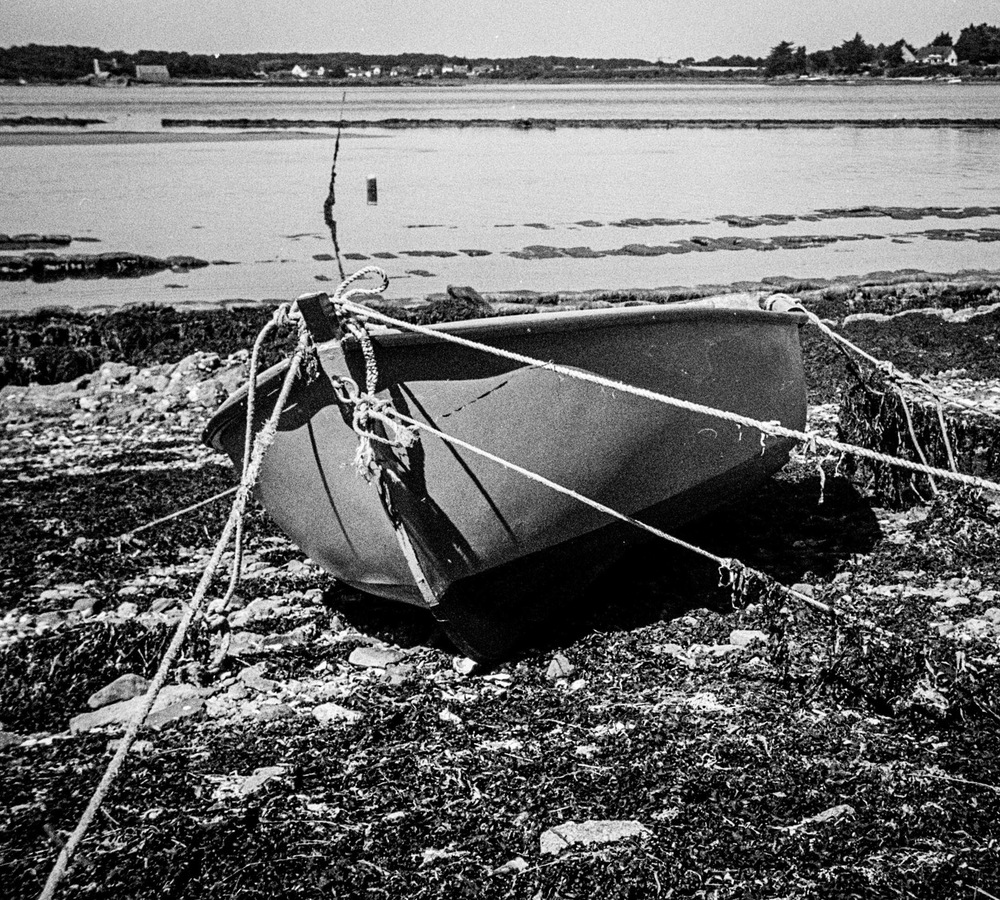
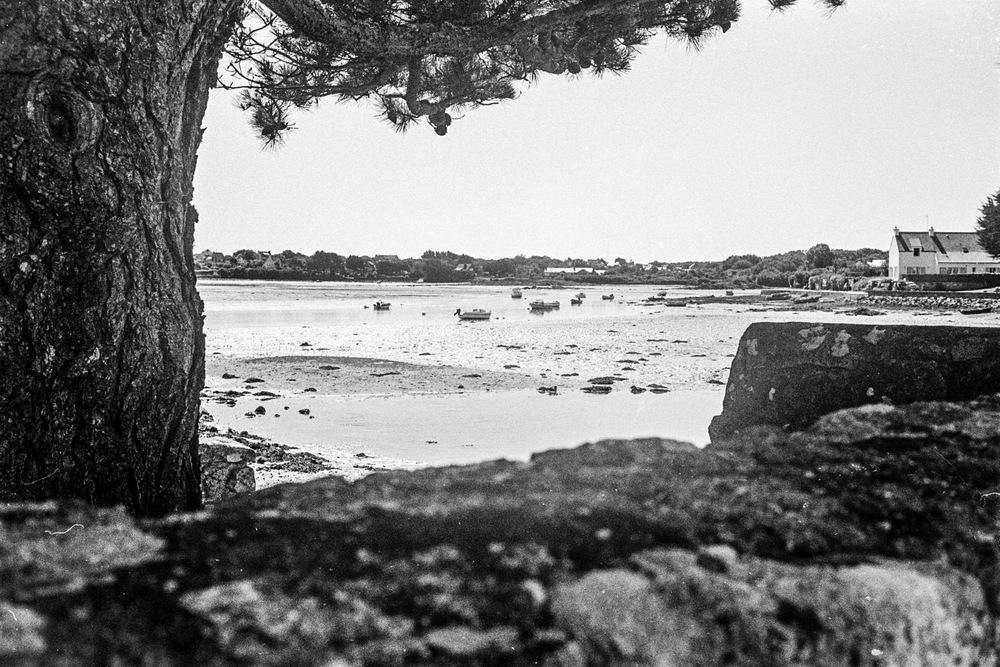
Welcome back to the film archives, and welcome back to Brittany, that gorgeous corner of France where my in-laws live. I think I might have let it be known that my French family love camping. Yes, they’re so in tents… I’ll just let that joke sink in for a couple of seconds. In 2016 I had begun “collecting” cameras. The photos from this Breton outing in Saint Cado were taken with the Kodak Retinette 1B, a little gem of a camera from the 1960s, and HP5 Plus film.

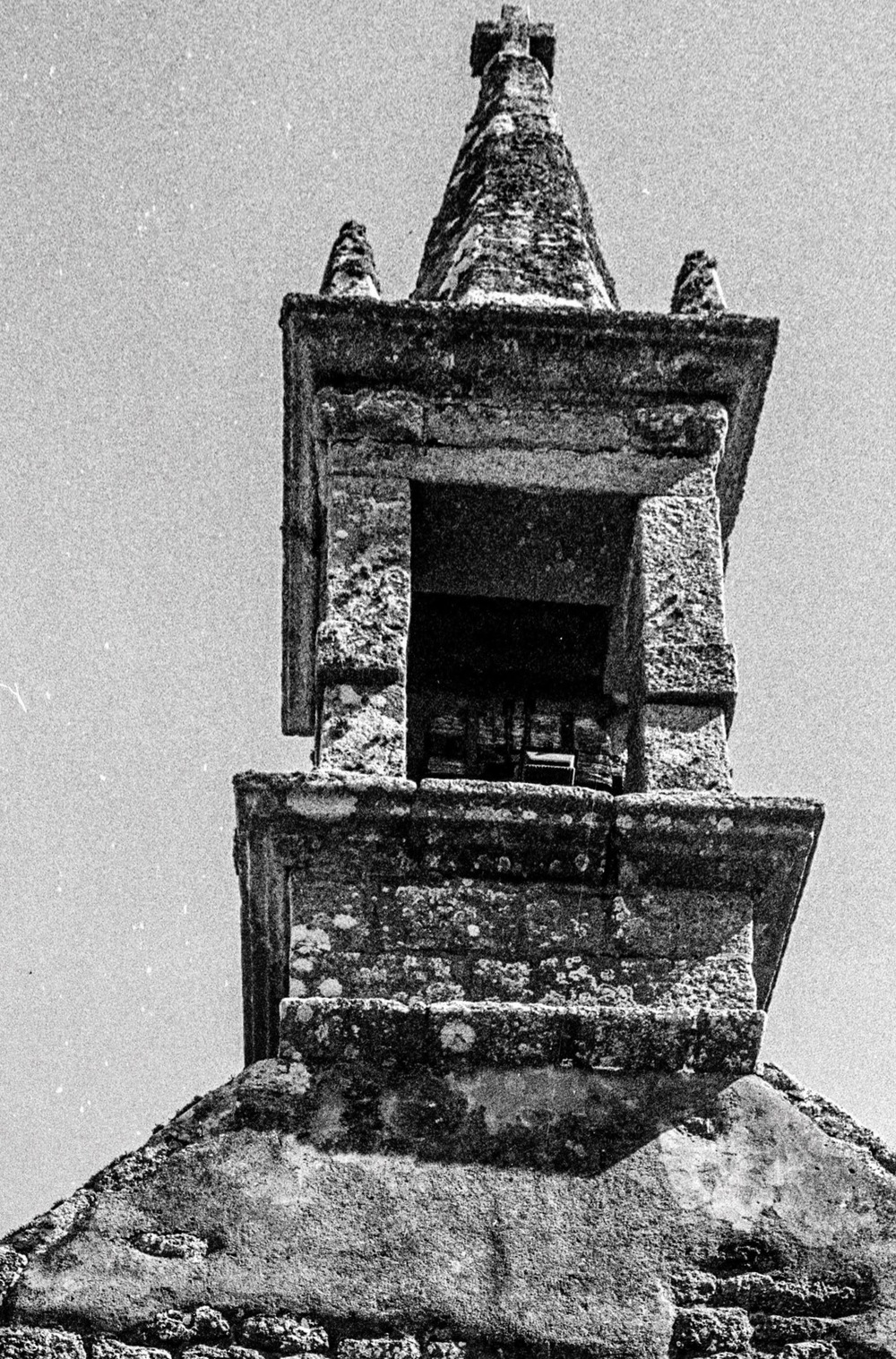
We’ll start with Saint Cado. It’s one of those picture-perfect postcard places. It’s not easy to take a bad photo of the place. It’s photogenic. It’s quaint. It has all the clichés of a small Brittany island in the Ria d’Etel, which is an inland sea connected to the Atlantic at the Barre d’Etel… I’m thinking lobster pots, oyster beds, black and white houses with slate roofs, a local Saint, a chapel to this local saint, who was actually from Wales of all places, and a miraculous fountain that fills up with every incoming tide. Yes, it’s one of those places… Did I mention that the bridge that links the island to the mainland is a Devil’s bridge? It is said that the devil demanded the soul of the first creature to cross it. The story relates that Saint-Cado, who was a shrewd fellow, put a cat on it! It is just gorgeous!
Let’s talk about the Kodak Retinette 1B. As I said in the introduction, it is a camera from the 1960s that uses zone focusing, and the 1B as opposed to the 1A has a selenium light meter that works a treat. Zone focusing is where you focus by zones. Mind-blowing, right? If I look at my lens, I will see a distance measurement that I will use as a guesstimate. I will move my aperture dial and let’s say I’m at F8, well everything from one F8 to the other F8 will be in focus. A lot of cameras from this period used this system, and it works. If you want to open right up to F2.8, then there are little rangefinders that you can put on the hot shoe mount and there you will be able to get an exact reading for the distance from your subject. Up to you…

Why use a camera that is over 60 years old?  First of all, why not?  It works.  It’s simple to use.  It doesn’t need a battery.  You load your film and Bob’s your Uncle!  Off you go to shoot your 36 exposures.  It also looks pretty damned sexy hanging around your neck too…  It actually looks so sexy that my son nicked mine, and I had to go and get another one.  At the time of purchase I must have paid no more than £15, and even now it will cost you less than £50.  

So there you have it – a charming little island, a vintage camera, and a roll of trusty HP5 Plus. This trip to Saint Cado was a reminder that sometimes, the best photos come from the simplest tools and the most unexpected places. And who knows, maybe those old film cameras aren’t just gathering dust in the attic – they might just be waiting to capture your next adventure. (But if you happen to see my son with a Kodak Retinette slung around his neck, please tell him to bring it back!)

The Opening of the Film Archives – Nantes November 2016


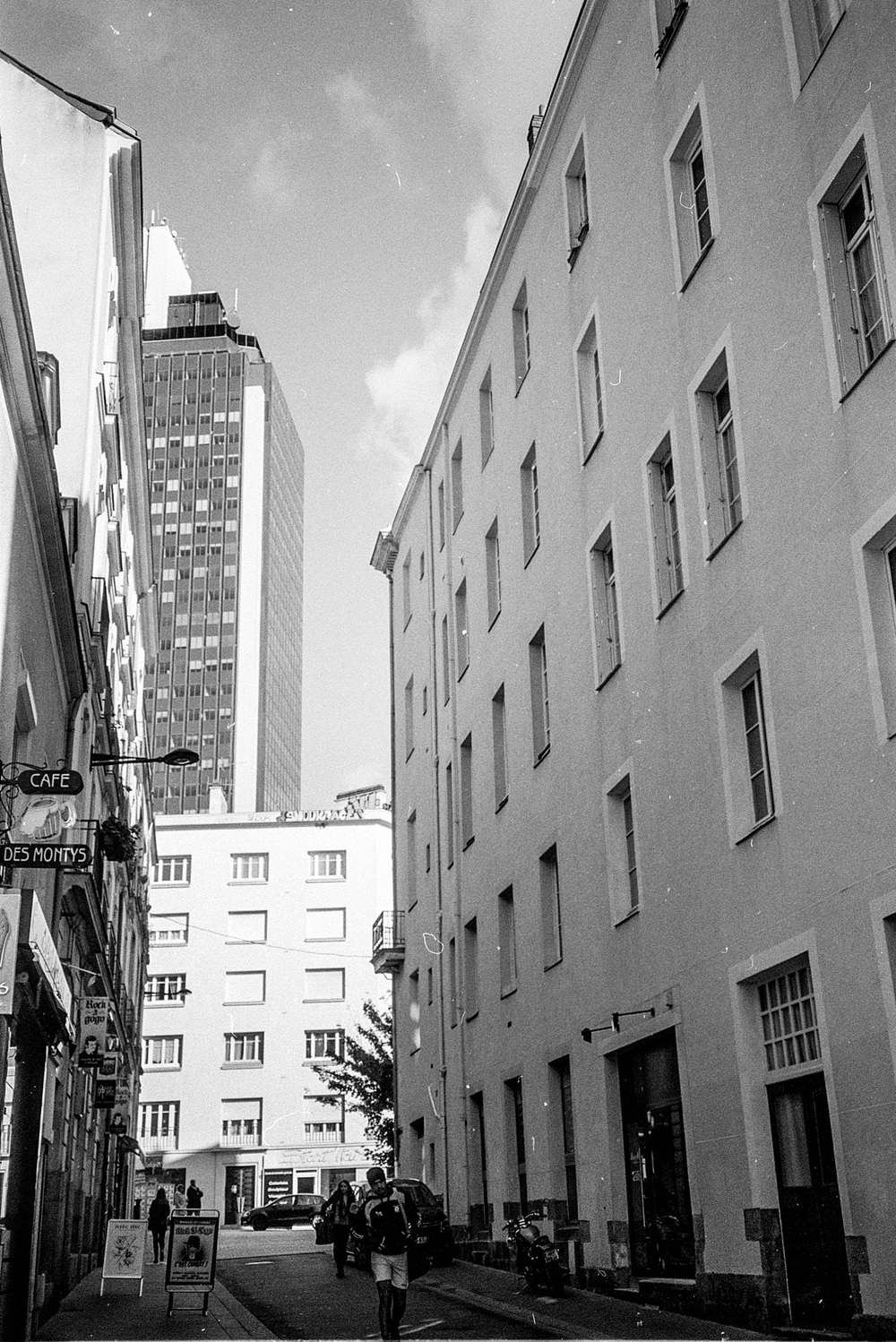
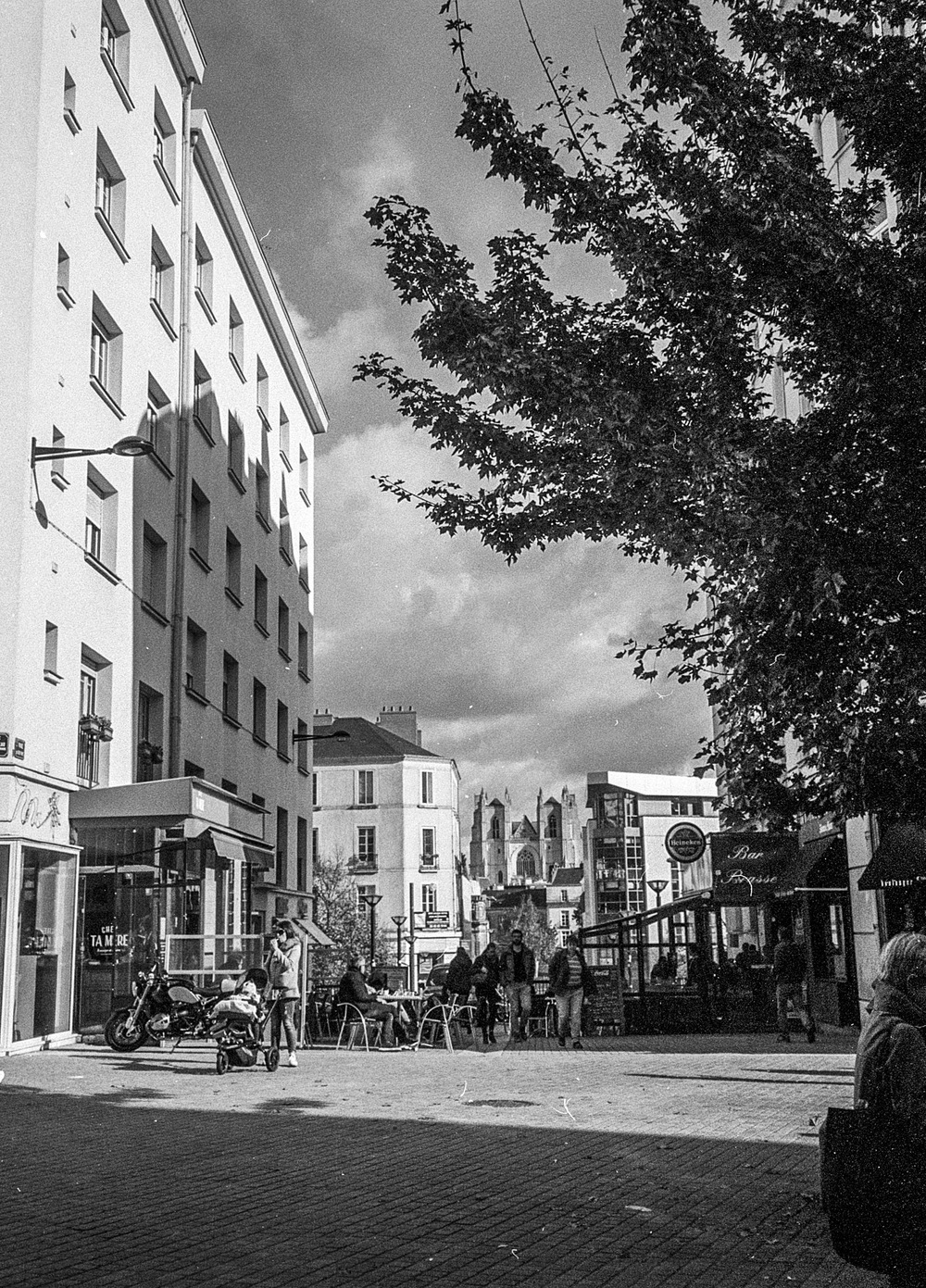
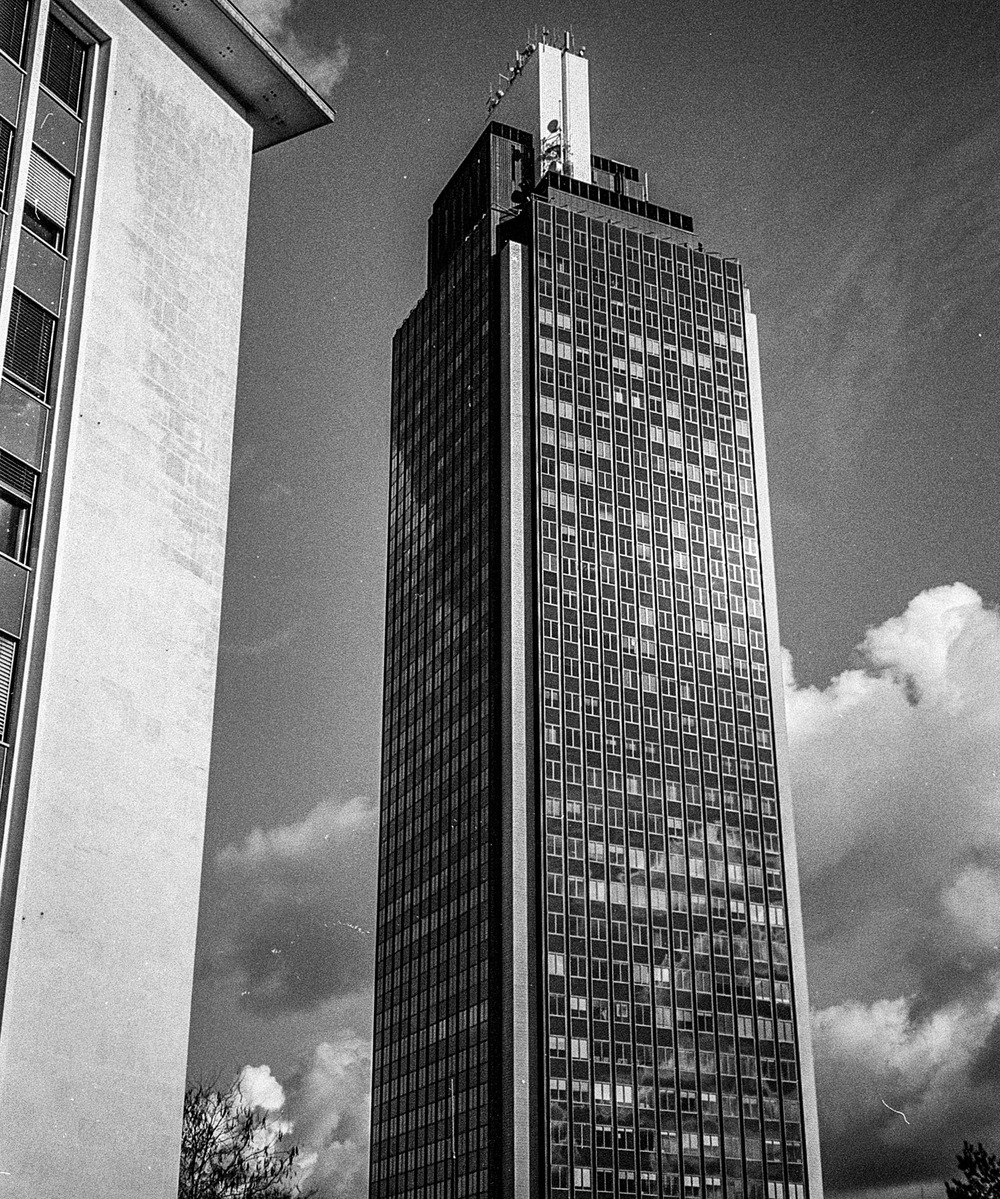
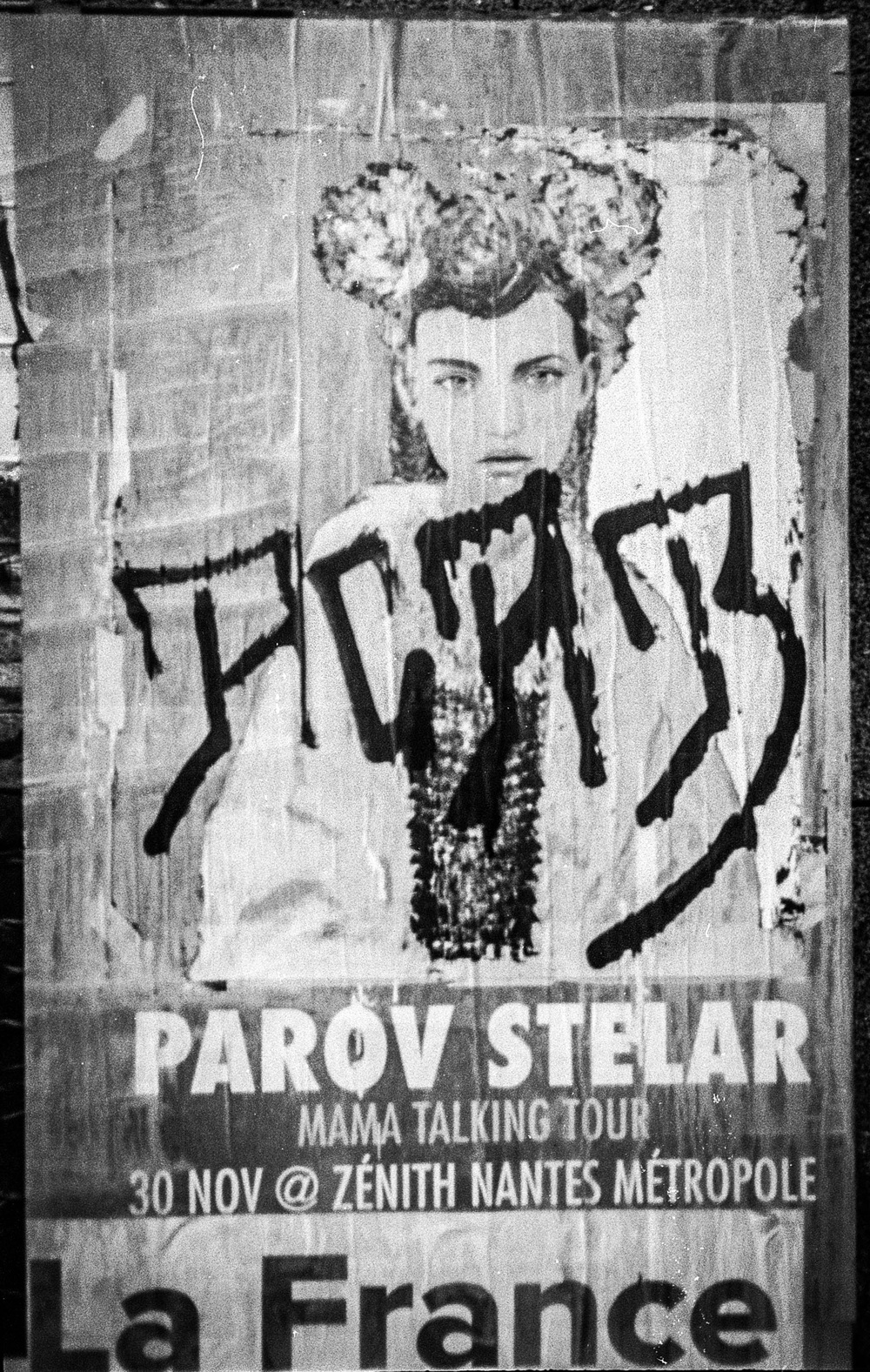
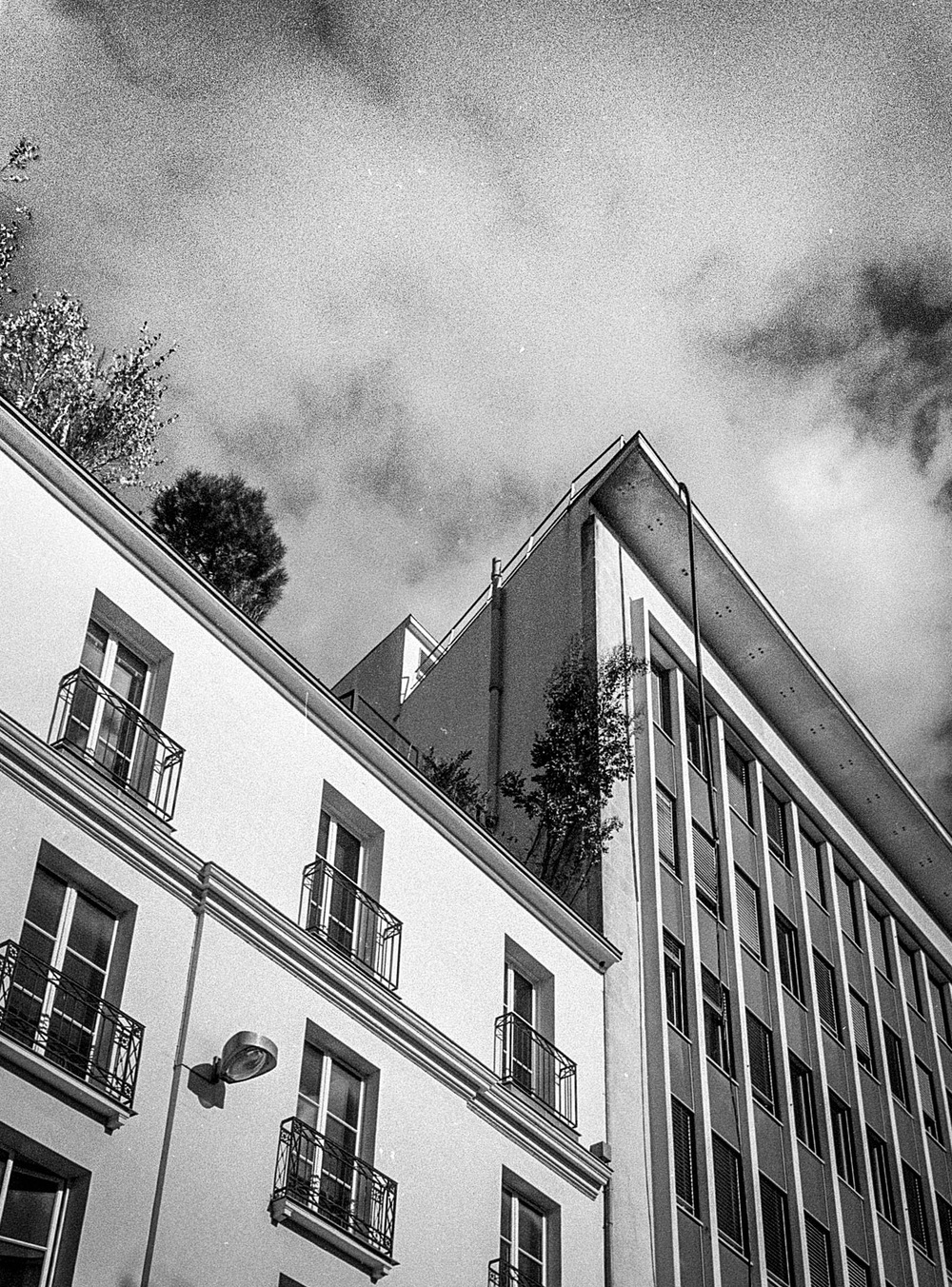
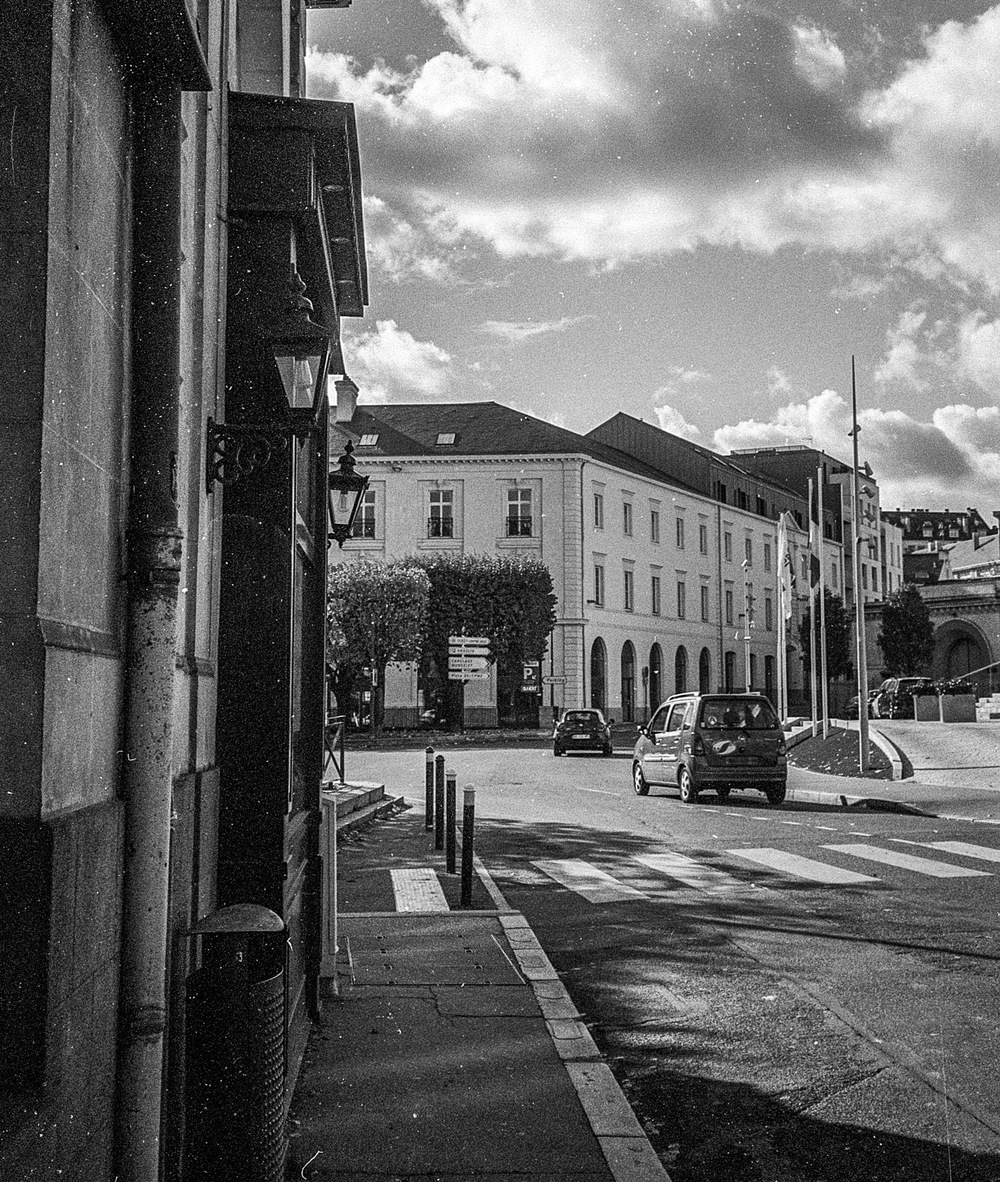
Following our last trip to Carnac, the film archive now has a look at Nantes in the autumn of 2016. These photos offer a glimpse into how I approached photographing a city back then, and if I’m being totally honest with you, still do. I treat the city much like a model on a photoshoot. The goal is to capture not just the physical landscape, but the essence and atmosphere of a place, allowing viewers to get a feel for the city simply by looking at the images. In this series of pictures, Nantes reveals herself and her architecture, resplendent in the autumnal sunshine.

Over time, I have come to know the city and appreciate her architecture. Buildings are not only a reflection of the architect but also of the people who live in them. They add character to the city, allowing her personality to shine through.  I enjoy looking at the lines, and the shapes of them.  They inspire me.  They tell the story of the people who, either work, or live in them.  They are not just mere edifices.  

You will notice as we go through the archives, I might not respect the timeline slavishly. My aim is to give you an aperçu of my world at the time through film. I know you will be able to take this affront in your stride and not hate me!

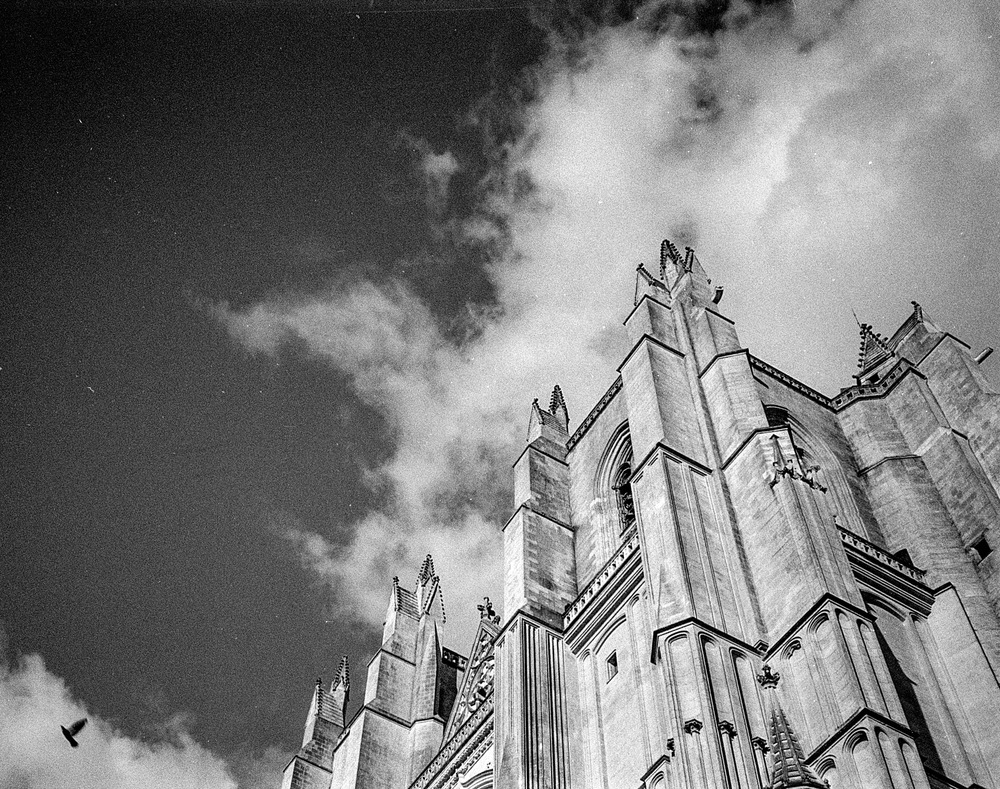
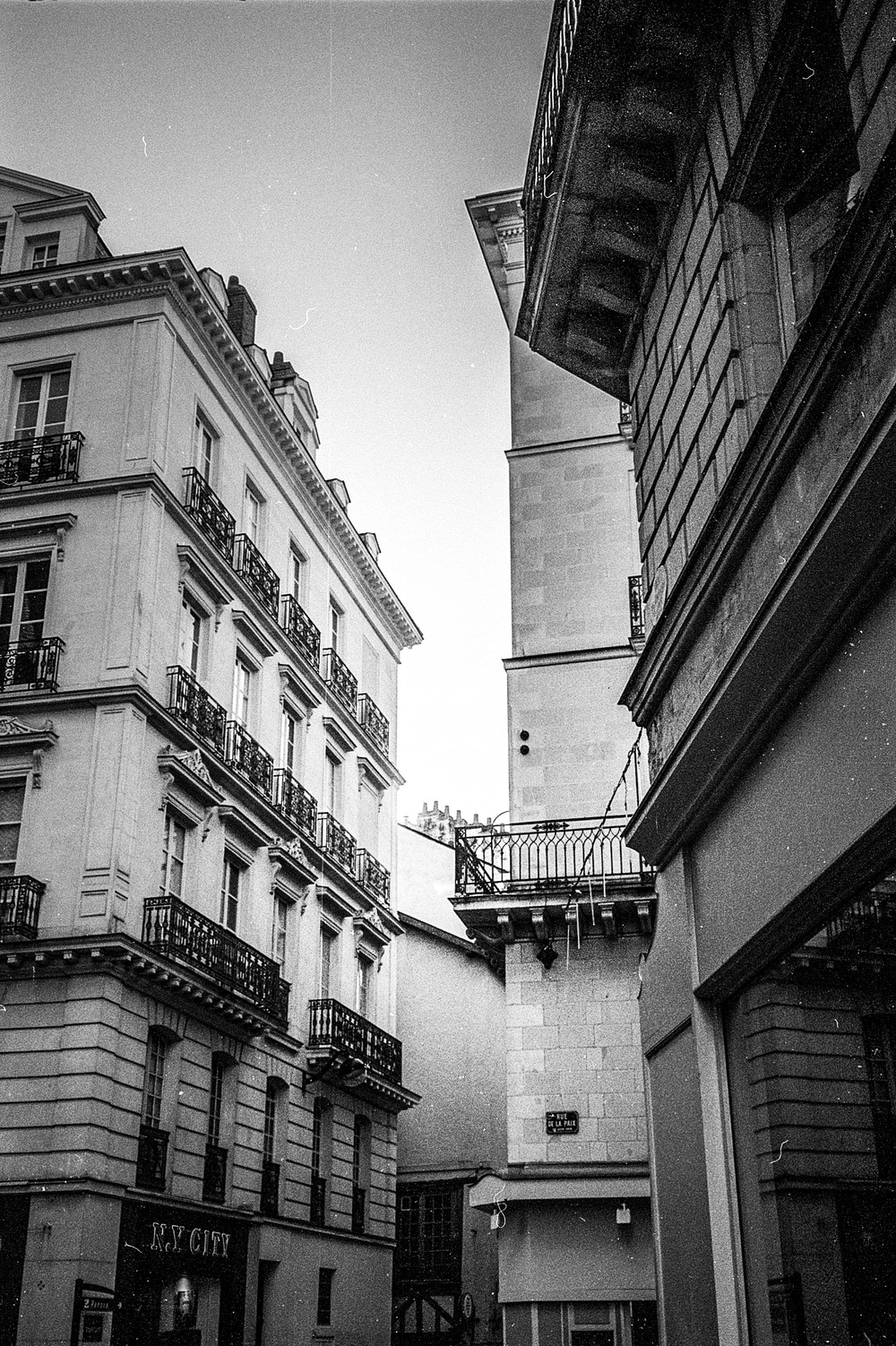
We’ll go from the bains douches municipales, through to the Sainte Croix church, to the Stalinian 1950’s architecture of the Social Security building, passing by the odd shop, Hausmanian architecture, and even a shot looking towards the Cathedral.