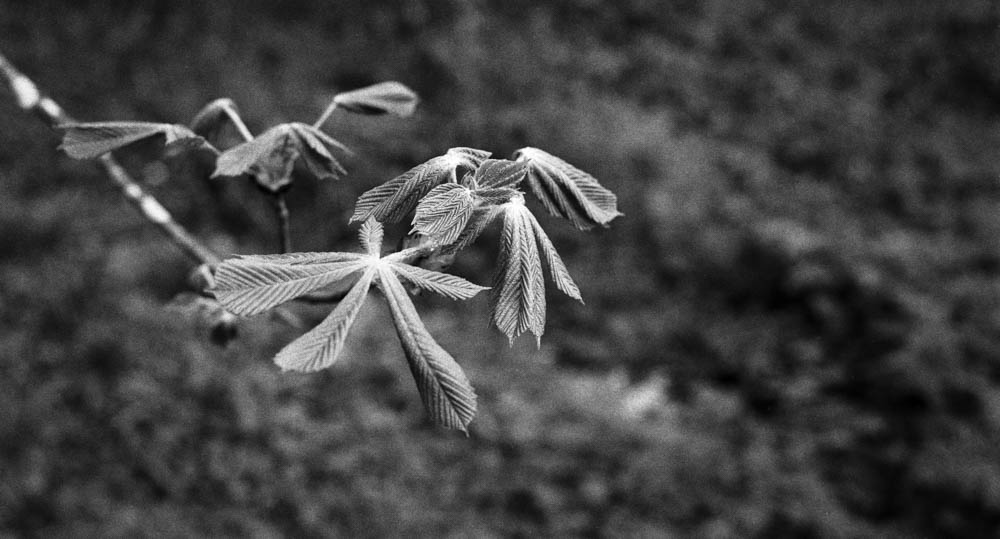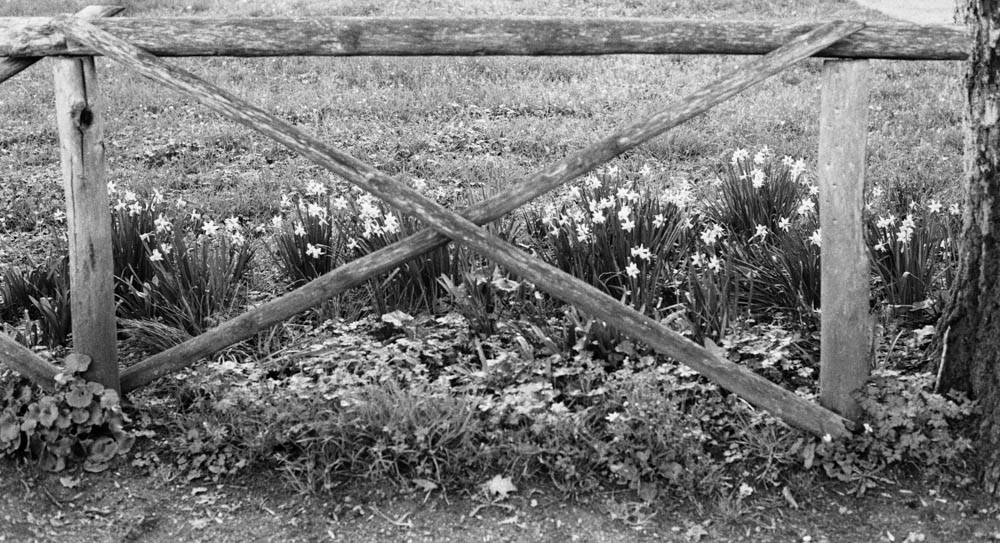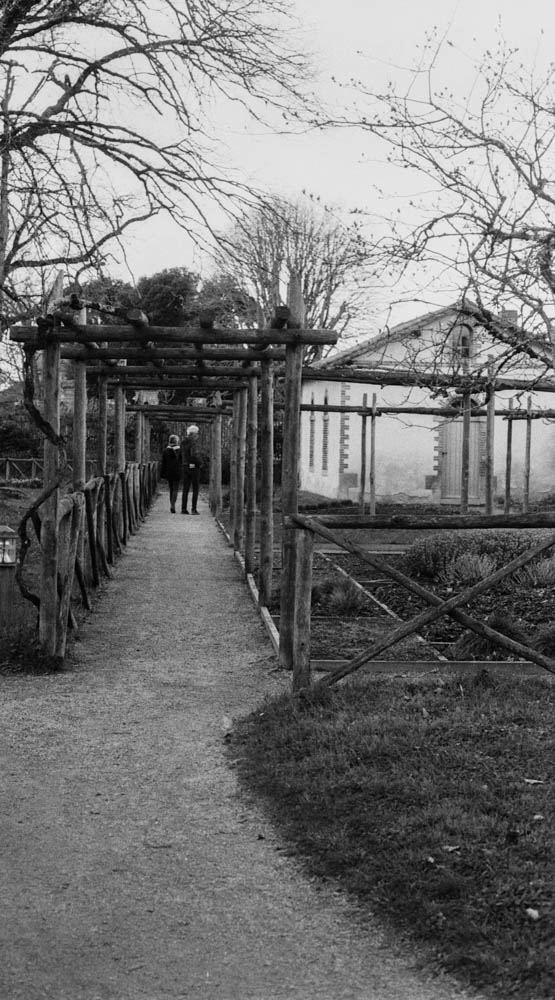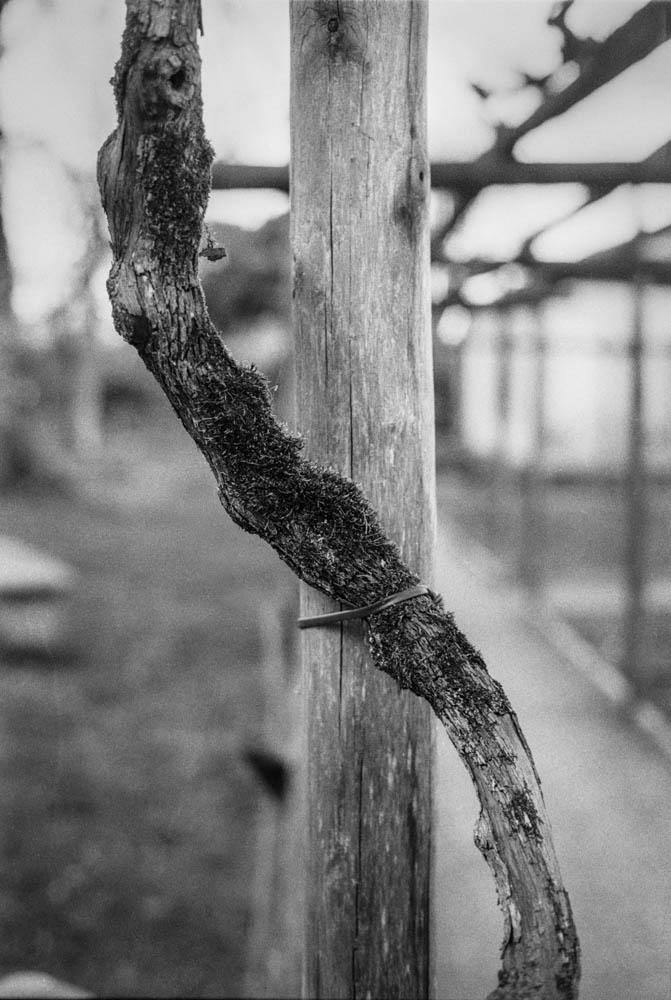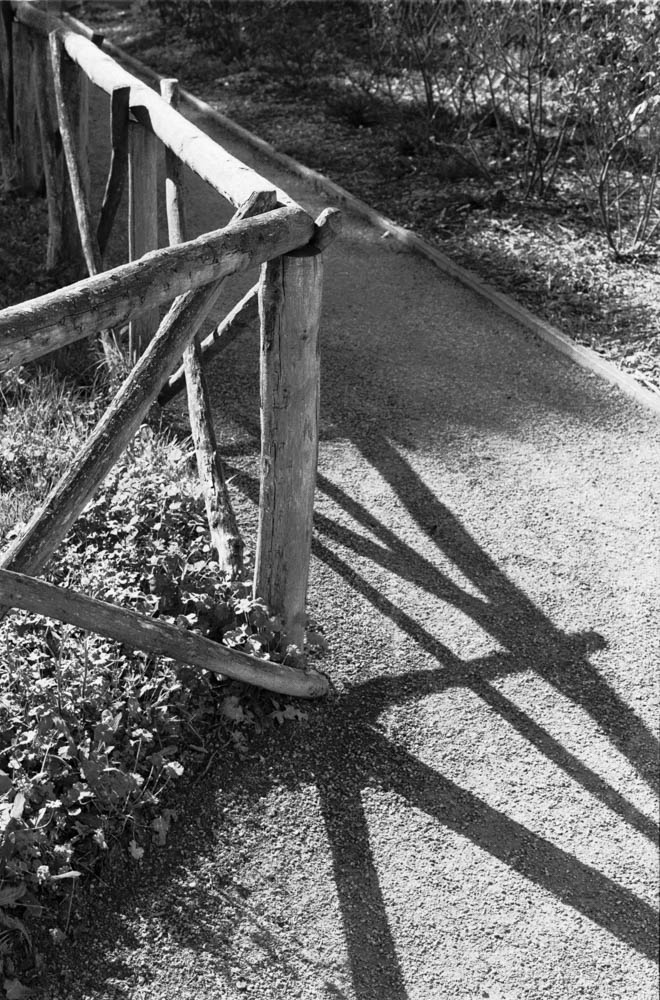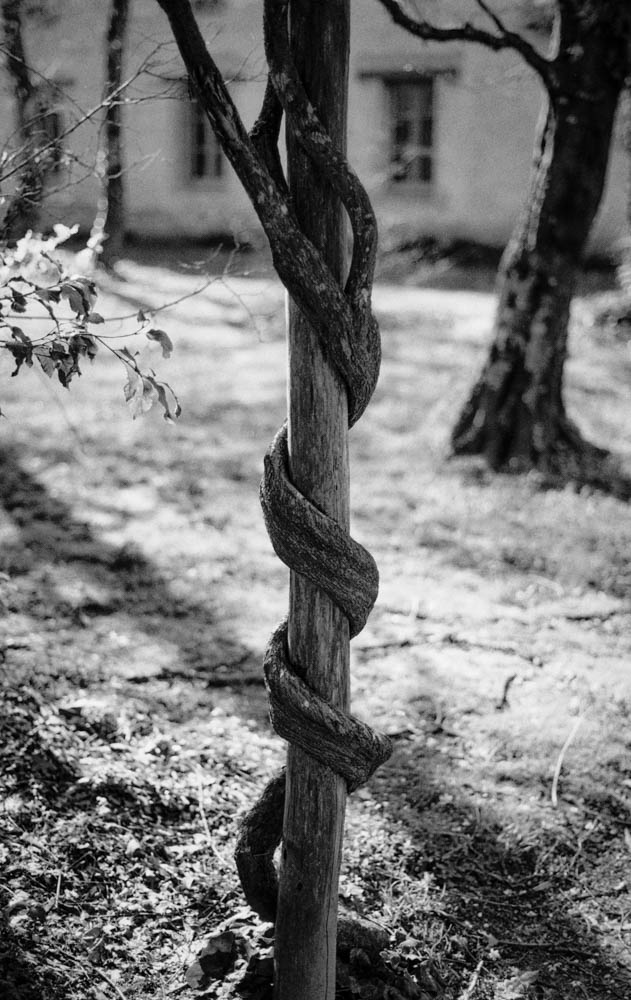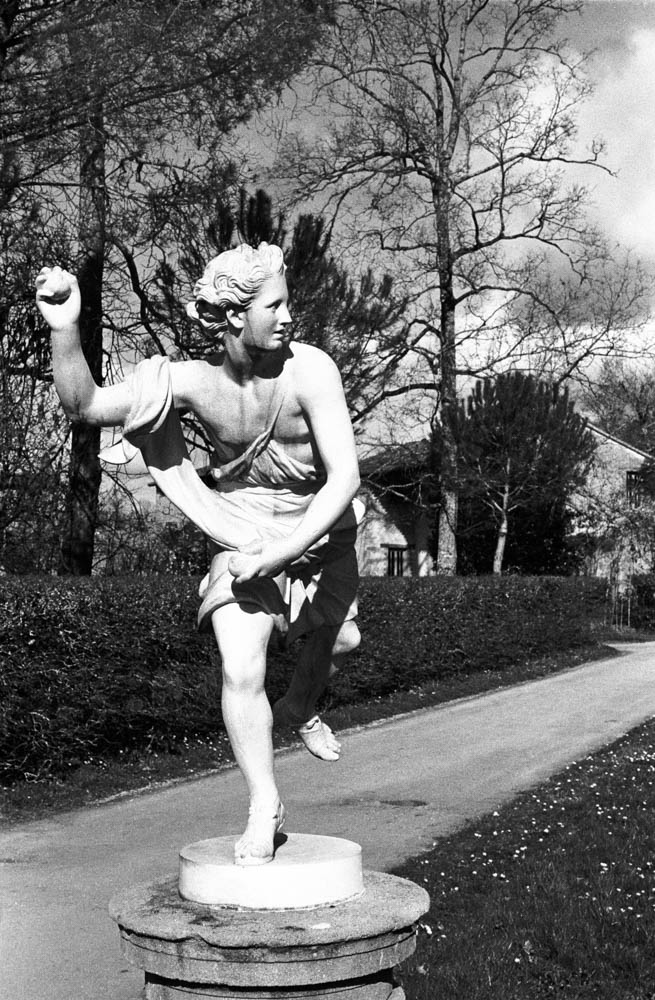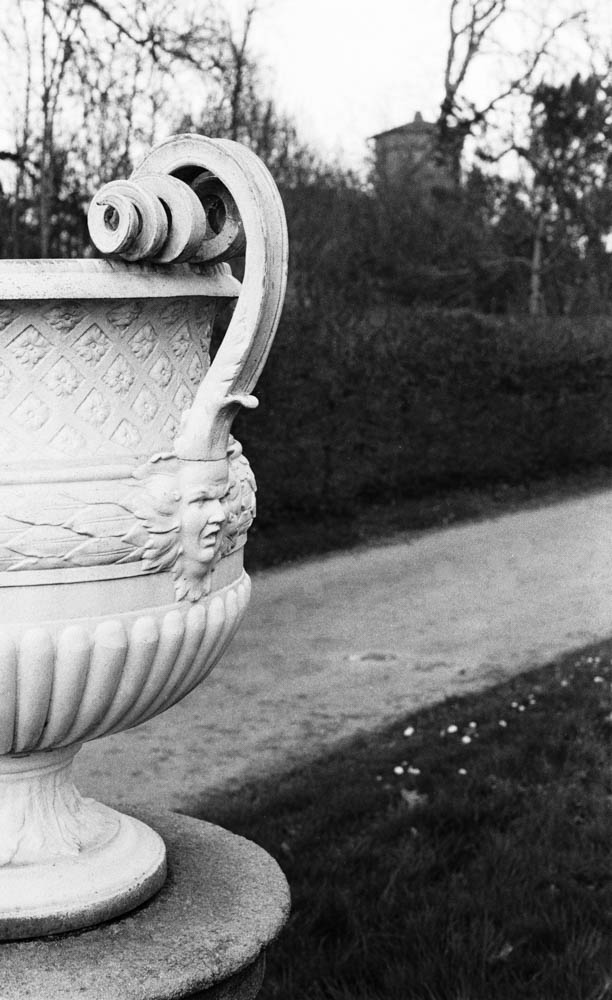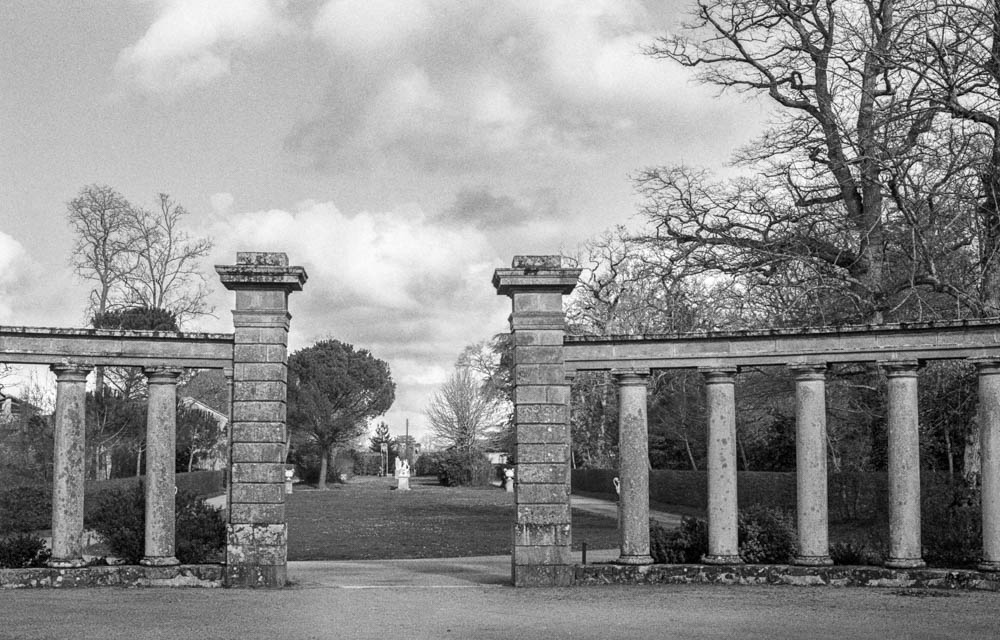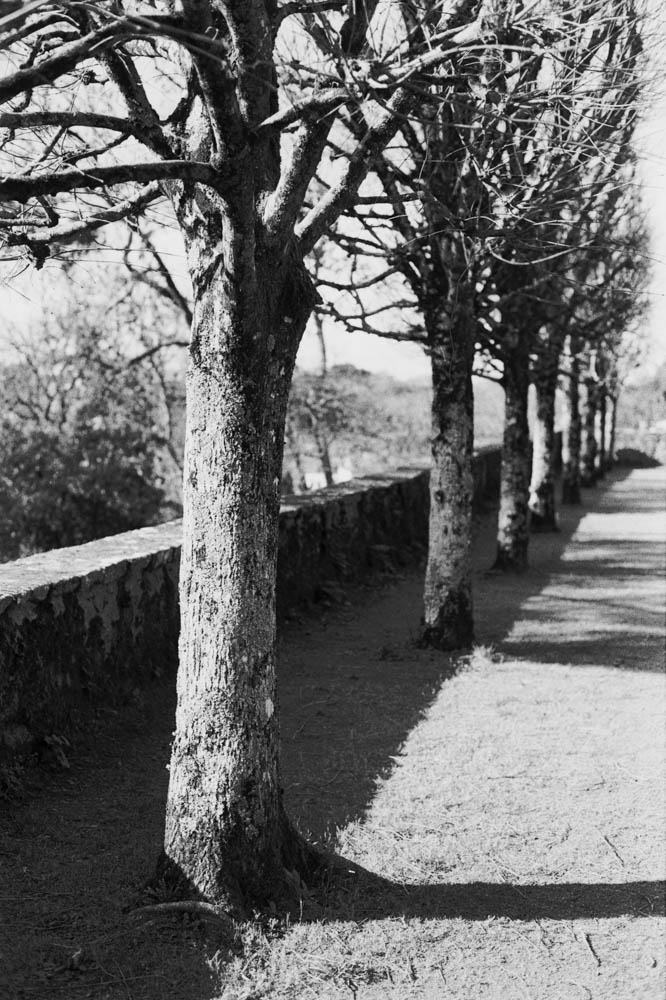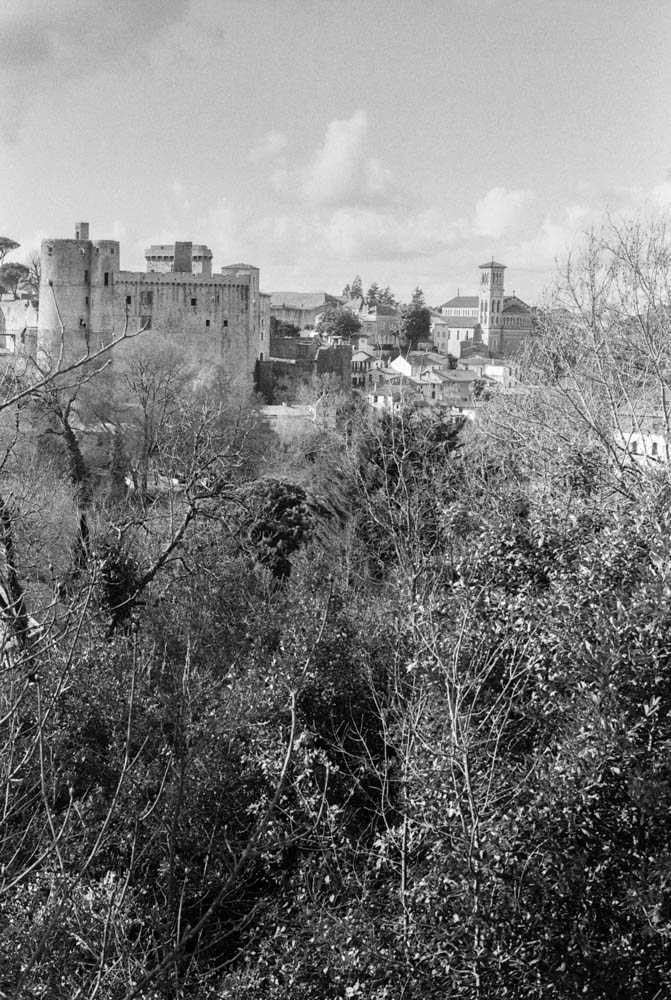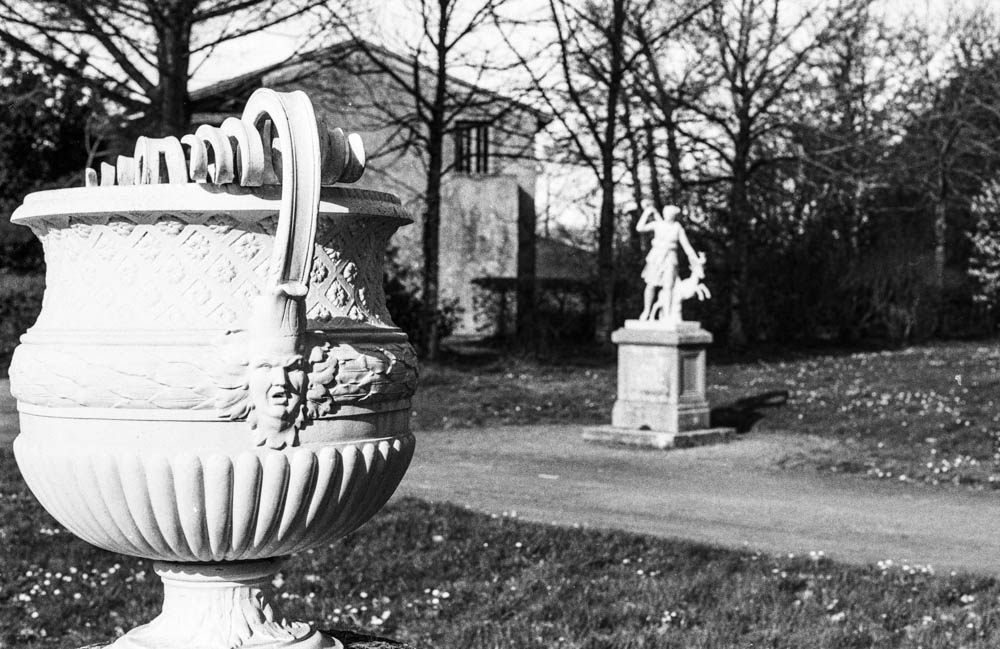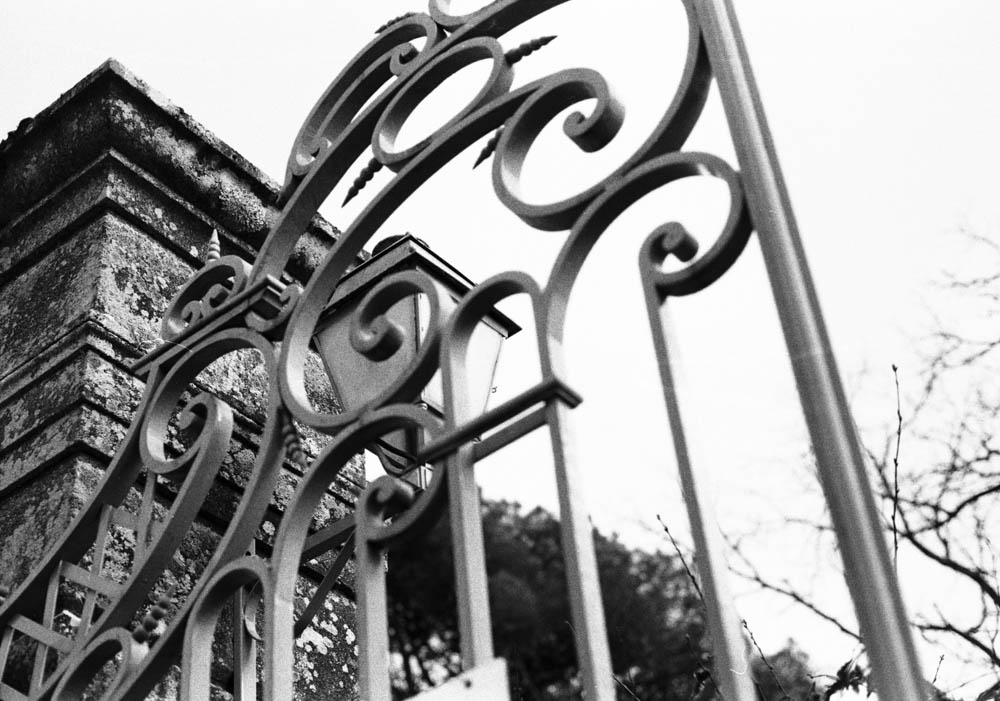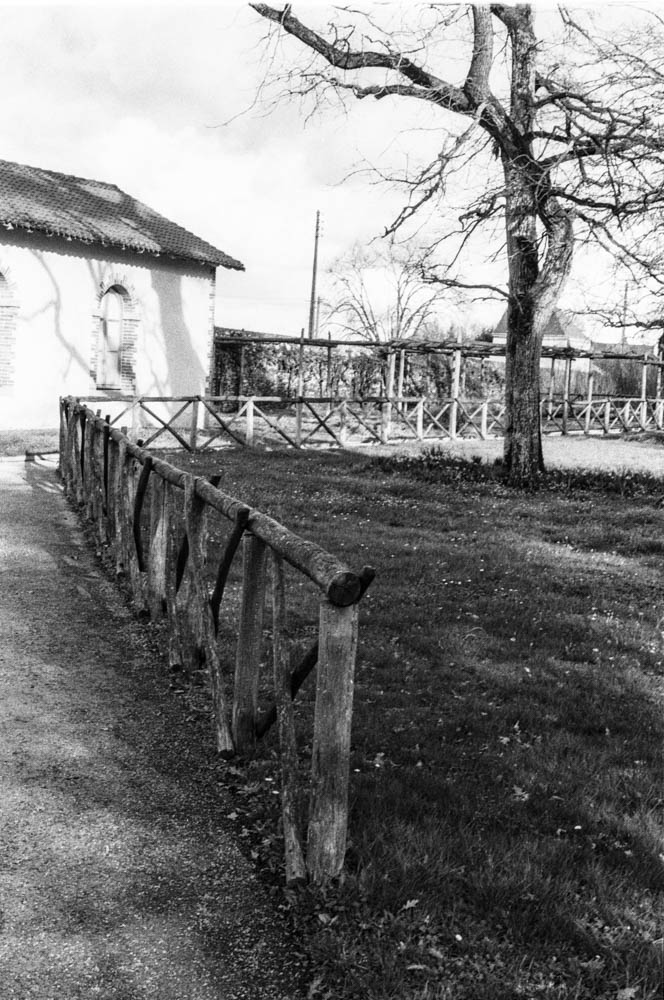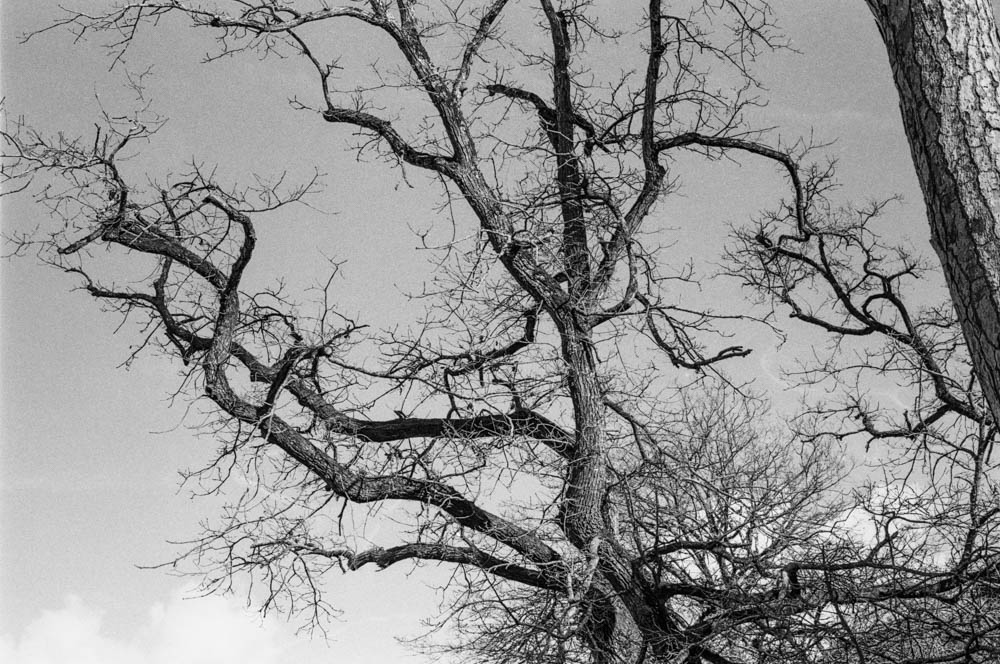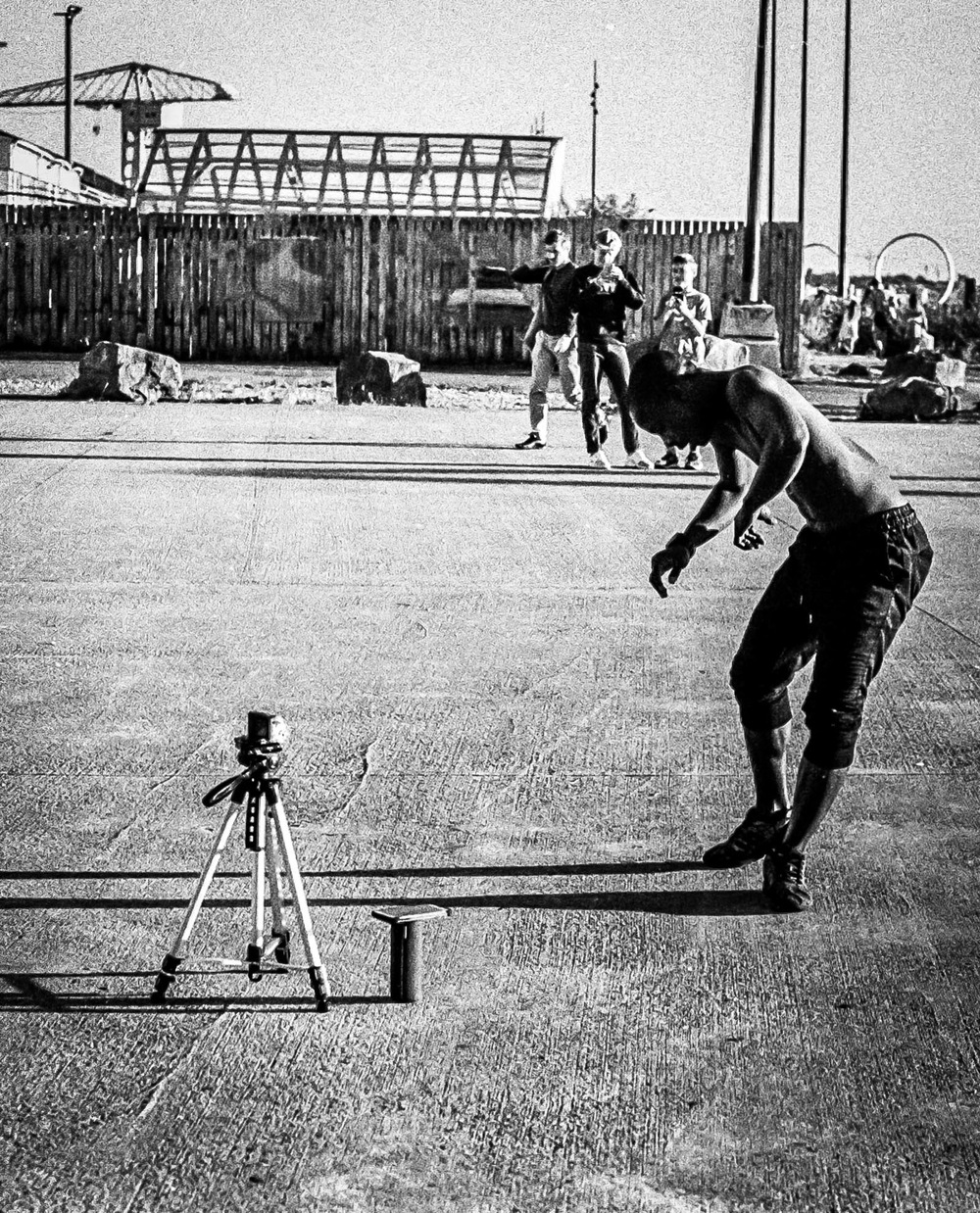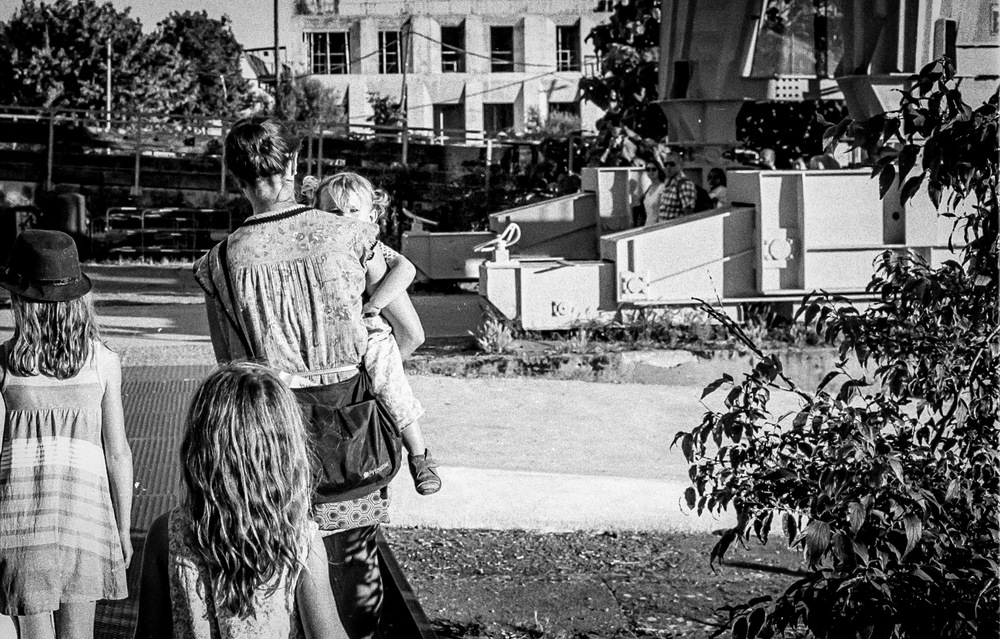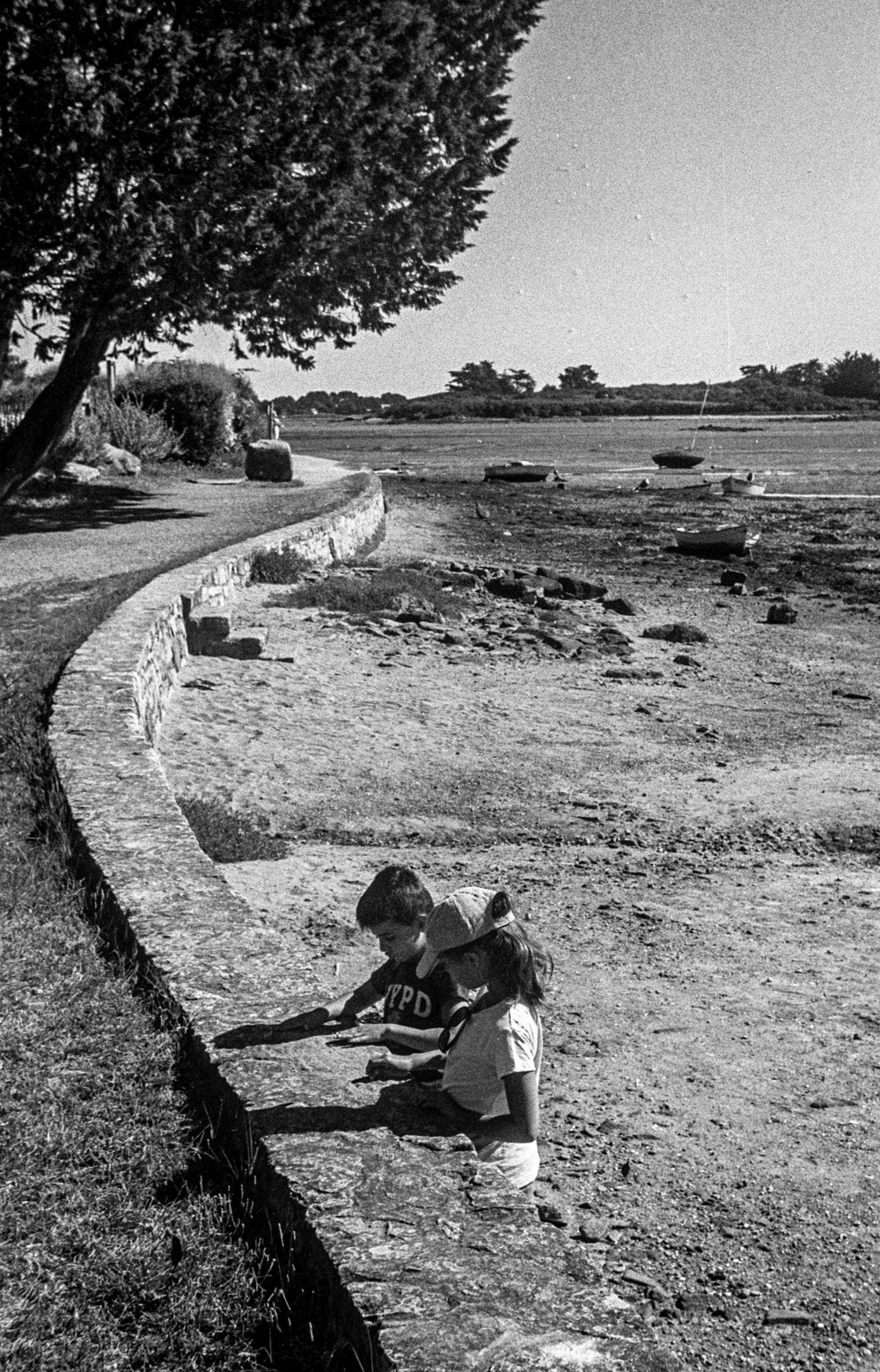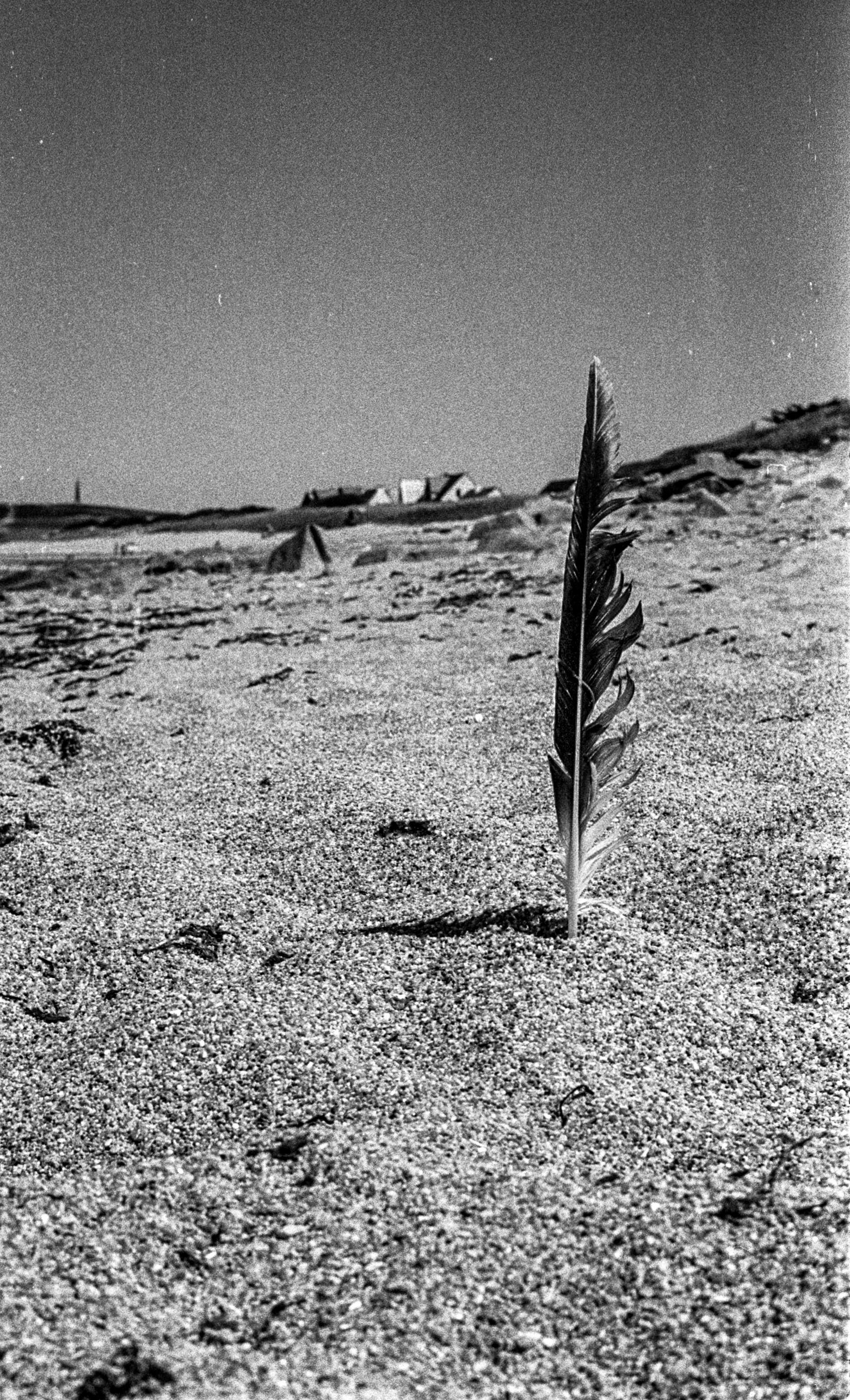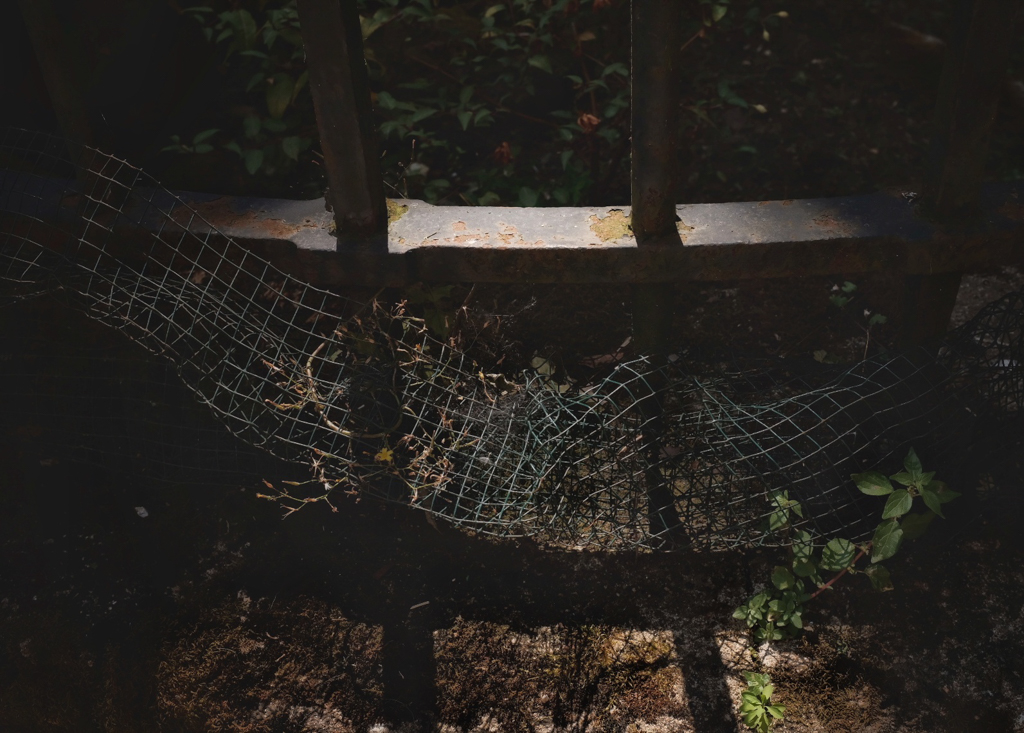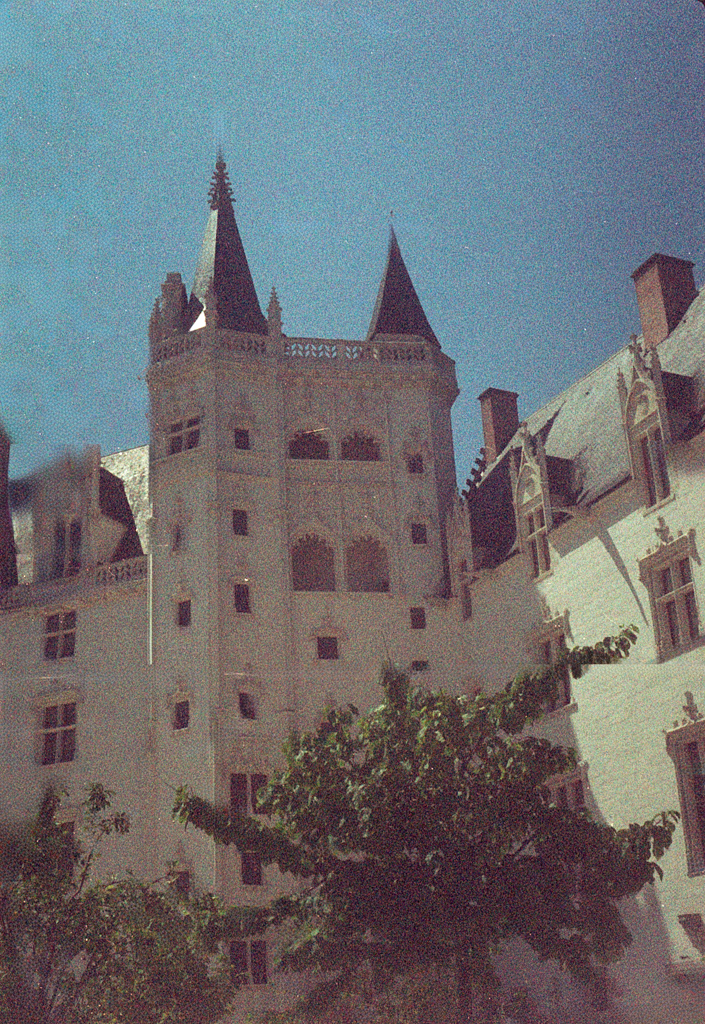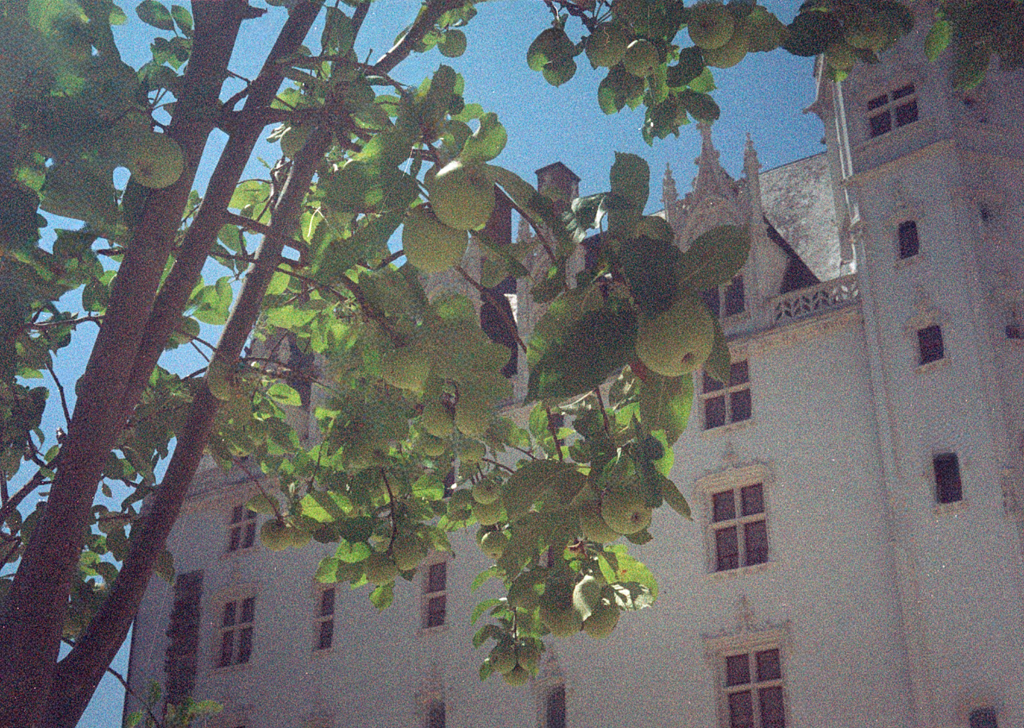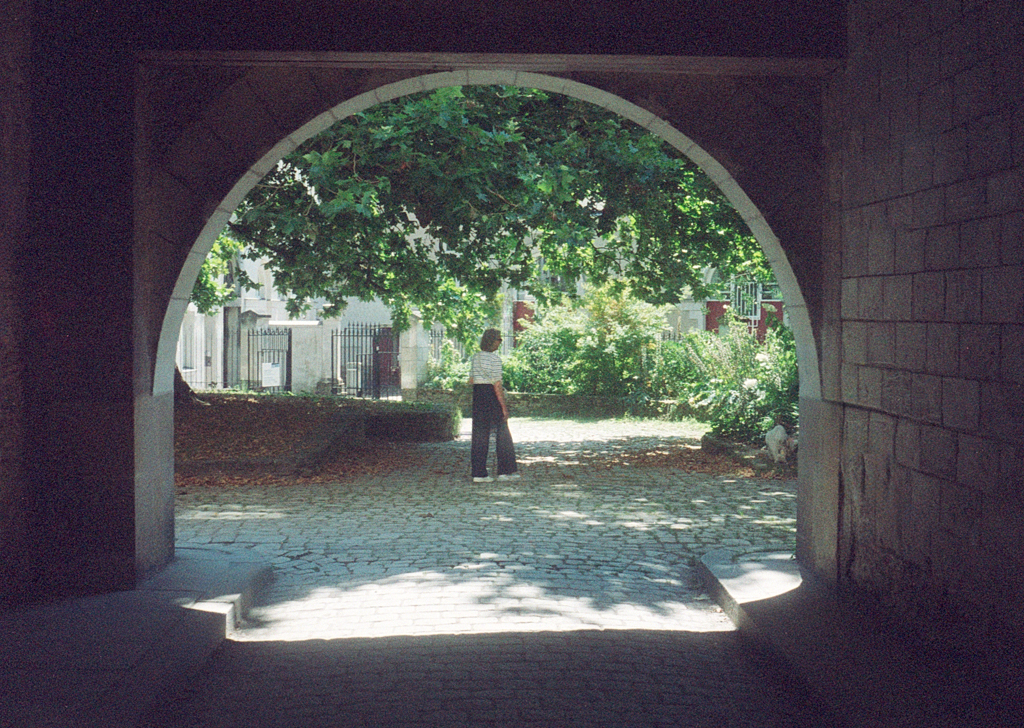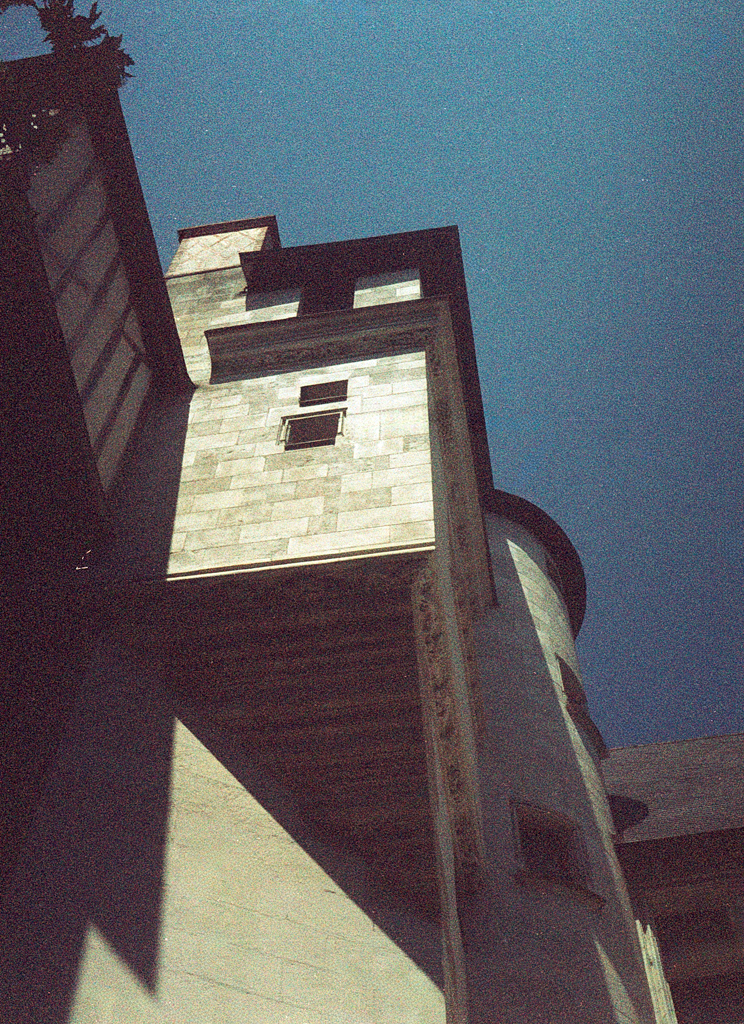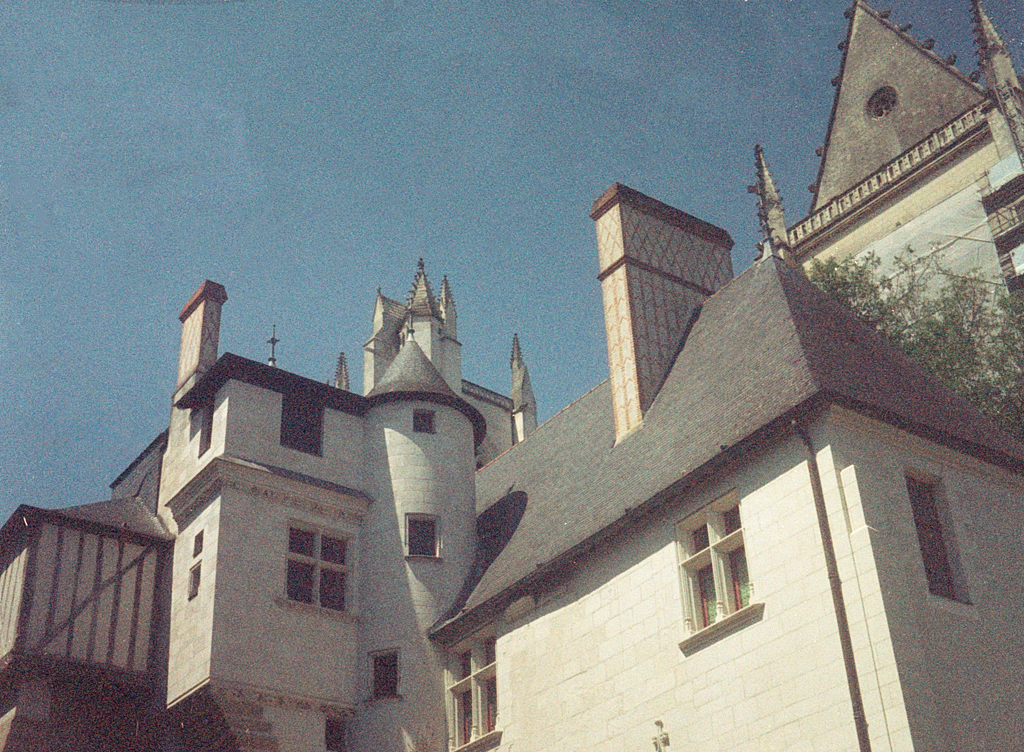
The Opening of the Film Archives – March 2017 with Kate in the Vines


Hello you! It’s great to have you back for another dive into the archives. Over the past few posts, you might have noticed a recurring star of the series: my Canon AE1. While it’s true I’ve leaned on this camera heavily for many of these moments, I promise there’s more variety to come—even some colour film photography! For now, though, let’s continue exploring these Canon snapshots together. Thank you for sticking with me—it means a lot to me.

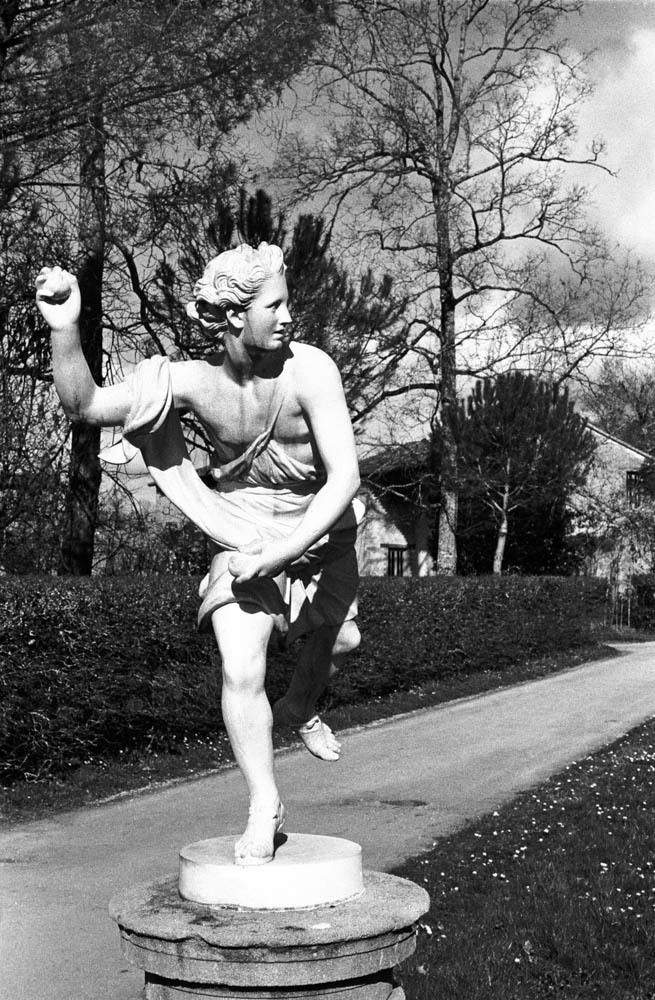
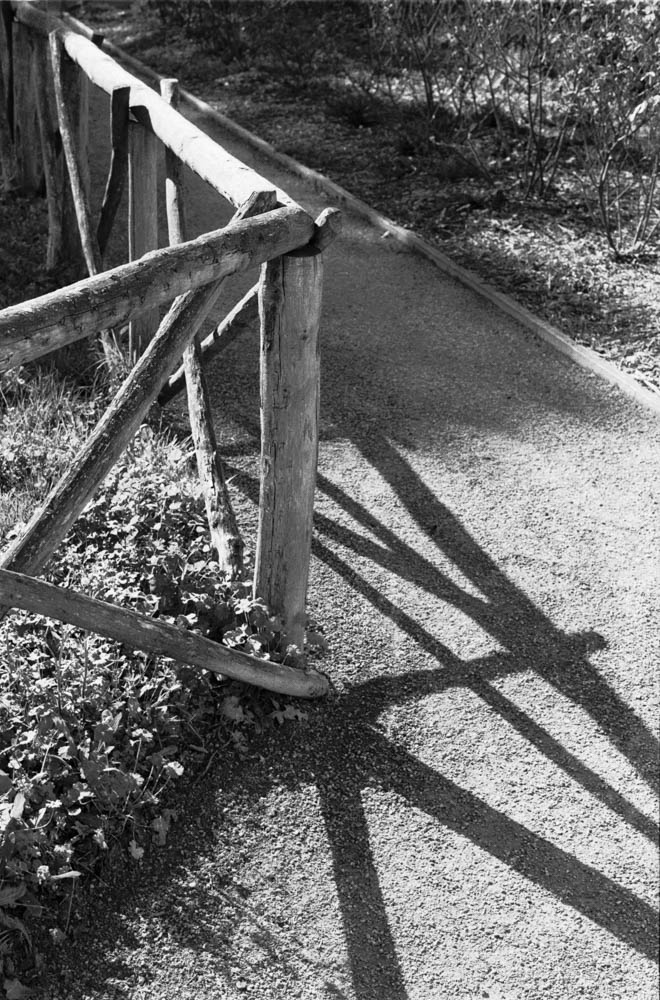
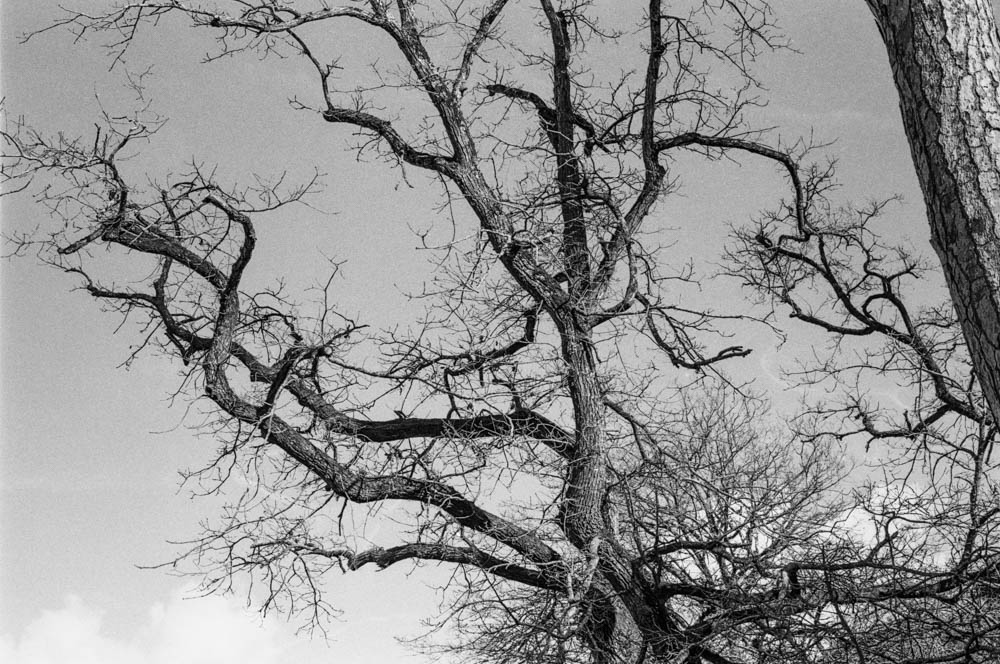
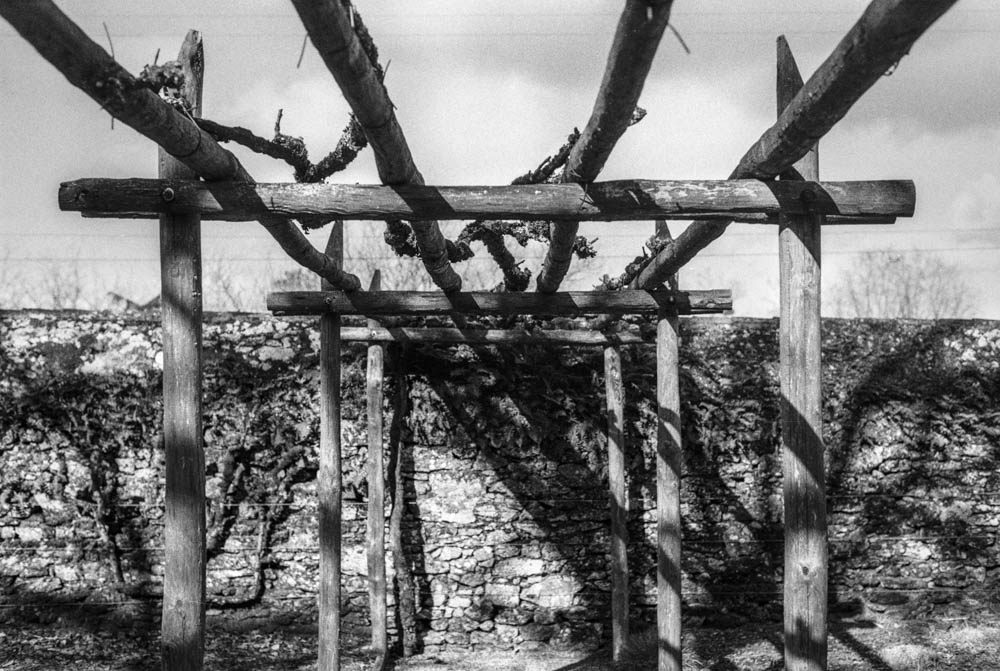
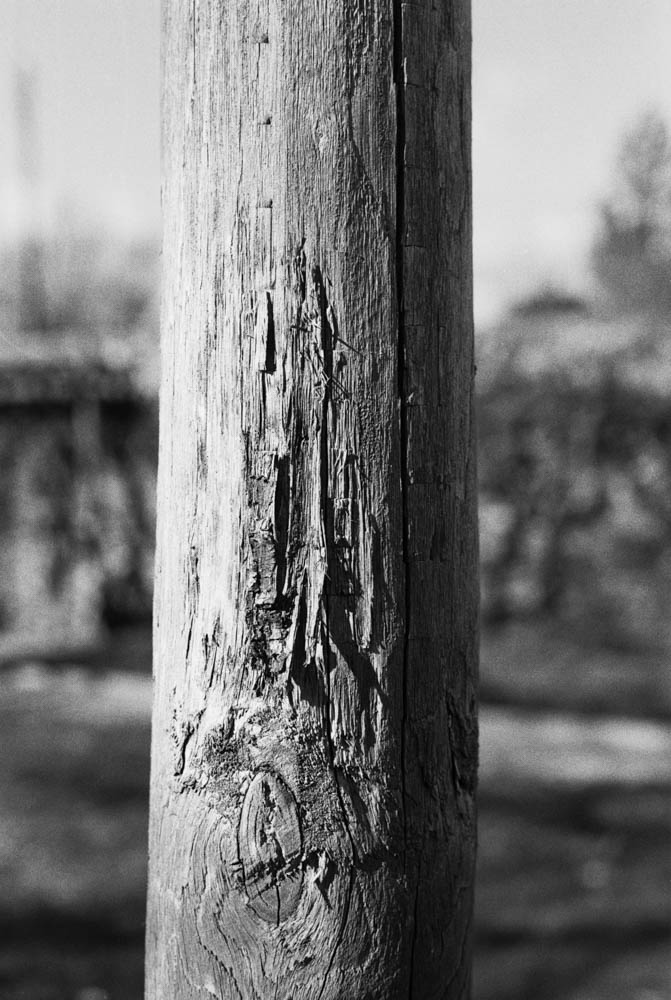
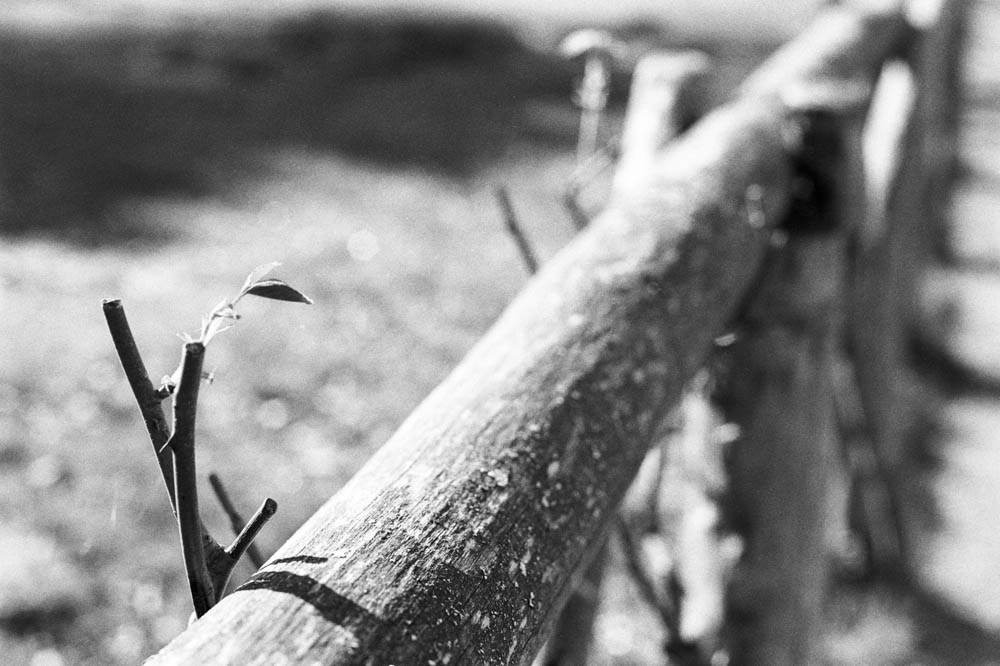
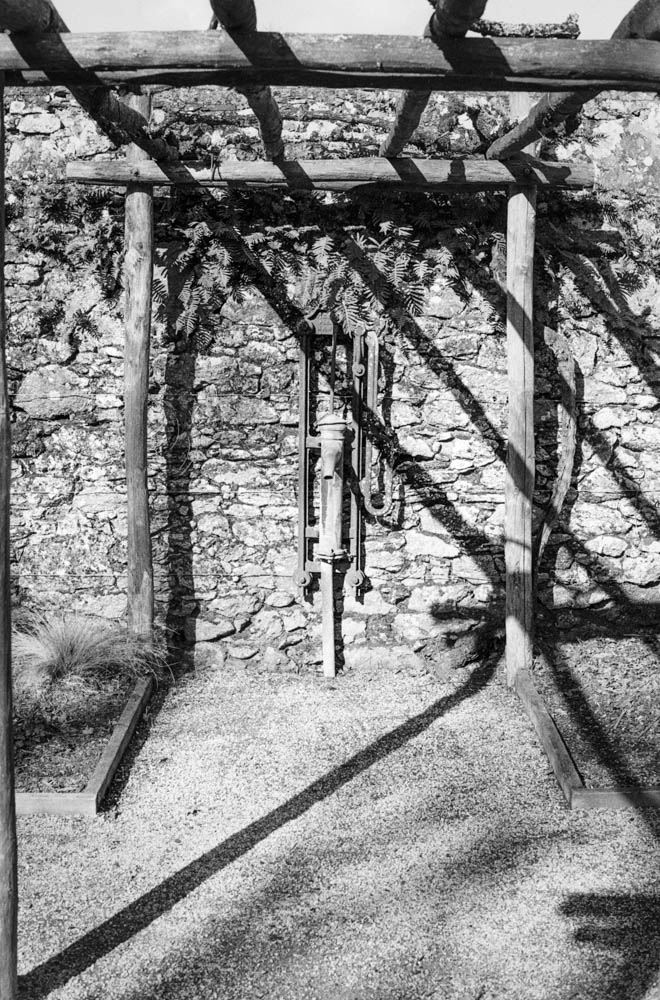
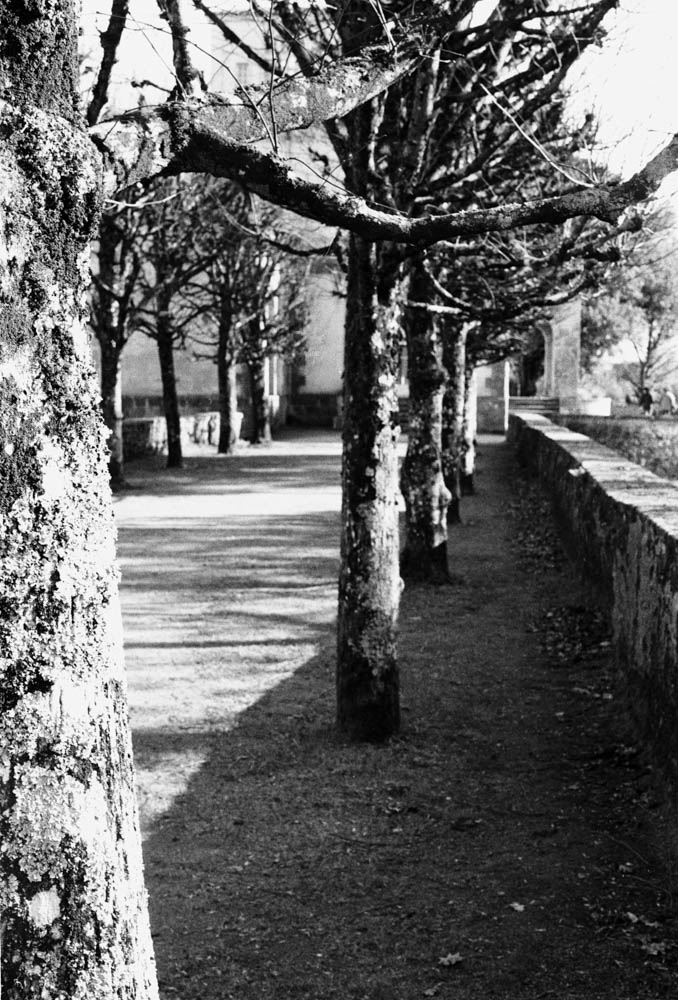
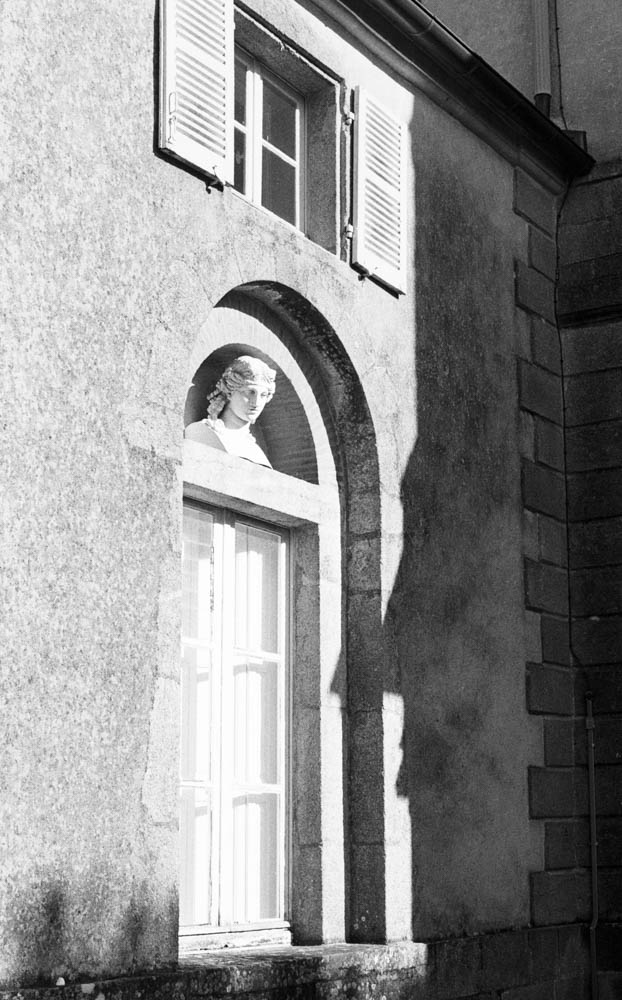
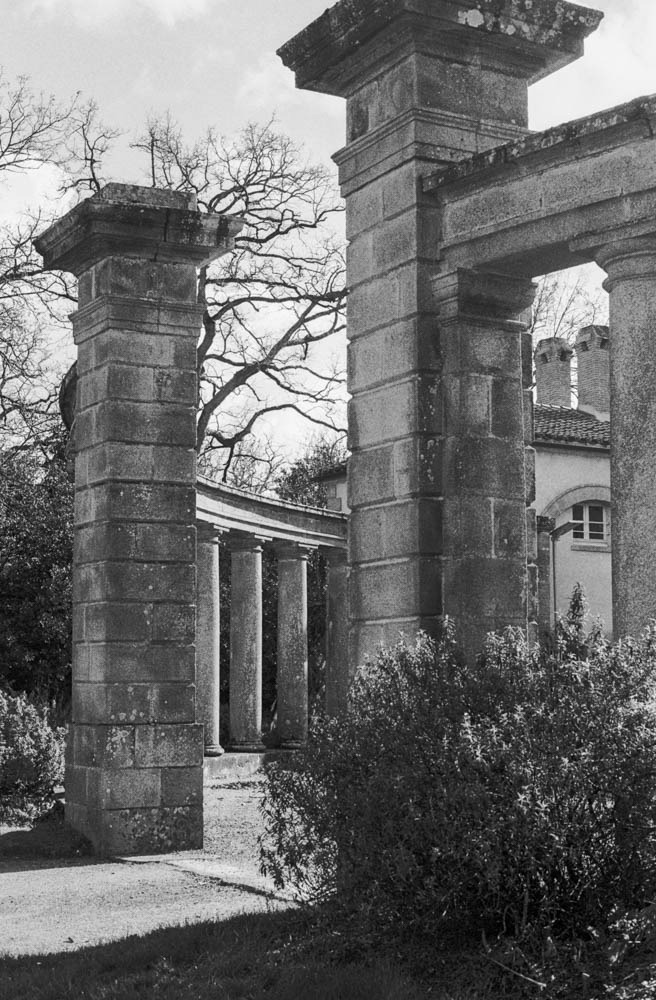
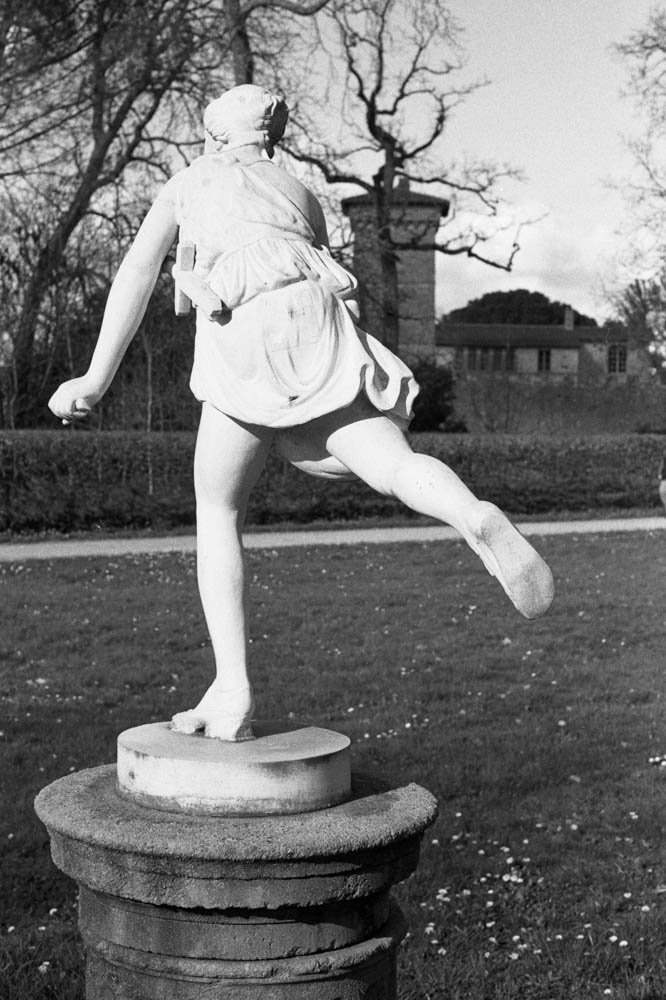
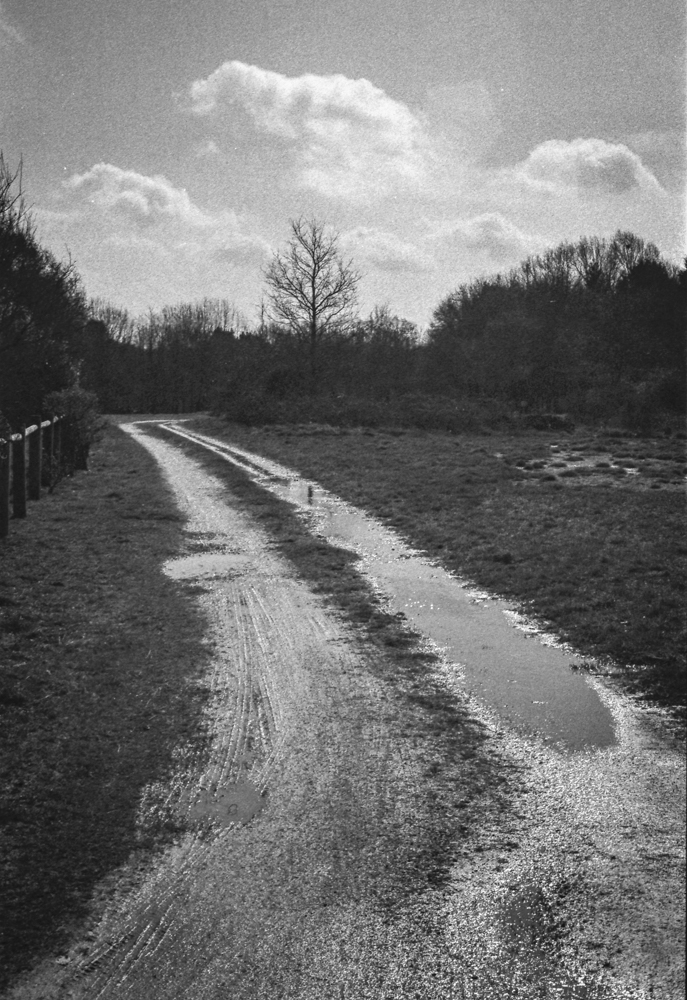
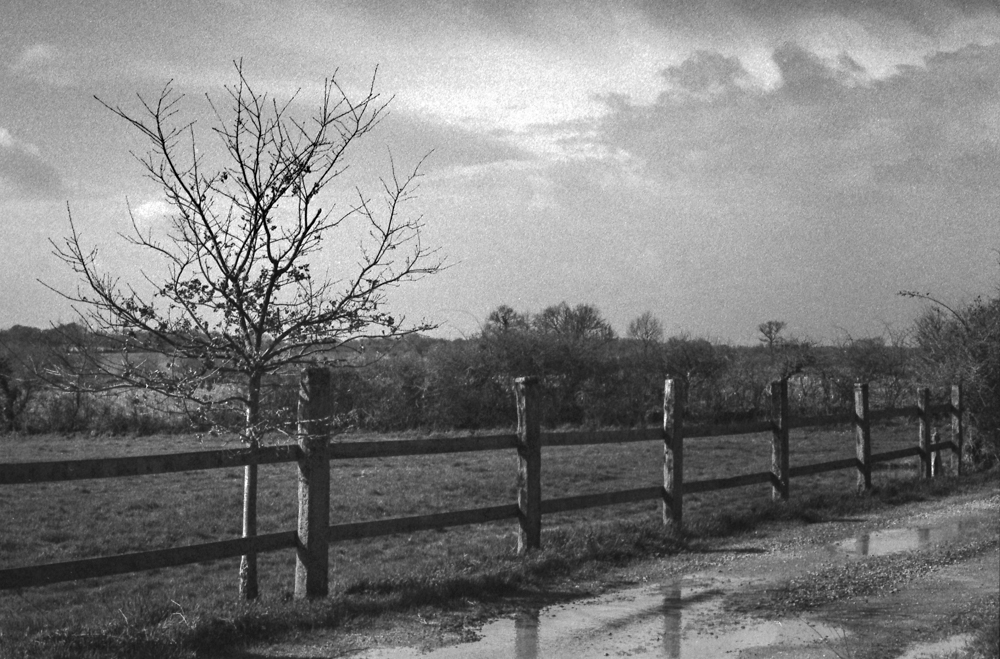
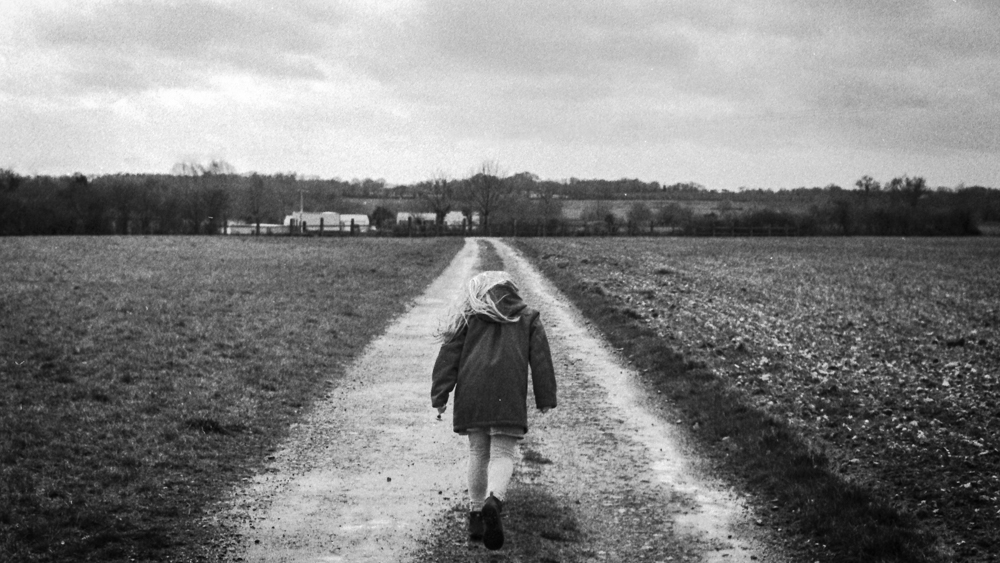
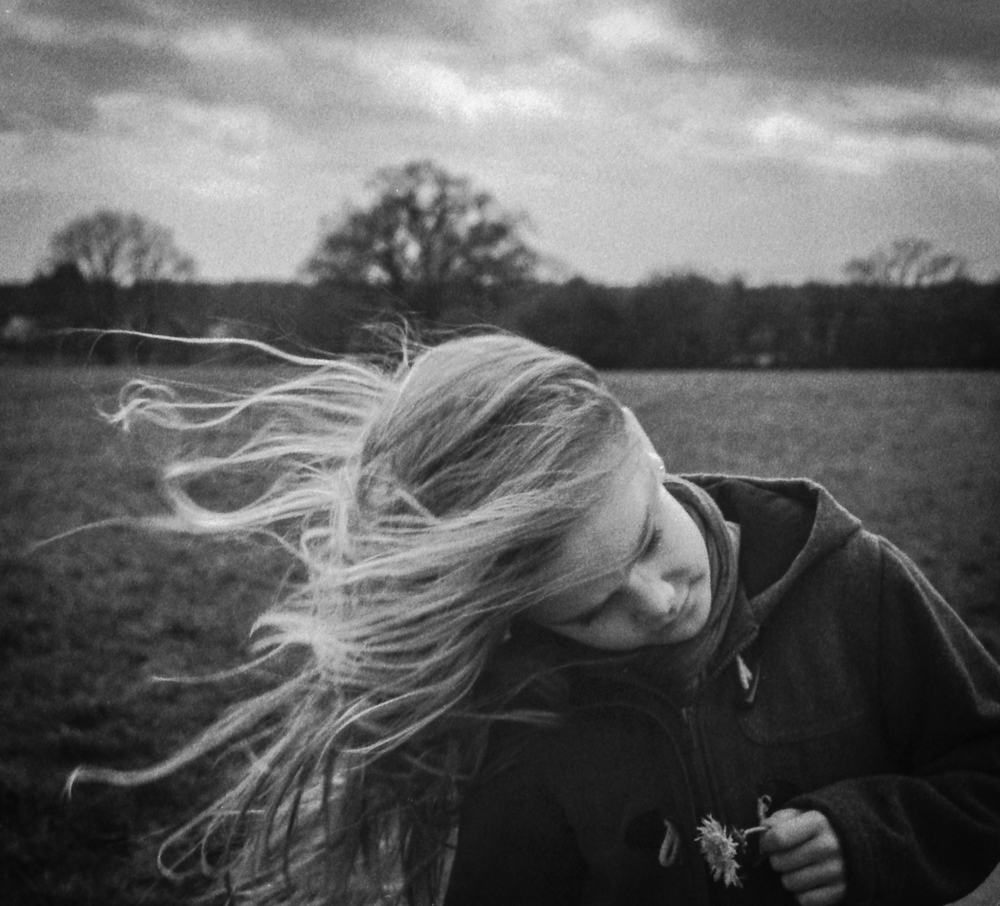
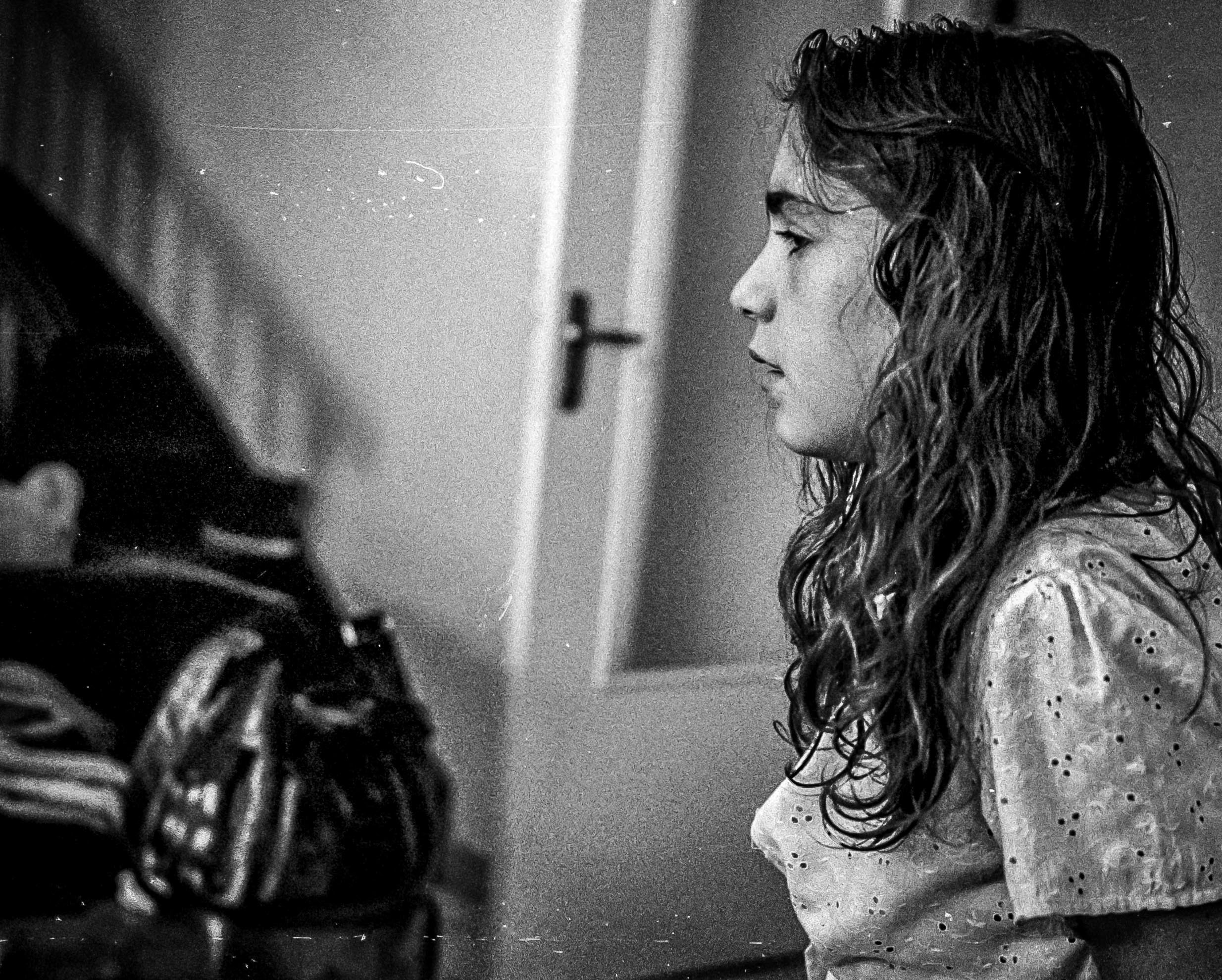
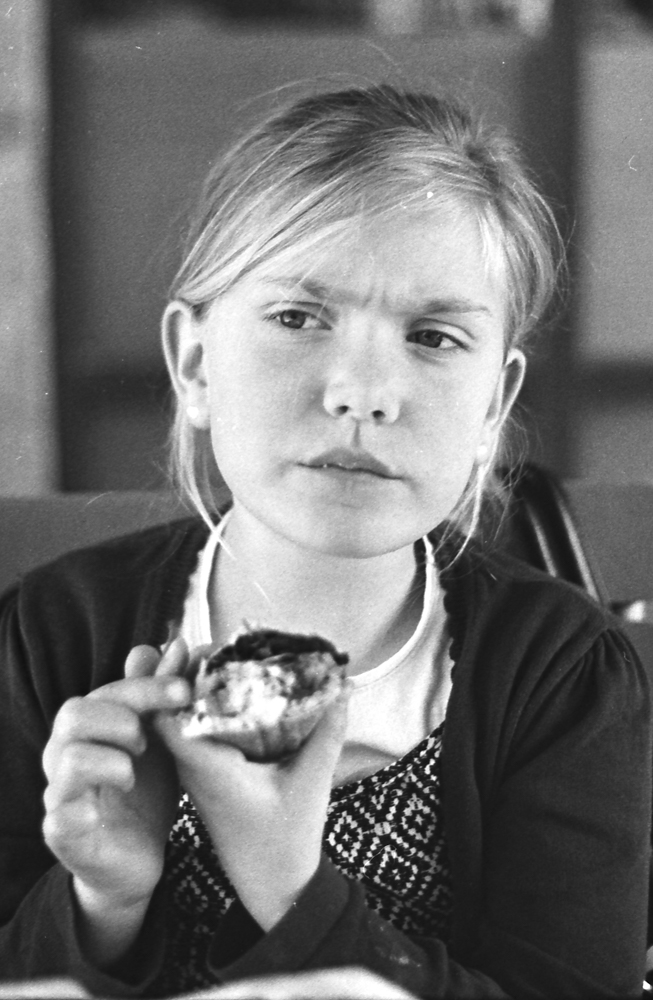
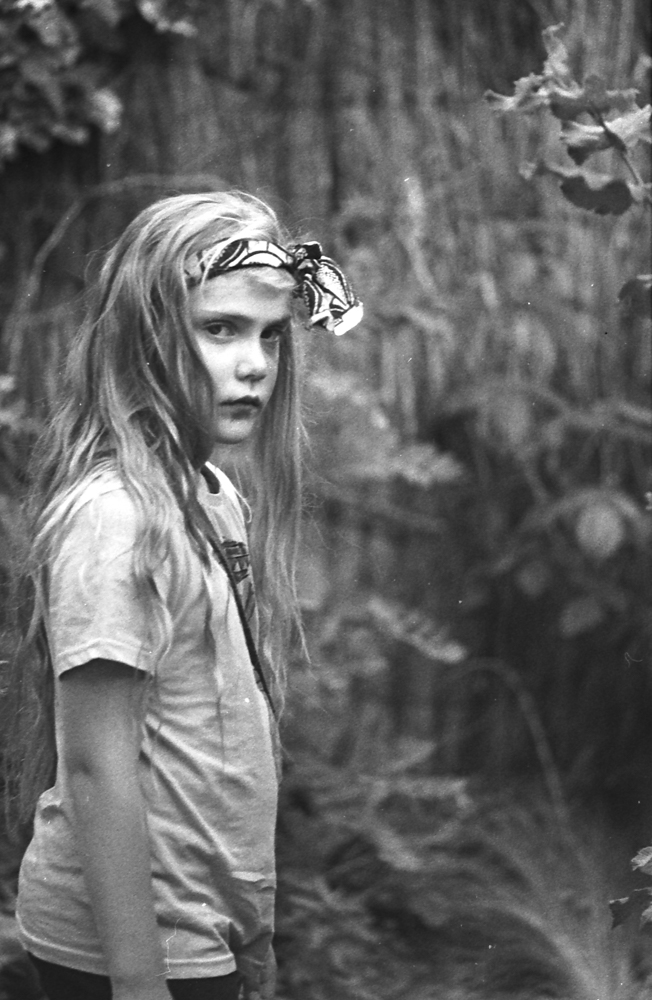
This time, I took my daughter Kate for a walk among the vines—a walk I used to do with Killian when he was about her age. Admittedly, it wasn’t the most creative choice for me, but for Kate, it was a brand-new adventure. That’s my excuse, and I’m sticking to it.

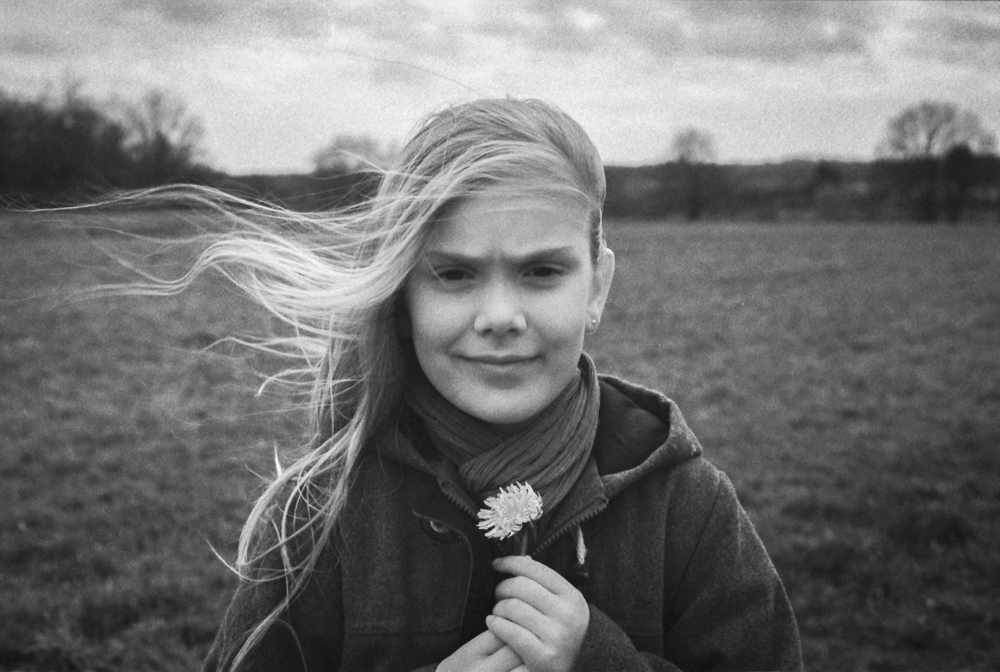
The day was all about Kate, the wind, and the way it danced through her hair. Unlike me, where the wind barely leaves a trace, it created a beautiful, dynamic subject in her. There’s something magical about how the movement of hair and clothing in the wind adds life to a photograph. I captured some truly memorable shots that I now treasure as priceless souvenirs of a fleeting moment.

Maybe they were some of those famous Kodak moments… Whatever the case, they bring back lovely memories of simpler times. Looking back, it reminds me how the simplest moments—like a walk through familiar vines—can hold so much meaning. Sometimes, what’s close to home can be just as captivating as far-off adventures.

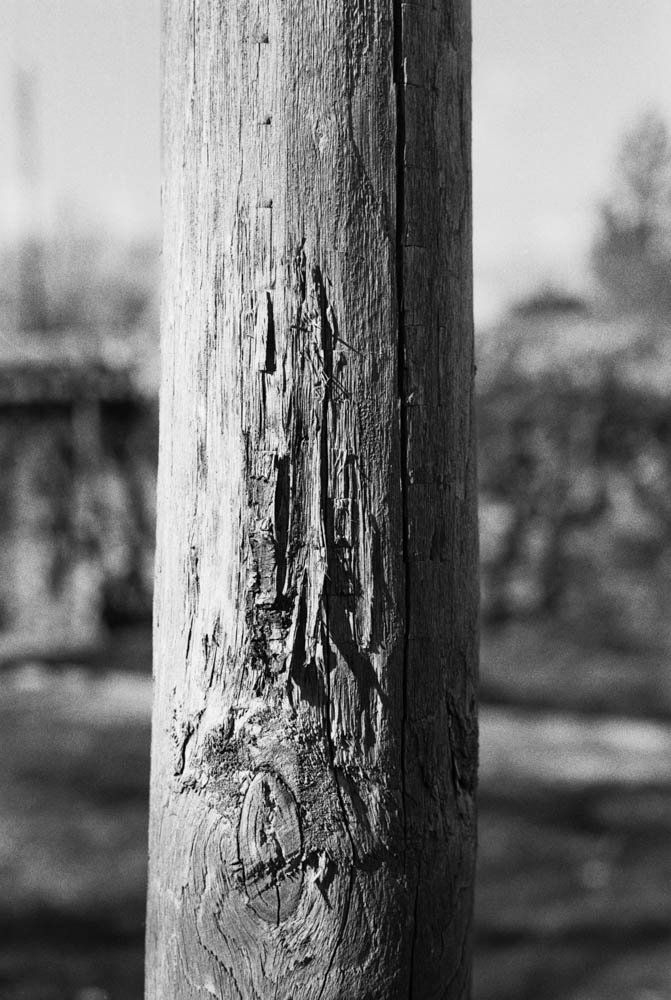
It also reminds us that though we might be in familiar territory, that territory can look entirely different to someone seeing it for the first time. The soft, diffused light that day brought out rich textures in the vines, and Kate’s sense of wonder made even the most ordinary details come alive.

When you’re out with your camera, maybe, just maybe, that’s something to keep in mind. How might your everyday surroundings look through fresh eyes—or through the eyes of someone discovering them for the first time?

The Enduring Elegance of Vintage Cameras: A Personal Journey


I often find myself discussing the concept of “vintage” with my father during our phone calls. I live in France, while my parents are in Northumberland. The term “vintage” means different things to different generations. For my 25-year-old son, vintage clothing is anything from the 90s—he even sports a few of my sweaters from that era. At 52, I’m beginning to see myself as slightly vintage, with a style that has evolved into something more classic and refined compared to my younger years. And to my 15-year-old daughter, my father, who grew up during the war, must seem positively ancient.

So, what does this have to do with photography? For me, a camera from the 1990s feels relatively modern, while those from the 80s and 70s seem older but not quite ancient—much like myself. Using these older cameras in my photography practice forces me to slow down and be more deliberate. Just as my style has become more refined with age, these cameras have an enduring elegance and charm. They may be from a slightly bygone era, but they still capture images with timeless grace.

Incorporating this vintage technology into my work isn’t just about using old equipment, however enjoyable working with what could be considered museum pieces may be; it’s about embracing a process that demands patience and mindfulness—concepts that are somewhat foreign to this younger generation. Each shot taken with these cameras becomes a deliberate act, mirroring how I approach life and photography. The result? A deeper connection to the process and a greater appreciation for the unique quality of film. This slower pace allows me to savour each moment, akin to how my evolving style reflects a deeper appreciation for life’s subtleties.

In a world increasingly dominated by digital immediacy, there’s something profoundly satisfying about the slower, more thoughtful pace of using vintage cameras. They may not be the latest technology, but their classic design and the deliberate process they require make them a joy to use—much like the evolving sense of style and perspective that comes with age. The emotional impact of working with these cameras is profound; they carry the weight of history and personal connection, enriching my creative process and deepening my engagement with photography.

My own “vintage collection” began with an SLR from the 1980s: an East German Praktica MTL3 that served me faithfully until 2009. After it finally gave up, I quickly replaced it with another. From there, I delved into exploring more iconic cameras from the 1970s and 1980s. At that time, they were still relatively affordable before the hipsters discovered film photography and the prices inevitably started rising.

My exploration didn’t stop there. I began to seek out cameras from the 1960s and even the 1950s. The oldest camera in my collection dates back to 1949! It’s quite vintage, even for me, though perhaps not so much for my father. Each piece of my collection is a link to a past era, offering a tactile connection to history that digital tools can’t replicate.

There was a time during the digital age when people sought to recapture the film aesthetic, and right on cue, apps like Hipstamatic, Instagram, and VSCO began to emerge. These digital tools embraced the nostalgic look of film, offering a nod to the past while thriving in the digital present. Yet, this digital simulation can’t quite match the authentic experience and emotional resonance of using actual vintage cameras.

This led me to a thought: if I truly wanted to capture that film aesthetic, why not use actual film and cameras from the eras I admire? I have always been drawn to “old” things, having loved exploring a special drawer at my grandmother’s house filled with genuine relics—not just my grandparents’ old possessions. My fascination with older technology, particularly when it’s still functional, remains strong. There’s an undeniable charm and satisfaction in using equipment that carries a legacy, offering a perspective that both honours the past and enriches the present.

So just because something might be old, it might still work and open a whole new world to you that you didn’t even suspect existed! It might, however, have something of a quirky nature, but once you get over that, the world is your oyster.

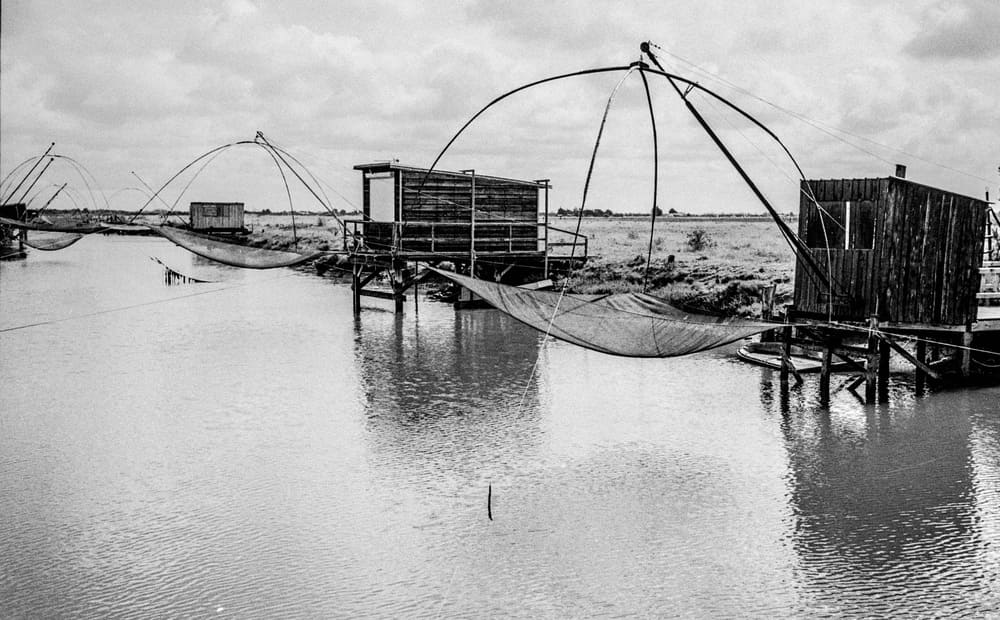
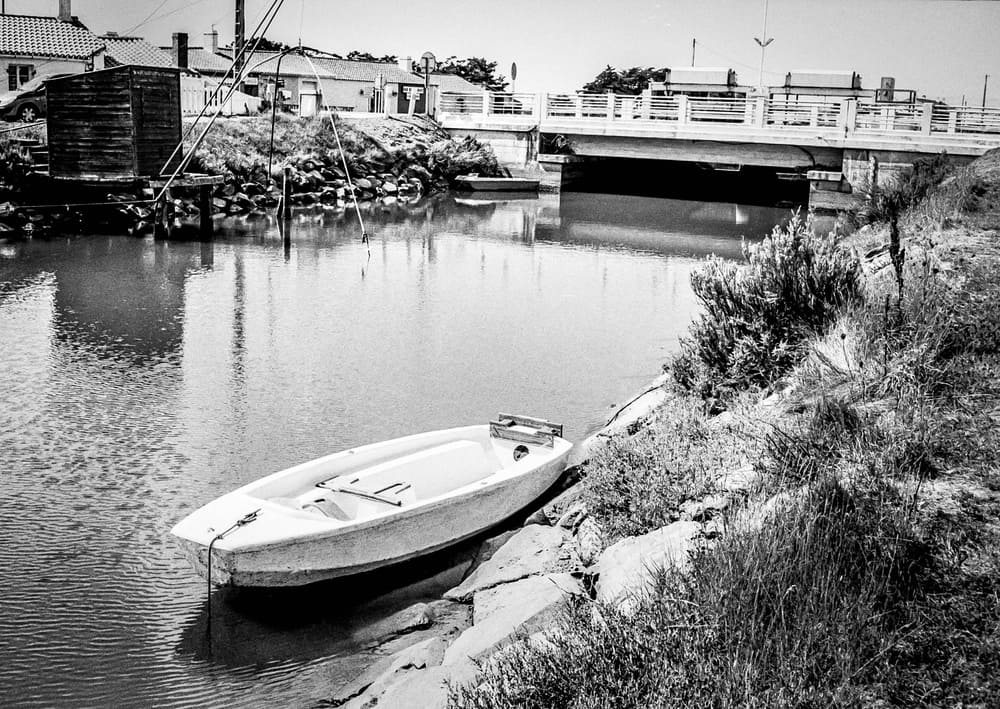
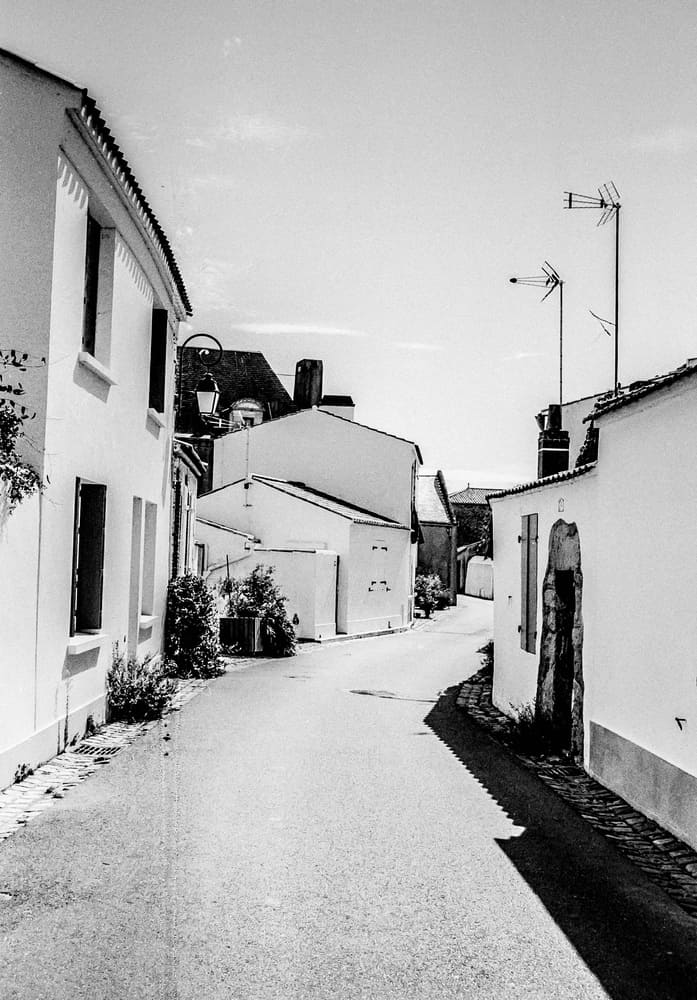
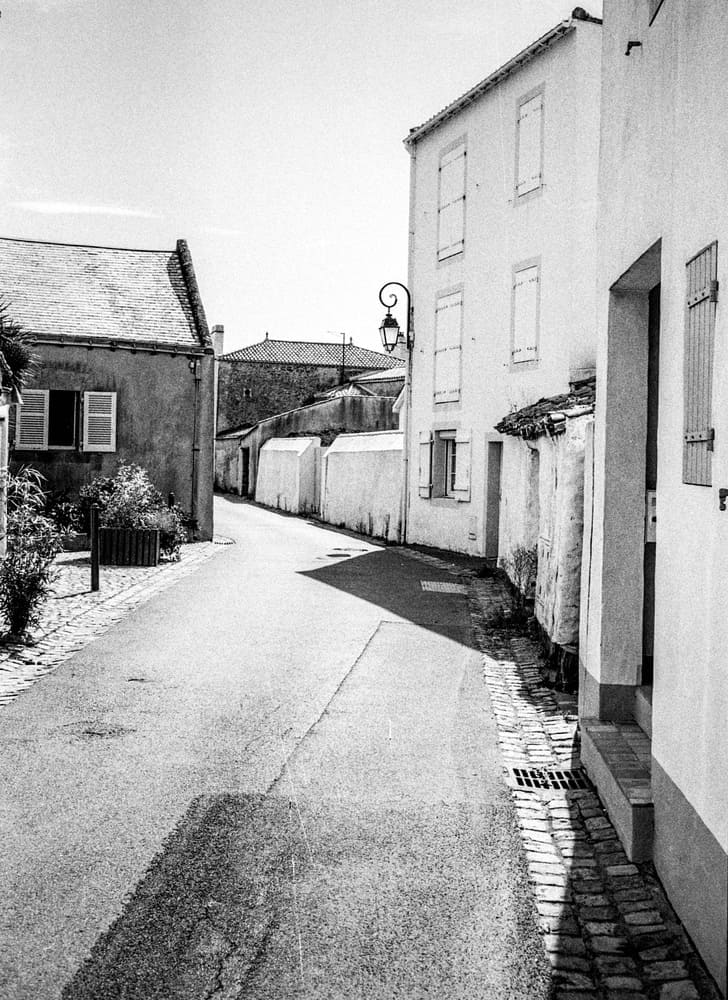
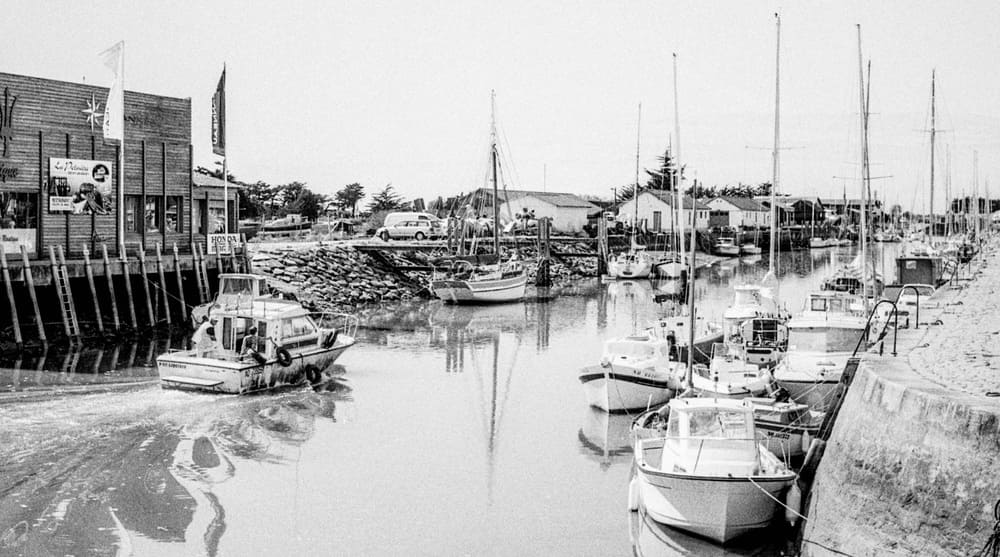
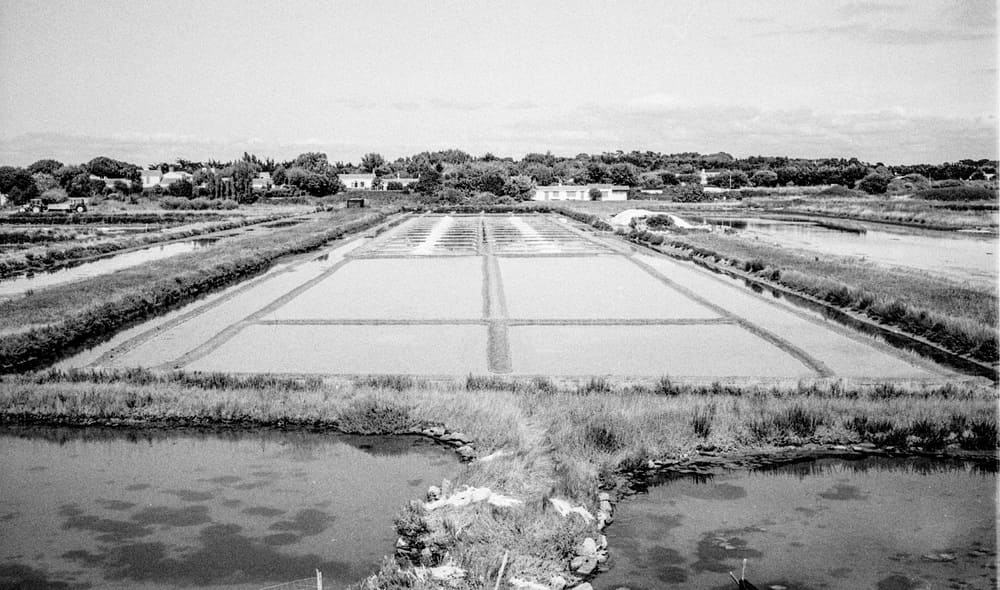
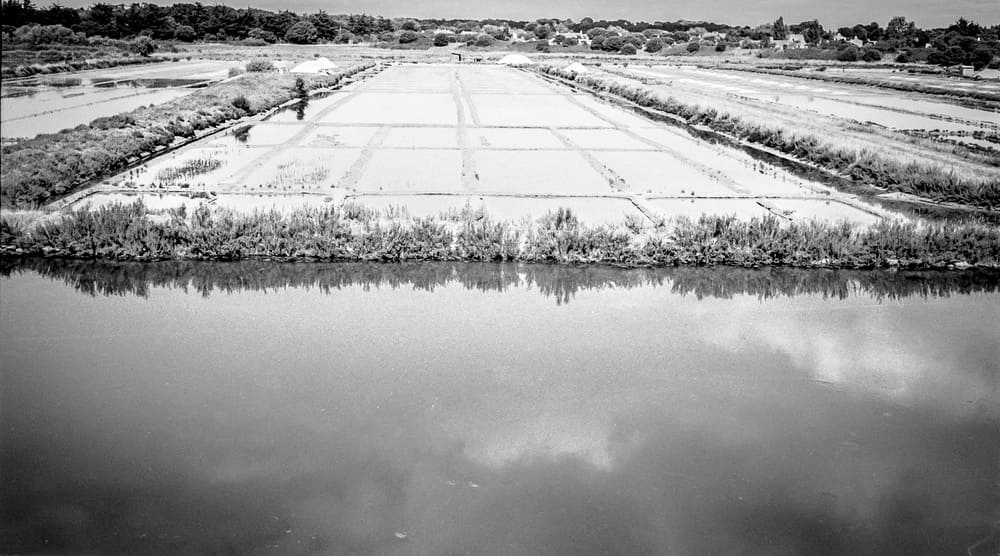
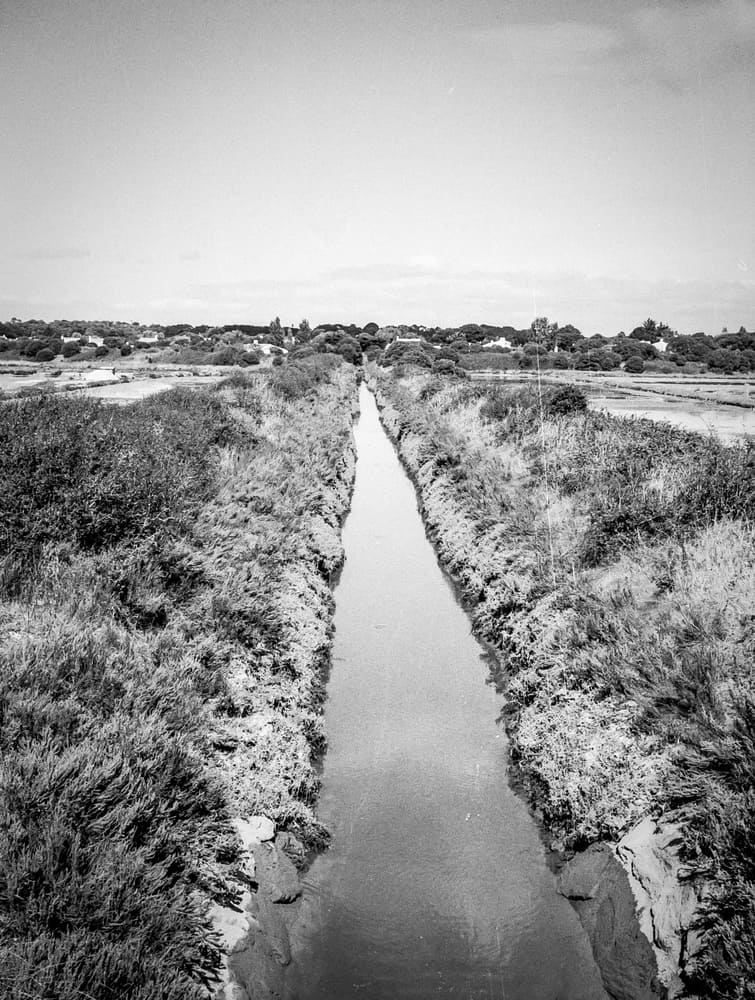
The Opening of the Film Archives – Noirmoutier September 2016


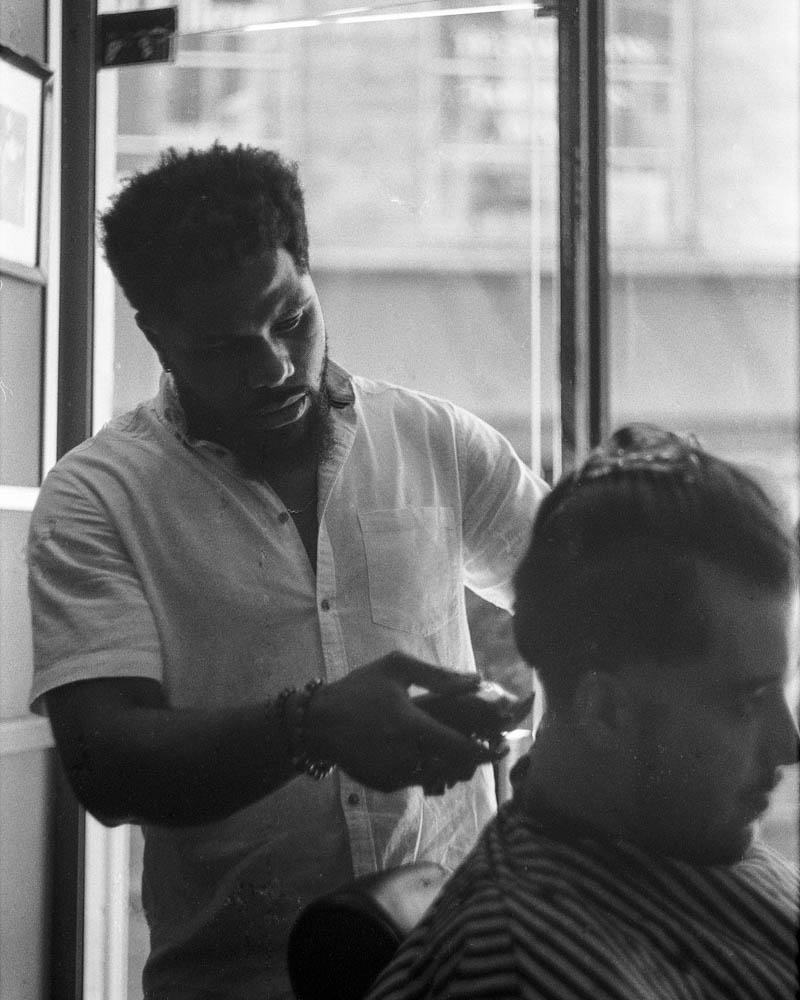
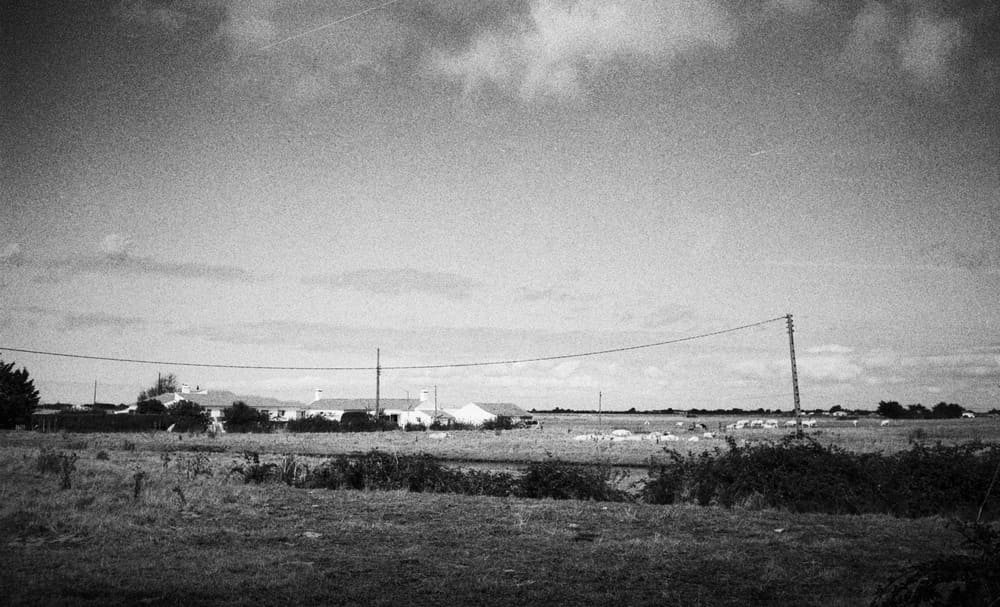
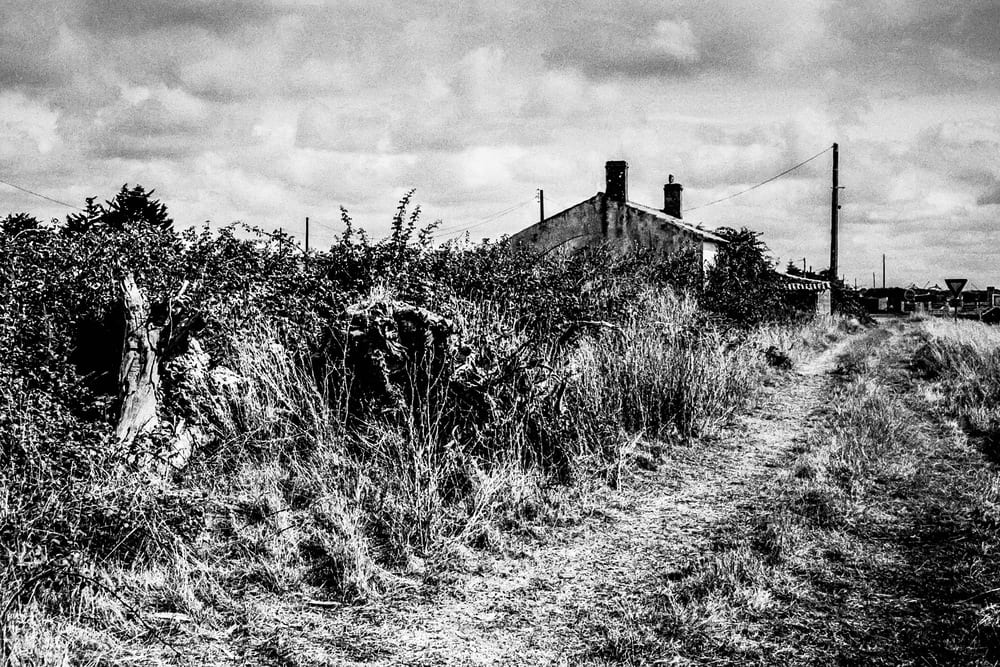
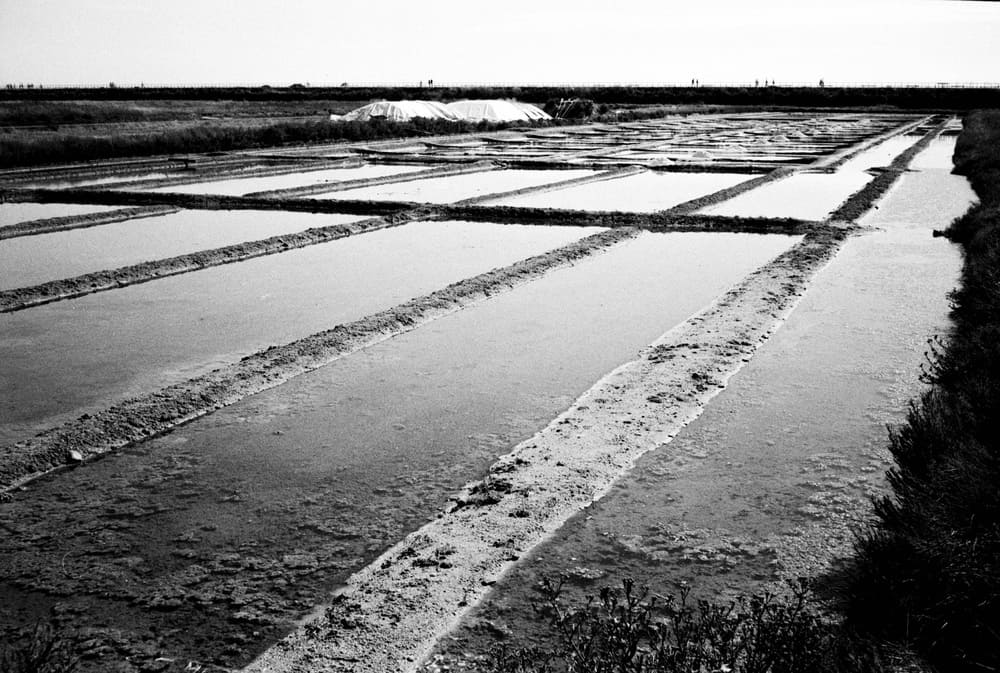
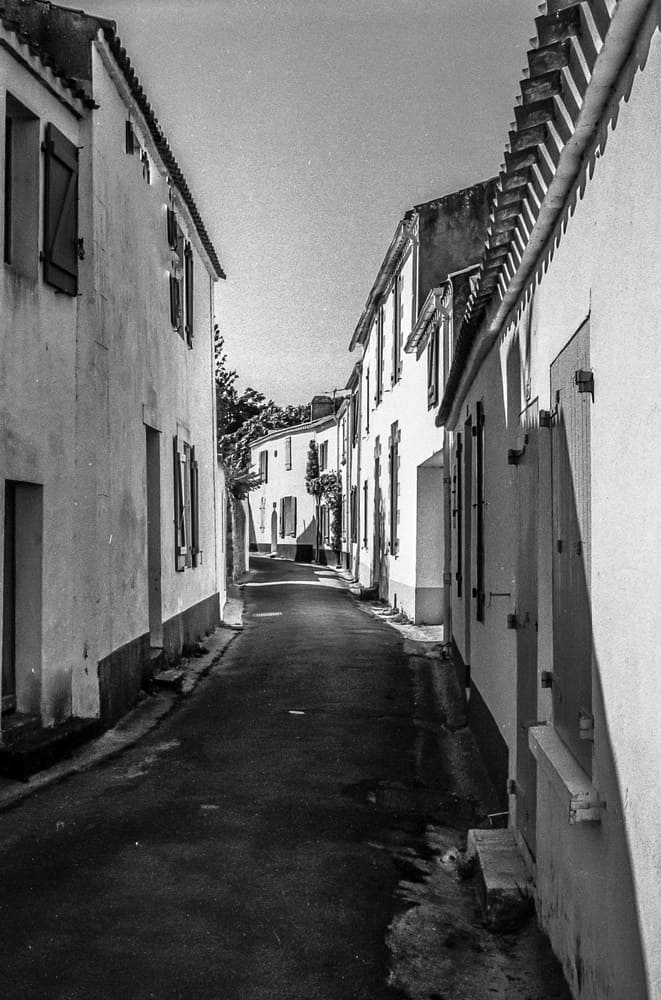
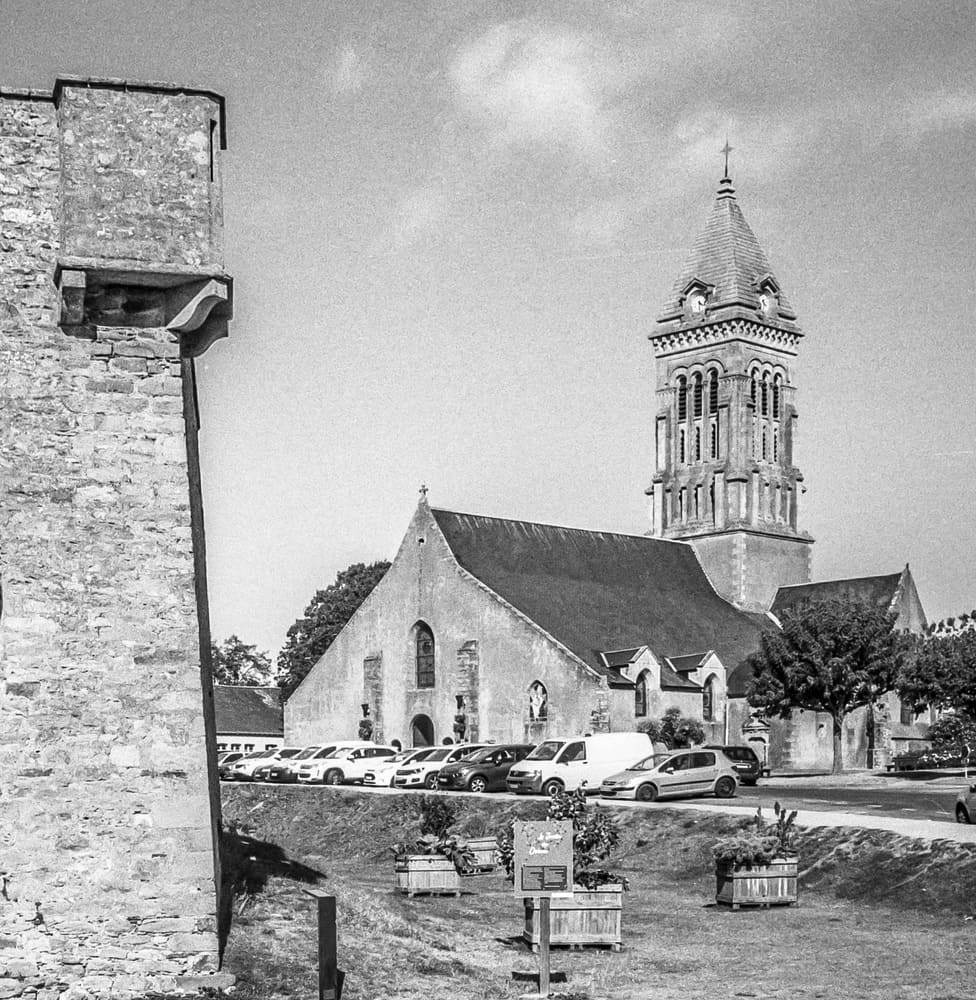
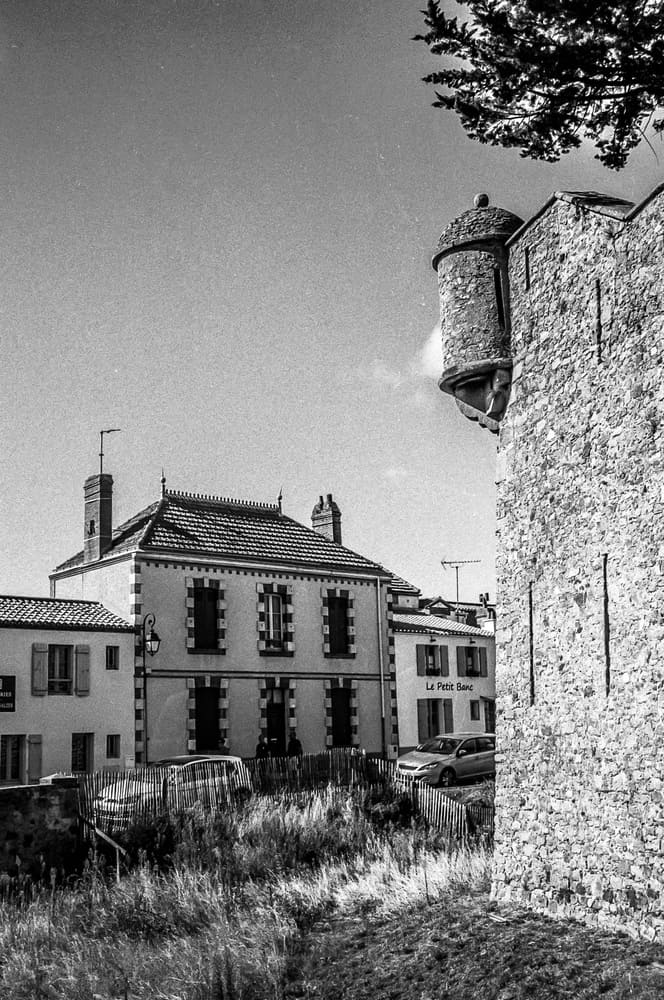
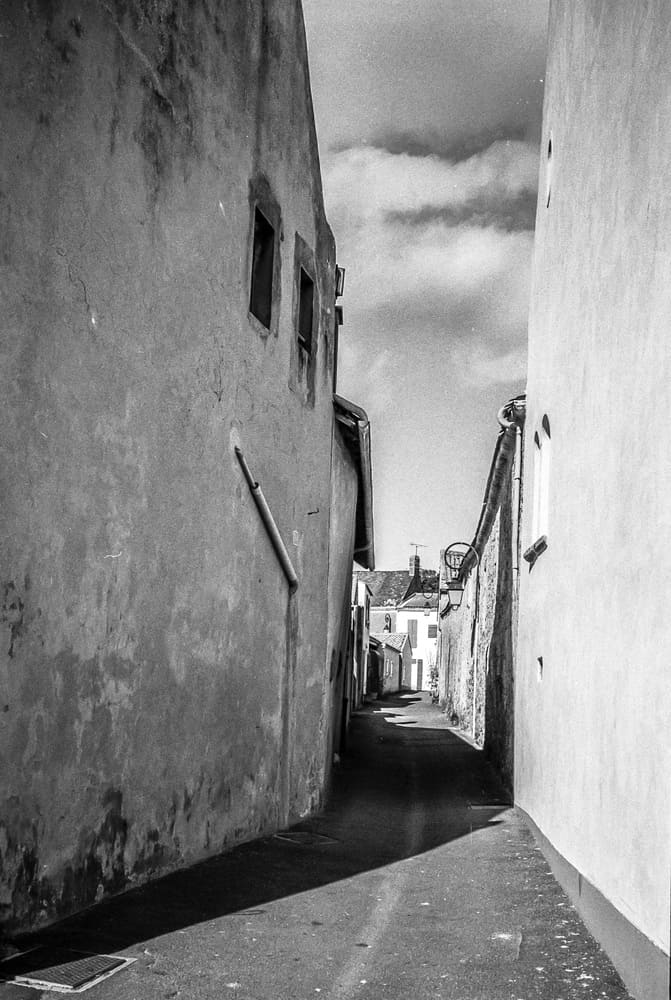
Welcome back, dear reader, to another delve into the Film Archive from before this wonderful blog that I know you enjoy reading so much. I appreciate being able to share these photos with you in the hope that they may not only please you but also offer insight into an older form of photography, one where concerns about overheating or battery life were minimal. I want to demonstrate how it is still possible to achieve great results with any camera and that the main quality in your photography comes from you, the photographer.

Earlier this year, I was there with my Canon 6D Mark II, but today, we’re revisiting my visit from September 2016. At that time, I didn’t have my Canon, but I did have the Olympus Trip 35 with HP5 Plus film from Ilford. I used that camera quite a lot that summer and continued to use it in September. I might just have to dig it out of my camera cupboard and use it again. Constraints and minimal kit often lead to more creative decisions—just think back to my UK trip, where I only had my X100F with me.

Let’s start with the camera. It’s a small but gorgeous camera designed for the mass market in the 1960s and was still being produced in the 1980s, which attests to its appeal among casual photographers. With relatively few controls, it’s pretty foolproof. I can adjust the film ASA setting, and the selenium cell housed with the lens takes care of the rest, whether it’s aperture or shutter speed. The famous red flag appears in the viewfinder when the camera senses insufficient light. All I need to do is set the focus zone.

I must have bought mine around 2015 or 2016, and it was quite affordable at the time—no more than 50€. It was an iconic camera then and still is today, but as the supply of these cameras dwindles, prices have increased. You can now expect to pay 100€ or more, with some models even reaching nearly 200€. It remains a great camera but might be a victim of its own success, along with sellers’ optimism and greed. Buyer beware—shop around, and you might still find more accessible prices.

As for film, prices have also risen, especially for Kodak film, but Ilford remains affordable, as do Kentmere, Fomapan, and Rollei.

I’ve travelled the same road numerous times, and it always brings me a certain sense of peace. I tend to stop off at familiar spots along the way, and those of you with an eagle eye will recognise some of these locations from other photos in this blog.

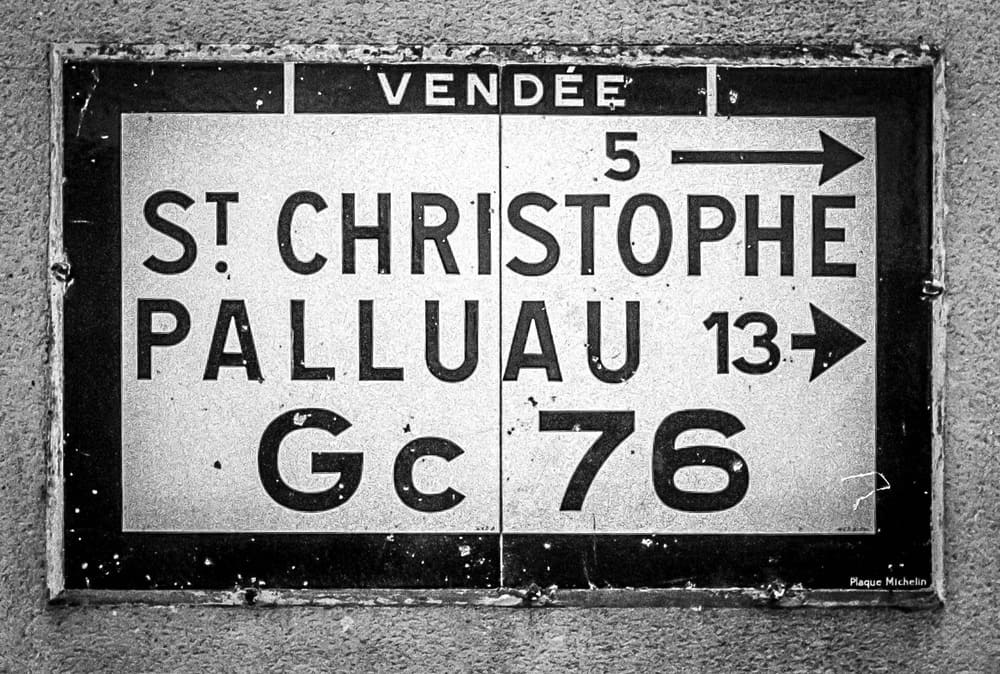
But why go to Noirmoutier? Firstly, why not? It’s just over an hour’s drive from my home and is a popular destination for many locals from the Vendée. The island now suffers from overtourism, which has certainly changed its character since 2016. Efforts have been made to manage the flow of tourists, with improvements such as parking, pedestrian zones, clearly marked hiking trails, and numerous bike lanes. It’s a beautiful part of the world, so typical of the Vendée Coast with its pinède and long beaches. However, not everything is about tourism. The island is also renowned for its salted butter made with salt from local salt marshes and the famous potatoes from Noirmoutier. Additionally, there’s a small fishing fleet, as well as the fleet from Le Port du Bec in the neighbouring Beauvoir-sur-Mer.

Why the Olympus Pen EE-S Is the Best Budget Film Camera for Beginners


Why the Olympus Pen EE-S Is the Best Budget Film Camera for Beginners (Even in 2025)

Pentax 17 fever is sweeping the film photography world, and I’ll admit, I was tempted. Half-frame cameras, with their promise of double the shots per roll, sound pretty amazing. But with a price tag of 500€, the Pentax 17 isn’t exactly within my budget. That’s when I rediscovered a little gem tucked away in my camera collection: the Olympus Pen EE S.

This Japanese-made half-frame beauty hails from the 1960s, the same era as the beloved Olympus Trip 35. Like its sibling, the Pen EE S features zone focusing and a selenium cell meter for fuss-free shooting. The lens is an F2.8 22.5mm Zuiko lens. The ISO settings go up to 200 ASA, unlike the Olympus Trip which goes up to 400 ASA. So, despite everything else, it needs light. The half-frame format means you get a whopping 48 exposures on a standard 24-exposure roll. That’s double the shots for your buck, folks!

Now, the idea of twice as many photos for the same developing cost is pretty appealing. But does the Olympus Pen EE S deliver the goods in practice? Stay tuned as I put this vintage camera through its paces and share my findings. Could this be the perfect half-frame hero for those of us who can’t quite swing a Pentax 17? Let’s find out!

Well, for starters, it felt very much like using the Olympus Trip 35. It’s very slightly smaller and weighs next to nothing. The shutter button is almost identical as well. Instead of having four zones for focusing, you have three, but it’s fine, and when you turn the dial, you feel a click as you enter a new zone. You point, and then press. Simple!

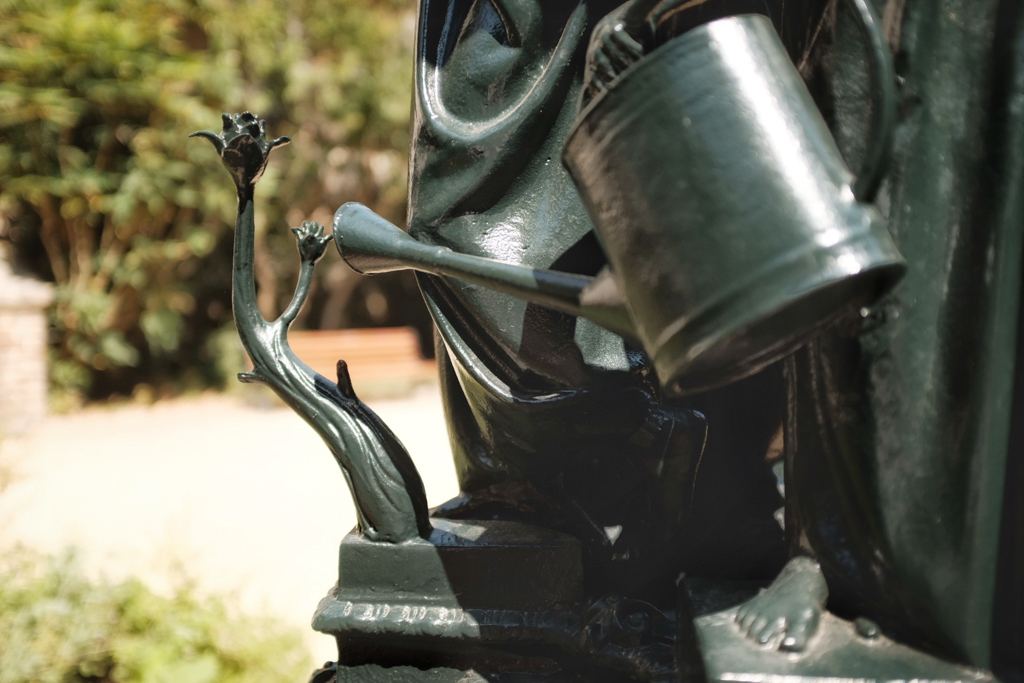
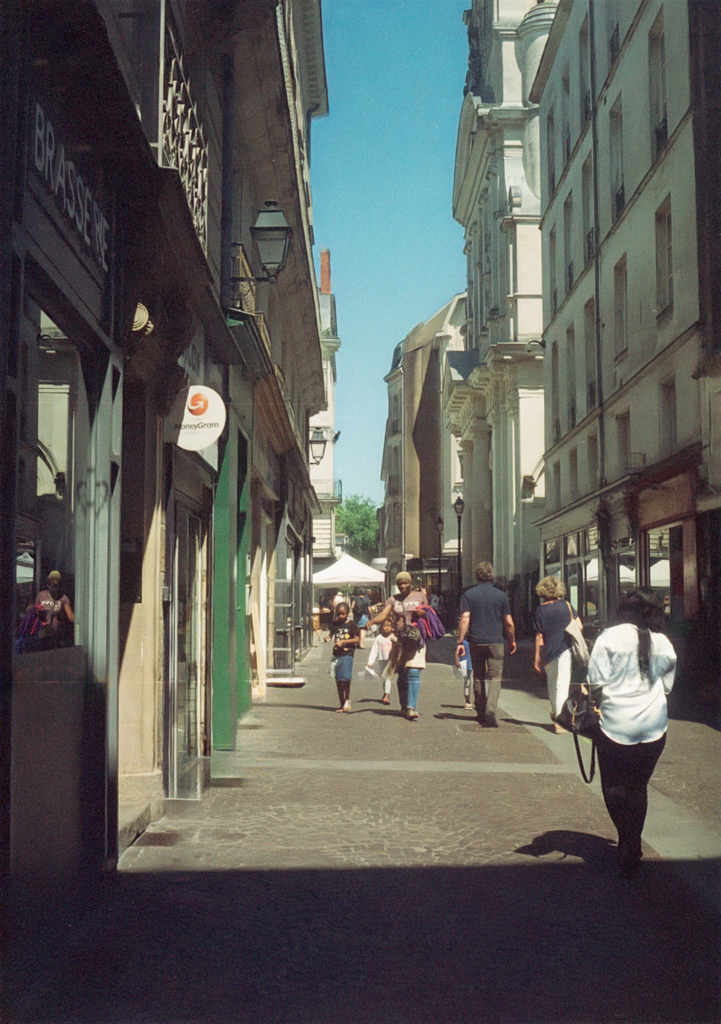
Let’s talk about this half-frame shooting experience. When talking about the Pentax 17, “they” talk about how the images are great for sharing on social media. A little like using your phone… This is the mindset that I had when putting in my Kodak Gold 200 to capture those famous Kodak moments in Nantes.

I found it a challenge to get used to the half-frame. “They” say that you have to take your photos as diptychs and remember that the two photos in your full frames are related, not just simple images. The idea is that when the two half frames are put together, you create a story and a suite of ideas, instead of two separate photos. I tried, and the results will show you if I succeeded. I felt that “they” were pulling my leg!

I’ll be honest with you. The idea behind the outing was to test the camera, see how I felt using it, and have a look at the results. It took me out of my comfort zone, which is something rare in photography for me. I was thinking about taking it to the UK with me to record the trip. It takes up next to no space in a camera bag and would allow me to shoot some film while back home. The idea of getting twice as many shots by using just half the frame is attractive. I’m just getting used to the reduced coverage that you get with just using half the frame.

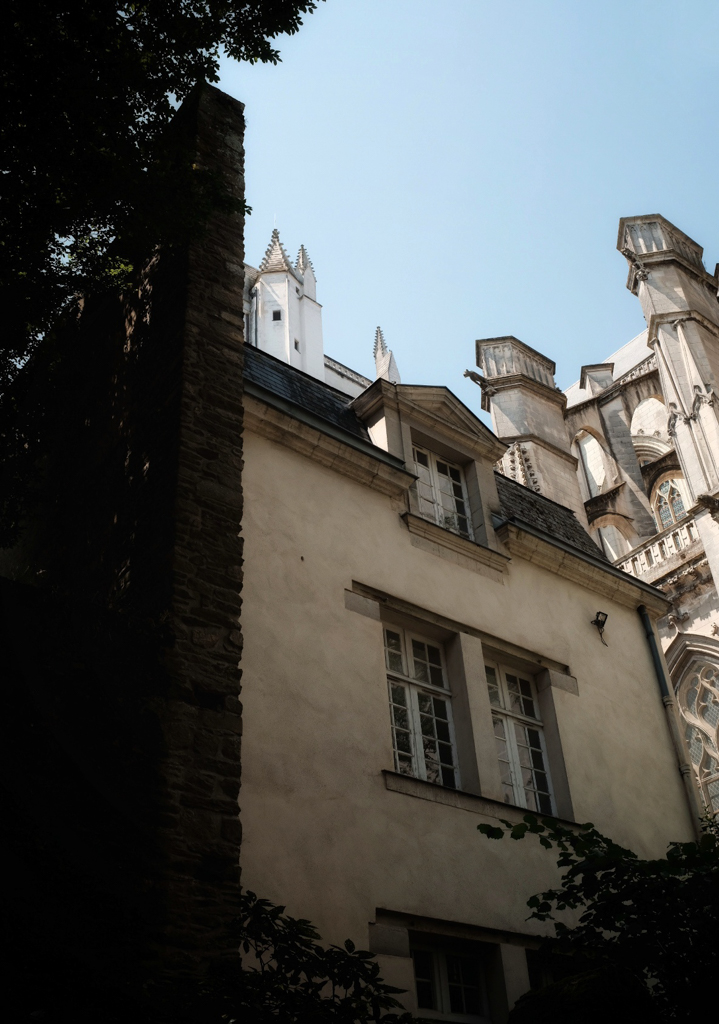
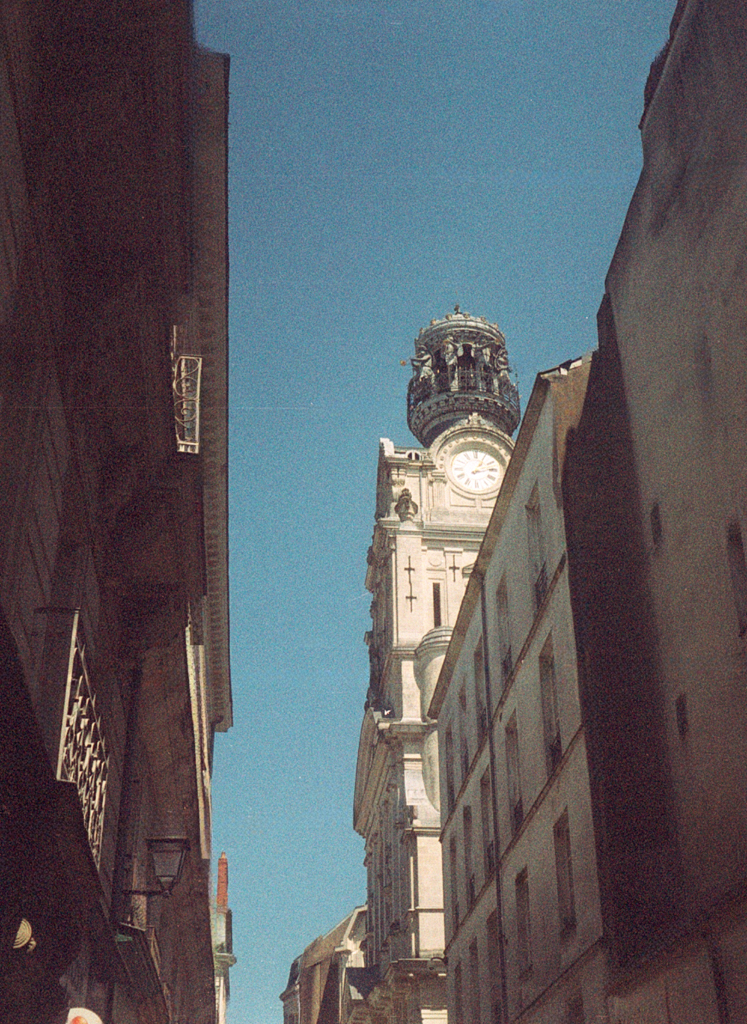
For this outing, I decided to head out towards the Cathedral, and takes some shots of the Voyage à Nantes.

I found myself thinking differently about framing my shots and using my phone as a mental template. As for the resolution of my images, they will be half as much as using my full frame, but were I to print my photos, then I would definitely see a difference. But if they’re just for sharing on social media, then the resolution will be perfectly satisfactory.

The million-dollar question is, will I take it on my trip, and will I use it? Yes, I will. Will it be my main camera? Possibly not. Will it be more like using a new toy? Possibly, even if the toy in question is a vintage 1966 toy…

Here’s what I’ll do. I’ll put some images taken on the X100F, my more modern toy, and let you see how they compare. You’ll see the diptychs and see how the different shooting styles change the outlook and how they change the framing.

These are the X100F photos with editing in Snapseed…

And these are the half frame images from the Pen EE S… with the editing done in Photoshop using the neural filters to get rid of the scratches on the film.

So what do you think? Worth taking?

Film photography, the opening of the archives


Good evening Dear Reader. You may have noticed, and then again, you may not have noticed, that I have created a couple of new pages. Instead of adding article categories to my site in the menus, I have created pages with a carousel showing collections of articles in one specific category. This started with Photography Tutorials, which is a collection of, surprise surprise, photography tutorials. Another one for Travel Photography, one for Camera information, and a final one for articles featuring Film Photography. The idea behind this rather brash move on my part, was to help you find what you wanted to read or discover more easily.

This Meisterwerk of a blog is a work in constant evolution, as I think you may have gathered, especially for those of you that have been with me since the beginning. But what does this have to do with Film photography I hear you ask. Well, when creating the film photography page I realised that there are fewer articles than I first thought. This struck me as a little odd, because at one stage I had a little bit of a reputation as a film photographer, and at one stage was purely a film photographer. This was, of course, before the start of this blog lark in 2019. Between 2009 and 2019 I did a huge amount of film photography that I realised I have not shared with you. Even more so since 2016, when I started developing and scanning my negatives at home.

The beginning of the blog also tied in with the X100F and the Canon 6D Mark II coming into my photography, and since lockdown, I have done only small amounts of film photography. Time to reveal more of myself to you. At least if that’s alright… But this isn’t just about me dusting off old memories. By sharing these photos, I hope to spark a conversation, ignite a passion for film, and maybe even inspire you to dig out your old camera and give it a whirl. Who knows what treasures you might find in your own archives?

Moped with a Jameson whiskey box  as a baggage holder.  Looks very cool
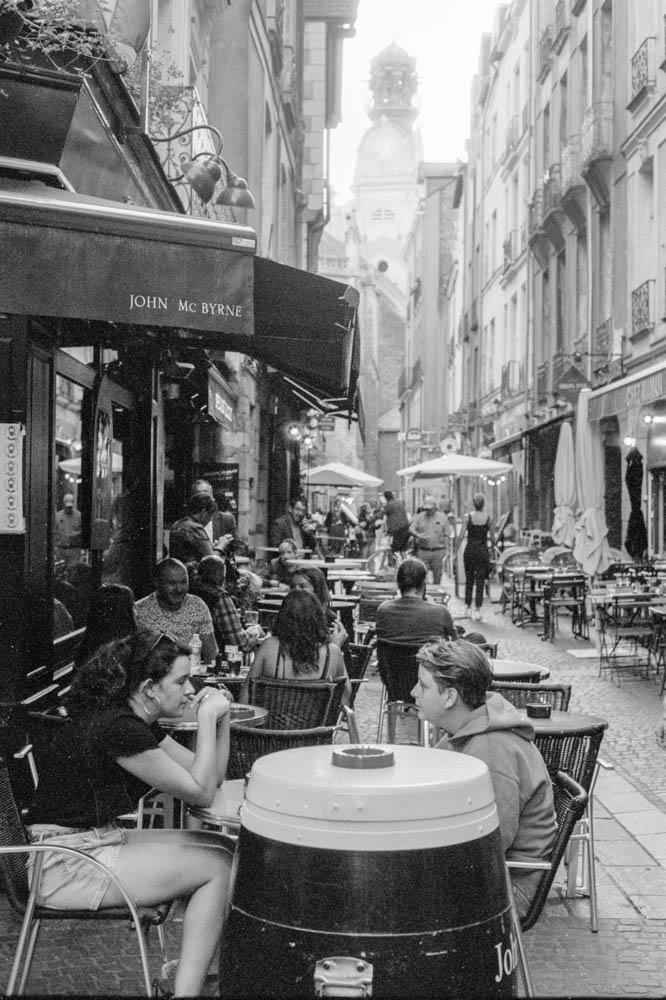
Taken on the Praktica MTL3 probably with the 50mm Pentacon F1.8 lens on HP5 Plus at box speed in the Quartier Bouffay in Nantes.

So bearing all this in mind, I have a proposal for you. Let’s open the vaults and let’s have a look at the “film archive”. This could be in the form of a series of articles complementing the weekly outpouring of anecdotes or advice, as an addition, or it could be the content for the upcoming weeks. I haven’t decided yet. Let me know in the comments which option you prefer, or if you have any other ideas for how you’d like to see the film archive content. There’ll be shots of Nantes, the UK, England, and Scotland and maybe even Spain, and Portugal. There will be colour and black and white photography too. I don’t know yet. I might not have yet taken into account the magnitude of the task ahead. Everything is open.

On the way to Otterburn in Northumberland with the Pentax ME Super using Portra 160. It was another good day out.

But whatever you decide, I hope you come along for the ride. It’ll be worth it!

Canon AE-1 Program – A Classic Film Camera for Timeless Photography


The Canon AE-1 Program is a timeless gem that continues to captivate photographers and film enthusiasts alike. As a classic film camera first introduced in 1981, it effortlessly combines automatic and manual features, making it an excellent choice for both beginners and experienced photographers.

Automatic and Manual Controls

One of the standout features of the Canon AE-1 Program is its versatility in handling exposure. For those new to film photography, the program mode automatically sets both the shutter speed and aperture, allowing them to focus solely on composition and creativity. It takes the technical complexities out of the equation, delivering stunning results with ease.

However, for those who crave creative control, the AE-1 Program offers manual settings as well. With the freedom to adjust shutter speed and aperture manually, photographers can explore their artistic vision and experiment with different effects. The inclusion of shutter priority mode and bulb mode for long exposure photography adds even more possibilities for artistic expression.

Build and Design

The camera’s solid metal body exudes durability and reliability, ensuring that it can withstand the test of time. Its sturdiness makes it a trustworthy companion on any photographic journey. Handling the AE-1 Program instills a sense of nostalgia and craftsmanship that modern digital cameras often struggle to replicate.

The bright and clear viewfinder with a split-image prism aids accurate focusing, enhancing the overall shooting experience. Moreover, the hot shoe for attaching external flashes and the self-timer feature further contribute to the camera’s versatility.

Technical Details

  • 35mm SLR film camera
  • Program mode, shutter priority mode, manual mode
  • Metal body for durability
  • Bright and clear viewfinder with split-image prism
  • Hot shoe for flash attachment
  • Self-timer for group shots and self-portraits
  • ISO range: 12-1600
  • Shutter speeds: 1/1000 to 30 seconds
  • Aperture range: f/1.2 to f/16 (depending on lens)

Pros

  1. User-Friendly Interface: Ideal for beginners and those new to film photography, the AE-1 Program’s program mode takes care of exposure details, allowing photographers to focus on creativity.
  2. Creative Freedom: With manual controls and additional shooting modes, experienced photographers can fully unleash their creativity and experiment with different photographic techniques.
  3. Timeless Design: The camera’s robust metal body exudes a sense of craftsmanship and nostalgia, making it a pleasure to handle and use.
  4. Bright Viewfinder: The clear and bright viewfinder with a split-image prism aids accurate focusing, ensuring sharp and well-composed shots.
Cons

  1. Iconic Status: As one of the most sought-after film cameras, the Canon AE-1 Program may come with a higher price tag due to its iconic status.

The Verdict

The Canon AE-1 Program stands as a testament to timeless design and reliable performance. Whether you’re new to film photography or a seasoned enthusiast, this classic camera offers a perfect balance between automatic convenience and manual creativity. Its sturdy build and user-friendly interface make it a delightful companion for any photography journey.

So, if you’re yearning to experience the charm of film photography or simply want to relive the golden era of analog cameras, the Canon AE-1 Program will undoubtedly leave you inspired and amazed by the magic of capturing moments on film.

Happy shooting!

My Personal Thoughts

Without any hesitation, I wholeheartedly recommend the AE-1 Program to all photography enthusiasts out there. Whether you’re new to the charm of film photography or an experienced shutterbug seeking a trustworthy and adaptable companion, this camera will surely delight you. “Just do it” as a certain shoemaker once said.

I’ve had the pleasure of using the AE-1 Program for quite some time now, and I must say it’s been an absolute joy. Not only does it beautifully capture those precious everyday moments, but it also allows for endless creative possibilities. One feature that I particularly appreciate is its seamless transition between automatic and manual controls, empowering me to effortlessly tailor my shooting experience.

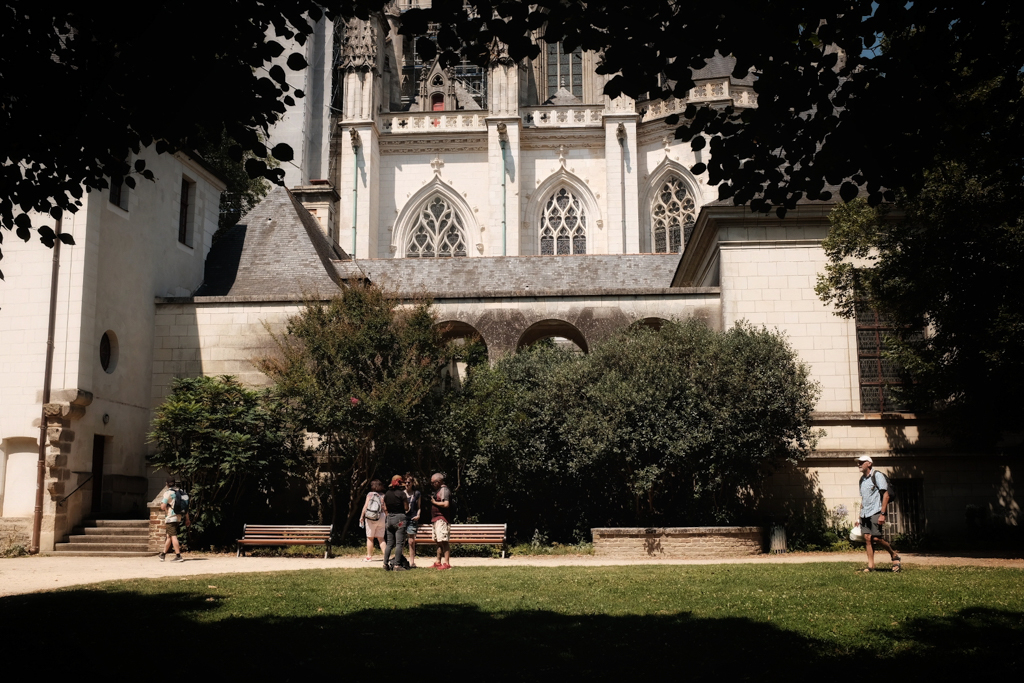
The idea here is to give you a raw image from the film scans and show you what you can get with a minimum of fuss in Lightroom with some very basic edits. What do you think?

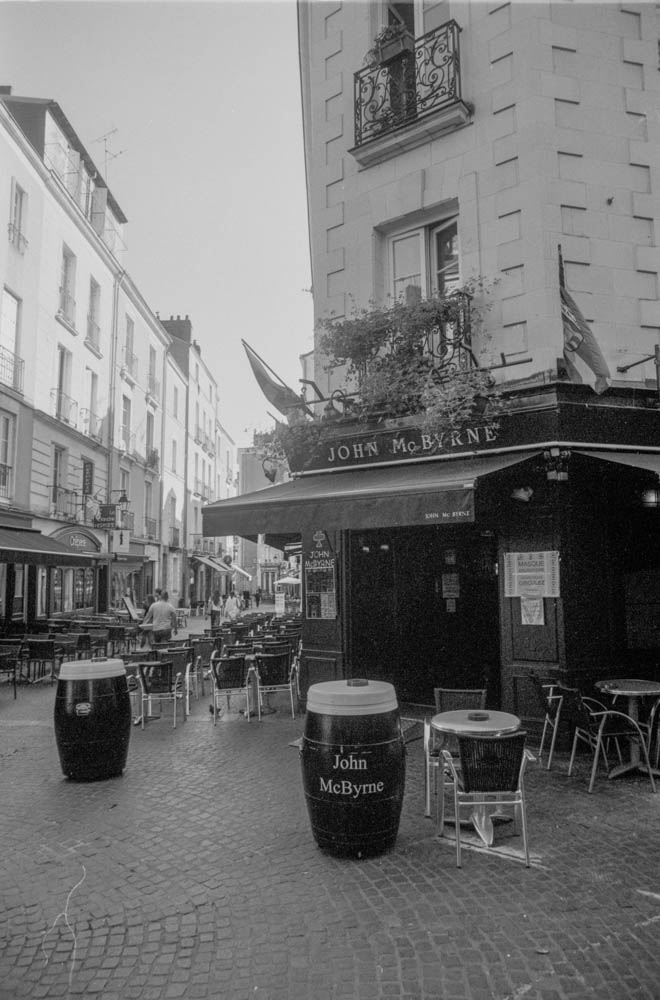
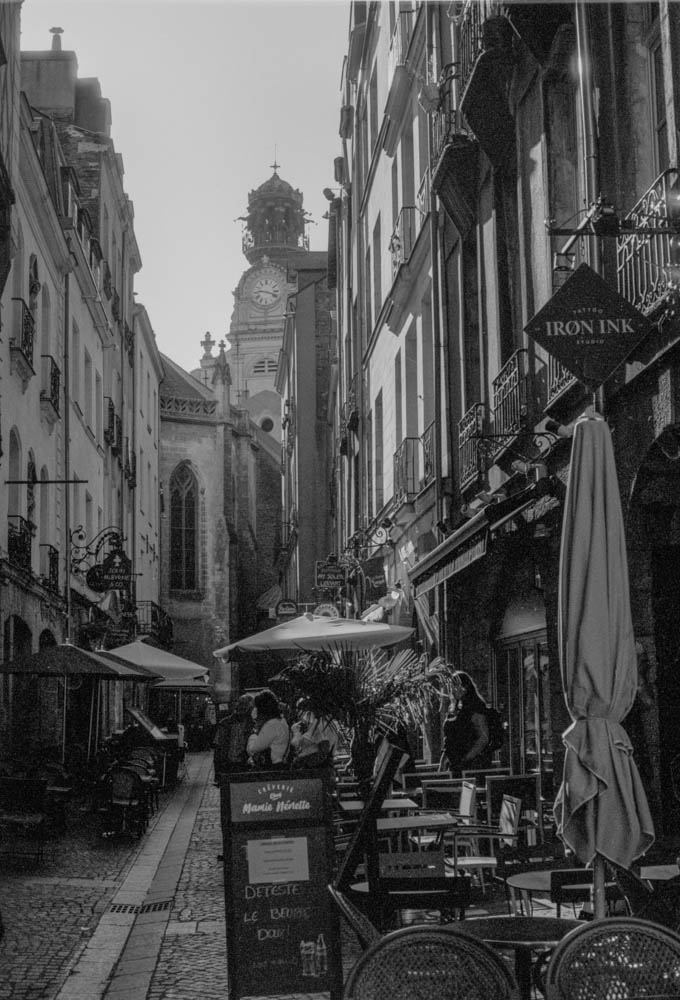
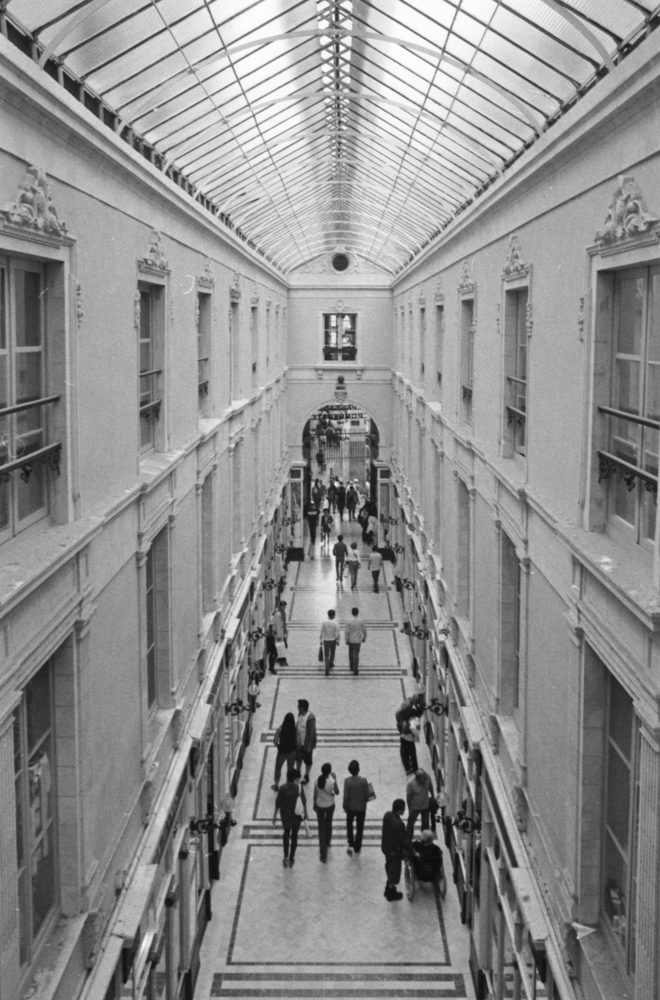
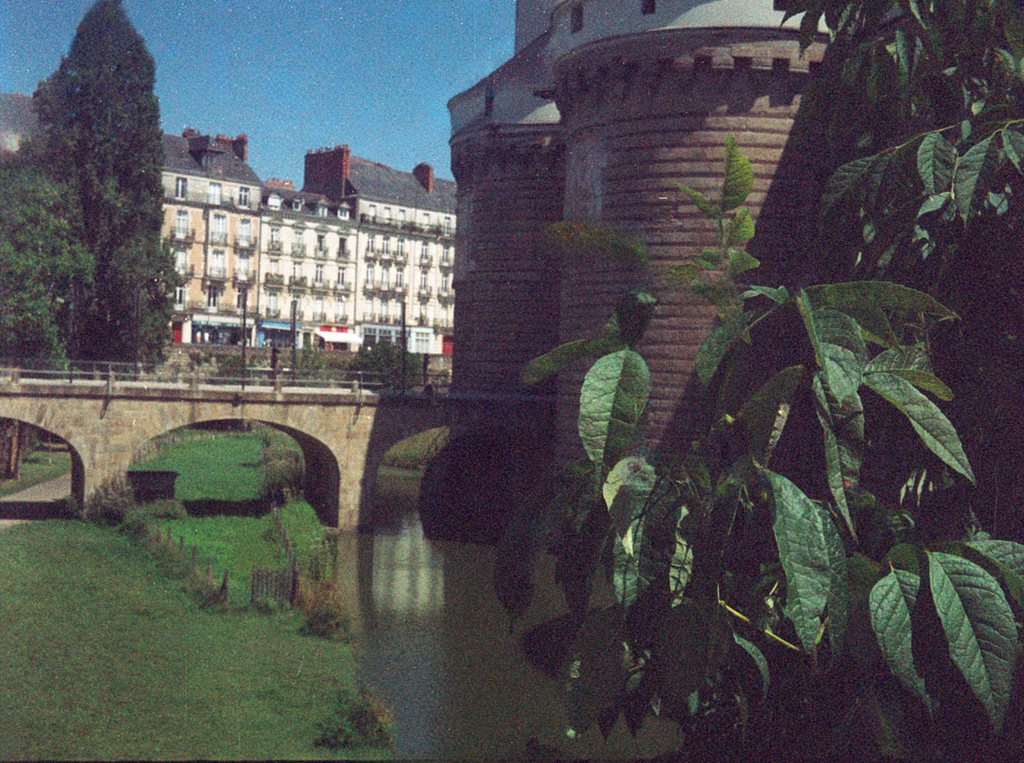
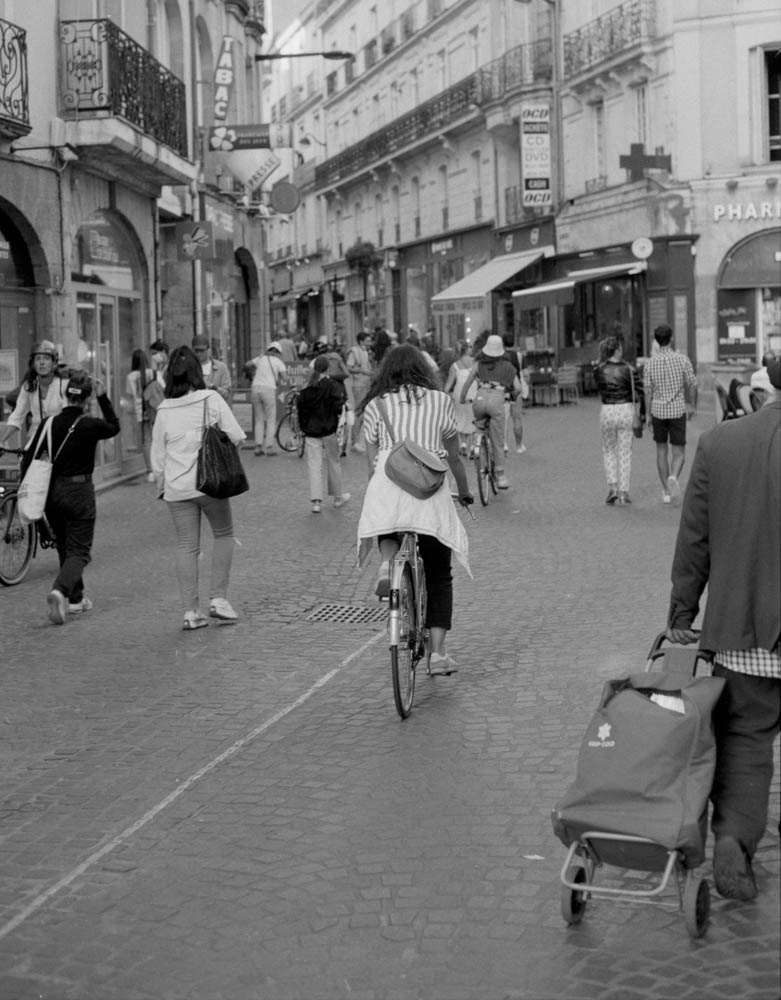
And here we go with a small selection of pictures from the last roll I developed, which are from 2022 and taken in the streets of Nantes. There will be more to come as I head back into the magical world of film photography!