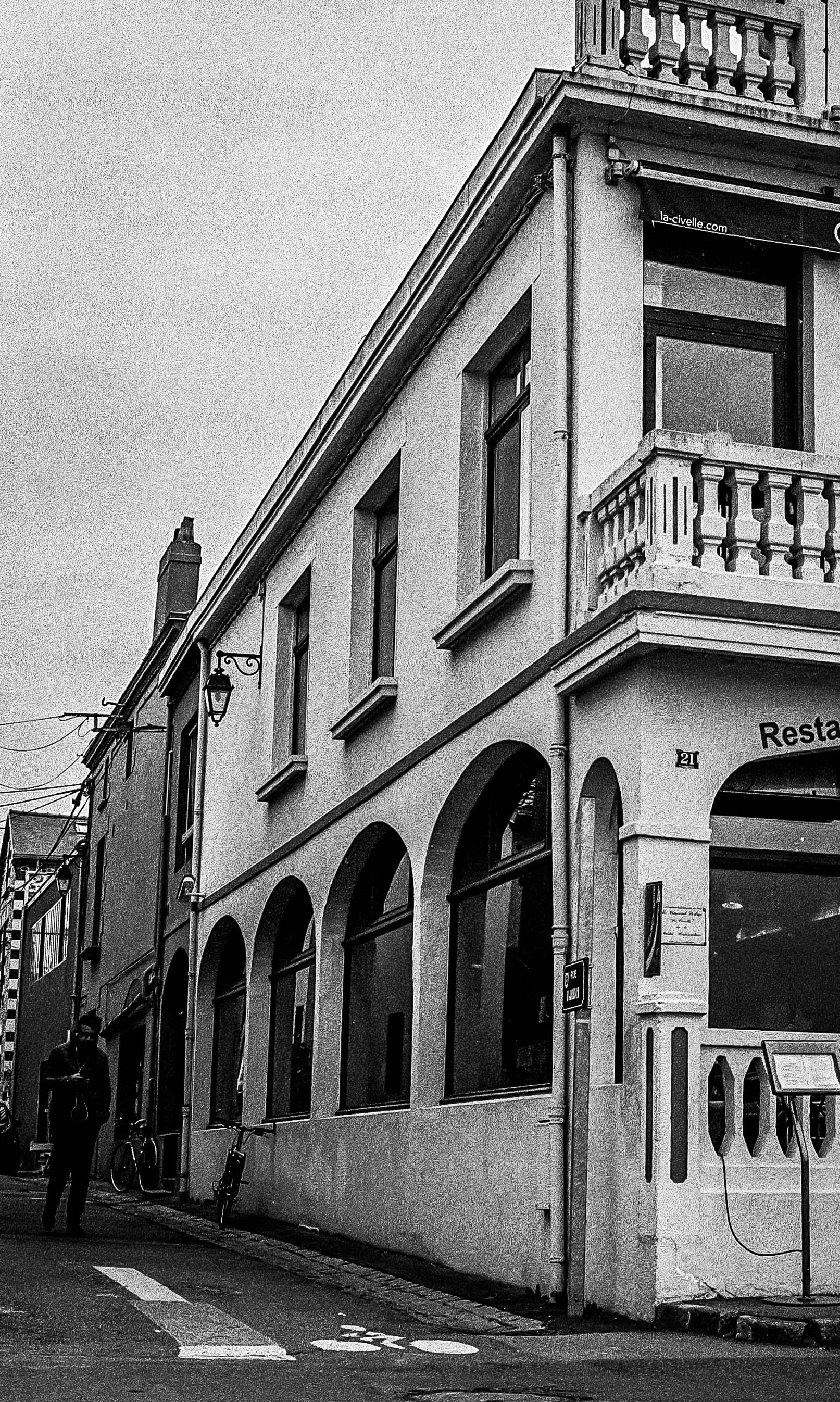
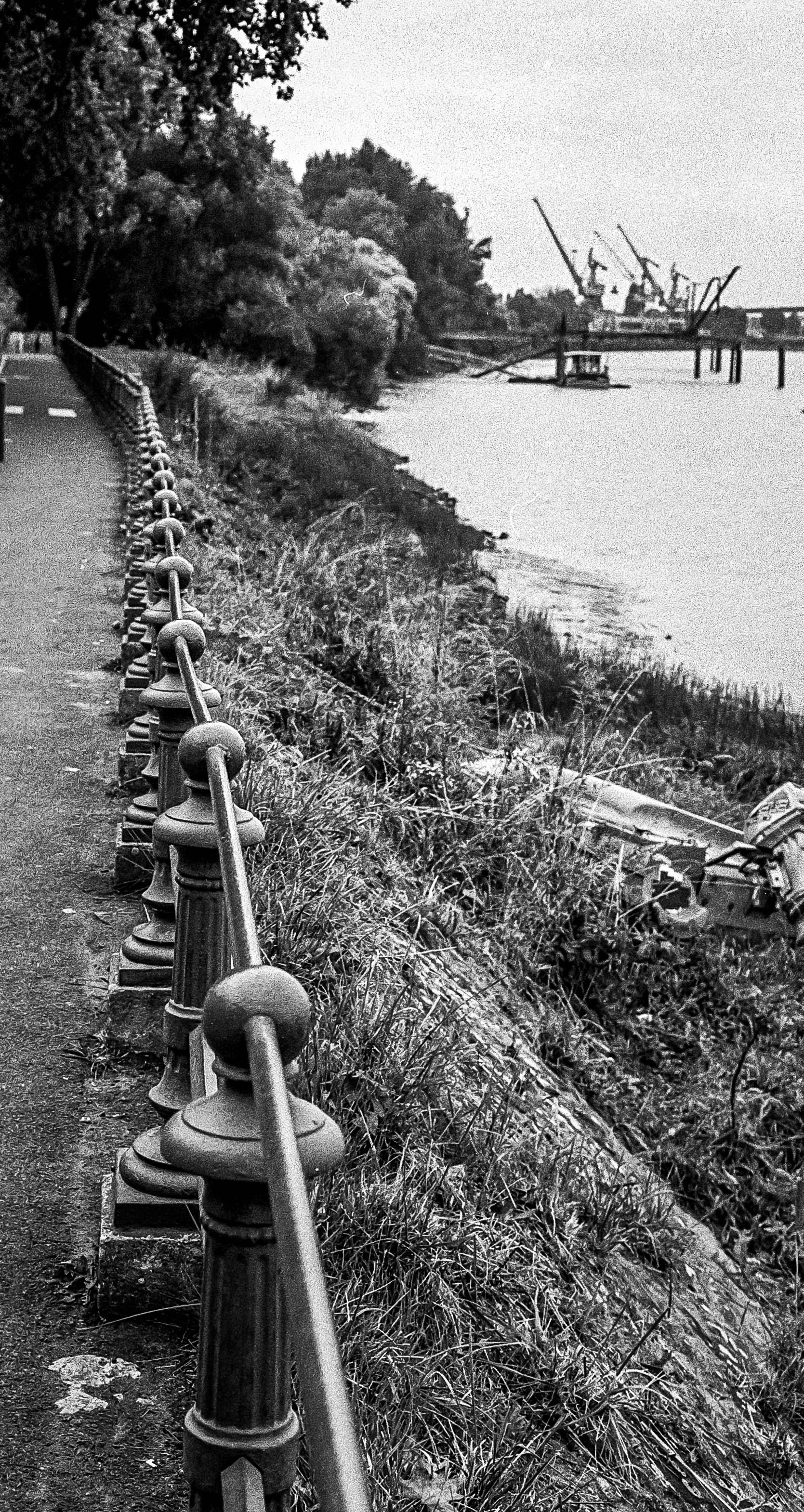
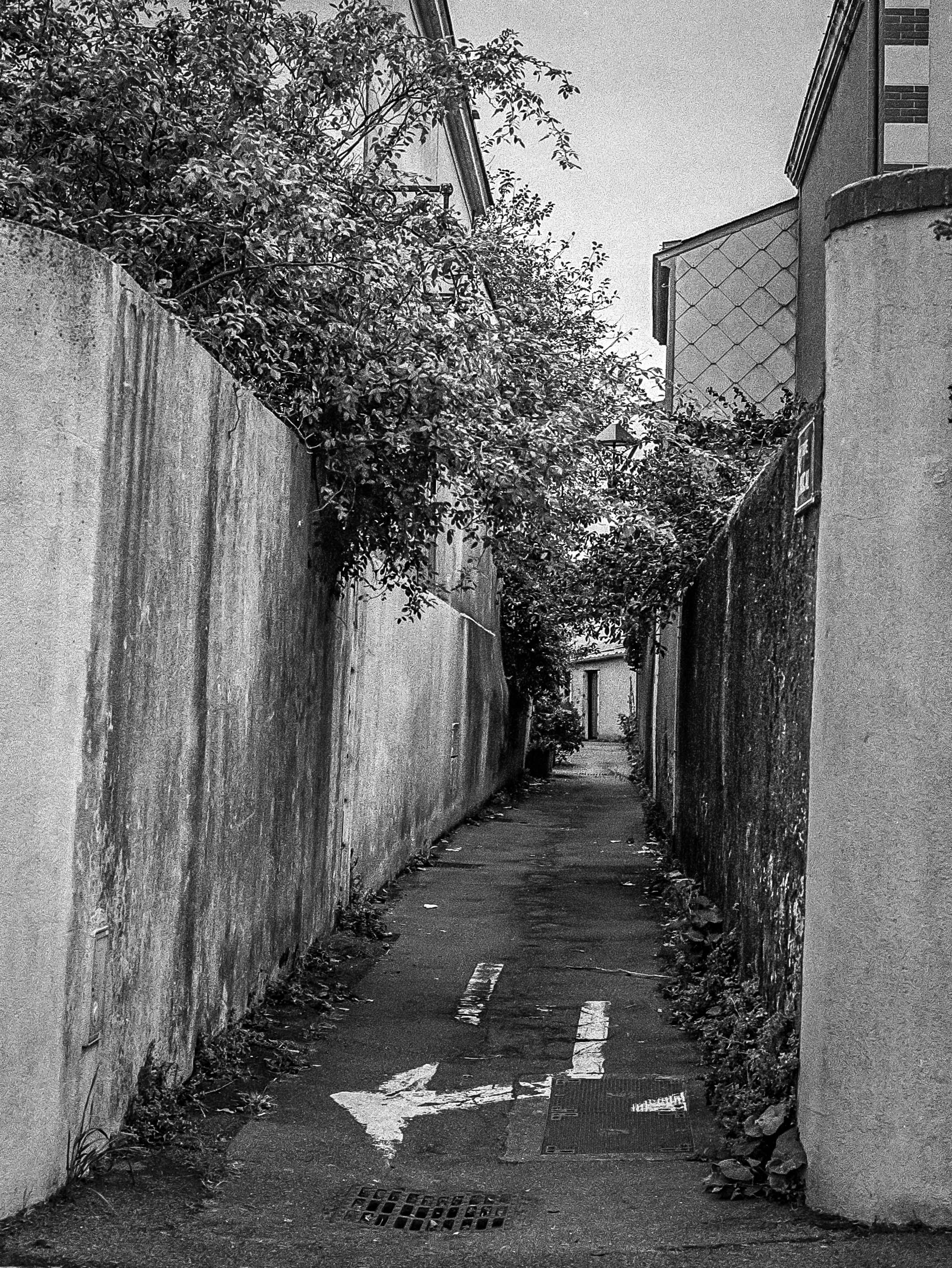
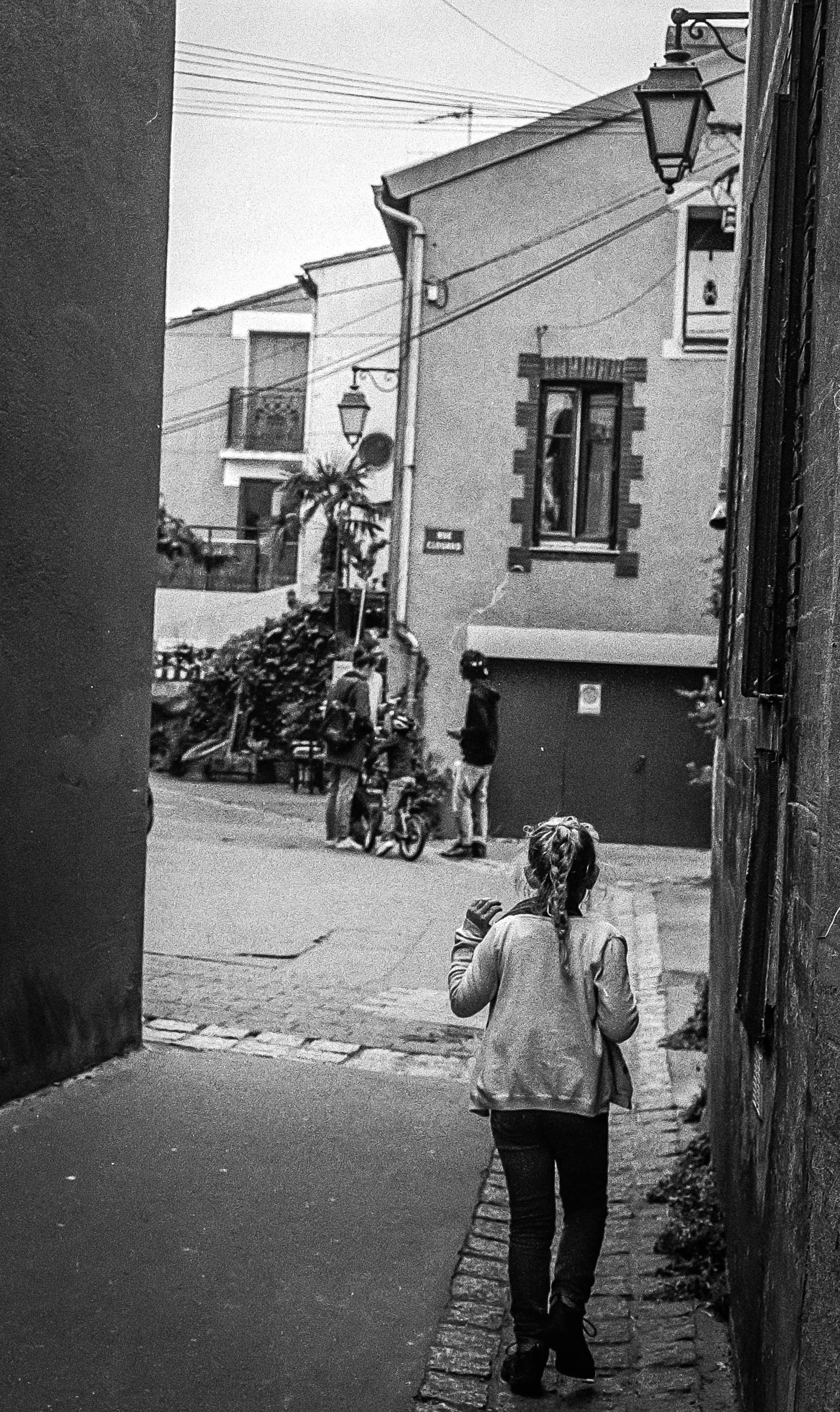
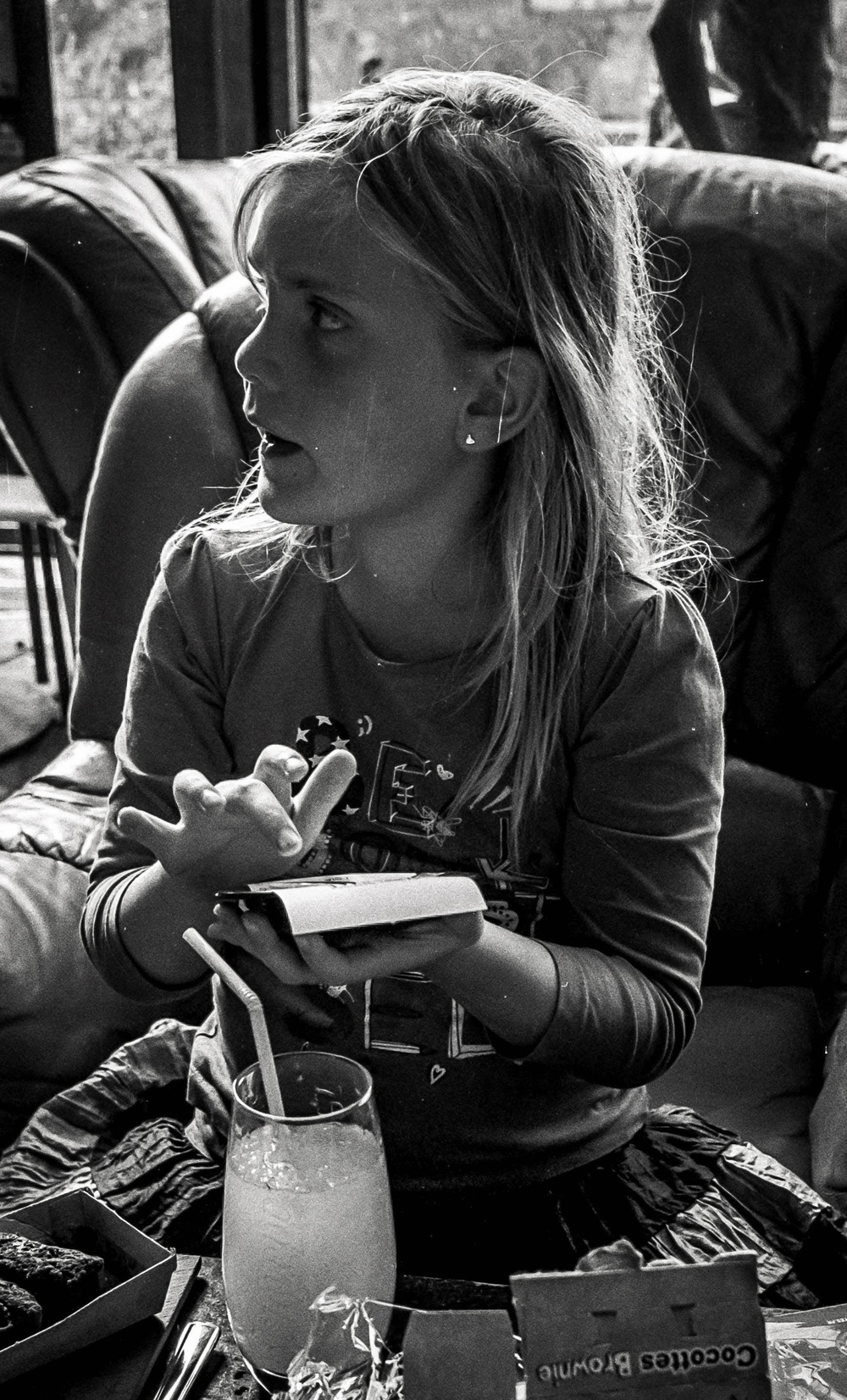
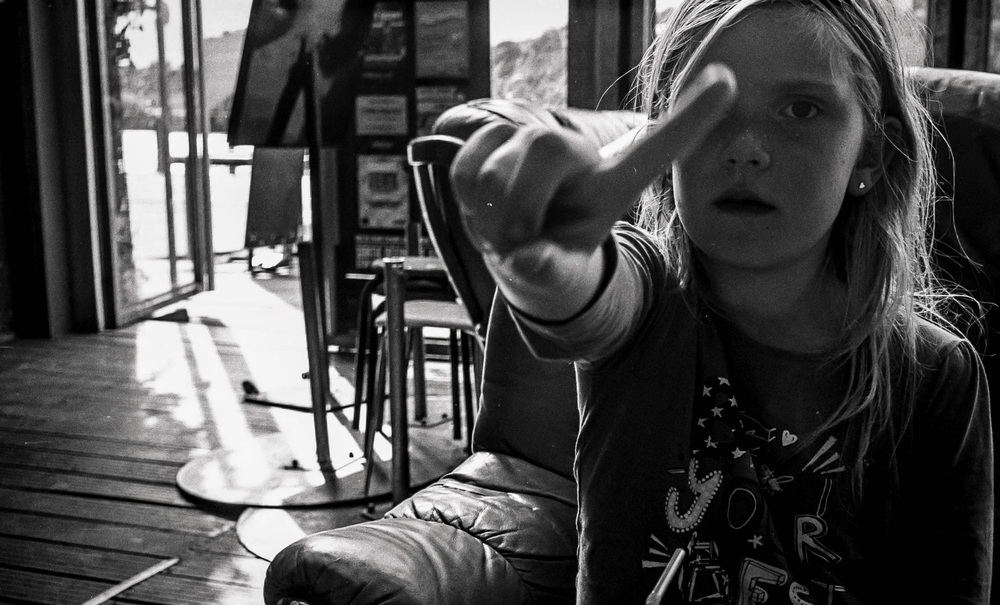
The Opening of the Film Archives – Trentemoult October 2016


This was another Ian and Kate day.  Similar in concept to the Ian and Killian day, but a day where I can dedicate myself solely to Kate.  She’s fifteen now of course, but I should spend more time with her.  If she’ll let me of course.  At the time she was only seven—simpler times where I could make her happy with just a nice tea, a boat trip across the river, and just wandering around exploring the intricate streets of an old fishing village on the “bords de Loire.”  There are no cars in the narrow streets, and the children can run wild.  

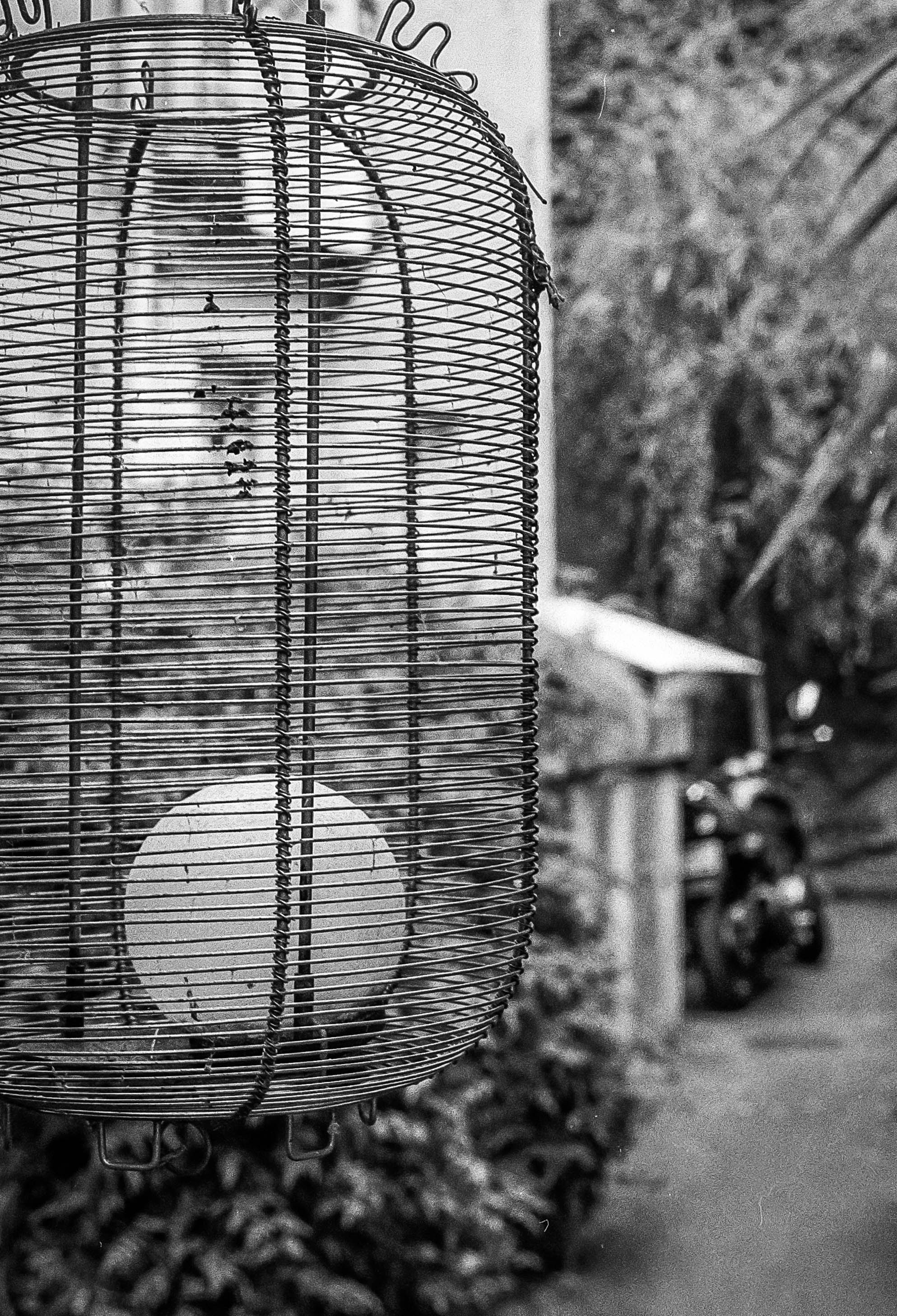
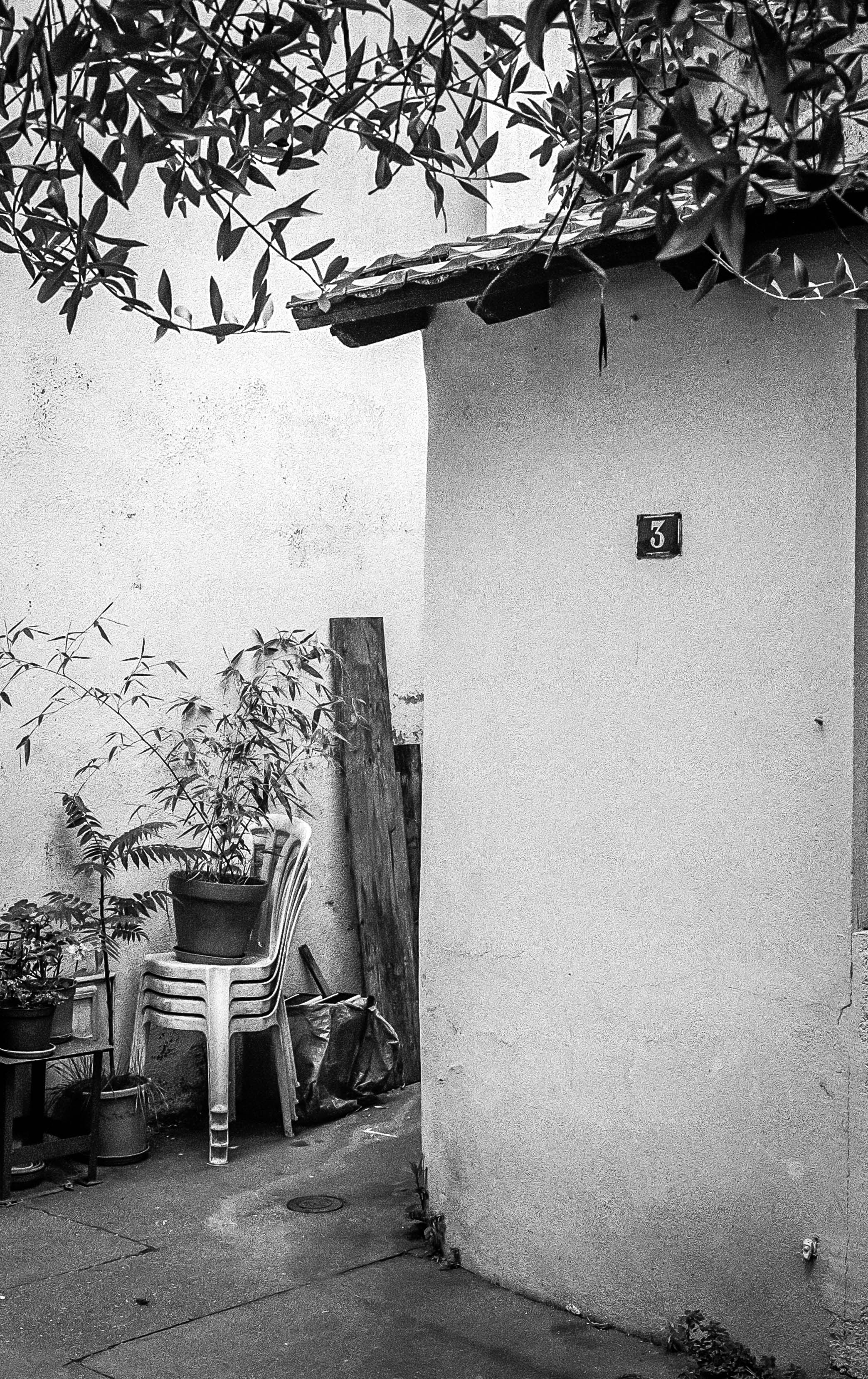
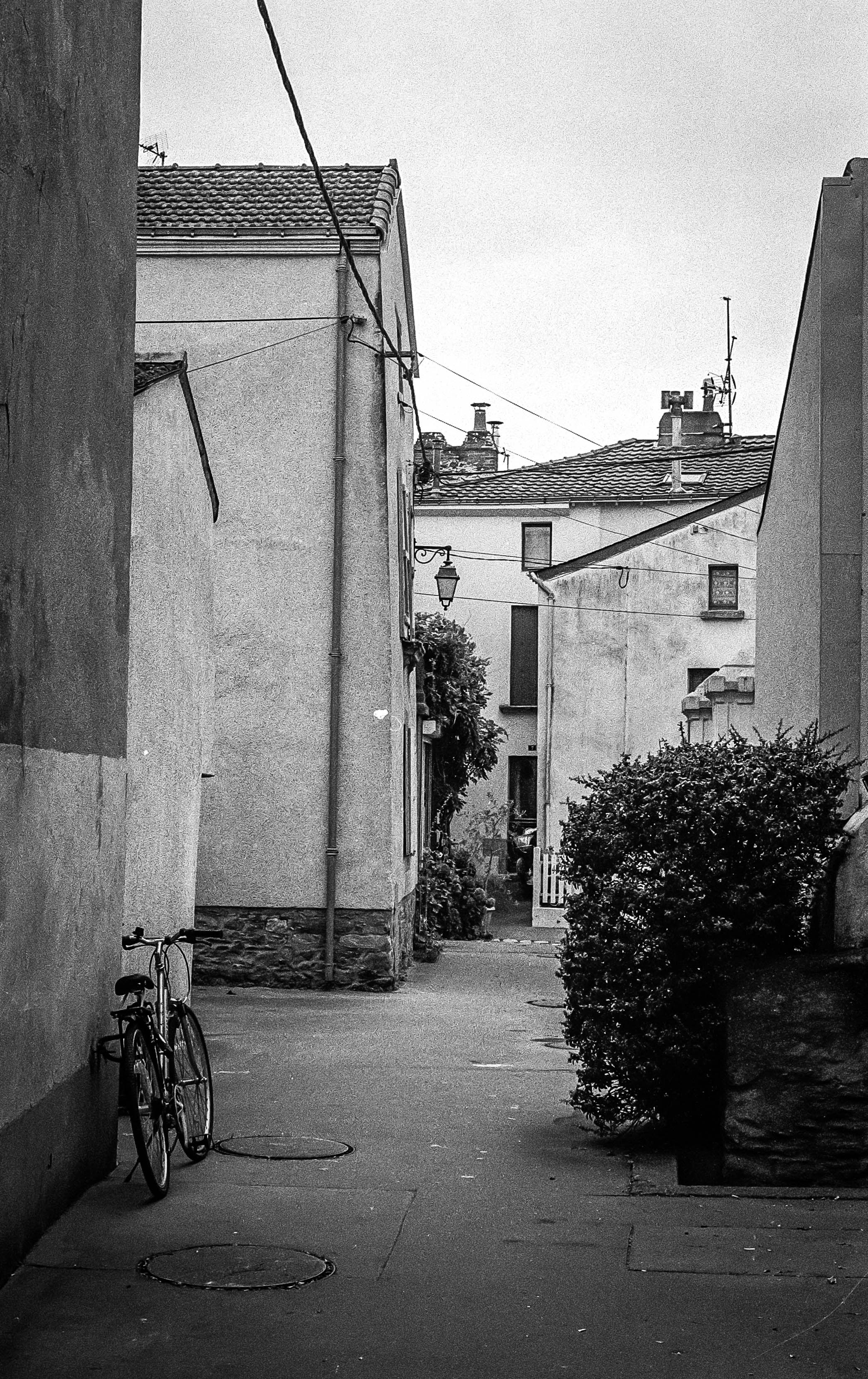
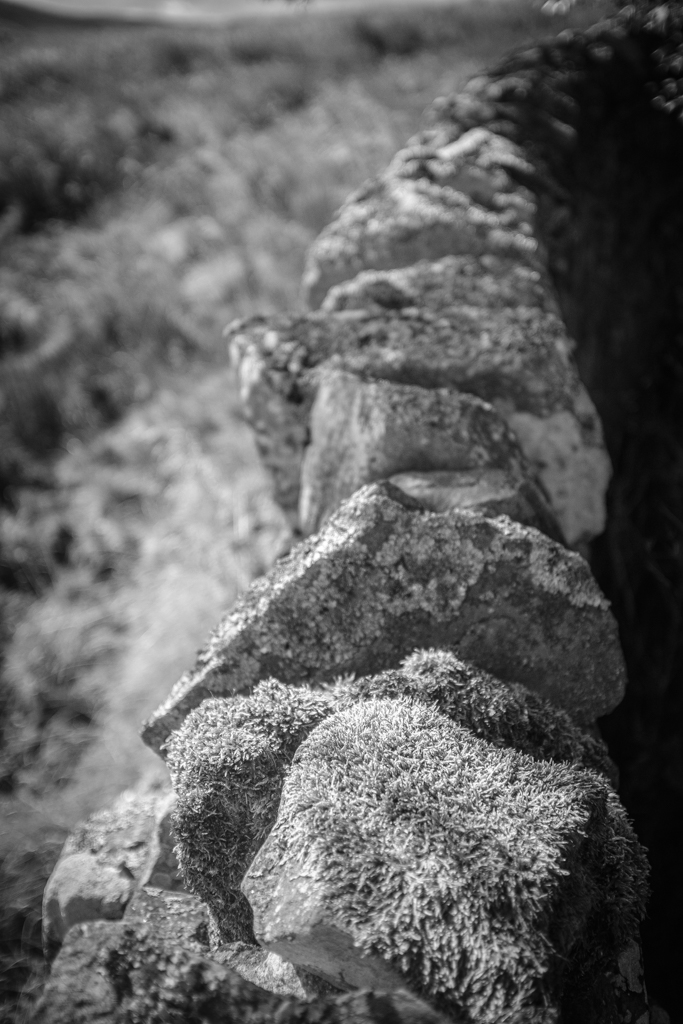
This day was one spent in Trentemoult, that rather colourful village that you can see here. The colours are intense and provide a great backdrop for portrait photography. So of course I went in with a film camera and black and white film.  Which only goes to show that when you photograph a location, however colourful, and take away the distraction of that colour, you have to really concentrate on composition, texture, and forms.  I couldn’t rely on colour for my photos today.  But I was sure that I could reveal some good photos despite that.

So what do you do?  You just try and capture some moments of your daughter messing around and being a perfectly normal seven year old.  I tried to capture her exploring the streets and being absorbed by the whole ambiance of the place.  She became part of the scenery, and blended in perfectly.

I was just there purely to observe and record the day on film, with one eye in my camera and the other on Kate.  It was a good day.  

Looking back at those moments reminds me of how quickly time seems to slip by without me realising that I am getting older.  She of course is slightly older, and possibly slightly less “insouciante” or carefree, but my love for that girl is still as strong as ever.

The UK Chronicles: A Black and White Footnote


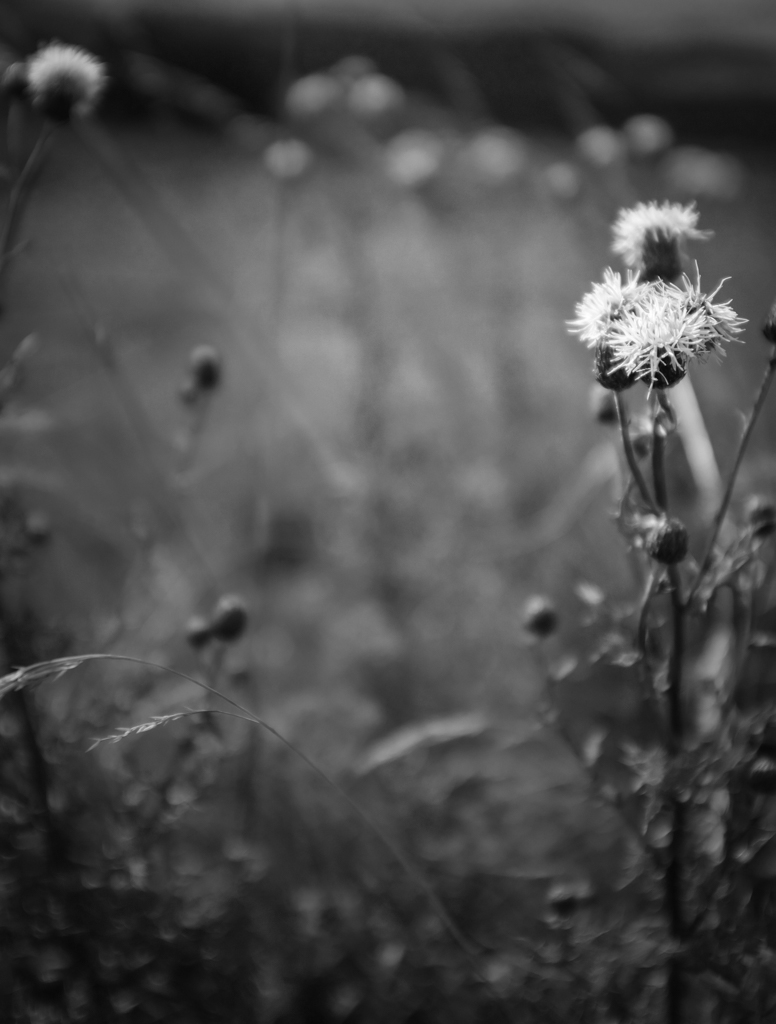
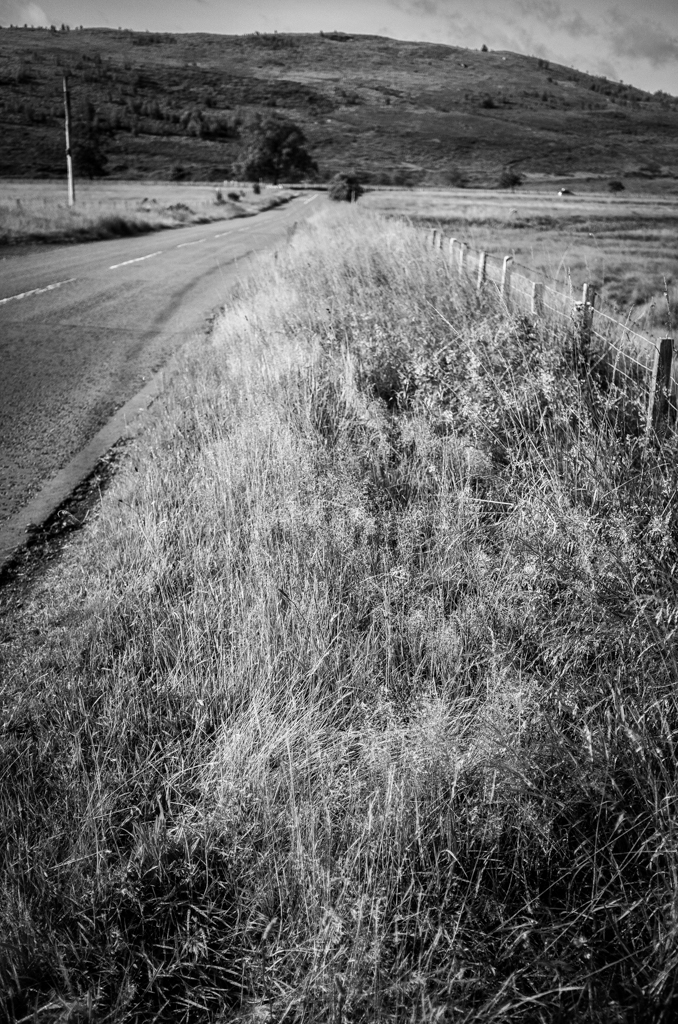
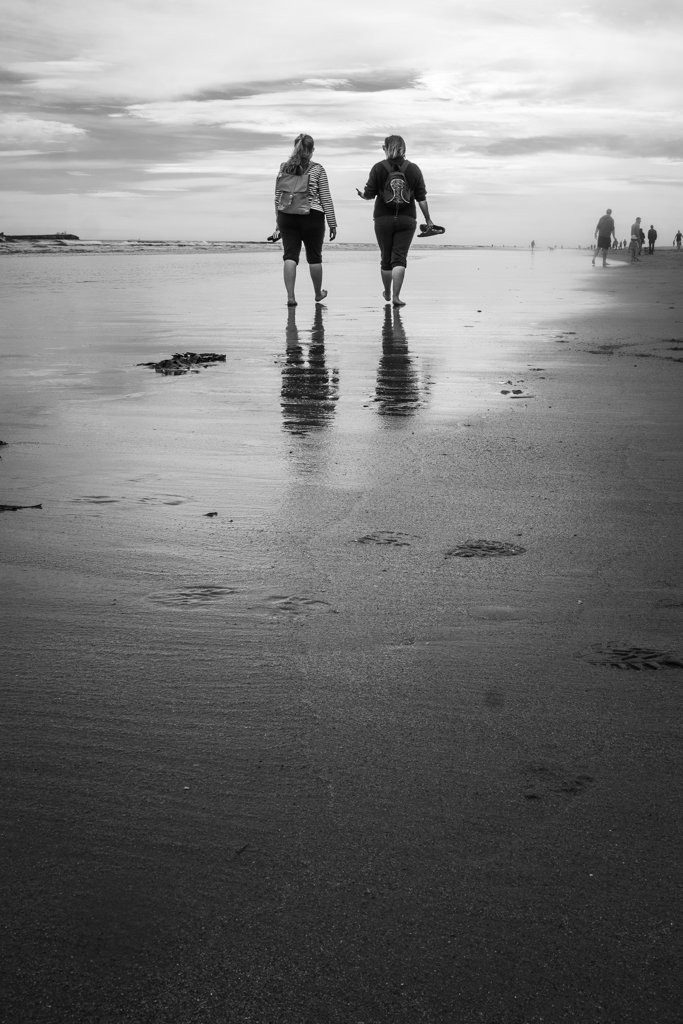
My usual approach to black and white photography is to shoot directly in black and white, either using black and white film or the Acros film simulation with my X100F. When using the X100F on this UK trip, my EVF displayed the black and white shot using Acros with a red filter—my go-to simulation. This method puts me in a black-and-white “frame of mind” from the outset.

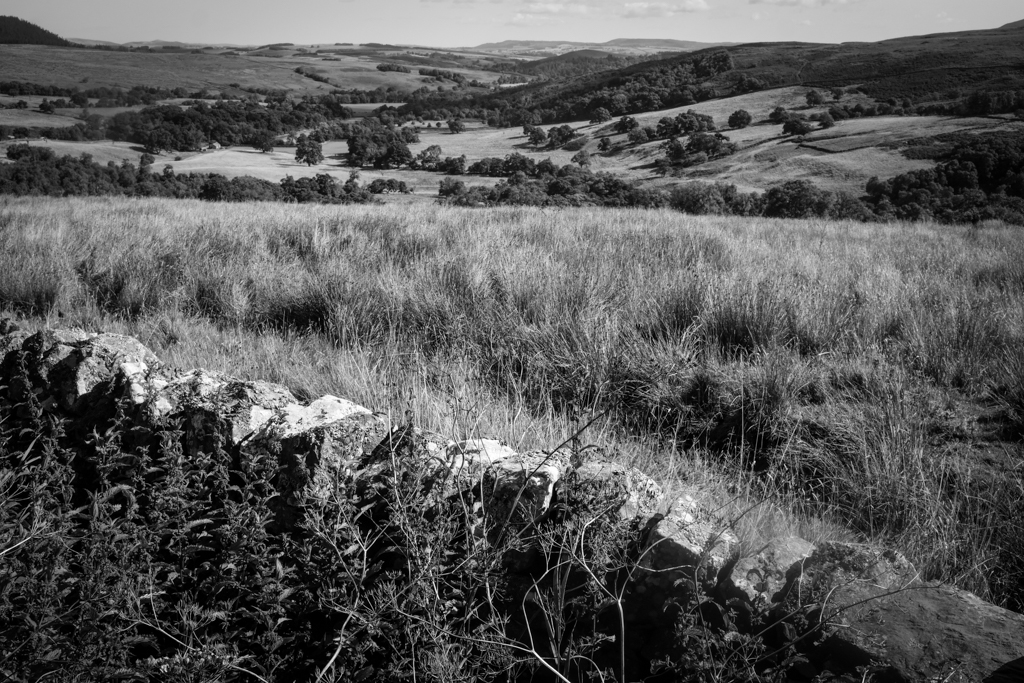
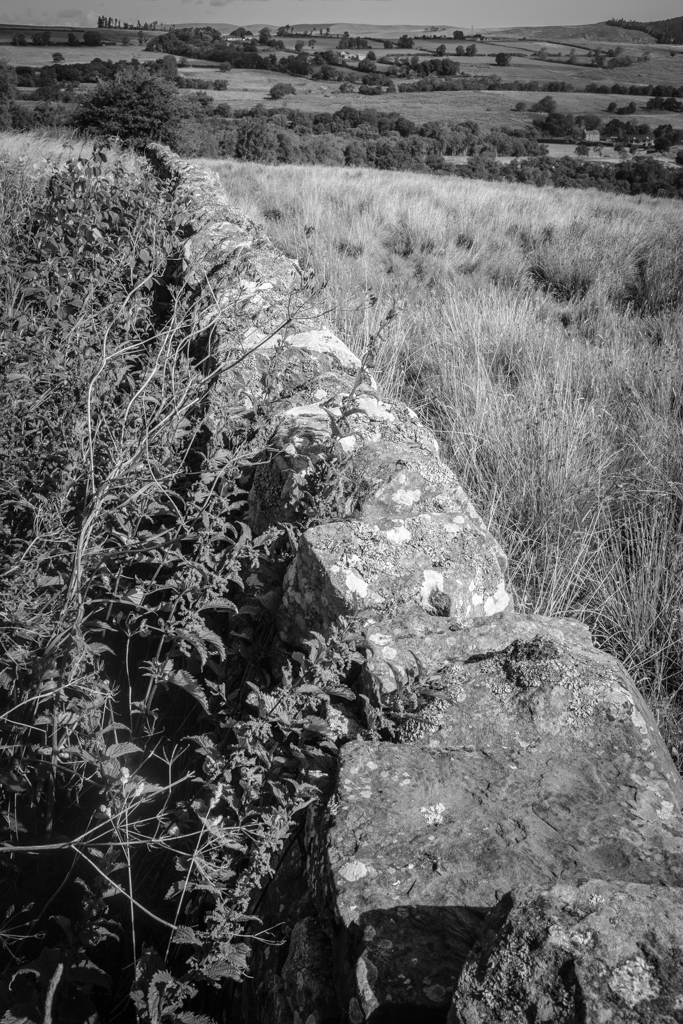
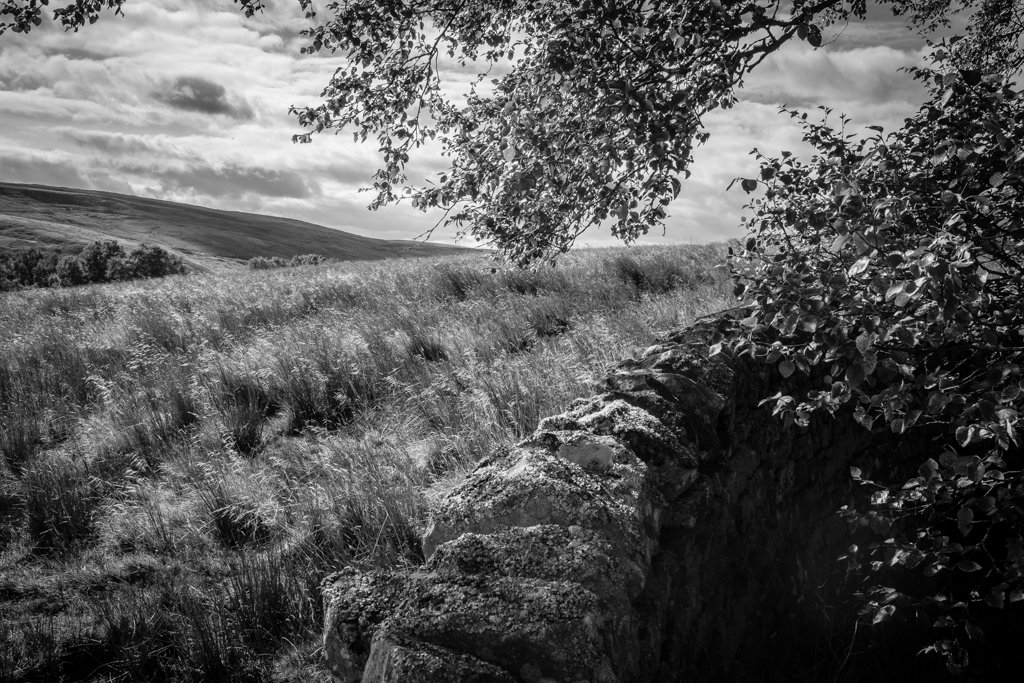
However, this time I decided to break from my usual practice and experiment. I did something I normally advise against—starting with the intention to create color images and only considering black and white later. I chose the Classic Chrome film simulation instead of Acros, focusing on capturing the vibrant colors of the Northumbrian countryside. It was all about breaking free from my black-and-white routine. Both color and black-and-white photography have their place, but for this trip, I wanted to prioritize one over the other. Still, wouldn’t it be intriguing to compare both approaches?

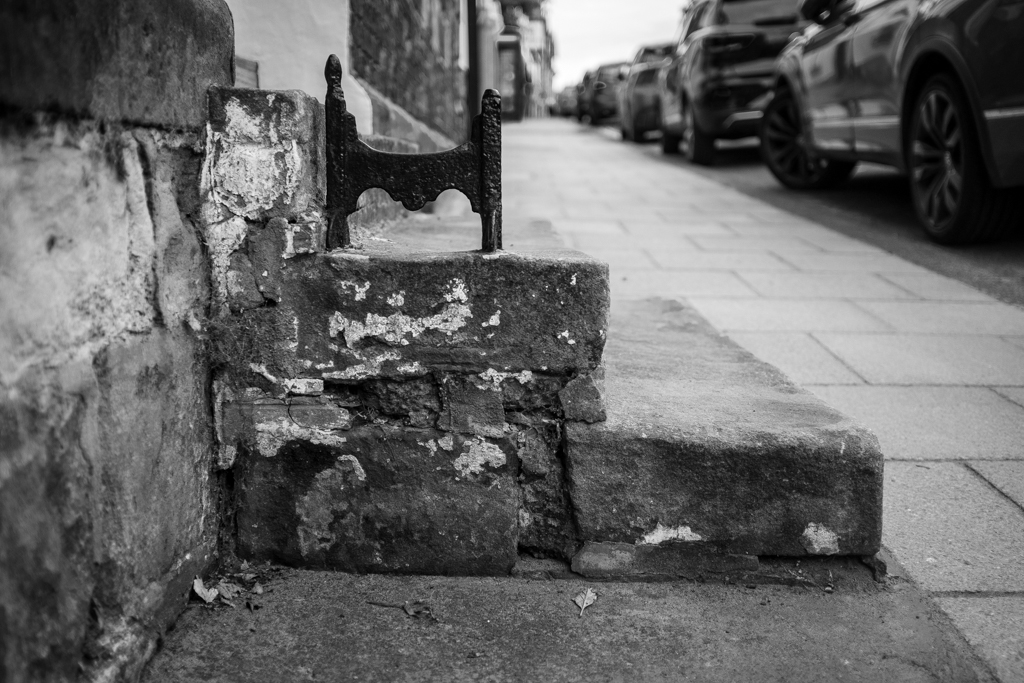
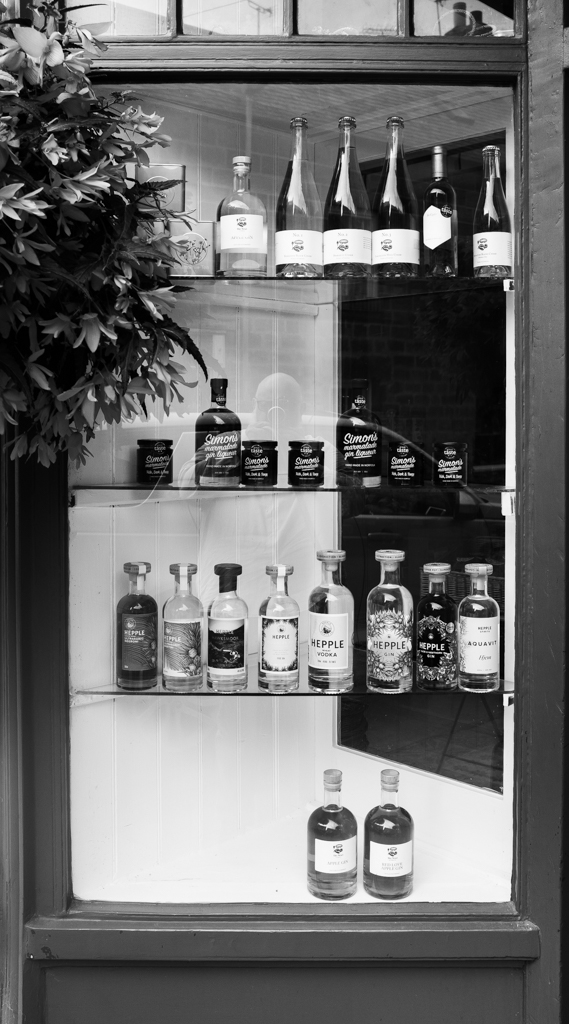
Back in France, as I prepared the images for my black-and-white Instagram feed, I began to wonder if some of the colorful shots might also work in black and white. Initially hesitant—given my emphasis on shooting with intention and purpose—I decided to embrace the experiment. I was breaking one of my own rules, yet the idea intrigued me.

Reviewing the color shots, I considered which might translate well into black and white. I look for images with texture and varying tones rather than just color. My composition is usually solid since I’ve already edited my color images, including reframing and straightening as needed. With digital RAW files, converting to black and white and producing different versions is straightforward. As they say, the goal is to produce images that reflect how they made you feel, not just how you saw them. This is why I convert my images to black and white—they capture more of the emotional essence.

Opening Adobe Lightroom on my PC, I saw the familiar images on my screen. My editing approach may seem finicky, but it’s effective. While the simplest way to convert an image to black and white is to slide the “saturation” slider to the left, this often results in a flat, lifeless image. Instead, I use a more nuanced approach to control various color tones in the black-and-white image. This technique helps preserve depth and character, ensuring that each image maintains its visual impact even without color.

Here’s how I approach black-and-white conversion in Lightroom:

  • Black and White Profile: Sets the overall tone and mood of the image.
  • Clarity: Enhances texture and detail for a more dynamic appearance.
  • Contrast: Adjusts the range between light and dark areas, adding visual interest.
  • Color Sliders: Modifies the luminance of specific colors to bring out different tones in the black-and-white image.
  • Highlight Tool: Adds subtle vignetting and balances highlights for a polished finish.

So, why convert to black and white after shooting in color? For me, it offers a classic, timeless aesthetic, and challenges me to create a “better” image by focusing on composition and texture without the distraction of color. This approach pushes me to craft photographs that rely on fundamental elements, enhancing their overall impact.

Impact is at the heart of photography. While I cherish the colors of the Northumbrian countryside and am eager to learn how to use color more effectively, I also deeply value the strengths of black-and-white photography. It’s about transcending color to create images that resonate through composition and texture.

But there’s something more personal about these black-and-white conversions. Perhaps it’s because I broke my own rules this time around, allowing color to take center stage and letting the black-and-white images emerge later. These images weren’t planned with black and white in mind—yet, despite that, or perhaps because of it, they feel even more special to me. Sometimes, going against what you think you know leads to unexpected results. And, in this case, those results resonate even more deeply.

Isn’t impact what we strive for in our photography? Don’t get me wrong—I love the colors of the Northumbrian countryside and am on a quest to learn how to use color more effectively. But I do believe in the strength of the fundamentals offered by black-and-white photography. Sometimes, breaking your own routine brings surprising rewards.

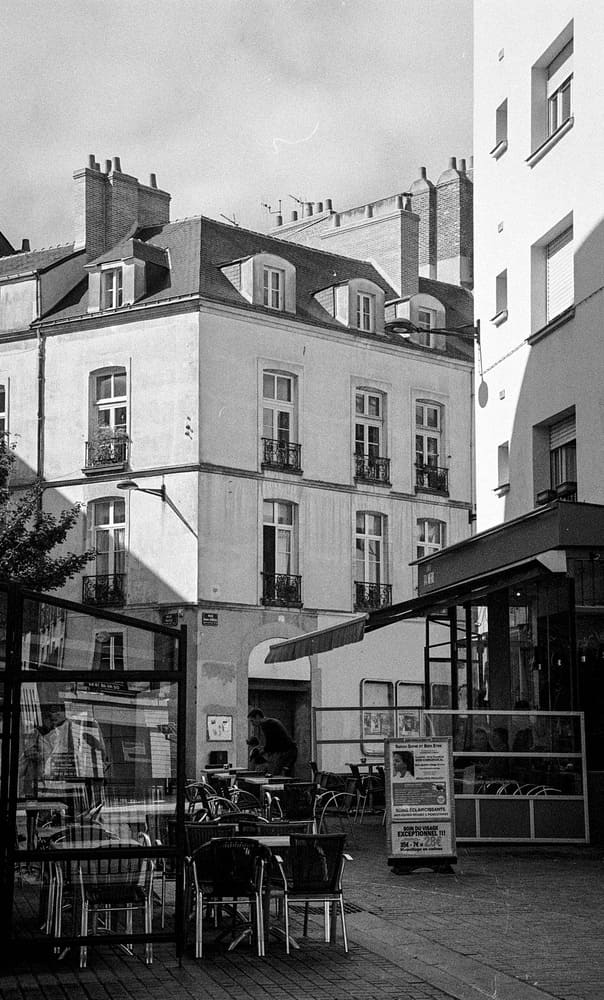
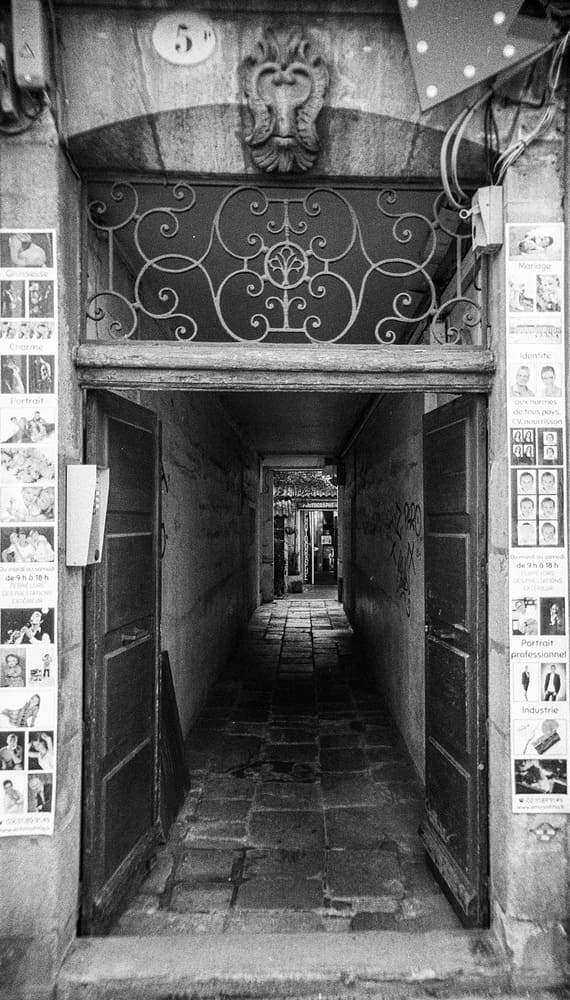
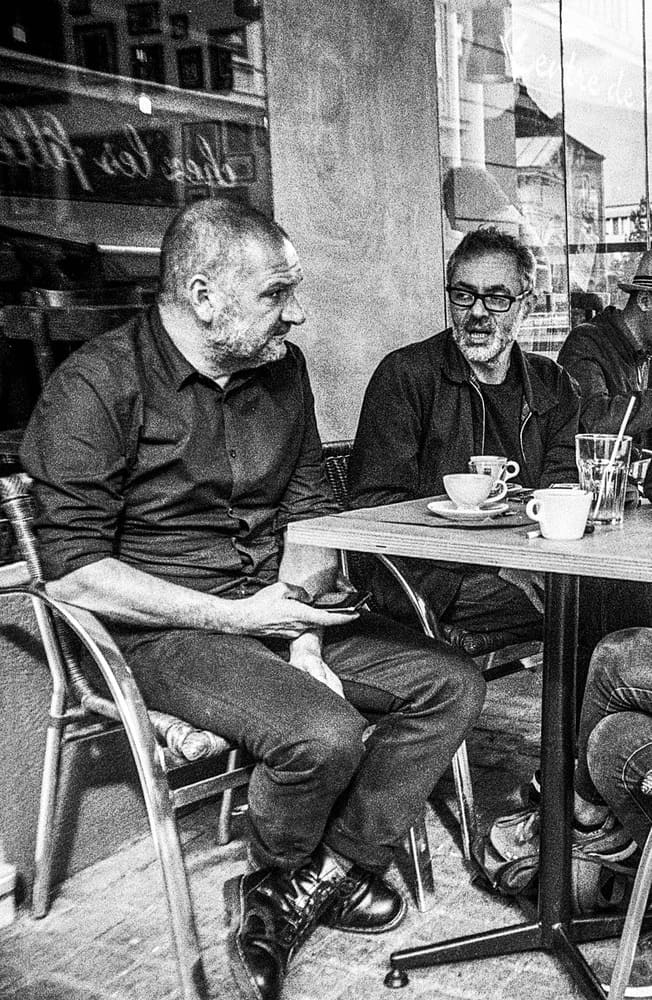
The Opening of the Film Archives: An October Saturday in Town with Killian, 2016


Welcome back to another look at the film archives. This time, I’m sharing a few black-and-white street shots from an October Saturday in Nantes, likely taken with the Praktica MTL3 and HP5 Plus film. These outings with my son Killian, which we called ‘Ian and Killian days,’ became a cherished routine, a time for us to reconnect amidst the busyness of life.

He was 17 then, a weekly boarder at his lycée in La Roche sur Yon. On the weekends, we’d often head into Nantes, following the same familiar programme: a visit to the barbershop, a meal at the Sugar Blue café, and finally, a drink at the John Mc Byrne Irish Pub. In the photo, that handsome chap in the barber’s seat is Killian—a little reminder that it wasn’t always Kate joining me on these trips. These outings were a way to stay connected, despite his growing independence. Even with him being only 17, I still felt that sense of responsibility. Once a Dad, always a Dad.

As we went through our usual routine, I found myself facing the familiar challenge of capturing these moments on film. The low light inside the barbershop always made me second-guess whether I could get a decent shot without using a flash. But over time, I learned to trust the Praktica and the HP5 Plus film. There’s a rawness to film photography, especially with Ilford’s HP5. It adds a certain grit and texture to the image, something that digital just can’t replicate.

That’s what I love about film—the imperfections. The grain gives it character, a certain honesty that smooth, polished digital photos lack. It’s not about creating something flawless but about preserving the authenticity of the moment. This shot of Killian in the barbershop, for example, may not be technically perfect, but it’s real. It’s us, it’s Nantes, it’s one of those ‘Ian and Killian days.’

Looking back at these photos, I’m reminded that sometimes, it’s the imperfections that make an image truly memorable. Quite the day, right?

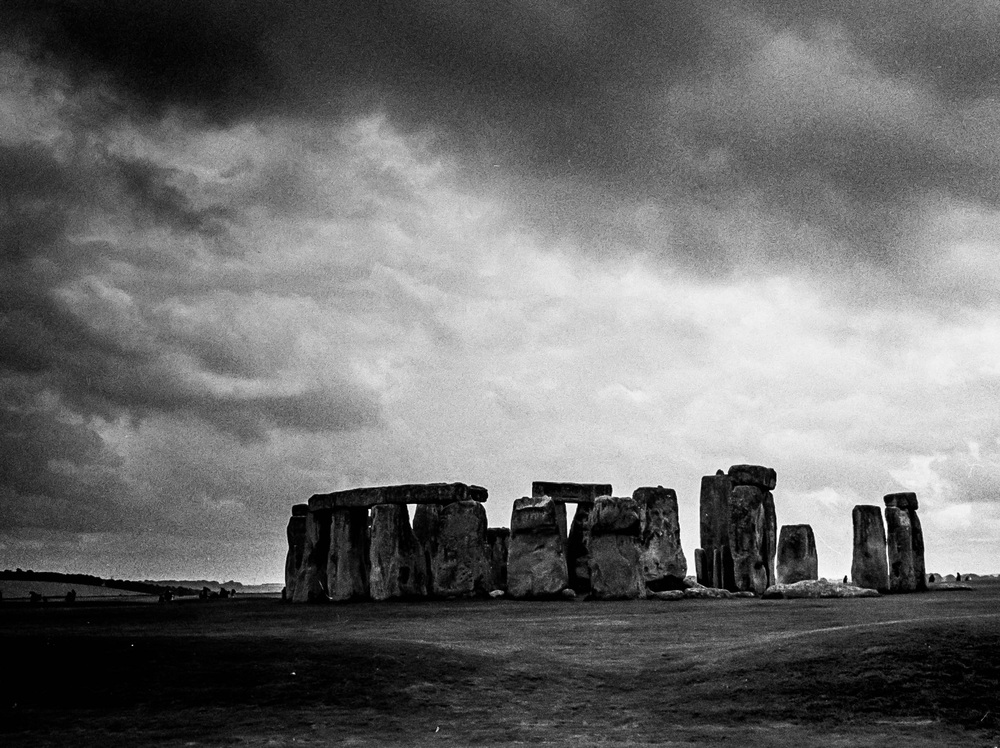
The Opening of the Film Archives – Stonehenge August 2016


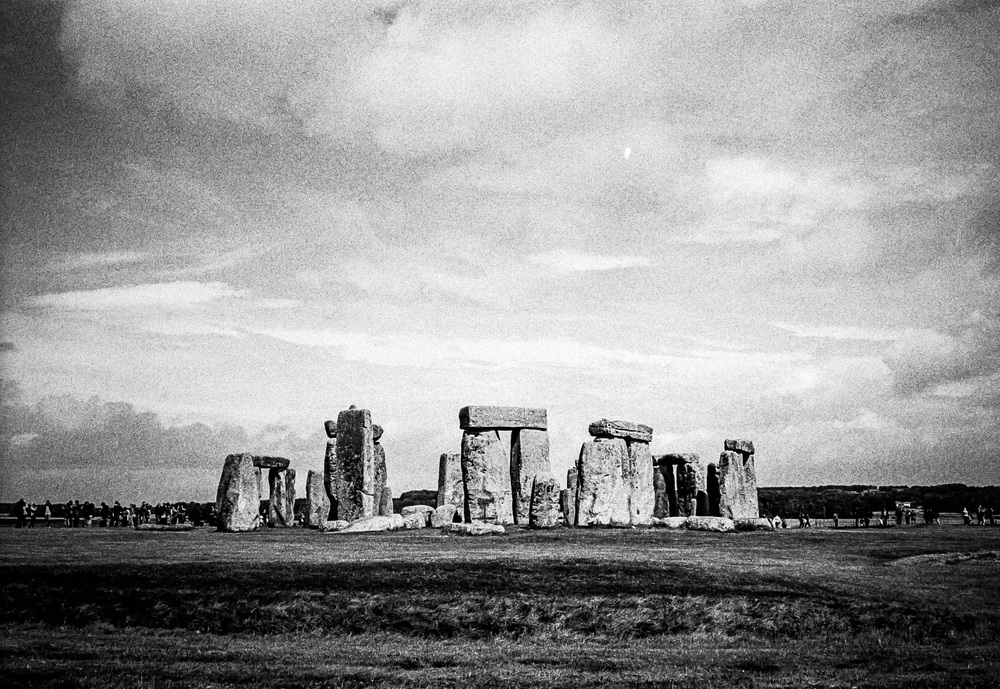
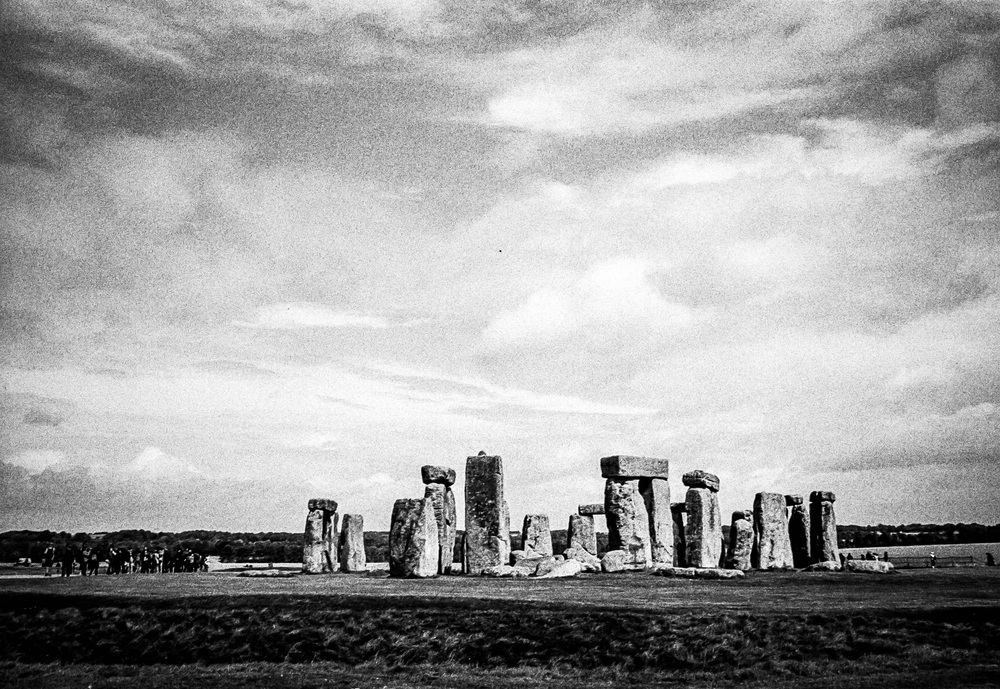
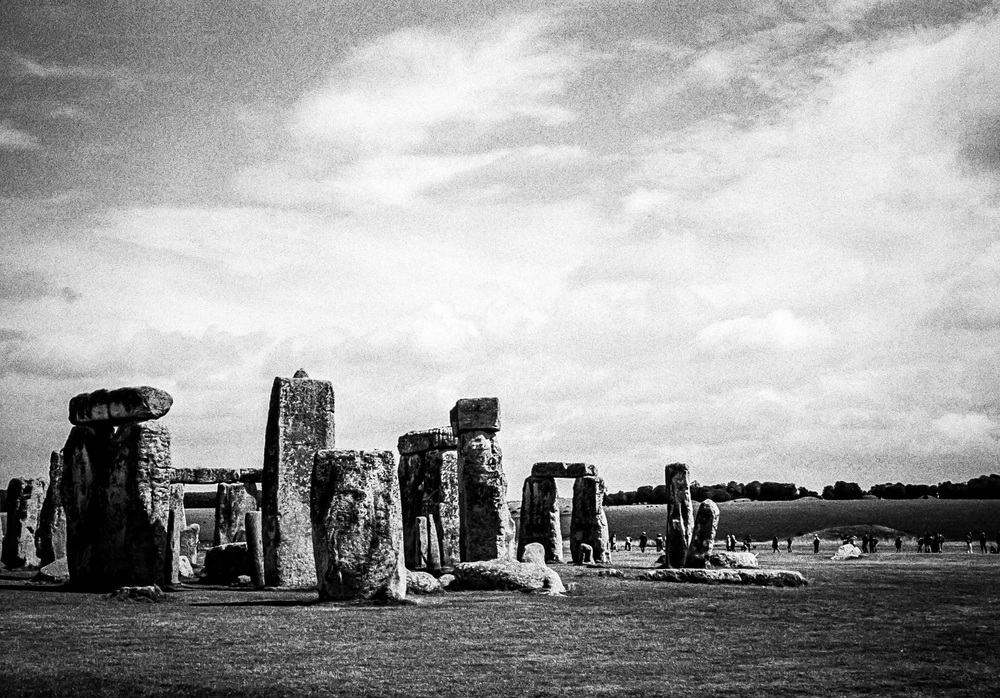
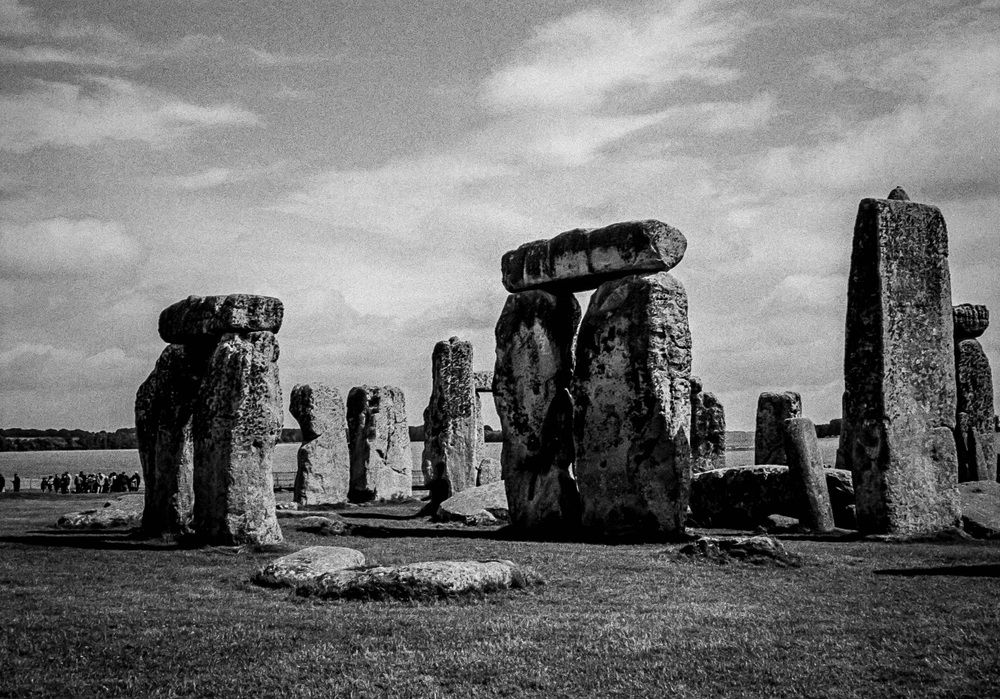
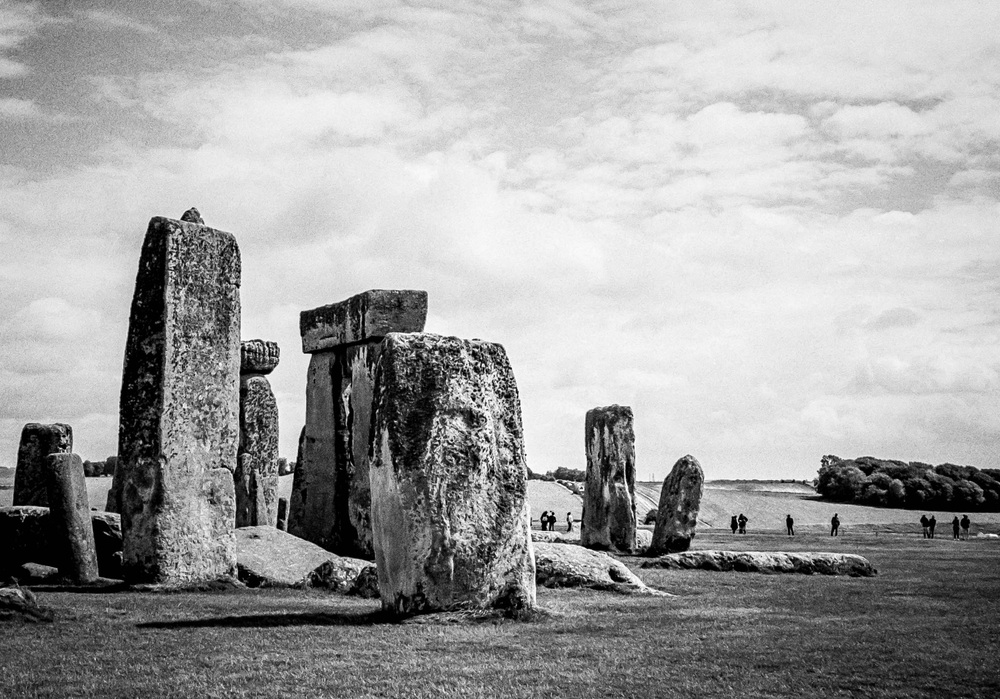
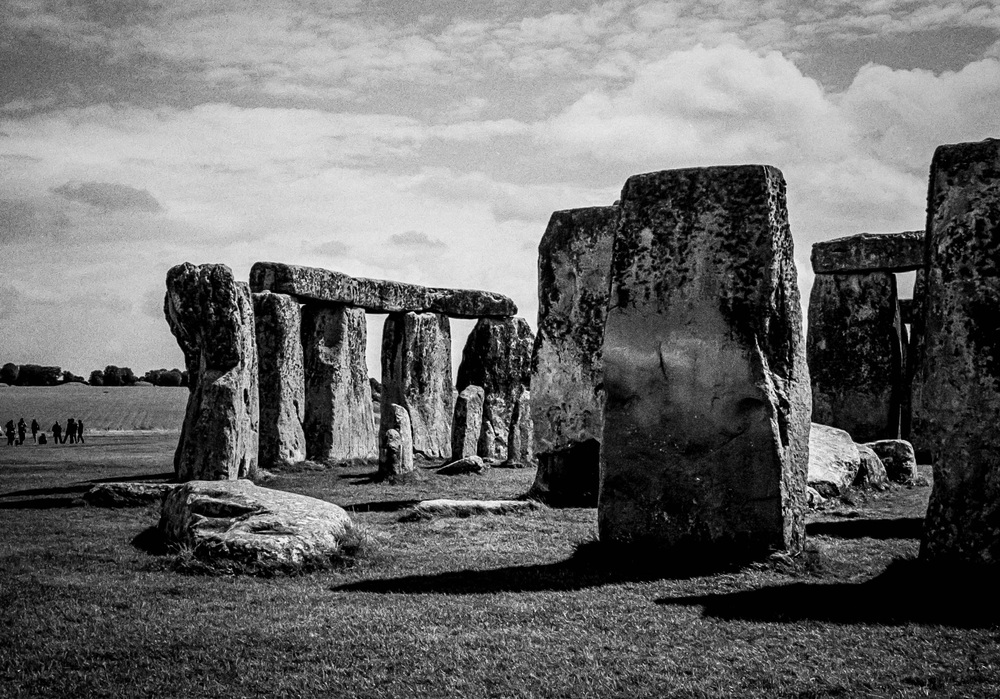
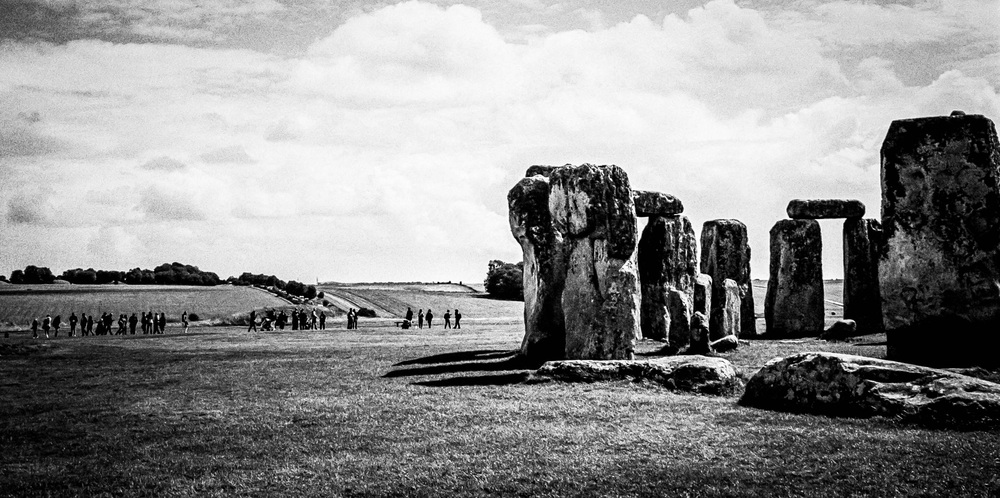
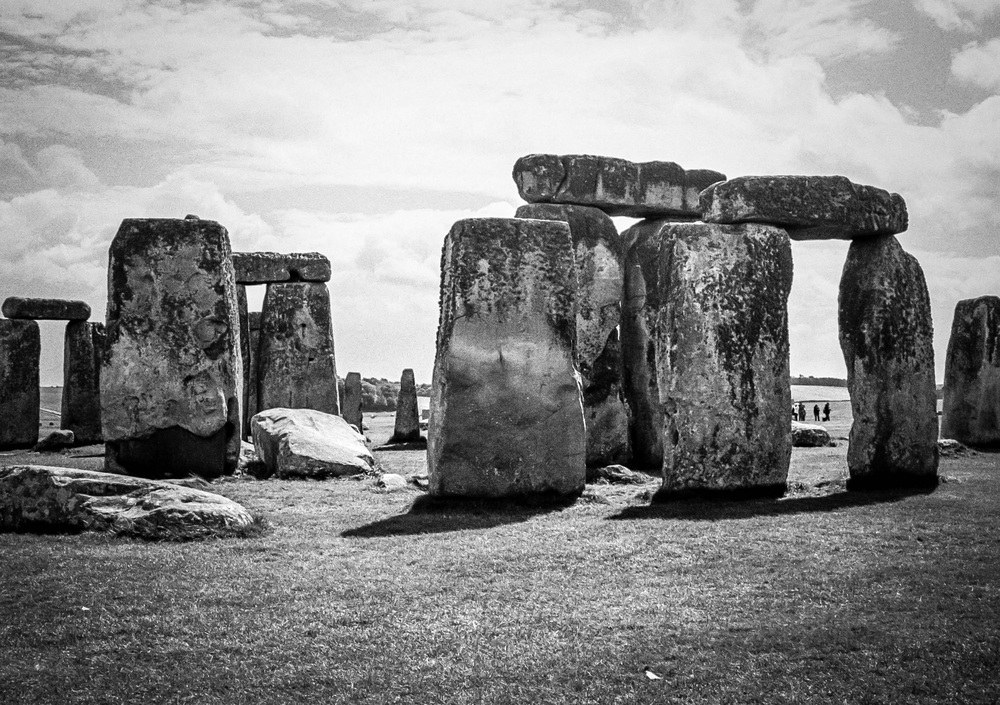
Stonehenge is something different for most people.  For some it is a historical site in Wiltshire, and despite not being part of the 7 wonders of the ancient world, still remains pretty special.  For some more “alternative” folks, it’s an ancient spiritual centre, and just happens to be on converging energy lines.  For some it’s a day out with the children.

We had come back from a cruise that had taken us around the Canary islands, Lisbon, and Galicia in Spain.  Thank you Mummy, and thank you Daddy!  I think they felt guilty about us always coming up to see them in Northumberland, and wanted us to get a different holiday experience.  Well, different it was!  But that is a totally different story, and the photos can be found in the Olympus Trip 35 article.

So our ship docked at Southampton and we still were in the holiday mood.  I remember as a small boy visiting Stonehenge, and thought it was “the” opportunity to introduce my family to the site.  

It seemed slightly smaller than I remember it.  As do most things if I’m going to be honest with you, but the majesty of the stones remained.  As did the wonder at the fact that these stones had been dragged overland from Wales, and put into place, with the joints still being “rock solid” and down to the nearest millimetre.  I work in a factory that does industrial woodworking and I know what we can do with modern tools and technology and yet here, this massive construction was put together using basic tools.

The children were just taking in the whole experience, and rather bemused at the sight of Japanese tourists being shoved around the site and taking the obligatory selfie.  They also seem quite bemused by the amount of school groups being led around.  

I preferred, as often as I do, to just take my time and take it all in and get some photos of the place.  With the 40 mm zuiko lens I was getting some lovely environmental shots that you can see below.  

My wife, however, was in tears.  Crying her heart out.  She later confided in me telling me how she just felt overcome with emotion.  Maybe those lines of energy for those alternative folks might have something in them…
The Opening of the Film Archives—the Hangar à Bananes August 2016


In my last venture into the film archives, I talked about how there was a time that my daughter hadn’t yet seen me the way I see myself and how she actually still liked me, before turning into a teenager.  This is the second part of that special day.

We had explored the Jardin des Plantes and discovered what they had to offer.  This of course builds up an appetite in a young lady, and convinces her that she really needs to drink something Daddy.  And why couldn’t we go to the Altercafé (now the D3) at the Hangar à Bananes.

So what else was I to do but drive us to the Hangar à Bananes.  You will have seen the Hangar in this article, and you will now be completely up to date and know nearly everything there is to know.

Don’t forget that this is a girl who gets an idea into her head and then just goes through with it.  That idea is so rooted that it is nigh on impossible to change that idea.  I knew what was coming.  I would order a chocolate brownie, and Kate would have an Orangina.  I could have a beer.  How gracious of her.

She had been my model for most of the day and even a top model needs a rest, and just has nothing left to give a photographer.  You just know when enough is enough…

The Opening of the Film Archives—Jardin des Plantes August 2016


There was a time when my daughter wasn’t a teenager.  There was a time when she quite liked her Dad, and she would accompany me everywhere.  It was good being that child’s hero.  It was a more innocent time.  It was a time when she actively tried to spend time with me.  It was a time when she didn’t see me the way I see myself…

One of her favourite places in Nantes was the Jardin des Plantes, a huge botanical garden in the middle of Nantes just across the road from the station.  I could talk about the fact of it being a haven of peace in the bustling city.  I could talk about it being an oasis of green in a sea of concrete.  I could talk using clichés ‘til the cows come home…

These photographs are not clichés, but real attempts of capturing a specific moment in time allowing me to travel back through time.  And looking at these images, I’m definitely back in time.

Let me introduce you to my daughter from 2016.  She was a 7 year old that already knew what she wanted but was slightly more subtle about it.  She would suggest that we go into town.  That I could take my camera.  That we could go to such and such a place.  That we could do such and such a thing.  And all this as if it were completely natural.  And I was a very willing victim.   

This time she suggested going to the Jardin des Plantes.  She would take her camera (my old Sony bridge) and I would take my Olympus Trip 35.  I used the Olympus Trip quite a lot at that time and its ease of use, the zone focussing, and general lack of buttons to press, made it quite the fool proof piece of kit.    

As usual, I let her lead the way.  This was here outing after all, and kept a respectful distance, so I could photograph her and record her for posterity.  The Jardin des Plantes has not only plants, the clue is in the title, but also is the backdrop to the Voyage à Nantes, and certainly was that year.  

I think the images speak for themselves and I’ll let you peruse them at your leisure.  They were taken on Ilford HP5 Plus film shot at box speed.