The Opening of the Film Archives—the Hangar à Bananes August 2016


In my last venture into the film archives, I talked about how there was a time that my daughter hadn’t yet seen me the way I see myself and how she actually still liked me, before turning into a teenager.  This is the second part of that special day.

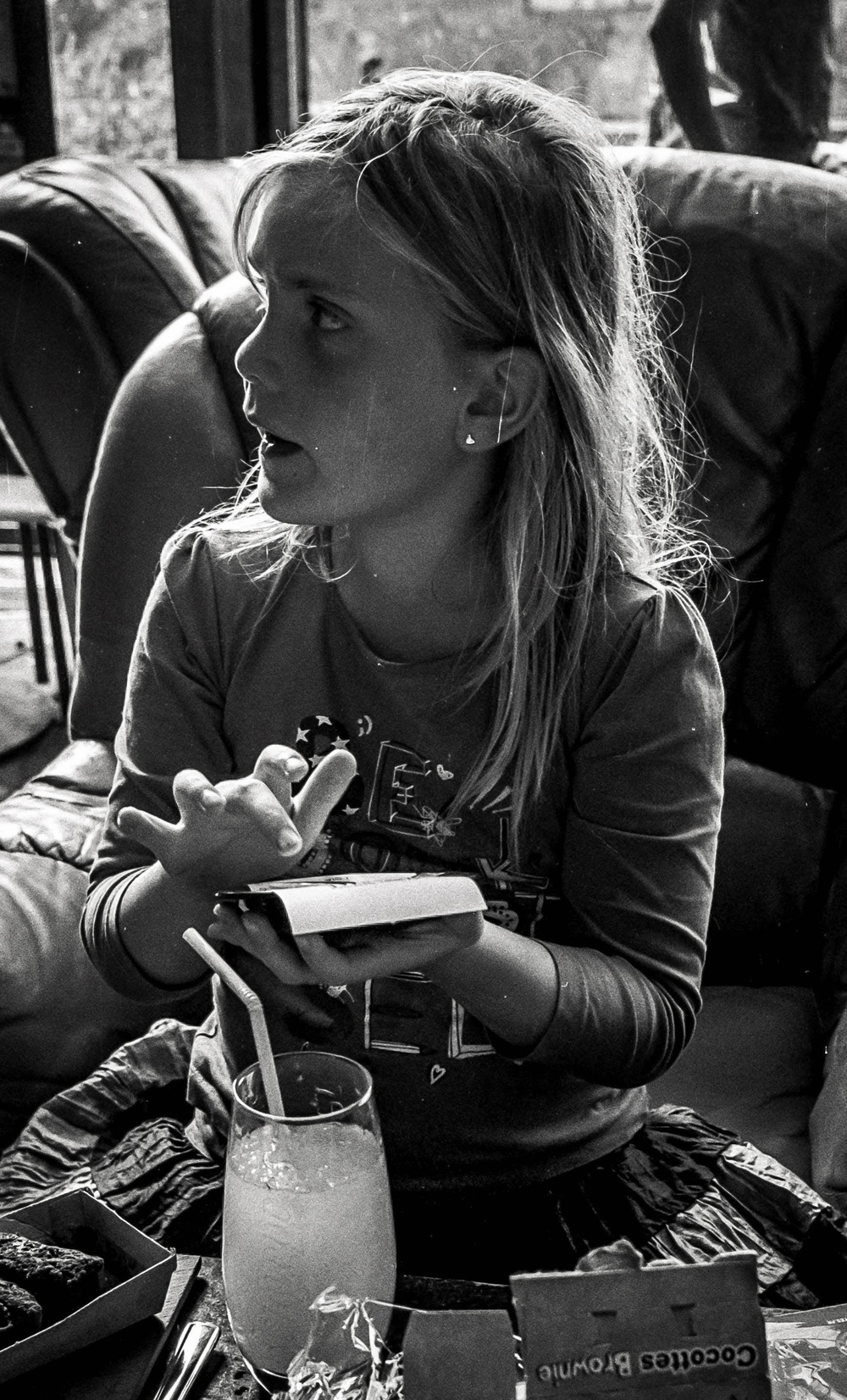
We had explored the Jardin des Plantes and discovered what they had to offer.  This of course builds up an appetite in a young lady, and convinces her that she really needs to drink something Daddy.  And why couldn’t we go to the Altercafé (now the D3) at the Hangar à Bananes.

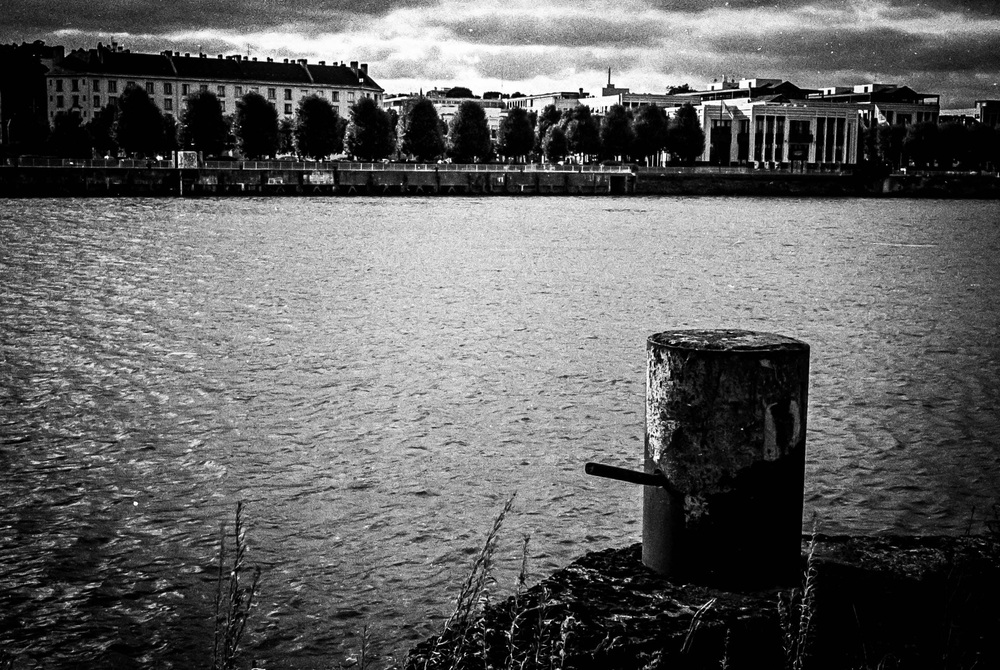
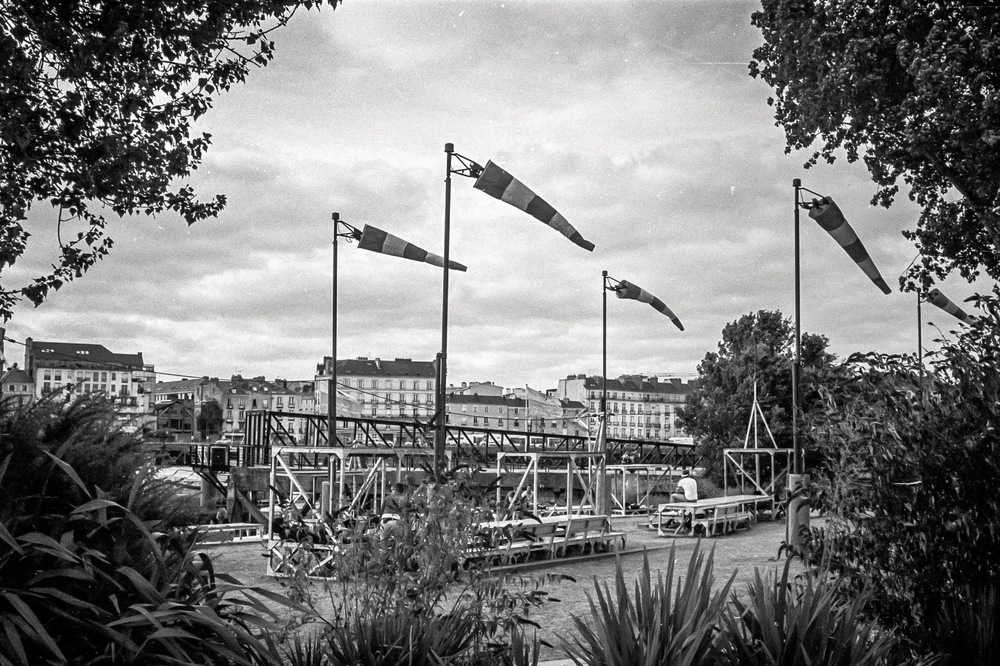
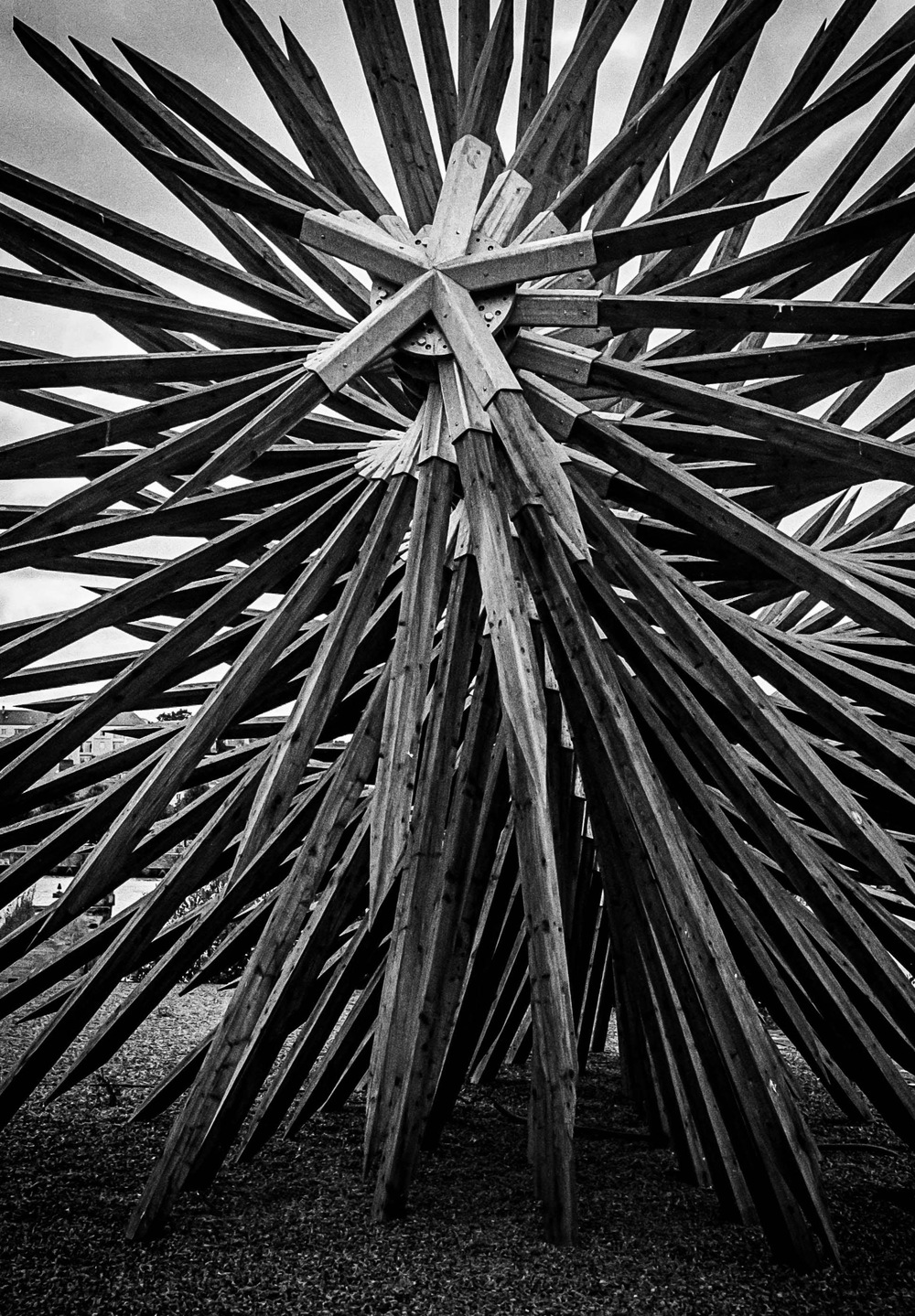
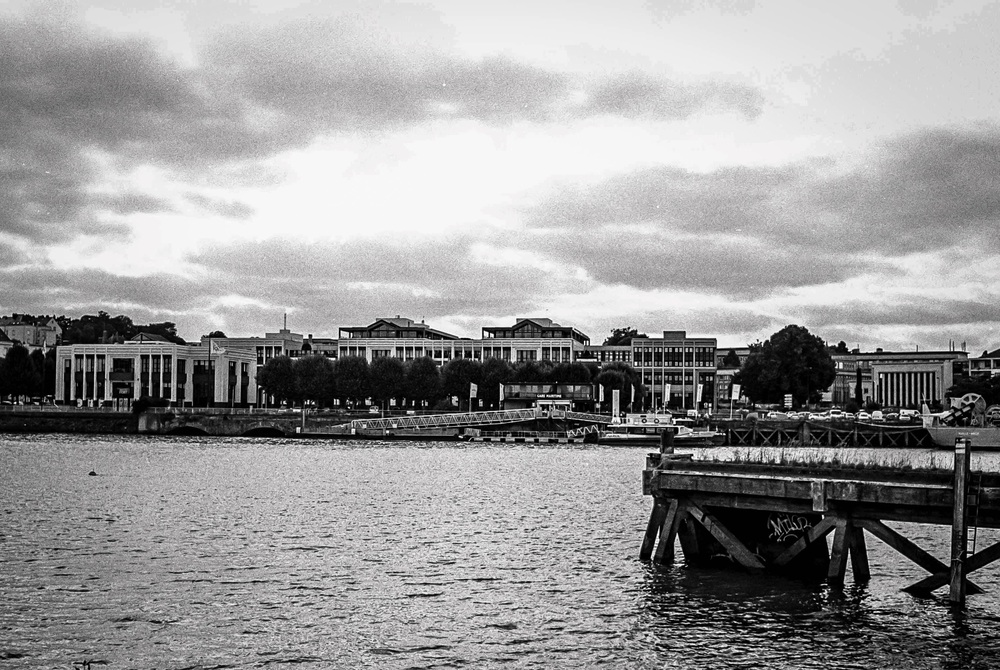
So what else was I to do but drive us to the Hangar à Bananes.  You will have seen the Hangar in this article, and you will now be completely up to date and know nearly everything there is to know.

Don’t forget that this is a girl who gets an idea into her head and then just goes through with it.  That idea is so rooted that it is nigh on impossible to change that idea.  I knew what was coming.  I would order a chocolate brownie, and Kate would have an Orangina.  I could have a beer.  How gracious of her.

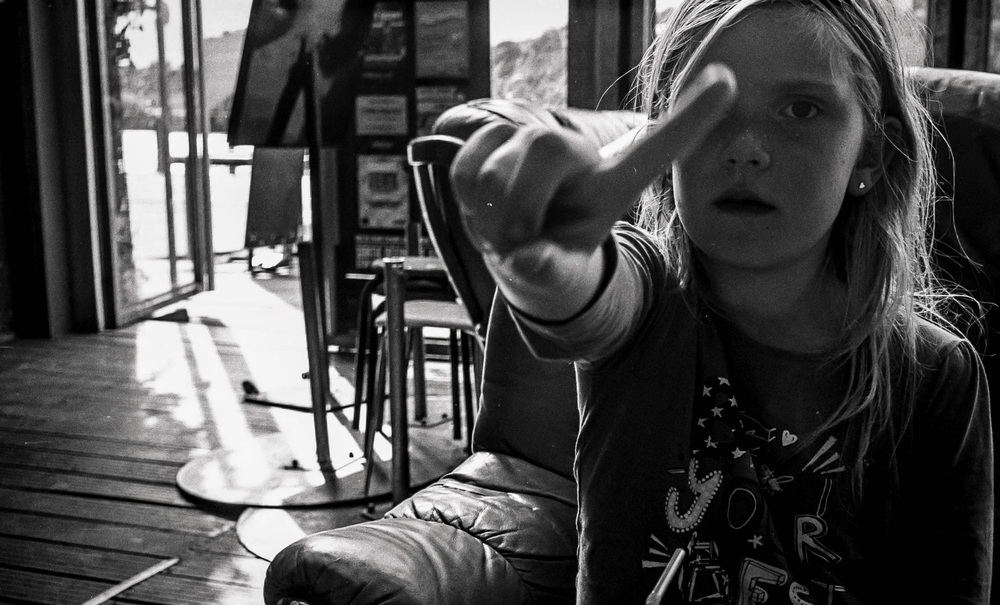
She had been my model for most of the day and even a top model needs a rest, and just has nothing left to give a photographer.  You just know when enough is enough…

The Opening of the Film Archives—Jardin des Plantes August 2016


There was a time when my daughter wasn’t a teenager.  There was a time when she quite liked her Dad, and she would accompany me everywhere.  It was good being that child’s hero.  It was a more innocent time.  It was a time when she actively tried to spend time with me.  It was a time when she didn’t see me the way I see myself…

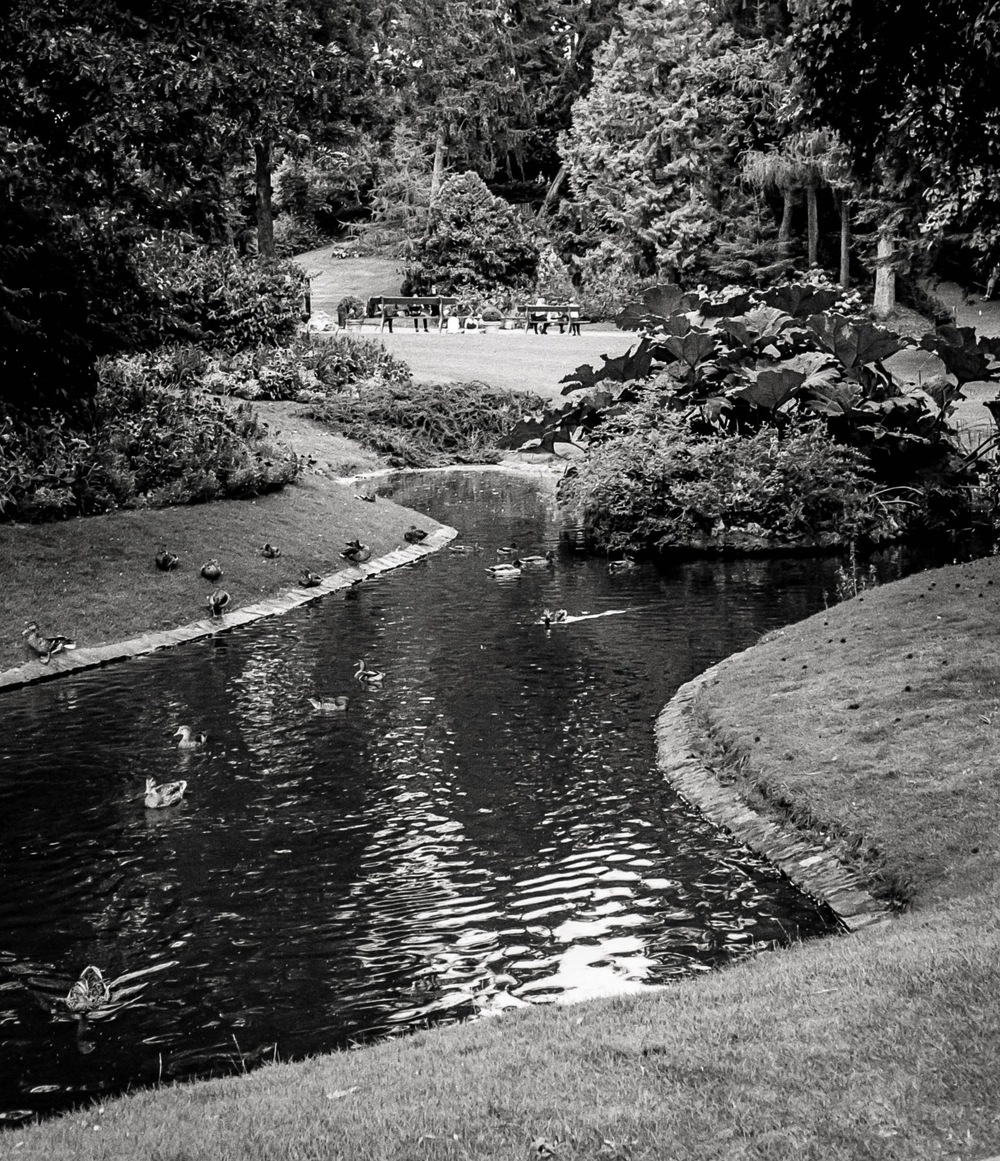
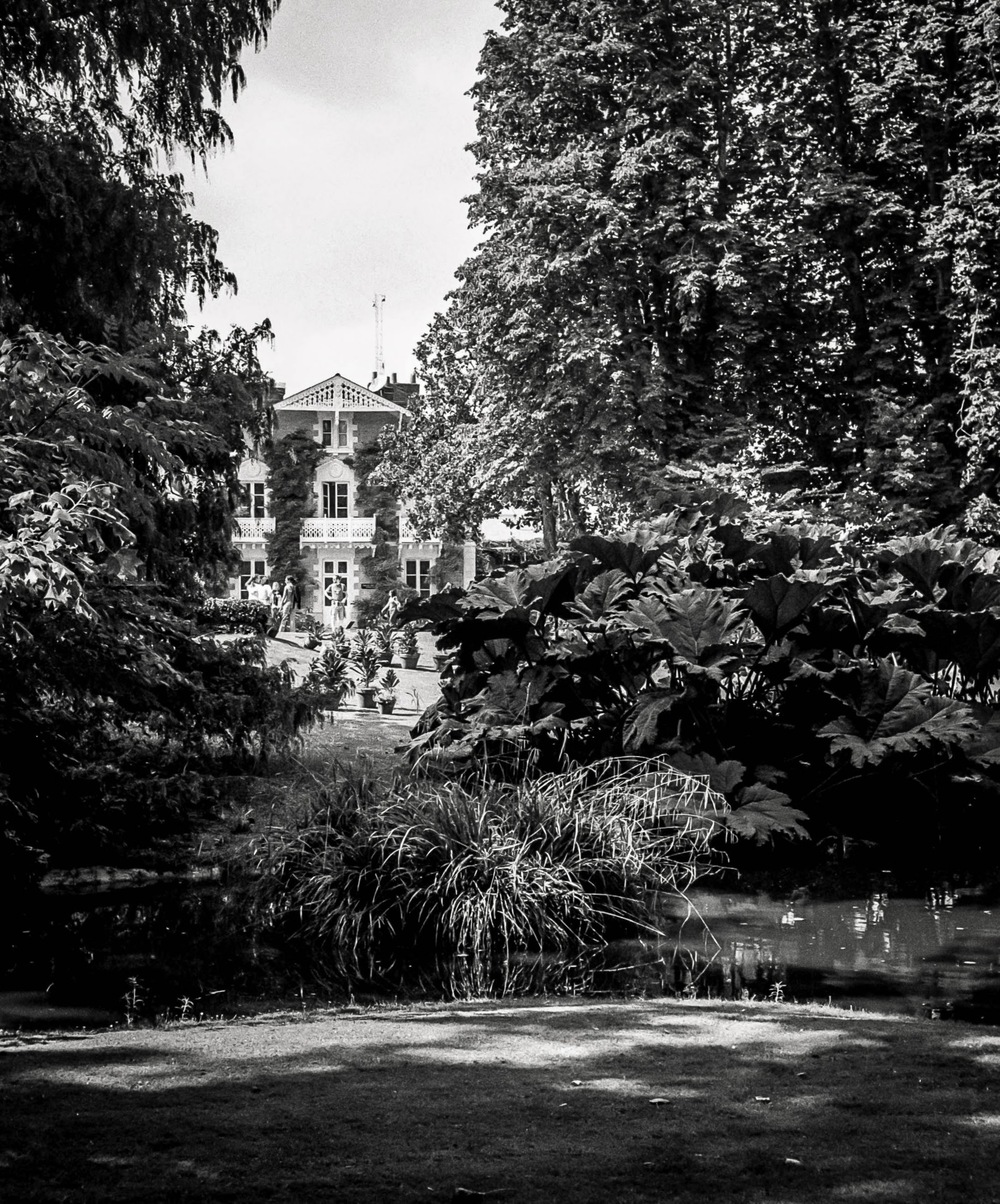
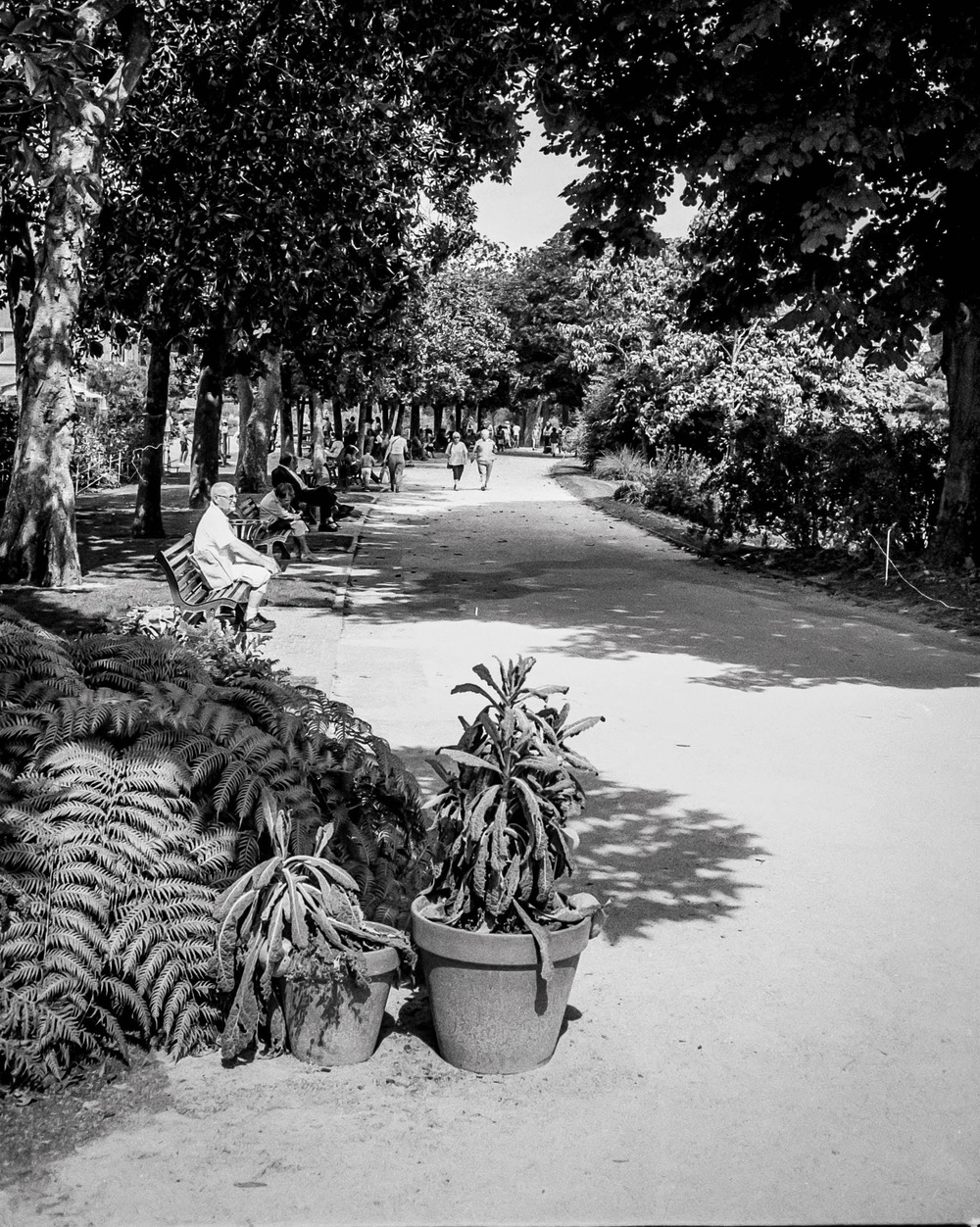
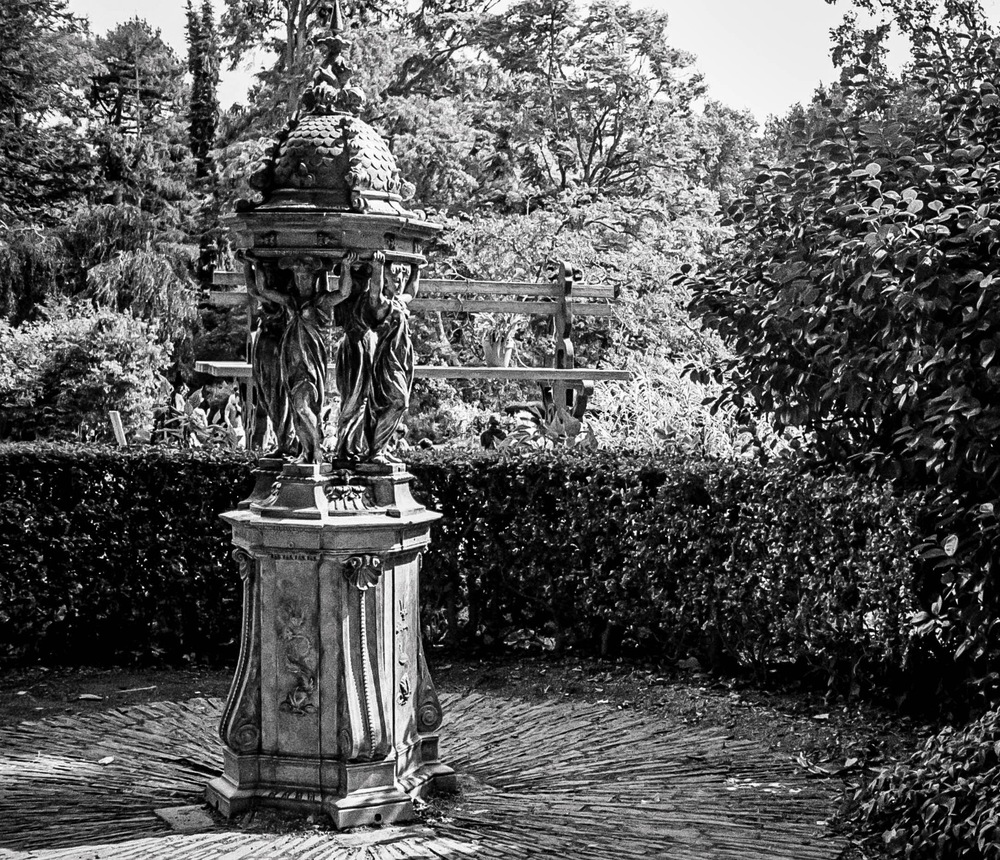
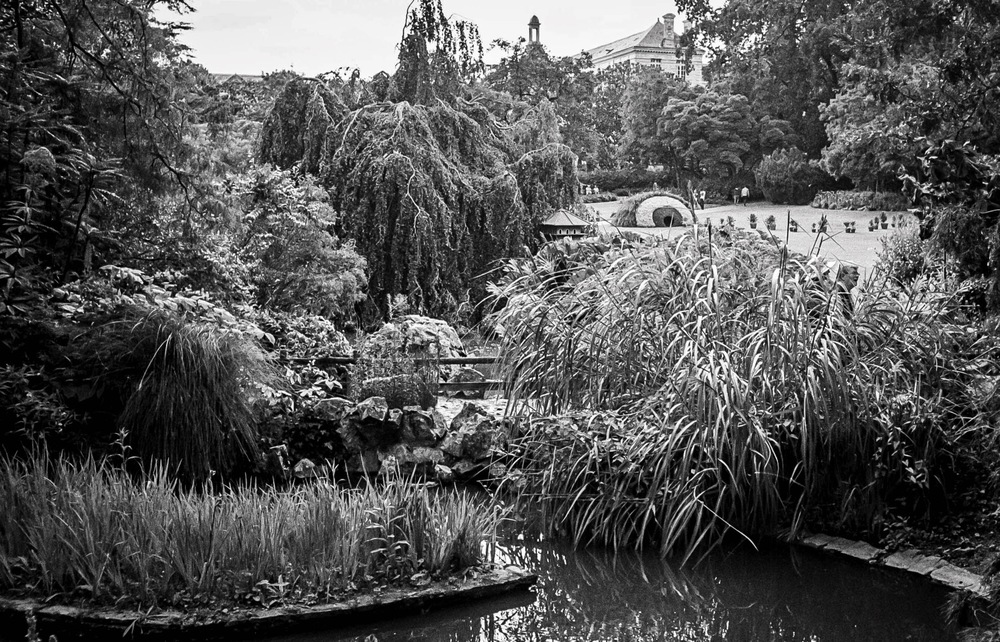
One of her favourite places in Nantes was the Jardin des Plantes, a huge botanical garden in the middle of Nantes just across the road from the station.  I could talk about the fact of it being a haven of peace in the bustling city.  I could talk about it being an oasis of green in a sea of concrete.  I could talk using clichés ‘til the cows come home…

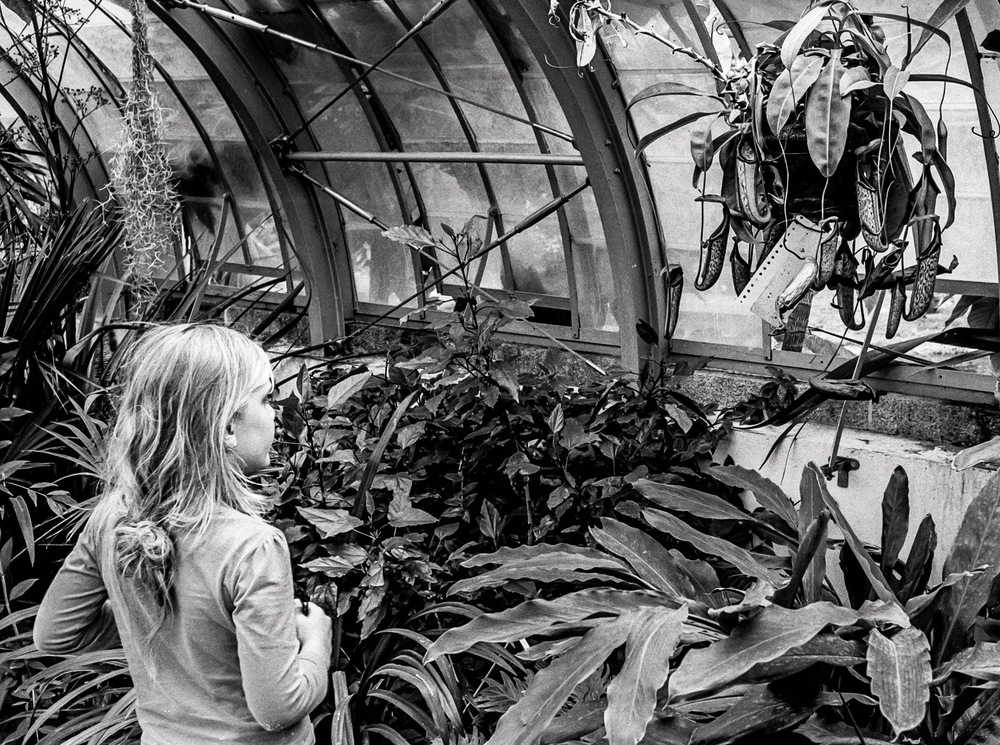
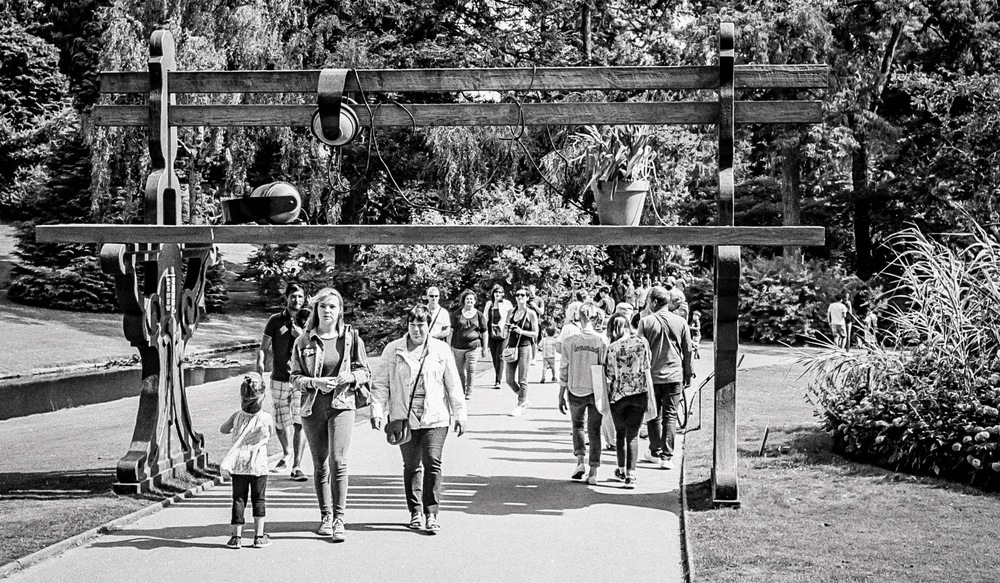
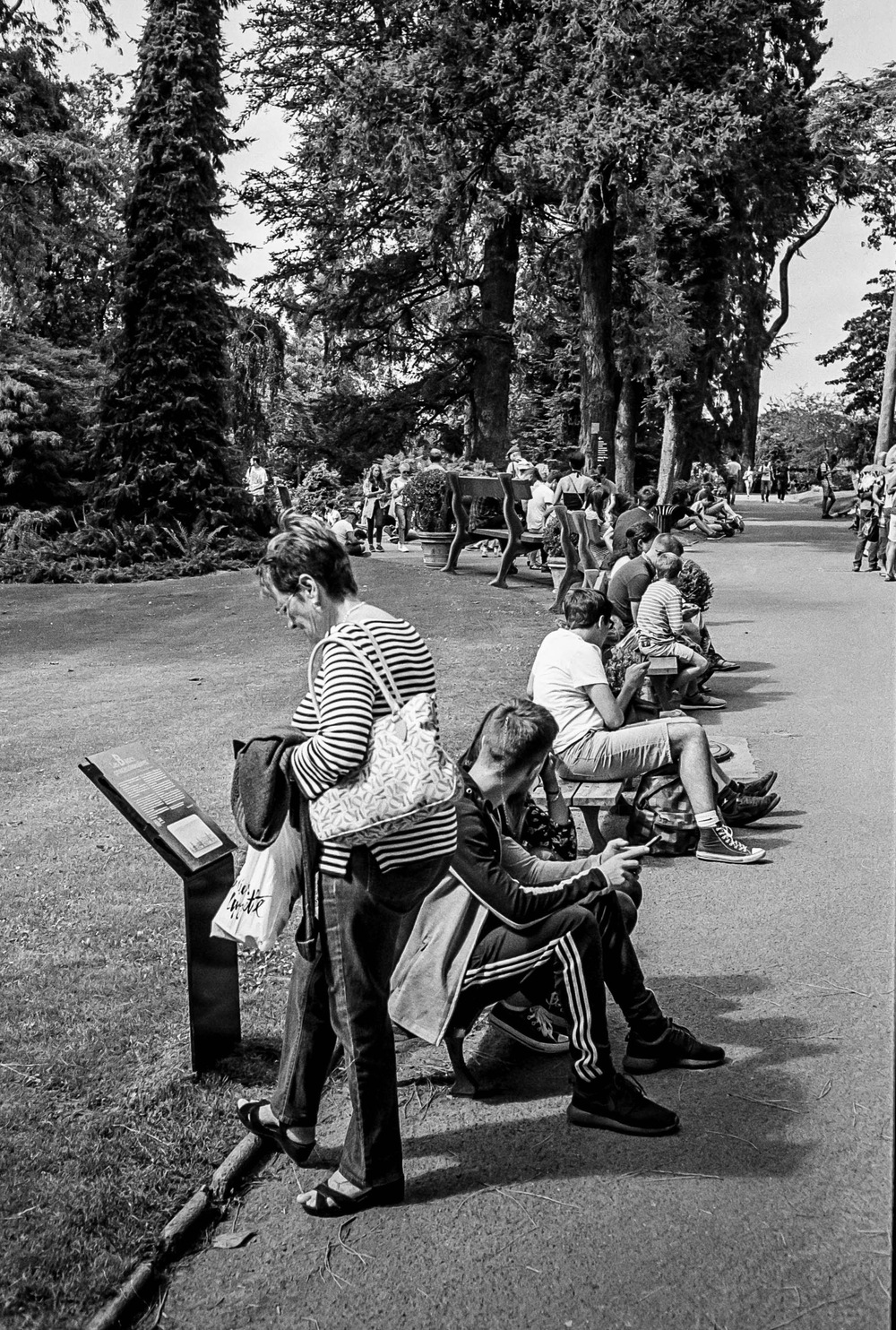
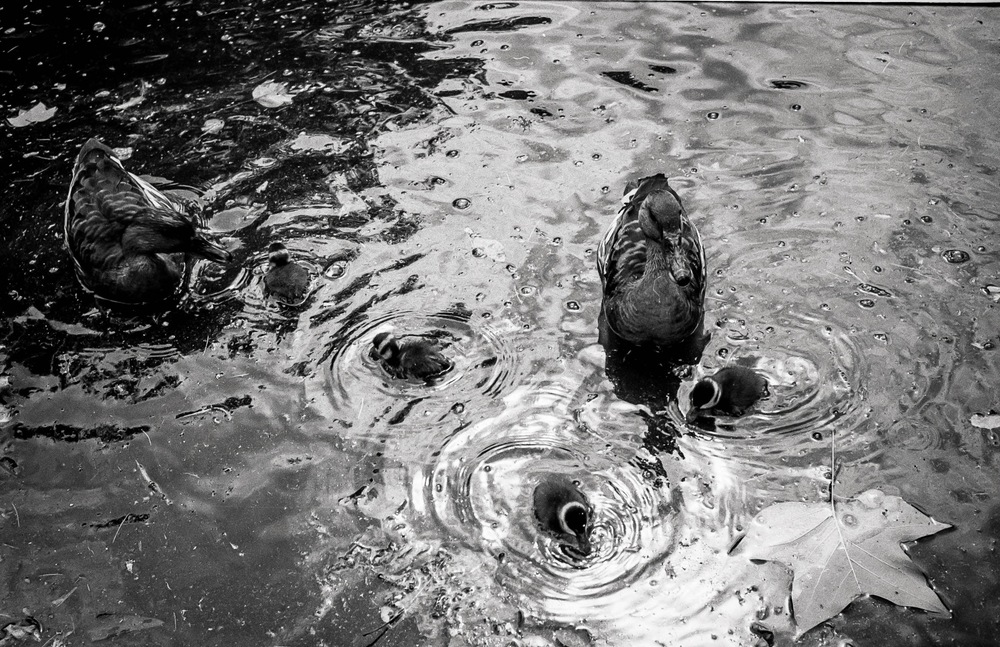
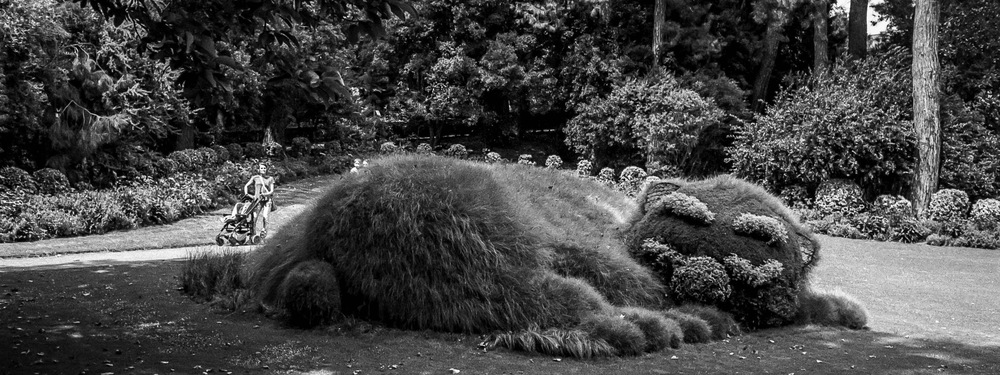
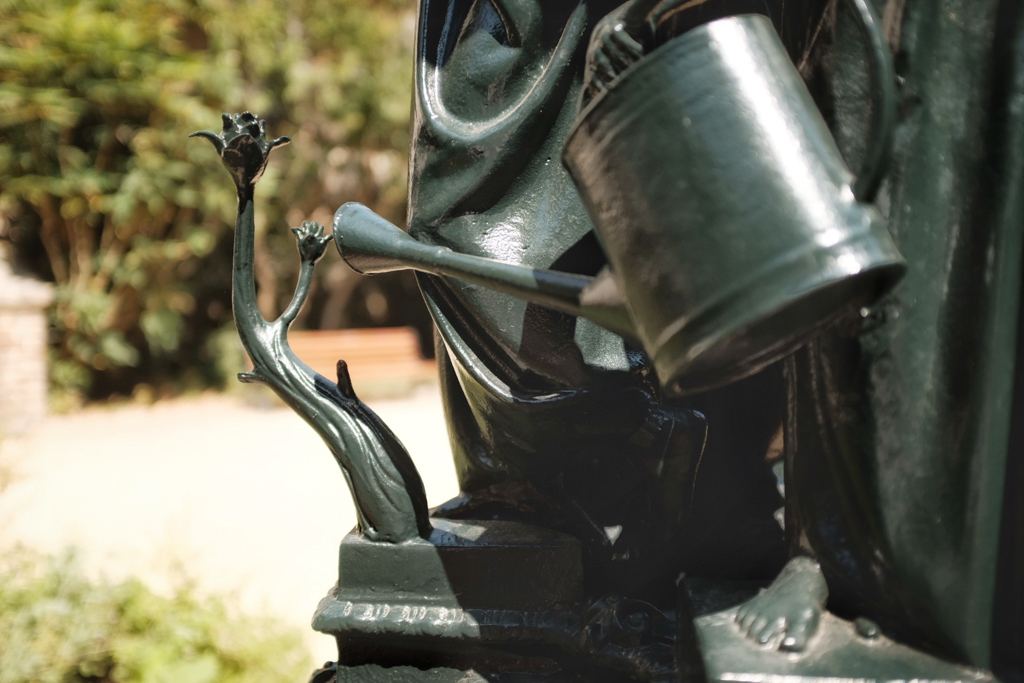
These photographs are not clichés, but real attempts of capturing a specific moment in time allowing me to travel back through time.  And looking at these images, I’m definitely back in time.

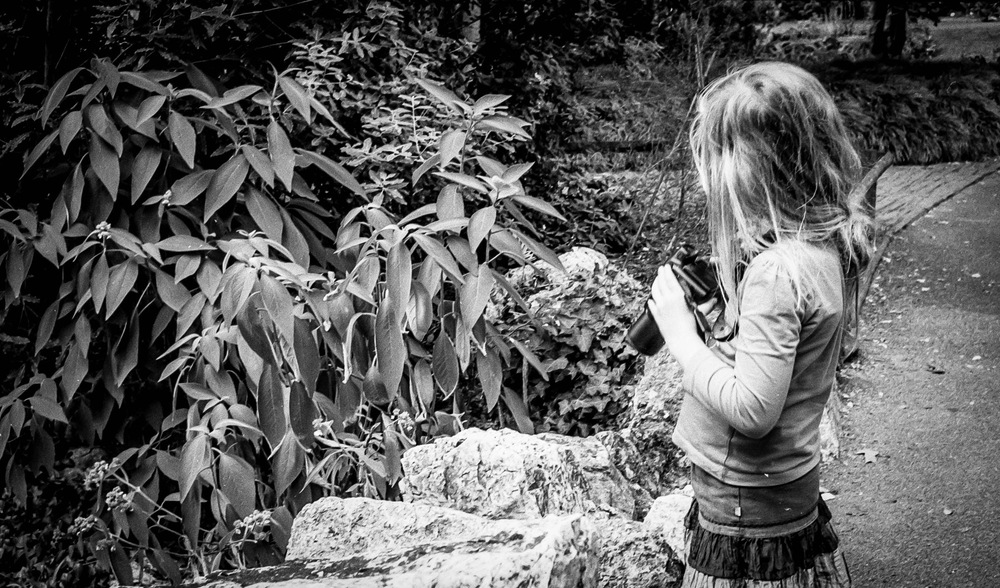
Let me introduce you to my daughter from 2016.  She was a 7 year old that already knew what she wanted but was slightly more subtle about it.  She would suggest that we go into town.  That I could take my camera.  That we could go to such and such a place.  That we could do such and such a thing.  And all this as if it were completely natural.  And I was a very willing victim.   

This time she suggested going to the Jardin des Plantes.  She would take her camera (my old Sony bridge) and I would take my Olympus Trip 35.  I used the Olympus Trip quite a lot at that time and its ease of use, the zone focussing, and general lack of buttons to press, made it quite the fool proof piece of kit.    

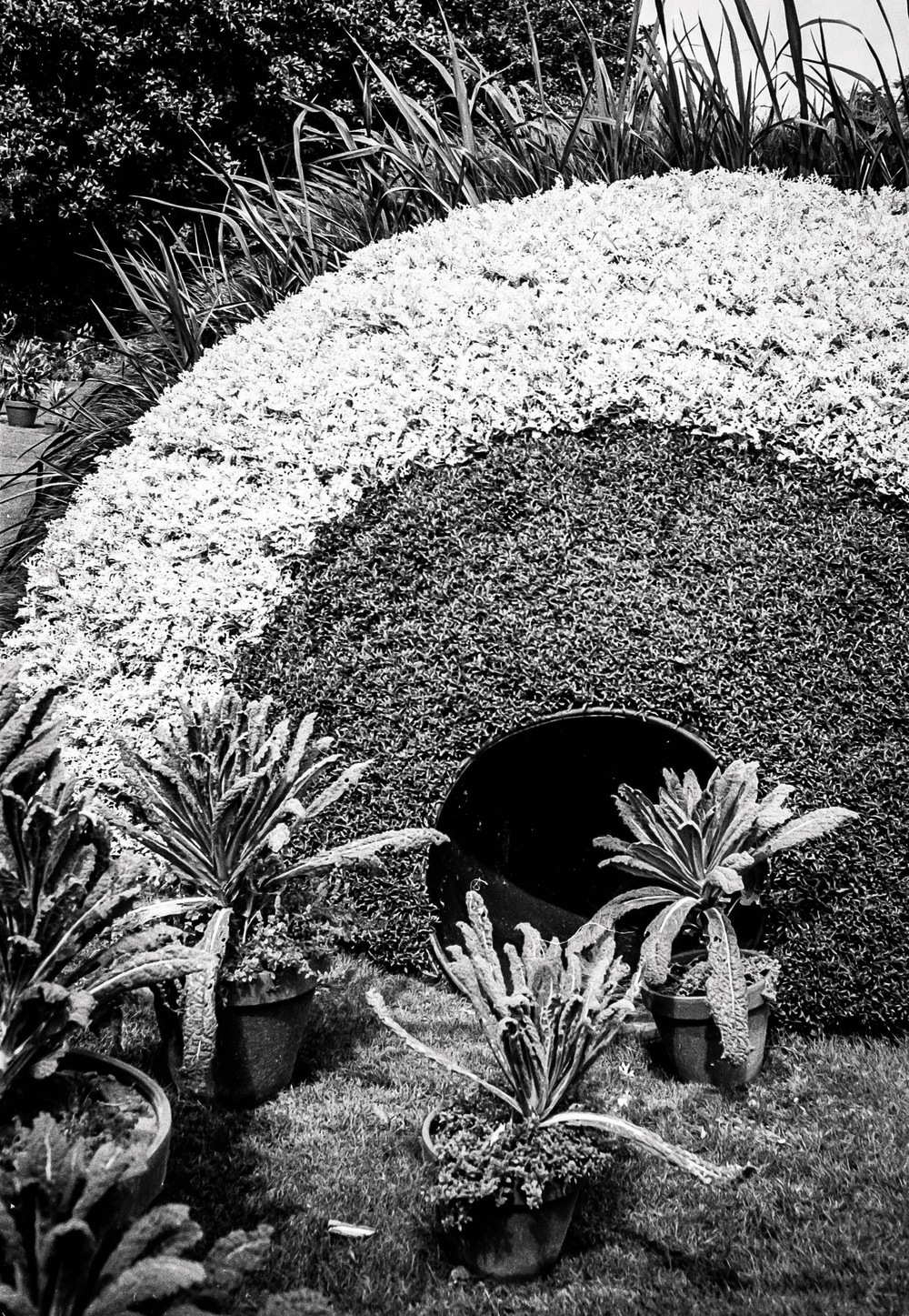
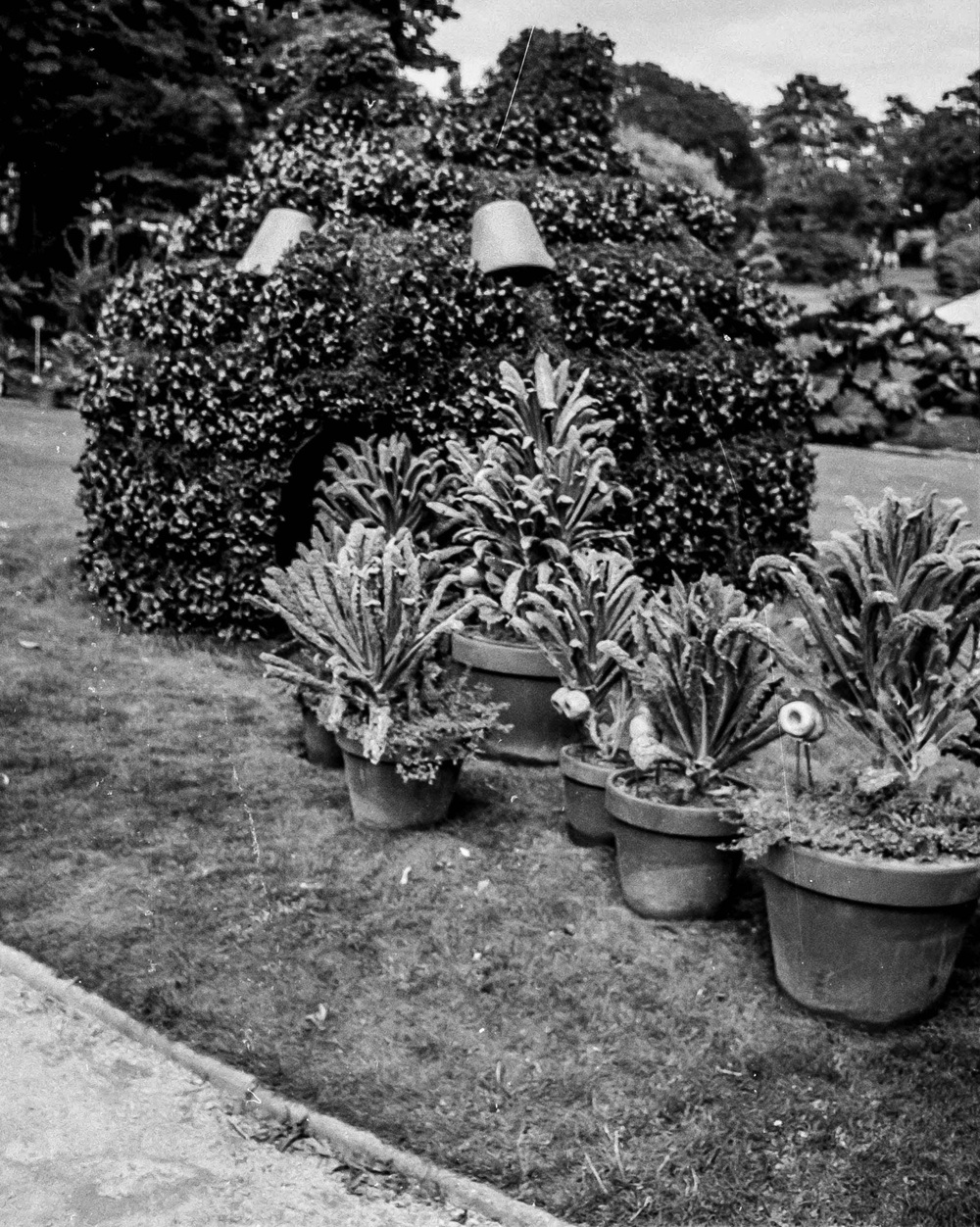
As usual, I let her lead the way.  This was here outing after all, and kept a respectful distance, so I could photograph her and record her for posterity.  The Jardin des Plantes has not only plants, the clue is in the title, but also is the backdrop to the Voyage à Nantes, and certainly was that year.  

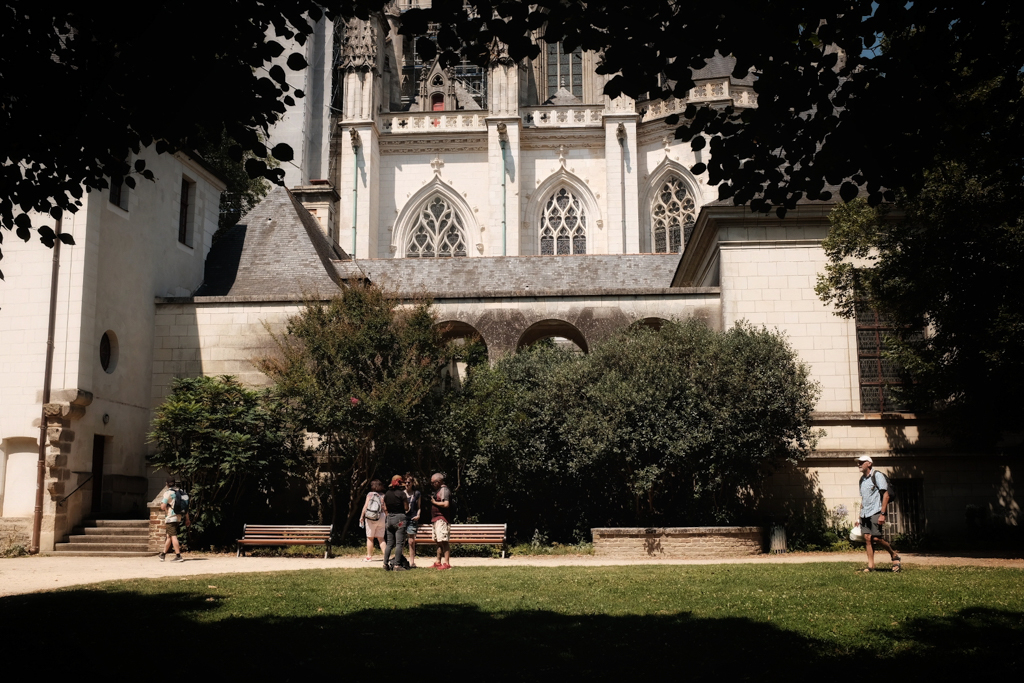
I think the images speak for themselves and I’ll let you peruse them at your leisure.  They were taken on Ilford HP5 Plus film shot at box speed.

Why the Olympus Pen EE-S Is the Best Budget Film Camera for Beginners


Why the Olympus Pen EE-S Is the Best Budget Film Camera for Beginners (Even in 2025)

Pentax 17 fever is sweeping the film photography world, and I’ll admit, I was tempted. Half-frame cameras, with their promise of double the shots per roll, sound pretty amazing. But with a price tag of 500€, the Pentax 17 isn’t exactly within my budget. That’s when I rediscovered a little gem tucked away in my camera collection: the Olympus Pen EE S.

This Japanese-made half-frame beauty hails from the 1960s, the same era as the beloved Olympus Trip 35. Like its sibling, the Pen EE S features zone focusing and a selenium cell meter for fuss-free shooting. The lens is an F2.8 22.5mm Zuiko lens. The ISO settings go up to 200 ASA, unlike the Olympus Trip which goes up to 400 ASA. So, despite everything else, it needs light. The half-frame format means you get a whopping 48 exposures on a standard 24-exposure roll. That’s double the shots for your buck, folks!

Now, the idea of twice as many photos for the same developing cost is pretty appealing. But does the Olympus Pen EE S deliver the goods in practice? Stay tuned as I put this vintage camera through its paces and share my findings. Could this be the perfect half-frame hero for those of us who can’t quite swing a Pentax 17? Let’s find out!

Well, for starters, it felt very much like using the Olympus Trip 35. It’s very slightly smaller and weighs next to nothing. The shutter button is almost identical as well. Instead of having four zones for focusing, you have three, but it’s fine, and when you turn the dial, you feel a click as you enter a new zone. You point, and then press. Simple!

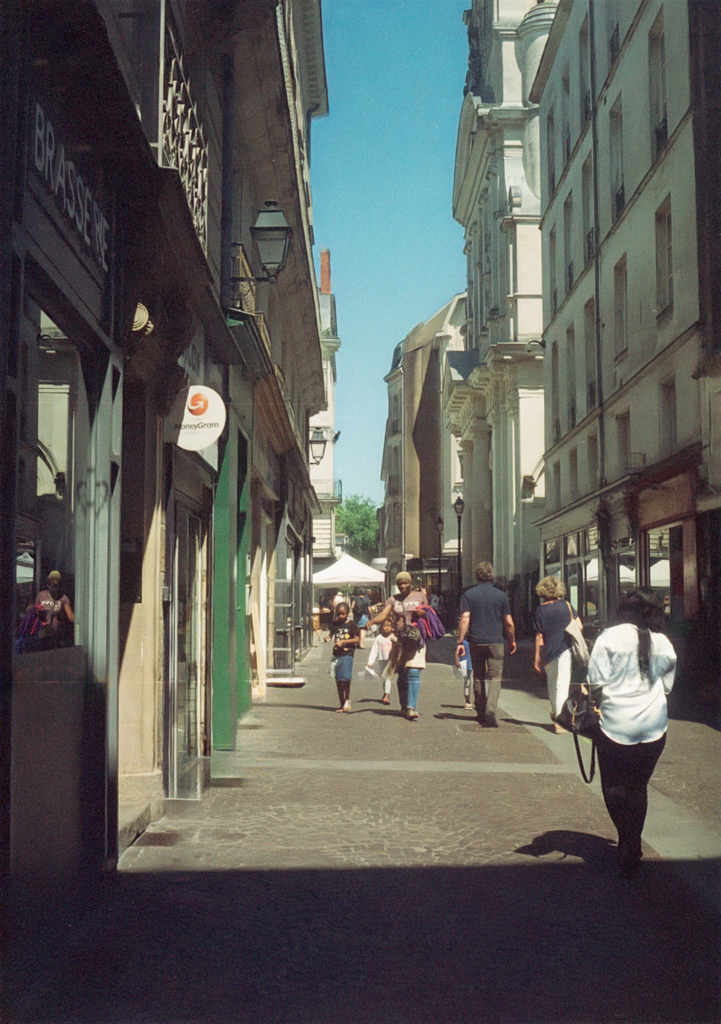
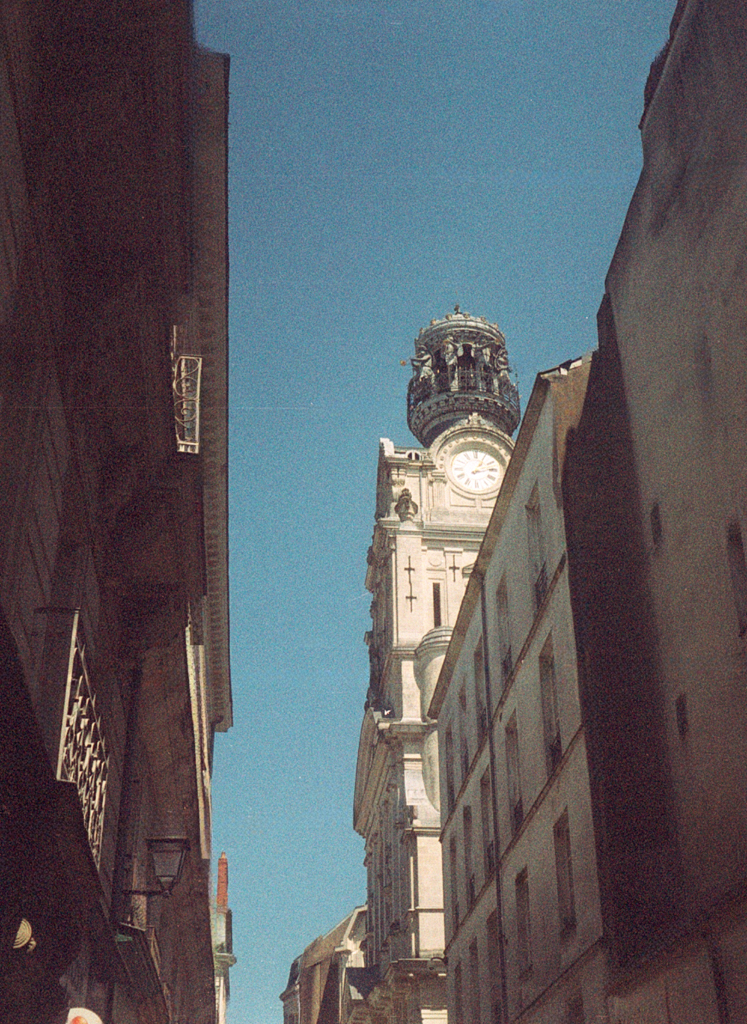
Let’s talk about this half-frame shooting experience. When talking about the Pentax 17, “they” talk about how the images are great for sharing on social media. A little like using your phone… This is the mindset that I had when putting in my Kodak Gold 200 to capture those famous Kodak moments in Nantes.

I found it a challenge to get used to the half-frame. “They” say that you have to take your photos as diptychs and remember that the two photos in your full frames are related, not just simple images. The idea is that when the two half frames are put together, you create a story and a suite of ideas, instead of two separate photos. I tried, and the results will show you if I succeeded. I felt that “they” were pulling my leg!

I’ll be honest with you. The idea behind the outing was to test the camera, see how I felt using it, and have a look at the results. It took me out of my comfort zone, which is something rare in photography for me. I was thinking about taking it to the UK with me to record the trip. It takes up next to no space in a camera bag and would allow me to shoot some film while back home. The idea of getting twice as many shots by using just half the frame is attractive. I’m just getting used to the reduced coverage that you get with just using half the frame.

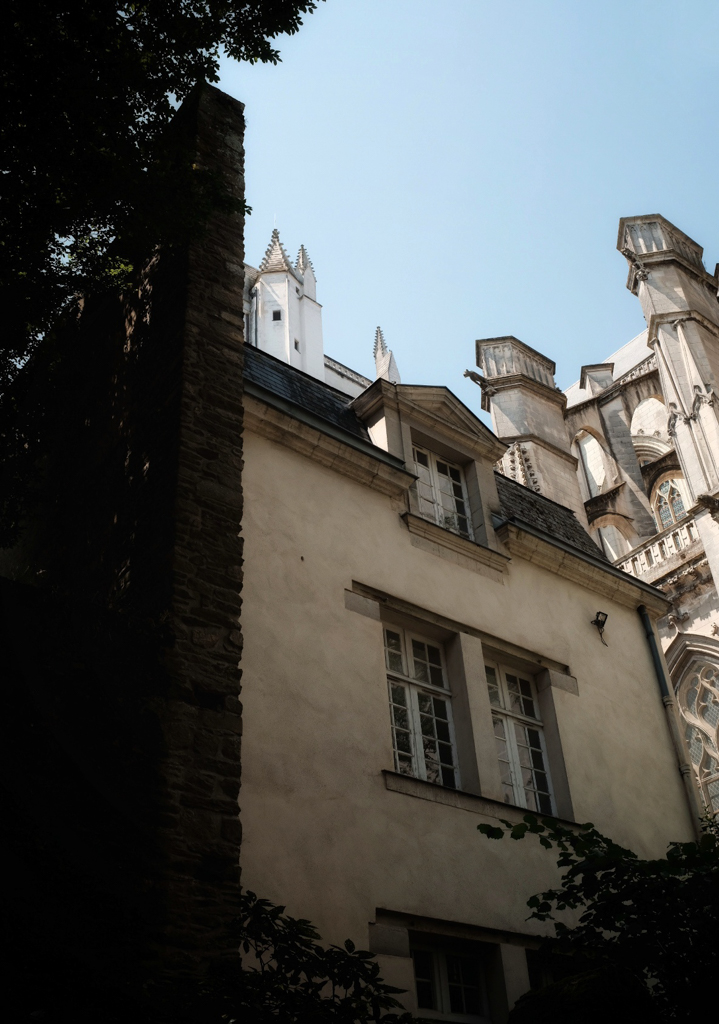
For this outing, I decided to head out towards the Cathedral, and takes some shots of the Voyage à Nantes.

I found myself thinking differently about framing my shots and using my phone as a mental template. As for the resolution of my images, they will be half as much as using my full frame, but were I to print my photos, then I would definitely see a difference. But if they’re just for sharing on social media, then the resolution will be perfectly satisfactory.

The million-dollar question is, will I take it on my trip, and will I use it? Yes, I will. Will it be my main camera? Possibly not. Will it be more like using a new toy? Possibly, even if the toy in question is a vintage 1966 toy…

Here’s what I’ll do. I’ll put some images taken on the X100F, my more modern toy, and let you see how they compare. You’ll see the diptychs and see how the different shooting styles change the outlook and how they change the framing.

These are the X100F photos with editing in Snapseed…

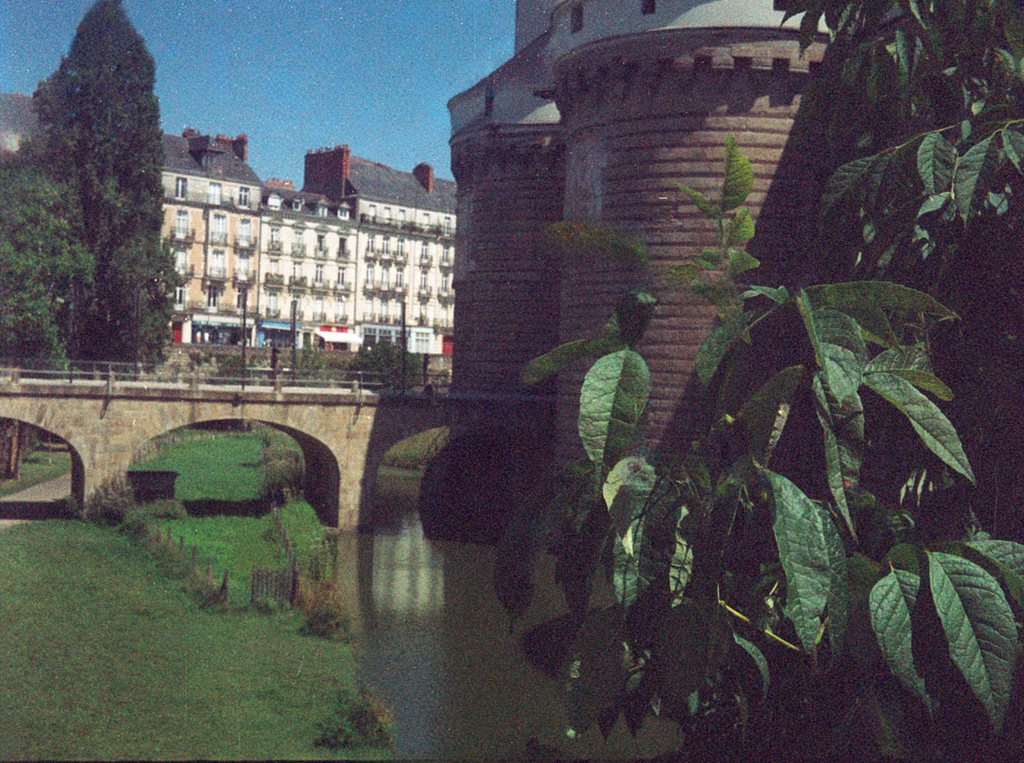
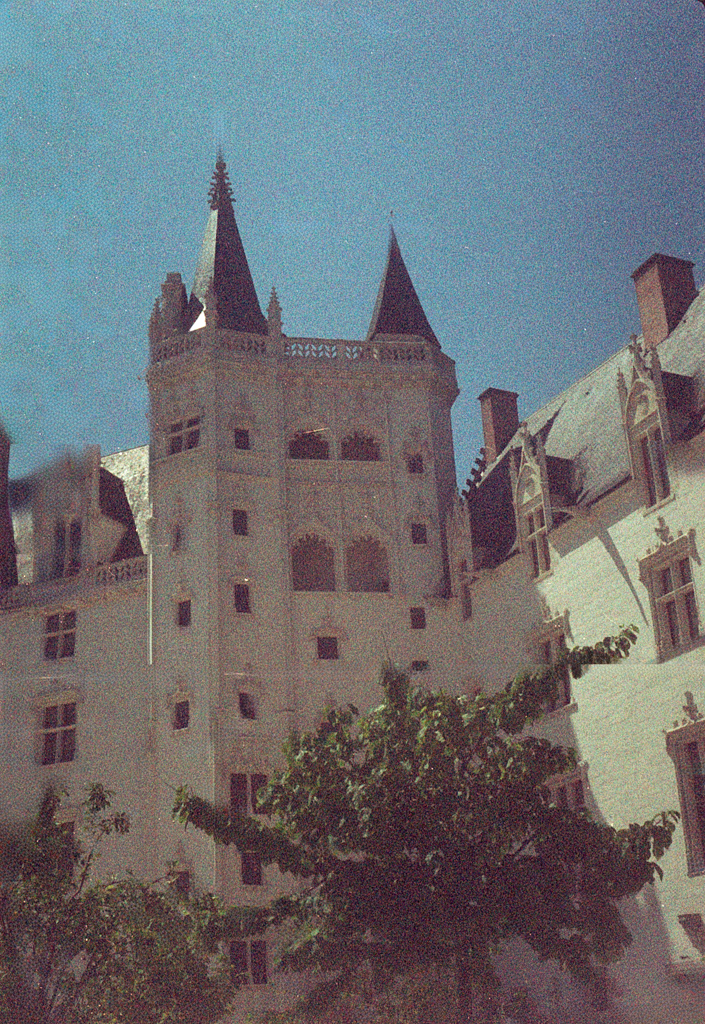
And these are the half frame images from the Pen EE S… with the editing done in Photoshop using the neural filters to get rid of the scratches on the film.

So what do you think? Worth taking?

The Opening of the Film Archives – Saint Cado, Belz, Morbihan


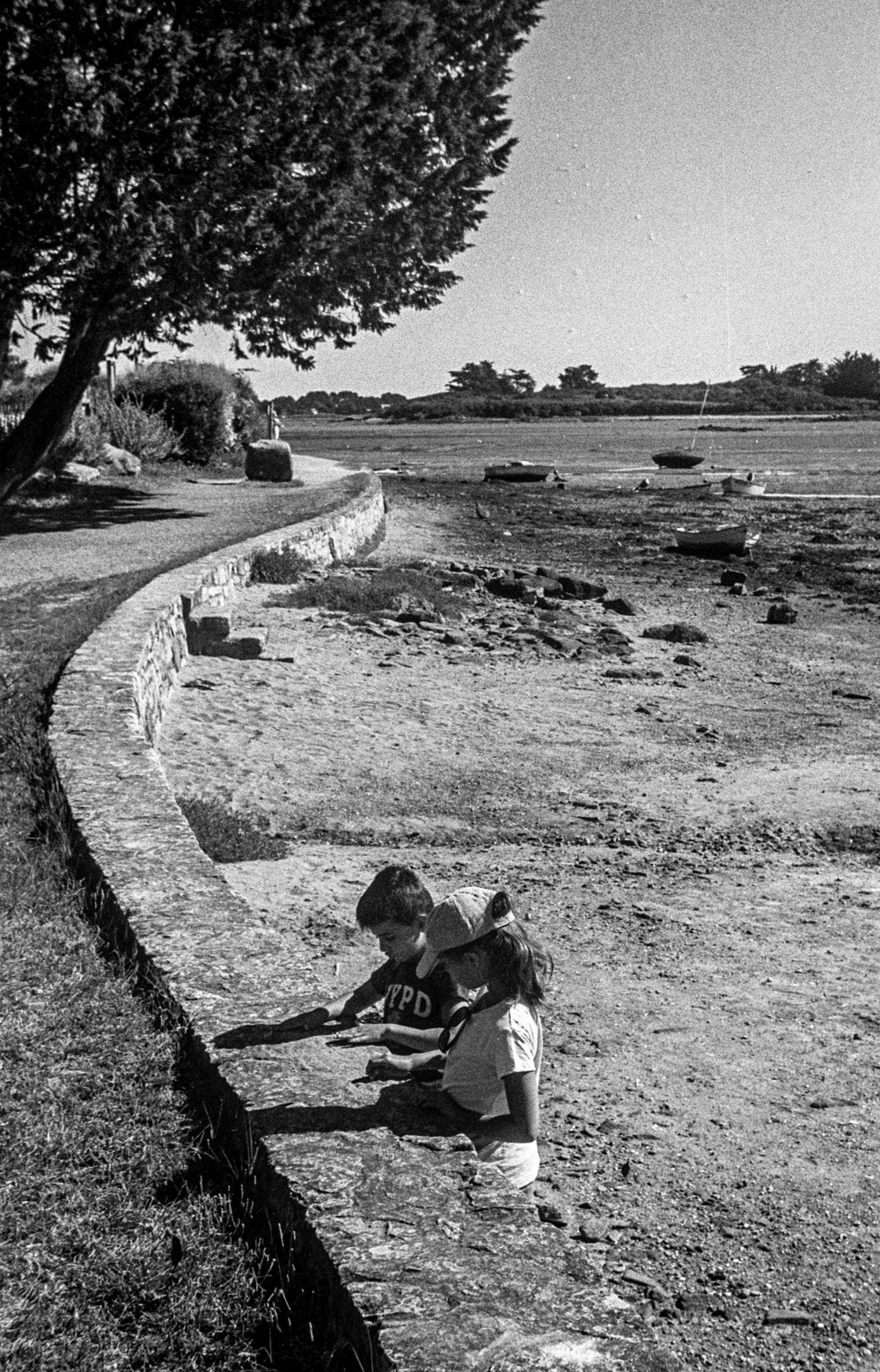
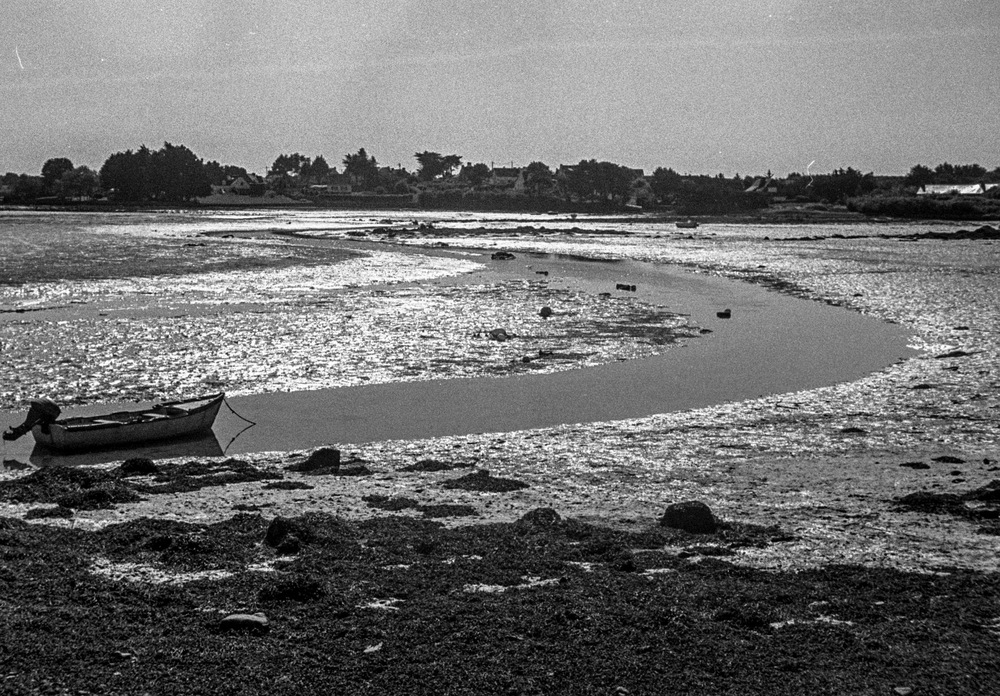
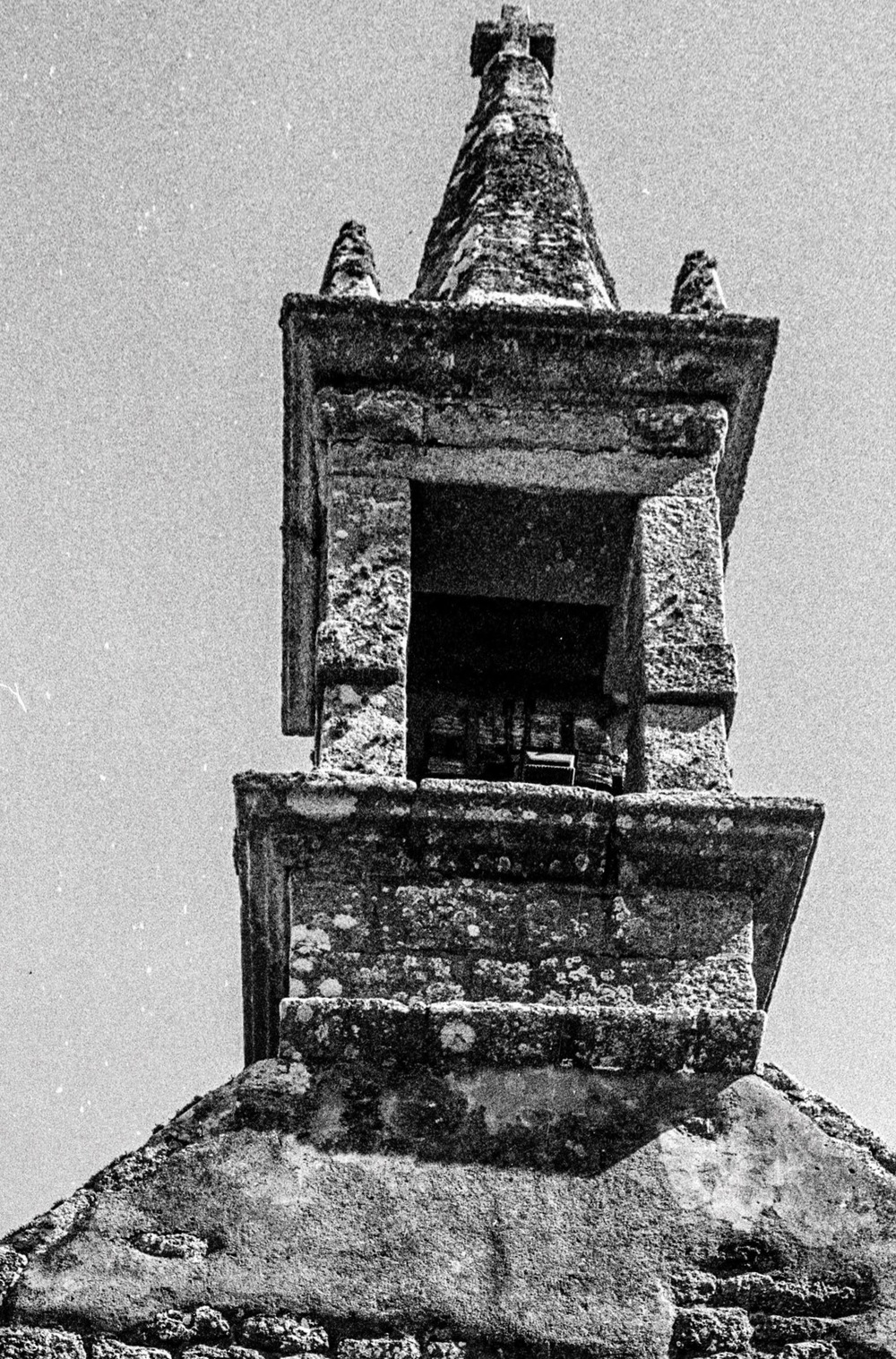
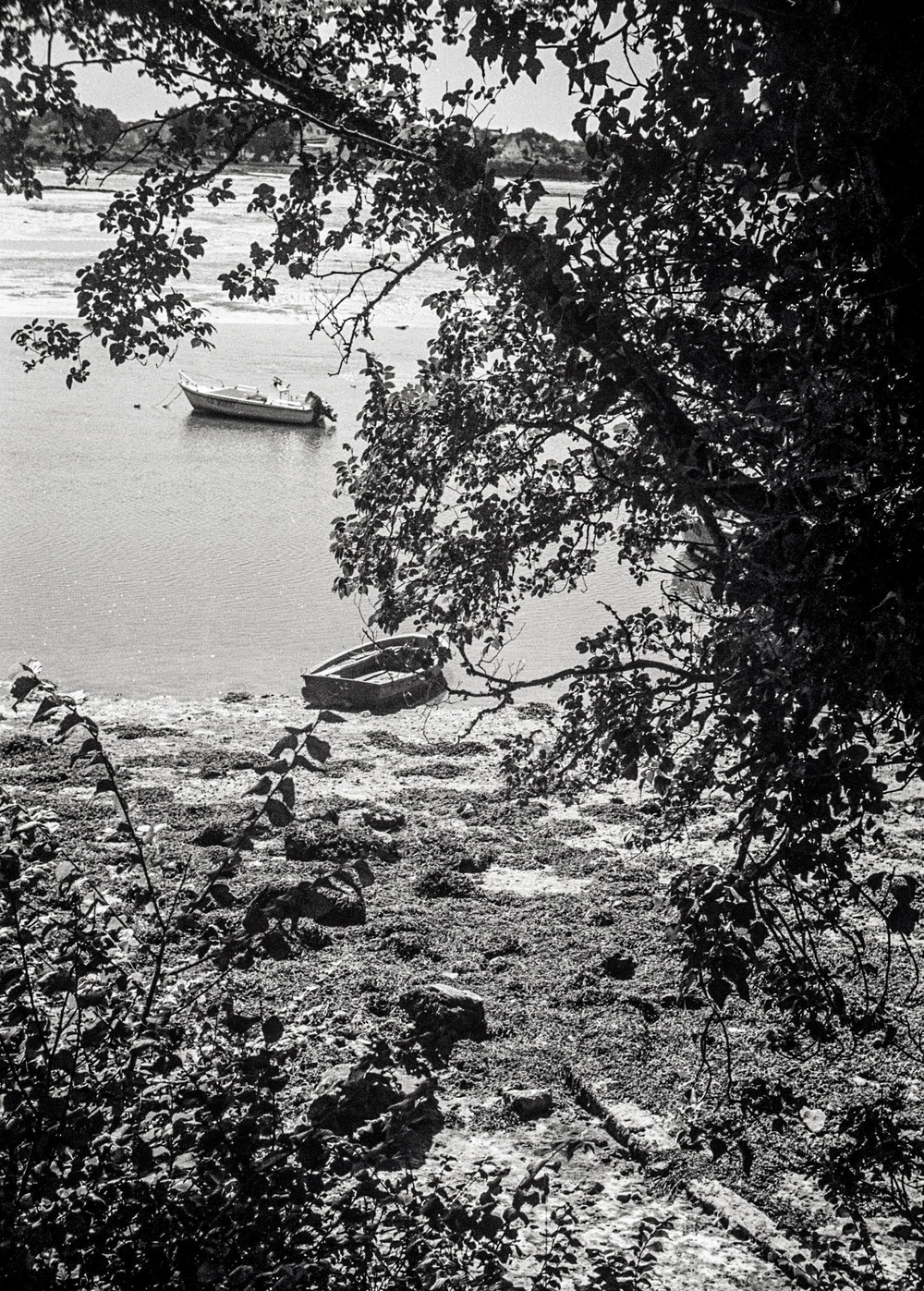
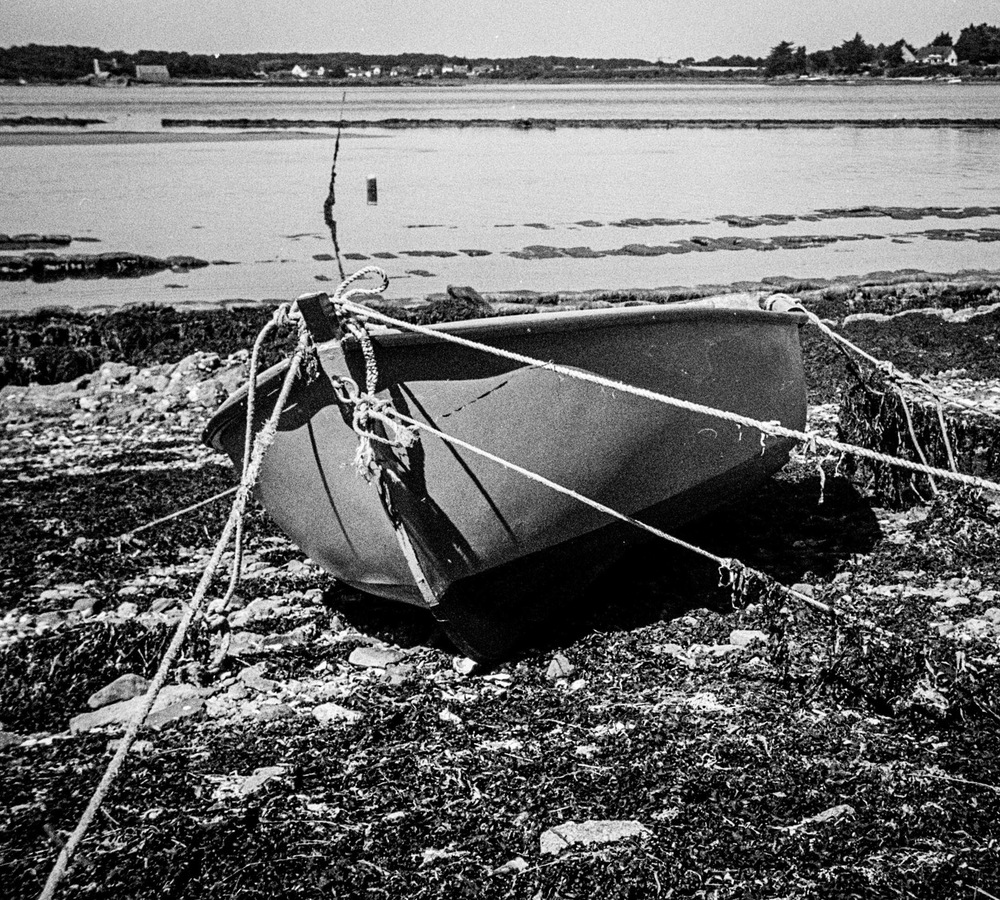
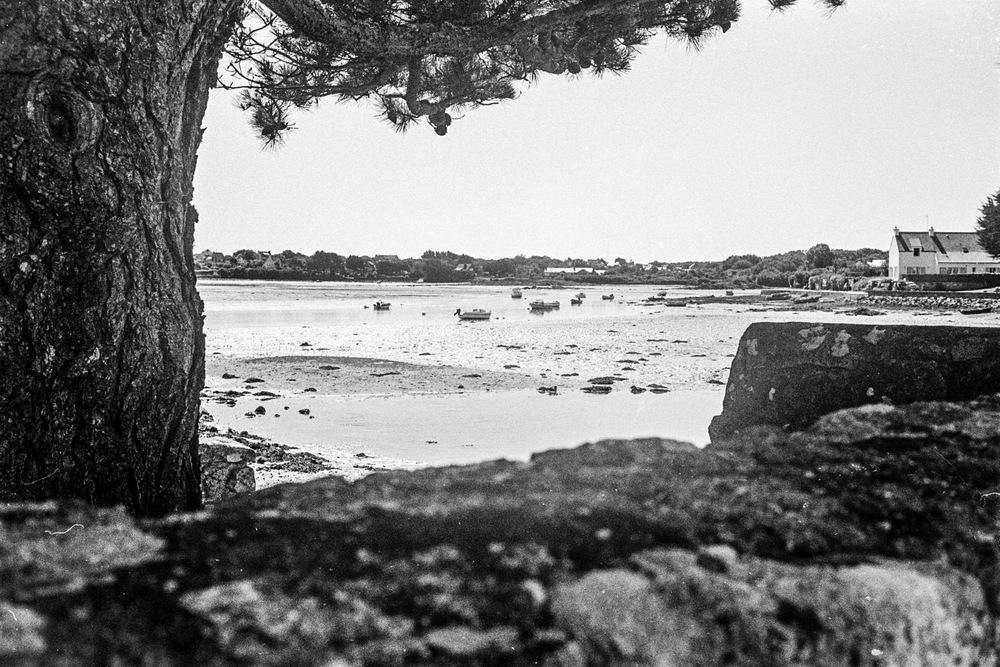
Welcome back to the film archives, and welcome back to Brittany, that gorgeous corner of France where my in-laws live. I think I might have let it be known that my French family love camping. Yes, they’re so in tents… I’ll just let that joke sink in for a couple of seconds. In 2016 I had begun “collecting” cameras. The photos from this Breton outing in Saint Cado were taken with the Kodak Retinette 1B, a little gem of a camera from the 1960s, and HP5 Plus film.

We’ll start with Saint Cado. It’s one of those picture-perfect postcard places. It’s not easy to take a bad photo of the place. It’s photogenic. It’s quaint. It has all the clichés of a small Brittany island in the Ria d’Etel, which is an inland sea connected to the Atlantic at the Barre d’Etel… I’m thinking lobster pots, oyster beds, black and white houses with slate roofs, a local Saint, a chapel to this local saint, who was actually from Wales of all places, and a miraculous fountain that fills up with every incoming tide. Yes, it’s one of those places… Did I mention that the bridge that links the island to the mainland is a Devil’s bridge? It is said that the devil demanded the soul of the first creature to cross it. The story relates that Saint-Cado, who was a shrewd fellow, put a cat on it! It is just gorgeous!

Let’s talk about the Kodak Retinette 1B. As I said in the introduction, it is a camera from the 1960s that uses zone focusing, and the 1B as opposed to the 1A has a selenium light meter that works a treat. Zone focusing is where you focus by zones. Mind-blowing, right? If I look at my lens, I will see a distance measurement that I will use as a guesstimate. I will move my aperture dial and let’s say I’m at F8, well everything from one F8 to the other F8 will be in focus. A lot of cameras from this period used this system, and it works. If you want to open right up to F2.8, then there are little rangefinders that you can put on the hot shoe mount and there you will be able to get an exact reading for the distance from your subject. Up to you…

Why use a camera that is over 60 years old?  First of all, why not?  It works.  It’s simple to use.  It doesn’t need a battery.  You load your film and Bob’s your Uncle!  Off you go to shoot your 36 exposures.  It also looks pretty damned sexy hanging around your neck too…  It actually looks so sexy that my son nicked mine, and I had to go and get another one.  At the time of purchase I must have paid no more than £15, and even now it will cost you less than £50.  

So there you have it – a charming little island, a vintage camera, and a roll of trusty HP5 Plus. This trip to Saint Cado was a reminder that sometimes, the best photos come from the simplest tools and the most unexpected places. And who knows, maybe those old film cameras aren’t just gathering dust in the attic – they might just be waiting to capture your next adventure. (But if you happen to see my son with a Kodak Retinette slung around his neck, please tell him to bring it back!)