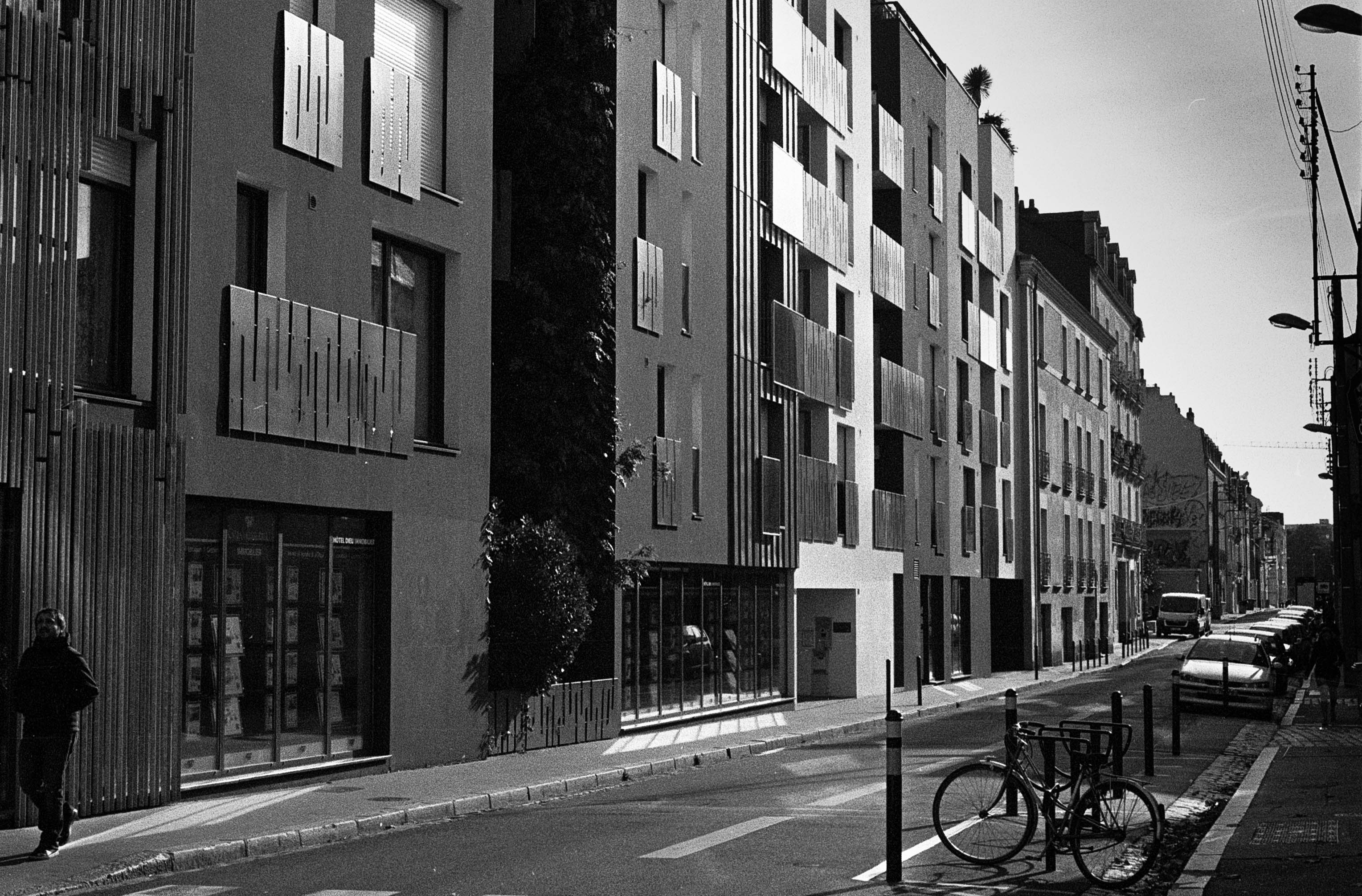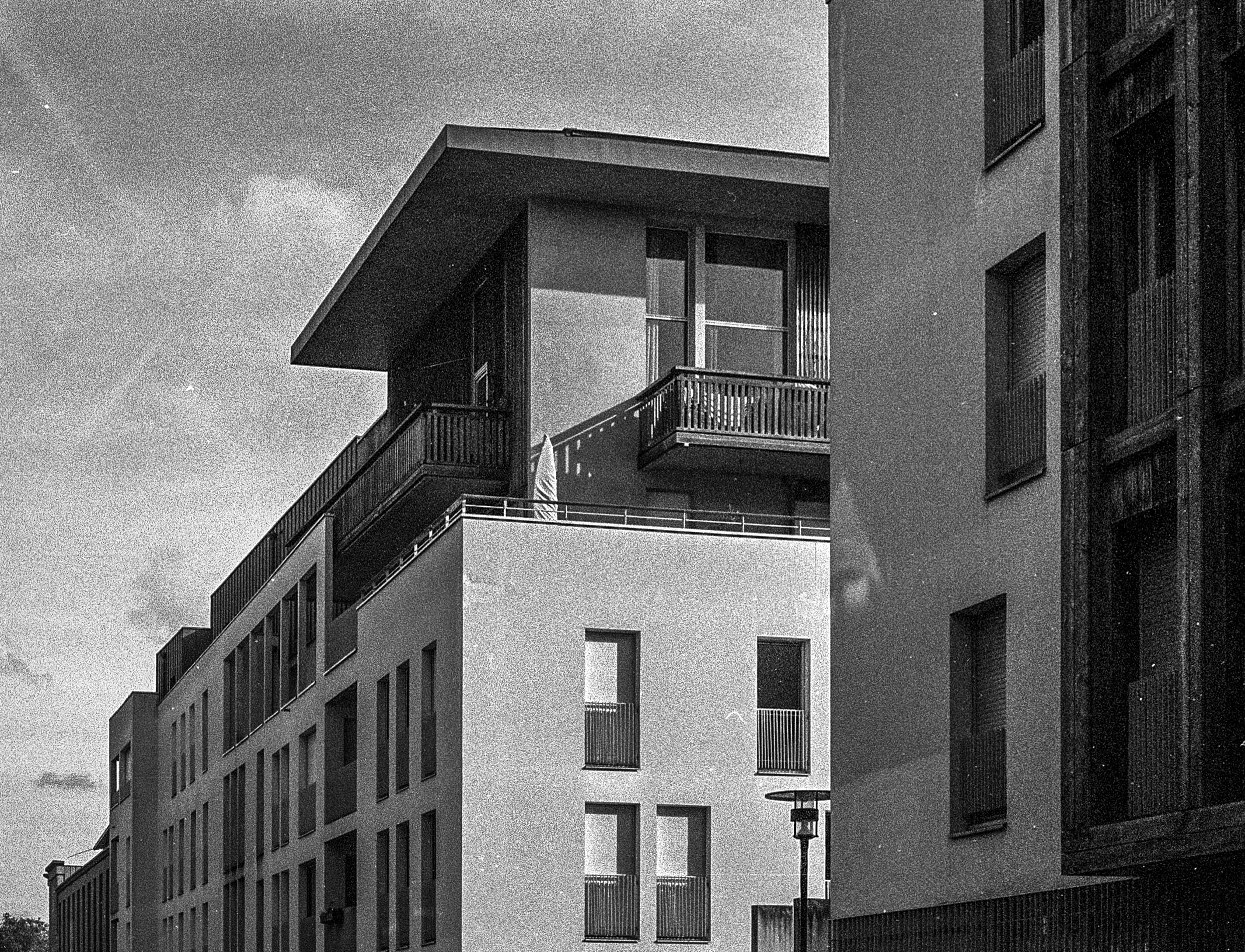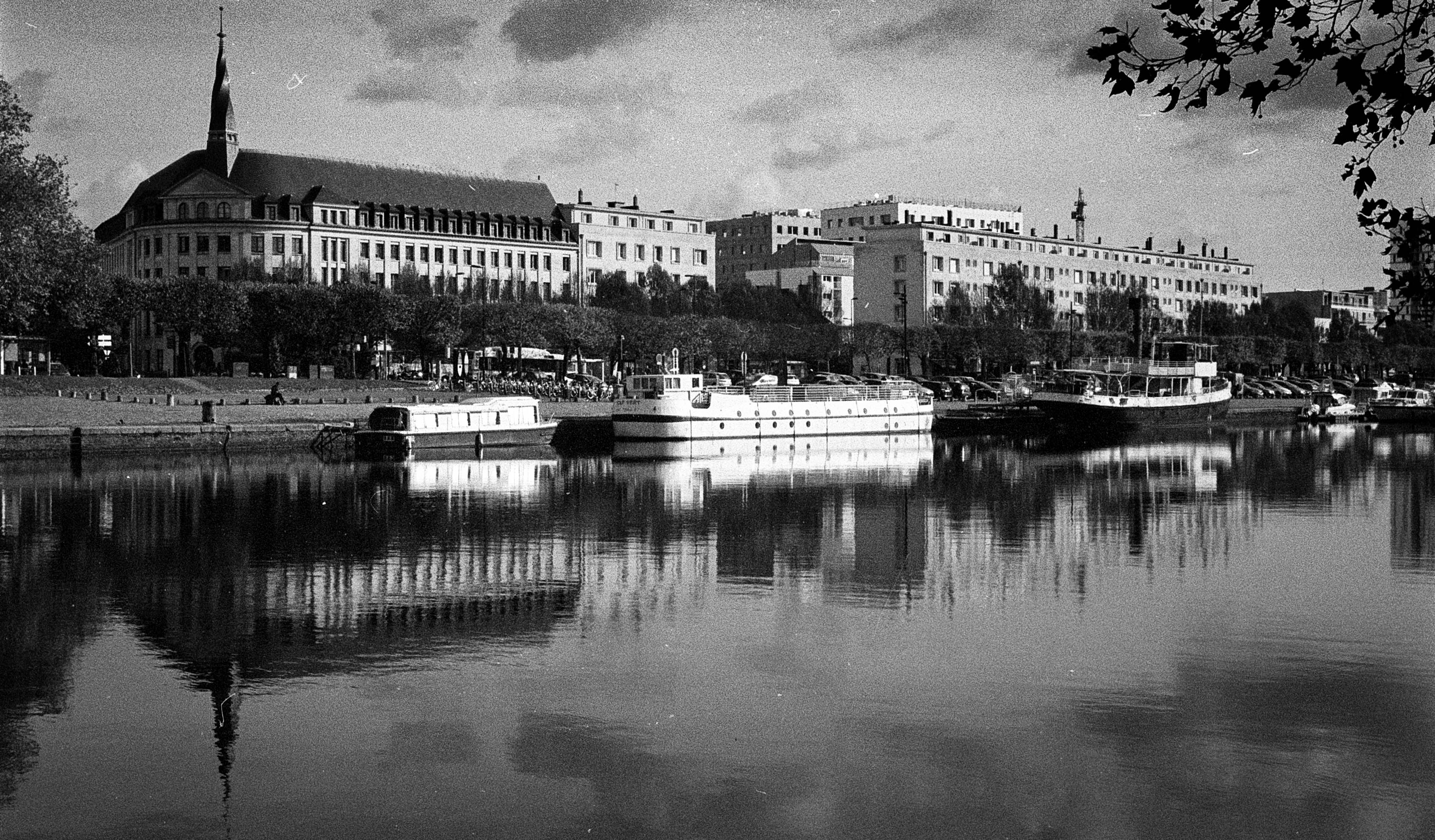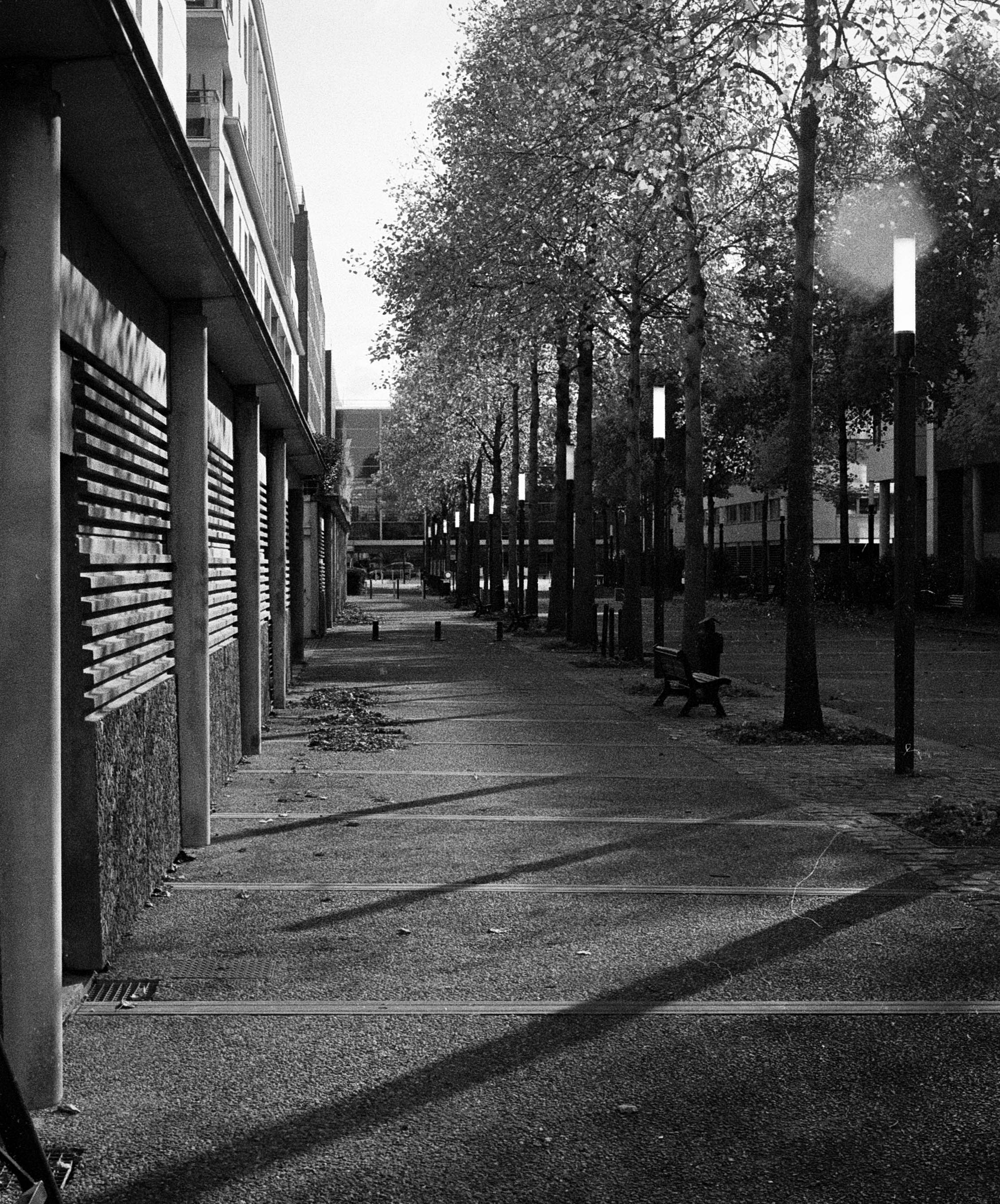
Opening of the Film Archives – Canon AE1 Street Photography in Nantes


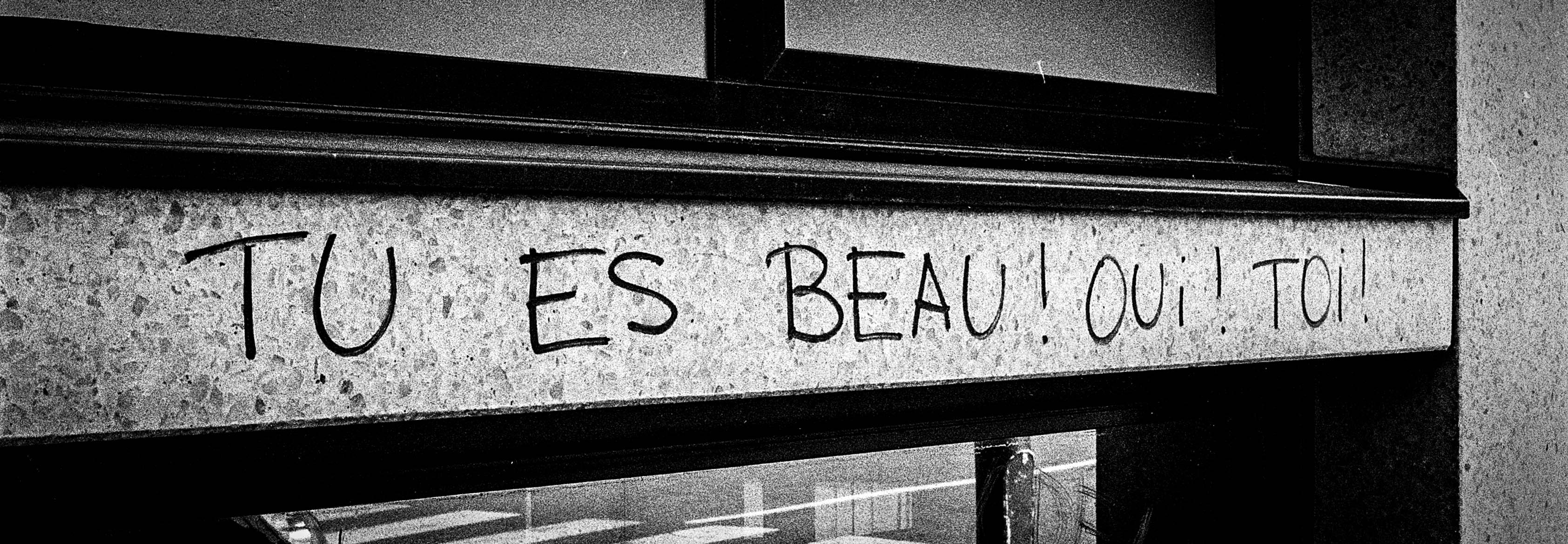
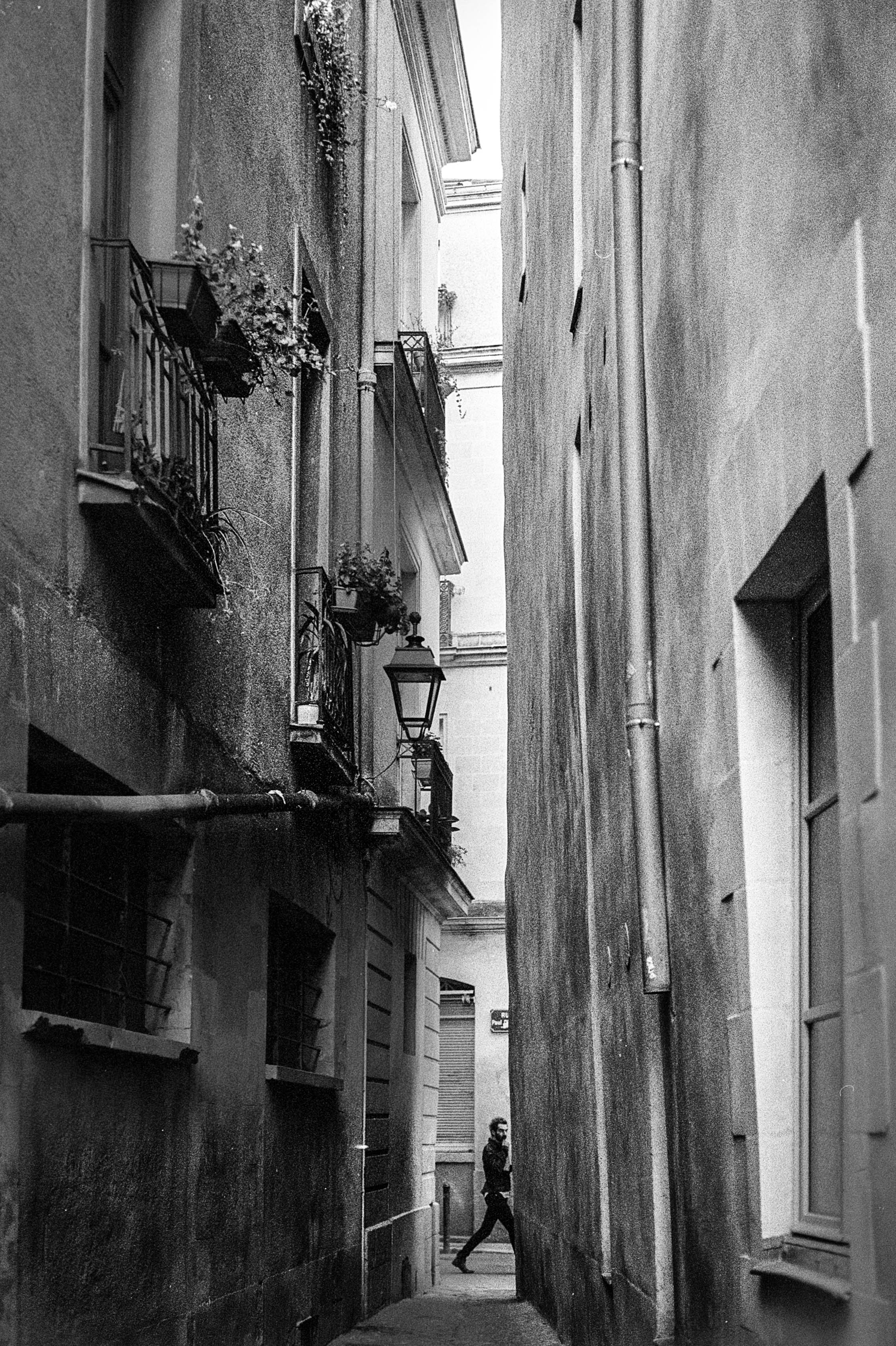
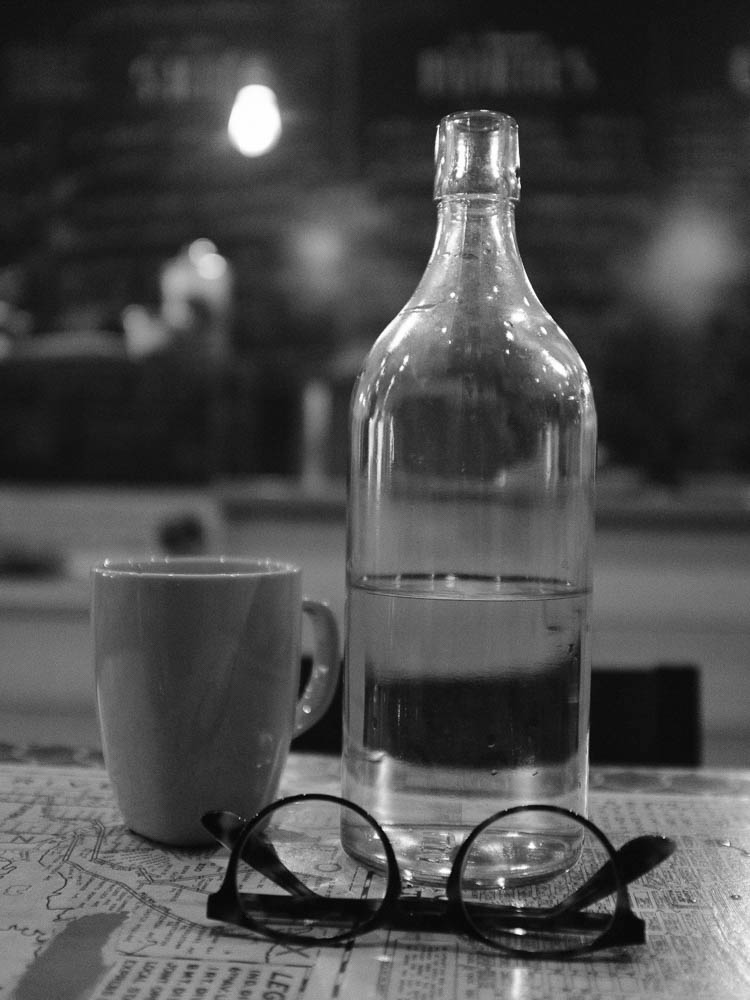
Good afternoon, Dear Reader. I’m writing this article thinking of you and wondering what to show you next in this ongoing series. The clue is in the title: Canon AE1 Street Photography in the streets of Nantes.

I know you have the eyes of a hawk who never miss a trick because your vision is so sharp. You might even have scrolled down to the photos already, and your eagle eyes will have noticed that this isn’t the usual area I visit on these outings. And, of course, you’d be right!

Yes, I still parked in the Feydeau car park but crossed the road to the south, heading along Baco-Lu, past the Tour Lu (sans “t”), towards the St Felix Canal, and then back into town… Some of the places no longer exist or have changed hands, but you would still recognise them even today.

I think that with these photographs, I’m getting closer to what some might call “proper” or “traditional” street photography. The images have a certain gritty quality to them, including the people in the shots. This was something I was actively aiming for. Maybe it’s the grain—something I don’t get with the X100F—that helped bring this about. Or could it be the people, whose presence seems to reveal the stories behind them? Whatever it is, I felt that this was a very good day.

I think I may have shared with you that I’m going to China this Christmas on tour with the orchestra I play for. I’m still undecided about which camera to take and wondering if I should bring a film camera along. With the X100F, I’ve become so accustomed to the 35mm lens, while my film cameras only have 50mm lenses to work with. Reviewing these older images may help me make up my mind. It’s going to be an epic trip, and I want to be sure of the kinds of images I’ll be able to capture.

As much as I’d love the flexibility to hop in the car and retake a shot if needed, this trip to China will be different. I’ll need to trust my choices and embrace the moment as it unfolds—something that feels both exciting and a little daunting. But that’s the beauty of photography, isn’t it? The challenge of capturing fleeting moments, knowing they might never come around again. So, whatever I decide, I know the experience will be unforgettable.

While the anticipation of the China photos may be killing you, I know you’ll be patient, whatever I decide to use. Rest assured, those photos will capture the spirit of the trip. Only two and a half weeks before I start my travels…

Frame It Right: The Art of Composition in Photography Part IV


In my previous articles, we’ve embarked on a journey to understand the basics in photography. I have talked about exposure, set out some of the “rules” of composition, and even delved into the world of colour theory. Today, I’d like to introduce you to the rule of odds and the rules of space, two fundamental elements that will take your photography to the next level.

Before we talk about these new concepts, let me reiterate the importance of building a solid foundation. Just as we did with framing, negative space, and colour theory, it’s crucial to master each concept before moving on to the next. Take your time to learn and apply these principles in your photography journey. The other four articles will stay up, and you can read them at your leisure.

The Rule of Odds in Photography

The rule of odds is a composition guideline that suggests using an odd number of subjects or elements in your frame, typically three or five, rather than even numbers. Why? Because odd numbers tend to create a more balanced and visually pleasing composition.

When you use the rule of odds, you create a natural focal point within your photograph. Our eyes are drawn to the centre subject, and the uneven arrangement adds a sense of harmony and intrigue to the image. The result? A more captivating and dynamic photo that engages your viewers. It’s all about balance.


Rules of Space: Balance and Direction

Now, let’s look at the rules of space. This concept involves how you position elements and subjects within your frame to achieve balance and direct the viewer’s gaze. It leaves space for the subject and can be used in multiple ways as a storytelling tool. It can also be used in conjunction with the other composition techniques that I have talked about in my previous articles.

Tips

Think outside the frame. What is going on outside the frame becomes as important as what is oing on inside the frame. Let’ take the picture of the guitarist. Who is he looking at? What’s going on outside the frame? Is there an audience? Where is the audience? Using rules of space the viewer will more curious and be more engaged in the photo.

Conclusion

One can talk about composition and the effect it has on photography till the cow come home. People will always bring up “composition” and will always tell you how “they” would have done it differently. In these four articles you will now know what they are talking about and be able to decide for yourself. In absolute terms, “your” photographs are about what “you” saw, and only “you” can see that. But keep the rules that we have discussed in the back of your mind, and take your photograph with purpose and being conscious about what you are doing. Mindfulness is the key.

My next article will talk about the differences between 35mm film photography and medium format photography. For film enthusiasts or anyone else who is curious you will be entering into a new world. There are, of course, trade offs between each format, and we will discover them. Maybe you’ll be bitten by the Medium Format bug too… As always Dear Reader, I appreciate your enthusiasm, and I look forward to our next exploration together. Until then, happy shooting!