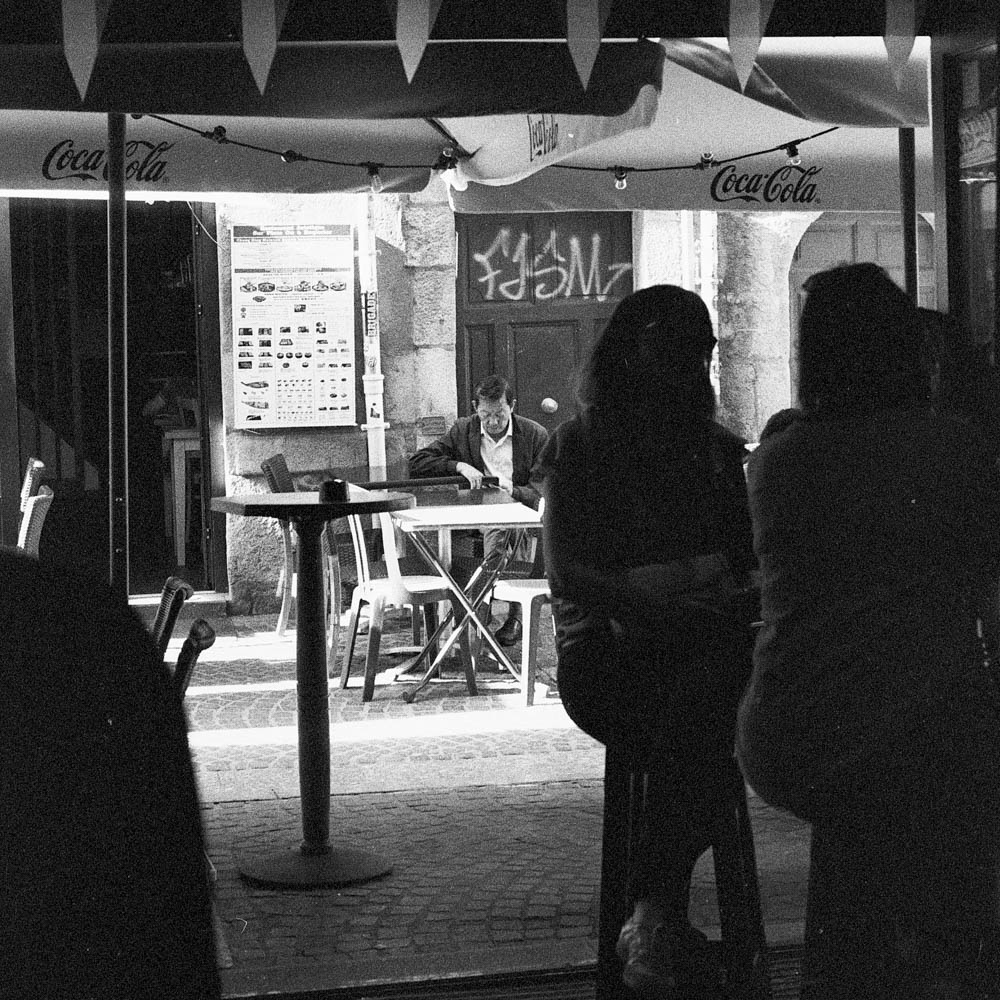
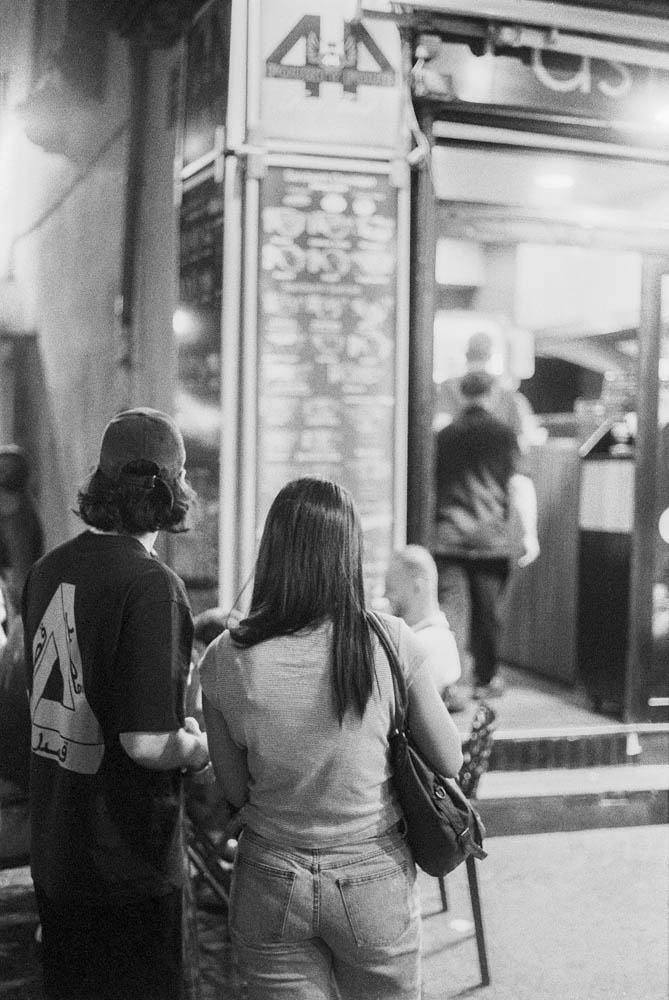
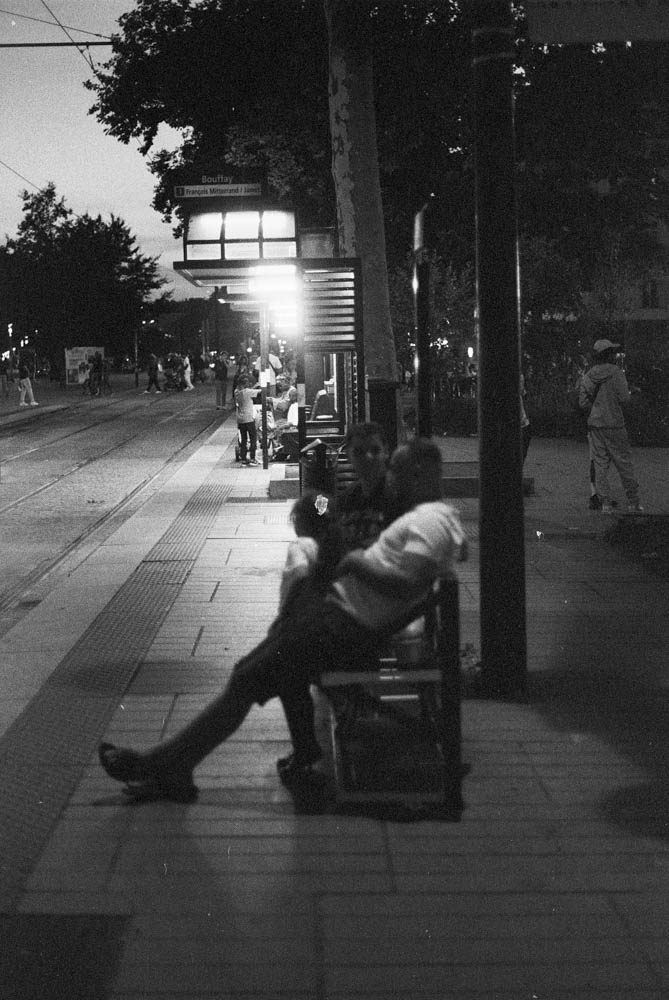
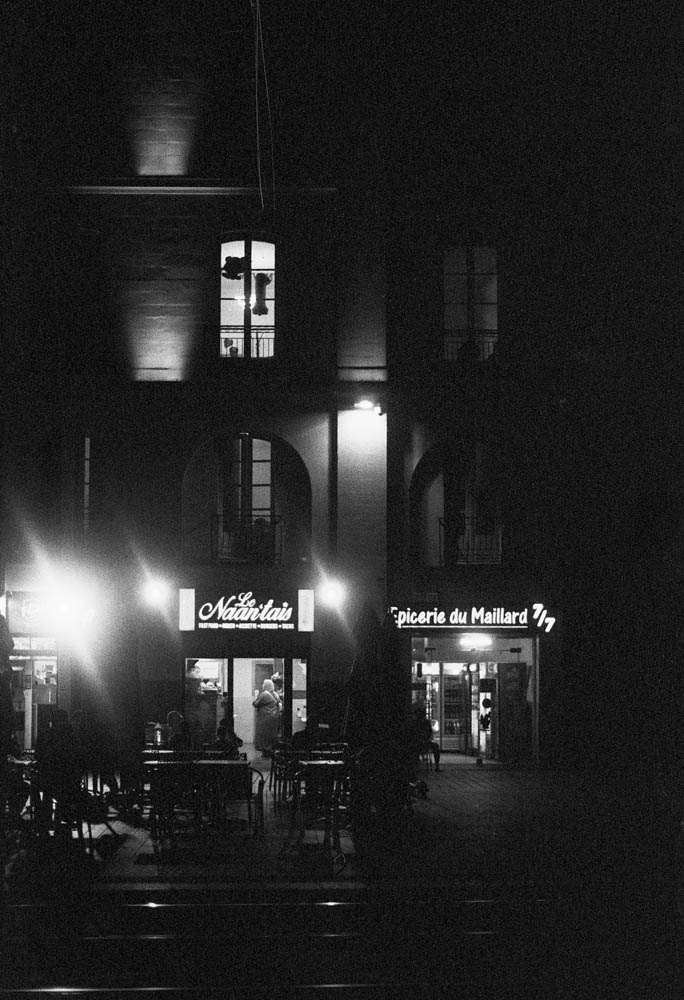
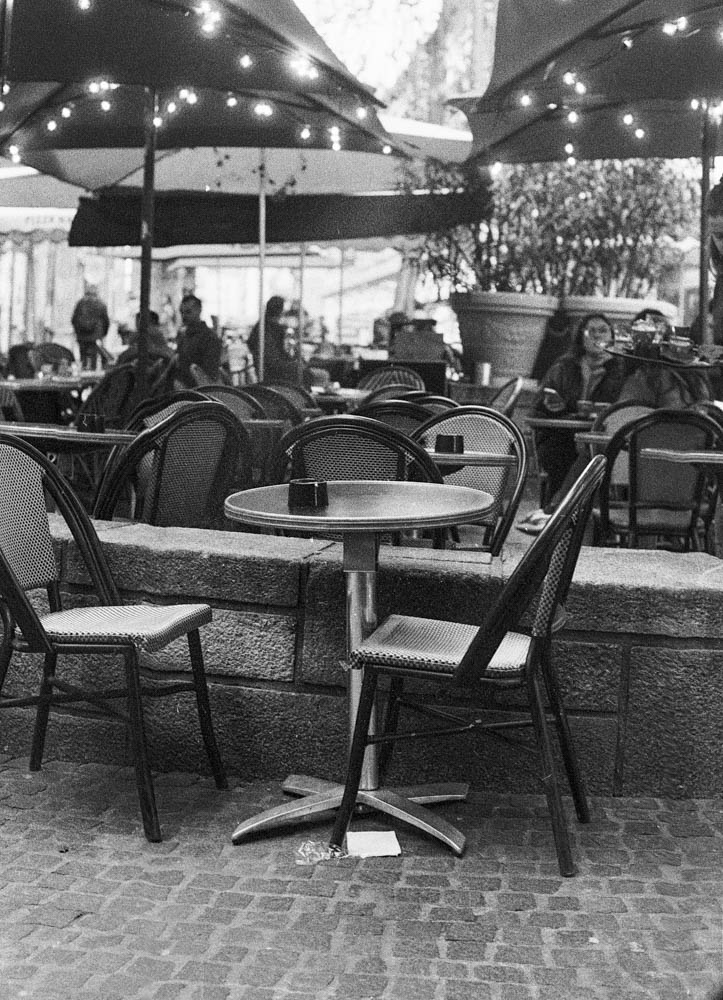
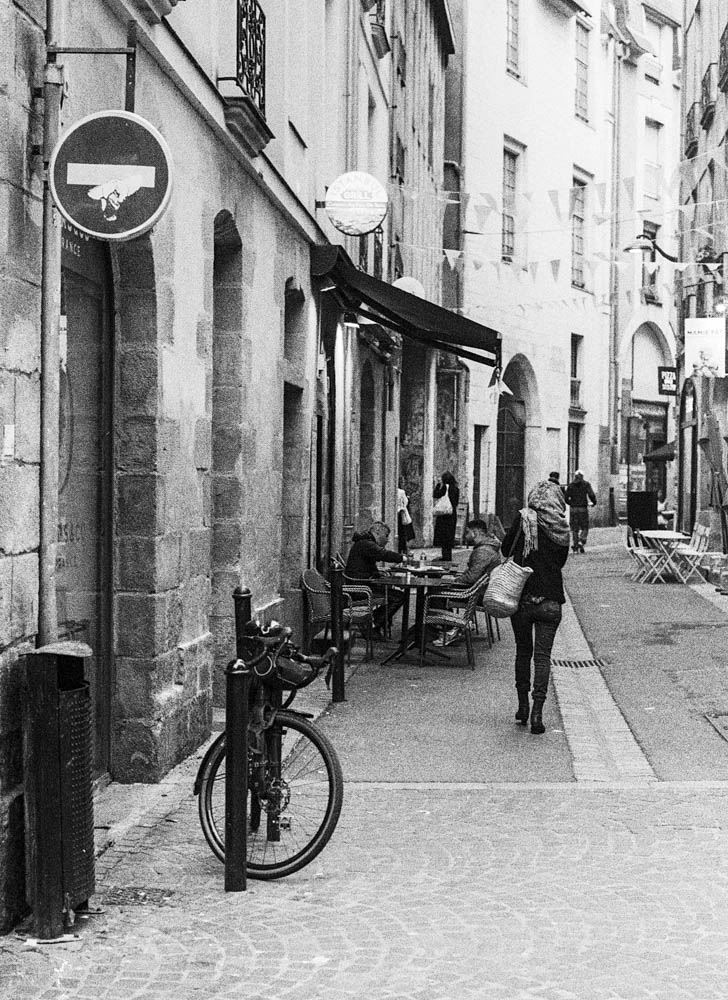
One September evening I walked between Place Bouffay and rue des Petits Écuries with the Nikon FE and a roll of HP5+. Box speed—400 ASA. No pushing. No stand development. Just me, tired eyes, and the hope the city would be kind.
It wasn’t always.
Some frames failed outright. Missed focus—my eyes couldn’t lock the split-image patch in the dim light. Others blurred from camera shake at 1/15th, handholding like a fool. I won’t pretend those shots have hidden merit. They’re gone. But the ones that landed? They held more than I expected.
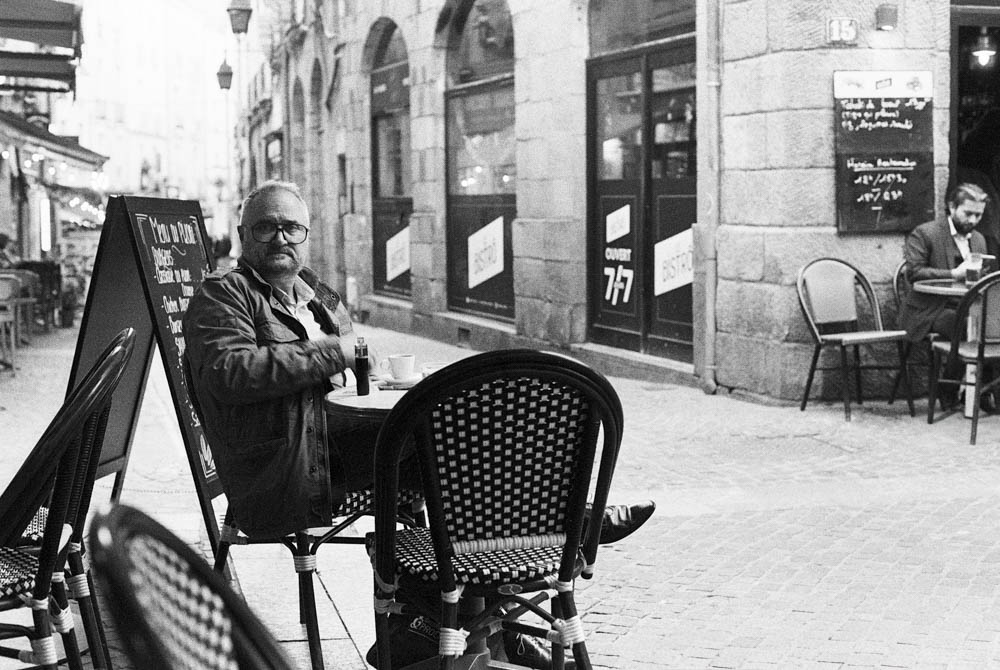
Because Nantes at night isn’t dark. Restaurants pour light onto wet cobbles. Shop signs, streetlamps, even those little menu stands outside cafés—they all feed the scene. I’d guess the focus, press the shutter, and move on. Later, scanning the roll, I found detail in shadows I thought were lost. Not because I’d exposed well—I hadn’t—but because HP5+ gathered what was there even when I fumbled.
That’s latitude in practice. Not a spec sheet promise, but the difference between a usable negative and a blank one when your hands shake and your eyes fail. I didn’t push to 1600. I didn’t need to. I just needed a film that wouldn’t punish me for being human.
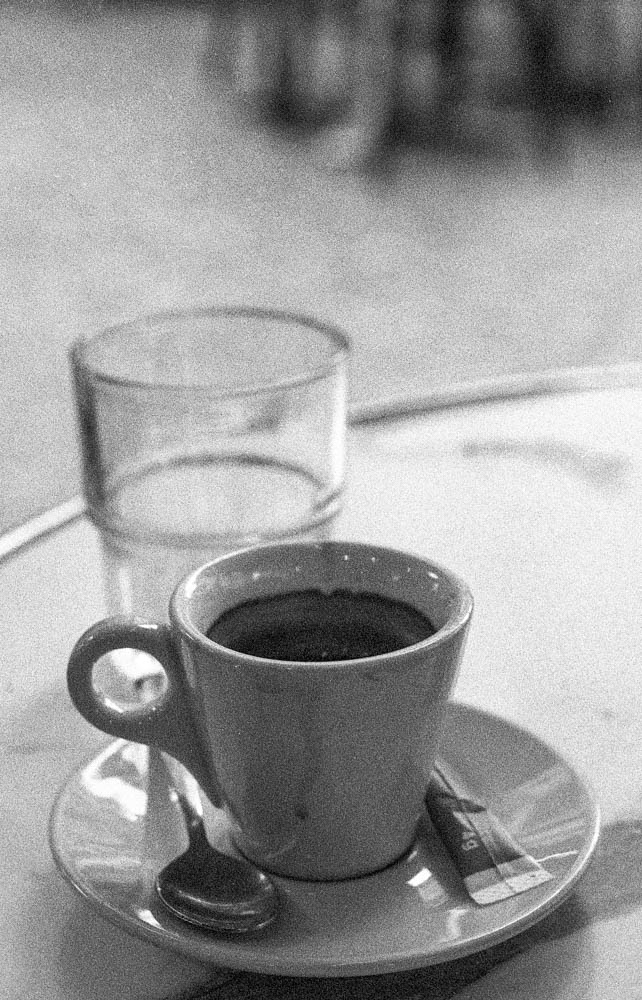
The December shots are more traditional street work—grey skies, low sun, the light you expect. Even the coffee cup photo owes something to Instagram. I won’t deny it. We absorb what we see online; it seeps into our framing without us noticing. No shame in that—it’s just how we learn now.
But the September shots that worked feel more like my own. Standing in Place Bouffay as evening deepened, watching light pool around tables and bounce off stone—I wasn’t chasing a look. I was just there, squinting, hoping. And HP5+ met that without fuss.
I’m not claiming mastery. I’m claiming a few good frames out of a roll that also held misses. That feels honest. Cities don’t go dark—they transform. And sometimes, even with bad eyesight and shaky hands, a simple roll of film gives you just enough to keep walking.
All photographs shot on Ilford HP5+ at 400 ASA, developed in standard chemistry. Nikon FE, Nantes—December 2025 and September 2025, Place Bouffay and rue des Petits Écuries.
Yes, we went back to the UK on holiday, but before that, I had a trip with the children to Lourdes, and with film cameras, and the X100F just in case. the articles are written and all I have to do now is to develop some film and scan it. Damn you procrastination. I just have to start one and the rest will follow.
There’s a stock phrase about the journey being more important than the destination. Another one suggests that a journey can transform a man into something new—something he didn’t even suspect. As I look back at the man who left home, went to China on tour, and the one who came home, I can’t help but wonder if there’s truth in both. I’ve previously described China as a “foreign concept,” and now, having returned, it feels far less so. I’ve peeled back a layer of the country and gained a deeper understanding of its culture—musical, culinary, and otherwise.
This tour, too, has been a “parenthesis,” a break from real life, and a chance to be me—not just “Papa” or “husband.” No longer defined by my role in the family or at work, I could just exist as I am, whoever that is. Though I still feel some anxiety about how others perceive me, age has brought a certain self-awareness, self-knowledge, and—perhaps—a bit too much overthinking. For those two weeks, I was simply a guy on a bus, surrounded by French people, walking through new experiences, and discovering everything along the way.
China as a Totally Foreign Concept
Before I left, my idea of China was that of a far-off place, so completely different from anywhere I had lived before. Those ideas were formed in childhood, shaped by the media’s portrayal of this foreign land. I won’t deny it—I was terrified of the whole trip. Researching things online only added to my worries about not being able to read or speak the language. Growing up, I saw China as a Communist regime, almost oppressive like the Soviet Union, and as the enemy we had to defend against. I remember watching the handover of Hong Kong in 1997, feeling my stomach churn as I watched truckloads of PLA soldiers occupy our old colony.
I remember, too, older members of the band, where I wore green for a living, talking about Hong Kong as the dream posting—warm, sunny, and everything a soldier could need. But what was I really afraid of? The unknown. We all knew about China’s state security apparatus, without truly understanding it. The events of Covid only deepened that sense of fear and mystery.
I even worried about something as simple as eating with chopsticks, imagining I’d have to rely on forks or my fingers. Looking back, all of these fears now seem so silly. But they were real before I experienced the country for myself—and especially before I met its people.
The People Who Changed My View
Somehow, I managed to take each day as it came, simply bathing in the new experiences. And, strangely enough, China worked its magic on me. It didn’t just change my view of the place—it changed how I saw the people. They were charming, incredibly friendly, and in a way that made them seem so much more human.
I began to see myself in them, and I realized that, despite our differences, we are more alike than we might think. We all fall in love, become parents with grace, and share the same aspirations for our children—to be happy, to find love, and to repeat the cycle.
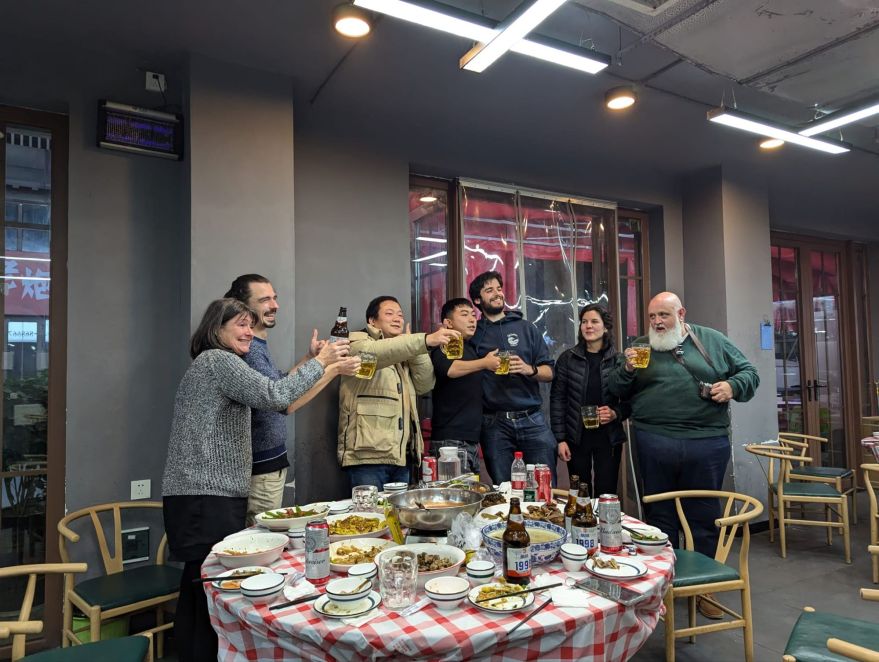
I think back to Christmas Day, when I made new friends. The simple “Merry Christmas” was enough to endear me to them. I also reflect on how beer, it seems, transcends barriers of language, creating a connection that only men seem to understand. I’m not trying to exclude women, of course—heaven forbid—but there’s something inherently masculine about it.
My Place in the Orchestra
Another transformation came in terms of my place in the orchestra—or rather, my perception of it. As the 4th horn, a position typically reserved for the least experienced player, I have always resented the remark. But now, I know my role to be the solid foundation of the section, guiding it through the music. At 53, I no longer feel the need to prove anything. I’m here for the music, content to plod along at the bottom. It’s not humility—it’s comfort, and a willingness to let the young bucks enjoy the spotlight.
Being on tour, though, inevitably brings people closer together. Take poor Corentin, who shared a room with me for two weeks. It’s one thing to get along during rehearsals or after a concert, but living in such close quarters really gives you a new perspective on someone. I knew Corentin was a good lad, but during those two weeks, I saw him in a different light. We talked, laughed, and endured the trials of close proximity.
I remember one drive home from a concert when my birth mother FaceTimed me with the news of her cancer diagnosis. Corentin, despite his limited English, understood more than he let on. He listened as I processed the information, and in that moment, we connected in a way that most people don’t. Maybe that’s what brought us even closer.
Sharing a room with him was like being back in the army. We worked hard, played hard, and celebrated with the kind of noises only a group of men could share. If you can fart in front of someone, you’re already on the next level of friendship.
One moment that stood out for me was when I helped Clement, the other horn player. I had offered him some coaching to help him out of his funk. During the concerts, he had some delicate parts, and although I could easily play his passages for him, I didn’t want to embarrass him. So, I didn’t change seats to play his part during the performance. Instead, I stayed where I was, and when it came to his turn, I played my part to the best of my ability. It was subtle but important—I didn’t want to take his place; I just wanted to give him the support he needed without making him feel like he couldn’t do it on his own.
Afterward, Clement spoke very kindly about me to the younger players in the group. He praised me in a way that felt both generous and sincere, and it left me feeling deeply grateful. His words were not just kind—they spoke to a level of respect and camaraderie I hadn’t anticipated. I hadn’t sought recognition; I just wanted to help. But his thoughtful comments—about my support without overshadowing him—meant more than I could have expected. It’s rare to find such generosity of spirit, and I appreciate him for that.
I nearly forgot to talk about my girls from my days in Cholet. It was Eléonore that suggested that I join the orchestra, and I’m so glad she did. I was about to leave my horn in its box and let it gather dust somewhere in my house where people wouldn’t trip over it. She has been a very good friend to me over the last 13 years, and I think she’s wonderful. Then of course I mustn’t forget Titaua and Mathilde. And they certainly didn’t forget to tall every one about my “kilt” days, where as fed up of being English, I would let people know that one can be from the UK without necessarily being English. My first adoptive father was Scottish, and his brother, Uncle Joe, was Professor Regis at Edinburgh University. People came up to them saying that Ian wasn’t like how they had imagined him, and was actually a decent chap and all-round good egg! Then Eléonore just reminded them that “they” didn’t know me the way she did…
During the tour, as you’ve seen, I took some photos—some of them very odd. But I wasn’t the only one sharing them in the infamous WhatsApp group. For the first time, people saw a different side of me—the artist, not just the beer-loving horn player. I even started sharing my blog posts in the group, and maybe I’ve earned a reputation as the writer. Who would’ve thought? A beer-drinking horn player who takes decent photos and has a way with words—still knows how to play, though.
Anything Else?
I think my approach to food has also shifted. I’ve always liked the idea of sitting around a big table with friends, and during the tour, I was reminded of that. The variety of dishes was astounding, and I saw some players more comfortable with what they knew, while others bravely ate silk worm chrysalids. Me? I just enjoyed whatever was put in front of me, from chicken and duck feet to tortoise.
I found myself stepping away from desserts, my sweet tooth growing calmer. Eating the Chinese way—deliberately, mindfully—was a revelation. Much like film photography, it slowed me down and made me more aware. I ate less, but I appreciated the variety. I even tried to emulate that at home—though, I didn’t put chillies in my dishes.
I’ve also become more accepting of my body. Despite still feeling like I have a long way to go, I’ve made peace with the body I’ve got. Corentin’s lack of judgment helped, and I’ve learned to be more at ease with the frame that carries me around.
How to Conclude?
What’s clear is that this journey, this “parenthesis,” hasn’t just been a break from the familiar—it’s been a period of quiet transformation. The familiar parts of myself have had space to evolve. And perhaps that’s the true beauty of any journey—not the destination, but the unfolding of a self you might not have fully known. In a way, I’ve returned not quite the same man who left. But then again, perhaps that’s the essence of travel: it allows us to become more fully who we truly are, even as we discover the world around us.
As the journey ended, I found myself thinking less about the places I’ve seen and more about the moments shared—those small, unexpected connections that shape an experience just as much as the landscapes we pass through. Travel isn’t only about what we take away from it; it’s also about what we bring to those we meet along the way.
Perhaps that’s what lingers most—the idea that stepping beyond our usual paths isn’t just an act of discovery but a quiet exchange. We put ourselves out there, not just as observers but as participants, leaving behind something of ourselves in the process. And in return, we find that the world, in all its vastness, feels just a little more connected.
Have you ever had to make a difficult decision that you really had to think long and hard about, one that would have real-world consequences for you and your creative process? I have, and I’m going to share this first-world problem with you. Now, I know first-world problems are a joke, but this problem became very real to me during the run-up to the China Orchestra Tour: film or digital?
You all know about my fondness for the analogue process and the results I’ve been able to acquire. Judging by my recent stats and pages visited, this might just interest you.
The Allure of Film Photography
I’m not saying this was causing me the traditional anxiety that I have been known to suffer from in the past. But… I had to decide how I was going to record my trip and, therefore, what to take with me. I’ll give you a list of my ideal kit, and it might help you to understand my dilemma.
Camera 1 A recently acquired Nikon FE (my first ever Nikon) and black-and-white film, ranging from Fomapan 100 ASA right through to Ilford HP5 Plus, whose box speed is 400 ASA but can be pushed up to 1600 ASA and still provide great images.
Camera 2 A Mamiya C220, which is a beautiful piece of kit with various 120 format black-and-white films, HP5 Plus, Portra 400, with the addition of Kodak Tri-X.
Camera 3 (maybe 4) My Olympus Trip or even the Olympus Pen EE S half-frame camera, for those informal colour shots with some Kodak Ultra and even a roll of Portra 160 for that gorgeous vintage style.
So, you have my film cameras with the film that goes with them. They provide a photographic experience unlike any other. The slowing down of the process, the reflection on each shot taken, the satisfying sound they make when you press the shutter release button. And so much more. They also look pretty damned sexy just hanging there around your neck, and people will think you are a “real” photographer, and that old-school vibe just adds tonnes to your sartorial elegance. Yes, you become a real poser, but do I care? Absolutely not!
The Practicality of Digital
Camera 5 My much-loved Canon 6D Mark II, with a couple of zoom lenses – 24-70mm F4.0, and my 16-35mm F4.0 lens, and maybe even my nifty 50.
Camera 6 Fujifilm X100F, the travel photographer’s ideal camera with the 35mm equivalent F2.0 lens for that sexy bokeh. It’s the Internet that said it, not me.
Now moving into the digital world. Convenience, convenience, and in case you hadn’t realised, convenience. I love them both for the variety of shots they allow me to take, and as I learnt photography “back in the day,” I have still conserved the same approach that I had in analogue photography, i.e., not spraying and praying like I have seen some colleagues do.
It is easier to use a flash, and you have an image that can be transferred to your phone, edited in Lightroom CC, and rapidly shared in the China Orchestra Tour WhatsApp group. And people can see what a great photographer you are. Couple the Canon colours and the Fuji film simulations, and you can have all the creativity fixes you might need at your fingertips.
The film cameras were there to satisfy my love of the analogue process and the nostalgic film look that only film can give. The digital cameras for their practicality, lens effects of going really wide, and having the possibility of going right up to 70mm. Choices, choices, choices.
Reality Check
Now let’s get back to reality and look at the ever-growing list of constraints. First of all, I am going on tour as a musician and not as a photographer. One really has to make this important distinction, as it gives a sense of purpose to the trip as well as the implication of priorities.
I would be flying across half the world, and therefore have to follow the demands of the air travel industry and airline rules. That meant no more than two lithium batteries, and one in the camera, and not in your suitcase but in your hand luggage, or on your person. They don’t like the idea of these batteries exploding or causing fires mid-flight. And because we are respecting the zero BS rule here, I don’t fancy that either. I would be limited by weight for my suitcase: 23kg and 20kg for flights inside China. My priority was to be a musician first and not a photographer, if ever I needed reminding…
If I were going to the UK, I would just have to annoy my family in the car with it being loaded up with camera gear, but this is China we’re talking about. Not a jaunt across the Channel.
In my suitcase, I will need my clothes for two weeks, my suit for concerts, shoes for concerts, wash bag with all my toiletries, as well as my CPAP machine for my sleep apnoea (I have to think about my quality of sleep as well as not snoring for my unsuspecting roommate Corentin). My hand luggage would be my instrument, and as we didn’t need mutes, I might be able to get away with stuffing things up the end of my horn’s bell. Please note that I didn’t try to get a cheap laugh by using the word bell-end…
So here I am back at the beginning of this article, and yet now you might better understand my dilemma.
Tell us what you decided then!
Alright then, I will. Welcome inside my mind and my thought processes. The sheer weight of all the kit would have made tking everything completely impractical. I knew this and had come to terms with it. I really wanted to analogical, but then had to come to terms with the fact that airport scanners can damage undeveloped film. Also the Mamiya weighs a tonne and would have been impractical to lug around China, despite the wonderful images it provides. Carmer 2 out! Now for security check I had bought a metal film box for my films so that those charming people at airport security could check my films, making sure that I would not blow up the plane. Not really my style…
That would leave me with Camera1, 3, and 4. Cameras 3 and 4 are particularly sexy and Carmera 4 being a half frame camera, gives you double the amount of shots for your film. However it uses zone focussing, and the ISO setting only go up to 200ASA so you need lots of light. Camera 3 is similar in the fact that it goes only up to 400ASA so not good for lowlight shooting. Cameras 3 and 4 out.
That leaves me with Camera 2. Which is of course uber sexy and Aperture priotity, which I like, and has a larger ISO range, and one that I can focus accurately with. I had black and white film for it which I enjoy using and know how it reacts and what kind of shots I can get out of it. Very satisfying shots. It also doesn’t need lithium batteries to work, so that helps rule that danger out. But I would still have to contend with the possibility of annoying security staff, and annoying Chinese security staff, and as I speak no Chinese, that would be challenging. And yet it still had a chance of staying in the race.
Now lets explore the digital realm. Camera 5: The Canon 6D Mark II is a beast of a camera and one I enjoy using. It’s lenses are beyond compare, and it would offer me lots of choice in choosing my subjects. However it would be heavy, especially with those lenses, and despite being able to have my images straight away, would it really be worth that added weight. Camera 5 out.
Camera 6. The Fujifilm X100F. Probably my favourite digital camera, and the one I took to the UK this summer as a test for this Chinese trip. It’s small. Compact and silent. And yet despite being a digital camera, it has an analogue feel to it, and is also very sexy, so I can still pose with it and it will give that serious photographer look, and make make people wonder is he using digital of analogue… Hmmm. Sounds like a good choice. It’s downfall lies in its power consumption. I would need three batteries in total. Which would mean that I would have to entrust a battery to a friend..
The two cameras left in the race are the Nikon FE analogue camera with it’s 50mm F1.8 lens which doesn’t need batteries. 50mm was the lens I learnt photography on and would allow me to get some decent portrait shots. However with the Fujifilm, I could change ISO setting without the hassle of changing my film, create scenic shots, as well as environmental portraits, and I could transfer the photos directly to my phone and share them straight after editing.
The X100F: Why It Was the Right Choice
The X100F became the clear winner for several reasons. It’s compact and lightweight, which was essential for travel, yet it produces sharp, detailed images. The 35mm equivalent F2.0 lens allowed me to shoot wide-open for beautiful bokeh in portraiture and environmental shots. The range of film simulations, from classic Chrome to Acros, allowed me to quickly achieve the look I desired without extra post-processing.
Its hybrid viewfinder provided both optical and electronic options, letting me choose the right method depending on the shooting conditions. The controls are direct, giving me full control over exposure and depth of field, without the need to dig through menus. And though it’s a digital camera, it retains that analogue charm that makes shooting feel personal and intentional.
The only downside was battery life, but I managed to bring a few extra batteries, which wasn’t too much of an issue for the flexibility the X100F offered.
Conclusion
In the end, the Fujifilm X100F was the perfect balance between practicality and creativity. Its digital conveniences, combined with its classic photographic feel, made it the ideal camera for the China Orchestra Tour. The images you’ve seen in my latest China Series article were all taken with the X100F, and I’m happy with the decision I made and I hope you might be too…
Welcome back to China. It is the morning of the 2nd of January. The whole tour seems to have flown by, and my memory is already hazy. I remember going around Shao Xing, and I remember the concert in Xian Ju, but beyond that? Not much.
I don’t usually black out, even after a drinky-poo, but it feels like I forgot to press Control+S. No saves to rely on. Bugger. Maybe it’s the thought of going home tomorrow? The dread of the parenthesis closing?
Strangely, I wasn’t even fed up with sharing a room with Corentin, and bus rides with everyone were still enjoyable. Definitely bizarre. It can’t be Blue Monday yet!
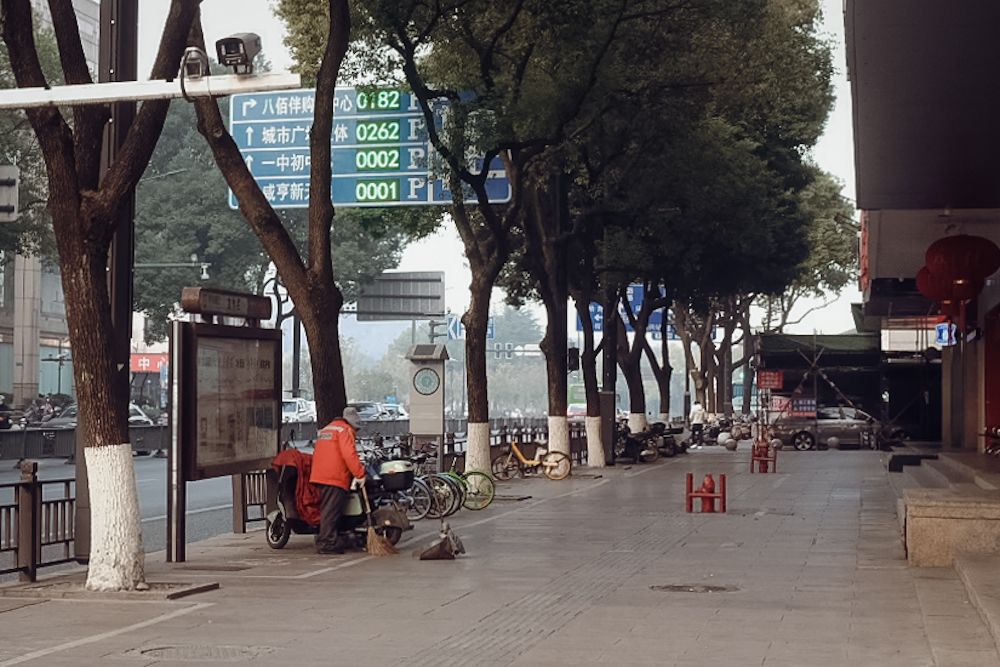
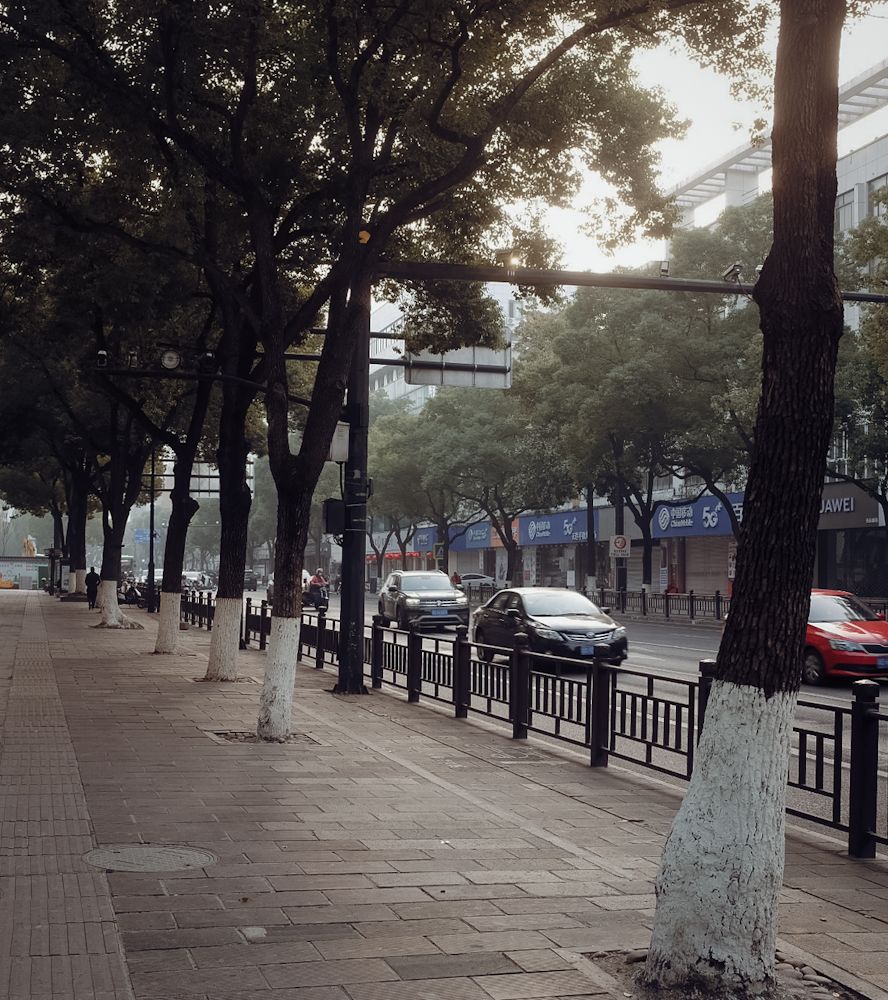
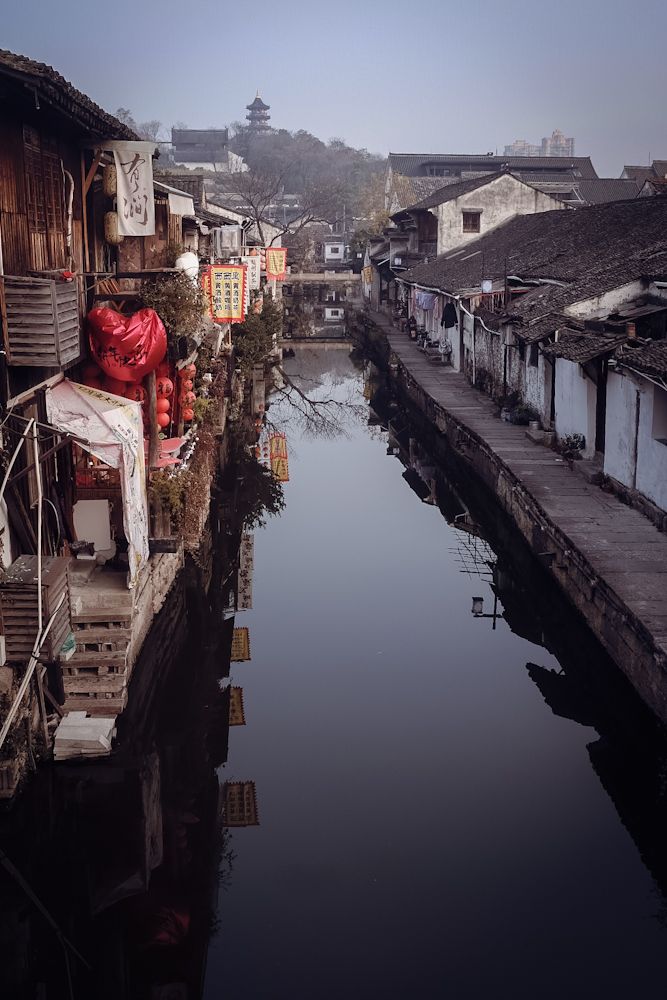
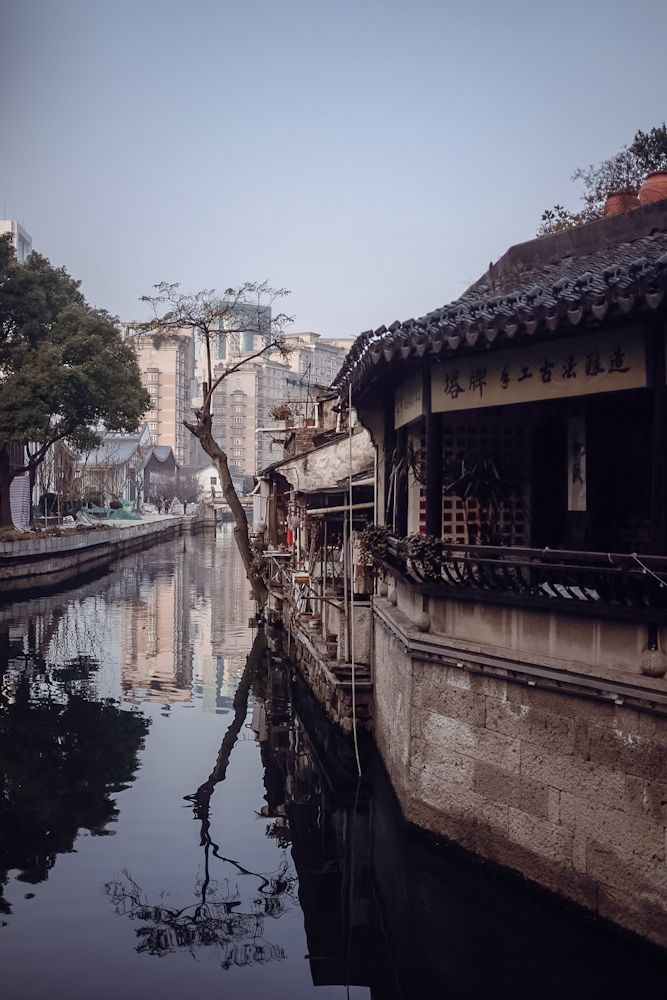
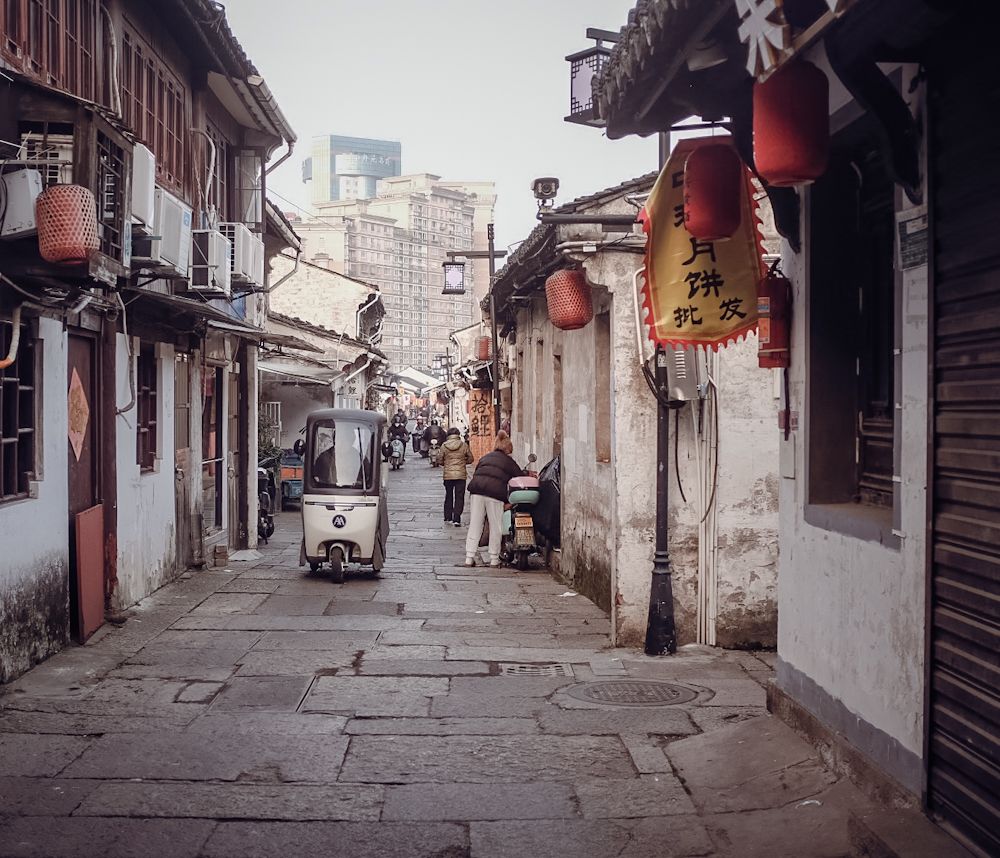
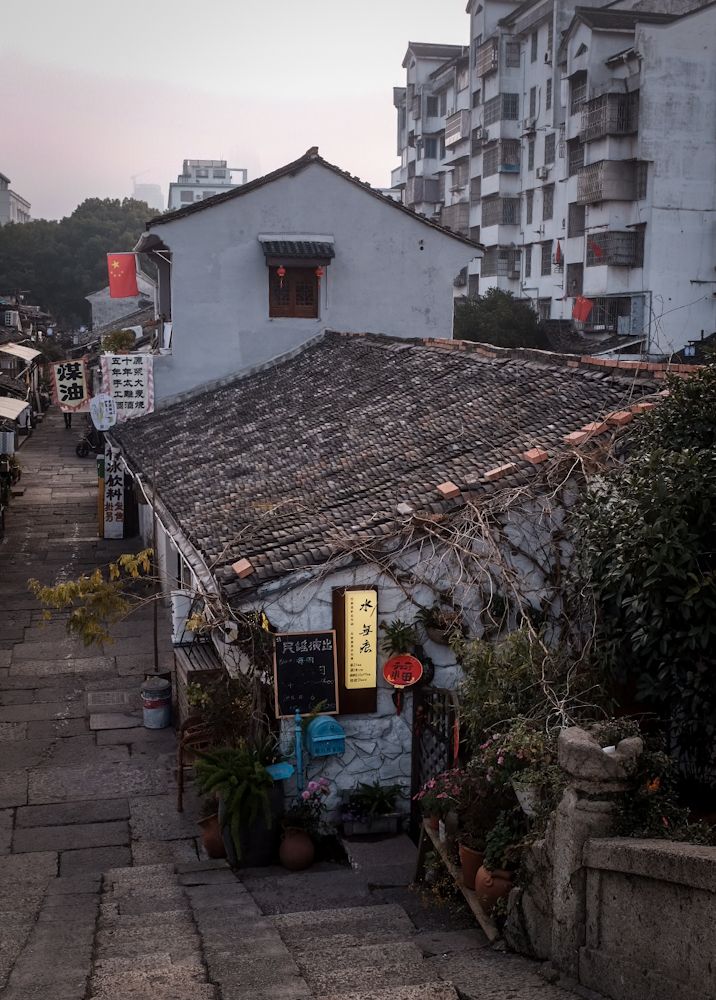
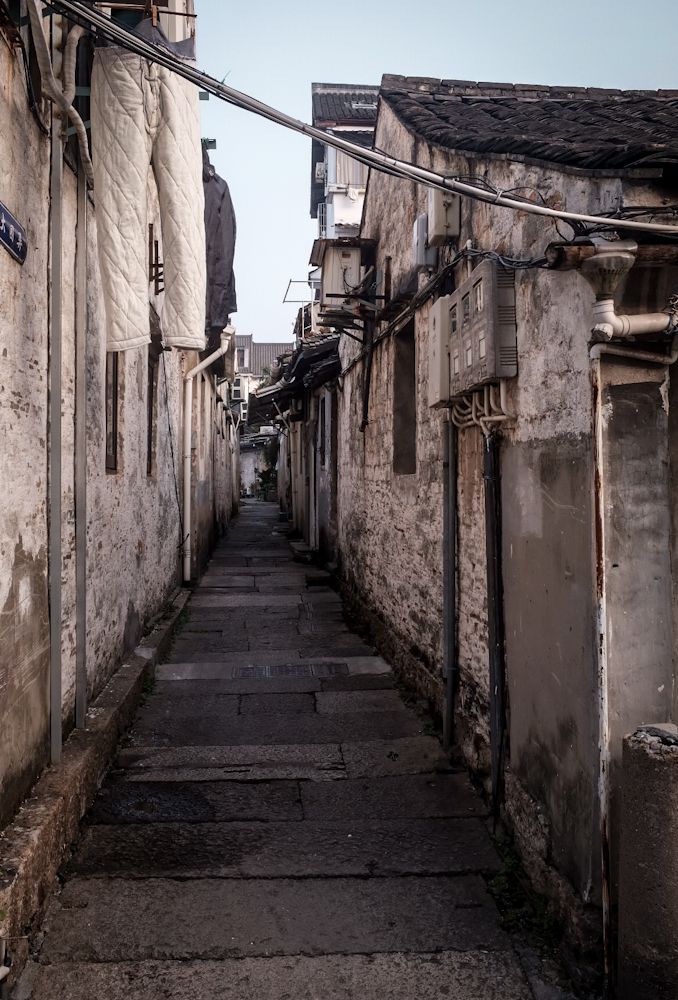
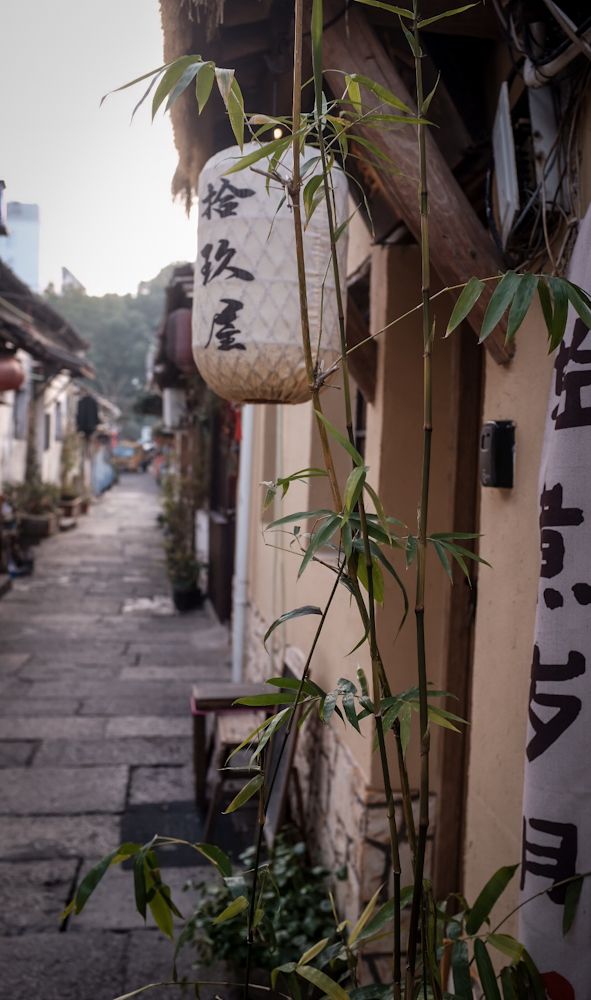
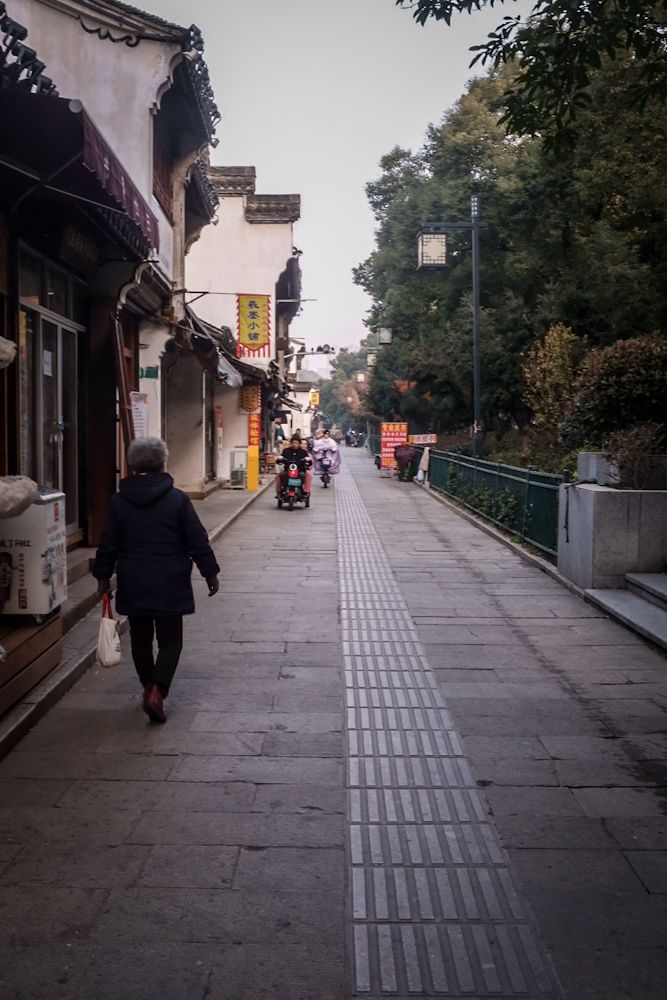
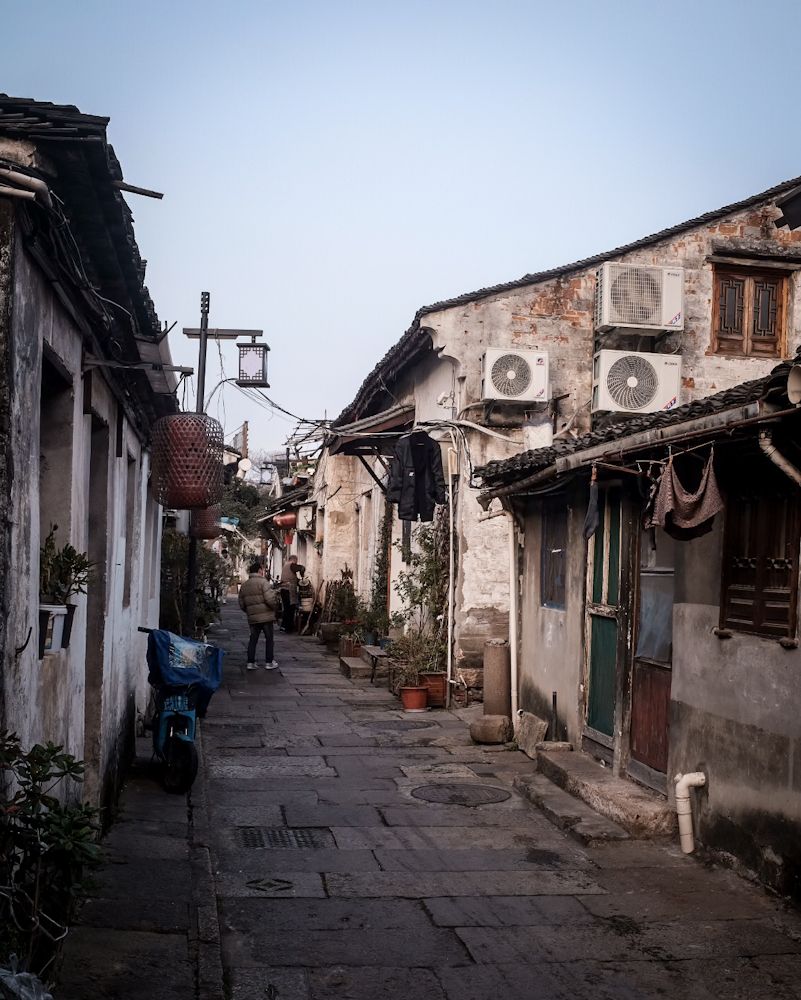
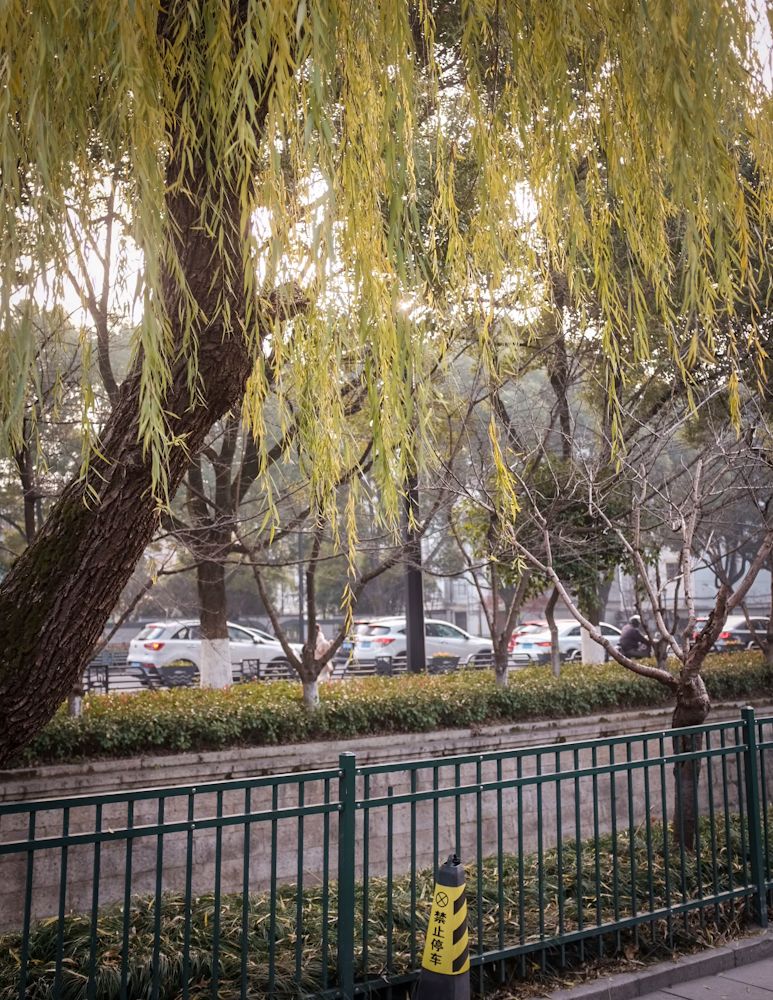
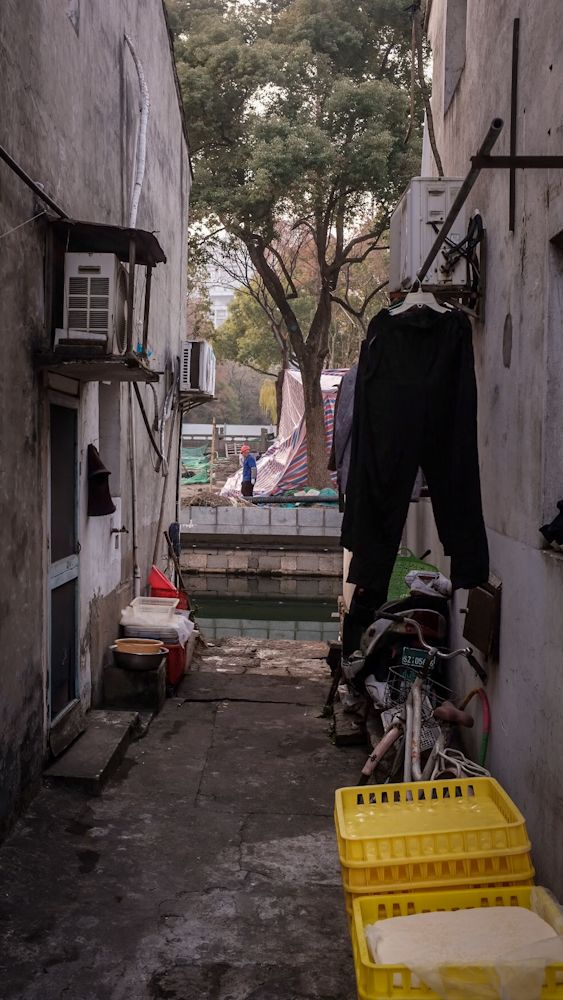
Anyway. The previous evening, while I was exploring the park, some of my colleagues had stumbled upon a scenic residential area—just the kind of place I’d love to capture in my last shots of China. This wasn’t the posh China of Shenzhen; this felt like a more “authentic” part of town.
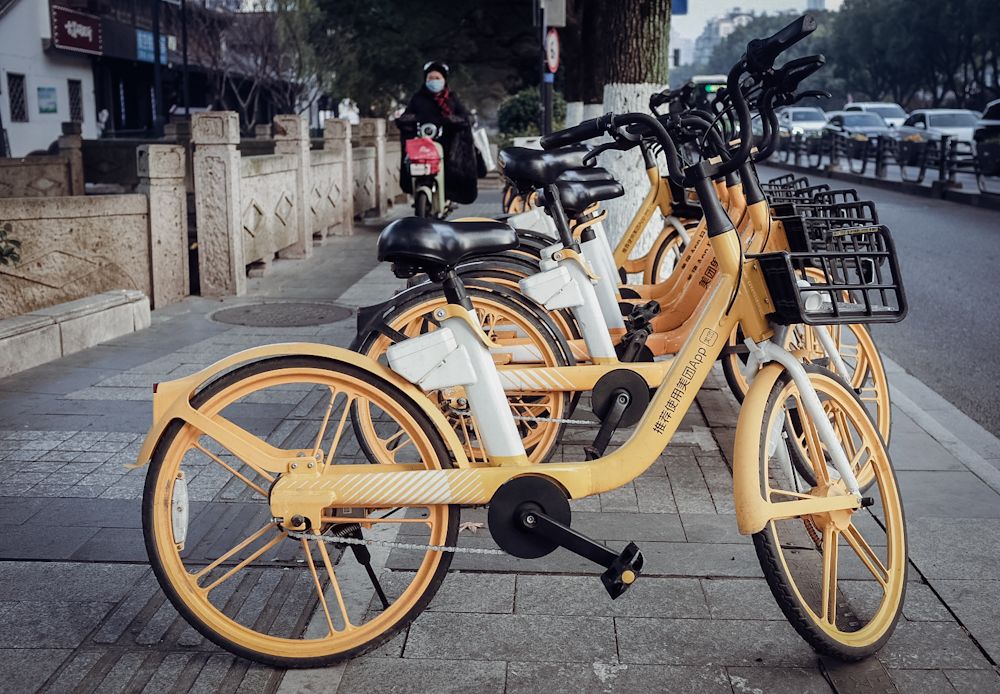
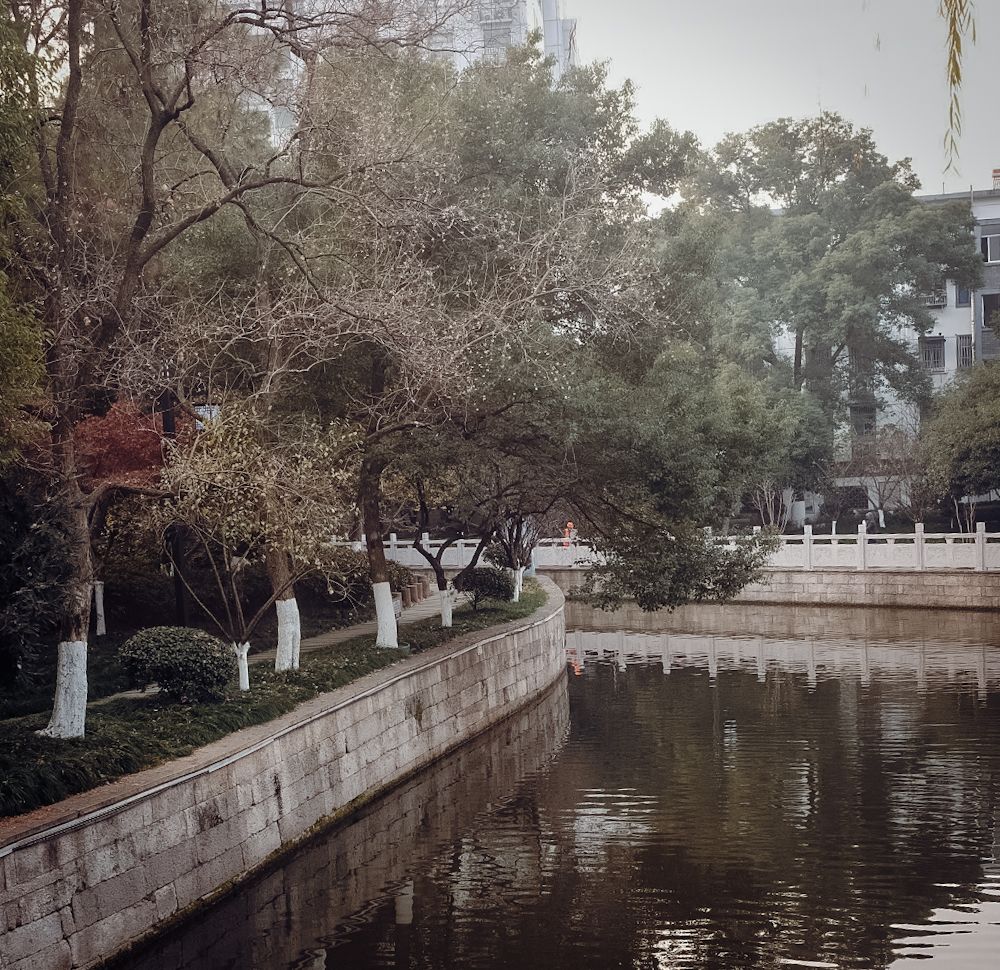
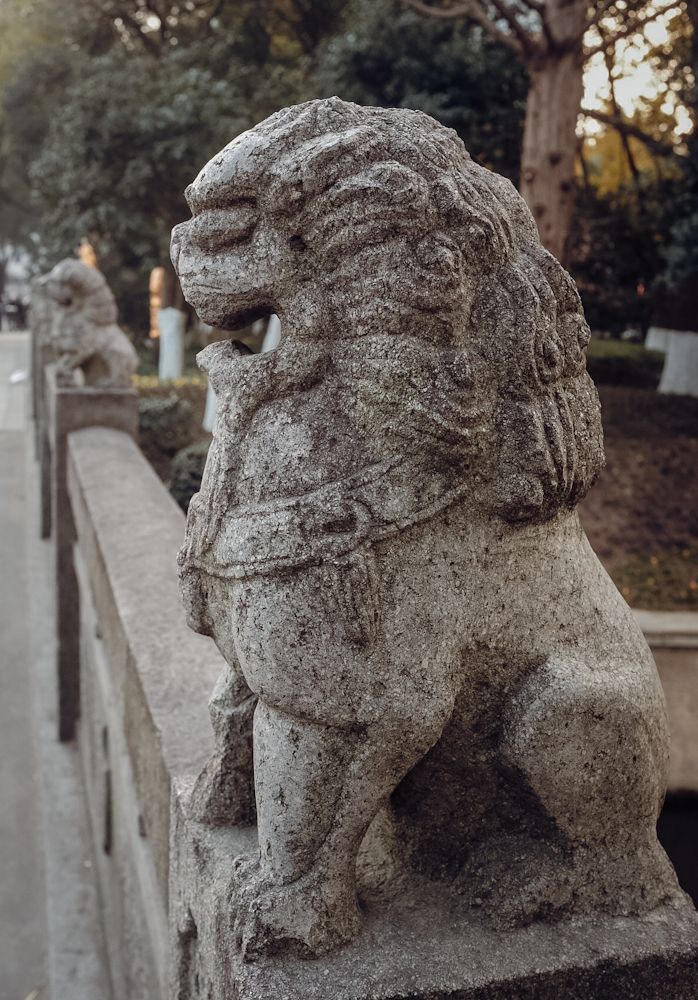
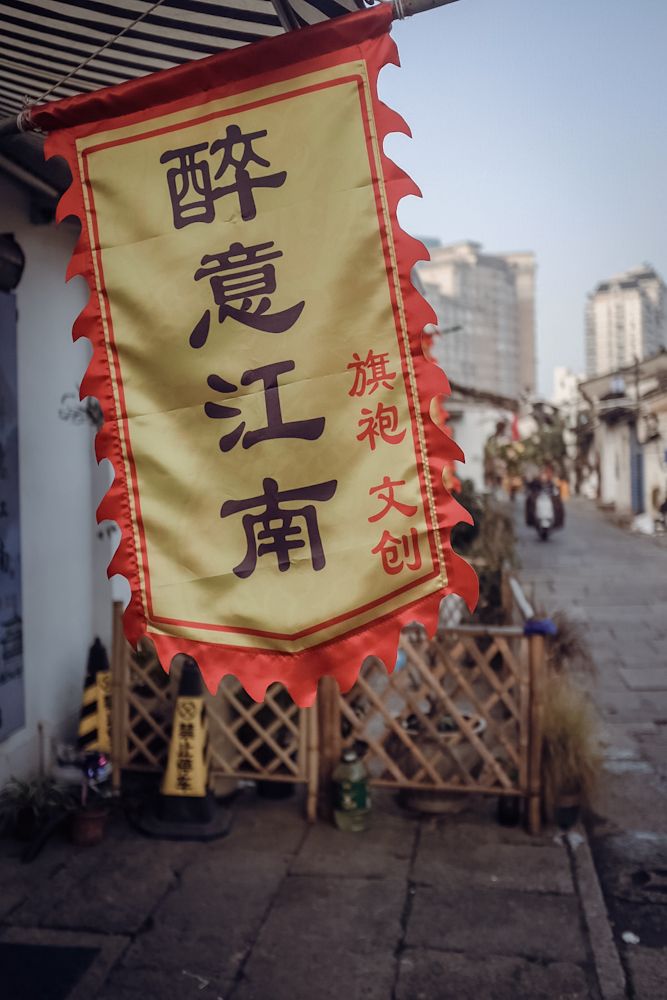
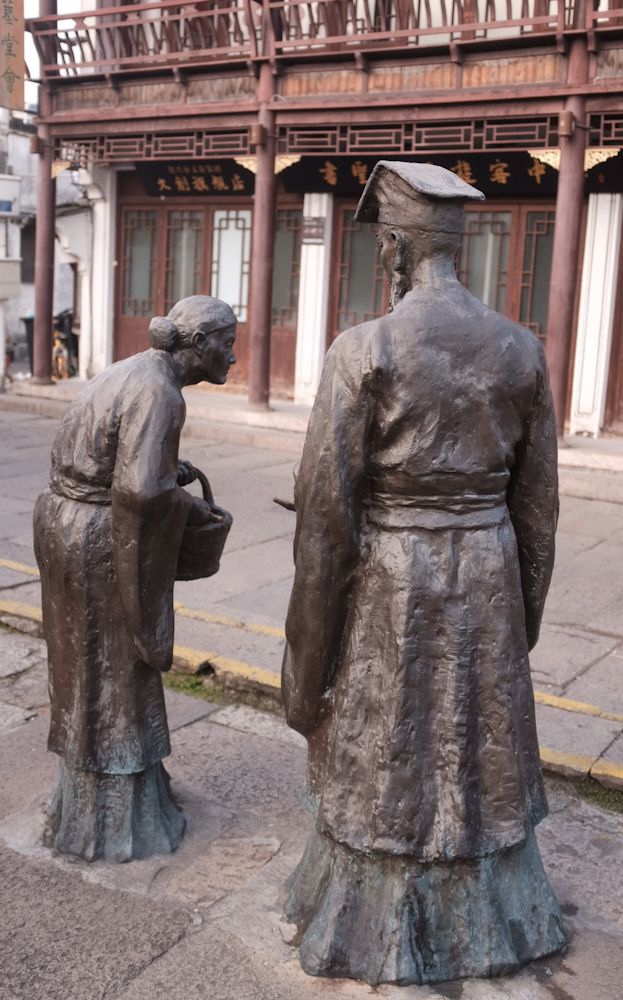
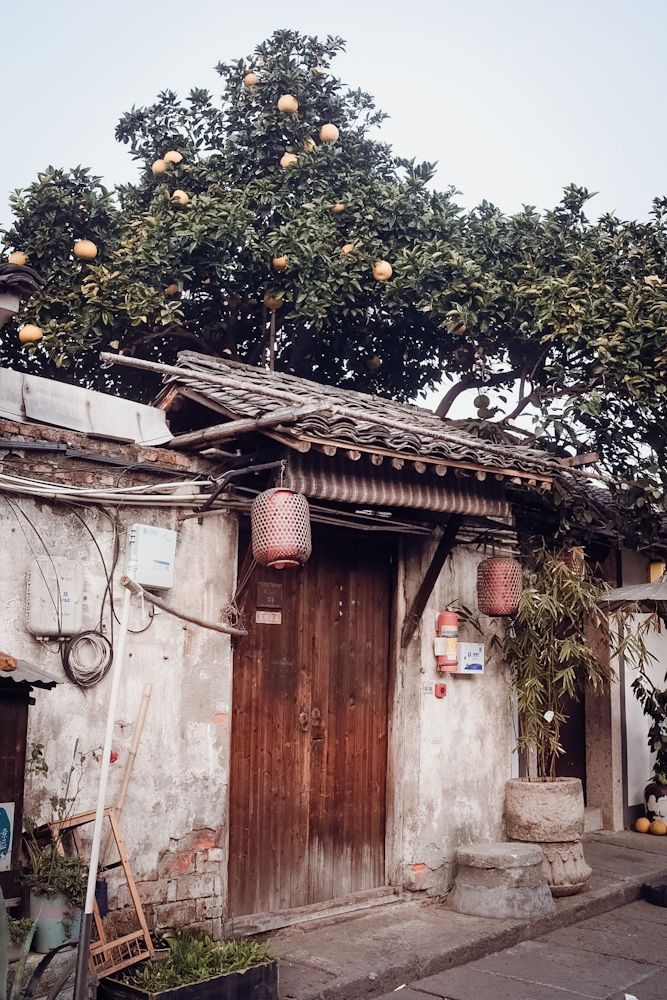
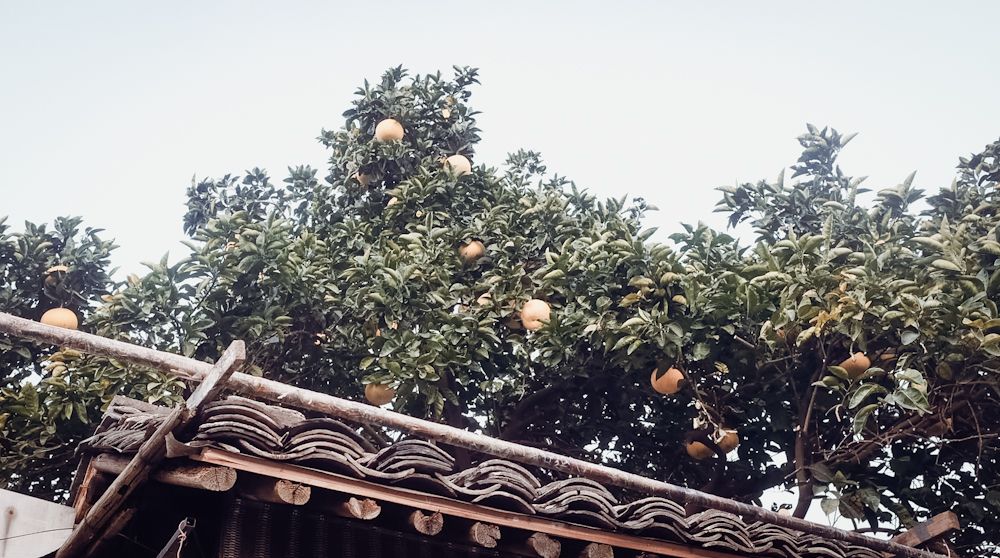
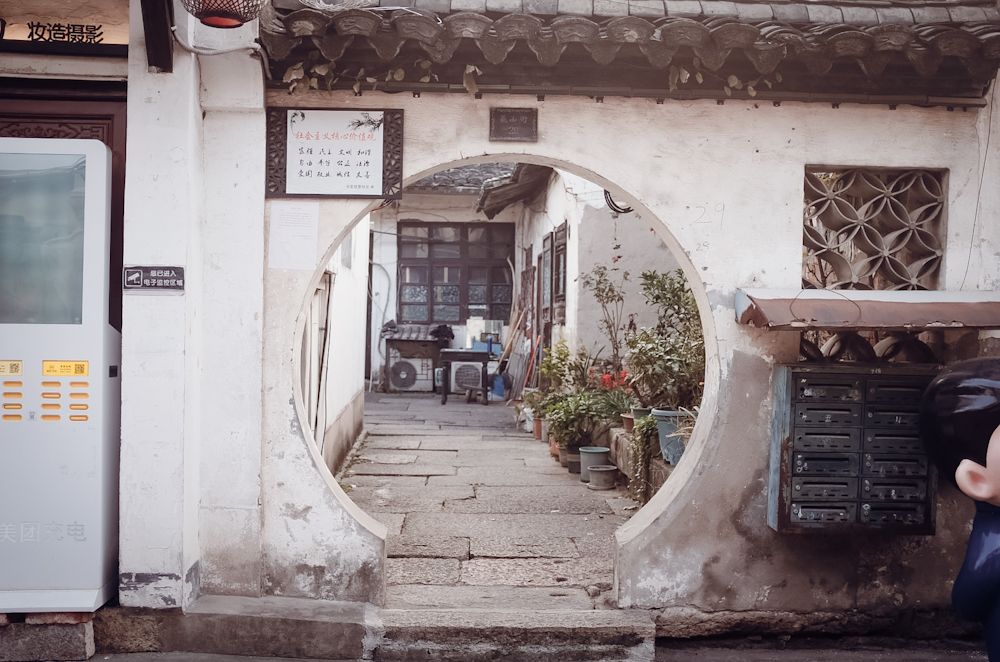
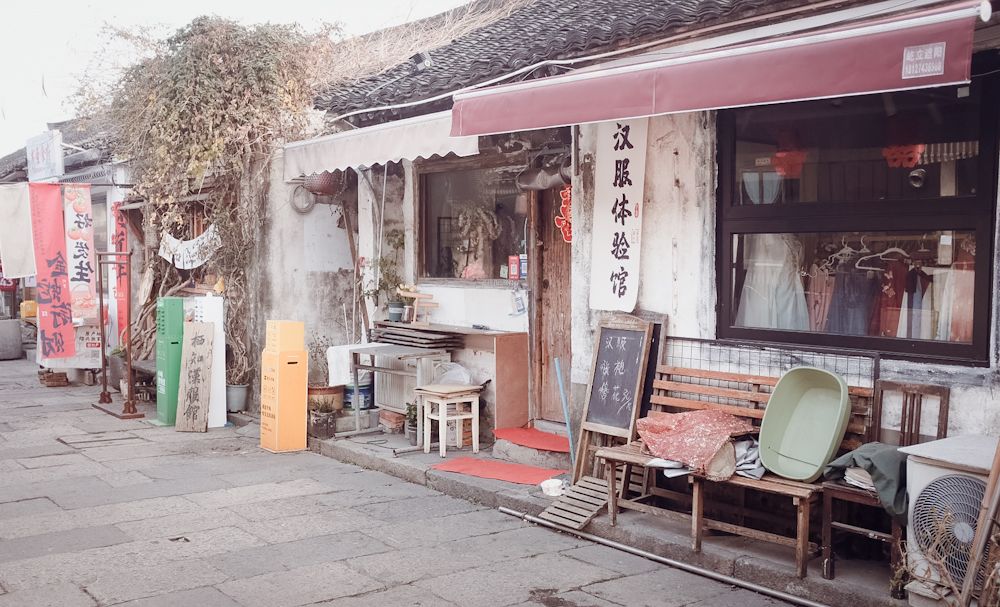
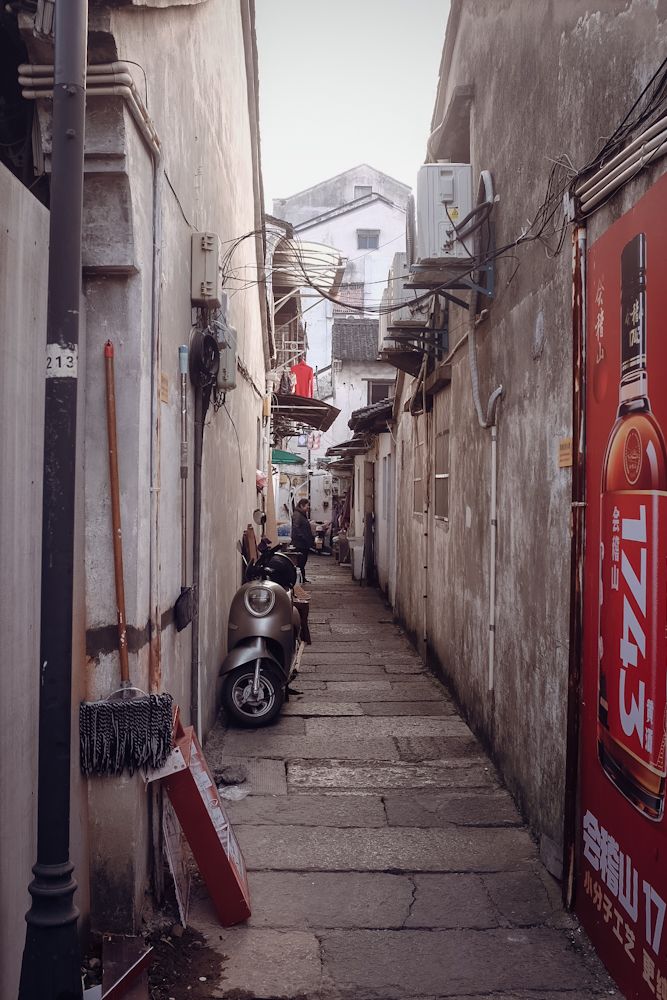
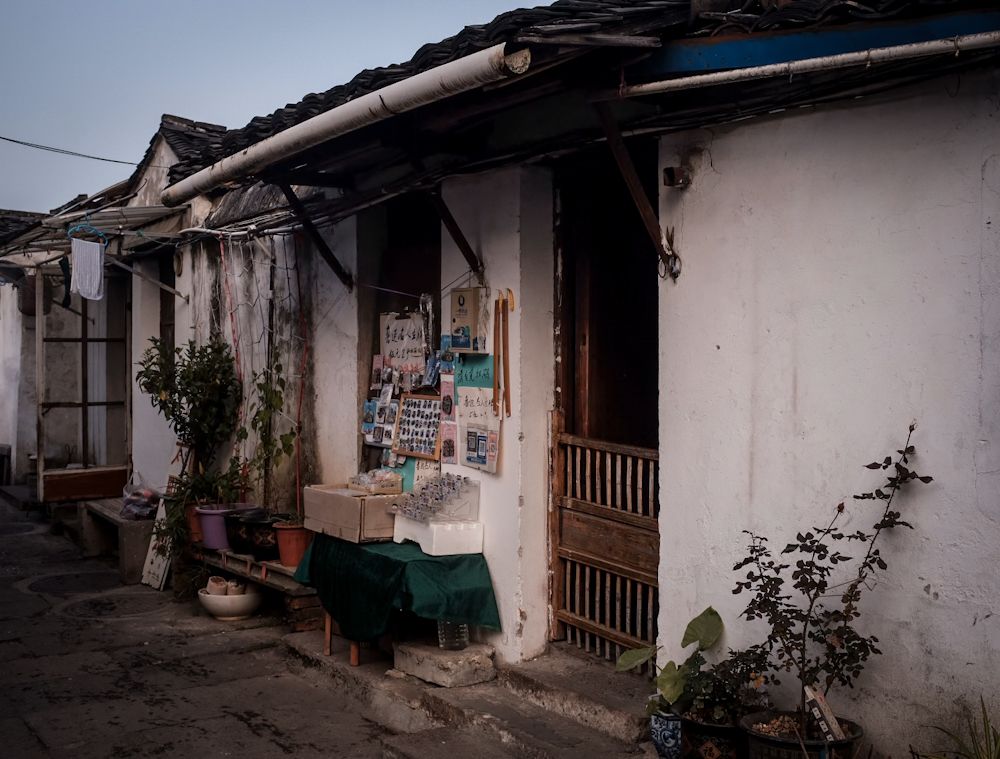
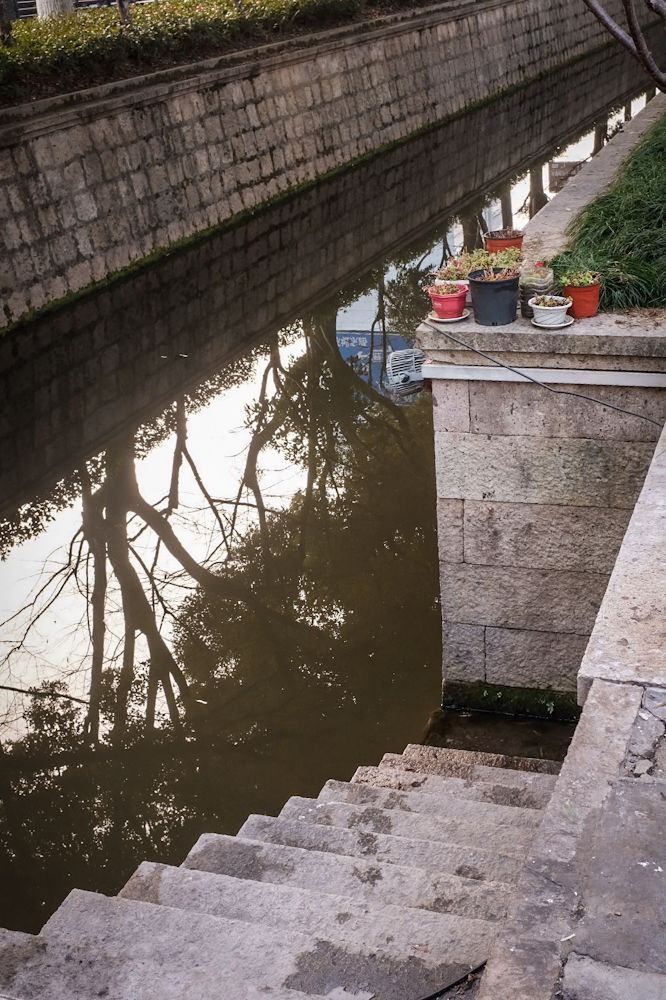
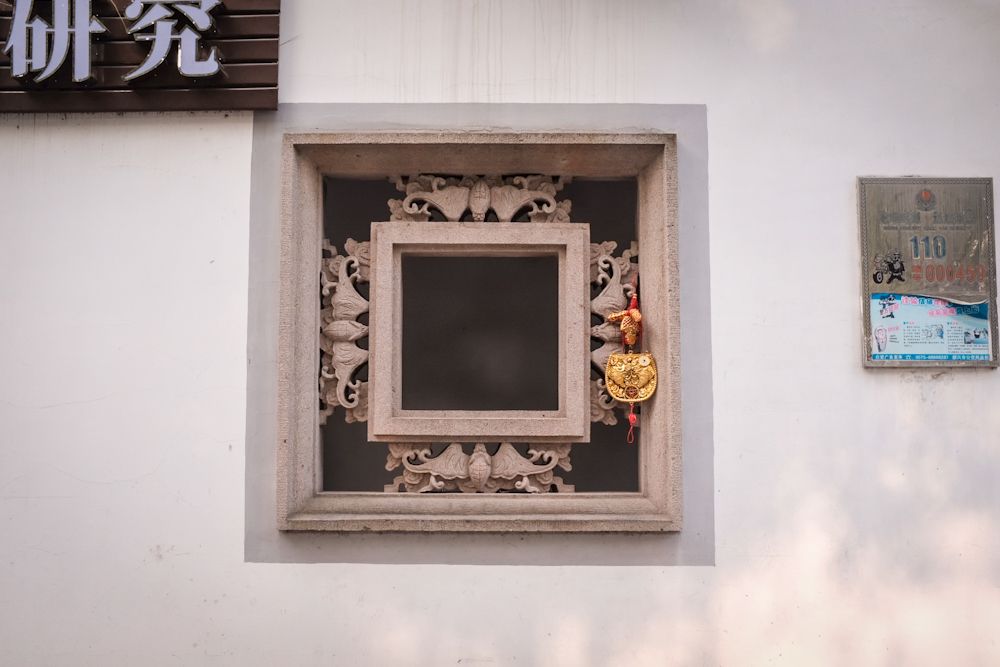
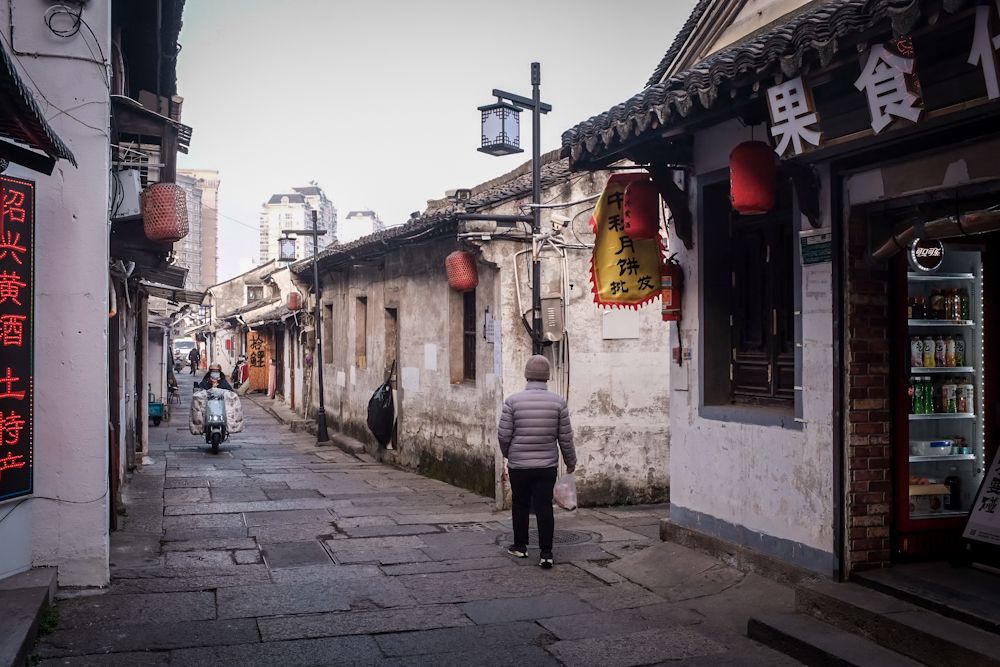
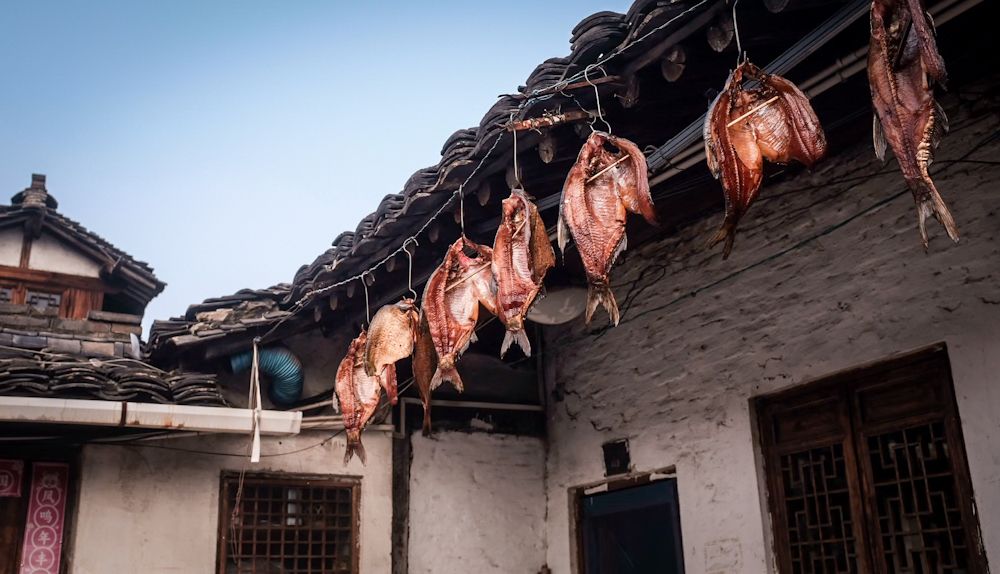
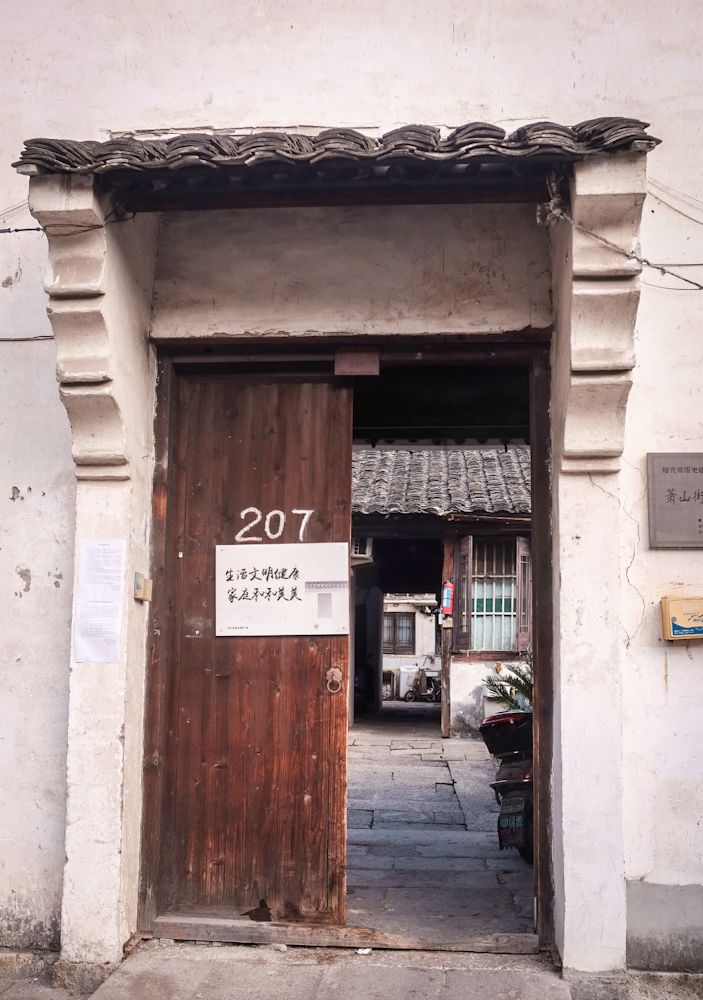
And it was stunning, as you’ll see later in the photos—filled with all the quintessential imagery of China: round entrances leading to inner courtyards, red lanterns preparing for the Chinese New Year, fish drying under the rafters, boats drifting along the canals, humpback bridges, mopeds zipping past, and an old lady eating her rice for breakfast. Even Confucius was there—his wisdom guiding us through the streets.
I had heard about this little quarter at dinner the night before. My colleagues had waxed lyrical about it, so off I went, camera in hand. Now, you know my sense of direction—getting lost, or at best, off track, is inevitable. I was told: “Turn left outside the hotel, walk about ten minutes, and you can’t miss it.” Which, of course, is exactly the kind of thing I do miss.
But not today. For once, my terrible sense of direction didn’t fail me—God must have been smiling on me that morning.
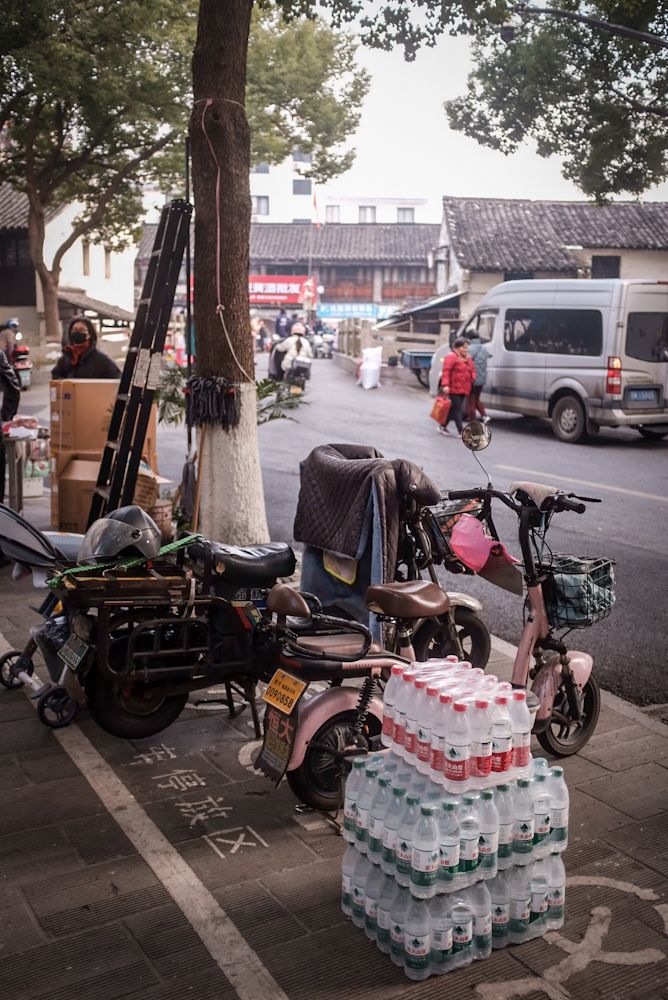
All of a sudden I was there, walking around with my camera at the ready remembering to take colour photographs because my wife had asked me to. I meandered through the street watching the morning rituals, people clearing their throats and spitting on the ground, better out than in, people eating their rice for breakfast. The place seemed to be waking up gently, and the mopeds taking their passengers to work and not driving too fast either.
There was one moped that thought he could make it over the bridge in one go. He tried a few times, but obviously it wasn’t going to happen, because it would have made a wonderful photograph. The man got off the thing, and walked it across the bridge and seemed to appreciate my clapping him over. Encouragement is as universal as something very universal.
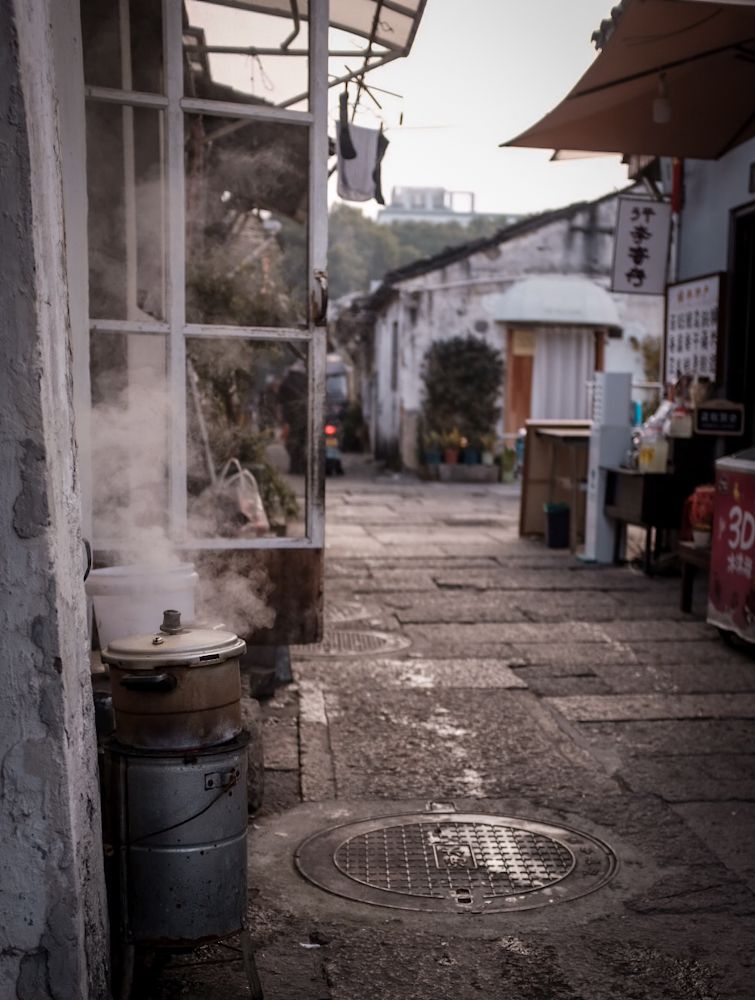
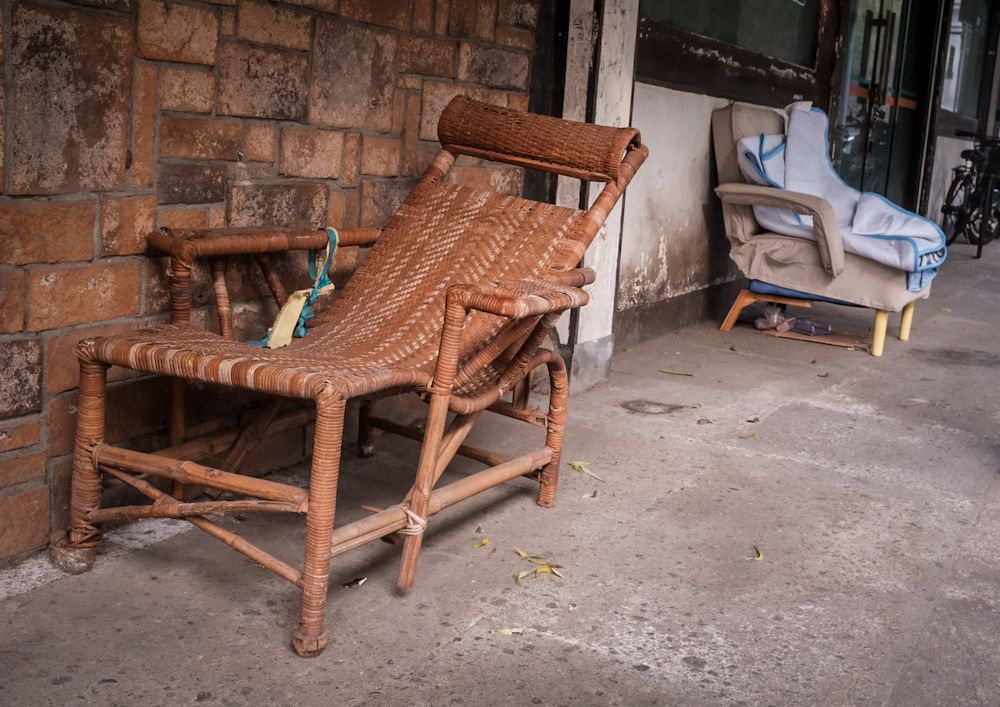
I kept wandering around with no fixed idea of what to do or see. I could see a kettle boing for the tea, and felt a slight pang of jealousy. I was of course, tealess. I reached the outside of the quarter, and just headed back in at the sign. I had seen a wicker chair which would have been perfect for my afternoon snoozes.
As I came back in, people seem to have awoken from their slumber, and the small shops started to open. There were all kinds of things for sale. Chinese New year decorations, clothes that were lovely but might have been a tad small for my more rotund frame. There were shops selling brooms and pans. It was definitely buy local…
As I left for the last time and having taken my phtoographs, I passed Sarah, a fellow photographer, who had obviously awoken slightly later then myself. We of course said good morning and wished her luck with her camera.
I mozied on down, back to the hotel to pick up my suitcase and horn, getting ready for the trip to Xian Ju. And this is where my memory goes a little fuzzy, like my camera out of focus. I remember the concert, sure, but everything else? It’s like my mind just pressed pause. A temporary freeze-frame.
It’s strange, isn’t it? How the mind works in these moments. Maybe it’s the thought of the long journey home—the “parenthesis” closing, as it were. The feeling of something coming to an end, but not quite ready to leave. That lingering moment between chapters, when you’re not sure if you’re truly finished yet.
But then again, I’ll leave that for next time. Perhaps when I’m home, looking back on these images, I’ll see it clearer. For now, though, I can’t remember a thing—not for the life of me.
After a late night chat (you know how it goes on tour – what happens, stays on tour), I decided to treat myself to the luxury of a lie-in. And it was just what I needed. This felt like our mini-break during the tour – a sort of weekend off. It was well deserved. Life on tour can be demanding, and the emotional investment involved can really take its toll. Corentin and I both got up at the same time, and he was off to join the others in the big city. As for me, I was having a day to myself with my little companion – the X100F. Just the two of us.
So, what was the plan for the day? Well, I was hoping to visit a spa for a massage to sort out my legs. I’m not exactly fond of pain, but thought it would do me good. I have arthritis in my right knee, and although the weight loss has relieved much of the pain, my left knee has been compensating, and my left calf was starting to feel like it was on the brink of tearing. Not ideal. I had found a few places on TripAdvisor, one of which had a rather dubious reputation – apparently, not only offering massages but also “happy endings.” Definitely not for me. I did find a more refined option with a solid reputation for wellness. Perfect. All I had to do now was find it.
As I left the hotel, I bumped into Jennifer Courcier, our soloist and guest star. She still has an amazing voice – if you caught last week’s concert post, you would have heard it. If not, well, go have a listen now. I’ll wait…
Starbucks and Cultural Contradictions
Good, wasn’t it? Doesn’t she sing beautifully? Jennifer mentioned she was heading to the beach but first needed a coffee fix. Starbucks was nearby, so off we went for a caffeine hit. Now, whenever I hear the word “Starbucks,” the phrase “basic bitch” comes to mind. I never know what to order, so, with a bit of help, I discovered that “ordinary” coffee is actually a double espresso. My anxiety was starting to rise as I tried to make the choice, but I finally settled on the “Yunnan” blend. The Chinese barista prepared it with such care that I almost felt like royalty. Things were already looking up.
We sat on the terrace and chatted. I’d been mentoring one of my younger horn players to help him out of a funk. He had recently switched mouthpieces to improve his upper range but went back to his old one. Classic horn player existential crisis. If you know, you know. Jennifer had witnessed one of my coaching sessions and seemed quite impressed by the process. Maybe I did know a thing or two about teaching after all.
The coffee was excellent, and so was the company. We chatted some more, staying off the topic of music. Who wants to talk shop when you can get to know the real person? It humanises them, and Jennifer shared the story of how she became a professional singer, her journey to this point. We eventually parted ways, and I popped back into Starbucks to buy a couple of mugs for the children. One less thing to argue about back home.
Solo Adventure – Exploring the City
I managed to find the metro on my own and bought my little green ticket. The attendant asked where I was going and showed me the map. I couldn’t make sense of it, so out came my phone to zoom in on the stop I needed. I suddenly felt very old, yet thoroughly modern.
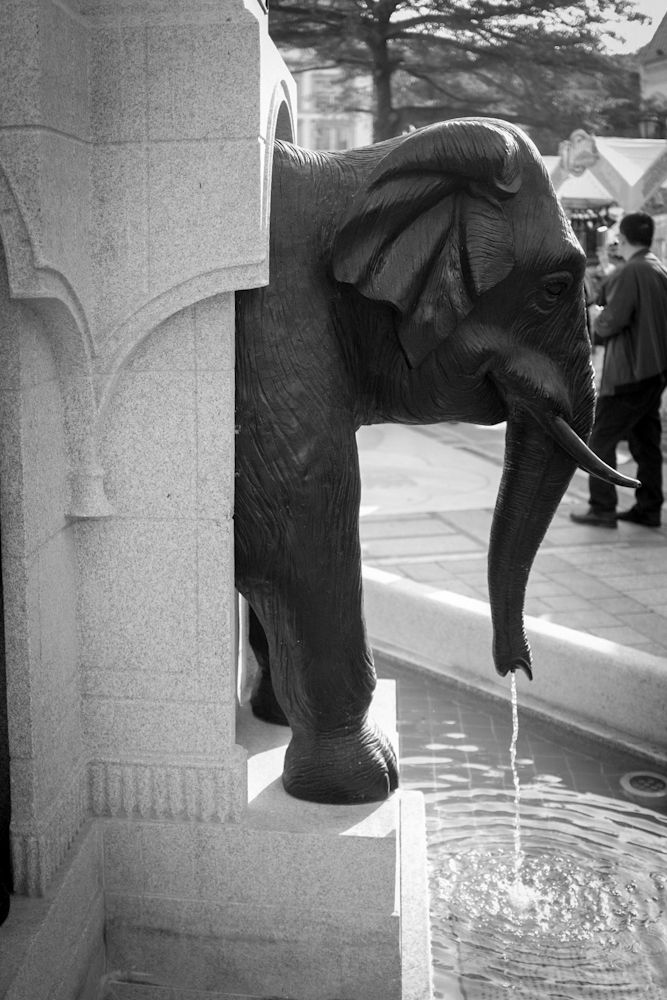
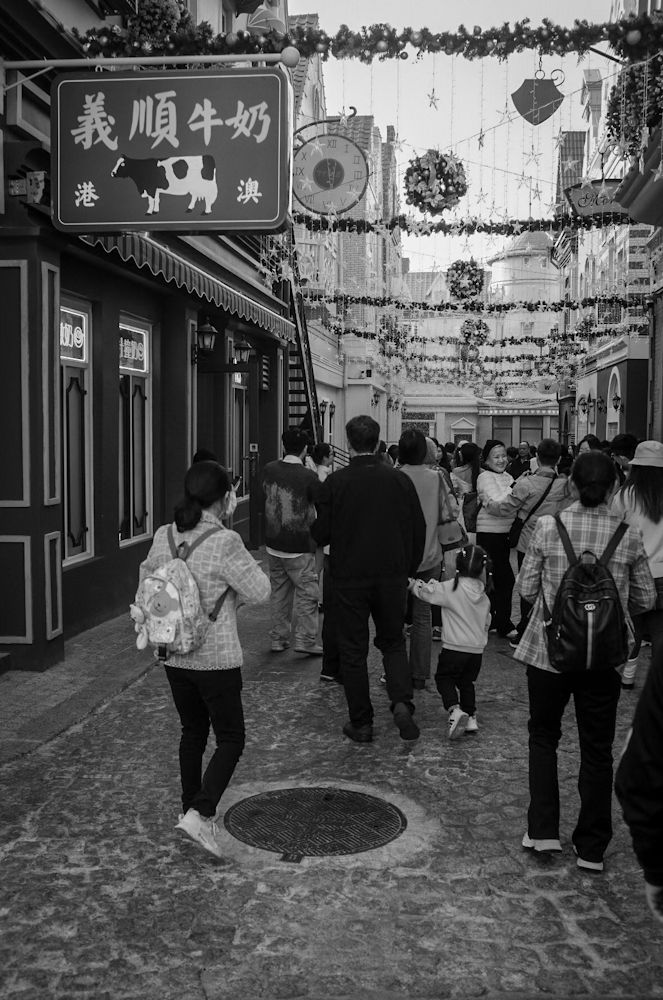
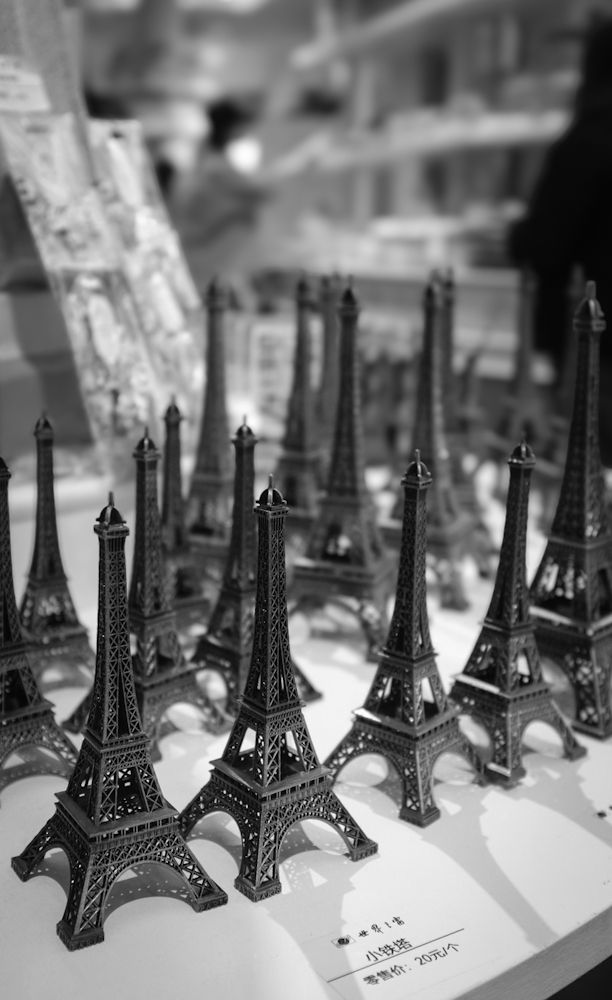
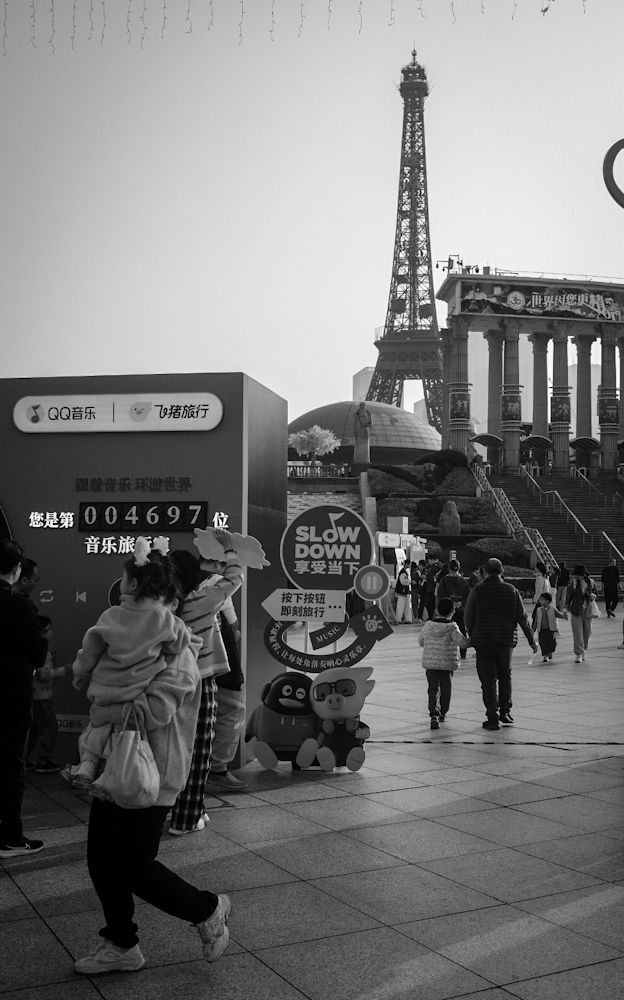
On the train, I just watched people, even managed to get a photo or two. My destination? Window to the World – a theme park where you can see replicas of monuments from around the world. I wasn’t going to pay for the full experience, as I’ve already seen many of the real monuments during my travels, but it seemed like good material for photography.
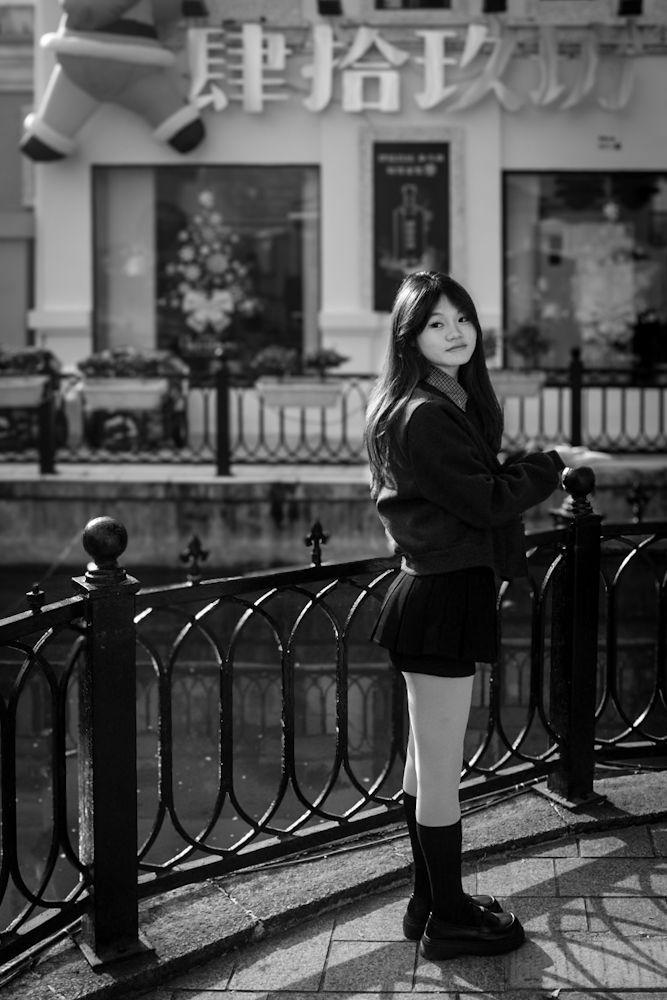
I’ve mentioned before the cultural differences between France and China, but this next observation took me by surprise. Let me introduce you to our characters: Chinese girlfriend and Chinese boyfriend. Chinese girlfriend is the picture of elegance, effortlessly fashionable, her makeup and hair flawless. Chinese boyfriend, by definition, is the photographer, capturing every moment to make his girlfriend look like a top model. She strikes a pose, usually demure and poised, while he stands there, holding the handbag, looking less than graceful. After a few snaps, she sends him back to retake the shot, and they repeat the process at every new location.
I could understand the desire to control one’s image, especially in a location that might seem exotic for a Chinese person, just as a pagoda in Europe feels exotic for us. In some ways, I must seem a bit exotic to them, too. Later, I learned that some people had been taking photos of me without approaching. It might have been a respect thing, as I was a bit older than them.
I wandered around, watching society unwind on a Sunday outing. It felt good to be alive. But then, it was time to head to my massage.
The Google Maps Mishap
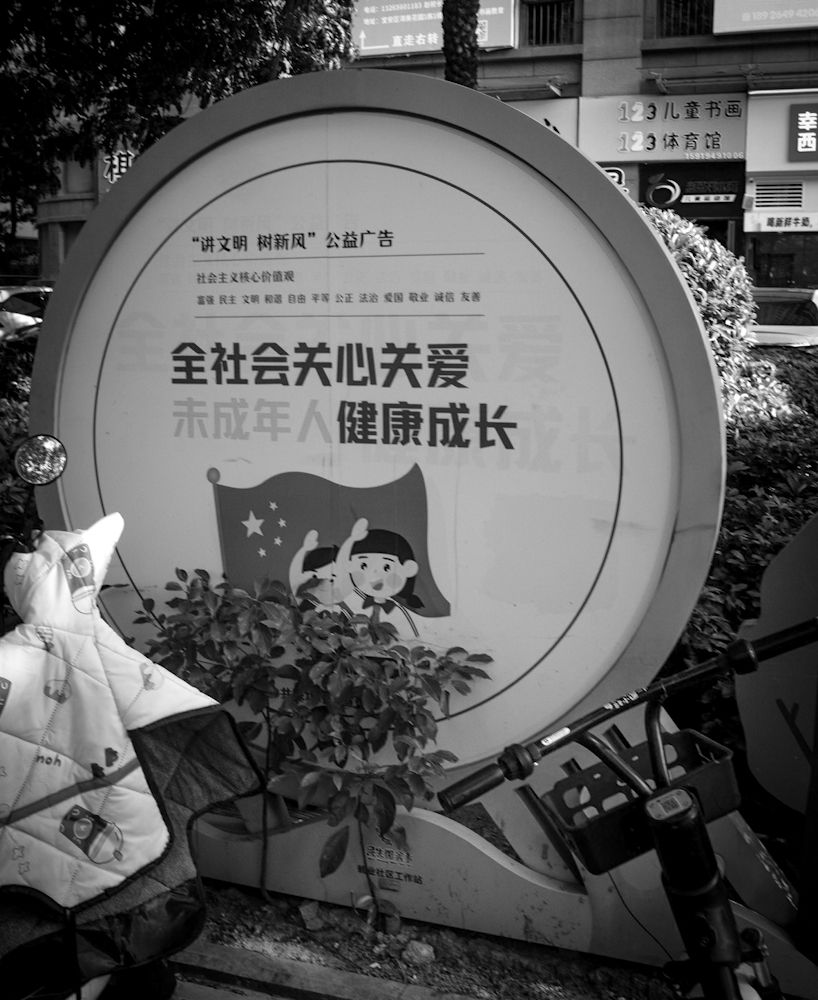
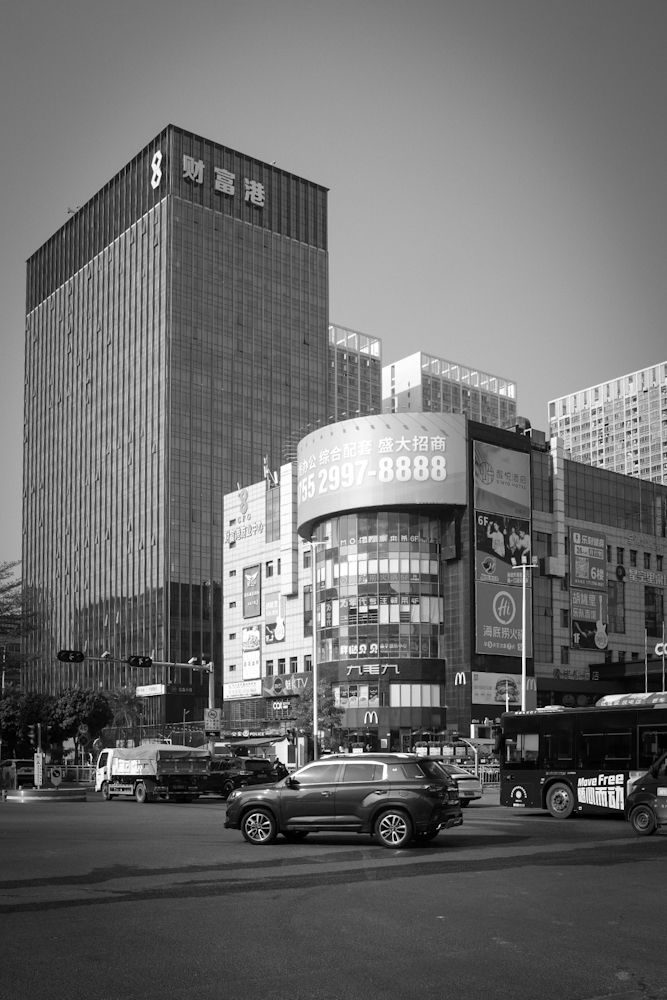
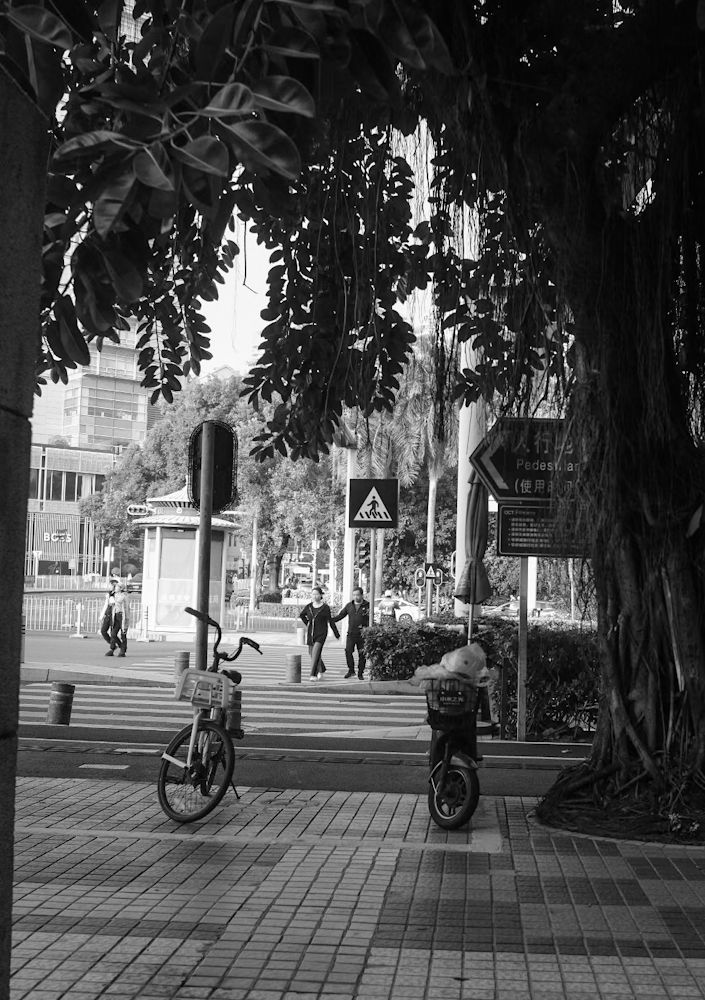
I knew the spa wasn’t far away, but that’s where I made the mistake of trusting Google Maps in China. Let’s just say it’s not the most reliable way to get around here. It led me in the wrong direction, and before I knew it, I was walking the streets, getting increasingly lost. But in moments like these, you often find unexpected shots because you’re paying attention to everything, frantically trying to orient yourself. I eventually found my way thanks to a kind gentleman at a hotel who pointed me in the right direction. I was back on track.
The Deep Tissue Experience
Arriving at the spa, I was greeted by dimmed lighting, tea, and a comfortable chair to relax in. I chose a deep tissue massage that would last an hour – pure self-care. I was told there was a short wait, so I took the opportunity to edit some of my photos from earlier in the day. I was offered more tea by the receptionist, who made sure I felt well taken care of.
When it was my turn, I was shown to the massage room and instructed to change into the disposable undies and bathrobe. Let’s just say, as a bigger guy, I was given their largest robe, and it was definitely on the small side. The little lady who came in to perform the massage had no hesitation in digging her elbows into my back with surprising force. She asked if the pressure was okay, and honestly, it felt like her elbows were massaging so deep that they had gone right through me. The pressure was definitely intense, and despite whincing a little, I said the pressure was fine, lying through my back teeth. She worked through my back, shoulders, and calves, and though at times it felt a “little” too much, I could feel the benefits immediately. They don’t call it deep tissue for nothing!
Recharging and Reflection
After the massage, I was feeling thoroughly relaxed, though not quite “recharged” yet. It would take a couple of days before I truly felt the benefits, but it was already worth it. I was pampered with more tea, biscuits, and nuts – twice! I couldn’t fault the service.
Next, I popped into a shopping mall near the hotel, hoping to find a silk tie for my outfit. Dark jeans, nice shirt, and sports jacket – I looked quite dashing, if I do say so myself. But the price of the ties wasn’t going to work for me, I’m fine with a little luxury now and again, but everything within reason…
A Humorous End to the Day
I took the tube back to the hotel, but of course, I foolishly tried to use Google Maps again to navigate. That was a mistake. I ended up lost. As my phone battery started running low, I sent a WhatsApp message to Corentin, who suggested I take a taxi and sent me the address in Chinese. I was perfectly safe, but definitely lost. Eventually, I hailed a cab, showed the driver the address, and thanked him for saving me. When I told him how awful Google Maps was in China, he just smiled. The fare wasn’t much, but the relief of getting back to the hotel was priceless.
As the great man himself once said, “All’s well that ends well.”


























































 IJM Photography