The Opening of the Film Archives – March 2017 with Kate in the Vines


Hello you! It’s great to have you back for another dive into the archives. Over the past few posts, you might have noticed a recurring star of the series: my Canon AE1. While it’s true I’ve leaned on this camera heavily for many of these moments, I promise there’s more variety to come—even some colour film photography! For now, though, let’s continue exploring these Canon snapshots together. Thank you for sticking with me—it means a lot to me.

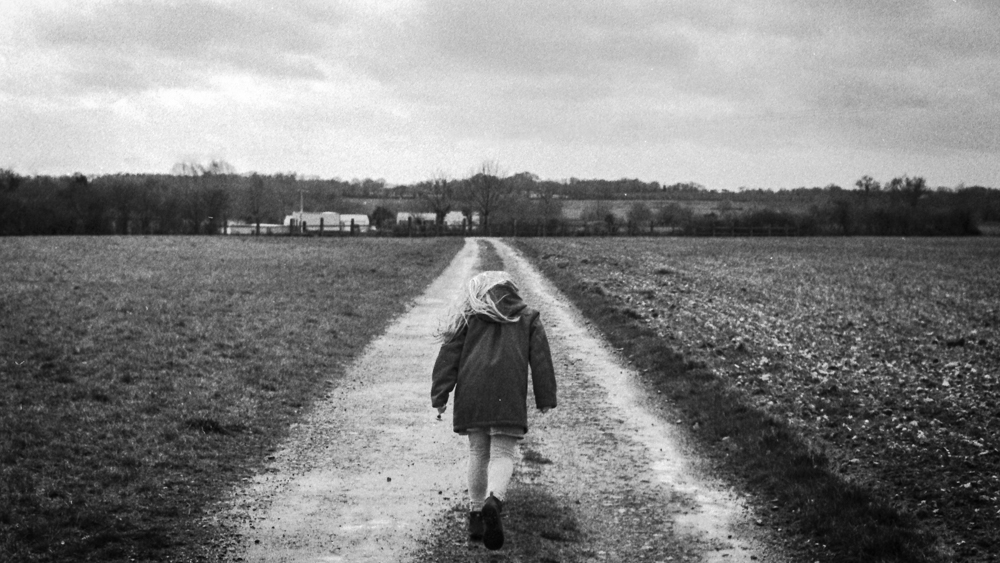
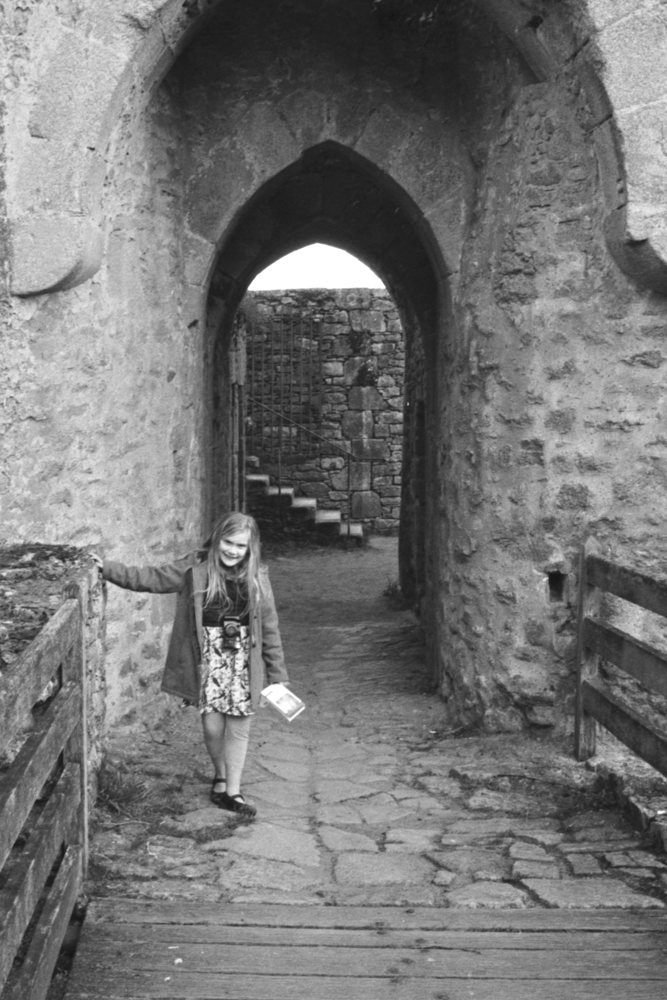
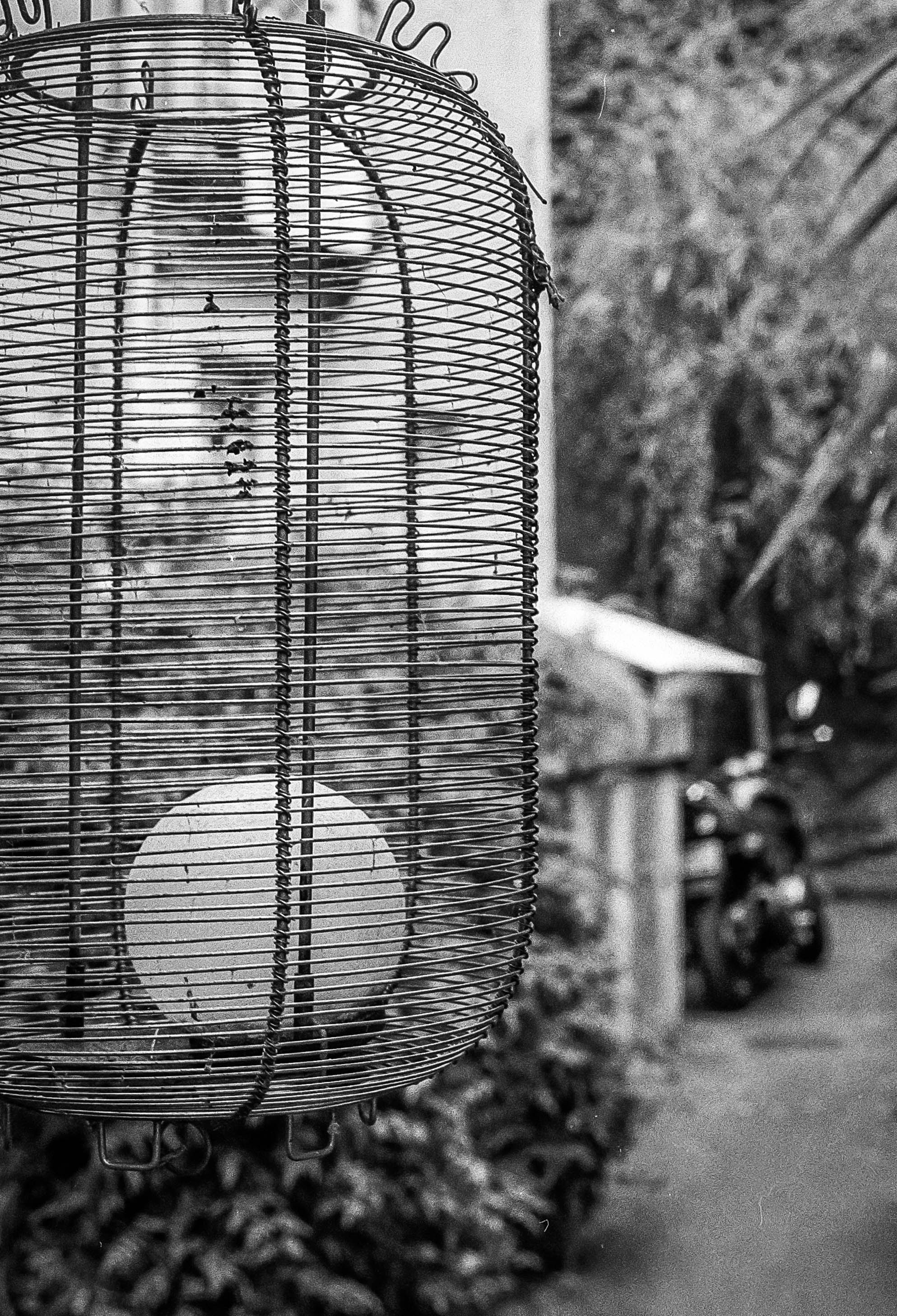
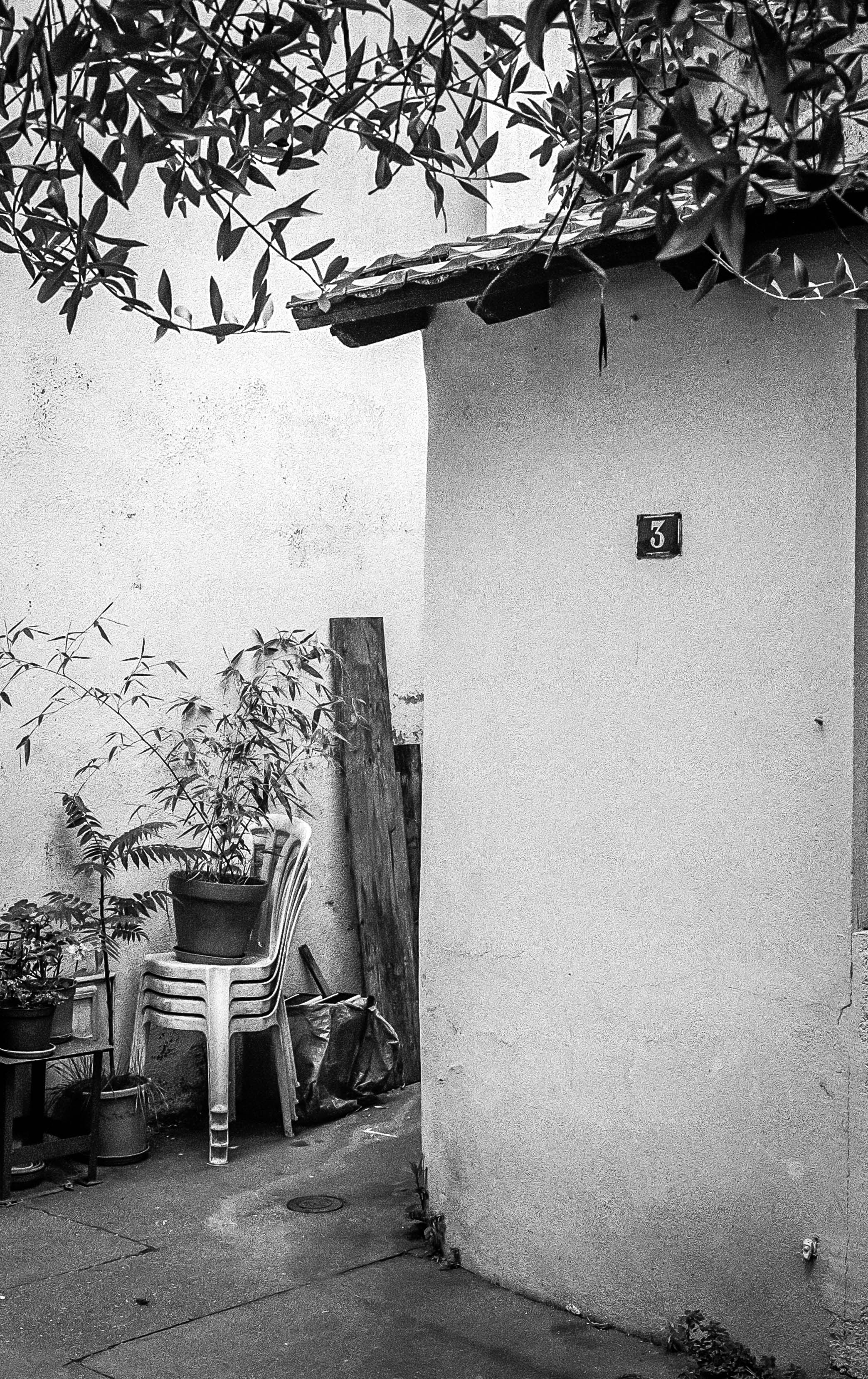
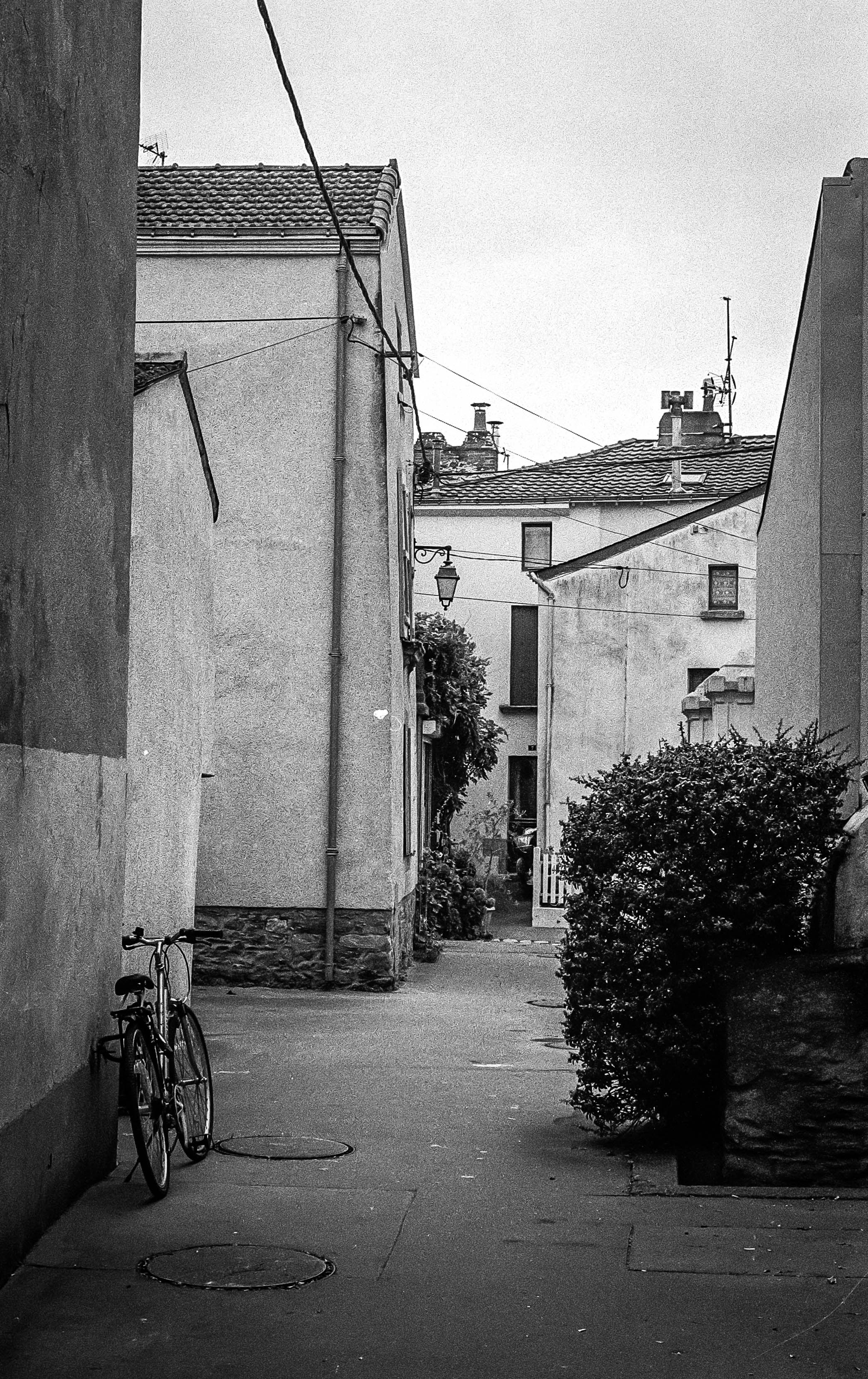
This time, I took my daughter Kate for a walk among the vines—a walk I used to do with Killian when he was about her age. Admittedly, it wasn’t the most creative choice for me, but for Kate, it was a brand-new adventure. That’s my excuse, and I’m sticking to it.

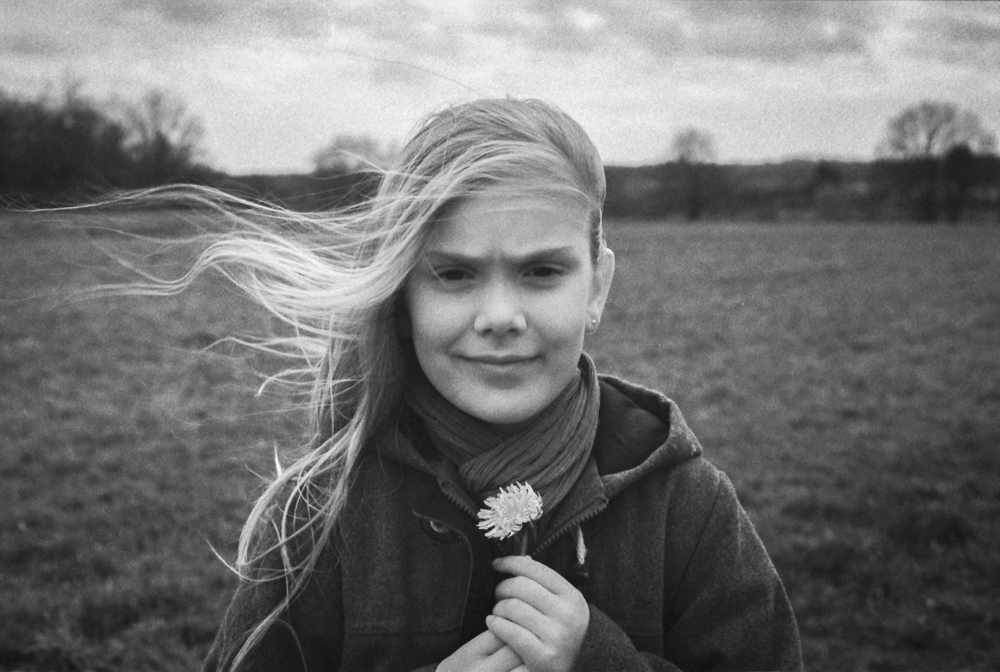
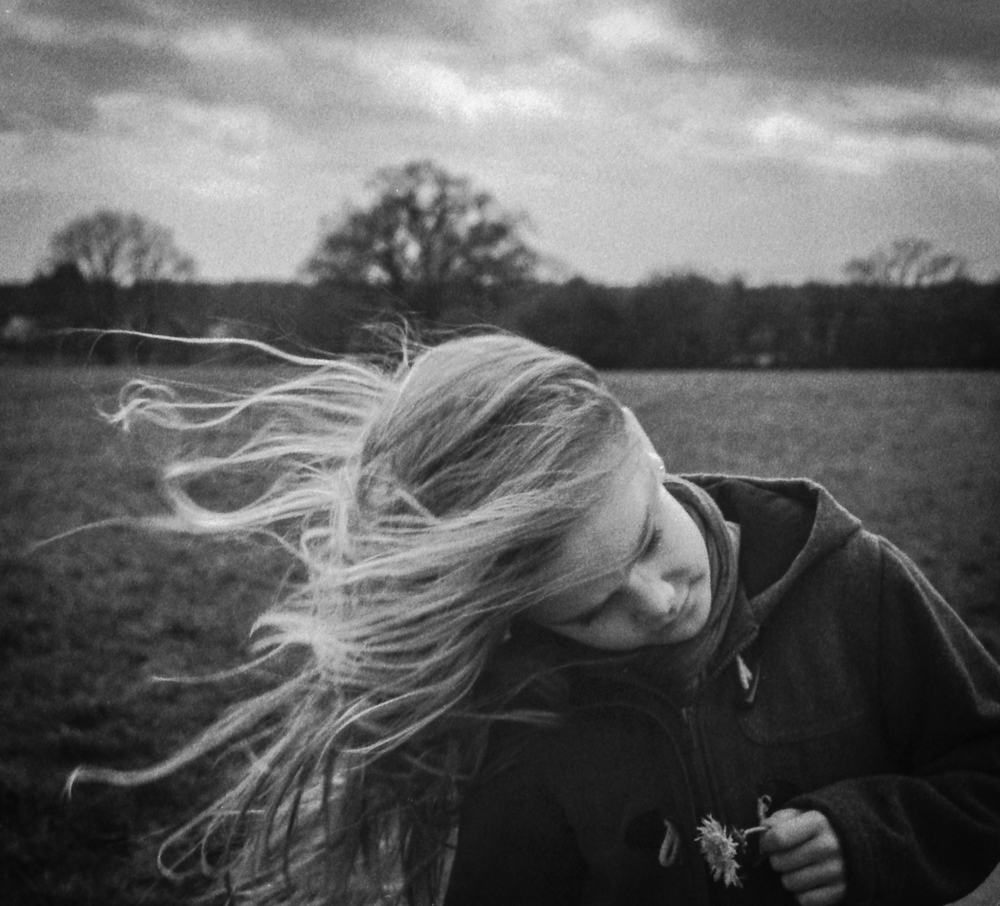
The day was all about Kate, the wind, and the way it danced through her hair. Unlike me, where the wind barely leaves a trace, it created a beautiful, dynamic subject in her. There’s something magical about how the movement of hair and clothing in the wind adds life to a photograph. I captured some truly memorable shots that I now treasure as priceless souvenirs of a fleeting moment.

Maybe they were some of those famous Kodak moments… Whatever the case, they bring back lovely memories of simpler times. Looking back, it reminds me how the simplest moments—like a walk through familiar vines—can hold so much meaning. Sometimes, what’s close to home can be just as captivating as far-off adventures.

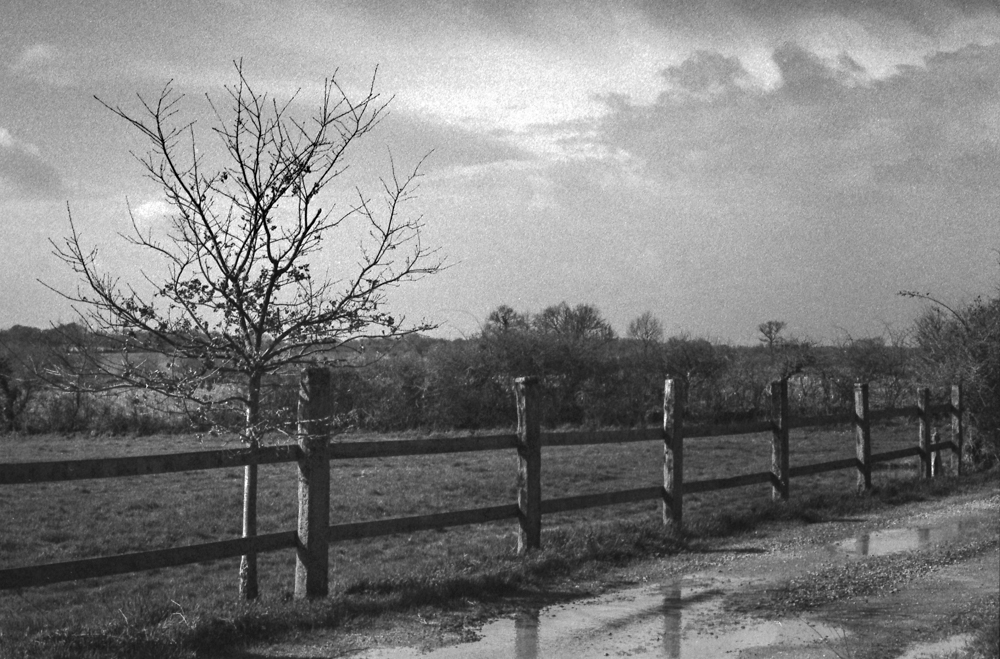
It also reminds us that though we might be in familiar territory, that territory can look entirely different to someone seeing it for the first time. The soft, diffused light that day brought out rich textures in the vines, and Kate’s sense of wonder made even the most ordinary details come alive.

When you’re out with your camera, maybe, just maybe, that’s something to keep in mind. How might your everyday surroundings look through fresh eyes—or through the eyes of someone discovering them for the first time?

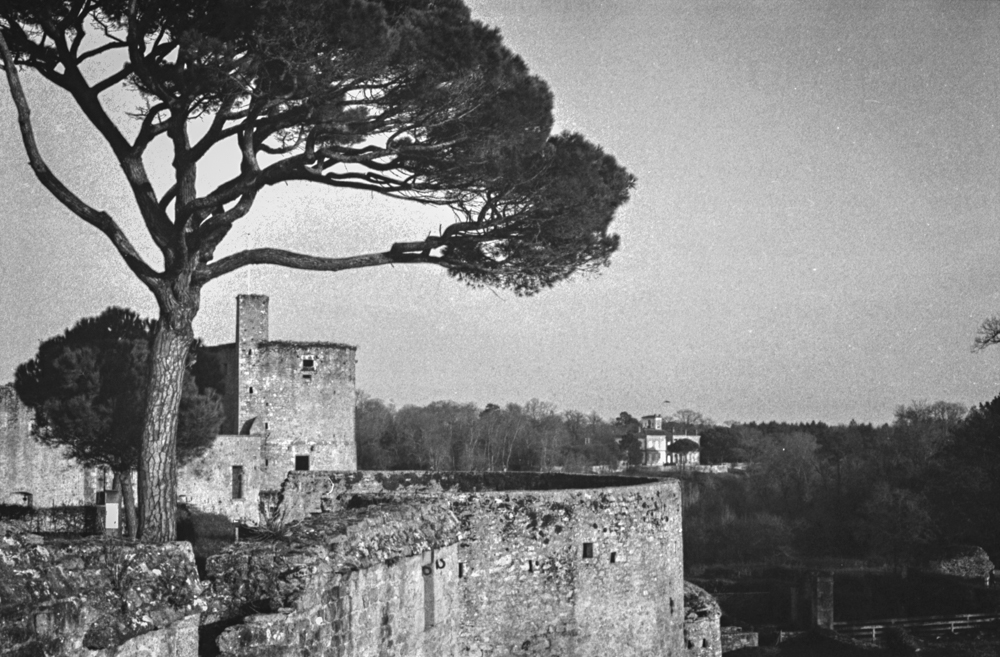
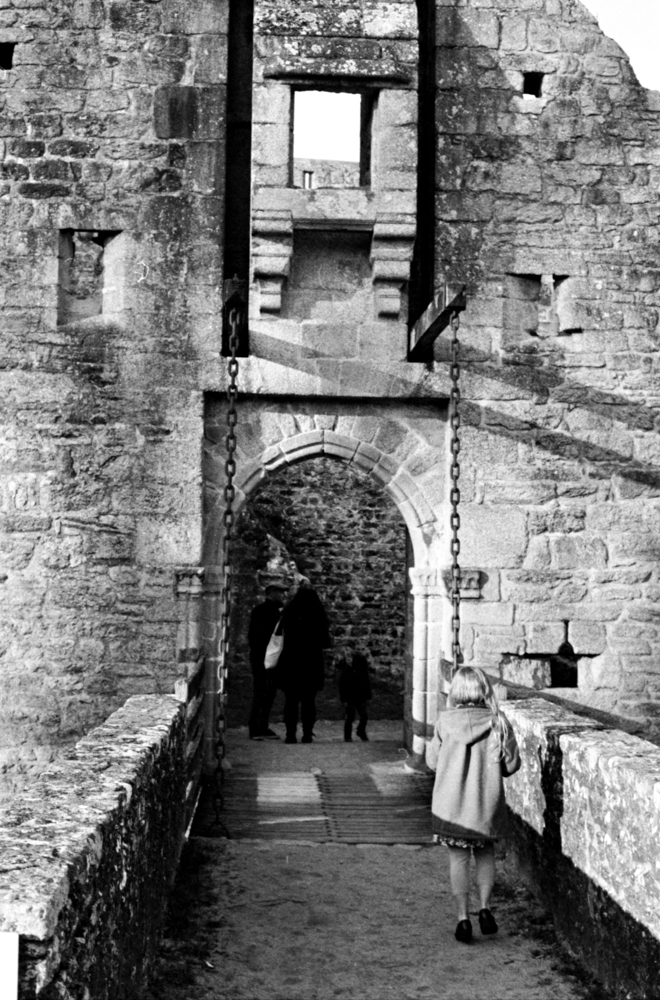
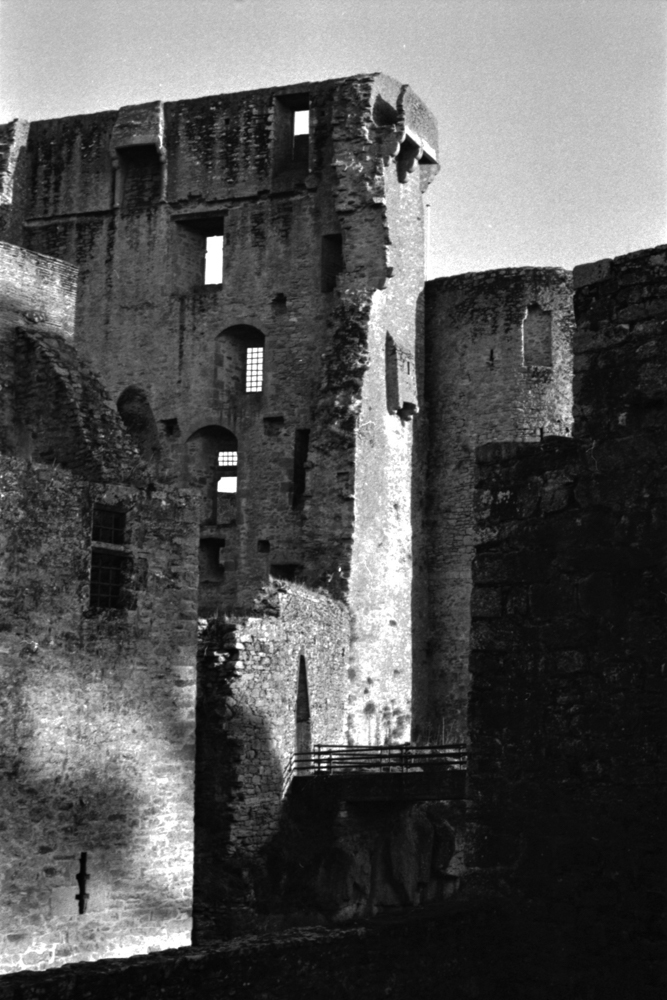
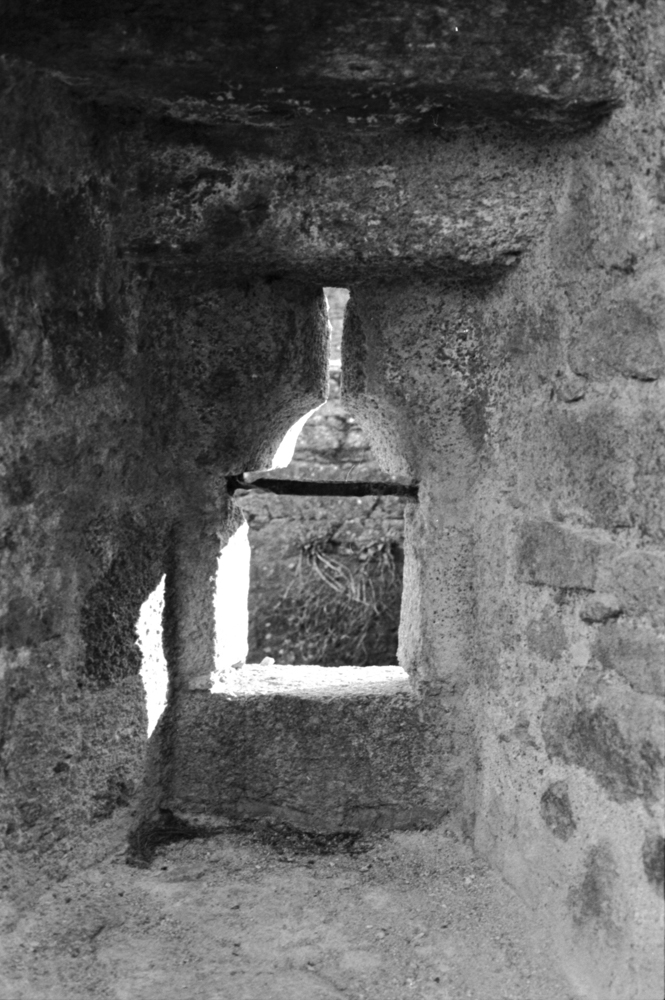
Opening of the Film Archives, Château de Clisson, February 2017


I had obviously taken a break with the Canon AE1 and spent the whole of December and January in hibernation, as most grumpy bears of my age do. Get Christmas over with, then go back to bed… I like my bed. No, I love my bed!!

Spring was just around the corner, and Kate had managed to awaken the beast and proceeded to tell me what she had planned for the day. It included me, a camera, and the Chateau de Clisson. I had just been “told” by my daughter, and off we headed to Clisson.

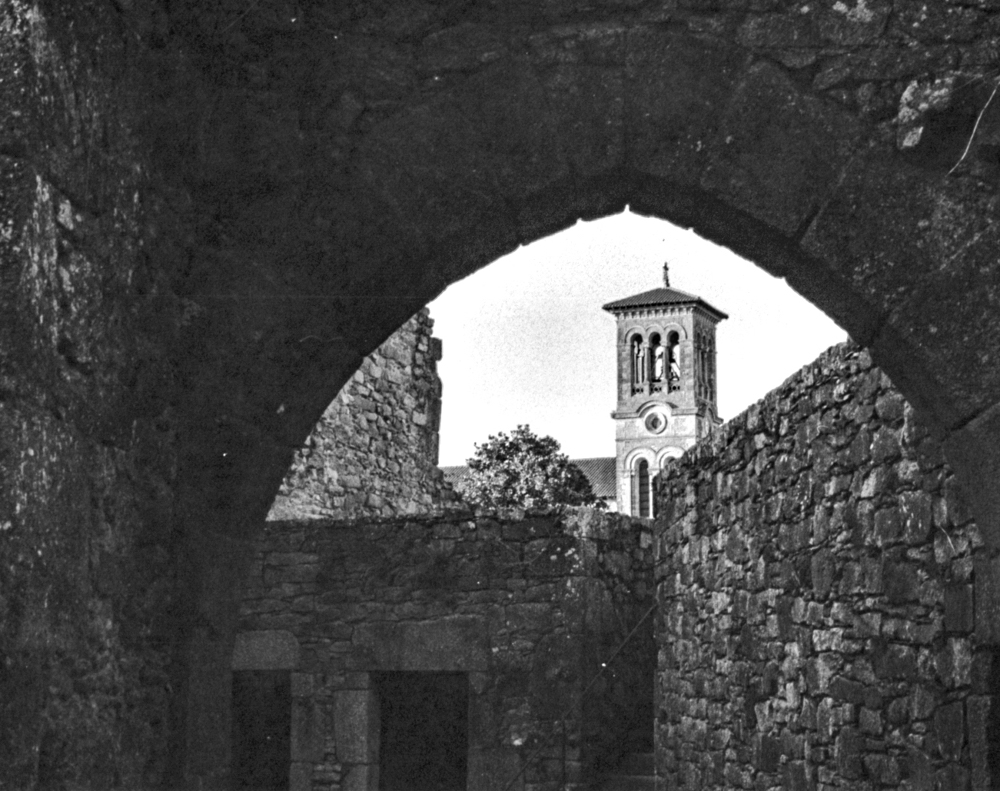
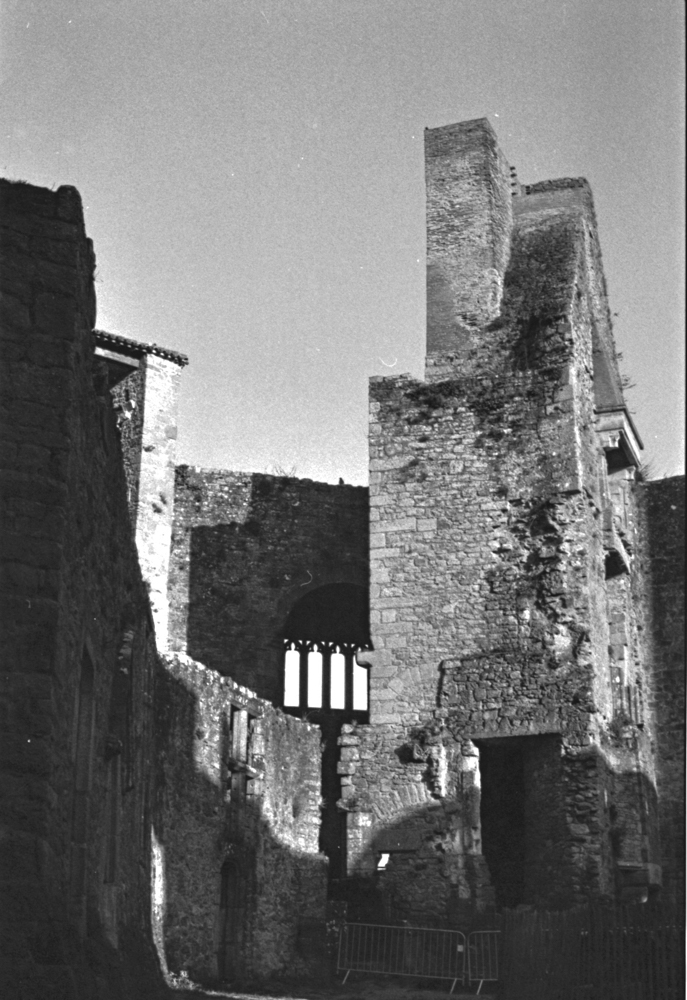
Now, the Chateau de Clisson is no small affair by any means. It dominates the centre of the town, sitting atop a hill as an imposing structure. I remember Kate having begged me on numerous occasions to actually go inside, and this time I acquiesced.

It was the perfect opportunity to not only document the inside of this historic site but also to let my playful daughter do what children do best: be cute, or as they say in French, espiègle. At that age, she was still content to pose for the camera, unlike the moody teenager she has become. Yet, sometimes, that same playful nature still manages to shine through.

If you’re curious to learn more about the history of the Chateau de Clisson, I’ve included a link for further reading.

After our outing in Clisson, I retreated to the quiet of my darkroom, where the real magic happens—transforming the captured moments into tangible memories. The familiar routine of developing the film, loading it into the tank, and watching the images slowly emerge never fails to captivate me. Once the negatives are ready and the scans are complete, I file them away in both my digital and analogue archives.

Then, a few years later, I get to share these memories with you. It’s a special kind of nostalgia—the kind that comes with taking time to slow down, reflect, and preserve what matters most. Thank you for joining me on this journey and for allowing me to share these pieces of the past with you.

Opening of the Film Archives – Canon AE1 Street Photography in Nantes


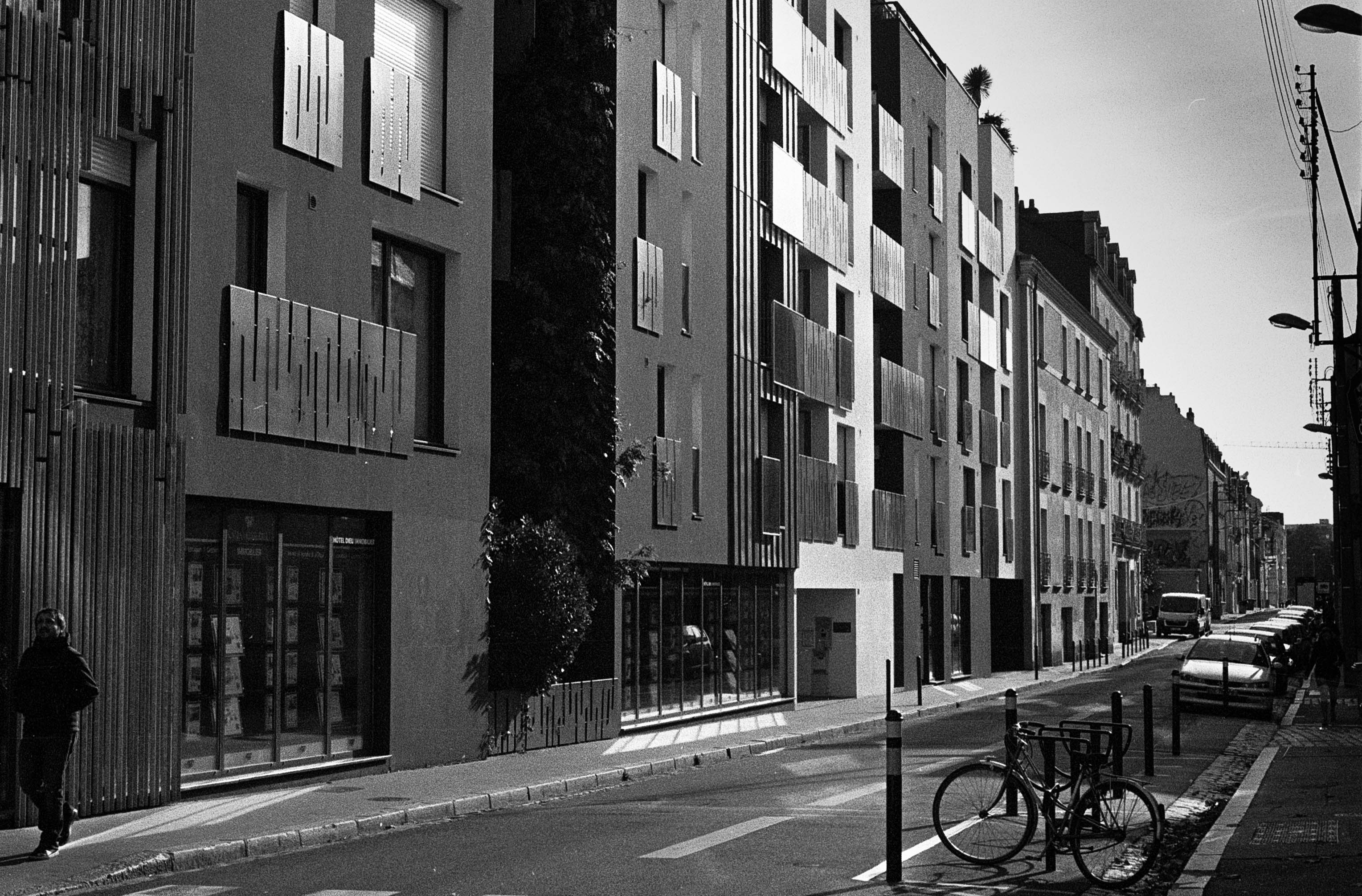
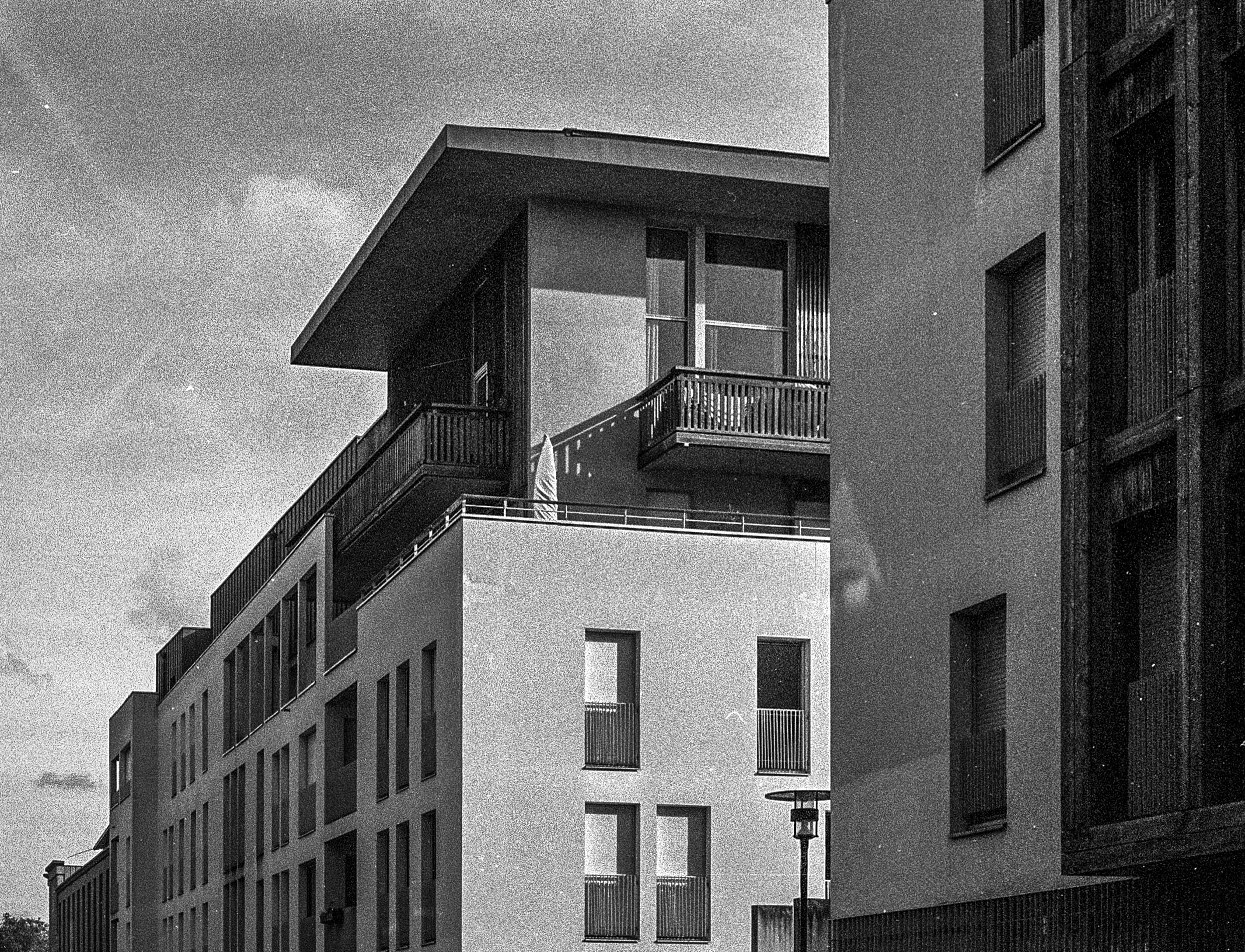
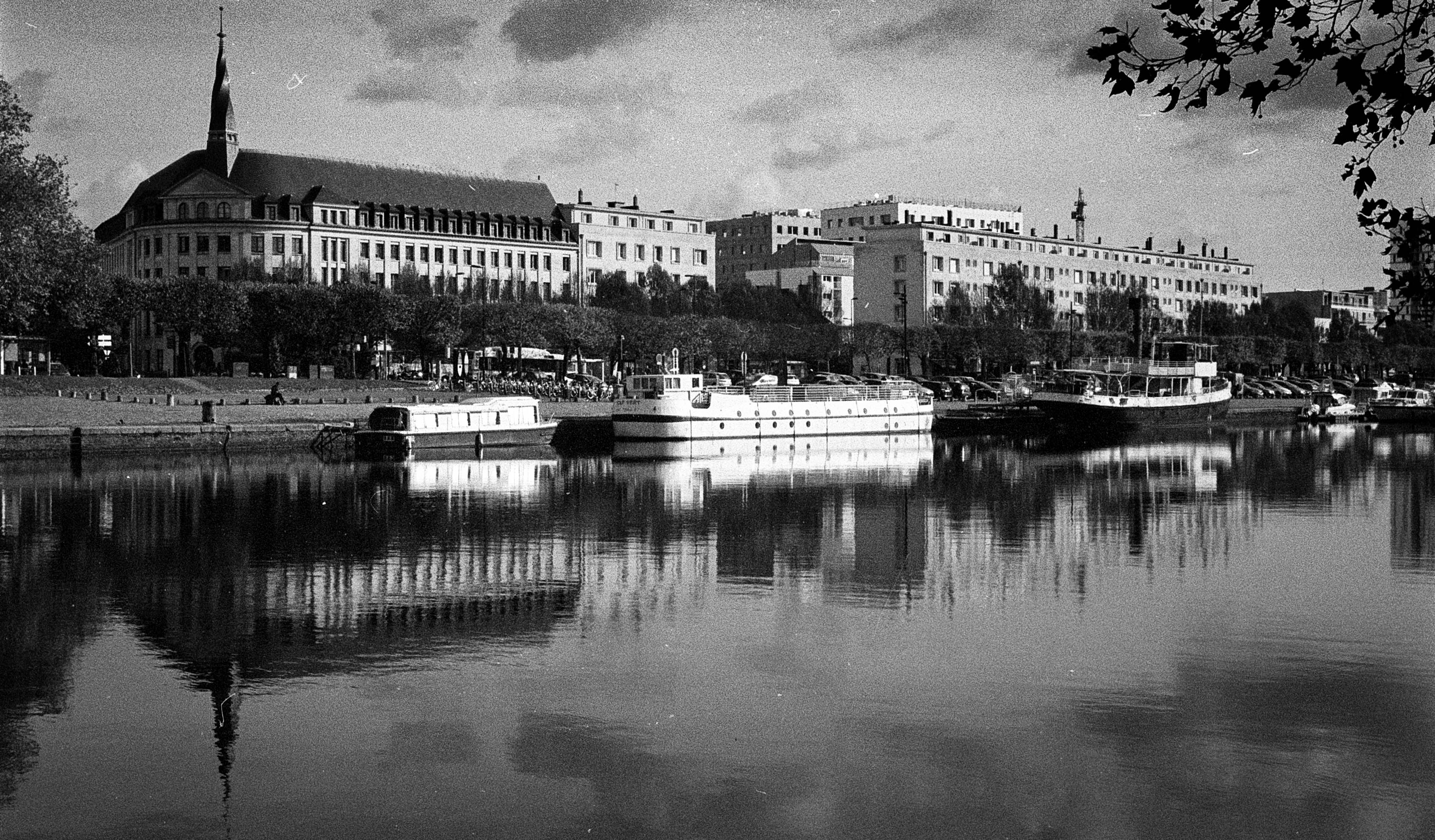
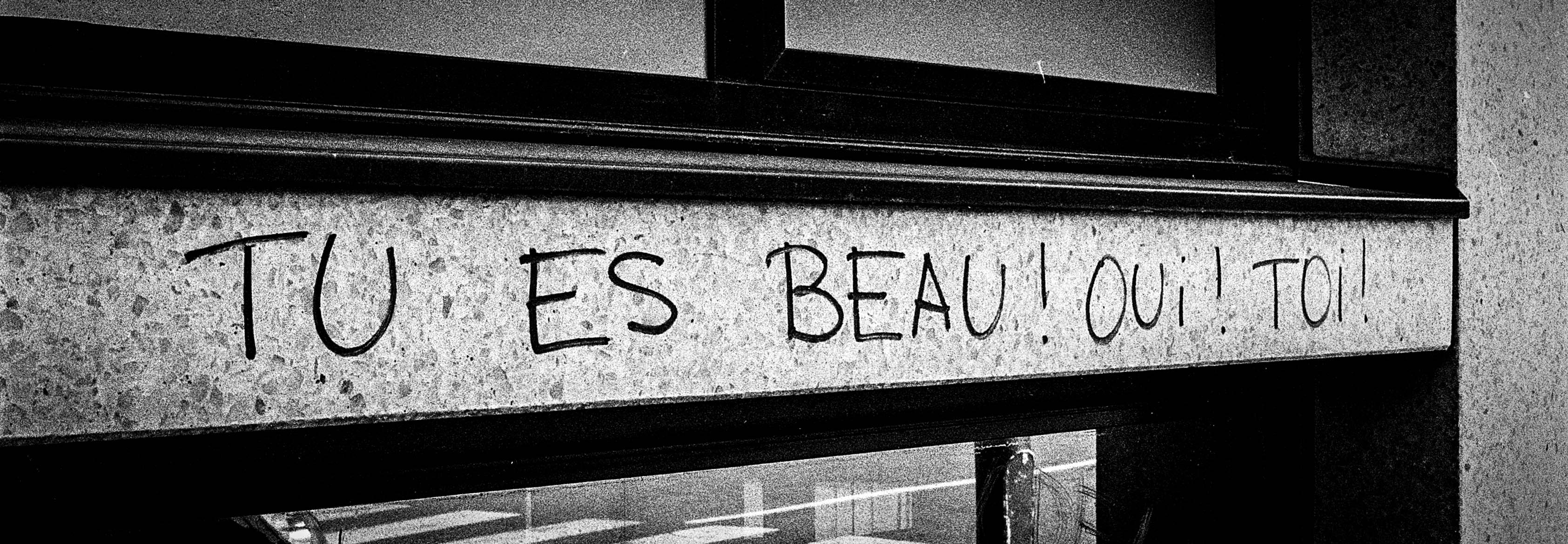
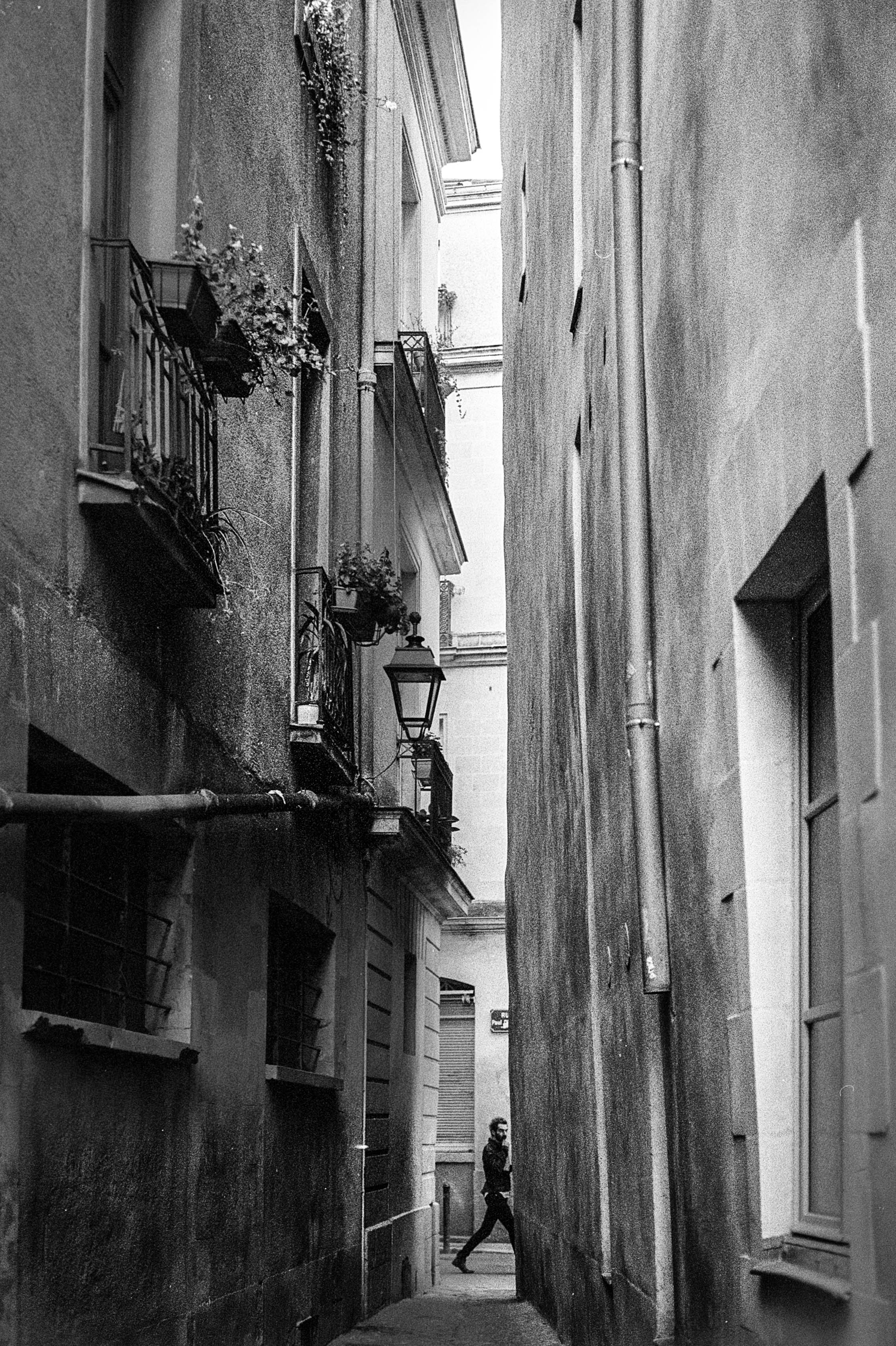
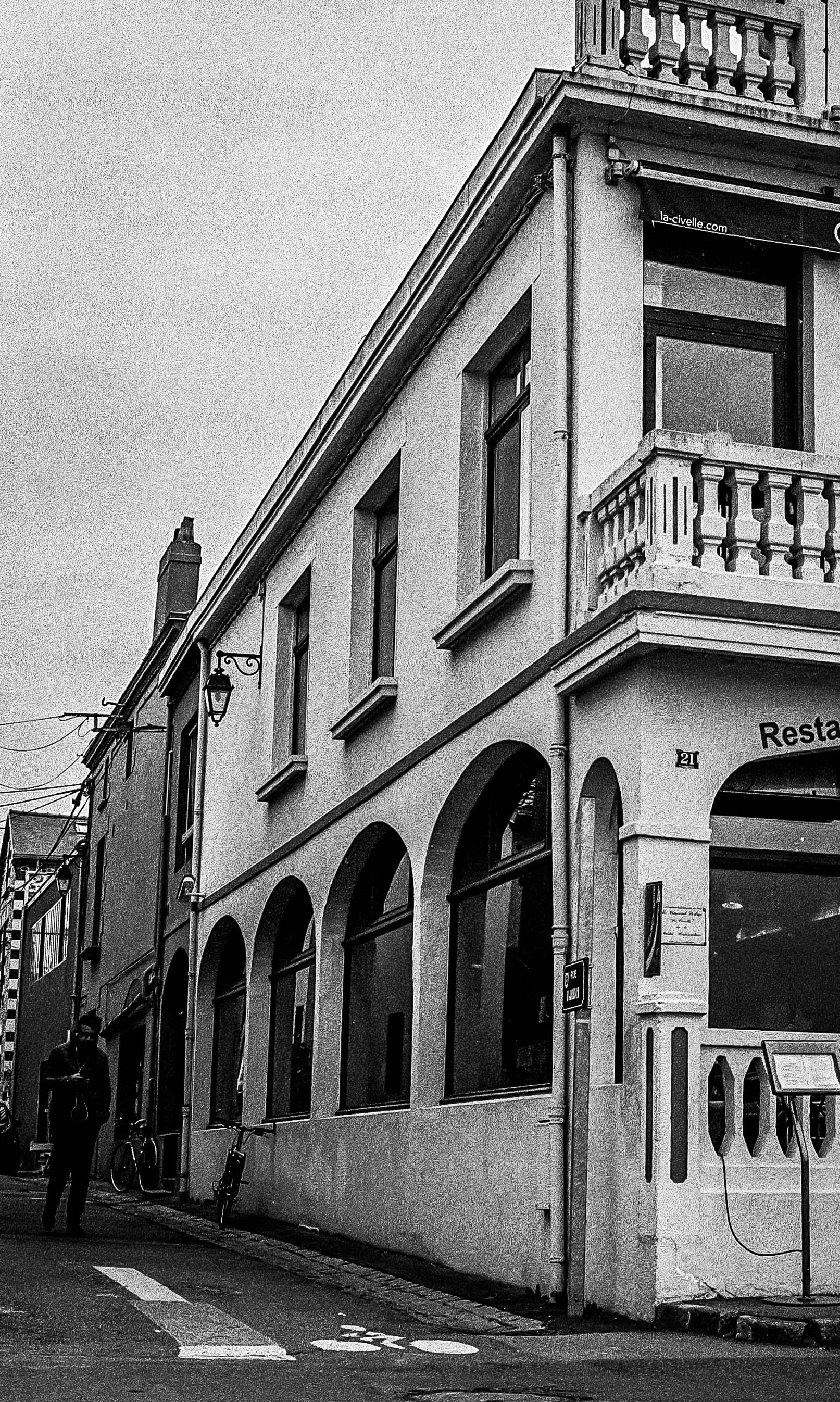
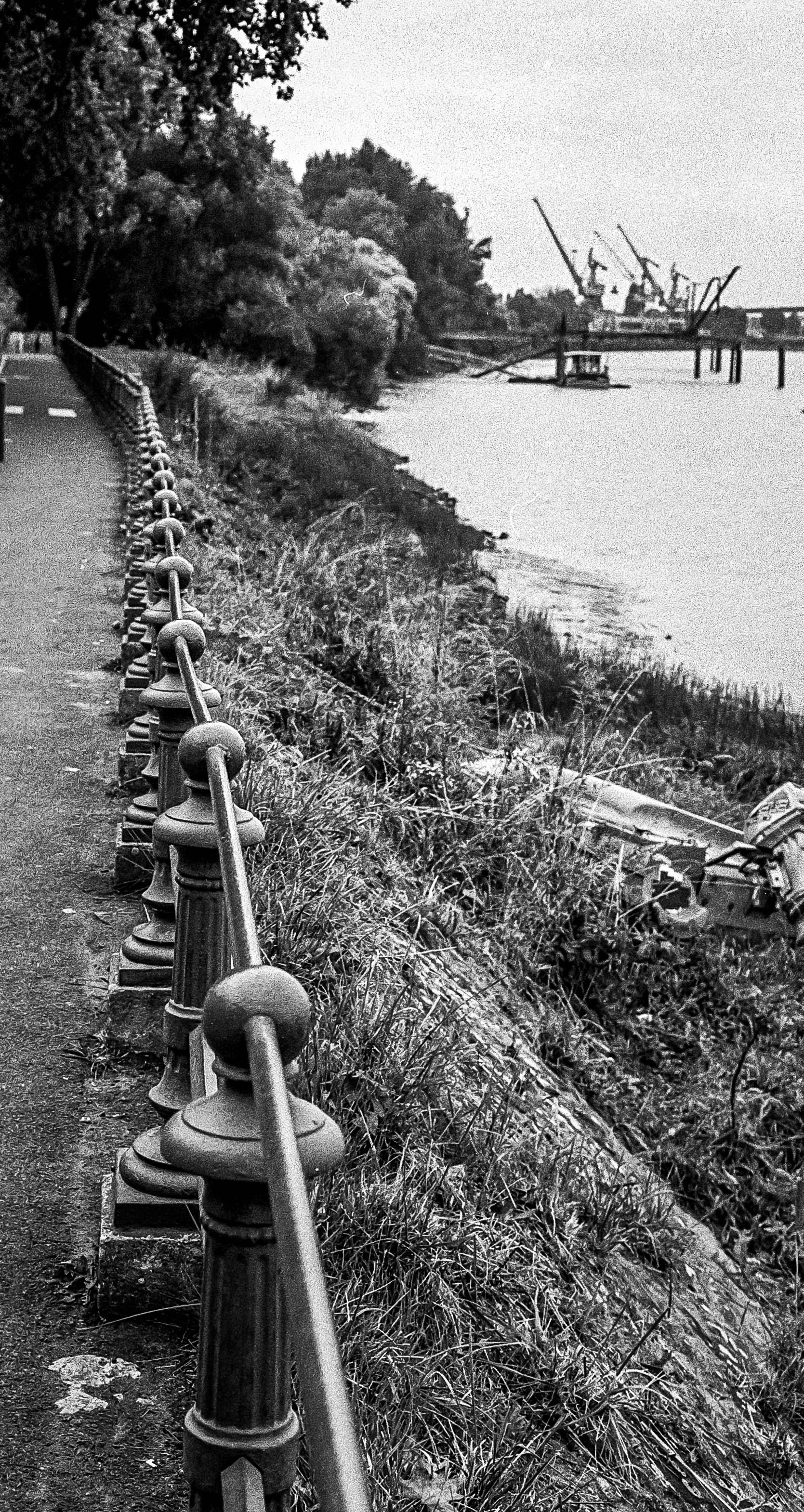
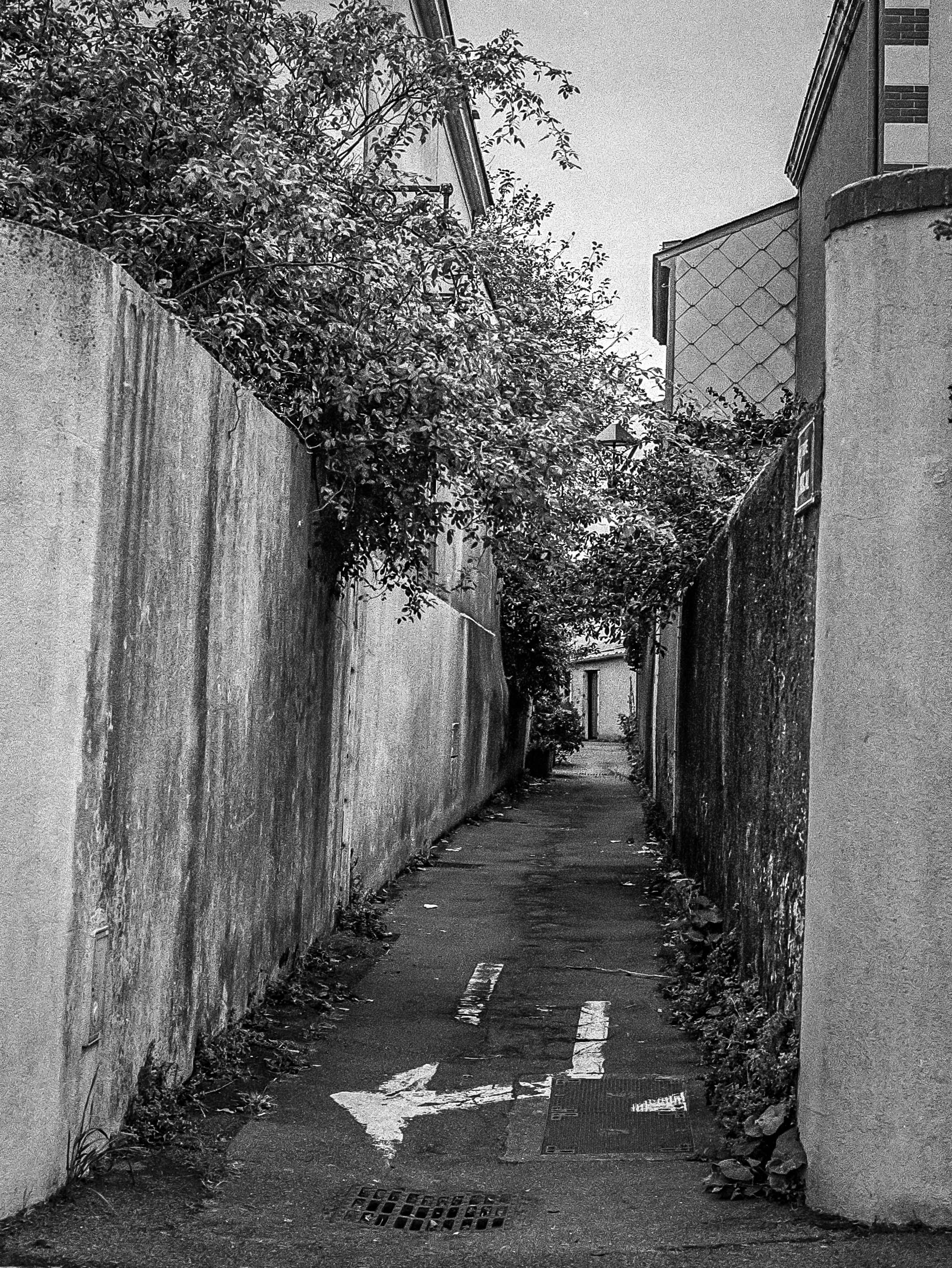
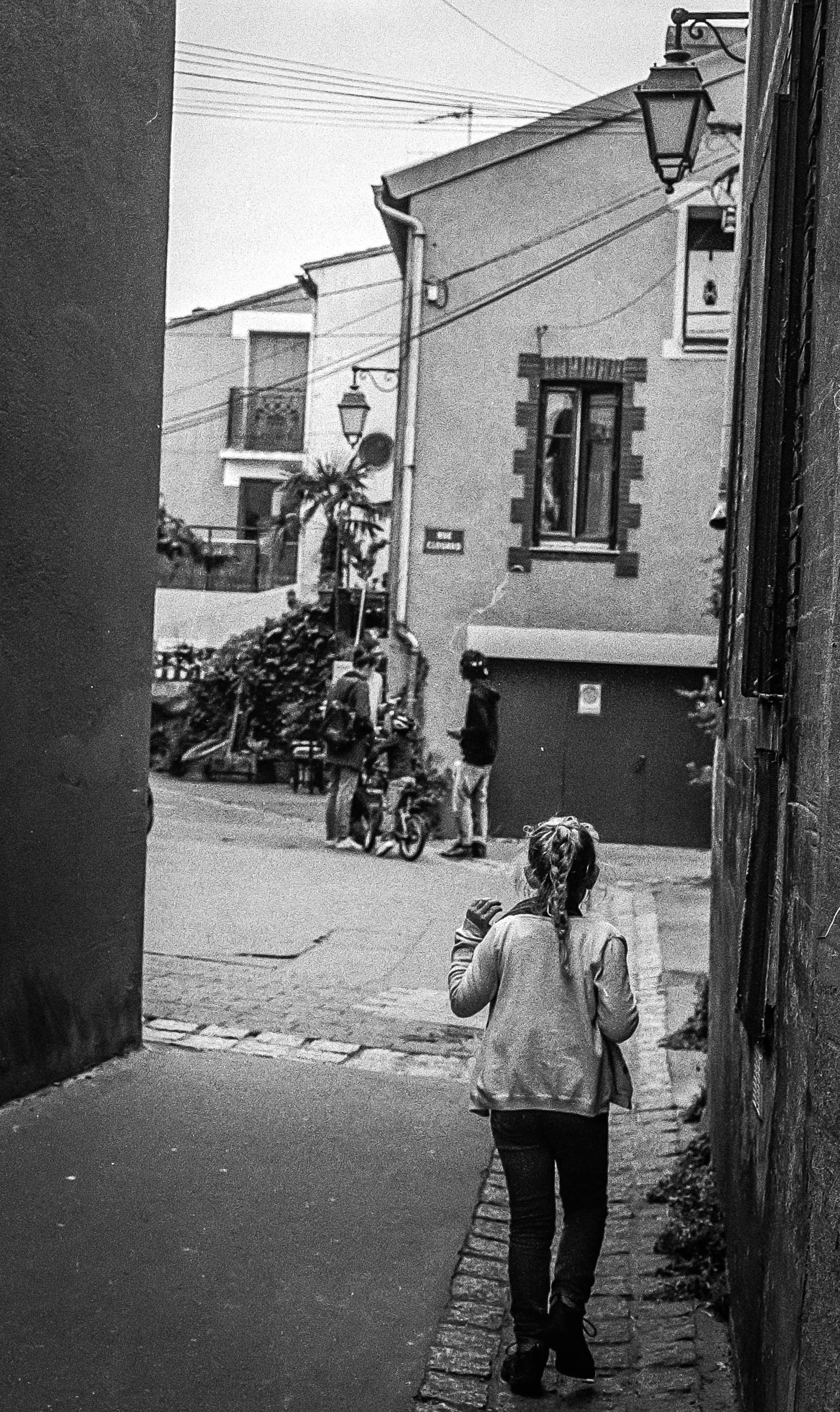
Good afternoon, Dear Reader. I’m writing this article thinking of you and wondering what to show you next in this ongoing series. The clue is in the title: Canon AE1 Street Photography in the streets of Nantes.

I know you have the eyes of a hawk who never miss a trick because your vision is so sharp. You might even have scrolled down to the photos already, and your eagle eyes will have noticed that this isn’t the usual area I visit on these outings. And, of course, you’d be right!

Yes, I still parked in the Feydeau car park but crossed the road to the south, heading along Baco-Lu, past the Tour Lu (sans “t”), towards the St Felix Canal, and then back into town… Some of the places no longer exist or have changed hands, but you would still recognise them even today.

I think that with these photographs, I’m getting closer to what some might call “proper” or “traditional” street photography. The images have a certain gritty quality to them, including the people in the shots. This was something I was actively aiming for. Maybe it’s the grain—something I don’t get with the X100F—that helped bring this about. Or could it be the people, whose presence seems to reveal the stories behind them? Whatever it is, I felt that this was a very good day.

I think I may have shared with you that I’m going to China this Christmas on tour with the orchestra I play for. I’m still undecided about which camera to take and wondering if I should bring a film camera along. With the X100F, I’ve become so accustomed to the 35mm lens, while my film cameras only have 50mm lenses to work with. Reviewing these older images may help me make up my mind. It’s going to be an epic trip, and I want to be sure of the kinds of images I’ll be able to capture.

As much as I’d love the flexibility to hop in the car and retake a shot if needed, this trip to China will be different. I’ll need to trust my choices and embrace the moment as it unfolds—something that feels both exciting and a little daunting. But that’s the beauty of photography, isn’t it? The challenge of capturing fleeting moments, knowing they might never come around again. So, whatever I decide, I know the experience will be unforgettable.

While the anticipation of the China photos may be killing you, I know you’ll be patient, whatever I decide to use. Rest assured, those photos will capture the spirit of the trip. Only two and a half weeks before I start my travels…

A Photography Philosophy – Part II – Why Do We Photograph?


Cameras. Why? What is it that makes us pick one up? For me, a camera is not merely a beautiful object; it’s a tool—a simple box, with a lens through which light passes, creating an image on film or a sensor. Whether the box is a hundred years old or fresh off the production line, the same principles hold true. Even our phones are, in essence, an evolution of that same box. But beyond mechanics, what truly drives us to take a photograph?

The Kodak company told us it was all about “capturing that Kodak moment.” But what exactly is this moment, whether created by Kodak or any other company? Firstly, it was a stroke of marketing genius, associating a photograph with a personal, meaningful memory. Secondly, it gave us a compelling reason to pick up a camera and capture memories to share with others, possibly even sparking the first instances of FOMO (fear of missing out), which is now so prevalent in social media. Kodak cleverly linked photographs with significant memories, encouraging us to reach for our cameras. How kind of them.

Yet, let me assure you, it’s not a cure for FOMO, despite what Kodak or social media might suggest. Or at least, not entirely. I use my photography to document the world around me at a given moment in time. Photography is the only art form that allows you, the viewer, to see something through my eyes as I saw it. But while photojournalists capture our world, photography is not solely about documentation.

It’s about storytelling through images. A single photograph can hold an entire narrative within its frame, suggesting more than what’s immediately visible. But often, I find I need multiple images to fully convey a story. When I write my blog pieces, I aim to tell the story in both words and images. I guide you through a carefully curated selection, hoping that you might connect with them in the same way I did. This connection—between the photographer and the viewer—is, for me, one of the most powerful aspects of photography. Through our lenses, we offer others a brief glimpse into our world, our experiences, and our feelings. It’s a reminder that storytelling is more than just documentation; it’s about creating a shared space for interpretation and emotion.

Of course, beauty is also an integral part of why I pick up a camera. There’s something undeniably fulfilling about capturing a scene that feels, to me, perfectly composed. I like to believe I can craft a visually pleasing image and employ various techniques to do so. The idea is to present a scene so that the photograph conveys how I saw it, inspiring you to feel something. Photography is the only medium or art form that allows you, the viewer, to see something that only I saw, and because of the passage of time no longer exists.

It’s about creating art for art’s sake. In a world that constantly demands productivity and output, creating something purely for the joy of creating feels almost radical.

Then there’s the meditative side of photography. For me, the camera isn’t just a tool to create images; it’s a form of therapy. When I’m suffering from melancholia, or I’m lost in thought, stepping into the world as an observer through my camera often gives me a sense of calm. Looking through the lens allows me to disassociate from daily worries and approach the world with curiosity rather than anxiety. This small shift—seeing myself as a photographer rather than a participant—transforms the environment around me from something overwhelming into something inviting. The camera’s frame becomes a safe space in which I can explore without judgement or expectations. In this way, photography becomes a practice of mindfulness.

The process itself is deeply important. I often think of Vivian Maier, who left behind so many undeveloped rolls of film, underscoring the significance of the process itself. Born in 1926, Maier spent her life photographing the world without promoting her work. Of the 140,000 shots she took, only 5% were ever developed—a body of work unknown even to its creator. This fact alone astounds me. Perhaps she, too, was capturing moments for herself, deeply invested in the act of photography without any need for external recognition. Her legacy reminds us that the process can be as meaningful as the result and that photography has value even when the images are unseen.

In today’s image-saturated world, where everyone is encouraged to share, edit, and curate their lives, it’s worth asking if we’d still take photos knowing that nobody else would ever see them. For me, the answer is a resounding yes. Photography is more than a tool to impress, to document, or to share; it’s a means of expressing myself and, often, of making sense of my own experiences. Every image is a small act of discovery, helping me see the world more clearly or find beauty where I might not have noticed it before.

Ultimately, photography is a language, a form of communication that transcends barriers of culture, language, and time. A single photograph can capture something timeless—an unfiltered moment of life that can be understood and felt by someone across the globe. In this way, photography becomes a shared visual language, offering us a way to connect beyond words.

So, why do we photograph? Perhaps the answer is as varied as the photographers themselves, shaped by individual motives, experiences, and emotions. But whether we’re documenting, creating, or simply exploring, the act of photography invites us to see the world—and ourselves—with fresh eyes. And in the end, that might be the most compelling reason of all.

A Photography Philosophy Series – Part I – An Introduction


With the aim of delving deeper into the meaning behind photography, I’ve decided to launch a new series of articles. Here, I want to explore questions like why rather than just how or with what. In my Photography 101 series, we looked at the basics—technique, lenses, and so on. I’ve written extensively about gear in my camera reviews. But now, I’m searching for something beyond that.

The wheels in my mind are already beginning to turn. Not frenetically yet, but there’s a steady intellectual process underway. Answering “why” feels more challenging than “how” or “with what.” It demands more from me than simply focusing on technique or gear.

Here goes anyway!

To set the stage for this exploration, I’ll begin by sharing my own journey in photography. Understanding where I come from may help illuminate my perspective on the medium.

I was born in an age before the all-powerful image took over. Yes, we had photos, and I enjoyed looking through them in our albums. Each image was a physical object, and the idea of viewing images on a screen was foreign to us all. When we spoke of phones, we meant the ones hanging on the wall at home or in the phone boxes on the street. They certainly weren’t for taking photographs.

Back then, cameras fell into two categories: point-and-shoot cameras for the masses and “proper” cameras for photographers. Point-and-shoots were basic, easy to use, and, for me as a small child, they were an introduction to photography. Proper cameras, on the other hand, were for those who had learned the craft of photography, and using one made you feel part of a certain fraternity.

My first Form Master at prep school, Father Gerald, had a proper camera and recorded school life with it. Occasionally, a board with a selection of 6-by-4-inch photos would appear, always in black and white. Father Gerald must have had his own darkroom for developing and printing. I have no idea what kind of camera he used, but it was undoubtedly a proper one.

In 1984, a German orchestra visited Hull, and Stefan Haller from Neustadt an der Aisch stayed with us. Stefan had a proper camera, and I was fascinated by it. When I asked my father if I could have one too, he agreed—but I would have to learn how to use it first. The local YPI organized a summer school offering various activities, including proper photography. And that, Dear Reader, is how I first encountered this “proper photography” lark!

So now you know the why and how behind my beginnings in photography. Let’s look at how this journey evolved. My first proper camera was a Praktica MTL 3. It was fully manual and had a built-in light meter, which helped me get my exposure right each time—or nearly each time. With that camera, I trained my eye and explored the world around me.

Photography at the time was film photography. Although Kodak invented the digital camera in 1979, digital photography didn’t become accessible until the early 21st century. Growing up, color photography was for capturing moments with friends and having a laugh; black and white was considered more “arty” and suited for serious photography. I was deeply affected by the black-and-white images in newspapers, while color images seemed relegated to magazines.

I remember having breakfast with my father every morning as he read The Independent, a paper known for its high standard of photographic journalism. This was my daily visual inspiration. I had a subscription to National Geographic, where I encountered even more incredible photography in its pages. This was top-class photojournalism, and these images now serve as a historical reference for us all.

This is the time and place I come from. For young Gen Z readers, it might sound like ancient history, but to me, it’s deeply real and continues to influence my approach to photography in the digital age.
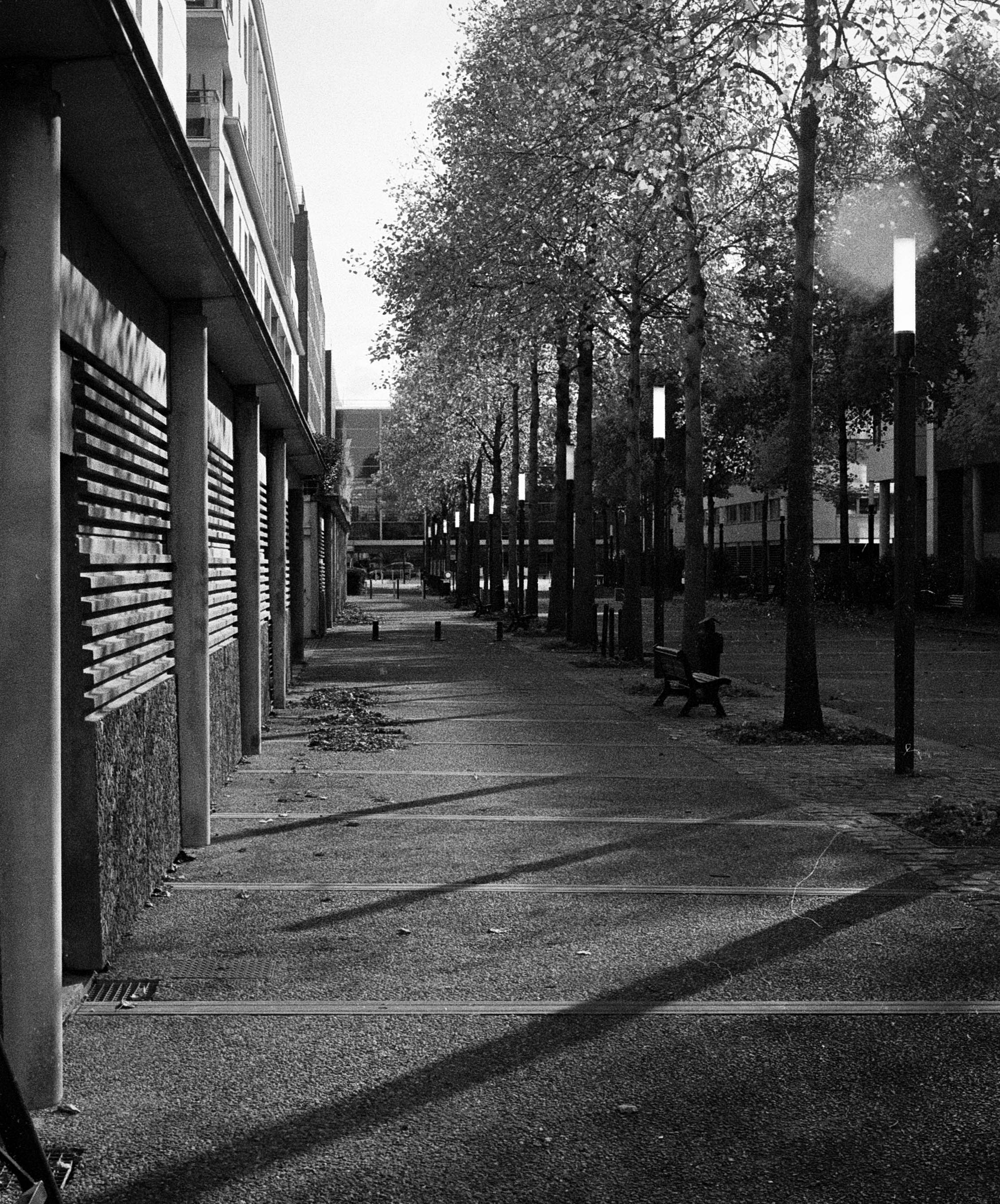
Now that you’ve had a glimpse into my why, let’s dive deeper. In the next article, we’ll look at why others feel compelled to pick up a camera. Throughout the series, we’ll explore the connections between images and emotions, how we tell stories through our photos, and how photography can be a form of self-expression leading to personal growth. We’ll examine how photography connects us to others, reflect on the philosophy of impermanence, and, at the end of the series, I’ll invite you, Dear Reader, to reflect on your own photographic journey…

The Opening of the Film Archives – Trentemoult October 2016


This was another Ian and Kate day.  Similar in concept to the Ian and Killian day, but a day where I can dedicate myself solely to Kate.  She’s fifteen now of course, but I should spend more time with her.  If she’ll let me of course.  At the time she was only seven—simpler times where I could make her happy with just a nice tea, a boat trip across the river, and just wandering around exploring the intricate streets of an old fishing village on the “bords de Loire.”  There are no cars in the narrow streets, and the children can run wild.  

This day was one spent in Trentemoult, that rather colourful village that you can see here. The colours are intense and provide a great backdrop for portrait photography. So of course I went in with a film camera and black and white film.  Which only goes to show that when you photograph a location, however colourful, and take away the distraction of that colour, you have to really concentrate on composition, texture, and forms.  I couldn’t rely on colour for my photos today.  But I was sure that I could reveal some good photos despite that.

So what do you do?  You just try and capture some moments of your daughter messing around and being a perfectly normal seven year old.  I tried to capture her exploring the streets and being absorbed by the whole ambiance of the place.  She became part of the scenery, and blended in perfectly.

I was just there purely to observe and record the day on film, with one eye in my camera and the other on Kate.  It was a good day.  

Looking back at those moments reminds me of how quickly time seems to slip by without me realising that I am getting older.  She of course is slightly older, and possibly slightly less “insouciante” or carefree, but my love for that girl is still as strong as ever.