Photography Philosophy Part IV – The Art of Storytelling in Photography


When I first started out in photography, I would go and get my film developed by the photographer on Newland Avenue near where I lived, and the photographer would do what people called a contact sheet.  Basically, the film was cut into strips, placed into a special frame to keep the negatives as flat as possible, and exposed directly onto a sheet of photographic paper.  These “thumbnails” allowed us to see the photos of the outing in one place and we could decide which ones might be worthy of developing.  

We have this digital contact sheet in Lightroom where we import our photos and decide which ones are worthy of being developed. It’s the same idea, just with different tools.

But what does this have to do with storytelling? Think of the contact sheet as the beginning of the story-crafting process. Just like a narrative needs a beginning, middle, and end, so too does our selection of images. With a contact sheet, we gain a bird’s-eye view of an outing—seeing not only the individual shots but how they relate to each other. Choosing which moments to develop isn’t just about technical quality; it’s about deciding which parts of the experience best tell the story.

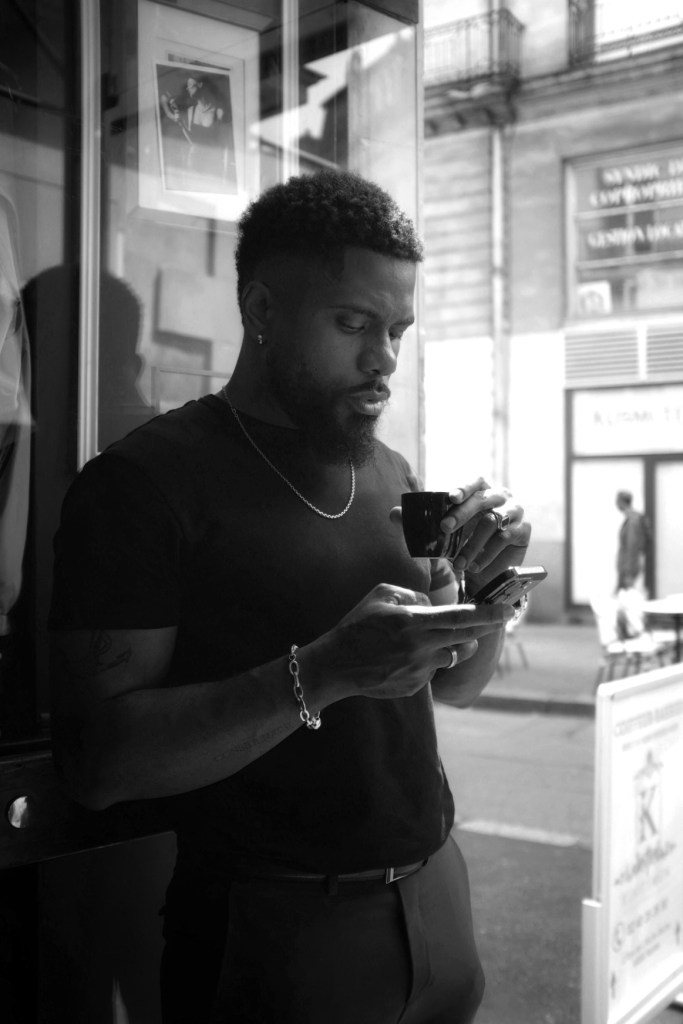
This principle guides me when choosing photos to share here on the blog. Whether it’s capturing moments with my friend JD, the barber, or snapping a shot of my lunch before I dive in, each image plays a role in the day’s story, hoping that I don’t forget to take the photo of my dessert before eating it.  Otherwise you just get a photo of the plate with some traces of cake or just some crumbs.

But lets’s get back to the idea of story telling with an arc that covers the outing.  When I set out for the day, I begin with a few warm-up shots to set the scene. If I have a plan, great—but often I don’t. Instead, I focus on capturing the ambiance of my surroundings, whether it’s a café, church, or pub. Each photo builds on the last, creating a narrative of my day’s journey.
For events, especially when I’m hired to photograph, I’ll start by discussing the plan with my client. I want to know what’s important to capture, any specific conditions at the venue—lighting, mobility restrictions, etc.—and what moments they consider essential. Having this list of must-capture moments, like the classic Kodak moments that we talked about in the last article, helps me stay focused and give me structure.

For the sake of arguments, I have a wedding to photograph, and I know that I will be taking shots of the bride before the ceremony.  I know that I have to be at the venue before the happy couple arrives.  I’d better get a shot of the rings before they appear on the couples’ fingers, etc.  I’ll want environmental portraits of the guests, etc.  This planning ahead allows me to be more serene during the day itself.

newlyweds and their wedding bands
Just married

Not every story requires a series of images; sometimes, a single photograph can capture an entire narrative. Think of it as a self-contained story, a moment that holds not only what’s visible but also what’s implied—emotion, context, and sometimes, a sense of mystery.

For example, take a photograph of a lone, empty café table in the soft morning light, a half-full cup of coffee, and an open notebook on the table. This image can suggest solitude, introspection, or perhaps the moment right after someone has left. The viewer might wonder: Who was sitting here? Why did they leave? What were they writing? This photograph tells a story, inviting the viewer to step in and imagine the rest.

A single image can evoke different responses based on the viewer’s own experiences and emotions. In many ways, it’s a conversation between the photographer and the viewer. We as photographers might set the scene, choose the light, and capture the moment, but it’s the viewer who fills in the blanks, completing the story in their mind.

This approach also applies when photographing people. A portrait of a person lost in thought, gazing out of a window, can evoke curiosity about what’s on their mind, where they might be going, or what they’re experiencing at that moment. In these cases, the single image captures more than just a face or place; it holds an emotional narrative that transcends words.

my daughter contemplating cake
Am I sure about this cake?

Storytelling in photography isn’t just about taking pictures; it’s about deciding which moments matter and capturing them in a way that communicates more than what’s on the surface. Whether we’re crafting a narrative through a series of images or capturing an entire story in a single frame, each photo we take says something about how we see the world and what we want to share with others.

Next time you’re out with your camera, think about the story you’re building, whether it’s a quiet day at a café or a bustling event. What do you want your viewers to see, to feel, to wonder about? In some ways, we’re all storytellers—stringing together moments, big or small, to create something meaningful.

So, go on—look through your images as if they were frames in a film, each one a piece of a larger story. You might find that your perspective shifts, and that’s when photography becomes more than just a hobby; it becomes a way of understanding and connecting with the world.

A photography Philosophy – Part III – The Emotions of Photography


The Connection between Emotion and Image

I’m going to tell you a story about an essay that was given to us by the music master at the beginning of my Music A level course.  There were four of us studying music, and the lessons took place in his study, much like a tutorial at university.  The title of the essay was something like describe the perfect piece of music.  

Back then I described the Glenn Miller song, Moonlight Serenade.  One of my fellow pupils described the Planets from Holst.  In the following tutorial after our essays had been marked, I was criticised since the Master thought my piece was repetitive, had no particular musical merit, and was corny.  I, on the other hand, argued that it was the way the piece made me feel.

With hindsight I should have just handed in a clean sheet of paper saying that there is no such thing as a perfect piece of music, as taste is purely subjective and that he should take his essay question and possibly reconsider his stance!  I didn’t of course.  But it certainly got me thinking, even to this day!  

Subjectivity in Art

As in any art the appreciation of the viewer is purely subjective and we have to be so careful about reading an interpretation into a given work.  There are effectively themes that are explored in literature that could be described as obvious.  But in Photography, I maintain that any connection to a particular photograph is an emotional one first, before going any deeper.  

The Essence of Emotional Connection

But what makes this emotional connection possible? And how do I go about achieving this in photography.  I’m going to harken back to my musical training.  My horn teacher in France would say, your concerto is your text.  Your job is to recite that text to the audience.    That is all you have to concentrate on.  You’ve worked through your concerto, the techniques necessary to play it, and once the sound leaves the bell of the instrument, it is no longer yours.  It belongs to the audience.  They are the ones listening and they are the ones that will form the emotional connection.

Creating Meaningful Portraits

So how do I make this connection with my audience when it comes to photography?  Well, in portraiture they say to focus on the eyes of your model.  Eyes being the entrance to the soul. If I can capture that and have my model looking directly at my camera and therefore my audience then I’m well on the way to creating a meaningful portrait.

Kate, my daughter
The Art of Street Photography

In my street photography, it can be about catching a detail that everybody sees but that nobody notices until they look at your image.  You can go to my photography tutorials and look at the composition articles to learn about how we direct the audience to a particular point in our photograph by using leading lines, the rule of thirds, and emphasising our subject with our lighting, or by isolating our subject.

The Role of Colour in Evoking Emotion

We also solicit emotion through the colors we choose. Warmer tones can infuse images with energy and happiness, while cooler tones can make them feel peaceful or introspective. For example, adding reds and oranges to a portrait can evoke warmth and approachability, while blues and greens can give a landscape a calm, reflective quality. Considering these colours “in camera” can make the entire process more intuitive, helping you set the mood before you even begin editing.

The Power of Black and White

Shooting in black and white, using only tones of light strips away the influence of colour and presents us with the “essence” of a scene, and it’s one of the reasons I love shooting in black and white, be that on film or digitally.  I aim for a timeless quality to my black and white images, and the emotion can be just as intense.  Without color, we focus on texture, shadow, and contrast—elements that can evoke nostalgia, solitude, or contemplation.

Mindfulness in the Photographic Process

What I think I’m getting at is that to evoke an emotion we need to be so mindful of our photographic process.  Sometimes taking that step backwards allows us to reflect before pressing the shutter button.

Conclusion

I don’t have all the answers of course, but in the end, capturing emotion in photography is as much about the heart as it is about the eyes behind the lens. Each photograph we create is a bridge between ourselves and our viewers—a connection forged in the moment but lasting beyond it. Just as a musician lets their notes drift into the silence, we photographers must let our images speak, leaving space for others to interpret, feel, and connect.

So, as you move forward in your own photography, remember to pause, to feel, and to let emotion guide your hand. Don’t be afraid to take a step back before pressing the shutter, and ask yourself: What do I want my viewer to feel?

I hope this reflection gives you a new perspective on how you approach your next shot. After all, photography, like any art, is a journey without fixed answers—one of constant discovery. Take time to explore, experiment, and, most importantly, to feel.

The UK Chronicles, Part V: Rothbury to Hepple


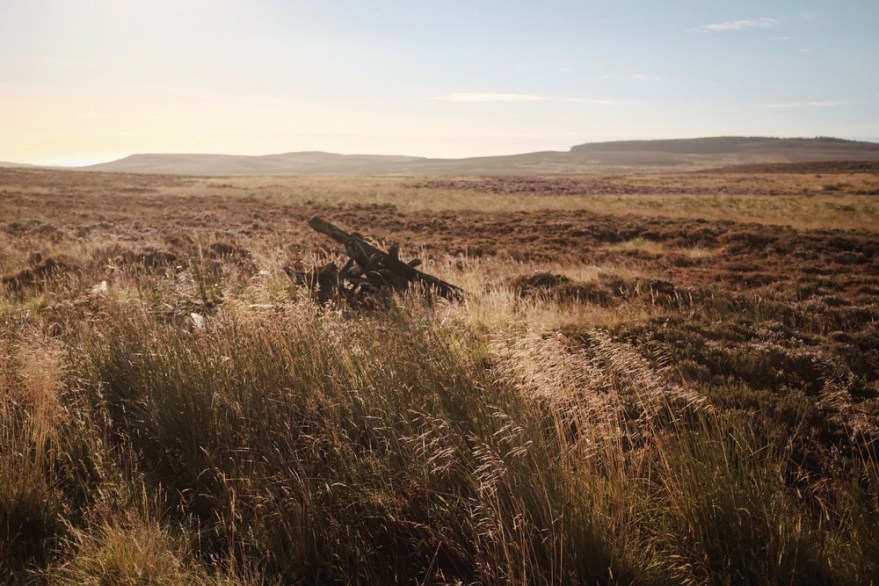
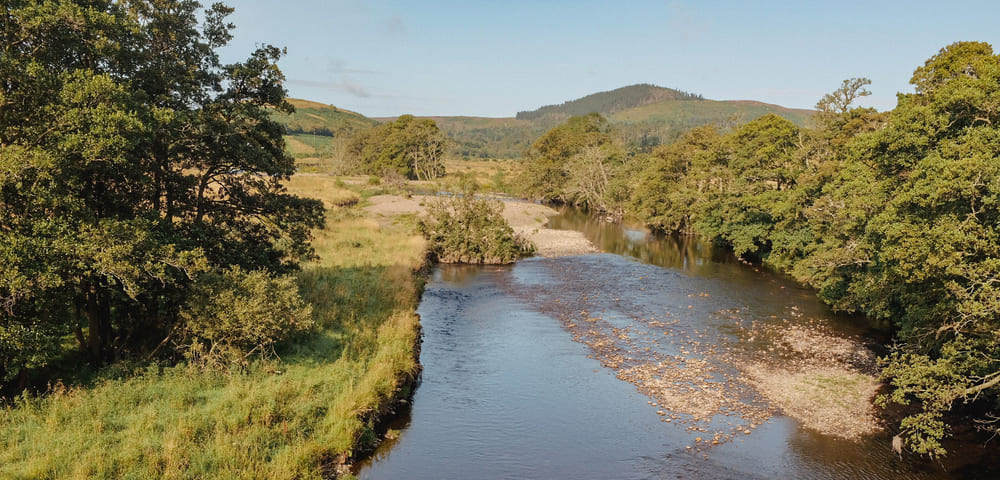
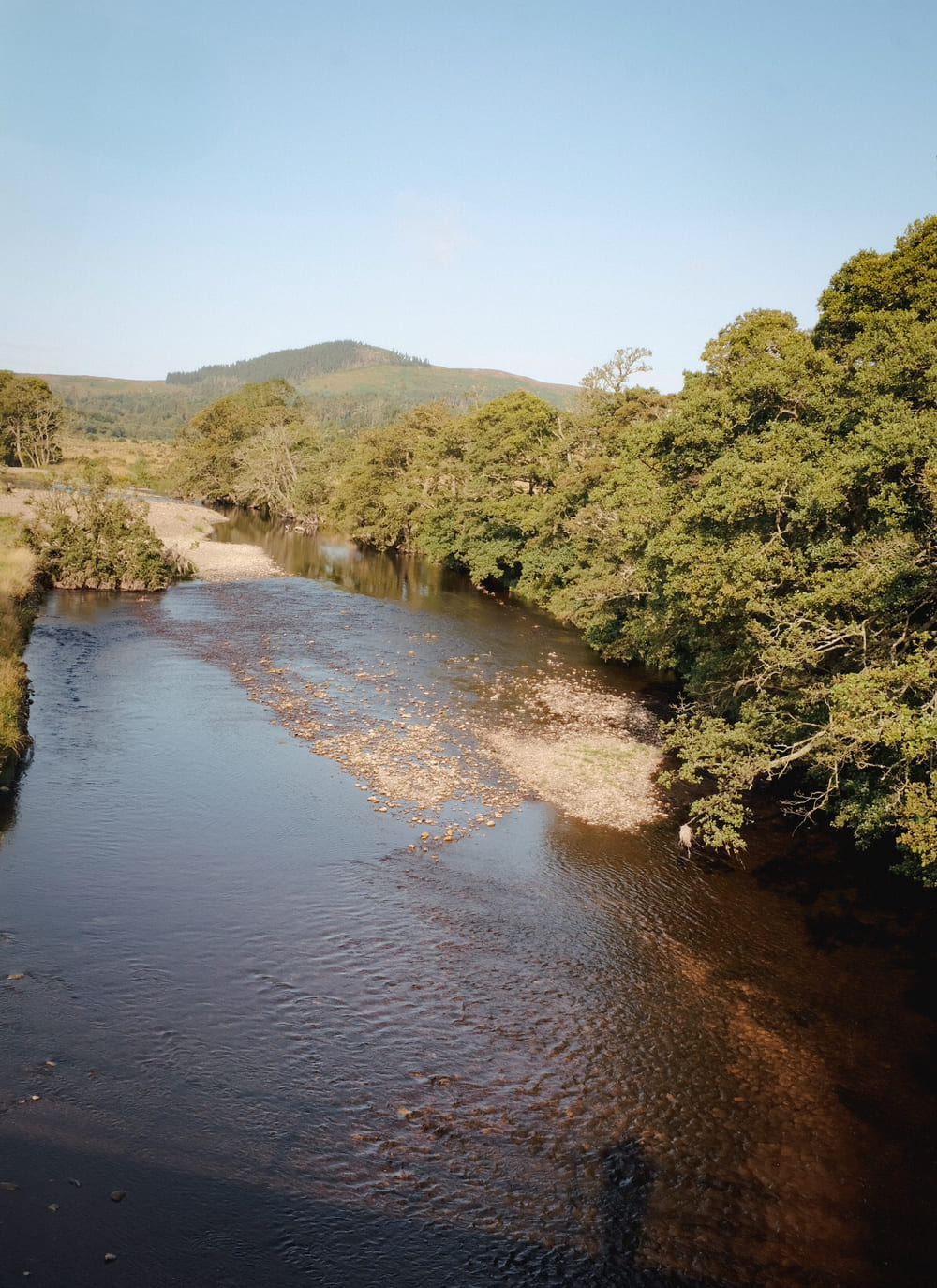
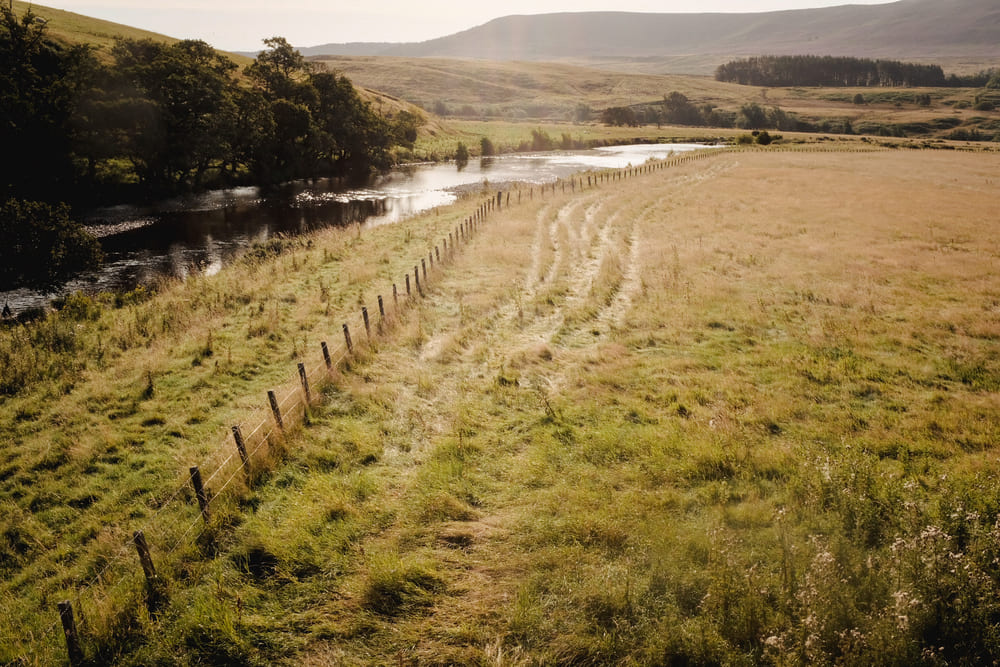
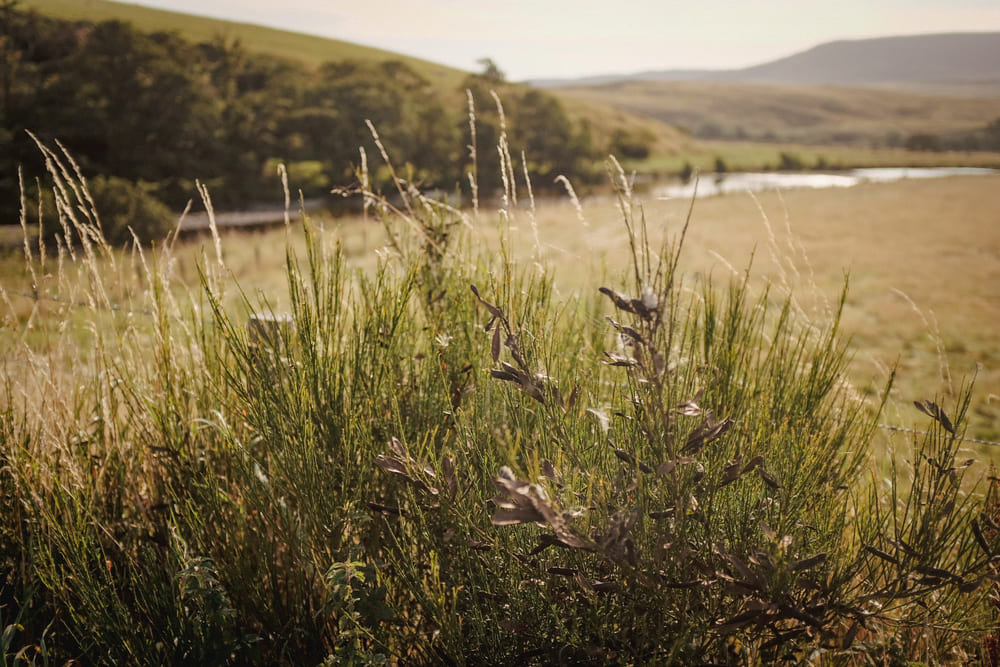
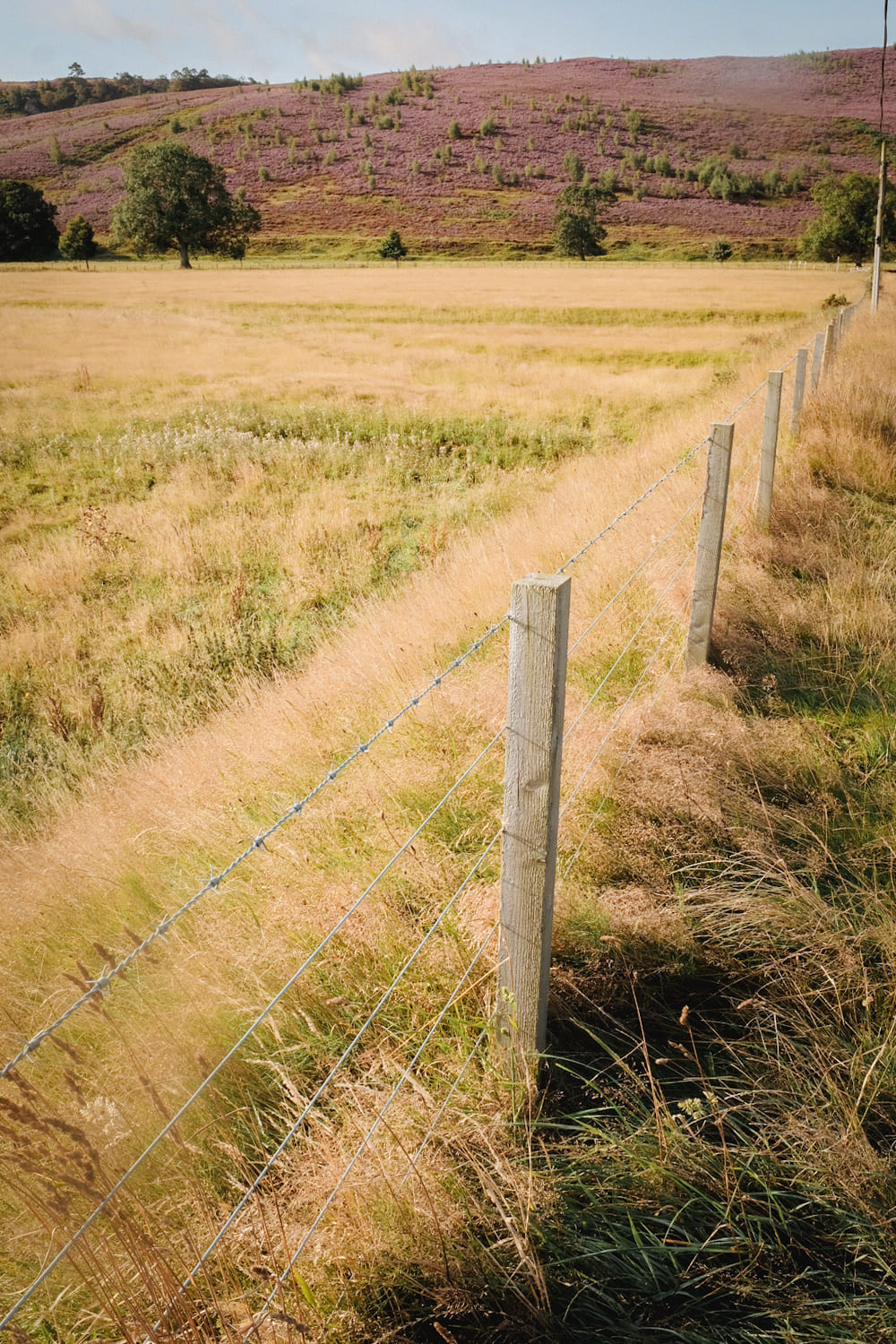
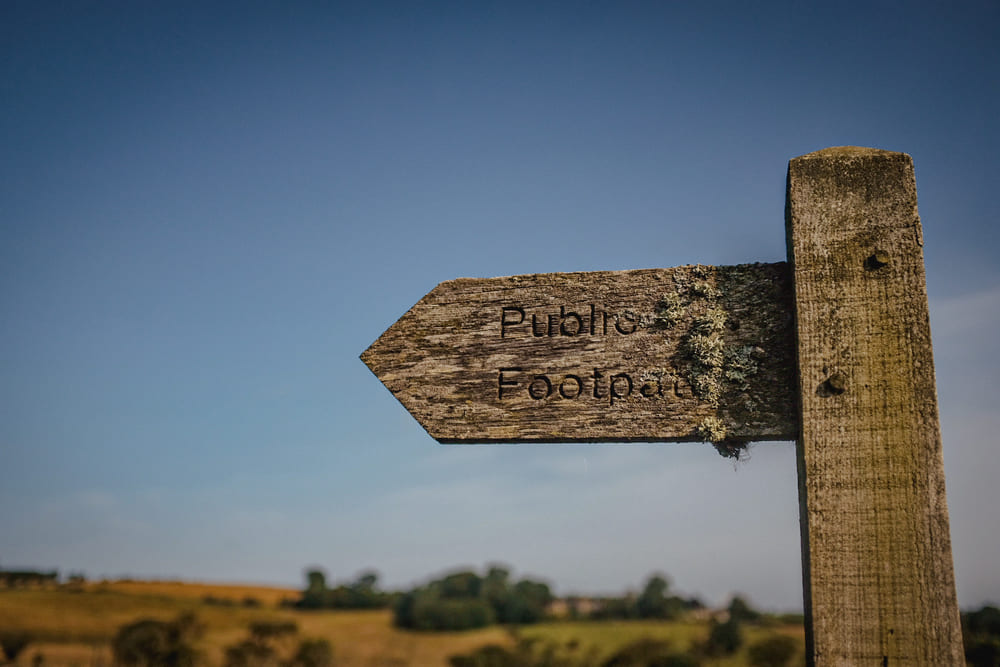
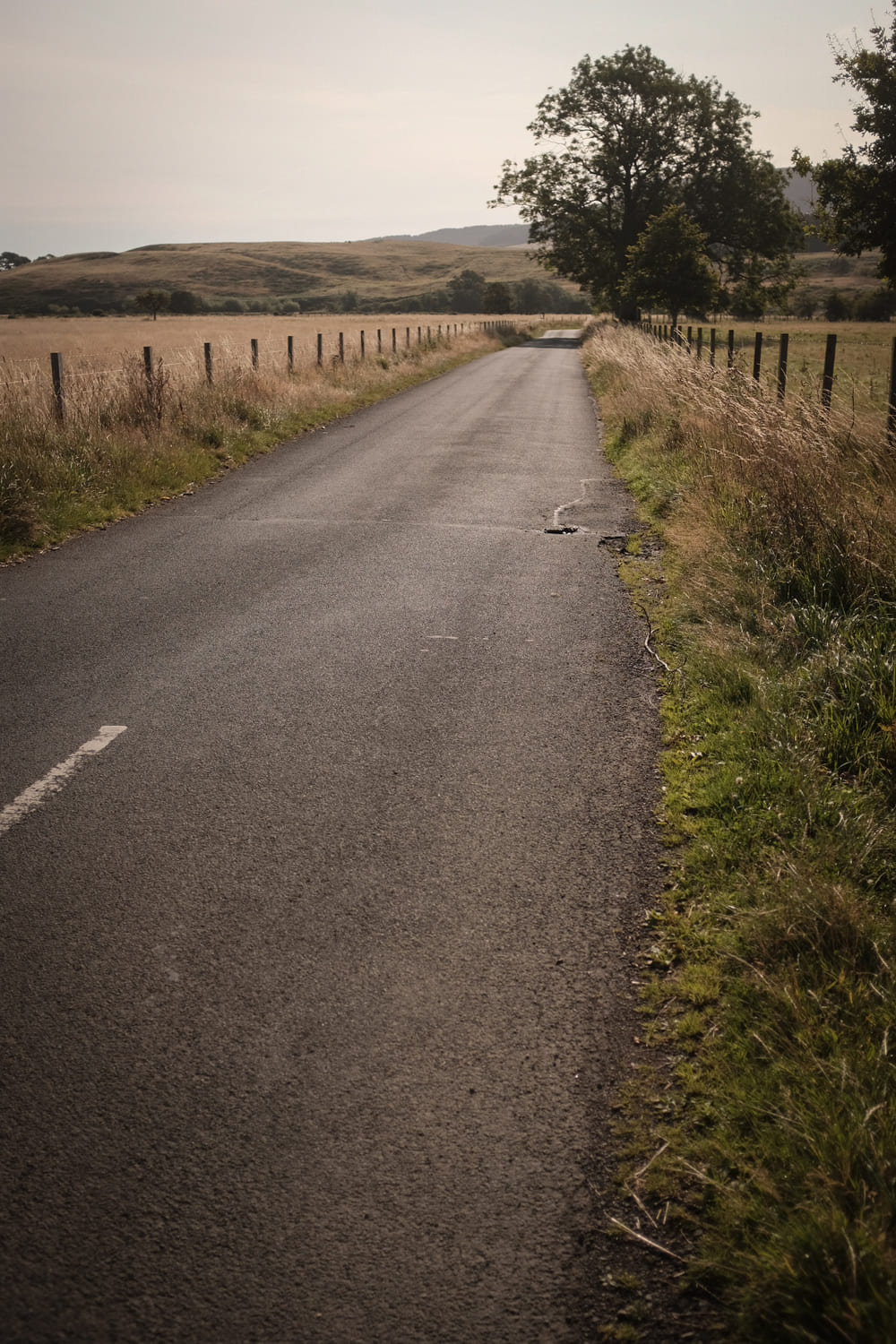
Do you have a place, be it real or imaginary, that just haunts your mind?  You think of it, and you are transported there instantly.  The smells of the grass, the sounds of the river, and the odd car driving past you wondering what the heck you are doing?  Hepple is my special place.  It is a place where I feel at peace and that all is right with the world.
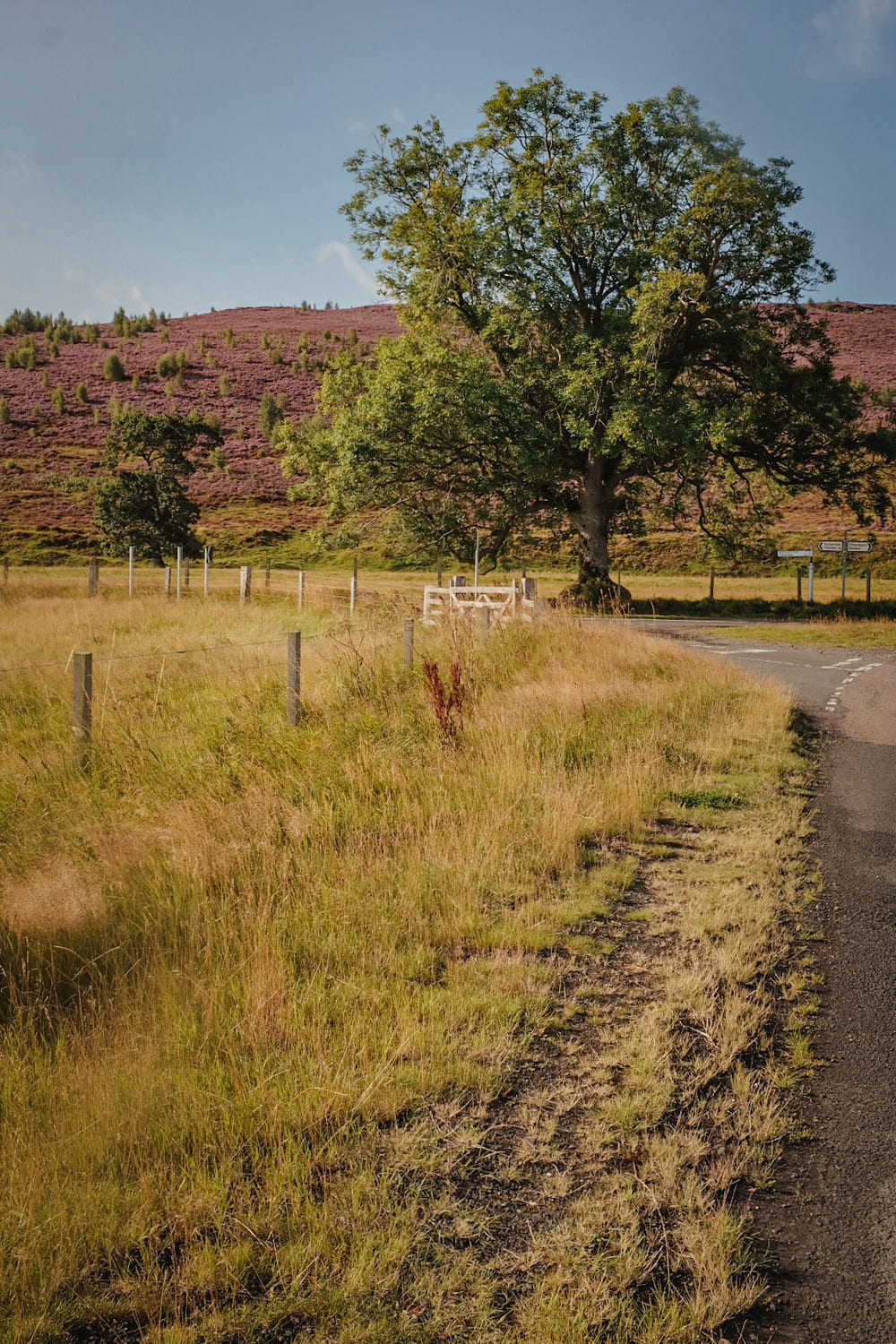
I’m thinking back to an article I wrote a couple of years ago called Hepple for Photos, Not Gin. I was with my father and had my Canon 6D Mark II with the 16-35mm F4.0 lens and the 70-300mm zoom lens. This year, however, I had my X100F with just the 35mm f2.0 equivalent lens, and I was with Killian, who, surprisingly, was a little tired and decided to curl up on the back seat for a snooze. His loss…

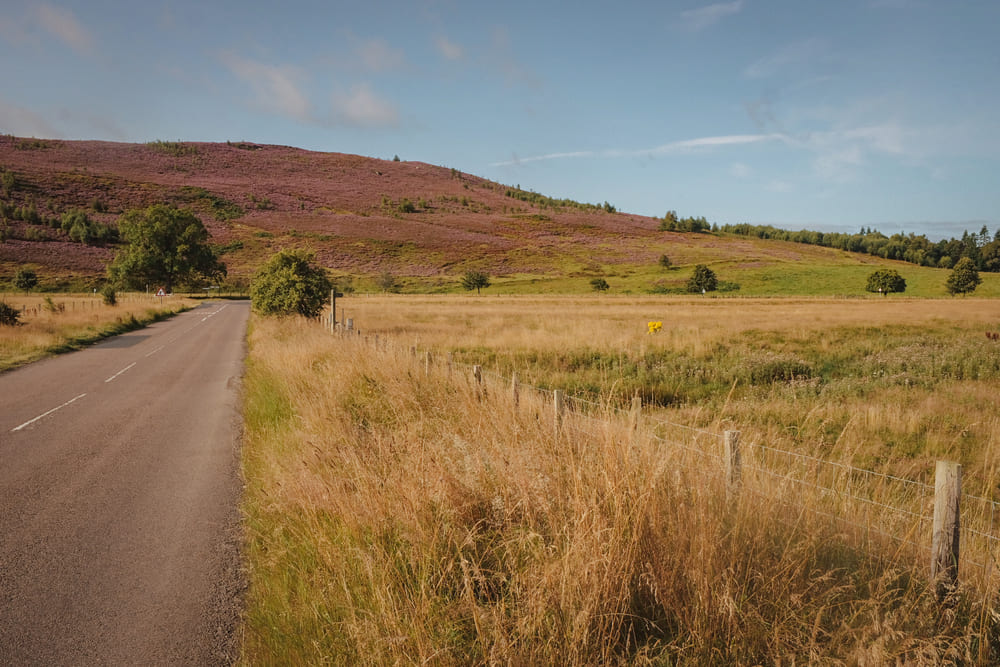
This is the place, this stretch of road, that I have been looking forward to for 2 years. The weather was clement, and I can assure you that the place is still as beautiful as ever. I wasn’t going to have the choice of lenses this time; I would have to see the scene in 35mm and make do with it. No zooming, no switching lenses—just a little constraint. And you know what? I was fine with that!

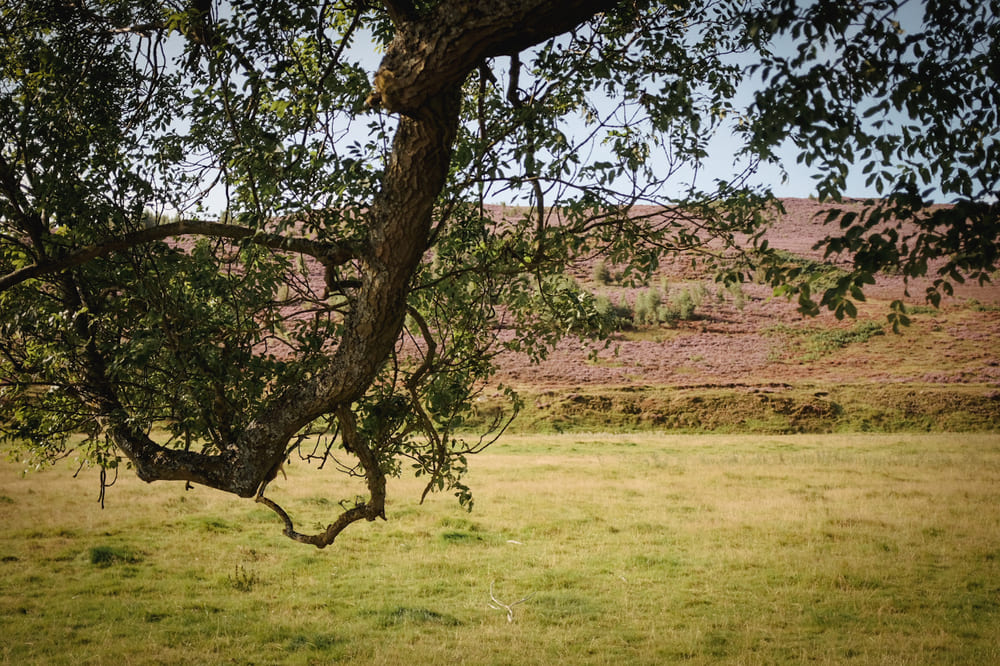
The lack of zooming and my sleeping son allowed me to walk around the area a little more, exploring under the tree at the end of the road and at the bottom of the hill.  These were views that I had not seen before.  It only goes to show that we might think we know a place, even in our memories, but it still has so much more to offer us.

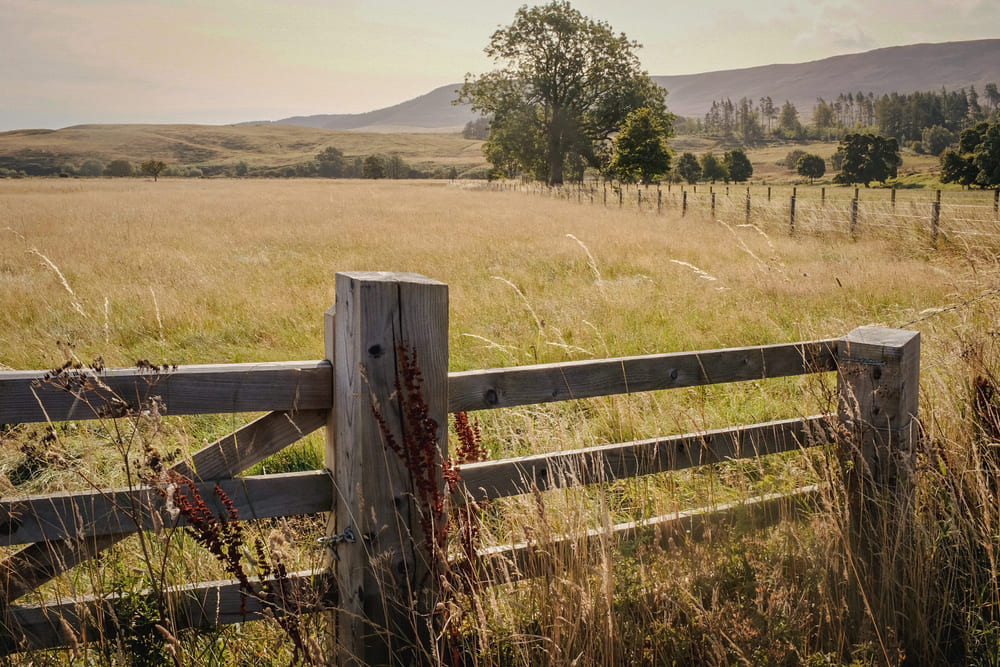
I parked just before the bridge, as I usually do. Everything was still in place: the stiles, the trees, the river—just as I had pictured it in my mind. It’s when looking at the countryside like this that I am convinced there is a creator behind all this creation. The beauty of it didn’t just happen by chance.
The noises were made by the flowing of the river and the breeze in the trees.  I had this feeling of calm.  I could take photos of that place every day and not get tired of it all.  I might even go so far as to say I could have died here and died a happy death.  I had found my peace.

Killian had found his peace too and was still asleep in the car.  A micro sieste, he said.  He might be 25, but he reminded me of the small boy who was once my son. 

I can’t be the only person on this earth to feel this?

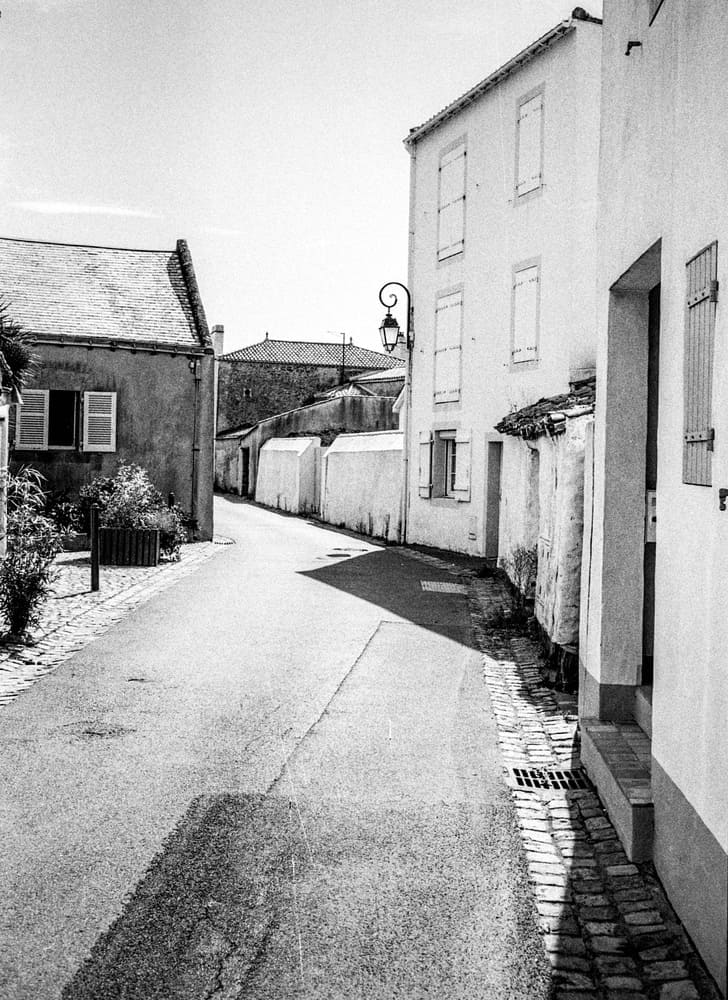
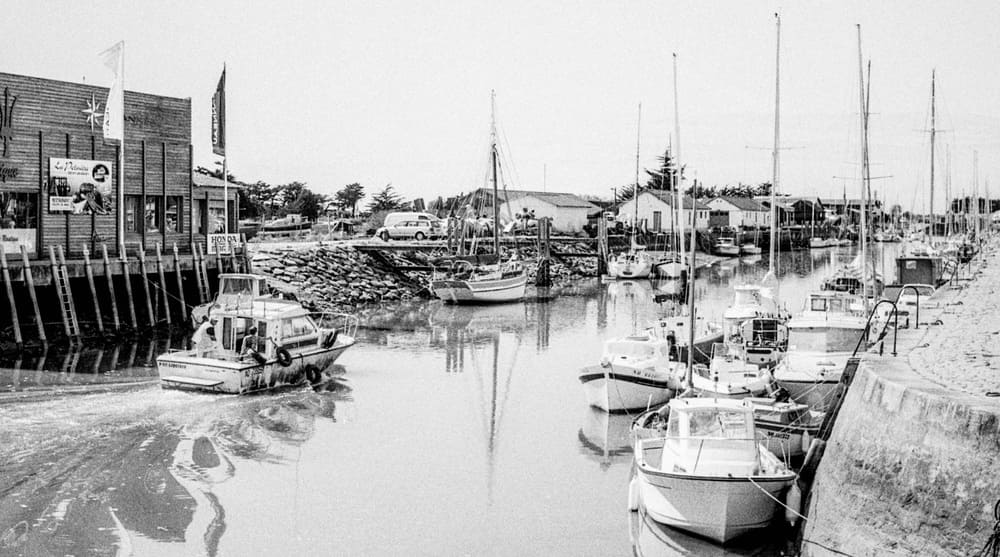
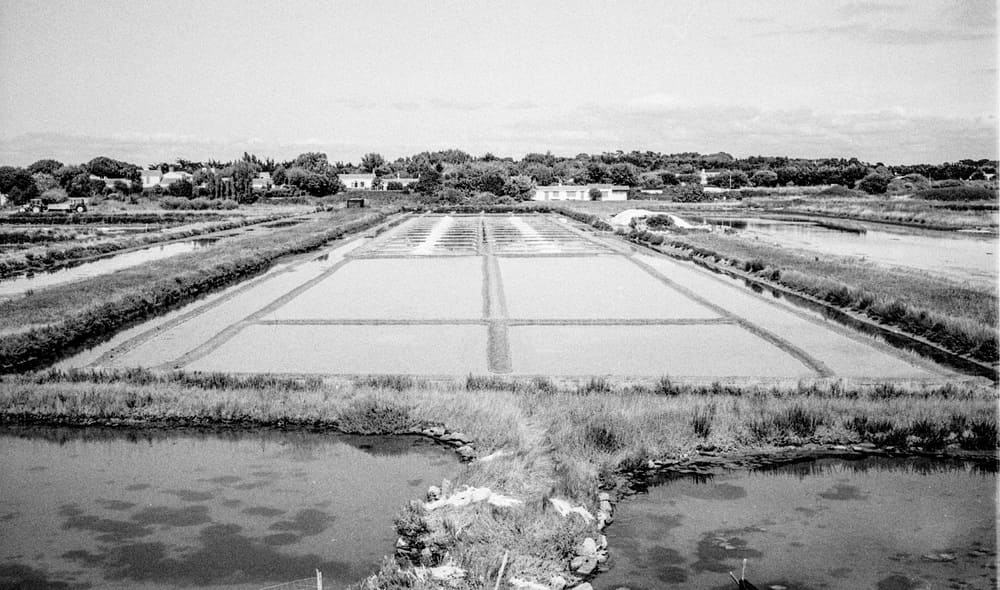
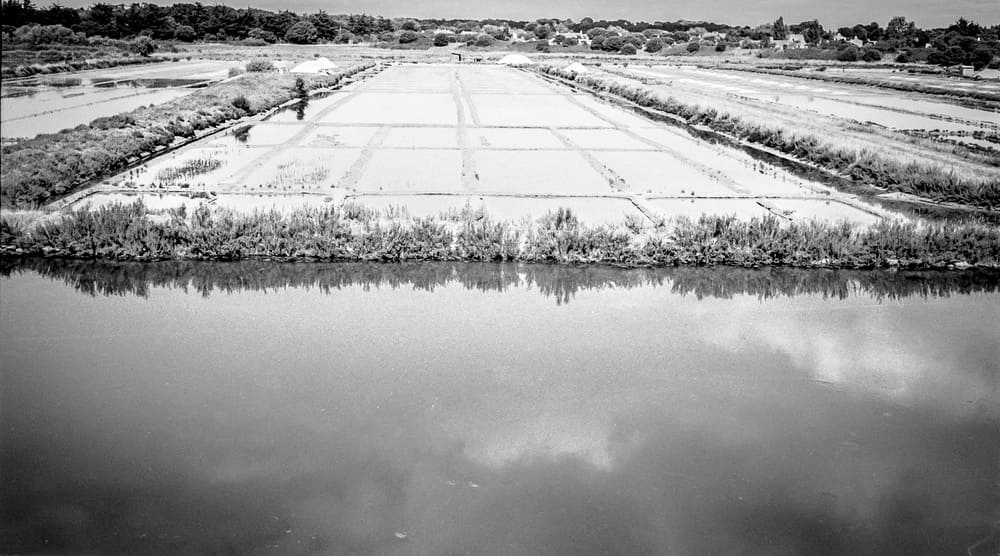
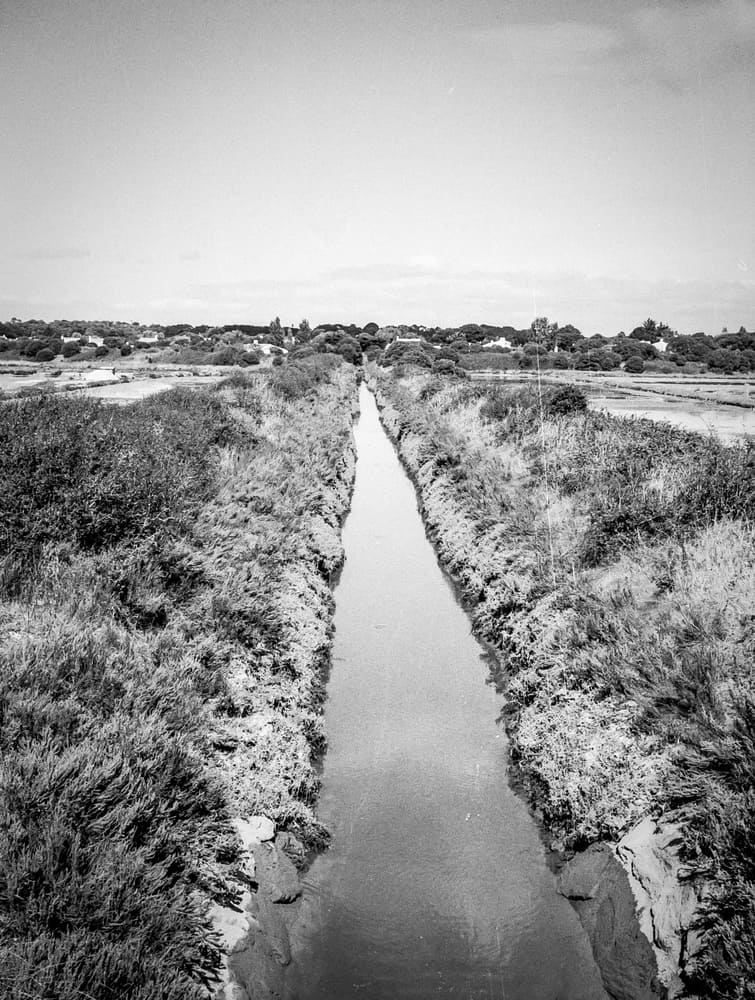
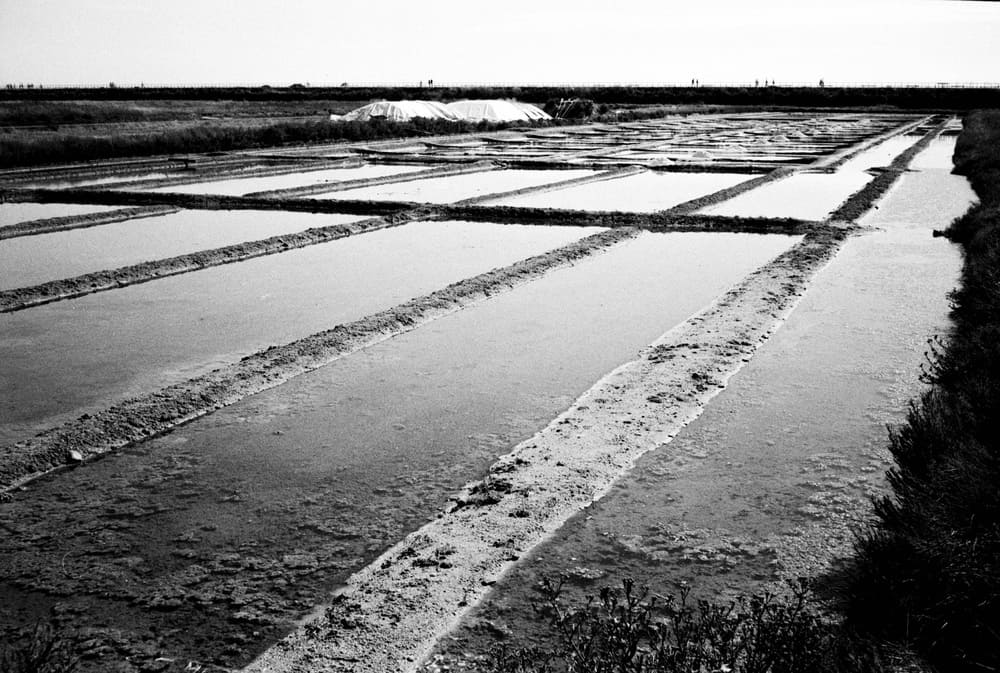
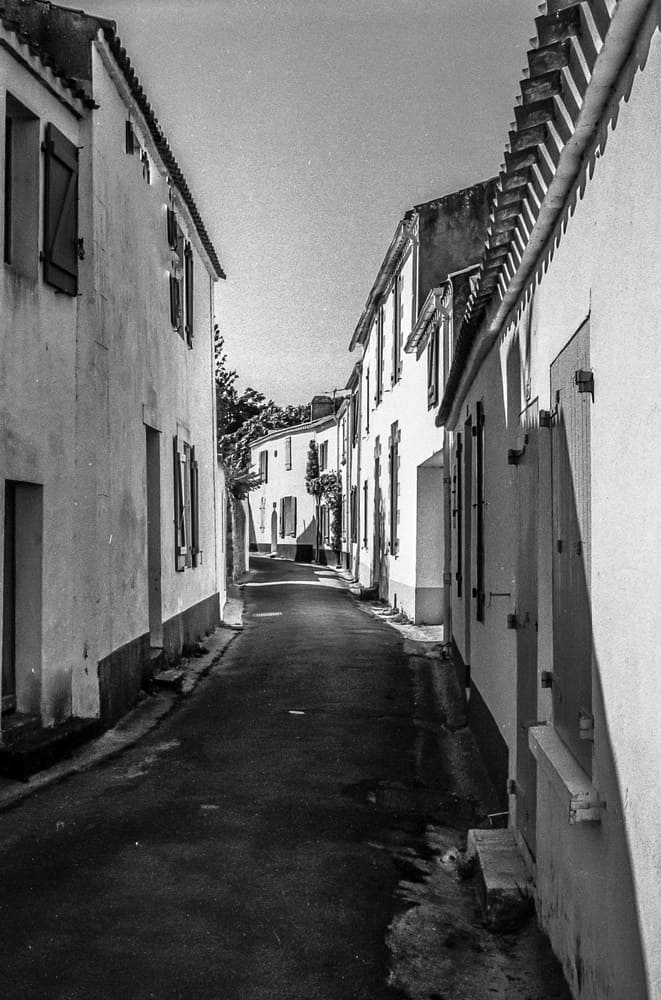
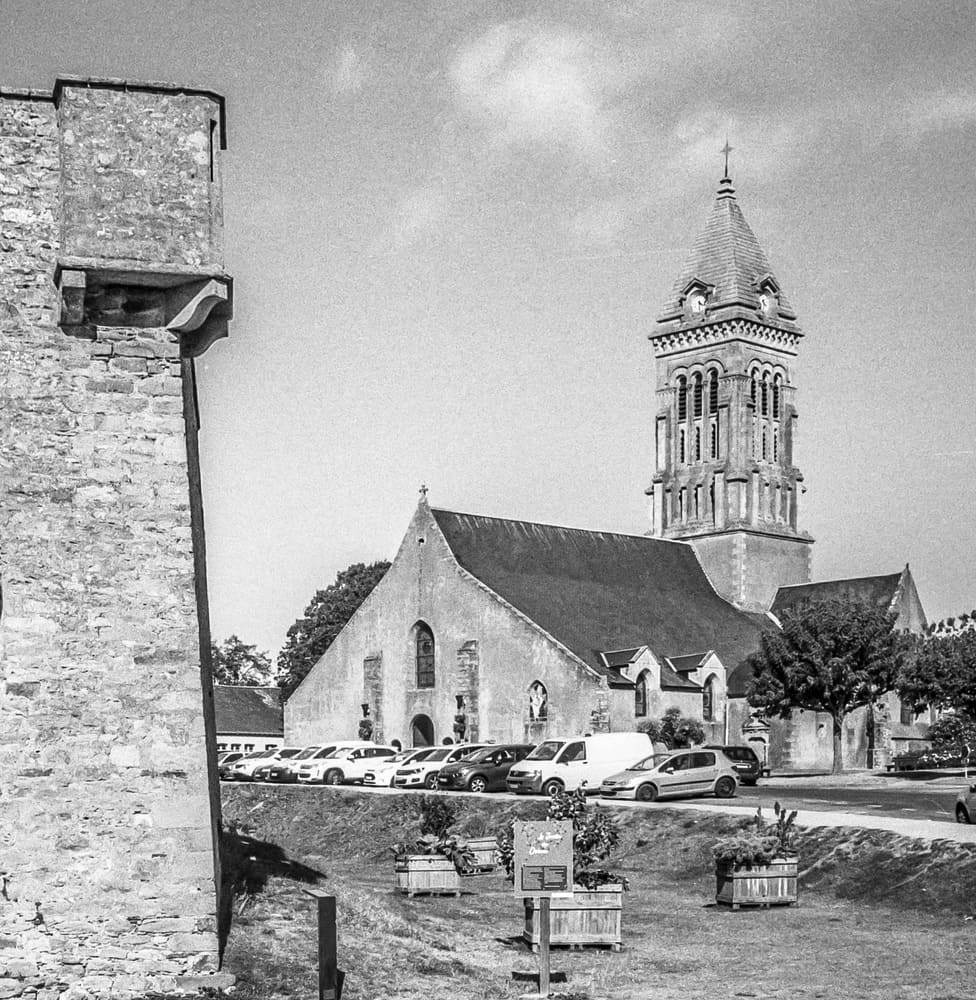
The Opening of the Film Archives – Noirmoutier September 2016


Welcome back, dear reader, to another delve into the Film Archive from before this wonderful blog that I know you enjoy reading so much. I appreciate being able to share these photos with you in the hope that they may not only please you but also offer insight into an older form of photography, one where concerns about overheating or battery life were minimal. I want to demonstrate how it is still possible to achieve great results with any camera and that the main quality in your photography comes from you, the photographer.

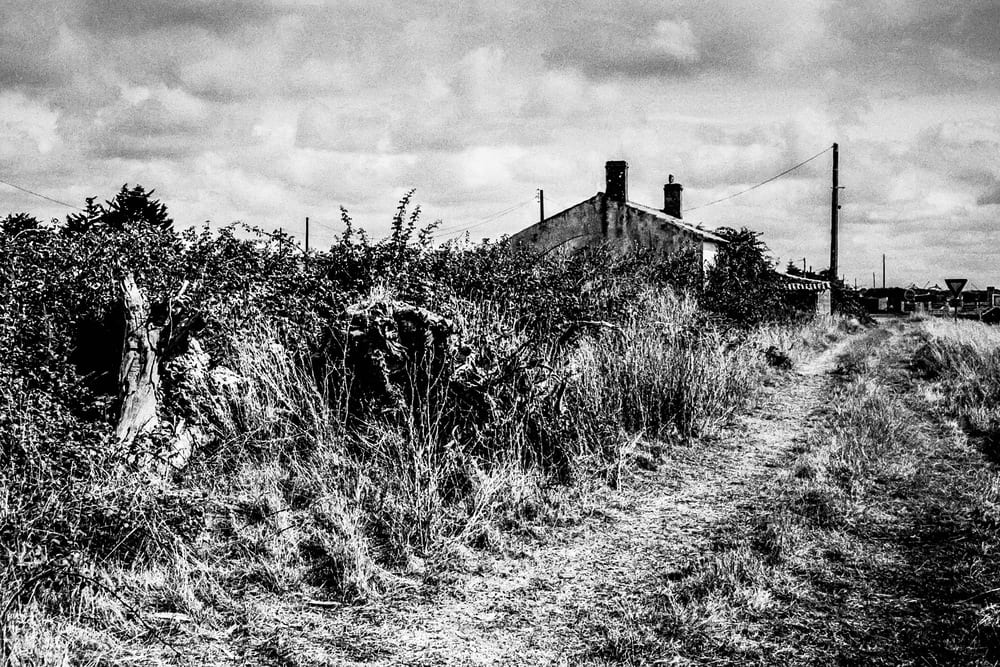
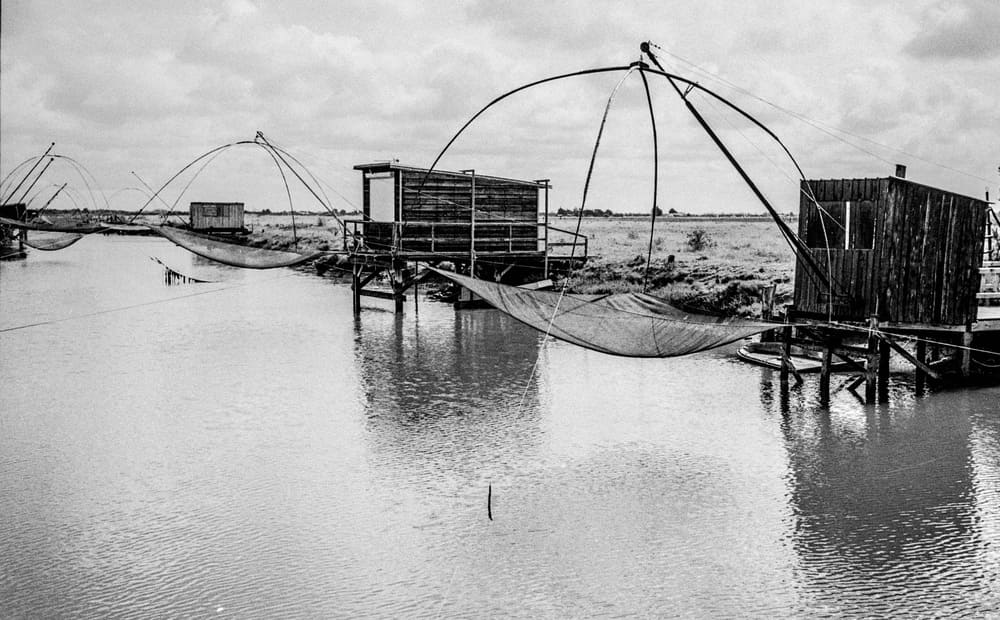
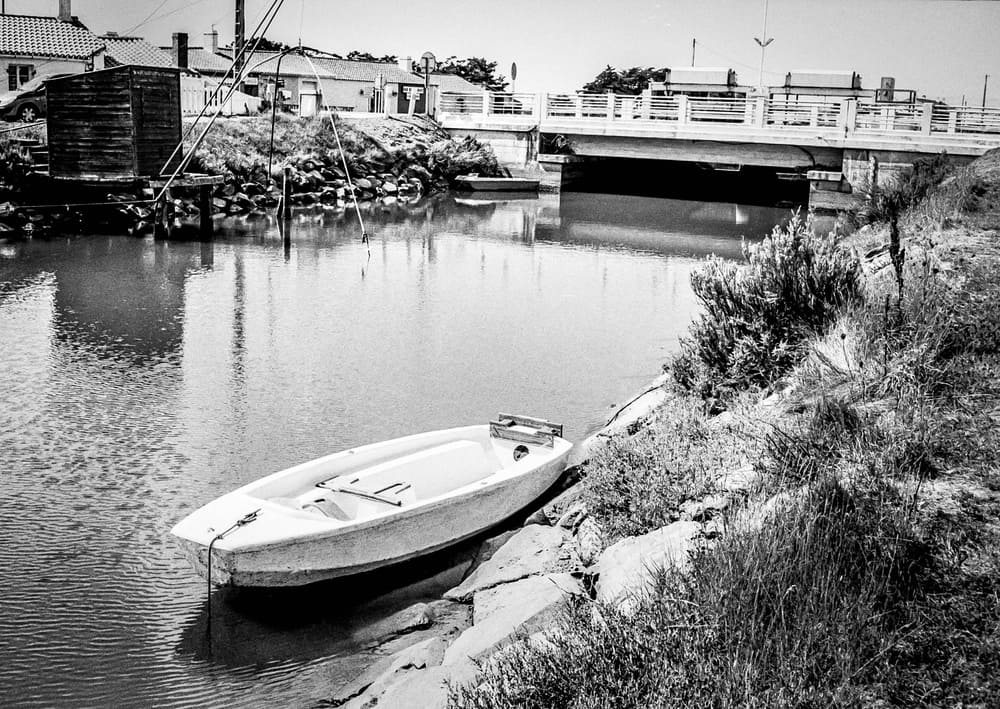
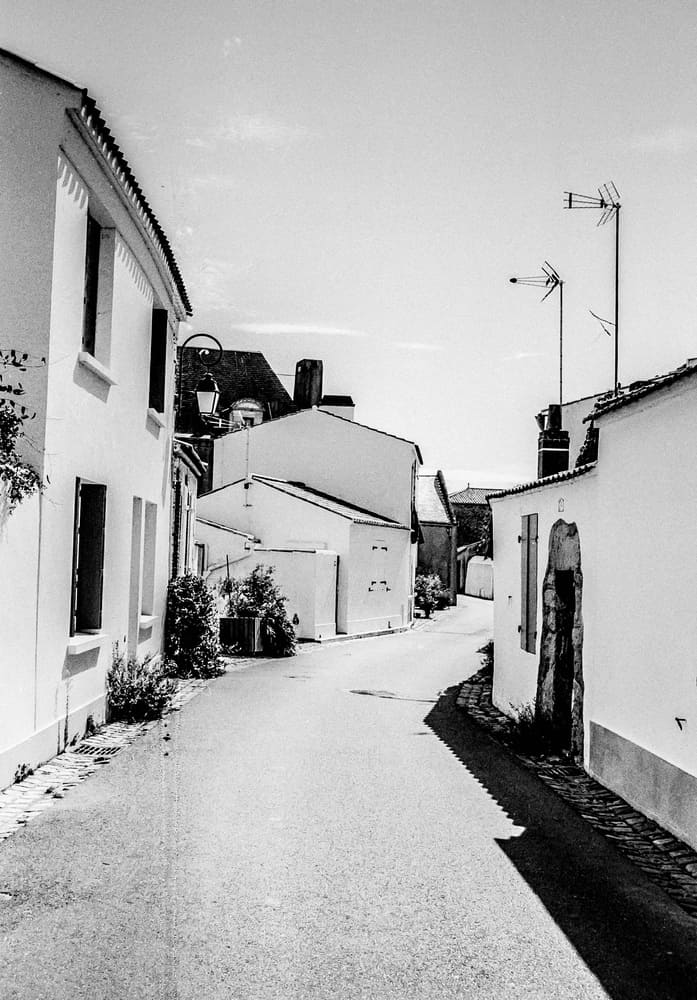
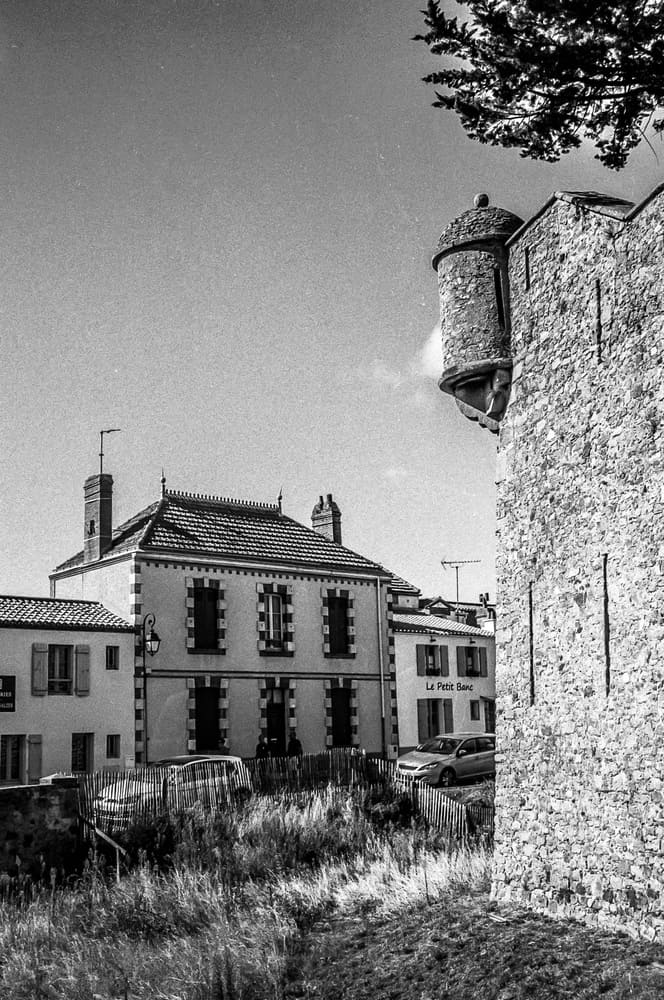
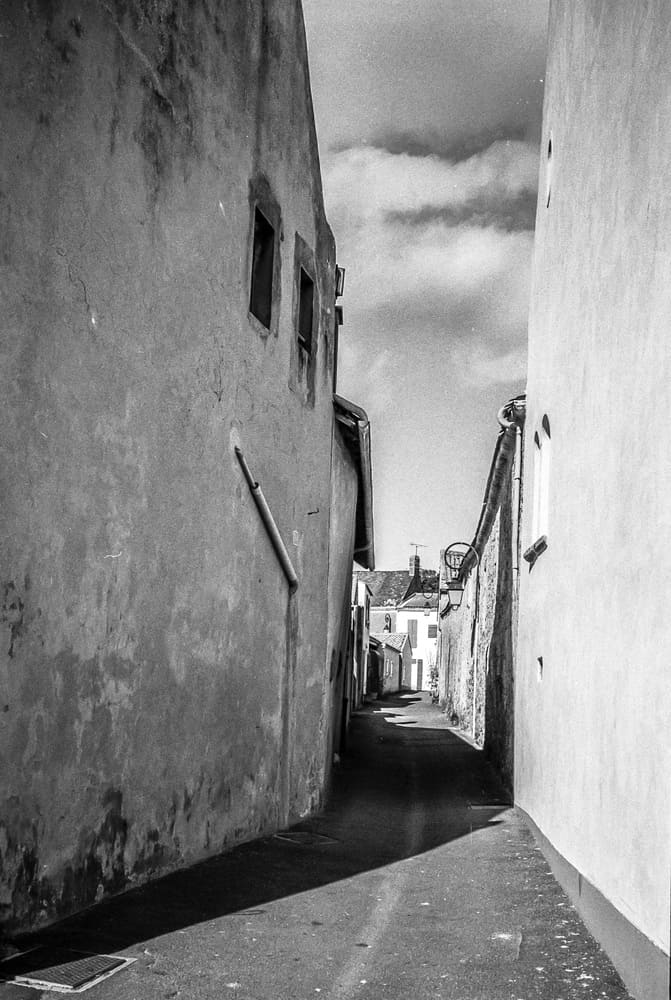
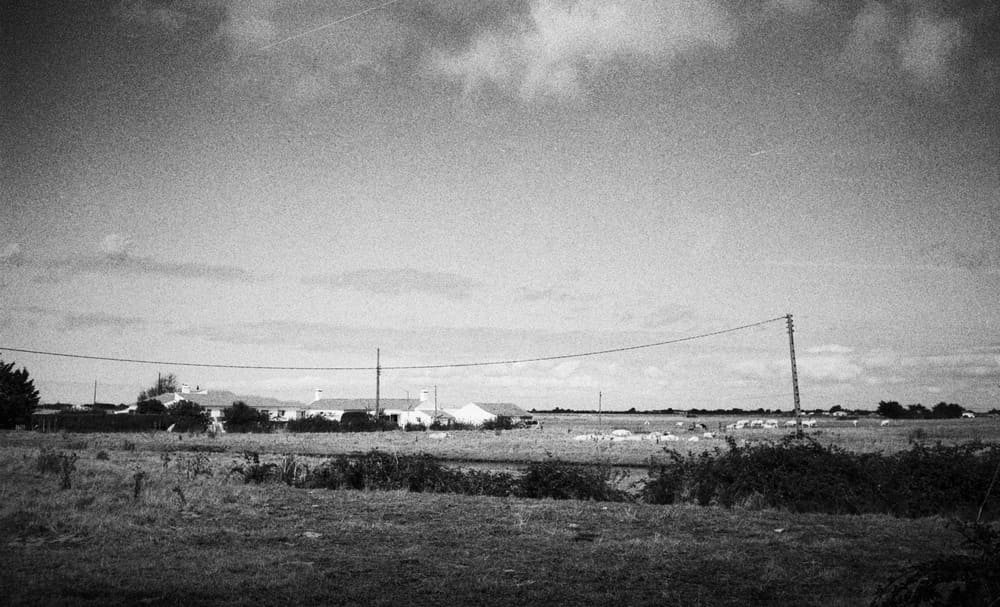
Earlier this year, I was there with my Canon 6D Mark II, but today, we’re revisiting my visit from September 2016. At that time, I didn’t have my Canon, but I did have the Olympus Trip 35 with HP5 Plus film from Ilford. I used that camera quite a lot that summer and continued to use it in September. I might just have to dig it out of my camera cupboard and use it again. Constraints and minimal kit often lead to more creative decisions—just think back to my UK trip, where I only had my X100F with me.

Let’s start with the camera. It’s a small but gorgeous camera designed for the mass market in the 1960s and was still being produced in the 1980s, which attests to its appeal among casual photographers. With relatively few controls, it’s pretty foolproof. I can adjust the film ASA setting, and the selenium cell housed with the lens takes care of the rest, whether it’s aperture or shutter speed. The famous red flag appears in the viewfinder when the camera senses insufficient light. All I need to do is set the focus zone.

I must have bought mine around 2015 or 2016, and it was quite affordable at the time—no more than 50€. It was an iconic camera then and still is today, but as the supply of these cameras dwindles, prices have increased. You can now expect to pay 100€ or more, with some models even reaching nearly 200€. It remains a great camera but might be a victim of its own success, along with sellers’ optimism and greed. Buyer beware—shop around, and you might still find more accessible prices.

As for film, prices have also risen, especially for Kodak film, but Ilford remains affordable, as do Kentmere, Fomapan, and Rollei.

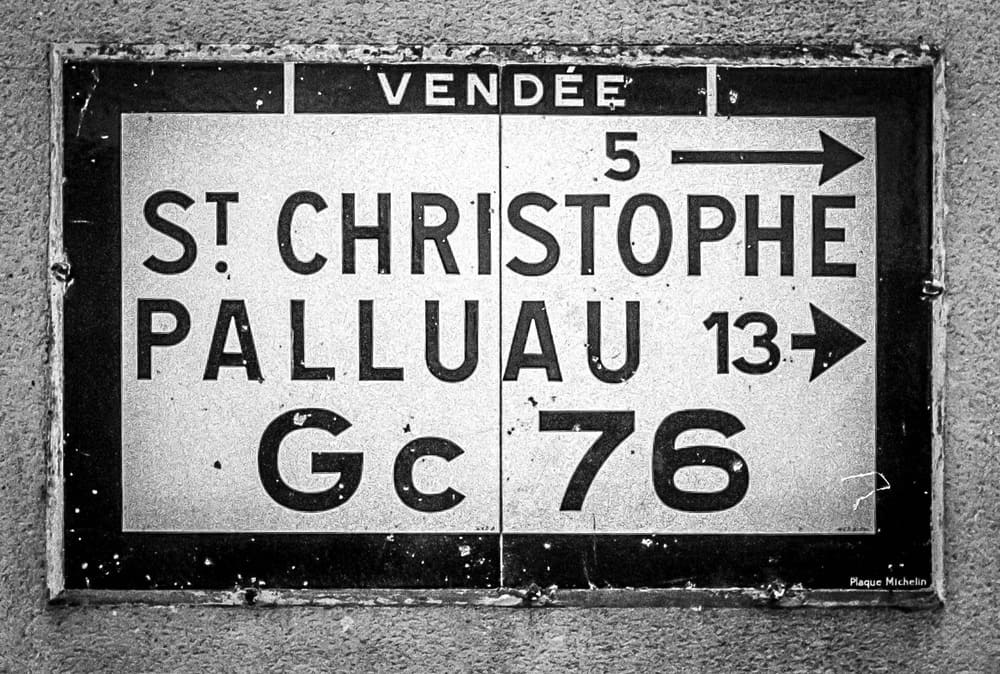
I’ve travelled the same road numerous times, and it always brings me a certain sense of peace. I tend to stop off at familiar spots along the way, and those of you with an eagle eye will recognise some of these locations from other photos in this blog.

But why go to Noirmoutier? Firstly, why not? It’s just over an hour’s drive from my home and is a popular destination for many locals from the Vendée. The island now suffers from overtourism, which has certainly changed its character since 2016. Efforts have been made to manage the flow of tourists, with improvements such as parking, pedestrian zones, clearly marked hiking trails, and numerous bike lanes. It’s a beautiful part of the world, so typical of the Vendée Coast with its pinède and long beaches. However, not everything is about tourism. The island is also renowned for its salted butter made with salt from local salt marshes and the famous potatoes from Noirmoutier. Additionally, there’s a small fishing fleet, as well as the fleet from Le Port du Bec in the neighbouring Beauvoir-sur-Mer.