Smartphone Photography – Welcome to the Dark Side


Introduction

You might have caught on to the fact that I’m a little bit the photography enthusiast. I even have a “few” different cameras, most of which are manual film cameras, with a few digital ones thrown into the mix. Over 40 years of learning have gone into getting the results you, Dear Reader, might just have seen on this blog.

Democratisation of photography

How many times have I heard people say, “Oh, I just use my phone,” or worse, “Oh, I could just do that with the camera on my phone?” These statements can really get on my wick! Don’t they just toss aside all the work I’ve put into photography with “real cameras?”

But after a lovely cup of tea and a slice of cake, my nerves have settled, and I’ve had time to reflect on the brashness of my emotions, and come back down to earth. Yes, some people do use the camera on their phone, and maybe, just maybe, unlike the microwave in the tea-making process, it might have a role in photography. Ooooooh, haven’t I just gotten controversial!

A little historical context

Just a quick interlude to remind myself of the democratisisation of photography that came with the Box Brownie in the 1920 and the purists were up in arms! Then the shock and horror of those same purists when colour photography came out with those dastardly Kodak Instamatics, and making photography even more egalitarian. Maybe the phone is just the extension of this and I should remove my own head from my arse and just chill!

The best camera?

“The best camera is the one that’s with you.” — Chase Jarvis.

While this statement might be true in absolute terms, it pains me to admit that for most of the hoi polloi, that camera might just be the one on our ever-intrusive phone. Does that mean I’d choose my phone over a film camera? Hell no! But it does remind me that photography is about capturing the decisive moment in time. I’ve often talked about balance in the photographic process, where you might have to sacrifice grain or digital noise (grains rather disgraced cousin from an inbred family, where somebody knew somebody in the family), to get more light to expose a shot. Or where I might have to sacrifice a certain amount of bokeh, in order to use a longer lens to “bring me nearer to my subject… The eternal give and take, if you will.

I think we might just have to have a little reality check here. Will a mobile phone, or even a very smart phone with a degree in smartness from the dashing and debonair university of Smartness upon Thames, ever be as good as a film camera, or a modern DSLR, even my beloved X100F? No. Sorry if I have just pissed on your bonfire. It will not. However, does that mean that it is completely useless? Far from it.

You still have to “think!”

As an avid reader of this wonderful and thoroughly informative blog, it will not have escaped your attention that I have written a couple of articles about the fundamentals of photography.  Going from the very basics of the exposure triangle, through various rules of composition that come to us from the world of traditional art, and that have been transferred to photography.  You will have found out and learnt about various lenses available for various cameras, and I have even touched upon the differences between medium format and 35mm film photography.  I talked about the advice given for digital as well as film photography.  I’ll let you into a secret, “It’s just as valid for smartphone photography!

Yes, I’ve said it.  If you put in as much effort into getting the shot on a smartphone as you do with your “real” camera, then You will get good results.  Can you have control over every aspect of the shot?  No.  But, and it’s a big but, “so you other brothers can’t deny,” there is a lot of technology in that little device that really helps you out.

Mindful always

What I’m trying to get at is that when you mindfully take photographs, even with your phone, it is always better than just snapping away like a small dog that knows it’s small.  Just a tiny bit of effort towards composition will go a long way.  Think about framing, and where the objects are in your image.  Think about where the light is coming from.  Try and get the best image that you can.  So it’s not a Leica?  You still have your kidneys and haven’t had to sell one yet.  It might be a less formal way of taking a photograph, but I would really like you to respect yourself and put in the effort to take your phone photography beyond the bare minimum.

Conclusion

It would appear that smartphone despite my frist misgivings is here to stay. It is a logical progression of the democratisation of this art. I have been asked to contribute to the website Monochromia, and one of my future colleagues reminded me that one of their contributors uses only his Iphone, and has received all kinds of accolades and has been the subject of numerous Expositions. I have seen his work and it is clear that he is a most mindful photographer, and the only thing that separates us are the tools we use to capture the image. I must not be such a photgraphy snob and so dismissive.

What’s next

I might just have to go further into this subject and talk about editing images on your phone and giving you ways of sharing your images if you so wish.  Maybe even some tips to help you get the results you want.  I will talk about the features of the phone camera, how the AI within can help you not just in photography, but also in video production.  Stick around to find out more!

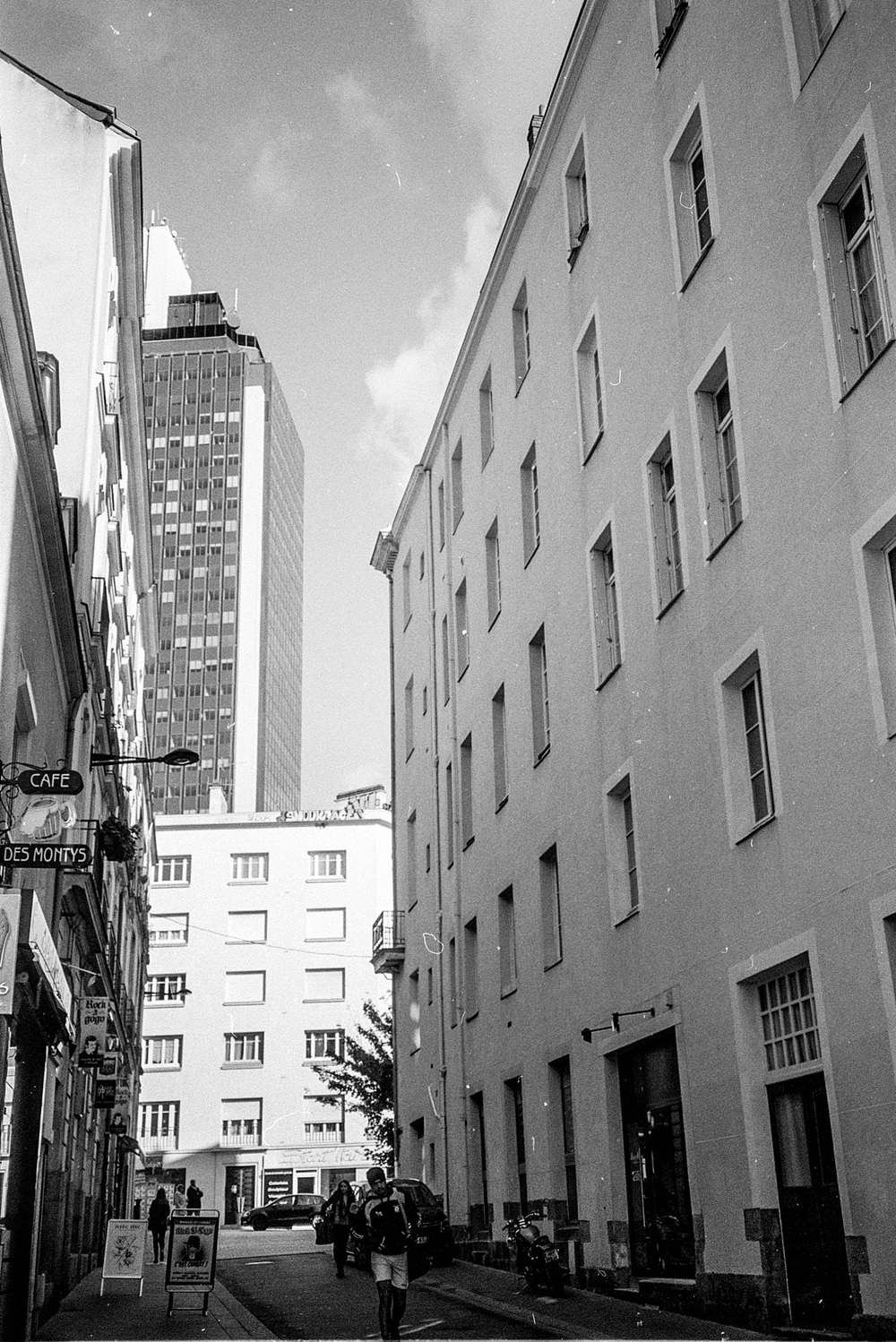
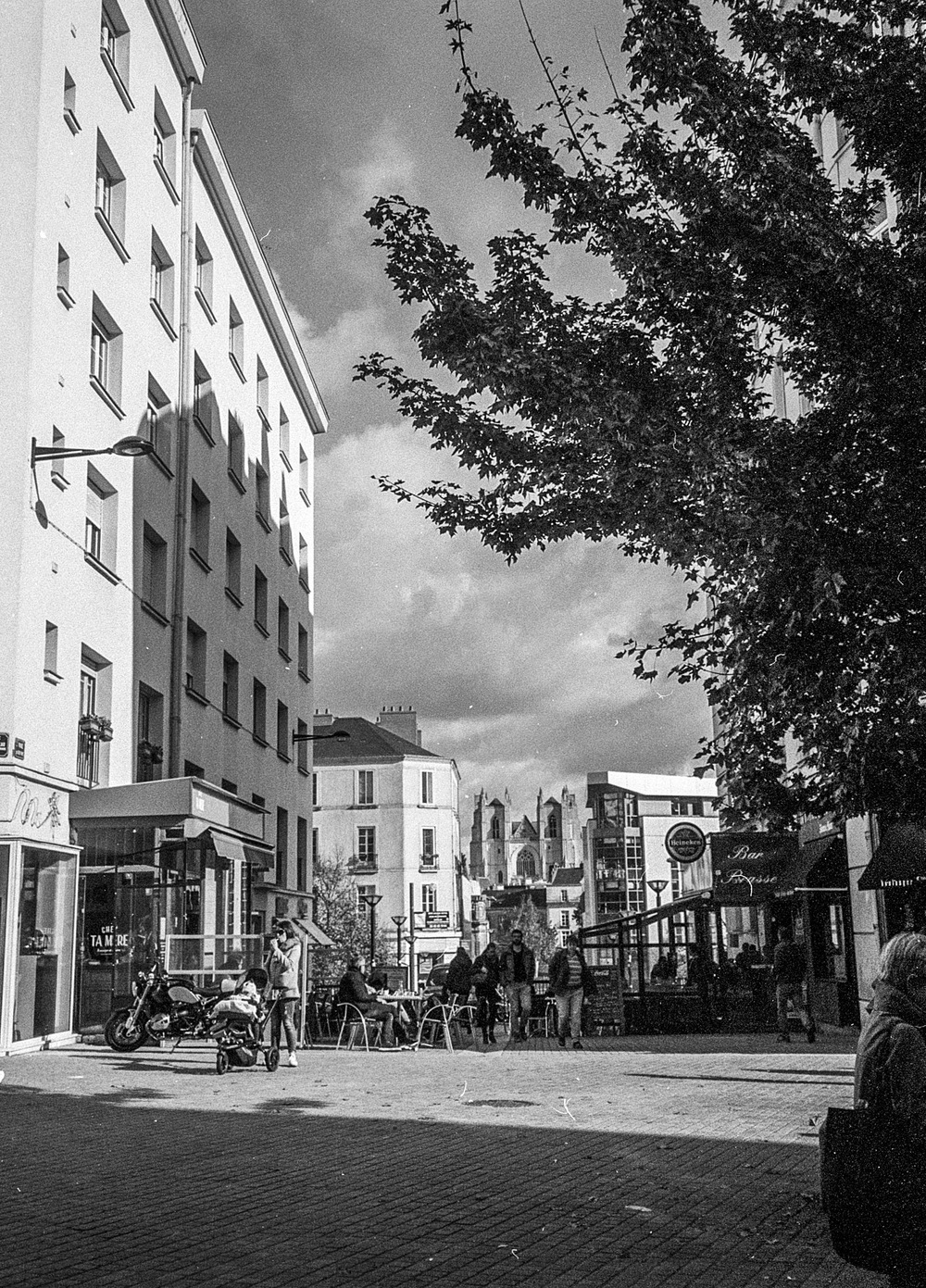
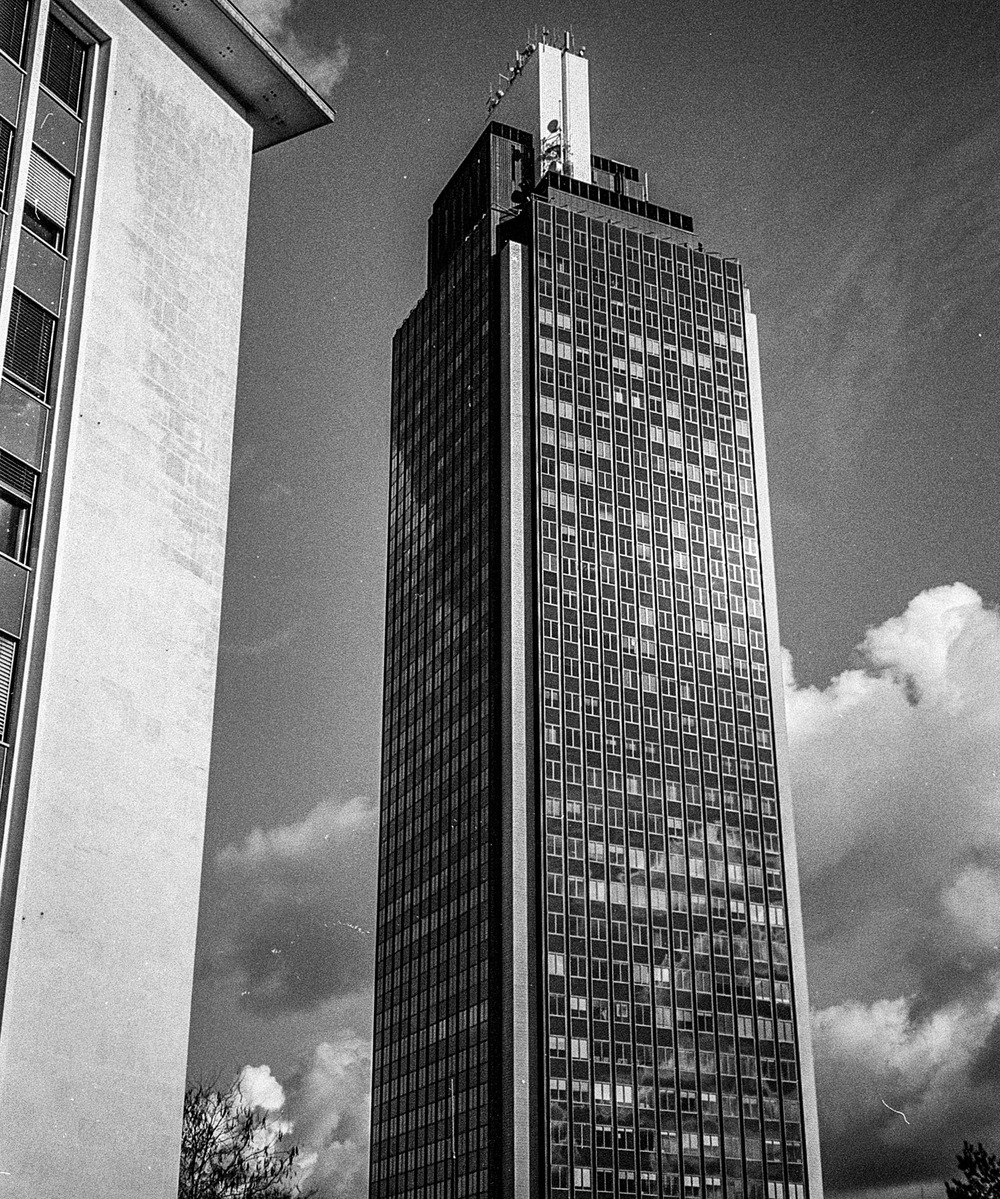
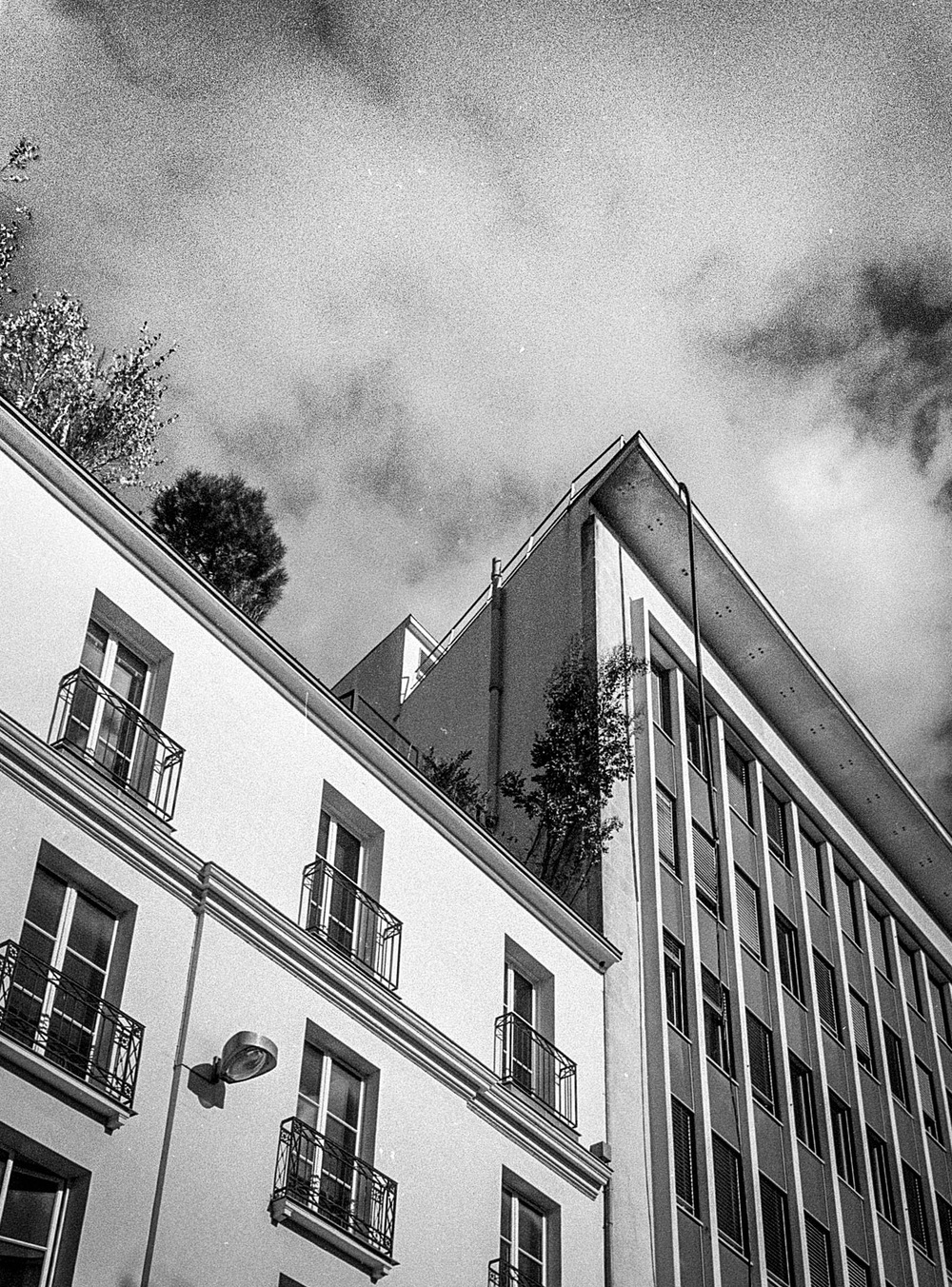
The Opening of the Film Archives – Nantes November 2016


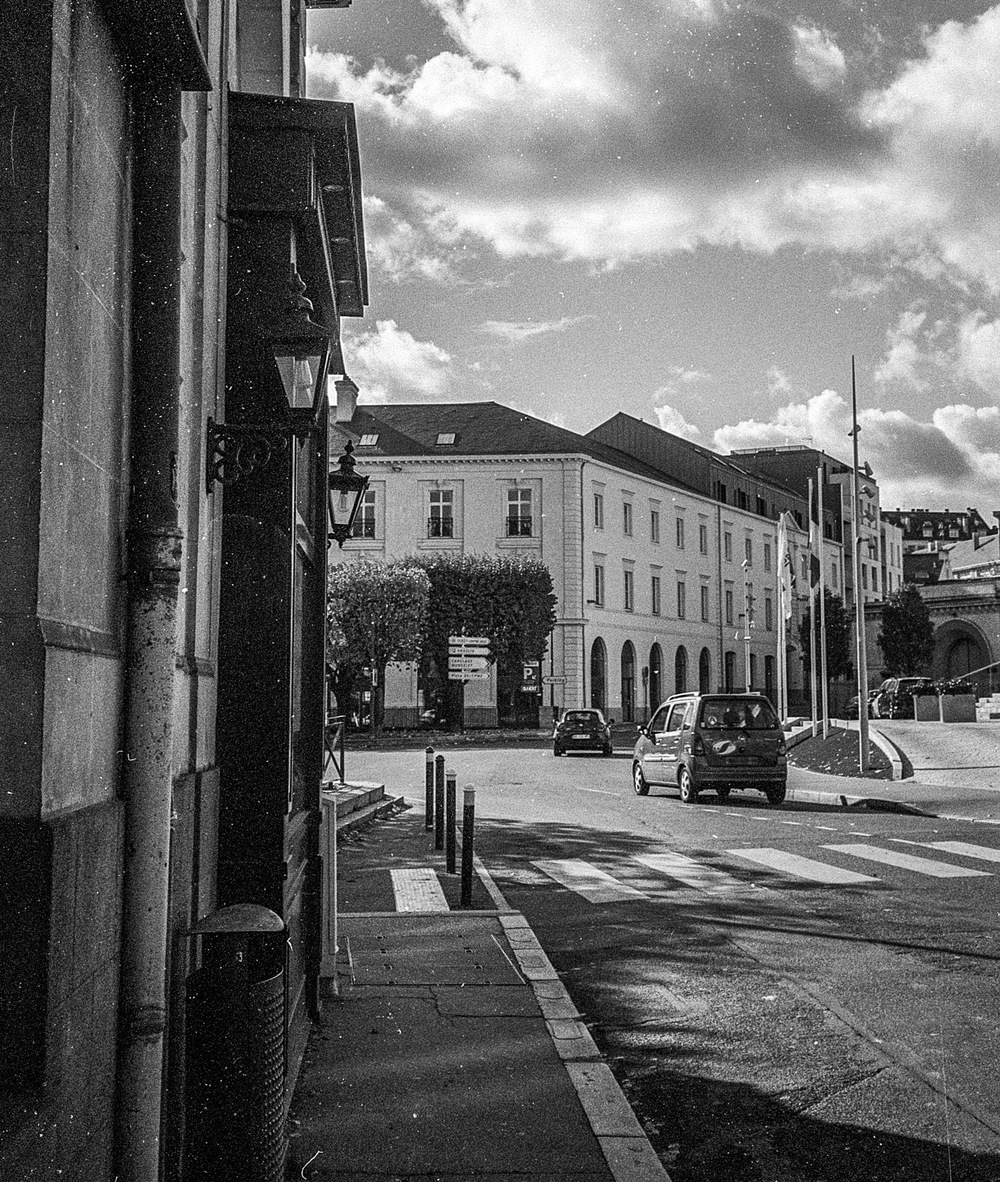
Following our last trip to Carnac, the film archive now has a look at Nantes in the autumn of 2016. These photos offer a glimpse into how I approached photographing a city back then, and if I’m being totally honest with you, still do. I treat the city much like a model on a photoshoot. The goal is to capture not just the physical landscape, but the essence and atmosphere of a place, allowing viewers to get a feel for the city simply by looking at the images. In this series of pictures, Nantes reveals herself and her architecture, resplendent in the autumnal sunshine.

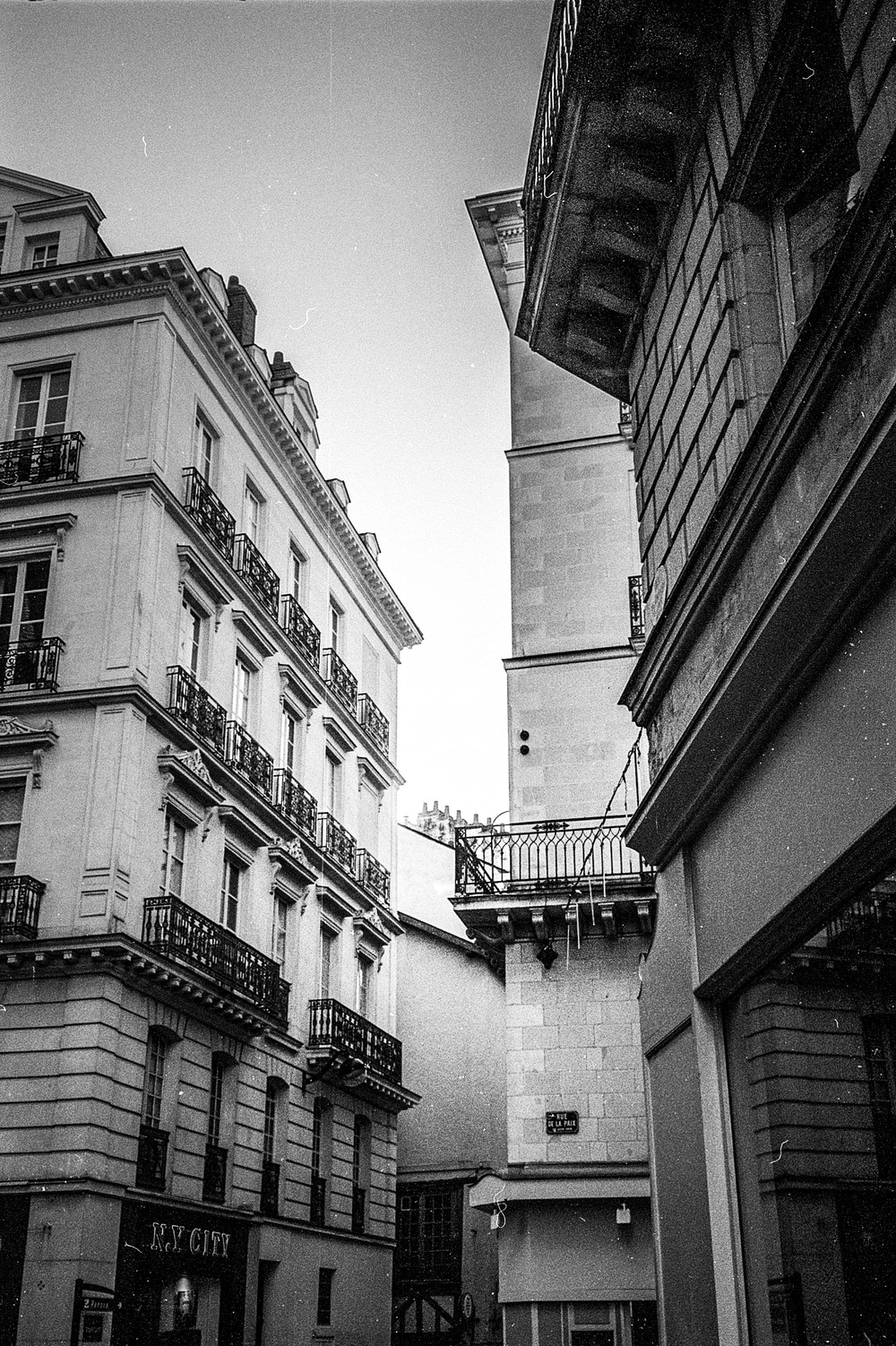
Over time, I have come to know the city and appreciate her architecture. Buildings are not only a reflection of the architect but also of the people who live in them. They add character to the city, allowing her personality to shine through.  I enjoy looking at the lines, and the shapes of them.  They inspire me.  They tell the story of the people who, either work, or live in them.  They are not just mere edifices.  

You will notice as we go through the archives, I might not respect the timeline slavishly. My aim is to give you an aperçu of my world at the time through film. I know you will be able to take this affront in your stride and not hate me!

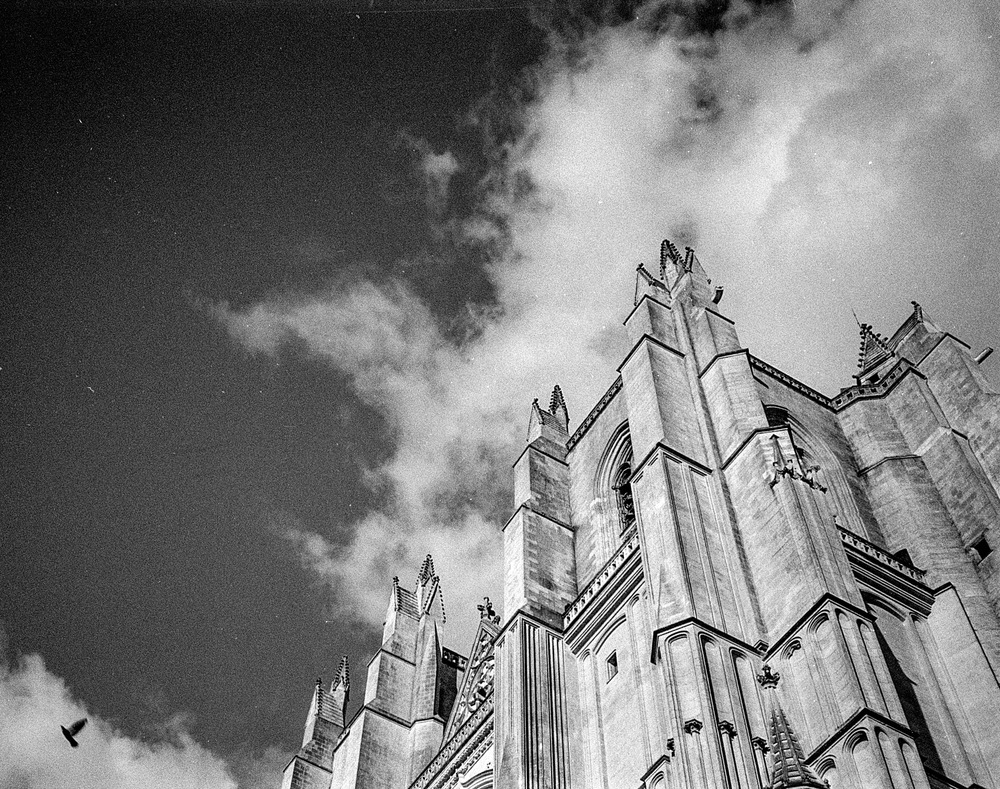
We’ll go from the bains douches municipales, through to the Sainte Croix church, to the Stalinian 1950’s architecture of the Social Security building, passing by the odd shop, Hausmanian architecture, and even a shot looking towards the Cathedral.

Film photography, the opening of the archives


Good evening Dear Reader. You may have noticed, and then again, you may not have noticed, that I have created a couple of new pages. Instead of adding article categories to my site in the menus, I have created pages with a carousel showing collections of articles in one specific category. This started with Photography Tutorials, which is a collection of, surprise surprise, photography tutorials. Another one for Travel Photography, one for Camera information, and a final one for articles featuring Film Photography. The idea behind this rather brash move on my part, was to help you find what you wanted to read or discover more easily.

This Meisterwerk of a blog is a work in constant evolution, as I think you may have gathered, especially for those of you that have been with me since the beginning. But what does this have to do with Film photography I hear you ask. Well, when creating the film photography page I realised that there are fewer articles than I first thought. This struck me as a little odd, because at one stage I had a little bit of a reputation as a film photographer, and at one stage was purely a film photographer. This was, of course, before the start of this blog lark in 2019. Between 2009 and 2019 I did a huge amount of film photography that I realised I have not shared with you. Even more so since 2016, when I started developing and scanning my negatives at home.

The beginning of the blog also tied in with the X100F and the Canon 6D Mark II coming into my photography, and since lockdown, I have done only small amounts of film photography. Time to reveal more of myself to you. At least if that’s alright… But this isn’t just about me dusting off old memories. By sharing these photos, I hope to spark a conversation, ignite a passion for film, and maybe even inspire you to dig out your old camera and give it a whirl. Who knows what treasures you might find in your own archives?

Moped with a Jameson whiskey box  as a baggage holder.  Looks very cool
Taken on the Praktica MTL3 probably with the 50mm Pentacon F1.8 lens on HP5 Plus at box speed in the Quartier Bouffay in Nantes.

So bearing all this in mind, I have a proposal for you. Let’s open the vaults and let’s have a look at the “film archive”. This could be in the form of a series of articles complementing the weekly outpouring of anecdotes or advice, as an addition, or it could be the content for the upcoming weeks. I haven’t decided yet. Let me know in the comments which option you prefer, or if you have any other ideas for how you’d like to see the film archive content. There’ll be shots of Nantes, the UK, England, and Scotland and maybe even Spain, and Portugal. There will be colour and black and white photography too. I don’t know yet. I might not have yet taken into account the magnitude of the task ahead. Everything is open.

On the way to Otterburn in Northumberland with the Pentax ME Super using Portra 160. It was another good day out.

But whatever you decide, I hope you come along for the ride. It’ll be worth it!