The Pyrenees Mountains – and the Pont d’Espagne which isn’t in Spain


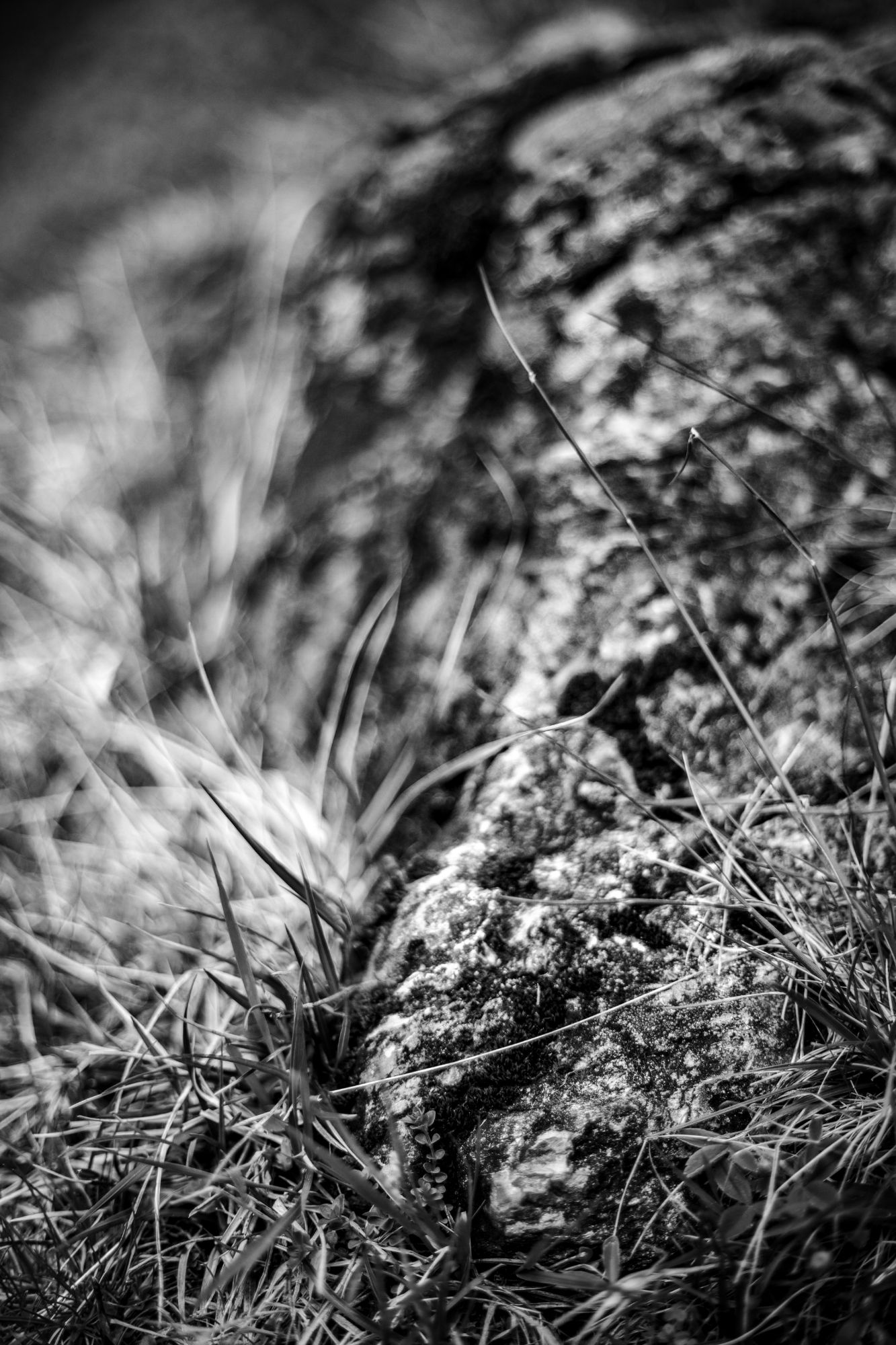
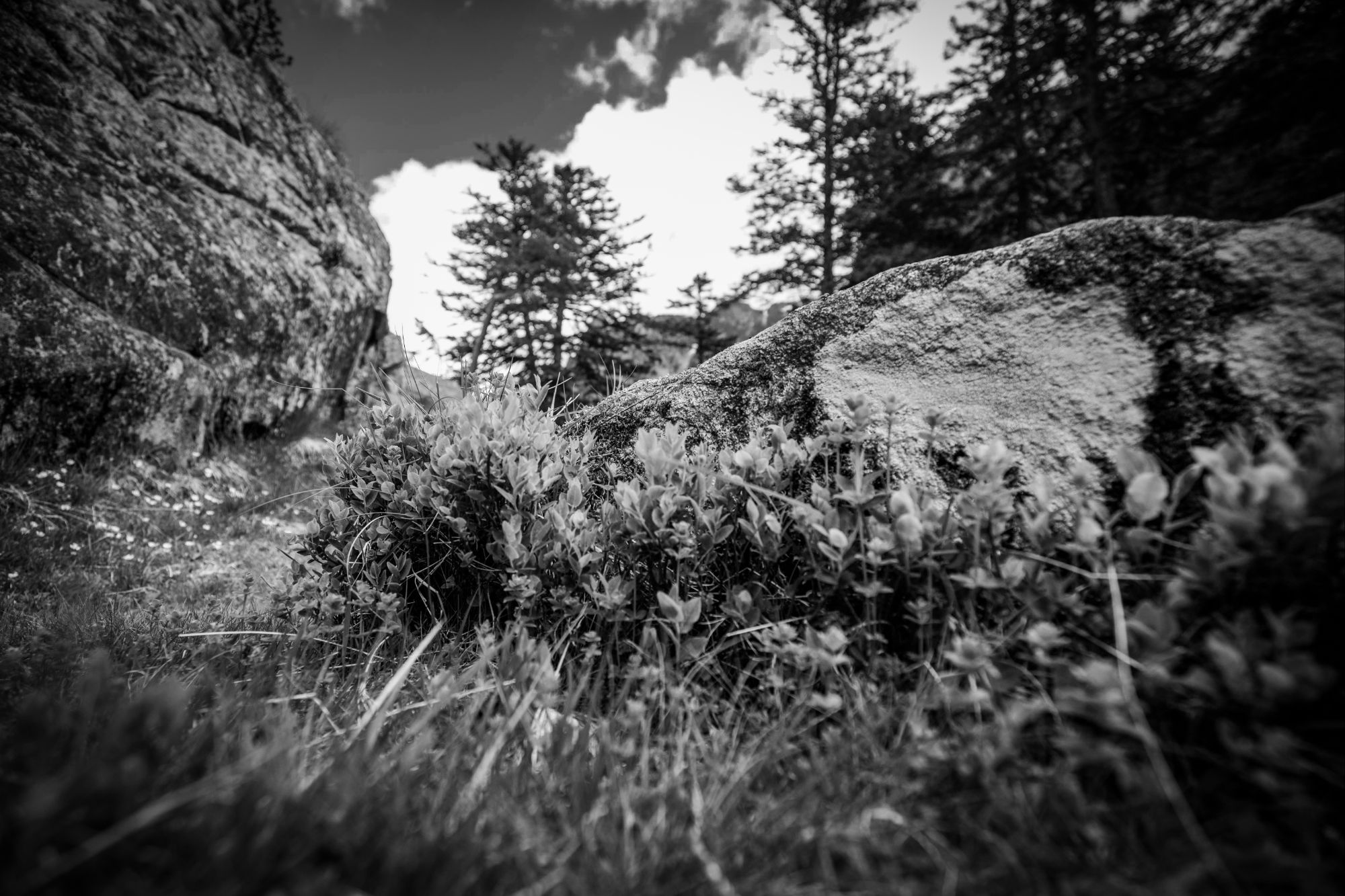
If the Vendée is Jane Birkin — elegant, understated — then the Pyrenees are full-on Marilyn. Proper mountains. Vast. Unapologetic. Even in May, some peaks were still capped in snow.

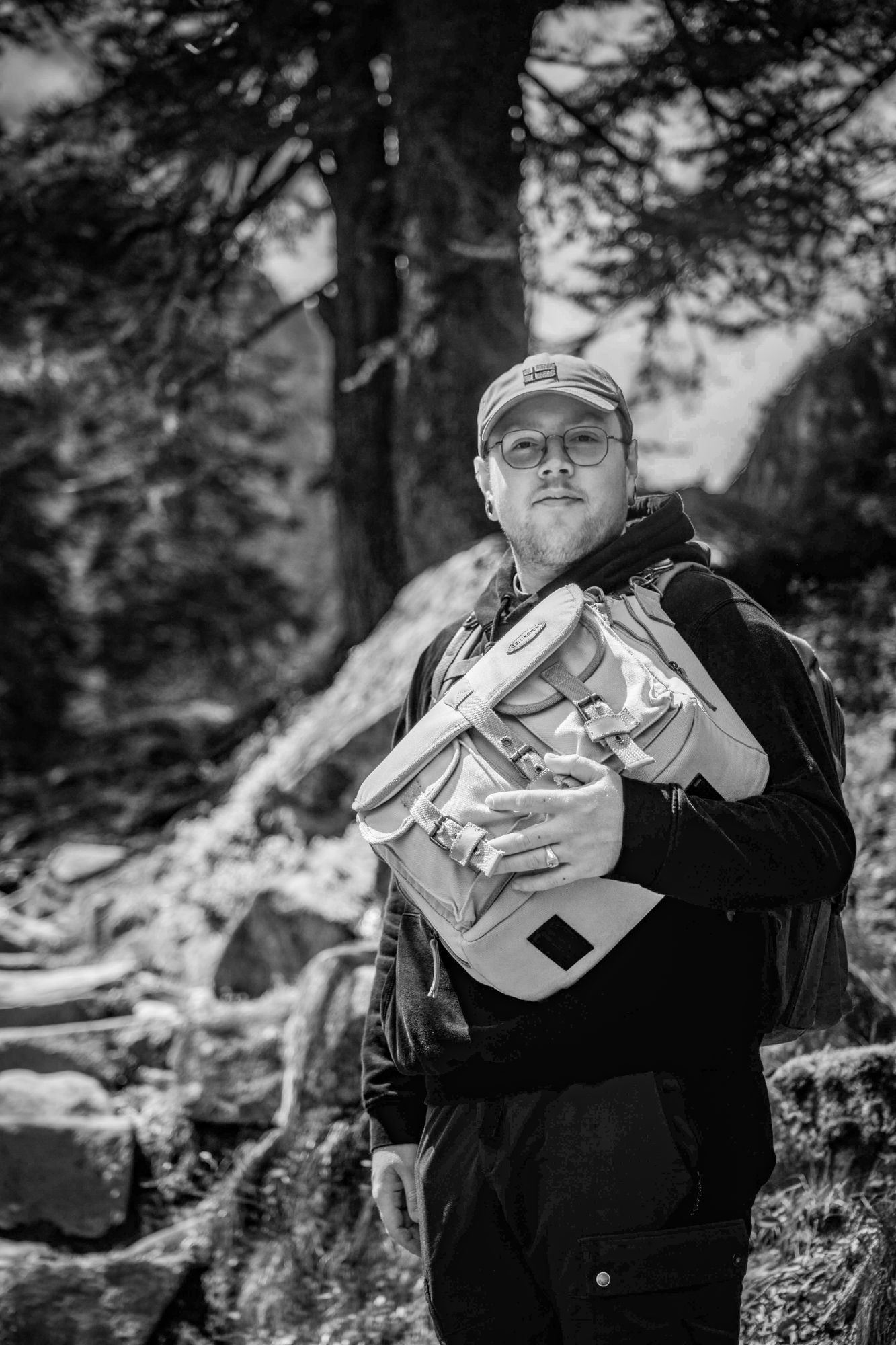
I was in Lourdes hoping to strengthen my faith. I think Killian needed that too — but more than anything, he needed his mountains. Now, finally, I get it. Up there, I saw him more clearly: less the boy I once knew, more the man he’s becoming.

Like most of us, he has his issues — but he’s working through them. And sometimes, he even lets me help. Those are the moments I think I might just be getting somewhere as a father.

He’d decided we were heading to see his beloved mountains. The place? The Pont d’Espagne — yes, in France, despite the name. I may have mentioned that. Maybe.

We left the impressive foothills of Lourdes behind and climbed into the real mountains. Snowy peaks against blue sky and drifting clouds. Windows down, music low, we drove toward the famous pont. It had better be worth it.

Killian and I travel at a relaxed pace. If the view’s good, we’ll pull over. Get the camera out. Take a few shots. See what happens.

Sometimes it works. Sometimes it’s a fiasco. But more often than not, we come away with something.

Oh no! Catastrophe! A village where you can park, and go and get an ice cream. Ah well. We took one for the team, and the lady behind the counter told us that the previous week they had snow and were shut, yet this week everything looked just like a day in May should look like. Ice cream seems to have this way of just hitting “that” spot. It’s not the tidiest of foods to eat, but it’s one I’ve developed a great fondness for it over the years.

I was already learning how to approach the infamous concept of the hairpin bend. As you know, a full head of hair hasn’t been my issue for years — let alone hairpins. But the name fits. The main thing is to drive slowly, carefully, and not die… Given I’m writing this now, reports of my untimely demise were, as they say, greatly exaggerated.

We arrived at the Parc National des Pyrénées. You go through a barrier that didn’t seem to be working — one that had given up on life and was just standing to attention, waiting for whatever ‘it’ might be. So, being the thoroughly decent chaps and all-round good eggs that we are, we tried to find a ticket. We couldn’t, but since we had tried, we said something that rhymes with bucket, and started walking to see, at long last, the bloody bridge. It had better be worth it.

I had the X100F with me and Killian was carrying my DSLR and kit. What a good lad he is. He later said that if I wasn’t lugging it around, we might’ve gone just that little bit further. So back to the pont…

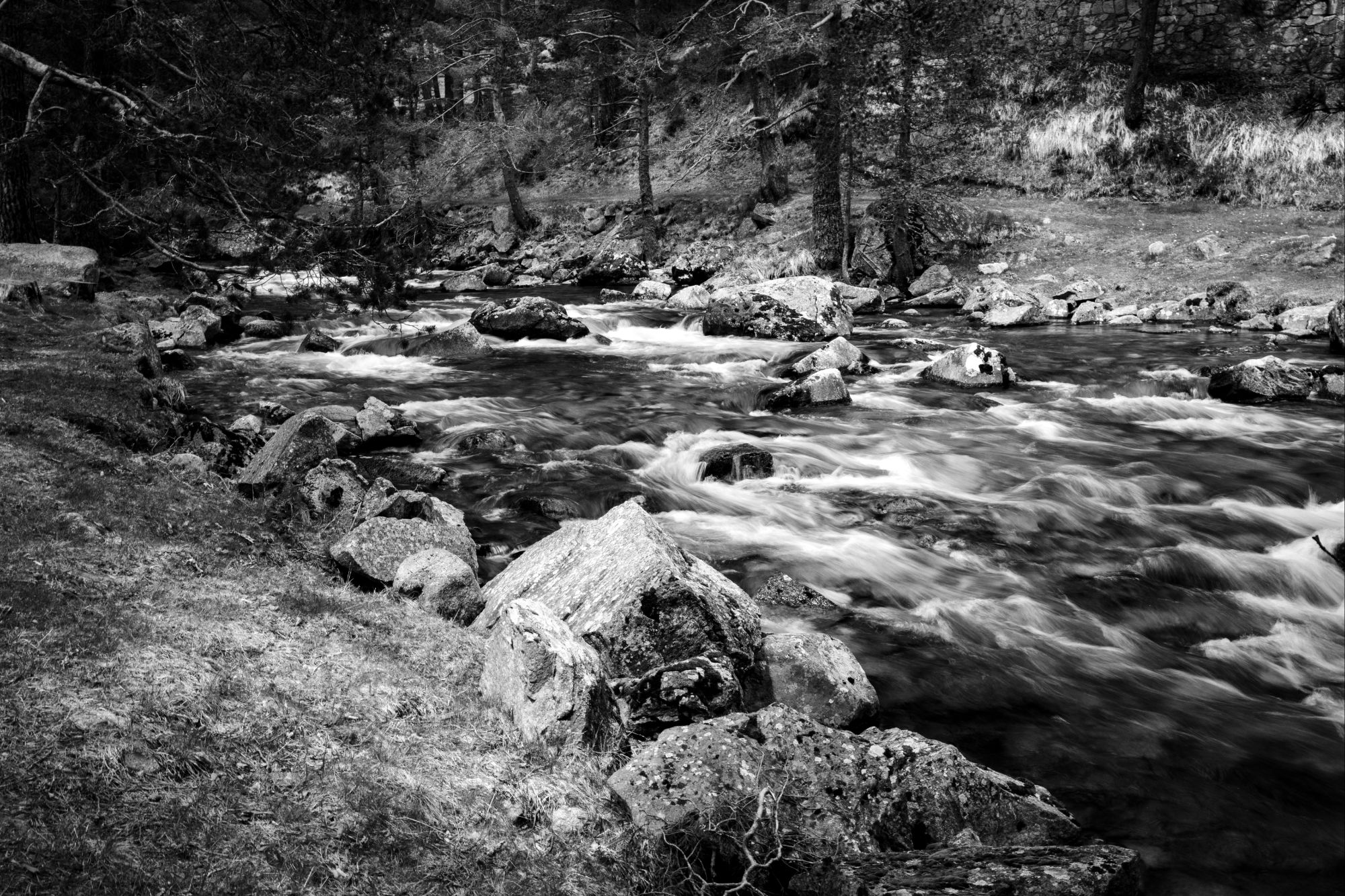
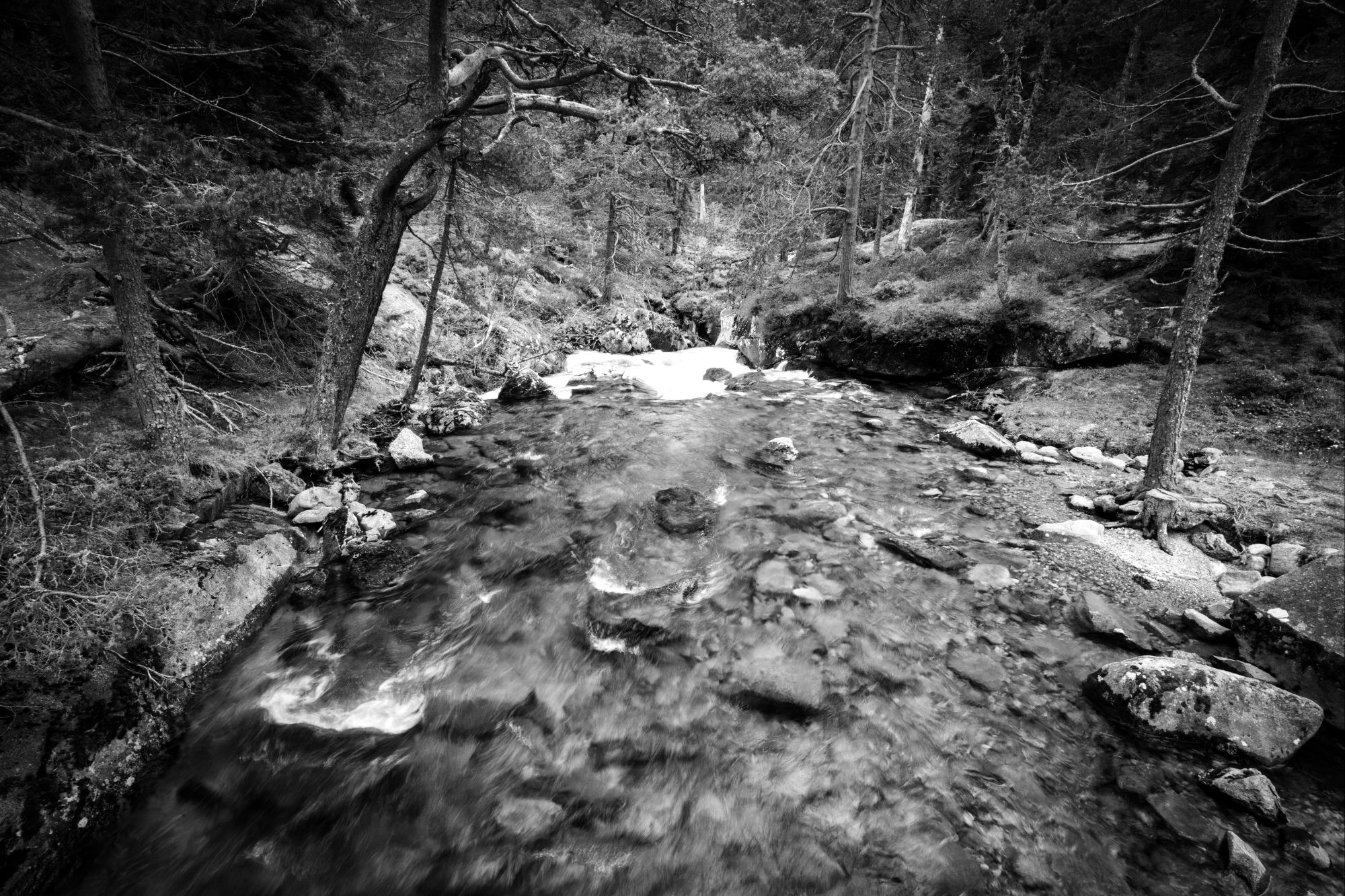
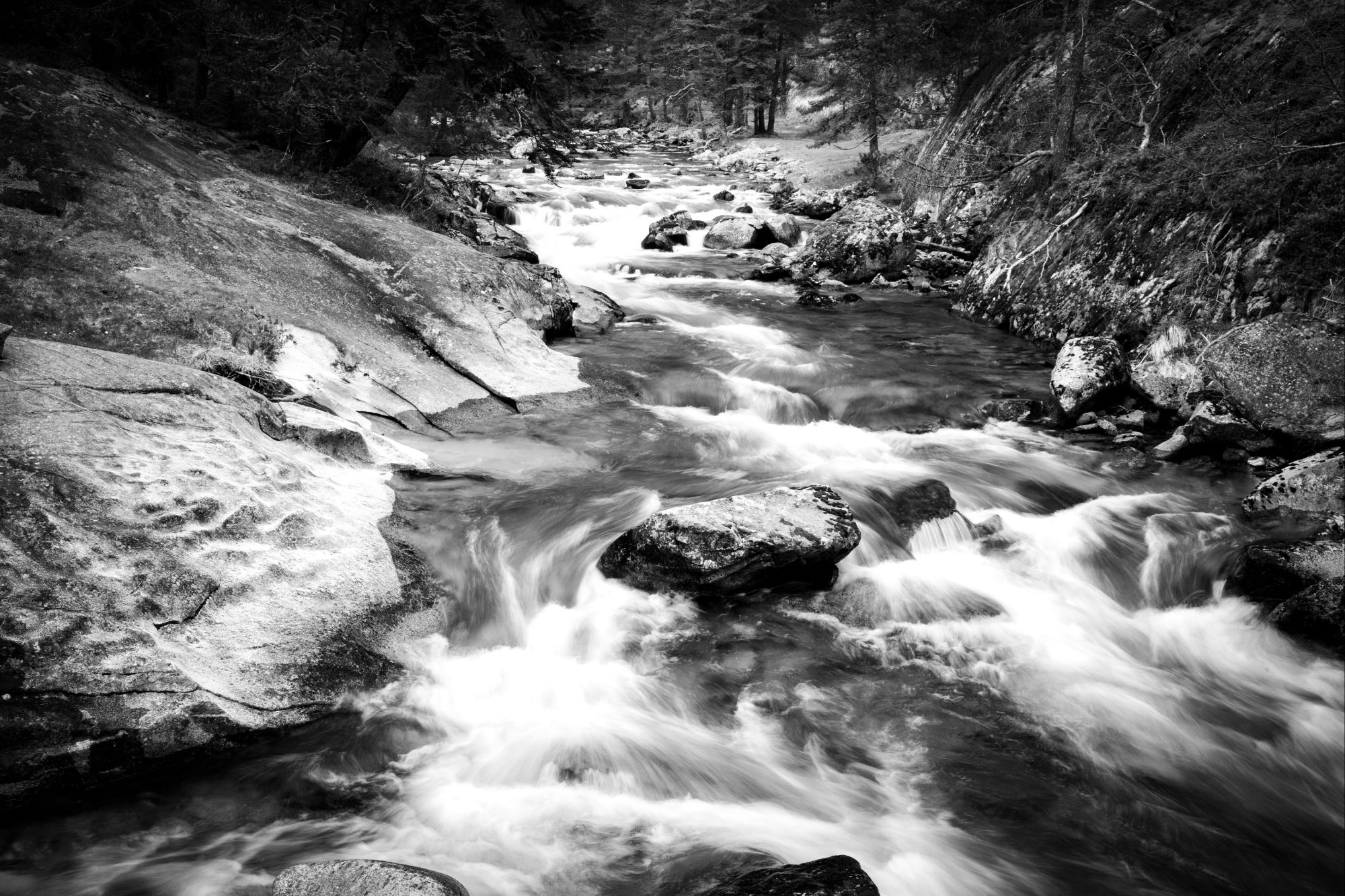
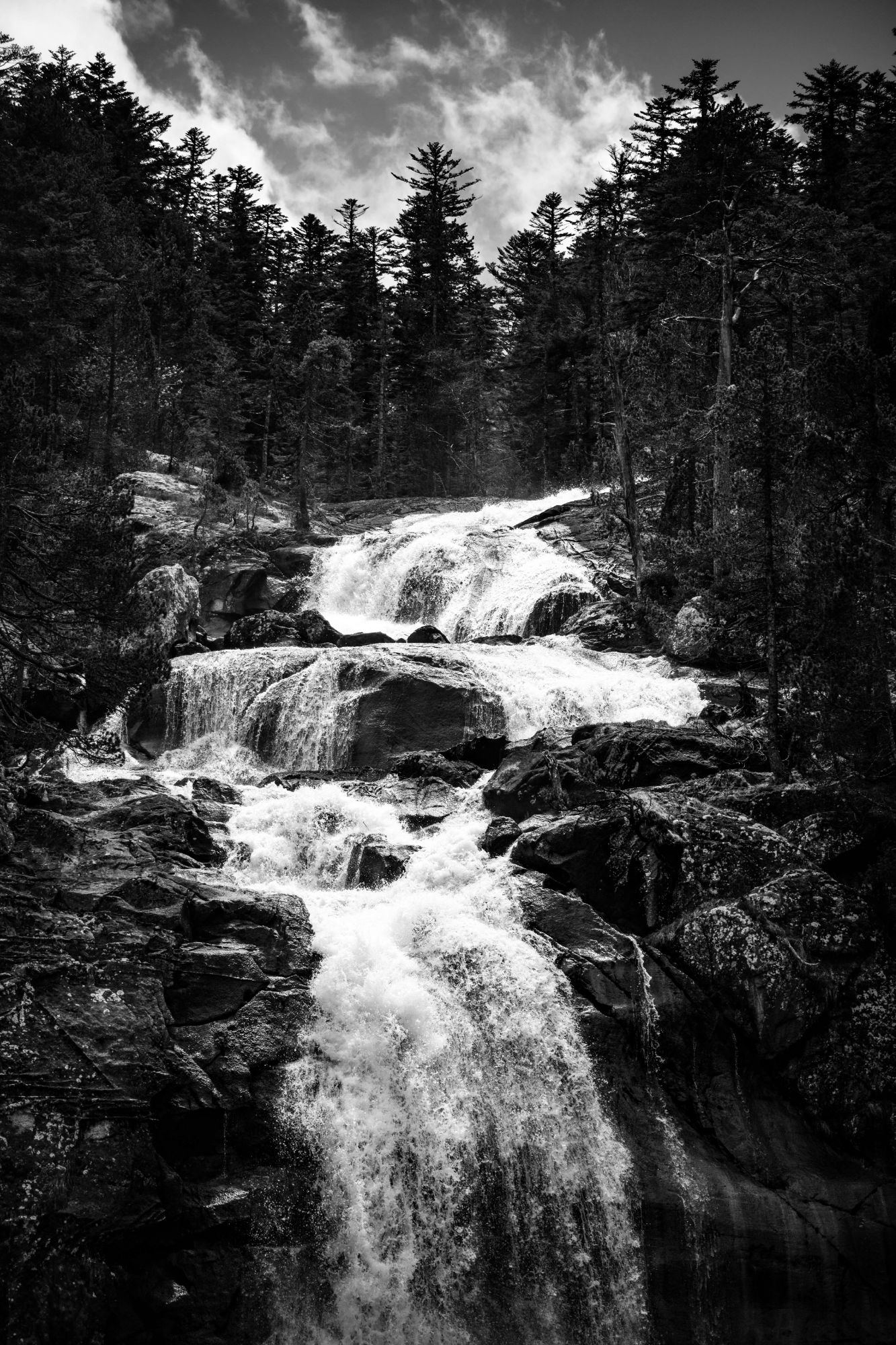
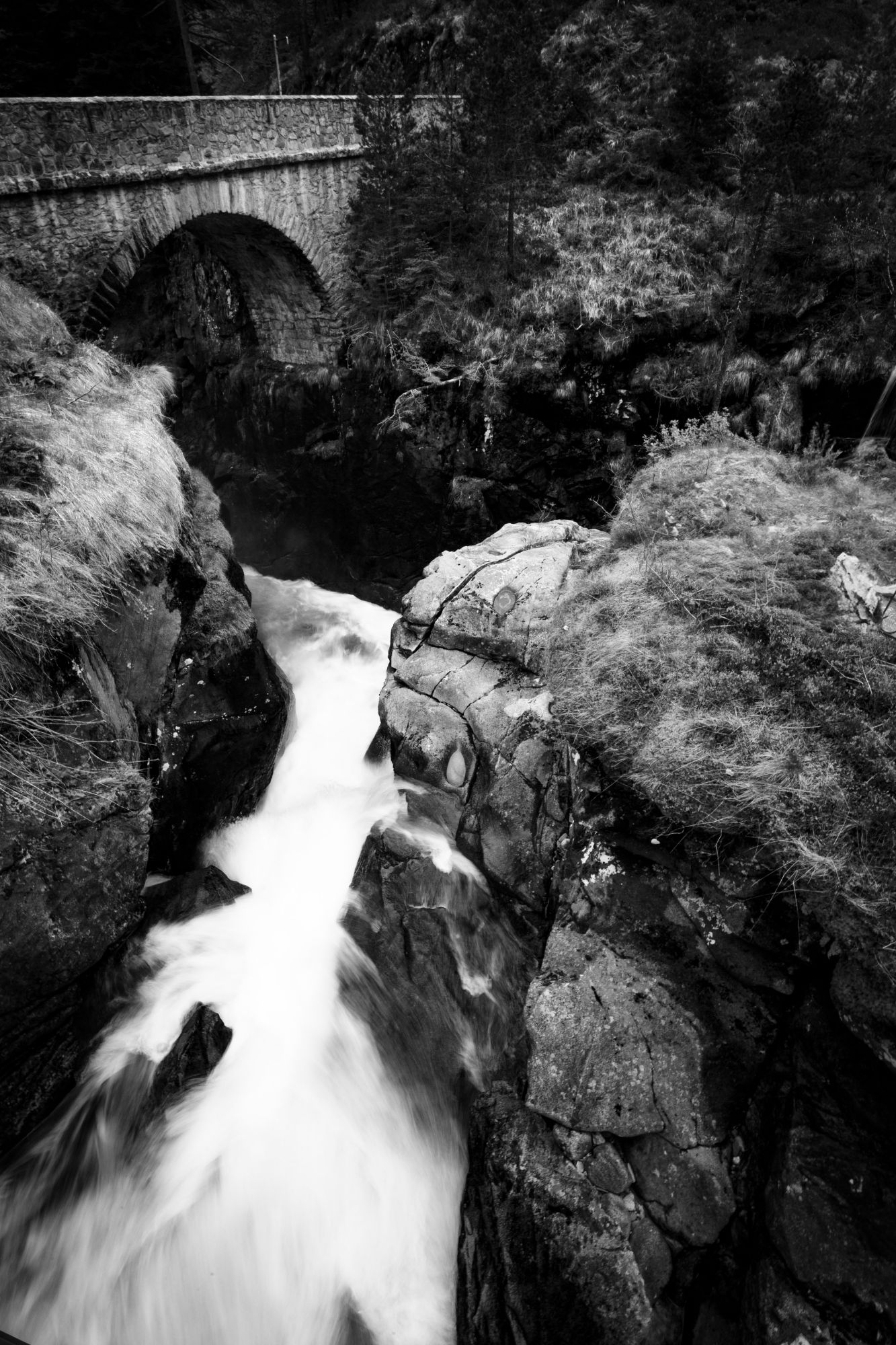
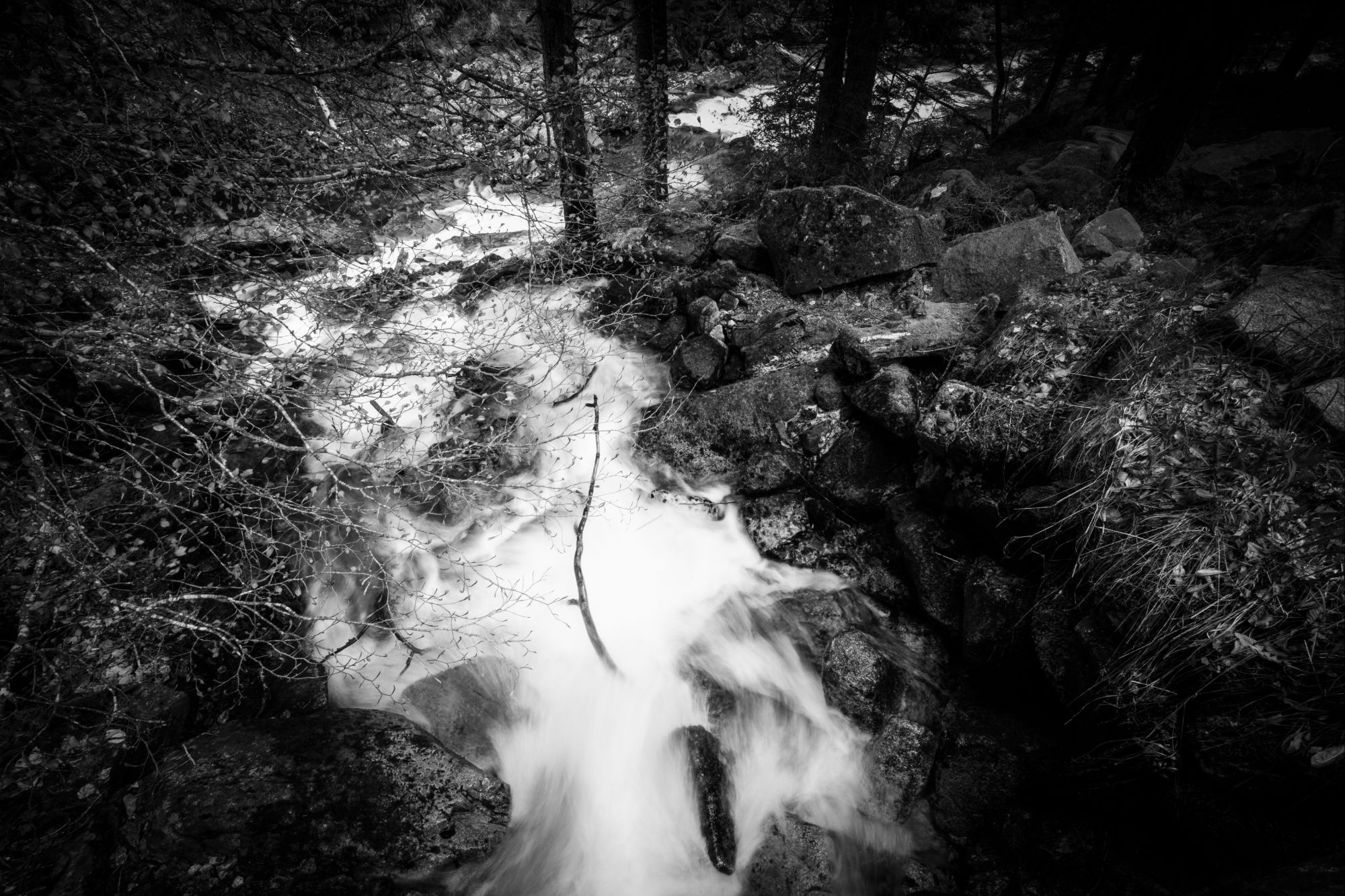
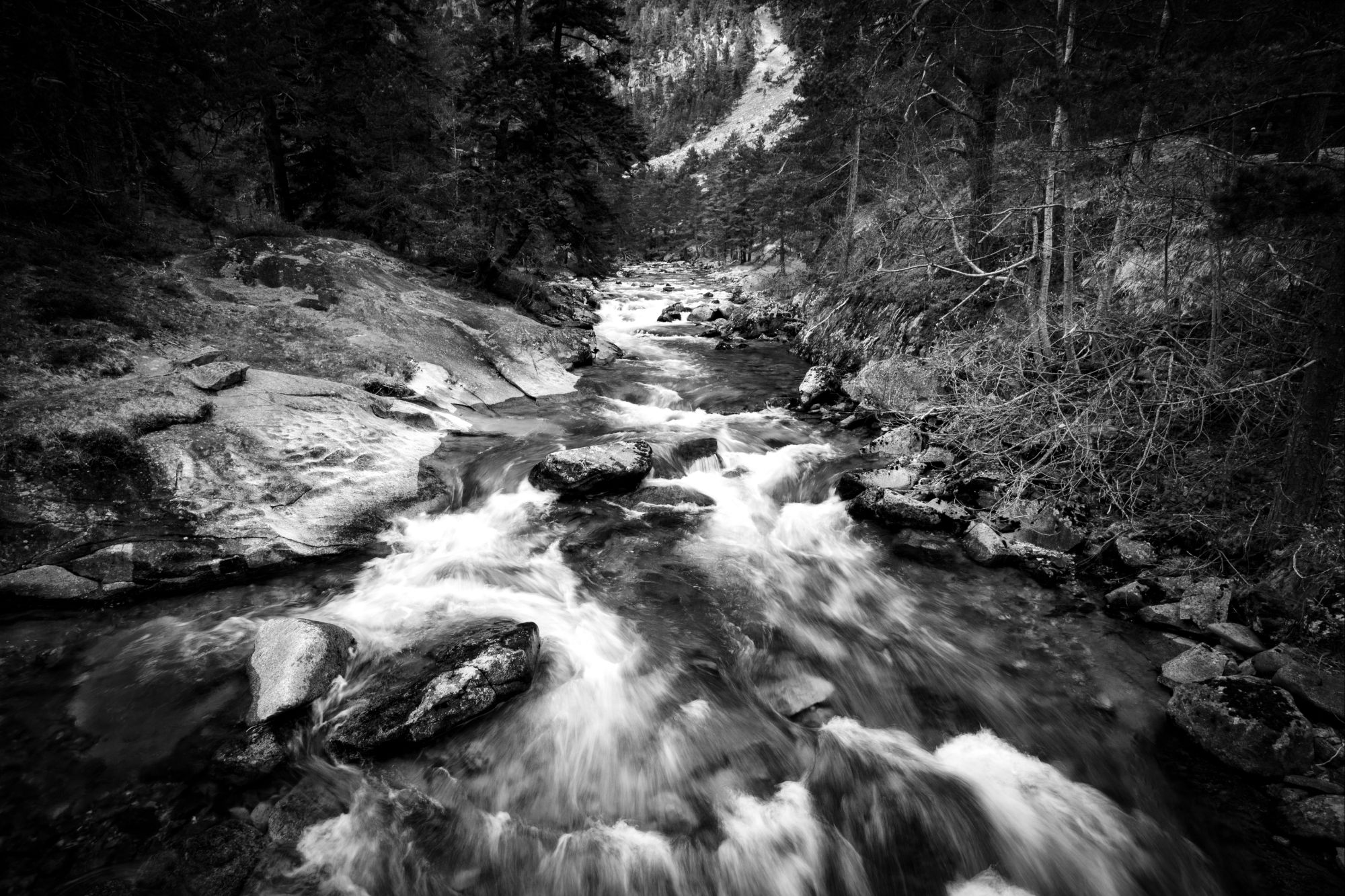
Before we even saw the bridge, we heard it: the sound of the water was tremendous. Water is a primeval force, and this was huge. I wanted the “money” shot, and decided to try with the X100F, giving it a sporting chance. The Canon 6D Mark II, with its stabilised lens, would come out on top. Handheld at 1/6th of a second? Not ideal — but fun to try. You get the feeling of movement in your shot, and with the magic of ND filters, you’re not overexposed.

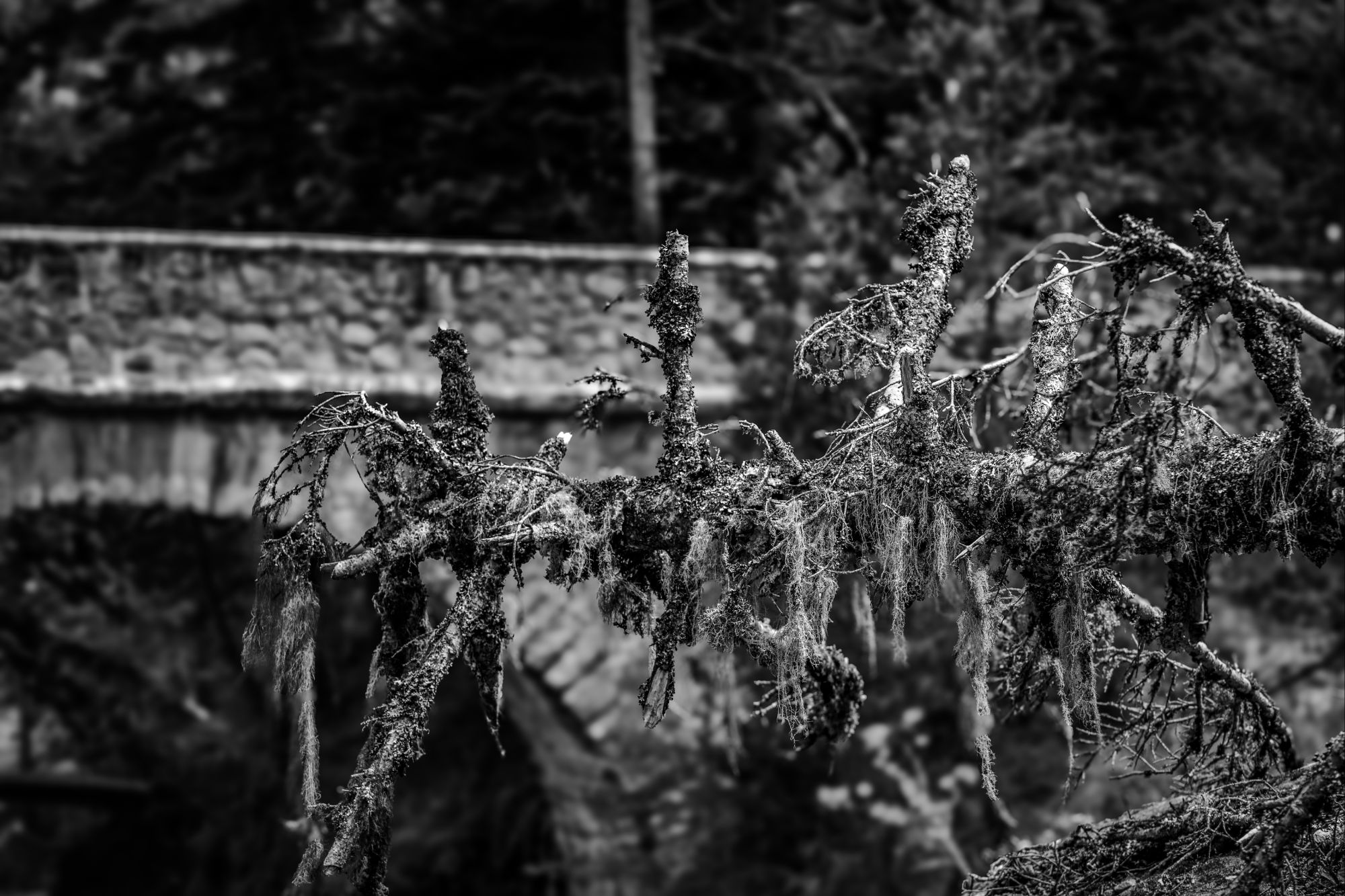
The site itself is just astounding — not just because of the view or the sound, but because of the raw power of the place. Killian led me grumbling up the hill and we sat down to have our picnic. We fed the ants a bit of our pâté en croûte and watched them discover it, then devour it completely. And devour it they did.

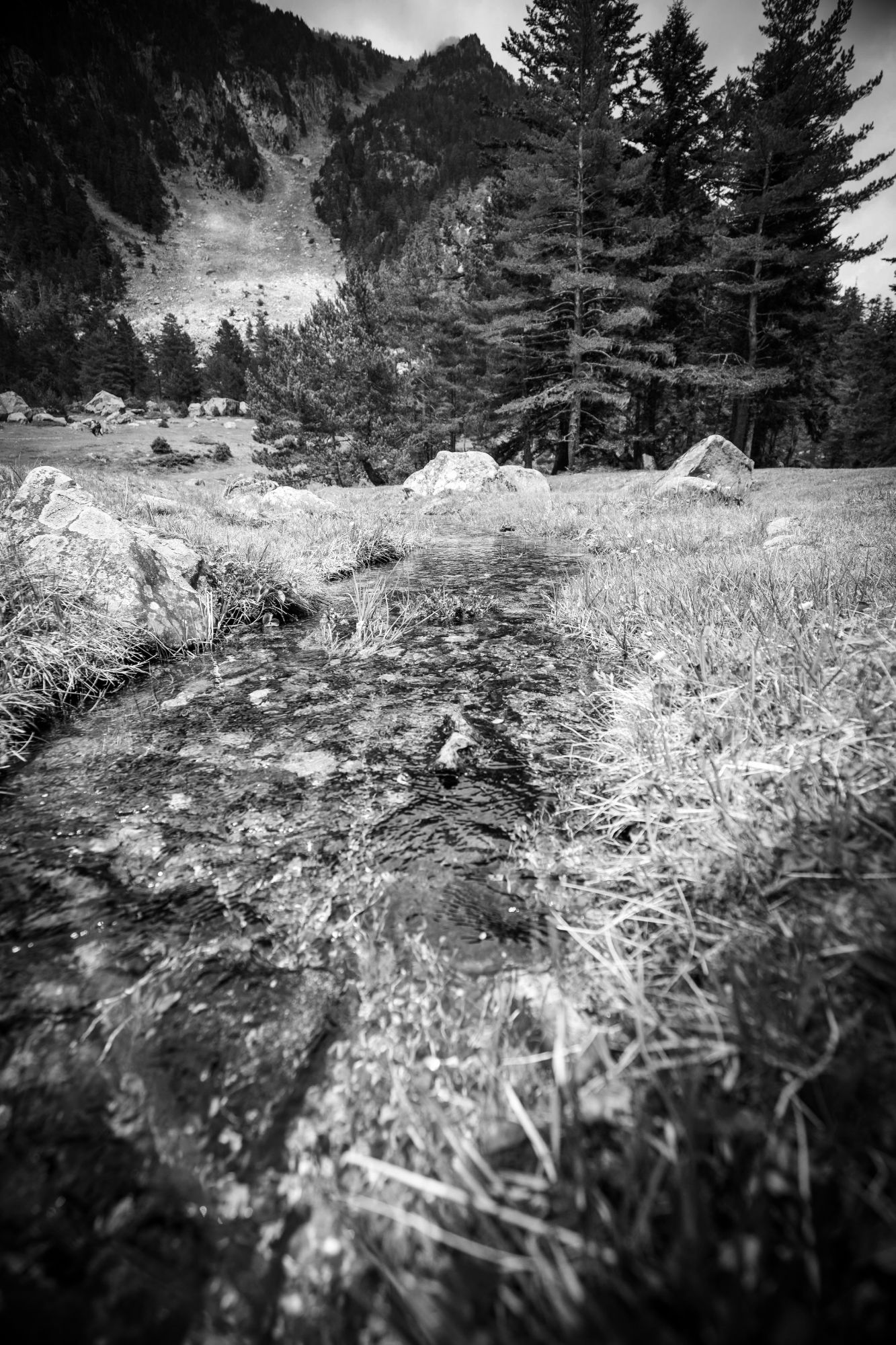
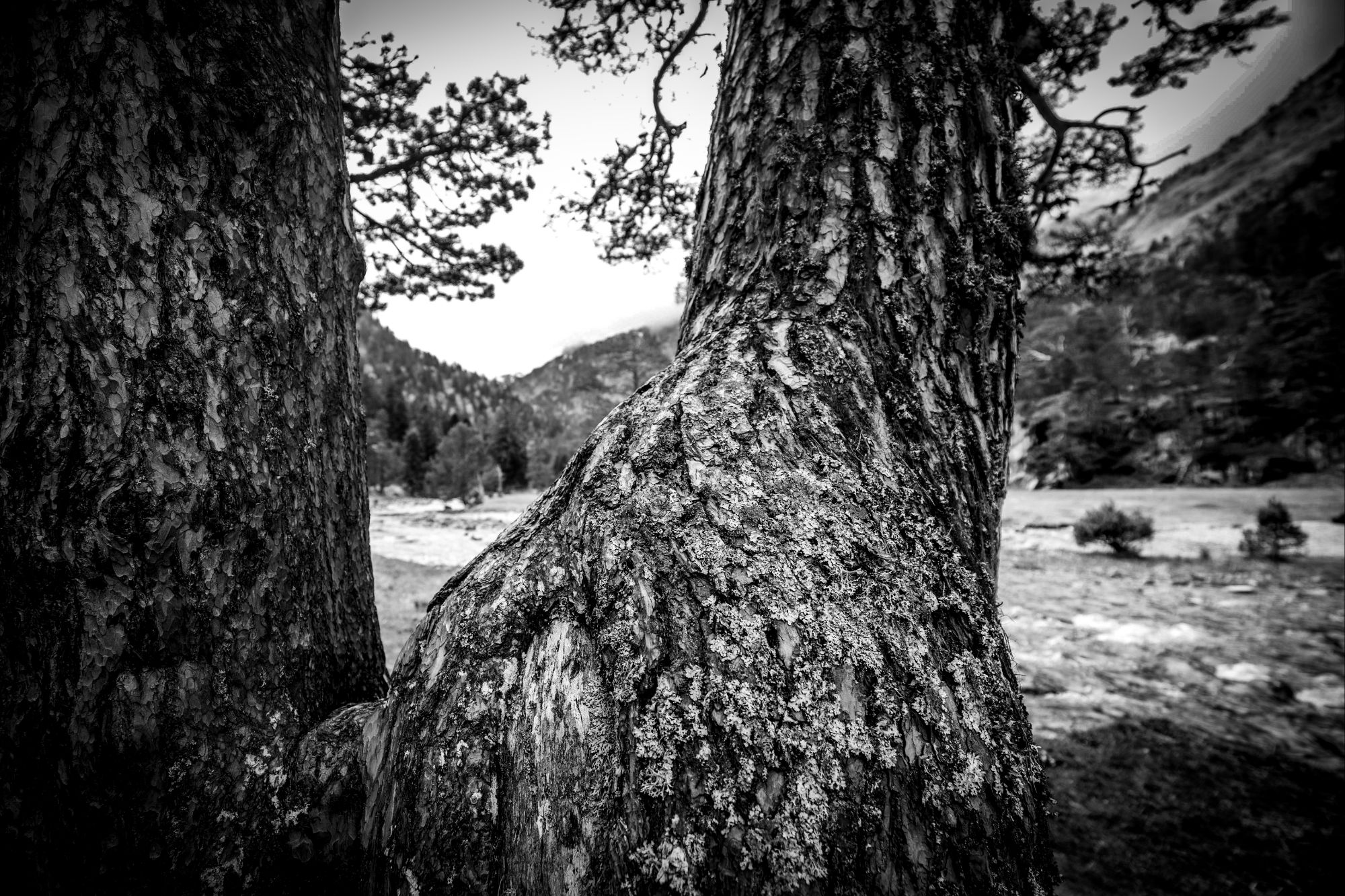
He led me past the téléphérique — closed, of course — and followed the river until we reached a wide, flat-bottomed valley with water snaking through it. We saw traces of horses and wild boars, which are a lot less boring than you might think. I noticed the clouds coming round the mountains as they go, but not singing. I don’t know a huge amount about mountains, but that’s usually a cue to get back to the car…

The walk back to the car was just about being father and son — taking the mickey out of each other as we went. It seemed to be the way we operated, and I wouldn’t change it for the world.
Saint Cado


The concert was for the municipality of Lorient and was more I’ll scratch your back if you scratch mine. Sometimes as musicians we have to kowtow to certain political matters to keep the municipality sweet. They said it would be cramped, but it was, at worst, cosy, so no complaints there.

After the concert, I had organised my car so I could sleep in it. I parked up in front of my mother-in-law’s house to spend the night and get some photography in during the early hours of the morning — and because my mother-in-law can be intense, and I don’t like bothering people. It’s not that I don’t like staying overnight in people’s houses, but at one stage on exercise with the RCT (Royal Corps of Transport) back in the late 1980s, I learnt that I could sleep anywhere and that it was nothing to worry about. I didn’t have my sleeping bag from those days, which would let me sleep comfortably in minus temperatures, but I did have a couple of Scottish tartan blankets that would keep me nice and warm.

It wasn’t long before I got off to sleep. I actually slept quite well, considering, and bought myself breakfast at the local boulangerie. No snoring to contend with and no risk of being shouted at because the dog was awake and needed to go outside to poop. Yes, a very satisfying night.

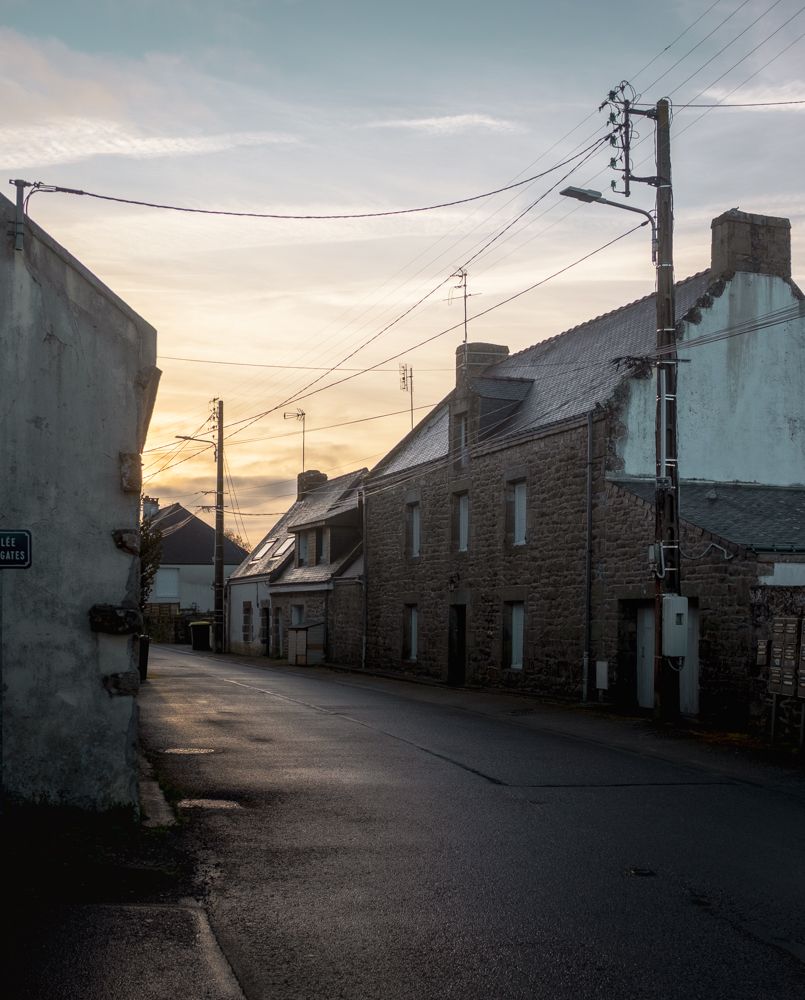
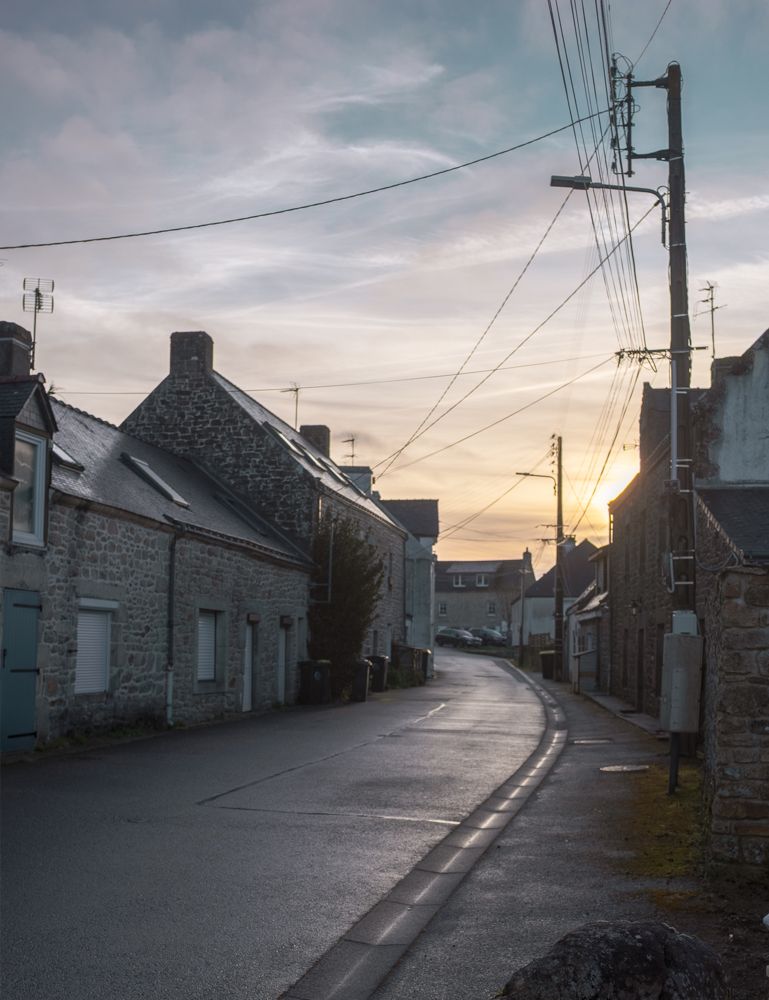
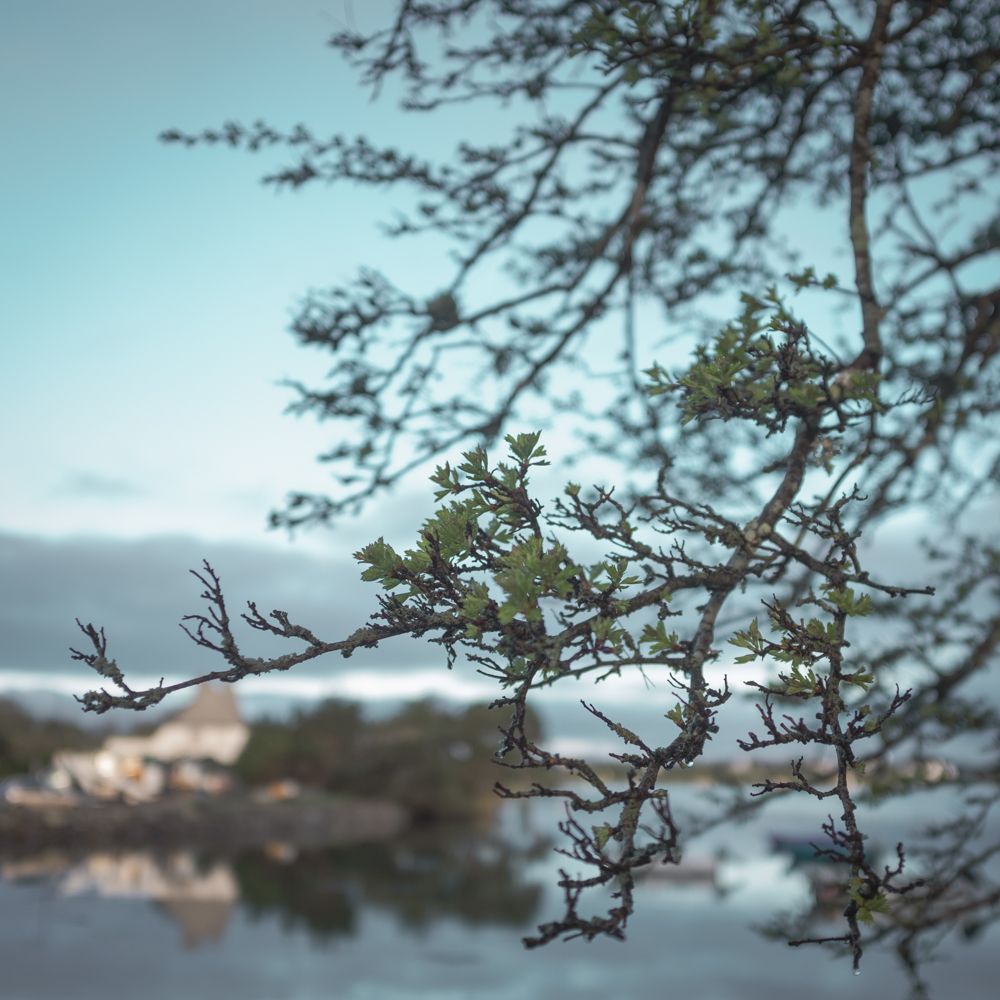
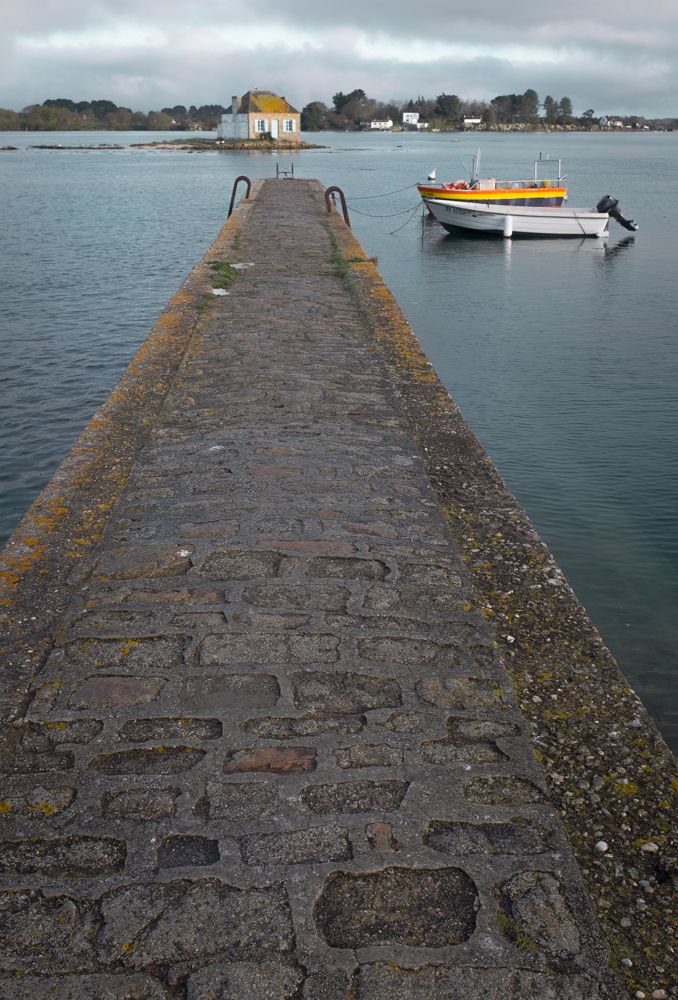
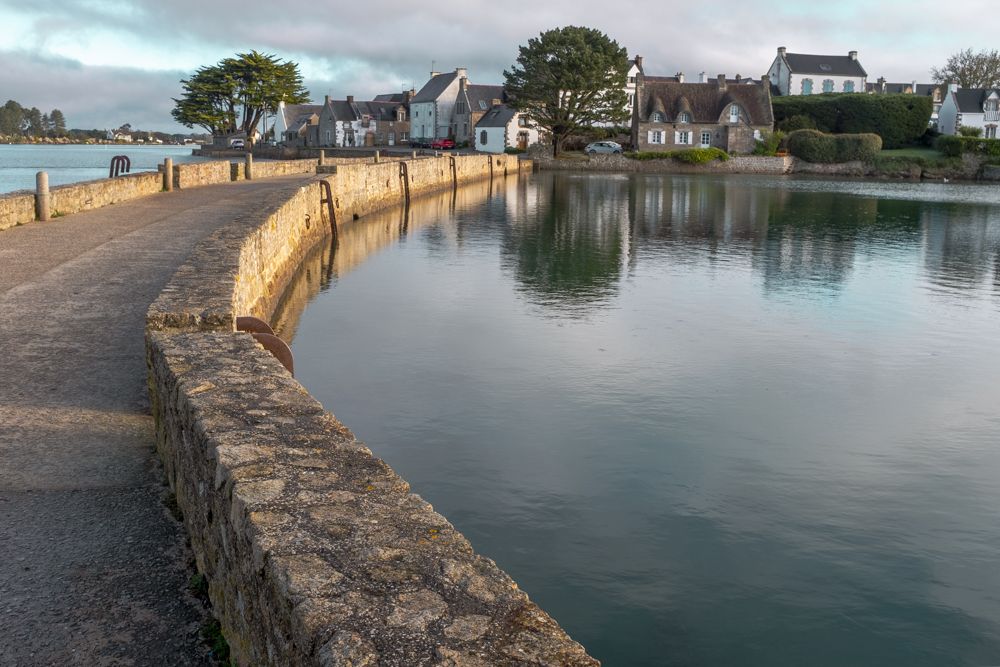
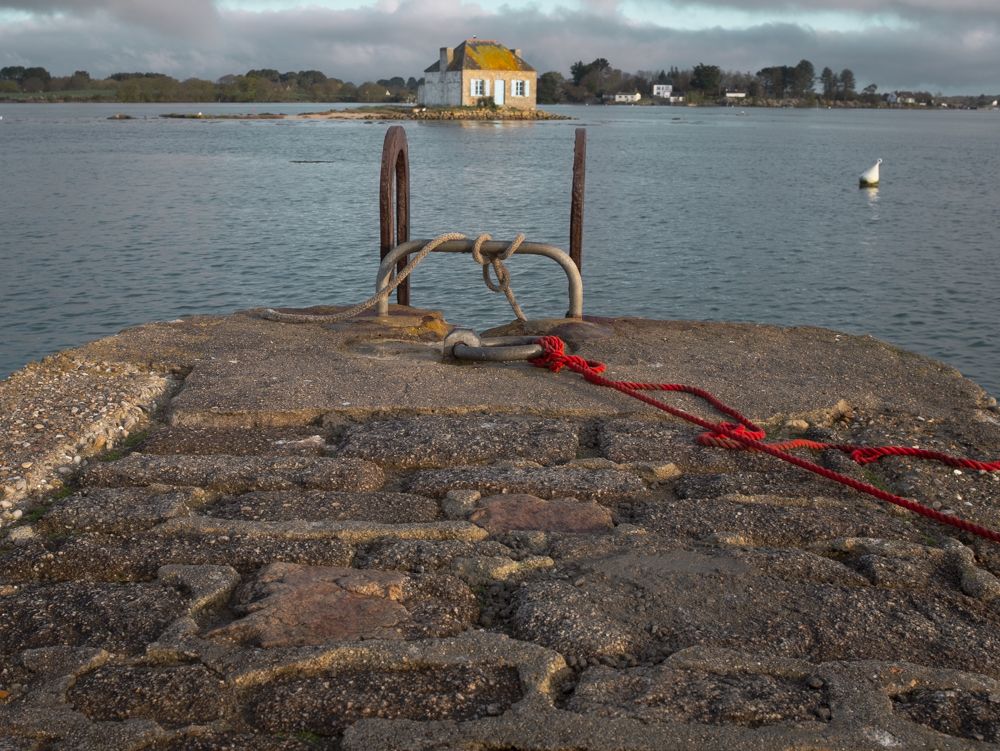
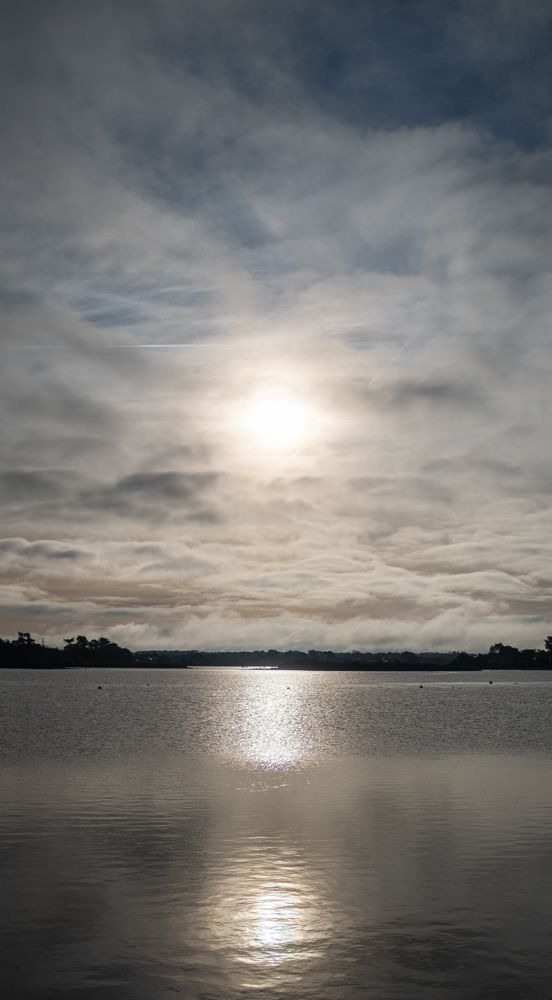
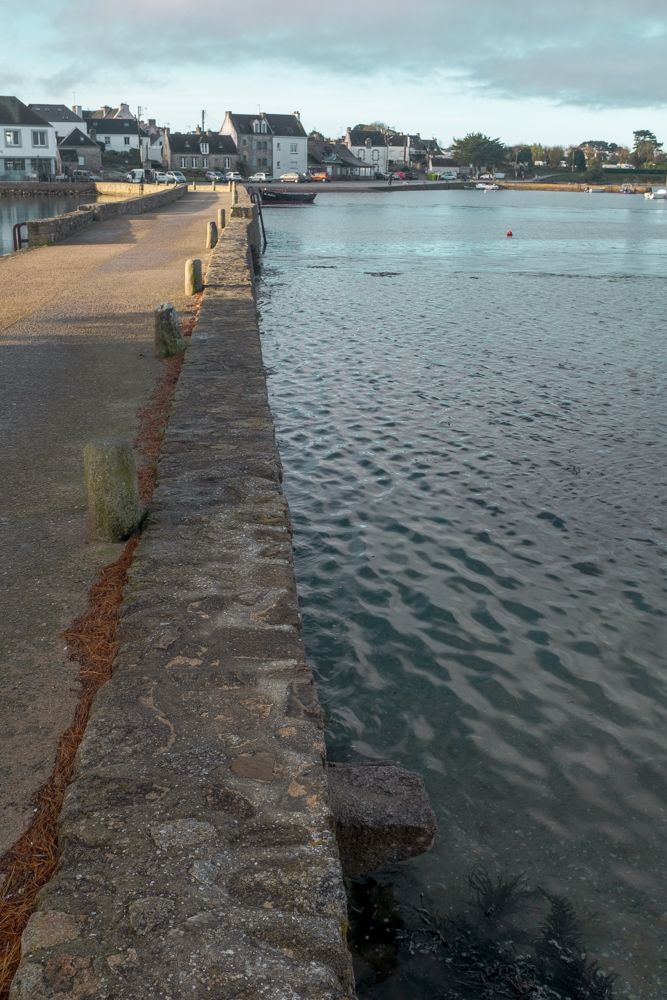
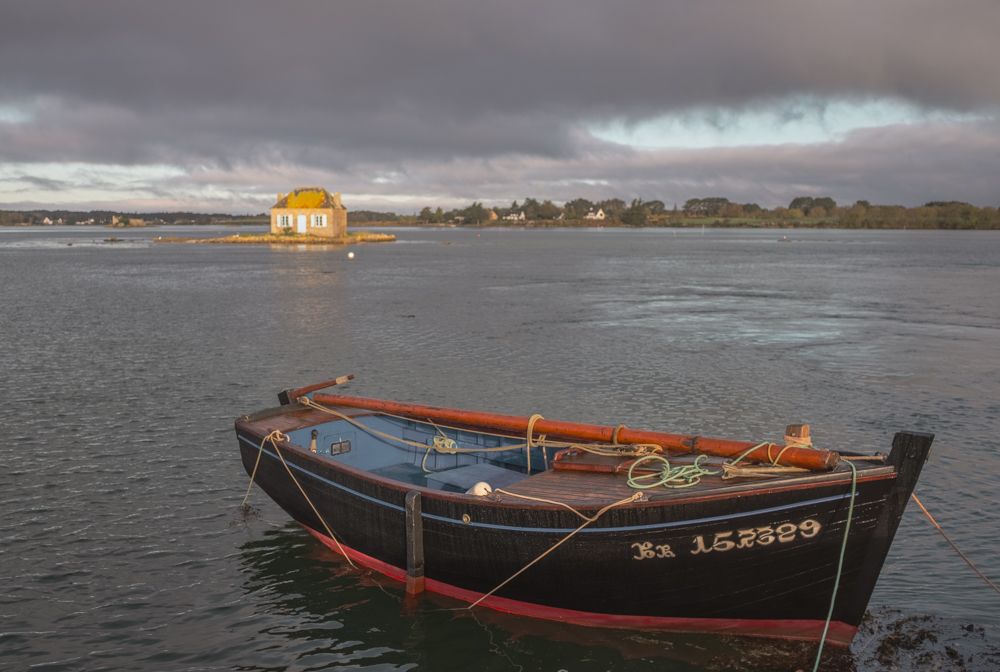
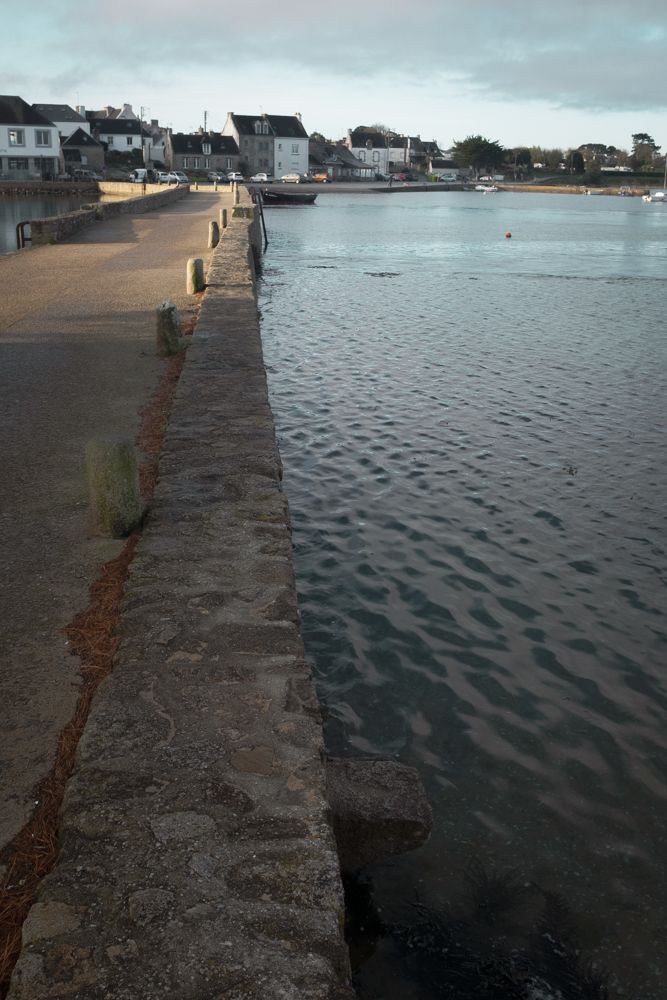
After my wonderful bakery breakfast, I headed to St Cado, which really is a cadeau — a gift — for the eyes. You’ll see what I mean when you see the pictures.

I relish solitude, not just because I’m an introvert, but because I like calm and quiet. And the idea of being up at the crack of dawn is wonderful, especially when I don’t have to get out of my bed and stop hugging my wife. I was on my own and loving every minute of it.

I arrived at St Cado and used the public conveniences, as it is not the done thing to poop in front of everyone. I’m not a dog, after all. St Cado was there waiting for me to get some photos in some beautiful light. I’ve started bracketing lately to get as much as I can out of each image. Bracketing, for those who think I am speaking in Chinese, consists of taking the same photo three times — once with normal metering for light, once underexposed, and once overexposed. Back in the day, you would set up your tripod and take each photo one at a time, but now I press the button and it does it automatically. On film you would lose film doing this, but on digital, with an empty SD card — why not?

As the morning light continued to change and the village slowly came to life, I packed up my gear feeling quietly content. These simple moments — waking early, capturing the beauty of a place like St Cado, and enjoying solitude — remind me why I keep a camera close. It’s not just about the photos, but about being present and finding peace in the everyday. Saint Cado truly was a gift to the senses, and I’m grateful for the chance to savour it in my own way.

Photography Philosophy – Part VII – The Philosophy of Impermanence


Capturing Fleeting Moments

When we talk about a moment in time, that moment is no longer the present; it has become the past. We cannot repeat it, nor can we reclaim it. It has happened and will never come back. Photography is an art form that allows us to capture a specific moment and preserve it for all time. We know that it is impossible to capture exactly the same conditions in which the shot was taken. We can attempt a recreation, but it will never be identical. Time has moved on to the next moment.

As photographers, we are left with the task of capturing the present, knowing it is already slipping away. What does this mean for the way we approach our art? Will we constantly look back, regretting the passage of time, or will we, on the contrary, feel privileged to have documented it for the future?

This brings us back to the idea of preserving the decisive moment that Cartier-Bresson spoke of. Like comedy, it would appear that photography is all about timing.

When we capture that moment, we must decide how we want to portray it. Do we want to freeze the action with a very high shutter speed, or can we slow down and add a sense of movement to our image? How fleeting is the image we are trying to capture?  What will this motion add to the image?

My approach

Over time, I’ve come to appreciate these fleeting moments in time and try to document them, whether in the big city or out in the countryside with my children—especially when they play together. I want the spontaneity of it all, to capture those precious moments of complicity. As any parent knows, our children grow up before our eyes, and before we can truly realise it, they are grown up. Even when they’re not together, and I look through these past moments in time, I get an overwhelming feeling of, “Where did it all go?” My son is 25, and my daughter is 15 already.

Embracing Mistakes: A Journey to the Image

I’ll admit, I’m not one to embrace mistakes easily. I’ve always strived for precision in my photography, seeking to control every variable and meticulously plan each shot. I don’t like leaving things to chance, and so, when things don’t go as expected, there’s often a twinge of frustration. A blurred shot, an overexposed image, or a missed moment—those mistakes are a part of the process I try my hardest to avoid.

But over time, I’ve started to realise something: these mistakes, as unsettling as they may feel in the moment, are often a necessary part of the journey toward the image I’m truly after. When I reflect on the photographs I’ve captured, it’s clear that the path to the perfect shot wasn’t a straight line. It was made up of trial and error, of learning how to see the scene in front of me not just through my lens, but also through the lens of my mistakes.

It’s the misfires, the accidents, that force me to reconsider my approach, to adjust my frame or my focus. They open my eyes to perspectives I might not have considered, angles I might not have thought of, and emotions I might not have expected to capture. Each mistake teaches me something new, something that nudges me closer to that elusive, perfect image. They’re not setbacks, but rather signposts that guide me, sometimes uncomfortably, to a place where I can see the photograph with fresh eyes.

I’ve come to understand that each imperfection is part of the journey. The photograph I end up with is rarely the first shot I took, or the second, or the third. It’s the culmination of countless adjustments, failures, and moments of doubt, all leading me to the image that feels right. In the end, I realise that without those mistakes, the image I’m truly after might never have come into focus.

So while I still seek control, I’ve learned that there is value in embracing the unexpected. It’s in the mistakes, the missed moments, and the misjudgments that I find the essence of my photography. They are just as much a part of the creative process as the moments of perfection, guiding me closer to the image that speaks to me—and perhaps even to the viewer—most clearly.

Conclusion: The Beauty of the Journey

Photography, at its core, is a celebration of the fleeting moments that pass us by in the blink of an eye. The act of capturing these moments is an acknowledgement that time is forever slipping away, and in that impermanence, there is both beauty and significance. As photographers, we are tasked with documenting not just what we see, but also what we feel—the raw, unrepeatable essence of time itself.

The pursuit of the perfect image is a delicate dance between intention and spontaneity, control and surrender. It’s a journey that, more often than not, veers off the well-trodden path and into uncharted territory. Along the way, mistakes become our teachers, guiding us toward discoveries we might never have made if we had stayed within the confines of our comfort zone. These missteps, rather than being failures, are integral to the creative process, pushing us to reimagine, reframe, and reinvent our approach.

In the end, photography is about embracing the imperfection of both the world around us and our own creative efforts. It’s in the mess, the mistakes, and the fleeting nature of the moment that we often find the most powerful images. And while the perfect shot may remain elusive, it is in the journey—the trial and error, the fleeting moments, and the lessons learned—that the true beauty of photography lies.

So, as we continue to document our world, let us not only cherish the decisive moments but also embrace the imperfections that make them meaningful. For it is through the transient, the imperfect, and the unexpected that we capture not just images but stories—stories that resonate with the heart and echo the passage of time.

The Opening of the Film Archives – April 2017 On the Border


Good evening Dear Reader.  Some of you may know that I live in France, despite being originally from the UK, and despite probably having gone native after living here for 30 years.  I have even been accused of being a little “Continental” whatever that may mean..  I live in the west of France.  You could think that I live in Nantes just judging by the quantity of photos taken in that city.

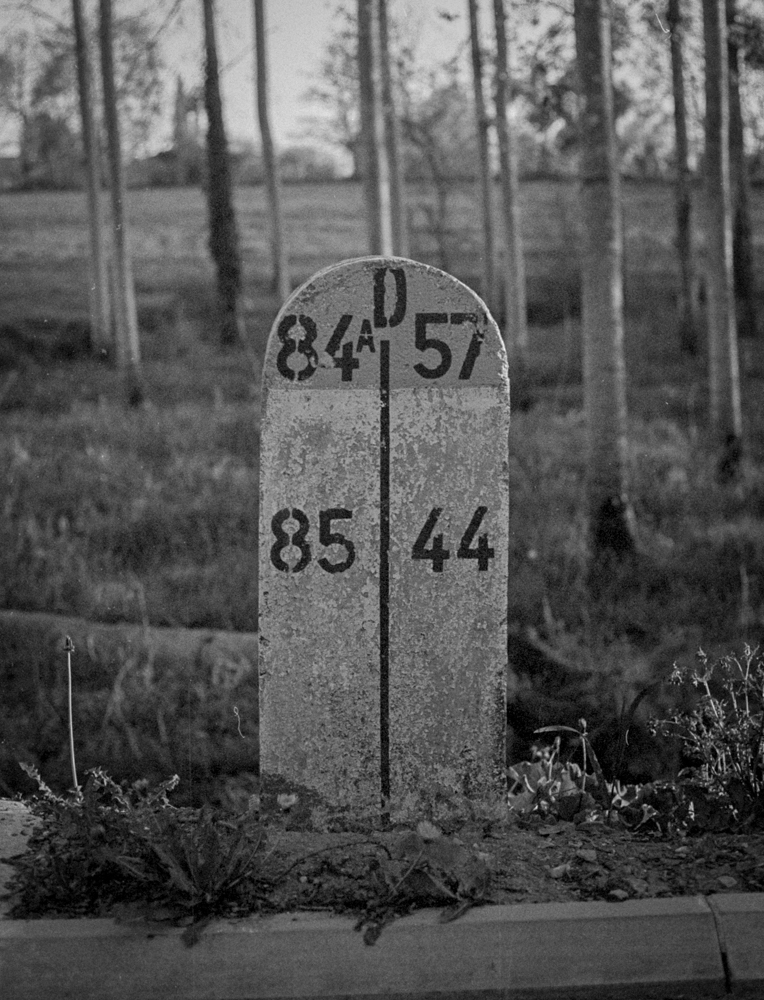
I actually live in a smallish village at the very northern edge of the Vendée and my village borders the “la Loire Inférieure” or to use the more modern term “la Loire Atlantique.”  Our department number is 85 and theirs is 44.  I’m not saying there is any animosity between the two, in the same way that there isn’t any animosity between the inhabitant of Lancashire, and God’s own county of Yorkshire.  Absolutely none at all.

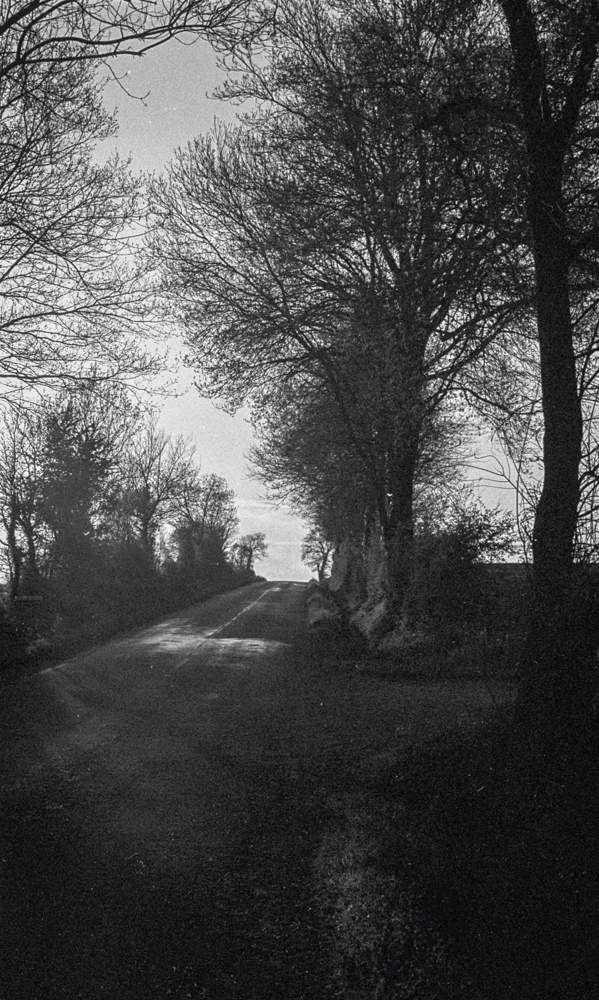
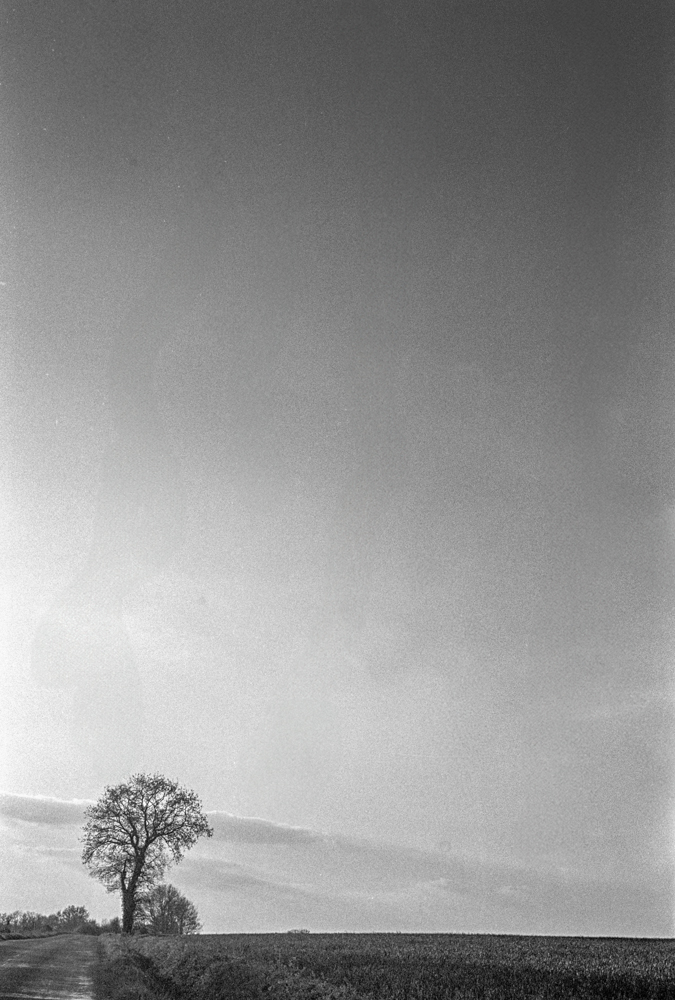
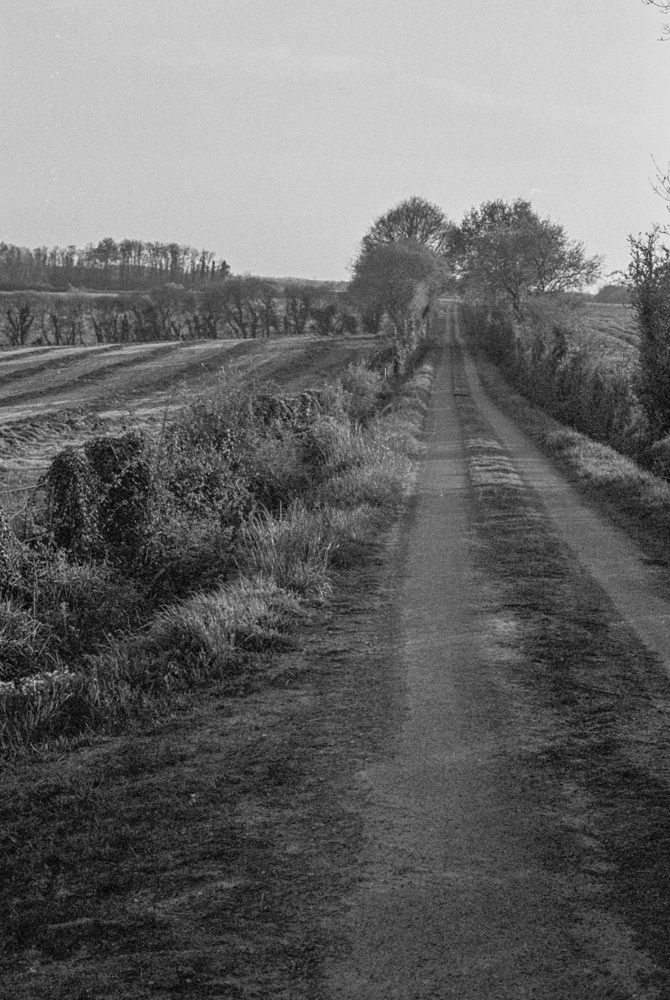
You now know where I am.  Let’s have a closer look at that area through the lens of my Canon AE1.  This series of photos was taken along my route to work.  You can see the milestone on the road where the border between the two departments finds itself.  

The trees along this stretch form a natural tunnel, creating an otherworldly atmosphere as sunlight filters through the canopy. Capturing that interplay of light and shadow was my goal with the Canon AE1. Despite some doubts about its metering capabilities, the camera performed admirably, and I’m thrilled with the results.

Since I took these photos, some of the trees have been cut back, making these images even more precious. They preserve a fleeting beauty—a reminder of how photography can immortalise moments before they change forever.

At the base of the hill runs a quiet stream, tame in spring but often overflowing in winter. Its stillness offers another perspective, reflecting the surrounding trees and clusters of mistletoe hanging high in their branches. These reflections, captured on film, reveal a different kind of magic—a mirror-like calm that contrasts with the lively interplay of light above.

This installment of the Film Archives is a tribute to the quiet beauty of my daily commute. Through these photographs, I hope to share not just a sense of place but a moment in time that speaks to the power of film photography to hold onto the ephemeral.

The UK Chronicles: A Black and White Footnote


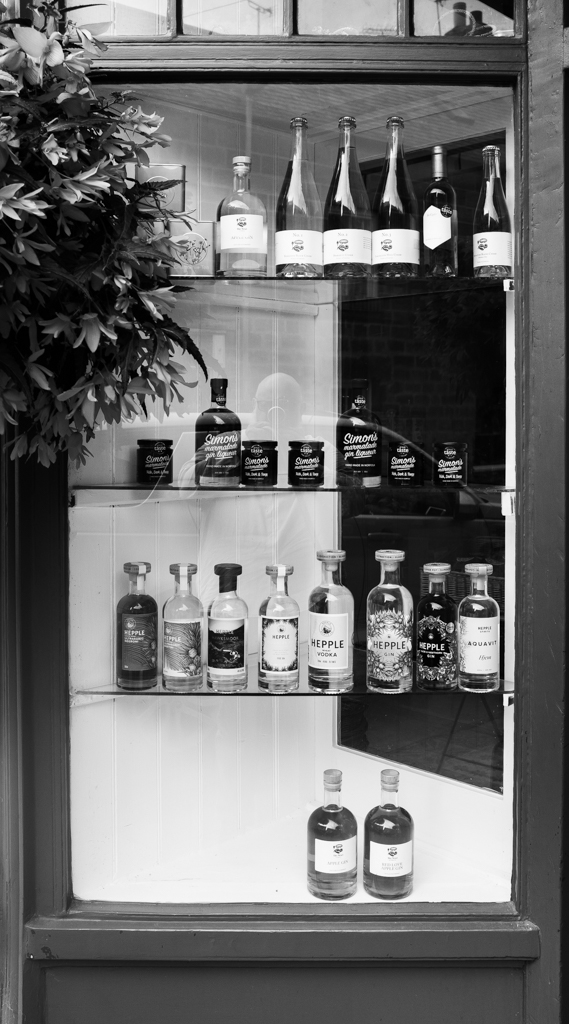
My usual approach to black and white photography is to shoot directly in black and white, either using black and white film or the Acros film simulation with my X100F. When using the X100F on this UK trip, my EVF displayed the black and white shot using Acros with a red filter—my go-to simulation. This method puts me in a black-and-white “frame of mind” from the outset.

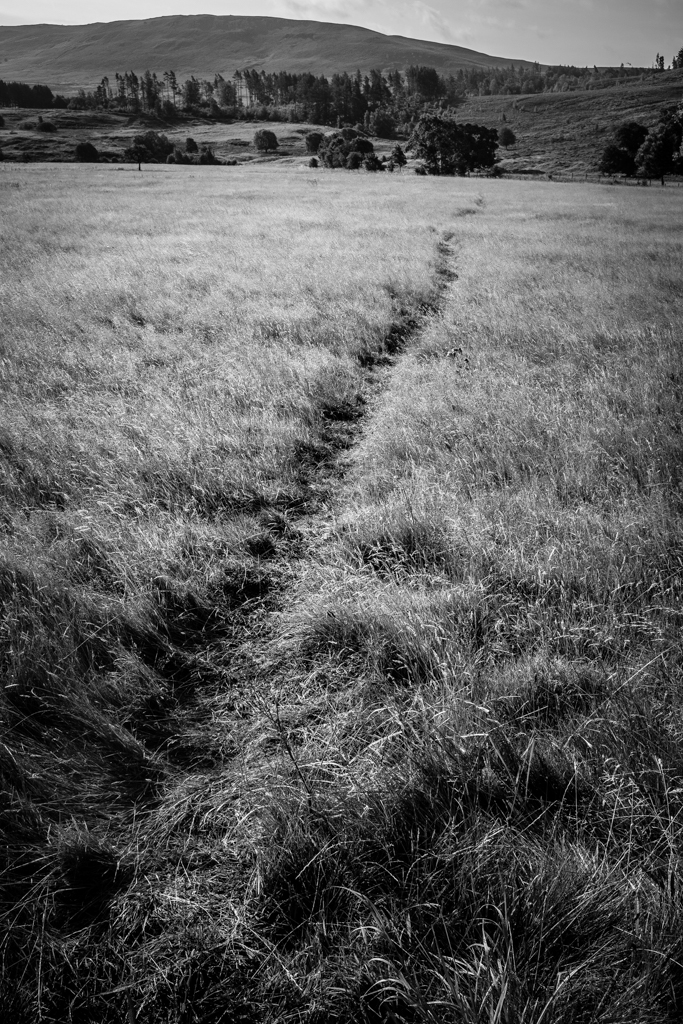
However, this time I decided to break from my usual practice and experiment. I did something I normally advise against—starting with the intention to create color images and only considering black and white later. I chose the Classic Chrome film simulation instead of Acros, focusing on capturing the vibrant colors of the Northumbrian countryside. It was all about breaking free from my black-and-white routine. Both color and black-and-white photography have their place, but for this trip, I wanted to prioritize one over the other. Still, wouldn’t it be intriguing to compare both approaches?

Back in France, as I prepared the images for my black-and-white Instagram feed, I began to wonder if some of the colorful shots might also work in black and white. Initially hesitant—given my emphasis on shooting with intention and purpose—I decided to embrace the experiment. I was breaking one of my own rules, yet the idea intrigued me.

Reviewing the color shots, I considered which might translate well into black and white. I look for images with texture and varying tones rather than just color. My composition is usually solid since I’ve already edited my color images, including reframing and straightening as needed. With digital RAW files, converting to black and white and producing different versions is straightforward. As they say, the goal is to produce images that reflect how they made you feel, not just how you saw them. This is why I convert my images to black and white—they capture more of the emotional essence.

Opening Adobe Lightroom on my PC, I saw the familiar images on my screen. My editing approach may seem finicky, but it’s effective. While the simplest way to convert an image to black and white is to slide the “saturation” slider to the left, this often results in a flat, lifeless image. Instead, I use a more nuanced approach to control various color tones in the black-and-white image. This technique helps preserve depth and character, ensuring that each image maintains its visual impact even without color.

Here’s how I approach black-and-white conversion in Lightroom:

  • Black and White Profile: Sets the overall tone and mood of the image.
  • Clarity: Enhances texture and detail for a more dynamic appearance.
  • Contrast: Adjusts the range between light and dark areas, adding visual interest.
  • Color Sliders: Modifies the luminance of specific colors to bring out different tones in the black-and-white image.
  • Highlight Tool: Adds subtle vignetting and balances highlights for a polished finish.

So, why convert to black and white after shooting in color? For me, it offers a classic, timeless aesthetic, and challenges me to create a “better” image by focusing on composition and texture without the distraction of color. This approach pushes me to craft photographs that rely on fundamental elements, enhancing their overall impact.

Impact is at the heart of photography. While I cherish the colors of the Northumbrian countryside and am eager to learn how to use color more effectively, I also deeply value the strengths of black-and-white photography. It’s about transcending color to create images that resonate through composition and texture.

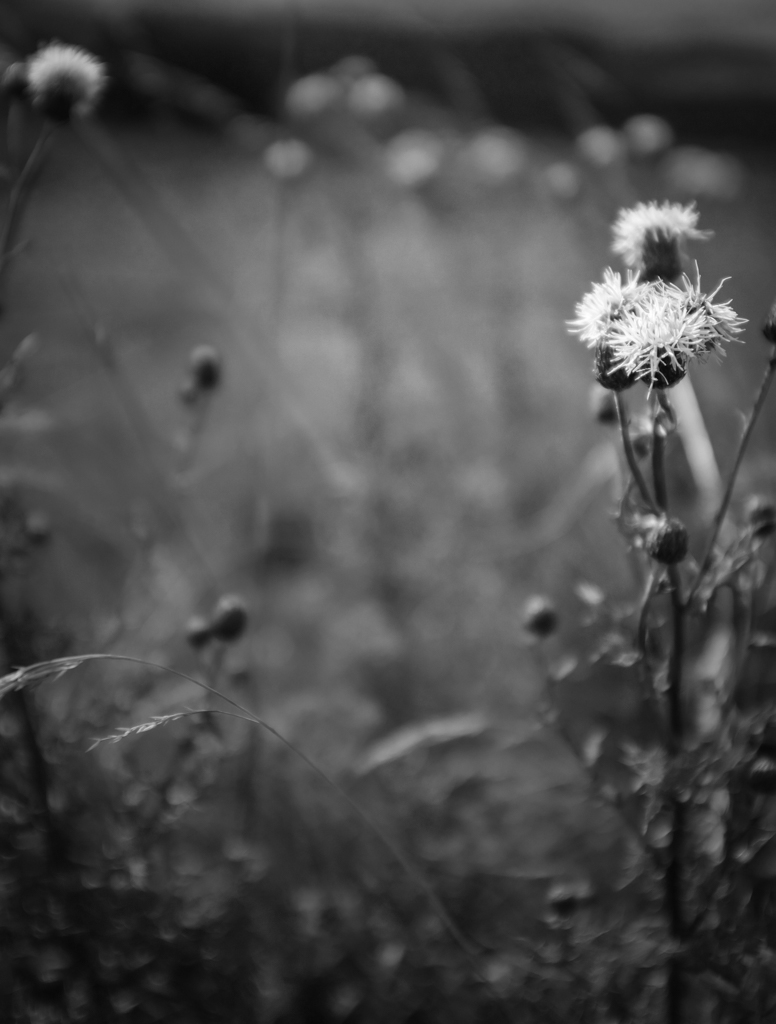
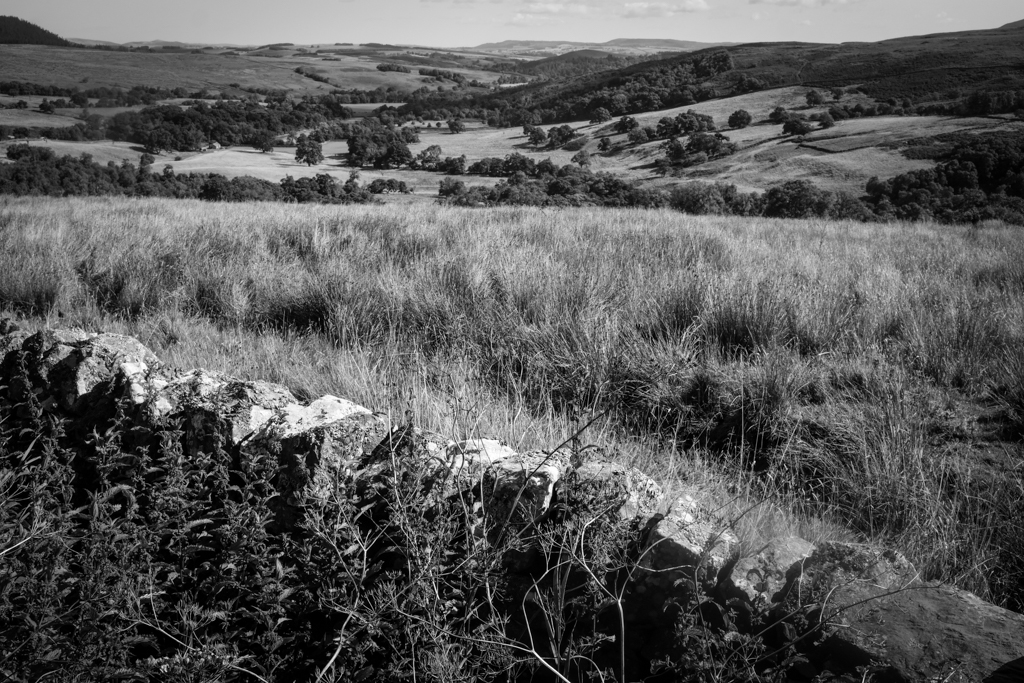
But there’s something more personal about these black-and-white conversions. Perhaps it’s because I broke my own rules this time around, allowing color to take center stage and letting the black-and-white images emerge later. These images weren’t planned with black and white in mind—yet, despite that, or perhaps because of it, they feel even more special to me. Sometimes, going against what you think you know leads to unexpected results. And, in this case, those results resonate even more deeply.

Isn’t impact what we strive for in our photography? Don’t get me wrong—I love the colors of the Northumbrian countryside and am on a quest to learn how to use color more effectively. But I do believe in the strength of the fundamentals offered by black-and-white photography. Sometimes, breaking your own routine brings surprising rewards.

The UK Chronicles, Part V: Rothbury to Hepple


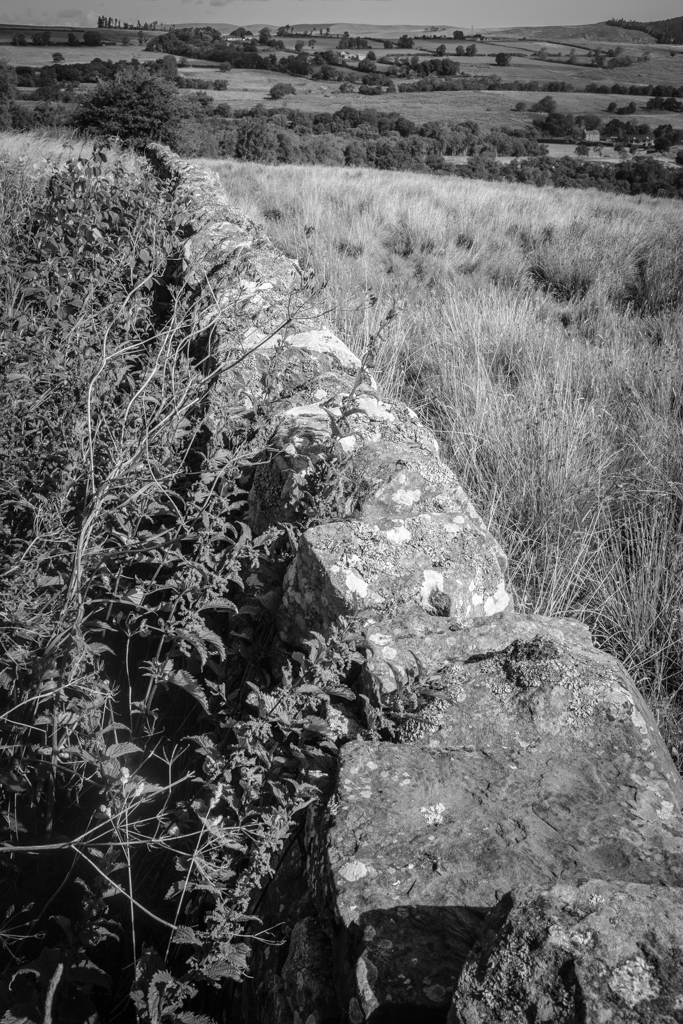
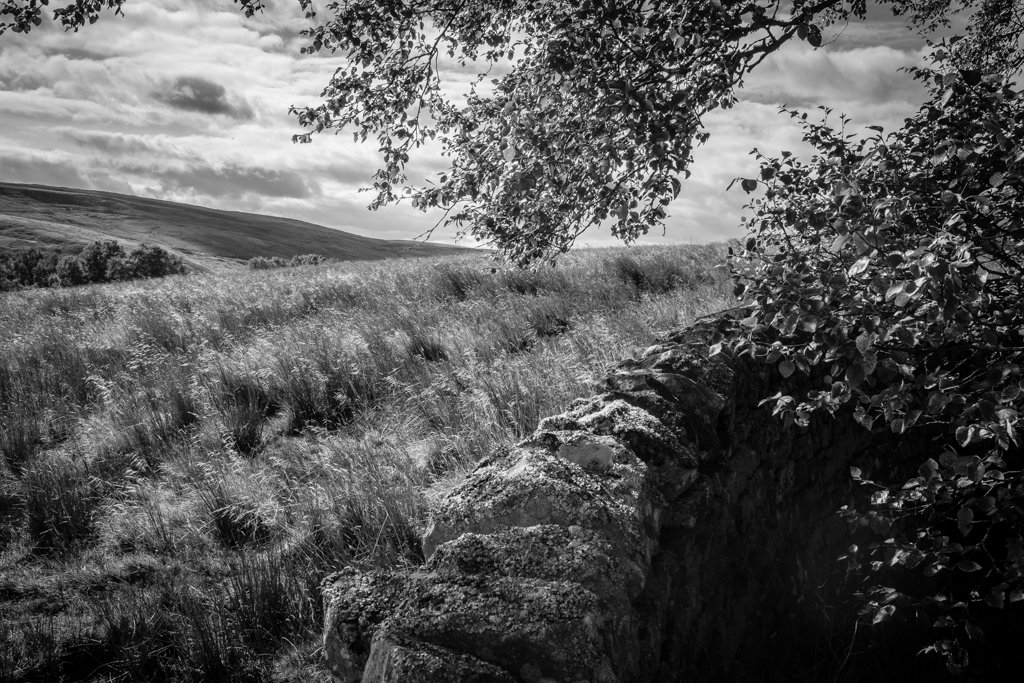
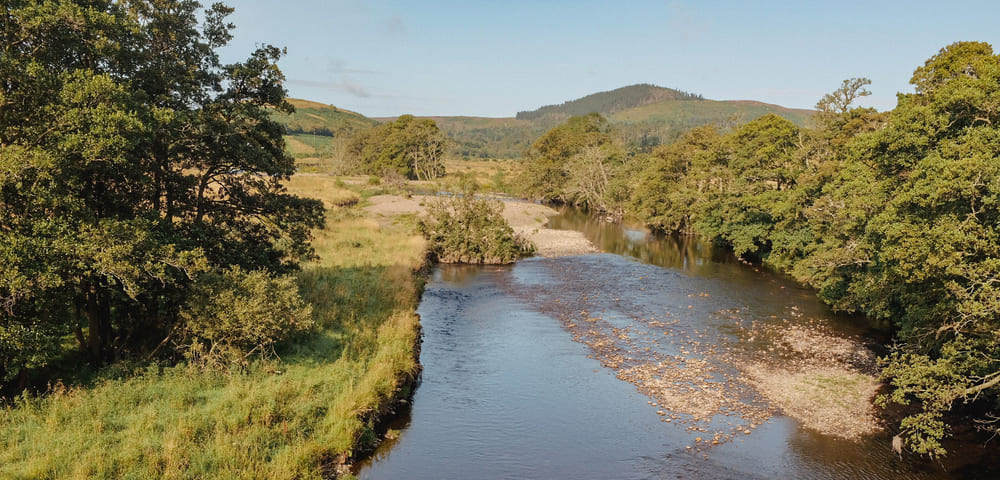
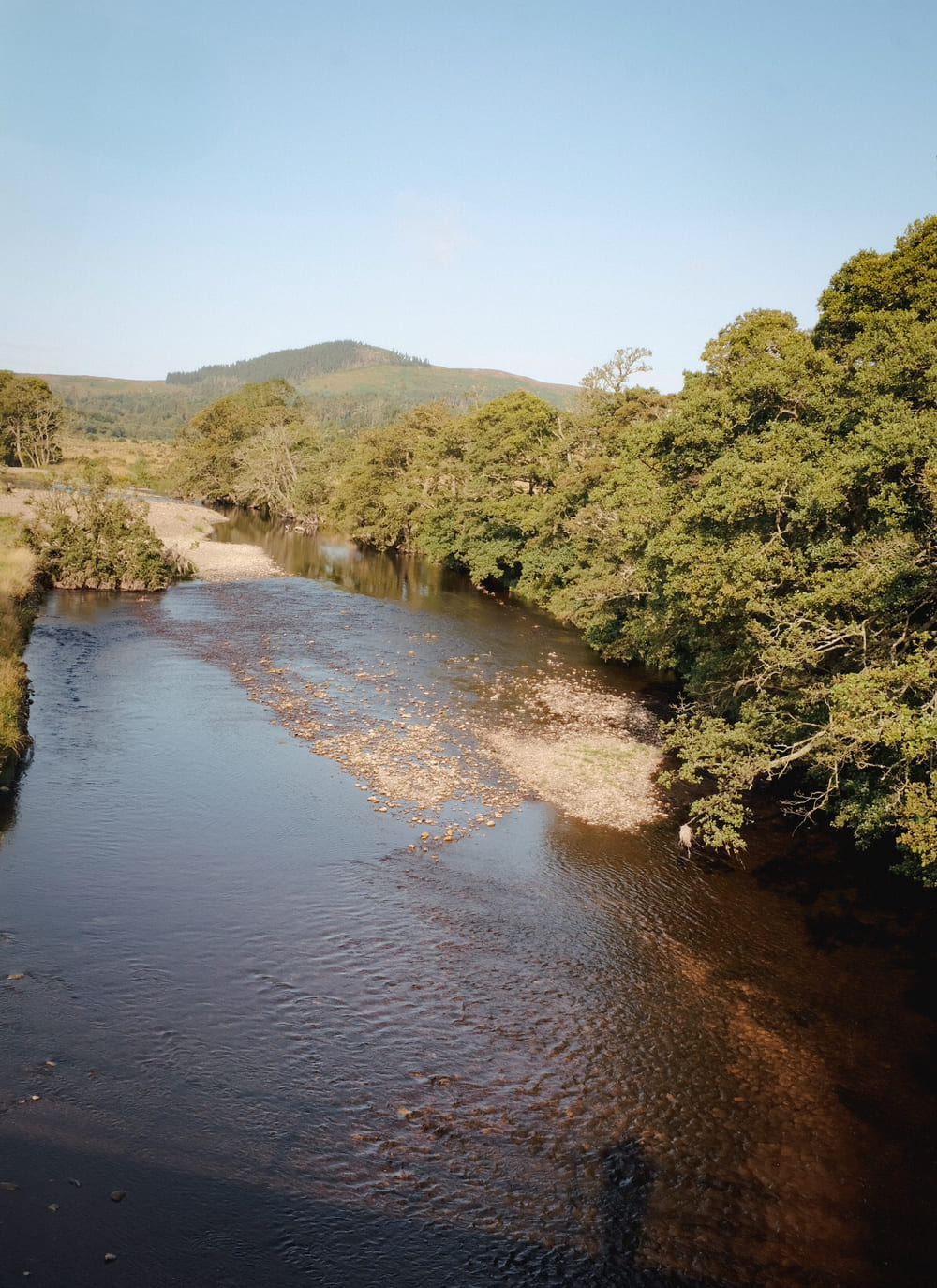
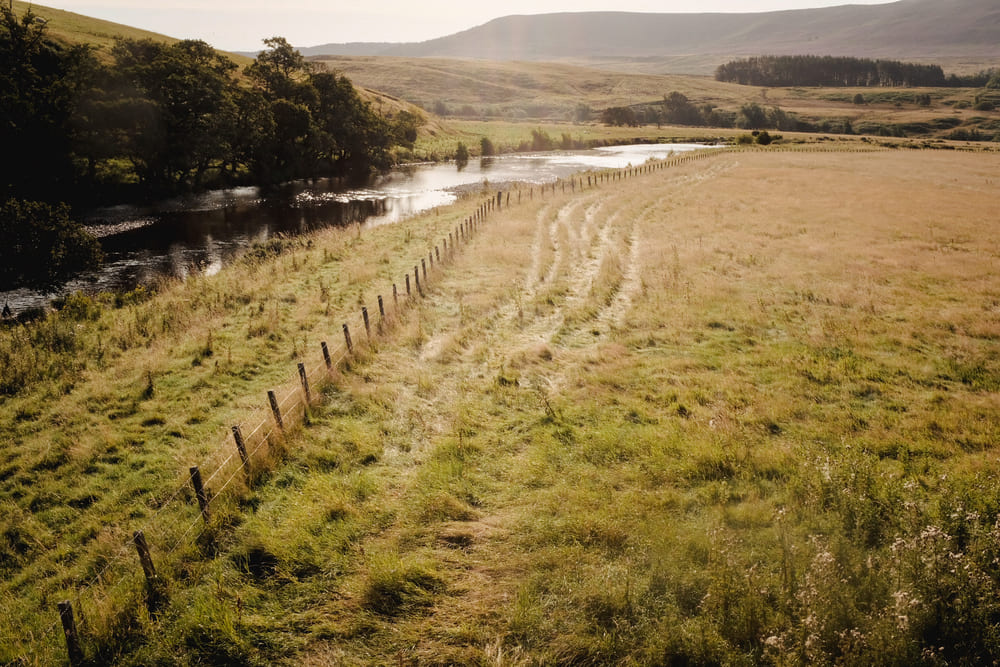
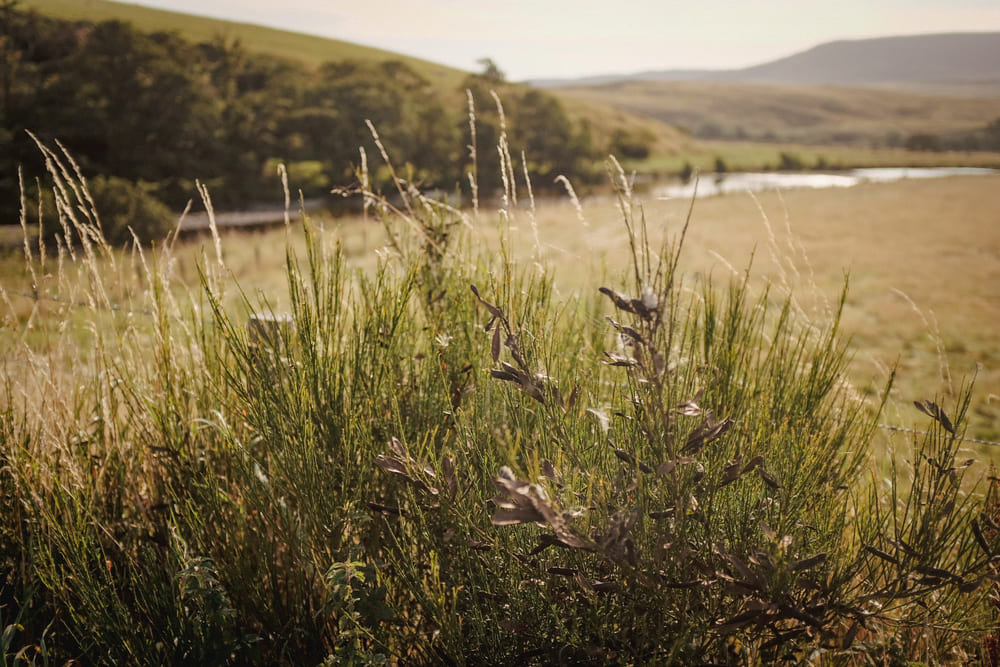
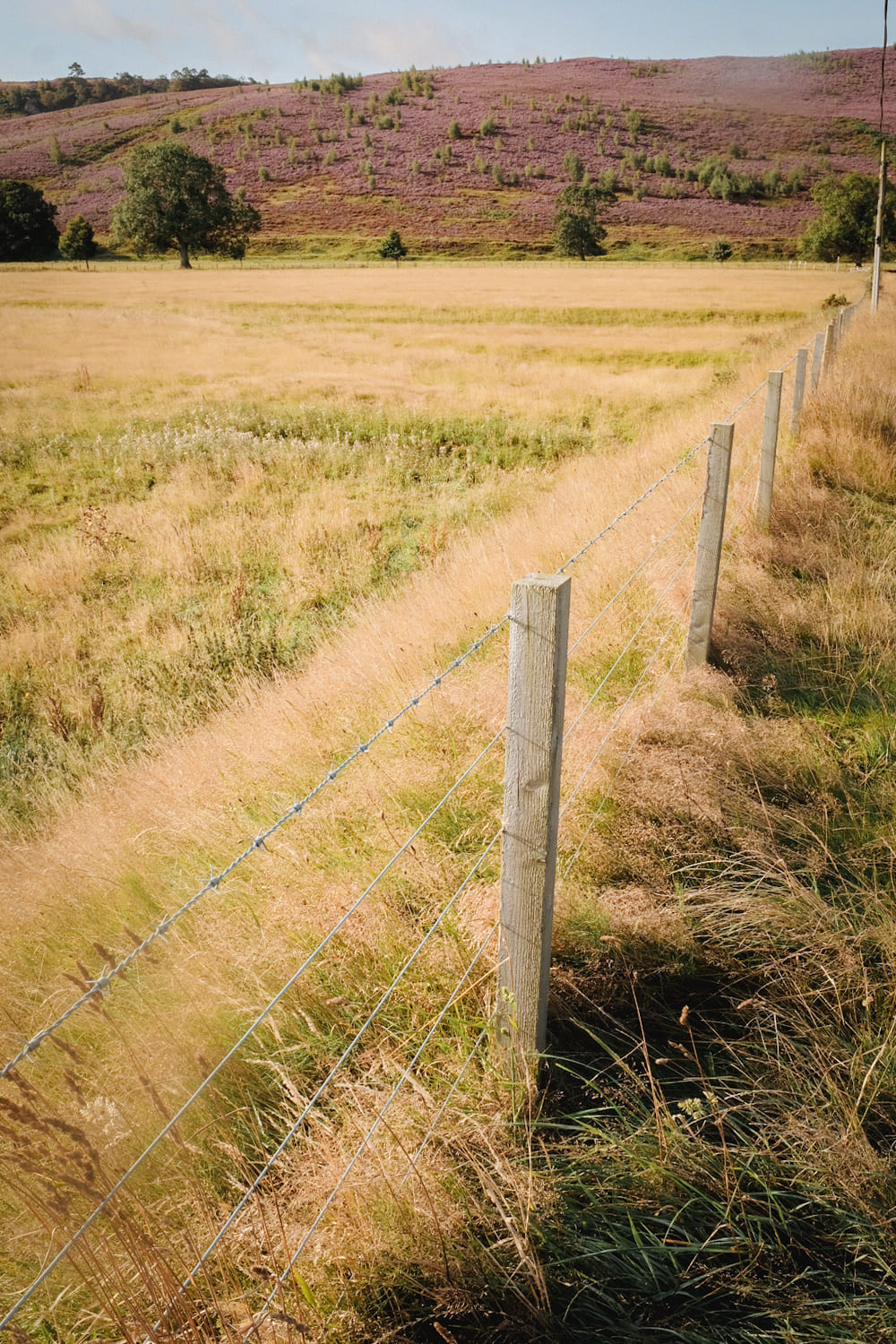
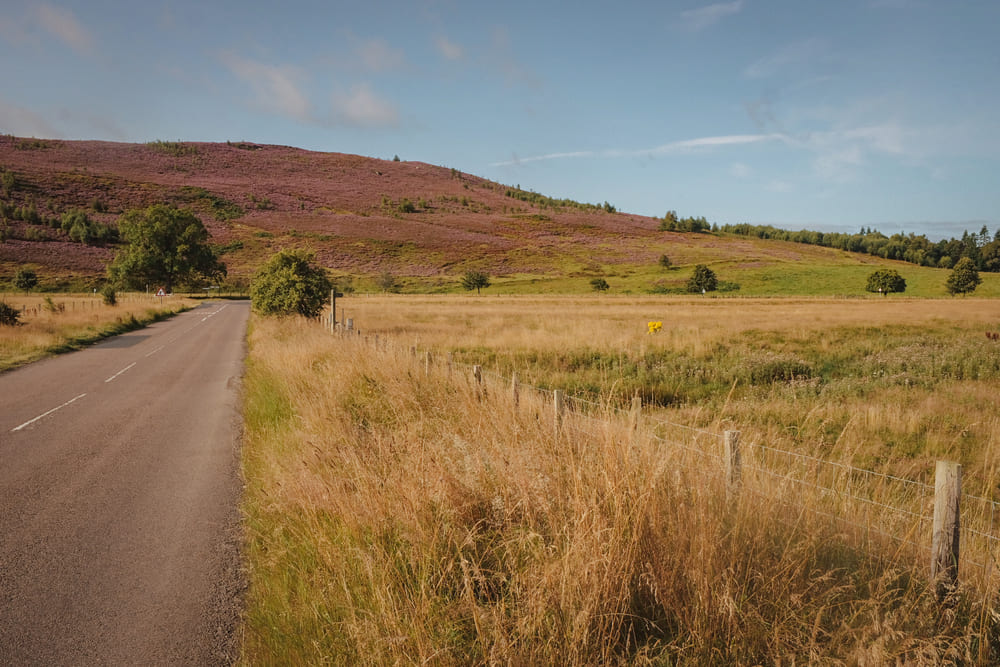
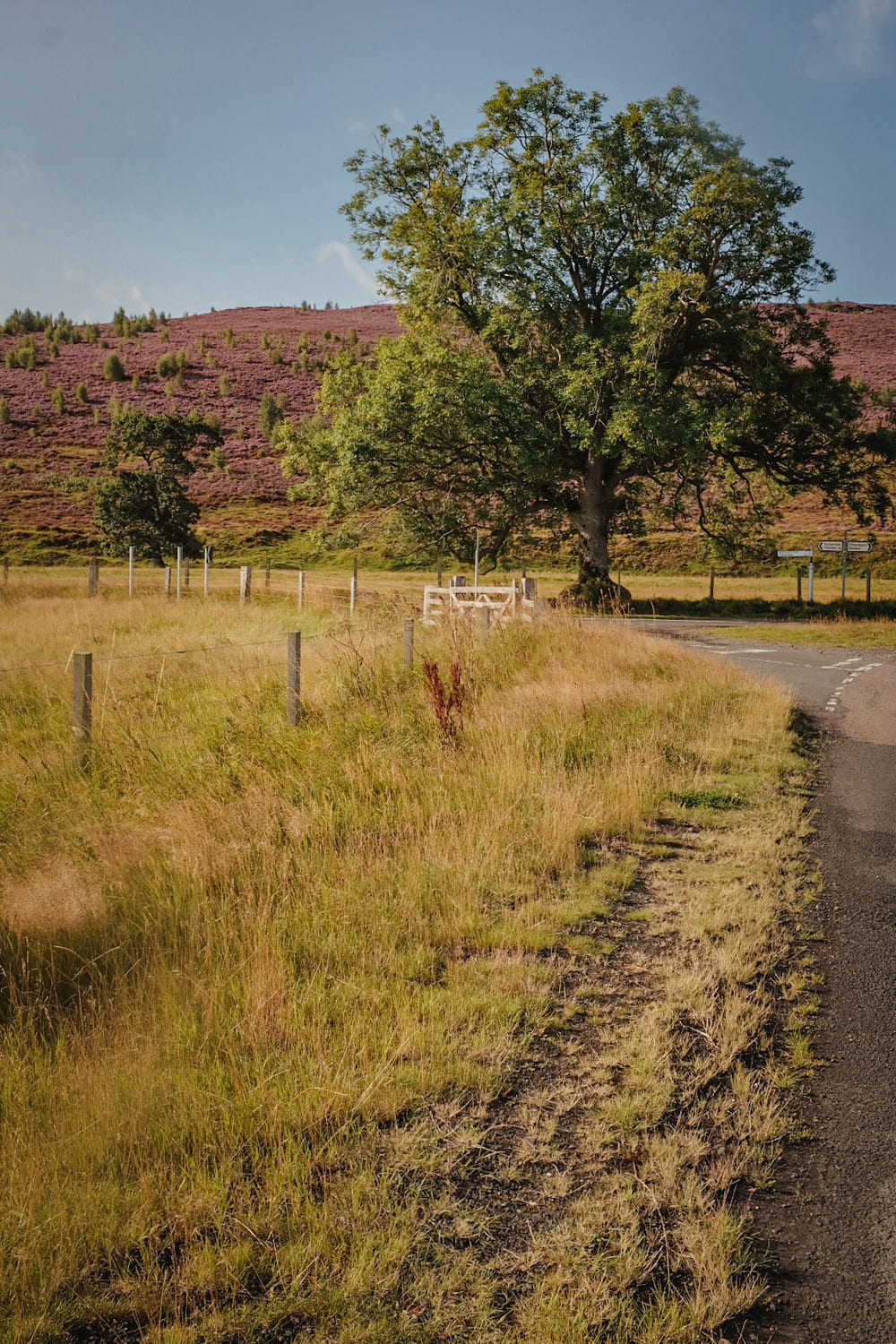
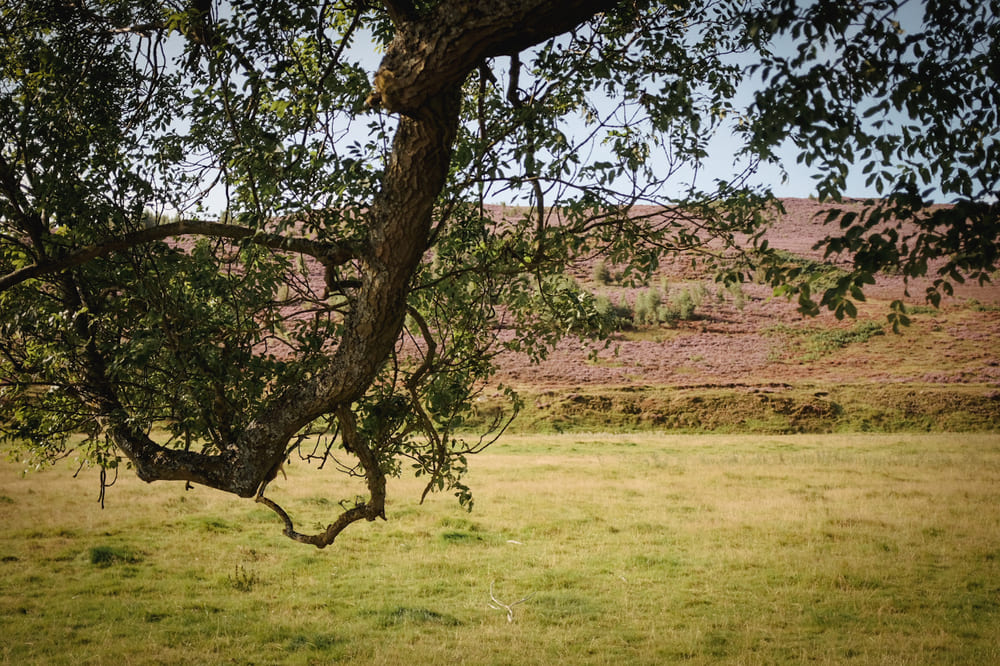
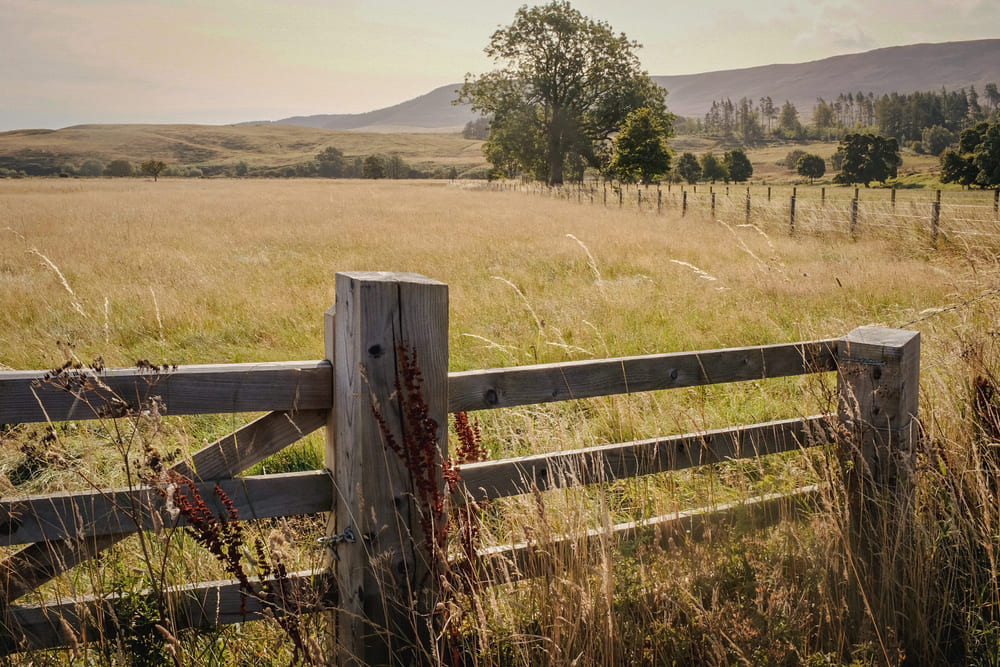
Do you have a place, be it real or imaginary, that just haunts your mind?  You think of it, and you are transported there instantly.  The smells of the grass, the sounds of the river, and the odd car driving past you wondering what the heck you are doing?  Hepple is my special place.  It is a place where I feel at peace and that all is right with the world.
I’m thinking back to an article I wrote a couple of years ago called Hepple for Photos, Not Gin. I was with my father and had my Canon 6D Mark II with the 16-35mm F4.0 lens and the 70-300mm zoom lens. This year, however, I had my X100F with just the 35mm f2.0 equivalent lens, and I was with Killian, who, surprisingly, was a little tired and decided to curl up on the back seat for a snooze. His loss…

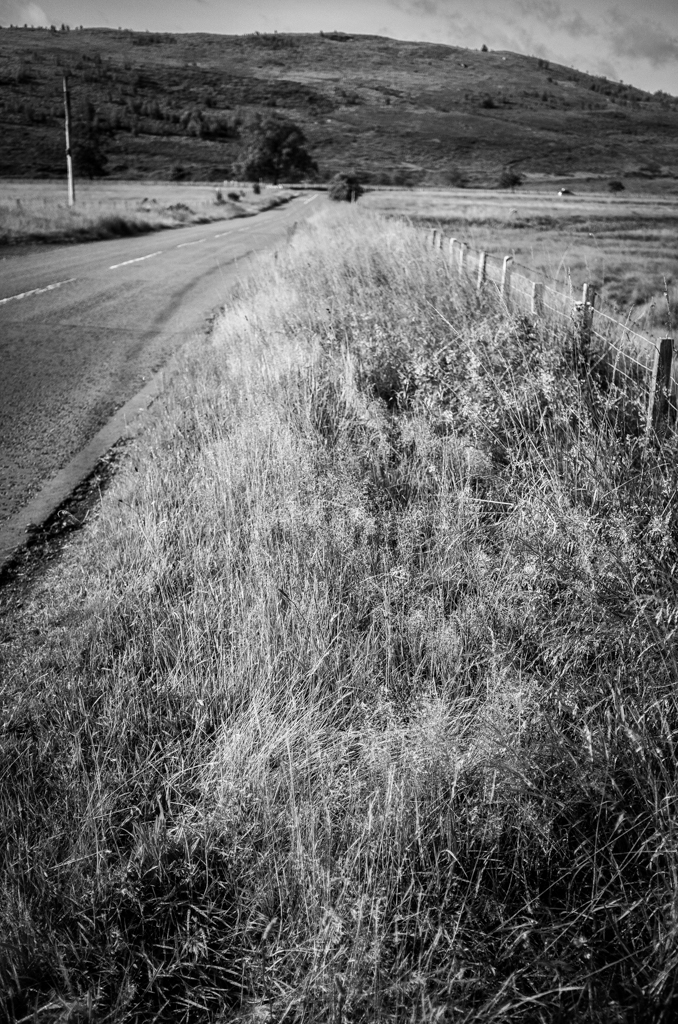
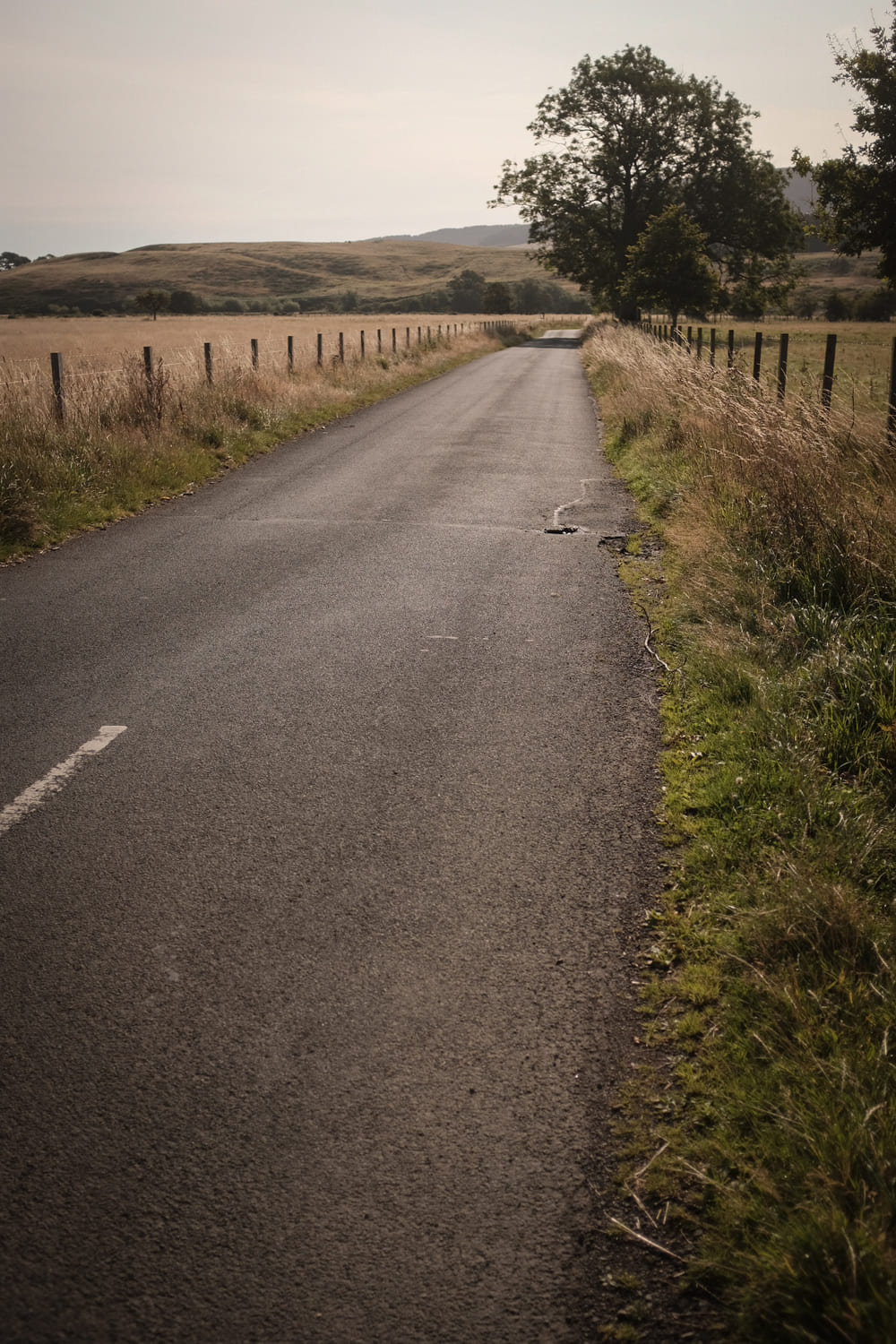
This is the place, this stretch of road, that I have been looking forward to for 2 years. The weather was clement, and I can assure you that the place is still as beautiful as ever. I wasn’t going to have the choice of lenses this time; I would have to see the scene in 35mm and make do with it. No zooming, no switching lenses—just a little constraint. And you know what? I was fine with that!

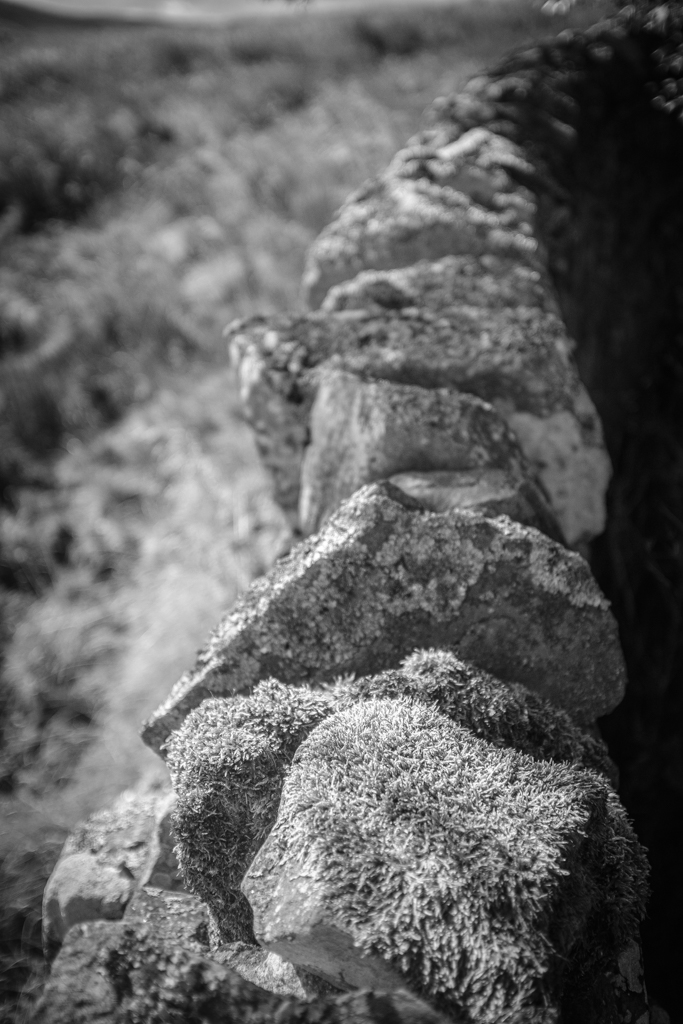
The lack of zooming and my sleeping son allowed me to walk around the area a little more, exploring under the tree at the end of the road and at the bottom of the hill.  These were views that I had not seen before.  It only goes to show that we might think we know a place, even in our memories, but it still has so much more to offer us.

I parked just before the bridge, as I usually do. Everything was still in place: the stiles, the trees, the river—just as I had pictured it in my mind. It’s when looking at the countryside like this that I am convinced there is a creator behind all this creation. The beauty of it didn’t just happen by chance.

The noises were made by the flowing of the river and the breeze in the trees.  I had this feeling of calm.  I could take photos of that place every day and not get tired of it all.  I might even go so far as to say I could have died here and died a happy death.  I had found my peace.

Killian had found his peace too and was still asleep in the car.  A micro sieste, he said.  He might be 25, but he reminded me of the small boy who was once my son. 

I can’t be the only person on this earth to feel this?