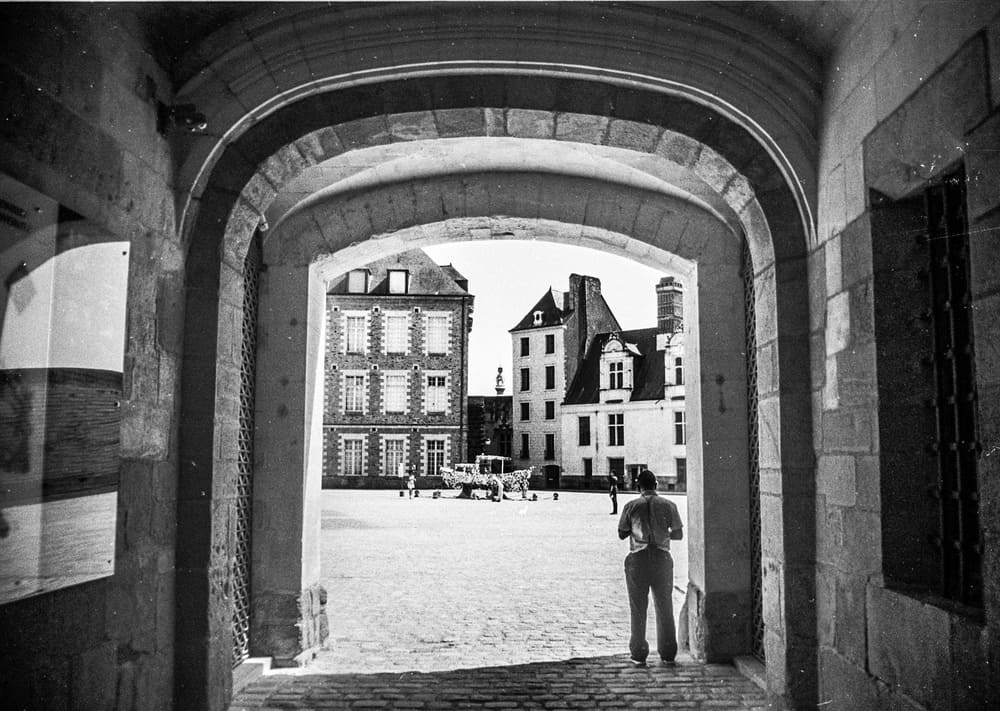
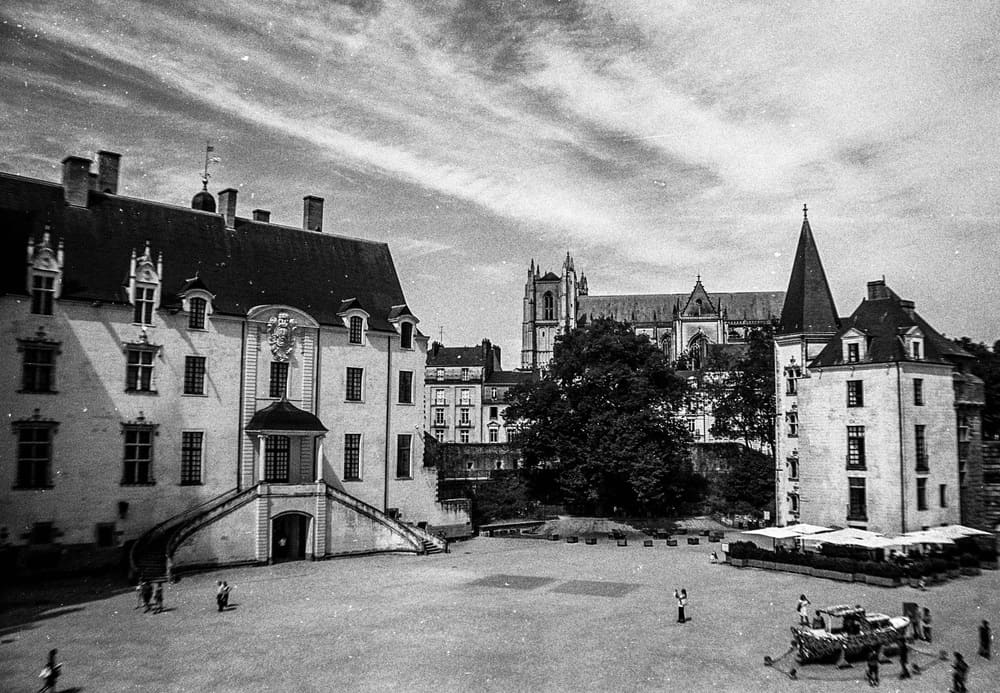
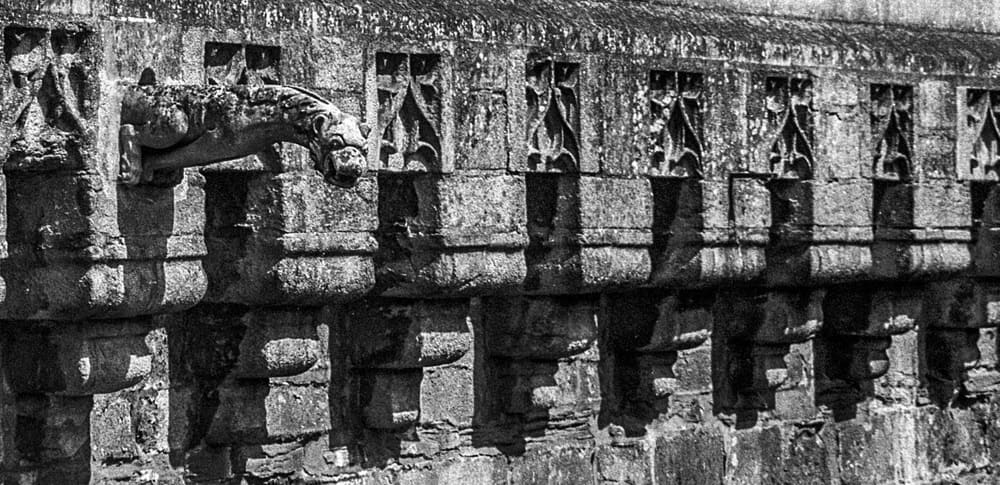
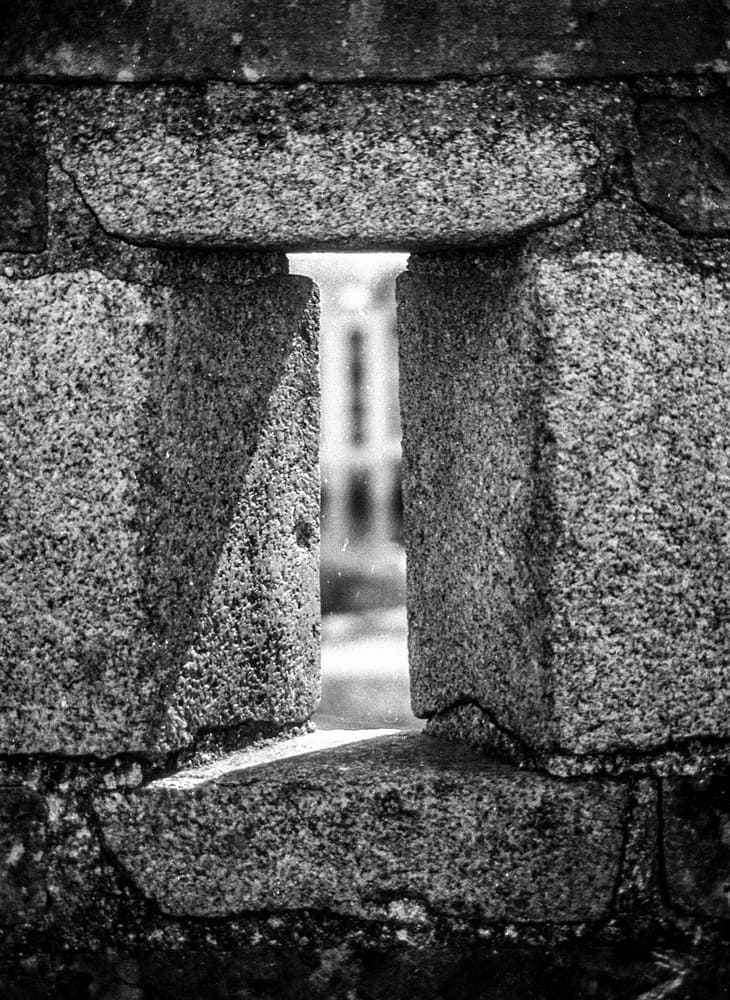
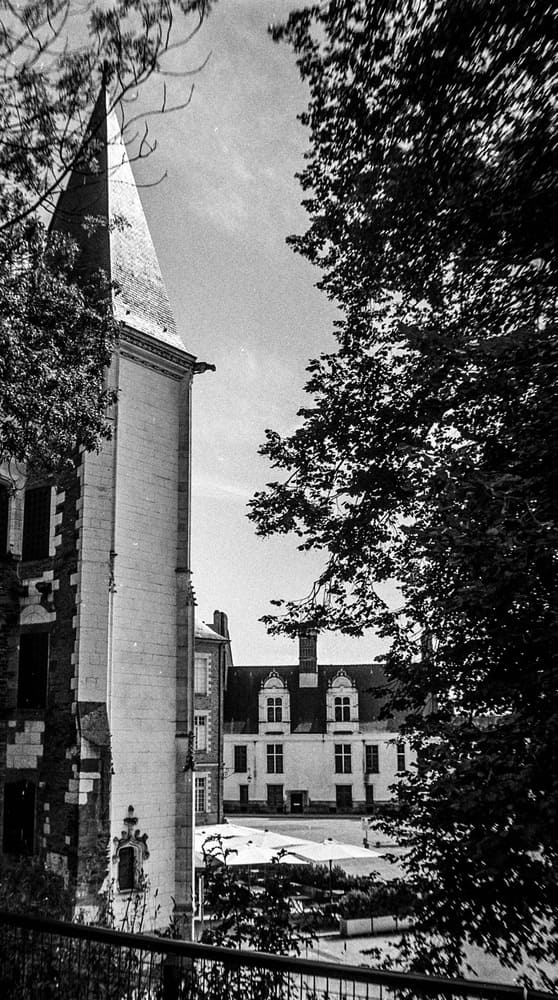
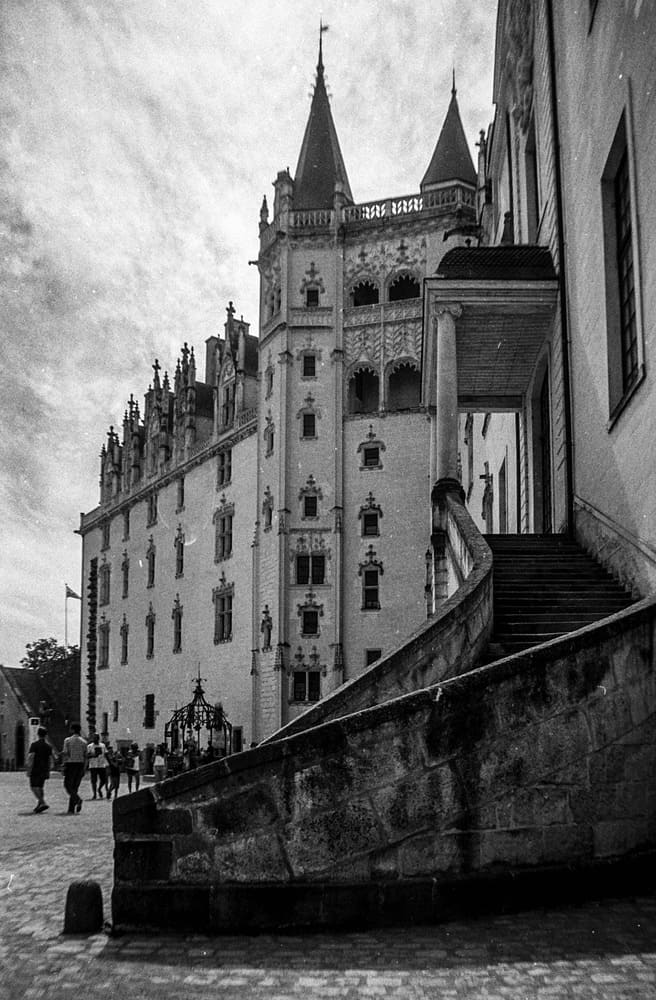
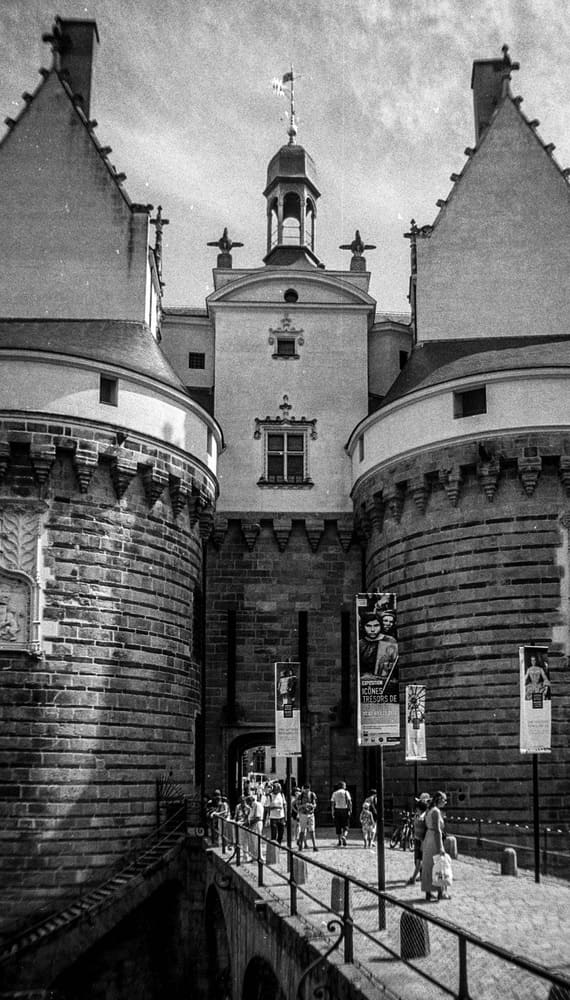
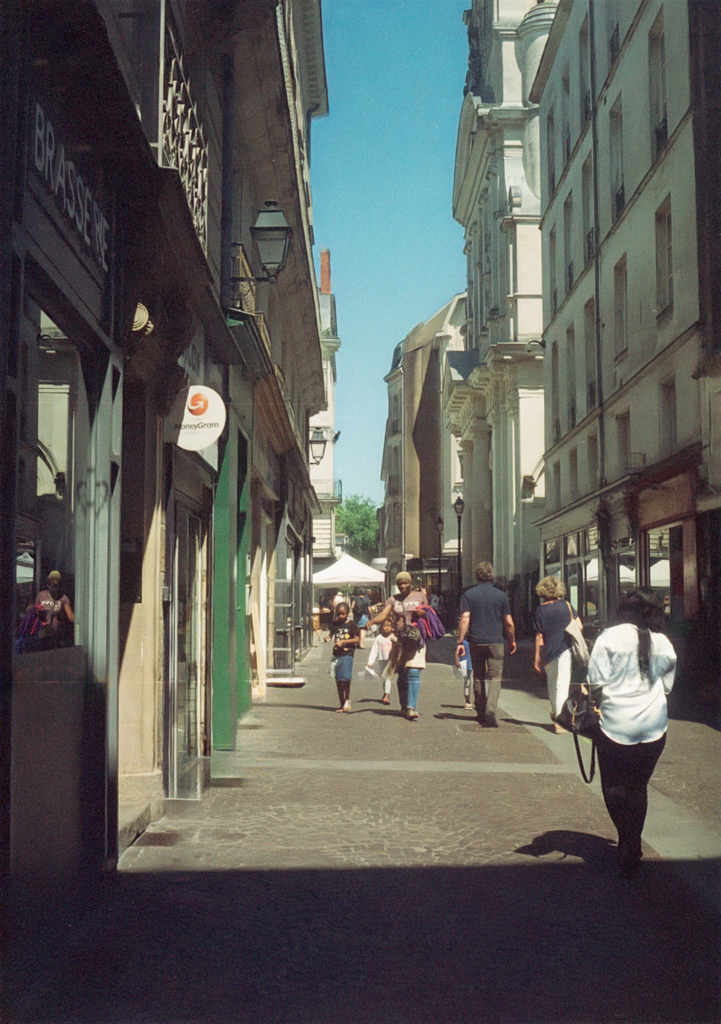
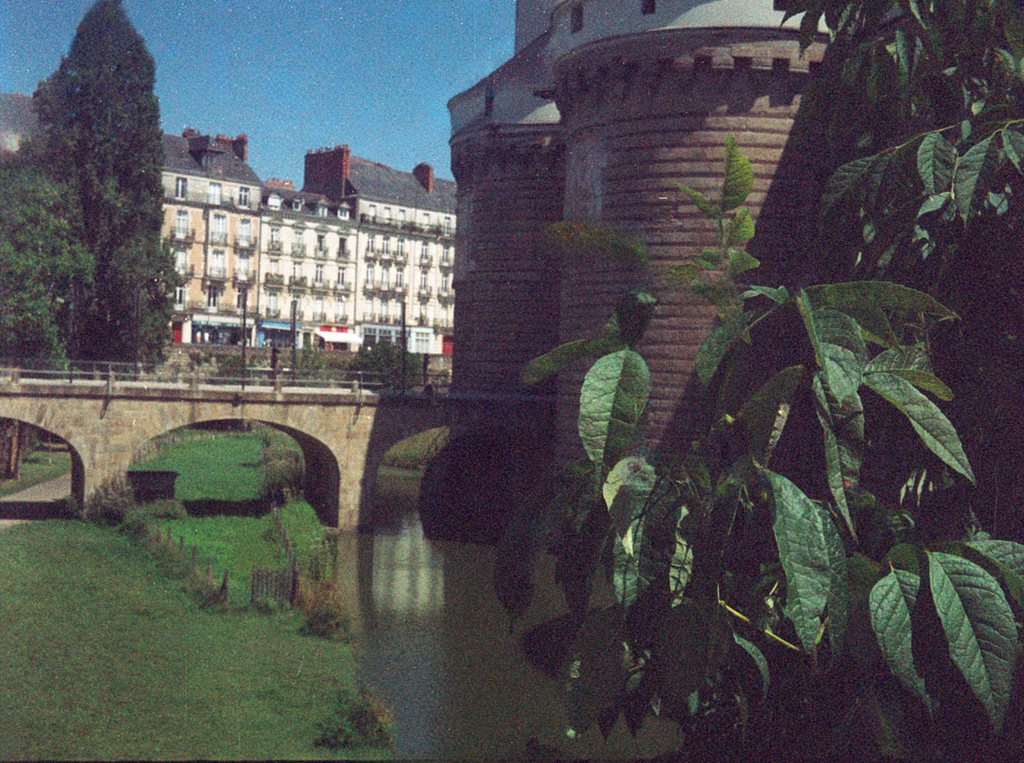
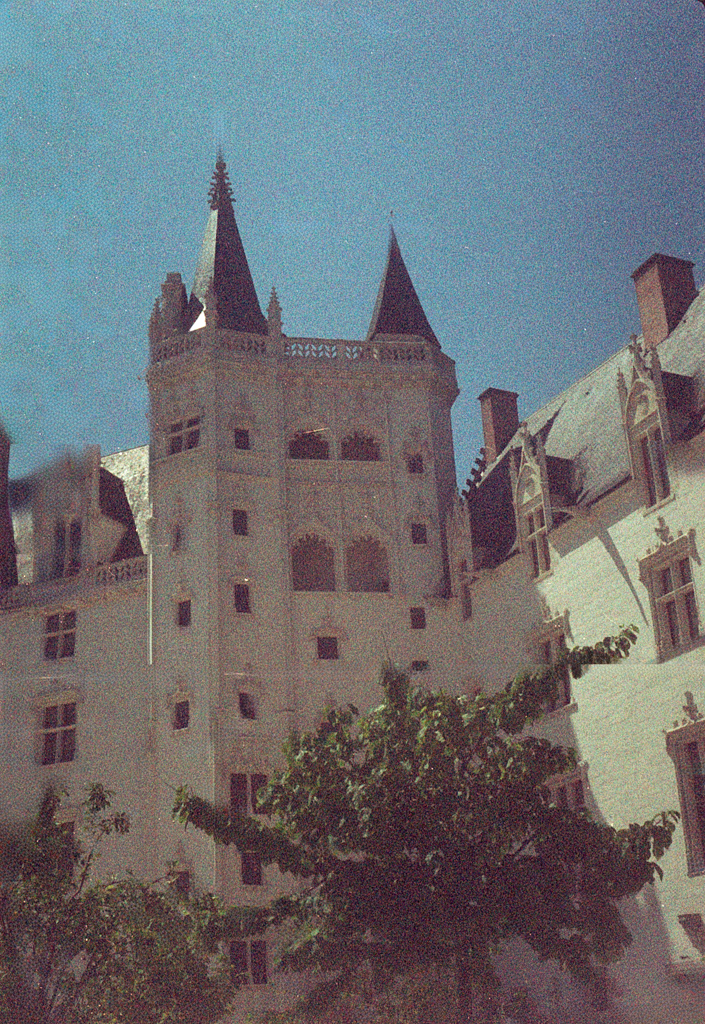
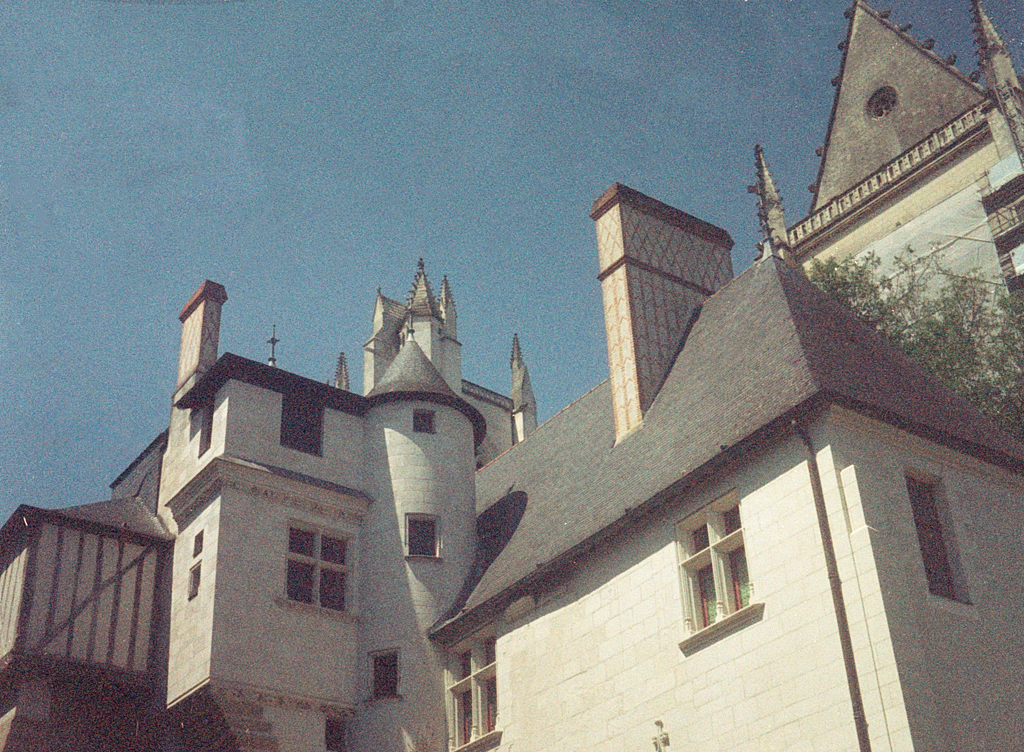
Welcome back to the Film Archive of IJM Photography! This time, we find ourselves in the beautiful city of Nantes, in the heart of the Cité des Ducs. Our adventure takes us through the majestic Château des Ducs de Bretagne, a site rich in history and culture.
As we explore the castle, I’m armed with another one of my favorite cameras from the golden days of film photography—the Canon AE1. This was before the surge of interest from the YouTube hipster crowd, who quickly snatched up every classic camera they could find, driving up prices and making these gems harder to come by.
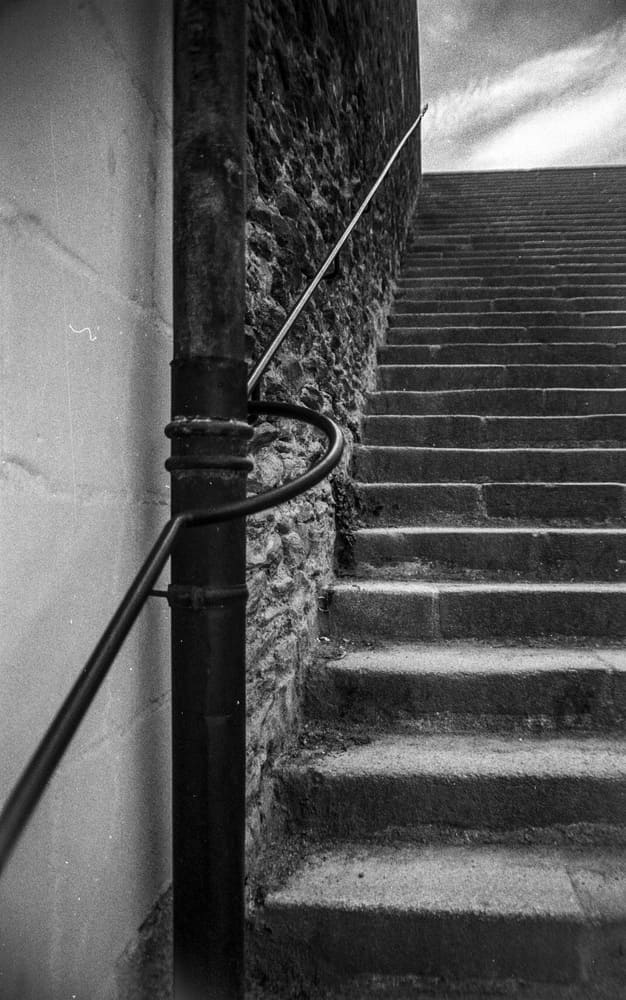
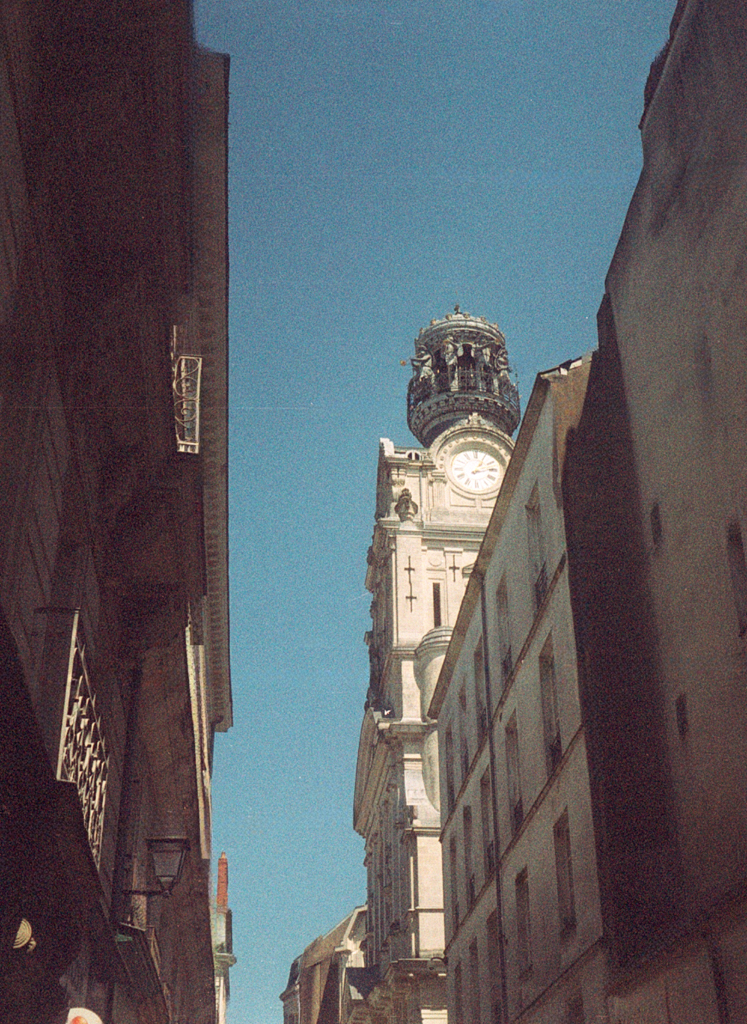
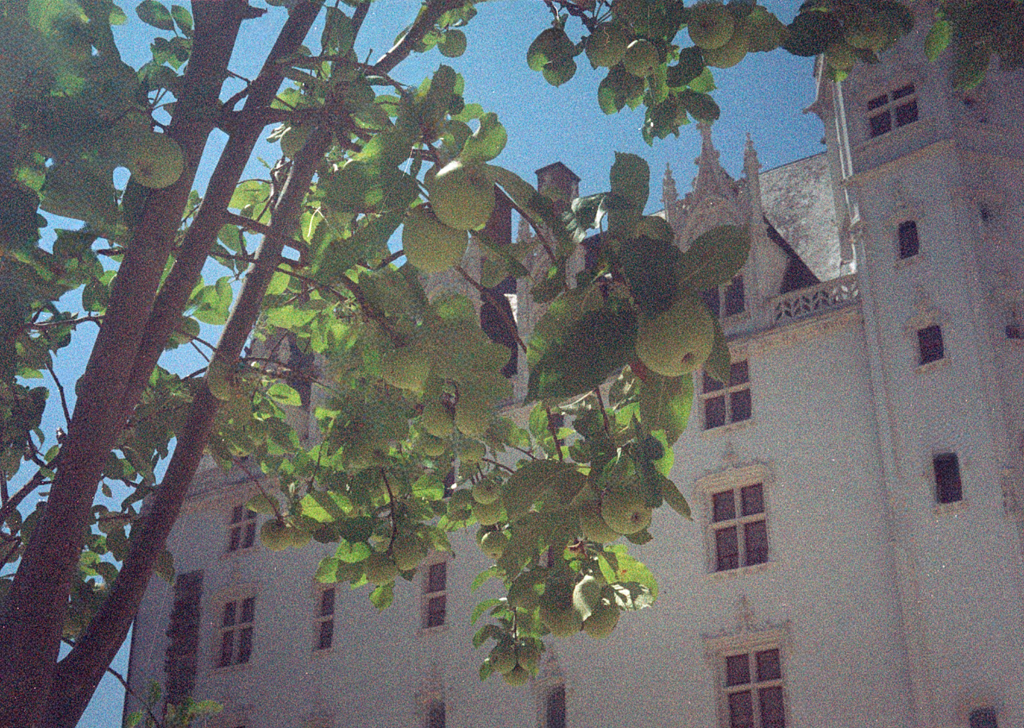
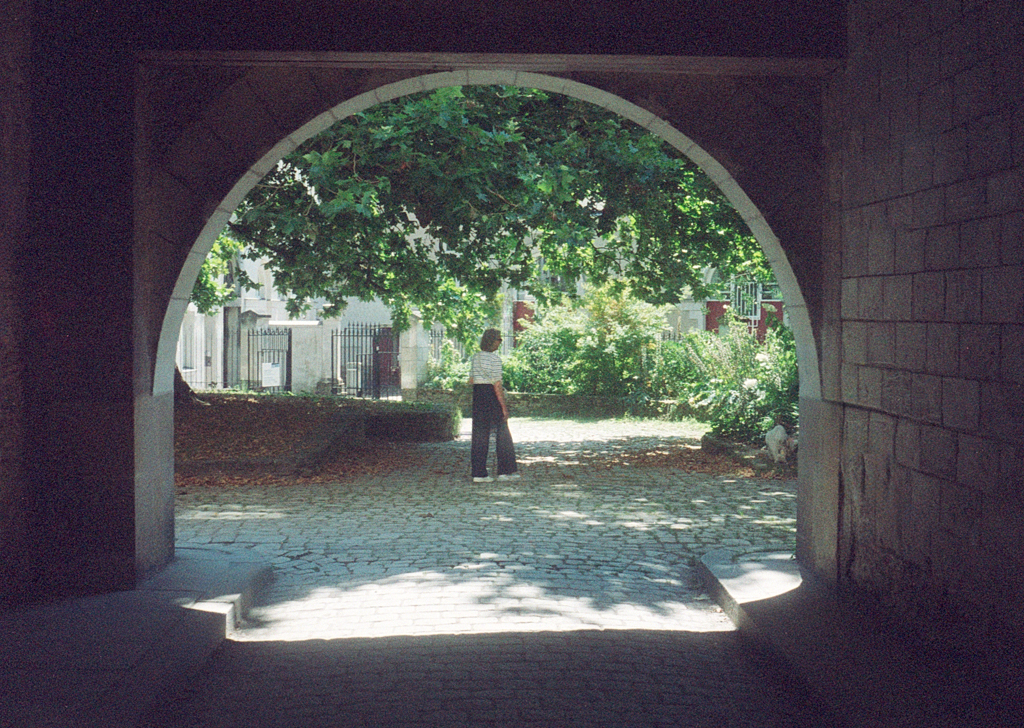
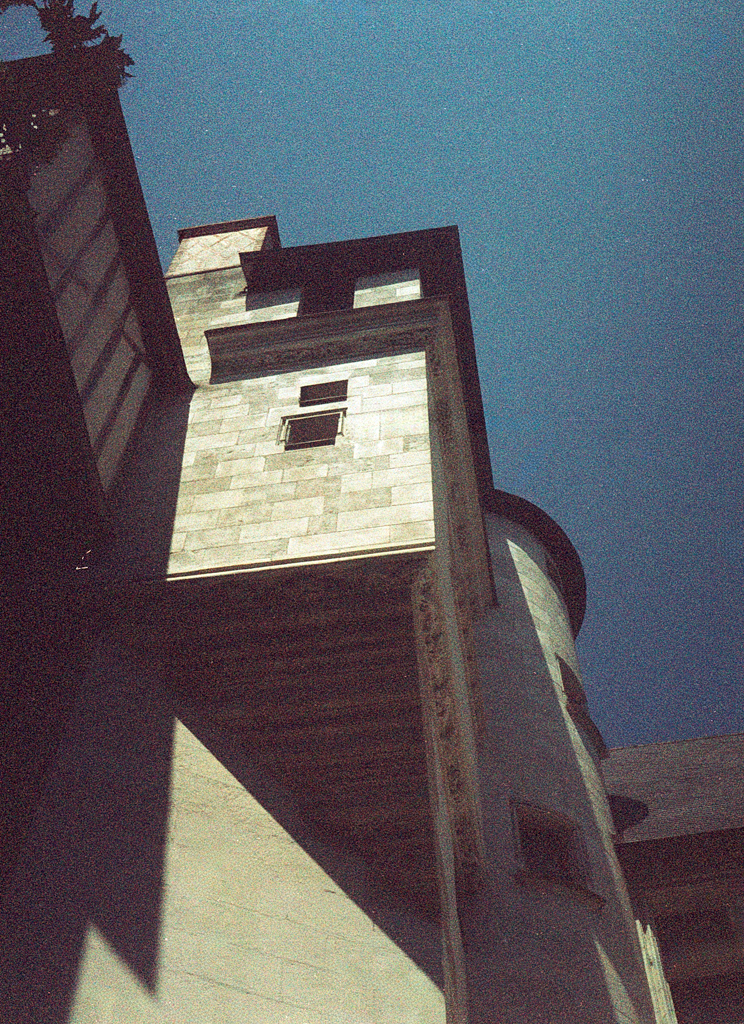
The Canon AE1 is justifiably sought after, and for good reason. It’s a camera that offers both simplicity and elegance, paired with the beautiful FD 50mm F1.8 lens. This lens, in particular, has a way of capturing light that enhances every shot, allowing me, the photographer, to create images that feel alive. You can see the results in the photos here—every frame is a testament to the quality and craftsmanship of this camera.
It feels solid in the hand, and focusing with the split prism is a breeze. The camera is “shutter priority,” and it adapts the f-stop to the speed at which you’re shooting. As a street photographer, I don’t need to shoot at 1/1000th of a second for all my shots, so I have a wider range of options than someone taking pictures of sports. It still provides me with the necessary depth of field.
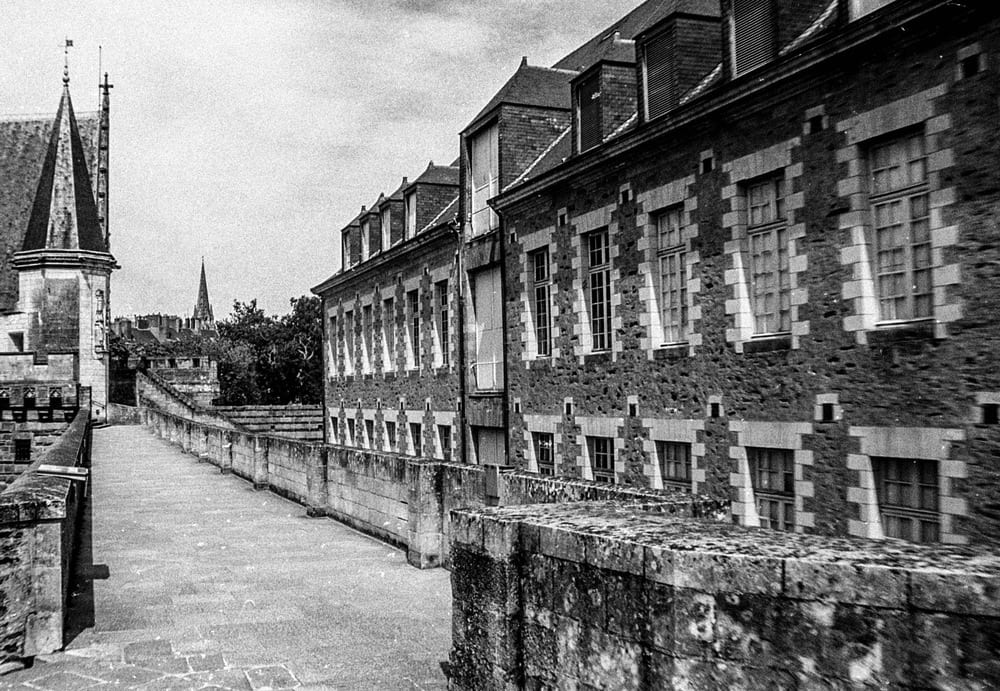
On this particular day, I was motivated and thought I could walk up the steps to the battlements to get some more interesting shots from a raised standpoint. I captured the urban landscape that spans from the 13th to the 21st century, and in one of the shots, you can see the ever-present figure of the Tour de Bretagne. It once represented the modernity of the 20th century and is now closed for asbestos removal. My feet, however, were firmly rooted much earlier in the castle.
Exploring the Château des Ducs de Bretagne with the Canon AE1 was a journey through both time and photography. The castle’s ancient walls and rich history provided a stunning backdrop for capturing moments that feel timeless. With every click of the shutter, I was reminded of the magic of film photography—the anticipation, the artistry, and the satisfaction of seeing the world through a vintage lens. As I descended from the battlements, I couldn’t help but feel grateful for the simple joy of capturing life on film, in a place where history and modernity blend seamlessly. Until next time, keep exploring and shooting. There’s always more to discover.
In my last venture into the film archives, I talked about how there was a time that my daughter hadn’t yet seen me the way I see myself and how she actually still liked me, before turning into a teenager. This is the second part of that special day.
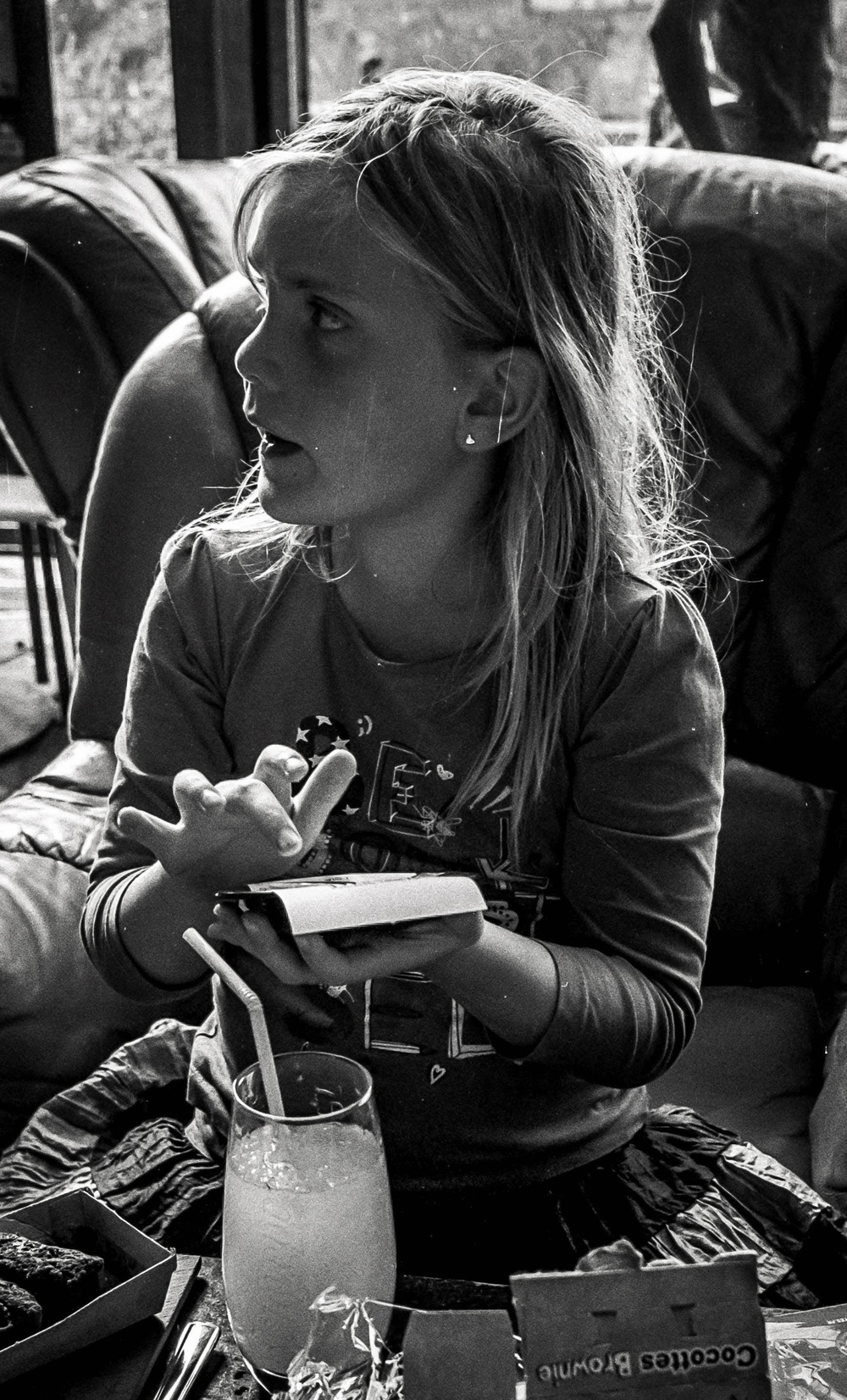
We had explored the Jardin des Plantes and discovered what they had to offer. This of course builds up an appetite in a young lady, and convinces her that she really needs to drink something Daddy. And why couldn’t we go to the Altercafé (now the D3) at the Hangar à Bananes.
So what else was I to do but drive us to the Hangar à Bananes. You will have seen the Hangar in this article, and you will now be completely up to date and know nearly everything there is to know.
Don’t forget that this is a girl who gets an idea into her head and then just goes through with it. That idea is so rooted that it is nigh on impossible to change that idea. I knew what was coming. I would order a chocolate brownie, and Kate would have an Orangina. I could have a beer. How gracious of her.
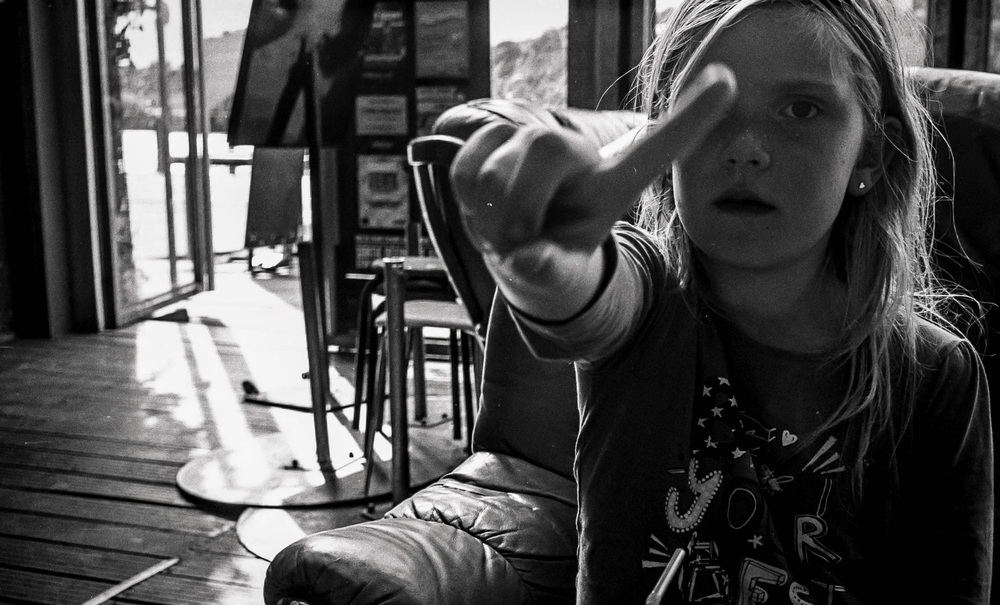
She had been my model for most of the day and even a top model needs a rest, and just has nothing left to give a photographer. You just know when enough is enough…
Is film photography too expensive? Think again! Many assume that shooting film is a hobby reserved for the wealthy, but it doesn’t have to be. With the right approach, you can enjoy the unique aesthetic and creative process of film photography without breaking the bank. In this article, I’ll share my personal experiences and tips for saving money on film, developing, and gear, proving that the joy of film is accessible to everyone.
Often, even the tiniest things can spark a desire to write. In the infamous world of internet comment sections, people can have different opinions—a good thing, as it makes us reflect on our own positions. It challenges our perceived wisdom and questions us in ways that can be disarming. What’s obvious to me might not be to someone else.
I was talking to an Australian lady, likely of my generation since our photography journeys started the same way—with film. Except this lady has gone fully digital, keeping her film cameras as a reminder of her film days being over. Less hassle, less expense, less stress, and less “faffing about,” she said.
At first, I was taken aback. I love the film aesthetic in my photography. I like the predictability of film grain, as opposed to digital noise. But most of all, I’m in love with the process. I love the slower pace of film photography—none of this “spray and pray” nonsense. I appreciate how I become more mindful when shooting film, as each shot counts. I like the way an old film camera looks around my neck. And as the internet meme says, “I know about photography. I’ve been initiated into the exclusive circle of purists.”
The lady talked about the prohibitive prices of film and labs, which, let’s be honest, is a valid point.
Costs of Digital vs. Film Photography
I’ll talk about my kit and initial outlays compared to my film expenses. I bought my latest two digital cameras in late 2017 and 2018. My X100F cost around €1400, and my Canon 6D Mark II around €1200. I spent about €300 on a teleconverter for the X100F, and I probably have about €2500 worth of kit for the Canon, including speedlites, lenses, and filters. Then there’s the Fujifilm XT2, bought second hand for €400, with a couple of lenses totaling around €500.
This kit, though older, works well and is largely sufficient for my needs. As mentioned in my article “I Want It, But Do I Need It?”, I’d like a Leica, but do I need one? Would I refuse one if someone gave me one? Heck no! You can see the results throughout this site, and the images are great.
Let’s move on to film. Yes, if you love that Kodak Portra look, you’ll be spending a pretty penny. I have a certain nostalgia for the days when the prices hadn’t doubled. But—and this is important—not all film photography has to be done using Kodak Portra. There are more accessible films, especially black and white, that cost less. A roll of Fomapan 100 costs me around €5.50. So for less than the price of a pint of Guinness, I can get 36 shots. For a little more, I can go with Kentmere or even Ilford black and white film. I still have one roll of Portra left and a pack of five Tri-X medium format rolls.
Developing at Home
Ah, but then you have to send them to a lab to be developed. Again, a valid point. The cost for developing colour film where I go is less than €7 per film. I’ll share a little secret: I invested in a kit to develop my films at home. It cost about €140 initially, but now all I worry about is buying the chemistry. Yes, €30 for a developer seems steep, but I can develop 16 to 24 films with a bottle, depending on the dilution. I also invested €250 in a film scanner to produce digital files for editing.
Collecting Film Cameras
You might have noticed that I’ve talked about film but not film cameras. I started collecting a while back before hipsters raised the prices in the secondhand market. The most I paid for a film camera was just over €100, and the cheapest was €15. These film cameras are generally solid, and the lenses are great. The technology, though a little less modern (understatement of the year!), still works, and older cameras don’t even need batteries. And even those that do, the batteries last for ages. None of this “Do I have spare batteries for the X100F?” nonsense.
Each shot is taken on a brand new “sensor,” compared to shots on a digital sensor. And less dirt gets onto this sensor.
The Joy of Film
Don’t get me wrong, I love digital photography for its convenience and spontaneity. I can see my images right away and get instant feedback and gratification. With film, that gratification isn’t instant. You have to be patient and wait, but for people of my generation, that might be infuriating, it’s something we grew up with and accepted. I continue to accept it.
I enjoy using a machine sometimes older than me, knowing the image quality will be there. I know that with a certain film, I’ll get a certain result. I like the slower pace. If you visit the Film Photography page or the Film Archive page, you can decide for yourself if it’s worth the hassle, the expense, the stress, and the “faffing about.” I think it is, and I maintain that film has as much a place in photography as it ever did.
The Future of Film
Does film have a future? I think it does. Leica has relaunched the M6, Pentax has the new Pentax 17, and Kodak has the Kodak Ektar H35. The disposable cameras of yesteryear are still being produced and it has become the fashion to us them at weddings for that affordable yet classic look of film. Film photography continues to be popular with Gen Z and millennials. Case in point: my 25-year-old son nicked one of my Kodak Retinette 1B’s and a roll of film. I suspect my daughter might have her eye on one of my film cameras, too.
One thought came to mind whilst answering one of comments with the person saying that they “will never go back.” I am old enough to remember when microwaves fist came out. They were sold to us as being thoroughly modern and machines that could do everything so quickly and conveniently. Except they couldn’t. For certain tasks on the kitchen they are wonderful and far exceed the way we “used” to cook. But they can’t do everything. They have their place in the kitchen. And will always will do. But a slowly simmered boeuf bourguignon that infuses its odours through the kitchen will always have a special place in my heart. Much like using film to capture my images…
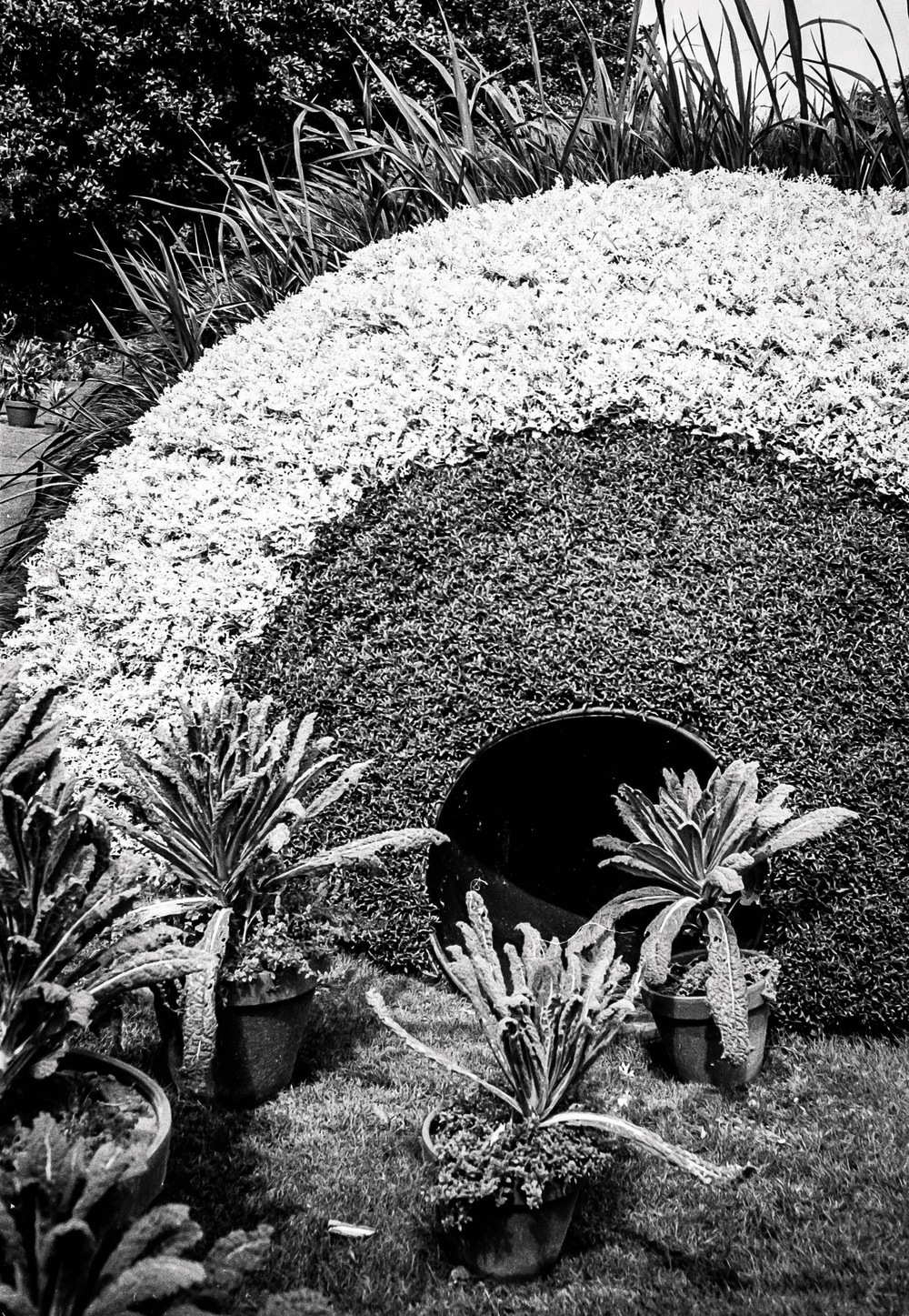
There was a time when my daughter wasn’t a teenager. There was a time when she quite liked her Dad, and she would accompany me everywhere. It was good being that child’s hero. It was a more innocent time. It was a time when she actively tried to spend time with me. It was a time when she didn’t see me the way I see myself…
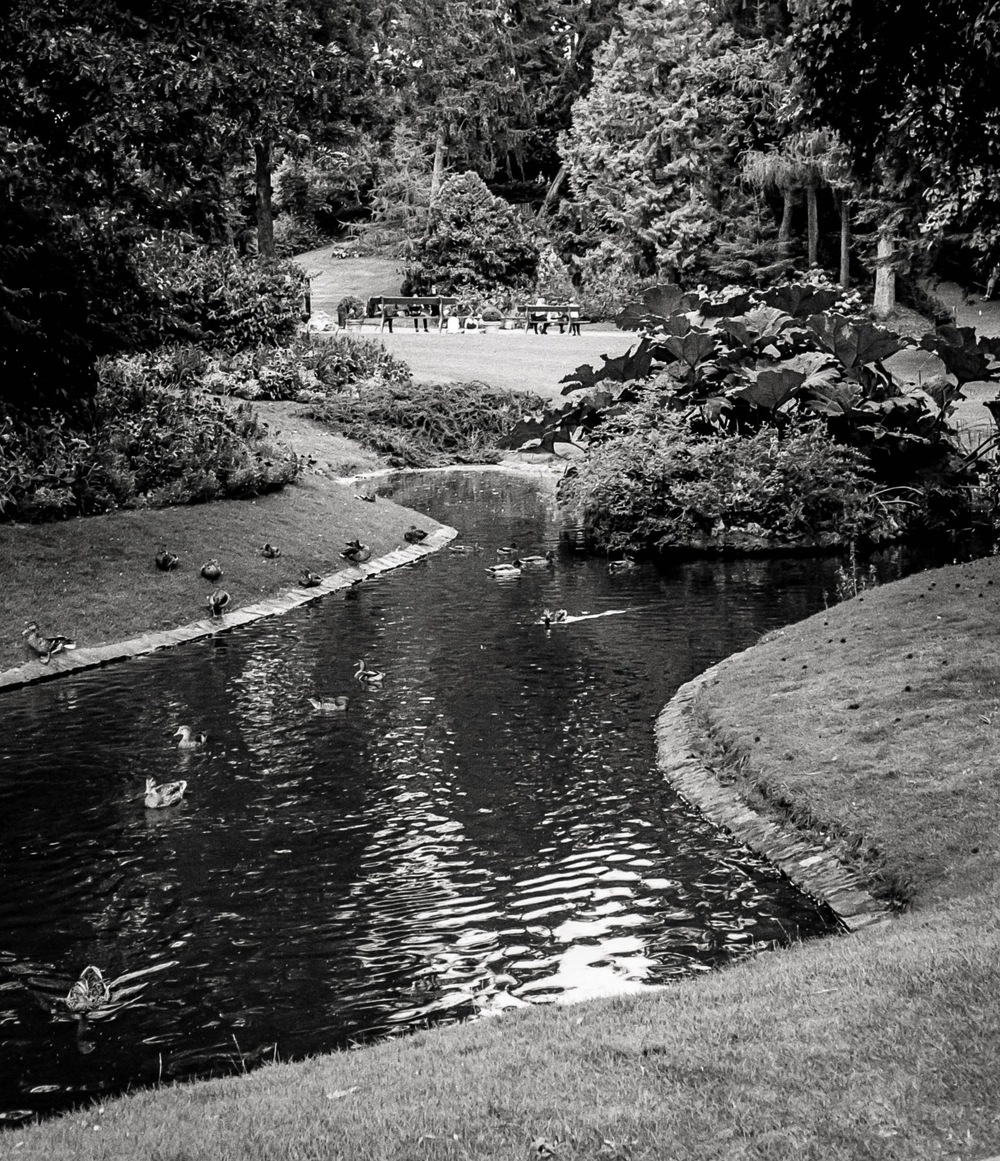
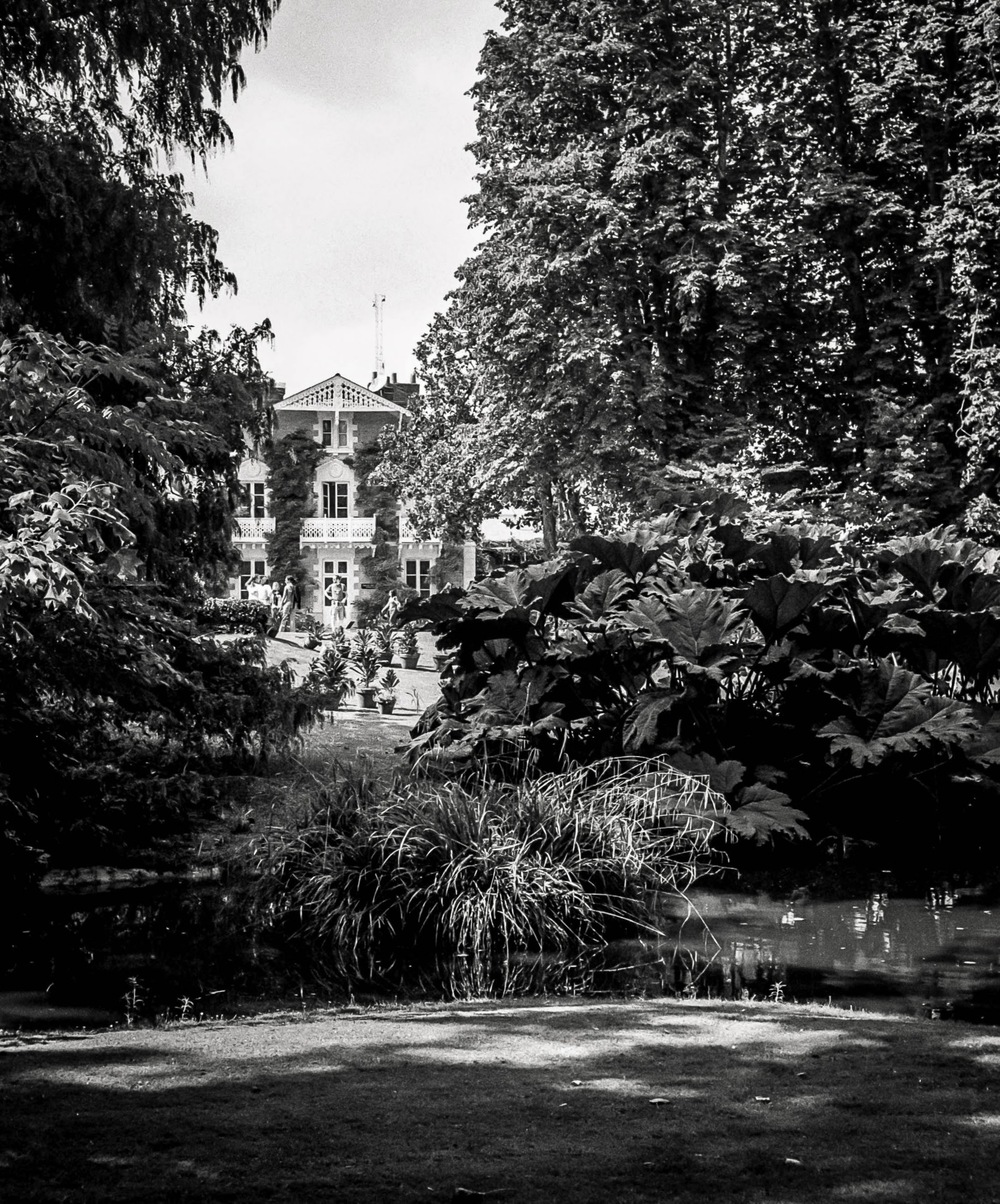
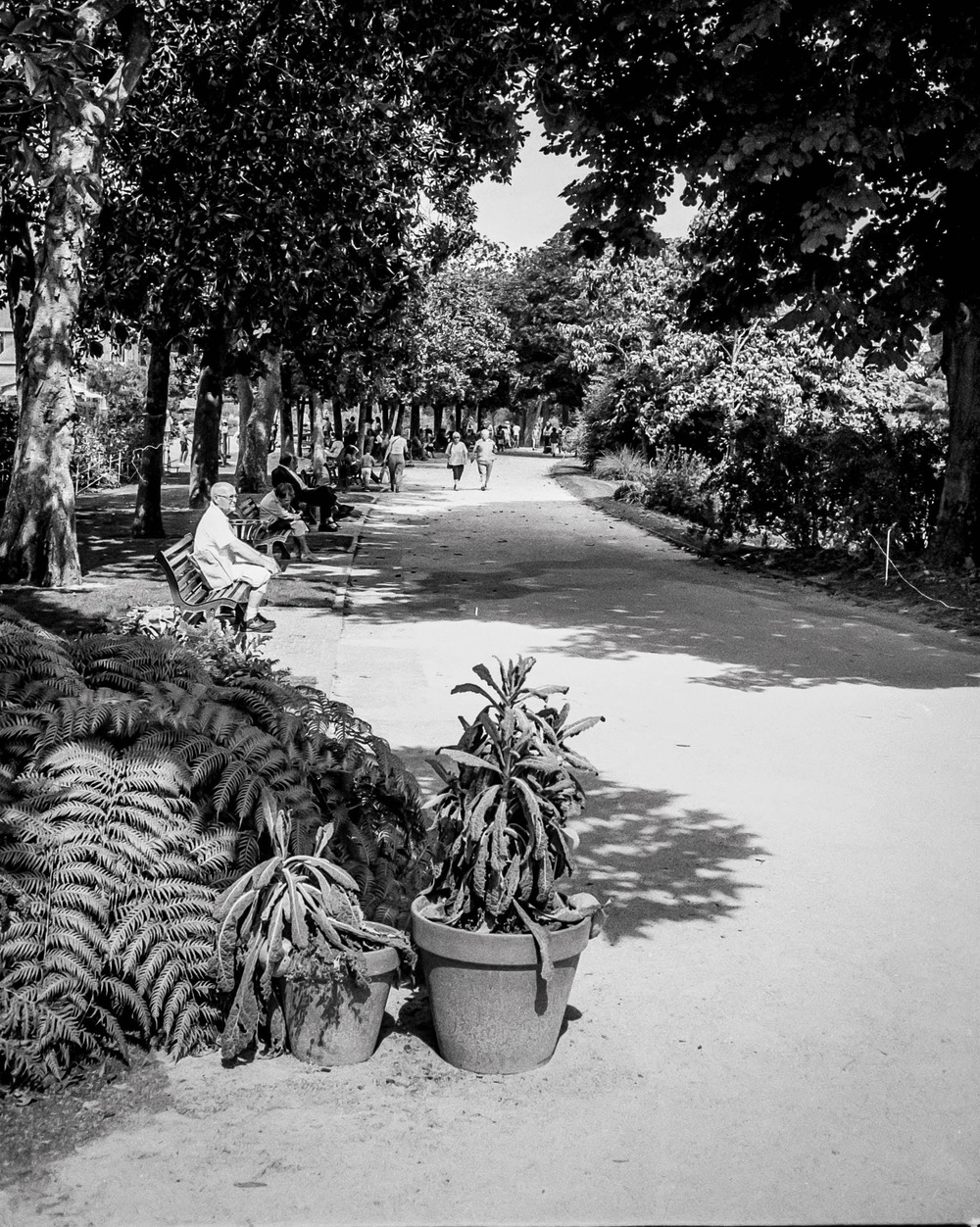
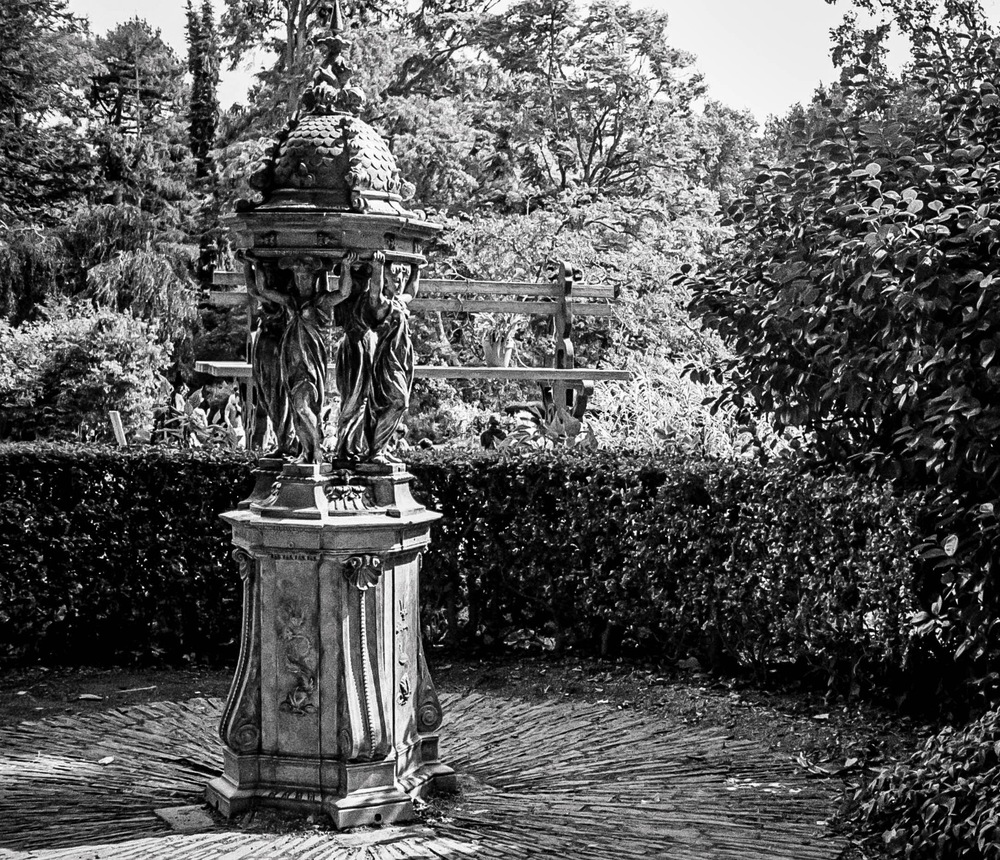
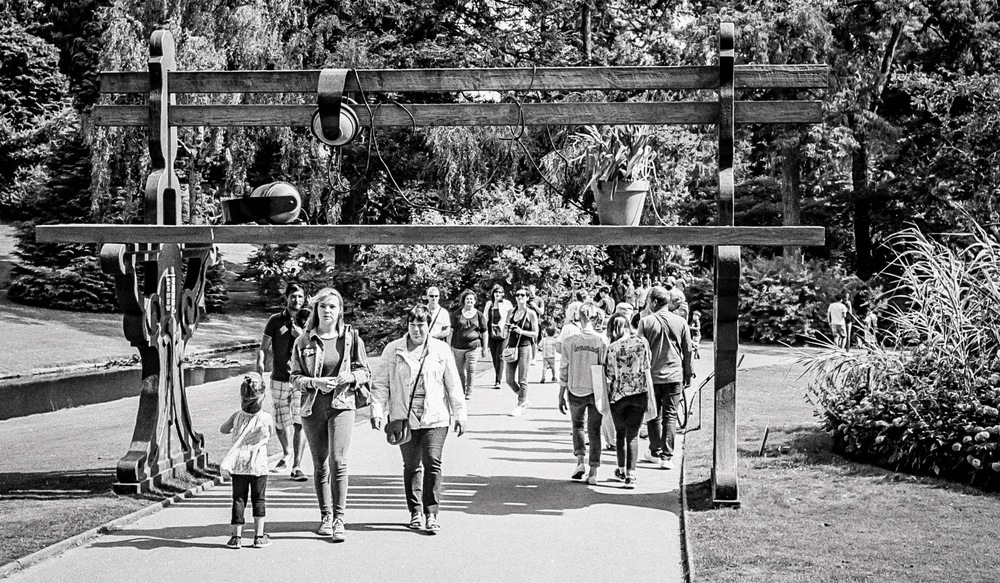
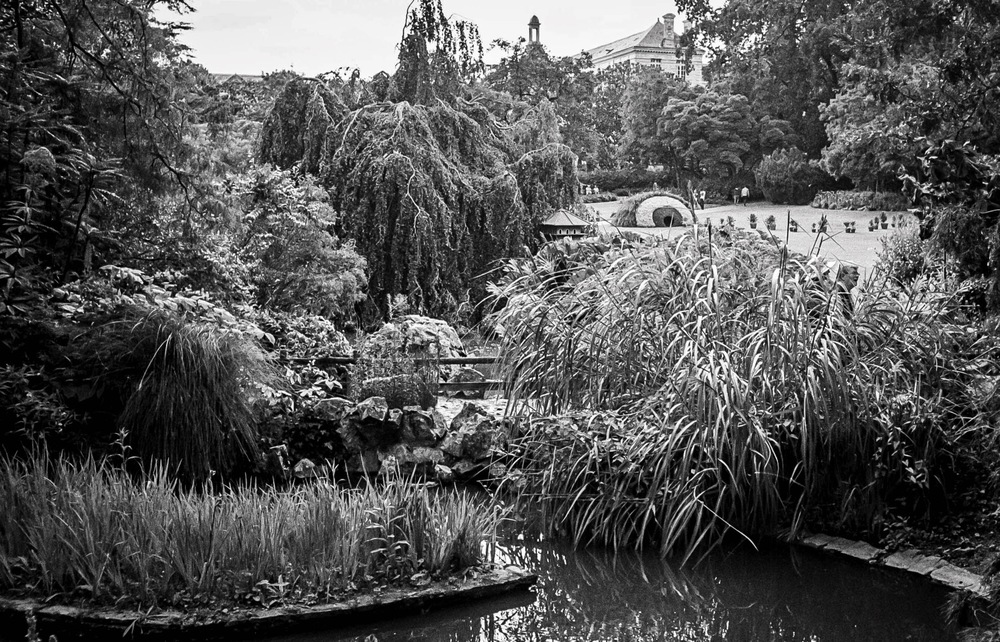
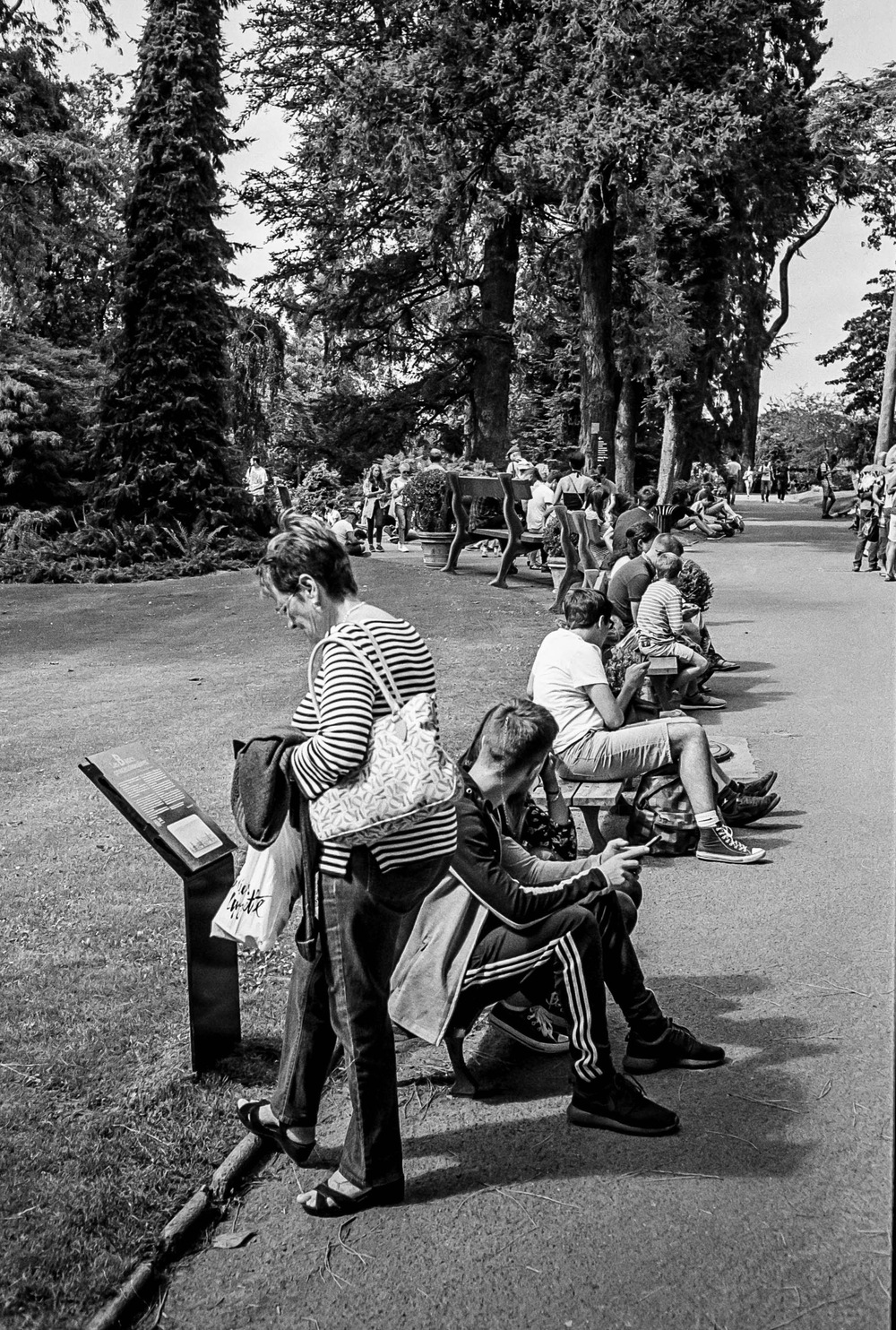
One of her favourite places in Nantes was the Jardin des Plantes, a huge botanical garden in the middle of Nantes just across the road from the station. I could talk about the fact of it being a haven of peace in the bustling city. I could talk about it being an oasis of green in a sea of concrete. I could talk using clichés ‘til the cows come home…
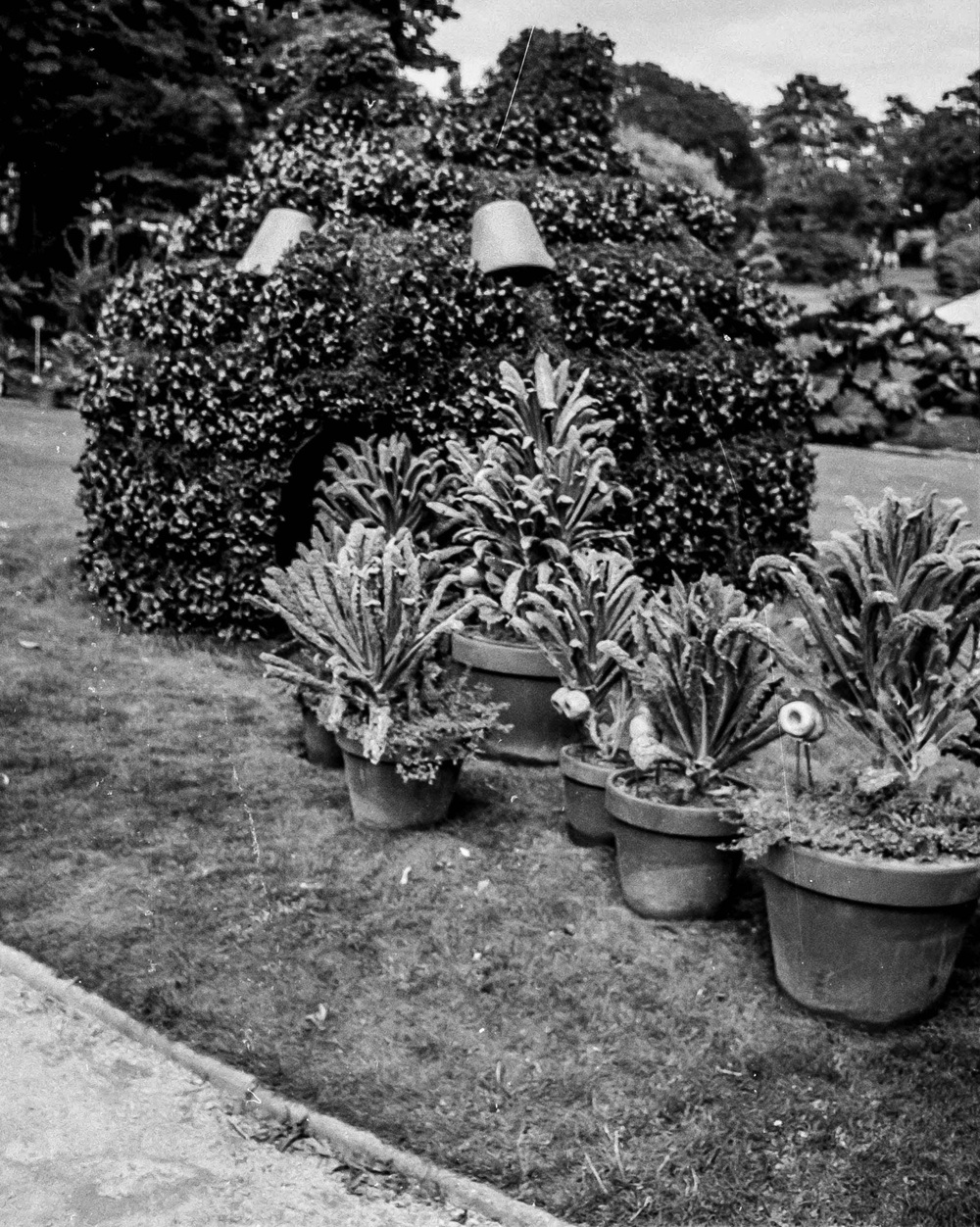
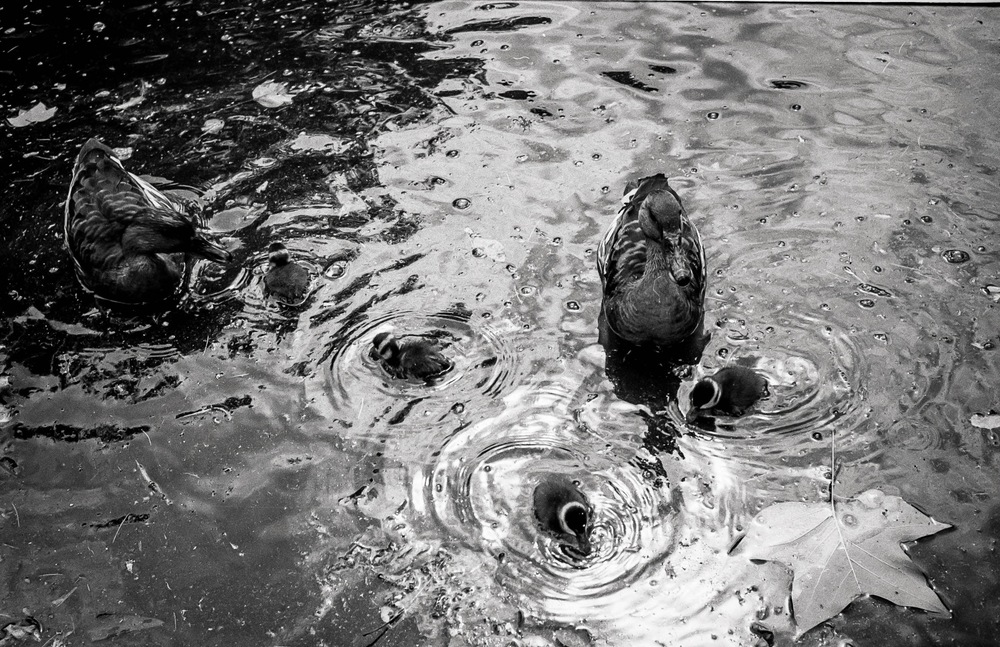
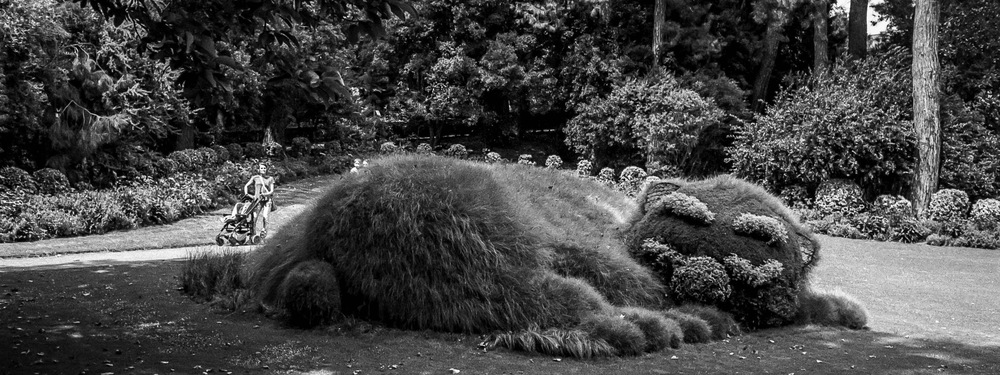
These photographs are not clichés, but real attempts of capturing a specific moment in time allowing me to travel back through time. And looking at these images, I’m definitely back in time.
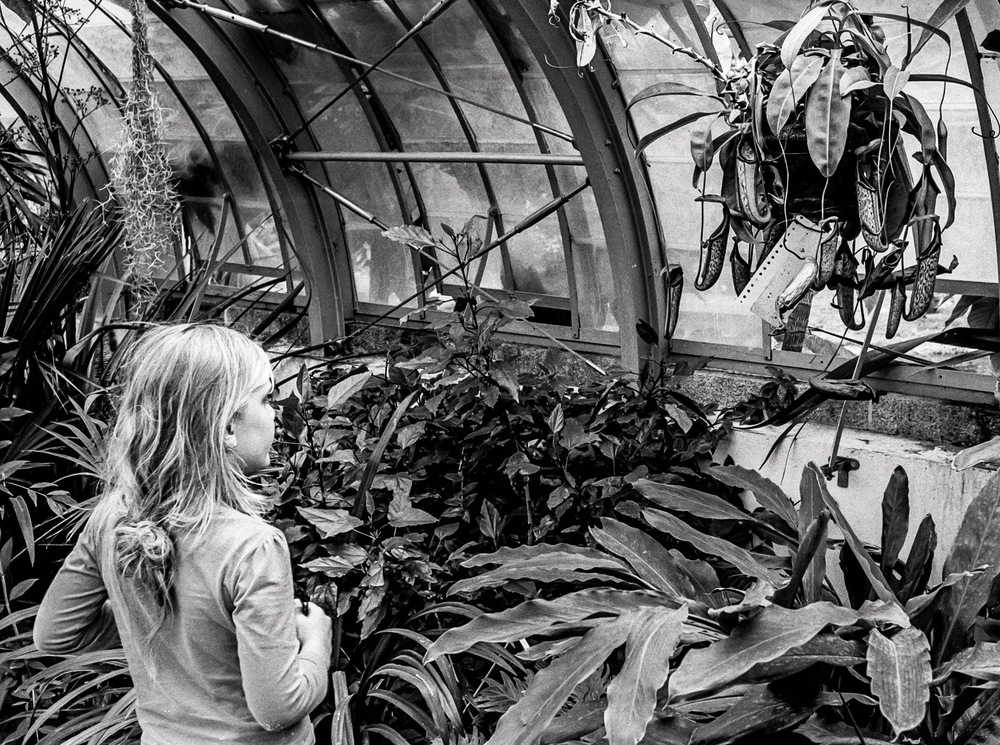
Let me introduce you to my daughter from 2016. She was a 7 year old that already knew what she wanted but was slightly more subtle about it. She would suggest that we go into town. That I could take my camera. That we could go to such and such a place. That we could do such and such a thing. And all this as if it were completely natural. And I was a very willing victim.
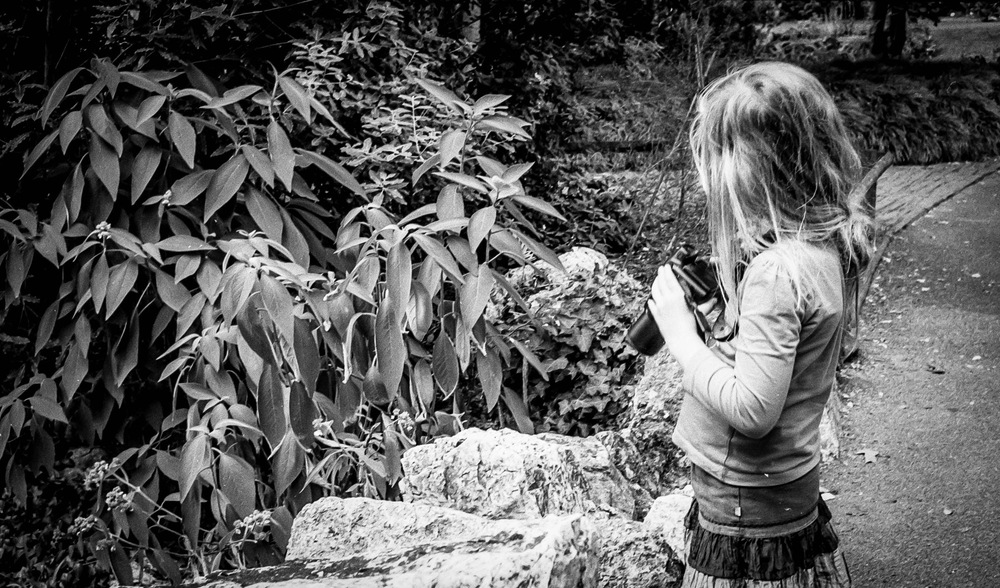
This time she suggested going to the Jardin des Plantes. She would take her camera (my old Sony bridge) and I would take my Olympus Trip 35. I used the Olympus Trip quite a lot at that time and its ease of use, the zone focussing, and general lack of buttons to press, made it quite the fool proof piece of kit.
As usual, I let her lead the way. This was here outing after all, and kept a respectful distance, so I could photograph her and record her for posterity. The Jardin des Plantes has not only plants, the clue is in the title, but also is the backdrop to the Voyage à Nantes, and certainly was that year.
I think the images speak for themselves and I’ll let you peruse them at your leisure. They were taken on Ilford HP5 Plus film shot at box speed.
Why the Olympus Pen EE-S Is the Best Budget Film Camera for Beginners (Even in 2025)
Pentax 17 fever is sweeping the film photography world, and I’ll admit, I was tempted. Half-frame cameras, with their promise of double the shots per roll, sound pretty amazing. But with a price tag of 500€, the Pentax 17 isn’t exactly within my budget. That’s when I rediscovered a little gem tucked away in my camera collection: the Olympus Pen EE S.
This Japanese-made half-frame beauty hails from the 1960s, the same era as the beloved Olympus Trip 35. Like its sibling, the Pen EE S features zone focusing and a selenium cell meter for fuss-free shooting. The lens is an F2.8 22.5mm Zuiko lens. The ISO settings go up to 200 ASA, unlike the Olympus Trip which goes up to 400 ASA. So, despite everything else, it needs light. The half-frame format means you get a whopping 48 exposures on a standard 24-exposure roll. That’s double the shots for your buck, folks!
Now, the idea of twice as many photos for the same developing cost is pretty appealing. But does the Olympus Pen EE S deliver the goods in practice? Stay tuned as I put this vintage camera through its paces and share my findings. Could this be the perfect half-frame hero for those of us who can’t quite swing a Pentax 17? Let’s find out!
Well, for starters, it felt very much like using the Olympus Trip 35. It’s very slightly smaller and weighs next to nothing. The shutter button is almost identical as well. Instead of having four zones for focusing, you have three, but it’s fine, and when you turn the dial, you feel a click as you enter a new zone. You point, and then press. Simple!
Let’s talk about this half-frame shooting experience. When talking about the Pentax 17, “they” talk about how the images are great for sharing on social media. A little like using your phone… This is the mindset that I had when putting in my Kodak Gold 200 to capture those famous Kodak moments in Nantes.
I found it a challenge to get used to the half-frame. “They” say that you have to take your photos as diptychs and remember that the two photos in your full frames are related, not just simple images. The idea is that when the two half frames are put together, you create a story and a suite of ideas, instead of two separate photos. I tried, and the results will show you if I succeeded. I felt that “they” were pulling my leg!
I’ll be honest with you. The idea behind the outing was to test the camera, see how I felt using it, and have a look at the results. It took me out of my comfort zone, which is something rare in photography for me. I was thinking about taking it to the UK with me to record the trip. It takes up next to no space in a camera bag and would allow me to shoot some film while back home. The idea of getting twice as many shots by using just half the frame is attractive. I’m just getting used to the reduced coverage that you get with just using half the frame.
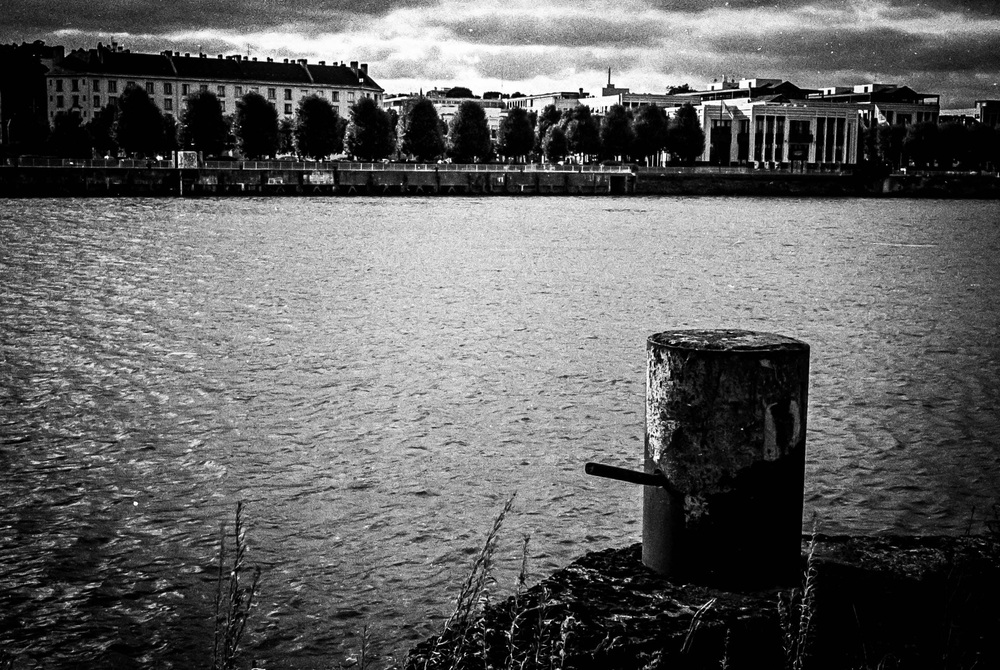
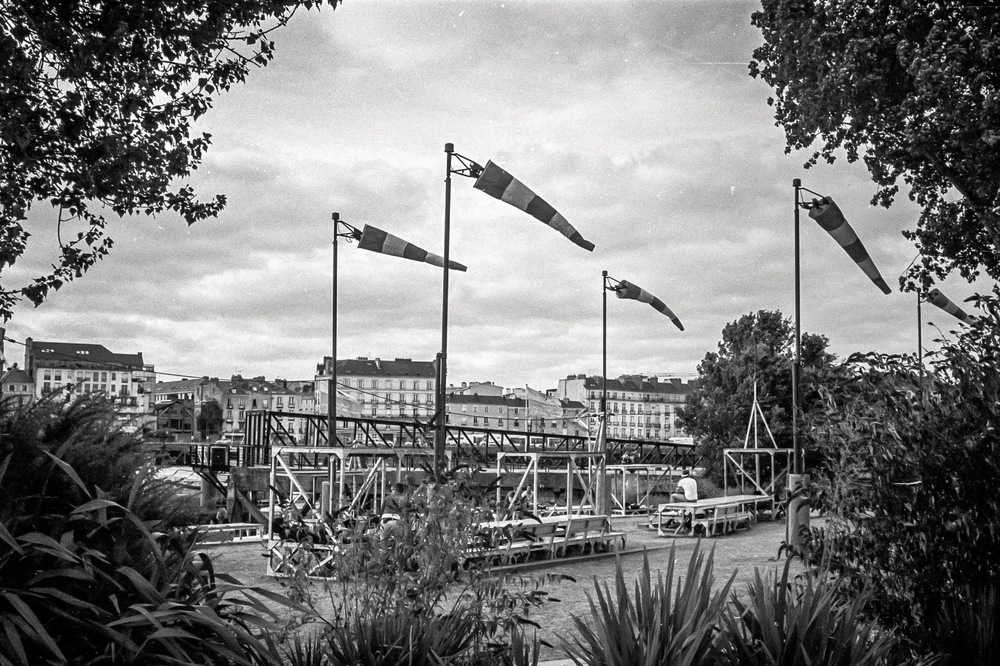
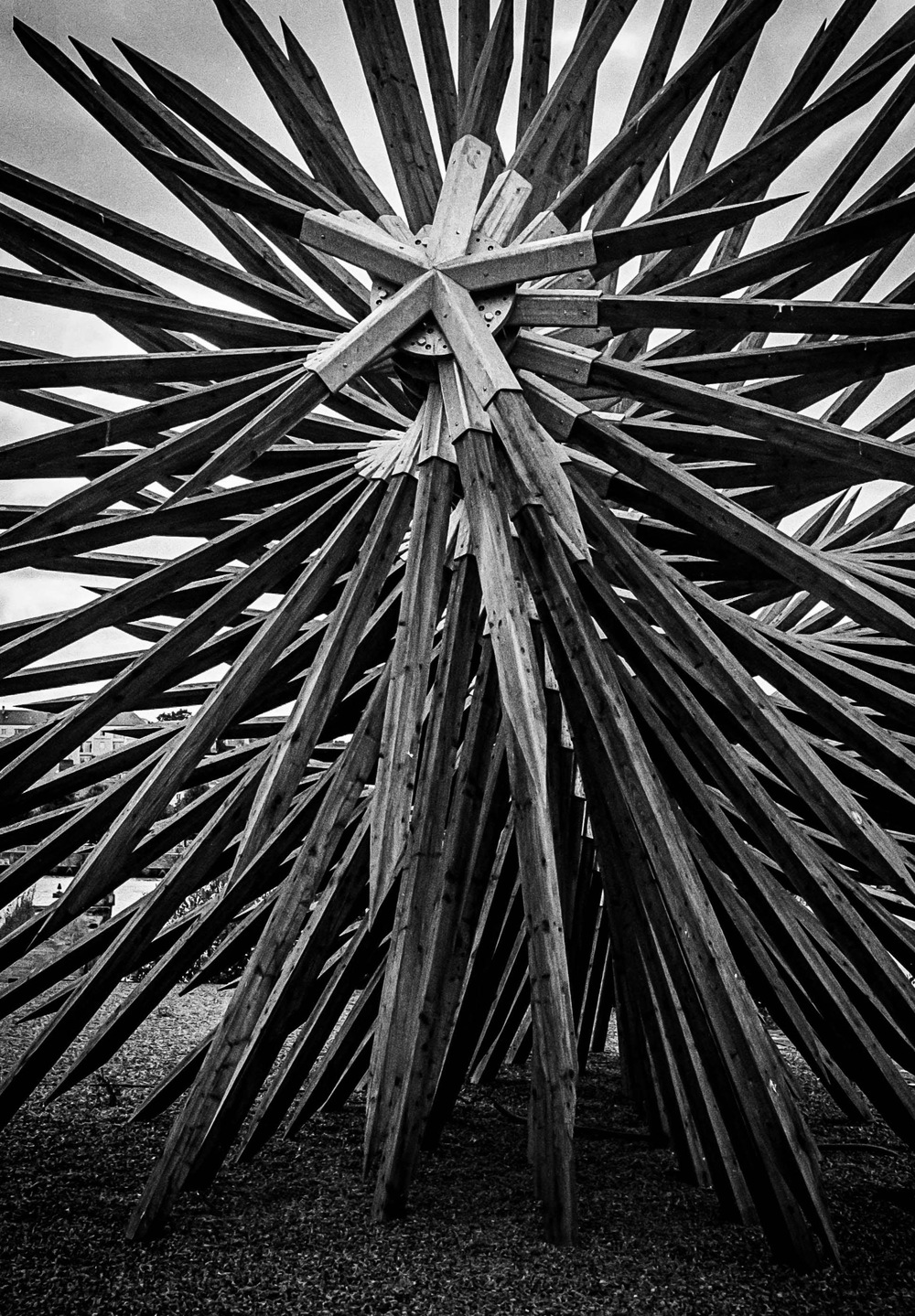
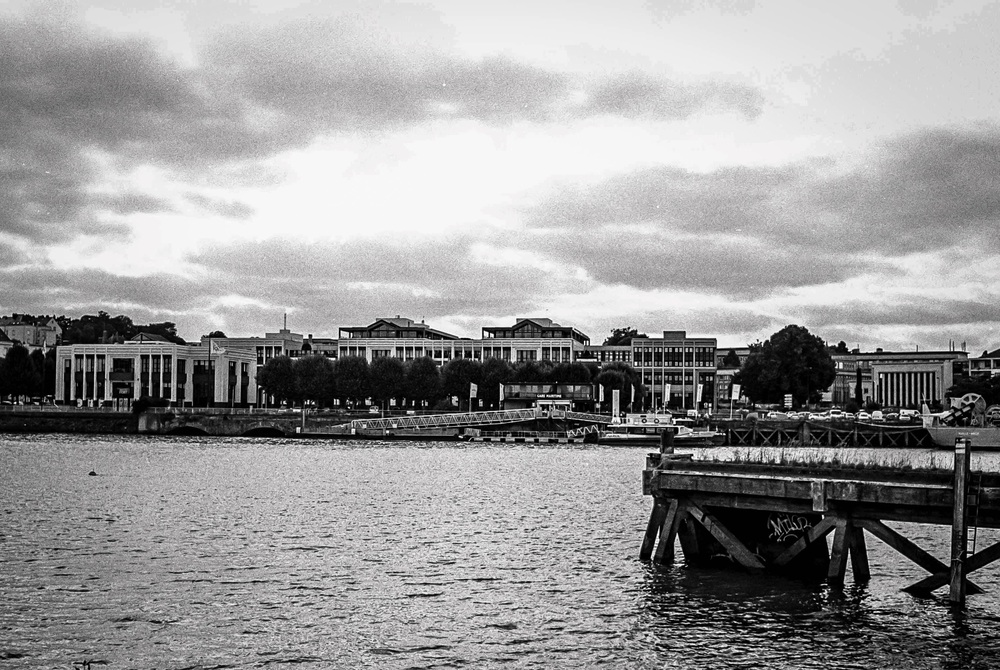
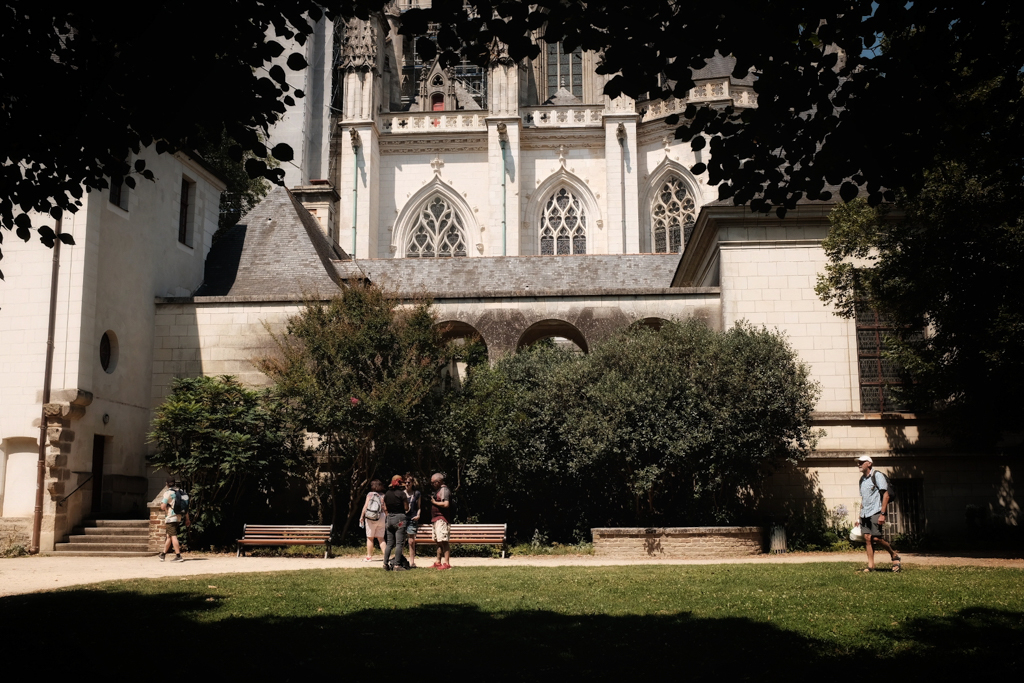
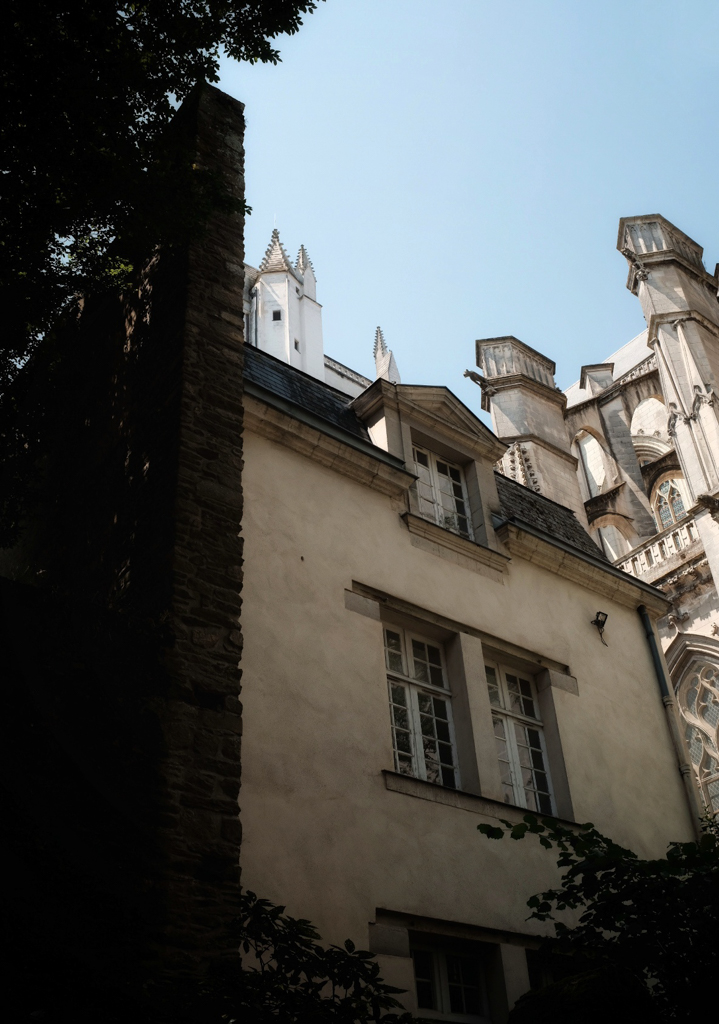
For this outing, I decided to head out towards the Cathedral, and takes some shots of the Voyage à Nantes.
I found myself thinking differently about framing my shots and using my phone as a mental template. As for the resolution of my images, they will be half as much as using my full frame, but were I to print my photos, then I would definitely see a difference. But if they’re just for sharing on social media, then the resolution will be perfectly satisfactory.
The million-dollar question is, will I take it on my trip, and will I use it? Yes, I will. Will it be my main camera? Possibly not. Will it be more like using a new toy? Possibly, even if the toy in question is a vintage 1966 toy…
Here’s what I’ll do. I’ll put some images taken on the X100F, my more modern toy, and let you see how they compare. You’ll see the diptychs and see how the different shooting styles change the outlook and how they change the framing.
These are the X100F photos with editing in Snapseed…
And these are the half frame images from the Pen EE S… with the editing done in Photoshop using the neural filters to get rid of the scratches on the film.
Good Evening, Dear Reader. You might not be able to feel the same excitement and trepidation as me, but I can assure you it’s palpable. I’m not talking about the Olympics, or the opening ceremony, which was very, very French. I’m talking about my upcoming annual leave. I will be going home to the UK for 10 days. I will be going home. Home is where the heart is, and as my mate David Frank once reminded me, you can take the boy out of Hull, but not the Hull out of the boy. How right he is. Even after 30 years of living in a foreign country, and despite having become somewhat “continental,” the UK is, and always will be, home.
Heading Home: Embracing Nostalgia and Anticipation
The physical preparations are not underway yet, but the mental ones certainly are. We will be driving up to Calais from the Vendée. It is a drive that over the years has become vaguely familiar, and I have the images in my mind of the various stops along the way, and the signs that I will be looking out for. My wife is a professional driver, and I will be relegated to helping out when she becomes tired and needs a rest.
The Road to the North: Familiar Drives and Service Station Delights
I don’t know about you, but when I’m in my car, I’m in a familiar environment, and it feels a little like having a part of my home with me. The controls for driving are second nature, and I don’t have to think. As I have mentioned, I am a creature of habit, and despite not being alone whilst driving, and the possibility of a mad screaming harpie, I mean wife, sitting next to me, I’m still looking forward to the trip. For the first time in 4 ½ years, my son will be coming with us, so I’ll have some masculine back-up and will feel less dominated by my daughter and wife.
We will have a stopover in Dover, and take the now familiar road up to Northumberland to see my parents. I’m actually looking forward to the service stations in the UK, especially one near Peterborough, that has a kind of Food Court, which includes Marks and Spencer. I’m looking forward to biting down onto a prawn cocktail sandwich, and a Wensleydale and carrot chutney sandwich. I know it’s not the “gastronomie” that the French might talk about, but to me, it’s about the nostalgia of the thing. It’s part of coming home.
Home Away from Home: Comfort in the Driver’s Seat
But, I hear you say, Dear Reader, you haven’t talked about cameras or photography yet? And you would be right. Thank you for allowing my little trip to nostalgia land. So, let’s talk about cameras for this trip. There is, of course, the X100F, that is the travel photographer’s camera par excellence. It’s compact, it works, and gets the job done. It’s what I will probably be using nearly 80% of the time. The 35mm F2.0 lens has me covered for nearly all situations, and if I take the telephoto conversion lens, then I’ll be even more covered.
Capturing Northumberland’s Beauty: Gear and Location Plans
Do I already have plans for where to take photos? Mayyyybe…
I have already a largish selection of photos of the village of Alnmouth, that you should be able to find on this site, either by using the search bar, or looking at the tag list at the bottom of every article. But, believe it or not, Northumberland is not just about Alnmouth. I know. Mind blowing.
I would like to get some shots of Dunstanborough Castle (for which I might even have to take my Canon 6D Mark II and various lenses, but I’m not sure about that yet), Beadnell, Seahouses, the Farne Islands, Holy Island, Craster, Bambourgh Castle. There’ll be beaches, islands, birds, seals, boats, and harbours. I even thought of going down by Amble and maybe stopping off in Walkworth.
That might mean a Canon bag, with lenses and filters, and possibly even a tripod. Decisions, decisions. Do I need more room in the car, and will the family gang up on me if I take more photography kit with me? There is a difference in volume and weight, of course.
Weathering the Storm (Or Not): Temperature Contrasts and Photographic Possibilities
I suppose it all depends on the weather. One tends not to visit the UK for the great weather. Here in my little corner of France, it’s supposed to be getting up to 36°C today. Not in Northumberland, though. I’m expecting 20°C and maybe lows of 14°C. Much more comfortable, and almost human.
Conclusion
So “home is where the heart is” is still something that resonates with me. Thirty years a foreigner, and yet as a lot of us immigrants, we’ll never be completely at home in our adopted country, we are condemned to never feel fully at home in our home country. We will be “continental”. Our very essence has changed. The nostalgia for a past that has moved on since we left is another of our penances. Maybe that’s why I do so much black and white photography; a way of trying to capture this bygone time.













































 IJM Photography